Movie Test Screenings That Forced Major Reshoots


Studios use test screenings to stress-test stories long before a movie hits theaters. Sometimes that feedback only tweaks pacing or trims a joke; other times it triggers wholesale changes—new scenes, different character arcs, even a completely rebuilt finale. When that happens, casts reconvene, crews reset sets, and filmmakers rework their movies under real time pressure.
Below are notable cases where audience cards sent productions back to shoot again. For each title, you’ll find what the movie is about and exactly how screenings pushed the creative team into major reshoots that altered plots, character outcomes, or climaxes.
‘World War Z’ (2013)
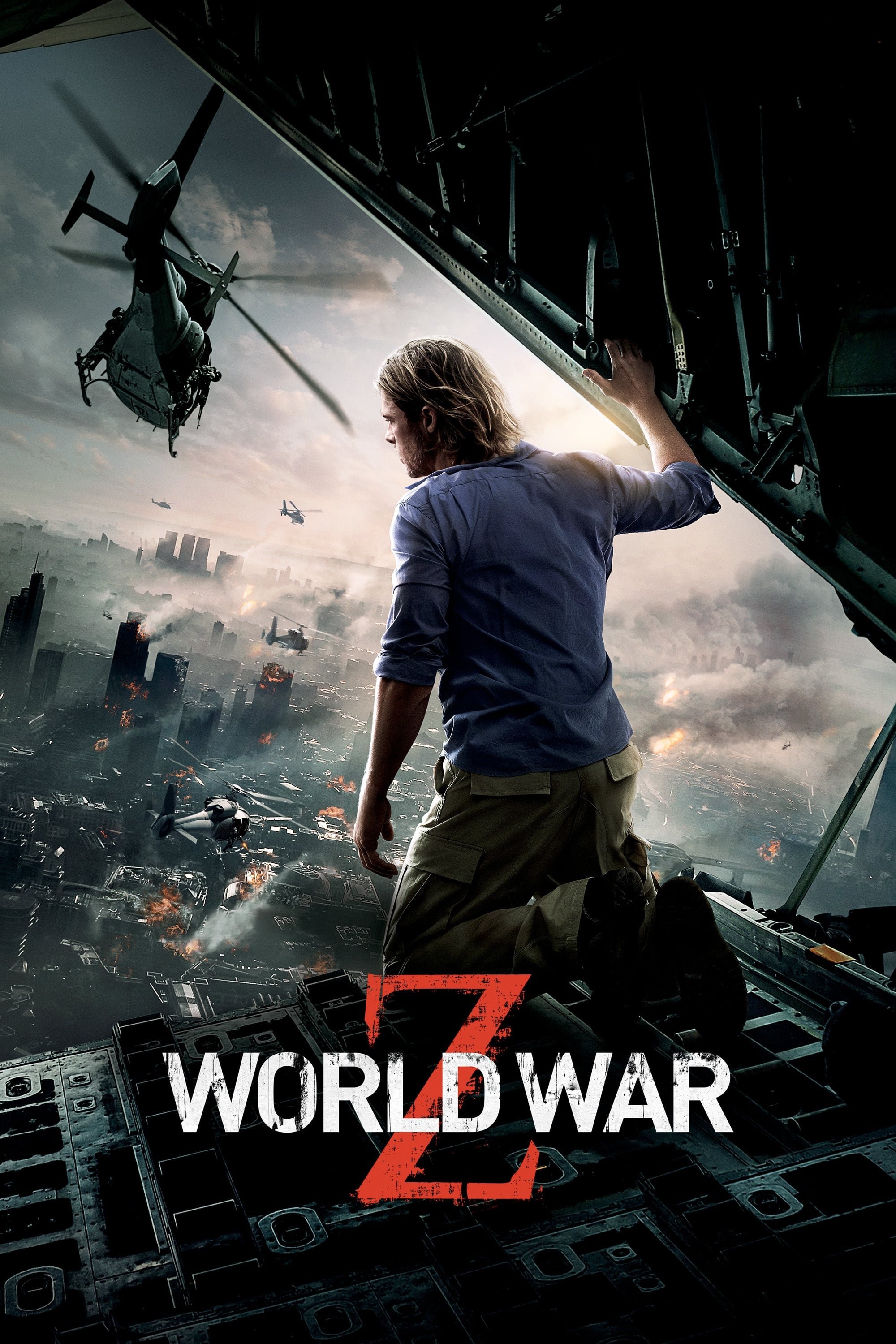
Paramount’s zombie thriller follows UN investigator Gerry Lane as he races across multiple countries to identify a way to survive a fast-spreading pandemic, with Brad Pitt leading a cast that includes Mireille Enos and director Marc Forster at the helm. After early screenings flagged problems with the final stretch, the studio hired Damon Lindelof and Drew Goddard to reconceive and script a new third act.
The original large-scale Russian war finale was abandoned in favor of a stealth, suspense-driven sequence set at a WHO facility in Wales, which required extensive reshoots and a new narrative route for Lane and Israeli soldier Segen. Those changes, prompted by audience feedback on the ending’s clarity and tone, replaced much of the shot material in the last 40–45 minutes.
‘I Am Legend’ (2007)
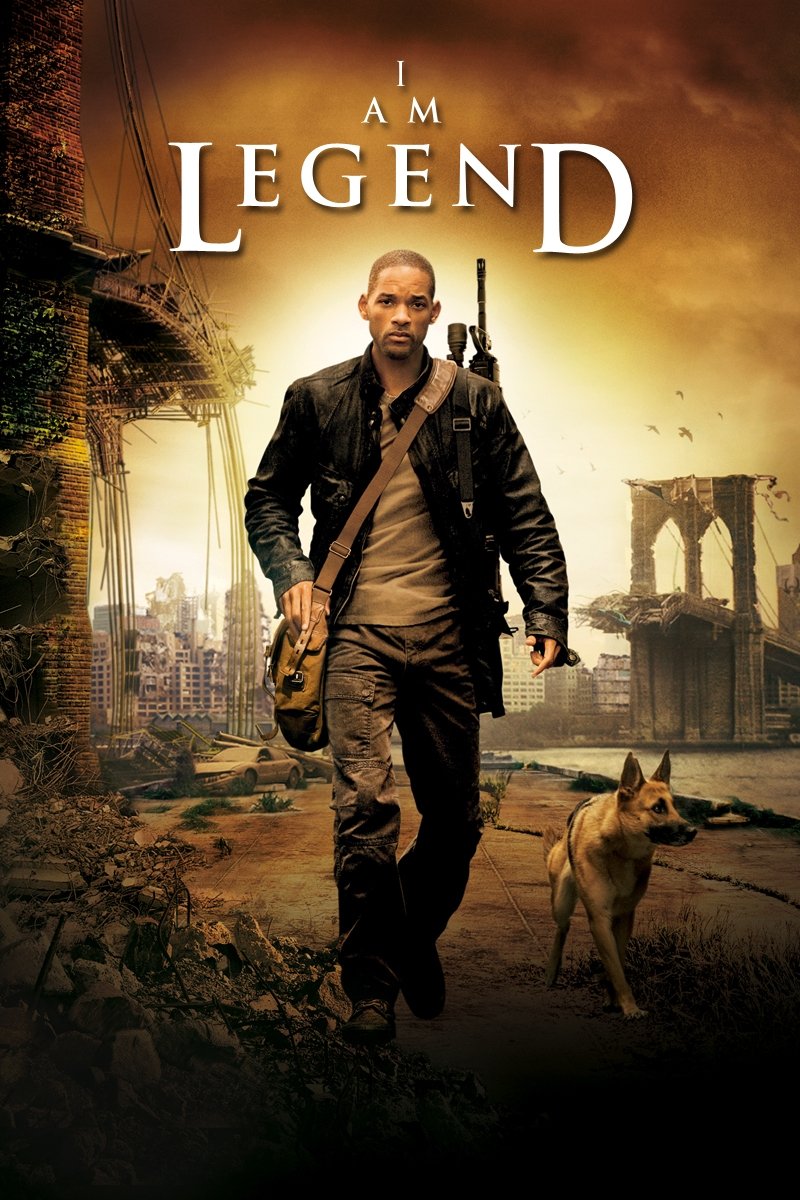
In this post-apocalyptic drama, virologist Robert Neville studies a cure in an empty New York City while evading nocturnal Darkseekers, with Will Smith starring and Francis Lawrence directing. Early screenings rejected a cut whose ending reflected the novel’s themes more closely.
Warner Bros. reshot the conclusion to have Neville sacrifice himself while sending out a cure, while the originally screened, more philosophical ending—later released on home video—reframed the creatures and Neville’s role. Audience response at test screenings was cited as the driver for changing the finale before release.
‘Fatal Attraction’ (1987)
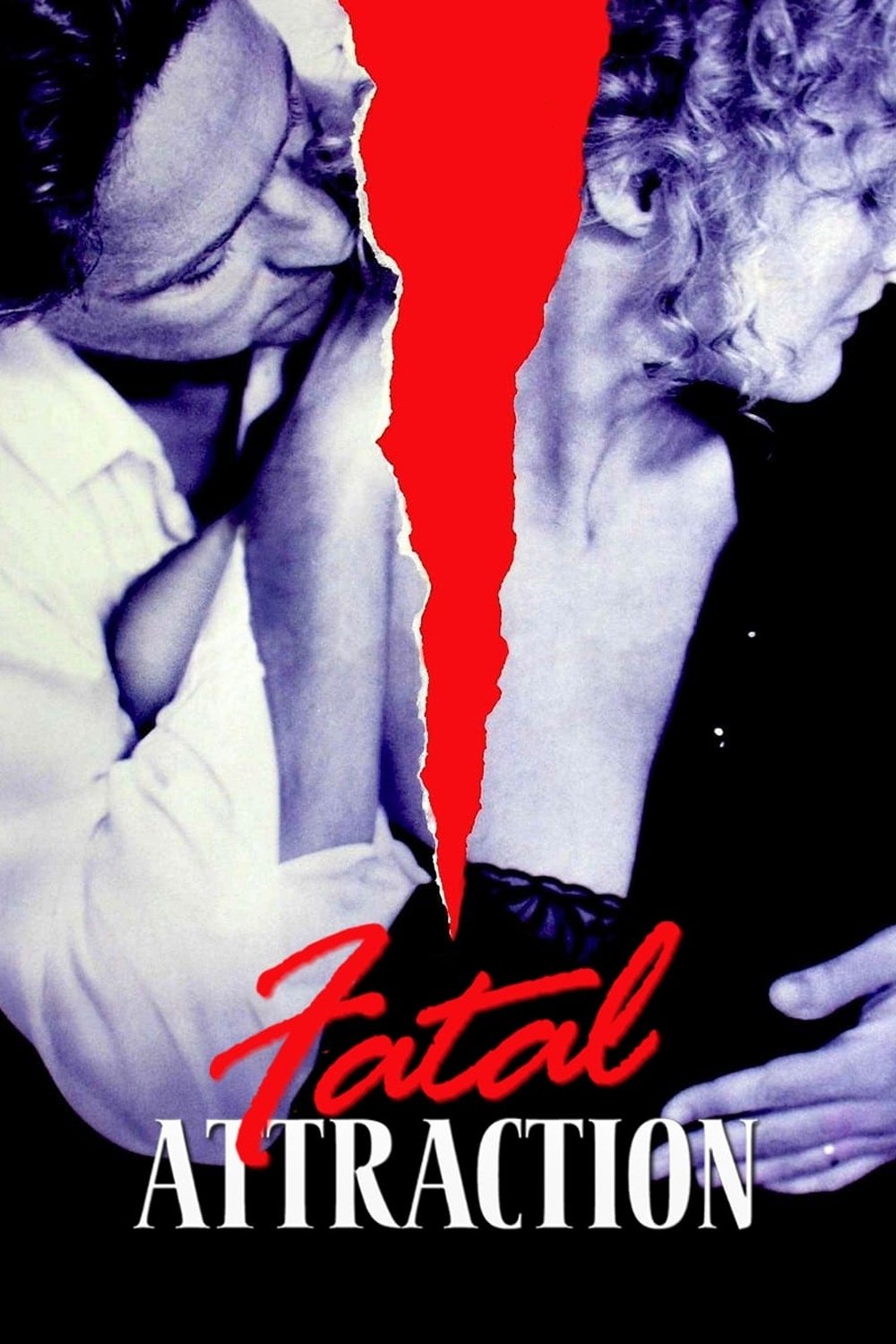
Adrian Lyne’s thriller centers on Dan Gallagher and Alex Forrest after a brief affair spirals into obsession, with Michael Douglas and Glenn Close in the leads. The film initially ended with Alex framing Dan and taking her own life, an outcome that tested poorly.
Paramount ordered a new climax—shot months after wrap—in which Alex attacks in Dan’s home and is killed, replacing the prior resolution. Close and Lyne have detailed how audience cards pushed the production to stage the now-famous bathroom sequence.
‘Little Shop of Horrors’ (1986)
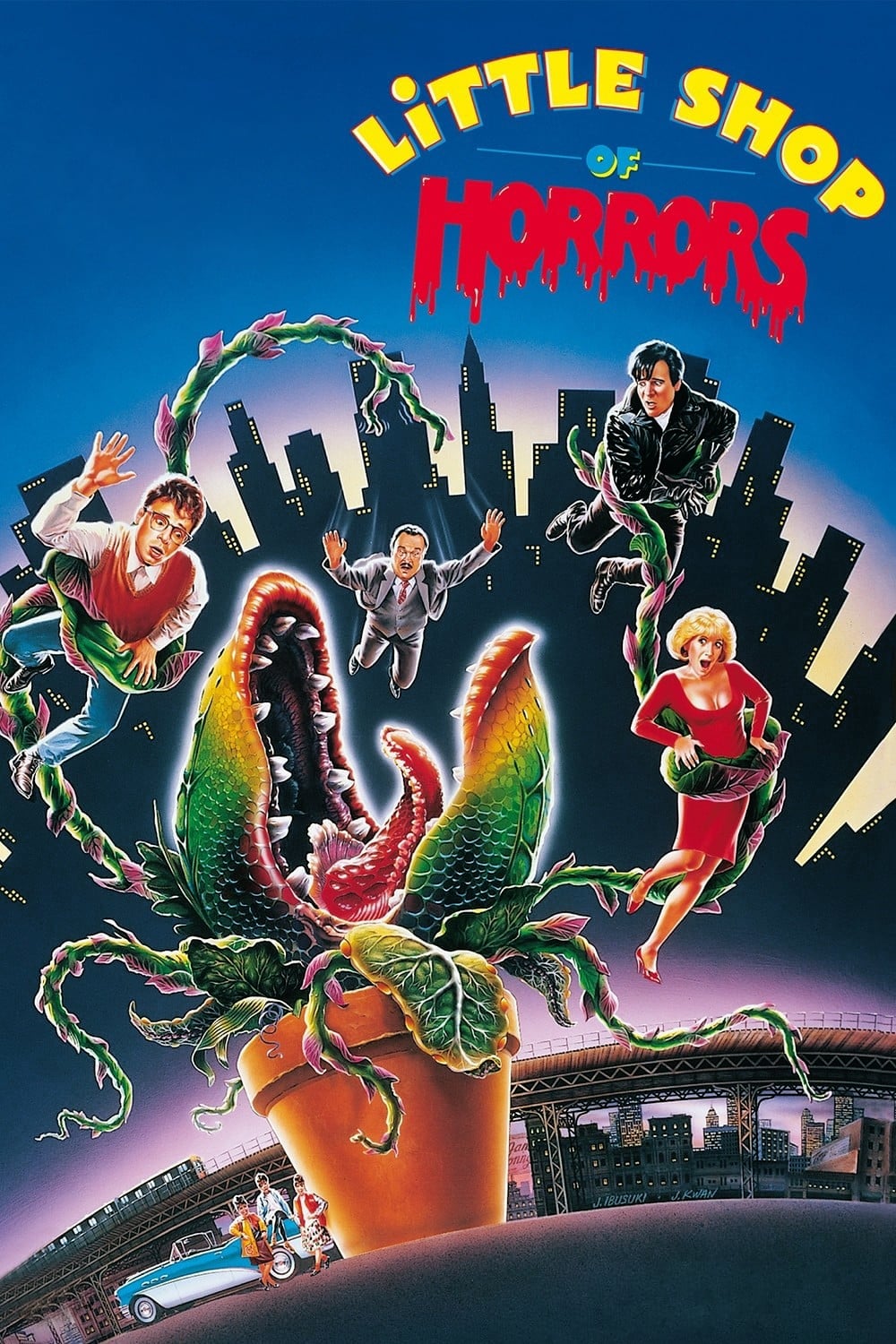
Frank Oz adapted the stage musical about meek florist Seymour, his crush Audrey, and man-eating plant Audrey II, starring Rick Moranis and Ellen Greene with songs by Alan Menken and Howard Ashman. Preview screenings in San Jose and Los Angeles loved the musical numbers but decisively rejected the intended bleak ending.
Oz and Ashman reshot the finale so Seymour and Audrey survive and Audrey II is destroyed, replacing an elaborate miniature-heavy sequence where the plant conquers New York. The reshoot—driven directly by test audience scores—became the theatrical ending; the original was restored decades later for a director’s cut.
‘Blade Runner’ (1982)
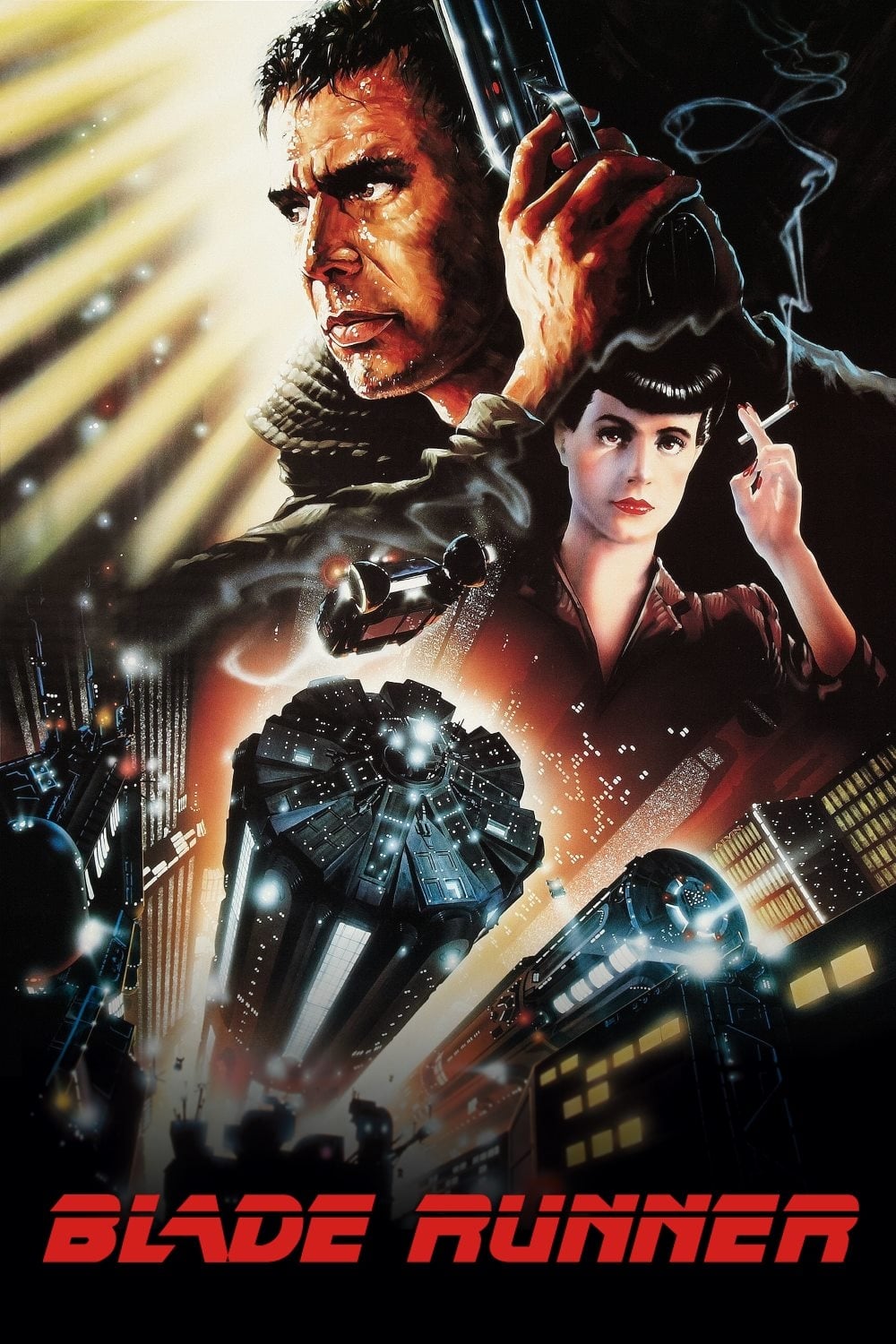
Ridley Scott’s sci-fi noir follows blade runner Rick Deckard hunting rogue replicants, led by Harrison Ford and Sean Young. Poor test-screening comprehension scores led financiers to demand changes, including an explanatory voice-over for Deckard and a more upbeat coda.
To deliver that coda, production used aerial b-roll shot for Stanley Kubrick’s ‘The Shining’, spliced into a pastoral escape ending that contrasted with the film’s urban dystopia. Later cuts removed those additions, but they were a direct result of early audience feedback.
‘Pretty in Pink’ (1986)
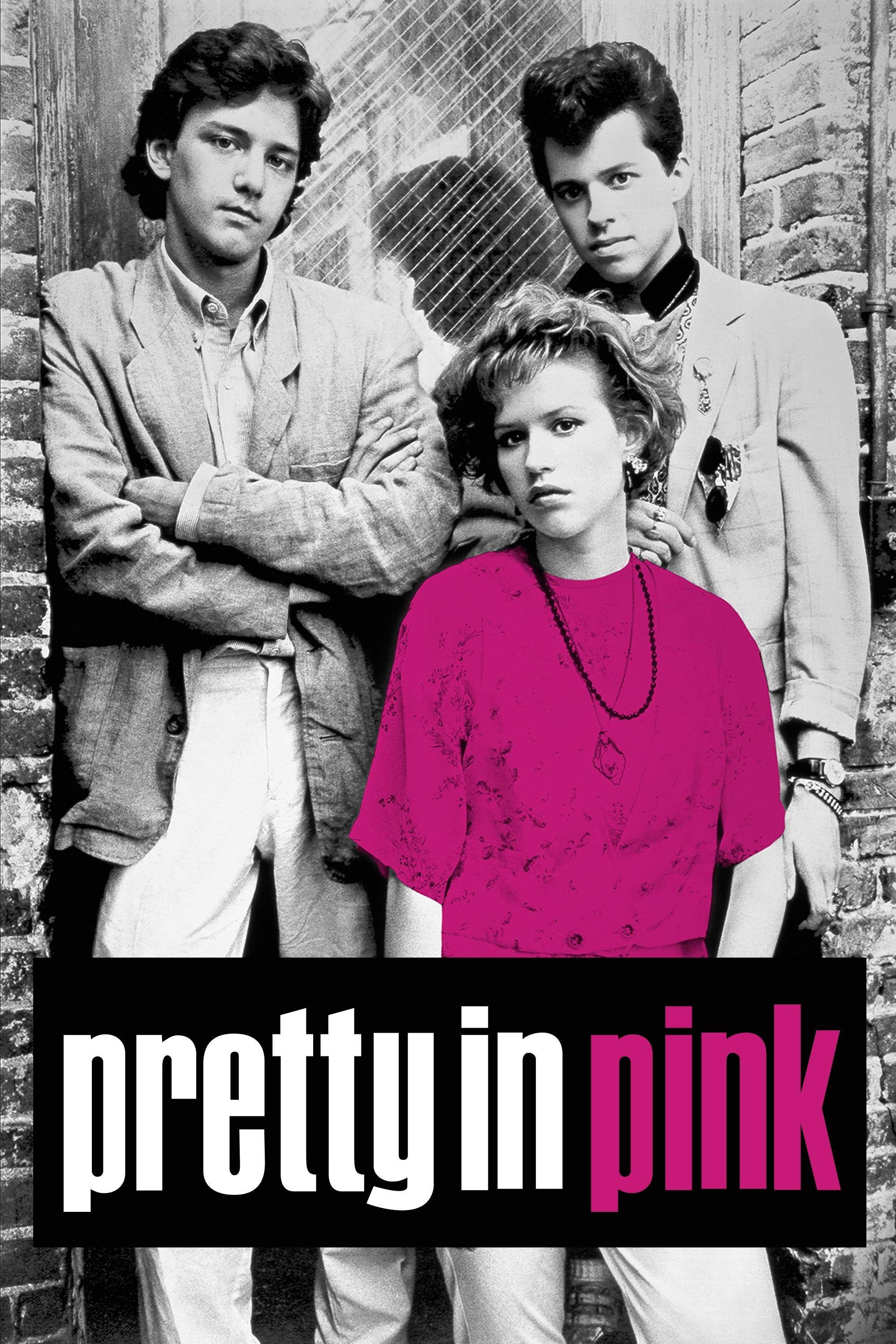
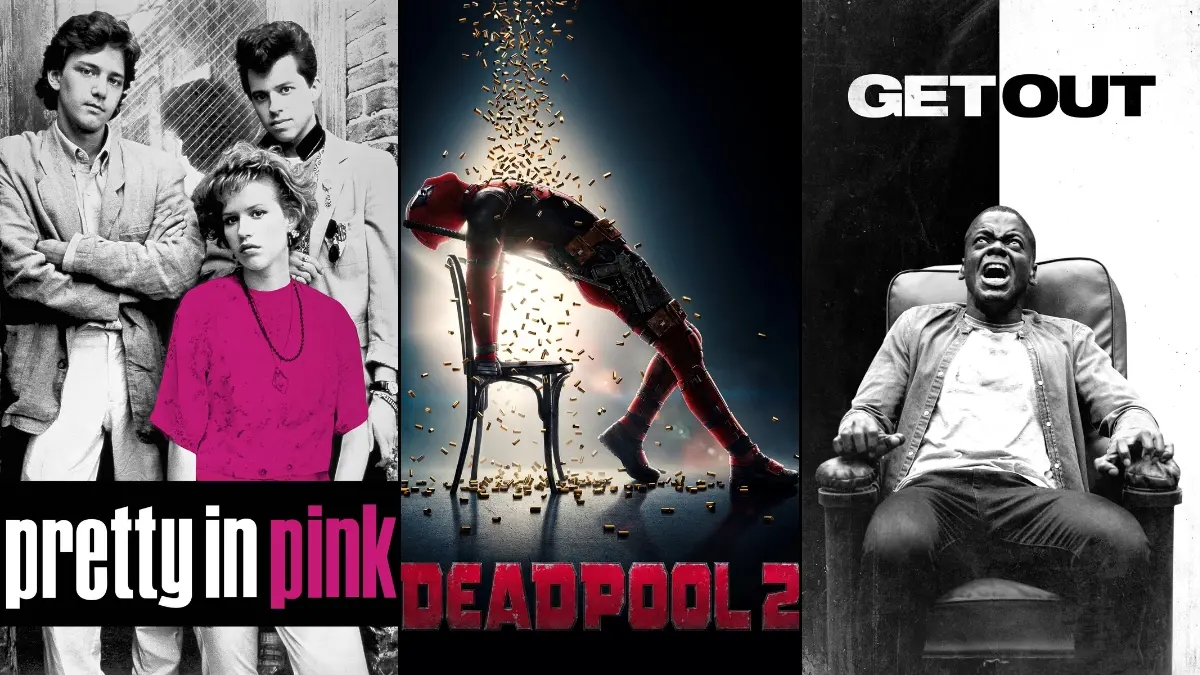
Howard Deutch’s teen romance—written by John Hughes and starring Molly Ringwald, Andrew McCarthy, and Jon Cryer—originally had Andie end up with Duckie at prom. Test screenings reacted so negatively that the team returned to shoot a different ending.
The reshoot paired Andie with Blane, which required reconvening cast and crew and even a hairpiece for McCarthy, who had changed his look for another job. Multiple participants have recalled how the audience response cards made the switch unavoidable.
‘The Bourne Supremacy’ (2004)
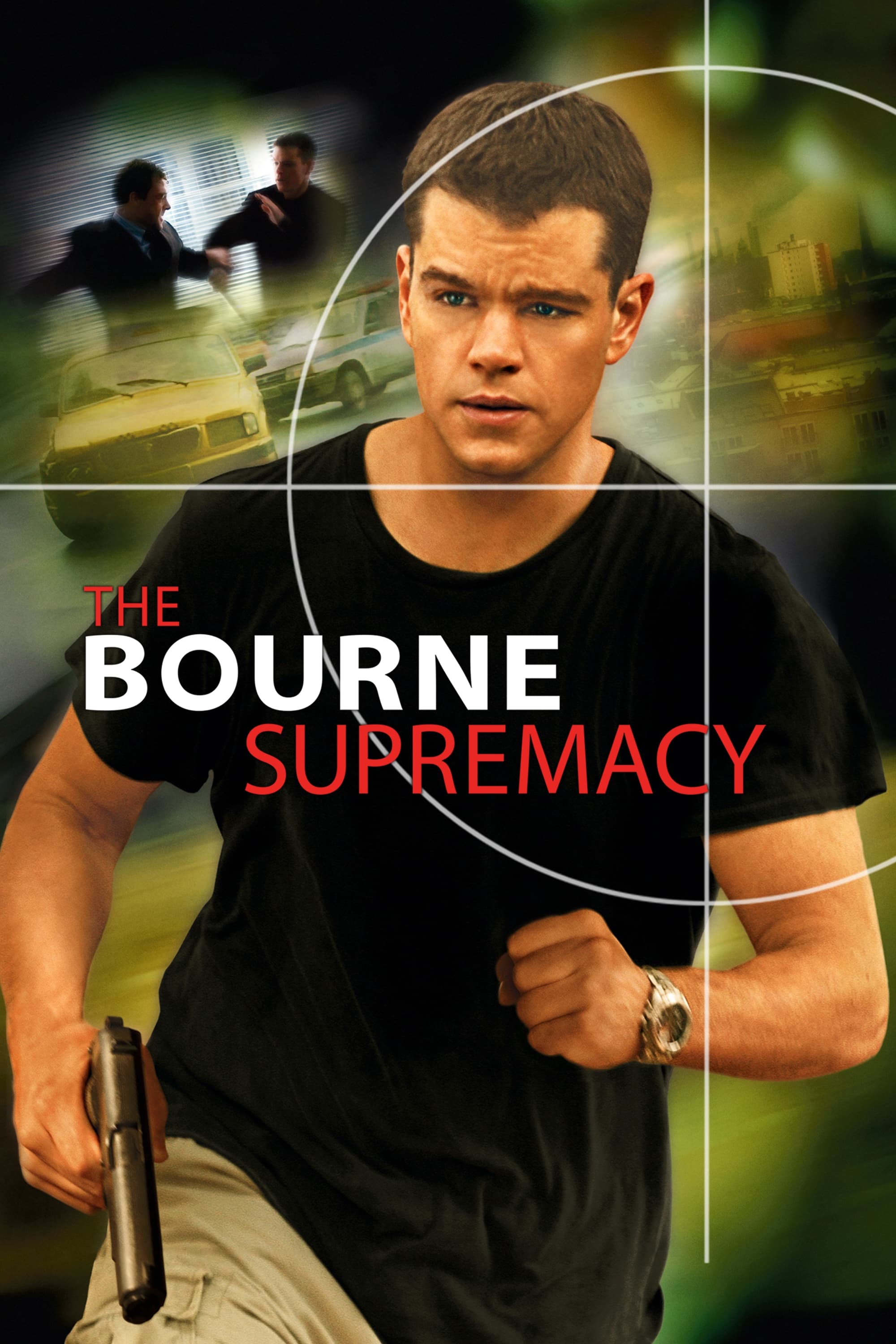
Paul Greengrass’s espionage sequel follows Jason Bourne as he’s pulled back into CIA crossfire, with Matt Damon and Joan Allen among the cast and Tony Gilroy scripting. After screenings close to release, Greengrass and Damon proposed and shot a new epilogue.
The late addition—Bourne’s phone call that reframes his journey—boosted audience scores and became the film’s final grace note, replacing earlier tested endings. Reports from the time describe multiple endings being tried before the reshoot locked the version audiences know.
‘Star Trek II: The Wrath of Khan’ (1982)
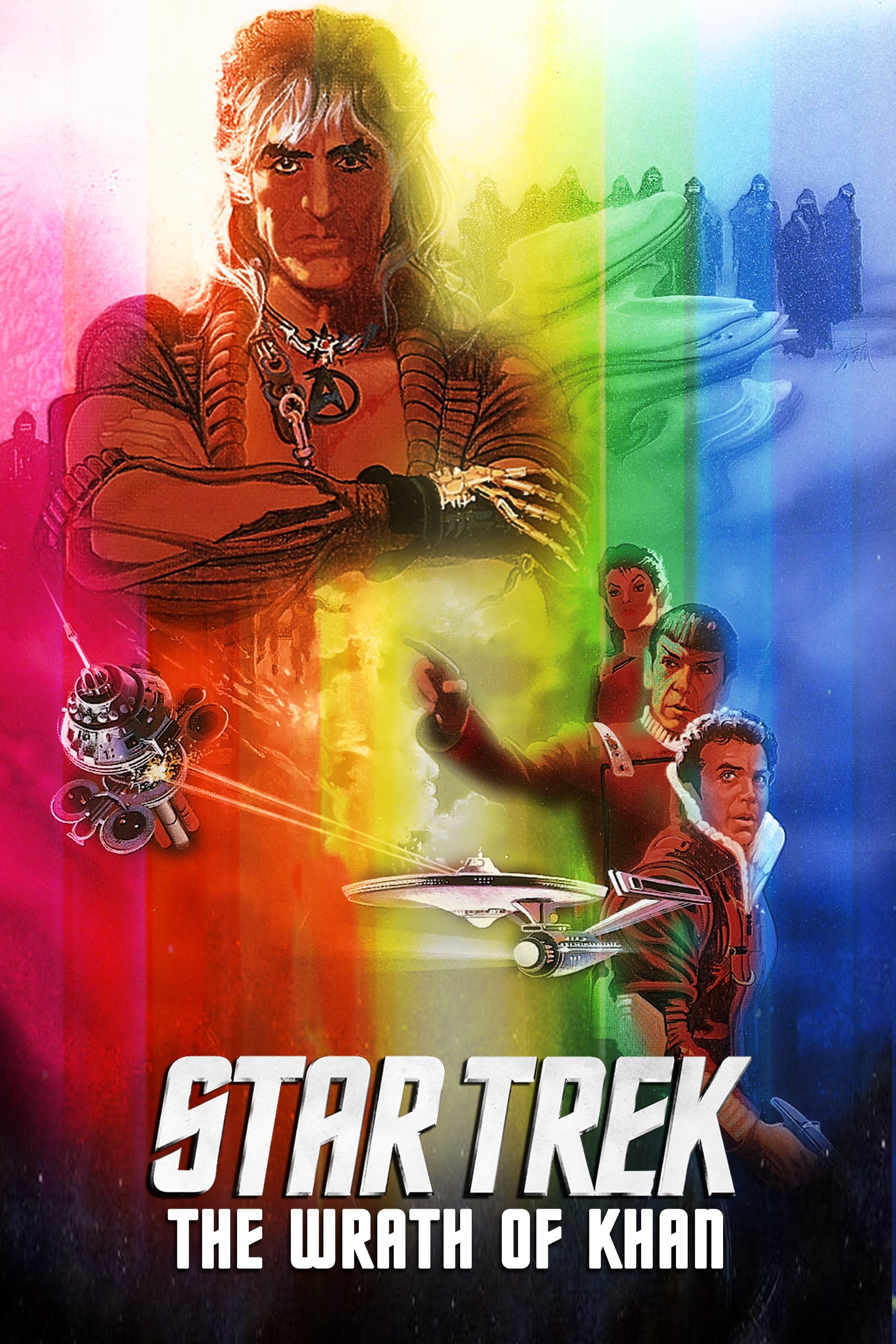
Nicholas Meyer’s space adventure pits Kirk and the Enterprise crew against Khan, with William Shatner and Leonard Nimoy headlining. Test audiences reacted strongly to Spock’s death and the finality of the original ending.
Producer Harve Bennett returned to shoot extra material—Spock’s casket on the Genesis planet and a closing Nimoy narration—to leave the door open for the character’s return. Vanity Fair has detailed studio leadership’s push, after screenings, for a more uplifting coda.
‘The Predator’ (2018)
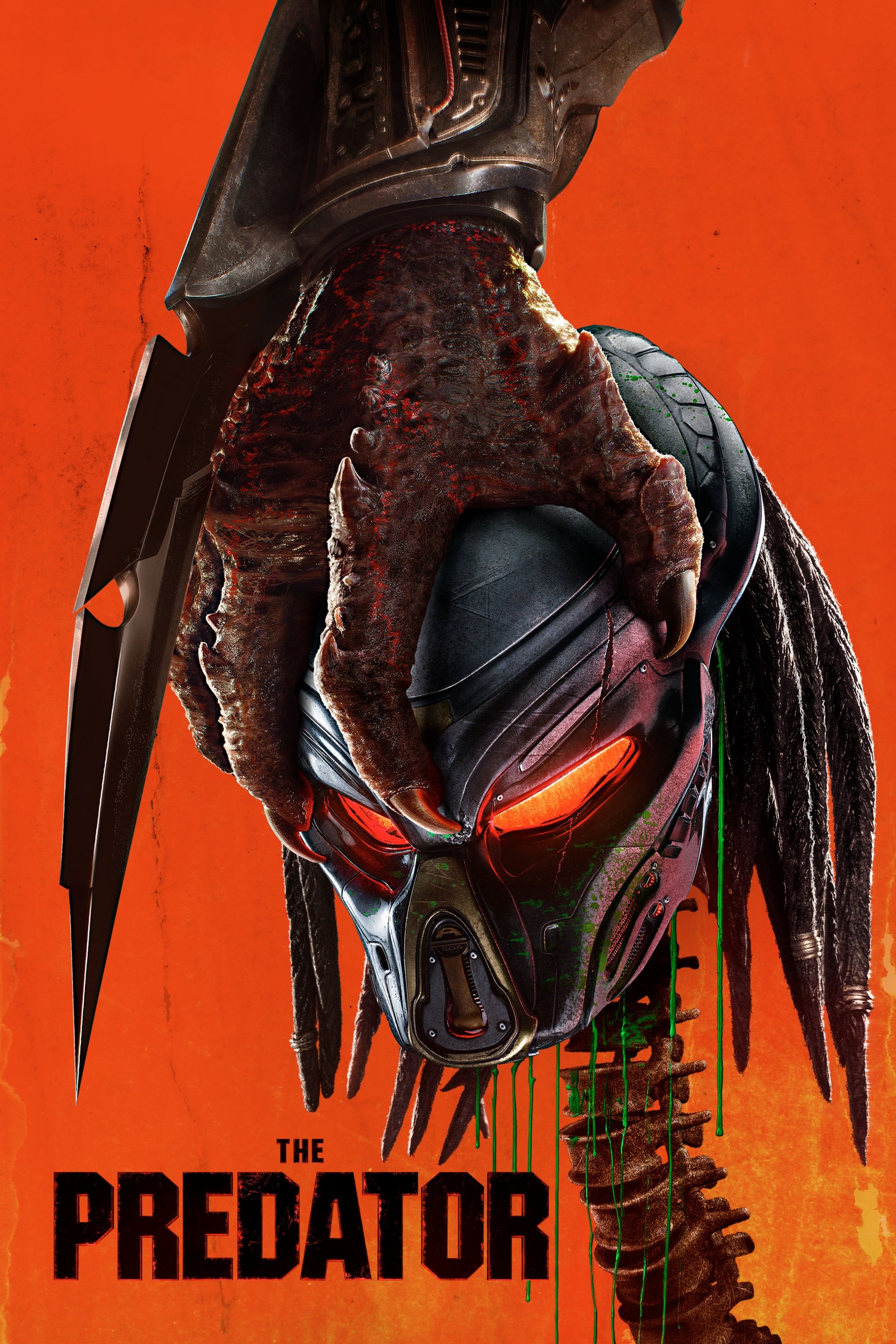
Shane Black’s franchise entry follows a rag-tag group facing an upgraded Predator, starring Boyd Holbrook, Olivia Munn, and Keegan-Michael Key. Following test screenings, the production overhauled most of the third act, moving action to night and streamlining plot threads.
Reshoots removed storylines involving human-Predator hybrids and reconfigured the finale’s geography and set-pieces, with cast members noting how the ending changed significantly between cuts. Trade coverage traced those decisions directly to audience feedback.
‘Deadpool 2’ (2018)
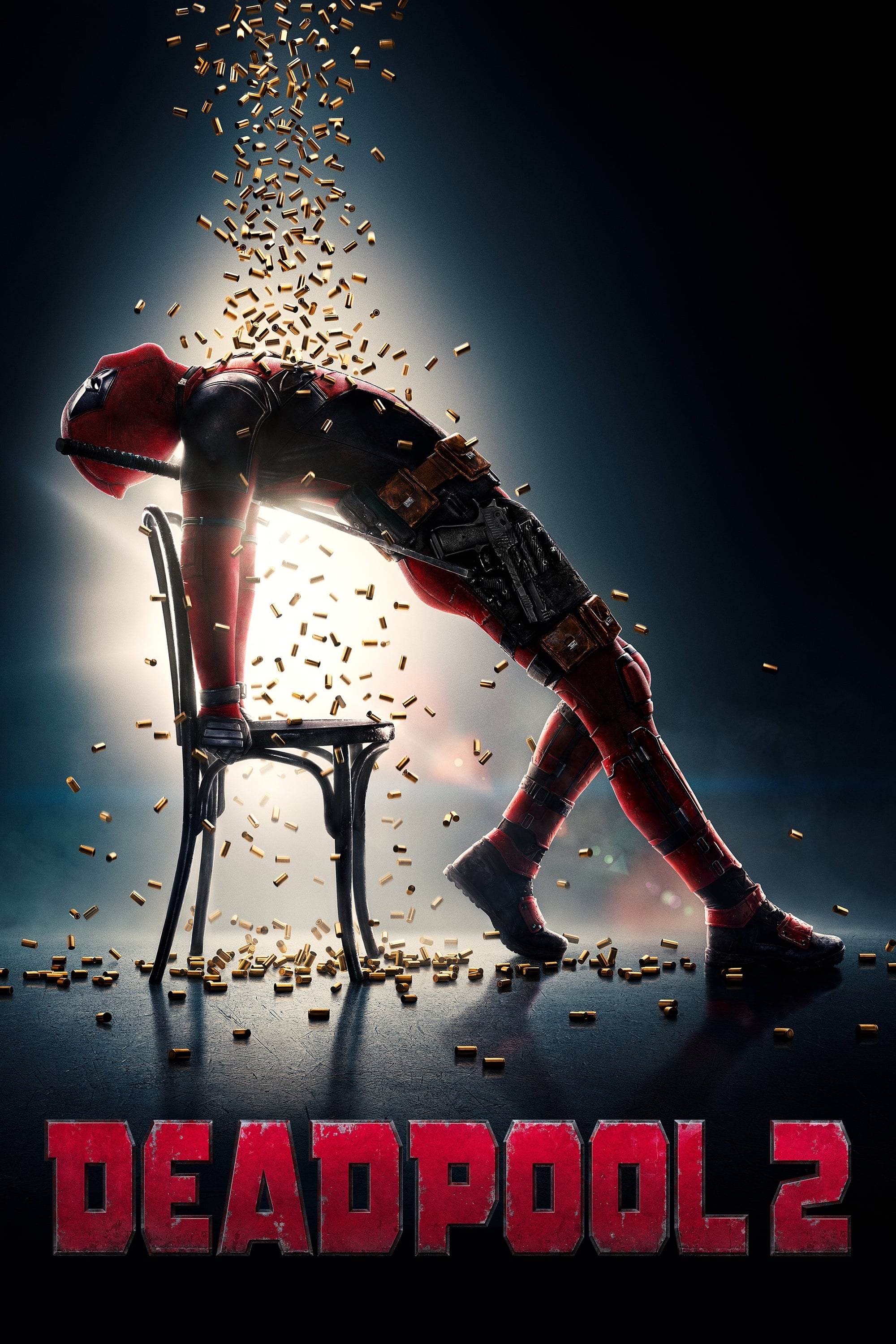
David Leitch’s sequel teams Wade Wilson with Cable and Domino, with Ryan Reynolds, Josh Brolin, and Zazie Beetz leading the ensemble. Early screenings prompted a very specific note from audiences: include more Cable and Domino.
Fox brought the cast back for additional photography to add scenes featuring those characters, a test-screening-driven change that also folded in a surprise cameo during pickups. Coverage at the time emphasized that the reshoots were additive rather than corrective.
‘Star Trek: Insurrection’ (1998)
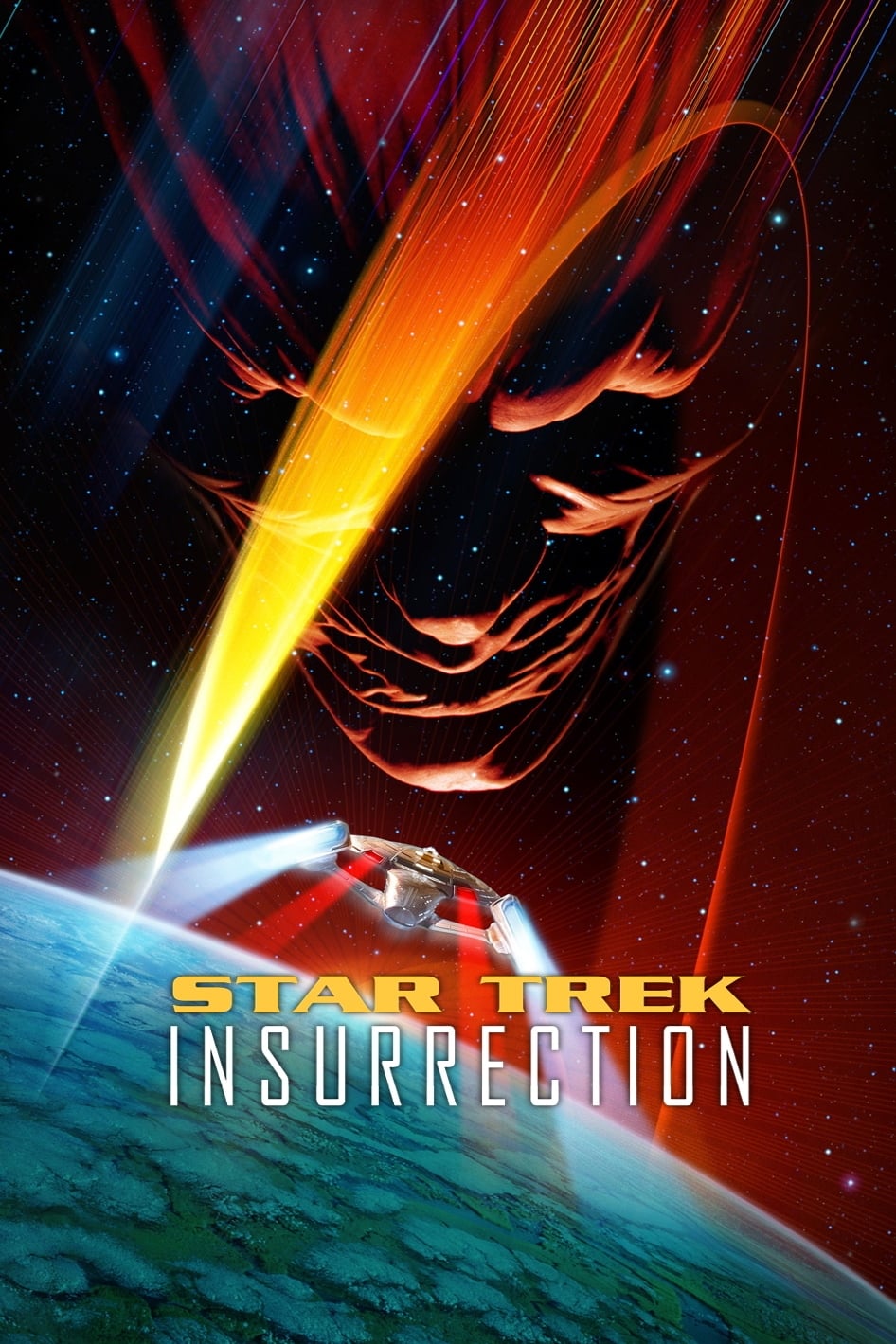
Jonathan Frakes directed and co-starred as the Enterprise crew confronts the Son’a, with Patrick Stewart, Brent Spiner, and the ensemble cast returning. After test screenings, producers identified a clarity problem with the villain’s fate in the climax.
The team reshot the ending so audiences clearly saw Ru’afo perish aboard the collector as the Enterprise intervenes, replacing an earlier version that left viewers unsure of what happened. This late change was implemented specifically in response to screening feedback.
‘Get Out’ (2017)
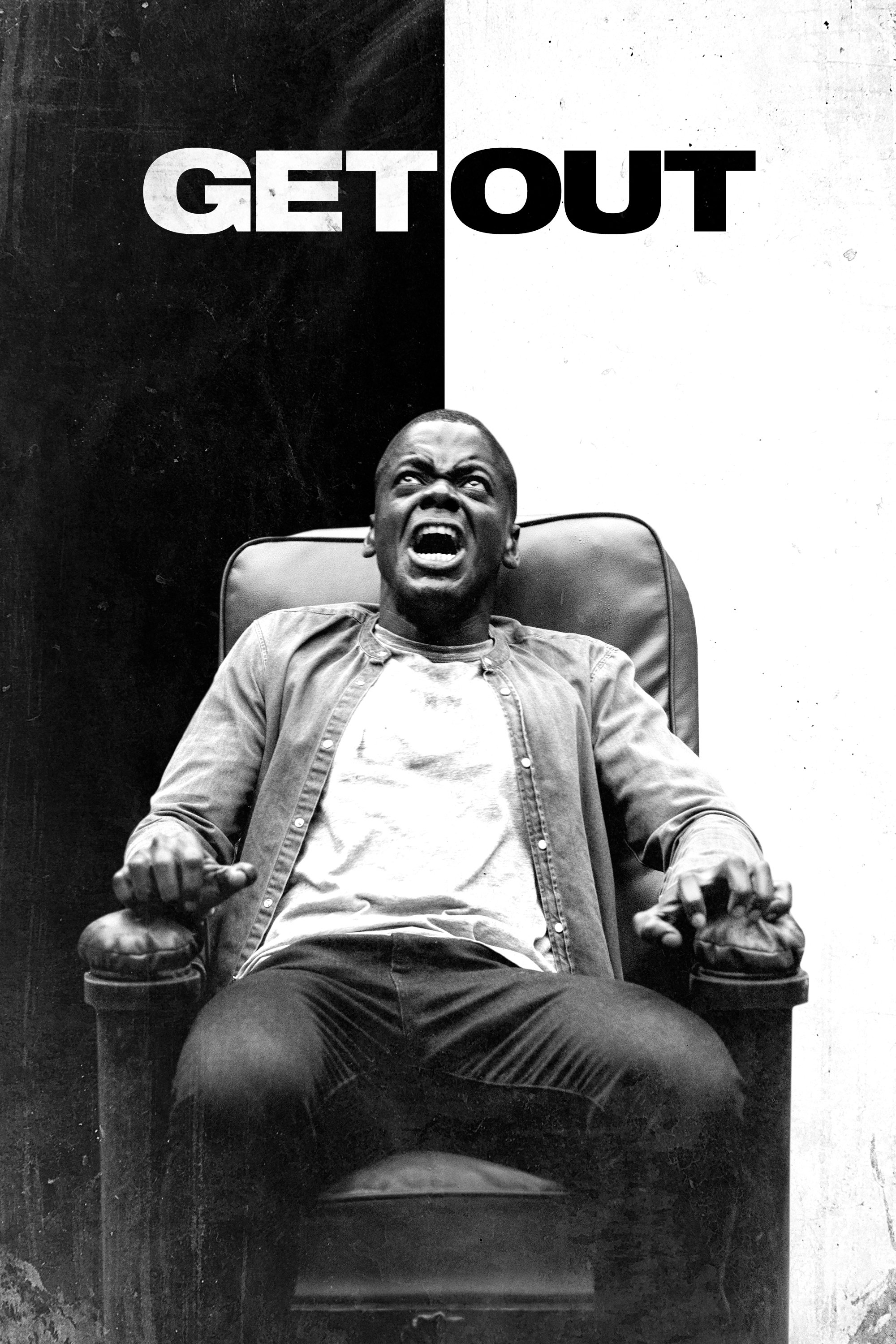
Jordan Peele’s horror thriller follows photographer Chris as a visit to his girlfriend’s family reveals a sinister operation, starring Daniel Kaluuya, Allison Williams, and Lil Rel Howery. Peele originally shot a bleak ending in which police arrest Chris after the confrontation.
After gauging audience reactions at test screenings amid the contemporary climate, Peele reshot the finale so Chris is rescued by his TSA friend, keeping a brief fake-out with sirens to preserve the intended tension. The director has discussed the decision as screening-led.
Share your favorite examples of test-screening-driven reshoots—and which versions you prefer—in the comments below!