20 Times Movie Directors Made Actors Cry for a Role



Some performances are built through demanding shoots where directors ask actors to stay in difficult headspaces, repeat emotionally heavy scenes, or work under unusually rigorous conditions. The projects below pair those stories with the essential details—plot setups, casts, and key creative choices—so the behind-the-scenes methods sit in context.
Each entry highlights a film’s premise and the people who made it, then explains the on-set approach that led to tears, including rehearsal routines, take counts, staging, and technical decisions by directors and department heads.
‘The Shining’ (1980)
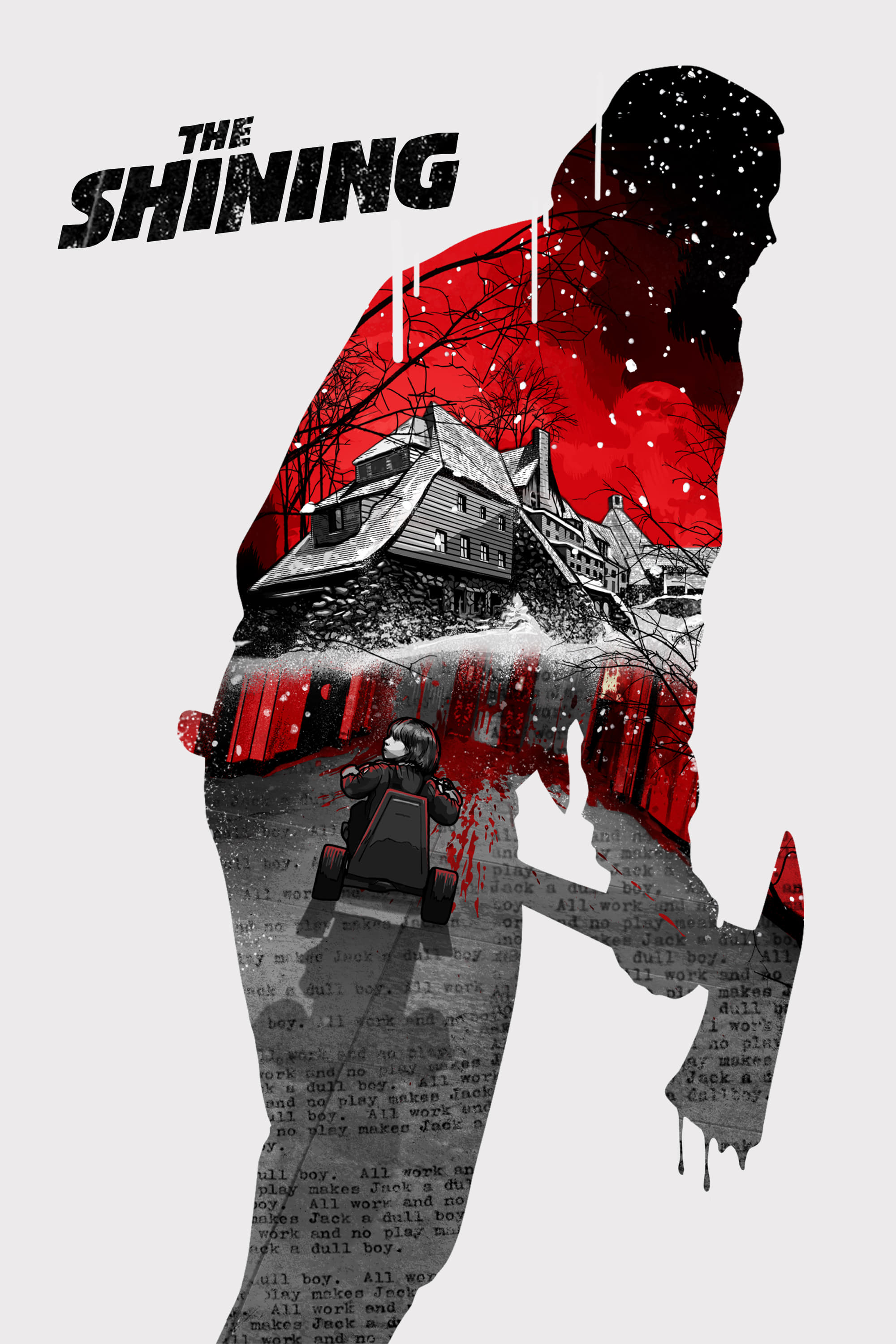
Stanley Kubrick directs an adaptation of Stephen King’s story about the Torrance family—Jack Nicholson, Shelley Duvall, and Danny Lloyd—serving as winter caretakers at a remote hotel where isolation and past violence press on them. John Alcott’s cinematography, Garrett Brown’s Steadicam work, and music by Wendy Carlos and Rachel Elkind establish the Overlook’s corridors and spaces as central to the narrative.
Kubrick’s method involved extensive rehearsals and dozens of retakes for confrontation scenes, with crew keeping cameras rolling as Duvall’s character defends her son. The long, physically taxing setups, sustained shouting, and repeated motions often left Duvall in tears, and those takes were incorporated into the final cut.
‘The Exorcist’ (1973)

William Friedkin’s film follows a mother, played by Ellen Burstyn, seeking help for her daughter Regan, portrayed by Linda Blair, as two priests—Jason Miller and Max von Sydow—conduct an exorcism. Owen Roizman’s cinematography and practical effects support the possession storyline inside the Georgetown house, with sound design emphasizing mechanical beds, cold breath, and sudden impacts.
Friedkin used abrupt cues and strong rig pulls to capture startle responses, and staged multiple falls and restraints in the MacNeil home set with stunt supervision. Burstyn and others cried during and after demanding takes, including moments that required precise timing between actors, wire teams, and camera.
‘Dancer in the Dark’ (2000)
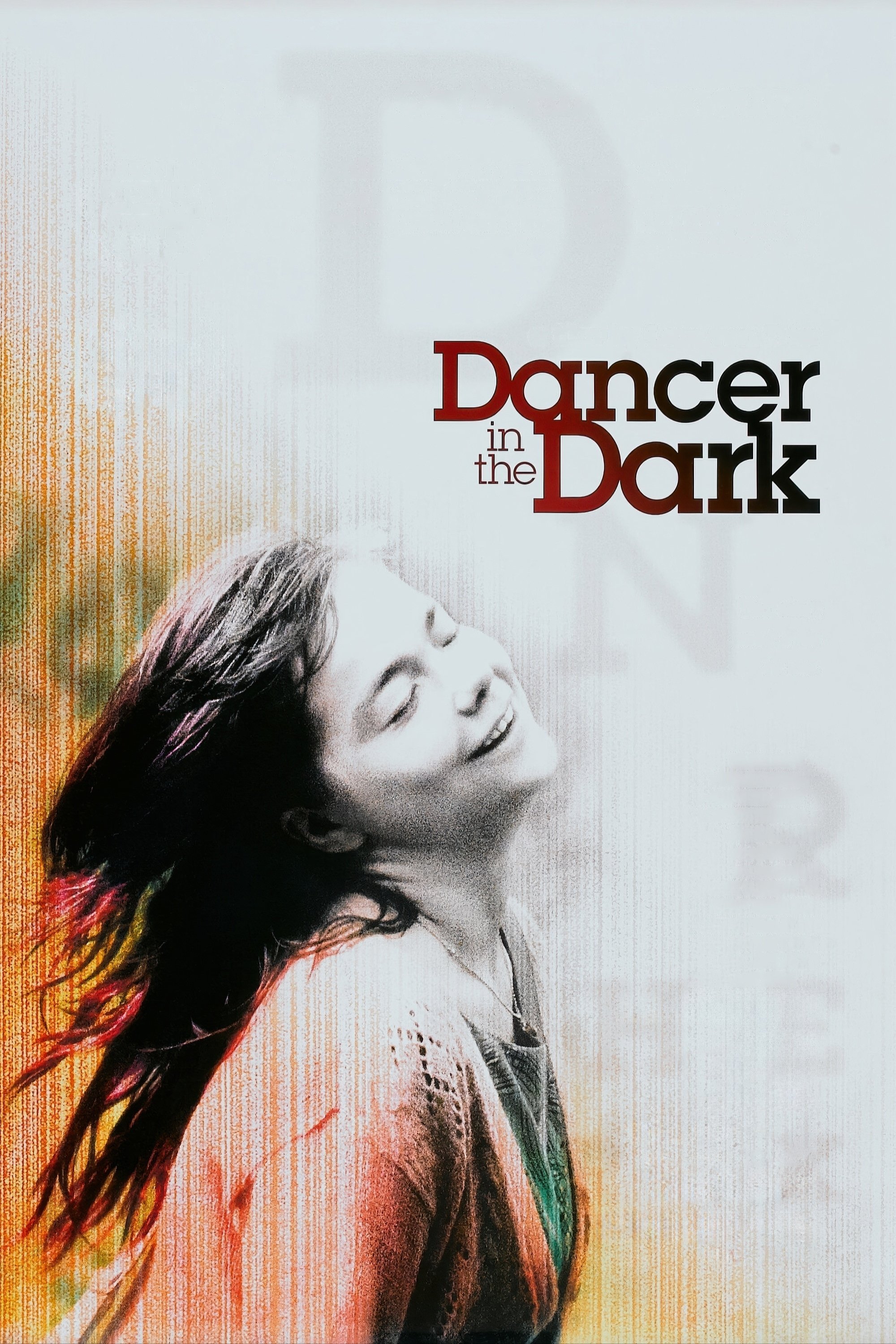
Lars von Trier tells the story of Selma, played by Björk, a factory worker saving for her son’s operation while her eyesight deteriorates; Catherine Deneuve, David Morse, and Peter Stormare appear in key roles. The film contrasts handheld drama with choreographed musical numbers shot by an array of digital cameras under a multi-camera setup.
Von Trier’s practice of long, repetition-heavy days and emotionally direct direction led to tears on set as Björk performed scenes that dovetail with musical sequences. The choreography by Vincent Paterson, close-range cameras, and minimal blocking marks in dramatic passages meant emotionally charged takes were revisited many times.
‘Blue Valentine’ (2010)
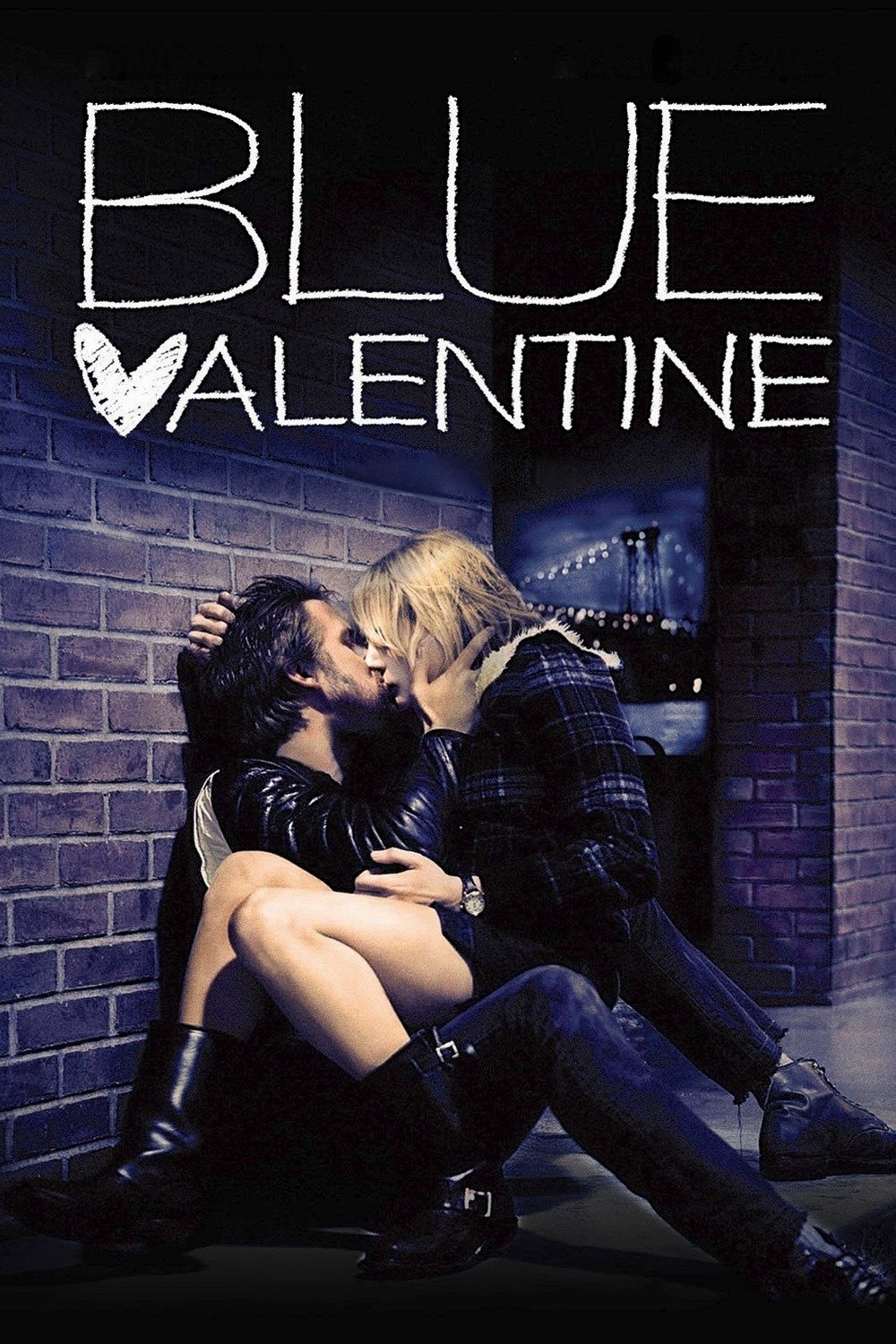
Director Derek Cianfrance presents two timelines in a relationship, with Ryan Gosling and Michelle Williams playing a couple during courtship and later marital strain. Andrij Parekh’s intimate camera and a supporting cast including Mike Vogel and John Doman keep the focus on domestic spaces and family dynamics.
Cianfrance had the leads share a small house, handle daily tasks, and work through improvised exchanges before filming scripted scenes. The process, paired with additional takes of arguments in tight rooms, led to tears as the actors navigated the breakup timeline while crew captured close coverage and overlapping dialogue.
‘Whiplash’ (2014)

Damien Chazelle’s story centers on jazz drummer Andrew, played by Miles Teller, and ensemble leader Fletcher, played by J.K. Simmons, inside a conservatory’s rehearsal rooms and stages. Editing by Tom Cross and cinematography by Sharone Meir highlight tempo, sticks, cymbals, and counts, while the ensemble includes Paul Reiser and Melissa Benoist.
Chazelle filmed high-tempo rehearsals and performance scenes at length, maintaining live instrument playing and resets that kept hands blistered and bodies tense. Multiple passes at difficult cues and aggressive verbal exchanges pushed Teller to tears during takes, with the band and camera dept coordinating precise whips and cut points.
‘The Revenant’ (2015)
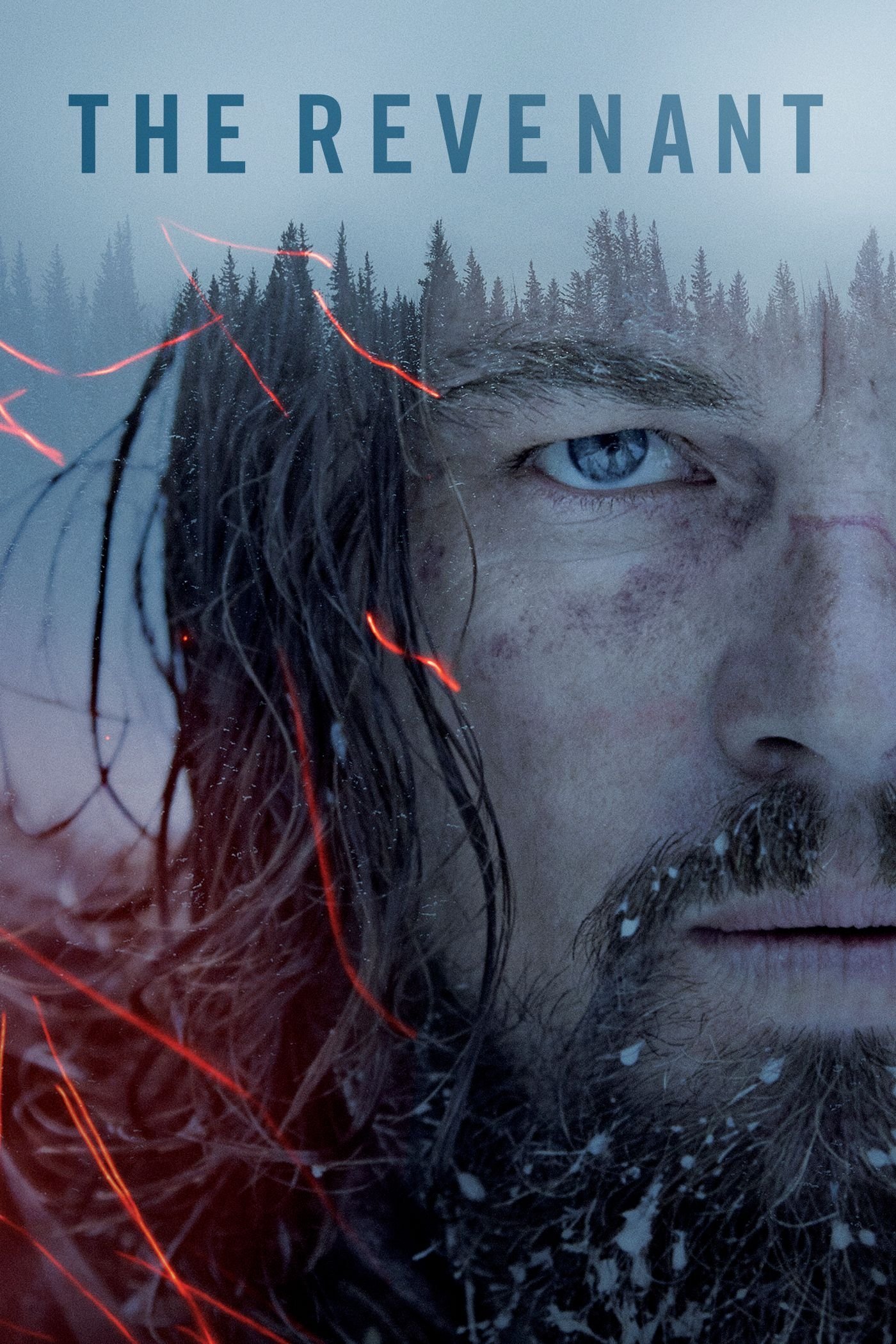
Alejandro G. Iñárritu dramatizes frontiersman Hugh Glass’s ordeal, starring Leonardo DiCaprio with Tom Hardy, Domhnall Gleeson, and Will Poulter in the expedition party. Emmanuel Lubezki’s natural-light approach and location shooting in harsh conditions were central production choices, with a sparse score emphasizing wind and water.
Iñárritu scheduled sequences in real weather and used long takes that required actors to wade into rivers, traverse snow, and work around practical effects. The combination of temperature, wardrobe weight, and physical strain produced tears on set as DiCaprio and colleagues completed demanding passages coordinated with camera and stunt teams.
‘Black Swan’ (2010)

Darren Aronofsky’s film follows Nina, a dancer played by Natalie Portman, as she prepares for a dual-role performance; the cast includes Mila Kunis, Vincent Cassel, and Barbara Hershey. Matthew Libatique’s close, fluid camera, Andrew Weisblum’s editing, and choreography integrated into rehearsal spaces track body movements and stage blocking.
Aronofsky required significant ballet training and staged scenes that blended rehearsal and performance with tight coverage. Repeated runs of technically precise choreography and pressure-filled dressing-room sequences led to tears from Portman and others, with crew holding for extended takes to preserve continuity in breath and posture.
‘Manchester by the Sea’ (2016)
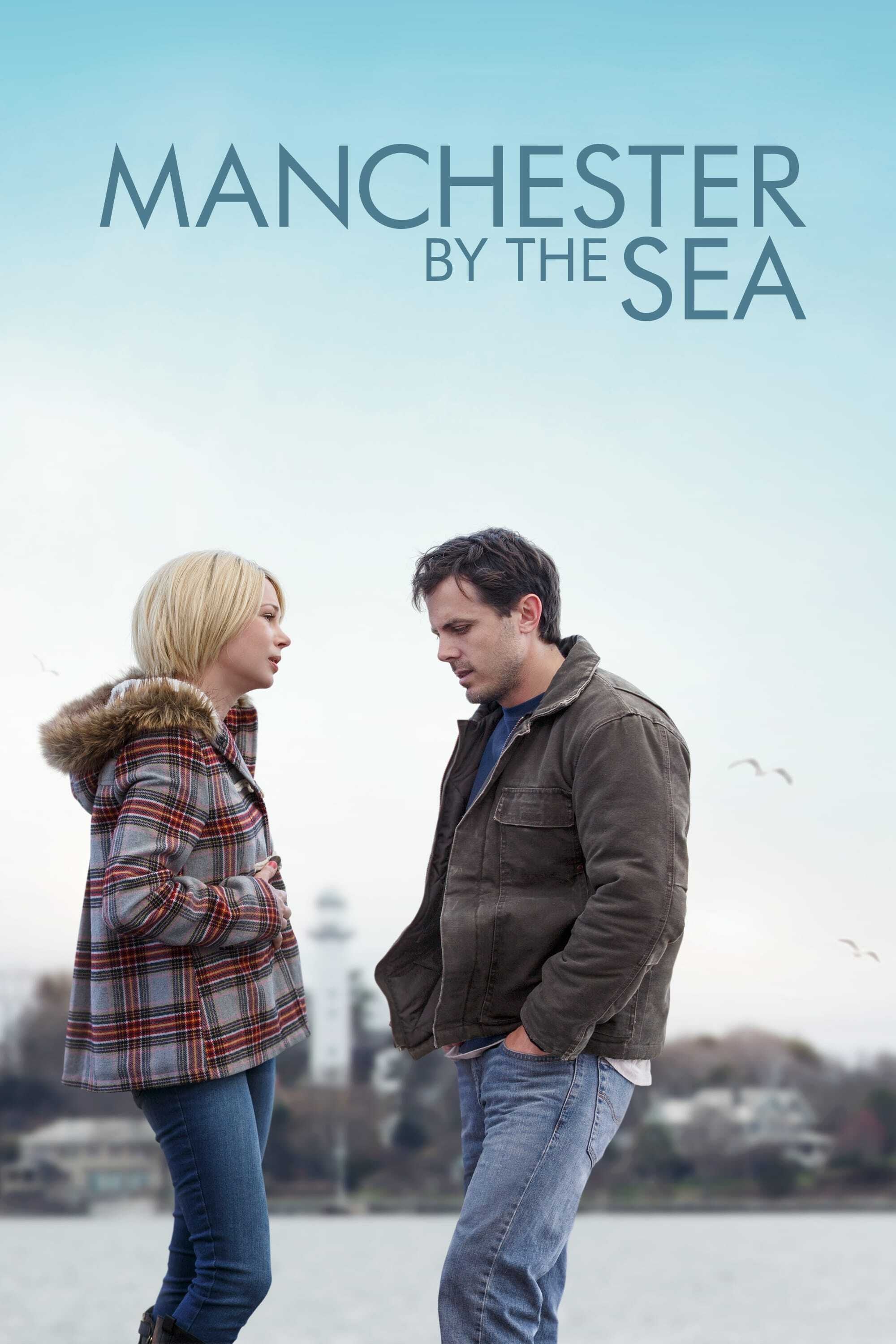
Kenneth Lonergan’s drama depicts a janitor, played by Casey Affleck, who becomes guardian to his nephew after a family death, with Michelle Williams, Lucas Hedges, and Kyle Chandler in principal roles. Jody Lee Lipes photographed New England locations with a restrained visual plan, and Lesley Barber’s score supports the narrative’s family focus.
Lonergan structured pivotal dialogues as long takes with limited camera movement, allowing actors to work through silences and overlapping lines. The sidewalk conversation between Affleck and Williams was filmed multiple times in cold conditions, and tears from both performers were recorded as part of the scene’s blocking.
‘Requiem for a Dream’ (2000)
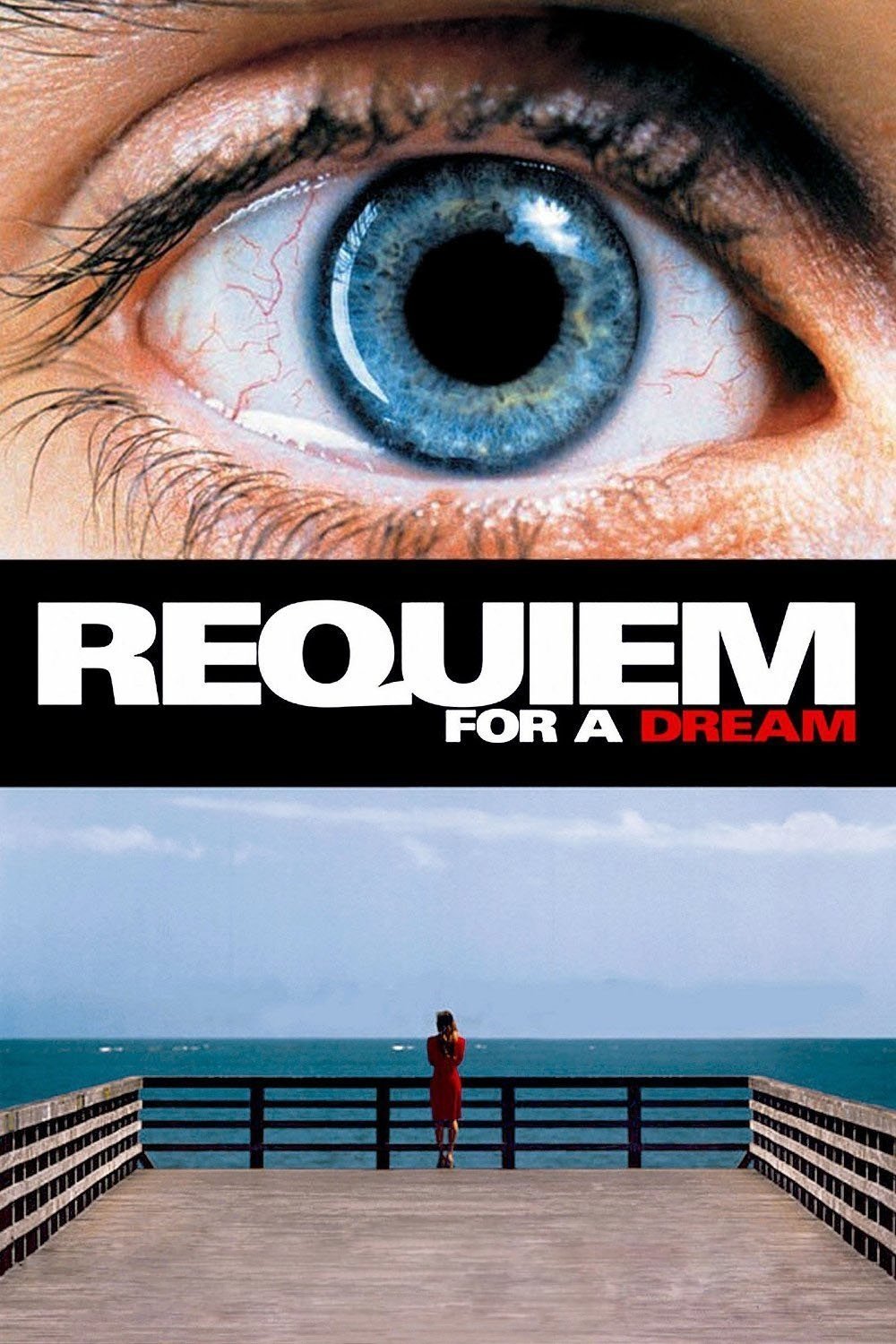
Darren Aronofsky adapts Hubert Selby Jr.’s novel about four people—Ellen Burstyn, Jared Leto, Jennifer Connelly, and Marlon Wayans—whose lives are altered by addiction. Matthew Libatique’s cinematography and Clint Mansell’s score provide rhythmic montage patterns that trace routine and escalation.
A key sequence features Burstyn delivering an extended monologue in close-up with minimal cutting, repeated to capture vocal shifts and breath. The production’s focus on maintaining eye-lines and stillness in that setup led to tears during multiple takes, with sound and camera crews holding for complete runs.
‘Breaking the Waves’ (1996)

Lars von Trier’s film follows Bess, played by Emily Watson, whose marriage to a recovering oil-rig worker, played by Stellan Skarsgård, collides with community restrictions. The movie uses handheld camera, available light, and chapter-card interludes, with a supporting cast including Katrin Cartlidge and Adrian Rawlins.
Von Trier’s direction emphasized long, minimally interrupted takes with close proximity between camera and performers. Emotional confrontations with church elders and hospital scenes were repeated to preserve continuity across handheld angles, and Watson cried during performances that required sustained intensity without cutaways.
‘Blue Is the Warmest Color’ (2013)

Abdellatif Kechiche presents the relationship of Adèle, played by Adèle Exarchopoulos, and Emma, played by Léa Seydoux, from first meeting through separation. The camera favors saturated color and tight framing on faces and everyday settings such as classrooms, bars, and apartments.
Kechiche conducted long, repetition-heavy days and reshot sequences from multiple angles to achieve spontaneity. The extended coverage of arguments and reconciliations led to tears from the leads, with crew capturing full runs that preserved natural pauses and shifts in pace.
‘The Notebook’ (2004)
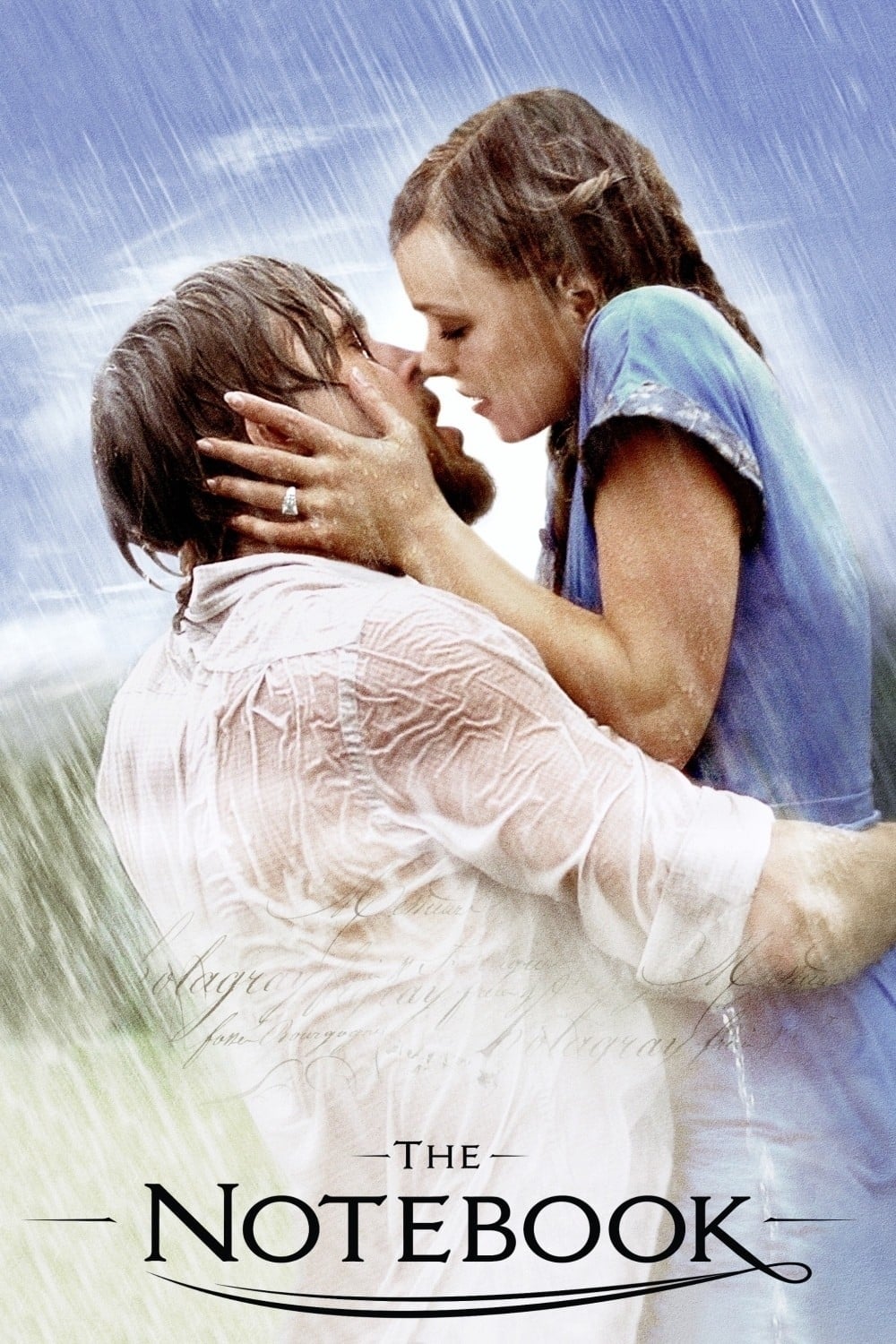
Nick Cassavetes adapts Nicholas Sparks’s novel about Noah and Allie, played by Ryan Gosling and Rachel McAdams, whose romance spans class divides and time, with James Garner and Gena Rowlands framing the story. Robert Fraisse’s cinematography and Aaron Zigman’s music support period settings and seasonal changes.
Cassavetes managed rehearsals to keep tension alive for argument scenes and staged reconciliations with practical rain and wind effects. The director sometimes separated the leads or worked through notes just before takes, and tears appeared in multiple scenes as the production captured close-ups and two-shots across those setups.
‘Les Misérables’ (2012)
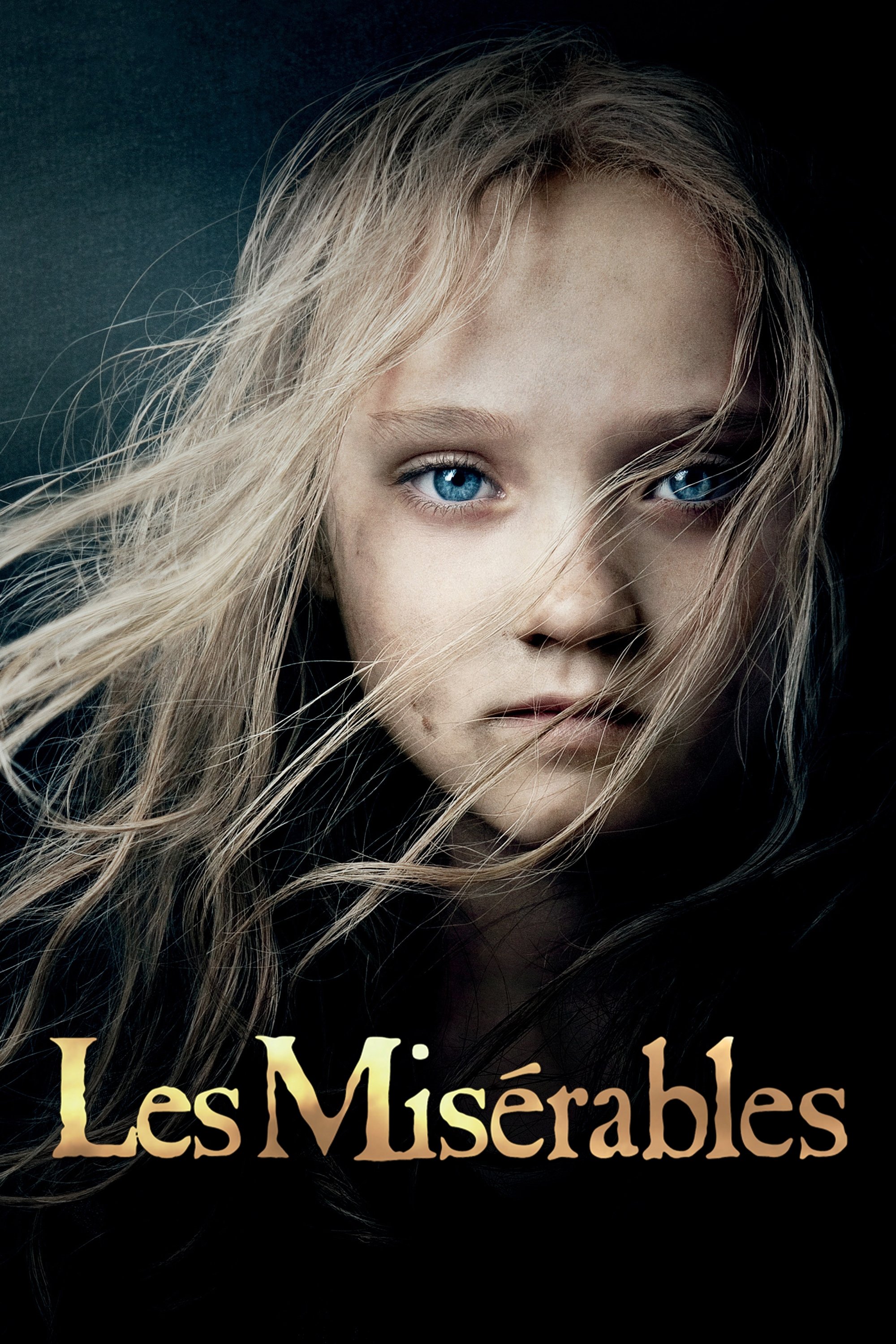
Tom Hooper brings the stage musical to the screen with Hugh Jackman, Anne Hathaway, Russell Crowe, Amanda Seyfried, Eddie Redmayne, and Samantha Barks. Danny Cohen’s photography favors close shots during solos, and the production recorded vocals on set rather than to pre-recorded tracks.
Sustained live singing required actors to carry emotional beats through entire numbers, and crew protected takes by minimizing interruptions. Hathaway’s rendition of ‘I Dreamed a Dream’ was filmed as a long close-up, and tears flowed during performance as the camera maintained focus without cutaways.
‘United 93’ (2006)

Paul Greengrass reconstructs the events aboard United Airlines Flight 93 using a cast of relative unknowns alongside aviation professionals. Barry Ackroyd’s handheld camera, minimal music, and overlapping dialogue emphasize procedure in cockpits, cabins, and control rooms.
Greengrass ran extended improvisational takes within structured timelines, and sequences were blocked in confined sets that matched aircraft dimensions. The cumulative impact of the material led to tears from performers during cockpit and cabin passages, captured as part of the film’s real-time approach.
‘Schindler’s List’ (1993)
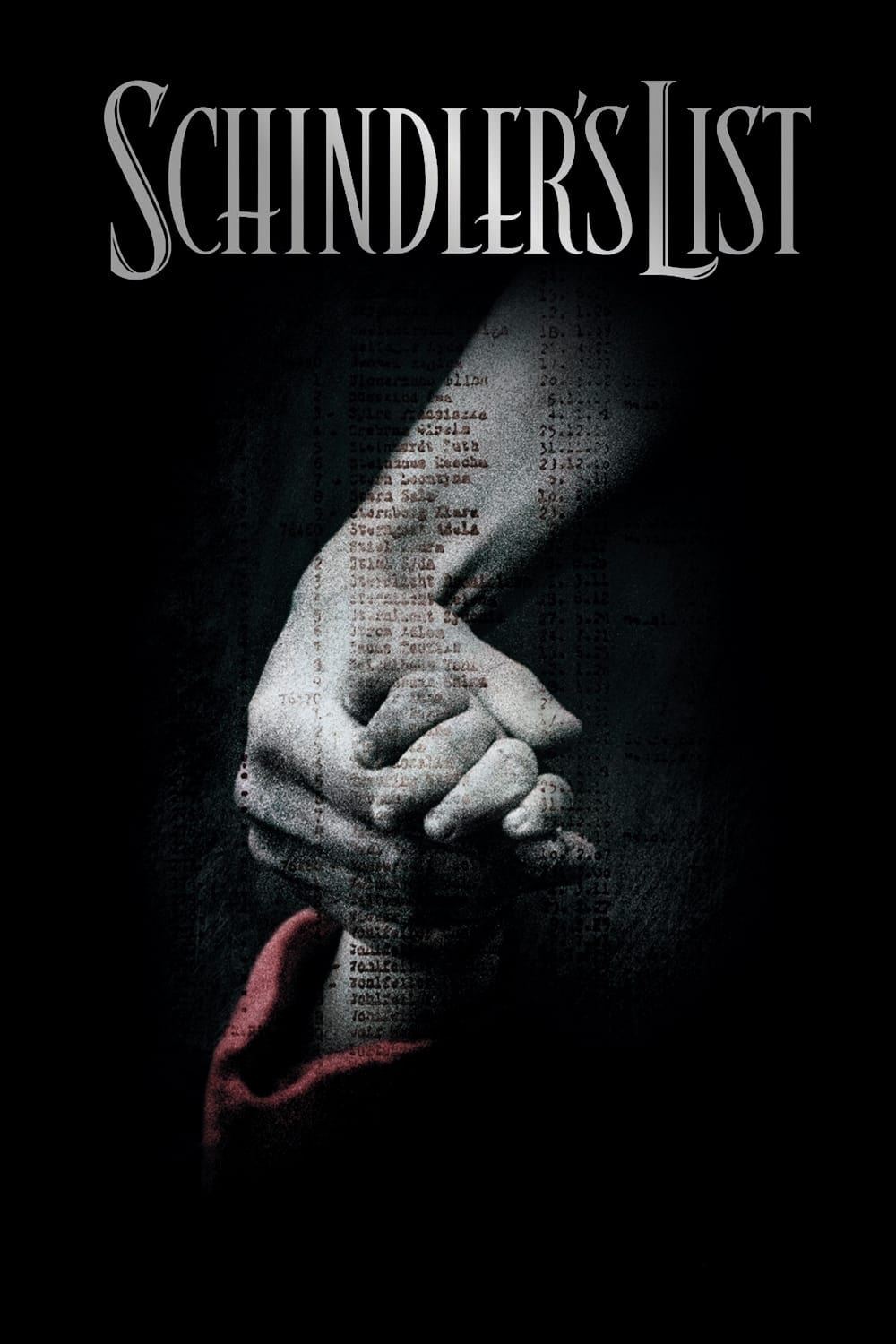
Steven Spielberg tells the story of industrialist Oskar Schindler, played by Liam Neeson, who protects Jewish workers from deportation; Ben Kingsley and Ralph Fiennes play key roles. Janusz Kamiński shoots in black and white with practical locations and sets, and John Williams provides the score with violin solos by Itzhak Perlman.
Large-scale crowd scenes depicting roundups and factory life were staged with extensive extras and precise blocking. Multiple takes of these sequences, along with careful direction for background action, often resulted in tears among actors and extras, and the production recorded those moments within the planned coverage.
‘Room’ (2015)

Lenny Abrahamson directs the story of a mother and son—Brie Larson and Jacob Tremblay—who live in captivity and then adjust to the outside world, with Joan Allen and William H. Macy in supporting roles. The production constructed a small, fully enclosed set to allow 360-degree camera work by Danny Cohen.
Abrahamson favored long takes and minimized crew presence during sensitive scenes to help the leads maintain focus. The sustained runs, including escape and reunion sequences, led to tears from the performers, with sound and camera departments coordinating to avoid resets that would break concentration.
‘Marriage Story’ (2019)
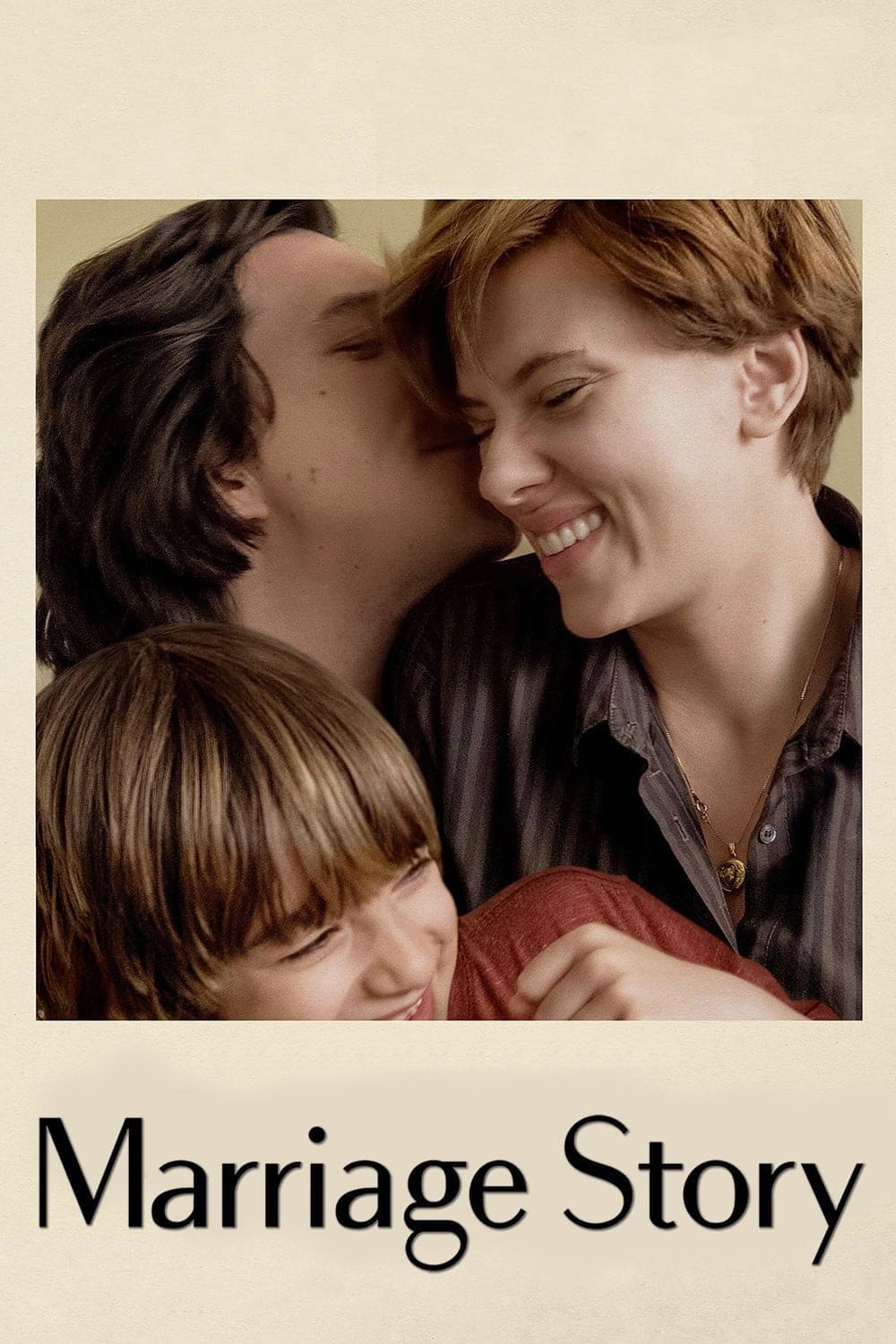
Noah Baumbach follows a theater director and an actor, played by Adam Driver and Scarlett Johansson, through divorce proceedings on opposite coasts. Robbie Ryan’s cinematography and Randy Newman’s score support scenes set in apartments, rehearsal spaces, and offices, with Laura Dern, Alan Alda, and Ray Liotta in legal roles.
Baumbach staged the central argument as a single, carefully blocked scene and filmed multiple full-length takes to capture changes in rhythm. The repeated passes, close-quarter staging, and precise marks led to tears from both leads, which were preserved in the edit to match continuity.
‘Hereditary’ (2018)
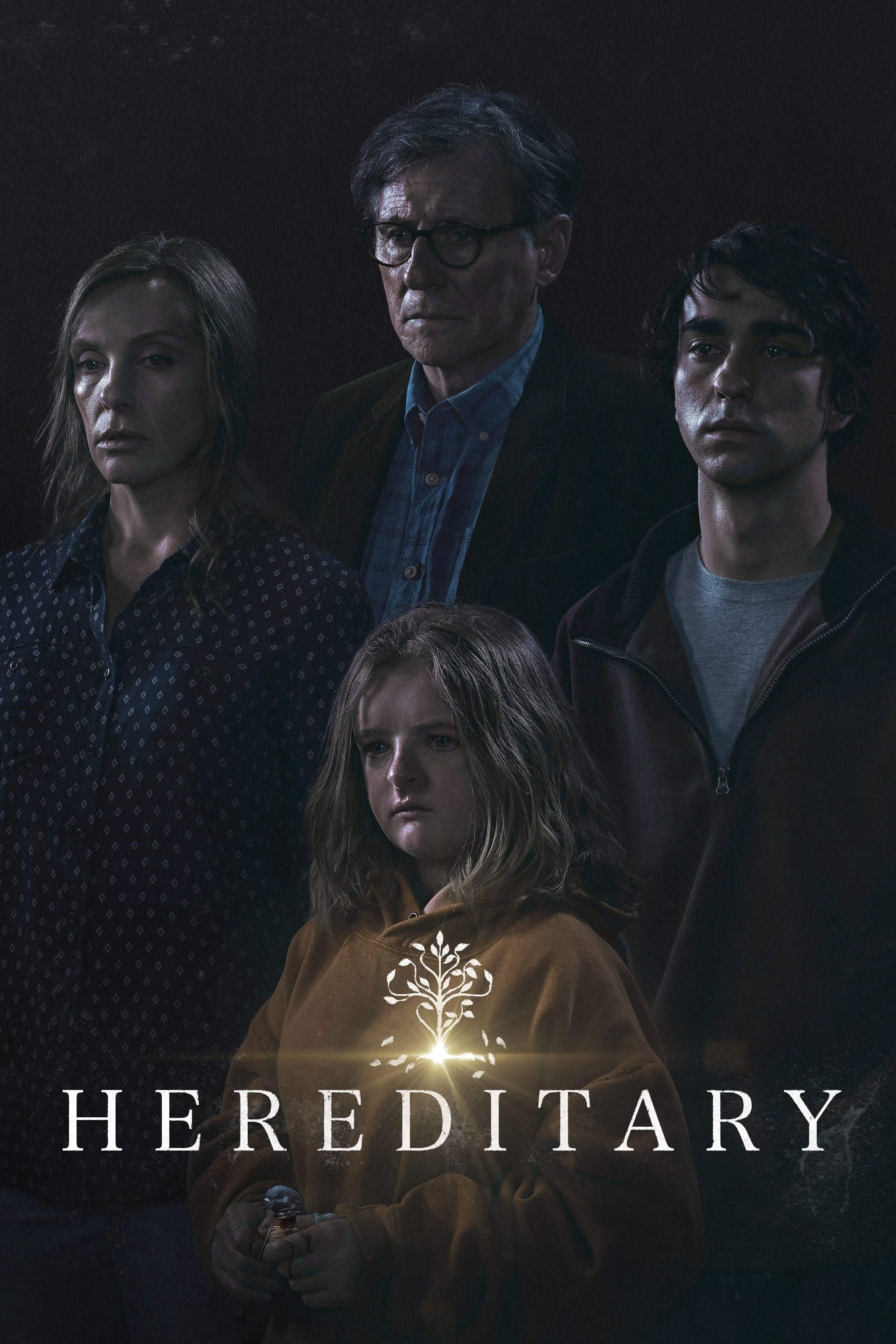
Ari Aster’s film centers on Annie and her family, played by Toni Collette, Gabriel Byrne, Alex Wolff, and Milly Shapiro, as they deal with loss and disturbing events at home. Pawel Pogorzelski’s camera work incorporates miniatures and controlled dolly moves, and Colin Stetson provides the score.
Aster directed family-dinner and argument scenes as extended takes, allowing silences and crescendos to play out without early cut points. The approach, combined with repeated runs to coordinate camera and practical effects cues, led to tears from cast members during several dialogue-heavy passages.
‘Pieces of a Woman’ (2020)

Kornél Mundruczó opens with a home-birth sequence that shapes the rest of the story for a couple played by Vanessa Kirby and Shia LaBeouf, with Ellen Burstyn and Benny Safdie in supporting roles. Benjamin Loeb’s cinematography guides a long take through rooms and doorways while the production design supports continuous movement.
The birth scene was choreographed as a single take with actors, camera, and sound teams executing a precise plan, and rehearsals emphasized timing and spatial awareness. The demands of the sequence and the material led to tears from performers, and the production maintained continuity to carry those results into later scenes.
‘The Passion of the Christ’ (2004)
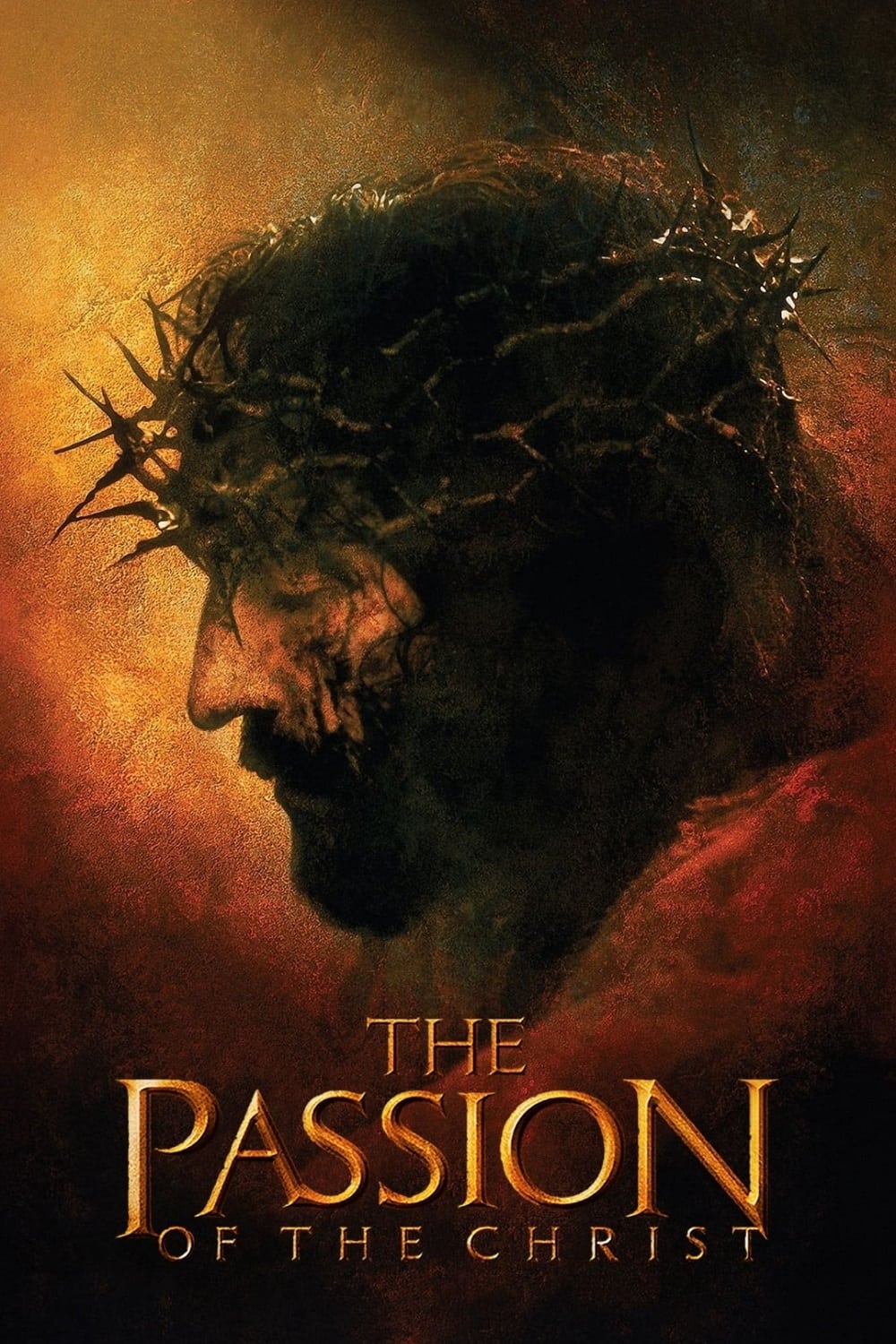
Mel Gibson focuses on the final hours of Jesus, with Jim Caviezel in the lead and Maia Morgenstern, Monica Bellucci, and Hristo Shopov among the ensemble. The film uses dialogue in Aramaic and Latin, extensive prosthetics, and location work photographed by Caleb Deschanel.
Gibson staged physically demanding sequences with practical effects and prolonged setups that required actors to remain in position for extended periods. Caviezel and supporting players cried during certain passages due to exertion and the scenes’ requirements, and the production captured those moments within multi-camera coverage.
Share your own behind-the-scenes examples of directors pushing for emotional scenes in the comments.