Actors who Changed Their Name (and Why)


Names are part of an actor’s brand, and plenty of men in film and TV have adopted new ones to stand out, to avoid confusion, or simply to fit better on a marquee. Sometimes the choice is strategic—an easier-to-pronounce surname, a less-ethnic first name for the times—while other changes were made to comply with union rules or to honor mentors and family heritage.
This list looks at actors who went beyond a simple nickname or shortened first name and actually changed their names—legally or professionally. You’ll see how career breaks, studio systems, immigration stories, and even comic books and pop culture nudged these choices, and how the new names often became inseparable from the performances people love.
Cary Grant
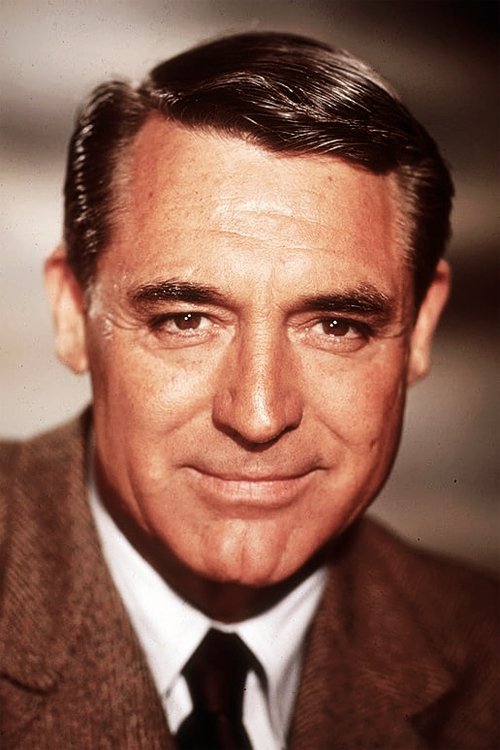
Born Archibald Alexander Leach in Bristol, England, he adopted “Cary Grant” after arriving in Hollywood, where studios preferred crisp, memorable names. The transformation began when he signed with Paramount, which helped craft the suave persona that later defined his screen presence.
Grant’s name change dovetailed with roles that leaned into polish and sophistication, from screwball comedies to thrillers like ‘North by Northwest’ and ‘Notorious’. The sleek two-syllable stage name fit the urbane image that audiences came to associate with his work.
John Wayne
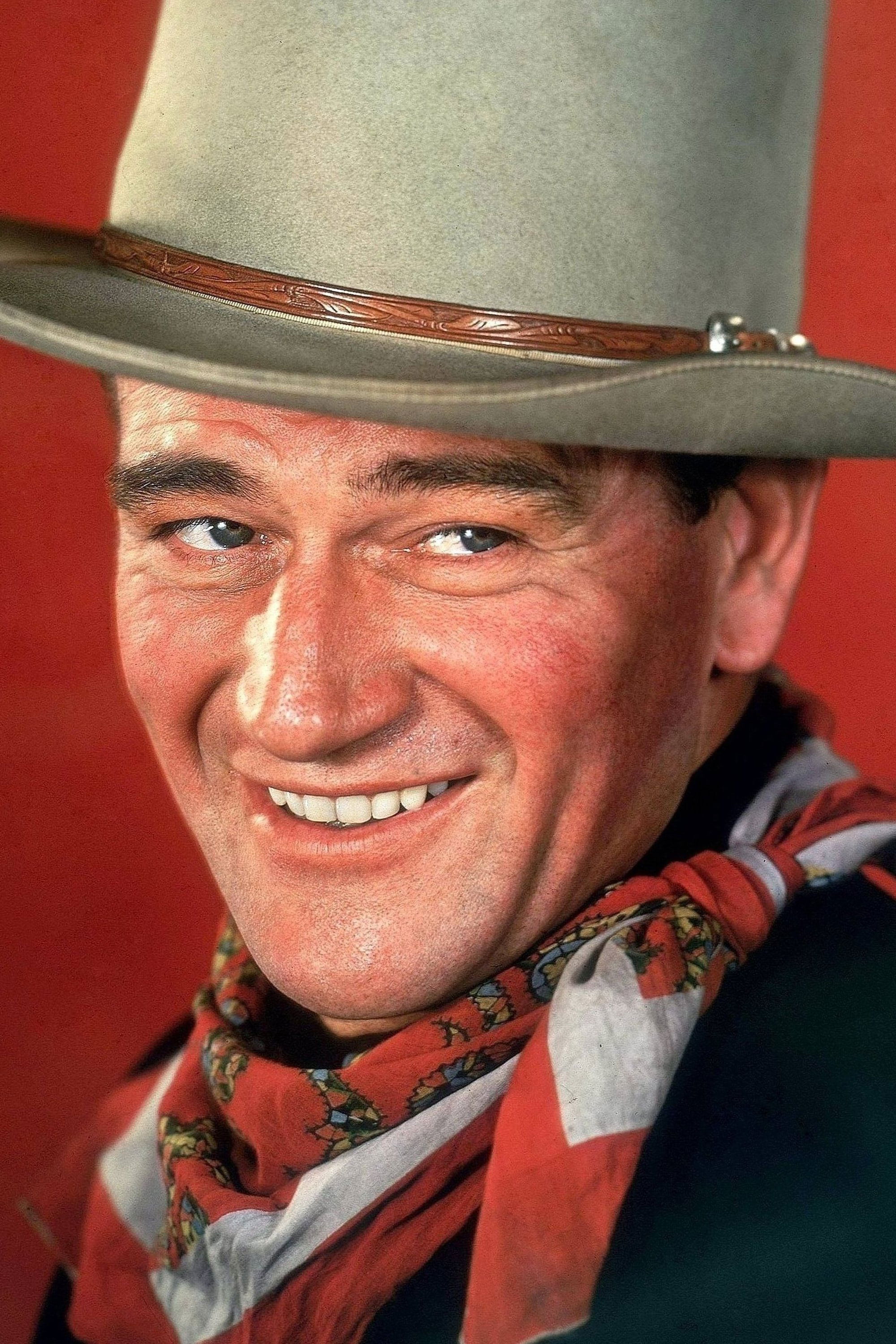
Originally Marion Robert Morrison (later Marion Michael Morrison), he was renamed “John Wayne” by Fox executives as his early Western persona took shape. The name was meant to project sturdiness and all-American appeal for a rising star of frontier stories.
Under that banner, Wayne became a symbol of cinematic ruggedness across war films and Westerns, including ‘Stagecoach’ and ‘True Grit’. The studio-molded name synced with the roles that turned him into one of Hollywood’s most enduring icons.
Michael Caine
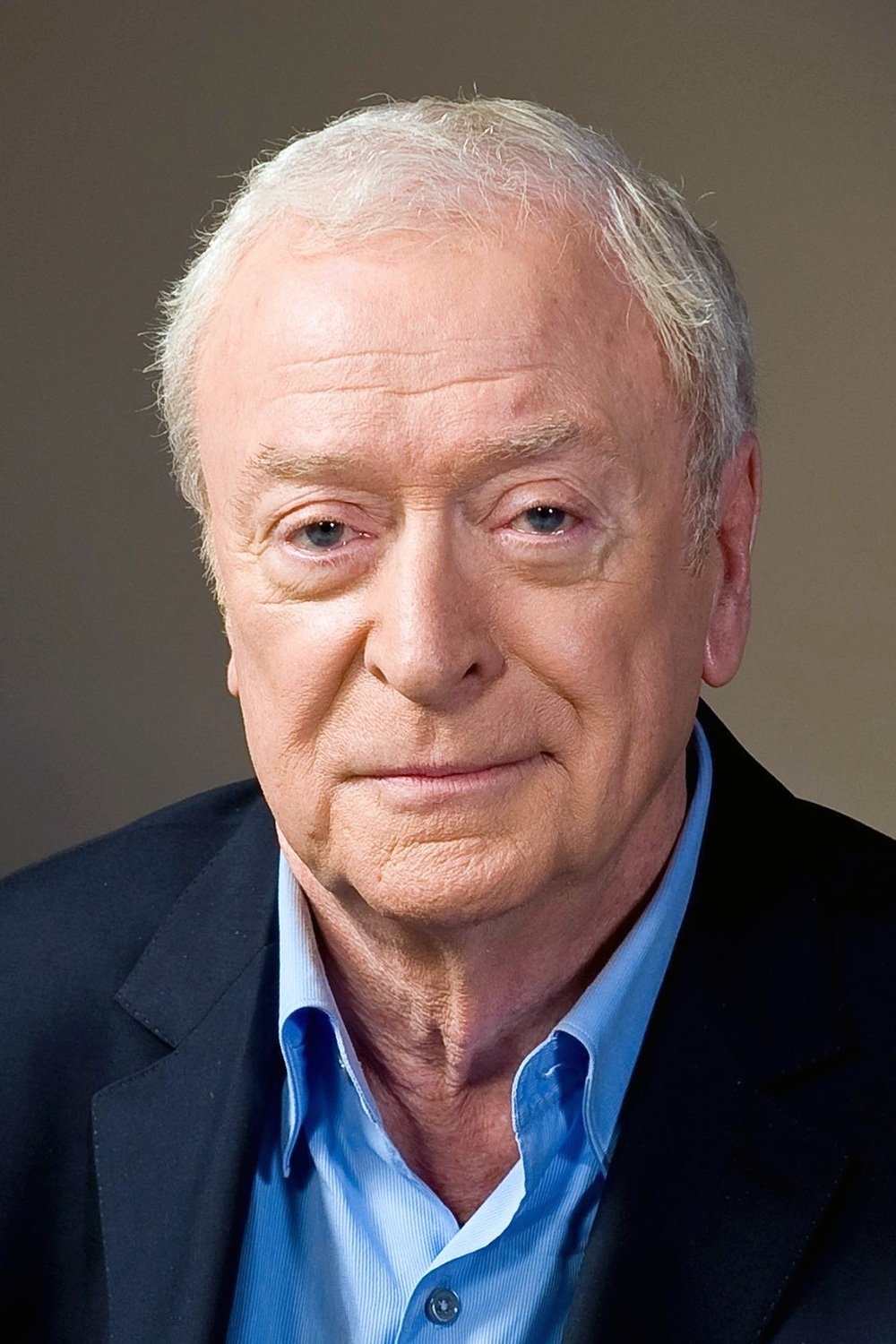
Born Maurice Joseph Micklewhite Jr., he chose “Michael Caine” while looking at a theater marquee for ‘The Caine Mutiny’ and realizing the name’s punch. He later made the change legal for practical reasons like passport control and professional continuity.
As Michael Caine, he moved fluidly from British kitchen-sink dramas to global hits such as ‘Alfie’, ‘The Dark Knight’, and ‘The Cider House Rules’. The leaner name, easier for international markets, traveled well as his career expanded.
Ben Kingsley
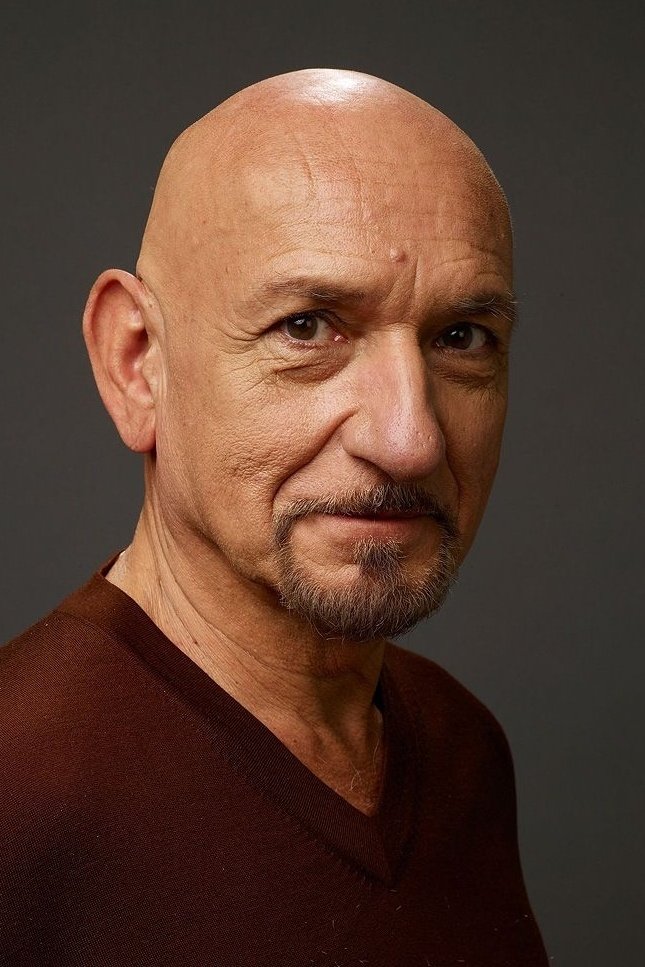
Krishna Pandit Bhanji adopted “Ben Kingsley” as he moved from stage to screen, seeking a name that casting directors could place easily in a range of roles. The shift reflected industry realities around typecasting and audience familiarity.
The chosen name preceded acclaimed work spanning ‘Gandhi’, ‘Sexy Beast’ and ‘Hugo’. It helped him cross cultural boundaries onscreen, making it simpler for producers and audiences to connect the performer with a wide assortment of characters.
Joaquin Phoenix
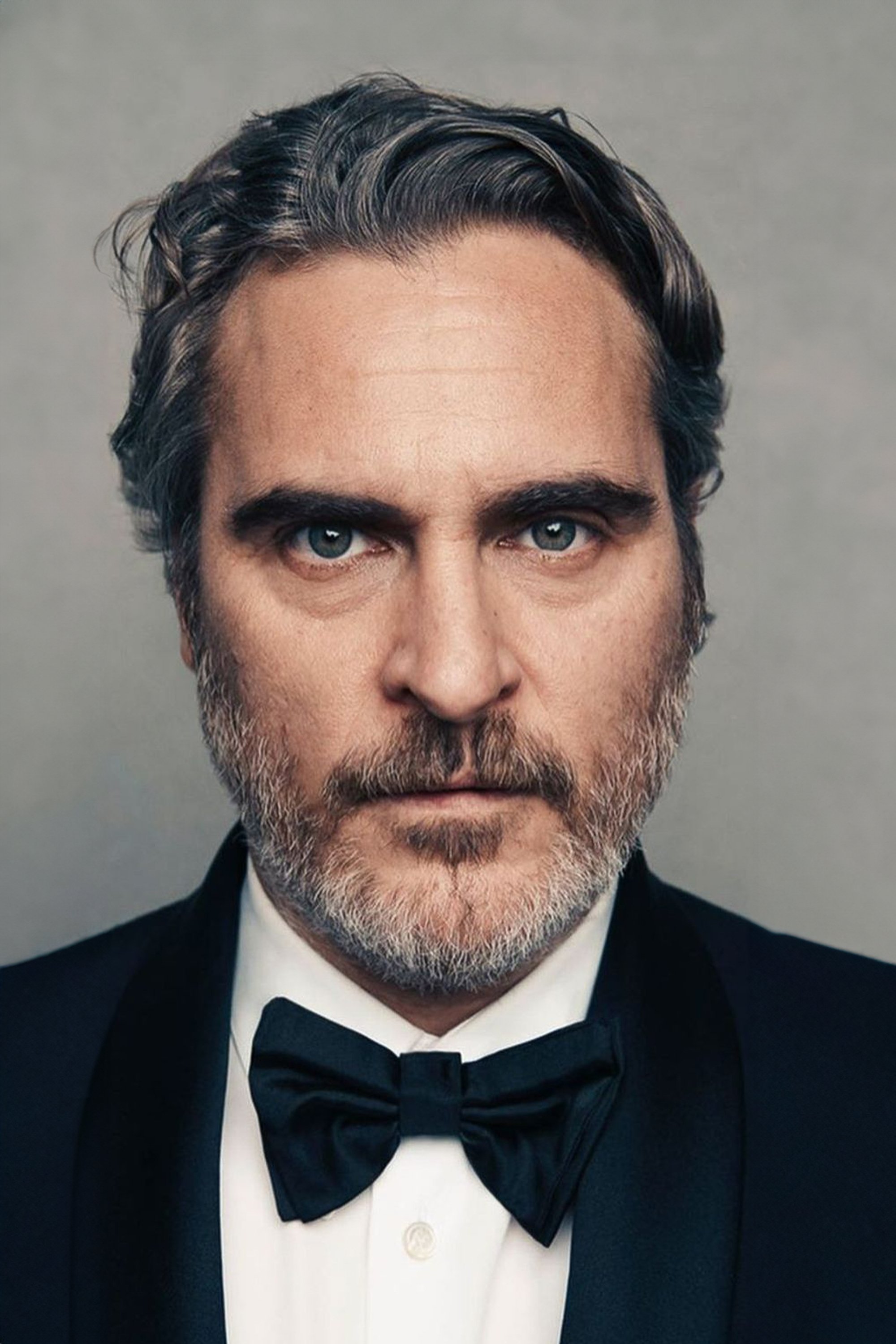
Born Joaquín Rafael Bottom, he took the surname “Phoenix” when his family adopted it as a symbol of renewal after major life changes. Early in his career he temporarily used the name “Leaf,” then returned to “Joaquin Phoenix” as he matured as an actor.
Under the Phoenix name, he built a filmography that ranges from ‘Walk the Line’ and ‘Her’ to ‘Joker’. The new surname, chosen in childhood, became entwined with a career known for intensity and reinvention.
Kirk Douglas
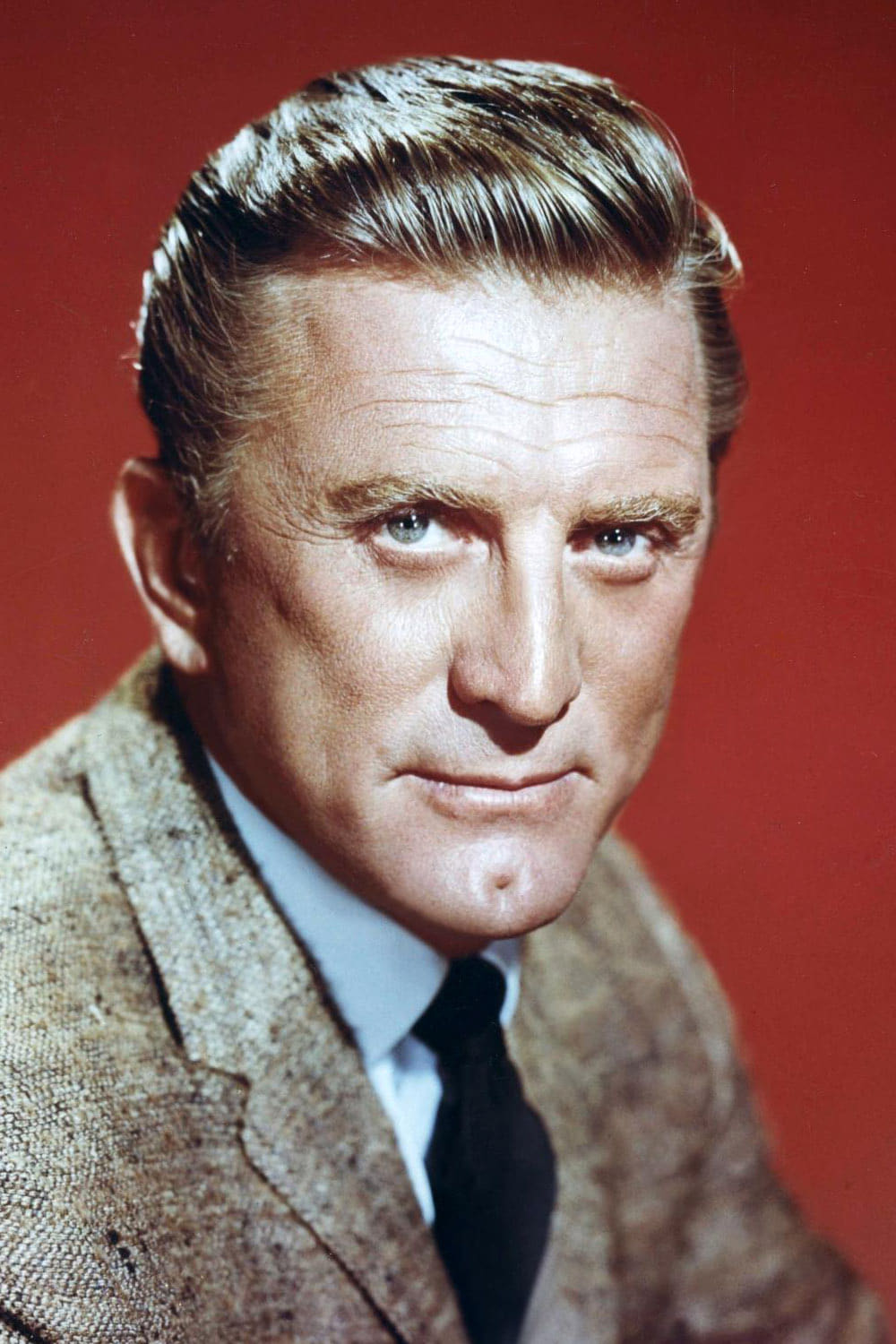
Issur Danielovitch (later Issur Danielovitch Demsky) changed his name to “Kirk Douglas” as he pursued acting in an era when distinctly ethnic names often faced barriers. The strong, staccato alternative was designed to be both marketable and memorable.
As Kirk Douglas, he headlined epics and dramas like ‘Spartacus’ and ‘Paths of Glory’. The name aligned with heroic roles and helped him gain traction during Hollywood’s studio-era casting practices.
Tony Curtis
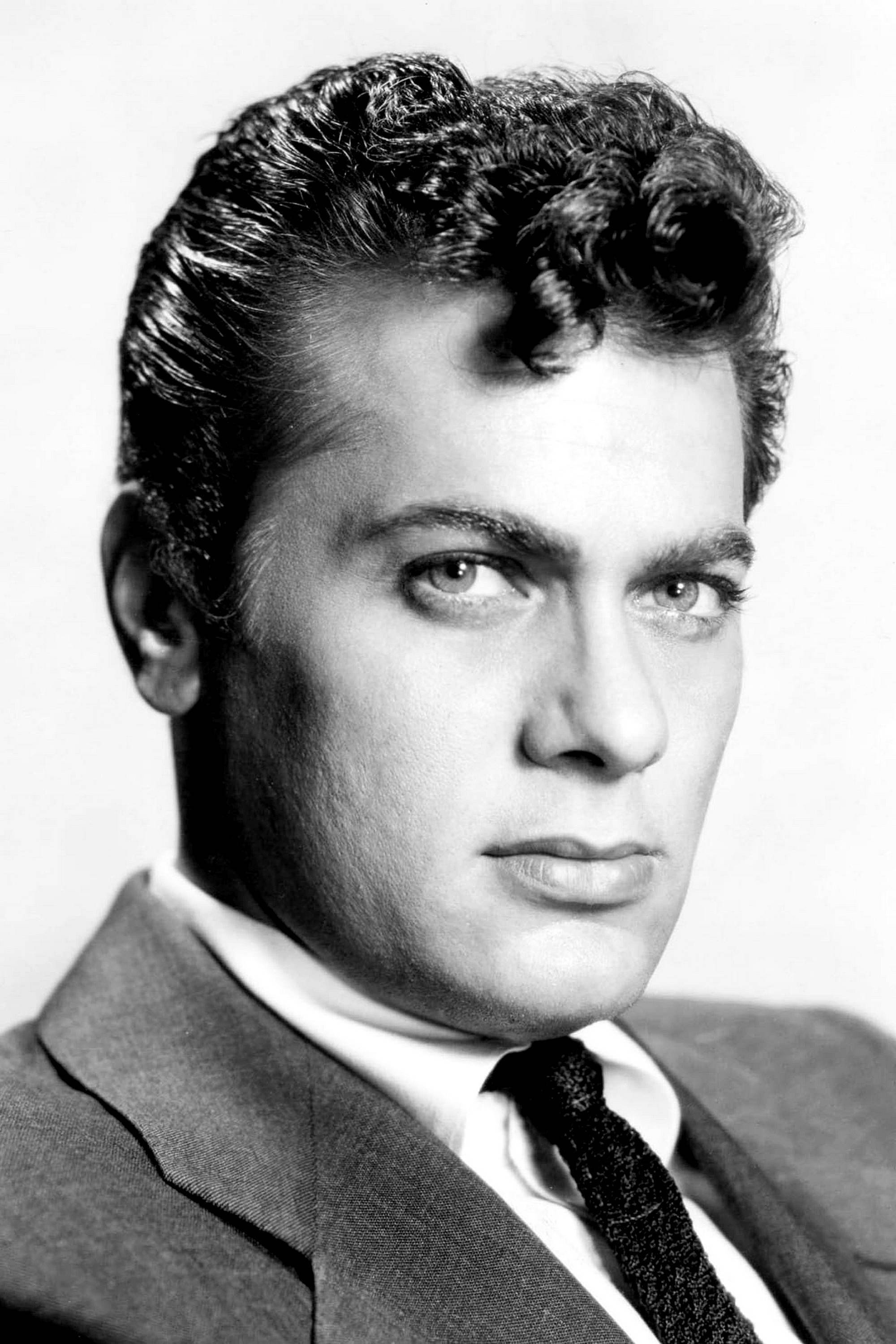
Born Bernard Schwartz to Hungarian Jewish immigrants, he adopted “Tony Curtis” while seeking broader opportunities in a marketplace that often favored Anglo-sounding names. Studios steered young actors toward names they believed audiences would quickly remember.
“Tony Curtis” soon appeared above titles like ‘Some Like It Hot’ and ‘Sweet Smell of Success’. The new name matched the matinee-idol image he cultivated while moving into more ambitious dramatic work.
Rock Hudson
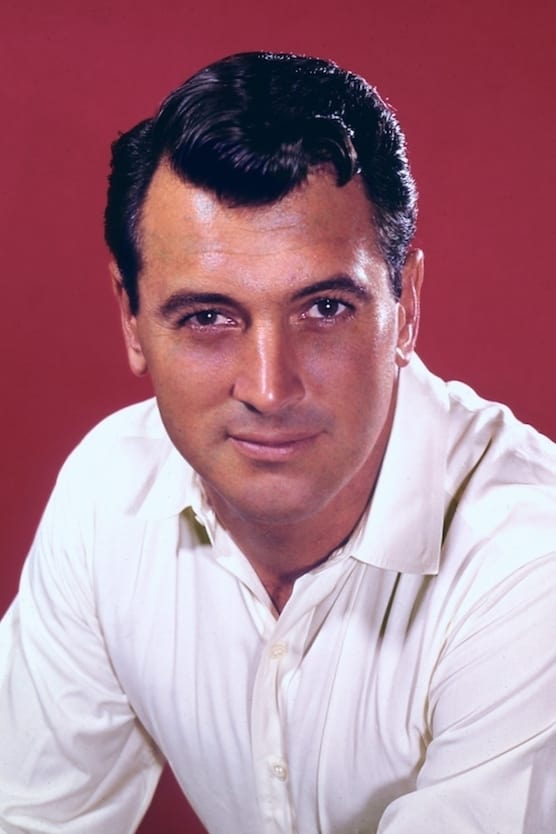
Roy Harold Scherer Jr. (later Roy Fitzgerald) became “Rock Hudson” under agent Henry Willson, who specialized in crafting striking stage names. The moniker was engineered to signal strength and romantic-lead charisma.
With that name, he starred in melodramas and romantic comedies such as ‘Magnificent Obsession’ and ‘Pillow Talk’. The rebranding helped the studio position him as a dependable box-office draw across genres.
Woody Allen
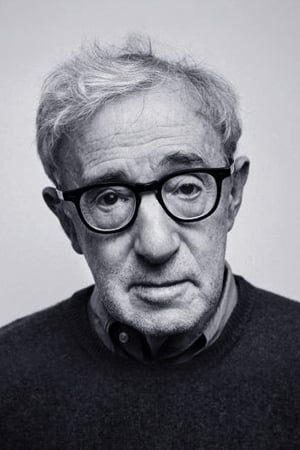
Allan Stewart Konigsberg began signing his jokes “Woody Allen” as a young comedy writer, eventually adopting it as his professional identity. The brisk name traveled easily from stand-up to screenwriting and directing.
As a performer and filmmaker, he used it across films like ‘Annie Hall’, ‘Manhattan’ and ‘Hannah and Her Sisters’. The pen name-turned-screen name became the umbrella under which he worked in multiple roles behind and in front of the camera.
Mel Brooks
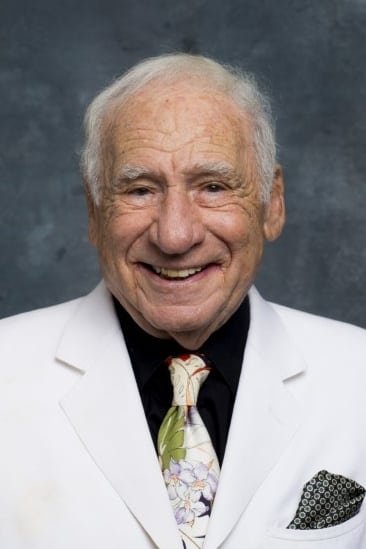
Born Melvin James Kaminsky in Brooklyn, he opted for “Mel Brooks,” a shortened, punchy name well-suited to comedy billing. The switch helped him transition from the writers’ room to performing and directing.
Under that name, he delivered parodies and musicals such as ‘Blazing Saddles’, ‘Young Frankenstein’ and ‘The Producers’. The compact surname supported quick recognition in credits and posters—prime real estate for comedy.
Gene Wilder
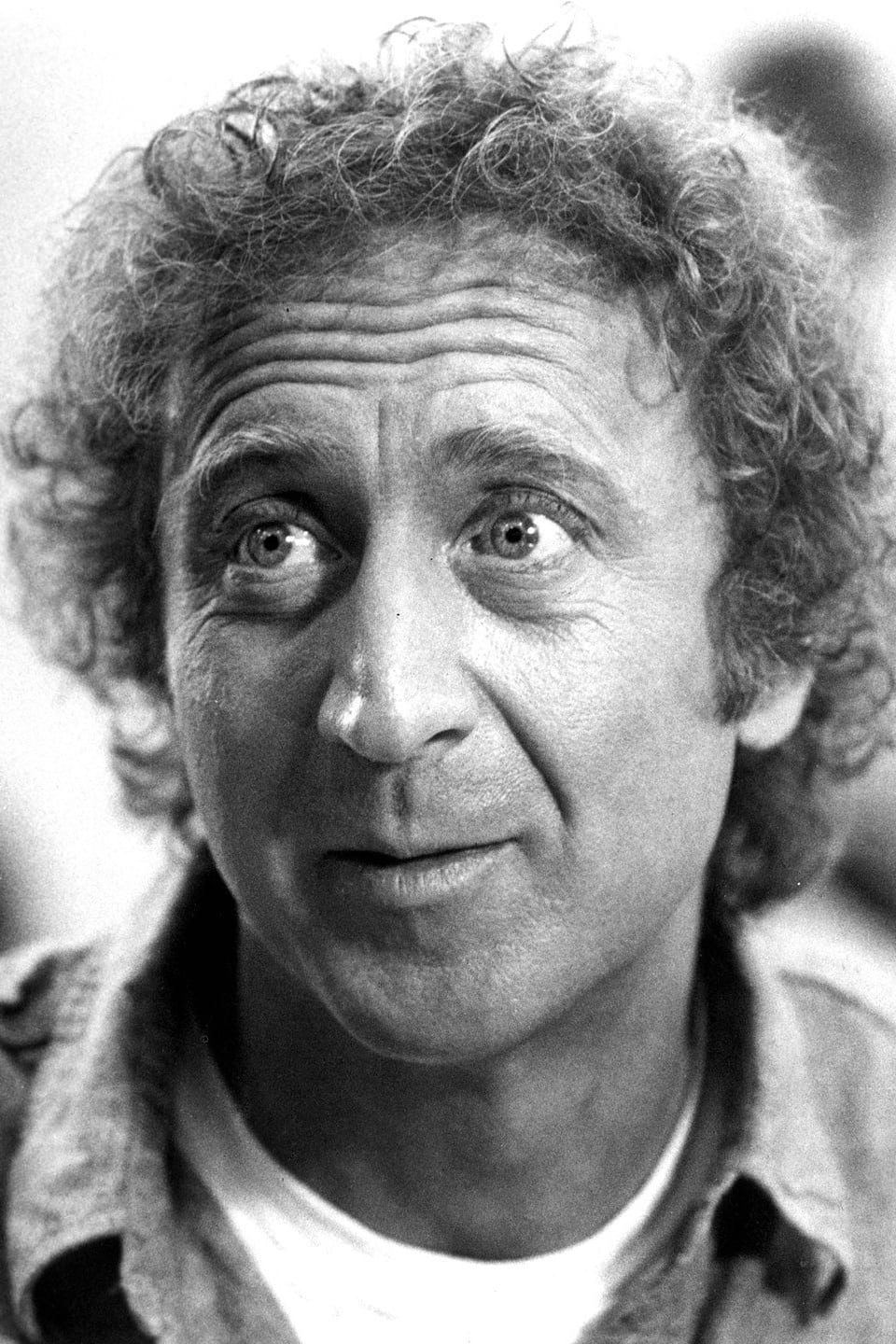
Jerome Silberman became “Gene Wilder,” choosing “Gene” for its literary resonance and “Wilder” in homage to playwright Thornton Wilder. He felt the new name better matched the tone of roles he pursued.
As Gene Wilder, he headlined classics like ‘Willy Wonka & the Chocolate Factory’ and ‘The Producers’. The name complemented his blend of gentleness and mischief that audiences associated with his performances.
Charlie Sheen
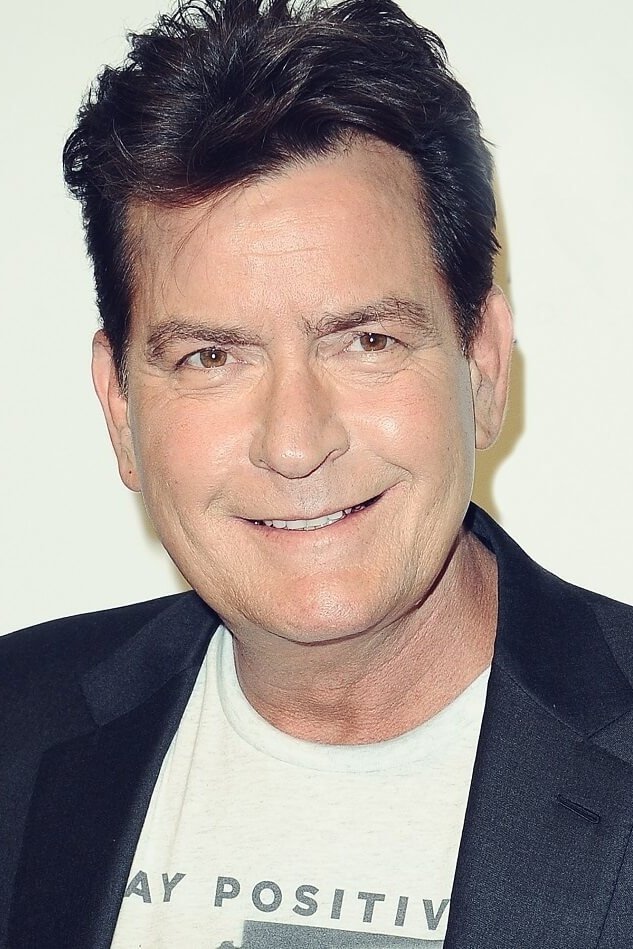
Carlos Irwin Estévez adopted “Charlie Sheen,” aligning with the stage surname his father used. The change helped him navigate an industry where a consistent family name aided recognition and casting.
He used the Sheen name across films and TV, from ‘Platoon’ and ‘Wall Street’ to ‘Two and a Half Men’. The shared surname created a clear professional link while differentiating him from his birth name.
Martin Sheen
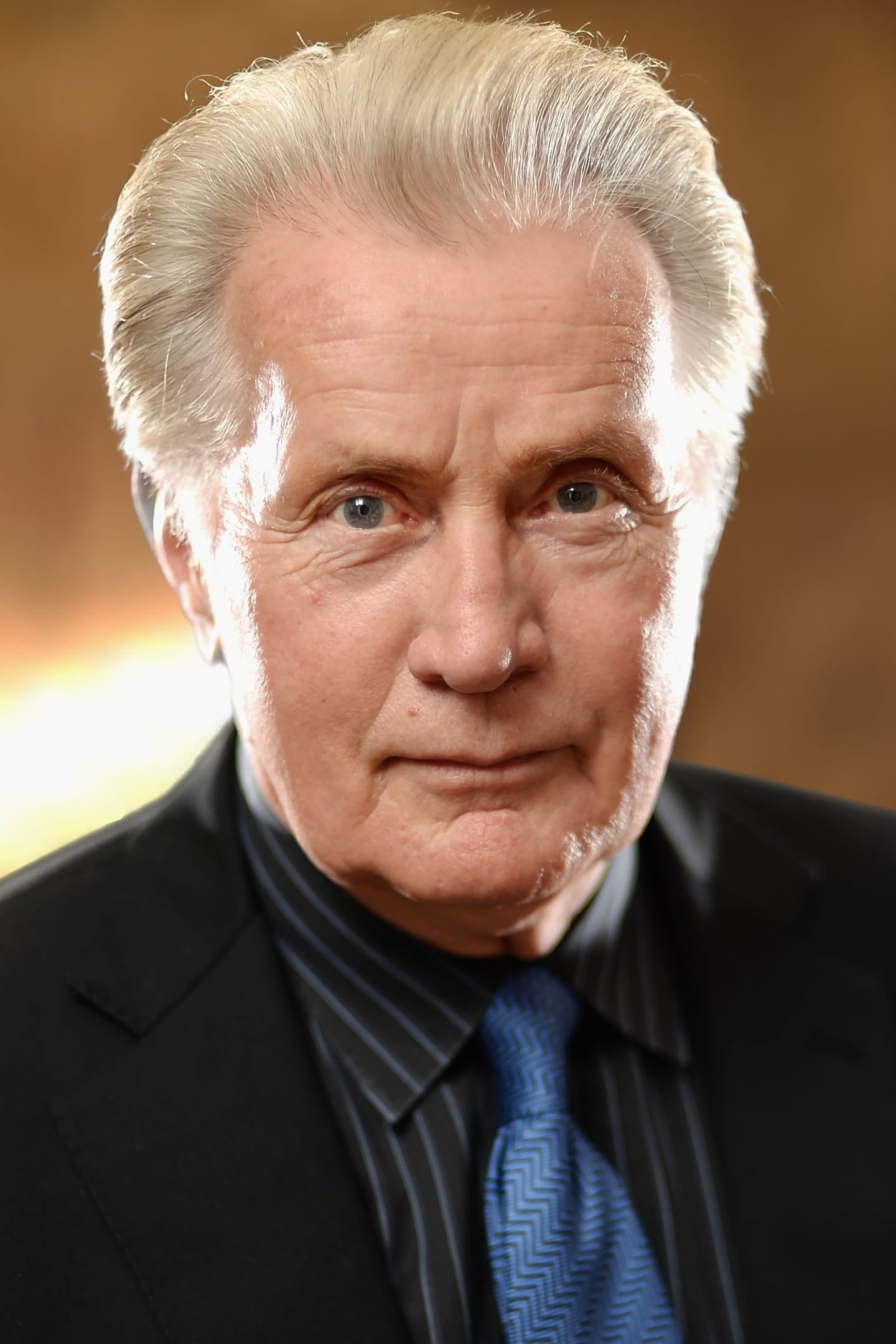
Ramón Antonio Gerardo Estévez became “Martin Sheen” early in his career, at a time when Spanish-surnamed actors often encountered limited casting. The shift broadened his opportunities on stage and screen.
As Martin Sheen, he built a legacy that includes ‘Apocalypse Now’, ‘Badlands’ and ‘The West Wing’. The chosen name facilitated work across theater, film, and television during decades of changing industry attitudes.
Michael Keaton

Born Michael John Douglas, he selected “Michael Keaton” to avoid confusion with an already established actor of the same birth name. Unions typically require uniqueness to prevent credit mix-ups.
As Michael Keaton, he moved from comedies like ‘Beetlejuice’ to superhero fare in ‘Batman’, later pivoting to dramas like ‘Birdman’. The distinct surname kept his credits unambiguous as his roles diversified.
Nicolas Cage
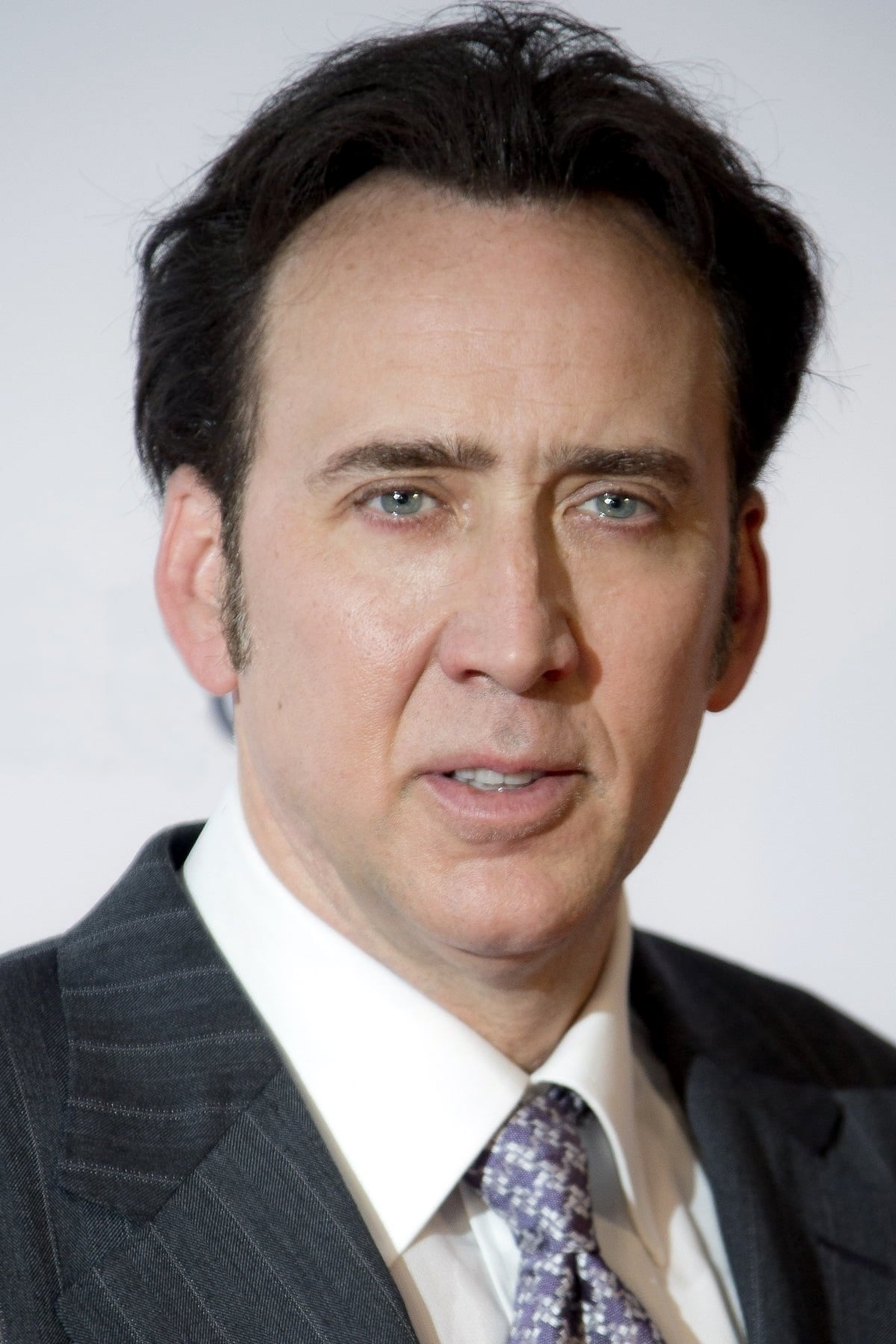
Nicolas Kim Coppola changed to “Nicolas Cage” to establish independence from the famous Coppola family name. The surname nods to the musician John Cage and the comic-book hero Luke Cage.
As Nicolas Cage, he pursued eclectic projects from ‘Moonstruck’ and ‘Leaving Las Vegas’ to ‘Adaptation’. The new name helped separate his identity from relatives while he built his own body of work.
Jamie Foxx
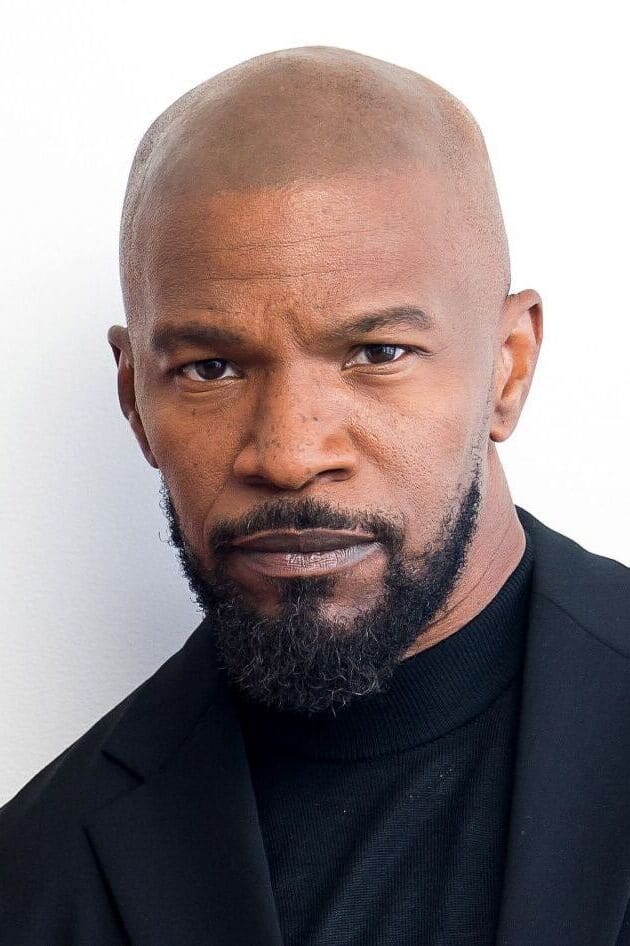
Eric Marlon Bishop chose “Jamie Foxx” after noticing that clubs often called up women comics first—he wanted a unisex first name that might get him onstage sooner. “Foxx” nodded to comedian Redd Foxx.
That name carried him from stand-up to acting triumphs like ‘Ray’ and projects such as ‘Collateral’ and ‘Django Unchained’. The calculated change opened doors across comedy, music, and film.
Vin Diesel
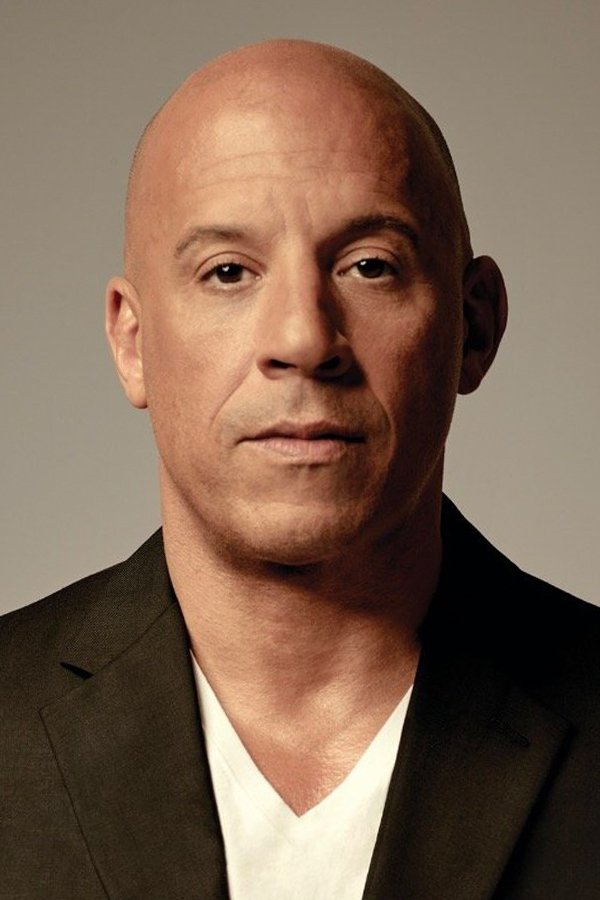
Born Mark Sinclair, he adopted “Vin Diesel,” with “Vin” drawn from his stepfather’s surname, Vincent, and “Diesel” from a nickname that stuck. The high-octane moniker fit action branding.
He used it to anchor franchises and action features including ‘xXx’, ‘Pitch Black’ and the ‘Fast & Furious’ series. The larger-than-life name proved tailor-made for global marketing.
Albert Brooks
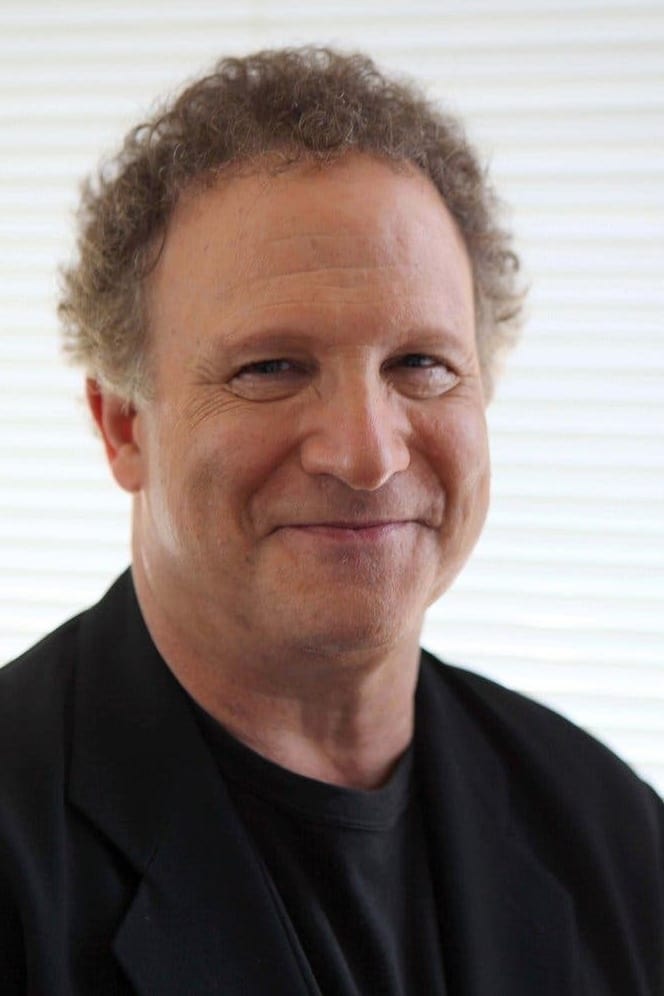
Albert Lawrence Einstein switched to “Albert Brooks” to avoid inevitable comparisons and jokes about sharing a name with the physicist. The straightforward replacement helped focus attention on his work.
As Albert Brooks, he wrote, directed, and acted in titles like ‘Defending Your Life’ and contributed memorable turns in ‘Drive’ and ‘Broadcast News’. The new surname kept credits clean and expectations grounded in comedy and character work.
Alan Alda
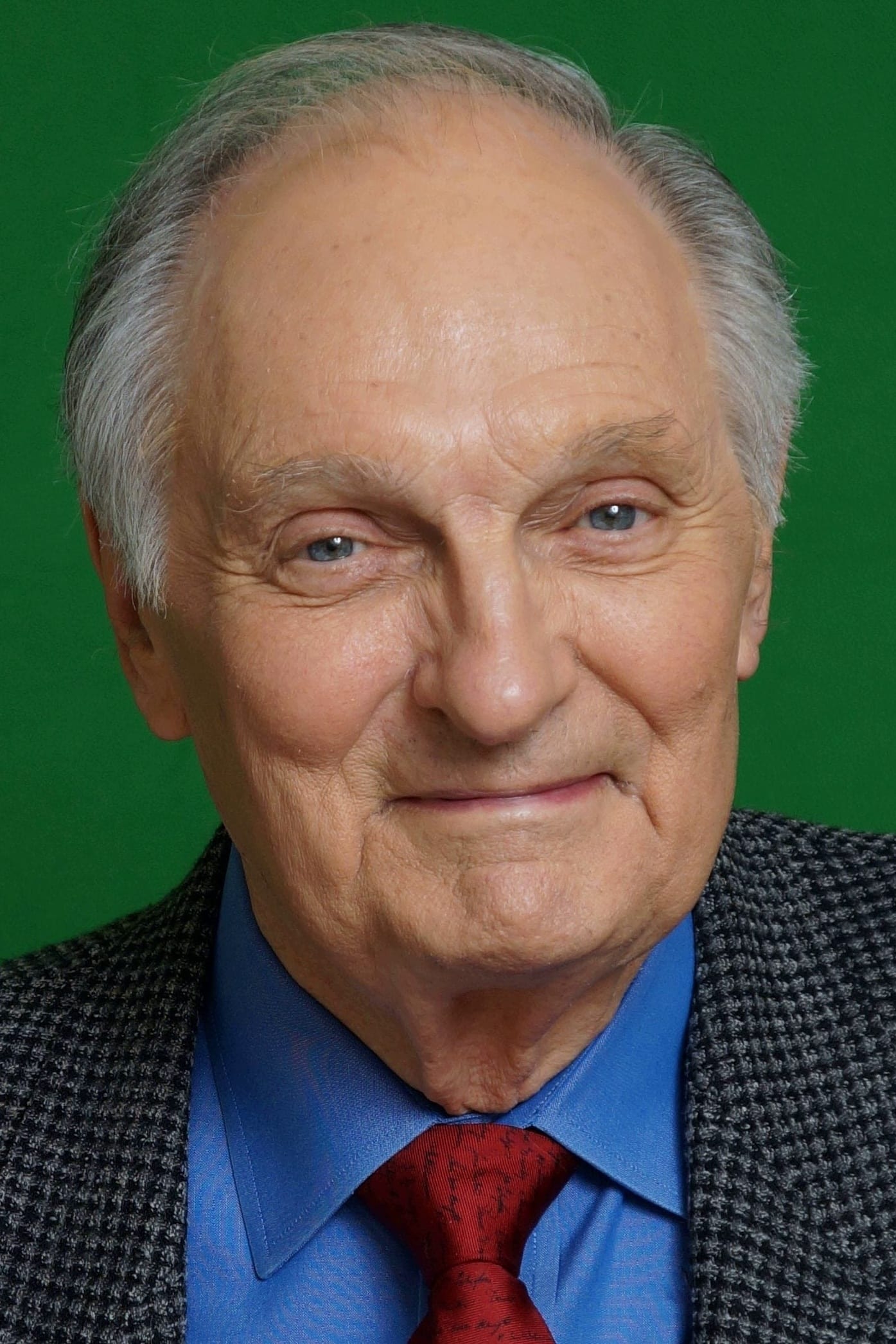
Alphonso Joseph D’Abruzzo became “Alan Alda,” echoing a family tradition—his father used “Robert Alda.” The compact, alliterative name traveled well across stage and screen.
He achieved household recognition on TV in ‘MAS*H’ and later in films and series like ‘The Aviator’ and ‘The West Wing’. The name made credits uncluttered and instantly identifiable to audiences.
Peter Lorre
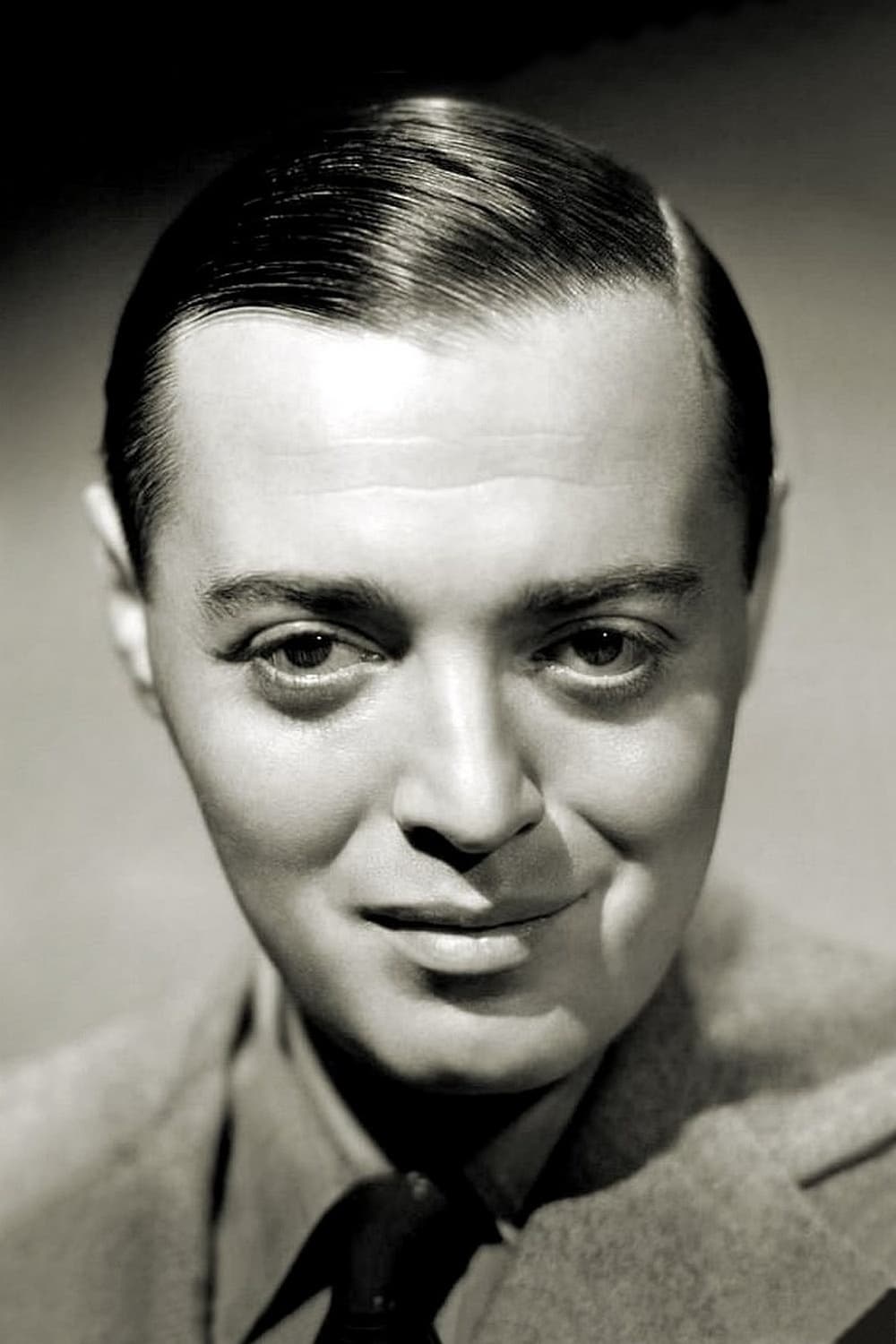
László Löwenstein adopted “Peter Lorre” while working in German theater and film, later carrying it to Hollywood. The new name eased pronunciation and fit international billing conventions.
As Peter Lorre, he left a mark in films like ‘M’, ‘The Maltese Falcon’ and ‘Casablanca’. The name became synonymous with distinctive, unsettling characters and a singular screen presence.
Bela Lugosi
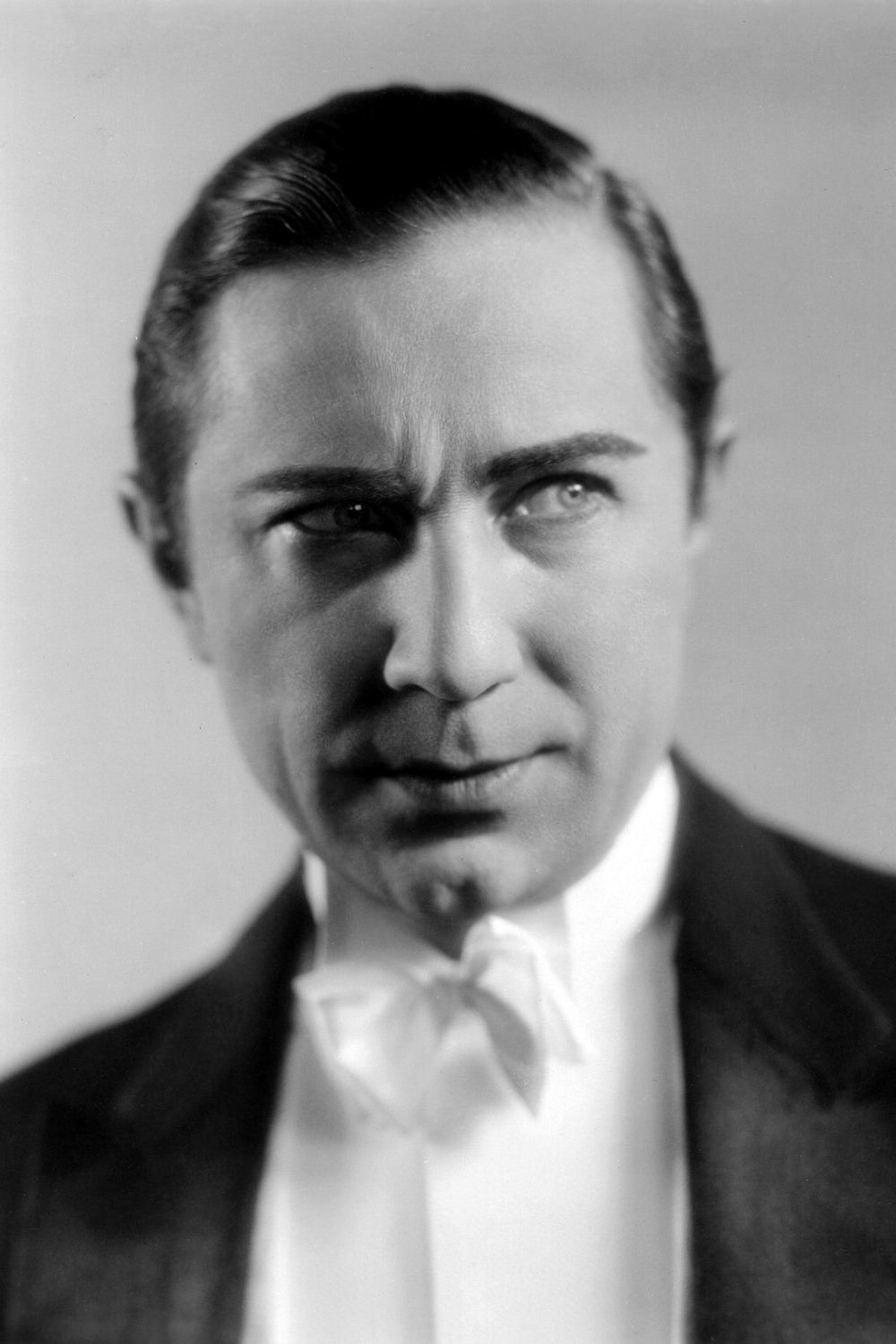
Béla Ferenc Dezső Blaskó took “Bela Lugosi,” referencing his birthplace, Lugos. The name sharpened his identity as he moved from the Hungarian stage to international cinema.
Under that banner, he originated the definitive screen ‘Dracula’ and appeared in genre staples such as ‘The Black Cat’. The geographically inspired surname set him apart in credits and posters.
Christopher Walken
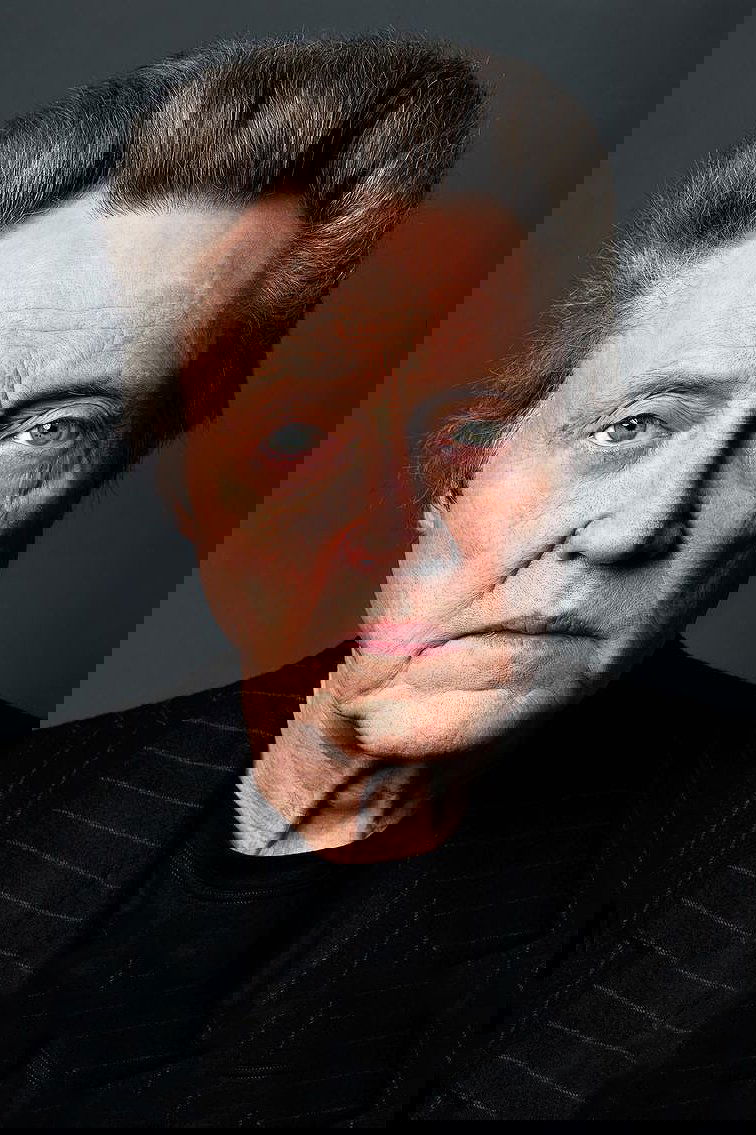
Born Ronald Walken, he changed to “Christopher Walken” early in his career at the suggestion of a performer he worked with. The new first name felt more in step with the roles he was attracting.
As Christopher Walken, he built a diverse resume—‘The Deer Hunter’, ‘Catch Me If You Can’, and ‘Seven Psychopaths’. The distinct name amplified a reputation for off-kilter intensity.
Richard Burton

Richard Walter Jenkins Jr. became “Richard Burton,” taking the surname of a teacher-mentor who supported his training. The change symbolized a break from his past and a commitment to the craft.
He used the name while starring in adaptations and epics like ‘Who’s Afraid of Virginia Woolf?’ and ‘Cleopatra’. The adopted surname honored the person who helped launch his career.
Stewart Granger
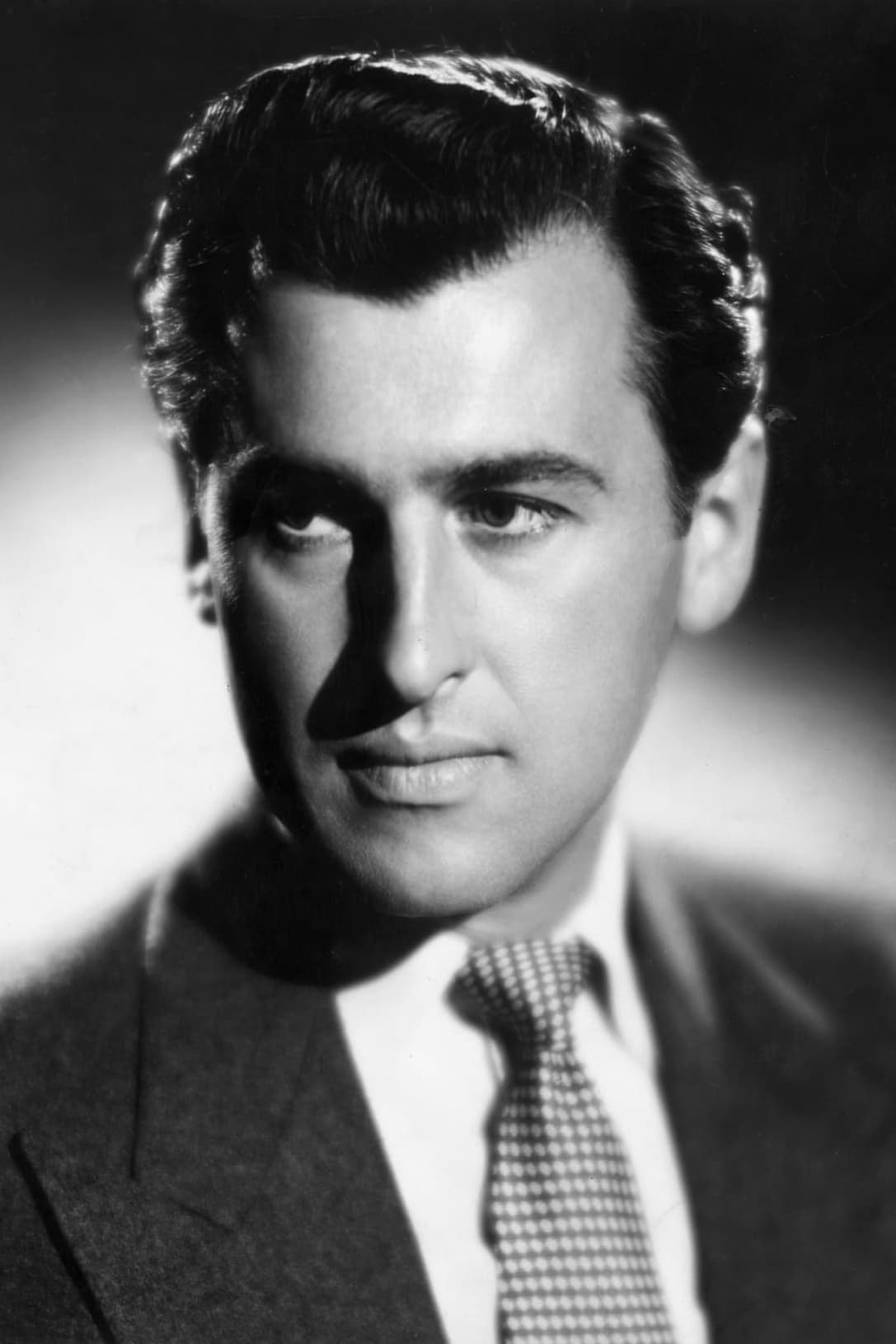
James Lablache Stewart adopted “Stewart Granger” to avoid confusion with actor James Stewart. Studio rosters and union rules often pushed performers toward distinct stage names.
Granger’s new name appeared on swashbucklers and adventures such as ‘Scaramouche’ and ‘King Solomon’s Mines’. The switch solved a practical problem and tailored his image for dashing leads.
Dirk Bogarde
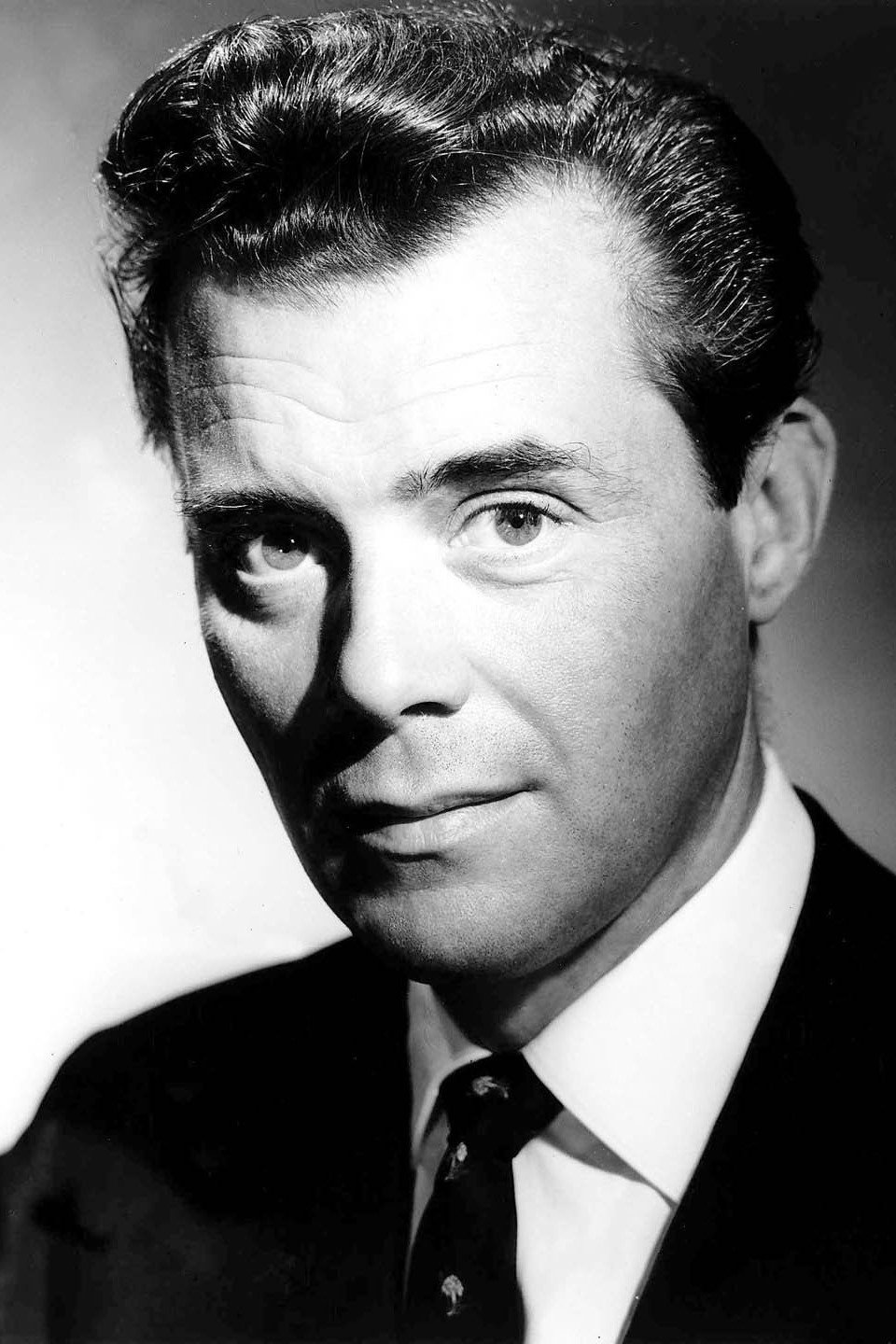
Derek Niven van den Bogaerde streamlined his name to “Dirk Bogarde,” a sophisticated, continental-sounding variant. The revision improved billing readability and fit the roles he pursued.
As Dirk Bogarde, he moved from matinee idol to celebrated dramatic actor in films like ‘Victim’ and ‘The Servant’. The tailored name became part of a carefully managed star persona.
Stan Laurel
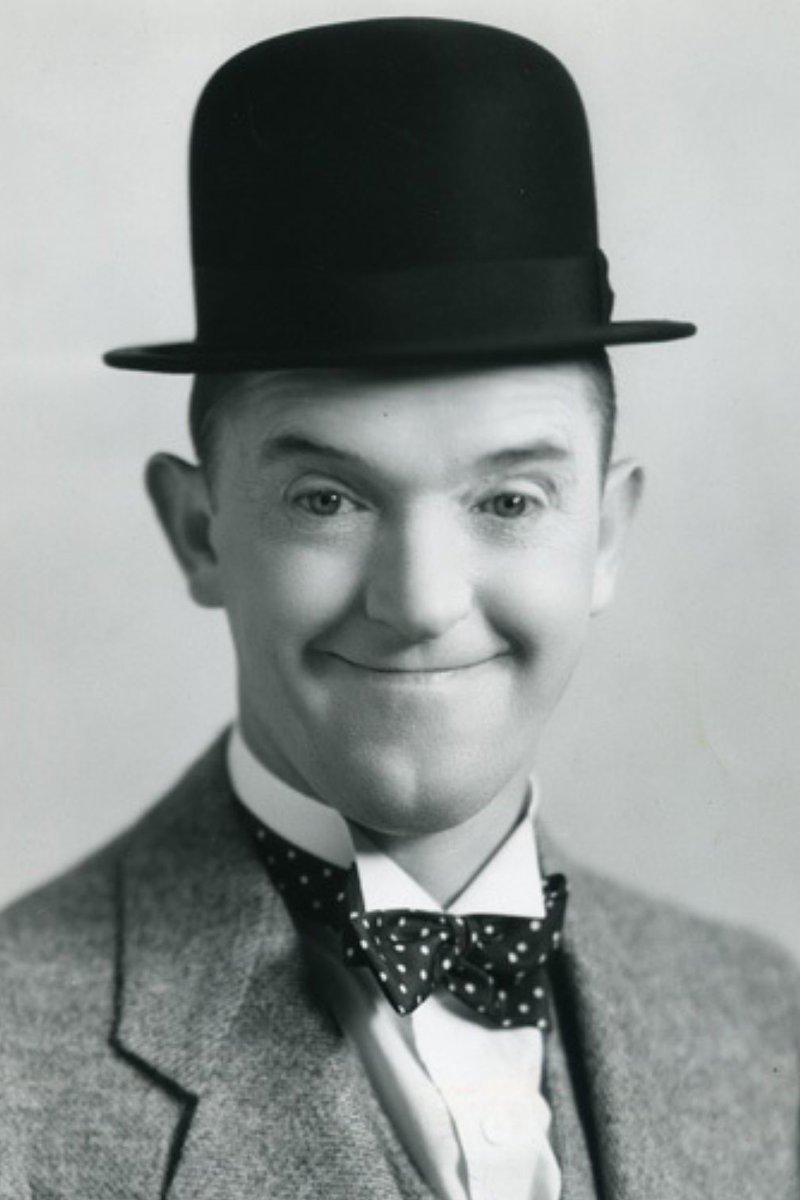
Arthur Stanley Jefferson switched to “Stan Laurel,” adopting a lighter surname for vaudeville and early film credits. The change aligned with the timing and rhythm of comedy billing.
Laurel’s name anchored the legendary duo in ‘Laurel and Hardy’ films like ‘Way Out West’. The streamlined stage identity supported international recognition.
Oliver Hardy
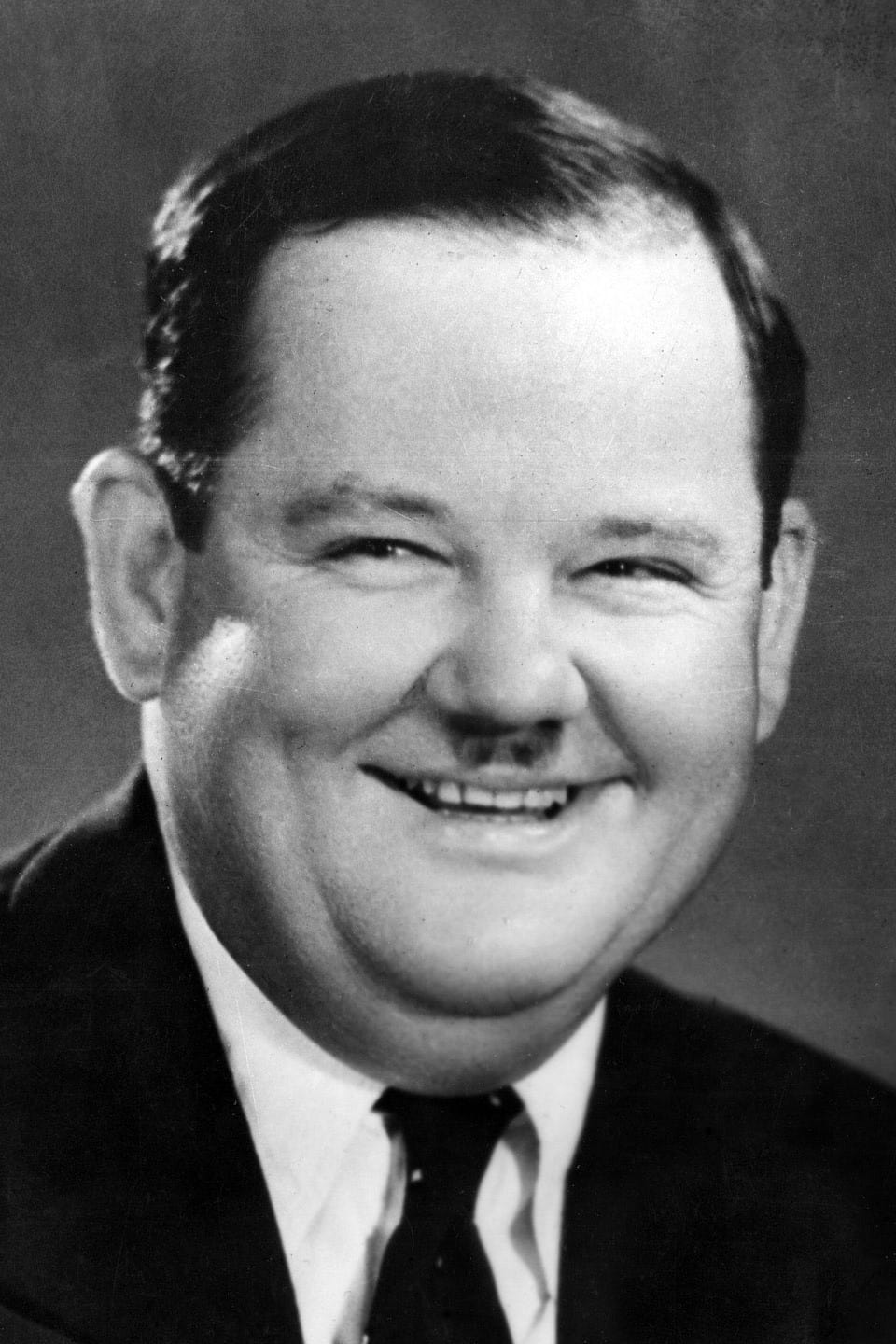
Norvell Hardy began using “Oliver Hardy,” adopting his father’s first name and phasing out “Norvell” as he established himself. The choice offered a more formal presence for credits.
As Oliver Hardy, he partnered with Stan Laurel for a long run of comedies including ‘Sons of the Desert’. The name cemented his half of one of screen comedy’s most recognizable brands.
Charles Bronson
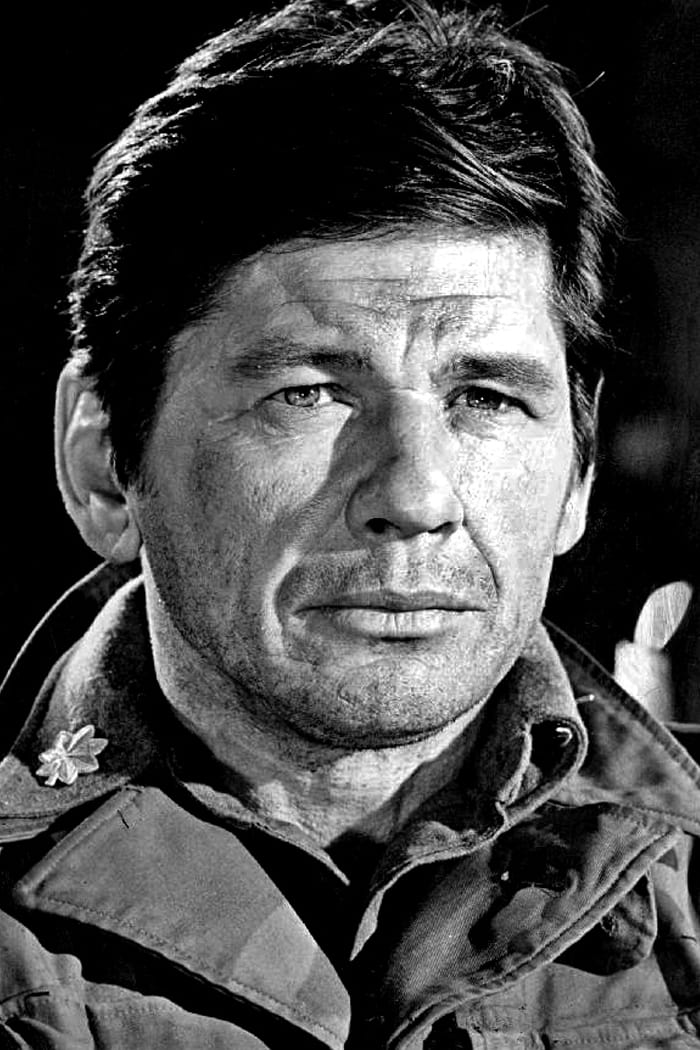
Charles Dennis Buchinsky changed to “Charles Bronson” during a period when Eastern European surnames could hinder casting, particularly amid political tensions. The new name felt tough and concise.
He became known for action and revenge dramas like ‘Death Wish’ and war films such as ‘The Dirty Dozen’. The hard-edged surname matched the gritty characters he portrayed.
Dean Martin
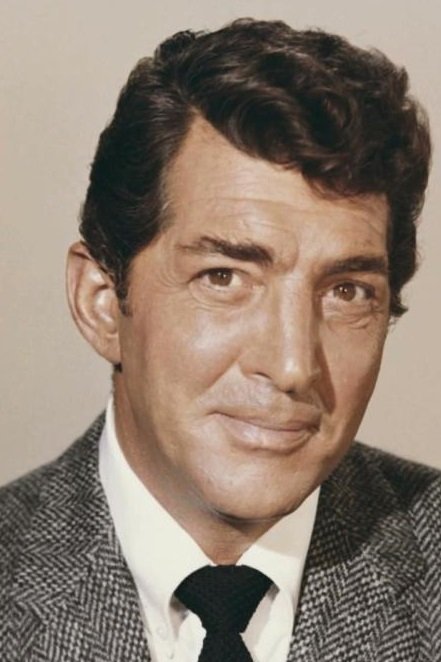
Dino Paul Crocetti became “Dean Martin” as he transitioned from singer to screen star. The Anglicized name enhanced his nightclub appeal and fit marquee constraints.
As Dean Martin, he headlined comedies and Westerns and teamed in the Rat Pack for titles like ‘Ocean’s 11’. The name served his music-comedy crossover and film career equally well.
Danny Kaye
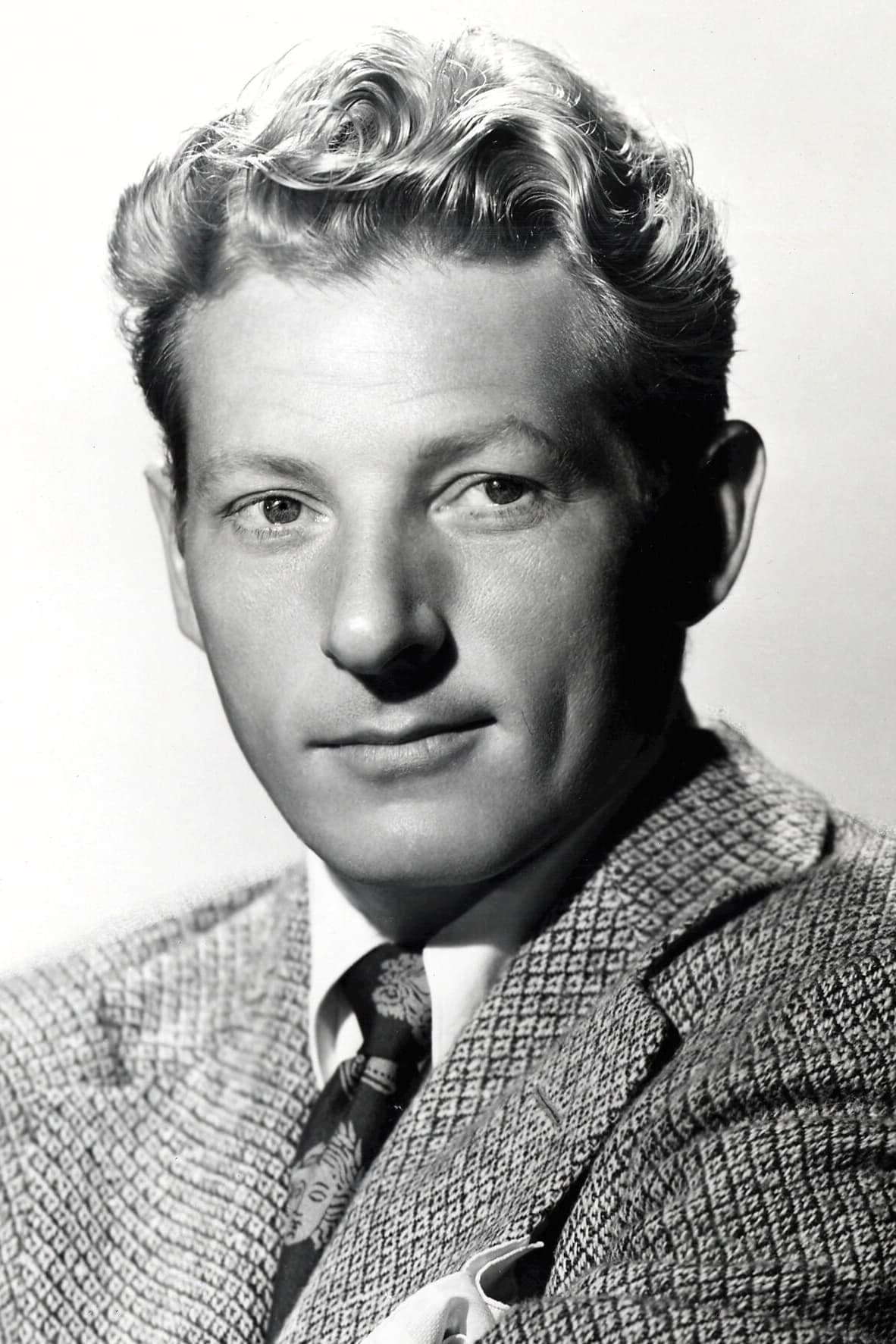
David Daniel Kaminsky adopted “Danny Kaye,” compressing and anglicizing his birth name for stage and film. Variety circuits and studios valued snappy names that audiences could chant and remember.
He brought that name to musical comedies and family favorites such as ‘The Court Jester’ and ‘White Christmas’. The change supported a persona built on agility—verbal and physical.
Omar Sharif
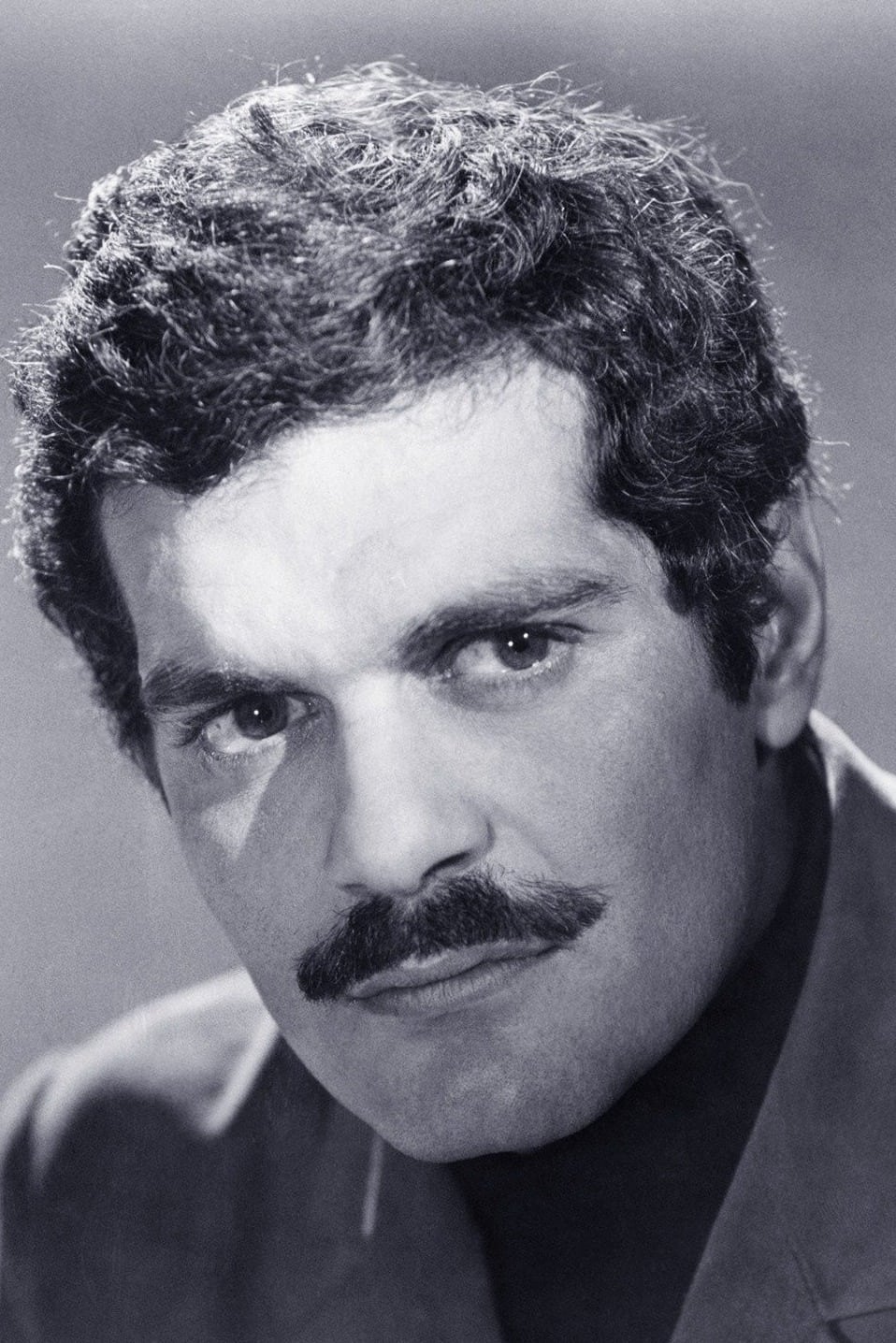
Born Michel Dimitri Chalhoub in Alexandria, he adopted the name “Omar El-Sharif” when he converted to Islam and began working in Egyptian cinema, later streamlining it to “Omar Sharif” for international billing. The change aligned his public identity with the Arabic-language industry where he first broke through and made his name readable and memorable across different markets.
Under “Omar Sharif,” he moved from regional stardom to global fame with major roles in epics and romances, including ‘Lawrence of Arabia’, ‘Doctor Zhivago’ and ‘Funny Girl’. The new name became synonymous with cosmopolitan leading-man appeal and helped him bridge film industries in Egypt, Europe and Hollywood.
Bruce Lee
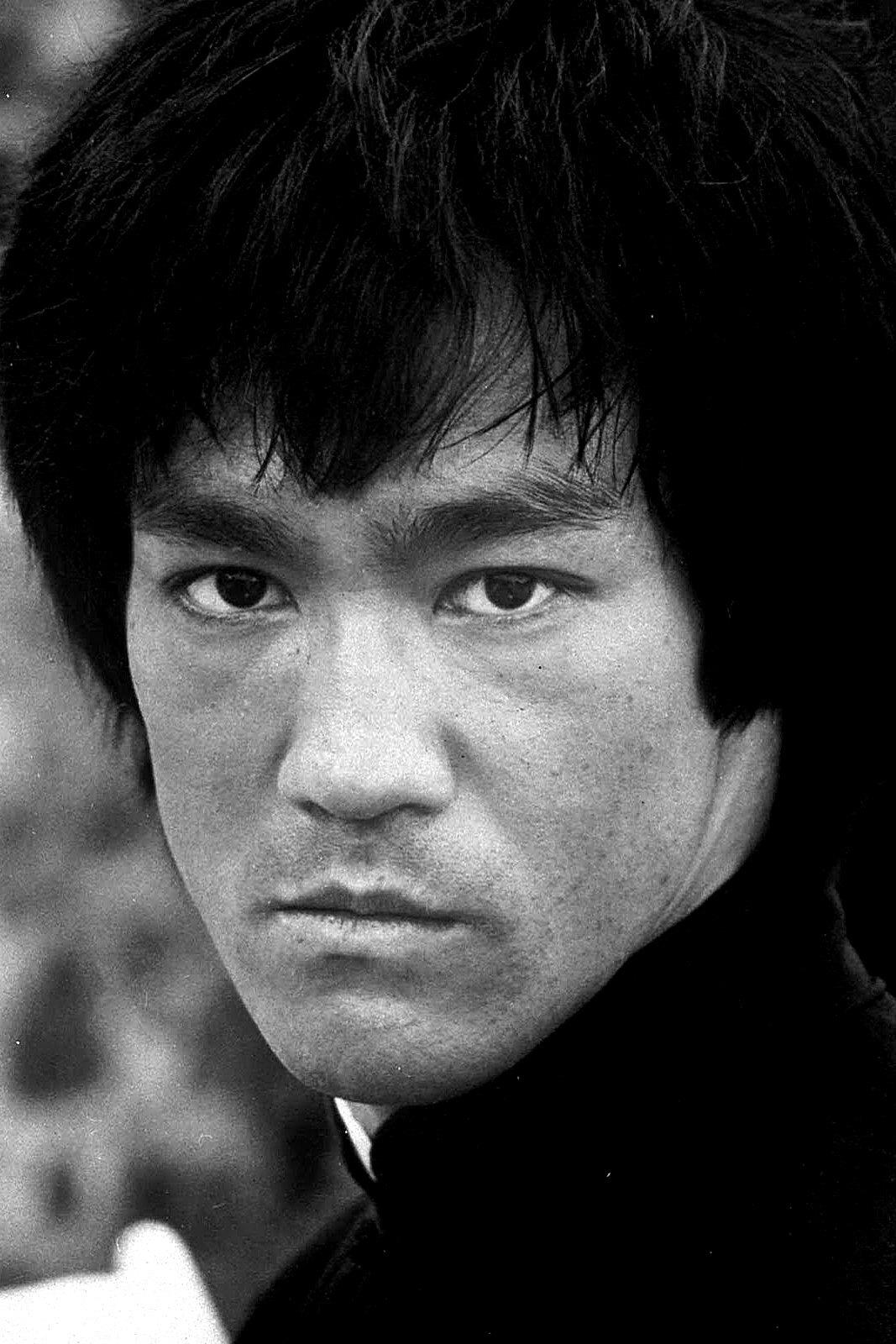
Lee Jun-fan became known worldwide as “Bruce Lee,” adopting the English first name early in life and using it consistently as he worked between Hong Kong and the United States. The streamlined Anglicized name clarified credits for Western audiences and matched the cross-cultural career he built as a performer, choreographer and martial-arts teacher.
As Bruce Lee, he fronted action landmarks such as ‘The Way of the Dragon’ and ‘Enter the Dragon’, and made a splash on television in ‘The Green Hornet’. The stage name traveled easily on posters and in international press, reinforcing the precision and speed that defined his screen persona.
David Tennant
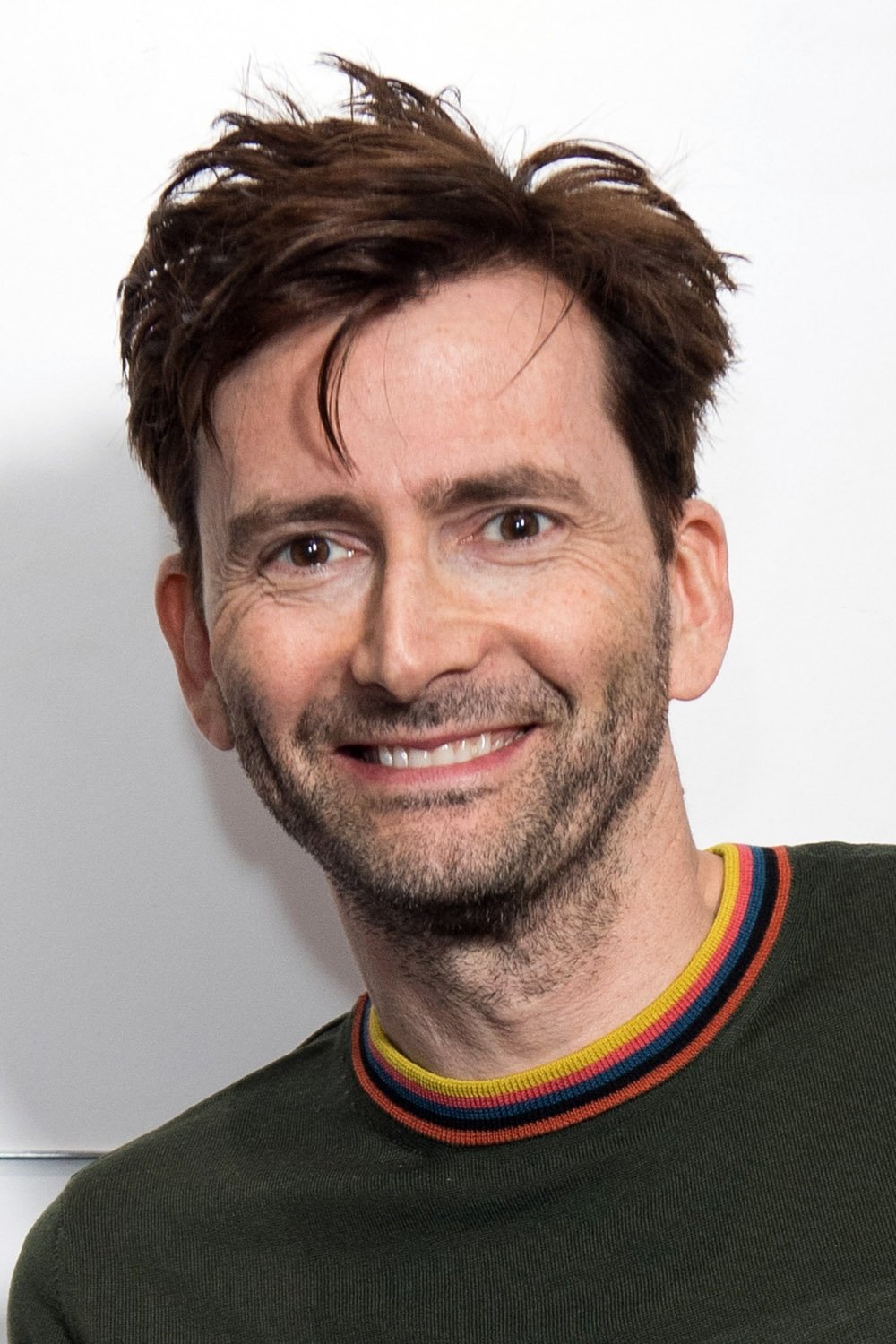
David John McDonald adopted “David Tennant” to register with Equity when his birth name was already taken. He chose the surname after seeing it in a music magazine.
He used it to front roles in ‘Doctor Who’, ‘Broadchurch’ and ‘Good Omens’. The change solved a practical union issue and became a signature attached to fan-favorite performances.
Terry O’Quinn
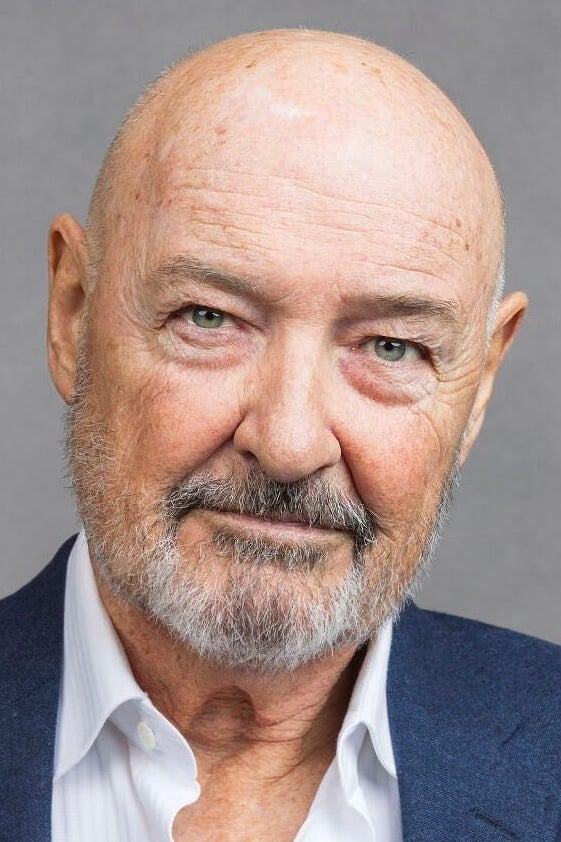
Terrance Quinn added the “O’” to become “Terry O’Quinn,” differentiating himself from another actor and adding distinctiveness to his billing. The tweak also echoed Irish heritage.
As Terry O’Quinn, he delivered memorable work in ‘The Stepfather’ and on TV’s ‘Lost’. The modified surname stood out in credits and helped avoid industry confusion.
Jean-Claude Van Damme
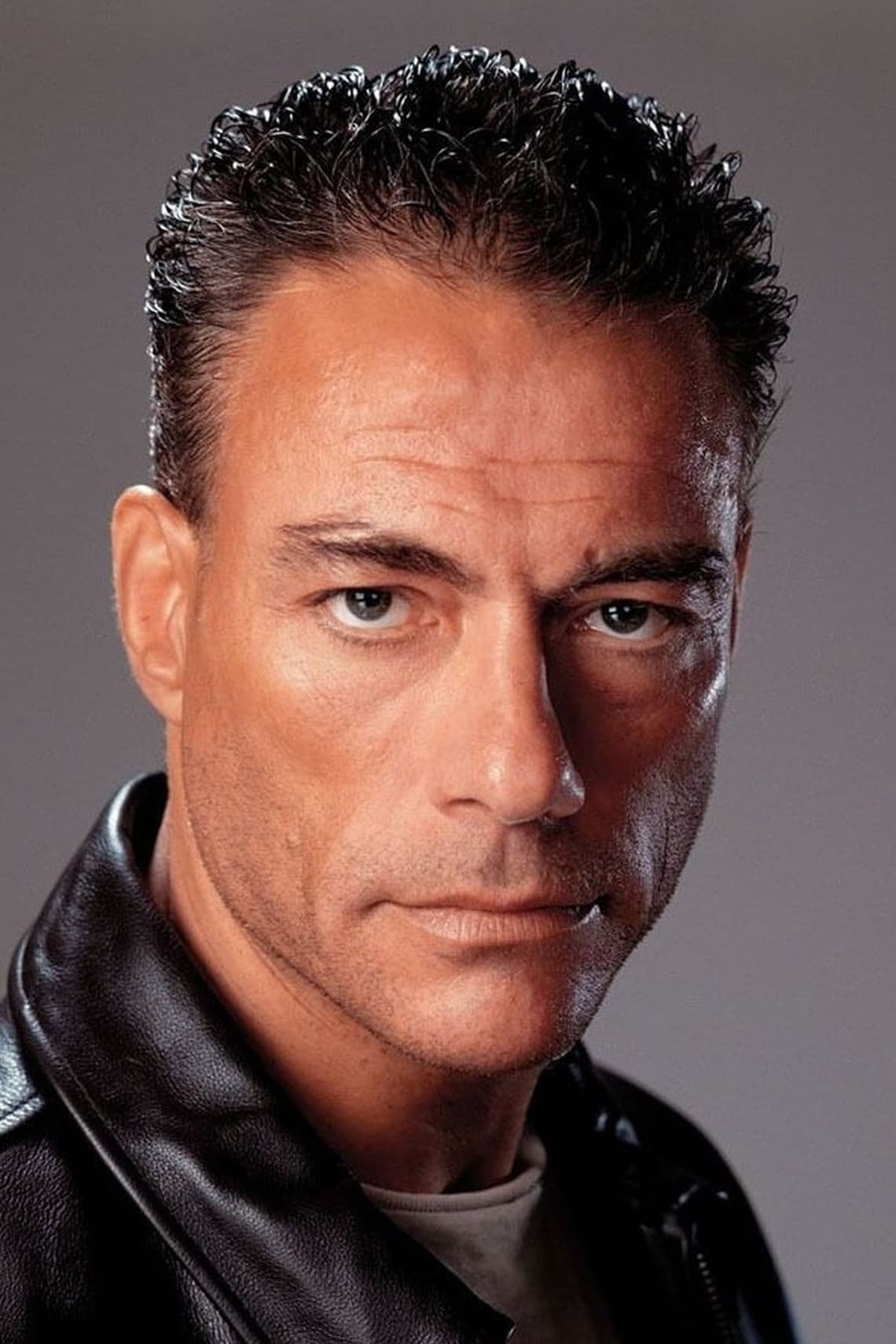
Jean-Claude Camille François Van Varenberg shortened and altered his surname to “Van Damme” early in his career. The leaner name read better on posters and was easier for international audiences.
As Jean-Claude Van Damme, he starred in action vehicles like ‘Bloodsport’, ‘Kickboxer’ and ‘Timecop’. The refined surname complemented a global martial-arts brand.
Dolph Lundgren
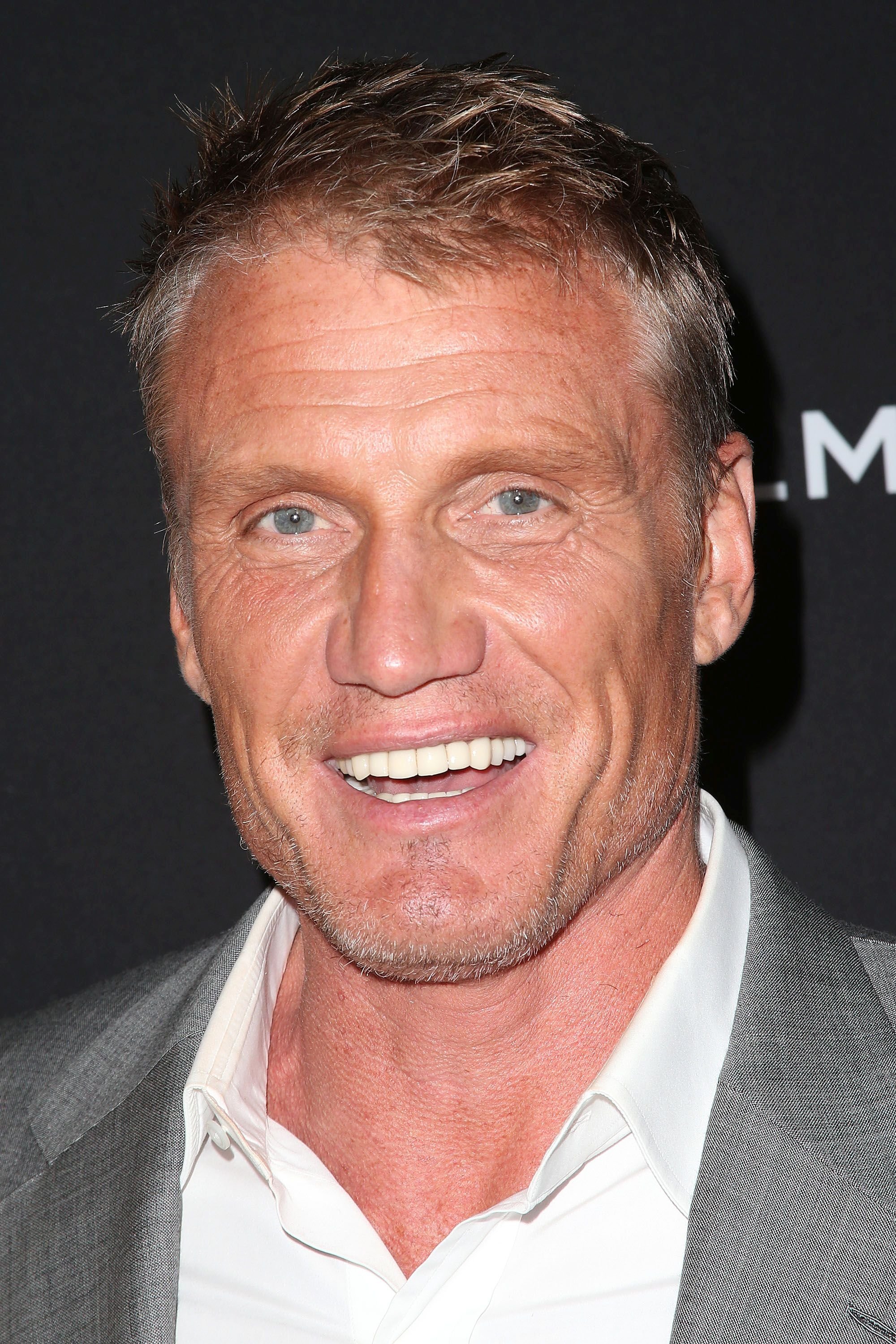
Hans Lundgren took “Dolph,” a family-linked nickname, as his professional first name. The memorable choice paired well with the distinctive Scandinavian surname.
As Dolph Lundgren, he broke through with ‘Rocky IV’ and continued with ‘Universal Soldier’ and ‘The Expendables’. The stage name’s punchiness supported an action-centric career.
Jackie Chan
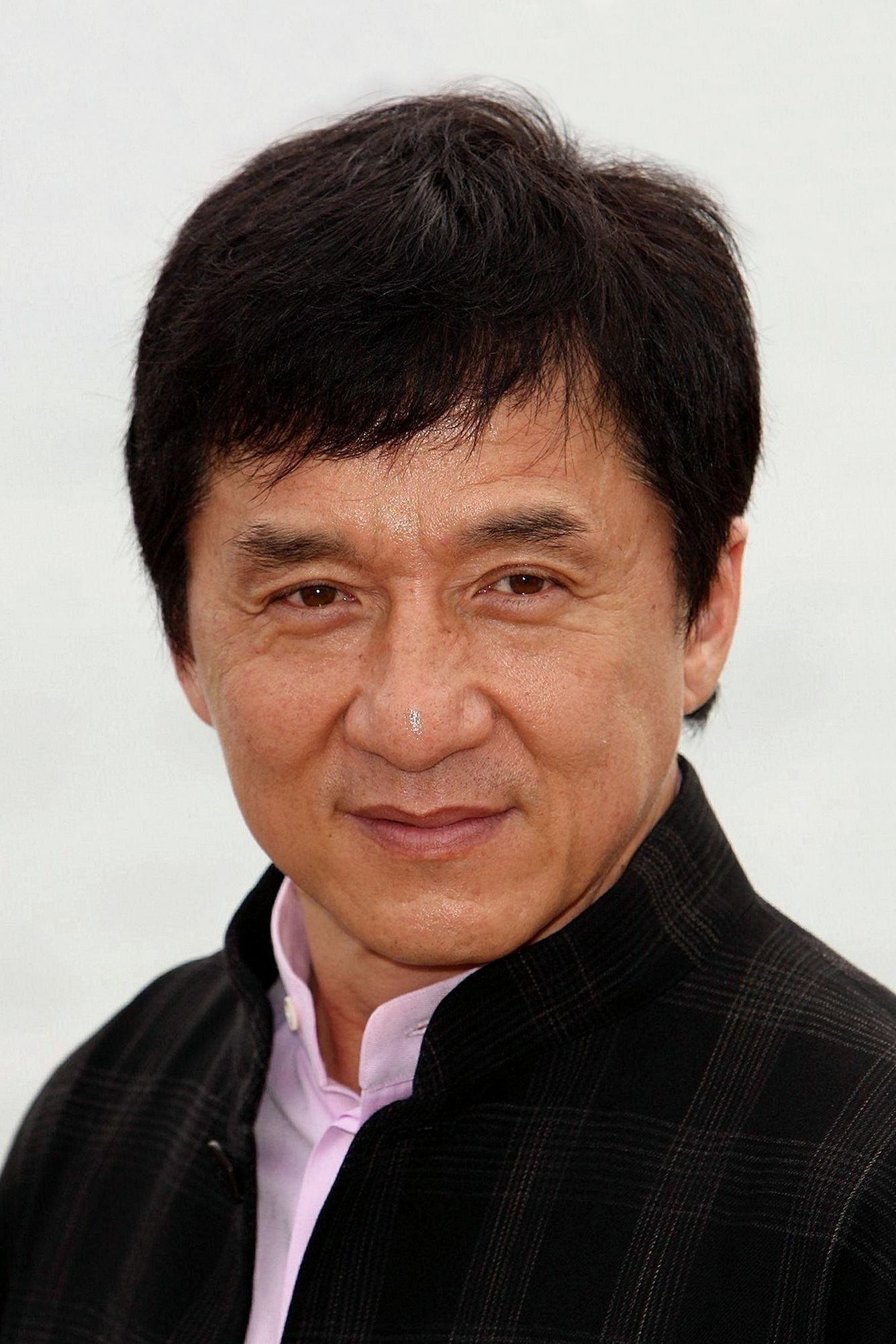
Chan Kong-sang became “Jackie Chan” after earlier stints with different stage names, ultimately adopting “Jackie” during a period working with a foreman named Jack. The English first name aided international marketing.
With that name, he fused action and comedy in ‘Police Story’, ‘Drunken Master’ and ‘Rush Hour’. The bilingual branding helped him bridge Hong Kong cinema and Hollywood.
Jet Li
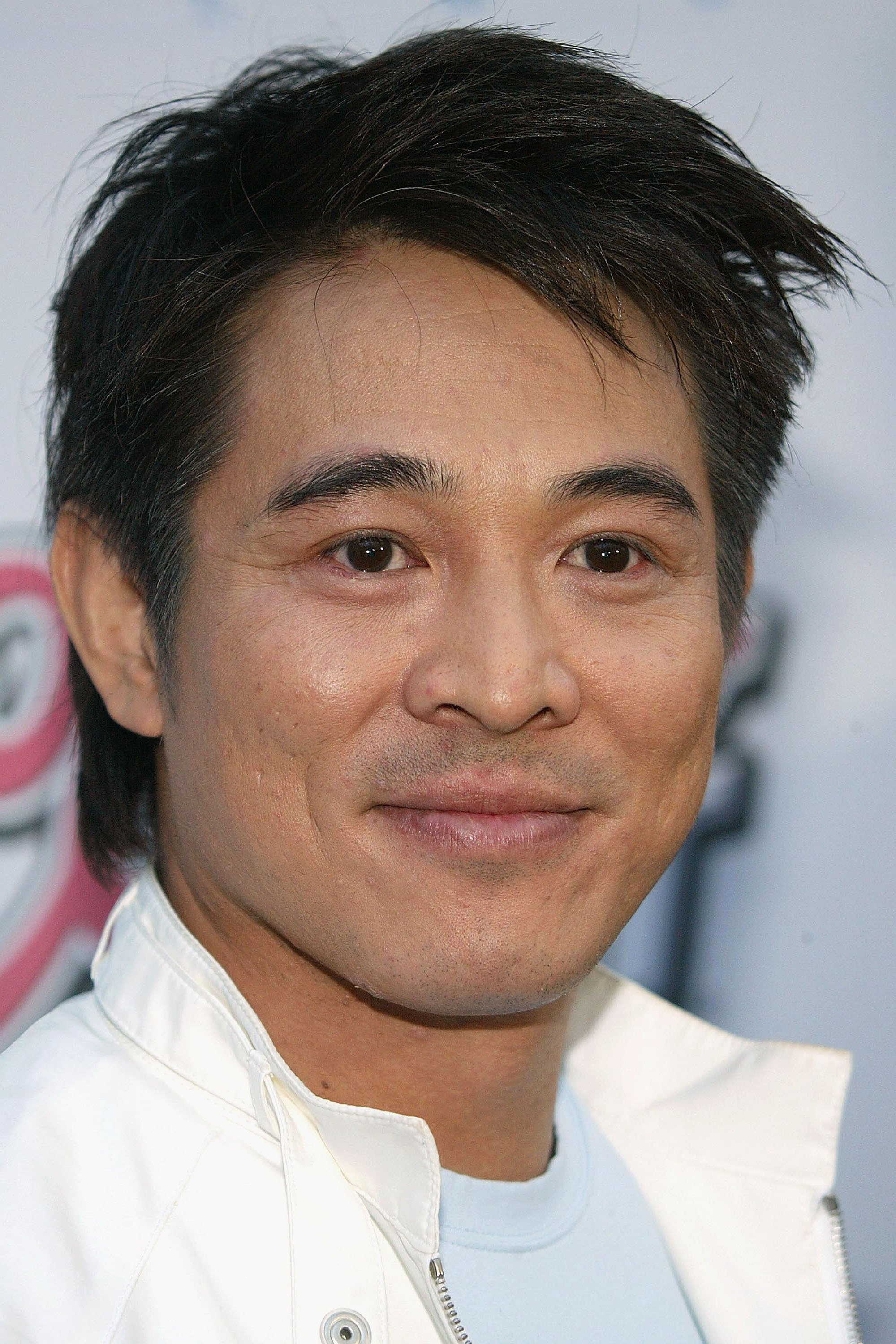
Li Lianjie became known internationally as “Jet Li,” a nickname that reportedly began with a coach or as a media handle before becoming his enduring stage name. The dynamic moniker matched his athletic screen image.
He carried “Jet Li” through wuxia and action hits like ‘Once Upon a Time in China’, ‘Hero’ and ‘Lethal Weapon 4’. The name amplified the speed and precision associated with his roles.
Donnie Yen
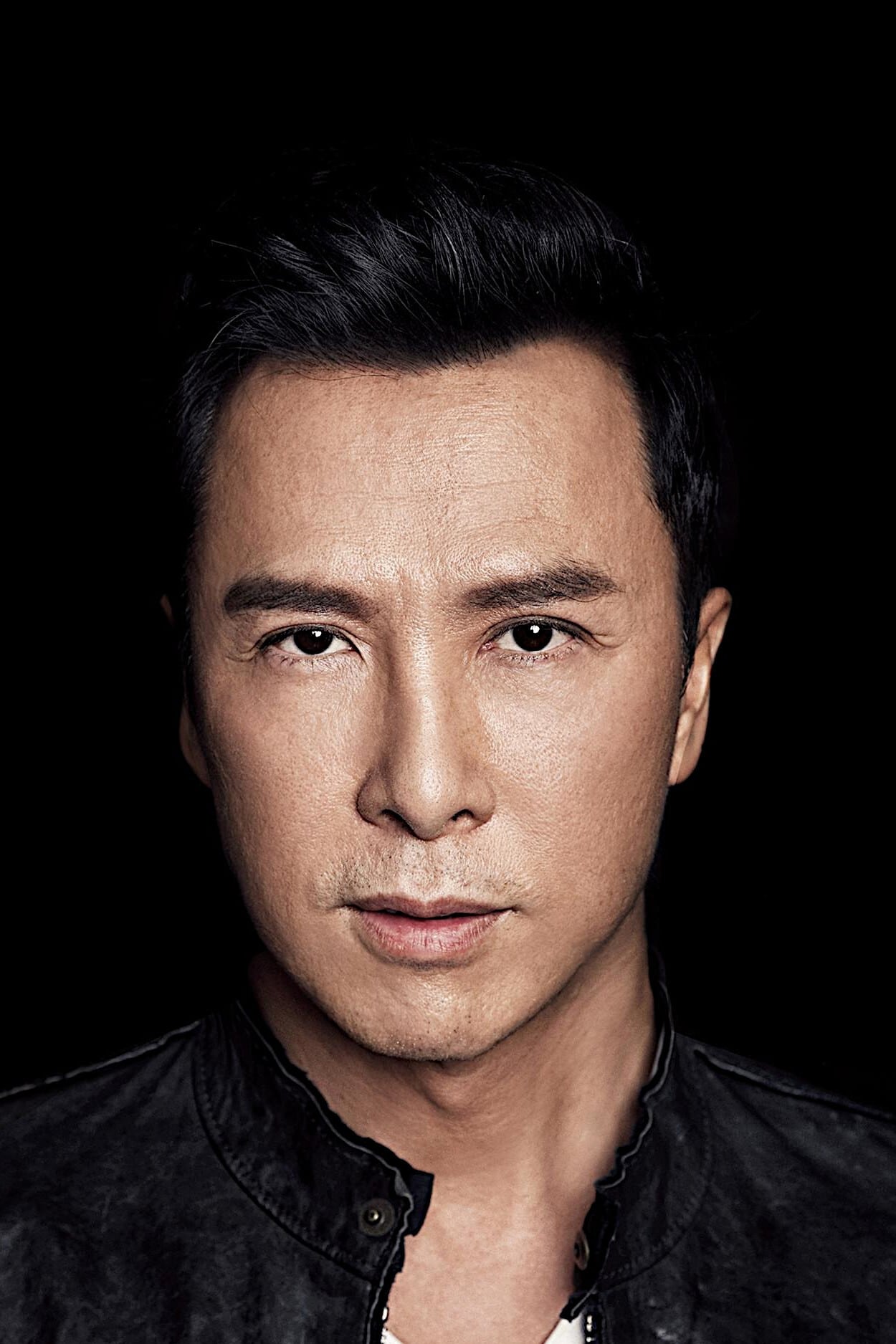
Zhen Zidan adopted “Donnie Yen” as he worked between Hong Kong and the United States. The English given name simplified credits and interviews for Western outlets.
As Donnie Yen, he fronted vehicles like ‘Ip Man’, ‘Flash Point’ and joined ensemble films such as ‘Rogue One: A Star Wars Story’. The Anglicized name eased his crossover to global audiences.
Kal Penn
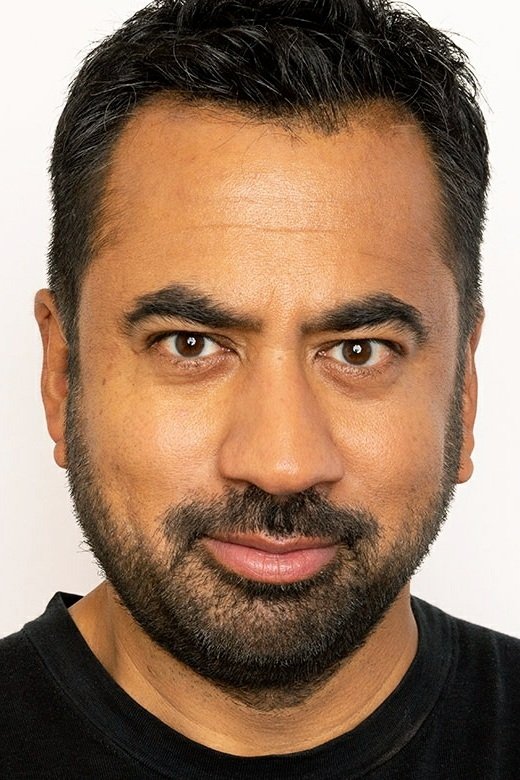
Kalpen Suresh Modi streamlined to “Kal Penn,” a change he has discussed as a way to get more auditions at a time when ethnically marked names narrowed opportunities. The shift was professional rather than personal.
He used the name across comedies like ‘Harold & Kumar Go to White Castle’ and TV work including ‘House’. The concise stage name improved casting visibility without obscuring heritage.
Mahershala Ali
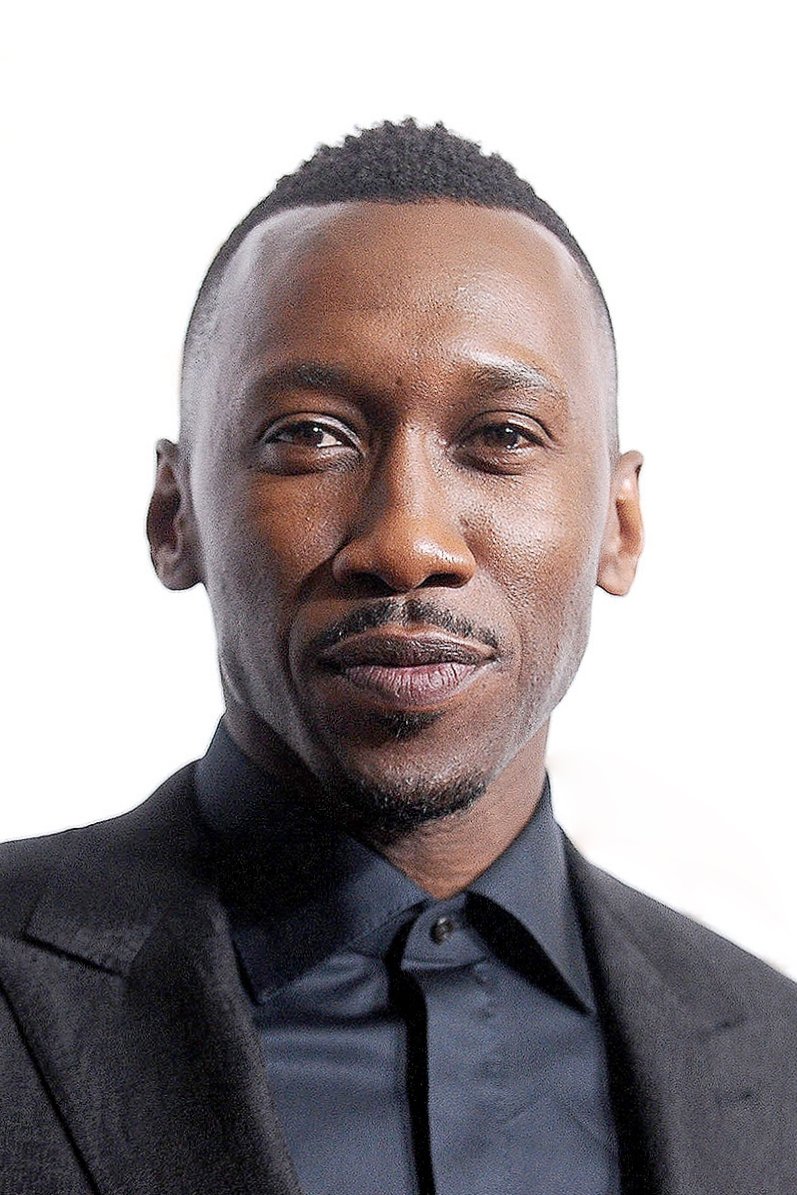
Born Mahershalalhashbaz Gilmore, he took the surname “Ali” after converting to Islam and later used the shortened “Mahershala” professionally. The refined version fit credits while honoring his faith and given name.
As Mahershala Ali, he won acclaim for ‘Moonlight’ and ‘Green Book’, and appeared in series like ‘True Detective’. The name balances identity and practicality across film and television.
Jean Reno
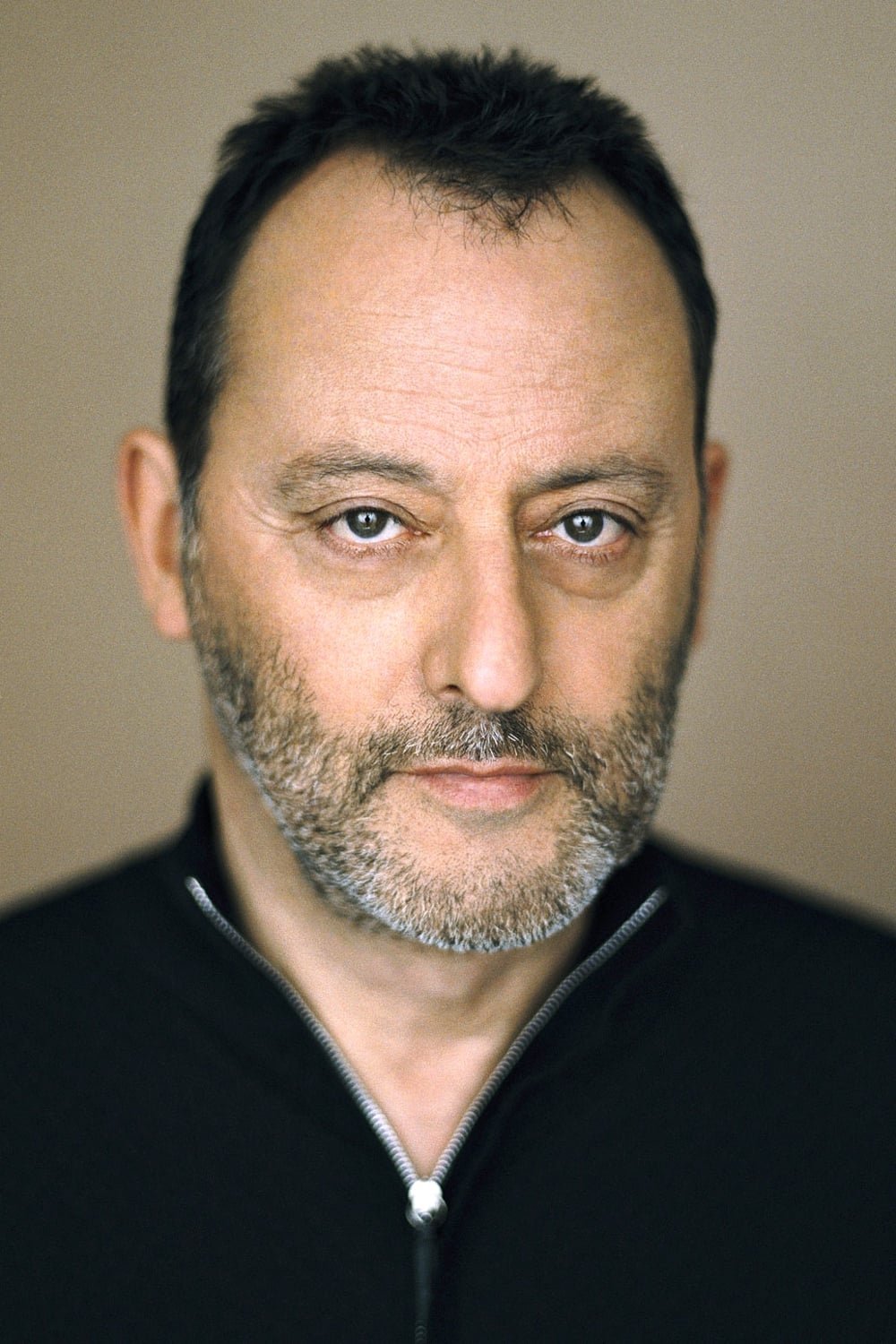
Born Juan Moreno y Herrera-Jiménez in Casablanca to Spanish parents, he later naturalized in France and adopted the stage name “Jean Reno.” The surname “Reno” derived from a contraction of “Moreno,” while “Jean” aligned with French naming customs, giving him a concise identity that worked across European and global markets.
With the new name, he became a fixture in French and international cinema through films like ‘Léon: The Professional’, ‘The Big Blue’ and ‘Ronin’. The change gave casting directors and audiences a clear, marketable credit that supported a steady flow of action, drama and thriller roles.
Antonio Banderas
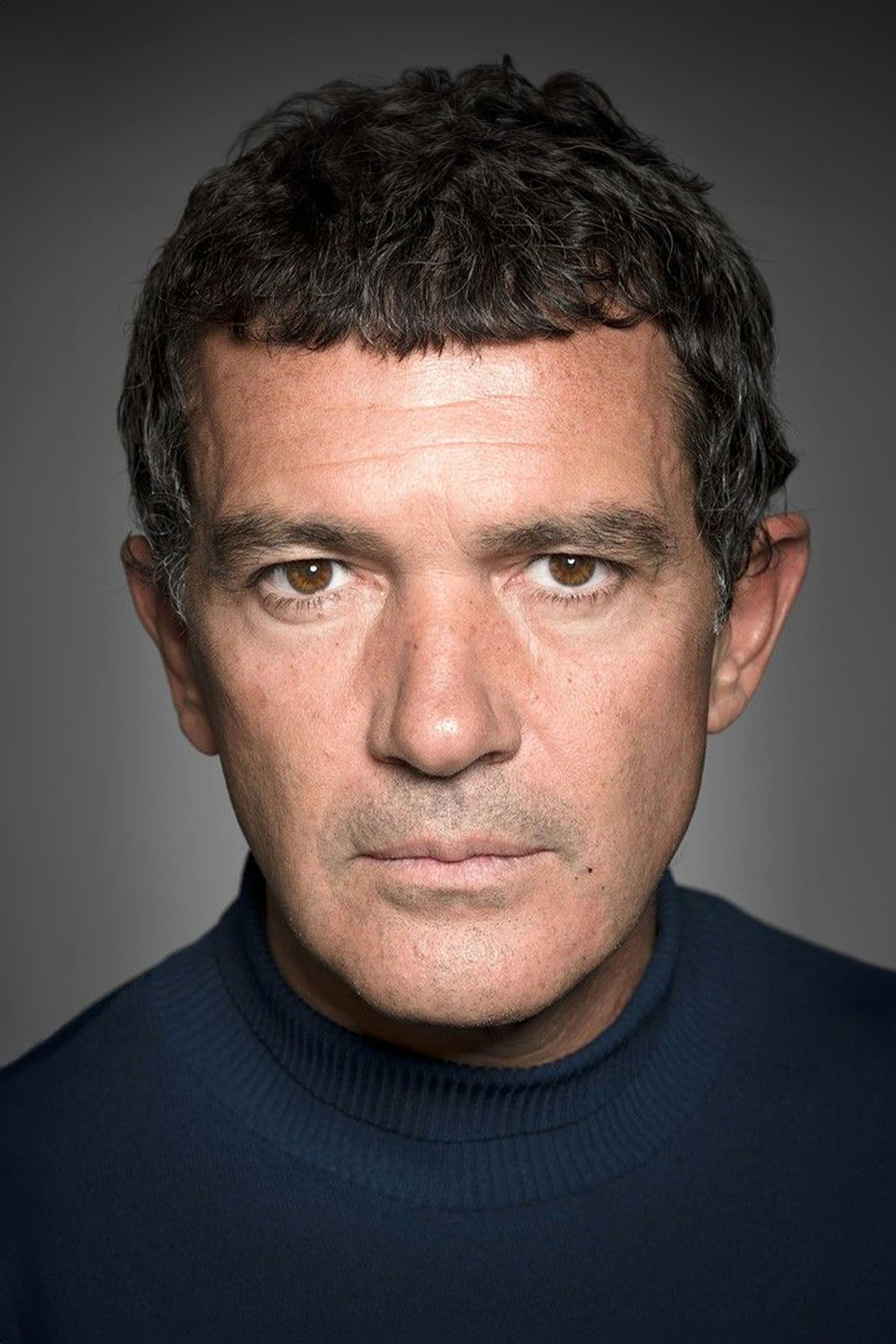
José Antonio Domínguez Bandera chose “Antonio Banderas,” adopting his middle name and a modified form of his maternal surname. The compact stage name supported international promotion.
As Antonio Banderas, he moved from Spanish cinema to Hollywood with films such as ‘Desperado’, ‘The Mask of Zorro’ and ‘Pain and Glory’. The adjusted surname proved distinctive across languages.
Anthony Quinn
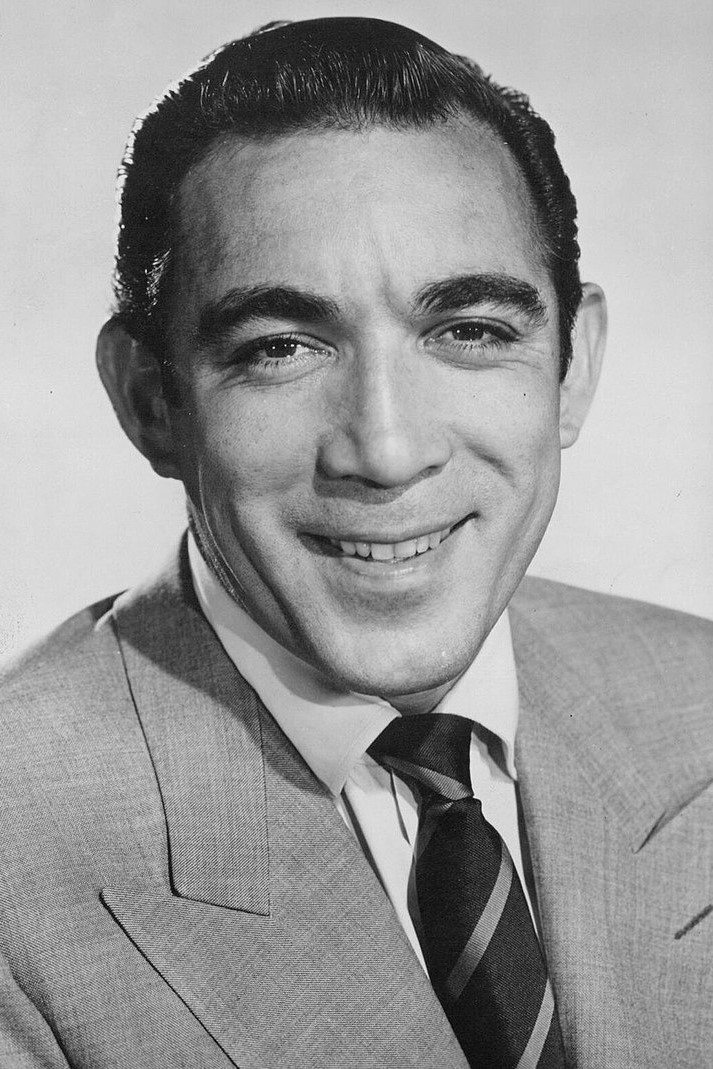
Antonio Rodolfo Quinn Oaxaca Anglicized his first name to “Anthony” and simplified his surnames for credits. The streamlined identity made casting and billing straightforward in mid-century Hollywood.
Under Anthony Quinn, he delivered acclaimed performances in ‘Zorba the Greek’, ‘La Strada’ and ‘Lawrence of Arabia’. The name facilitated a broad range of roles without distracting credit clutter.
Rajinikanth
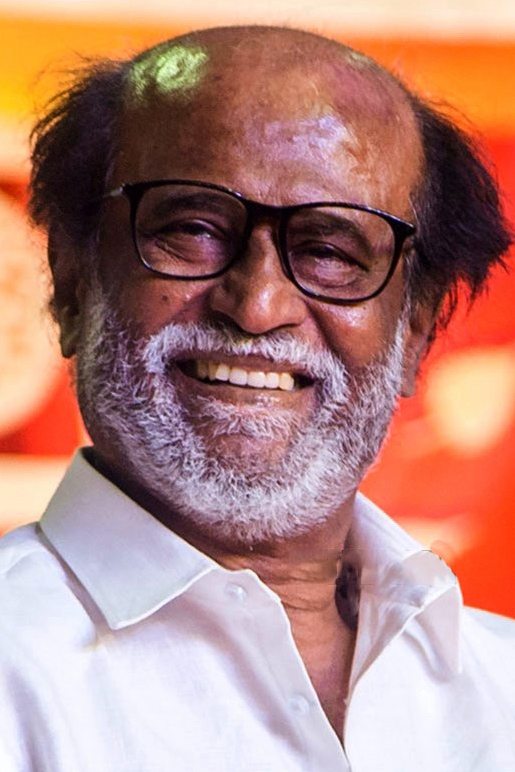
Shivaji Rao Gaekwad became “Rajinikanth,” a name given by director K. Balachander as the actor transitioned from bus conductor to stage and film. The distinctive mononym fueled an outsized screen persona.
As Rajinikanth, he headlined blockbusters like ‘Baashha’, ‘Sivaji’ and ‘Enthiran’. The chosen name became a brand unto itself across Indian cinema and beyond.
Akshay Kumar
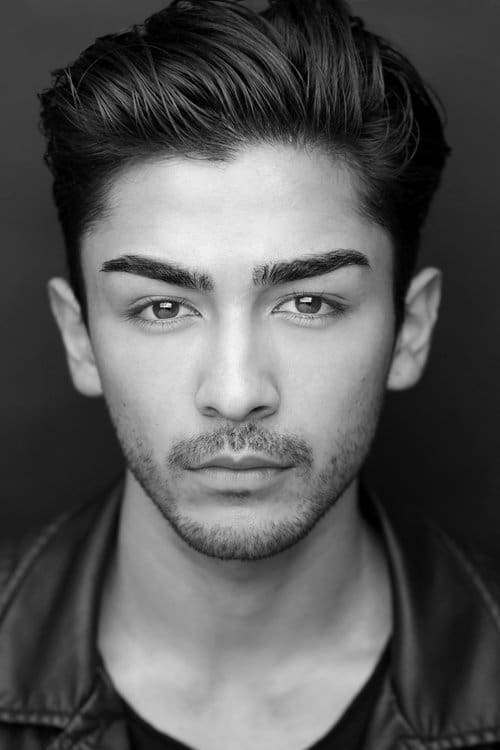
Rajiv Hari Om Bhatia adopted “Akshay Kumar” while working as a model and stuntman before acting took off. The new name aligned with mainstream Hindi-film billing conventions.
As Akshay Kumar, he moved from action to comedy to drama in films such as ‘Khiladi’, ‘Hera Pheri’ and ‘Airlift’. The stage name matched a prolific, genre-spanning career.
Dilip Kumar

Muhammad Yusuf Khan became “Dilip Kumar” during the studio era of Hindi cinema, a change encouraged to widen appeal and navigate social currents of the time. The new screen name helped him reach a pan-Indian audience.
Under Dilip Kumar, he became known as the “Tragedy King” through classics like ‘Devdas’, ‘Madhumati’ and ‘Mughal-e-Azam’. The adopted name is now inseparable from the golden age of Indian film.
Amitabh Bachchan

Reportedly born as Inquilaab Srivastava before being renamed “Amitabh” in childhood, he later used “Bachchan,” his father’s pen name, as the family surname. The shift formalized an identity already present in literary circles.
As Amitabh Bachchan, he defined the “angry young man” era with films like ‘Zanjeer’, ‘Deewaar’ and ‘Sholay’. The name links cinema with a prominent literary lineage.
Dev Anand
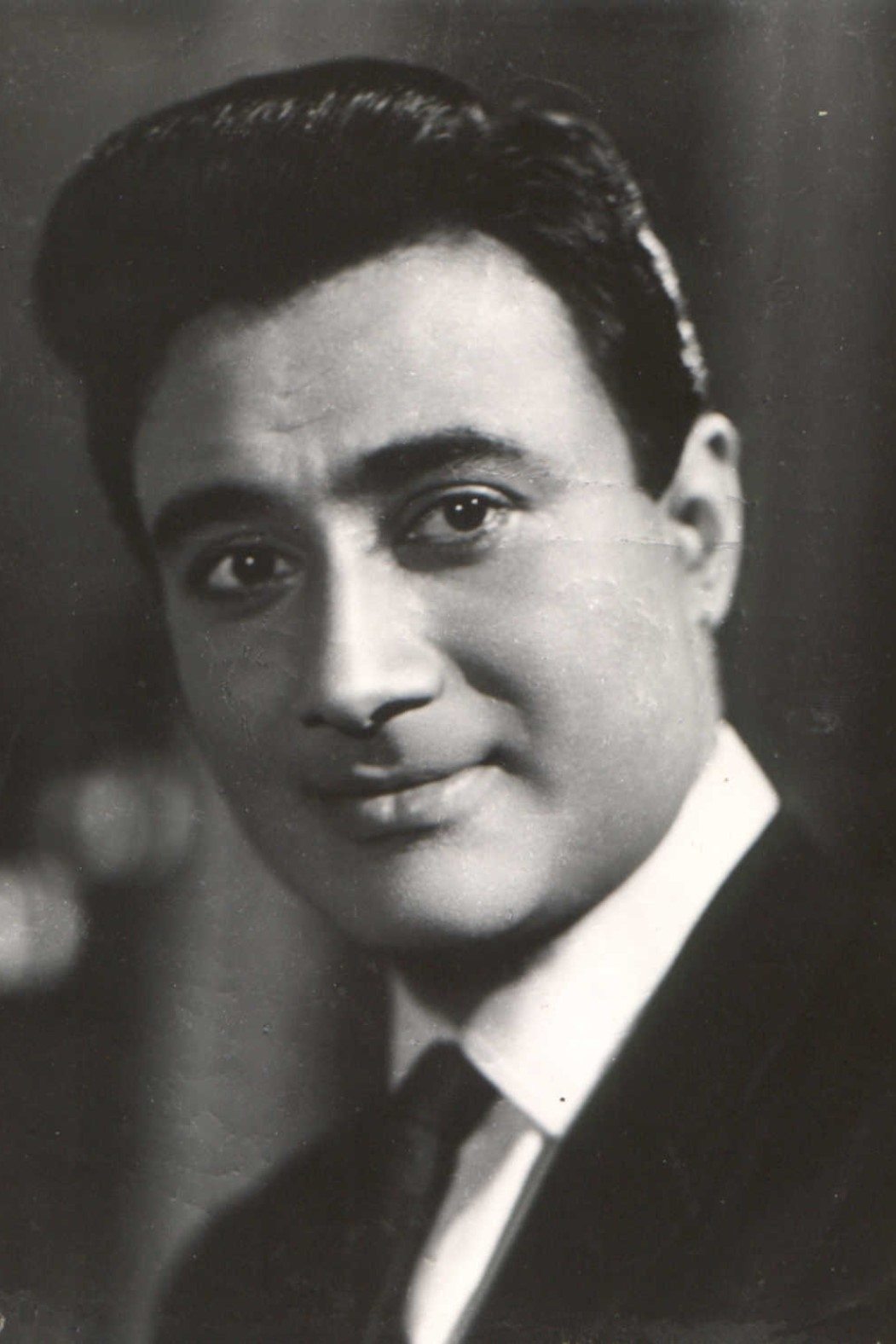
Dharam Devdutt Pishorimal Anand shortened and refined his name to “Dev Anand” for screen use. The sleeker form fit marquee space and press.
As Dev Anand, he starred in beloved Hindi films like ‘Guide’, ‘Jewel Thief’ and ‘Hare Rama Hare Krishna’. The concise name became shorthand for urbane charm.
Chuck Norris
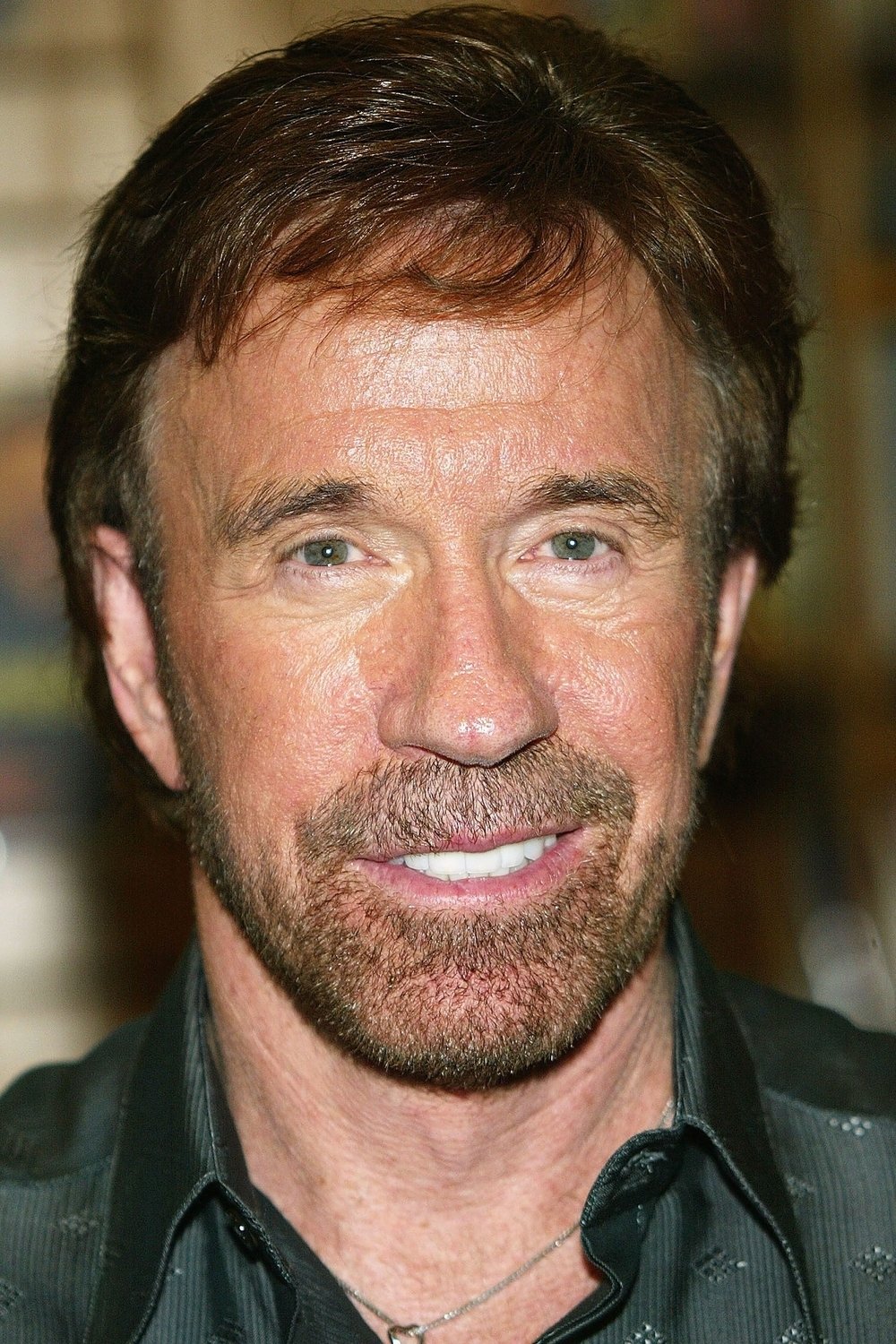
Carlos Ray Norris adopted the nickname “Chuck,” a familiar Anglicization that stuck from his military days and early martial-arts teaching. The first-name shift made his identity punchier on posters and TV listings.
As Chuck Norris, he moved from action films like ‘Good Guys Wear Black’ and ‘The Octagon’ to television’s ‘Walker, Texas Ranger’. The streamlined first name backed a tough-guy persona that audiences easily recognized.
Add your take on the most surprising name changes in the comments.