Best Anime Endings of All Time, Ranked

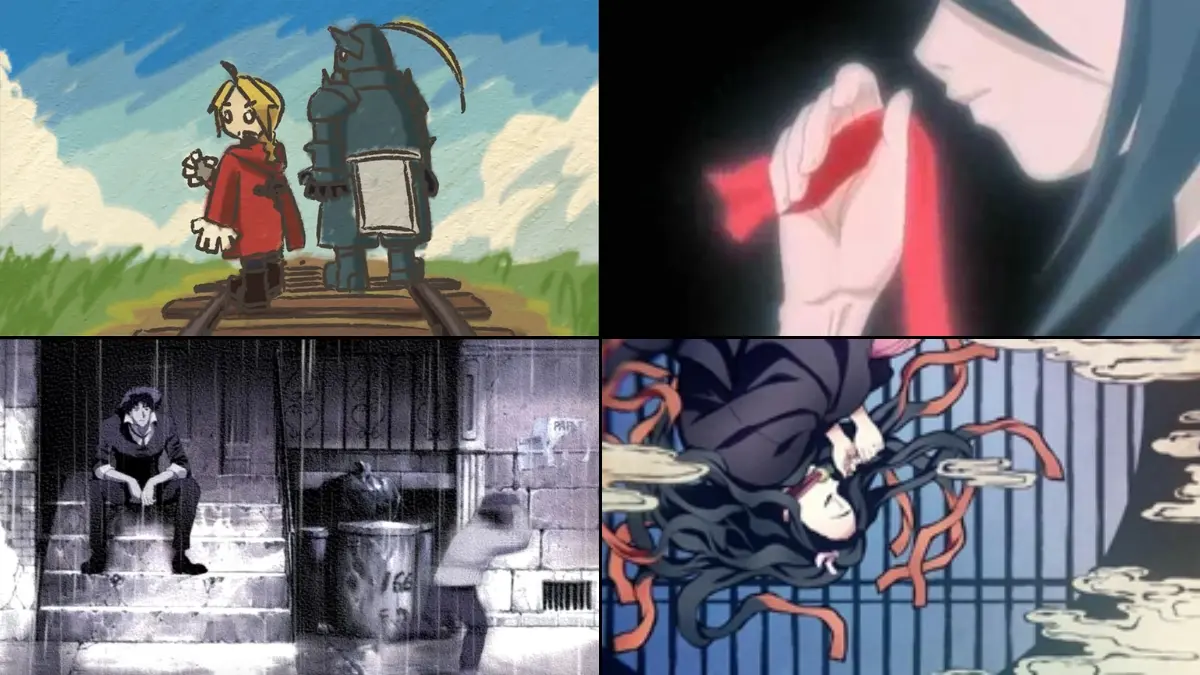

Endings do more than roll credits—they close the emotional loop of an episode, hint at character arcs, and often introduce artists to global audiences. Across decades of anime, ending themes have delivered distinctive sounds, inventive visuals, and clever episode-to-episode variations that reward attentive viewers. Many also broke out as singles, picking up music awards, chart placements, and cover versions while helping define the sound of an era.
This countdown focuses on official ending themes used in broadcast runs, highlighting verifiable details such as credited performers and songwriters, when the song is used in the series, notable animation staff and storyboards, music-release facts, and documented tie-ins. Where a show rotates multiple endings, one representative track is selected with the usage window noted.
‘Mob Psycho 100’ (2016–2019) – “Refrain Boy” by ALL OFF
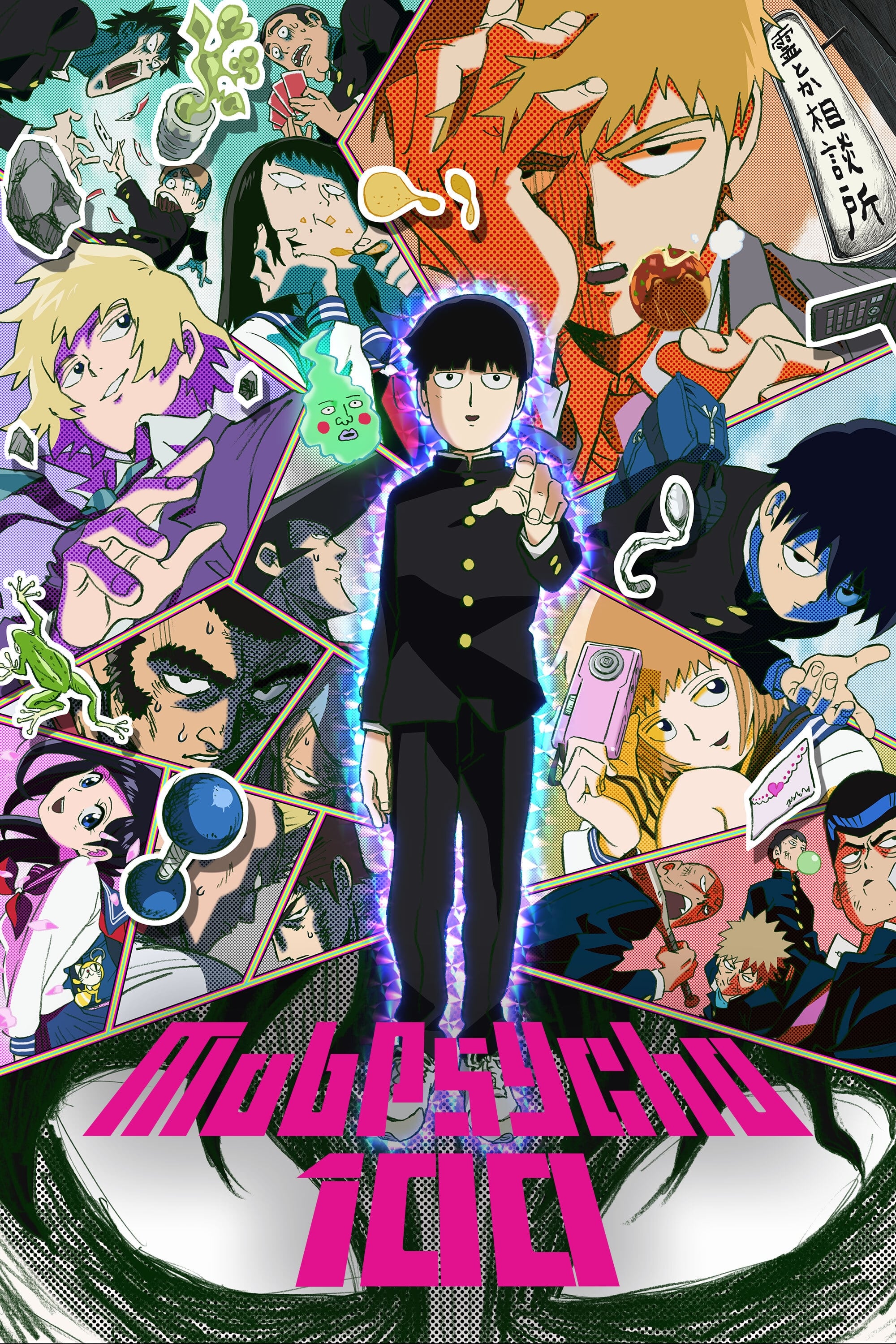
“Refrain Boy” appears as an ending during the first TV season of ‘Mob Psycho 100’. The video uses sketchbook-style transitions and rough-line animation keyed to quick drum fills, with staff credits laid over hand-drawn loops of Mob and Reigen in everyday settings that parallel episode content without reusing footage.
Single releases include TV-size and full versions alongside instrumental tracks, and the production aligns chorus entries with the densest credit blocks for readability. The color script alternates saturated neons and monochrome plates to echo the show’s ESP motif, ending on a freeze that hands off to the next-episode preview.
‘Fate/stay night [Unlimited Blade Works]’ (2014–2015) – “Believe” by Kalafina
!['Fate/stay night [Unlimited Blade Works]' (2014–2015) - "Believe" by Kalafina](https://image.tmdb.org/t/p/original/jyqi5BkDoKKIA2WAoz3HBtRHld3.jpg)
“Believe” is credited to Kalafina and runs as an ending theme across part of ‘Fate/stay night: Unlimited Blade Works’. The sequence employs flowing particle effects over night-city backgrounds and character tableaux of Rin and Archer, with camera moves timed to vocal swells.
The single was issued in multiple editions with instrumental and TV-size mixes. Editorial notes for the ending place a long hold on the final frame to accommodate sponsor tags before the preview, and the typography treatment matches the series’ serif-forward brand used during the cour.
‘Nana’ (2006–2007) – “A Little Pain” by OLIVIA inspi’ Reira (Trapnest)
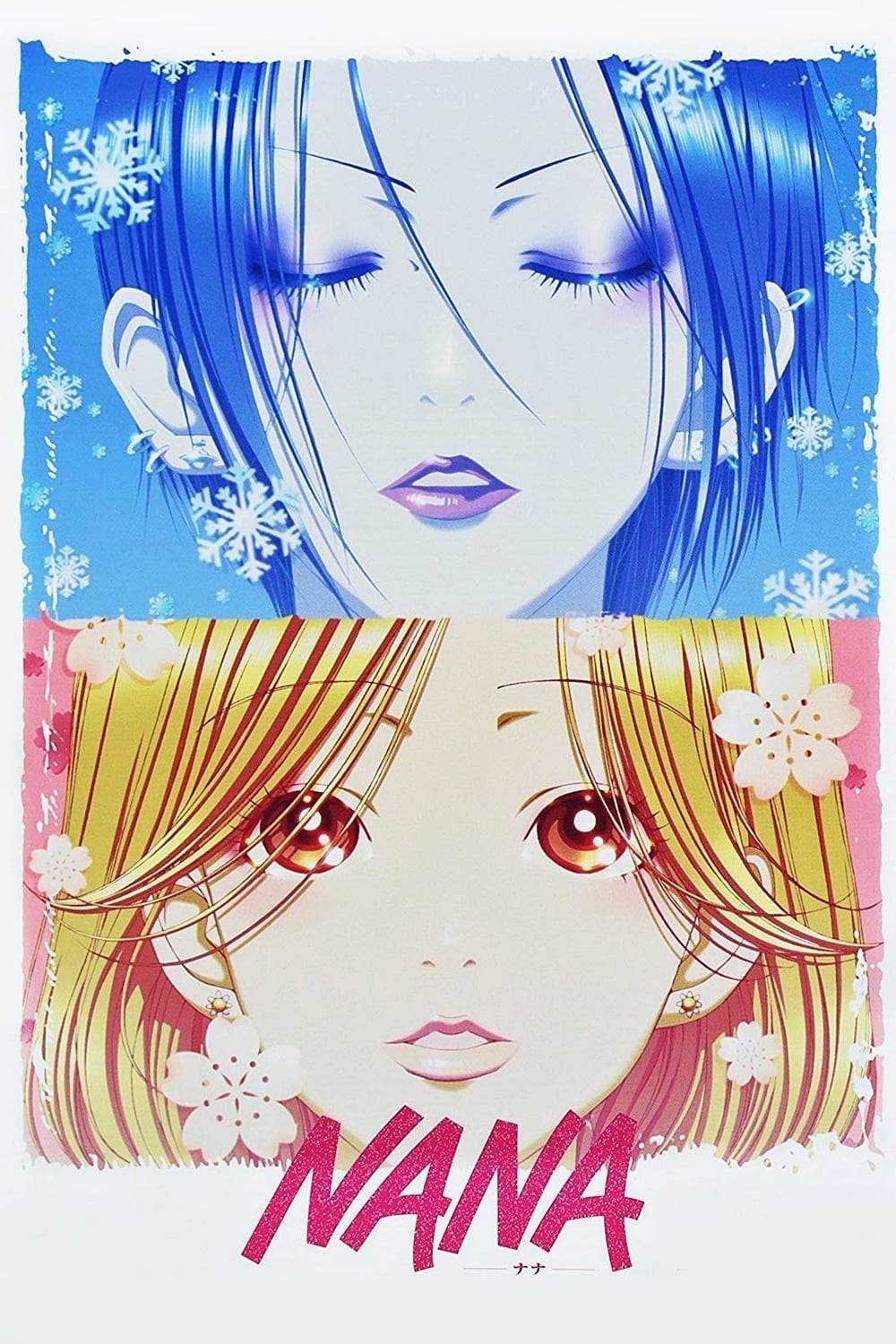
“A Little Pain” is credited to OLIVIA inspi’ Reira (Trapnest), reflecting the series’ in-universe band and its tie-ins across CDs and character goods. The ending sequence focuses on stage lights, microphone pickups, and city-night inserts that match the music-industry setting of ‘Nana’.
Release formats include character-branded variants and instrumentals. The TV-size edit centers the chorus at mid-run to align with the largest credit block, while the final tag holds on a silhouette plate of Reira alongside prop close-ups like set lists and guitar cases.
‘Rurouni Kenshin’ (1996–1998) – “Heart of Sword ~Yoake Mae~” by T.M.Revolution

“Heart of Sword ~Yoake Mae~” by T.M.Revolution is used as an ending during the Kyoto-arc period of ‘Rurouni Kenshin’. The animation alternates character profiles and Kyoto scenery with match cuts sourced from new drawings rather than episode reuse, landing drum hits on major cut points.
The single circulated with remix tracks and appears on later best-of compilations. Cue sheets note consistent in-point timings so the verse break lands before staff cards, and home-video versions retain the same timing while migrating credits to overlay format.
‘Ranking of Kings’ (2021–2022) – “Oz.” by yama
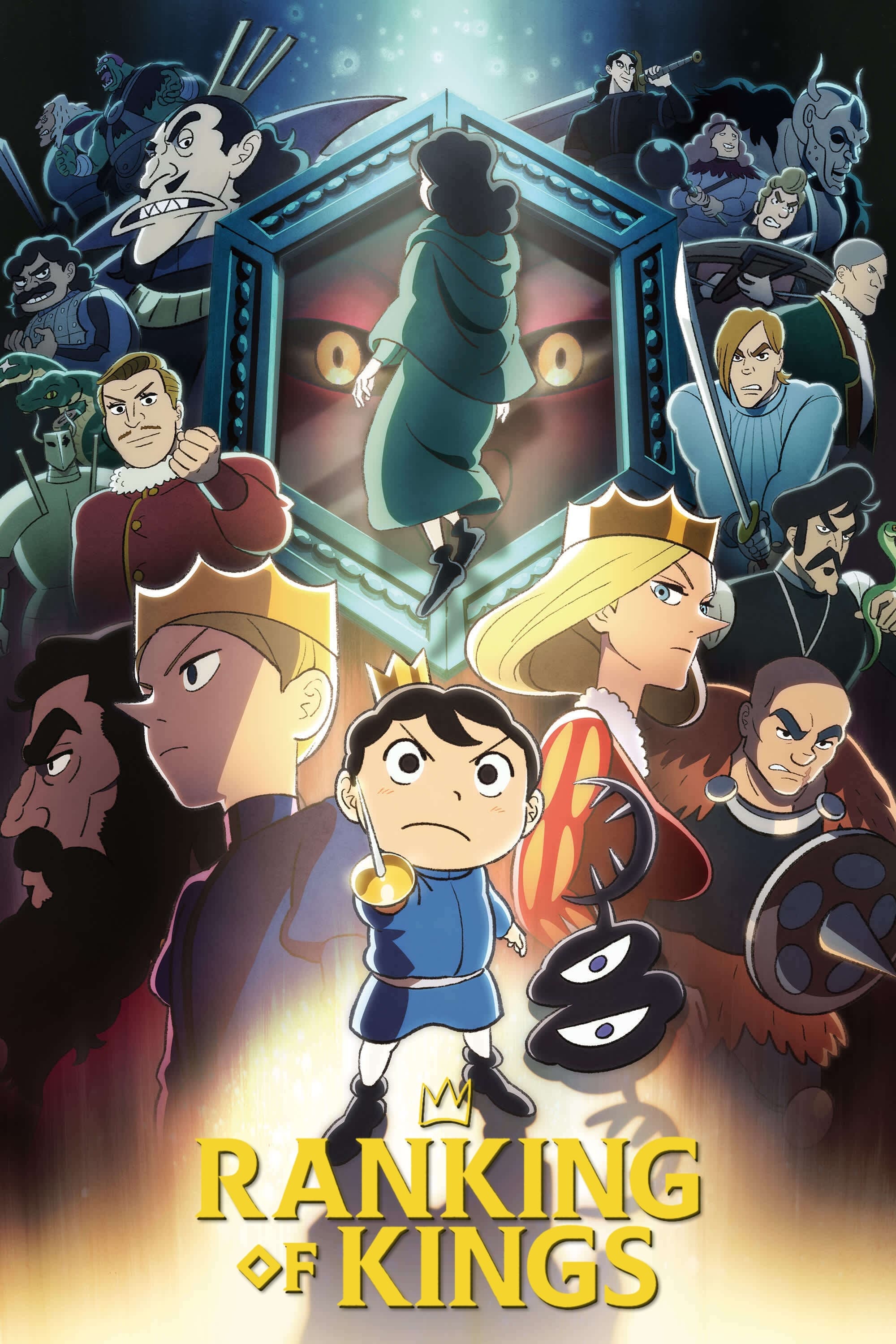
“Oz.” serves during the first cour of ‘Ranking of Kings’, pairing mid-tempo pop with silhouette-centric visuals and recurring crown motifs around Bojji and Kage. Storyboards emphasize low-angle shots from Bojji’s perspective and warm palettes consistent with the show’s fairy-tale art direction.
Digital releases package TV-size, full-length, and instrumental mixes. The ending movie uses parallax pans and gentle smear frames, with the final hold timed to the logo plate before the preview bumper, matching the studio’s delivery sheets for the cour.
‘Demon Slayer: Kimetsu no Yaiba’ (2019–2021) – “from the edge” by FictionJunction feat. LiSA
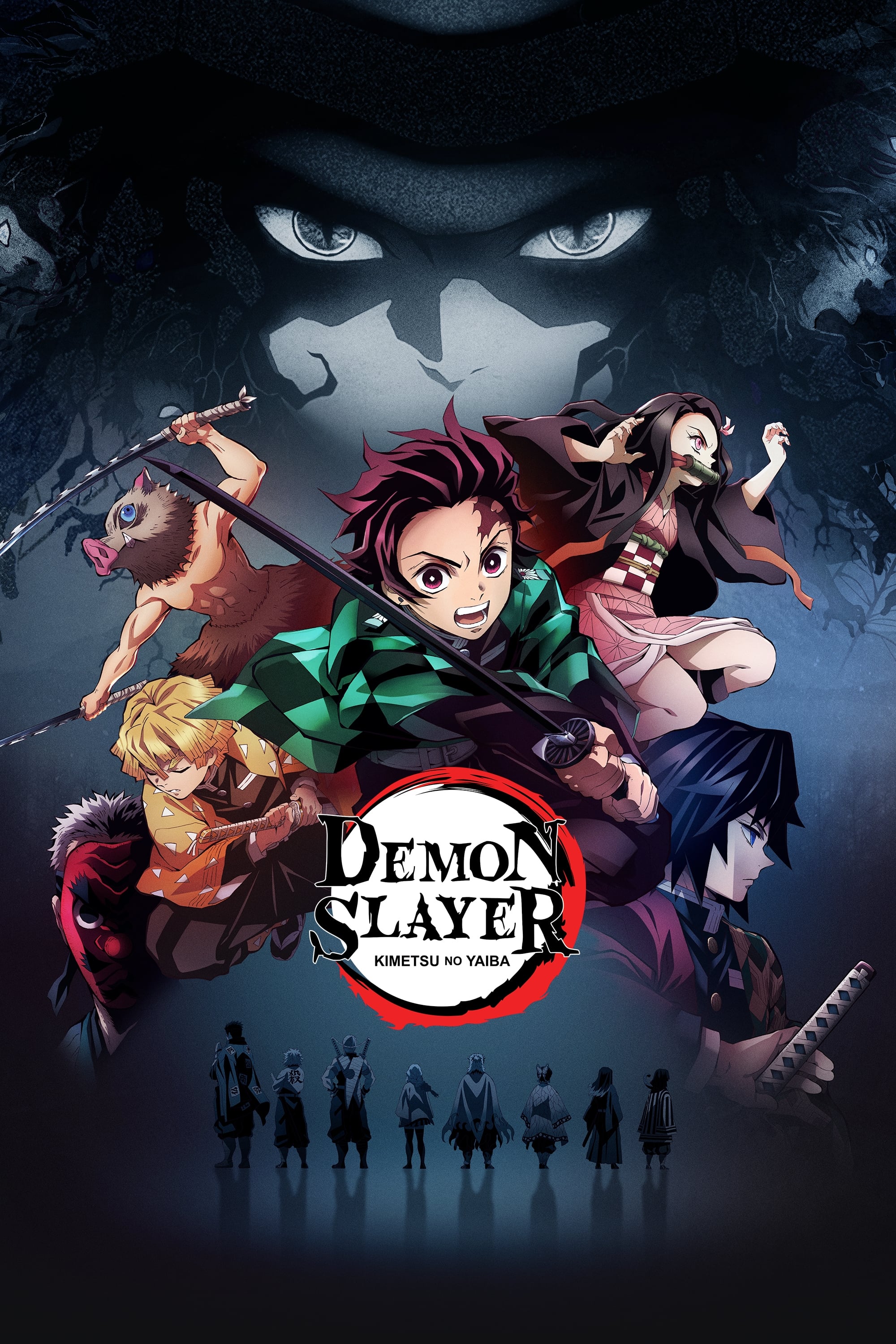
“from the edge” is credited to FictionJunction featuring LiSA and runs as the standard ending across much of ‘Demon Slayer: Kimetsu no Yaiba’’s first TV season, with occasional special arrangements. The visuals deploy sumi-ink splatters, brush-stroke transitions, and character portraits composed against textured paper.
The track released on digital and CD formats including instrumental and TV-size edits. Broadcast documentation aligns the chorus entry with the primary credit block and leaves a sustained final note under the preview narration to maintain tonal continuity between segments.
‘Oshi no Ko’ (2023) – “Mephisto” by Queen Bee
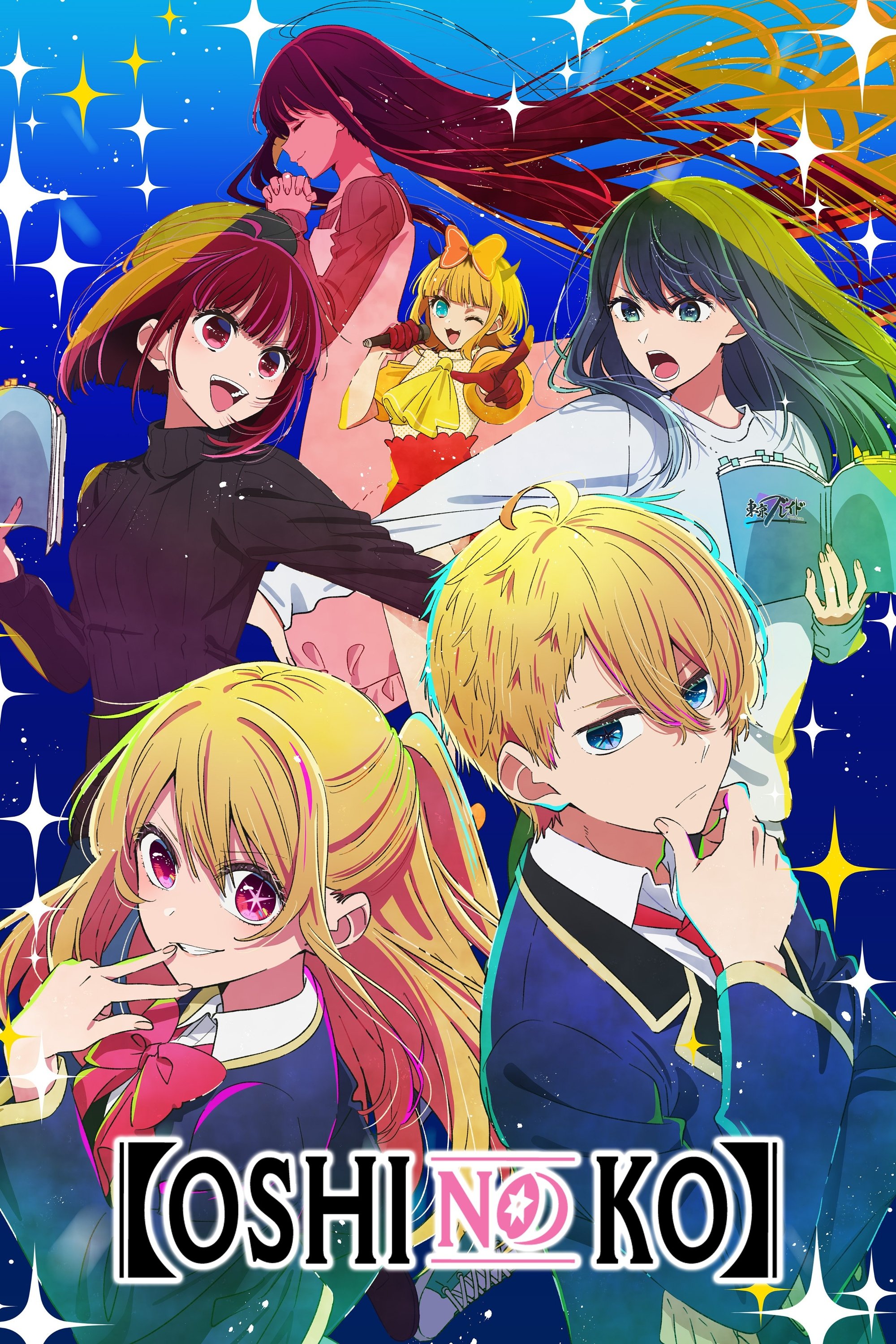
“Mephisto” appears as the ending through the initial run of ‘Oshi no Ko’. The sequence intercuts stage iconography, magazine spreads, and neon signage, with typography overlays snapping to the snare pattern and brief rotoscoped movement to match dance beats.
Distribution included charting digital releases with instrumental and TV-size versions. Credits attribute animation to Doga Kobo, and the color grading aligns with the season’s marketing key art, while the final tag resolves on a collage plate used across official social channels.
‘Toradora!’ (2008–2009) – “Orange” by Rie Kugimiya, Yui Horie, and Eri Kitamura
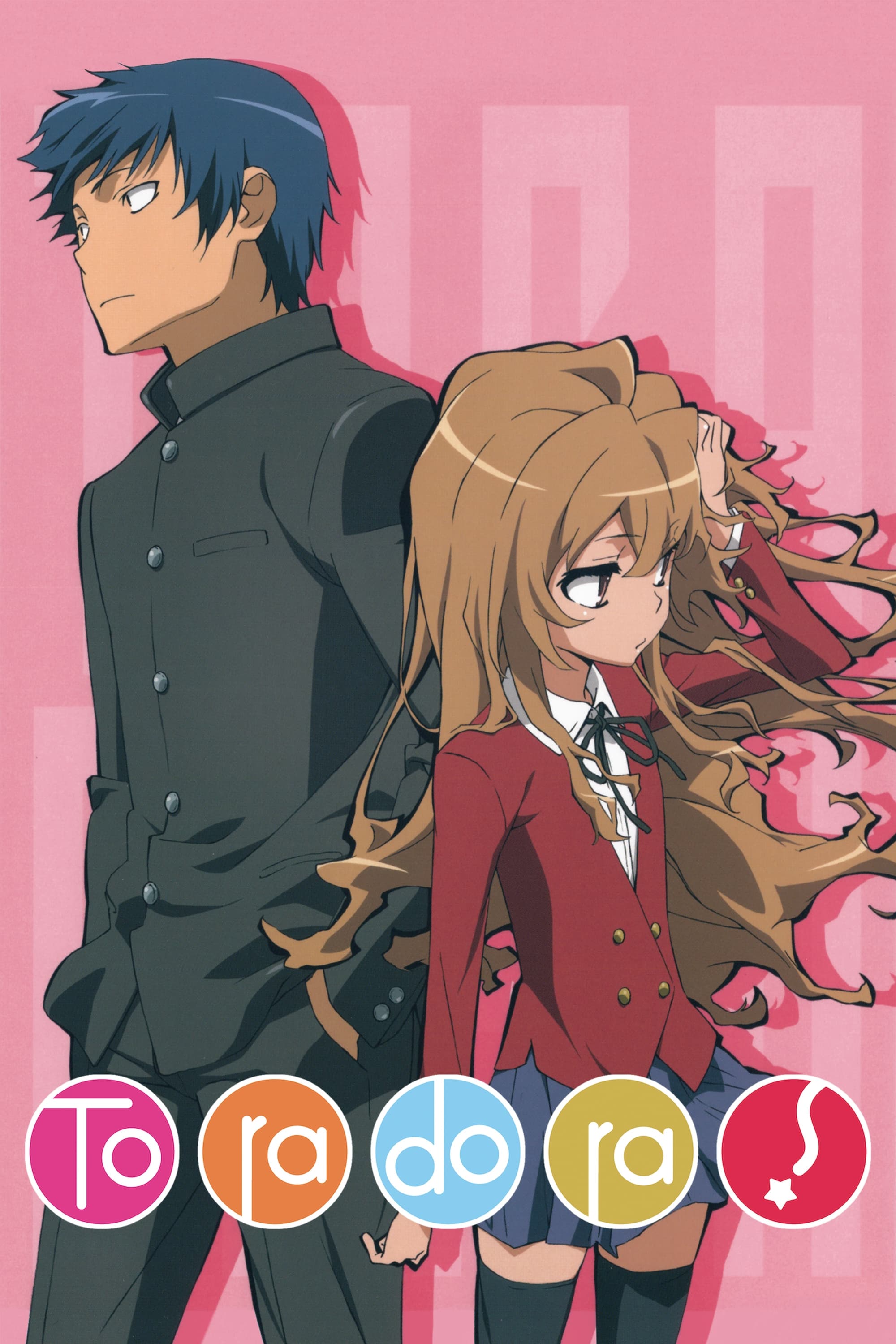
“Orange” functions as a later-season ending for ‘Toradora!’, performed by the three principal voice actors. Minimalist props—desks, notebooks, and hallway lighting—reference on-air episodes without direct reuse, and palette shifts mark the school year’s progression.
CD releases include harmonized and solo-mix takes plus instrumental. The TV-size structure places the refrain under the longest credit block, and broadcasters retain a final sustained note that crossfades into the next-episode card to keep pacing consistent.
‘Natsume’s Book of Friends’ (2008–2009) – “Natsu Yuuzora” by Kousuke Atari
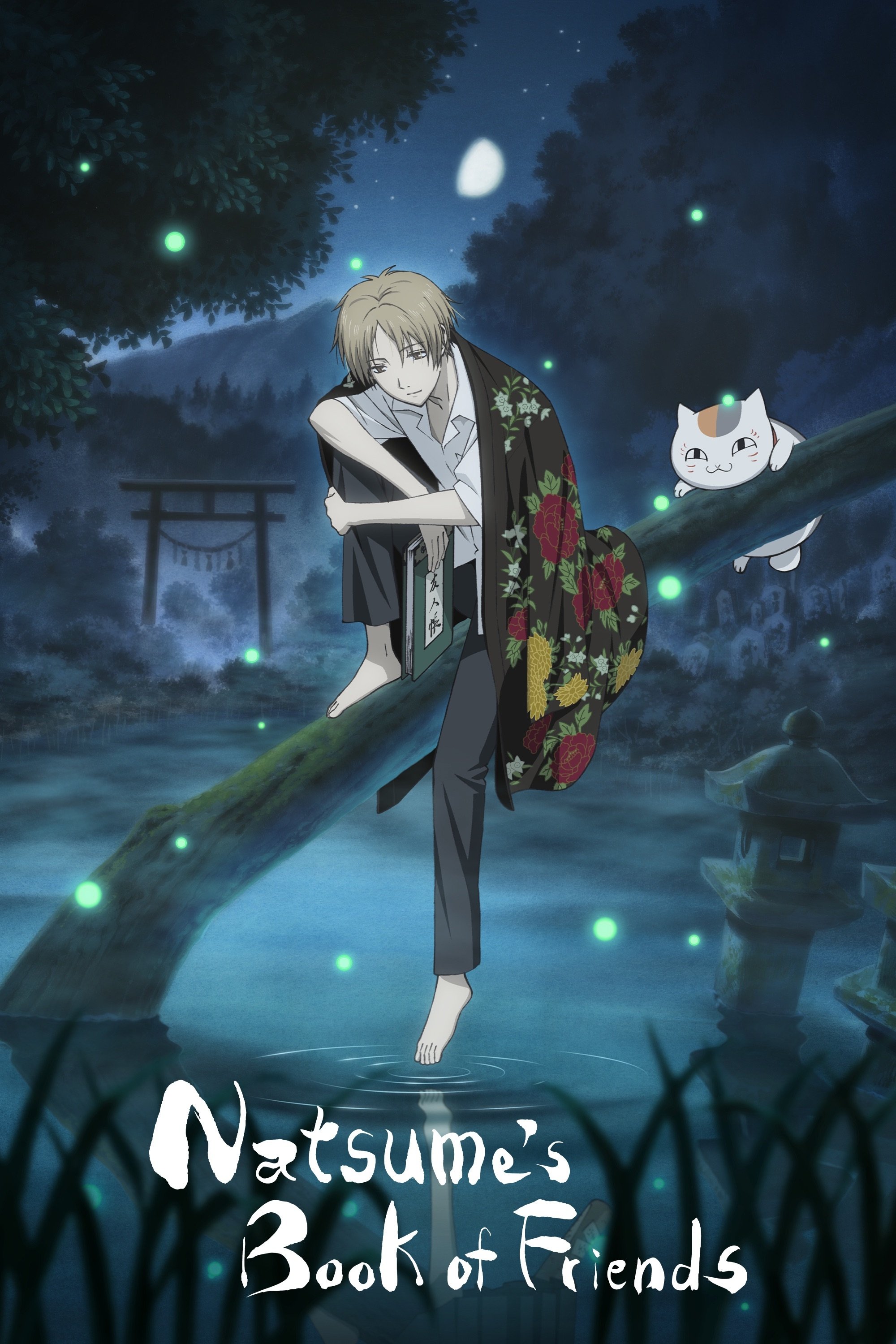
“Natsu Yuuzora” closes the first season of ‘Natsume’s Book of Friends’, blending min’yō-influenced vocals with acoustic accompaniment. The ending shows Natsume and Nyanko-sensei walking through twilight scenes, with seasonal flora keyed to original air windows.
Releases include full and TV-size versions in tandem with the show’s soundtrack. Storyboards set scene transitions on downbeats for clean credit legibility, and a long final bar provides room for sponsor tags before the preview bumper.
‘Inuyasha’ (2000–2004) – “Fukai Mori” by Do As Infinity

“Fukai Mori” is among the most widely aired endings for ‘Inuyasha’, combining acoustic guitar with light percussion. The sequence uses multiplane pans across forest imagery, falling leaves, and cross-dissolves between character portraits for Kagome and Inuyasha.
The single appears on Do As Infinity compilations with instrumental and TV-size edits. Regional broadcasts position sponsor cards before the ending roll, and the closing logo hold allows the next-episode narration to cue without re-timing the chorus.
‘FLCL’ (2000–2001) – “Ride on Shooting Star” by The Pillows
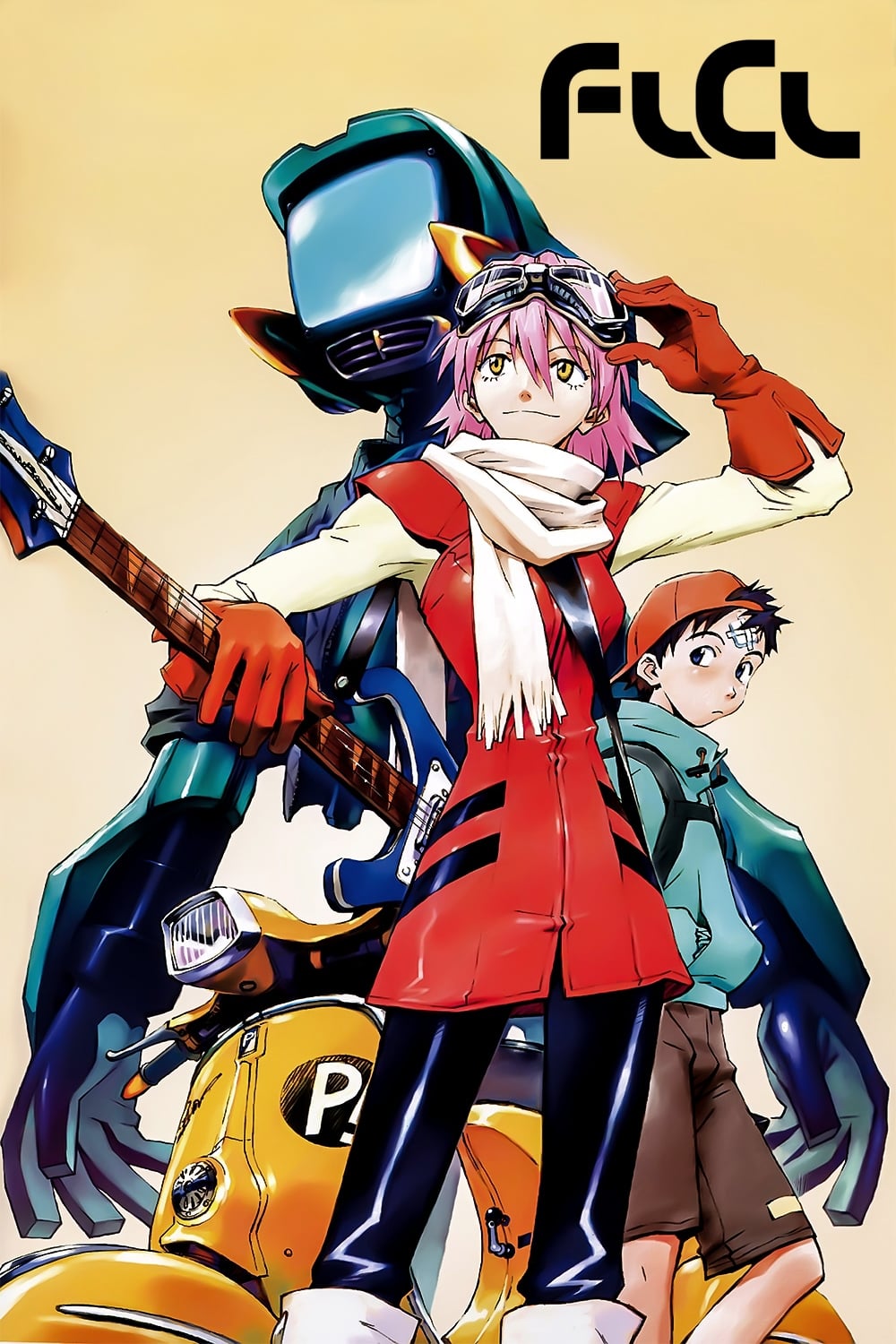
“Ride on Shooting Star” closes episodes of ‘FLCL’ with grungy guitars over a measured backbeat. The ending showcases Vespa iconography, Polaroid-style frames, and rough linework assembled into a flipbook-like progression behind the credits.
Soundtracks compile multiple The Pillows tracks used in the series, with the TV-size cut trimming instrumental bridges to fit broadcast limits. The final freeze on the Vespa helmet became a recurring plate across promotional materials tied to the TV run.
‘Trigun’ (1998) – “Kaze wa Mirai ni Fuku” by AKIMA & NEOS
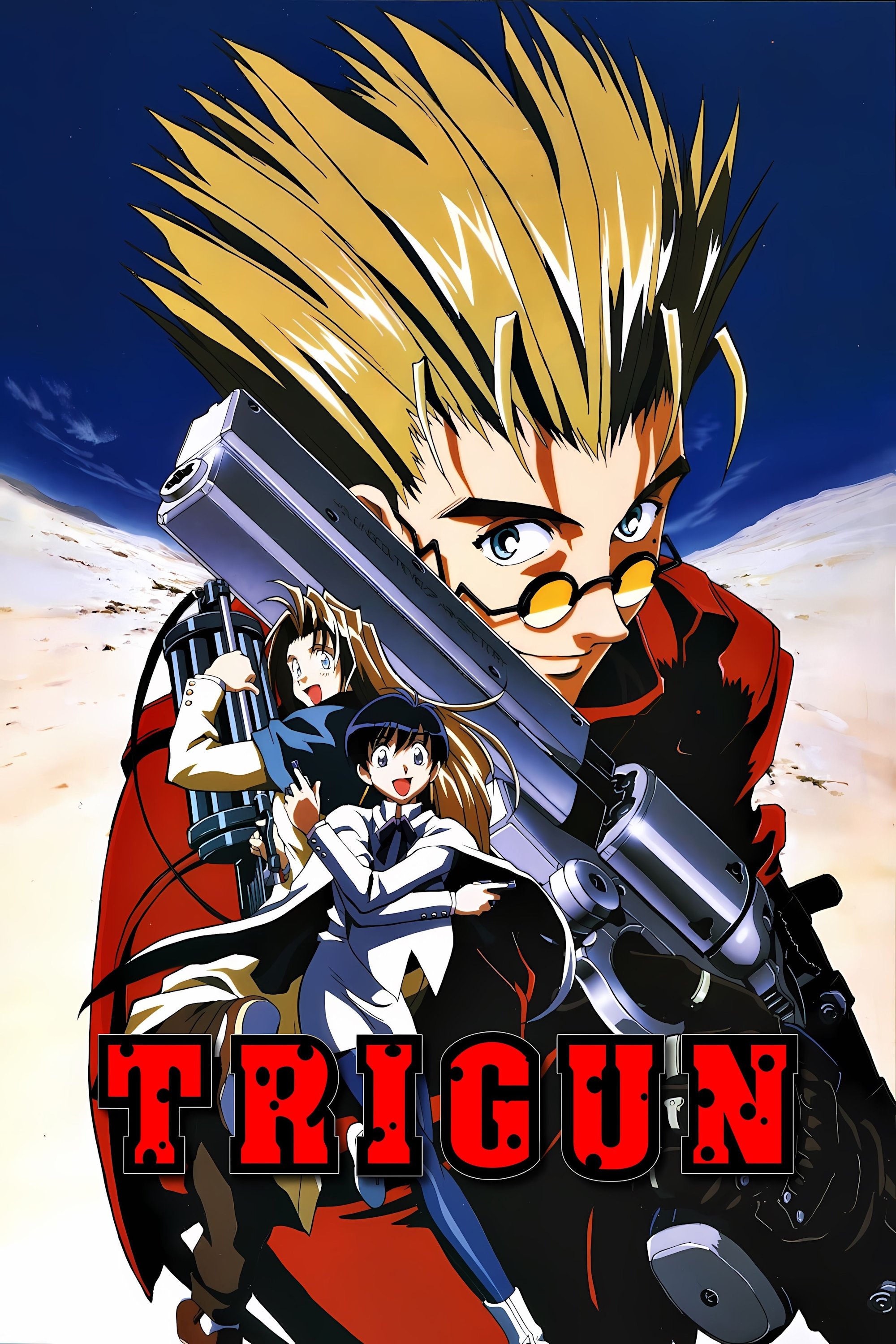
“Kaze wa Mirai ni Fuku” ends episodes of ‘Trigun’ with blues-rock phrasing and harmonica lines that mirror the show’s frontier setting. Sepia-toned stills and film-grain overlays create a late-1990s analog look consistent with composite-era broadcasts.
The single credits band members for songwriting and arrangement, and cue sheets fix in/out points so the ending lands before the preview. The final still of Vash was reused as a standard plate during the cour, trimmed as needed for sponsor card timing.
‘Dororo’ (2019) – “Sayonara Gokko” by amazarashi
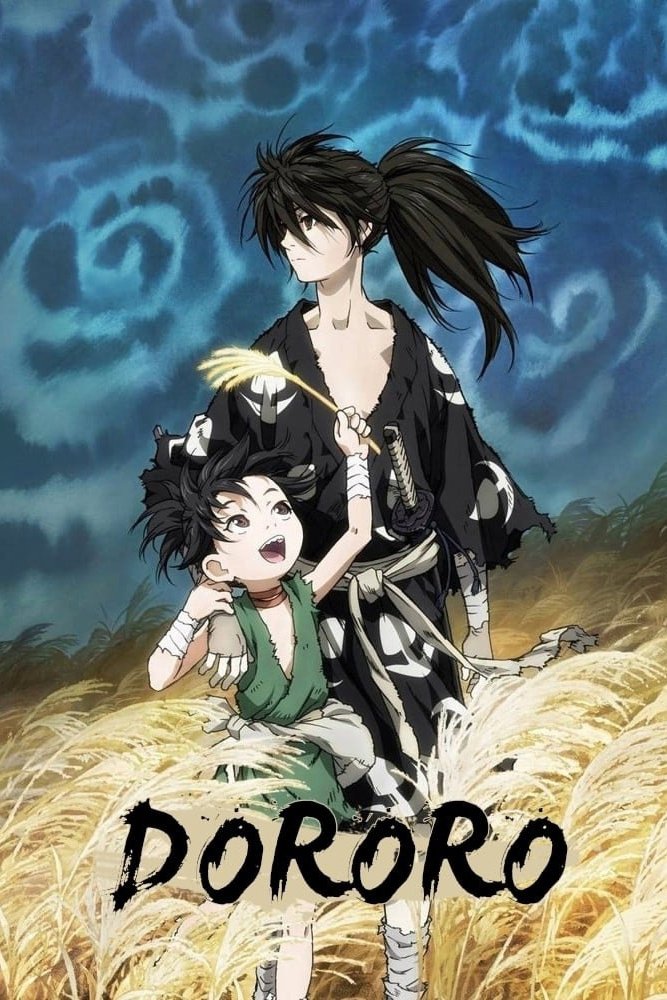
“Sayonara Gokko” serves as the first cour ending for ‘Dororo’. Monochrome line art gradually fills with controlled red accents, synced to percussion entries and string swells, while credits traverse a lateral pan across stylized landscapes.
The release includes full and instrumental versions plus the TV-size edit used on-air. Art direction leans on rough brush textures to reflect the period setting, and the last frame parks on a silhouette profile before a brief fade to black.
‘Erased’ (2016) – “Sore wa Chiisana Hikari no Youna” by Sayuri
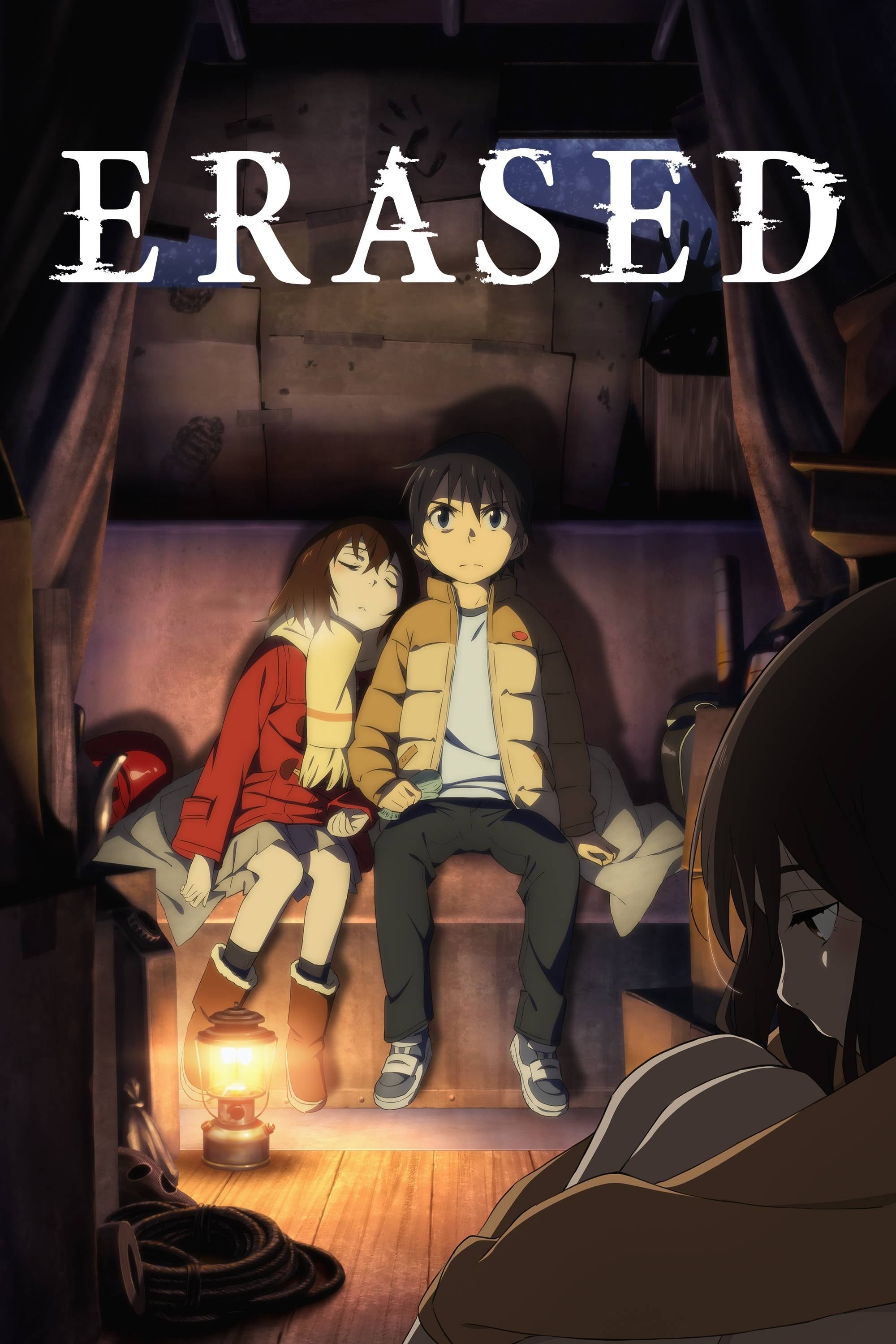
“Sore wa Chiisana Hikari no Youna” closes episodes of ‘Erased’ as the show alternates between present-day cityscapes and snowbound childhood locales. The ending’s high-contrast blues and whites mirror the narrative timeline without inserting direct episode footage.
The single entered domestic charts with acoustic and instrumental tracks in the release package. Editorial timing holds on a photo album insert before the logo plate, aligning with a recurring memory device used across the season.
‘Fate/Zero’ (2011–2012) – “Memoria” by Eir Aoi
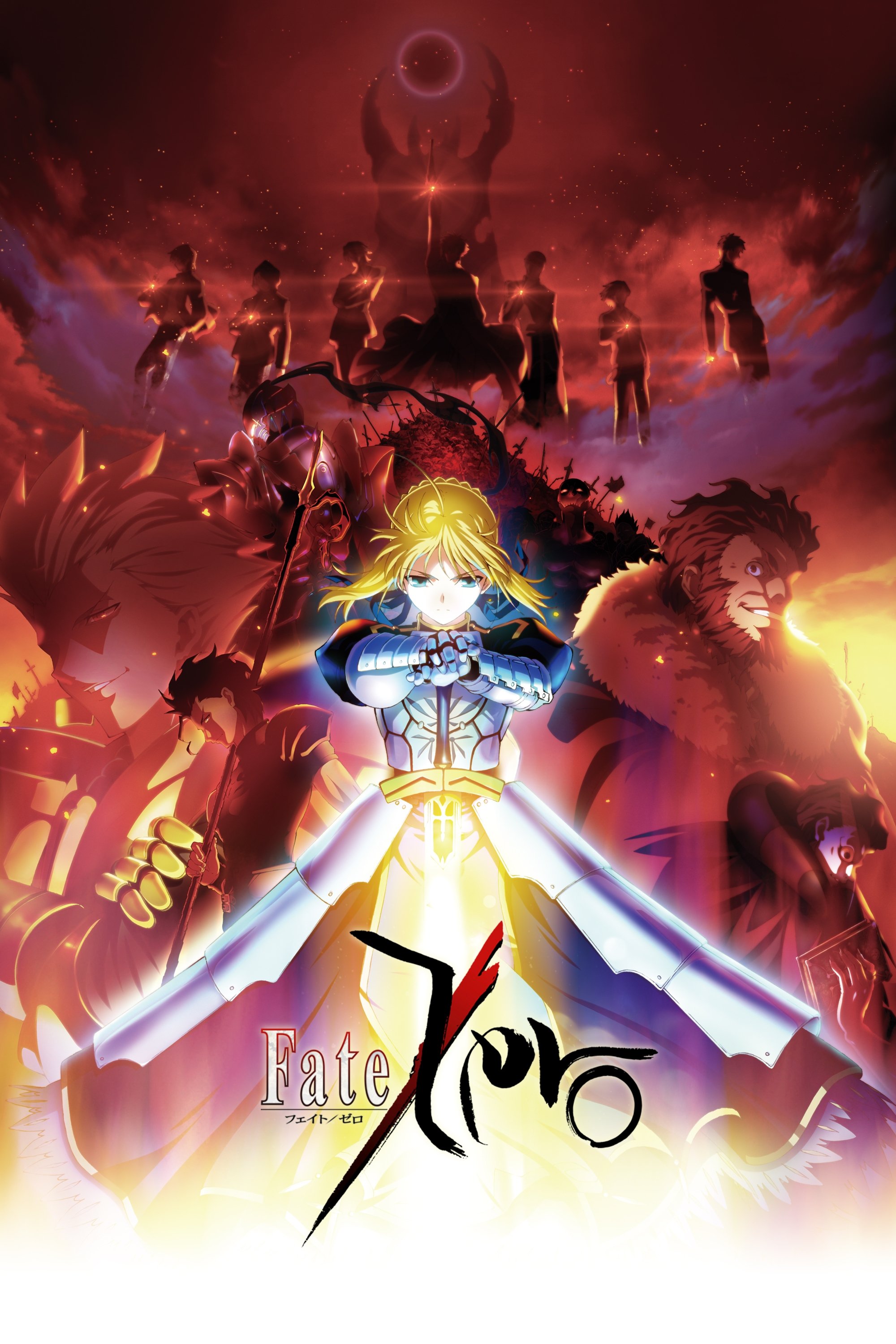
“Memoria” is the first ending used in ‘Fate/Zero’, covering episodes that establish Master–Servant contracts and early clashes. The animation builds character tableaux for Saber, Irisviel, and Kiritsugu under strong backlighting with specular highlights over weapon surfaces.
The major-label single shipped with multiple B-sides and a TV-size arrangement. The ending’s composite includes lens-dust passes and slow-shutter blur, and the final beat cuts hard to the series emblem in a frame-accurate handoff to the preview.
‘Vinland Saga’ (2019–2023) – “Torches” by Aimer
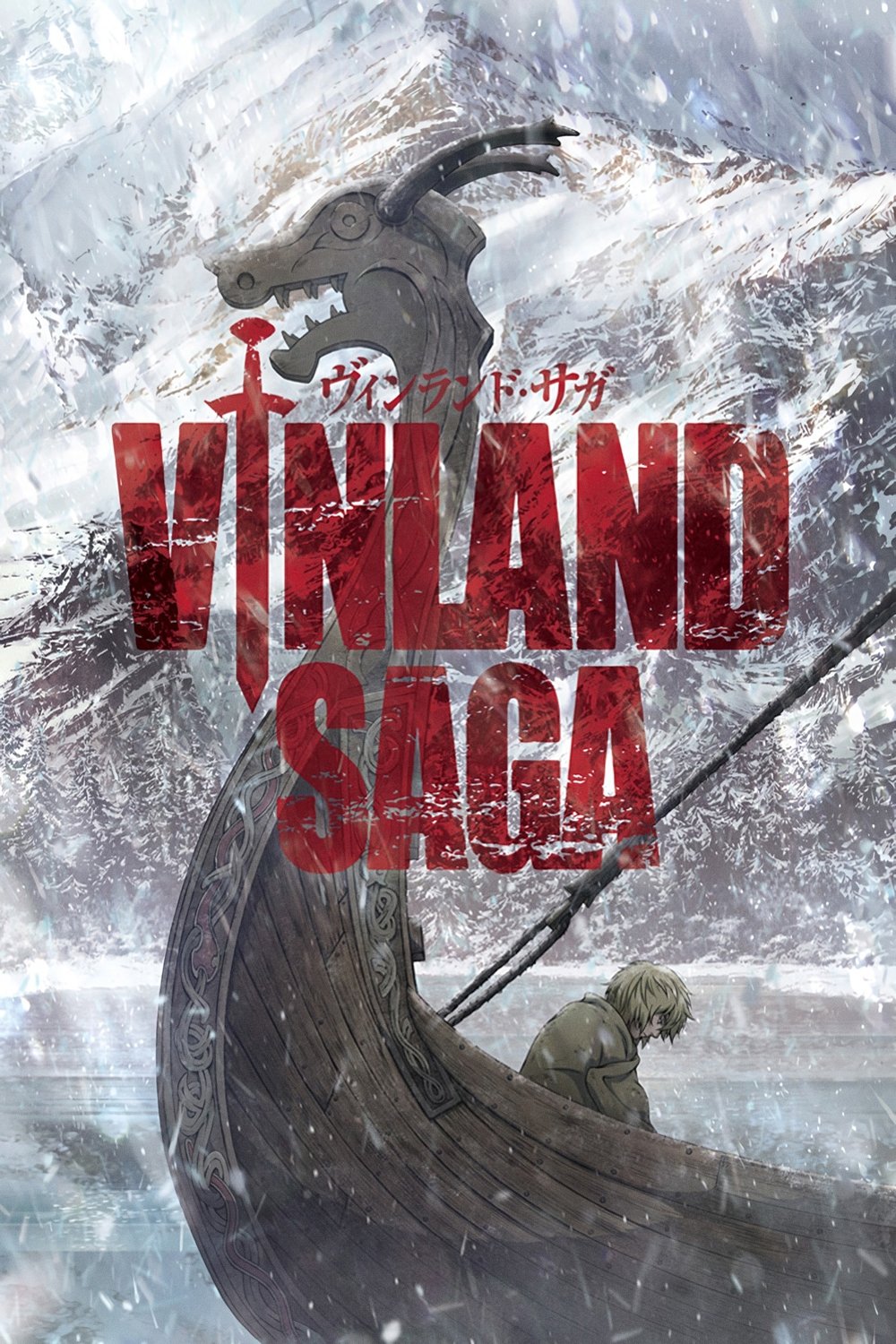
“Torches” appears as an ending during the latter stretch of the first season of ‘Vinland Saga’. Coastal imagery, slow cloud motions, and simulated firelight reflect the title concept, intercut with hand-drawn sketches of principal characters.
Release notes include instrumental takes used for promotional spots. Editors place the chorus on the first clean frame after the production logo fade, and the sustained final note carries under the preview to maintain atmosphere across segments.
‘The Melancholy of Haruhi Suzumiya’ (2006–2009) – “Hare Hare Yukai” by Aya Hirano, Minori Chihara, and Yuko Goto
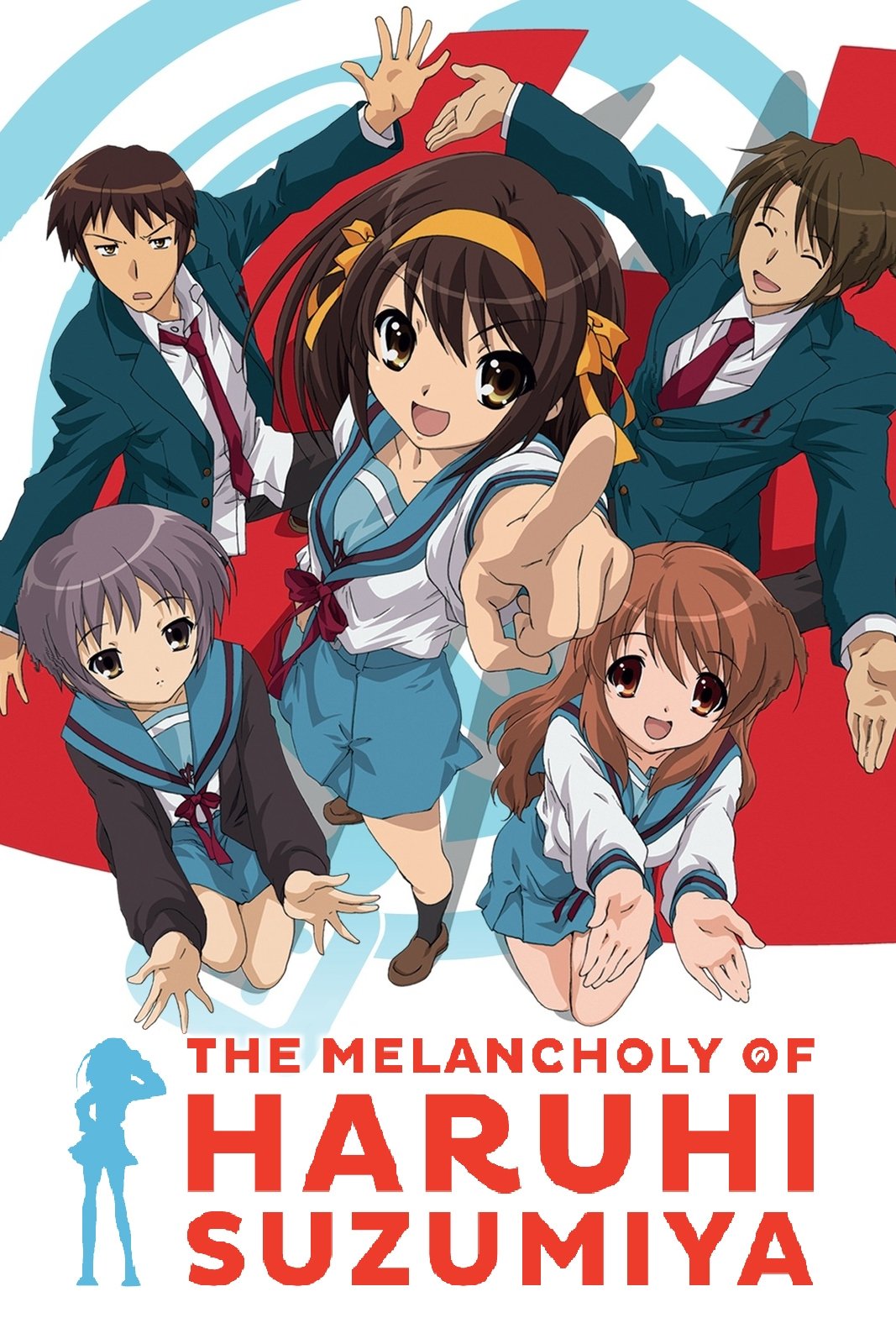
“Hare Hare Yukai” is performed by the lead cast and paired with a choreographed dance captured in full-body shots against minimal backgrounds. The camera remains locked for readability while footwork and arm patterns are aligned to percussion cues.
The single shipped with instruction materials and later received numerous cover versions. Live events and game tie-ins reproduced the choreography, and broadcast versions kept the fixed camera to preserve timing and credit legibility.
‘Bakemonogatari’ (2009) – “Kimi no Shiranai Monogatari” by supercell
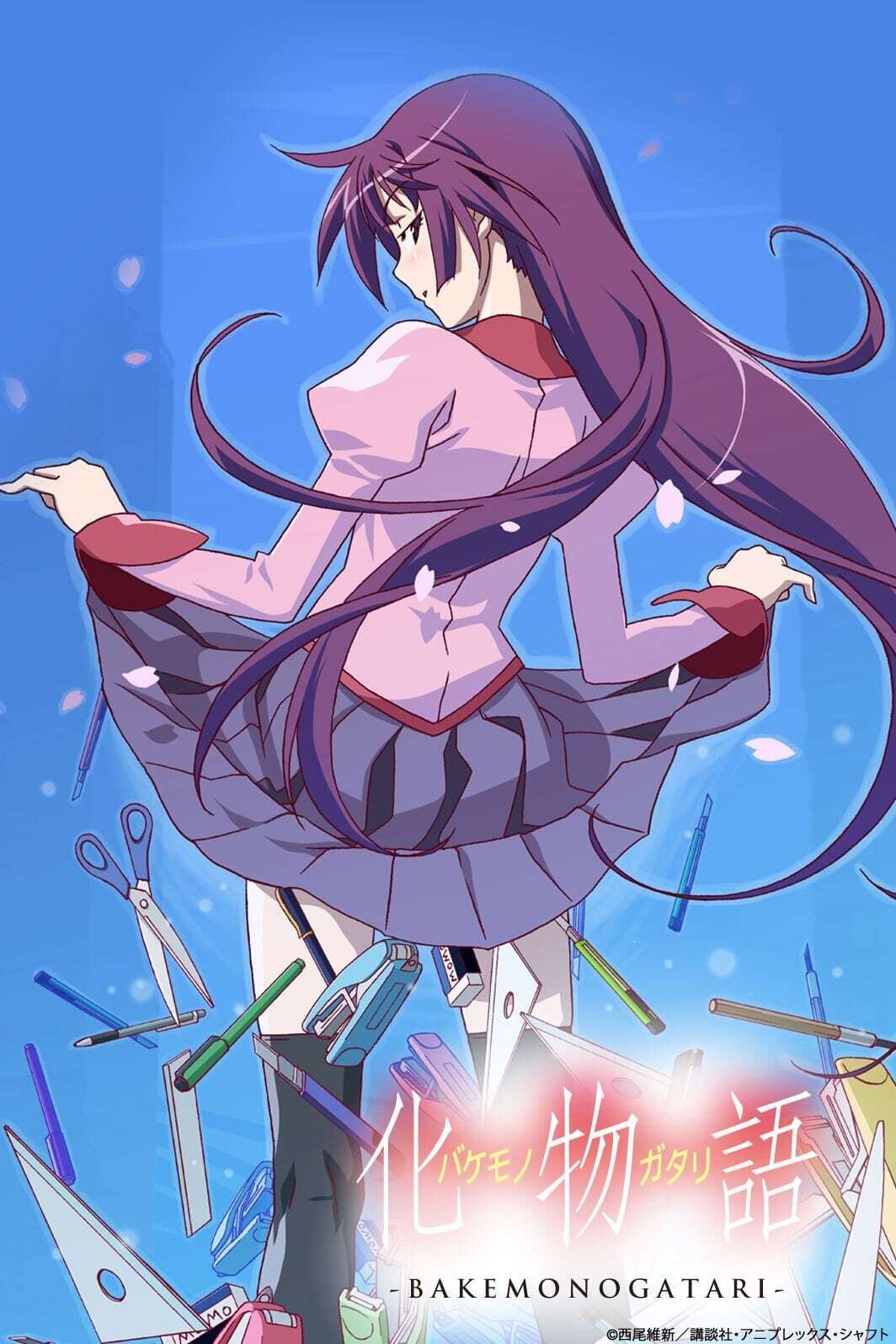
“Kimi no Shiranai Monogatari” runs over later arcs of ‘Bakemonogatari’. The ending uses star-field imagery and photo collage with sharp typography cuts, including background plates that reference specific constellations.
The single became a long-term catalog piece for supercell. Shaft’s ending movie integrates head-tilt compositions and insert text cards, with the TV-size cut trimming instrumentals while preserving the narrative build of the full track.
‘One Piece’ (1999–2001) – “Memories” by Maki Otsuki
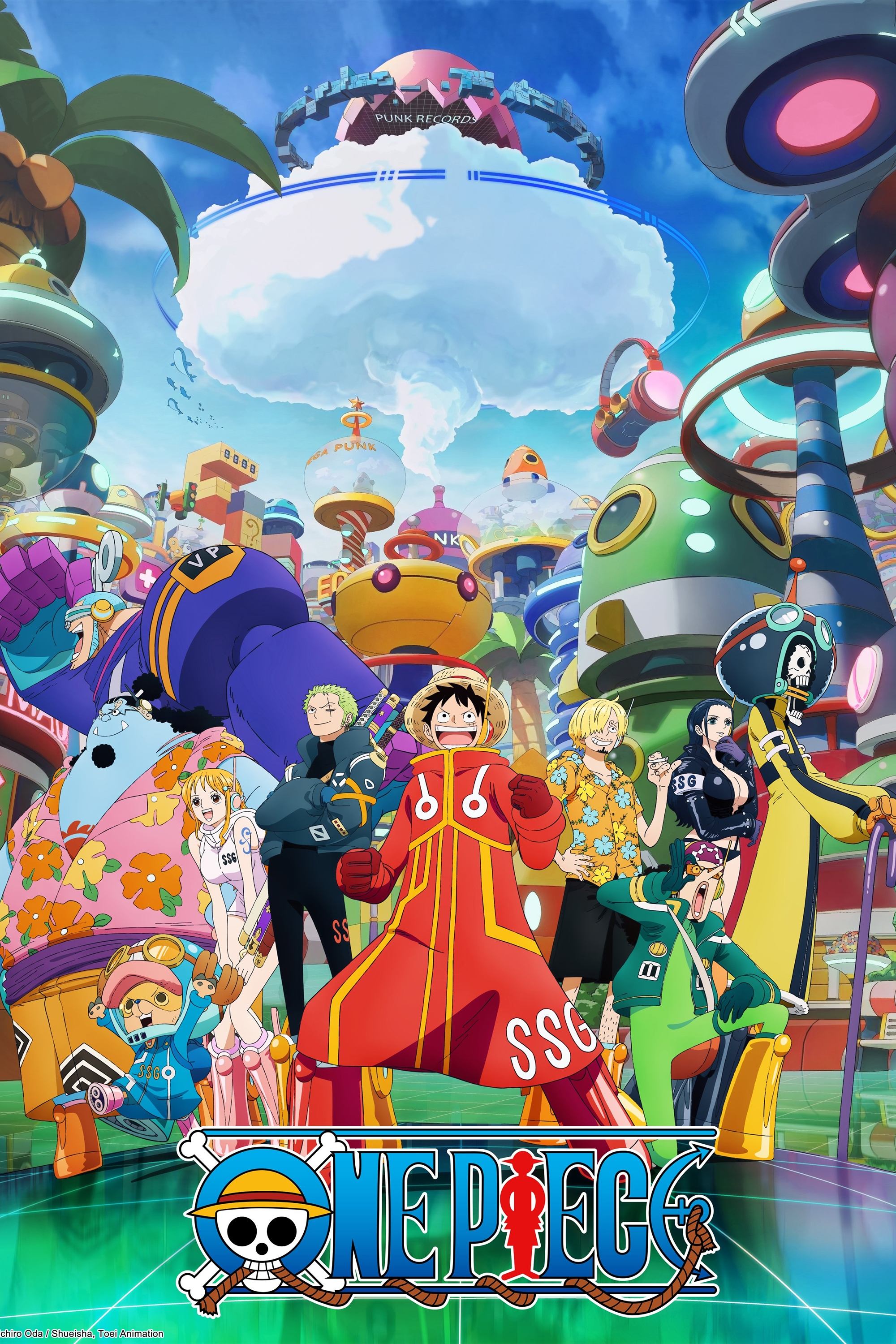
“Memories” is among the earliest endings during the East Blue period of ‘One Piece’. Sketchbook-style illustrations of the Straw Hats pan gently under a sepia filter, with close-ups on hallmark props such as the straw hat and ship elements.
Compilation albums include the track with a TV-size edit. The final title card dissolves into the preview, and editorial structure assigns verse lines to character close-ups while saving the chorus for journey montage imagery.
‘Naruto’ (2002–2007) – “Wind” by Akeboshi
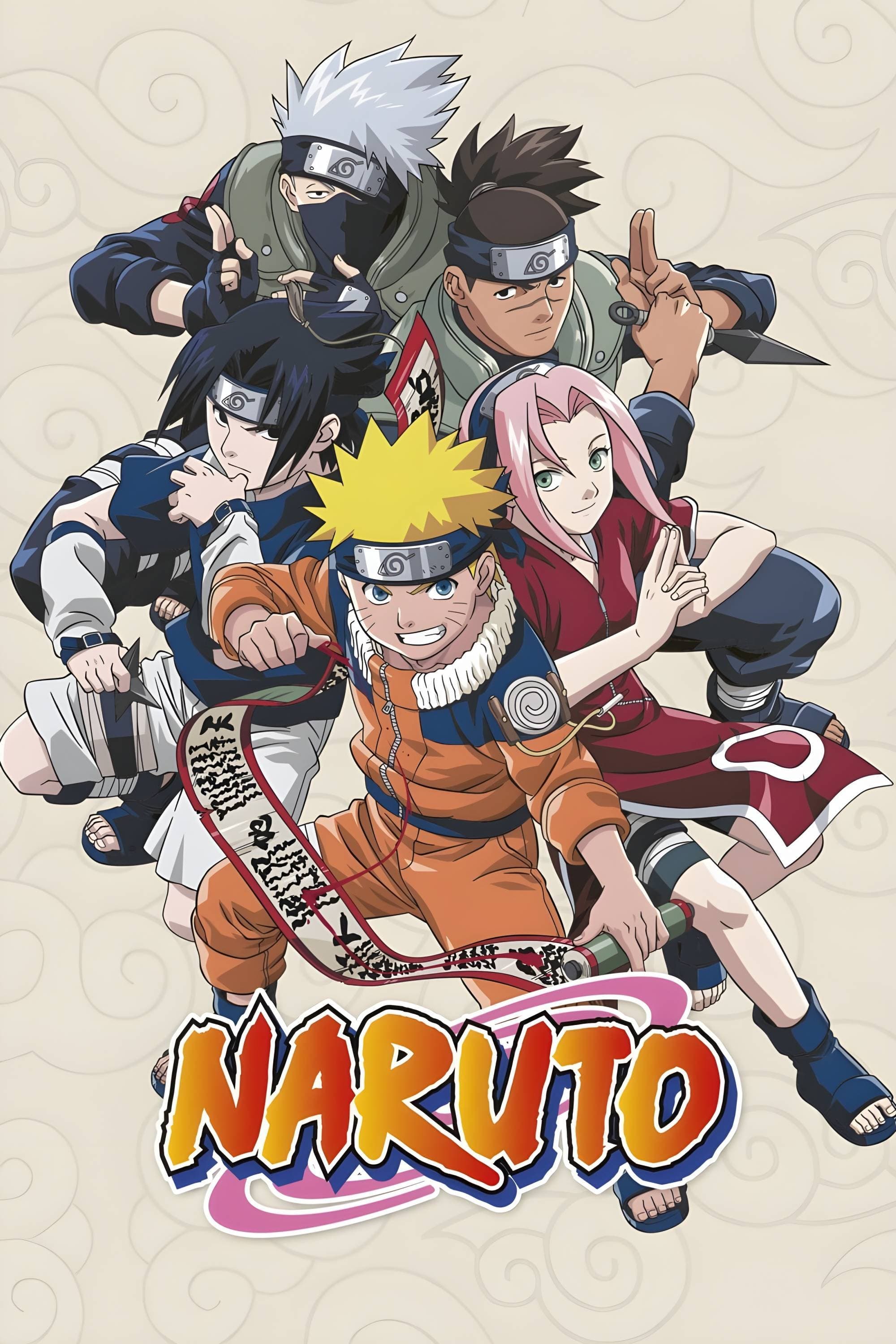
“Wind” is the first ending theme of ‘Naruto’, covering early Team 7 missions. Ink-style character sketches receive selective color fills, resolving into a closing group still that dovetails into the preview.
Releases include alternate and instrumental versions under Akeboshi’s catalog. Network delivery sheets note sponsor card accommodations at the start of the ending and specify a shortened intro to land the chorus on the ensemble shot.
‘Bleach’ (2004–2012) – “Life is Like a Boat” by Rie fu
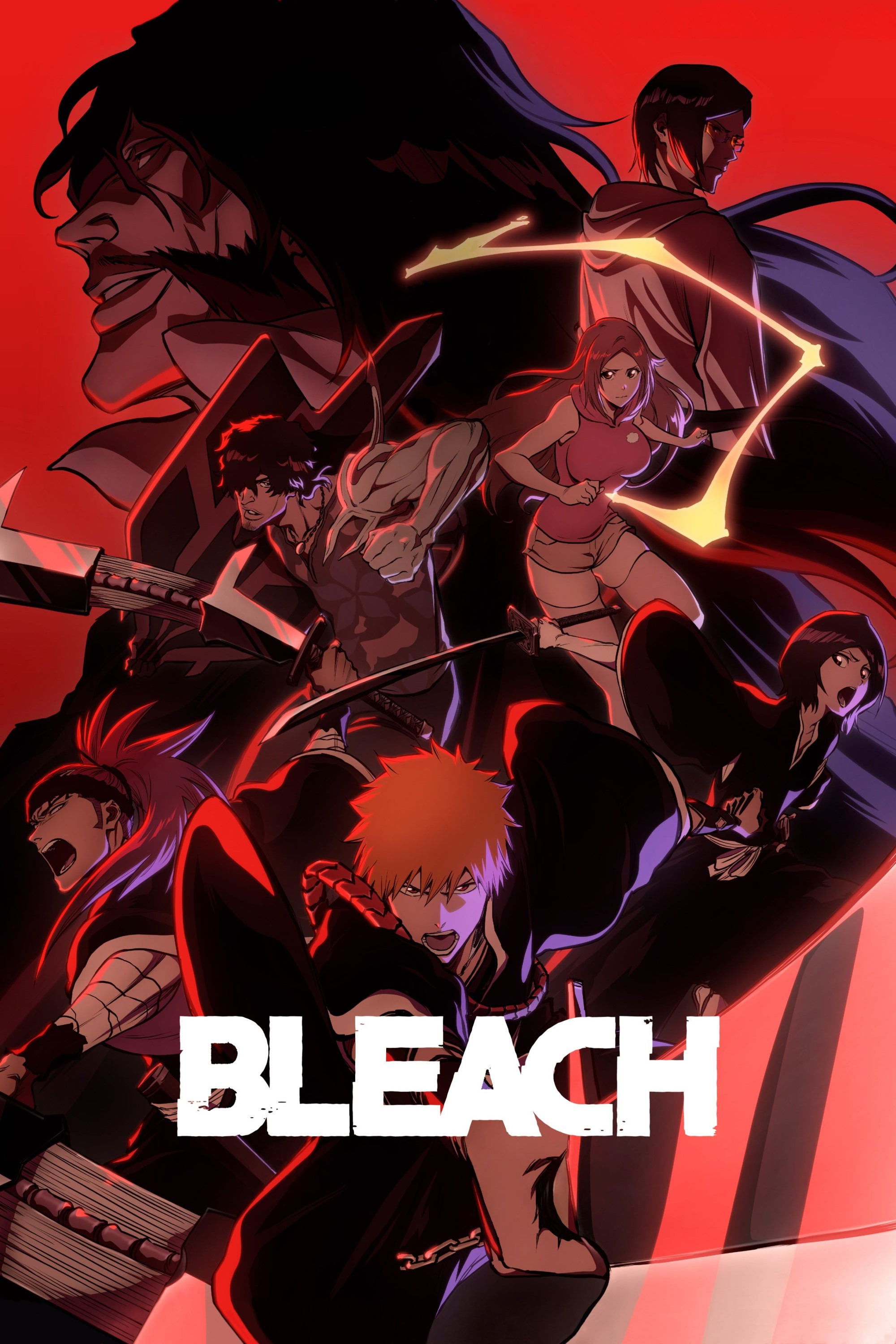
“Life is Like a Boat” plays during early arcs of ‘Bleach’, featuring grayscale photography and soft-focus plates behind minimal character movement. The arrangement centers piano and acoustic guitar with bilingual lyric lines in the full release.
The single was issued with English and Japanese versions plus instrumentals. The TV-size mix fades on the series logo plate for a clean handoff to the preview, and later seasons continue the practice of stylistically distinct endings per arc.
‘Your Lie in April’ (2014–2015) – “Kirameki” by wacci
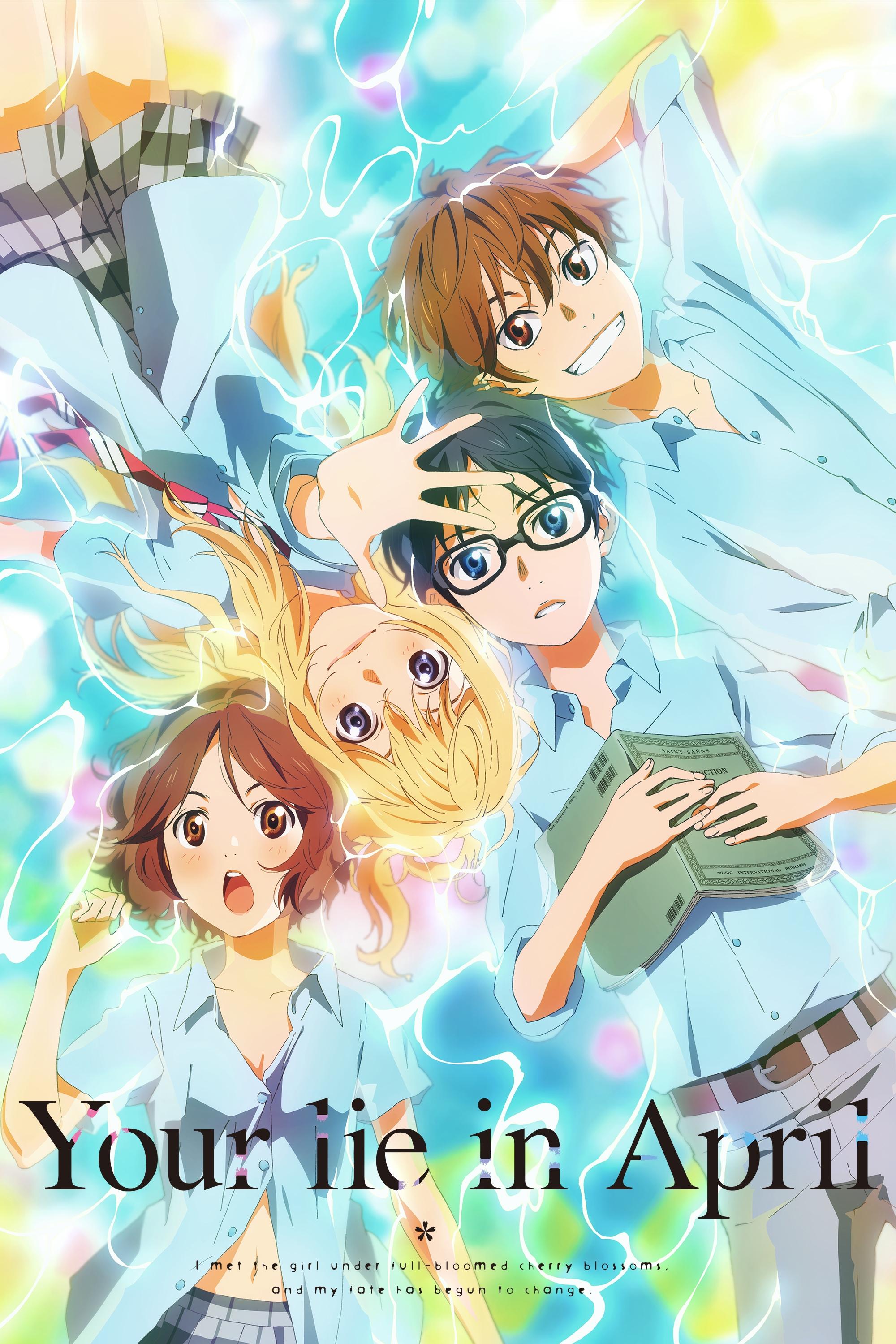
“Kirameki” is used for the mid-season stretch of ‘Your Lie in April’. Sketchbook drawings, performance hall imagery, and animated note heads drift across the frame while credits roll over a consistent timing template.
Catalog releases include acoustic takes and instrumentals. Production keeps chorus timing stable across episodes so editorial teams can make content adjustments without shifting the credit layout, ending on a streetlight motif tied to the show’s visual language.
‘Jujutsu Kaisen’ (2020–2023) – “Lost in Paradise” by ALI feat. AKLO
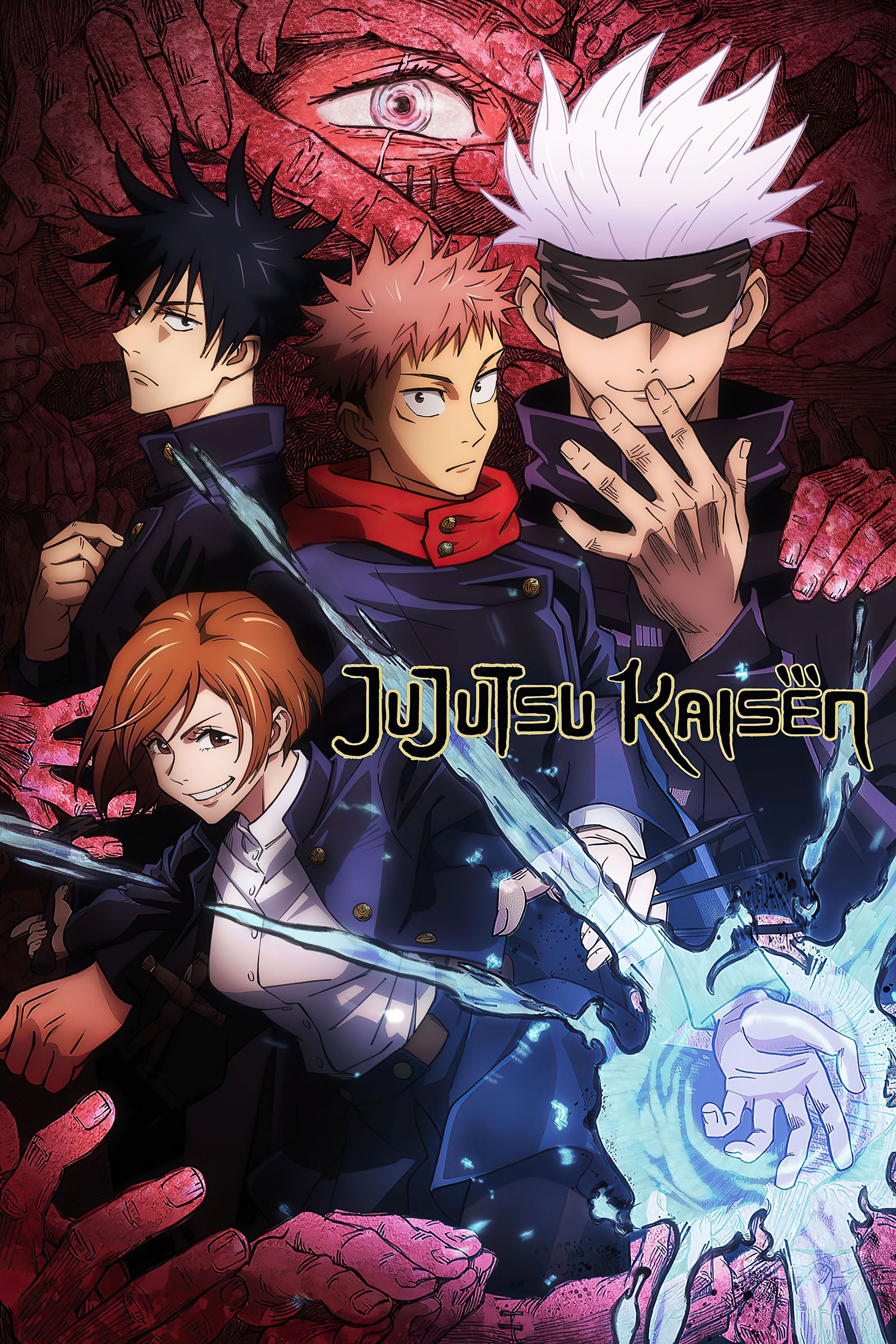
“Lost in Paradise” closes the first cour of ‘Jujutsu Kaisen’ with streetwear designs and looped dance cycles drawn on twos. Bold color blocks and quick wipes are synced to the snare, contrasting with the series’ darker main palette.
The single’s package includes instrumental and TV-size versions. The final group shot from the ending movie became a reusable promotional plate, and editors repeat a frame-accurate tag to transition into previews across the cour.
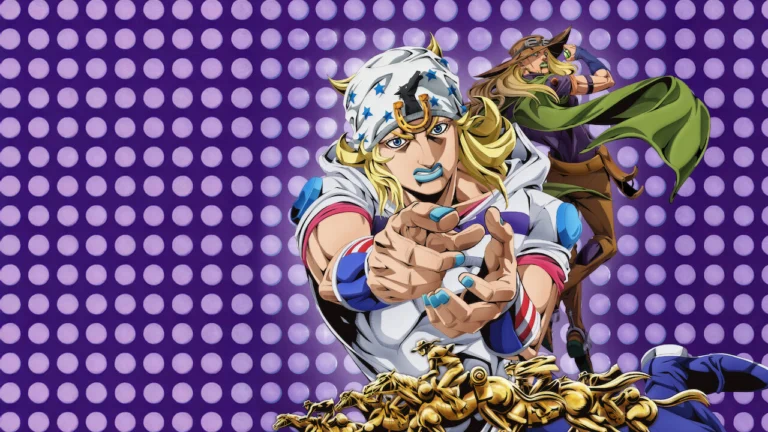
‘JoJo’s Bizarre Adventure’ (2012–2013) – “Roundabout” by Yes
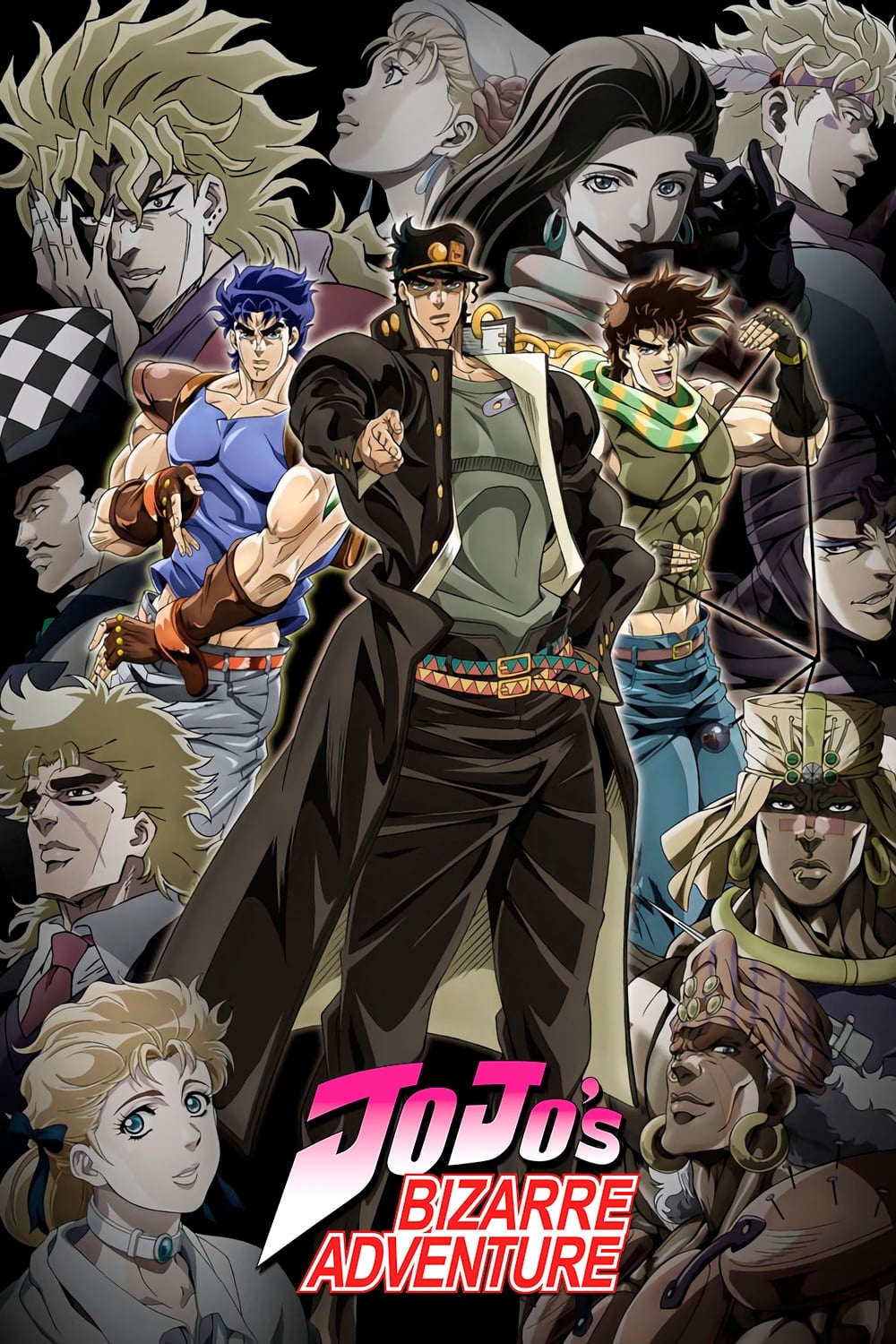
“Roundabout” is licensed as the ending for ‘Phantom Blood’ and ‘Battle Tendency’. The acoustic intro doubles as a stinger, and the iconic “to be continued” arrow lands on the pickup before the main groove enters.
Music licensing credits appear in English on the end slate alongside the Japanese staff roll. Stone reliefs and sculpture shots rotate under deep shadows, and frame counts are fixed so the final bass hit aligns with the TV-size runtime.
‘Code Geass: Lelouch of the Rebellion’ (2006–2008) – “Yuukyou Seishunka” by Ali Project
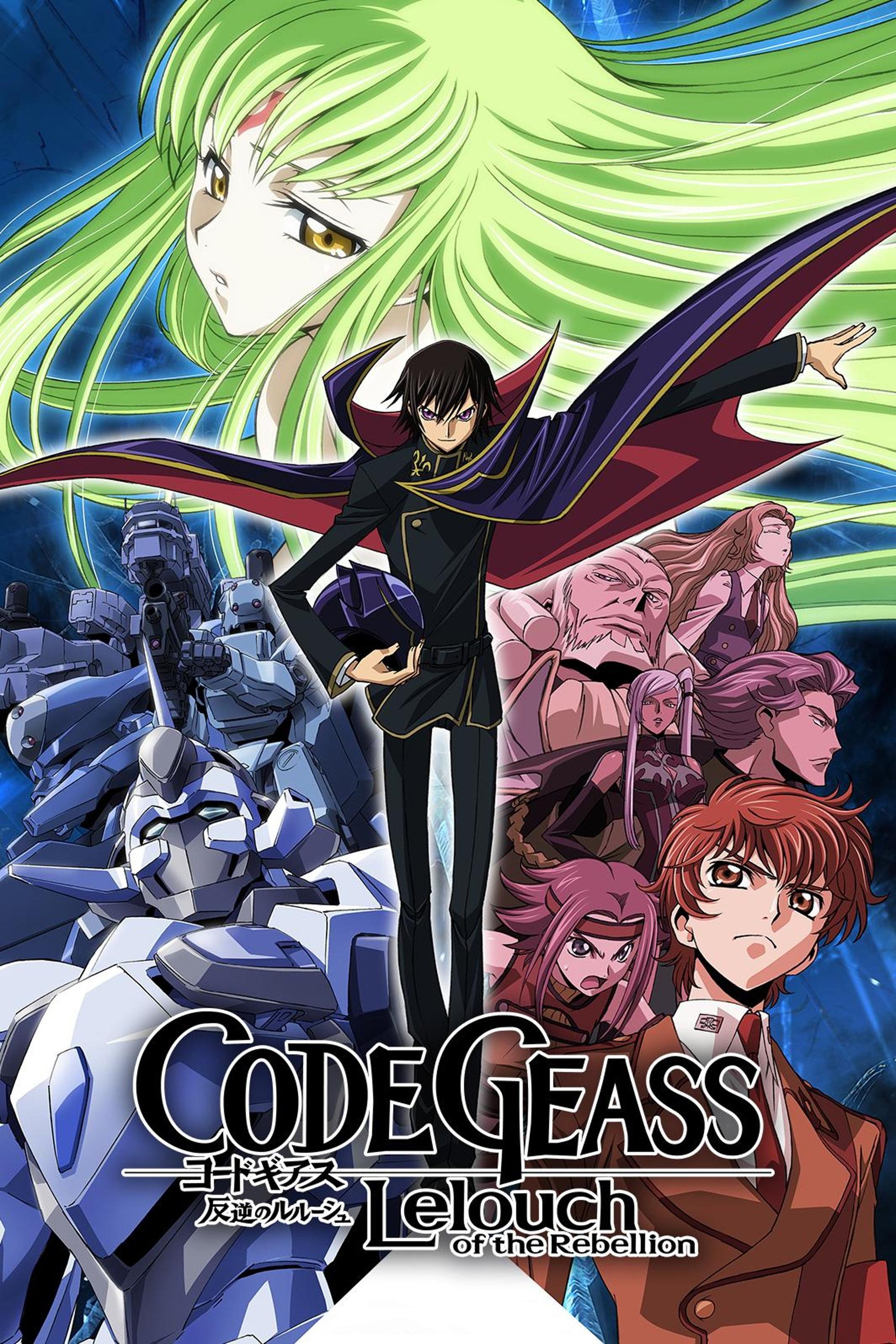
“Yuukyou Seishunka” appears as an ending during ‘Code Geass’ with Baroque-string textures and theatrical vocals. Chess pieces, rose imagery, and symmetrical layouts dominate the sequence, with slow zooms under serif credits.
The single follows Ali Project’s standard composer–lyricist split, and the TV-size edit positions the refrain beneath the densest credit block. The final sting coincides with the series emblem for a hard cut into the preview.
‘Death Note’ (2006–2007) – “Alumina” by Nightmare
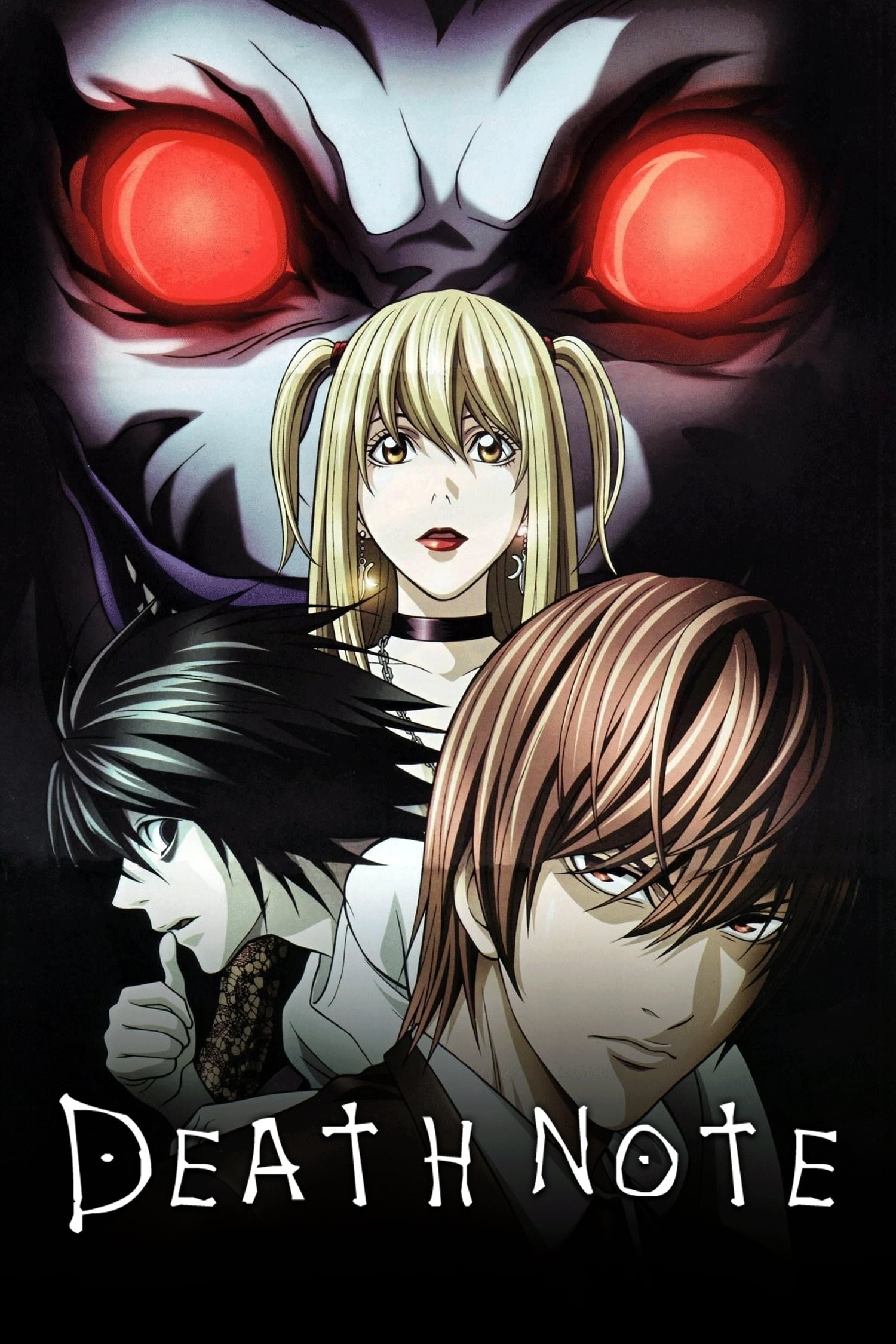
“Alumina” runs as the first ending of ‘Death Note’, built around piano arpeggios and a measured tempo. Abstract imagery—feathers, rippling water, and stark cityscapes—intercuts with a long silhouette hold.
Releases pair the track with the show’s first opening from the same period. The TV-size version trims the bridge to accommodate full credits, and the sustained closing chord overlaps the bumper used to introduce the preview.
‘Neon Genesis Evangelion’ (1995–1996) – “Fly Me to the Moon” by Claire Littley
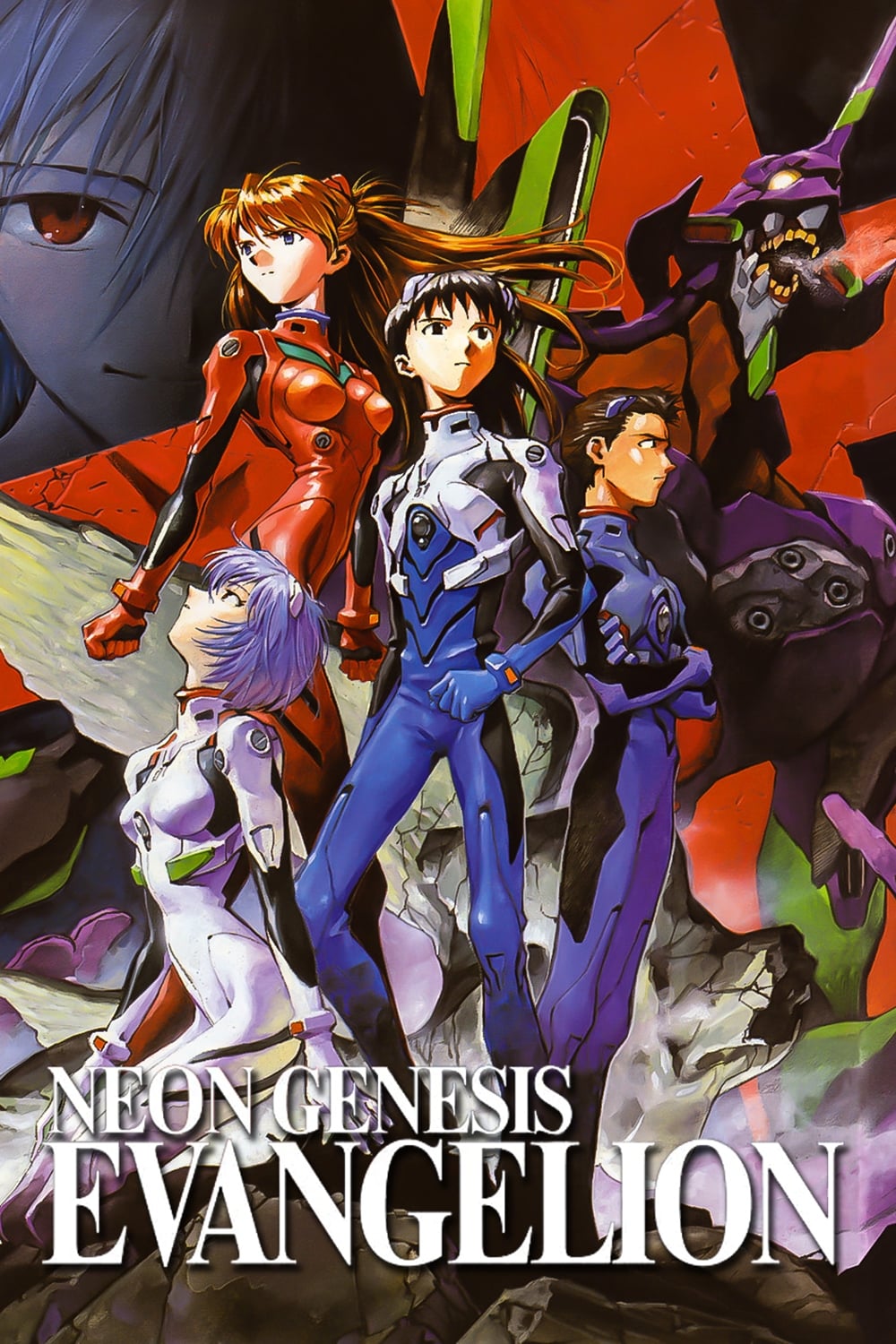
“Fly Me to the Moon” closes episodes of ‘Neon Genesis Evangelion’ in multiple recorded versions, with Claire Littley’s take among the most prominent. The ending centers a rotating monochrome image of Rei while credits orbit along a steady spiral path.
Later editions of the series sometimes substitute or omit the song due to licensing changes, while the original on-air TV-size edits pull the refrain earlier to fit the broadcast slot. The final note aligns to the coda card before the preview.
‘Cowboy Bebop’ (1998–1999) – “The Real Folk Blues” by The Seatbelts feat. Mai Yamane
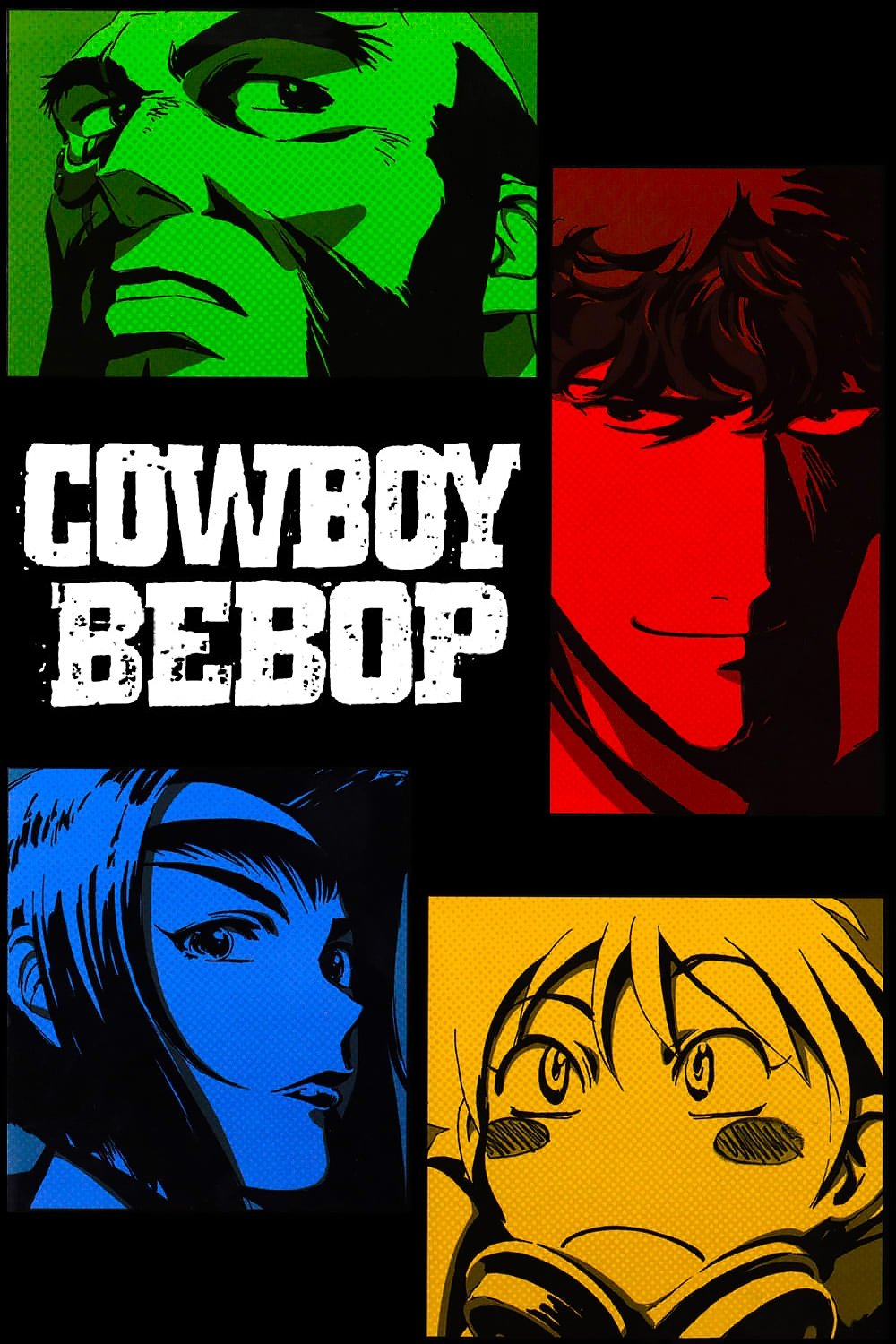
“The Real Folk Blues” is credited to The Seatbelts with vocals by Mai Yamane. Noir-style stills and cross-dissolves of Spike, Faye, and Jet move at a fixed pan cadence, with saxophone lines and vocals matched to camera travel.
Multiple soundtrack releases include the track with TV-size and full versions. The ending routinely freezes on Spike’s profile for a recognizable tag, and editorial practice places the chorus under the largest credit block for clarity.
‘Attack on Titan’ (2013–2023) – “Utsukushiki Zankoku na Sekai” by Yoko Hikasa
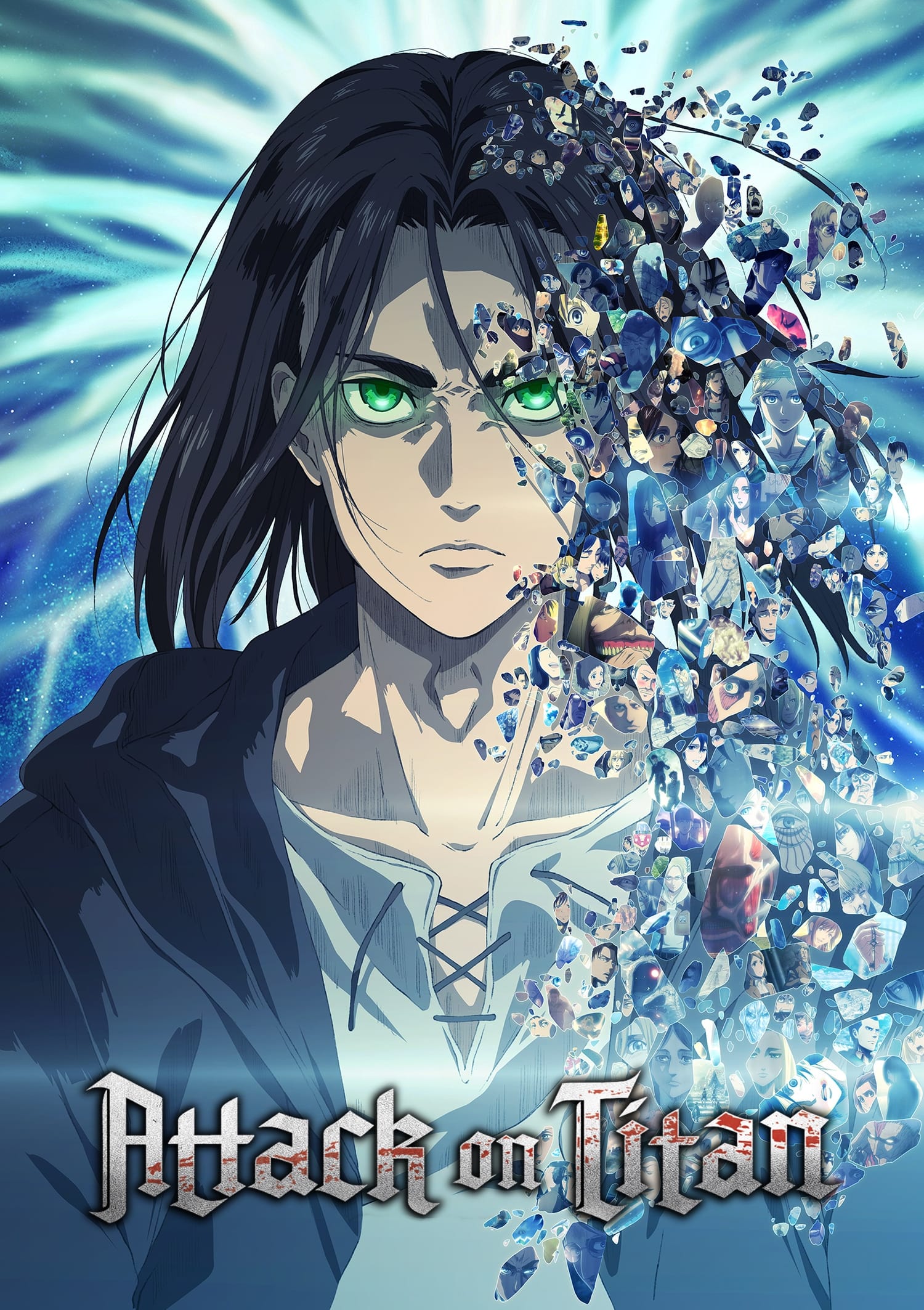
“Utsukushiki Zankoku na Sekai” is the first ending used during the early episodes of ‘Attack on Titan’. Charcoal-style illustrations, parchment textures, and shots of the Walls combine with minimal character silhouettes behind the credits.
Single releases provide TV-size and full versions. Broadcast notes fix the out-point so the final chord lands under the start of the next-episode narration, and some episodes replace or alter the ending for narrative timing.
‘Fullmetal Alchemist: Brotherhood’ (2009–2010) – “Uso” by SID
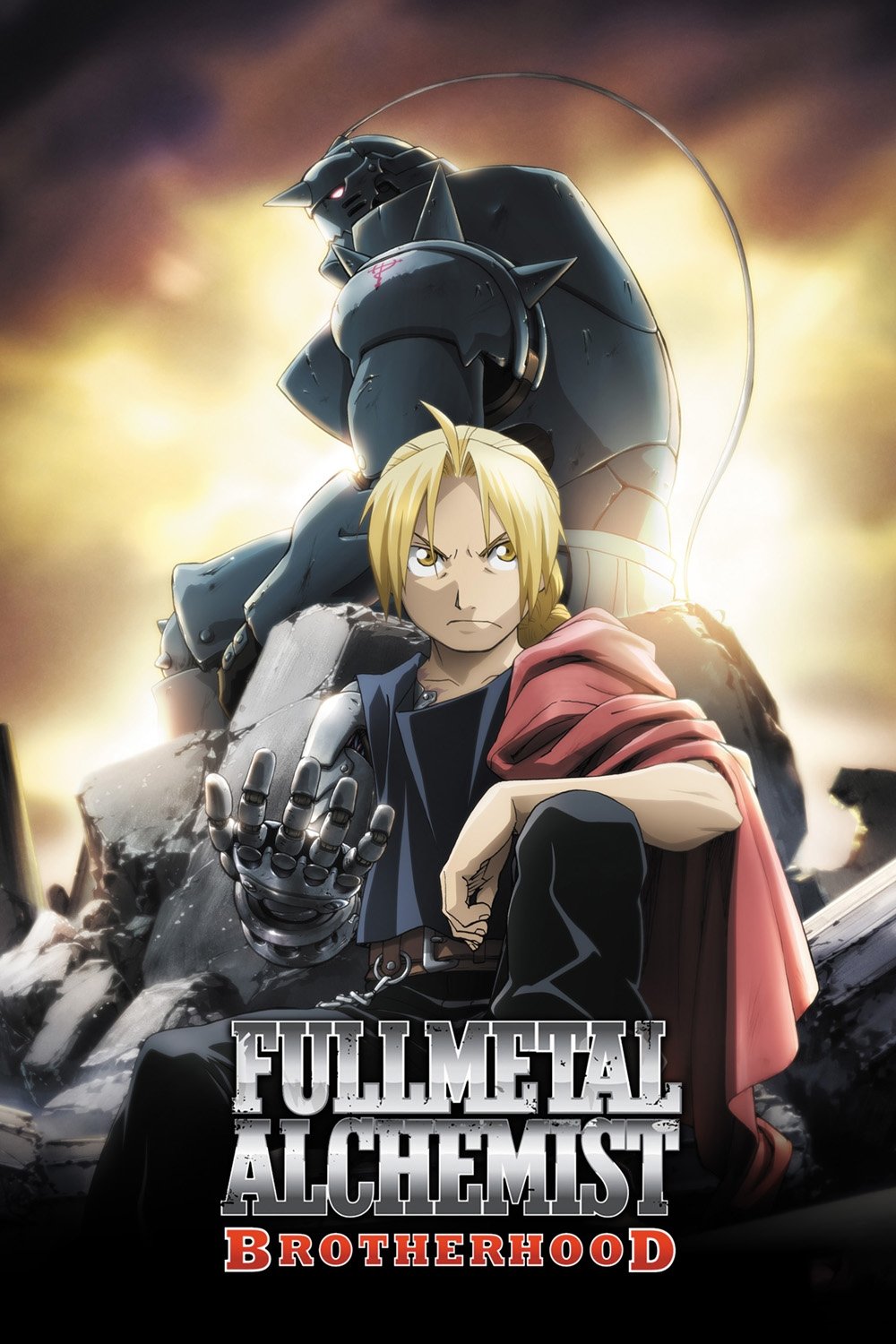
“Uso” serves as the first ending of ‘Fullmetal Alchemist: Brotherhood’, covering episodes that establish the Elric brothers’ journey. Chalk-style alchemy circles, sepia photo effects, and location imagery appear in original ending cuts designed to echo early-arc settings.
The single released with multiple mixes, including an instrumental and a TV-size arrangement adjusted to place the hook under the main credit block. The final frame holds on a transmutation-circle motif that later reappears in soundtrack and promotional artwork.
Share your favorite anime ending—and the exact episode where it hit you the hardest—in the comments!