Movie Endings that Split Audiences

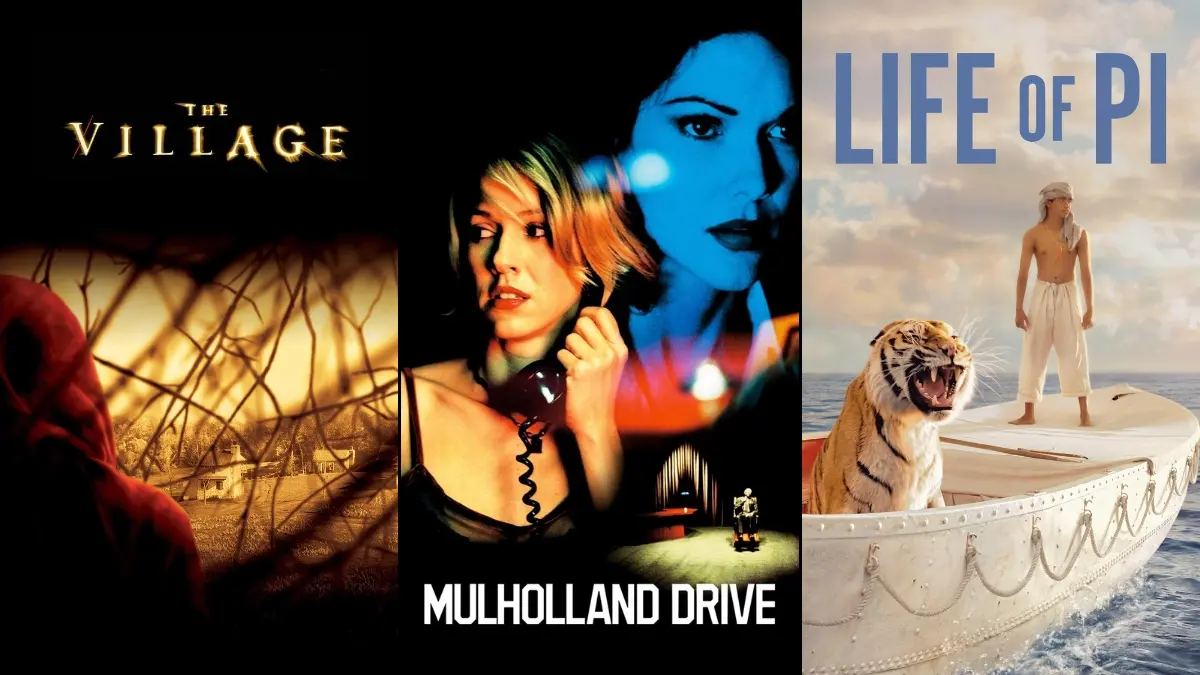

Some endings don’t tie things up with a neat bow; they invite you to look closer, connect clues, and sometimes choose your own conclusion. Those final minutes can hinge on a single image, a hard cut, or a reveal that recontextualizes everything that came before, leaving room for multiple interpretations grounded in what’s actually on screen.
Below are twenty films whose finales became talking points because of deliberate ambiguity, structural twists, or bold deviations from source material and convention. Each one offers enough textual evidence to support more than one reading, which is exactly why they continue to be revisited, decoded, and debated long after the credits roll.
‘Inception’ (2010)
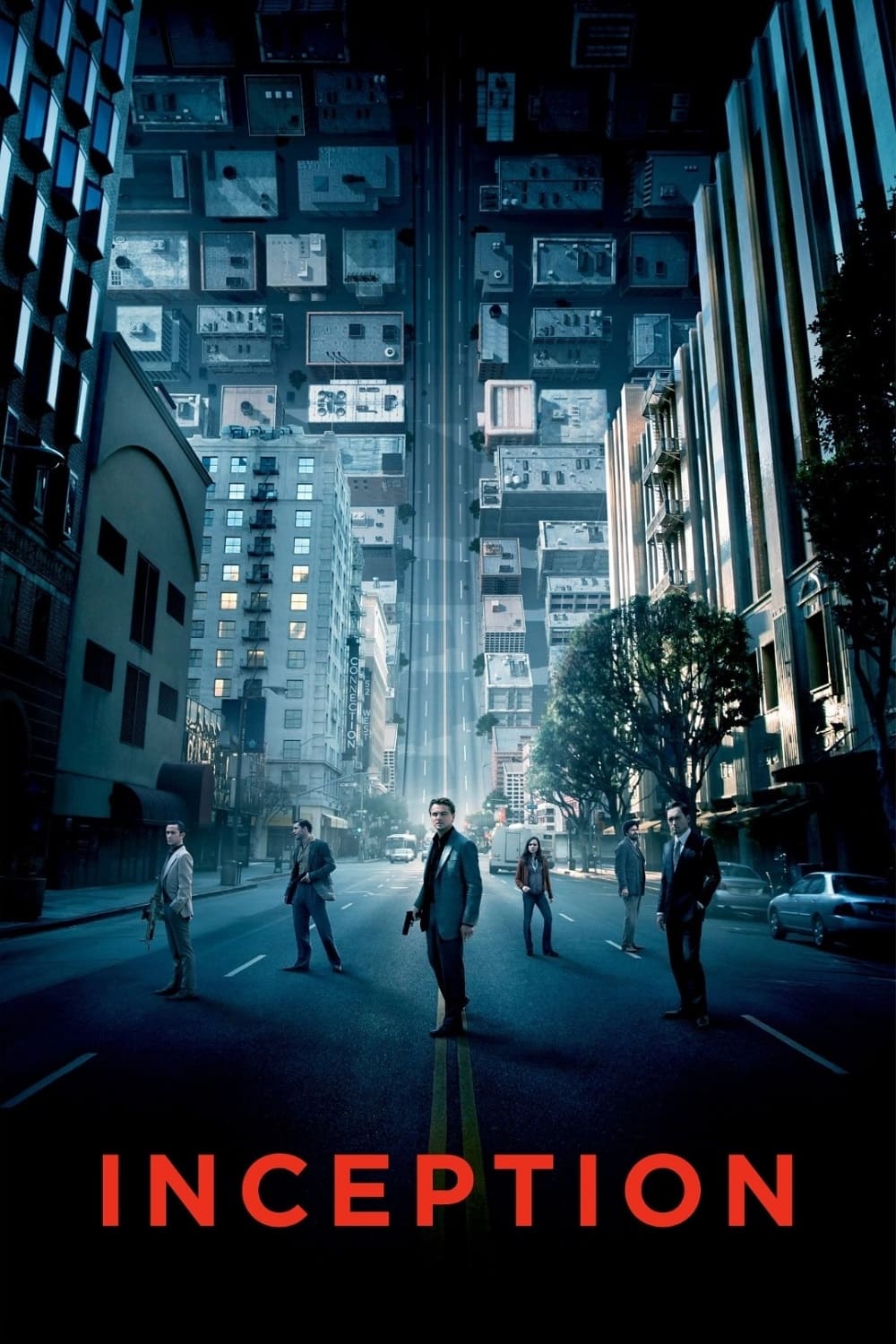
The closing shot centers on a spinning top—Cobb’s totem—set down after he reunites with his children. The camera lingers as it wobbles, then cuts to black before confirming whether it topples, leaving the state of reality within the film’s layered dream logic unresolved by design. Throughout the story, the rules of totems, the presence of Cobb’s wedding ring, and the consistency of the children’s appearance are all presented as concrete details viewers can use to test hypotheses.
Composer and sound design choices in the final moments also function as data points: the resumed crowd ambience, the absence of the signature slowed Edith Piaf cue that tags dream transitions, and the mix on the spinning top’s sound are presented without commentary. The film provides a complete emotional arc while withholding a definitive answer, turning props, costume continuity, and audio motifs into the basis for textual analysis rather than speculation.
‘The Prestige’ (2006)
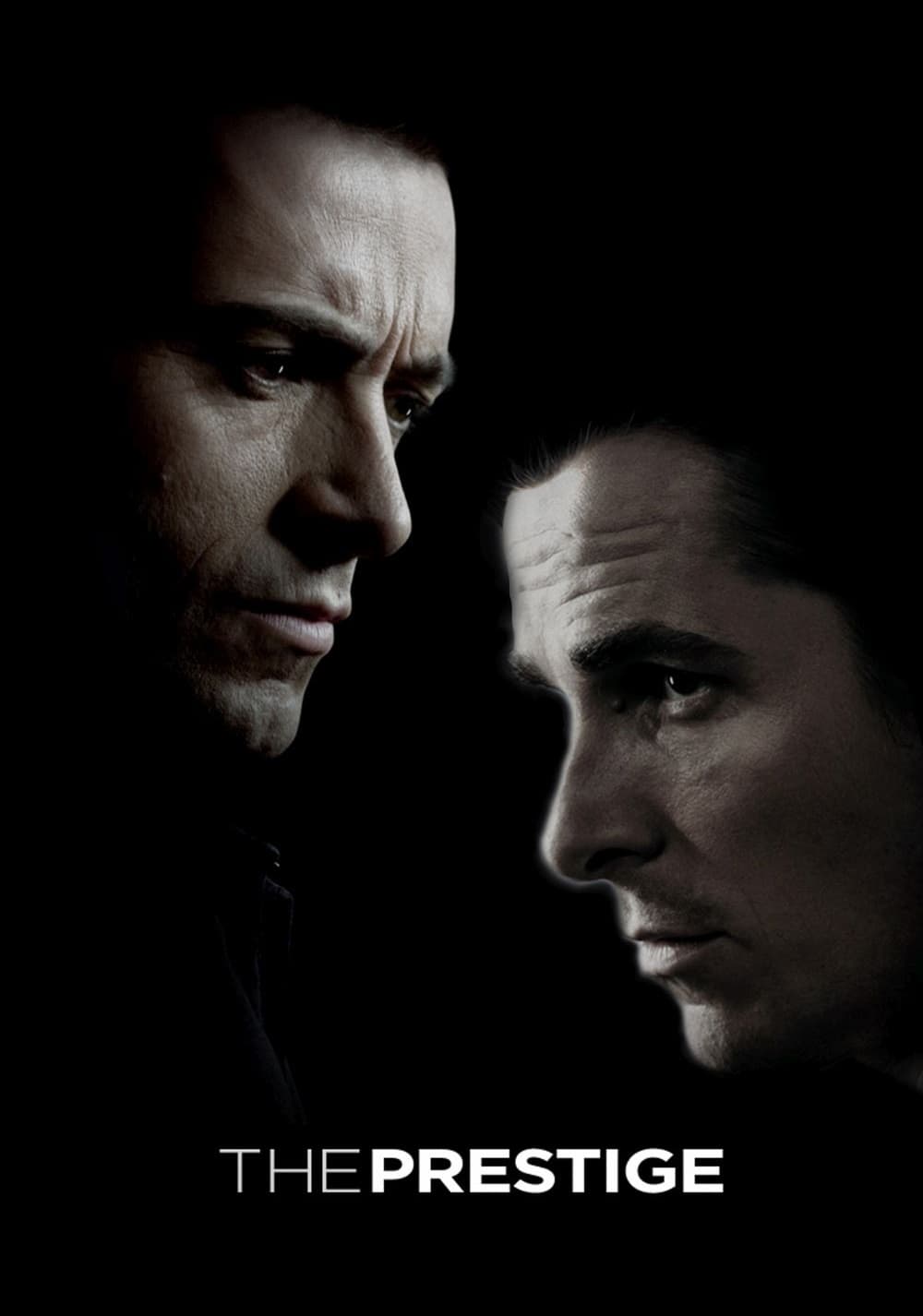
The final reveals clarify that Angier’s “Real Transported Man” depends on a machine that duplicates him, and that Borden’s success relies on a life lived as identical twins sharing one identity. The last images of drowned bodies and the disclosure of Fallon’s true name align with diary entries and earlier stagecraft clues scattered across the narrative’s nested journals.
Production design and blocking repeatedly emphasize paired objects, mirrored routines, and staging that foreshadows the solution to both magicians’ secrets. The film’s closing images circle back to earlier lines about sacrifice and the value of a good trick, grounding the ending in established mechanics of duplicity, misdirection, and physical cost depicted throughout.
‘Blade Runner’ (1982)
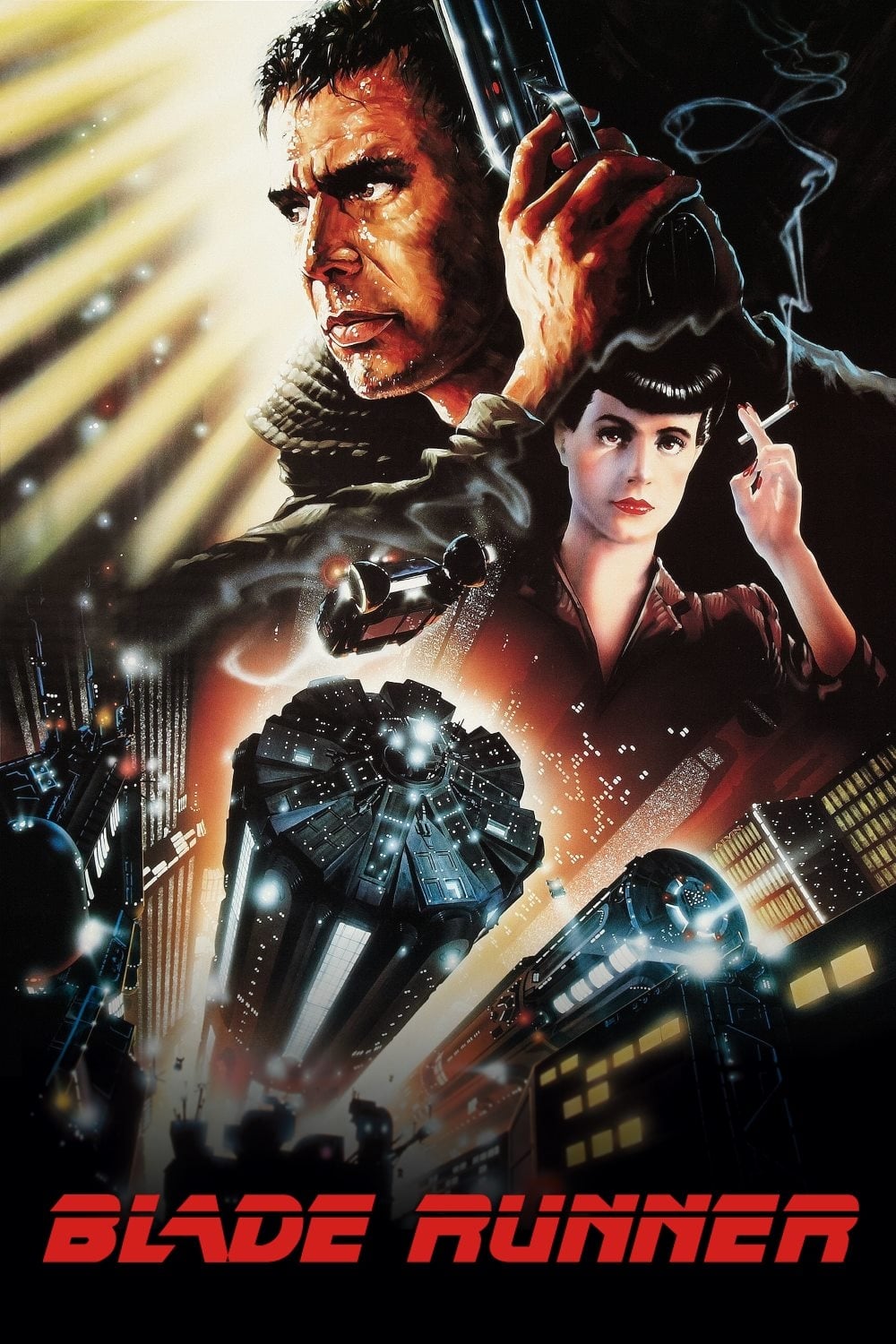
Different cuts present different final notes, with the theatrical version originally adding voiceover and an exterior coda, while later cuts end with Deckard and Rachael entering an uncertain future. The inclusion or removal of the unicorn dream and Gaff’s origami sequence positions the question of Deckard’s nature squarely inside the text through visual callbacks and editorial choices.
Lighting, eye reflections, and Tyrell Corporation design motifs are used to echo replicant markers, while dialogue about lifespan and memory situates the ambiguity within the film’s world-building. The ending does not supply a verbal answer; it provides recurring visual and structural evidence the viewer can weigh based on which version is being watched.
‘No Country for Old Men’ (2007)
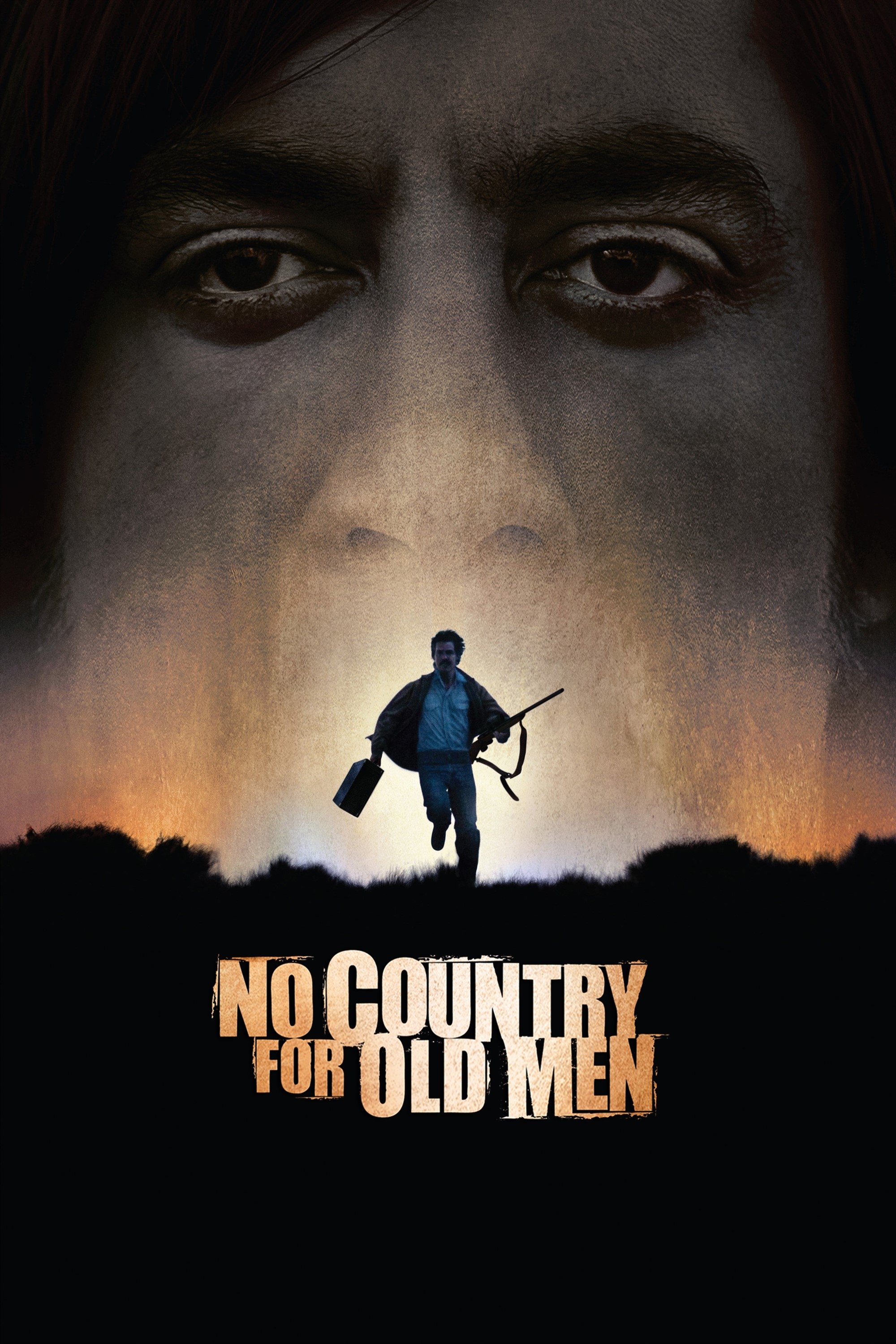
The final scenes switch from on-screen action to Sheriff Bell recounting a dream, after key confrontations conclude off-screen or in silence. Anton Chigurh exits another crime scene injured but alive, and the film ends on Bell’s unfinished reflection rather than a chase or arrest, aligning the conclusion with the story’s perspective on fate and aging presented from the opening narration onward.
The choice to omit certain expected showdowns is consistent with earlier ellipses, where aftermath replaces spectacle. Sound design underscores this approach, favoring ambient noise and stillness over score in the last minutes, while the script’s precise phrasing of Bell’s dream functions as concrete text that shapes interpretations about legacy and resignation.
‘Hereditary’ (2018)
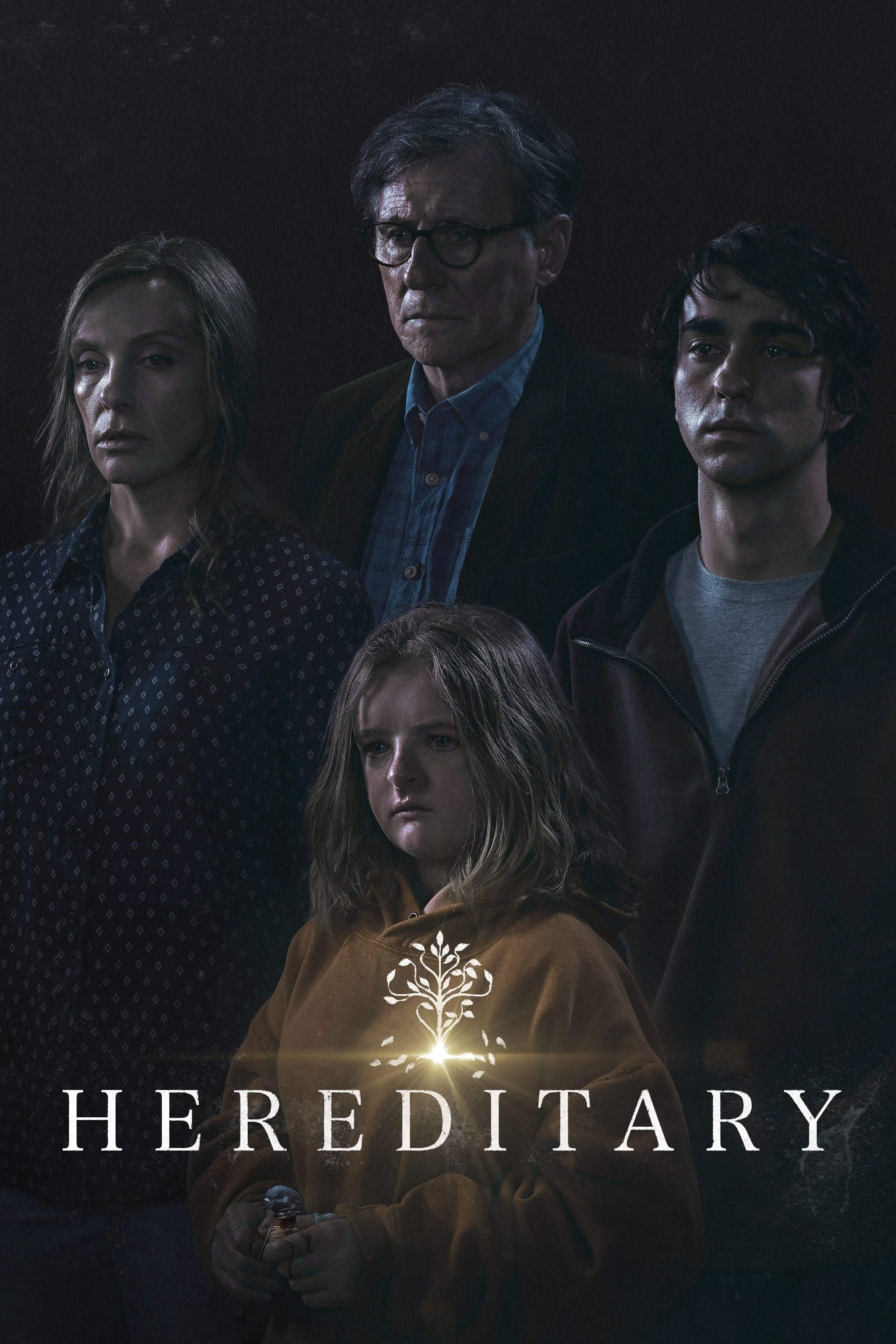
The finale assembles ritual components seeded throughout: a marked family tree, a sigil, manipulated events, and an identified demon with specific titles and aims. The final tableau, with altered bodies and a crowned figure in a treehouse surrounded by worshipers, pays off earlier expositional details about the coven’s goals and the targeted lineage.
Camera moves and framing echo earlier miniatures and dioramas, visually reinforcing the theme of characters arranged by outside forces. The closing chant and the language attributed to the crowned figure anchor the interpretation within demonological references presented in the film, providing textual confirmation of the ritual’s completion without resorting to a verbal epilogue.
‘Mulholland Drive’ (2001)
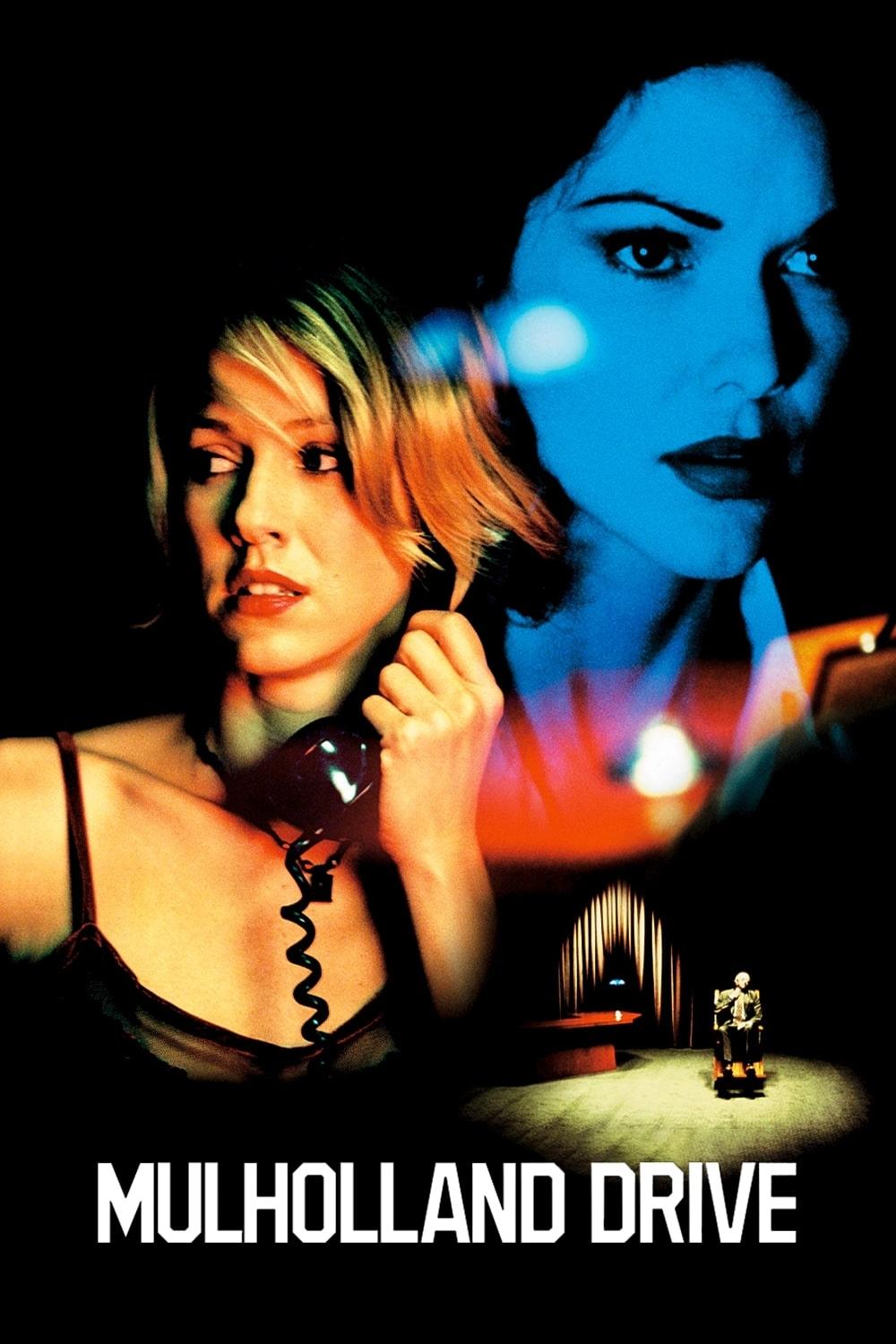
The film’s last act reorganizes identities, shifting character names and relationships in ways that turn earlier scenes into reframed memories or fantasies. Props, locations, and performance styles repeat with altered context, guiding the viewer to map correspondences between two narrative modes divided by a blue key and a club sequence.
The final images—incorporating the blue box, the club’s emcee, and a whispered “silencio”—close the loop on motifs about illusion and performance established from the opening. The ending doesn’t supply a single decoding chart; it places recurring objects, musical cues, and doubled scenes in dialogue, allowing the structure itself to present the evidence.
‘Donnie Darko’ (2001)
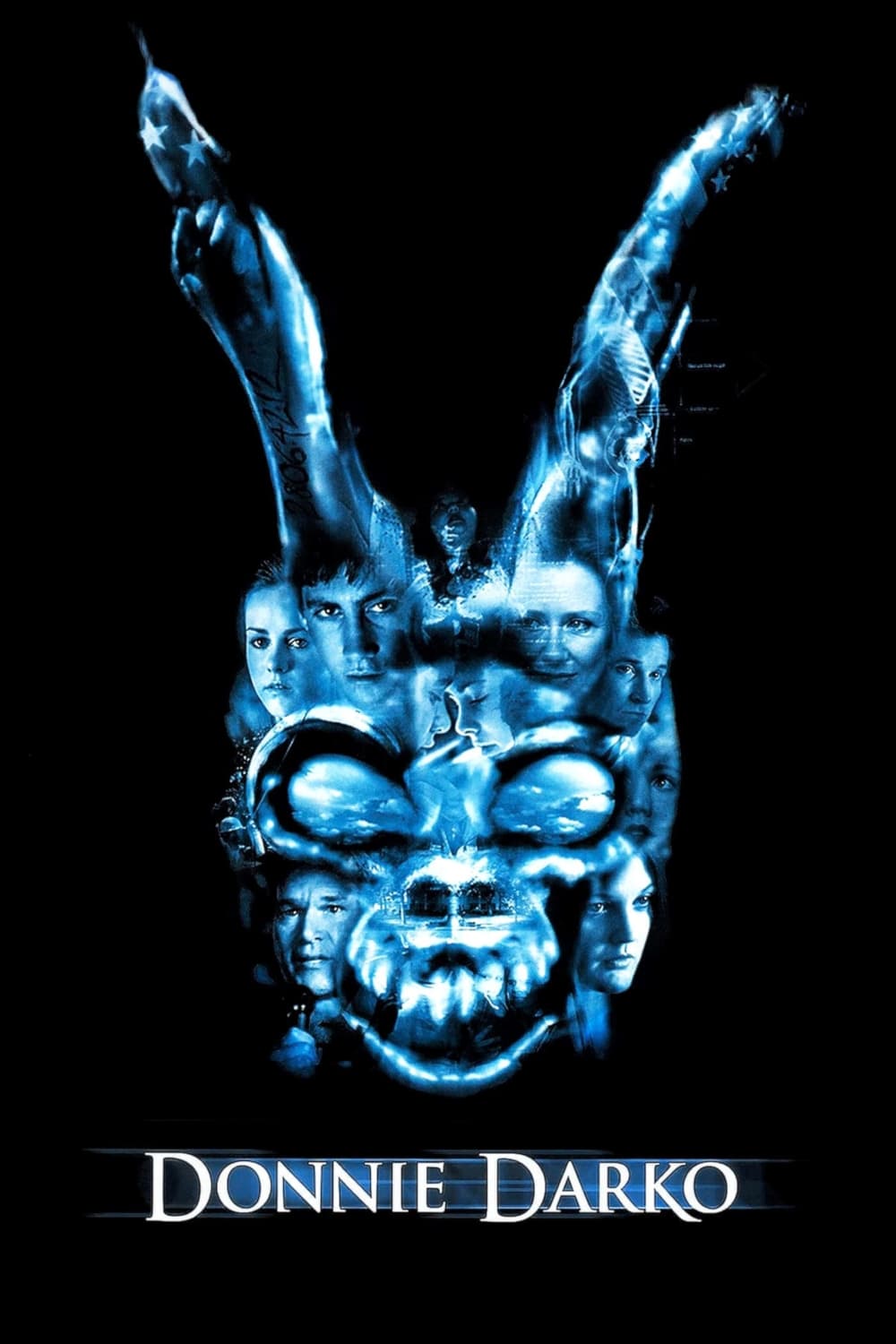
The climax resets events after Donnie returns to bed, with characters reacting in a montage that suggests a residual awareness of alternate outcomes. The film earlier defines a vocabulary of tangent universes, manipulated dead, and artifacts, and the finale visually matches those terms by returning the jet engine to its point of origin.
Pages from a diegetic book are quoted on-screen, tying the closing events to the story’s own rulebook rather than external explanation. Music cues, wrist movements, and specific character expressions in the final montage operate as callbacks to earlier scenes, documenting a cause-and-effect chain consistent with the film’s stated cosmology.
‘The Mist’ (2007)
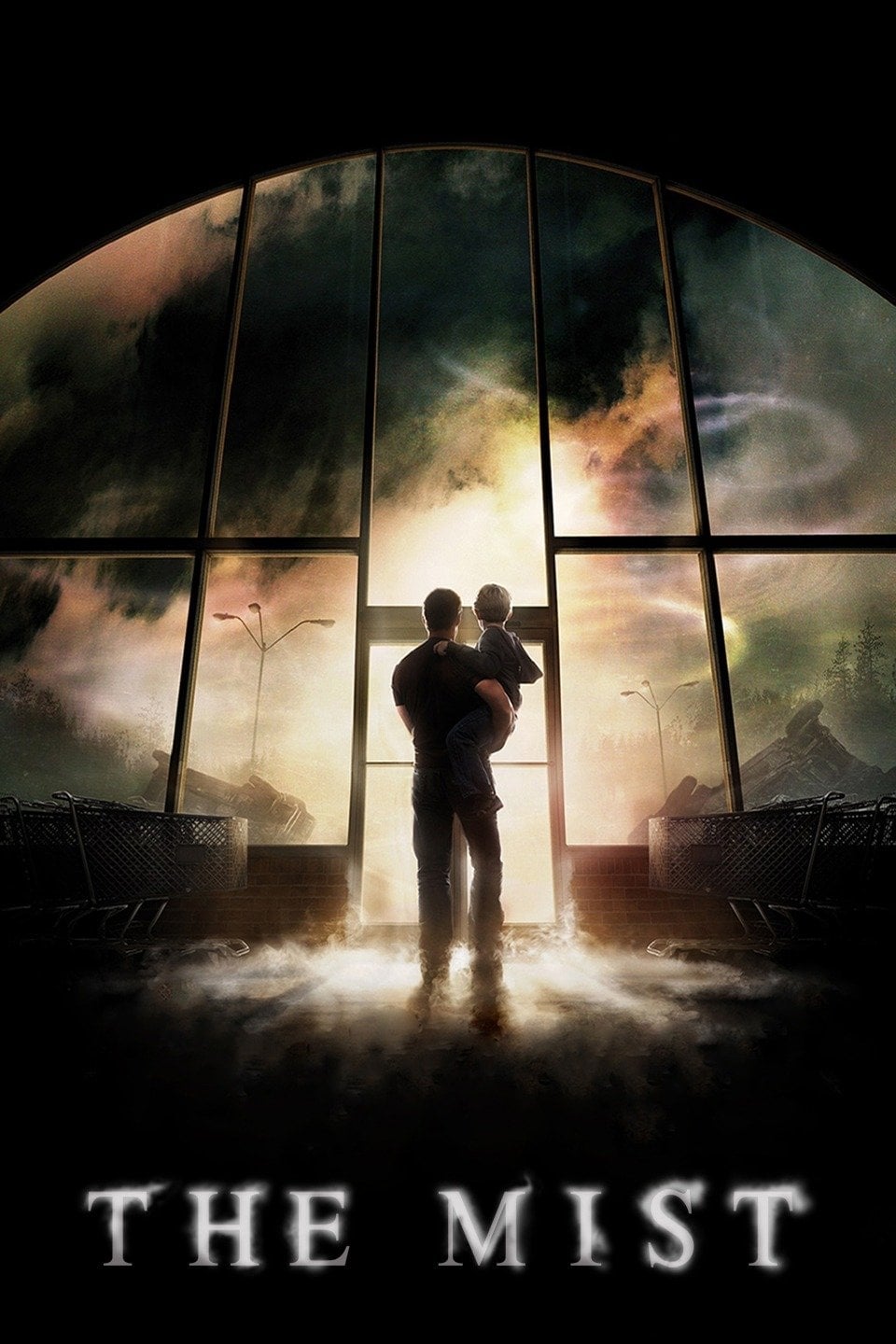
The film concludes with a bleak choice made inside the car, followed by the sudden appearance of military rescue. This ending diverges from the source material, where the final note is different, making the adaptation’s choice a deliberate textual change with measurable stakes and timing.
Throughout the story, rules of visibility and group dynamics inside the supermarket are depicted in detail, and the closing reversal uses those established constraints—limited resources, fog cover, and uncertain rescue windows—to set up the final decision. The arrival of armored vehicles and survivors is presented plainly, turning the contrast into a documented plot fact rather than an editorial statement.
‘La La Land’ (2016)
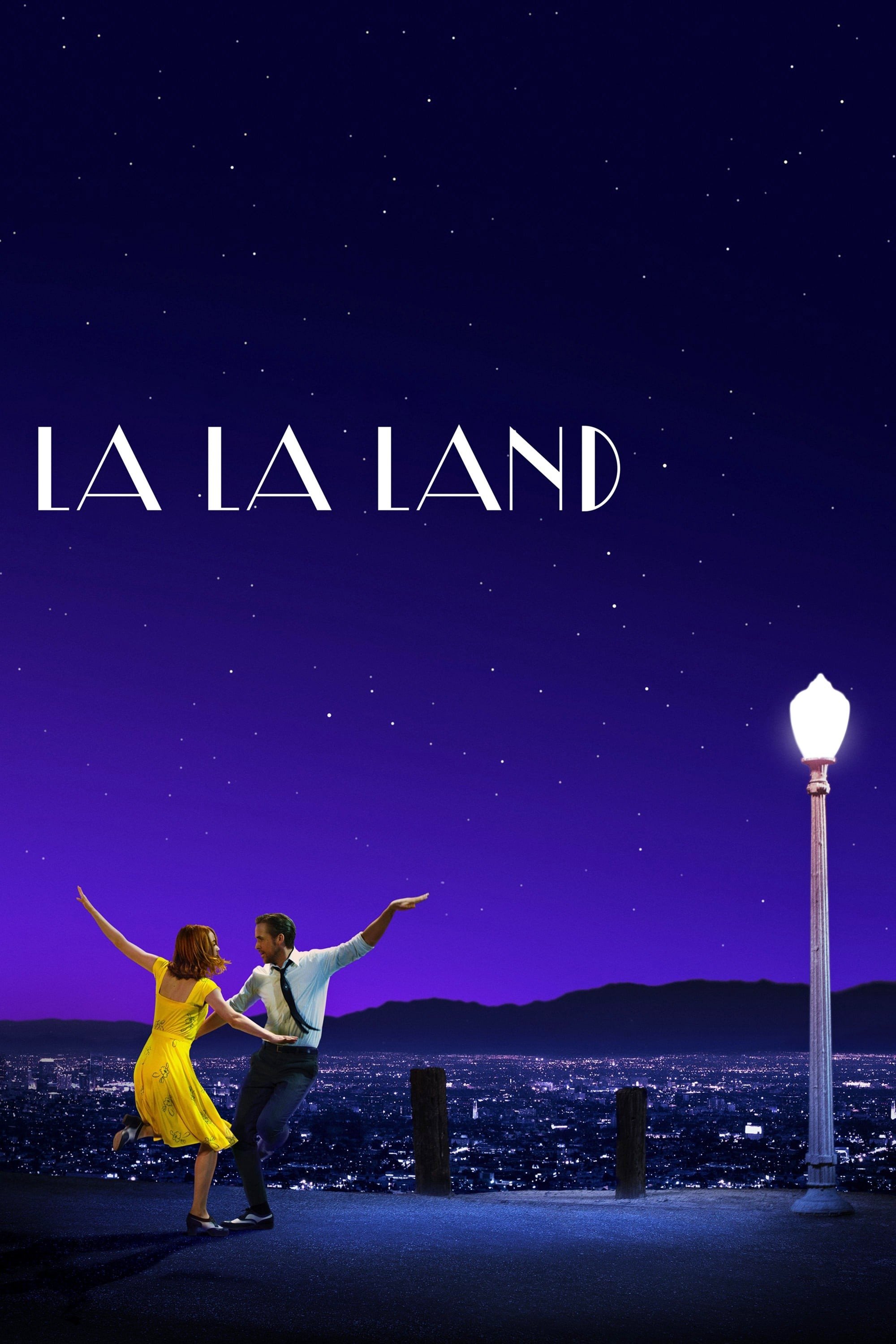
The epilogue presents an alternate pathway through a wordless musical sequence that reprises earlier scenes in changed form, showing what would have happened if different choices had aligned. Choreography, set design, and shot recreations supply direct one-to-one comparisons with prior moments, making the imagined scenario legible without dialogue.
The film then returns to the present, with two characters acknowledging their shared history through a brief exchange and a final look. The structure clearly delineates dream from diegesis, using music, staging, and color transitions to mark the boundary, and closes by restoring the narrative’s established timeline.
‘The Witch’ (2015)
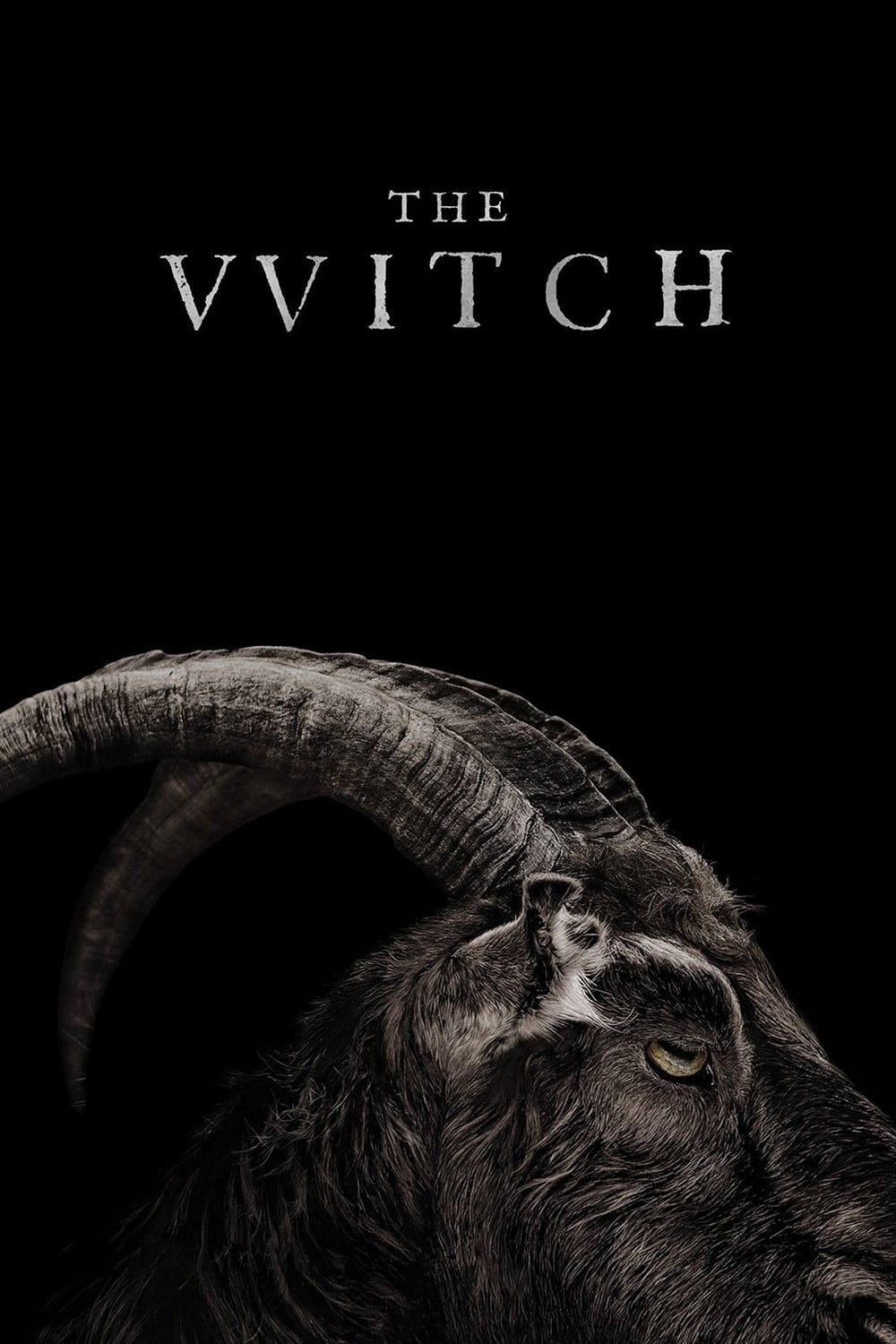
The closing scenes depict an initiation that fulfills earlier warnings about a family’s pact and the presence of a tempter hiding in plain sight. The goat revealed as more than an animal speaks in a voice that matches prior temptations, and the forest gathering echoes dialogue and images seeded from the beginning.
Period-accurate dialect and theological references throughout provide the framework for the last act, where levitation and a coven gathering are portrayed without authorial commentary. The final shot’s upward movement ties back to devotional and transgressive imagery shown repeatedly, using visual continuity to mark the protagonist’s new alignment.
‘2001: A Space Odyssey’ (1968)
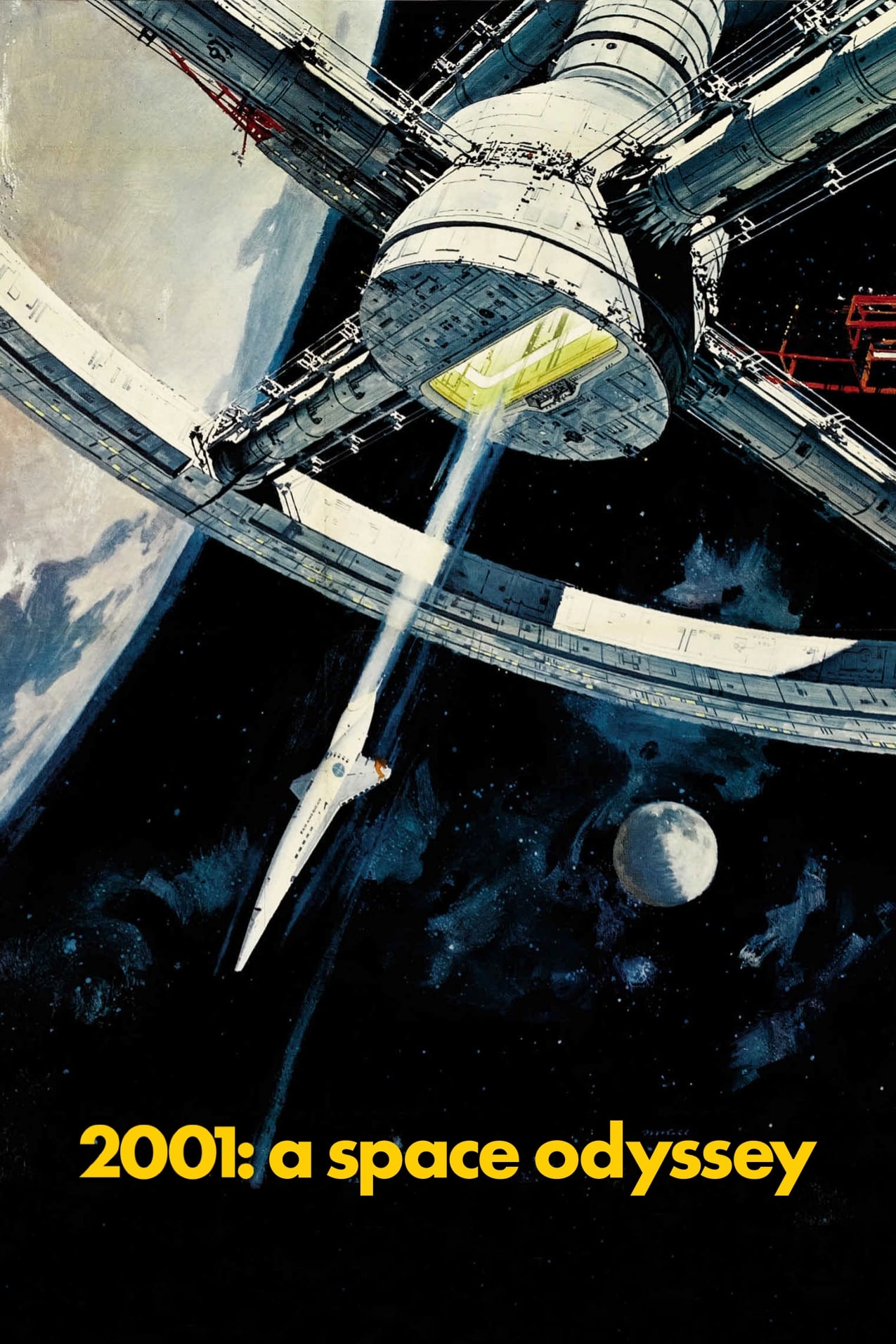
The final section, often called the Jupiter and Beyond sequence, presents a star gate journey, a neoclassical room, and a transformation into the Star Child. These images extend a motif established by earlier monolith encounters, where contact triggers evolutionary leaps communicated purely through visuals, scale, and recurring tones.
Production design choices—the stark geometry of the monolith, the consistent framing of celestial bodies, and the orchestral cues—serve as the film’s argumentative tools. The last shot repeats the alignment of observer and unknown seen in earlier segments, closing the pattern without verbal exposition and inviting interpretation based on these repeated formal elements.
‘The Matrix Revolutions’ (2003)
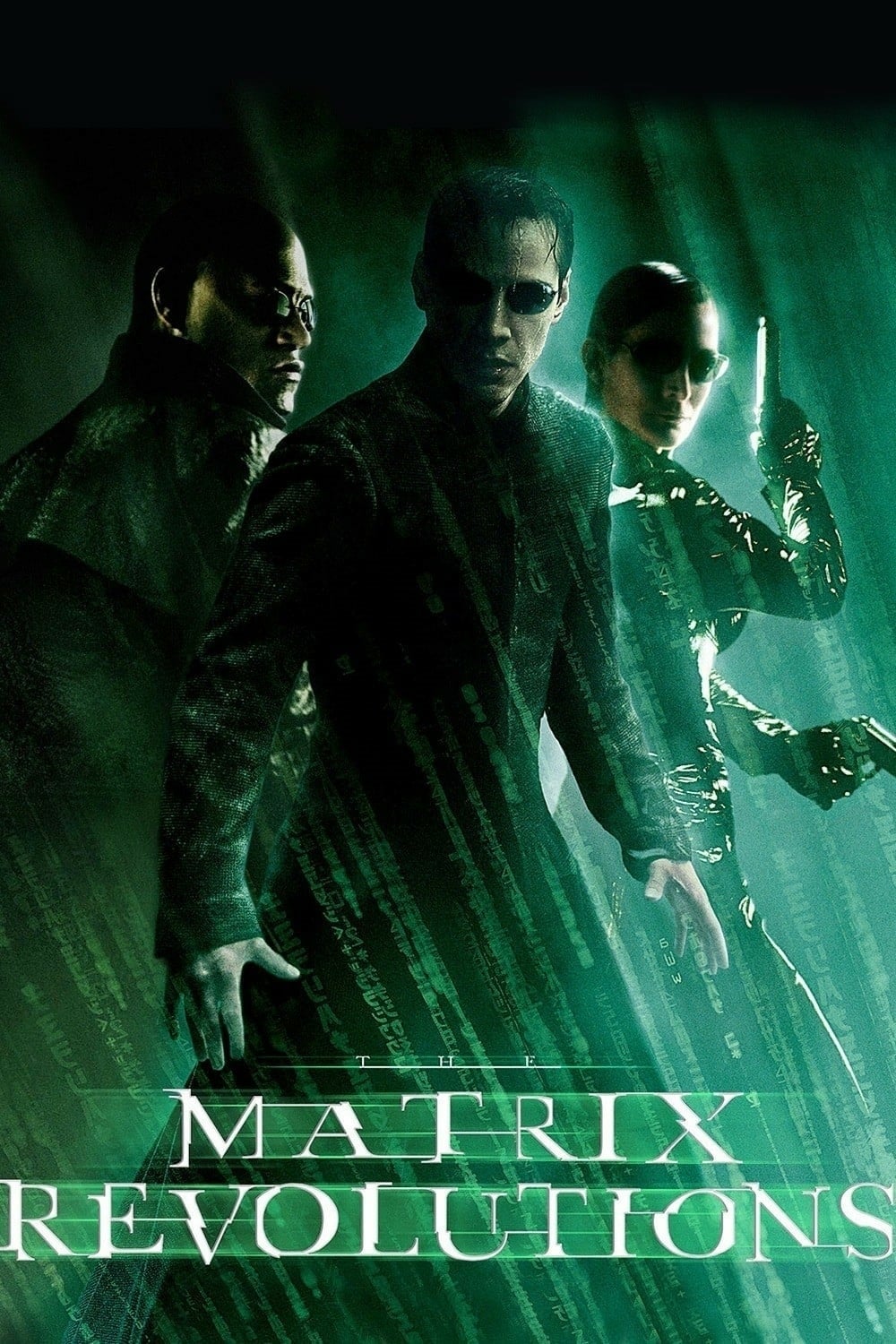
The conclusion depicts a truce between humans and machines, with the Oracle and the Architect discussing its durability, while Neo’s fate is shown through iconography and light rather than explicit dialogue. The city’s reset and the return of blue sky over the virtual world are presented as visible consequences of the bargain struck.
Earlier rules of the system—deletions, reboots, and programs’ autonomy—are applied consistently in the finale, where characters identified as programs act within their established permissions. The closing park scene uses recurring bench, child, and sunrise motifs to tie back to promises made in the prior installment, completing a cycle on screen.
‘The Village’ (2004)
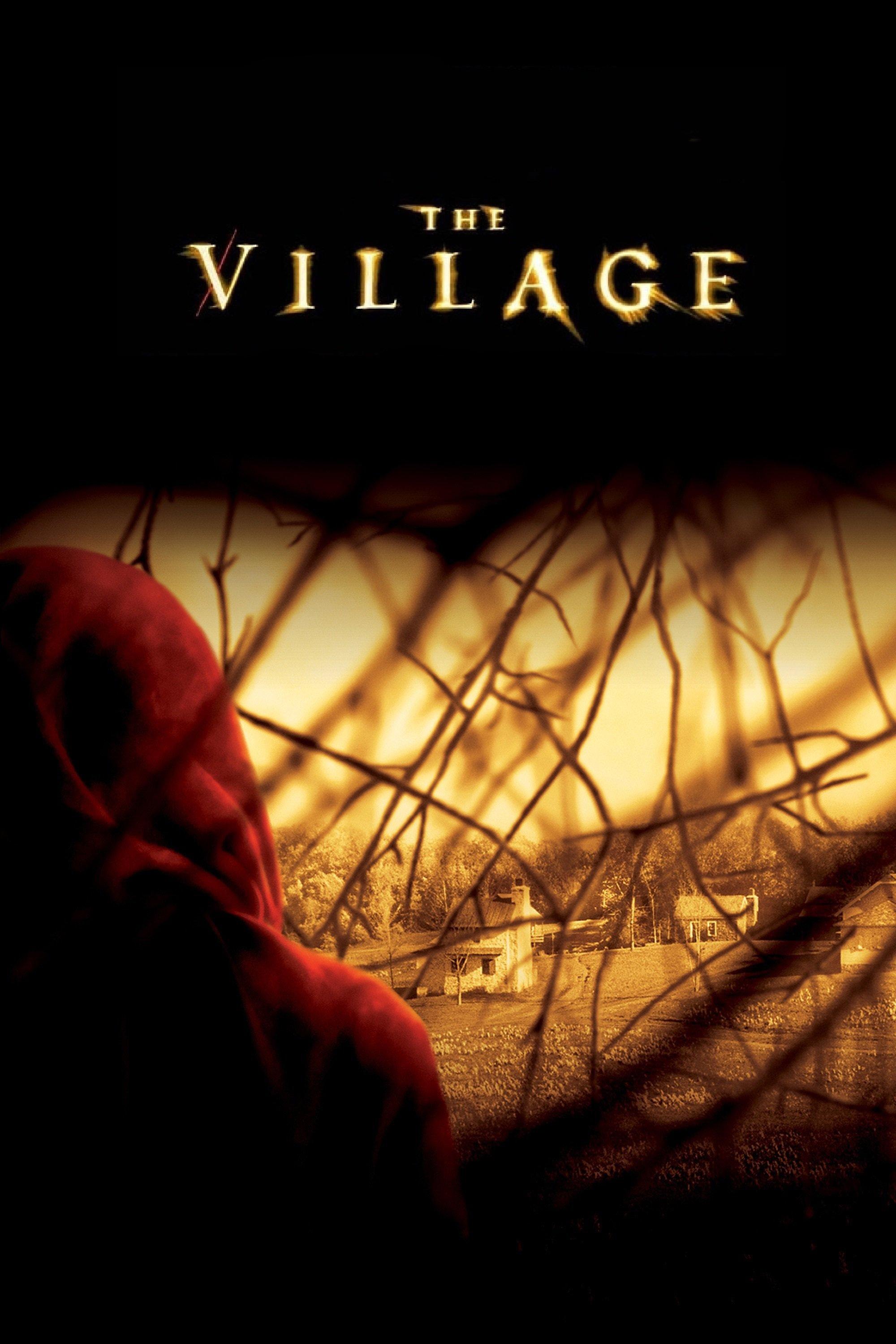
The twist reveals that the creatures are fabricated, and that the isolated settlement exists within a modern wildlife preserve. Costume details, forbidden color markers, and the presence of elders with secret knowledge are all introduced early and then recontextualized once Ivy crosses the boundary.
The final scenes show a plan to preserve the community’s illusion after a critical injury forces contact with the outside. Props such as medicine packaging, guard uniforms, and paperwork are shown plainly, providing verifiable signs of the larger world beyond the woods and grounding the twist in concrete, on-screen evidence.
‘Gone Girl’ (2014)
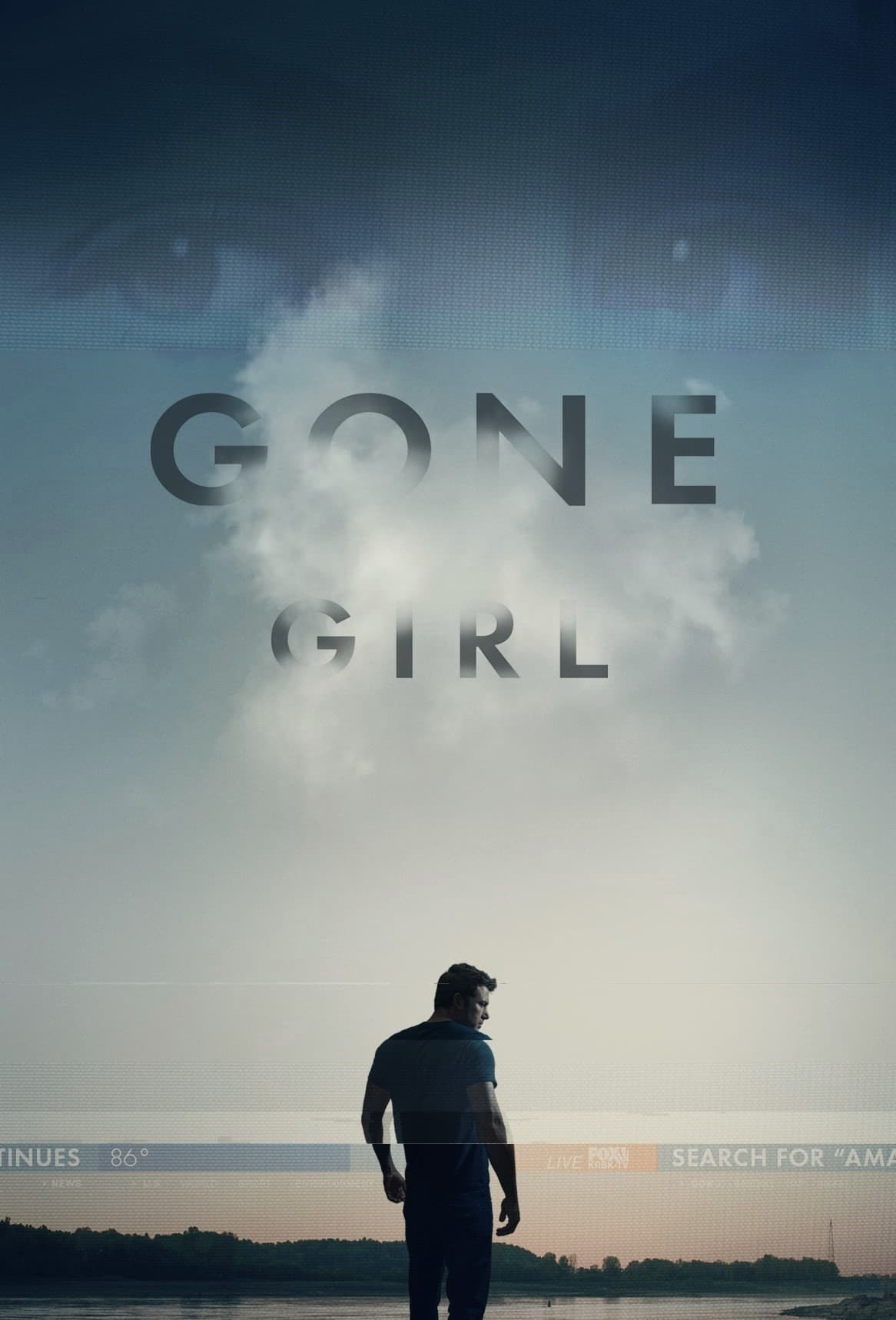
The ending lands on a marriage maintained under conditions established by legal maneuvers, media strategy, and a pregnancy weaponized to fix public narratives. The story details how diaries, press appearances, and physical evidence are created or undermined, and the finale maintains that logic by showing how those tools lock the protagonists in place.
Conversations in the last act use precise language about reputation, family, and mutual leverage, mirroring earlier scenes where perception overrides truth. The concluding household image is deliberately orderly, contrasting with the documented methods used to produce it, and the film presents that contrast without moral commentary.
‘Prisoners’ (2013)
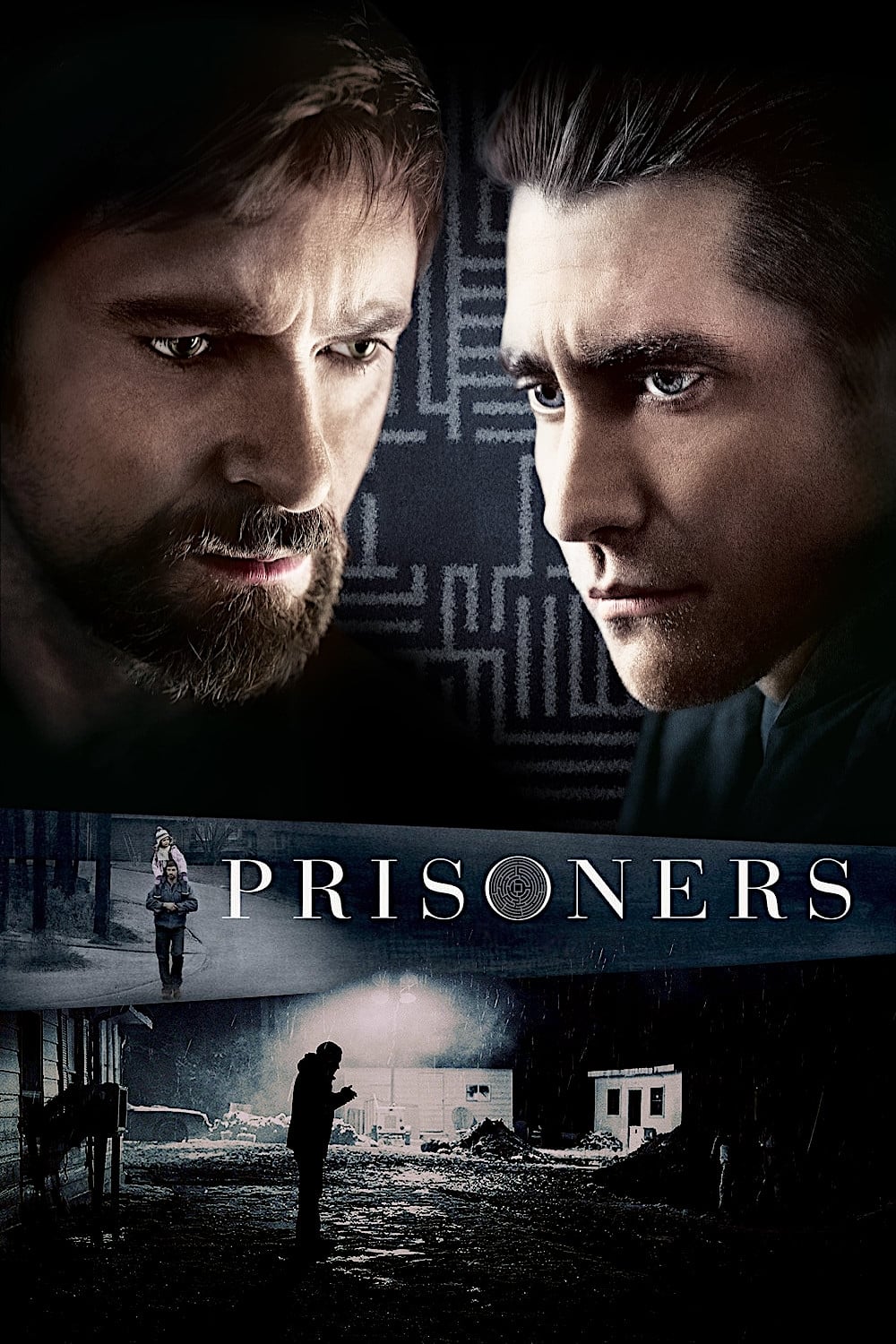
The last moment focuses on a faint whistle as Detective Loki stands near a construction site, with search teams present and night closing in. Earlier, a child mentions a whistle, and the site’s connection to missing persons has been established through maps, photos, and interviews.
The camera holds on Loki processing the sound, leaving the action unresolved in the instant before discovery or dismissal. This choice is aligned with the film’s emphasis on procedure and painstaking detail, using a single auditory cue to imply the next step based on objects and locations already cataloged.
‘A.I. Artificial Intelligence’ (2001)
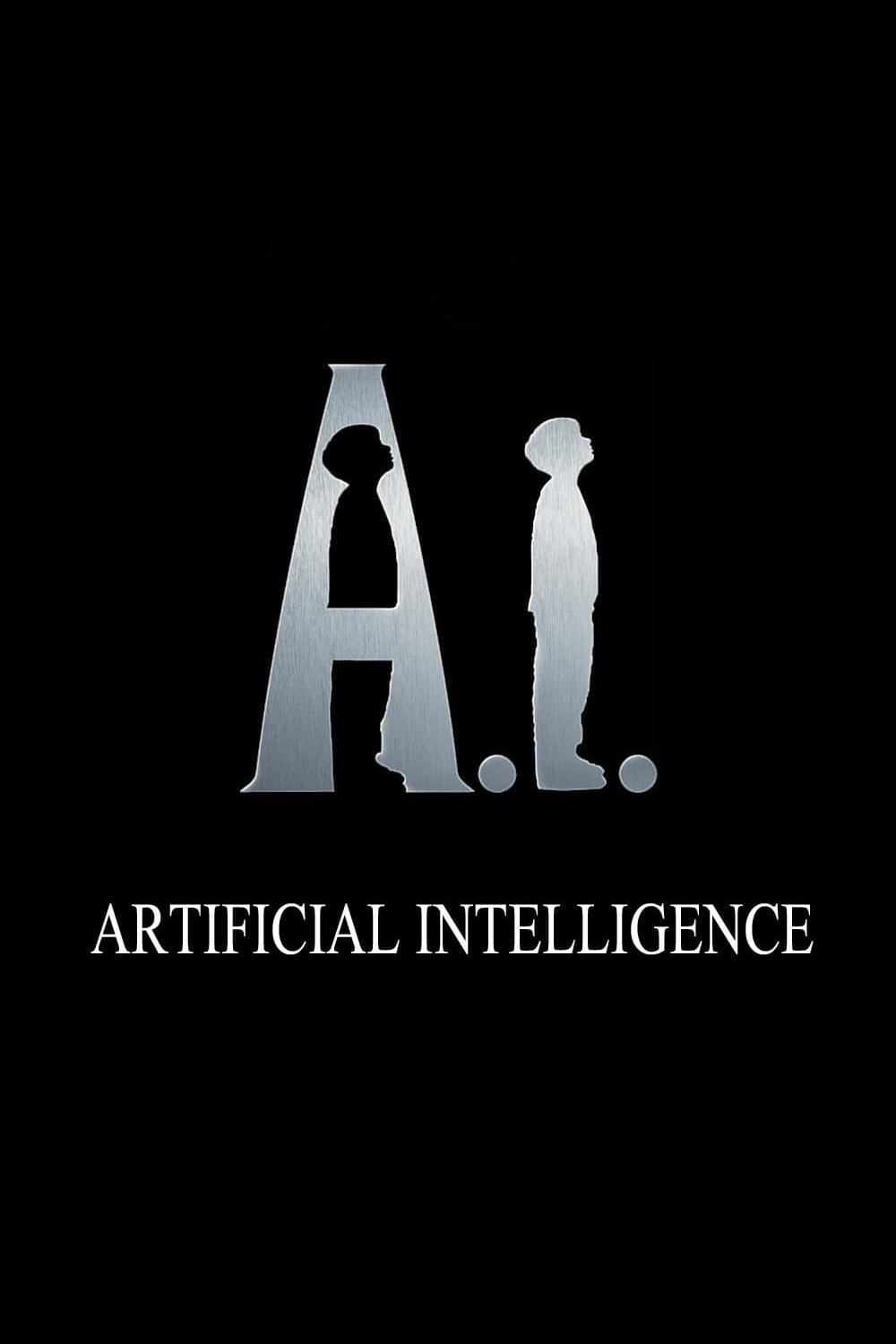
The finale shows advanced beings—or highly evolved machines—reconstructing a mother for a single day using memory fragments, fulfilling David’s wish under hard technical limits spelled out in dialogue. The constraints are explicit: only one day is possible, and the process cannot be repeated, details that are laid out within the scene itself.
Set design and lighting distinguish the recreated home from earlier human environments, while the teddy companion and the blue fairy motif connect the ending to David’s literal, text-quoted quest. The film’s closing images document the completion of that quest within the rules it has taught the audience to understand.
‘Birdman or (The Unexpected Virtue of Ignorance)’ (2014)

After the hospital scene, Riggan disappears from the window, and his daughter looks up and smiles, an action framed to mirror earlier flights of staged or imagined heroism. The movie repeatedly blends backstage reality with cinematic spectacle, showing powers that are alternately diegetic or performative, and the final beat maintains that ambiguity through blocking and reaction rather than explicit confirmation.
Continuous-take cinematography and recurring drum cues provide the formal texture that carries into the last shots. The daughter’s point of view and the upward eyeline are presented clearly, serving as the only data points the film offers about what happened next.
‘The Shining’ (1980)
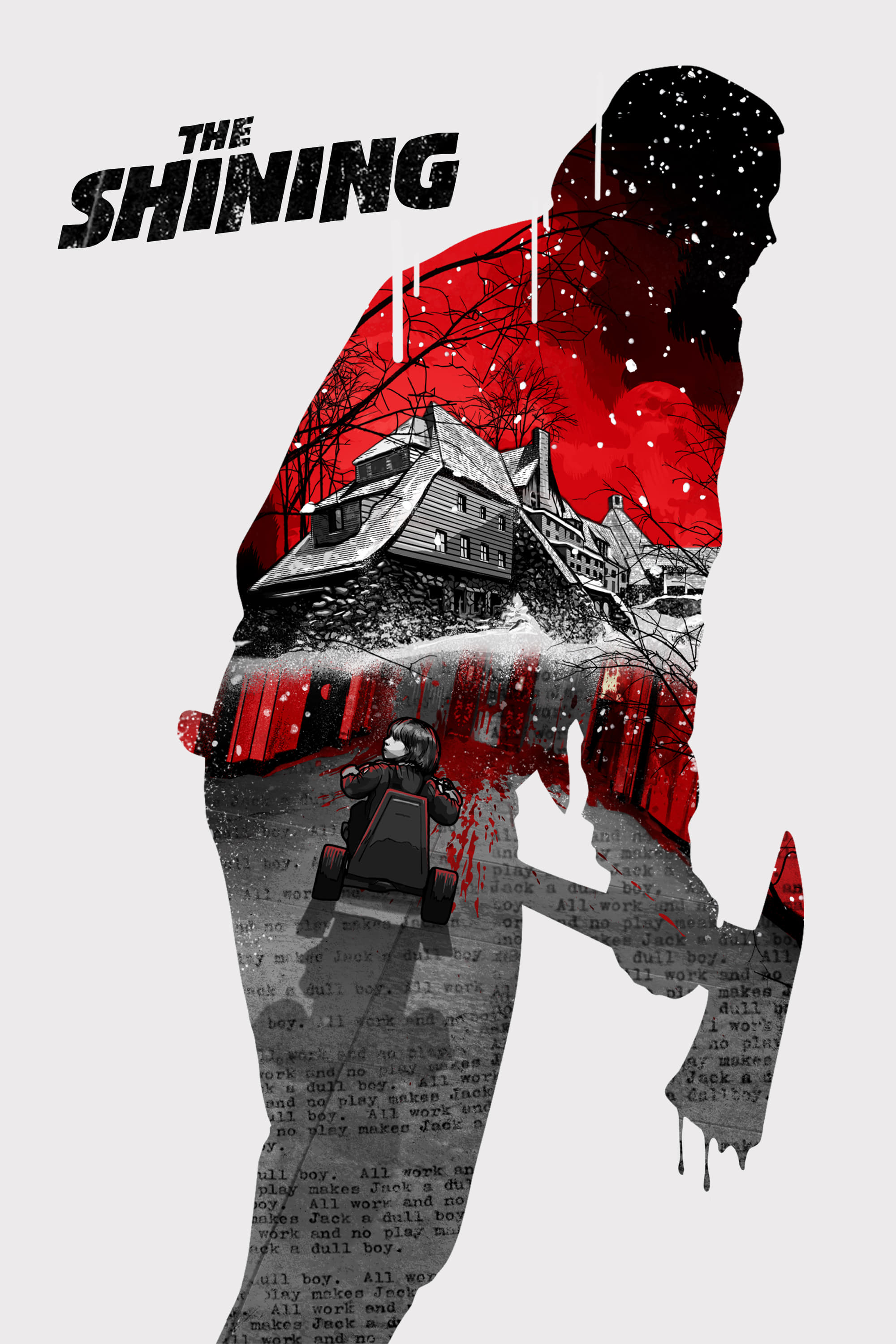
The camera pushes in on a framed photograph from a hotel ballroom, revealing Jack among revelers from a different era. This image connects to the caretaker’s line about “always” being there and to recurring themes of repetition and inheritance manifested in the hotel’s patterns and portraits.
Visual motifs—maze imagery, mirrored hallways, and twins—are reiterated throughout, and the photograph functions as one more artifact within that collection. The film leaves the implication inside the image, asking the viewer to reconcile it with documented dialogues, bartender encounters, and the hotel’s history as described on screen.
‘Life of Pi’ (2012)
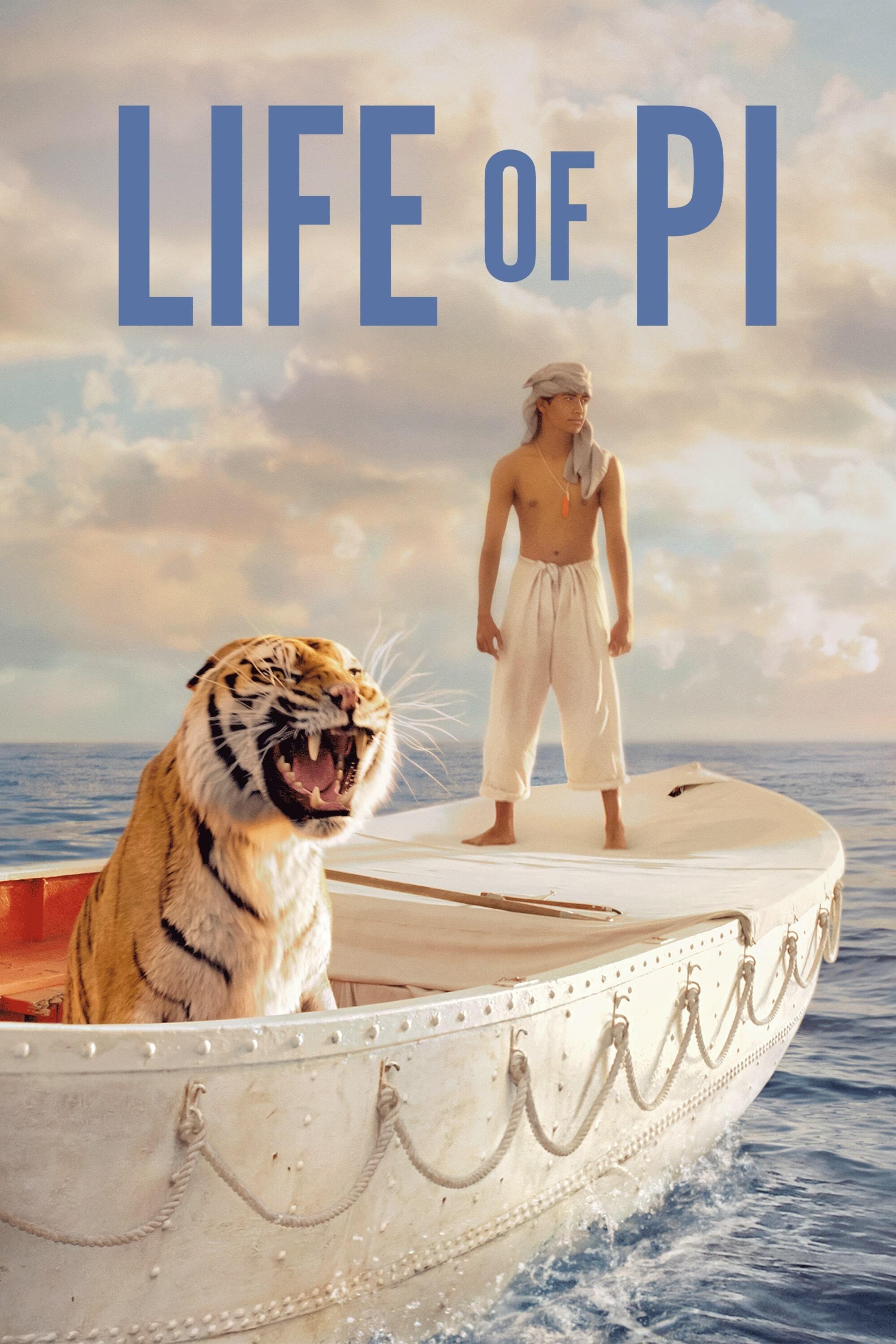
In the final interview, Pi offers two versions of the voyage: one with animals and one with people, asking the investigators which story they prefer. The film has already established the narrative as an account given to officials, and the closing paperwork reflects a choice made by listeners rather than an external adjudication.
Visual details in both versions align with injuries, objects found, and the condition of the boat, allowing viewers to cross-check elements between stories. The ending situates the truth-value question inside the testimony format, with the official report functioning as a concrete artifact within the narrative.
‘Enemy’ (2013)
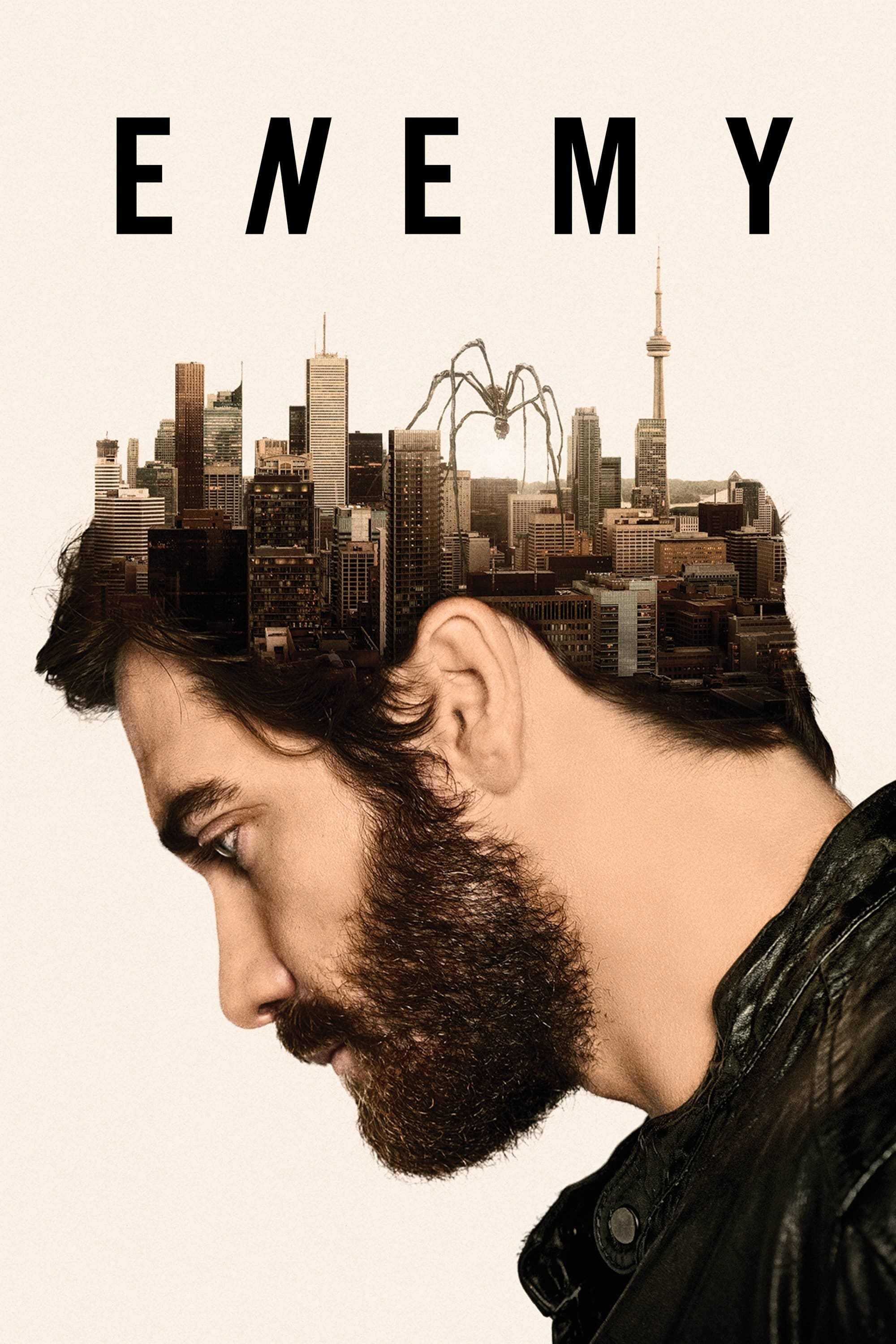
The last shot presents a sudden transformation in the domestic space—a spider occupying the place of a partner—delivered without explanation or reaction beyond a startled intake of breath. Earlier, the film uses recurring spider imagery in architecture, performances, and dreams, positioning the motif as part of its visual vocabulary rather than a one-off shock.
Doubling, keys, and parallel routines are documented repeatedly, and the ending extends those patterns into a final image that compresses the film’s themes into a single frame. The cut happens before any clarifying dialogue, leaving the established symbols as the only available evidence.
What other endings made you pause and replay the last minutes—share your picks in the comments!