TV Shows Where the Good Guys Lose


Sometimes a story sticks the landing by letting the heroes fall short. The result can be unsettling but unforgettable—worlds that stay broken, systems that keep grinding, or villains who simply get away with it. These shows explore that territory head-on, trading tidy victories for endings and arcs where the “good guys” don’t come out on top.
Below are thirty series where idealists, rebels, detectives, or everyday people meet forces too big, too cruel, or too indifferent to beat. Each entry explains who’s fighting for what and how the balance of power ultimately tilts against them.
‘The Handmaid’s Tale’ (2017– )

In ‘The Handmaid’s Tale’, resistance groups challenge a theocratic regime that controls reproduction, movement, speech, and family structures through a rigid hierarchy. As uprisings flare, the state answers with surveillance, show trials, and strategic kidnappings that keep leverage firmly in its hands and scatter those who push back.
Across seasons, even bold operations yield limited, fragile gains while the system proves durable—retooling laws, expanding borders, and weaponizing indoctrination. The cost to resisters is measured in exiles, separated families, and institutionalized trauma, showing how an authoritarian design can survive repeated shocks.
‘Black Mirror’ (2011– )
‘Black Mirror’ uses stand-alone episodes to show ordinary people and well-meaning protagonists outmatched by sociotechnical systems they can’t control. Politicians, parents, soldiers, and creators all face platforms and devices that amplify the worst incentives—public shaming, addictive feedback loops, and opaque algorithms.
Even when characters recognize the trap, the machinery keeps running: reputations are erased in hours, intimacy is commodified, and truth loses to spectacle. The anthology format underlines the pattern—the tech changes, the outcome doesn’t, and individuals rarely claw back agency.
‘Squid Game’ (2021– )
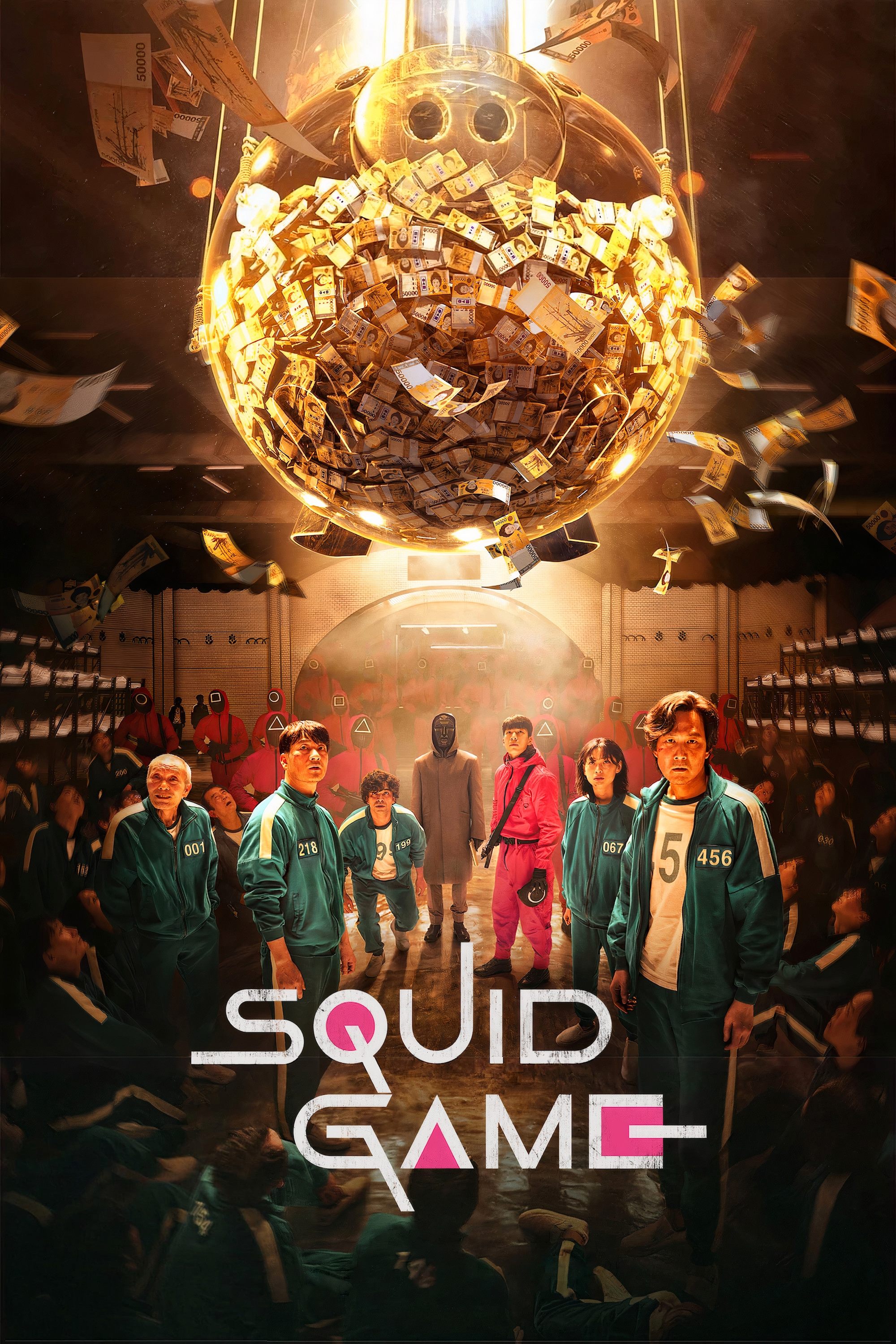
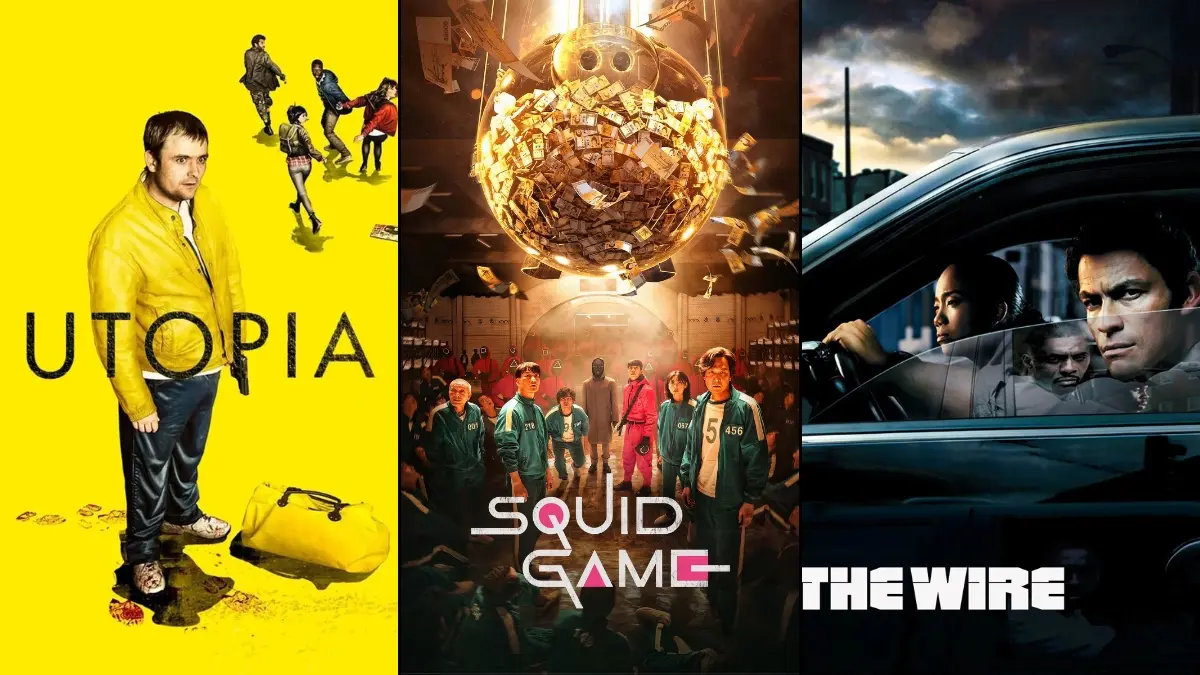
In ‘Squid Game’, debt-burdened contestants enter children’s games overseen by masked administrators and anonymous financiers. The rules promise fairness, but the structure pits players against one another under constant surveillance, ensuring that cooperation collapses when it’s needed most.
The final reveal makes clear that the organizers view human suffering as entertainment and data. Attempts to expose the operation falter against layers of secrecy, disposable personnel, and the lure of prize money that keeps the cycle primed for new recruits.
‘Attack on Titan’ (2013–2023)
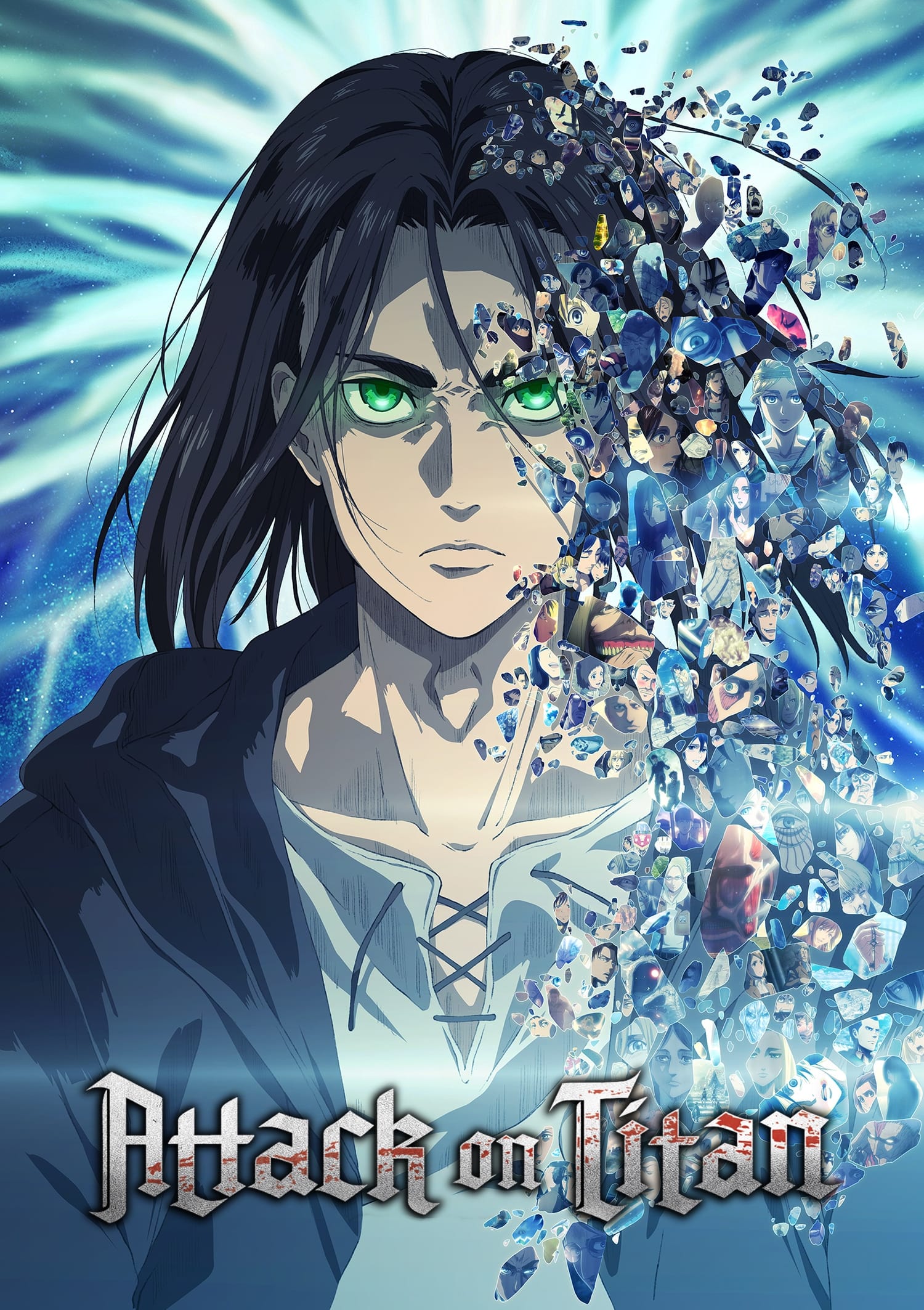
‘Attack on Titan’ begins with soldiers defending walled cities from monstrous attackers, only to uncover a buried history of state propaganda, ethnic persecution, and inherited violence. Every breakthrough—new tactics, new intel—opens onto a larger map of enemies and moral compromises.
As factions maneuver, the quest for freedom becomes entangled with catastrophic choices and scorched-earth strategies. The series shows liberation movements boxed in by geopolitics, where victories in the field can seed tragedies that reshape the world in darker ways.
‘Death Note’ (2006–2007)

In ‘Death Note’, a gifted detective hunts a killer who can execute targets by writing their names in a supernatural notebook. The investigation tests legal boundaries and ethics, but the killer’s anonymity, careful planning, and willingness to exploit innocents create a battlefield tilted against due process.
Institutional tools—task forces, international coordination, and surveillance—struggle to contain an adversary who can strike remotely with perfect precision. The series turns a cat-and-mouse chase into a study of how rule-bound defenders can be outpaced by someone with absolute, untraceable power.
‘Neon Genesis Evangelion’ (1995–1996)

‘Neon Genesis Evangelion’ follows teenage pilots drafted to fight existential threats using biomechanical weapons under a shadowy organization. Adults promise salvation through secret projects, but hidden agendas collide with the pilots’ psychological unraveling, sabotaging coordinated defense.
As the truth behind the organization and its backers surfaces, safeguards fail and world-ending protocols take over. The effort to protect humanity fractures under manipulation, leaving the supposed guardians unable to prevent outcomes engineered by competing elites.
‘Chernobyl’ (2019)
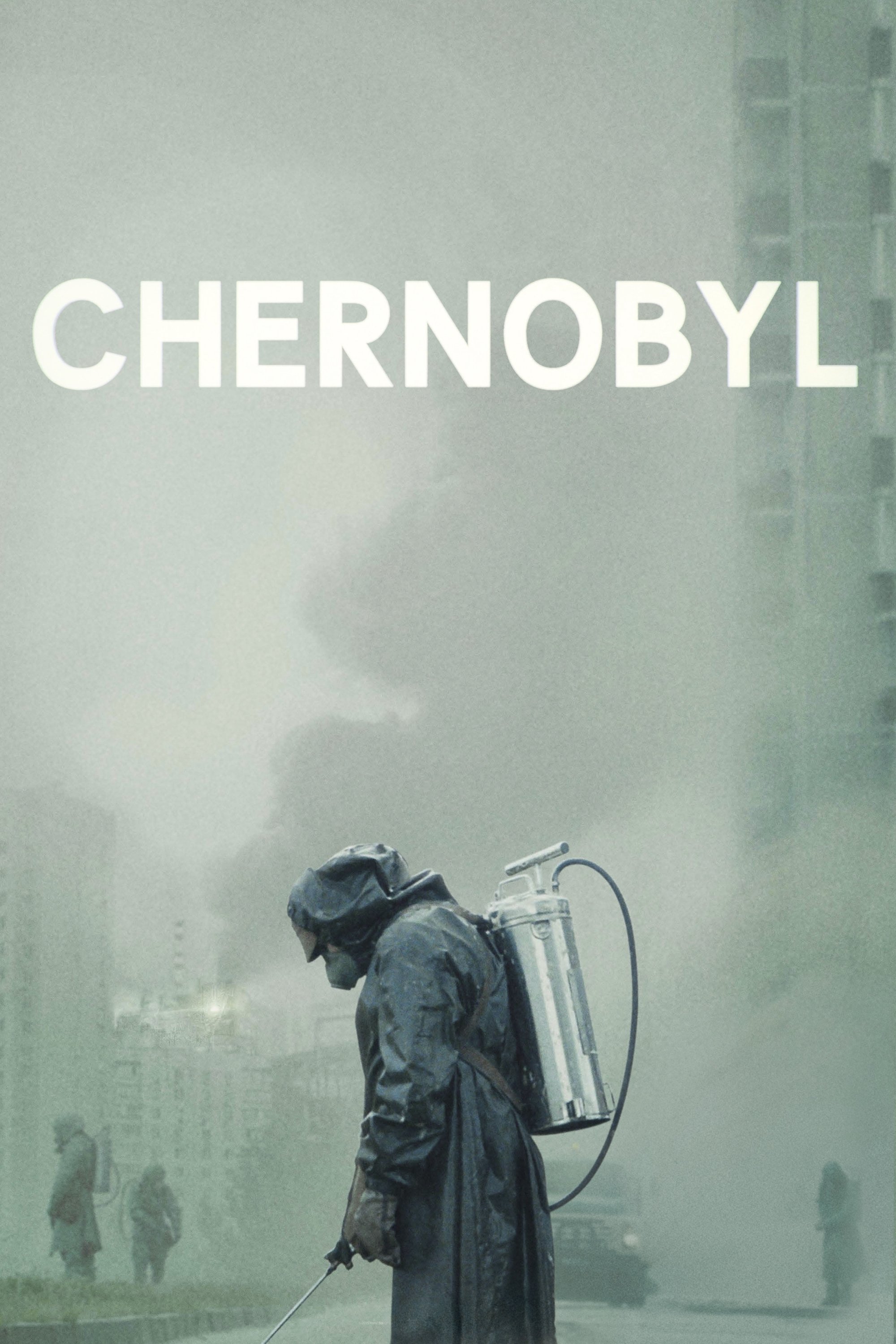
‘Chernobyl’ dramatizes a nuclear disaster where scientists and first responders attempt containment while navigating censorship and bureaucratic denial. Accurate data, protective gear, and evacuation plans arrive late because officials prioritize image management over public safety.
Even after heroic mitigation, the long-term impact spreads through contaminated land, medical crises, and political repercussions. The people who tried to tell the truth face professional retaliation, showing how systemic secrecy can convert an accident into an avoidable catastrophe.
‘The Boys’ (2019– )

‘The Boys’ pits whistleblowers and vigilantes against a corporation that brands super-powered celebrities and buries their abuses. Contracts, NDAs, private security, and media spin neutralize most attempts to reveal misconduct, while experimental programs expand the enterprise’s reach.
Regulatory pressure and court cases routinely stall as the company shapes public narrative and co-opts potential threats. The balance of power stays with those who control distribution, sponsorships, and data—turning even scandals into profitable storylines.
‘The Americans’ (2013–2018)

‘The Americans’ centers on deep-cover operatives embedded in suburban life while the FBI races to unmask them. Counterintelligence methods—dead drops, disguise, and coded communications—keep authorities a step behind despite years of surveillance.
Personal relationships and ideological conflicts complicate investigations, but operational tradecraft and bureaucratic blind spots allow the spies to evade capture. The cost lands on the investigators who sacrifice time, certainty, and careers without securing the decisive takedown they seek.
‘Utopia’ (2013–2014)
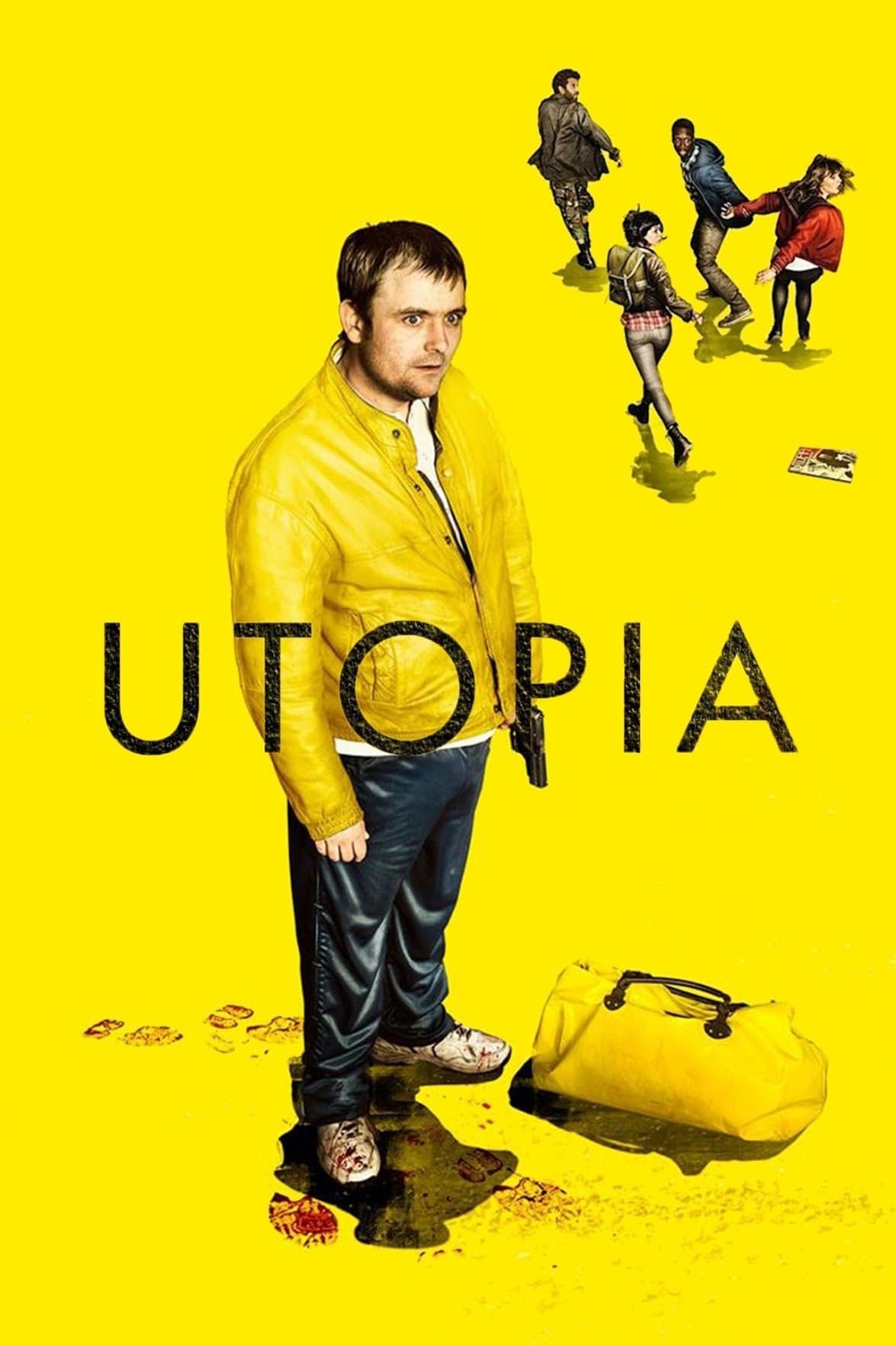
In the UK series ‘Utopia’, ordinary fans of a cult graphic novel stumble into a clandestine network planning a bio-social “solution” to global crises. The conspirators use targeted assassinations, misinformation, and bioweapons to keep their program on track.
Grassroots resistance fragments under pressure, and potential whistleblowers are isolated or discredited. By design, the antagonists hold every logistical advantage—labs, supply chains, and political access—leaving the protagonists exposed and outmaneuvered.
‘Spartacus’ (2010–2013)
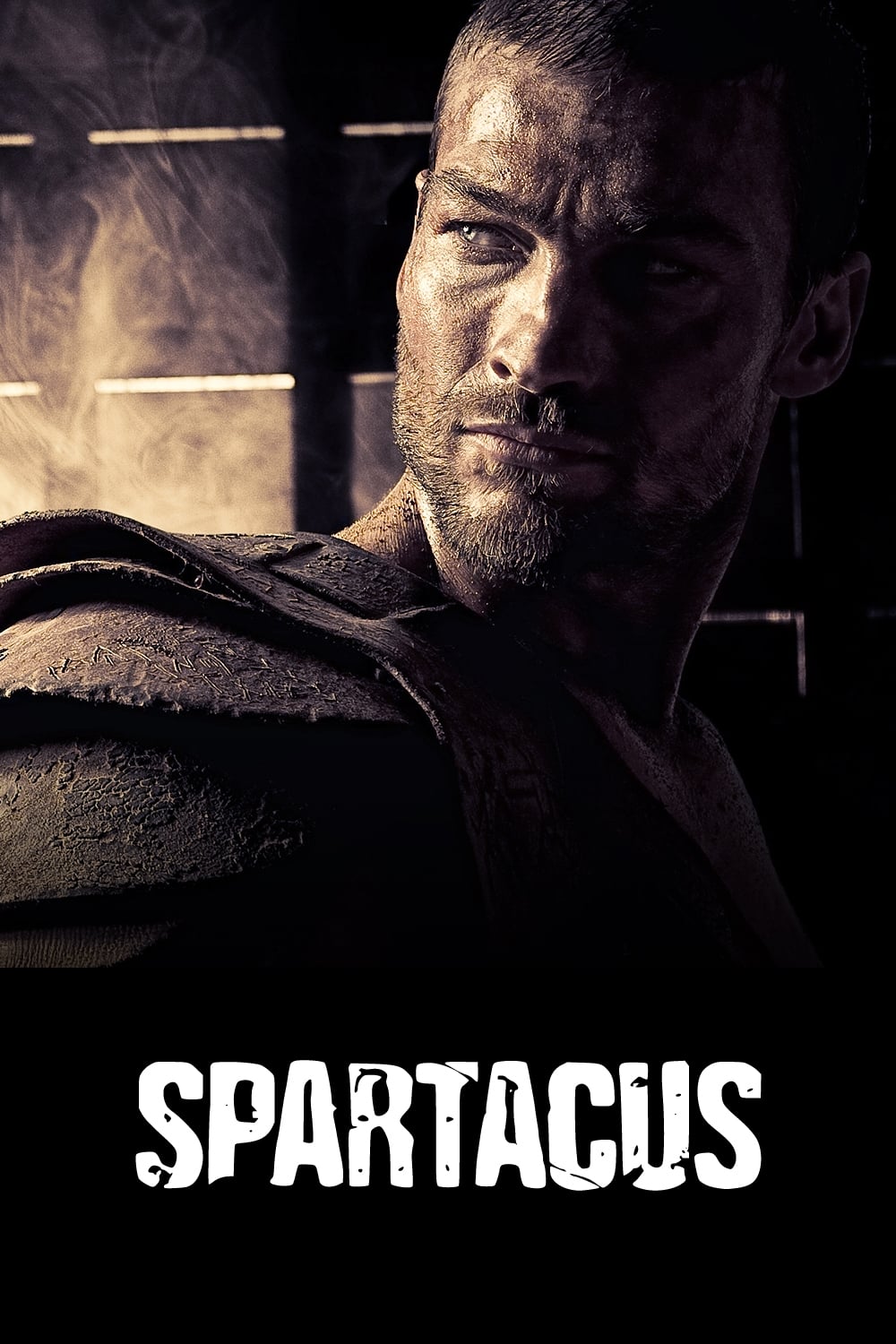
‘Spartacus’ follows an enslaved gladiator leading a revolt against Rome’s slave economy. Early guerrilla successes falter as the rebellion faces shortages, internal disputes, and the Roman state’s capacity to raise armies and cut off escape routes.
Despite tactical ingenuity, the insurgency is eventually crushed by coordinated legions and strategic ruthlessness. The series charts how a society built on conquest and wealth can absorb shocks from within and still obliterate a grassroots uprising.
‘Rome’ (2005–2007)
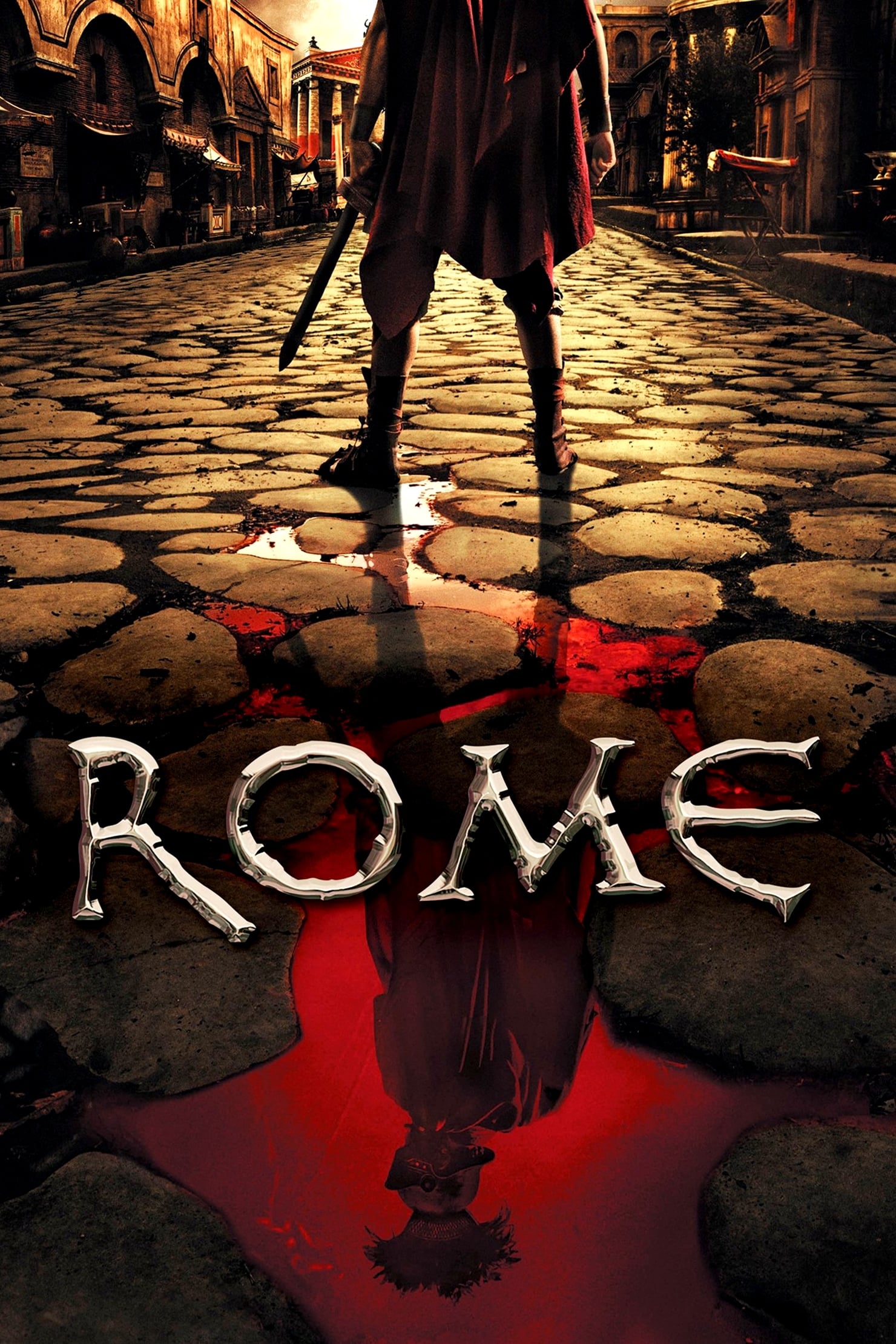
In ‘Rome’, soldiers and citizens witness the transition from republican governance to imperial rule. Reformers and traditionalists vie for control, but power consolidates through patronage networks, propaganda, and decisive violence.
Those seeking to preserve civic norms are sidelined by political theater and military loyalty to charismatic leaders. The collapse of checks and balances shows how institutions buckle when personal ambition overtakes shared rules.
‘Narcos’ (2015–2017)
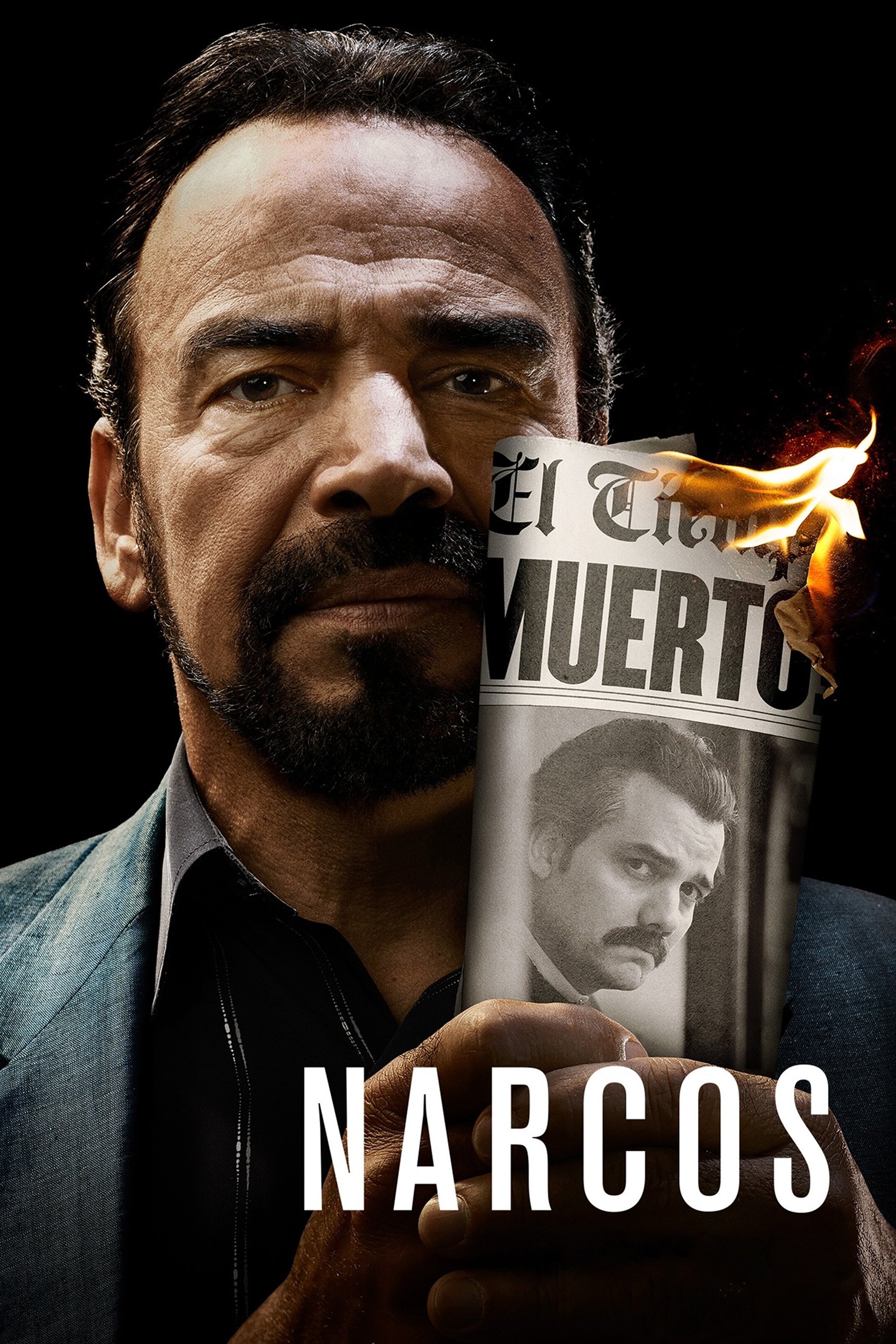
‘Narcos’ depicts law enforcement tracking cartel leadership while confronting corruption, jurisdictional conflicts, and community fear. Arrests and raids disrupt operations, but replacement leaders and diversified smuggling routes keep profits flowing.
Attempts to stabilize regions run into limited resources and political interference. Even high-profile takedowns fail to dismantle the market forces that replenish personnel, weapons, and distribution.
‘Narcos: Mexico’ (2018–2021)
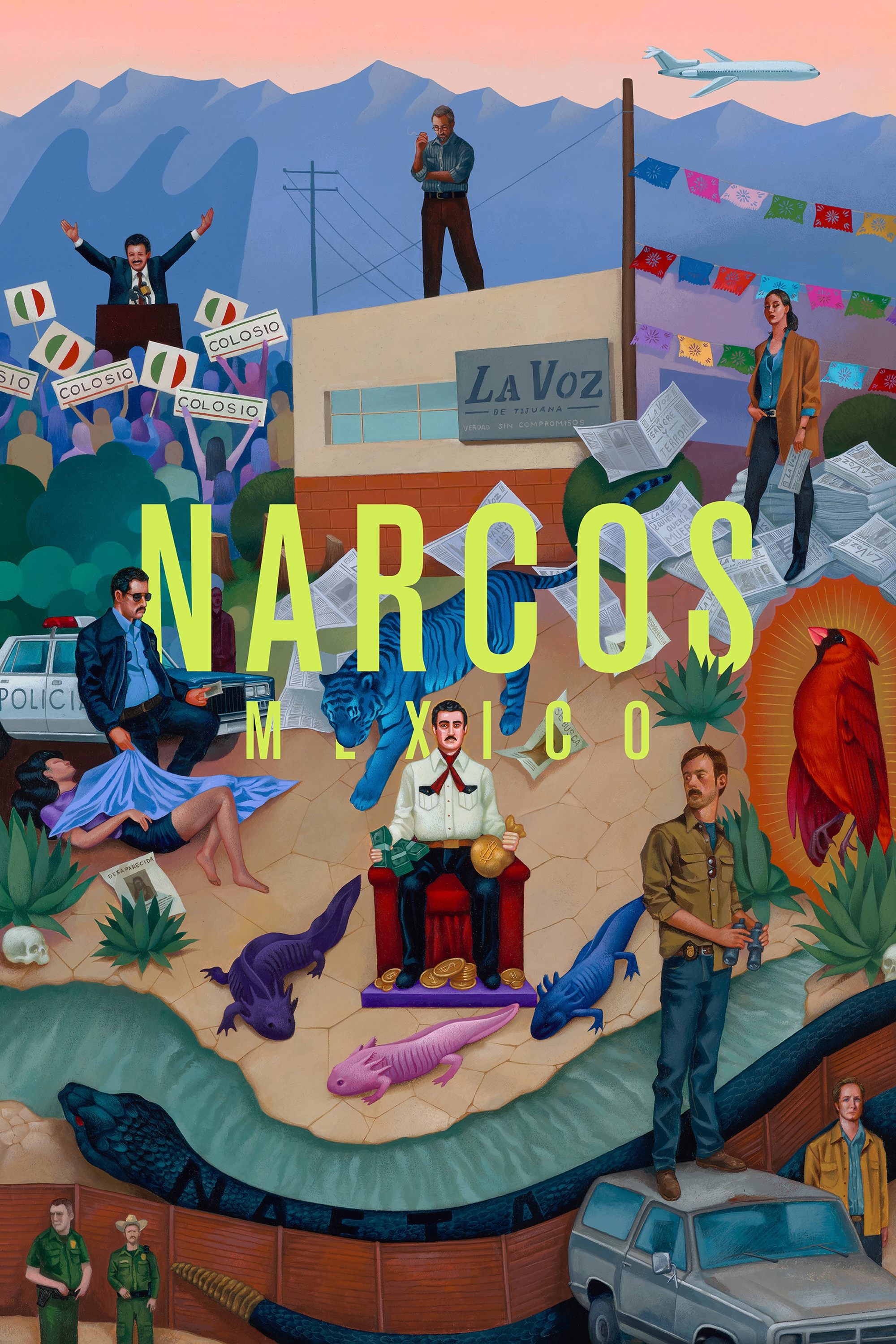
‘Narcos: Mexico’ traces the federation of regional plazas into a national network under state complicity and foreign pressure. Investigative breakthroughs stall when witnesses recant or disappear, and joint operations fracture over mistrust.
Economic incentives pull local officials into protection rackets, and inter-cartel rivalries escalate beyond any single agency’s capacity. The cycle continues as new figures step in, underscoring how enforcement actions rarely translate into systemic reduction.
‘Oz’ (1997–2003)
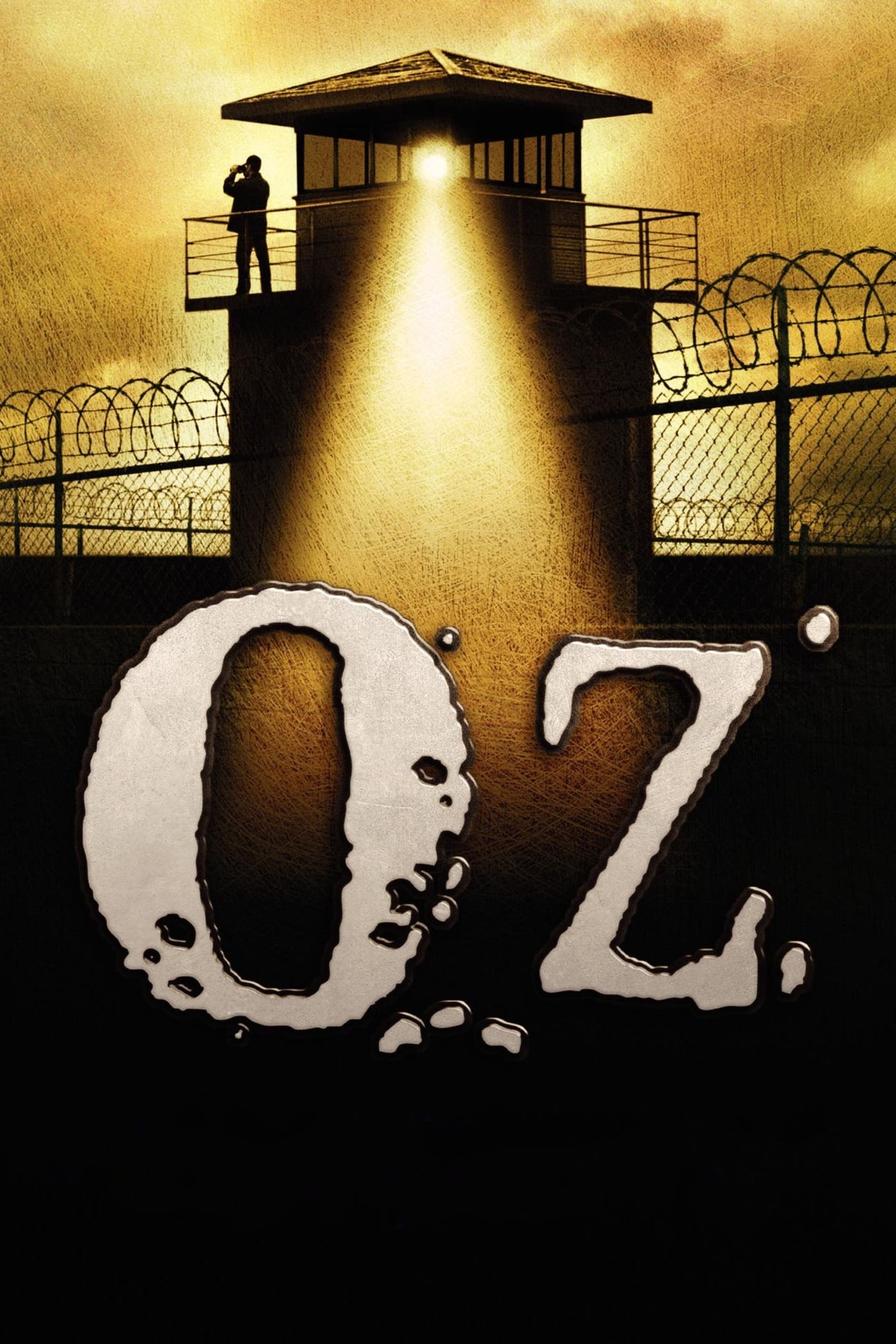
In ‘Oz’, idealistic administrators test rehabilitation programs inside a maximum-security prison. Rival gangs, uneven enforcement, and budget constraints undermine reforms before they reach critical mass.
Staff face retaliation and burnout, while incarcerated people navigate survival through shifting alliances. The environment itself rewards coercion over change, making durable “wins” for humane policy almost impossible.
‘The Wire’ (2002–2008)
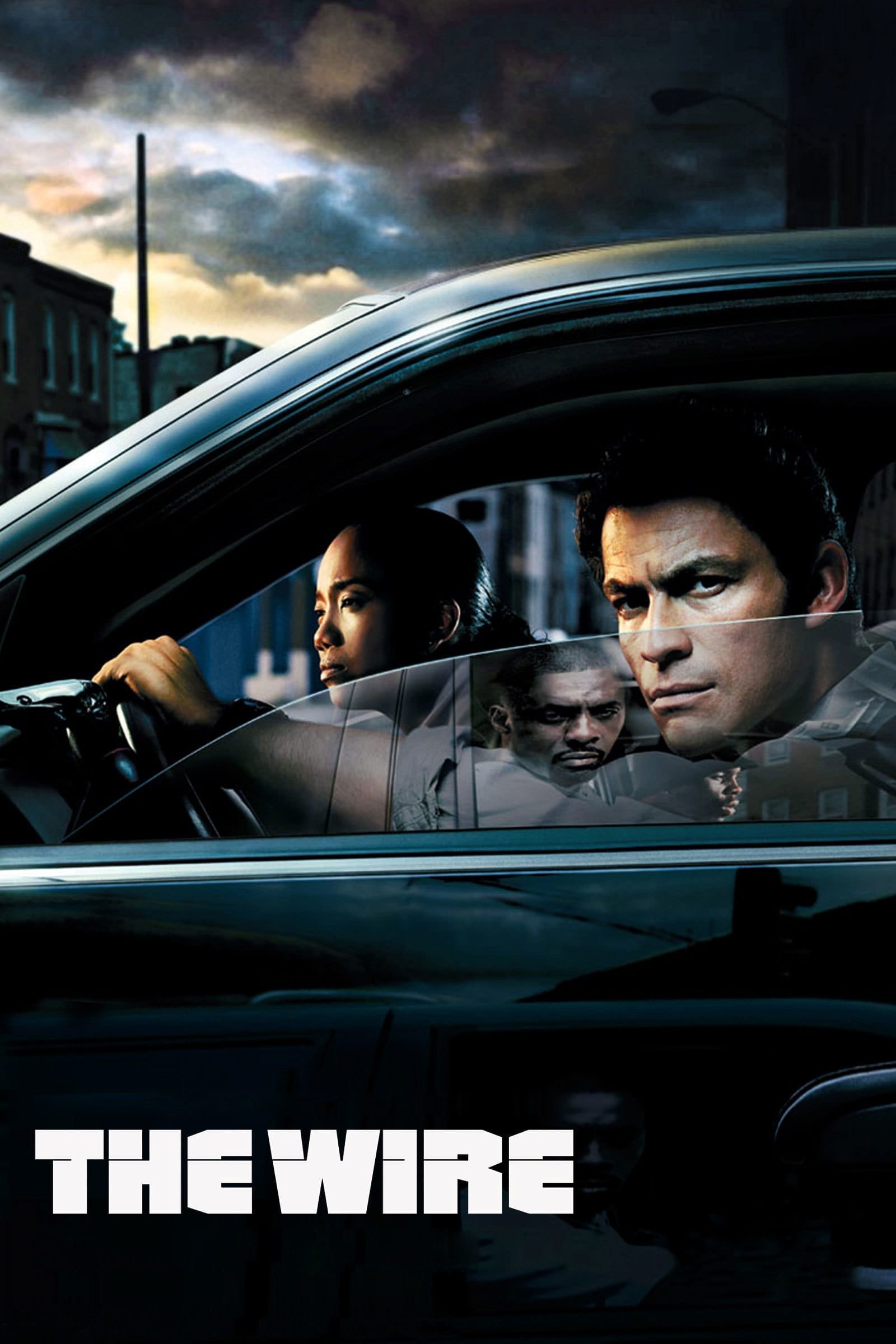
‘The Wire’ maps a city’s interconnected systems—drug trade, police, schools, politics, and media—showing how each protects its own metrics. Investigative units that chase complex conspiracies are dismantled when they threaten short-term statistics.
Even successful wiretaps and prosecutions leave structural incentives untouched. Corners reopen, promotions go to the compliant, and the cycle resets with new names filling old roles.
‘Breaking Bad’ (2008–2013)
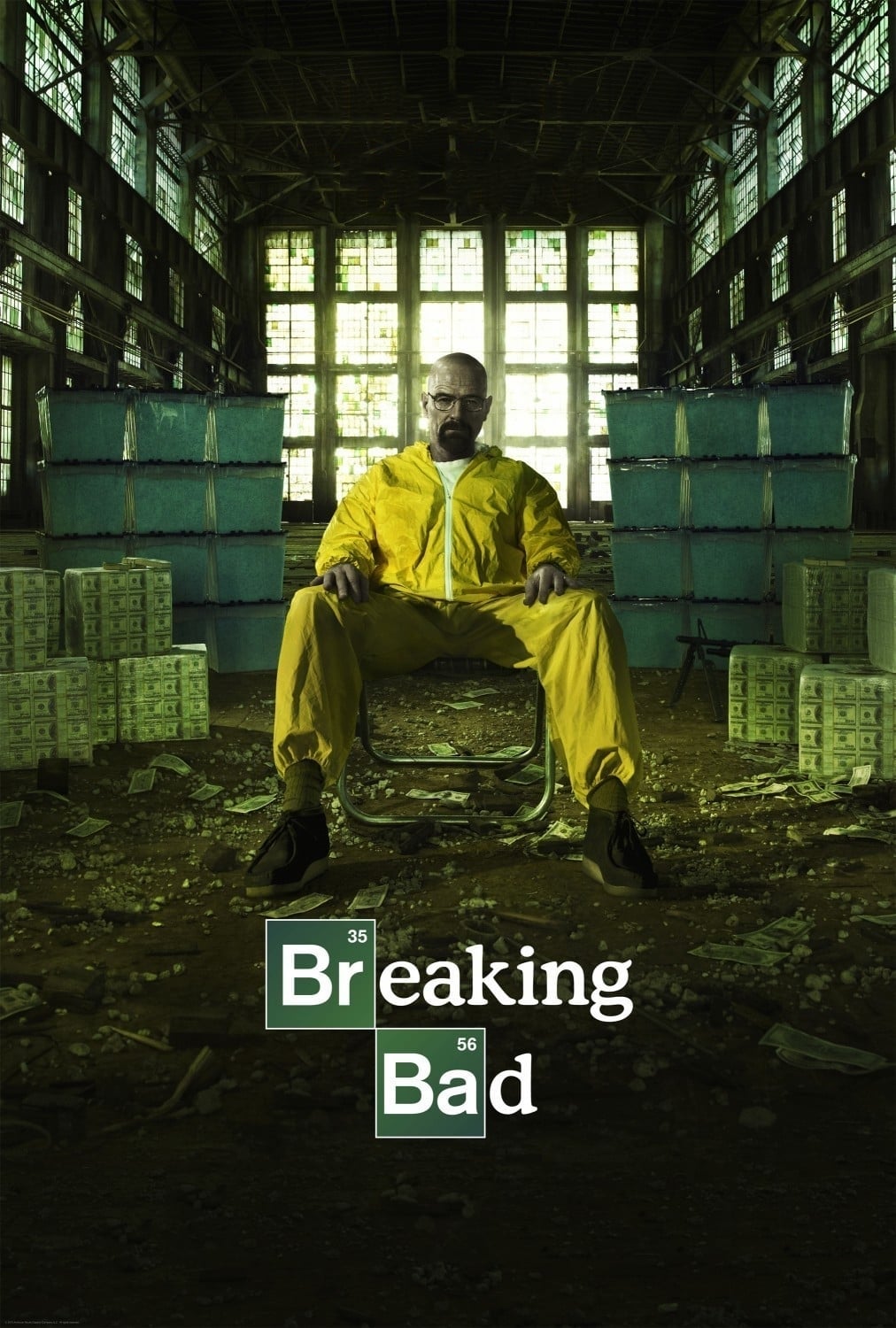
‘Breaking Bad’ follows a chemistry teacher who builds a drug empire, drawing family, law enforcement, and rivals into escalating conflict. Investigators make critical advances but lose key personnel, and civilian bystanders bear the fallout of calculated intimidation.
Criminal networks adapt faster than the institutions chasing them, using compartmentalization and cash economies to blunt surveillance. When the dust settles, the human and civic damage outweighs the limited relief achieved.
‘Better Call Saul’ (2015–2022)
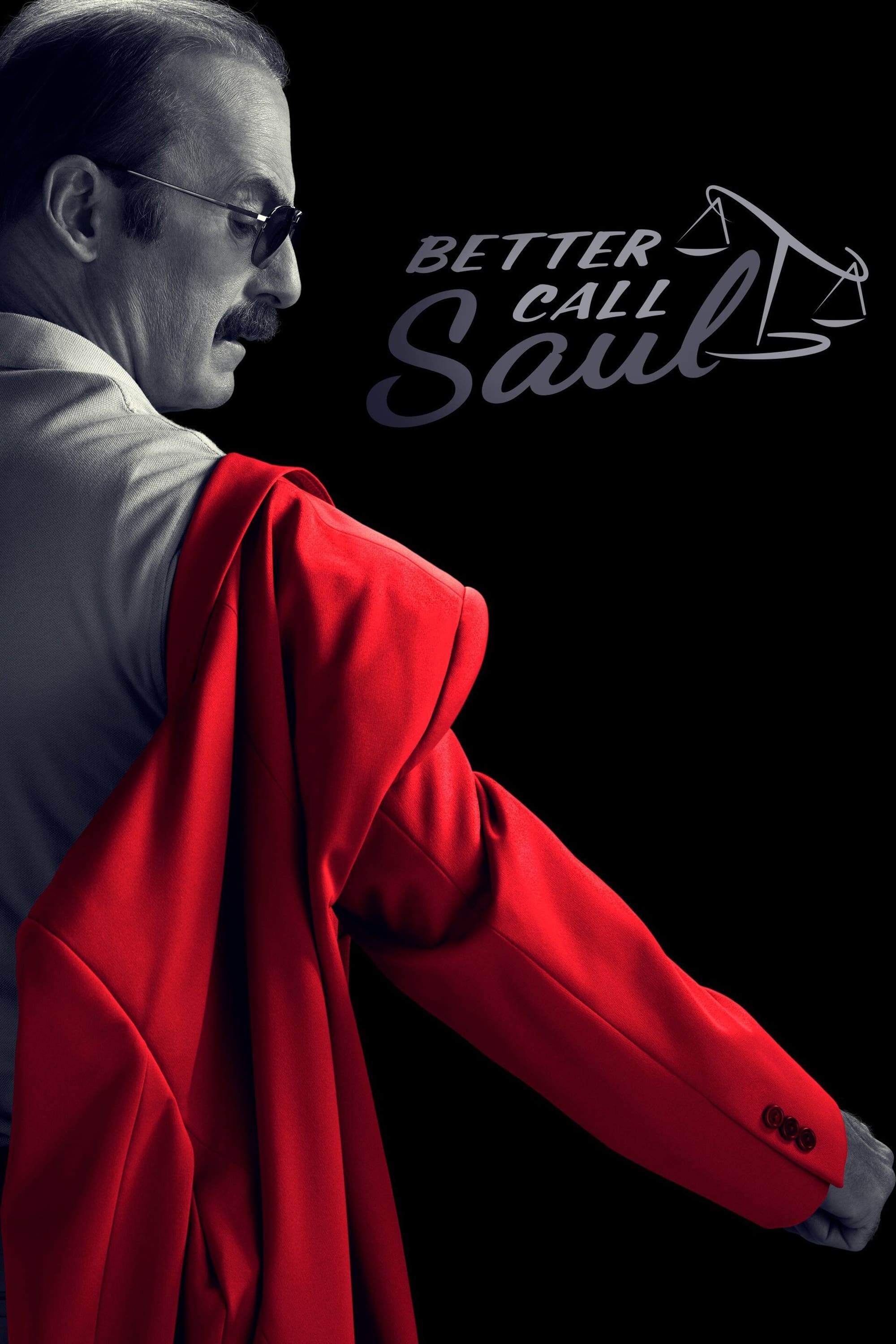
In ‘Better Call Saul’, a clever attorney skirts and subverts rules while regulators and colleagues try to keep cases within ethical lines. Procedural safeguards—disciplinary boards, court etiquette, and mentoring—prove vulnerable to loopholes and manipulation.
As schemes compound, collateral victims—clients, partners, and bystanders—absorb the consequences. The legal system’s reliance on good faith interaction leaves it exposed to someone willing to weaponize process itself.
‘The Shield’ (2002–2008)
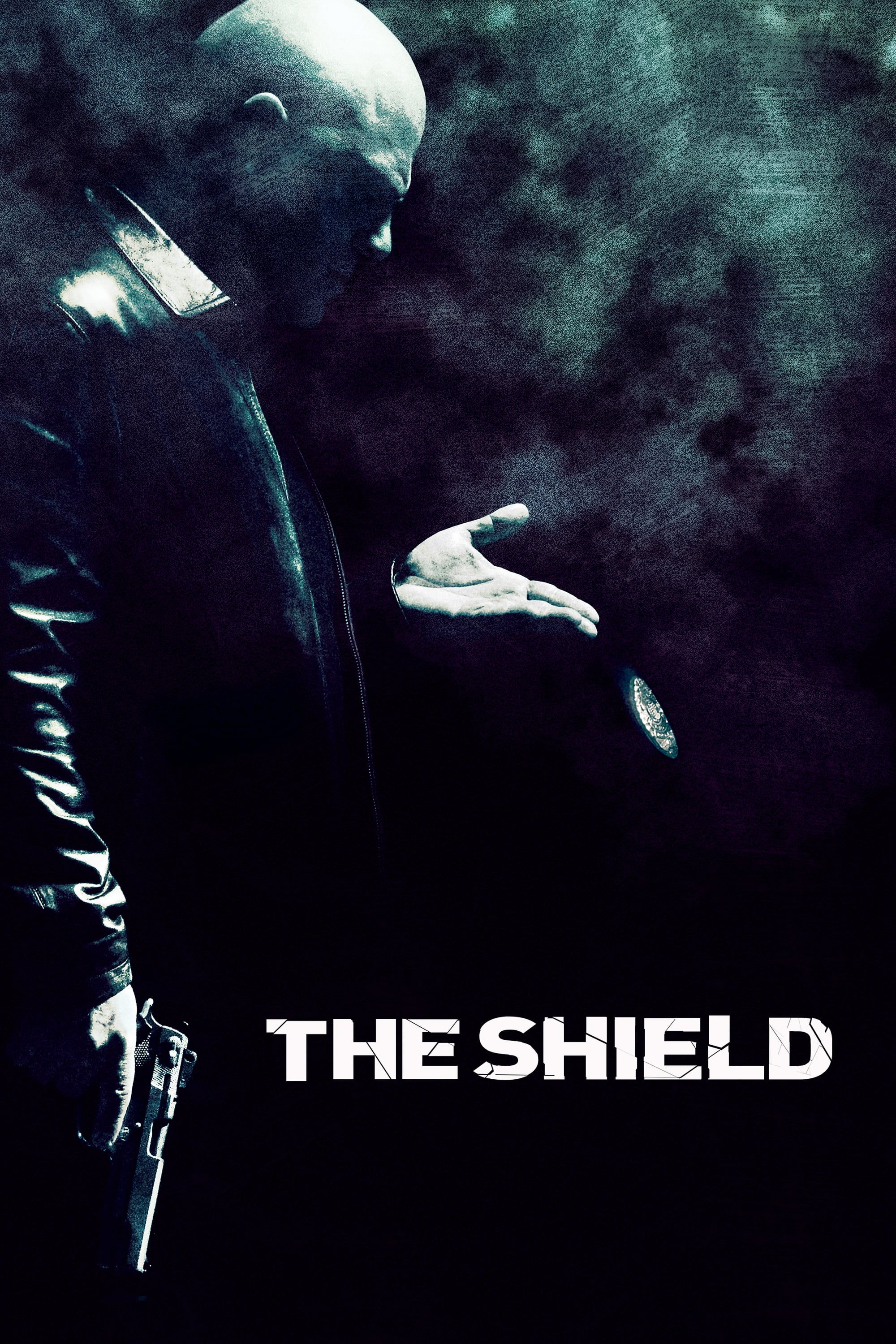
‘The Shield’ chronicles a special police unit that commits crimes while maintaining a public image of effectiveness. Internal Affairs builds cases, but witness intimidation, destroyed evidence, and interdepartmental politics delay accountability.
Each short-term cover-up spawns a larger one, widening the circle of complicity. By the time truth surfaces, opportunities for clean resolutions are gone, leaving a legacy of harm that formal findings can’t undo.
‘The Walking Dead’ (2010–2022)
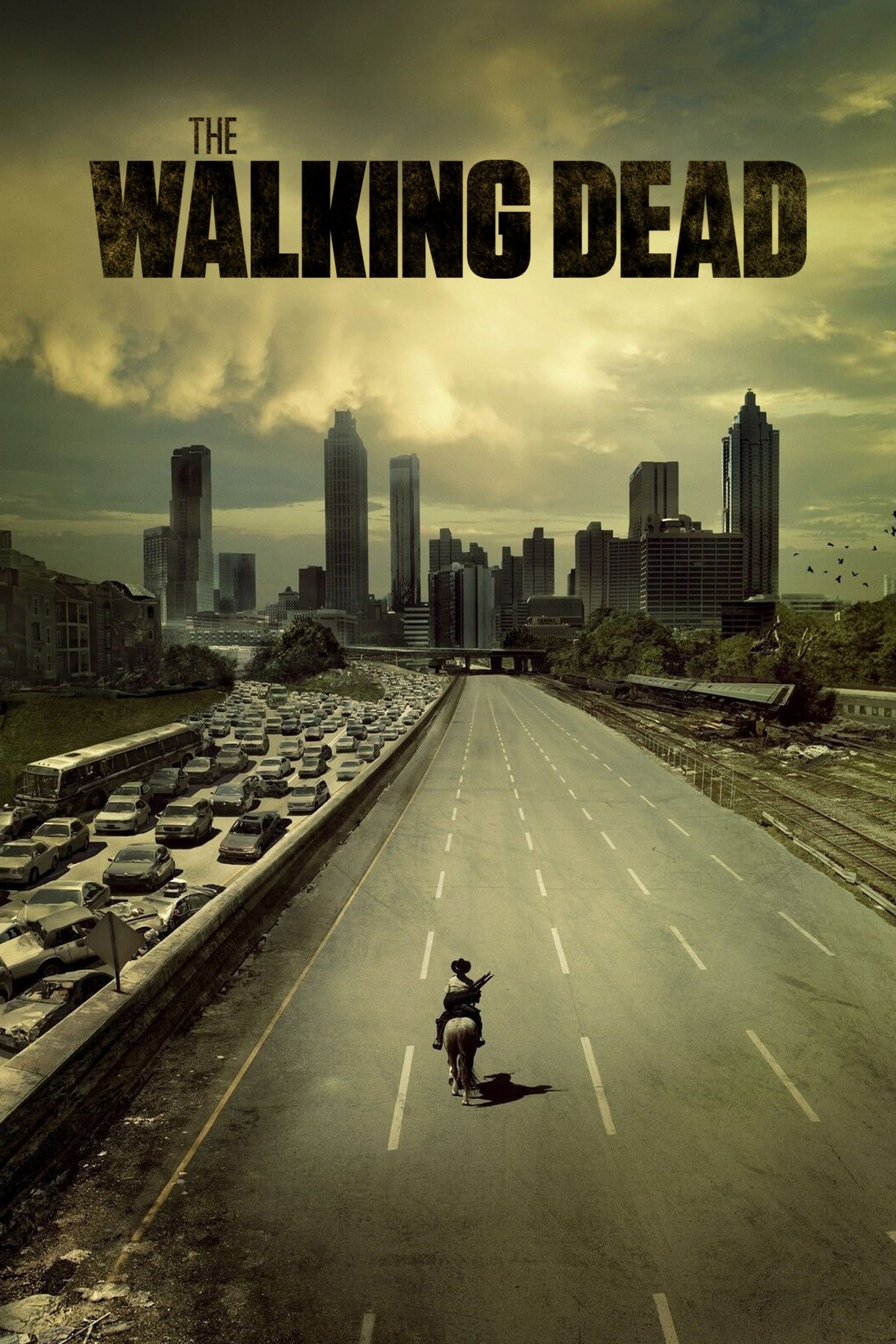
‘The Walking Dead’ portrays communities fighting the undead while rival human factions exploit scarcity. Even well-planned settlements buckle under resource shocks, leadership disputes, and external raids.
Attempts at law, agriculture, and trade struggle to survive amid pandemics and warlords. The show tracks how social contracts falter when survival incentives reward aggression over cooperation.
‘Game of Thrones’ (2011–2019)
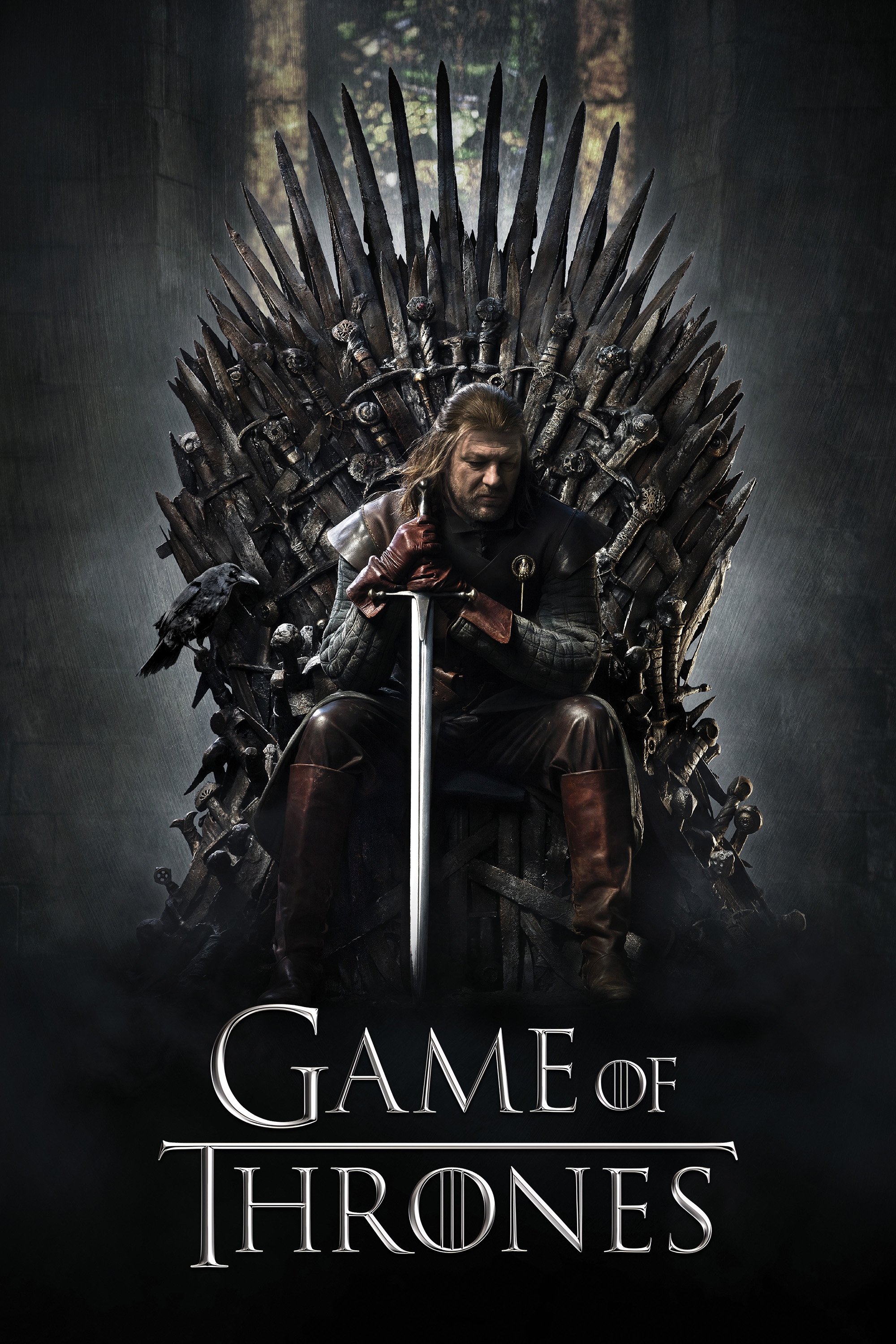
In ‘Game of Thrones’, reformers and honorable houses try to stabilize a realm while rival claimants, secret societies, and opportunists undercut them. Strategic marriages, assassinations, and betrayals repeatedly erase gains won on the battlefield.
When the throne finally changes hands, it does so through compromises that sideline many who fought for justice or relief. The outcome leaves key regions devastated and long-standing grievances unresolved.
‘House of Cards’ (2013–2018)
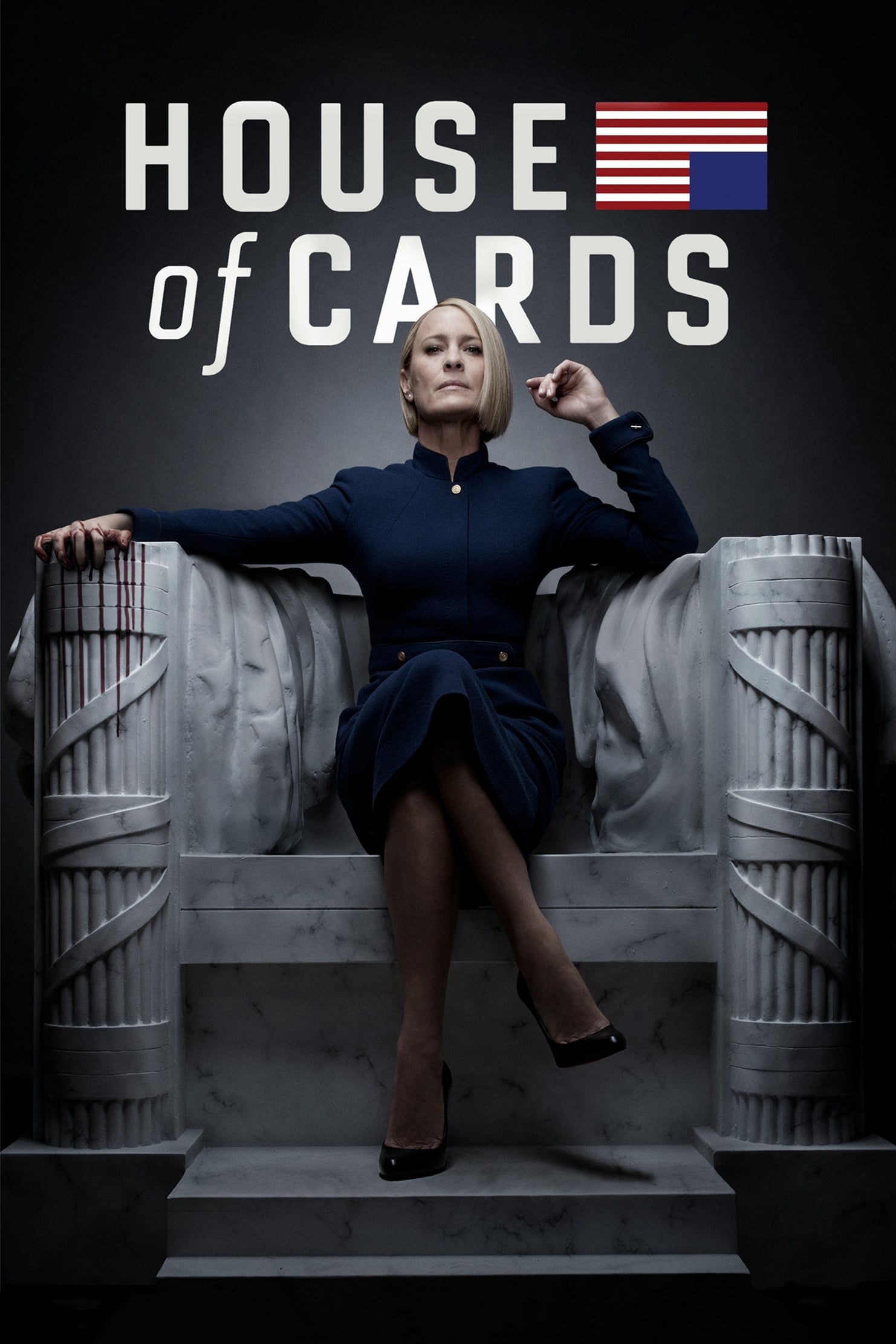
‘House of Cards’ follows power brokers who use patronage, blackmail, and manipulation to climb through government. Watchdogs, journalists, and idealistic staffers probe the truth, but stonewalling and coordinated narratives blunt their impact.
The series shows how access to information pipelines lets the unscrupulous reshape scandals into personal advantage. Ethical actors lose influence as decisions migrate to back-channels and private leverage.
‘Devilman Crybaby’ (2018)
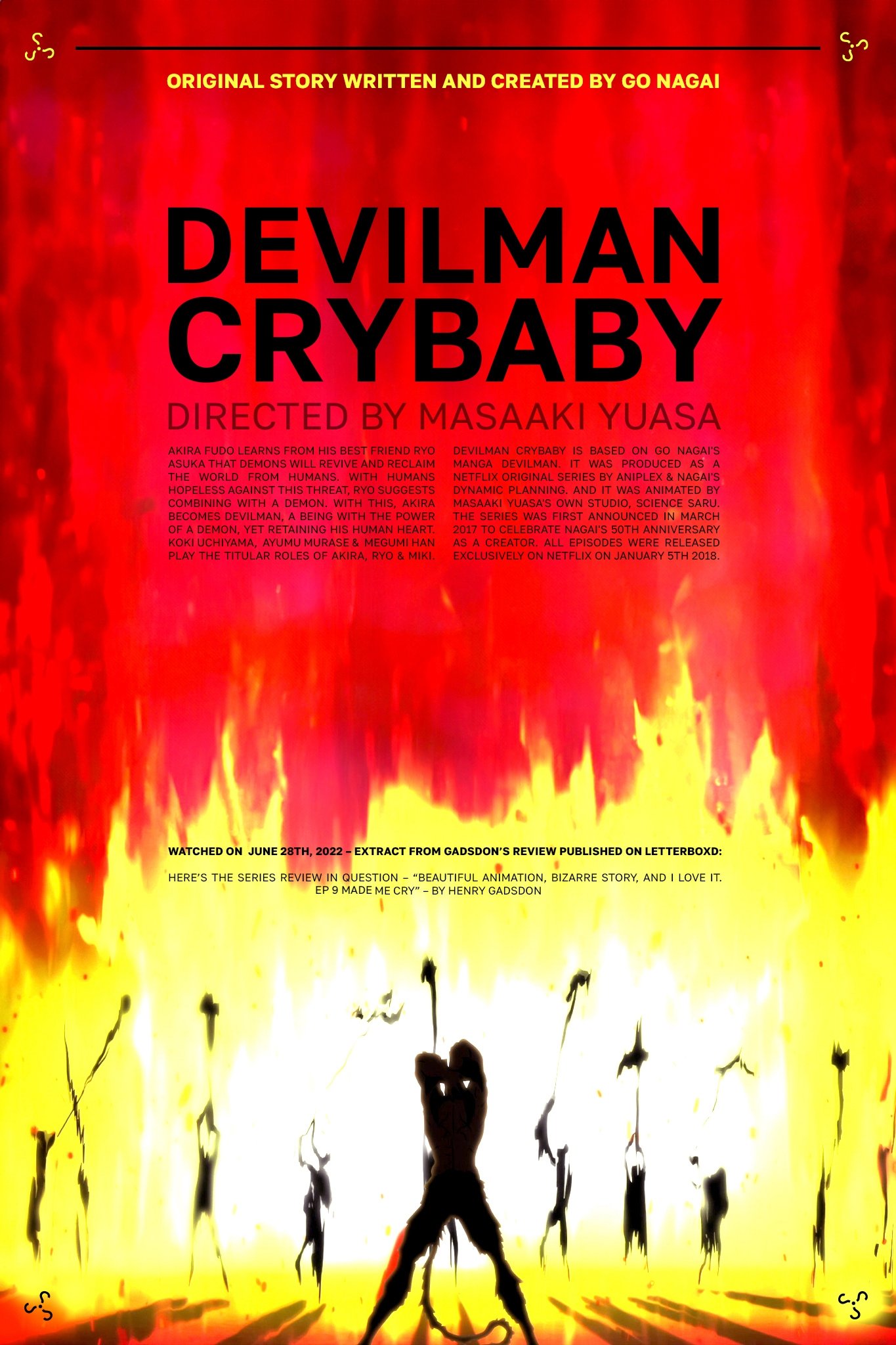
‘Devilman Crybaby’ sets empathetic protagonists against a rising wave of paranoia and otherworldly violence. Media panic, mob action, and institutional breakdown overwhelm individual heroism long before a final confrontation arrives.
Once social trust collapses, targeted allies become scapegoats, and reconciliation becomes unreachable. The last stand underscores how fear can destroy the very communities heroes are trying to defend.
‘Cyberpunk: Edgerunners’ (2022)
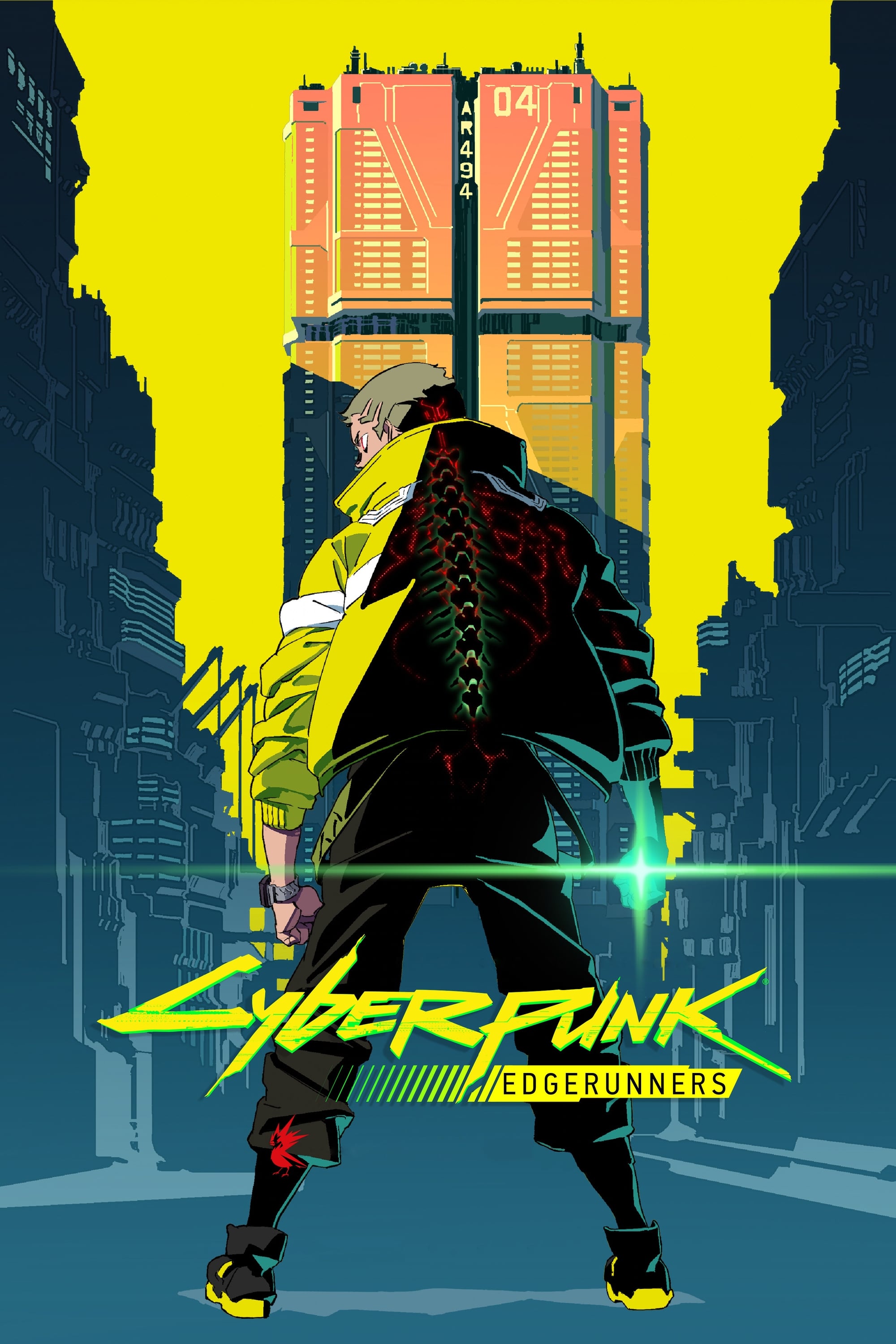
In ‘Cyberpunk: Edgerunners’, street-level operators chase survival and dignity in a city run by megacorporations. Augmentation, debt, and contract work create pathways upward that also accelerate physical and psychological collapse.
Corporate security and fixers maintain order through private armies and deniable operations. Protagonists burn bright but are ultimately outmatched by systems designed to monetize and discard them.
‘Puella Magi Madoka Magica’ (2011)

‘Puella Magi Madoka Magica’ reveals that contracts granting powers to fight witches come with hidden thermodynamic and cosmic costs. Mentors and veterans attempt to warn newcomers, but the recruitment mechanism exploits desperation and altruism.
Time loops and wish mechanics trap would-be saviors in repeating tragedies. The architecture of the system ensures that individual sacrifice feeds, rather than ends, the cycle they oppose.
‘Made in Abyss’ (2017– )

‘Made in Abyss’ follows explorers descending through layers where biology, physics, and relics warp the rules of survival. Every gain—maps, tools, companions—comes with irreversible injuries or moral trade-offs.
Authorities on the surface can’t or won’t regulate expeditions effectively, leaving children and adults to face hazards engineered to punish curiosity. The deeper the team goes, the more the environment itself nullifies courage and planning.
‘The Terror’ (2018–2019)
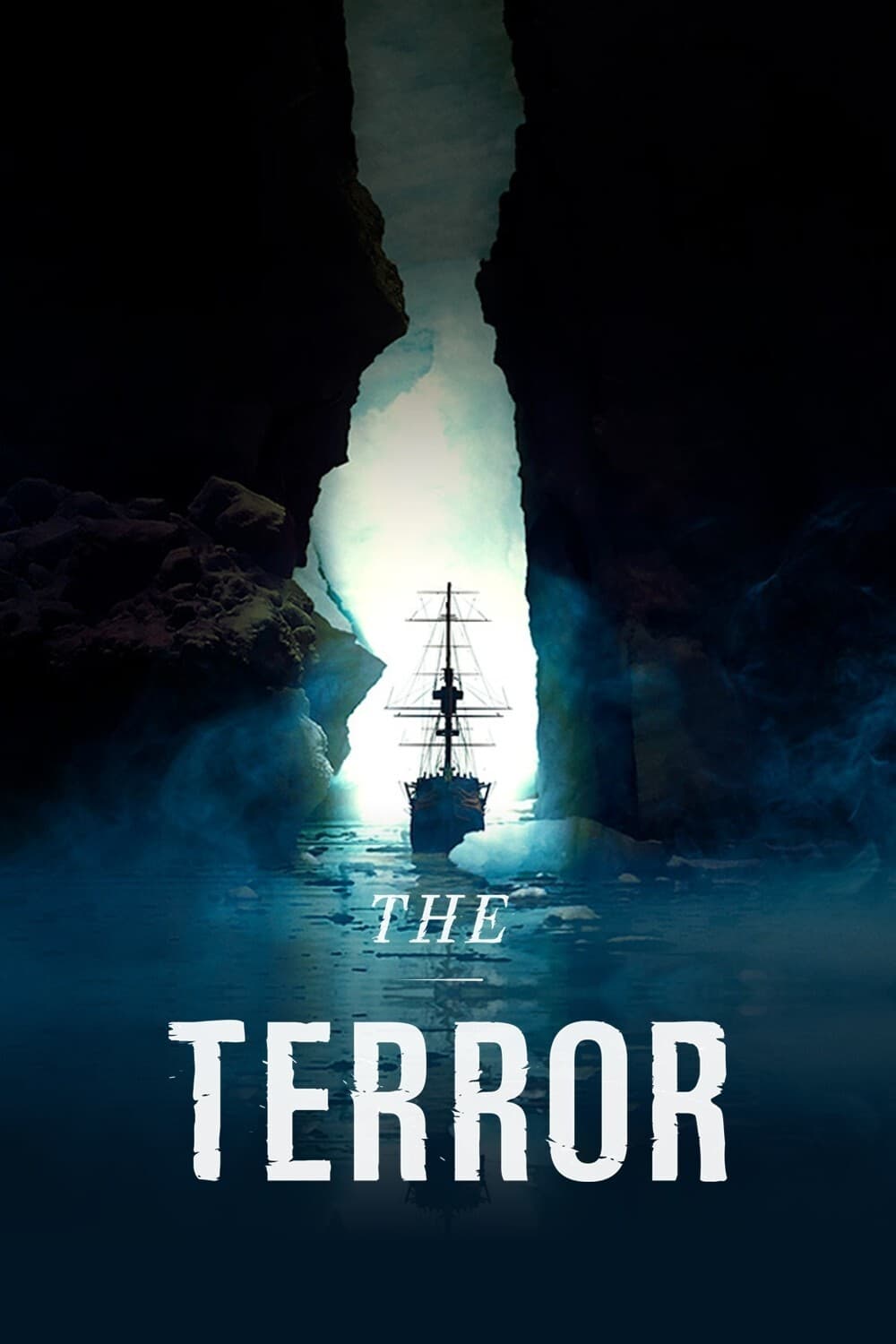
‘The Terror’ (Season 1) dramatizes a polar expedition trapped by weather, scarce supplies, and mounting fear. Leadership struggles to maintain discipline as disease, environmental threats, and cultural misunderstandings stack the odds.
Rescue plans disintegrate under ice and isolation, and measures meant to preserve order hasten decline. The crew’s technical expertise can’t overcome the combined weight of climate, distance, and dwindling morale.
‘The Mist’ (2017)

‘The Mist’ places a small town under a lethal fog that turns neighbors into rivals for shelter and supplies. Attempts to coordinate across safe zones fail as communication breaks down and belief systems harden.
Local institutions—police, hospitals, and civic leaders—prove unprepared for a threat with shifting rules. In the vacuum, factions emerge whose decisions cause as much harm as the phenomenon itself.
‘Dark’ (2017–2020)
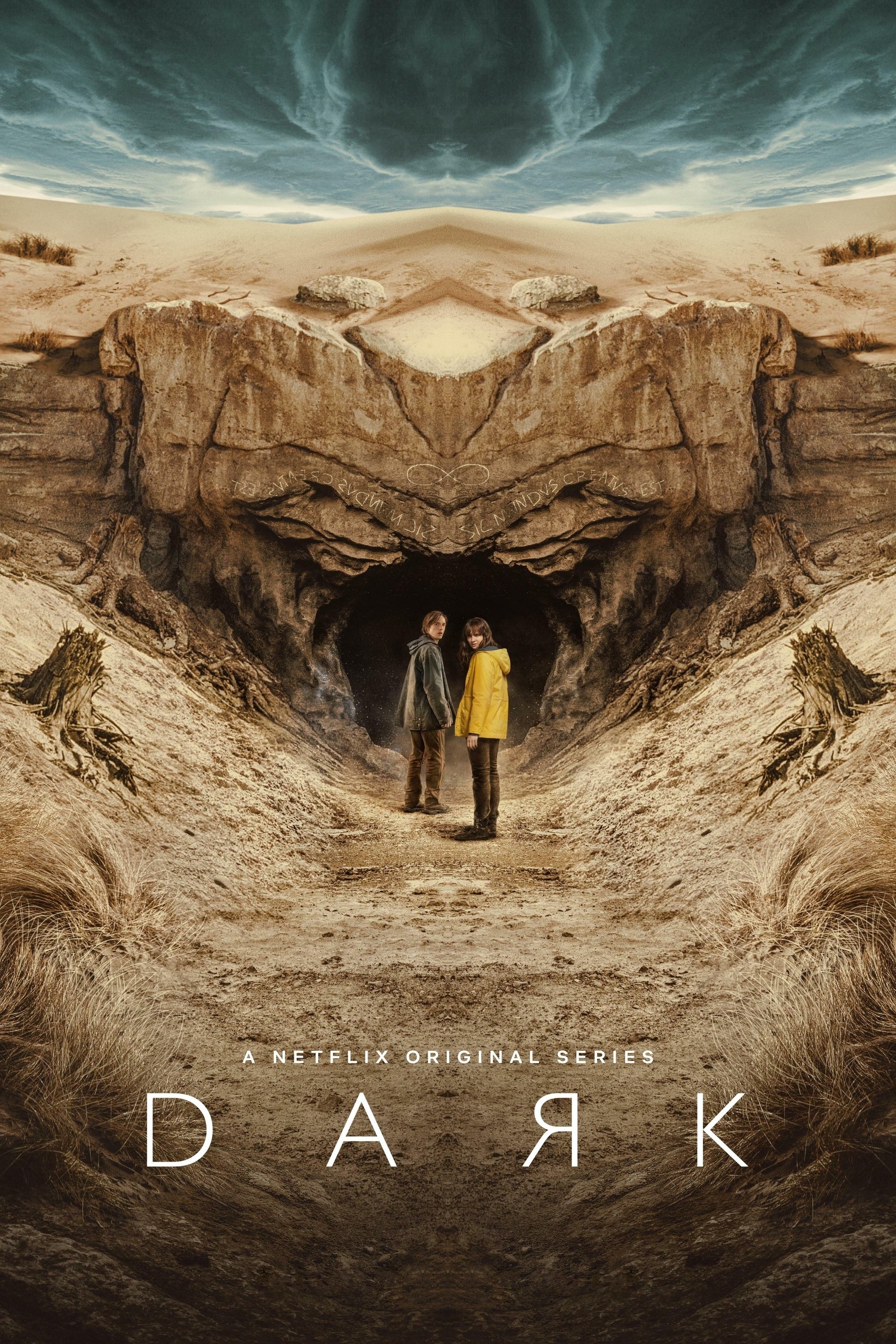
‘Dark’ interweaves families across timelines where paradoxes dictate events more than intentions do. Detectives, parents, and scientists race to end the loop, but every intervention closes off one path and opens another that preserves the cycle.
Efforts to “fix” the world require sacrifices that erase would-be heroes from the outcome they created. The final state resolves the knot but denies most participants a future, undercutting the victory they sought.
‘Mr. Robot’ (2015–2019)
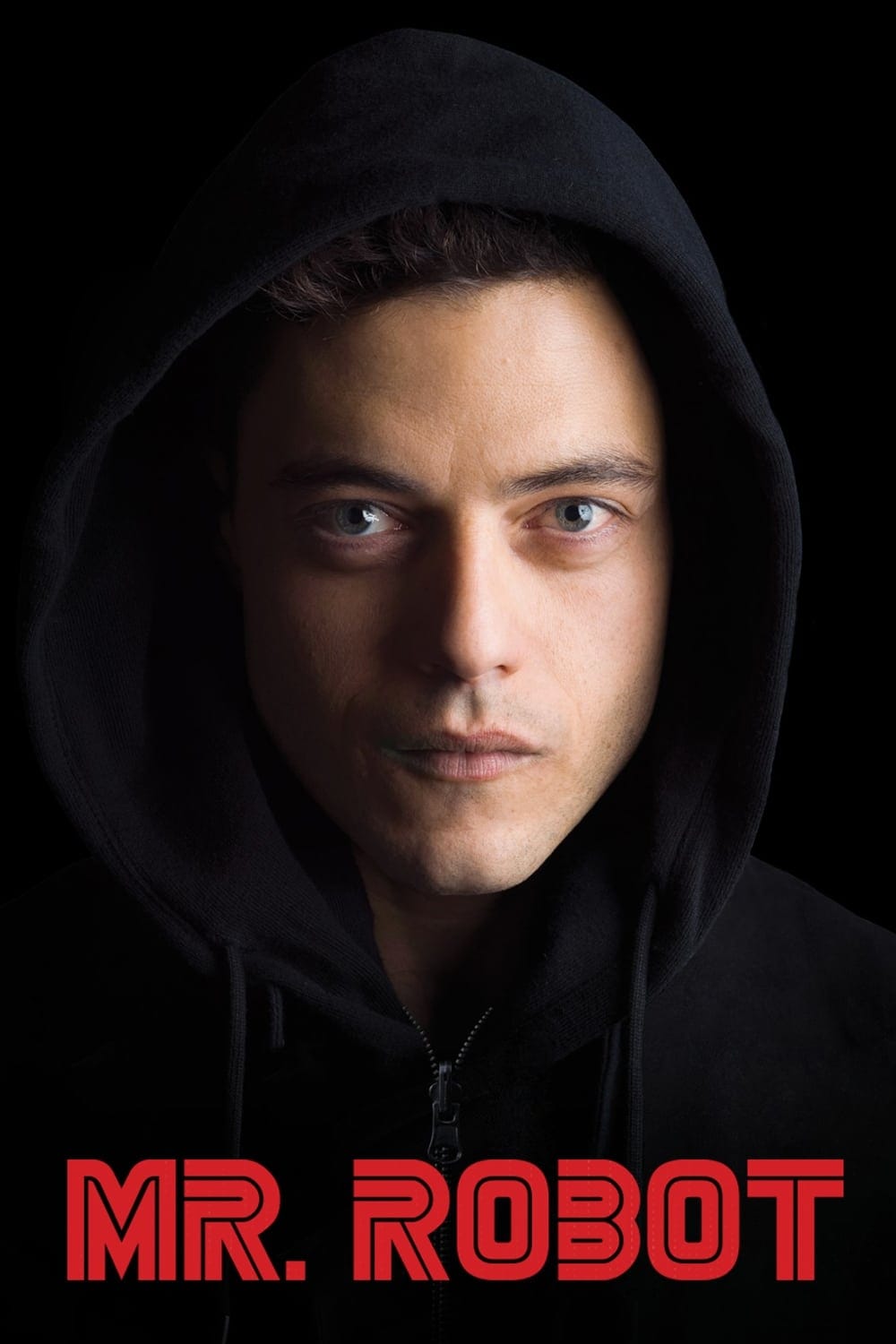
‘Mr. Robot’ follows hacktivists targeting a conglomerate that controls credit systems and data infrastructure. Early strikes cause disruption, but corporate backups, government ties, and counterintelligence blunt the push for systemic change.
Internal fractures, psychological strain, and sophisticated adversaries complicate every operation. Even when wins occur, they arrive entangled with costs that prevent a straightforward triumph for those trying to set things right.
Share the shows you’d add to this list—and the moments that stuck with you—in the comments.