The 15 Best Blake Lively Roles


Blake Lively has built a screen career that spans teen drama, large-scale comic-book fare, intimate character studies, and twisty thrillers. Starting as a teenager, she moved quickly from ensemble projects to leading roles, working with directors like Ben Affleck, Oliver Stone, Paul Feig and Reed Morano, and sharing the screen with performers such as Anna Kendrick, Jesse Eisenberg and Jeremy Renner.
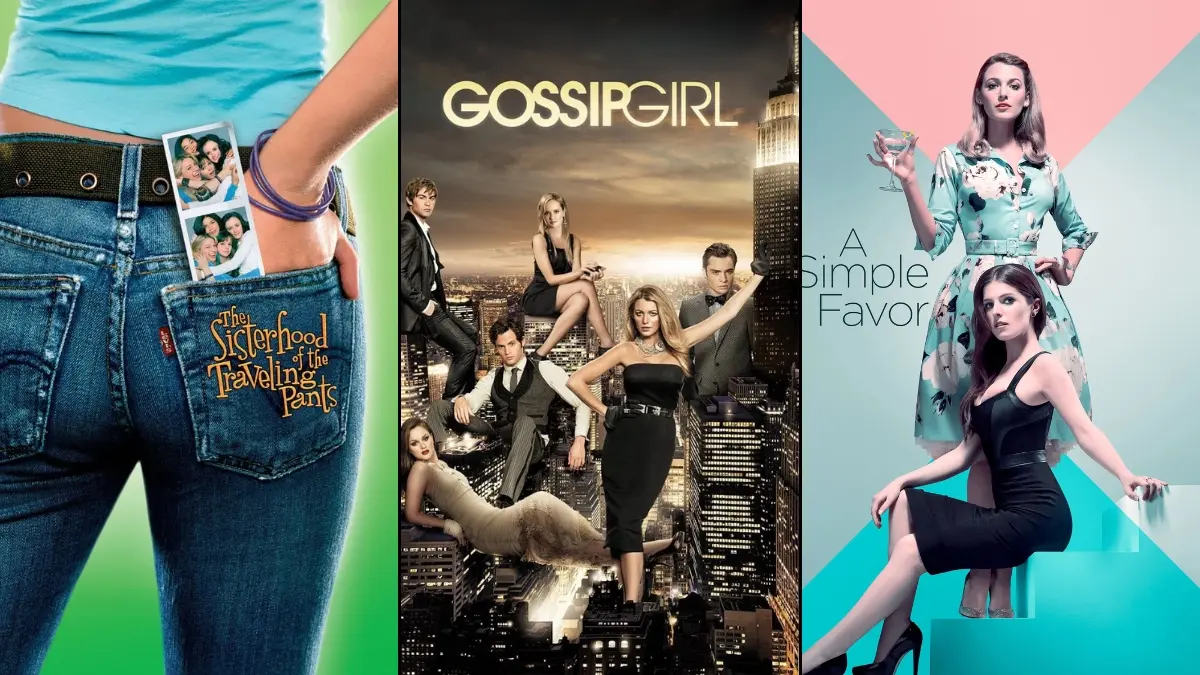
This list gathers a mix of films and series that showcase different sides of her work—from a breakout in ‘The Sisterhood of the Traveling Pants’ to star turns in ‘The Shallows’ and ‘A Simple Favor’. Each entry notes the essentials: the creators and key collaborators, the story setup, source material where relevant, and production details that help place the project in context.
‘Gossip Girl’ (2007–2012) – Serena van der Woodsen
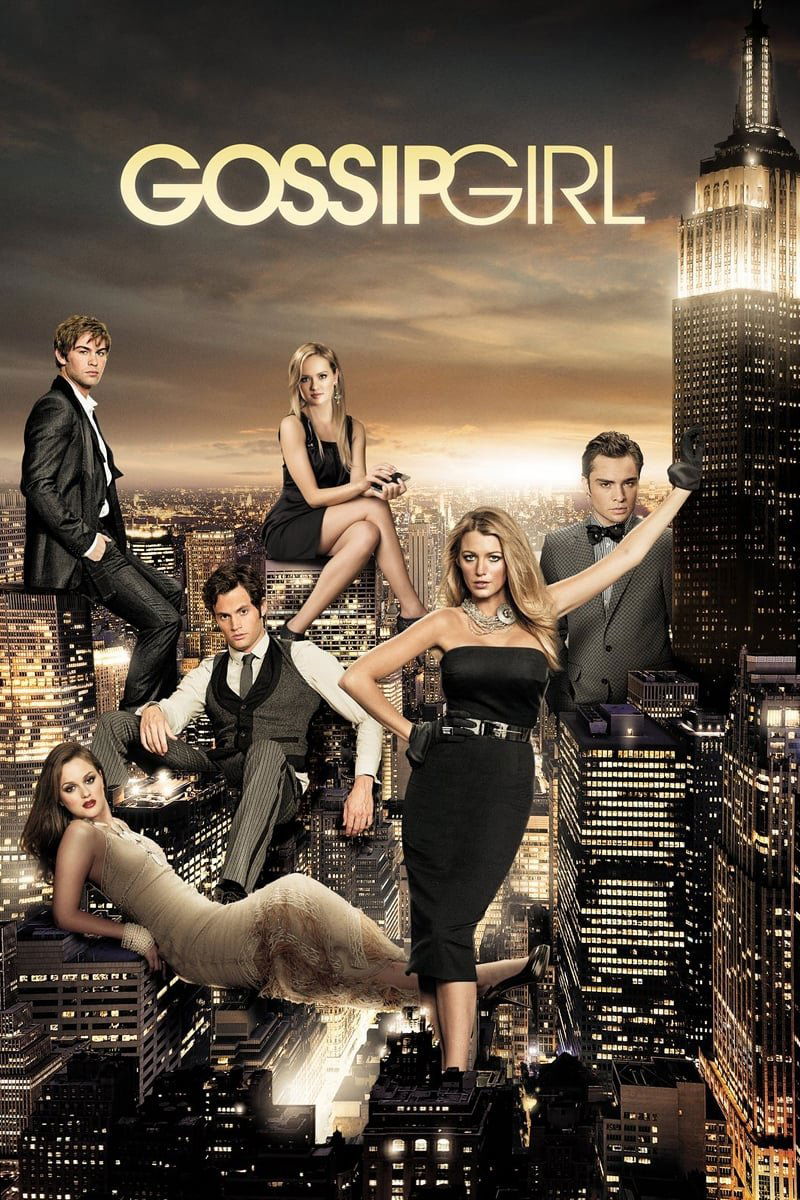
Created by Josh Schwartz and Stephanie Savage and based on novels by Cecily von Ziegesar, ‘Gossip Girl’ follows the lives of privileged students on Manhattan’s Upper East Side. Blake Lively stars as Serena van der Woodsen alongside Leighton Meester, Penn Badgley, Chace Crawford and Ed Westwick, anchoring an ensemble built around friendships, rivalries and family complications. The series originally aired on The CW with New York City locations and fashion acting as recurring production elements.
Across its run, ‘Gossip Girl’ used arcs tied to the anonymous blogger who narrates the show. Lively’s character is at the center of major turning points that intersect with prep school, college and early adulthood, while soundtrack choices integrate contemporary pop and indie tracks. Wardrobe collaborations put designer labels onscreen, influencing teen dramas that followed.
‘The Sisterhood of the Traveling Pants’ (2005) – Bridget Vreeland
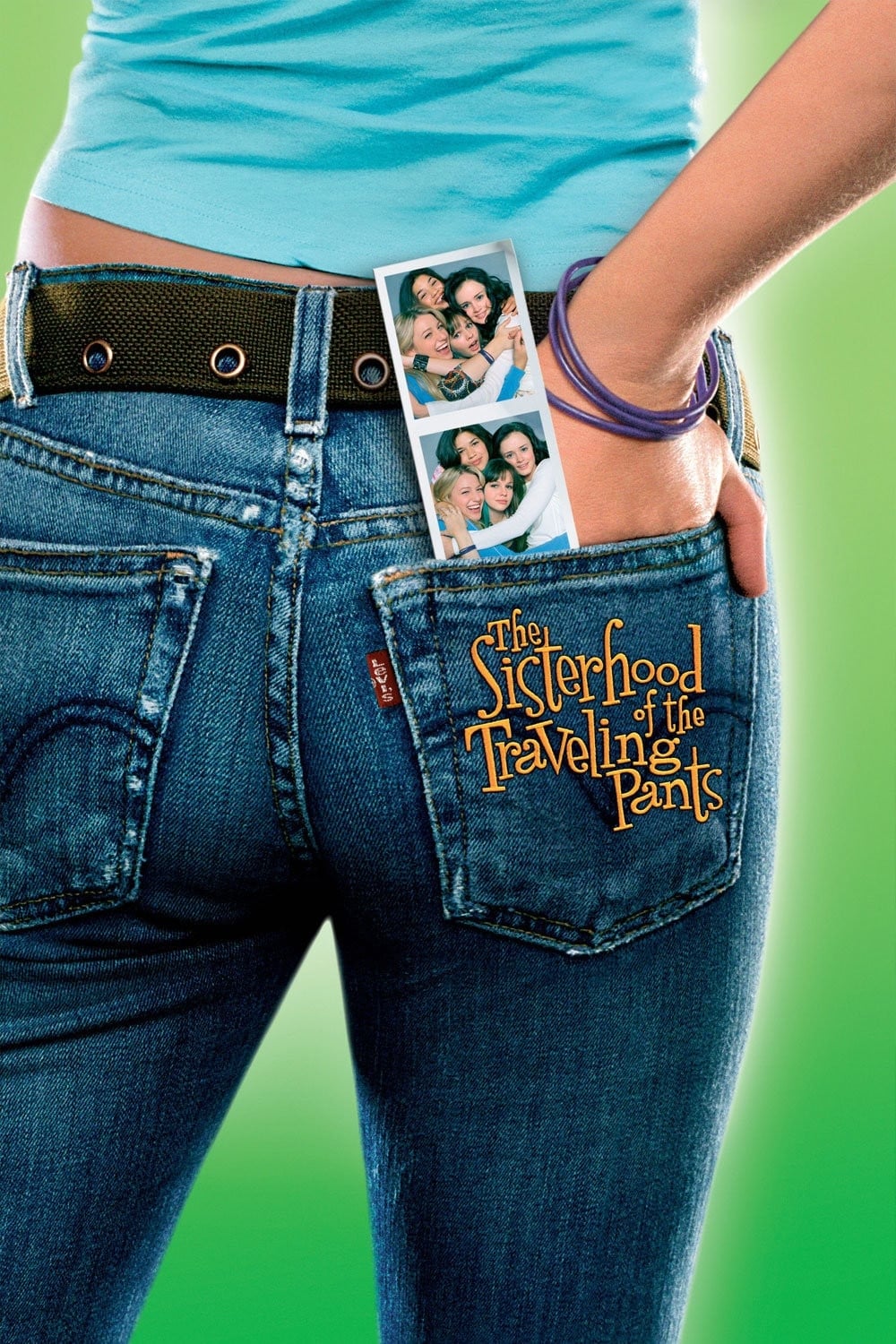
Directed by Ken Kwapis and adapted from Ann Brashares’ novel, ‘The Sisterhood of the Traveling Pants’ tracks four friends who share a pair of jeans that mysteriously fits all of them as they spend a summer apart. Blake Lively plays Bridget, a competitive soccer player at a Mexican training camp, with Amber Tamblyn, America Ferrera and Alexis Bledel completing the central ensemble. Letters between the friends serve as a device to keep the connection present across locations.
Production staged multiple storylines across distinct settings to represent each character’s arc, with coastal sequences for Bridget’s camp. The adaptation retains key elements from the source material—such as the rules of the “sisterhood” and the ritual of passing along the jeans—while intercutting the friends’ experiences before bringing them back together.
‘The Sisterhood of the Traveling Pants 2’ (2008) – Bridget Vreeland
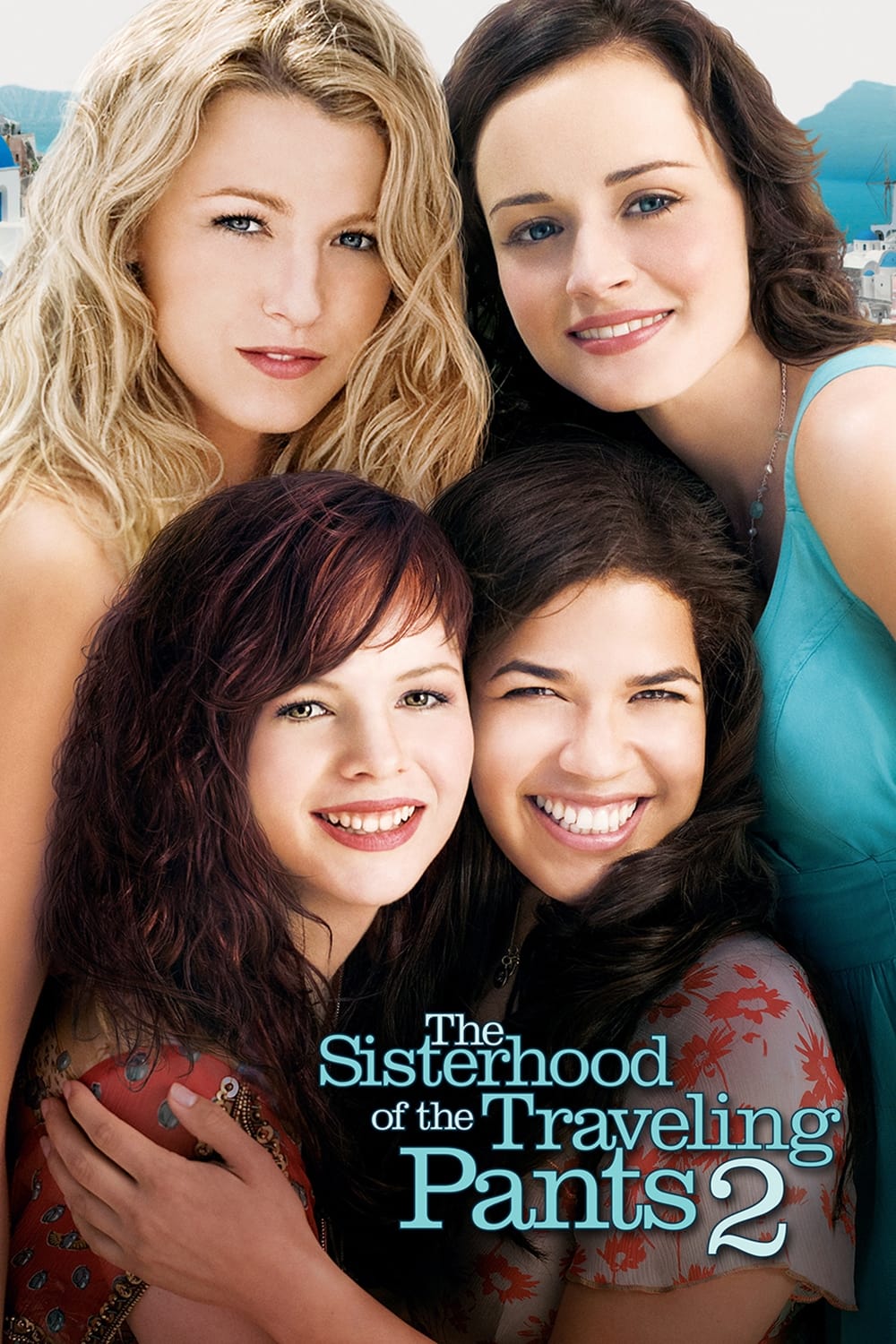
Directed by Sanaa Hamri with a screenplay drawing from later books in Ann Brashares’ series, ‘The Sisterhood of the Traveling Pants 2’ reunites the ensemble as the friends navigate internships, romance and study-abroad programs. Lively’s Bridget faces challenges that connect her athletic drive with family history, while Ferrera, Tamblyn and Bledel’s characters pursue separate paths that test the group’s traditions.
Production expanded to international locations, including Greek island settings for Lena’s storyline, alongside campus and city environments for the others. Costuming again uses the shared jeans as a visual motif, and the film’s structure alternates among the four arcs before consolidating them in a final passage that underscores the friendship’s rules.
‘The Town’ (2010) – Krista Coughlin
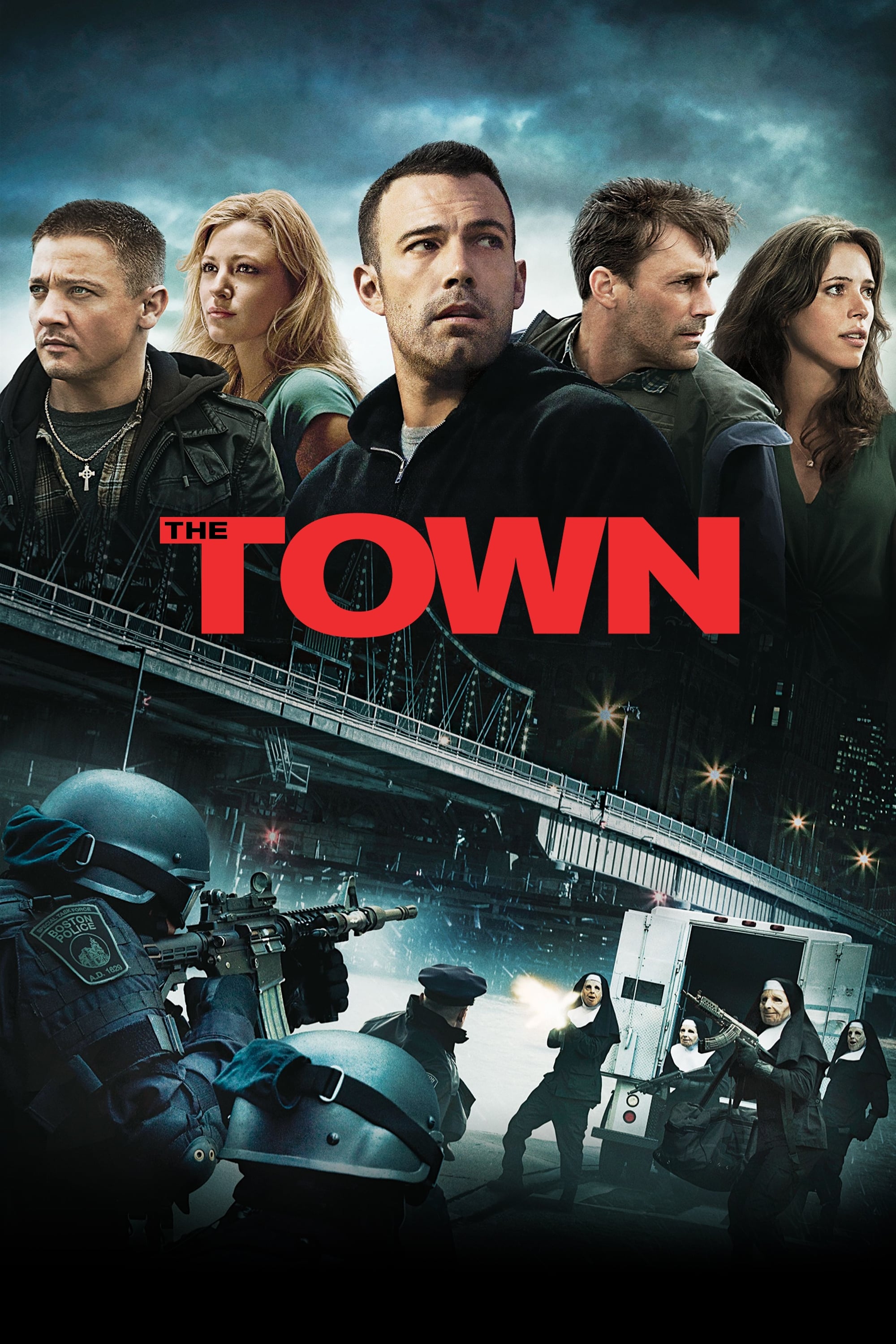
Written, directed by and starring Ben Affleck, ‘The Town’ adapts Chuck Hogan’s novel ‘Prince of Thieves’ and centers on a crew of Boston bank robbers. Lively portrays Krista Coughlin, connected to Affleck’s Doug MacRay and Jeremy Renner’s character, with Rebecca Hall, Jon Hamm and Pete Postlethwaite rounding out the cast. The film uses Charlestown locations and incorporates detailed heist planning, armored-truck jobs and a Fenway Park sequence.
Lively’s role intersects with law-enforcement investigations and the crew’s internal dynamics, adding personal stakes to procedural elements. The production relied on practical effects and on-location shoots, and the screenplay maps out robberies with attention to disguises, escape routes and neighborhood geography drawn from the source novel.
‘Green Lantern’ (2011) – Carol Ferris
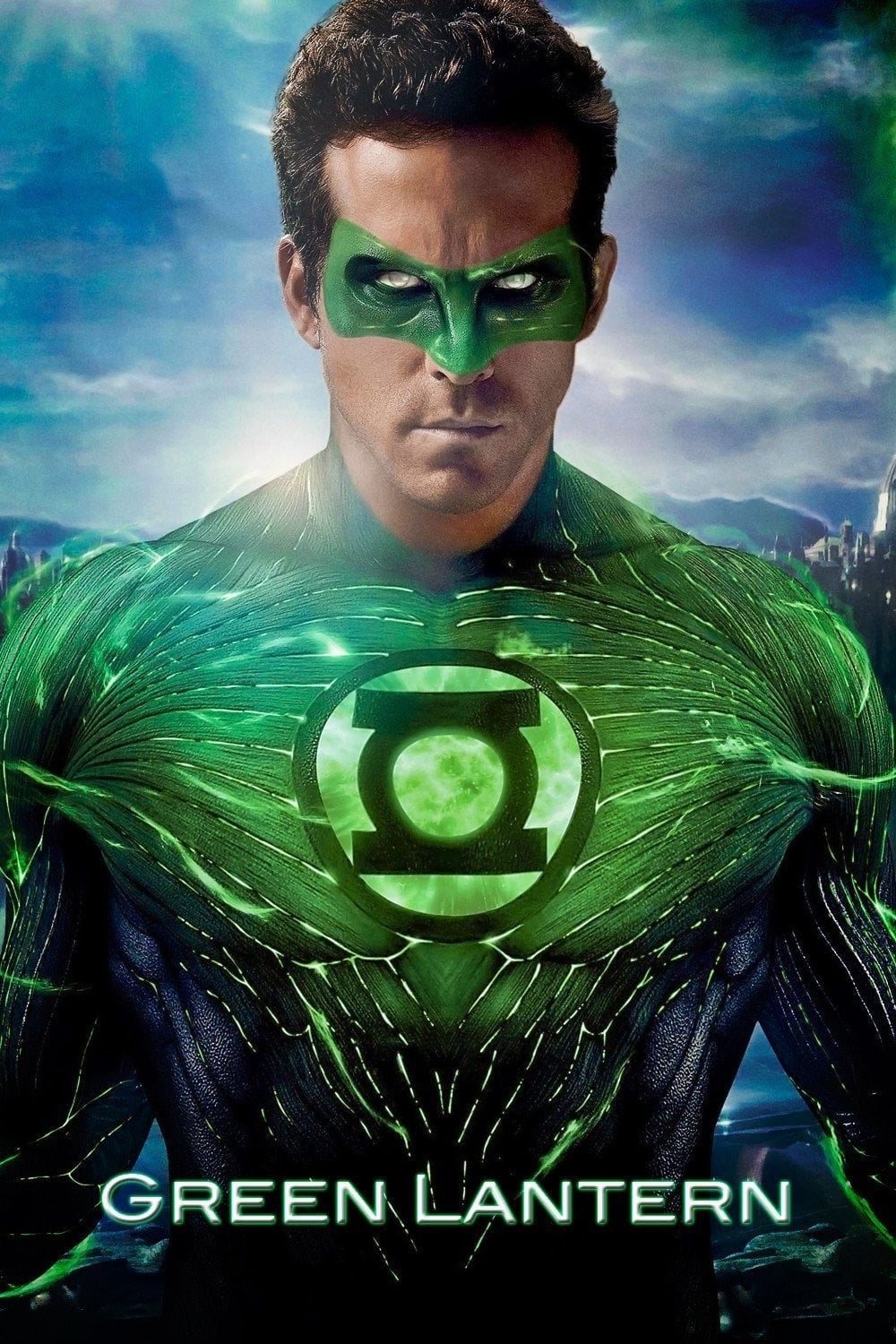
Directed by Martin Campbell, ‘Green Lantern’ adapts the DC Comics property about Hal Jordan and the intergalactic Green Lantern Corps. Blake Lively plays Carol Ferris, a test-pilot executive connected to Jordan’s aviation world, alongside Ryan Reynolds, Peter Sarsgaard and Mark Strong. The film introduces elements such as the planet Oa, the Guardians, power-ring constructs and the antagonist Parallax.
Production combined large-scale visual effects with aerial sequences tied to the characters’ aviation careers. Carol Ferris originates from comics canon and is associated with Ferris Aircraft and the Star Sapphire mythology; the film foregrounds her professional role in the Earth-based plot while integrating Corps lore through training and mission scenes.
‘Savages’ (2012) – Ophelia “O” Sage
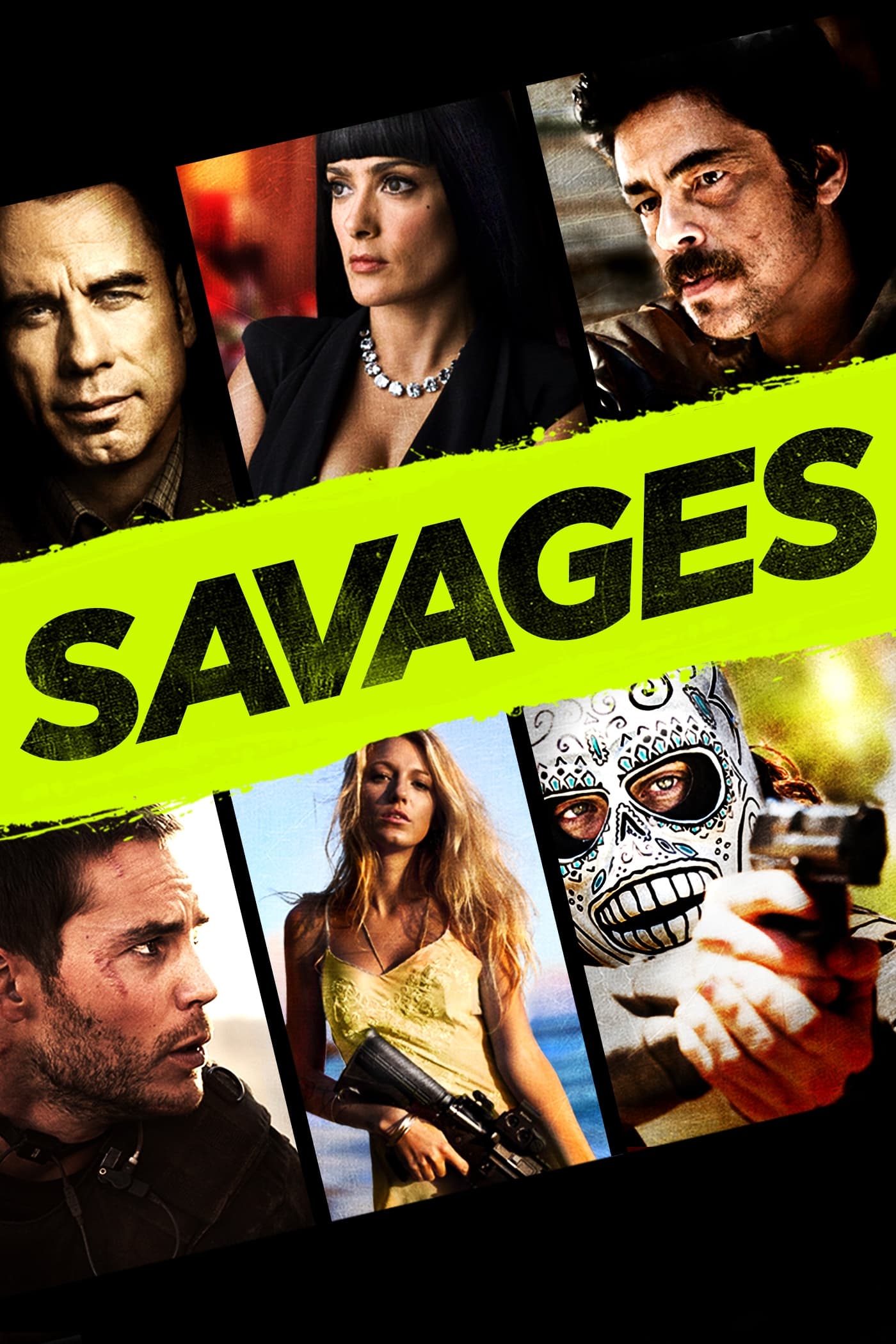
Oliver Stone directs ‘Savages’, adapted from Don Winslow’s novel, about two Laguna Beach marijuana entrepreneurs who clash with a Mexican cartel. Lively plays Ophelia “O” Sage, whose kidnapping sets the central conflict in motion, with Taylor Kitsch and Aaron Taylor-Johnson as the partners and Salma Hayek and Benicio Del Toro on the cartel side. The story is structured around negotiations, surveillance and competing rescue plans.
Production uses Southern California locations, contrasting coastal neighborhoods with cartel operations. The adaptation carries over Winslow’s shifting perspectives and incorporates digital communication—texts, videos and online drops—as plot devices, aligning with the novel’s attention to modern criminal logistics.
‘The Age of Adaline’ (2015) – Adaline Bowman
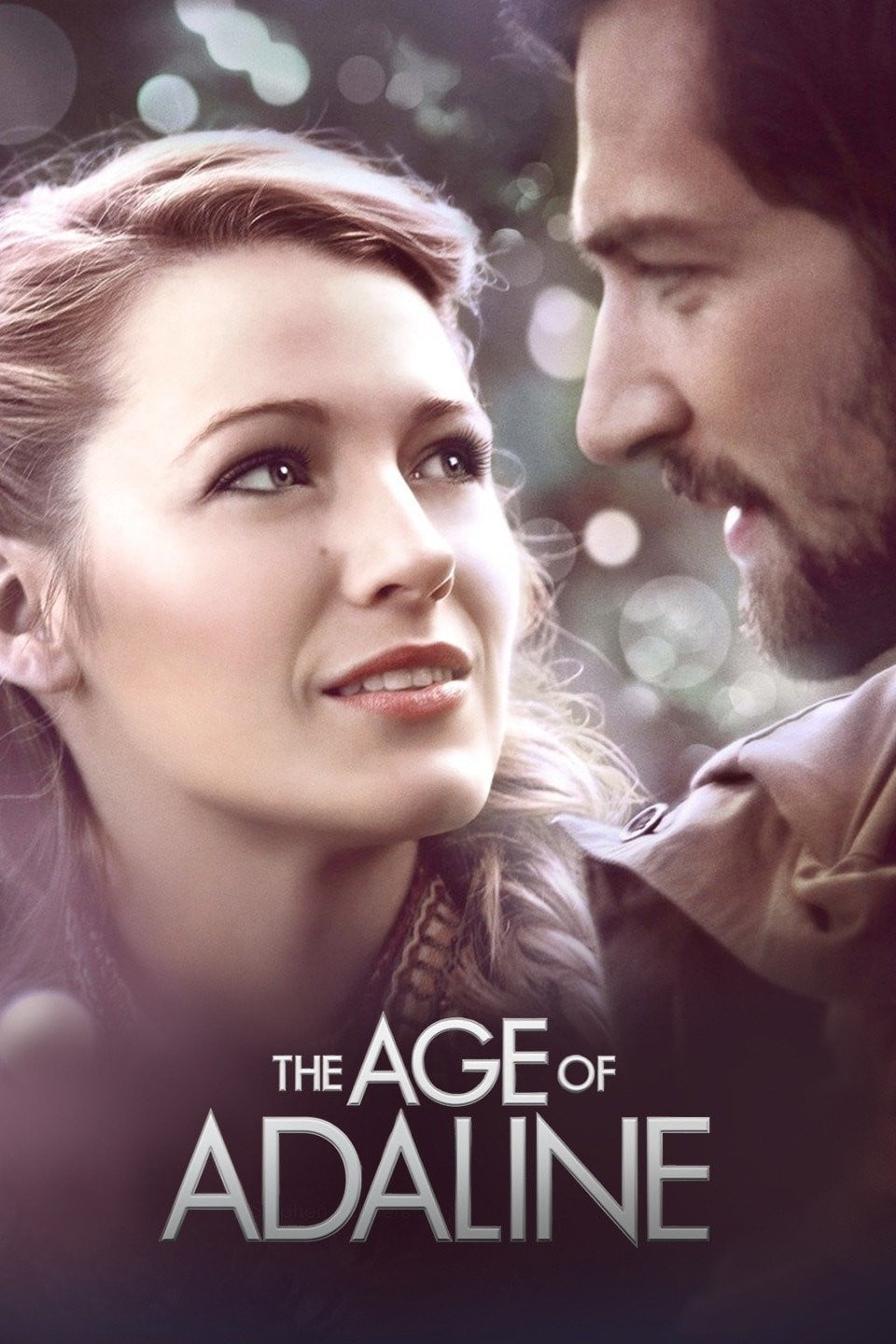
Directed by Lee Toland Krieger, ‘The Age of Adaline’ follows a woman who stops aging after a rare accident and lives across multiple decades under changing identities. Blake Lively plays Adaline Bowman, with Michiel Huisman and Harrison Ford in key roles, and the narrative uses voiceover to frame a pseudo-scientific premise behind her condition. Period design recreates styles from different eras as Adaline manages documentation and residence changes.
The production emphasizes archival research for wardrobe and props to track Adaline’s movement across time. Story mechanics include strategies for falsifying records, managing bank accounts and storing personal artifacts, while the plot places her in situations that test those systems when she forms new connections.
‘The Shallows’ (2016) – Nancy Adams
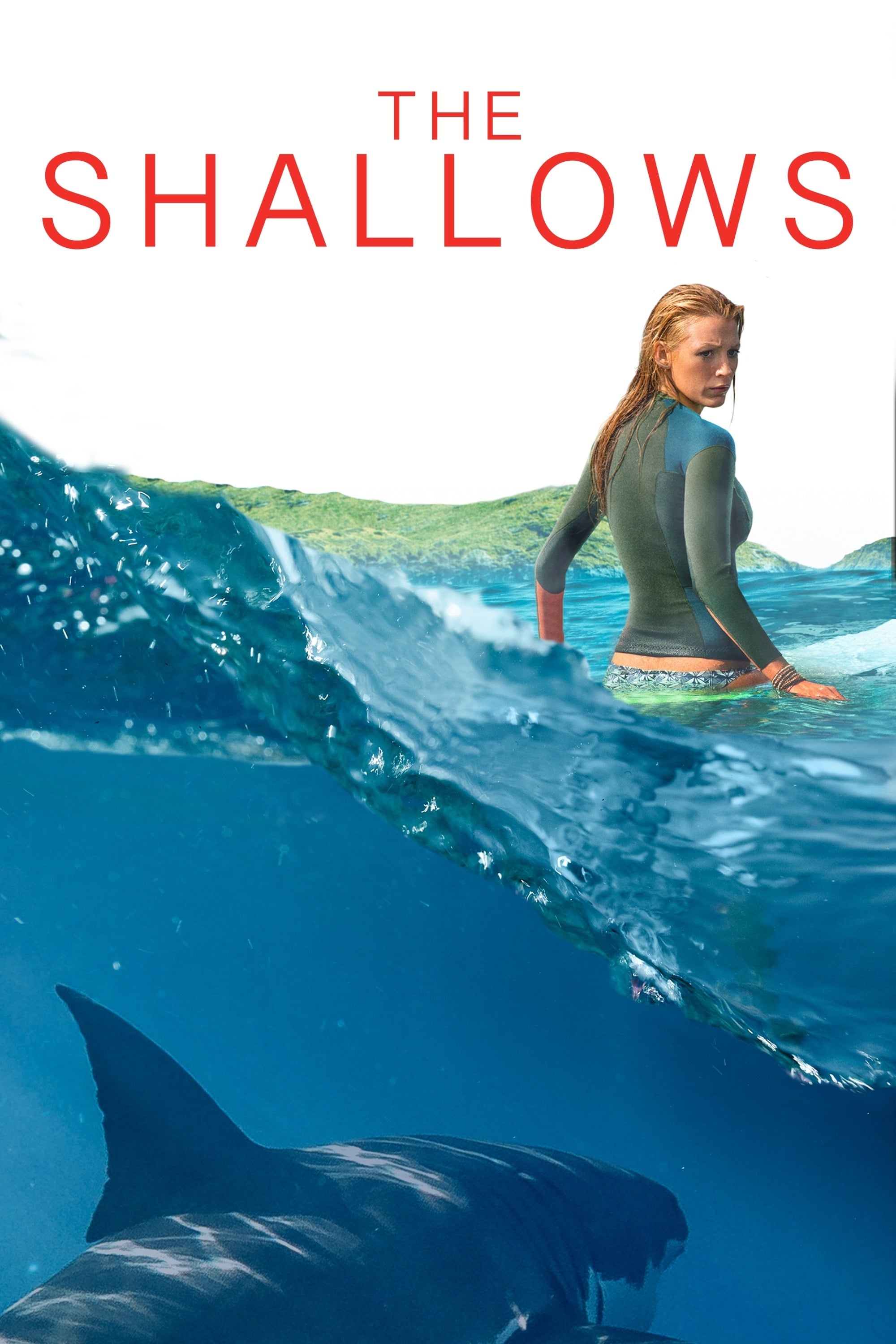
Directed by Jaume Collet-Serra, ‘The Shallows’ is a survival thriller set near an isolated beach where a medical student is attacked by a great white shark. Lively’s character, Nancy Adams, uses first-aid improvisation, tidal timing and landmarks to plan escape attempts. The film maintains a minimal cast and relies on ocean cinematography and a blend of practical effects with CGI for the shark.
Production took place largely in Queensland with extensive water-tank work to control conditions for long sequences. The screenplay structures tension around tide cycles, distance estimates to shore and a buoy as a temporary refuge, integrating action beats that hinge on the character’s field knowledge and resource management.
‘Café Society’ (2016) – Veronica
Set between New York and Hollywood during the studio-system era, ‘Café Society’ follows Jesse Eisenberg’s character as he moves into agency work and later returns to run a nightclub. Blake Lively appears as Veronica, whose relationship with the protagonist reframes earlier romantic choices and anchors a later chapter. The cast also includes Kristen Stewart, Steve Carell and Parker Posey.
The production focuses on period detail—art-deco interiors, studio offices and nightlife venues—and uses narration to bridge time jumps. Veronica’s introduction reorganizes the story’s interpersonal geometry, connecting East Coast and West Coast strands and underscoring themes of reinvention within entertainment-world social circuits.
‘All I See Is You’ (2016) – Gina
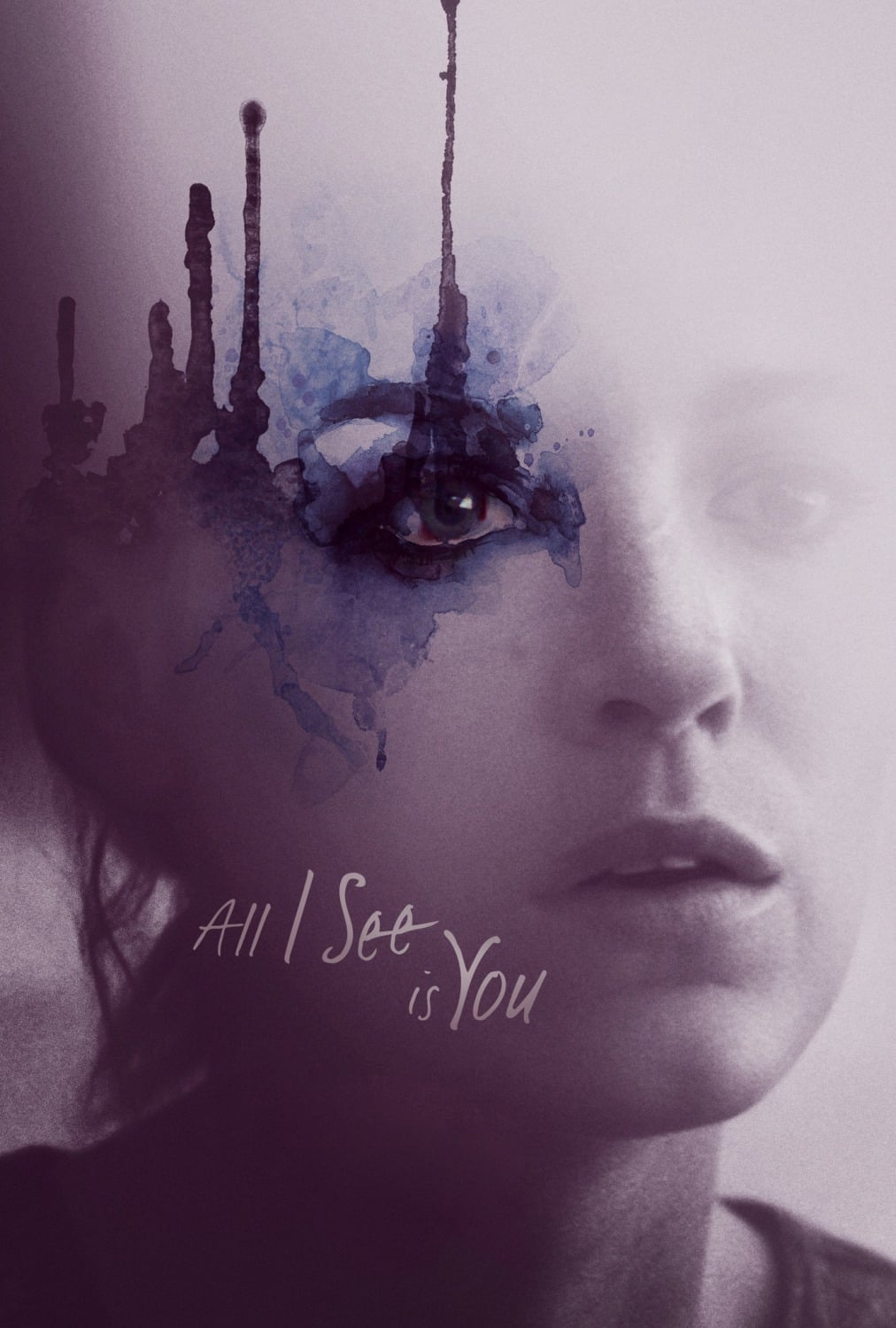
Directed by Marc Forster, ‘All I See Is You’ centers on a woman who regains vision after a corneal transplant and reevaluates her marriage as her world expands. Lively plays Gina opposite Jason Clarke, with the film exploring sensory perception through camera techniques that shift as the character’s sight changes. Medical procedures and follow-up care mark stages of her transformation.
Production shot across international locations including Bangkok and Barcelona, incorporating urban textures and travel to mirror Gina’s widening perspective. The film employs underwater and reflective imagery, altering color, focus and framing to represent the character’s evolving experience of space, faces and movement after surgery.
‘A Simple Favor’ (2018) – Emily Nelson
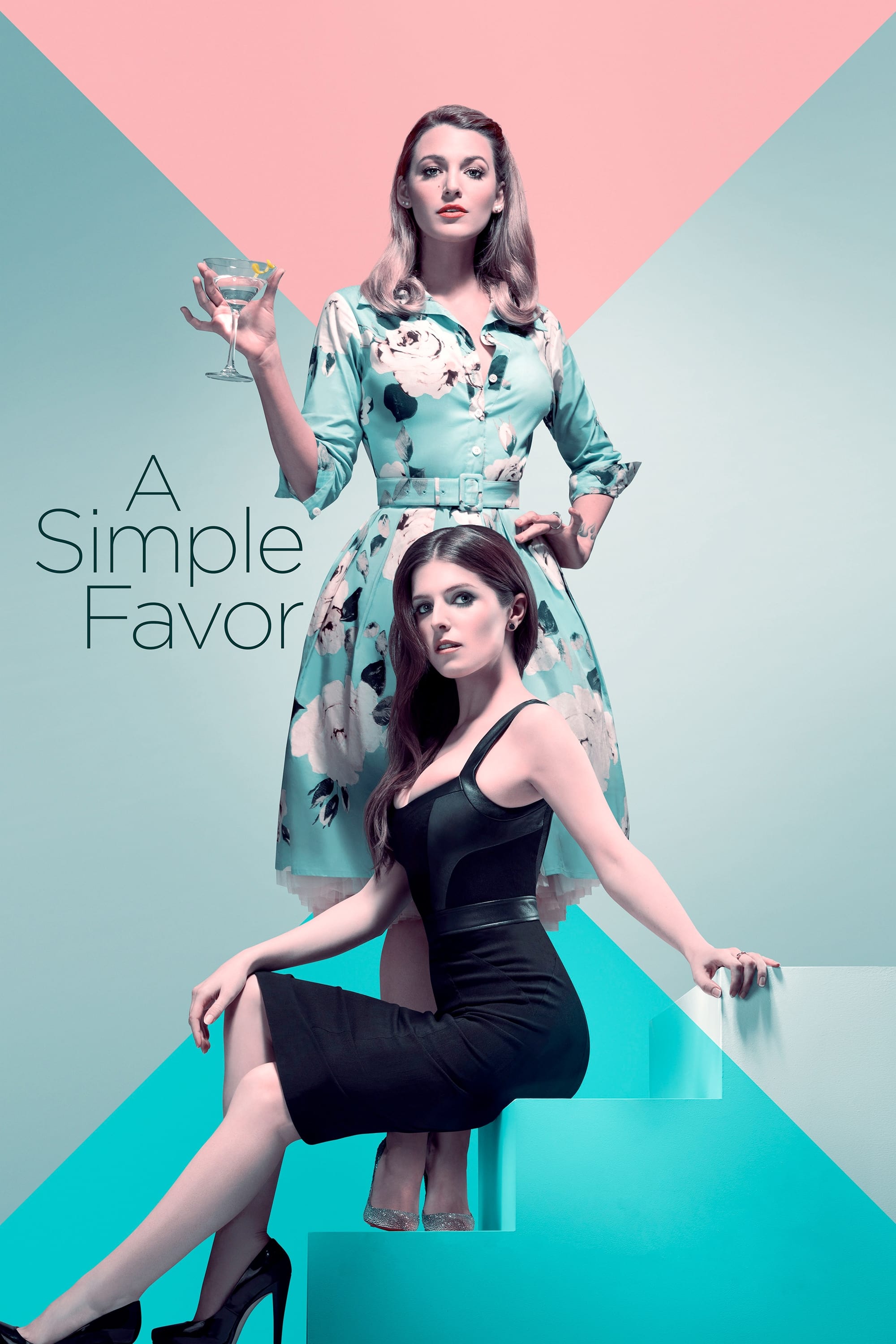
Paul Feig directs ‘A Simple Favor’, adapted from Darcey Bell’s novel, about a suburban disappearance investigated by a mom vlogger played by Anna Kendrick. Blake Lively portrays Emily Nelson, whose high-fashion wardrobe, work history and personal records become clues in a case that mixes corporate intrigue with family secrets. The supporting cast features Henry Golding, Linda Cardellini and Rupert Friend.
Production leans on prop design—passports, insurance documents and archived photos—to feed a trail of discoveries. The screenplay structures reveals through video posts, emails and phone logs, using social media as both a narrative device and an evidentiary record, while the setting shifts between a Connecticut town, Manhattan offices and flashbacks tied to Emily’s past.
‘The Rhythm Section’ (2020) – Stephanie Patrick
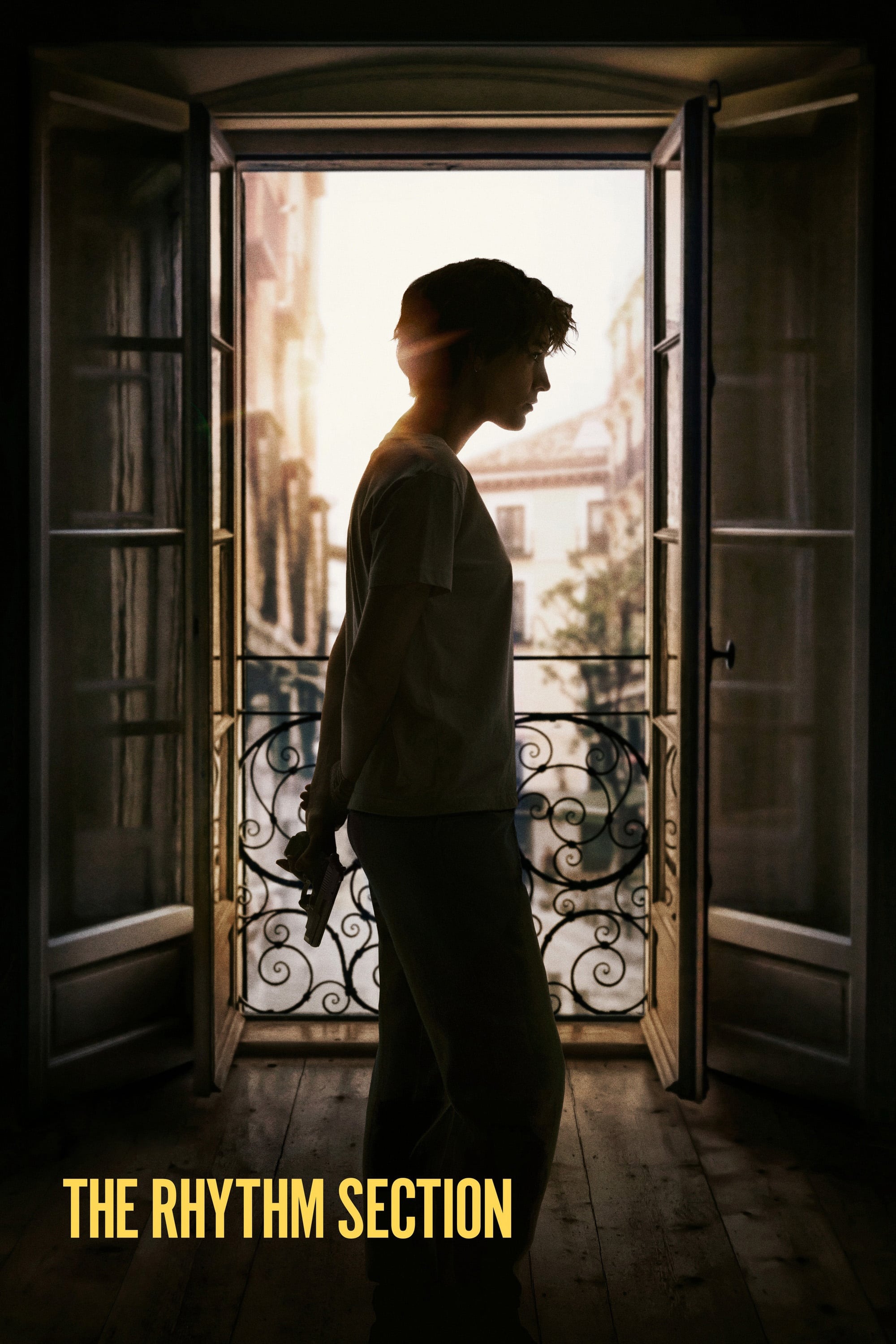
Directed by Reed Morano and based on Mark Burnell’s novel, ‘The Rhythm Section’ follows Stephanie Patrick as she pursues those responsible for a plane bombing that killed her family. The film tracks training, surveillance and identities built from forged documents, with Jude Law and Sterling K. Brown in central supporting roles. The character cycles through disguises and cover stories while operating across European and North African locations.
Production features action set pieces staged with handheld photography, including a single-take car-chase sequence. The narrative incorporates technical elements such as weapon handling, tradecraft drills and the sourcing of black-market information, aligning with the novel’s emphasis on a protagonist who learns operational skills outside formal agencies.
‘Accepted’ (2006) – Monica Moreland

‘Accepted’, directed by Steve Pink, is a campus comedy about students who create a fictional college after being rejected elsewhere. Blake Lively plays Monica Moreland opposite Justin Long, Jonah Hill and Lewis Black. The plot centers on administrative hurdles, accreditation issues and the logistics of fabricating a website, campus signage and course lists to keep the ruse going.
Production uses a repurposed campus setting to stage orientation days, faculty interactions and parent visits. The screenplay builds out the operational side of the fake institution, including housing arrangements, budget gaps and the eventual confrontation with education authorities over recognition and standards.
‘Elvis & Anabelle’ (2007) – Anabelle Leigh
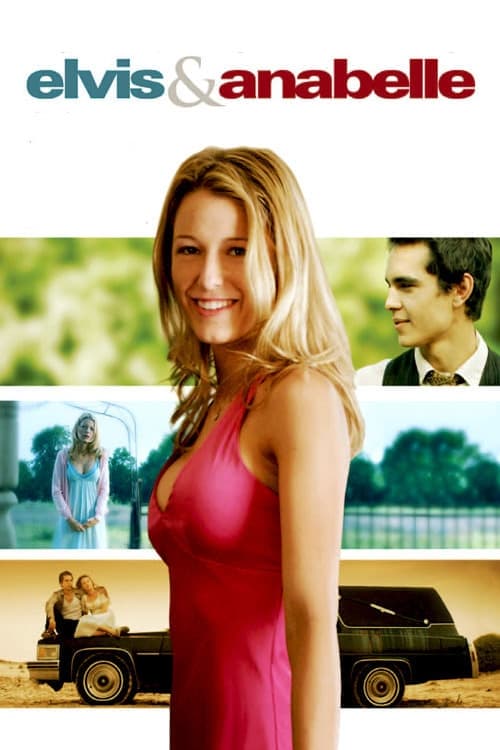
Written and directed by Will Geiger, ‘Elvis and Anabelle’ pairs Max Minghella and Blake Lively in a small-town Texas story that blends romance with elements of magical realism. Lively’s character, a beauty queen named Anabelle, becomes connected to an embalmer after a pageant incident, with Mary Steenburgen and Joe Mantegna in supporting roles.
The film uses rural Texas locations, funeral-home settings and pageant venues to ground its narrative. Music and production design contribute to the tone, while the script follows the characters through family pressures, local expectations and choices about leaving or staying within the town’s limited opportunities.
‘The Private Lives of Pippa Lee’ (2009) – Young Pippa Lee

Adapted and directed by Rebecca Miller from her novel, ‘The Private Lives of Pippa Lee’ examines a woman’s past and present through interwoven timelines. Blake Lively portrays the younger version of Pippa, with Robin Wright playing the adult lead; the ensemble includes Alan Arkin, Keanu Reeves, Maria Bello and Julianne Moore. The structure alternates between formative episodes and current-day suburban life.
Production emphasizes period textures—photography styles, wardrobe and interiors—to differentiate eras. Lively’s sequences map the character’s early relationships and moves, providing the backstory that informs later decisions, while editing bridges across time to reveal causes and consequences behind the protagonist’s current circumstances.
Share your thoughts below: which ‘Blake Lively’ projects would you add to the list?