Claudia Cardinale’s Best Roles

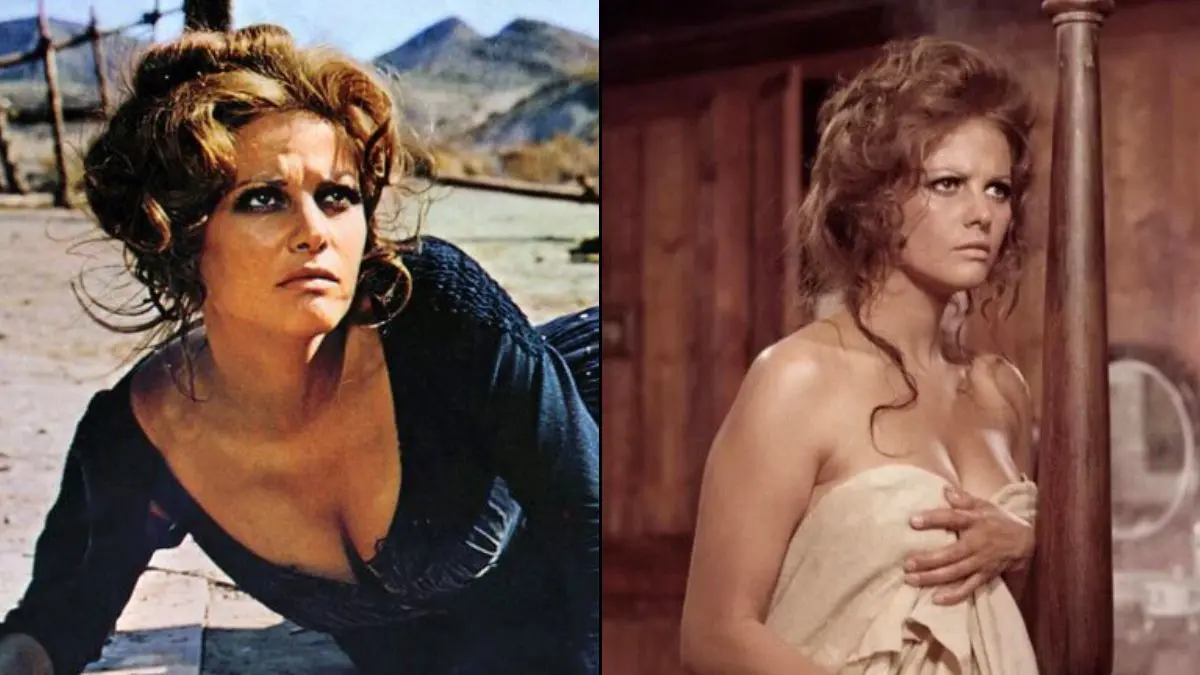

Claudia Cardinale is an iconic actress whose career has spanned over six decades, leaving an indelible mark on both European and Hollywood cinema. Born in Tunisia, she rose to international fame in the 1960s, captivating audiences with her stunning beauty, distinctive voice, and undeniable talent. She became a muse for some of the most acclaimed directors of her time, effortlessly moving between epic historical dramas, gripping crime thrillers, and lighthearted comedies. Her ability to portray a wide range of characters, from innocent young women to complex and worldly figures, solidified her status as a versatile and enduring star.
Throughout her illustrious career, Cardinale worked alongside many of cinema’s greatest actors and filmmakers, creating a legacy of memorable performances. She was a prominent figure in Italian cinema during its golden age, starring in masterpieces that continue to be celebrated for their artistic brilliance. Whether playing a princess, a prostitute, or a revolutionary, she brought a unique combination of strength and vulnerability to her roles. Her filmography is a testament to a remarkable journey through the landscape of international film, showcasing a talent that transcends language and cultural barriers.
‘Escape to Athena’ (1979)

In this World War II adventure film, Claudia Cardinale plays Elena, the madam of a local brothel who is also a key figure in the Greek resistance. Her establishment serves as a covert headquarters for the underground movement on a German-occupied Greek island. She works closely with the resistance leader to coordinate their efforts against the Nazi forces. Elena’s character is central to the planning and execution of a major operation to liberate Allied prisoners of war.
The prisoners are being forced to excavate priceless art treasures, and the resistance plans to use their escape to seize a secret German rocket base. Elena provides crucial intelligence and support, using her position to gather information and aid the Allied cause. Her role is pivotal in uniting the prisoners, the resistance fighters, and even a reluctant German camp commandant in a daring plan to fight back against the occupiers and reclaim control of the island.
‘The Pink Panther’ (1963)
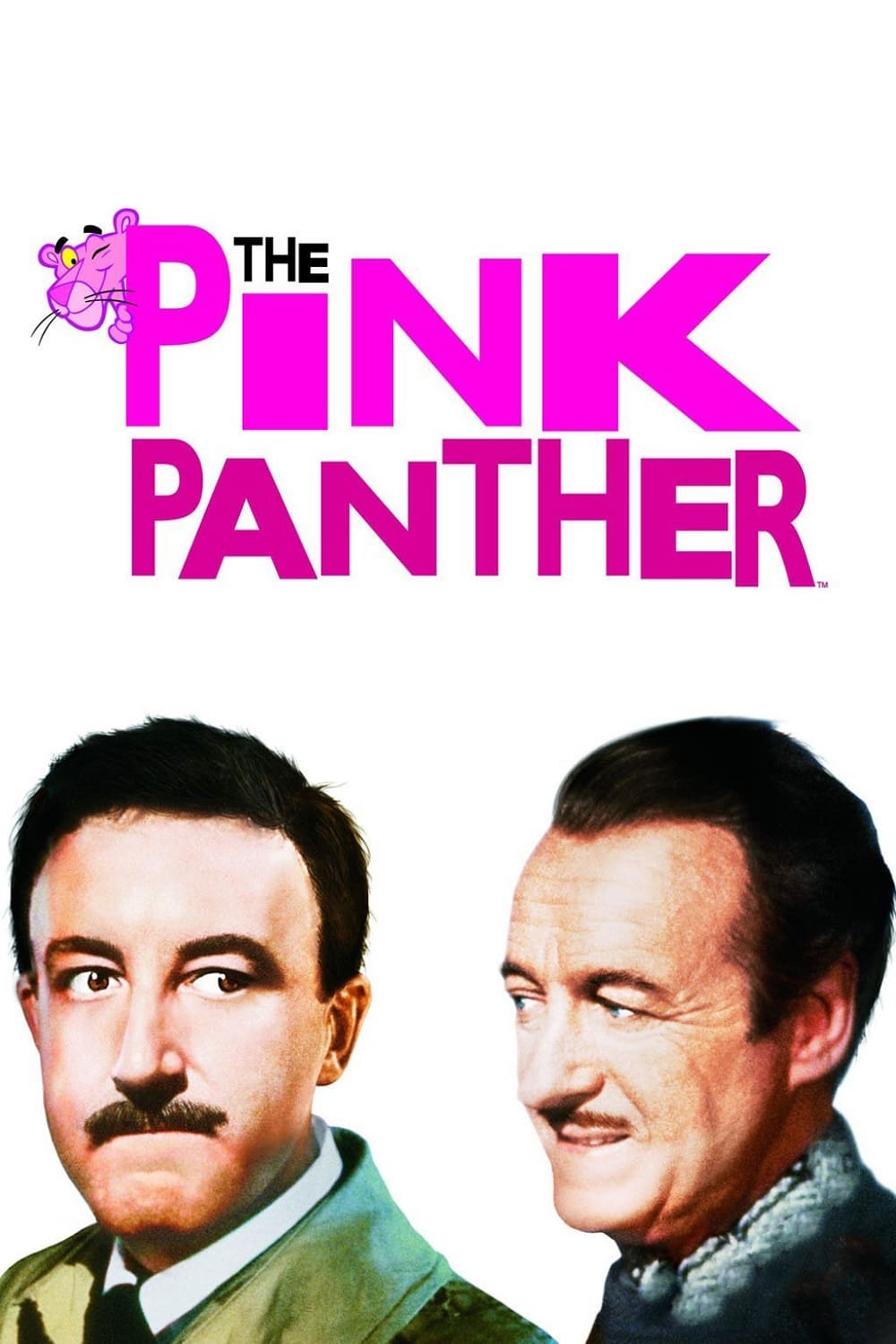
Claudia Cardinale stars as Princess Dala, the elegant and sophisticated owner of the magnificent “Pink Panther” diamond. The plot revolves around the attempts to steal this priceless gem, which has a unique flaw that resembles a leaping panther. As the princess holidays at a luxurious ski resort, she becomes the target of a notorious jewel thief known as “The Phantom”. Her character is at the center of the film’s stylish and comedic caper.
Princess Dala remains calm and poised amidst the chaos created by the bumbling Inspector Clouseau, who is assigned to protect her and the diamond. She navigates the advances of the charming Sir Charles Lytton, unaware that he is the infamous thief. Her presence adds a layer of glamour and intrigue to the story, as she hosts lavish parties and becomes entangled in the elaborate schemes to both steal and safeguard the precious stone.
‘The Day of the Owl’ (1968)
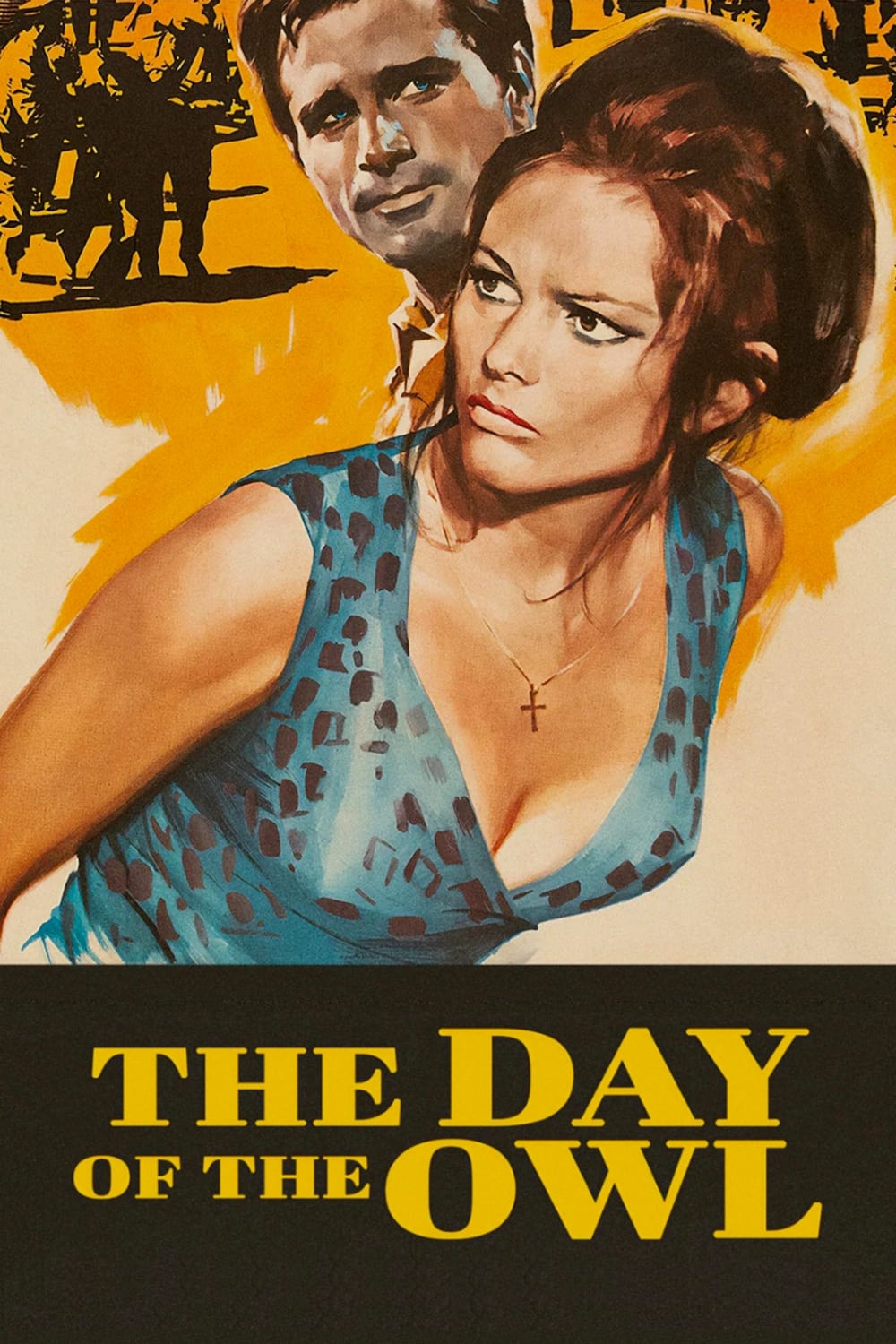
In this Italian crime drama, Claudia Cardinale portrays Rosa Nicolosi, a woman whose husband is murdered by the Mafia in a small Sicilian town. After his death, she finds herself in a difficult and dangerous position, pressured by the powerful local mob boss to remain silent. Her character becomes a key figure in the investigation led by a determined police captain from the mainland.
Rosa’s testimony is crucial to breaking the wall of silence that protects the criminal organization. Despite the immense risk to her own life, she grapples with the decision to cooperate with the authorities. Her struggle highlights the pervasive fear and control exerted by the Mafia over the local community and the courage it takes for an individual to stand up against such an oppressive force.
‘A Girl in Australia’ (1971)

Claudia Cardinale plays Carmela, an Italian woman who agrees to marry an immigrant worker living in Australia through a mail-order arrangement. She travels to the remote continent with the hope of starting a new life, only to discover that the man she is to marry has been deceptive. The film follows their journey as they get to know each other and confront the realities of their situation.
Carmela is a beautiful and spirited woman who is revealed to be escaping a difficult past as a prostitute. Her prospective husband is a shy and homely man who sent her a photograph of his more handsome friend. As they travel across the Australian outback, their relationship is tested by their personal secrets and the cultural clashes they experience, leading to both comedic and dramatic moments.
‘Sandra’ (1965)
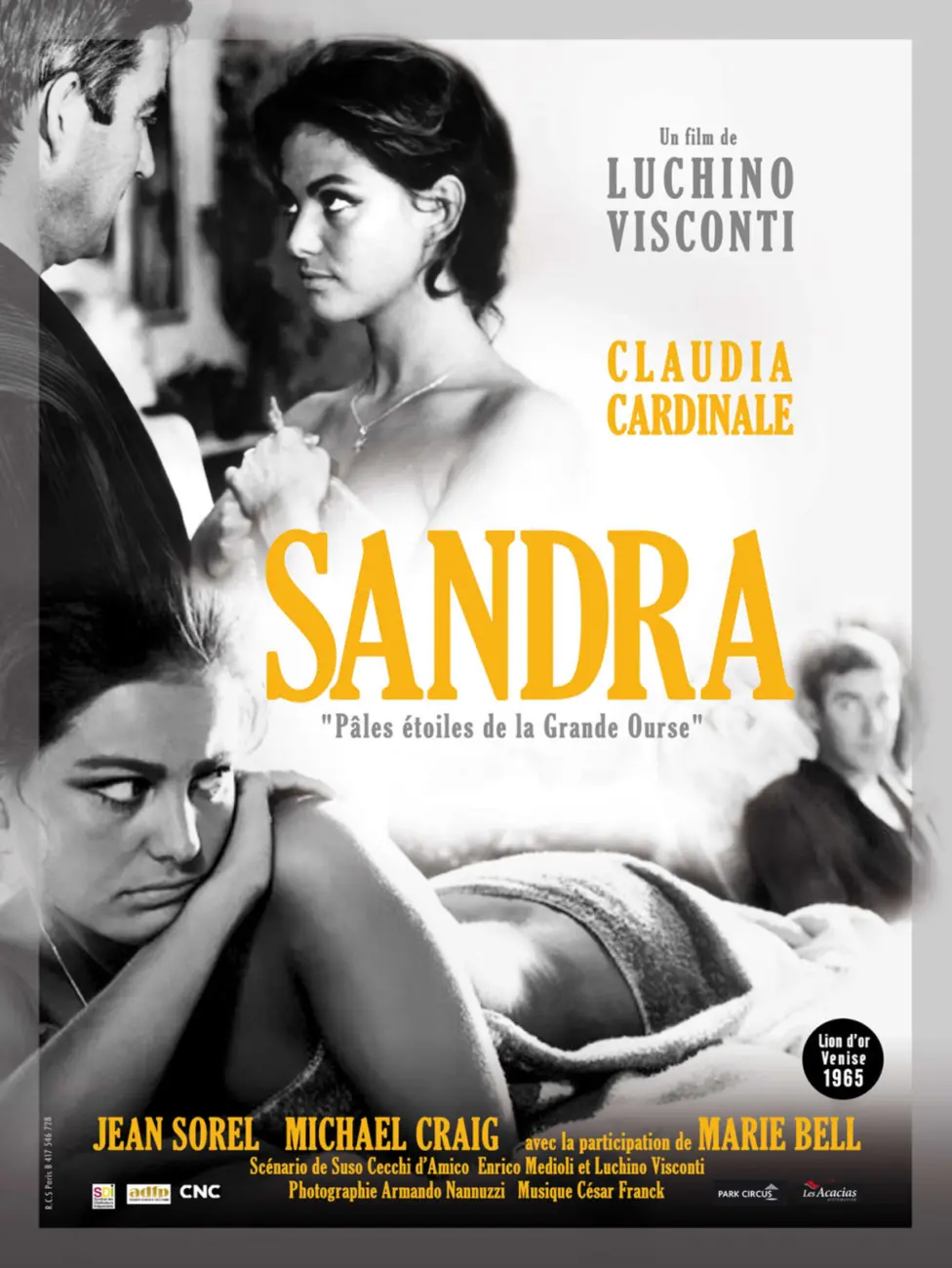
Claudia Cardinale delivers a powerful performance as the title character, Sandra, a woman haunted by her family’s dark past. She returns to her ancestral home in Tuscany with her American husband to attend a ceremony honoring her Jewish father, who died in a Nazi concentration camp. Her homecoming, however, reopens old wounds and uncovers troubling secrets.
Sandra is consumed by the belief that her mother and stepfather betrayed her father, leading to his death. Her obsessive quest for the truth strains her marriage and brings her into intense conflict with her brother, with whom she shares a complicated and emotionally charged relationship. The film explores themes of memory, guilt, and the inescapable weight of the past as Sandra’s psychological state becomes increasingly fragile.
‘Girl with a Suitcase’ (1961)

In this romantic drama, Claudia Cardinale plays Aida, a young showgirl who is callously abandoned by a wealthy young man. Determined to find him, she tracks him to his family’s villa, but he sends his sixteen-year-old brother, Lorenzo, to get rid of her. Instead, the compassionate teenager takes pity on her and finds her a place to stay.
Aida is a spirited but naive woman who finds herself relying on the kindness of the smitten young Lorenzo. He begins to spend his days with her, buying her gifts and falling deeply in love. Their unconventional relationship develops against the backdrop of his family’s disapproval and Aida’s own complicated life, which includes a child she has kept secret.
‘Cartouche’ (1962)
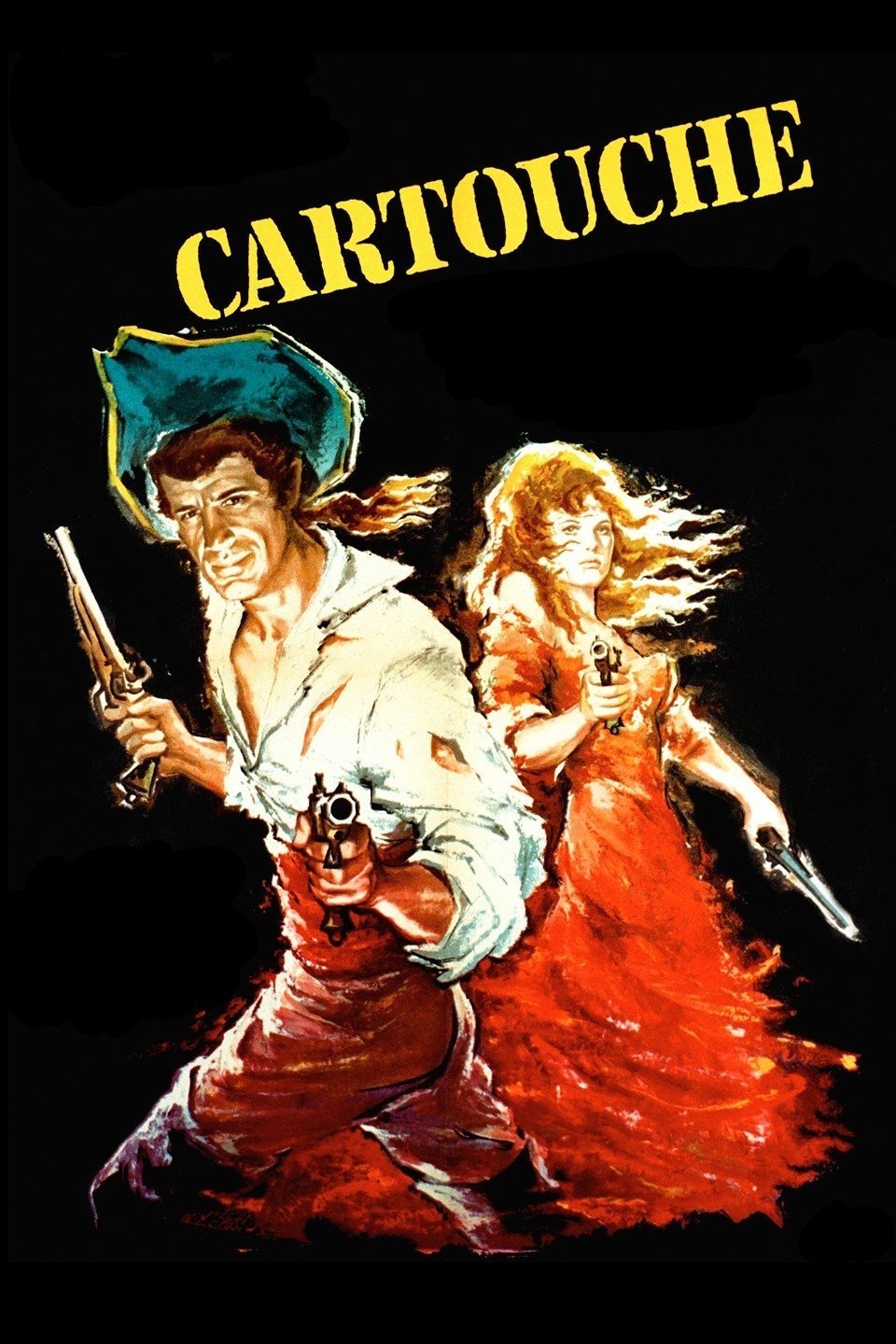
Claudia Cardinale stars as Vénus, a spirited and beautiful pickpocket who becomes the accomplice and lover of the legendary 18th-century French outlaw, Cartouche. She is a vital member of his band of thieves, using her charm and cunning to help him rob from the rich. Her relationship with Cartouche is passionate and adventurous, forming the emotional core of the swashbuckling film.
Vénus is fiercely loyal and brave, participating in daring heists and thrilling escapades alongside the man she loves. However, their bond is tested when Cartouche becomes infatuated with a noblewoman. Vénus’s jealousy and devotion drive much of the film’s drama, as she fights to win back his affection while navigating the dangerous world of Parisian crime.
‘Conversation Piece’ (1974)
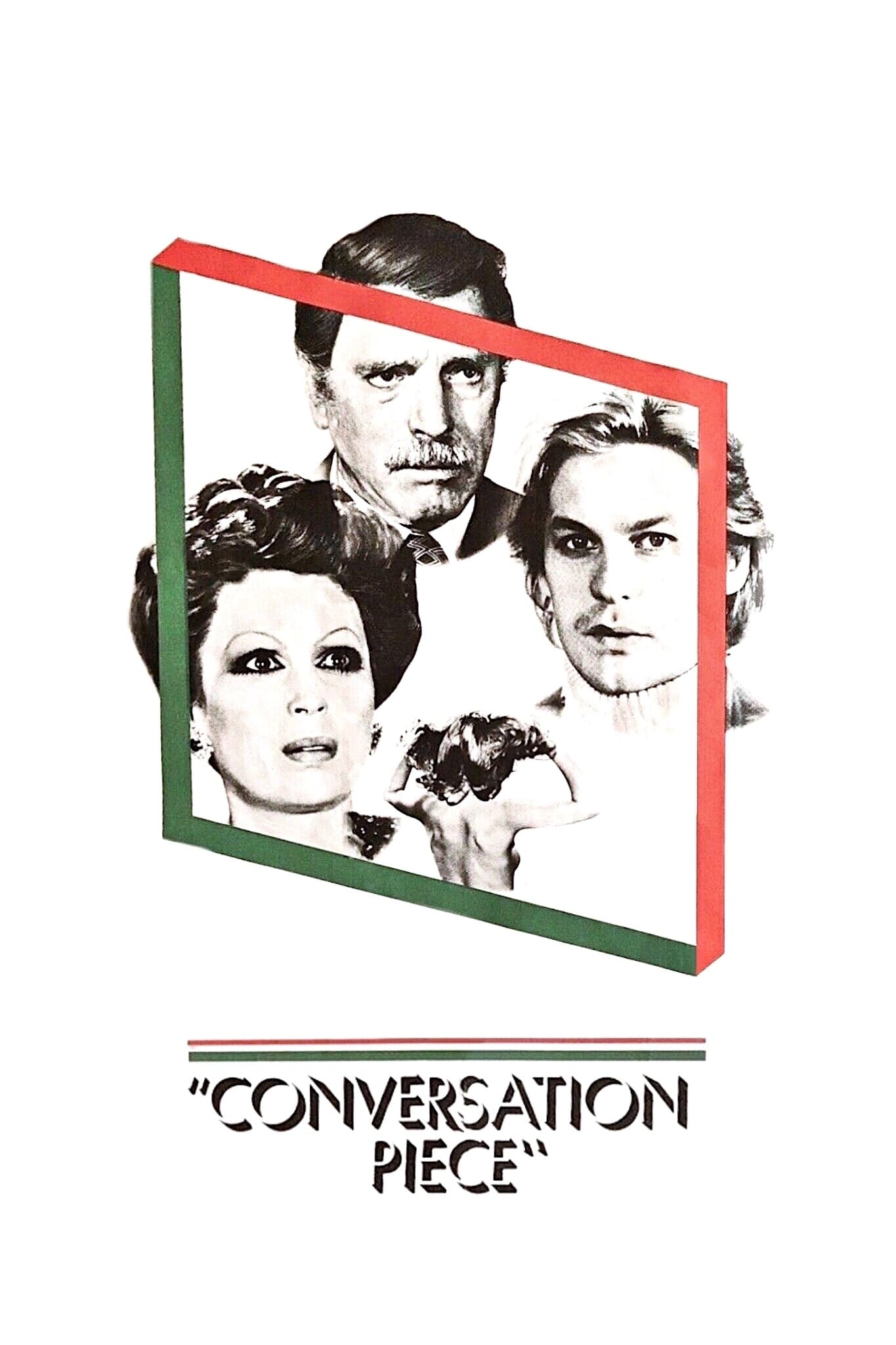
In this intimate drama, Claudia Cardinale has a supporting yet significant role as the wife of a retired American professor’s young and disruptive tenant. The professor lives a solitary life in a grand Roman palazzo, surrounded by his books and art. His quiet existence is shattered when he is persuaded to rent out his upper floor to a brash marchesa and her companions.
Cardinale’s character is part of the chaotic and modern world that invades the professor’s secluded life. She is entangled in the tumultuous relationships of the younger group, whose loud parties and emotional turmoil stand in stark contrast to the professor’s ordered existence. Her presence contributes to the film’s exploration of the clash between generations, cultures, and lifestyles.
‘Fitzcarraldo’ (1982)

Claudia Cardinale portrays Molly, the devoted and resourceful owner of a successful brothel in Iquitos, Peru. She is the lover and financial backer of the ambitious Brian Sweeney Fitzgerald, known as Fitzcarraldo. He is an eccentric opera enthusiast who dreams of building an opera house in the middle of the Amazon jungle.
Molly’s faith in Fitzcarraldo’s grand vision is unwavering, and she provides him with the funds to purchase a large steamship, which is essential to his audacious plan. Her character is a pillar of strength and support, enabling his seemingly impossible quest to haul the massive ship over a mountain from one river to another to access a rich rubber territory.
‘Big Deal on Madonna Street’ (1958)
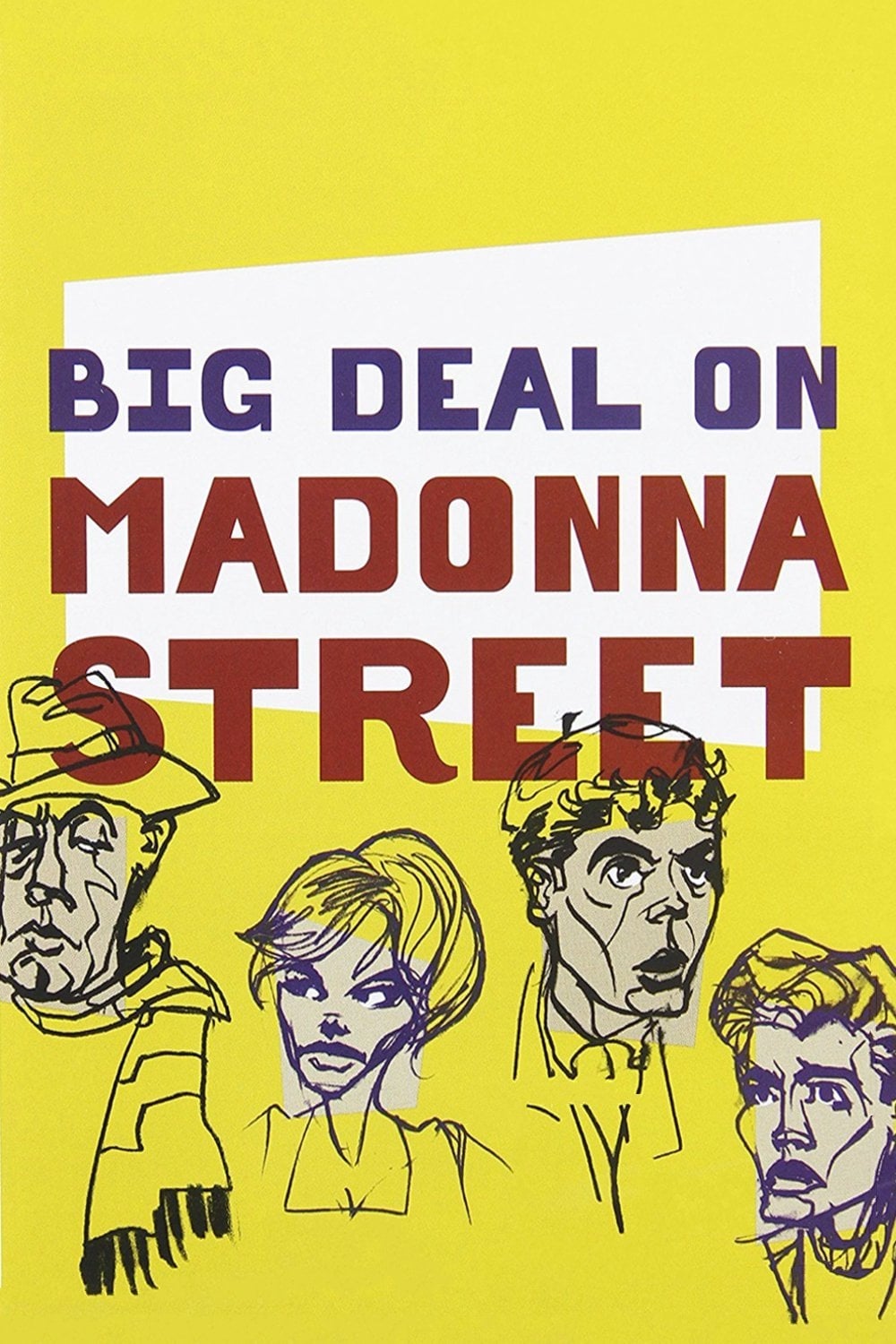
In one of her earlier roles, Claudia Cardinale plays Carmelina, the sheltered younger sister of a member of a group of small-time crooks. The film is a comedy about a comically inept gang of burglars who plan a heist on a pawn shop. Carmelina is kept under the watchful eye of her overprotective brother, who is determined to preserve her honor.
Her character becomes an object of affection for one of the other members of the gang, adding a romantic subplot to the main story of the bungled robbery. Carmelina’s innocence and the humorous attempts by her brother to keep her away from any potential suitors provide a charming and funny contrast to the criminal antics of the main characters.
‘The Professionals’ (1966)

Claudia Cardinale stars as Maria Grant, the wife of a wealthy Texas rancher who has allegedly been kidnapped by a charismatic Mexican revolutionary. Her husband hires a team of four skilled mercenaries to venture into Mexico and rescue her. The men, all experts in their respective fields, embark on a perilous mission to bring her back.
As the story unfolds, it is revealed that Maria was not kidnapped but willingly ran away to be with her true love, the revolutionary leader. Her character is a strong-willed woman caught between two worlds, and she fiercely resists her supposed rescuers. This revelation complicates the mission and forces the mercenaries to question the morality of their assignment.
‘Rocco and His Brothers’ (1960)
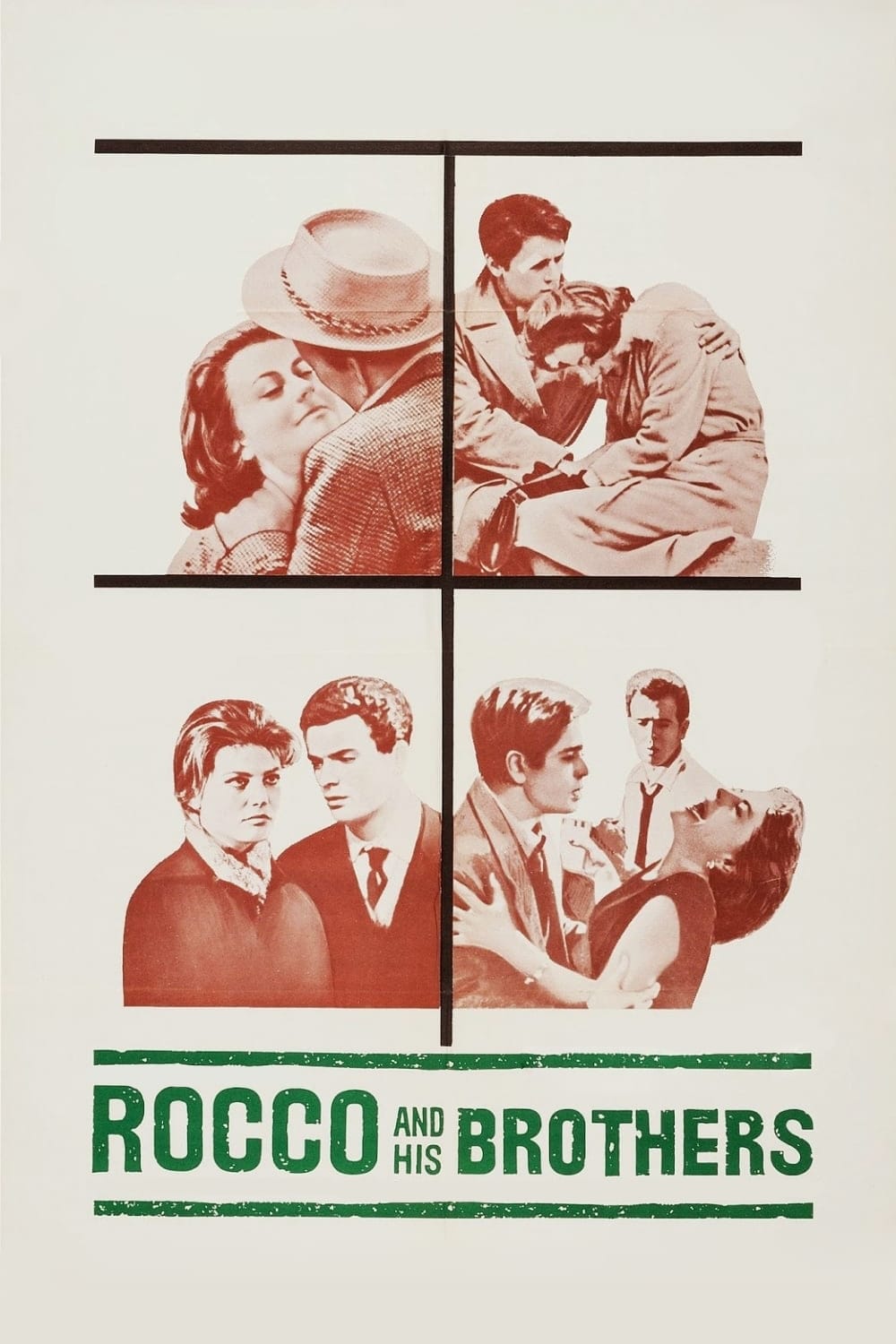
Claudia Cardinale has a small but memorable role in this epic Italian drama about a family of brothers who migrate from Southern Italy to Milan. The story chronicles their struggles to adapt to life in the industrial city and the eventual disintegration of their family bonds. The narrative focuses on the different paths taken by the five brothers.
Cardinale portrays Ginetta, the fiancée of Vincenzo, the eldest brother. Her family is initially resistant to the arrival of his four younger brothers and their mother, reflecting the social tensions between Northern and Southern Italians. Ginetta’s relationship with Vincenzo represents a new life and a chance at assimilation, standing in contrast to the tragic fates of some of the other siblings.
‘The Leopard’ (1963)
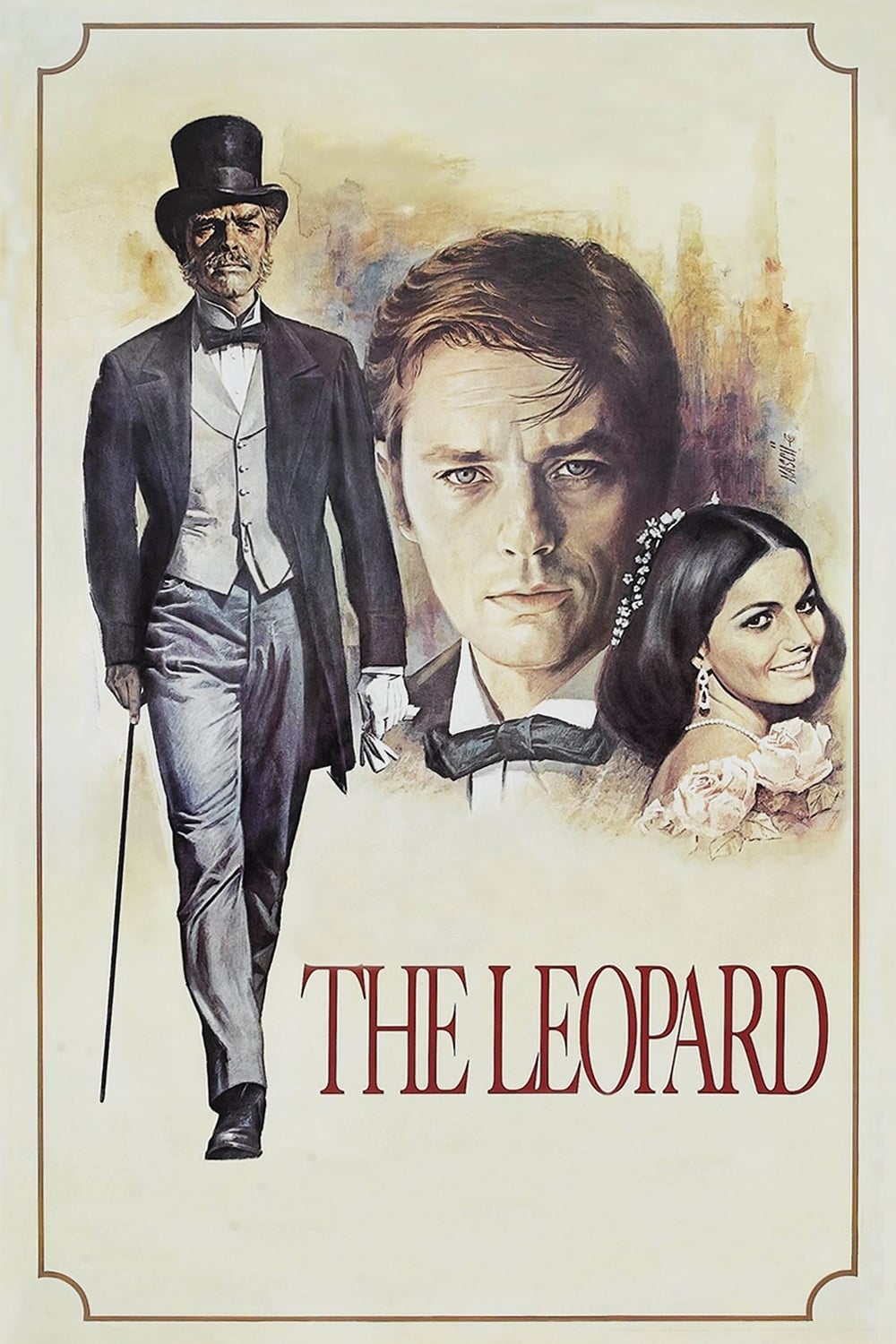
In this sweeping historical epic, Claudia Cardinale plays the stunningly beautiful Angelica Sedara, the daughter of a wealthy and influential local official. She represents the rising bourgeois class in 19th-century Sicily during the time of Italian unification. Her character’s marriage to the aristocratic nephew of the Prince of Salina is a central element of the film.
Angelica’s charm and vitality captivate the Prince’s ambitious nephew, Tancredi, and their union symbolizes the changing social order, where the old aristocracy must align with the new money to survive. Her presence at a grand ball, where she shares a famous waltz with the Prince, is one of the most iconic scenes in cinema, embodying the beauty and melancholy of a fading era.
‘8½’ (1963)
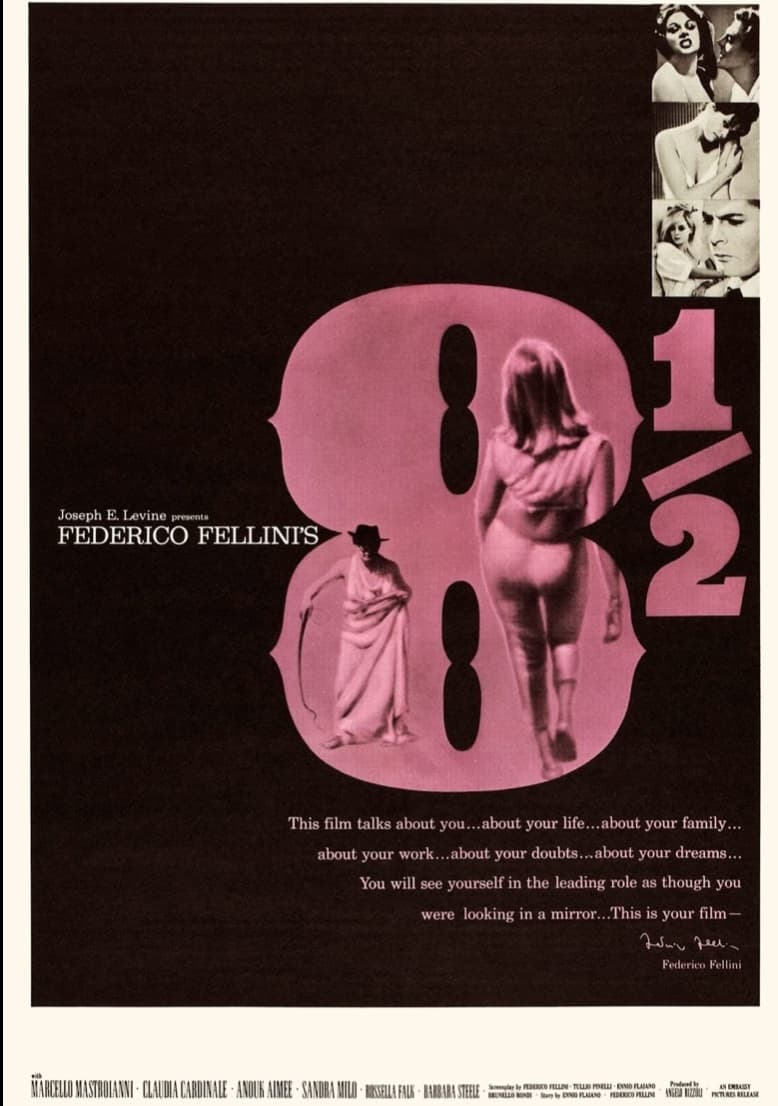
Claudia Cardinale appears as Claudia, an idealized vision of a woman who represents purity and salvation to the film’s protagonist, a creatively blocked film director named Guido Anselmi. In Guido’s surreal dreams and fantasies, she is the perfect actress for his new film and the embodiment of the artistic truth he is struggling to find. Her character functions as a muse and a symbol of creative hope.
Claudia is portrayed as an ethereal and calming presence, a stark contrast to the other women in Guido’s life who represent his anxieties and personal failings. She is the beautiful and unattainable idea that he believes will solve all his problems, both professional and personal. Her role is crucial to the film’s exploration of artistic creation, memory, and the blurred line between reality and fantasy.
‘Once Upon a Time in the West’ (1968)
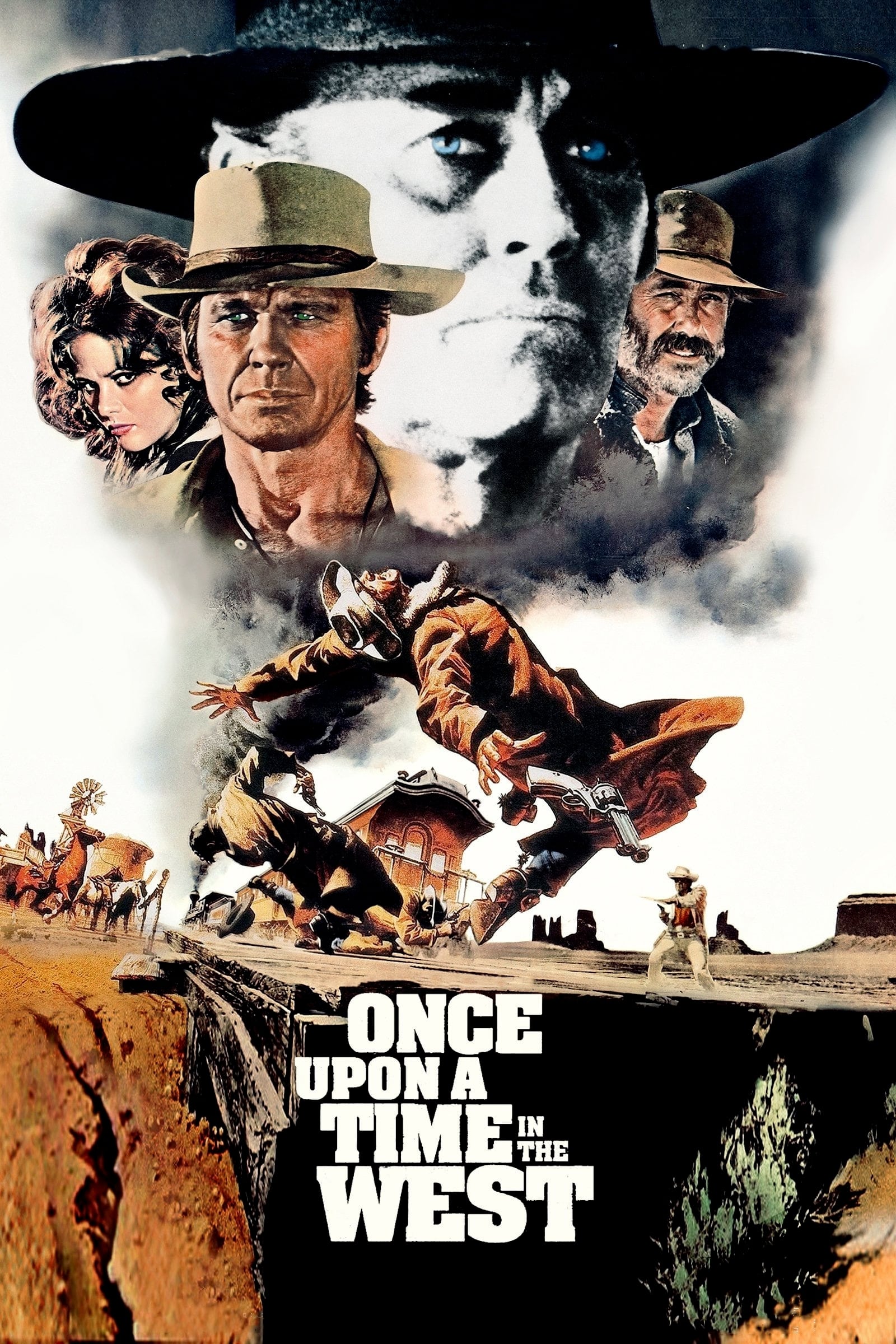
Claudia Cardinale delivers a commanding performance as Jill McBain, a former prostitute from New Orleans who arrives in the rugged frontier town of Flagstone. She has just married a wealthy landowner, only to discover that he and his children have been murdered. As the new owner of a valuable piece of land that contains the only water source in the area, she finds herself at the center of a ruthless battle for control.
Jill is a resilient and determined woman who must navigate a dangerous world dominated by powerful and violent men. She forms alliances with a mysterious harmonica-playing gunslinger and a notorious outlaw to protect her property and her life. Her transformation from a vulnerable widow into a formidable force is a testament to her strength and endurance in the harsh landscape of the Old West.
What are your favorite Claudia Cardinale roles? Share your thoughts in the comments below.