Wildest Oscar Upsets of All Time


Every awards season brings favorite names and buzzy titles, but the Academy has a long history of zigging when everyone expects a zag. Some decisions redrew the map for who and what could win, while others bucked months of momentum from the guilds and critics’ groups that typically point the way.
Below is a tour through standout Oscar-night curveballs—wins that ran counter to precursor trends, pundit consensus, or sheer box-office gravity. You’ll find the categories involved, key nominations and victories, and the context that made each result an out-of-left-field moment in Academy history.
‘How Green Was My Valley’ (1941)
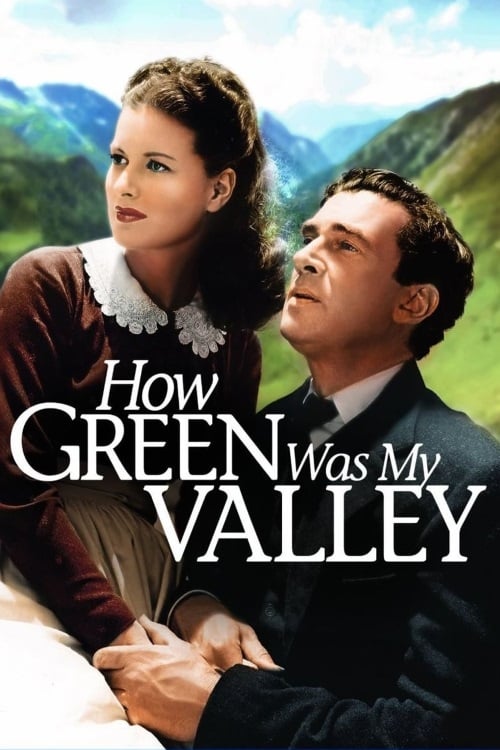
At the ceremony honoring this film, it won Best Picture over fellow nominee ‘Citizen Kane’, a result that has been discussed in film history ever since. The winner arrived with strong studio backing and secured multiple trophies that night, including Best Director for John Ford, while ‘Citizen Kane’ left with a single award for Original Screenplay.
The category featured an especially stacked Best Picture lineup, and industry politics played a role throughout the season. Newspaper campaigns targeting ‘Citizen Kane’ were widely reported, and the winning film’s broader appeal across the Academy’s branches—supported by notable crafts nominations—proved decisive.
‘The Greatest Show on Earth’ (1952)
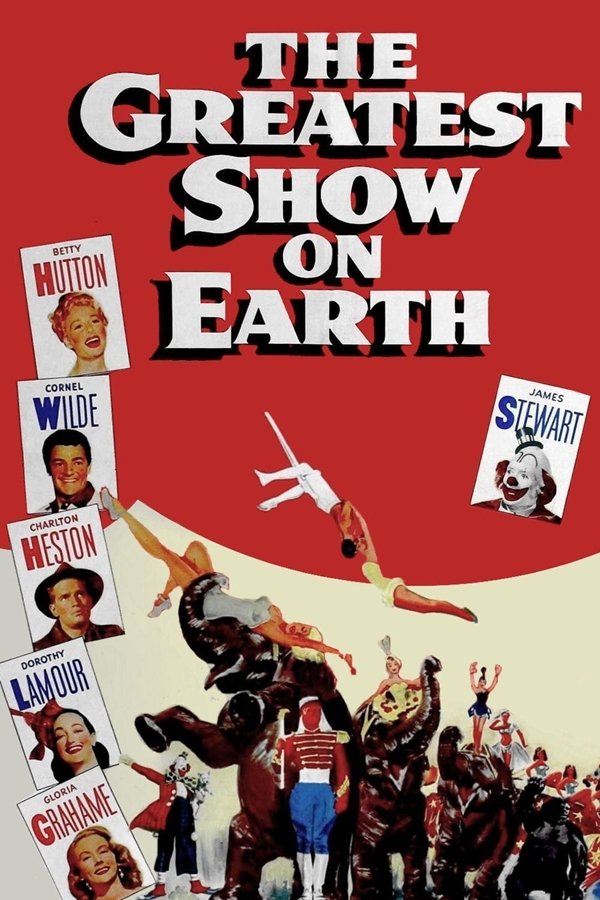
This Cecil B. DeMille production took Best Picture over ‘High Noon’ and ‘The Quiet Man’, prevailing with a combination of star power, spectacle, and studio muscle. It was honored not only with the top prize but also with an award for Best Story, while ‘High Noon’ collected acting and music trophies.
The outcome reflected the Academy’s frequent recognition of large-scale studio achievements during that era. The winner’s extensive technical credits and wide release footprint helped it accumulate the cross-branch support needed for Best Picture, even as competitors captured significant attention from critics and guilds.
‘Rocky’ (1976)
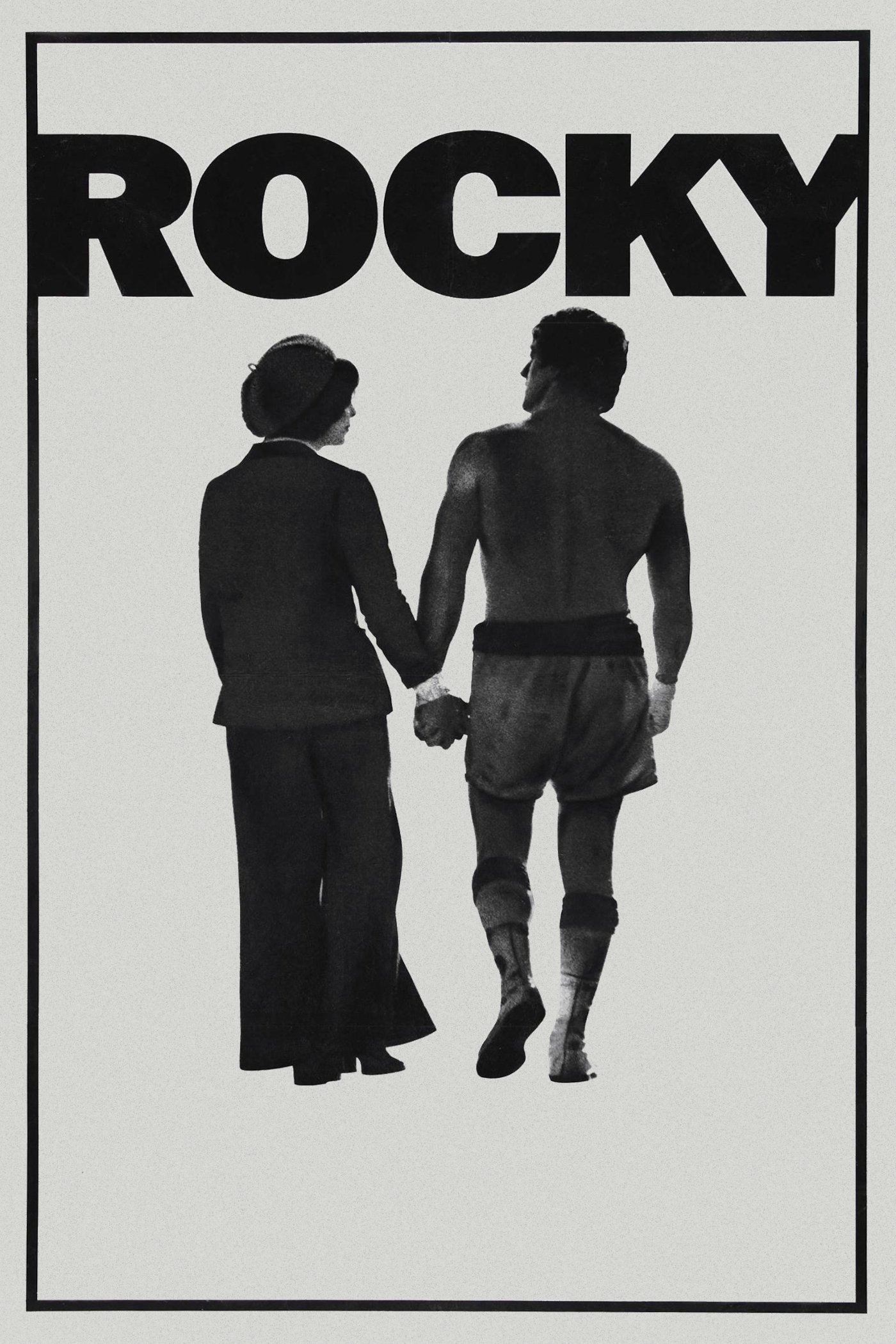
‘Rocky’ won Best Picture against heavy hitters like ‘Network’ and ‘Taxi Driver’. Alongside the top prize, it earned wins for Best Director (John G. Avildsen) and Film Editing, while ‘Network’ scored multiple acting and writing awards and ‘Taxi Driver’ was a major critical landmark that night without a win.
The result highlighted the Academy’s responsiveness to an across-the-board success story: strong box office, wide audience reception, and robust guild recognition in key areas. Its nominations spanned acting, directing, and technical categories, showing the broad coalition a film needs to carry the final vote.
‘Ordinary People’ (1980)
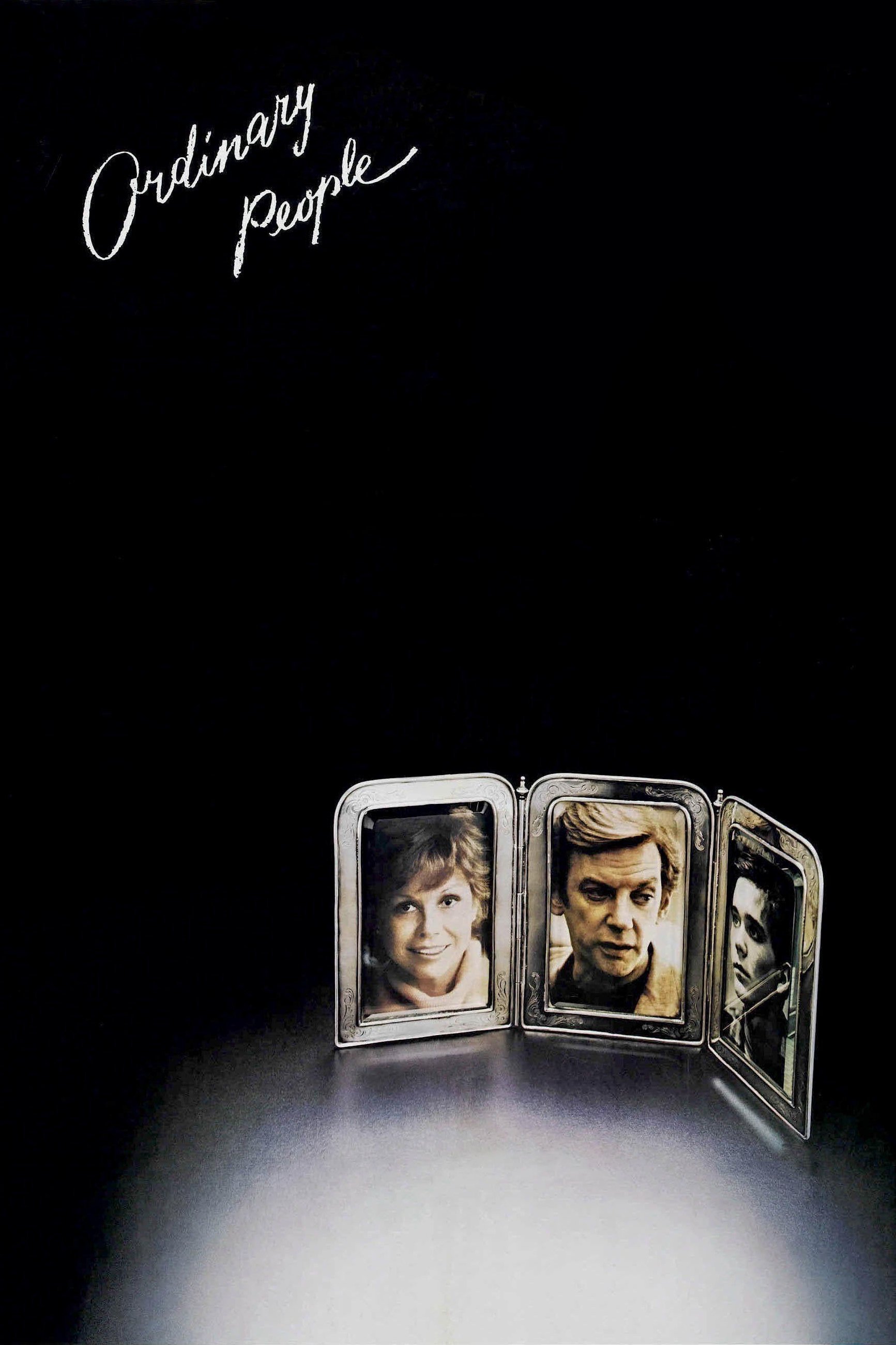
‘Ordinary People’ claimed Best Picture and Best Director (Robert Redford), while ‘Raging Bull’—a critical flashpoint that season—won for Best Actor (Robert De Niro) and Film Editing. The winner also collected Supporting Actor (Timothy Hutton) and Adapted Screenplay.
The race featured clear strengths on both sides: ‘Raging Bull’ dominated many critics’ lists, and ‘Ordinary People’ performed consistently with Academy voters, including strong showings across acting, directing, and writing branches. That balanced support aligned with how Best Picture winners often build coalitions across multiple guilds and crafts.
‘Chariots of Fire’ (1981)
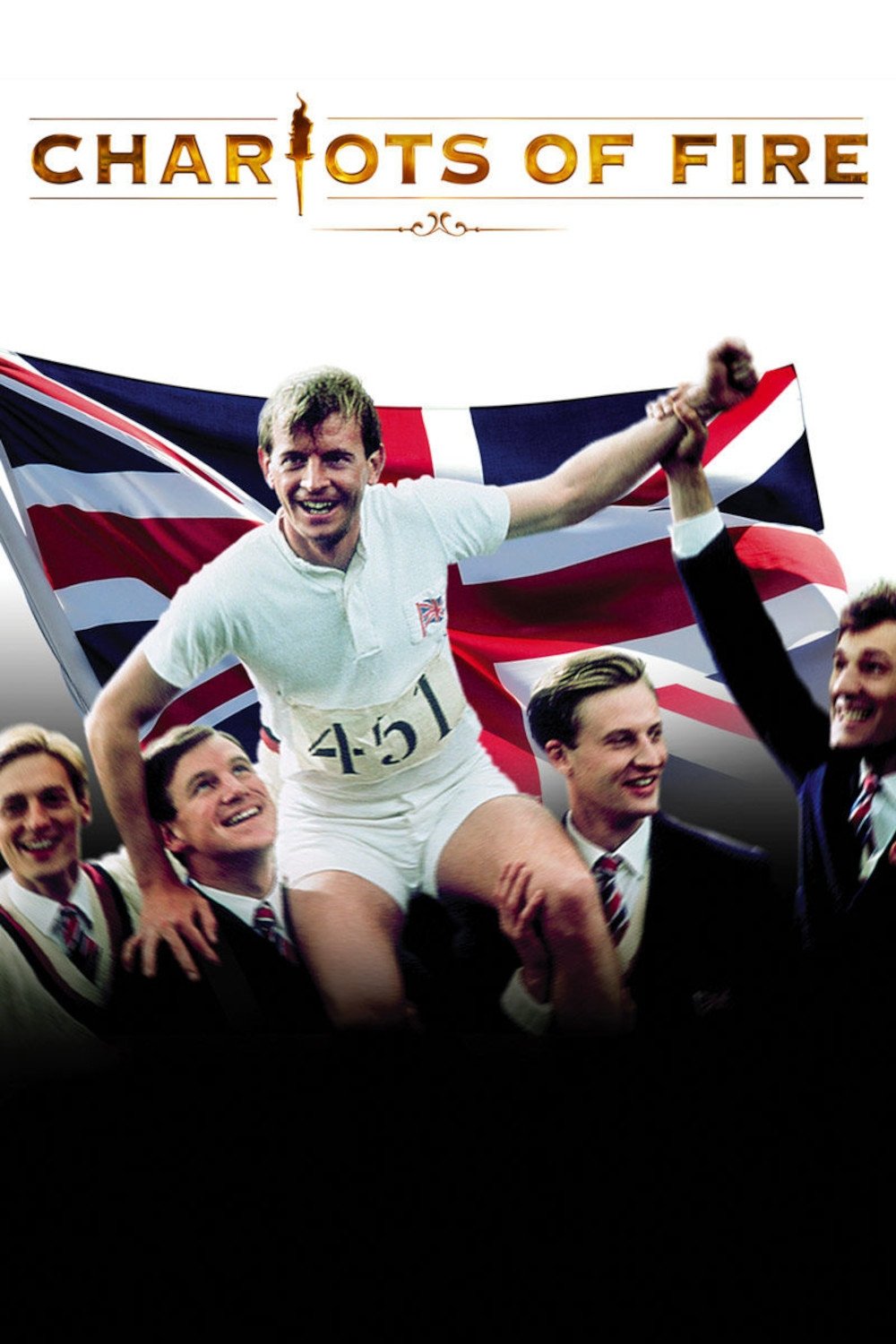
‘Chariots of Fire’ took Best Picture and Original Score, topping ‘Reds’, which earned Best Director (Warren Beatty), Supporting Actress (Maureen Stapleton), and Cinematography. The winner’s tally reflected a campaign that emphasized its ensemble, period authenticity, and distinctive music.
The season’s precursor pattern suggested a closely matched field, and the Academy split major honors between the two leading contenders. ‘Chariots of Fire’ demonstrated strong appeal with voters across categories, including writing and design nominations that signaled broad branch support.
‘Shakespeare in Love’ (1998)
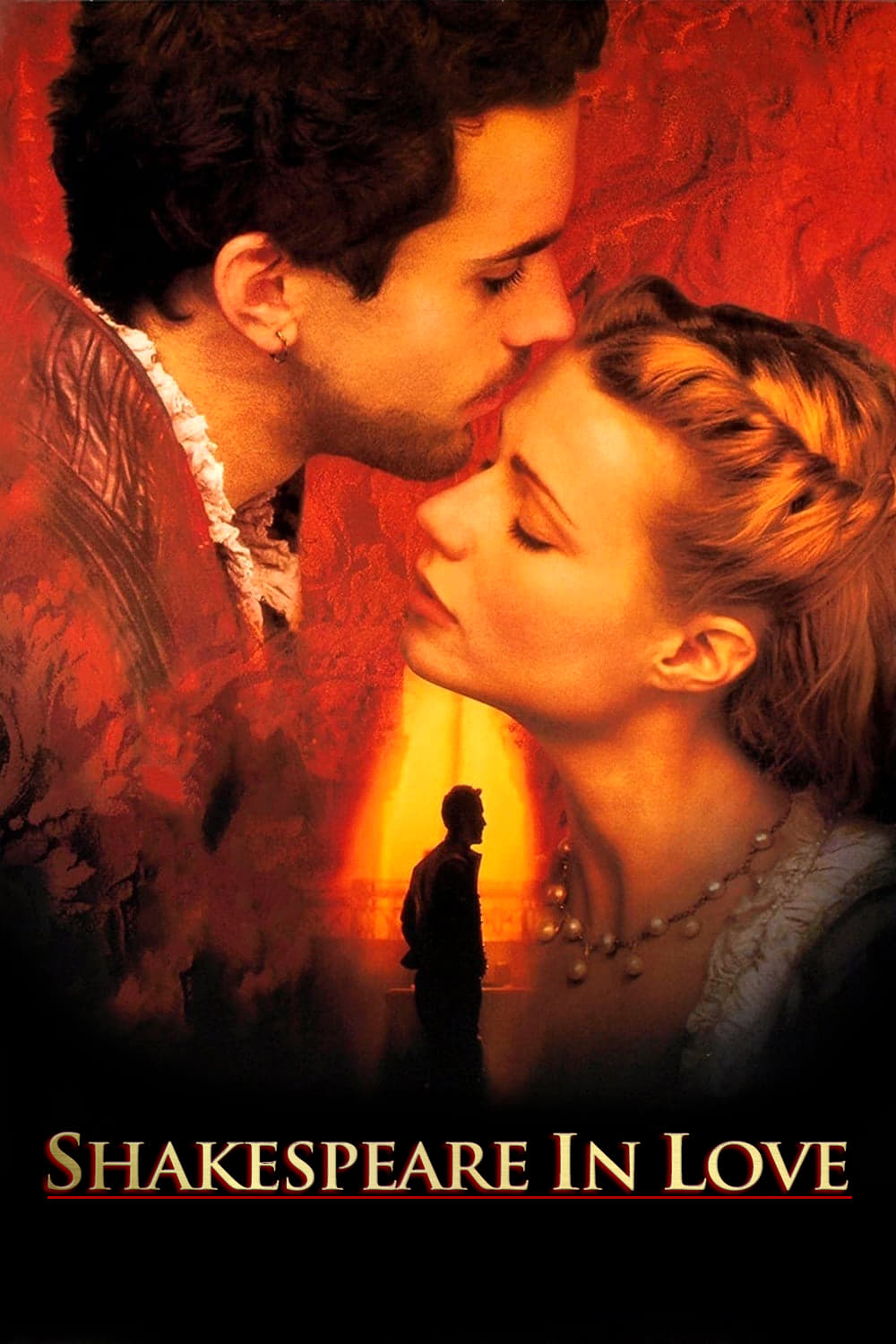
‘Shakespeare in Love’ won Best Picture, defeating ‘Saving Private Ryan’, and added trophies including Best Actress (Gwyneth Paltrow), Supporting Actress (Judi Dench), and Original Screenplay. Steven Spielberg took Best Director for ‘Saving Private Ryan’, which also earned multiple technical awards.
Lead-up guild awards showed both films performing strongly, with ‘Saving Private Ryan’ taking major directing honors and ‘Shakespeare in Love’ excelling with acting and writing bodies. The final outcome reflected a coalition of support from performers and writers, two of the Academy’s largest and most influential branches.
Roberto Benigni Best Actor Win
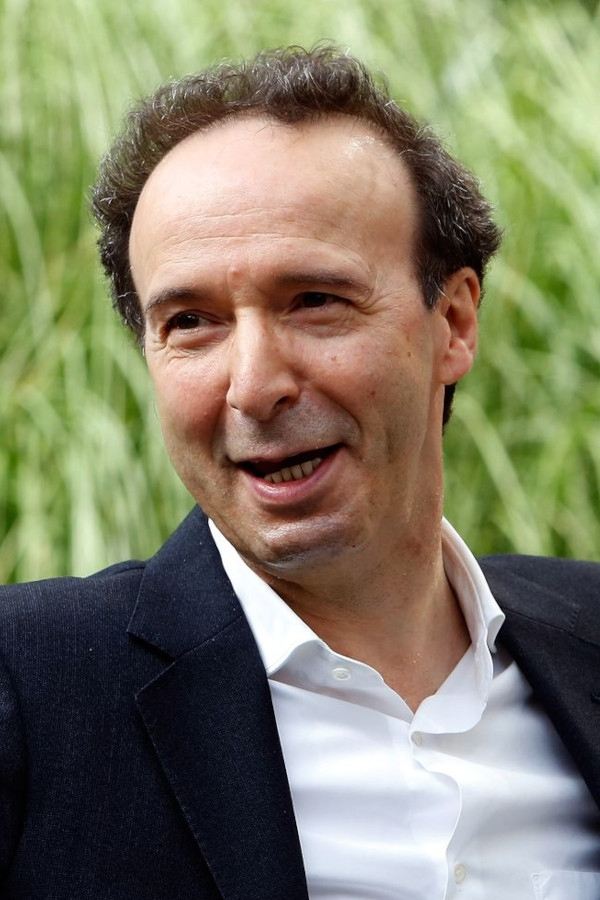
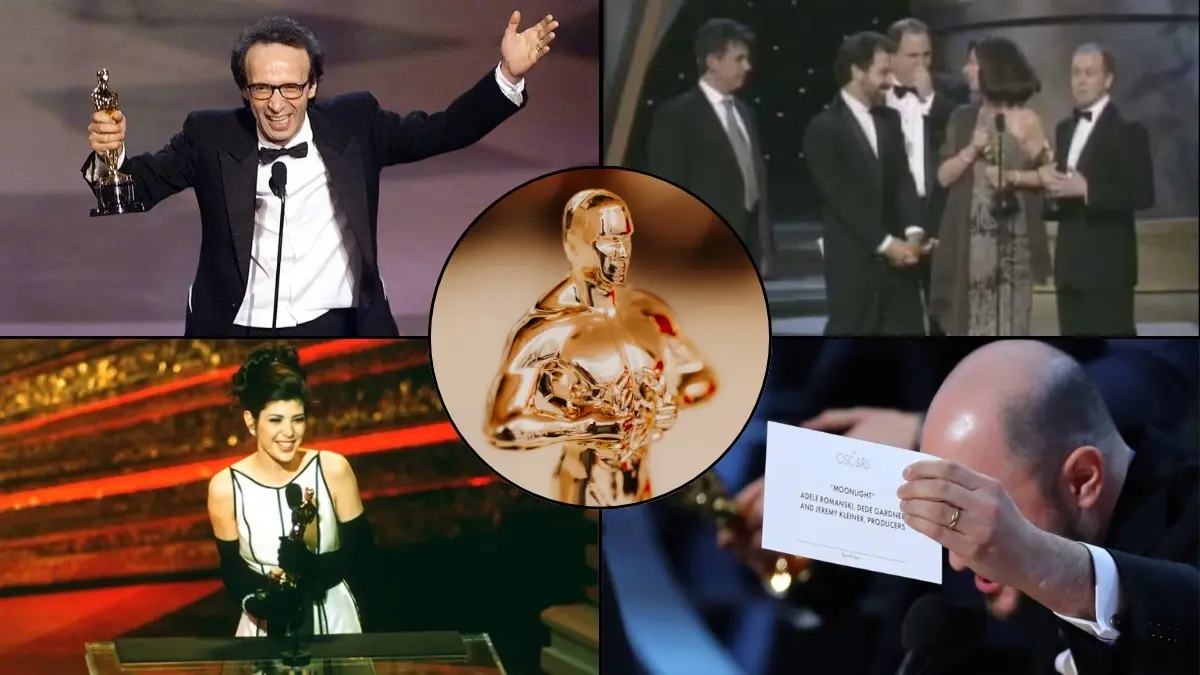
Roberto Benigni won Best Actor for ‘Life Is Beautiful’, prevailing over a lineup that included Tom Hanks for ‘Saving Private Ryan’, Ian McKellen for ‘Gods and Monsters’, Edward Norton for ‘American History X’, and Nick Nolte for ‘Affliction’. It was a rare instance of a performance in a predominantly non-English-language film taking the lead acting prize.
Benigni had strong momentum from key precursor bodies and delivered a high-profile campaign marked by enthusiastic public appearances. The win also capped a strong night for ‘Life Is Beautiful’, which collected multiple awards, underscoring Academy openness to international performances in top categories.
Marisa Tomei Best Supporting Actress Win
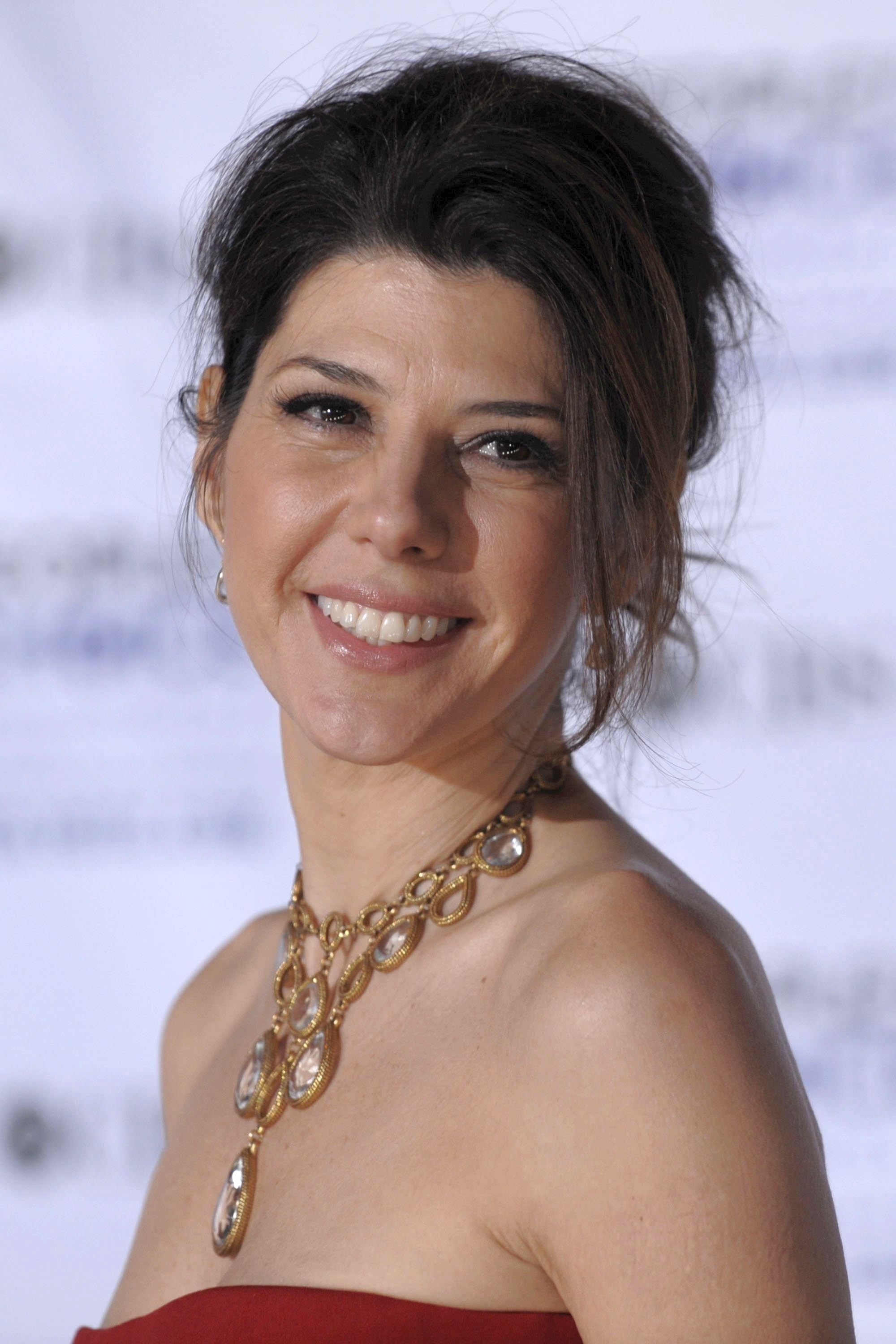
Marisa Tomei won Best Supporting Actress for ‘My Cousin Vinny’ over nominees including Judy Davis for ‘Husbands and Wives’, Joan Plowright for ‘Enchanted April’, Vanessa Redgrave for ‘Howards End’, and Miranda Richardson for ‘Damage’. The victory came in a field with several prior Oscar winners and frequent nominees.
Precursor outcomes that season were spread among multiple contenders, and the Academy’s acting branch delivered a decisive result for Tomei. Her film’s broad popularity and her category’s historically wide-open dynamics combined to produce one of the most frequently cited supporting wins.
‘Crash’ (2004)
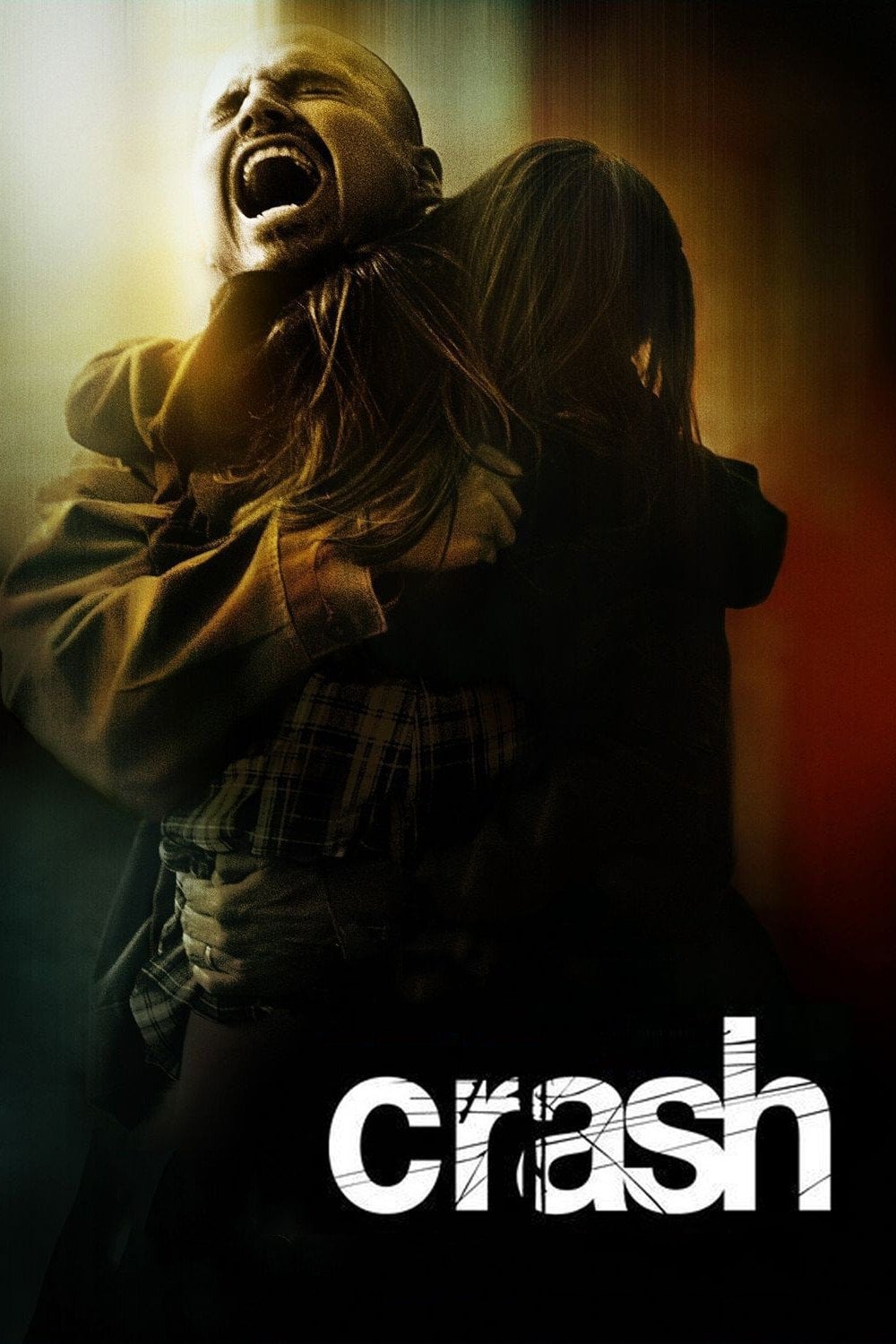
‘Crash’ won Best Picture, Original Screenplay, and Film Editing, surpassing ‘Brokeback Mountain’, which claimed Best Director (Ang Lee), Adapted Screenplay, and Original Score. The Best Picture result ran against a season in which ‘Brokeback Mountain’ led numerous critics’ lists and collected major guild awards.
Voting mechanics played a part: the preferential ballot can reward broadly liked films that appear consistently across voters’ rankings. ‘Crash’ benefited from strong support in categories tied to writing and editing and leveraged an ensemble-driven campaign that resonated with actors, the Academy’s largest branch.
‘The King’s Speech’ (2010)
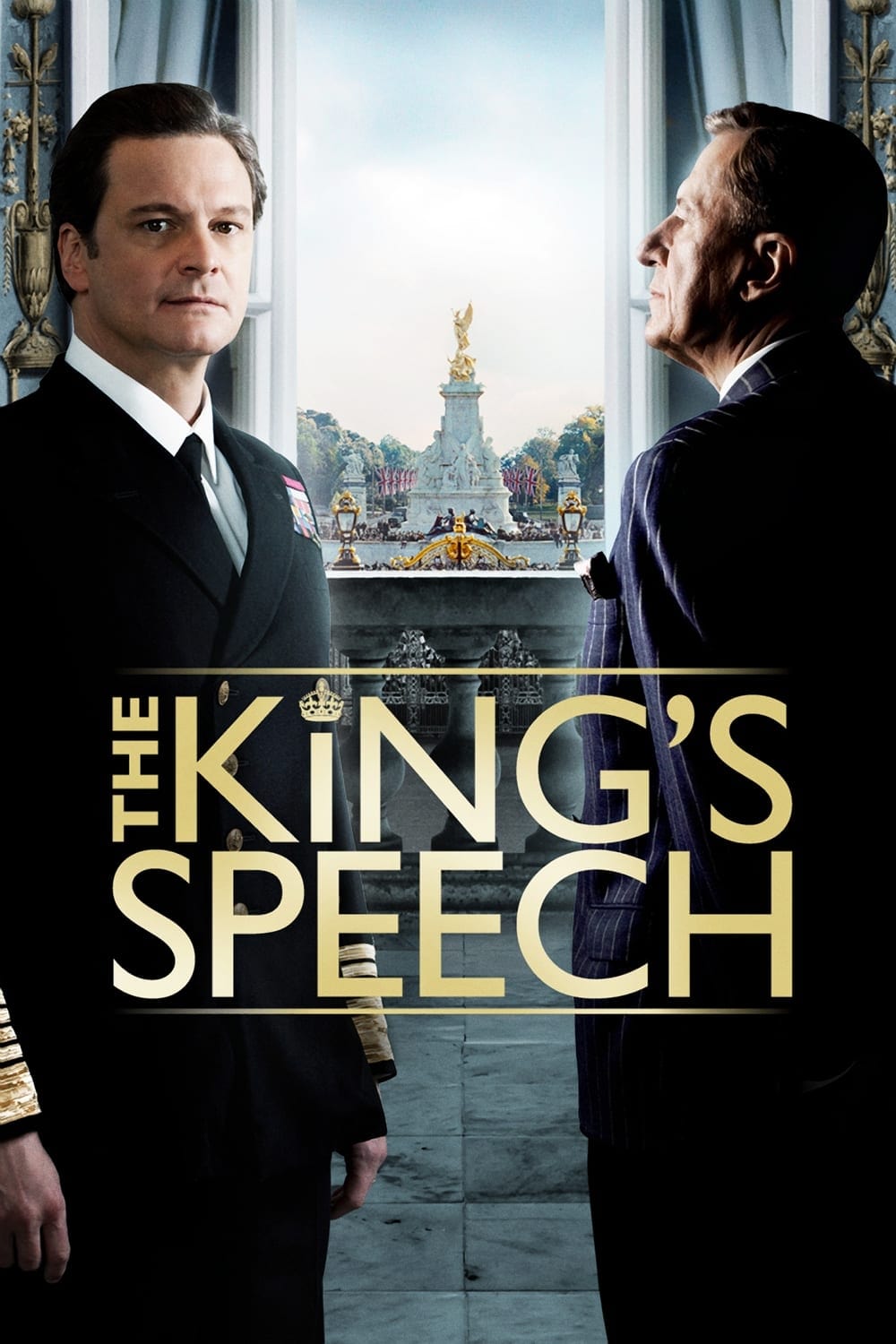
‘The King’s Speech’ secured Best Picture, Best Director (Tom Hooper), Best Actor (Colin Firth), and Original Screenplay, prevailing over ‘The Social Network’, which earned Adapted Screenplay, Film Editing, and Original Score. The winner’s performance surged late in the season, aligning with prominent guild recognition.
The path to victory ran through strong showings with actors and production guilds, supported by nominations in crafts such as art direction and costume design. Its campaign emphasized inspirational themes and period detail that connected with multiple Academy branches, a common profile for top-category success.
‘Moonlight’ (2016)
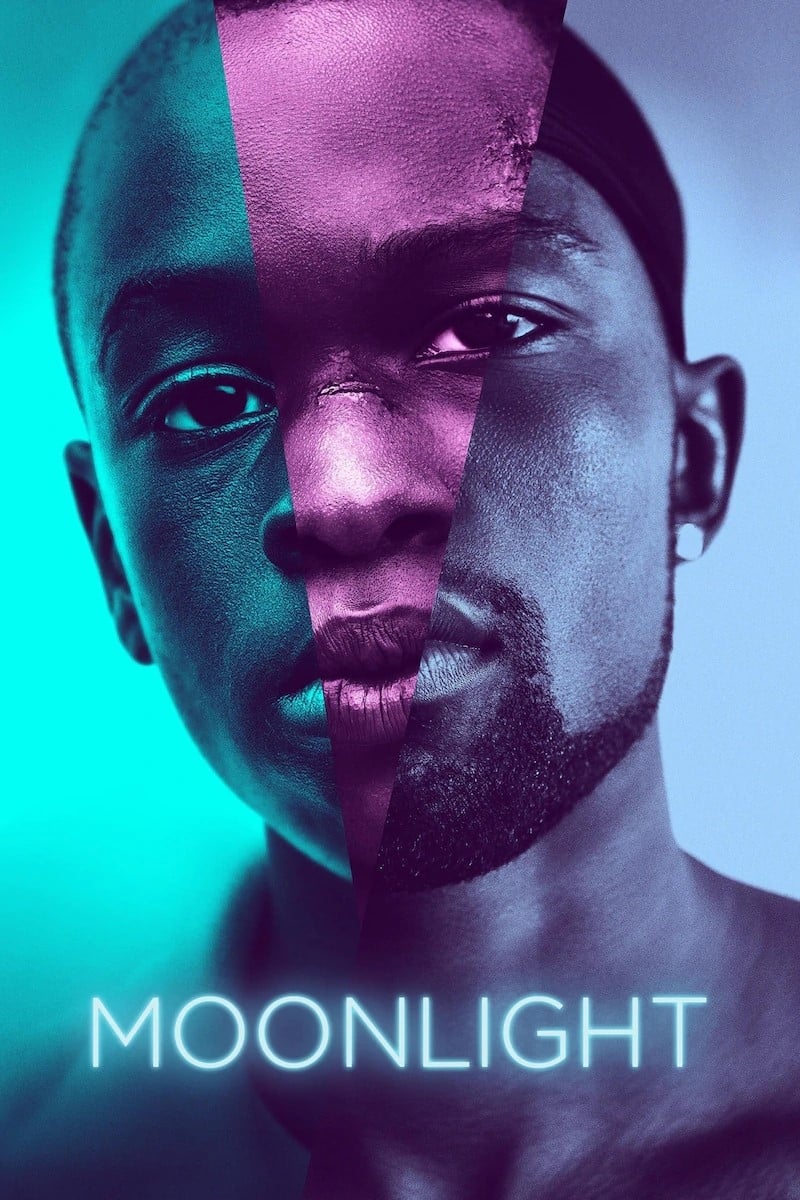
‘Moonlight’ won Best Picture, Supporting Actor (Mahershala Ali), and Adapted Screenplay, while ‘La La Land’ collected six awards including Best Director (Damien Chazelle) and Best Actress (Emma Stone). The announcement featured an onstage envelope mix-up that was quickly corrected, making the final result one of the most memorable moments in ceremony history.
The season’s precursors pointed to a two-horse race, with ‘La La Land’ sweeping many earlier awards and ‘Moonlight’ maintaining strong support among writers and critics’ groups. The preferential ballot’s emphasis on consensus helped elevate ‘Moonlight’, whose widespread ballot presence across branches carried it to the top prize.
‘Green Book’ (2018)
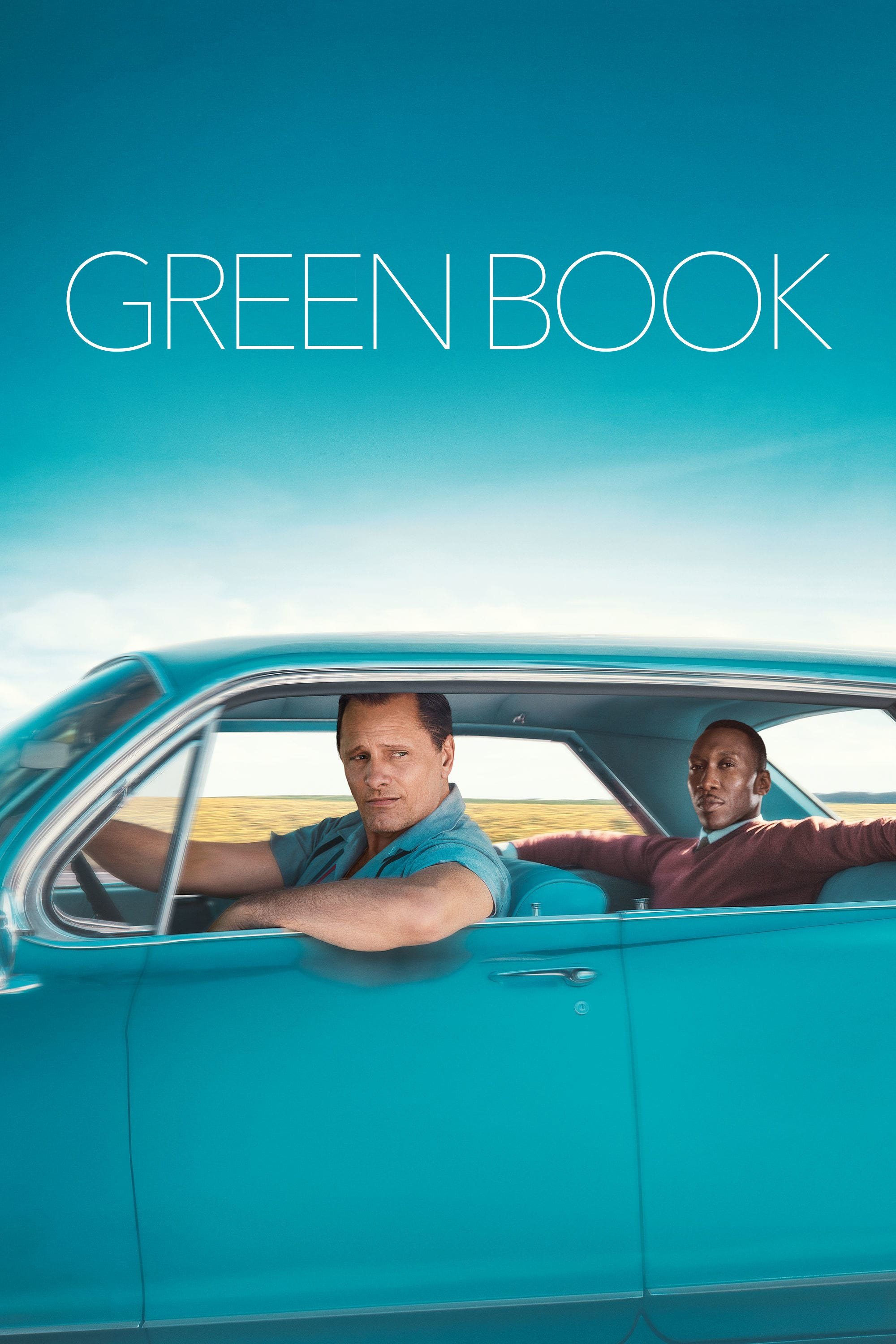
‘Green Book’ won Best Picture, Original Screenplay, and Supporting Actor (Mahershala Ali), while ‘Roma’ took Best Director (Alfonso Cuarón), Cinematography, and Best Foreign Language Film. The result capped a season in which ‘Roma’ earned extensive recognition from critics’ circles and industry awards.
The Best Picture win reflected concentrated support for ‘Green Book’ among actors and writers and steady performance across guilds, including a Producers Guild victory that often signals final Academy outcomes. Meanwhile, ‘Roma’ excelled with the director and crafts branches, producing a split that has become familiar in modern voting patterns.
Share your favorite Oscar shocker in the comments—what moment had you rewinding the broadcast to make sure you heard it right?