Hugh Laurie’s Best Roles

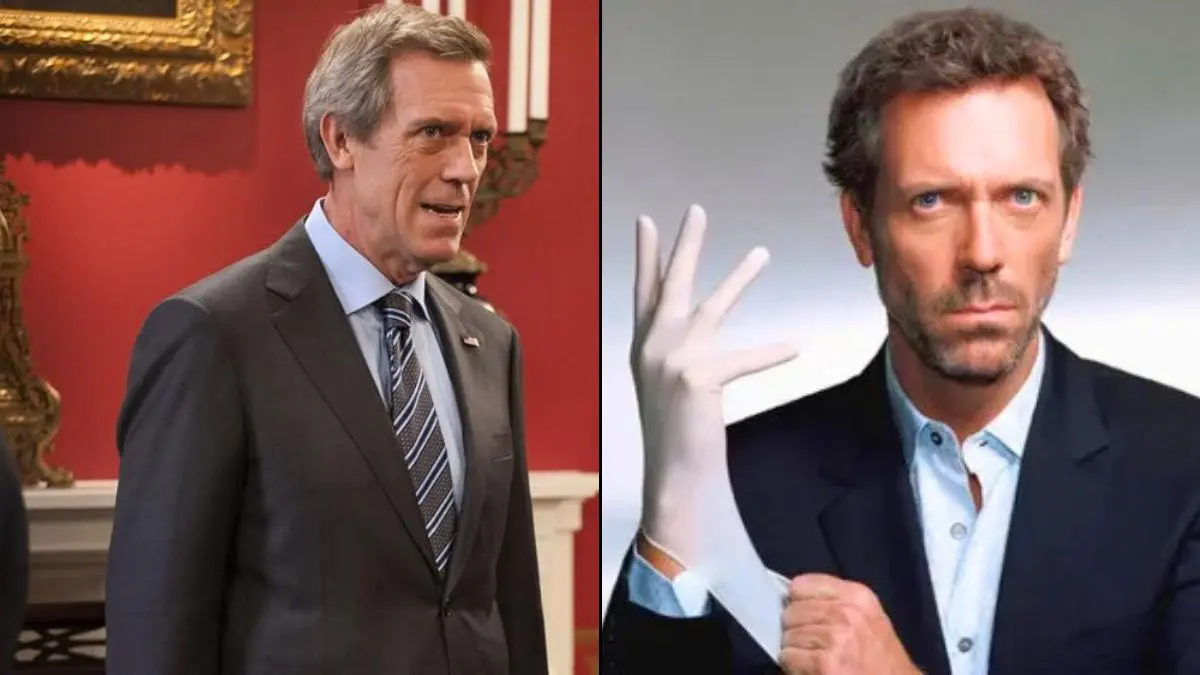

Hugh Laurie is an actor who has shown incredible range throughout his career, moving from laugh-out-loud comedy to intense and serious drama. Many people first got to know him through his hilarious work in British comedies, where he often played charmingly foolish upper-class characters. His partnership with Stephen Fry created some of the most memorable sketch comedy and series, making them household names in the United Kingdom and beloved by fans of British humor around the world. His early career was defined by a clever and distinctly British style of wit.
Later on, Hugh Laurie made a huge splash in the United States and across the globe with a role that was a complete departure from his comedic roots. He took on the character of a brilliant but troubled American doctor, and his performance was so convincing that many viewers had no idea he was British. This role not only showcased his incredible talent as a dramatic actor but also made him an international star. Since then, he has continued to take on a wide variety of roles in both film and television, proving himself to be one of the most versatile and respected actors of his generation.
‘101 Dalmatians’ (1996)
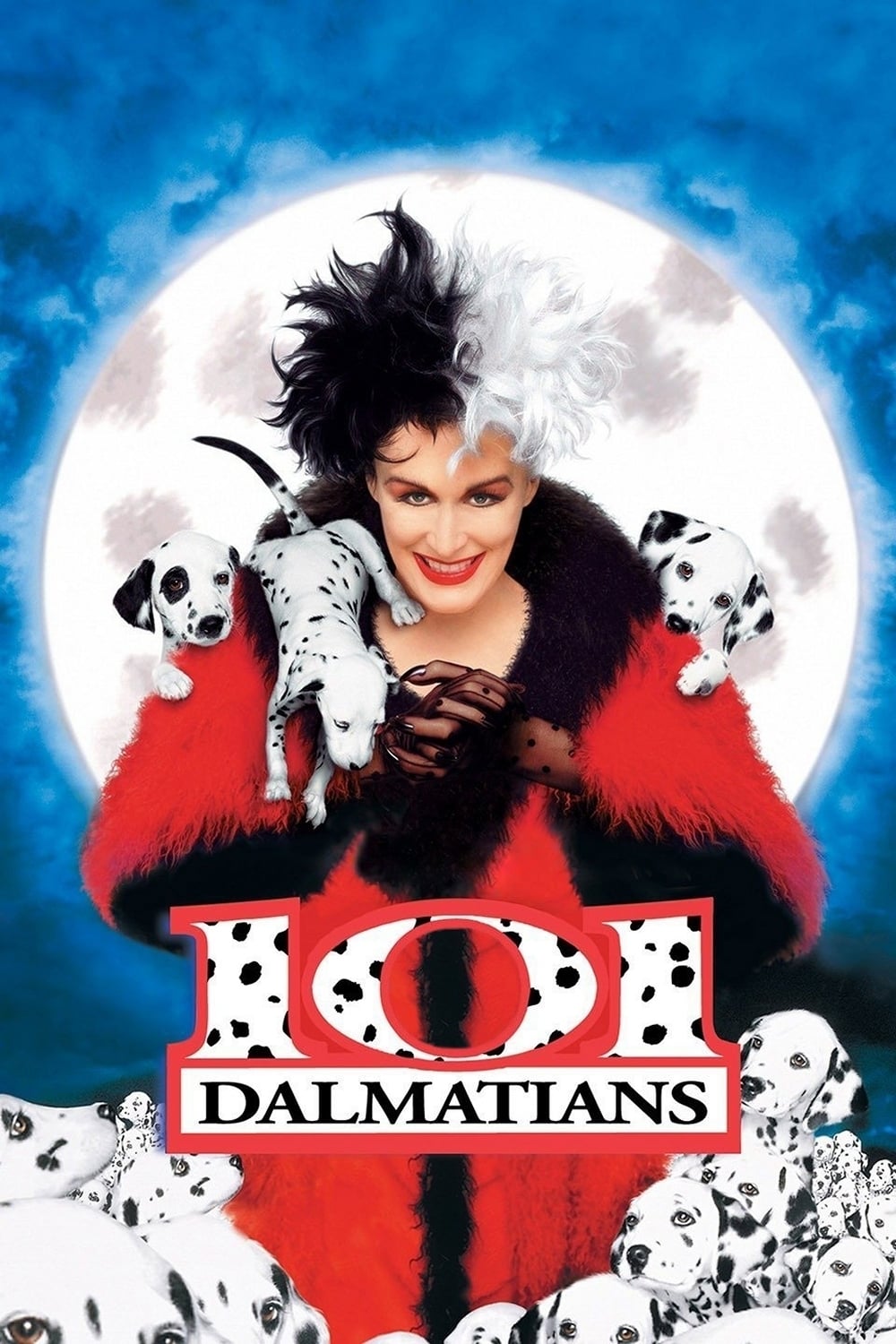
In this live-action adaptation of the classic animated film, Hugh Laurie plays Jasper, one of the bumbling crooks hired by the villainous Cruella de Vil. Jasper and his partner in crime, Horace, are tasked with kidnapping a large group of Dalmatian puppies so that their boss can use their fur to make a luxurious coat. Laurie brings a comedic and slightly dim-witted energy to the character, making him more of a fool than a truly menacing figure. His physical comedy and interactions with his equally incompetent partner provide much of the film’s humor as they repeatedly fail to outsmart the clever puppies.
Throughout the movie, Jasper is constantly frustrated by the puppies’ ability to escape and the various farm animals that come to their aid. He is the slightly more intelligent of the two henchmen, often coming up with the plans that inevitably go wrong. Despite his criminal intentions, Laurie’s portrayal of Jasper is more about slapstick and humor than genuine threat. His performance adds a lighthearted and funny element to the story, as he and Horace find themselves in one ridiculous situation after another, all while trying to carry out their boss’s wicked scheme.
‘Tomorrowland’ (2015)

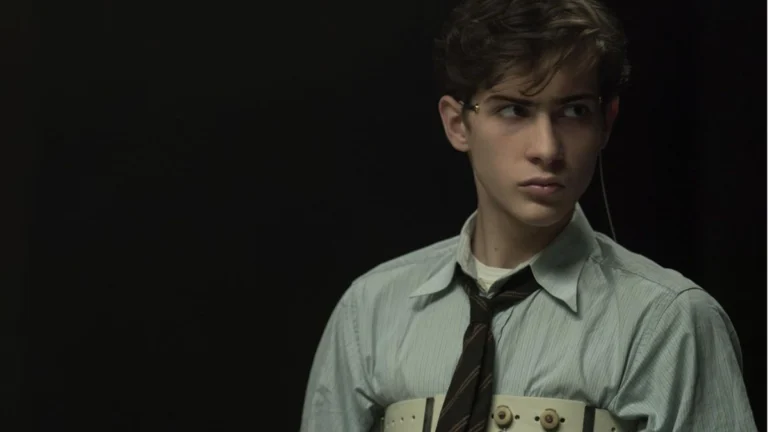
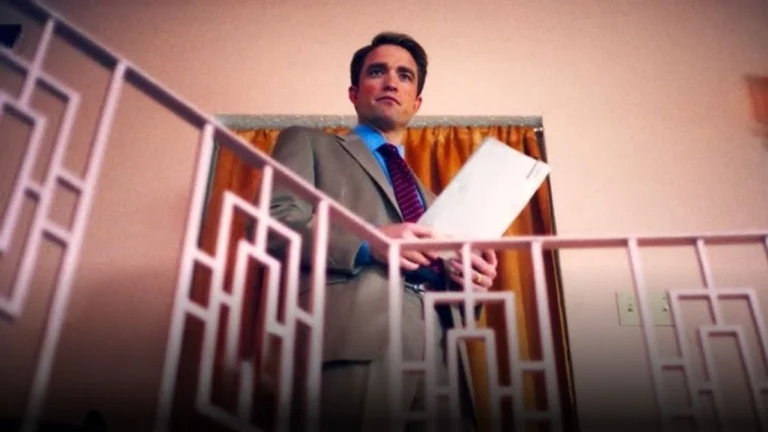
Hugh Laurie takes on the role of David Nix, the enigmatic and authoritarian leader of Tomorrowland. This secret, technologically advanced city was founded by the world’s greatest minds to create a better future. However, under Nix’s leadership, Tomorrowland has become isolated and closed off from the rest of the world. He believes that humanity is destined for self-destruction and that any attempt to save it is a futile effort. He is a man who has lost hope and is determined to protect his utopia at all costs, even if it means letting the rest of the world perish.
Nix serves as the main antagonist of the film, driven by a cynical view of humanity’s potential. He is a brilliant scientist who has become jaded by what he sees as the world’s inevitable decline. His primary goal is to prevent any outside interference from disrupting the carefully controlled environment of Tomorrowland. Laurie portrays Nix with a cool and calculating demeanor, making him a formidable and intellectually intimidating figure. He is not a typical villain driven by greed or power but by a deeply pessimistic and misguided sense of responsibility.
‘Peter’s Friends’ (1992)

In this comedy-drama, Hugh Laurie plays Roger Charleston, a successful jingle writer who reunites with his old university friends for a New Year’s Eve gathering at a grand country estate. Roger arrives with his wife, Mary, who is also his writing partner. On the surface, they appear to have a perfect life, with a thriving career and a comfortable lifestyle. However, as the weekend unfolds, the cracks in their relationship and their personal struggles become more apparent. Roger is often seen with a drink in hand, and his witty and cynical remarks mask a deeper sense of unhappiness.
As the friends catch up and reminisce, they also confront the ways their lives have changed and the secrets they have been keeping from one another. The loss of a child has put a significant strain on Roger and Mary’s marriage, and their shared grief manifests in different ways. Roger’s humor is often a defense mechanism to avoid dealing with his pain. The film explores themes of friendship, love, loss, and the passage of time, with Laurie’s character representing the struggle to maintain a facade of success while dealing with personal tragedy.
‘Arthur Christmas’ (2011)

Hugh Laurie lends his voice to the character of Steve, the incredibly efficient and technologically savvy eldest son of Santa Claus. Steve has transformed Christmas into a high-tech, military-style operation, complete with a state-of-the-art sleigh and an army of elves. He is the heir apparent to the role of Santa and takes immense pride in the precision and success of his system. He believes that the magic of Christmas can be boiled down to logistics and flawless execution, and he has little patience for sentimentality or mistakes.
When a single present is accidentally left behind, Steve is quick to dismiss it as an acceptable margin of error. He is more concerned with the statistical success of the operation than the feelings of one child. This puts him at odds with his younger brother, Arthur, who believes that every child matters. Steve’s character represents the commercialization and depersonalization of Christmas, and his journey throughout the film involves learning that there is more to the holiday than just numbers and efficiency. Laurie’s voice performance captures Steve’s confident and business-like demeanor perfectly.
‘All the Light We Cannot See’ (2023)
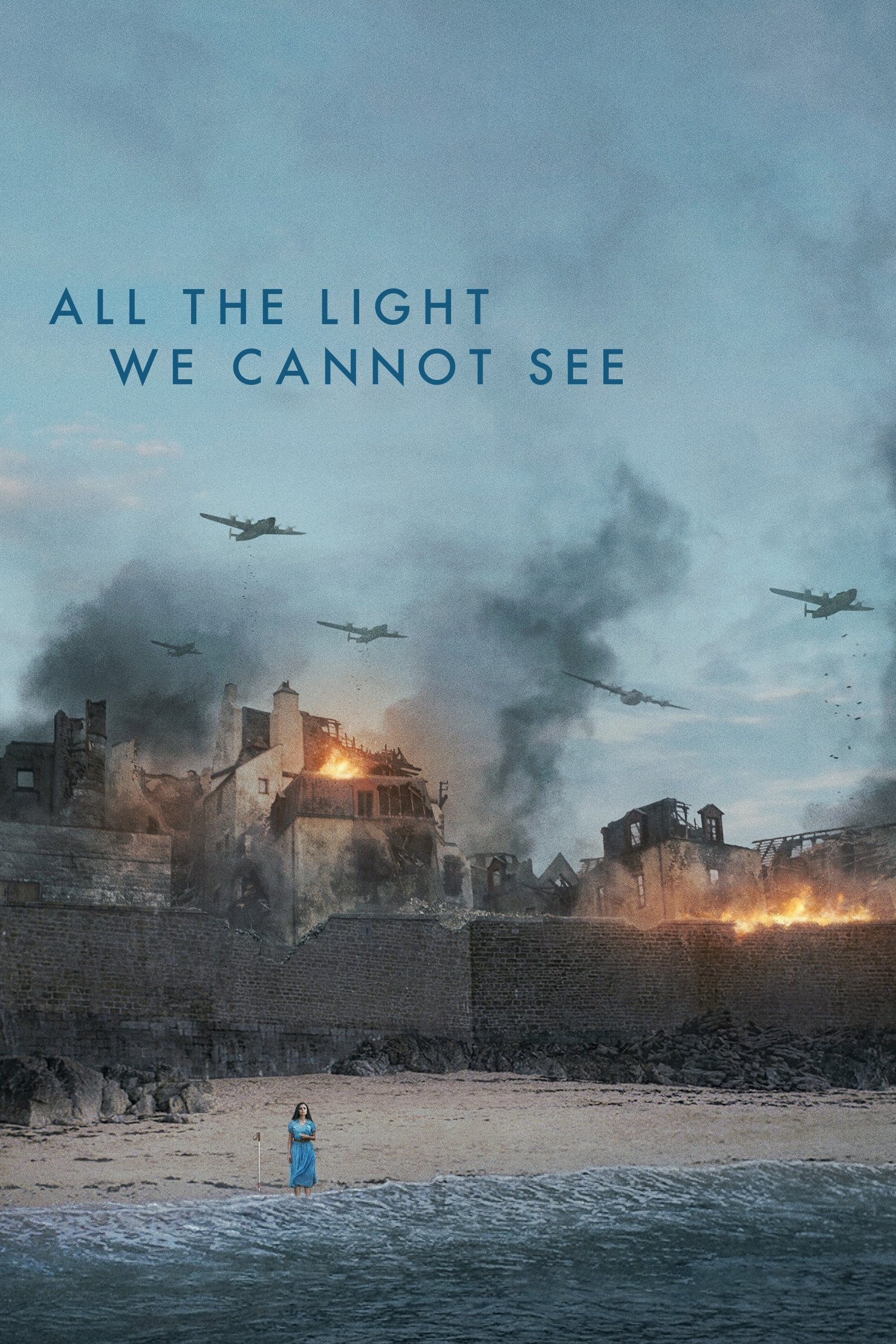
In this limited series based on the acclaimed novel, Hugh Laurie portrays Etienne LeBlanc, a reclusive and shell-shocked veteran of World War I. He lives in the walled city of Saint-Malo in France and suffers from severe agoraphobia and post-traumatic stress disorder, rarely leaving his house. Etienne’s quiet and isolated life is turned upside down when his grandniece, Marie-Laure, and her father come to live with him to escape the Nazi occupation of Paris. He becomes a reluctant guardian to the young blind girl.
Despite his initial fears and anxieties, Etienne forms a deep bond with Marie-Laure. He finds a new sense of purpose in protecting her and becomes involved in the French Resistance. Using his knowledge of radios, he begins broadcasting secret messages to aid the Allied forces. This dangerous work forces him to confront his fears and step outside of his self-imposed prison. Laurie’s performance captures the character’s vulnerability and his eventual journey toward bravery and self-sacrifice in the face of overwhelming adversity.
‘Sense and Sensibility’ (1995)
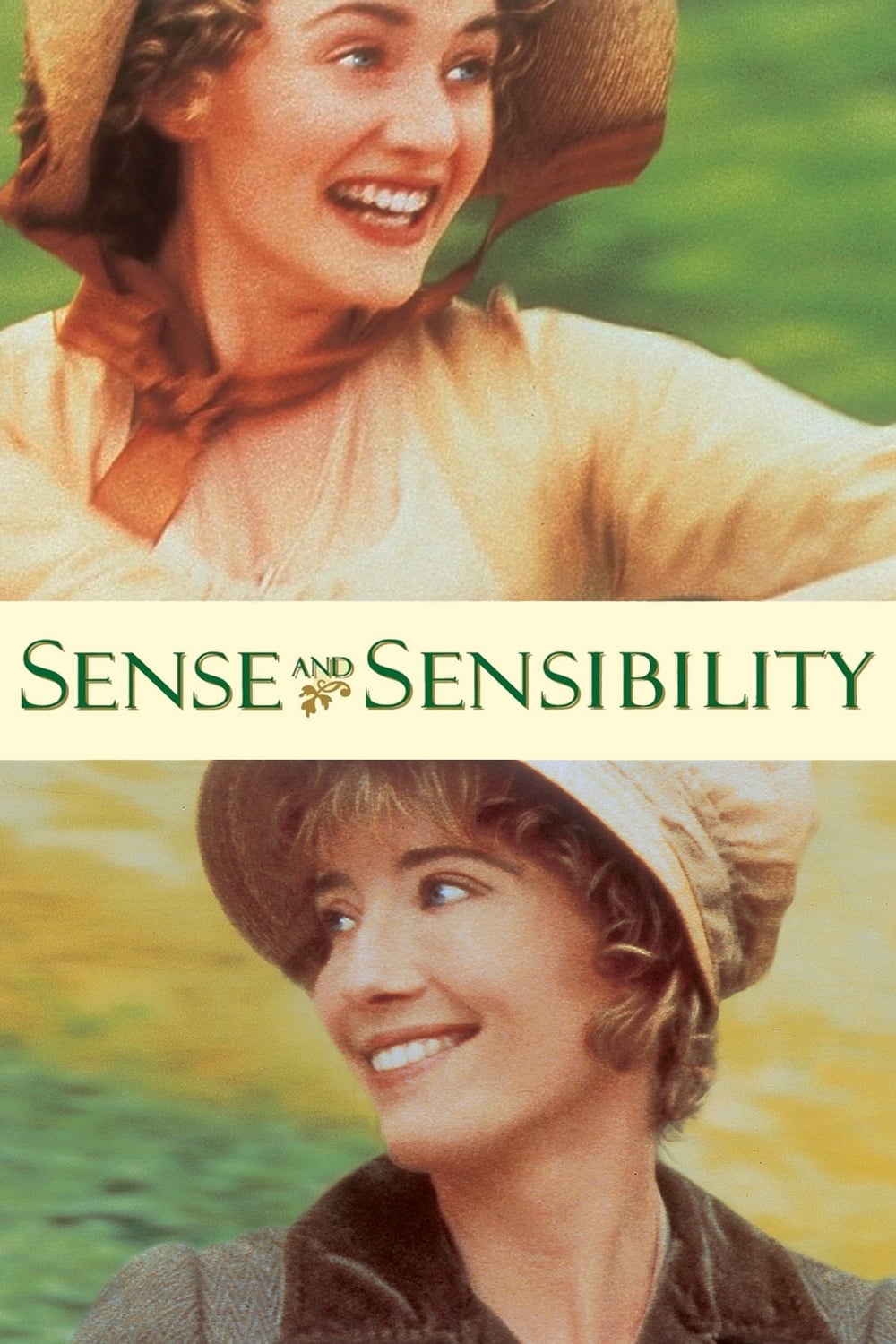
Hugh Laurie plays the supporting role of Mr. Palmer, the dry and perpetually unimpressed husband of the talkative and silly Mrs. Palmer. He is a man of few words, and when he does speak, it is usually to offer a cynical or sarcastic comment. Mr. Palmer seems to be in a constant state of mild annoyance with the people around him, especially his cheerful and often clueless wife. He spends much of his screen time looking bored and rolling his eyes at the social conventions and idle chatter of his peers.
Despite his grumpy exterior, Mr. Palmer reveals a kinder and more compassionate side as the story progresses. When Marianne Dashwood falls gravely ill, he shows genuine concern and takes charge of the situation, ensuring she receives the care she needs. It becomes clear that his cynical attitude is largely a facade and that he does care for his wife and others. Laurie’s performance brings a great deal of humor to the role, and his deadpan delivery of witty one-liners makes Mr. Palmer a memorable and endearing character.
‘Chance’ (2016–2017)
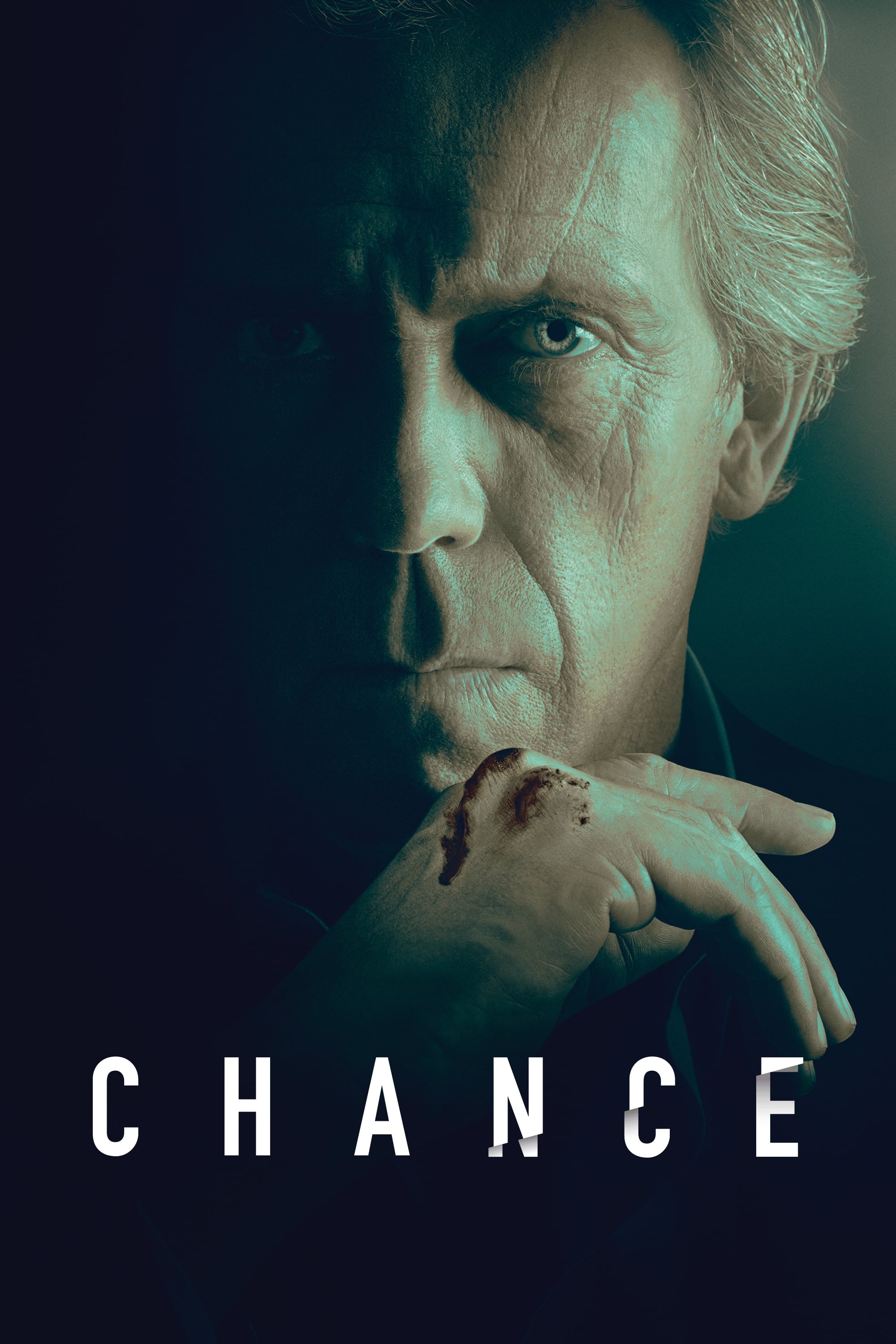
In this psychological thriller series, Hugh Laurie stars as Dr. Eldon Chance, a forensic neuropsychiatrist living in San Francisco. His job involves evaluating patients with mental disorders who are involved in legal cases. He is a thoughtful and empathetic doctor who often finds himself drawn into the complex and sometimes dangerous lives of his patients. The series takes a dark turn when he becomes overly involved with a woman who claims to have a dissociative identity disorder and is in an abusive relationship with her police detective husband.
Dr. Chance’s life begins to unravel as he is pulled into a violent and corrupt world of mistaken identity, police corruption, and mental illness. He makes a series of questionable decisions that put himself and his family in danger. The role is a departure from many of his previous characters, as Dr. Chance is a more vulnerable and morally ambiguous figure. Laurie delivers a nuanced performance, portraying a man who is both intelligent and deeply flawed, and who finds himself in a situation far beyond his control.
‘The Night Manager’ (2016)
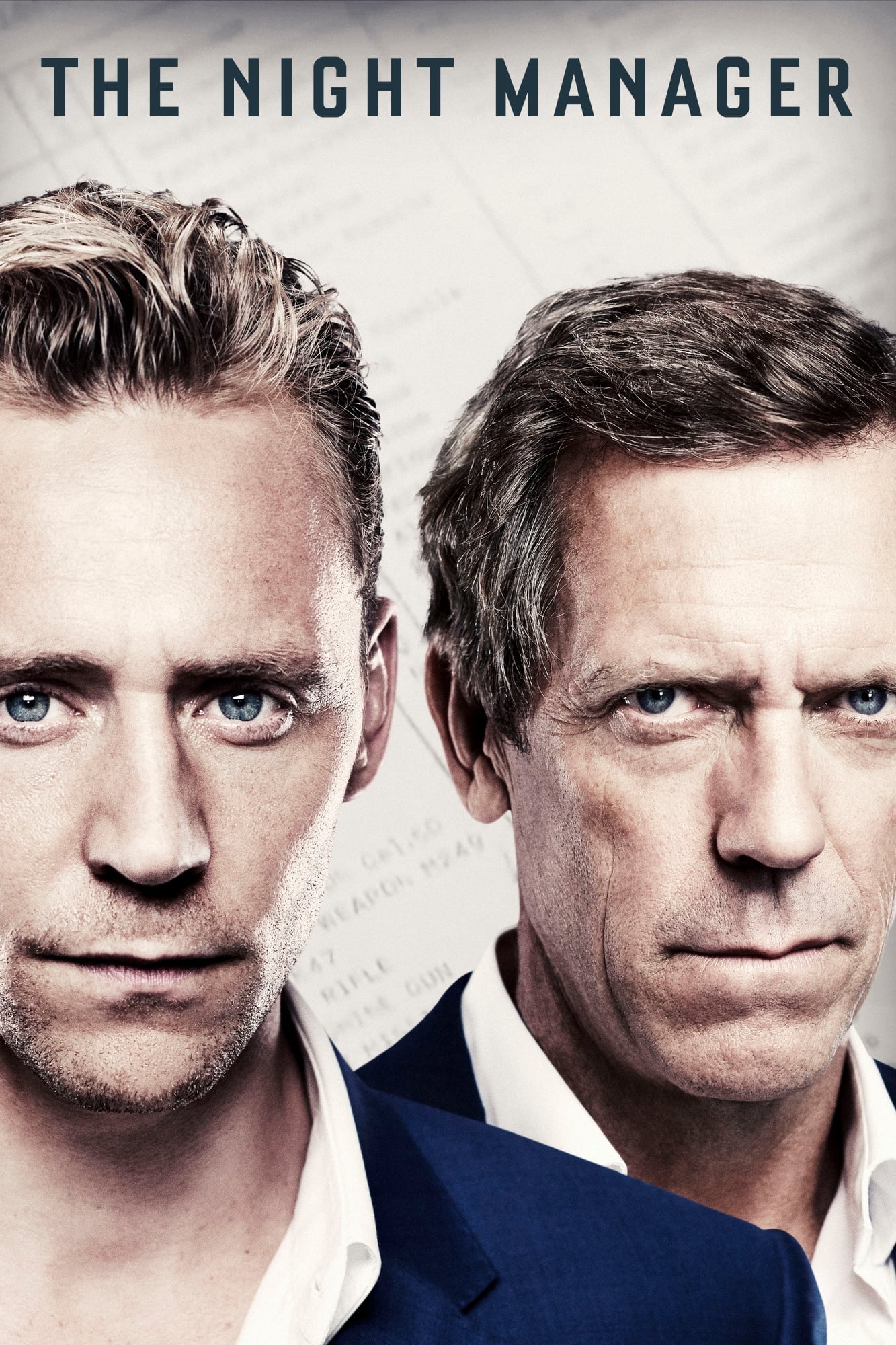
Hugh Laurie takes on the role of Richard Roper, a charismatic and incredibly dangerous international arms dealer. On the surface, Roper is a charming and sophisticated billionaire philanthropist, but this public persona masks a ruthless and amoral criminal. He is a man who profits from war and human suffering, and he operates with a chilling lack of conscience. Laurie portrays Roper with a perfect blend of charm and menace, making him a captivating and terrifying villain.
The story follows a former British soldier who goes undercover in Roper’s organization in an attempt to bring him to justice. As the night manager of a luxury hotel, he is recruited by an intelligence operative to infiltrate Roper’s inner circle. The series is a tense and stylish thriller that pits the two men against each other in a dangerous game of cat and mouse. Laurie’s performance is a masterclass in subtlety and intimidation, creating a villain who is both alluring and utterly reprehensible.
‘Veep’ (2012–2019)
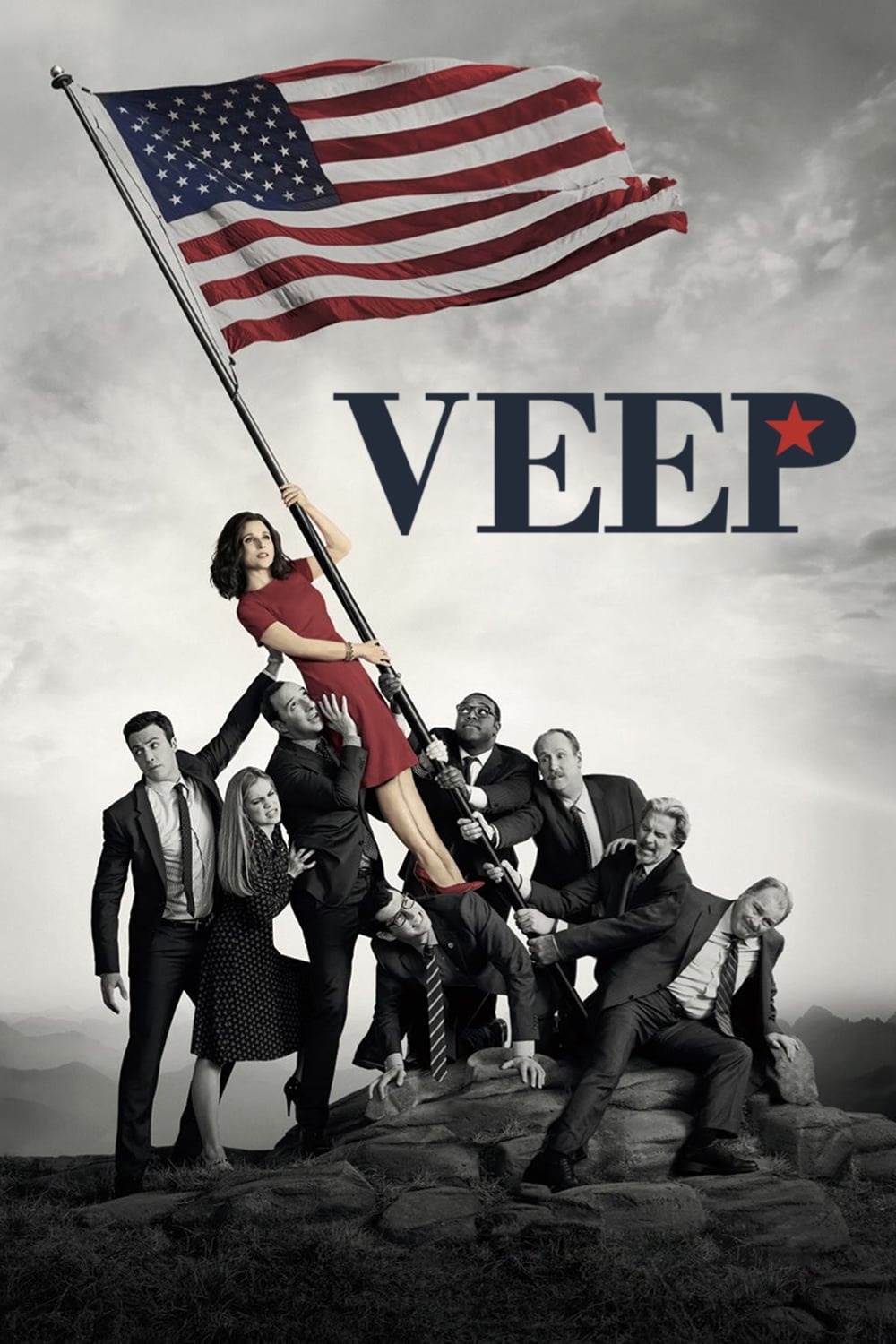
Hugh Laurie joined the cast of this acclaimed political satire in its fourth season as Tom James, a charismatic and popular senator who becomes the running mate for President Selina Meyer. Tom is everything Selina is not, he is charming, well-liked by the public, and has a natural talent for politics. His presence on the ticket is initially a huge asset to her campaign, but it soon becomes a source of tension and rivalry. Tom is ambitious and not content to simply be the vice president, and he often undermines Selina with his smooth and effortless political maneuvering.
Laurie’s character is a perfect addition to the show’s cast of cynical and self-serving political operatives. He brings a different kind of energy to the series, as Tom James is not as overtly bumbling or profane as many of the other characters. Instead, his danger lies in his competence and his ability to manipulate situations to his own advantage. His charming and seemingly sincere demeanor makes him a formidable opponent for Selina, and their power struggle provides some of the most compelling and humorous storylines of the later seasons.
‘A Bit of Fry & Laurie’ (1989–1995)
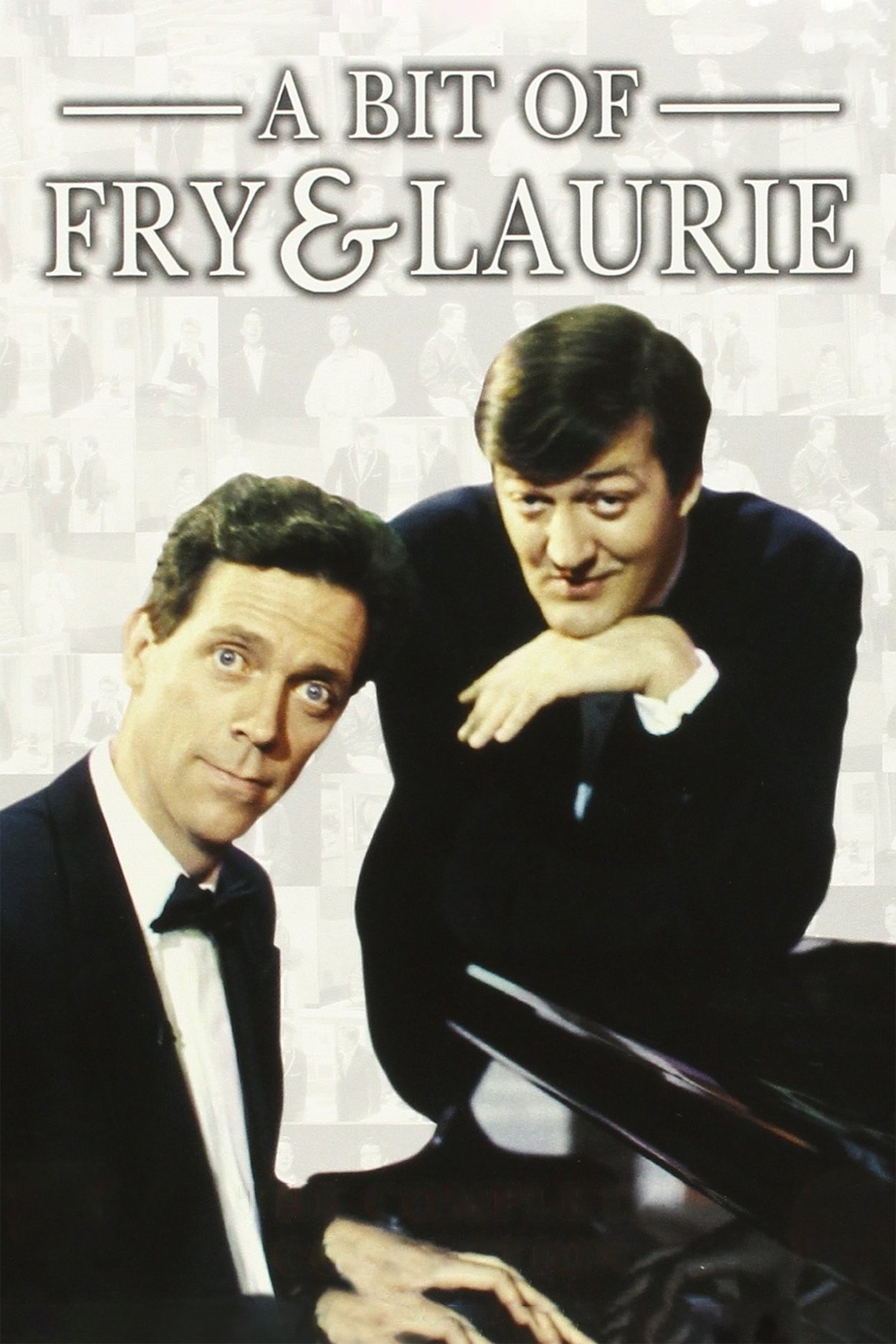
This British sketch comedy show was a collaboration between Hugh Laurie and his longtime comedic partner, Stephen Fry. The series was known for its intelligent and often surreal humor, which relied heavily on wordplay, witty dialogue, and a playful deconstruction of language. Laurie showcased his incredible versatility as a comedic actor, playing a wide variety of eccentric and memorable characters. The sketches were often bizarre and took unexpected turns, setting the show apart from other sketch comedies of the time.
Some of the recurring characters and sketches included a pair of overly polite and bumbling spies, and a series of musical numbers where Laurie would play the piano and sing humorous songs. The chemistry between Fry and Laurie was a key to the show’s success, as their distinct comedic styles complemented each other perfectly. The series was a showcase for their writing and performing talents and has become a cult classic, beloved for its clever and unconventional approach to comedy. Laurie’s work on the show demonstrated his early talent for creating funny and engaging characters.
‘Jeeves and Wooster’ (1990–1993)
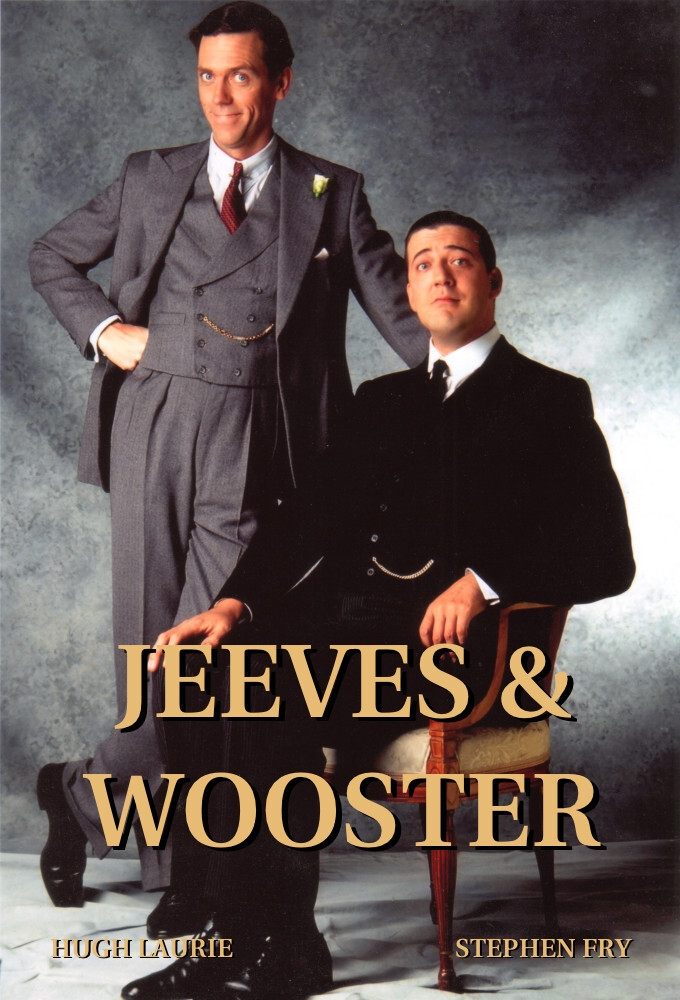
In this beloved British series, Hugh Laurie plays Bertie Wooster, a wealthy and well-meaning but often clueless young gentleman living in 1930s London. Bertie spends his days socializing with his equally upper-class friends and getting himself into all sorts of ridiculous and complicated social situations. He is charming and good-natured, but his lack of foresight and his tendency to make impulsive decisions often lead to trouble. Fortunately for him, he can always rely on his brilliant and resourceful valet, Jeeves, to come to his rescue.
The series is based on the classic stories by P.G. Wodehouse, and it perfectly captures the witty and lighthearted tone of the original books. Laurie’s portrayal of Bertie Wooster is a masterclass in comedic timing, as he perfectly embodies the character’s bumbling but lovable nature. The dynamic between the foolish but kind-hearted Bertie and the unflappable and intelligent Jeeves is the heart of the show. Each episode presents a new set of comical problems that only Jeeves can solve, much to Bertie’s relief.
‘Blackadder’ (1983–1989)
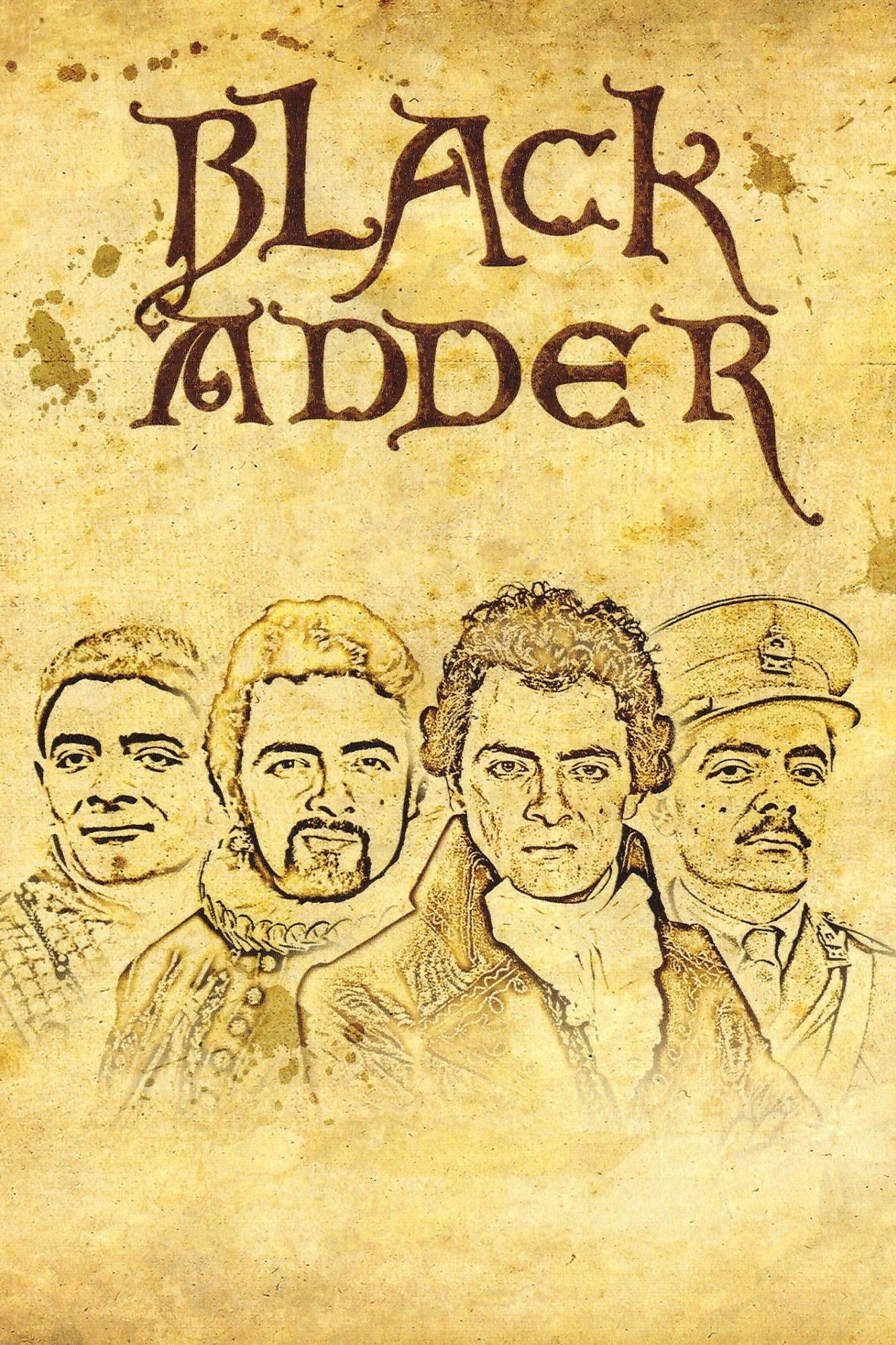
Hugh Laurie played several memorable characters throughout the run of this iconic British sitcom, but his most famous role was as George, the Prince Regent, in the third series. This version of George was a dim-witted and foppish royal with a love for extravagant clothes and a complete lack of common sense. He was entirely dependent on his cunning and cynical butler, Edmund Blackadder, to navigate the complexities of court life and politics. Laurie’s portrayal of the idiotic prince was a comedic highlight of the series.
In the fourth series, set during World War I, Laurie played the equally endearing but slightly more capable Lieutenant George. He was an optimistic and cheerful officer from the upper classes, full of patriotic spirit and completely naive about the grim realities of trench warfare. His unwavering enthusiasm and public schoolboy charm stood in stark contrast to the cynical and world-weary Captain Blackadder. In both of his major roles in the series, Laurie demonstrated his incredible talent for playing lovable fools with a perfect blend of innocence and absurdity.
‘House’ (2004–2012)
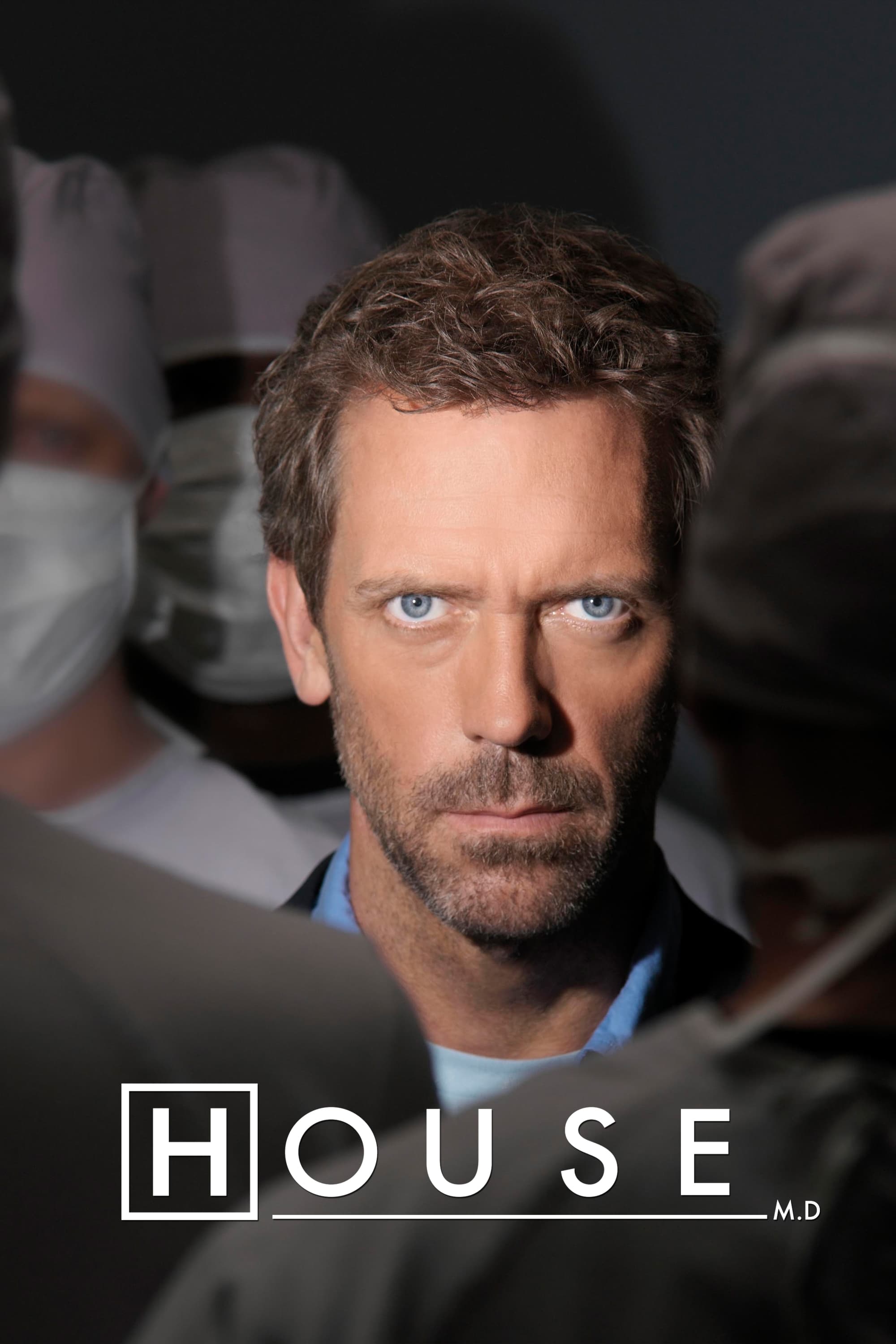
Hugh Laurie’s role as Dr. Gregory House is arguably his most famous and critically acclaimed performance. He plays a brilliant but misanthropic and unconventional medical genius who leads a team of diagnosticians at a teaching hospital. Dr. House is known for his sharp wit, his disdain for rules, and his brutal honesty. He is addicted to painkillers to manage chronic pain in his leg, and his abrasive personality often puts him at odds with his colleagues and patients. However, his incredible ability to solve the most complex and mysterious medical cases makes him an invaluable asset to the hospital.
Laurie’s portrayal of Dr. House was a revelation for audiences who were primarily familiar with his comedic work. He completely transformed himself for the role, adopting a flawless American accent and embodying the character’s complex and tortured personality. The series was a massive international success, and Laurie’s performance earned him numerous awards and widespread recognition. He created a character who was simultaneously infuriating and compelling, and Dr. Gregory House has become one of the most iconic and memorable characters in television history.
What is your favorite Hugh Laurie role?