Best Movie Villains Played by Multiple Actors


Some of the most memorable villains in film have lived many lives through different actors. Studios revisit stories, new directors take fresh swings, and sometimes an actor simply cannot return. The result is a captivating trail of handoffs that shows how a single character can evolve while staying recognizable to audiences.
This list gathers notable movie baddies who changed faces from one film to another. For each character you will see which actors played the role and in which films they appeared. No rankings here, just a helpful rundown of recasts that shaped how these villains look and sound on the big screen.
Joker
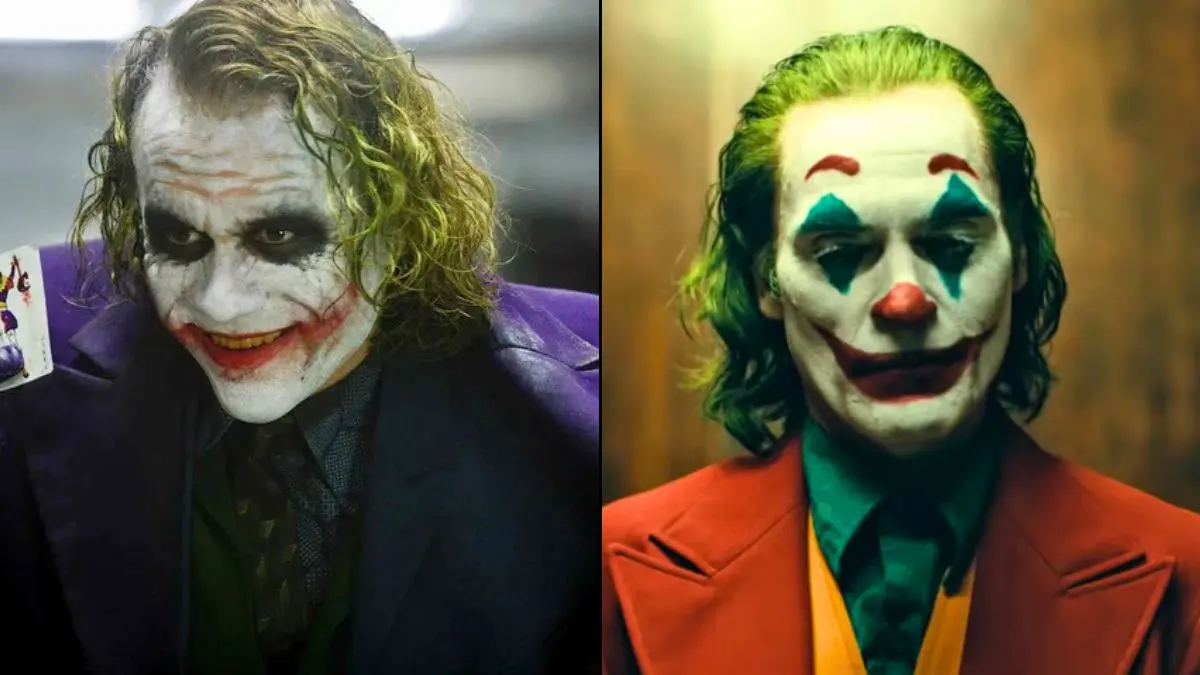
Cesar Romero brought the Joker to movie screens through the theatrical feature spun from the 60s series, while Jack Nicholson took on the role in ‘Batman’. Heath Ledger later portrayed the clown prince in ‘The Dark Knight’, Jared Leto appeared in ‘Suicide Squad’, and Barry Keoghan surfaced in ‘The Batman’. Joaquin Phoenix played the character in ‘Joker’ and its sequel, set in a separate continuity from the mainline caped crusader films.
The character has moved between self contained stories and connected universes, which is why multiple actors can exist side by side. Make up designs, costumes, and tone vary widely across ‘Batman’, ‘The Dark Knight’, ‘Suicide Squad’, ‘Joker’, and ‘The Batman’, yet the core figure remains a theatrical criminal mastermind.
Darth Vader
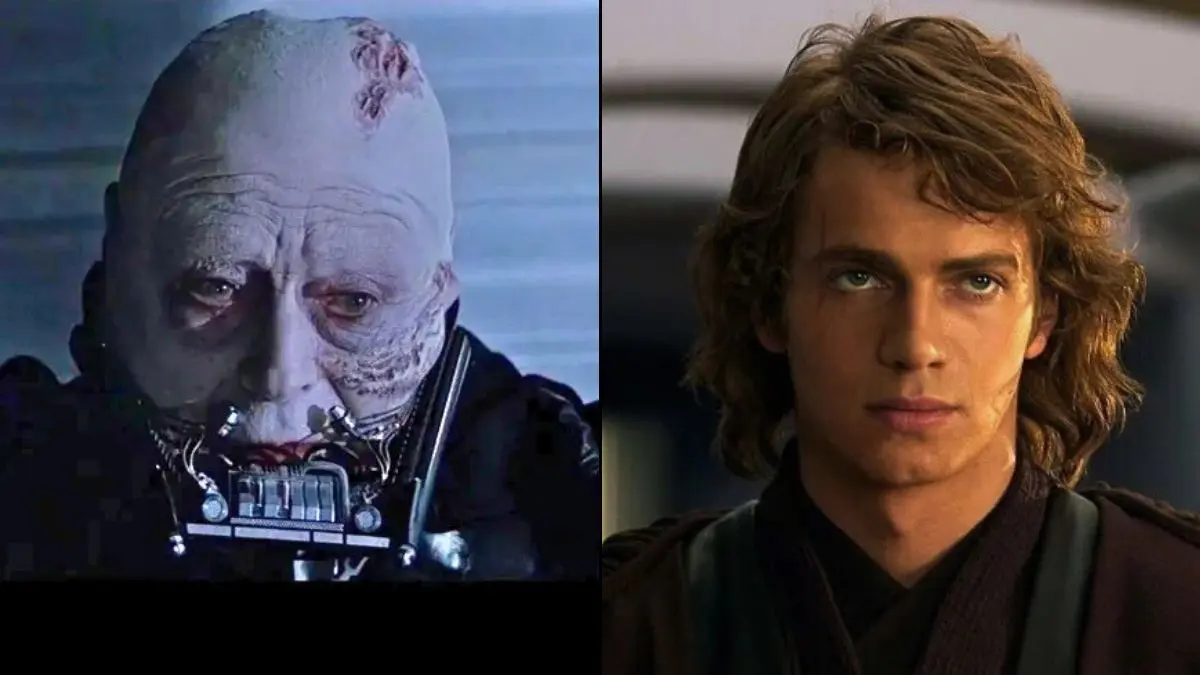
Darth Vader is a special case where performance was divided among multiple people. David Prowse wore the suit in ‘Star Wars’, ‘The Empire Strikes Back’, and ‘Return of the Jedi’, while James Earl Jones provided the voice in those films and in later appearances. Sebastian Shaw portrayed the unmasked Vader in ‘Return of the Jedi’, Hayden Christensen later played Anakin Skywalker becoming Vader in the prequel era, and suit performers like Spencer Wilding and Daniel Naprous handled the role in ‘Rogue One’.
Because the role relies on voice and physical presence, filmmakers have used different performers to achieve the effect. With advances in costuming and sound, Vader’s look and timbre stay consistent across ‘Star Wars’ films even when the person inside the armor changes.
Magneto
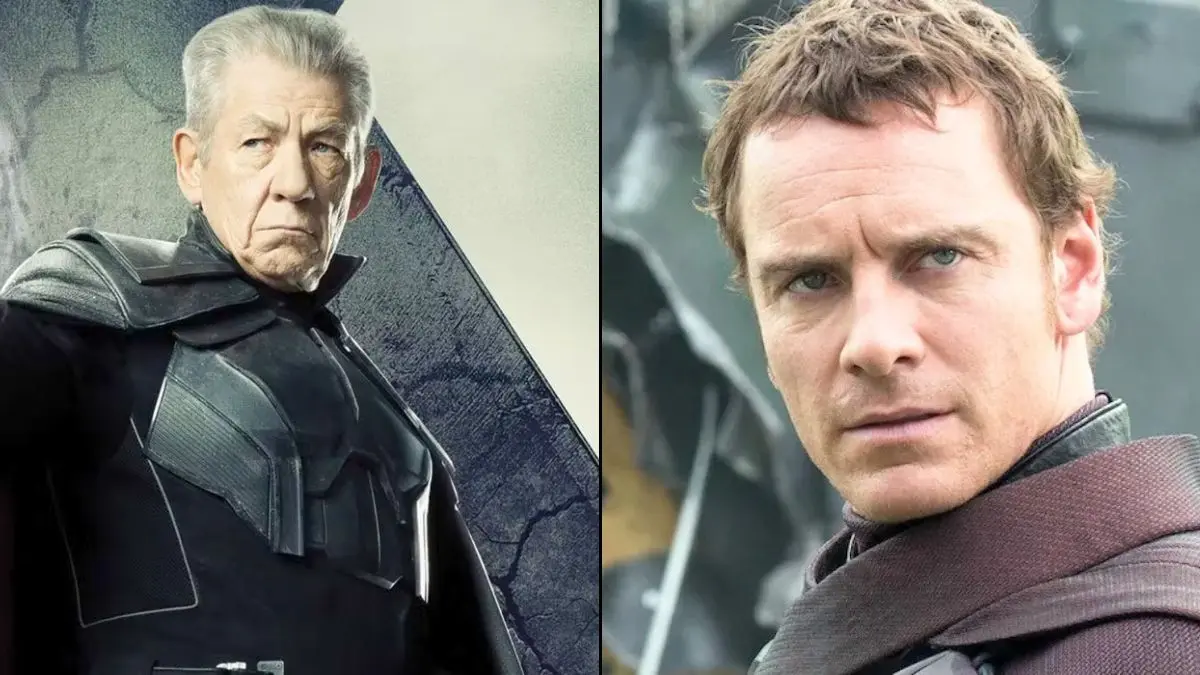
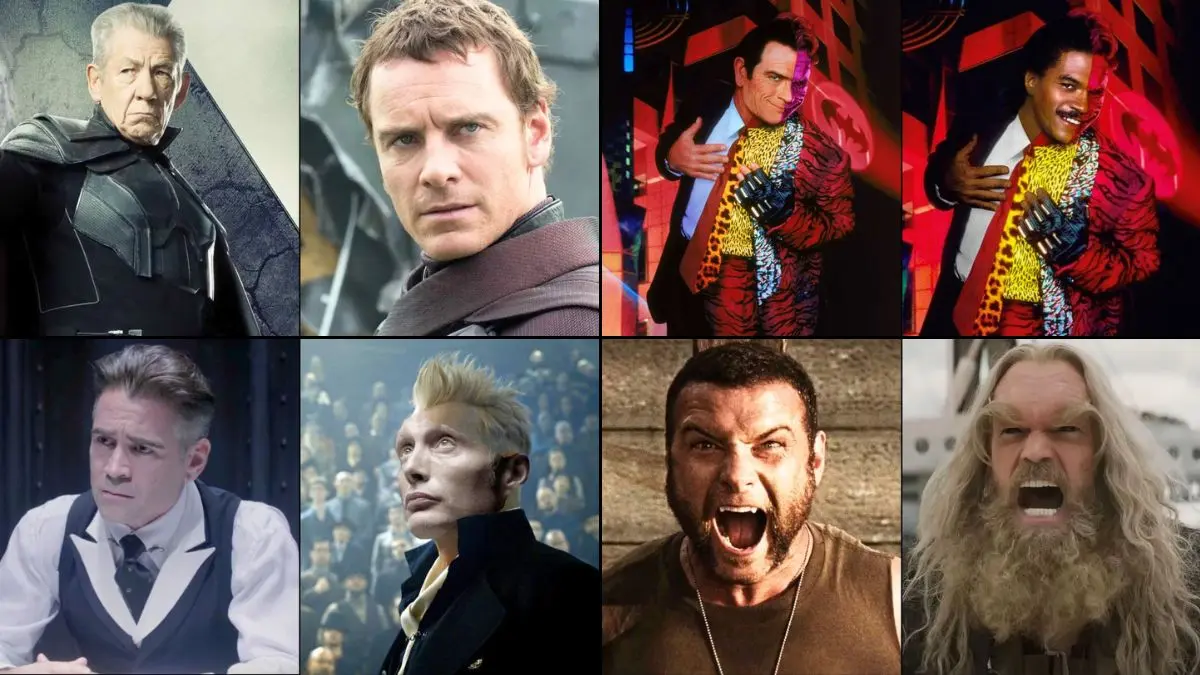
Ian McKellen originated the big screen version of Magneto in ‘X-Men’ and its sequels. Michael Fassbender then portrayed a younger Erik Lehnsherr in ‘X-Men First Class’ and continued in several follow ups that bridged timelines with McKellen.
The split across eras allowed the franchise to tell Magneto’s backstory while maintaining continuity with earlier films. Cameos and ensemble crossovers in entries like ‘X-Men Days of Future Past’ placed both actors in the same saga to connect timelines.
Two-Face
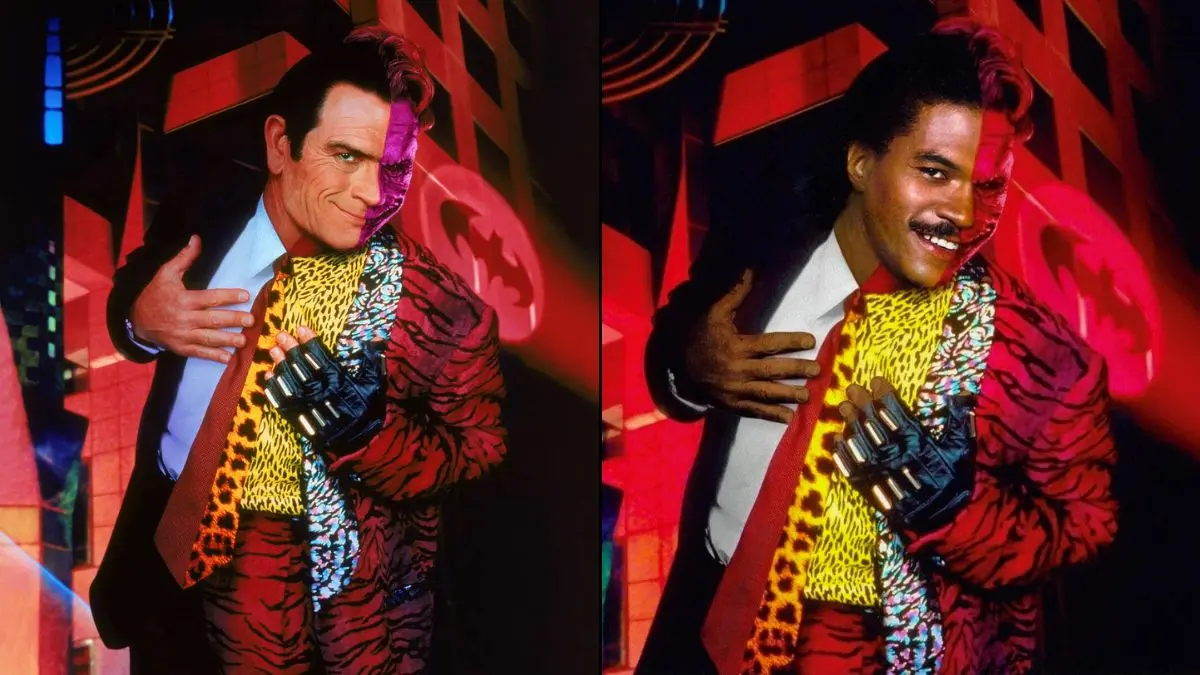
Billy Dee Williams played Harvey Dent in ‘Batman’ but did not become Two-Face in that series. Tommy Lee Jones later portrayed the villain in ‘Batman Forever’. A separate continuity introduced a new version of the character with Aaron Eckhart in ‘The Dark Knight’.
Each film treated the transformation from district attorney to criminal differently. ‘Batman Forever’ presents Two-Face as an established villain, while ‘The Dark Knight’ depicts the fall of Harvey Dent within a grounded crime story.
Pennywise
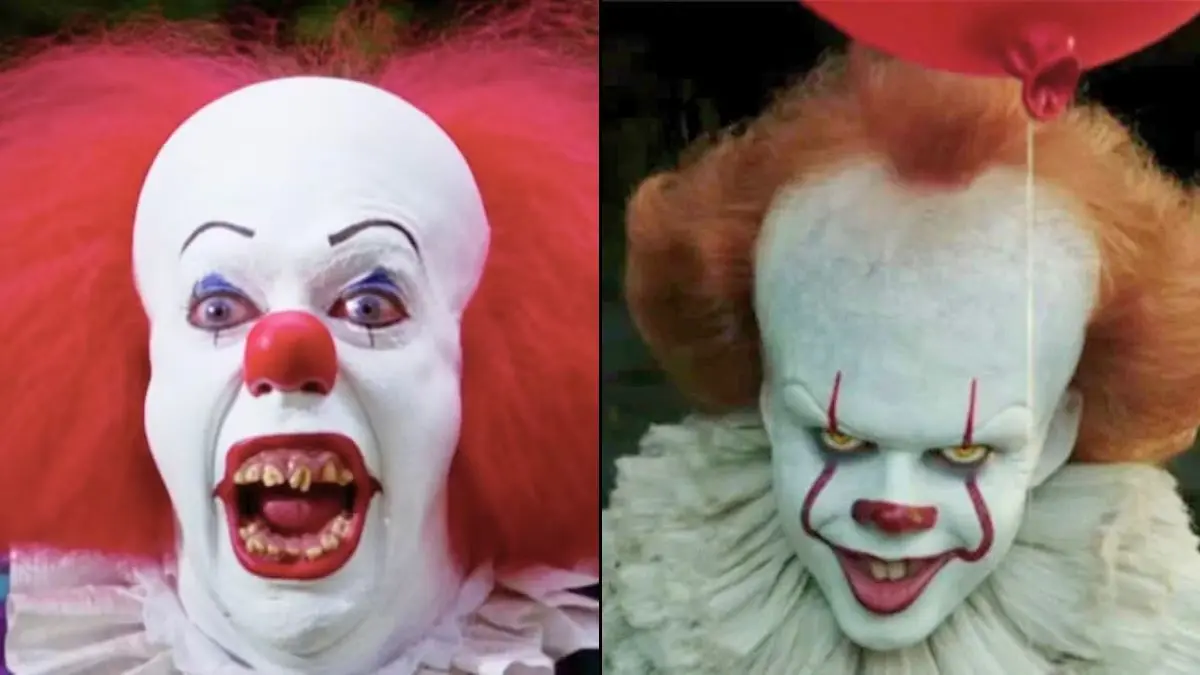
Tim Curry played Pennywise in the earlier adaptation of Stephen King’s story through a theatrical release of the television miniseries. Bill Skarsgård then portrayed the dancing clown in the two part film adaptation ‘It’ and ‘It Chapter Two’.
The newer films reworked the creature’s appearance and behavior for modern horror while keeping key beats from the source. The shifts in tone and visual effects between the miniseries and ‘It’ films show how Pennywise can be reshaped for different audiences.
Red Skull
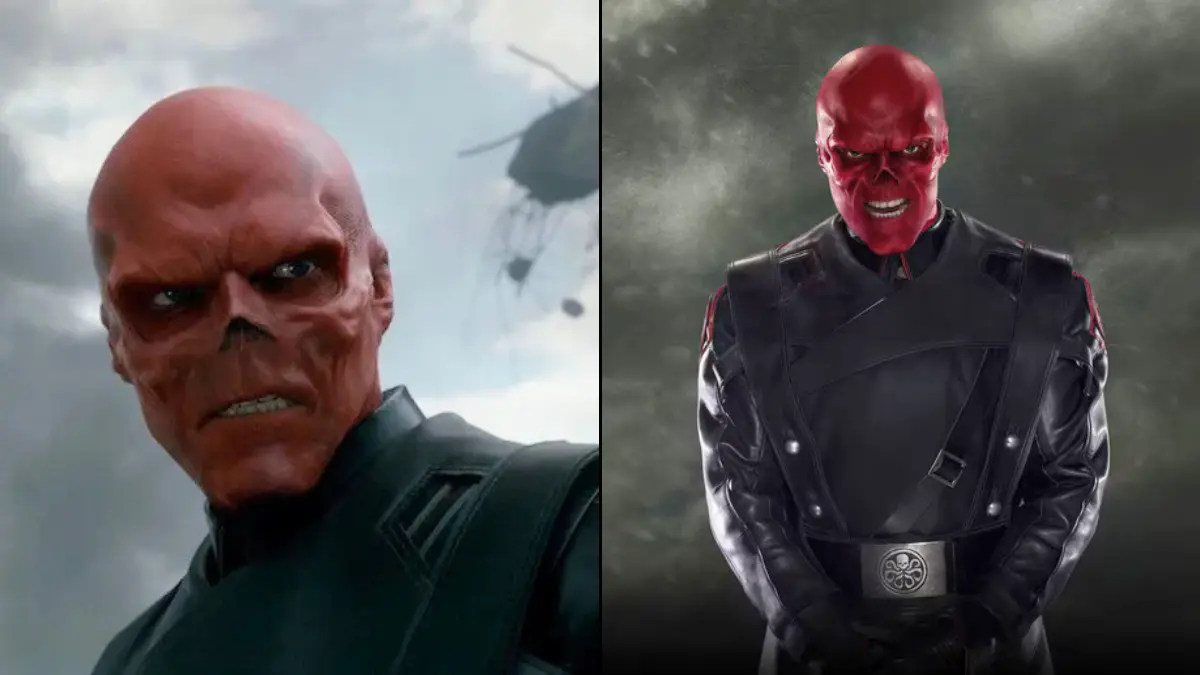
Hugo Weaving portrayed Johann Schmidt in ‘Captain America The First Avenger’. When the character returned as the Stonekeeper on Vormir in ‘Avengers Infinity War’ and ‘Avengers Endgame’, Ross Marquand took over the role.
The later appearances required a spectral presence and extensive effects, which made voice and movement the main elements to match. Marquand delivered a performance that aligned with Red Skull’s earlier depiction so the character felt continuous across the ‘Captain America’ and ‘Avengers’ films.
Sabretooth
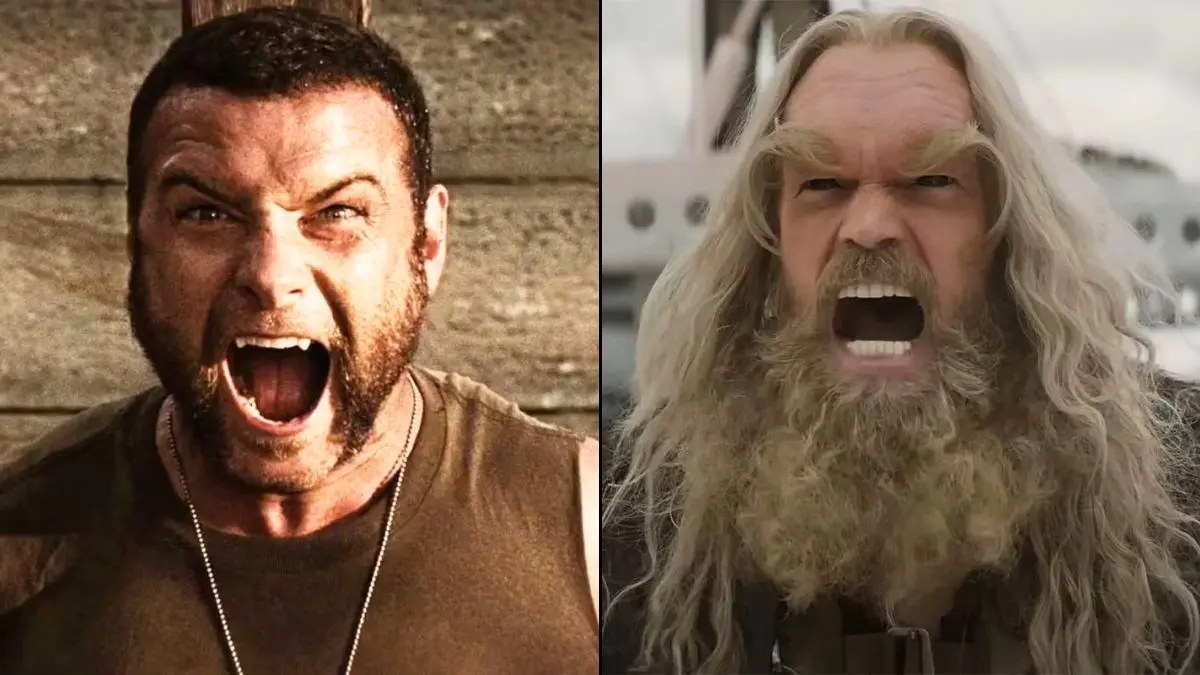
Tyler Mane played Sabretooth in ‘X-Men’ as a mostly silent enforcer. Liev Schreiber later took the role in ‘X-Men Origins Wolverine’, which expanded Victor Creed’s backstory and relationship with Logan.
The character shifted from a hulking brute in the ensemble film to a central antagonist in the spinoff. ‘X-Men Origins Wolverine’ focused on personal history, while ‘X-Men’ used Sabretooth within a team of villains opposing the X-Men.
Lord Voldemort
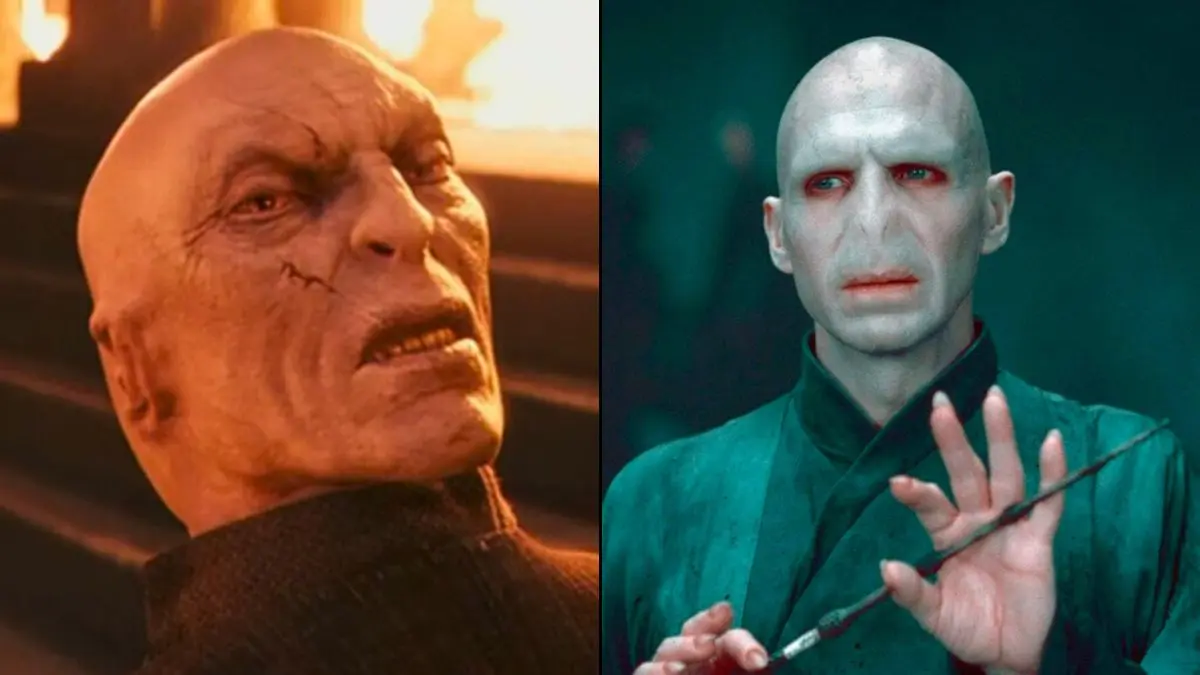
Richard Bremmer briefly embodied the dark wizard in ‘Harry Potter and the Philosopher’s Stone’ during a transitional form. Ralph Fiennes then became the primary face of Lord Voldemort from ‘Harry Potter and the Goblet of Fire’ through the end of the film series, with other performers portraying younger versions in flashbacks.
The switch cemented a definitive screen image for the character, including the distinctive lack of a nose and serpentine features. Fiennes’ portrayal carried through the ‘Harry Potter’ films so later entries could build on a consistent visual and vocal presence.
Gellert Grindelwald
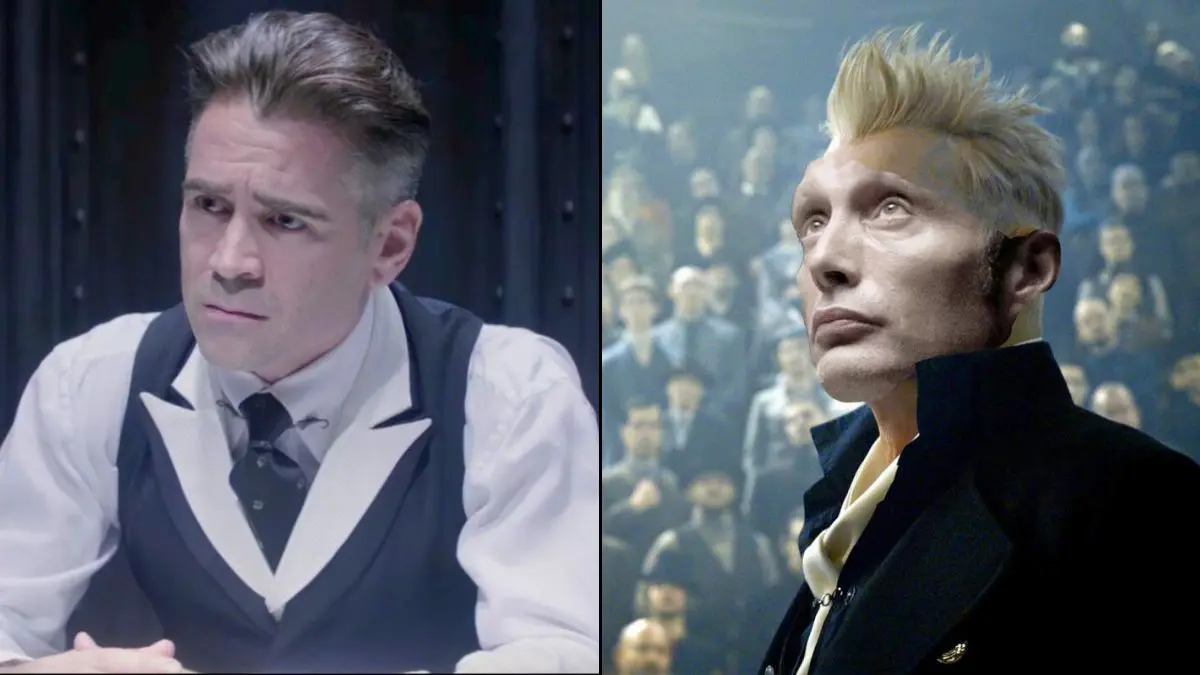
Colin Farrell appeared as Percival Graves in ‘Fantastic Beasts and Where to Find Them’, revealed to be Grindelwald in disguise with a transformation that presented Johnny Depp in the closing moments. Depp then played Grindelwald in ‘Fantastic Beasts The Crimes of Grindelwald’. Mads Mikkelsen took over in ‘Fantastic Beasts The Secrets of Dumbledore’.
Story continuity explains part of the change through magical concealment and later with a simple recast. The production maintained key costume motifs and mannerisms so viewers could follow the same antagonist across the ‘Fantastic Beasts’ films.
The Penguin
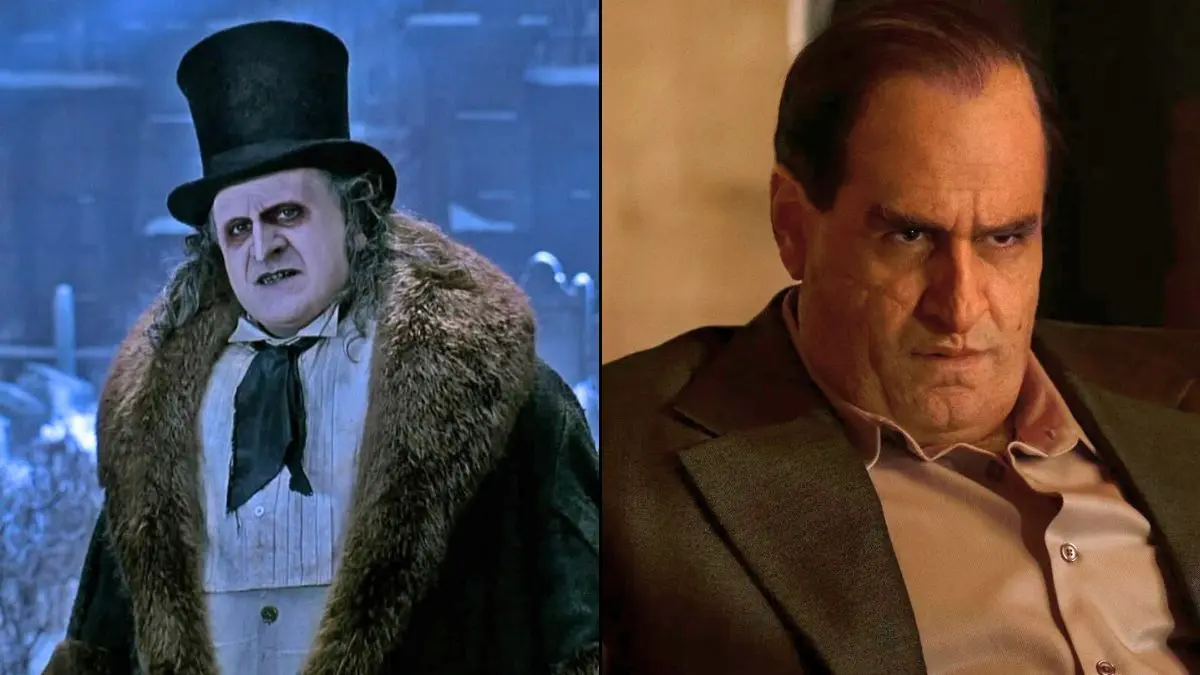
Danny DeVito delivered a monstrous take on Oswald Cobblepot in ‘Batman Returns’. A new version arrived decades later when Colin Farrell portrayed the character in ‘The Batman’, supported by heavy prosthetics and a grounded crime setting.
Different continuities allowed the character to shift from a gothic figure to a street level crime boss. ‘Batman Returns’ used a fairy tale tone, while ‘The Batman’ placed Cobblepot within a realistic underworld tied to larger corruption.
The Riddler
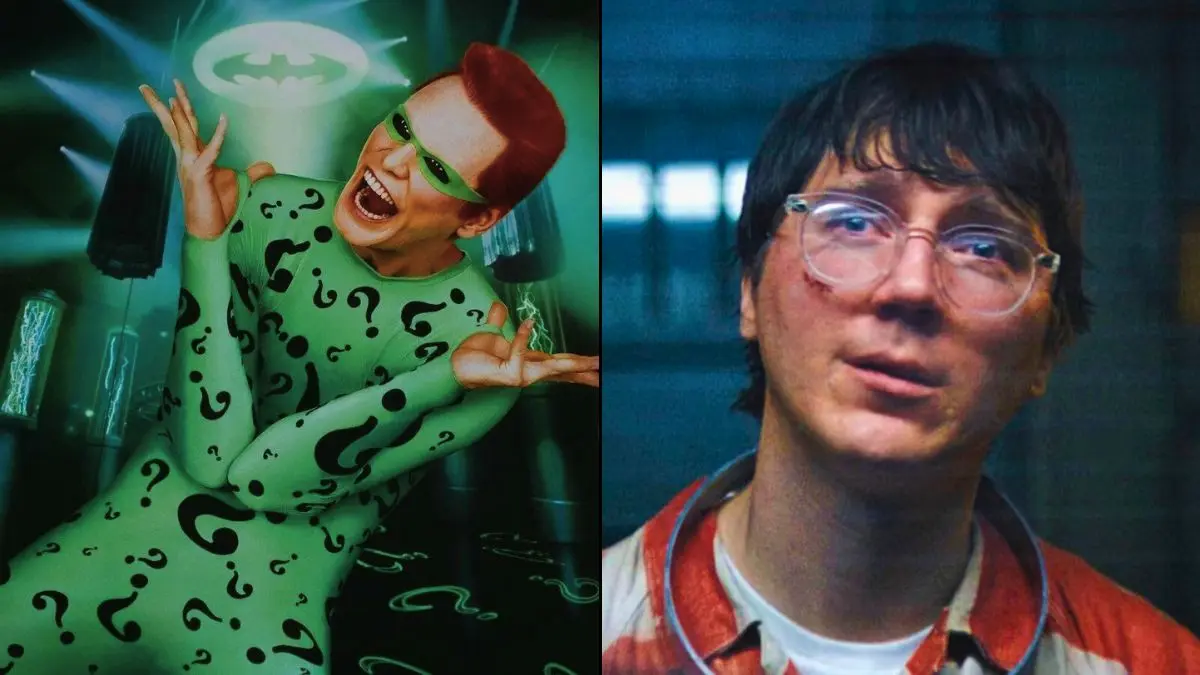
Jim Carrey played Edward Nygma in ‘Batman Forever’, leaning into puzzle themed crimes with flashy style. Paul Dano became the Riddler in ‘The Batman’, reframing the character as a masked killer targeting city elites.
The recast reflects two distinct visions for Gotham’s rogues. ‘Batman Forever’ sits within a bright, stylized era, while ‘The Batman’ treats the Riddler as a methodical threat whose clues drive a detective story.
Catwoman
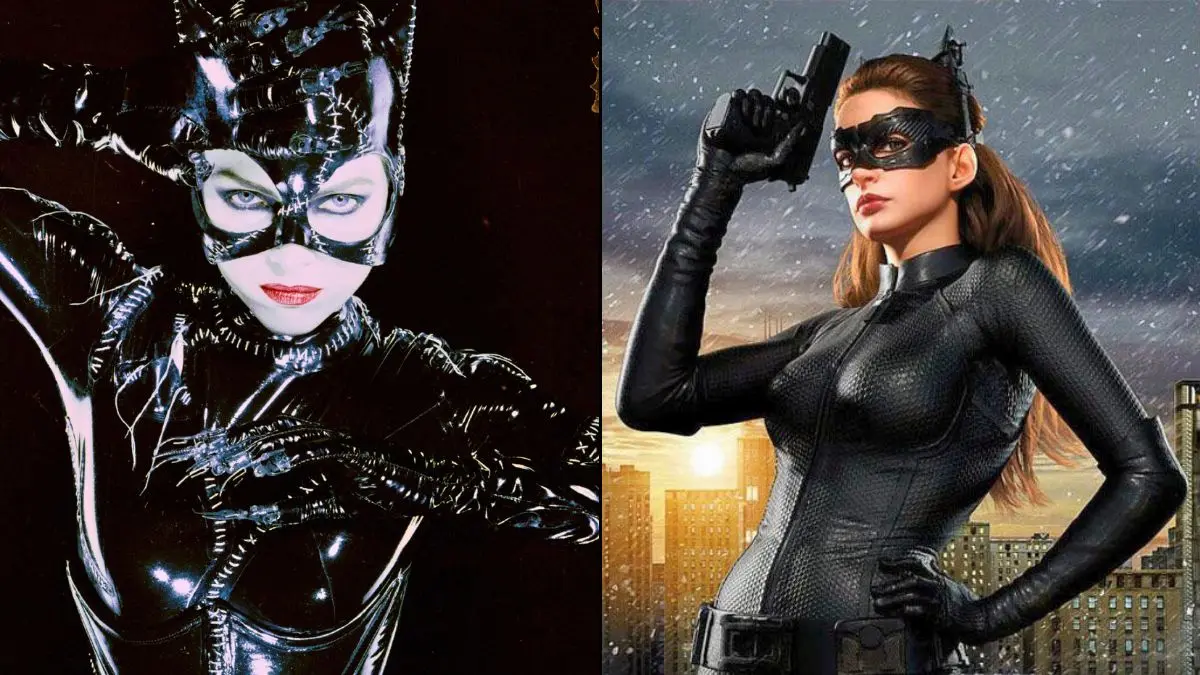
Michelle Pfeiffer portrayed Selina Kyle in ‘Batman Returns’, presenting a feline themed thief with a personal vendetta. Anne Hathaway later played the character in ‘The Dark Knight Rises’, and Zoë Kravitz took the mantle in ‘The Batman’.
Across these films Catwoman moves between antagonist and uneasy ally, which lets different stories emphasize either conflict or partnership with the caped crusader. Costumes, tools, and backstories vary, but the core burglary skills and moral flexibility remain intact through ‘Batman Returns’, ‘The Dark Knight Rises’, and ‘The Batman’.
Bane
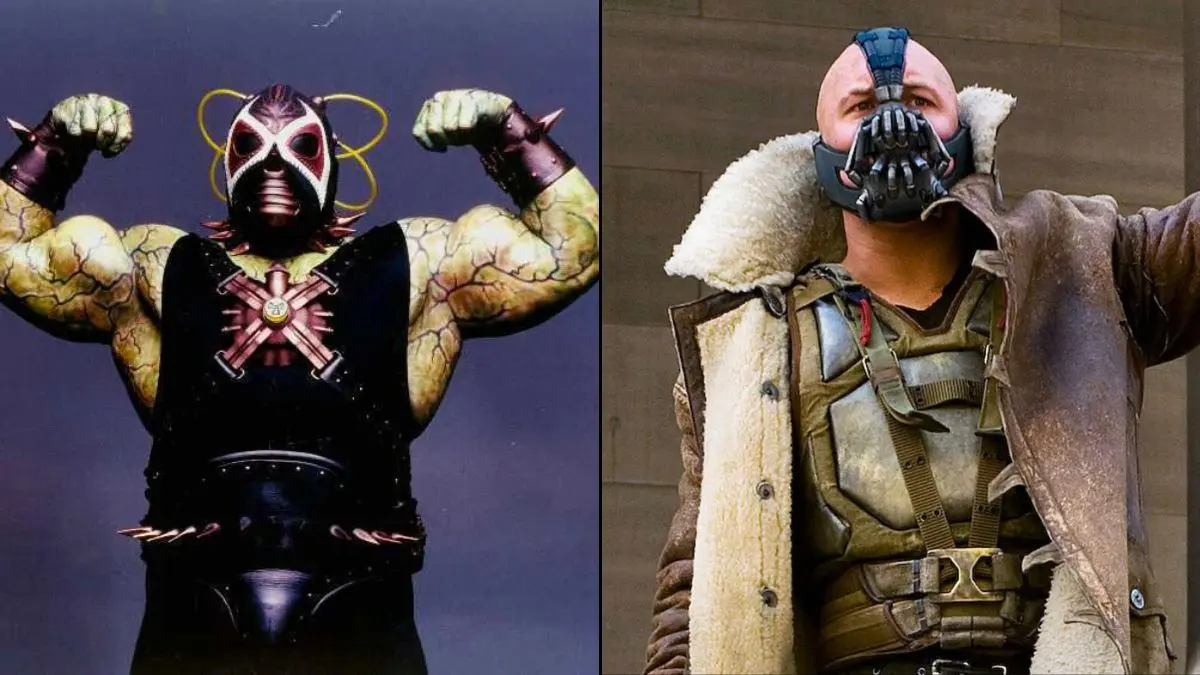
The character first appeared in the film series ‘Batman and Robin’ as a mute heavy working for other villains. Tom Hardy later portrayed Bane in ‘The Dark Knight Rises’, reimagined as a strategic leader with a distinctive mask and voice.
These versions serve very different story functions. ‘Batman and Robin’ uses Bane as muscle within a colorful ensemble, while ‘The Dark Knight Rises’ places him as the main adversary leading a takeover of Gotham.
Doctor Doom
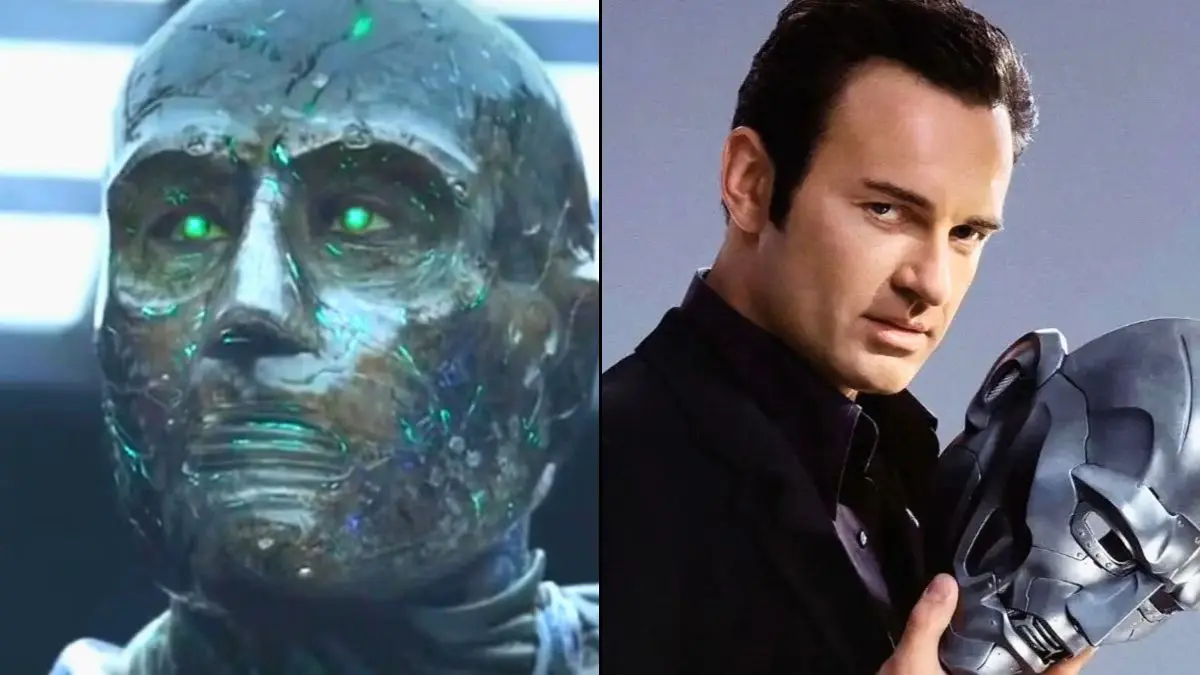
Julian McMahon played Victor Von Doom in ‘Fantastic Four’ and its sequel. Toby Kebbell took on the role in the later reboot ‘Fantastic Four’, which presented a new origin and design for the antagonist.
As the central foe of Marvel’s first family, Doom’s recasts came with full franchise resets. The films explore different takes on science gone wrong, shifting from corporate rivalry in the earlier movies to a darker experiment in the reboot.
Agent Smith
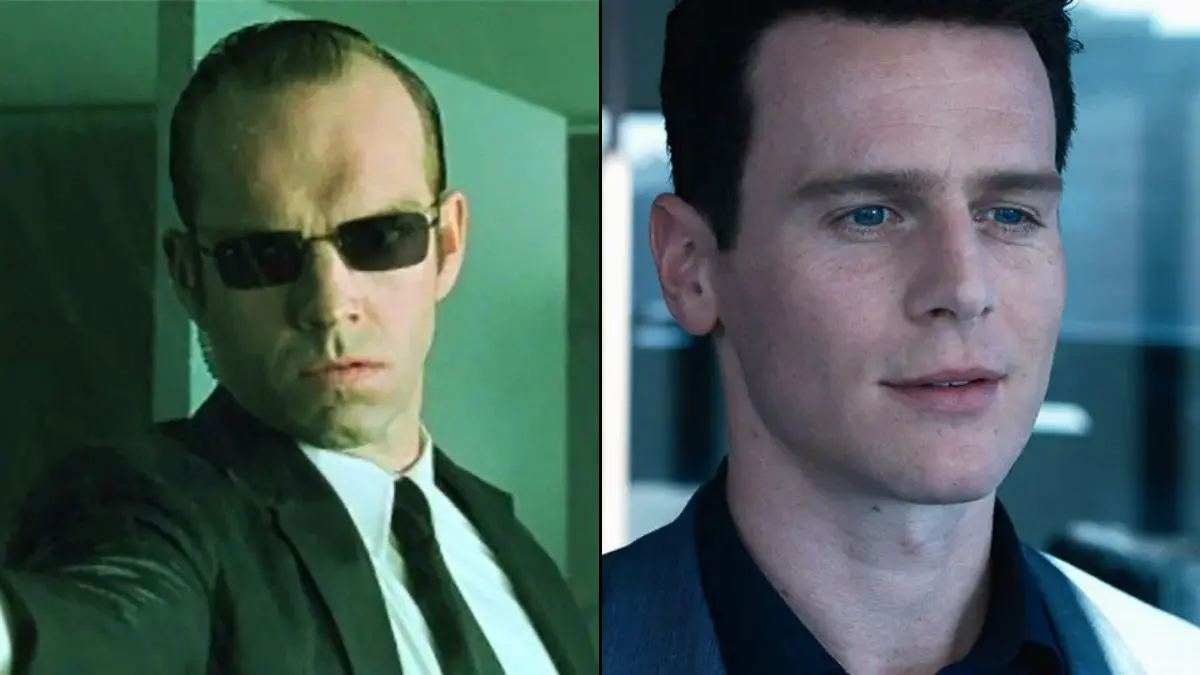
Hugo Weaving portrayed Agent Smith in ‘The Matrix’ trilogy. When the series returned with ‘The Matrix Resurrections’, Jonathan Groff played a new iteration of Smith within the updated system.
The story explains the altered appearance through changes in the simulated world, which allows a fresh face while keeping the character’s role as a persistent adversary. The continuity across ‘The Matrix’ films ties Smith to the evolution of the Matrix itself, making the recast part of the narrative.
Share your favorite villain recast in the comments and tell us which version worked best for you.