The 10 Best Evangeline Lilly Roles


Evangeline Lilly has built a career across television and film that spans character-driven drama, fantasy epics, and large-scale superhero stories. Her roles often connect directly to a project’s core plot—whether that means carrying a long-form mystery series, anchoring an ensemble in a franchise sequel, or stepping into an original character created for a literary adaptation.
This list gathers ten screen roles that show the range of her work, from a network phenomenon to global franchises and smaller genre pieces. Each entry notes the project, the character she plays, and how that role functions inside the story and production, so you can quickly place it in her filmography and understand its context.
‘Lost’ (2004–2010) – Kate Austen

ABC’s ‘Lost’ follows survivors of Oceanic Flight 815 after a crash on a remote island, weaving character flashbacks, flashforwards, and mythology into a serialized mystery. Lilly plays Kate Austen, a fugitive whose criminal past is revealed through episodic backstory while she becomes a core member of the survivors’ leadership group. The character intersects with the show’s central mysteries, participates in off-island arcs, and appears across all six seasons.
The production, created by J. J. Abrams, Damon Lindelof, and Jeffrey Lieber and filmed largely in Hawaii, positioned Kate among the ensemble’s main point-of-view characters. Lilly’s work includes extensive location shooting, stunt work typical of the series’ action beats, and ensemble scenes with leads such as Matthew Fox, Josh Holloway, and Terry O’Quinn, culminating in storylines that tie into the show’s endgame.
‘Ant-Man and the Wasp’ (2018) – Hope van Dyne / Wasp

Marvel Studios’ ‘Ant-Man and the Wasp’ pairs Hope van Dyne with Scott Lang in a co-lead structure that expands the franchise’s shrinking technology and Quantum Realm concepts. As Wasp, Lilly’s character operates in full superhero mode—suit, wings, and Pym tech—while driving the plot to locate Janet van Dyne and navigate competing interests from law enforcement and black-market players.
Directed by Peyton Reed with returning cast members Paul Rudd and Michael Douglas, the film integrates Hope into action centerpiece sequences, lab and heist logistics, and the family-business arc of Pym Technologies. The role connects directly to subsequent crossover appearances, positioning Wasp as an active participant in the broader franchise timeline.
‘Ant-Man’ (2015) – Hope van Dyne
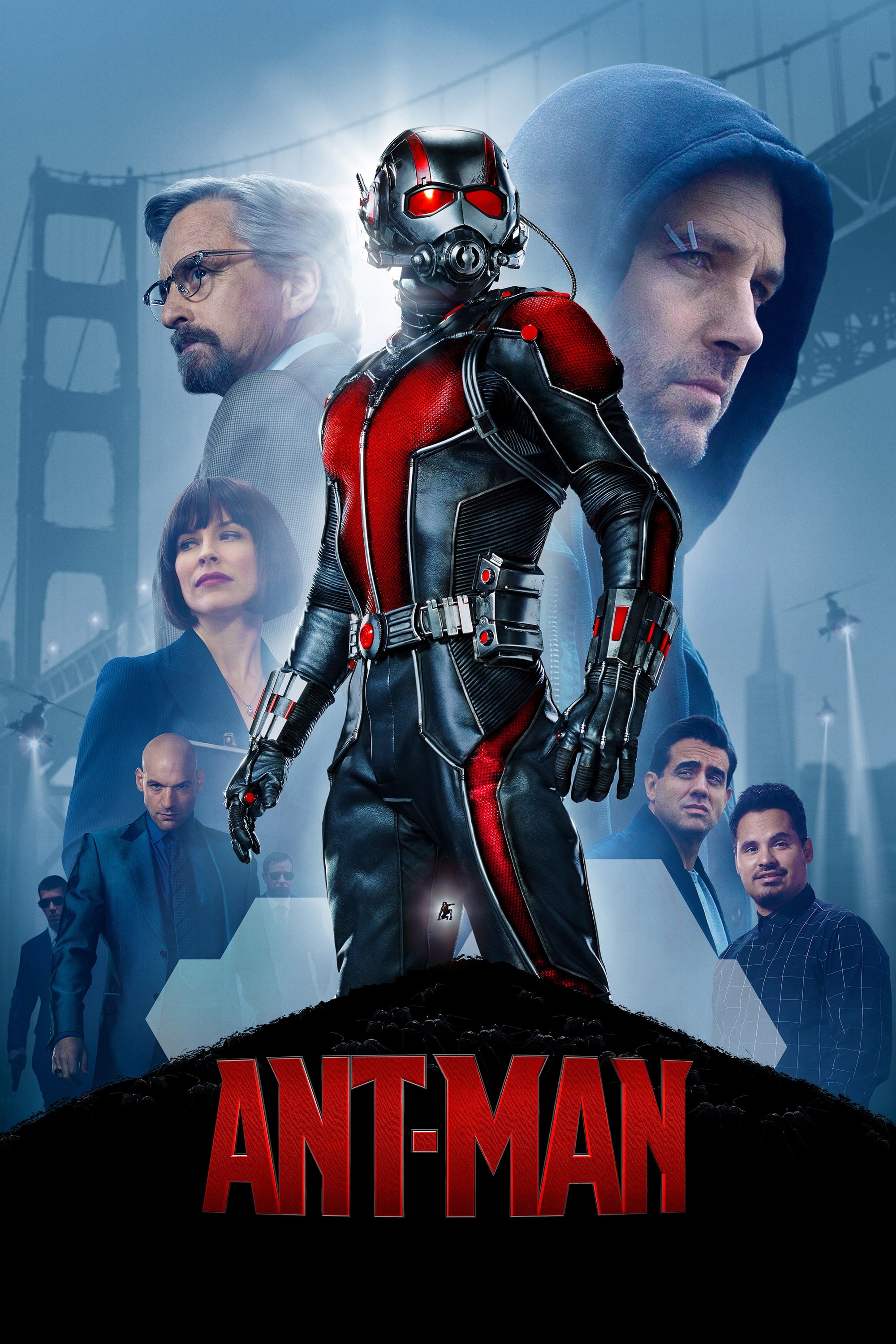
In ‘Ant-Man’, Hope van Dyne is introduced as the operations lead at Pym Technologies and the daughter of Hank Pym and Janet van Dyne. The character trains Scott Lang in combat and tech fundamentals, functions as the inside operative against Darren Cross, and represents the emotional stakes surrounding the legacy of the original Ant-Man and Wasp.
The production—developed with contributions from multiple writers and directed by Peyton Reed—establishes Hope’s technical expertise and strategic role in the heist framework. Lilly’s performance sits at the junction of corporate intrigue and family history, setting up the narrative handoff that enables the sequel’s dual-hero structure.
‘Ant-Man and the Wasp: Quantumania’ (2023) – Hope van Dyne / Wasp
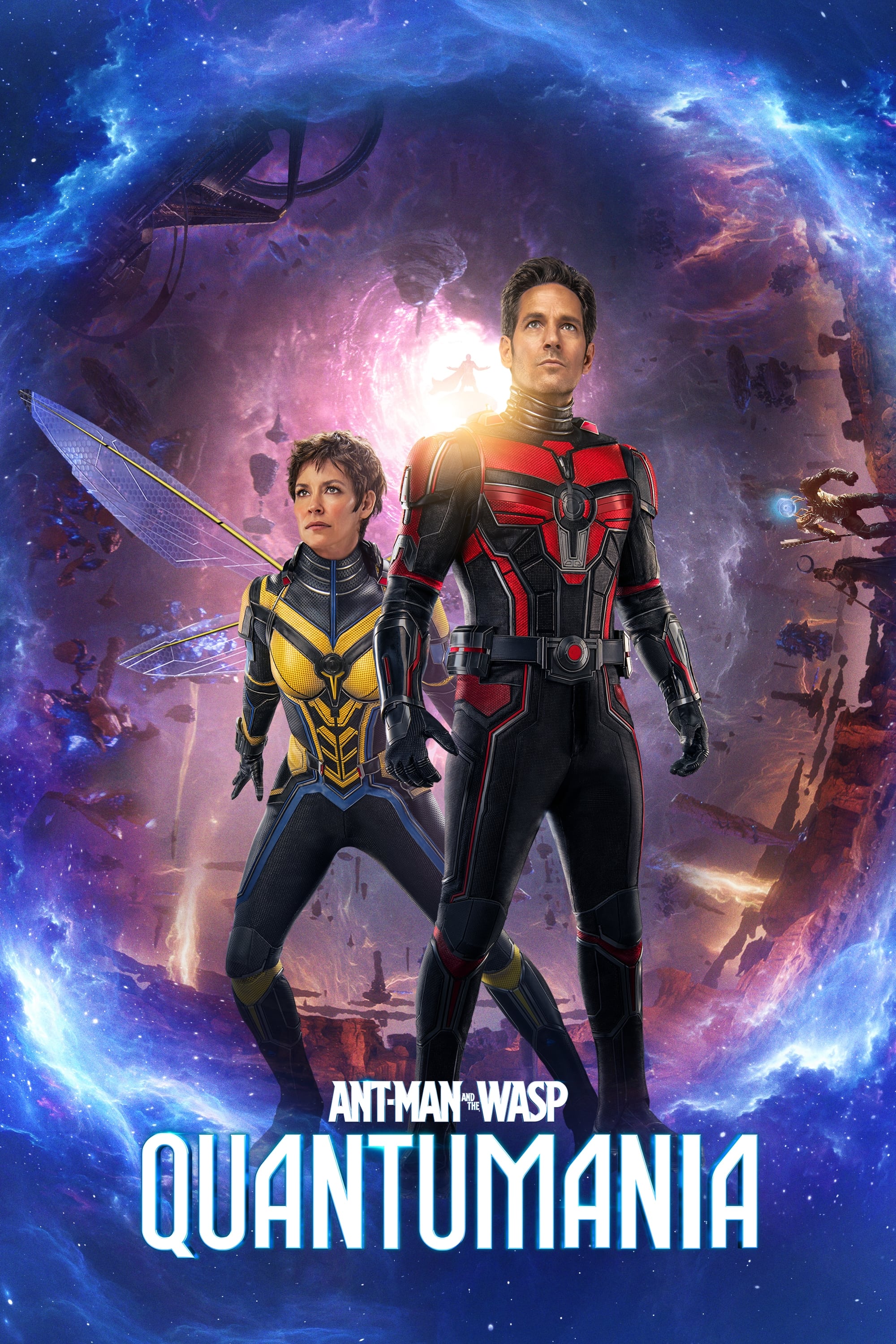
‘Ant-Man and the Wasp: Quantumania’ relocates the core family into the Quantum Realm, where Hope’s scientific work and corporate leadership intersect with a new antagonist’s multiverse ambitions. The role places Lilly’s character in problem-solving mode across unfamiliar environments, with plot duties that include navigation of Quantum Realm factions and coordination with Hank Pym and Janet van Dyne.
Reuniting the principal cast under Peyton Reed, the film connects Wasp to the franchise’s larger narrative threads. Hope’s on-screen activity involves suit-based action, device deployment related to quantum research, and family-driven decision points that influence the story’s resolution and its handoff to other projects.
‘The Hobbit: The Desolation of Smaug’ (2013) – Tauriel

Peter Jackson’s ‘The Hobbit: The Desolation of Smaug’ adapts portions of J. R. R. Tolkien’s work while introducing Tauriel, an original Silvan-elf character created specifically for the film trilogy. As the Captain of the Mirkwood guard, Lilly’s Tauriel provides an internal perspective on woodland-realm policy, conducts patrol and rescue sequences, and interacts with Legolas and the Company of Thorin Oakenshield.
The role expands the screen story’s elven viewpoint with dialogue in Sindarin and action choreography built around dual daggers and archery. Production placed Tauriel within principal photography in New Zealand, integrating the character into new narrative bridges between elven politics and the dwarves’ journey toward Erebor.
‘The Hobbit: The Battle of the Five Armies’ (2014) – Tauriel

In ‘The Hobbit: The Battle of the Five Armies’, Tauriel returns as a field leader navigating shifting alliances as open conflict reaches the Lonely Mountain. The character participates in large-scale battle staging, coordinates with key figures from multiple factions, and carries through the personal consequences of choices made in the prior installment.
The film consolidates trilogy storylines, using Tauriel to connect Mirkwood’s interests to the broader stakes around Erebor. Lilly’s work involves motion-capture interaction points, practical fight units, and intercutting across the battle’s different theaters, aligning the original character with the adaptation’s additional narrative threads.
‘Real Steel’ (2011) – Bailey Tallet
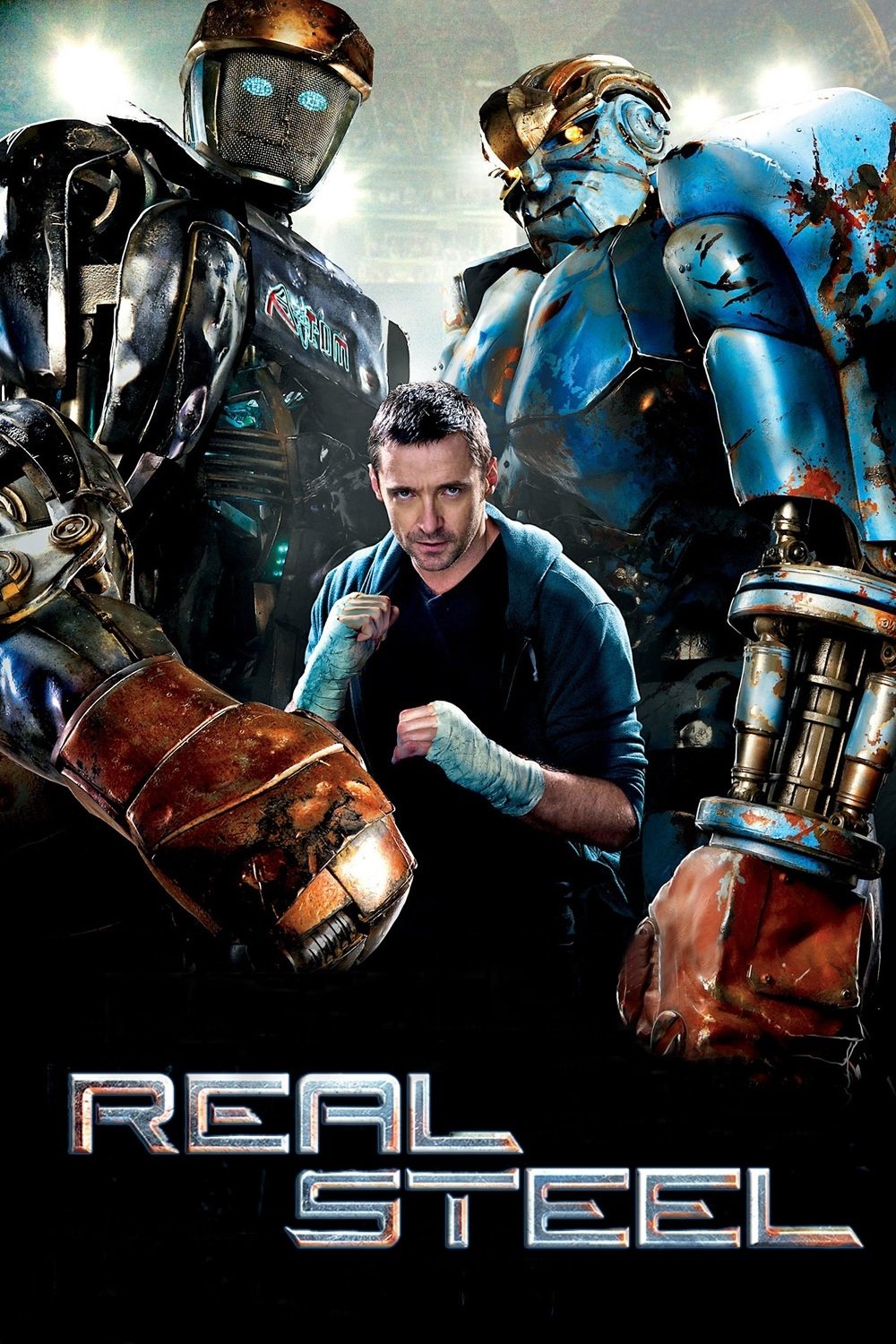
‘Real Steel’ follows a down-on-his-luck former boxer and his son in a near-future robot-boxing circuit. Lilly plays Bailey Tallet, owner of a boxing gym and the daughter of the protagonist’s late coach, providing technical support and training space for the team’s underdog robot while managing the gym’s operational challenges.
Directed by Shawn Levy with leads Hugh Jackman and Dakota Goyo, the film positions Bailey as the conduit to the sport’s history and the practical engineering needs of the robot bouts. Production combined animatronics and visual effects, with Bailey’s scenes anchoring repair, strategy, and ring-side coordination throughout the competition track.
‘The Hurt Locker’ (2008) – Connie James

‘The Hurt Locker’ depicts a U.S. Army Explosive Ordnance Disposal unit during deployment, focusing on day-to-day procedures and team dynamics. Lilly appears as Connie James, the stateside spouse of Staff Sergeant William James, providing domestic-life context that frames the lead character’s responses to risk and reintegration.
Kathryn Bigelow’s production blends location shooting and handheld coverage to place viewers inside EOD operations, then contrasts that with brief home-front sequences. Connie’s scenes supply non-combat reference points—family routine, store aisles, and quiet interiors—that underscore the film’s examination of occupational focus and its effects on personal relationships.
‘Crisis’ (2021) – Claire Reimann

In the ensemble thriller ‘Crisis’, Lilly plays Claire Reimann, an architect and recovering addict who investigates her son’s disappearance against the backdrop of opioid manufacturing and trafficking. The character operates on a parallel track to law-enforcement and academic-whistleblower storylines, pursuing leads through personal contacts and local evidence.
Written and directed by Nicholas Jarecki with a cast that includes Gary Oldman and Armie Hammer, the film intercuts Claire’s search with policy and enforcement angles. Lilly’s role supports the film’s triptych structure by carrying a ground-level narrative that intersects with supply-chain and regulatory threads as the plotlines converge.
‘Little Evil’ (2017) – Samantha

‘Little Evil’ is a horror-comedy about a stepfather who suspects his new stepson may be the Antichrist. Lilly plays Samantha, the boy’s mother, whose family life becomes the axis for genre set-pieces that reference possession tropes, counseling sessions, and school events while maintaining the story’s comedic tone.
Written and directed by Eli Craig and released as a streaming original, the film balances parody with parenting logistics, giving Samantha scenes that move between everyday scheduling and supernatural incidents. Production features a supporting ensemble around the household and workplace, with Samantha’s role providing the domestic foundation for the film’s running gags and plot turns.
Share your favorites below—tell us which Evangeline Lilly role you’d highlight and why in the comments.