The Worst 1990s Movies that Are Hard to Watch Till the End


Some films from the decade of big budgets, high-concept ideas, and star-packed casts became famous for all the wrong reasons. This list pulls together titles that garnered attention for their troubled productions, messy scripts, or outsized ambitions—movies that many viewers start and then struggle to finish. Depending on the time and your location, some of these titles might not be available on the same streaming platforms or in local catalogs.
For each entry, you’ll find concrete details—who made it, who starred in it, what it’s about, where it was shot, and how it performed. No hand-waving, just the basics that explain what these projects tried to do and what ended up on screen.
‘Batman & Robin’ (1997)
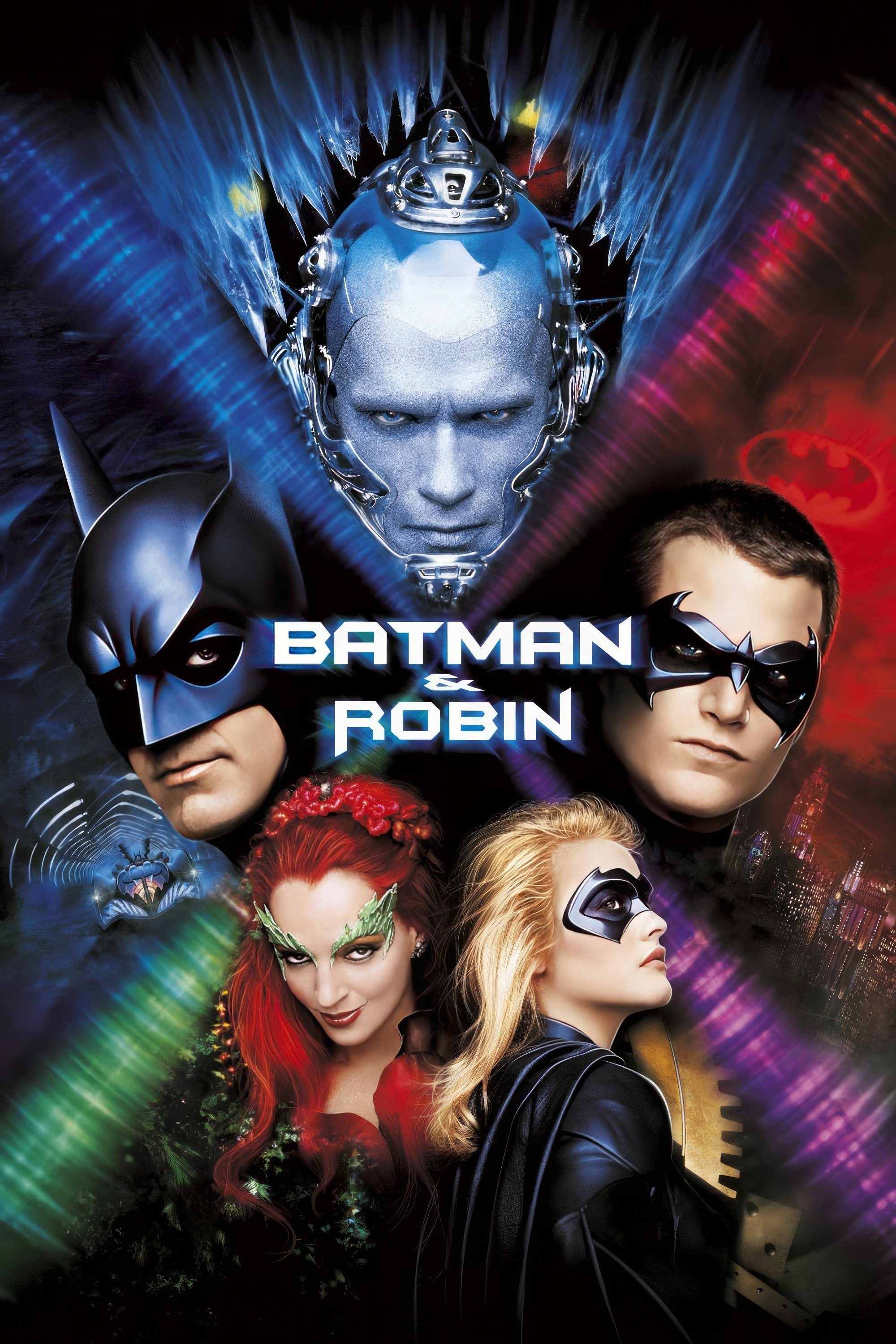
Directed by Joel Schumacher from a screenplay by Akiva Goldsman, ‘Batman & Robin’ stars George Clooney as Bruce Wayne, Chris O’Donnell as Dick Grayson, Arnold Schwarzenegger as Dr. Victor Fries, Uma Thurman as Pamela Isley, and Alicia Silverstone as Barbara Wilson. The film’s crew includes producer Peter MacGregor-Scott, cinematographer Stephen Goldblatt, editor Dennis Virkler, production designer Barbara Ling, and composer Elliot Goldenthal. Principal photography used large, stylized sets at Warner Bros. studios, with extensive practical effects and elaborate costumes created by Jose Fernandez’s team.
The plot follows Batman and Robin as they face Mr. Freeze and Poison Ivy, whose plans threaten Gotham City with an engineered ice age and a mutated flora takeover. Subplots introduce Batgirl and explore partnership tensions within the crime-fighting duo. The theatrical cut runs approximately two hours, with wide international distribution and a global box-office take far above domestic receipts relative to its large production budget, plus significant merchandising and soundtrack tie-ins.
‘Showgirls’ (1995)

‘Showgirls’ pairs director Paul Verhoeven with screenwriter Joe Eszterhas and stars Elizabeth Berkley as Nomi Malone, Gina Gershon as Cristal Connors, and Kyle MacLachlan as Zack Carey. The crew features cinematographer Jost Vacano, editor Mark Goldblatt, production designer David L. Snyder, and choreographer Marguerite Derricks. The film was released with an NC-17 rating, making it a high-profile studio title in that category, and it was shot largely on location in Las Vegas, including casino stages and backstage areas.
The story follows Nomi, an itinerant dancer who pursues headliner status in a glitzy revue while navigating rivalries, manipulation, and the business mechanics behind a major Strip production. Marketing centered on provocative imagery and a prominent soundtrack, and the film’s theatrical performance contrasted sharply with its later home-video and late-night broadcast life, which turned it into a recurring repertory and midnight-screening fixture.
‘Striptease’ (1996)
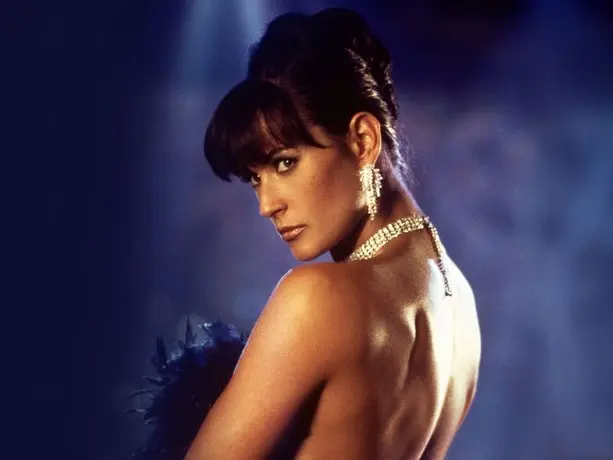
Written and directed by Andrew Bergman and adapted from Carl Hiaasen’s novel, ‘Striptease’ stars Demi Moore as Erin Grant, Burt Reynolds as Congressman David Dilbeck, and Armand Assante as Detective Al Garcia. The production team includes producer Mike Lobell, cinematographer Stephen Goldblatt, editor Anne V. Coates, and composer Howard Shore. Costuming and dance numbers were designed around the film’s club setting, with location work in Florida contributing to the story’s political and legal backdrop.
The plot centers on a former FBI secretary turned dancer who becomes entangled with a powerful politician while fighting a custody battle for her daughter. The film’s release emphasized Moore’s performance and a soundtrack aligned with the club milieu, and it registered a strong international presence. Box-office returns exceeded its reported production costs when worldwide totals are considered, aided by overseas markets and ancillary releases.
‘Speed 2: Cruise Control’ (1997)
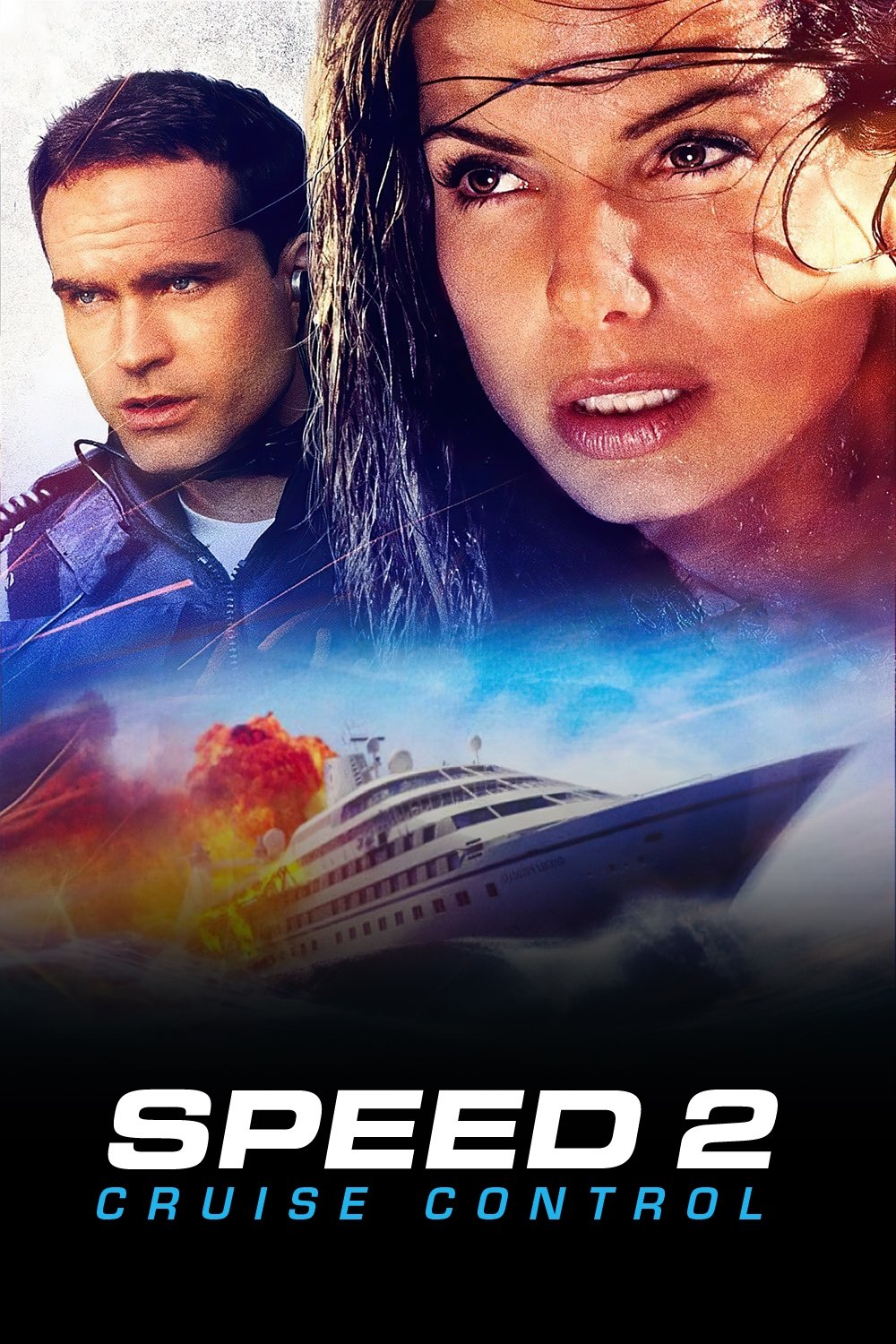
Directed by Jan de Bont, ‘Speed 2: Cruise Control’ stars Sandra Bullock as Annie Porter, Jason Patric as Alex Shaw, and Willem Dafoe as John Geiger. Key creatives include cinematographer Andrzej Bartkowiak, editor Alan Cody, and composer Mark Mancina, with large-scale maritime stunts coordinated across multiple units. Much of the production took place aboard the Seabourn Legend, with additional water-tank and harbor work supporting the film’s action sequences.
The narrative moves the action from highways to open water, following a sabotaged luxury cruise ship set on a collision course with a coastal city. The film integrates Coast Guard procedures, shipboard systems, and computer-control sabotage into its set pieces. It saw a broad theatrical rollout, substantial marketing support, and a worldwide gross that reflected strong interest outside North America, alongside a full suite of home-entertainment releases.
‘Super Mario Bros.’ (1993)
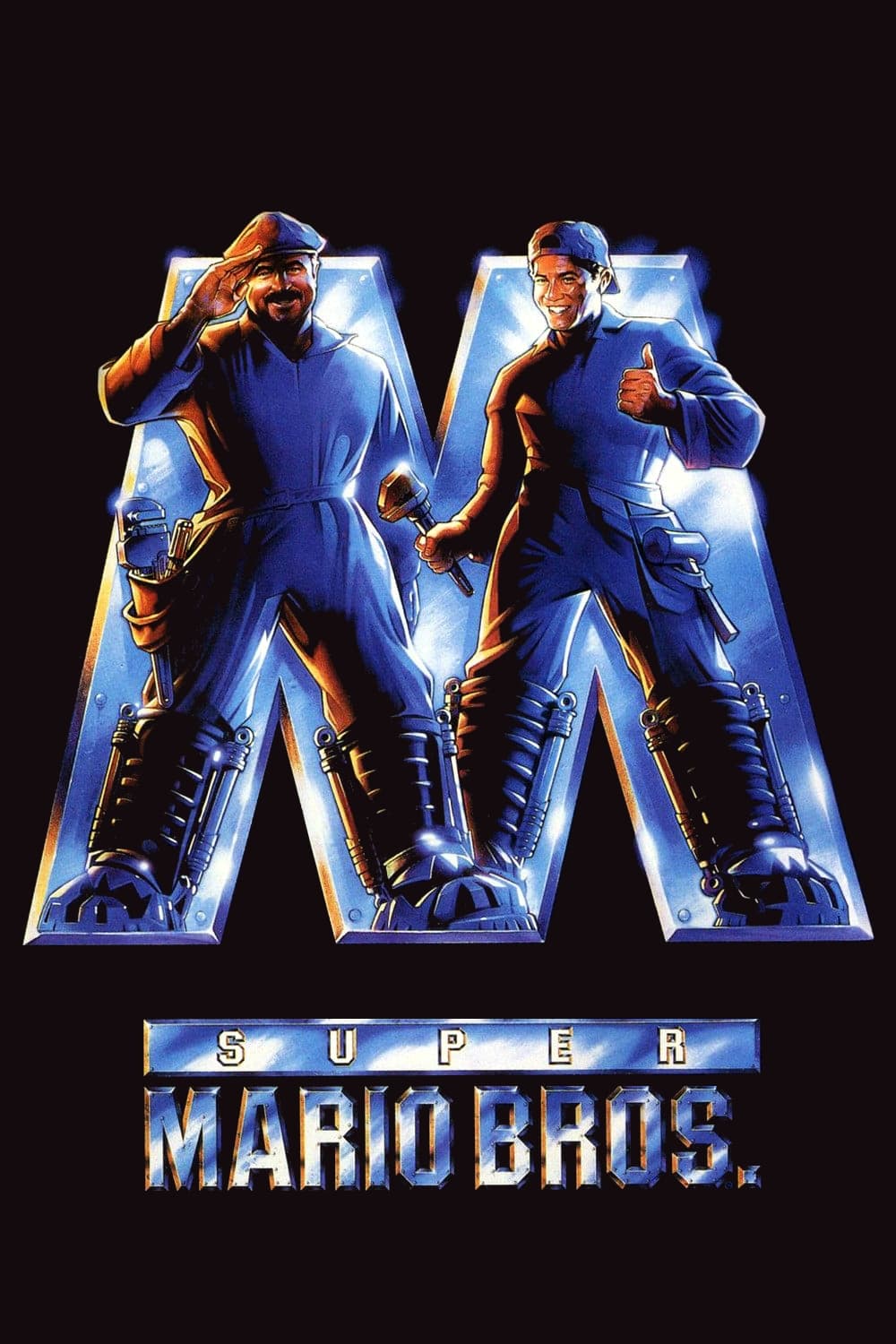
Co-directed by Rocky Morton and Annabel Jankel, ‘Super Mario Bros.’ stars Bob Hoskins as Mario, John Leguizamo as Luigi, Dennis Hopper as King Koopa, and Samantha Mathis as Daisy. The production involved extensive practical sets designed by David L. Snyder and effects work blending animatronics with early digital techniques. Dean Semler served as cinematographer, and Mark Goldblatt and John Roach handled editing. The film was one of the earliest large-scale, live-action adaptations of a major video-game franchise.
The plot reimagines the familiar characters in a parallel, dystopian city where evolved reptilian descendants rule, sending the brothers on a rescue mission that involves de-evolution weaponry and interdimensional portals. Marketing highlighted the brand’s recognition with posters, trailers, and tie-ins, while the film’s box office fell short of production and advertising costs. Subsequent releases on video and television gave it a cult following tied to curiosity about its unusual worldbuilding.
‘Kazaam’ (1996)
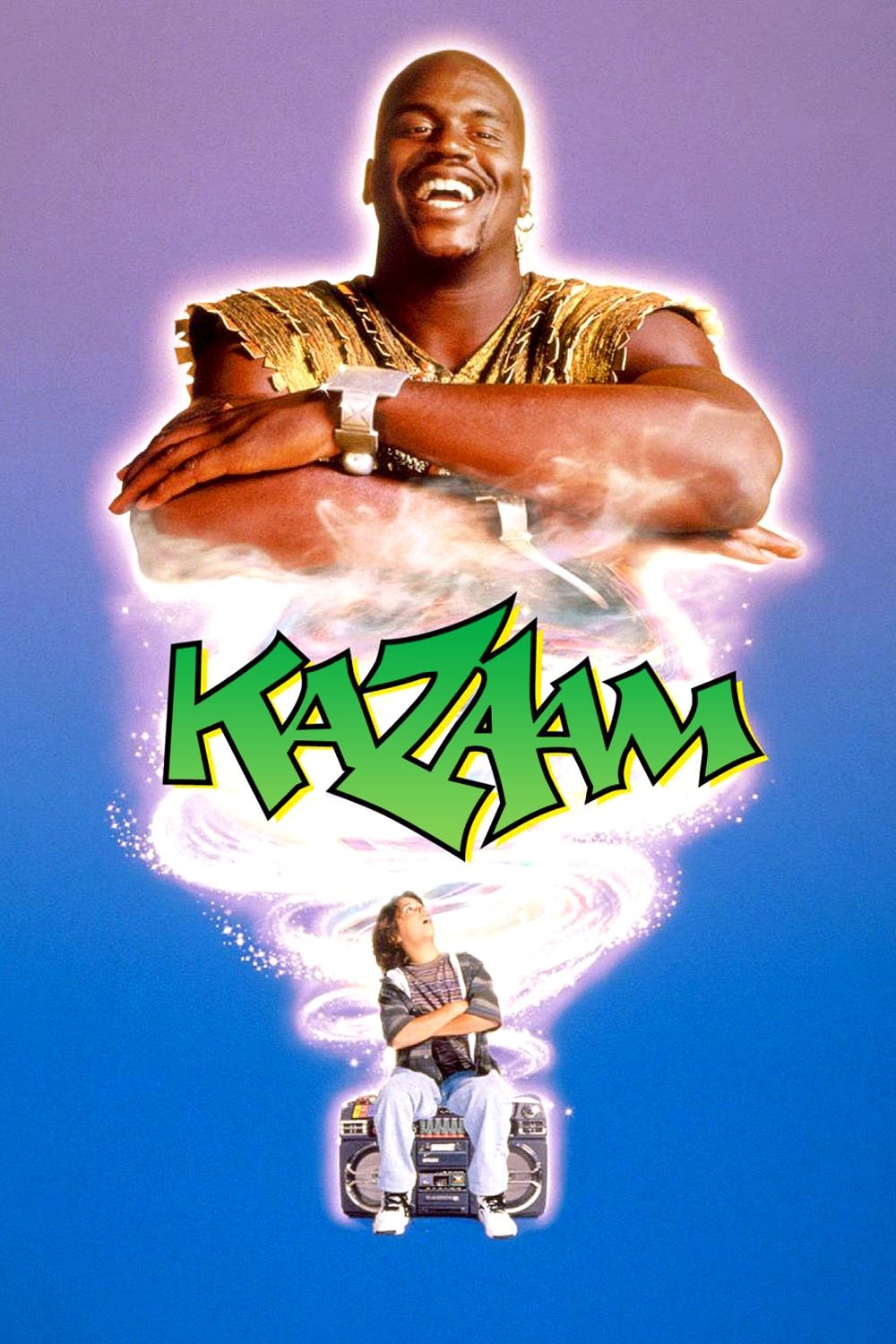
Directed by Paul Michael Glaser and written by Christian Ford and Roger Soffer, ‘Kazaam’ features Shaquille O’Neal as a genie who emerges from a boombox to help a teenager played by Francis Capra, with Ally Walker and John Costelloe in supporting roles. Crew highlights include cinematographer Russell Carpenter, editor Michael Tronick, and composer Christopher Tyng. The film’s urban settings and music cues were designed to situate a folklore premise in a contemporary city environment.
The story follows the genie’s attempts to grant wishes while dealing with a contractually limited set of powers and a music-industry subplot involving master tapes and piracy. The release targeted family audiences, supported by cross-promotion with basketball coverage and youth-market advertising. Domestic box-office returns trailed reported production costs, with additional revenue generated through video rentals and television airings.
‘The Postman’ (1997)
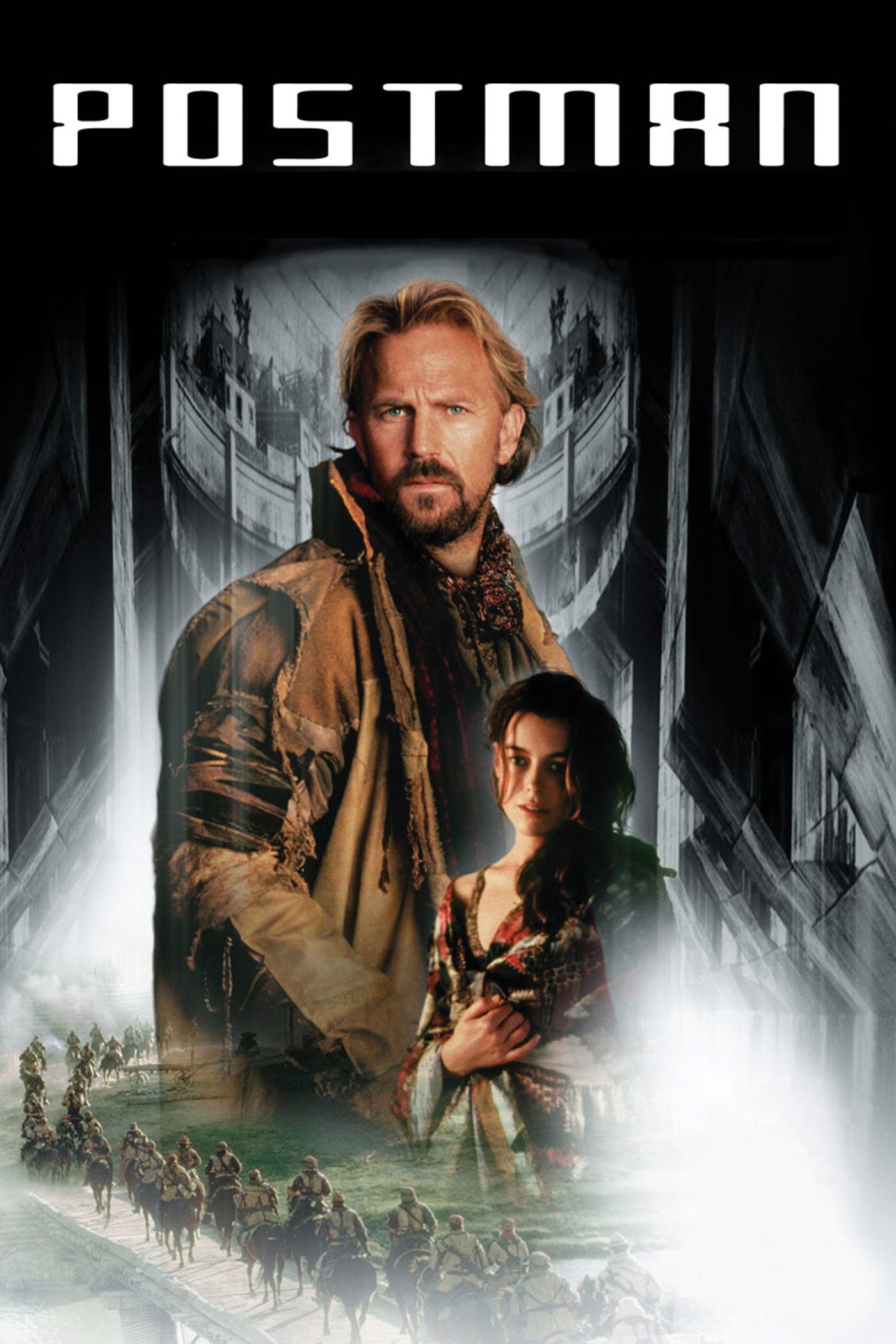
Directed by and starring Kevin Costner, ‘The Postman’ adapts David Brin’s novel, with Will Patton as the warlord General Bethlehem and Olivia Williams as Abby. The production team includes cinematographer Stephen F. Windon, editor Peter Boyle, and composer James Newton Howard, with large-scale location work across the American West. The film’s design emphasizes post-collapse communities, using practical sets, equestrian units, and military-style extras to populate frontier towns.
The plot follows a drifter who assumes the identity of a postal carrier and inadvertently inspires scattered settlements to reconnect through a revived mail service. Marketing stressed sweeping scenery and frontier themes, while the long runtime and wide release framed it as a major holiday season offering. The domestic gross remained well below reported negative cost, with ancillary markets providing the remaining revenue footprint.
‘Wild Wild West’ (1999)
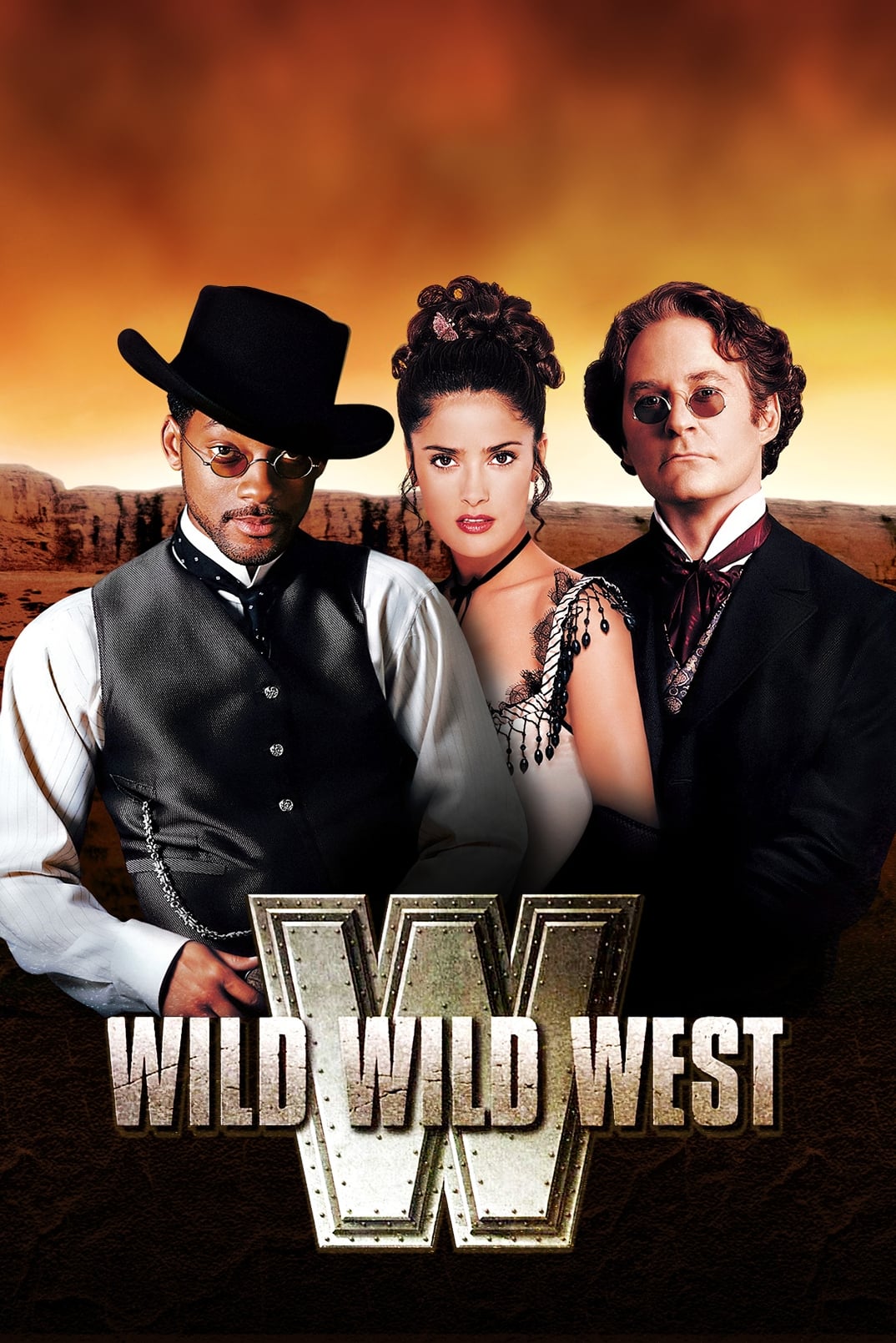
Barry Sonnenfeld directs ‘Wild Wild West’, starring Will Smith as Captain James West, Kevin Kline as U.S. Marshal Artemus Gordon, Kenneth Branagh as Dr. Arliss Loveless, and Salma Hayek as Rita Escobar. Inspired by the classic television series, the film blends Western motifs with gadget-heavy espionage, supported by production design from Bo Welch, cinematography by Michael Ballhaus, editing by Jim Miller, and an orchestral score paired with a high-profile original single. Visual effects houses contributed to large mechanical constructs central to the climax.
The storyline partners West and Gordon on a mission from President Ulysses S. Grant that pits them against a scientist wielding advanced steampunk-style weaponry. Filming combined desert exteriors, backlot sets, and large miniatures. The project carried a significant production budget and a global marketing push, leading to worldwide grosses that outpaced domestic performance and a robust merchandising campaign.
‘Godzilla’ (1998)

Roland Emmerich directs ‘Godzilla’, with Matthew Broderick as Dr. Niko Tatopoulos, Jean Reno as Philippe Roaché, Maria Pitillo as Audrey Timmonds, and Hank Azaria as Victor Palotti. The film’s crew includes producer Dean Devlin, cinematographer Ueli Steiger, editor Peter Amundson, and composer David Arnold, with extensive digital creature work executed by major effects vendors. Location shooting in New York City and soundstage builds supported large-scale destruction sequences.
The plot introduces a mutated reptilian creature that makes landfall and nests in Manhattan, drawing in military forces and a covert French team while a TV news crew documents events. The release strategy featured a heavy teaser campaign, branded tie-ins, and a soundtrack packed with contemporary artists. Worldwide grosses were substantial compared to production costs, and the film later spawned animated follow-ups and continued home-media circulation.
‘An Alan Smithee Film: Burn, Hollywood, Burn’ (1997)
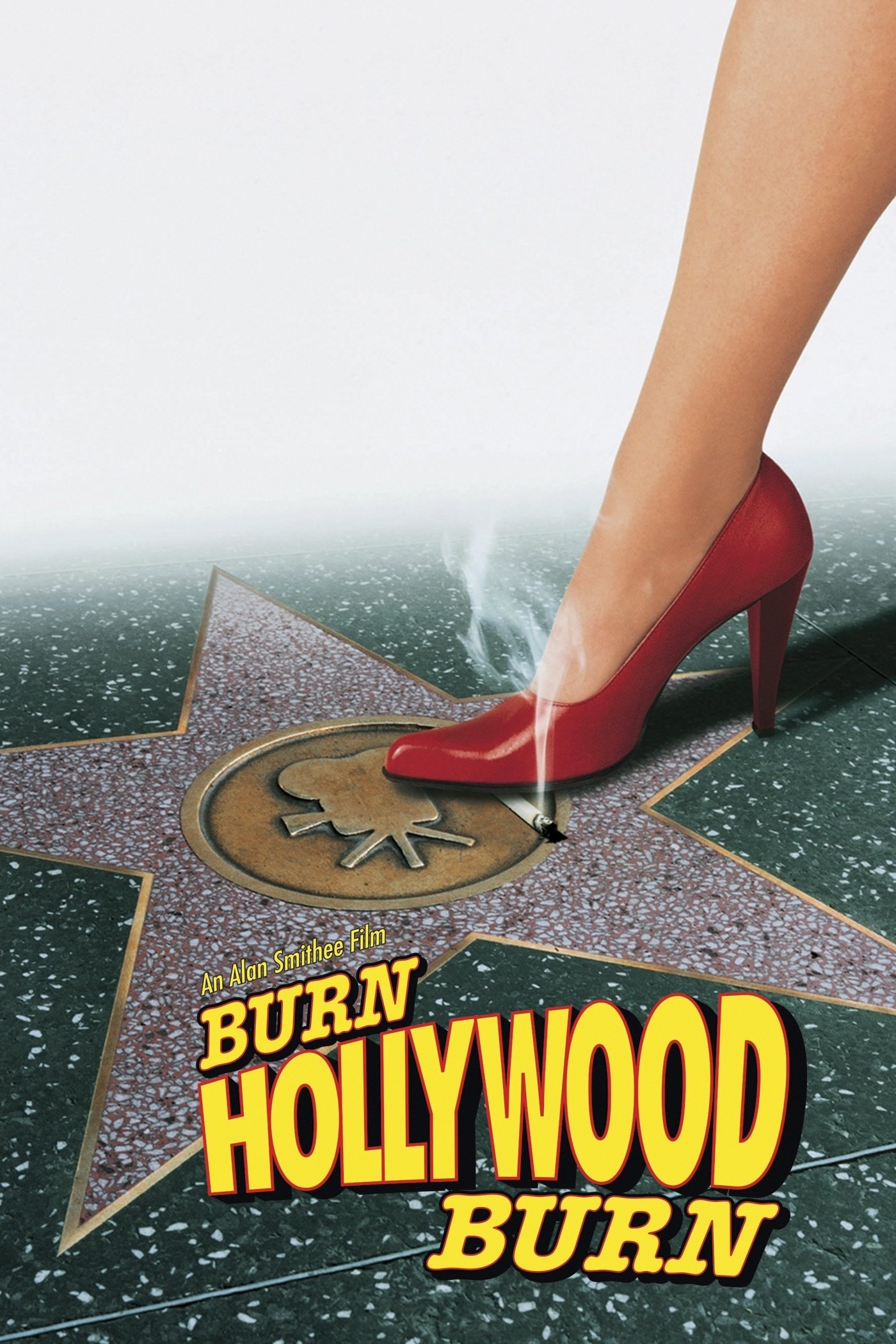
Directed by Arthur Hiller—who subsequently had his name removed in favor of the industry pseudonym—’An Alan Smithee Film: Burn Hollywood Burn’ was written by Joe Eszterhas and stars Eric Idle as a director trapped in a contractual dispute. The ensemble includes Richard Jeni, Coolio, Chuck D, and numerous industry cameos. Technical credits feature cinematography by Reynaldo Villalobos and editing by Michael R. Miller, with a brief runtime that positions the film as a satirical mockumentary.
The narrative follows a filmmaker who attempts to disown his project but is prevented by contractual terms, leading to an escalating battle with producers and publicists. Theatrical distribution was limited, and reported box-office receipts were notably small relative to the production spend. Home-video availability and festival screenings extended its footprint, with the pseudonym’s backstory becoming a focal point of publicity.
‘Cool World’ (1992)
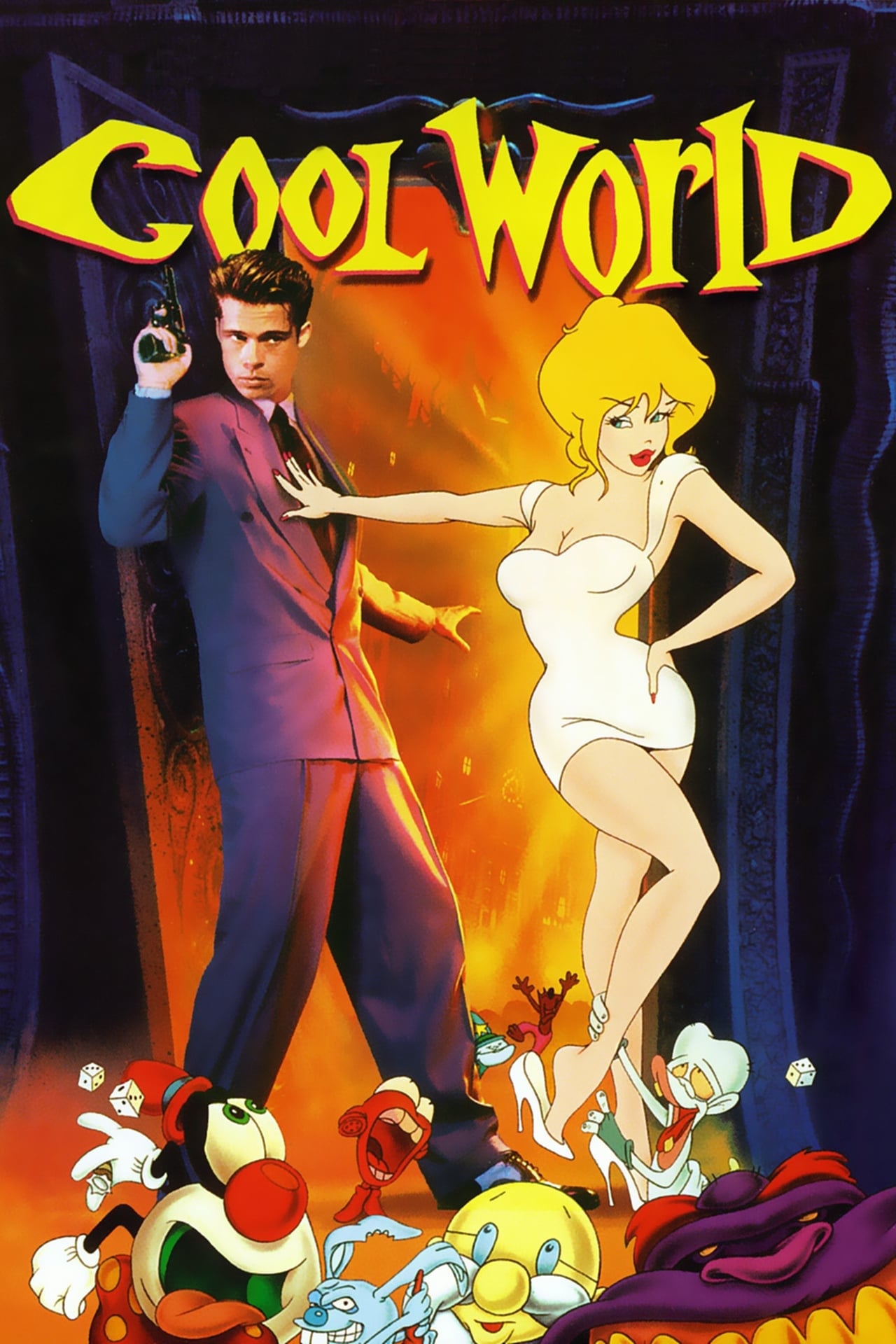
Ralph Bakshi directs ‘Cool World’, a hybrid live-action/animation feature starring Gabriel Byrne as cartoonist Jack Deebs, Kim Basinger as the animated Holli Would, and Brad Pitt as detective Frank Harris. The production involved a complex pipeline of live-action plates photographed by John A. Alonzo and animation completed by teams under Bakshi’s supervision, with music by Mark Isham. Paramount Pictures handled distribution, and the project underwent multiple script revisions during development.
The story centers on a dimension where “doodles” coexist with humans, and where the act of crossing between worlds triggers consequences that threaten both realities. Marketing emphasized the adult-oriented animation angle and a stylized visual design distinct from family-targeted cartoons. Despite a wide release, theatrical returns were below costs, with later cable and home-video runs introducing the film to niche animation audiences.
‘Baby Geniuses’ (1999)

Directed by Bob Clark, ‘Baby Geniuses’ stars Kathleen Turner as Dr. Elena Kinder, Christopher Lloyd as Dr. Heep, and Kim Cattrall as Robin. The film relies on a mix of infant performers, voice-over dialogue, and visual effects to depict a secret language spoken by babies. Behind the camera, the team includes cinematographer Stephen M. Katz, editor Stan Cole, and composer Eric Allaman, with sets and props built around a high-tech research facility called BabyCo.
The plot follows a group of toddlers endowed with advanced intelligence who escape a corporate lab while scientists attempt to monetize their abilities. The film received a broad family-market release window, earning box-office totals that exceeded its reported budget when worldwide numbers and ancillary channels are combined. It later led to a sequel, ‘Superbabies: Baby Geniuses 2’, extending the concept with returning creative personnel.
‘Street Fighter’ (1994)
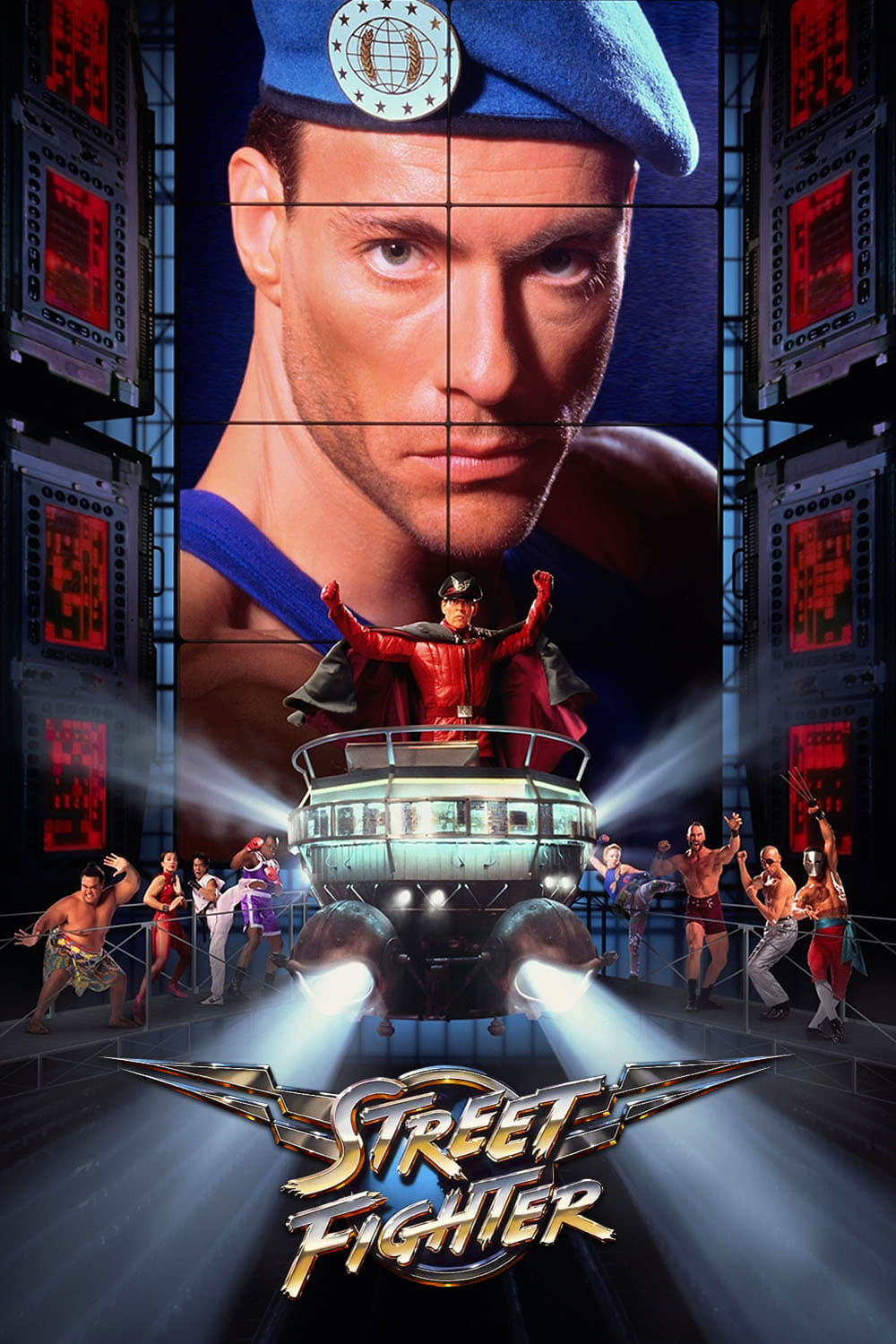
Written and directed by Steven E. de Souza and based on Capcom’s game series, ‘Street Fighter’ stars Jean-Claude Van Damme as Colonel Guile, Raúl Juliá as General M. Bison, Ming-Na Wen as Chun-Li, Damian Chapa as Ken, Byron Mann as Ryu, and Kylie Minogue as Cammy. Andrzej Bartkowiak served as cinematographer, with editing by Edward Warschilka and music by Graeme Revell. Production utilized locations in Australia and Thailand, with large set builds, costumes referencing the game designs, and ensemble fight choreography.
The plot weaves multiple character arcs into a military rescue story in the fictional nation of Shadaloo, where Guile leads an Allied Nations task force against Bison’s dictatorship. The film opened in numerous territories with a marketing push centered on the brand’s arcade and console popularity, generating strong international grosses relative to costs. Home-video circulation and TV syndication kept the title in regular rotation for years after release.
Share your picks—and which ones you’ve actually made it through—in the comments!