
The Worst Movies of All Time


Some films become famous for all the wrong reasons. Production troubles, bizarre creative choices, and poor critical reception can push a release into the history books as a cautionary tale. This list looks at titles that drew widespread criticism, struggled at the box office, or earned notoriety through awards that single out poor filmmaking.
Each entry includes context on the premise, key names behind the camera, and notable performance figures where available. You will find budgets, box office totals, and reception facts that explain how these films gained their reputations over time.
‘Plan 9 from Outer Space’ (1959)
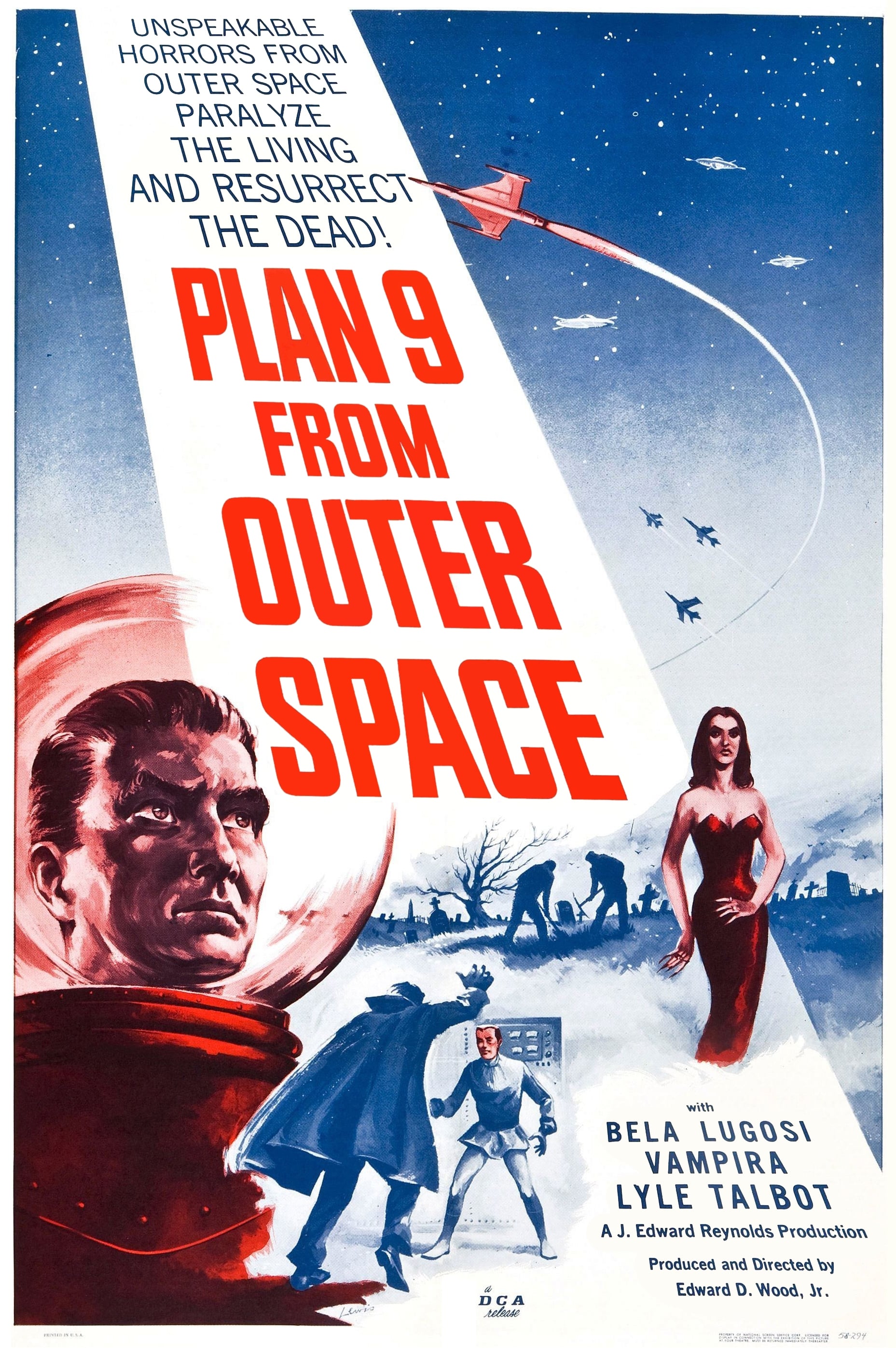
Directed by Ed Wood, this low budget science fiction film follows aliens who attempt to stop humans from creating a doomsday weapon by resurrecting the dead. The cast includes Bela Lugosi in footage shot before his death, which was completed using a stand in who held a cape to hide his face.
The production relied on cardboard sets, day for night continuity errors, and stock footage to stretch its limited resources. Although barely noticed on release, it became a midnight movie staple and is frequently cited in discussions of cult cinema and the evolution of outsider filmmaking.
‘Birdemic: Shock and Terror’ (2010)
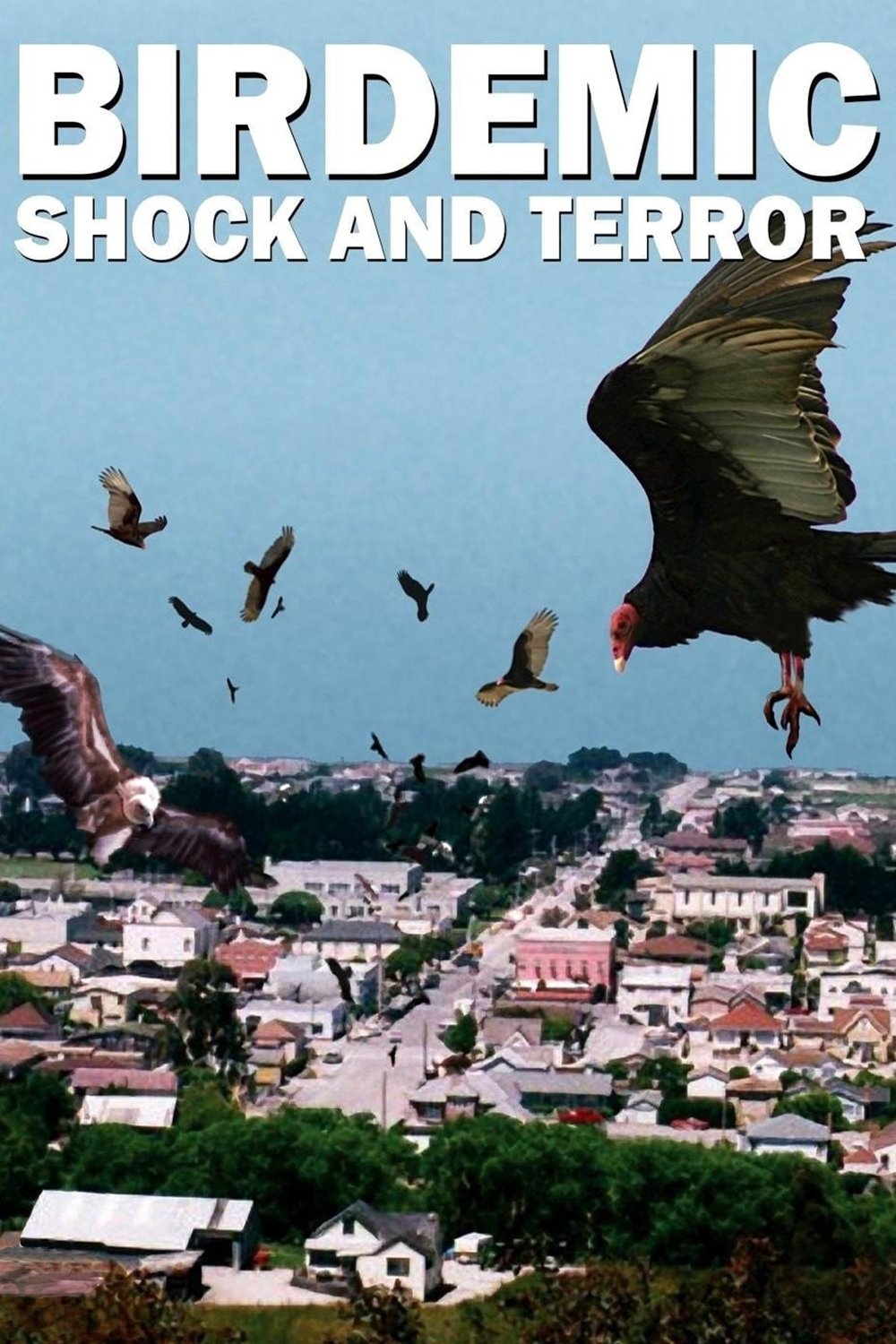
This independent thriller centers on a small town targeted by lethal flocks of birds while a pair of leads try to survive and warn others. It was written and directed by James Nguyen and filmed around Half Moon Bay in California with consumer grade equipment.
The movie is known for digital bird effects, prolonged driving scenes, and extensive use of environmental messaging within the narrative. Word of mouth screenings turned it into a cult item, leading to sequel attempts and live audience events that highlight its unusual production choices.
‘The Room’ (2003)
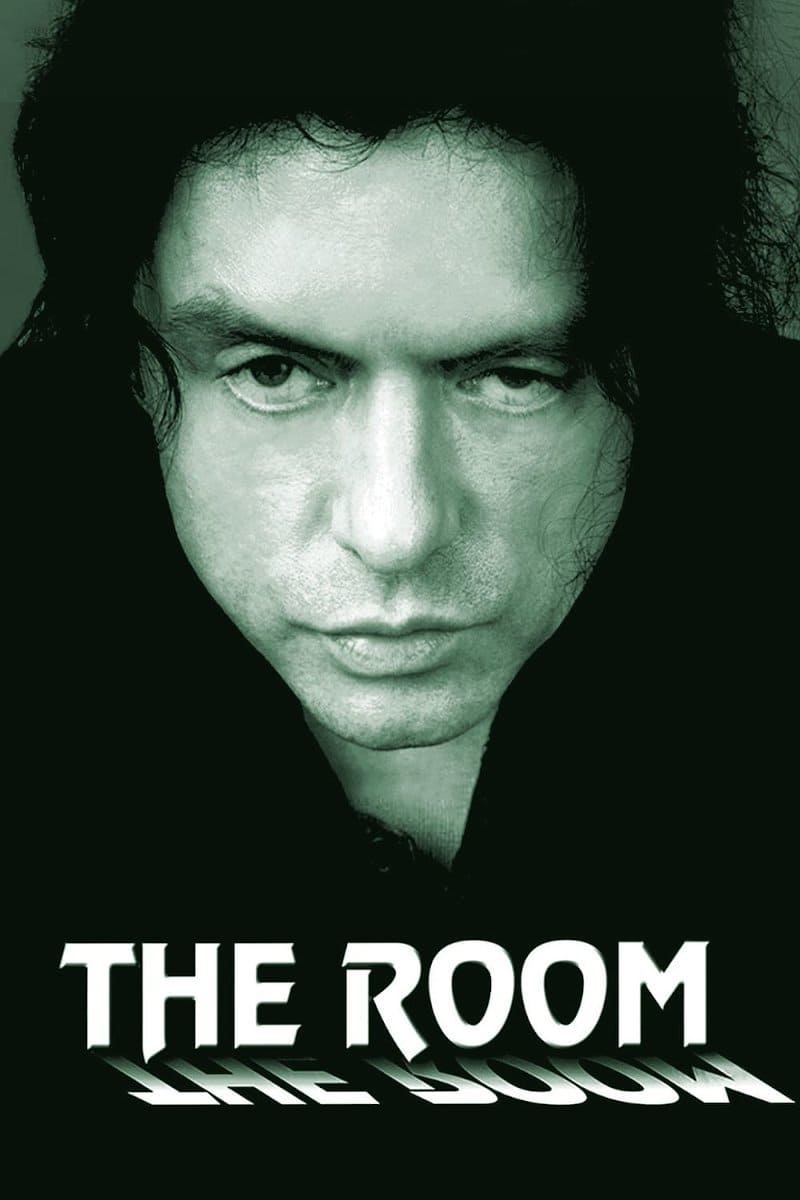
Written, directed, and financed by Tommy Wiseau, this drama focuses on a love triangle that fractures friendships in San Francisco. The film was shot on both 35 mm and HD video at the same time, an uncommon and expensive approach for an independent production.
Initial box office returns were minimal, but midnight showings created sustained interest and participation screenings with audience rituals. The making of the film inspired a memoir and a later feature adaptation, documenting how its production history became as famous as the movie itself.
‘Batman & Robin’ (1997)
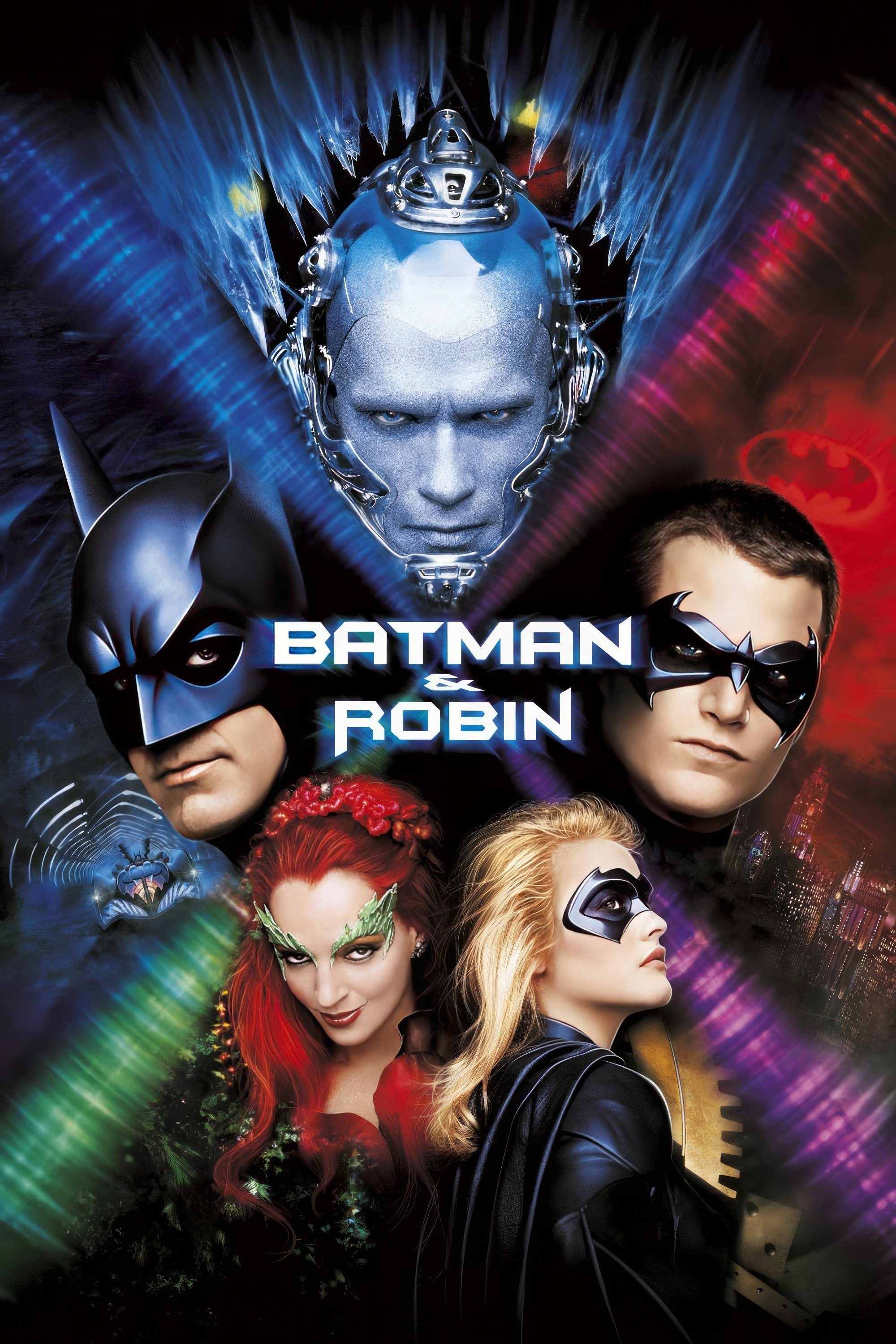
Joel Schumacher directed this comic book sequel featuring George Clooney as Bruce Wayne and Arnold Schwarzenegger as Mr Freeze. The story follows a partnership tested by new villains and a plot involving global freezing and botanical experiments.
Merchandising goals shaped the project, including suits with prominent molded details and a lighter tone compared to prior entries. The film underperformed expectations and prompted a rethink of the franchise, paving the way for a later reboot that shifted to a darker style.
‘Catwoman’ (2004)
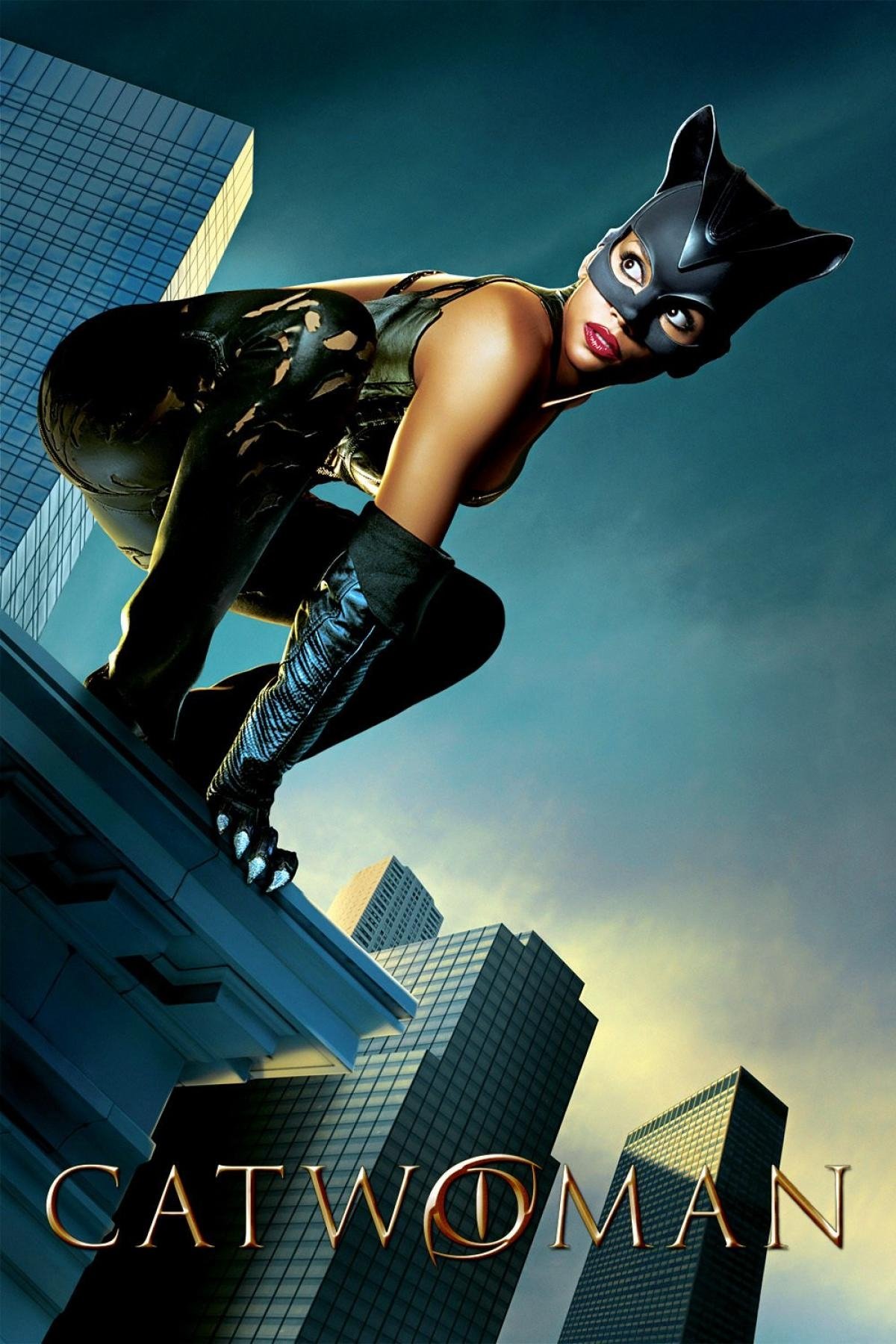
Halle Berry stars in a standalone superhero story about a woman granted feline abilities after uncovering a cosmetics industry conspiracy. The film was directed by Pitof and departed from the established DC Comics character lore, including a new identity for the lead.
With a production budget reported in the nine figure range, the movie earned weak domestic returns and became a frequent reference in discussions of misaligned brand adaptations. It received multiple nominations at ceremonies that highlight poor films, and Berry accepted one in person with a self aware speech.
‘Movie 43’ (2013)
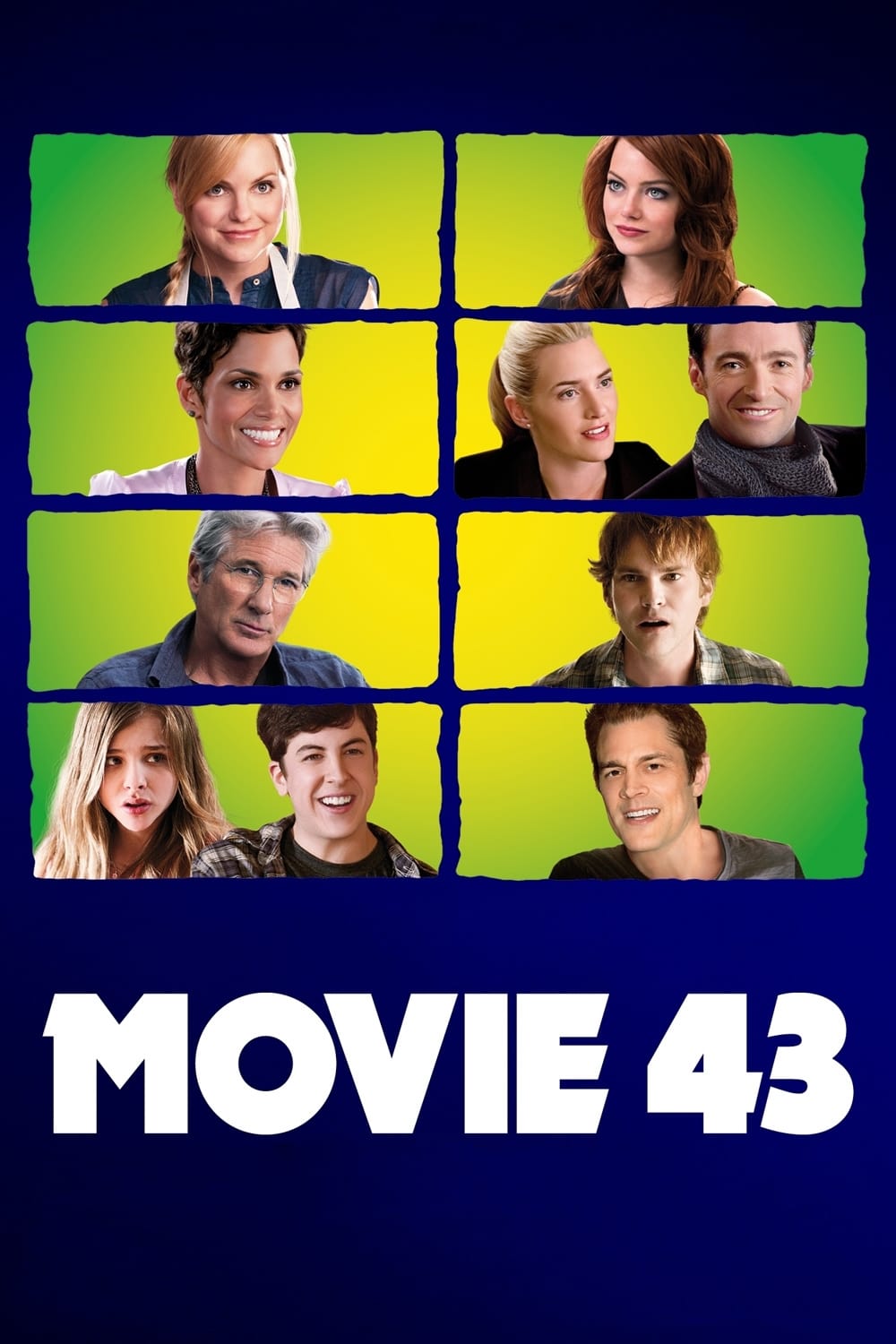
This anthology comedy features a wide roster of stars in separate sketch segments linked by a framing story. The project used multiple directors and filmed vignettes over a long period, coordinating schedules to secure brief appearances.
Despite the ensemble cast, the film opened to negative reviews and modest ticket sales. The production history is notable for the tactics used to recruit participants, which included filming around other commitments and shooting in short bursts to complete the patchwork structure.
‘Gigli’ (2003)
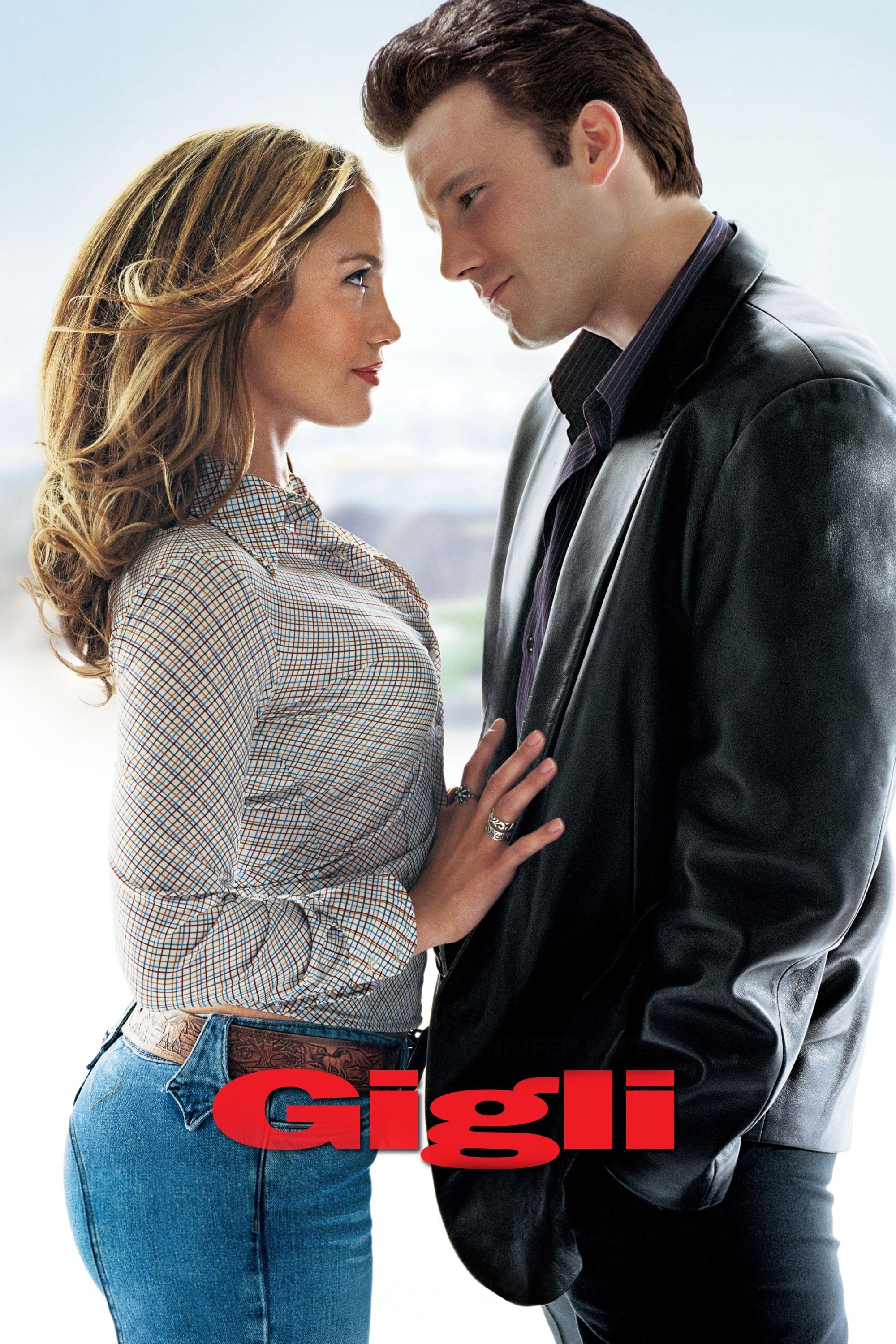
Ben Affleck and Jennifer Lopez headline this crime romance about a low level enforcer assigned to a botched kidnapping that turns into an unlikely relationship. The production underwent reshoots and tonal adjustments after test screenings, which shifted the focus toward a romantic angle.
The movie saw a wide release, recorded a significant theatrical loss relative to its reported budget, and became a high profile example of star driven marketing failing to translate into attendance. It later appeared on end of year lists that track box office underperformers.
‘Battlefield Earth’ (2000)
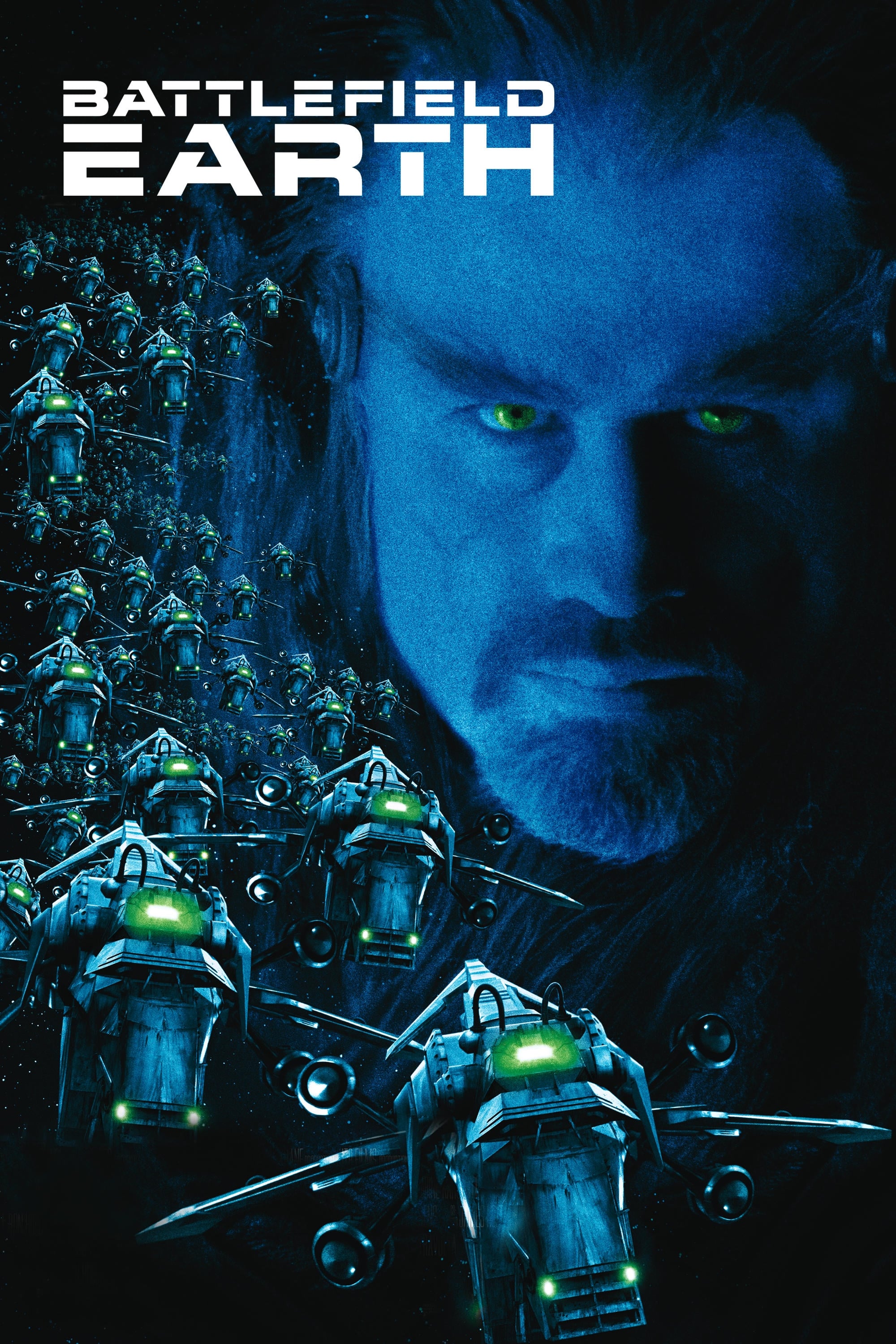
Adapted from a novel by L Ron Hubbard, this science fiction film stars John Travolta as an alien security chief overseeing an occupied Earth. The plot follows human resistance leaders who attempt to reclaim the planet using recovered technology.
The visual style features extensive use of canted angles and tinted lighting, while the production drew attention for its financing structure and post production changes. The film earned multiple worst of the year awards and recouped only a fraction of its reported costs during its theatrical run.
‘Howard the Duck’ (1986)
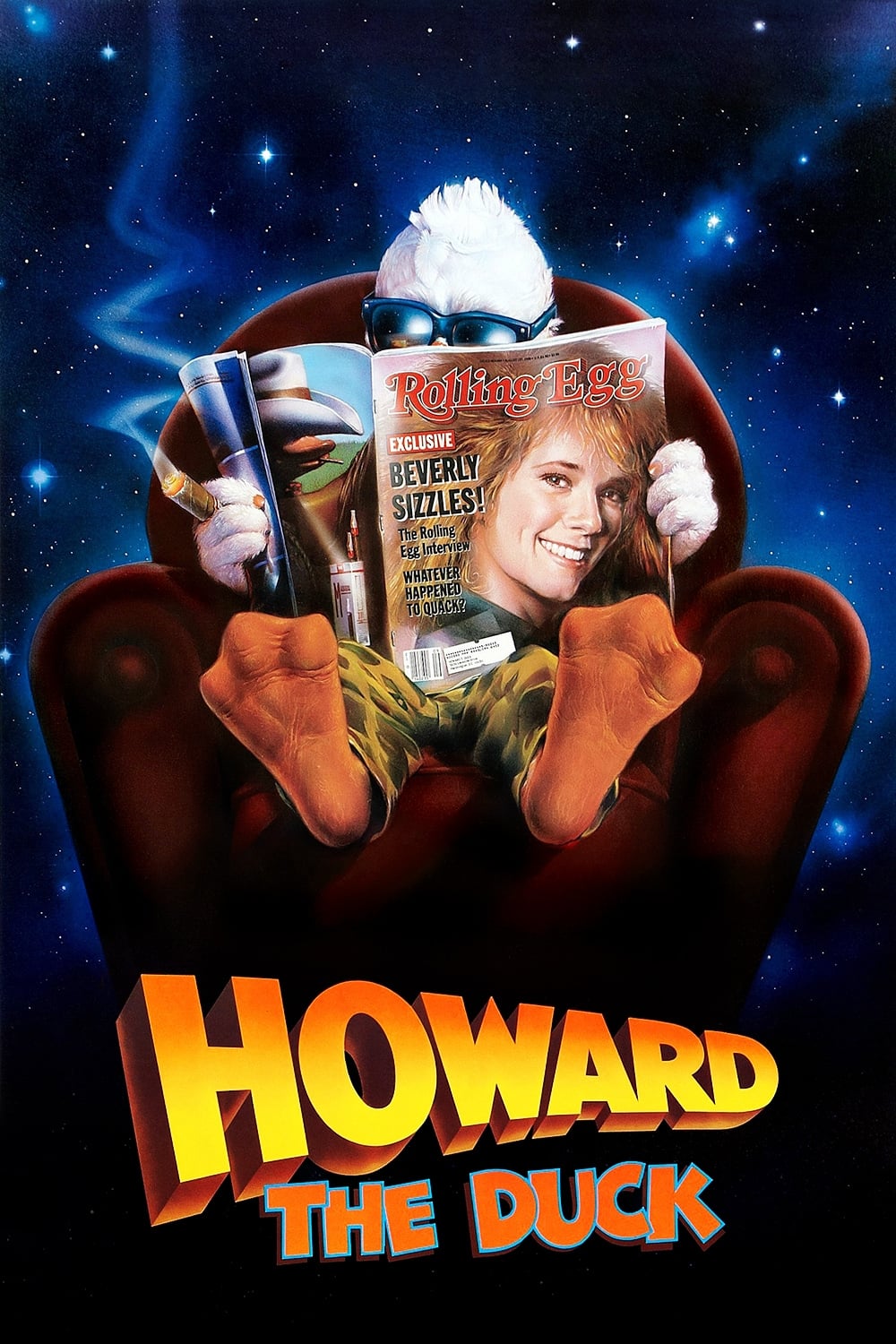
Based on a Marvel Comics character, this adventure follows an anthropomorphic duck transported to Cleveland where he battles an interdimensional threat. George Lucas served as an executive producer and the effects team built a full body animatronic suit for the lead.
The movie struggled to connect with family audiences due to tone and content that skewed older, and critics noted the challenges of adapting the satirical source. It underperformed domestically, though later home video and comic history retrospectives kept it in circulation as an early Marvel related curiosity.
‘Superbabies: Baby Geniuses 2’ (2004)
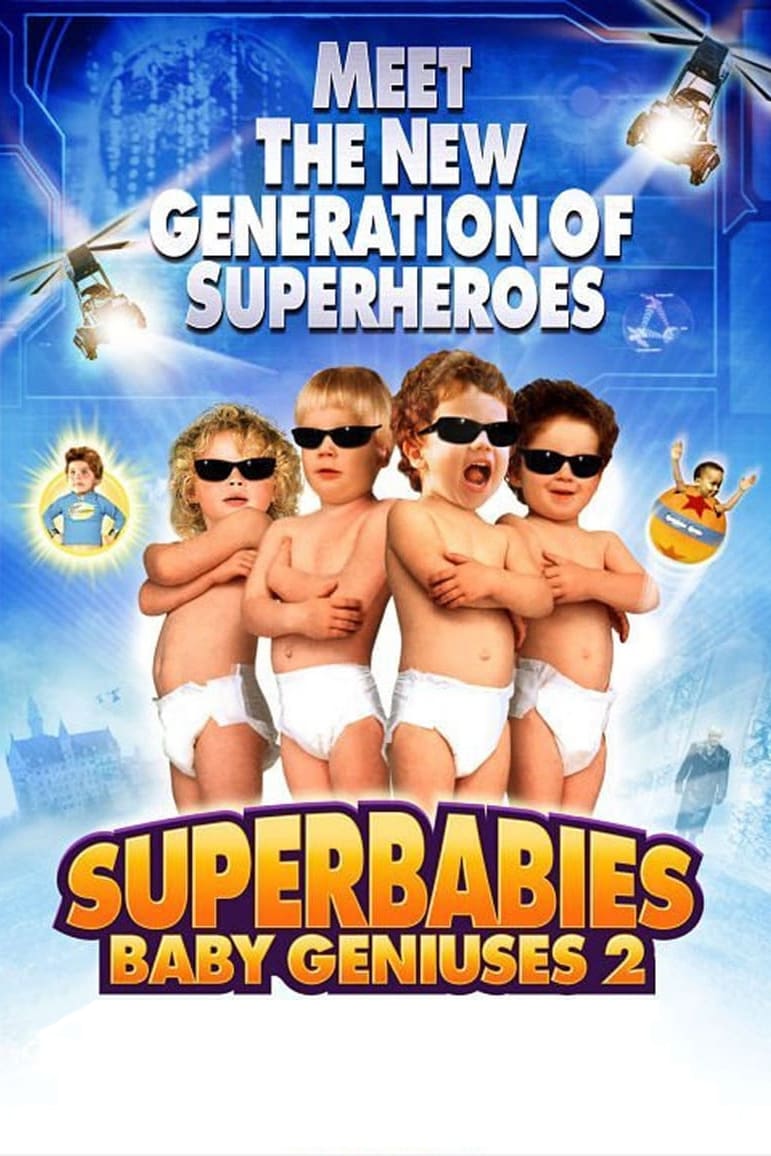
A sequel to a family comedy, this installment features talking toddlers who team up to stop a media mogul from mind control plans. Bob Clark directed, returning to a concept where infants possess secret intelligence and communicate among themselves.
The film received extremely low critical scores and a very small per theater average during release. It is frequently listed among the poorest performing wide releases of its year and is used in discussions of sequel fatigue in family entertainment.
‘Jack and Jill’ (2011)
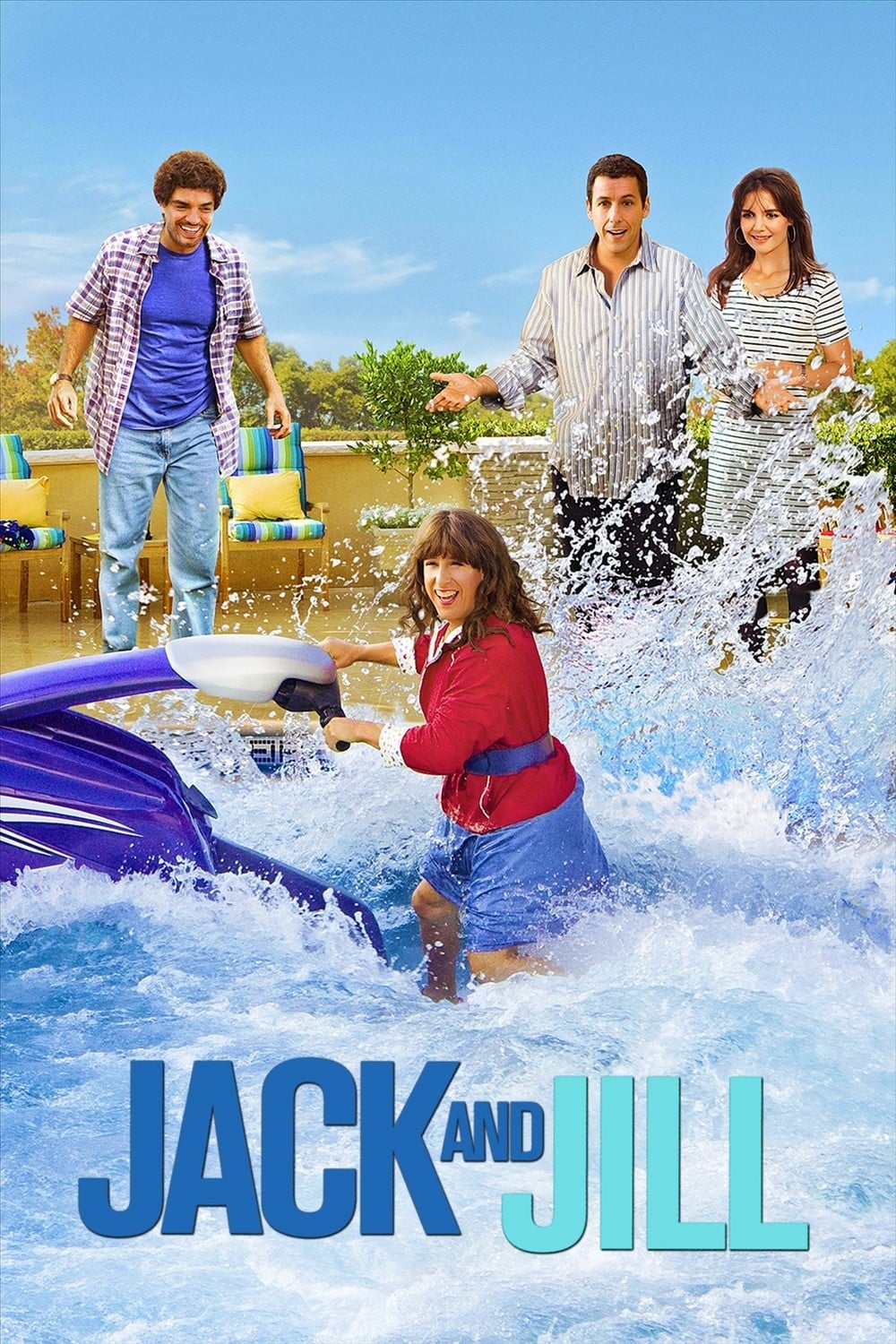
Adam Sandler plays twin siblings whose strained relationship disrupts a high profile advertising campaign during the holidays. The production used split screen techniques and body doubles to stage dialogue between the two characters.
While the movie attracted brand cameos and a celebrity supporting role, it was met with negative reviews and dominated year end awards that single out poor films. Box office receipts were solid compared to cost, yet it remains a touchstone example used when examining critical reception versus commercial draw.
‘Cats’ (2019)
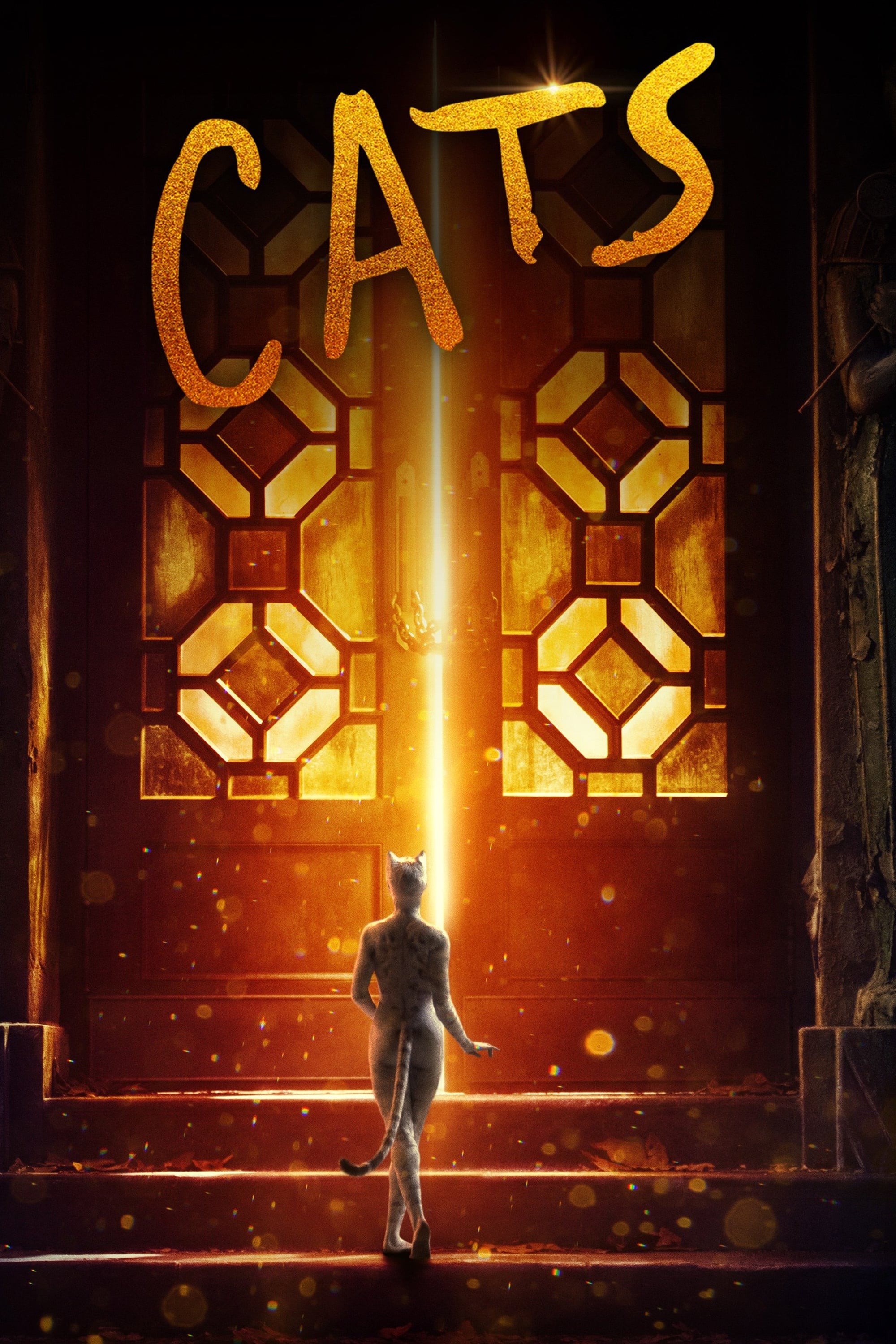
This adaptation of the long running stage musical uses digital fur technology to transform an ensemble cast into feline characters. The narrative presents a series of introductions leading to a selection ritual, with songs recorded by well known performers.
The release version was updated after opening weekend to address visual effects issues, an unusual step that drew industry attention. The film missed revenue expectations during the holiday corridor and became a case study in the risks of ambitious digital character design.
‘Dragonball Evolution’ (2009)
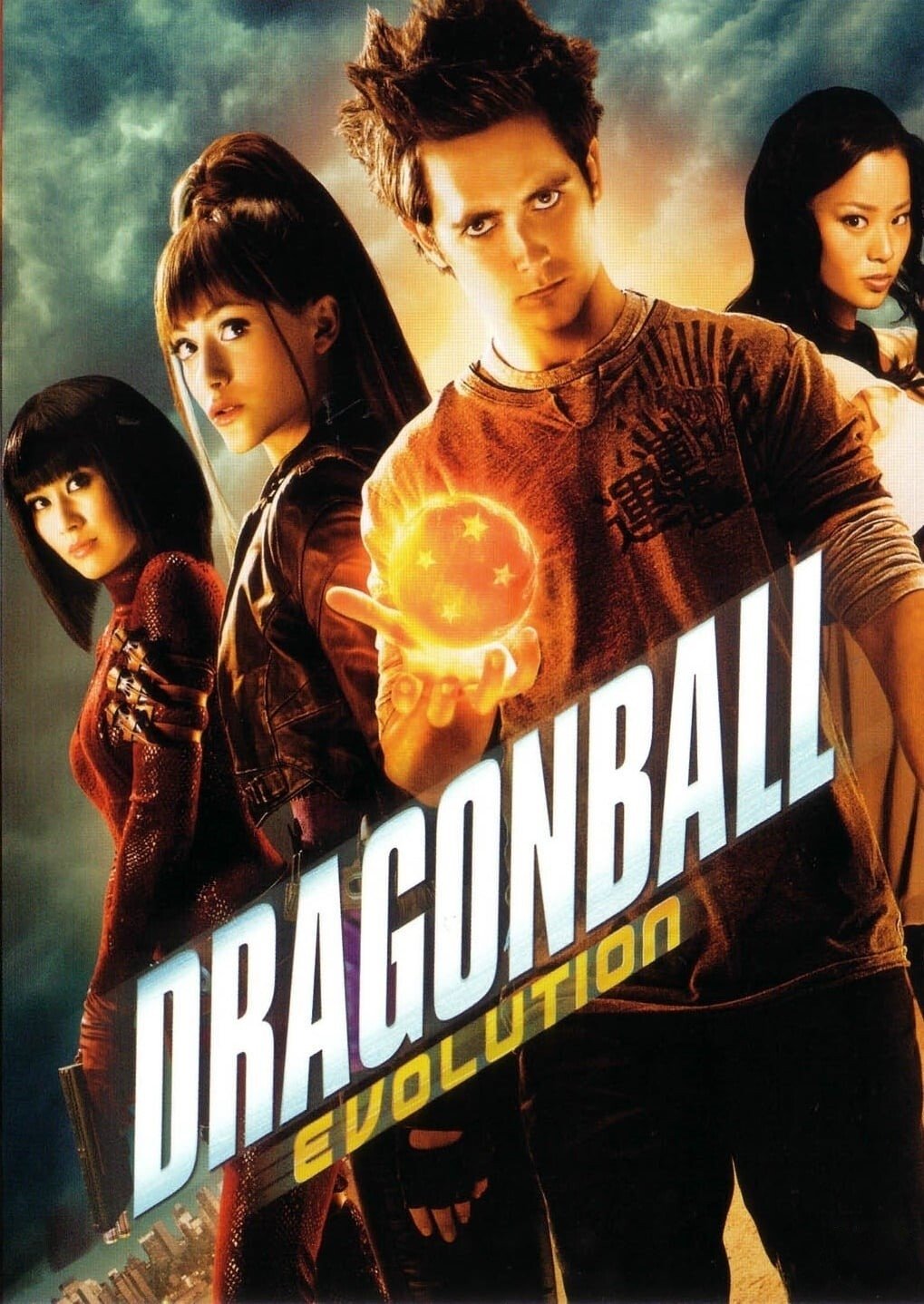
A live action take on a popular anime and manga franchise, this film follows Goku as he prepares for an eclipse that will empower a returning enemy. The cast includes Justin Chatwin, Emmy Rossum, and James Marsters, and the production shot in locations across Mexico and Los Angeles.
Fans and critics noted deviations from the source material and a compressed runtime that limited character arcs. The movie earned modest global grosses relative to action competitors that year, and a planned expansion into sequels did not move forward.
‘The Last Airbender’ (2010)
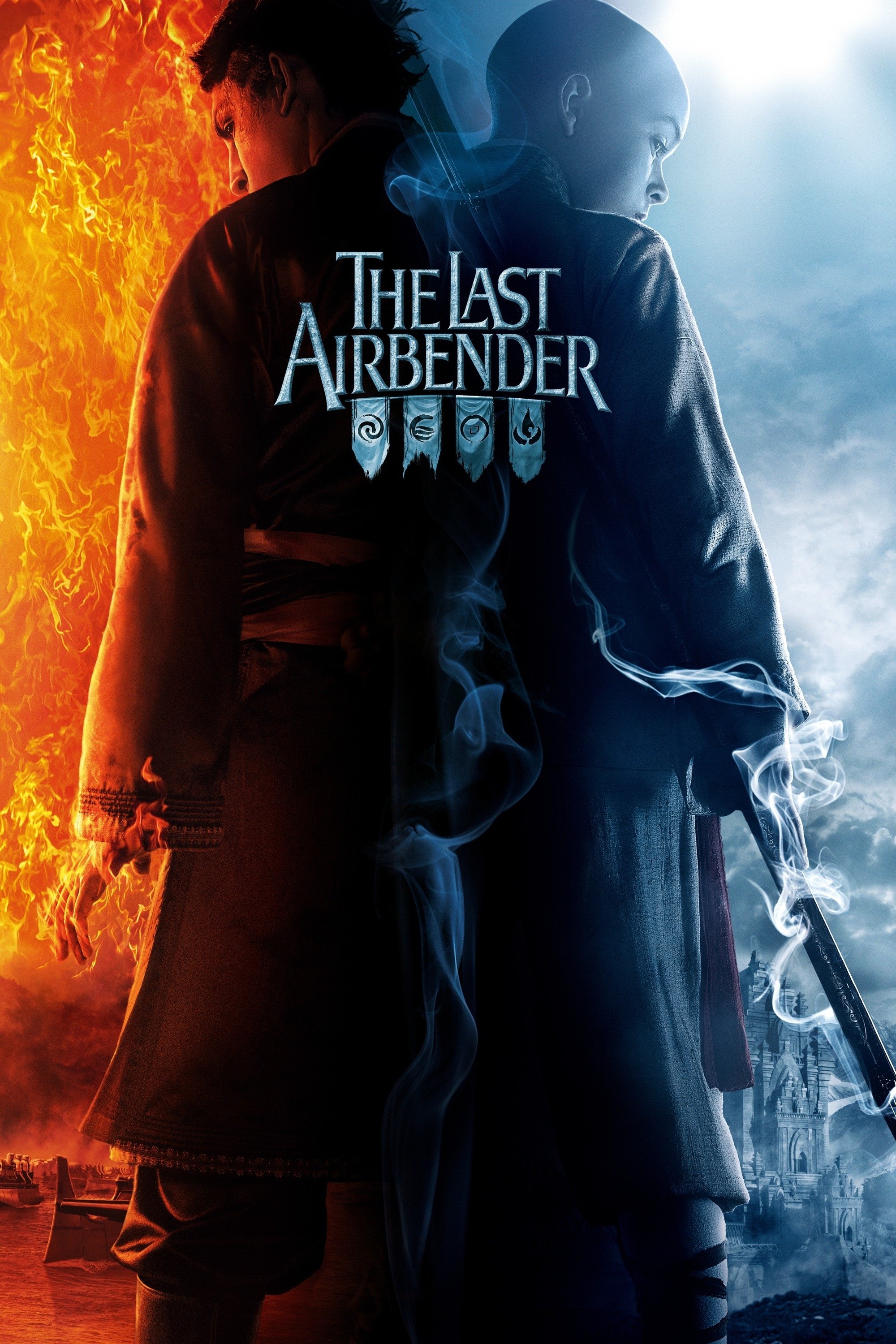
This fantasy adventure adapts the first season of an animated series about a young Avatar who can master four elements and bring balance to warring nations. M Night Shyamalan wrote and directed, and the production used 3D conversion for its theatrical release.
Despite strong brand recognition, the film received poor reviews and several nominations at ceremonies that highlight weak filmmaking. Box office returns were front loaded, and the negative reception affected momentum for continuing the story in subsequent installments.
‘Jaws: The Revenge’ (1987)
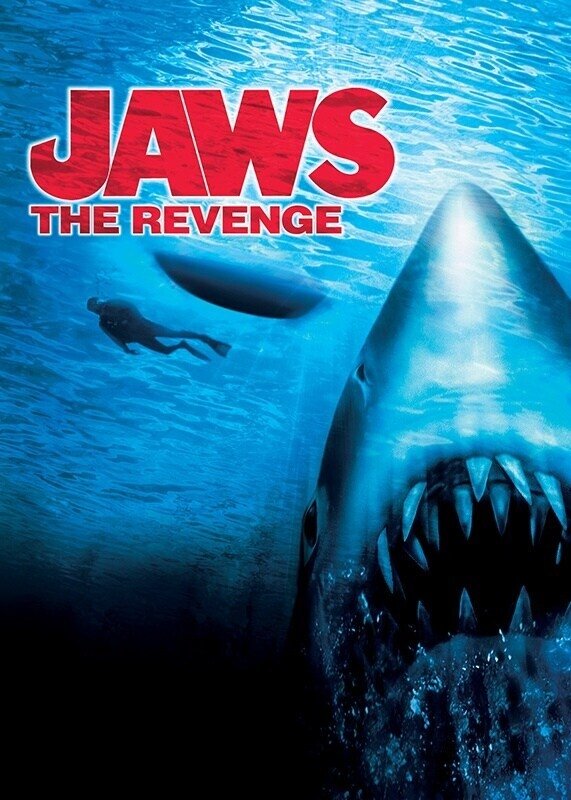
The fourth entry in the shark franchise follows the Brody family to the Bahamas, where a great white appears to target them. Production moved quickly to meet a summer release window, with changes to the ending occurring late in the process.
Critics cited recycled plot points and unconvincing mechanical effects, and audience interest declined compared to earlier sequels. The film is often referenced when discussing diminishing returns in long running series and the difficulty of sustaining tension across multiple entries.
‘Son of the Mask’ (2005)
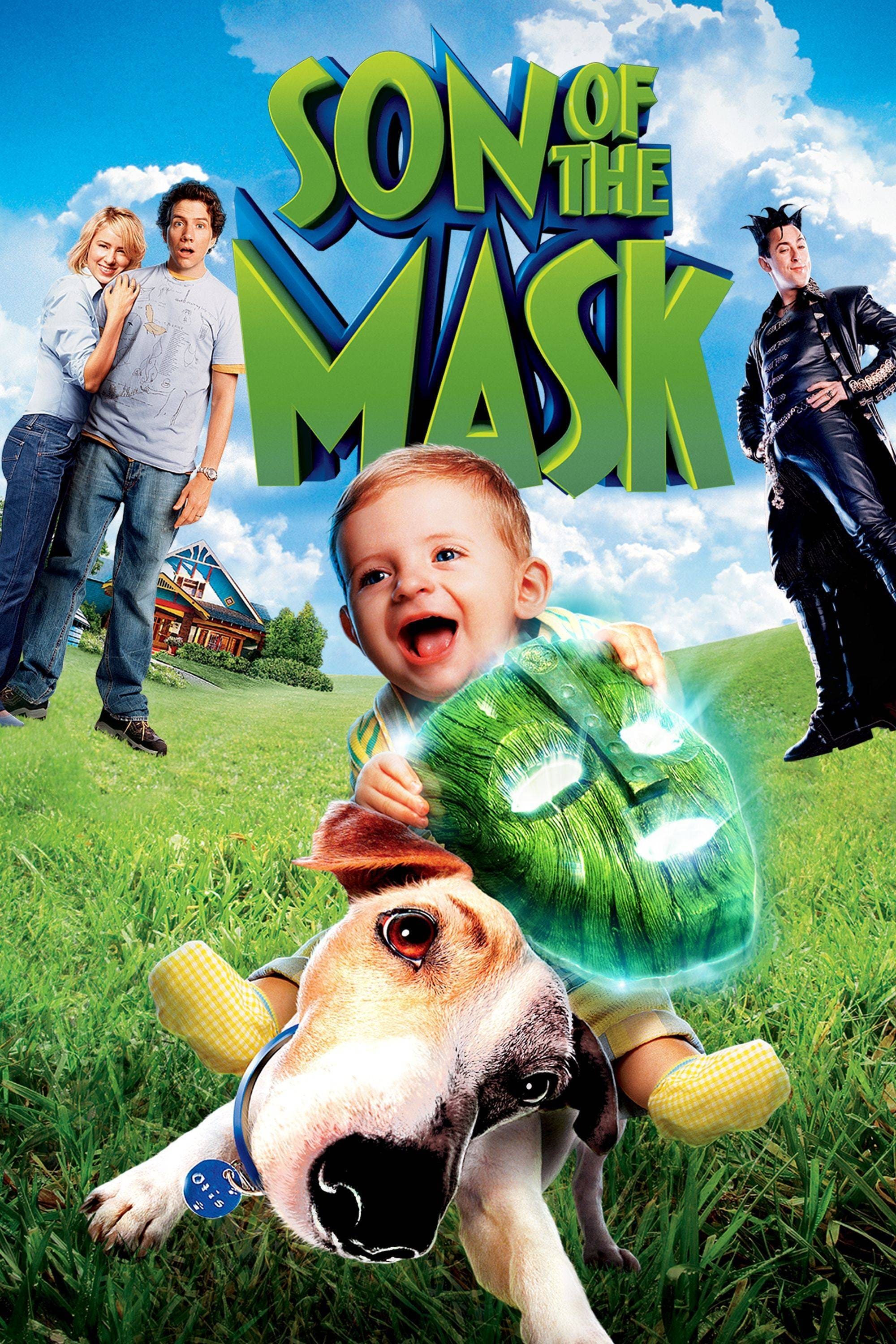
This follow up to a hit Jim Carrey vehicle centers on a cartoonist whose newborn displays powers after contact with a mystical mask. The lead role shifted to Jamie Kennedy, and the production emphasized computer generated character antics.
The film was released to negative reception and low domestic earnings, and it appeared in year end lists of underperforming comedy sequels. Its visual effects work received attention for volume and complexity, yet the results did not translate into audience enthusiasm.
‘Steel’ (1997)

Shaquille O Neal stars as John Henry Irons, an engineer who builds powered armor to combat weapons he helped design. The film adapts a DC Comics character and was directed by Kenneth Johnson, with location filming in Los Angeles.
Despite the popularity of the lead athlete, the movie opened softly and left theaters quickly. It is frequently cited in surveys of comic book adaptations that failed to establish a franchise during the late 1990s wave of superhero experiments.
‘The Love Guru’ (2008)
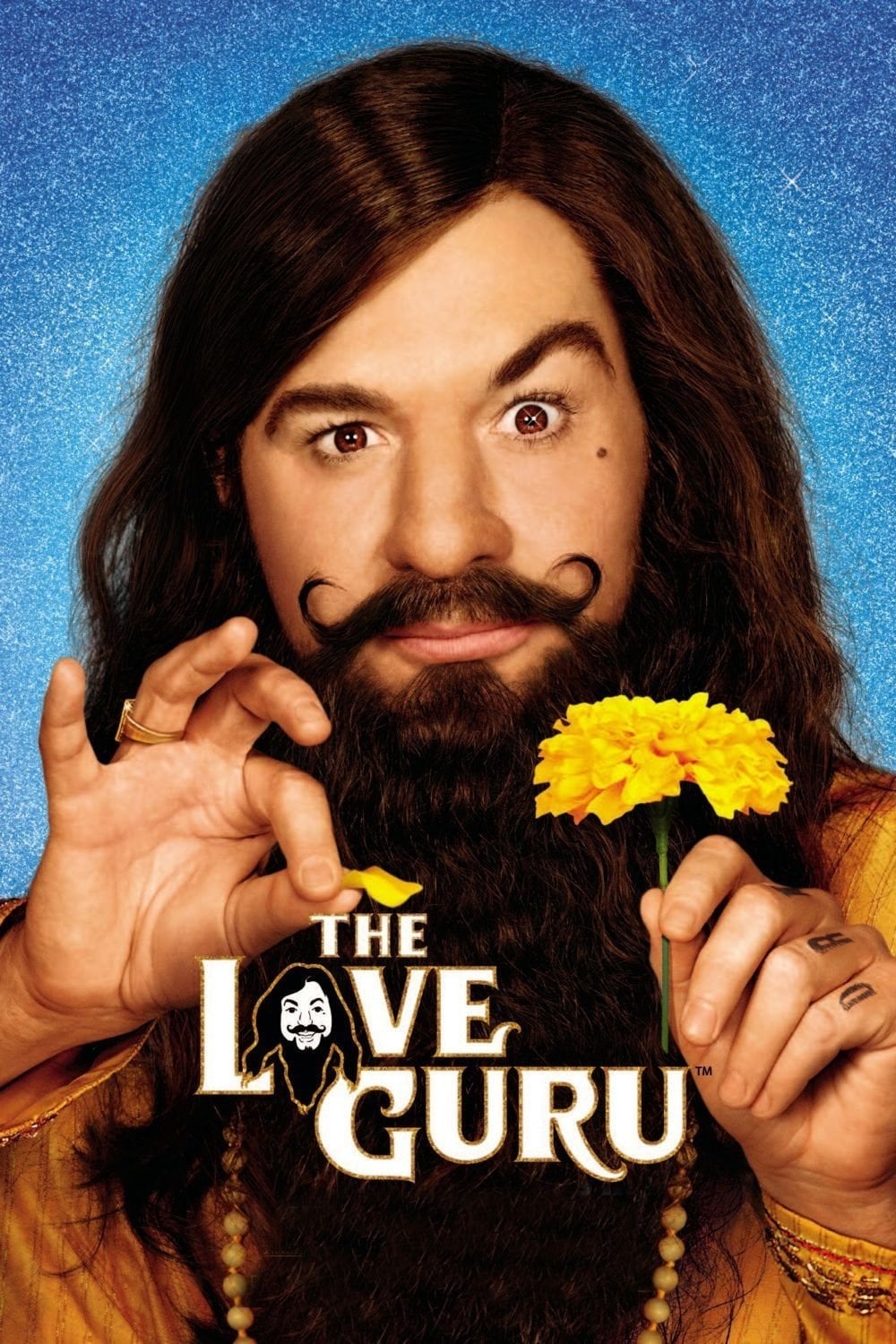
Mike Myers plays a self help figure hired to repair a hockey star relationship problem that threatens a championship run. The cast includes Jessica Alba, Justin Timberlake, and Verne Troyer, and the script leans on character based catchphrases and musical numbers.
The film received poor reviews and was a commercial disappointment during the summer season. It earned multiple nominations at ceremonies that recognize weak comedies, and it is often mentioned when charting the decline of a once dominant comedy brand during that period.
‘Showgirls’ (1995)


Paul Verhoeven directed this erotic drama about a dancer who moves to Las Vegas and navigates competition within a stage revue. The film received an NC 17 rating in the United States, a rarity for a wide release from a major studio.
The rating limited marketing avenues and theater availability, and critics responded harshly on opening. Over time the film developed a cult audience through home video and themed screenings, creating an unusual afterlife compared to its initial reception.
‘Highlander II: The Quickening’ (1991)
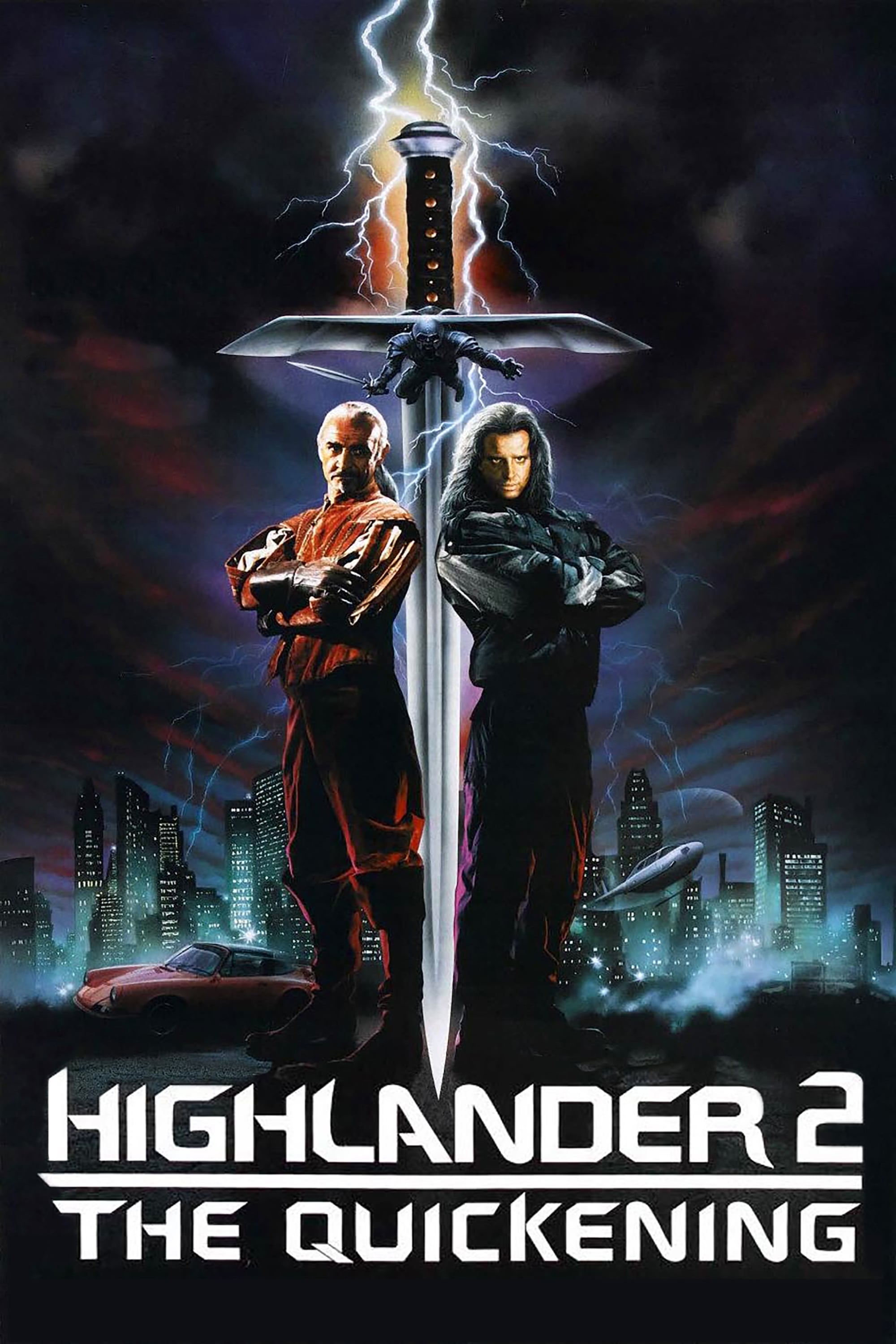
This sequel reimagines the lore of the original by linking immortal warriors to an alien world, a change that surprised fans. Production in Argentina faced financial issues, and reports describe a cut assembled under bond company control before the director issued alternate versions later.
The theatrical release was met with confusion and low grosses, and the franchise course corrected in subsequent entries that ignored parts of the new backstory. It remains a frequent example of sequel retconning that did not land with audiences.
Share your picks for the worst movies in the comments and tell us which infamous titles we should add next.