Biggest Netflix Bombs of All Time


Streaming success isn’t just about views; it’s about whether a project justified its cost, sustained engagement long enough to continue, or fulfilled the franchise plans that launched it. When those pieces don’t line up, even splashy originals and high-profile acquisitions can become cautionary tales.
Below are major Netflix titles that fizzled by any of three clear, sourced criteria: (1) cancellations after short runs despite sizable spend or heavy marketing, (2) expensive productions that were halted with no continuation, and (3) high-visibility releases that landed to poor reception relative to expectations. Each entry cites reporting from trades and reputable outlets so you can check the receipts.
‘Marco Polo’ (2014–2016)
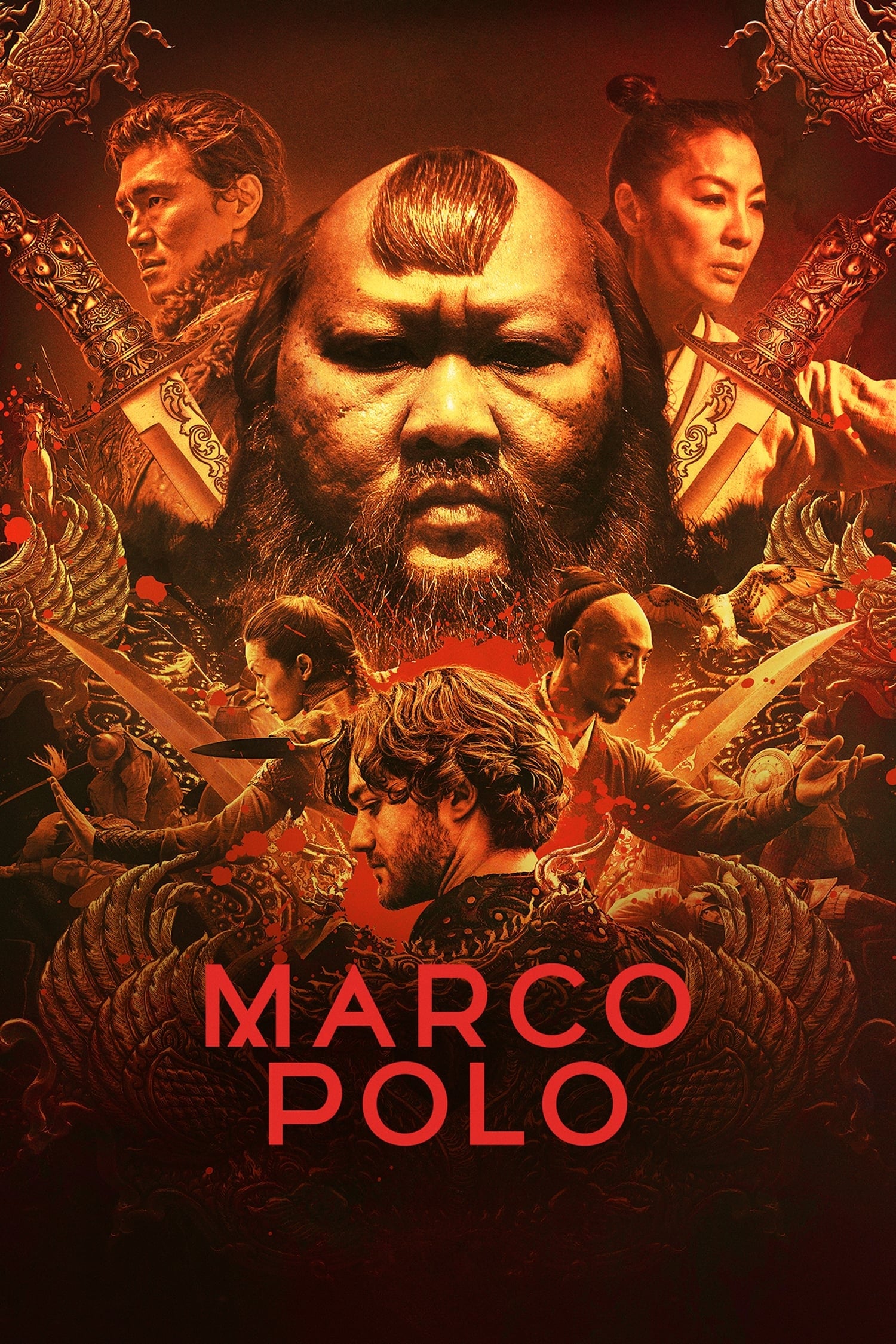
Netflix canceled ‘Marco Polo’ after two seasons, with trusted trade reporting attributing roughly a $200 million loss tied to the series’ run—an early signal that the company would cut loose even lavish prestige bets that didn’t convert.
The show was produced with The Weinstein Company and filmed on a grand, globe-spanning scale, but ultimately failed to deliver the sustained performance Netflix required to keep an expensive period epic alive.
‘The Get Down’ (2016–2017)
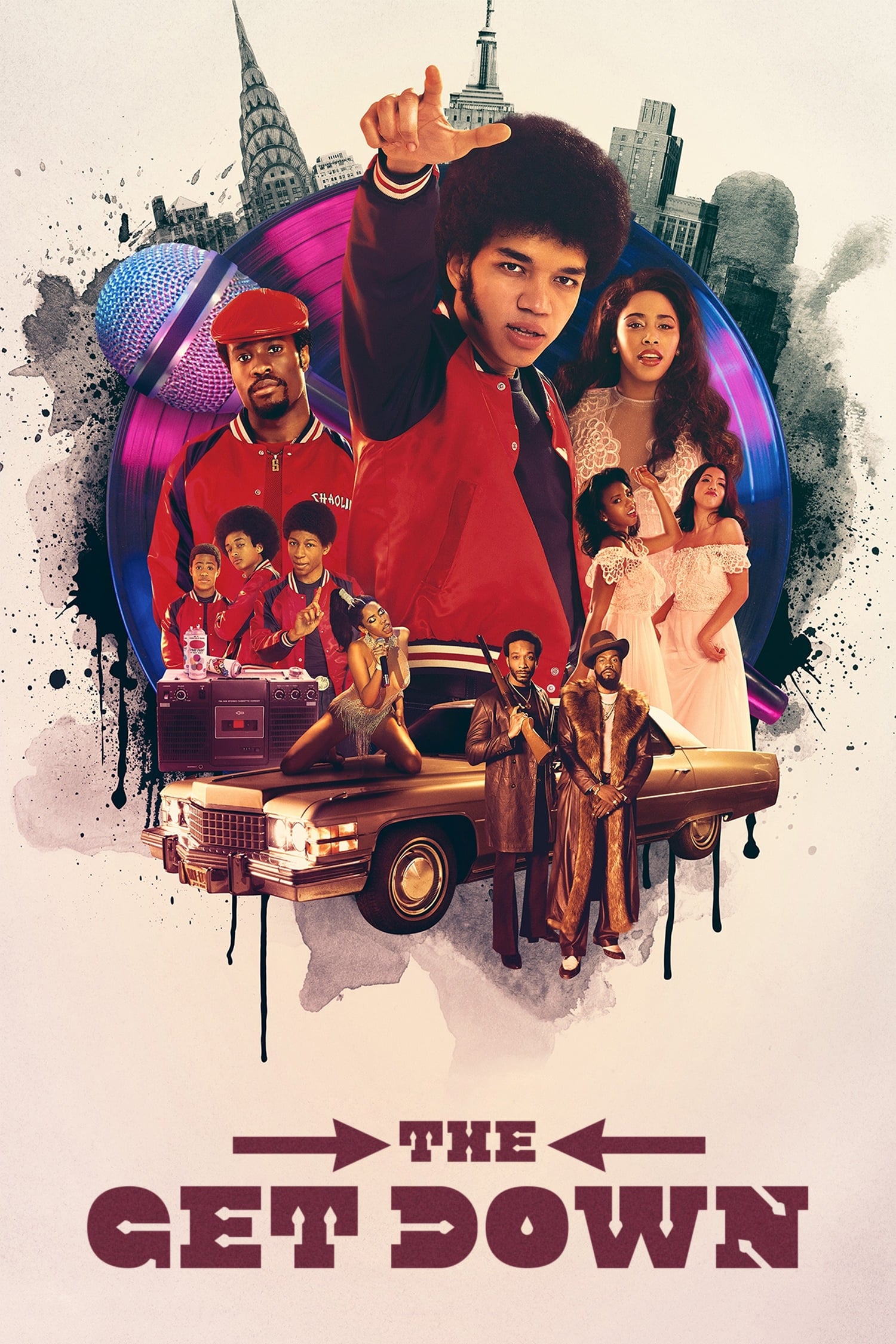
Baz Luhrmann’s music-drama was canceled after one season following a turbulent production, with Variety documenting per-episode costs that swelled far beyond initial targets and totals reported north of $120 million.
The series’ demise marked a turning point in how observers viewed Netflix’s tolerance for pricey underperformers, with coverage at the time framing the decision as part of a new, tougher calculus for originals.
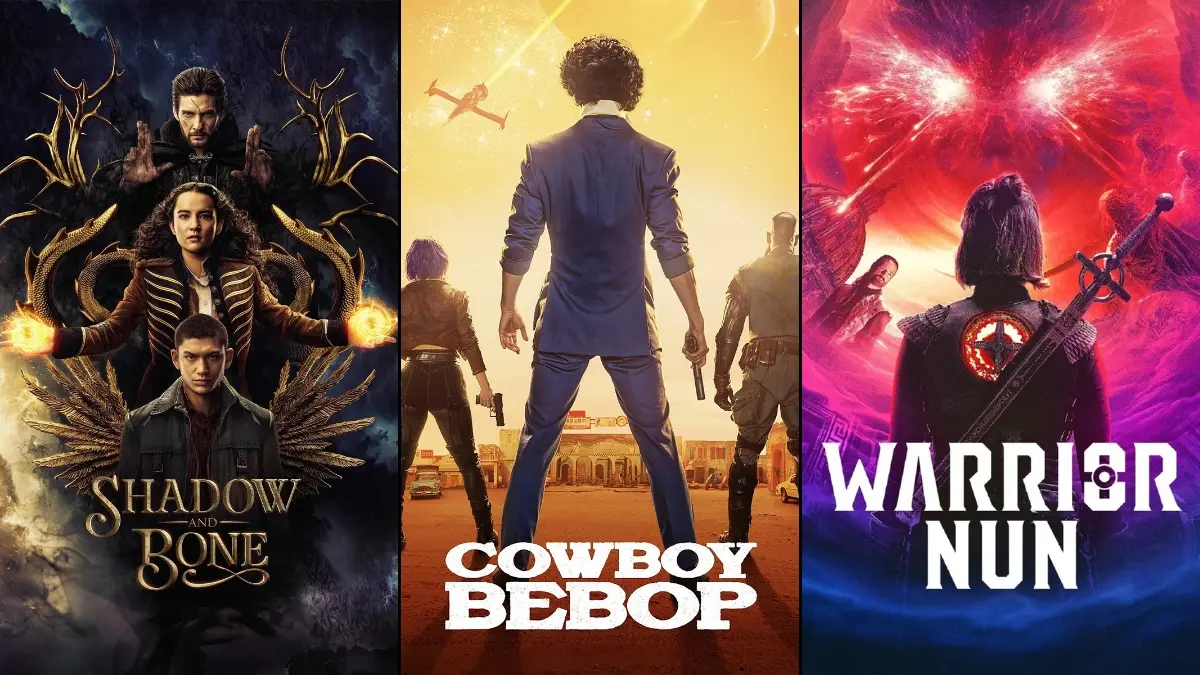
‘Cowboy Bebop’ (2021)
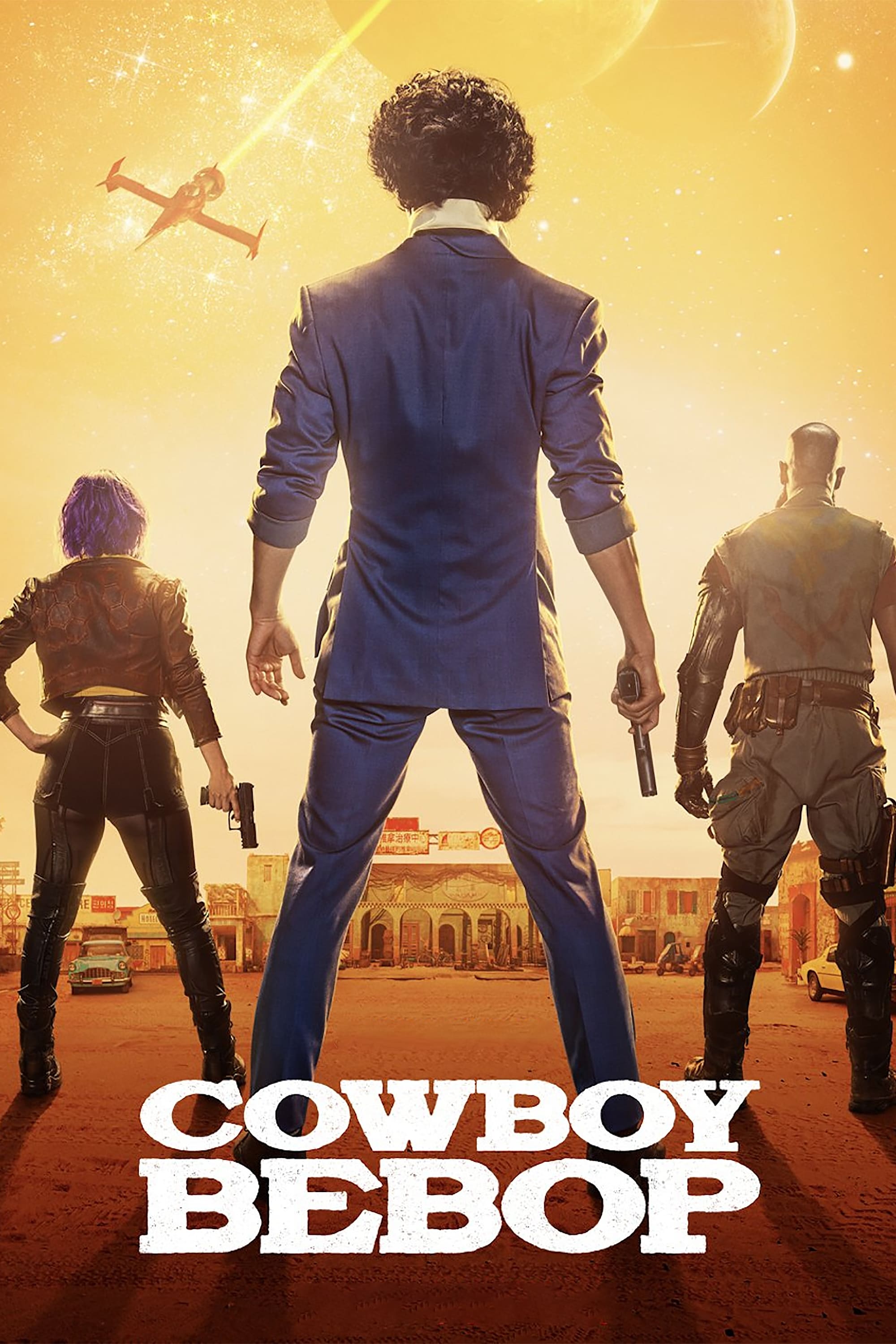
The live-action adaptation of the beloved anime was axed less than a month after it premiered, a remarkably swift reversal considering the long development and marketing runway.
Trade and entertainment outlets chronicled both the quick cancellation and criticism from figures tied to the original, underlining how high-profile IP doesn’t guarantee continuation on streaming.
‘Jupiter’s Legacy’ (2021)

Roughly four weeks after debut, Netflix informed the cast they were released from contracts and pivoted the Millarworld plan away from the show, ending it after a single season.
Coverage tied the decision to creative resets and cost-against-returns scrutiny, turning the title into a case study of how fast franchise ambitions can be re-routed on streaming.
‘Resident Evil’ (2022)
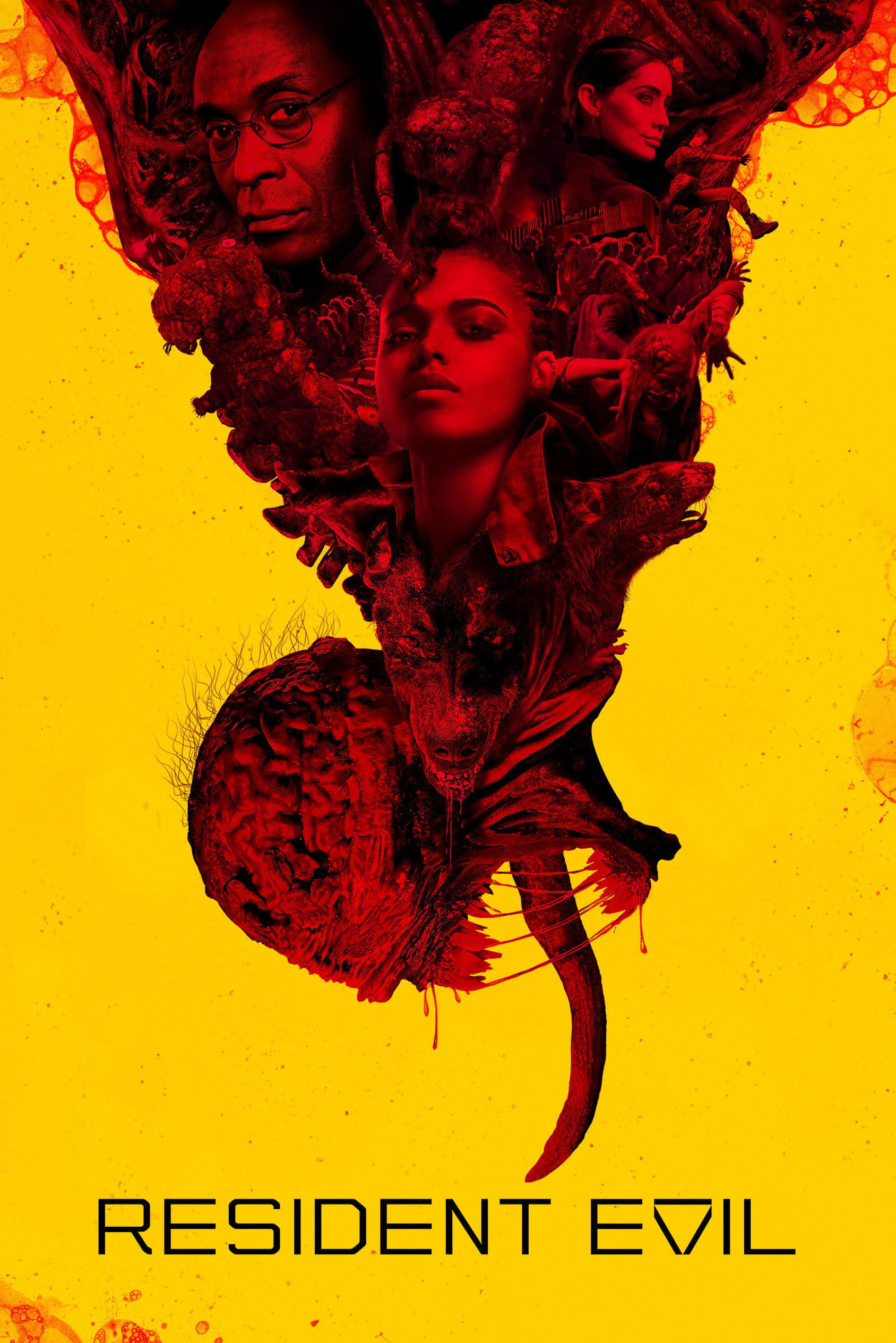
Netflix canceled its live-action ‘Resident Evil’ after one eight-episode season, ending another attempt to translate Capcom’s long-running game series.
Trade reporting and follow-ups captured cast reactions and noted how initial interest faded quickly, a pattern that has doomed several genre launches.
‘1899’ (2022)

From the creators of ‘Dark’, ‘1899’ was canceled shortly after release; the showrunners announced the news with a joint statement to fans.
Coverage highlighted that the mystery was designed for multiple seasons—making the early exit one of the platform’s most talked-about post-launch cancellations.
‘Blockbuster’ (2022)

The workplace comedy about the last video-rental store closed up shop at Netflix after just one season, with cancellation news arriving about six weeks post-launch.
Trades and entertainment sites framed it as a quick decision following tepid reception, despite the topical premise and a recognizable ensemble.
‘Girlboss’ (2017)
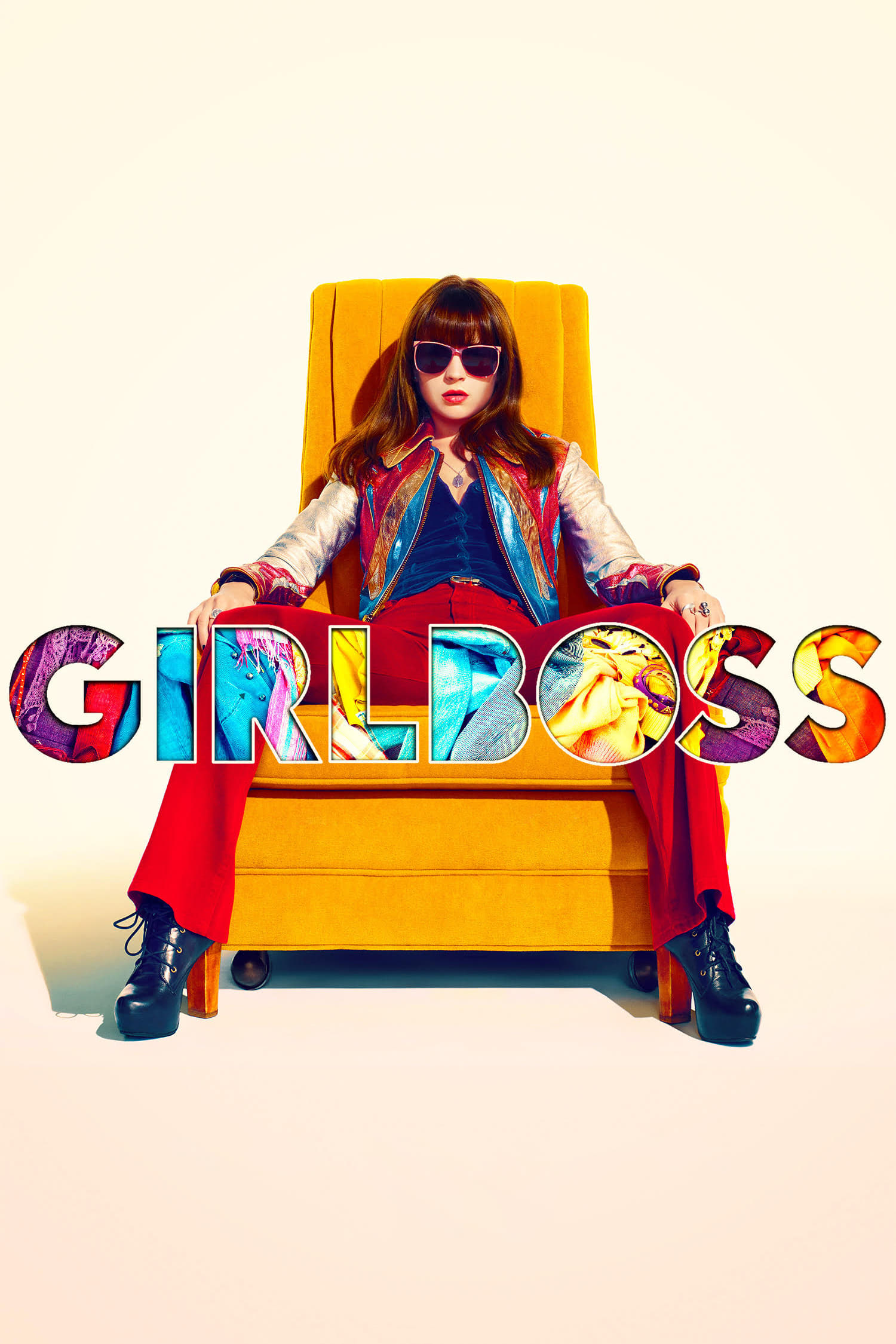
Based on Sophia Amoruso’s memoir, ‘Girlboss’ was canceled after one season; Amoruso publicly acknowledged the end as outlets confirmed the decision.
The move was reported amid a cluster of early cancellations that signaled Netflix’s increasing willingness to retire shows that didn’t meet internal performance thresholds.
‘Gypsy’ (2017)
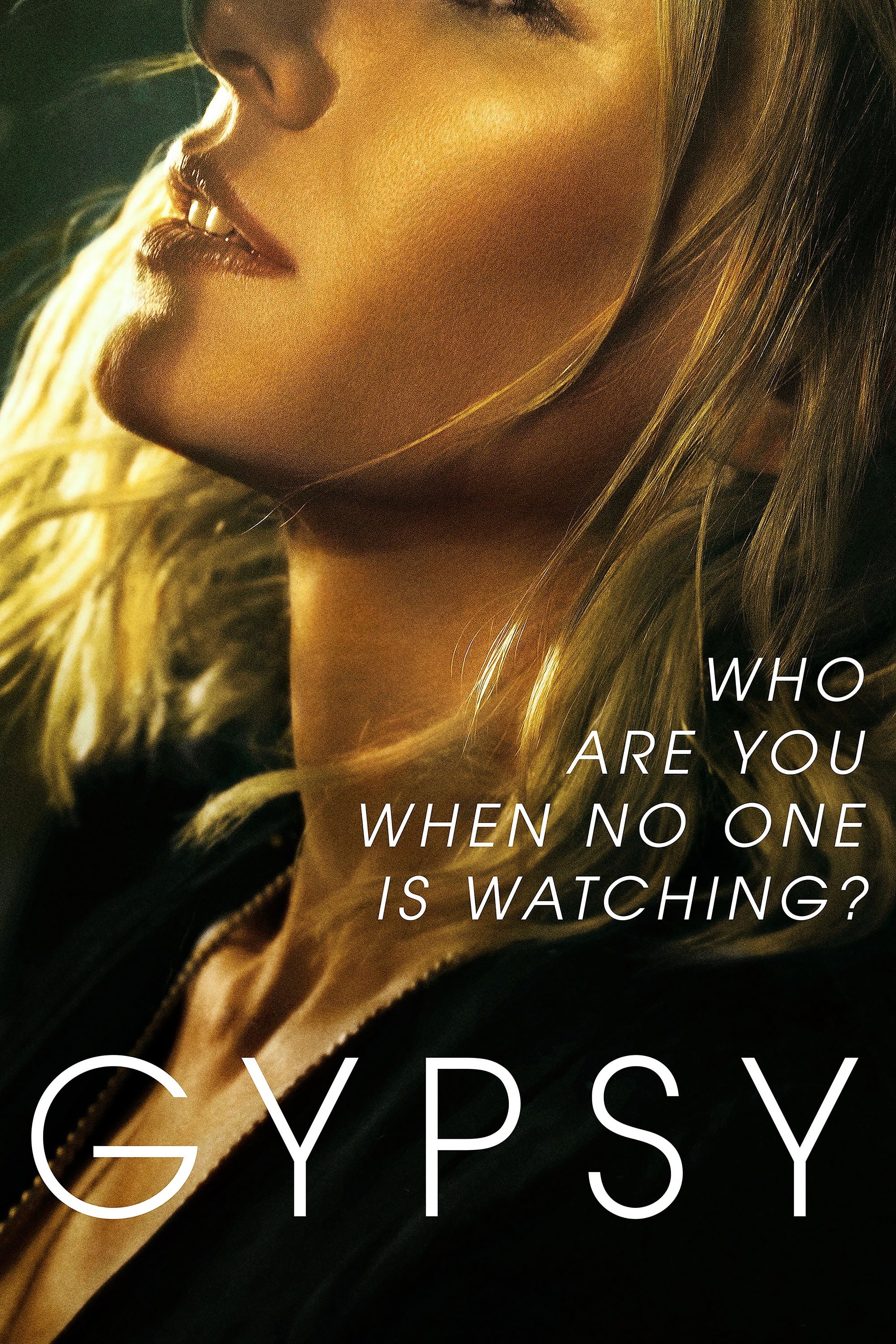
‘Gypsy’, starring Naomi Watts, was canceled weeks after its debut, one of Netflix’s speediest scripted reversals at the time.
Coverage underscored how quickly the streamer was now making calls—even for star-driven projects—when viewership and completion didn’t justify renewal.
‘The Irregulars’ (2021)
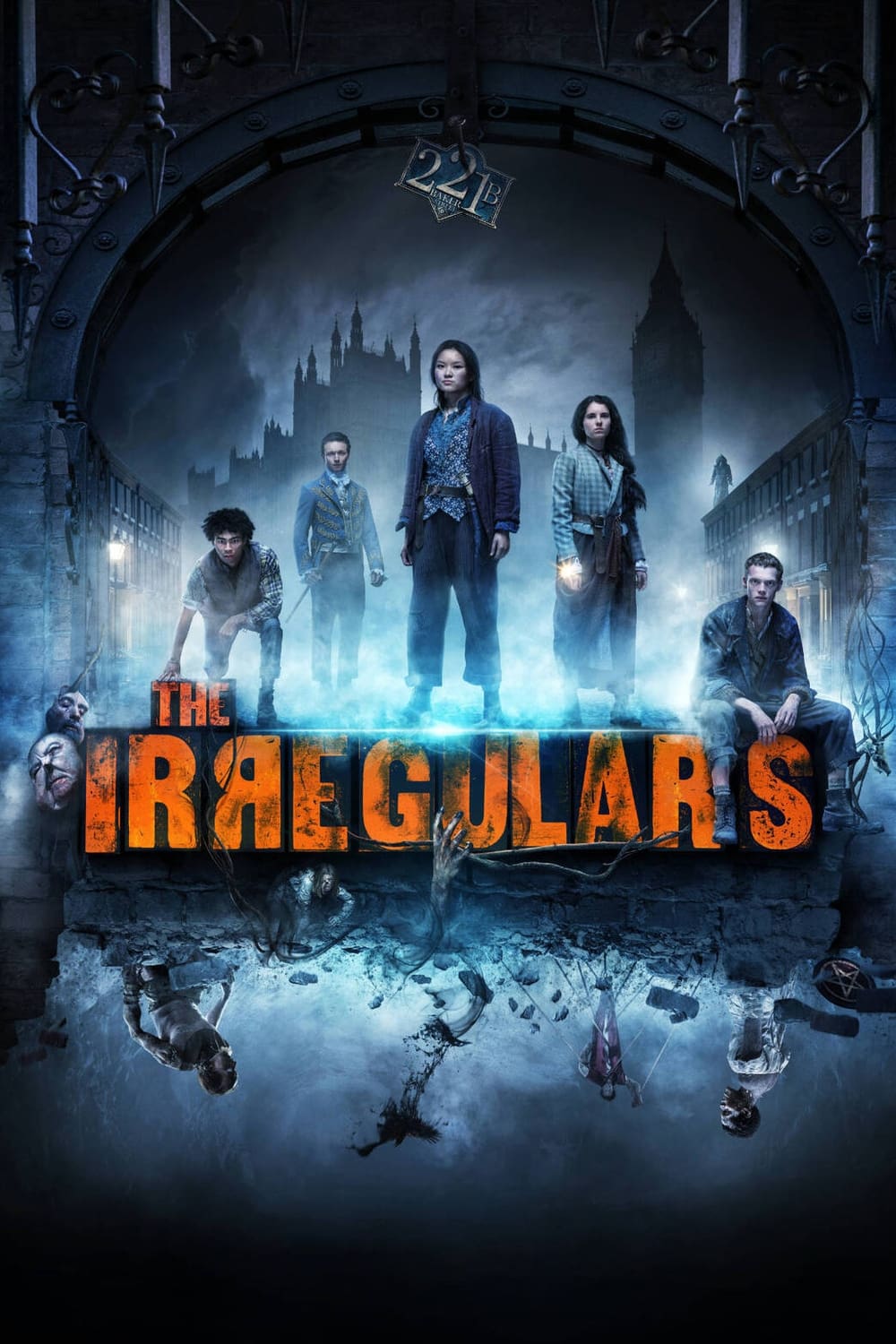
Sherlock-adjacent drama ‘The Irregulars’ was canceled a little over a month after it premiered, ending with one eight-episode run.
Trade reporting placed the title within a broader pattern of genre series receiving brisk post-launch evaluations, with renewals hinging on retention and completion.
‘The OA’ (2016–2019)

Netflix canceled ‘The OA’ after two seasons, despite creators having mapped a longer arc; subsequent reporting confirmed there would be no wrap-up movie.
The decision triggered prominent fan campaigns and industry reflection on how distinctive shows with passionate followings can still fall short of renewal criteria.
‘Everything Sucks!’ (2018)

Coming-of-age dramedy ‘Everything Sucks!’ was canceled less than two months after release, ending after a single ten-episode season.
Its abrupt conclusion became an early example frequently cited in discussions about Netflix’s rapid greenlight-and-gate-keeping model for teen and YA fare.
‘Sense8’ (2015–2018)

‘Sense8’ was canceled after two seasons, with Netflix later commissioning a two-hour finale to close the story—an unusual concession after a vocal fan campaign.
Reporting around the decision repeatedly emphasized the show’s high costs given its globe-trotting production, a factor widely linked to its end.
‘Cursed’ (2020)
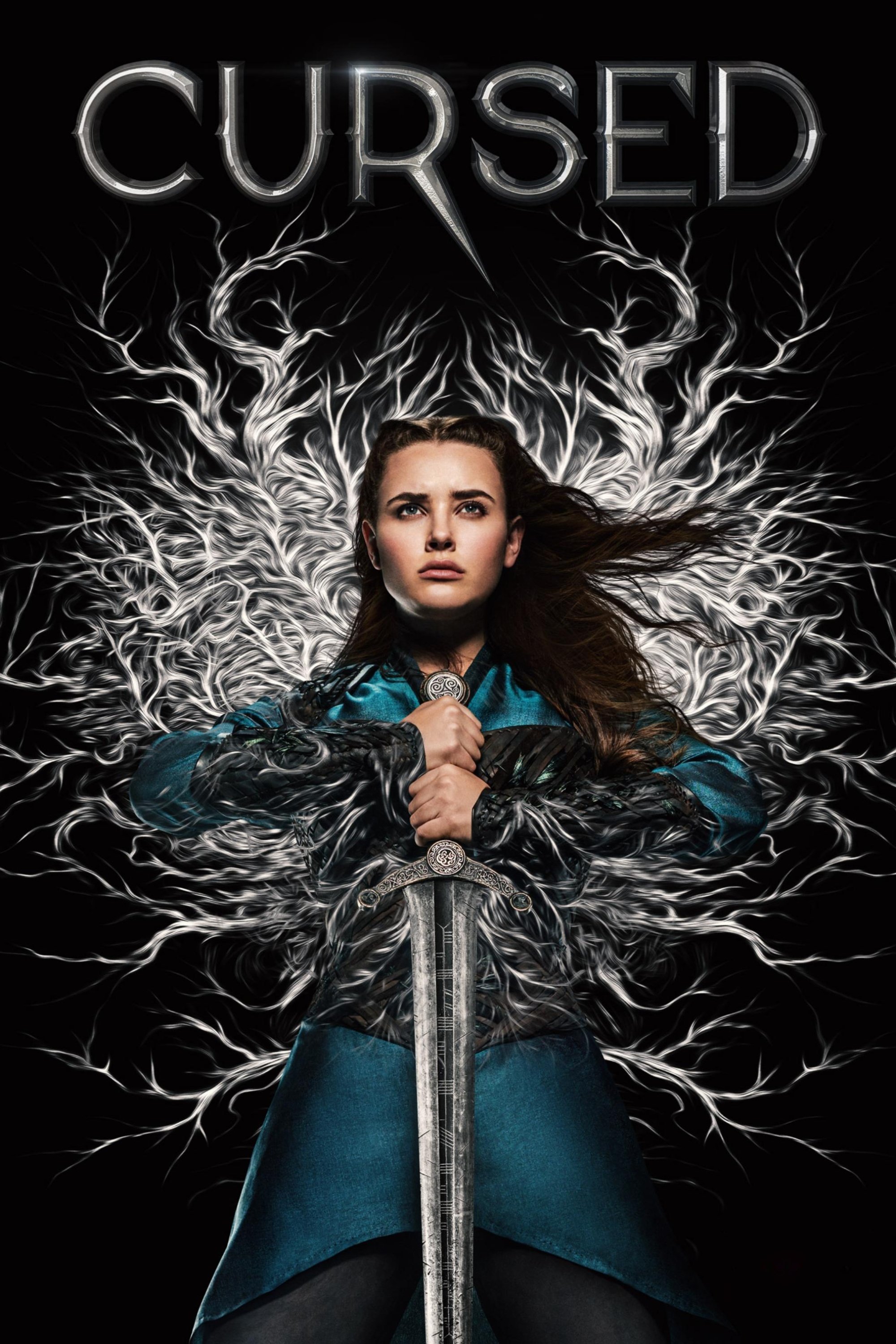
Arthurian fantasy ‘Cursed’ was canceled after one season, with the cast released to pursue other opportunities as Netflix opted not to continue.
Coverage described the show as a big swing with franchise potential that ultimately didn’t meet the internal bar for a second outing.
‘First Kill’ (2022)
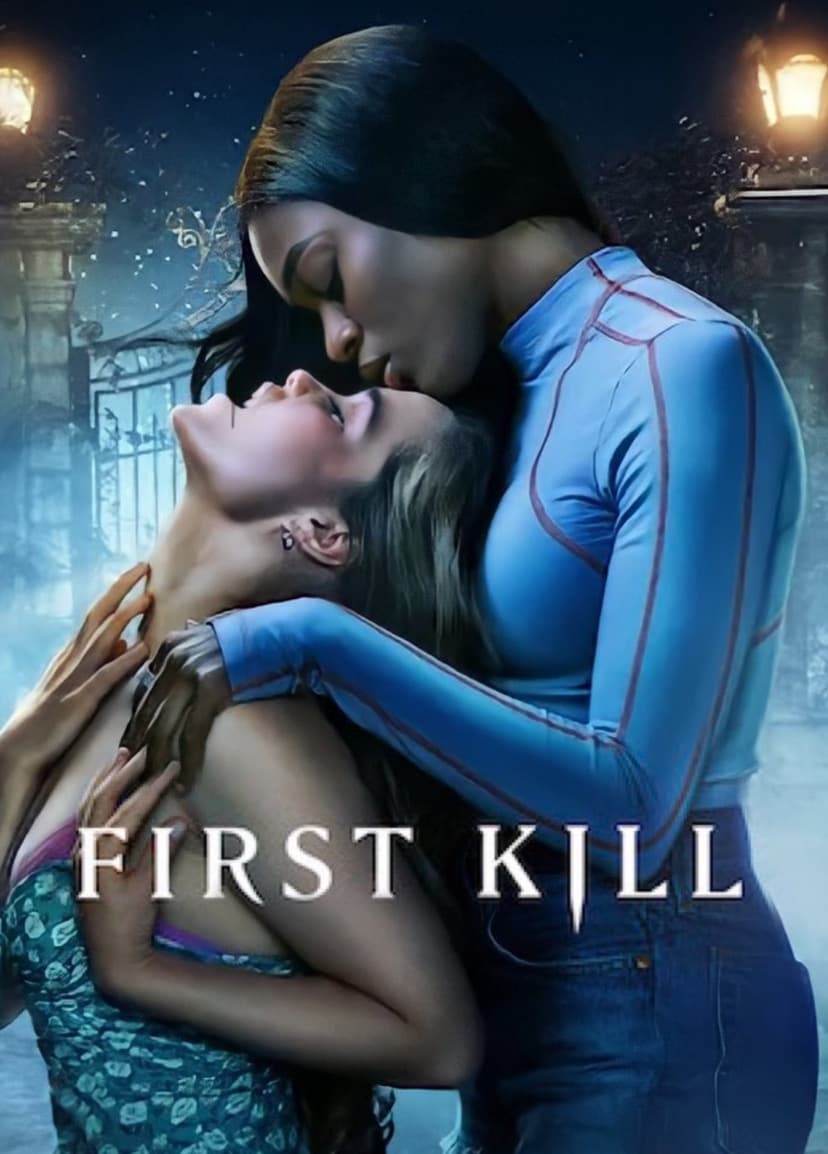
Teen vampire romance ‘First Kill’ was canceled a couple of months after it premiered, with reporting tying the decision to viewership not justifying ongoing cost.
The title also became part of a broader conversation about cancellations of queer-led series on streaming, as chronicled by outlets covering industry trends.
‘Space Force’ (2020–2022)
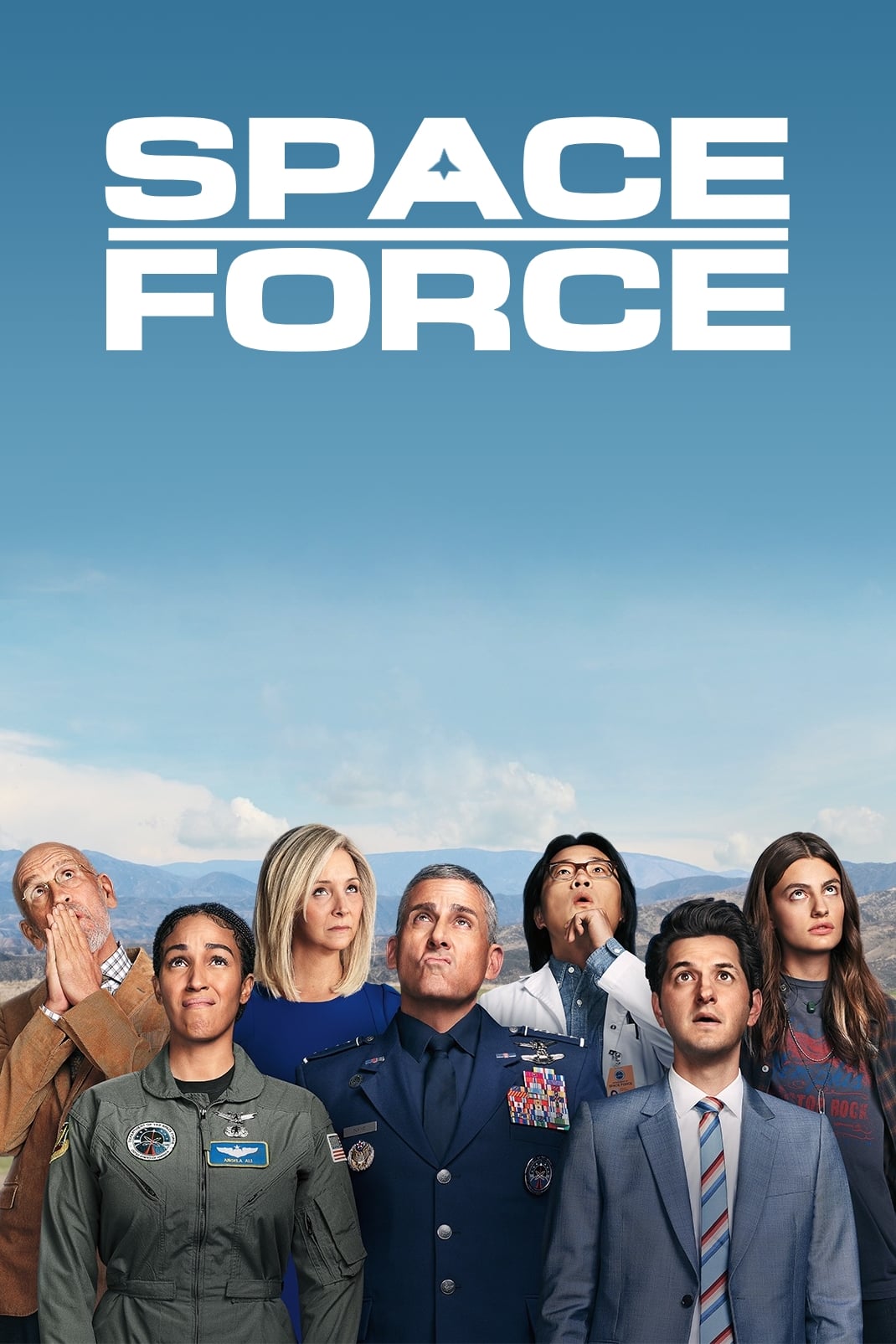
Despite marquee talent and a budget-minded retool between seasons, ‘Space Force’ was canceled after two rounds when Netflix opted not to proceed.
Trades documented how the series underwent changes to control costs ahead of the final decision, making it a prominent example of course-correction that couldn’t save a show.
‘Raising Dion’ (2019–2022)

Superhero family drama ‘Raising Dion’ ended after two seasons; cast announcements on social media preceded trade confirmations of the cancellation.
Although the show appeared on Netflix’s weekly charts after its second installment, it didn’t secure continuation—illustrating that brief charting isn’t the same as long-term renewal momentum.
‘Partner Track’ (2022)

Legal drama ‘Partner Track’ was canceled after one season, with trades noting Netflix had expected stronger performance in a crowded late-summer slate.
Subsequent coverage reiterated that the streamer was tightening renewal thresholds for modestly budgeted dramas, not just effects-heavy fare.
‘Freeridge’ (2023)
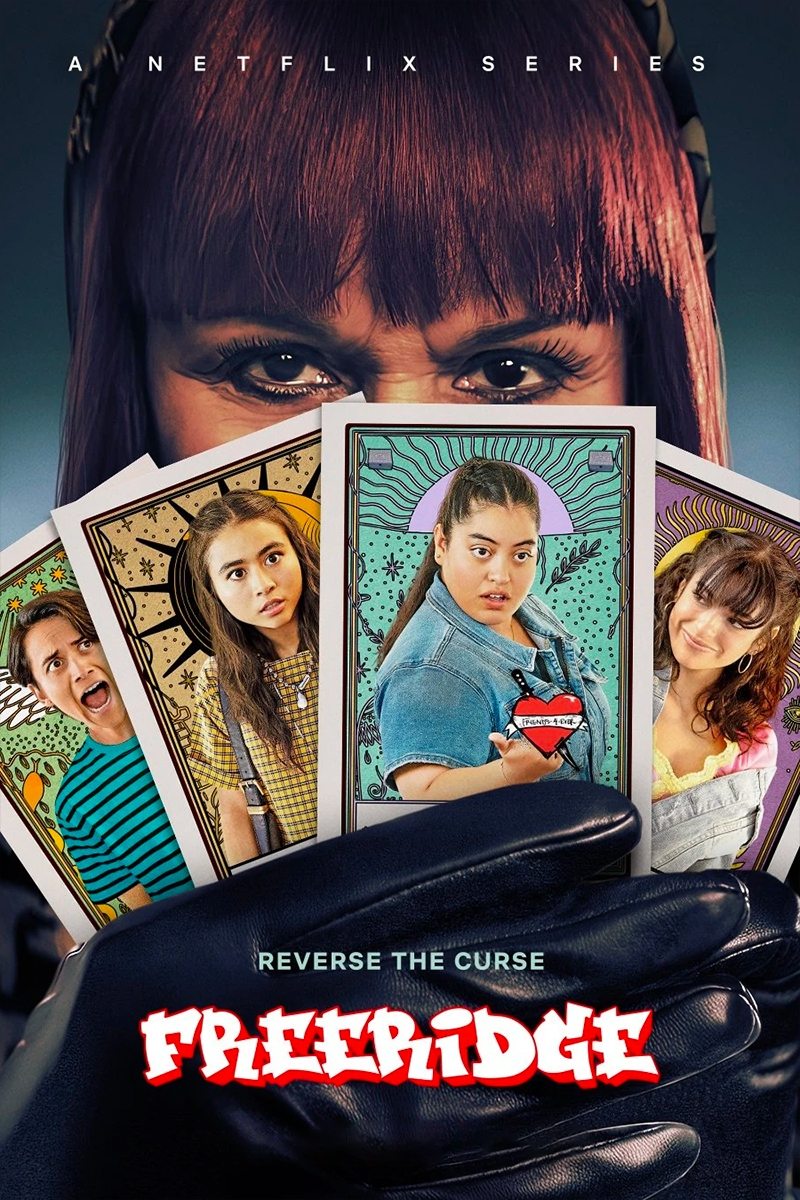
‘Freeridge’, the ‘On My Block’ spinoff, was canceled after its eight-episode launch, with the decision reported shortly after the season landed.
Industry roundups logged the title among that year’s casualties, underscoring how even critically liked spinoffs must clear tough engagement hurdles.
‘Warrior Nun’ (2020–2022)
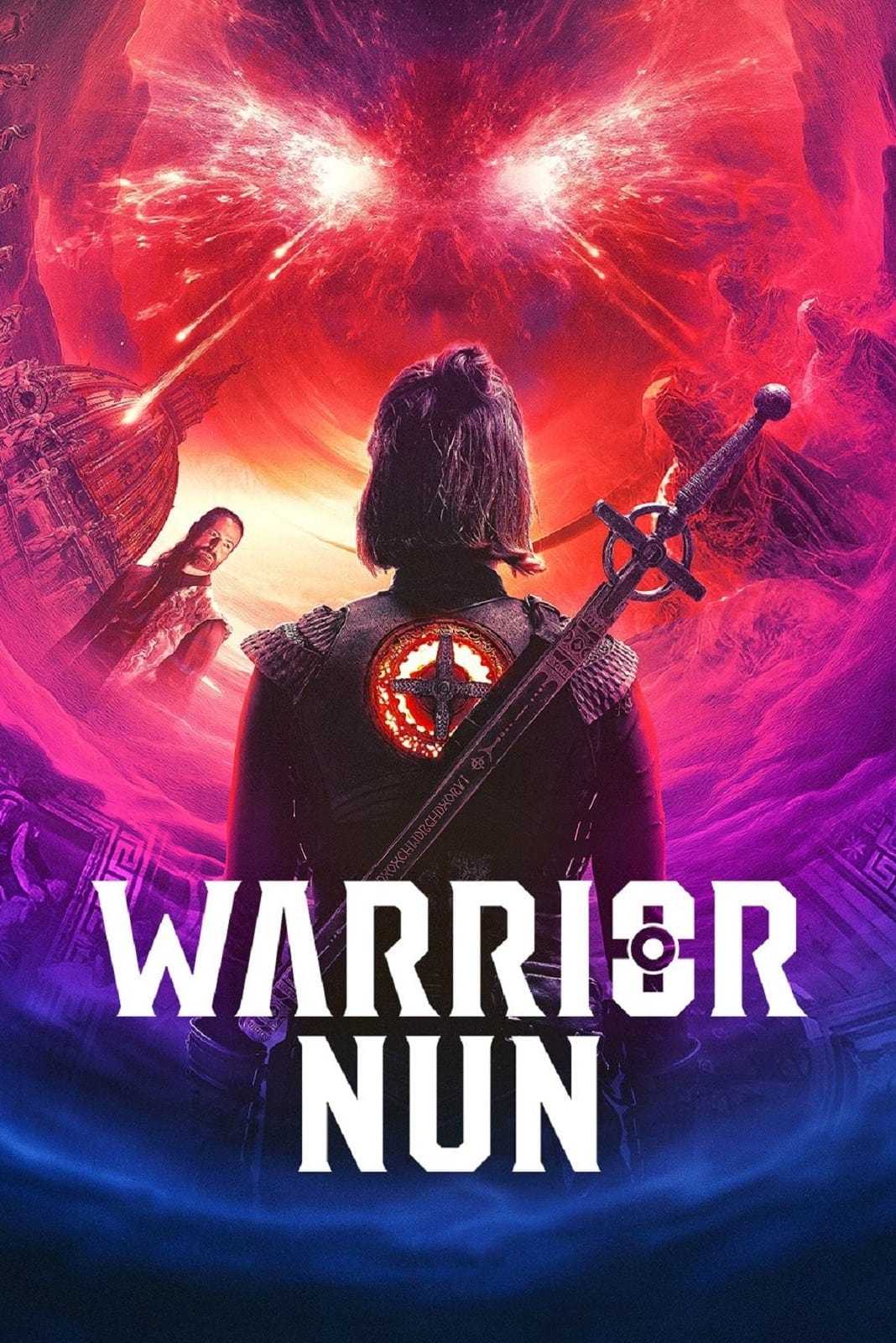
Netflix canceled ‘Warrior Nun’ after two seasons; fan campaigns followed, and producers later announced the IP would continue as a trilogy of films outside Netflix.
Trade and mainstream coverage chronicled the unusual afterlife for a canceled Netflix original, a rarity among titles that exit the service’s pipeline.
‘Santa Clarita Diet’ (2017–2019)
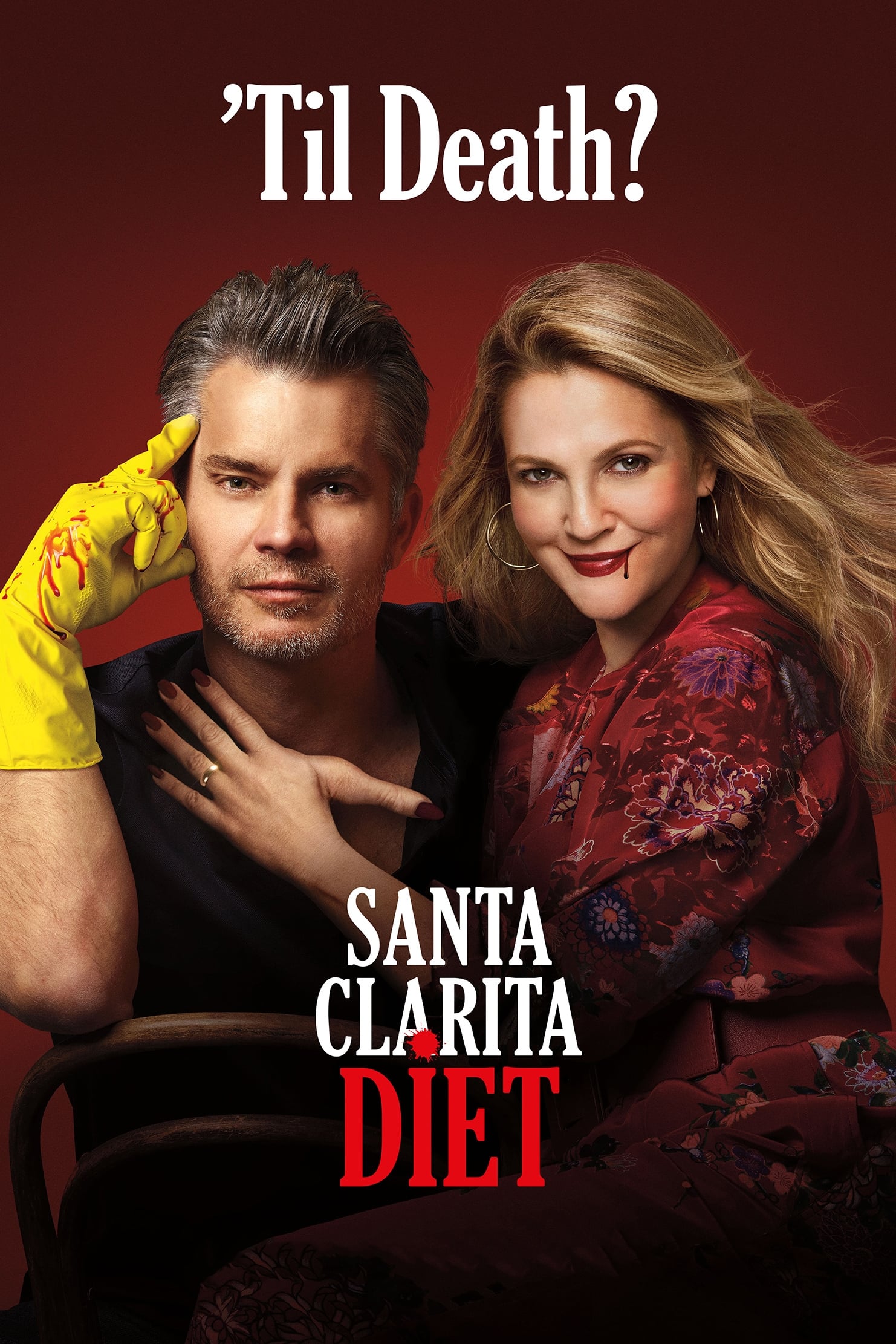
Dark comedy ‘Santa Clarita Diet’ was canceled after three seasons, with reporting pointing to cost structures around later-season renewals as part of the backdrop.
Netflix confirmed the end and thanked the creative team, while industry analysis repeatedly connected the decision to the streamer’s evolving budgeting model.
‘One Day at a Time’ (2017–2019)
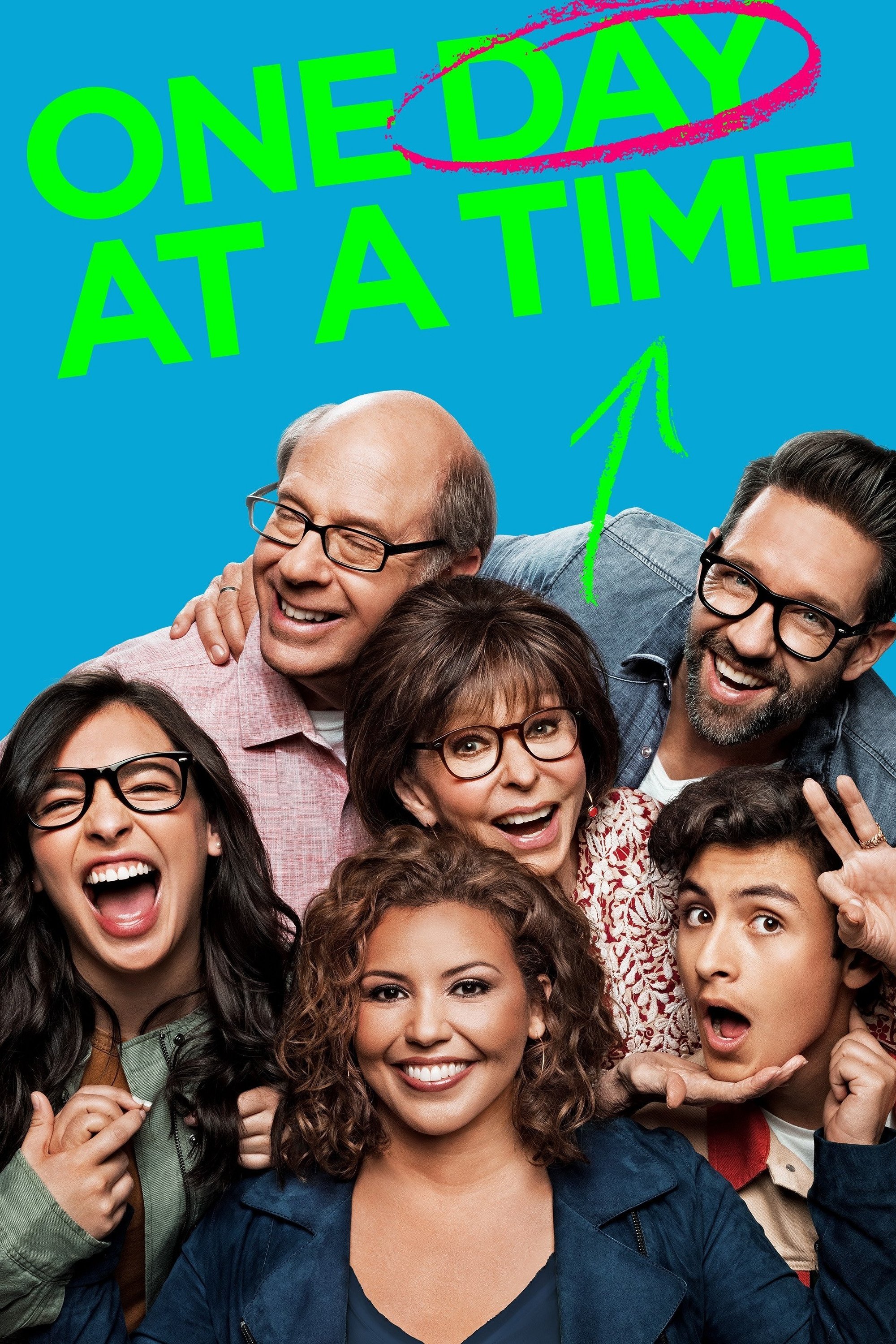
Netflix canceled ‘One Day at a Time’ after three seasons; the show was then revived by Pop TV for an additional run before ending again amid network shifts.
The move required clearing contractual hurdles, and trades detailed how the revival came together as a rare linear rescue of a Netflix-launched sitcom.
‘The Cloverfield Paradox’ (2018)
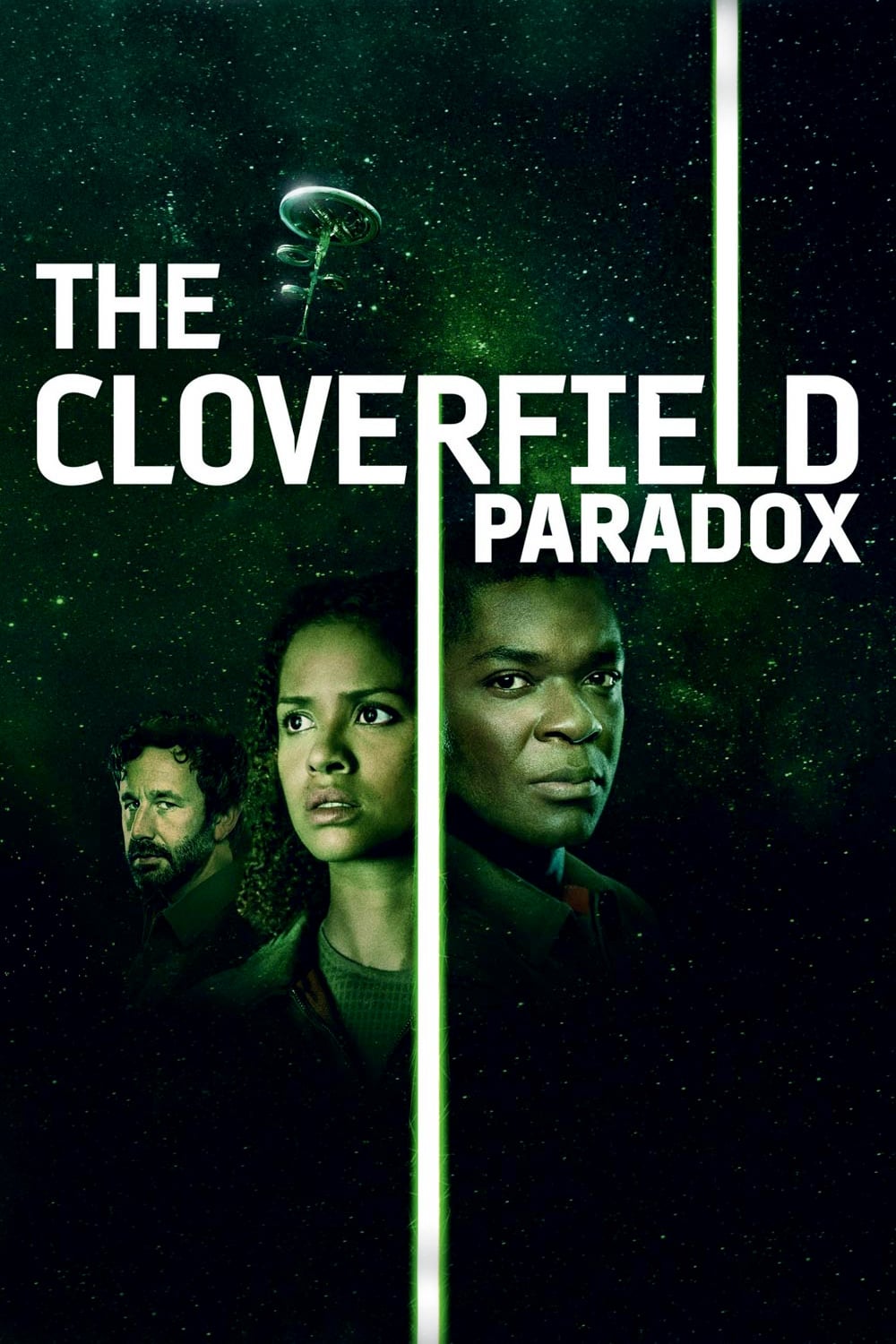
Netflix bought and surprise-released ‘The Cloverfield Paradox’ immediately after a Super Bowl ad—a buzzy distribution gambit that couldn’t offset poor critical response.
Nielsen-based reporting indicated modest U.S. viewership relative to other Netflix event films in the first week, reinforcing the narrative that the marketing coup outpaced the movie’s impact.
‘Rebecca’ (2020)
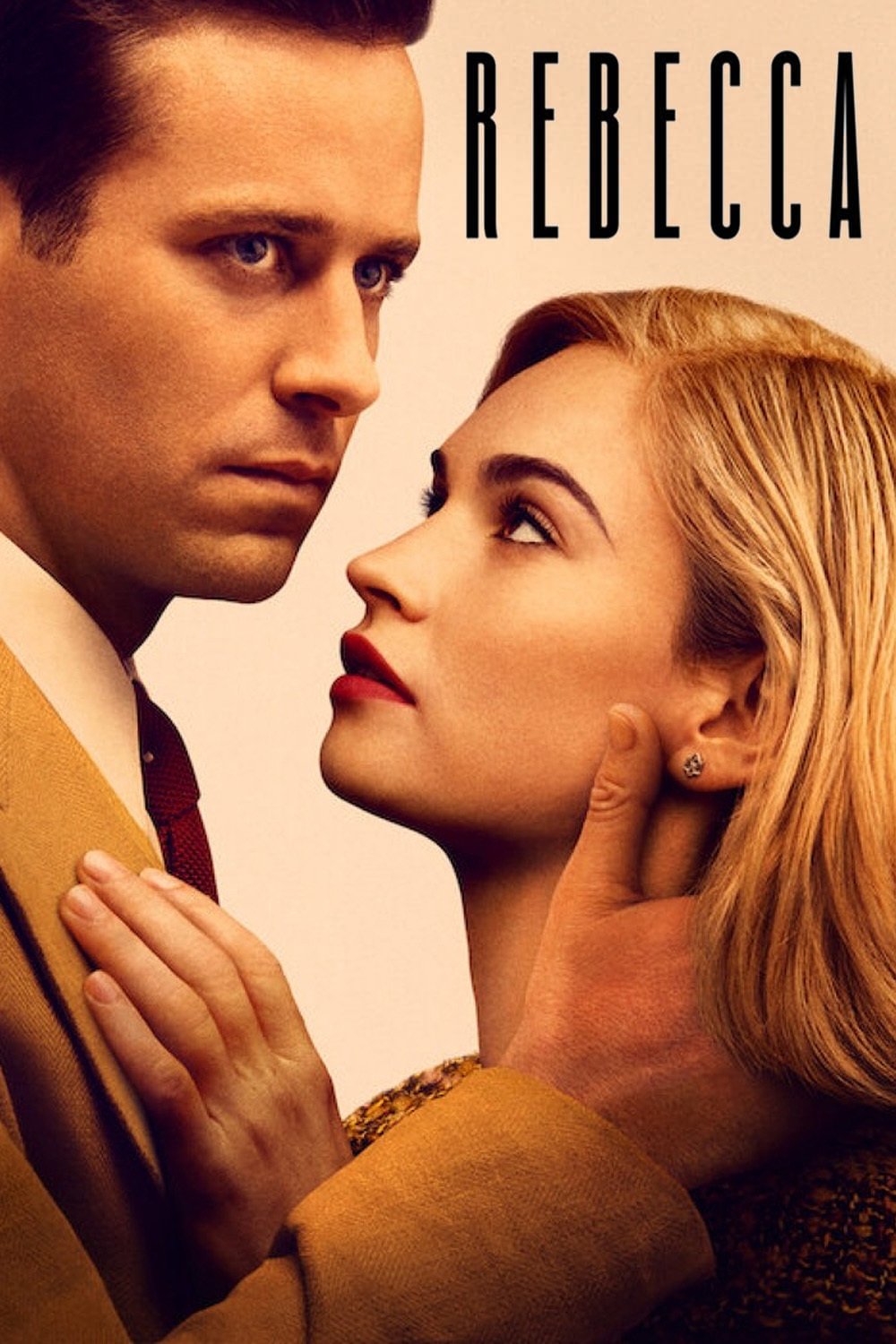
Ben Wheatley’s ‘Rebecca’ arrived as a high-profile literary adaptation but drew mixed-to-negative notices from prominent outlets, blunting Netflix’s awards-season hopes for the title.
Interviews and coverage at the time also captured the director’s responses to early reviews and his emphasis on a book-forward approach rather than remaking Hitchcock’s classic.
‘Shadow and Bone’ (2021–2023)

Netflix canceled ‘Shadow and Bone’ after two seasons and shelved the proposed ‘Six of Crows’ spinoff, with the author publicly confirming the end and expressing disappointment.
Entertainment press detailed the cancelation amid a wider slate reshuffle, noting that scripts for the spinoff had been in progress before plans were halted.
Have picks we missed—or a title you think deserved another shot? Share your thoughts in the comments.