’90s Movies That Are So Bad They Became Famous


Some movies miss the mark yet somehow become unforgettable. The 1990s delivered a treasure trove of titles that stumbled with critics and still found a second life through word of mouth, midnight screenings, and endless references in pop culture. These films picked up reputations that outgrew their original releases, turning missteps into long lasting notoriety.
What follows is a tour of infamous favorites that people still talk about. You will find big budgets, massive stars, wild production choices, and box office stories that refuse to fade. Each entry explains what the movie tried to do, how it landed with audiences, and why it keeps popping up in conversations decades later.
‘Showgirls’ (1995)

Paul Verhoeven directed this NC-17 Vegas melodrama written by Joe Eszterhas, with Elizabeth Berkley and Gina Gershon leading the cast. The film followed a dancer chasing stardom on the Strip, mixing backstage rivalries with elaborate stage numbers and glossy production design.
After harsh reviews and awards attention from the Razzies, the movie built a thriving afterlife on video and at midnight screenings. Special editions, audience participation, and academic writing on camp helped turn ‘Showgirls’ into a study in how notoriety can transform reception over time.
‘Batman & Robin’ (1997)
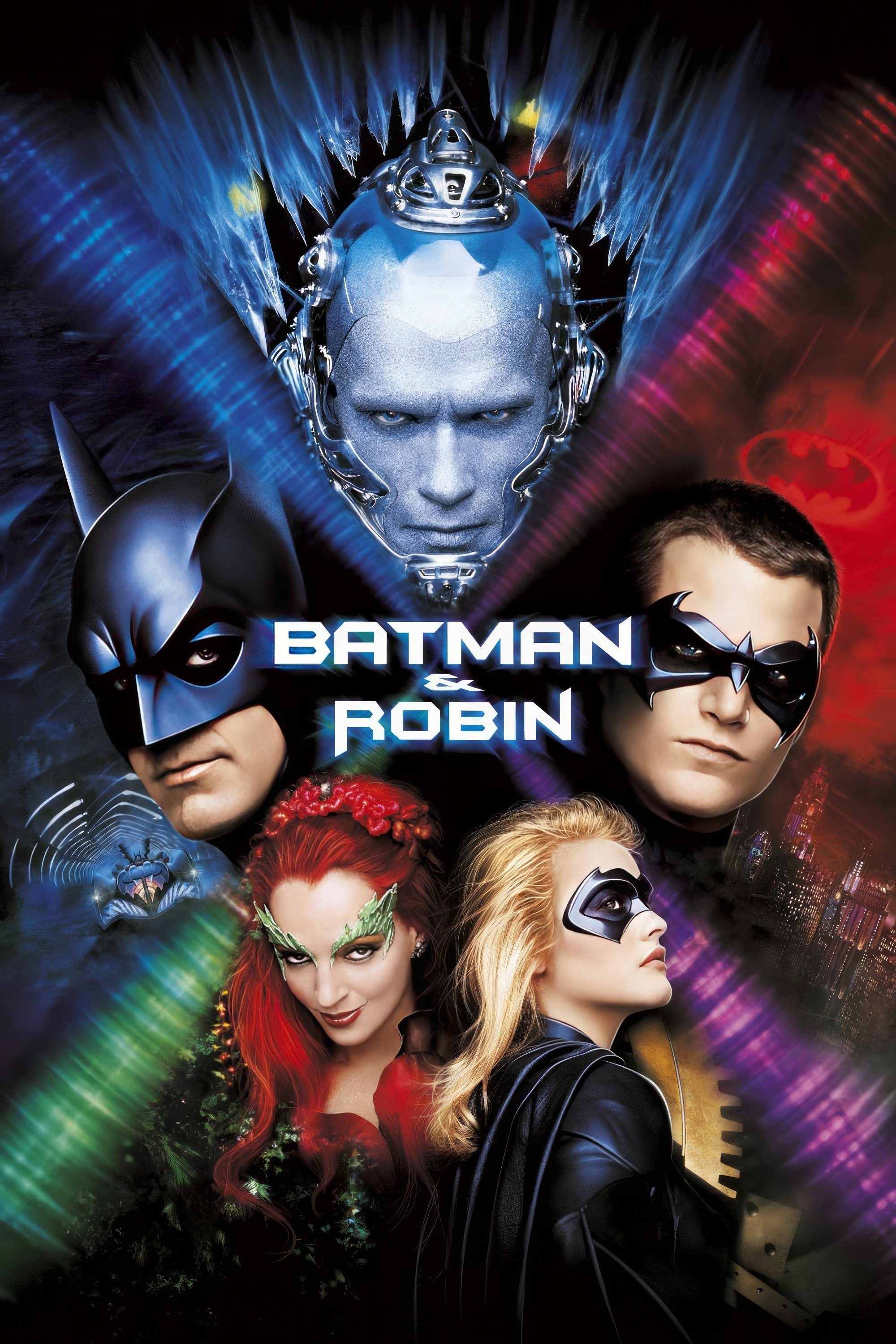
Joel Schumacher’s sequel featured George Clooney and Chris O’Donnell as the title duo with Arnold Schwarzenegger and Uma Thurman as the villains. The production leaned into neon color palettes, elaborate costumes, and toy ready gadgets that aimed for broad family appeal.
Critical response pushed the studio to pause the series until a full reboot arrived years later. The movie’s one liners, ice puns, and instantly recognizable suits became lasting reference points that still surface whenever people discuss the direction of comic book blockbusters.
‘Waterworld’ (1995)
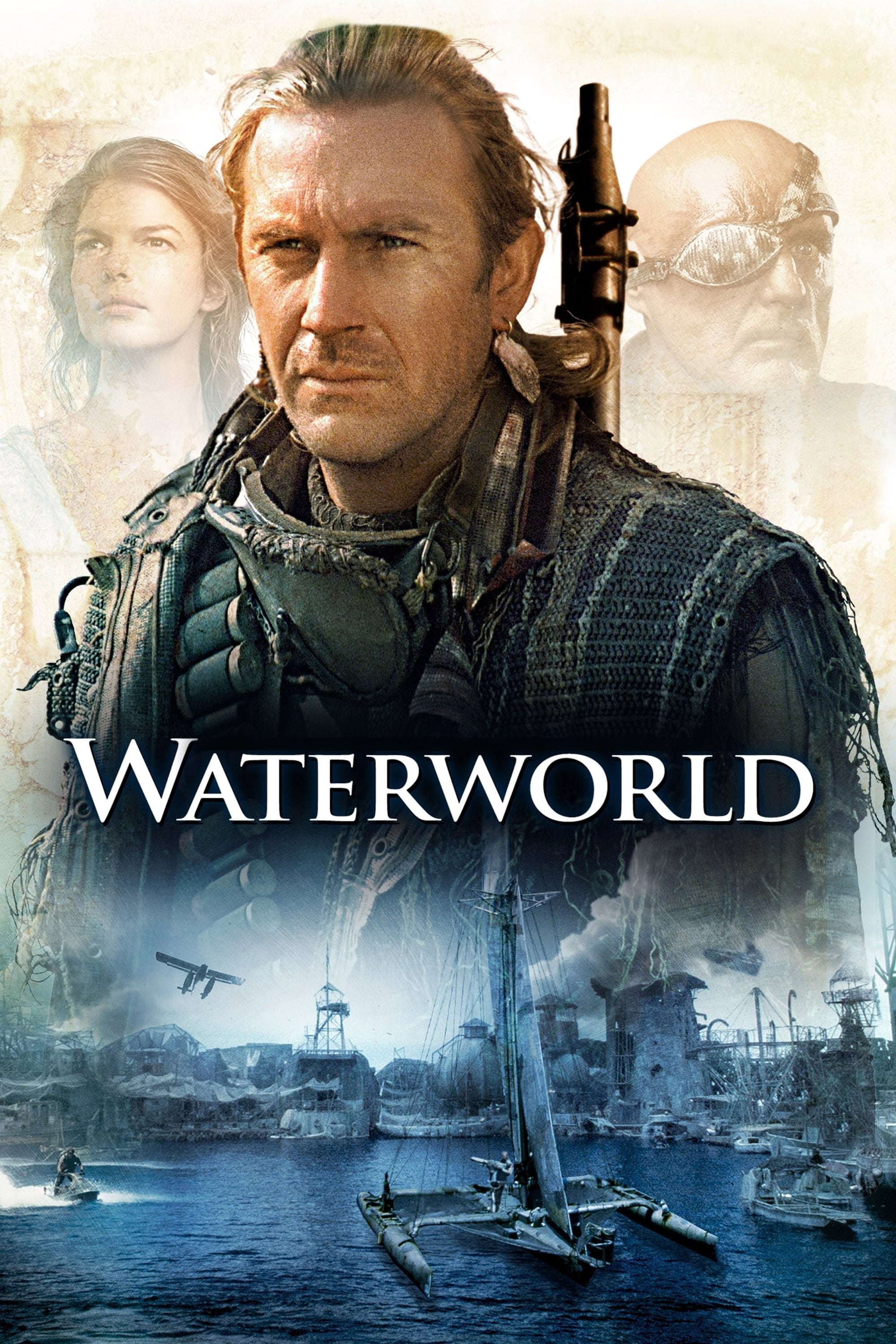
Kevin Costner starred in this seafaring epic set on a flooded Earth, with a floating atoll and ramshackle tech built from scavenged materials. The production staged large scale action on open water with custom boats and practical sets that were constructed off the coast of Hawaii.
Reports of budget overruns shaped the conversation around the release and overshadowed technical craft for many viewers. Theme park stunt shows, strong home video performance, and continuous television play kept ‘Waterworld’ visible long after its theatrical run.
‘Super Mario Bros.’ (1993)
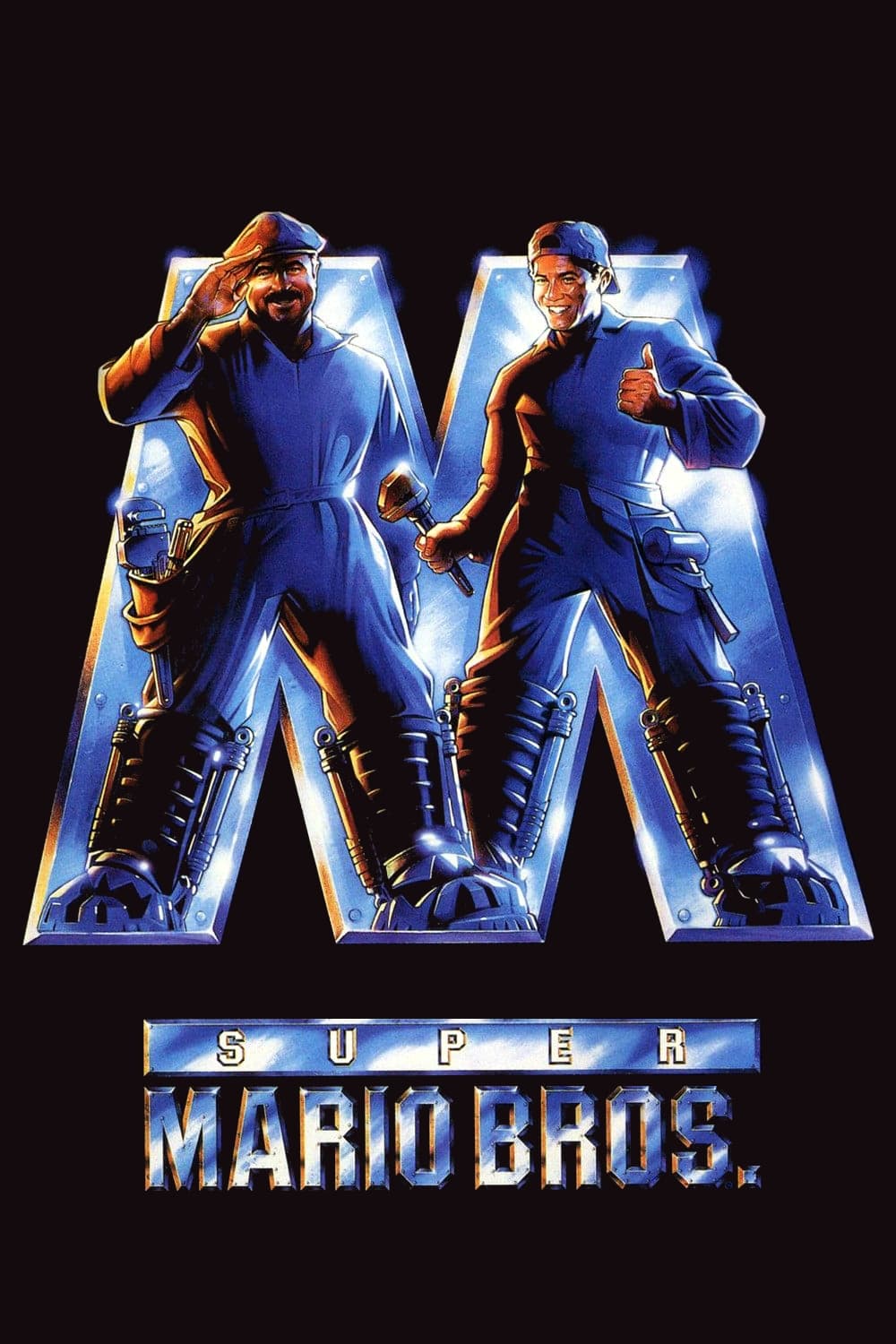
Bob Hoskins and John Leguizamo played the famous plumbers while Dennis Hopper appeared as the villainous ruler of a dystopian parallel city. The film blended live action creatures, animatronics, and cyberpunk production design for a take that diverged sharply from the games.
A difficult shoot and major script changes became part of the legend surrounding the release. Over time it gained curiosity value as the first big console game adaptation, and its bold art direction turned into a frequent touchpoint in discussions about translating games to film.
‘Street Fighter’ (1994)
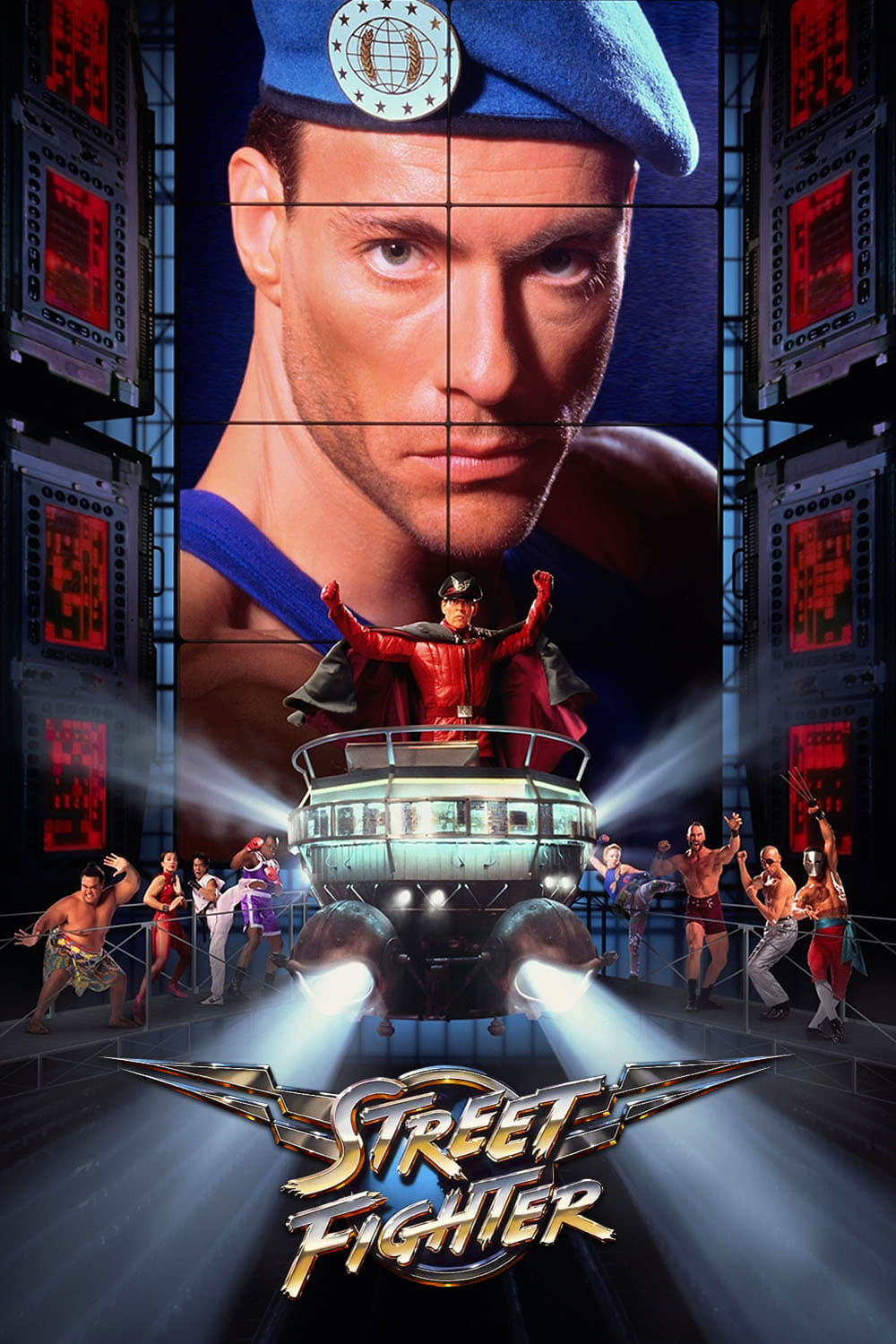
Jean-Claude Van Damme headlined as the international hero while Raúl Juliá delivered a theatrical performance as the aspirational dictator. The movie packed in characters from the arcade roster and moved quickly through globe hopping skirmishes and rescue missions.
Critics were unkind yet the film found long term visibility through cable reruns and fandom for Juliá’s charismatic turn. Merchandise, quotes repeated by players, and the evergreen popularity of the game series kept ‘Street Fighter’ in circulation for new audiences.
‘Mortal Kombat: Annihilation’ (1997)
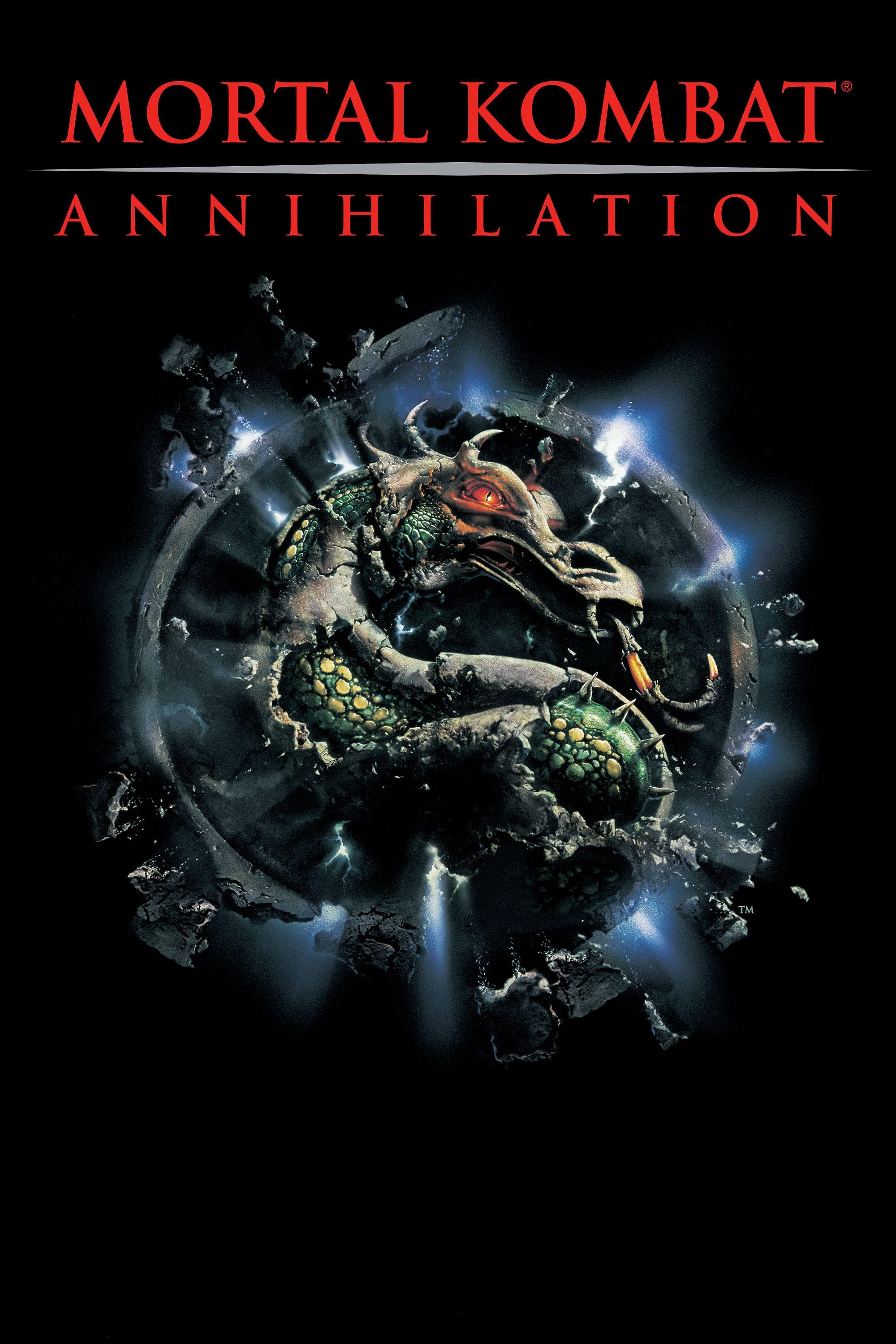
This sequel expanded the cast with more fighters and introduced world ending stakes within its first minutes. The production used fast editing and extensive visual effects to stage tournament style battles across deserts, temples, and other fantasy locations.
Recasting and heavier reliance on computer graphics drew negative attention on release. The title endured in fan culture thanks to its connection to a hit game and its nonstop series of showdowns that made it a staple of late night viewing blocks.
‘Cool as Ice’ (1991)
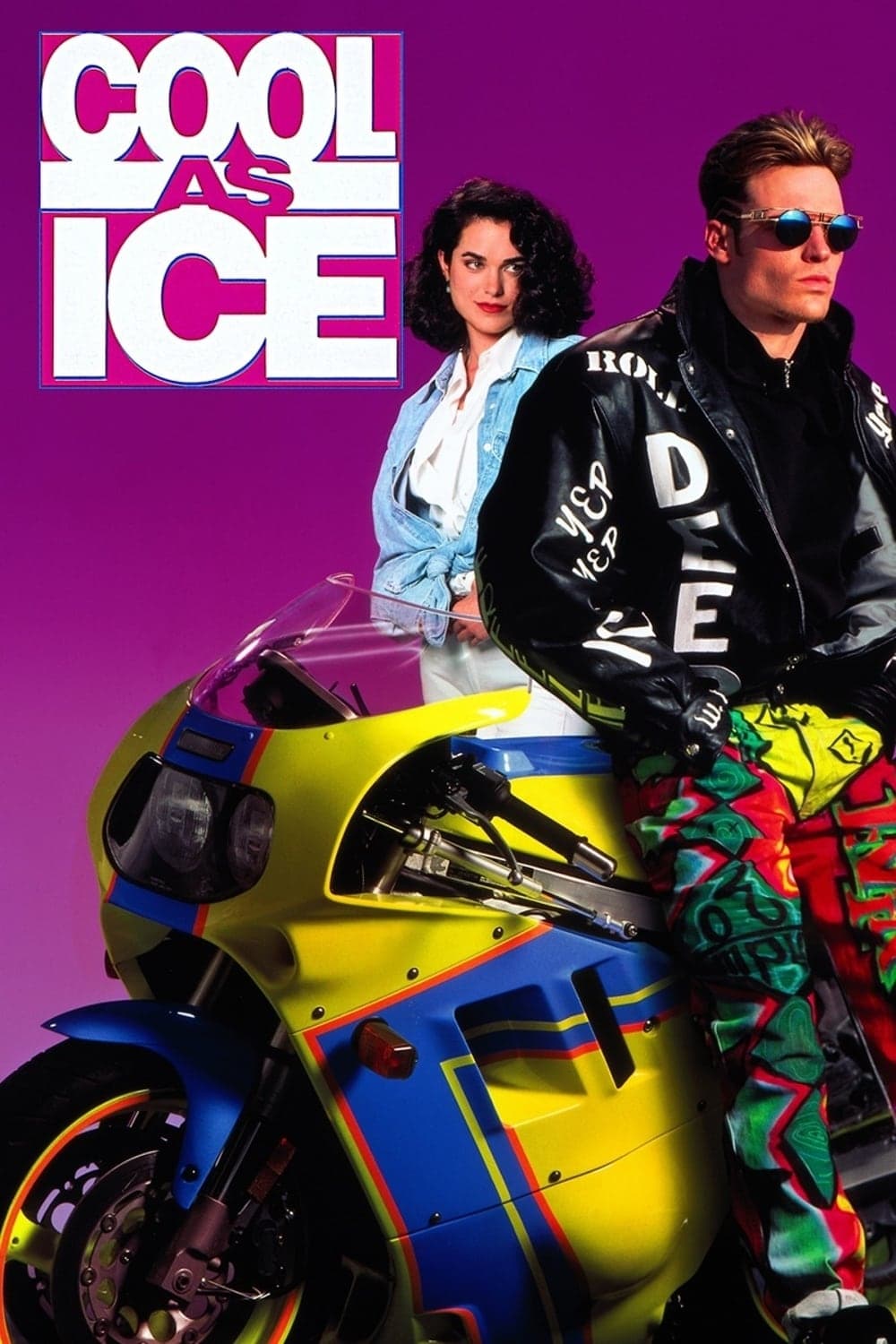
Rapper Vanilla Ice made his lead acting debut in this fish out of water romance that placed a flashy biker among small town residents. Music cues and stylized costuming were central to the presentation, with set pieces designed around choreography and color.
Theatrical business was limited yet the movie became a time capsule of early 90s pop fashion and branding. Clips circulate widely and the soundtrack identity keeps ‘Cool as Ice’ in rotation whenever people revisit music driven star vehicles from the decade.
‘Kazaam’ (1996)
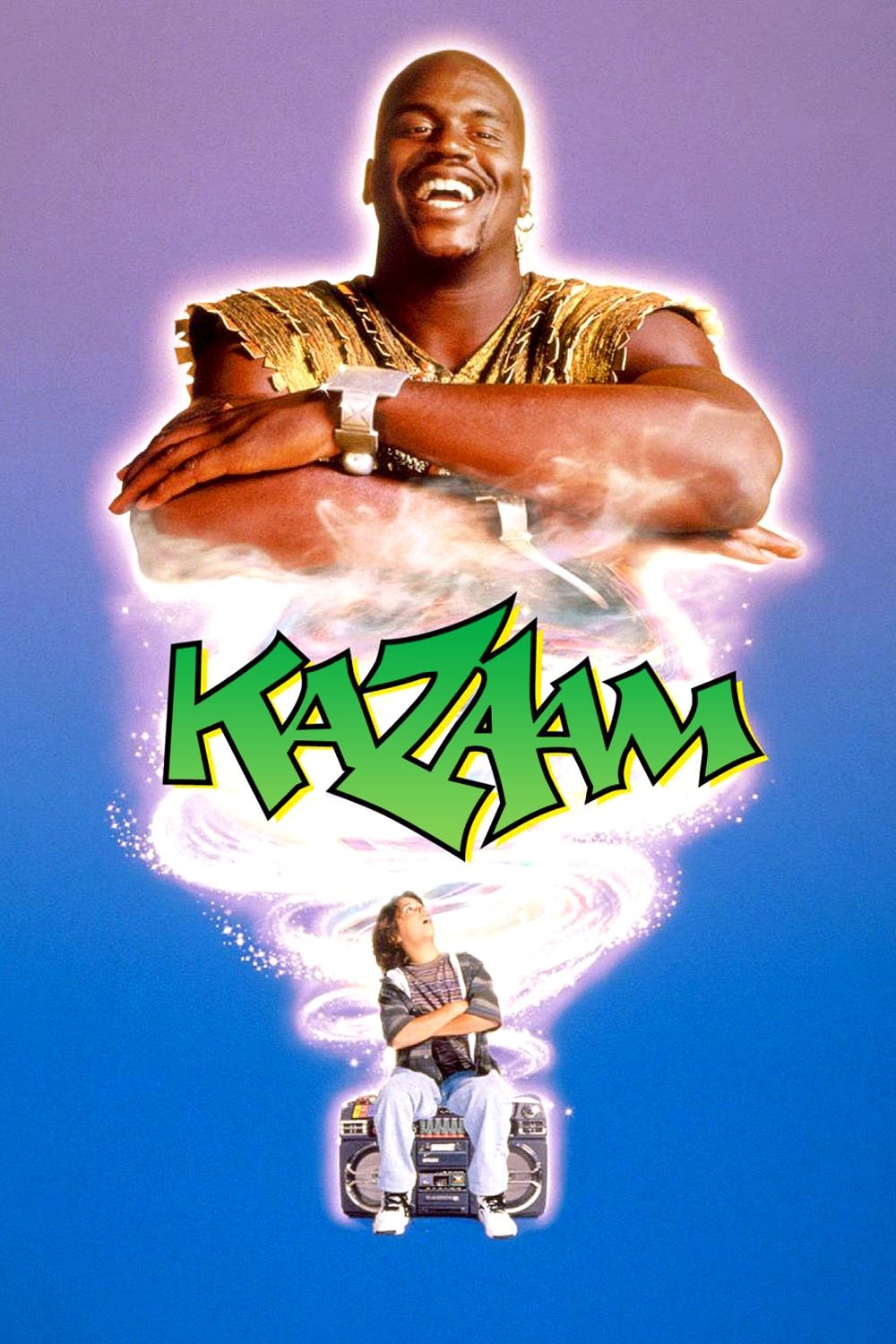
Shaquille O’Neal played a rapping genie who emerges from a boombox to grant wishes to a teenager. The story mixed urban fantasy with family friendly comedy and framed set pieces around musical numbers and magical interventions.
The film drew poor notices but found a second wind through television airings and schoolyard retellings. Its premise, its lead’s crossover fame, and a wave of later internet jokes secured ‘Kazaam’ a continuing place in conversations about athlete led movies.
‘Steel’ (1997)

Shaquille O’Neal returned to the screen as the armored hero inspired by a DC Comics character. The plot followed an engineer who builds a metal suit and nonlethal weapons to fight crime after an accident involving experimental technology.
Despite limited box office results, the movie remains a notable early attempt at a modern comics adaptation outside the biggest franchises. It is frequently cited when people trace the long road from modest superhero projects to today’s interconnected cinematic universes.
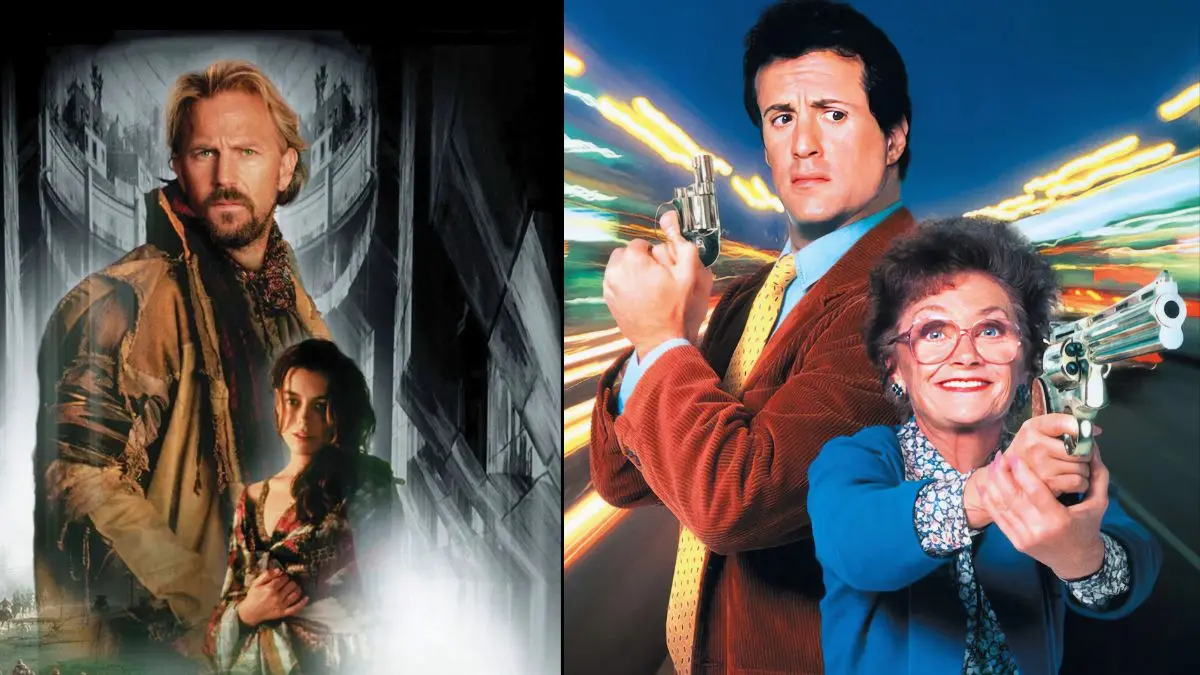
‘The Postman’ (1997)
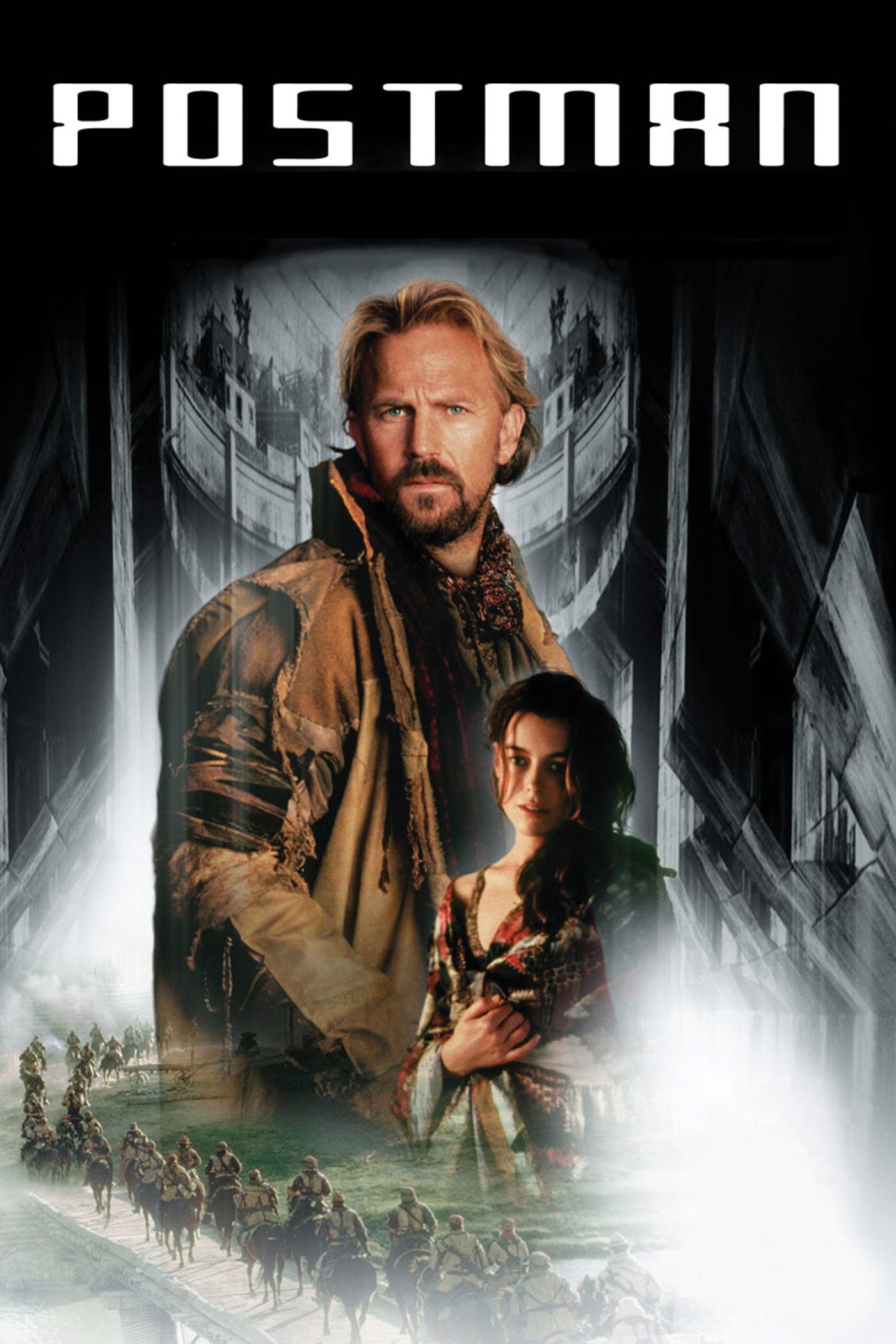
Kevin Costner directed and starred as a drifter who inspires communities by delivering letters in a fractured America. The production emphasized sweeping landscapes, frontier settlements, and logistics of a mail route as a symbol of rebuilding society.
Theatrical response was muted and honors from the Razzies followed, yet the film stayed visible due to its ambitious scope. Discussions of postapocalyptic storytelling often reference ‘The Postman’ when charting how large scale prestige aims can collide with audience expectations.
‘Barb Wire’ (1996)
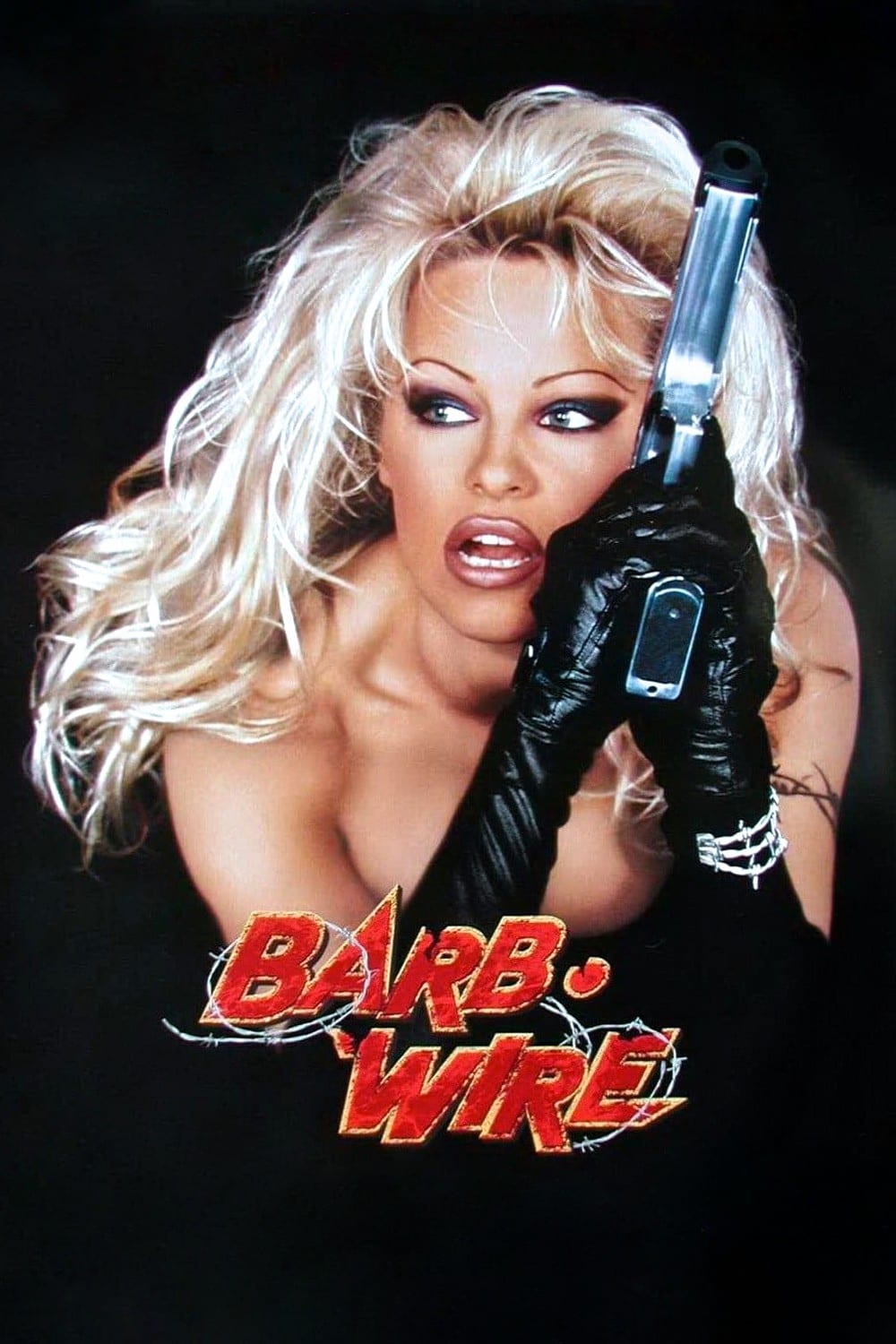
Pamela Anderson led this action film based on a Dark Horse comic about a nightclub owner who navigates a civil war and corrupt officials. The setting used urban ruins, neon signage, and heavy costuming to create a stylized wartime city.
The movie’s plot echoes elements of a classic wartime romance which added a curiosity factor for later viewers. Home video circulation and comic book fandom kept ‘Barb Wire’ in the conversation as an example of mid-90s pulp adaptation trends.
‘Bio-Dome’ (1996)
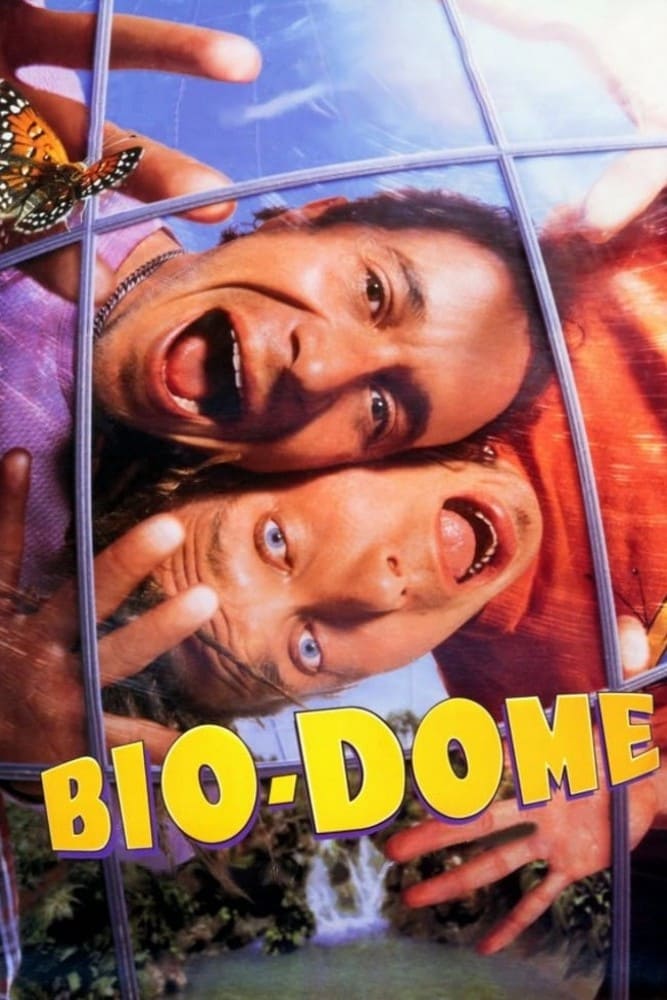
Pauly Shore and Stephen Baldwin played best friends who get trapped inside an environmental research facility. The story followed their chaotic impact on a sealed ecosystem with running gags built around energy use, air quality, and conservation.
Critical reaction was negative, though the film later turned into a fixture of college dorm programming. The environmental premise, its catchphrases, and the leads’ distinct 90s persona helped ‘Bio-Dome’ maintain a steady cult presence.
‘Wild Wild West’ (1999)
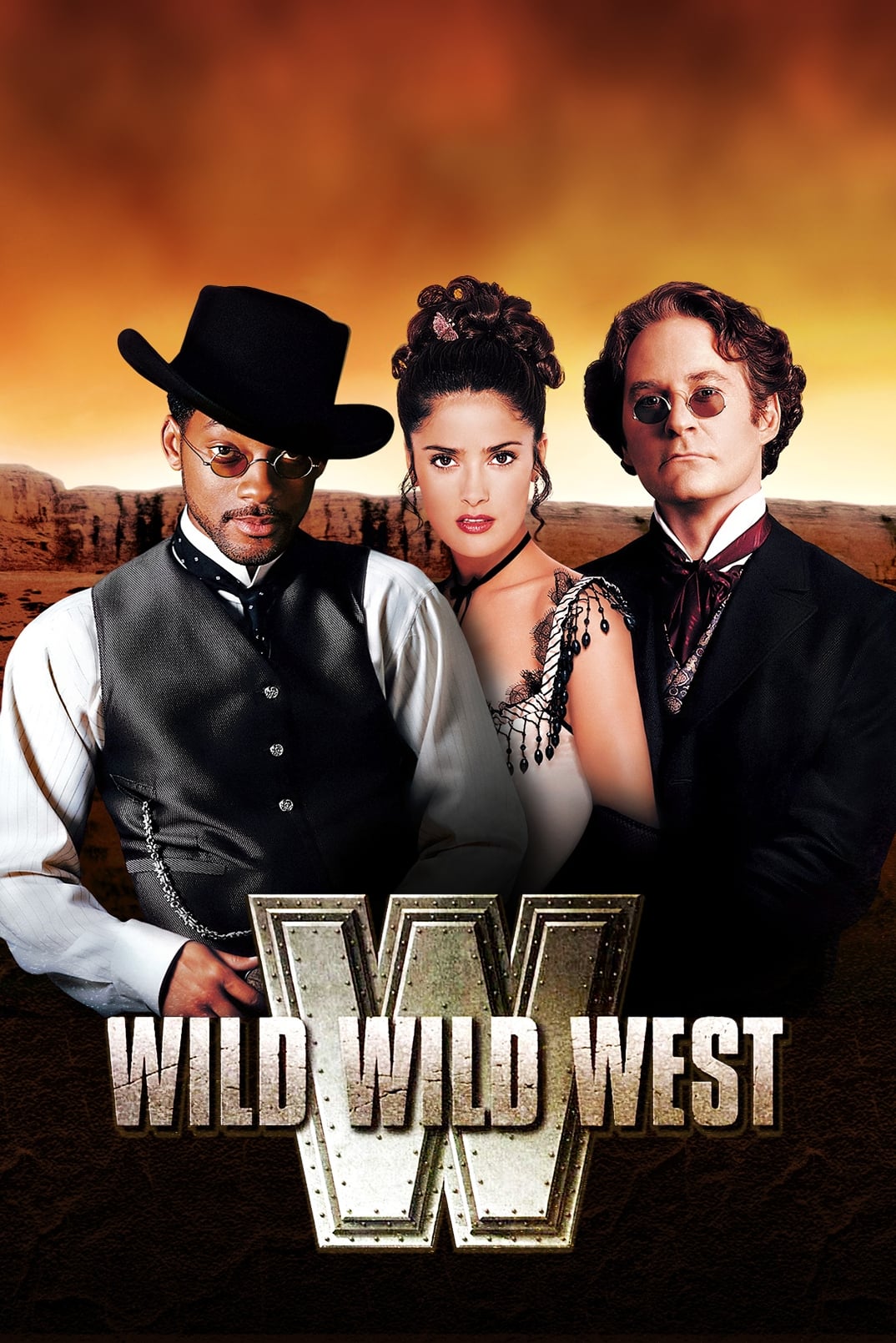
Will Smith and Kevin Kline teamed up as government agents facing a scientist with advanced steam powered technology. The production mixed western locations with gadget filled set pieces and a towering mechanical spider centerpiece.
The film performed respectably but drew criticism for tone and plotting, which only amplified its visibility. A hit theme song, extensive marketing, and frequent TV rotation kept ‘Wild Wild West’ widely known beyond its initial release window.
‘Godzilla’ (1998)

Roland Emmerich reimagined the famous creature with a focus on citywide chases through New York. Matthew Broderick and a team of researchers worked to track the massive reptile while military units battled through rain soaked streets and skyscraper canyons.
Marketing partnerships and a prominent soundtrack placed the film everywhere leading up to release. The new creature design and large scale effects made ‘Godzilla’ an enduring talking point whenever fans compare different eras of the franchise.
‘The Avengers’ (1998)
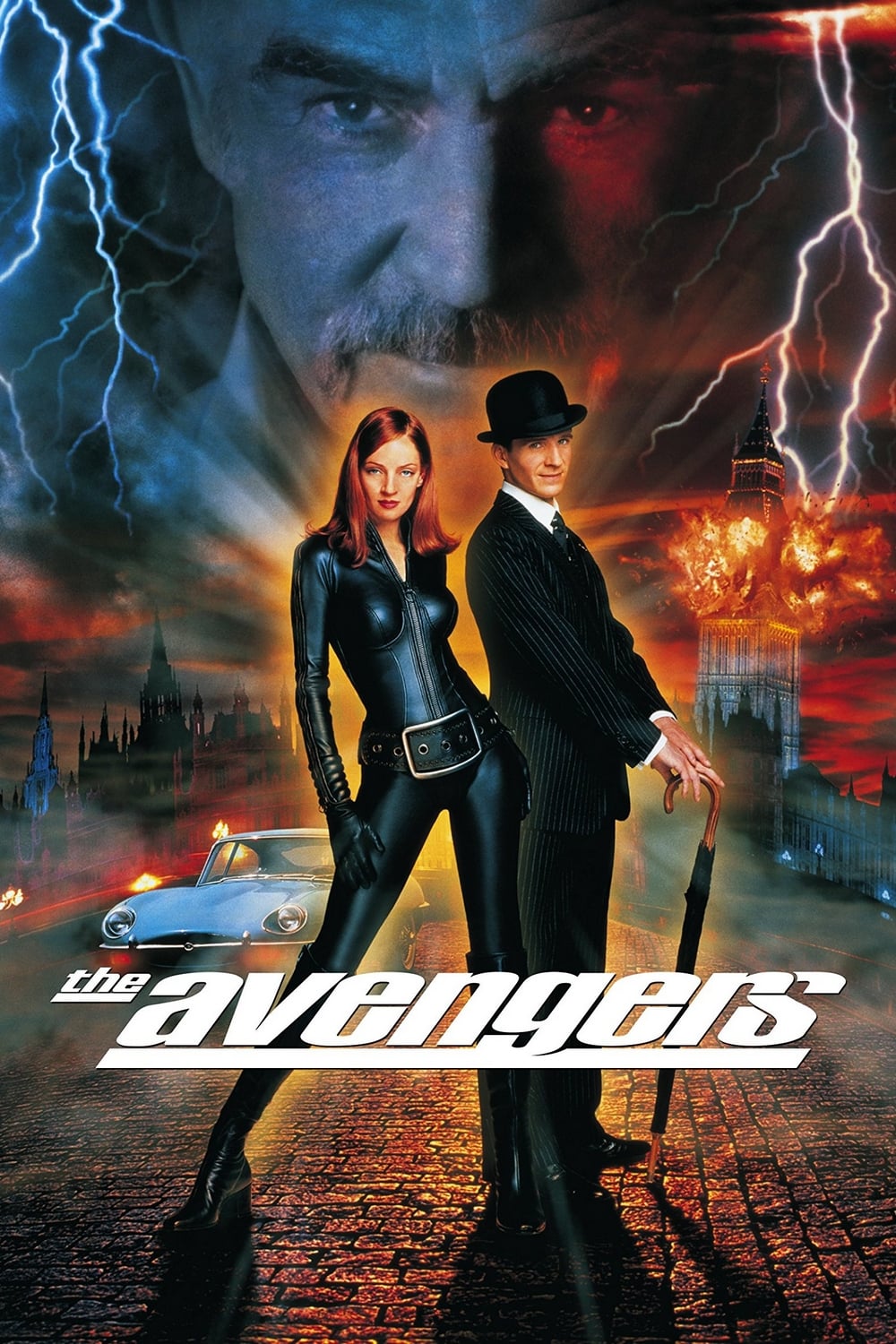
This spy caper adapted the British television series with Ralph Fiennes and Uma Thurman taking over the iconic roles. Sean Connery played the villain whose weather control experiments threatened London and beyond.
Editing issues and reports of heavy cuts shaped the narrative around the film after opening weekend. The combination of a famous brand, an all star cast, and unusual production history secured ‘The Avengers’ a lasting reputation.
‘Cutthroat Island’ (1995)
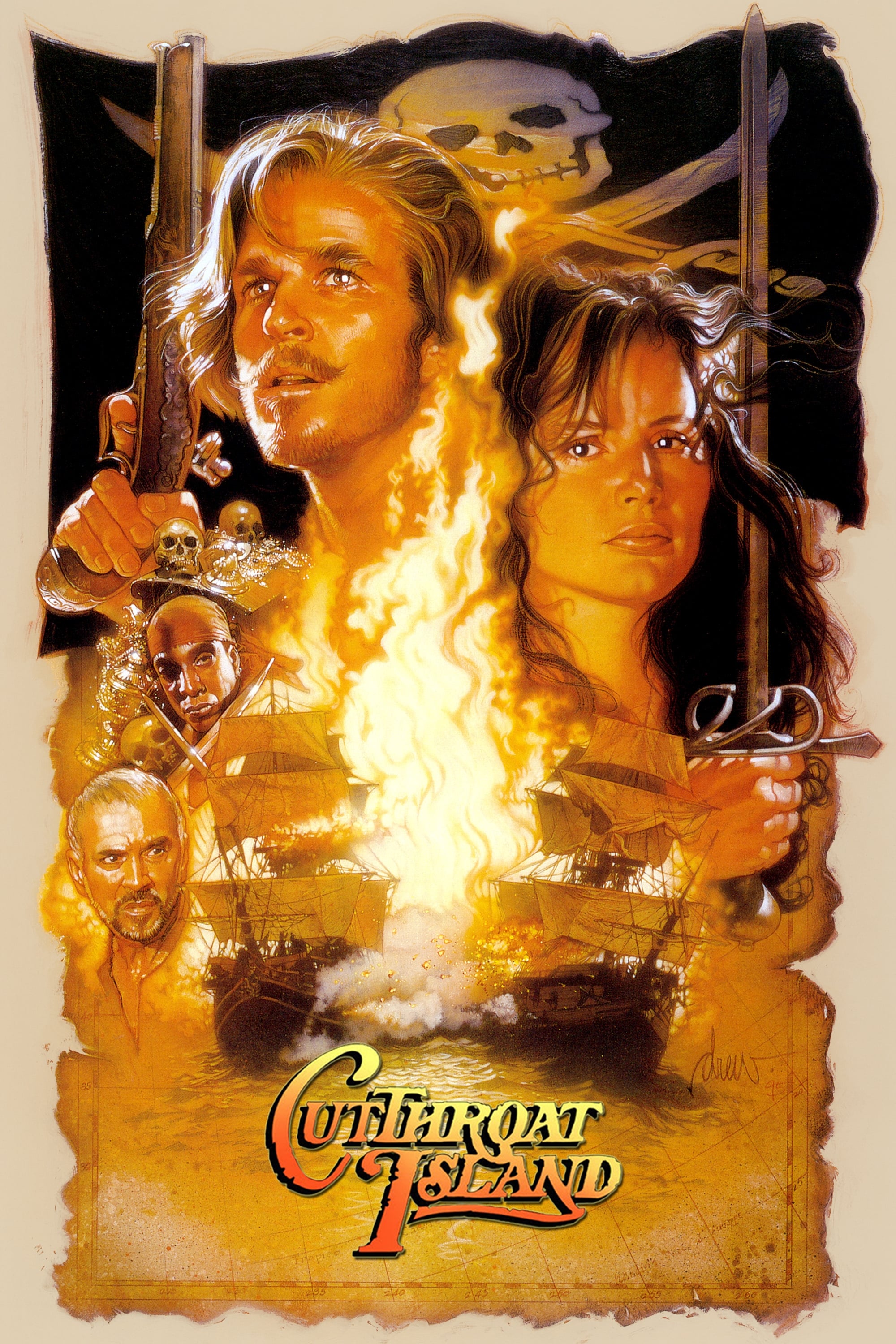
Geena Davis and Matthew Modine chased buried treasure across tropical waters with elaborate ship battles and practical stunt work. The production constructed full size vessels and staged cannon volleys that aimed for classic swashbuckling spectacle.
The film’s financial results were disappointing and it became linked to the decline of its production company. Later reassessments highlighted the scale of the sets and action design, which helped ‘Cutthroat Island’ remain a frequent case study in big risk adventure filmmaking.
‘Stop! Or My Mom Will Shoot’ (1992)
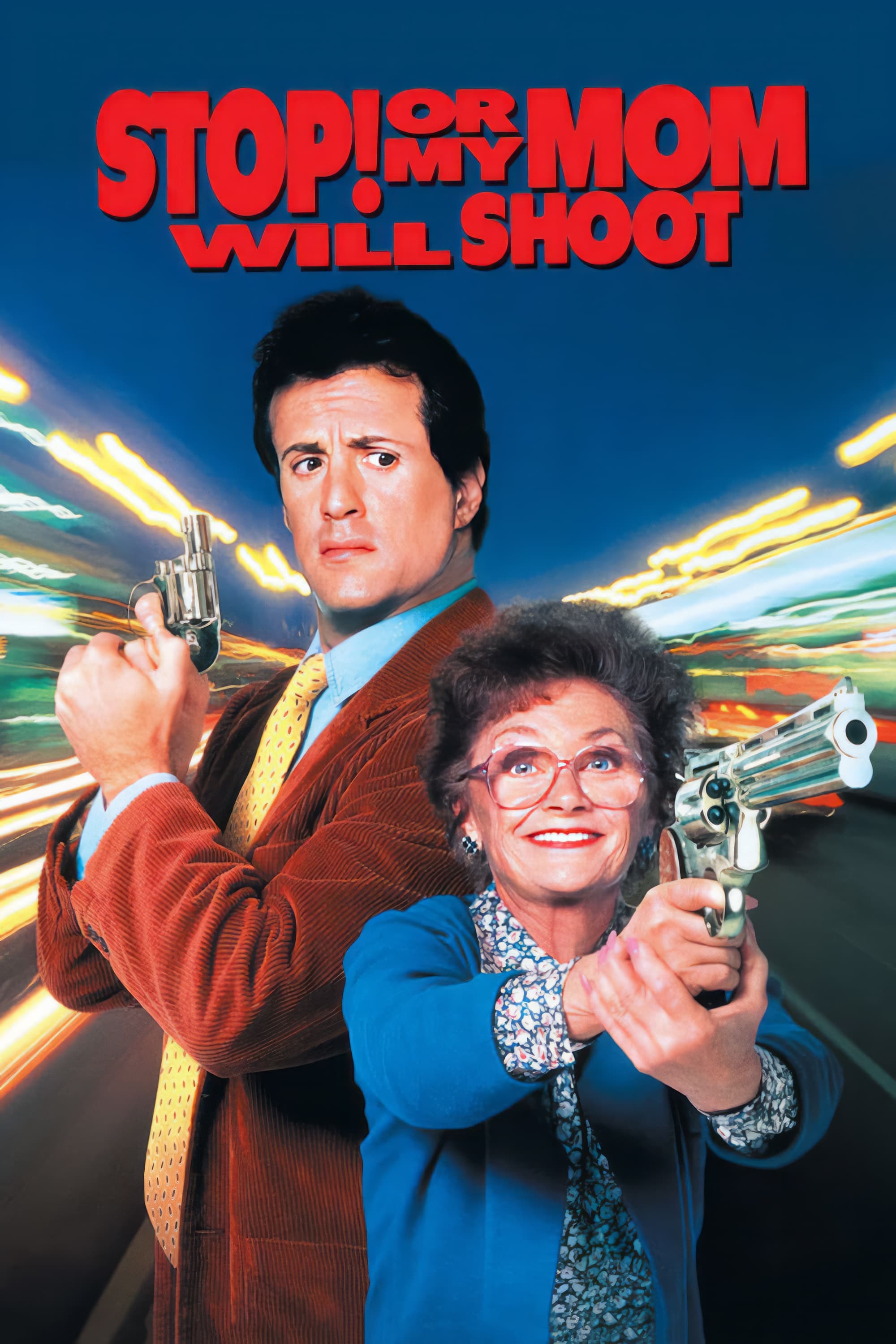
Sylvester Stallone starred as a cop whose overprotective mother, played by Estelle Getty, complicates his cases. The story moved through domestic mix ups and police procedural beats with an emphasis on family friendly humor.
The movie received poor notices yet stayed visible due to the unusual pairing of its leads and its memorable title. Cable scheduling and behind the scenes anecdotes kept ‘Stop! Or My Mom Will Shoot’ in circulation among fans of offbeat buddy comedies.
‘Anaconda’ (1997)
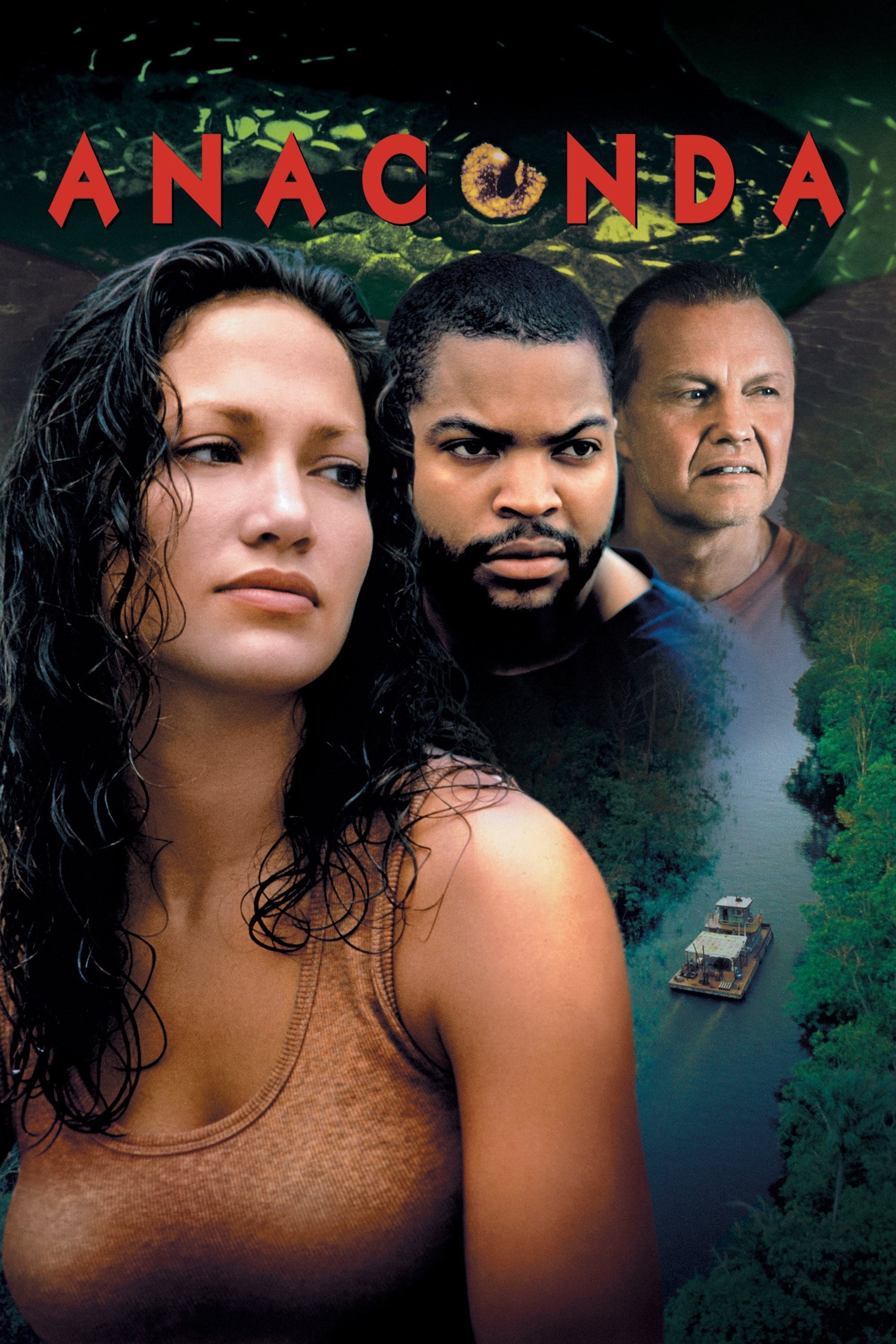
Jennifer Lopez and Ice Cube led a documentary crew that sails into the Amazon and encounters a legendary giant snake. The production combined animatronics and computer effects to deliver creature attacks in jungle locations and on rivercraft.
Reviewers were mixed to negative, but the film earned strong business and inspired sequels and television reruns. Jon Voight’s distinctive performance and the monster effects made ‘Anaconda’ a go to example of 90s creature features that refuse to fade.
‘Congo’ (1995)
Based on a novel by Michael Crichton, the film followed an expedition searching for a rare diamond while navigating volcanic hazards and aggressive primates. Practical gorilla suits and animatronics handled creature work on set while location photography supplied jungle backdrops.
Despite critical headwinds, the movie performed well and produced enduring quotes and set pieces. The talking device used by the friendly gorilla and the high tech gear gave ‘Congo’ a lasting novelty among adventure titles of the era.
‘Spice World’ (1997)
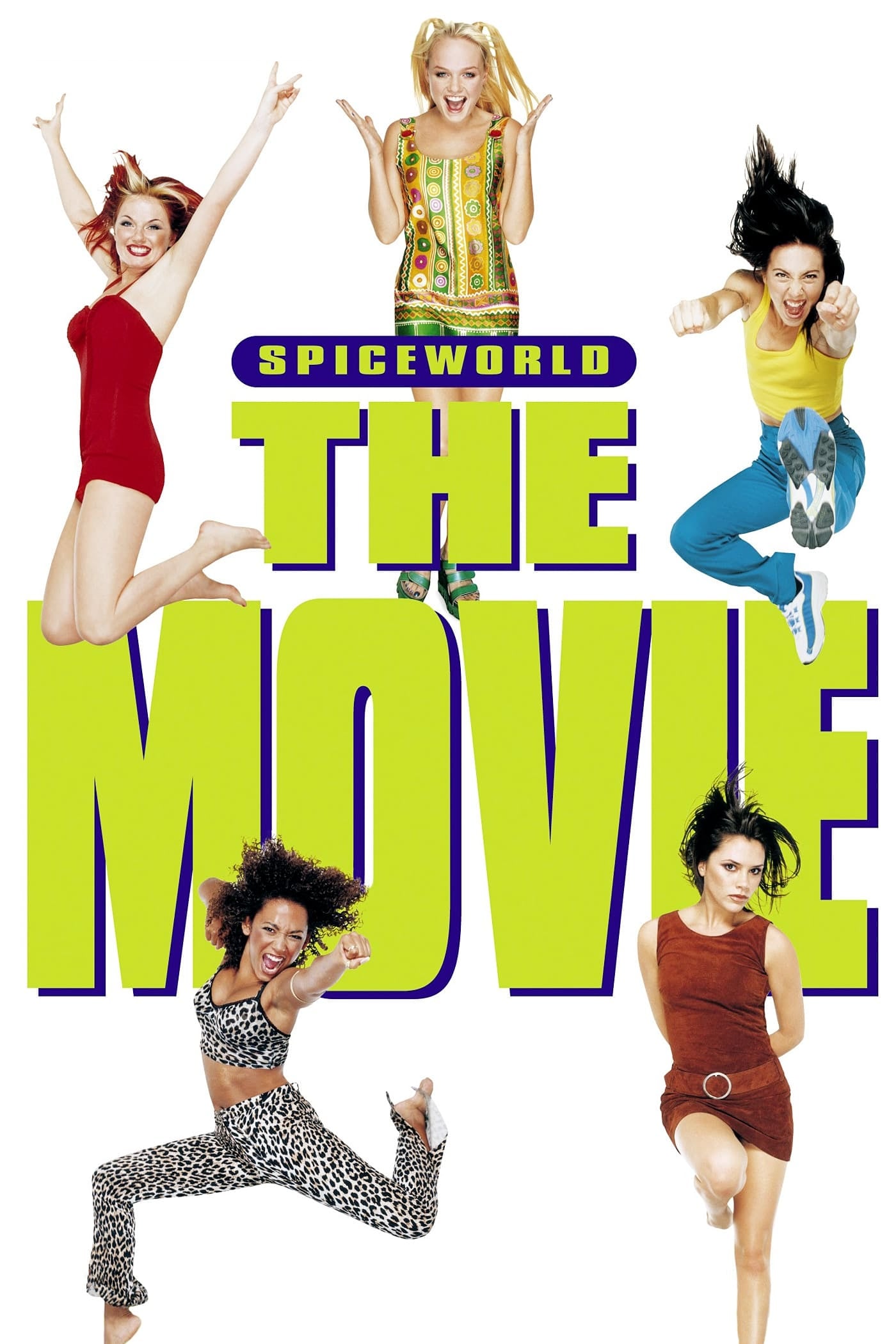
The Spice Girls headlined a musical comedy that tracked a whirlwind schedule before a major concert. The film packed in cameos from musicians and British celebrities, along with rapid fire sketches that played to each member’s persona.
Reviews were cool, yet the release became a pop culture time capsule that continues to attract new viewers. Soundtrack sales, fan nostalgia, and anniversary screenings turned ‘Spice World’ into a recurring reference for 90s pop cinema.
Share your favorite so bad it is famous ’90s pick in the comments and tell everyone why it still sticks in your head.