The Worst 2020s Movies (So Far) that Are Hard to Watch Till the End

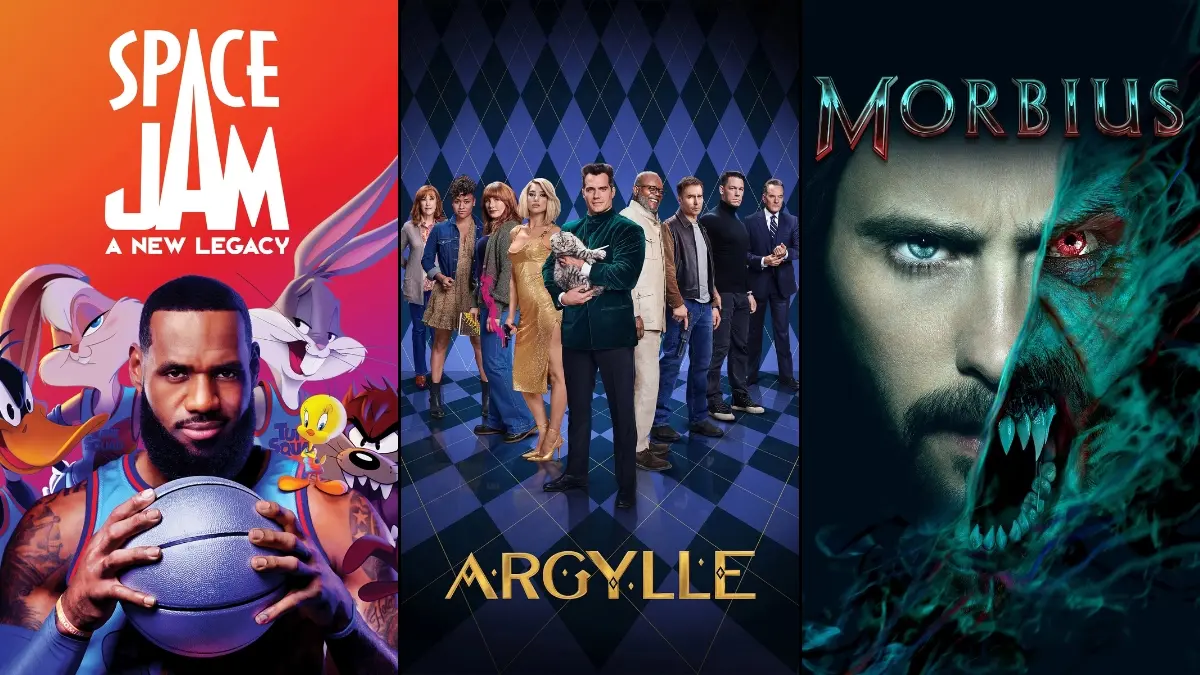

Sometimes a film’s reputation precedes it, and not in a good way. The 2020s have already served up a batch of titles that generated headlines for misfires in execution, eyebrow-raising creative choices, or plain old box-office faceplants. Below is a fact-checked list of movies that drew widespread criticism, industry “worst of” attention, or remarkable commercial underperformance—concrete, verifiable reasons they’re frequently cited as tough sits.
For each entry, you’ll find concise context about how it came together, how it performed, and why it became such a lightning rod. No hot takes—just the who-what-when-where-why, supported by reliable sources so you can see exactly what happened and decide whether to press play… or skip.
‘Dolittle’ (2020)

Universal’s VFX-heavy reboot arrived after widely reported reshoots and quickly picked up nominations at the Golden Raspberry Awards in categories including Worst Remake/Rip-off/Sequel. Trade and box-office references place its global total a little above $251 million, a figure that—given the publicly reported budget range—multiple outlets assessed as leaving the studio with a sizable loss.
Variety flagged weak preview grosses and soft domestic projections ahead of opening, while box-office databases detail the eventual worldwide finish and splits between domestic and international markets, which underpin those loss estimates.
‘365 Days’ (2020)

This Polish drama became a streaming headline-maker as a breakout “hit” even while professional reviews skewed heavily negative; coverage at the time documented Netflix publicly standing by the title’s availability amid controversy. The backlash crystallized after Welsh singer Duffy’s open letter accused the film of glamorizing kidnapping, rape, and trafficking, a criticism widely carried by entertainment trades.
Articles also tracked its rapid climb on the platform’s charts and the culture-war spotlight that followed, establishing that attention—not acclaim—drove awareness and sustained conversation into follow-up releases.
‘Music’ (2021)

Sia’s directorial debut drew concentrated criticism from disability-rights organizations for casting and depiction choices, particularly the use of restraint on a non-speaking autistic character. In response, Sia publicly apologized, said future versions would include a warning, and pledged to remove the restraint scenes; this is documented in trade coverage and advocacy-group statements.
The film also received two Golden Globe nominations, creating a striking juxtaposition between awards recognition and sustained community objections—context captured in news reports that summarize both the controversy and the subsequent edits promised by the filmmaker.
‘Thunder Force’ (2021)

Positioned as a marquee Netflix original with Melissa McCarthy and Octavia Spencer, the film dominated Nielsen’s U.S. streaming chart in its debut week and, according to Netflix, was on pace for roughly 52 million households in the first 28 days. Despite the large sampled audience, aggregator and trade coverage recorded broadly negative reviews.
Variety’s review and contemporaneous roundups detail the critical reception, while the Nielsen ranking contextualizes how a streaming title can be highly watched yet poorly received—useful for understanding why it remains so visible in “worst of” conversations.
‘Space Jam: A New Legacy’ (2021)
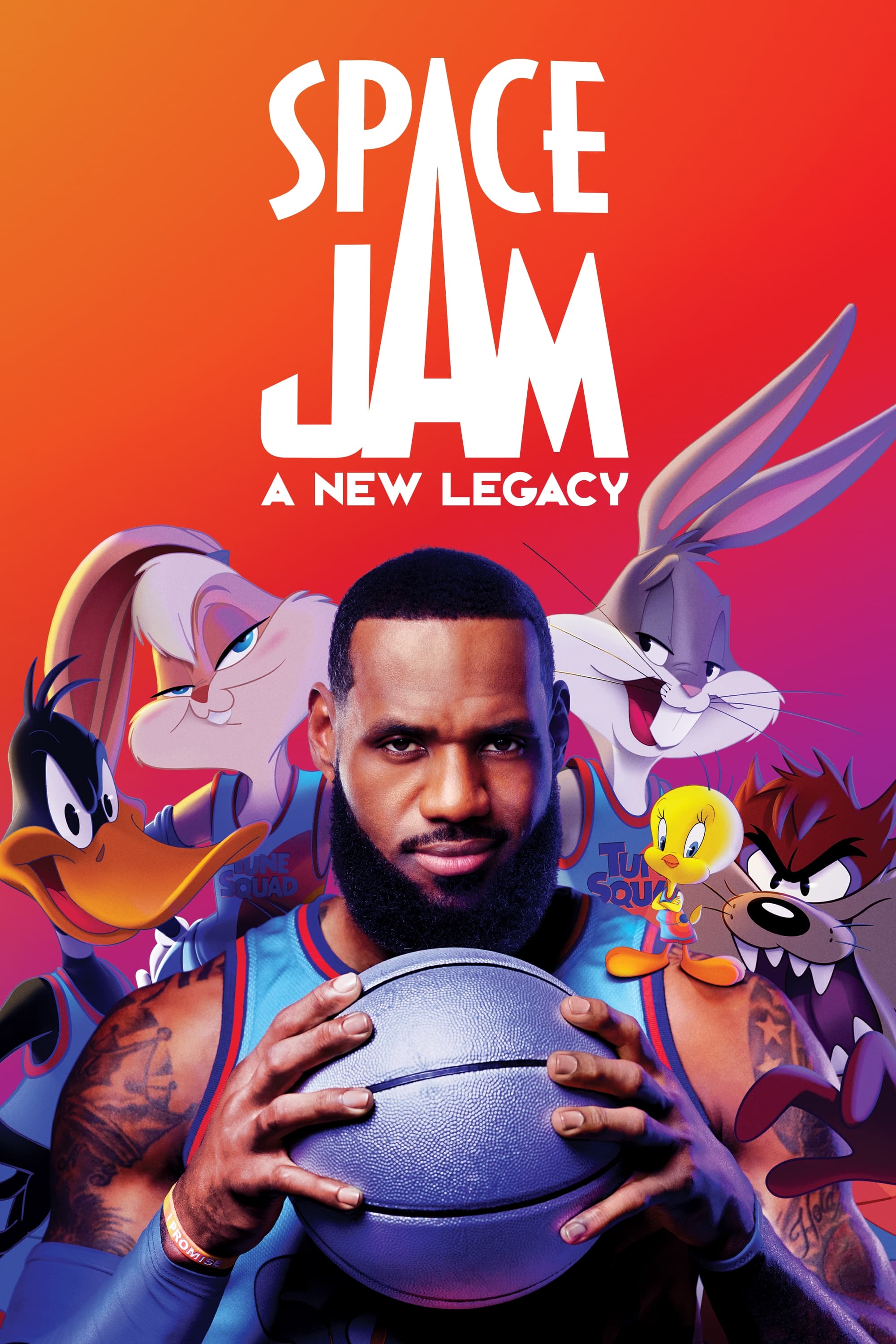
Warner Bros. released the legacy sequel with a simultaneous streaming strategy in the U.S., complicating traditional metrics. Box-office records show a worldwide finish of roughly $163.7 million, and the film later “won” multiple Razzies, including Worst Actor for LeBron James, as widely reported by major outlets.
Those outcomes—soft legs in theaters and multiple Razzie citations—are anchored in publicly available box-office summaries and awards reporting rather than anecdote, illustrating why it frequently appears on lists of high-profile disappointments.
‘Morbius’ (2022)
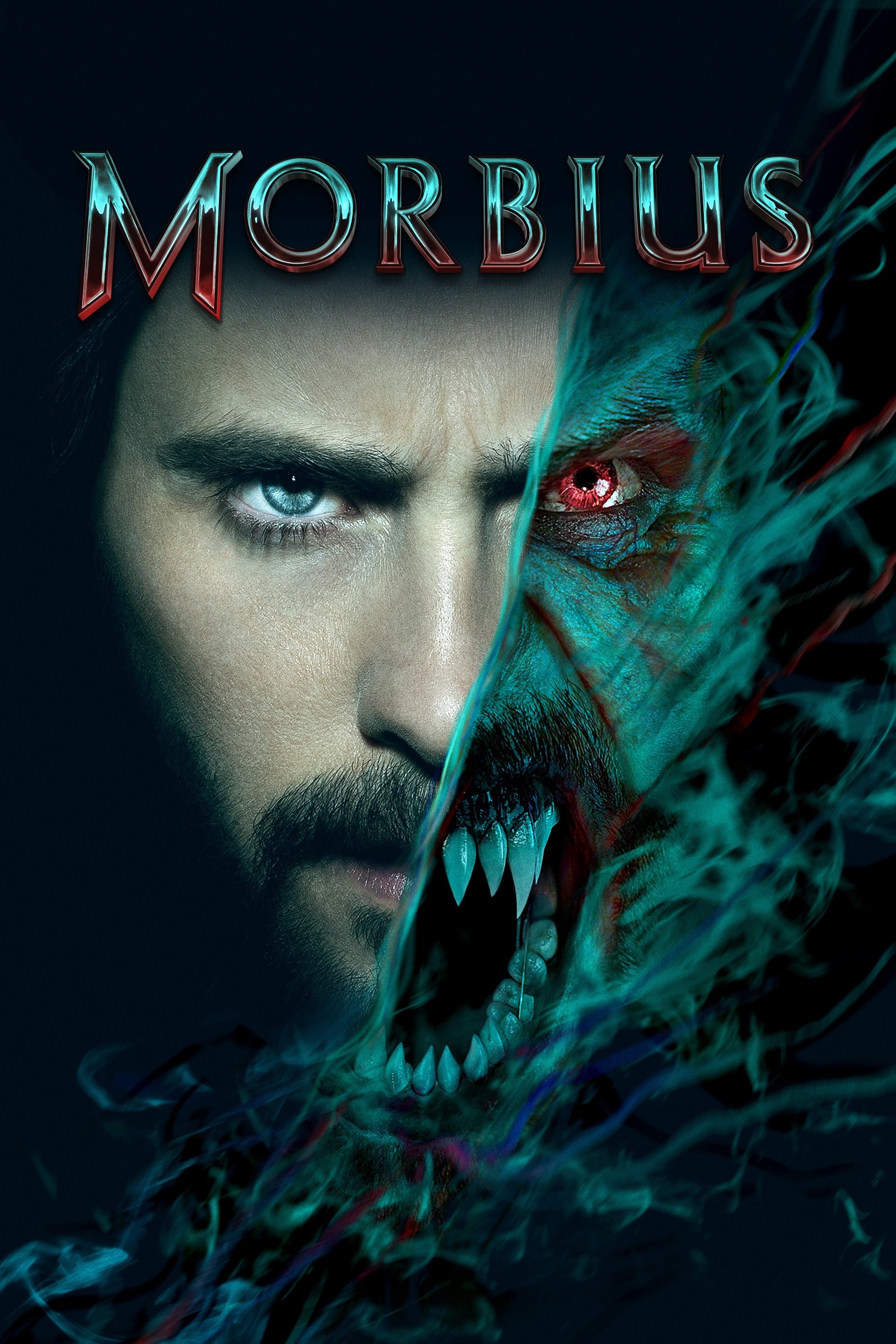
Sony’s Marvel-adjacent thriller ultimately totaled about $167.5 million worldwide, well below the expectation level associated with comic-book spinoffs. After online memes surged, the studio attempted a theatrical re-release; coverage shows the rerelease itself underperformed, adding only a tiny amount to the total.
Awards tallies also placed it among the year’s Razzie nominees, which—combined with the unusual re-release cycle—helped fix its reputation as a case study in virality not translating into meaningful box-office demand.
‘Winnie the Pooh: Blood and Honey’ (2023)
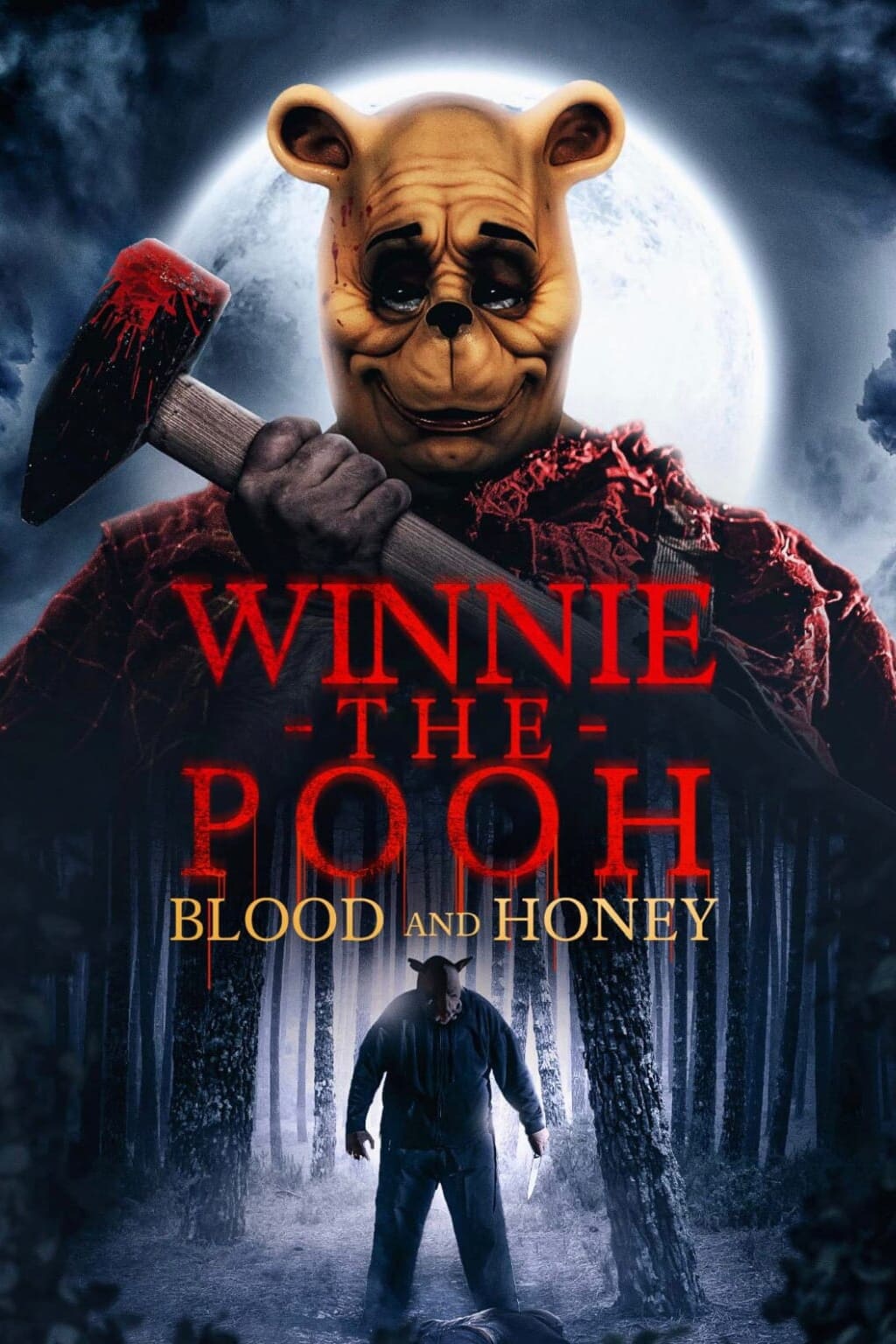
The micro-budget slasher drew attention for leveraging the public-domain status of A. A. Milne’s character, then became a Razzie sweeper, taking Worst Picture and four other categories according to wire reports and industry trades. That Razzie outcome is a matter of record across multiple reputable sources.
Those same reports detail how a viral premise and tiny cost base translated into outsized headlines without corresponding critical support—key context for why it’s so often cited as a tough watch.
‘Expend4bles’ (2023)

The fourth entry opened to approximately $8.3 million domestically, the lowest debut in the franchise, and was edged out by ‘The Nun II’ that same weekend. Leading trades and wires covered the franchise-low start and the weekend rankings that framed its underperformance.
Follow-up analyses from entertainment trades placed the film’s launch in a broader context of waning enthusiasm for certain mid-budget action sequels, providing a data-driven explanation for the title’s short theatrical run.
‘Madame Web’ (2024)

Sony’s spin-off posted a worldwide total a touch above $100 million, against widely reported net production costs near $80 million, with some trade reporting suggesting the true spend ran higher. The title later led the 45th Razzie Awards with wins for Worst Picture, Worst Actress, and Worst Screenplay.
Box-office trackers and trades also documented high advance-ticket cancellations noted by exhibitors as early reviews landed, reinforcing how an early reception headwind affected demand out of the gate and throughout its run.
‘Argylle’ (2024)

Apple’s globe-trotting spy caper opened at roughly $18 million domestically and finished its theatrical run under $100 million worldwide, per trade reporting and box-office databases. Coverage repeatedly highlighted the eye-popping budget estimates associated with Apple’s theatrical strategy, which sharpened the perception of a commercial miss.
Those figures—opening-weekend performance, worldwide finish, and budget context—are drawn from publicly accessible sources and are the basis for the film’s inclusion on box-office disappointment lists across the industry press.
Have one we missed—or a different take on these? Share your thoughts in the comments and tell us which 2020s movie you struggled to finish.