25 Movies Turned Their Fans Against Them


Sometimes a movie arrives with a built in fan base and still ends up sparking backlash. Long running franchises can change direction and new installments can reframe familiar characters in ways that surprise audiences. Even single film releases can draw controversy when marketing promises one thing and the finished product delivers something else.
This list looks at films that triggered noticeable pushback from their own supporters for reasons like plot choices, studio interference, tonal shifts, extensive reshoots, or franchise continuity issues. Each entry focuses on concrete elements such as story turns, character arcs, and production decisions that fueled the reaction, along with how those choices played out at release.
‘Star Wars: The Last Jedi’ (2017)
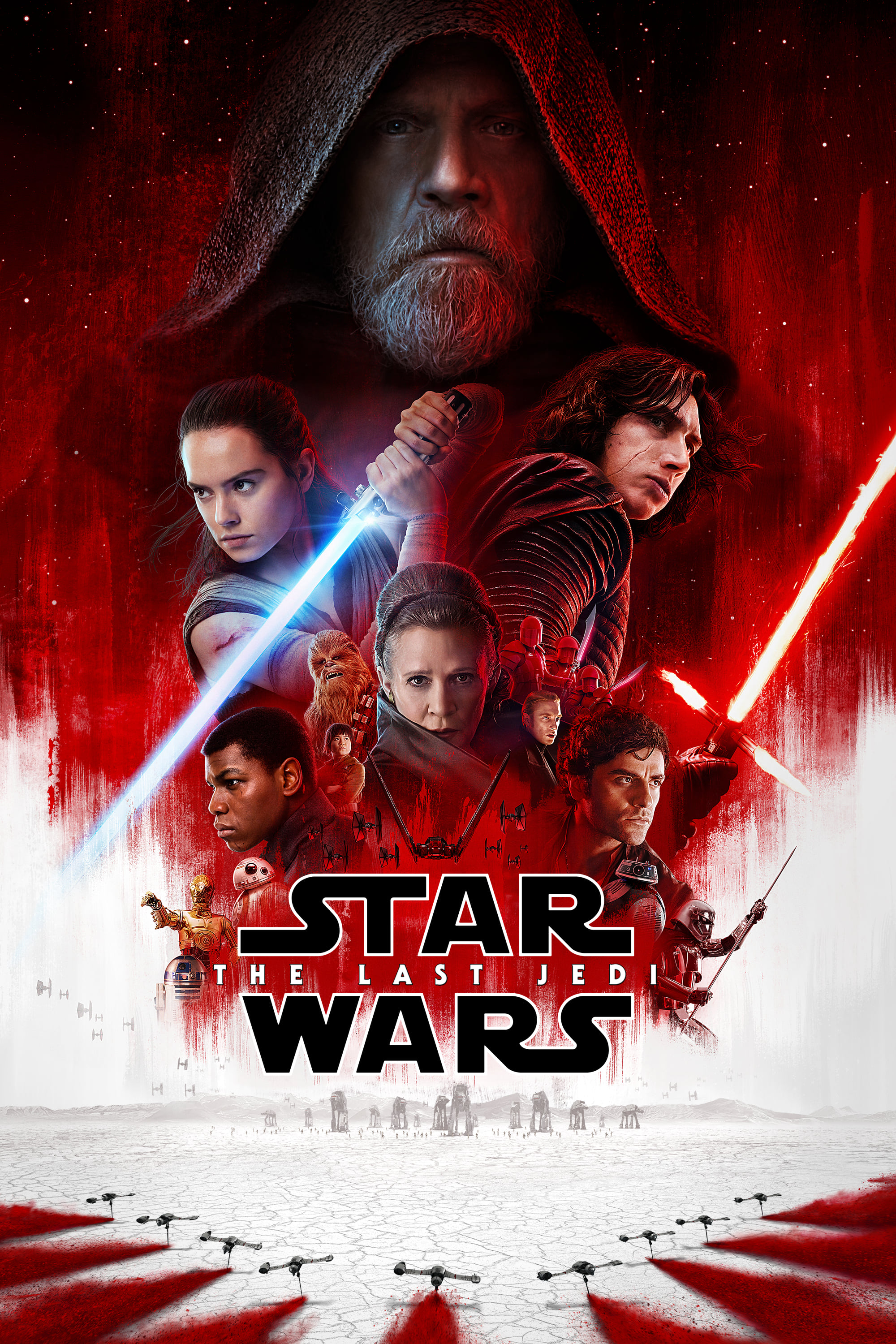
The film built tension by separating its core trio and by focusing on new training sequences while longtime heroes took a step back. Key choices included a subversion of expectations around Rey’s lineage and the depiction of Luke as a withdrawn figure who rejected the Jedi path before returning for a final confrontation.
Discourse centered on tonal changes and the handling of legacy characters. The extended Canto Bight subplot and the treatment of Supreme Leader Snoke also became flashpoints among fans who preferred clearer continuity from the previous installment.
‘Star Wars: The Rise of Skywalker’ (2019)
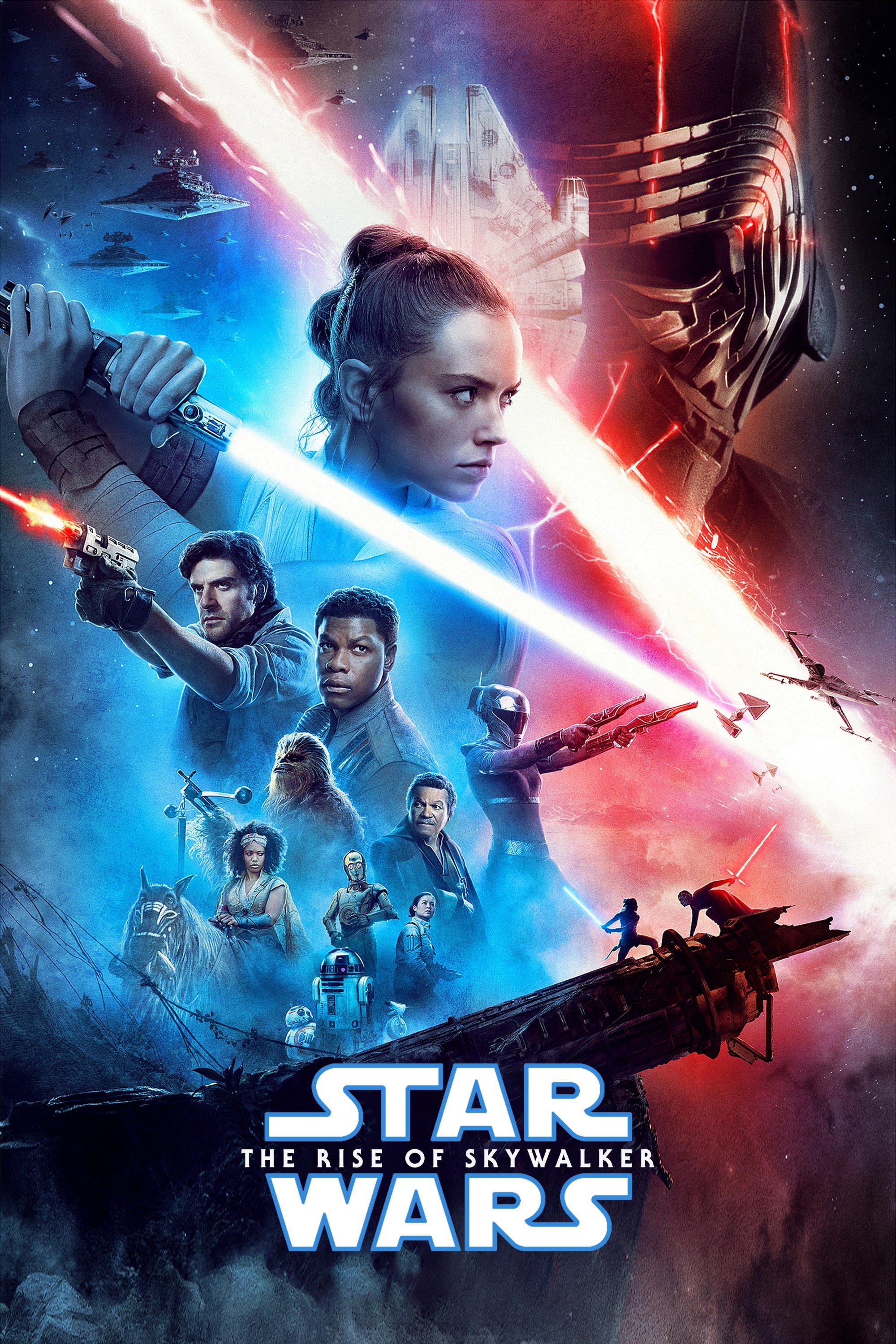
The production followed a course correction approach that restored familiar mysteries and artifacts. It introduced a revived Emperor and rewrote key questions about Rey’s background while moving at a rapid pace through multiple planets and MacGuffins.
Reactions focused on the sudden reversals from the prior chapter and on the use of nostalgic elements as solutions to open plot threads. The heavy reliance on secret fleets and last minute revelations drew debate over narrative cohesion within the trilogy.
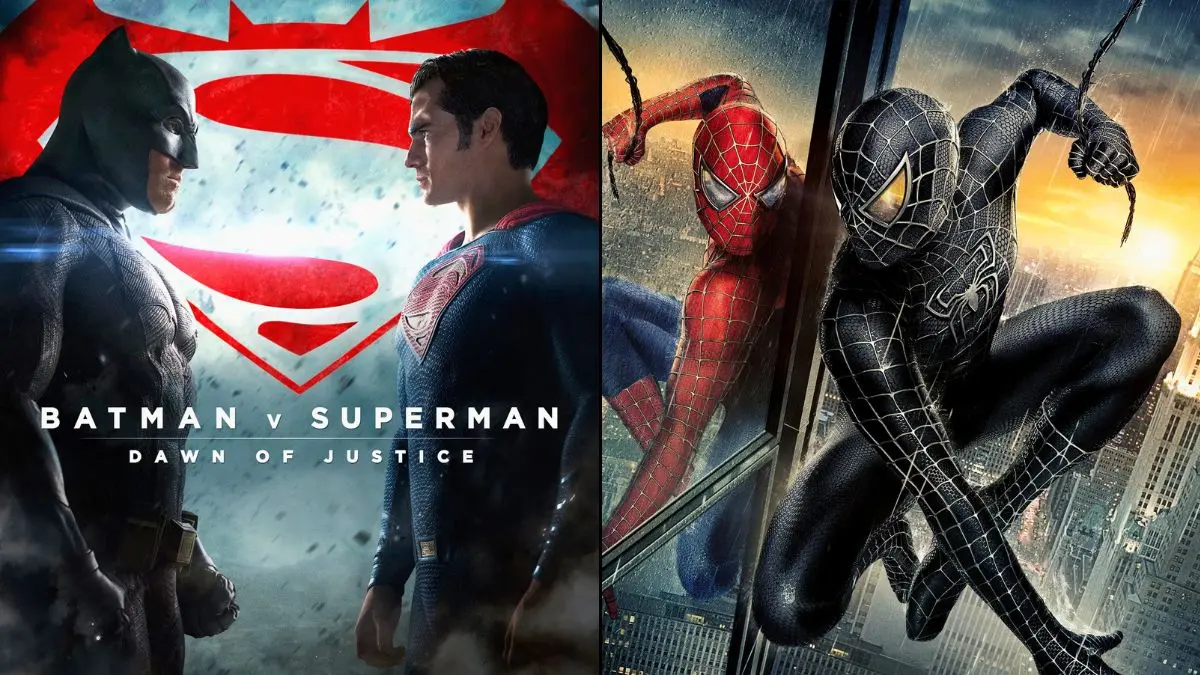
‘Batman v Superman: Dawn of Justice’ (2016)
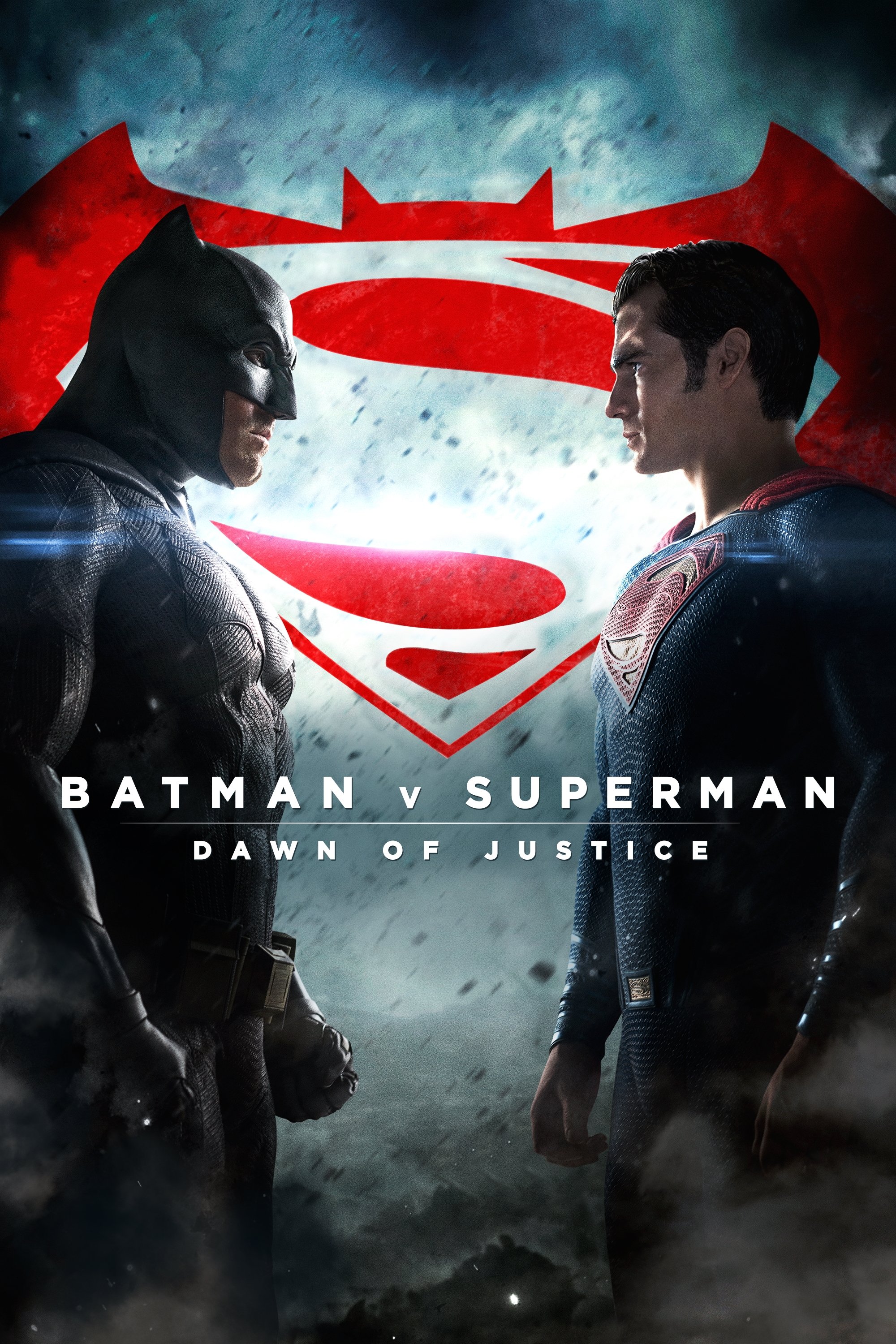
The film combined two marquee heroes and adapted notable comic imagery while setting up a larger shared universe. It presented a darker portrayal of both leads and introduced Lex Luthor’s schemes along with the first appearance of Wonder Woman.
Discussion among supporters often centered on the tone and the extended theatrical pacing. The famous name connection scene and the inclusion of an early Doomsday showdown created friction for viewers who wanted a slower buildup before a climactic battle.
‘Justice League’ (2017)
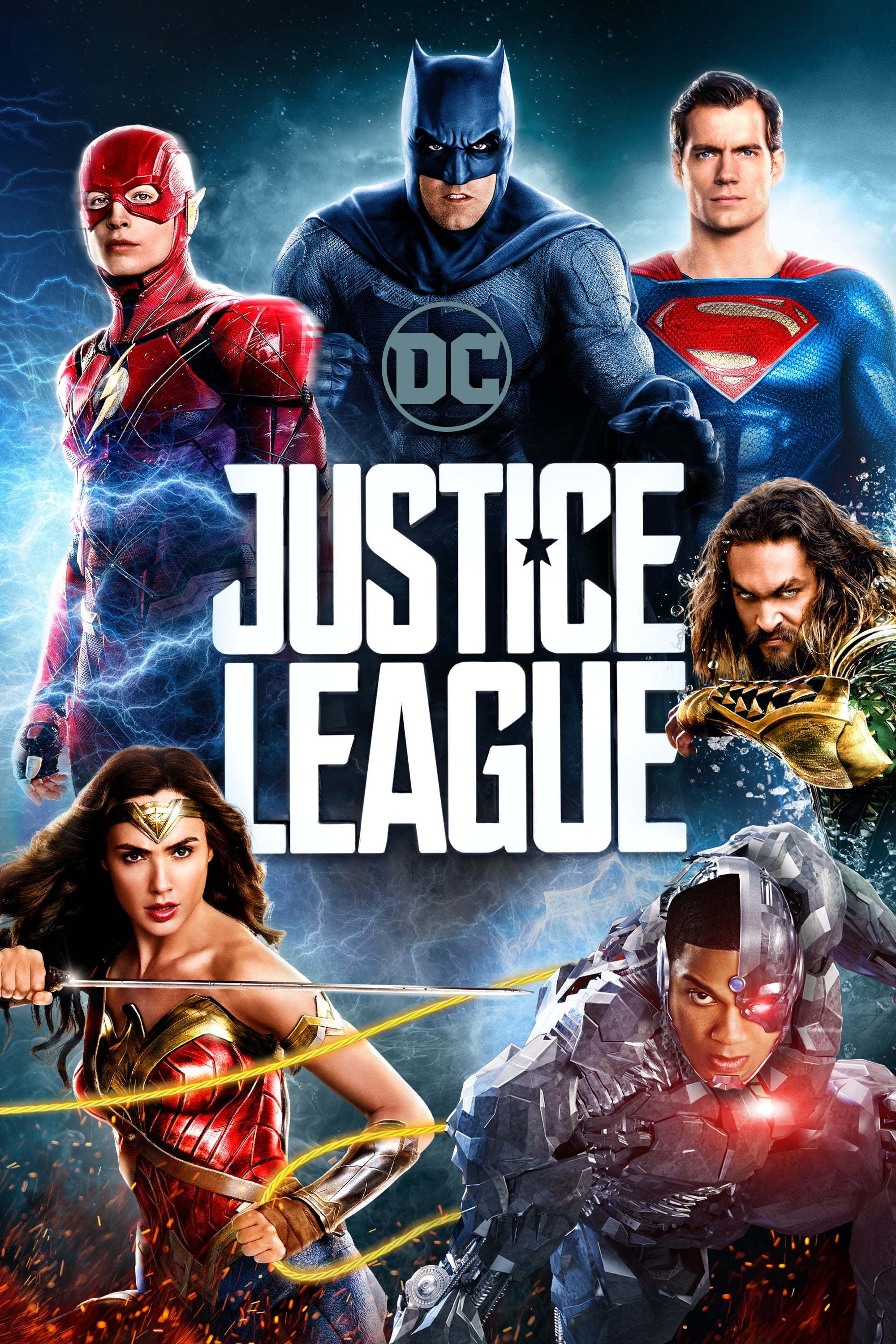
The project changed hands during post production and underwent significant reshoots. The theatrical cut assembled the team quickly and streamlined backstories while relying on a lighter tone and a computer generated villain.
Fans pointed to visible continuity issues such as the mustache removal work and shifts in character voice. Interest in an alternative cut grew from these concerns and the contrast between marketing materials and the final version.
‘Suicide Squad’ (2016)
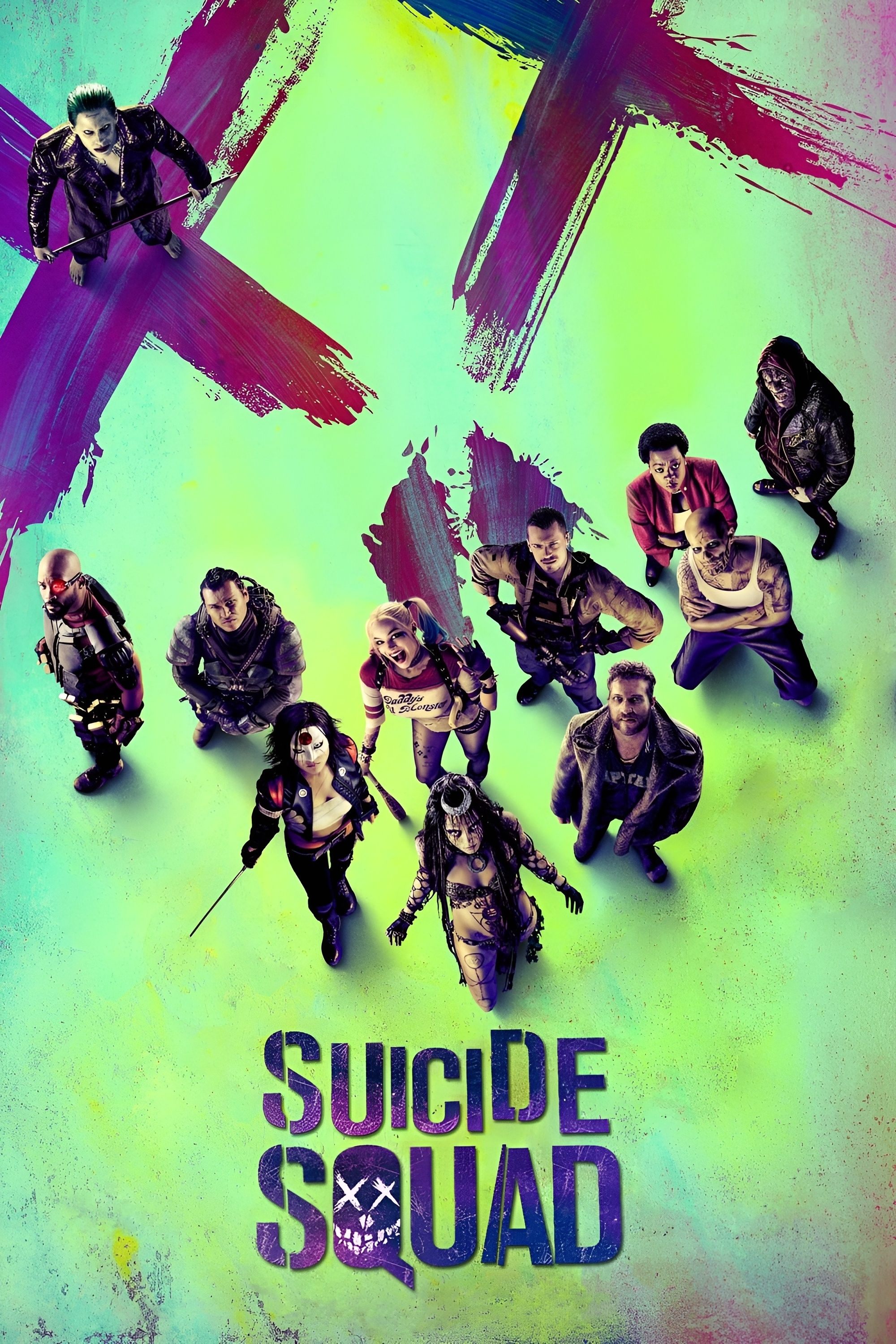
The film introduced a roster of villains recruited for a covert mission and set most action within a single urban zone. Trailers promised a gritty vibe while the release leaned into pop needle drops and a different structure.
Supporters cited editorial changes and the limited screen time for certain characters as sources of frustration. The Joker’s reduced presence and a magical antagonist far from the grounded setup both fueled criticism from the core audience.
‘Indiana Jones and the Kingdom of the Crystal Skull’ (2008)
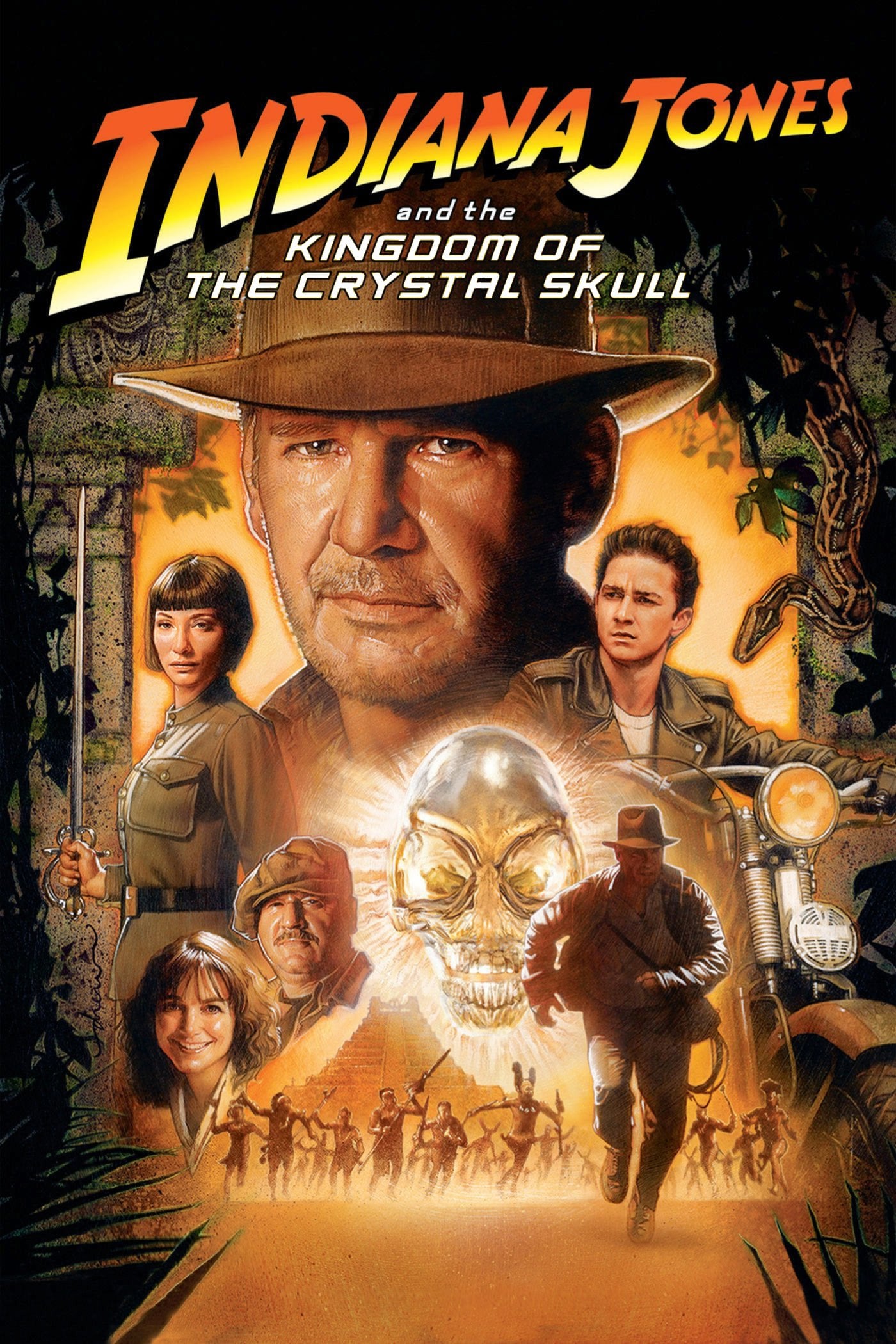
The story moved the timeline forward with a seasoned hero facing Cold War adversaries. It replaced the quest for religious relics with a search tied to ancient artifacts linked to otherworldly concepts.
The shift to heavy digital effects and the introduction of new family dynamics led to debate among longtime fans. The much discussed jungle pursuit and finale tone change became emblematic of the divide with earlier entries.
‘The Matrix Revolutions’ (2003)
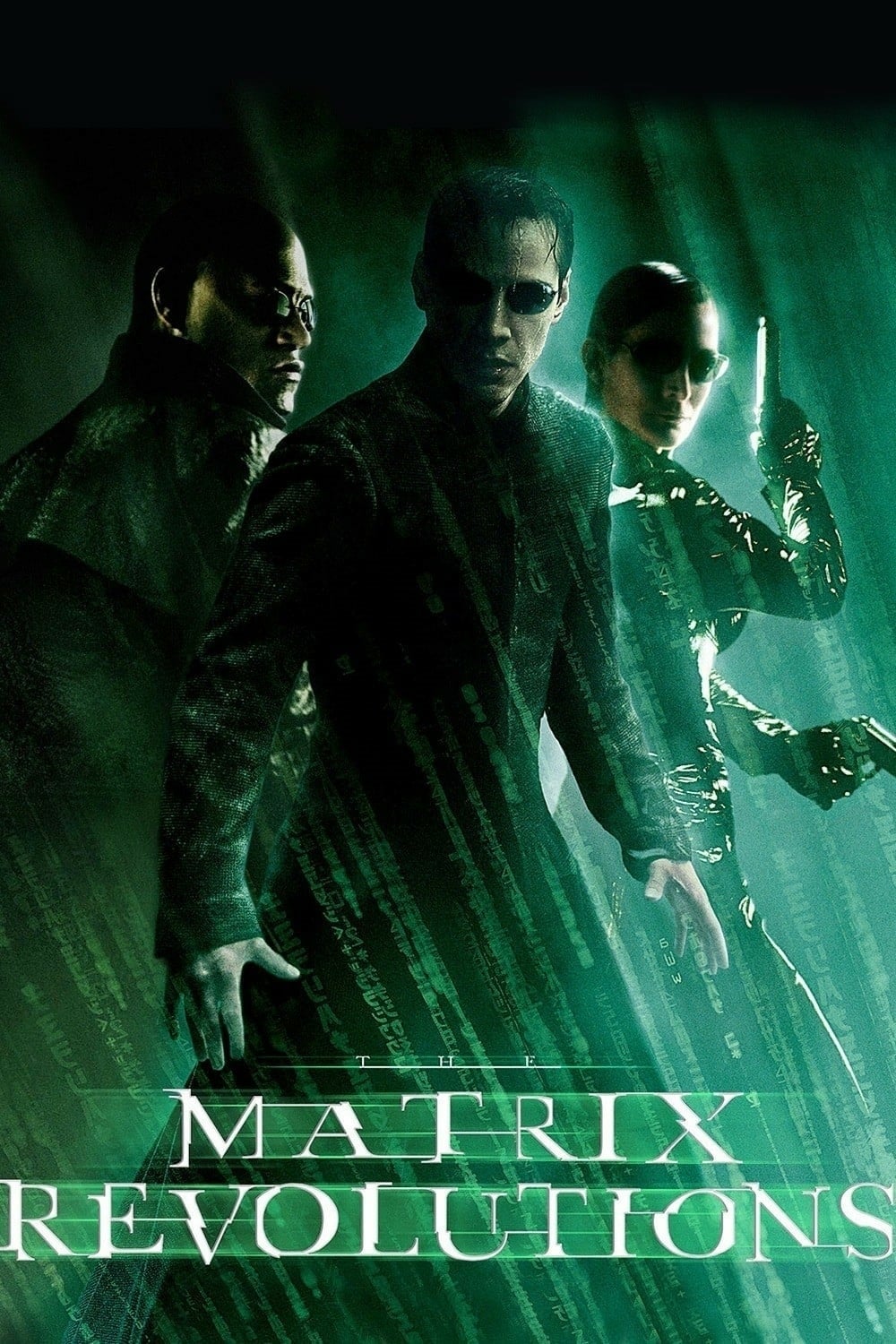
The finale pushed the conflict from virtual spaces into an extended siege and a final negotiation with the machine leadership. It concluded Neo’s arc with a sacrificial choice and redefined the terms of peace.
Viewers who embraced the mystique of the original entry questioned the focus on large scale warfare and the limited time inside the simulated city. The ending’s ambiguity over the future of freed humans remained a sticking point for some supporters.
‘The Godfather Part III’ (1990)
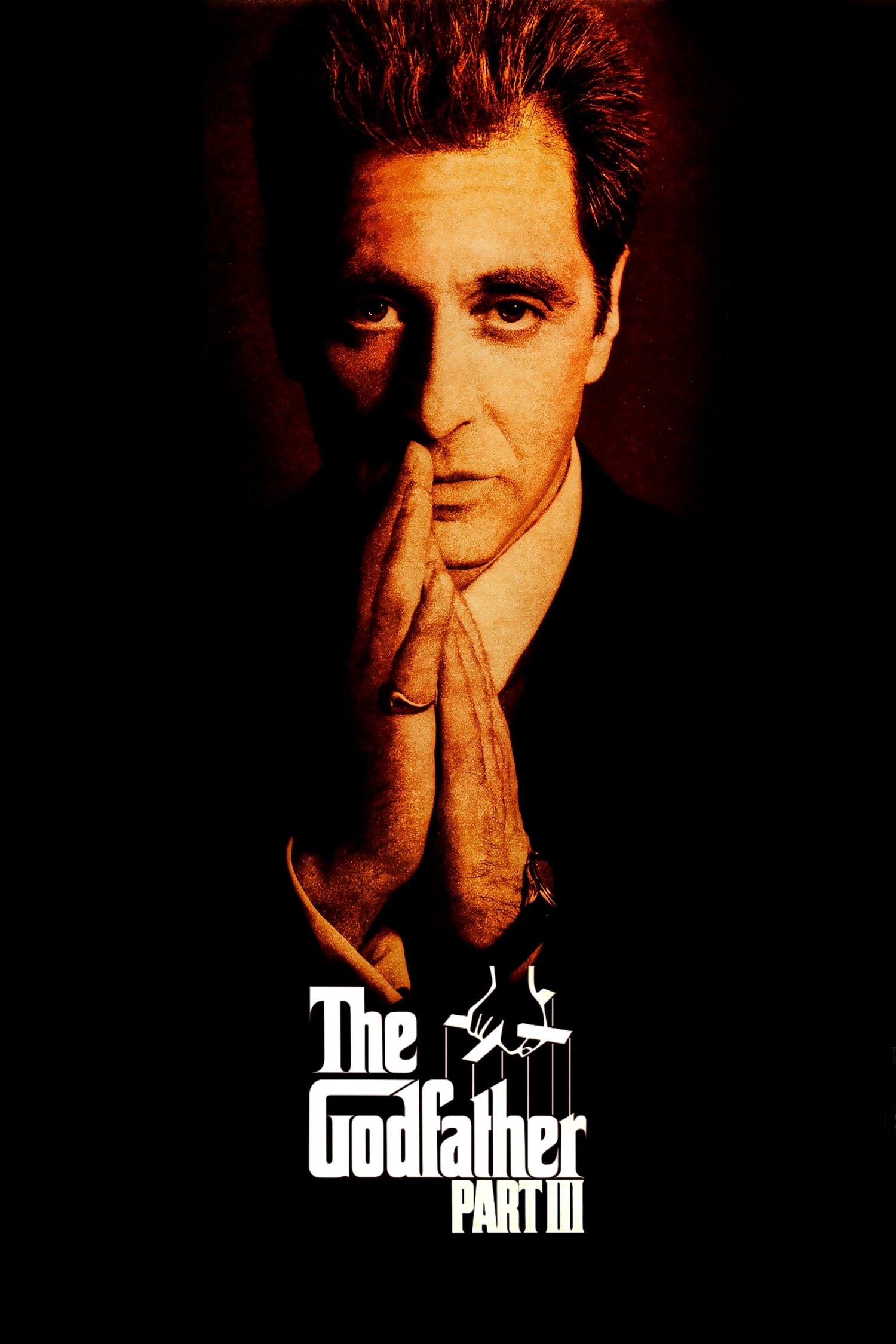
The chapter returned to Michael Corleone’s attempt at legitimacy through business and charitable fronts. It intertwined Vatican banking scandals with internal family tensions and a younger protege’s rise.
Fans compared casting changes and a different visual polish with the earlier films. The finale at the opera and the concluding fate of key characters drew intense scrutiny from viewers invested in the saga’s earlier balance of crime and family.
‘Alien³’ (1992)
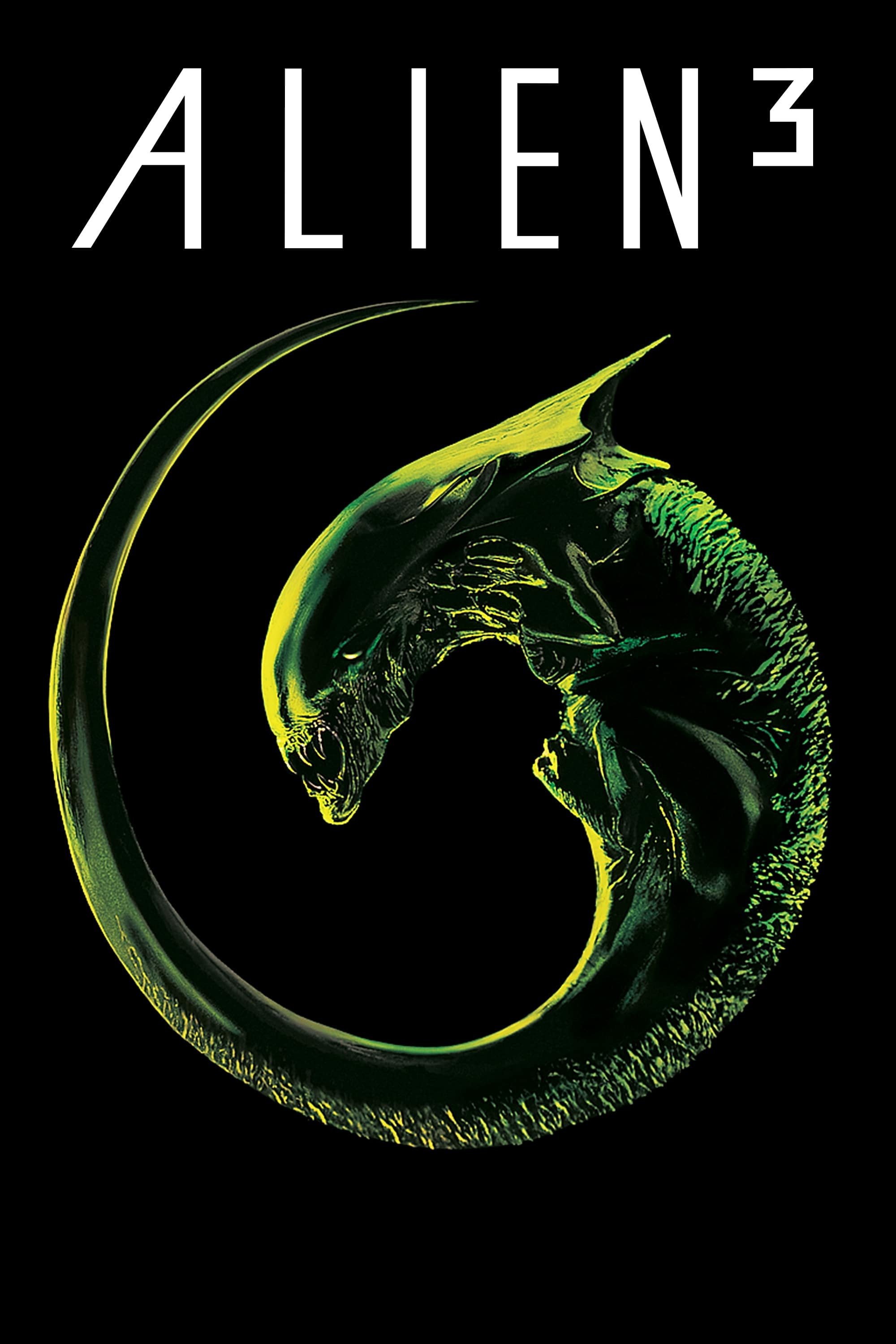
The opening removed beloved survivors from the prior film and stranded Ripley in a prison foundry with no weapons. The production famously faced script rewrites and changing concepts that shaped the final narrative.
Supporters objected to the immediate off screen deaths and the austere setting. The creature’s new form and the bleak conclusion generated controversy that overshadowed the film’s craftsmanship for many franchise faithful.
‘Prometheus’ (2012)
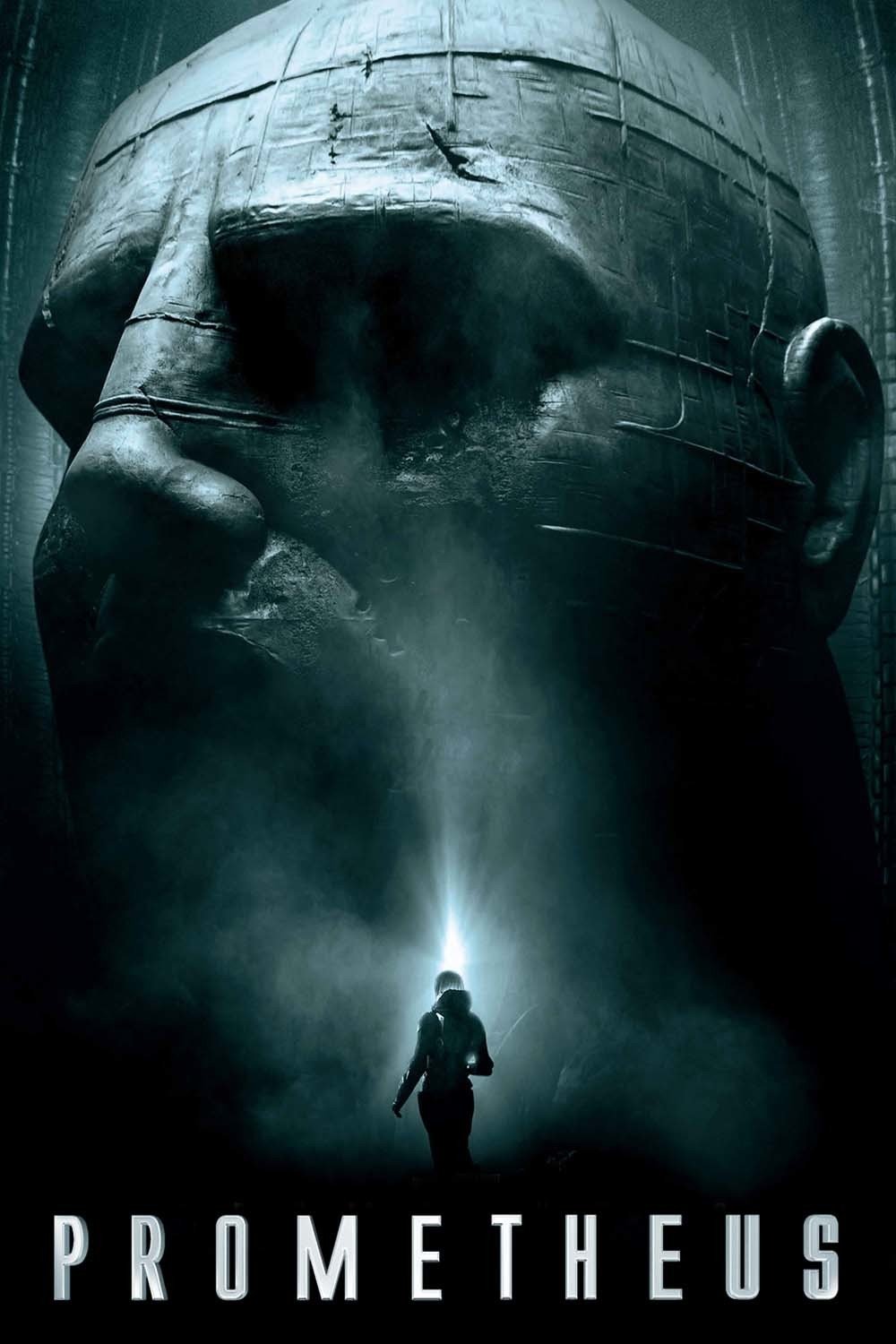
The story followed scientists seeking humanity’s origins on a distant moon. It introduced Engineers and a black pathogen that produced unpredictable transformations and creatures.
Questions around character decisions and the film’s puzzle box structure stirred debate. Connections to the original series remained partial and indirect which frustrated fans who expected a clear prequel with direct ties to the classic xenomorph.
‘Terminator Genisys’ (2015)
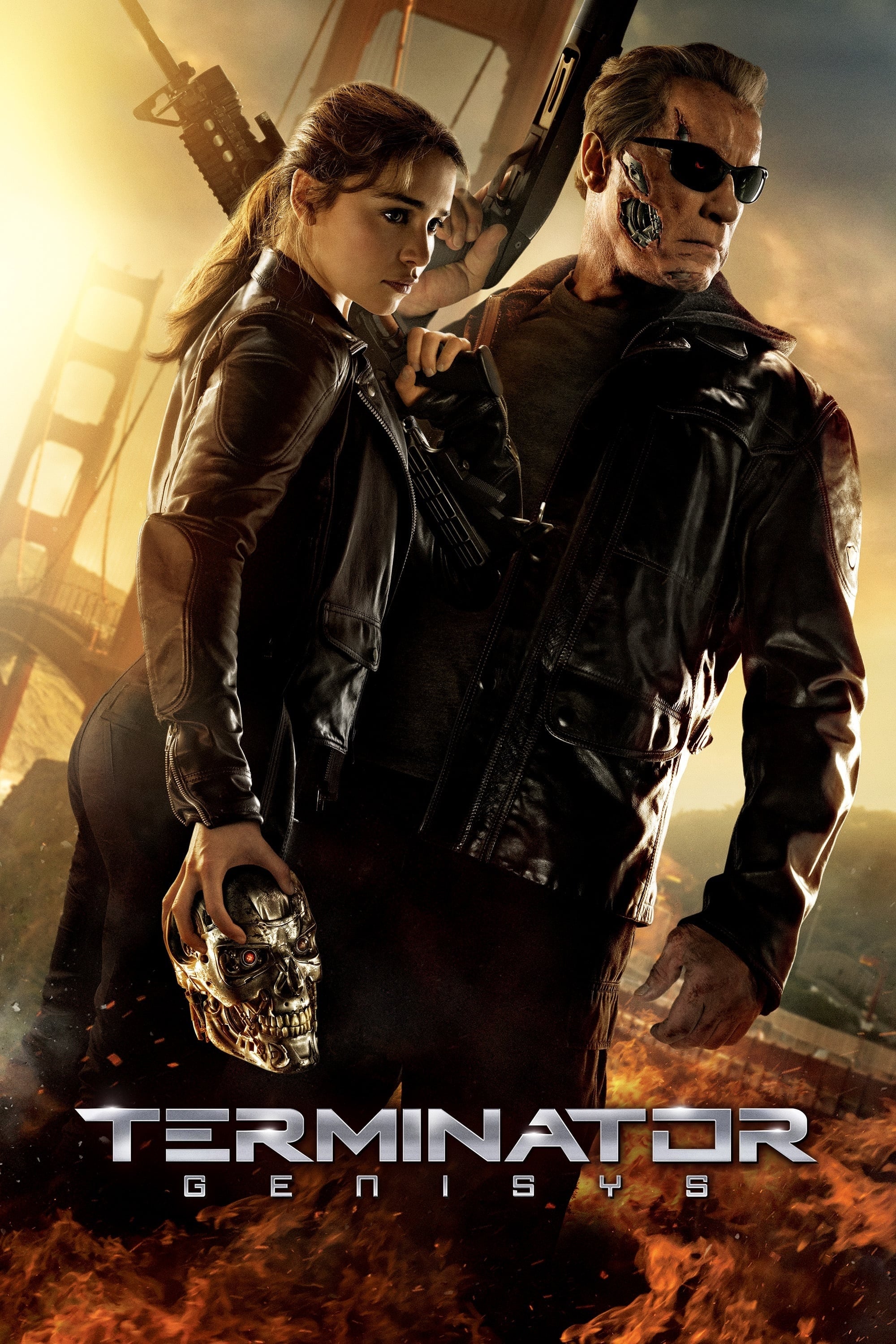
The plot jumped across timelines and reset known events by revisiting iconic moments with altered outcomes. It introduced new versions of familiar characters and reframed the central villain.
Fans reacted to marketing that revealed key twists before release and to changes in the franchise’s cause and effect rules. The blend of nostalgia reenactments with new lore left supporters divided over the direction of Skynet and John Connor.
‘Terminator: Dark Fate’ (2019)
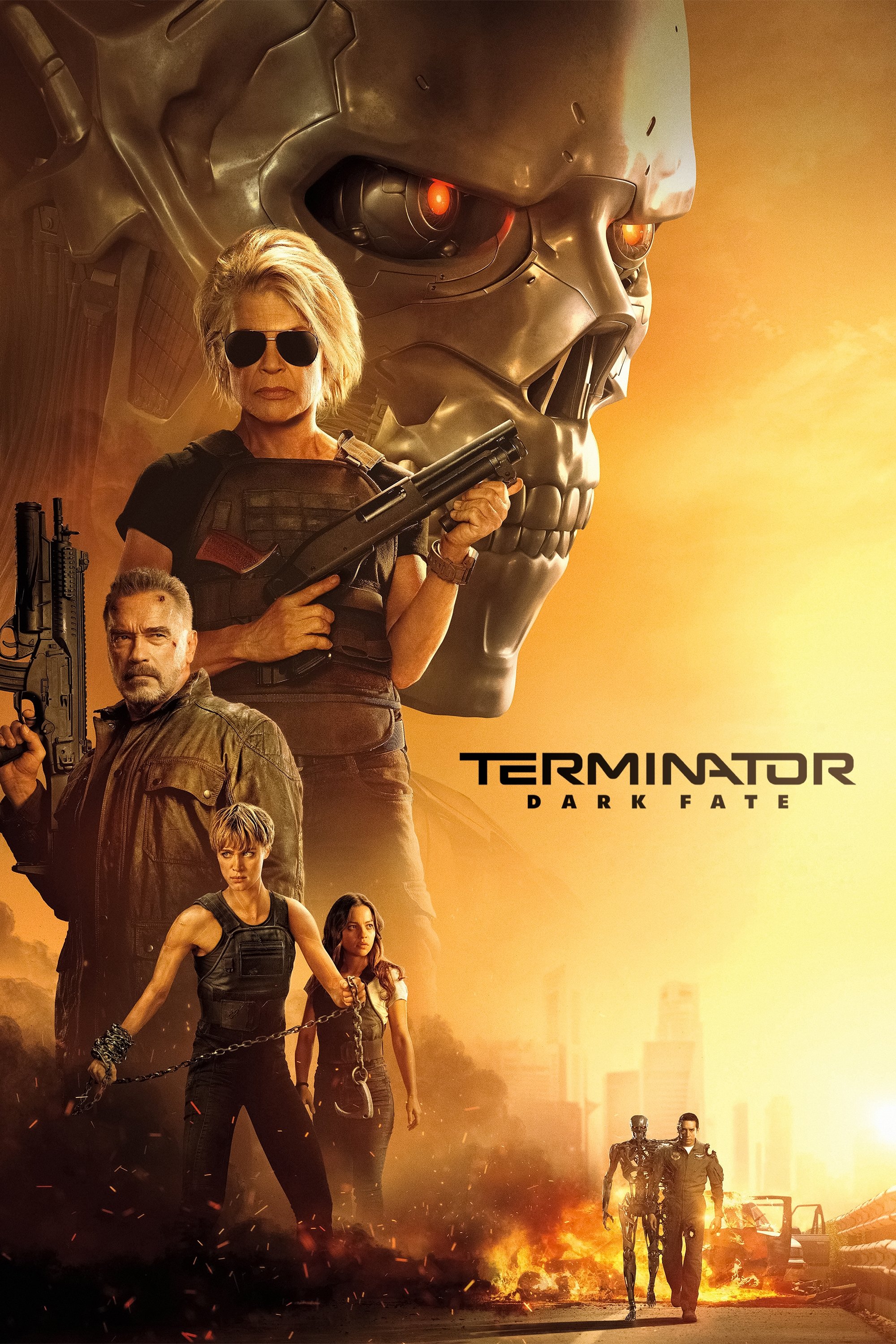
The film returned a legacy hero and proposed a new future where a different AI rises to power. It opened with a decisive event that rewrote the impact of earlier victories.
Audience debate focused on the early scene that removed a central figure from the saga. The introduction of a new protector and target team split fans who wanted continuation of the original family arc.
‘X-Men: The Last Stand’ (2006)
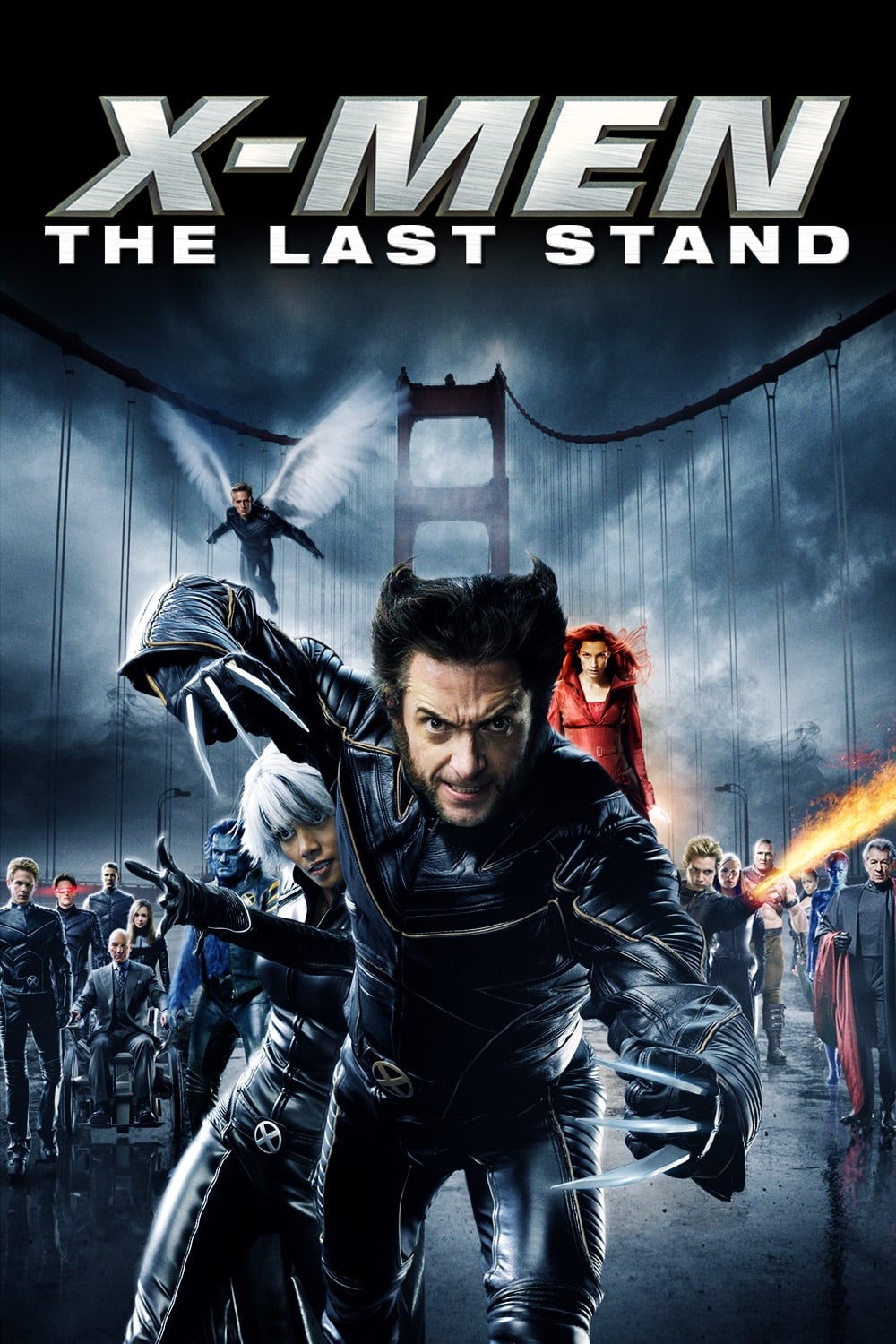
The story combined a mutant cure plot with a version of the Dark Phoenix storyline. It moved quickly through multiple character turns and major deaths during battles at key locations.
Supporters cited the compressed handling of the Phoenix arc and the sidelining of certain team members. The cure device and its consequences for power removal also became a flashpoint for long time followers.
‘Dark Phoenix’ (2019)
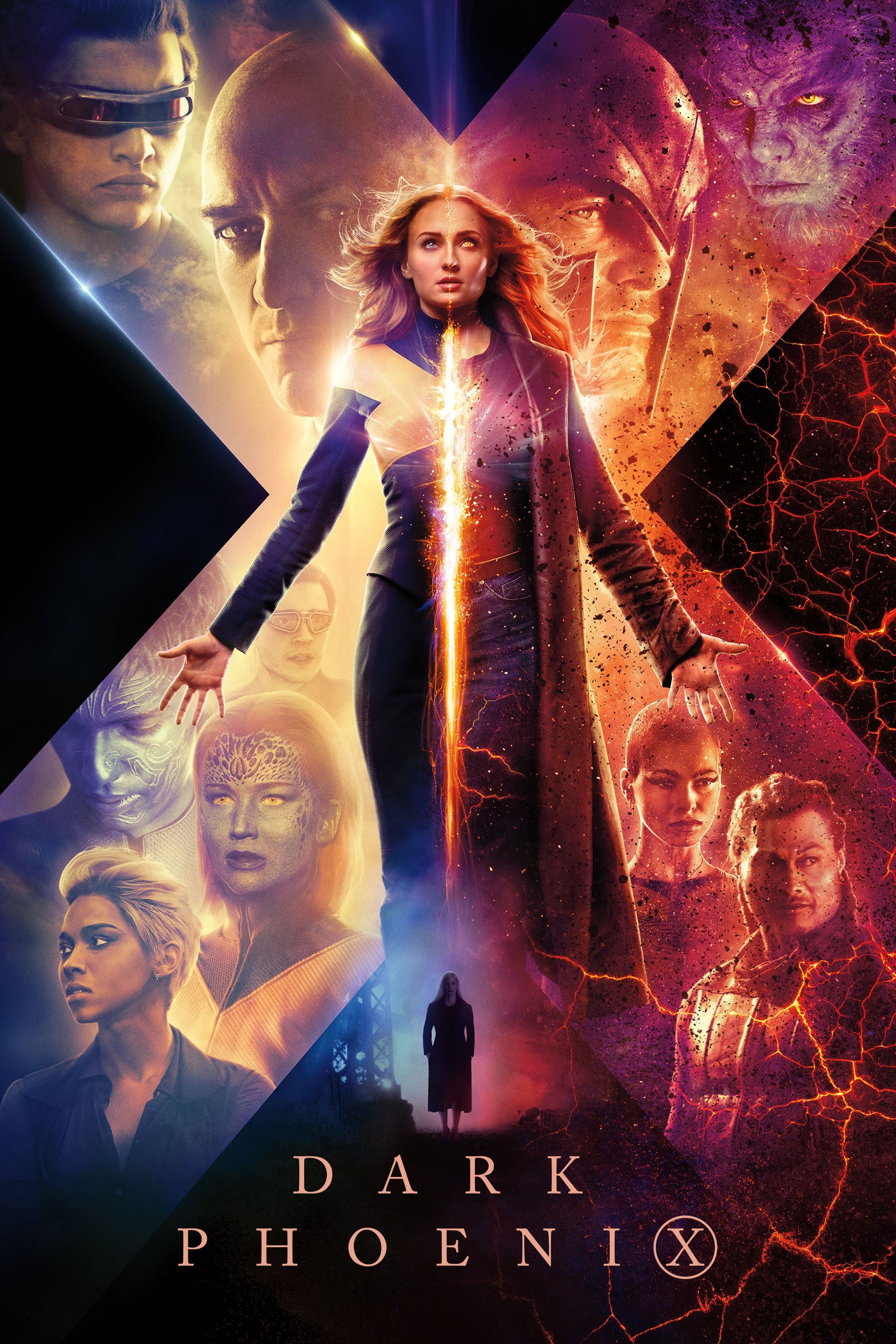
The film revisited the cosmic force that alters Jean Grey and placed the team in conflict with shape shifting adversaries. Production changes included reported reshoots to adjust the antagonist plan and the finale location.
Viewers pointed to franchise continuity gaps after previous timeline resets. The low key marketing and scaled back set pieces became part of the conversation among fans expecting a definitive version of the classic comic saga.
‘Spider-Man 3’ (2007)
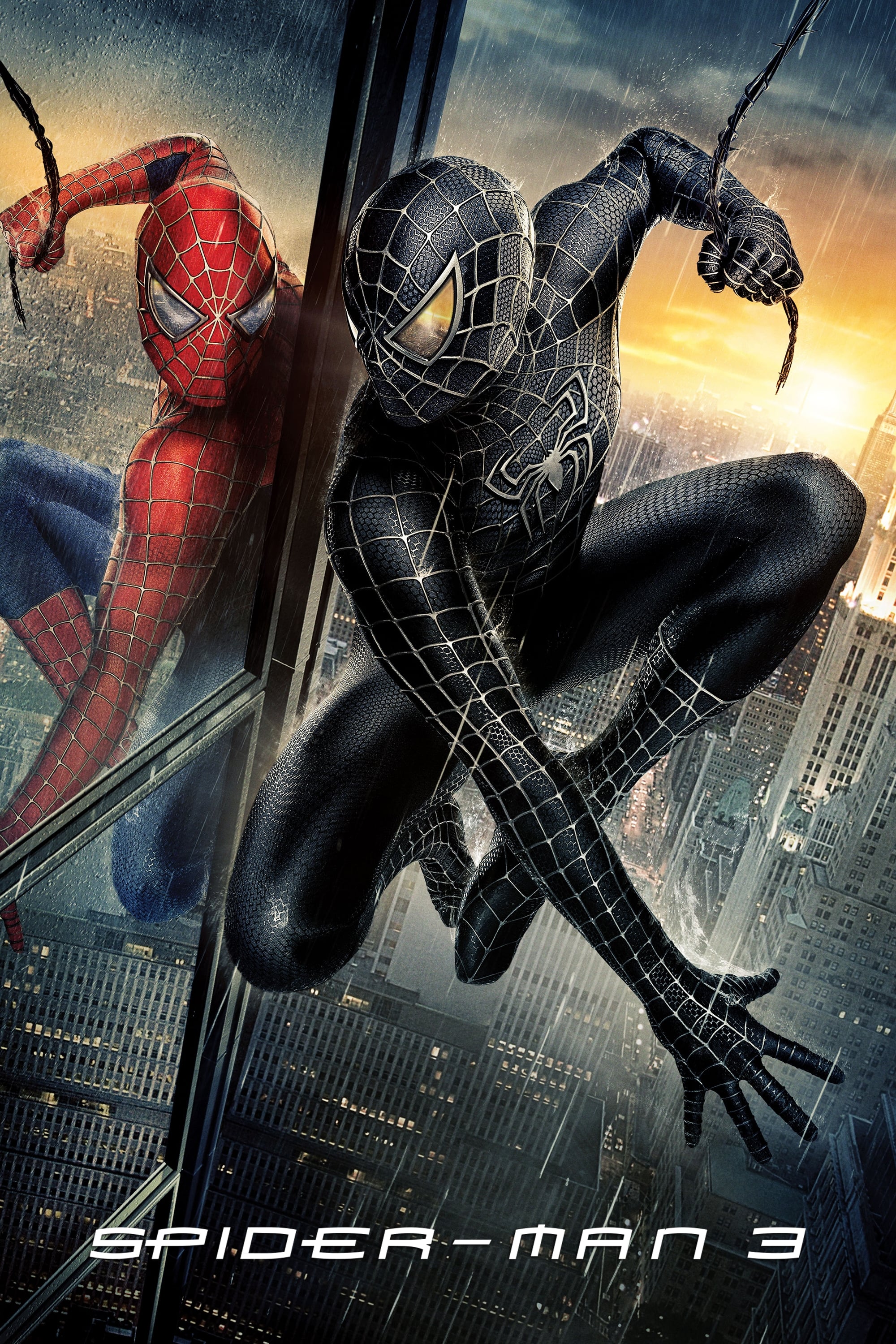
The third chapter introduced the symbiote suit along with Sandman and a new take on a familiar rival. It juggled multiple antagonists while exploring Peter’s strained relationships.
Fans highlighted the crowded plot and the late arrival of the black suited foe as challenges for the story. The dance and personality shift sequences drew attention online and became shorthand for tonal swings that did not match earlier entries.
‘The Amazing Spider-Man 2’ (2014)

The sequel advanced the mystery of Peter’s parents and set up future villains through lab teases. It introduced Electro as the main threat while building toward a tragic event for Gwen Stacy.
Supporters critiqued the heavy franchise setup and the limited focus on a single antagonist. The final minutes pivot to a new foe and the mid film power montage sparked debate about structure and character balance.
‘Transformers: The Last Knight’ (2017)
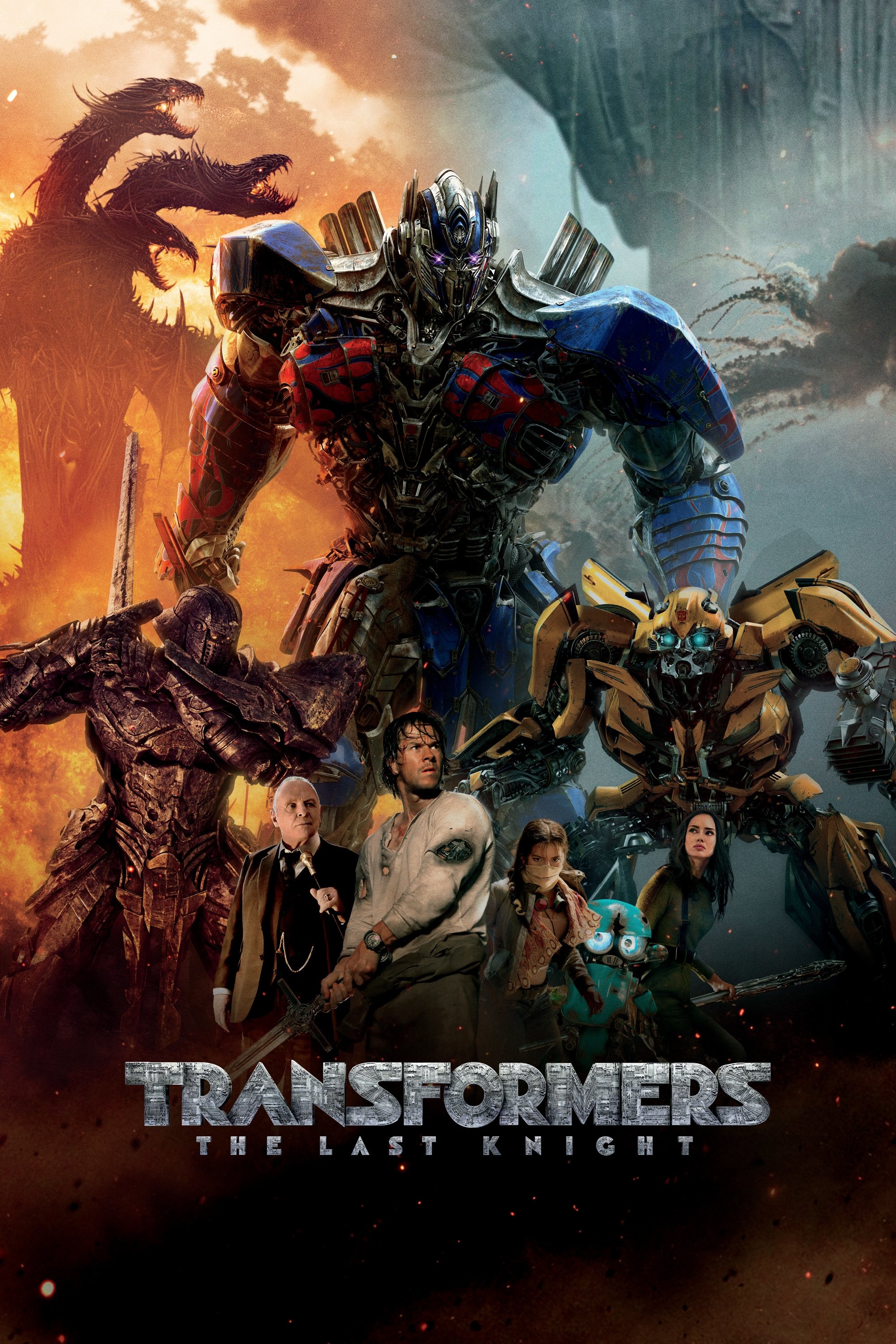
The entry linked the robotic history to medieval legends and secret societies. It bounced between continents and mixed returning human characters with new allies.
Fans cited narrative whiplash from frequent timeline reveals and artifact quests. The treatment of robot leaders and the sidelining of earlier protagonists created rifts within the existing fan base.
‘Star Trek Into Darkness’ (2013)
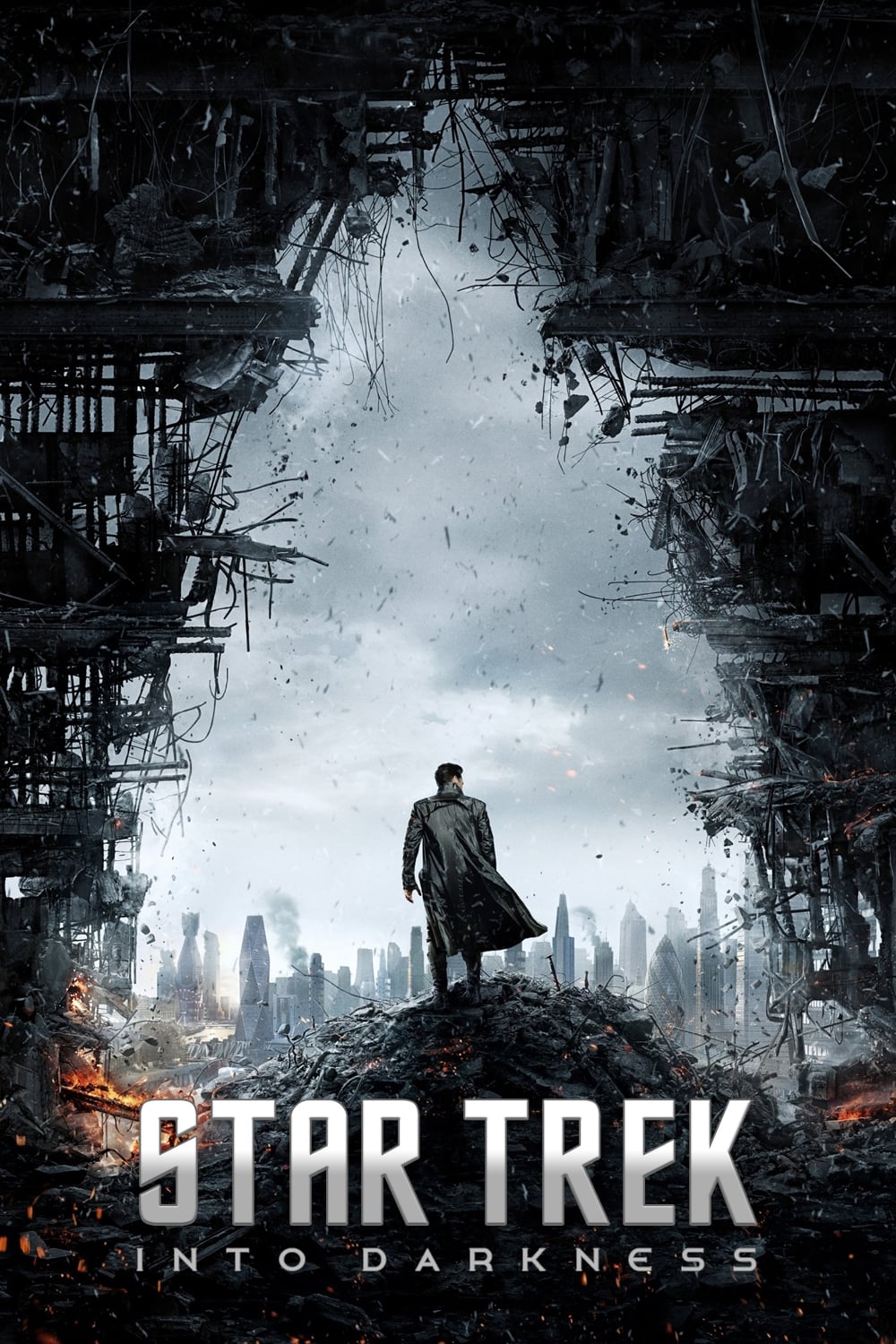
This reboot sequel hid the identity of its main villain during marketing yet echoed a classic storyline once revealed. It leaned on high energy action and added Section 31 intrigue to expand the universe.
Audience discourse centered on the secrecy around the antagonist’s name and on mirrored scenes from an earlier film. The choice to include a controversial starship underbelly scene and the use of magic blood became recurring talking points.
‘Ghostbusters’ (2016)
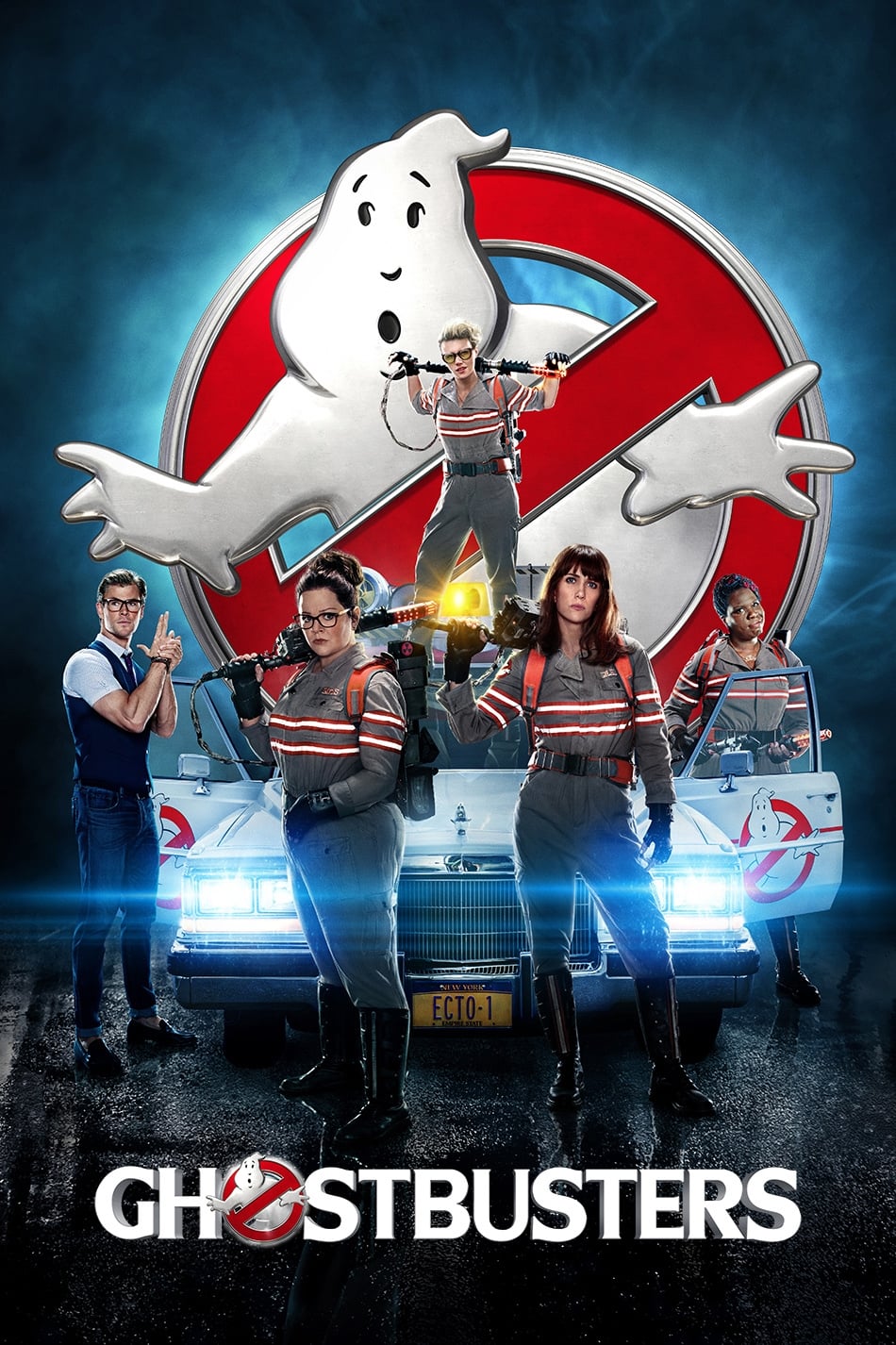
The film restarted the concept with a new team and a separate continuity from the original timeline. It employed improvisational comedy methods and modern effects while keeping the New York setting and gadgets.
A wave of online reactions formed well before release and intensified after trailers. The change in continuity and the handling of legacy cameos were frequent subjects among franchise loyalists.
‘Cats’ (2019)
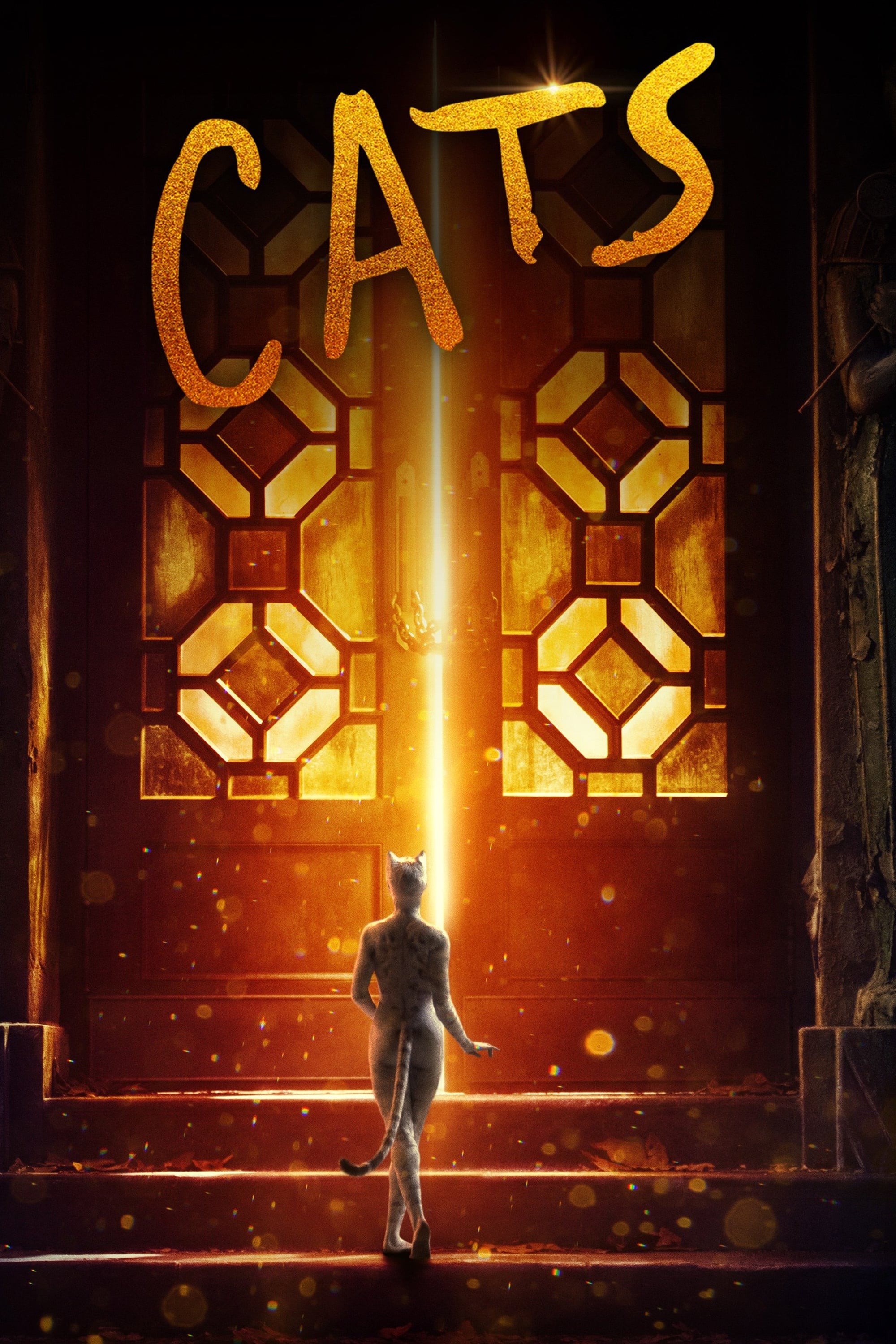
The adaptation translated a long running stage musical into a digital fur hybrid look. It retained the anthology structure and centered on an evening that leads to a final selection.
Viewers and fans of the musical cited the character designs and visual effects as obstacles to engagement. A patched update after opening weekend and the removal of a credit gag added to the public conversation.
‘Iron Man 3’ (2013)
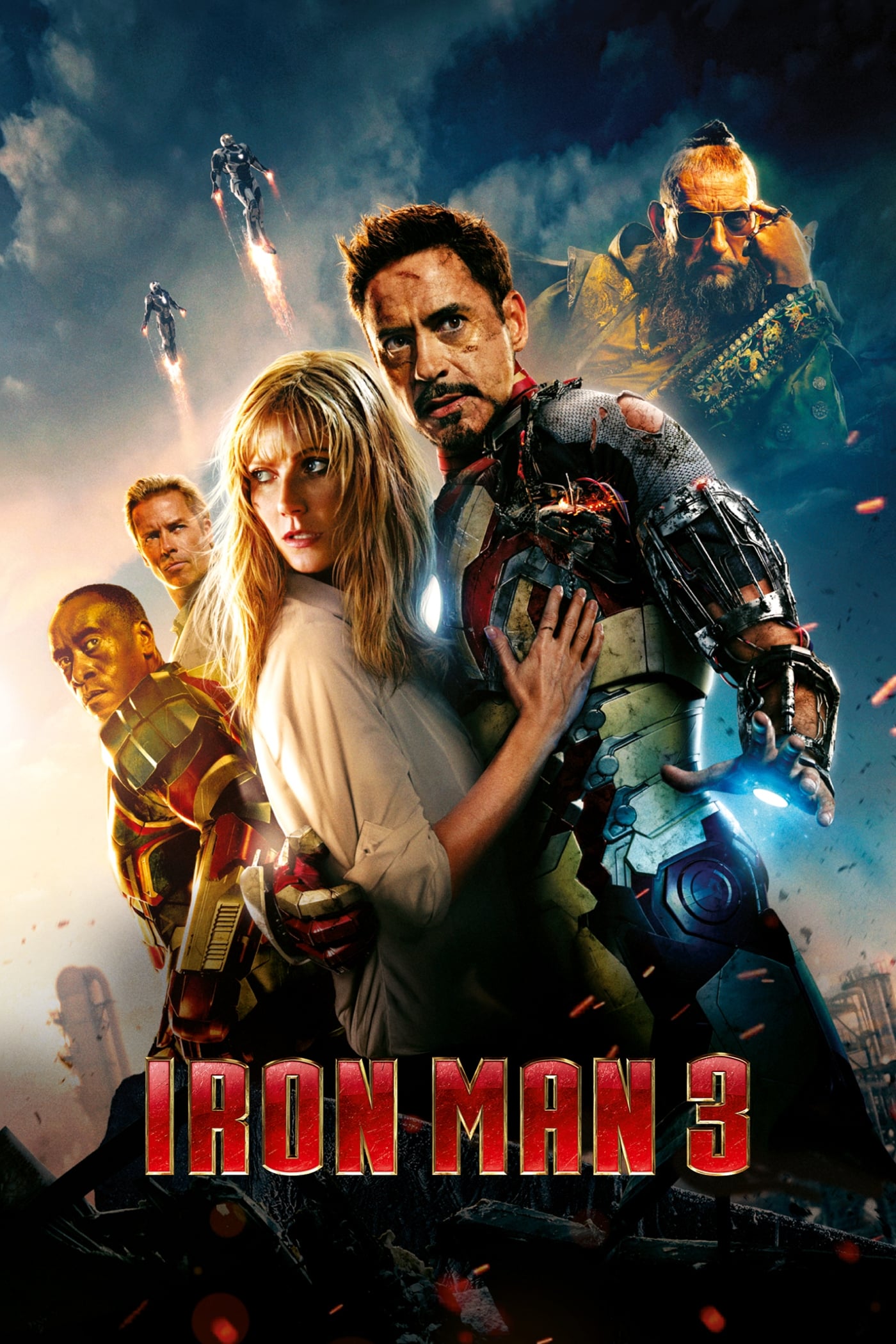
The story focused on Tony’s post battle anxiety and a search for the source of explosive incidents. It presented a twist on a well known villain and shifted attention to a personal journey outside the suit.
Fans debated the reinterpretation of the Mandarin and the use of decoy tactics. The finale’s destruction of suits and the closing status of Tony’s condition created friction for viewers who expected a different end state.
‘Thor: Love and Thunder’ (2022)
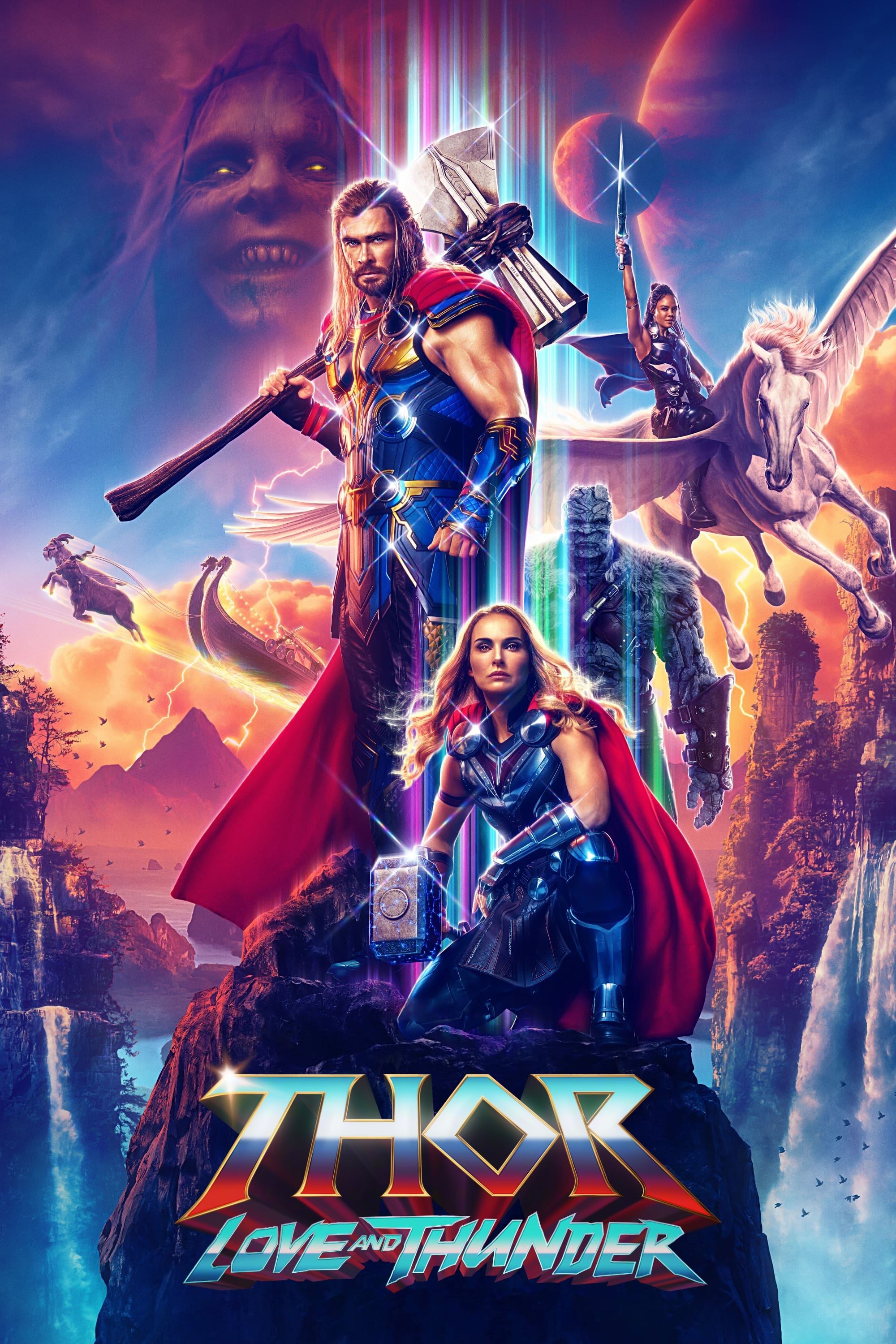
The fourth chapter reunited Thor with Jane Foster who takes on a heroic mantle. It balanced cosmic quests with a villain whose motivation involves personal loss and a god killing weapon.
Reaction centered on a comedic register that dominated many scenes and on the brief handling of certain supporting characters. The visual presentation of the Shadow Realm and the resolution for the villain drew mixed responses from long time followers.
‘Fantastic Beasts: The Crimes of Grindelwald’ (2018)
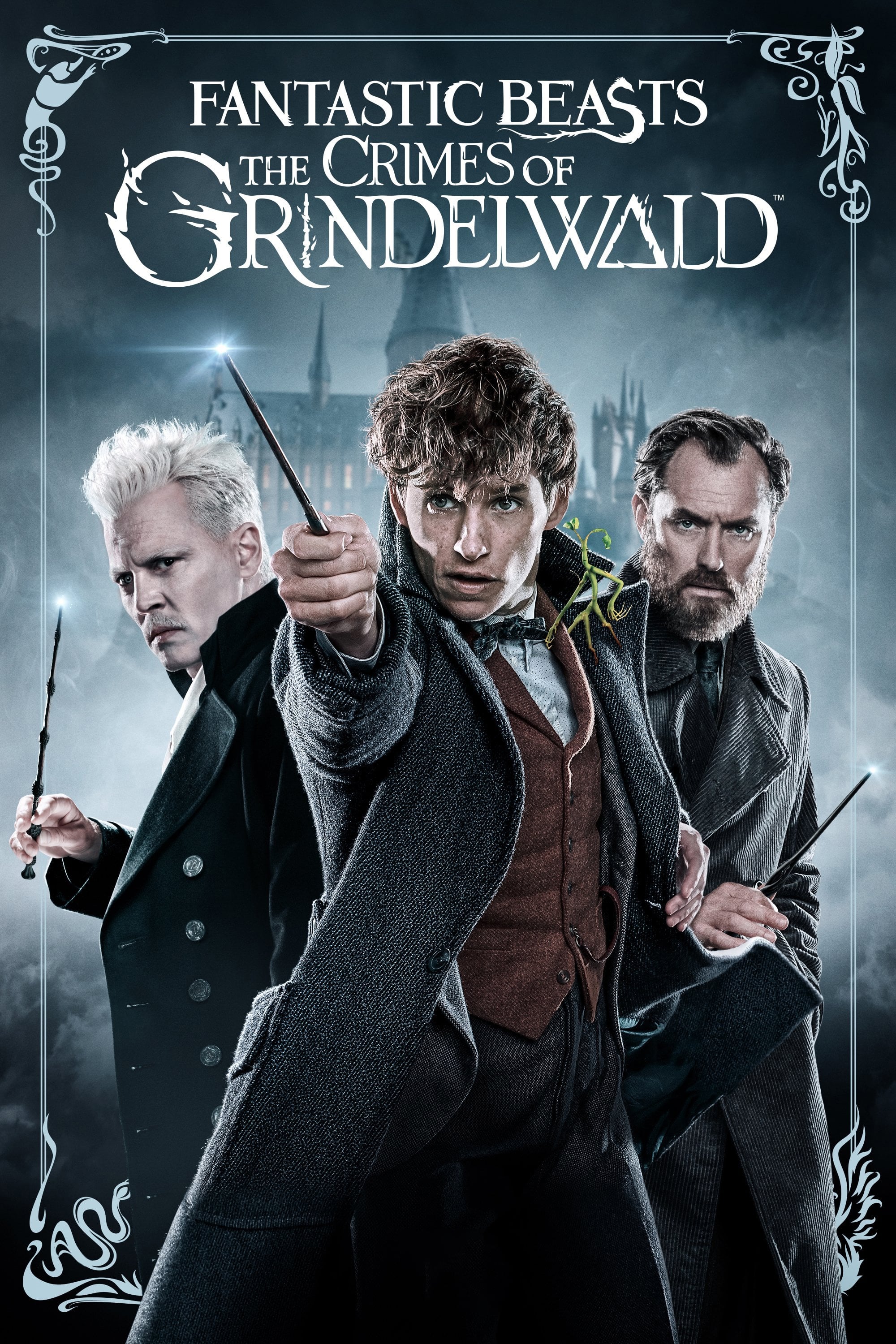
The sequel expanded the wizarding world across Europe and deepened the conflict between Dumbledore and Grindelwald. It layered multiple subplots that connected to future wars and to family histories.
Fans questioned timeline details and identity reveals that altered known lore. The relocation of focus from Newt’s creature adventures to political maneuvering was a common point of discussion within the fan community.
‘The Hobbit: The Battle of the Five Armies’ (2014)
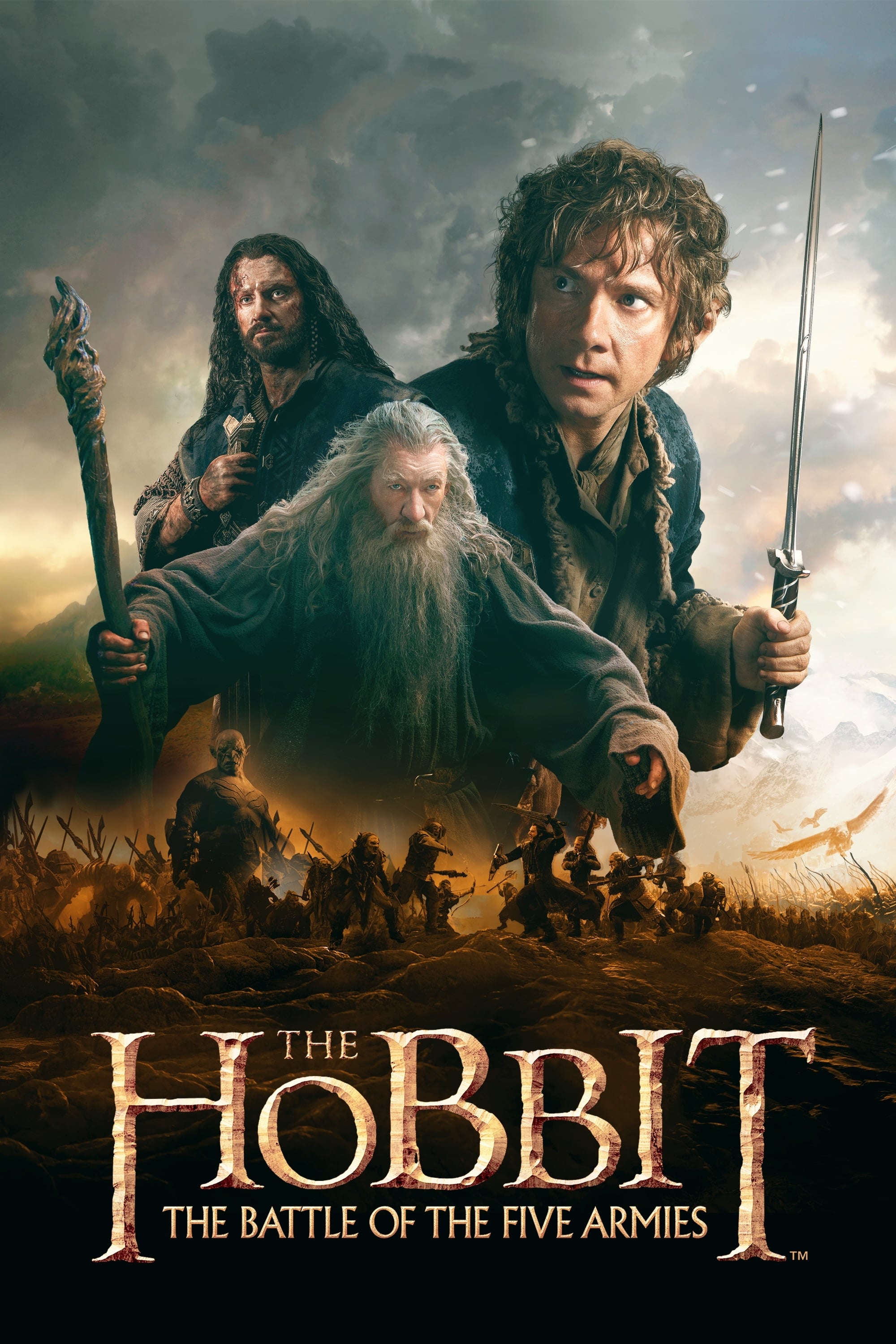
The finale concentrated on a prolonged conflict set around the Lonely Mountain. It finished character arcs for Thorin and his company while tying threads to the earlier trilogy.
Supporters cited the emphasis on extended combat and the use of digital armies as reasons for fatigue. The addition of side quests and invented characters beyond the source text remained a source of debate.
‘Star Wars: Episode I – The Phantom Menace’ (1999)
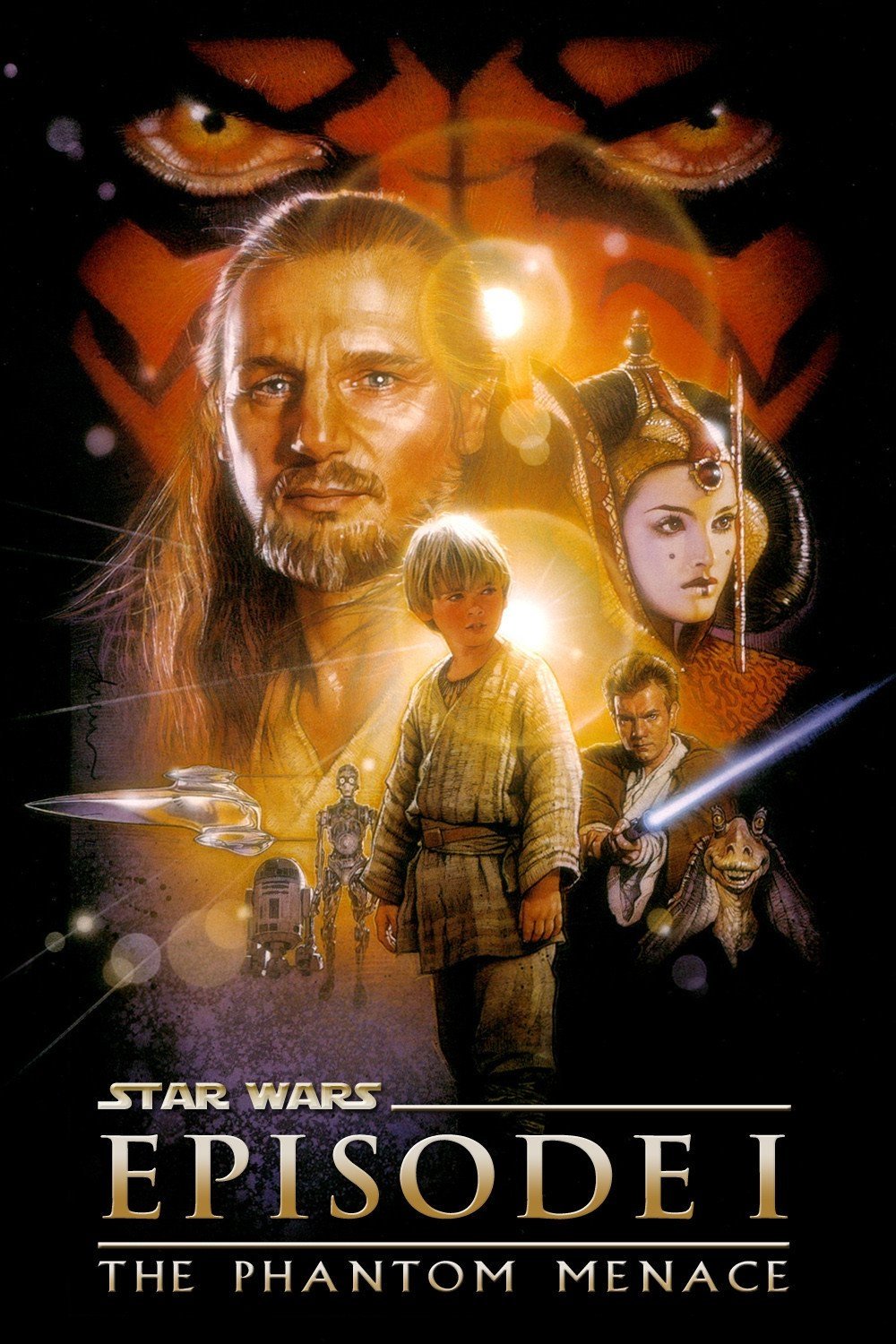
The prequel introduced the Republic at its height along with the Jedi Council and a young Anakin Skywalker. It established trade disputes and a hidden Sith plot that set the stage for galactic turmoil.
Discussion among fans often focused on Jar Jar Binks and the heavy use of digital effects. The midichlorian explanation and an emphasis on politics over frontier adventure became long running points of contention.
‘Halloween Ends’ (2022)
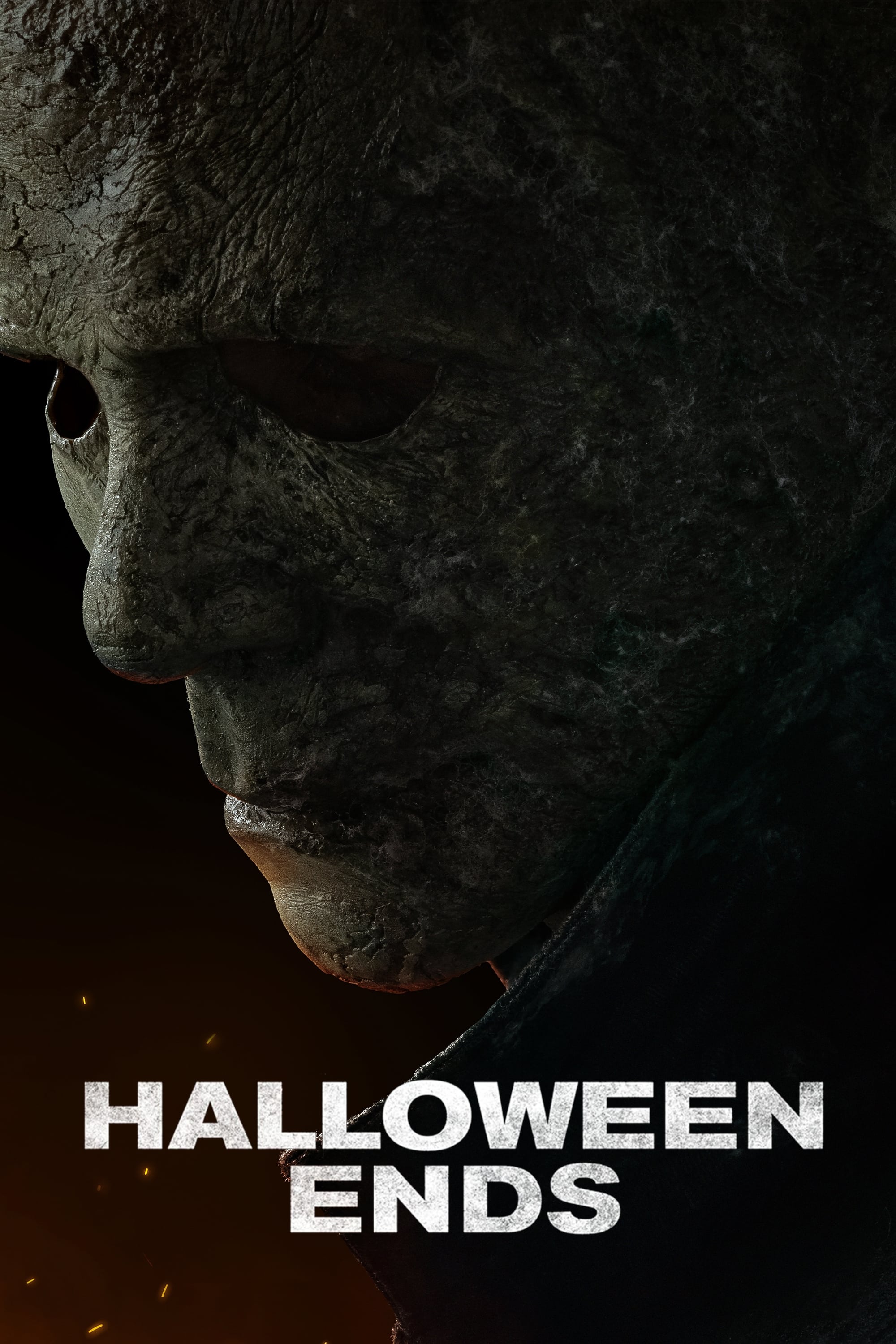
Set four years after the events of the prior chapter, the story shifts much of its attention to Corey Cunningham, a young man whose accidental involvement in a child’s death reshapes his standing in Haddonfield. The film tracks Corey’s connection with Allyson, Laurie Strode’s granddaughter, while Michael Myers remains largely off screen until the final stretch, where a home confrontation and a public disposal sequence bring longstanding plot threads to a close.
Discussion among franchise supporters centered on the limited direct conflict between Michael and Laurie for most of the runtime and the introduction of Corey as a parallel figure who carries much of the narrative. The time jump, the town’s ongoing trauma, and new set pieces like the radio station tower became focal points for debates about structure and the distribution of screen time across legacy and new characters.
Share the films that you think belong on this list in the comments.