Documentary Movies You Are Sleeping on (but Shouldn’t)


Documentaries can give you a front row seat to history, culture, and human stories that fiction cannot always capture. Many powerful films slip past the spotlight, even though they offer sharp reporting, careful craft, and access that is hard to secure. This list gathers titles that dig into political movements, personal histories, extreme pursuits, and hidden systems.
Each pick includes clear context and practical details. You will find the core subject, key creative voices, and useful production facts like where it was filmed, the approach it takes, and the recognition it earned. That way you can decide quickly what to queue up next.
‘The Act of Killing’ (2012)
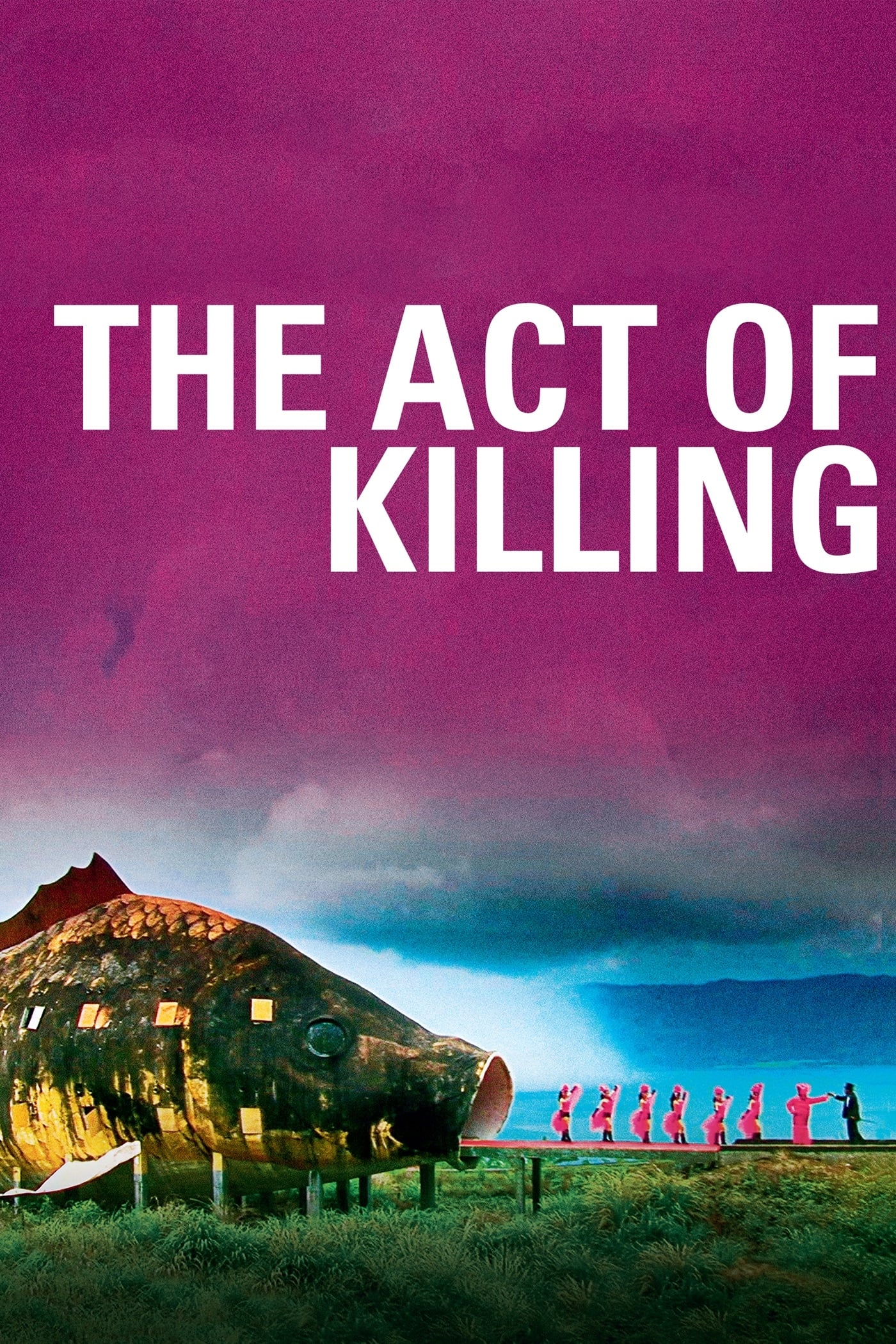
This film examines the Indonesian mass killings of the 1960s through former death squad members who restage their crimes for the camera. Director Joshua Oppenheimer uses staged sequences that mirror genres the participants loved, which reveals how memory and performance shape personal narratives.
The project grew from years of fieldwork with survivors and perpetrators. The production uses an unusual method that allows subjects to direct scenes, which opens access to details that typical interviews might not uncover. It earned major festival awards and influenced public discussion in Indonesia.
‘The Look of Silence’ (2014)
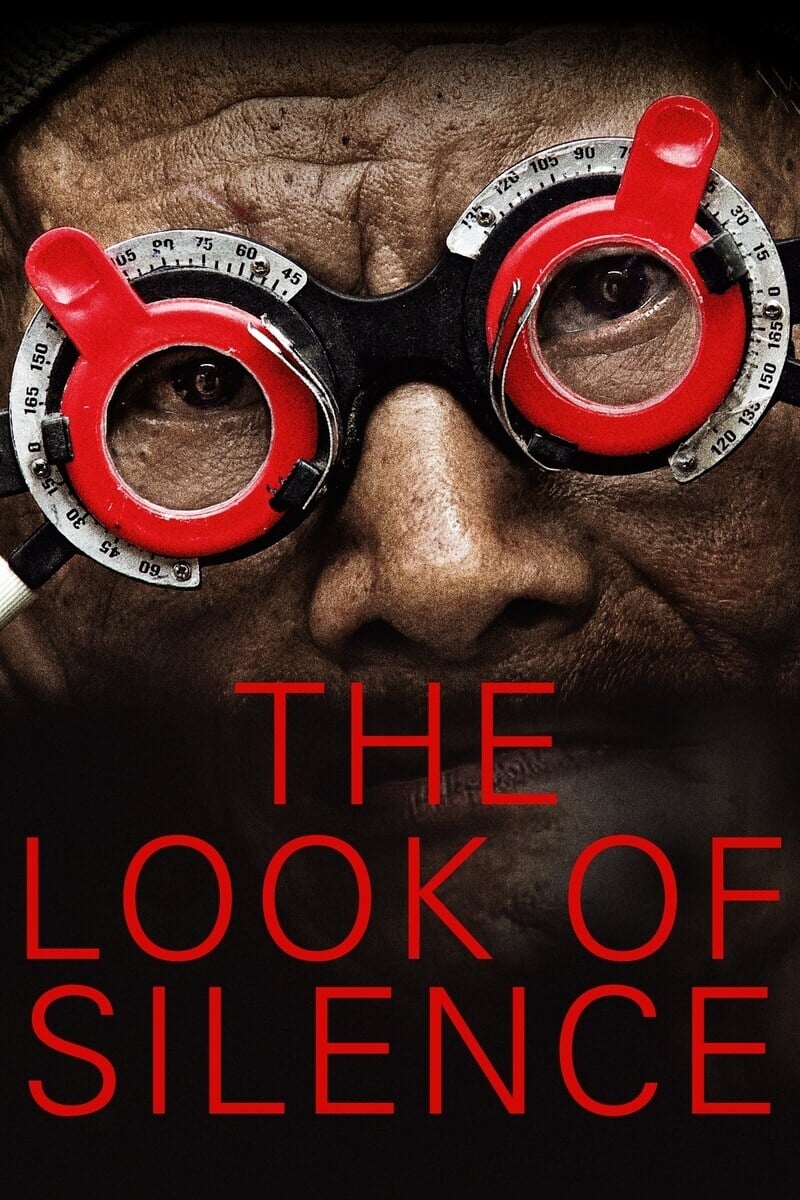
This companion to ‘The Act of Killing’ follows an optometrist as he confronts men involved in the murder of his brother. The film centers on family archives and quiet conversations that document the long aftermath of violence.
It was filmed in Indonesia with protections for local crew and subjects. The release reached international festivals and earned awards for best documentary. Educators often pair it with ‘The Act of Killing’ to show how different methods can explore the same history.
‘Hoop Dreams’ (1994)
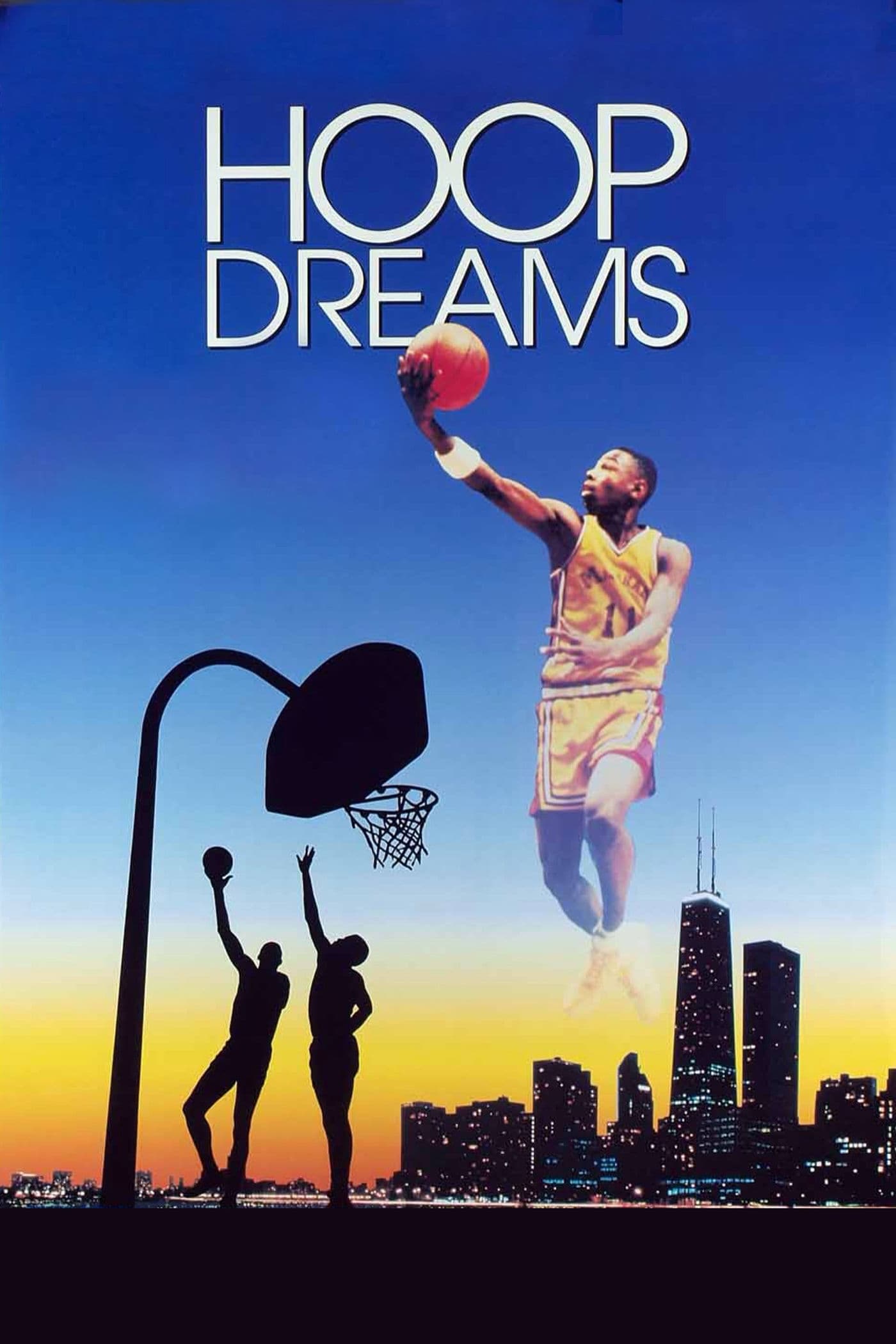
The film tracks two Chicago teens over several years as they pursue high school basketball and college opportunities. It records academic pressures, family finances, and recruiting systems that shape outcomes for young athletes.
Director Steve James and the team followed the families for a long period, which produced a large volume of verité footage. The editing shaped thousands of hours into a narrative that shows how sport, education, and city life intersect. The film won multiple critics’ prizes and remains a key text in sports documentary study.
‘Stories We Tell’ (2012)
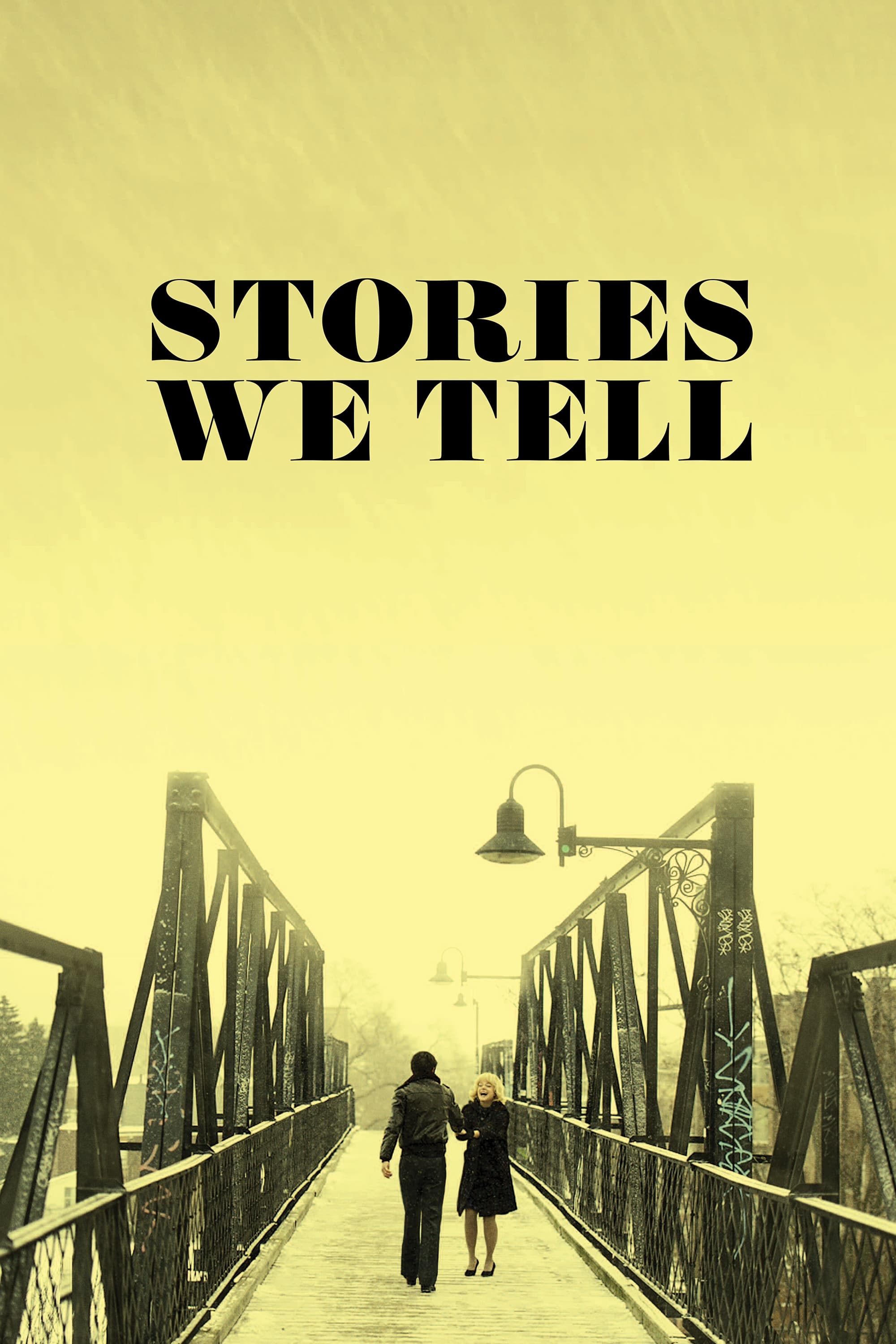
Sarah Polley investigates her family history and a long kept secret through interviews and recreated home movies. The film uses multiple viewpoints to test how memory changes depending on who is speaking.
Production blended archival material with 8 mm style recreations that are labeled within the film to keep the record clear. The release screened at major festivals and earned widespread recognition for its structure. It is frequently used in classes about authorship and documentary ethics.
‘Dear Zachary: A Letter to a Son About His Father’ (2008)
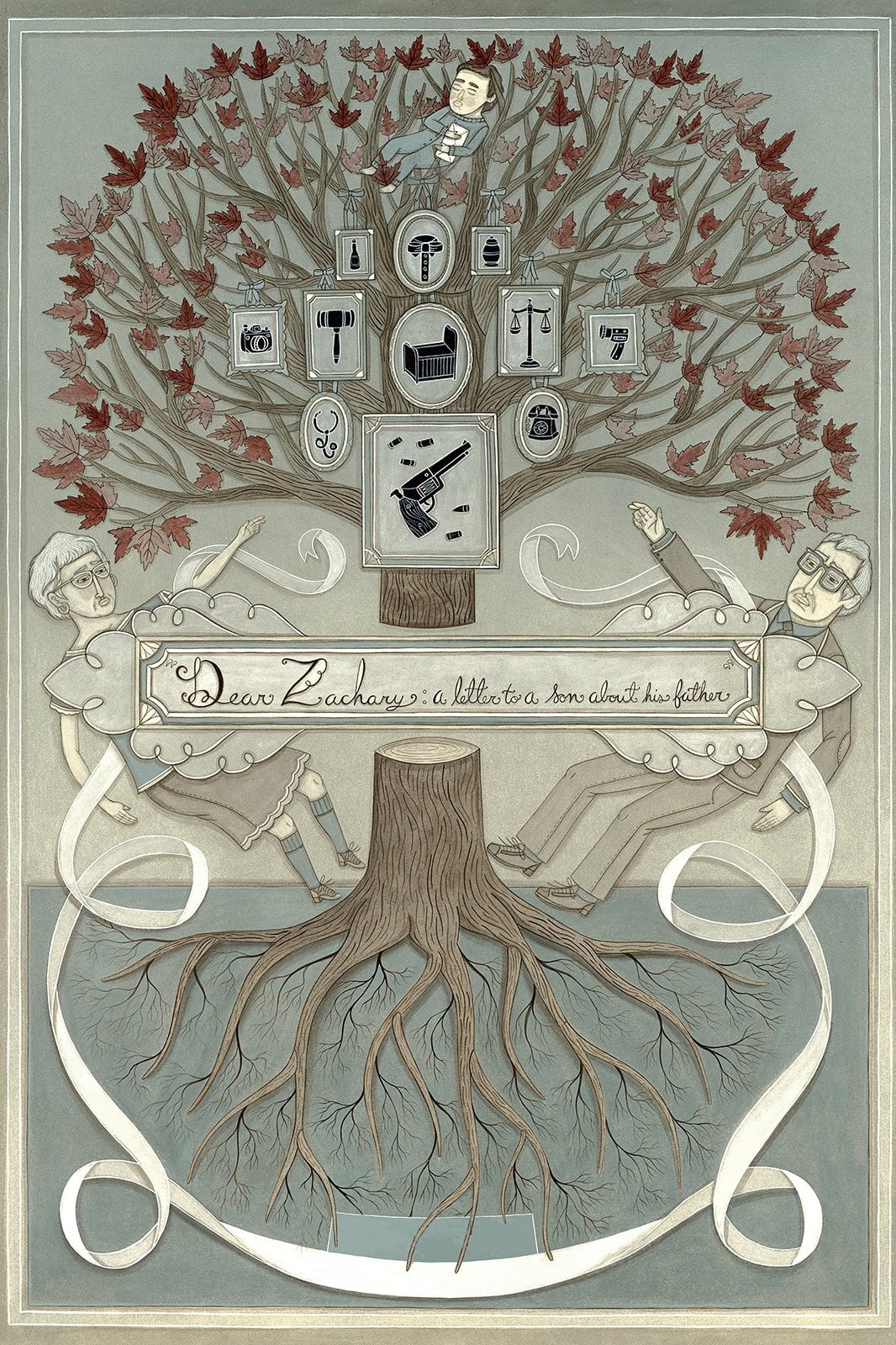
Director Kurt Kuenne creates a cinematic letter for the child of his murdered friend. The film assembles interviews with relatives, colleagues, and friends to preserve a full record of the man’s life.
During production the legal case evolved, and the film documents how that impacted the family. The structure moves from tribute to investigation, which gives viewers a timeline of events and rulings. It later informed discussions about bail and custody policy.
‘The Imposter’ (2012)
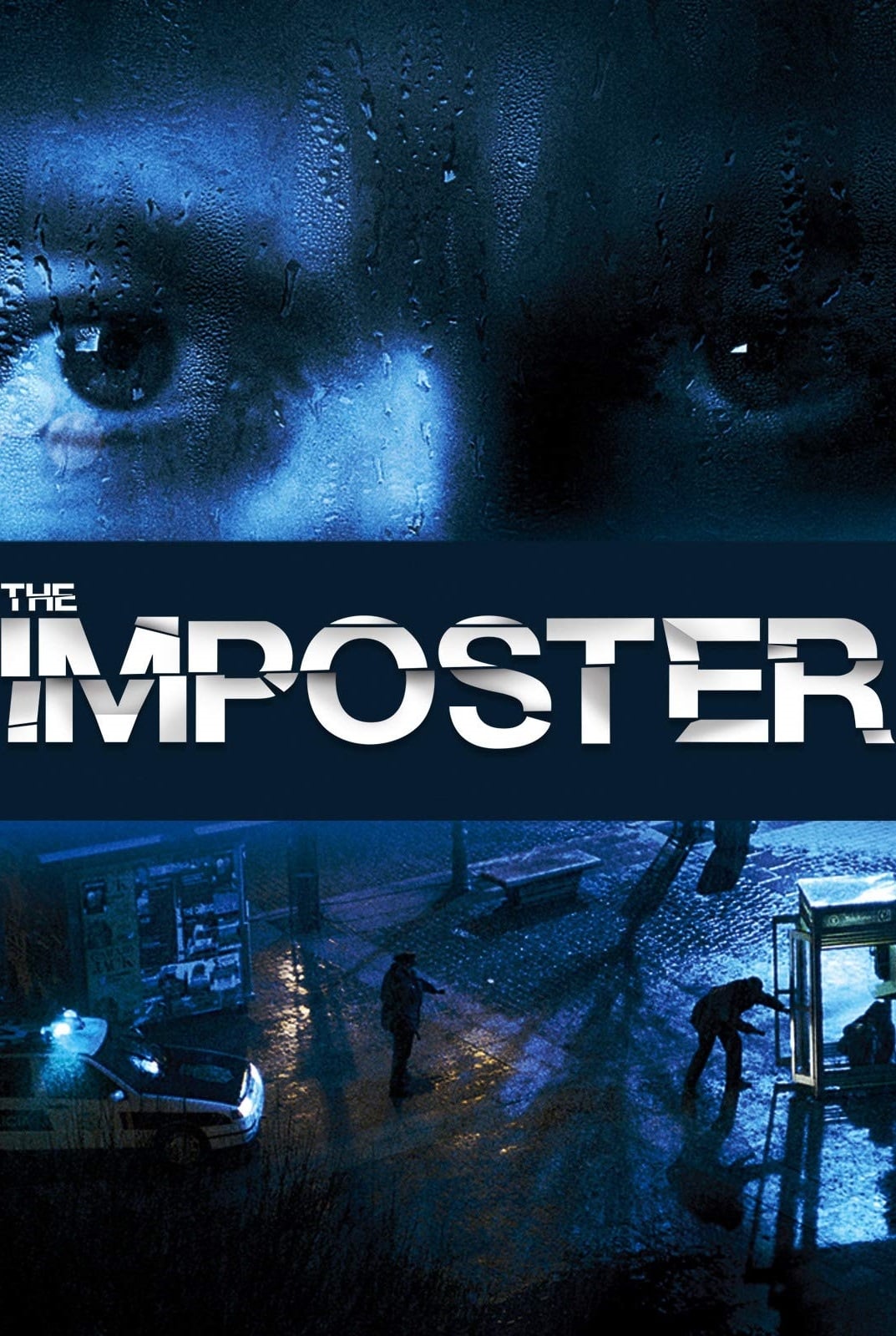
This true crime documentary follows a French con artist who claims to be a missing Texas teenager. It blends interviews with stylized reenactments that help clarify the timeline and the conflicting testimonies.
Filmmakers gathered records from law enforcement and family sources, then mapped the case across international locations. The release earned awards for editing and storytelling and is often cited in studies of identity fraud and memory reliability.
‘Jiro Dreams of Sushi’ (2011)
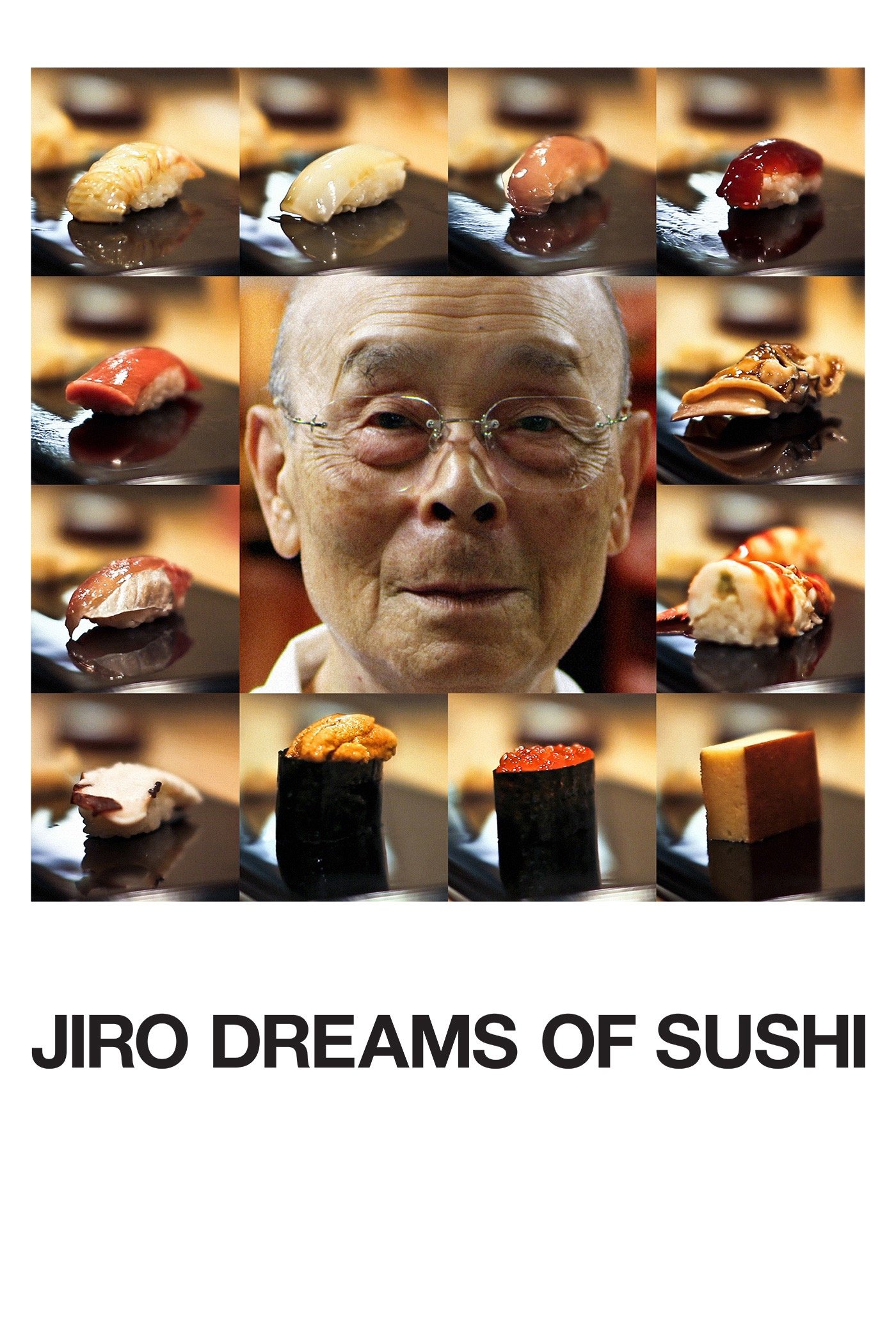
The film profiles Jiro Ono, the Tokyo chef known for a small sushi counter with high recognition. It explains training methods, ingredient sourcing, and the pacing of a traditional omakase service.
Production shot in fish markets, suppliers, and the restaurant kitchen to show the full chain behind each piece of sushi. The documentary helped global audiences understand seasonal cycles, knife work, and rice preparation. It boosted interest in reservation only counters and apprenticeship culture.
‘Won’t You Be My Neighbor?’ (2018)

This portrait of Fred Rogers uses broadcast archives and interviews with colleagues to trace the mission behind his children’s program. It documents how the show addressed topics like grief, race, and disability through calm conversation.
Producers digitized historical tapes and arranged them around key moments in American news. The film explains how public television funding and educational standards shaped the series. The release became one of the highest grossing documentaries of its year.
‘Free Solo’ (2018)
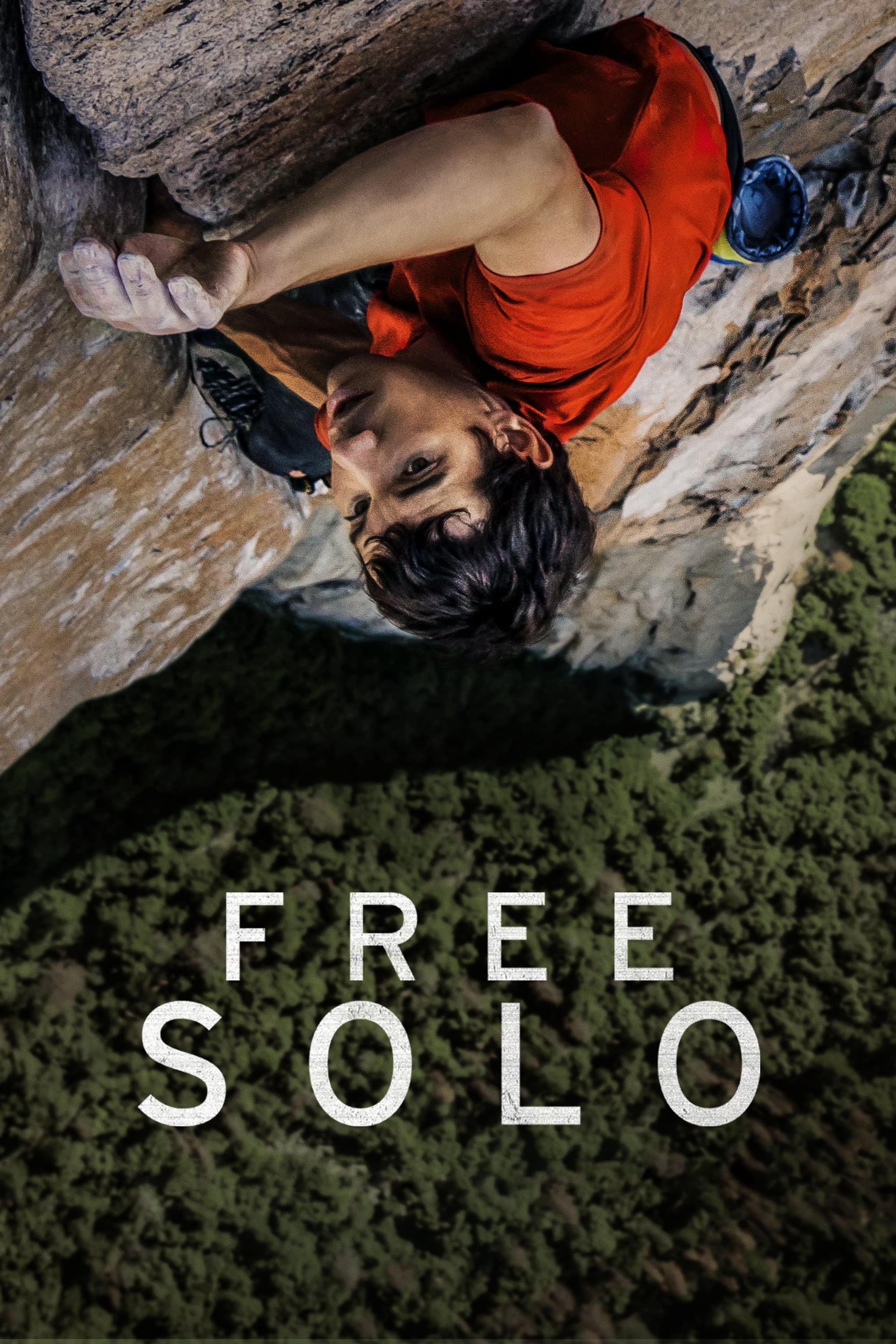
The film follows climber Alex Honnold as he prepares to free solo El Capitan’s Freerider route. It details training routines, risk planning, and the camera team’s safety protocols while filming a no rope ascent.
Directors Elizabeth Chai Vasarhelyi and Jimmy Chin worked with elite climbers to rig remote cameras that limited interference. The production includes medical and psychological evaluations that informed the climb schedule. It won major awards and set records for specialty box office performance.
‘Cartel Land’ (2015)
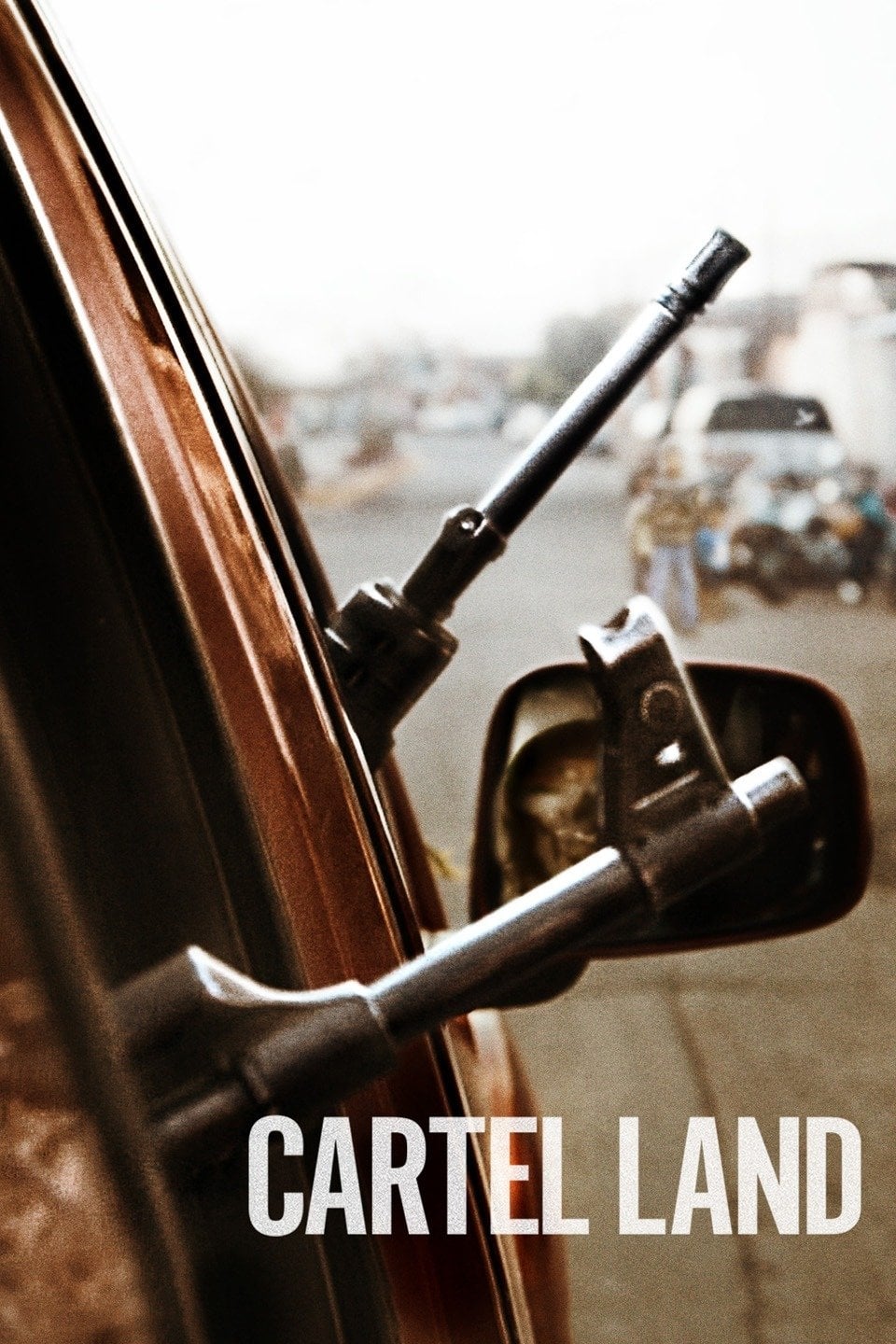
This film documents armed civilian groups on both sides of the Mexico and United States border. It follows leaders of the Michoacán autodefensas and a militia group in Arizona to show how communities respond to cartel violence.
Director Matthew Heineman embedded with subjects during raids and checkpoints and captured rare footage under hazardous conditions. The documentary includes interviews with medical workers, local residents, and officials to verify events. It earned awards for cinematography and directing.
’13th’ (2016)
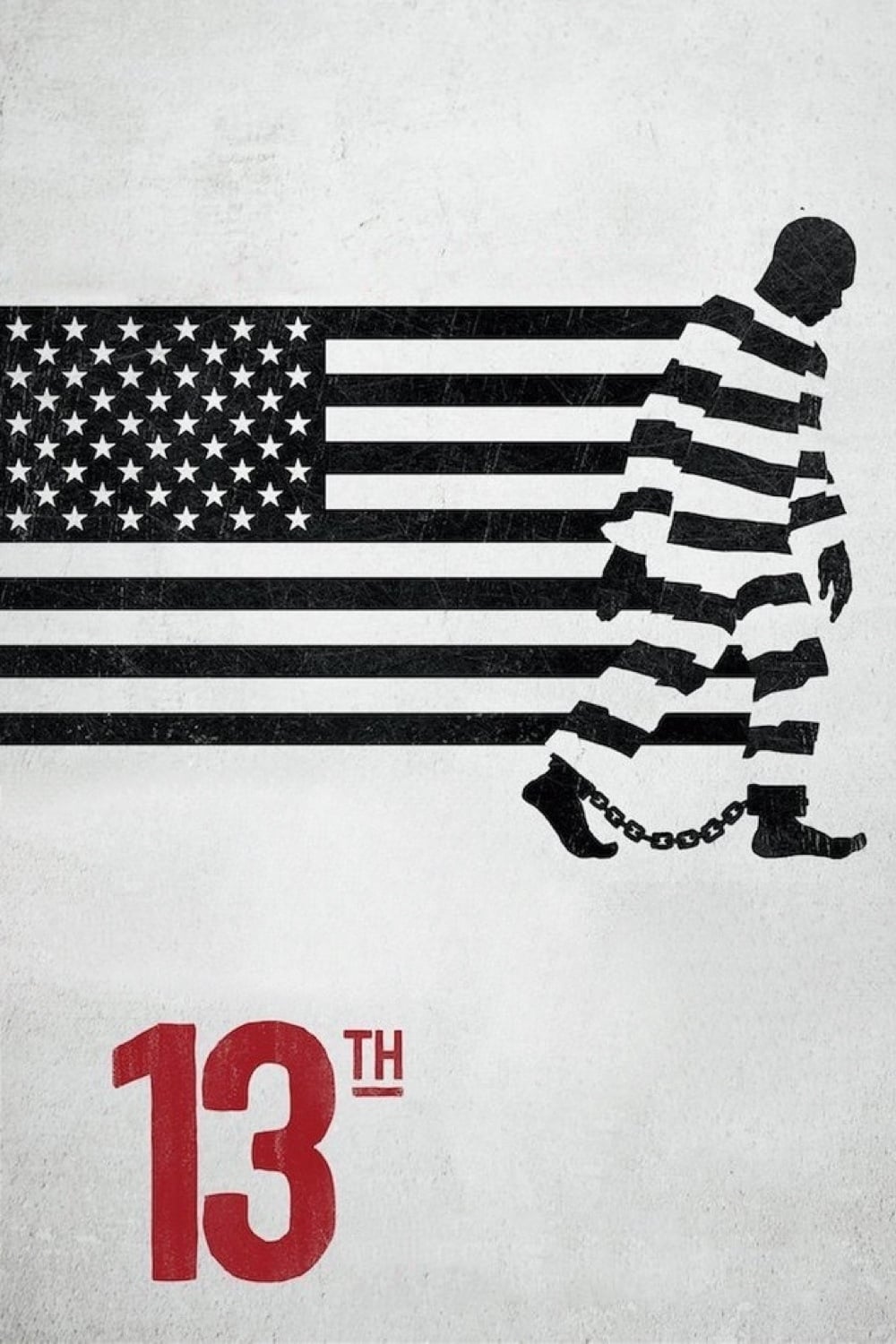
Ava DuVernay connects the text of the Thirteenth Amendment to the history of mass incarceration. The film uses interview segments, graphics, and archival footage to explain policy changes across decades.
The production compiles data on sentencing, policing, and private prisons and presents them in clear chapters. It premiered on a global streaming platform and was screened at universities and civic forums. The film received major nominations and awards for documentary feature.
‘Icarus’ (2017)
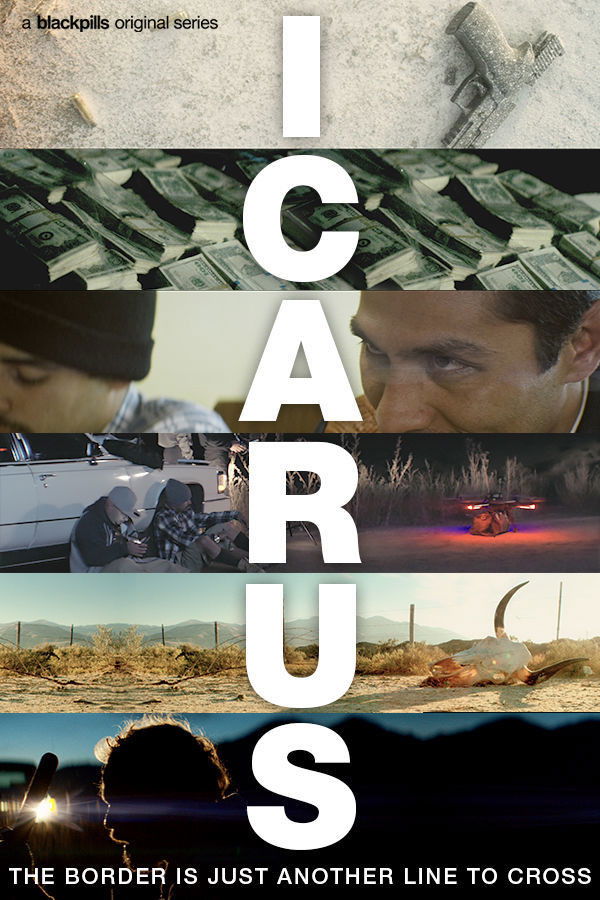
The story begins with an amateur doping experiment and shifts into an investigation of state sponsored sports doping. Filmmakers gain access to a lab director who details a covert program and the mechanics of sample tampering.
The production preserved documents, digital files, and testimony that later intersected with international sports rulings. The film was released worldwide and won top documentary honors. It remains a case study in how a project can change direction when a source steps forward.
‘City of Ghosts’ (2017)
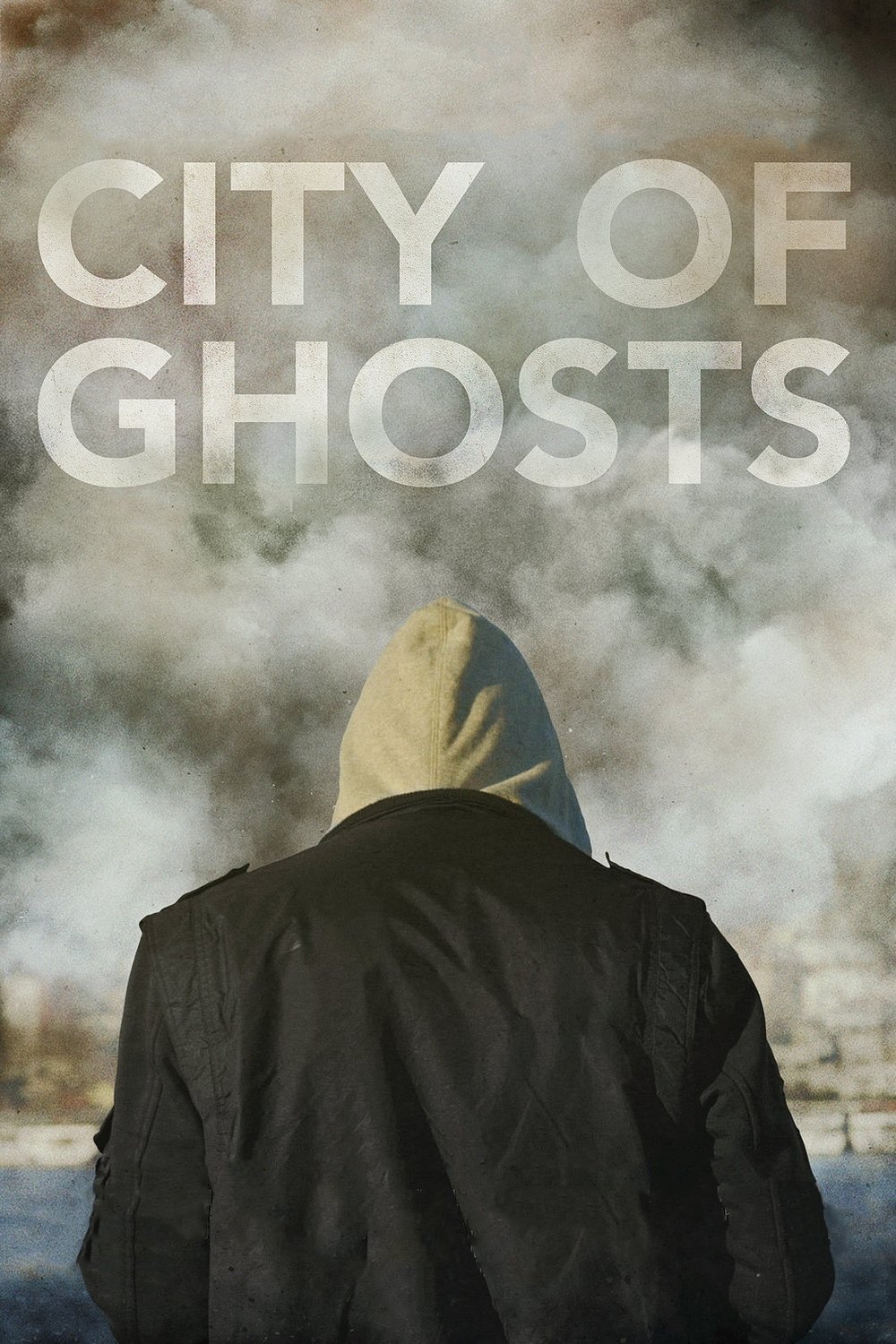
This documentary follows citizen journalists from Raqqa who report on life under militant rule. It shows their efforts to publish evidence while relocating to protect themselves and their families.
The crew gathered videos, photos, and testimonies made by the journalists and verified them through external checks. The film screened at major festivals and received awards for courage in filmmaking. It serves as a record of grassroots reporting under extreme risk.
‘Minding the Gap’ (2018)
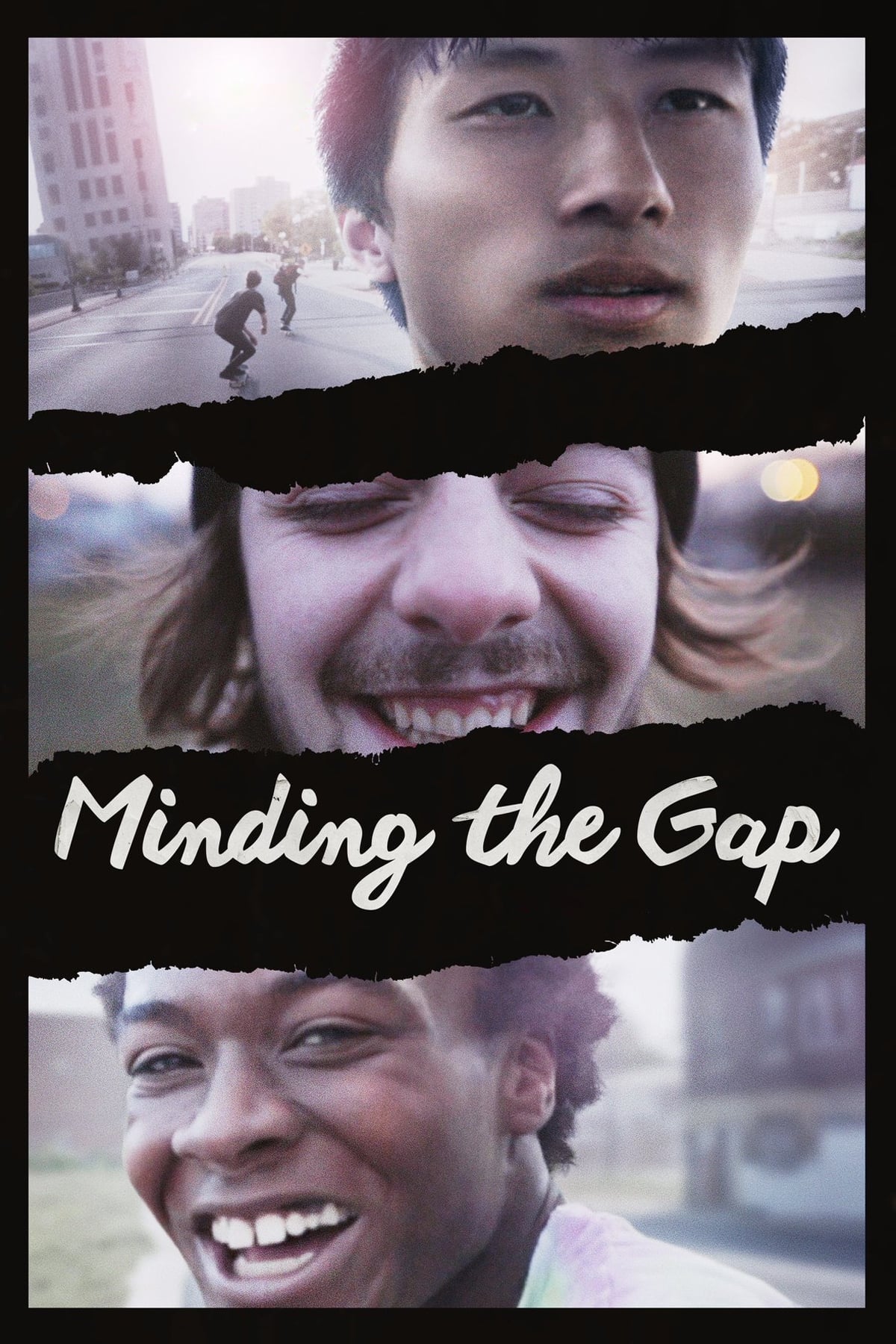
The film tracks three friends from Rockford, Illinois through skateboarding and adulthood. It connects personal stories to larger issues like work, housing, and family relationships.
Director Bing Liu used years of community shooting and then conducted in depth interviews to frame the narrative. The documentary won an award for breakthrough filmmaking and received an Academy Award nomination. It is used in discussions about youth culture and nonfiction storytelling.
‘The Work’ (2017)
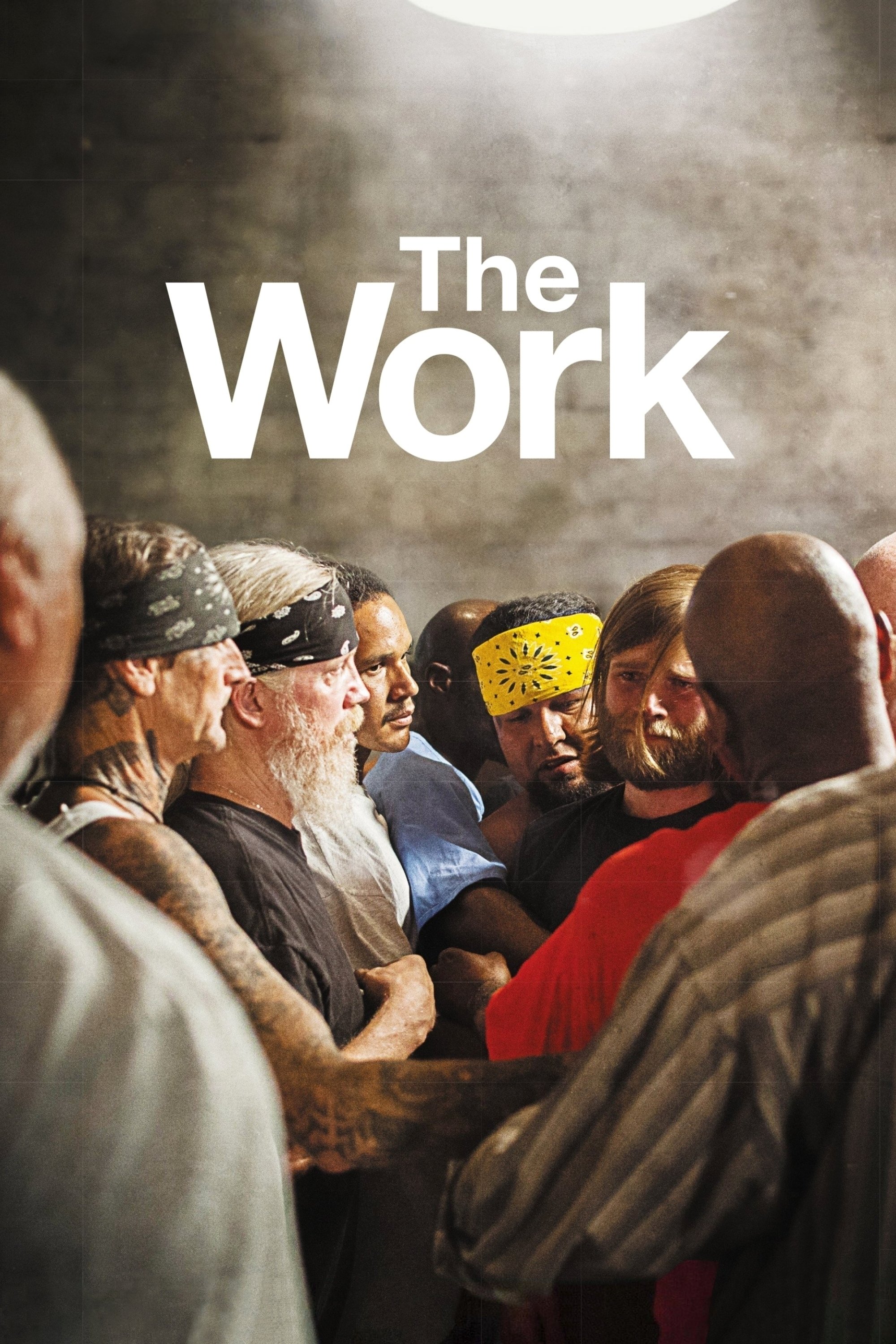
This film documents a four day group therapy retreat inside Folsom Prison where incarcerated men and outside participants meet. It records exercises, rules, and the structure of peer led sessions.
The crew used a small footprint and close microphone placement to capture dialogue without disrupting the room. The film received the top documentary prize at a major festival and is used in training discussions for group facilitation. It offers clear insight into restorative practices.
‘Time’ (2020)

This documentary follows Fox Rich and her family over two decades as they work toward her husband’s release from prison. It weaves home videos with new footage to build a continuous family timeline.
The film is presented in black and white, which unifies material from different years. It premiered at a major festival and won awards for directing and editing. The release later reached a global streaming audience and is used in courses on criminal justice and documentary form.
‘Collective’ (2019)
The film begins with a nightclub fire in Bucharest and expands into an investigation of corruption in Romania’s health care system. It follows journalists and officials as they uncover procurement fraud and hospital safety failures.
Director Alexander Nanau uses newsroom access and public hearings to track findings in real time. The documentary received nominations for international feature and documentary feature. It is frequently cited in studies of investigative reporting on film.
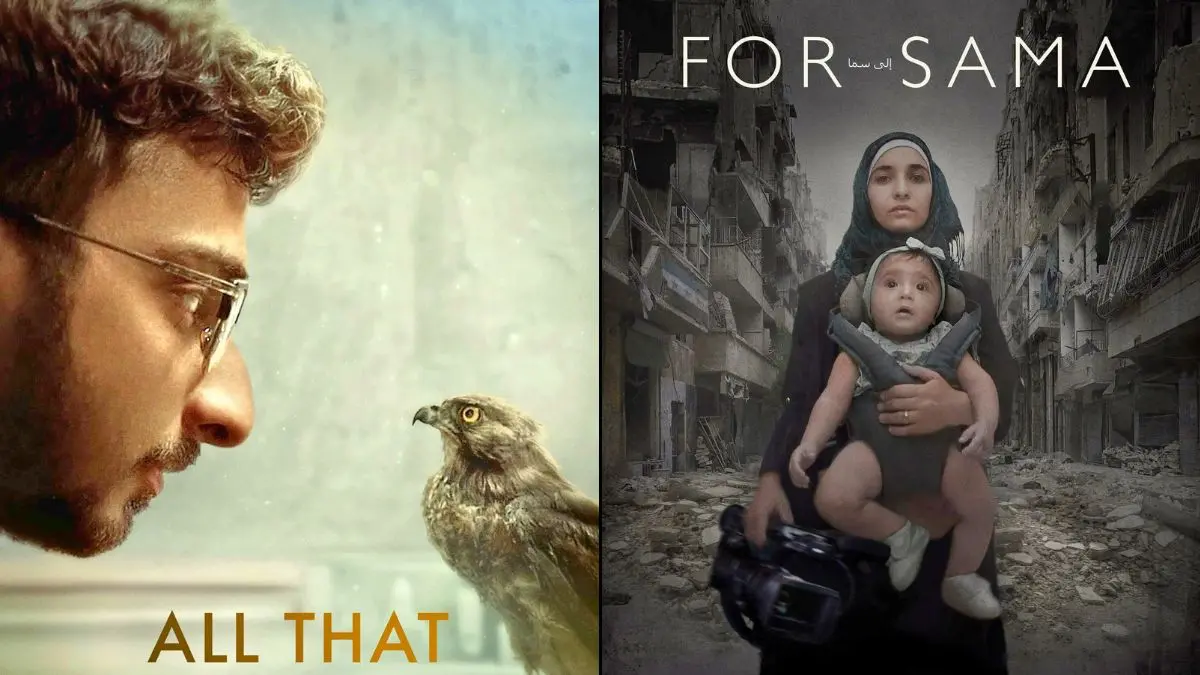
‘For Sama’ (2019)

This personal account from Aleppo is structured as a diary to a daughter born during the Syrian conflict. It shows hospital work, evacuations, and daily life in a city under bombardment.
Directors Waad al Kateab and Edward Watts assembled footage captured over several years and organized it by pivotal events. The film won top documentary awards at major festivals and was broadcast internationally. Humanitarian groups have used it in advocacy and training.
‘Fire of Love’ (2022)

This film tells the story of volcanologists Katia and Maurice Krafft through their expedition footage and field notes. It explains camera rigs, protective suits, and proximity protocols near lava and gas plumes.
The production sourced archival reels from broadcasters and the couple’s own collection and restored them for high resolution presentation. The film premiered at Sundance and received an Academy Award nomination. It is often programmed with science outreach events.
‘American Factory’ (2019)
The documentary follows a Chinese company that reopens a shuttered auto glass plant in Ohio. It observes how management styles, labor expectations, and safety practices differ across cultures inside one facility.
Filmmakers gained access to meetings, training sessions, and union organizing efforts. The film was the first release from a production partnership with a global streaming platform and won the Academy Award for documentary feature. Labor scholars often assign it for case study discussions.
‘The Rescue’ (2021)
This film reconstructs the 2018 rescue of a youth soccer team from a flooded cave in Thailand. It details mapping efforts, diving plans, and the coordination between local authorities and international volunteers.
Directors Elizabeth Chai Vasarhelyi and Jimmy Chin gathered interviews with key divers and used staged underwater sequences to demonstrate narrow passages. The film won major documentary awards and serves as a technical overview of cave diving operations. It complements news coverage with a full timeline.
‘All That Breathes’ (2022)
Set in New Delhi, the film follows two brothers who rescue and rehabilitate injured black kites. It documents their workshop methods, urban pollution levels, and the veterinary care they provide.
The production uses long observational scenes to show how the birds adapt to a dense city. It premiered at Sundance and Cannes and won top documentary prizes. Environmental organizations reference the film in urban wildlife programs.
‘The Cove’ (2009)
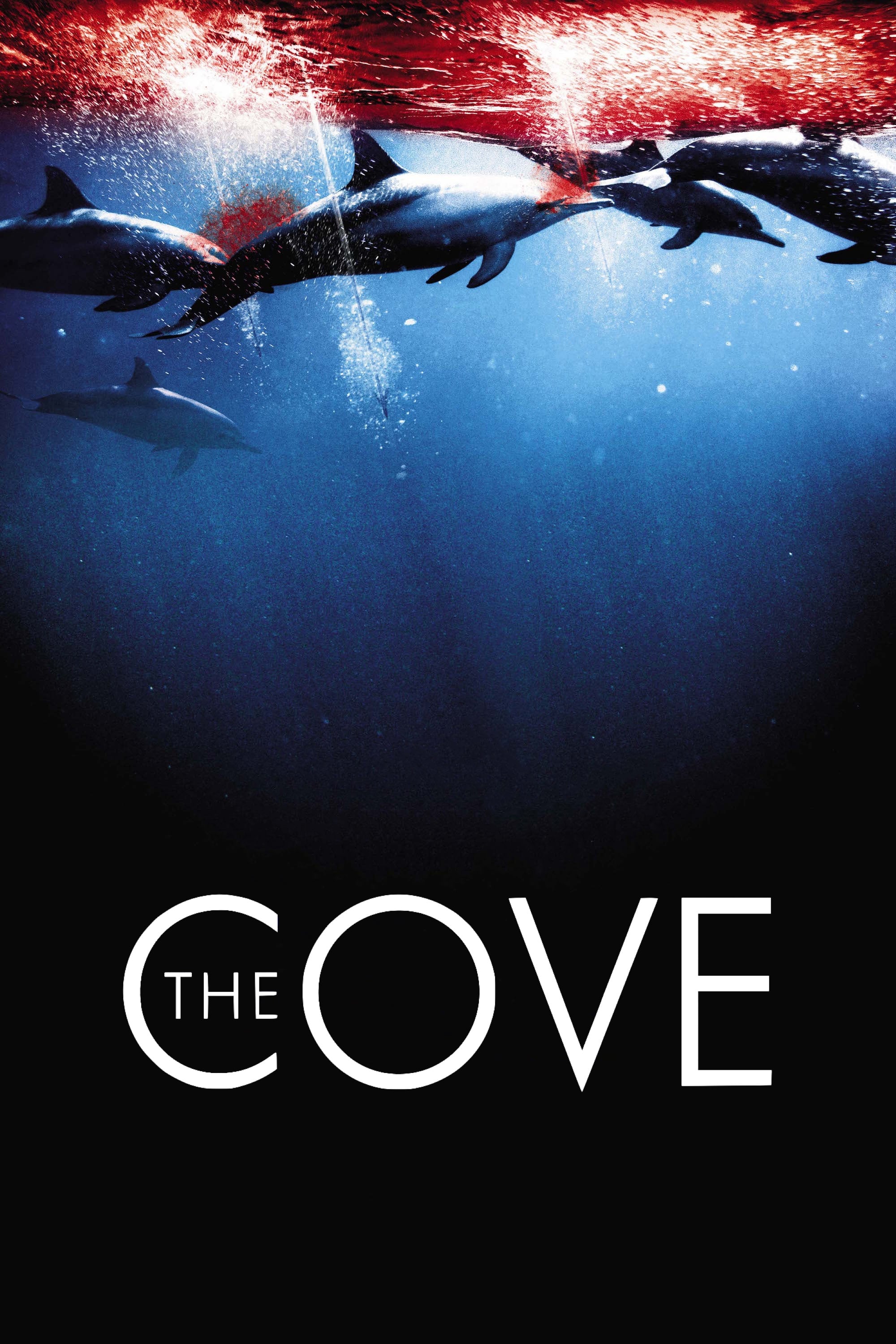
The documentary investigates dolphin hunts in Taiji, Japan using hidden cameras and thermal imaging. It explains legal frameworks, mercury concerns, and the link to marine parks.
The crew used specialized housings and night shooting to capture footage in restricted areas. The film won the Academy Award for documentary feature and influenced international debate about captive dolphin programs. It remains a key example of investigative environmental filmmaking.
‘Man on Wire’ (2008)

This film recounts Philippe Petit’s 1974 high wire walk between the Twin Towers. It combines interviews, archival photos, and recreations to outline planning, rigging, and the team’s stealth entry.
Director James Marsh structures the story like a heist with a clear step by step breakdown of logistics. The documentary won the Academy Award for documentary feature and multiple festival prizes. It is often used in courses about narrative design in nonfiction.
‘Joshua: Teenager vs. Superpower’ (2017)
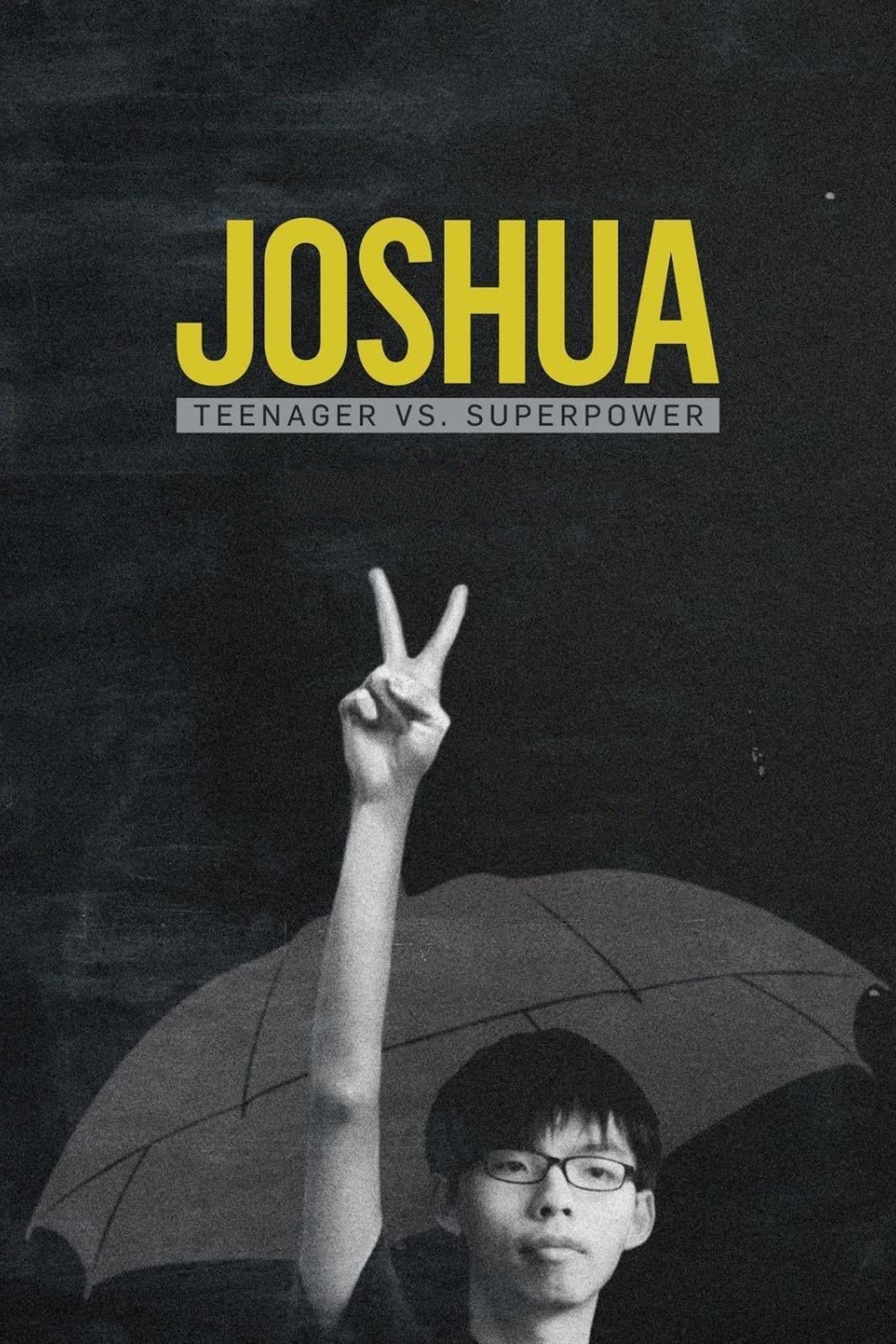
The film follows Joshua Wong and student activists in Hong Kong during protests against a proposed education policy and later events. It shows organizational methods, media strategies, and legal repercussions for participants.
The production includes on the ground footage of marches and meetings and interviews with families and educators. The film premiered at Sundance and was acquired by a global streaming platform. It provides a chronological record that aligns with contemporaneous news reports.
Share your favorite under the radar documentary in the comments and tell us which one you plan to watch next.