Actors Who’ve Played the Same Character Over 15+ Years

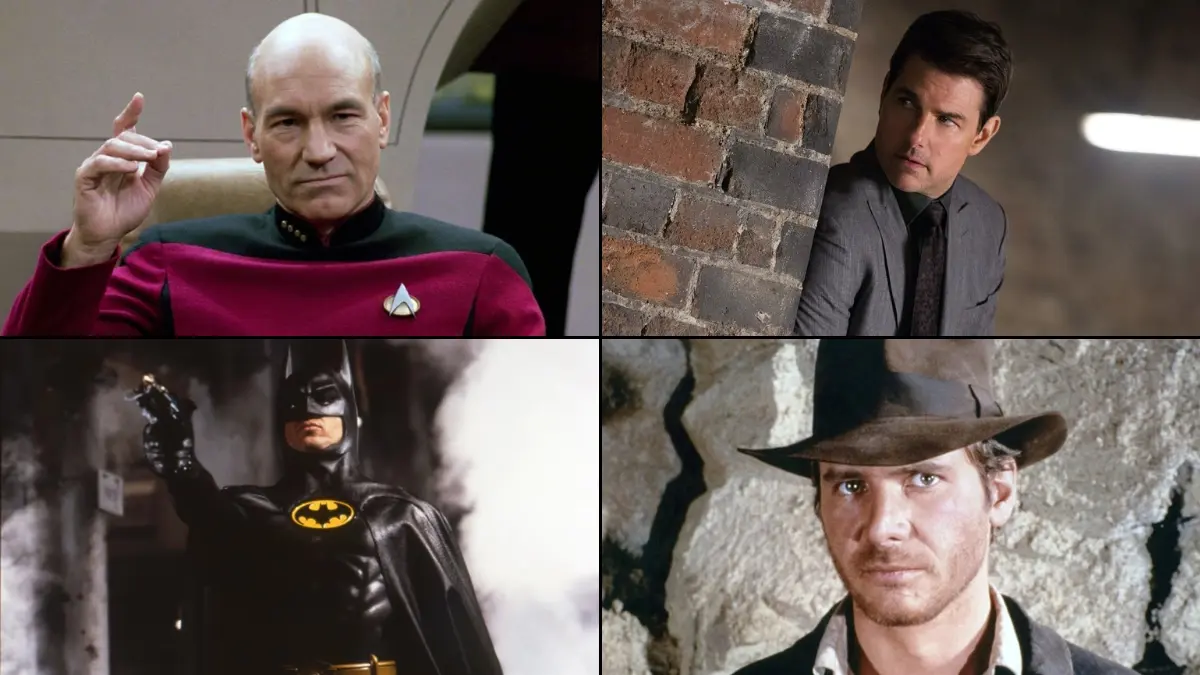

There’s a special kind of staying power when an actor lives with the same character for decade after decade. Some roles come back every few years in new sequels or reboots, while others carry on across TV, films, or animation—yet all demand consistency, continuity, and a deep understanding of the character’s history and voice.
Below are notable examples of male actors who kept returning to a single role for well over a decade. Each one shows how a character can stretch across formats, studios, and generations while remaining recognizable through a performance that audiences can track over long spans of time.
Harrison Ford — Indiana Jones
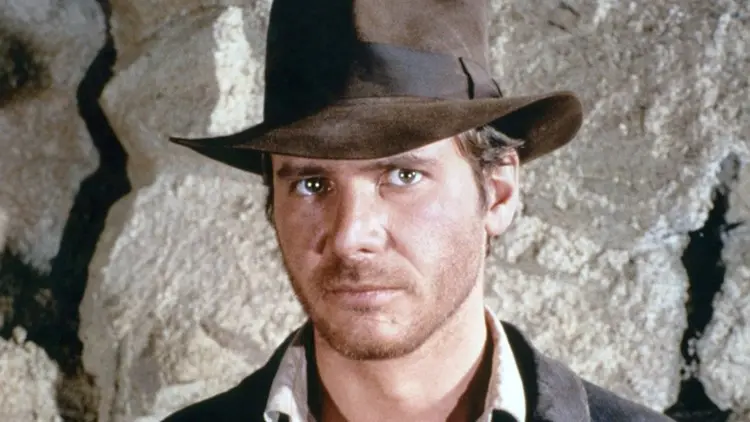
Ford first cracked the whip as the archaeologist-adventurer in ‘Raiders of the Lost Ark’ and carried the role through multiple follow-ups, culminating in a later-career return in ‘Indiana Jones and the Dial of Destiny’. Across the series, he maintained the character’s hallmarks—academic bona fides, field skills, and a specific mix of grit and dry humor—while the stories moved from desert digs to globe-spanning chases. The films repeatedly circle artifacts and myths, with Ford’s portrayal anchoring the continuity of side characters, recurring adversarial forces, and the franchise’s stunt-driven set-pieces.
The production timeline spread out substantially between installments, and Ford’s returns often involved new technology standards, changing crews, and evolving studio strategies. Despite shifts in tone and scale, wardrobe and props—most notably the fedora, leather jacket, and bullwhip—remained consistent identifiers, and the character’s academic setting kept connecting later entries to the original premise.
Hugh Jackman — Logan/Wolverine
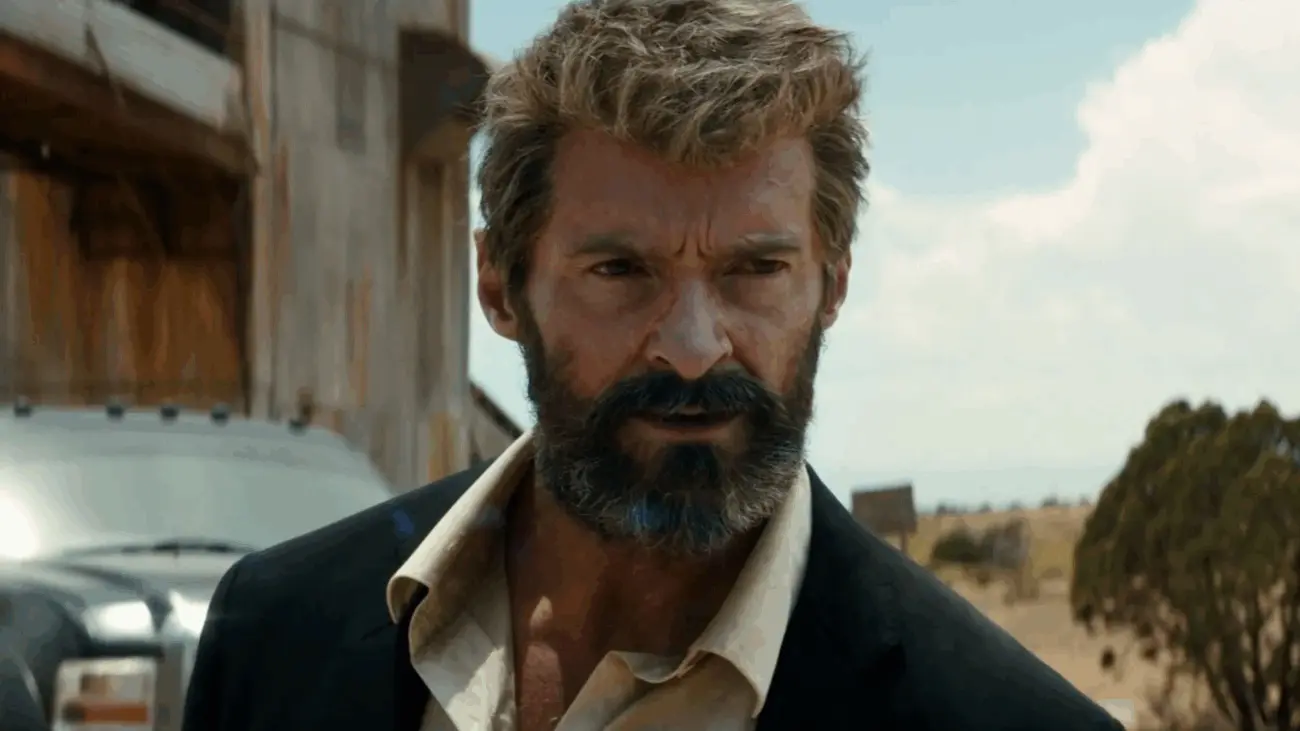
Jackman first played the clawed mutant in ‘X-Men’ and became the face of the character through ensemble entries and solo features, ultimately reappearing in ‘Deadpool & Wolverine’. The performance spanned team-based stories, origin explorations, and timeline reworks, tying together different creative directions across the larger ‘X-Men’ universe. The character’s regenerative abilities allowed for action across long arcs without abandoning the persona’s established physicality and temperament.
Jackman’s run involved collaborations with multiple directors and casts, with the role bridging earlier continuity and later multiverse-style crossovers. The character’s relationships—with teammates, mentors, and antagonists—were threaded through the films to keep narrative through-lines intact even as settings and tones shifted from ensemble action to more focused character studies.
Sylvester Stallone — Rocky Balboa
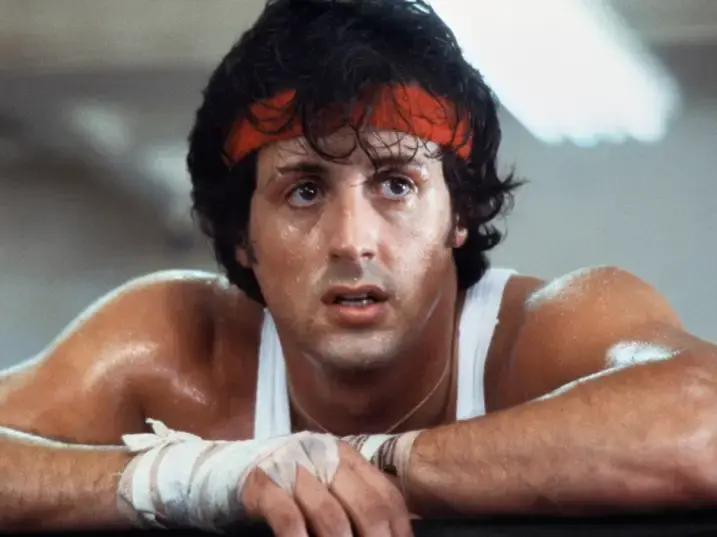
Stallone originated the Philadelphia boxer in ‘Rocky’ and revisited him in a string of sequels before shifting Rocky into a trainer and mentor role in ‘Creed’ and its sequel. The character’s arc tracks from contender to veteran cornerman, bringing gym culture, training regimes, and boxing organizations into play while maintaining the iconography of the steps, the ring, and the South Philly setting.
Later appearances integrated a new generation of fighters and storylines while retaining callbacks through memorabilia, music cues, and familiar locations. Across the films, Stallone’s portrayal is consistent about Rocky’s fundamentals—work ethic, community ties, and the realities of aging in a punishing sport—allowing the character to evolve within a broader boxing universe.
Sylvester Stallone — John Rambo
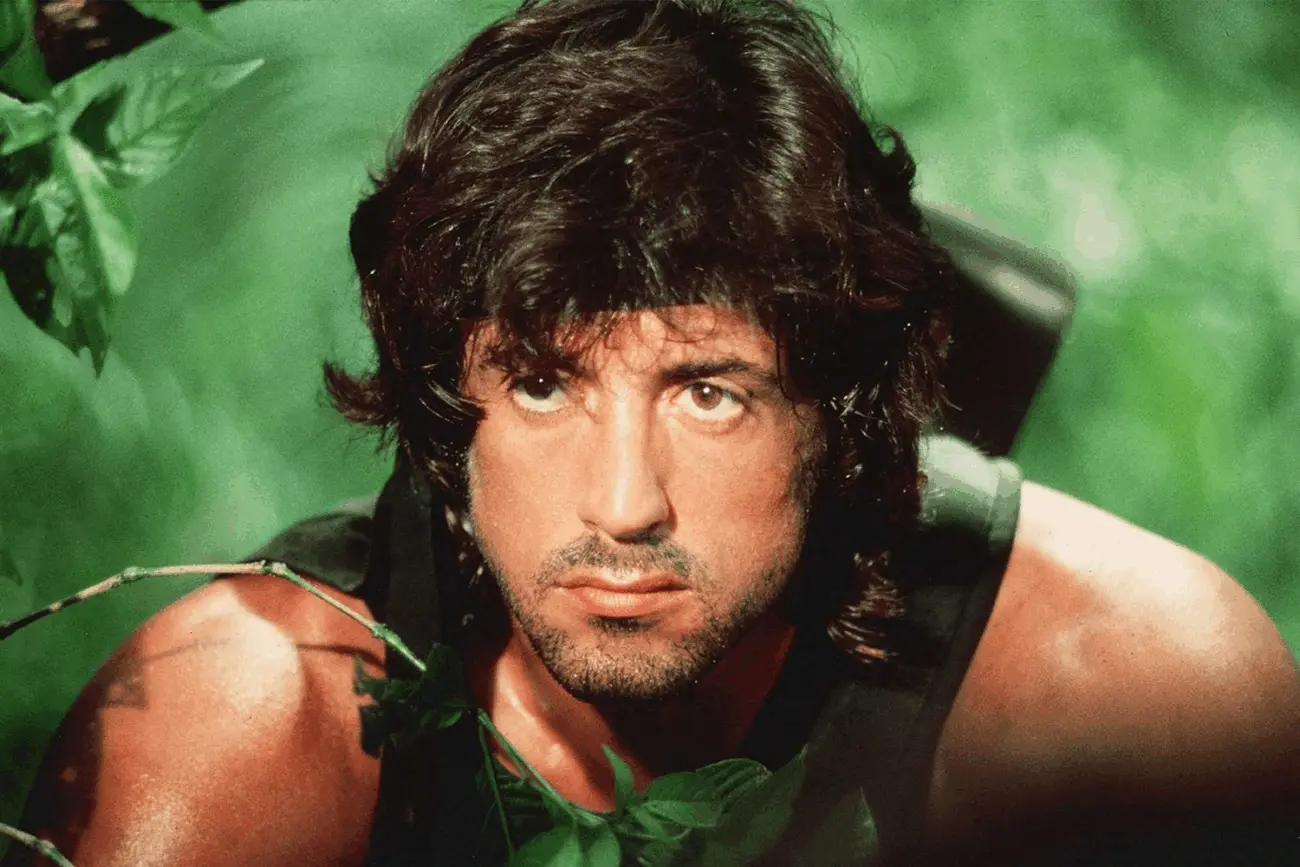
Stallone first took on the Vietnam veteran in ‘First Blood’ and kept returning as the character moved from small-town conflict to international rescue and survival missions. The series highlights fieldcraft, weapons familiarity, and tactical decision-making under pressure, with each entry emphasizing different theaters and operational challenges while keeping Rambo’s skill set intact.
Later installments updated gear and situational stakes but preserved the character’s background, trauma history, and lone-operator profile. Practical effects, location work, and the franchise’s approach to action remained key components, with Stallone’s physical preparation aligning the portrayal across widely spaced production windows.
Tom Cruise — Ethan Hunt
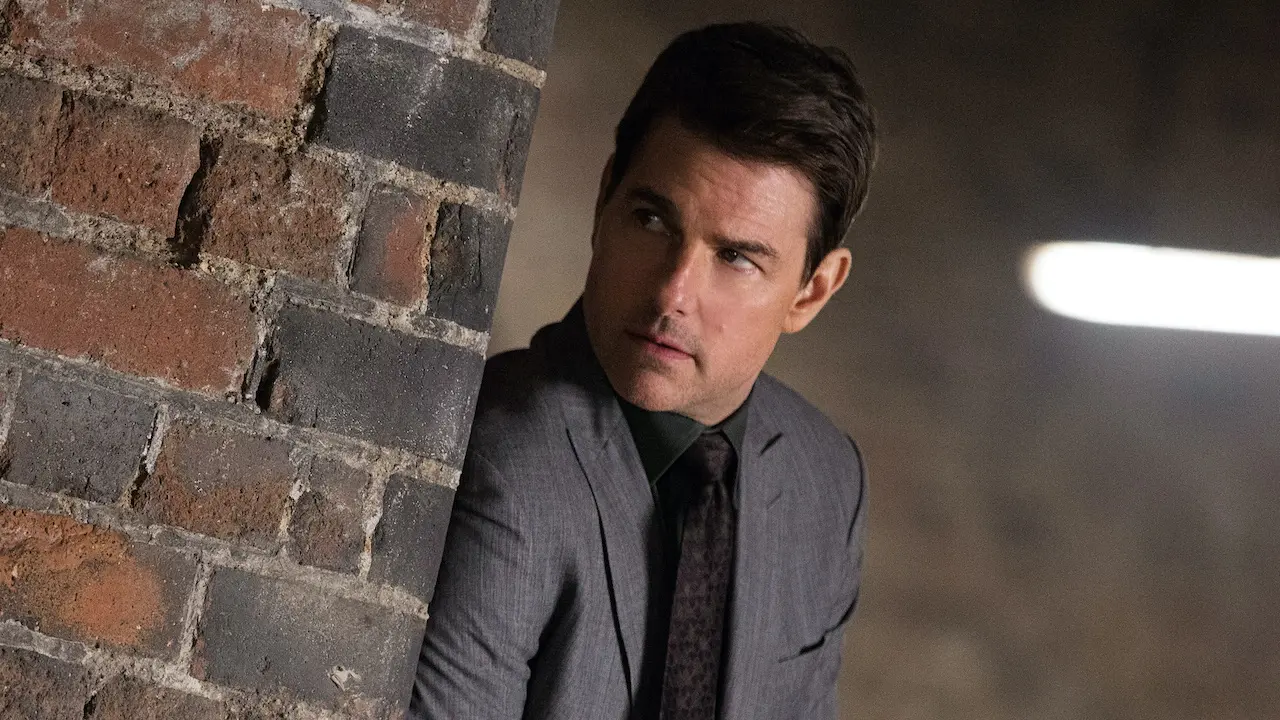
Cruise launched the IMF operative in ‘Mission: Impossible’ and continued through a long slate of sequels, each with its own director-driven style. The character anchors heists, undercover work, and intricate deceptions, with signature elements such as mask tech, dead-drops, and multi-part set-pieces. Across entries, the films showcase evolving stunt methodology and international location work associated with the role.
As the series progressed, Hunt’s core team developed recurring dynamics with analysts, field agents, and agency leadership. Cruise’s on-camera stunt participation became a production constant, and the character’s operational protocols, gadgets, and mission-brief structures provided continuity across changing plots and antagonists.
Patrick Stewart — Jean-Luc Picard
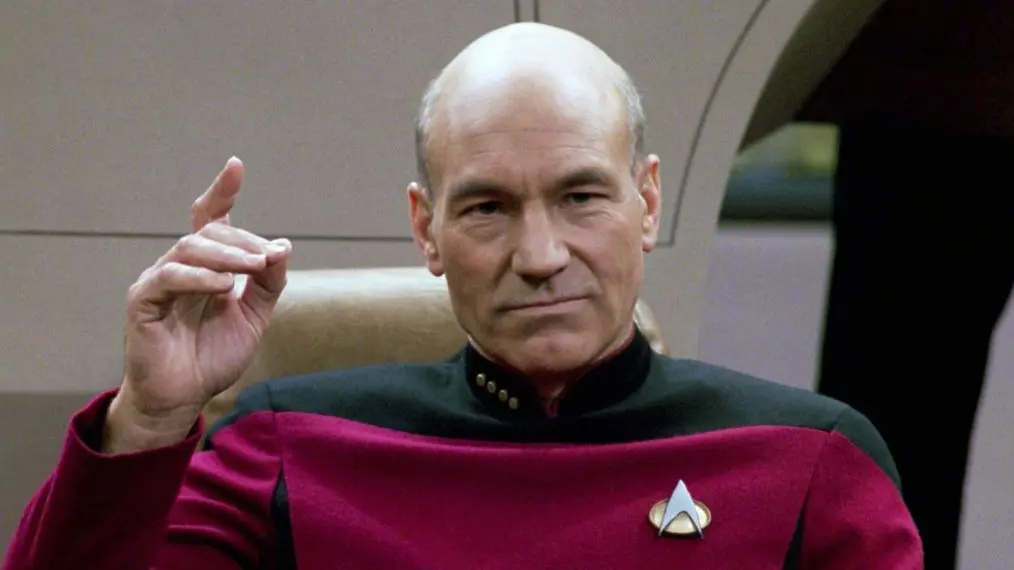
Stewart introduced the Starfleet captain in ‘Star Trek: The Next Generation’ and later returned in multiple features and the streaming series ‘Star Trek: Picard’. The character’s leadership style, diplomatic focus, and ethical framework remained consistent across ship postings, adversaries, and crises, tying together crew relationships and Federation politics over a wide span.
Transitions from episodic television to feature films and back to serial storytelling kept Picard’s history foregrounded, with returning colleagues, recurring adversaries, and legacy technology forming connective tissue. Stewart’s portrayal tracked the character’s career progression and personal history, integrating canonical references from earlier stories into new plotlines.
William Shatner — James T. Kirk
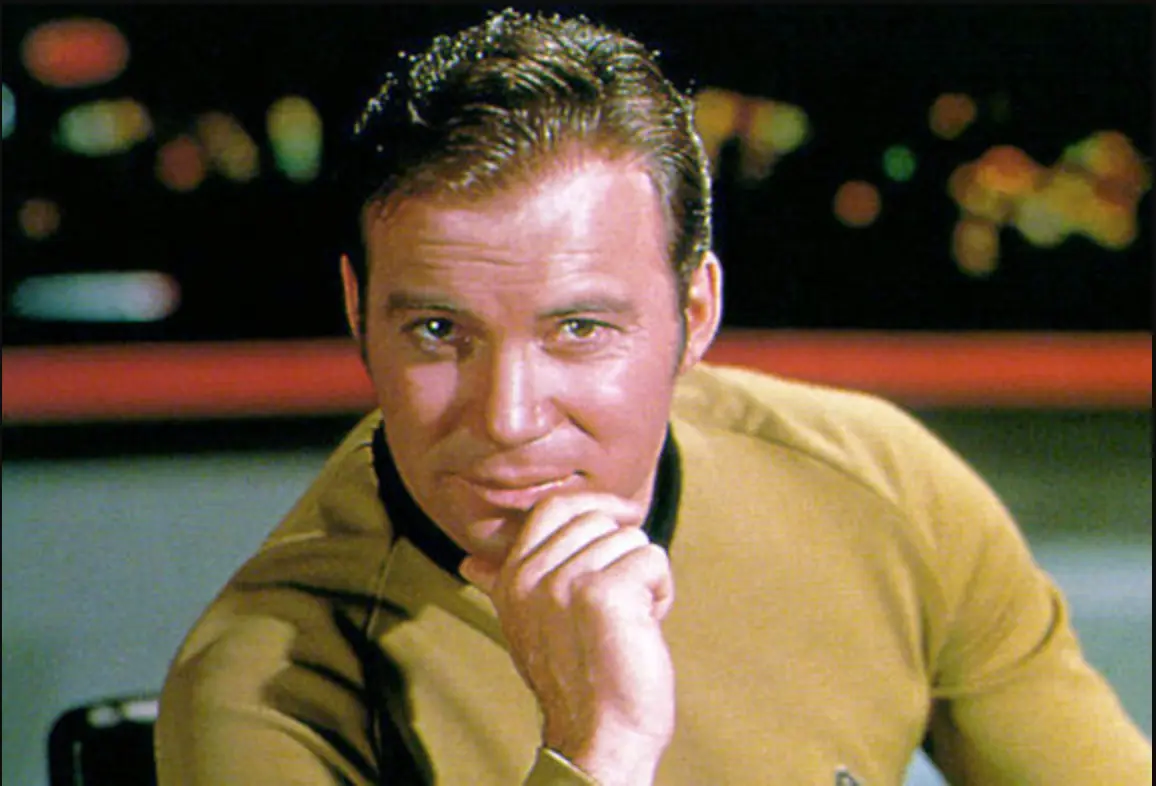
Shatner’s starship captain began in ‘Star Trek’ and carried into a long run of feature films. The character’s command decisions, exploratory missions, and engagements with classic adversaries connected episodic science-fiction storytelling to larger-scale cinematic stakes. Iconic elements—bridge procedures, phaser and transporter use, and Starfleet chain-of-command—remained central identifiers.
As the franchise moved formats, the portrayal preserved relationships with key officers and maintained continuity with notable starship upgrades and mission profiles. The films referenced earlier televised events, enabling callbacks while expanding on interplanetary diplomacy, starship combat, and Federation history.
Leonard Nimoy — Spock
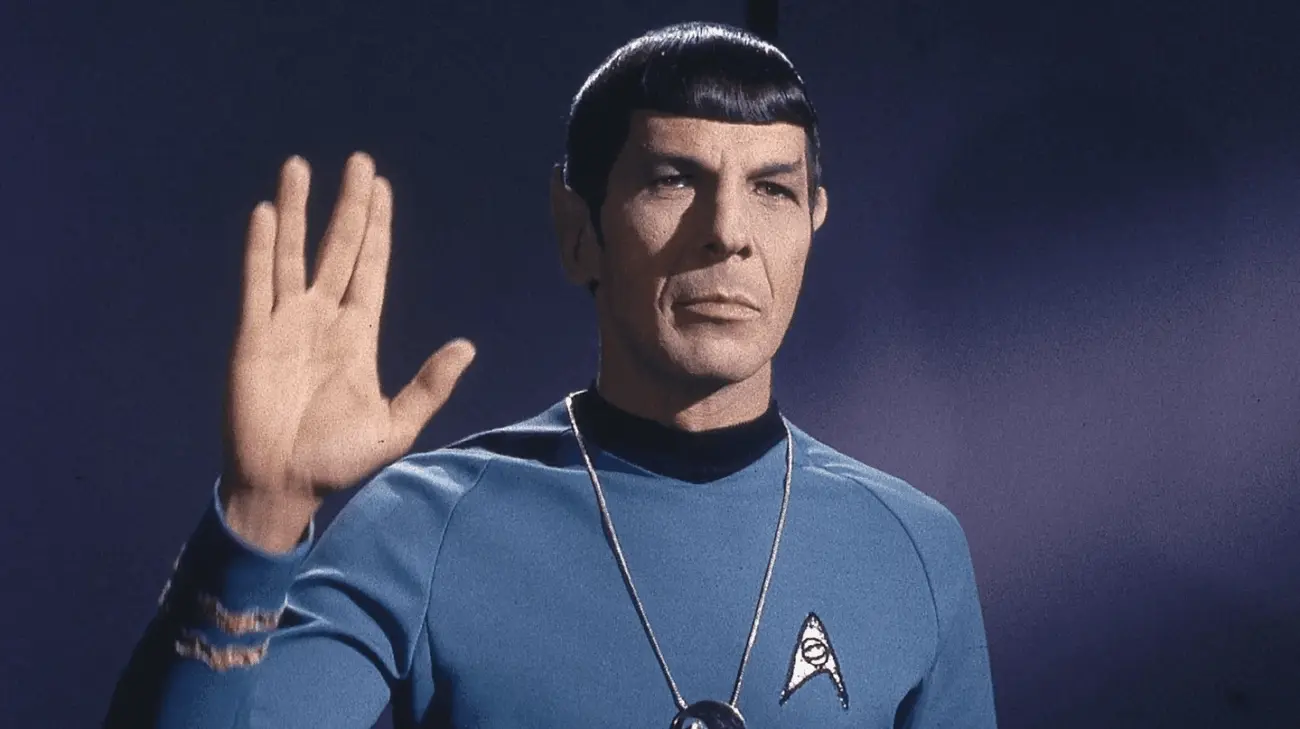
Nimoy’s Vulcan science officer originated in ‘Star Trek’ and continued across films and later cameo appearances within a new timeline framework. The character’s logic-driven approach, scientific expertise, and cultural traditions provided continuity as crews, ships, and narrative eras shifted around him.
The portrayal consistently integrated Vulcan customs, language elements, and philosophical principles, grounding the character across different creative teams. Nimoy’s later appearances served as a bridge between generations of stories, preserving canon links and forwarding narrative handoffs.
Daniel Craig — James Bond
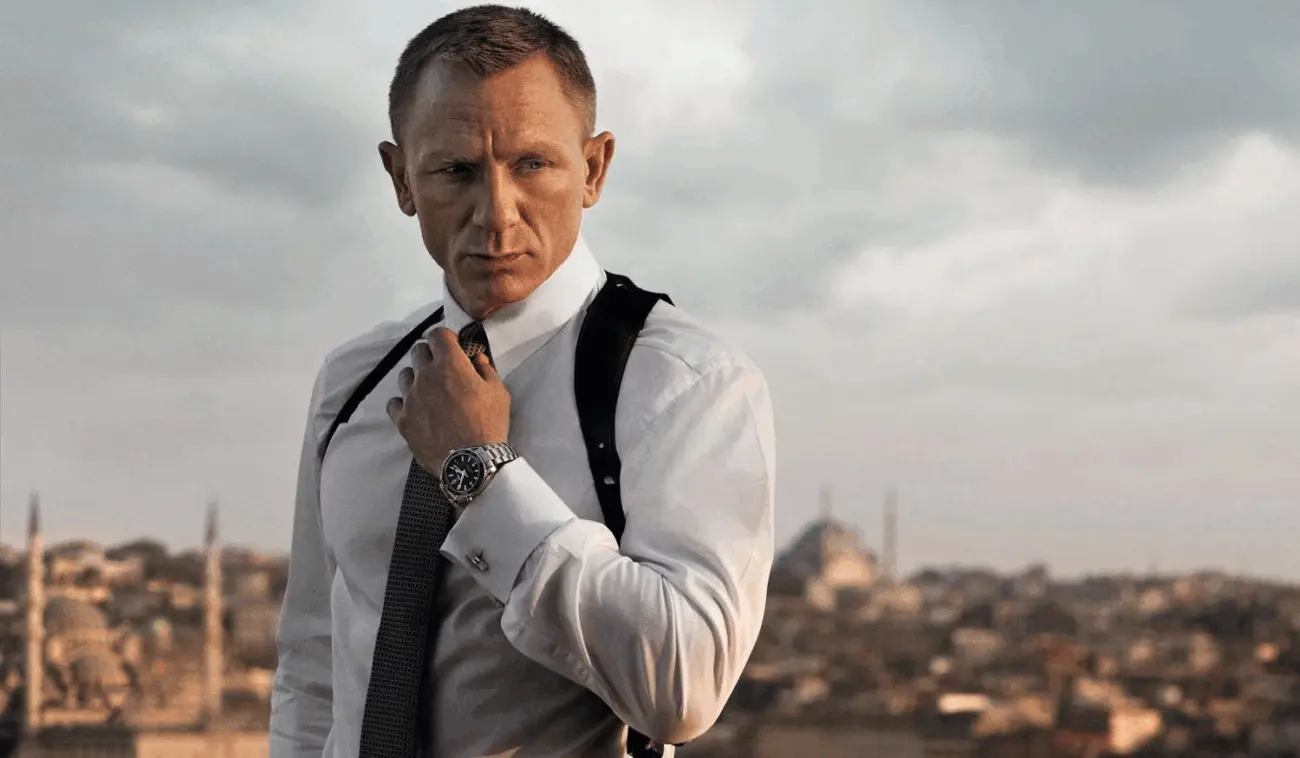
Craig assumed the role of the British agent in ‘Casino Royale’ and continued through a connected cycle of films centered on modern espionage threats. The portrayal emphasized operations across multiple countries, intelligence alliances, and technological countermeasures while maintaining long-standing series hallmarks such as briefing structures and recurring departmental figures.
This run adopted serialized character development uncommon to earlier entries, with supporting casts returning across installments and organizations threaded through the arc. Production design, stunt choreography, and location photography evolved with each entry while keeping key brand markers in place.
Sean Connery — James Bond
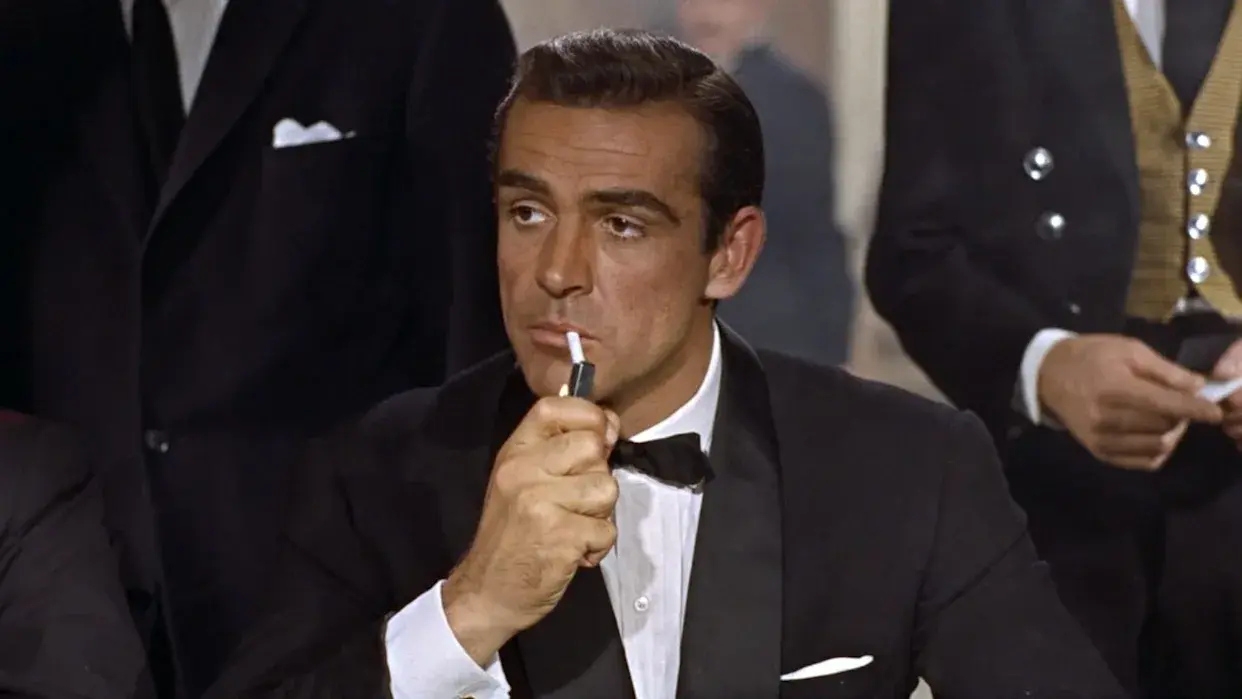
Connery debuted the cinematic incarnation of the agent in ‘Dr. No’ and returned for multiple follow-ups and a later revival outside the main continuity. His tenure established templates for gadget briefings, villain lairs, and large-scale climaxes that later entries continued to reference.
Across his appearances, recurring supporting personnel, codenames, and intelligence procedures built a recognizable structure for missions. The portrayal shaped the franchise’s tone—balancing reconnaissance, infiltration, and confrontation—while anchoring shift after shift in production design and action staging.
Arnold Schwarzenegger — The Terminator (T-800)
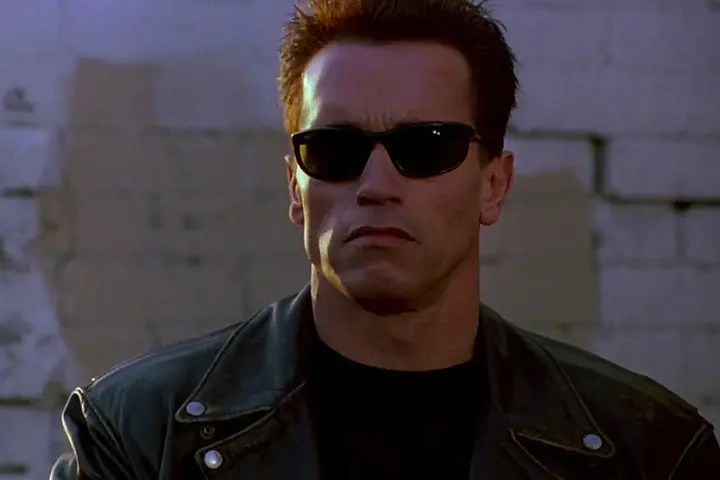
Schwarzenegger’s cybernetic character originated in ‘The Terminator’ and appeared in numerous sequels, sometimes as a protector and other times as a threat. The role involved consistent physical presence, recognizable dialogue patterns, and the franchise’s time-displacement premise, with model designations and mission parameters marking each new entry.
As the series expanded its timeline, the portrayal accounted for different programming states and mission objectives while keeping visual identifiers such as endoskeleton imagery and ocular targeting. Practical effects, animatronics, and later digital augmentation created a through-line of how the character looks and moves on screen.
Michael Keaton — Batman/Bruce Wayne
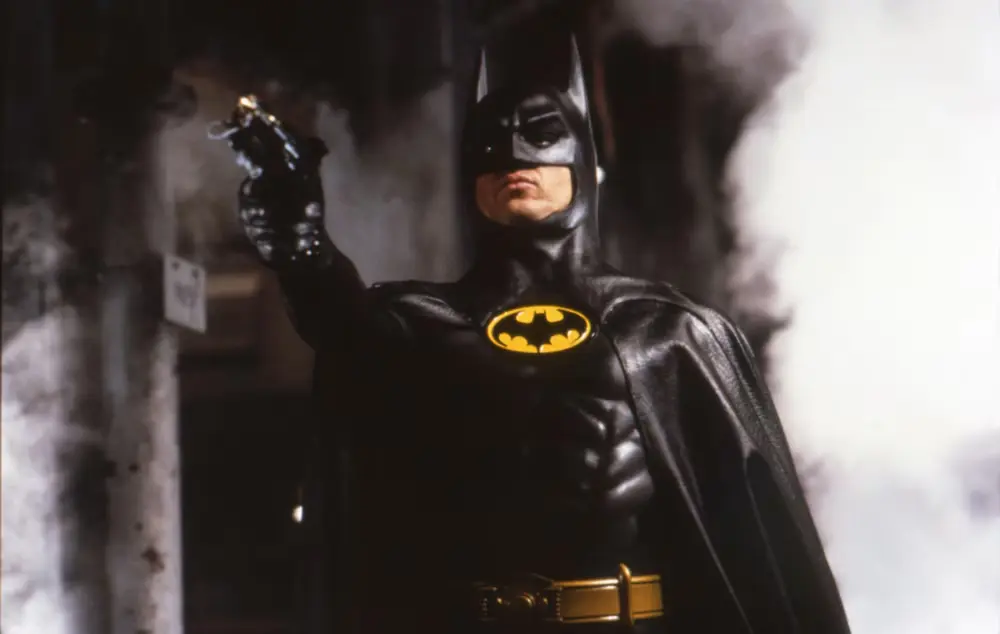
Keaton first donned the cowl in ‘Batman’ and ‘Batman Returns’, later returning to the role in ‘The Flash’. The character’s tools—grapnels, vehicles, and suit variations—act as consistent markers across productions with different directors and aesthetics. The portrayal ties into Gotham’s institutions, vigilantism frameworks, and the character’s public-versus-private identity challenge.
Keaton’s return involved inter-continuity storytelling that acknowledged alternate timelines while preserving familiar Bat-technology conventions and detective methods. The depiction connects with supporting figures and legacy antagonists through references, design motifs, and operational patterns established in earlier appearances.
Tobey Maguire — Spider-Man/Peter Parker
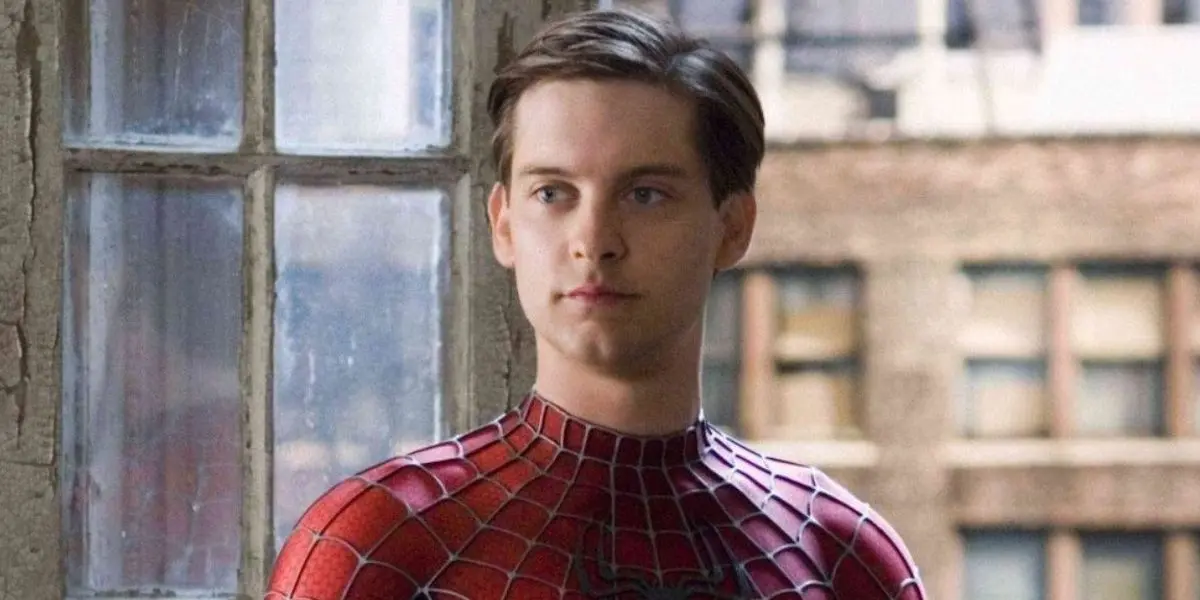
Maguire’s version of the web-slinger began with ‘Spider-Man’ and came back years later through a multiverse crossover in ‘Spider-Man: No Way Home’. His portrayal centers on balancing civilian life with masked responsibilities, showcasing web mechanics, suit variations, and abilities consistent with the character’s core powers.
The multiverse return integrated alternate versions of the hero while keeping Maguire’s continuity intact through callbacks to allies, foes, and formative incidents. Effects work, stunt wirework, and city-scale set-pieces evolved over time, but the portrayal kept recognizable movement vocabulary and problem-solving approaches.
Rowan Atkinson — Mr. Bean
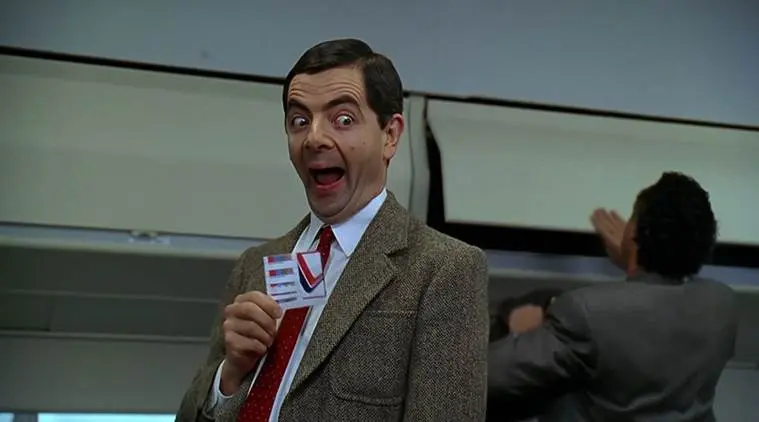
Atkinson’s largely nonverbal character originated on television in ‘Mr. Bean’, crossed into films like ‘Bean’ and ‘Mr. Bean’s Holiday’, and continued in specials and live sketches. The portrayal relies on physical comedy structure, recurring props, and a consistent wardrobe—most notably the suit, tie, and distinctive car—providing continuity across formats.
The character’s scenarios usually place Bean in everyday settings with escalating complications, and Atkinson kept the performance anchored in mime traditions and precise timing. Even with long gaps between appearances, the show’s visual grammar and the character’s behavioral patterns remained intact.
Eddie Murphy — Axel Foley
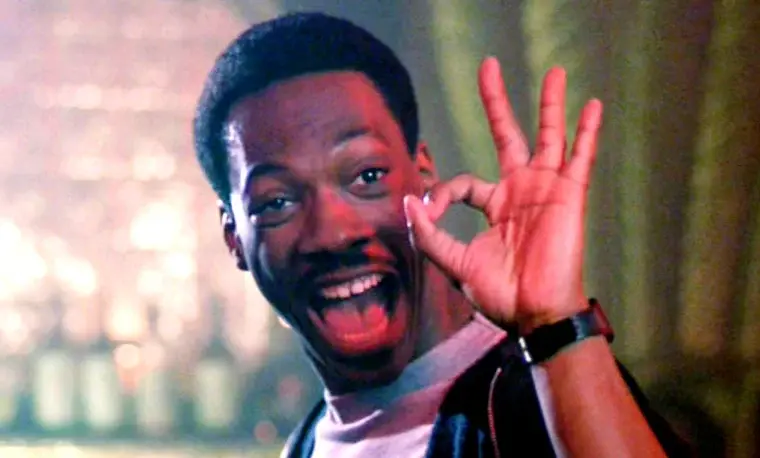
Murphy debuted the Detroit detective in ‘Beverly Hills Cop’ and returned in ‘Beverly Hills Cop: Axel F’. The character’s investigative style mixes improvisational bluffing with procedural know-how, often moving between jurisdictions while navigating departmental politics and local partnerships.
The later installment re-connected Foley with familiar locations, allies, and law-enforcement structures, updating technology and tactics while preserving the character’s approach to undercover work and interrogation. The series maintained musical motifs, vehicular chases, and fish-out-of-water dynamics as through-lines.
Mark Hamill — Luke Skywalker
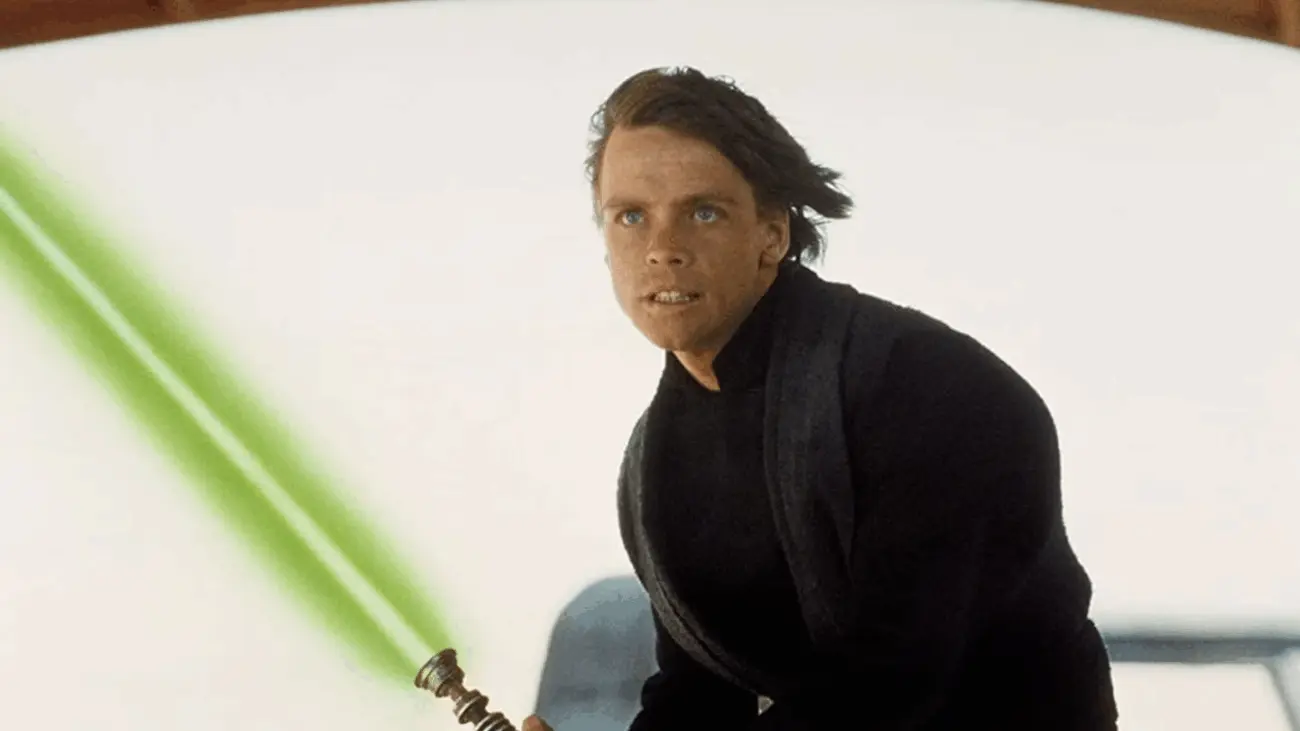
Hamill’s Jedi Knight first appeared in ‘Star Wars’ and returned in sequel-era films and additional appearances. The character’s path connects training, mentorship, and confrontation with dark-side figures, with recognizable props and disciplines—lightsaber forms, Force techniques, and pilot skills—defining continuity.
Later portrayals addressed the character’s legacy within the larger galactic conflict, reintroducing allies and locations tied to the original journey. Production advances in visual effects and sound expanded the scope while maintaining iconic design language and score motifs associated with the character.
Ewan McGregor — Obi-Wan Kenobi
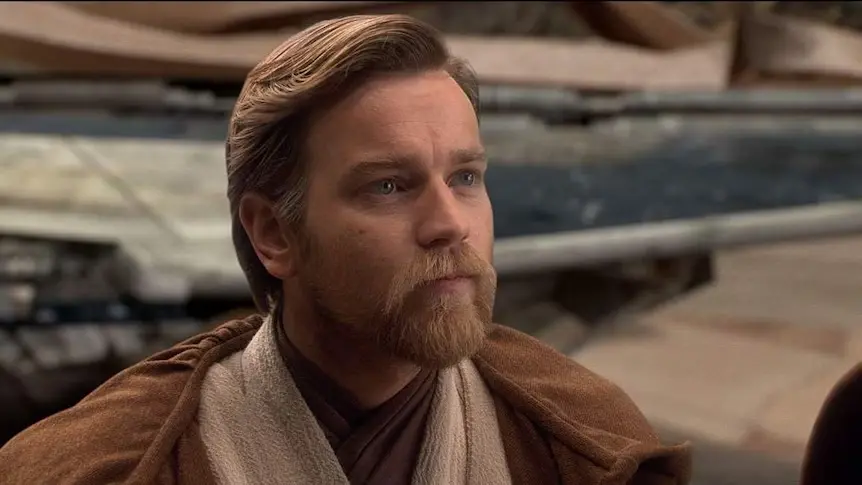
McGregor portrayed the Jedi Master in the ‘Star Wars’ prequels and later headlined the streaming series ‘Obi-Wan Kenobi’. The role covers martial training, diplomatic missions, and mentorship responsibilities, with lightsaber combat and Force applications forming the backbone of the character’s capabilities.
The series return filled narrative gaps between earlier and later eras, reconnecting Obi-Wan with key figures and settings. Costuming, set design, and props linked back to earlier entries, preserving continuity while expanding on the character’s exile period and personal challenges.
Peter Cullen — Optimus Prime (voice)
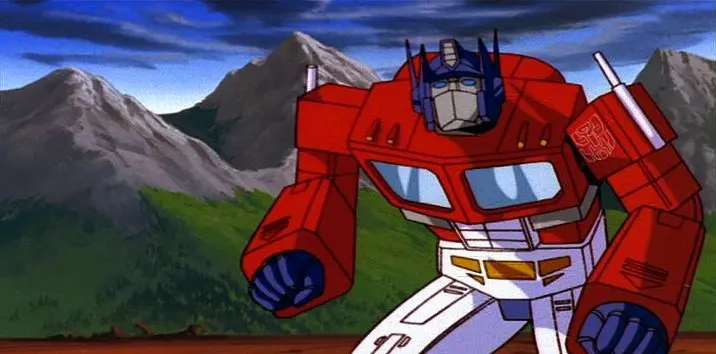
Cullen first voiced the Autobot leader in ‘The Transformers’ animated series before reprising the role in multiple animated projects and live-action films. The character’s vocal identity—measured cadence and command presence—became a primary continuity anchor across reimaginings of the franchise.
As the property moved between animation and live-action, Cullen’s performance bridged shifts in design style, scale of conflict, and technology depiction. The portrayal consistently communicated leadership themes, code of conduct, and alliance structures, tying new stories to the brand’s earliest iterations.
Anthony Daniels — C-3PO
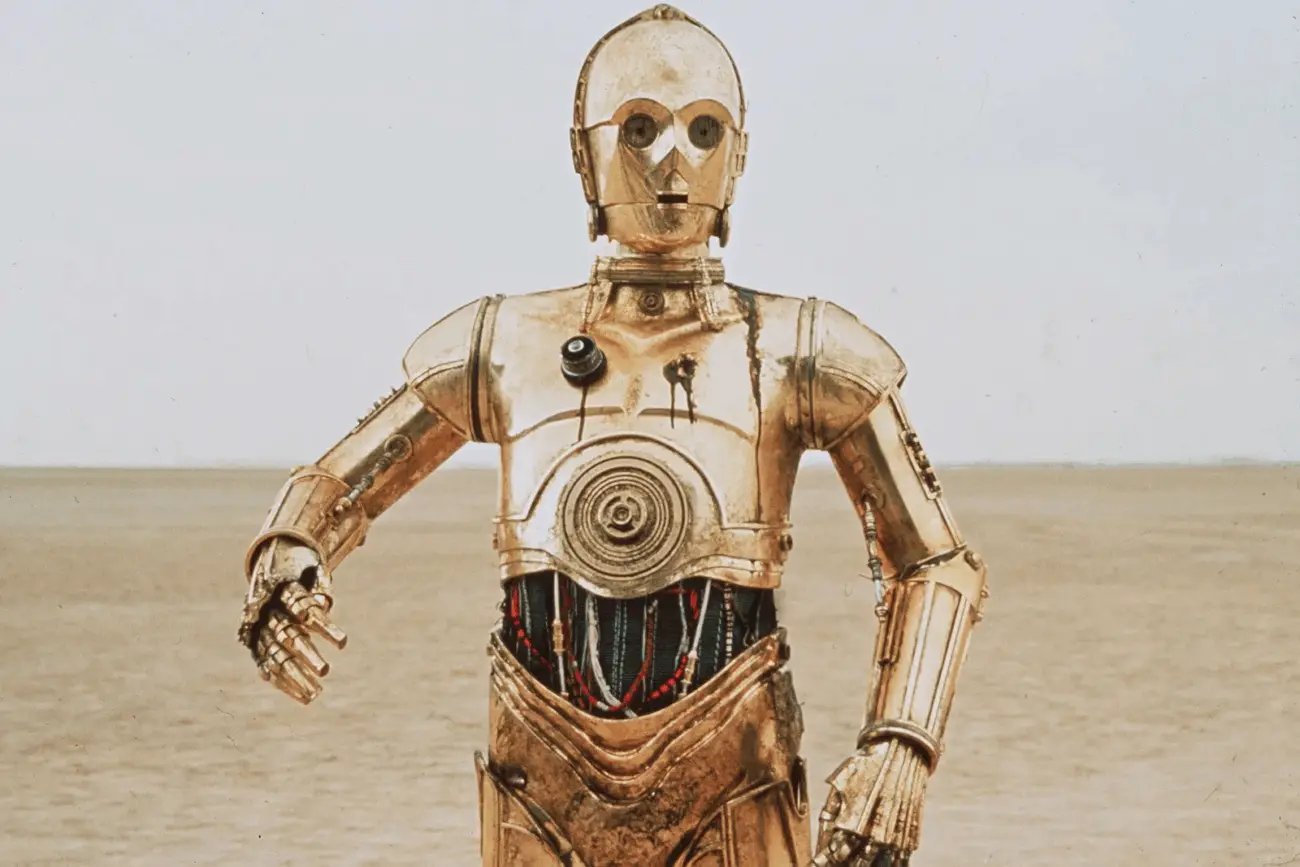
Daniels first portrayed the protocol droid in ‘Star Wars’ and kept returning across theatrical films, animated projects, and other canonical appearances, maintaining the character’s etiquette programming, translation functions, and partnership with astromech units. His performance—inside a physical suit for live-action and as a voice in animation—preserved consistent speech patterns and formal address that link storylines spanning multiple eras and production styles.
As the franchise moved through different directors and formats, Daniels’s continuity helped thread recurring organizations, spacecraft, and droid-human interactions across installments. The portrayal kept recognizable design features—gold plating, photoreceptors, and paneling—while aligning with evolving effects workflows, from practical suit construction to digital compositing and sound design.
What other ultra-long runs did we miss—drop your picks in the comments.