The Worst Rom-Coms of All Time



Romantic comedies are supposed to be fizzy, feel-good escapes, but every once in a while they crash so loudly that they become cautionary tales. The titles below are frequently cited for poor critical reception, awkward executions of the genre, and underwhelming or disproportionate box office results. To keep this list grounded, each pick includes verifiable details about its production, release, and reception.
To compile it, we looked at widely referenced rundowns of maligned rom-coms, individual film pages with critic scores and synopses, box-office ledgers, and—when applicable—the Golden Raspberry Awards (the “Razzies”), which catalog the industry’s most notorious misfires. Where it helps, you’ll also see facts about ensemble casts, distributors, and the awards these movies actually won—just not the kind they dreamed of.
‘Gigli’ (2003)

Directed by Martin Brest and starring Ben Affleck and Jennifer Lopez, ‘Gigli’ blends romance with a crime-kidnapping plot built around a low-level mob enforcer and an independent contractor thrown together on a job. Columbia Pictures and Revolution Studios released it, with a theatrical run cut short after a steep second-weekend drop and rapid theater attrition. Reported budget figures and production infighting have been documented in trade coverage and archives.
The film’s critical reception was exceptionally poor, and it became a high-profile box-office bomb. It posted about $7.2 million worldwide against a budget reported in the tens of millions and subsequently swept multiple Razzie categories, including Worst Picture, Worst Actor, and Worst Actress.
‘The Hottie & the Nottie’ (2008)
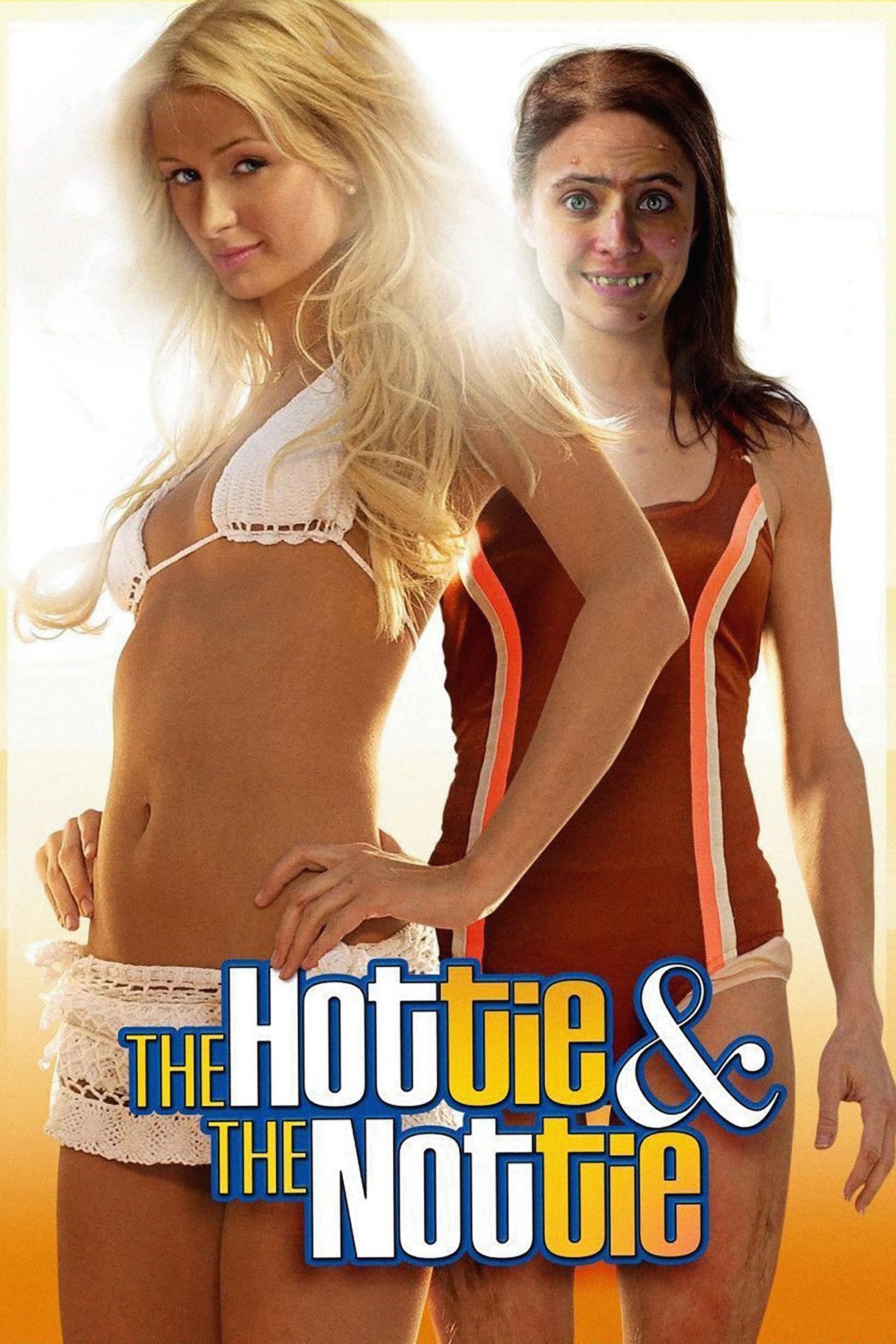
Paris Hilton headlines ‘The Hottie & the Nottie,’ a Los Angeles-set rom-com built around a man who must find a match for his dream girl’s best friend before he can date her. The project was produced under Hilton’s banner alongside independent outfits and was distributed by Regent Releasing after a modest stateside rollout.
The movie was a commercial and critical failure, recording roughly $1.6 million worldwide with an extremely small domestic tally and earning one of the lowest aggregated critic scores among studio-released rom-coms. Hilton received a Razzie for Worst Actress, one of several citations tied to the film’s reception.
‘From Justin to Kelly’ (2003)
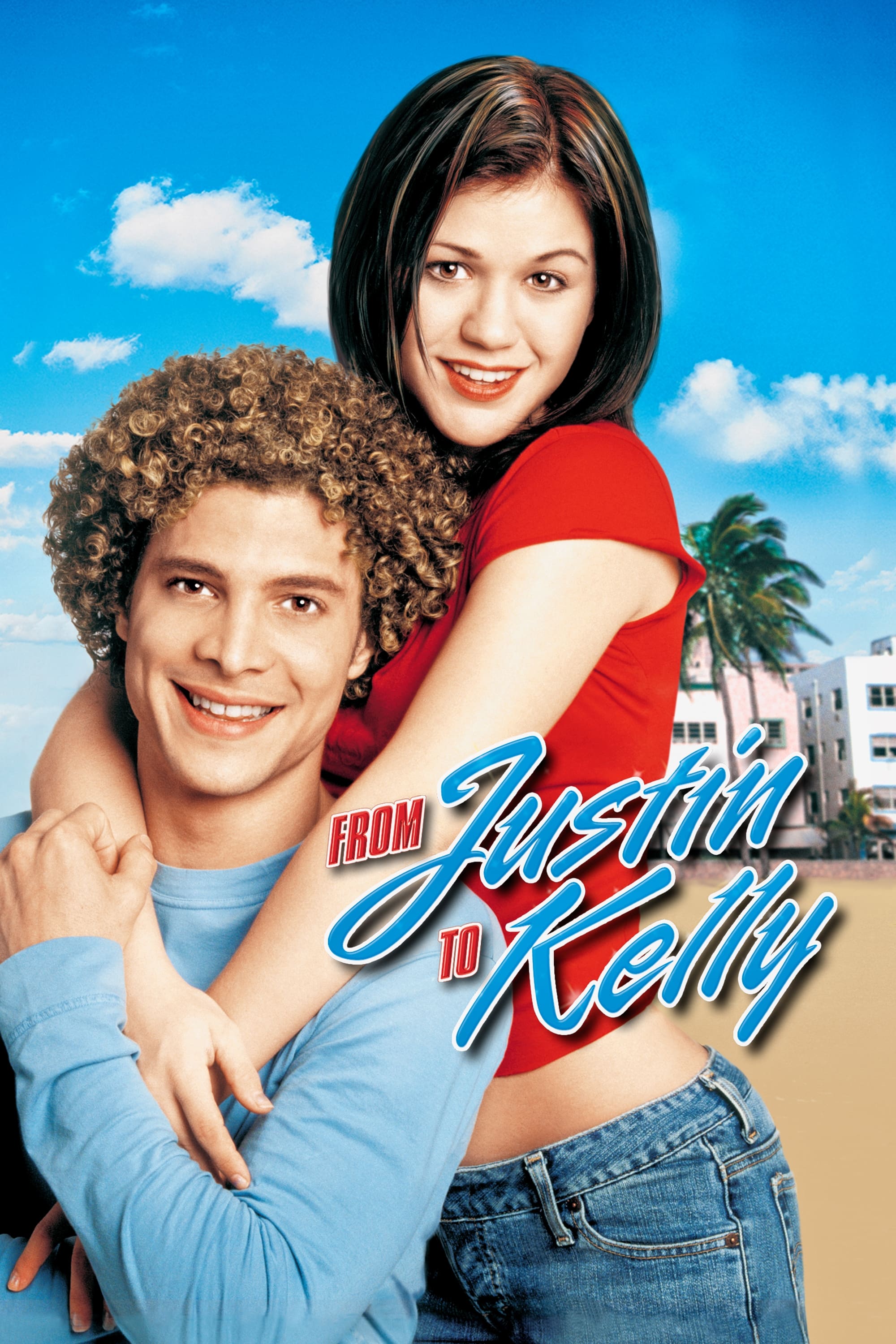
Starring ‘American Idol’ alumni Kelly Clarkson and Justin Guarini, ‘From Justin to Kelly’ is a beach-party musical rom-com about spring-break meet-cutes and dance-off detours. It was positioned as a cross-promotional theatrical release capitalizing on the TV show’s momentum, with 20th Century Fox handling distribution.
The film fared poorly with critics and audiences and posted a worldwide gross under $5 million. It also became a Razzie magnet, drawing multiple nominations and receiving special recognition for its choreography among the “worst” citations.
‘All About Steve’ (2009)
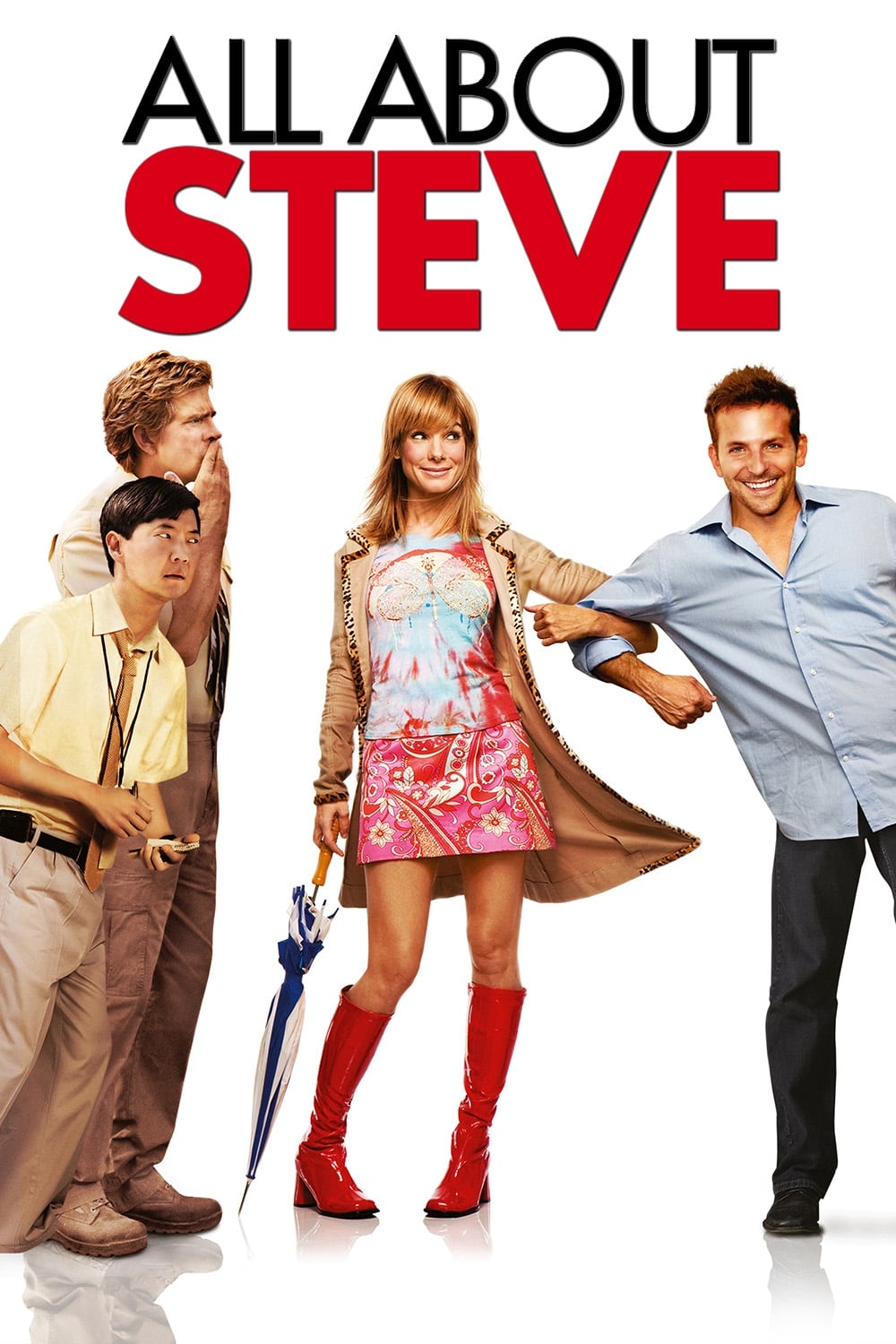
‘All About Steve’ pairs Sandra Bullock and Bradley Cooper in a story about a socially awkward crossword constructor who fixates on a cable-news cameraman, following him across assignments. 20th Century Fox distributed the film wide in North America, where it nonetheless generated a sizable opening before tapering off during its run.
The film’s reception was strongly negative, and it later became notable at awards time for a different reason: Bullock personally accepted Razzies for Worst Actress and Worst Screen Couple. Contemporary coverage and award records confirm the wins and their unusual juxtaposition with her Oscar season.
‘The Love Guru’ (2008)
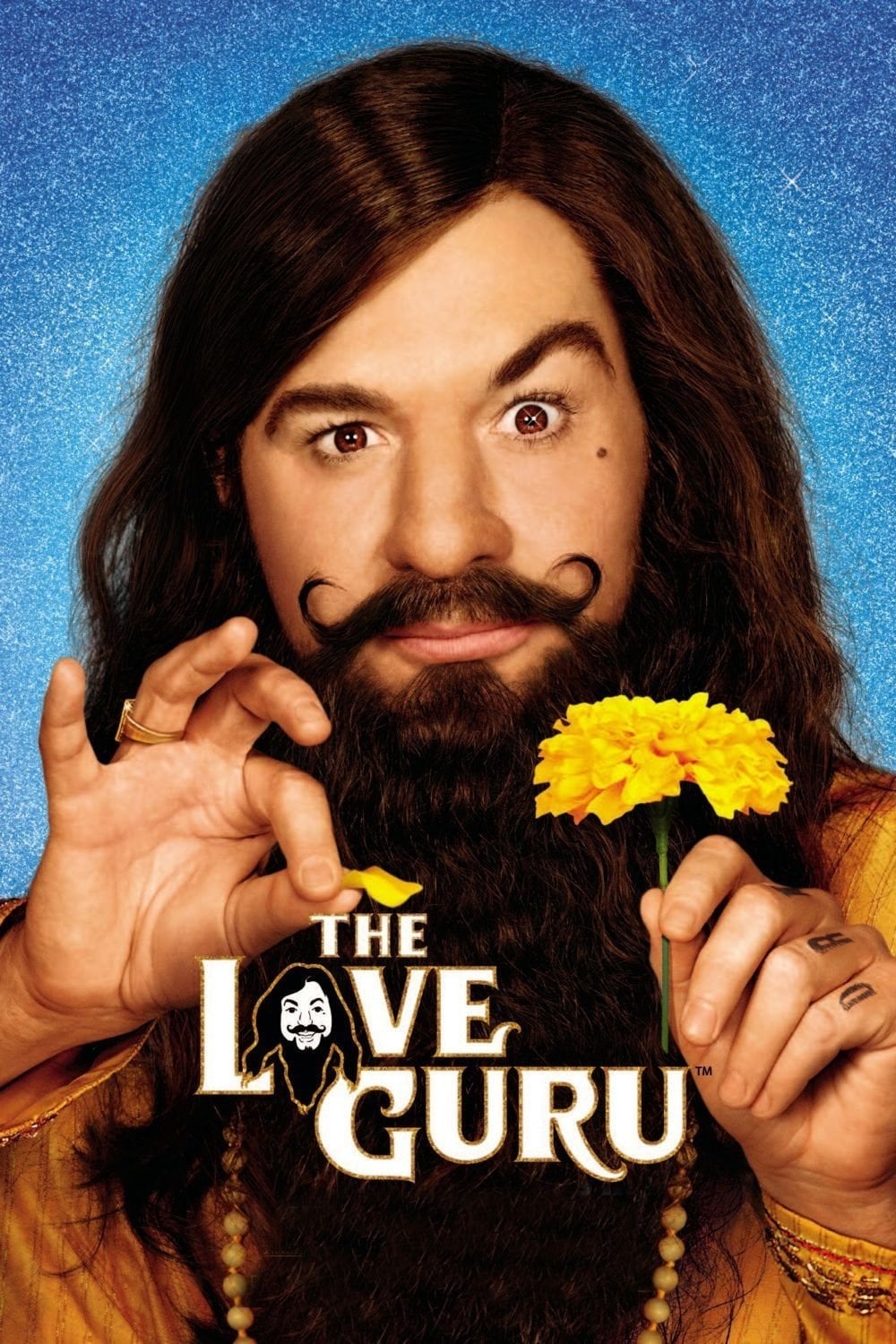
Mike Myers returned to headline and co-write ‘The Love Guru,’ which centers on a self-help spiritualist enlisted to fix a hockey star’s relationship woes. Paramount handled the release, and the production featured a sports-comedy frame with a conventional romantic subplot and ensemble support from Jessica Alba and others.
Critically, the movie struggled and was singled out by the Razzies, where it won Worst Picture, Worst Actor, and Worst Screenplay. At the box office, it finished with about $40.9 million worldwide, well below many mainstream studio rom-coms of its era.
‘Good Luck Chuck’ (2007)
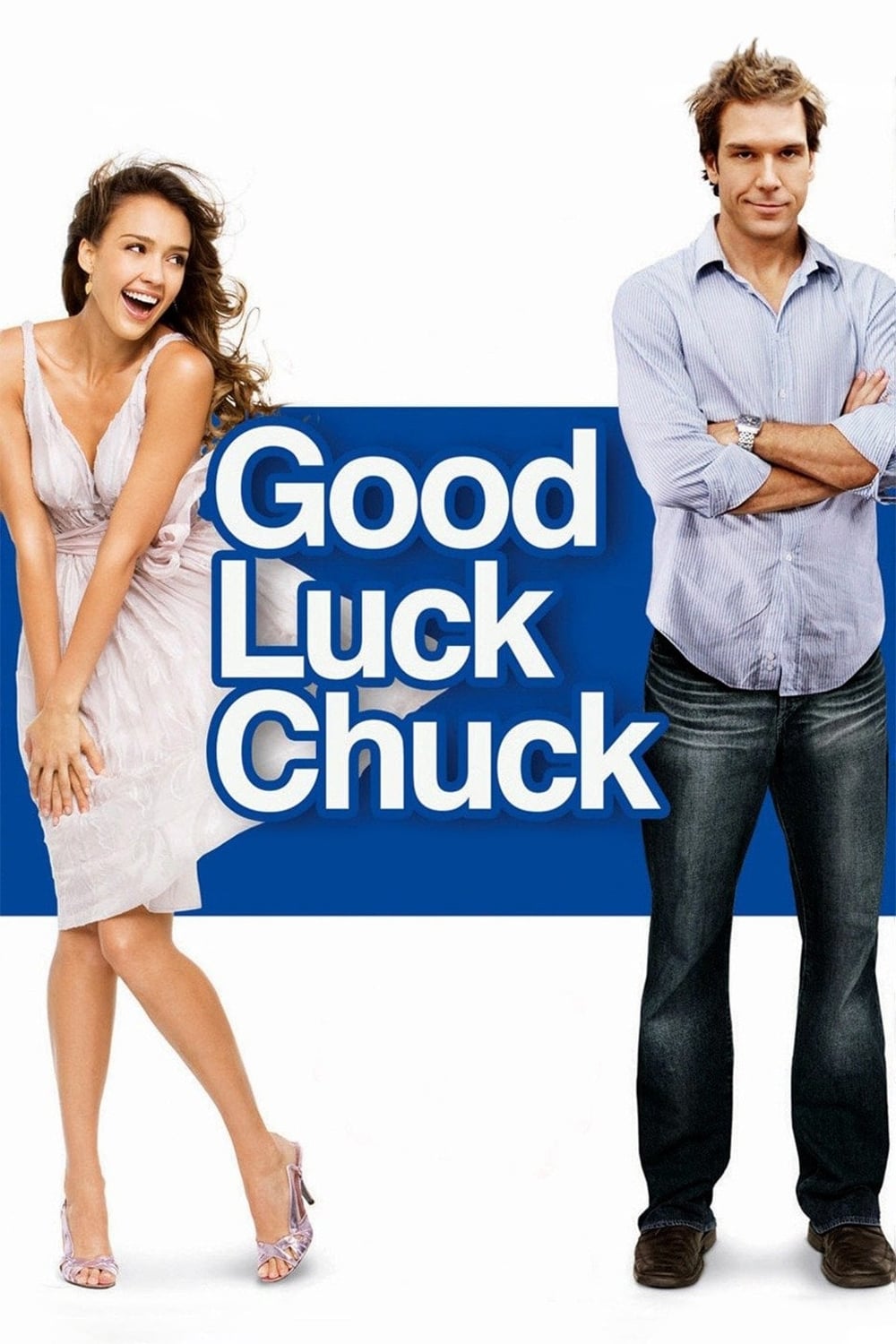
‘Good Luck Chuck’ stars Dane Cook as a dentist who becomes a supposed good-luck charm for women seeking “the next guy,” with Jessica Alba playing the woman he wants to actually keep. Lionsgate opened the movie wide with a traditional marketing push and the familiar “curse” hook used in trailers and taglines.
Reviews were overwhelmingly negative, citing content issues across major outlets, while the film still managed to gross about $59.8 million worldwide from a strong opening weekend. It also drew Razzie nominations connected to Alba’s performance and the on-screen pairing.
‘Little Italy’ (2018)
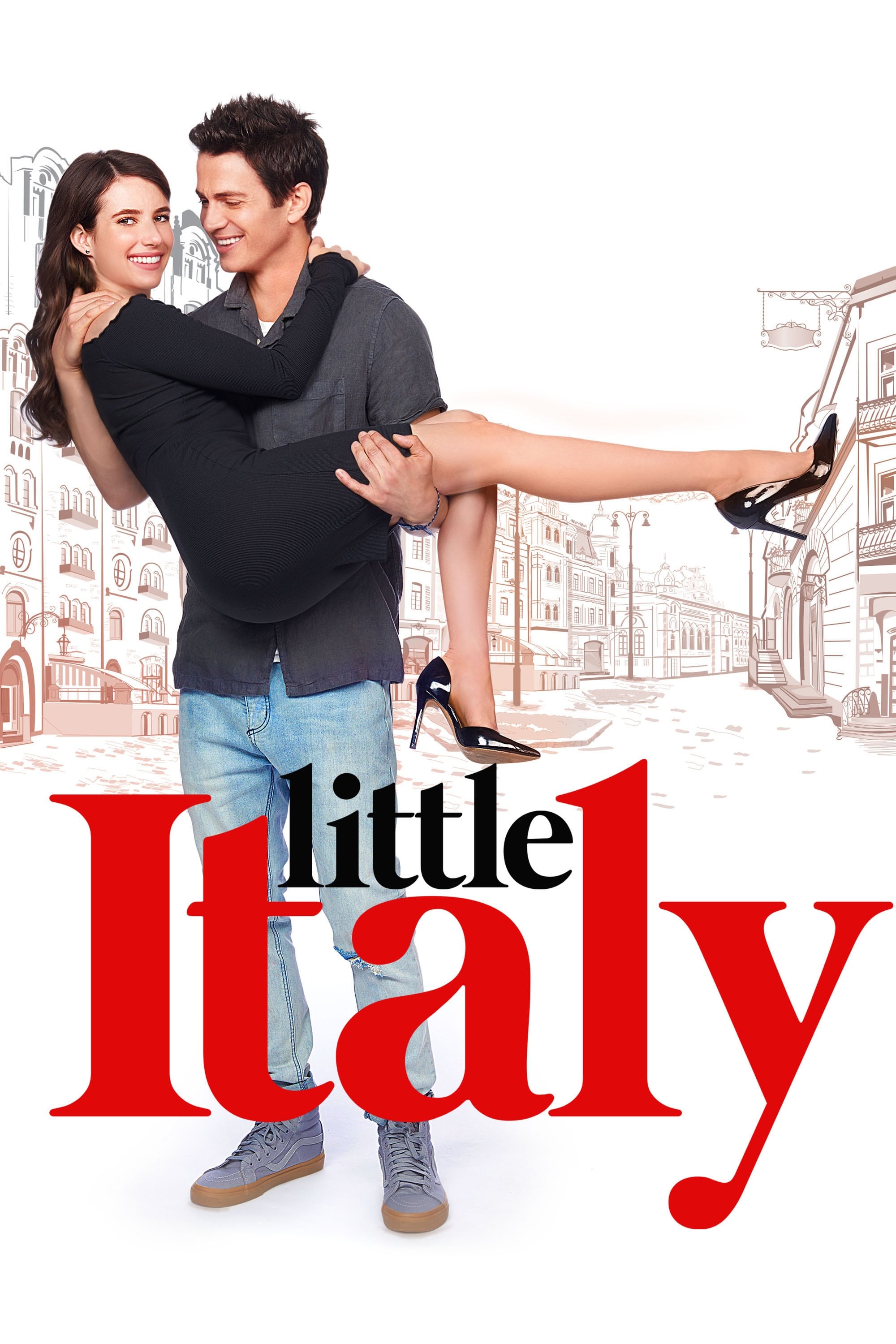
Emma Roberts and Hayden Christensen headline ‘Little Italy,’ a Toronto-shot rom-com about rival family pizzerias and an against-the-odds romance. The movie had a limited theatrical footprint before pivoting to home entertainment markets, which is reflected in the scant domestic theater data and reliance on ancillary sales.
Critically, the film was widely panned and shows a low aggregated score on review trackers. Its recorded worldwide theatrical revenue sits in the tens of thousands, with home-video sales documented separately by industry databases.
‘Sex and the City 2’ (2010)

‘Sex and the City 2’ reunites the HBO ensemble for an extravagant globe-trotting sequel built around relationship stresses and a lavish friends’ trip. Warner Bros. rolled out the film globally, and despite the franchise pull, the release quickly attracted intense media scrutiny over tone and creative choices.
The movie’s critical reception was poor across major outlets, yet it ultimately delivered a robust worldwide gross of roughly $290.7 million. At the Razzies, it collected “worst” citations, including an award in the prequel/remake/rip-off/sequel category and a screen-couple/ensemble dishonor.
‘Mother’s Day’ (2016)

Directed by Garry Marshall and featuring a large ensemble cast, ‘Mother’s Day’ interweaves several relationship threads tied to the holiday and familial reconciliation. Open Road Films handled U.S. distribution, and the release strategy mirrored Marshall’s earlier calendar-themed ensemble comedies.
The film’s reviews were largely negative on aggregator sites, while domestic and international grosses totaled about $48.8 million worldwide against a mid-range production budget reported by trade listings. Runtime, format, and box-office specifics are confirmed on studio-tracked pages.
‘Because I Said So’ (2007)
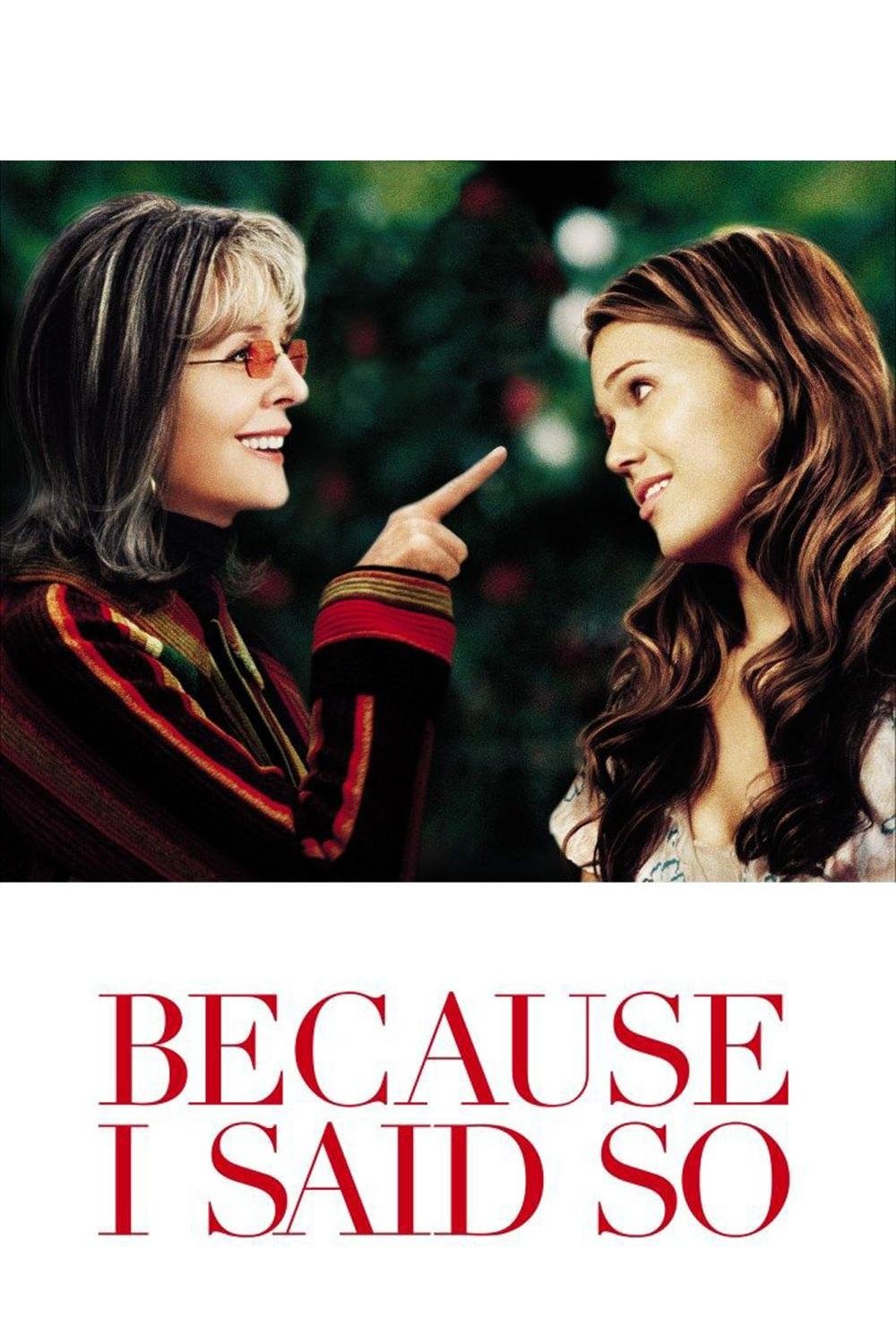
‘Because I Said So’ stars Diane Keaton as an over-involved mother determined to engineer her daughter’s love life, with the plot unfolding through matchmaking schemes and miscommunications. Universal released the film wide in North America, backed by a campaign that leaned into intergenerational comedy.
The film received poor marks from critics but drew an “A” grade from CinemaScore polling and reached over $42 million in domestic grosses. It also figured into Razzie conversations that season with a Worst Actress nomination for Keaton, as documented in news lists of the ballot.
Have a pick you think absolutely belongs (or doesn’t) on this list? Share your thoughts in the comments!