Romance Movies You’re Sleeping On (But Shouldn’t)

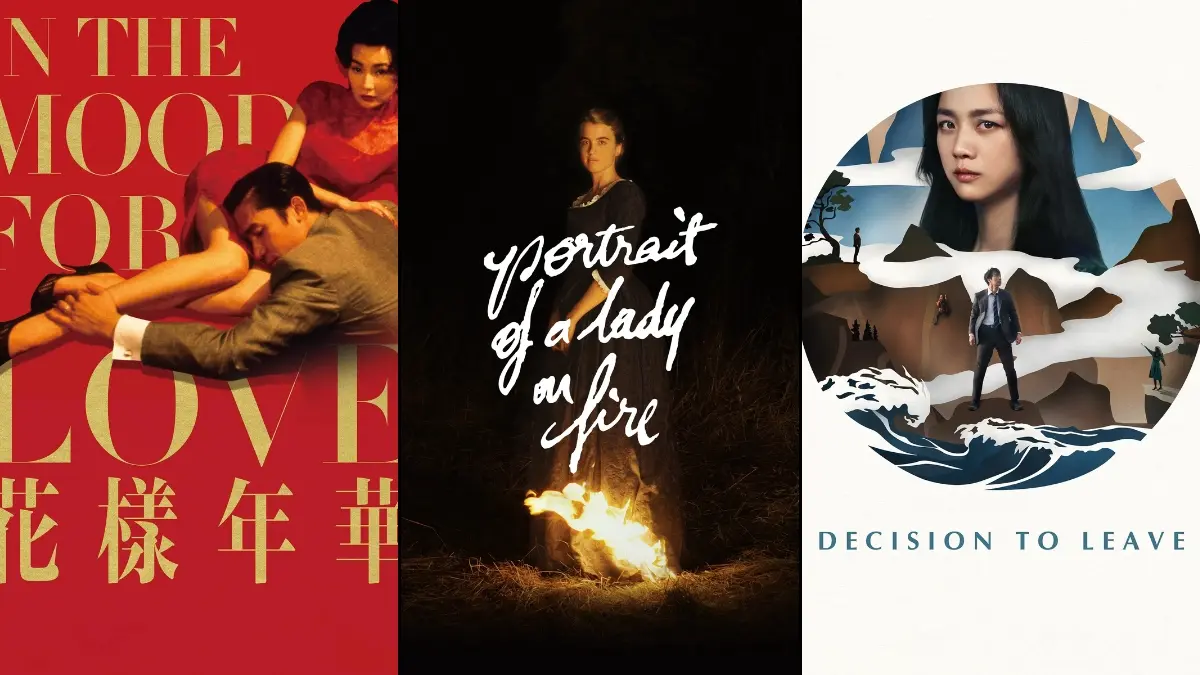

Romance on screen isn’t just candlelit dinners and dramatic speeches; it’s craft decisions, sharp writing, and performances that quietly pull you in. The films below span eras, languages, and styles, but they all share meticulous filmmaking choices—casting that clicks, locations that shape mood, and music that lingers after the credits. If you’ve missed some of these, you’re in for a stack of finely made love stories.
To help you discover what makes each project tick, every entry focuses on concrete details—who made it, how it was put together, where it was set or shot, and how it reached audiences. No hype, just useful context you can use to decide what to watch next.
‘In the Mood for Love’ (2000)
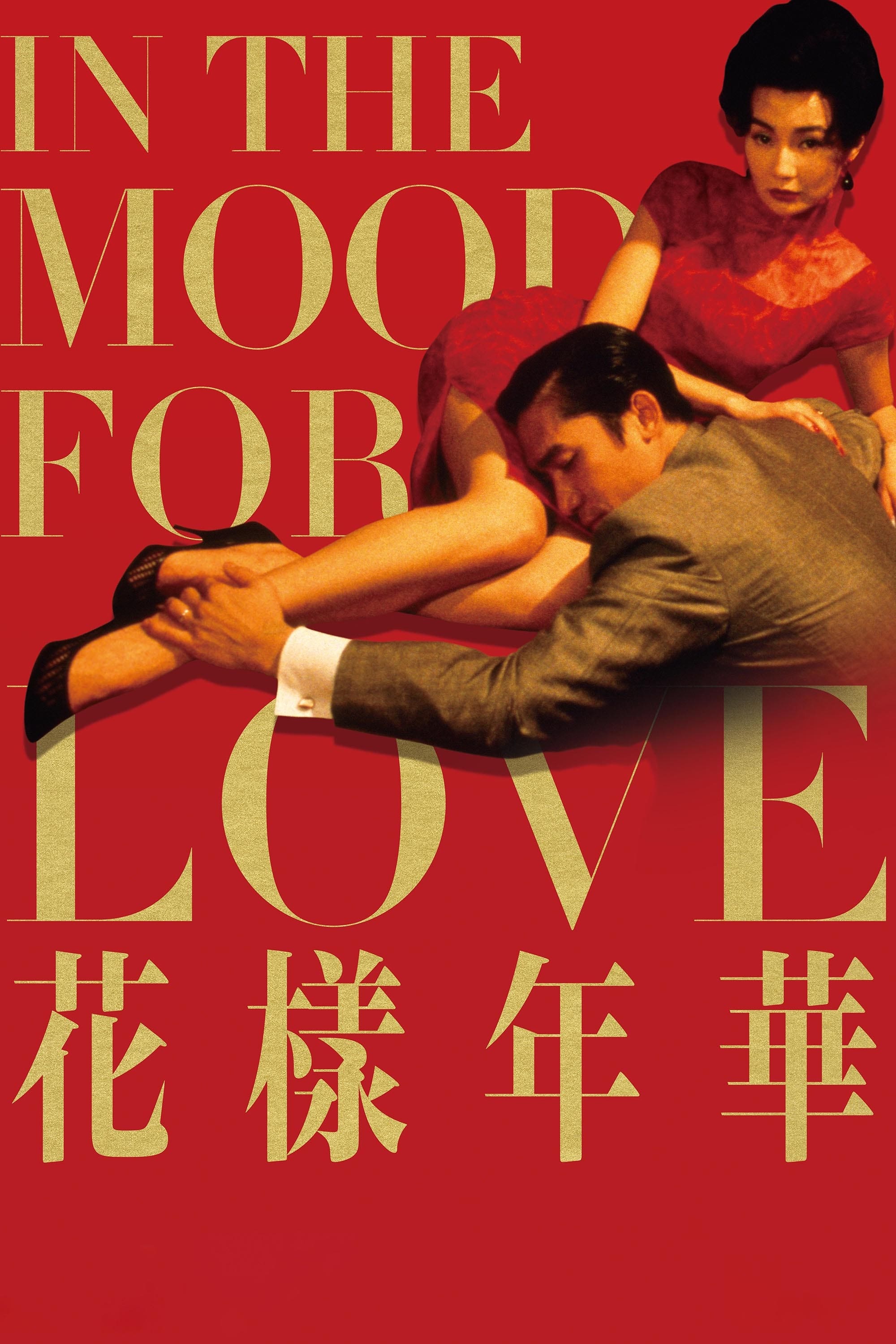
Wong Kar-wai directed this Hong Kong drama with Christopher Doyle and Mark Lee Ping-bing sharing cinematography duties, crafting its signature step-printed slow motion and tight hallway compositions. Maggie Cheung and Tony Leung star as neighbors whose spouses are often away, with production design by William Chang shaping the period apartments, cheongsams, and rain-soaked alleyways that define the film’s look.
The soundtrack blends Nat King Cole’s Spanish-language standards with Michael Galasso’s strings, while Shanghai street foods and cramped noodle shops anchor the setting. The film screened at major festivals, earning acting and technical awards, and has been widely restored for repertory screenings by major archives and boutique distributors.
‘The Handmaiden’ (2016)
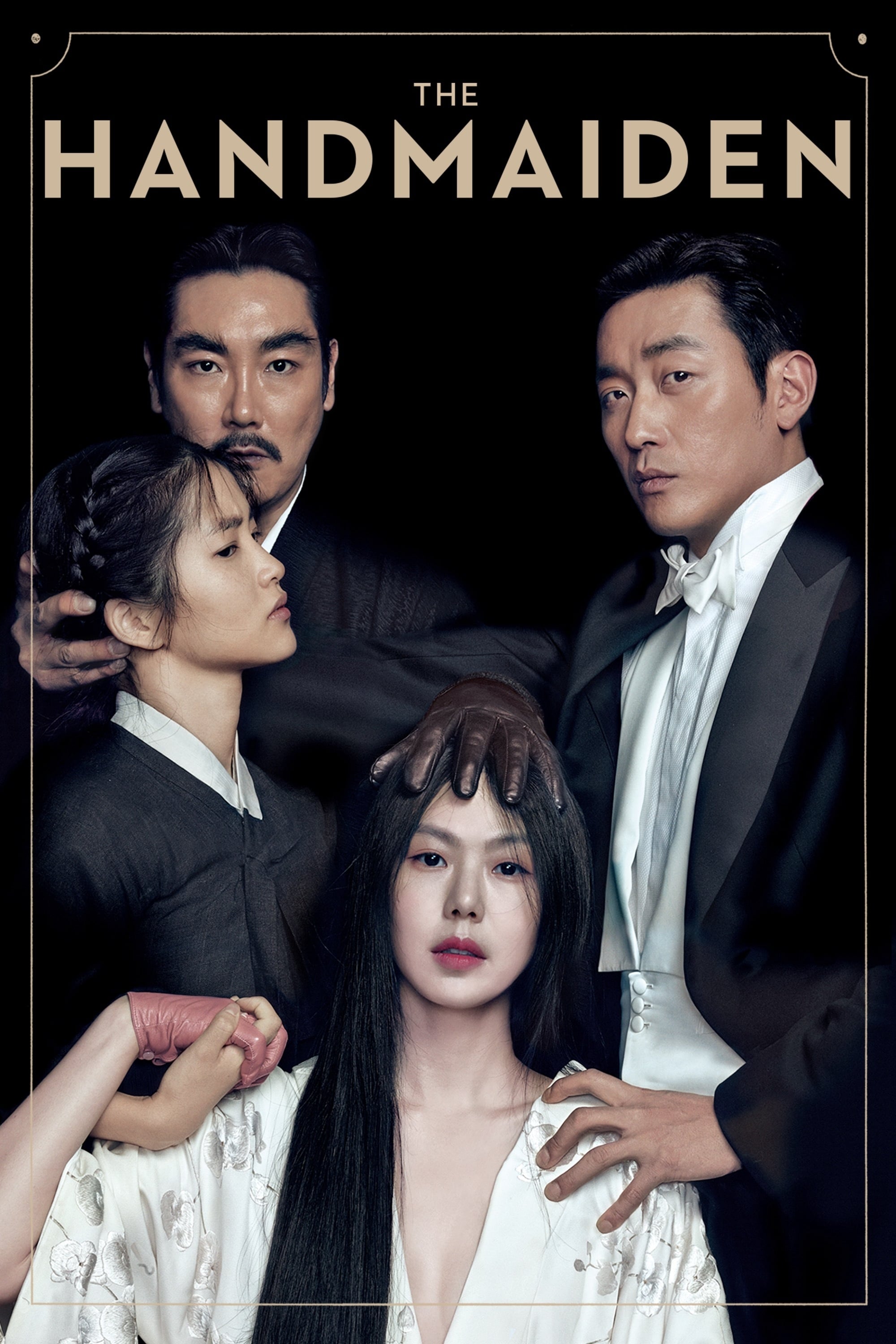
Park Chan-wook adapts Sarah Waters’ novel, relocating the story to occupied Korea and Japan and structuring it across three shifting perspectives. Kim Min-hee, Kim Tae-ri, Ha Jung-woo, and Cho Jin-woong lead the cast, with production design emphasizing libraries, hidden compartments, and hybrid Korean–Western architecture.
Cinematographer Chung Chung-hoon uses precise framing to mirror narrative reversals, while Jo Yeong-wook’s score moves from plucked strings to full orchestration. The release premiered at a top European festival, collected multiple craft prizes, and later received extended-cut screenings and home-video editions with director commentaries.
‘Portrait of a Lady on Fire’ (2019)
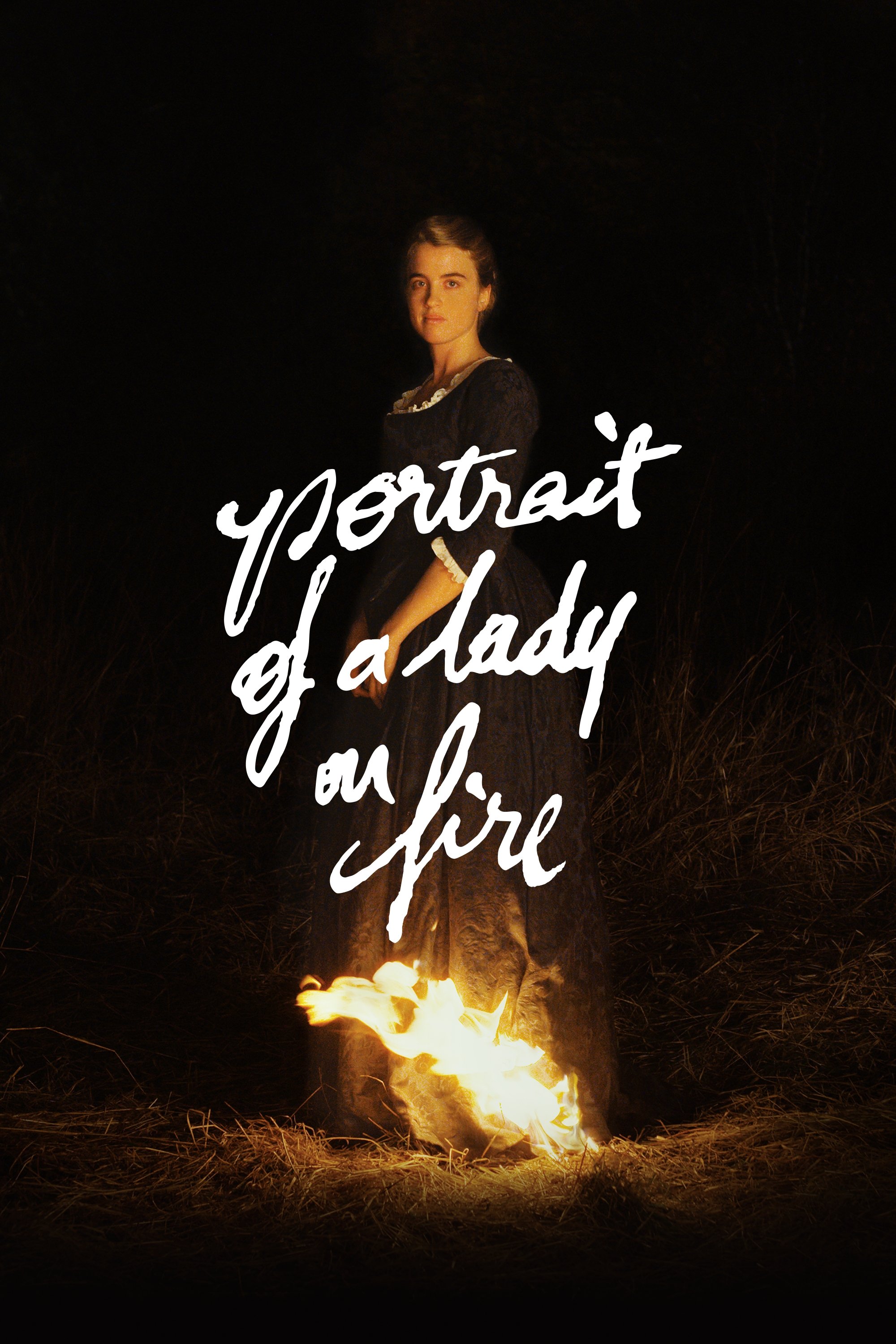
Céline Sciamma’s film features Noémie Merlant and Adèle Haenel in a story set largely on a remote Brittany estate, with Claire Mathon’s natural-light cinematography capturing windswept exteriors and candlelit interiors. Costumes by Dorothée Guiraud and art direction emphasize practical fabrics and period-accurate domestic spaces.
The production employed minimal score, foregrounding diegetic sound—crackling fires, footsteps, and sea wind—until a pivotal choral piece. It premiered on the European festival circuit, where it earned prizes for screenplay and queer cinema, followed by strong specialty theatrical runs and critical year-end citations.
‘Weekend’ (2011)
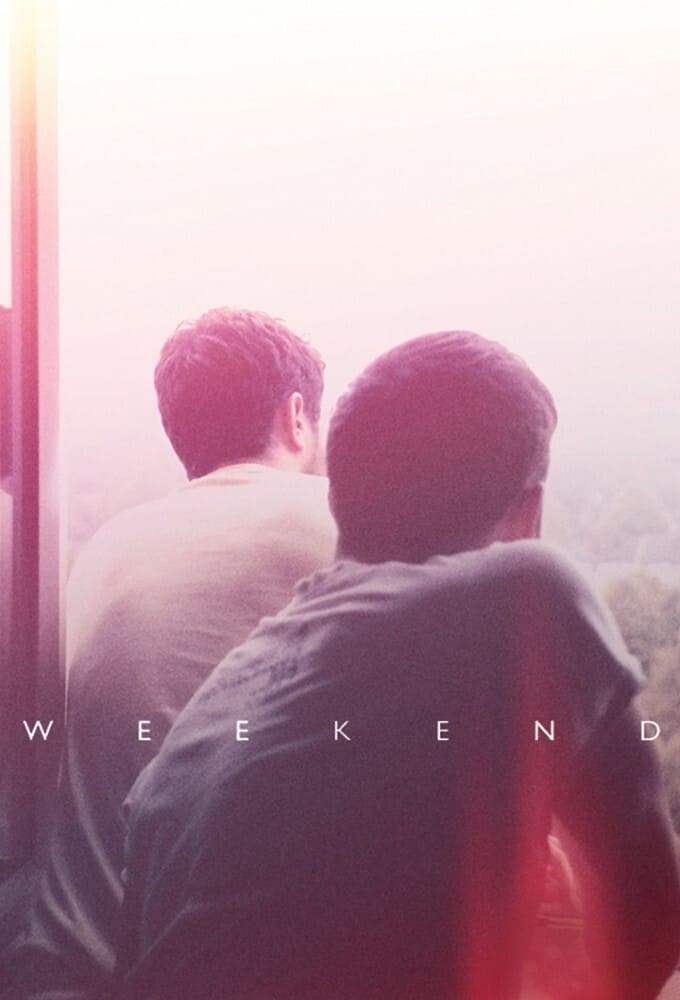
Andrew Haigh wrote and directed this British feature, shot on location in Nottingham with a small crew and naturalistic sound design. Tom Cullen and Chris New give lead performances shaped by improvisational rehearsal, with handheld camerawork and long takes emphasizing conversation and routine.
The film premiered at a prominent SXSW slate and toured LGBT festivals globally, where it won audience and jury awards. Its release strategy combined limited theatrical runs with robust VOD availability, later leading to a boutique-label Blu-ray including a director interview and commentary.
‘The Lunchbox’ (2013)
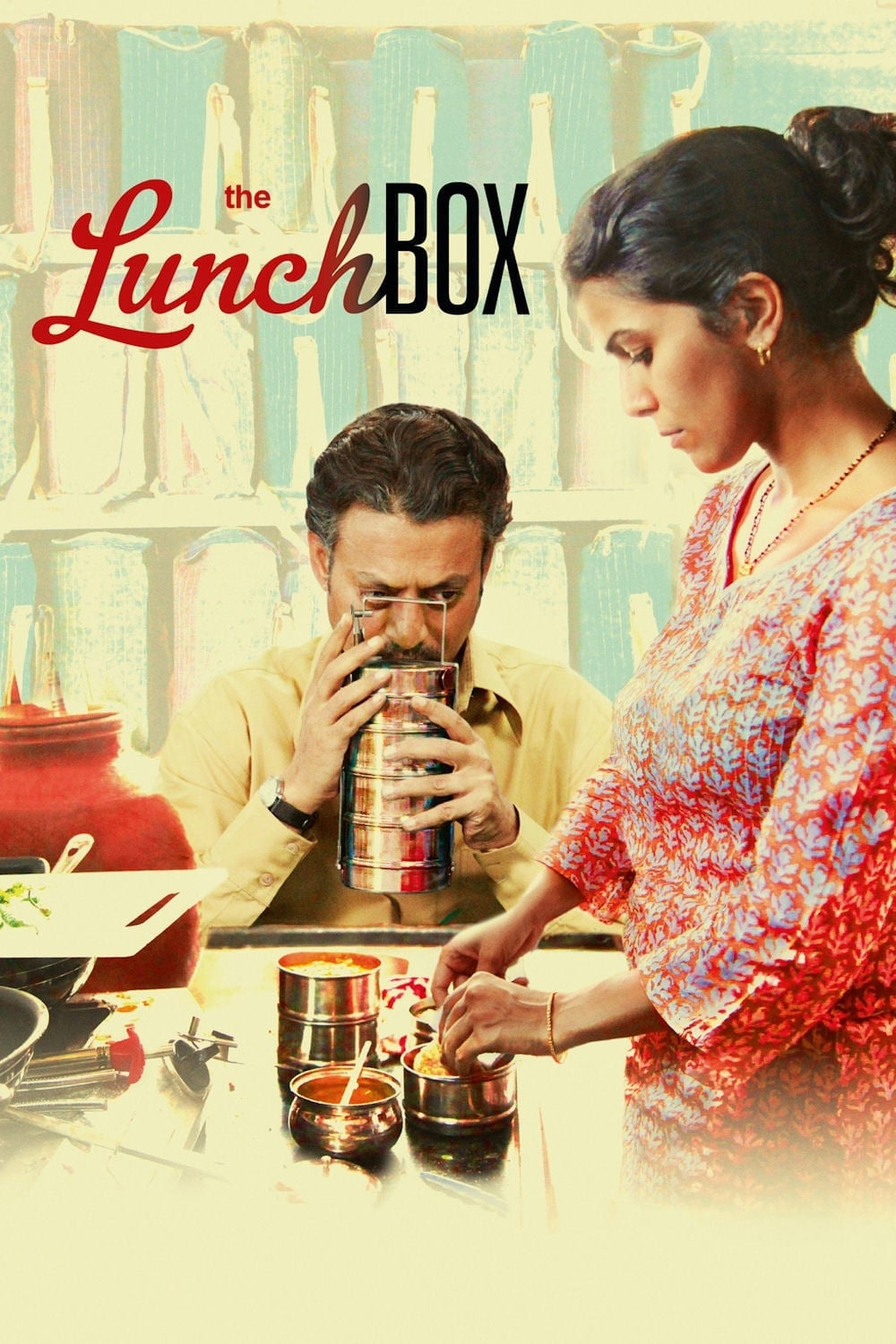
Ritesh Batra’s debut centers on Mumbai’s dabbawala delivery network, a famously accurate lunch system that the production researched extensively. Irrfan Khan and Nimrat Kaur star, with Nawazuddin Siddiqui in a key supporting role, and location shooting capturing commuter trains, office cubicles, and balcony kitchens.
Music by Max Richter adds a restrained melodic thread, while the screenplay uses handwritten notes as a narrative device. The film secured international distribution after a Cannes sidebar premiere and became a crossover success in several territories, particularly in art-house circuits.
‘Carol’ (2015)
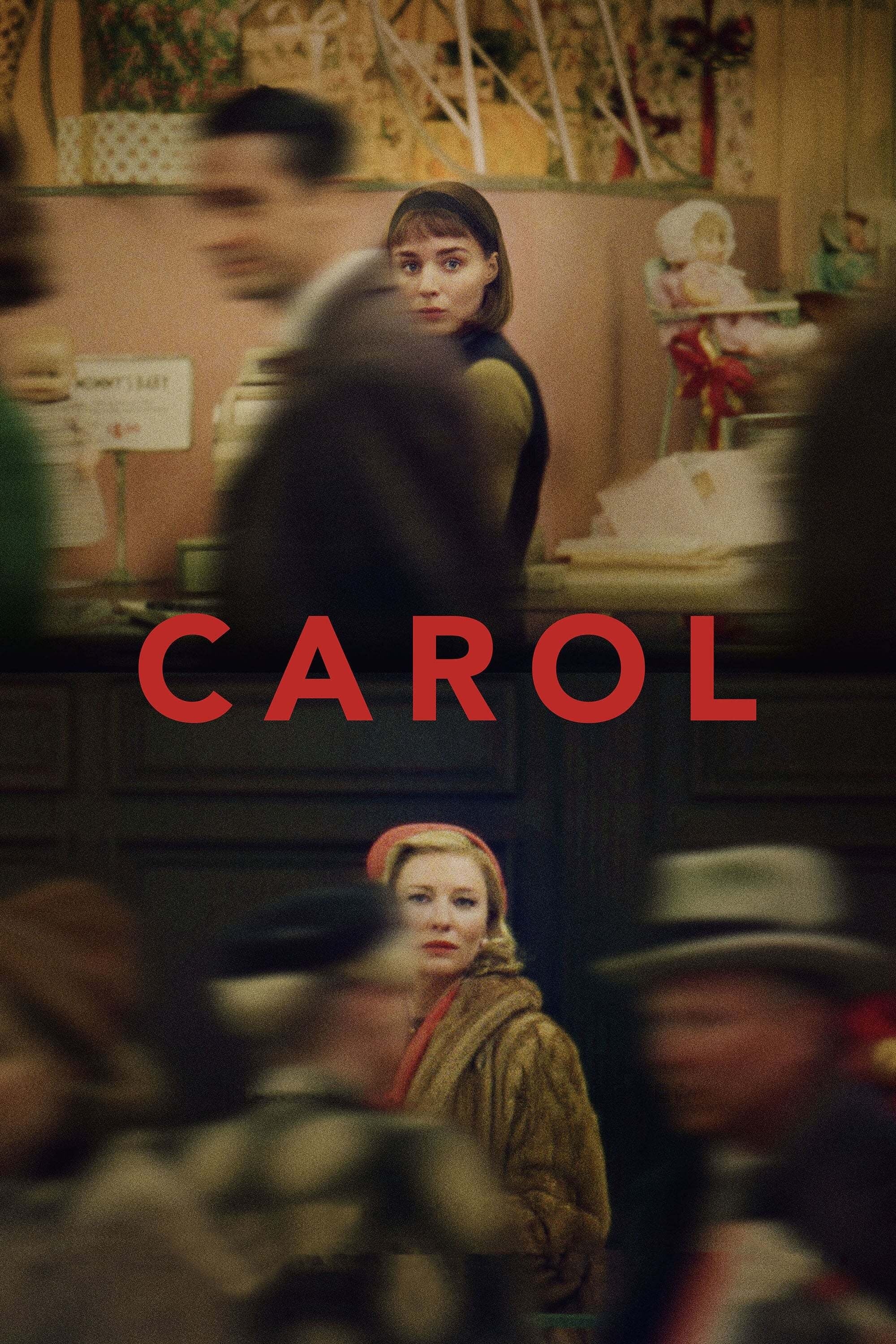
Adapted from Patricia Highsmith’s novel, the film pairs Cate Blanchett and Rooney Mara under director Todd Haynes. Cinematographer Edward Lachman shot on Super 16 to achieve a grainy, period texture, and production designer Judy Becker recreated department-store floors, suburban homes, and road-motel interiors.
Costumes by Sandy Powell became a centerpiece of the film’s visual identity, from tailored coats to knit caps. The project debuted at a major European festival, earned prizes for acting and cinematography across regional critics’ groups, and received multiple guild nominations.
‘Once’ (2007)

John Carney’s microbudget musical stars Glen Hansard and Markéta Irglová and was filmed on Dublin streets using available light and a lean crew. Several songs, including “Falling Slowly,” were written and performed by the leads, recorded with a stripped-down approach that matched the production’s scale.
The film premiered at Sundance, where it secured distribution, and built word-of-mouth through limited runs and soundtrack sales. Its success led to a long-running stage adaptation, and the original feature has since received remasters for streaming and physical media.
‘Like Crazy’ (2011)
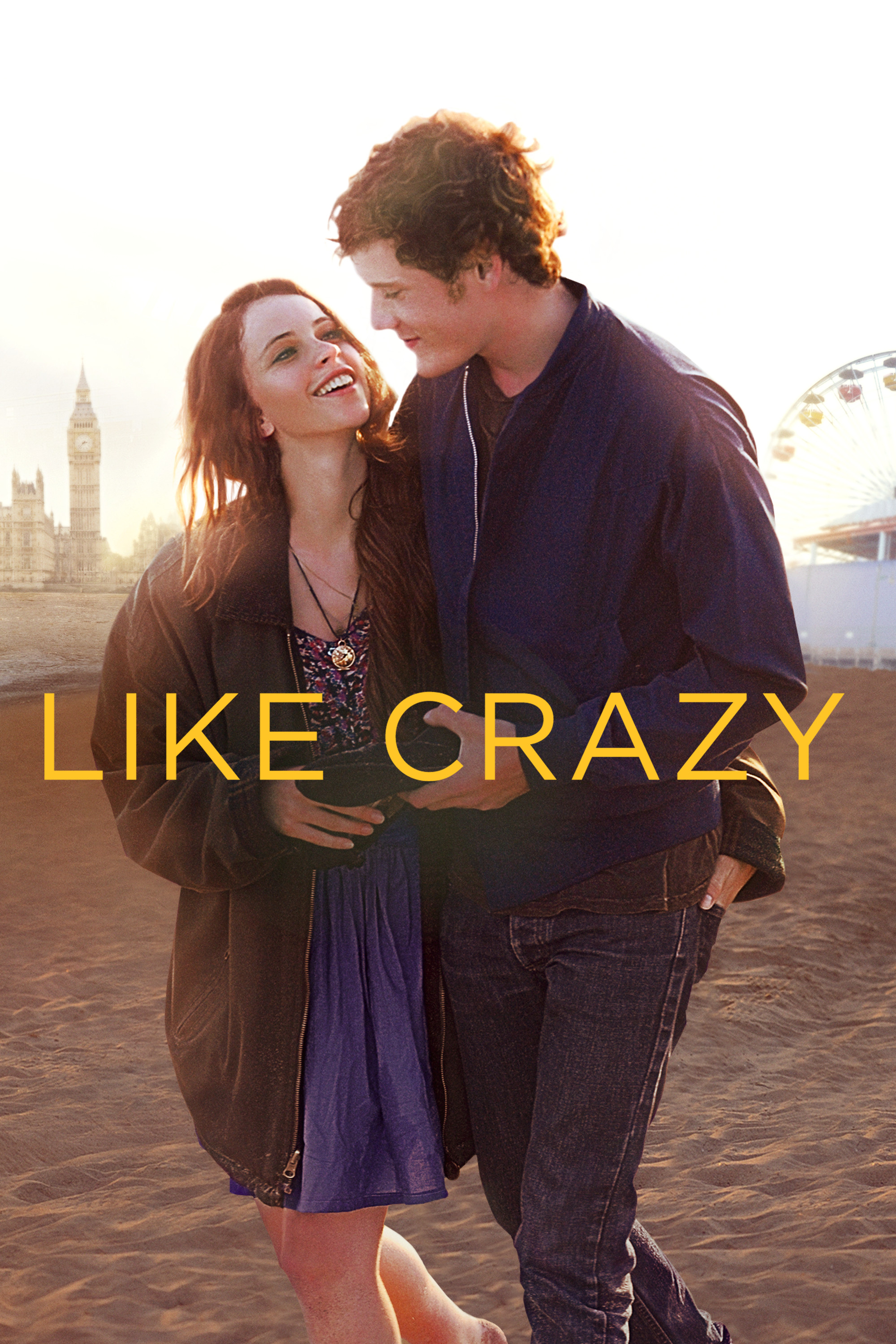
Directed by Drake Doremus, this long-distance relationship drama was shot with extensive improvisation guided by a detailed outline rather than a traditional locked script. Felicity Jones and Anton Yelchin star, with cinematography by John Guleserian using shallow focus and tactile close-ups.
The film’s festival journey included a Grand Jury Prize for dramatic competition, followed by a theatrical release that emphasized campus towns and urban art-house venues. A soundtrack mixing original score and indie tracks underscores the shifting time zones and visa hurdles central to the plot.
‘Blue Jay’ (2016)
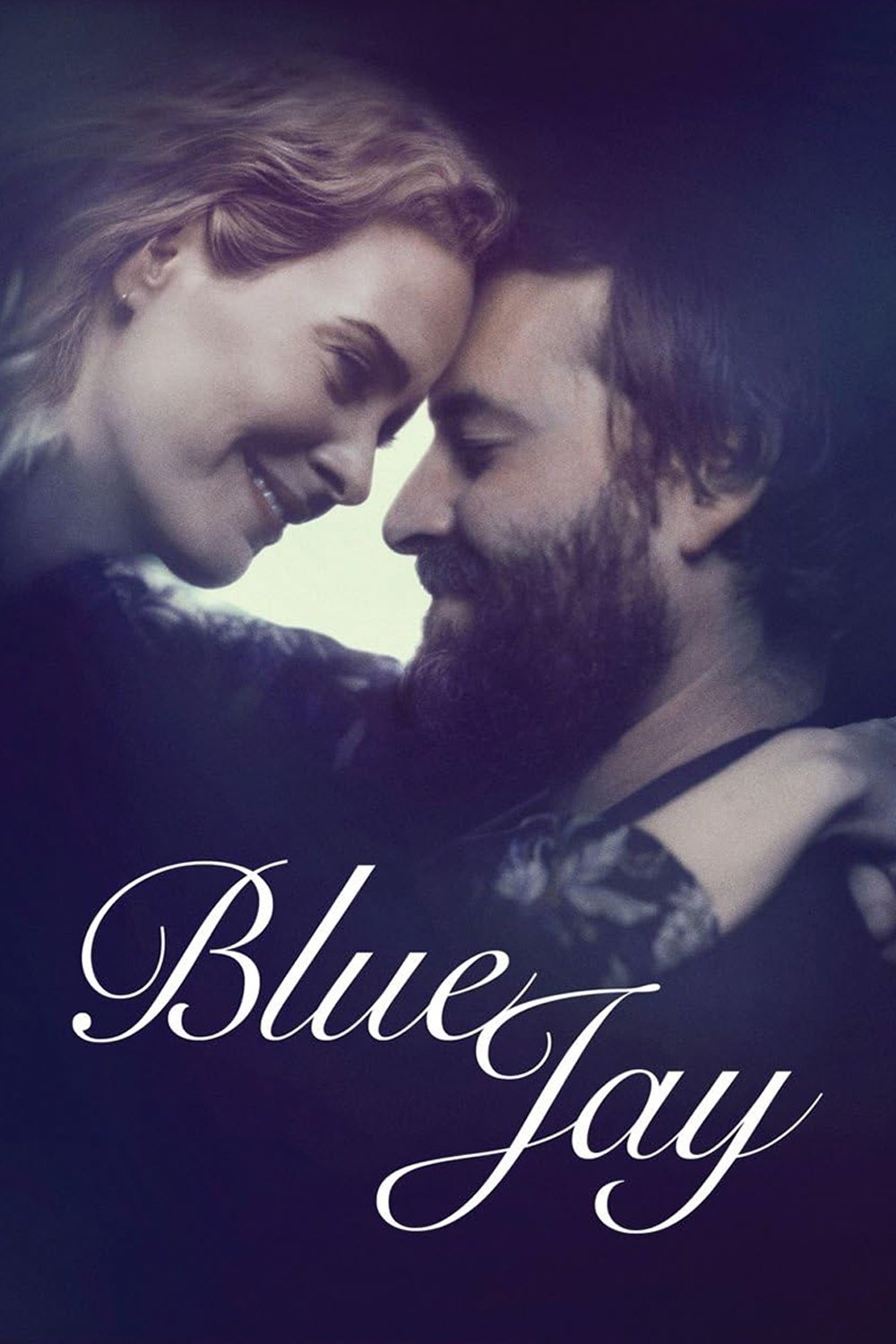
Alex Lehmann directed from a screenplay by Mark Duplass, with black-and-white cinematography and a two-hander structure anchored by Duplass and Sarah Paulson. The production used a small crew, minimal locations in California, and extended takes to capture conversational rhythms.
The film premiered in a festival known for independent features and was later acquired by a major streaming service, reaching audiences primarily through digital release. Special features on home media highlight the collaborative writing process and the decision to use monochrome to unify the film’s visual tone.
‘About Time’ (2013)
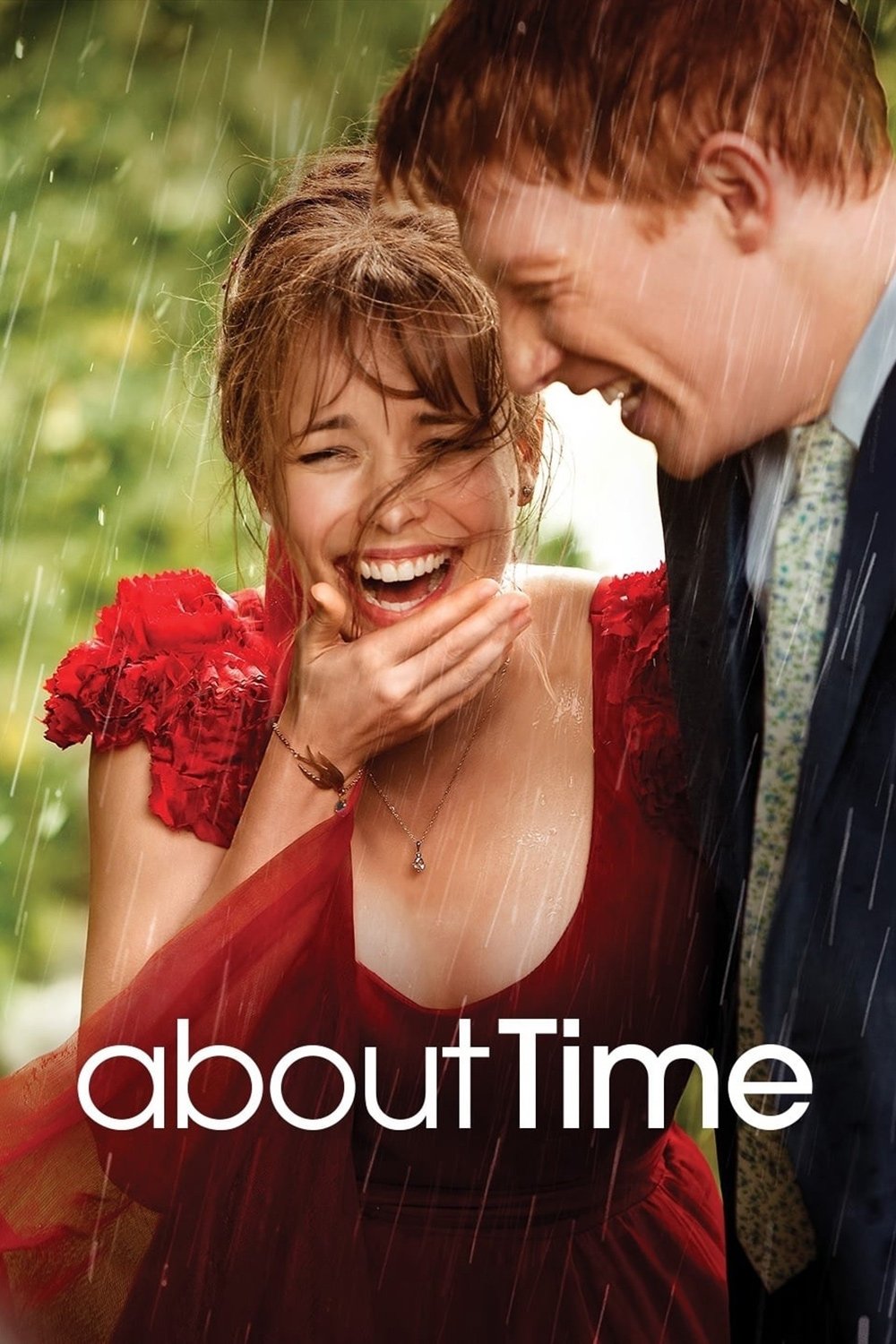
Richard Curtis wrote and directed this London-and-Cornwall-set romance with a time-bending premise, starring Domhnall Gleeson and Rachel McAdams. Cinematographer John Guleserian emphasizes warm interiors and seaside exteriors, and Nick Laird-Clowes contributed the score alongside curated needle drops.
The production includes locations such as St. Michael’s Mount and Notting Hill neighborhoods, with costume choices that chart character growth through subtle color palettes. The film’s release leaned on a staggered rollout across territories, followed by strong streaming performance and soundtrack sales.
‘Never Let Me Go’ (2010)
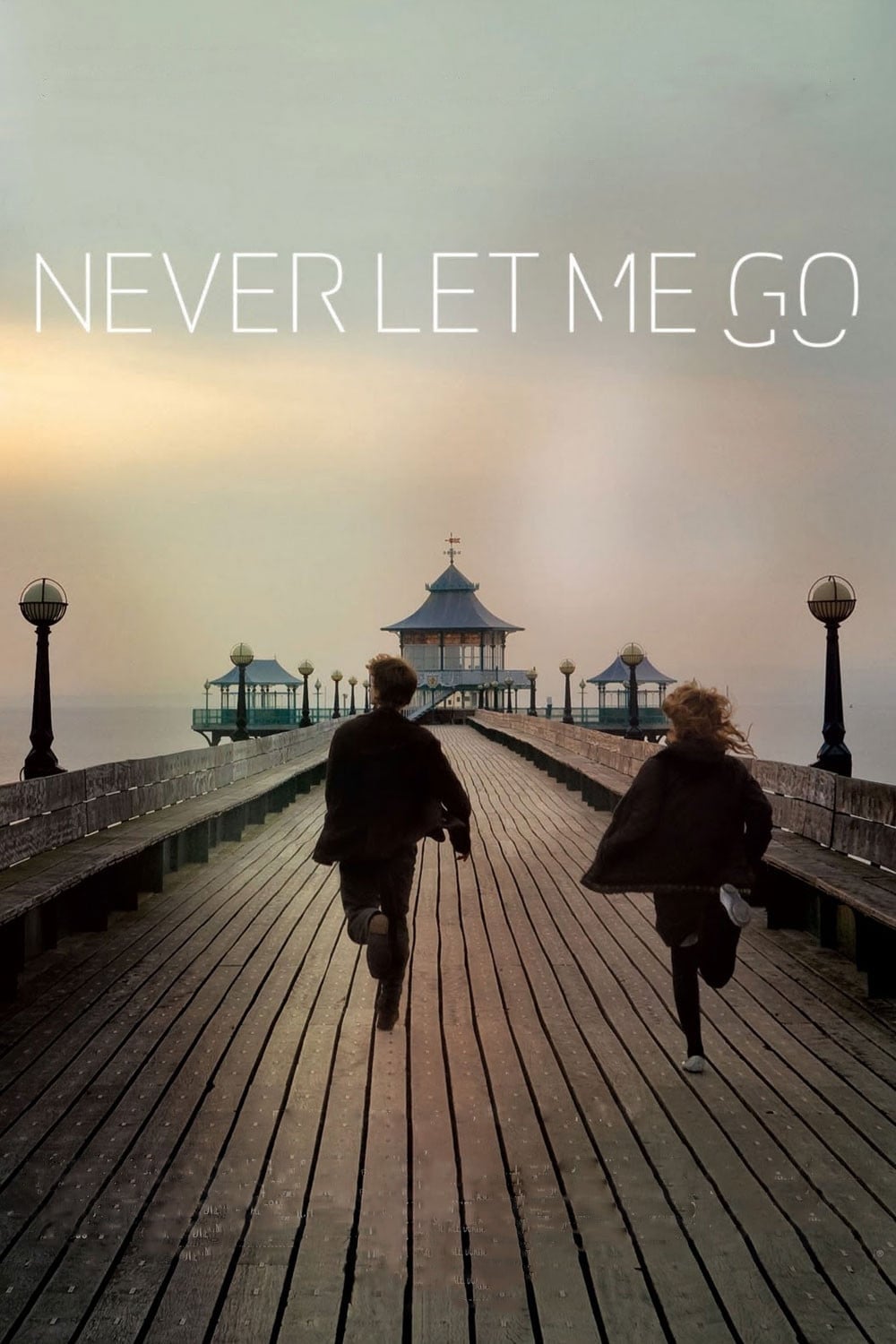
Alex Garland adapted the screenplay from Kazuo Ishiguro’s novel, directed by Mark Romanek and starring Carey Mulligan, Andrew Garfield, and Keira Knightley. Shooting took place across English coastal towns and private school locations, with Adam Kimmel’s cinematography adopting cool, muted tones.
Rachel Portman’s score supports the story’s clinical institutions and rural landscapes, while production design details—ID bracelets, infirmary rooms, and cottages—establish the narrative’s speculative framework. The film premiered at festivals in North America and Europe before a limited release through a specialty division.
‘Only Lovers Left Alive’ (2013)

Jim Jarmusch’s vampire romance stars Tilda Swinton and Tom Hiddleston and was shot in Detroit, Tangier, and Hamburg soundstages to recreate nocturnal cityscapes. Yorick Le Saux handled cinematography, while the band Sqürl (including Jarmusch) provided the droning, guitar-forward score.
Production design repurposed abandoned Detroit interiors for layered musical and scientific props, emphasizing analog instruments and vintage tech. The film bowed at Cannes in Competition and rolled out internationally through boutique distributors, developing a dedicated cult audience.
‘Brooklyn’ (2015)

Director John Crowley adapts Colm Tóibín’s novel with Saoirse Ronan, Emory Cohen, and Domhnall Gleeson. The production split principal photography between Ireland and Montreal, which doubled for period New York, with Yves Bélanger’s cinematography and François Séguin’s production design crafting boardinghouses and department-store floors.
Costume designer Odile Dicks-Mireaux’s knitwear and dresses trace the lead character’s evolving identity, while Michael Brook’s score weaves traditional melodies with orchestral themes. The film earned multiple nominations from major academies and guilds and performed strongly in limited-to-wide release expansion.
‘Atonement’ (2007)
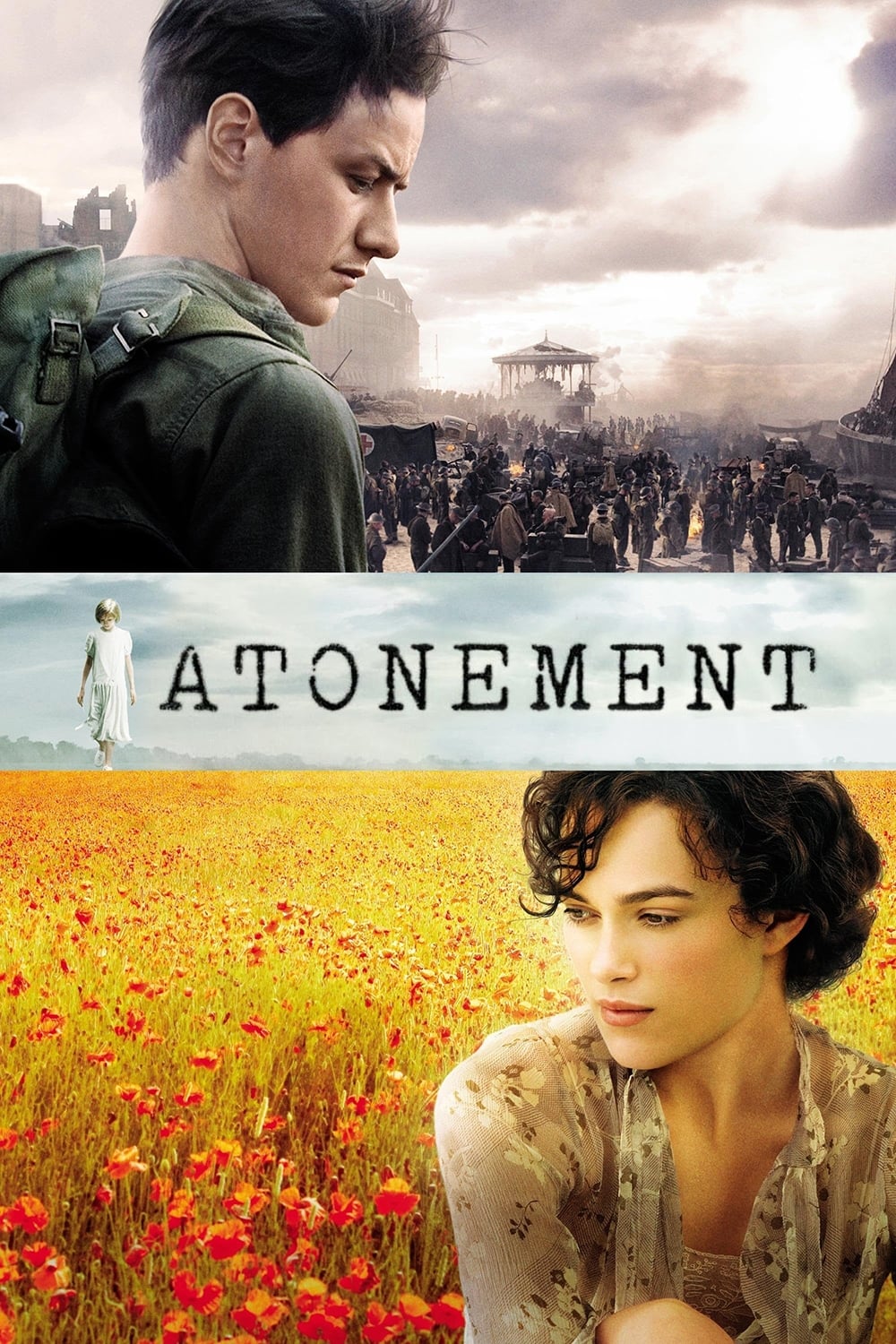
Joe Wright directs from Christopher Hampton’s screenplay, adapted from Ian McEwan’s novel, with Keira Knightley, James McAvoy, and Saoirse Ronan. Seamus McGarvey’s cinematography includes a widely discussed long-take beach sequence, and Dario Marianelli’s typewriter-inflected score integrates diegetic sound into orchestration.
Production design by Sarah Greenwood and costumes by Jacqueline Durran reconstruct manor-house interiors and wartime encampments. The film premiered at Venice, collected awards for music and craft categories, and was distributed worldwide through a major studio’s prestige division.
‘Her’ (2013)
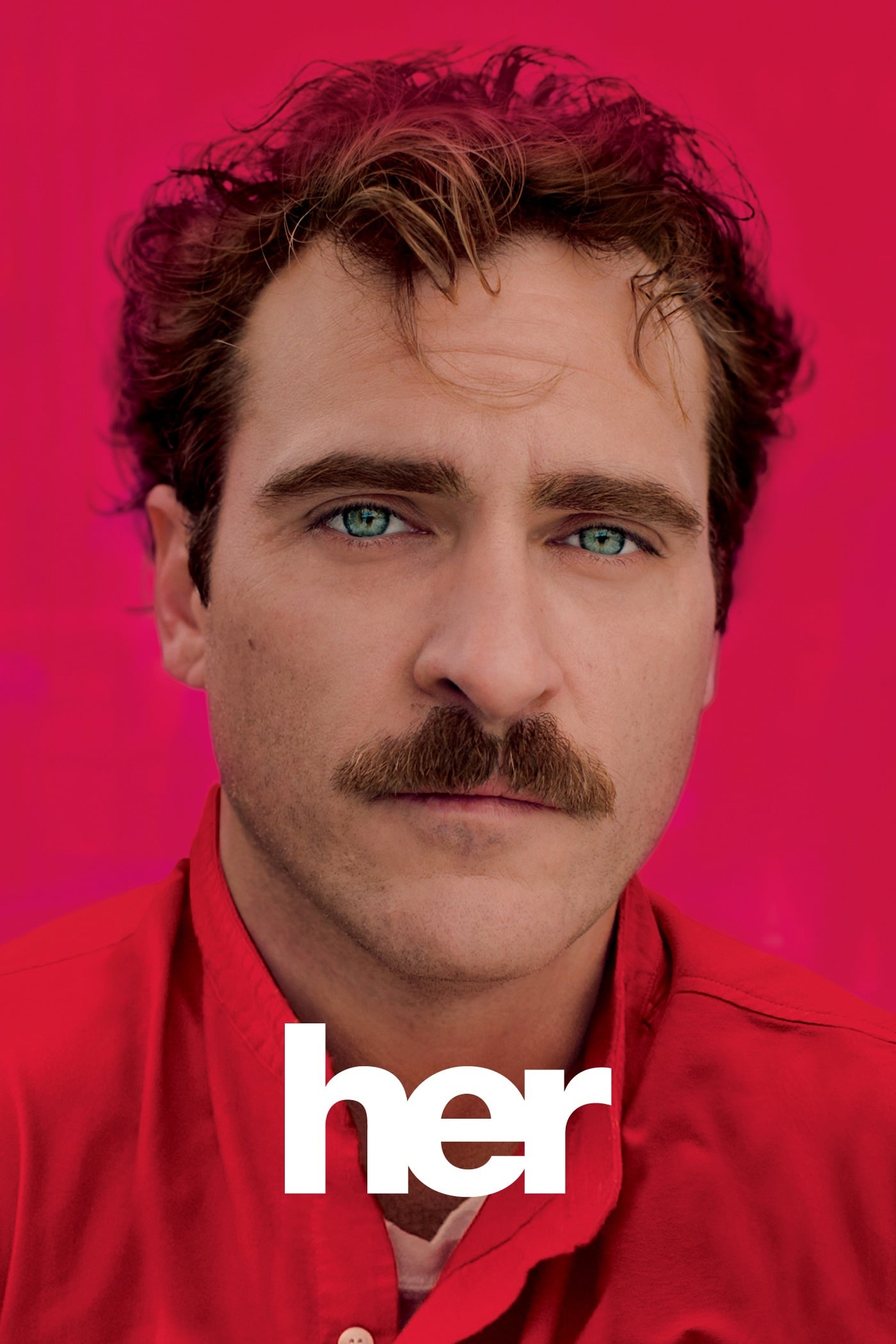
Spike Jonze wrote and directed this near-future romance starring Joaquin Phoenix and Scarlett Johansson’s voice performance. Filming combined Los Angeles and Shanghai locations to create a clean, transit-friendly urban aesthetic, with K.K. Barrett’s production design favoring warm woods and minimal interfaces.
Arcade Fire and Owen Pallett contributed the score, and the wardrobe avoided denim and ties to set a specific tone. The project premiered on the festival circuit, won top honors for original screenplay from several bodies, and later expanded to strong home and streaming adoption.
‘Past Lives’ (2023)
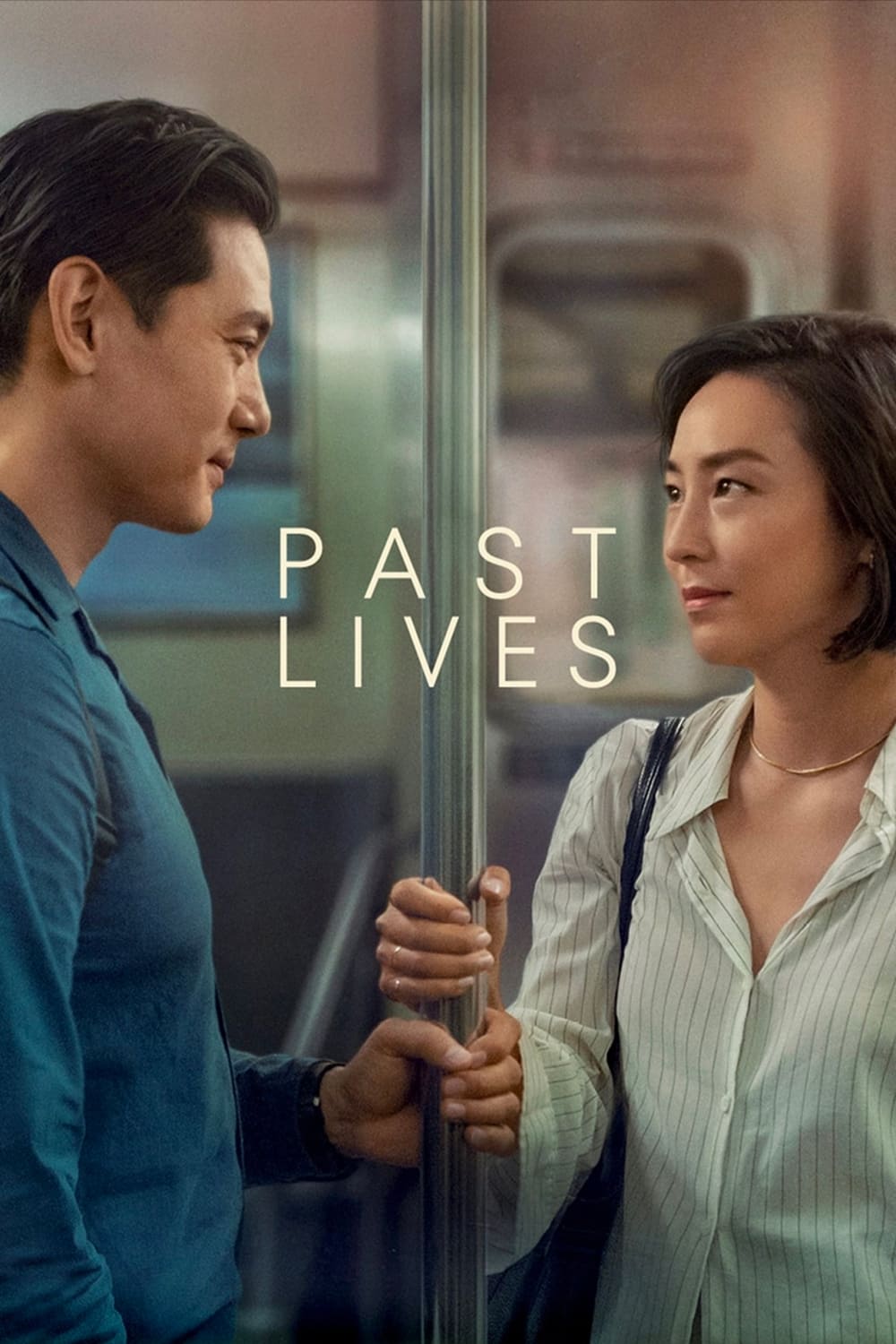
Celine Song’s debut stars Greta Lee, Teo Yoo, and John Magaro, charting relationships across Seoul and New York. Shabier Kirchner’s cinematography emphasizes window reflections, riverside paths, and intimate bar interiors, while the production uses bilingual dialogue to mirror cross-cultural movement.
The film premiered at Sundance and Berlin before specialty theatrical rollout and international sales. Its release generated screenplay and feature nominations from critics’ groups and industry awards, with a home release featuring director commentary and behind-the-scenes featurettes.
‘Decision to Leave’ (2022)
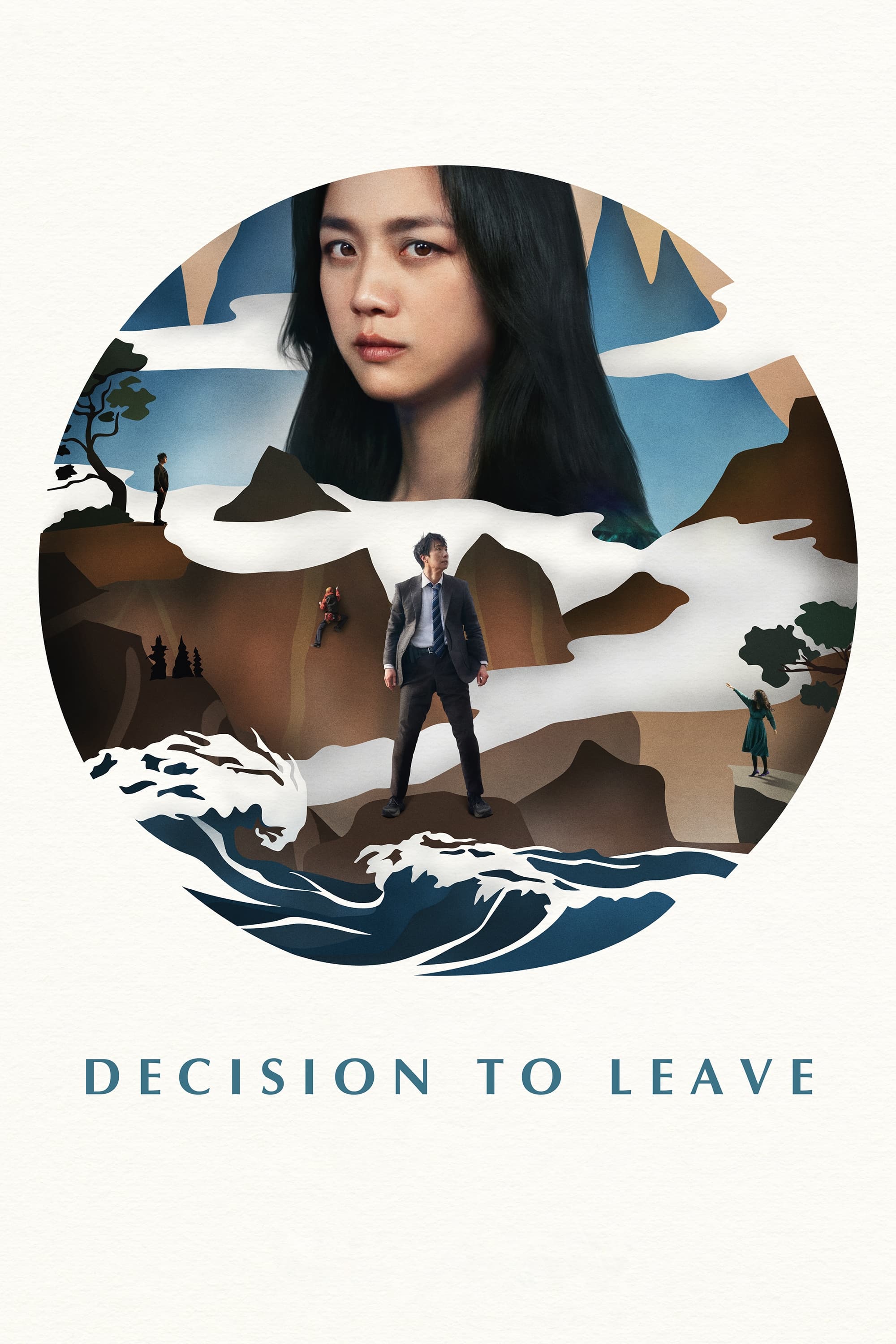
Park Chan-wook directs Tang Wei and Park Hae-il in a modern noir set across Busan and Ipo. Cinematographer Kim Ji-yong uses drone and point-of-view inserts to visualize surveillance and phone-screen interfaces, while production design integrates mountain trails, seaside apartments, and police offices.
Composer Jo Yeong-wook’s motifs recur around interrogations and stakeouts, and the editing employs match cuts to connect locations. The film premiered at Cannes, where it received a directing prize, followed by national submissions for international feature consideration and broad art-house distribution.
‘The Worst Person in the World’ (2021)
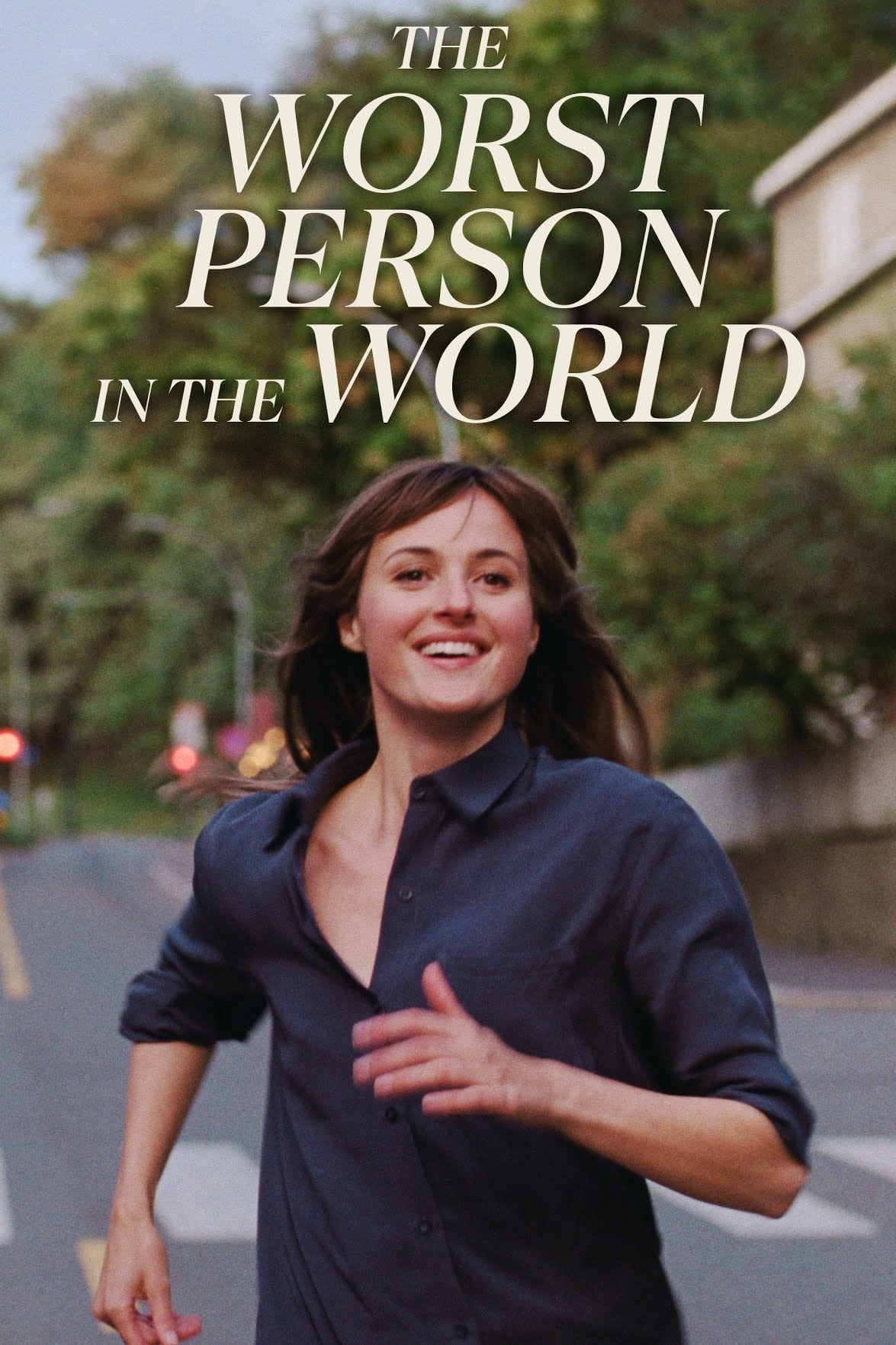
Joachim Trier completes his loosely connected Oslo trilogy with Renate Reinsve, Anders Danielsen Lie, and Herbert Nordrum. Cinematographer Kasper Tuxen shoots on location in Oslo, and the narrative is structured in titled chapters with a memorable citywide freeze sequence captured using controlled crowd coordination.
The soundtrack curates pop and jazz across decades, and the film’s marketing highlighted the chapter structure and lead performance accolades. It premiered at Cannes, where it won awards for acting and screenplay, and went on to national submissions and international art-house runs.
‘Sylvie’s Love’ (2020)
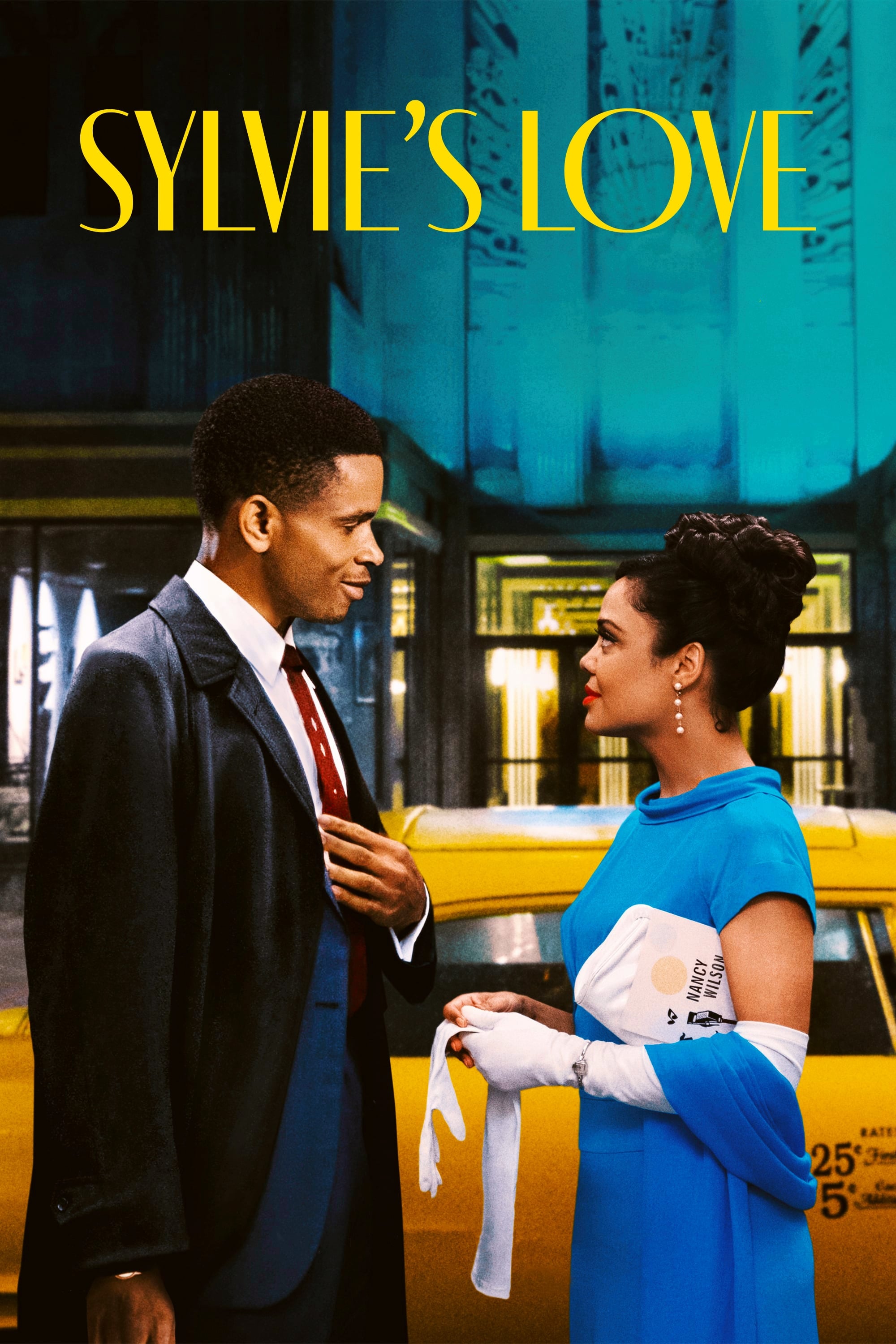
Eugene Ashe writes and directs this jazz-era romance starring Tessa Thompson and Nnamdi Asomugha. The production emphasizes mid-century Harlem and studio backlot work for club interiors, with Declan Quinn’s cinematography and Phoenix Mellow’s costumes delivering saturated color and period silhouettes.
A soundtrack of original compositions and classic standards supports rehearsal-room and stage sequences. The film premiered at Sundance and was later released by a major streaming platform, which positioned it prominently during holiday programming and awards-season campaigns.
‘Columbus’ (2017)
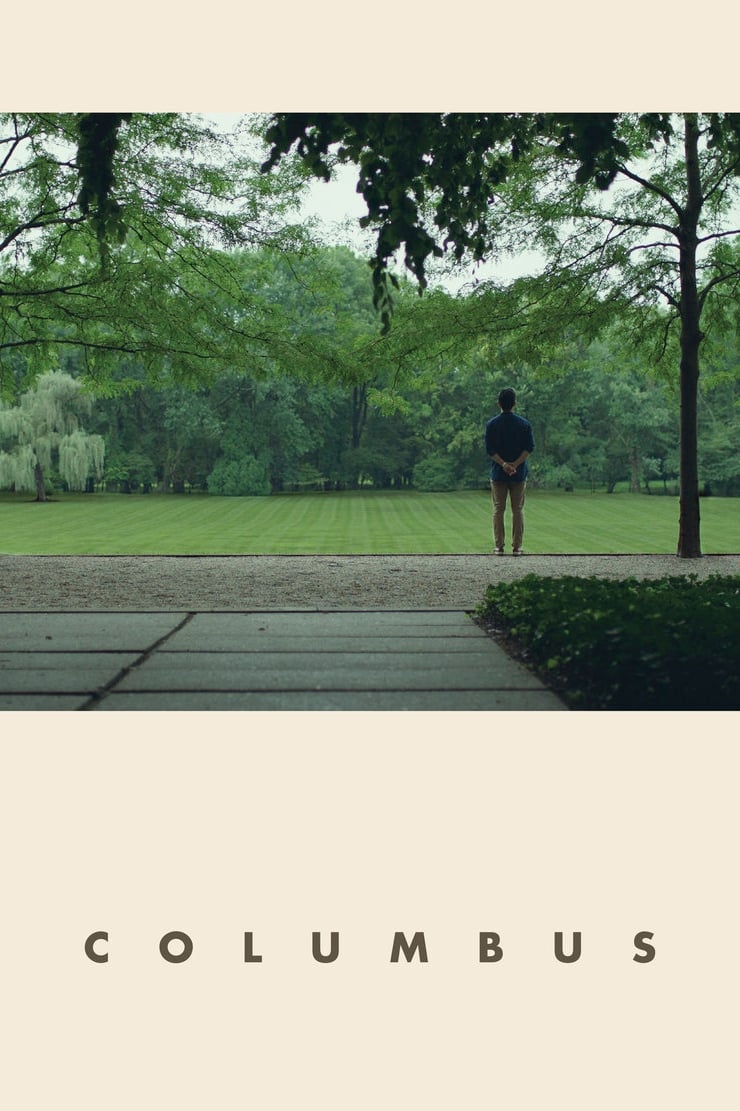
Kogonada’s feature debut stars Haley Lu Richardson and John Cho, using the modernist architecture of Columbus, Indiana as both setting and theme. Elisha Christian’s static, symmetrical compositions foreground glass, concrete, and landscaped geometry, while minimal score gives space to ambient sound.
Production collaborated with local institutions to film at libraries, churches, and corporate campuses designed by figures like Eero Saarinen and I. M. Pei. The film premiered at Sundance, secured indie distribution, and has become a staple in discussions of architecture on screen, often screened by design schools and museums.
‘The Big Sick’ (2017)
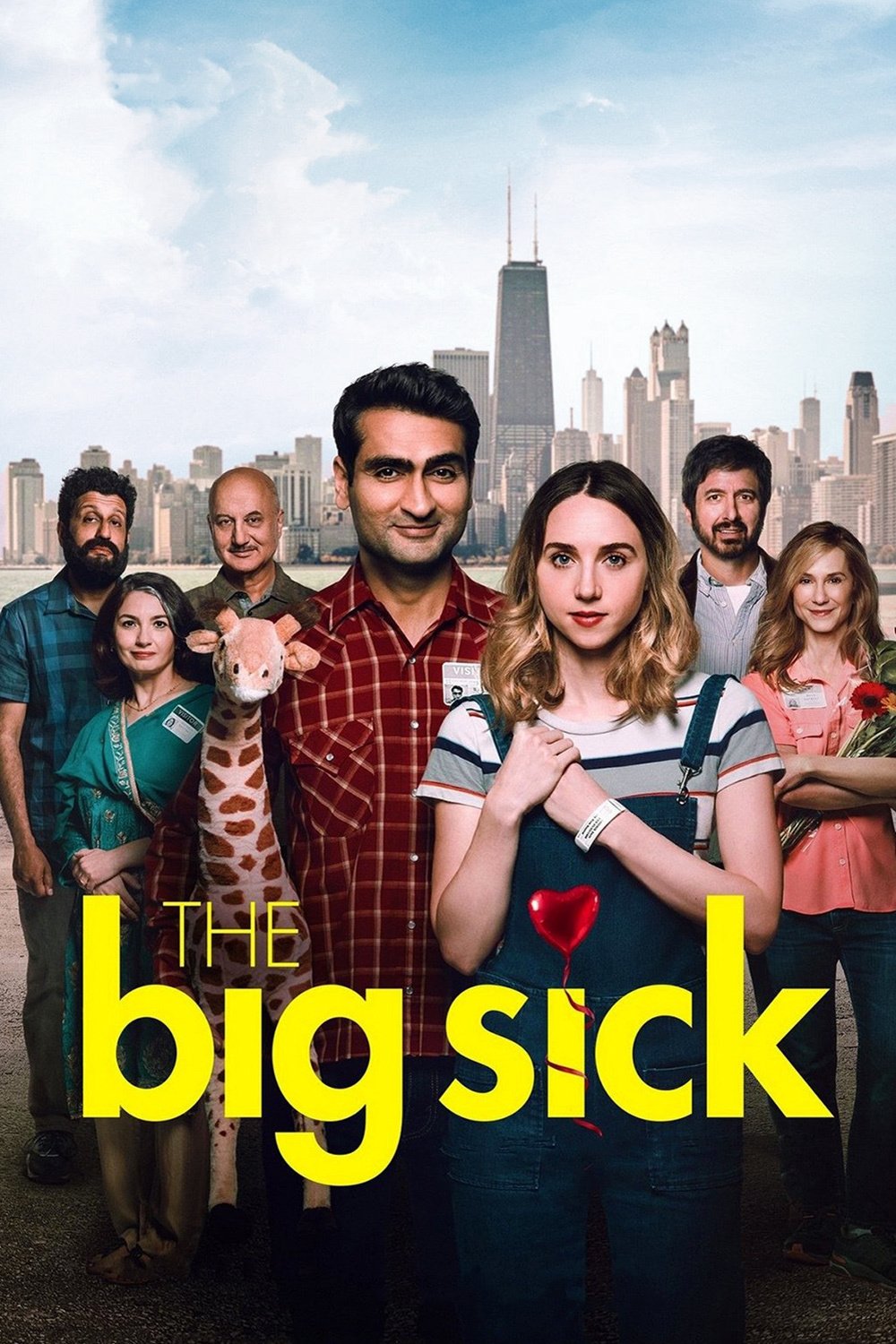
Co-written by Kumail Nanjiani and Emily V. Gordon and directed by Michael Showalter, the film blends stand-up club settings with hospital and family-home locations. Zoe Kazan, Holly Hunter, and Ray Romano co-star, and the production shot extensively in Chicago with club interiors constructed to match real venues.
The premiere at Sundance led to a major studio acquisition, followed by a platform release that expanded nationwide. The film earned multiple nominations from writers’ and actors’ guilds, and its screenplay has been used in screenwriting courses for case studies on structure.
‘Before Sunrise’ (1995)
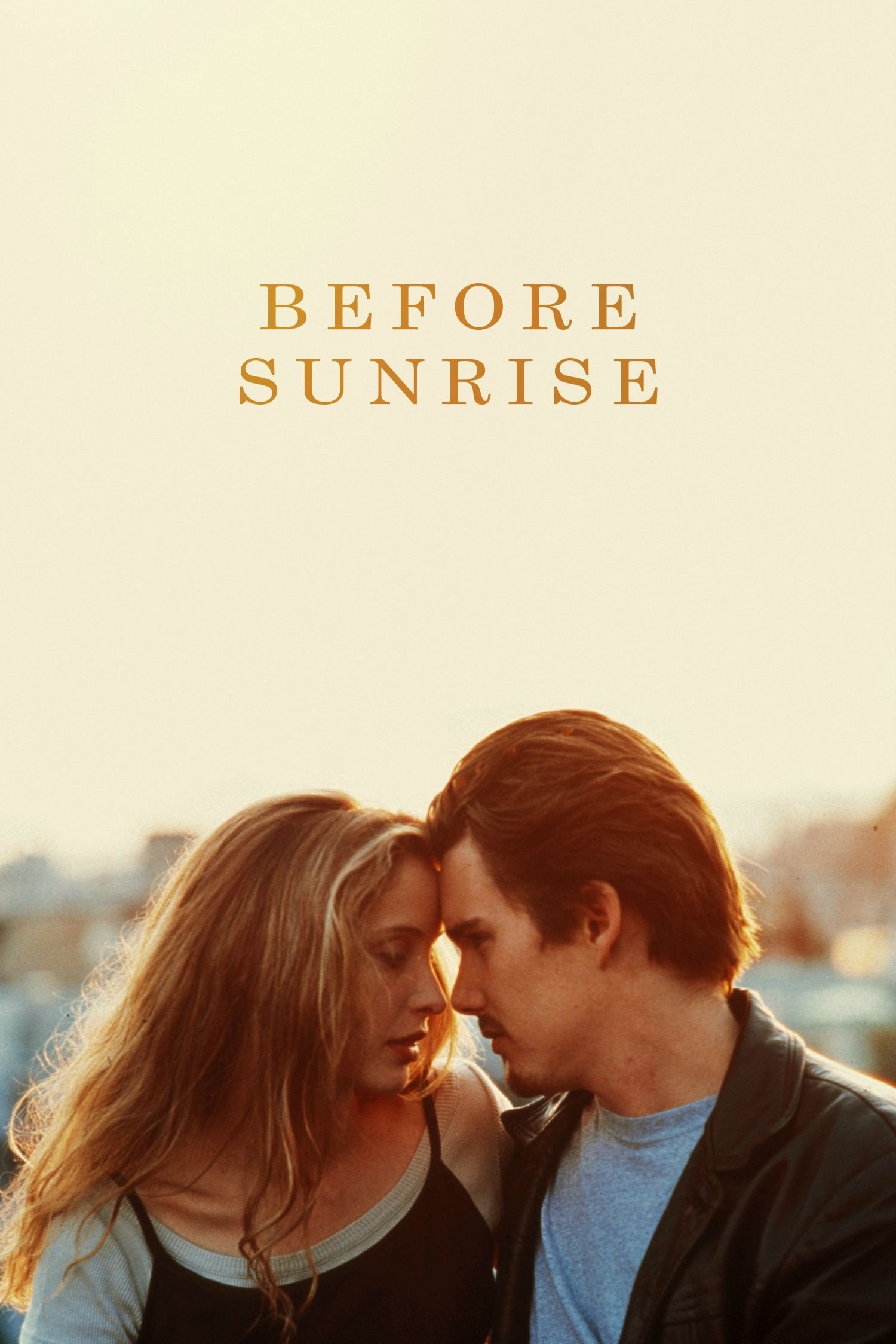
Richard Linklater’s Vienna-set story features Ethan Hawke and Julie Delpy, with dialogue developed through rehearsal and uncredited script contributions from the leads. Cinematography by Lee Daniel follows tram routes, cafés, and rooftop views, and the schedule prioritized night shooting to capture quiet streets.
The film opened in competition at a major European festival and built an audience through critical support and repeated cable broadcasts. It later sparked two sequels with the same leads and creative team, forming an ongoing collaboration that tracks characters across different life stages.
‘Before Sunset’ (2004)
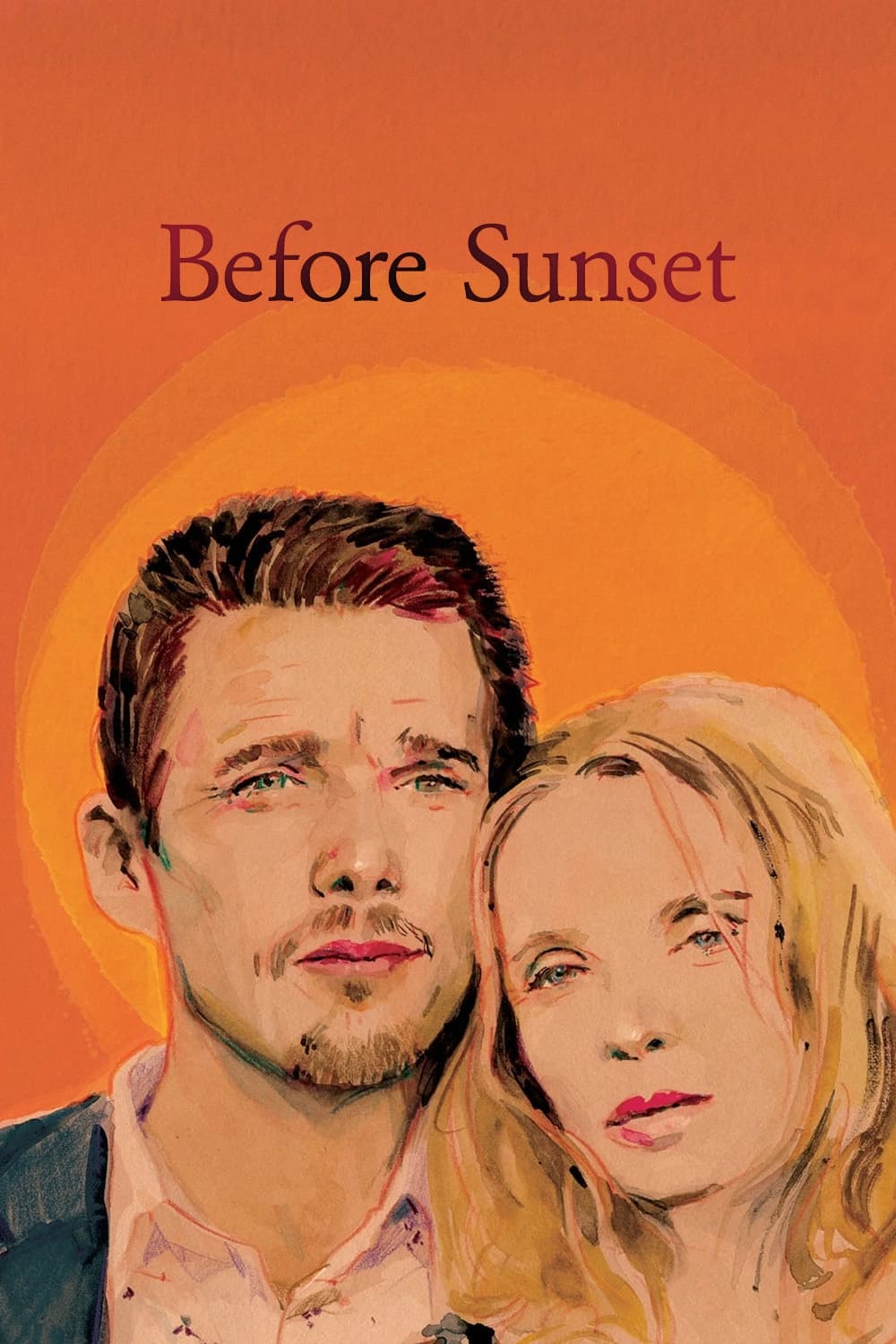
Continuing the collaboration between Richard Linklater, Ethan Hawke, and Julie Delpy, this Paris-set chapter unfolds largely in real time. Cinematography by Lee Daniel and production by Anne Walker-McBay coordinated moving dialogue scenes through bookstores, quays, and apartments, requiring precise blocking and sound recording.
The film premiered at Berlin and received screenplay recognition from multiple awarding bodies. Its distribution favored urban art-house venues, and subsequent home releases bundled commentaries and behind-the-scenes material that outline the writing process shared by director and actors.
‘Paterson’ (2016)
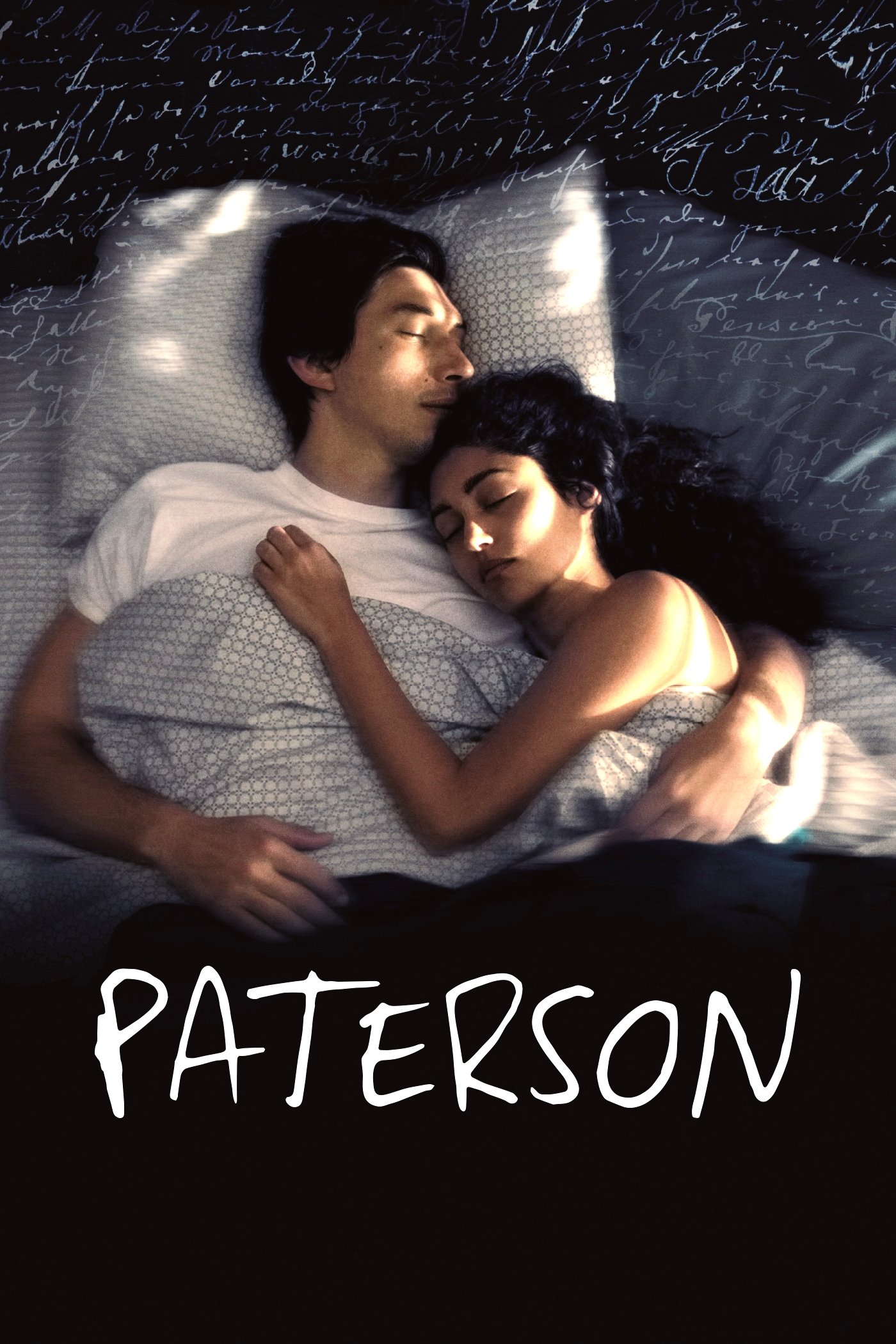
Jim Jarmusch directs Adam Driver and Golshifteh Farahani in a story about a bus driver-poet in New Jersey. Cinematographer Frederick Elmes uses repeated framing motifs over a weeklong cycle, while the production incorporates real bus routes, a neighborhood bar set, and hand-written poem inserts adapted from Ron Padgett’s work.
Sound design captures mechanical rhythms—bus engines, factory hums, and street noise—with music by Sqürl. The film premiered at Cannes, then toured festivals before a specialty release, and later appeared in literature-focused retrospectives and coursework for its depiction of routine and creativity.
‘The Guernsey Literary & Potato Peel Pie Society’ (2018)
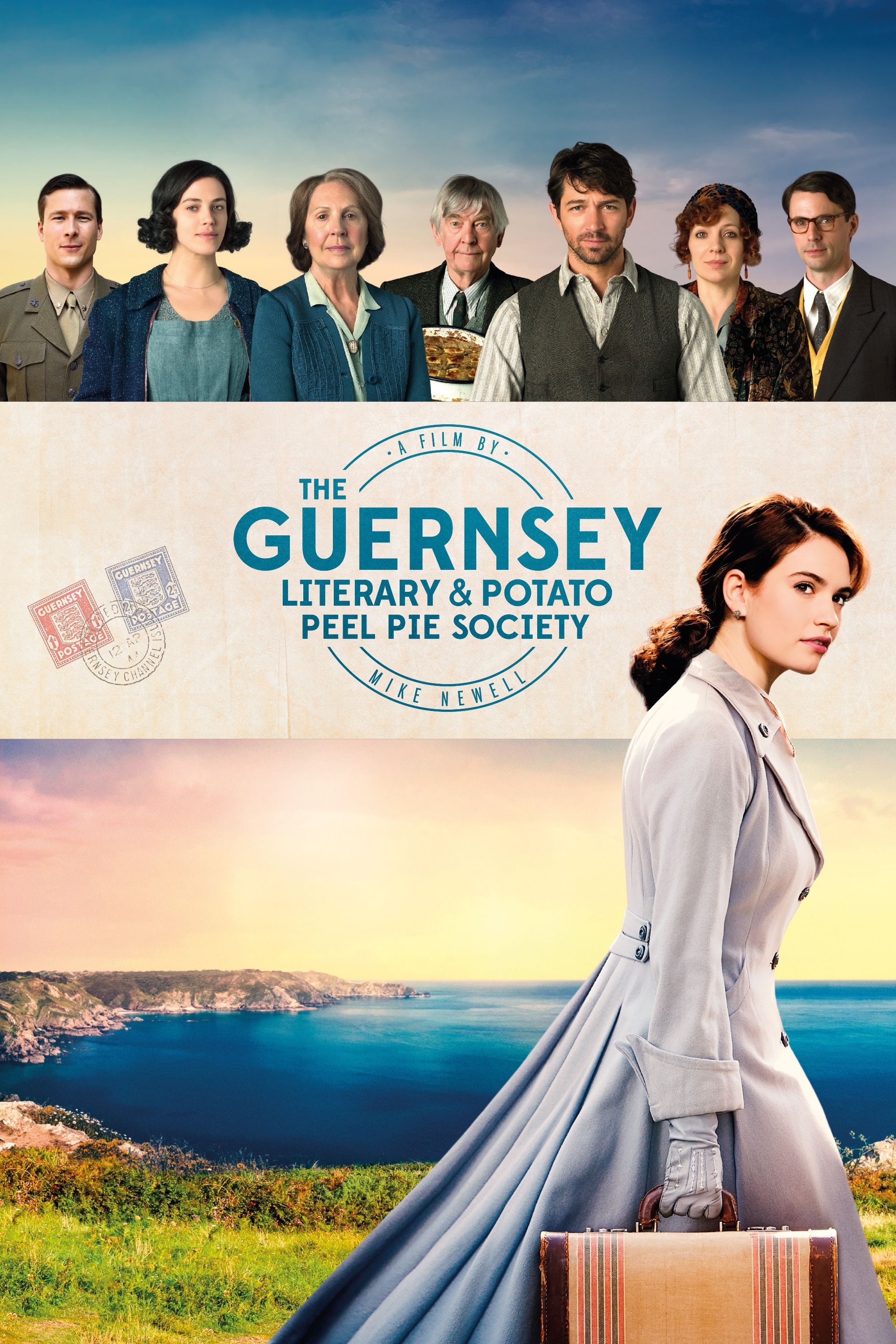
Directed by Mike Newell and adapted from the novel by Mary Ann Shaffer and Annie Barrows, the film stars Lily James, Michiel Huisman, and a supporting ensemble of British character actors. Principal photography took place in the United Kingdom with Devon standing in for Channel Island exteriors, and production design recreated postwar village life.
Costumes by Charlotte Walter transition the lead from London publishing circles to rural attire, while Alexandra Harwood’s score underscores letters and readings central to the narrative. The film had a staggered release, combining theatrical runs in select markets with a streaming debut in others, and continues to circulate on platforms with curated British cinema collections.
Share the romance films you’d add to this list in the comments!