Black Actors Who Always Have Believable Romantic Chemistry

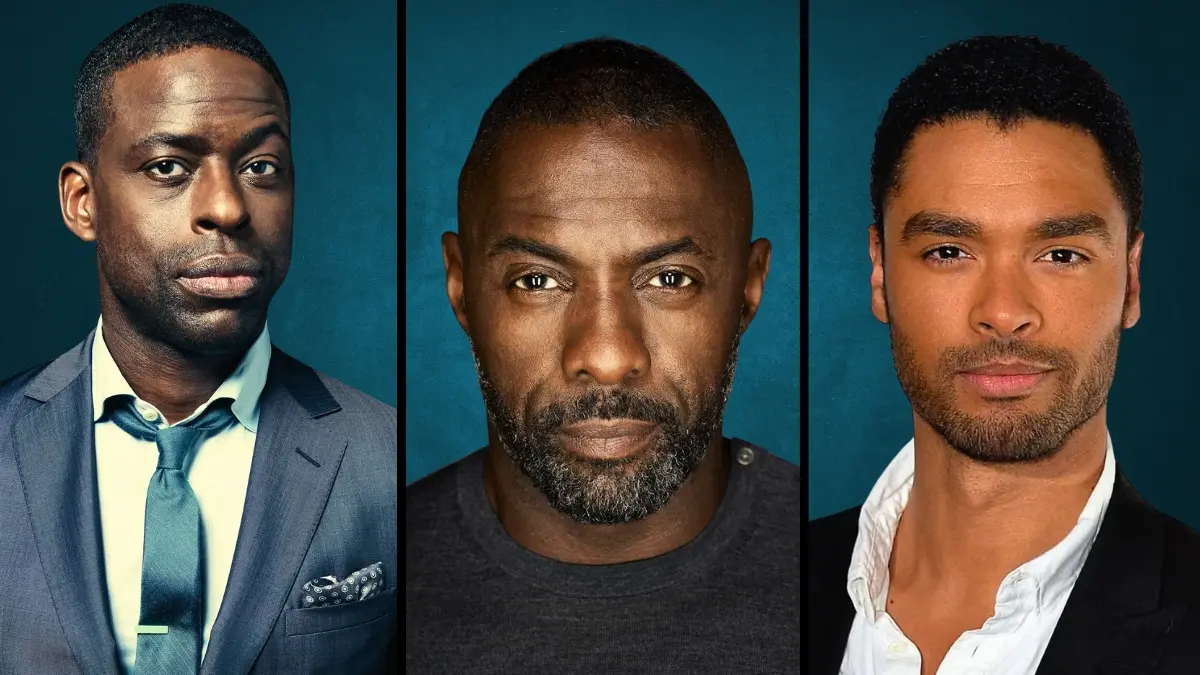

Romance on screen works best when the story gives characters grounded stakes and specific details—careers, family obligations, places with texture—and the actors meet that material with equally specific choices. The performers below have anchored relationship-driven films and shows that offer more than a meet-cute; they bring character histories, cultural context, and fully realized worlds that make the love stories land.
This list focuses on the projects where these actors’ romantic storylines are central or catalytic. For each, you’ll find concrete details about the roles, collaborators, settings, and production context—useful if you’re building a watchlist or just want to know where the chemistry comes from on the page and the set.
Denzel Washington

In ‘The Preacher’s Wife’, Denzel Washington plays Dudley, an angel sent to help a struggling pastor’s family, creating a triangle that hinges on music, community work, and a church’s survival; the film pairs him with Whitney Houston and Courtney B. Vance and features original gospel performances woven into the narrative. Penny Marshall directed, filming in New York City churches and neighborhood spaces that ground the story’s family and faith elements.
In ‘Mississippi Masala’, Washington’s character Demetrius runs a carpet-cleaning business in the American South, where his cross-cultural romance with Sarita Choudhury’s Mina intersects with Ugandan Indian diaspora history and local racial politics. The production places the couple in real small-town environments, using family-run businesses, roadside motels, and civic spaces to frame the social dynamics around their relationship.
Will Smith
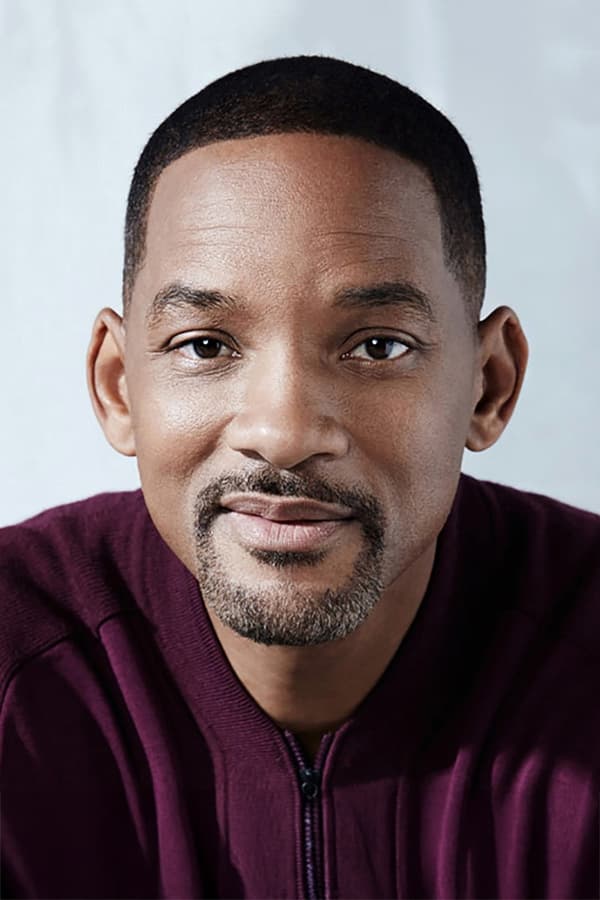
‘Hitch’ casts Will Smith as a professional “date doctor” whose methods collide with Eva Mendes’s tabloid journalist; the screenplay builds set-pieces around New York landmarks, dance lessons, and client case studies that structure the romantic beats. The film’s ensemble includes Kevin James and Amber Valletta, creating parallel courtships that contrast public image with private behavior.
In ‘Focus’, Smith’s Nicky is a veteran con artist whose relationship with Margot Robbie’s Jess is shaped by long-cons, professional codes, and shifting alliances; the story moves through training montages, high-stakes sports spectacles, and luxury environments that support the confidence-game premise. The production shot across multiple cities, integrating live event logistics and practical sleight-of-hand choreography into the relationship arc.
Idris Elba
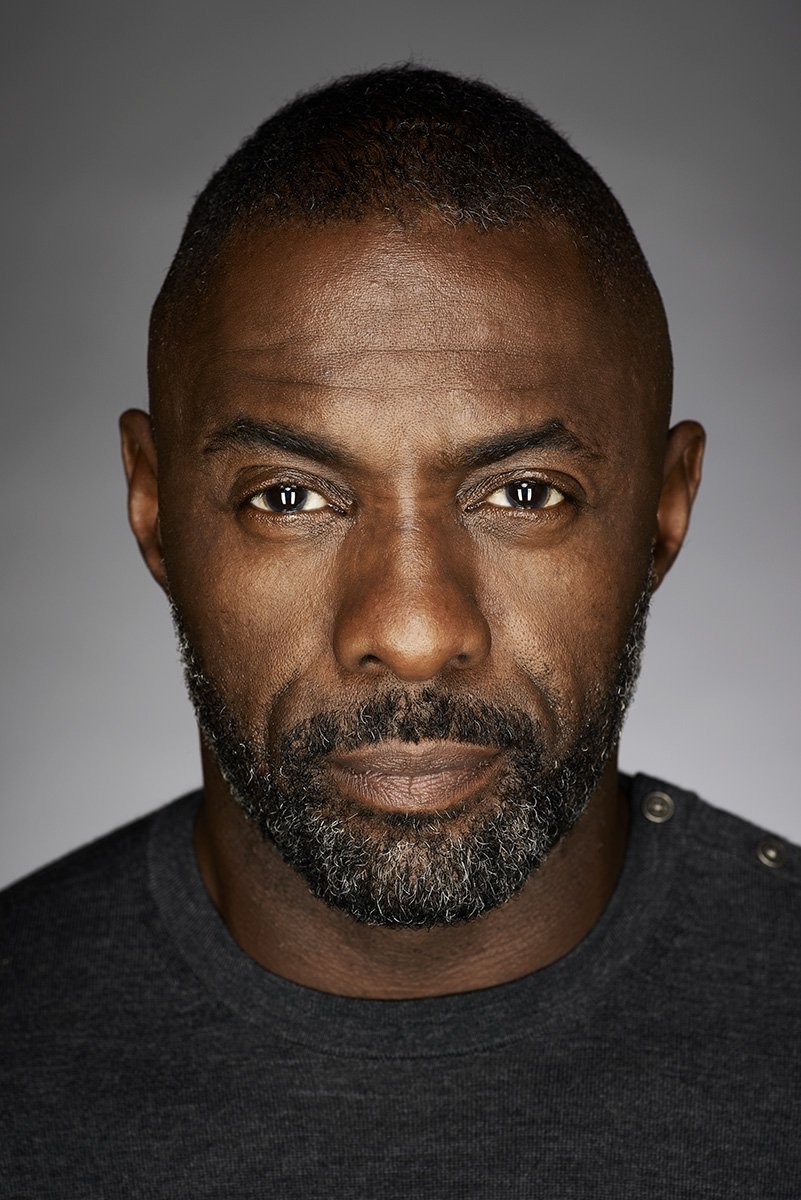
‘The Mountain Between Us’ pairs Idris Elba’s Ben, a surgeon, with Kate Winslet’s photojournalist after an aviation accident; survival procedures, improvised shelters, and route-planning under severe weather conditions become the couple’s shared framework. The film location work emphasizes altitude, rescue timelines, and decision-making with limited supplies, binding the characters through concrete problem-solving.
In ‘Luther’, Elba’s John Luther navigates criminal investigations while managing complex connections with Ruth Wilson’s Alice Morgan and other recurring characters; the series uses case-of-the-week structures and long-arc antagonists to pressure personal boundaries. London settings, inter-agency politics, and forensic protocols root the relationships in the realities of police work.
Michael B. Jordan
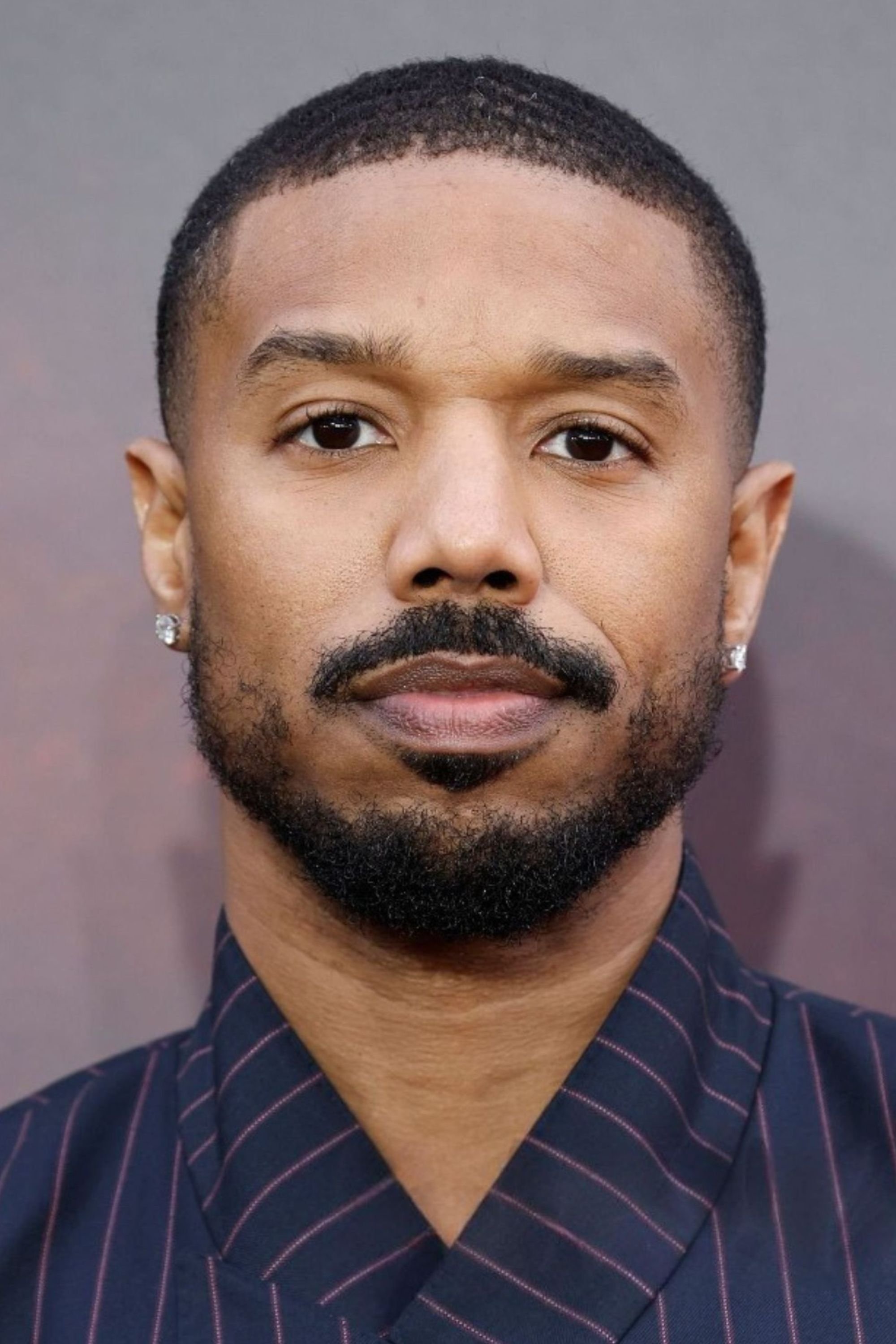
In ‘Creed’, Michael B. Jordan’s Adonis balances title fights and training camps with Tessa Thompson’s Bianca, a musician contending with progressive hearing loss; concert rehearsals, studio sessions, and fight promotions synchronize their schedules and ambitions. The production coordinates boxing choreography with live music elements to align career goals with relationship milestones.
‘A Journal for Jordan’ casts Jordan as First Sergeant Charles Monroe King, whose deployment drives a journal he keeps for his son and a long-distance relationship with Chanté Adams’s Dana; military timelines, editorial deadlines, and family gatherings structure the narrative. The film weaves real-world artifacts—letters, entries, and photographs—into the couple’s chronology.
LaKeith Stanfield
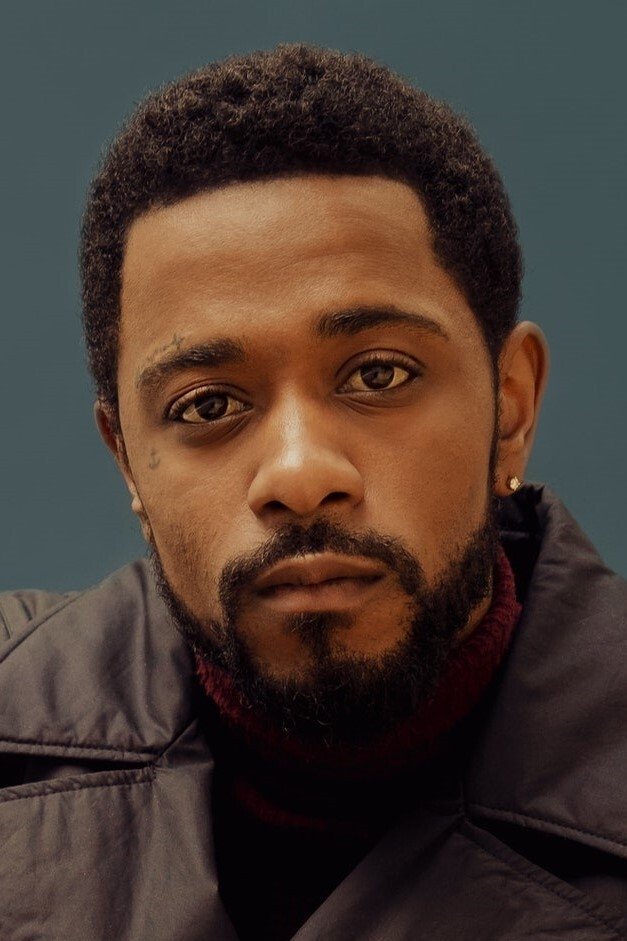
‘The Photograph’ follows LaKeith Stanfield’s Michael, a journalist whose assignment introduces him to Issa Rae’s Mae; interviews, archives, and a cross-generational photo legacy guide the investigation and the romance. The production integrates museum spaces, coastal locations, and newsroom workflows to anchor the story in professional routines.
In ‘Sorry to Bother You’, Stanfield’s Cassius navigates a corporate telemarketing ladder and a relationship with Tessa Thompson’s Detroit, a visual artist; union organizing, performance art shows, and office metrics become the story’s structural pillars. The film’s art-direction choices—installations, costumes, and workplace floor plans—define how the couple collides and reconnects.
Daniel Kaluuya
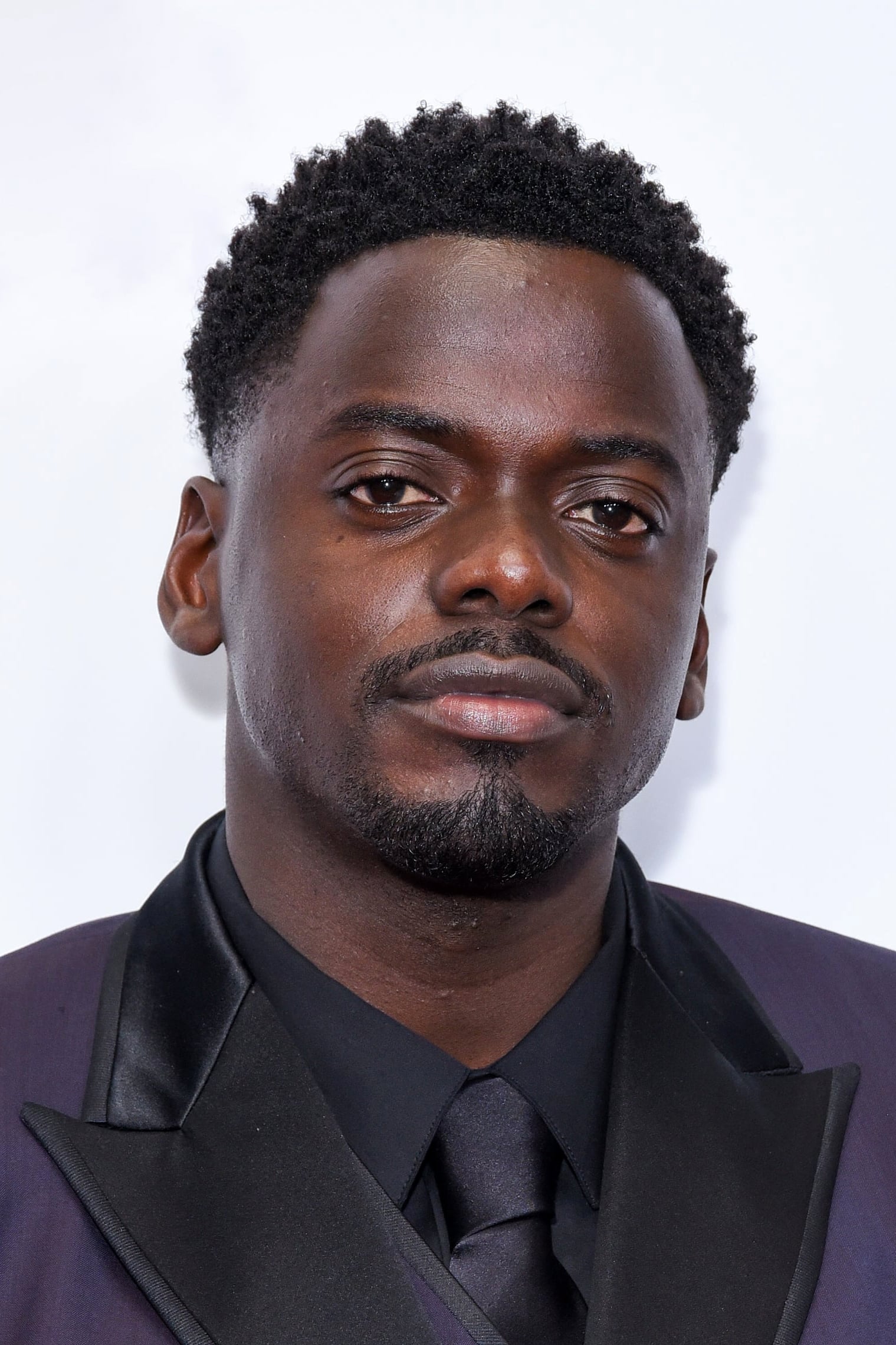
‘Queen & Slim’ centers on Daniel Kaluuya’s Slim and Jodie Turner-Smith’s Queen after a traffic stop spirals into a fugitive road odyssey; their route includes Black-owned bars, family homes, and safe houses that chart trust-building through geographic waypoints. The soundtrack and regional stops map a tour of community networks that sustain the pair.
In ‘Get Out’, Kaluuya’s Chris visits his girlfriend’s family, where social rituals, weekend itineraries, and house tours create a framework for escalating tension. Photography equipment, party guest lists, and household staff interactions serve as practical anchors for character decisions and reveal dynamics.
Sterling K. Brown
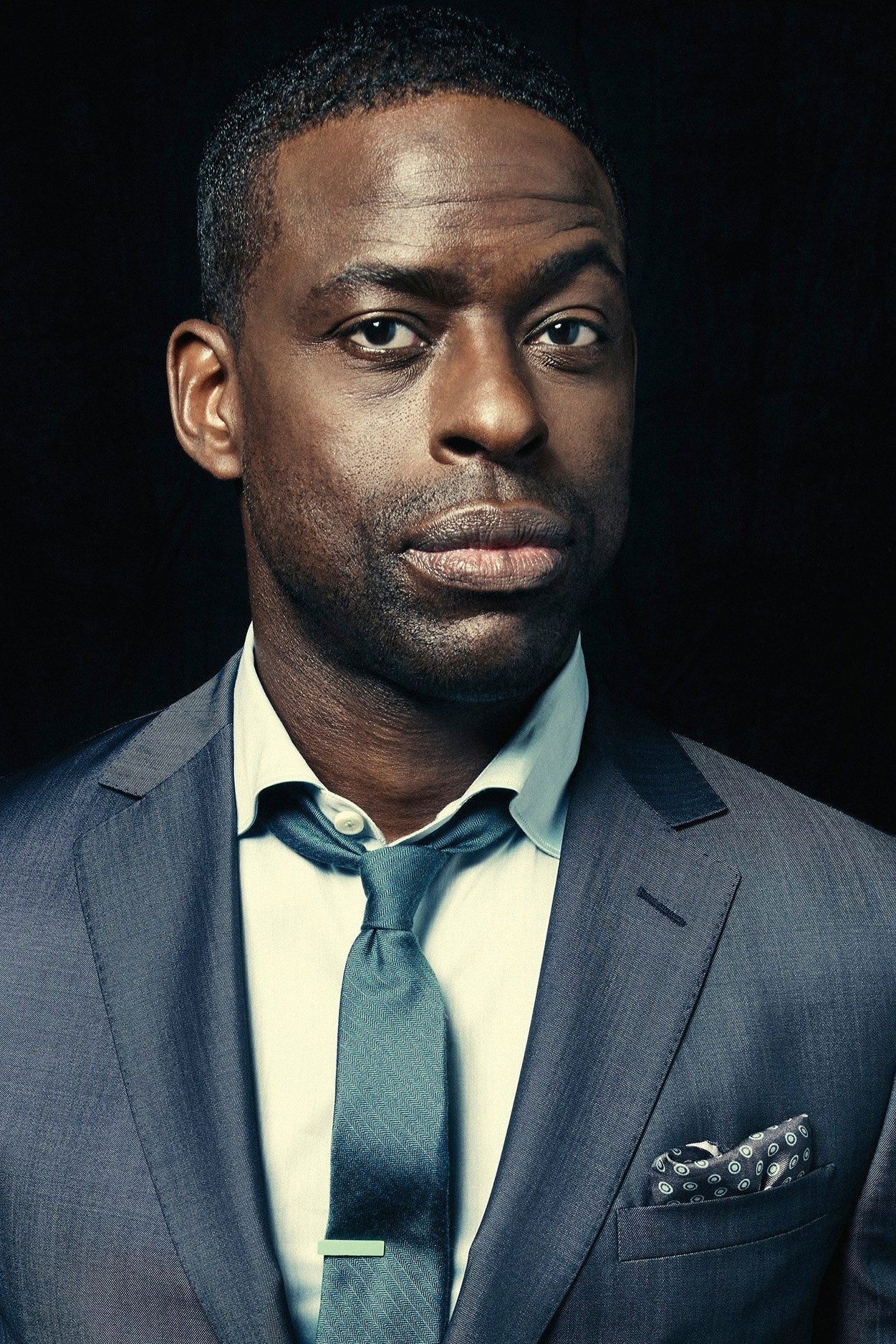
‘This Is Us’ positions Sterling K. Brown’s Randall across decades of marriage with Susan Kelechi Watson’s Beth; parenting schedules, adoption processes, and professional pivots are mapped through holiday episodes, relocations, and therapy scenes. The series uses time-jumps and parallel timelines to show how daily logistics build a partnership’s history.
In ‘Honk for Jesus. Save Your Soul.’, Brown plays a megachurch pastor whose relationship with Regina Hall’s first lady is examined through mockumentary interviews and staged church events. Wardrobe choices, publicity shoots, and congregation management logistics frame the couple’s public and private negotiations.
Chiwetel Ejiofor
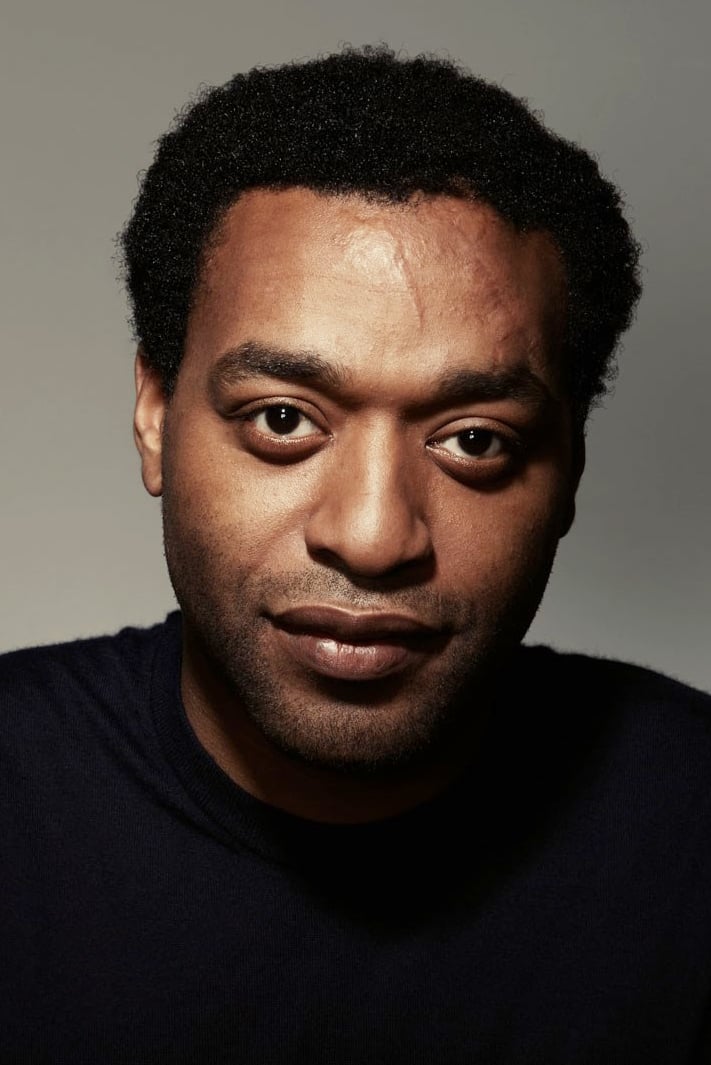
In ‘Half of a Yellow Sun’, Chiwetel Ejiofor portrays a radical professor whose romance with Thandiwe Newton’s character intersects with political upheaval; university lectures, publishing work, and extended-family gatherings serve as recurring settings. The production adapts a literary source, translating domestic interiors and social salons into key locations.
‘Love Actually’ includes Ejiofor as Peter, whose wedding sequence and subsequent relationship positioning are established through choral music, surprise performances, and intertwined ensemble threads. The film’s editing structure places his character’s milestones among multiple couples, using seasonal events as temporal markers.
David Oyelowo
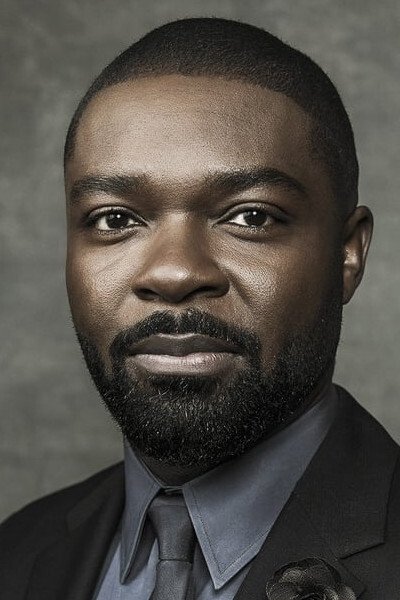
‘A United Kingdom’ features David Oyelowo as Seretse Khama opposite Rosamund Pike; legal appeals, parliamentary hearings, and royal protocols determine where and how the couple can live. The film recreates courtroom procedures and diplomatic meetings to chart the relationship’s progression under political constraints.
In ‘The Water Man’, Oyelowo directs and appears in a family story where marriage and caregiving responsibilities drive a child’s quest; production emphasizes rural Oregon locations, forest search patterns, and community responders. Domestic scenes and emergency planning insert practical concerns into the family’s emotional landscape.
Regé-Jean Page
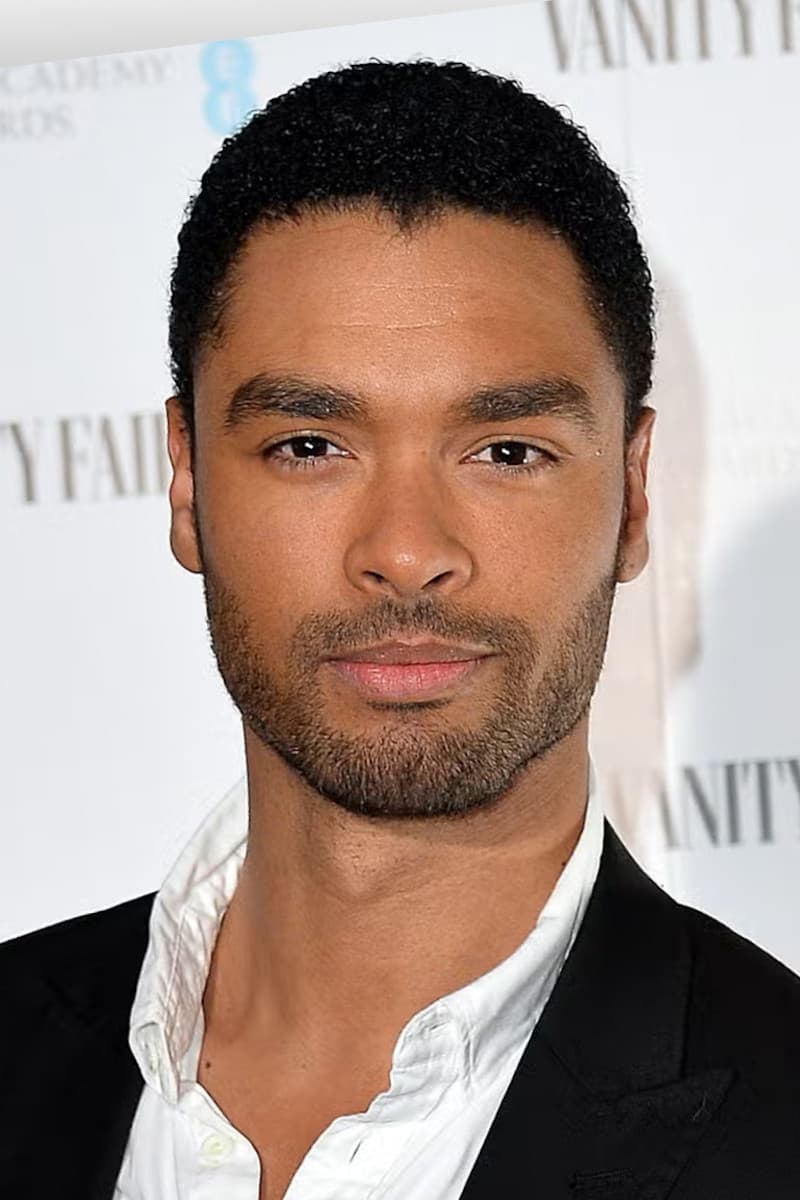
‘Bridgerton’ casts Regé-Jean Page as Simon Basset, whose courtship with Phoebe Dynevor’s Daphne runs through social-season rituals—balls, promenade routes, and chaperoned calls—tracked by whistle-stop society columns. Choreographed dances and costume fittings are built into the shoot to reflect the characters’ status and intentions.
Behind the scenes, the production coordinates multi-location estates, orchestral arrangements of contemporary songs, and large ensemble blocking to stage intimacy alongside public spectacle. Page’s arc is tied to legal documents, property considerations, and family negotiations that structure the couple’s choices.
Yahya Abdul-Mateen II
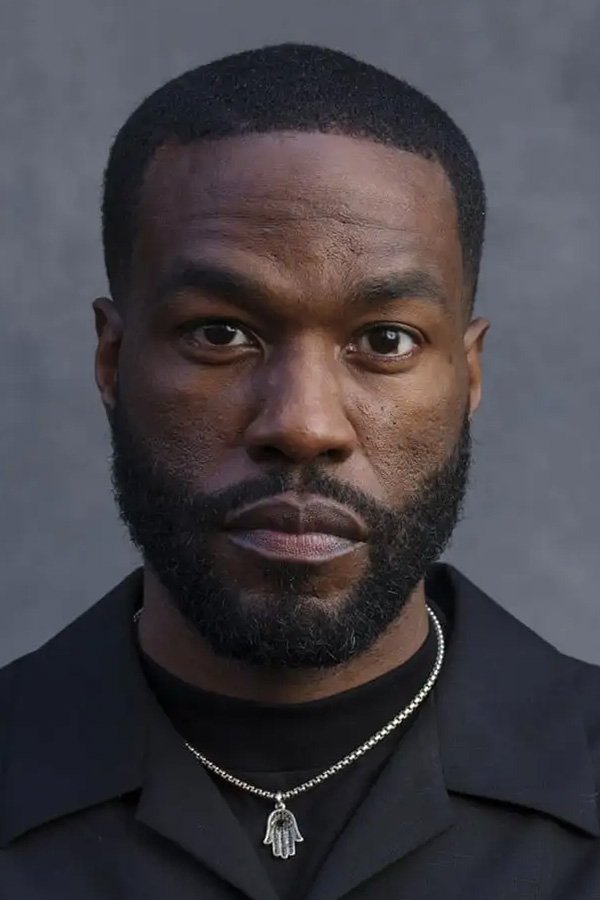
‘The Get Down’ places Yahya Abdul-Mateen II in a disco-to-hip-hop transition period where performance venues, recording studios, and neighborhood politics shape character relationships. The series’ music supervision and club set builds establish how nightlife economies influence personal connections.
In ‘Watchmen’, Abdul-Mateen II’s role intersects romance and identity with Regina King’s character; the story uses masked personas, police procedures, and historical flashbacks to organize their bond. Production design embeds artifacts—watches, photographs, and costume pieces—that carry narrative weight in the couple’s timeline.
Trevante Rhodes
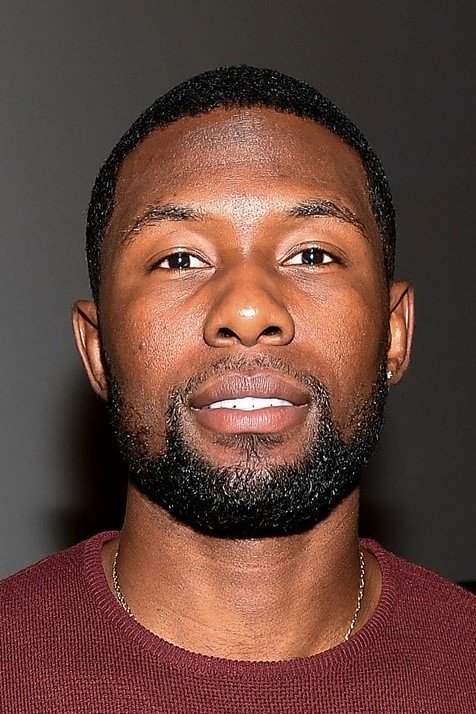
‘Moonlight’ tracks Trevante Rhodes’s portrayal of Chiron in its final chapter, with a reunion structured around a diner shift, a home-cooked meal, and conversations tethered to past school experiences. The film’s triptych design aligns specific locations—beach, classroom, kitchen—with relationship memory points.
In ‘The United States vs. Billie Holiday’, Rhodes plays Jimmy Fletcher opposite Andra Day; surveillance files, club bookings, and touring schedules create overlap between professional duties and personal involvement. Period costumes, band arrangements, and federal casework provide the scaffolding for their interactions.
André Holland
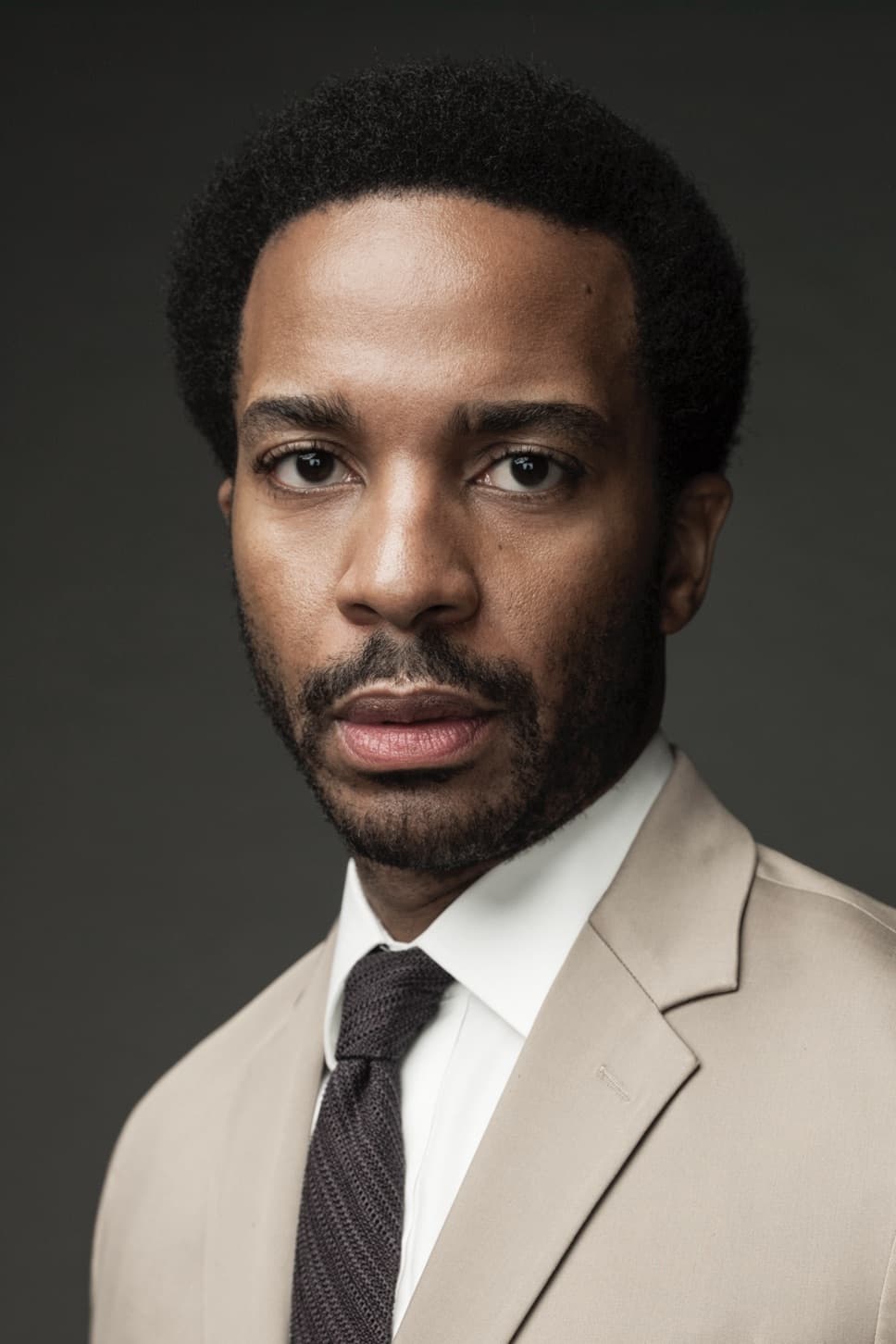
In ‘Moonlight’, André Holland’s Kevin works a restaurant job that becomes a setting for reconnection, using menu prep, music cues, and late-shift rhythms to pace a pivotal night. The production’s sound mix and lighting choices in the diner emphasize routine as a backdrop to personal history.
‘The Eddy’ places Holland as a club owner and bandleader navigating a relationship amid rehearsals, bookings, and financial pressures; real musicians, live recording, and multilingual dialogue inform the performance style. Paris neighborhoods, metro lines, and venue logistics ground the couple’s day-to-day choices.
Aldis Hodge
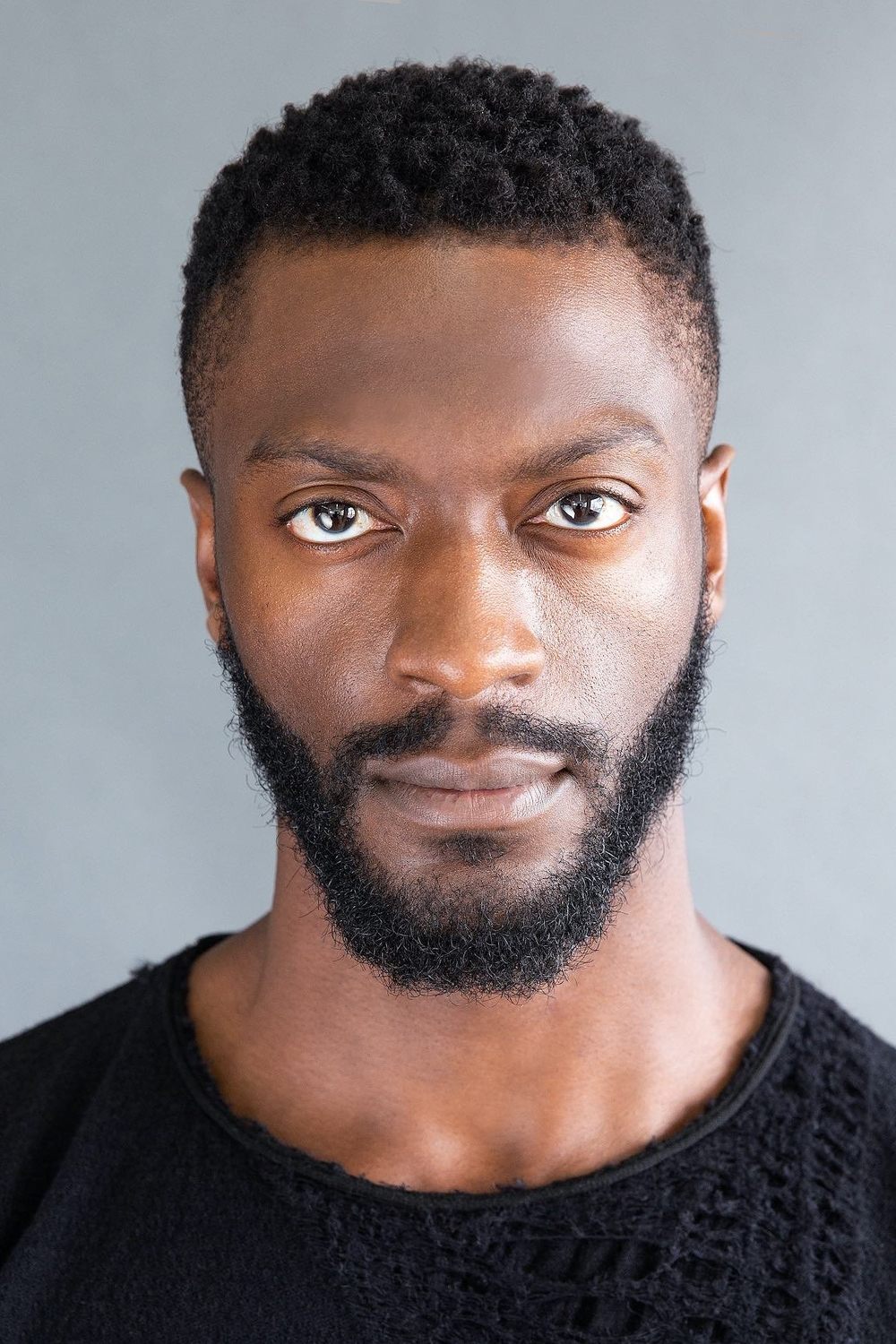
‘What Men Want’ presents Aldis Hodge as Will, a single father whose relationship with Taraji P. Henson’s Ali develops alongside her demanding role at a sports agency; the film stages their connection through family routines, event hospitality settings, and weekend schedules that intersect with Ali’s client obligations. Production uses offices, hotels, and arenas to situate the romance within the professional-sports ecosystem while keeping Will’s work and parenting responsibilities as practical counterpoints.
In ‘Hidden Figures’, Hodge portrays Levi Jackson, husband to Mary Jackson, with scenes centered on NASA timelines, church communities, and family milestones that frame Mary’s pursuit of engineering credentials. Period wardrobe and set design replicate mid-century domestic life and Hampton institutional spaces, tying the couple’s conversations to workplace breakthroughs and the legal hurdles around school access.
Kofi Siriboe
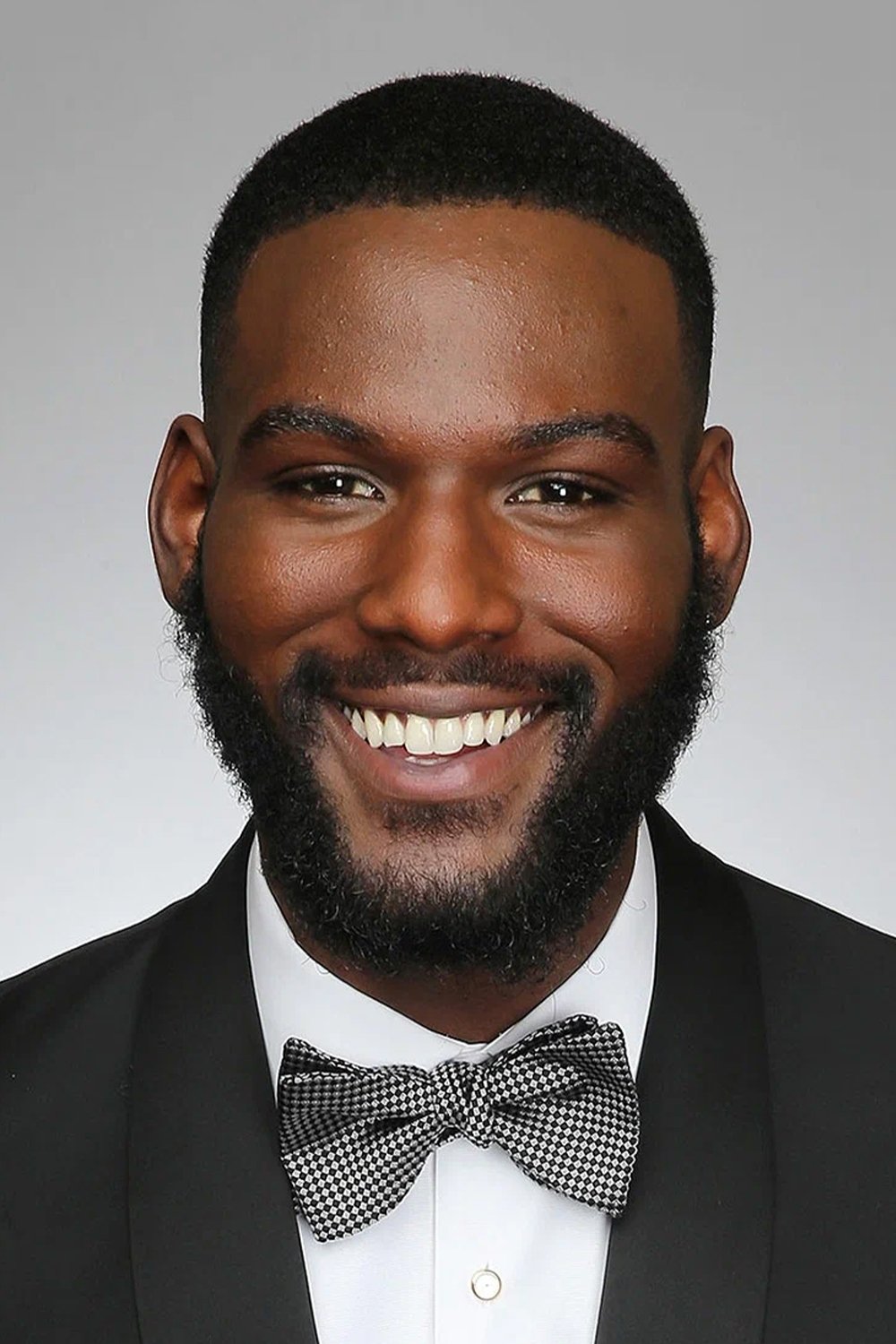
‘Queen Sugar’ follows Kofi Siriboe’s Ralph Angel through relationships that intersect with farm operations, custody agreements, and parole obligations; harvest cycles, co-op meetings, and court dates structure the personal stories. On-location shooting in Louisiana brings agricultural logistics and community gatherings into the romantic arcs.
In ‘Really Love’, Siriboe plays an artist balancing career development with a relationship to a law student, depicted through gallery openings, studio practice, and internship timelines. Production integrates Washington, D.C. cultural institutions and neighborhoods as practical constraints and opportunities for the couple.
Taye Diggs
‘The Best Man’ and ‘The Best Man Holiday’ track Taye Diggs’s Harper Stewart through publishing contracts, wedding weekends, and reunion itineraries that compress decisions into fixed event windows. The ensemble format uses group lodgings, bachelor events, and reception schedules to test relationships.
In ‘Brown Sugar’, Diggs’s character Dre navigates a music-industry startup while maintaining a long-time bond with Sanaa Lathan’s writer; office launches, radio interviews, and label signings pace the interactions. The film incorporates real artists and venues to place the couple within a specific cultural scene.
Omar Epps
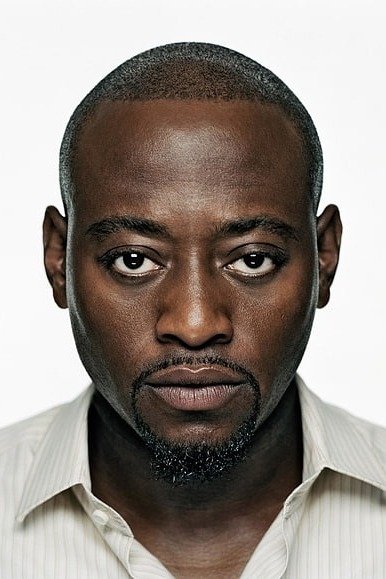
‘Love & Basketball’ follows Omar Epps’s Quincy across high-school to professional hoops, with team practices, draft-prep, and injury rehab shaping a multi-phase relationship with Sanaa Lathan’s Monica. The production uses authentic basketball choreography and NCAA-style environments to track parallel career arcs.
In ‘The Wood’, Epps’s adult Mike returns for a wedding weekend where time-capsule memories, tux fittings, and rehearsal dinners structure the narrative. The film’s back-and-forth timeline uses school dances, neighborhood routes, and group rituals as anchors for romantic and friendship developments.
Morris Chestnut

In ‘The Best Man’ franchise, Morris Chestnut’s Lance romances and marital life interface with pro-football schedules, team obligations, and faith practices; locker rooms, chapels, and media commitments become recurring settings. The films align career seasons with family milestones to frame couple dynamics.
‘Two Can Play That Game’ pairs Chestnut with Vivica A. Fox in a story centered on relationship “rules,” corporate events, and friend-group interventions; office competition, charity galas, and girls’ nights are used as set-pieces. The production leverages ensemble commentary to stage practical tests of the couple’s tactics.
Larenz Tate
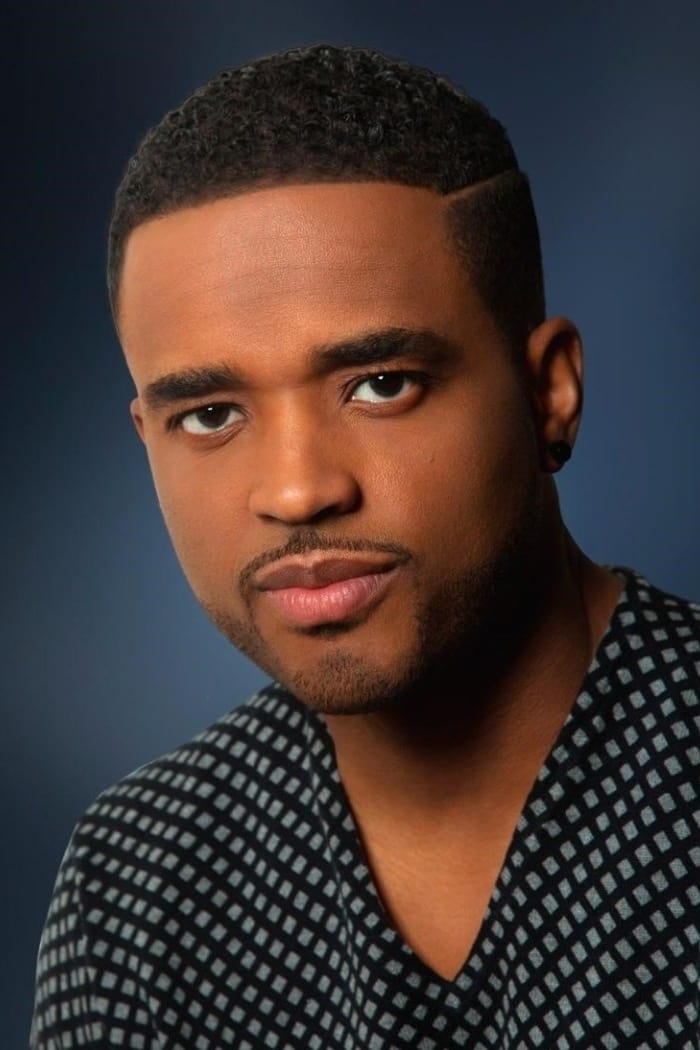
‘Love Jones’ casts Larenz Tate as a poet whose romance with Nia Long’s photographer develops in clubs, open mics, and photo studios; readings, darkroom work, and rainy-night drives structure the beats. Real Chicago locations and a curated soundtrack situate the couple in a thriving arts community.
In ‘Power Book II: Ghost’, Tate’s Rashad Tate operates in politics where campaign events, donor meetings, and classroom settings intersect with personal entanglements. The series uses debate stages, press conferences, and faculty offices to place relationships within institutional and public contexts.
Michael Ealy
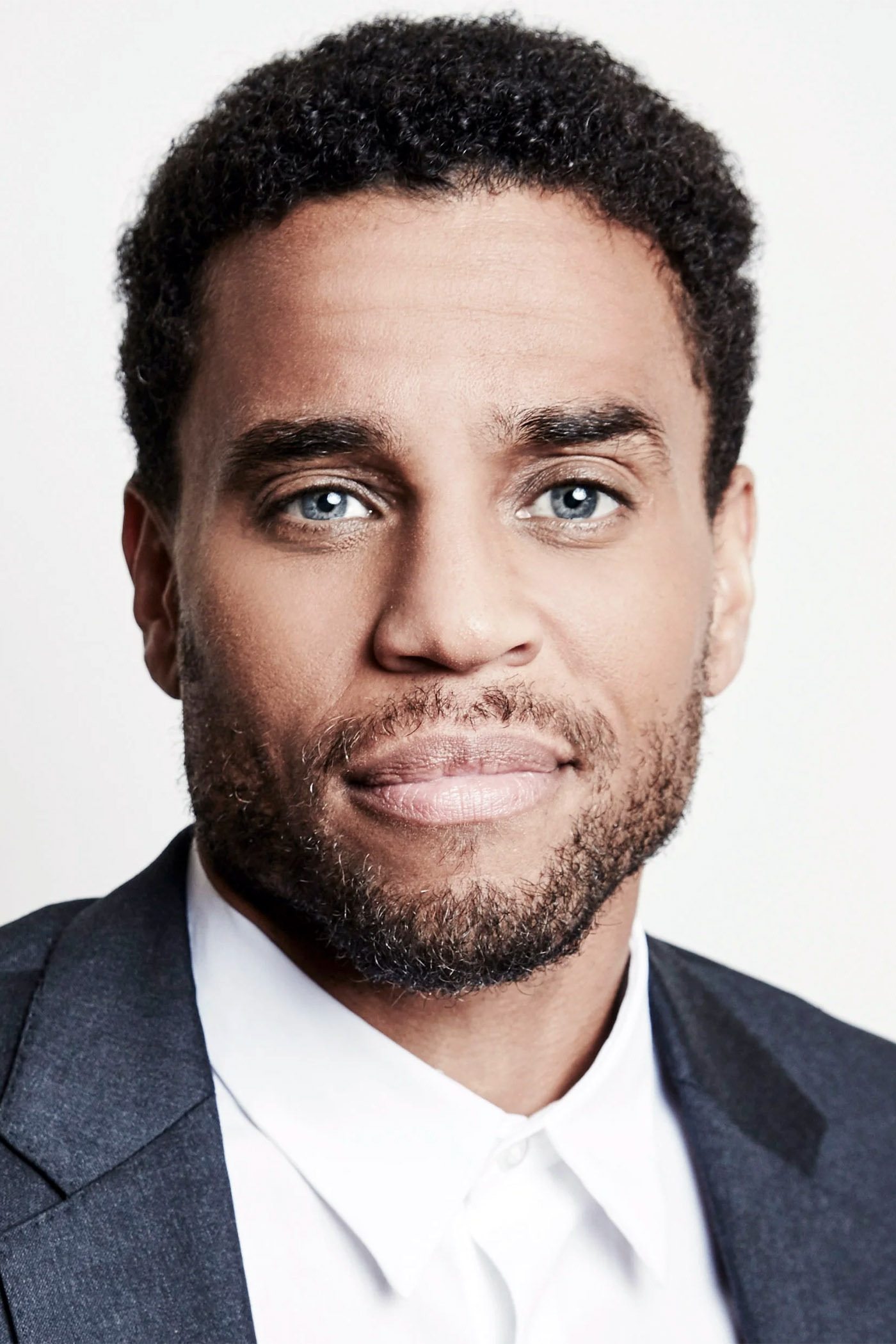
‘About Last Night’ features Michael Ealy as a sales rep whose relationship with Joy Bryant’s character unfolds across work schedules, friend-group dinners, and apartment cohabitation logistics; the narrative tracks move-ins, promotions, and holiday commitments. The production balances downtown bars and office floors as recurring hubs.
In ‘Think Like a Man’, Ealy’s chef pursues a relationship with Taraji P. Henson’s executive; menu tastings, restaurant build-outs, and investor meetings align the romance with entrepreneurial steps. The ensemble structure juxtaposes different couples’ career timelines and shared social spaces.
Nnamdi Asomugha
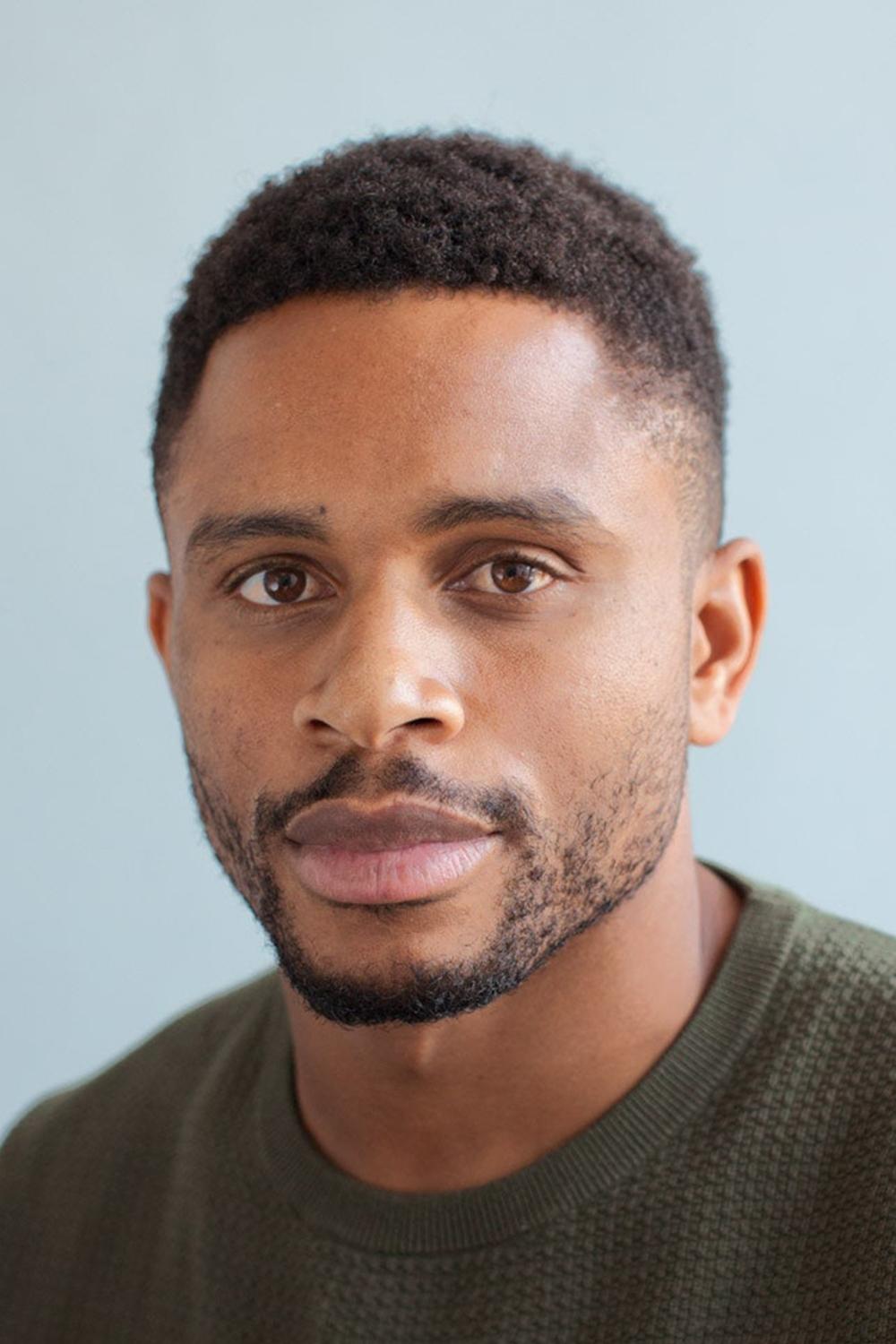
‘Sylvie’s Love’ casts Nnamdi Asomugha as a jazz saxophonist whose romance with Tessa Thompson’s character navigates record deals, television production schedules, and club residencies. Live music performance, wardrobe authenticity, and period-specific media jobs anchor the couple’s choices.
Behind the scenes, Asomugha’s musical preparation and the film’s recording sessions integrate with narrative arcs—rehearsals, auditions, and tour offers act as plot engines. Production design emphasizes department stores, editing bays, and backstage areas to show how work structures their time together.
Donald Glover

‘Atlanta’ follows Donald Glover’s Earn across relationships entwined with artist management, school responsibilities, and family travel; episodes use festivals, European tour stops, and local bureaucracies to test logistics. The show’s semi-anthology structure allows bottle episodes where practical tasks define the tone of a couple’s day.
In ‘Mr. & Mrs. Smith’, Glover’s character enters a marriage that doubles as a professional partnership; mission briefings, safehouse protocols, and cover identities supply the operational framework. The series builds domestic spaces around surveillance concerns and field assignments, making relationship maintenance a literal job requirement.
John David Washington
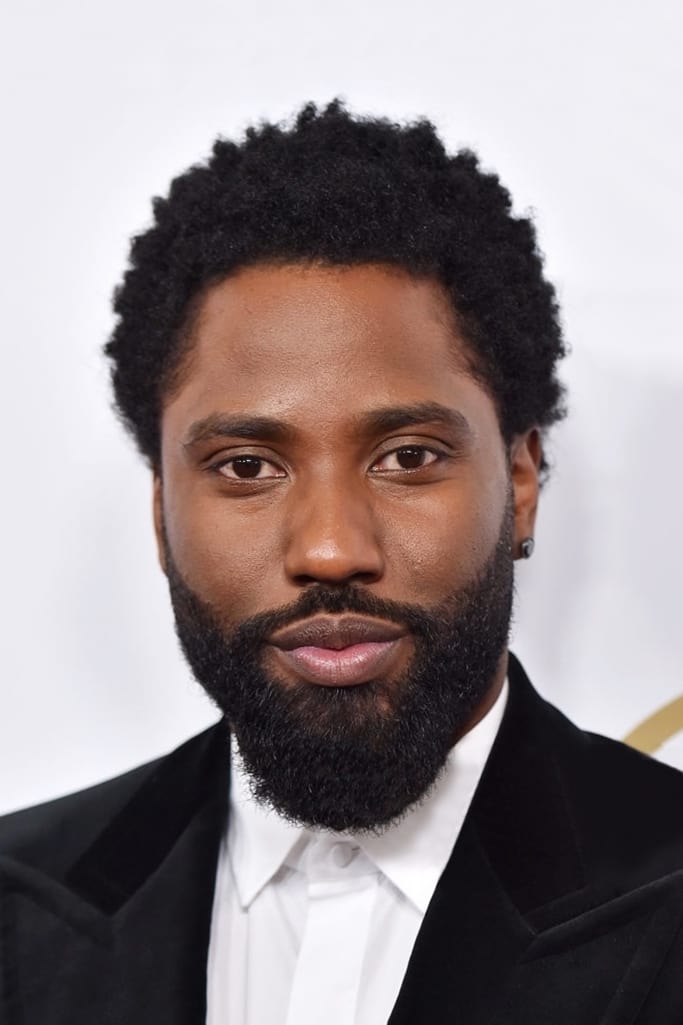
‘Malcolm & Marie’ confines John David Washington and Zendaya’s characters to a single night in a house, using meal prep, festival fallout, and industry critiques as catalysts. The production’s single-location design foregrounds schedule pressures—screenings, reviews, and after-parties—that inform the couple’s discussion.
In ‘Ballers’, Washington’s NFL wide receiver navigates contracts, media obligations, and team relocations, all of which intersect with dating and family choices. Scenes at training facilities, endorsement shoots, and franchise offices position relationships alongside business decisions.
Corey Hawkins
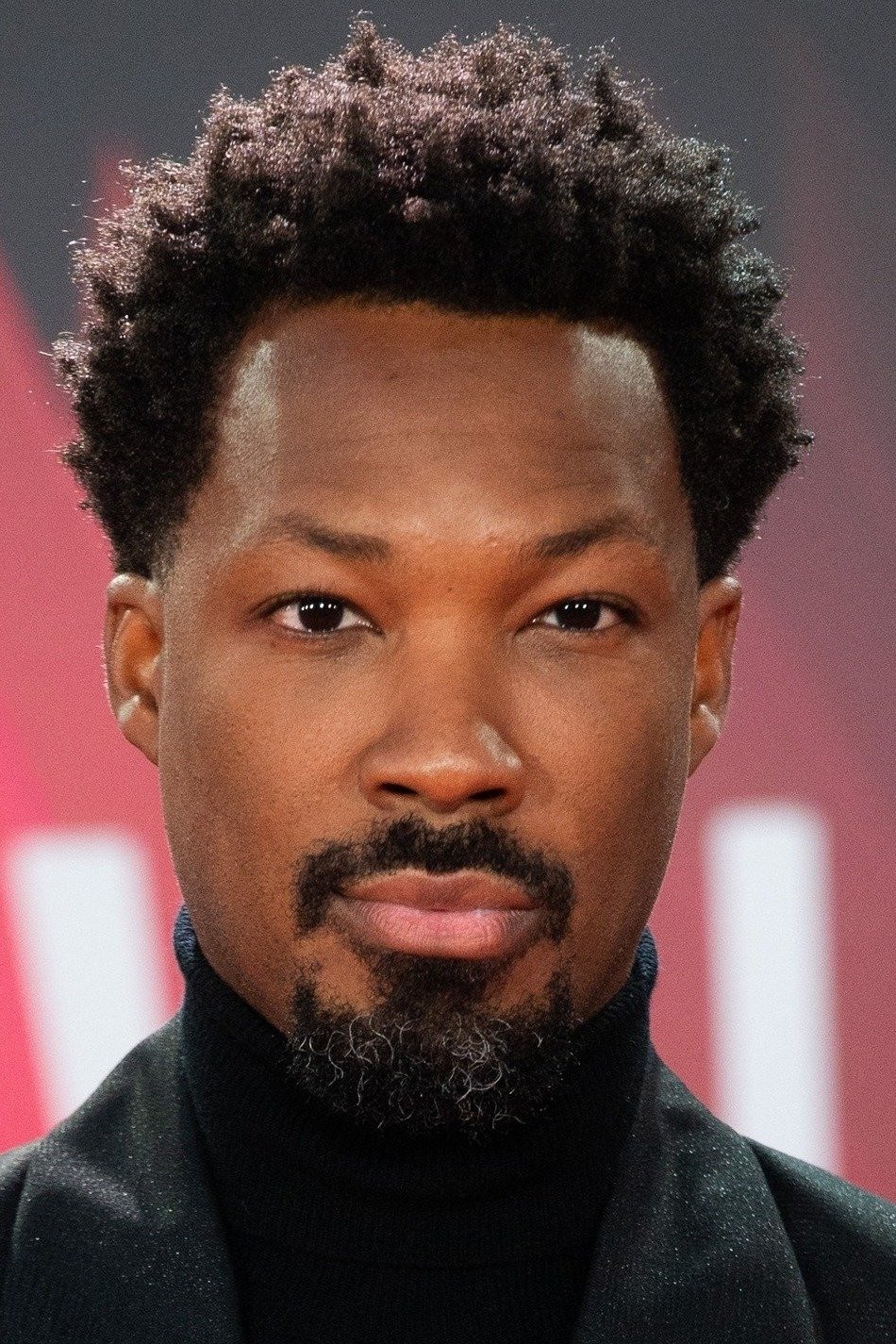
‘In the Heights’ features Corey Hawkins as Benny, whose romance with Leslie Grace’s Nina is paced by summer timelines, dispatch shifts, and family expectations within a neighborhood’s blackout and lottery events. On-set choreography and ensemble numbers integrate transit hubs and bodega stoops as communal meeting points.
In ‘Straight Outta Compton’, Hawkins’s portrayal of Dr. Dre includes relationship and family scenes shaped by studio sessions, tour schedules, and label negotiations. The film’s production process recreates recording equipment and performance venues that contextualize personal life within professional momentum.
Damson Idris
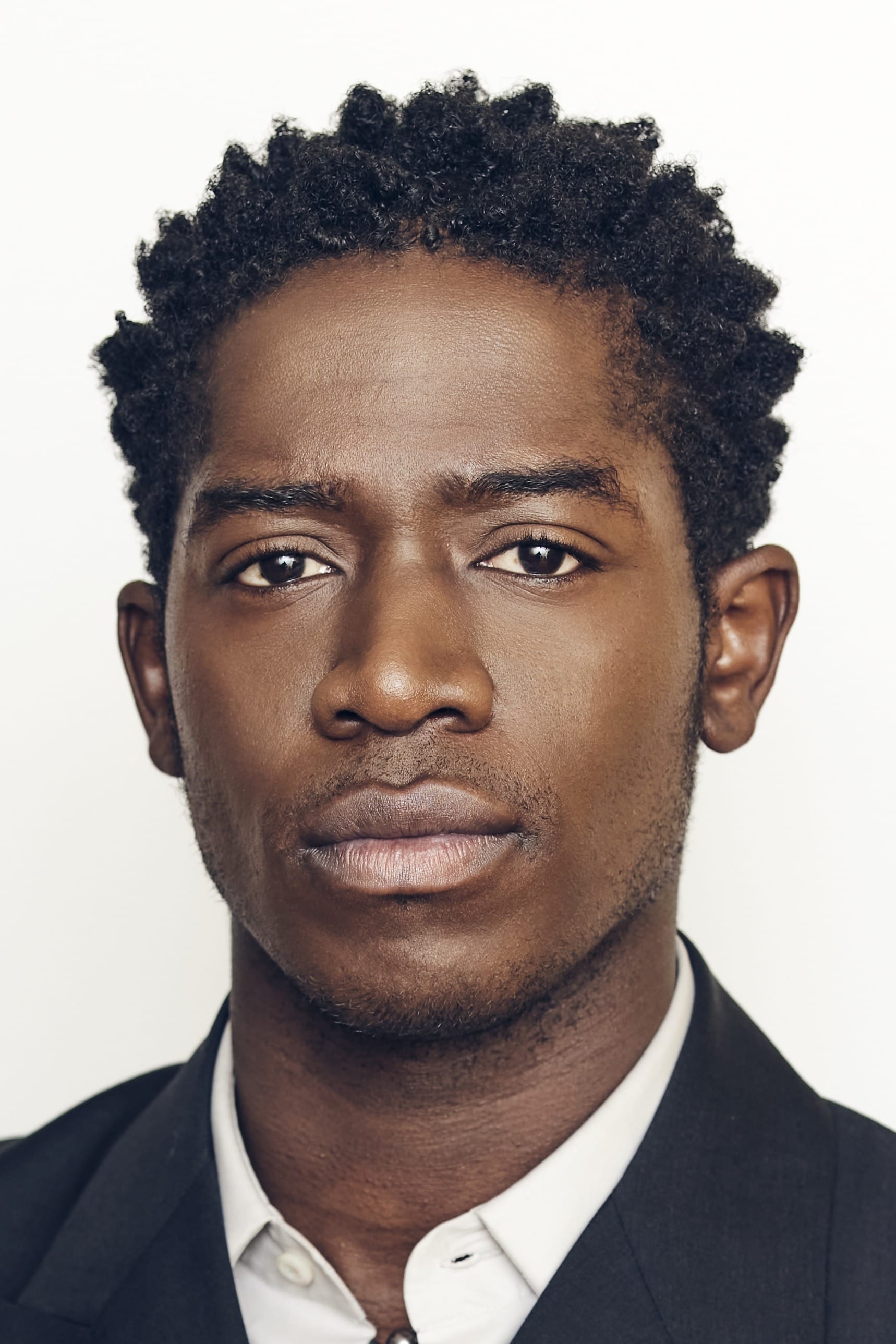
‘Snowfall’ places Damson Idris’s Franklin amid an expanding enterprise where relationships intersect with security planning, real-estate moves, and family governance. Los Angeles neighborhoods, safe-house setups, and supply-chain meetings provide the structural beats that affect his personal life.
In ‘Outside the Wire’, Idris’s drone pilot forms connections under military protocols, mission briefings, and field operations that compress timelines. The production incorporates tactical training, command-center interfaces, and urban-combat staging to emphasize how duty structures the character’s interactions.
Share your favorite performances and the projects you think belong on this list in the comments!