Mystery Series You are Sleeping on (but Shouldn’t)



Some of the most intriguing mysteries are tucked just out of sight in shows that slipped past busy watchlists. This guide gathers a wide mix of international and English language series that build their puzzles with careful detail and layered character work so you can drop into a new case and follow the clues without feeling lost.
Each pick includes what the story focuses on and the kind of crimes or enigmas that drive the plot. You will find small town investigations, cold cases that resurface, psychological mysteries that unfold through unreliable witnesses, and procedurals that lean into location as a core part of the storytelling.
‘Giri/Haji’ (2019)

This crime mystery connects Tokyo and London through a detective who travels to the United Kingdom while searching for his missing brother who is tied to organized crime. The investigation widens to include local police, rival factions, and a series of incidents that link the two cities.
The show uses parallel timelines and multiple points of view to reveal how one act triggers unexpected consequences. Family loyalty, duty, and the cost of violence guide the choices that move the case forward.
‘Black Spot’ (2017–2019)
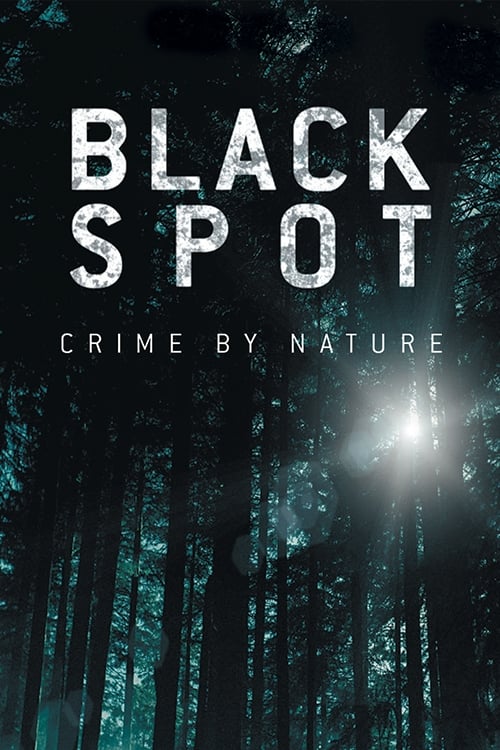
Set in a remote forest town, this series follows a new prosecutor who arrives to review a high crime rate while the local chief of police tracks a string of disappearances. The woods themselves hold old secrets that complicate every lead.
Episodes pair a case of the week with an ongoing mystery around the town’s past. Folk legends, missing persons files, and environmental clues shape how the investigators read each scene.
‘Cardinal’ (2017–2020)

A detective returns to a frozen northern community to reopen a case involving a disappeared teenager. As new evidence turns up, the team uncovers patterns that connect recent crimes to an older offender.
The series adapts crime novels and gives each season a distinct case with clear forensic and behavioral threads. Weather conditions, geography, and careful surveillance work are used as tools to corner suspects.
‘Dublin Murders’ (2019)

Two detectives investigate the death of a young girl in a wooded area while an older unsolved case casts a long shadow. Their shared history with the location creates conflicts that affect decisions on the job.
The inquiry draws on witness interviews, archival records, and psychological profiling. The narrative switches between present day scenes and past events to show how memory shapes testimony.
‘Hinterland’ (2013–2016)
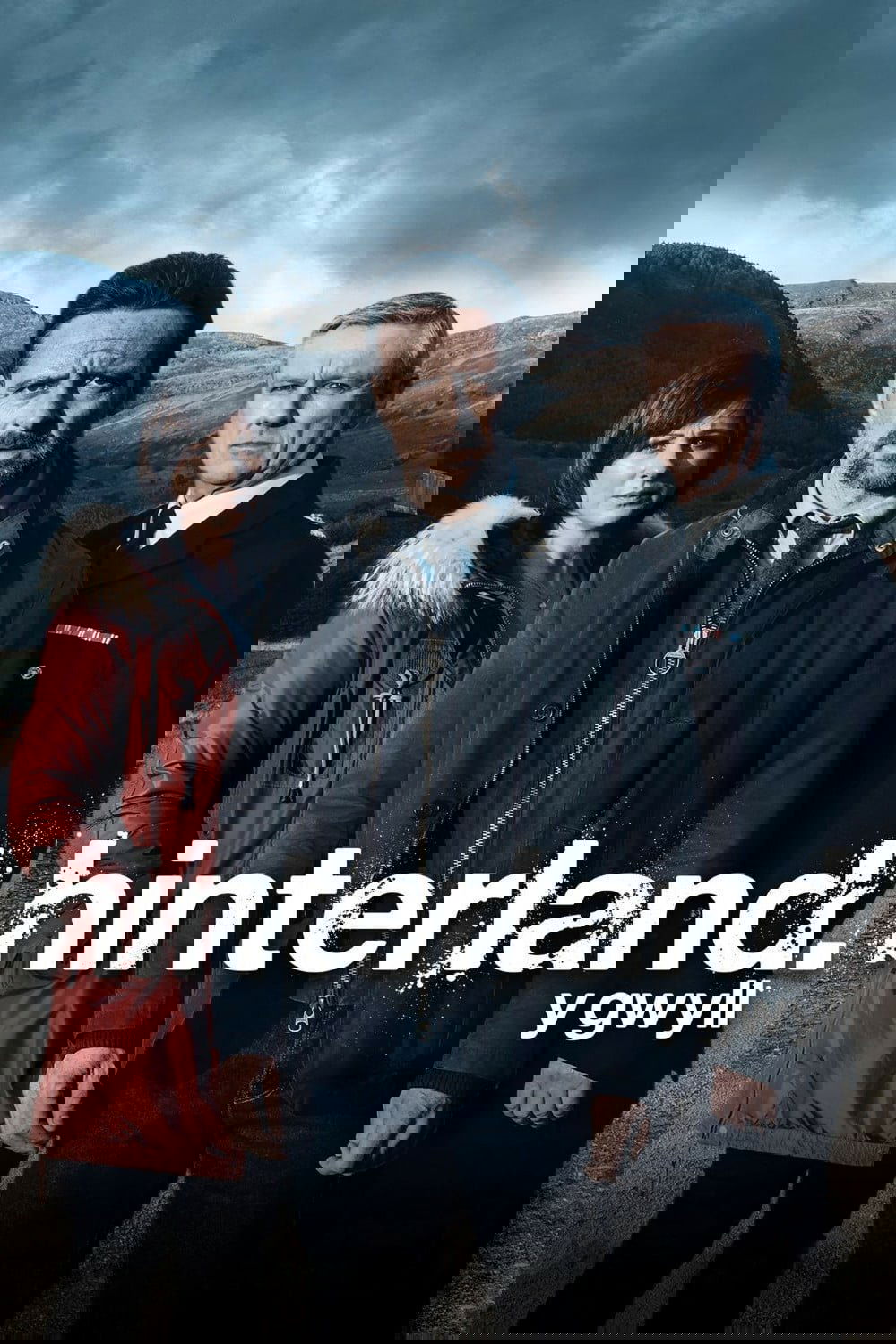
A detective relocates to rural Wales and tackles cases that unfold around isolated farms, coastal villages, and former industrial sites. Each episode focuses on a single investigation that exposes hidden tensions in tight knit communities.
The show emphasizes detailed police work that relies on door to door interviews, scene reconstruction, and patient cross checking of timelines. Landscape and language play into motive and opportunity.
‘The Valhalla Murders’ (2019)

A Reykjavik detective teams up with an investigator from abroad after a series of killings suggests a connection to a school for troubled youths. Old records and sealed files become central to the inquiry.
The case builds through crime scene analysis, victimology, and the tracking of shared histories among suspects. The investigation weighs institutional responsibility as it follows the trail.
‘Katla’ (2021)

After a volcanic event in Iceland, residents of a small town begin encountering people who should not be there. A scientist and local authorities document the phenomena while searching for a rational explanation.
The mystery blends physical evidence with folklore as samples, logs, and eyewitness accounts are compared. Personal artifacts and geology reports become key to understanding what the town is facing.
‘Bordertown’ (2016–2020)

A gifted investigator moves with his family to a city on the Finnish Russian border to take on a quieter post and instead finds complex cases that cross jurisdictions. The team handles homicides that pull in political and personal stakes.
Each investigation leans on pattern analysis, linguistic clues, and digital forensics. Family life and professional pressures intersect in ways that influence strategy and risk.
‘Deadwind’ (2018–2021)

A detective returns to work after a personal loss and is assigned a case that starts with a body near a construction site. The inquiry reveals corporate connections and a series of associated crimes.
The team uses financial records, phone data, and ground searches to piece together movements and timelines. Interviews with developers, activists, and family members gradually align into a clear picture.
‘River’ (2015)

A veteran detective is partnered with a new investigator while he continues to be visited by figures from unresolved cases. Those encounters affect how he approaches witnesses and evidence.
The mystery is grounded in routine police procedure that includes CCTV pulls, bank traces, and methodical scene work. The personal element introduces competing interpretations that have to be tested against hard facts.
‘The Five’ (2016)
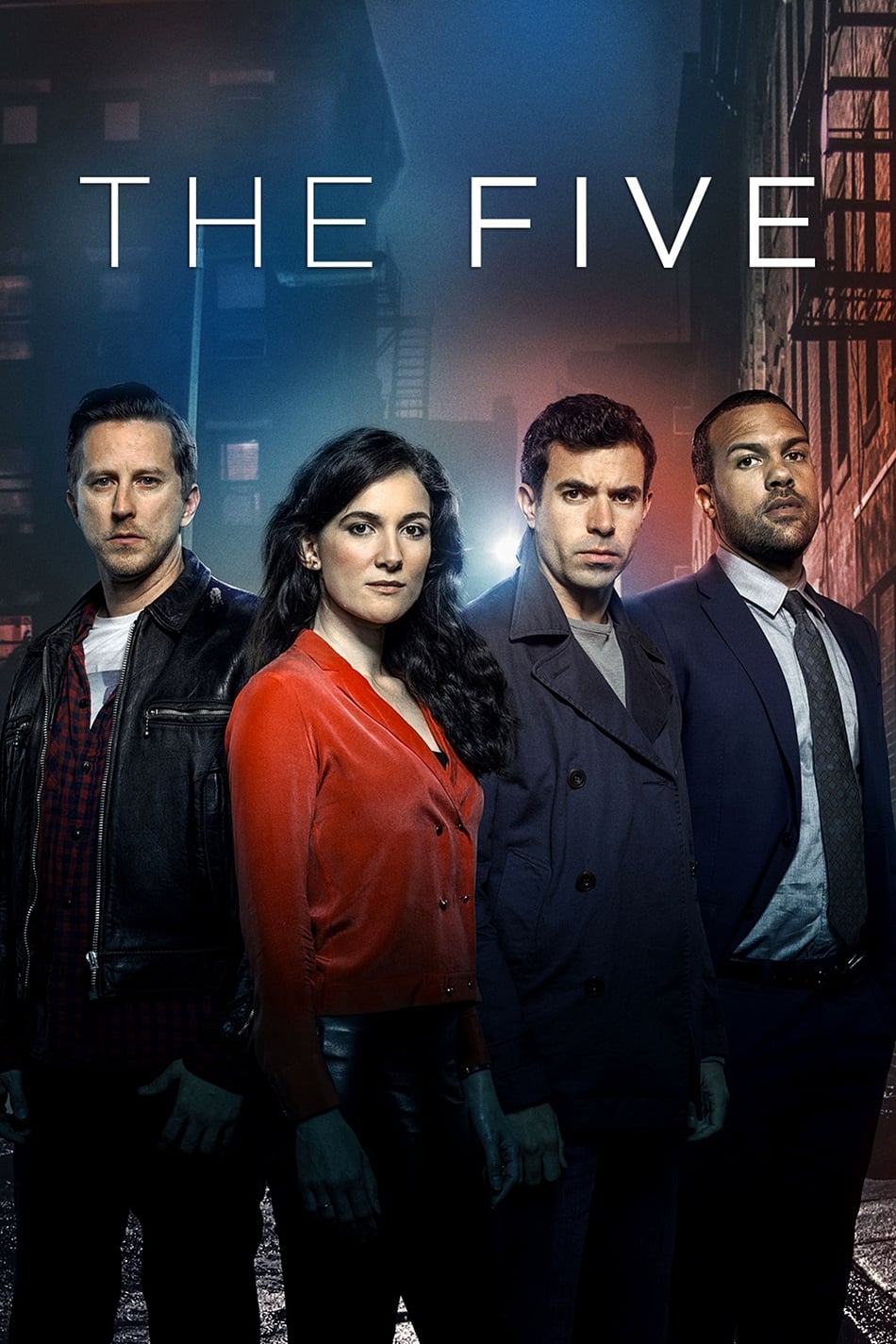
A group of friends is shaken when DNA from a boy who vanished years earlier turns up at a new crime scene. A detective among them reopens the case while the others confront what they thought they knew.
Progress comes from reexamining old interviews, mapping possible sightings, and checking modern databases against past assumptions. The show tracks how emerging evidence can reorder a cold case.
‘Paranoid’ (2016)

After a physician is killed in a public place, a small town police team follows a trail that leads beyond national borders. An unknown observer sends notes that push the case in unexpected directions.
The investigation leans on pharmaceutical records, international cooperation, and protection details for key witnesses. The use of anonymous tips and verified sources becomes a central question.
‘Rellik’ (2017)

A detective with scars from an earlier attack hunts a serial offender while the story reveals events in reverse order. Each step backward clarifies a piece of the larger sequence.
Evidence handling, lab results, and suspect mapping function as anchors as the timeline moves. Viewers are shown how cause and effect operate when the chronology is inverted.
‘Collateral’ (2018)
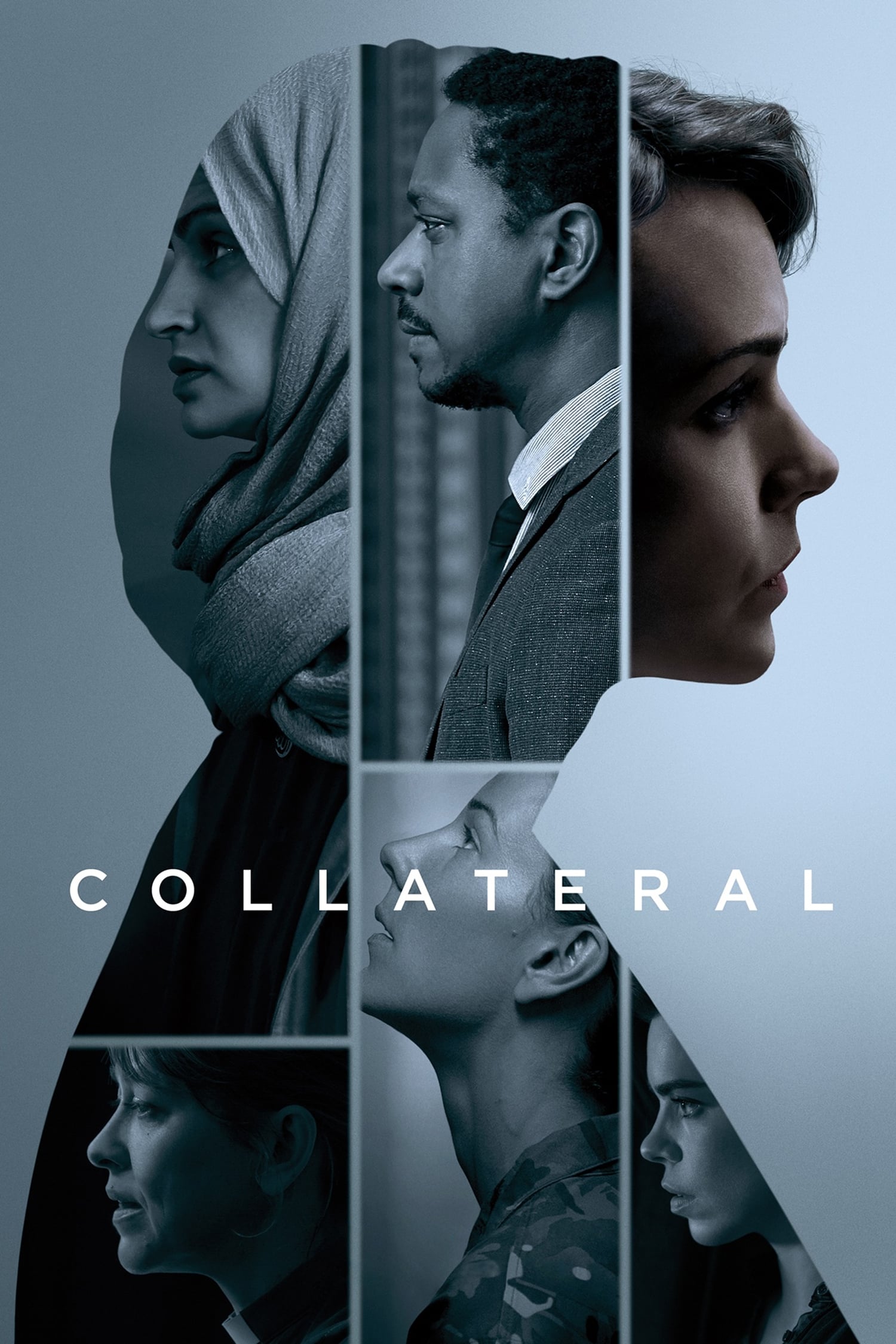
A delivery driver is shot in London and a detective inspector pursues a case that touches immigration services, the military, and local politics. The team follows money paths and service records to build motive.
The inquiry uses chain of custody checks, witness protection protocols, and surveillance reviews. The scope widens as interconnected agencies disclose partial information that must be reconciled.
‘The Forest’ (2017)

In a small French town, a teenager disappears after leaving home at night and the local police search the surrounding woods. As new clues appear, links to older incidents emerge.
Investigation methods include canine units, cell tower pings, and systematic grid searches. Family histories and school dynamics are scrutinized to reveal pressure points.
‘The Kettering Incident’ (2016)
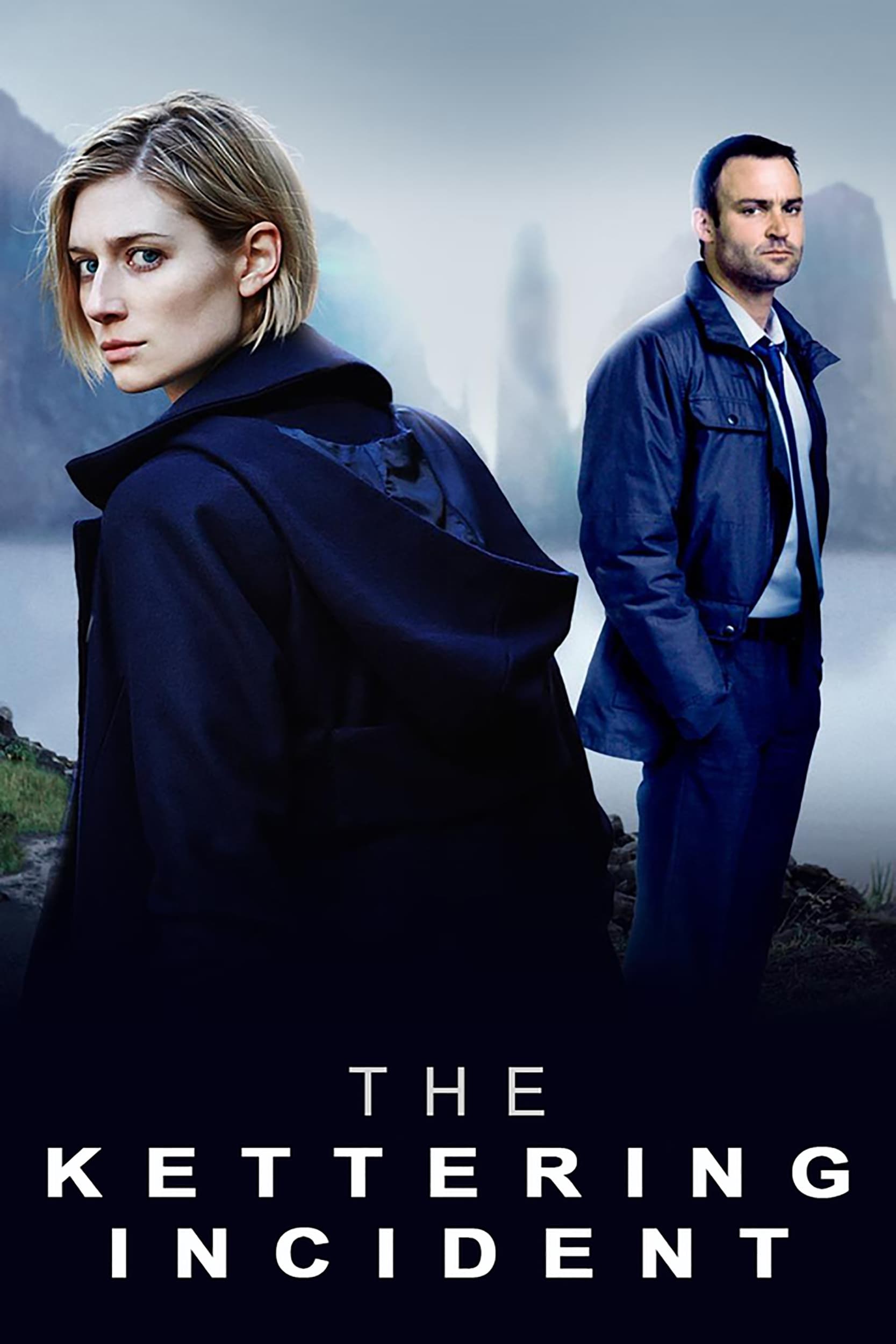
A doctor returns to her Tasmanian hometown where a childhood friend vanished and strange events begin again. Local industries and community rifts complicate the response to new disappearances.
The mystery makes use of medical findings, environmental samples, and shipping records. Conflicting testimonies and territorial disputes create obstacles that must be worked through.
‘Hidden’ (2018–2022)
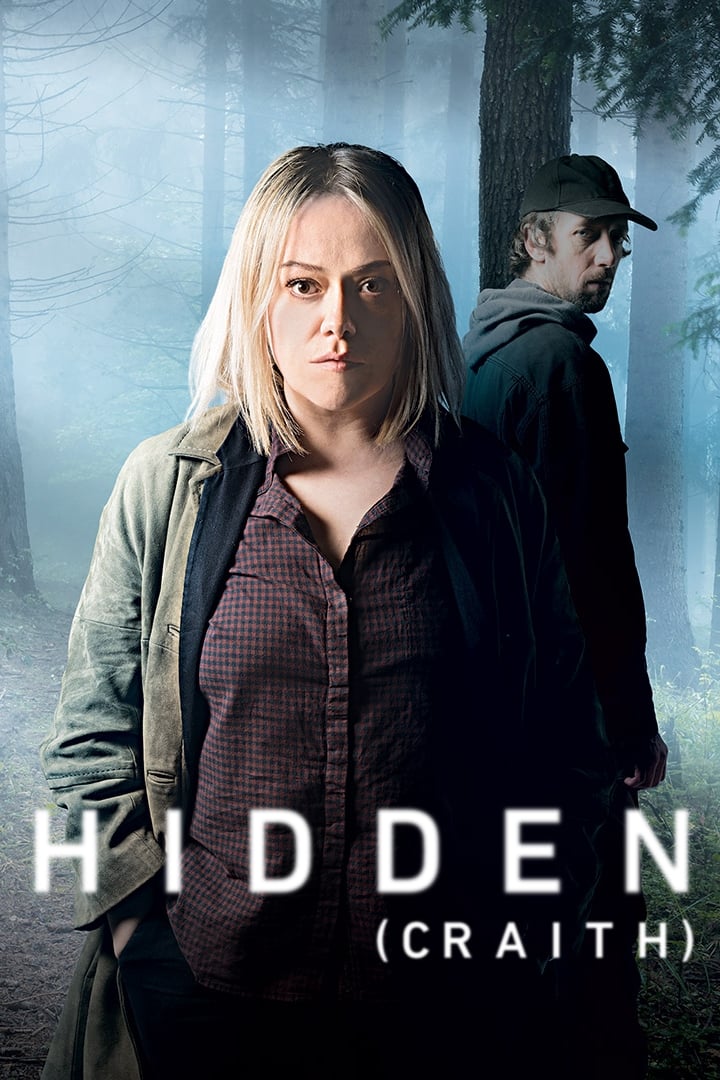
A Welsh detective investigates crimes that expose exploitation and long standing grudges in rural communities. Each season centers on a primary offender while also following the impact on victims and families.
The team uses interview techniques that focus on trauma informed practice, along with careful scene preservation. Small clues such as local habits and routes become decisive.
‘Marcella’ (2016–2021)

A former detective returns to active duty to track a killer whose methods echo an earlier case. Episodes alternate between field work and internal reviews as questions arise about memory and reliability.
The investigation incorporates profiler input, digital timelines, and undercover tactics. The personal cost of long running operations is shown through duty reports and therapy sessions that inform procedure.
‘The Missing’ (2014–2016)
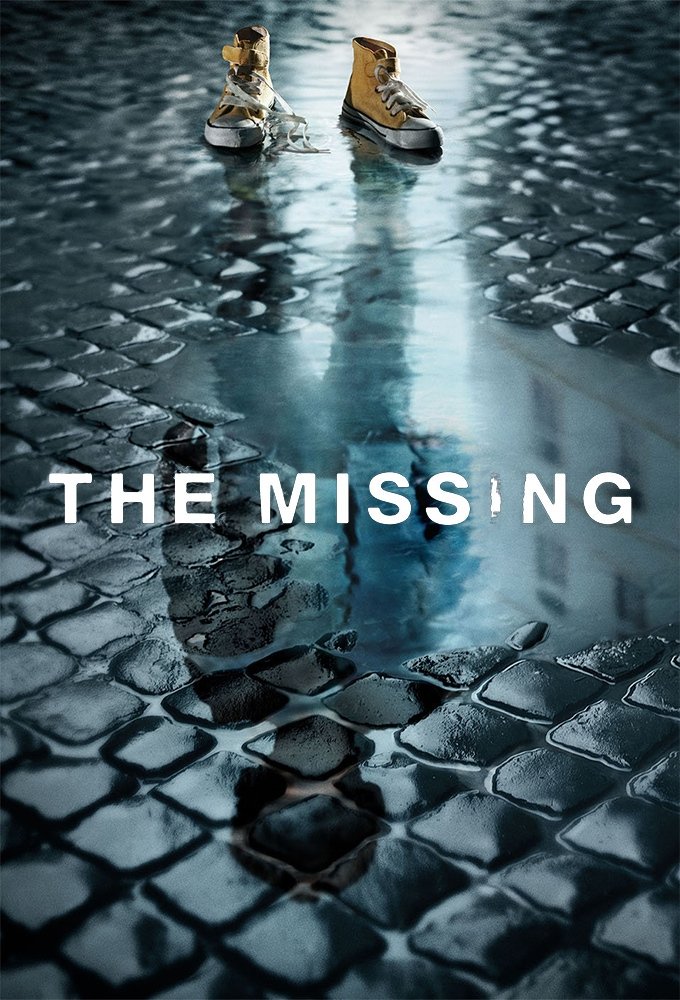
Two separate stories follow families dealing with the disappearance of a child. Investigators collaborate with authorities across borders while working through leads that reach back years.
Progress depends on age progression analysis, travel records, and painstaking reconstruction of last known movements. The series highlights how persistence and incremental findings can shift a case.
‘Top of the Lake’ (2013–2017)

A detective returns to her birthplace to investigate the disappearance of a pregnant girl. The search leads into isolated communities where local power structures shape access to information.
The case advances through interviews, water searches, and property records. Geography and economics are treated as practical factors that affect how and where evidence surfaces.
‘The Sinner’ (2017–2021)

Each season presents a new case in which an apparent offender has an unexplained motive. A persistent detective looks for the trigger that set events in motion and tests each theory against the physical record.
The show uses hypnosis sessions, medical files, and recovered artifacts to fill gaps in memory. Cause is traced through family history, community ties, and chance encounters that align into a pattern.
‘Homecoming’ (2018–2020)

A caseworker at a facility for returning service members begins to question what the program really does. A parallel timeline follows a federal investigator who notices discrepancies in corporate documents.
The mystery unfolds through recorded calls, redacted reports, and location audits. Administrative details and facility protocols become the breadcrumbs that lead to the truth.
‘Shining Girls’ (2022)

A newspaper archivist tracks a series of attacks that should not be possible given the dates and locations. She works with a reporter to match victims, timelines, and unusual objects found at scenes.
Research pulls from microfilm, police logs, and personal journals to verify what happened and when. The show treats evidence as a way to stabilize reality while the case challenges it.
‘Guilt’ (2019–2023)
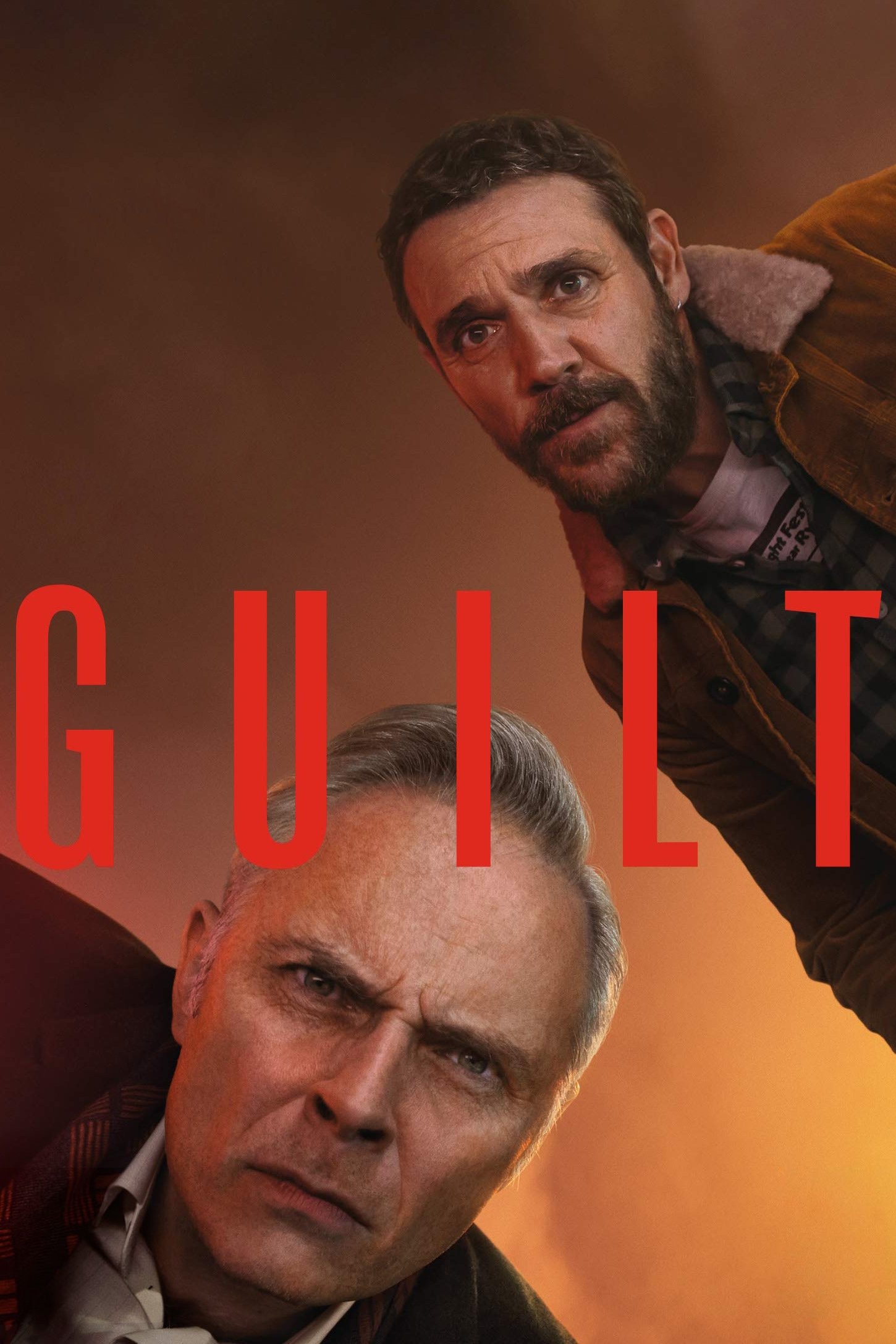
After a fatal accident, two brothers try to cover their involvement and get drawn into a deeper criminal web. Investigators and acquaintances begin to notice inconsistencies that point back to the original night.
The story uses property records, security footage, and financial pressures to connect characters. Each discovery reveals another dependency that tightens the net around the truth.
‘Liar’ (2017–2020)

A teacher and a surgeon meet for a date and the next day conflicting accounts lead to a police inquiry. The investigation looks at phone activity, trace evidence, and past complaints.
The series examines how cases of sexual assault are documented and tested against corroborating proof. Court procedures, media interest, and support services all influence the path to resolution.
Share your favorite under the radar mystery series in the comments and tell us which one you plan to start next.