1990s Movies that Are Impossible to Remake Today


The 1990s were a landmark decade for filmmakers who pushed boundaries in storytelling, technology, and Hollywood’s studio system. Films combined bold formal choices with practical effects, early digital breakthroughs, and distinctive voices that reshaped entire genres. Many of these projects were made under specific industry conditions, union rules, and distribution norms that no longer exist in the same way, and they often arrived through unusual financing paths or auteur-friendly deals that would be hard to replicate now.
Below is a curated run through of twenty-five feature films from that decade. For each, you’ll find concrete production context—who made them, how they were mounted, where they were shot, how they performed at the box office, and the awards or controversies that shaped their legacy—so you can see exactly why each project is so closely tied to the moment it was created.
‘Pulp Fiction’ (1994)
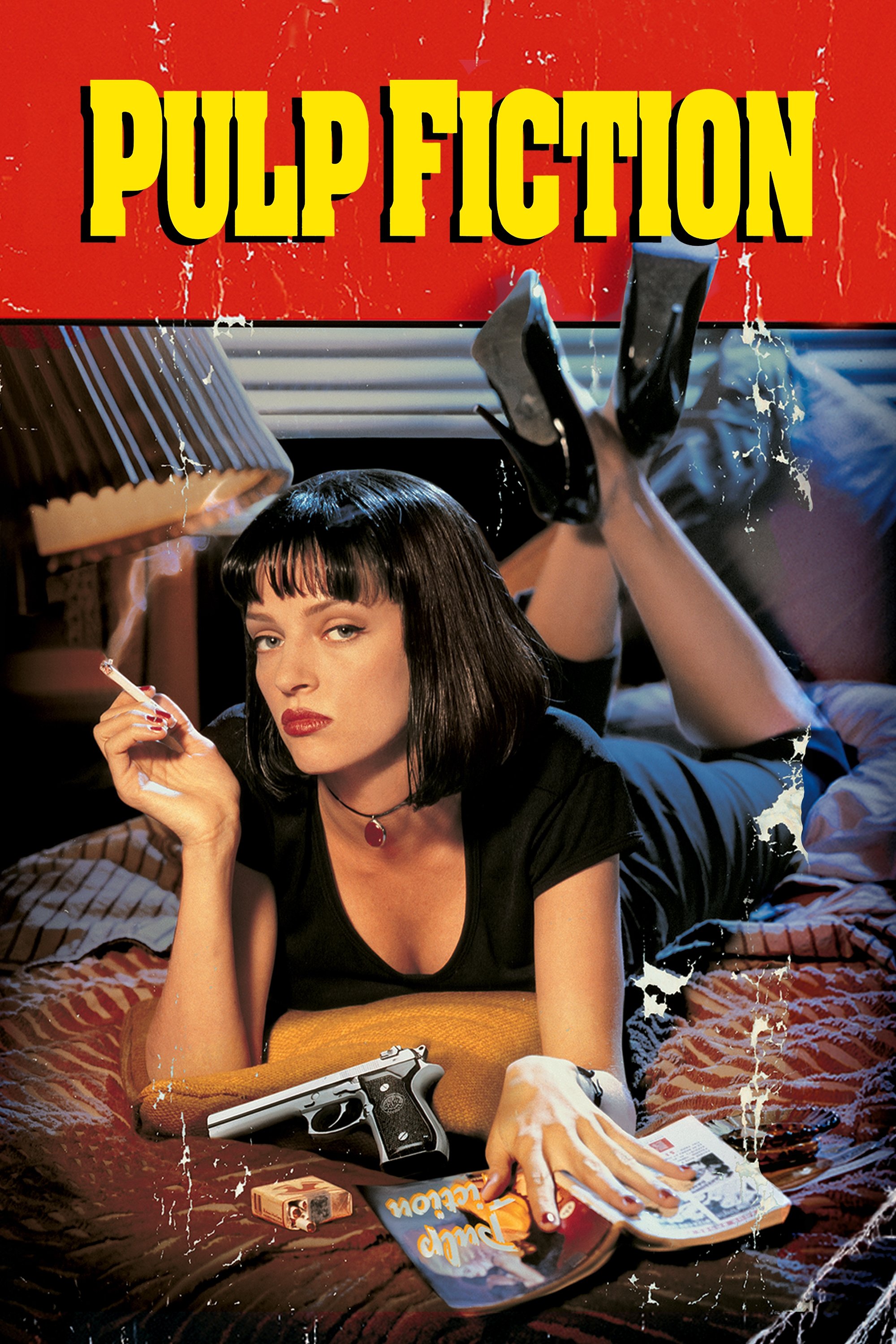
Written and directed by Quentin Tarantino and produced by Lawrence Bender, ‘Pulp Fiction’ was financed through Miramax after an earlier script sale put the filmmaker on the map. It premiered at a major European festival, won the top prize, and went on to substantial worldwide grosses relative to a modest production budget.
The cast included John Travolta, Samuel L. Jackson, Uma Thurman, Bruce Willis, and Ving Rhames, with an eclectic soundtrack licensed from surf, soul, and pop catalogs. The film’s non-linear structure and chapter formatting were locked in during a lengthy edit overseen by editor Sally Menke, with careful clearance of brand names and needle drops that became integral to its identity.
‘The Matrix’ (1999)
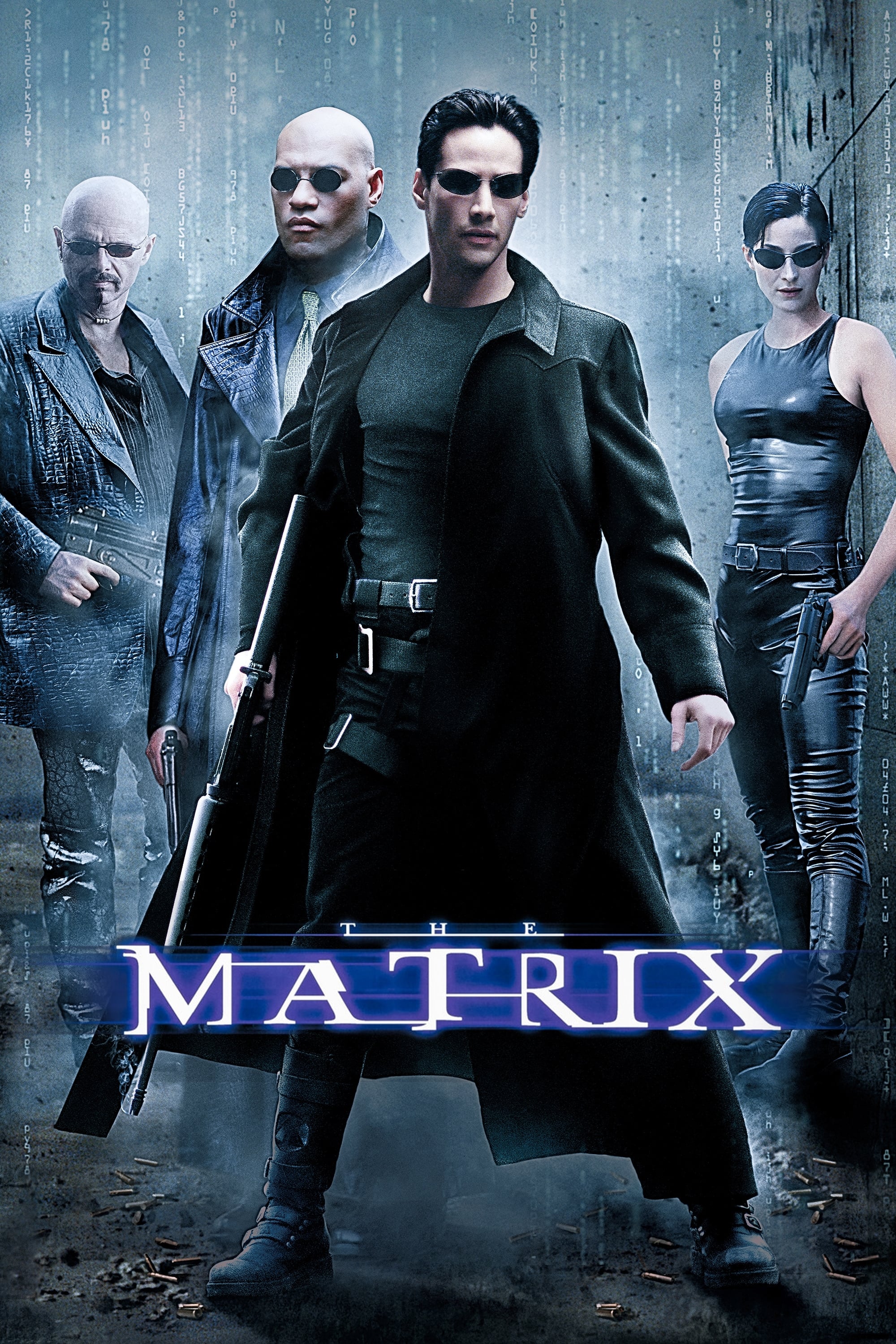
‘The Matrix’ was written and directed by Lana and Lilly Wachowski and produced by Joel Silver for Warner Bros., with extensive principal photography in Sydney to leverage local incentives and stages. The production combined wire-fu choreography overseen by Yuen Woo-ping with large-scale practical sets constructed for sequences like the lobby battle.
Visual effects teams pioneered “bullet time” using multi-camera arrays and advanced compositing, while John Gaeta supervised the VFX approach that integrated stunt work with CG augmentation. Keanu Reeves trained for months alongside Carrie-Anne Moss, Laurence Fishburne, and Hugo Weaving, and the project’s marketing leaned on cryptic taglines and early internet buzz.
‘Fight Club’ (1999)
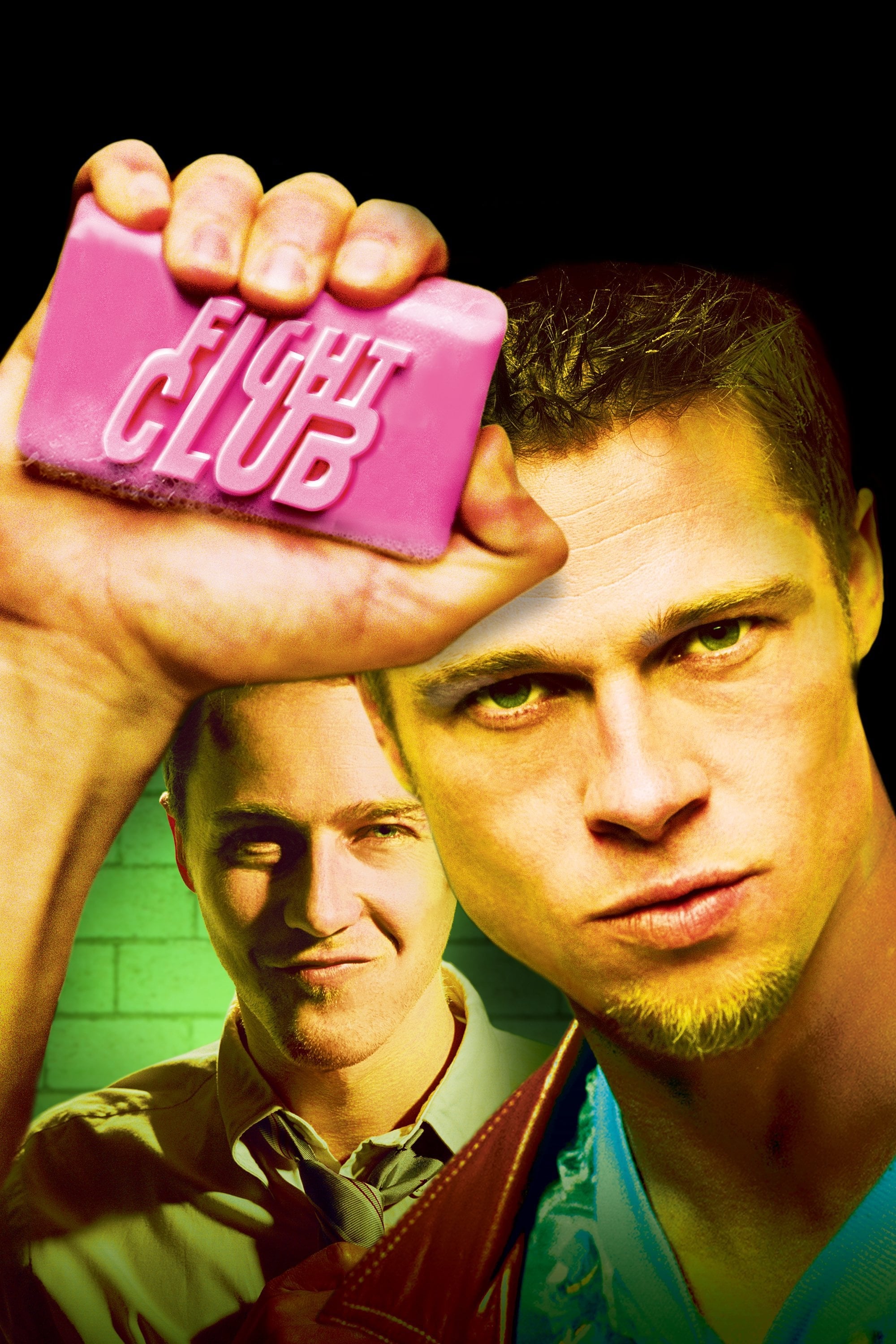
Directed by David Fincher and produced by Art Linson, ‘Fight Club’ was developed at Fox from Chuck Palahniuk’s novel with Brad Pitt and Edward Norton leading. The film’s photography by Jeff Cronenweth and production design by Alex McDowell built a decaying urban aesthetic on standing stages and practical locations.
Digital Domain delivered invisible effects that supported narrative beats, including single-frame insertions and cityscape composites. The Dust Brothers contributed the score, and the release strategy included a major festival premiere and a home-video rollout that significantly expanded its audience.
‘Goodfellas’ (1990)
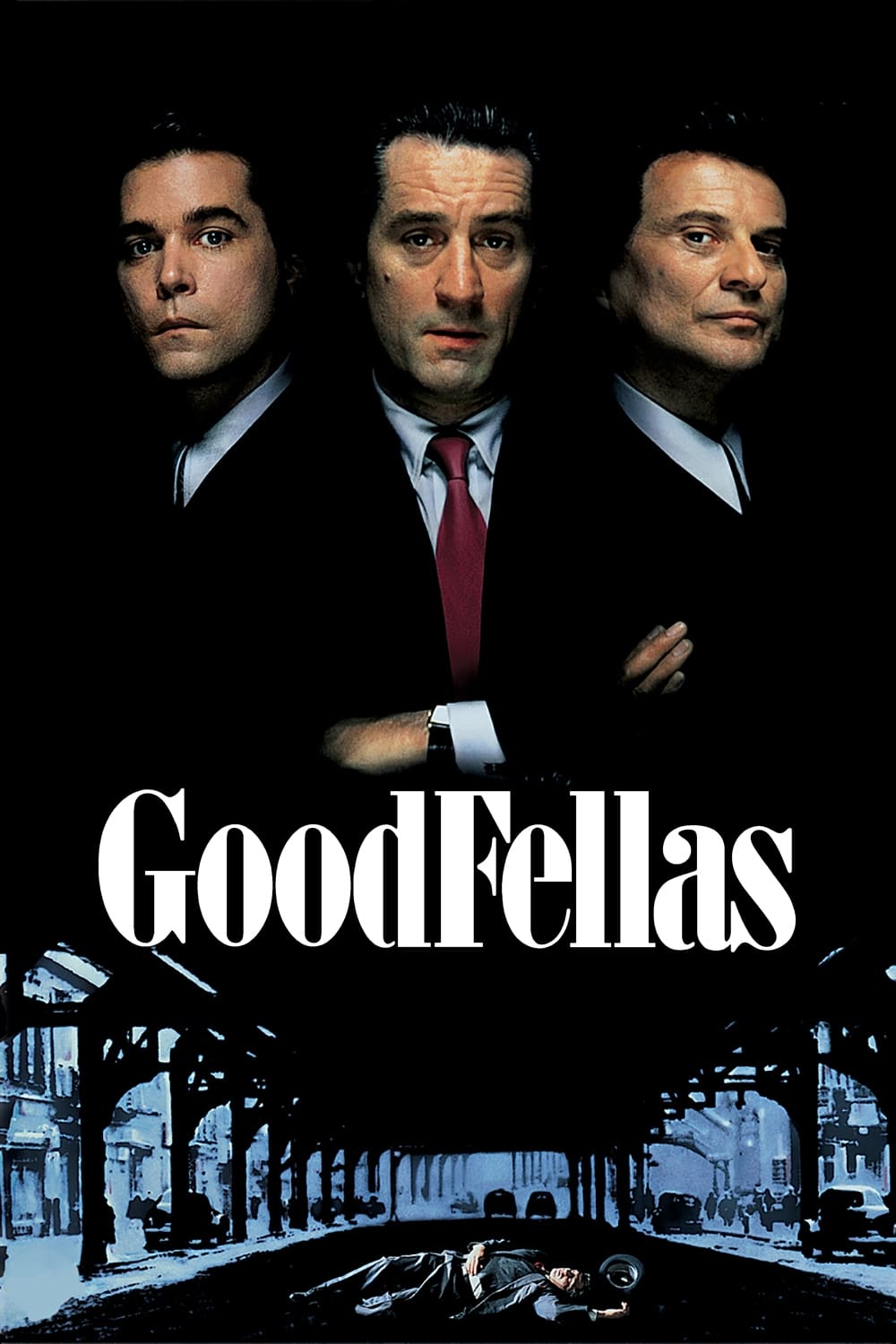
‘Goodfellas’ was directed by Martin Scorsese, adapted with Nicholas Pileggi from his nonfiction book, and produced by Irwin Winkler for Warner Bros. Michael Ballhaus’s dynamic cinematography included the famous single-take Copacabana shot executed with careful blocking and steadicam operation.
The ensemble featured Ray Liotta, Robert De Niro, Joe Pesci, and Lorraine Bracco, with Thelma Schoonmaker’s editing setting the film’s propulsive rhythm. The soundtrack involved complex music clearances across multiple labels, and Joe Pesci received widespread awards recognition for his performance.
‘The Silence of the Lambs’ (1991)
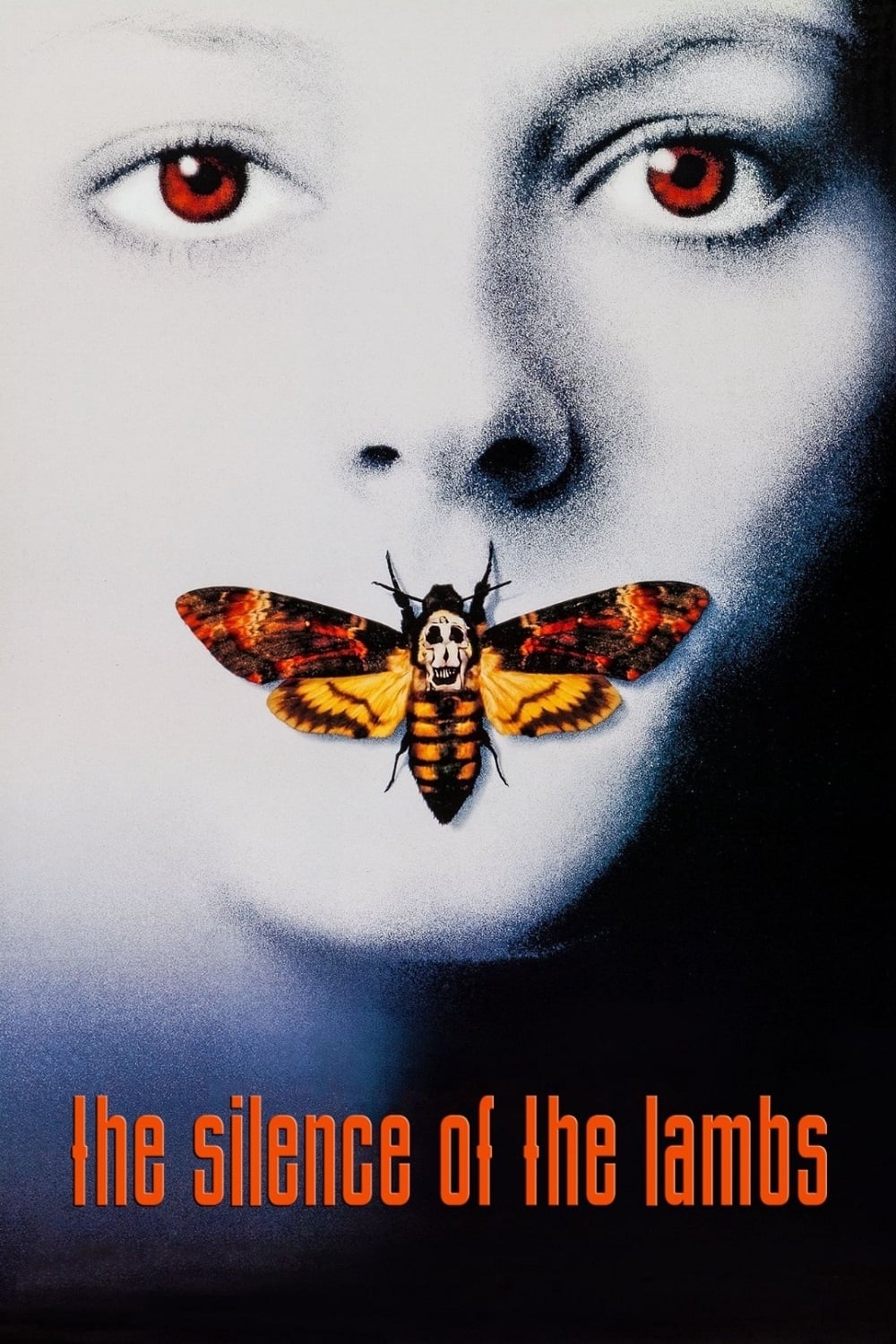
Directed by Jonathan Demme and produced by Edward Saxon, Kenneth Utt, and Ron Bozman for Orion Pictures, ‘The Silence of the Lambs’ adapted Thomas Harris’s novel with a screenplay by Ted Tally. Production utilized locations in Pennsylvania and West Virginia with tailored set builds for key containment scenes.
Jodie Foster and Anthony Hopkins led the cast, with support from Scott Glenn and Ted Levine. The film achieved a rare sweep of the top five Academy Awards categories, and its makeup, sound design, and production design were extensively documented in archival featurettes.
‘Jurassic Park’ (1993)
‘Jurassic Park’ was directed by Steven Spielberg for Universal, produced by Kathleen Kennedy and Gerald R. Molen from Michael Crichton’s novel. Stan Winston’s team built full-scale animatronics, while ILM delivered landmark CG dinosaurs integrated through on-set motion control and lighting reference passes.
John Williams composed the score, and the production shot in Hawaii and on large soundstages. The film broke box office records upon release, drove a massive merchandising program, and spurred rapid adoption of digital visual effects across the industry.
‘Schindler’s List’ (1993)
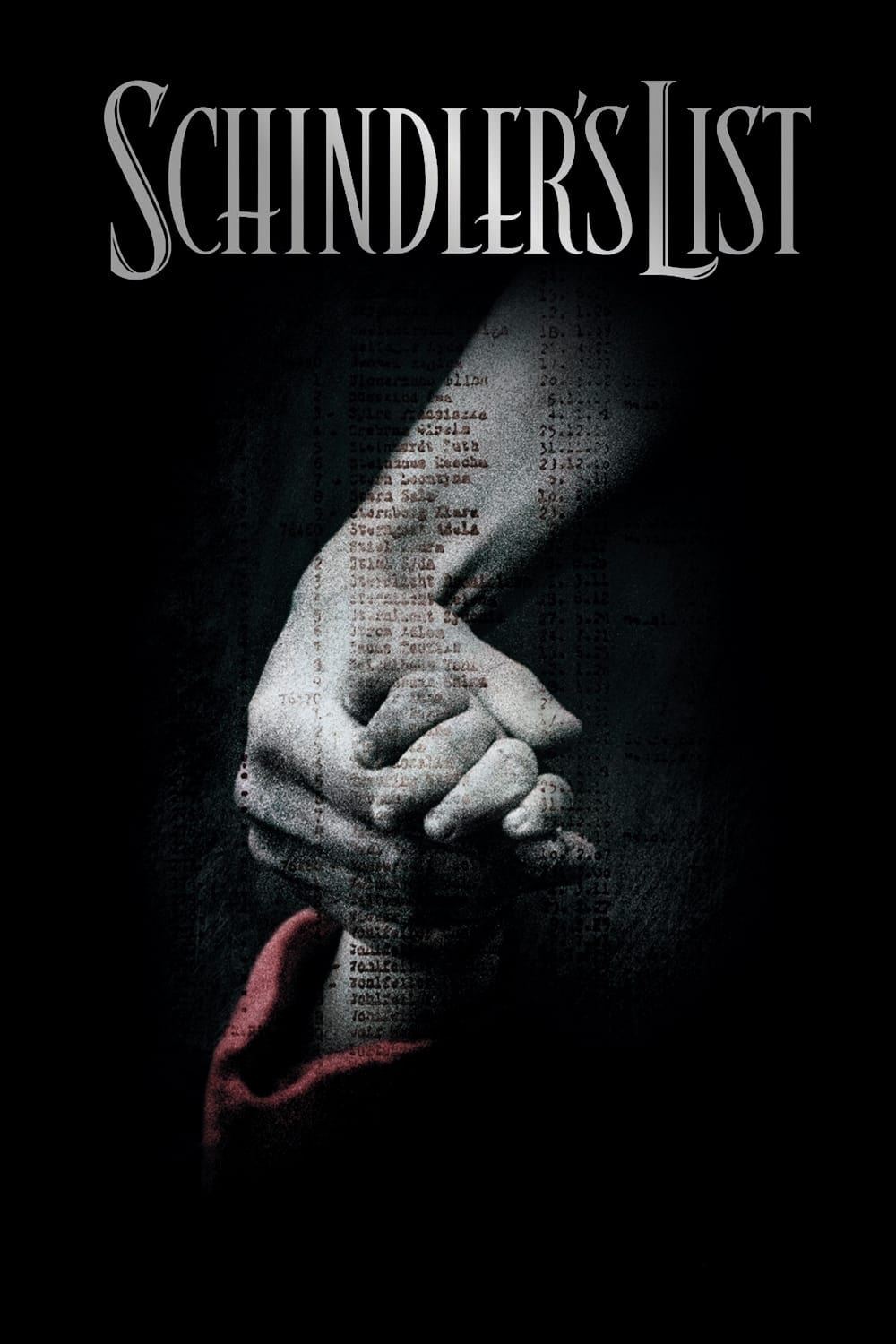
Directed by Steven Spielberg and produced by Steven Zaillian, Branko Lustig, and others for Amblin and Universal, ‘Schindler’s List’ was photographed largely on location in Poland. Janusz Kamiński’s cinematography used high-contrast black-and-white film stocks and period lenses to achieve its signature look.
The cast included Liam Neeson, Ben Kingsley, and Ralph Fiennes, with production design reconstructing wartime interiors and exteriors at scale. The film earned multiple Academy Awards, including Best Picture and Best Director, and resulted in significant preservation and educational initiatives connected to its subject matter.
‘The Shawshank Redemption’ (1994)
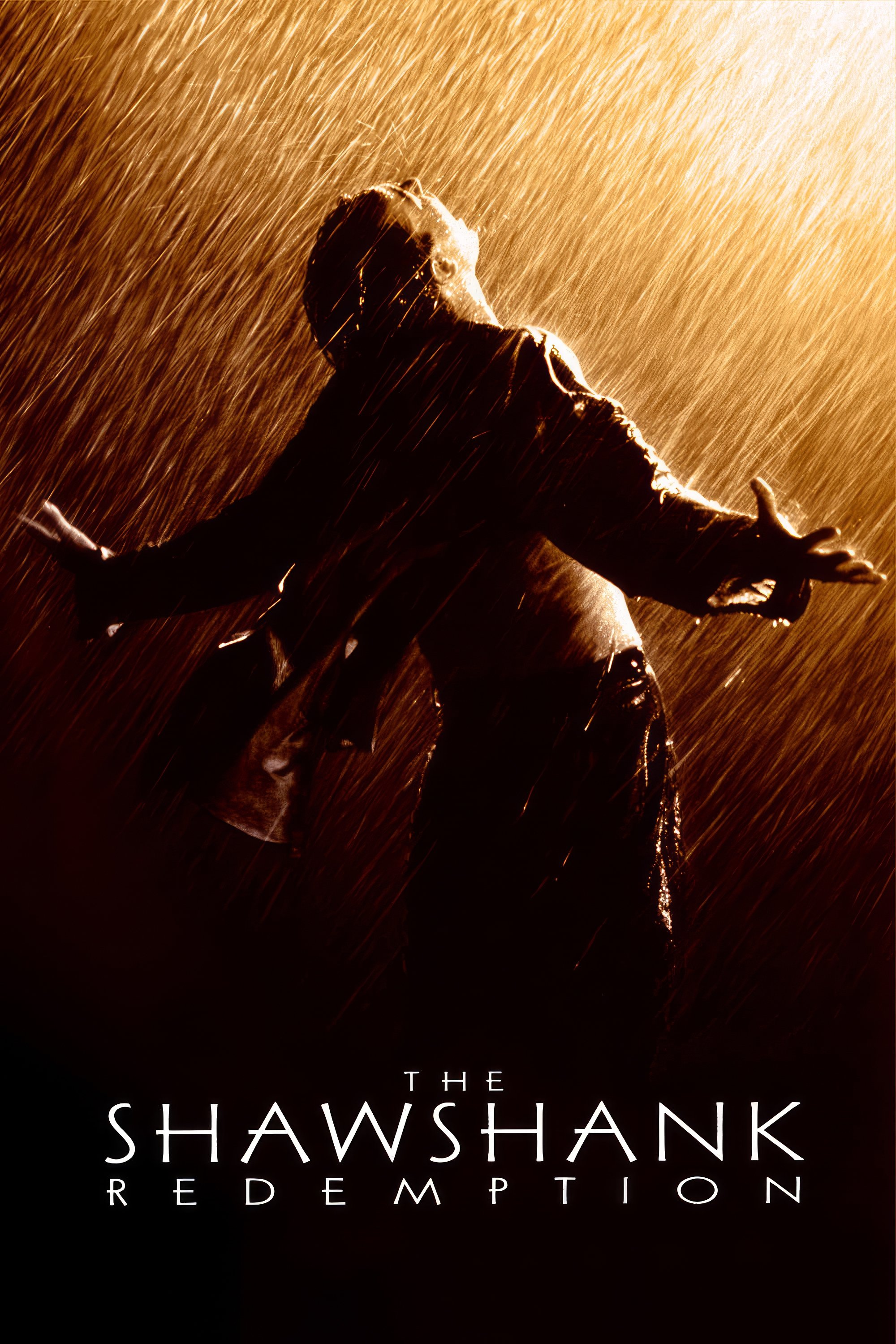
Written and directed by Frank Darabont from a Stephen King novella and produced by Niki Marvin, ‘The Shawshank Redemption’ was primarily shot at the Ohio State Reformatory. Roger Deakins handled cinematography, crafting the film’s signature naturalistic lighting.
The cast featured Tim Robbins and Morgan Freeman, supported by an ensemble of character actors whose performances were built through extended rehearsal. Initial box office was modest, but the film found a large audience through cable and home video, and it received multiple Oscar nominations.
‘Se7en’ (1995)
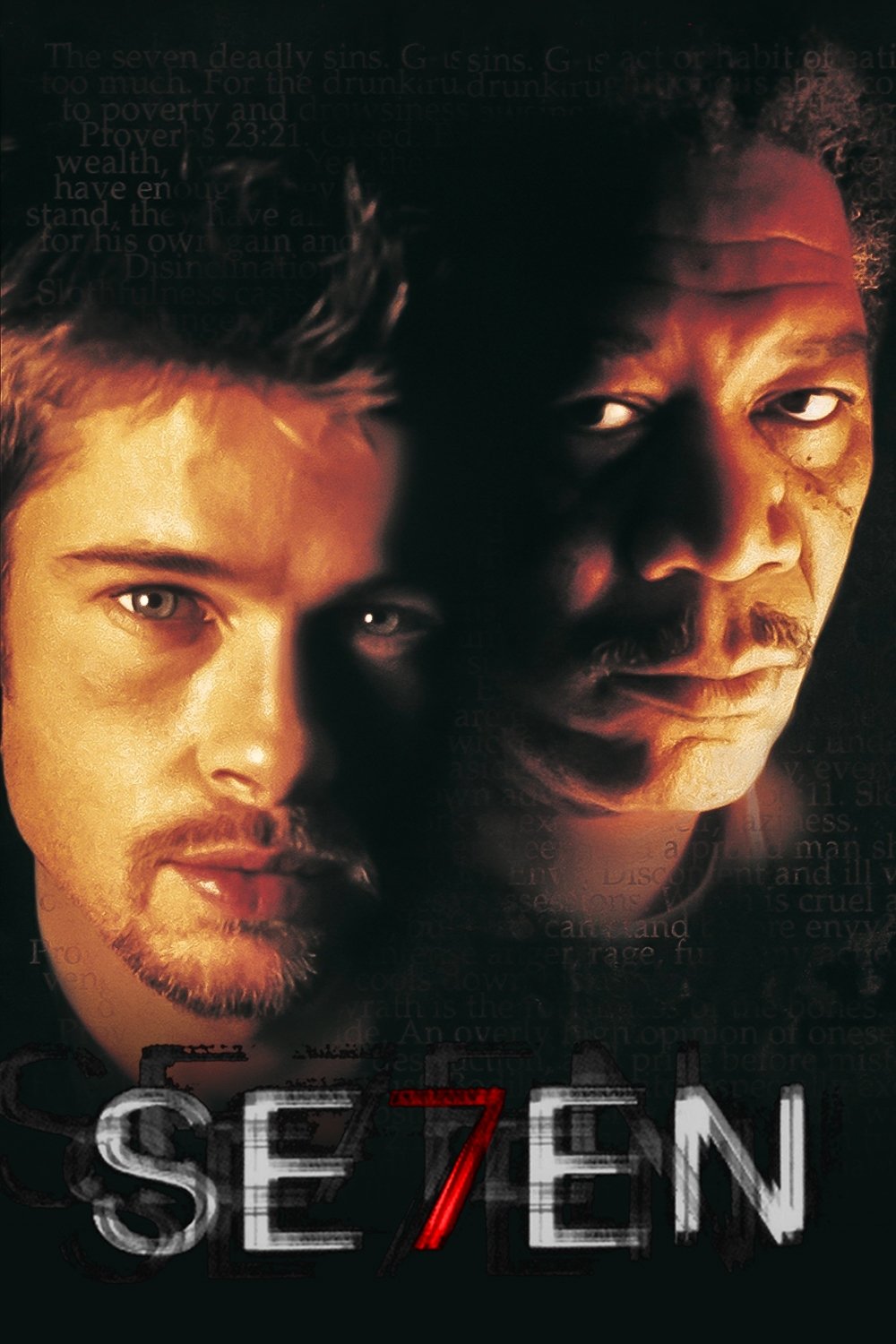
Directed by David Fincher and produced by Arnold Kopelson and Phyllis Carlyle for New Line, ‘Se7en’ was shot largely on soundstages and backlots in Los Angeles to create a rain-soaked, unnamed city. Darius Khondji’s cinematography and Richard Francis-Bruce’s editing shaped the final tone.
Brad Pitt and Morgan Freeman starred alongside Gwyneth Paltrow and Kevin Spacey, with meticulous prop design for the case files and crime scene details. The studio famously backed the original ending after cast and crew advocated for it, and the film became one of New Line’s key catalog titles.
‘Heat’ (1995)
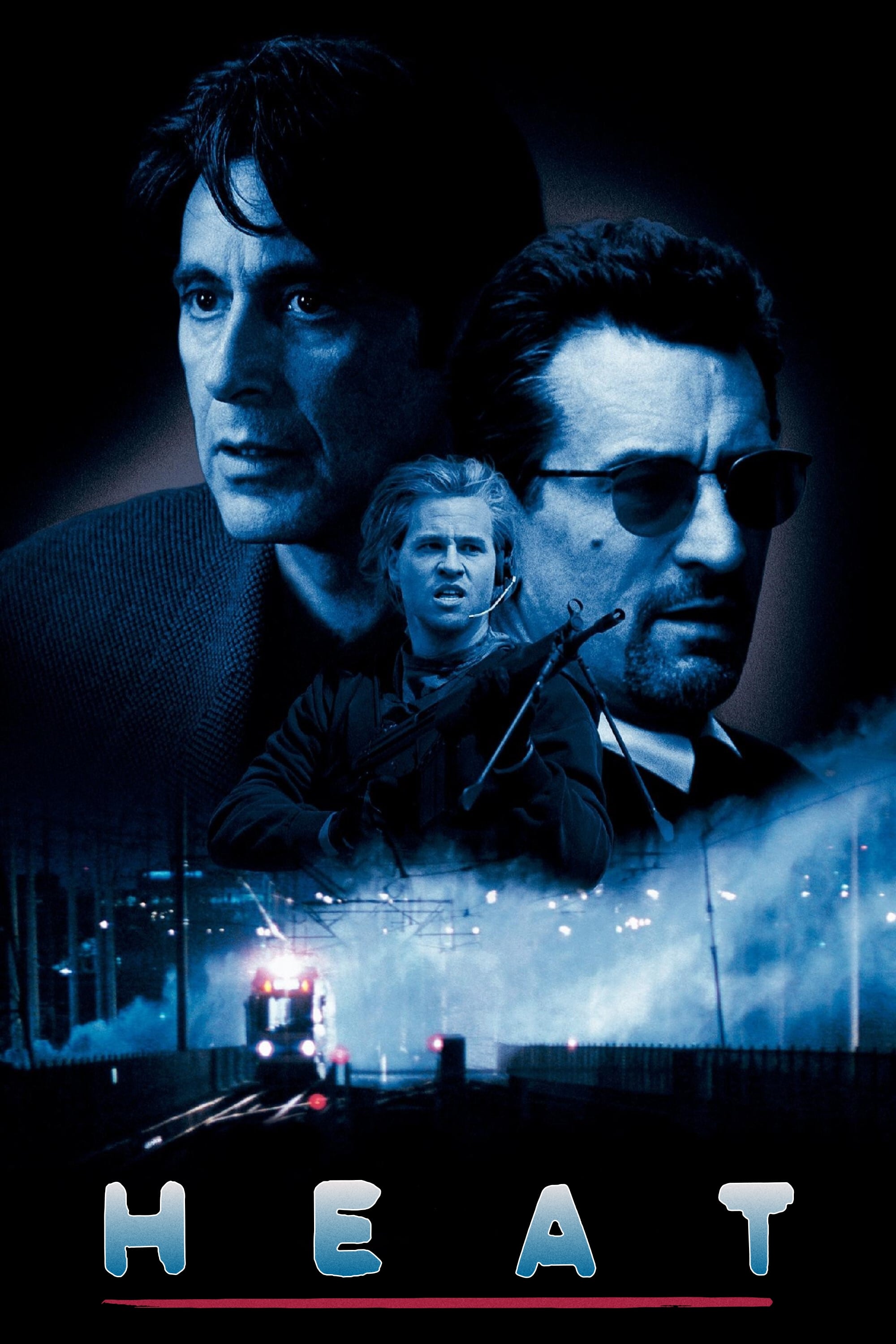
‘Heat’ was written and directed by Michael Mann and produced by Art Linson for Warner Bros., expanding concepts from the filmmaker’s earlier television work. The production executed extensive location photography in Los Angeles, including a downtown shootout requiring large-scale street closures and live-fire sound recording.
Robert De Niro and Al Pacino led an ensemble with Val Kilmer, Ashley Judd, and Natalie Portman. Elliot Goldenthal composed the score, Dante Spinotti shot the film on 35mm with stylized night exteriors, and the project’s sound mix is widely cited in industry training materials.
‘Trainspotting’ (1996)
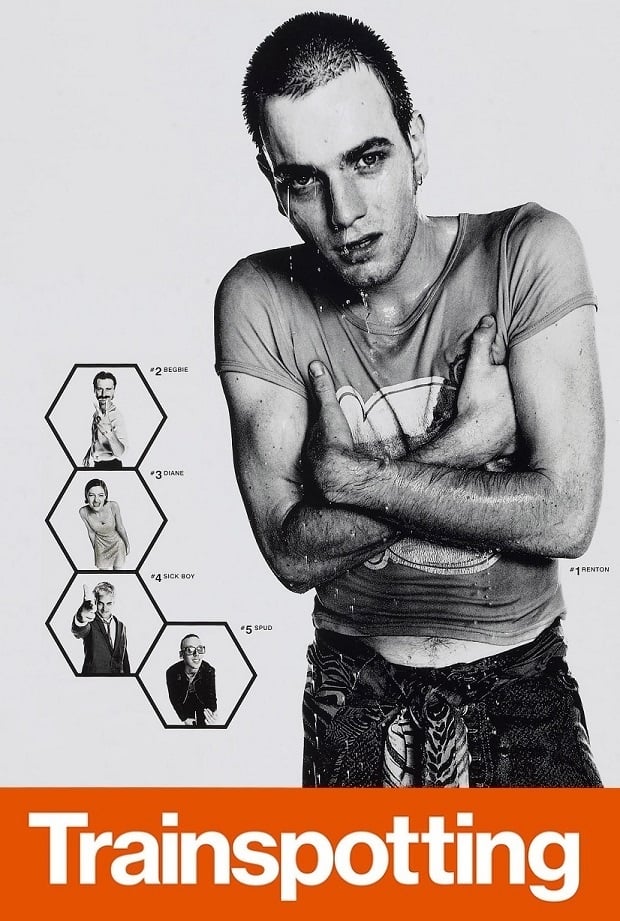
Directed by Danny Boyle and produced by Andrew Macdonald for Channel 4 Films and PolyGram Filmed Entertainment, ‘Trainspotting’ adapted Irvine Welsh’s novel with a script by John Hodge. The production shot in Scotland and on sets in London, balancing stylized sequences with location realism.
Ewan McGregor prepared through extensive research and physical transformation, joined by Ewen Bremner, Jonny Lee Miller, Robert Carlyle, and Kelly Macdonald. The soundtrack deal assembled Britpop and dance tracks, and marketing leaned heavily on bold poster art and festival momentum.
‘Natural Born Killers’ (1994)
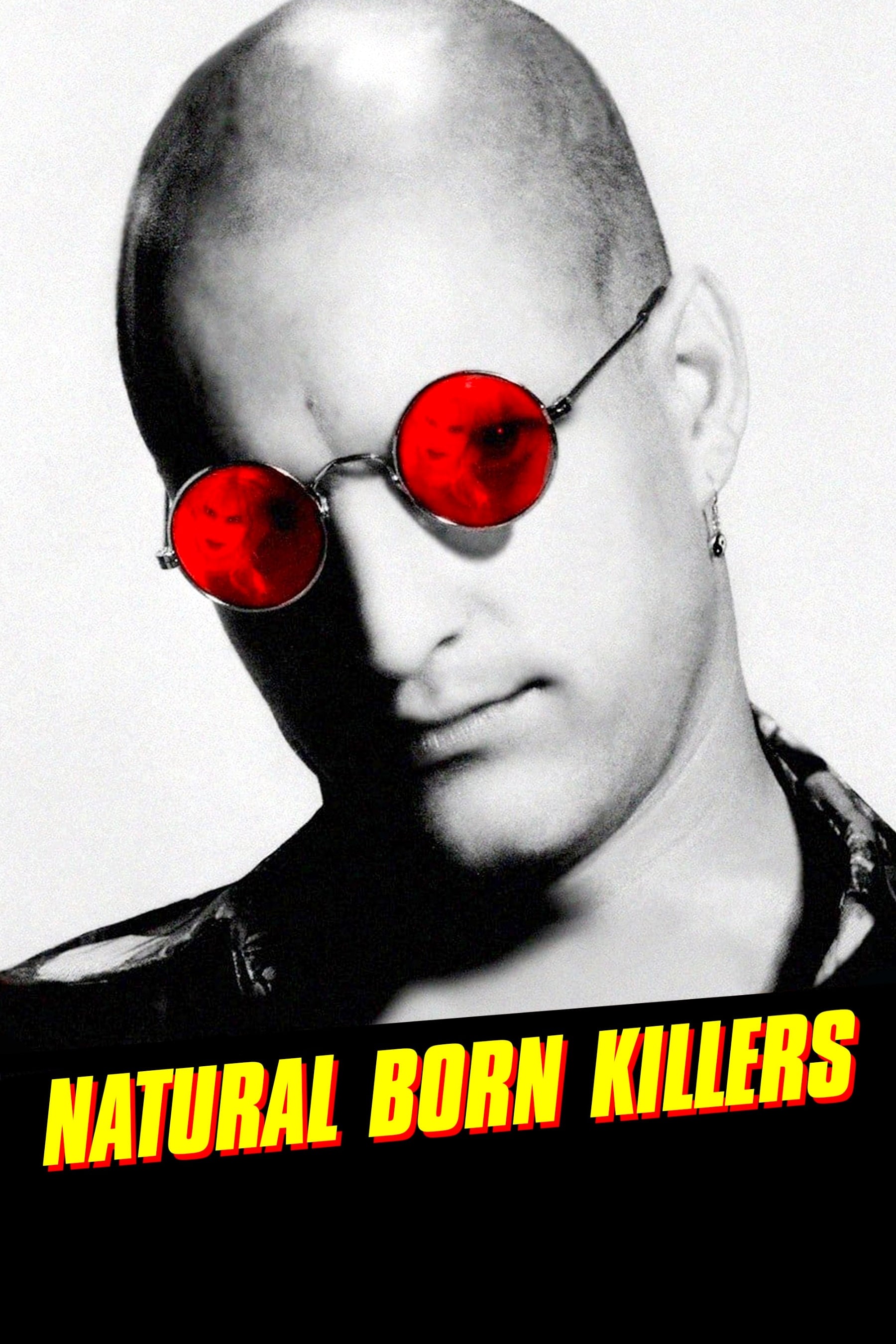
‘Natural Born Killers’ was directed by Oliver Stone from a story by Quentin Tarantino, produced by Jane Hamsher and Don Murphy for Warner Bros. The film used mixed media formats, including 35mm, 16mm, and video, requiring a complex post-production workflow.
Woody Harrelson and Juliette Lewis led the cast with Robert Downey Jr., Tom Sizemore, and Tommy Lee Jones in key roles. The release prompted extensive ratings negotiations, and the editorial process involved hundreds of visual effects and graphic overlays executed in the analog-digital transition era.
‘Kids’ (1995)
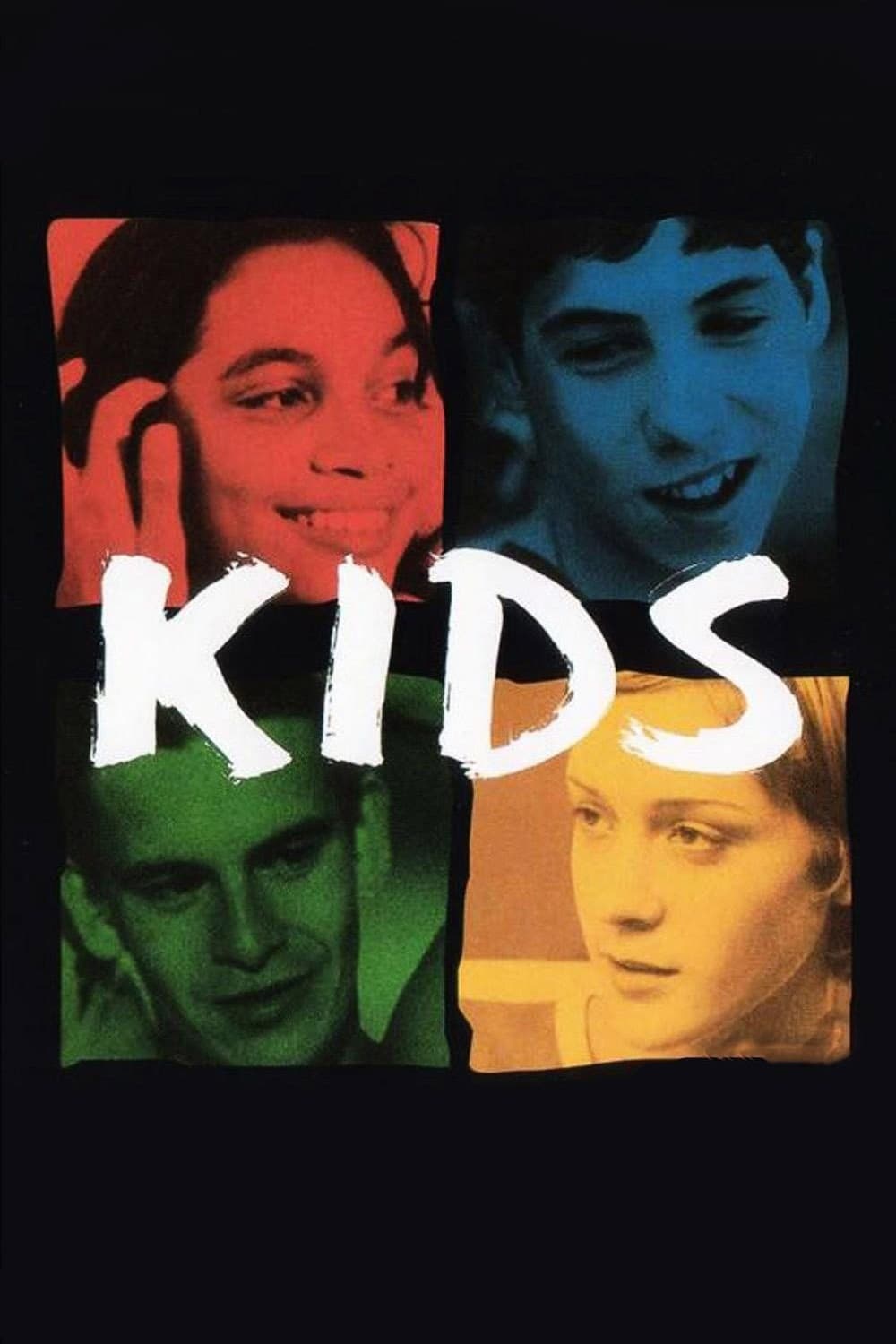
Directed by Larry Clark and written by Harmony Korine, ‘Kids’ was produced by Cary Woods and distributed by Miramax through an art-house strategy. Nonprofessional performers were cast from New York street and skate communities, with on-location filming in accessible urban spaces.
The film’s soundtrack featured contemporary indie and hip-hop acts, and the release drew significant press coverage leading to a strong specialty box office. Post-release, it became a touchpoint in discussions of ratings classifications and exhibition policies for independent theaters.
‘Léon: The Professional’ (1994)
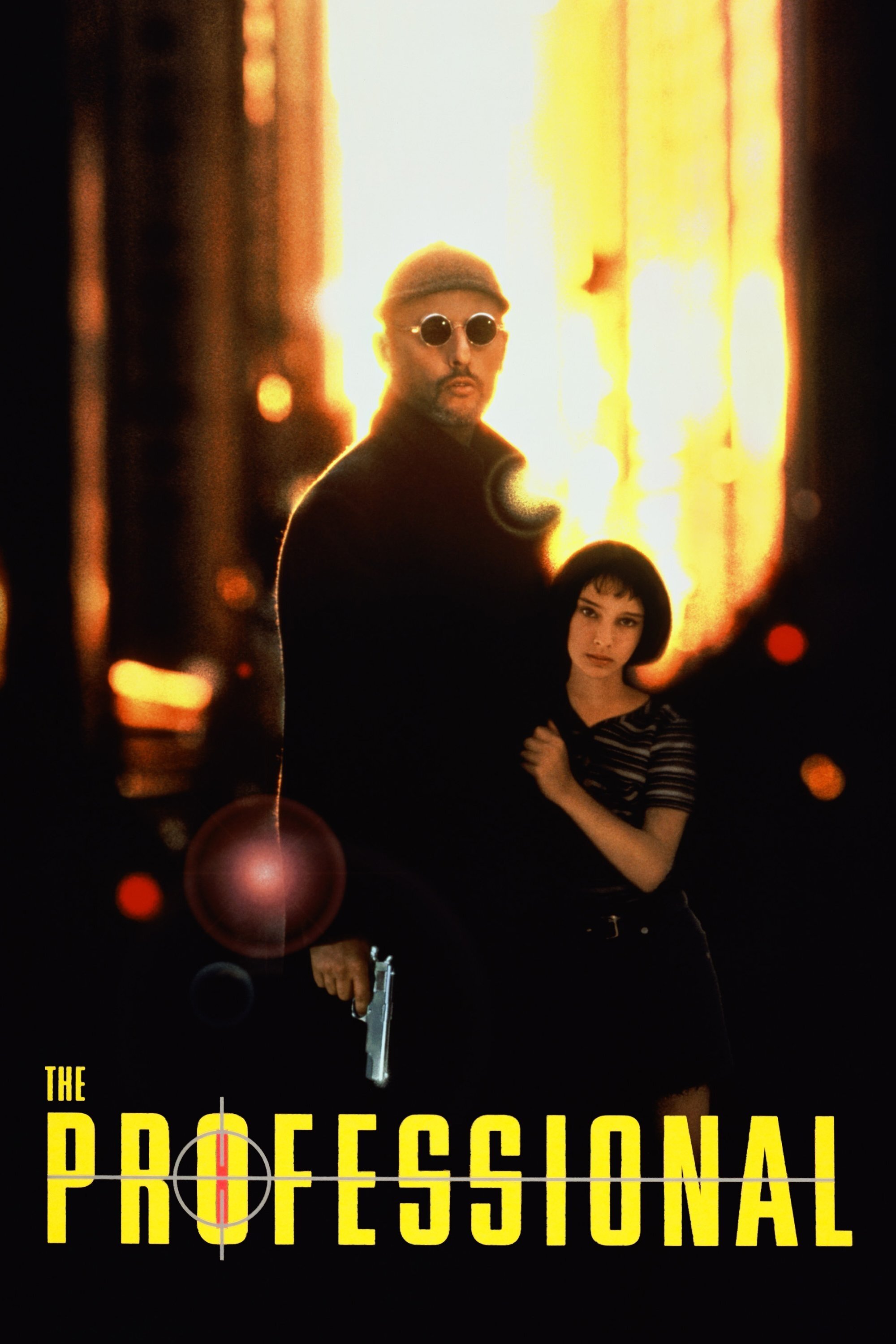
Written and directed by Luc Besson and produced by Patrice Ledoux for Gaumont, ‘Léon: The Professional’ filmed in New York and Paris with a bilingual crew. Cinematographer Thierry Arbogast used long-lens city photography and stylized interiors to support the script’s intimate scale.
Jean Reno, Natalie Portman, and Gary Oldman starred, with stunt and effects teams coordinating practical pyrotechnics for the climactic sequence. Different cuts were released for various markets, and home video editions later restored additional character material.
‘The Usual Suspects’ (1995)
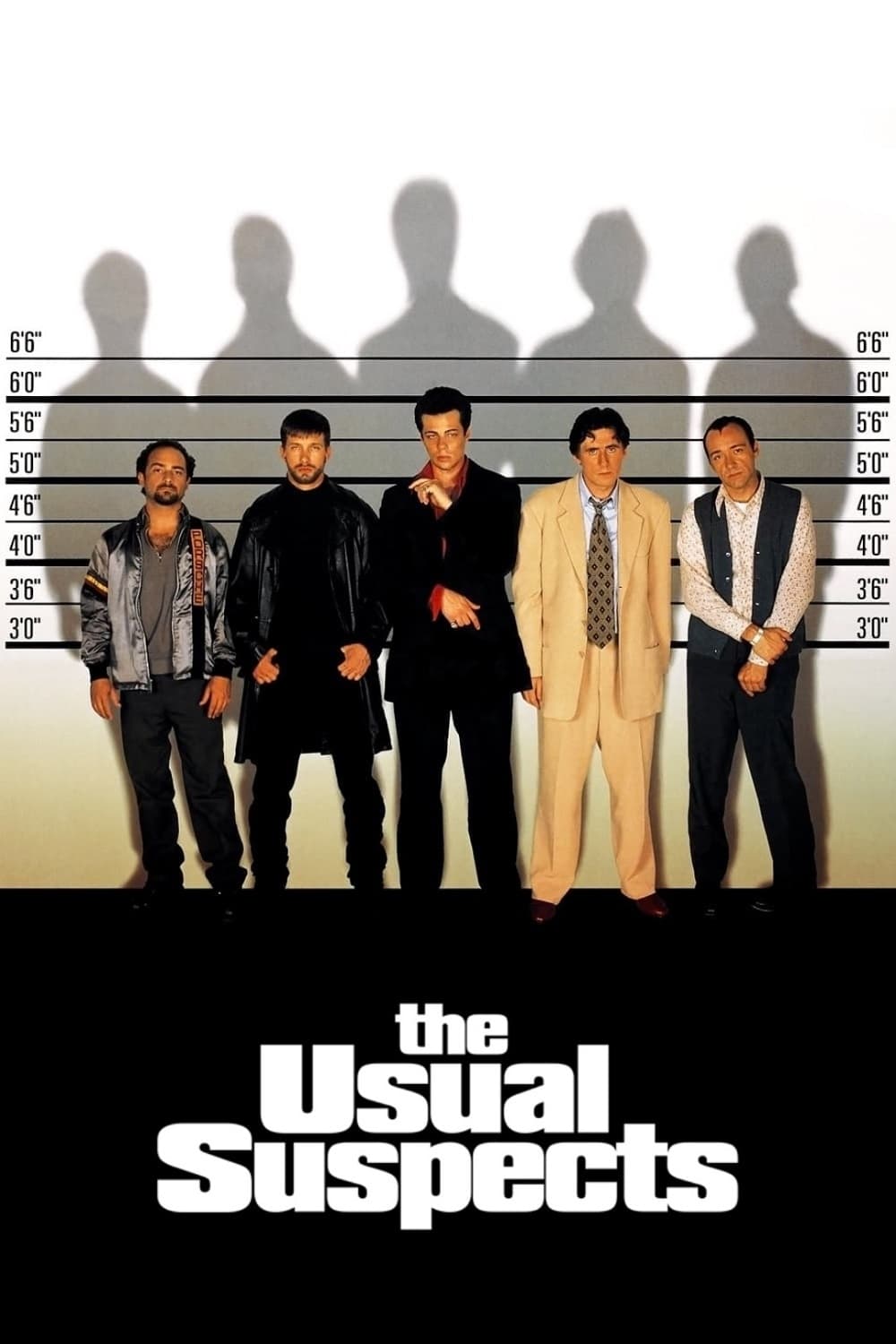
Directed by Bryan Singer and written by Christopher McQuarrie, ‘The Usual Suspects’ was produced by PolyGram and distributed by Gramercy Pictures. Principal photography took place around Los Angeles and San Pedro, with John Ottman handling both editing and score.
The ensemble included Kevin Spacey, Gabriel Byrne, Benicio Del Toro, Stephen Baldwin, and Kevin Pollak. The production kept key plot details confidential through limited script distribution, and the film earned major awards for writing and supporting performance.
‘Basic Instinct’ (1992)
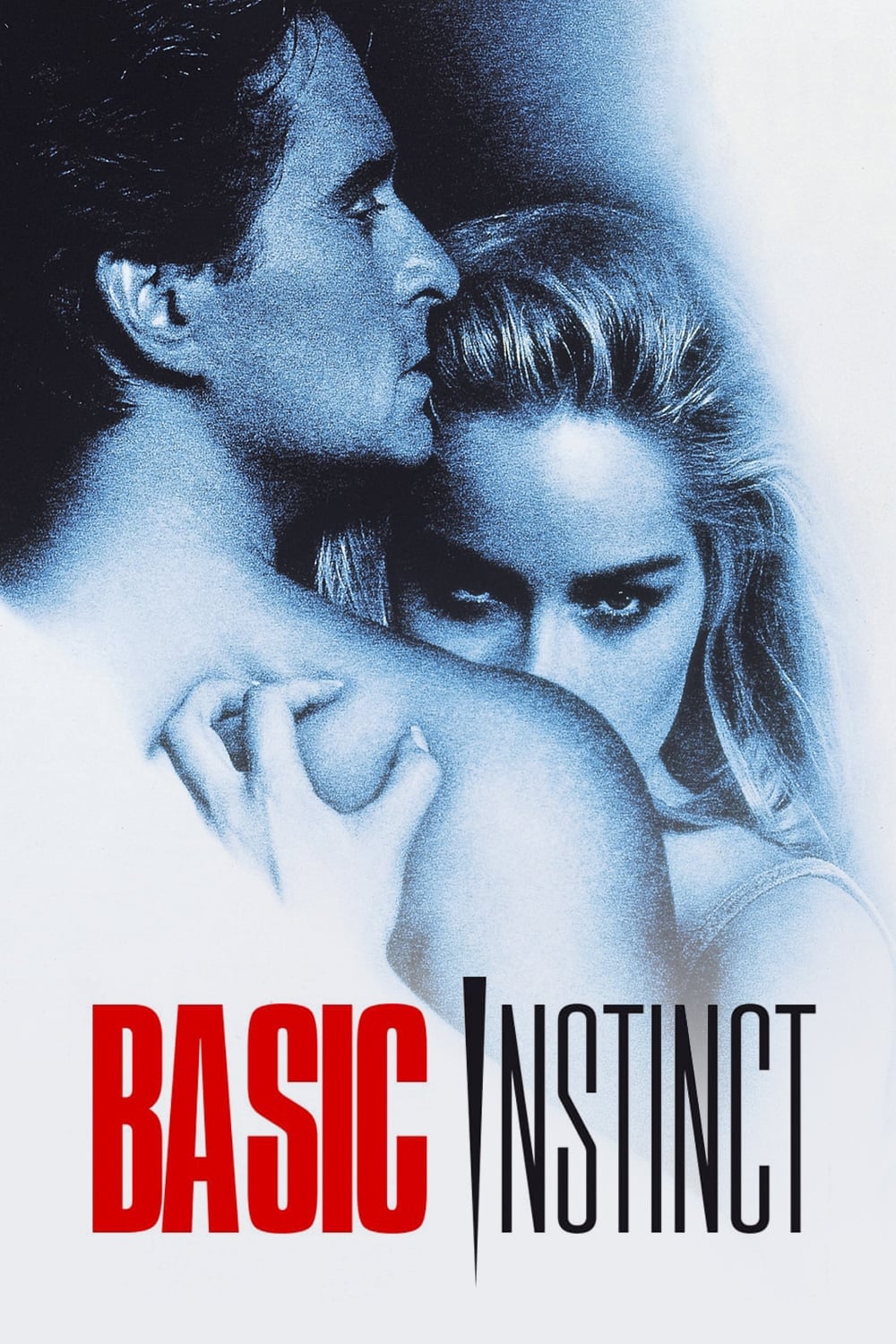
‘Basic Instinct’ was directed by Paul Verhoeven and produced by Alan Marshall and Mario Kassar for Carolco and TriStar, with Joe Eszterhas’s spec script setting a record sale. The shoot used San Francisco and Los Angeles locations, supplemented with stage interiors.
Sharon Stone and Michael Douglas headlined, with Jan de Bont’s cinematography and Jerry Goldsmith’s score shaping the film’s aesthetic. The release involved a high-profile ratings process and became one of the decade’s top-grossing thrillers, supported by international box office.
‘Boyz n the Hood’ (1991)
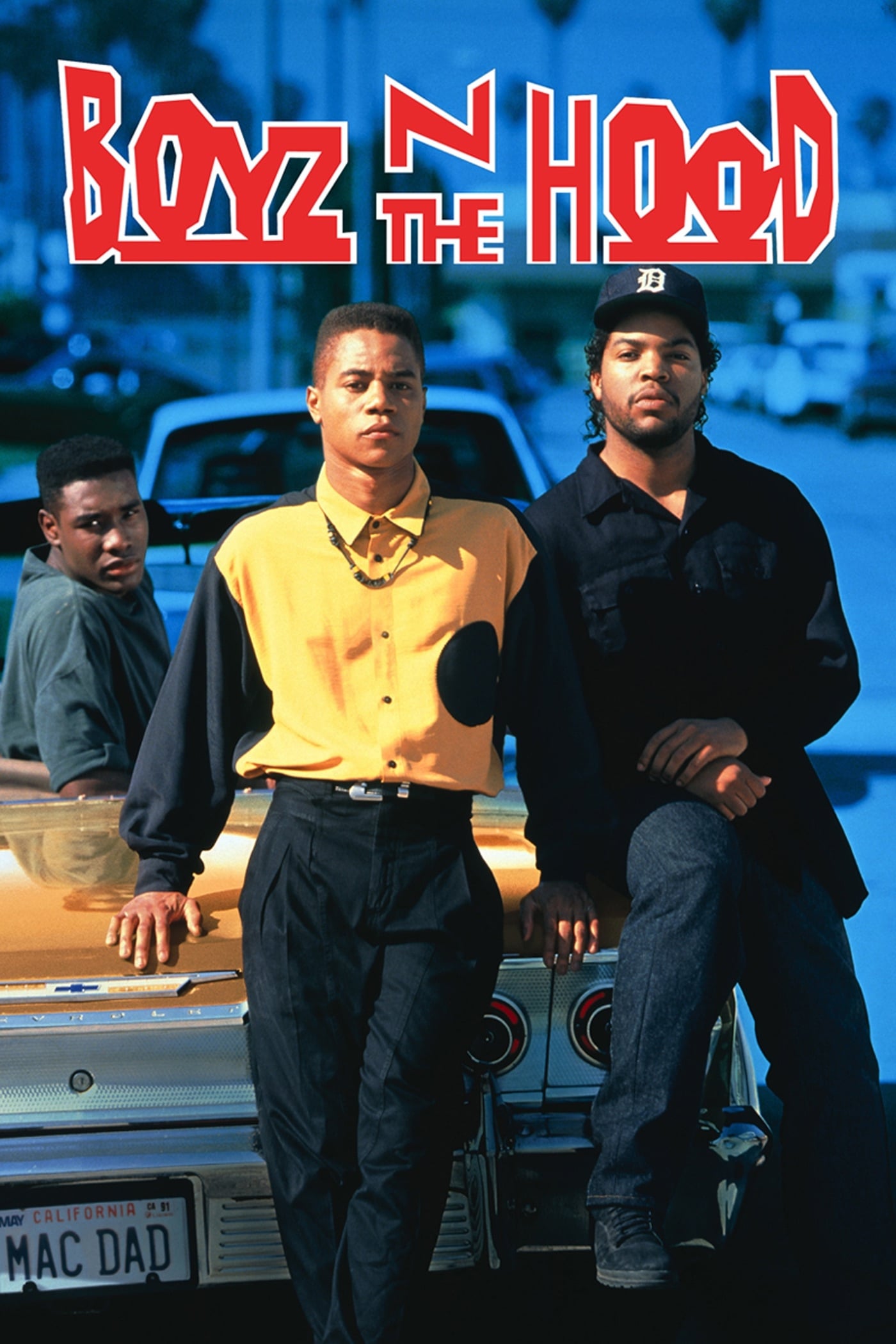
Written and directed by John Singleton and produced by Steve Nicolaides and Columbia Pictures, ‘Boyz n the Hood’ was shot in South Central Los Angeles with extensive community engagement. Ice Cube, Cuba Gooding Jr., Morris Chestnut, Nia Long, and Angela Bassett led the cast.
The film premiered at a major European festival to a standing ovation and secured awards nominations for direction and writing. Marketing emphasized authenticity and new talent, and the film’s soundtrack featured prominent hip-hop artists licensed through multiple labels.
‘Clerks’ (1994)
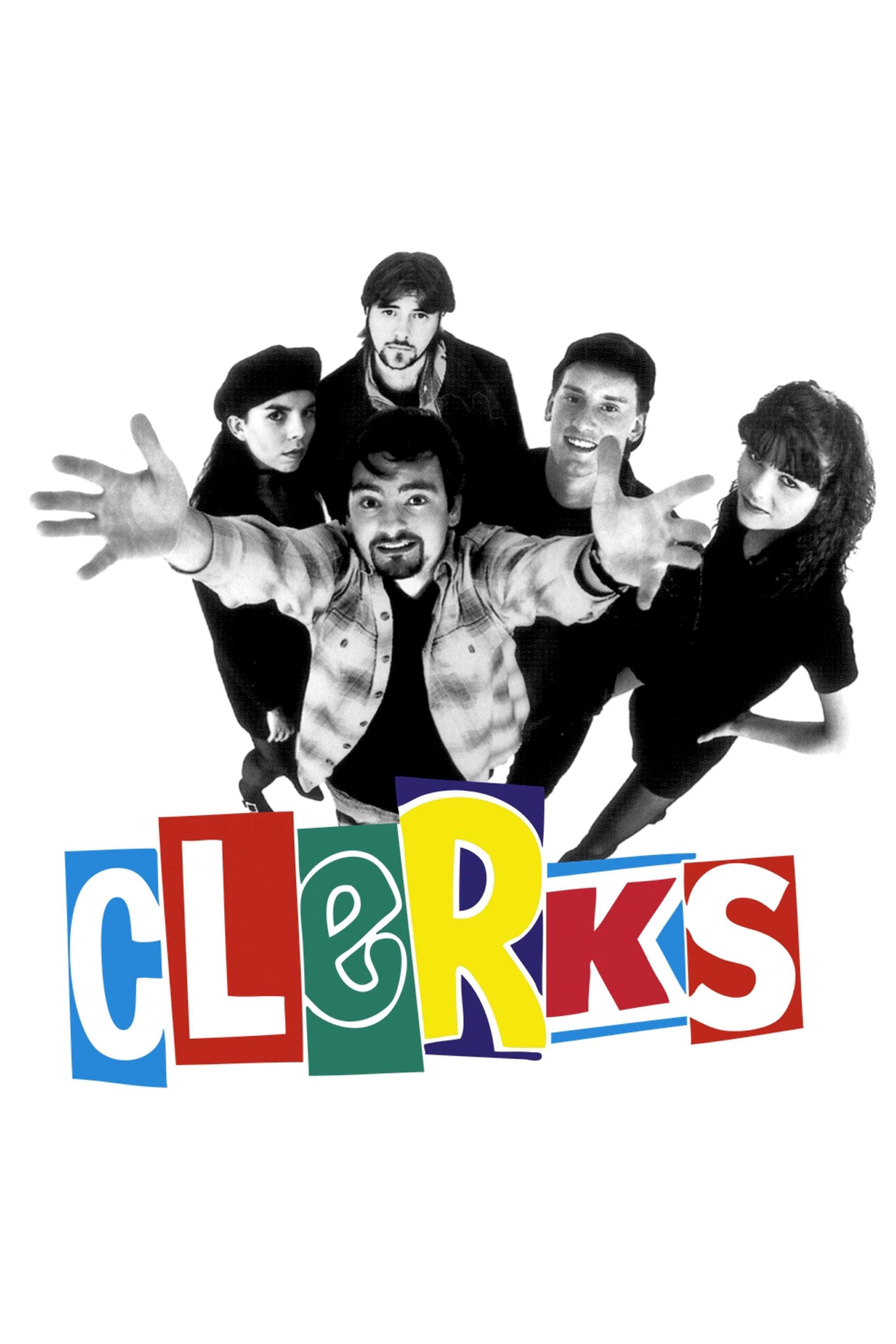
‘Clerks’ was written and directed by Kevin Smith and produced independently on a famously low budget raised through personal means. Shot overnight in a convenience store where the director worked, the production used black-and-white photography to manage lighting and stock costs.
The film was acquired at Sundance and released by Miramax, recouping its budget many times over. Its success launched View Askew Productions, leading to follow-on projects with recurring characters, and it became a staple of indie distribution case studies.
‘The Big Lebowski’ (1998)
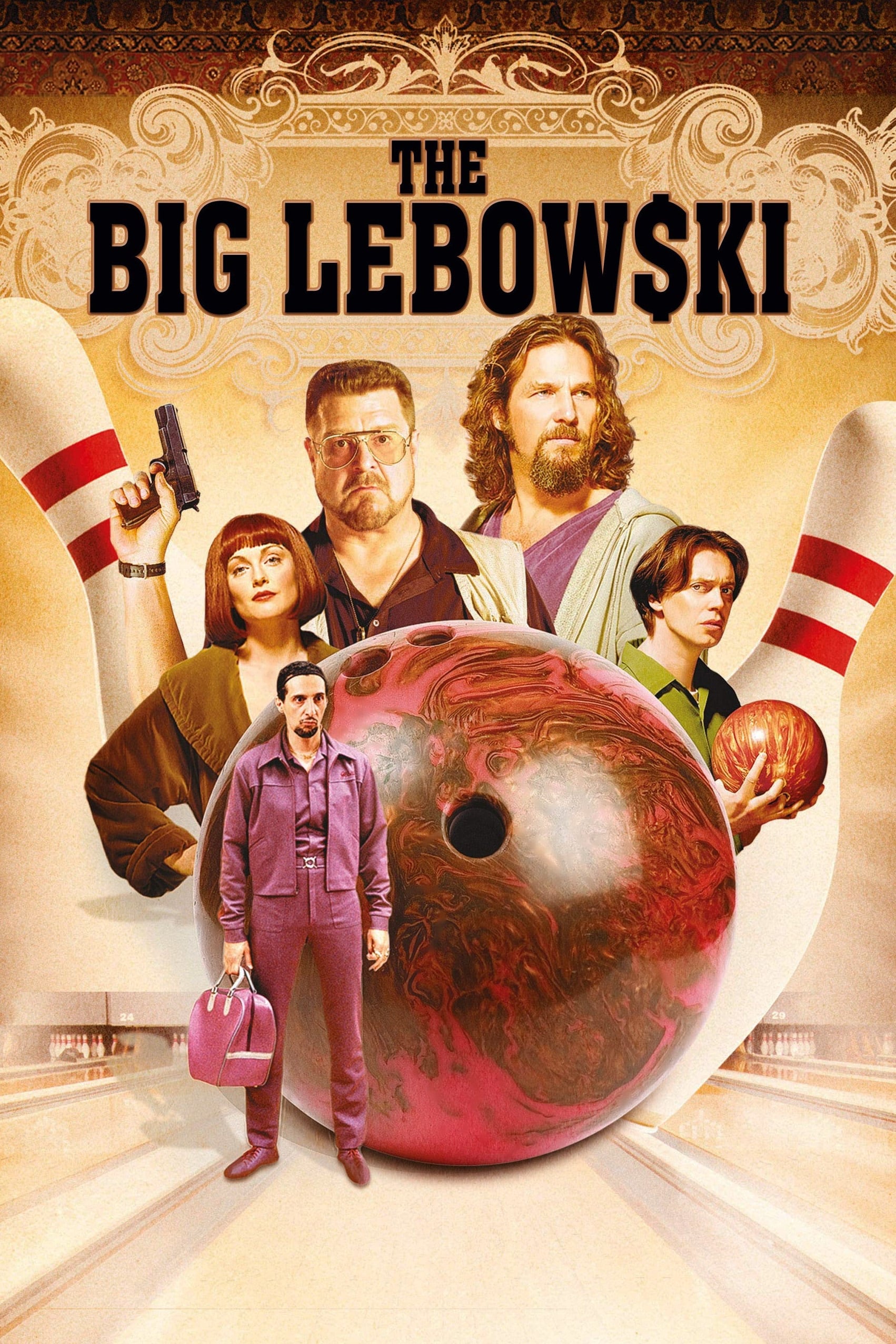
Written and directed by Joel and Ethan Coen and produced by Working Title and PolyGram, ‘The Big Lebowski’ combined Los Angeles location work with stage builds for bowling alleys and dream sequences. Roger Deakins crafted the cinematography, including specialized camera rigs for rolling ball shots.
Jeff Bridges, John Goodman, Julianne Moore, Steve Buscemi, and John Turturro anchored the cast. Carter Burwell composed the score, while the soundtrack assembled a wide range of licensed tracks, and the film developed a dedicated following that supports annual fan festivals.
‘American Beauty’ (1999)
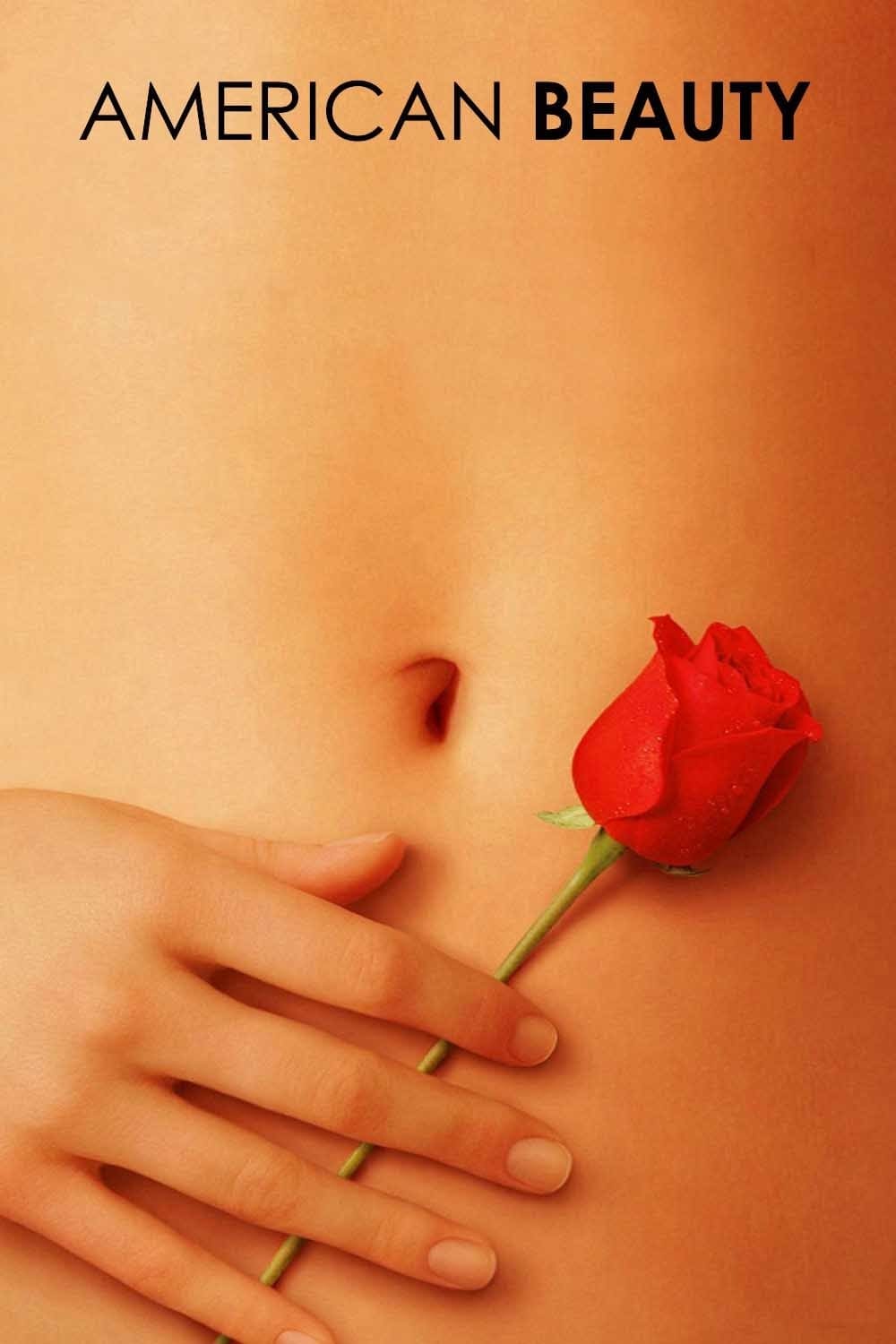
Directed by Sam Mendes and produced by Bruce Cohen and Dan Jinks for DreamWorks, ‘American Beauty’ marked the director’s feature debut following an acclaimed stage career. Conrad L. Hall served as cinematographer, delivering an Oscar-winning visual approach.
Kevin Spacey, Annette Bening, Thora Birch, and Wes Bentley starred, with Thomas Newman composing the score. The film performed strongly at the domestic and international box office, and it won multiple Academy Awards including Best Picture and Best Director.
‘The Blair Witch Project’ (1999)
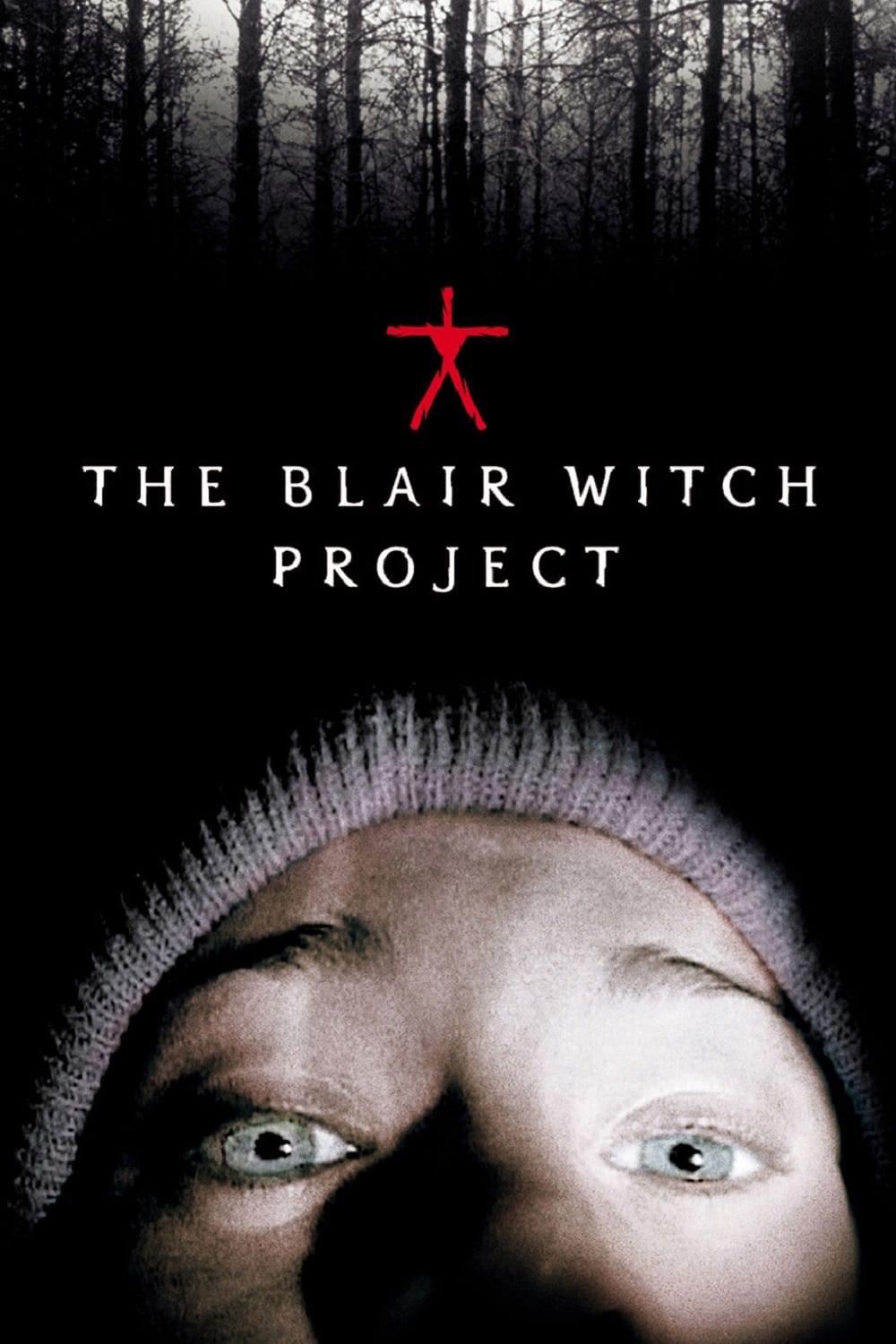
‘The Blair Witch Project’ was directed by Daniel Myrick and Eduardo Sánchez and produced by Haxan Films with a microbudget, using handheld cameras and semi-improvised performances. Principal photography took place in Maryland woods, with actors navigating the terrain via GPS waypoints.
The marketing used early web sites, faux documentary materials, and a strategic mystery around the cast. Acquired by Artisan Entertainment, it became a massive box office success relative to its cost and set benchmarks for viral promotion and found-footage horror.
‘Scream’ (1996)
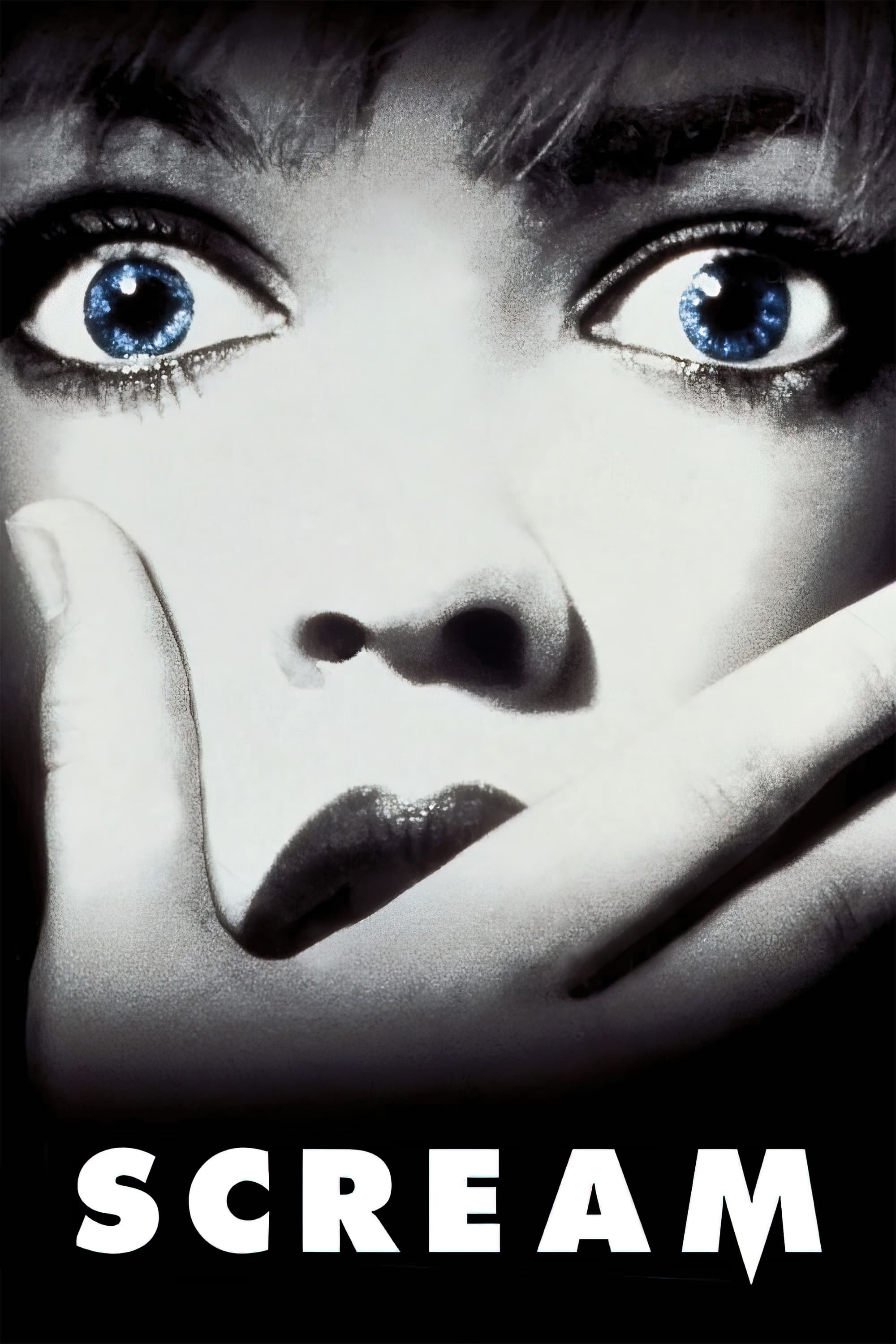
Directed by Wes Craven and written by Kevin Williamson, ‘Scream’ was produced by Dimension Films and shot primarily in Northern California locations. The production engaged veteran special makeup effects teams for practical gore and carefully coordinated stunt work.
Neve Campbell, Courteney Cox, David Arquette, and Skeet Ulrich headlined, with Roger L. Jackson providing the Ghostface voice. The film’s release revitalized the slasher genre’s commercial prospects, leading to a long-running franchise and strong home-video performance.
‘Titanic’ (1997)
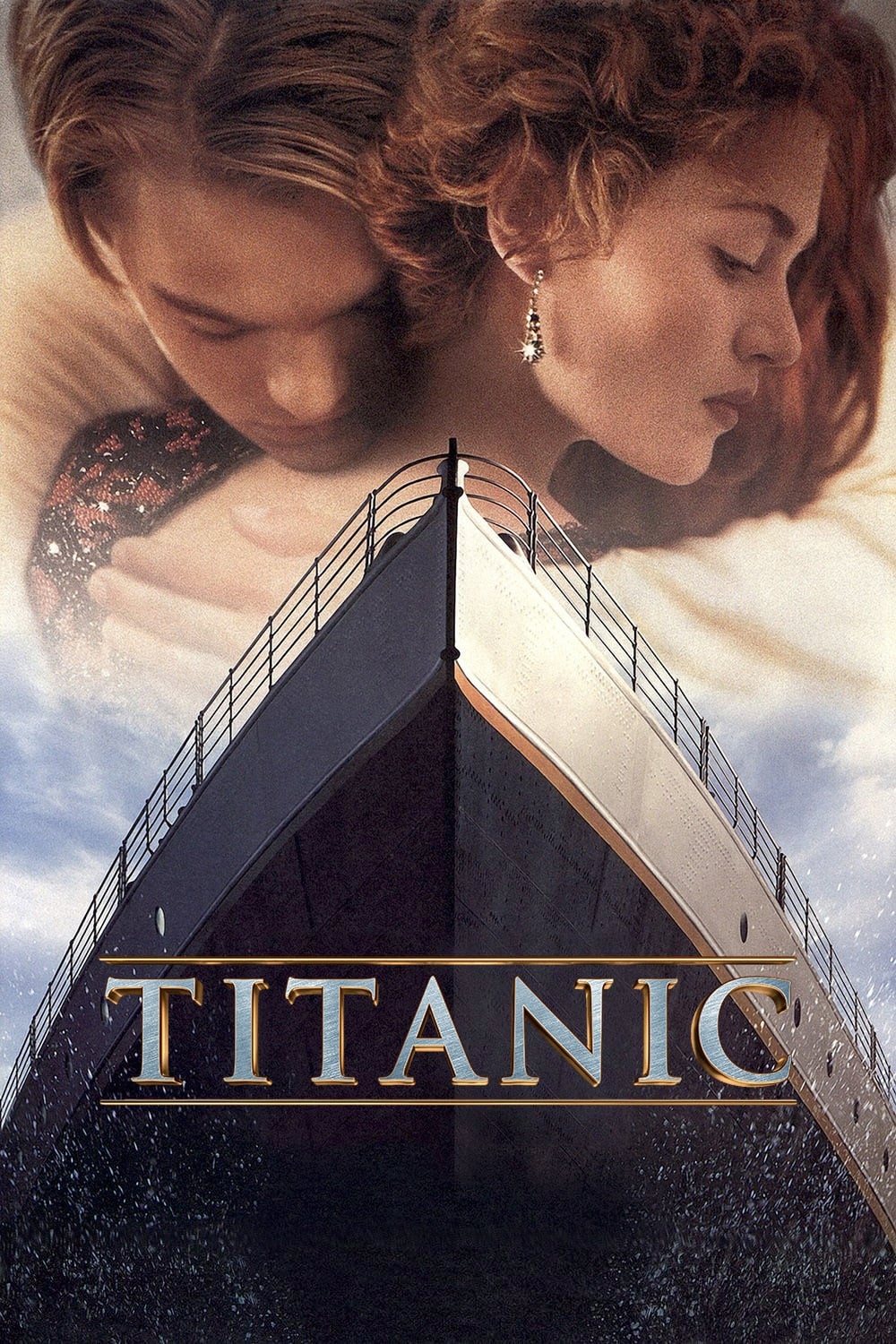
Written and directed by James Cameron and produced by Lightstorm Entertainment and Paramount/Fox, ‘Titanic’ built a near full-scale ship section at Baja Studios with massive water tanks. The production blended large-scale practical effects with CG crowds and digital set extensions.
Leonardo DiCaprio and Kate Winslet led the cast, with elaborate costume and production design departments recreating period interiors in detail. The release achieved record-breaking worldwide grosses, tied to a chart-topping soundtrack and extensive awards recognition including Best Picture and Best Director.
‘Saving Private Ryan’ (1998)
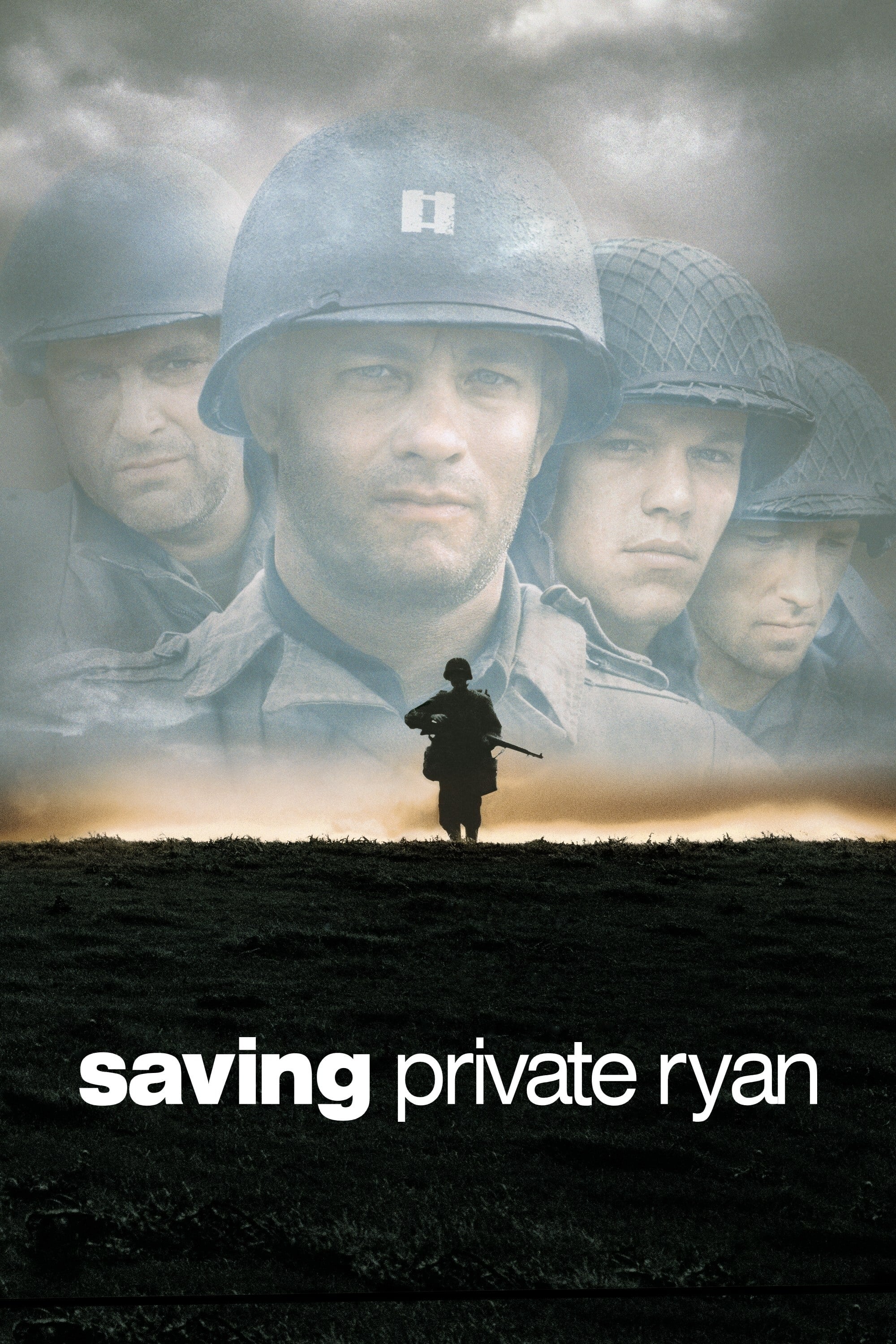
Directed by Steven Spielberg and produced by DreamWorks and Paramount, ‘Saving Private Ryan’ staged large-scale battle sequences on beaches in Ireland and England. Janusz Kamiński used bleach-bypass processing and custom shutter angles to achieve the desaturated, staccato look of the combat footage.
Tom Hanks led an ensemble including Matt Damon, Tom Sizemore, and Edward Burns. The film won multiple Academy Awards, with sound design and editing highlighted in technical categories, and it influenced subsequent war dramas in staging and post-production techniques.
‘Fargo’ (1996)
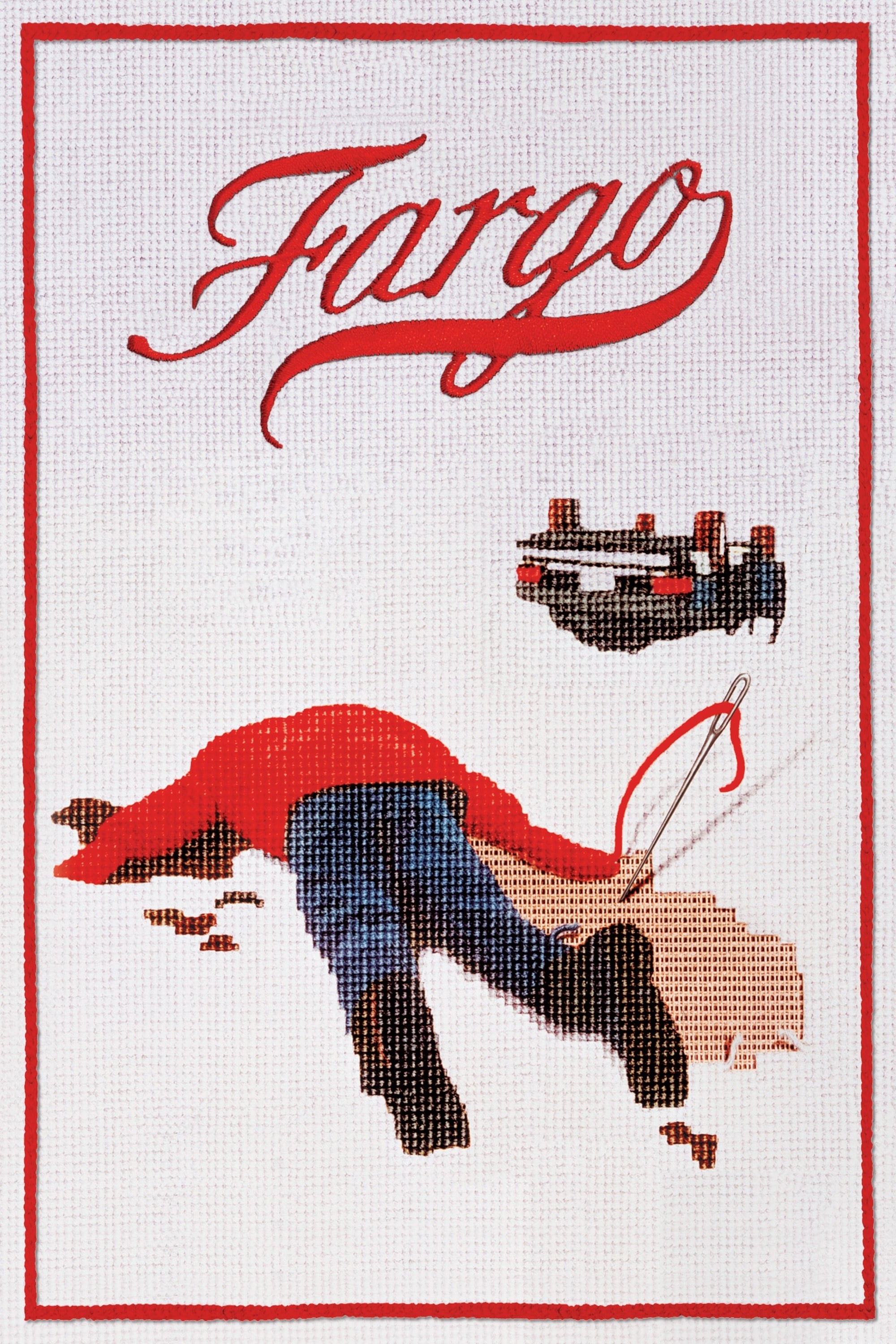
Written and directed by Joel and Ethan Coen and produced by Working Title and PolyGram, ‘Fargo’ was shot across Minnesota and North Dakota with supplemental work in Canada to secure consistent snow and locations. Roger Deakins handled cinematography, designing wide-frame compositions for open landscapes, while Carter Burwell delivered the score recorded with traditional strings to match the regional setting. The production balanced location builds and practical interiors, and prop and dialect coaches worked closely with the cast to standardize speech patterns and on-screen details.
Frances McDormand, William H. Macy, Steve Buscemi, and Peter Stormare led the ensemble, with casting conducted through a mix of New York sessions and regional searches. The film premiered on the festival circuit before a platform release, earned multiple awards including recognition for screenplay and lead performance, and entered long-term distribution through television, home video, and restorations that preserved the original photochemical look.
‘Princess Mononoke’ (1997)
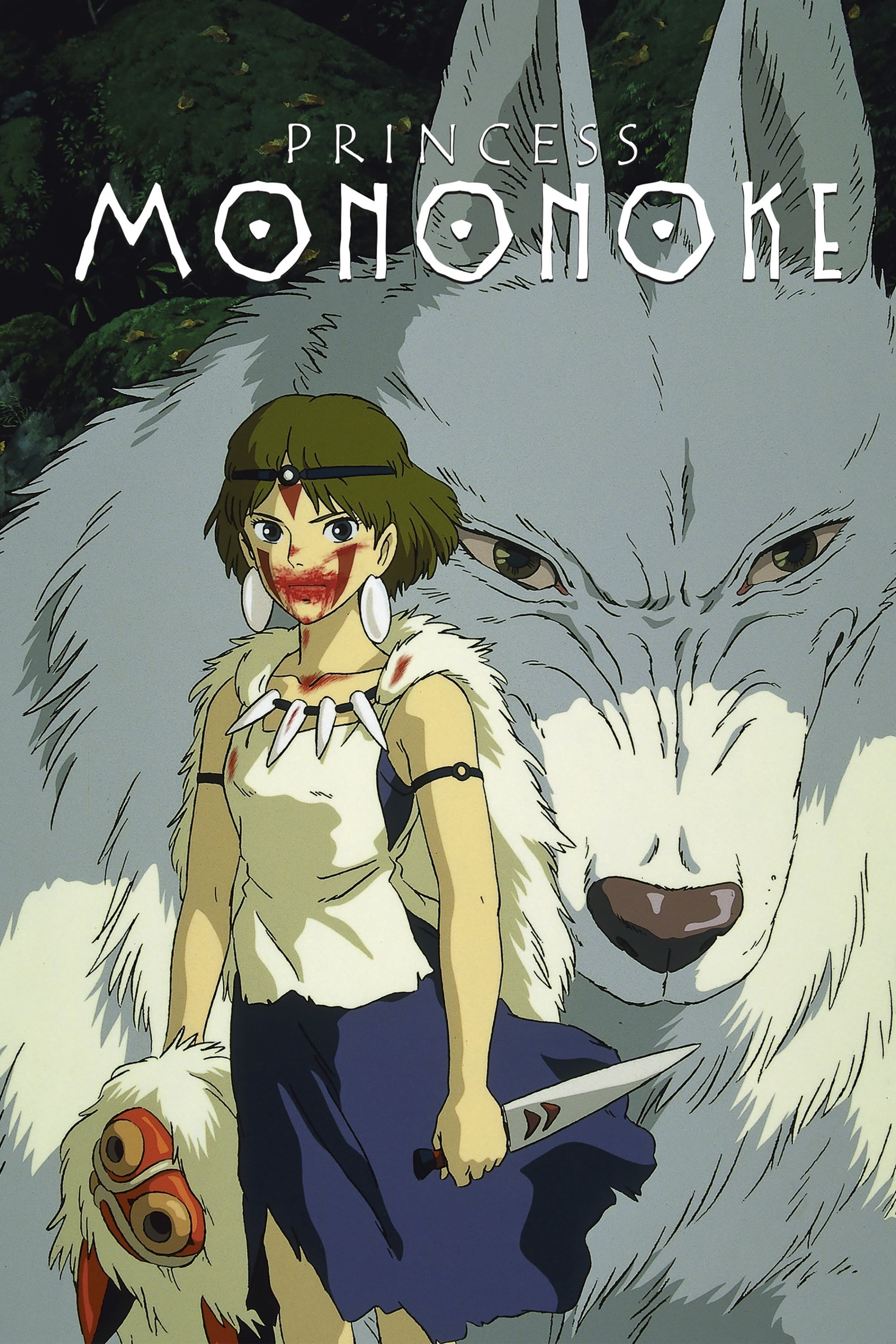
Written and directed by Hayao Miyazaki and produced by Studio Ghibli, ‘Princess Mononoke’ combined hand-drawn animation with digital ink-and-paint for complex backgrounds and action. Joe Hisaishi composed the score, recorded with full orchestra to match the film’s epic scale.
The English-language version was produced with input from the director and featured a cast that included Claire Danes, Billy Crudup, and Billy Bob Thornton. Distribution included a major North American release through a studio partner, and the film set new box office records for Japanese animation at the time.
‘The Sixth Sense’ (1999)
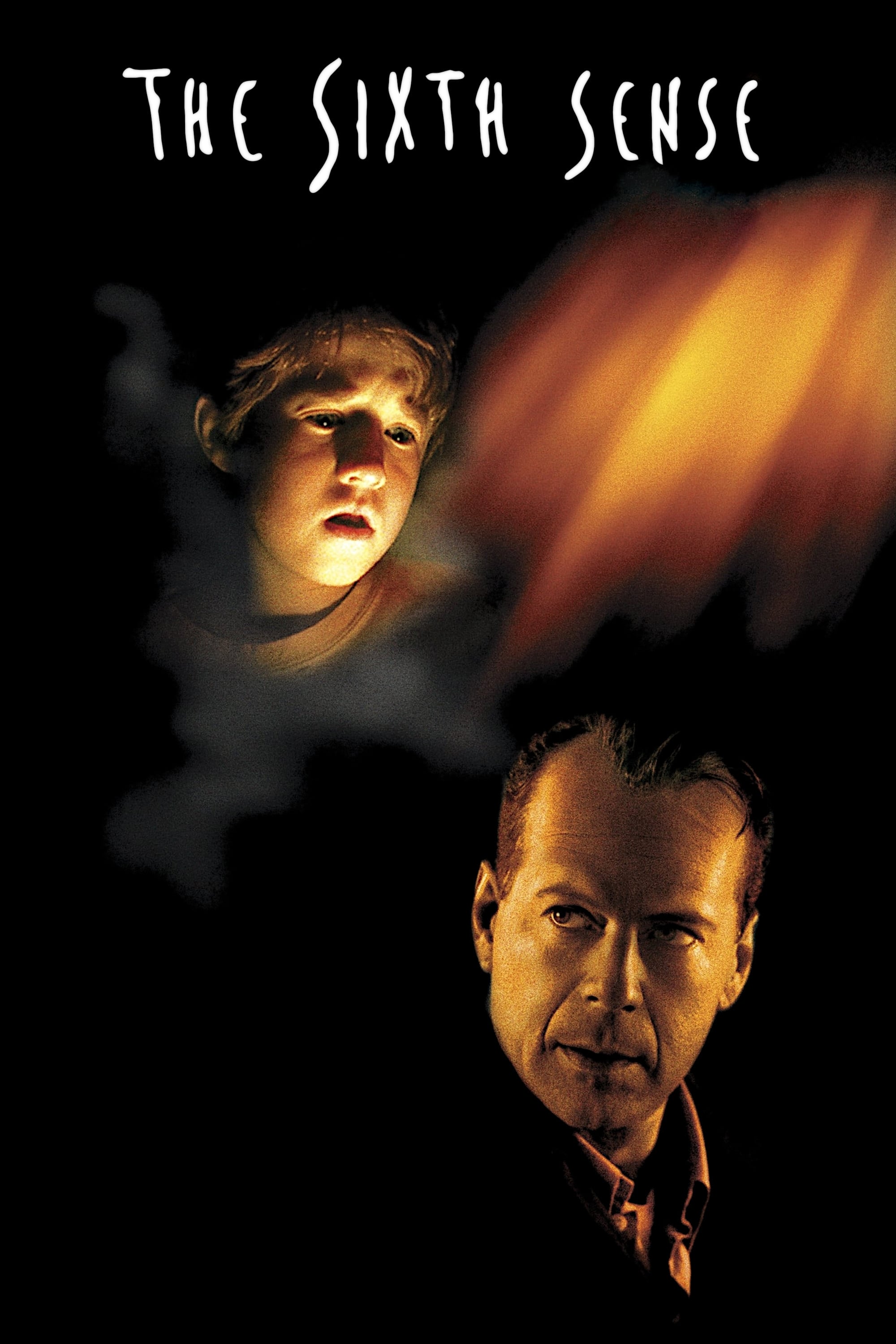
Written and directed by M. Night Shyamalan and produced by Barry Mendel, Frank Marshall, and Kathleen Kennedy for Hollywood Pictures, ‘The Sixth Sense’ was shot largely in Philadelphia. Tak Fujimoto handled cinematography with a restrained camera style that supported the narrative structure.
Bruce Willis and Haley Joel Osment starred, with Toni Collette in a key supporting role. The film became a sleeper hit through strong word of mouth, received multiple Oscar nominations, and significantly boosted the director’s profile in the studio system.
Share which ’90s titles you’d add to this list—and why—in the comments below!