10 Glaring Mistakes in Jack Nicholson Movies You Won’t Be Able to Unsee

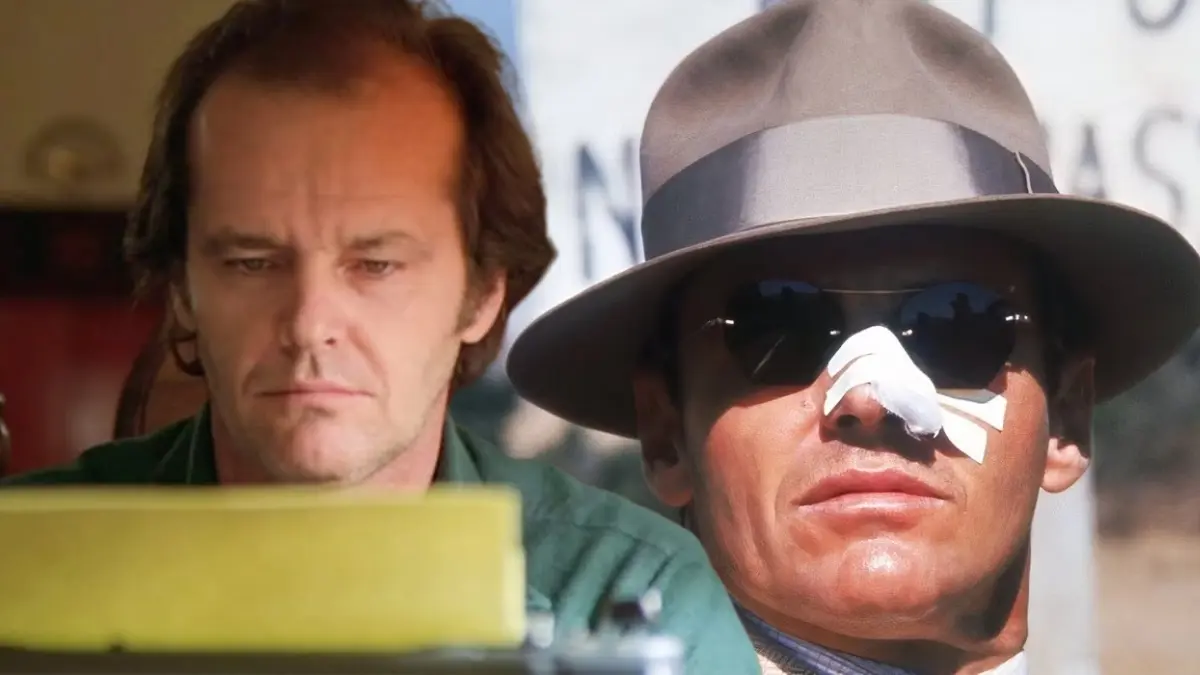

Some of the most beloved Jack Nicholson performances live inside movies that are meticulously crafted—and still sprinkled with the kinds of on-screen slip-ups that eagle-eyed viewers love to hunt. Continuity jumps, props that change color, and wardrobe pieces that won’t stay put all creep in, even when the filmmakers get just about everything else right. None of these errors change the stories; they’re simply curious production hiccups that reveal how movies are stitched together from many takes.
Below are ten widely noticed mistakes from films featuring Nicholson. For each, you’ll find where it happens and what, exactly, goes wrong, so you can spot it the next time you watch. No opinions, no nitpicky gripes—just clear descriptions of what the camera shows and how the details don’t line up.
‘The Shining’ (1980) – the color-changing typewriter
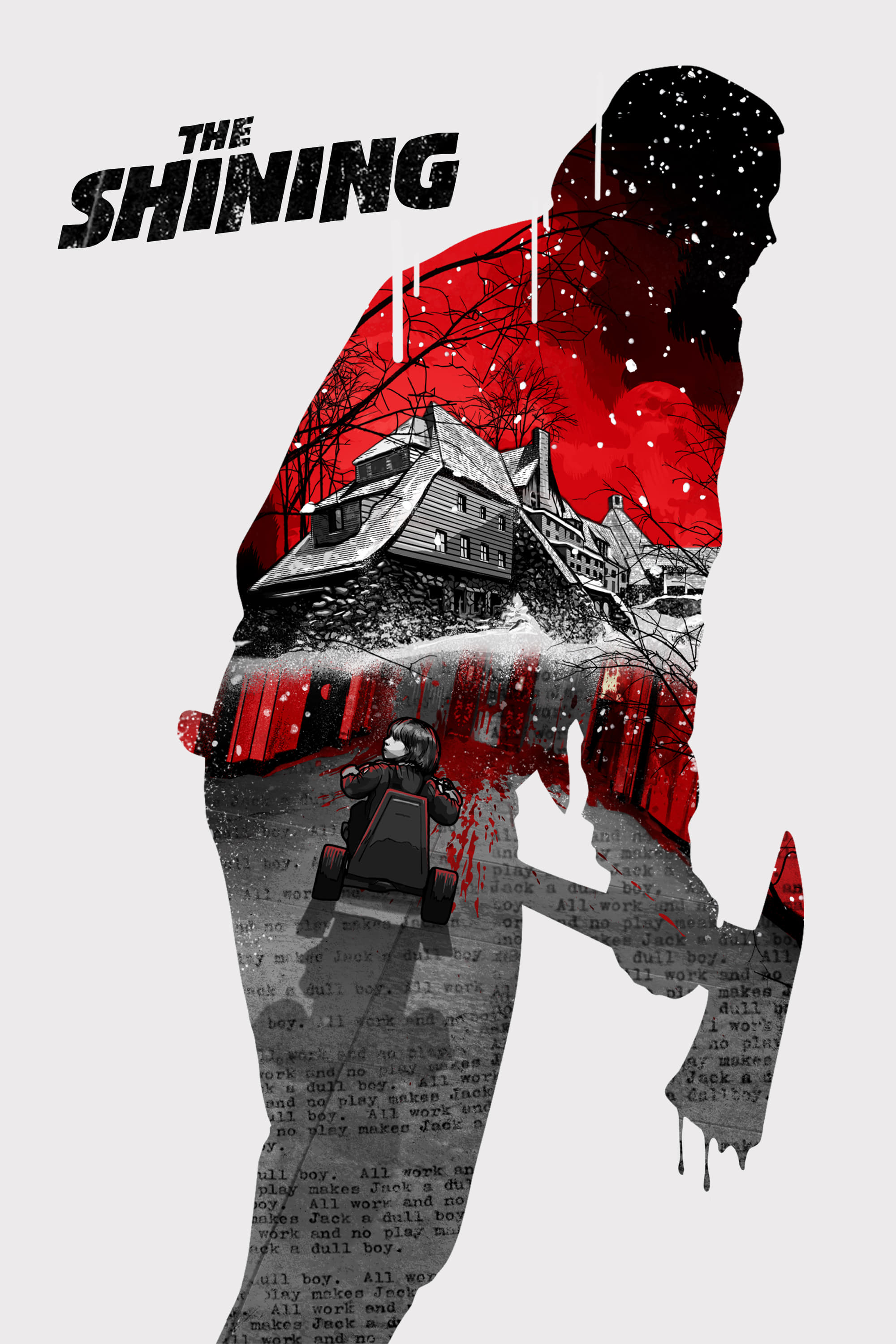
Early scenes in the Overlook Hotel show Jack working at an Adler typewriter that alternates between a light, off-white tone and a pale bluish shade in different shots. The switch appears in consecutive angles within the same conversation, even though the prop remains the same make and model and is meant to be continuous time.
This inconsistency shows up during dialogue in the Colorado Lounge and again during cutaways that return to the desk from a different camera axis. The lighting stays steady, yet the body color of the machine visibly changes, indicating that different hero and backup props—or repainted housings—were used across takes.
‘Chinatown’ (1974) – the nose bandage that swaps sides and sizes
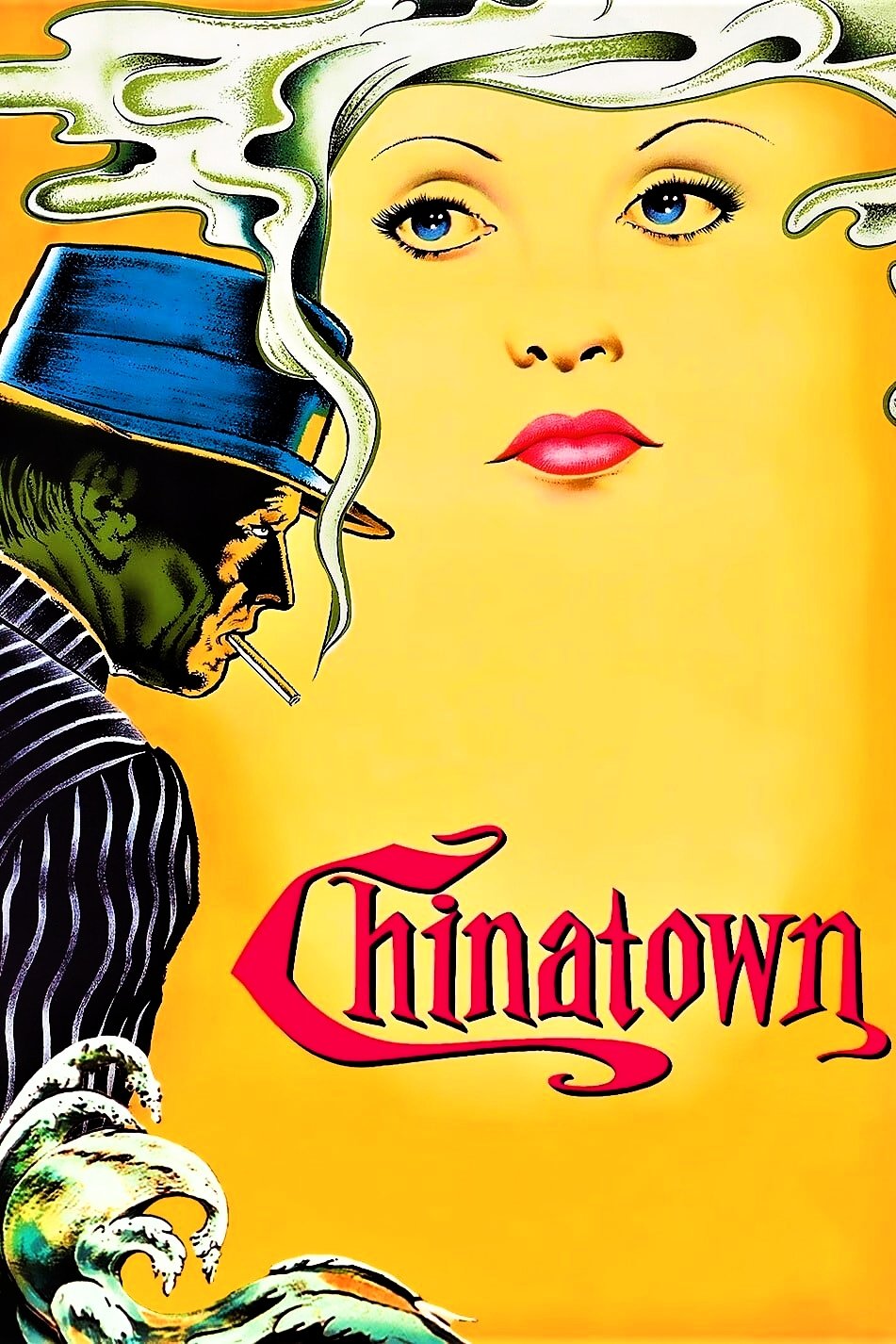
After J. J. Gittes gets a nasty cut on his nose, the bandage that covers it is not consistent from shot to shot. In some scenes the pad sits higher and wraps differently, and in others it rides lower, with the tape’s angle and width changing as the camera returns to him in the same conversation.
The direction of the wrap also flips between close-ups and wider angles, and the surface area of the gauze varies in back-to-back edits. Makeup continuity logs normally lock these kinds of details, but in this case the bandage configuration resets between setups, creating obvious mismatches.
‘Batman’ (1989) – Joker’s makeup transfer that appears and disappears
During museum and street sequences featuring the Joker, flesh-tone smears and white greasepaint transfer on his collar and shirtfront pop in and out across successive cuts. The wardrobe shows clear pigment marks in one angle, but those marks are gone—or redistributed differently—when the shot reverses or jumps to a wider frame.
The same issue occurs with the red around the lips and the prosthetic edges at the corners of the smile, which alternate between sharply defined and slightly smudged within a single dialogue exchange. These differences indicate separate takes with different stages of touch-up captured in the final edit.
‘One Flew Over the Cuckoo’s Nest’ (1975) – the broken-then-mended nurse’s-station window

There’s a moment when McMurphy smashes the glass at the nurse’s station to get at the cigarettes. In later shots set immediately afterward, the window is suddenly whole again when the angle cuts back to the desk, only to be shown damaged again when the perspective returns to the ward floor.
The alternating state of that panel occurs within a single sequence without any story time for repairs. Production coverage from multiple days—some with the breakaway panel installed and some without—was intercut, leaving the glass continuity out of sync.
‘The Witches of Eastwick’ (1987) – the tennis ball that changes mid-rally

During the enchanted tennis match, the ball that the characters volley visibly changes between shots: its logo orientation, scuff pattern, and even apparent brightness shift from cut to cut, including within the same point. The flight path resets between angles as the camera crosses the line, yet the players are shown continuing a single rally.
The racquet position at contact also varies between consecutive edits, with stringbed tilt and follow-through resetting when the shot reverses. These changes reflect separate takes spliced together to build one continuous exchange, resulting in ball and motion mismatches.
‘As Good as It Gets’ (1997) – Verdell the dog doesn’t always match
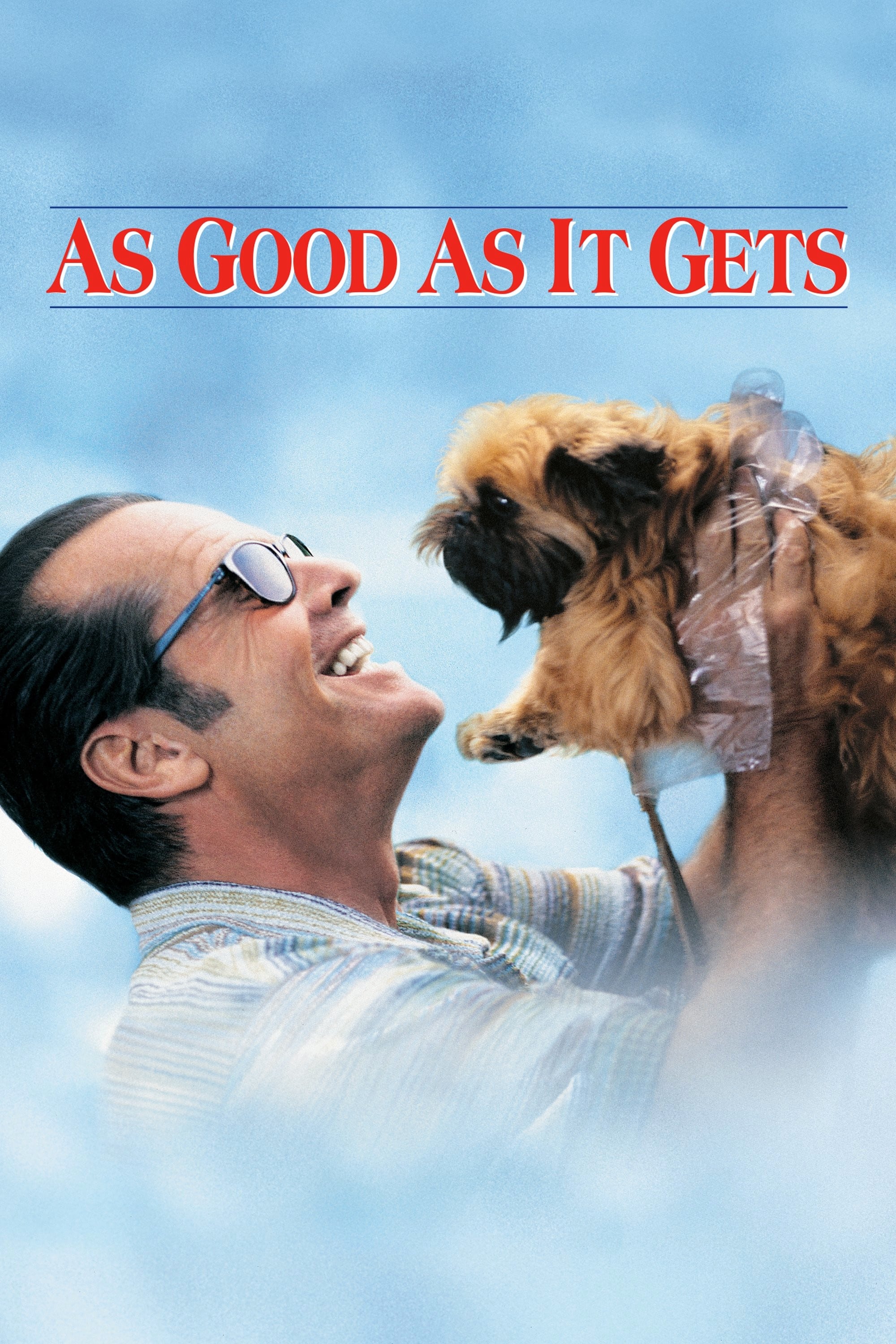
Melvin’s neighbor’s Brussels Griffon, Verdell, was played by more than one trained dog, and the substitutions are visible in certain scenes. Ear set, muzzle length, and coat texture differ slightly from shot to shot, even though the story treats the pet as a single animal within the same moment.
Collar fit and tag position shift in the same exchanges as well, indicating a swap between animal doubles across angles. Because close-ups and wides were captured on different days, the production’s canine stand-ins create subtle continuity breaks that show up when the footage is cut together.
‘The Last Detail’ (1973) – beer bottle levels that won’t stay put
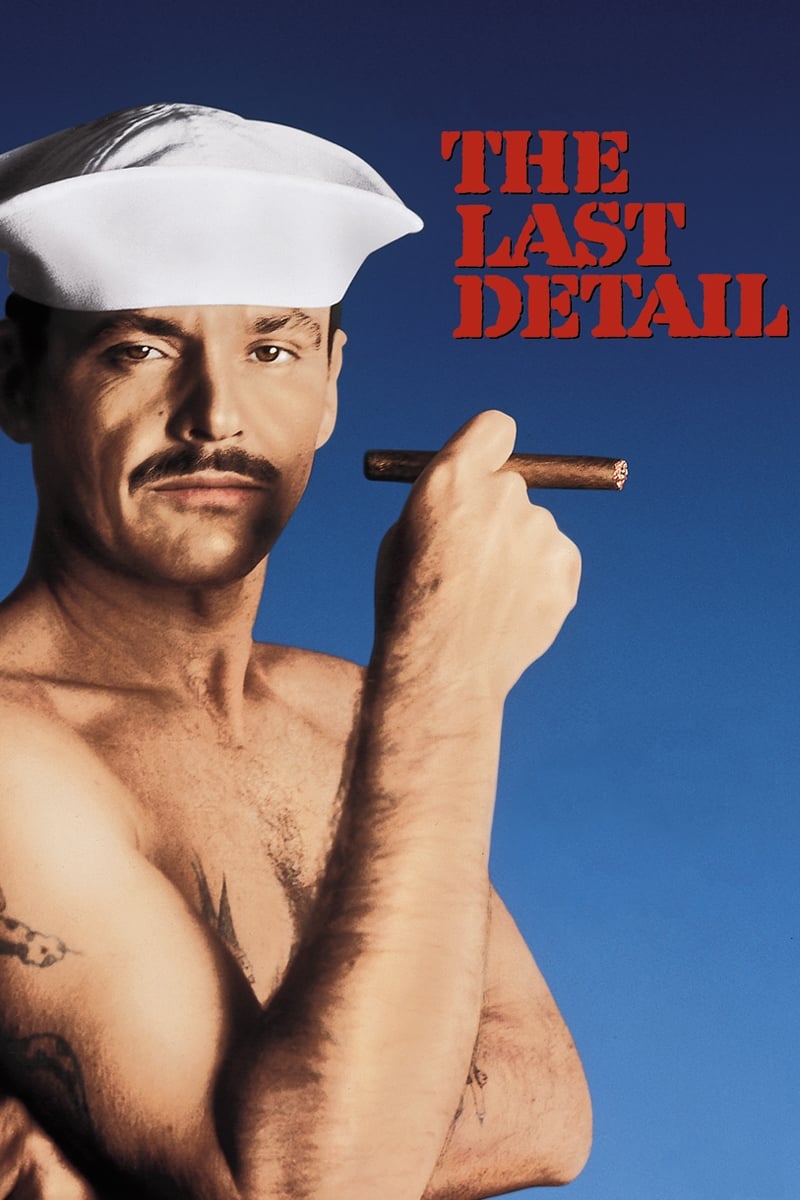
In bar sequences with Buddusky and Mulhall, the liquid level in their bottles jumps around between consecutive cuts. A bottle that’s nearly full in a medium shot turns noticeably lower in the immediate reverse, then appears fuller again when the camera returns without any drinking shown.
Condensation on the glass also resets, alternately beading heavily and then appearing dry, which would not happen in the span of a single line. The fluctuations point to coverage from different takes being intercut while maintaining the idea of continuous time.
‘Five Easy Pieces’ (1970) – the diner table that rearranges itself
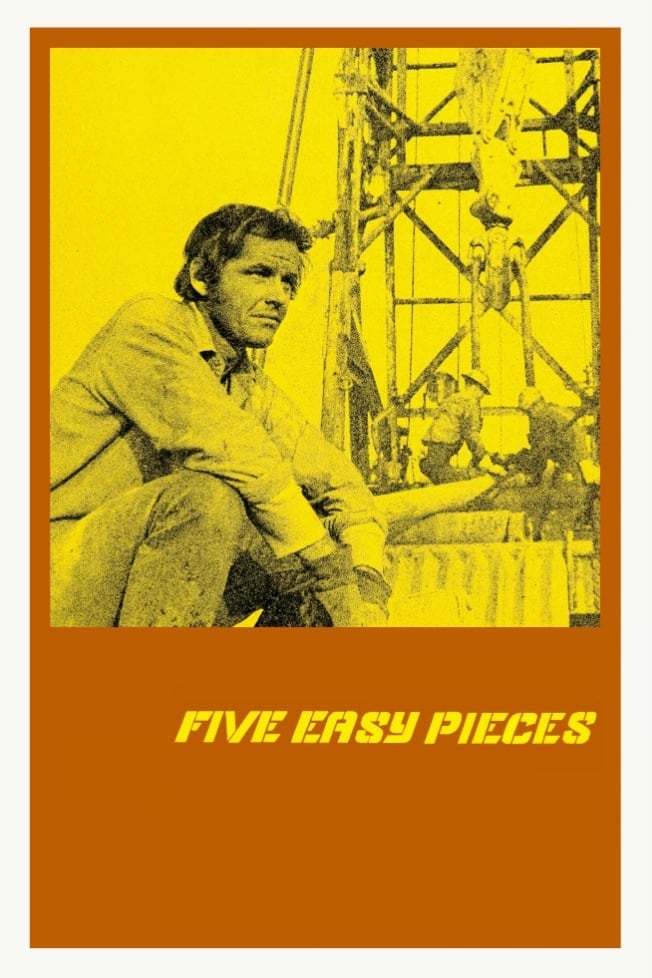
In the roadside diner scene, items on the table—coffee cups, saucers, water glasses, and the infamous toasted-wheat sandwich order—shift positions between lines of dialogue. A cup handle faces one direction in a close-up, then points another way immediately after the edit, with the plate alignment changing at the same time.
Silverware placement and napkin folds also reset as the shot alternates between characters. Because table continuity depends on matching prop set-dressing across angles, the inconsistencies reveal that multiple takes with slightly different resets were combined in the final cut.
‘A Few Good Men’ (1992) – uniform details that don’t stay consistent
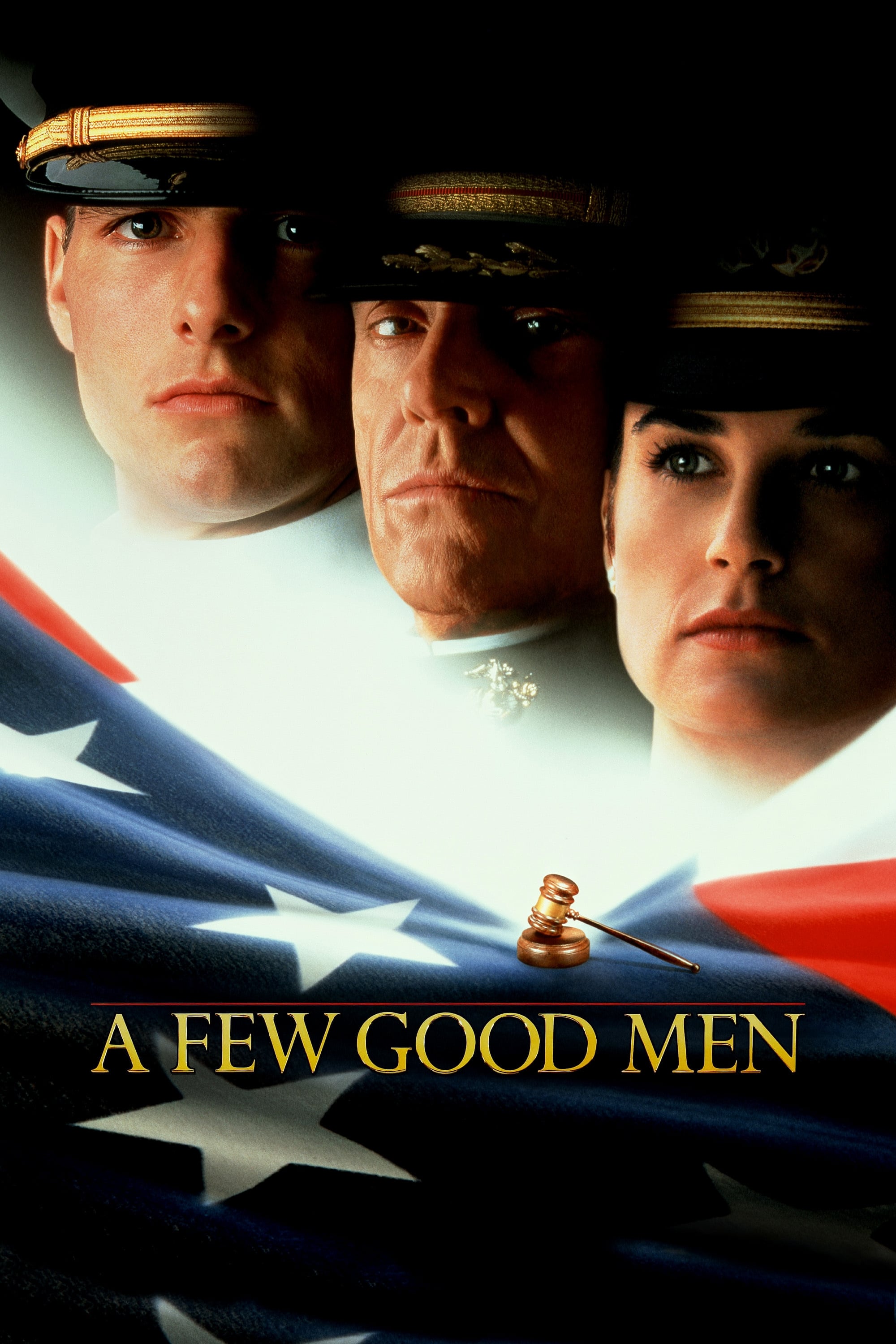
During the courtroom sequences, costume elements on the Marines—ribbon racks, collar devices, and marksmanship badges—shift placement and order between shots. A rack that sits perfectly level in one angle appears canted or re-spaced in the next, even though the scene plays as a single exchange without time for adjustments.
Jacket closures and tie knots likewise change tightness and alignment across consecutive edits. These differences arise from suit-up variations captured in separate setups, leaving military dress details inconsistent when the edits are stitched together.
‘The Departed’ (2006) – the prop phone that changes model in the same scene
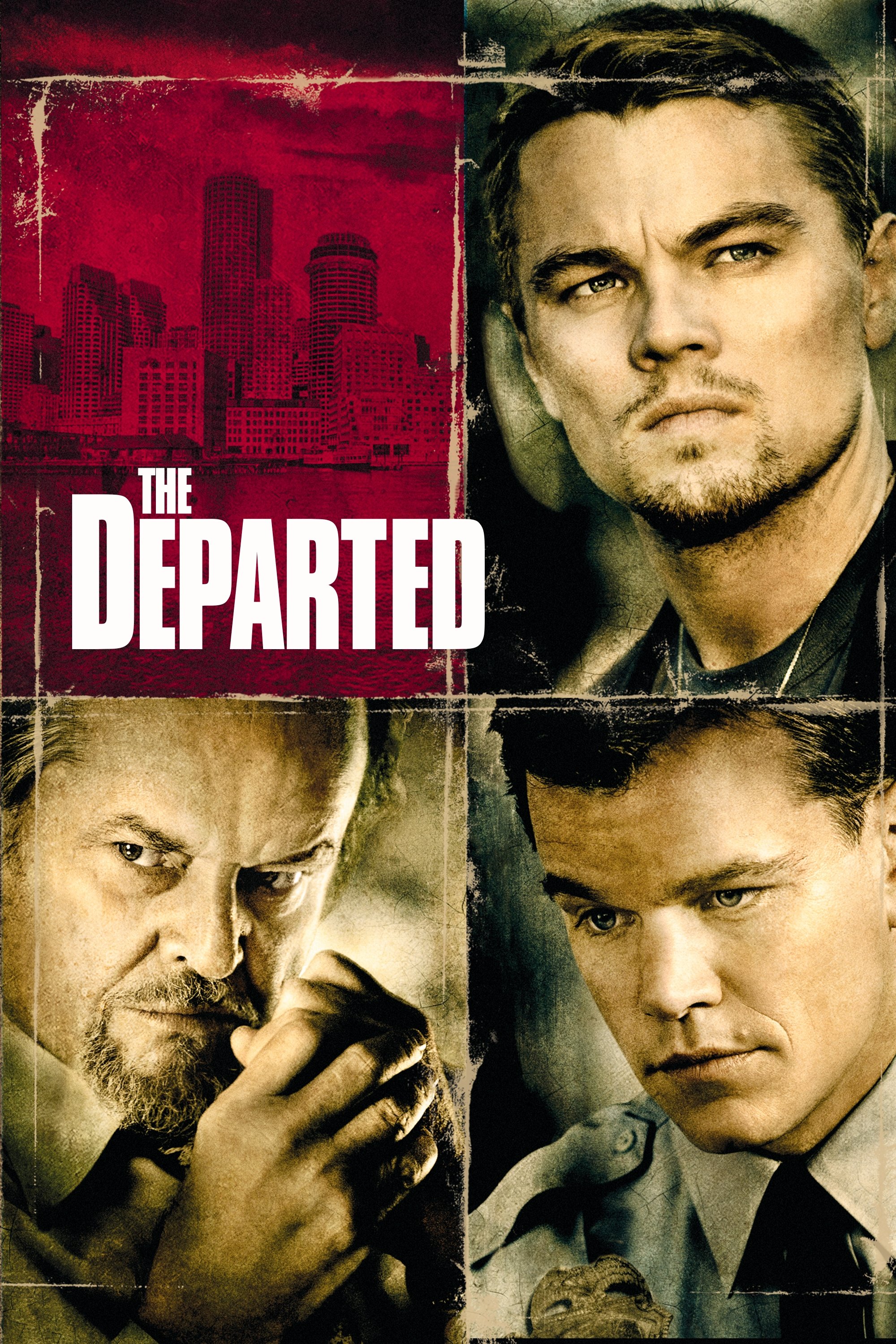
In meetings with Frank Costello and his crew, a character’s mobile phone swaps styles mid-conversation. The device appears as a candy-bar handset in one shot, then as a flip handset in the immediate reverse, with button layout and screen size not matching from angle to angle.
The switch occurs within uninterrupted dialogue, indicating that alternate prop options from different setup days were used and then intercut. Because the phones are key to the plot’s surveillance themes, the model change is noticeable once you’re looking for it.
Share the wildest continuity error you’ve spotted in a Jack Nicholson film in the comments!