10 Glaring Mistakes in Austin Butler Movies and Shows You Won’t Be Able to Unsee


Big, glossy productions are built from hundreds of camera setups, countless takes, and months of editing—so even great films and shows can hide small continuity slips. Austin Butler’s projects are no exception. From historical epics to buzzy indies and network TV, eagle-eyed viewers have flagged moments where props jump, costumes reset, or timelines don’t quite line up.
Below are ten specific, practical examples of what to look for and why they likely happened. Each entry pinpoints the exact on-screen hiccup, then explains the production-side factors—like reshoots, coverage, and second-unit inserts—that commonly create these glitches. Use it as a scene-spotting guide the next time you press play.
‘Elvis’ (2022) – hidden mic pack outline appears and disappears between shots

During a backstage walk-and-talk, a rectangular bulge consistent with a body-worn transmitter shows under the jumpsuit in one angle, then isn’t visible in the matching reverse. Body mics and transmitters are typically taped to the small of the back or sewn into costume pockets; quick changes, sweat, and movement can shift their position, causing outlines to print differently across takes.
Because dialogue coverage is captured over several passes—master, over-shoulders, and close-ups—a wardrobe reset or minor relight can change how fabric drapes. Editors prioritize performance and line clarity, so if the best take comes from a pass where the transmitter sits differently, the outline will “pop” and vanish across cuts.
‘Dune: Part Two’ (2024) – dust and sweat streaks change pattern within the arena sequence
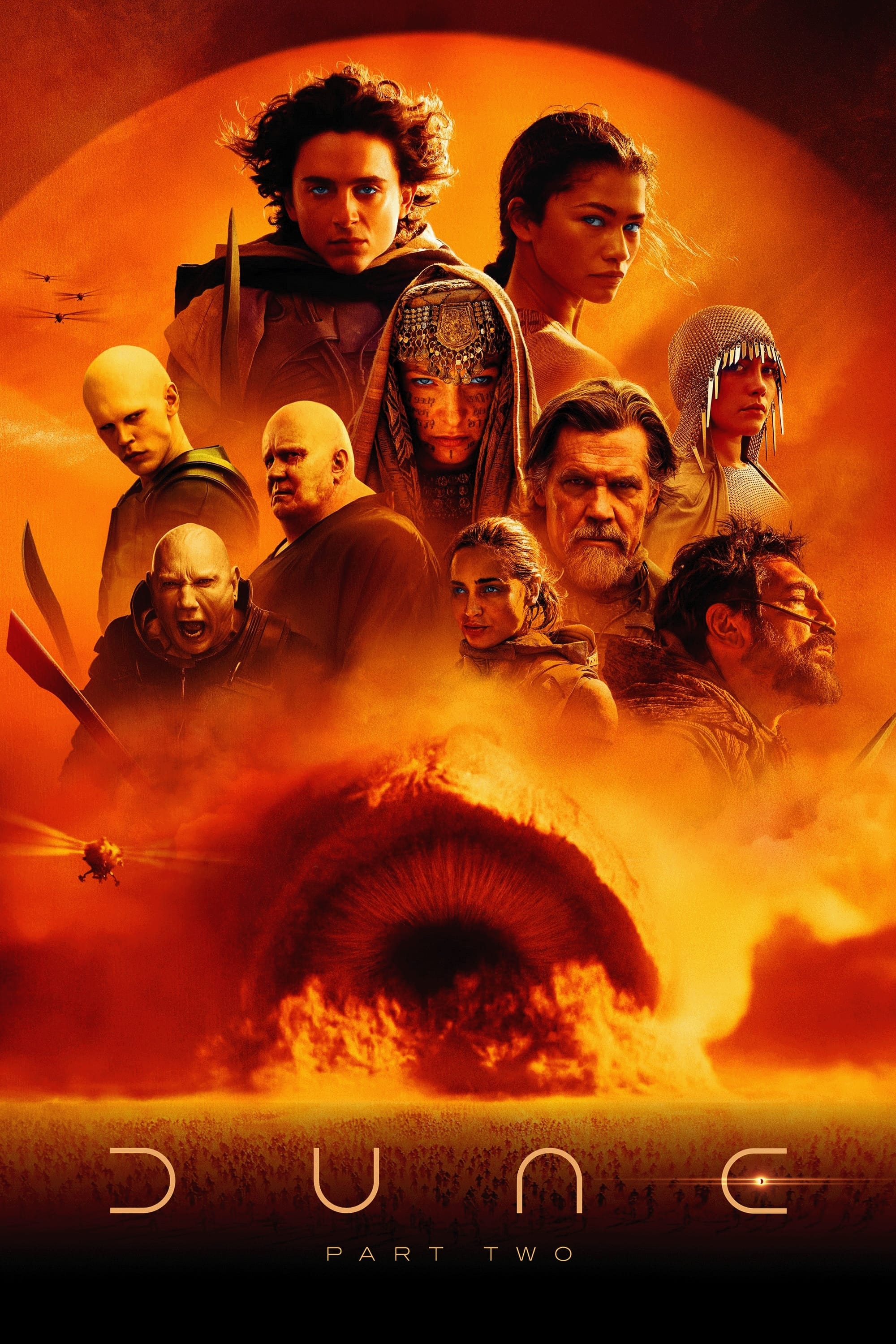
In the Harkonnen arena, dusting on the torso and sweat streaks along the ribs look heavier in wides and lighter in immediate close-ups, even though the action is continuous. Makeup and grime departments maintain continuity maps, but stunt safety requires multiple rehearsed passes, each producing unique sweat flow and powder transfer once performers collide or roll.
Action units often intercut footage from separate days and mirrored blocking. Under alternating lighting—harsh overheads versus softer coverage—the same particulate reads differently on camera. When editorial blends the cleanest hits and reactions, those streaks and dust patches shift subtly shot-to-shot.
‘The Bikeriders’ (2024) – cigarette lengths jump during the same conversation
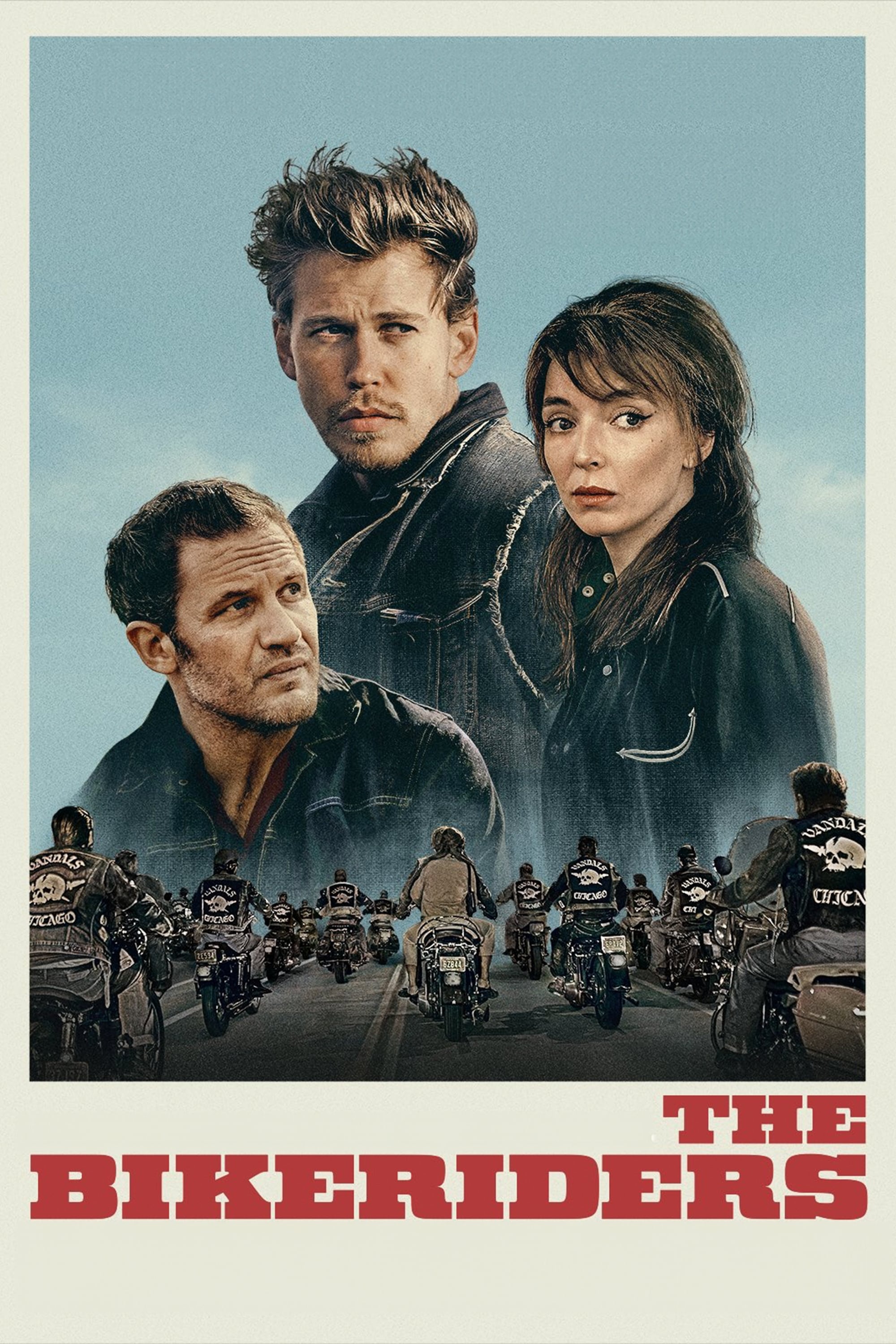
In bar and roadside scenes, the burn length of a cigarette is longer in one angle and notably shorter in the reverse, with no on-screen drag to account for the change. Continuity tracks “business” on a timing sheet, but dialogue coverage is assembled from multiple takes, and cigarettes are replaced between resets for safety and consistency.
Productions keep multiple “hero” and backup props on standby; if a close-up from one pass cuts against a wide from another, the ember position and ash cone won’t match. Wind conditions on exterior setups also accelerate burn unevenly, which compounds the mismatch when intercut.
‘Once Upon a Time… in Hollywood’ (2019) – interior restraint differs from the matching exterior shot
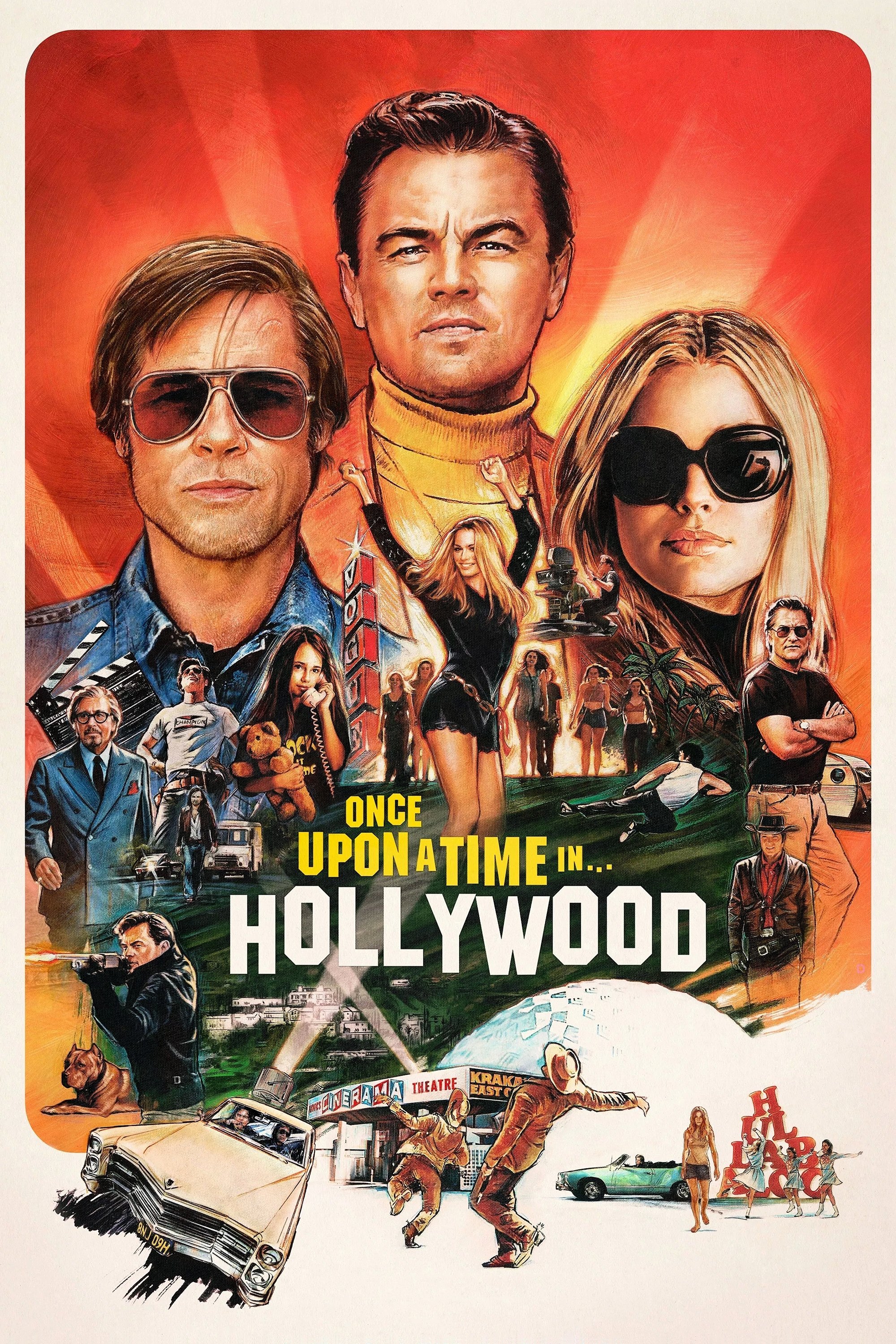
A car-interior setup shows a shoulder-style restraint, while the exterior angle of the same beat reveals only lap belts. Productions frequently pair a period-correct hero car for exteriors with a rigged duplicate on a process trailer for interiors, and safety-mandated harnesses can’t always be hidden from certain angles.
If interiors were re-shot later for cleaner dialogue, the substitute vehicle may have a different seatbelt configuration. Without an exact hardware match—and under the pressure of daylight continuity—the restraint difference slips through when the final cut intercuts those plates.
‘Masters of the Air’ (2024) – canopy frost and smudges reset between over-the-shoulders
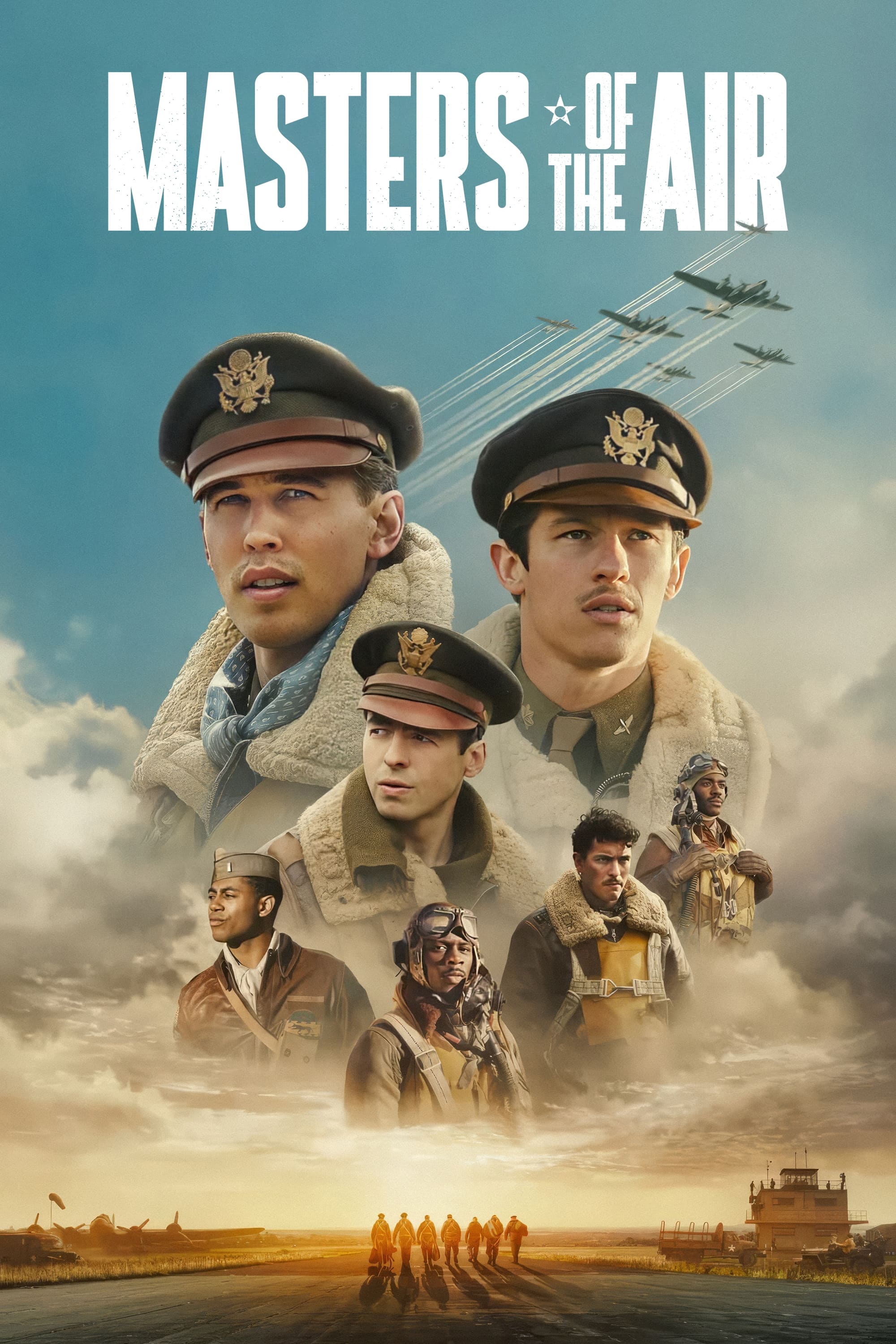
Cockpit scenes show distinctive frost patterns and hand smudges on the canopy that look newly wiped in one angle and heavier in the reverse. Practical effects teams apply condensation with spritzers and chilling rigs, but heat from lights and actor breath changes density quickly, forcing touch-ups between takes that rarely recreate identical swirls.
Aerial interiors are shot on gimbals with vibration and airflow to sell turbulence. Those conditions move moisture and residue during performance, so when editors pick the cleanest lines from alternating angles, the surface patterns appear to “jump” within the same exchange.
‘Aliens in the Attic’ (2009) – laptop power indicators contradict the on-screen network status
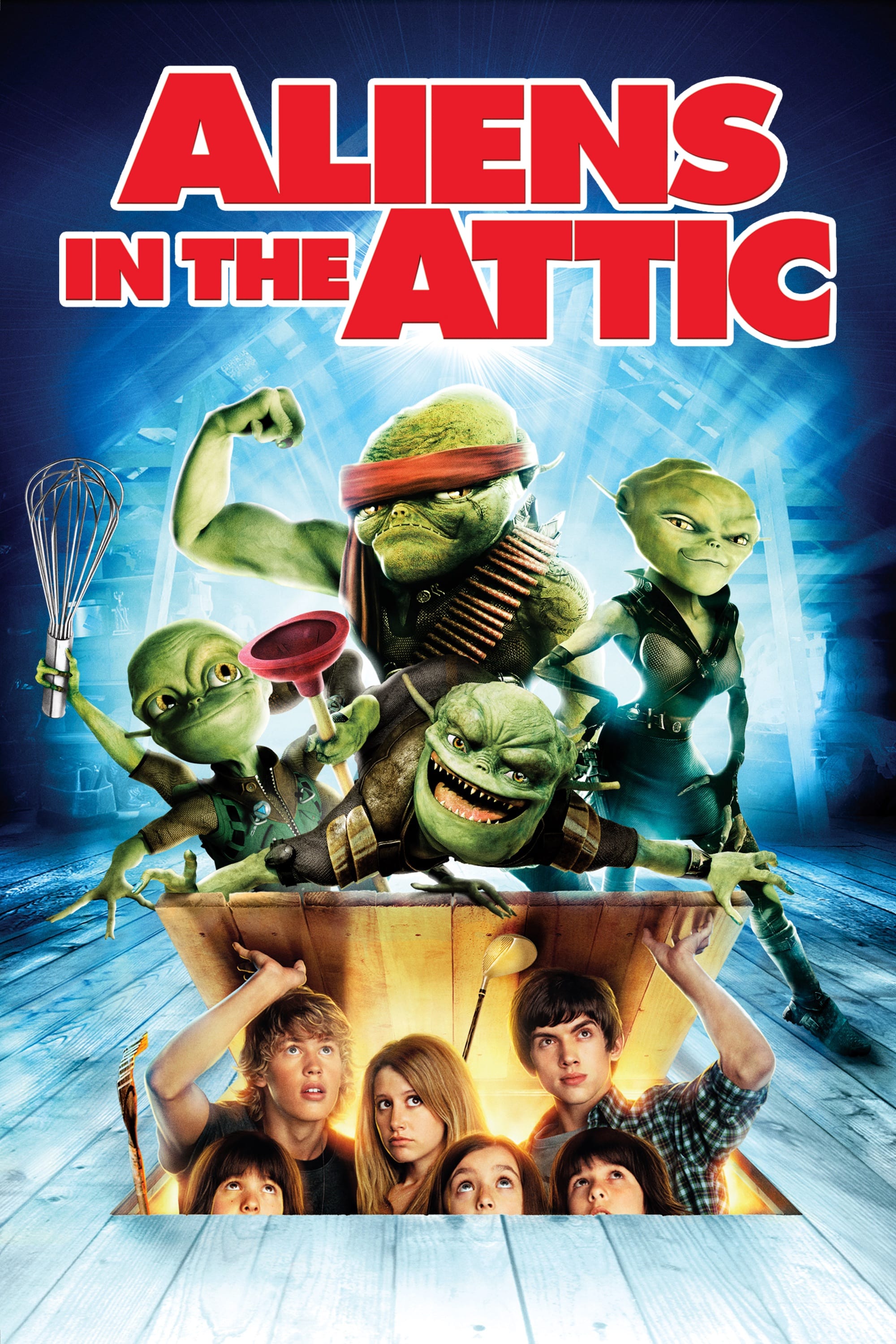
A close insert shows a full Wi-Fi indicator and an active network dialog while the laptop’s chassis light indicates sleep. Prop computers are commonly looped playback shells with pre-rendered screens composited later; if the physical LED state isn’t matched to the graphic plate, the shot displays conflicting cues.
Insert units often shoot days after main photography with a different, gutted housing that lacks functional electronics. Without a live system to mirror real indicators, graphics teams rely on generic overlays, which explains the mismatch between the LED and the UI elements visible in frame.
‘Sharpay’s Fabulous Adventure’ (2011) – backstage callboard dates jump inside one rehearsal montage
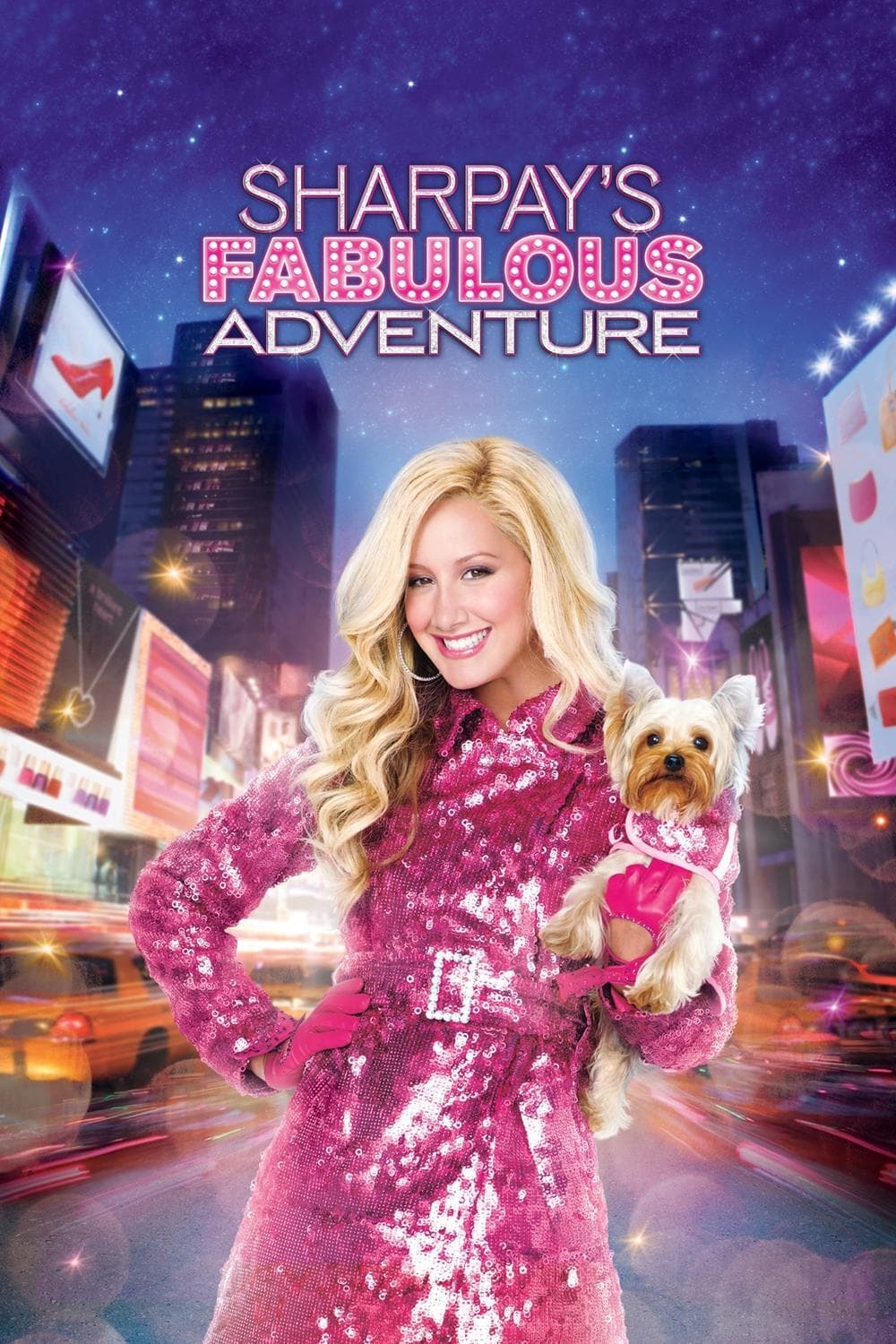
Backstage scenes place a wall calendar and rehearsal notices in the same sequence, but the printed dates don’t align when cut together as a single continuous session. Art departments dress multiple versions for montage coverage, and assistant directors stage several “beats” back-to-back to compress story time.
When editorial stitches the most energetic moments into one flow, a wide from one “day” can abut a close-up from another, leaving mismatched paperwork in the background. Because these elements are secondary to performance, the date continuity can be overlooked until final cut.
‘The Shannara Chronicles’ (2016–2017) – elfstones’ glow intensity and hue vary within a single scene

Quest sequences show the stones emitting a strong blue glow in a wide shot but reading paler or differently tinted in a close-up moments later. Productions cycle among multiple prop versions—light-up, non-light, and stunt-safe—and rely on visual effects to standardize the look in post, which can land at slightly different brightness levels.
Close-ups often reduce practical LED output to avoid clipping and lens artifacts, then add a digital glow later. Intercutting shots finalized in separate VFX passes or grade sessions can leave small color and intensity differences visible in the finished scene.
‘The Carrie Diaries’ (2013–2014) – background subway map shows a later-era service layout
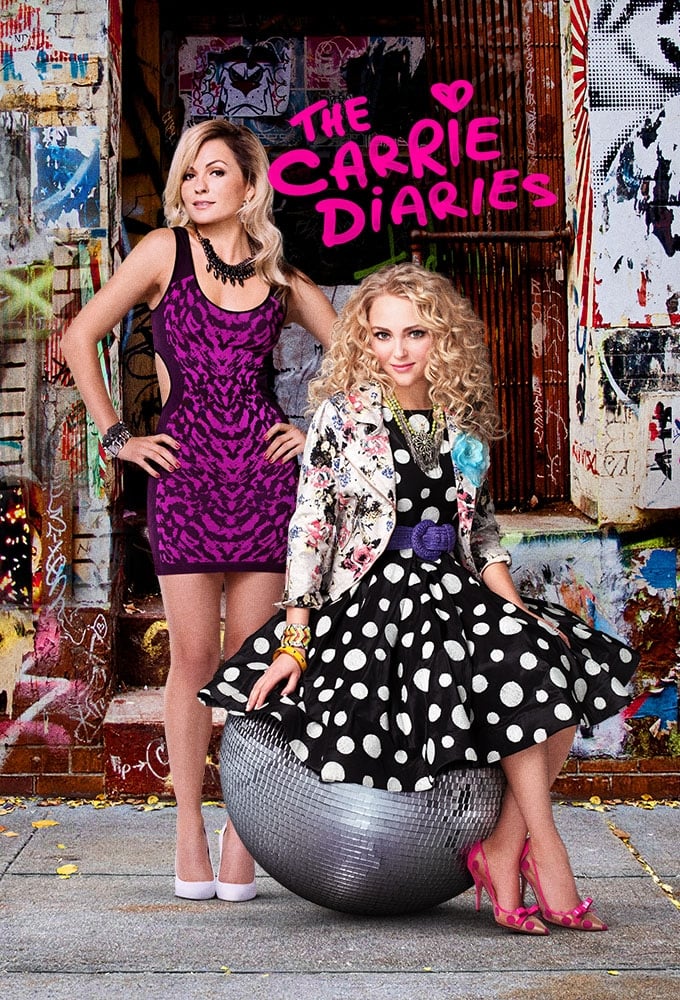
Office and station scenes feature a transit map layout that reflects routes and services from a later configuration than the story’s timeframe. Prop houses stock contemporary reprints at large sizes for legibility, and unless the art team sources a period-accurate reproduction, a modern map can end up as set dressing.
Location days run on tight turnarounds, so background graphics are chosen for readability and availability. If the only high-resolution option on hand is a newer layout, it will pass camera tests but register as an anachronism when the lens lingers during dialogue.
‘Zoey 101’ (2005–2008) – hallway background flyers change copy between consecutive angles
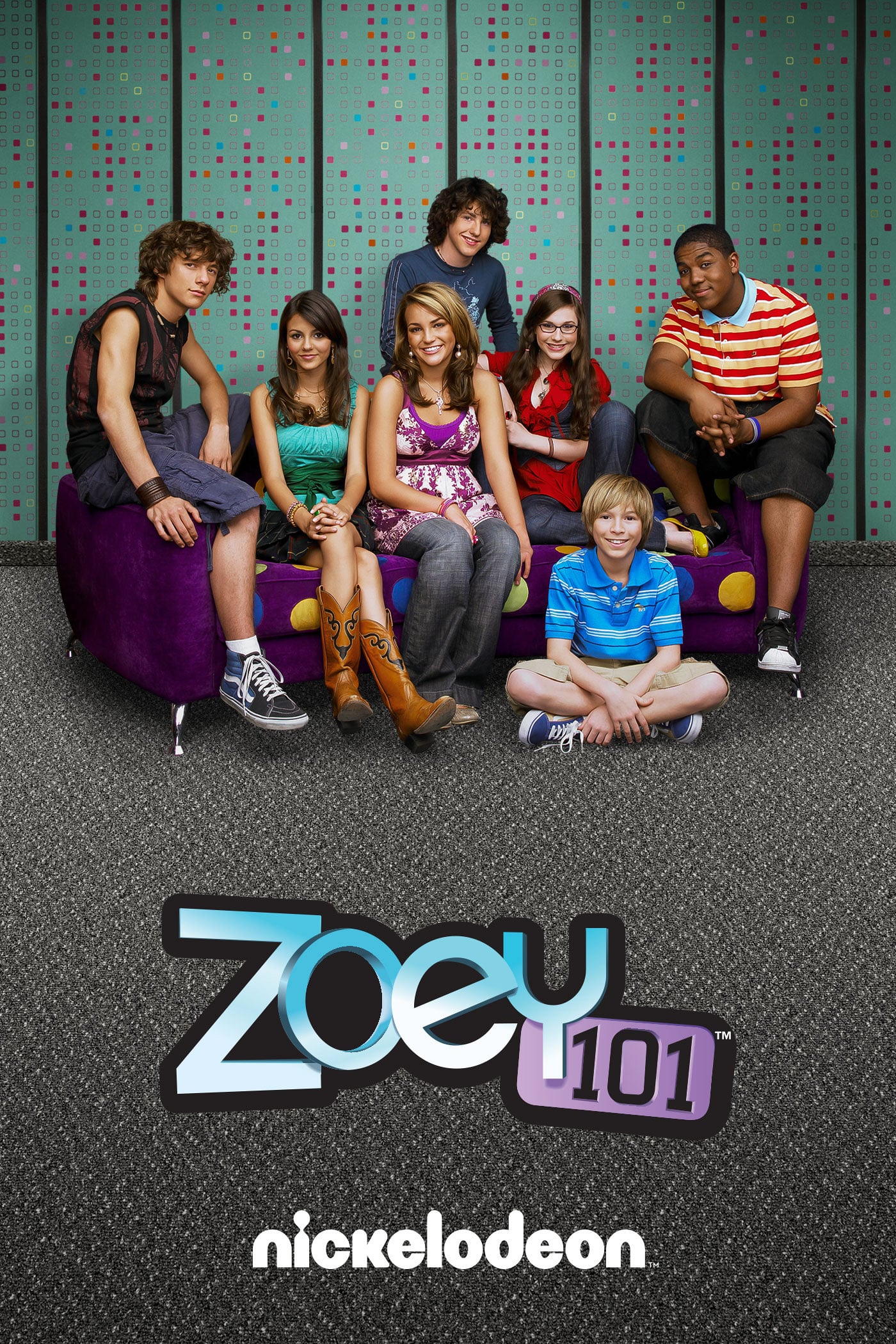
A corridor conversation shows a club flyer with one headline in the wide shot and a slightly different design in the reverse, even though the exchange is continuous. School sets cycle dozens of flyers for variety across episodes, and swing-set dressers often refresh bulletin boards between takes to maintain visual interest.
Coverage captured on separate passes or pickup days can reintroduce an earlier flyer stack or a cleaned board with replacements. When editorial intercuts the best performances, the background copy swap becomes noticeable despite the consistent dialogue.
Share the most glaring continuity slip you’ve noticed—and the time stamp—down in the comments!