10 Glaring Mistakes in Bruce Lee Movies You Won’t Be Able to Unsee

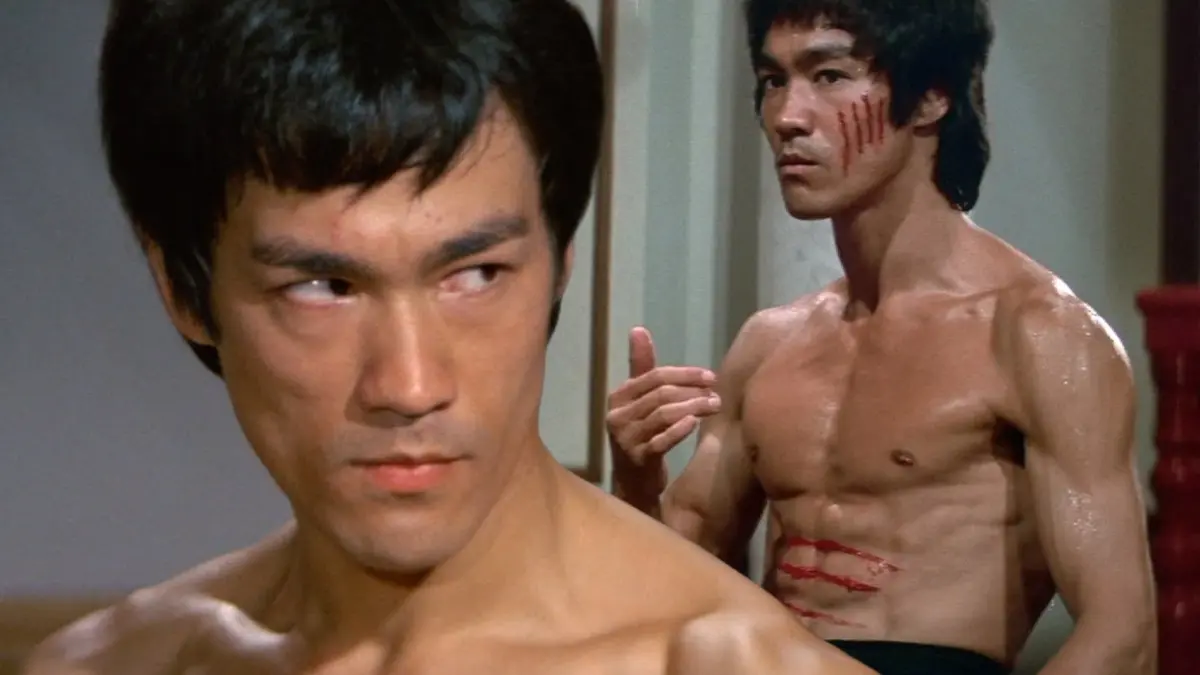

Bruce Lee’s films are tightly choreographed, full of crisp technique, and edited for maximum impact—but even these classics carry a handful of continuity slips, prop swaps, and production hiccups. Spotting them doesn’t diminish the legacy; it simply reveals how fast-moving martial-arts filmmaking stitched together complex action from many takes.
Below are ten clear, well-documented glitches across Bruce Lee’s best-known features. Each entry explains where the mistake happens and exactly what changes from shot to shot, so you can pinpoint the moment—and understand how the pressure of rapid shooting, stunt safety, and censorship rules often created these blink-and-you-miss-it errors.
‘Enter the Dragon’ (1973) – vanishing foot guards in the opening bout
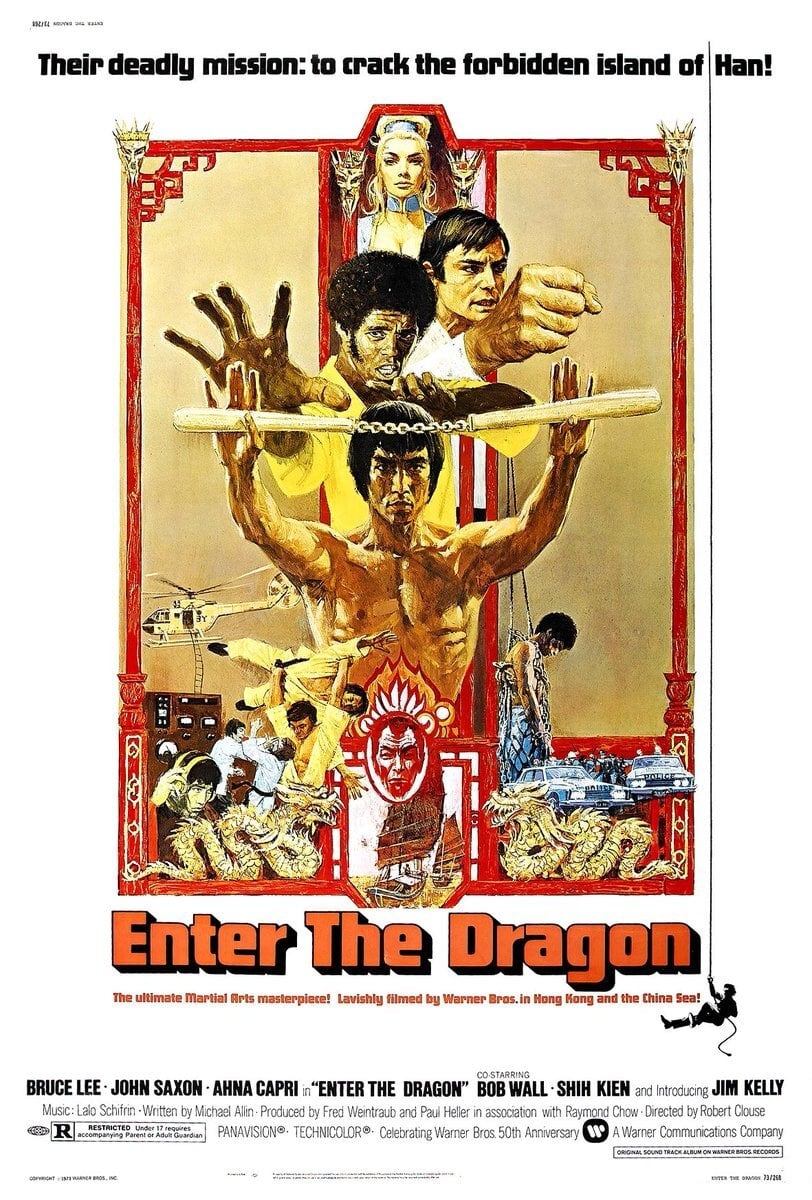
In the monastery prologue of ‘Enter the Dragon’, Lee squares off against a fellow fighter in a bare-handed match. During this sequence, close shots show padded instep guards on Lee’s feet, while alternating angles reveal him fighting barefoot. The cutaways were assembled from multiple takes that mixed protective rehearsal gear with hero shots, leaving the wardrobe mismatch in the final cut.
The alternating footwear also affects the sound design: kicks captured with pads and kicks filmed barefoot were edited together, so impact and footfall sounds fluctuate from strike to strike. Because the scene intercuts wide and tight coverage rapidly, the protective pads pop in and out within the span of a few seconds.
‘Enter the Dragon’ (1973) – claw wounds that change between cuts
Late in ‘Enter the Dragon’, Han’s metal claw rakes across Lee’s torso, leaving prominent slashes. As the fight continues into the mirror chamber, the number, position, and intensity of those gashes shift between shots. Makeup continuity resets when the scene jumps from exterior corridor coverage to interior mirror-maze setups, so the wounds don’t track consistently across the sequence.
The editing further compounds the mismatch: inserts of Lee moving through the mirrors are intercut with earlier strikes from the floor fight. Because those inserts were shot on different days, the blood level and placement on Lee’s chest and abdomen vary, producing inconsistent injury progression from moment to moment.
‘The Way of the Dragon’ (1972) – studio/stock-footage mismatch in the Colosseum fight
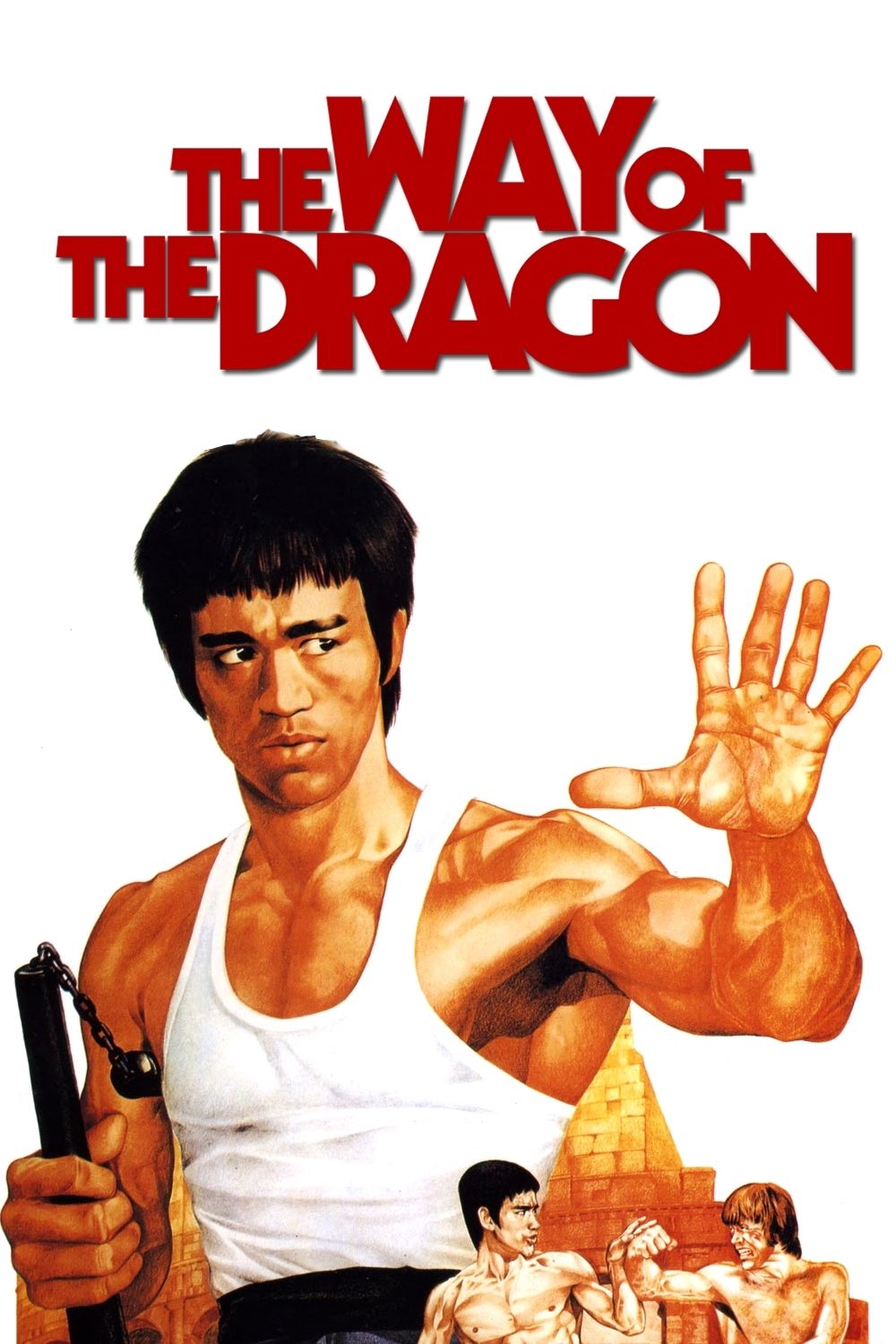
The final duel in ‘Way of the Dragon’ famously cuts between on-location plates of the Colosseum and studio-built arena sets. Sunlit establishing shots include distant tourist movement and open-air backgrounds, while the majority of the fight takes place under controlled lighting on a closed interior set. The day-exterior plates and the stage lighting don’t match, creating a visible environment shift between angles.
Lens choice and camera height change the perceived scale of the arena, too. Wide exterior cutaways use long lenses that compress distance, but interior coverage relies on wider lenses that expand space, so the relative placement of pillars and arches jumps when the edit switches sources. The geography of the battlefield subtly resets every time the film returns to a stock exterior.
‘The Way of the Dragon’ (1972) – scratch continuity during the final exchange
As the duel progresses in ‘Way of the Dragon’, superficial scratches appear on Lee’s torso and face. Across successive flurries, the marks shift sides and alter length; a diagonal scratch near the collarbone is visible in one angle, then either shorter or missing when the camera cuts around to the reverse. The likely cause is non-sequential shooting of takes with slightly different makeup passes.
The costume also contributes to the inconsistency. Sweat patterns and dust on Lee’s trousers change between exchanges, meaning that torn fibers and smudges used as visual anchors don’t hold from cut to cut. When the editor interleaves shots to preserve rhythm, those small differences break the continuity of the sustained injury makeup.
‘Fist of Fury’ (1972) – the dojo sign that breaks more than once
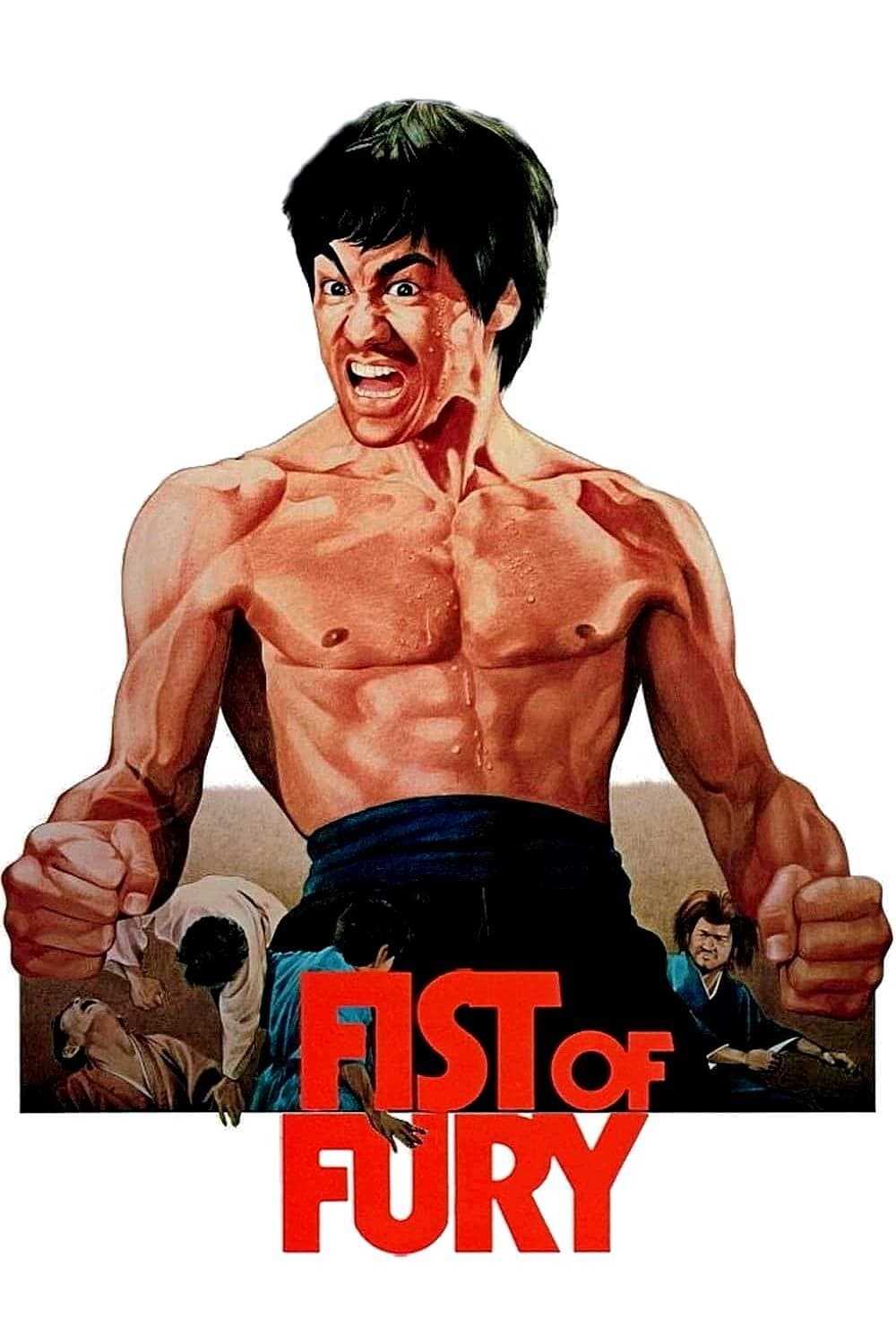
In the early confrontation at the rival dojo in ‘Fist of Fury’, Lee smashes a wooden sign. In the initial impact, the board splits into distinct, uneven shards that fall to the floor. A wider follow-up angle shows a different arrangement and size of fragments, as if the prop were re-set and struck again, with the debris field not matching the preceding shot.
A few beats later, an insert features a remaining plank that doesn’t correspond to either debris layout, indicating coverage from a separate take placed mid-sequence. Because these pieces were practical effects prepared for single-use destruction, the re-break produced a fresh pattern, which the edit joins directly to the earlier smash.
‘Fist of Fury’ (1972) – on-off disguise details in the telegraph scene
During the infiltration sequence in ‘Fist of Fury’, Lee uses a simple disguise with facial hair and worker’s clothing. The angle-to-angle cutting shows the false mustache shifting position—slightly higher in a tight shot and then lower in the next medium shot—creating a mismatch in lip line and shadow. The seam of the adhesive also becomes visible only in certain angles, then disappears when the coverage changes.
His tool bag and cap contribute to the continuity drift. The bag’s shoulder strap alternates between left- and right-shoulder placement as the sequence moves through the compound, and the cap brim rotates between takes, altering the fold line that was present a few seconds before. These wardrobe toggles reflect pick-ups filmed after the main coverage.
‘The Big Boss’ (1971) – the jade amulet that breaks and returns
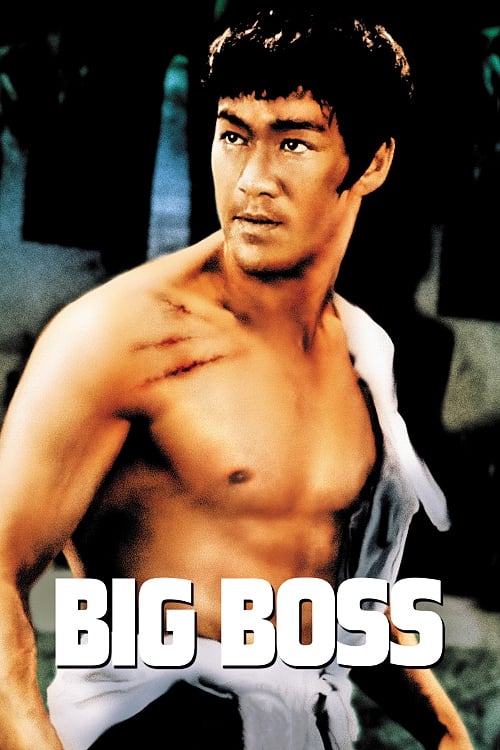
In ‘The Big Boss’, Lee wears a jade amulet as a promise not to fight. During a scuffle at the ice plant, the cord snaps and the amulet drops. Subsequent dialogue in the same narrative stretch shows the pendant intact again around his neck, indicating that the production intercut post-break footage with pre-break material shot earlier in the schedule.
Later in the film, the amulet is missing in one exterior and then present in the next interior within the same scene context. Because the prop tracks a story vow, the necklace’s sudden reappearance and disappearance shift the implied point at which Lee abandons restraint, compressing character beats that were meant to occur in a fixed order.
‘The Big Boss’ (1971) – ice-block debris that rearranges itself
The ice-house fights in ‘The Big Boss’ include several destructive gags where bodies and tools crash through stacked blocks. After a fall shatters the ice, a cut to a new angle reveals a different pattern of debris: large slabs are back on top of the stack, and open gaps visible a moment earlier are now filled. Resetting breakaway stacks between takes led to a patchwork of pre- and post-impact arrangements.
Falling water and frost add another tell. Melt patterns on the floor puddle in one direction in a wide shot but flow the opposite way in an intercut close-up, indicating that the two beats were filmed hours apart with freshly arranged ice. The result is a floor that alternates between wet and relatively dry within the same exchange.
‘Game of Death’ (1978) – stand-ins and composite tricks that don’t match
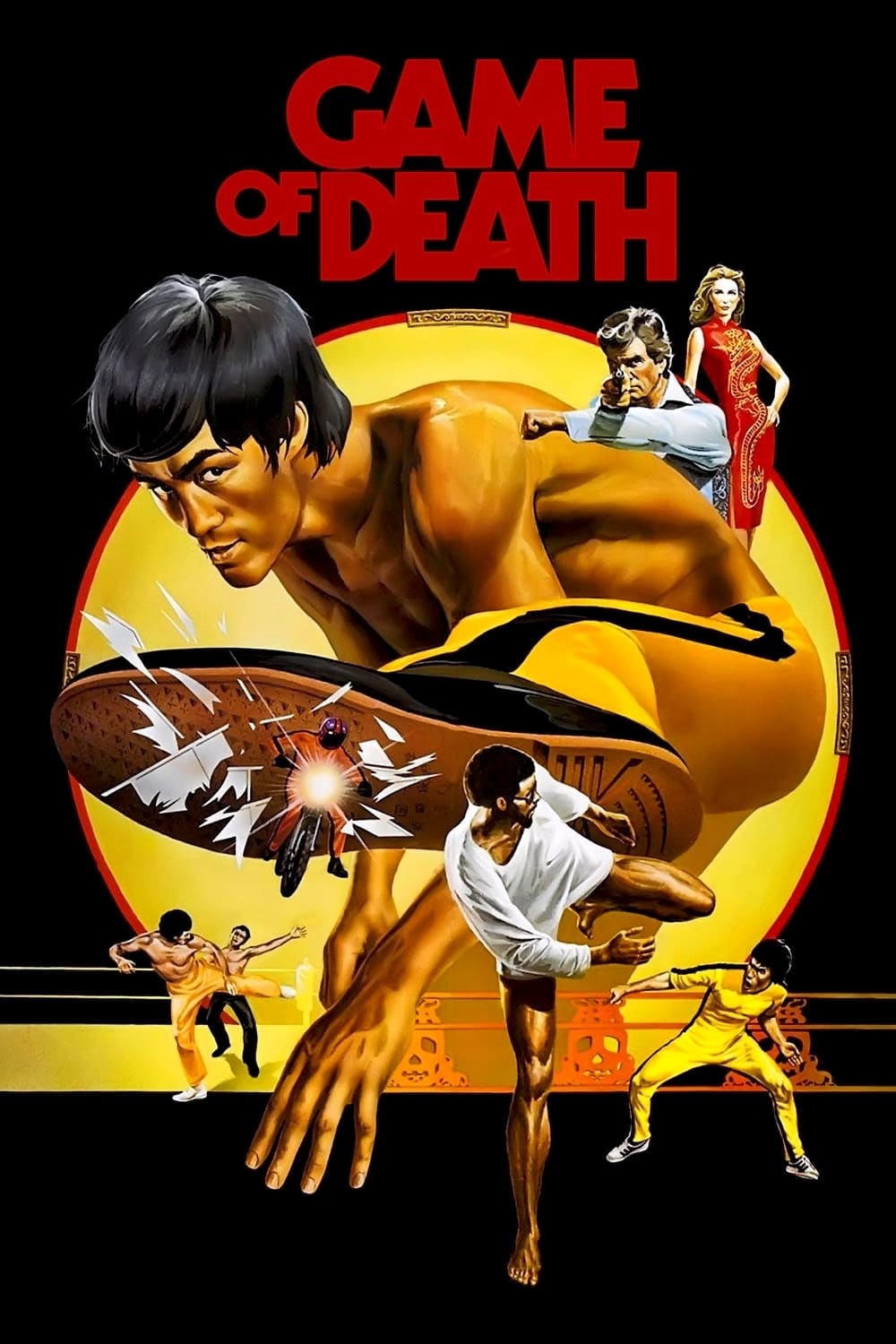
Because ‘Game of Death’ was completed after Lee’s passing, many dialogue scenes rely on stand-ins, masks, and cut-out photographs to approximate his presence. In certain shots, a double with a different jawline and ear shape is framed in shadow, followed by an insert of Lee from unrelated earlier footage that does not match hair length or costume stitching. The alternating materials create a visible identity mismatch within a single conversation.
Mirror and over-the-shoulder shots use printed stills positioned to obscure the stand-in’s face. When the camera moves, perspective lines on the print remain flat while the background shifts in depth, confirming that a rigid image, not a live face, is in frame. These composites, while pragmatic, introduce geometric cues that break continuity with surrounding live-action coverage.
‘Game of Death’ (1978) – changing wear on the yellow tracksuit
In the pagoda fights of ‘Game of Death’, Lee’s yellow tracksuit accumulates dust, sweat, and small tears. The degree of grime and the location of scuffs jump between exchanges: a knee streak visible during a kicking combination disappears in the next angle, and a sleeve crease seen in a close-up is missing moments later. The material was filmed across separated sessions and intercut for pace, so garment condition varies.
The same applies to the tape and markings on his nunchaku. Tape wraps appear tighter and longer in some inserts and shorter in others, reflecting the use of multiple props with slightly different build details. When these inserts are cut together with continuous motion, the prop configuration changes mid-combination.
Share your favorite spot-the-goof moments or any others you’ve noticed in these films in the comments!