10 Glaring Mistakes in Christopher Walken Movies You Won’t Be Able to Unsee


Christopher Walken’s filmography stretches from gangster epics to superhero spectacles, which means plenty of chances for small slip-ups to sneak into otherwise polished productions. From continuity snags to factual blunders and on-set flubs that survived the edit, there are more than a few moments that attentive viewers have documented over time.
Below, you’ll find ten specific mistakes tied to films featuring Walken. Each entry explains exactly what happens on screen and where to look for it, so you can spot the glitch the next time you revisit these titles.
‘Pulp Fiction’ (1994) – lingering pause left in the monologue
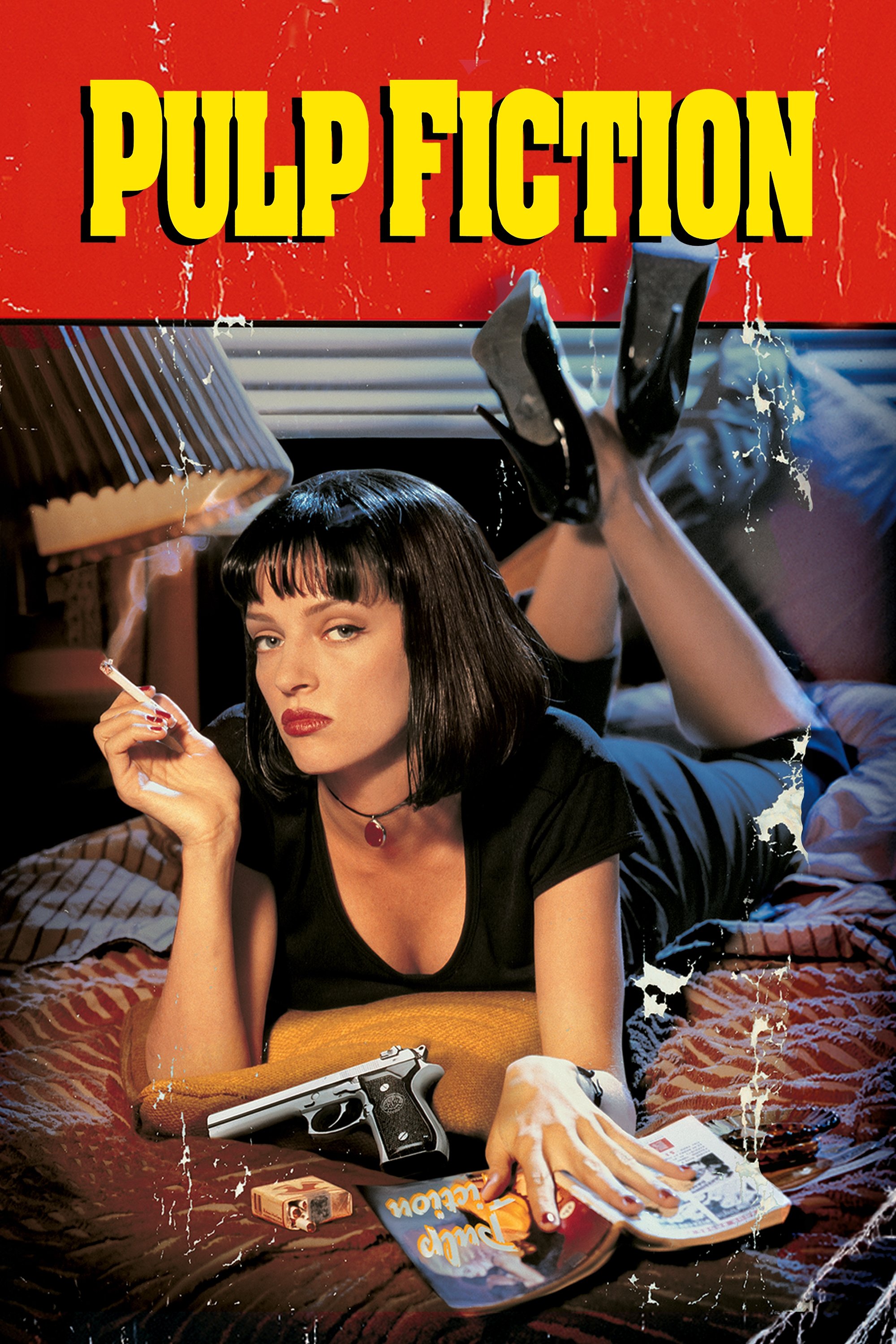
During Captain Koons’ living-room monologue to young Butch, the camera holds in close-up while he pauses mid-sentence before continuing the story about the watch. The extended beat appears within a single shot, and nothing in the scene indicates a time shift or interruption.
Viewers can locate the moment by watching the continuous take in which Koons explains the watch’s journey. The pause sits between two lines of the story without a cutaway, making it easy to identify on rewatch.
‘The Deer Hunter’ (1978) – missing uniform nameplate
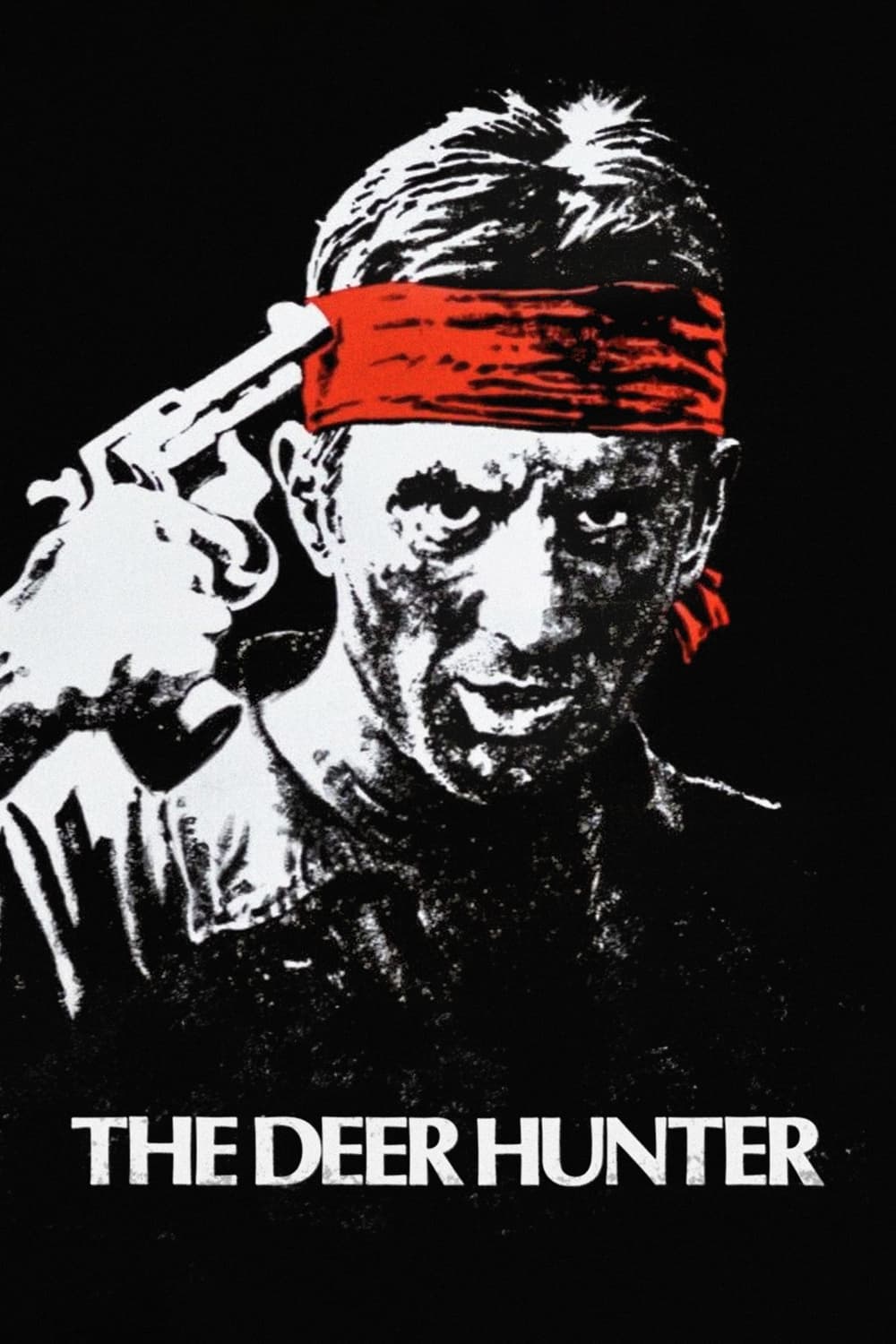
When Nick appears in Saigon after his hospital stay, his U.S. Army service uniform lacks the standard nameplate over the right breast pocket. The rest of the uniform accoutrements are present, which makes the omission stand out in the sequence.
The shot occurs as he moves through city streets, and there is no plot explanation for the missing identification. Because the camera covers him in medium framing for several steps, the empty placement area is clearly visible.
‘Batman Returns’ (1992) – blood continuity in Shreck’s office
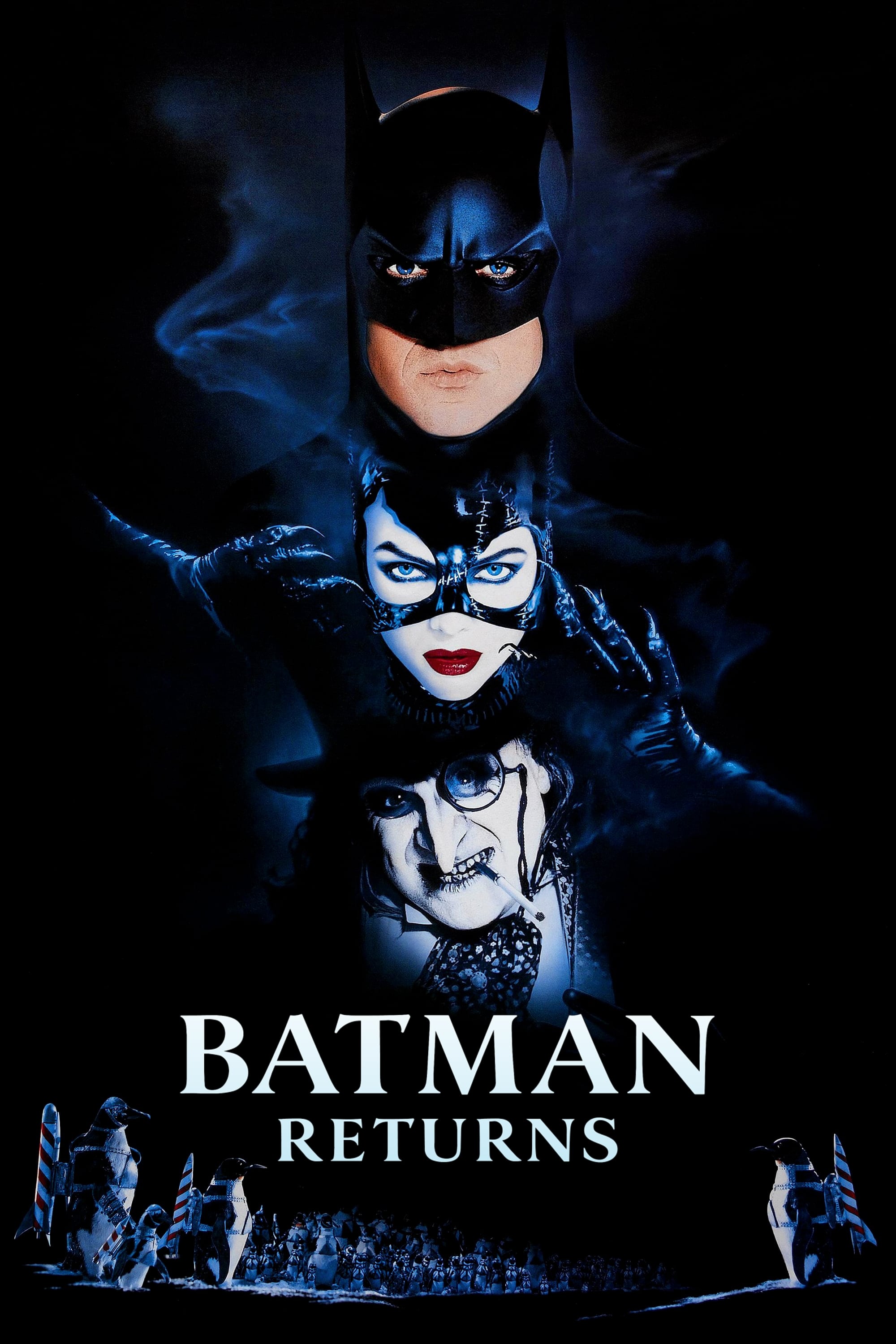
After the Penguin bites a businessman’s nose during the meeting at Shreck’s offices, the amount of blood on his mouth changes across alternating angles. In one cut the smear is pronounced; in the next it is lighter or absent, then it returns.
This fluctuation happens within the same conversation, where the camera cross-cuts between the Penguin and Max Shreck. Since the scene is continuous and the characters do not clean up, the shifting makeup between shots is noticeable.
‘Catch Me If You Can’ (2002) – modern borders on a period map
In an office sequence, a wall map shows European borders that reflect a later era than the film’s setting, including country divisions that did not yet exist in the story’s timeframe. The map appears during a slow pass across charts and paperwork.
Because the production design otherwise anchors the setting with era-appropriate props, the border lines on the map draw attention. The map remains on screen long enough for the mismatched geography to be seen without pausing.
‘The Dead Zone’ (1983) – blood ends up on the wrong hand

During the Castle Rock murder investigation, Henrietta Dodd fires a handgun and falls down the stairs in a series of shots that show her arms outstretched. When she lands, blood is visible on the hand that did not contact the wound during the fall.
The progression from firing position to the slow-motion collapse and final landing is easy to track, which makes the sudden appearance of blood on the opposite hand read as a take-to-take continuity mismatch.
‘King of New York’ (1990) – recurring extra across subway cars
Late in the film, as a detective moves forward through multiple subway cars looking for Frank White, the same background passenger appears in more than one car. The passenger’s clothing and placement repeat despite the detective changing cars.
The sequence is cut with similar camera placement in each car, allowing a side-by-side comparison when watching the scene again. The repetition suggests the same background performer was used across setups for consecutive cars.
‘The Prophecy’ (1995) – contact lens edges visible
In a tight close-up of Lucifer during a dialogue exchange, the outer edge of a theatrical contact lens catches the light around the iris. The boundary of the lens is not intended to be seen but becomes visible due to the proximity of the camera.
The moment occurs during a held shot with minimal movement, which increases the clarity of the lens outline. Because the effect relies on seamless makeup and camera angles, the revealed edge reads as a simple on-set visibility slip.
‘Sleepy Hollow’ (1999) – natural teeth visible behind fangs
In a close-up of the Headless Horseman’s face during an intimate exchange with Lady Van Tassel, a glimpse of the performer’s natural teeth is visible behind the sharpened prosthetic fangs. The angle and lighting make the inner row briefly noticeable.
The shot lingers just long enough for the overlap to register when watched at normal speed. Since the fangs are designed to fill the frame cleanly, the second row of teeth reads as a makeup-placement reveal.
‘A View to a Kill’ (1985) – stunt double shows during the tower chase
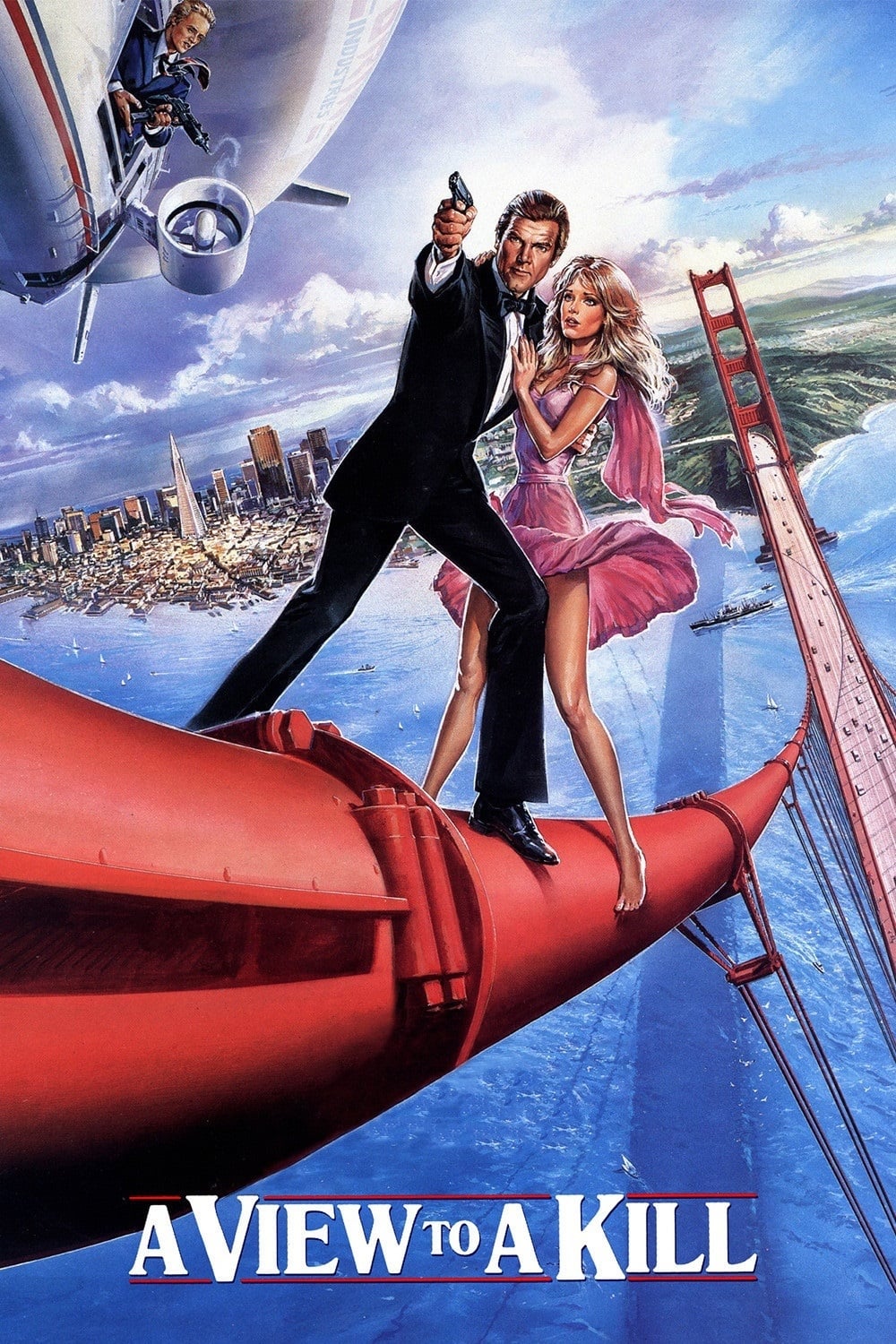
During the Eiffel Tower pursuit, a quick downward-looking shot of the elevator roof reveals a performer whose face and build do not match the principal actor. The insert appears as part of a rapid sequence of cuts across the ascent.
The reveal is brief but detectable without frame-stepping because the angle isolates the performer. The surrounding shots re-establish the lead immediately afterward, which highlights the substitution within the sequence.
‘Wedding Crashers’ (2005) – drink changes between cuts
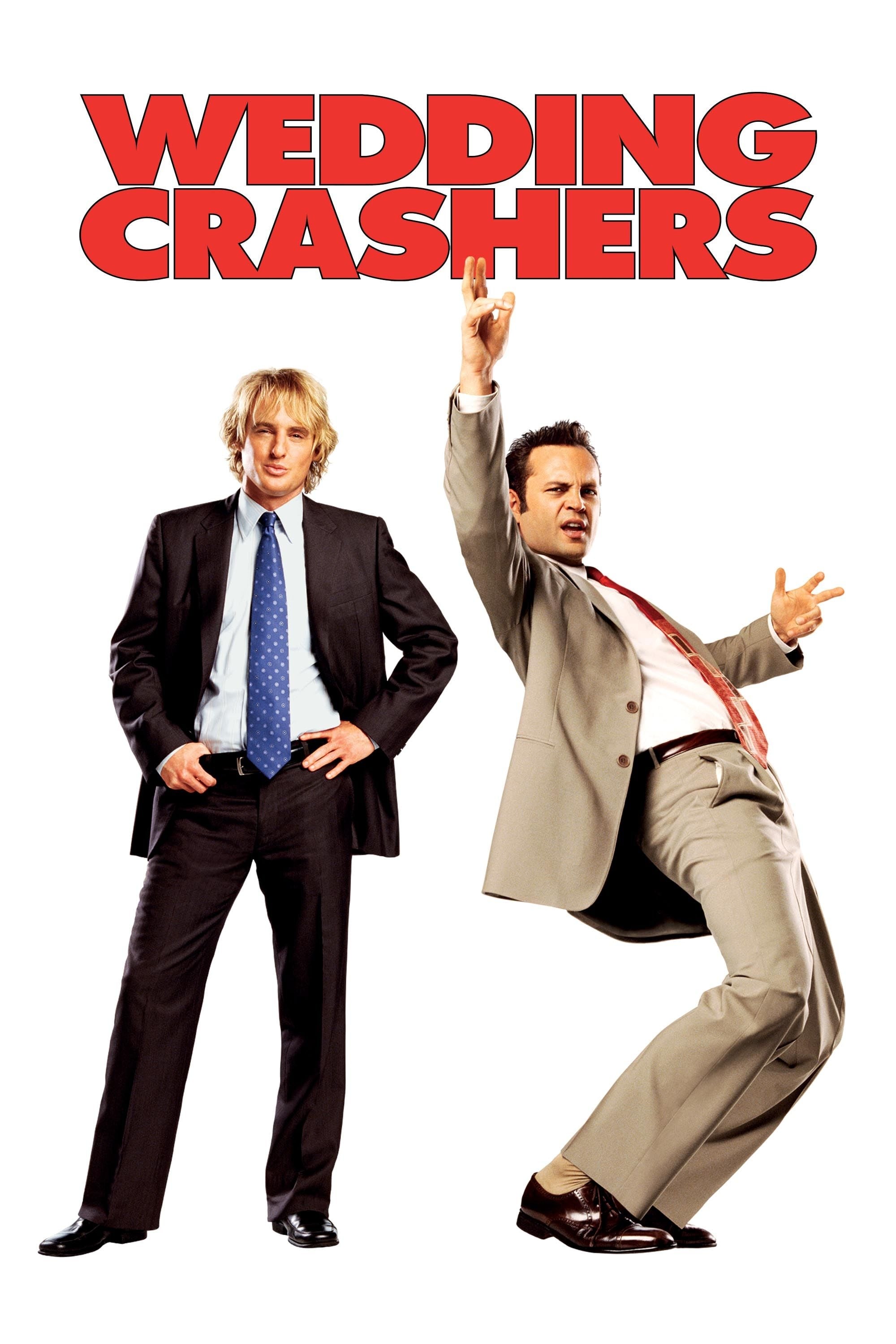
During the family’s touch-football scene, a sideline reaction shows Mrs. Cleary holding a glass with a reddish drink at one angle, while the next cut shows the same glass containing a nearly clear liquid. The contents shift back and forth across intercut reactions.
The mismatch occurs within a few seconds as the coverage bounces between the play and the onlookers. Since the glass is a consistent prop feature in the framing, the changing liquid level and color are easy to spot during a normal rewatch.
Share the Walken goofs you’ve noticed—or the ones you just caught thanks to this list—in the comments!