Best Forgotten Anime from the 2000s (that Require an Immediate Rewatch)


The 2000s packed in a rush of experimental animation, bold original concepts, and adaptations that slipped under the radar as trends moved on. Many of these series and films came from studios and creators testing new pipelines, early digital workflows, and hybrid production models, often airing in late-night slots or releasing in limited windows that kept them from broader attention. What they left behind are distinctive worlds, memorable scores, and tightly crafted stories that reward a fresh look.
This list gathers projects that didn’t always get the spotlight during their initial runs but have strong craft pedigrees—clever direction, striking art direction, unusual settings, or inventive genre spins. You’ll find original TV productions, auteur-driven films, and adaptations that respected their source material while building their own visual identities. Each entry below includes concise background details to help you queue up your next revisit with context in hand.
‘Den-noh Coil’ (2007)
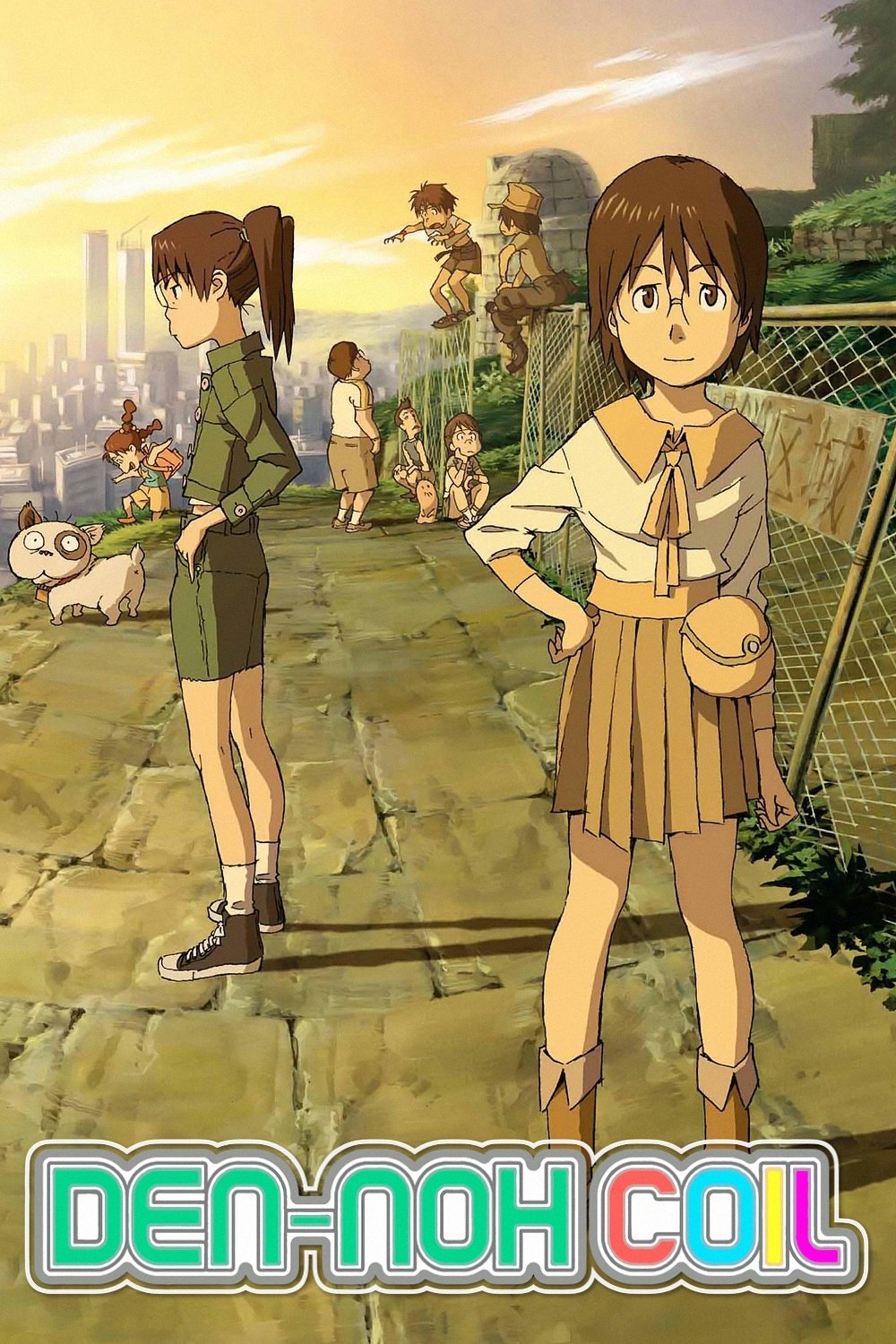
Produced by Madhouse and created by Mitsuo Iso, ‘Dennou Coil’ is an original near-future series about kids using augmented-reality eyewear that overlays digital layers on a small city. The staff builds a coherent technology stack—goggles, virtual pets, and municipally managed networks—that governs everything from school routines to local businesses.
Layout work and background art integrate analog infrastructure with digital artifacts like stray data “fragments” and geofenced zones. The broadcast run used a two-cour structure, and home releases collected cleanup animation passes that refined complex AR glitch sequences and signage.
‘Kaiba’ (2008)
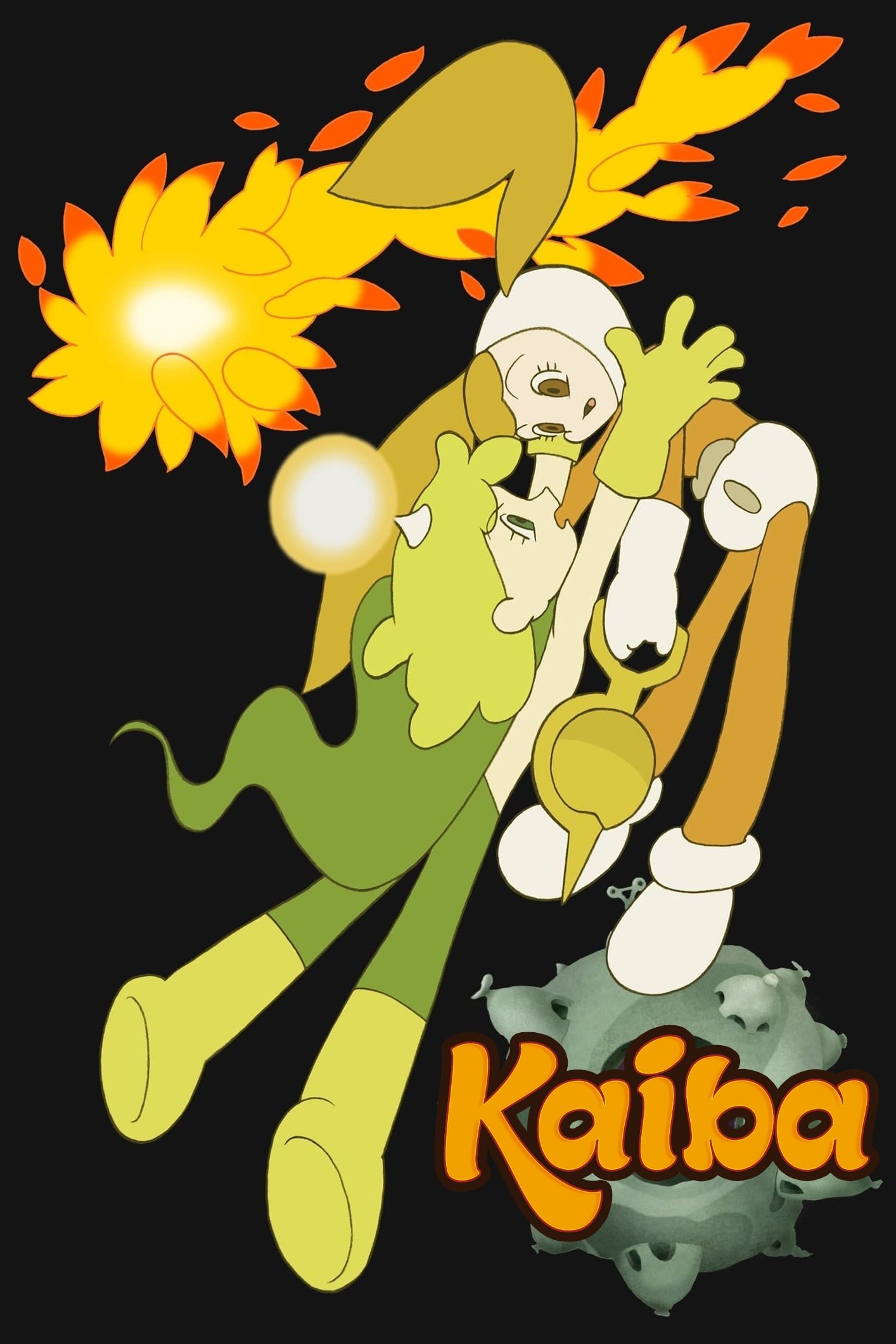
Directed by Masaaki Yuasa at Madhouse, ‘Kaiba’ is a science-fiction odyssey where memories can be extracted, traded, and transferred between bodies. The art direction simplifies characters into bold shapes, letting the animation carry tone and movement while keeping the focus on staging and composition.
Episode planning hops among planets with distinct class systems and economies, and transitions use visual motifs to track identity across body changes. The music package supports tonal pivots between travel, labor districts, and palace intrigue, with disc authoring that preserves clean openings and endings.
‘Texhnolyze’ (2003)
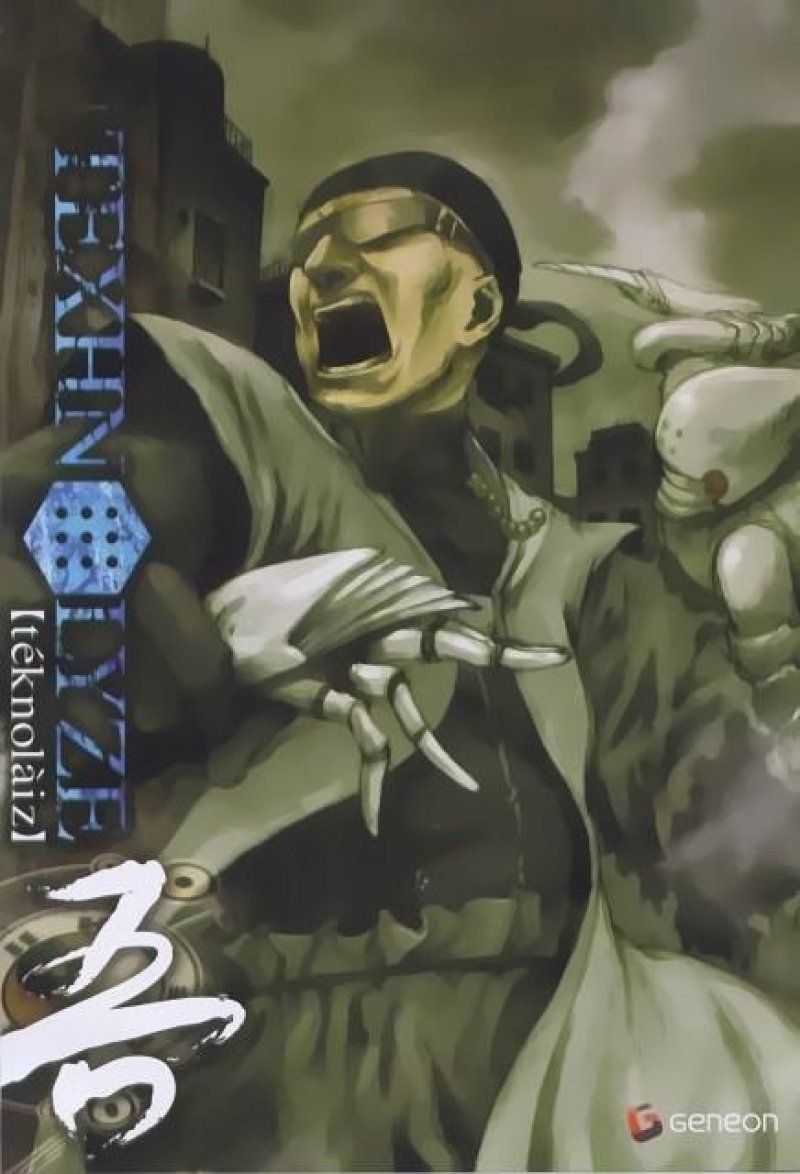
An original project by Madhouse with direction by Hiroshi Hamasaki and story planning from Chiaki J. Konaka, ‘Texhnolyze’ unfolds in an underground city fractured by competing factions. The production leans on long dialogue-free stretches, lighting design, and environmental sound to map power blocs and the spread of prosthetic technology.
Muted palettes, textured compositing, and sparing music cues reinforce the setting’s industrial decay. Video editions retain uncut intensity in key sequences, and storyboard notes emphasize negative space and framing rhythm to sustain the show’s deliberate pace.
‘Haibane Renmei’ (2002)
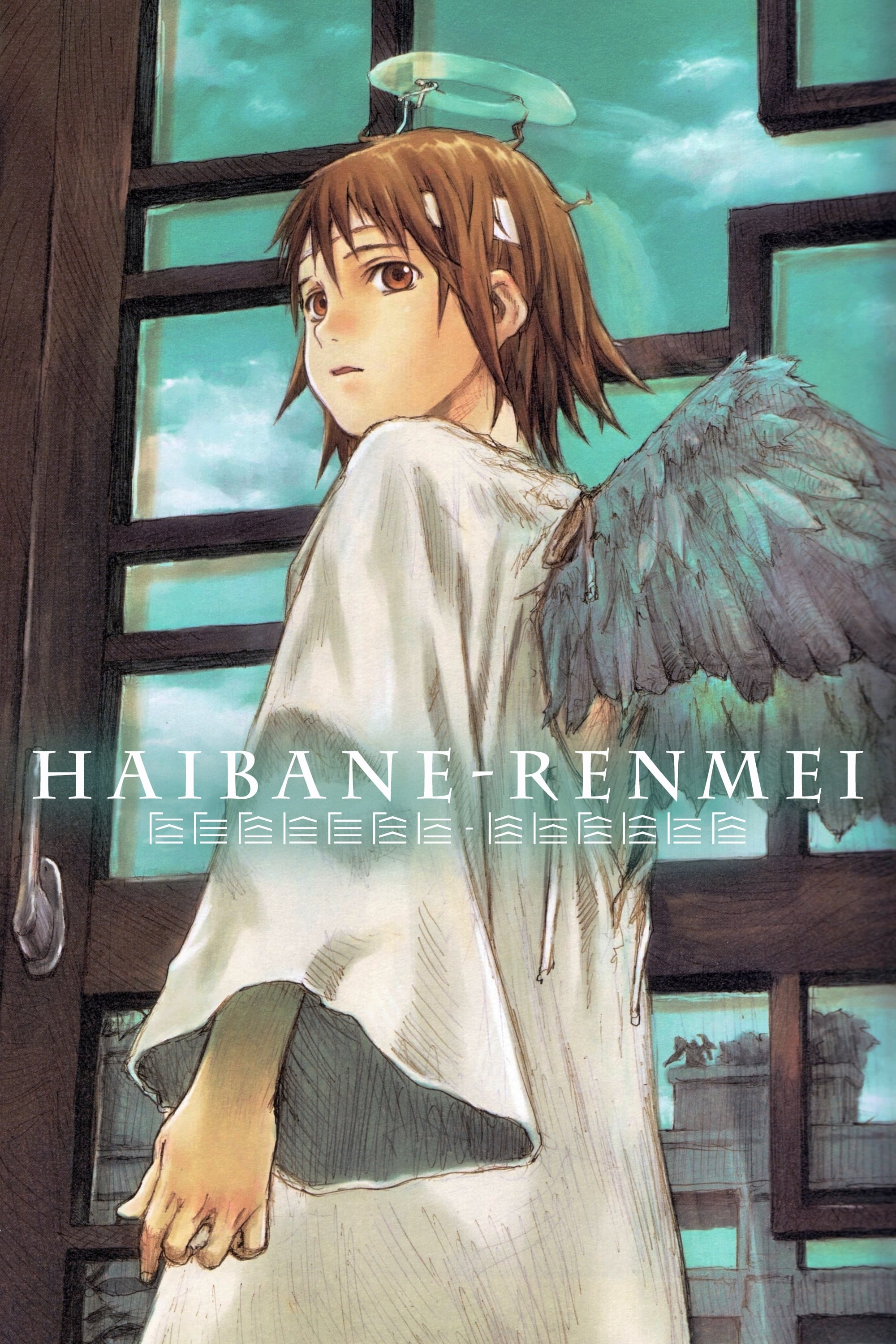
Created by Yoshitoshi ABe and animated by Radix, ‘Haibane Renmei’ adapts concepts from the dōjinshi ‘Old Home no Haibane-tachi’. It centers on residents of a walled town and the Haibane who live under strict community rules, with rituals and work assignments shaping daily life.
Soft linework and graded backgrounds support a consistent, subdued atmosphere, while sound design highlights bells, tools, and ambient town noise. Disc releases offer clean credit sequences that showcase background plates and location design across districts.
‘Ergo Proxy’ (2006)
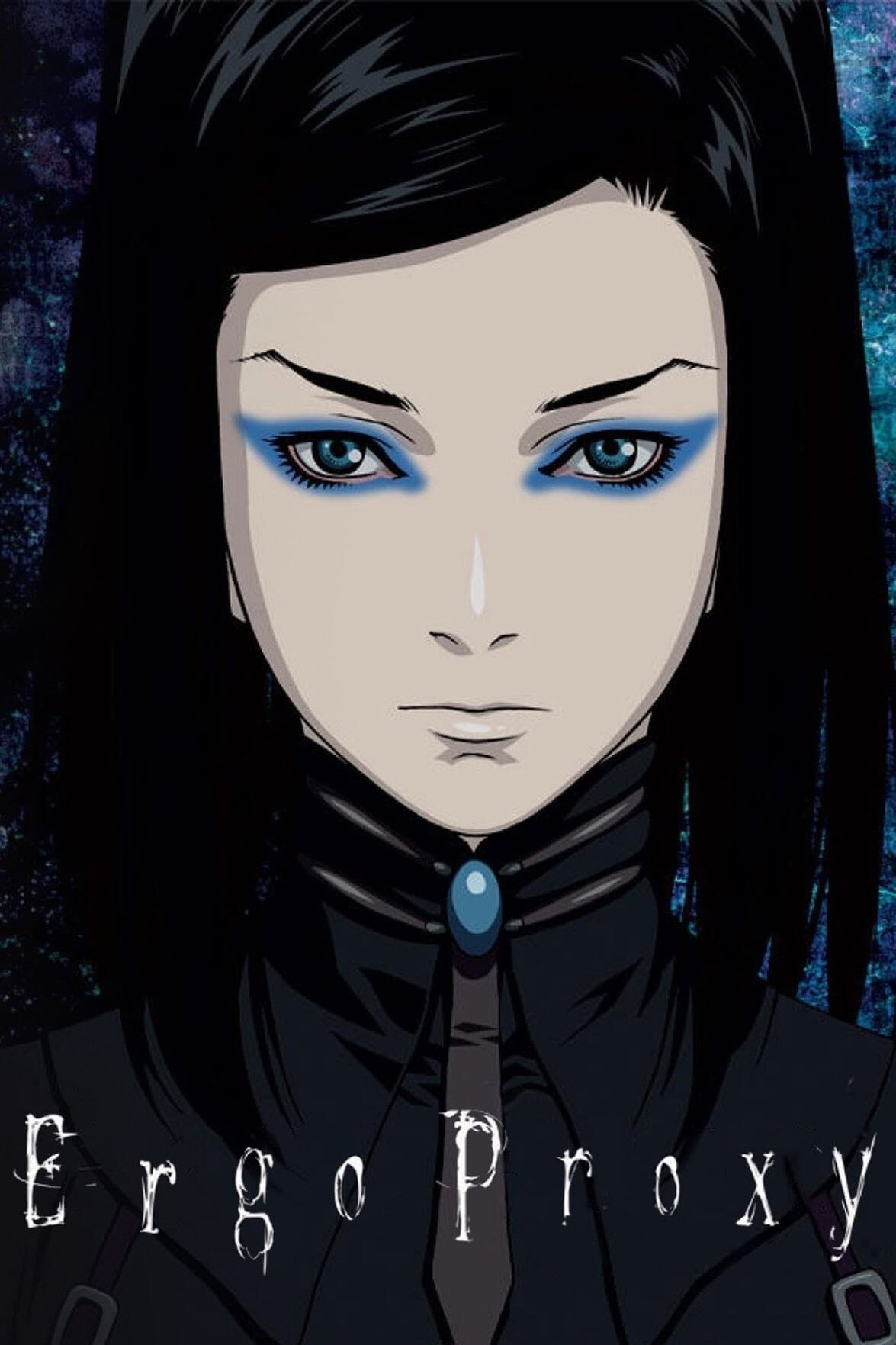
Produced by Manglobe and directed by Shukō Murase, ‘Ergo Proxy’ blends cyberpunk with political and theological inquiry inside domed-city governance. The show integrates hand-drawn 2D with 3D assets for vehicles and industrial spaces, unified by grain and film-like textures in compositing.
Scripts alternate case-file investigations with serialized revelations about android protocols and exile communities. The master includes episode-specific previews that layer framing details for recurring symbols, organizations, and border procedures.
‘Paranoia Agent’ (2004)
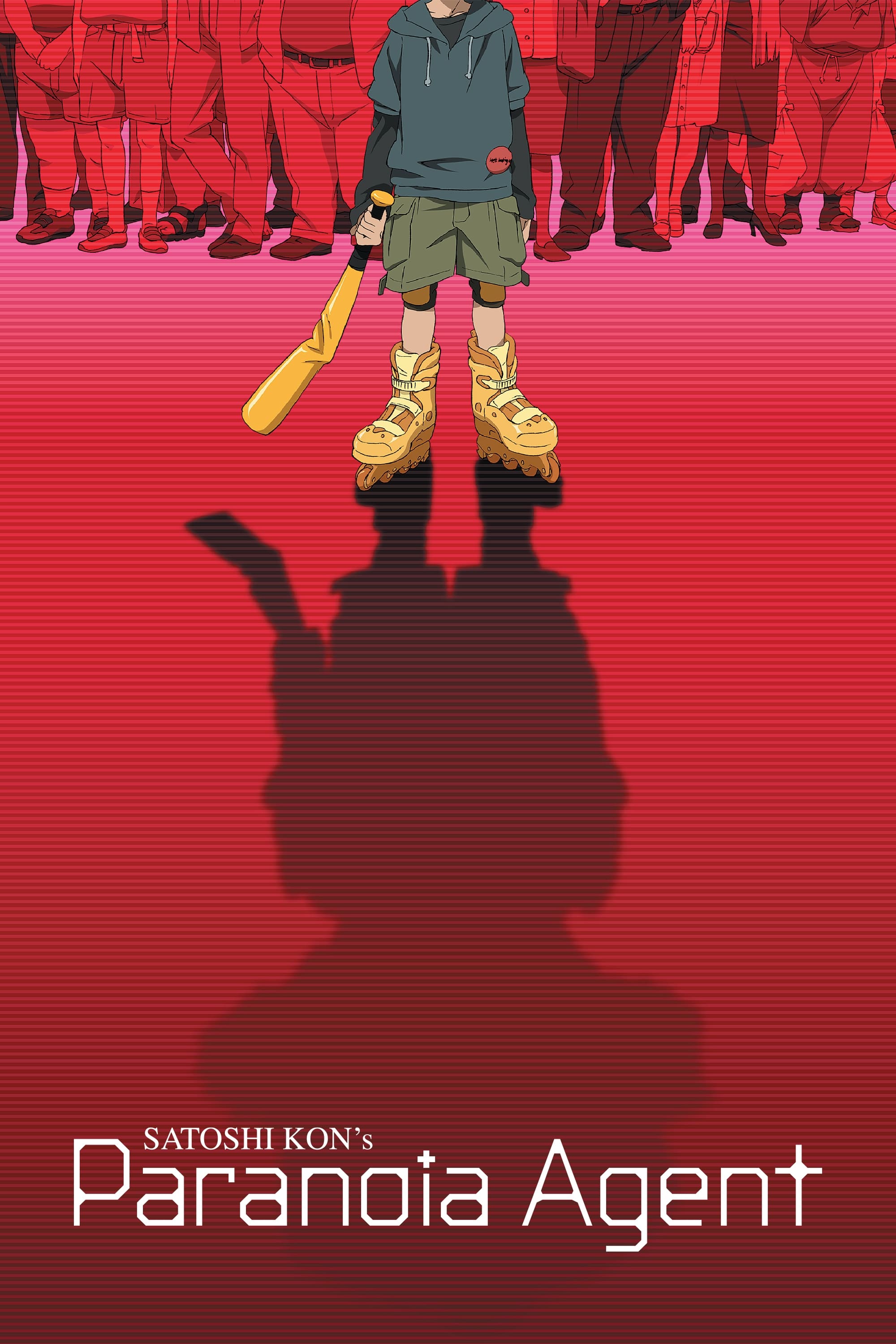
Satoshi Kon’s original series at Madhouse, ‘Paranoia Agent’ threads multiple characters linked by a citywide rumor and a recurring assailant. Each episode adopts distinct visual conventions—from documentary-like framing to heightened surrealism—while recurring props and sound cues maintain continuity.
Alternating story teams support stylistic shifts without breaking the overall arc. The opening and ending themes are positioned to contrast public spectacle and private anxiety, and home video extras include staff commentary on layout and timing changes.
‘Mononoke’ (2007)
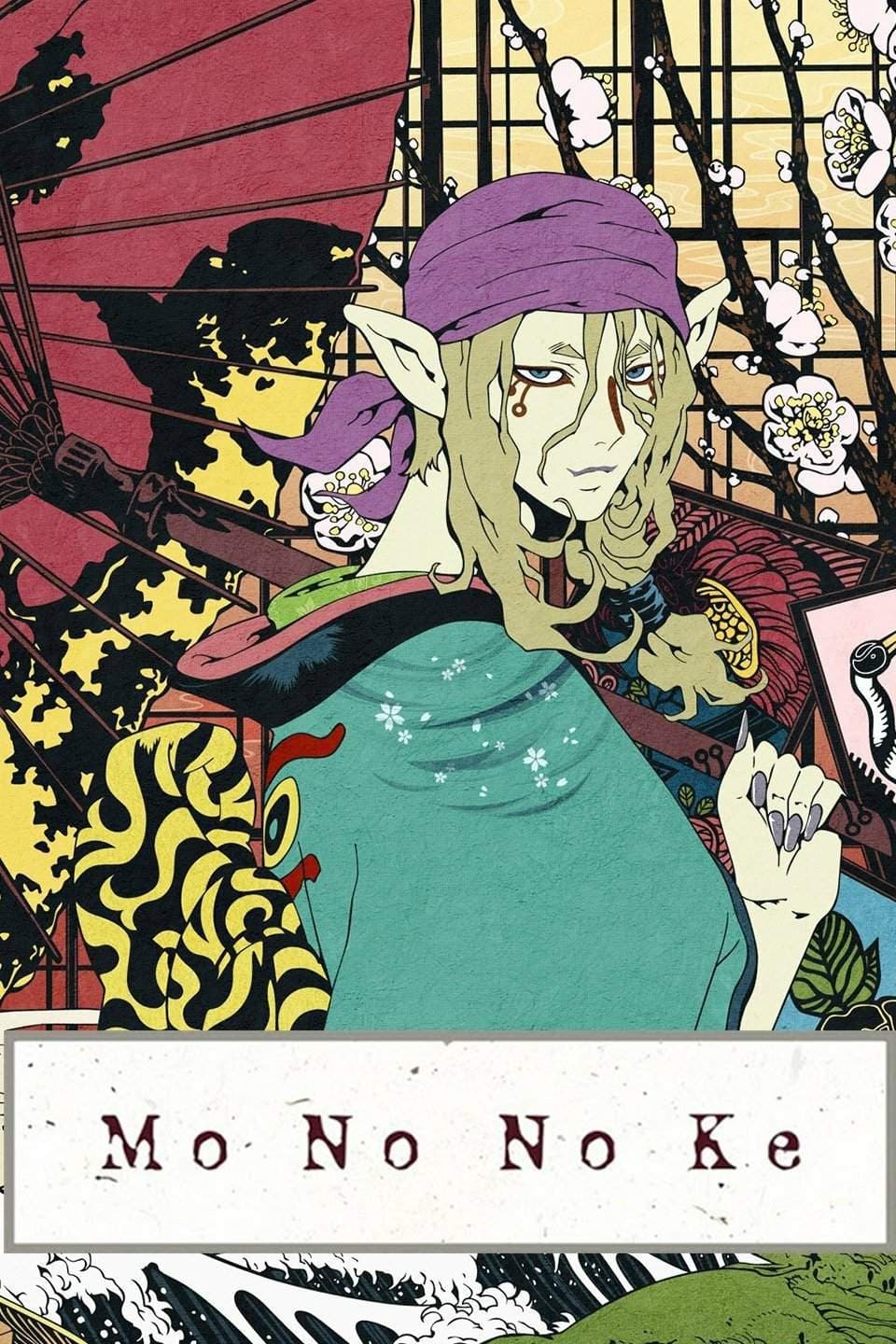
A Toei Animation production spun off from ‘Ayakashi: Samurai Horror Tales’, ‘Mononoke’ follows the Medicine Seller through case-based investigations. Ukiyo-e-inspired art, patterned textures, and cut-paper compositing give each arc a specific palette and typography scheme.
Case files define “Form, Truth, and Regret,” with on-screen text and ritual sequences formalizing the investigative method. Production materials document motion-tracked textures that simulate sliding screens and woodblock prints across sets.
‘Gankutsuou’ (2004–2005)
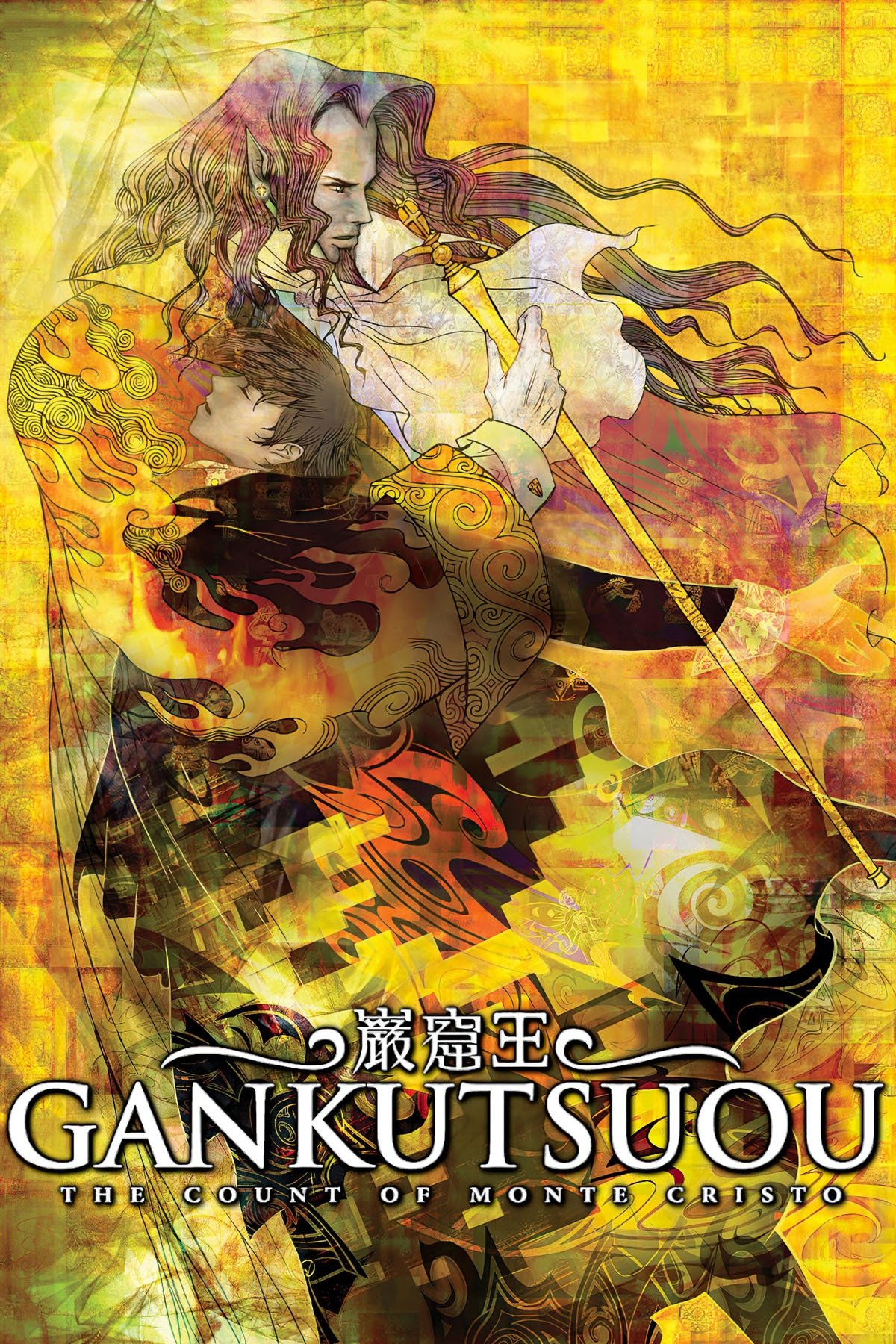
Gonzo reimagines Dumas in a far-future aristocratic milieu with ‘Gankutsuou’, directed by Mahiro Maeda. Patterned textures are mapped to characters and fabrics via digital compositing, allowing stationary patterns to read through motion while linework carries depth.
The adaptation reorders plot events to fit ensemble TV pacing and balances court intrigue with spacefaring sequences. Soundtrack choices mix orchestral and electronic cues, and creditless songs highlight the series’ visual motifs on home release.
‘Baccano!’ (2007)
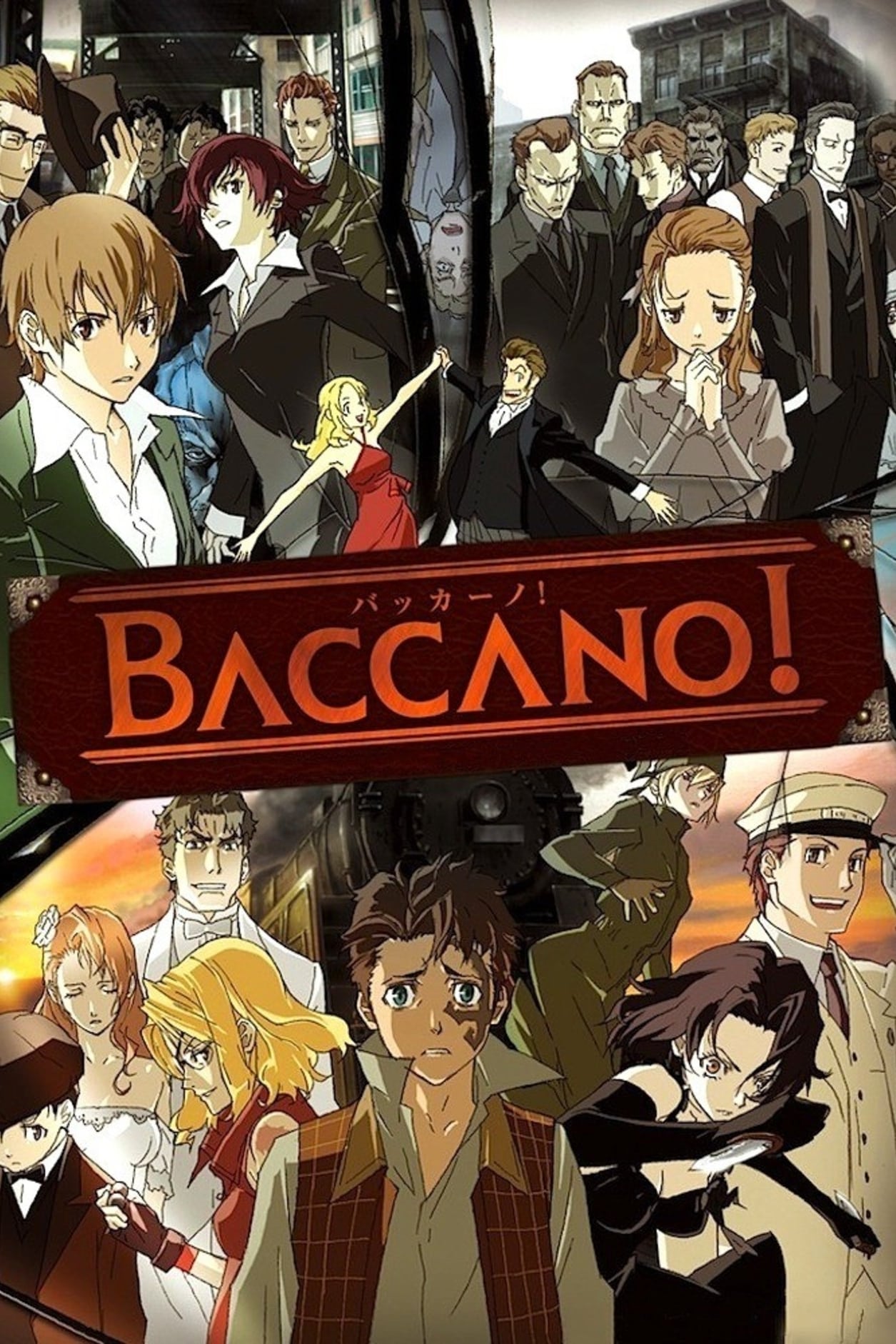
Brain’s Base adapts Ryohgo Narita’s light novels into a non-linear crime caper that links alchemists, gangsters, and a transcontinental train. Clear costume codes, recurring props, and title cards orient viewers across intersecting timelines.
An OVA set extends the broadcast with episodes that resolve hanging threads. Character animation emphasizes quick reversals and physical comedy beats, supported by big-band-inflected tracks that anchor the period setting.
‘Planetes’ (2003–2004)
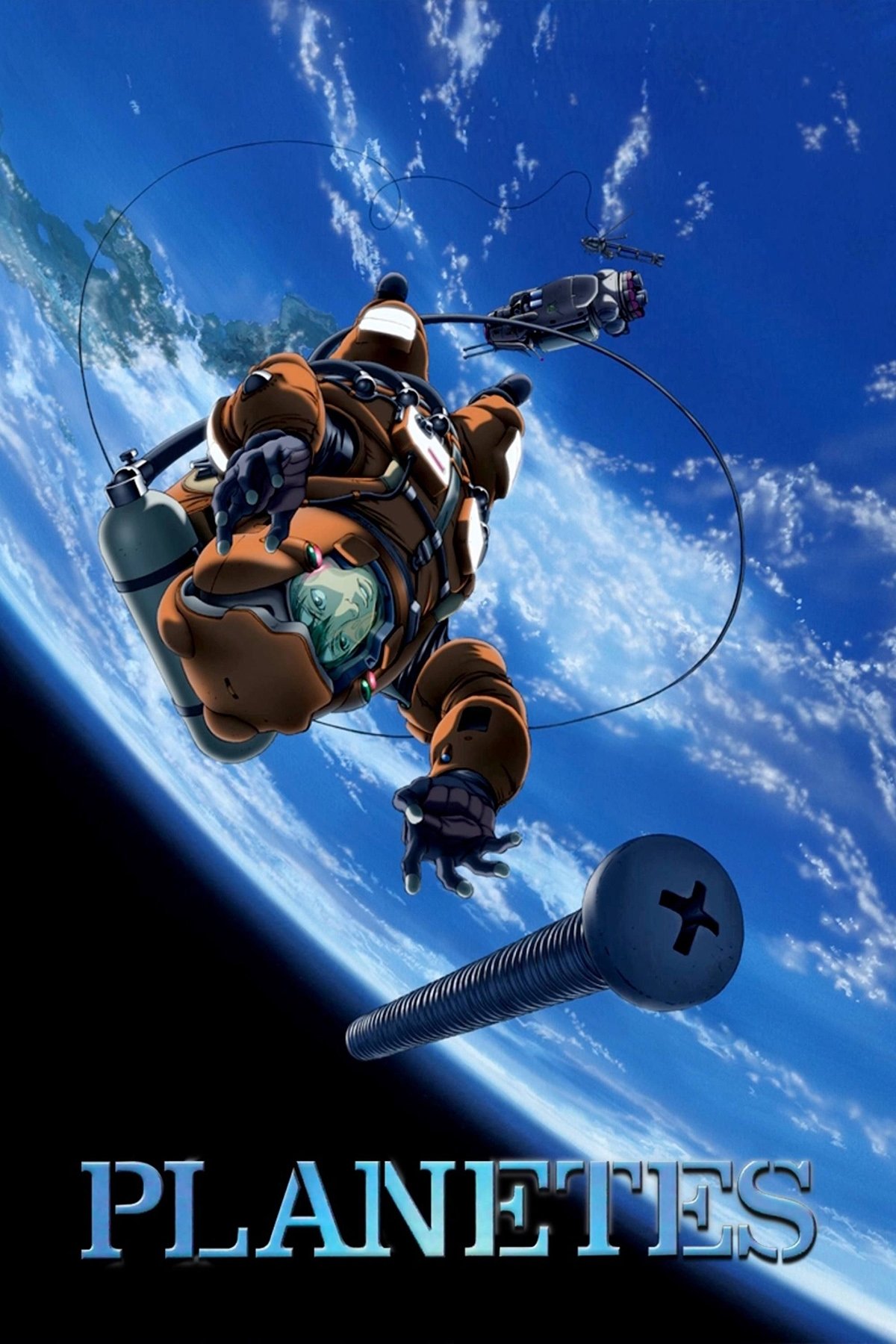
Sunrise adapts Makoto Yukimura’s manga about a space debris collection team, focusing on procedures, training, and contract realities. Orbital mechanics and vehicle interior layouts receive careful attention, with episode plots tied to operations and international crews.
Sound mixing alternates radio chatter, silence, and mechanical noise to mirror EVA and cabin contexts. Disc releases compile technical notes and translated on-screen text, and the openings evolve to reflect promotions and organizational shifts.
‘Wolf’s Rain’ (2003–2004)
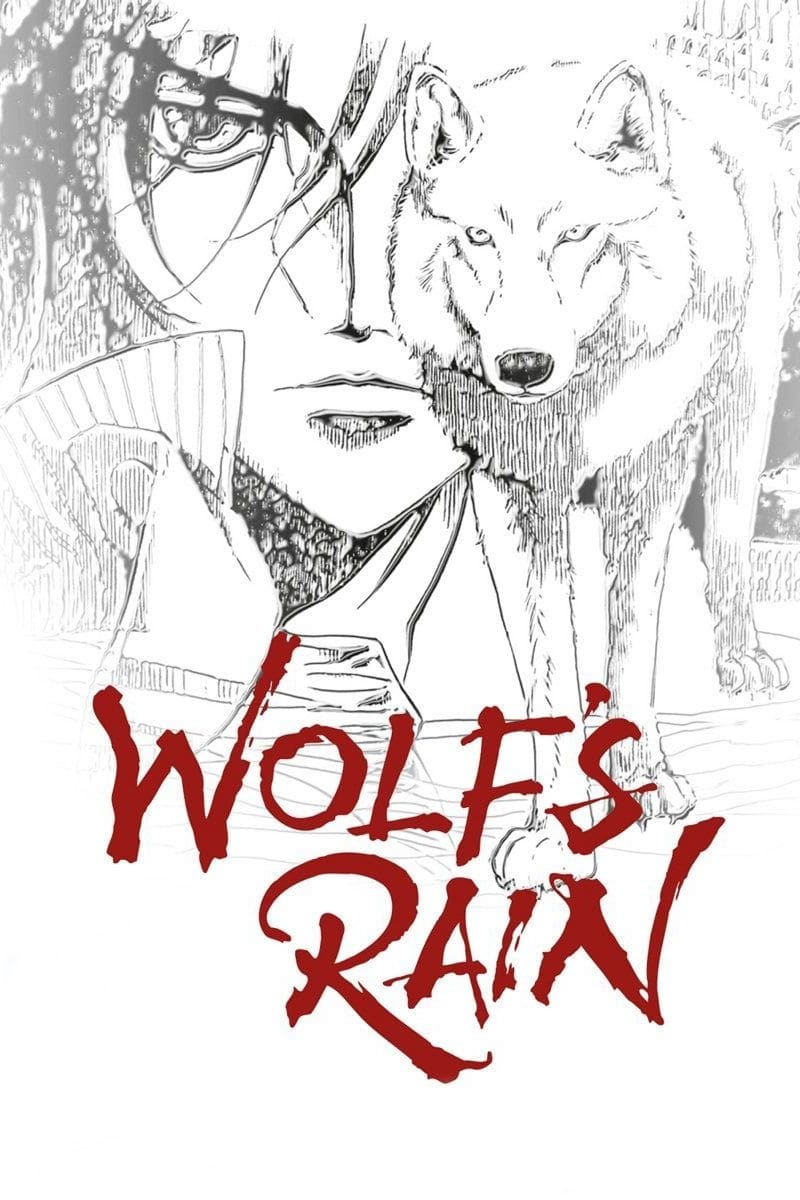
Bones produced ‘Wolf’s Rain’, an original post-collapse journey drawn together by legends of a distant paradise. A TV run leads into follow-up episodes packaged for video to conclude the story, with high cut densities supporting large-scale action.
Background art contrasts ruined urban zones with snowy landscapes, and multilingual audio appears in signage and broadcasts. Production notes assign specific animation directors to key episodes to preserve model consistency through extended sequences.
‘Kino’s Journey’ (2003)
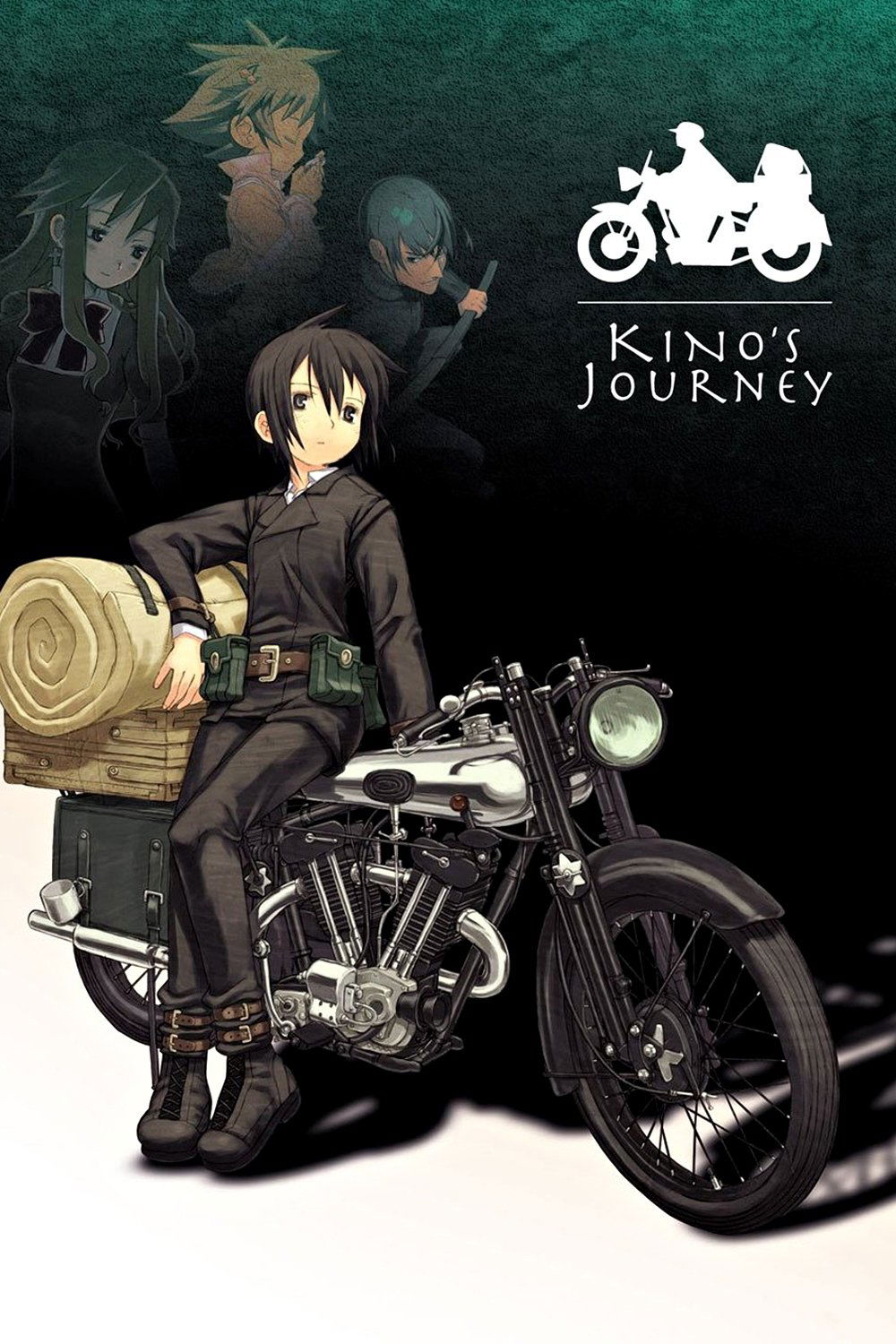
A.C.G.T adapts Keiichi Sigsawa’s novels in ‘Kino’s Journey’, structuring country-by-country vignettes around travel rules and border rituals. Consistent visual framing covers camp setups, market visits, and customs checks across changing locales.
Soft color grading and steady camera work highlight environmental contrasts. Disc editions include bonus shorts and clean openings where typography supports the travelogue format.
‘Noein: To Your Other Self’ (2005–2006)

Produced by Satelight and directed by Kazuki Akane, ‘Noein’ weaves parallel realities and quantum terminology into a neighborhood-grounded science-fiction story. Aggressively animated battles use deformed key frames and bold effects layers to prioritize motion clarity.
Backgrounds switch between detailed coastal town layouts and stark alternate-world vistas. Home releases preserve eyecatch designs and liner notes that clarify in-story scientific terms and faction names.
‘Fantastic Children’ (2004–2005)
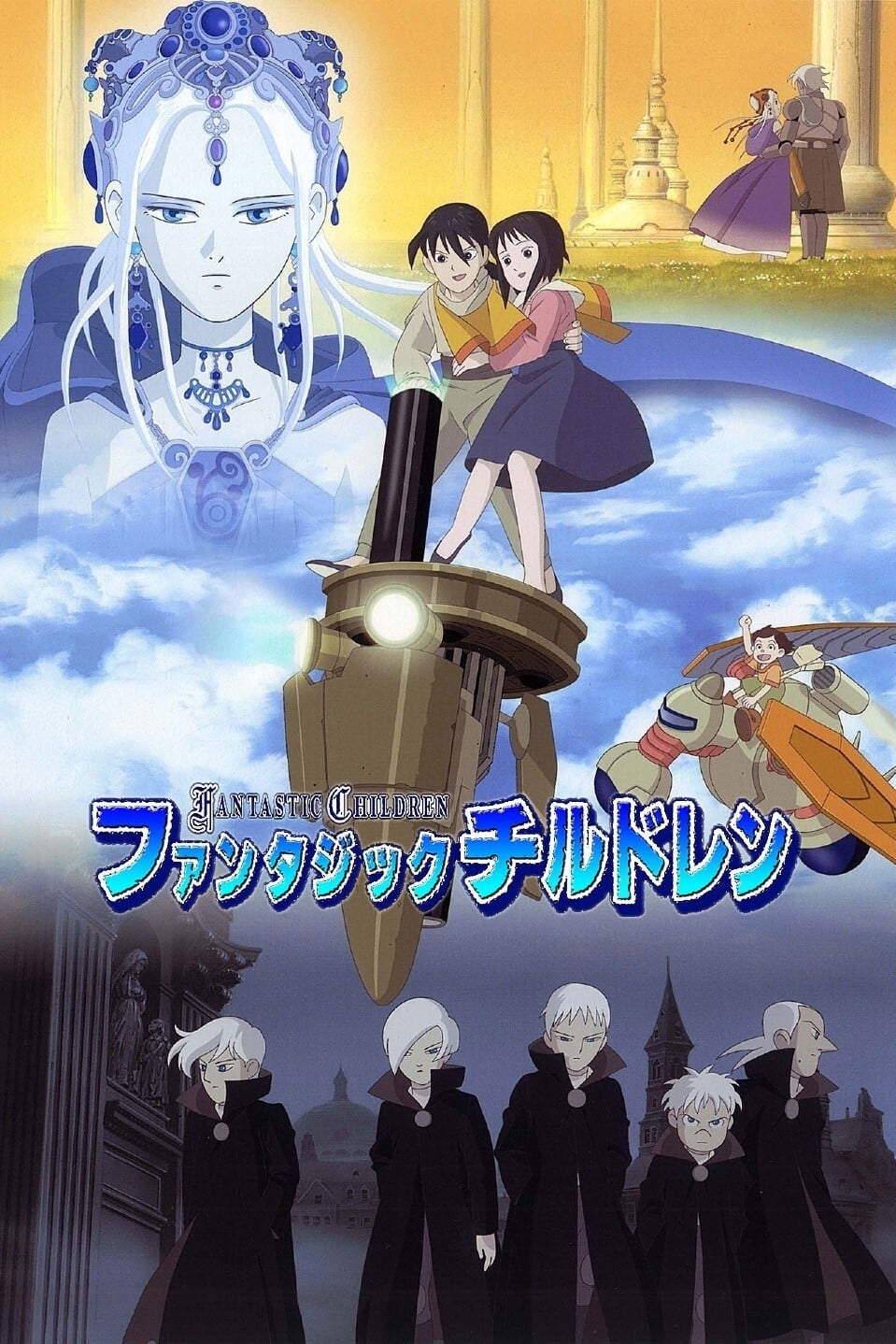
Nippon Animation’s original mystery ‘Fantastic Children’ follows white-haired youths appearing across centuries, tied to a lost princess and a scientist’s legacy. Classic character designs and gentle linework contrast with a plot that layers institutions, artifacts, and coded messages.
A consistent storyboard team keeps flashback timelines readable, and recurring melodic fragments tag clues and organizations. A complete box set sequences episodes in broadcast order with clean openings for each arc.
‘Boogiepop Phantom’ (2000)
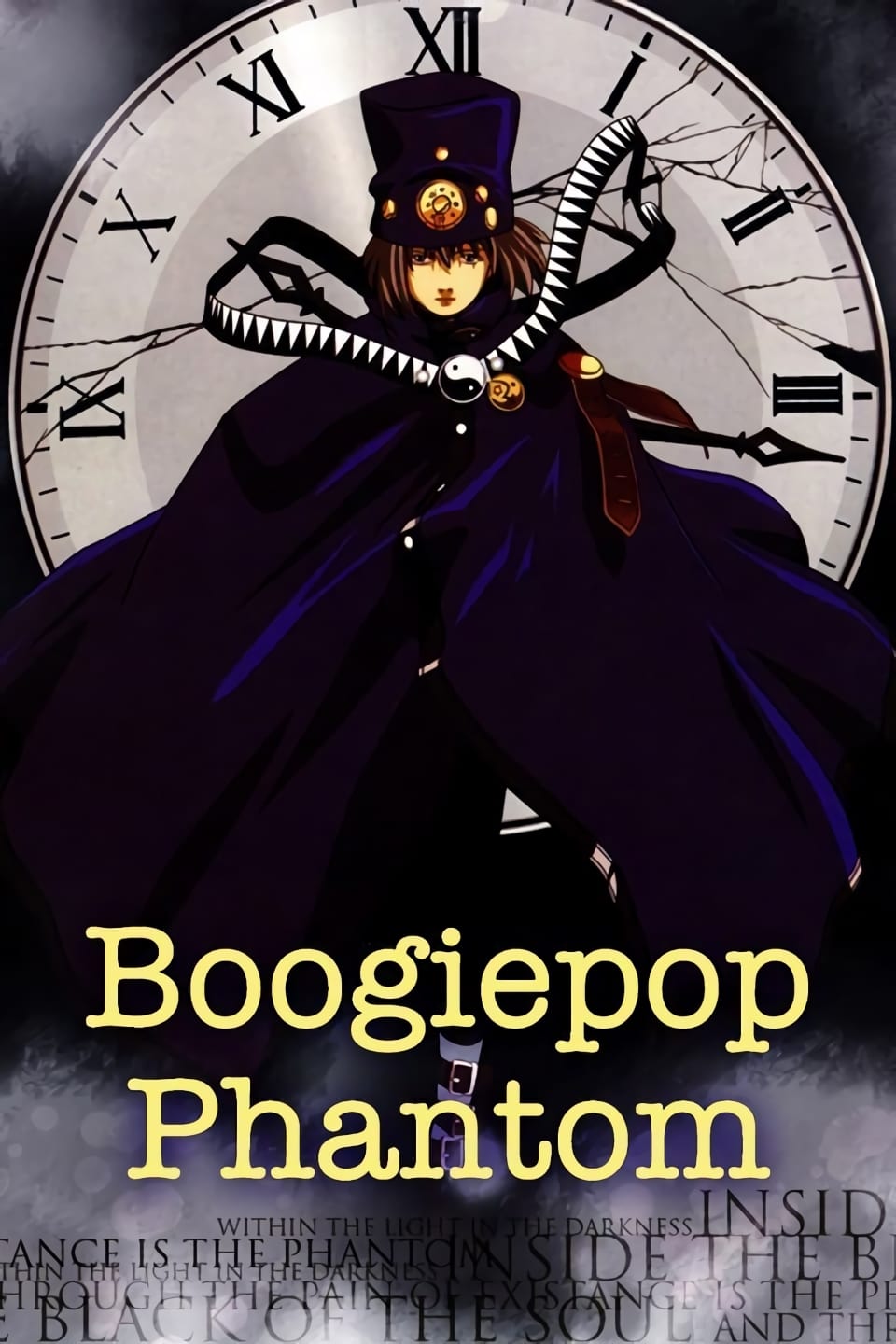
Madhouse expands Kouhei Kadono’s novels into an urban supernatural anthology with ‘Boogiepop Phantom’. Heavy vignetting, desaturated tones, and diegetic sound cues—radio, PA systems, and traffic—link overlapping perspectives from a single citywide incident.
Episodes interlock through locations and props rather than explicit crossover scenes. Overlapping scripts maintained continuity across the run, and video authoring preserves original letterboxed framing and credits.
‘Gunslinger Girl’ (2003–2004)

Madhouse adapts Yu Aida’s manga in ‘Gunslinger Girl’, detailing a government agency that rehabilitates injured children with cybernetic bodies and trains them as operatives. Handler-trainee protocols, mission planning, and recovery periods frame most episodes.
European architecture and firearms maintenance receive consistent prop attention, with a winter-leaning color script and interior lamplight. A later continuation by a different studio adjusts character models, and disc extras outline differences in approach between teams.
‘Le Chevalier D’Eon’ (2006–2007)
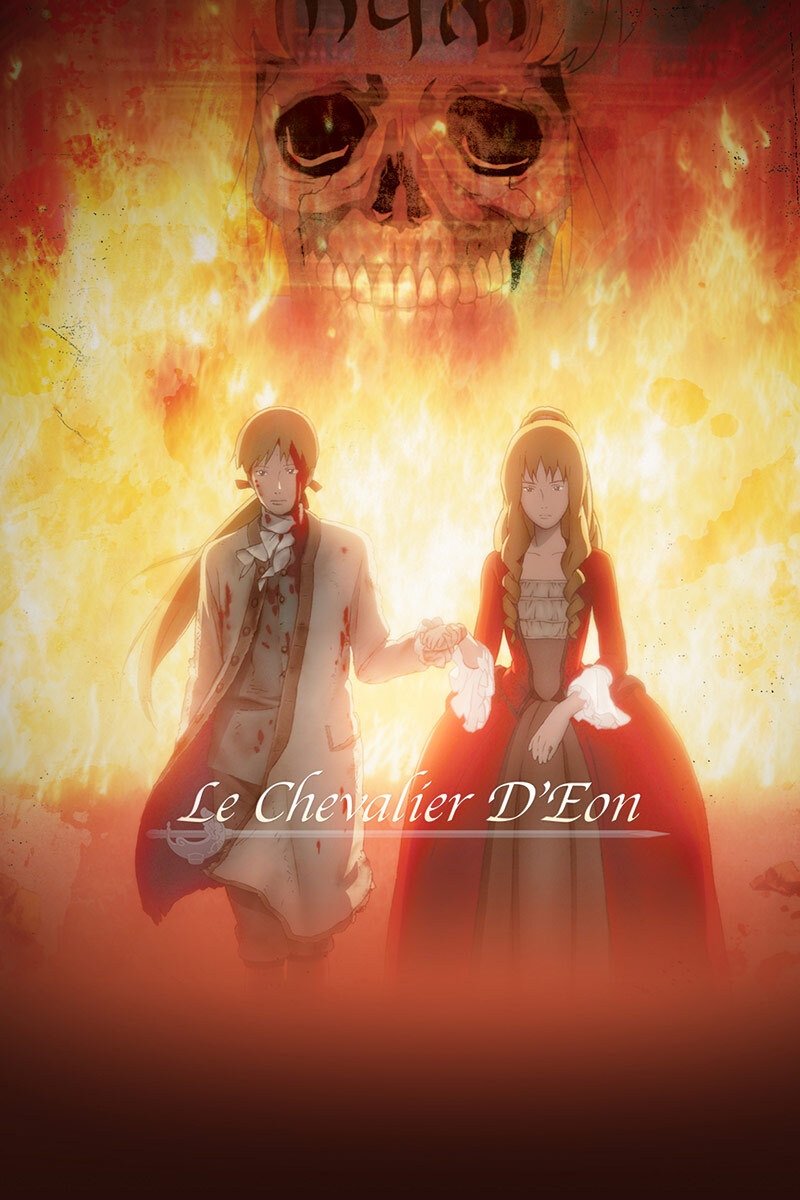
Production I.G’s ‘Le Chevalier D’Eon’ builds a historical-fantasy thriller around 18th-century diplomacy, coded documents, and cross-border intrigues. Calligraphic effects visualize scripture-bound supernatural elements within court politics.
Period-appropriate costumes, carriages, and interiors are backed by fencing choreography referenced from historical stances. Releases include clean credit sequences and notes on uniforms, rank insignia, and heraldry research.
‘Kemonozume’ (2006)
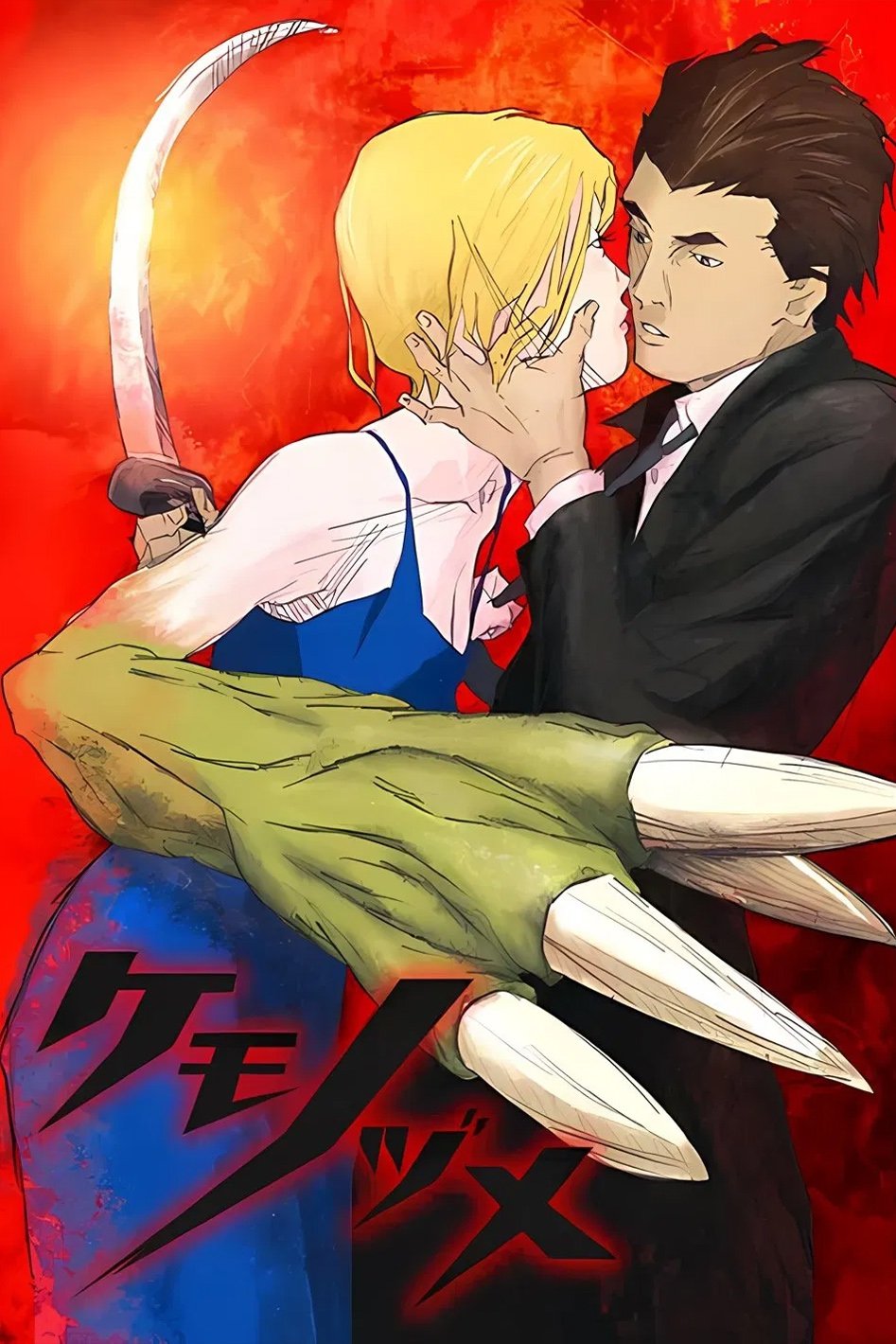
At Madhouse, Masaaki Yuasa’s ‘Kemonozume’ presents monster hunters and man-eating creatures through mixed media—pencil tests, painted frames, and digital cutout. The contrasting textures separate domestic scenes from chases while staying inside a coherent design system.
Storyboards privilege clear silhouette readability and playful layouts. Episode previews use shifting graphic treatments and title cards to signal tonal changes across arcs, preserved in the video masters.
‘Birdy the Mighty: Decode’ (2008–2009)
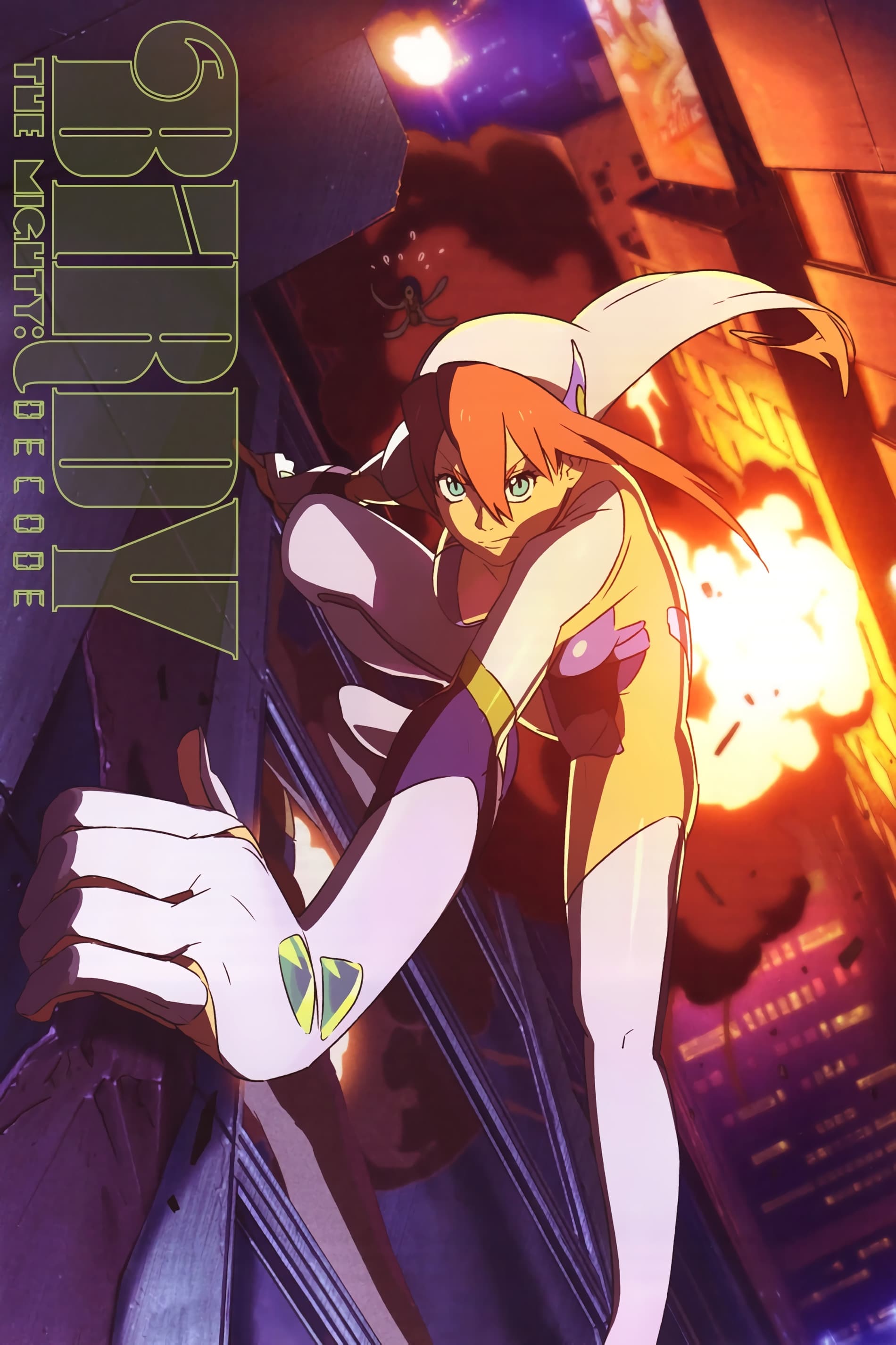
‘A revival produced by A-1 Pictures’, ‘Birdy the Mighty: Decode’ reimagines the concept of an alien investigator sharing a body with a human. The first season balances case-of-the-week structure with serialized plotlines about interstellar politics.
The second season continues character arcs with a revised opening that signals tonal escalation. Long action cuts handle chases and hand-to-hand exchanges, while detailed urban backdrops ground off-world stakes in familiar cityscapes.
‘Xam’d: Lost Memories’ (2008–2009)
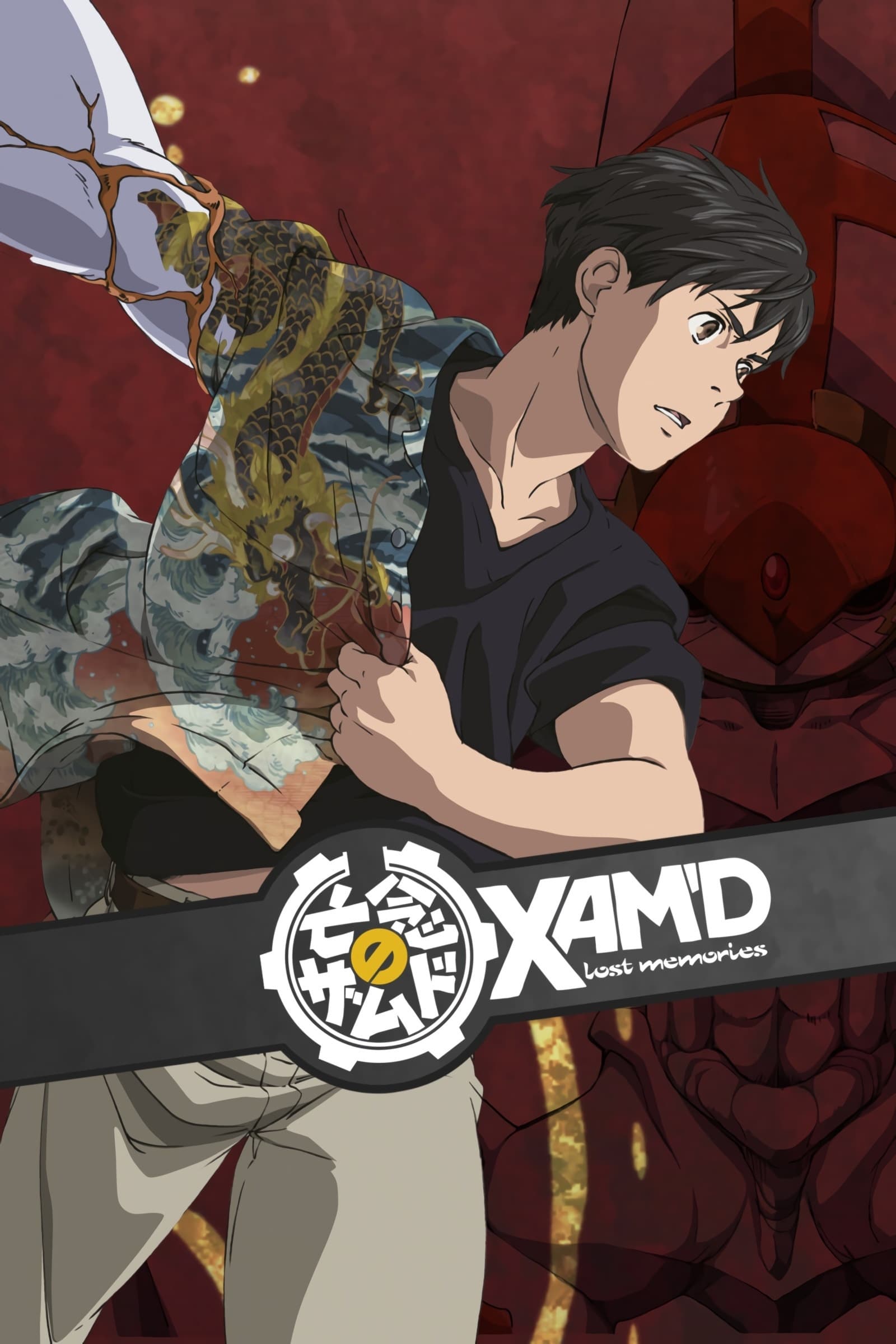
Bones launched ‘Xam’d: Lost Memories’ via digital distribution before TV broadcast and disc release. The story follows bio-weapon transformations, military factions, and a courier airship crew across coastal and desert routes.
Widescreen layouts emphasize depth, and creature designs contrast organic armor with mechanical hardware. The release pipeline is notable for high-definition authoring first, later compiled into physical media with consistent color timing.
‘Moribito: Guardian of the Spirit’ (2007)
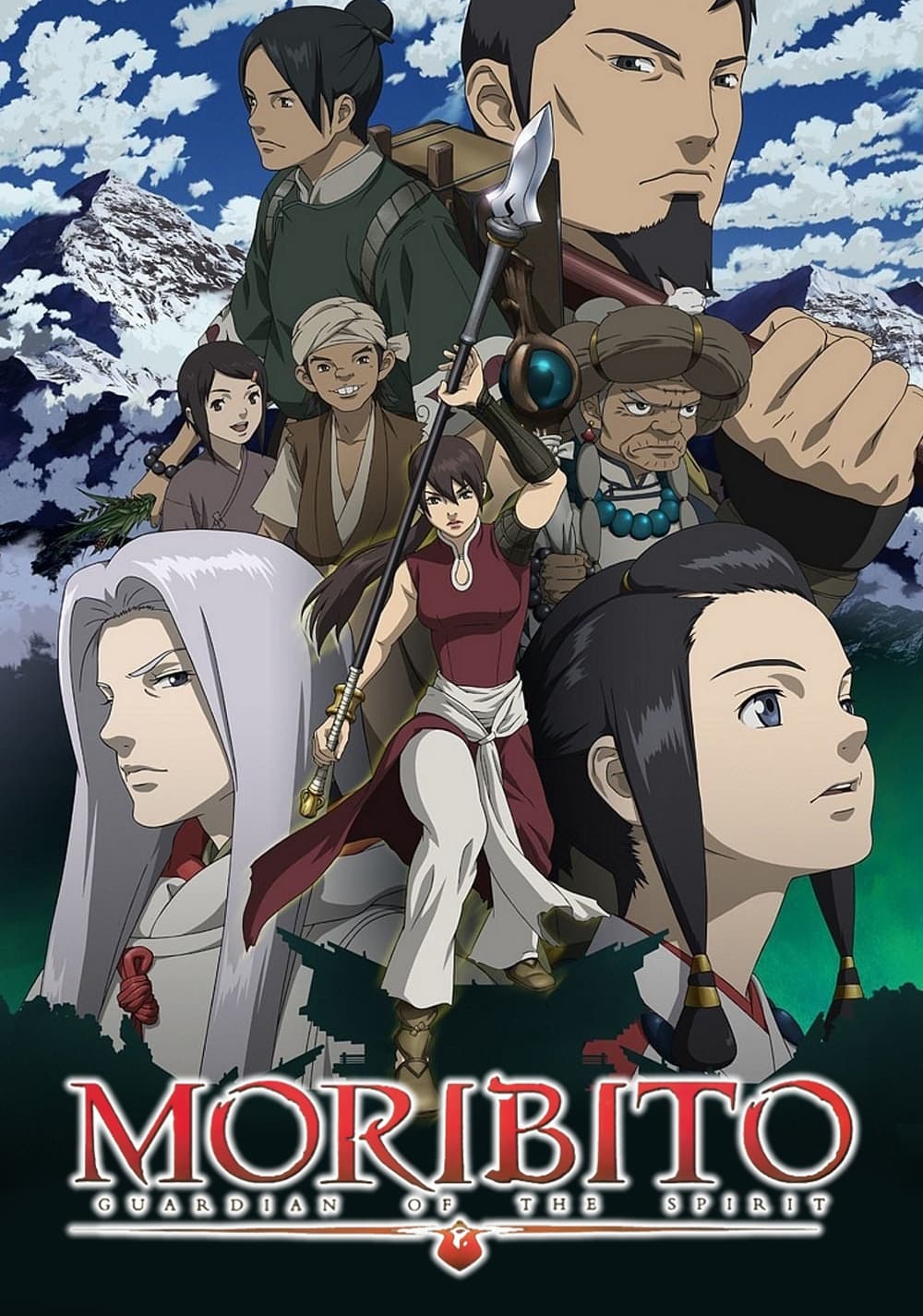
Production I.G adapts Nahoko Uehashi’s novel in ‘Moribito: Guardian of the Spirit’, centering on a spear-wielding bodyguard and a prince entangled in court factions. Logistics—food supplies, travel routes, and legal status—structure the journey and interactions with provincial authorities.
Grounded spear technique animation and multi-plane backgrounds track terrain and elevation. A full disc release followed broadcast with remastered audio, and art books document regional costumes and architecture across provinces.
‘Michiko & Hatchin’ (2008–2009)

Manglobe’s ‘Michiko & Hatchin’ stages a road-movie through a South American-inspired nation, moving city to city through highways, rail lines, and border posts. Location design integrates favelas, tropical interiors, and signage systems that establish regional identity.
The soundtrack blends Latin influences with contemporary beats, while animation teams emphasize vehicle handling and foot chases across varied terrain. Broadcast standards led to minor edits in some regions, with video editions restoring original content and clean credit sequences.
‘RahXephon’ (2002)
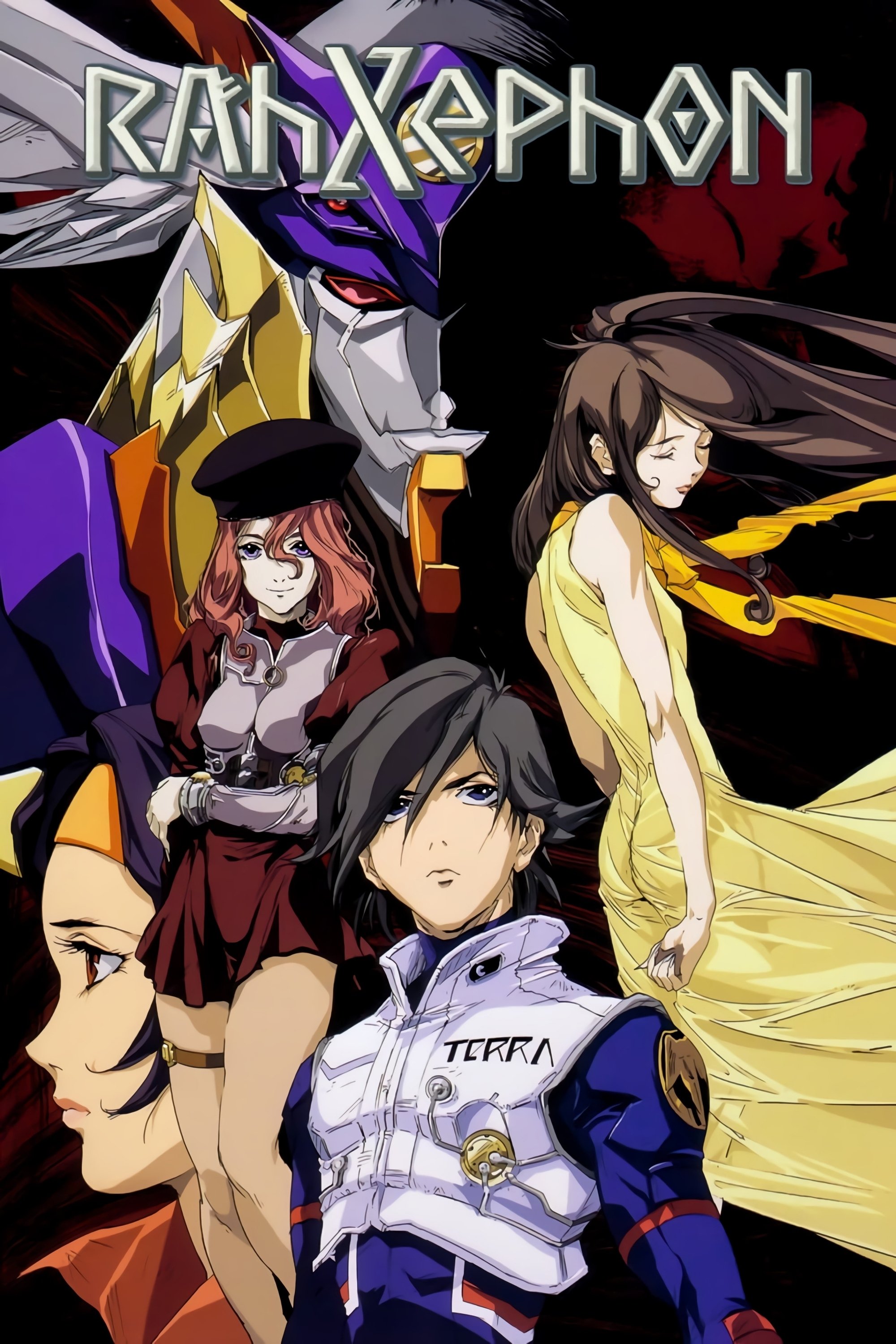
Bones’ original mecha ‘RahXephon’ interlaces music-based technology with urban isolation and shifting realities. The project spans a TV series and a compilation film that restructures events and adds revised scenes.
Instrument-inspired motifs shape machine and architectural designs, and choral scoring anchors key transformations. Disc extras include production galleries and notes on acoustic terminology woven into episode titles and systems.
‘Aoi Bungaku Series’ (2009)
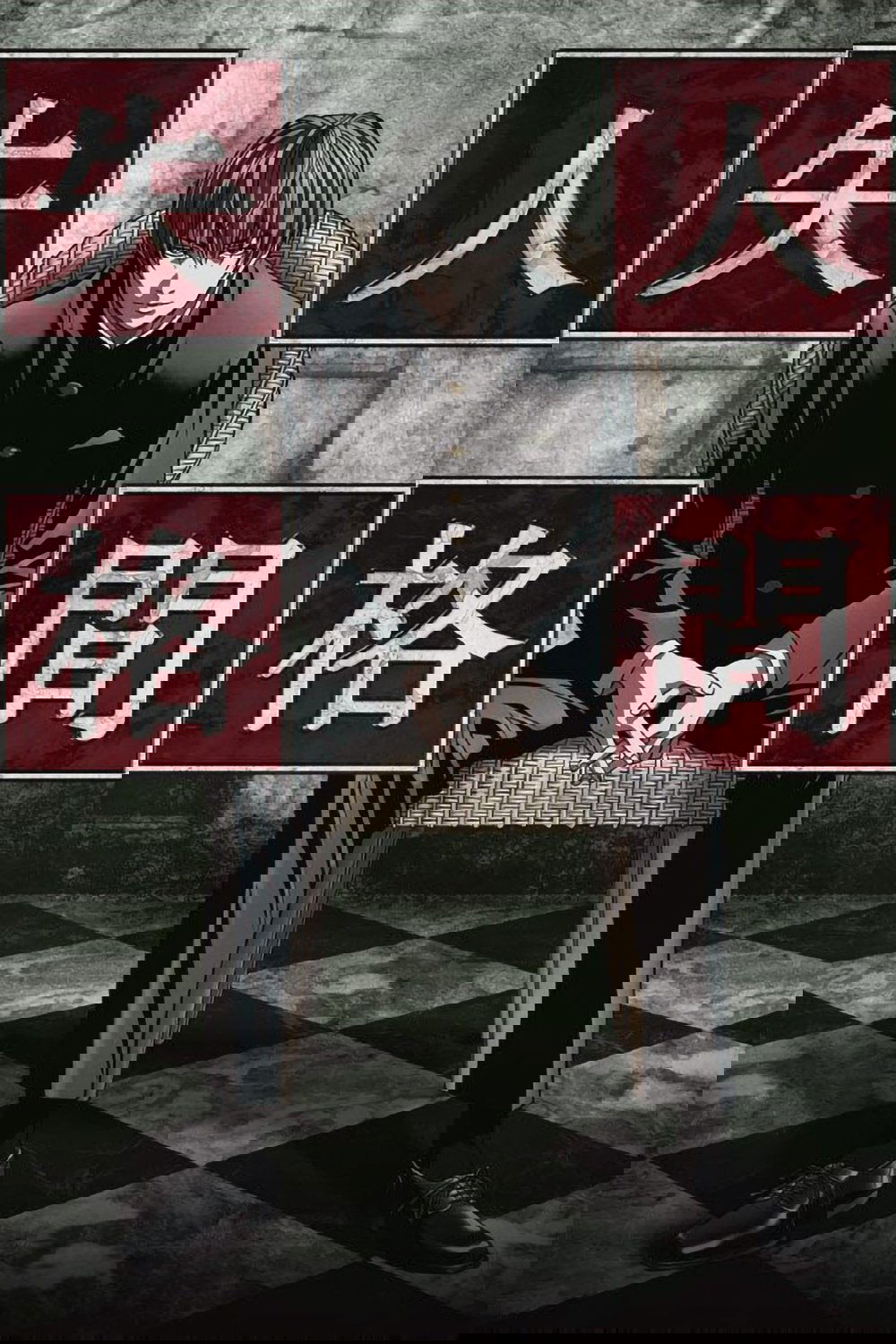
Madhouse’s ‘Aoi Bungaku Series’ adapts several Japanese literary classics into discrete animated arcs, each with its own director and art team. The anthology format supports varied palettes, character sheets, and framing while preserving period settings and authorial themes.
Production notes outline visual strategies for each story, from expressionist backdrops to realistic cityscapes. The complete release compiles all arcs with creditless sequences per segment and clear labeling of source authors.
‘Bokurano’ (2007)
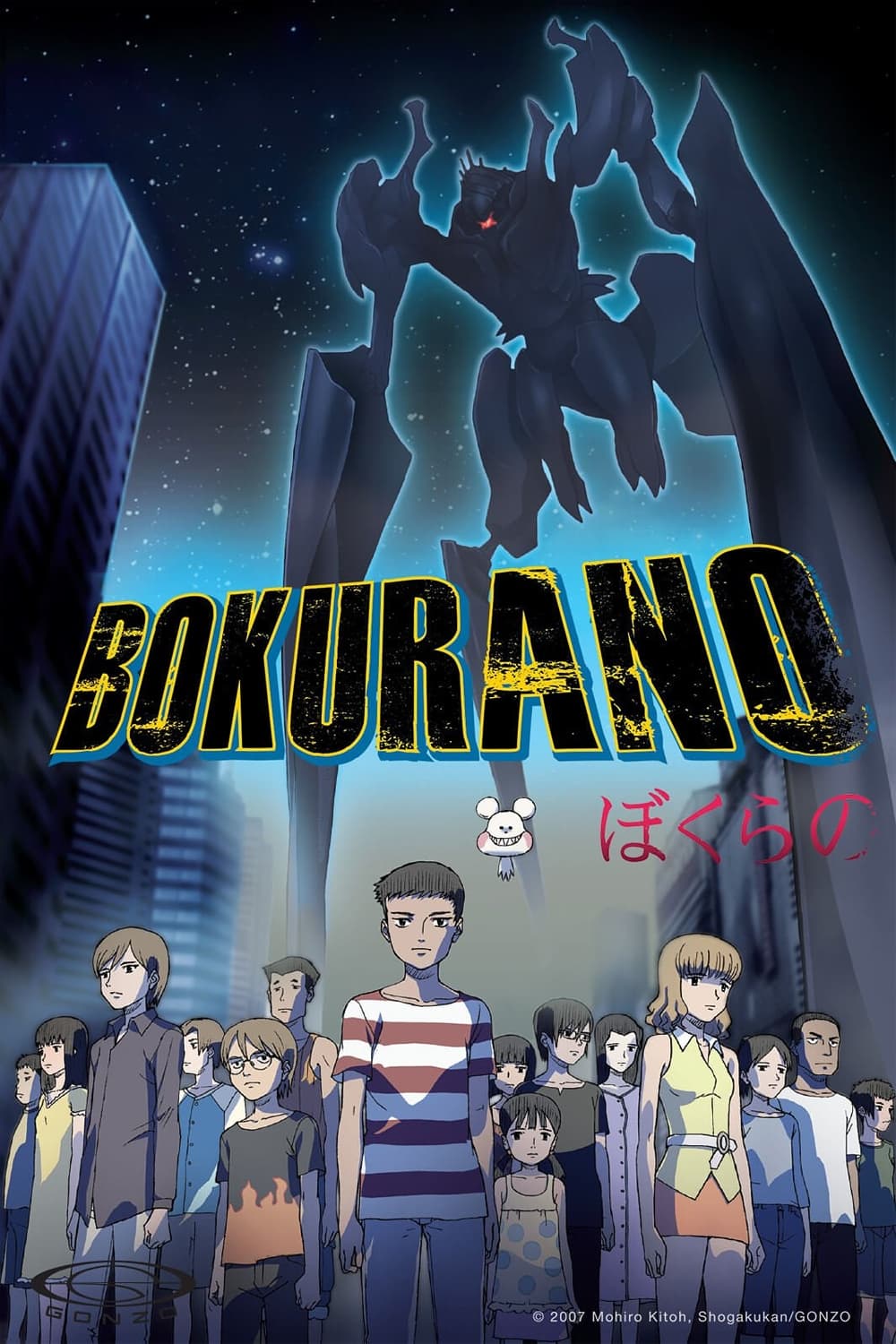
Gonzo adapts Mohiro Kitoh’s manga in ‘Bokurano’, documenting a group of children contracted to pilot a giant machine in defensive battles. The series foregrounds the contract’s terms, operational timelines, and the interaction between civilian authorities and the project’s handlers.
Scale is conveyed through layered city backgrounds and consistent damage tracking across episodes. Eyecatch designs assign identity cues to individual pilots, and staff materials describe cockpit UI and energy-consumption displays used in briefings.
Share your favorite overlooked picks from this era in the comments so others can discover what to cue up next.