Best Forgotten Horrors from the 1980s (that Require an Immediate Rewatch)


Horror in the 1980s stretched far beyond the big franchises, with filmmakers experimenting across slashers, creature features, occult chillers, and sci-fi nightmares. The decade’s deep cuts delivered ambitious practical effects, wild premises, and a roll call of directors and craftspeople pushing studio and independent resources to their limits. Many of these projects slipped through the cracks after their initial runs, but they left behind distinctive worlds, memorable villains, and inventive set-pieces that still hold up for fans digging past the usual suspects.
Below is a hand-picked tour through films and series that deserve another look. Each entry spotlights concrete details—who made them, how they were produced, where they were set or shot, and what sets their craft apart—so you can zero in on exactly which flavors of eighties horror you’re in the mood for next.
‘The Keep’ (1983)
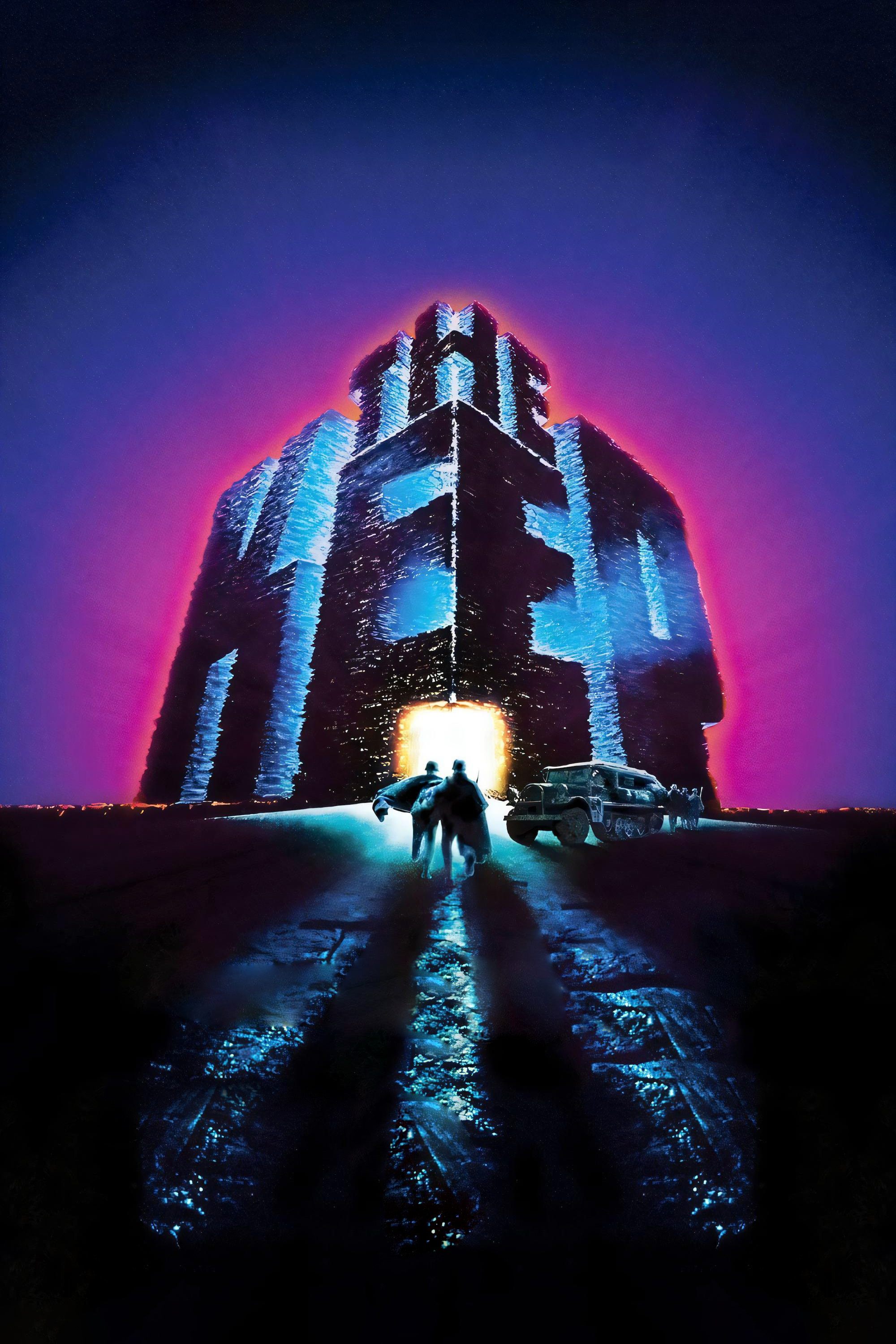
Michael Mann adapts F. Paul Wilson’s novel into a supernatural siege set within a remote fortress occupied by Axis soldiers. The cast includes Scott Glenn, Ian McKellen, Gabriel Byrne, and Jürgen Prochnow, with an electronic score by Tangerine Dream shaping the film’s atmosphere.
Production underwent major changes after the sudden death of visual-effects supervisor Wally Veevers, which led to reconfigurations in effects work and editing. The film blends location photography, large-scale sets, and miniature work to depict the fortress and the entity imprisoned inside it.
‘Night of the Creeps’ (1986)
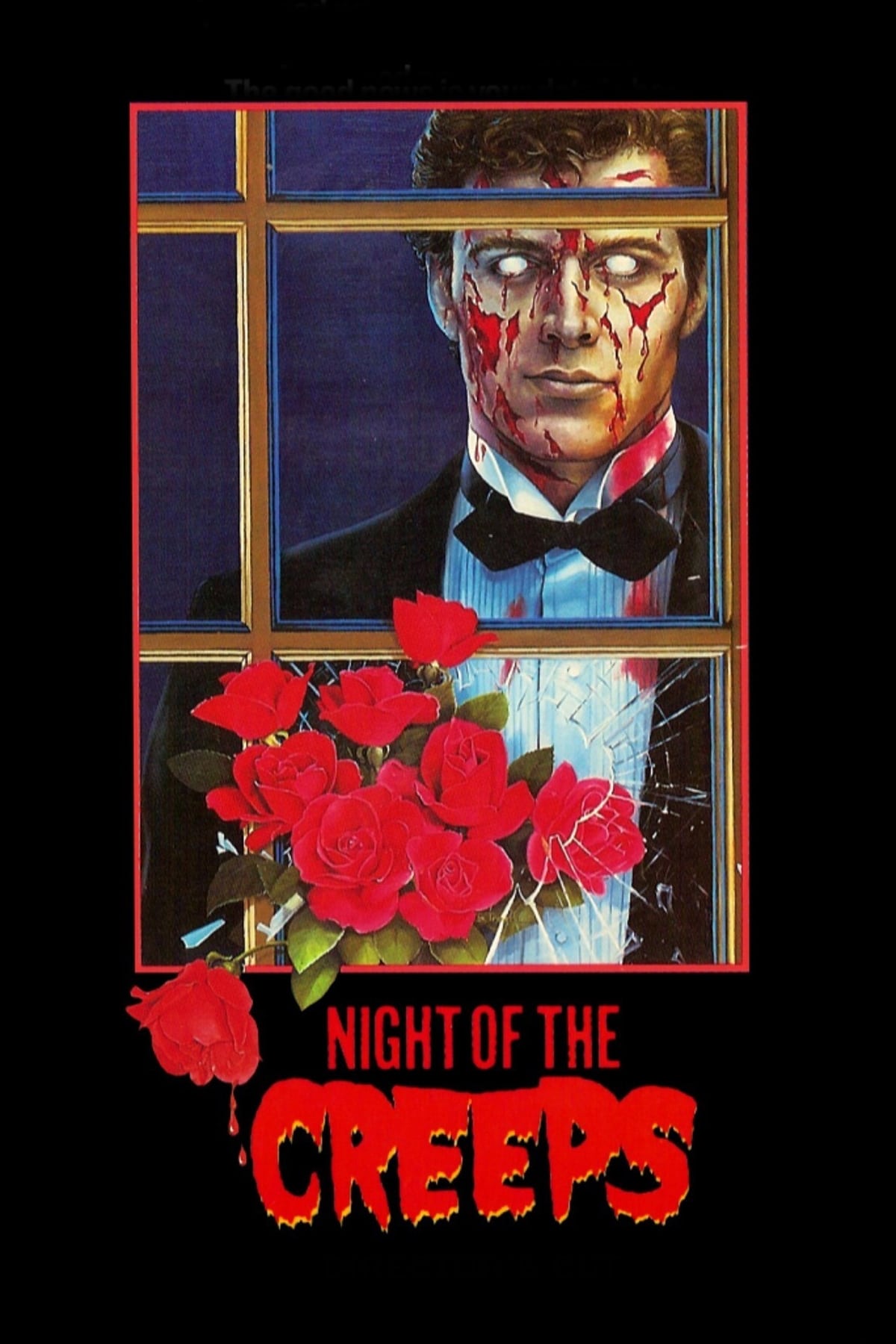
Writer-director Fred Dekker launches an alien-parasite premise that spreads through a college town, colliding with a police investigation led by Tom Atkins’s character. The ensemble includes Jason Lively and Steve Marshall, mixing campus life with body-horror mechanics.
Practical effects showcase parasitic slugs, reanimated hosts, and prosthetic gags coordinated across stunt and makeup teams. Dialogue nods to classic horror creators through character names, signaling a deliberate engagement with genre lineage.
‘Dead & Buried’ (1981)
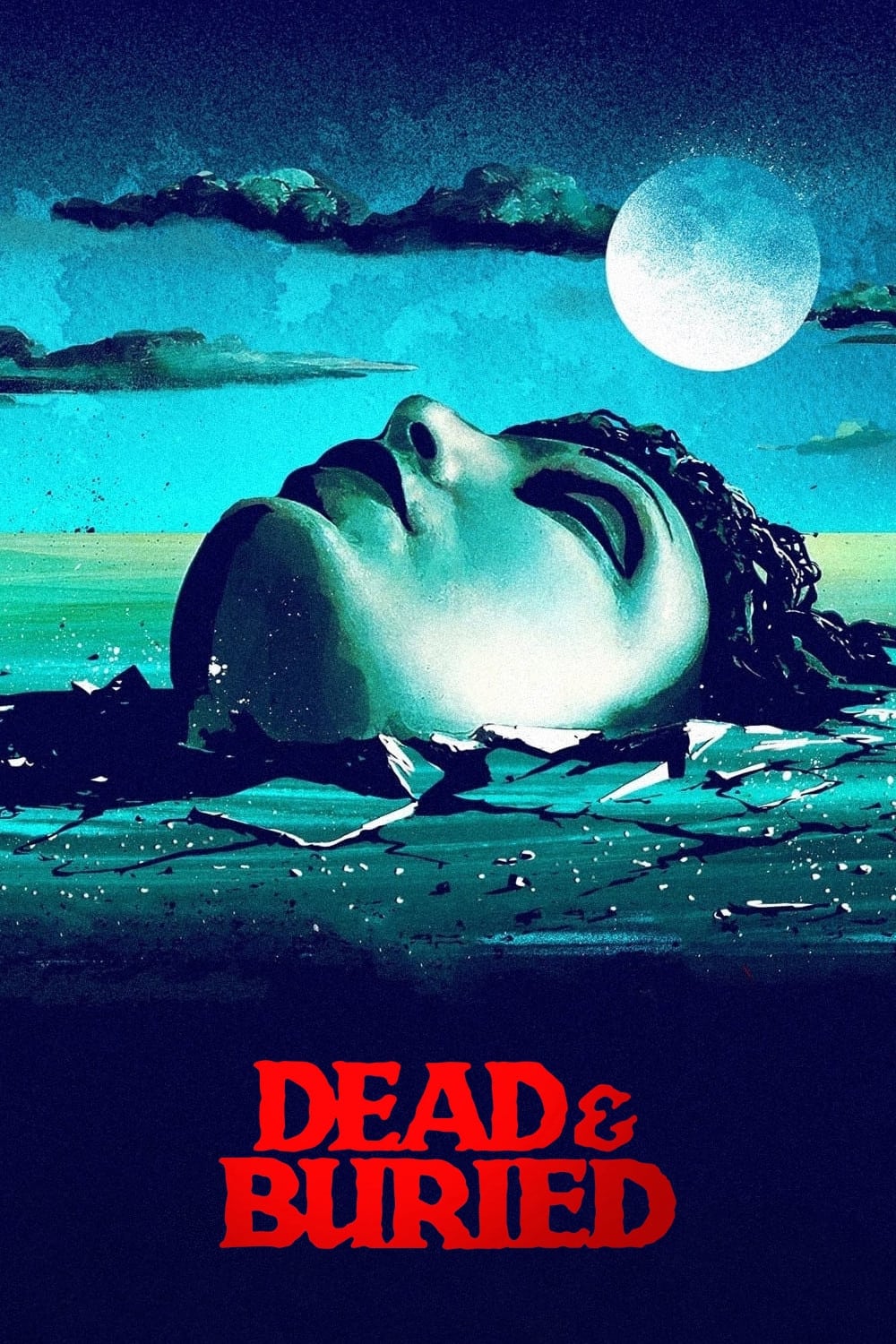
Gary Sherman directs a coastal-town mystery centered on a series of murders in a fog-swept community called Potter’s Bluff. The screenplay is credited to Ronald Shusett and Dan O’Bannon alongside Jeff Millar and Alex Stern, while James Farentino and Melody Anderson lead the cast.
Stan Winston’s special-effects makeup anchors several set-pieces involving identity and reconstruction. The film uses small-town locations and a restrained palette to reinforce the story’s focus on community rituals and secrecy.
‘The Burning’ (1981)
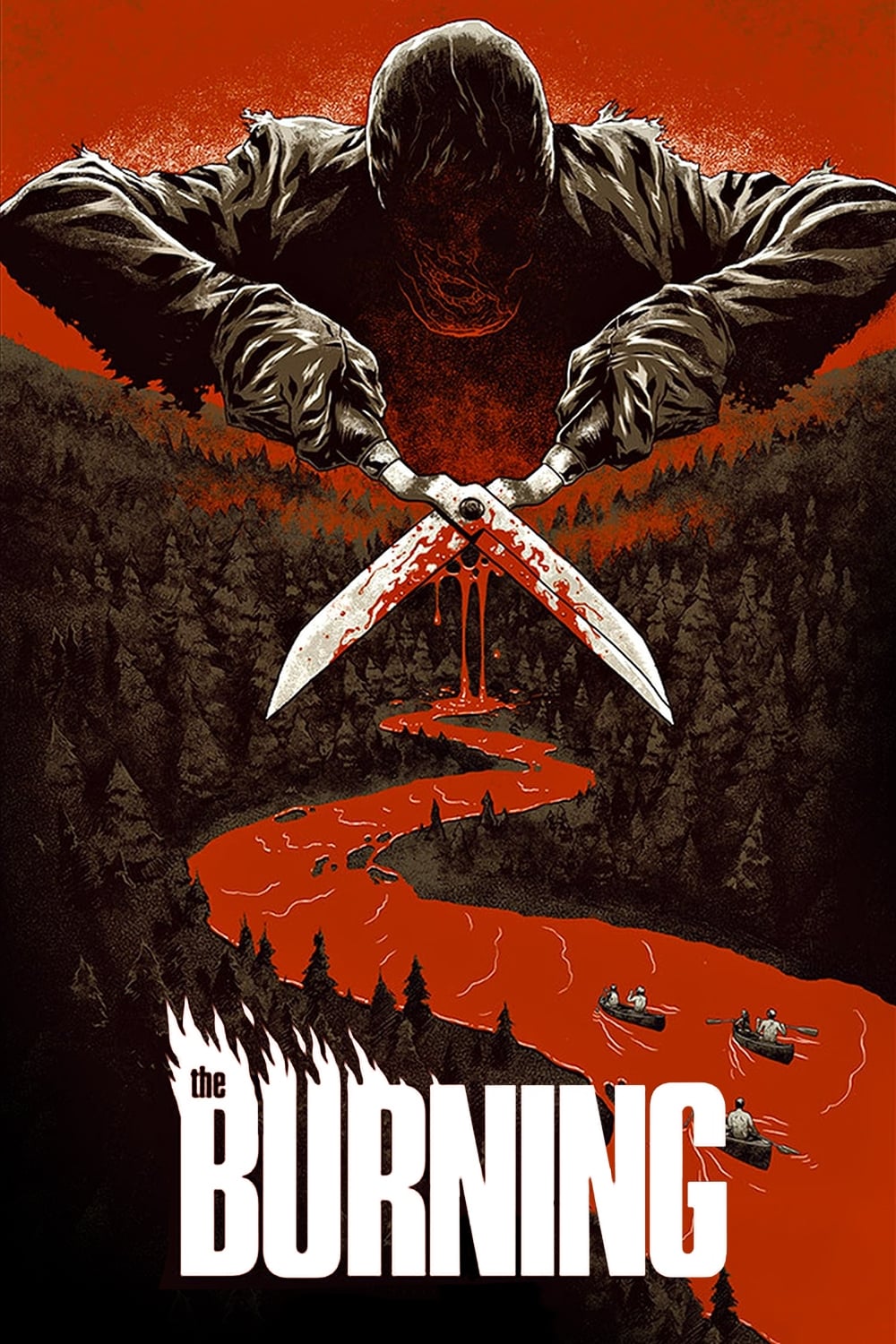
A summer-camp slasher produced by the Weinstein-cofounded Miramax features an ensemble of young actors including Jason Alexander, Fisher Stevens, and a brief appearance by Holly Hunter. The plot revolves around a caretaker figure whose legend returns to haunt the counselors.
Tom Savini’s effects contribute tendon-snapping gore and memorable attack sequences staged on water and in wooded terrain. On-location camp shooting supports the film’s emphasis on isolation and group dynamics.
‘The Funhouse’ (1981)
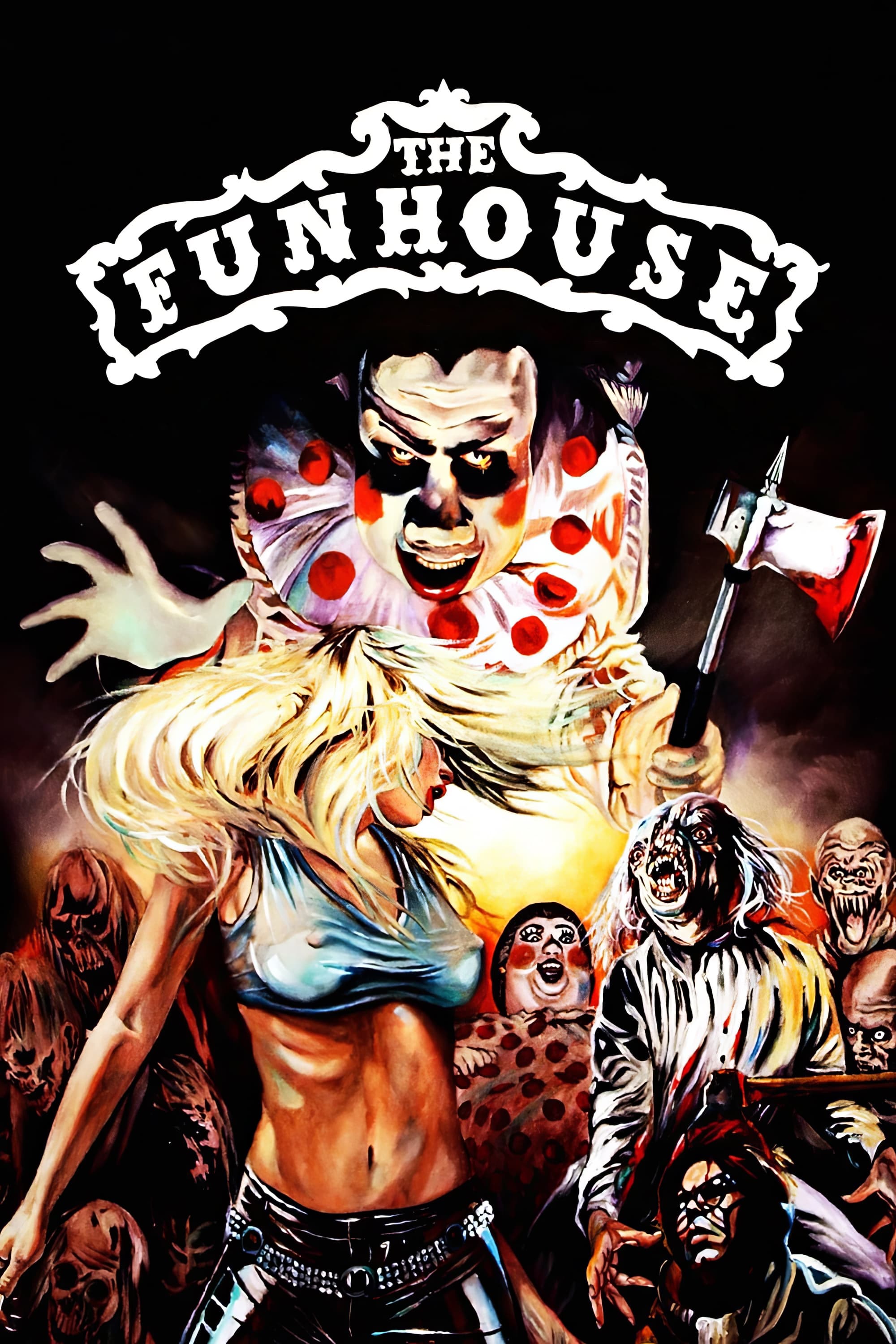
Tobe Hooper sets his horror inside a traveling carnival, following teens who take a late-night ride and encounter a concealed figure behind the scenes. Elizabeth Berridge headlines, with a supporting cast of carnival performers and workers.
Production built large, interconnected funhouse sets to enable long tracking shots through animatronics and midway attractions. Makeup and creature design, supervised by Craig Reardon, craft the masked antagonist’s look and the showman aesthetic.
‘Alone in the Dark’ (1982)
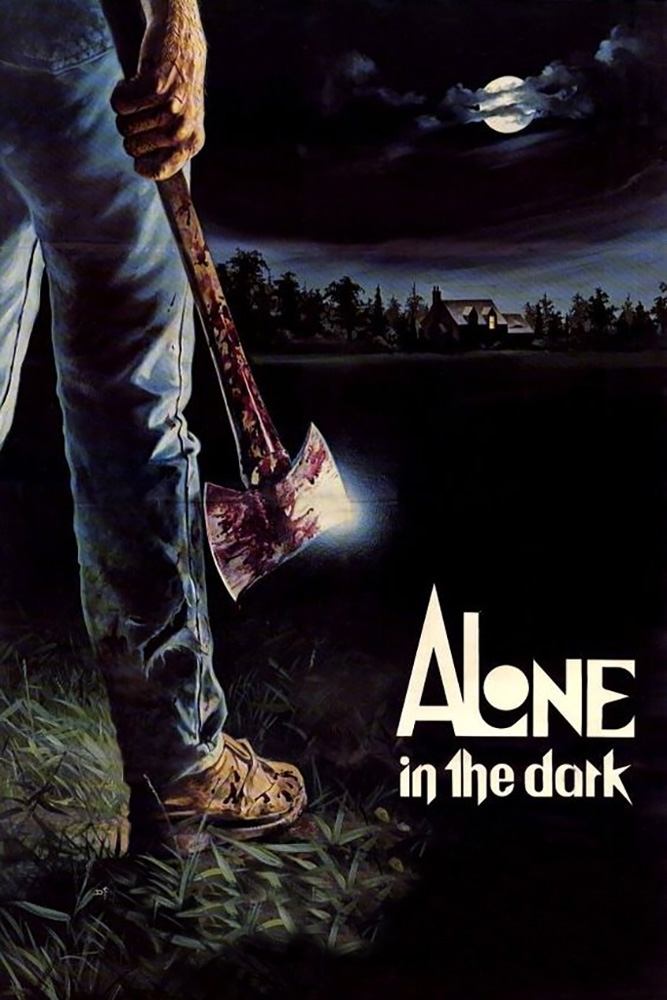
Jack Sholder’s film pairs Jack Palance, Martin Landau, and Donald Pleasence in a story about violent psychiatric patients who exploit a city-wide blackout to escape. Dwight Schultz plays the new doctor caught between his family and the facility’s dangerous inmates.
The production uses urban night exteriors and practical blackout effects to stage home-invasion sequences and pursuit beats. The cast’s genre pedigree and the contained locations create a tight interplay between hospital and suburban settings.
‘Q’ (1982)
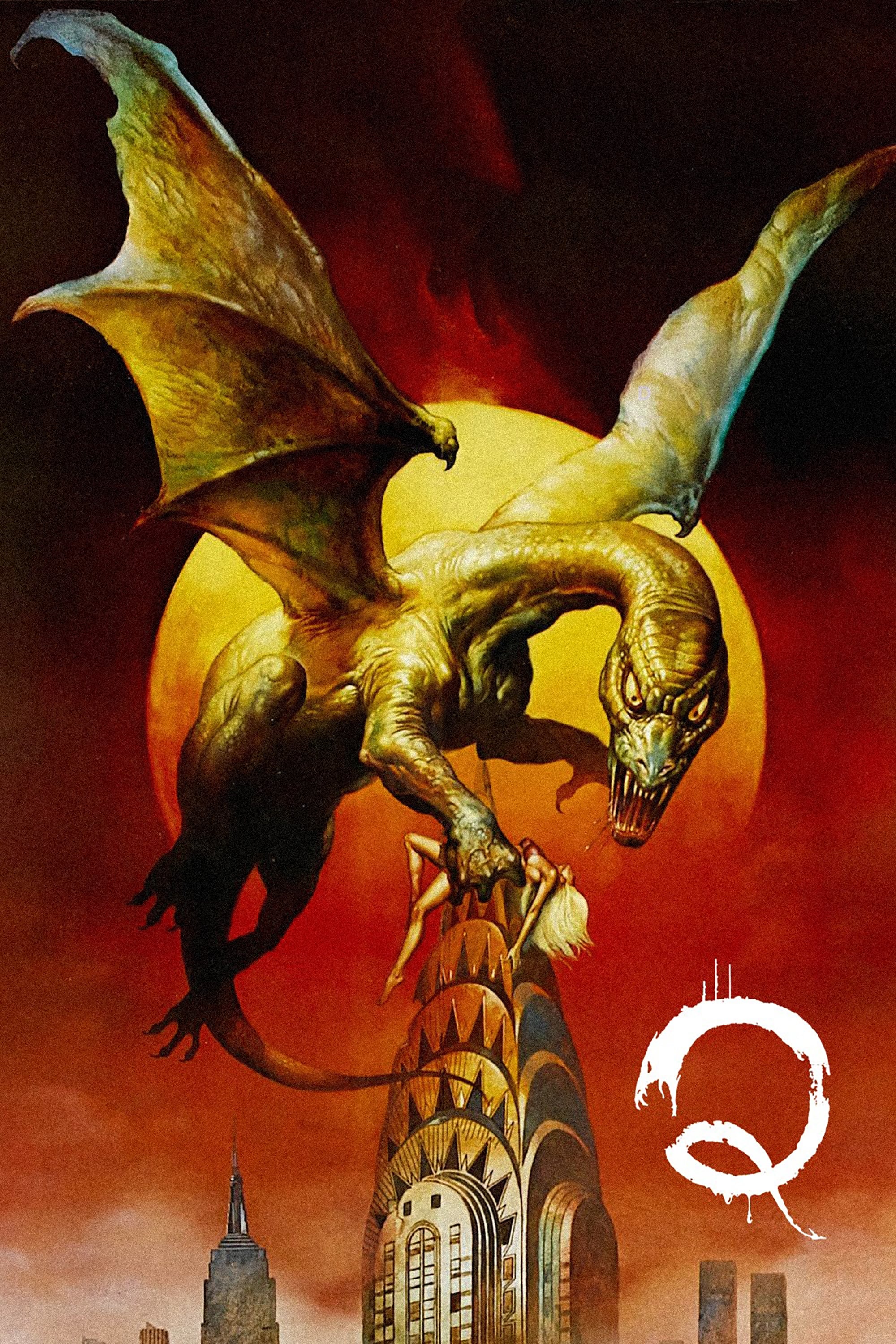
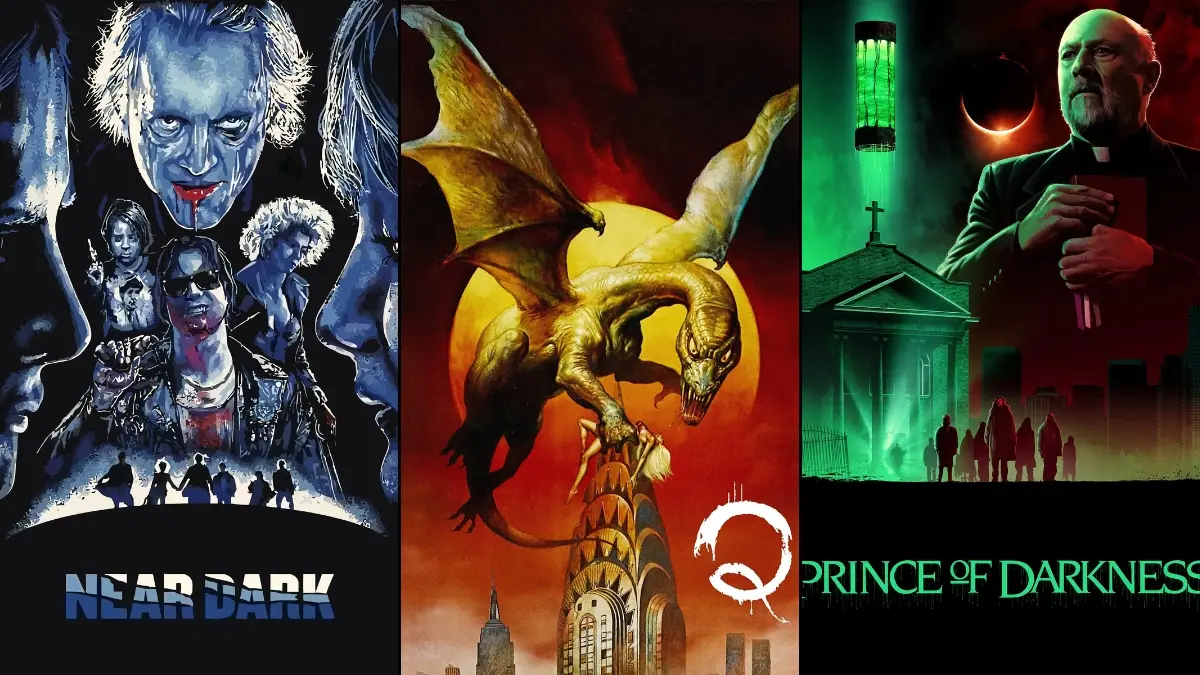
Larry Cohen relocates an ancient god to modern Manhattan, where a winged creature nests atop skyscrapers while a small-time crook stumbles into the scheme. Michael Moriarty, David Carradine, and Richard Roundtree headline the intersecting crime-and-creature threads.
Stop-motion and optical composites by David Allen and collaborators integrate aerial attacks with New York landmarks. The production secured rooftop and aerial photography to ground the mythology in recognizable city geography.
‘The Gate’ (1987)
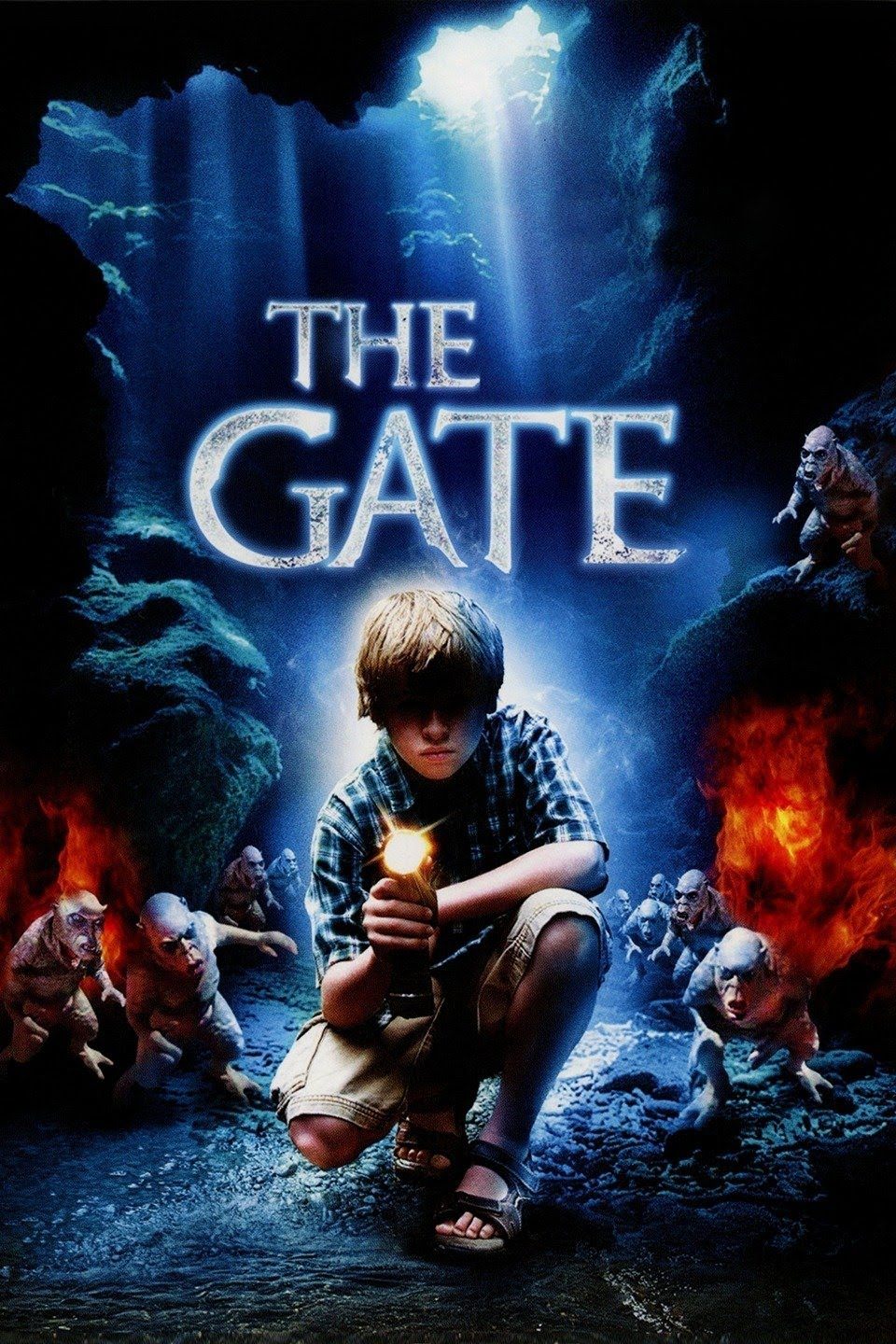
Director Tibor Takács confines cosmic horror to a suburban backyard after kids accidentally open a portal in a tree-removal pit. Stephen Dorff appears in an early role, supported by a young cast navigating demonic incursions through a family home.
Effects rely on forced-perspective sets, suit performers, and stop-motion to render the creatures at miniature scale. The film’s design team builds a believably lived-in house that transforms into a battleground as phenomena escalate.
‘Lifeforce’ (1985)
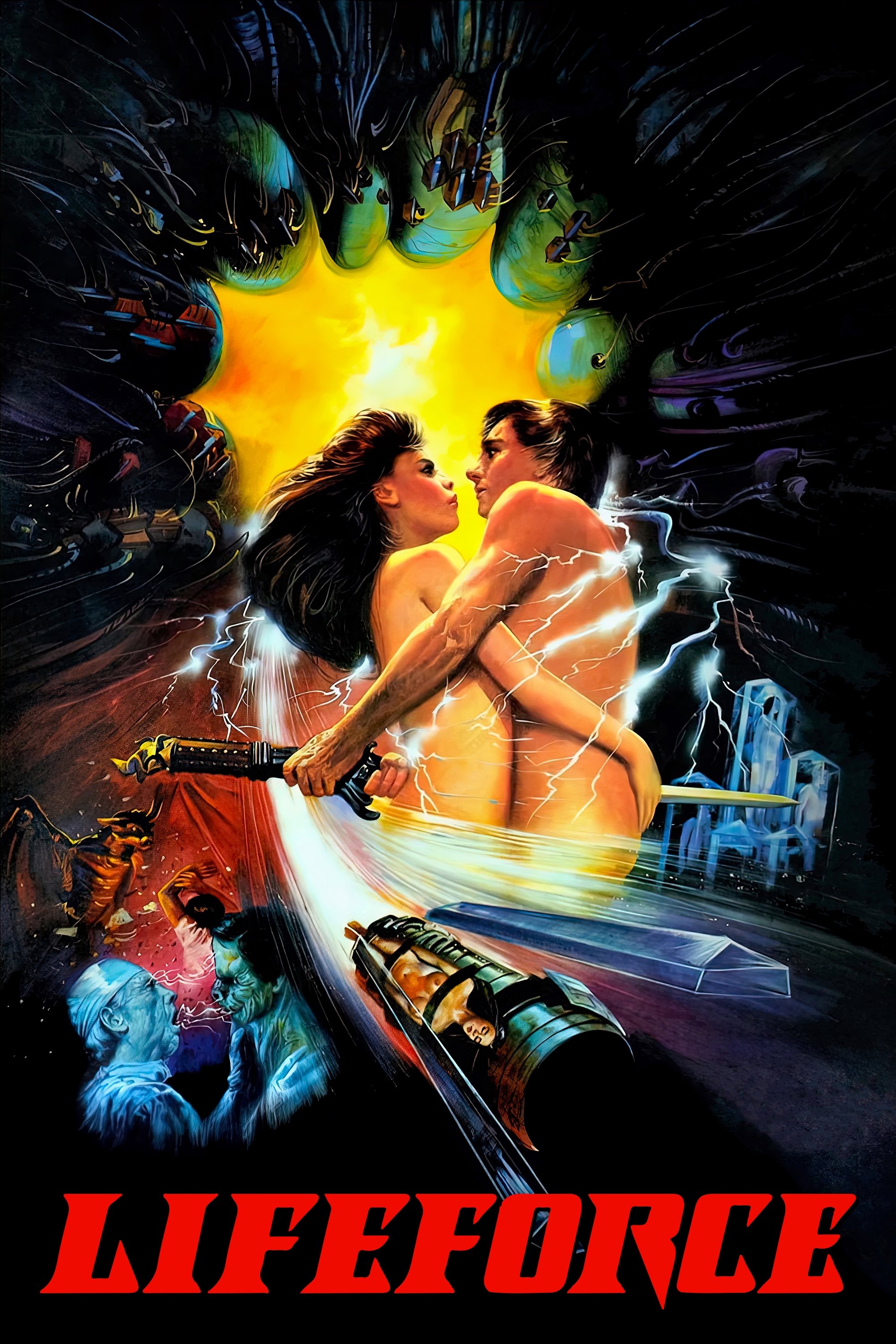
Tobe Hooper adapts Colin Wilson’s novel ‘The Space Vampires,’ following an international space mission that brings a human-looking entity back to Earth. The cast includes Steve Railsback, Mathilda May, and Peter Firth, with London locations and military response units.
Cannon Films backed large-scale sets for spacecraft interiors and devastated cityscapes. The screenplay by Dan O’Bannon and Don Jakoby combines apocalyptic infection mechanics with visual-effects tableaus and animatronic corpses.
‘From Beyond’ (1986)
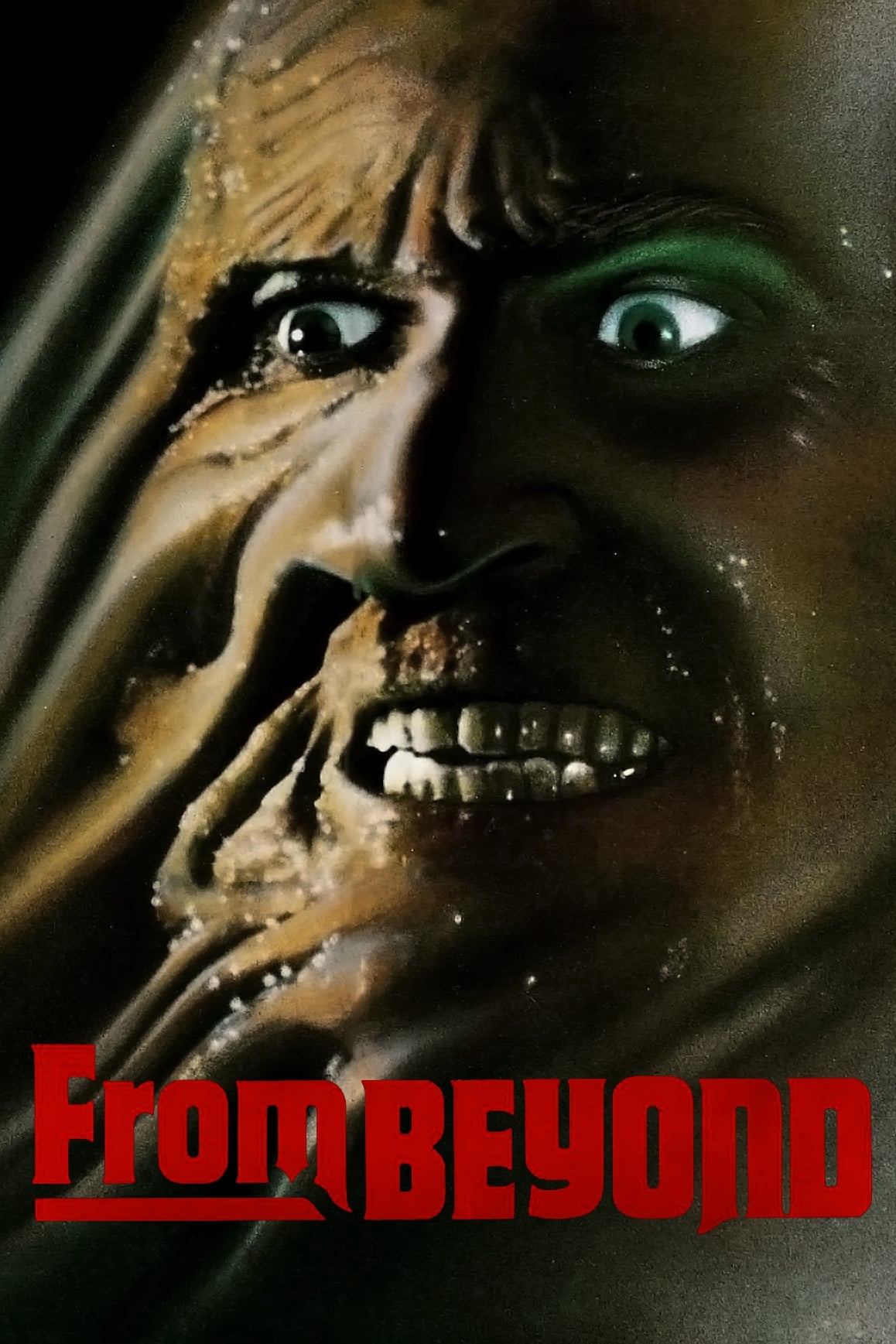
Stuart Gordon reunites with Jeffrey Combs and Barbara Crampton for an H. P. Lovecraft adaptation about scientists activating a device that alters perception. Ted Sorel co-stars as the lead researcher whose experiments open contact with extradimensional entities.
The production emphasizes latex and animatronic transformations supervised by a team including John Carl Buechler and Mark Shostrom. Richard Band’s score and pink-violet lighting schemes accentuate the sensory-overload theme tied to the Resonator machine.
‘Near Dark’ (1987)
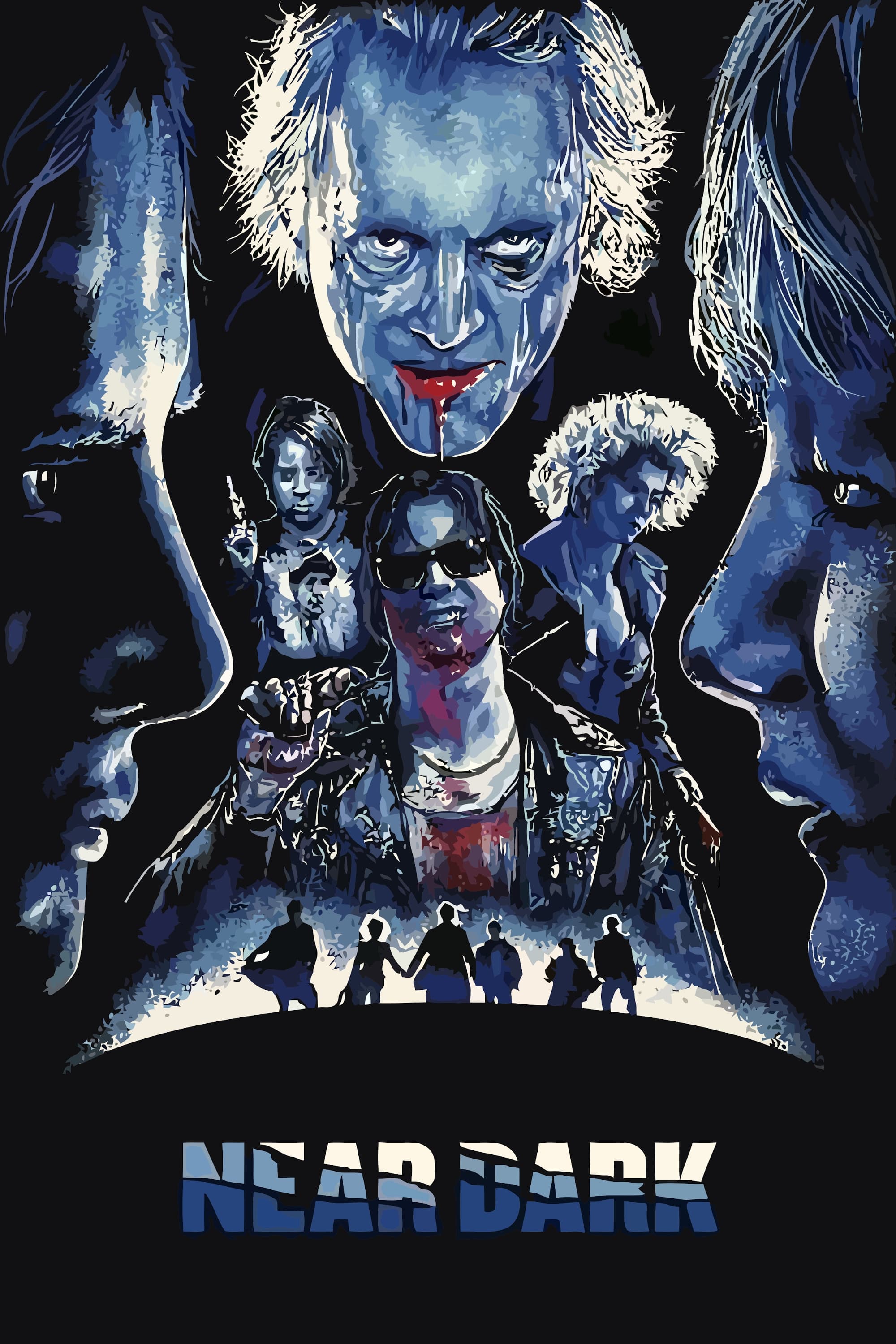
Kathryn Bigelow fuses rural crime with vampiric lore, following a drifter pulled into a tight-knit clan of nocturnal outlaws. The ensemble features Adrian Pasdar, Jenny Wright, Lance Henriksen, Bill Paxton, and Jenette Goldstein.
Cinematography favors dusky highways and motel rooms, while Tangerine Dream provides an electronic score. The script maintains a traveling-family dynamic, staging set-pieces in bars, trailers, and remote farm structures.
‘Pumpkinhead’ (1988)
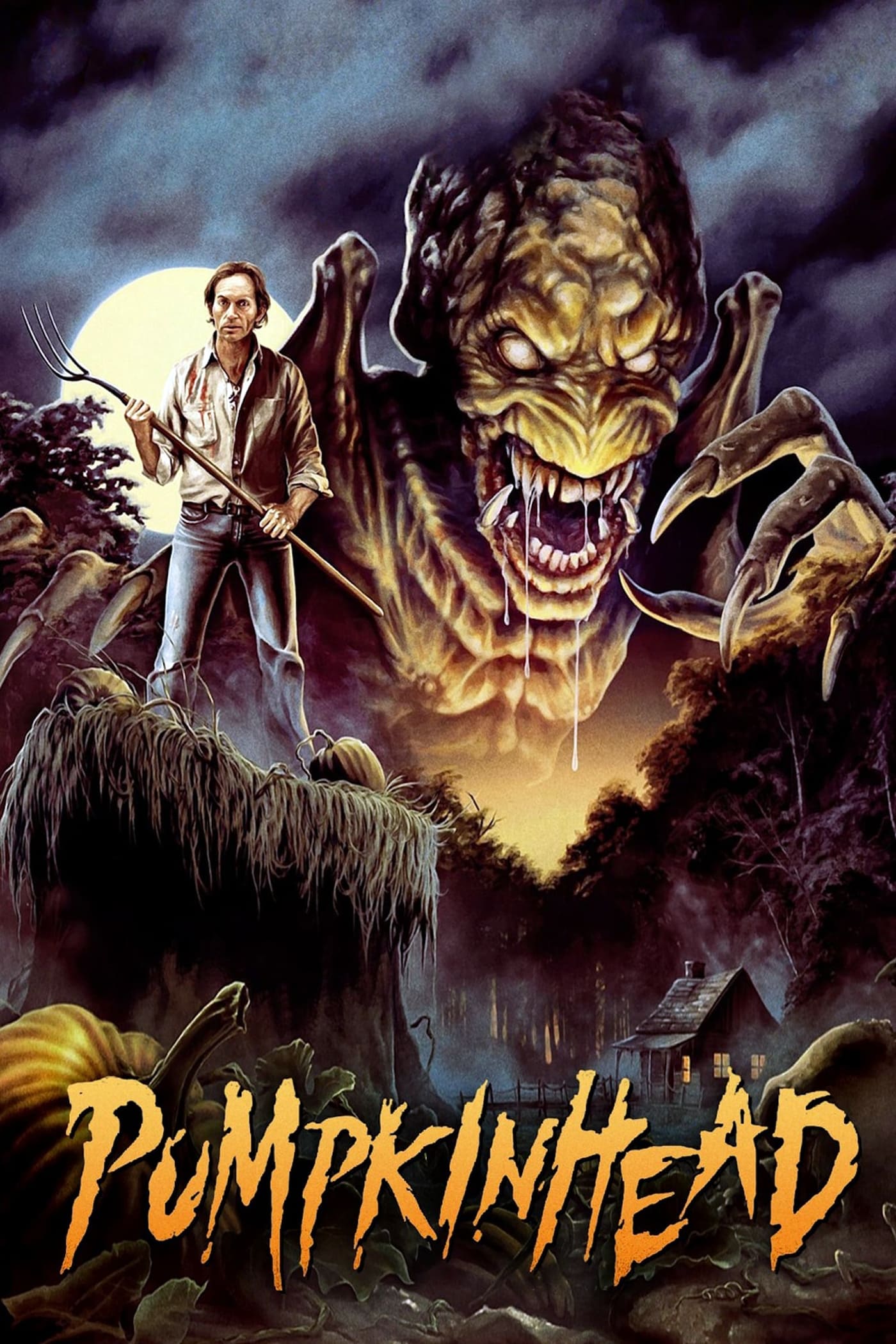
Creature-effects legend Stan Winston directs a revenge tale about a summoned demon that enacts a parent’s grief-fueled wish. Lance Henriksen leads the cast, with Florence Schauffler and Tom Woodruff Jr. contributing to the demon’s physical presence.
The monster was realized through a full-body suit, cable-controlled facial mechanisms, and atmospheric sets built to emphasize rural folklore. The narrative links a local witch, a ritual site, and a chain of consequences that the summoner cannot easily reverse.
‘Brain Damage’ (1988)
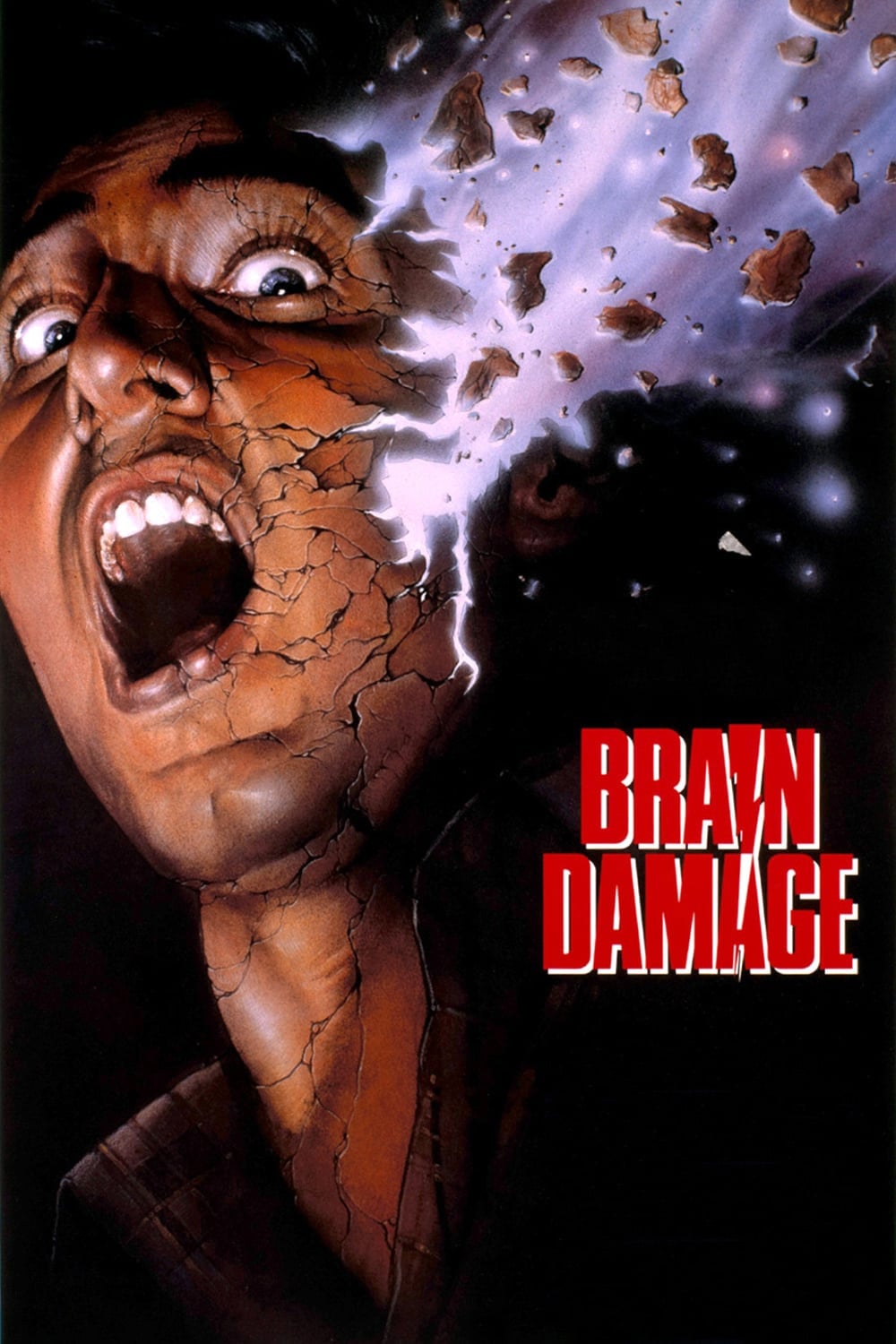
Frank Henenlotter centers the story on a symbiotic creature named Aylmer that offers euphoric experiences in exchange for deadly errands. Rick Hearst stars, while radio and television personalities make cameo appearances.
The production uses blue-and-neon cityscapes, puppetry for Aylmer, and point-of-view inserts to depict the protagonist’s altered states. John Zacherle provides Aylmer’s distinct voice, giving the parasite a courtly tone that contrasts with the bodily havoc.
‘Basket Case’ (1982)
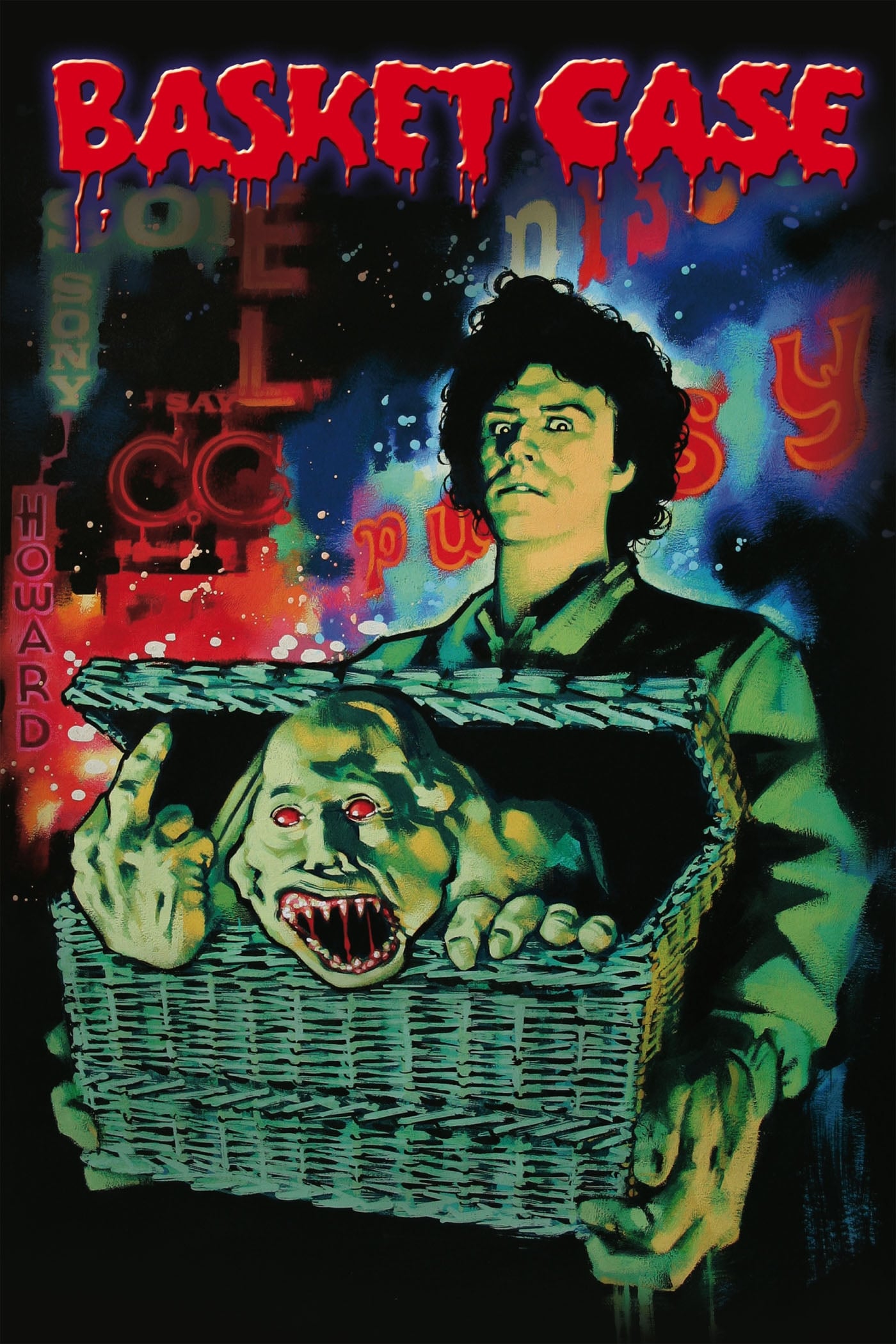
Another Henenlotter project follows a man who carries his separated conjoined twin, Belial, inside a wicker basket as they check into a seedy hotel. Kevin Van Hentenryck plays the caretaker brother navigating doctors connected to their past.
Shot on 16mm around New York grindhouse districts, the film mixes stop-motion with hand-operated puppetry for Belial. Location sound and guerilla shooting capture the era’s street textures and low-budget ingenuity.
‘Street Trash’ (1987)

Director J. Michael Muro crafts an urban meltdown tale about a cheap liquor nicknamed “Viper” that causes gruesome dissolutions among the city’s unhoused. The cast features a wide ensemble of characters orbiting a scrapyard and a liquor store.
Effects teams devised multi-stage melt rigs, foam latex appliances, and vibrant slime compositions for the transformation scenes. The production built set pieces inside a functioning junkyard, coordinating stunts with stacked cars and improvised structures.
‘The Hidden’ (1987)
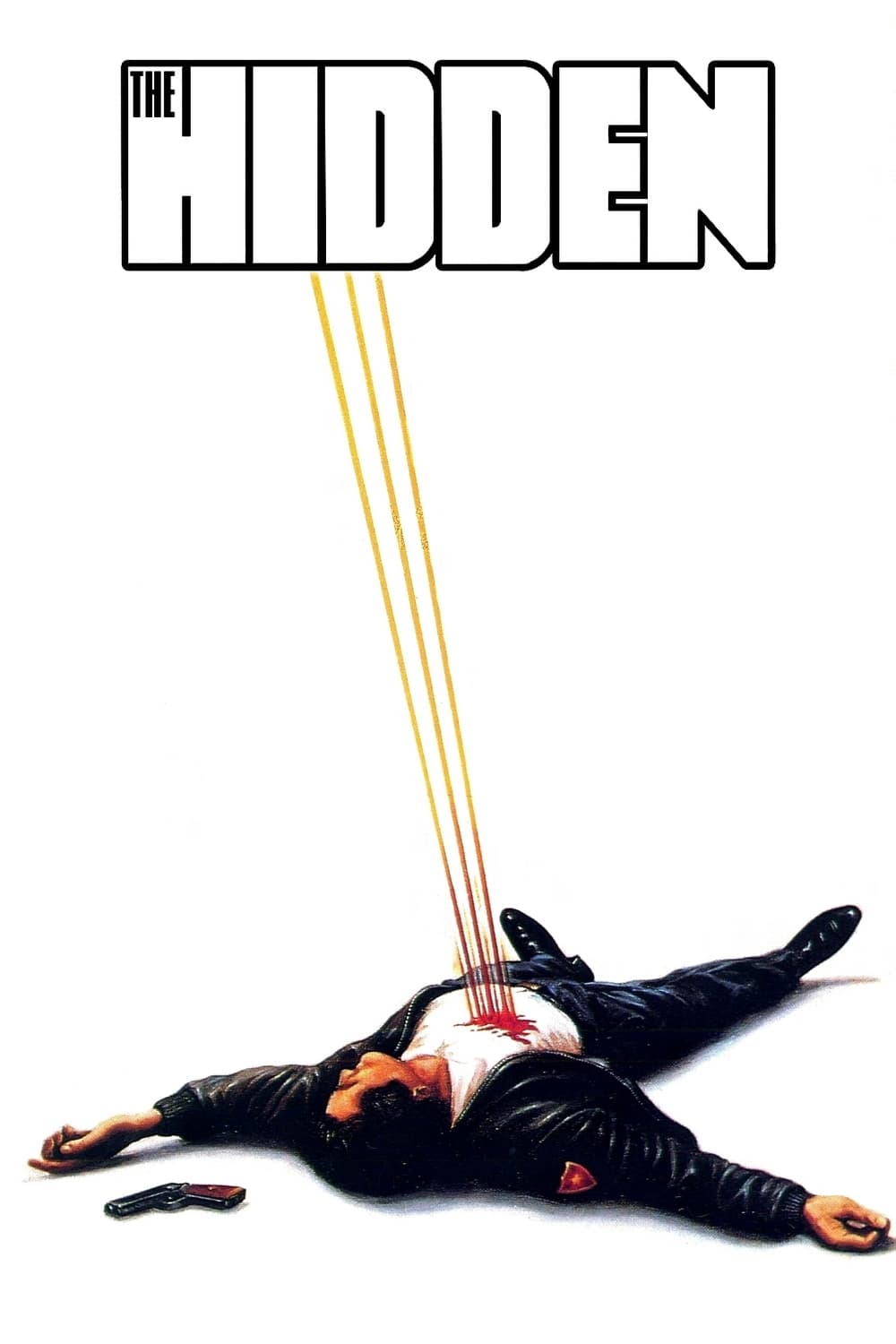
Jack Sholder blends police procedural and body-snatching horror as an FBI agent partners with a local detective to stop an alien parasite that jumps hosts. Kyle MacLachlan and Michael Nouri anchor the pursuit through banks, car dealerships, and nightclubs.
The film is noted for car chases, heavy-metal needle drops, and practical stunt work stitched to creature-effects inserts. Sound design marks the parasite’s transfers with escalating cues that tie character behavior to the entity’s presence.
‘The Blob’ (1988)
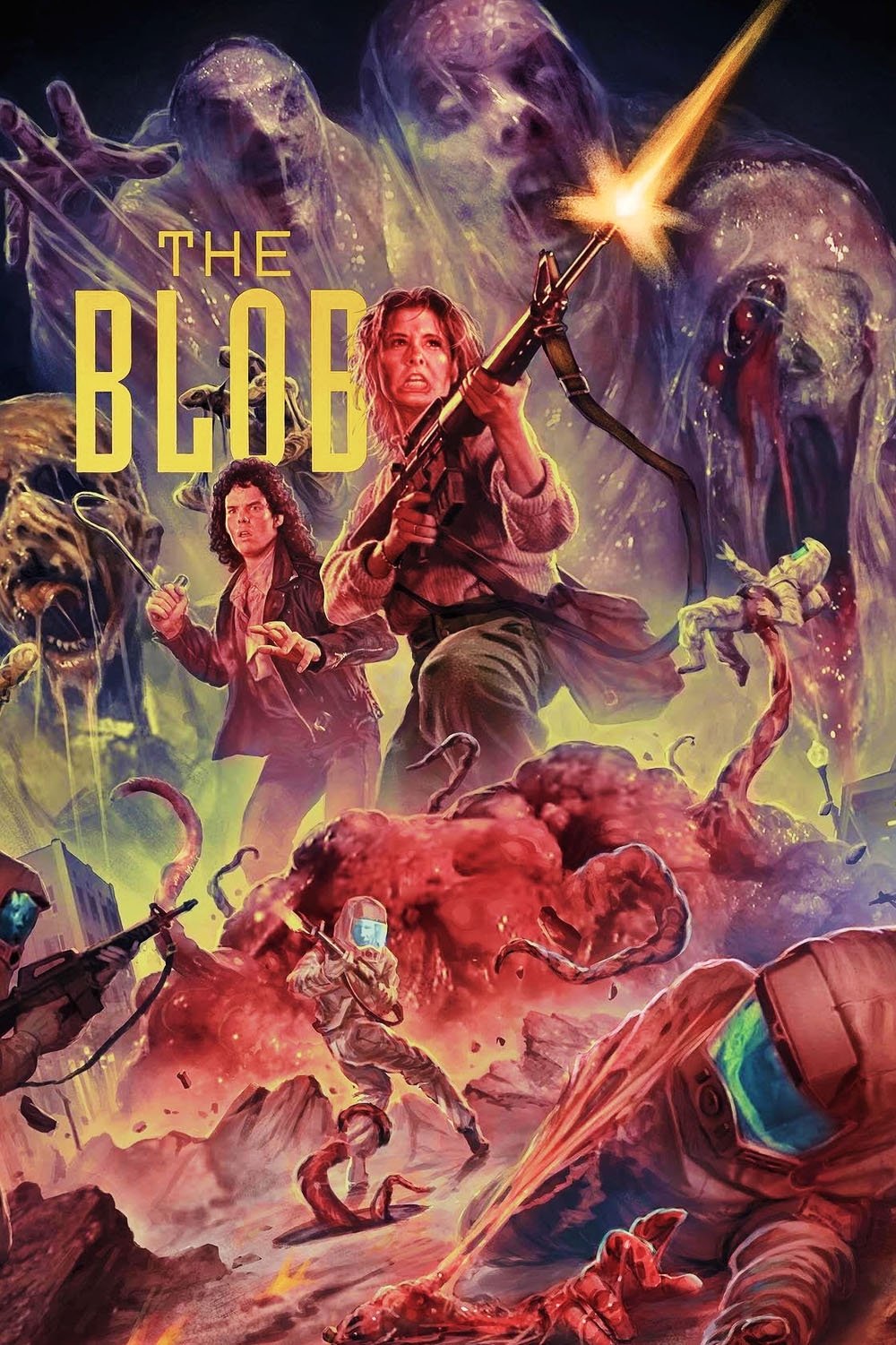
Director Chuck Russell reimagines the amorphous menace invading a small American town, with Kevin Dillon and Shawnee Smith leading a cross-section of residents. The script, co-written with Frank Darabont, introduces conspiratorial threads around the origin of the organism.
Practical effects showcase dissolving bodies, tentacle-like extensions, and miniature building destruction, coordinated with on-set gags and optical work. The production deploys sewer tunnels, a diner, and a movie theater as key battleground locations.
‘The Serpent and the Rainbow’ (1988)
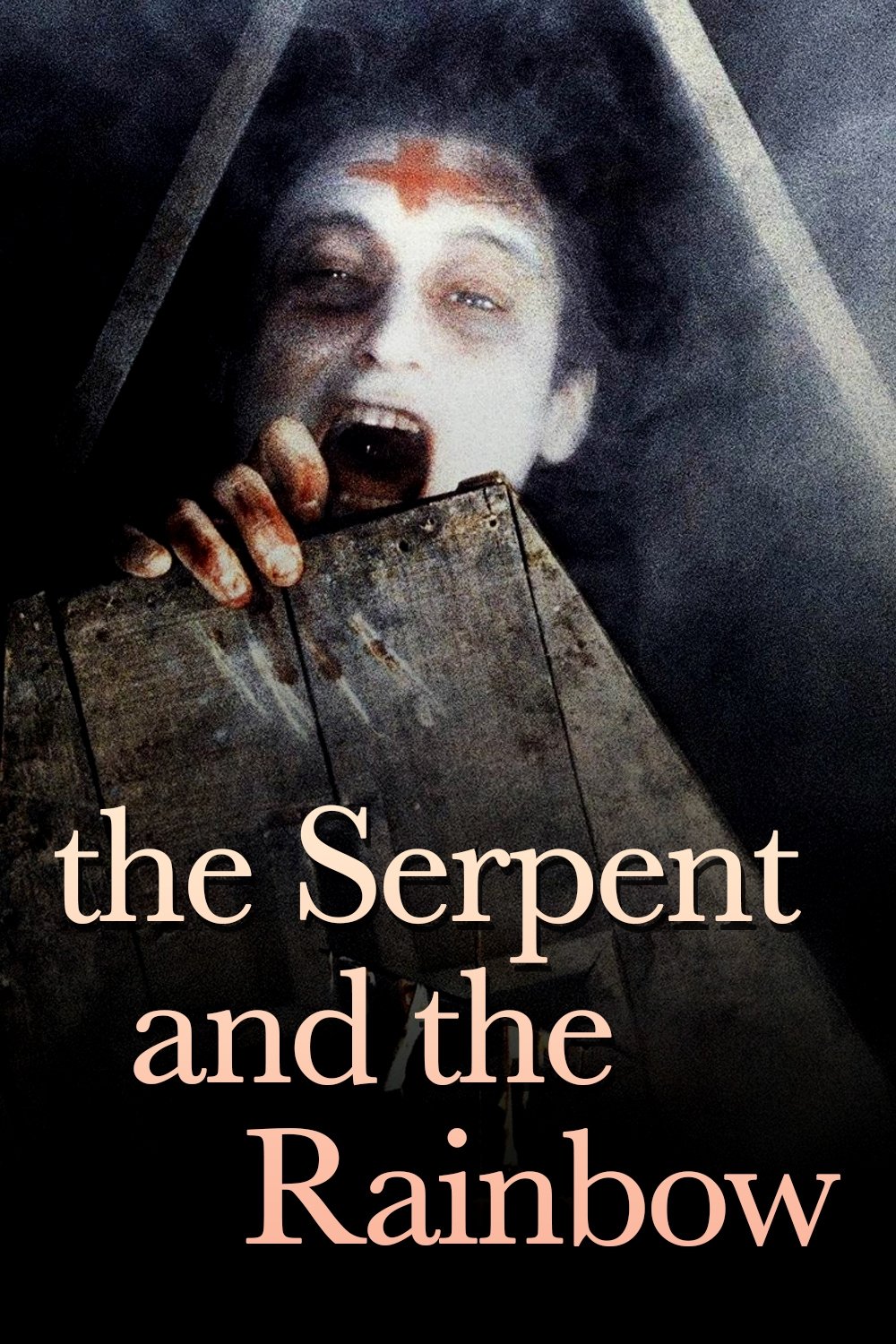
Wes Craven adapts Wade Davis’s nonfiction account of zombification practices, following an anthropologist investigating a powder linked to a living-death state. Bill Pullman stars alongside Cathy Tyson and Zakes Mokae, with significant location work in the Caribbean.
The film combines political tension and spiritual ritual, staging ceremonies, prison sequences, and dreamlike encounters. Makeup and practical illusions support set-pieces where psychological coercion and folklore intersect.
‘Possession’ (1981)
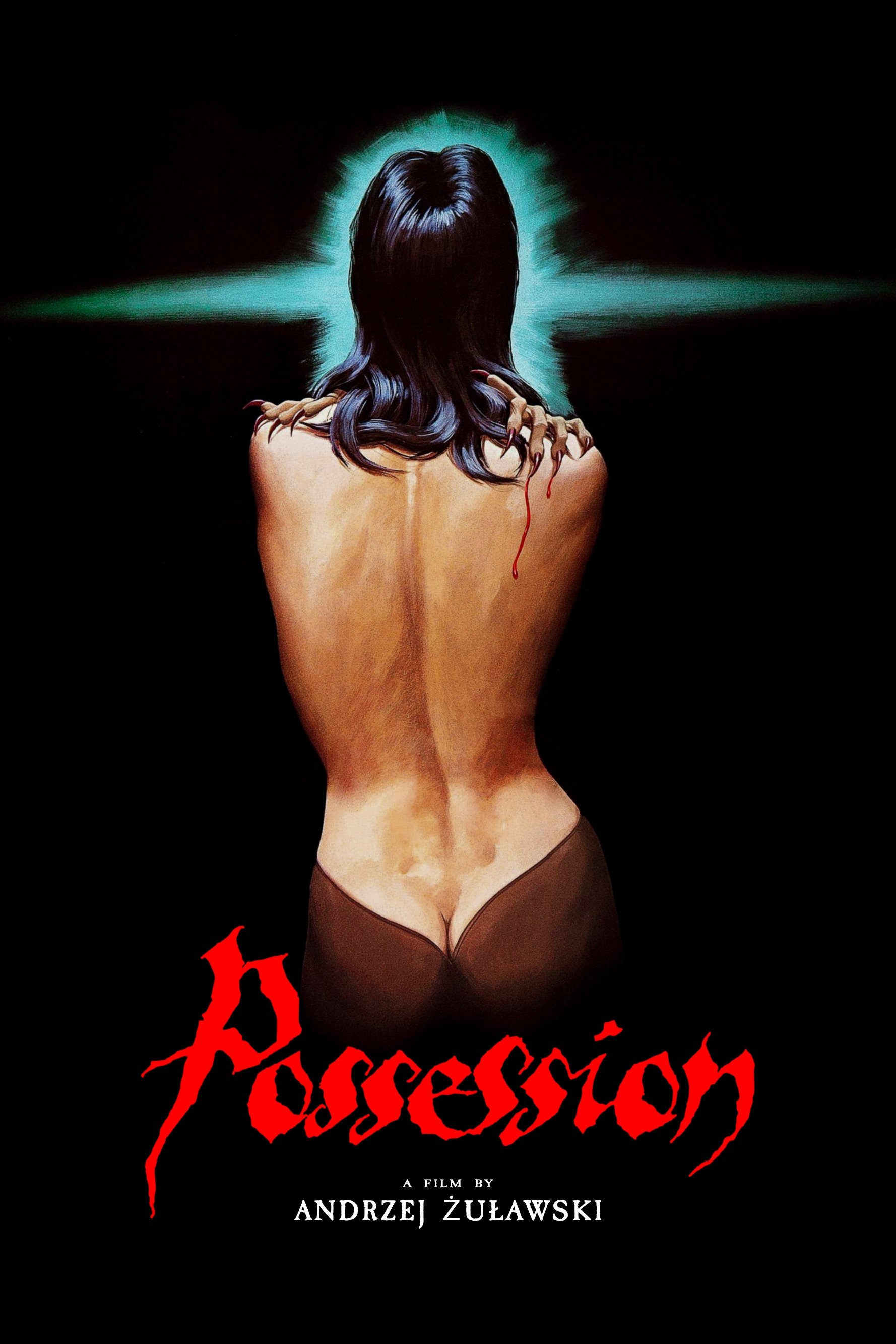
Andrzej Żuławski’s psychological-supernatural drama casts Isabelle Adjani and Sam Neill as a couple unraveling amid espionage, doubles, and a creature-assisted transformation. The story unfolds around divided-city apartments, underground spaces, and a brutalist landscape.
Effects by Carlo Rambaldi contribute an evolving organism realized with slime, tendrils, and animatronic elements. The film’s staging emphasizes extended takes, confrontational performances, and city locations that mirror the characters’ fractures.
‘The Stepfather’ (1987)
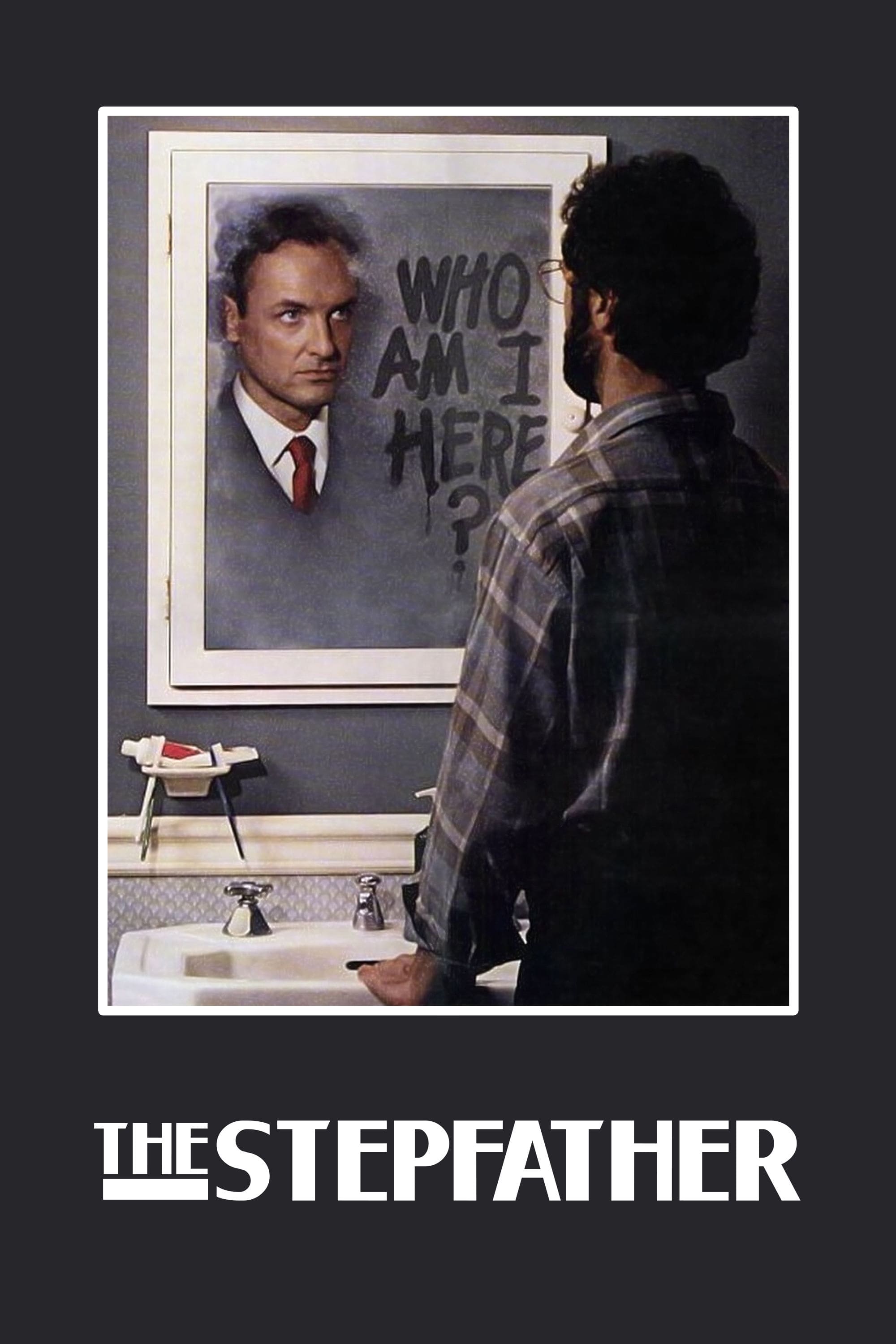
Joseph Ruben directs Terry O’Quinn as a man who repeatedly constructs new identities to fit an idealized domestic life, leaving violence in his wake. Jill Schoelen and Shelley Hack play the daughter and spouse who begin noticing inconsistencies.
The screenplay by Donald E. Westlake builds its tension on everyday routines and administrative paper trails. Suburban homes, school offices, and backyard gatherings serve as settings where the character’s façade is tested.
‘The Hitcher’ (1986)
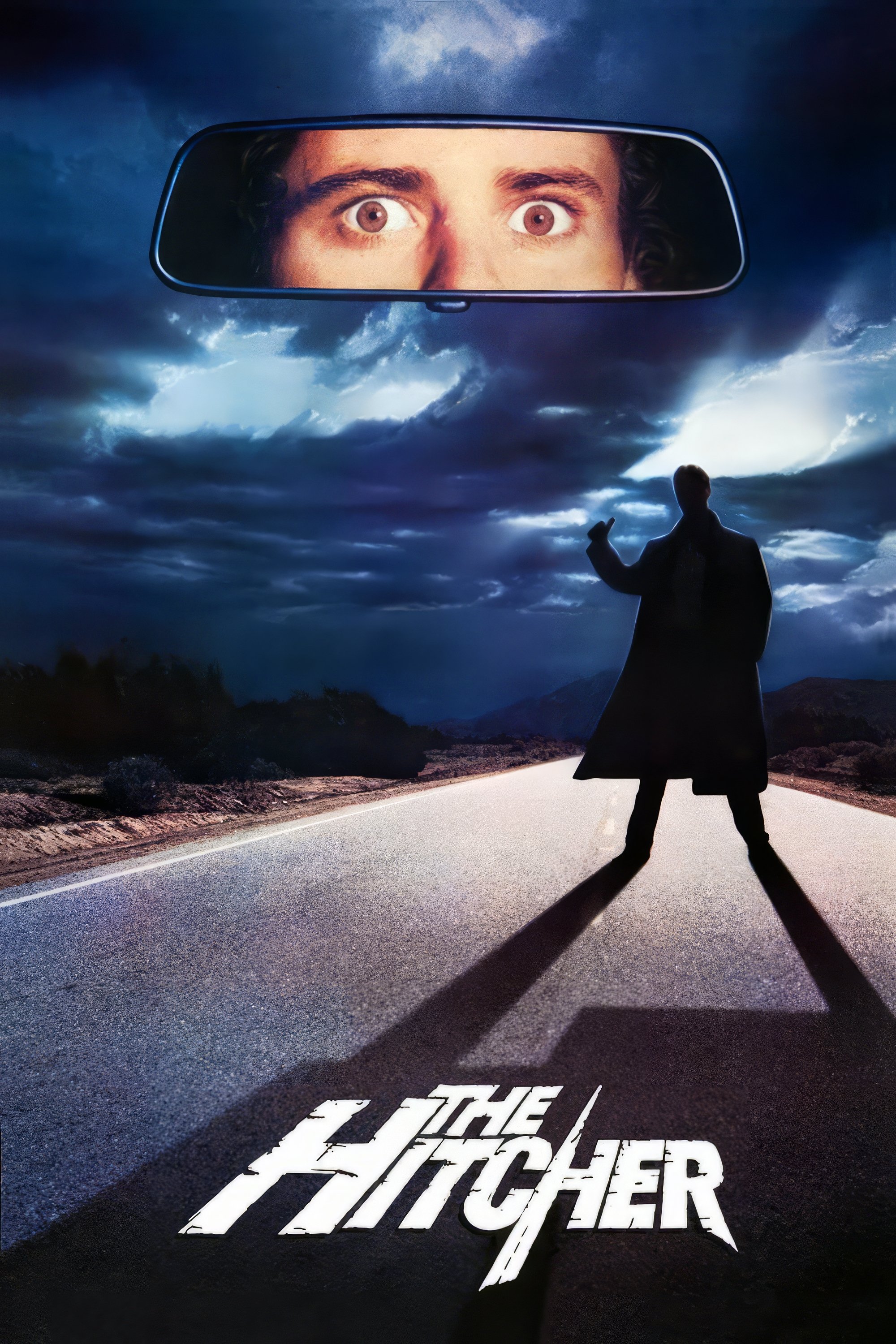
Robert Harmon’s desert-set thriller follows a young driver who picks up a stranger and becomes the target of relentless pursuit. Rutger Hauer, C. Thomas Howell, and Jennifer Jason Leigh lead the cast through police checkpoints, truck stops, and empty highways.
Stunt coordination emphasizes vehicular collisions and roadway set-pieces, while sparse dialogue centers the dynamic between hunter and prey. The screenplay by Eric Red structures escalating encounters that draw in local authorities and bystanders.
‘Prince of Darkness’ (1987)
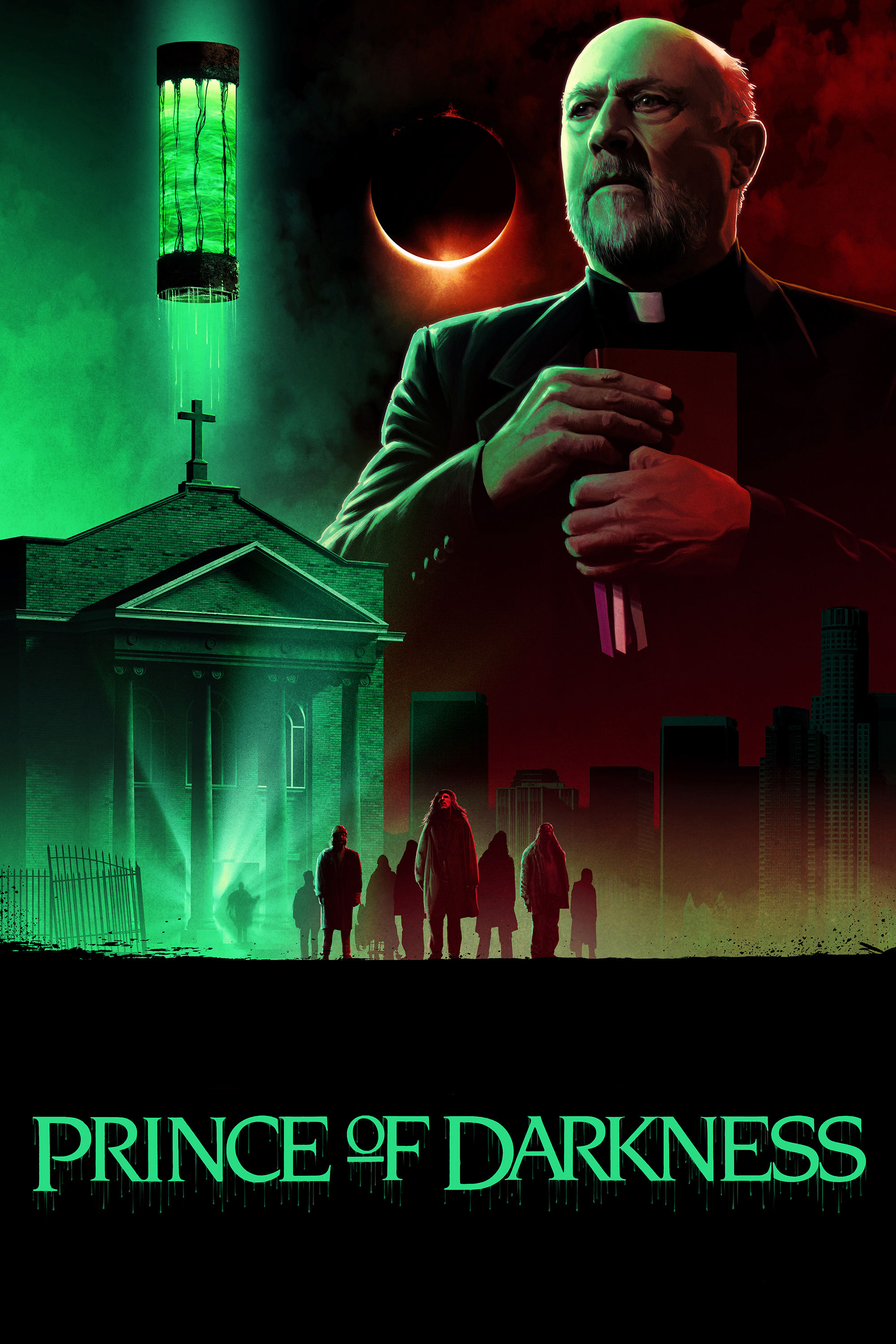
John Carpenter explores a scientific-theological experiment discovered by a priest and a team of graduate researchers inside a Los Angeles church. Donald Pleasence, Jameson Parker, and Victor Wong head the ensemble studying a mysterious cylinder in the basement.
The film integrates video monitoring, equations, and recurring dream broadcasts as narrative devices. Carpenter and Alan Howarth provide an electronic score, and the production uses real exteriors and constructed interiors to ground the cosmic premise.
‘The Changeling’ (1980)
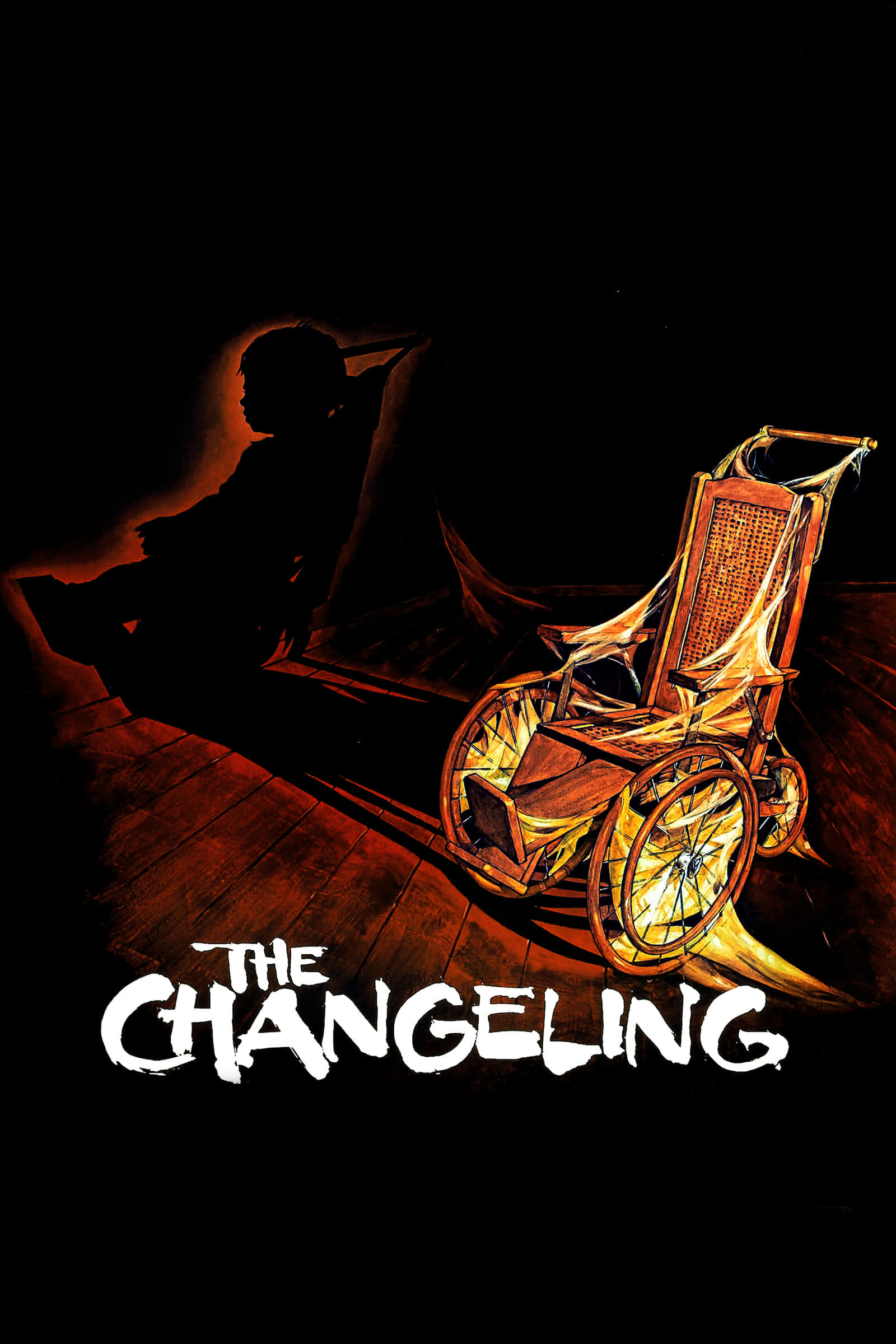
Peter Medak directs George C. Scott as a composer who relocates to a historic mansion after a family tragedy and encounters a haunting tied to the house’s past. Trish Van Devere co-stars, with the narrative anchored by séances, archival clues, and hidden architecture.
Canadian production resources supported elaborate interior sets, including a memorable staircase and attic spaces. The film’s investigative structure centers on land records, personal artifacts, and a long-buried family secret.
‘Demons’ (1985)

Lamberto Bava stages a contagion outbreak inside a movie theater where an audience becomes trapped during a special screening. The project is produced and co-written by Dario Argento, with Urbano Barberini and Natasha Hovey among the leads.
Sergio Stivaletti’s practical effects deliver claw sprouting, teeth elongation, and full-face transformations, accompanied by aggressive sound design. The soundtrack collects contemporary metal and rock tracks, while the theater’s architecture becomes a multi-level arena.
‘Tales from the Darkside’ (1984–1988)
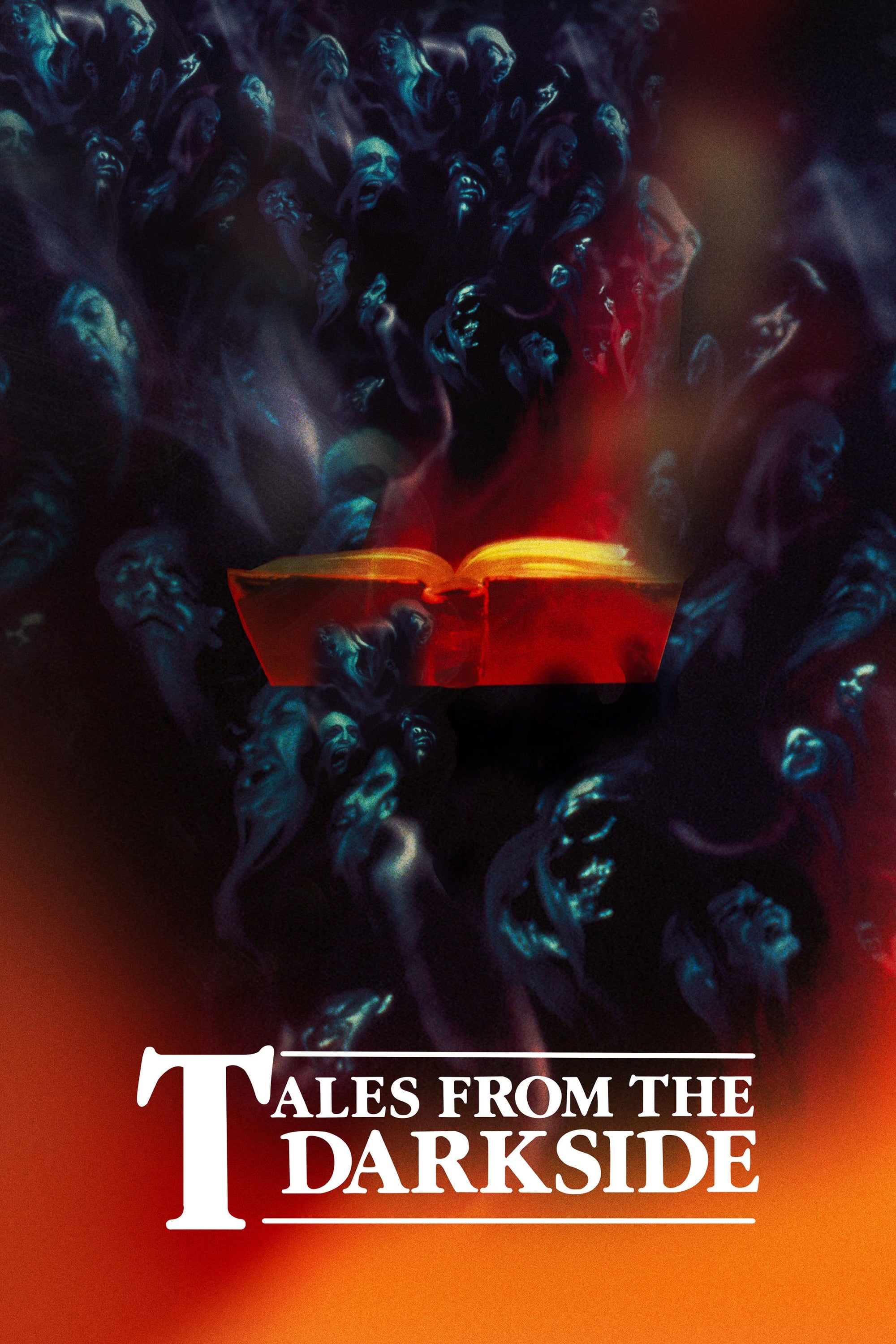
This anthology series, developed with the involvement of George A. Romero and produced by Laurel Entertainment, presents standalone stories across horror, fantasy, and dark satire. Episodes feature a rotating roster of writers and directors adapting original scripts and short fiction.
Syndication allowed for flexible broadcast slots and a wide variety of tones while retaining a recognizable intro and outro format. Guest casts include stage and film veterans, and the production uses compact sets and occasional location shoots to deliver twist-driven narratives.
Share your favorite overlooked eighties chiller in the comments and tell everyone which hidden terror deserves a fresh watch tonight.