Best Forgotten Movies from the 1980s (that Require an Immediate Rewatch)


The eighties delivered a flood of inventive filmmaking across every genre, and more than a few gems slipped through the cracks as trends and franchises took over. This list gathers feature films that didn’t always get the spotlight they deserved on release yet offer distinctive craft, memorable performances, and bold choices behind the camera.
You’ll find crime stories, science fiction outliers, moody thrillers, period adventures, and off-beat comedies—many from established directors working just left of their most famous hits, and many from filmmakers who built cult reputations on home video and later restorations. Each entry below notes who made it, who’s in it, where it came from, and how to track down the version that best represents the intended cut.
‘Cutter’s Way’ (1981)
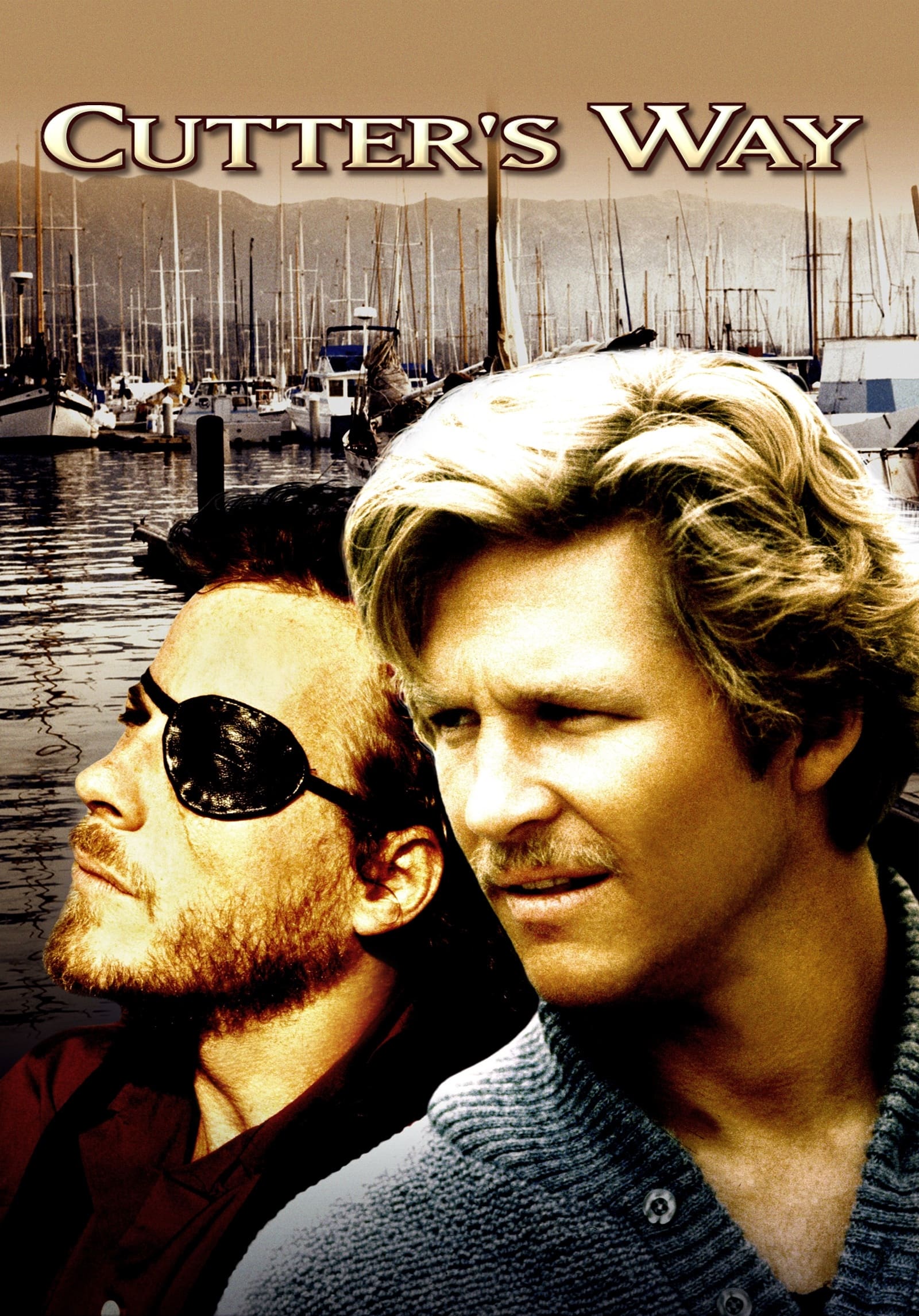
Directed by Ivan Passer and adapted from Newton Thornburg’s novel, ‘Cutter’s Way’ pairs Jeff Bridges with John Heard in a Santa Barbara–set mystery about a drifter and a disabled Vietnam veteran who fixate on a local tycoon after a body is found. The production shifted tone during editing, emphasizing character study alongside the procedural puzzle, with cinematographer Jordan Cronenweth shaping the film’s distinctive coastal-noir look.
United Artists handled the initial release with a revised title after a limited debut under ‘Cutter and Bone’. Home-video circulation through VHS and later DVD built the film’s audience, and boutique labels have issued high-definition restorations sourced from archival elements that preserve Cronenweth’s low-light photography.
‘Miracle Mile’ (1988)
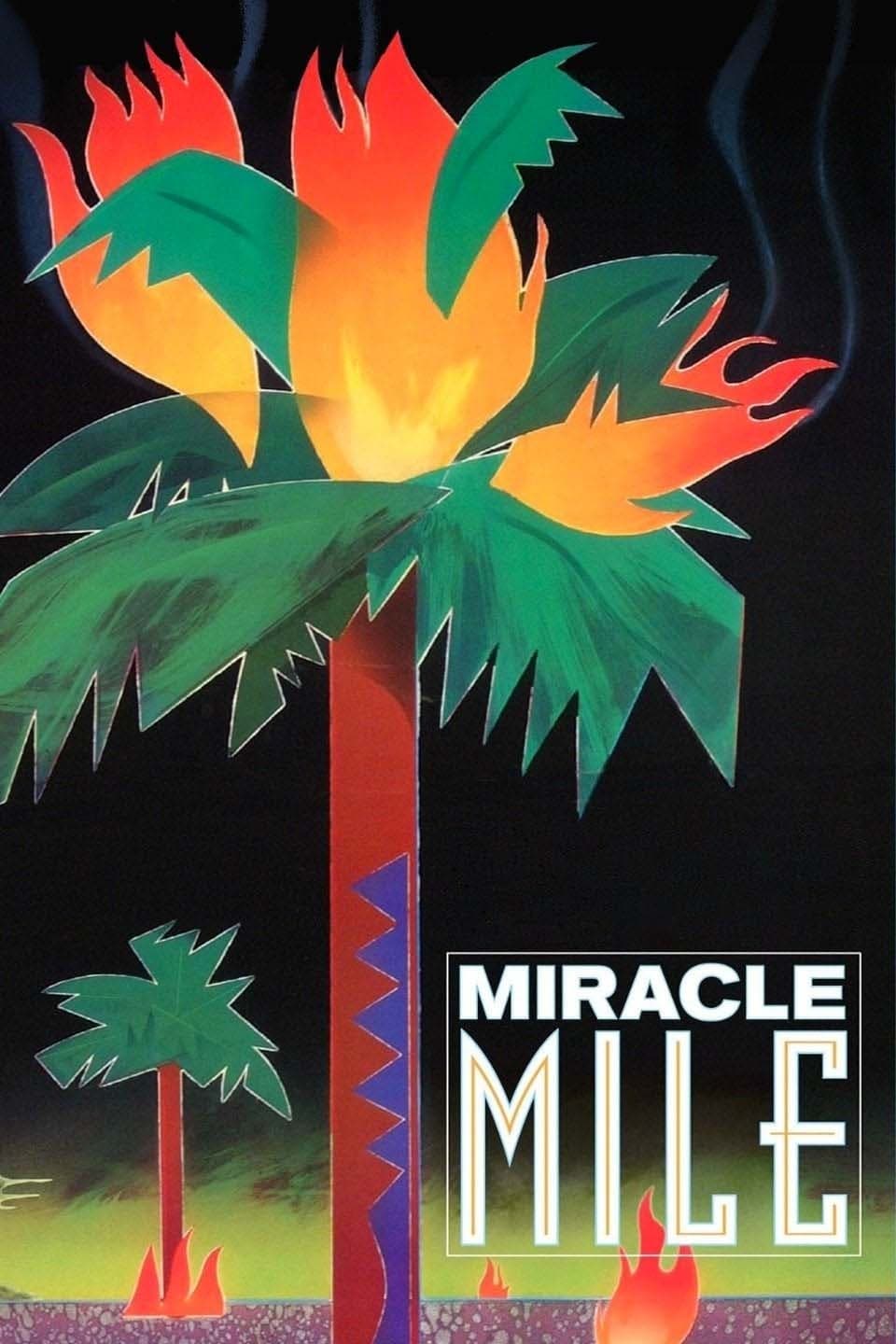
Written and directed by Steve De Jarnatt, ‘Miracle Mile’ follows a musician, played by Anthony Edwards, who answers a ringing payphone and hears a warning that sets off a frantic night across Los Angeles. The film’s real-time structure was carefully mapped to specific locations, with Tangerine Dream providing an electronic score that underlines the escalating stakes.
Financing arrived through Hemdale with additional support arranged to maintain the script’s down-to-the-wire finale. After a modest theatrical run, the film gained visibility on cable and home video; recent Blu-ray editions include director commentary, location tours, and isolated score options for enthusiasts of the soundtrack.
‘The Hidden’ (1987)
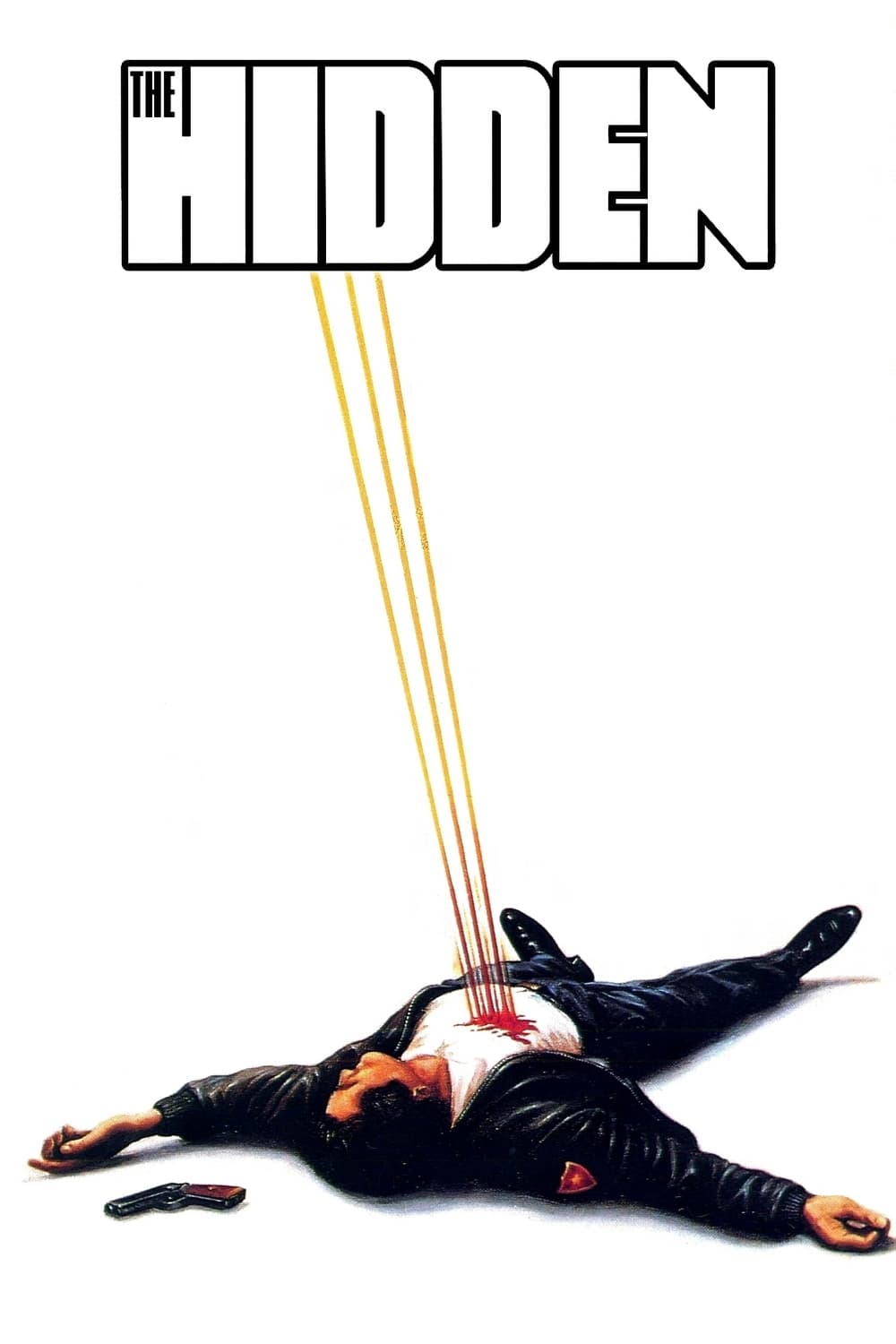
Jack Sholder directs ‘The Hidden’, a body-hopping crime thriller in which an alien parasite jumps between hosts, leaving an unusual trail for an LAPD detective and a federal agent to follow. Kyle MacLachlan and Michael Nouri lead a cast that blends police-procedural beats with science-fiction effects supervised by Kevin Yagher’s team.
New Line Cinema released the film in theaters and later supported a steady life on tape and cable. Special-edition discs compile deleted scenes and commentary that detail the stunt coordination, makeup-effects rigs, and the film’s Los Angeles shooting schedule across freeways, banks, and club interiors.
‘Near Dark’ (1987)
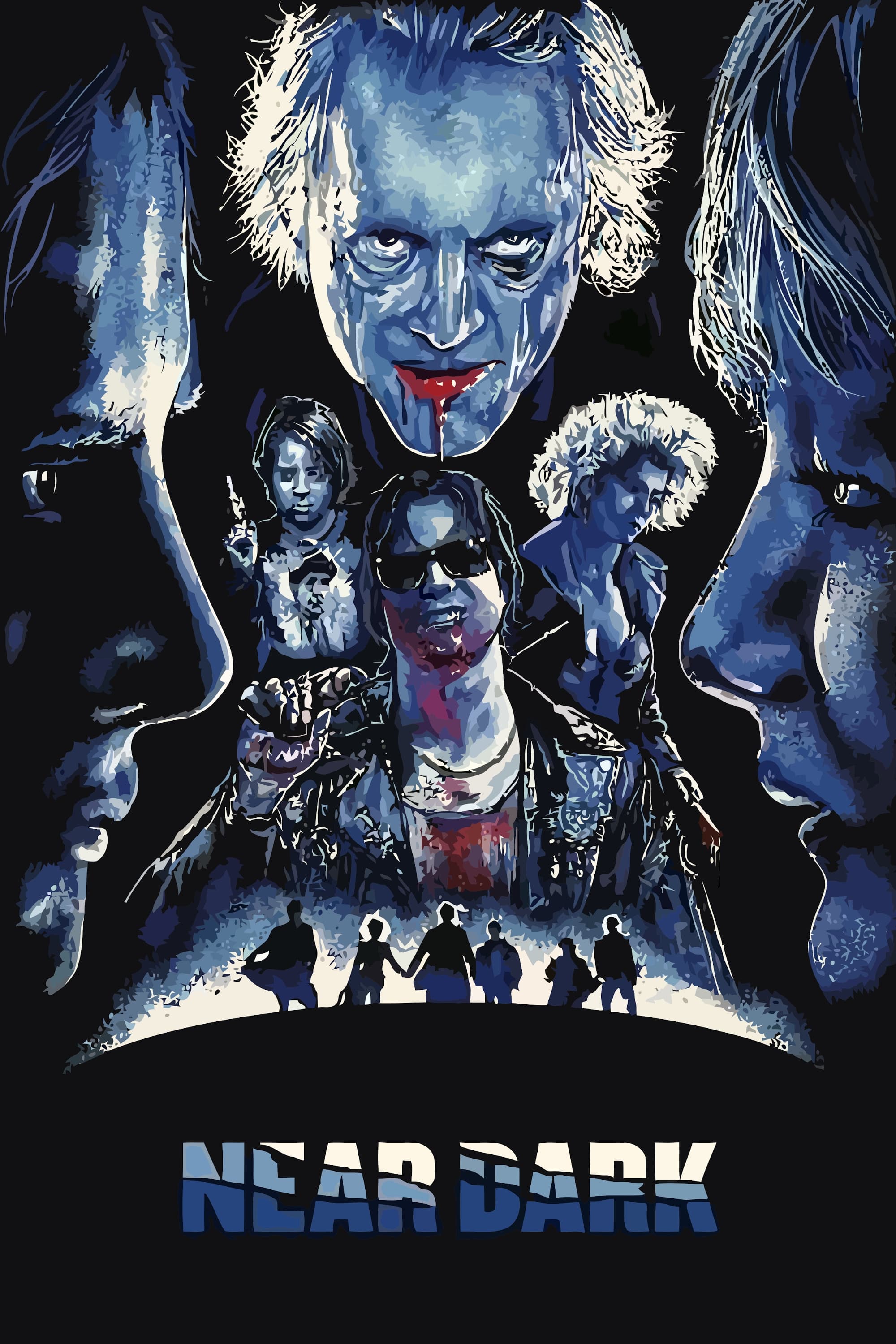
Co-written and directed by Kathryn Bigelow, ‘Near Dark’ fuses the western with vampire lore as a small-town young man is pulled into a roaming clan led by Lance Henriksen. The production reunited several ‘Aliens’ cast members, including Bill Paxton and Jenette Goldstein, with Adrian Pasdar and Jenny Wright among the principal ensemble.
De Laurentiis Entertainment Group distributed the film, which later faced title-confusion in home markets due to packaging trends around the era’s larger vampire hits. Remastered releases have addressed earlier transfer issues and include archival interviews that cover Bigelow’s genre-blending intentions, desert-night cinematography, and practical effects.
‘Runaway Train’ (1985)
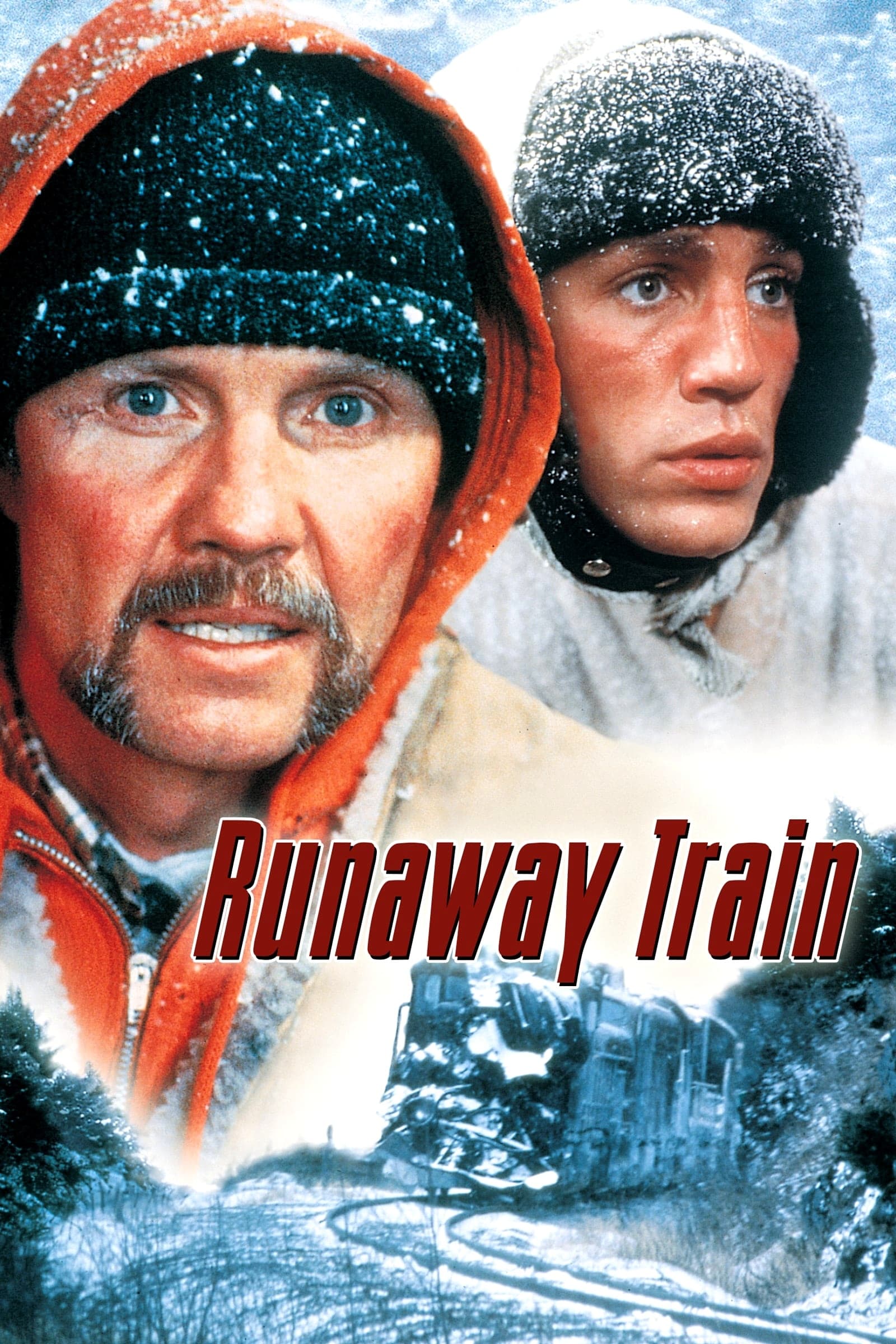
Based on a concept by Akira Kurosawa, ‘Runaway Train’ stars Jon Voight and Eric Roberts as escaped convicts trapped on an out-of-control locomotive barreling through Alaska. Andrei Konchalovsky directed, coordinating extensive second-unit work in harsh conditions and using large-format photography for exterior sequences.
Cannon Films financed and released the project, with critical attention highlighting the performers’ physical commitments and the film’s rail-system logistics. Disc editions include featurettes on stunt-rigging, locomotive sourcing from regional lines, and interviews with Konchalovsky about adapting Kurosawa’s scenario for an American production context.
‘Southern Comfort’ (1981)
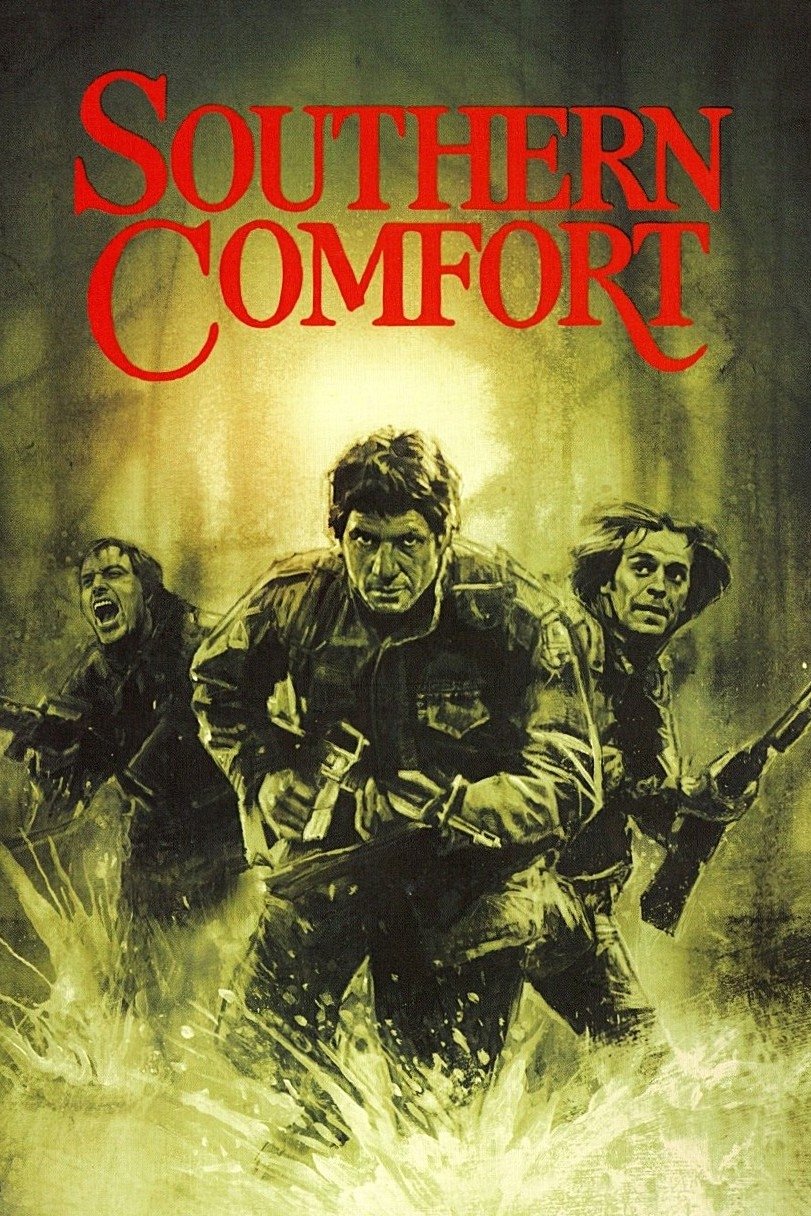
Walter Hill’s ‘Southern Comfort’ follows a National Guard weekend exercise that spirals after a tense encounter in Louisiana’s bayous. The cast includes Keith Carradine, Powers Boothe, and Fred Ward, with Ry Cooder providing a slide-guitar score that accents the swamp setting.
Principal photography relied on real wetlands and practical mud-boat work, which shaped the film’s schedule and sound-mix approach. Initially handled by 20th Century Fox in theaters, the film later circulated widely on cable; modern home-video releases restore Hill’s preferred color timing and add commentary on location challenges and production design.
‘Streets of Fire’ (1984)

Billed by director Walter Hill as a “rock & roll fable,” ‘Streets of Fire’ stars Michael Paré, Diane Lane, Rick Moranis, and Willem Dafoe in a neon-lit tale of a singer’s abduction and a mercenary’s rescue mission. The production built expansive backlot cityscapes to control weather and lighting for elaborate musical numbers.
Universal distributed the film, and its soundtrack—featuring songs produced by Jim Steinman—became a parallel calling card. Subsequent discs and restorations feature concert-style mixes, behind-the-scenes choreography breakdowns, and design galleries documenting the film’s custom vehicles, wardrobe, and set construction.
‘Enemy Mine’ (1985)
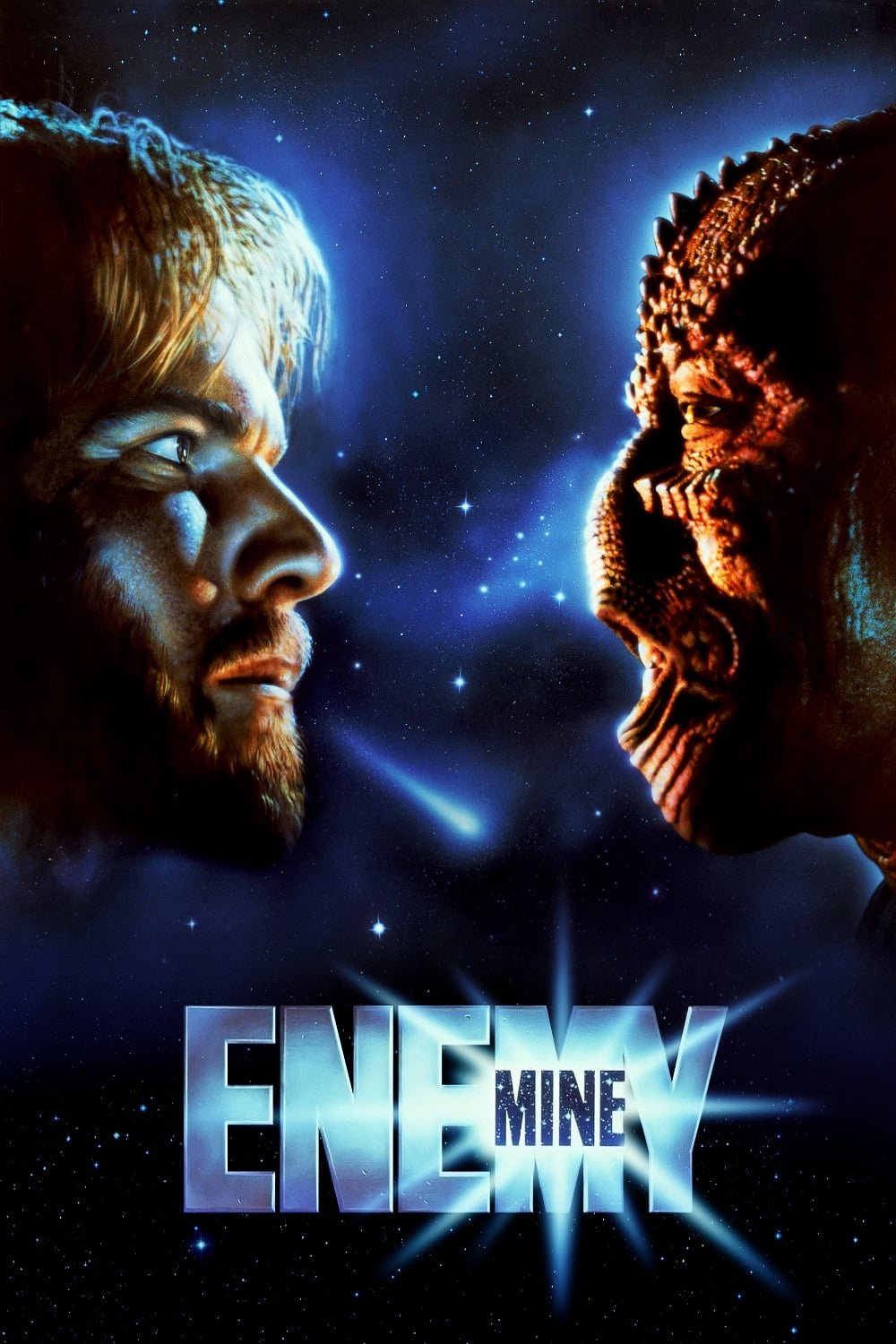
Directed by Wolfgang Petersen, ‘Enemy Mine’ adapts Barry B. Longyear’s novella about a human pilot and an alien soldier stranded on a hostile planet who must cooperate to survive. Dennis Quaid and Louis Gossett Jr. lead, with extensive prosthetics and language design supporting the alien culture depicted on screen.
The production shifted from location work to studio-based shoots with rebuilt sets, which required additional effects planning and creature-makeup continuity. Twentieth Century Fox released the film in theaters; later home-video editions include making-of pieces on the Drac language, animatronic facial systems, and miniature environment techniques.
‘The Stunt Man’ (1980)
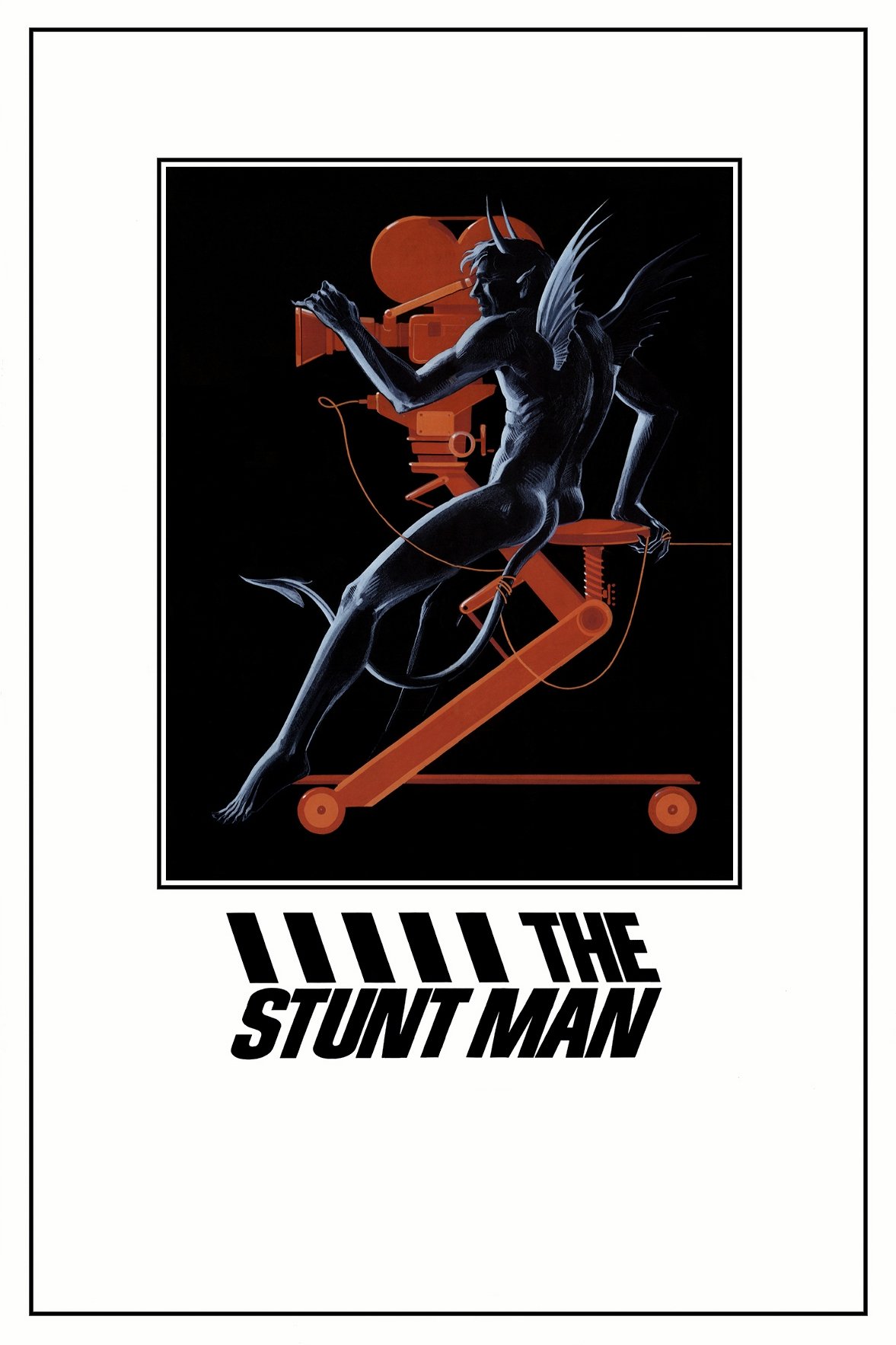
Richard Rush’s ‘The Stunt Man’ centers on a fugitive who hides within a movie production and becomes a double for a demanding director played by Peter O’Toole. The film explores on-set power dynamics through elaborate practical gags staged by veteran stunt coordinators across bridges, rooftops, and a seaside hotel.
Financing and distribution took a winding path that delayed a wide release, but the film’s reputation grew through festival play and repertory screenings. Collector’s editions feature Rush’s detailed commentary, production diaries, and breakdowns of camera mounts and safety rigs used to blend narrative and meta-filmmaking.
‘At Close Range’ (1986)
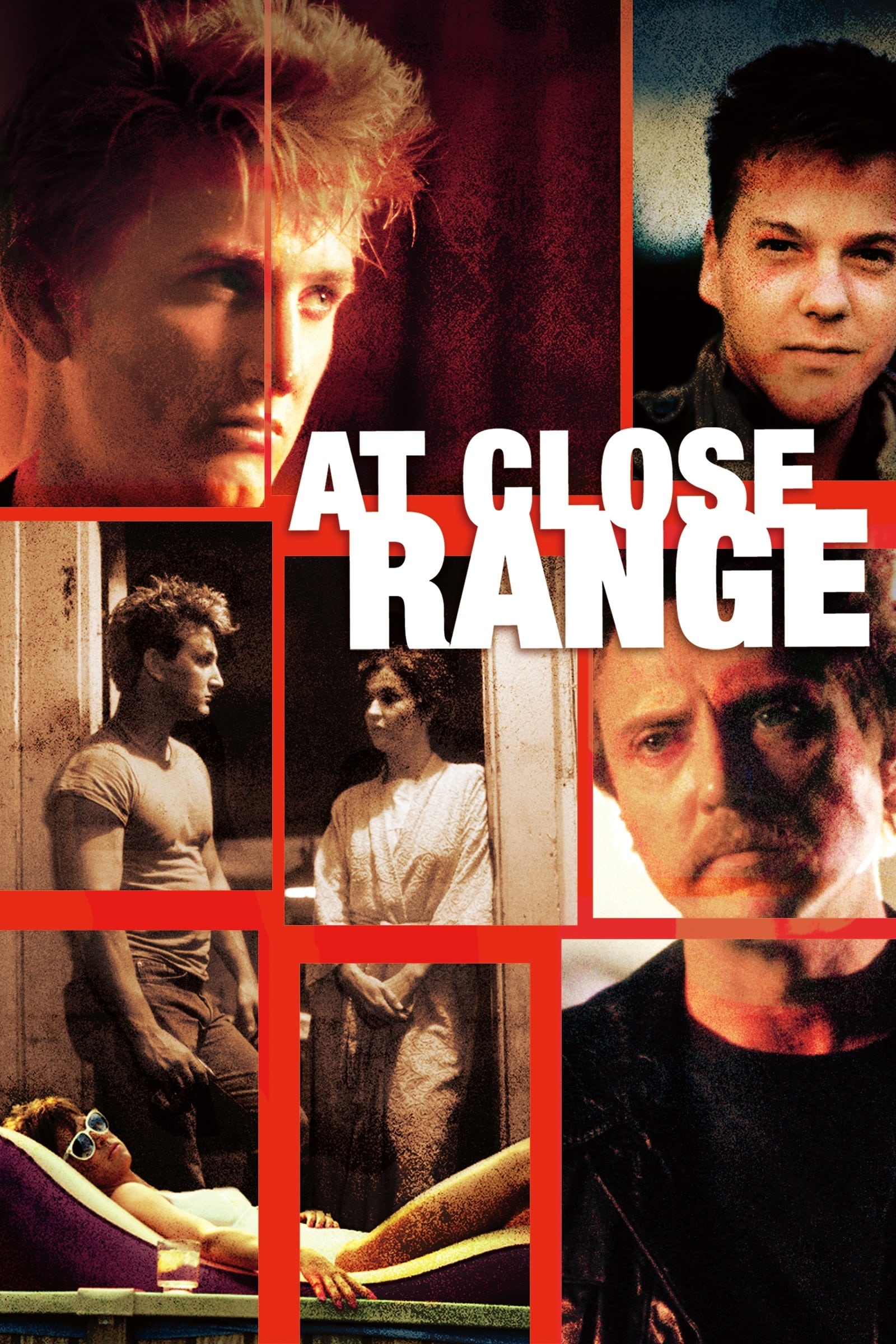
Directed by James Foley, ‘At Close Range’ dramatizes real criminal cases from rural Pennsylvania, focusing on a father-son crew headed by Christopher Walken with Sean Penn as the son drawn into the operation. The film emphasizes small-town social networks and law-enforcement pressure, with photography by Juan Ruiz Anchía.
Orion Pictures released the film, and the soundtrack includes a notable single by Madonna tied to the story’s themes. Home-video releases add interviews with Foley and crew on location scouting, casting choices that paired real-life siblings in key roles, and the editing strategies used to track the crew’s activities.
‘The Company of Wolves’ (1984)
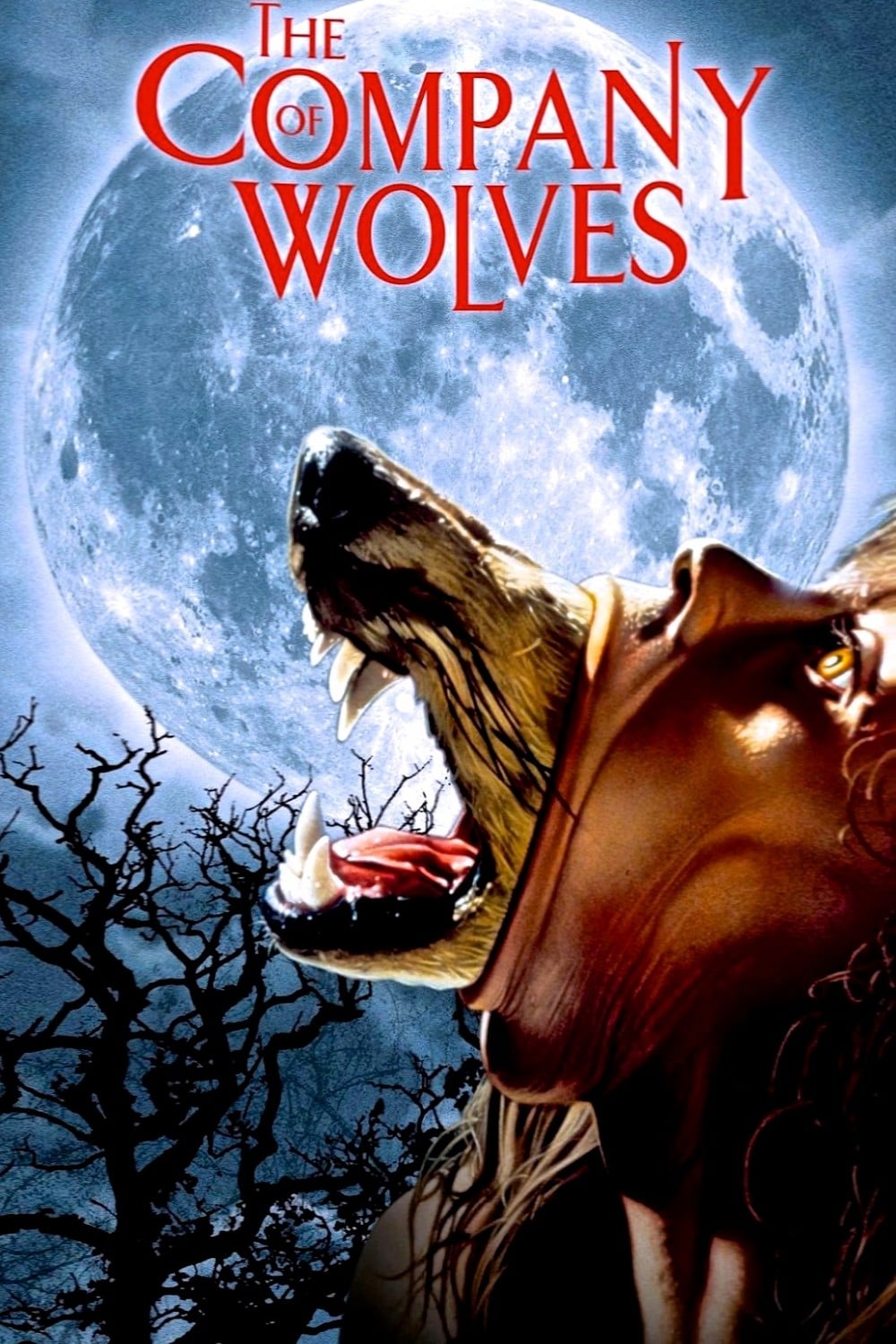
Neil Jordan directs ‘The Company of Wolves’, a fairy-tale horror adaptation of Angela Carter’s stories that reframes ‘Little Red Riding Hood’ through dream logic. The production leans on soundstage artistry: hand-built forests, animatronic transformations, and matte work designed to evoke storybook illustrations.
Palace Pictures and ITC handled distribution in different territories, and the film’s design work has been documented in art books and featurettes. High-definition releases assemble effects reels, creature-shop interviews, and Jordan’s commentary on adapting Carter’s prose and translating metaphor into prosthetic-driven sequences.
‘Angel Heart’ (1987)
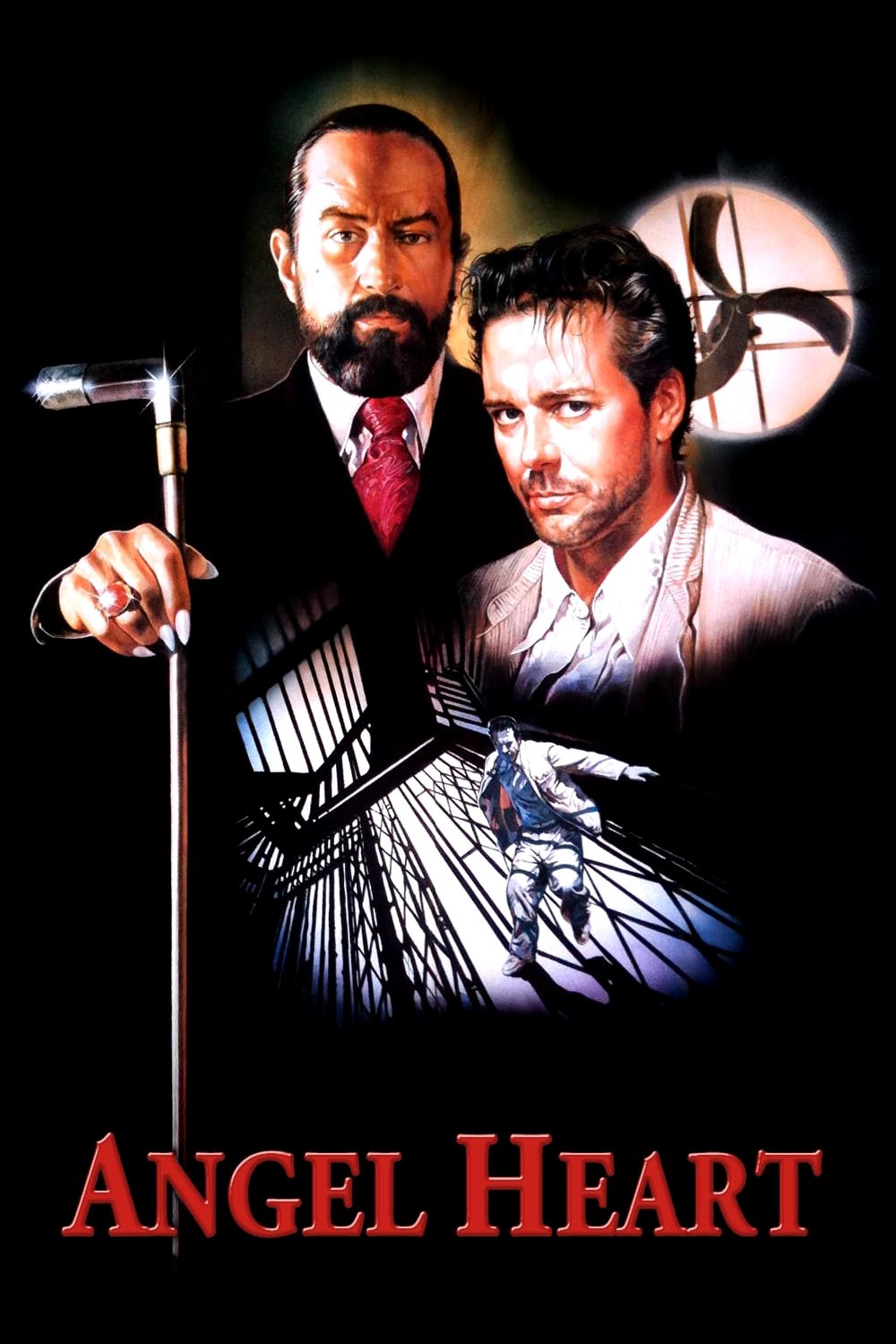
Alan Parker’s ‘Angel Heart’ adapts William Hjortsberg’s novel, tracking a private investigator hired for a missing-person case that leads from New York to New Orleans. Mickey Rourke, Robert De Niro, and Lisa Bonet headline, with Michael Seresin’s cinematography emphasizing period detail and voodoo-inflected locations.
TriStar released the film after a noted ratings negotiation over content, leading to multiple cuts for different markets. Restored editions on disc present Parker’s preferred version, along with production design galleries, composer Trevor Jones’s score isolated, and interviews covering location permits and set-decoration research.
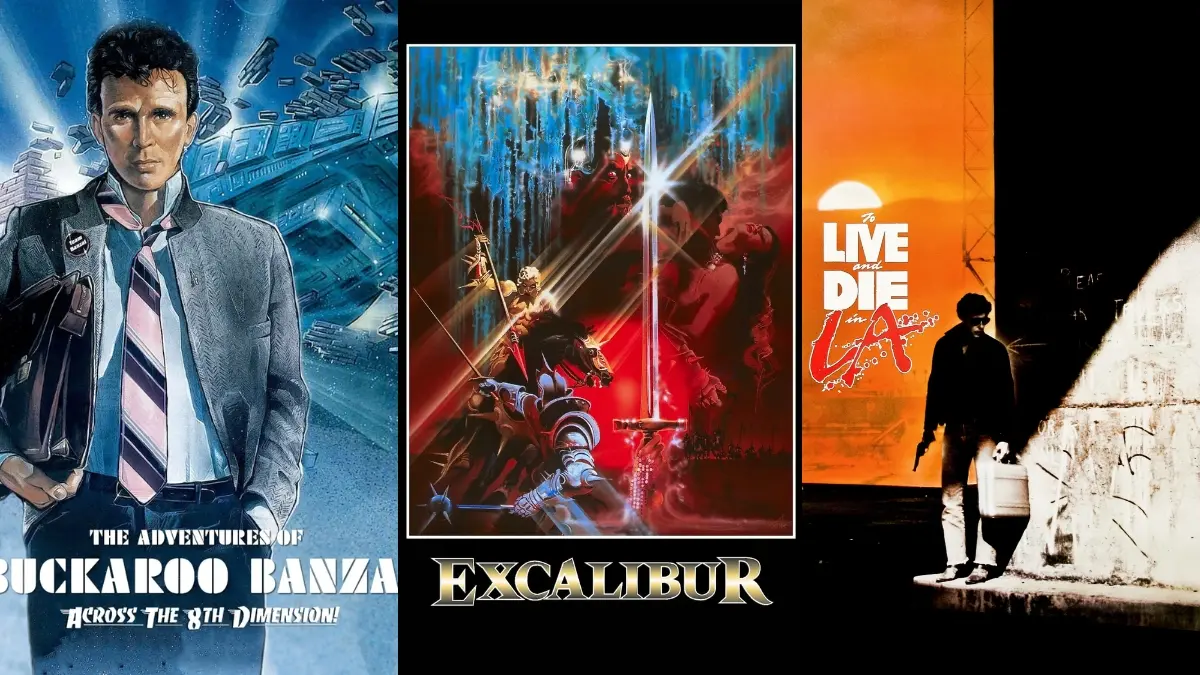
‘Excalibur’ (1981)
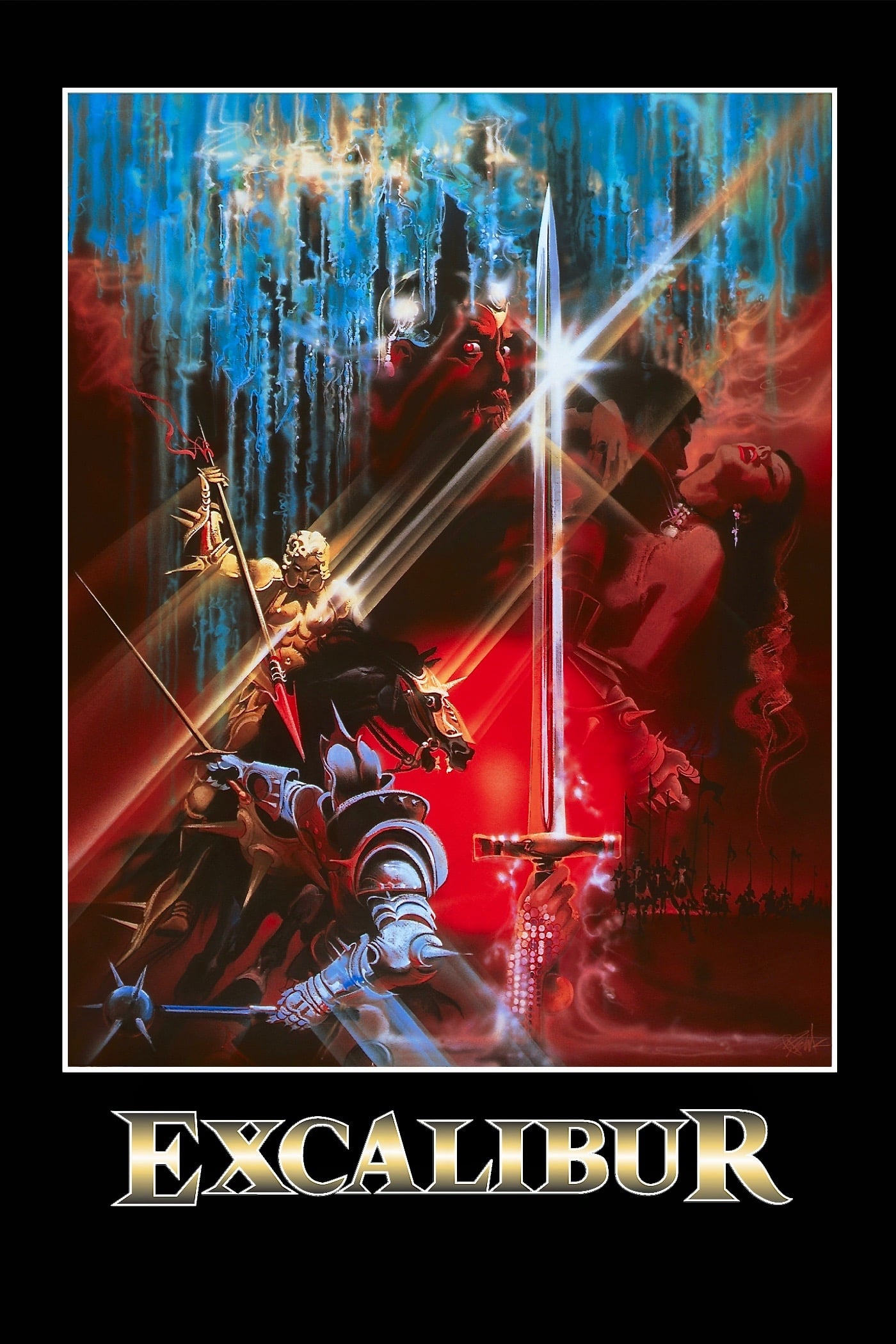
John Boorman’s ‘Excalibur’ presents a full sweep of Arthurian legend, with Nigel Terry, Helen Mirren, and Nicol Williamson among a large ensemble. Filmed primarily in Ireland, the production used reflective armor and practical fog effects to shape its luminous visual palette.
Warner Bros. distributed the film, which has since been a fixture of fantasy retrospectives and film-school discussions about color filtration. Blu-ray and UHD releases source new scans from the original camera negative where available, adding featurettes on armory fabrication, location scouting across castles and forests, and Boorman’s storyboards.
‘Thief’ (1981)
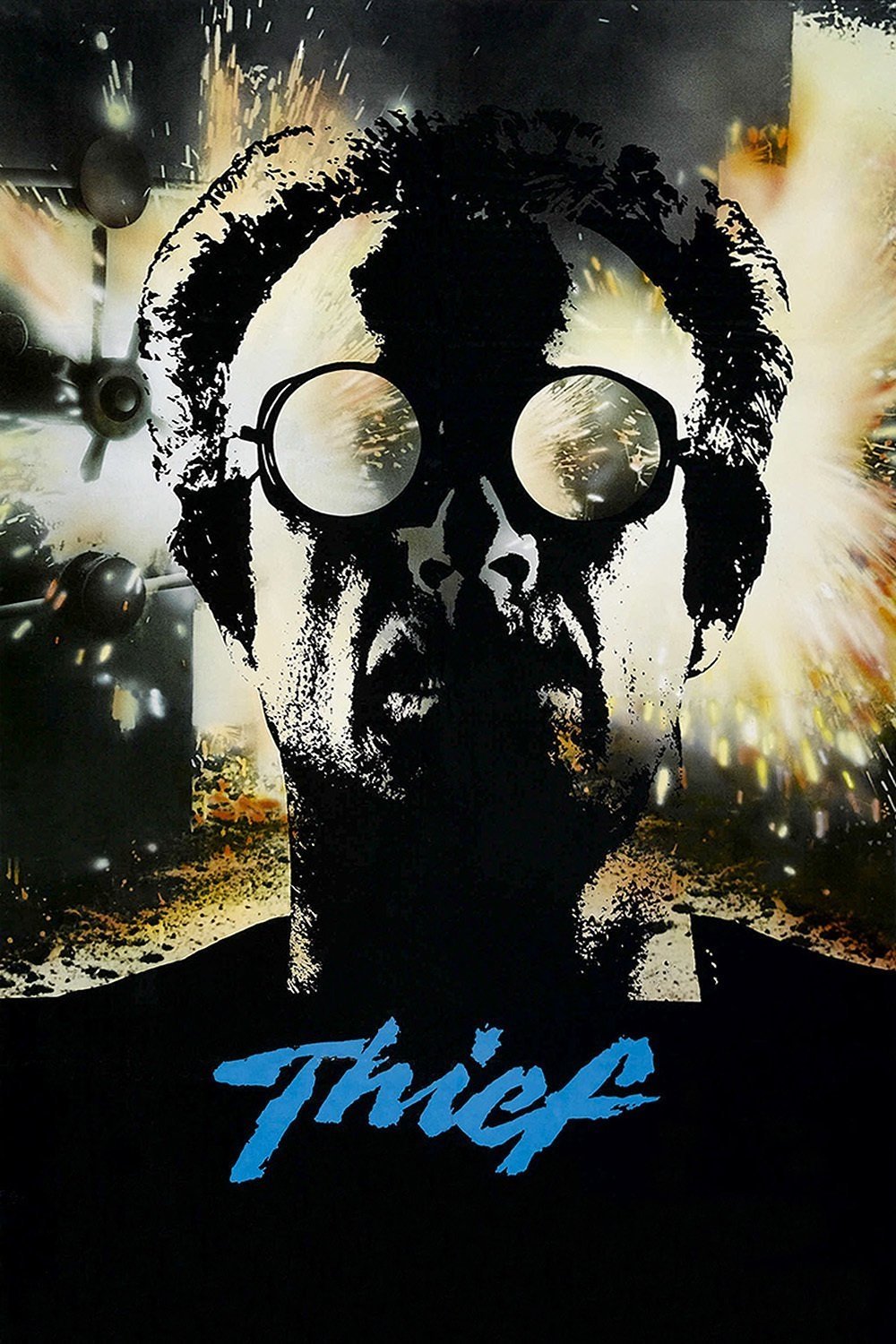
Michael Mann’s ‘Thief’ stars James Caan as a professional safecracker balancing high-end heists with the possibility of a conventional life. The film features technical consultation from real-world specialists on lock-picking, thermal lances, and alarm-bypass methods, which informed both props and performance.
United Artists backed the release, and Tangerine Dream’s score introduced sonic textures Mann would revisit. Home releases commonly include Mann’s commentary, scene-specific notes on nocturnal lighting, and archival materials about the custom-built tools used in the centerpiece jewel-safe sequence.
‘The Adventures of Buckaroo Banzai Across the 8th Dimension’ (1984)

Written by Earl Mac Rauch and directed by W. D. Richter, ‘The Adventures of Buckaroo Banzai Across the 8th Dimension’ follows a polymath hero—neurosurgeon, rock musician, and adventurer—played by Peter Weller, against extradimensional adversaries. The ensemble includes John Lithgow, Ellen Barkin, Jeff Goldblum, and Clancy Brown.
20th Century Fox released the film, which quickly spawned tie-in materials such as a novelization and faux merchandising within the film’s universe. Special-edition discs preserve commentary, prop galleries, and the end-credits promise for a sequel that never materialized, along with featurettes on costume design and the Jet Car build.
‘The Mosquito Coast’ (1986)
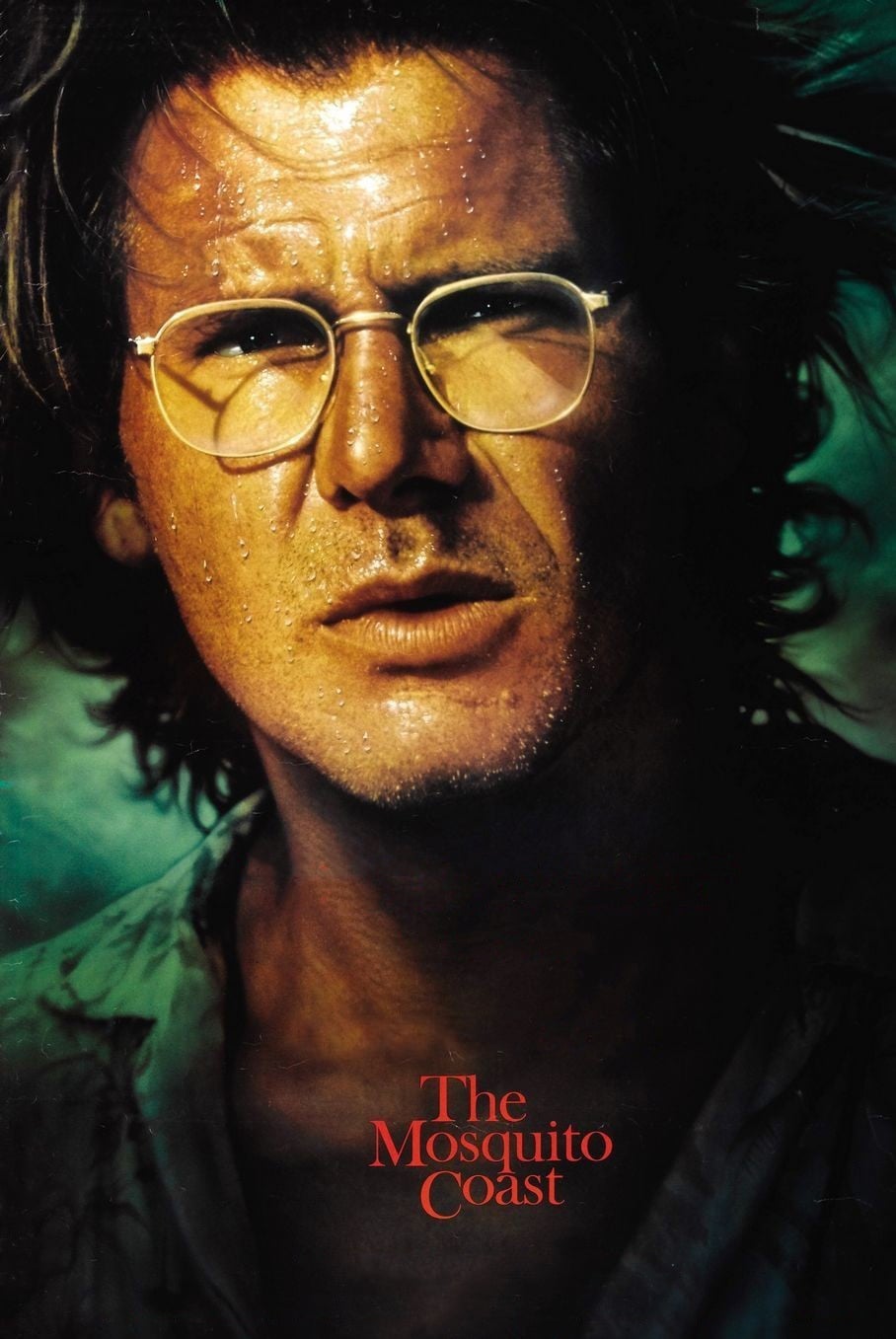
Directed by Peter Weir and adapted from Paul Theroux’s novel, ‘The Mosquito Coast’ stars Harrison Ford as an inventor who relocates his family to Central America to pursue a self-sufficient life. The production shot across multiple countries, coordinating river transport, jungle locations, and extensive weather planning.
Warner Bros. distributed the film, pairing Ford with a cast that includes Helen Mirren and River Phoenix. Disc releases feature interviews with Weir and Theroux on adaptation choices, along with location breakdowns and behind-the-scenes footage documenting the construction of the ice-machine set pieces.
‘Something Wild’ (1986)
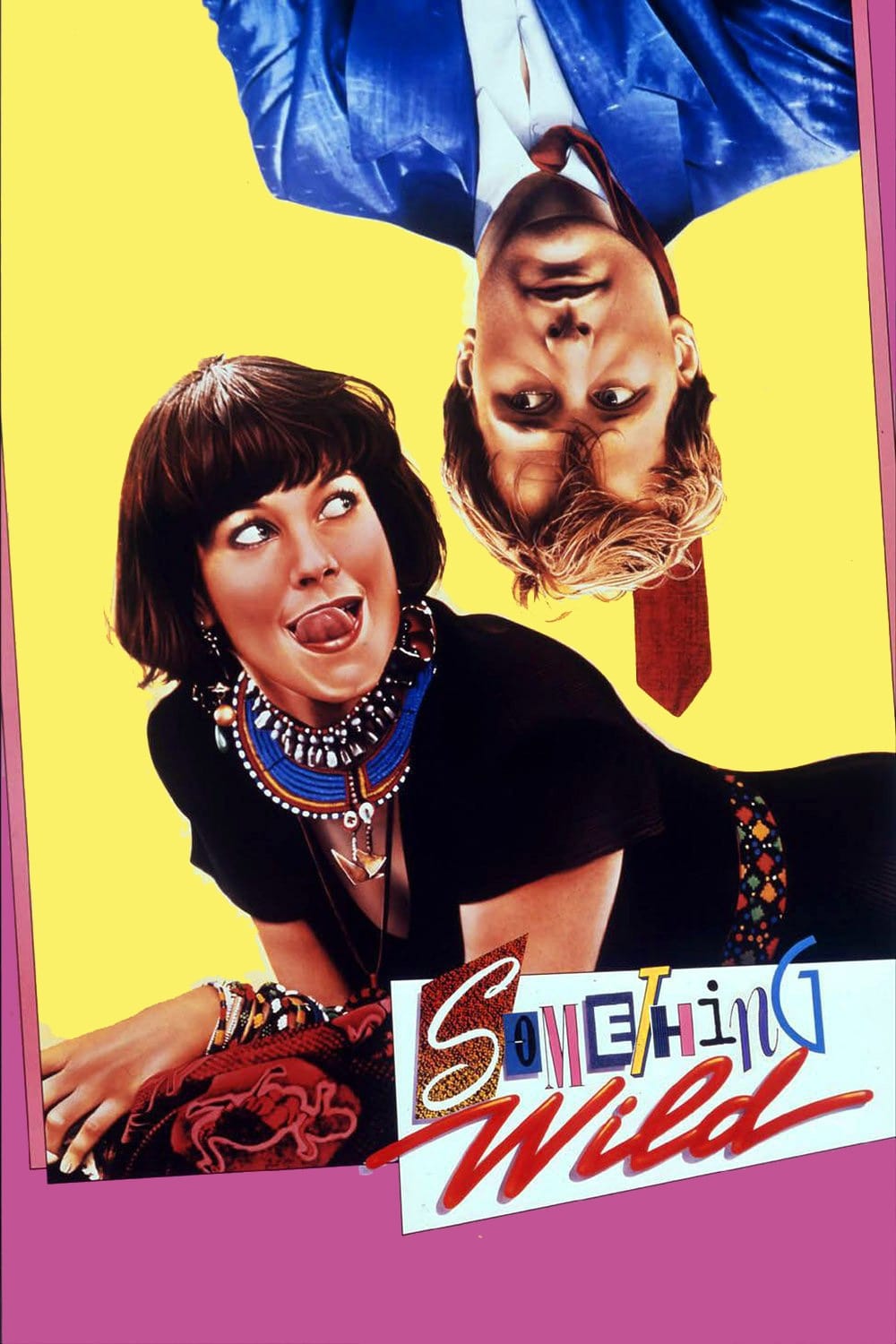
Jonathan Demme’s ‘Something Wild’ begins as a chance encounter between a buttoned-down executive and a free-spirited stranger, then pivots into a tense reunion with an ex. The principal cast features Jeff Daniels, Melanie Griffith, and Ray Liotta, with a soundtrack that spotlights a range of contemporary and international artists.
Orion Pictures handled the release, and the production is frequently cited for Demme’s collaboration with New York–area crews and musicians. Restored editions include commentary and featurettes on costume design, music supervision, and the logistics of shooting in active city environments and small-town parades.
‘Eight Men Out’ (1988)
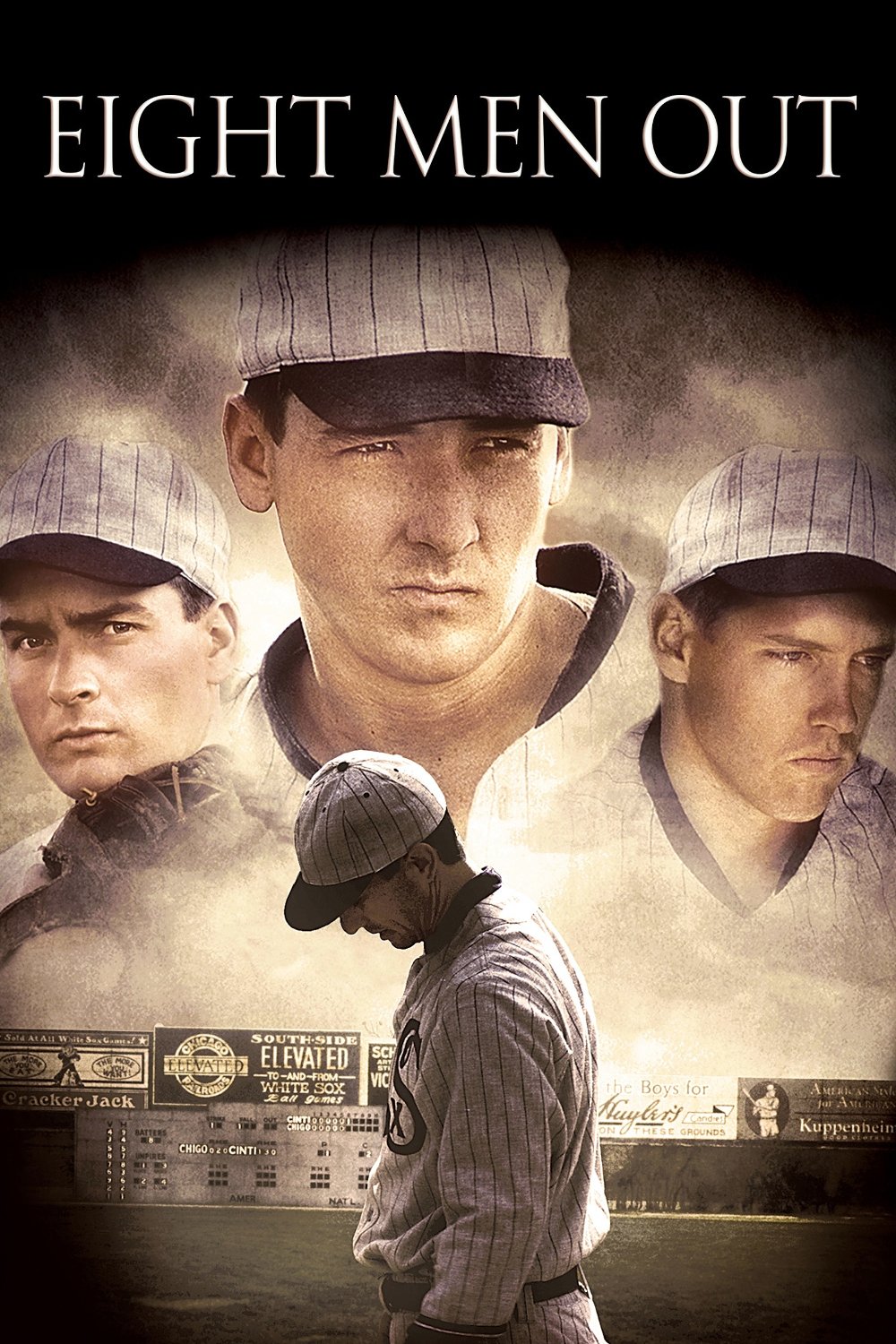
Written and directed by John Sayles, ‘Eight Men Out’ dramatizes the Black Sox scandal surrounding the Chicago White Sox. The ensemble cast includes John Cusack, D. B. Sweeney, and David Strathairn, with production design recreating early ballparks and period uniforms in detail.
Orion Pictures released the film and coordinated with baseball organizations for access to stadiums and historical materials. Disc extras commonly feature commentary by Sayles, interviews with sports historians, and cinematography notes on lighting day-for-night sequences to match archival photographs.
‘Ladyhawke’ (1985)
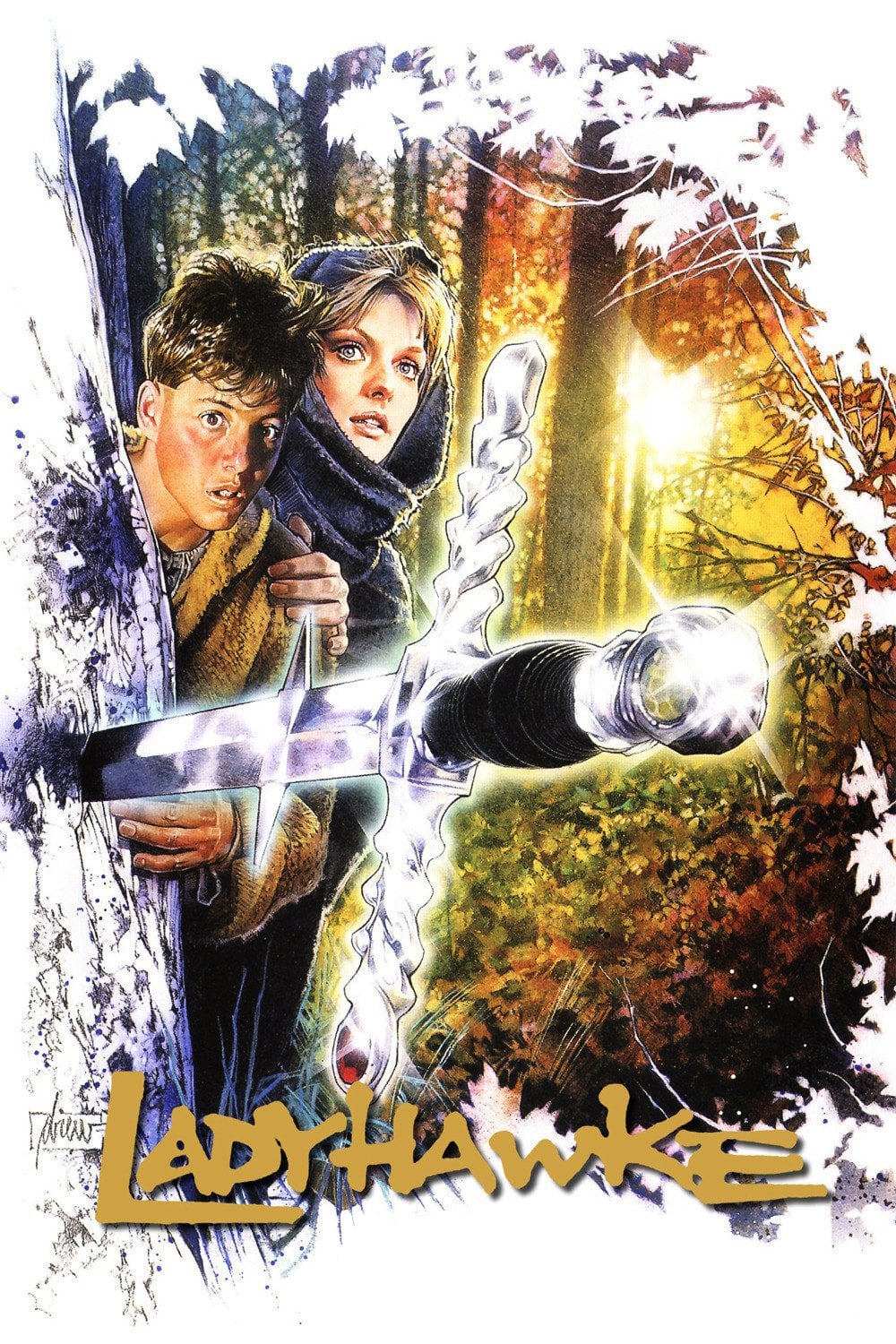
Richard Donner’s ‘Ladyhawke’ blends medieval adventure with a romantic curse that separates two lovers into hawk and wolf by day and night. Rutger Hauer, Michelle Pfeiffer, and Matthew Broderick lead, with Italian locations doubling for the story’s principal setting.
The production combined real animal handling with optical effects by industry veterans, while Andrew Powell’s music—produced with members of The Alan Parsons Project—gave the film a distinctive sound. Warner Bros. released it theatrically; later discs offer featurettes on costume fabrication, sword choreography, and location access to castles and hill towns.
‘Dead & Buried’ (1981)
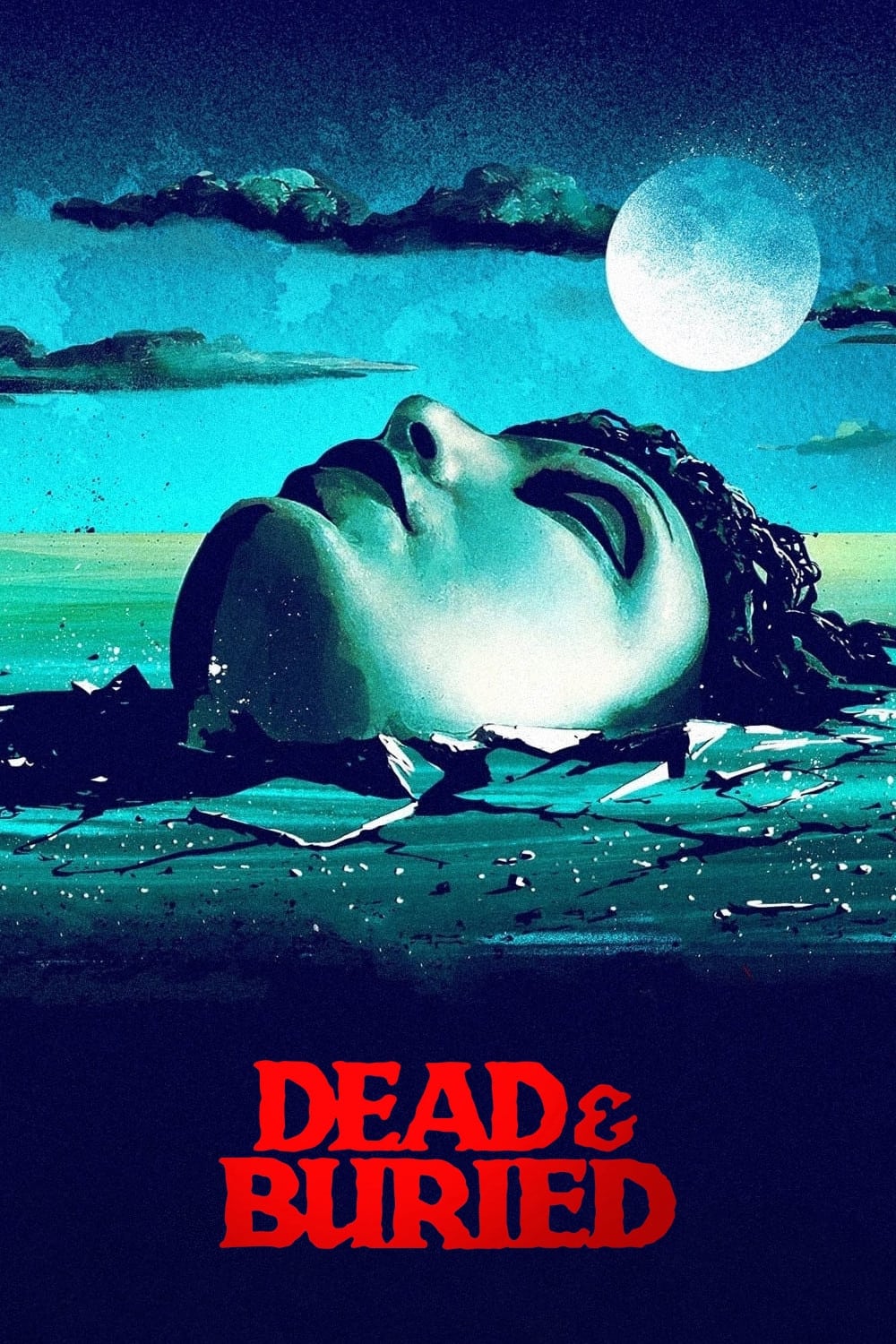
Directed by Gary Sherman and written in part by Dan O’Bannon and Ronald Shusett, ‘Dead & Buried’ is a seaside horror mystery involving a mortician and a series of unusual resurrections. The effects team, including Stan Winston, contributed elaborate makeup gags that defined several set pieces.
Avco Embassy handled distribution, and the film’s editing history is covered in commentary tracks and special-edition essays. Restored Blu-ray and UHD releases assemble alternate cuts, stills from censored scenes, and interviews with cast and crew about coastal shoots and practical lighting in fog-heavy conditions.
‘The Quiet Earth’ (1985)
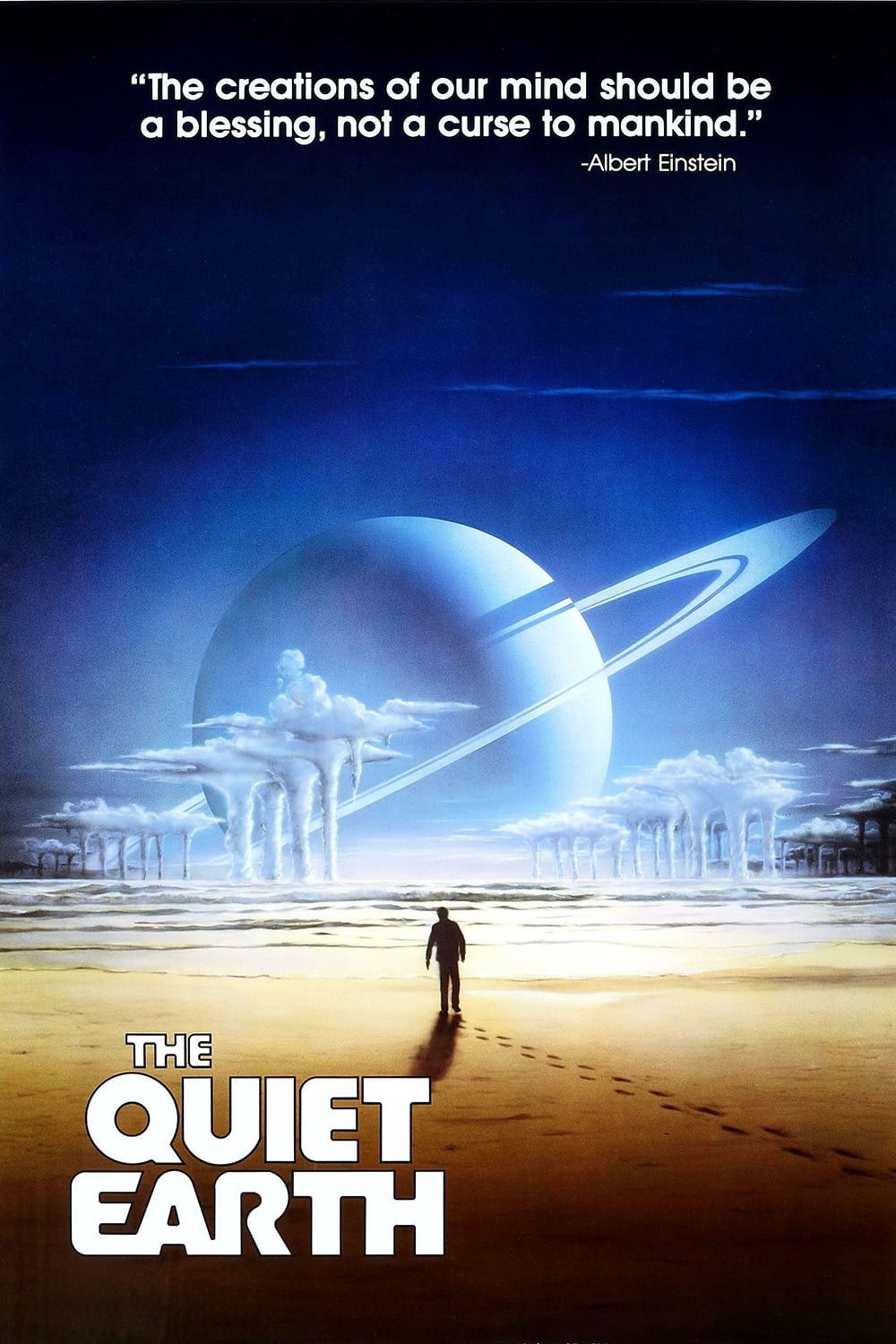
From New Zealand, Geoff Murphy’s ‘The Quiet Earth’ adapts a Craig Harrison novel in which a scientist awakens to a depopulated world after a global energy experiment. Bruno Lawrence leads the cast, with on-location shooting in urban centers made to appear empty through careful scheduling and traffic control.
Television New Zealand and independent partners supported the production, which traveled to international festivals before wider distribution. High-definition releases include commentary, scientific consultants’ notes on the fictional experiment, and location maps detailing vantage points used to create deserted streets and infrastructure.
‘Local Hero’ (1983)
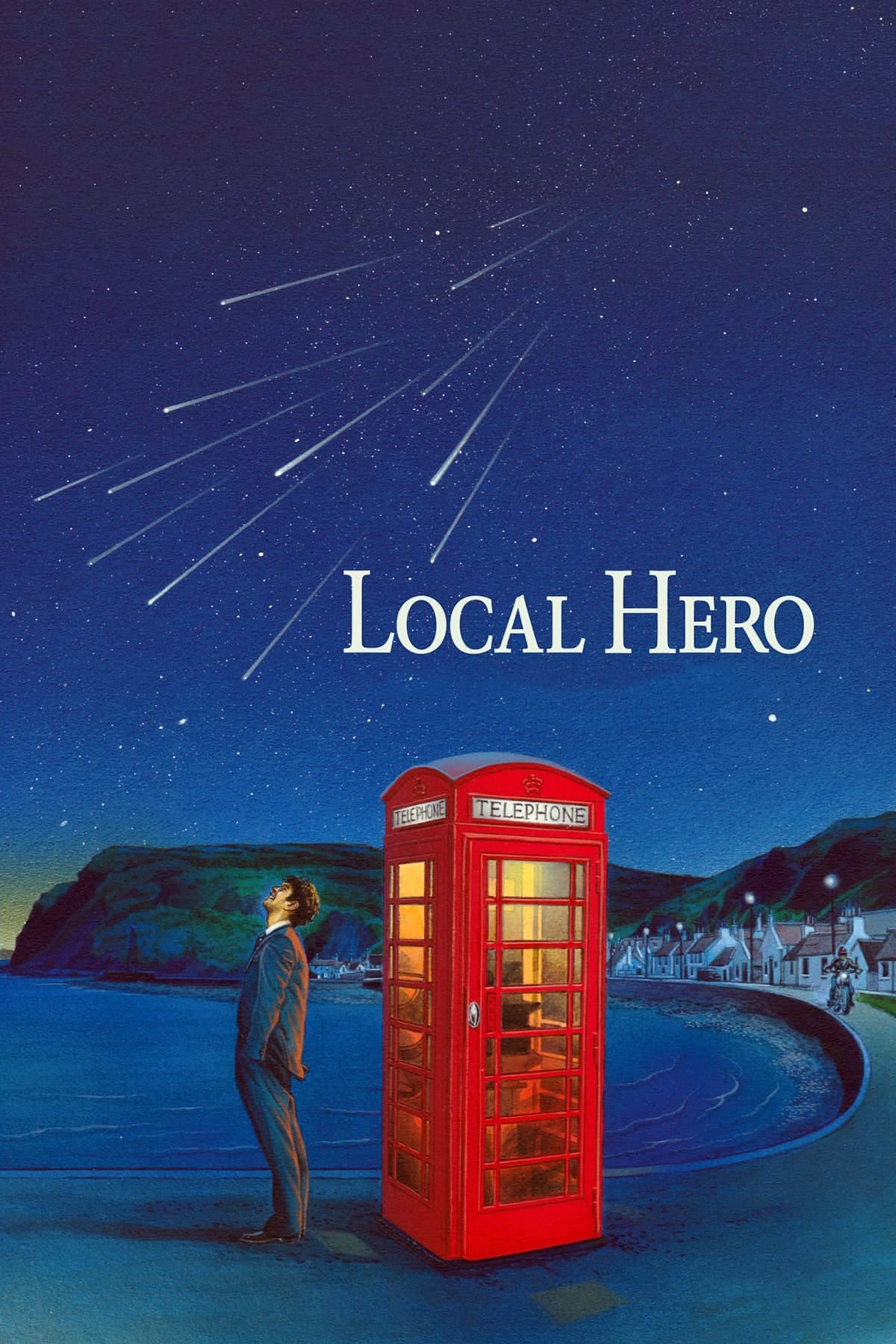
Written and directed by Bill Forsyth, ‘Local Hero’ follows an American oil representative sent to a Scottish village to secure a land deal, where negotiations take unexpected turns. The cast includes Peter Riegert, Denis Lawson, and Burt Lancaster, with Mark Knopfler composing a widely circulated score.
Warner Bros. released the film in the United States, while other partners handled the UK and international rollout. Modern restorations highlight coastal landscapes and night-sky photography, and disc extras feature Forsyth interviews, music sessions, and production anecdotes about working with small-town councils and local extras.
‘To Live and Die in L.A.’ (1985)
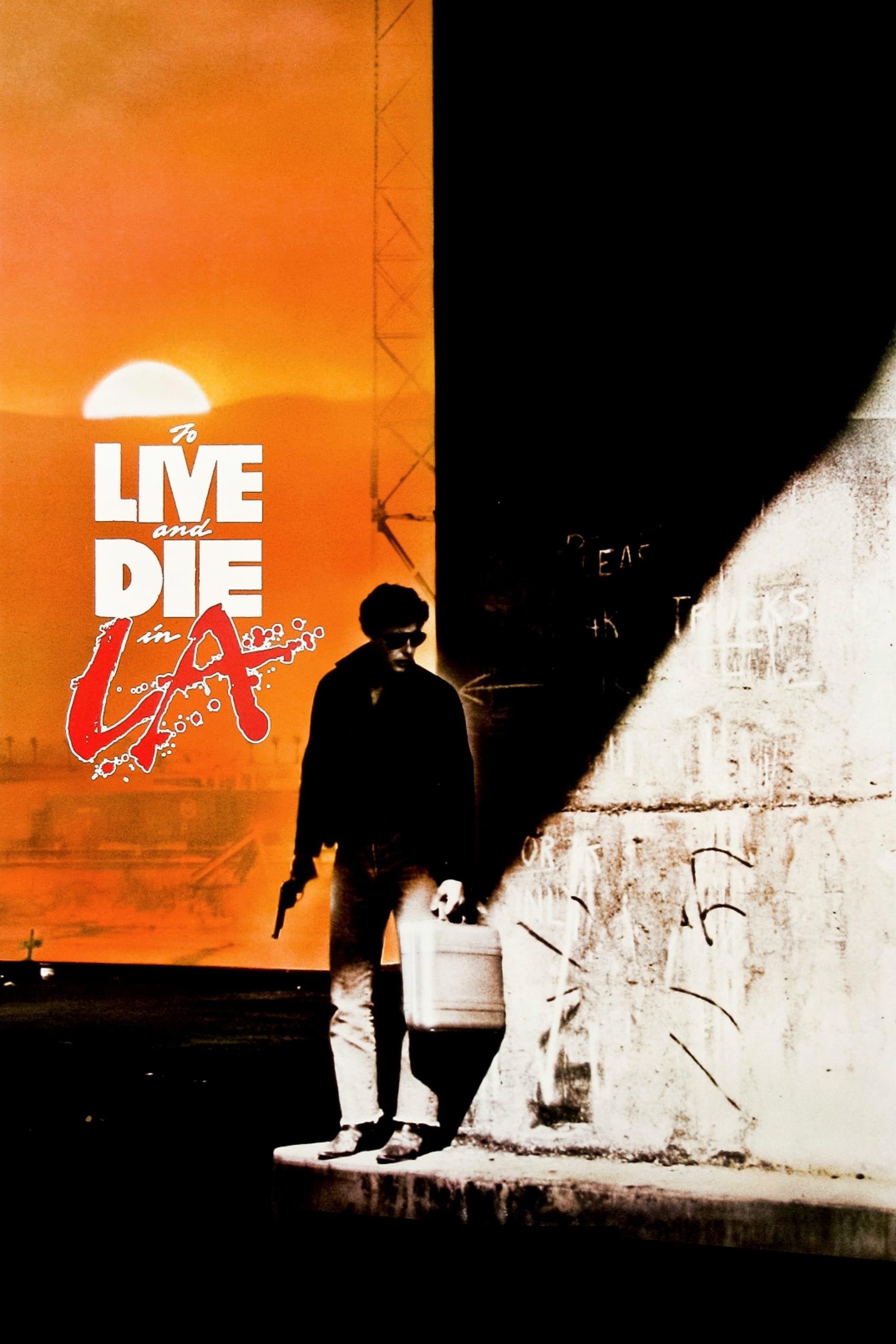
William Friedkin’s ‘To Live and Die in L.A.’ centers on a Secret Service agent’s pursuit of a master counterfeiter, featuring William Petersen, Willem Dafoe, and John Pankow. The production is noted for an extended car-chase sequence staged against traffic, coordinated with municipal authorities and CHP advisors.
MGM/UA distributed the film, and Wang Chung’s score and songs were produced in close collaboration with Friedkin. Home-video editions collect featurettes on the counterfeit-printing props, the chase’s multi-camera coverage, and interviews detailing rehearsals conducted in decommissioned industrial spaces.
‘Manhunter’ (1986)
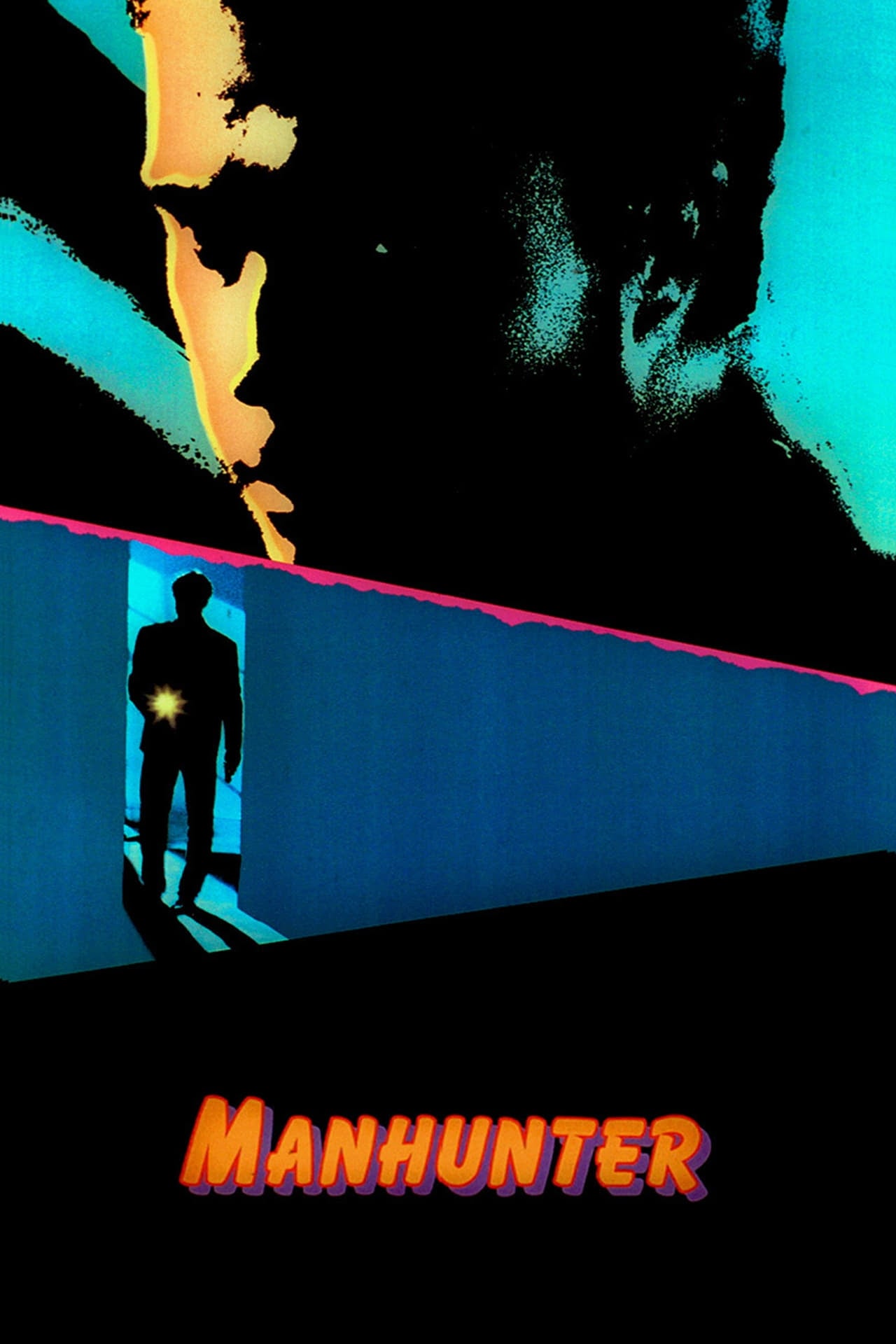
Michael Mann adapts Thomas Harris’s ‘Red Dragon’ as ‘Manhunter’, introducing forensic profiler Will Graham and forensic psychiatrist Hannibal Lecktor. William Petersen, Tom Noonan, and Brian Cox headline, with Dante Spinotti’s cinematography and color design tying scenes to character perspective.
De Laurentiis Entertainment Group released the film with different cuts appearing across formats. Remastered editions present Mann’s preferred version where available and include commentary, production design notes on the killer’s interiors, and interviews about sound design, including the use of industrial tracks and ambient textures.
‘UHF’ (1989)
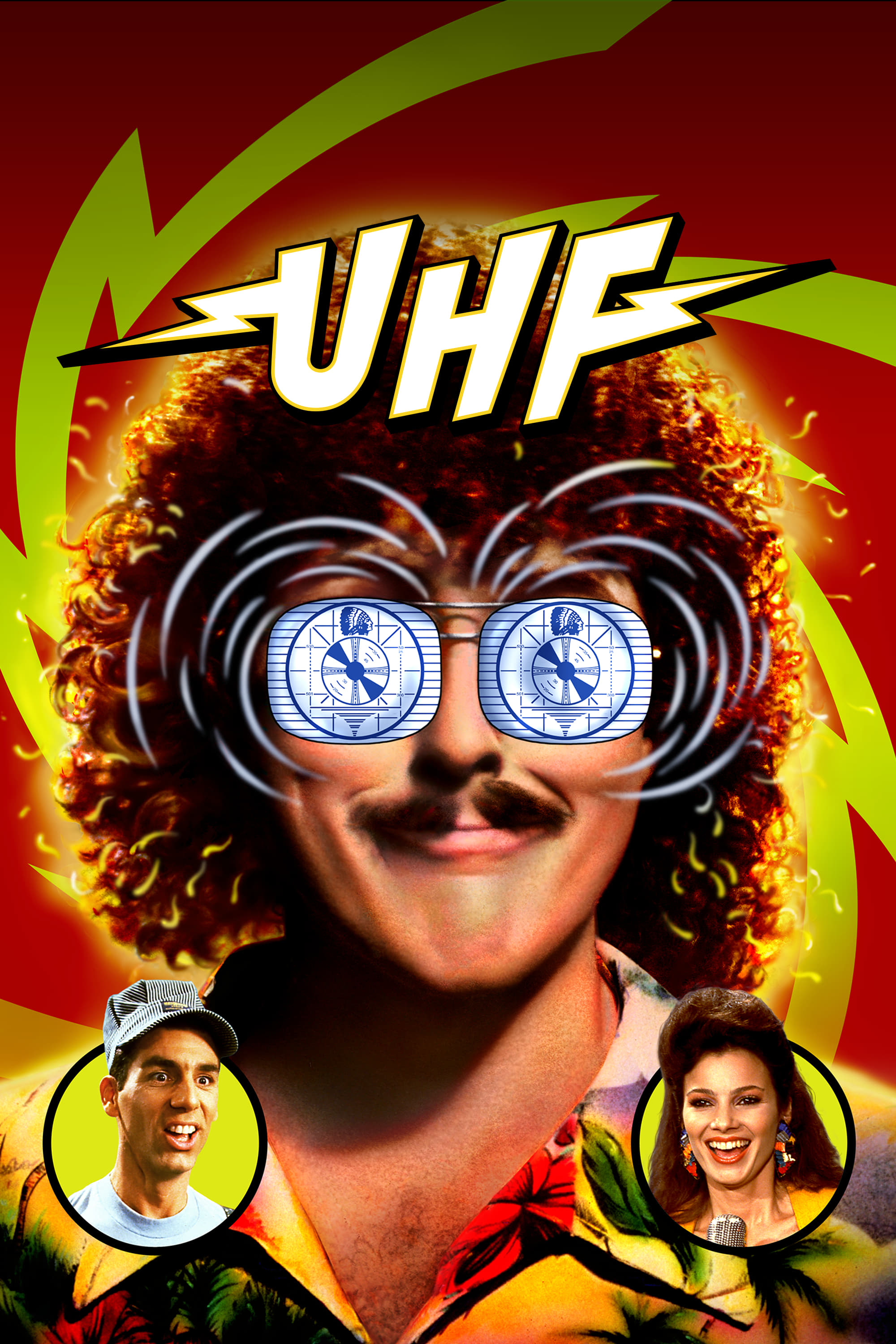
‘UHF’, directed by Jay Levey and co-written with “Weird Al” Yankovic, is a station-takeover comedy built around a low-budget TV channel’s programming slate. The film features Michael Richards, Victoria Jackson, and a roster of cameo performers in sketches that parody popular formats and commercials.
Orion Pictures released the film, and subsequent home-video versions helped audiences discover the production’s dense prop work and rapid-fire gags. Special-edition discs include commentaries, deleted segments, and behind-the-scenes footage that traces set builds for the station control room, parody sets, and practical effects used for sight gags.
What did we miss? Drop your picks for overlooked eighties movies in the comments so everyone can build a better watchlist.