Underrated Movies Only 1980s Kids Will Remember

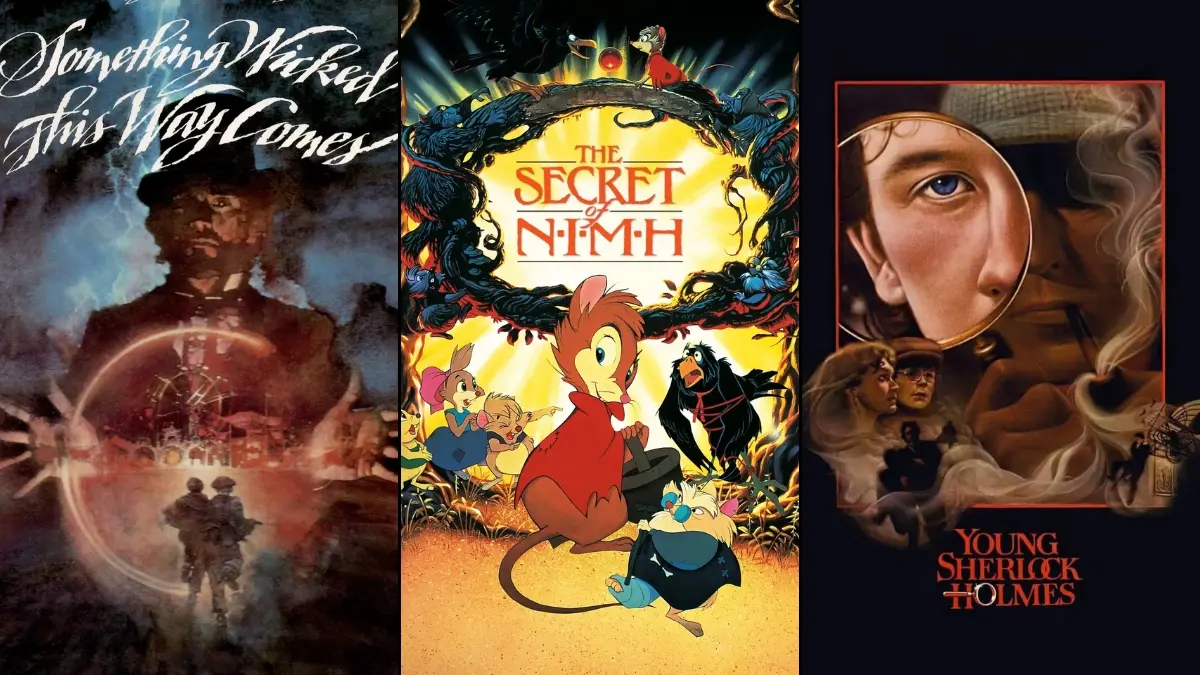

If you grew up when Saturday matinees meant practical effects, synth scores, and wild high-concept adventures, certain films lodged themselves in your memory even if they didn’t dominate the box office. These were the tapes you rented, the TV broadcasts you waited for, and the stories that felt just a little stranger—sometimes darker, sometimes sweeter—than the mainstream hits everyone quotes.
This list digs up those gems and spotlights the essentials: who made them, who starred in them, where the ideas came from, and how they were put together. No fluff—just the key details that help you place each title and remember why it stuck.
‘The Last Starfighter’ (1984)
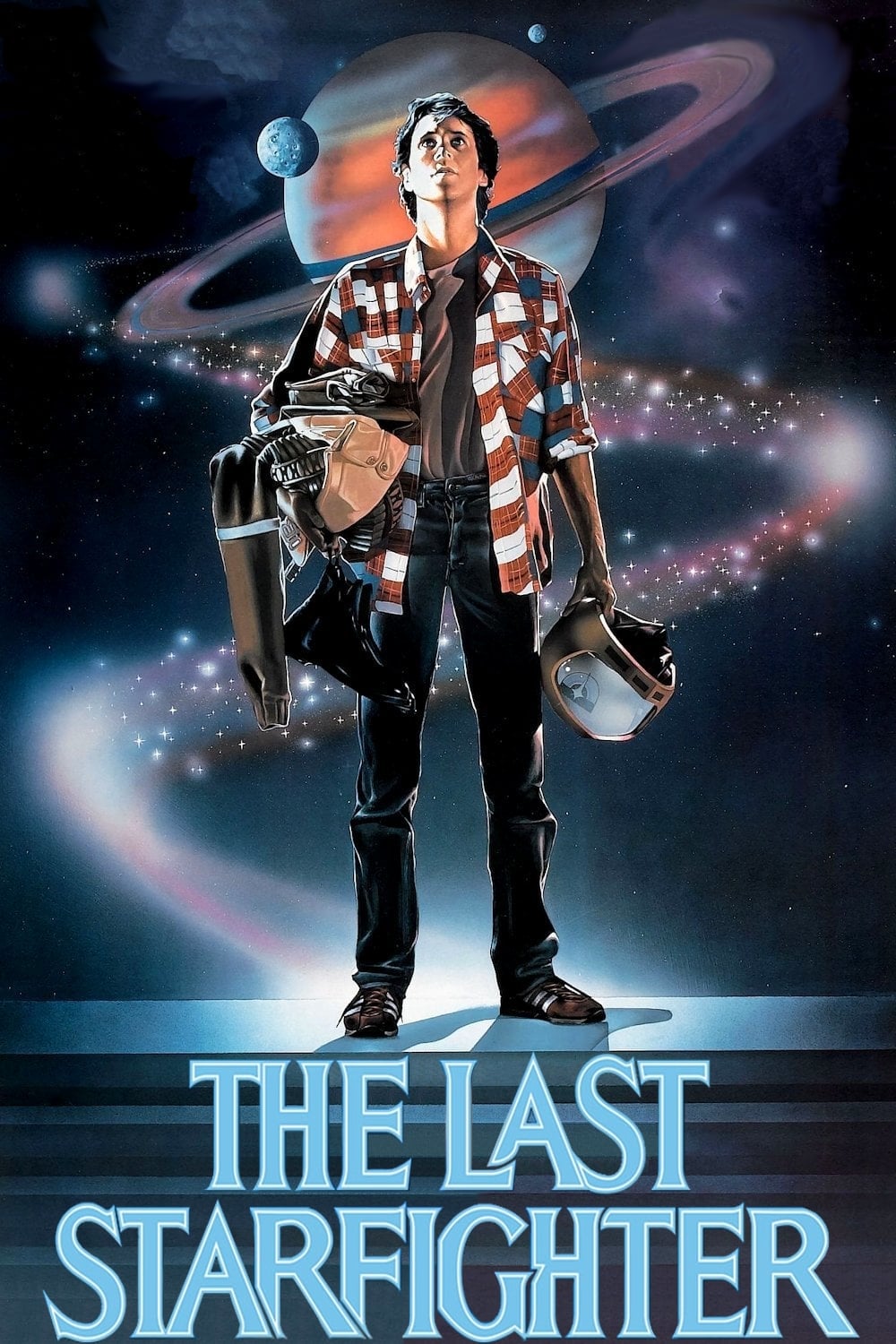
Directed by Nick Castle and written by Jonathan R. Betuel, this sci-fi adventure follows a trailer-park teen recruited by an alien defense force after beating a coin-op arcade game. It stars Lance Guest, Robert Preston, Catherine Mary Stewart, and Dan O’Herlihy, with production by Lorimar and distribution through Universal Pictures.
The film is notable for early large-scale use of CGI to create starships and space battles, replacing miniature work for many sequences. Digital Productions handled the computer graphics on a Cray system, while Craig Safan composed the orchestral score that underpins the off-world action.
‘Explorers’ (1985)
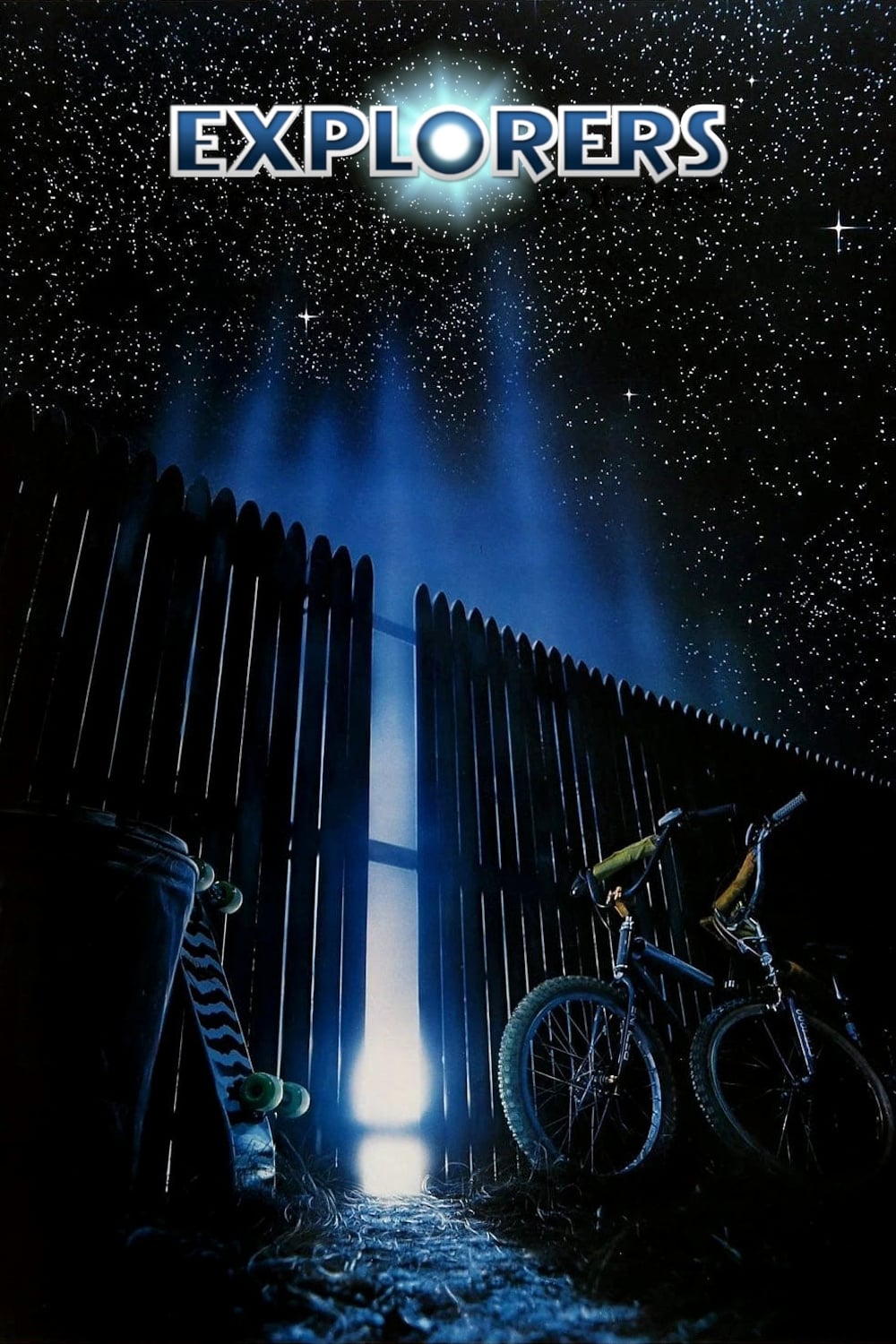
Joe Dante directs from a script by Eric Luke about three suburban kids who build a home-made spacecraft after receiving mysterious visions. It features early performances by Ethan Hawke and River Phoenix alongside Jason Presson, with Paramount Pictures handling release.
ILM contributed visual effects for the ship’s force-field sphere and flight sequences, and Rob Bottin’s team provided creature designs for the aliens. Jerry Goldsmith supplies a melodic score, and the production is known for its accelerated schedule that affected the final reel’s edit.
‘Flight of the Navigator’ (1986)
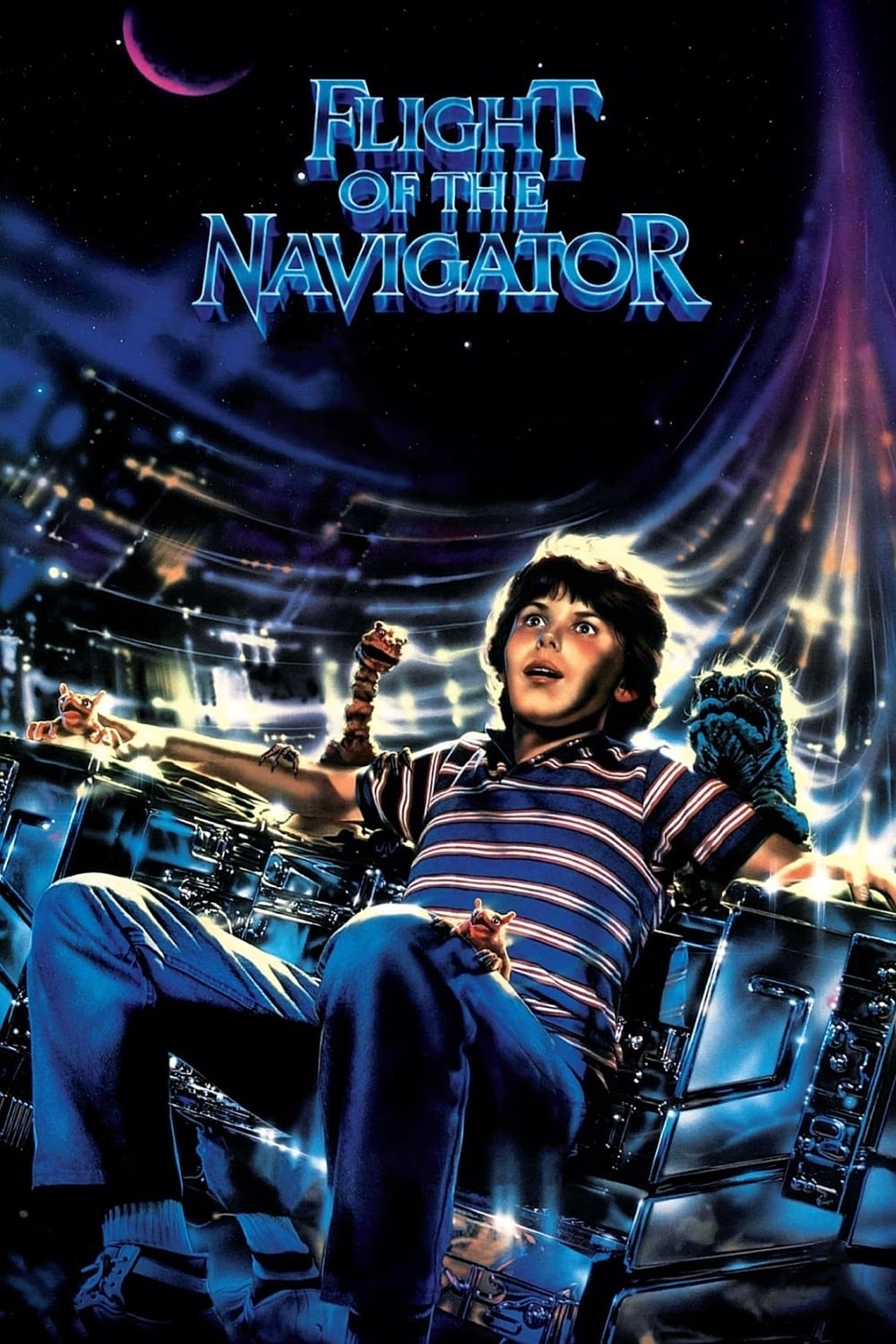
Randal Kleiser directs this adventure about a boy who disappears and returns to find that time has passed differently for him. Joey Cramer leads the cast with Sarah Jessica Parker, Veronica Cartwright, and Paul Reubens voicing the ship’s AI, under a production partnership between Silver Screen Partners and a major family studio.
The effects combine motion-control photography with then-novel image-mapping techniques to depict a transforming chrome spaceship. Composer Alan Silvestri provides a synth-driven score, and location filming includes Florida sites as well as NASA facilities for the control-room sequences.
‘The Monster Squad’ (1987)
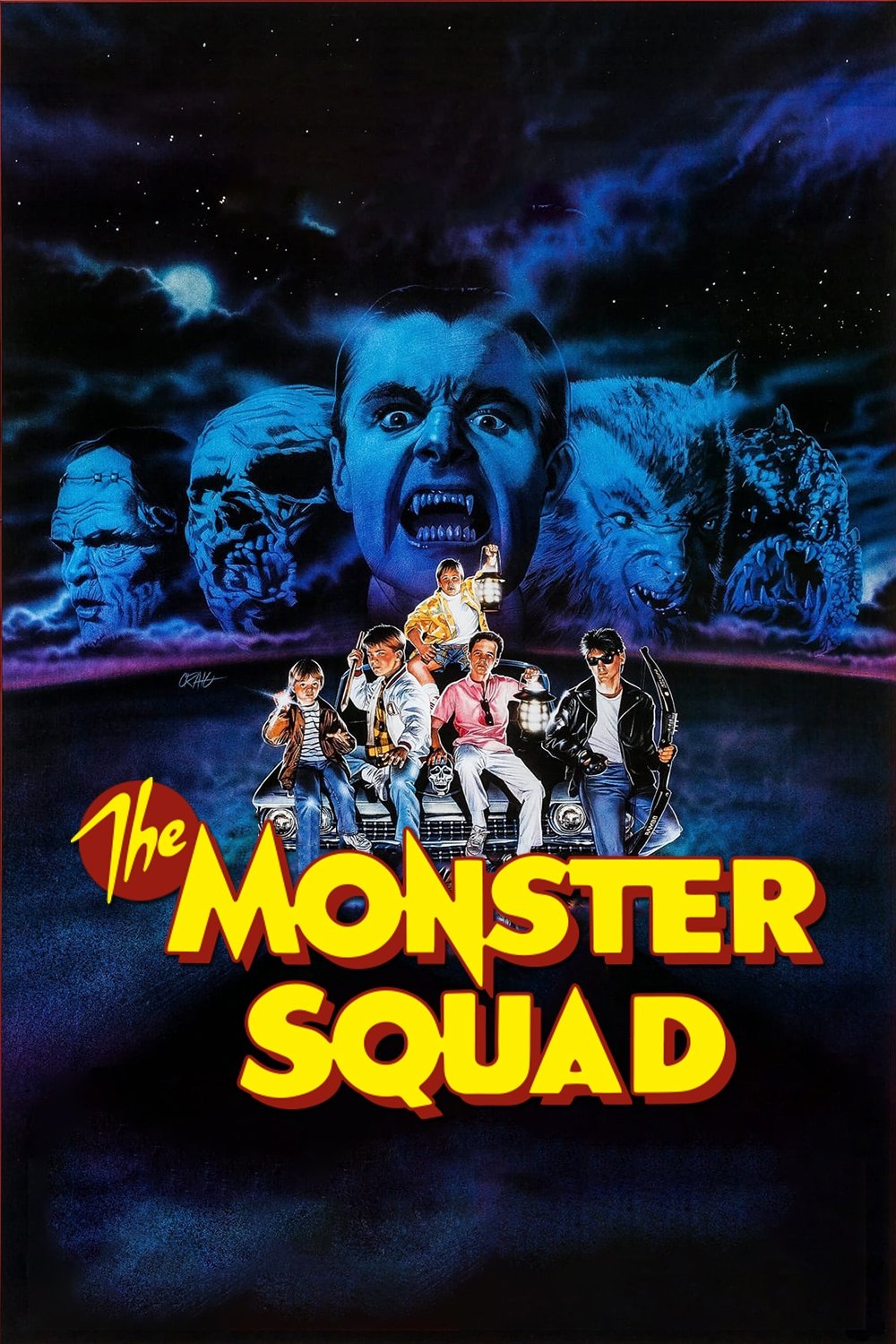
Co-written by Shane Black and Fred Dekker, who also directs, this film teams a group of suburban kids against classic monsters led by Dracula. André Gower, Robby Kiger, and Duncan Regehr star, with Tri-Star Pictures distributing.
Makeup legend Stan Winston’s studio crafts the creature designs, reimagining public-domain versions of the Universal icons. Bruce Broughton delivers the score, principal photography took place around Los Angeles, and the production features extensive mechanical effects for transformation and destruction gags.
‘Cloak & Dagger’ (1984)
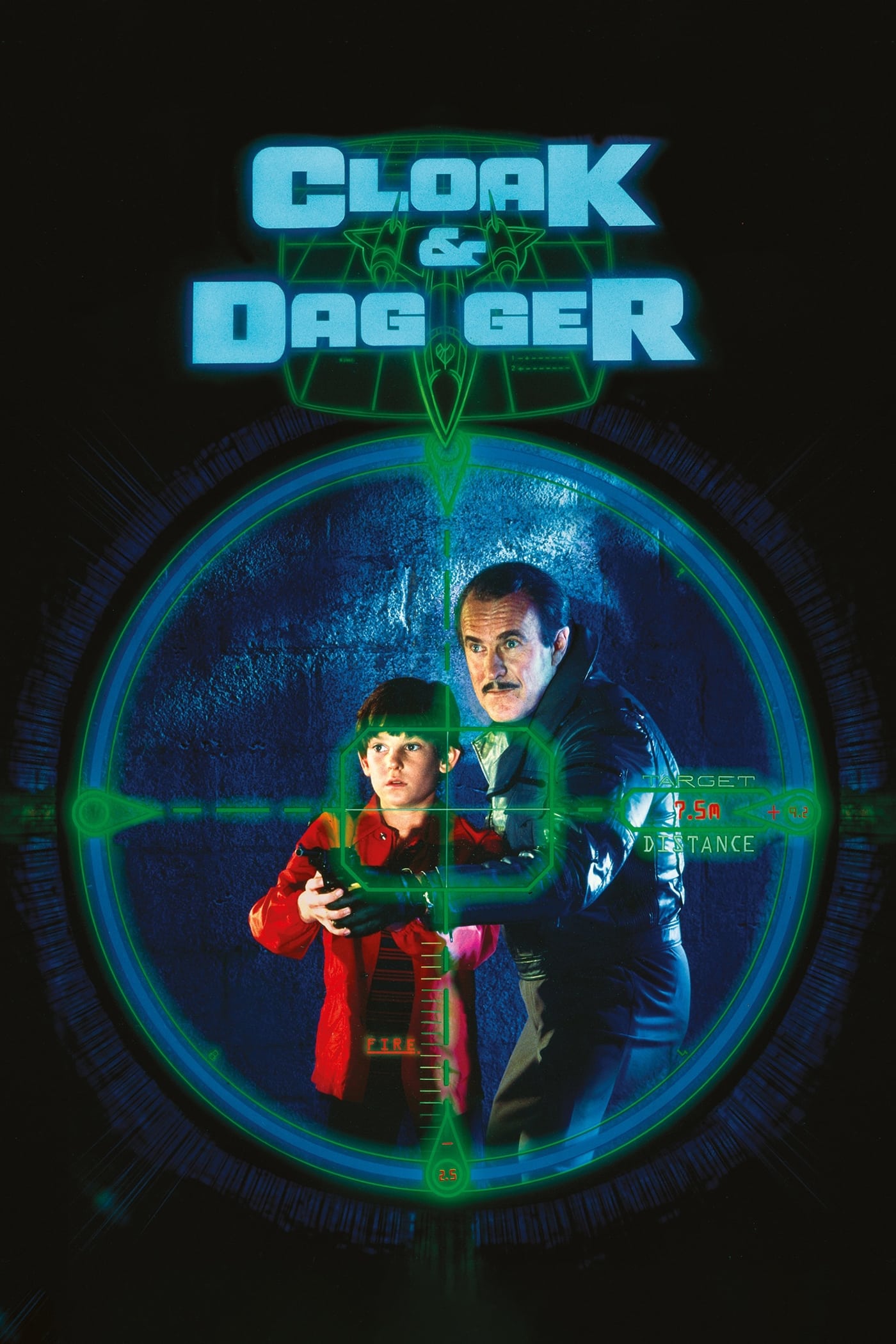
Richard Franklin directs from Tom Holland’s screenplay about a San Antonio kid who stumbles onto a spy plot via a game cartridge. Henry Thomas and Dabney Coleman star in dual roles, and Universal Pictures handled release.
Location shooting uses the city’s downtown and River Walk, integrating landmarks into chase sequences. The production blends grounded stunt work with miniature effects, while composer Brian May provides a suspense-leaning orchestral score.
‘D.A.R.Y.L.’ (1985)
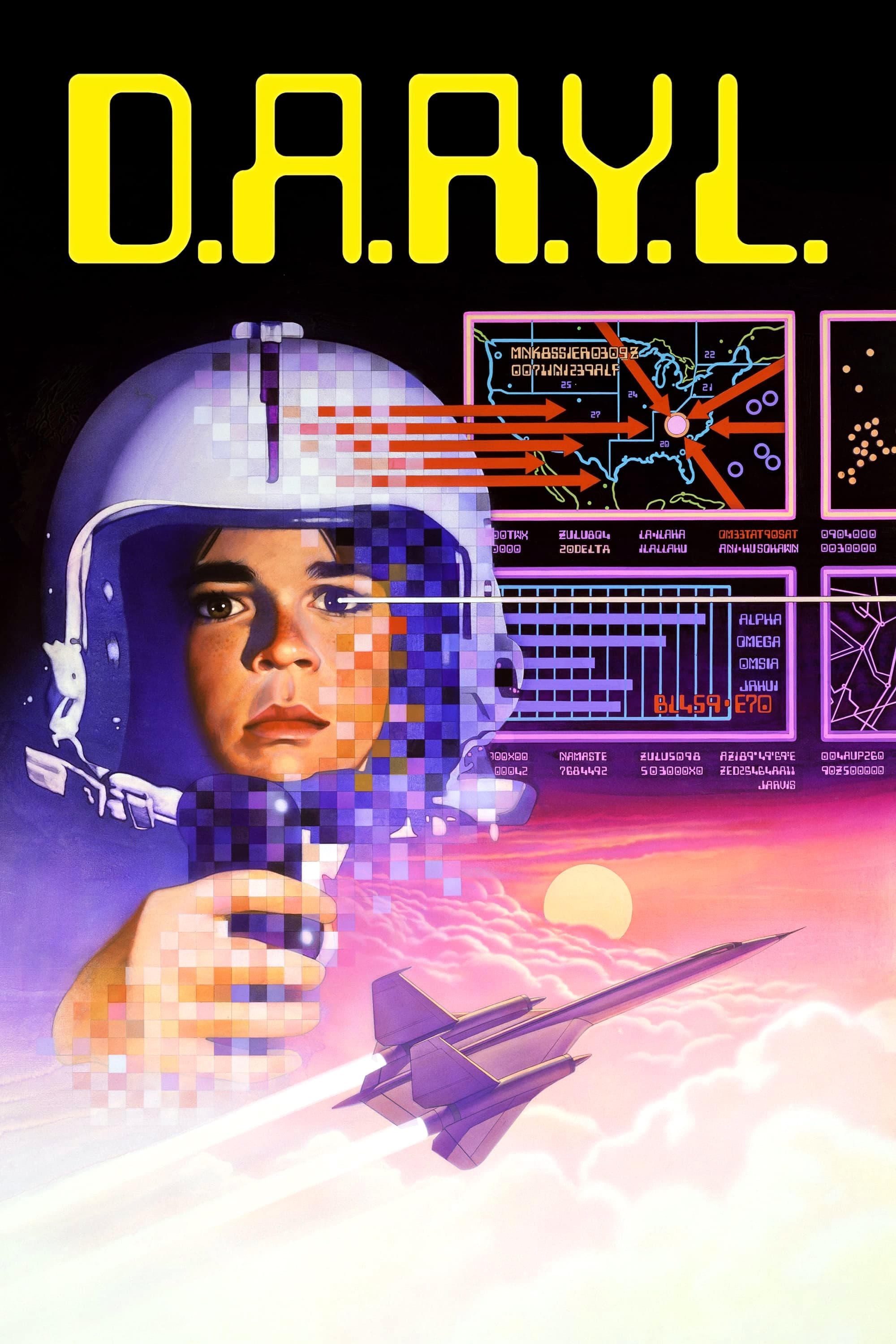
Directed by Simon Wincer and written by David Ambrose, Allan Scott, and Jeffrey Ellis, this family sci-fi story follows an advanced boy prototype placed with foster parents. The cast includes Barret Oliver, Mary Beth Hurt, and Michael McKean, with Paramount Pictures distributing.
A mix of second-unit aerial photography and full-scale aircraft footage sells the climactic escape sequence. Marvin Hamlisch composes the score, and the production employs then-contemporary computer terminals and interfaces to depict defense-lab technology.
‘SpaceCamp’ (1986)
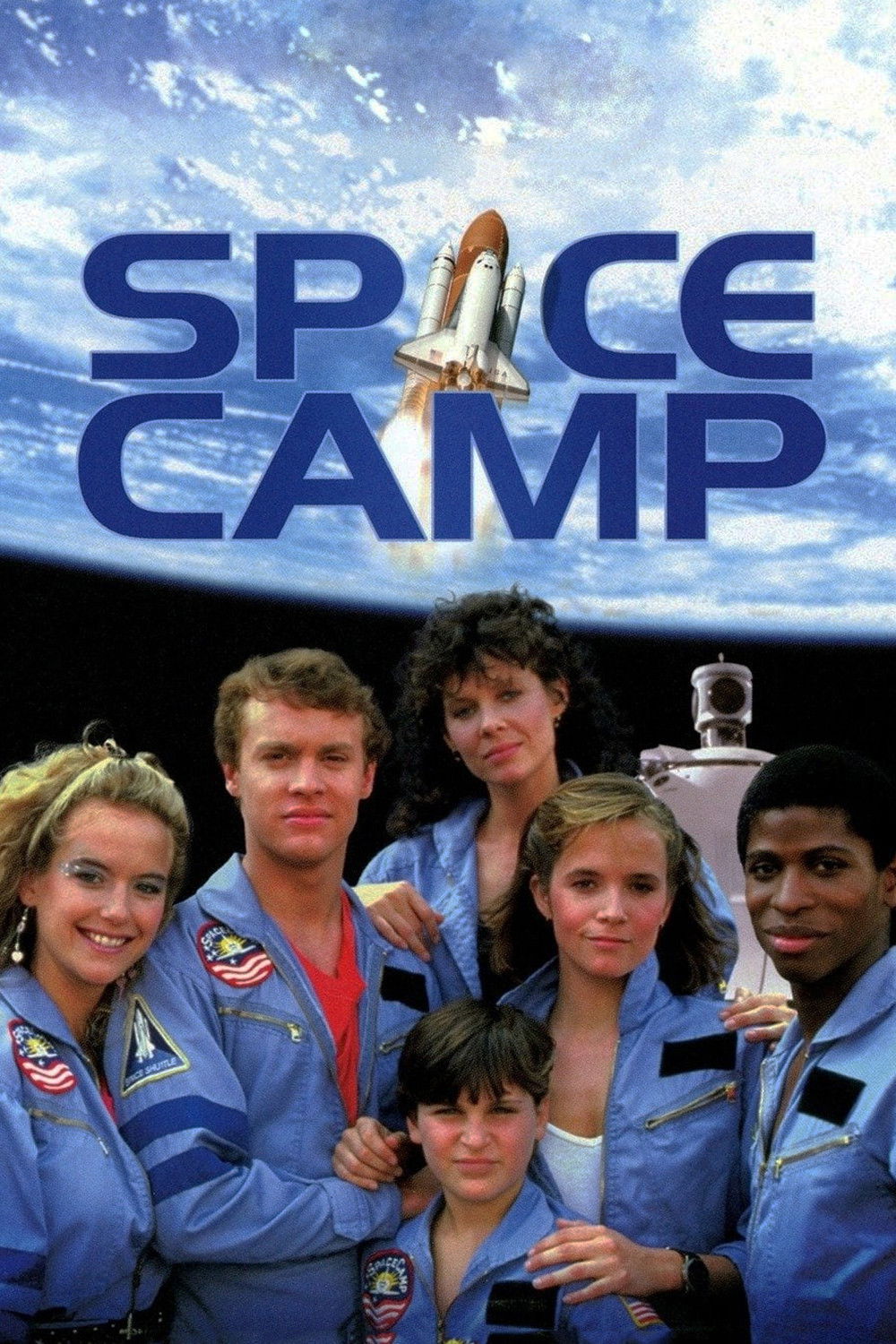
Harry Winer directs this drama about teens at the U.S. Space & Rocket Center who end up aboard the Space Shuttle during an unintended launch. Kate Capshaw, Lea Thompson, Kelly Preston, Tate Donovan, and Joaquin Phoenix (credited as Leaf Phoenix) headline, with 20th Century Fox releasing.
NASA cooperated with access to training facilities and simulators, while sets recreated shuttle interiors on a soundstage. John Williams provides the score, and practical gimbal rigs facilitated zero-g illusions alongside wire work and optical effects.
‘*batteries not included’ (1987)
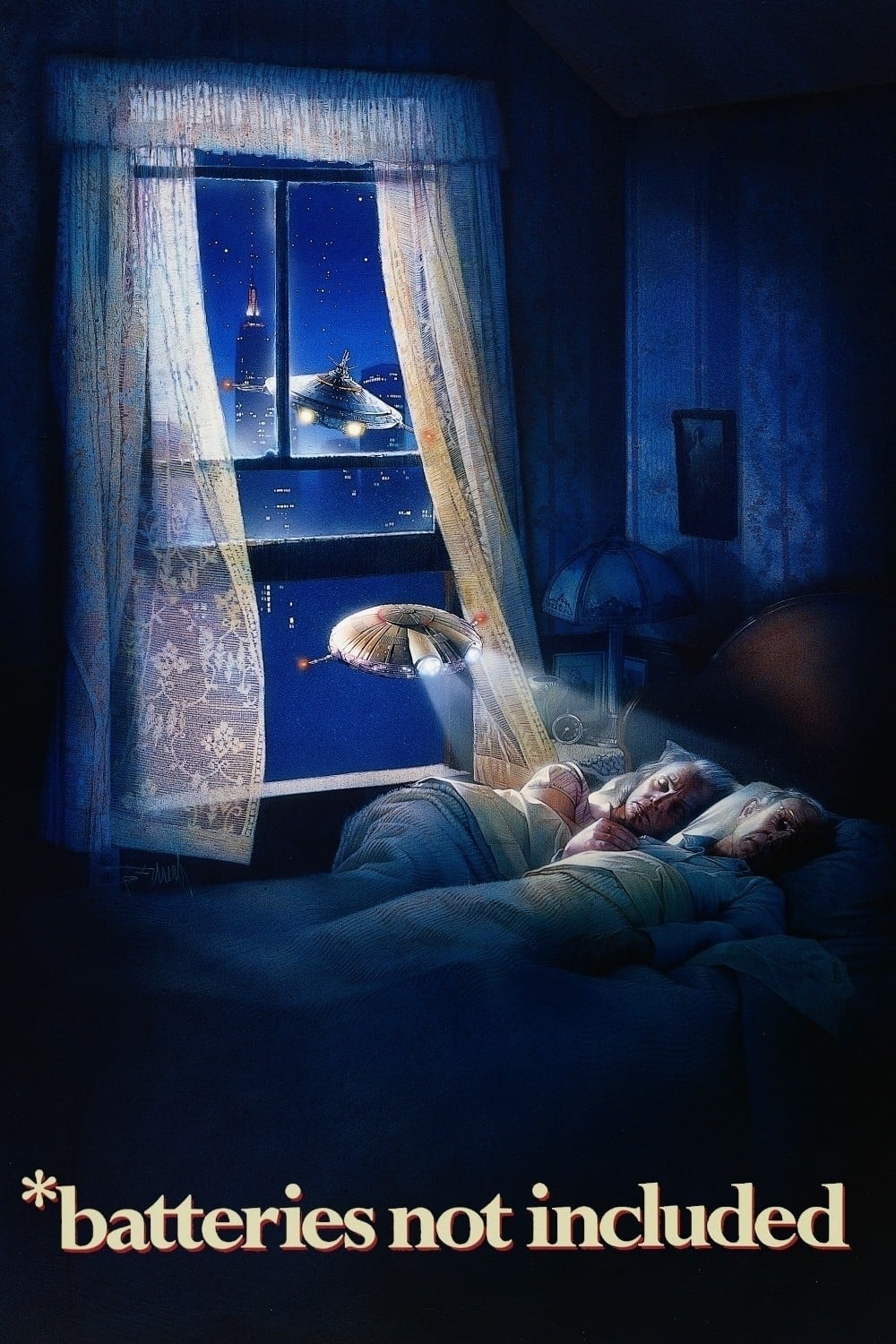
Produced by Steven Spielberg’s Amblin Entertainment and directed by Matthew Robbins, this neighborhood tale centers on small robotic visitors who help tenants of a threatened apartment building. Hume Cronyn and Jessica Tandy lead the ensemble, with Universal Pictures distributing.
ILM created the miniature flying machines using animatronics and radio-control systems for close-ups. James Horner’s score supports the mix of character drama and effects, and location work combines New York-set exteriors with detailed interior sets built on soundstages.
‘The Secret of NIMH’ (1982)
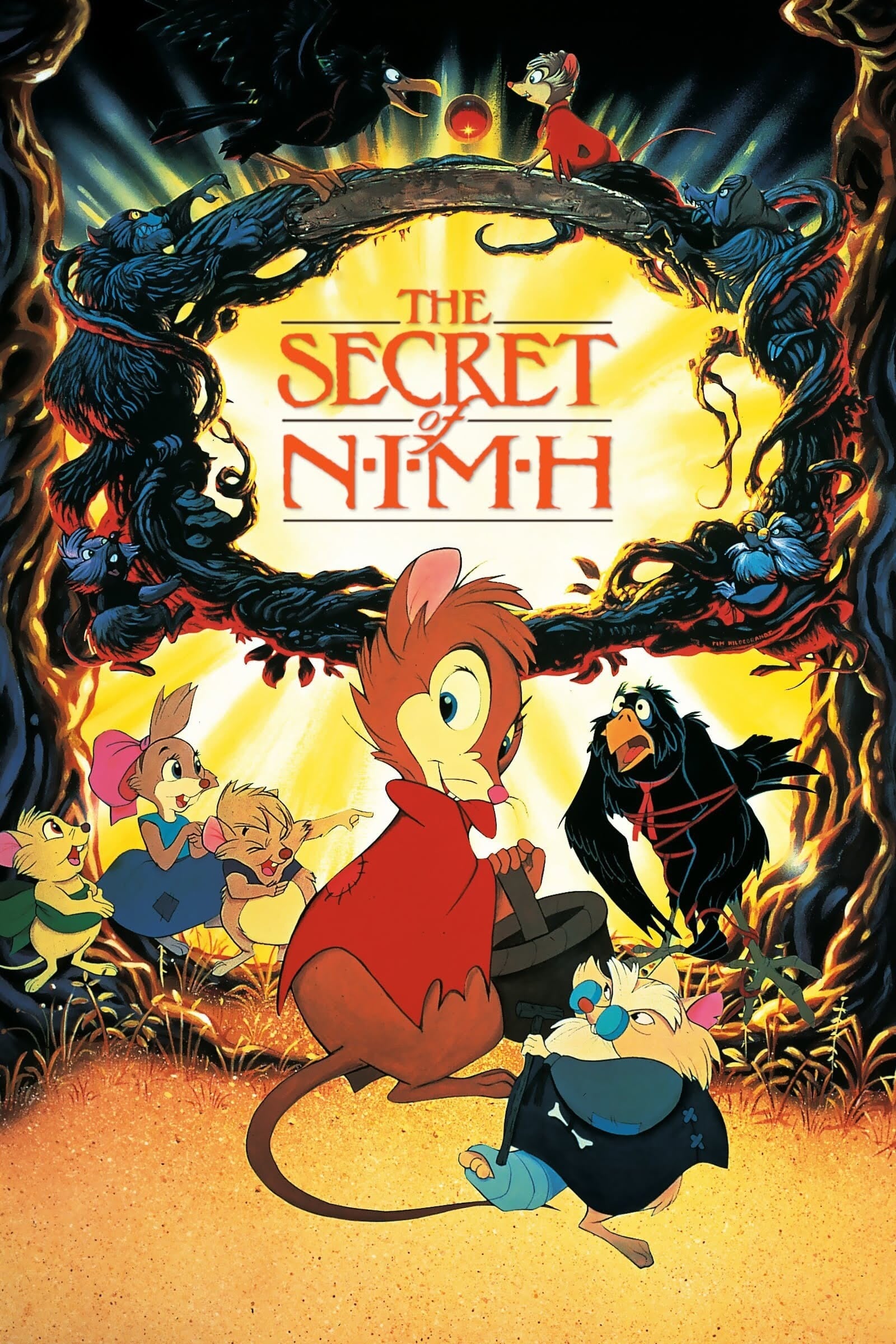
Don Bluth directs and co-produces this animated adaptation of Robert C. O’Brien’s novel, focusing on a field mouse seeking help from genetically altered rats. Voices include Elizabeth Hartman, Derek Jacobi, and Dom DeLuise.
The animation uses rich, hand-inked backgrounds and multiplane camera work for depth. Jerry Goldsmith composes the score, and Bluth’s studio emphasizes classical techniques, including extensive effects animation for mist, light, and magical elements.
‘Krull’ (1983)
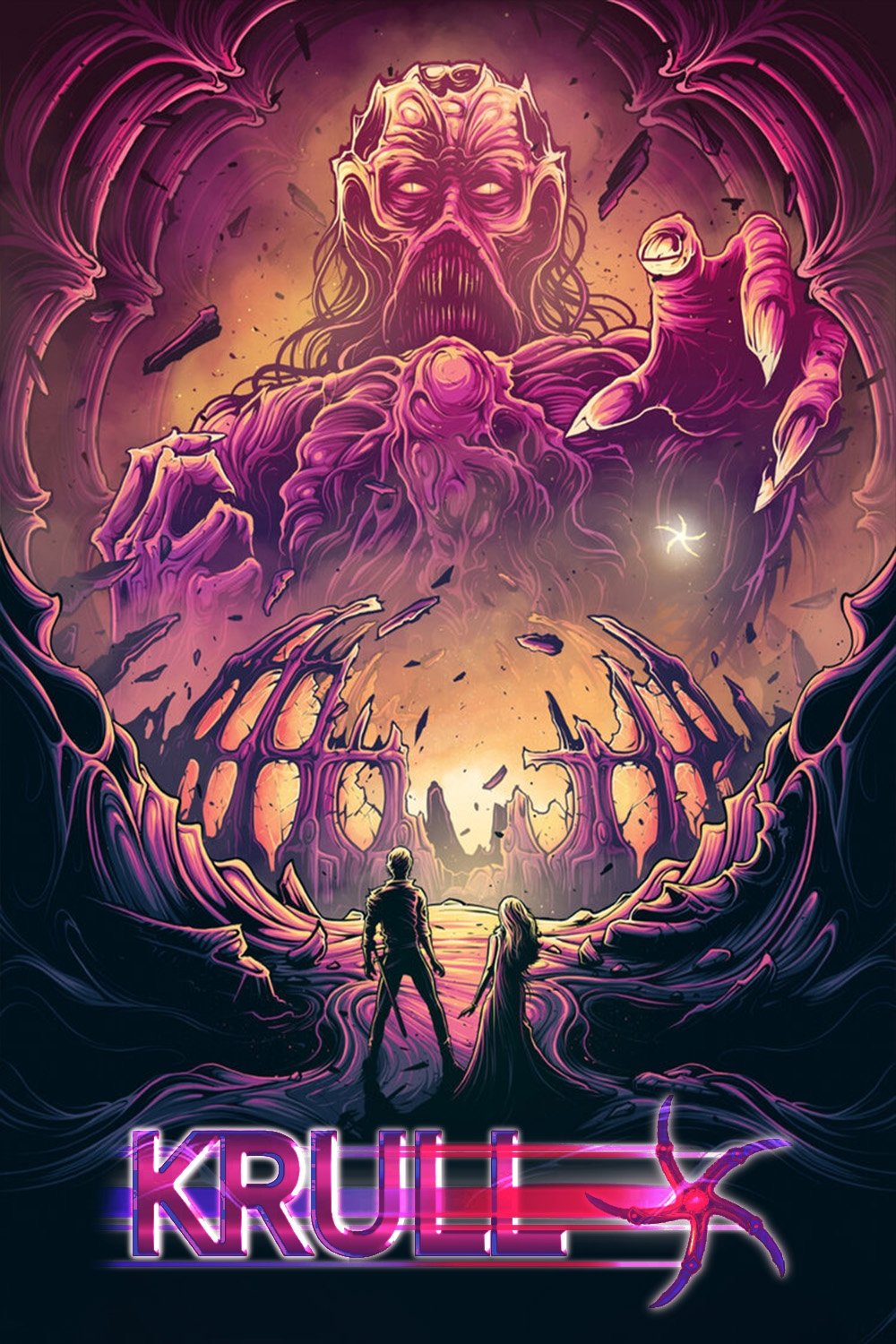
Directed by Peter Yates, this fantasy follows a prince assembling allies to rescue his bride from an alien overlord. The cast features Ken Marshall, Lysette Anthony, and early roles for Liam Neeson and Robbie Coltrane, with Columbia Pictures distributing.
The production builds large interior sets at Pinewood Studios, including rotating rooms and cavernous lairs. Visual effects combine optical composites, matte paintings, and miniatures, while composer James Horner contributes a full symphonic score recorded in London.
‘The Black Cauldron’ (1985)

This animated feature from Walt Disney Productions adapts elements of Lloyd Alexander’s Prydain books, focusing on an assistant pig-keeper confronting a skeletal warlord. Voice talent includes Grant Bardsley, Susan Sheridan, and John Hurt.
The film employs the APT (Animation Photo Transfer) process for clean line work, along with early use of computer-assisted imagery for certain effects shots. Elmer Bernstein provides a dark-toned orchestral score, and background designs lean on Celtic motifs and moody palettes.
‘The Peanut Butter Solution’ (1985)
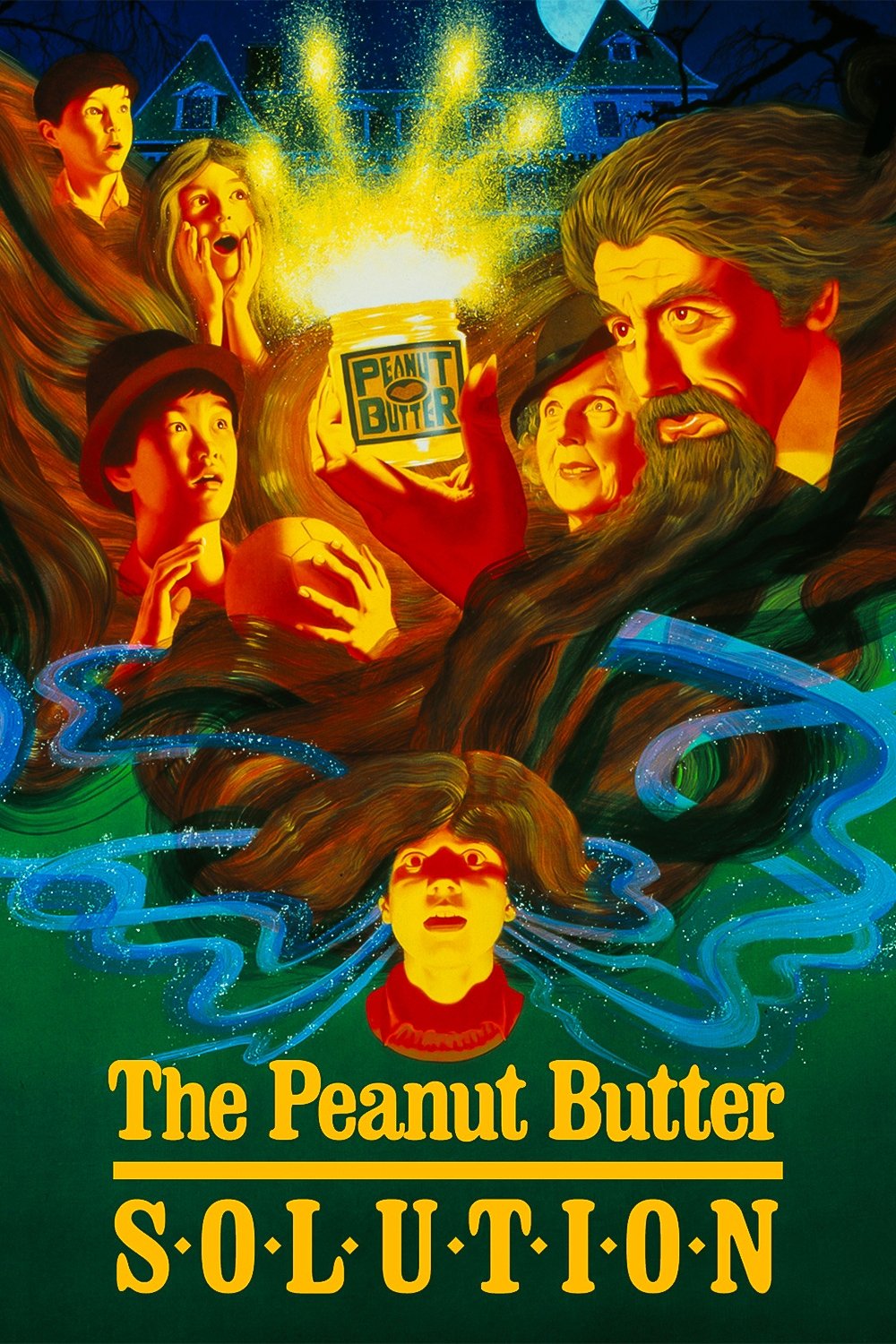
A Canadian production directed by Michael Rubbo, this fantasy centers on a boy whose hair won’t stop growing after an encounter with ghosts. The cast includes Mathew Mackay, Siluck Saysanasy, and Michael Hogan.
The soundtrack features contributions associated with Celine Dion’s early career in francophone markets. Practical effects teams created extensive hair rigs and wigs for escalating gags, while location filming took place in and around Montreal, using neighborhood schools and storefronts.
‘The Watcher in the Woods’ (1980)
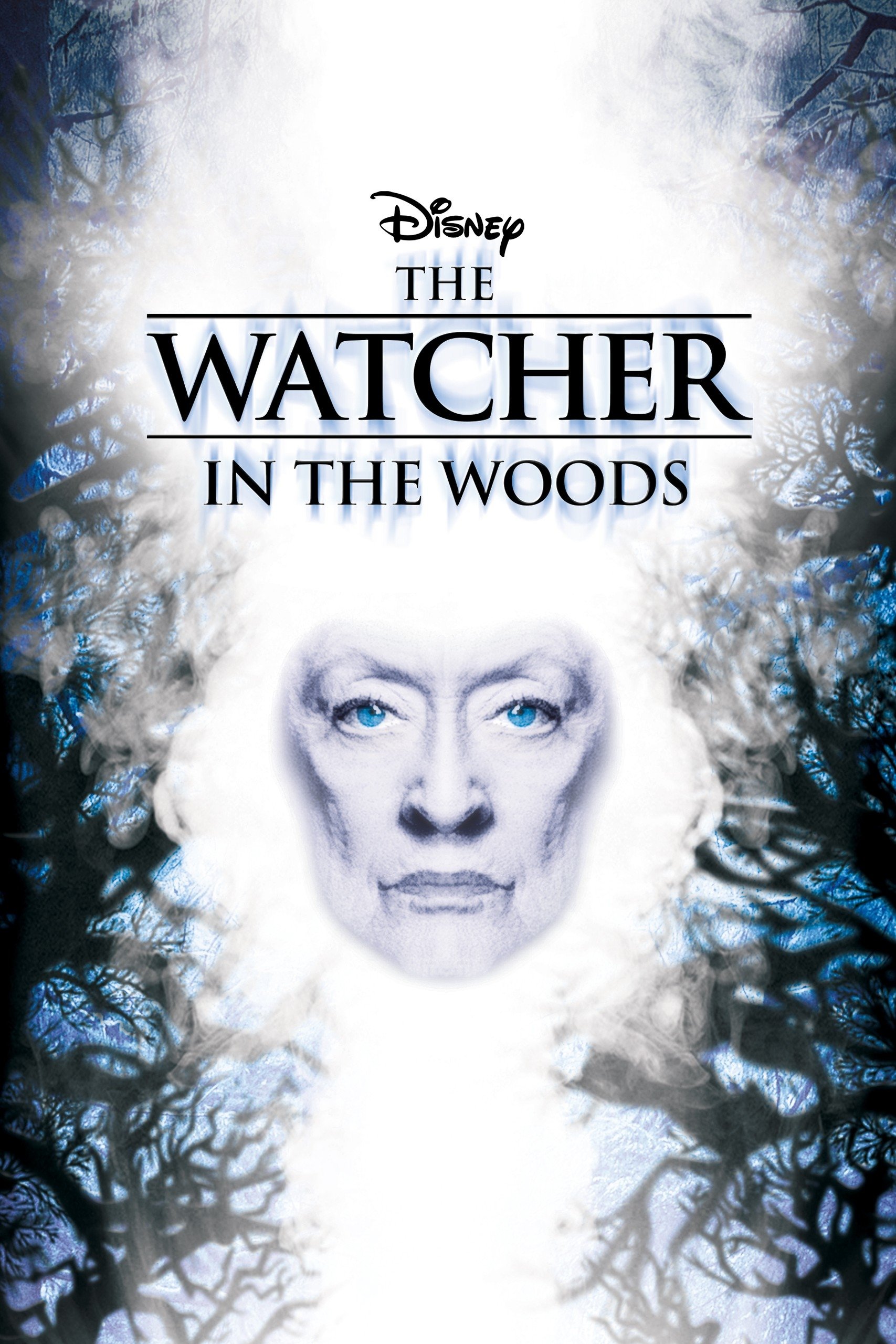
John Hough directs (with additional material by other hands) this supernatural mystery set at an English manor. Bette Davis co-stars with Lynn-Holly Johnson and Kyle Richards, under a Disney banner aimed at older kids and teens.
The production is known for multiple endings, with reshoots to clarify the story’s otherworldly elements. Cinematography emphasizes natural locations and diffused light, and the score by Stanley Myers adds an eerie tone with minimalistic themes.
‘The Gate’ (1987)
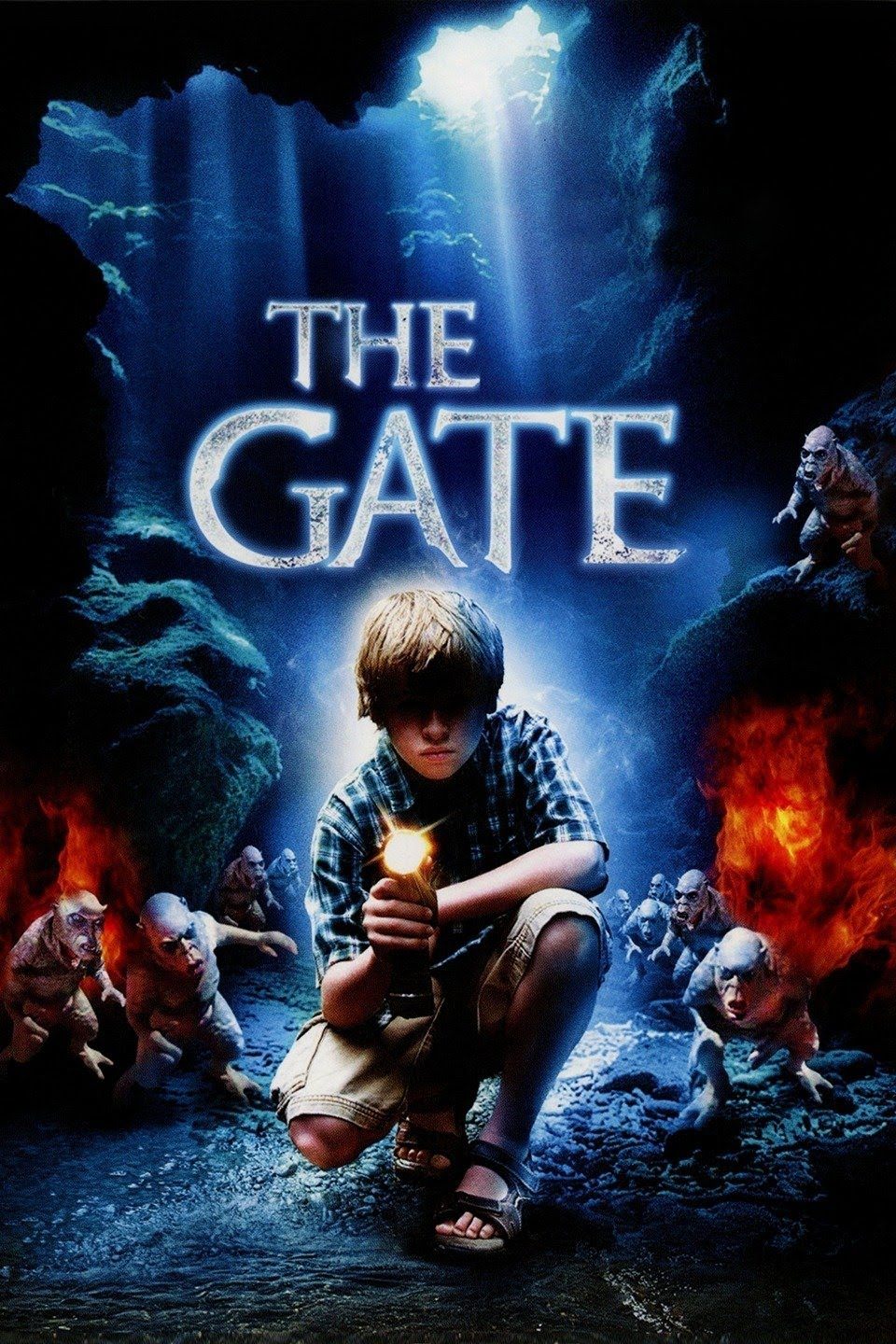
Directed by Tibor Takács from Michael Nankin’s script, this suburban horror story follows two kids who open a portal in their backyard. Stephen Dorff and Christa Denton star, with New Century Vista handling distribution in North America.
Effects teams used forced perspective, stop-motion, and suit performers to depict the miniature demons. Sound design features reversed audio and layered whispers, and practical set pieces—including a collapsing floor—were engineered for in-camera shocks.
‘Ladyhawke’ (1985)
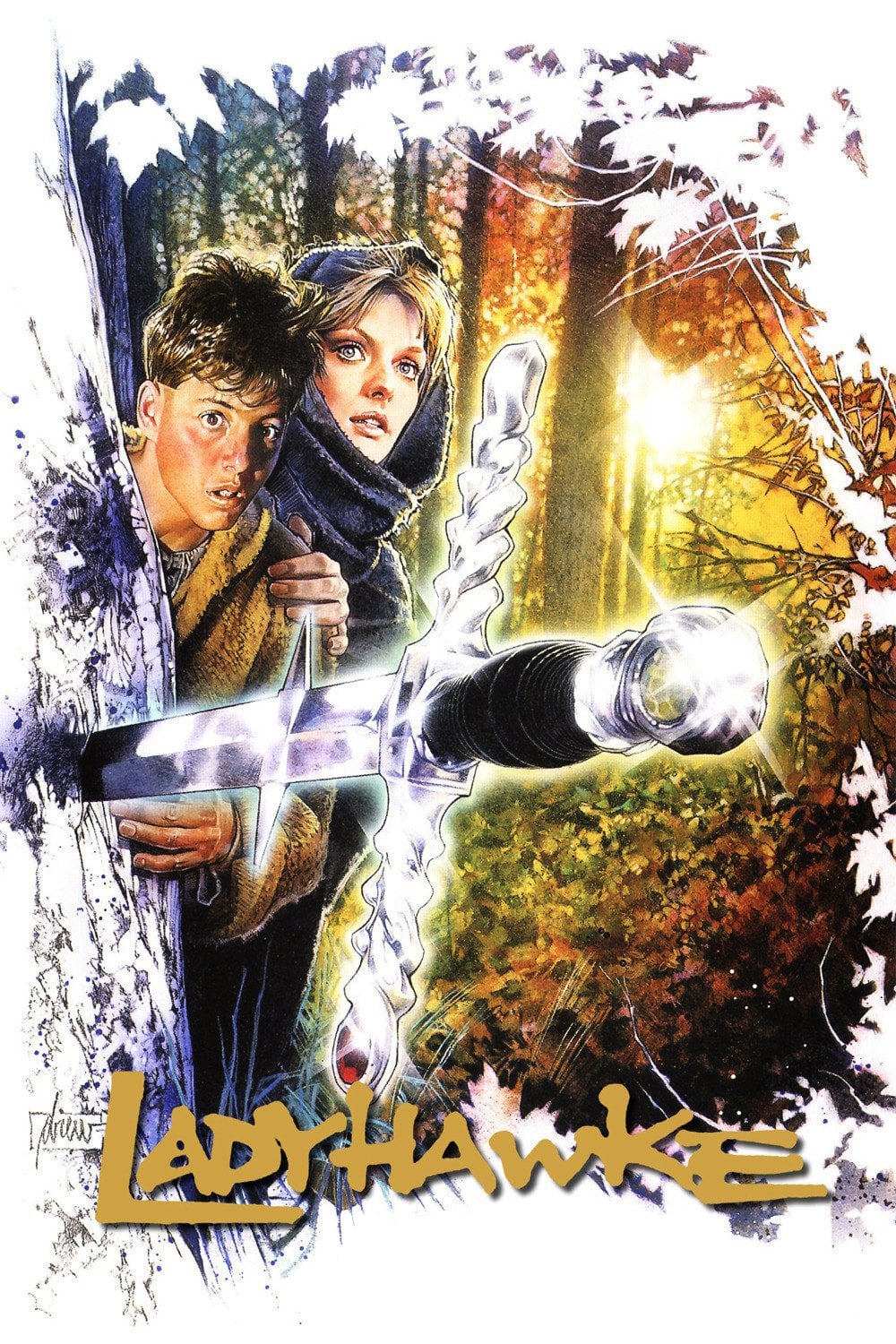
Richard Donner directs this medieval fantasy about two lovers cursed to be apart except for brief moments at dawn and dusk. Rutger Hauer, Michelle Pfeiffer, and Matthew Broderick star, with 20th Century Fox releasing.
Filming took place across Italian locations, including castles and countryside vistas. Andrew Powell composed the score with rock elements performed by members of The Alan Parsons Project, and Vittorio Storaro’s cinematography favors warm, golden exteriors.
‘My Science Project’ (1985)
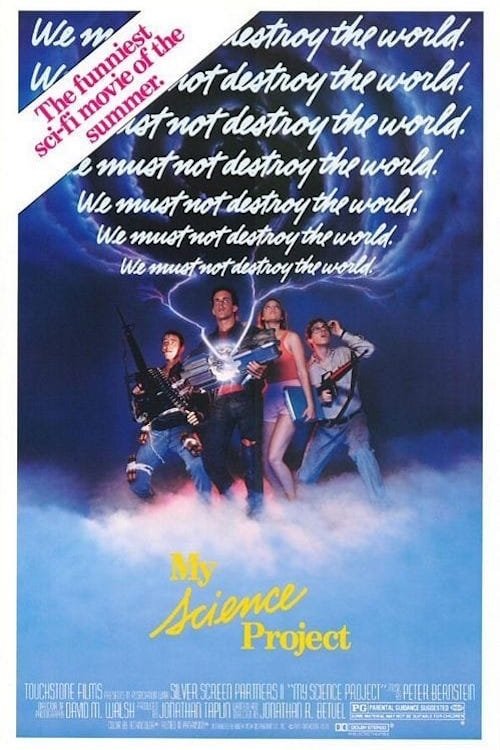
Jonathan R. Betuel writes and directs this high-school sci-fi adventure about students who power up a device that warps time and space. John Stockwell, Danielle von Zerneck, and Fisher Stevens lead the cast, with Touchstone Pictures distributing.
Set work integrates a gymnasium turned into a temporal vortex with dinosaur and war-era inserts. The effects team mixes animatronics, optical composites, and pyrotechnics, and the soundtrack includes period-appropriate rock tracks licensed for the film.
‘Midnight Madness’ (1980)

This ensemble comedy, produced under a Disney label, chronicles an all-night citywide scavenger hunt designed by a mysterious game master. David Naughton leads a cast that includes early screen time for Michael J. Fox.
Location filming uses Los Angeles landmarks, with a route that ties together breweries, arcades, and campus exteriors. The production relies on coordinated second-unit teams for simultaneous clue chases, and the score supports rapid transitions between set pieces.
‘Rad’ (1986)
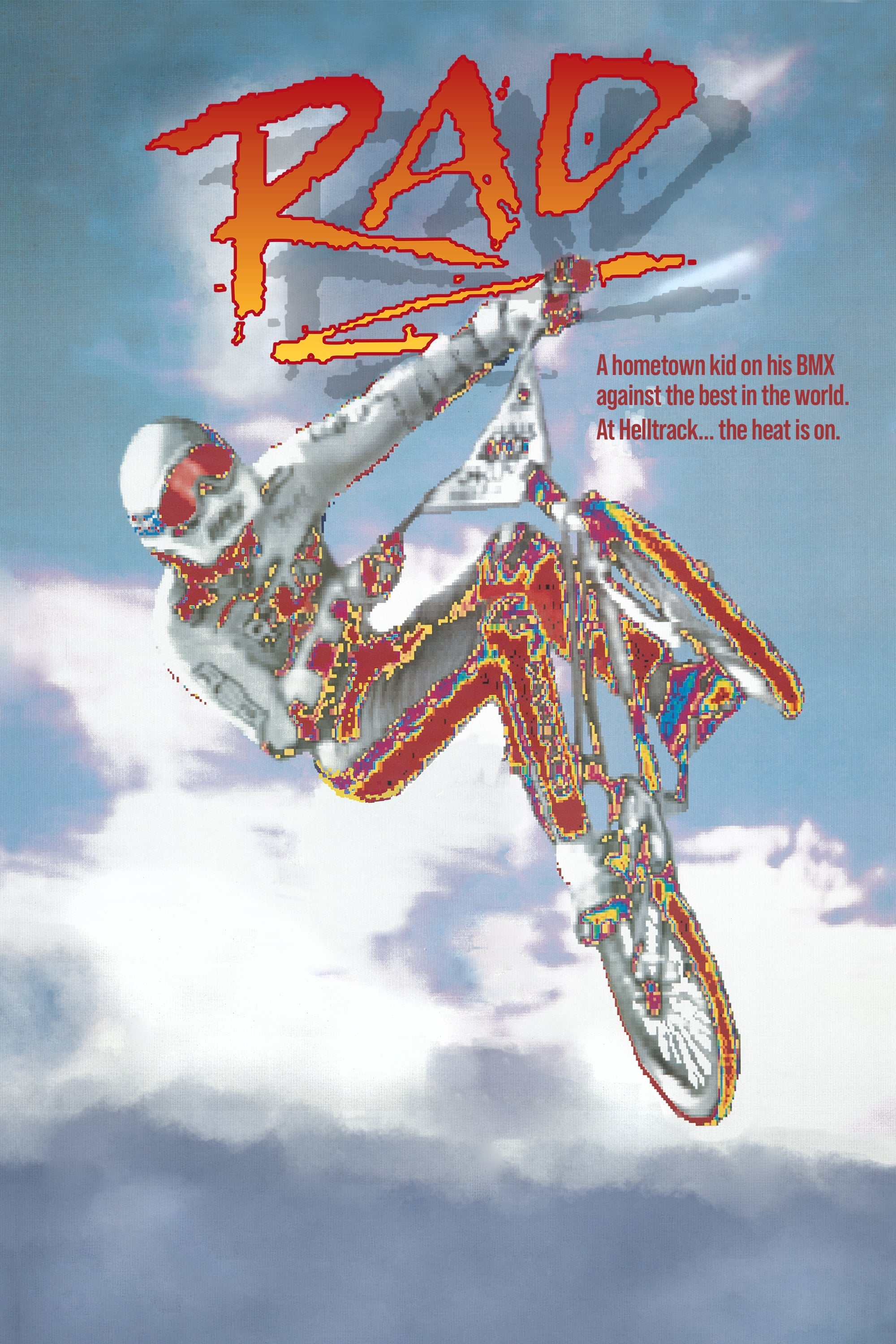
Directed by Hal Needham and written by Sam Bernard and Geoffrey Edwards, this film follows a small-town BMX racer aiming to compete in a high-profile event. Bill Allen and Lori Loughlin star, with Talia Shire in a supporting role.
Real-world BMX talent performed stunts, and sequences were shot on custom-built tracks and half-pipes. The soundtrack blends pop-rock with motivational anthems, and Needham’s background in stunt coordination informs the race choreography and crash work.
‘North Shore’ (1987)
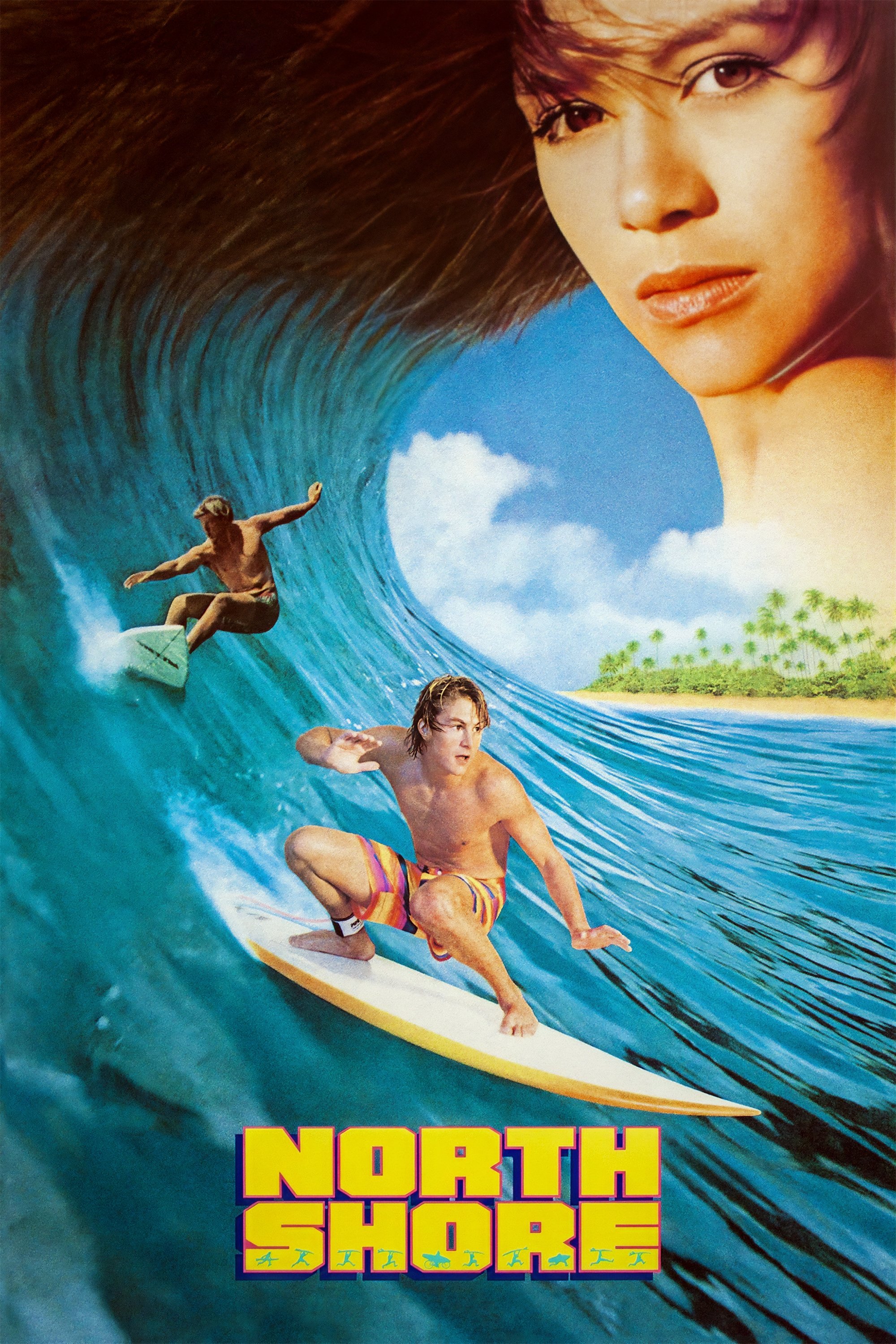
William Phelps directs this surfing drama about an Arizona kid who heads to Hawaii to test his wave-pool skills in ocean conditions. Matt Adler, Gregory Harrison, and Nia Peeples star, with appearances by professional surfers.
Filming took place on Oahu’s famed beaches, including the Banzai Pipeline and Waimea Bay. The production uses location sound to capture surf noise, and water cinematography crews employed camera housings and jet skis to track riders along breaking waves.
‘Young Sherlock Holmes’ (1985)
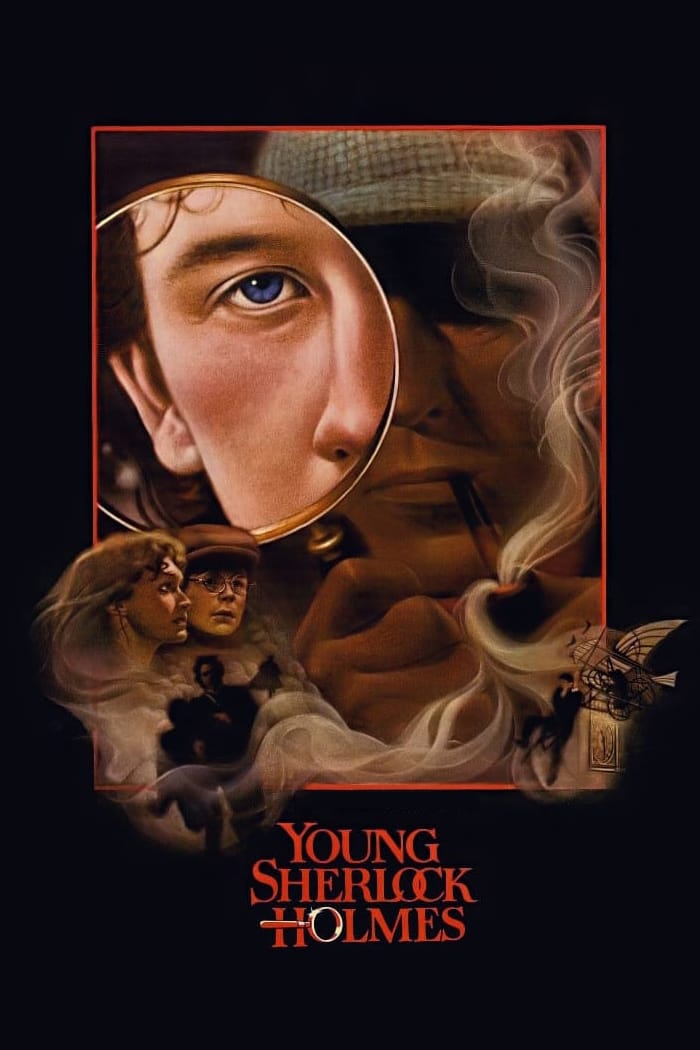
Barry Levinson directs from a Chris Columbus screenplay positing a first meeting between Holmes and Watson at a boarding school. Nicholas Rowe and Alan Cox star, with Amblin Entertainment producing and Paramount Pictures distributing.
ILM created one of the earliest completely computer-generated characters for the stained-glass knight sequence. The film blends Victorian-era sets with action-adventure pacing, and Bruce Broughton’s score incorporates motifs evocative of British concert music.
‘Dragonslayer’ (1981)
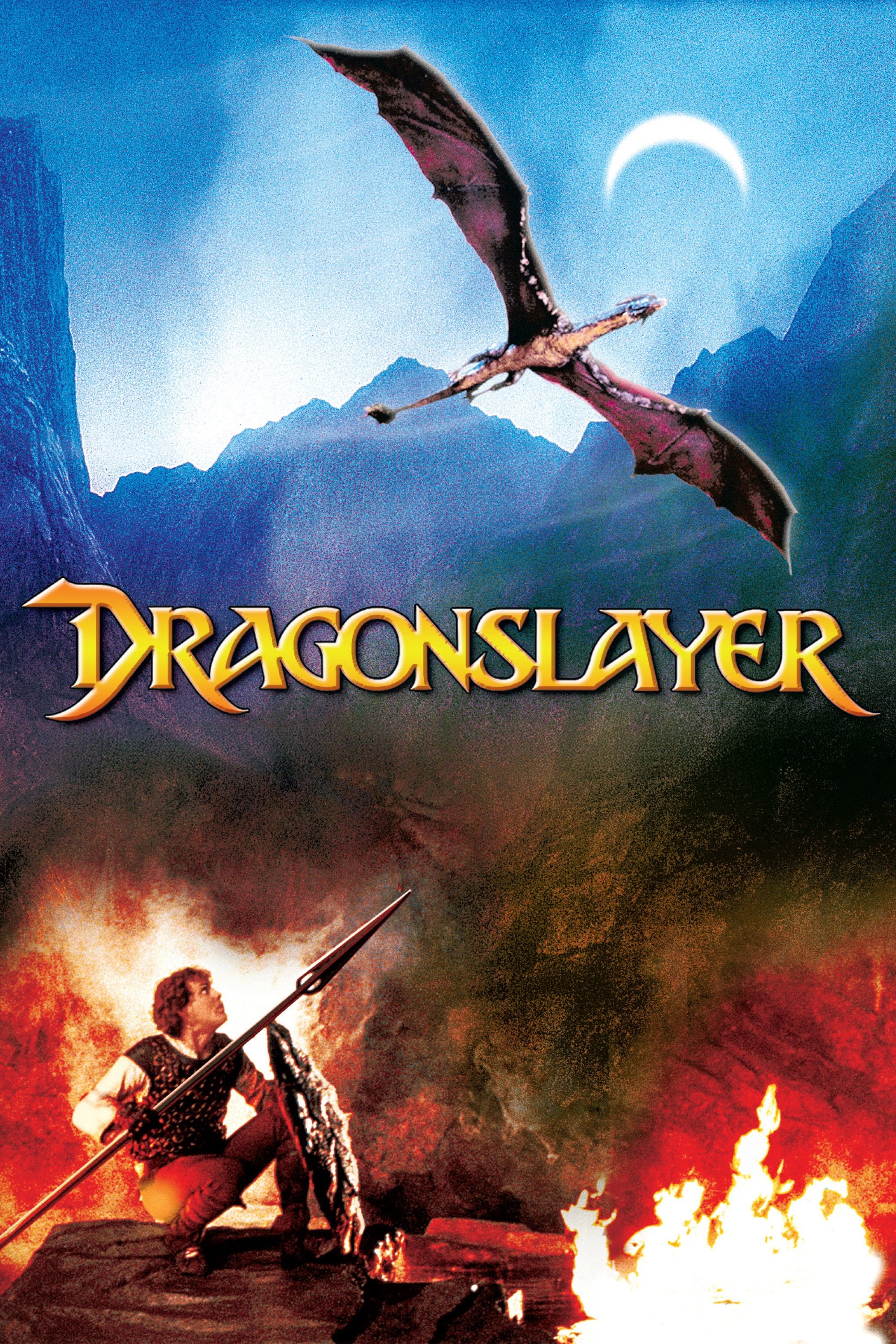
A co-production between Paramount and Disney, this dark fantasy follows an apprentice wizard facing a ravaging dragon. Peter MacNicol and Caitlin Clarke star, directed by Matthew Robbins.
The creature effects—nicknamed “Vermithrax Pejorative”—use go-motion animation supervised by Phil Tippett with detailed miniatures and full-scale components. Alex North composed the score, and rugged locations in the United Kingdom provide the film’s misty landscapes.
‘The Wraith’ (1986)
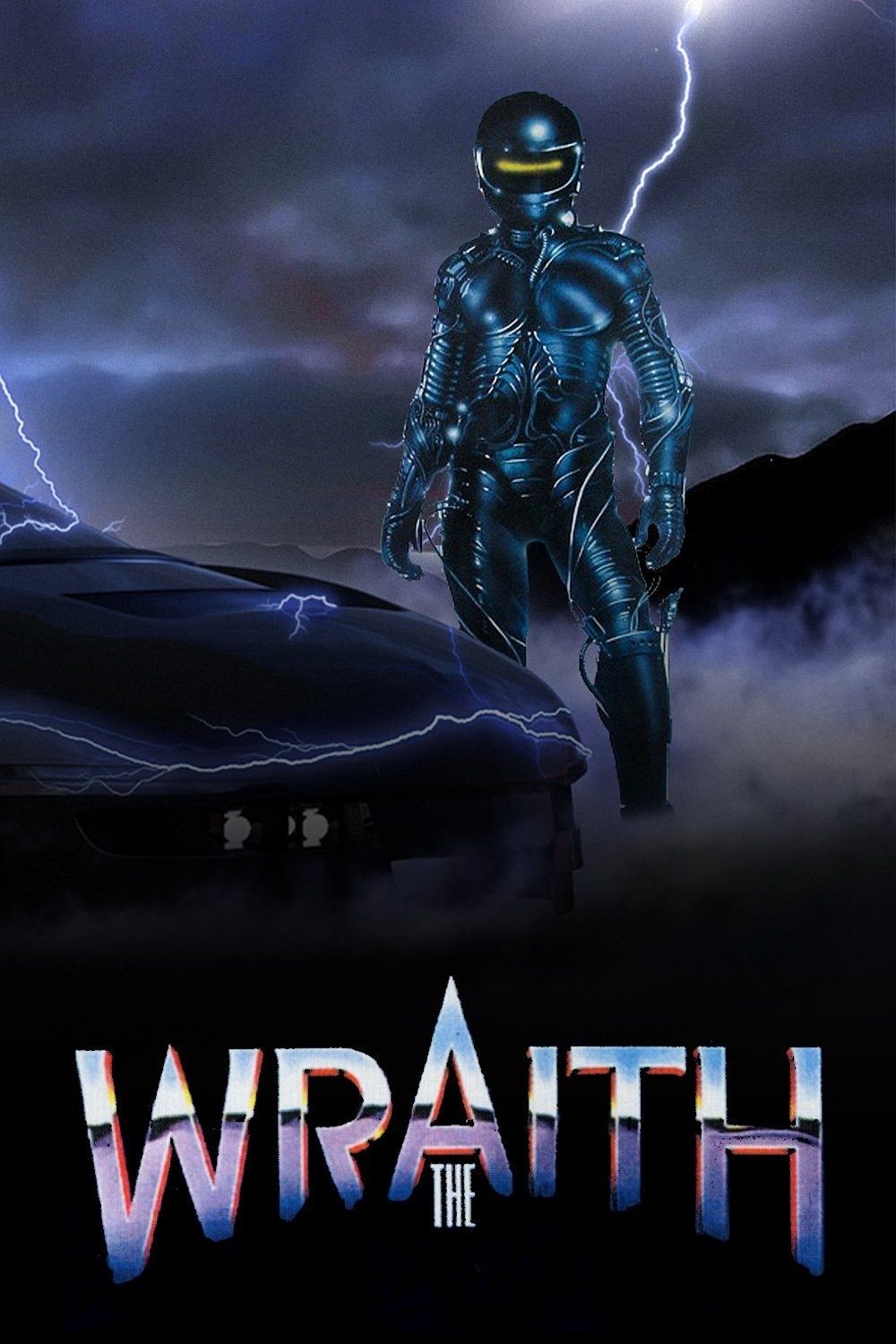
Mike Marvin writes and directs this desert-set revenge thriller with a supernatural twist. Charlie Sheen, Sherilyn Fenn, and Nick Cassavetes headline, with New Century Entertainment releasing.
Automotive action features specialized cars, including a Dodge-based hero vehicle outfitted for high-speed stunts. The soundtrack leans on hard-rock acts, and the production utilized Arizona highways for extended chase sequences coordinated with local authorities.
‘Dreamscape’ (1984)
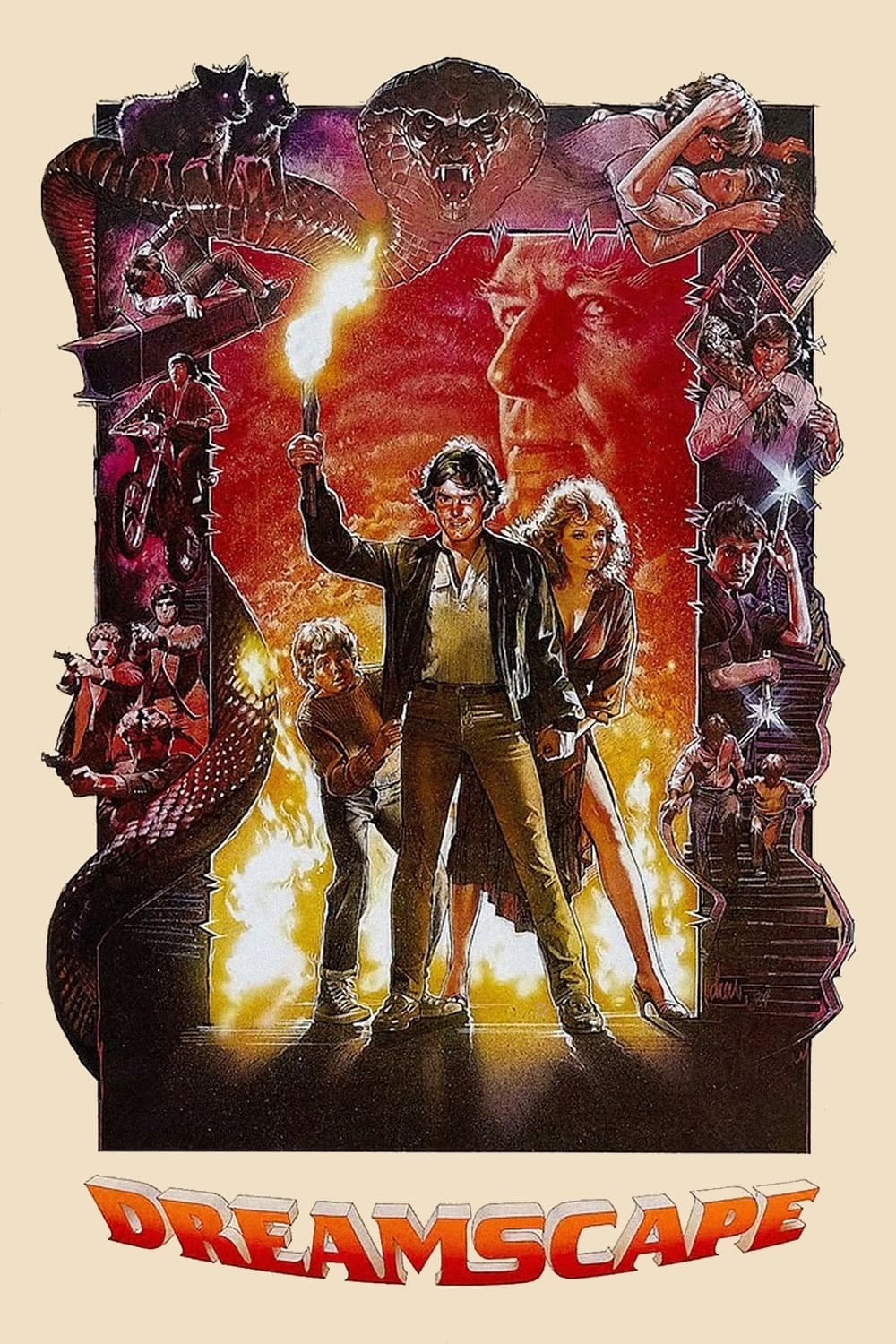
Directed by Joseph Ruben, this sci-fi thriller centers on a psychic recruited to enter others’ nightmares via experimental technology. Dennis Quaid, Max von Sydow, and Kate Capshaw star, with 20th Century Fox distributing.
Makeup and visual effects teams created creature designs for dream sequences using prosthetics and stop-motion inserts. Maurice Jarre composed an electronic-orchestral hybrid score, and production design contrasts sterile labs with surreal, expressionistic dreamscapes.
‘Return to Oz’ (1985)
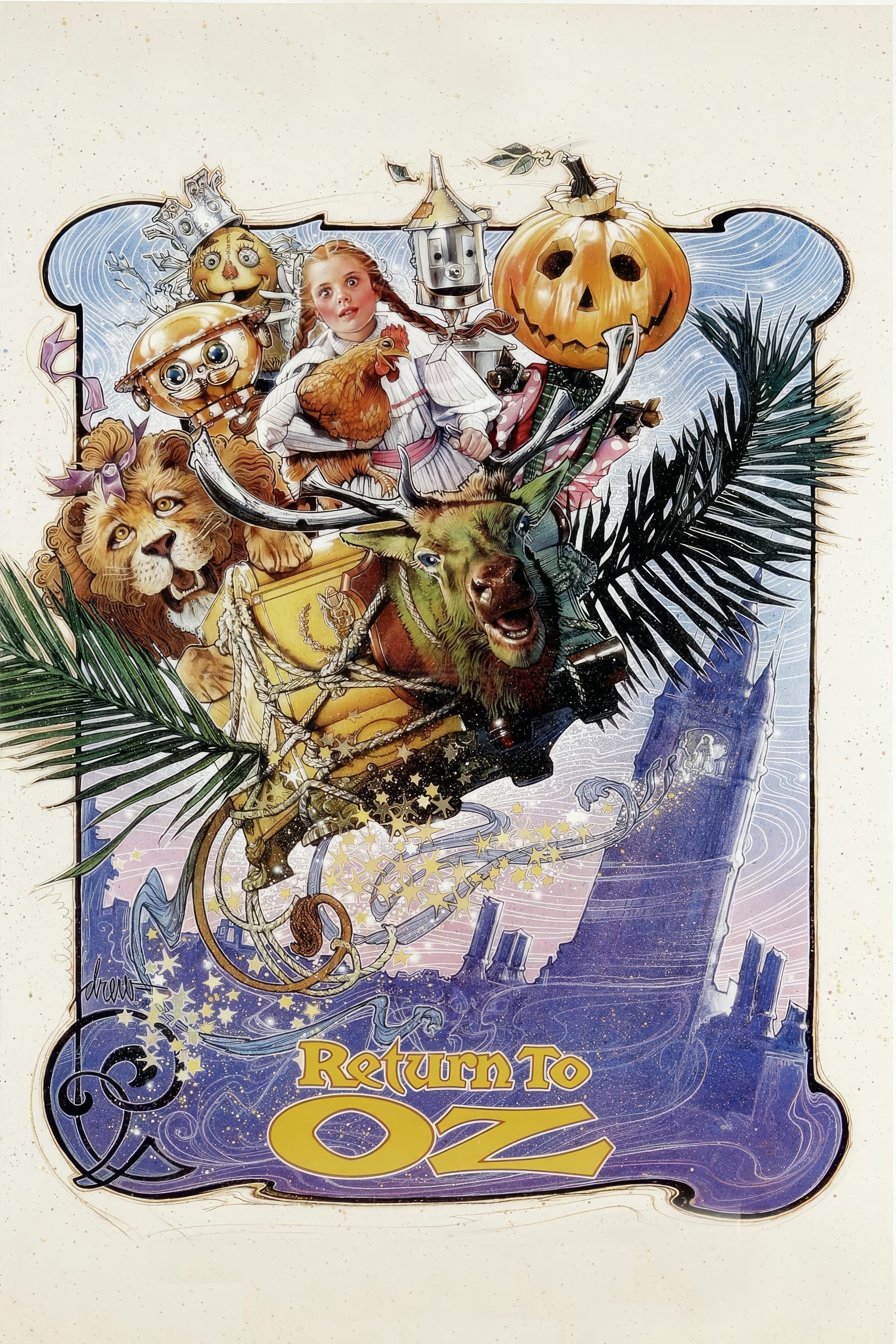
Walter Murch directs this darker continuation of L. Frank Baum’s tales, drawing from multiple books beyond the familiar story. Fairuza Balk plays Dorothy, supported by Nicol Williamson, Jean Marsh, and a voice cast for mechanical companions.
Effects include extensive puppetry by the Henson workshop community and a full-size animatronic for Tik-Tok. Filming used English stages for Emerald City ruins and the Nome King’s cavern, with clay and stop-motion techniques for the rock-face transformations.
‘Something Wicked This Way Comes’ (1983)
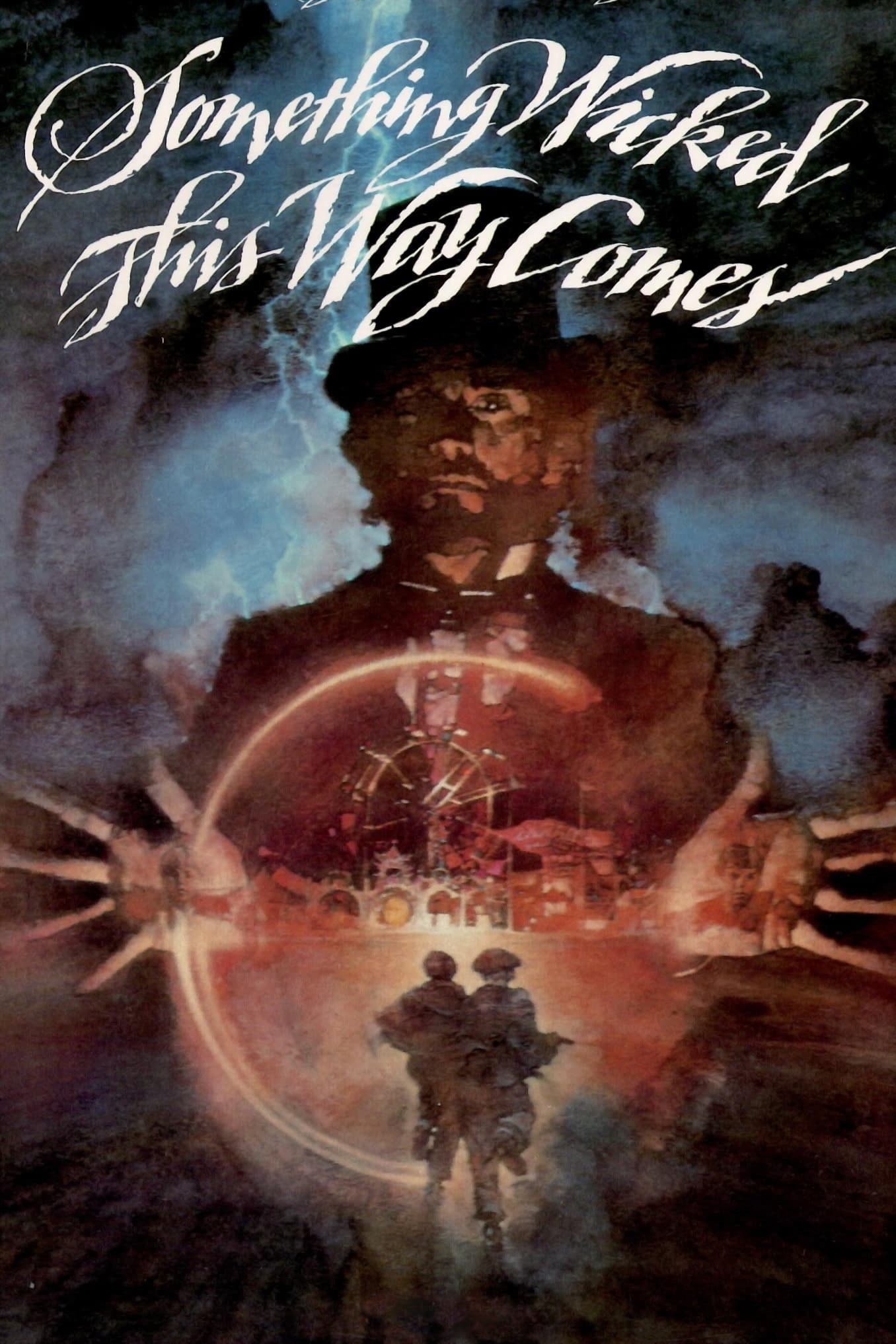
Based on Ray Bradbury’s novel and produced by Disney, this supernatural drama follows two friends ensnared by a traveling carnival’s alluring promises. Jason Robards and Jonathan Pryce lead the cast, with Jack Clayton directing.
The production combines small-town Americana sets with practical atmospheric effects like wind machines and leaf cannons. James Horner provides the score, and editorial revisions aligned the final cut with a more character-driven spine while retaining the story’s eerie tone.
Share your own forgotten favorites in the comments so everyone can compare notes and keep these titles alive.