Most Stressful Movies with Zero Violence

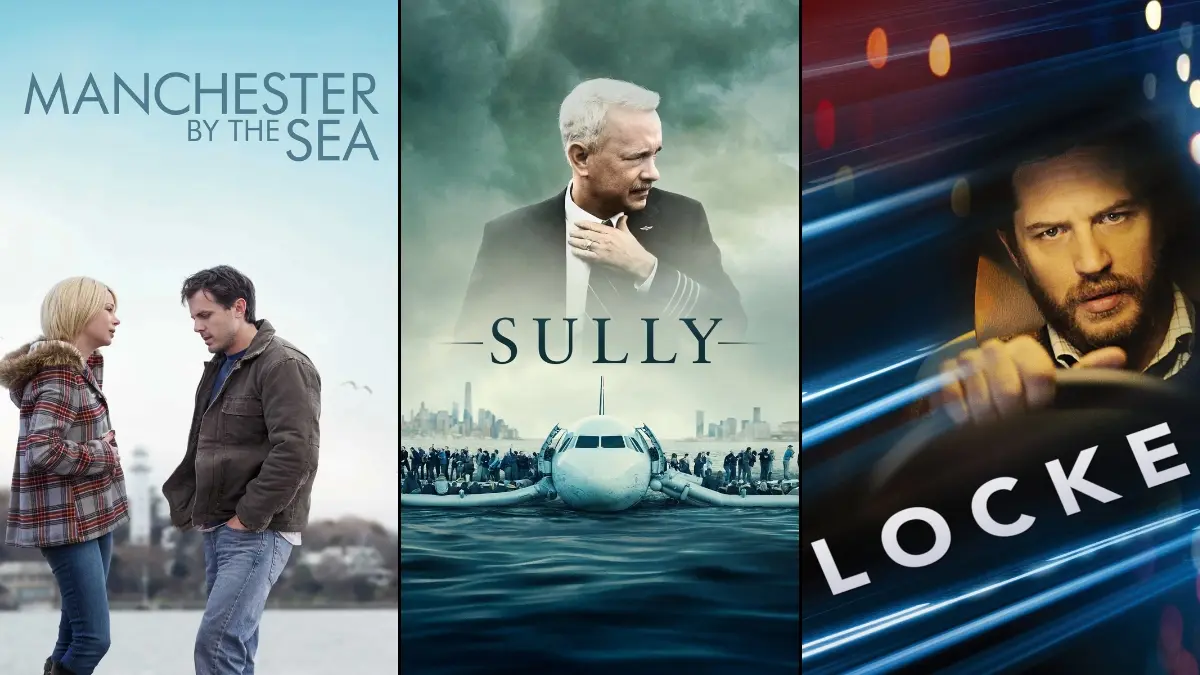

Some films keep you glued to your seat without throwing a single punch. This list rounds up projects that crank tension through real-time pressure, claustrophobic setups, high-stakes decisions, technical peril, or relentless time constraints—while avoiding depictions of physical violence. You’ll find survival stories, courtroom showpieces, single-location thrillers, nerve-jangling docs, and pressure-cooker workplace dramas.
Each entry below sticks to verifiable details—who made it, how it was made, where it was shot, who’s in it, notable awards and release facts—so you can decide what to watch based on the project’s pedigree and craft. Titles are presented in a simple, friendly way, with two short paragraphs of useful information for each.
‘Gravity’ (2013)
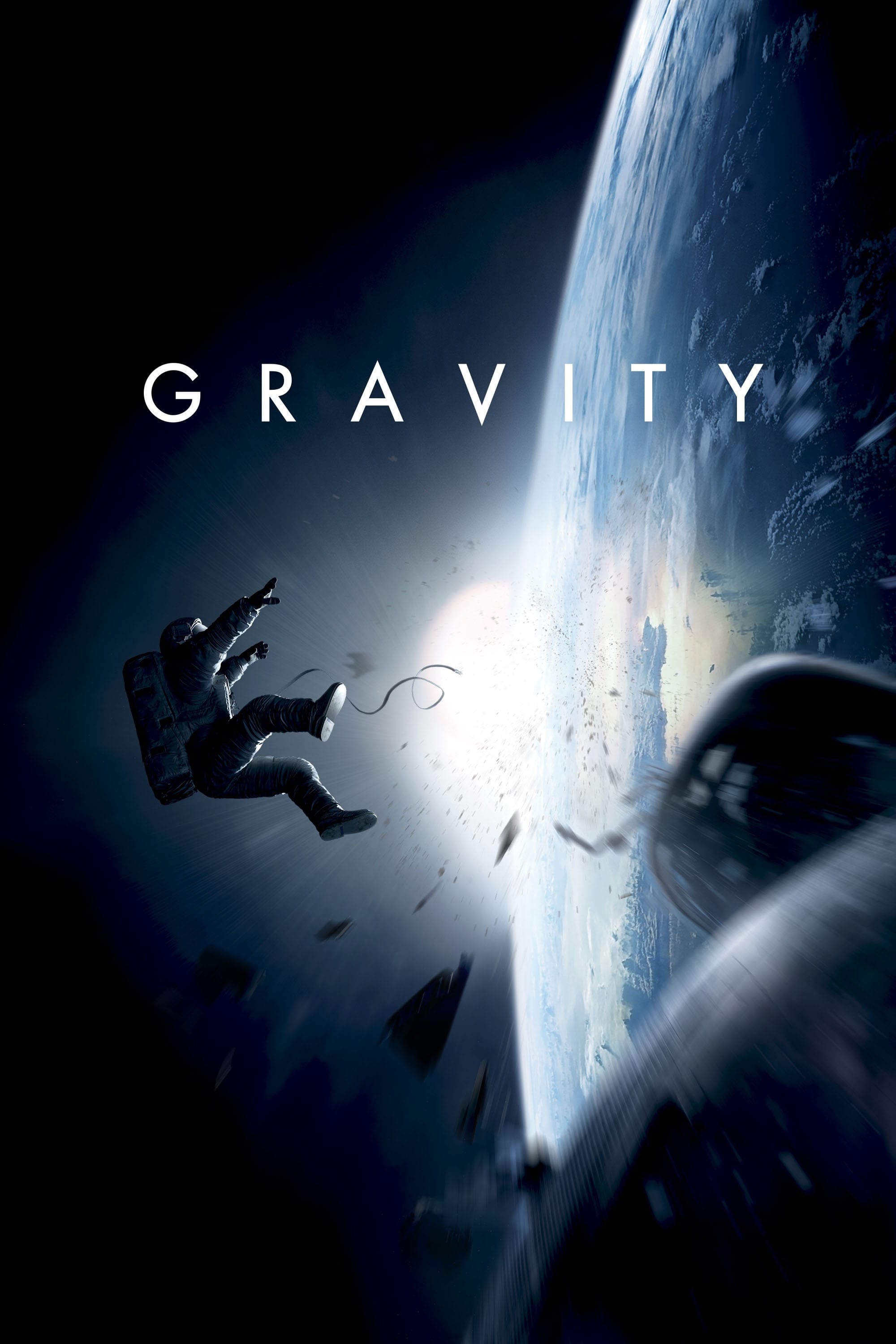
Alfonso Cuarón directed and co-wrote ‘Gravity’, with Sandra Bullock and George Clooney leading a two-hander set in low Earth orbit. The production used extensive LED light boxes and robotic camera rigs to simulate orbital lighting and weightlessness, with Emmanuel Lubezki serving as cinematographer and Steven Price composing the score. Framestore handled the majority of visual effects work, creating long, digitally stitched “single takes.”
‘Gravity’ premiered at the Venice Film Festival and was distributed by Warner Bros. It earned multiple Academy Awards across technical categories including cinematography, visual effects, and directing, and was a major global box-office success relative to its mid-nine-figure production budget.
‘All Is Lost’ (2013)

Written and directed by J.C. Chandor, ‘All Is Lost’ is a near-silent survival drama starring Robert Redford as a solo sailor at sea. The film was shot primarily in water tanks at Baja Studios in Mexico, with additional open-water footage and practical boat work to depict storm conditions.
Sound design and minimal dialogue are central to the project’s approach, with Alex Ebert providing the score. ‘All Is Lost’ premiered at Cannes, earned awards recognition for Redford and its sound work, and was distributed by Lionsgate and Roadside Attractions in the United States.
‘Locke’ (2013)
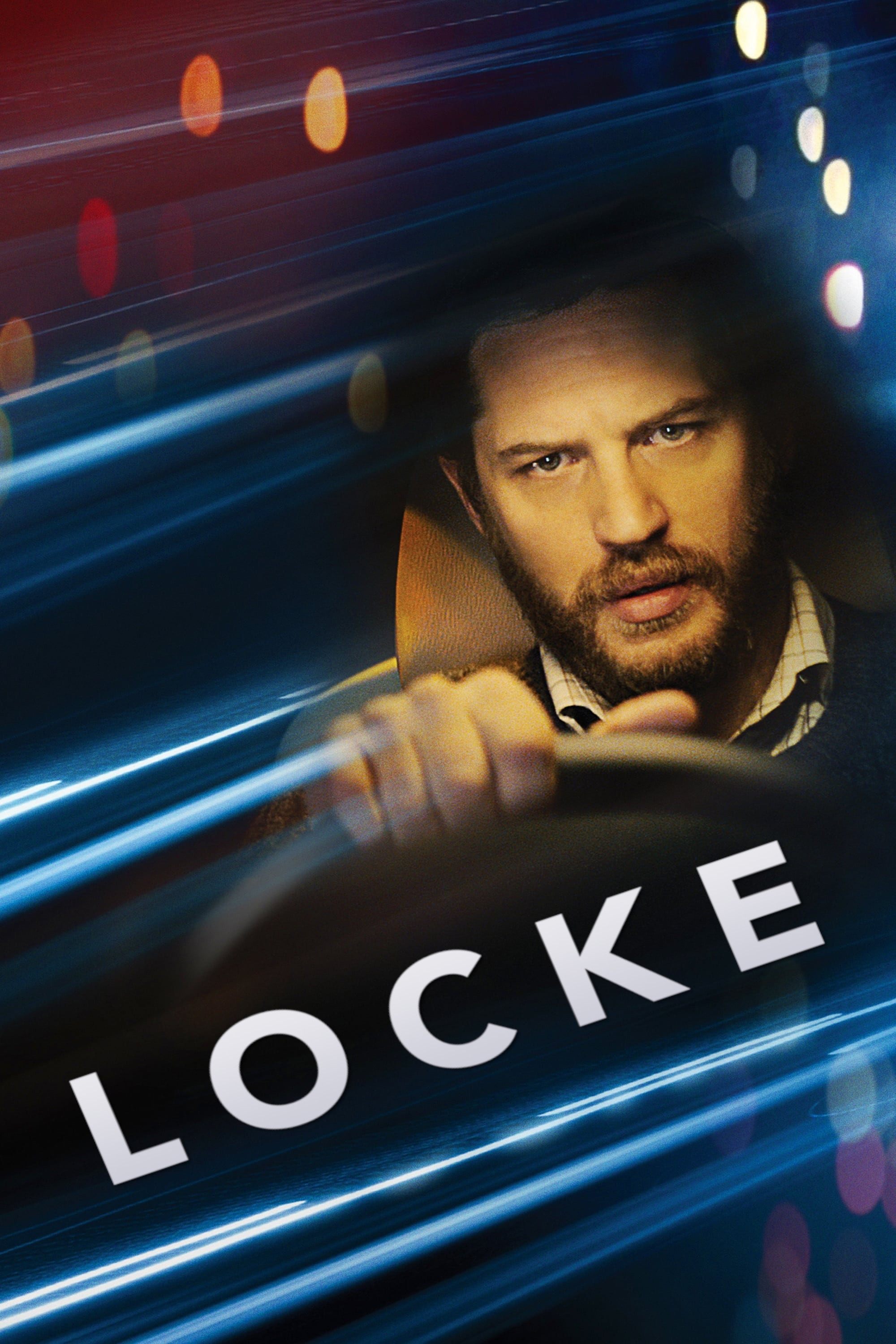
‘Locke’ is a real-time drama written and directed by Steven Knight, featuring Tom Hardy as the only on-screen performer. The production mounted multiple small cameras inside a moving BMW and captured the bulk of the film over a handful of consecutive nights on British motorways, with supporting cast members performing live phone calls from a nearby hotel.
Cinematographer Haris Zambarloukos used practical dashboard and street lighting to maintain authenticity. ‘Locke’ premiered at Venice, was released by A24 in the United States and Lionsgate in the UK, and drew attention for its contained structure and one-location execution.
’12 Angry Men’ (1957)
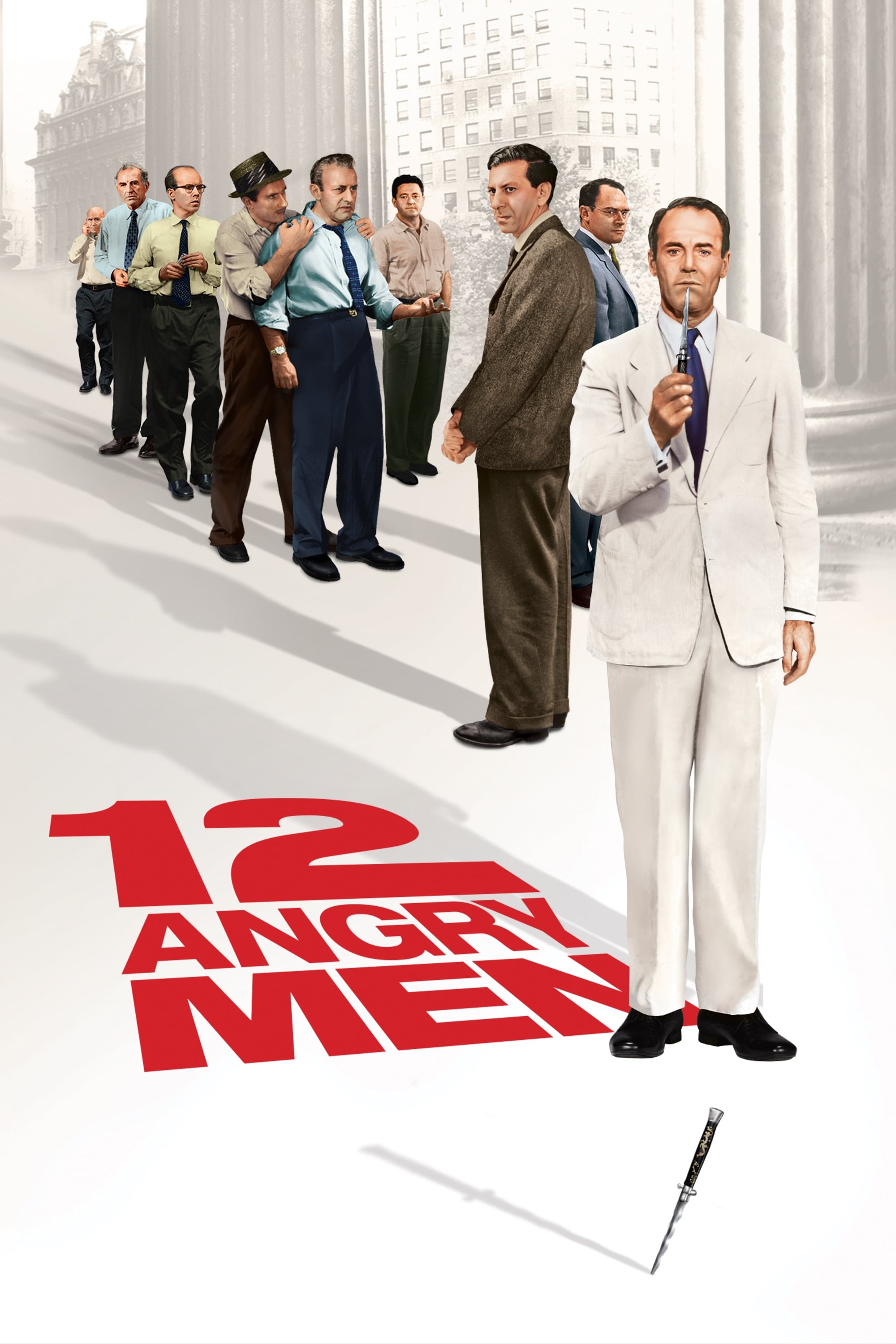
Sidney Lumet’s ’12 Angry Men’ adapts Reginald Rose’s teleplay into a courtroom-adjacent chamber piece set entirely in a jury room. The production uses a progressively lower camera height and longer focal lengths to subtly increase a sense of confinement as deliberations continue.
Starring Henry Fonda—who also served as a co-producer—alongside Lee J. Cobb and an ensemble of character actors, ’12 Angry Men’ was initially modest at the box office but became a staple of legal and film studies curricula. It earned multiple Academy Award nominations and has been preserved by the National Film Registry.
‘Margin Call’ (2011)
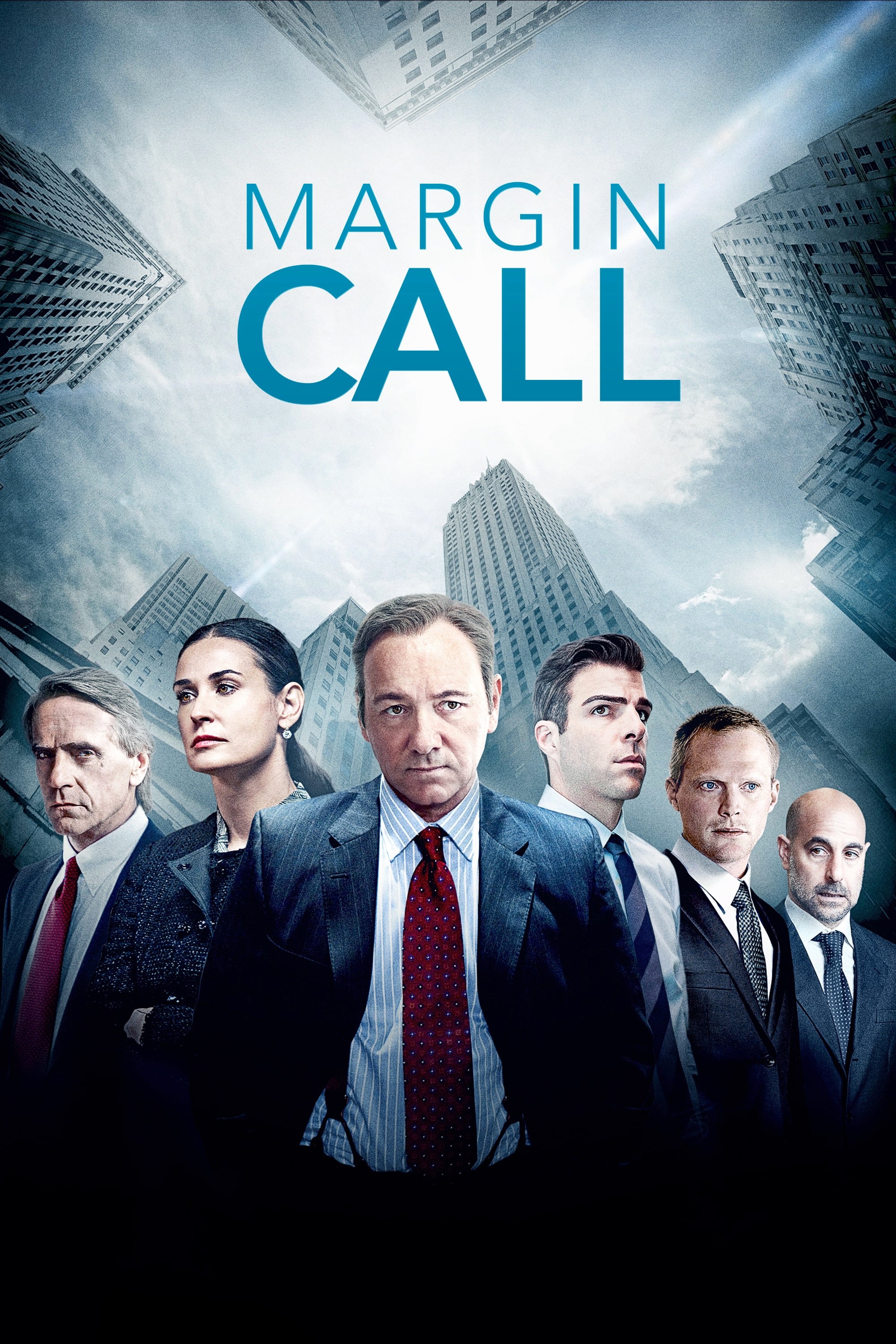
Written and directed by J.C. Chandor, ‘Margin Call’ follows a 24-hour period inside an investment bank during a financial crisis. The project was shot in New York City office interiors, leveraging practical locations to achieve a late-night, fluorescent look without large builds.
The ensemble includes Kevin Spacey, Jeremy Irons, Zachary Quinto, Paul Bettany, and Stanley Tucci. ‘Margin Call’ premiered at Sundance, received an Academy Award nomination for Original Screenplay, and was distributed using an early day-and-date strategy that combined limited theatrical release with video-on-demand.
‘The Father’ (2020)
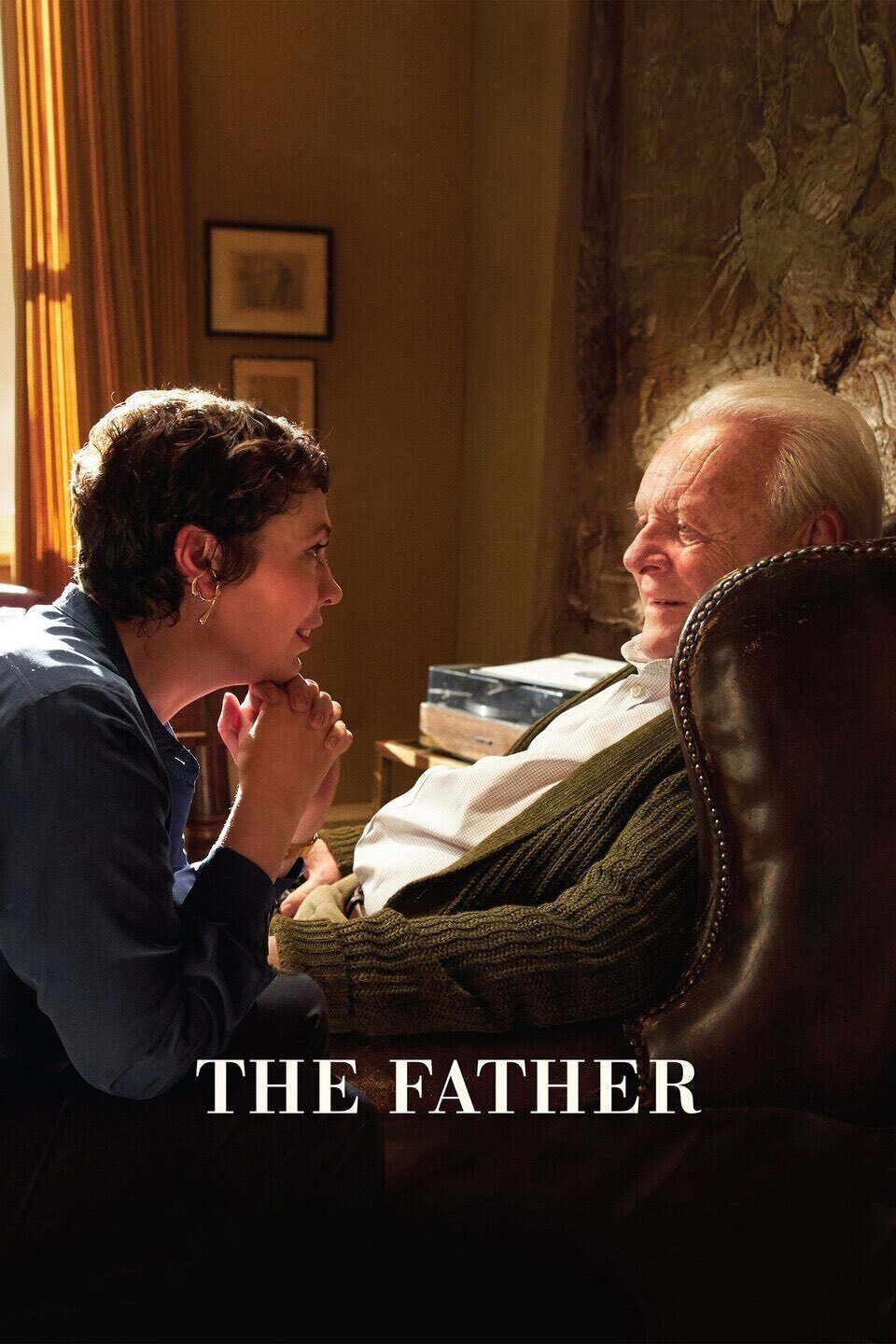
‘The Father’ is adapted by Florian Zeller from his stage play, with Anthony Hopkins and Olivia Colman in lead roles. The production intentionally altered set details—such as furniture placement and wall colors—between scenes to mirror the protagonist’s shifting perception, a choice devised in collaboration with production designer Peter Francis and cinematographer Ben Smithard.
The film premiered at Sundance and was later acquired for distribution in multiple territories. ‘The Father’ earned Academy Awards for Best Actor and Best Adapted Screenplay and received additional nominations including Best Picture and Best Film Editing.
‘Tár’ (2022)
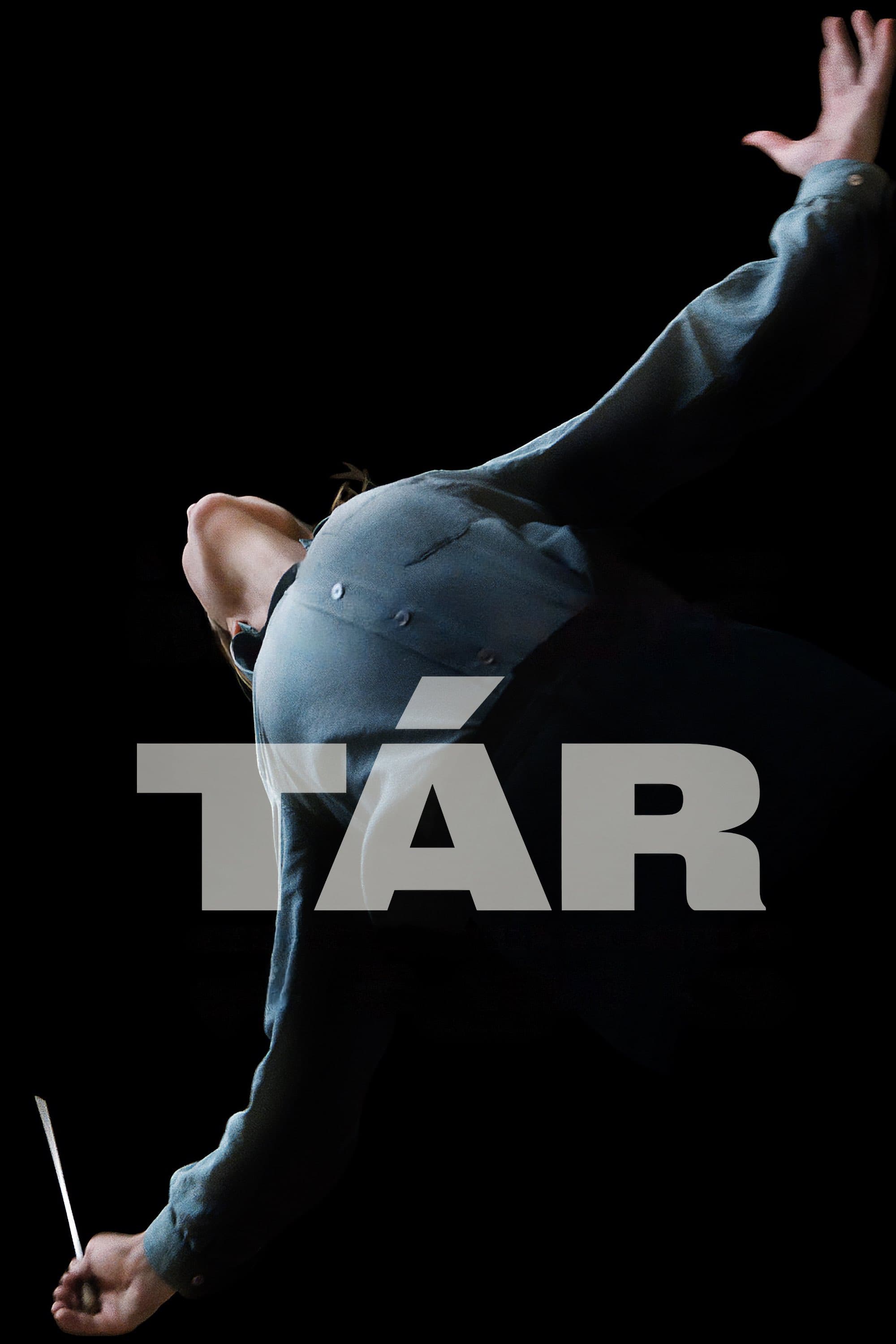
Written and directed by Todd Field, ‘Tár’ stars Cate Blanchett as a world-renowned conductor working with the Berlin Philharmonic. The production filmed on location in Berlin, Dresden, and New York, with Monika Willi handling the edit and Florian Hoffmeister serving as cinematographer, emphasizing long takes and rehearsal-room authenticity.
The soundtrack includes orchestral sessions recorded with professional musicians, while production design recreated performance spaces with attention to acoustic treatment. ‘Tár’ premiered at Venice, where Blanchett received the Volpi Cup for Best Actress, and it later received multiple Academy Award nominations across top categories.
‘Sound of Metal’ (2019)
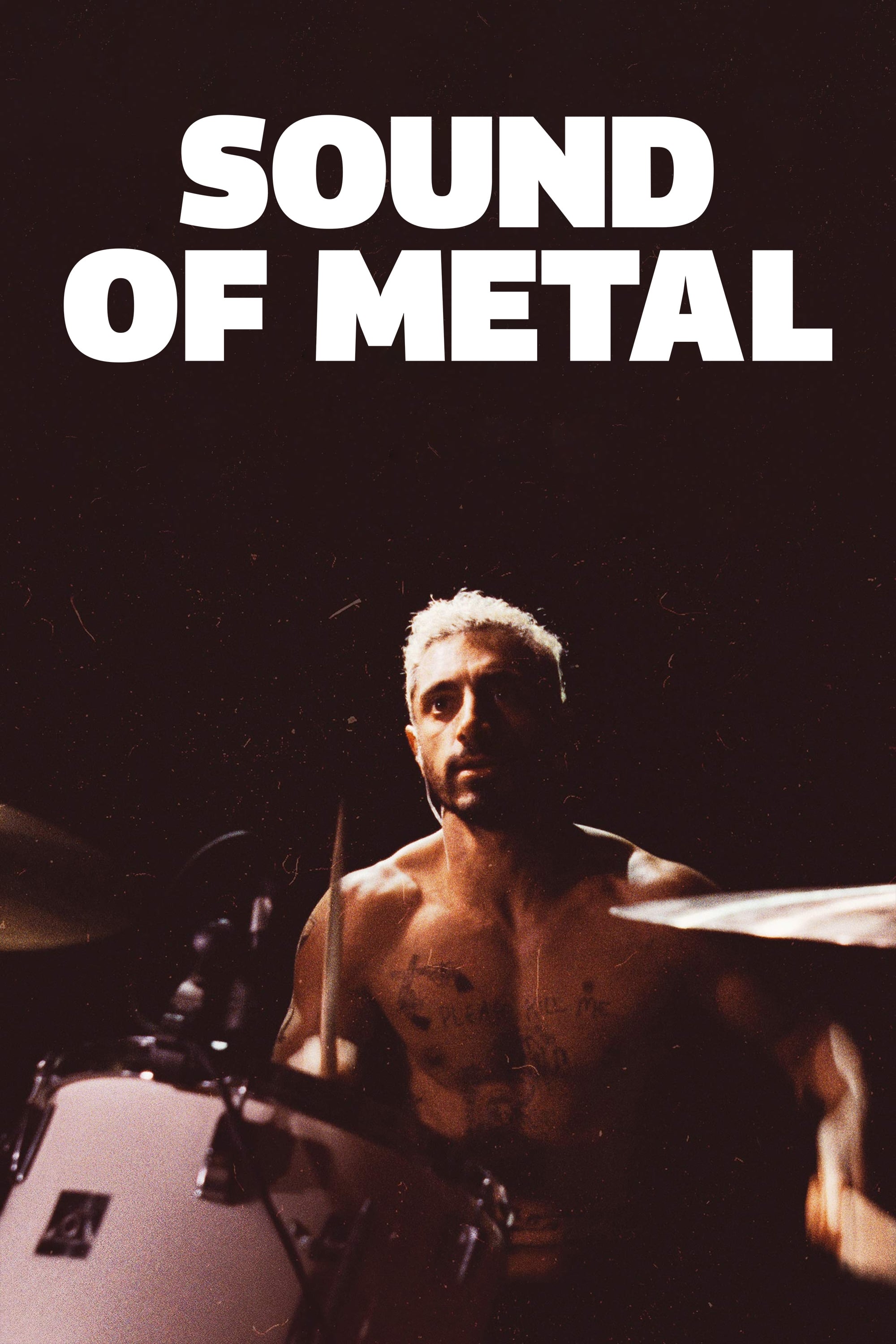
Directed by Darius Marder, ‘Sound of Metal’ follows a drummer experiencing sudden hearing loss, portrayed by Riz Ahmed. The project used innovative sound mixing and design—credited to Nicolas Becker and team—to represent auditory perspective shifts, including purpose-built microphone and processing chains.
Shot in the United States with a cast that includes members of the Deaf community, ‘Sound of Metal’ premiered at Toronto. It earned Academy Awards for Best Sound and Best Film Editing, with additional nominations for Best Picture, Best Actor, and Best Supporting Actor.
‘Free Solo’ (2018)
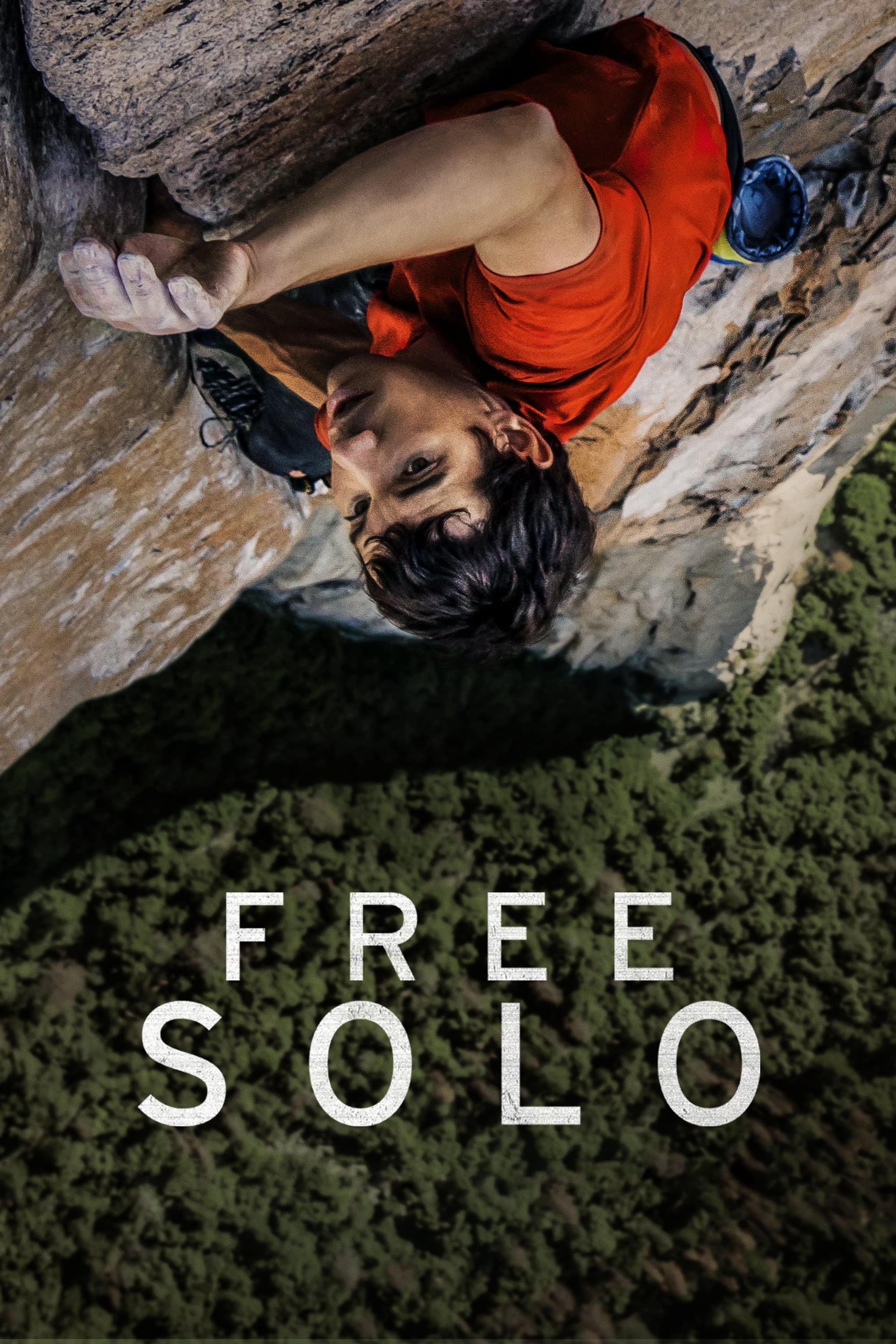
‘Free Solo’ is a National Geographic documentary directed by Elizabeth Chai Vasarhelyi and Jimmy Chin, chronicling Alex Honnold’s ropeless ascent of El Capitan. The crew employed remote cameras, fixed lines, and careful shot planning to avoid interfering with the climb, combining long-lens coverage with aerial cinematography.
The film premiered at Telluride and won the Academy Award for Best Documentary Feature. It received an IMAX rollout after its initial release and became one of the highest-grossing documentaries of its year.
‘Meru’ (2015)
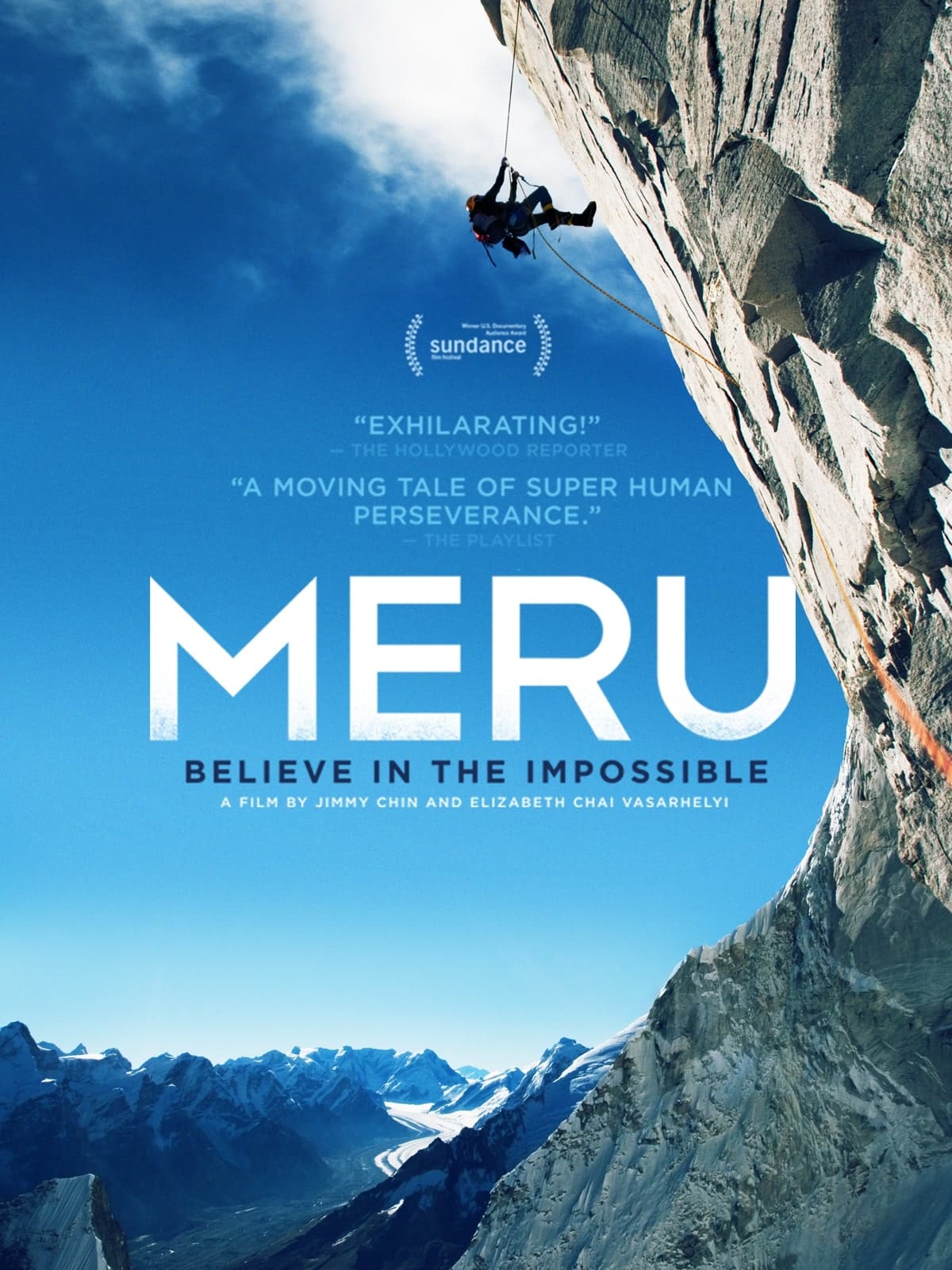
Directed by Jimmy Chin and Elizabeth Chai Vasarhelyi, ‘Meru’ documents an attempt to climb the Shark’s Fin route on Mount Meru in the Indian Himalayas. The camera team—made up of climbers—relied on compact equipment, in-camera stabilization, and high-altitude logistics to capture footage in extreme conditions.
‘Meru’ premiered at Sundance, where it won the U.S. Audience Award for Documentary. It was distributed by Music Box Films and is frequently noted for its production approach that balanced safety protocols with the need for authentic on-route coverage.
‘The Dawn Wall’ (2017)
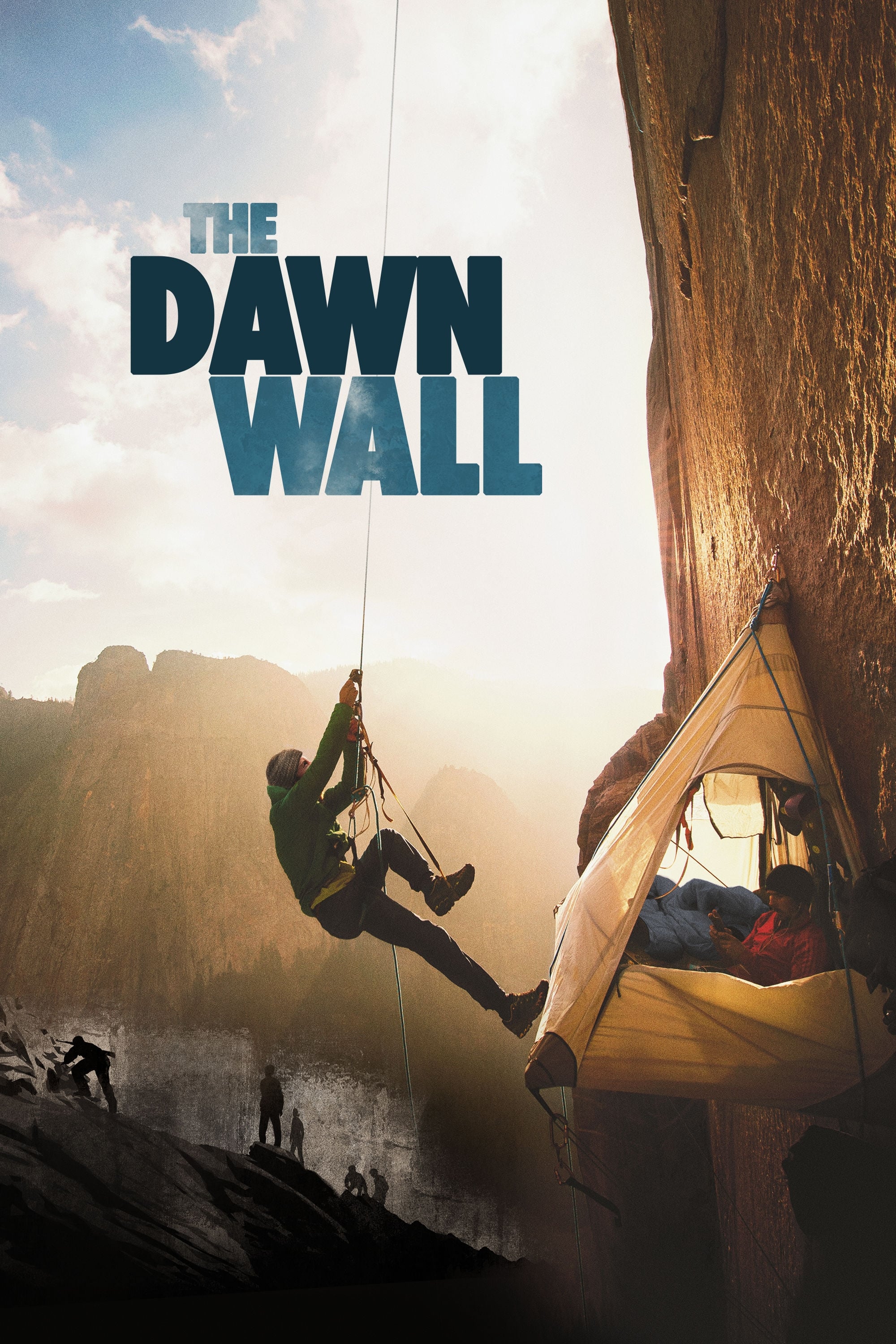
‘The Dawn Wall’ follows climbers Tommy Caldwell and Kevin Jorgeson on Yosemite’s Dawn Wall project. The filmmakers employed time-lapse photography, drones within park regulations, and fixed-rope camera positions to document months of progress on specific pitches.
The documentary screened at international festivals before its wider release through event cinema and streaming platforms. It features detailed route mapping, interviews with coaches and family, and archival materials that contextualize the climb’s preparation period.
‘The Rescue’ (2021)
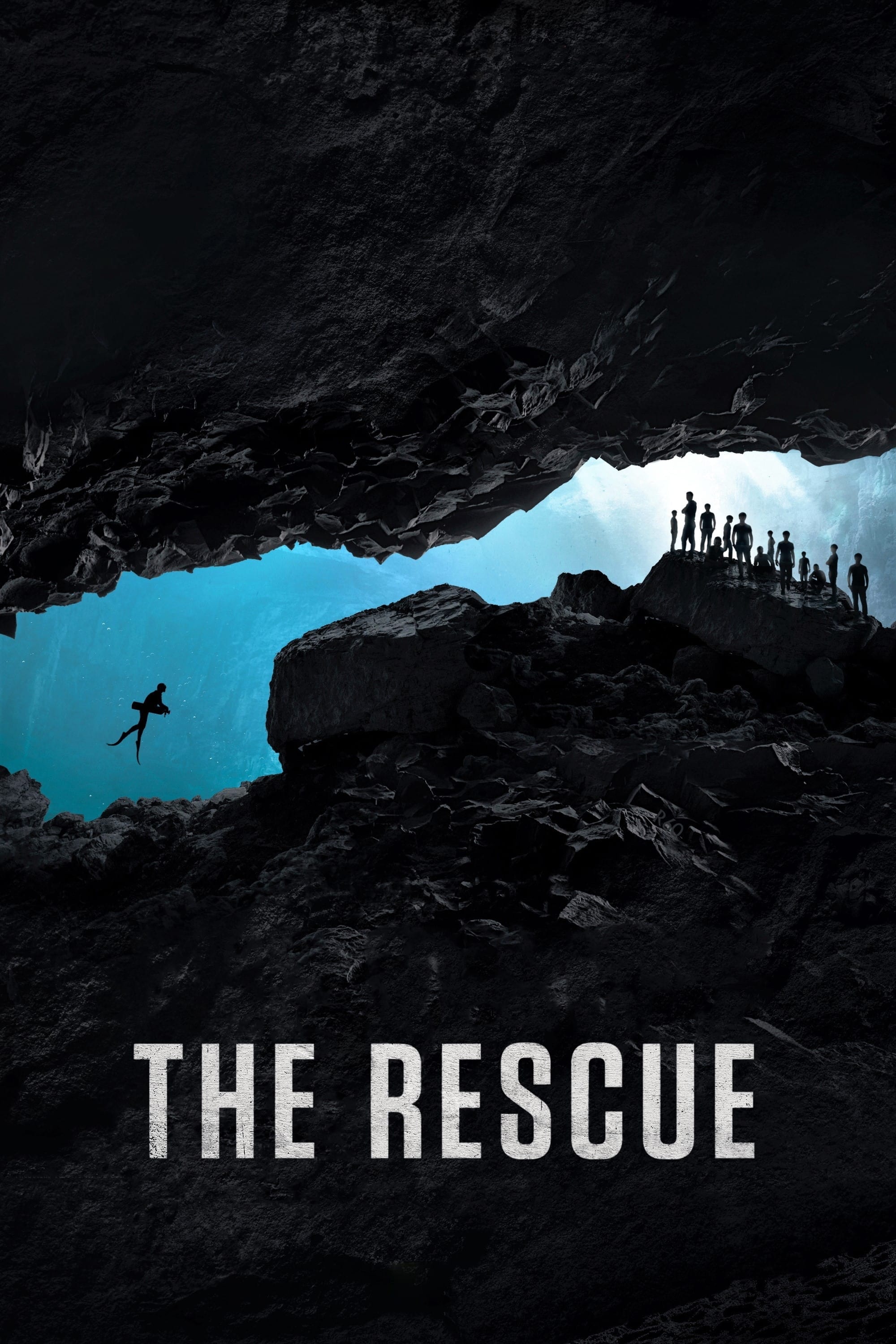
Directed by Elizabeth Chai Vasarhelyi and Jimmy Chin, ‘The Rescue’ chronicles the Thai cave rescue of a junior football team. The film integrates interviews with divers and rescuers, official footage, and staged underwater re-creations performed with consultation from participants to accurately represent procedures.
‘The Rescue’ premiered at Telluride and won BAFTA and PGA awards for documentary filmmaking. National Geographic handled distribution, with the project receiving a theatrical and streaming release strategy in multiple regions.
‘Apollo 11’ (2019)
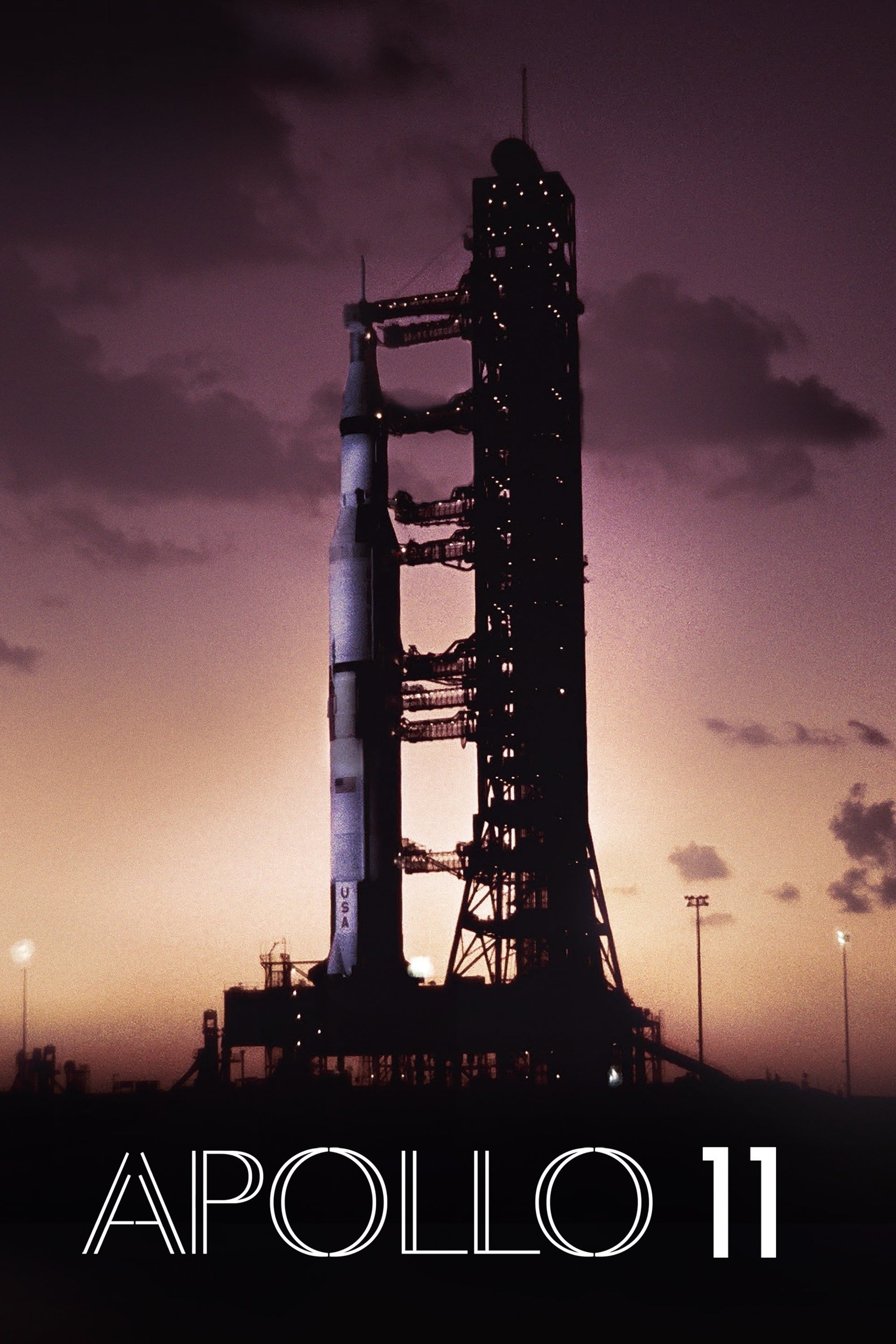
‘Apollo 11’, directed by Todd Douglas Miller, assembles newly discovered large-format NASA footage and mission audio from the first Moon landing. The restoration team scanned 65mm and 70mm elements at high resolution, enabling IMAX exhibition with minimal narration or contemporary interviews.
The film premiered at Sundance and was released by Neon and CNN Films. It received awards for editing and archival usage and was exhibited in standard theaters, IMAX, and broadcast formats, emphasizing a purely observational approach.
‘Sully’ (2016)

Directed by Clint Eastwood and starring Tom Hanks, ‘Sully’ recounts the emergency water landing of US Airways Flight 1549 and the subsequent investigation. Principal photography took place in New York and Atlanta, with large-scale water tank work and Coast Guard support to stage aircraft cabin and Hudson River sequences.
The production consulted with aviation experts and the real-life crew to reconstruct procedures. ‘Sully’ was released by Warner Bros., performed strongly at the box office, and used Dolby Atmos sound to highlight cockpit communication and environmental detail.
‘The Perfect Storm’ (2000)
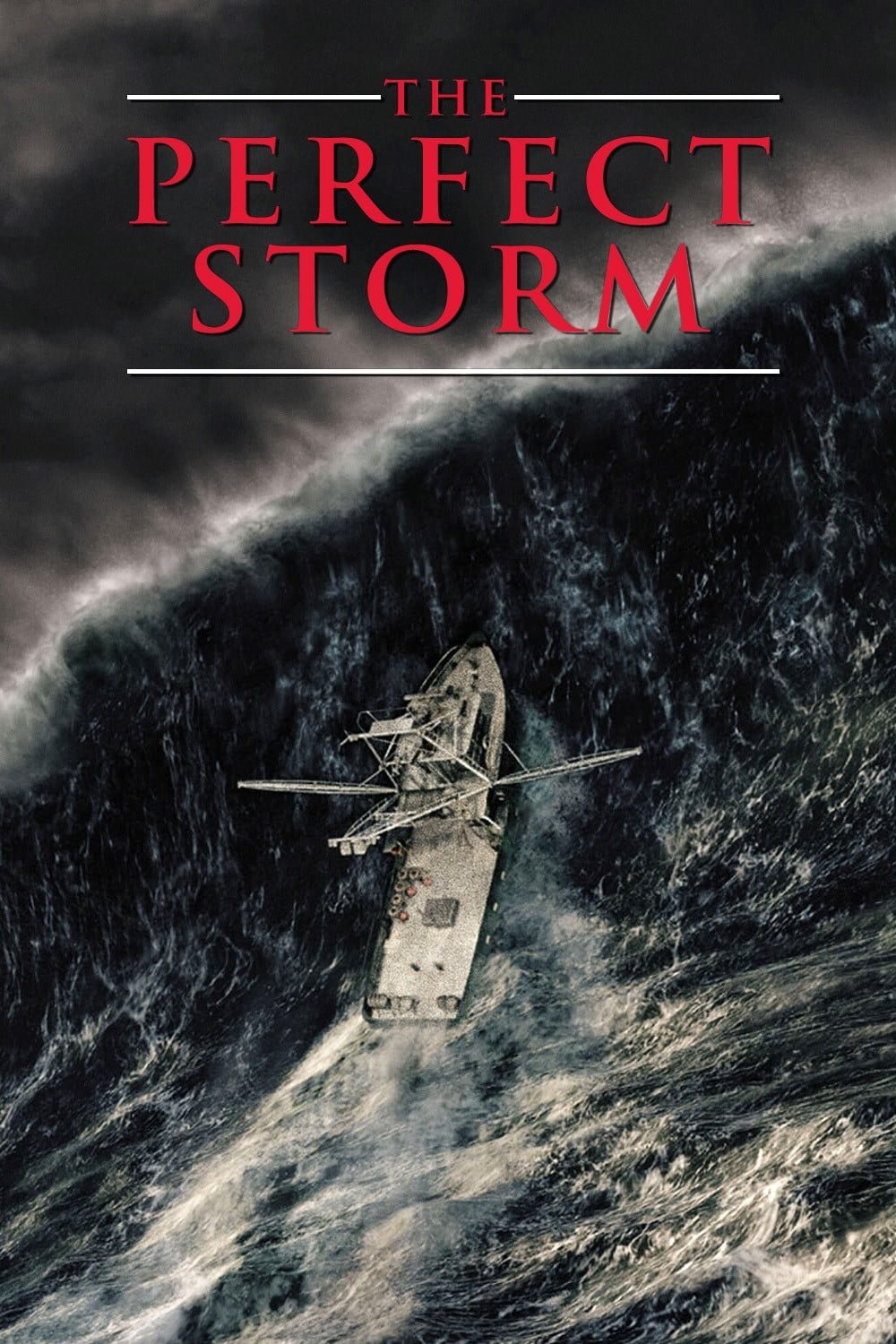
Directed by Wolfgang Petersen and based on Sebastian Junger’s nonfiction book, ‘The Perfect Storm’ stars George Clooney and Mark Wahlberg. The production combined practical gimbal-mounted boat sets with extensive water-tank work and digital weather effects to depict North Atlantic conditions.
Industrial Light & Magic contributed to the storm simulations, while the score was composed by James Horner. Distributed by Warner Bros., the film opened in early summer and became a commercial success, with large-format prints created for select venues.
‘Primer’ (2004)
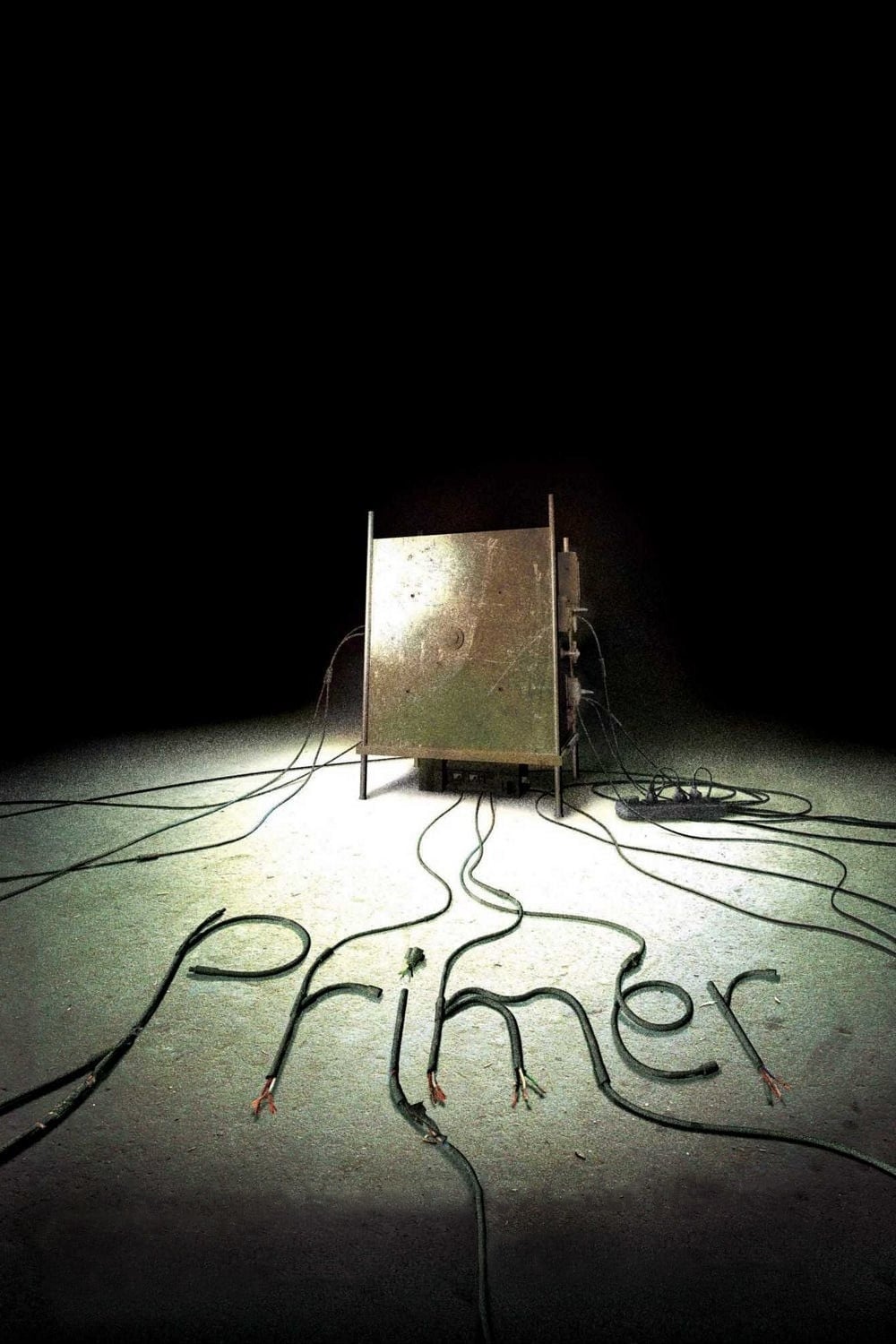
Shane Carruth’s ‘Primer’ is a micro-budget science-drama produced largely in Dallas, with Carruth serving as writer, director, editor, composer, and star. The film was shot on Super 16mm to contain costs, with production relying on local locations and a small crew.
‘Primer’ premiered at Sundance and won the Grand Jury Prize for the U.S. Dramatic category along with the Alfred P. Sloan Prize for science-themed filmmaking. Its distribution included an art-house theatrical run before home release and later digital availability.
‘The Conversation’ (1974)
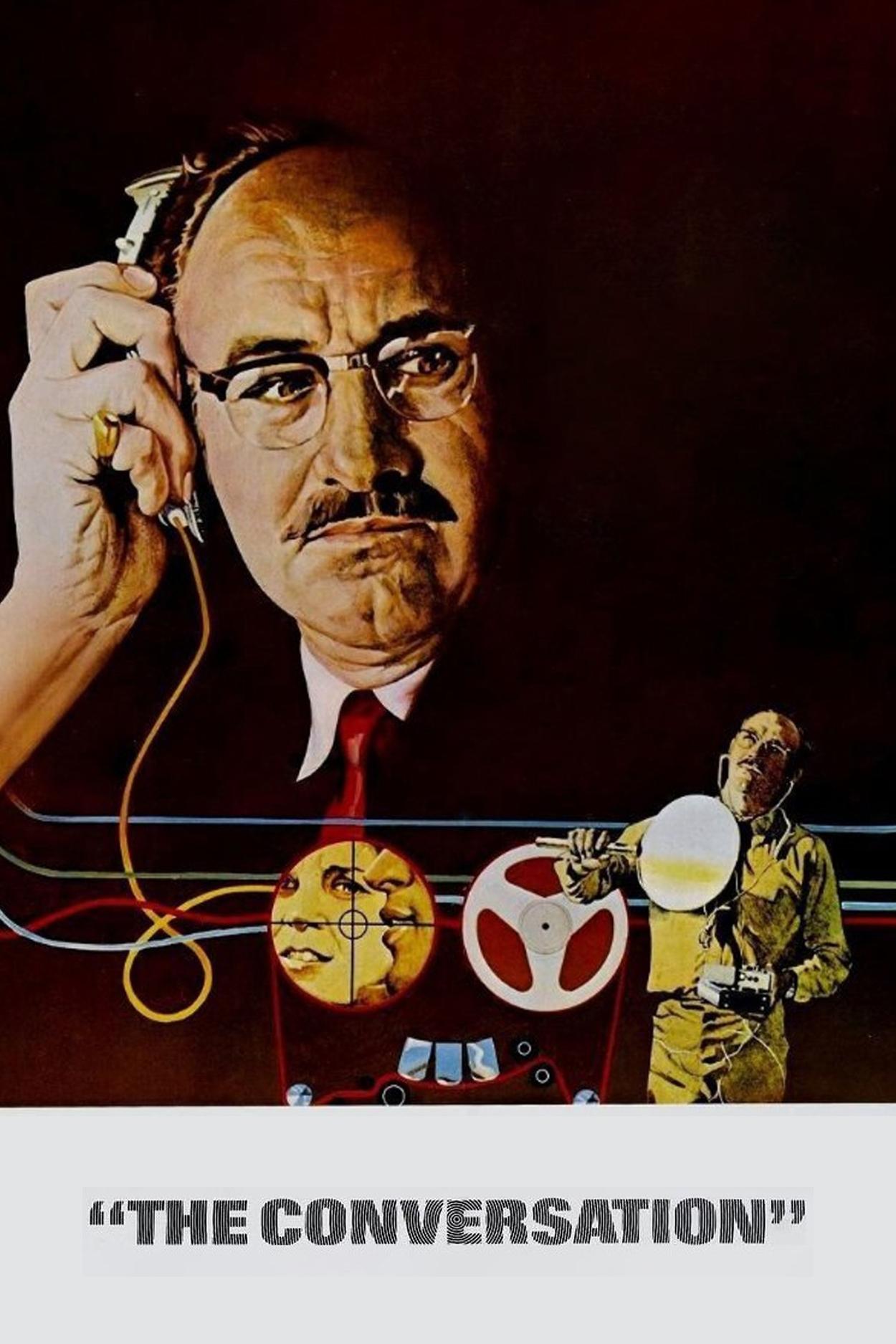
Written and directed by Francis Ford Coppola, ‘The Conversation’ stars Gene Hackman as a surveillance specialist. The production worked extensively with real-world audio equipment of the period, and Walter Murch’s sound design and editing are central to the film’s structure.
The project premiered at Cannes, where it won the Palme d’Or. It received multiple Academy Award nominations, including Best Picture, and was produced between Coppola’s work on major studio projects, using San Francisco locations for principal photography.
‘The Truman Show’ (1998)
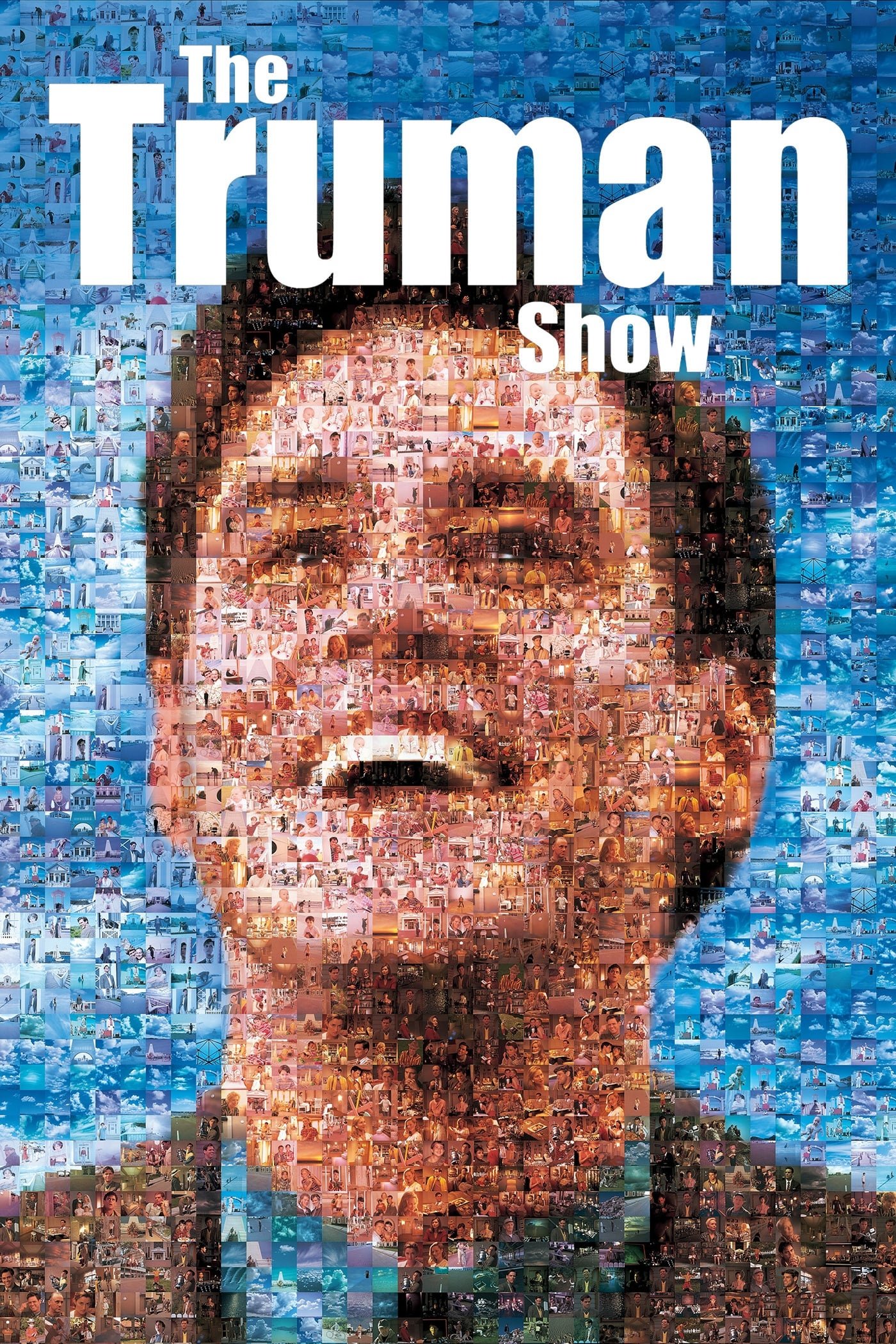
Directed by Peter Weir and written by Andrew Niccol, ‘The Truman Show’ stars Jim Carrey in a satirical drama built around an all-encompassing television set. The production used Seaside, Florida, for its master location, leveraging uniform architecture and controlled lighting to represent a constructed town.
The film was released by Paramount Pictures and became a significant box-office performer. It earned multiple award nominations across acting, directing, and writing categories and has been included in various archival and academic discussions of media representation.
‘Searching’ (2018)
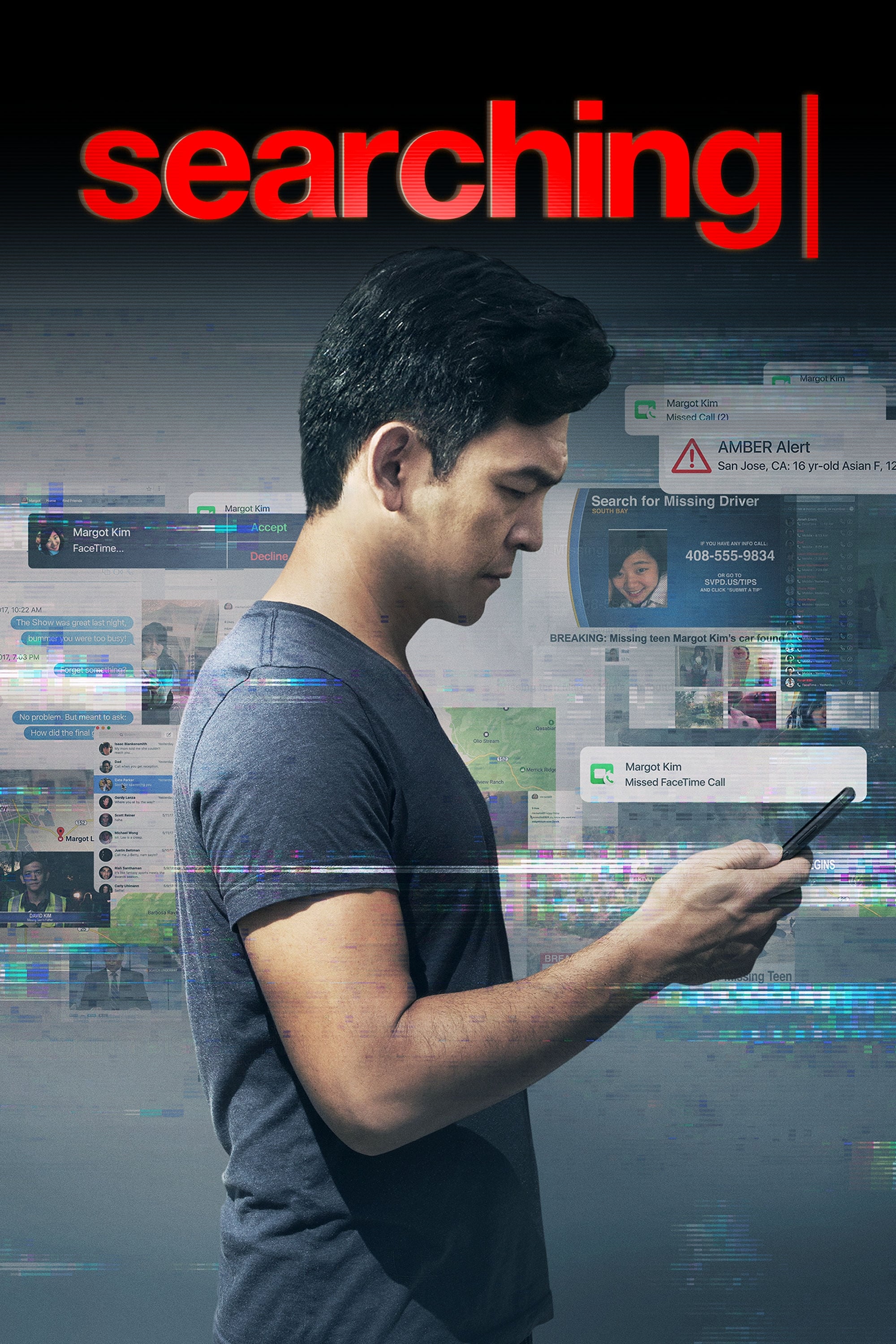
‘Searching’, directed by Aneesh Chaganty, tells a missing-person story presented entirely through computer and phone screens. The production created custom UI elements and recorded screen activity using a combination of live capture and compositing, starring John Cho and Debra Messing.
The film premiered at Sundance and was acquired for distribution by Sony Pictures. It received strong festival-to-theatrical momentum and later spawned a follow-up project set within the same “screenlife” storytelling approach.
‘The Guilty’ (2018)
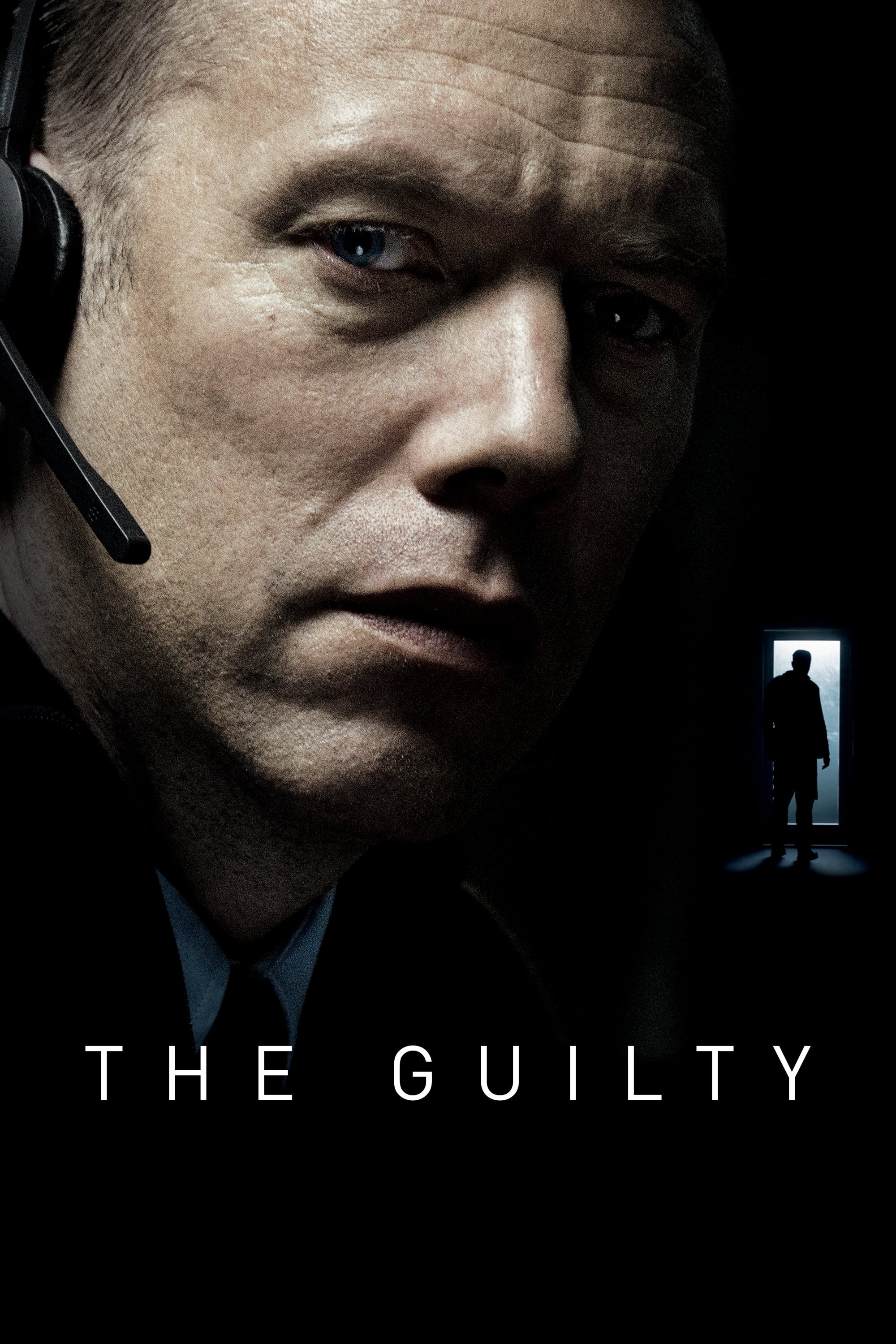
Gustav Möller’s ‘The Guilty’ is a Danish one-location thriller set inside an emergency call center. The production design and sound team built tension through headset audio, switchboard cues, and off-screen action, with Jakob Cedergren portraying the central operator.
The film premiered at Sundance and was Denmark’s submission for the Academy Award for Best International Feature. It received a limited theatrical rollout in multiple countries and later inspired an English-language remake set in Los Angeles.
‘Boiling Point’ (2021)
Directed by Philip Barantini, ‘Boiling Point’ is a single-take kitchen drama led by Stephen Graham. The feature expanded on a prior short, employing a Steadicam-driven approach to follow staff through a service, with real chefs and hospitality consultants assisting on choreography and procedure.
Filmed on location in the UK, the production scheduled numerous rehearsals to align blocking with evolving menus and table timings. ‘Boiling Point’ premiered at Karlovy Vary and had subsequent releases through indie distributors and streamers, later spawning a television continuation with returning cast.
‘The Big Short’ (2015)
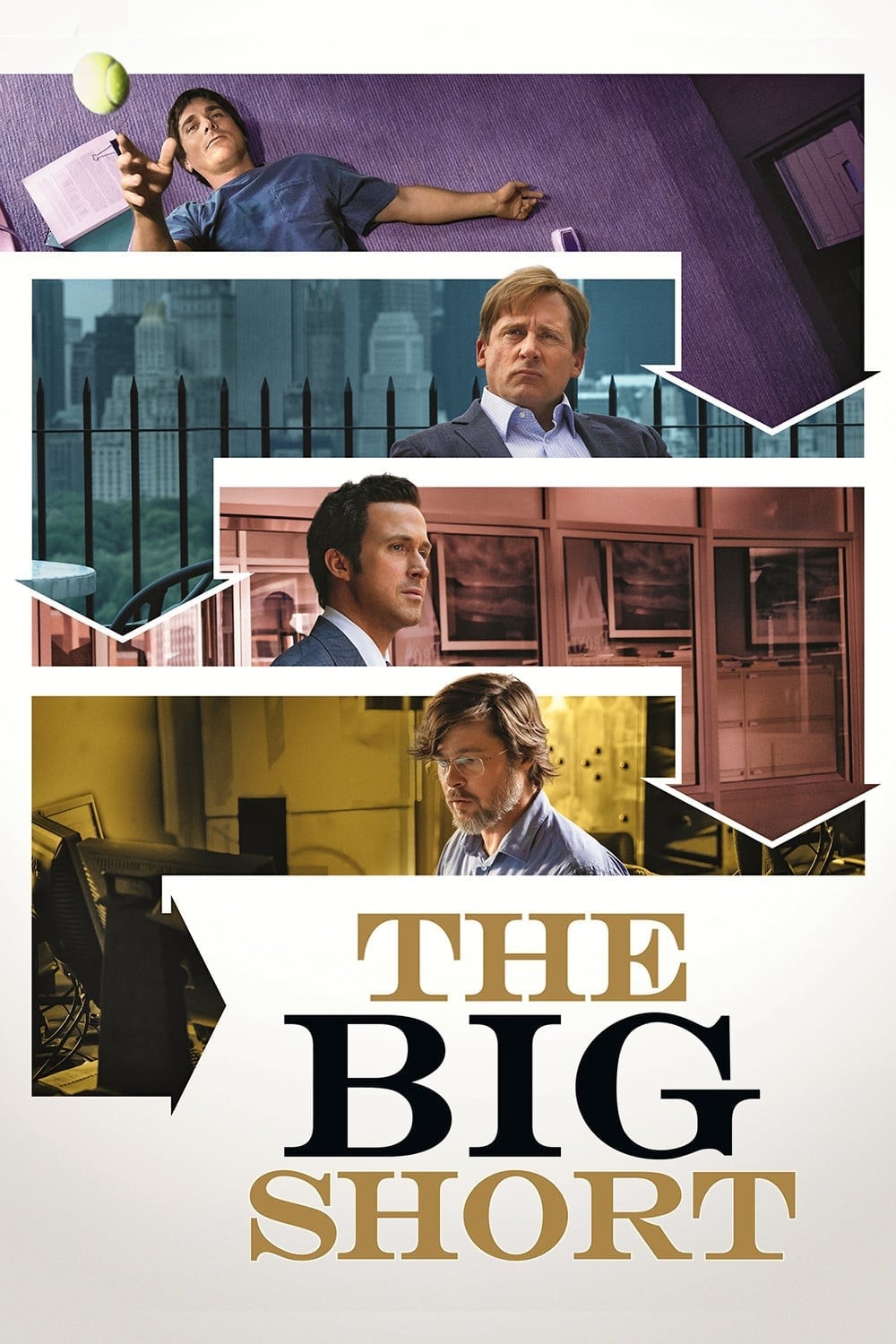
Directed by Adam McKay and adapted from Michael Lewis’s book, ‘The Big Short’ uses interludes and explanatory cutaways to detail financial instruments and market mechanics. The ensemble cast includes Christian Bale, Steve Carell, Ryan Gosling, and Brad Pitt, with shooting across New Orleans, New York, and Las Vegas.
The film was released by Paramount Pictures and won the Academy Award for Best Adapted Screenplay, with additional nominations for Best Picture, Director, and Editing. It balanced location work in actual financial districts with set builds for offices and conference spaces.
‘Manchester by the Sea’ (2016)
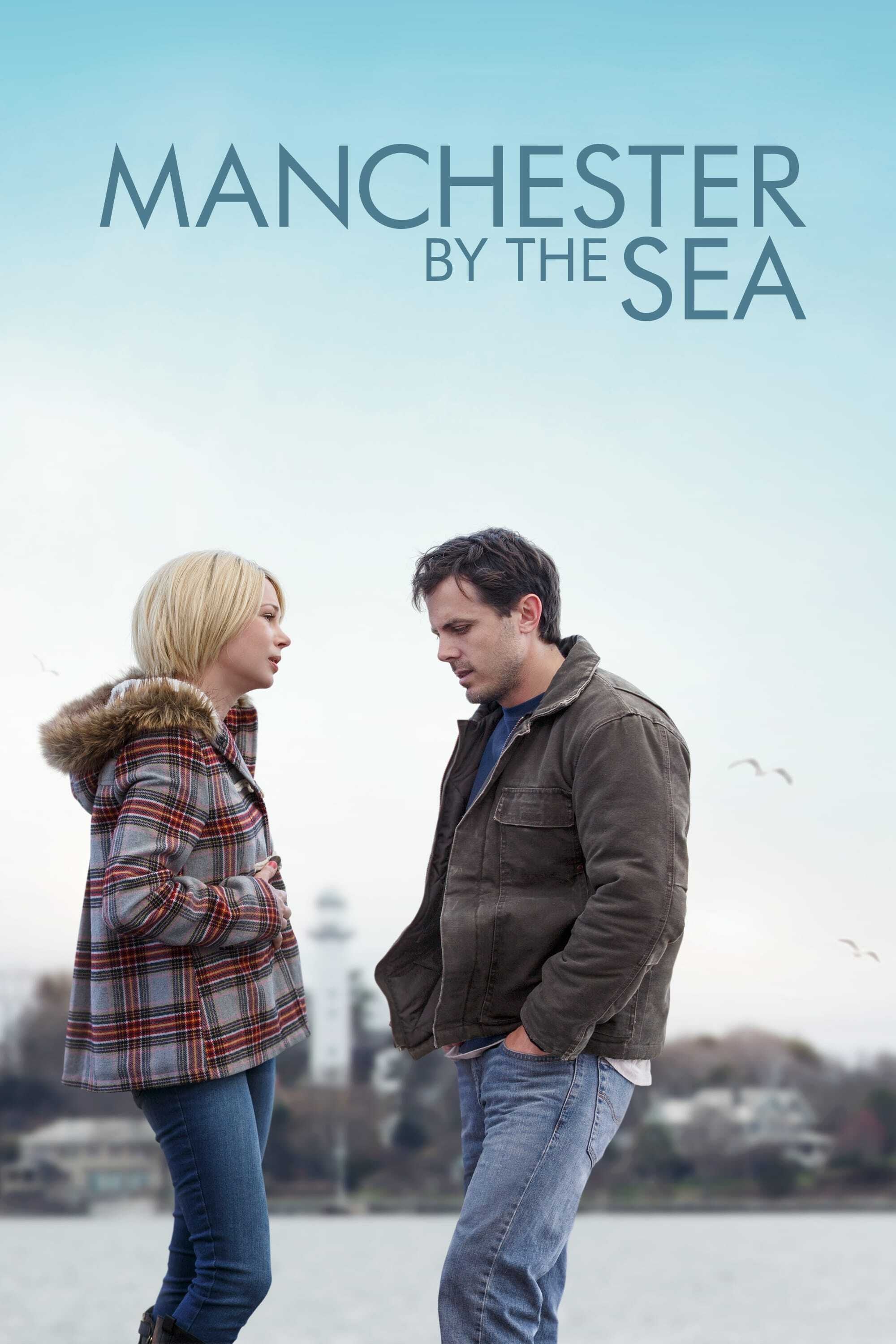
Written and directed by Kenneth Lonergan, ‘Manchester by the Sea’ stars Casey Affleck and Michelle Williams. Principal photography took place in coastal Massachusetts towns, using practical locations such as working marinas and winter exteriors to anchor the narrative in a specific community.
The project premiered at Sundance and was distributed by Amazon Studios and Roadside Attractions. It won Academy Awards for Best Actor and Best Original Screenplay, with nominations in Best Picture, Director, and Supporting Actress categories.
‘Inside’ (2023)
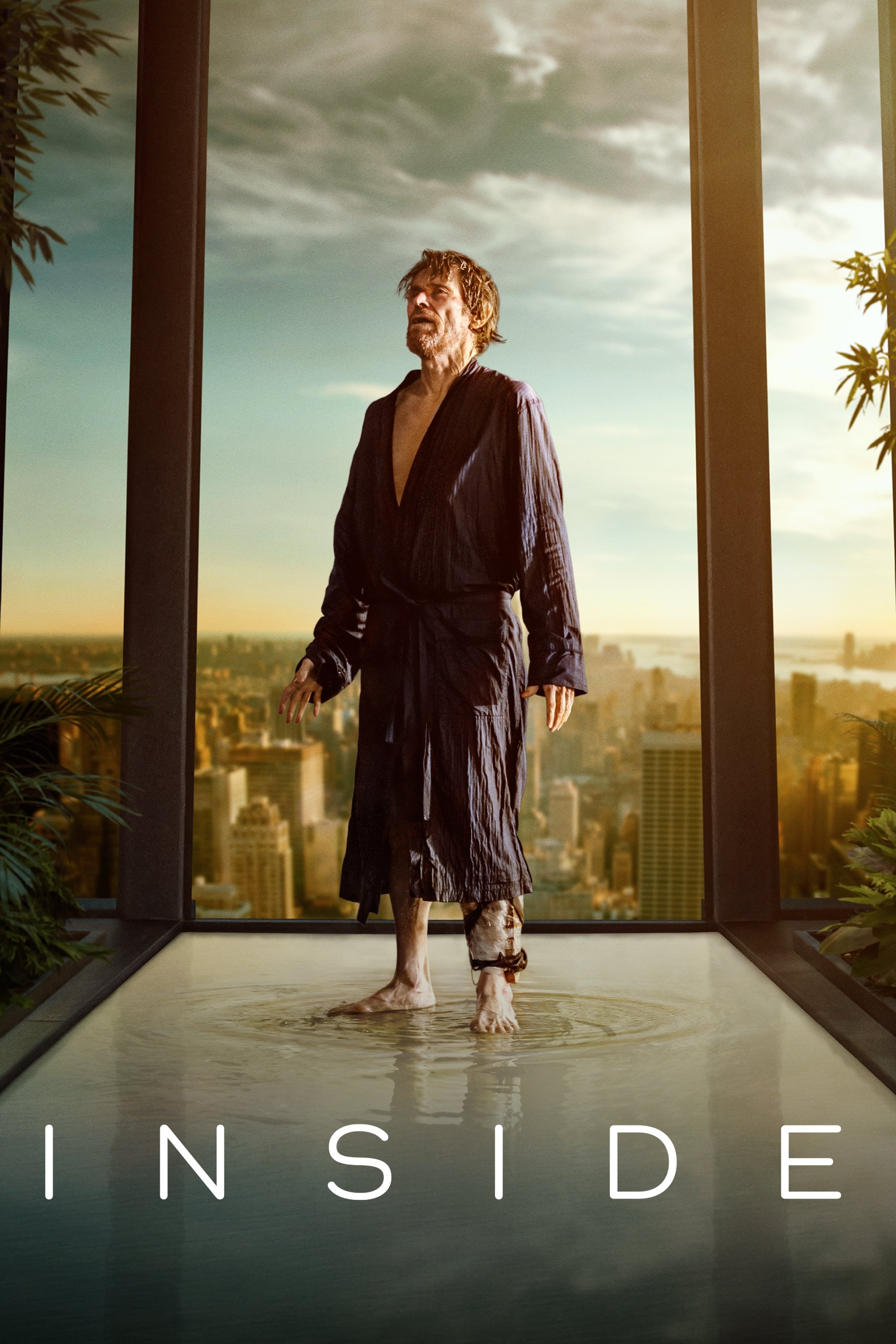
Directed by Vasilis Katsoupis and starring Willem Dafoe, ‘Inside’ centers on an art thief locked inside a high-end apartment. The production designed a full, functioning penthouse set with curated contemporary art, requiring clearances and replicas for installations and sculptures.
The film premiered at the Berlin International Film Festival. It was distributed in multiple territories by independent labels and streamers, with production companies from several European countries participating in financing and post-production.
‘Apollo 13’ (1995)
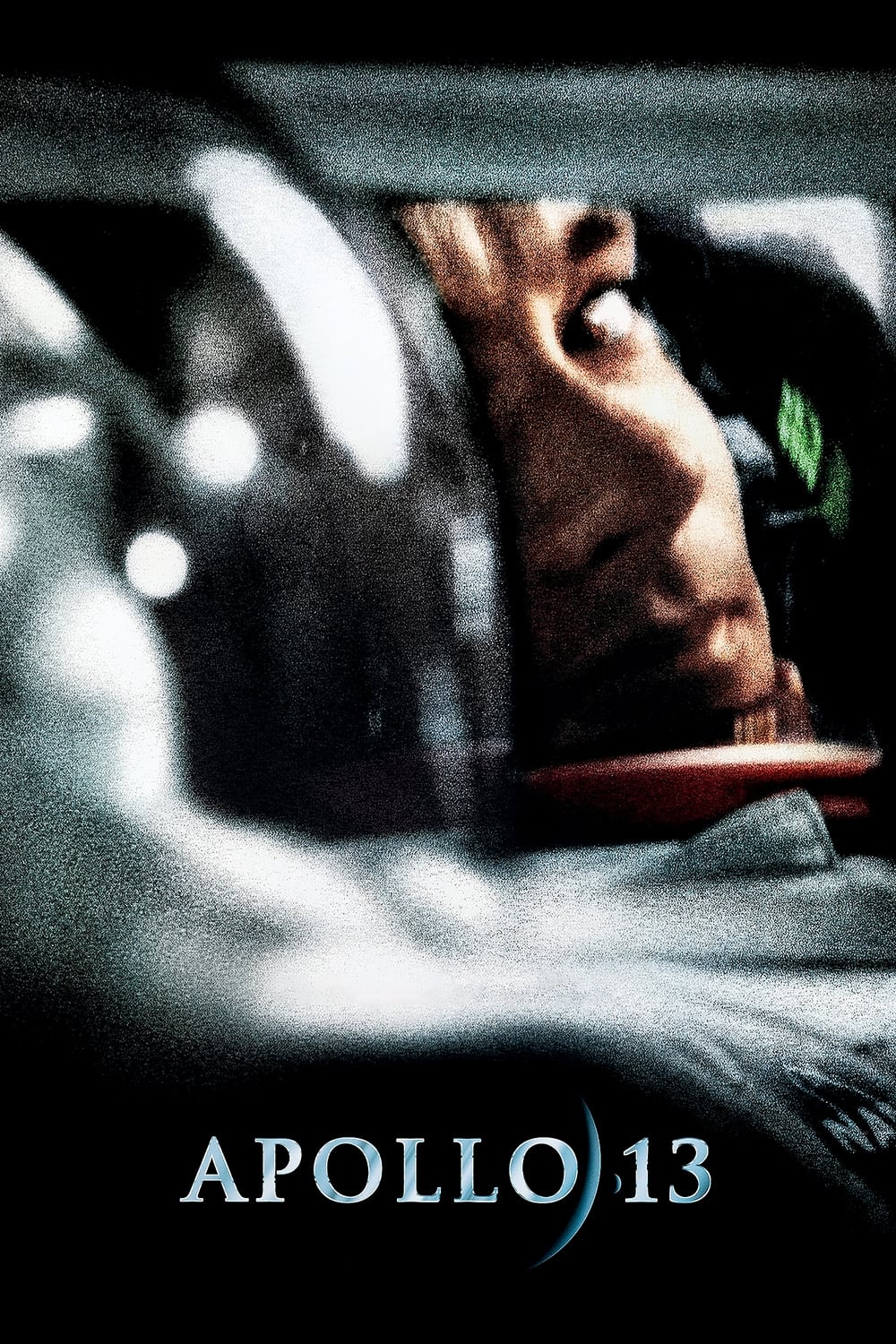
Ron Howard directed ‘Apollo 13’, starring Tom Hanks, Kevin Bacon, Bill Paxton, and Ed Harris. The production recreated spacecraft interiors with large gimbal rigs and shot zero-gravity sequences aboard NASA’s KC-135 aircraft, commonly dubbed the “Vomit Comet,” to achieve short bursts of weightlessness.
The film was released by Universal Pictures and received multiple Academy Award nominations, winning in sound categories. It also benefited from technical advisors connected to the space program and incorporated archival communications for mission authenticity.
Share the most nerve-shredding non-violent films you’ve seen in the comments—what would you add to this list?