Most Unsettling Non-Horror Movies Ever Made

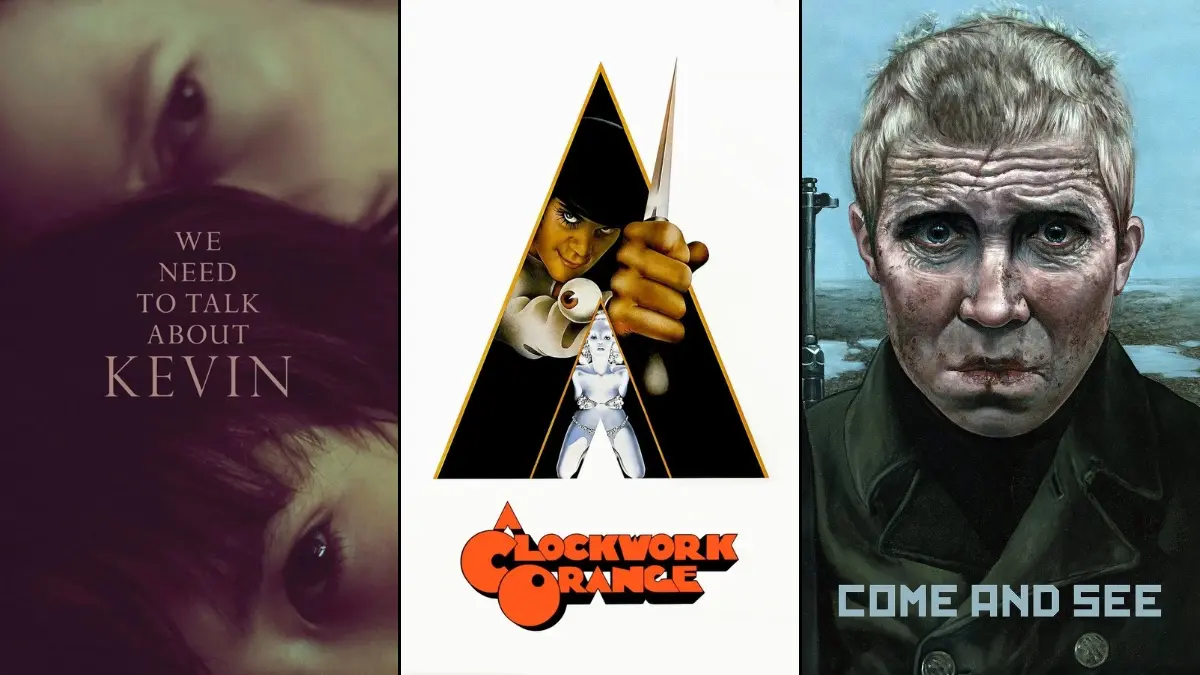

Some films don’t need ghosts or jump-scares to twist your stomach into knots. They sit outside the horror aisle—war dramas, crime sagas, psychological thrillers, documentaries—and still burrow under your skin with tough subject matter, stark realism, or relentlessly tense craft. That’s what this list explores: projects that weren’t marketed as horror but leave a lasting chill all the same.
Below you’ll find twenty-five titles from around the world that use technique, performance, and story construction to disturb in ways that feel unshakably real. Each entry includes concrete context about its making, its creators, and its place in cinema history—so you can decide what to watch next, and why these projects continue to provoke strong reactions.
‘Come and See’ (1985)
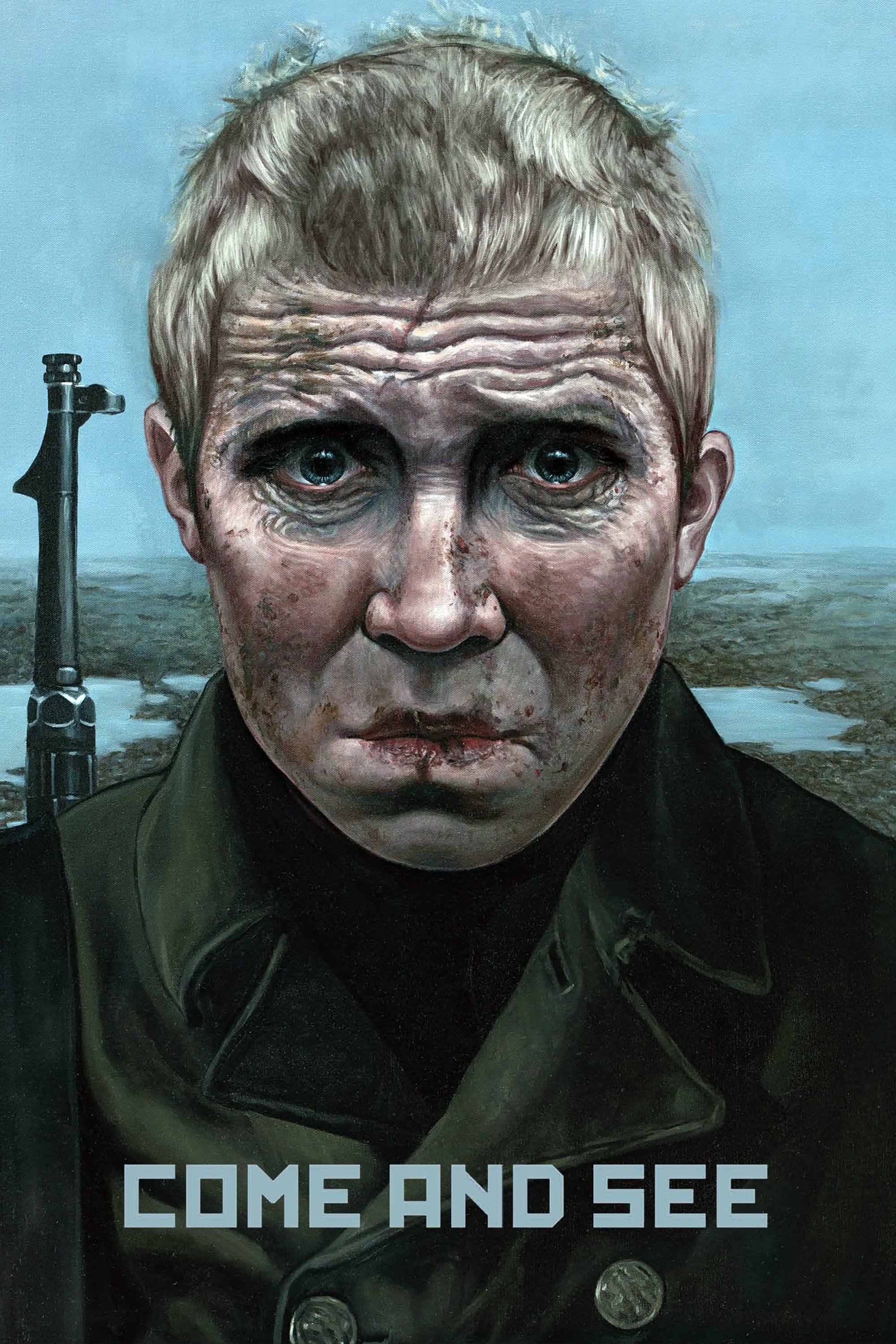
Directed by Elem Klimov, ‘Come and See’ follows a Belarusian boy swept into partisan fighting on the Eastern Front. The production used natural soundscapes, in-camera effects, and Ales Adamovich’s co-written source material to reconstruct rural villages and occupied territories with forensic detail. Aleksei Kravchenko’s lead turn was supported by an approach that mixed nonprofessional and professional actors.
The crew shot on location across marshes and forests and employed a muted color palette and long takes to depict scorched-earth tactics and civilian life under occupation. The film’s title derives from a biblical call to witness, matching its intent to document wartime atrocities through a child’s perspective. It has been restored multiple times and screens widely at repertory houses and festivals.
‘Requiem for a Dream’ (2000)
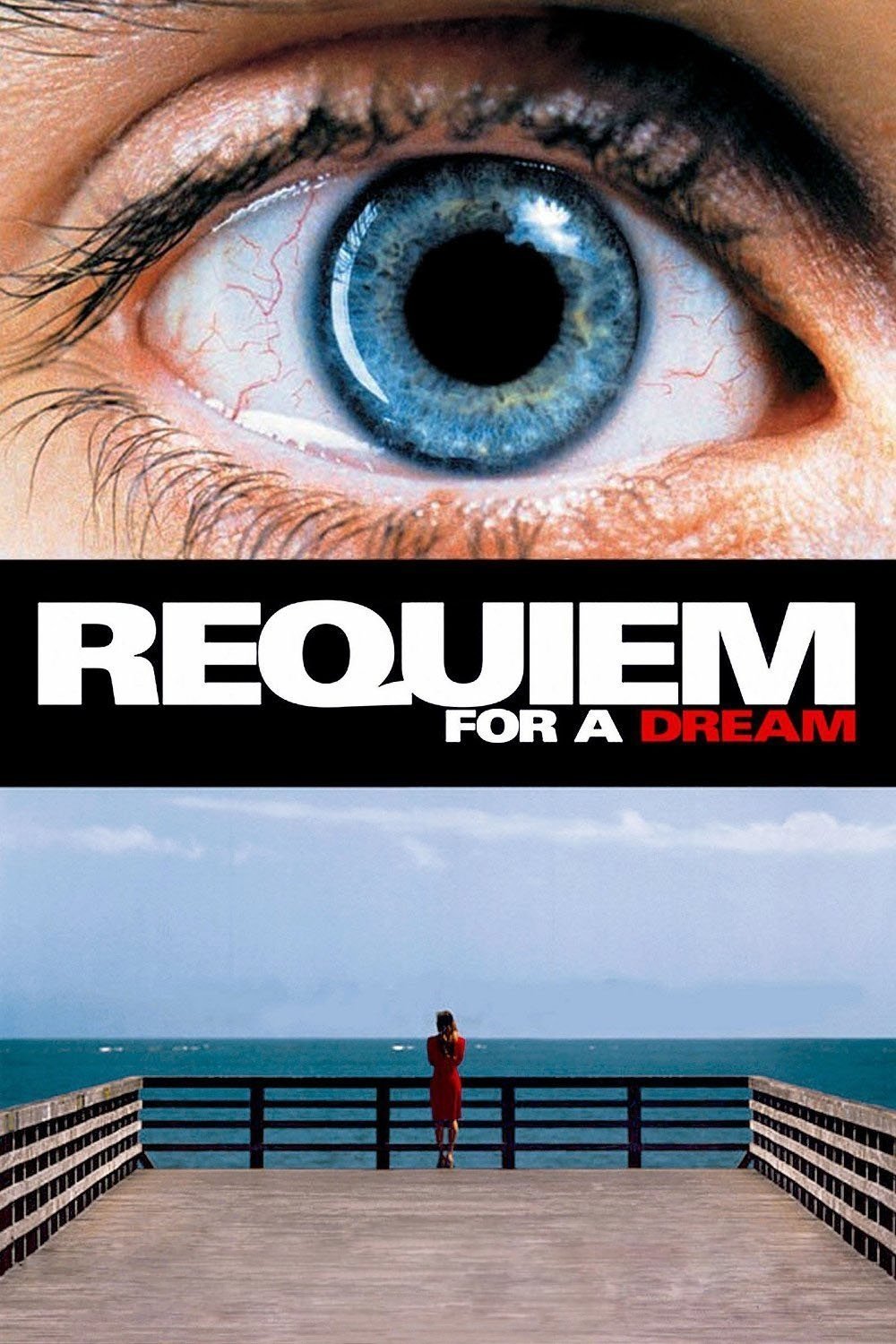
‘Requiem for a Dream’ is directed by Darren Aronofsky from Hubert Selby Jr.’s novel, with Ellen Burstyn, Jared Leto, Jennifer Connelly, and Marlon Wayans in principal roles. The film pairs split-screen compositions, rapid-fire montages, and a recurring visual motif of substance rituals to map parallel descents.
Clint Mansell’s score, performed by the Kronos Quartet, uses insistent motifs that recur across character arcs. Matthew Libatique’s cinematography employs Snorricam shots and extreme close-ups to compress space around the protagonists. The production shot in Brooklyn and Coney Island and uses seasonal color coding to structure the narrative into chapters.
‘Grave of the Fireflies’ (1988)

Studio Ghibli’s ‘Grave of the Fireflies’, directed by Isao Takahata, adapts Akiyuki Nosaka’s semi-autobiographical story about two siblings in wartime Kobe. The film uses hand-drawn animation to render bombed-out neighborhoods, rationing lines, and temporary shelters with documentary-like specificity.
Takahata’s approach avoids fantasy elements and emphasizes daily logistics such as food procurement and medical care. The score by Michio Mamiya underscores domestic scenes and quiet interludes. The film often screens in double features with Ghibli’s lighter fare, underscoring the studio’s range and Takahata’s distinct realism.
‘Schindler’s List’ (1993)
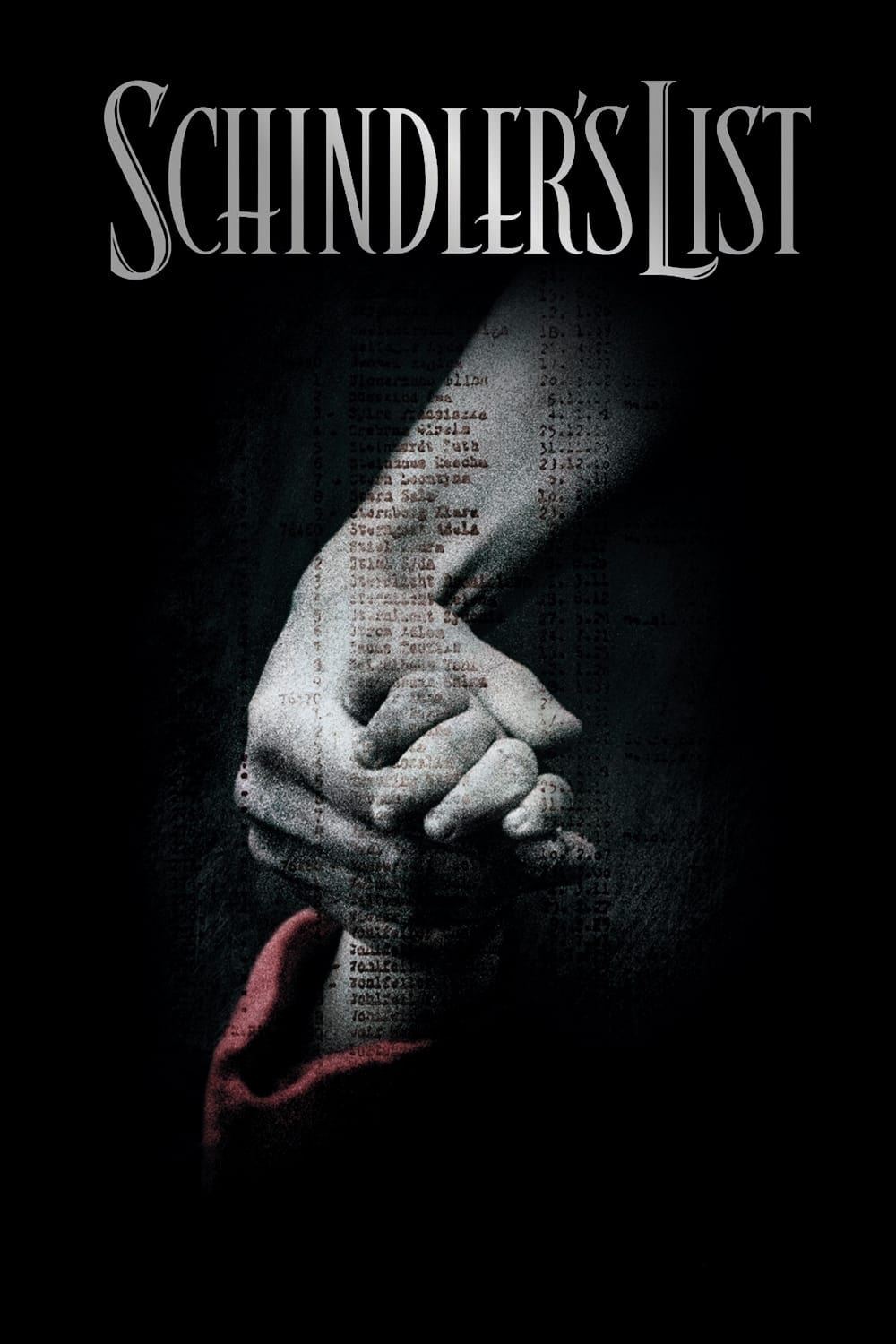
Directed by Steven Spielberg and shot by Janusz Kamiński, ‘Schindler’s List’ follows industrialist Oskar Schindler’s factory operations and his evolving protection of Jewish workers under Nazi rule. The production used black-and-white cinematography, handheld camera work, and on-location shoots in Kraków and surrounding areas to evoke period texture.
The script, based on Thomas Keneally’s book, details administrative processes such as labor allocation, bribes, and document handling. John Williams composed the score with violin solos by Itzhak Perlman. The film received multiple Academy Awards, including Best Picture, and has been used in educational programs and museum contexts worldwide.
‘The Elephant Man’ (1980)
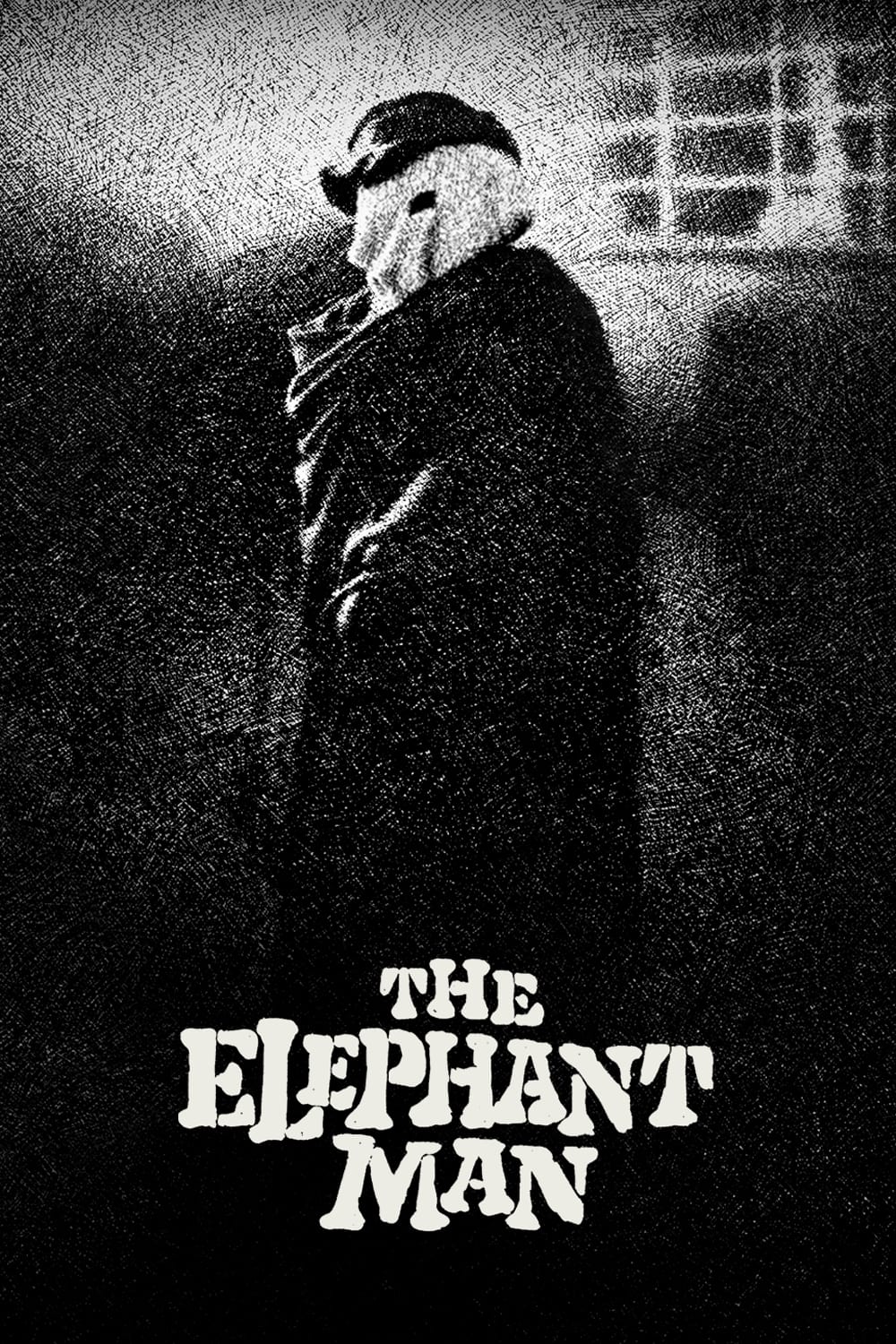
David Lynch directs ‘The Elephant Man’, produced by Mel Brooks’s Brooksfilms, with John Hurt portraying Joseph Merrick and Anthony Hopkins as Frederick Treves. Christopher DeVore and Eric Bergren co-wrote the screenplay with Lynch, drawing on Treves’s accounts and other historical material.
Freddie Francis’s black-and-white cinematography recreates hospital wards, Victorian sideshows, and operating theaters with period-accurate props and costuming. Makeup and prosthetics were designed through extensive research into Merrick’s condition, and the film contributed to later industry conversations about makeup categories at major awards.
‘Dancer in the Dark’ (2000)
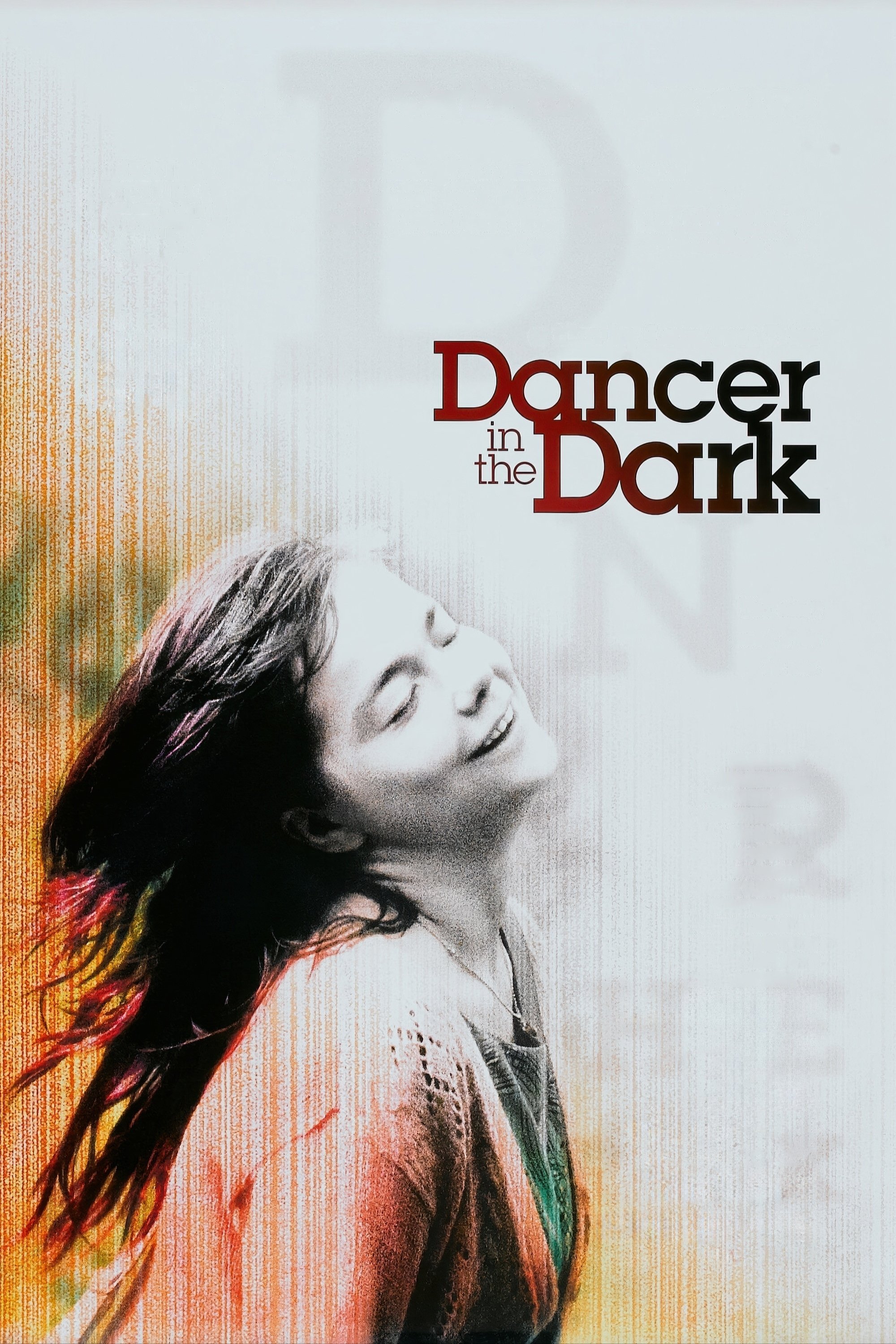
Lars von Trier’s ‘Dancer in the Dark’ stars Björk as a factory worker who retreats into musical fantasies while navigating legal and financial crises. The production blends Dogme-style naturalism with musical sequences shot using dozens of synchronized digital cameras.
The soundtrack, composed by Björk with contributions from Thom Yorke and others, integrates diegetic industrial sounds into rhythmic patterns. The film premiered to significant festival attention, earning top prizes and spurring ongoing discourse around its rehearsal methods, on-set practices, and the collaboration between director and lead performer.
‘We Need to Talk About Kevin’ (2011)
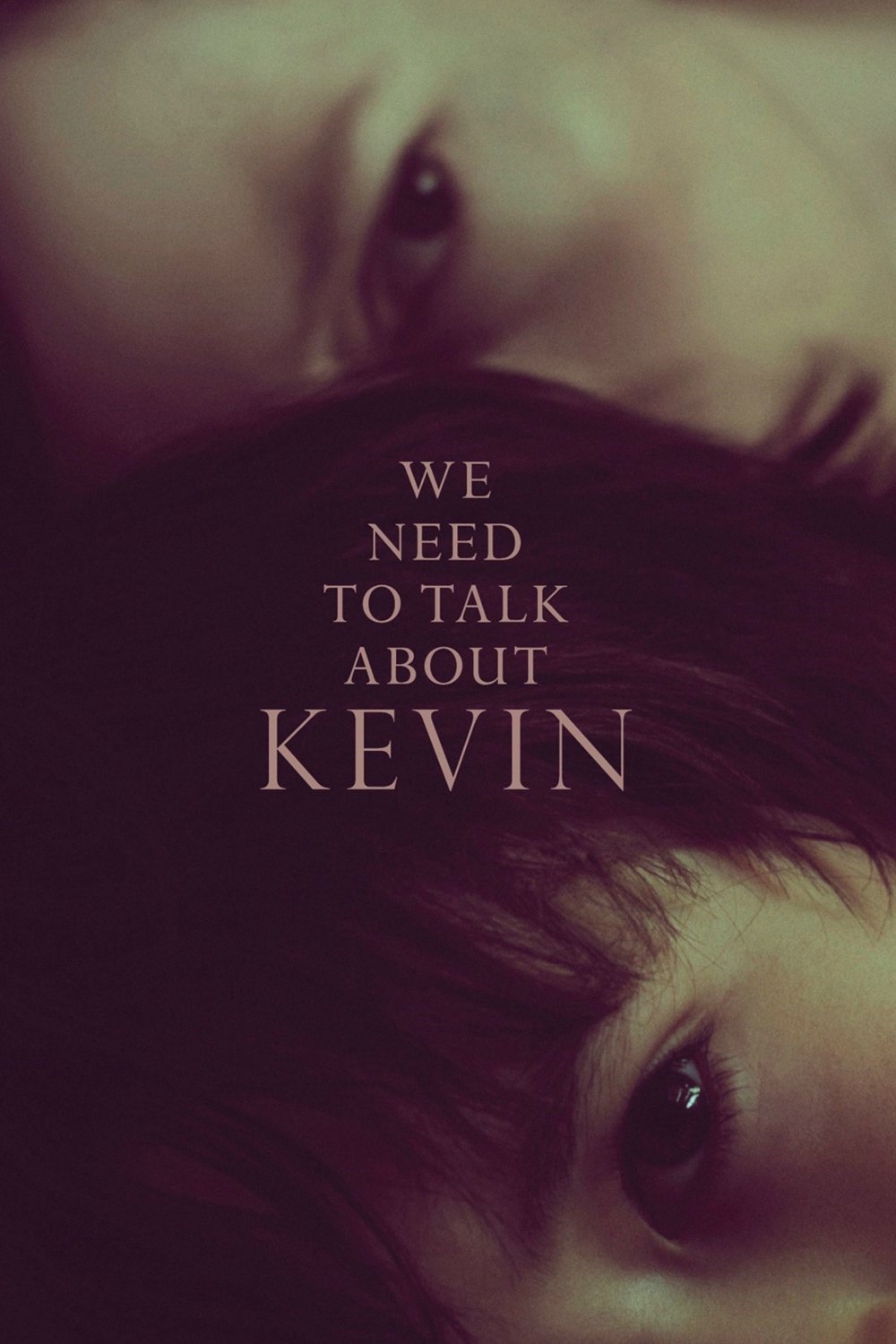
Lynne Ramsay adapts Lionel Shriver’s epistolary novel in ‘We Need to Talk About Kevin’, starring Tilda Swinton, Ezra Miller, and John C. Reilly. The film tracks domestic routines, school interactions, and legal procedures through fragmented chronology and recurring household motifs.
Seamus McGarvey’s cinematography uses bold color contrasts and shallow focus to isolate objects and gestures. Editor Joe Bini assembles recurring images to build a pattern-based structure. The production shot across suburban locations, and the film was widely discussed in parenting, education, and behavioral-health circles after release.
‘The Road’ (2009)
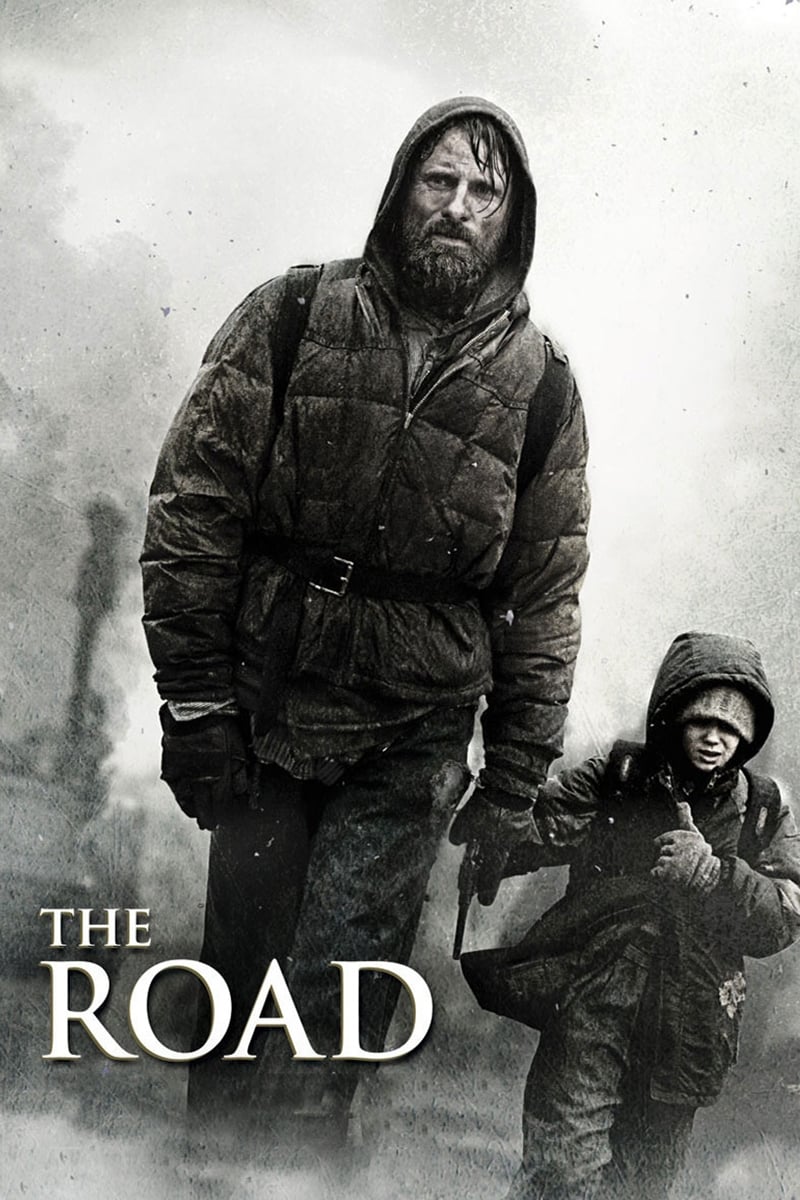
‘The Road’, directed by John Hillcoat from Cormac McCarthy’s novel, stars Viggo Mortensen and Kodi Smit-McPhee as a father and son traveling through a devastated landscape. The film uses real locations—abandoned highways, industrial sites, and storm-damaged areas—to minimize visual effects.
Javier Aguirresarobe’s cinematography emphasizes desaturated tones and natural light, while the score by Nick Cave and Warren Ellis provides sparse instrumentation. The production worked with survival consultants on props, clothing, and food storage techniques to portray day-to-day decision-making on the move.
‘A Clockwork Orange’ (1971)
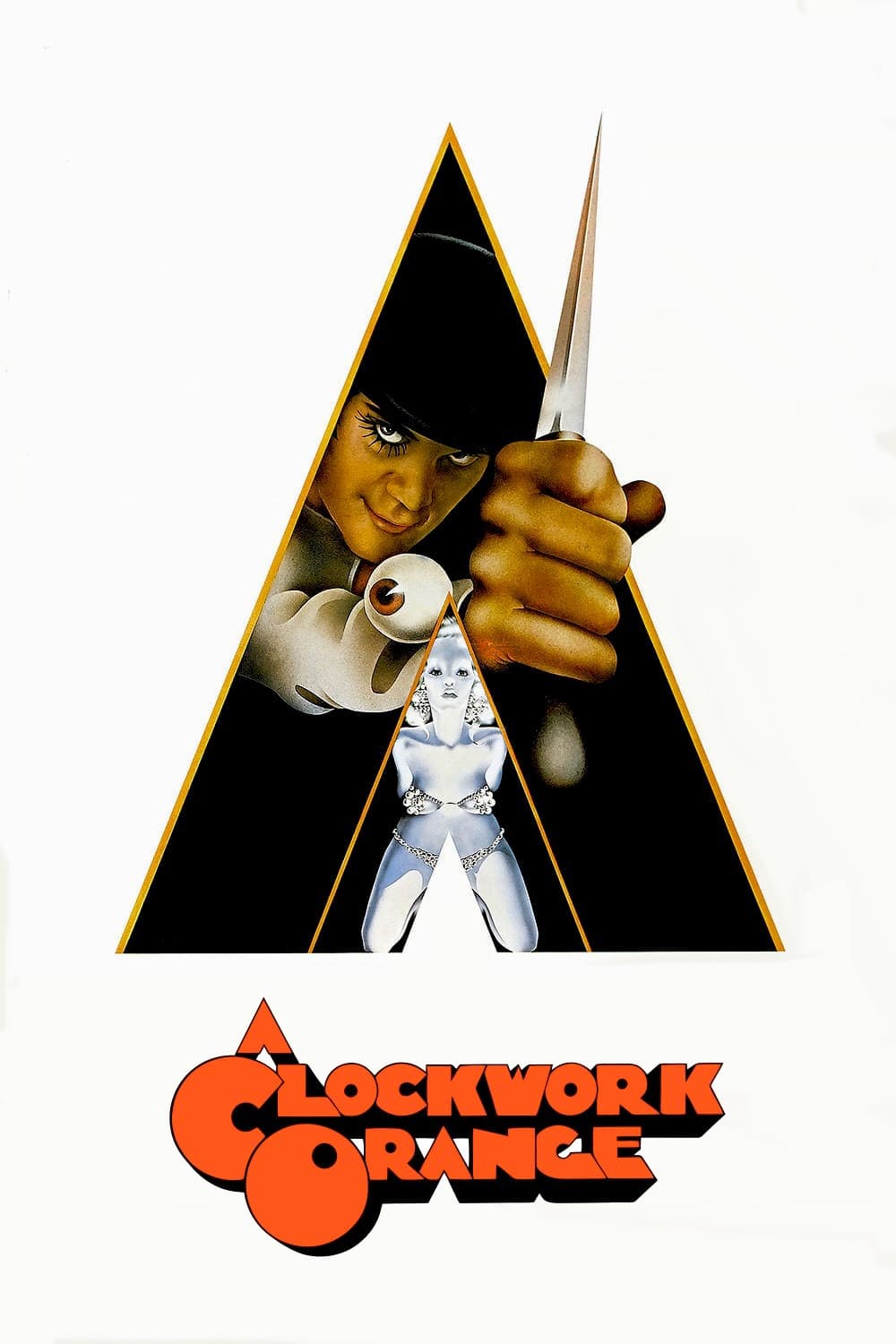
Stanley Kubrick’s ‘A Clockwork Orange’ adapts Anthony Burgess’s novel, with Malcolm McDowell as Alex. The film is noted for its constructed slang, stylized production design, and use of classical music reinterpreted through synthesizers by Wendy Carlos.
John Alcott’s cinematography employs wide-angle lenses and symmetrical compositions in ultramodern interiors and municipal spaces. The release history includes censorship decisions and distribution changes in multiple territories, and the film’s iconography has influenced fashion, graphic design, and debates about screen violence and conditioning.
‘United 93’ (2006)

Paul Greengrass’s ‘United 93’ reconstructs events aboard the hijacked flight using extensive research, cockpit procedural detail, and real-time editing techniques. Casting includes aviation professionals and actual participants from air-traffic control centers playing themselves.
The production consulted official reports, flight-deck protocols, and timeline reconstructions to stage communications between pilots, the FAA, and NORAD. Barry Ackroyd’s handheld cinematography and John Powell’s restrained score support a docudrama approach that emphasizes systems, roles, and decision-making under pressure.
‘The Act of Killing’ (2012)
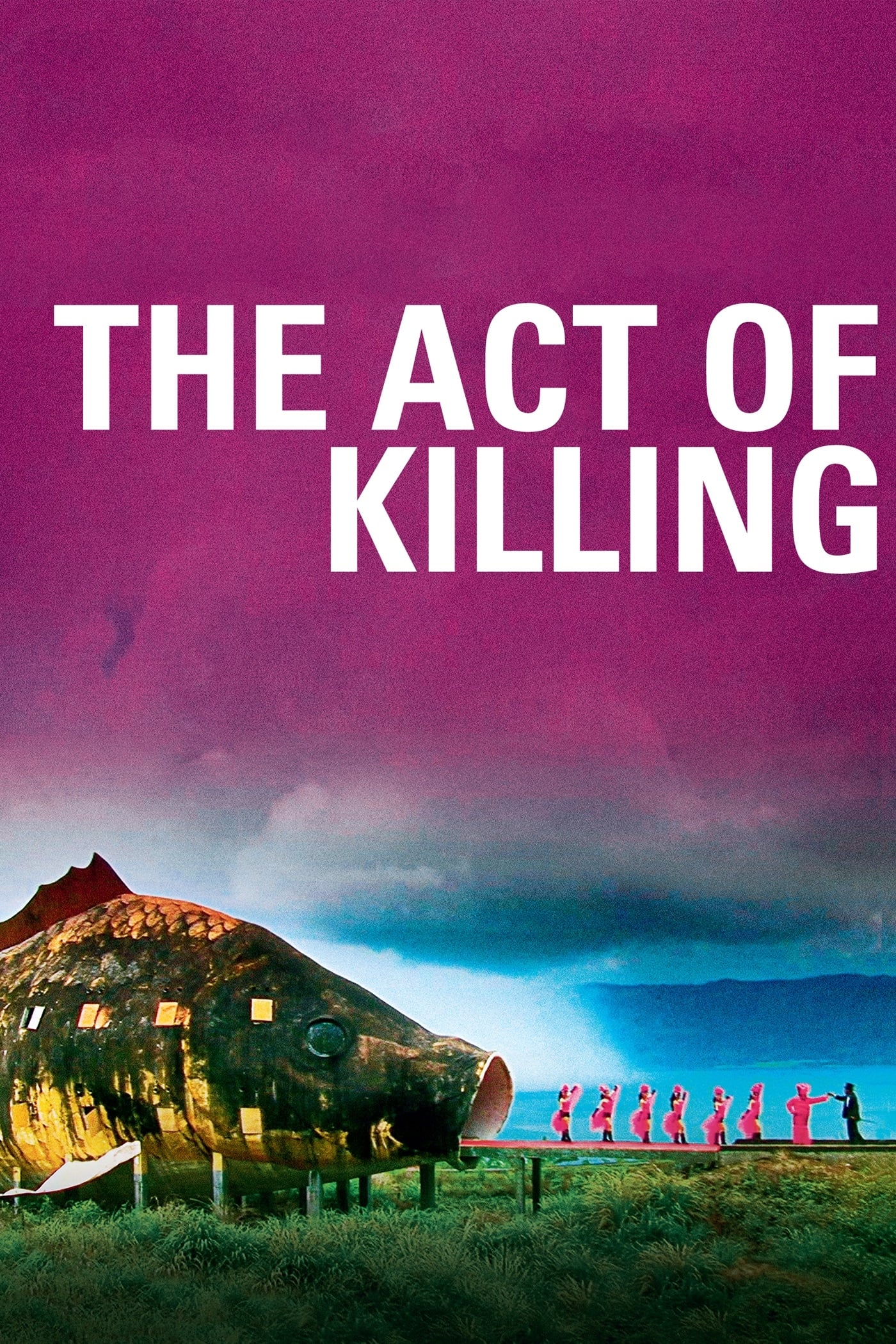
Directed by Joshua Oppenheimer, ‘The Act of Killing’ invites Indonesian paramilitary figures to restage past executions in cinematic genres of their choosing. The project employs participatory documentary methods, allowing subjects to design costumes, sets, and staging.
Multiple versions of the film exist, including a director’s cut with extended material. The companion project ‘The Look of Silence’ deepens the inquiry by focusing on survivors. International human-rights organizations have used the film in outreach and policy discussions, and it has been integrated into academic curricula on documentary ethics.
‘Son of Saul’ (2015)
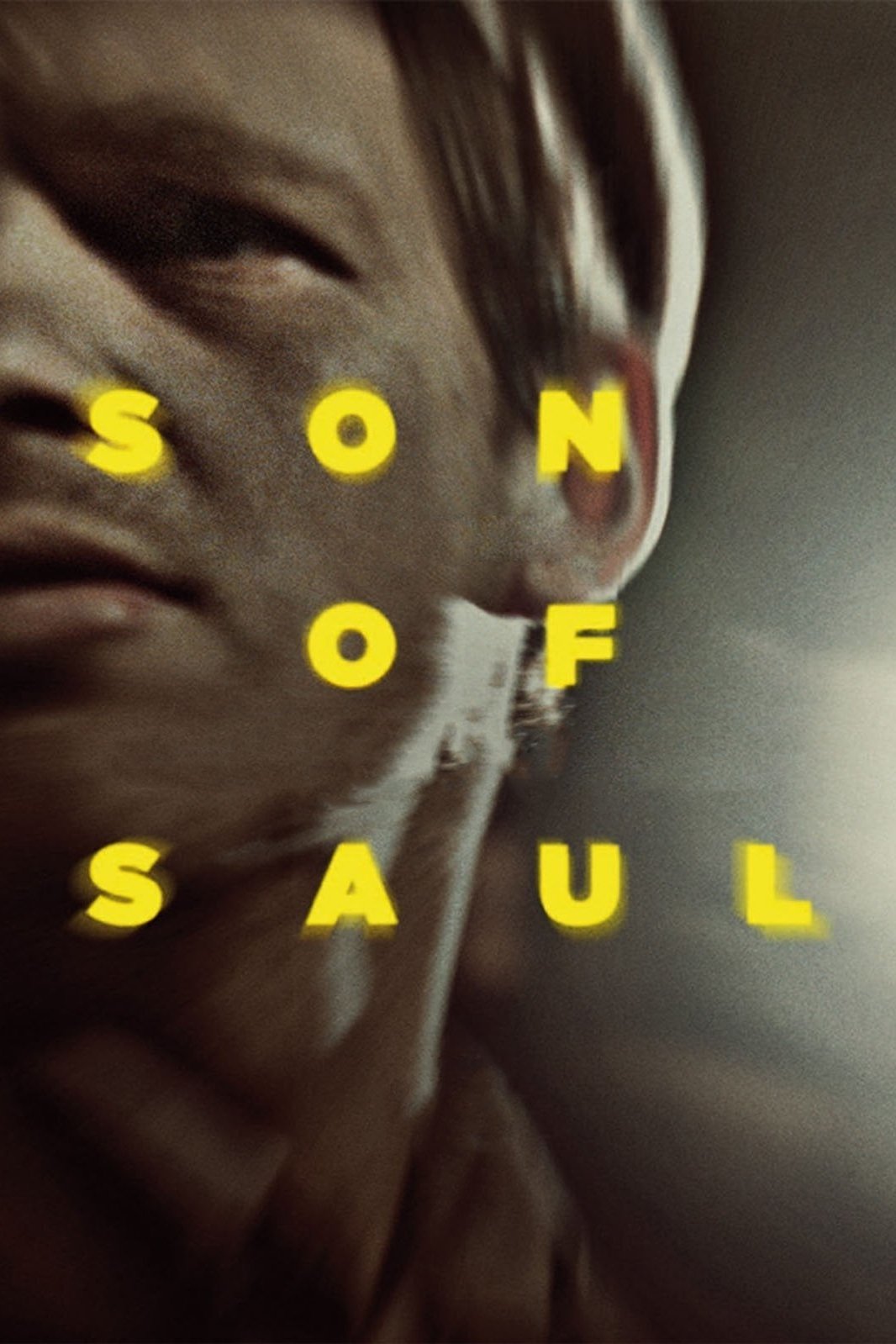
László Nemes’s ‘Son of Saul’ follows a member of the Sonderkommando in Auschwitz, filmed with a narrow depth of field and a tight frame that tracks the protagonist at close range. Cinematographer Mátyás Erdély and sound designer Tamás Zányi use off-screen space to channel surrounding activity.
The production built detailed sets based on archival research into camp architecture and procedures. Géza Röhrig, a poet making his feature debut, leads the cast, and the film received major festival awards along with the Academy Award for Best International Feature Film.
‘Prisoners’ (2013)
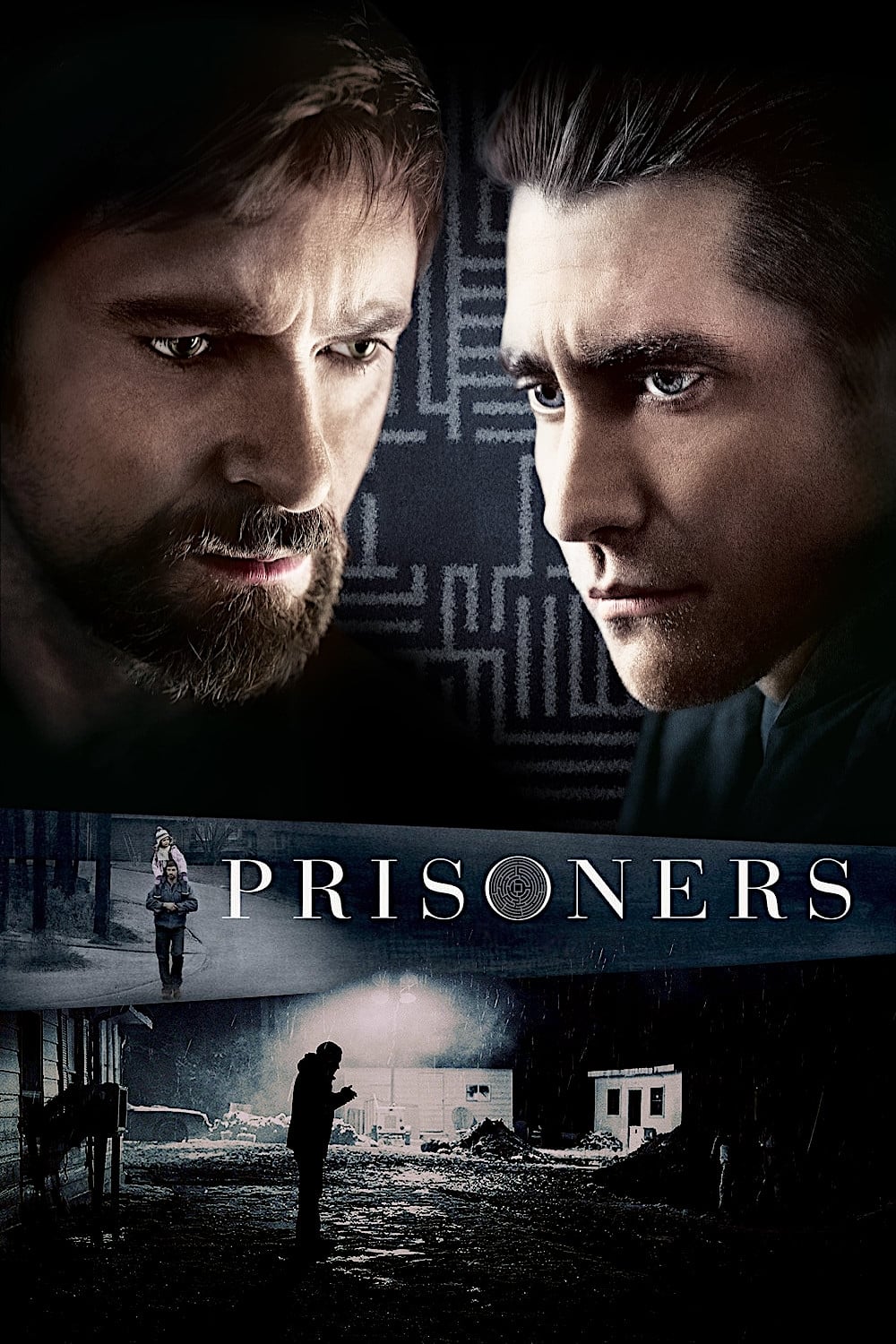
Denis Villeneuve’s ‘Prisoners’ stars Hugh Jackman, Jake Gyllenhaal, Viola Davis, and Melissa Leo in a case involving missing children and a stalled investigation. The film details police interrogation protocols, forensics bottlenecks, and the informal actions taken by families during early hours of a disappearance.
Roger Deakins’s cinematography uses overcast natural light and long-lens compositions to compress suburban spaces. Jóhann Jóhannsson’s score incorporates low-frequency textures, while the production design maps neighborhoods, apartment interiors, and industrial areas with recurring visual cues that support the procedural spine.
‘Zodiac’ (2007)
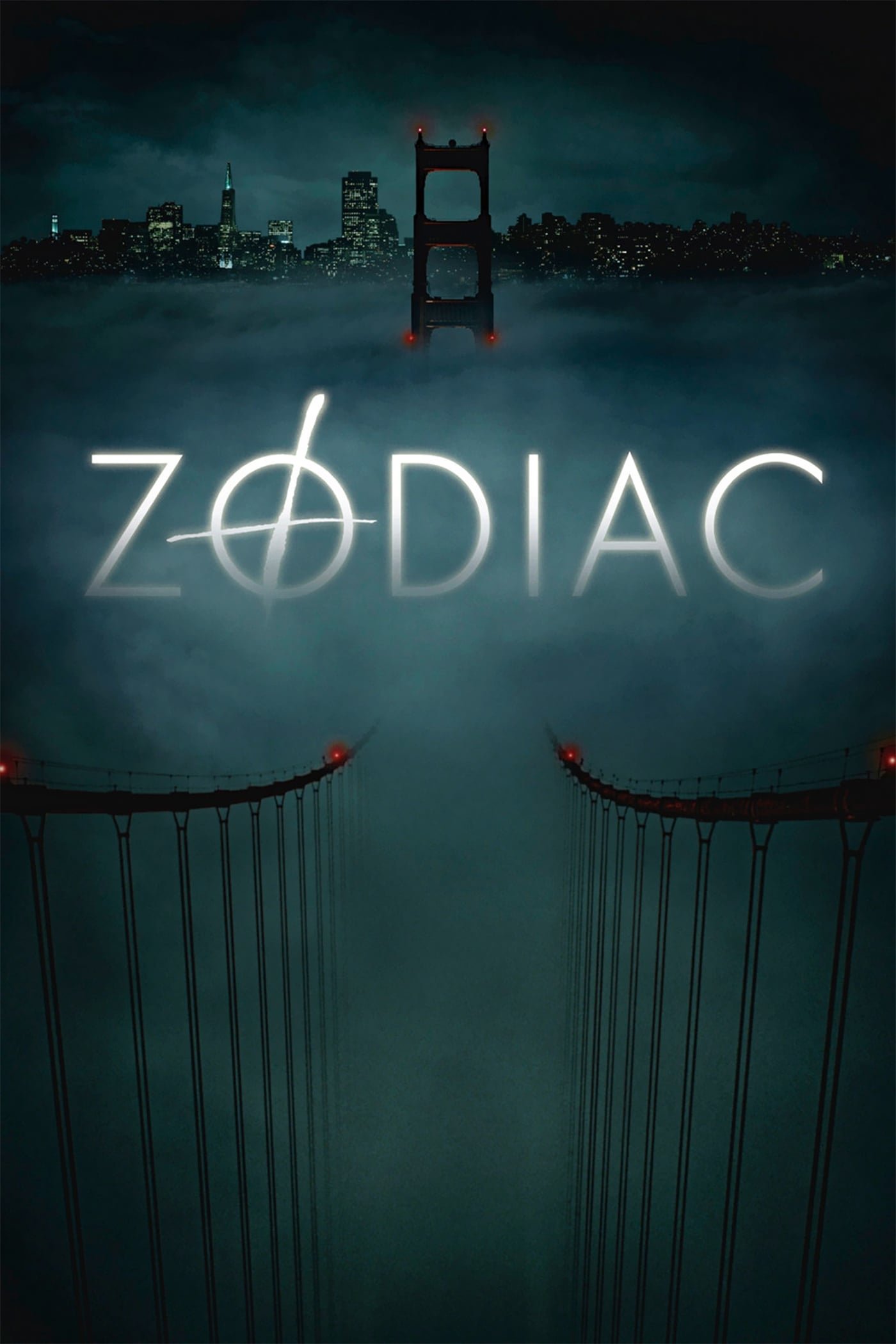
David Fincher’s ‘Zodiac’ chronicles the investigation into the serial crimes attributed to the Zodiac in Northern California. The film is based on works by Robert Graysmith and uses composite characters and verified documents to outline jurisdictional coordination across multiple police departments and newspapers.
The production employed extensive digital grading and period-accurate CGI set extensions to recreate urban skylines and streets. Jake Gyllenhaal, Mark Ruffalo, and Robert Downey Jr. lead the ensemble, and the film has been cited in discussions of newsroom workflows, suspect profiling, and cold-case methodology.
‘Leaving Las Vegas’ (1995)
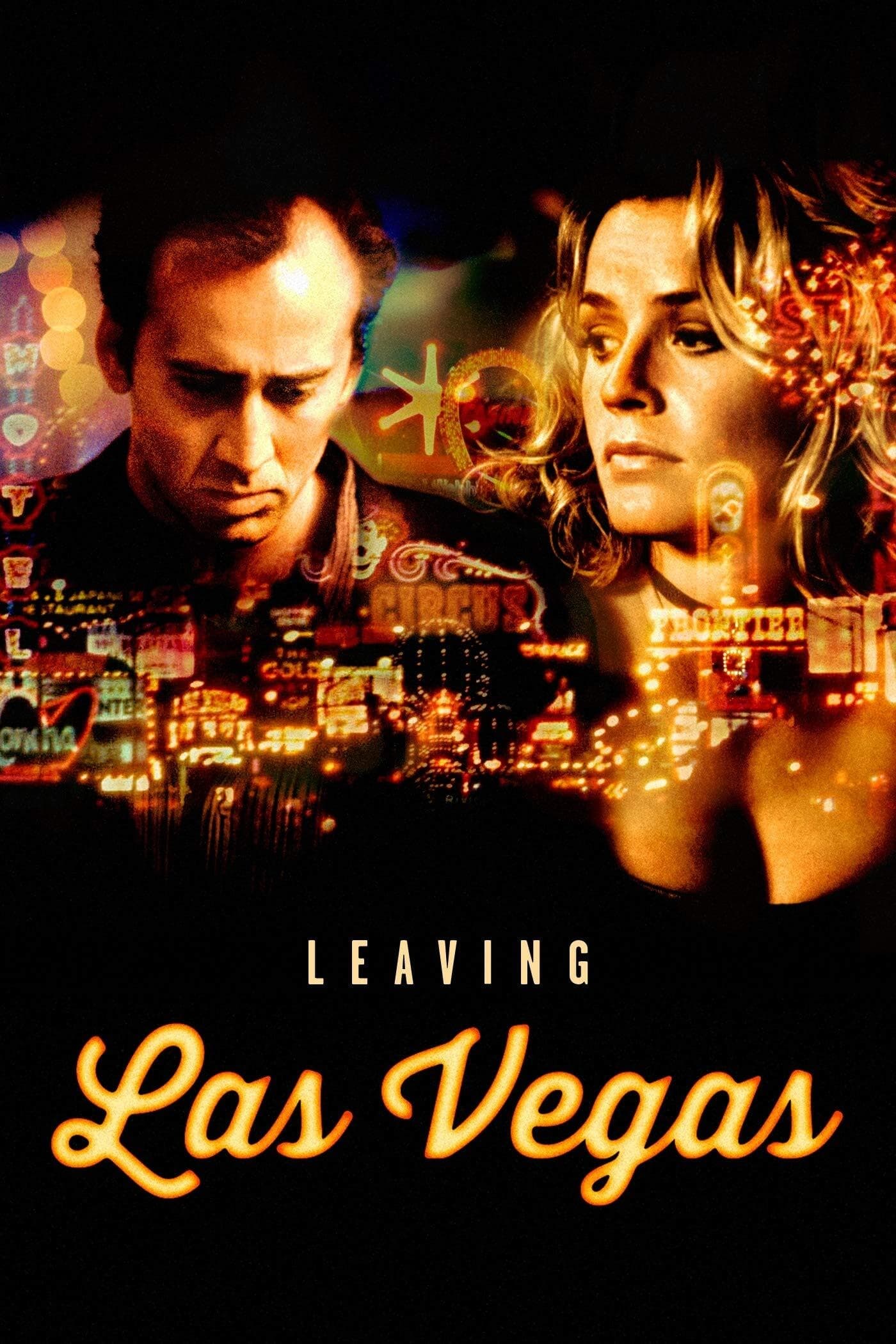
‘Leaving Las Vegas’, directed by Mike Figgis, stars Nicolas Cage as a screenwriter and Elisabeth Shue as a sex worker whose paths cross in Nevada. Figgis shot on Super 16 with a lean crew, using real bars, motels, and streets with limited permits to preserve spontaneity.
The soundtrack features jazz compositions by Figgis alongside source music from on-location venues. Cage and Shue received wide recognition for their performances, with Cage winning major awards. The film’s production history includes a quick turnaround schedule and independent financing.
‘Whiplash’ (2014)

Damien Chazelle’s ‘Whiplash’ centers on a conservatory drummer and his instructor, played by Miles Teller and J.K. Simmons. The feature expands on Chazelle’s earlier short, which served as a proof of concept and premiered at a major festival before the full project secured financing.
The film details rehearsal structures, ensemble hierarchies, and audition protocols within jazz education. It was shot largely on location at music schools and performance venues, with rapid editing by Tom Cross to match tempo markings and practice routines. The project received Academy Awards for editing, sound mixing, and supporting actor.
‘Irreversible’ (2002)
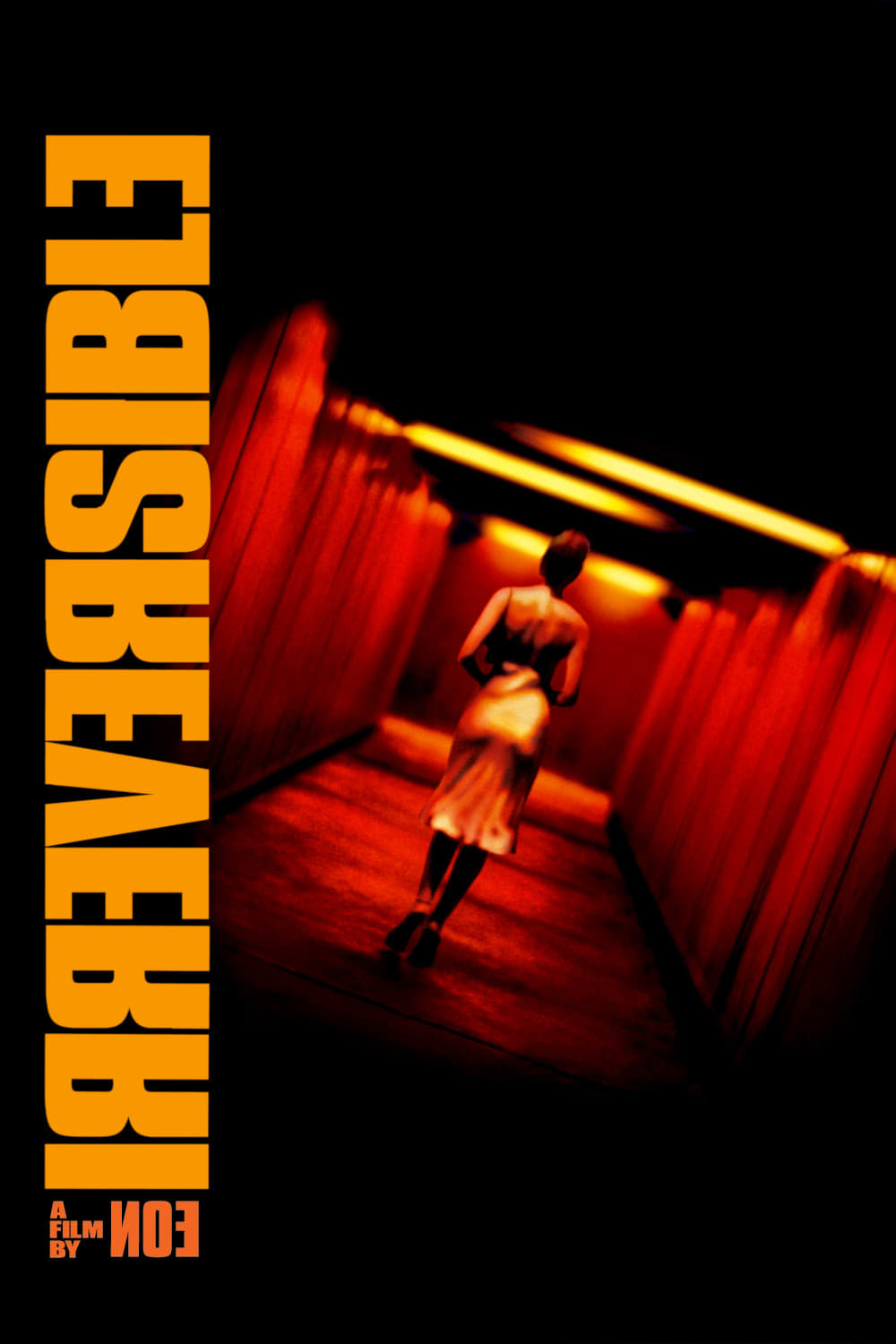
Gaspar Noé’s ‘Irreversible’ presents events in reverse chronological order, starring Monica Bellucci, Vincent Cassel, and Albert Dupontel. The film uses long takes, aggressive sound design with infrasonic elements, and a mobile camera rig to create disorientation.
The production employed digital stabilization and color manipulation to shape scenes into extended sequences. Release histories note festival walkouts, content advisories, and later critical reevaluations focused on structure, music by Thomas Bangalter, and the film’s contributions to debates about depiction and ethics.
‘City of God’ (2002)
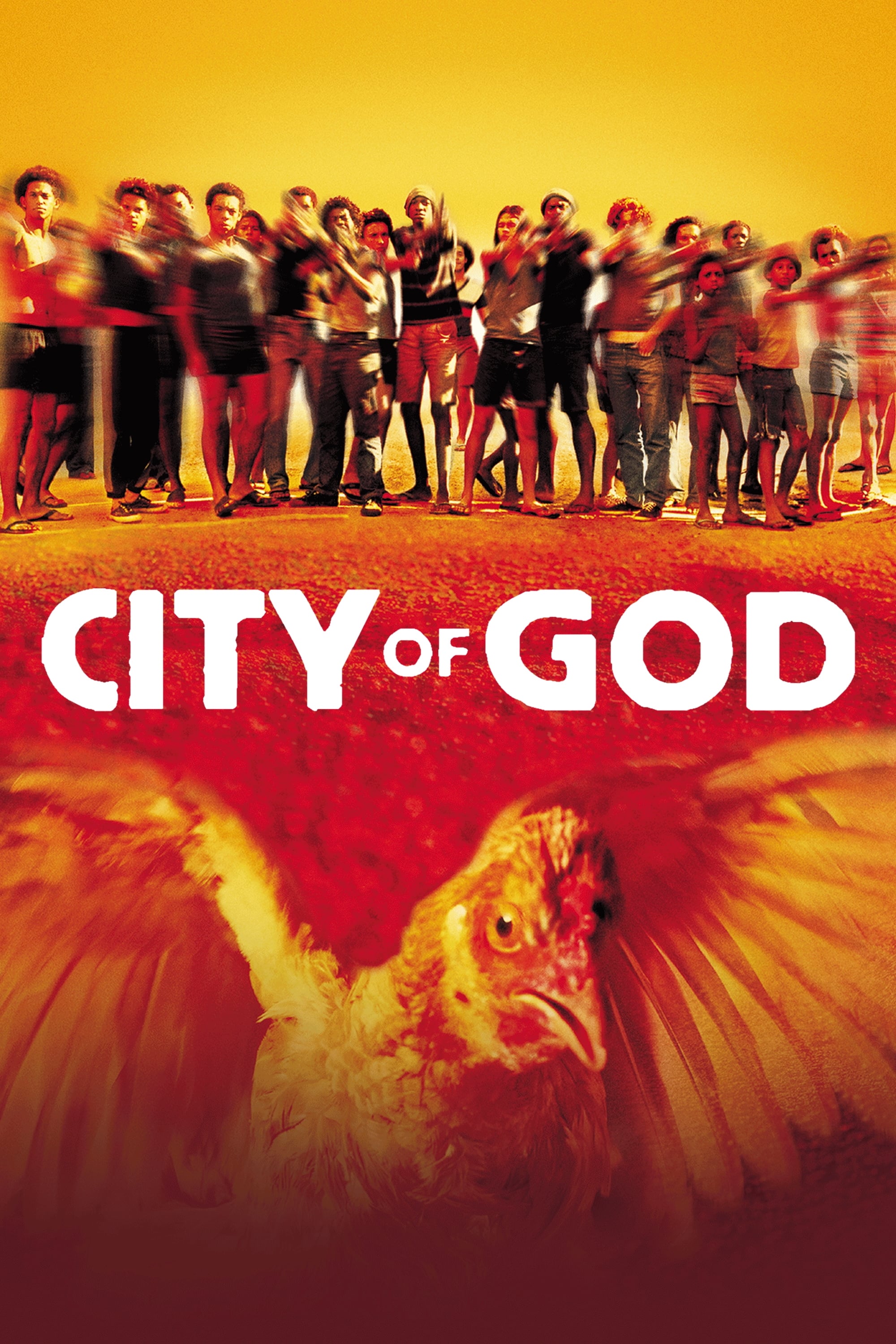
Fernando Meirelles and co-director Kátia Lund’s ‘City of God’ adapts Paulo Lins’s novel about organized crime in a Rio de Janeiro housing development. Casting included many nonprofessional actors from the community, supported by a dedicated acting workshop that fed into the shoot.
César Charlone’s kinetic cinematography and Daniel Rezende’s editing borrow techniques from commercials and music videos to chart decades of gang leadership transitions. The film’s outreach included social programs and training initiatives, and it received multiple international award nominations.
‘Oldboy’ (2003)
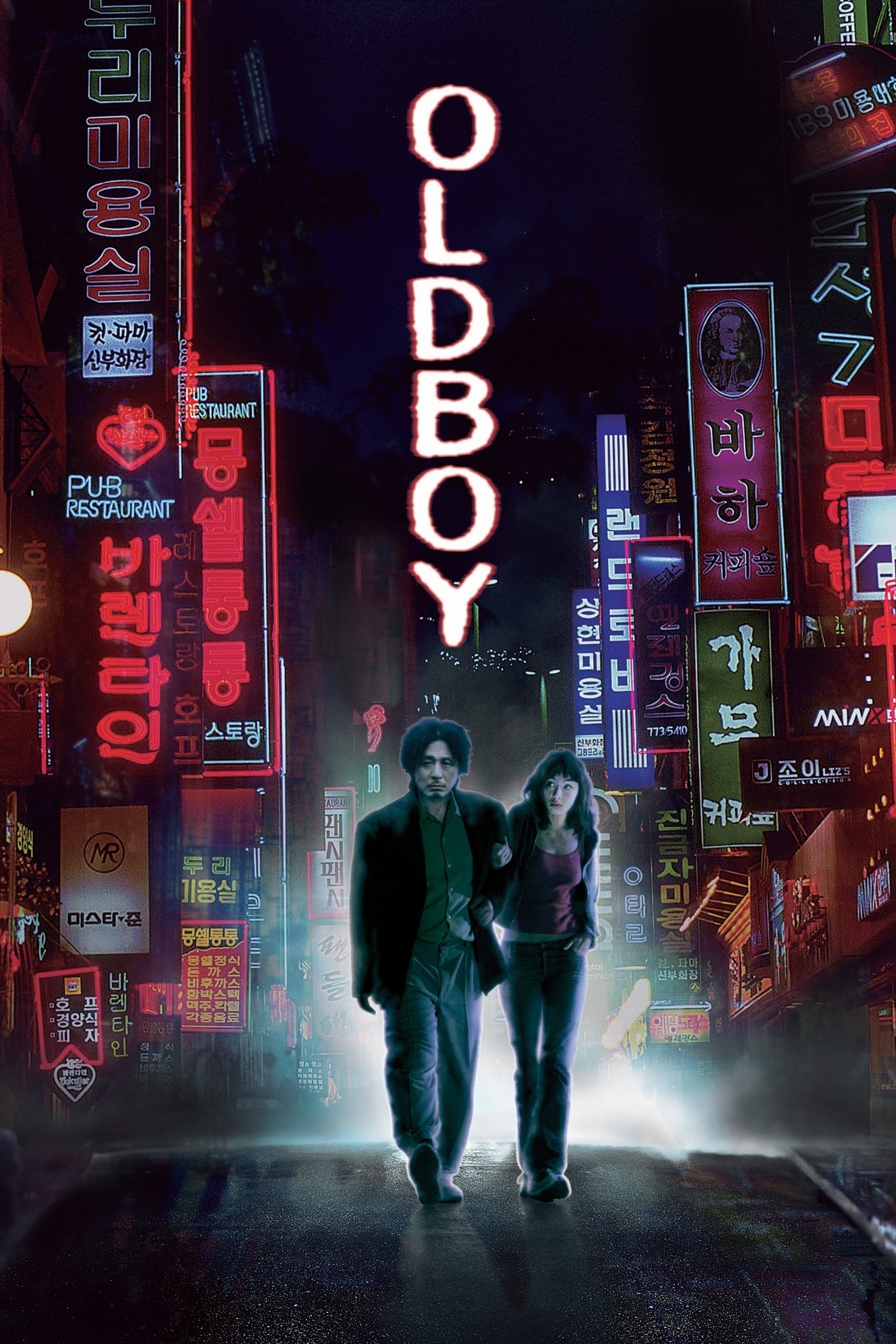
Park Chan-wook’s ‘Oldboy’ stars Choi Min-sik as a man abducted and held in a private prison, then released and pushed into a labyrinth of clues. The production is noted for its side-scrolling corridor fight, executed as a stitched long take with intensive stunt coordination.
Jo Yeong-wook’s score blends orchestral and electronic textures while the production design uses saturated color and precise prop placement to track narrative turns. The film earned the Grand Prix at Cannes and inspired reinterpretations and remakes, expanding its global reach.
‘There Will Be Blood’ (2007)
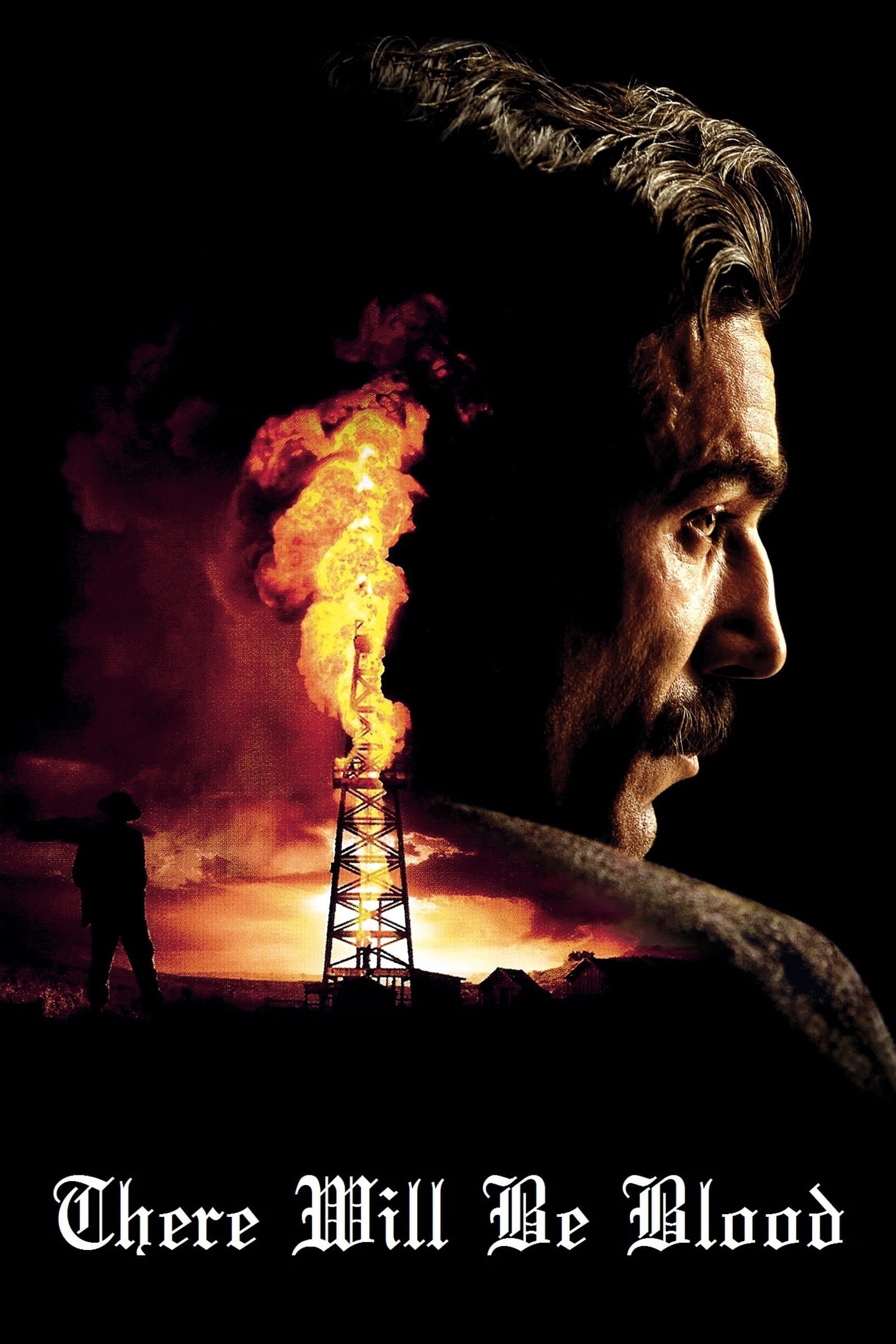
Paul Thomas Anderson’s ‘There Will Be Blood’ stars Daniel Day-Lewis as oilman Daniel Plainview, with a script inspired by Upton Sinclair’s ‘Oil!’. The production filmed in desert and plain locations with extensive period set construction, including derricks, pipelines, and company towns.
Robert Elswit’s cinematography uses anamorphic lenses and long horizon lines, while Jonny Greenwood’s score layers strings and percussion in modernist patterns. The film secured multiple Academy Awards and is frequently discussed in courses focused on American industry, jurisprudence, and resource extraction.
‘Mulholland Drive’ (2001)
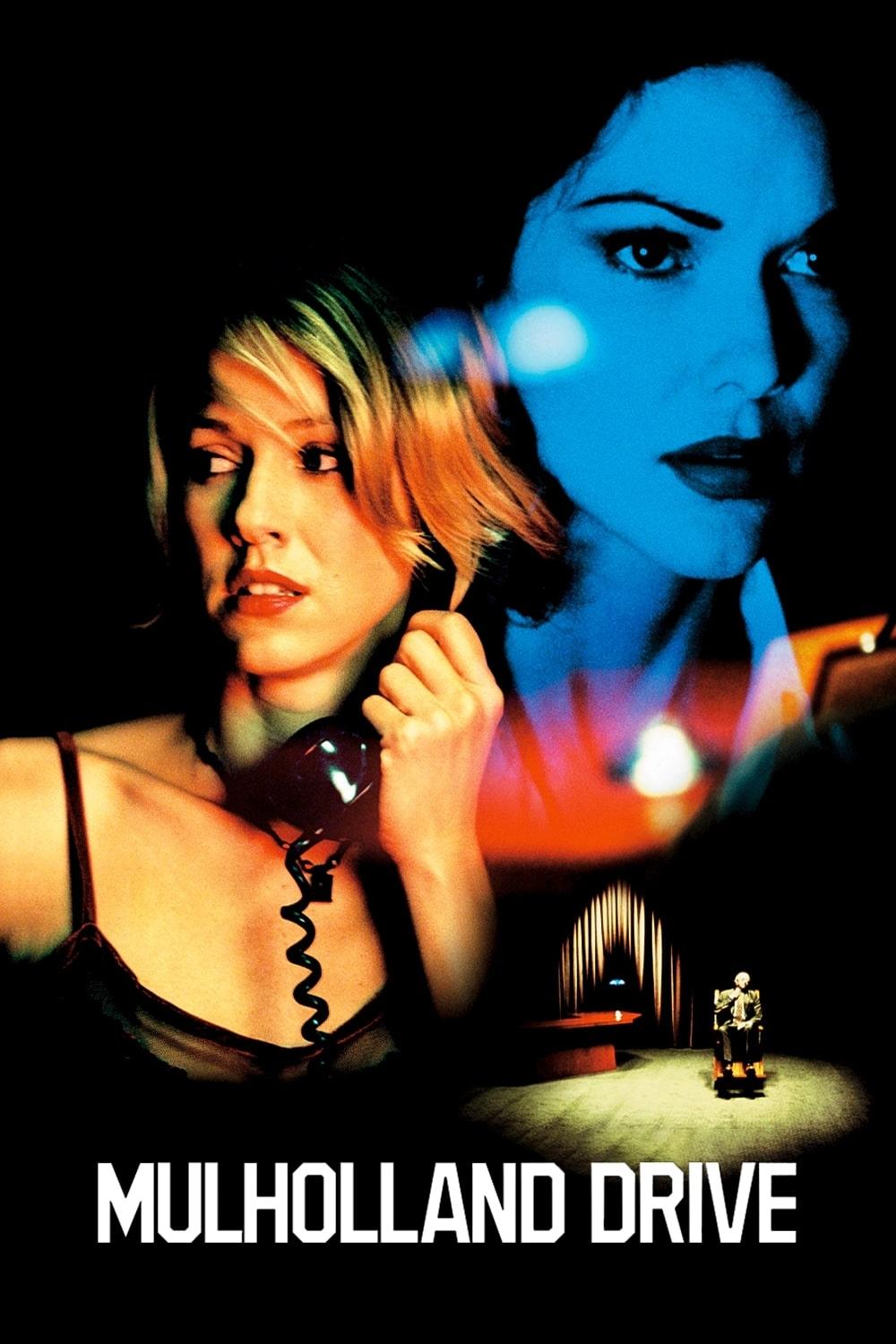
David Lynch’s ‘Mulholland Drive’ interweaves an aspiring actor’s arrival in Los Angeles with a mystery involving identity shifts and studio politics. The project originated as a television pilot before being expanded into a feature, with additional scenes that reframed earlier material.
Peter Deming’s cinematography and Angelo Badalamenti’s score support a structure that moves between dream logic and industry satire. The cast includes Naomi Watts, Laura Harring, and Justin Theroux, and the film is frequently studied for its editing strategies, sound bridges, and use of repeated locations.
‘The Piano Teacher’ (2001)
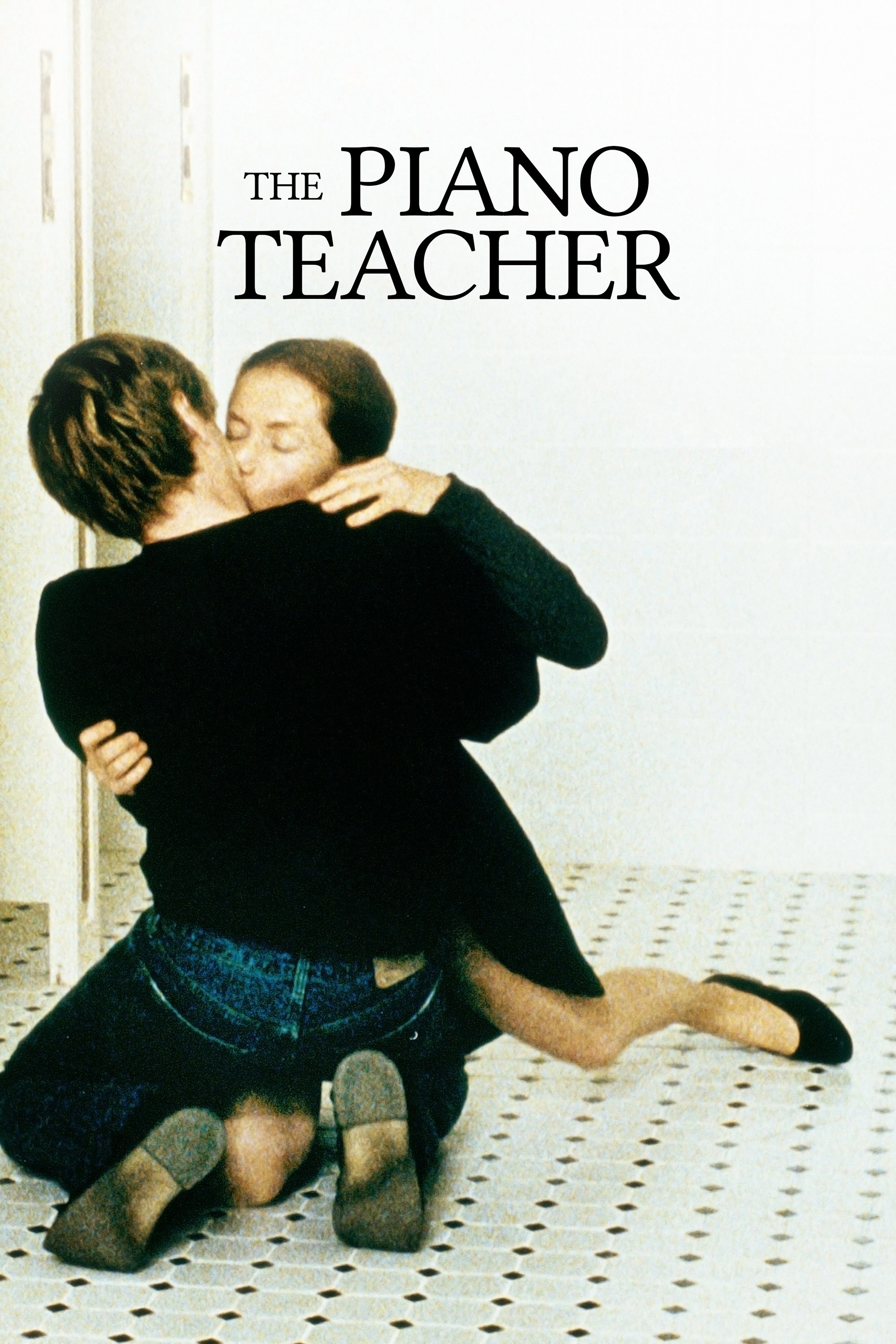
Michael Haneke’s ‘The Piano Teacher’ adapts Elfriede Jelinek’s novel, featuring Isabelle Huppert and Benoît Magimel. The story follows a conservatory instructor whose personal life and professional expectations collide, with precise attention to pedagogy, rehearsal rooms, and family dynamics.
The film won major prizes at Cannes, including awards for both leads. Haneke’s staging prioritizes static frames and long takes, while set design replicates practice studios, recital halls, and apartment layouts that mirror the characters’ routines and constraints.
‘The Hunt’ (2012)

Thomas Vinterberg’s ‘The Hunt’ stars Mads Mikkelsen as a kindergarten assistant navigating the aftermath of an accusation. The film documents small-town institutions, from staff meetings and union representation to childcare procedures and seasonal community events.
Shot in rural Denmark, the production uses handheld cameras and natural light to reflect daily rhythms. The script by Vinterberg and Tobias Lindholm maps how rumors move through social networks, and Mikkelsen received the Best Actor award at Cannes for his performance.
‘Sicario’ (2015)
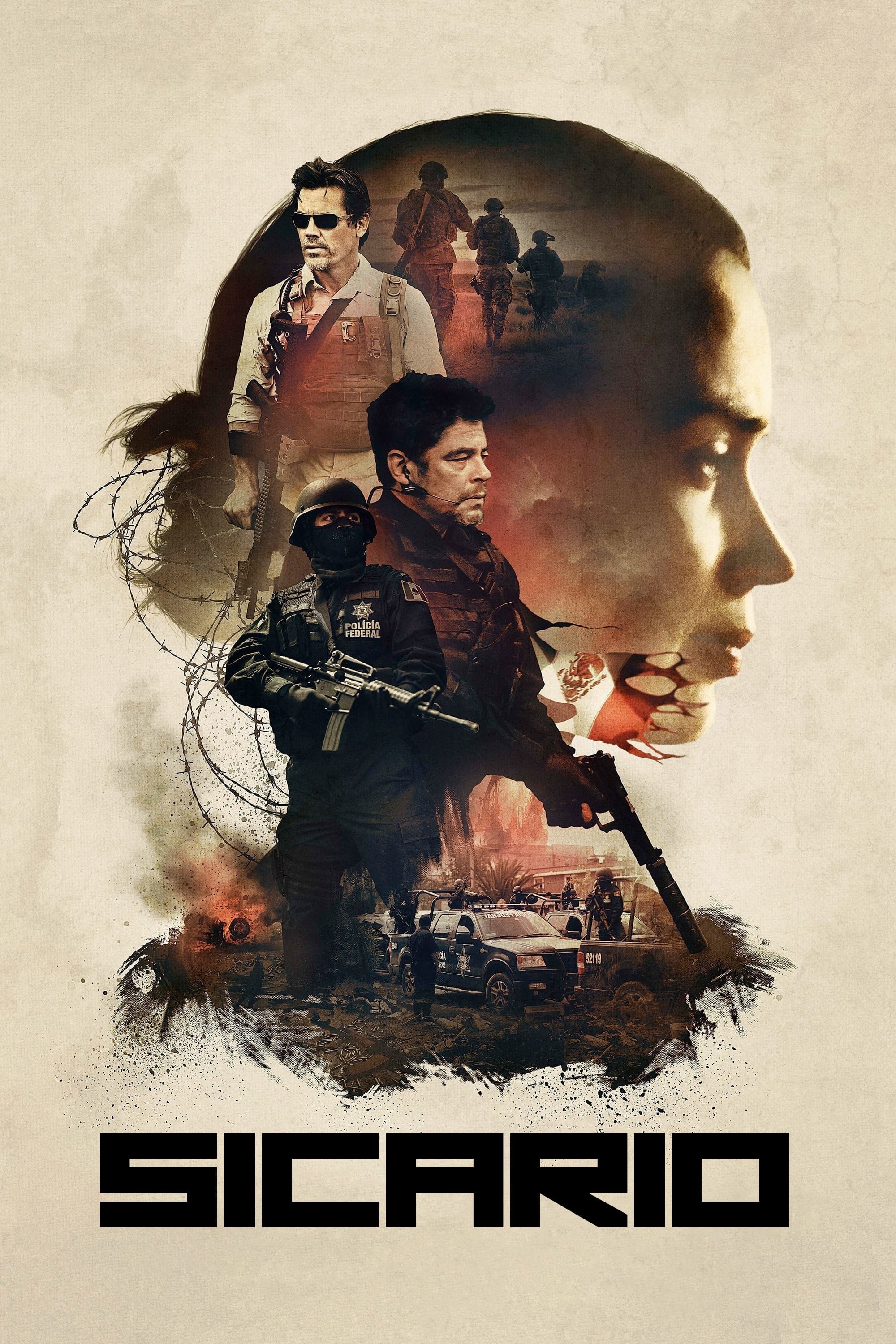
Denis Villeneuve’s ‘Sicario’ examines cross-border operations through the perspective of an FBI agent played by Emily Blunt, alongside Josh Brolin and Benicio Del Toro. The film details interagency coordination, chain-of-command protocols, and legal gray areas in tactical planning.
Roger Deakins’s cinematography features aerial surveys, thermal-imaging sequences, and twilight exteriors, while Jóhann Jóhannsson’s percussion-driven score underlines convoy movements and surveillance. The production consulted law-enforcement advisors on equipment, language, and procedure.
‘The Machinist’ (2004)
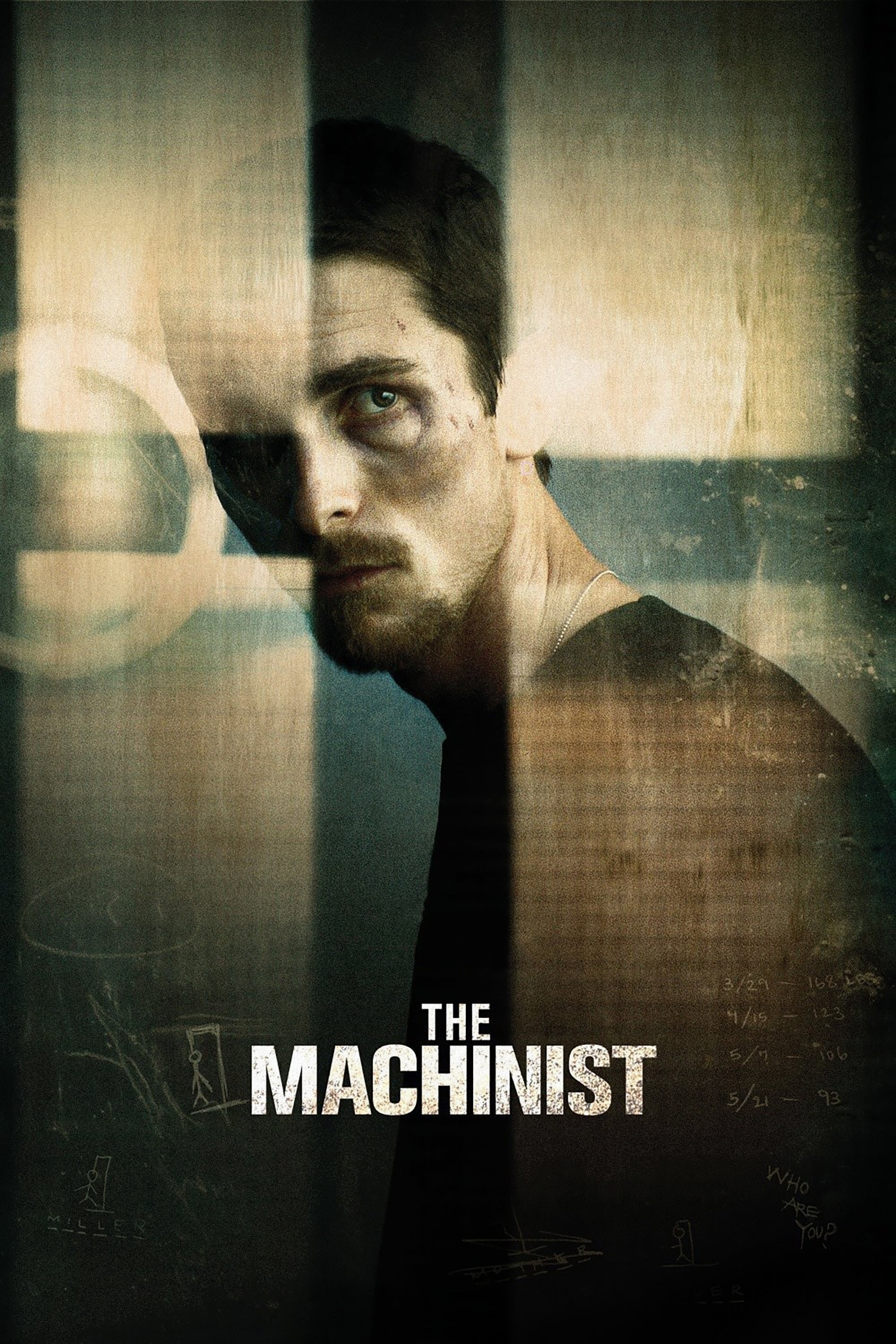
Brad Anderson’s ‘The Machinist’ stars Christian Bale as a factory worker experiencing severe insomnia. Bale undertook a significant physical transformation, paired with a production design that leans into industrial spaces, hazard signage, and machine-shop workflows.
Shot in Spain with locations standing in for an American city, the film uses desaturated color and careful prop repetition to guide attention to key clues. Roque Baños composed the score, and the editing employs match cuts and visual rhymes to trace the character’s routines and lapses.
Share the titles you’d add to this list in the comments.