Movie Disasters that (Almost) Bankrupted Their Studios

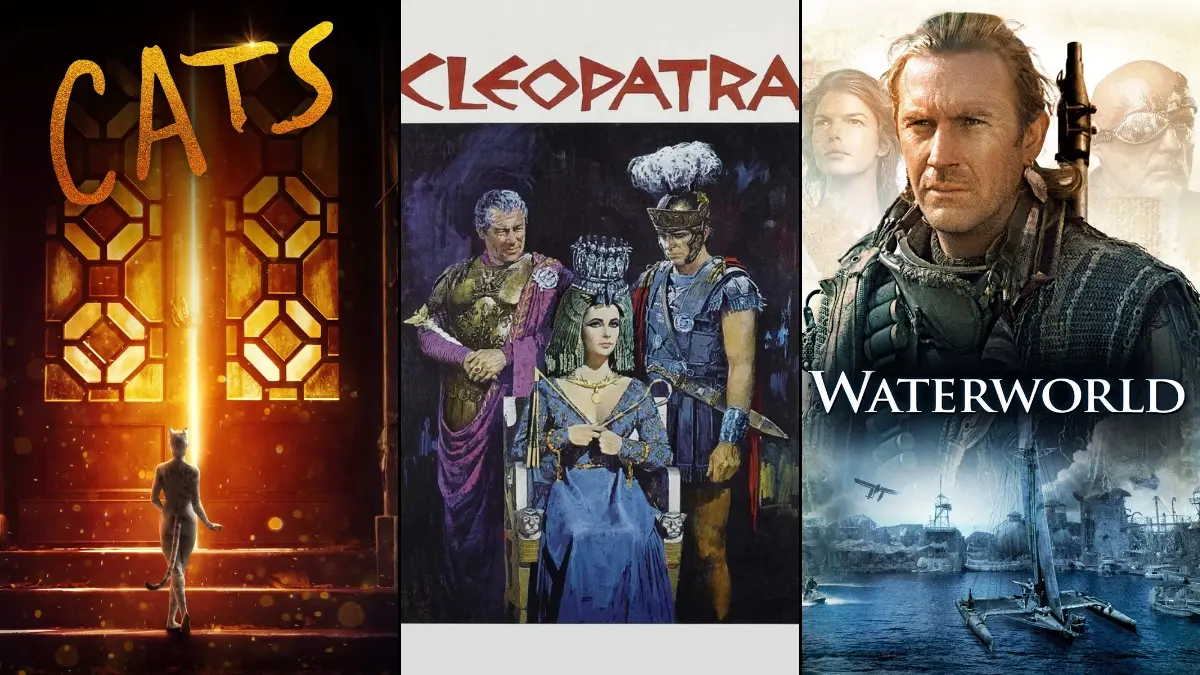

Movies can build empires, but a single misfire can rattle an entire studio. Ballooning budgets, chaotic productions, and mismatched marketing have turned high-profile releases into cautionary tales—sometimes forcing restructurings, emergency cash infusions, or outright closures. The titles below weren’t just box-office disappointments; they triggered real financial consequences for the companies that bankrolled them.
This list rounds up costly film fiascos that pushed studios to the edge. You’ll find runaway epics, troubled animations, VFX behemoths, and franchise plays that didn’t pan out. For each, we focus on production facts, budgets, release strategies, and tangible business fallout—how the numbers went sideways and what the studio did next to survive.
‘Cleopatra’ (1963)
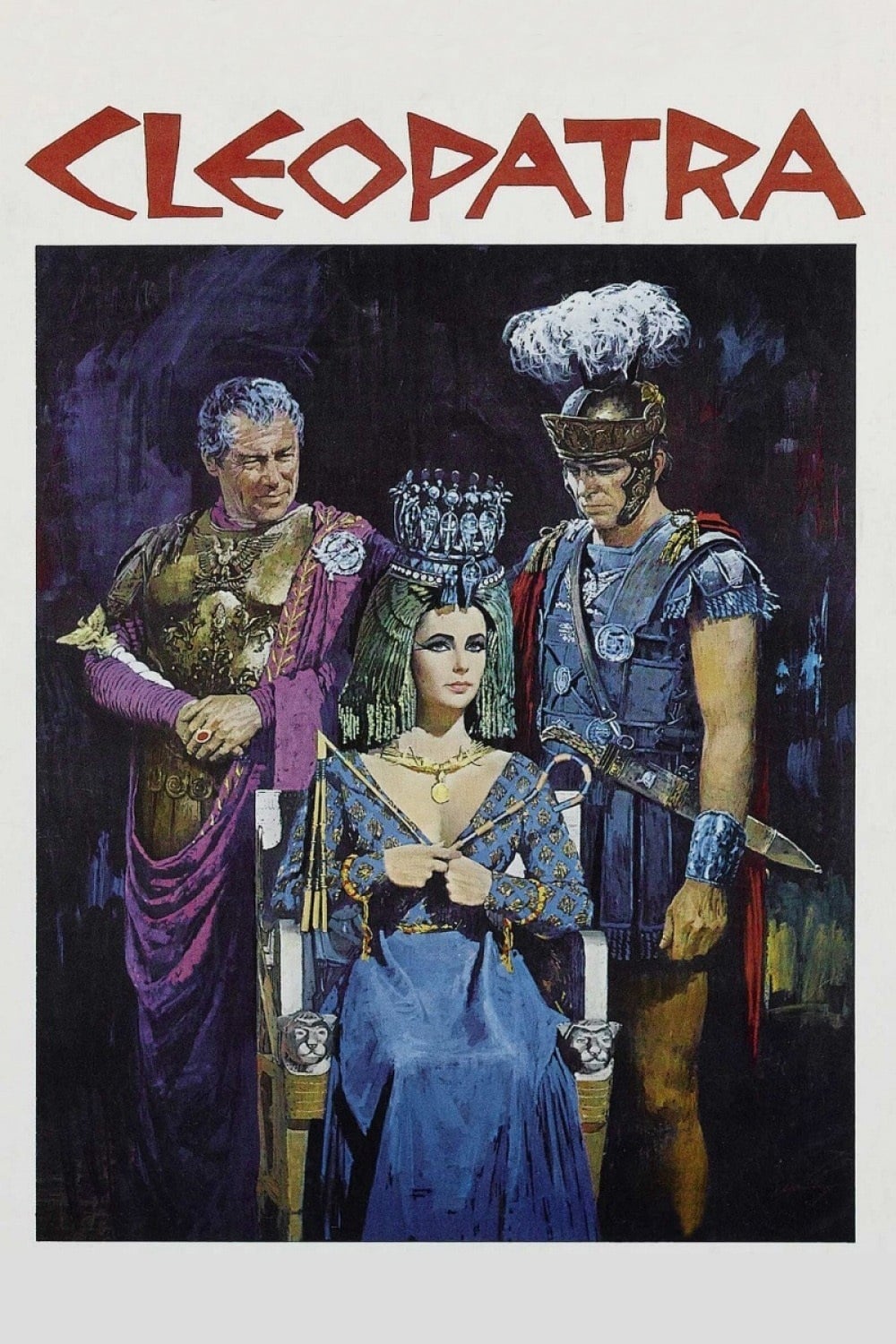
The production moved continents, recast major roles, and rebuilt sets multiple times, driving costs far beyond the initial budget. Extensive delays, elaborate costumes, and large-scale set pieces compounded daily expenses, while a lengthy shoot added layers of payroll and overhead.
The studio liquidated real estate and curtailed other projects to cover mounting bills. A massive global rollout eventually brought in strong grosses, but profitability lagged long after release, forcing leadership changes and a slate reset to stabilize finances.
‘Heaven’s Gate’ (1980)
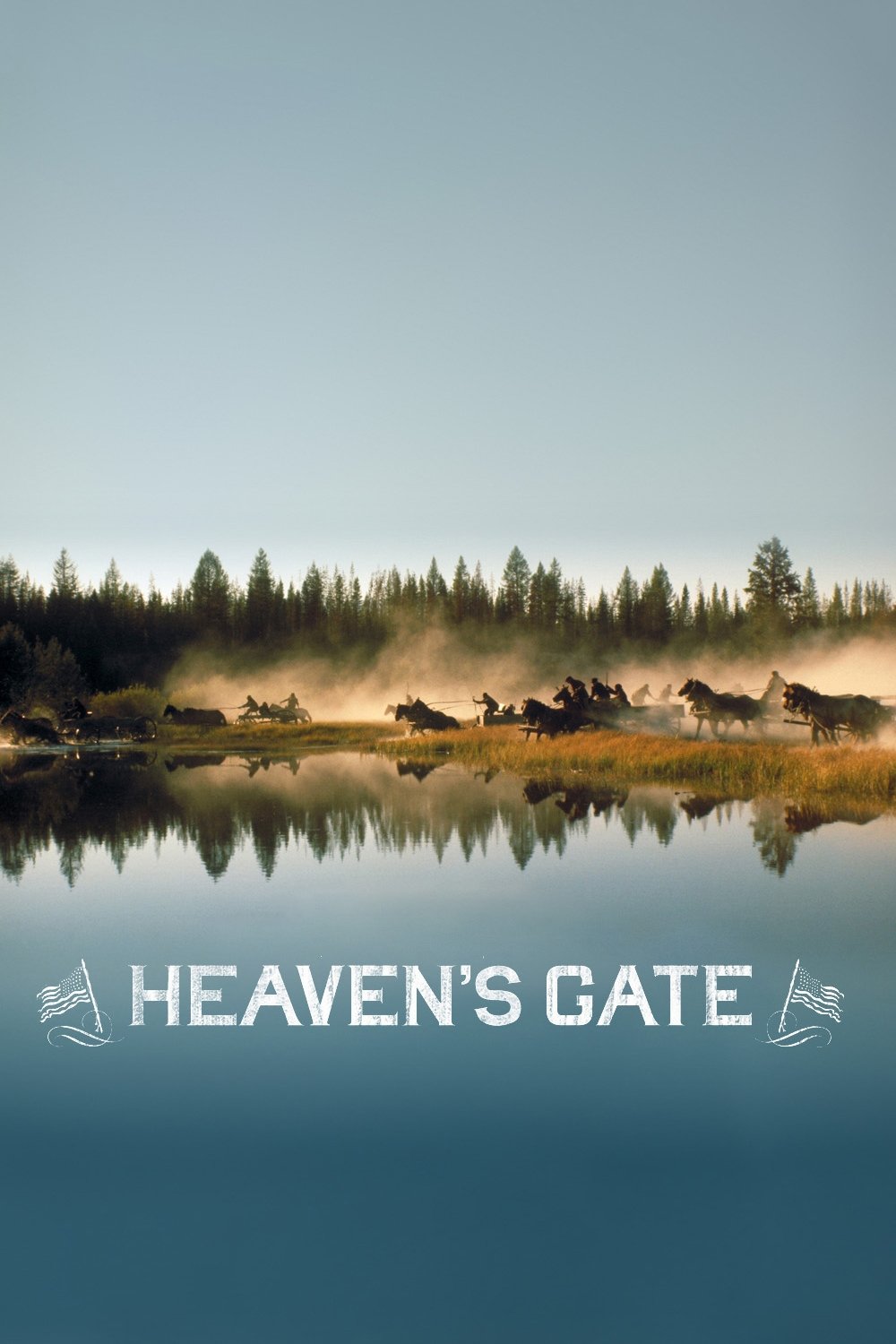
Multiple restarts of key sequences, sprawling location shoots, and an unusually high ratio of filmed footage to final runtime caused the negative cost to soar. Costly period details and repeated takes pushed union hours and overtime far above standard productions.
The studio booked a substantial write-down, and leadership was overhauled as the company’s independence effectively ended soon after. Distribution partners tightened greenlight controls, and development slates shifted toward lower-risk projects to repair the balance sheet.
‘Cutthroat Island’ (1995)
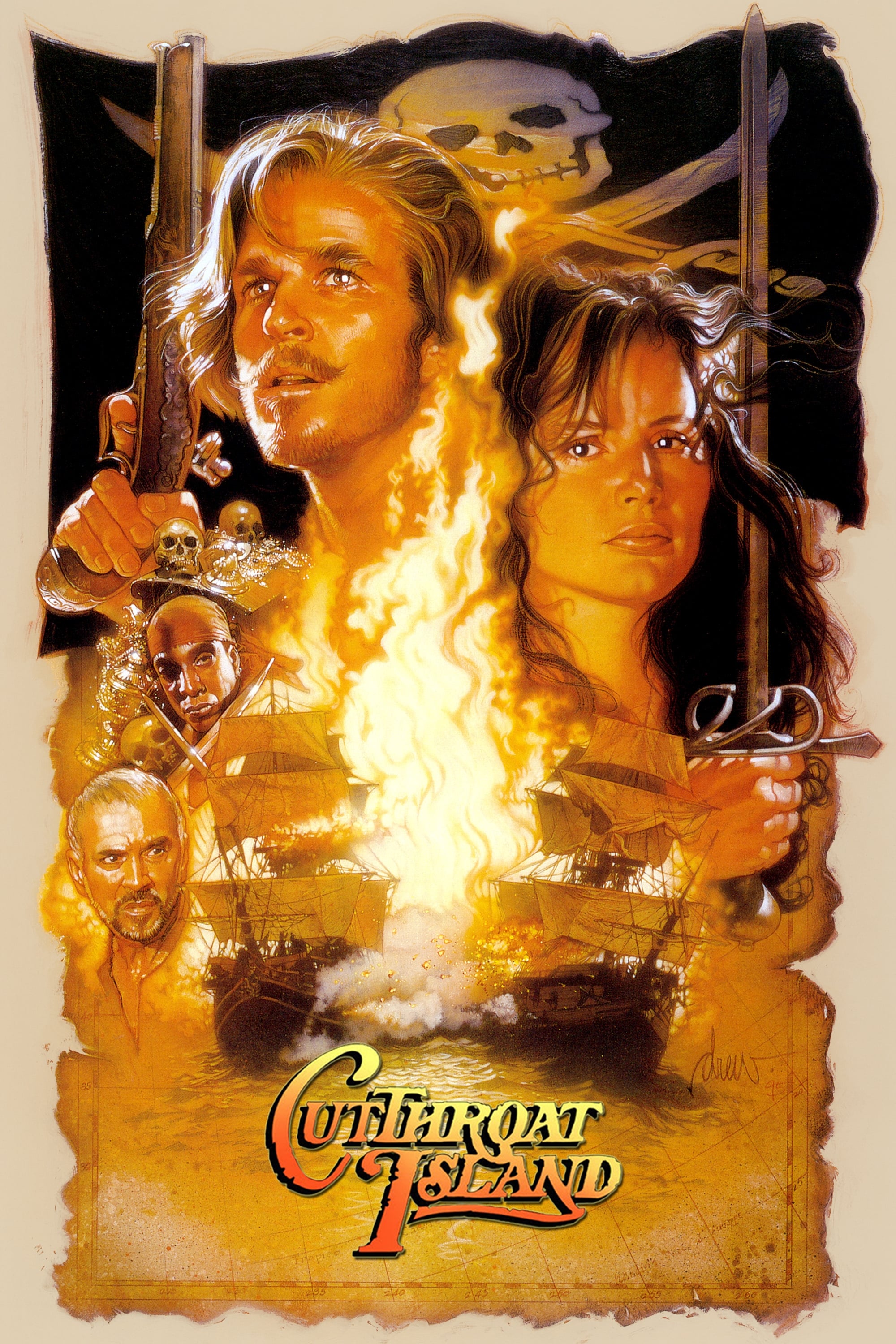
Insurance claims, set damage, and mid-production financing gaps inflated expenses during a difficult overseas shoot. The film’s practical stunts and ship work were expensive to mount, with reshoots extending rental costs on vessels, stages, and equipment.
Weak domestic performance left the distributor unable to recoup prints-and-advertising outlays, while international sales underperformed pre-sale expectations. The production company that bankrolled the project collapsed soon after, with assets sold and library deals restructured.
‘Waterworld’ (1995)

Ocean-based filming drove logistical costs sky-high, from marine safety and crew transport to repairing sets damaged by weather. A custom floating atoll required ongoing maintenance, while delays extended per-day spending on equipment, housing, and overtime.
Marketing escalated to counter negative trade buzz regarding the budget. Although the film eventually accumulated sizable worldwide grosses and ancillary revenue, the outlay forced the studio to absorb a significant initial loss before library value and TV licensing softened the impact.
‘The Adventures of Pluto Nash’ (2002)

The production’s effects work, set builds, and multiple schedule moves piled on overhead over a prolonged timeline. A costly post-production phase, including digital enhancements and sound mixing, extended beyond the original plan.
A wide release with large advertising commitments failed to convert awareness into attendance. The studio recorded one of its largest write-downs for a live-action comedy, and ancillary markets did not sufficiently offset the shortfall, prompting tighter review processes for mid-budget star vehicles.
‘John Carter’ (2012)
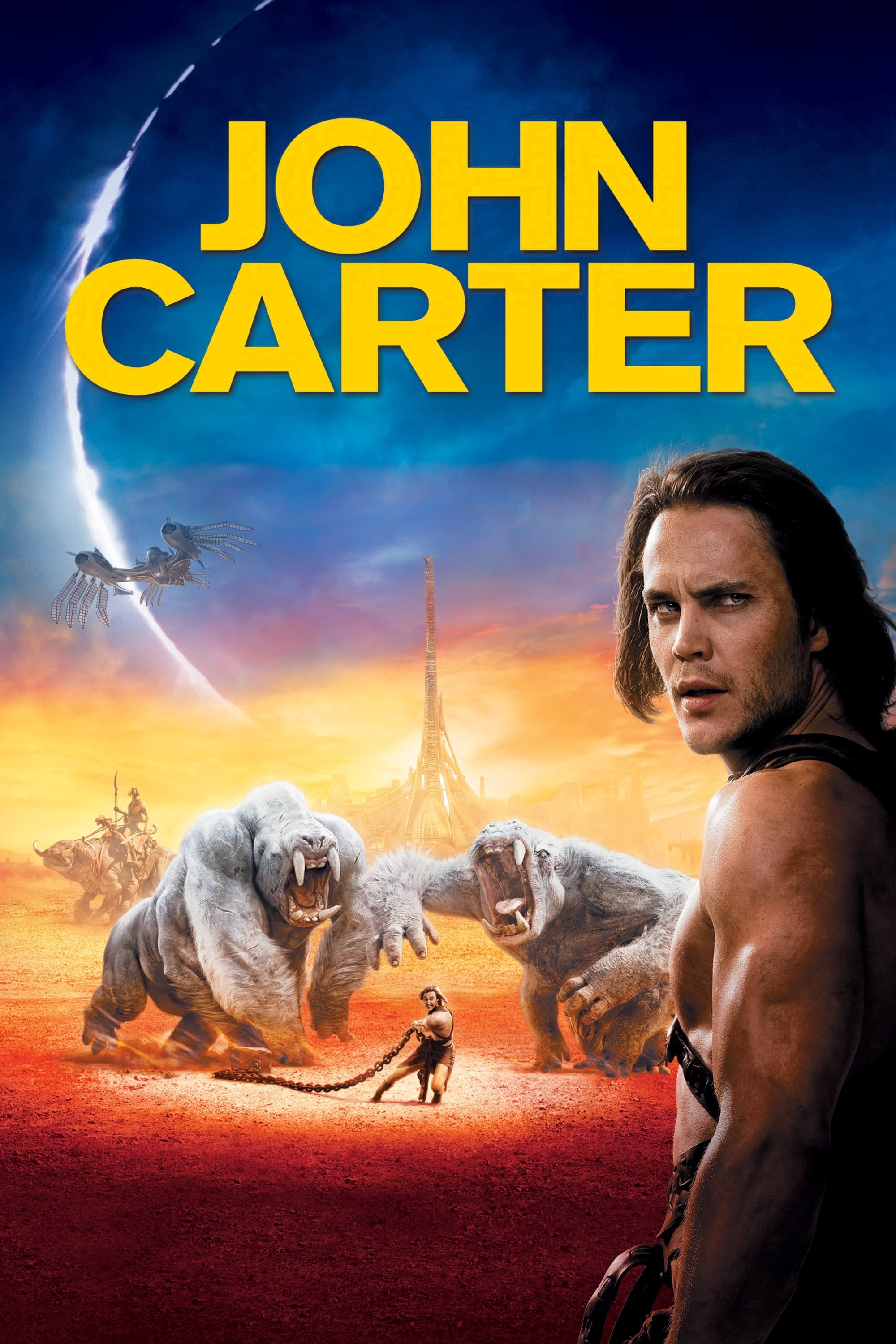
Extensive visual effects, large-scale location work, and reworked sequences expanded the negative cost. The project also carried significant above-the-line expenses tied to rights acquisition and long development.
A broad global campaign required substantial spending across multiple territories, but returns fell short of internal forecasts. The studio announced a major loss tied to the title, reassigned leadership in its live-action division, and recalibrated future tentpole strategy.
‘The Lone Ranger’ (2013)

Train sequences, period production design, and extensive stunt coordination inflated costs, while reshoots added weeks of crew and equipment. Negotiations over budget caps lengthened the calendar and increased interest charges on financing.
Despite a wide release and premium format bookings, domestic performance missed expectations and overseas markets did not fill the gap. The studio booked a sizable loss and tightened oversight on expensive non-franchise ventures, adjusting future slate composition.
‘The 13th Warrior’ (1999)
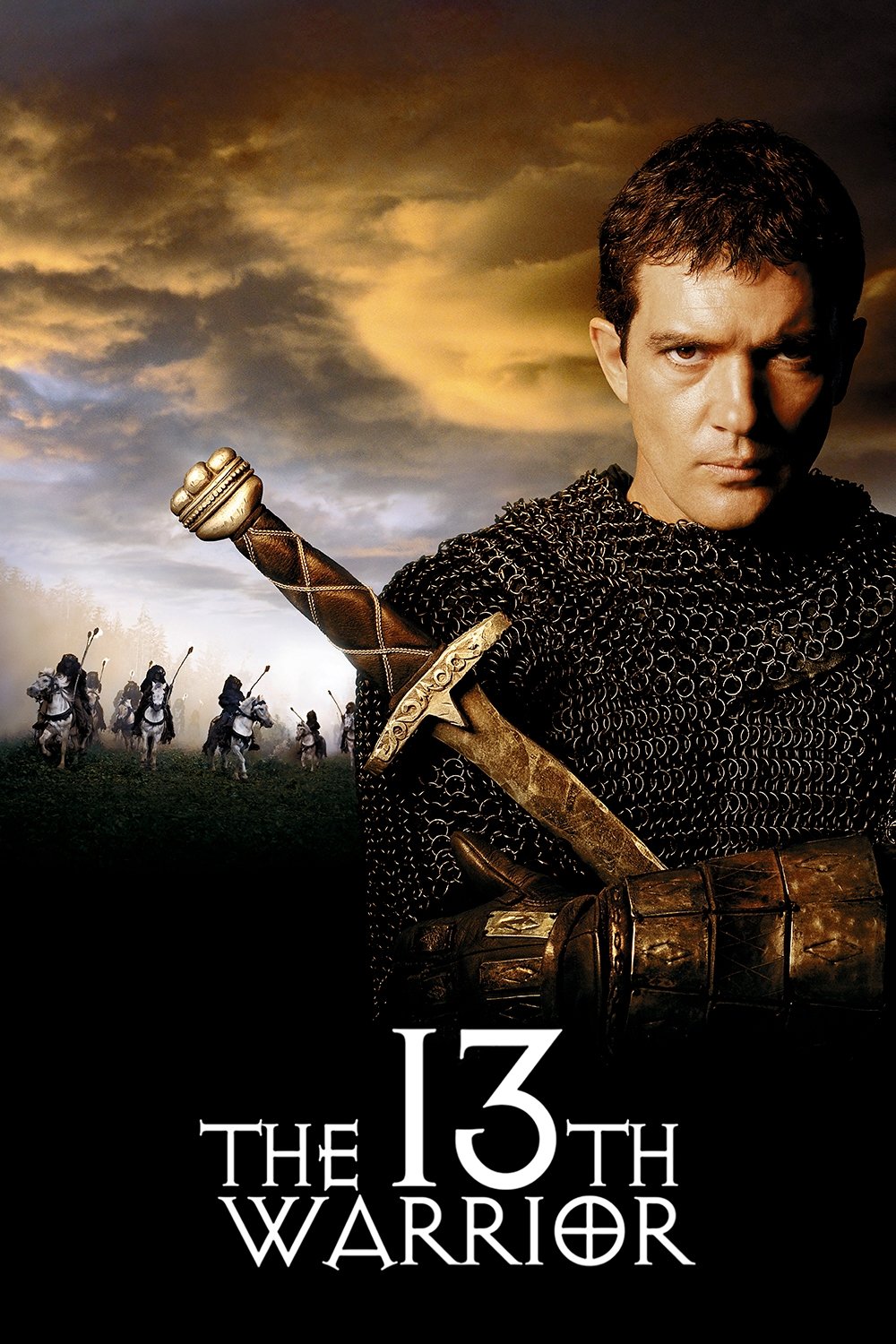
Location shoots, extensive rewrites, and reshoots pushed expenses well above the plan. A score replacement and editorial overhauls lengthened post-production, raising vendor and facility costs.
The final cut debuted after significant delays, meeting a crowded release window that diluted marketing impact. The studio absorbed a major shortfall against the combined production and advertising spend, contributing to broader cost-control measures across divisions.
‘Mars Needs Moms’ (2011)
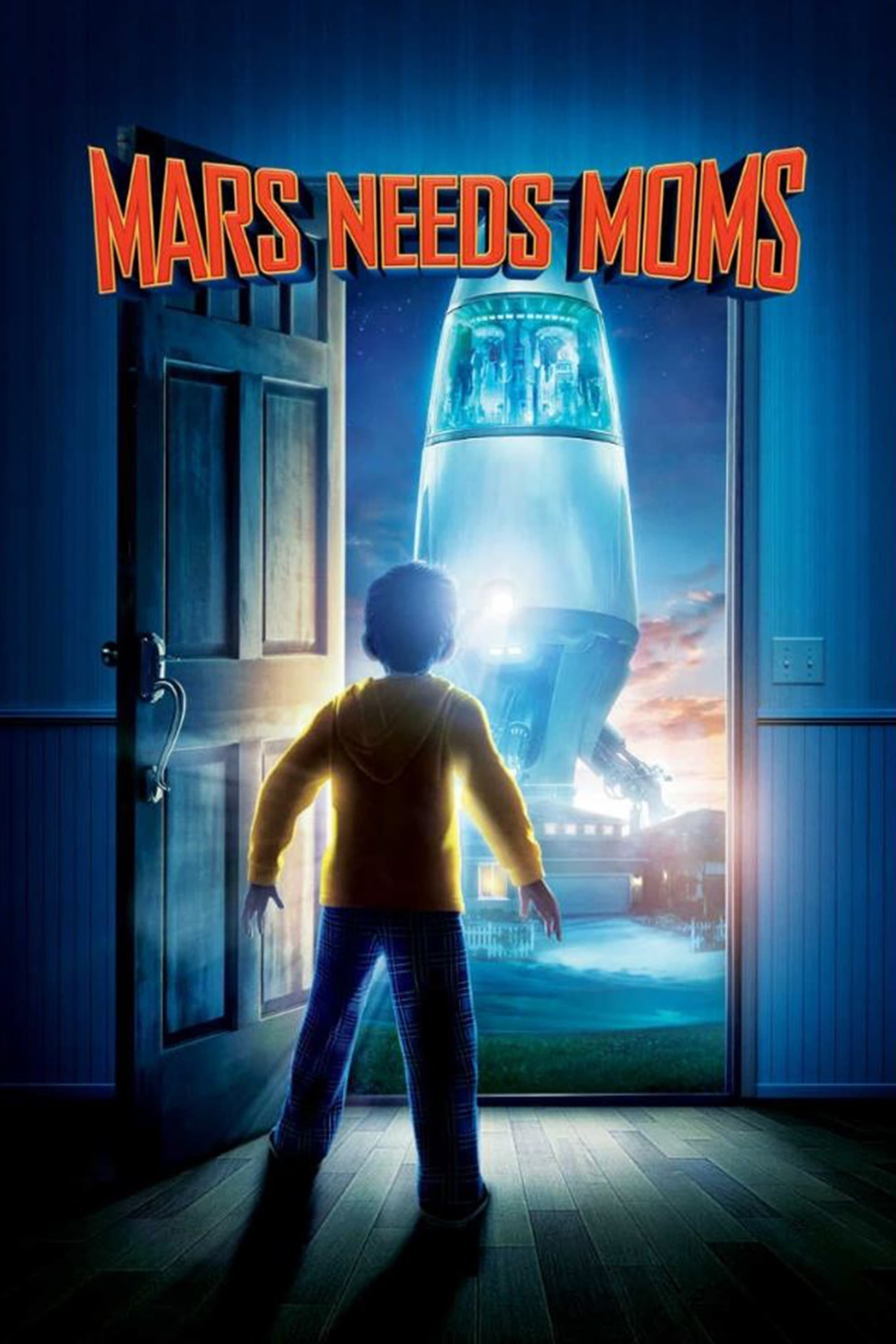
Performance-capture workflows, animation rendering, and extended post-production cycles produced one of the costliest animated titles of its time. Tooling and pipeline investments increased amortized expenses for the production unit.
The film’s opening weekend fell far below projections, leading to a steep write-down. The result accelerated the shutdown of the producing label, with staff reductions and a shift away from that specific animation pipeline for future projects.
‘Ishtar’ (1987)

Exotic location filming in challenging conditions prolonged the shoot and spiked costs for logistics, security, and crew per diems. Script changes and additional coverage expanded daily call sheets, raising overtime and equipment rental fees.
The release strategy required a sizable advertising push that did not translate into sustained ticket sales. The studio took a loss on the title and reevaluated aggressive spend on non-franchise comedies, placing stricter limits on above-the-line deals.
‘Titan A.E.’ (2000)
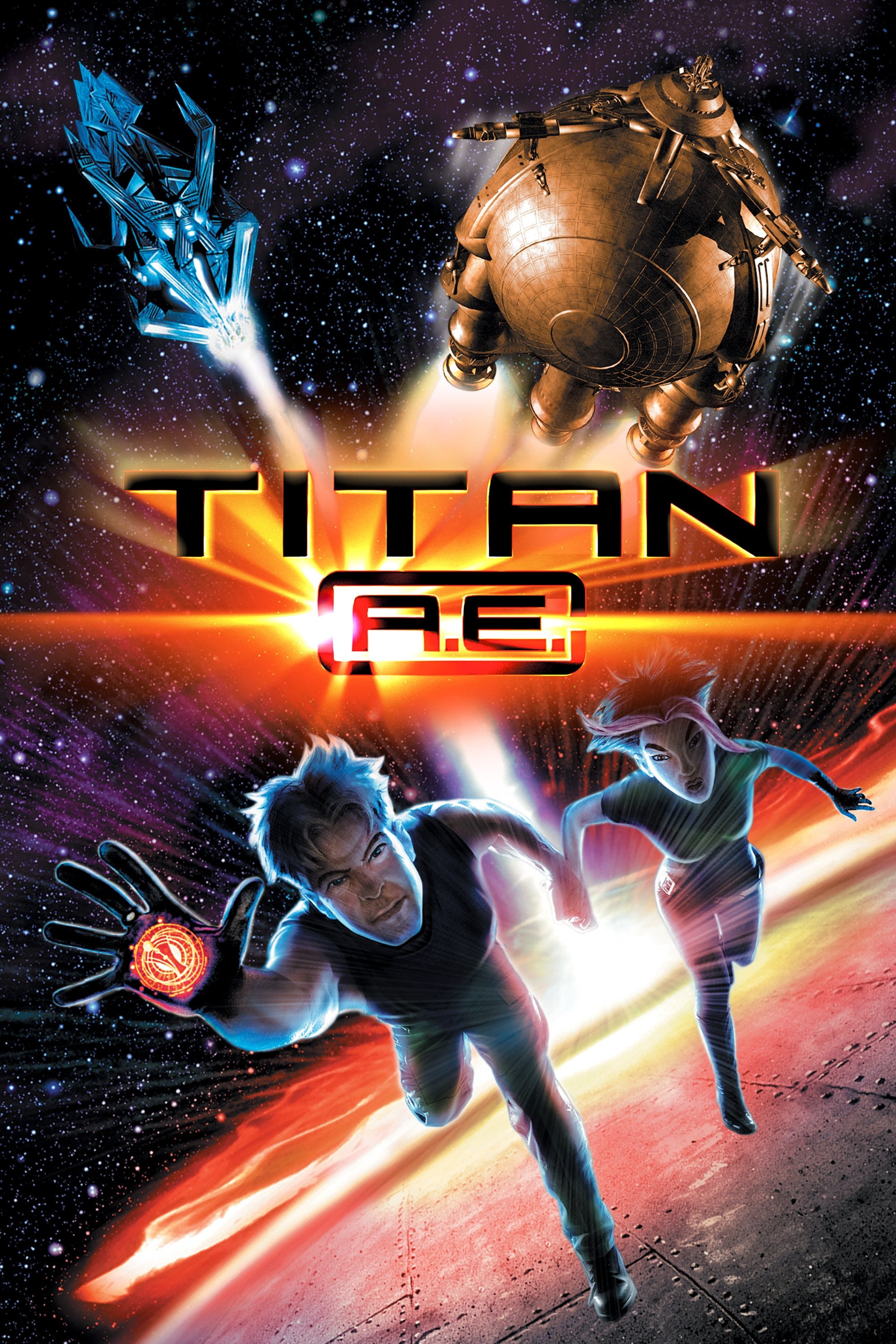
A hybrid of hand-drawn and computer-generated techniques raised complexity and vendor costs. Multiple sequences were reworked late, extending render times and editorial.
Box-office returns were insufficient to cover negative cost and marketing. The performance contributed to the closure of the studio’s feature animation division, with assets sold and outstanding projects canceled or shifted elsewhere.
‘Final Fantasy: The Spirits Within’ (2001)

Photoreal character rendering demanded expensive custom pipelines, long render times, and extensive R&D. Maintaining a proprietary facility and large technical staff added fixed costs beyond the single project.
The film underperformed theatrically, and home entertainment did not fully bridge the gap. The producing entity wound down its dedicated film operation, and corporate leadership pursued mergers and restructuring to stabilize finances after the loss.
‘Battlefield Earth’ (2000)

Production financing relied on complex pre-sale and gap arrangements that unraveled when estimates fell. Set construction and makeup effects consumed a disproportionate share of the budget relative to projected returns.
Poor performance led to litigation and insurer scrutiny of the financing structure. The primary production company behind the film collapsed amid legal disputes, with its slate dissolved and library assets dispersed.
’47 Ronin’ (2013)
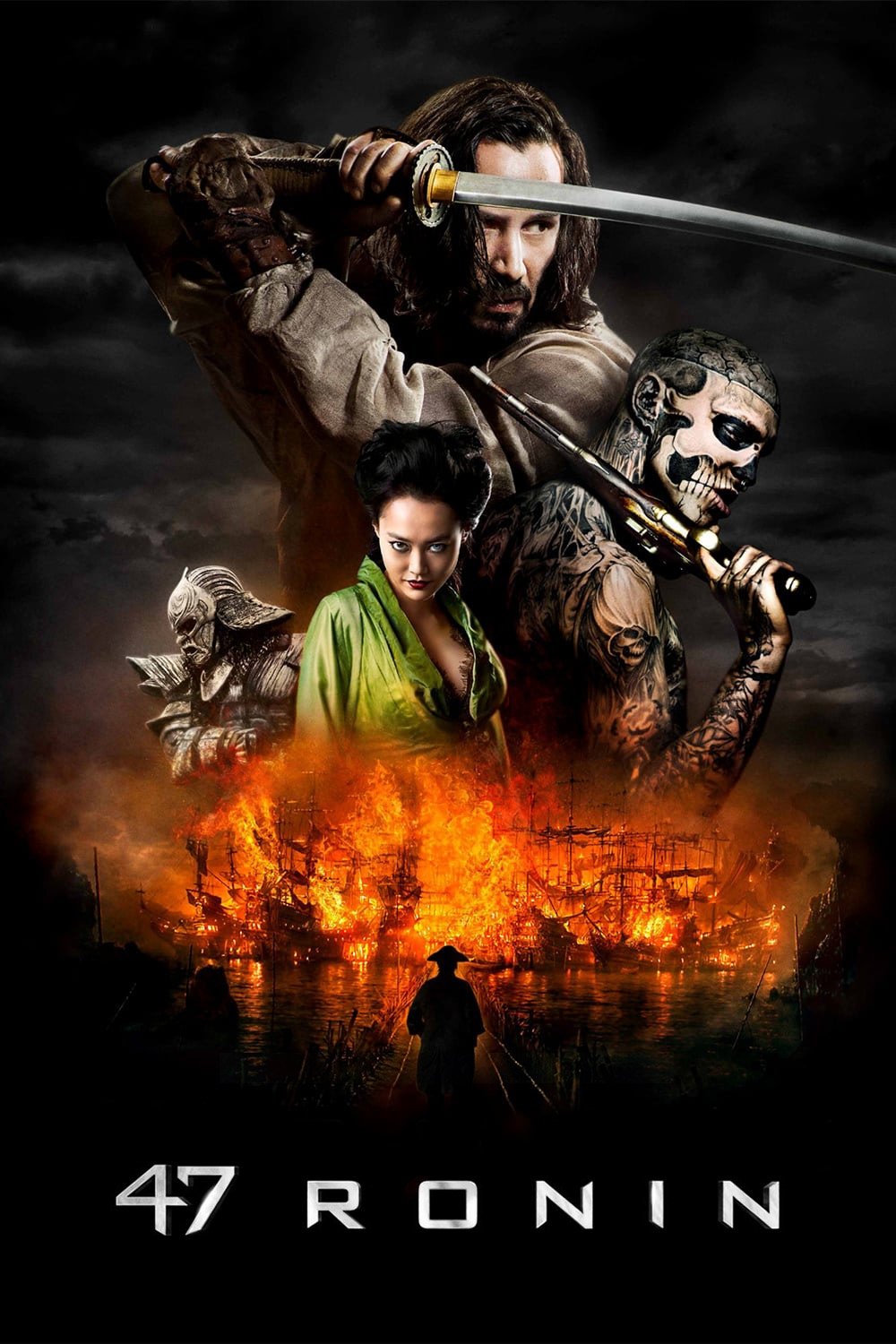
Elaborate fantasy effects, creature design, and reshoots expanded the budget well beyond initial approvals. Post-production extended to reconfigure character arcs and visual set pieces, adding vendor invoices and editorial time.
The global campaign required heavy spending, yet turnout in key markets lagged. The studio recorded a significant loss and cut back on original live-action fantasy bets, pivoting toward safer franchise extensions and co-financing models.
‘Mortal Engines’ (2018)

Complex city-on-wheels sequences demanded heavy VFX, miniature work, and detailed digital environments. Production and post schedules expanded to meet quality targets, increasing labor and vendor costs.
Despite a wide release, the film missed revenue targets, triggering an impairment charge. The outcome cooled appetite for launching new large-scale franchises without pre-sold brand strength, reinforcing stricter greenlight thresholds.
‘Pan’ (2015)

Stage builds, wire-work stunt rigs, and large ensemble sequences raised costs during principal photography. Changes to musical numbers and set extensions lengthened post-production and music clearances.
Marketing spend focused on family audiences but faced competition from stronger brands. Underperformance led to a substantial write-down, prompting the studio to rebalance its family slate toward proven properties and lower per-title risk.
‘King Arthur: Legend of the Sword’ (2017)

On-location medieval sets, armor, creature effects, and reshoots enlarged the negative cost. Editing and scoring continued late into the schedule, with additional VFX shots ordered to clarify the story’s set pieces.
The film’s domestic opening trailed expectations, and international returns were insufficient to offset the investment. The studio curtailed plans for a multi-film cycle and tightened development controls on non-superhero tentpoles.
‘The Postman’ (1997)
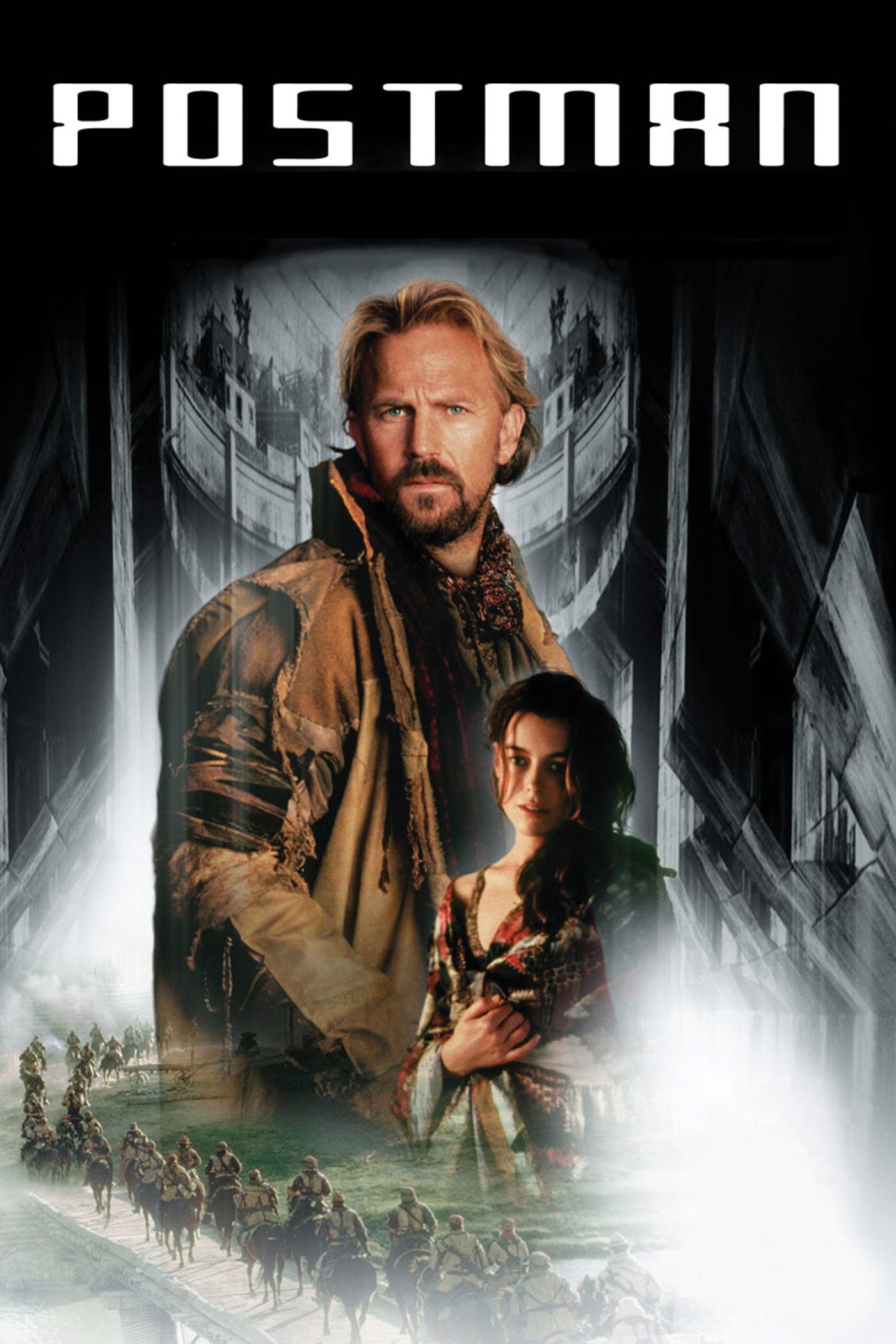
Expansive desert locations, large extras casts, and practical set builds pushed daily burn rates. Weather disruptions caused calendar creep, amplifying housing, transportation, and overtime costs.
Marketing framed the release as an awards-caliber epic, requiring premium ad buys that did not convert. The studio absorbed a sizable loss and redirected resources toward lower-risk genre entries for the next slate period.
‘Sahara’ (2005)
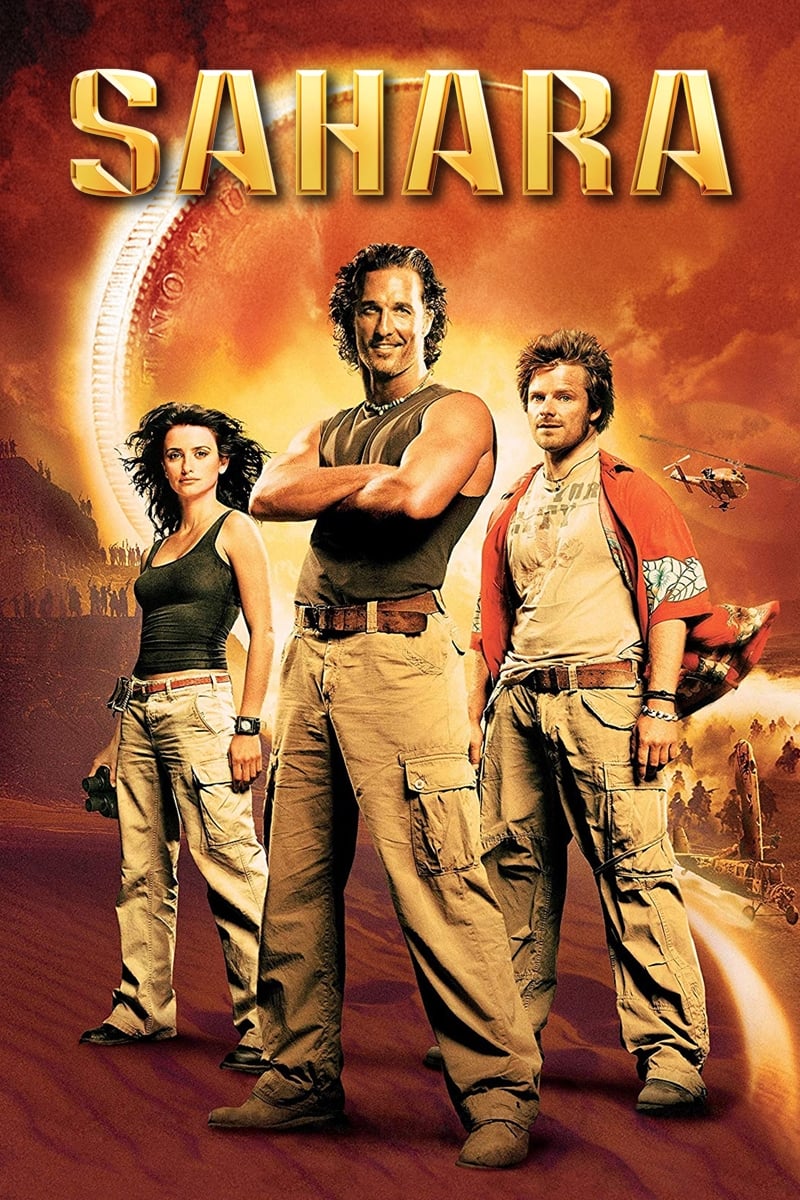
Foreign-location logistics, exotic vehicles, and complex set pieces surged past planned spending. A revolving door of writers and on-set script changes extended shoot days and raised above-the-line totals.
Legal disputes over accounting and rebates followed the underperformance. The principal financier consolidated operations and scaled back adventurous action titles, while the distributor reevaluated co-financing terms for comparable productions.
‘The Golden Compass’ (2007)

Visual effects for daemon characters and large-scale environments required extensive vendor coordination. Late editorial changes to the third act increased shot counts and pushed delivery deadlines.
The film posted soft grosses in core markets relative to its cost, and merchandising underdelivered. The outcome contributed to major structural changes at the label behind it, which was folded into its parent company, ending its stand-alone status.
‘Sinbad: Legend of the Seven Seas’ (2003)
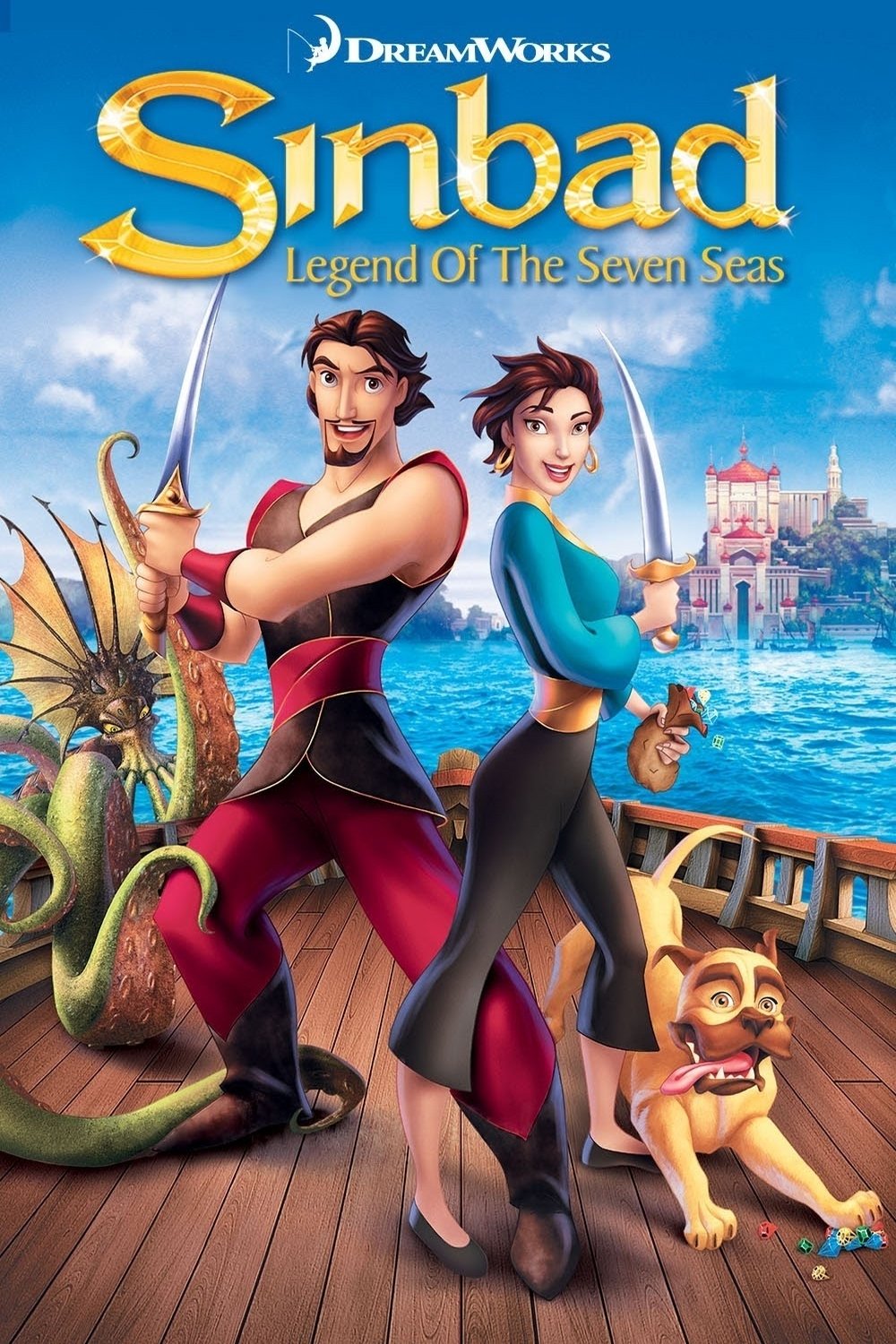
Mixed-pipeline animation with elaborate water and creature effects increased render complexity and staffing needs. A competitive release corridor limited available premium dates for a family rollout.
Theatrical results forced a write-down that affected the animation unit’s earnings. The studio trimmed headcount, altered production pacing, and reoriented toward franchises with clearer consumer tracking before greenlighting comparable projects.
‘Treasure Planet’ (2002)

A blend of traditional animation and 3D environments raised costs across both production streams. The film’s ambitious visual style required custom tools and extended post timelines.
Opening weekend fell below projections, and subsequent legs did not catch up to marketing spend. The studio shifted strategy for animated features, emphasizing different genres and budgets while prioritizing projects with stronger pre-release awareness.
‘Raise the Titanic’ (1980)
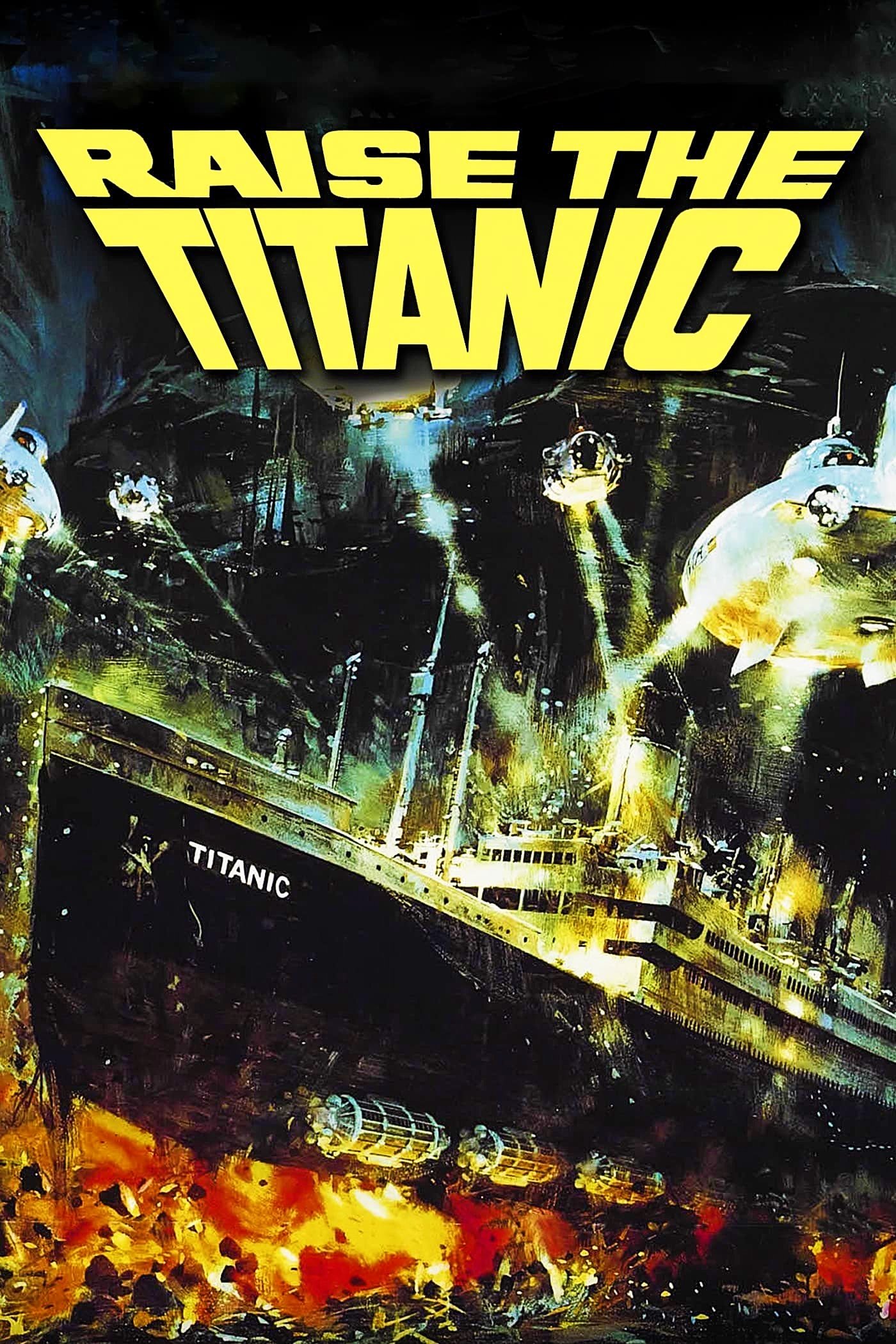
Underwater shooting, specialized models, and large-scale set pieces drove costs beyond initial estimates. Recovering and constructing ship sections for practical photography added to the expense.
The film’s gross revenues were a fraction of its total outlay, prompting a major loss. The backer pulled back from high-budget productions and reduced exposure to risky theatricals, focusing on television and lower-cost features.
‘The Alamo’ (2004)
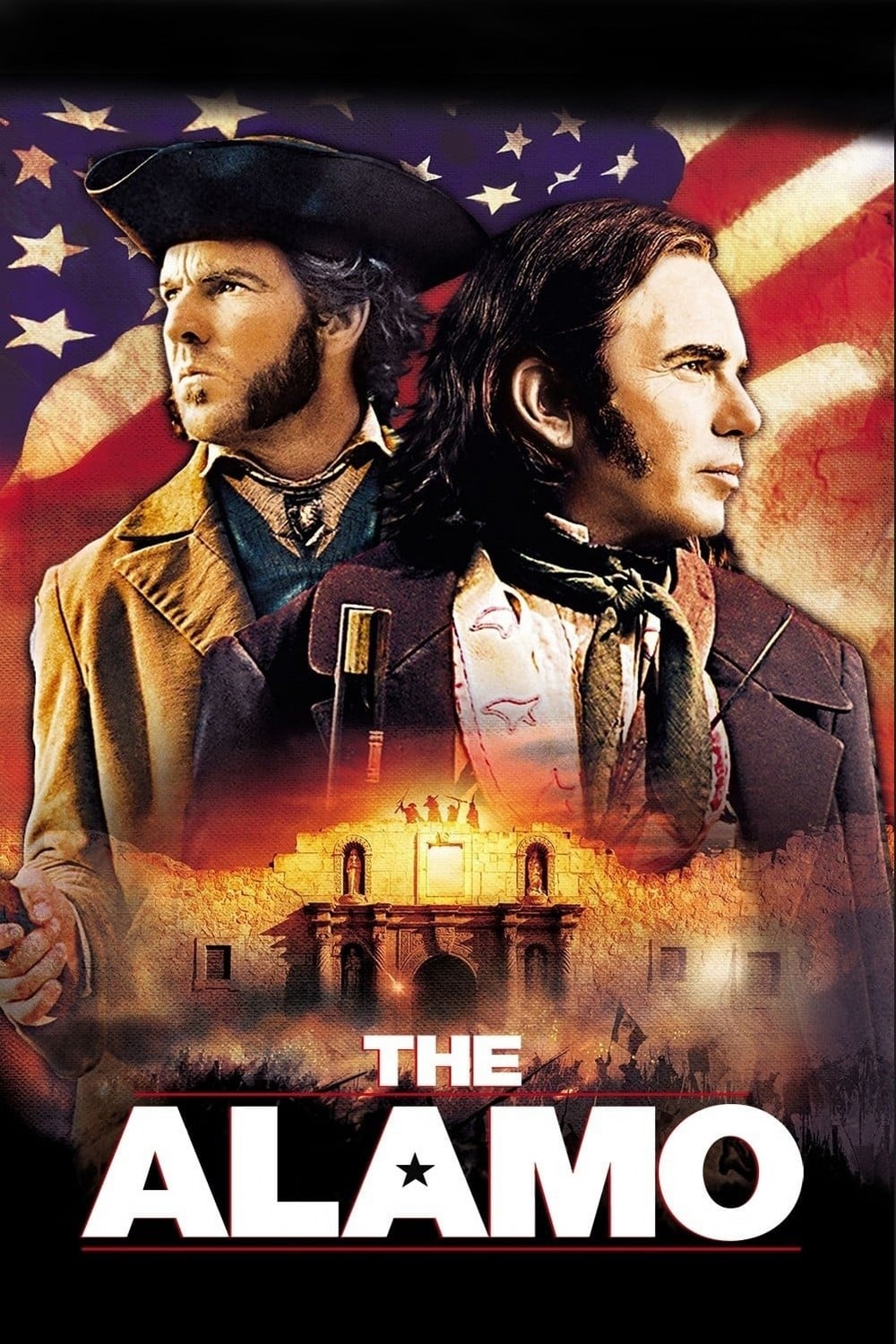
Period-accurate town sets, costuming for thousands of extras, and battlefield choreography lengthened the schedule. Post-production adjustments, including re-edits to trim runtime, added facility charges and music costs.
The release failed to reach the attendance needed to overcome combined production and marketing expenses. The studio wrote down the title and reconsidered large-scale historical dramas, steering family and franchise content into prime calendar slots.
‘Cats’ (2019)

A compressed post-production timeline required intensive effects work to finalize character designs and fur simulation. A rare post-release update of digital shots added further vendor costs and created distribution complications.
Despite a broad holiday campaign, the film’s revenue fell short of recovery thresholds. The studio absorbed a loss, paused plans for similar stage-to-screen adaptations at comparable scale, and emphasized projects with clearer four-quadrant appeal.
Share your picks and perspectives—what other costly misfires nearly sank their studios?