Essential History Movies to Revisit Every Year



History on screen can turn distant events into stories that feel close and urgent. These films cover revolutions, wars, political crises, and personal struggles that shaped the world in lasting ways. Each one offers details drawn from real people and records, which helps bring context to names and dates that might otherwise stay on the page.
Watching them regularly keeps timelines fresh and connections clear. You will find patterns that link different countries and centuries, along with the small decisions that changed outcomes. These movies also help with perspective since they show how ordinary lives move inside larger forces like empires, movements, and technology.
‘Schindler’s List’ (1993)
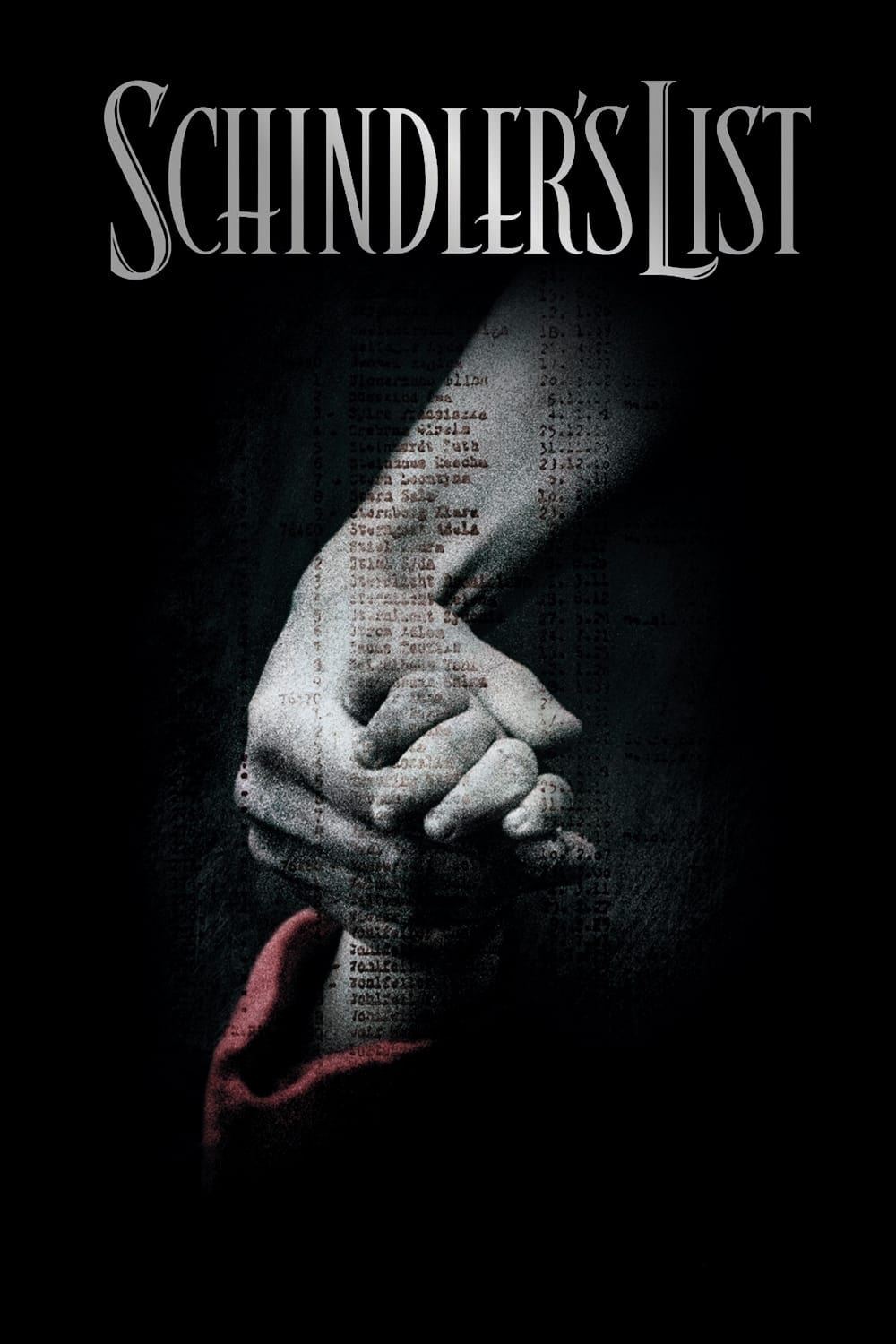
Steven Spielberg follows Oskar Schindler, a German industrialist who used his factories to employ Jewish workers during the Holocaust. The story draws on survivor testimonies and Thomas Keneally’s novel that was based on extensive interviews with those who lived through the events.
The film details the Kraków Ghetto, forced labor systems, and the administrative structure that enabled mass deportations. It also traces how a wartime business ledger became a record of more than a thousand people who survived through Schindler’s actions.
’12 Years a Slave’ (2013)
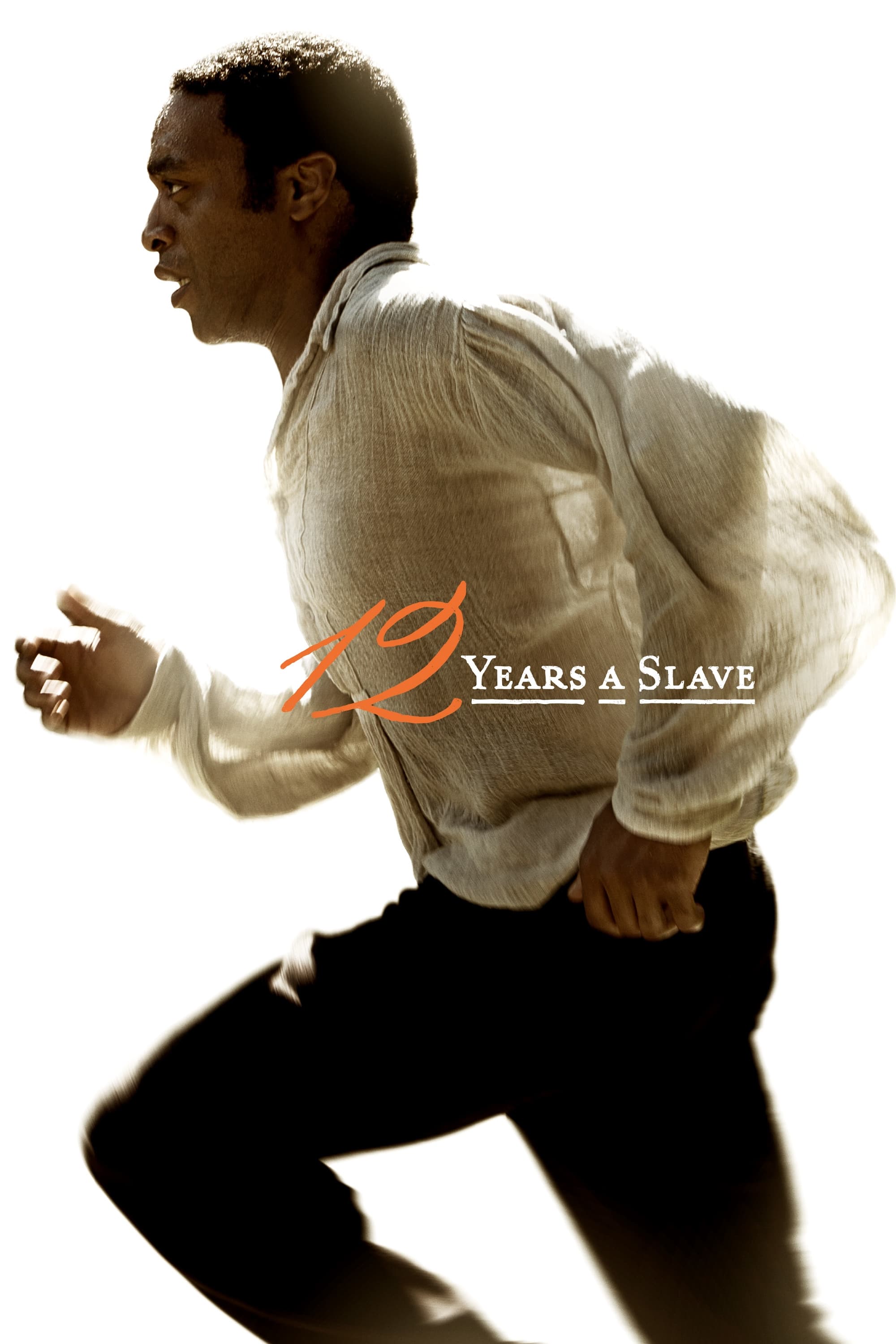
Based on Solomon Northup’s 1853 narrative, the film documents his kidnapping from New York and sale into slavery in Louisiana. It presents the legal loopholes and profiteering networks that made free Black citizens vulnerable to abduction.
Plantation labor routines, punishment practices, and trading routes are shown with references to period tools and records. The story places Northup’s skilled work as a violinist and carpenter within an economy built on coerced labor and racial control.
‘Lawrence of Arabia’ (1962)
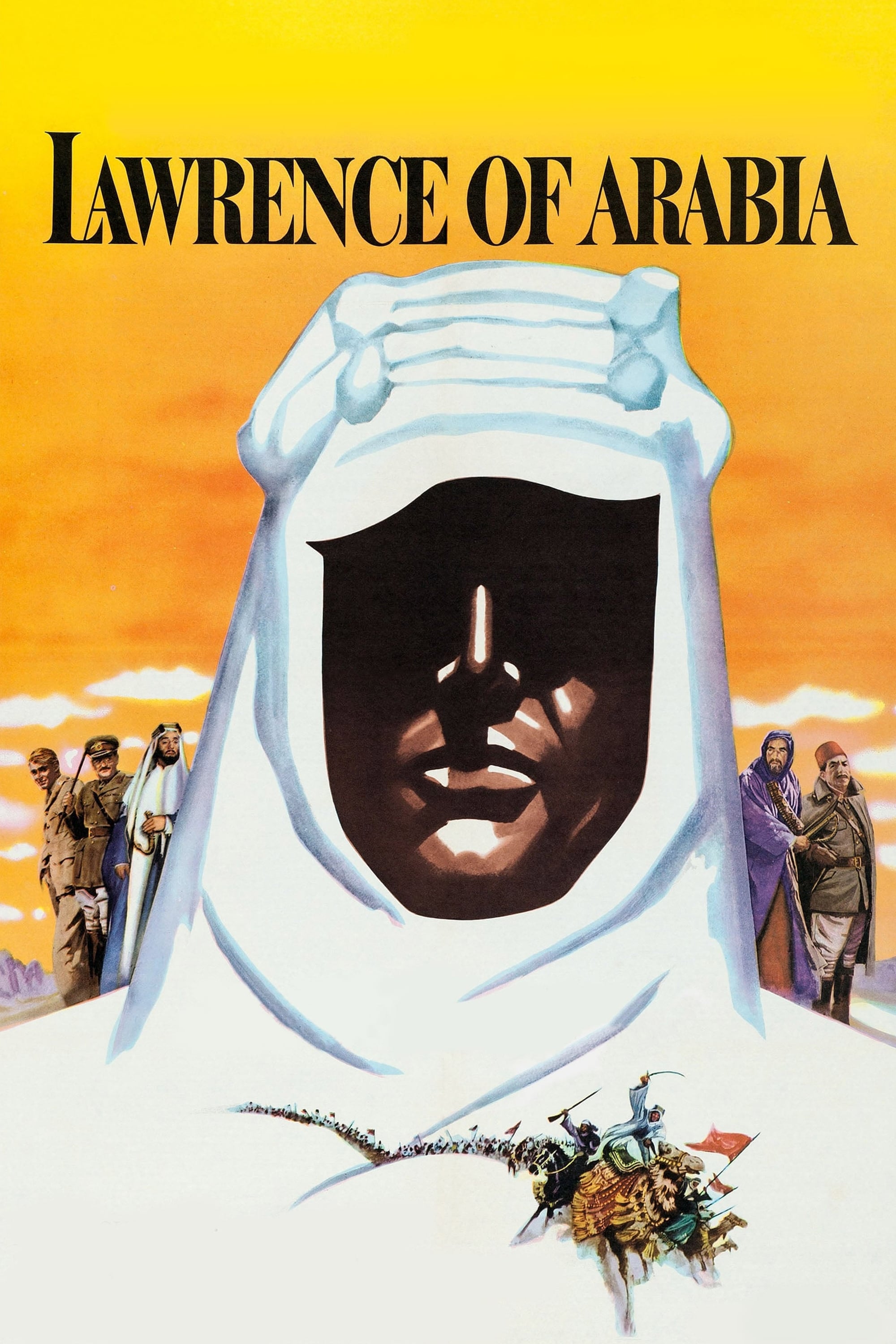
This account follows T. E. Lawrence and the Arab Revolt against the Ottoman Empire during the First World War. It covers the mix of British intelligence goals and local leadership from figures such as Prince Faisal.
The film maps desert campaigns, rail sabotage tactics, and the political agreements that shaped borders after the war. It shows how wartime promises and secret diplomacy influenced the later formation of states in the region.
‘The Last Emperor’ (1987)
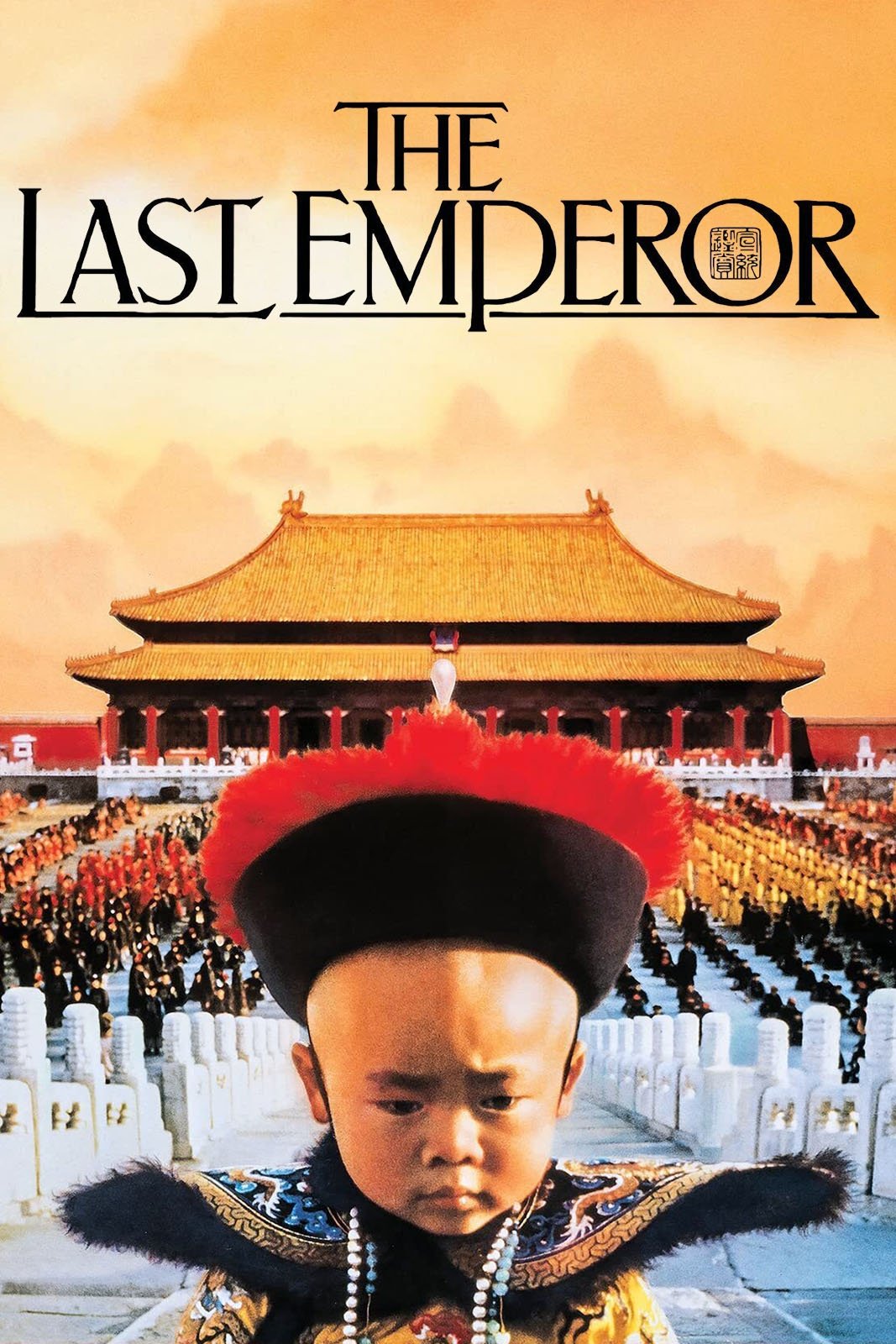
The life of Puyi, the final Qing emperor of China, anchors the story through imperial rule, war, and revolutionary change. The film was shot with rare access to Beijing’s Forbidden City, adding accurate architectural and ceremonial detail.
It follows Puyi’s installation, abdication, and later role in the puppet state of Manchukuo under Japanese control. Postwar reeducation in the People’s Republic of China shows how a former monarch was processed by a new political system.
‘Gandhi’ (1982)
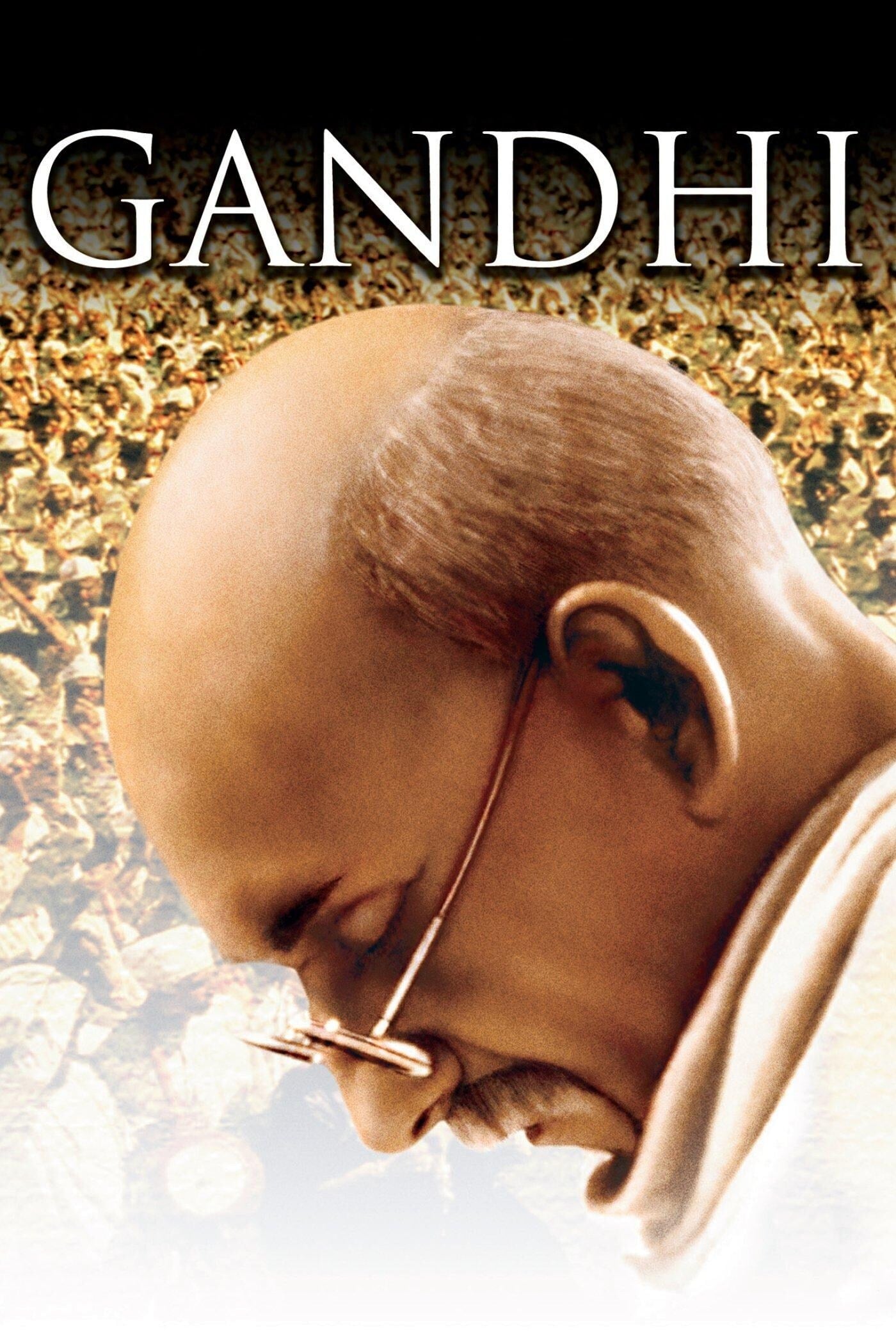
The film charts Mohandas K. Gandhi’s leadership in India’s independence movement and his use of nonviolent protest. It places major campaigns like the Salt March within a timeline of British colonial policy and local organizing.
Key figures in the Indian National Congress and the Viceroy’s administration appear alongside events like partition and mass migration. The narrative helps connect community actions with negotiations that changed constitutional power.
‘The Battle of Algiers’ (1966)
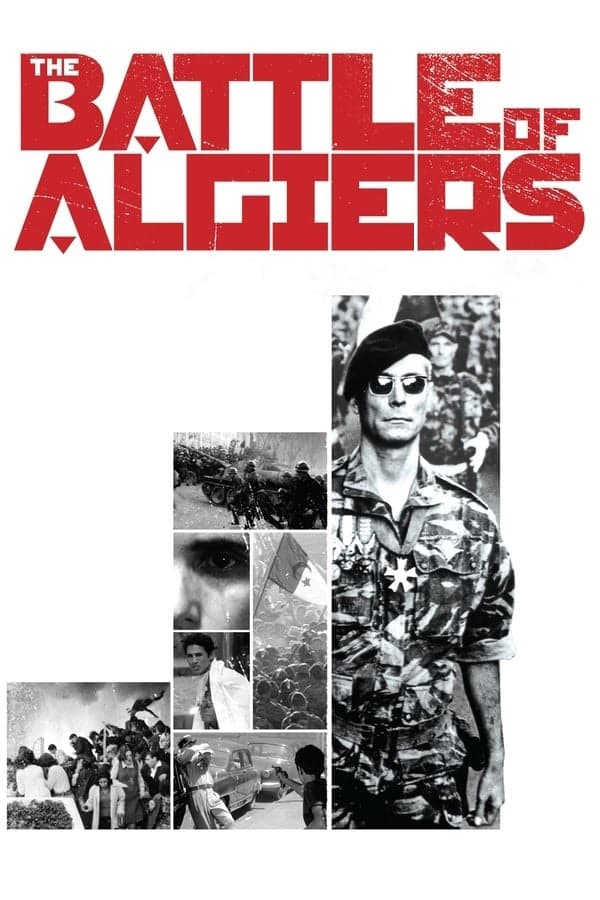
Shot in a newsreel style, this film reconstructs the Algerian struggle for independence from France. It presents urban guerrilla tactics, police counterinsurgency, and the political messaging used by both sides.
The story covers bombings, curfews, and the use of torture during the Casbah operations. It explains how public opinion, international scrutiny, and military pressure combined to reshape colonial policy.
‘All the President’s Men’ (1976)
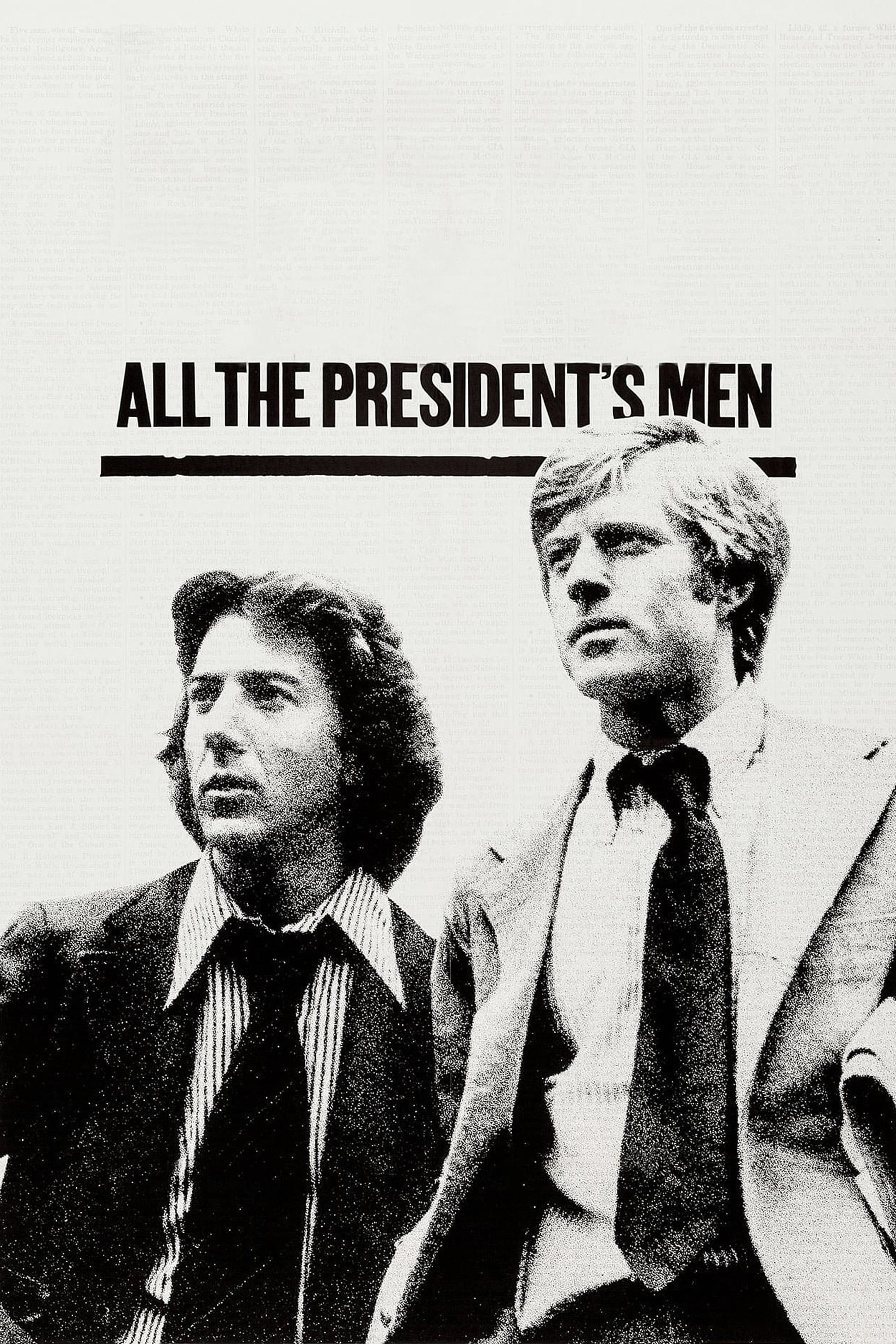
Reporters Bob Woodward and Carl Bernstein trace a burglary at the Watergate complex to illegal political operations. The film shows how open records, source cultivation, and verification methods built a case that reached the highest offices.
The timeline moves from a local crime to congressional hearings and court rulings. It illustrates how investigative journalism, court documents, and committee findings aligned to produce accountability.
‘The Pianist’ (2002)

This adaptation of Władysław Szpilman’s memoir follows a Jewish pianist’s survival in Warsaw during the Second World War. It presents the creation and liquidation of the Warsaw Ghetto and the conditions inside it.
The film records forced labor, hidden shelters, and the 1944 uprising that reshaped the city’s fate. Music and clandestine aid networks appear as practical means of endurance within an occupied capital.
‘Downfall’ (2004)
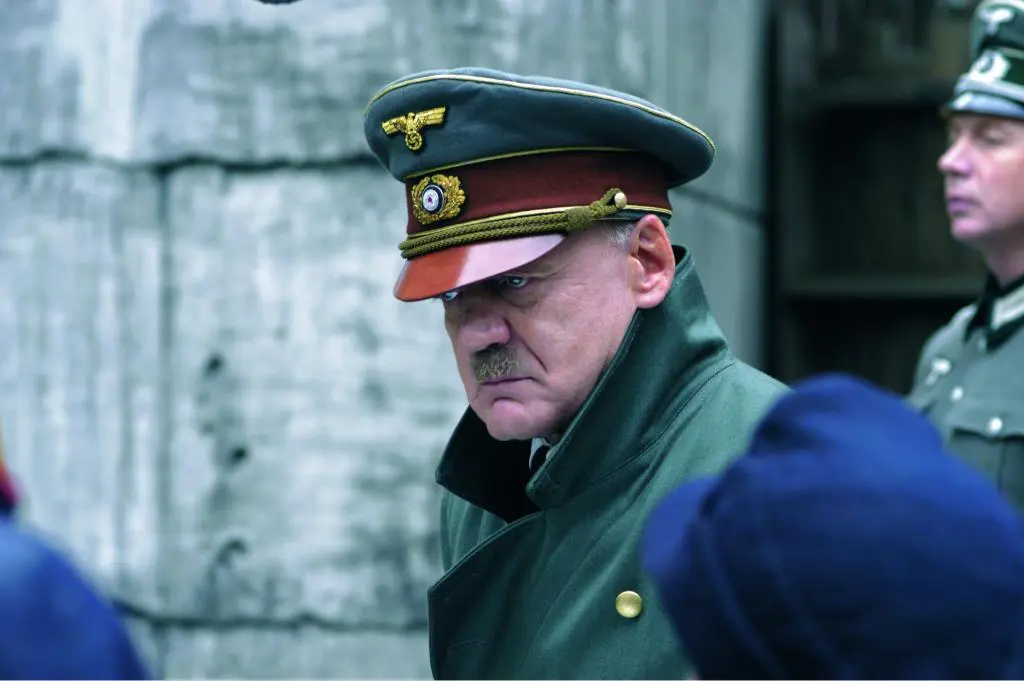
Set in the final days of the Third Reich, the film uses accounts from Hitler’s staff to reconstruct the collapse in Berlin. It includes bunker routines, military communications, and the chain of command as Soviet forces closed in.
The narrative details shifts in loyalty, orders that moved divisions on maps but not in reality, and the treatment of civilians. It captures how a regime ended through a mixture of denial, fragmentation, and external pressure.
‘Selma’ (2014)
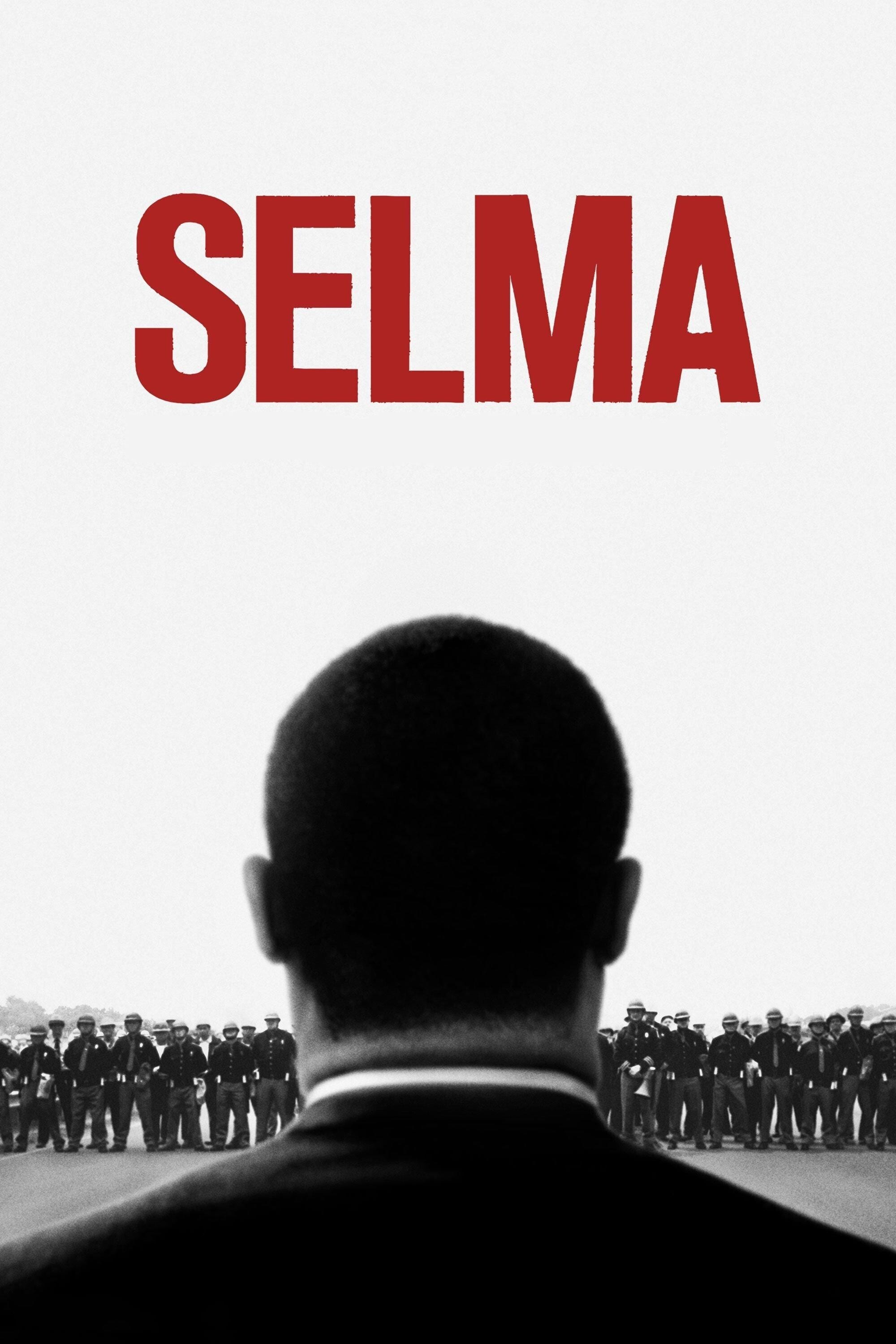
The film centers on the 1965 voting rights marches from Selma to Montgomery led by civil rights organizers. It shows the planning meetings, federal negotiations, and court rulings that shaped each step.
Local officials, state troopers, and national figures enter the story through documented speeches and orders. The result is a clear view of how demonstrations, media coverage, and legal strategy combined to produce new protections.
‘Apollo 13’ (1995)
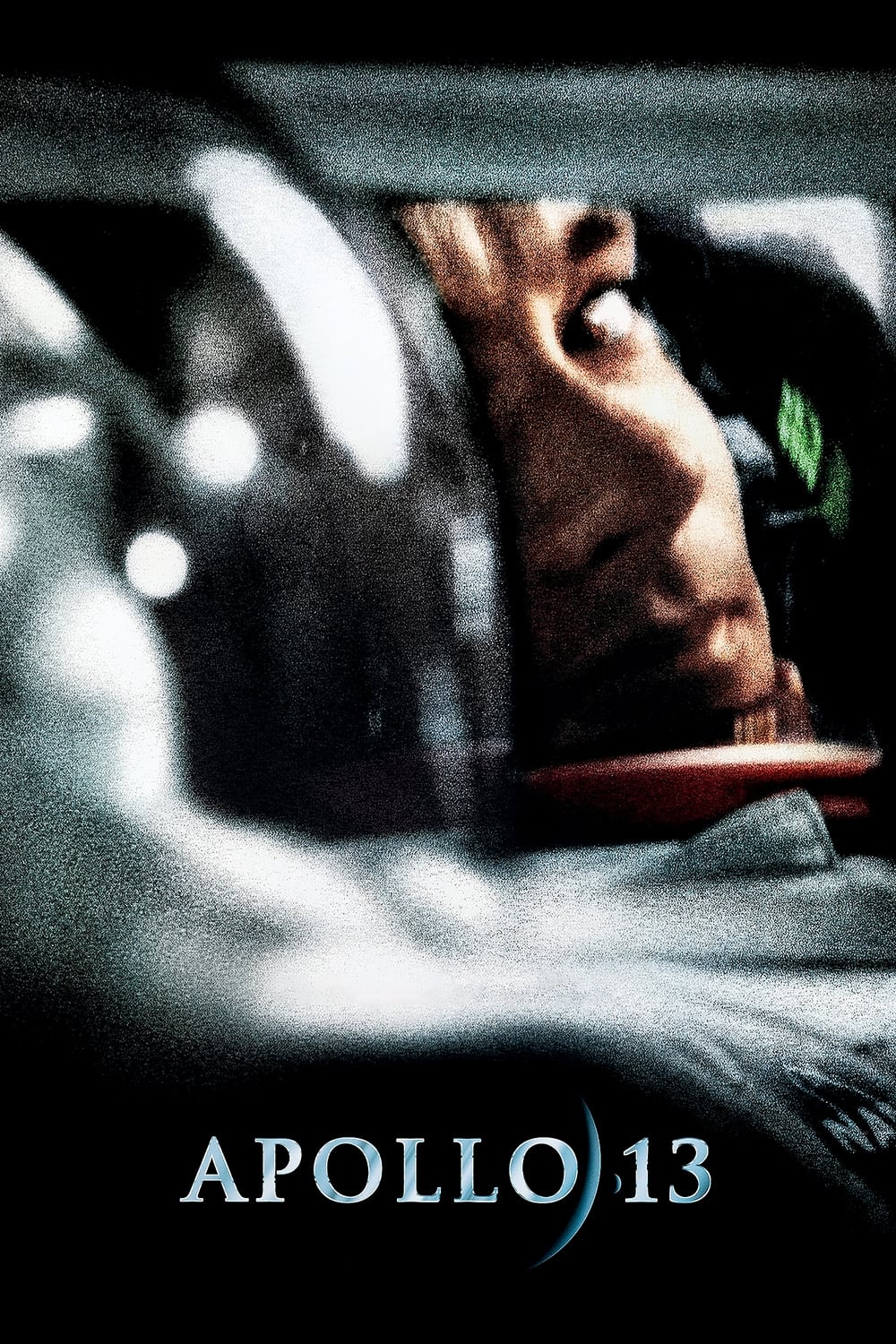
This mission recounting draws on NASA transcripts and onboard recordings to show how a near disaster was managed in space. The film presents the oxygen tank failure and the engineering steps that kept the crew alive.
Ground control procedures, improvisations like the carbon dioxide scrubber fix, and reentry calculations appear in practical detail. It highlights how testing protocols and teamwork allowed a safe return after a major systems loss.
‘Das Boot’ (1981)
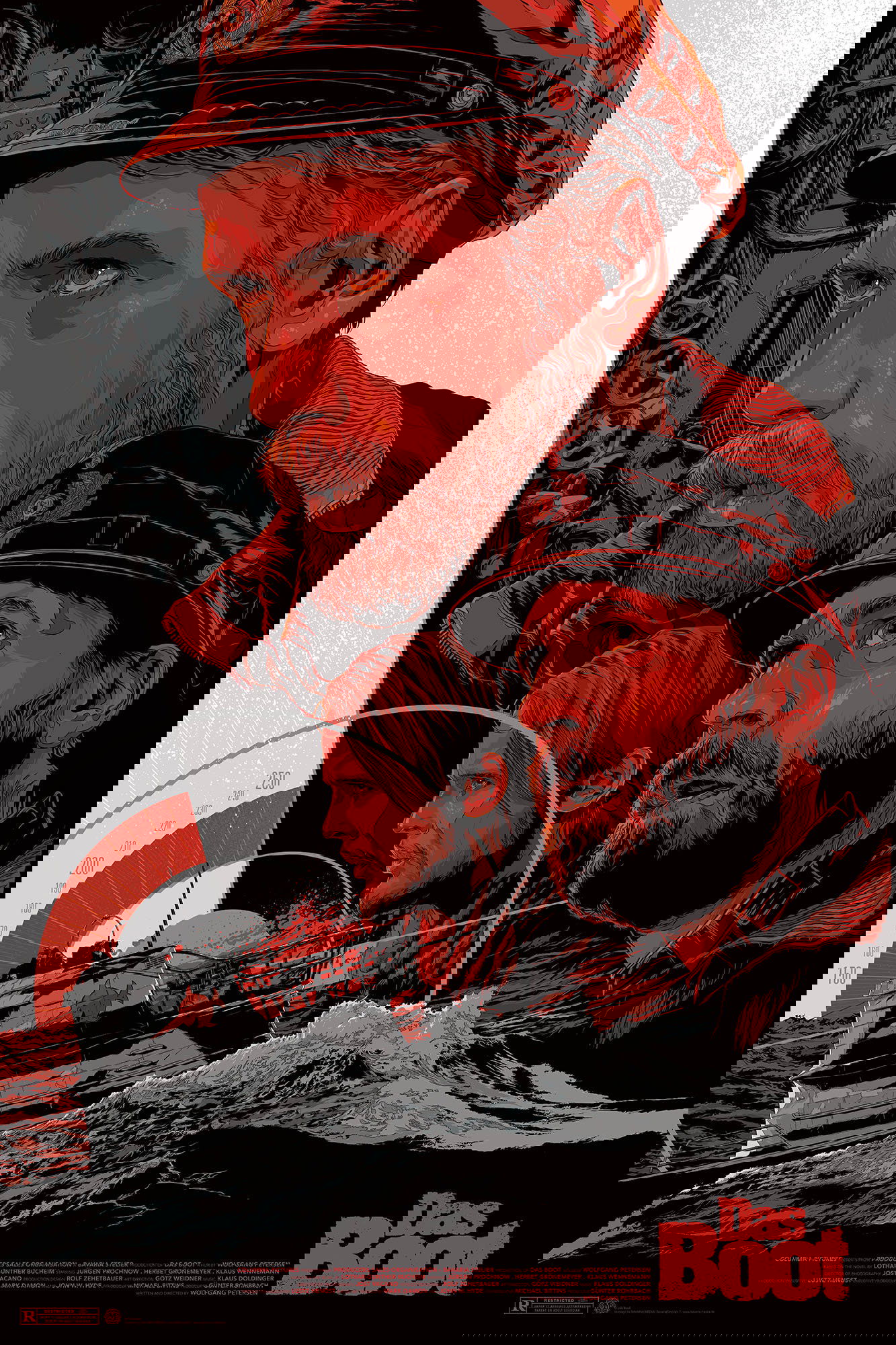
Set aboard a German U boat during the Battle of the Atlantic, the film uses naval logs and veteran input for accuracy. It follows patrol cycles, enemy encounters, and the strain of extended submersion.
Technical sections show ballast operations, battery limits, and torpedo handling inside cramped compartments. The film also traces how supply lines and convoy tactics affected outcomes at sea.
‘Z’ (1969)
This political thriller recreates the assassination of Greek politician Grigoris Lambrakis and the investigation that followed. It tracks the use of state power to obstruct legal processes and silence witnesses.
Court documents and journalistic reports inform the depiction of interrogations and evidence trails. The film shows how a judicial inquiry exposed networks inside police and military institutions.
‘The Lives of Others’ (2006)
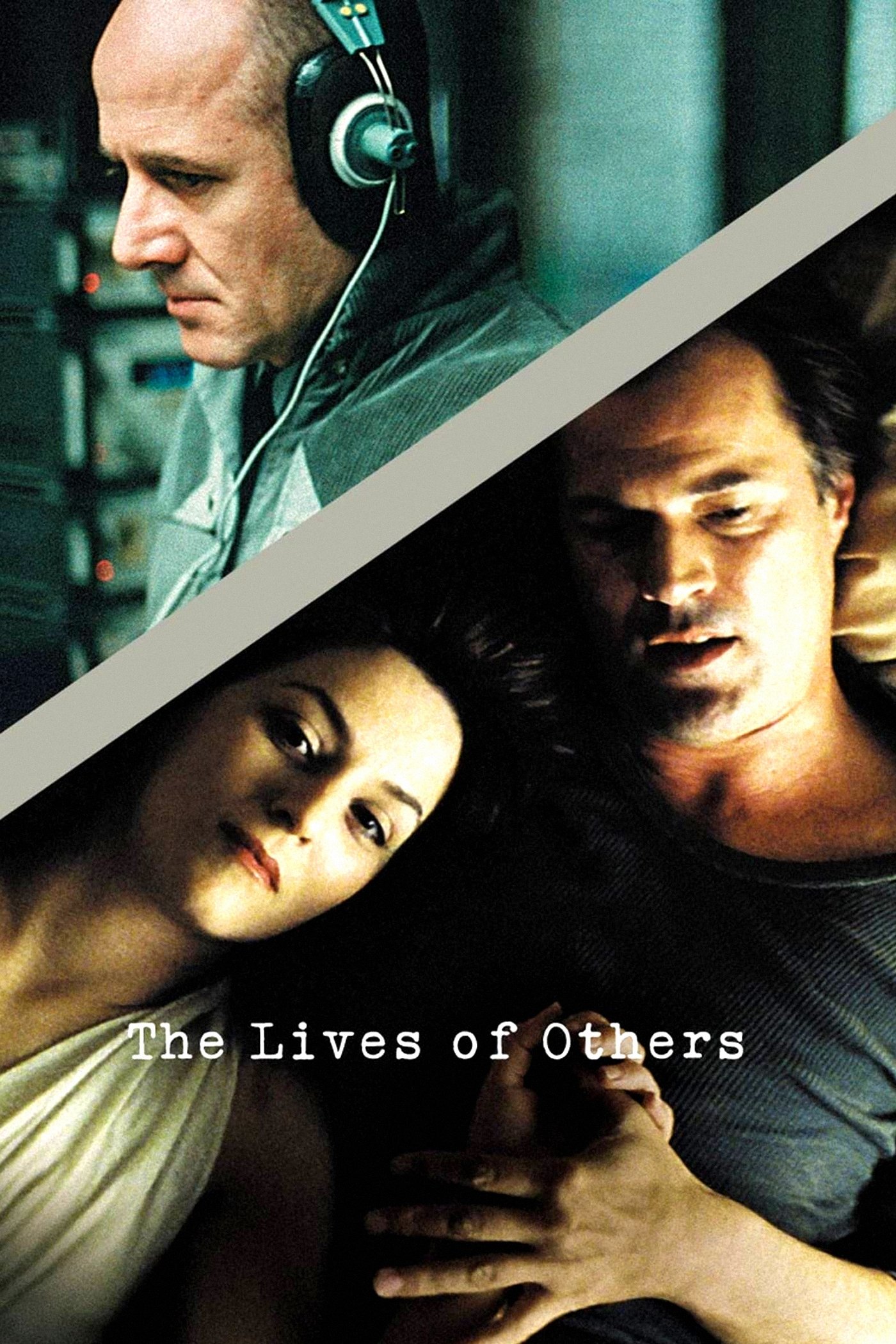
Set in East Berlin before the fall of the Wall, the film studies surveillance practices of the state security service. It shows how informant systems worked and how files were built to track citizens.
Apartment bugging, report writing, and internal audits are presented as routine procedures. The story provides a grounded look at how cultural life and private relationships were monitored and controlled.
‘United 93’ (2006)

The film reconstructs the events aboard a hijacked flight on September 11 using transcripts and interviews with families. It moves through air traffic control rooms and cockpit communications in real time.
It documents coordination challenges among agencies and the unfolding awareness of multiple incidents. The timeline helps viewers understand the decisions made on the plane and on the ground.
‘Lincoln’ (2012)
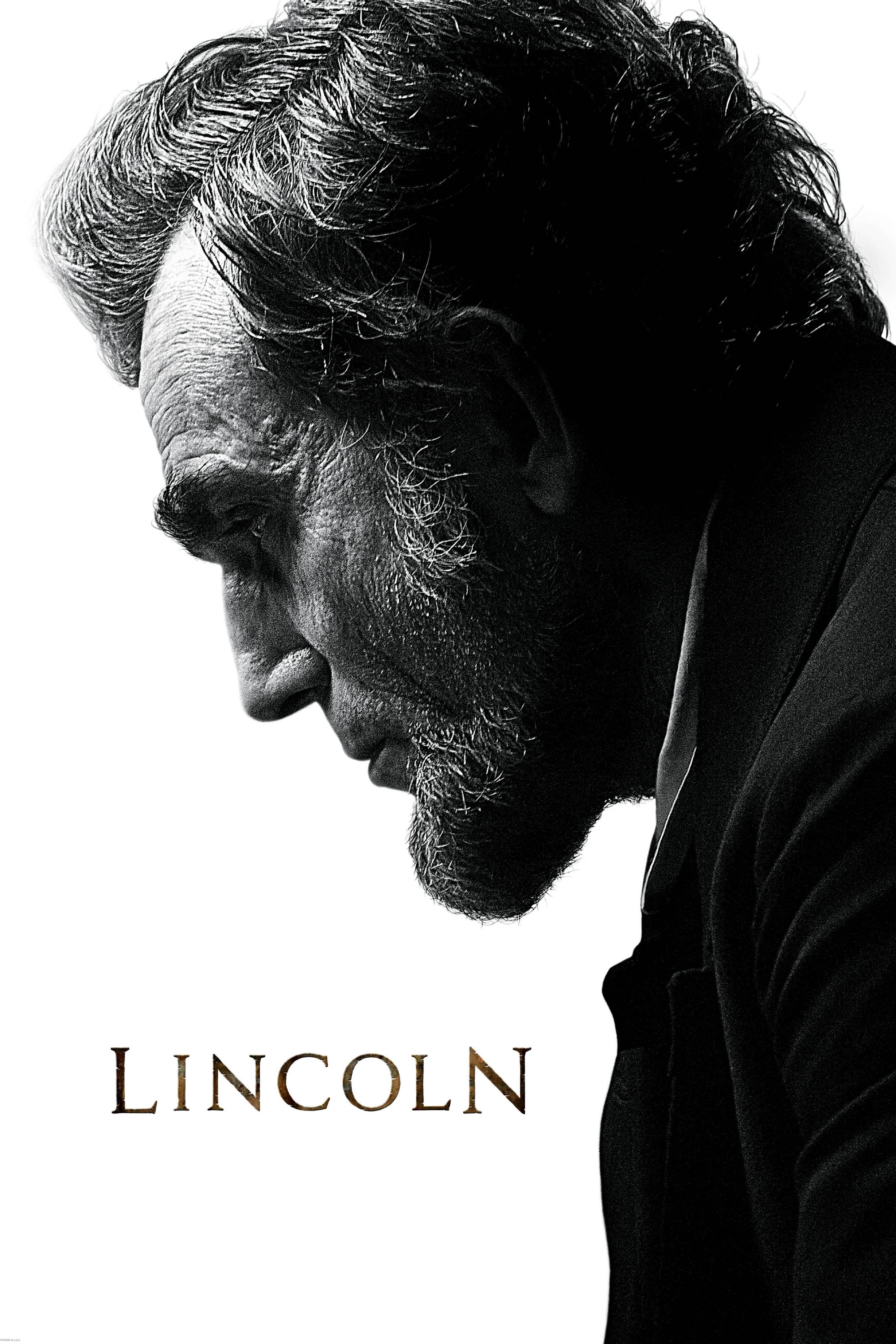
The focus here is on the political effort to pass the Thirteenth Amendment that abolished slavery in the United States. The film details vote counts, patronage negotiations, and the legal language at issue.
Cabinet debates and opposition strategies are presented through letters and records. The story clarifies how wartime leadership intersected with congressional procedure to change constitutional law.
‘Hotel Rwanda’ (2004)
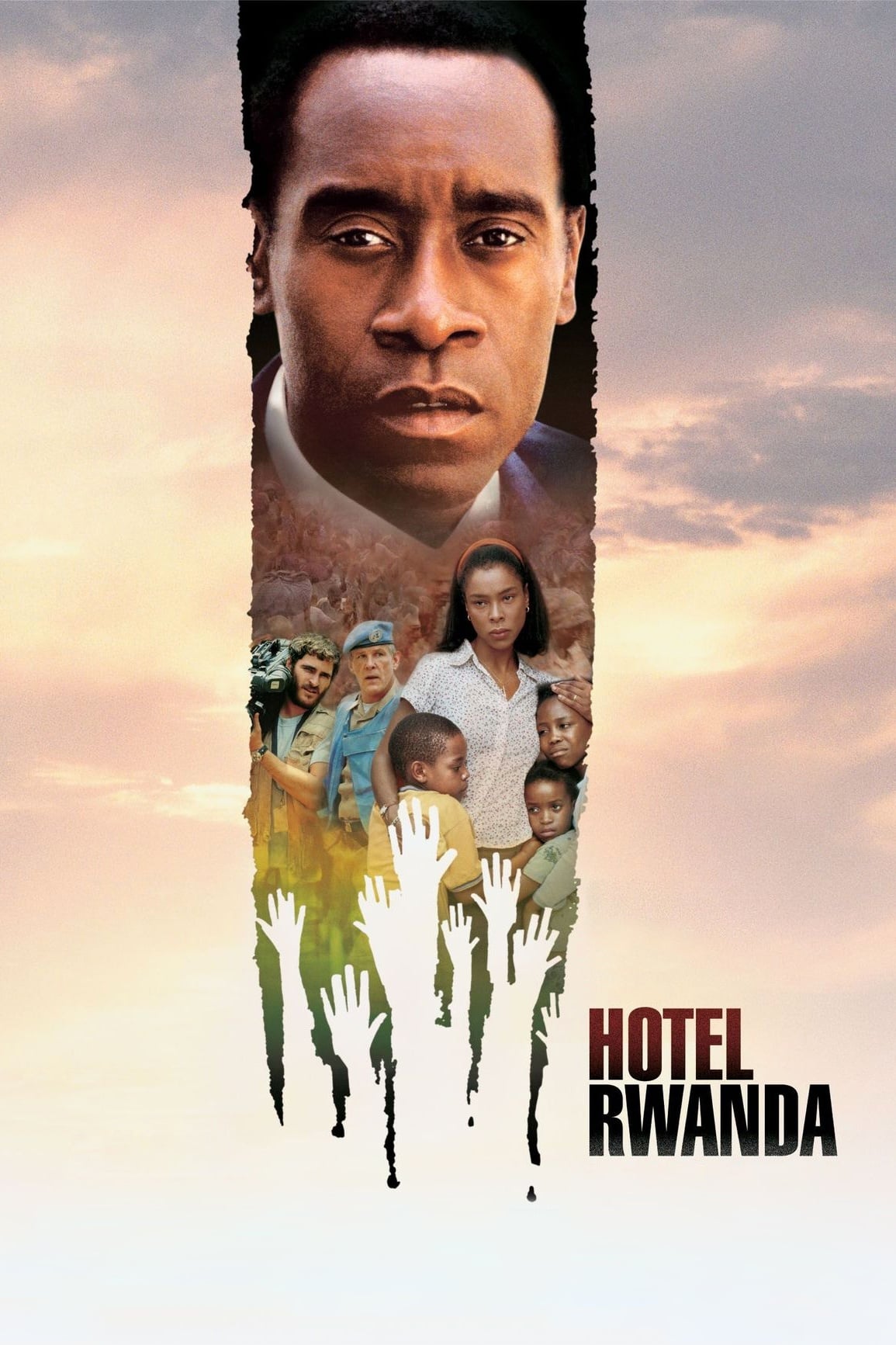
Set during the Rwandan genocide, the film shows how a hotel manager used contacts and resources to shelter people. It follows the roles of militias, media broadcasts, and international forces during the crisis.
The narrative outlines identification practices, roadblocks, and evacuation lists that shaped survival. It also examines the limits of outside intervention and the value of local networks.
‘Letters from Iwo Jima’ (2006)
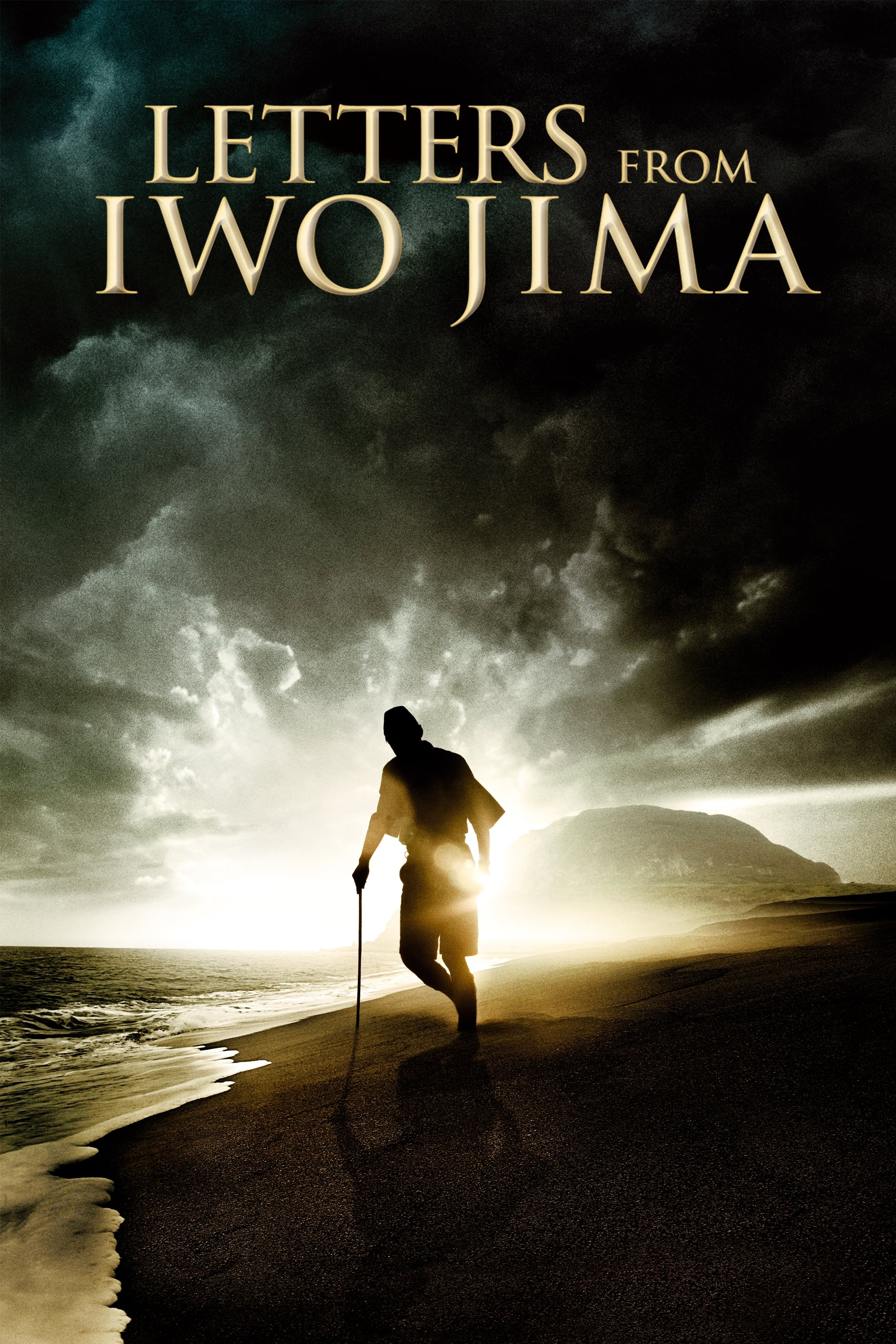
Told from the Japanese perspective, this companion to a broader project uses letters and diaries from soldiers on the island. It shows defensive planning, cave fortifications, and supply shortages during a long siege.
Command decisions and unit movements are drawn from archival research. The film clarifies how terrain, artillery, and naval power interacted in one of the Pacific war’s most intense battles.
‘The King’s Speech’ (2010)
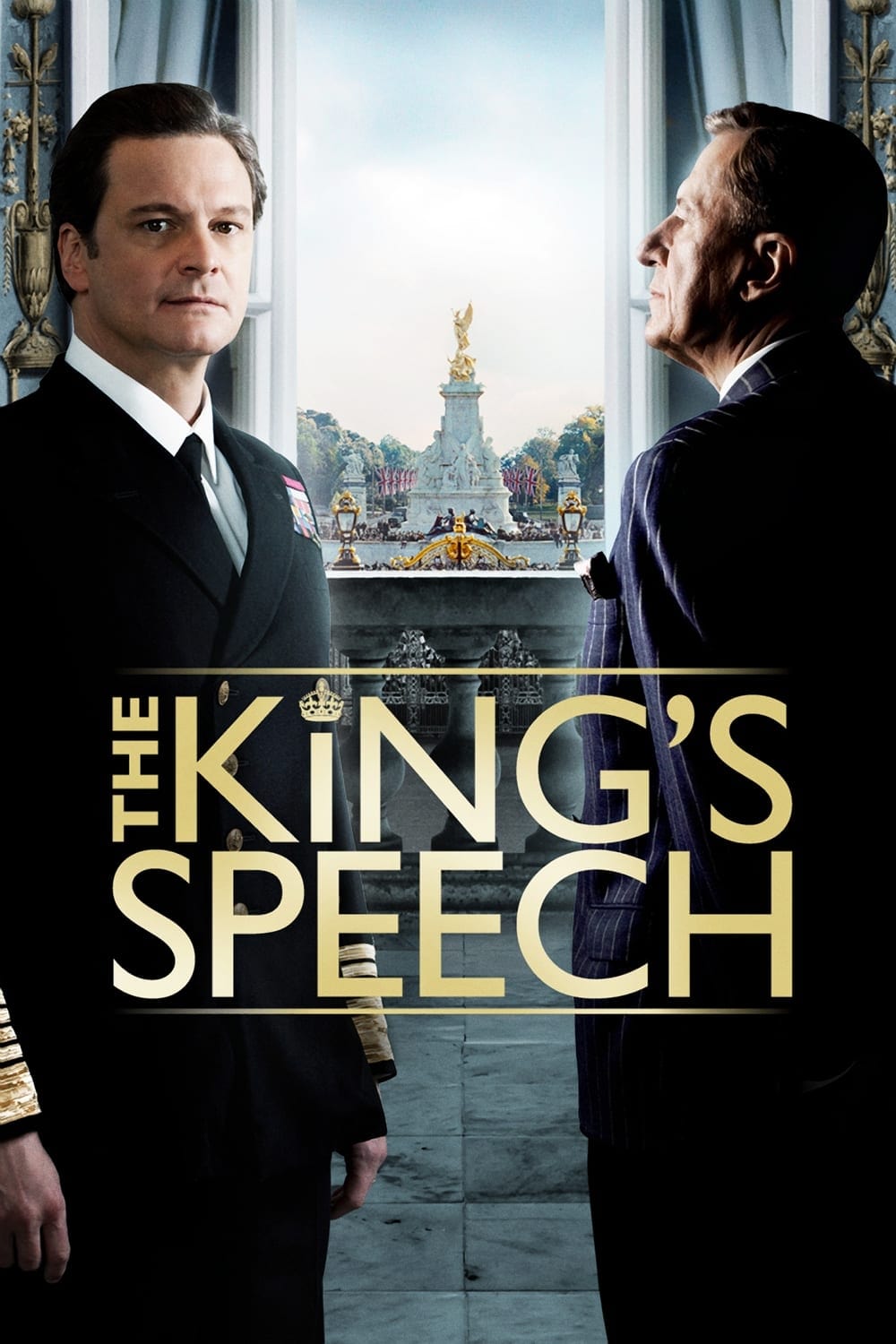
The film follows King George VI as he works with a speech therapist while taking on national duties. It presents the medical methods of the period and the role of radio in public communication.
Government briefings and family correspondence provide context for the pressures of leadership. The story connects personal treatment sessions to the wider demands of a country preparing for war.
‘The Passion of Joan of Arc’ (1928)
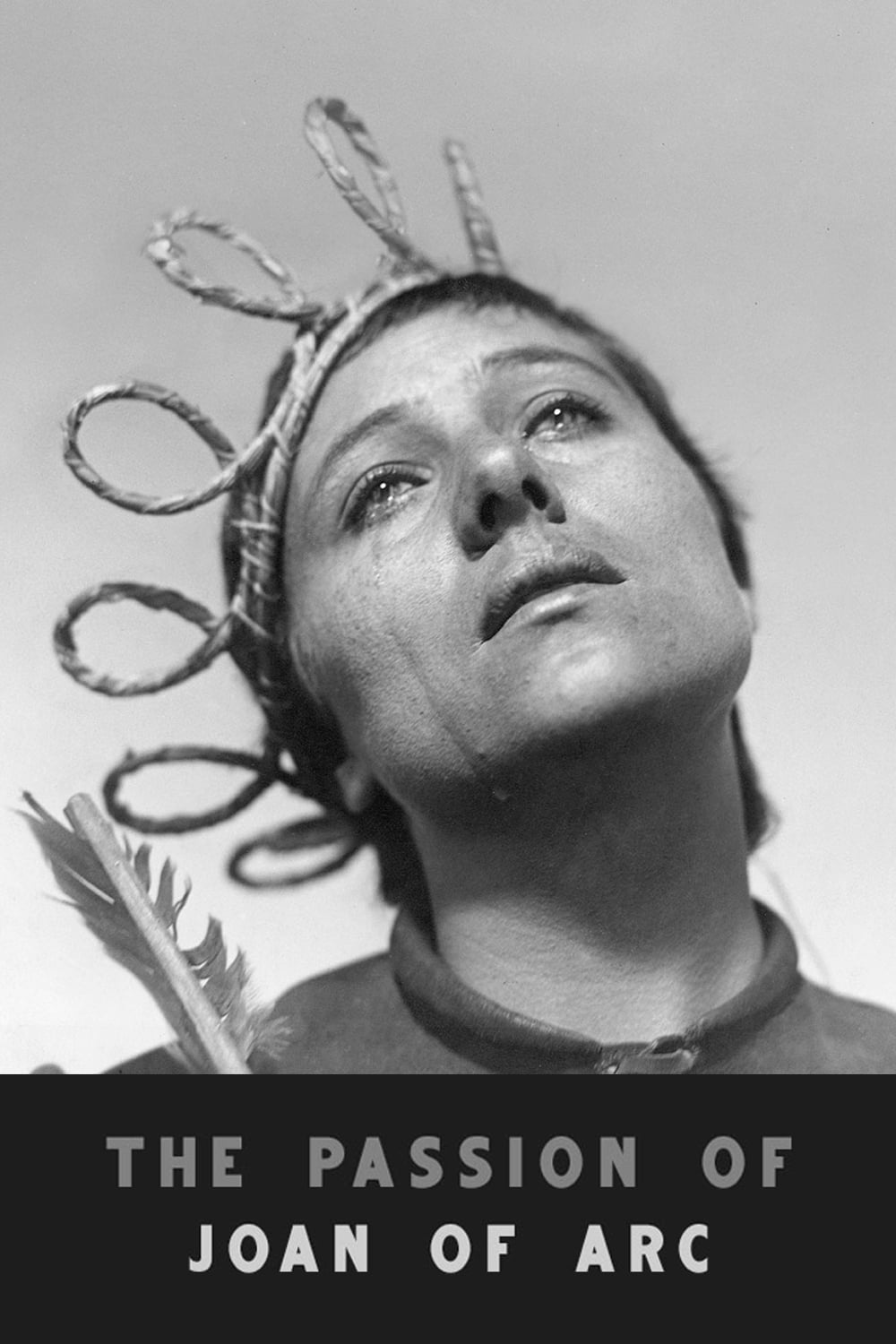
This silent film uses trial records to depict Joan’s interrogation and sentencing. Close attention is paid to documented questions, theological disputes, and court procedures.
Set design and costuming reflect period sources. The film offers a concentrated view of how testimony, authority, and doctrine intersected during a high profile case.
‘Spartacus’ (1960)
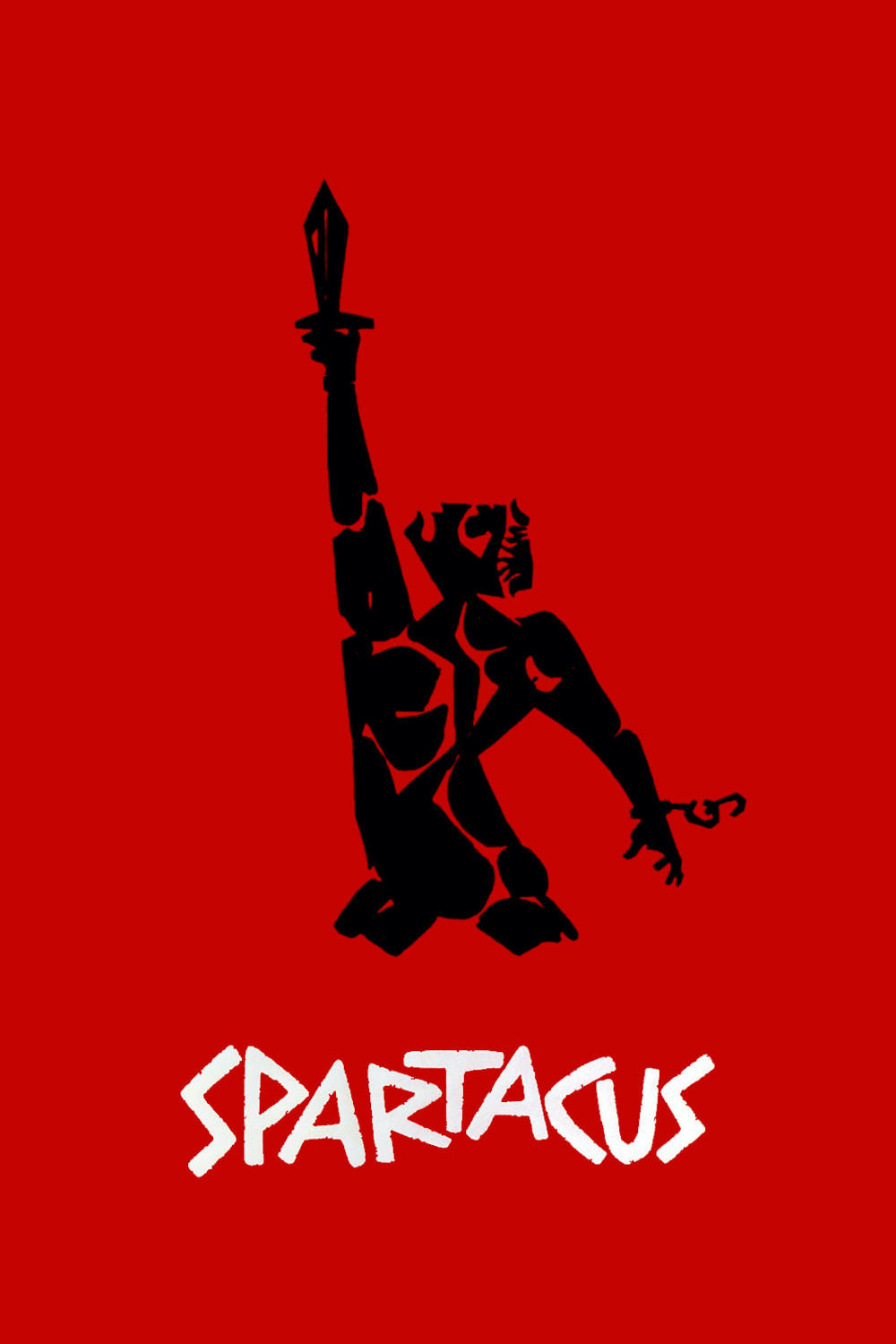
Drawing from ancient sources, the film covers the slave revolt that challenged the Roman Republic. It follows recruitment, training, and the movement of forces across the peninsula.
Military tactics, political rivalries, and the role of the Senate are explained in clear sequences. The story helps connect a rebellion to the structures of power that tried to contain it.
‘Thirteen Days’ (2000)
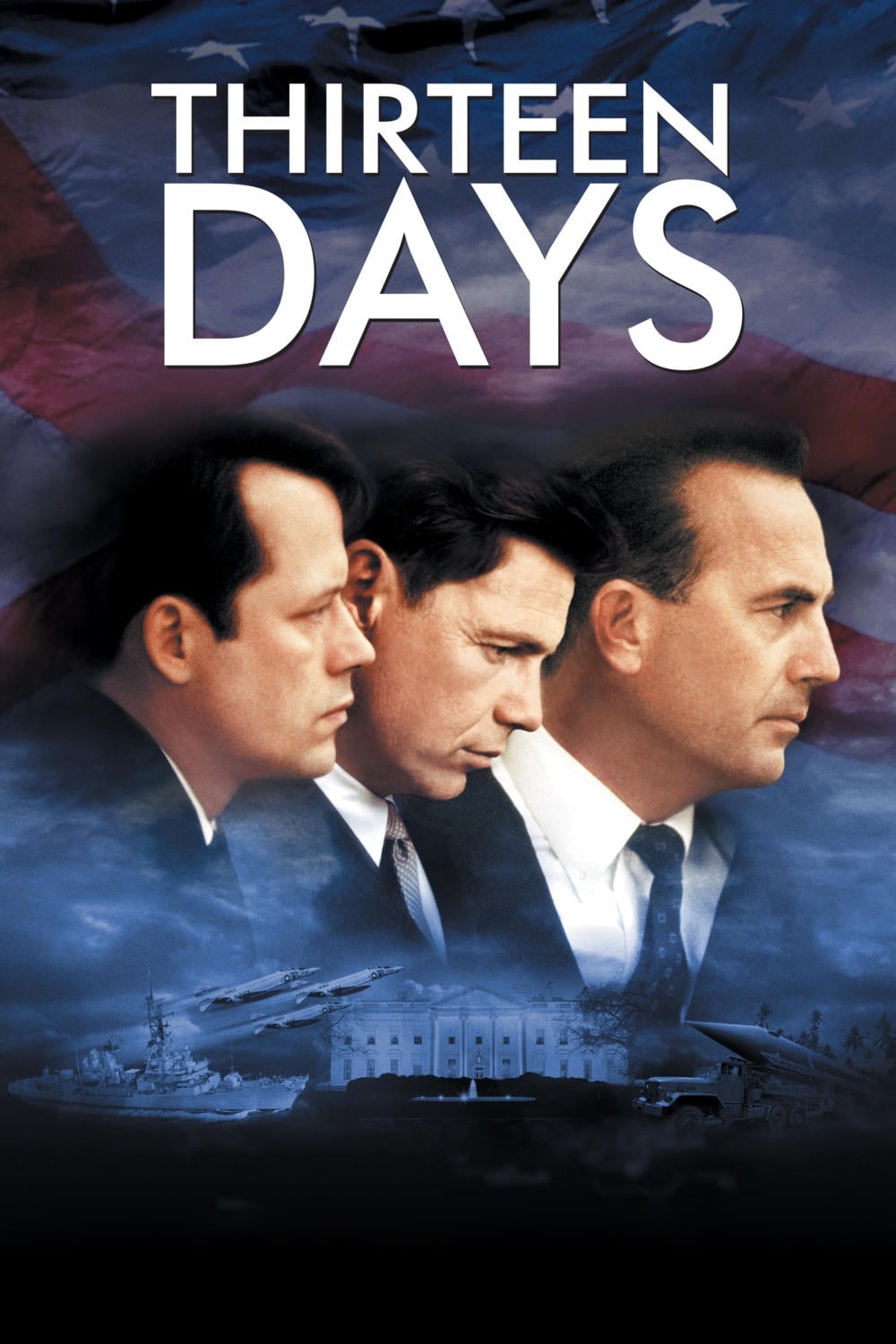
This account of the Cuban Missile Crisis follows meetings inside the White House and the Pentagon. It shows intelligence briefings, naval quarantine planning, and diplomatic messages exchanged with Moscow.
Flight paths, reconnaissance photos, and timeline memos appear as decision tools. The film explains how backchannel contacts and public statements worked together to prevent escalation.
‘Bridge of Spies’ (2015)
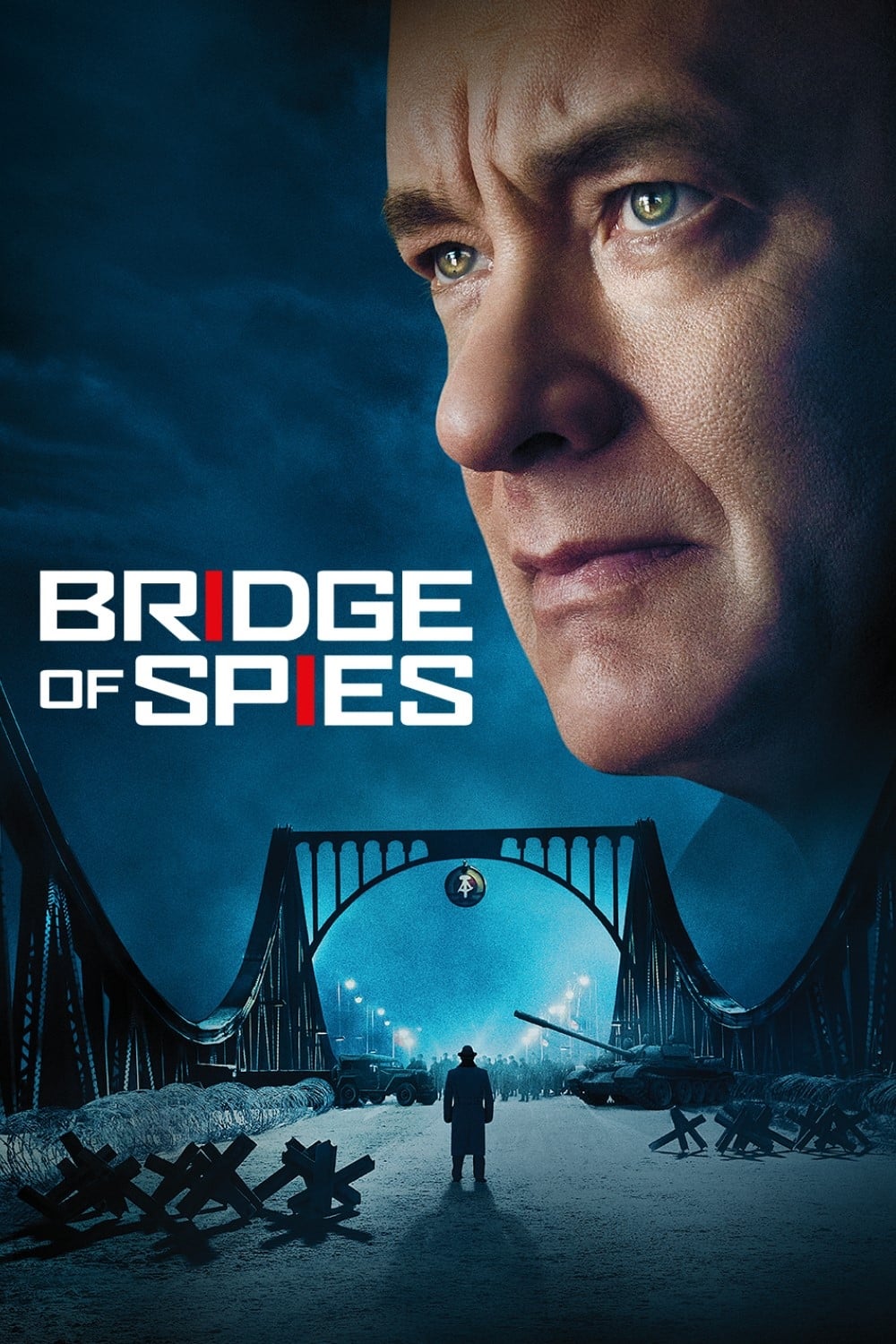
The film tells the story of lawyer James B. Donovan and the exchange of prisoners during the Cold War. It shows legal preparation, negotiation strategies, and the logistics of a swap at a divided border.
Case files, courtroom procedure, and intelligence agency roles are presented with period detail. The narrative helps explain how legal rights and national security moved together in a tense climate.
‘Aguirre, the Wrath of God’ (1972)
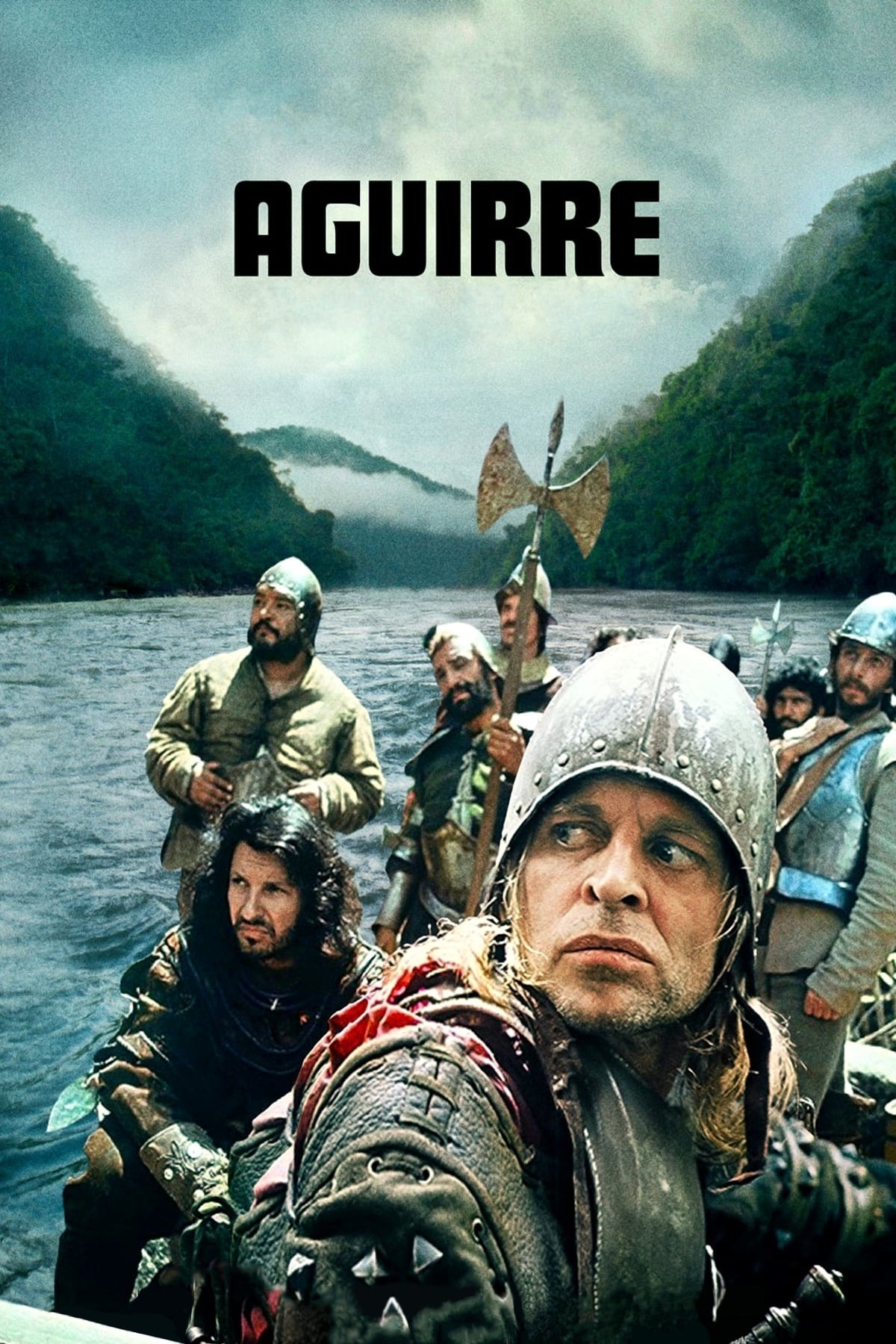
Set during a Spanish expedition in South America, the film draws on chronicles from conquistadors and observers. It follows a breakaway group’s descent along a major river while searching for riches.
The production used remote locations and practical rafts to mirror historical travel conditions. The story highlights command disputes, navigation challenges, and the limits of imperial ambition in unfamiliar terrain.
‘The Last of the Mohicans’ (1992)
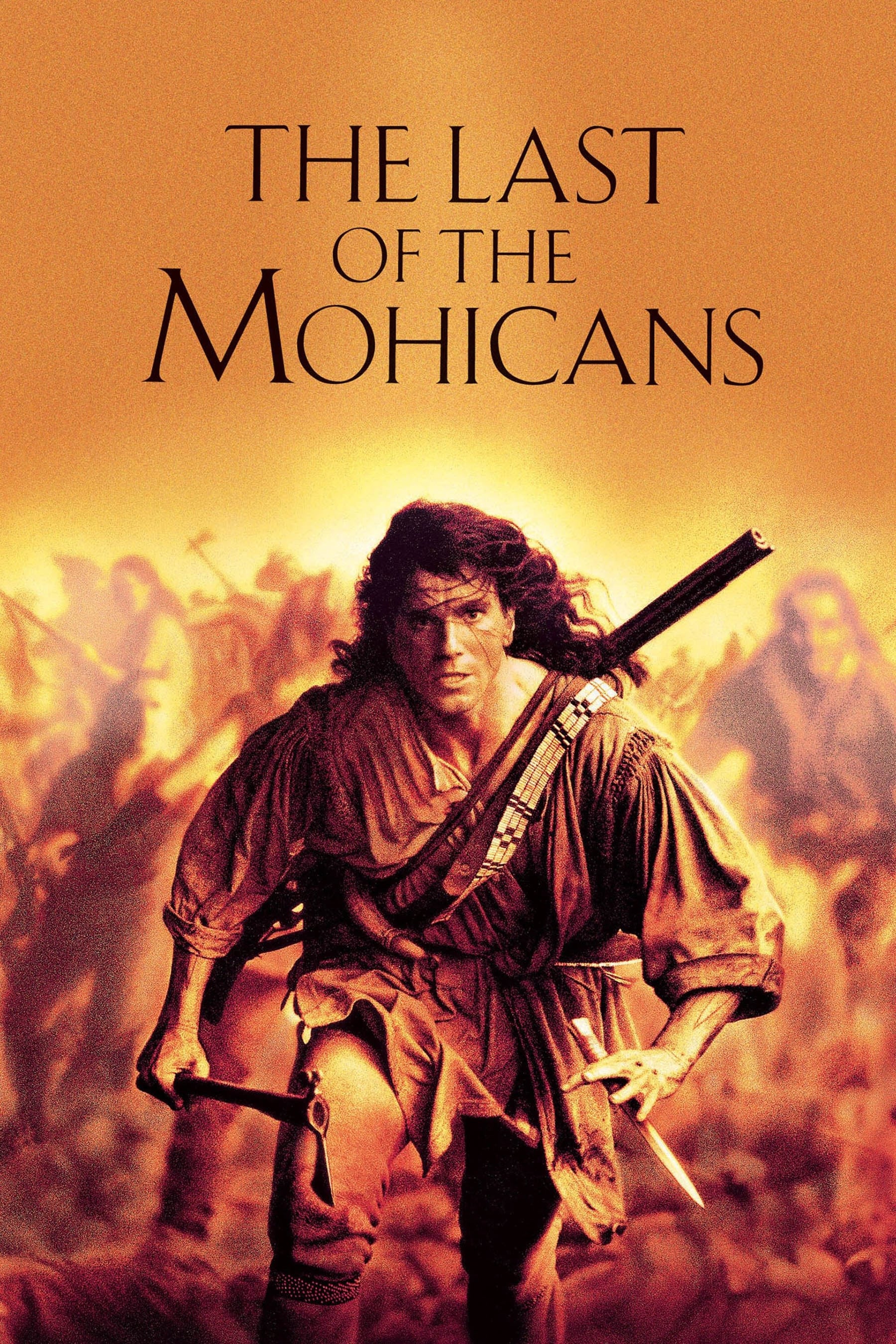
This adaptation places a frontier family inside the French and Indian War in North America. It frames alliances among European armies and Indigenous nations during campaigns around key forts.
Weapons, uniforms, and tactics are shown with attention to period materials and battlefield methods. The film connects local settlements to larger imperial strategies that shaped the outcome of the conflict.
Share your own must rewatch history picks in the comments and tell everyone which scenes you revisit each year.