Saddest Non-Drama Films that Still Wreck You


Some films aren’t labeled as drama, yet they carry moments that land like a punch to the gut. They come dressed as animation, sci-fi, action, adventure, family, or comedy, and then deliver scenes so heavy they linger long after the credits. This list pulls together twenty-five non-drama titles that are widely known for emotional wallops despite living in other genres.
Each entry below includes concise, useful background—directors, key cast and crew, production notes, music, awards, box office context, and franchise connections—so you can quickly place the film in its creative timeline and understand what went into making it. No opinions, just the who-made-what and why it mattered behind the scenes.
‘Up’ (2009)

Directed by Pete Docter and produced by Pixar Animation Studios, ‘Up’ pairs a veteran voice performance from Ed Asner with Jordan Nagai and features music by Michael Giacchino, whose score earned major industry recognition. The film opened the Cannes Film Festival in an unusual showcase slot for an animated feature and went on to collect top animation prizes, including Best Animated Feature at the Academy Awards.
The production used an in-house toolset to simulate thousands of balloons with physically plausible behavior, anchored to a stylized, color-coded art direction that shifts across locations. Supervising animator Nick Ranieri and the team studied avian movement and canine behavior for characters like Kevin and Dug, while the story team developed a lean structure that introduced the protagonists’ life together almost entirely through visual storytelling.
‘Toy Story 3’ (2010)
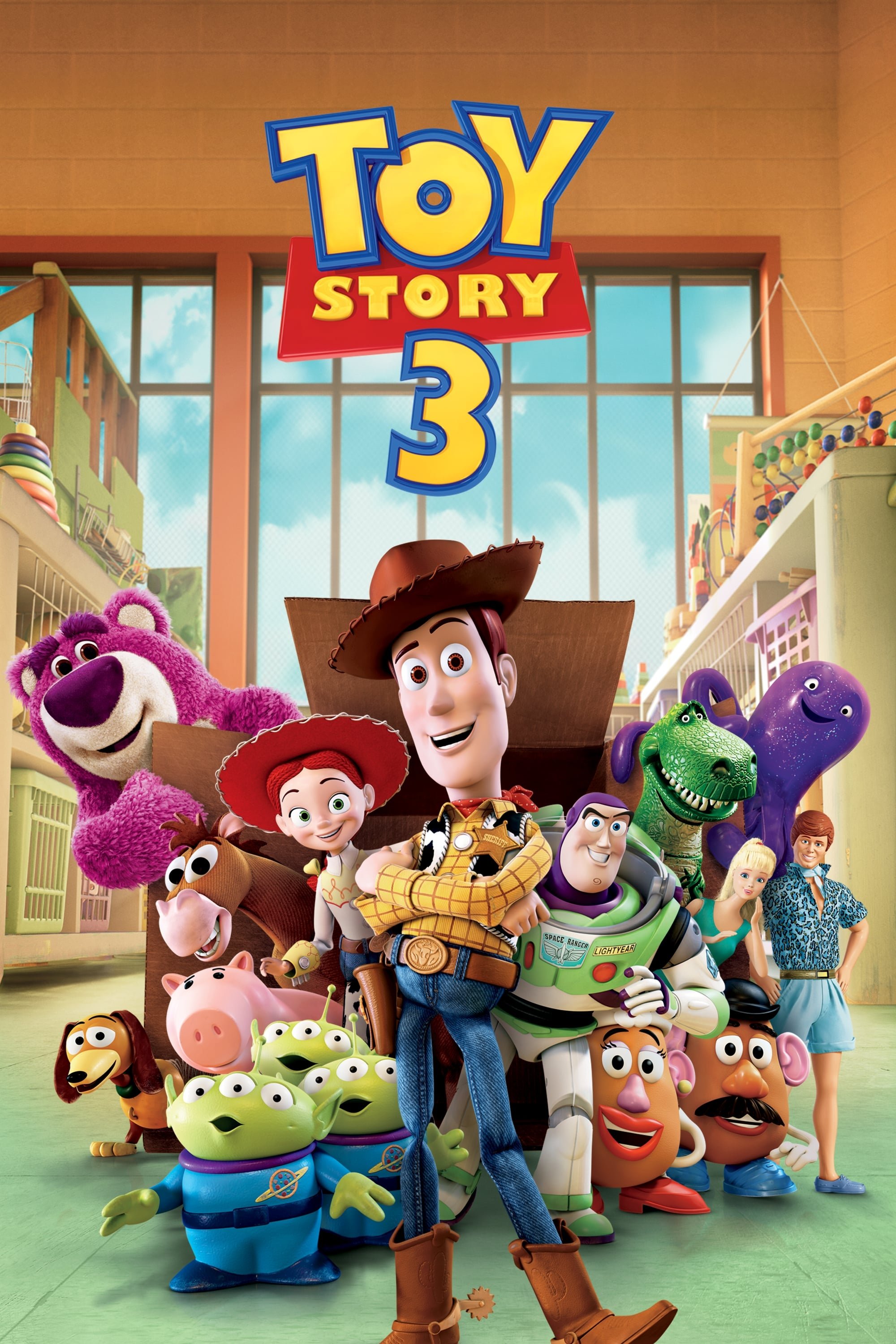
‘Toy Story 3’ was directed by Lee Unkrich with a screenplay by Michael Arndt, continuing the Pixar franchise launched by John Lasseter. Tom Hanks and Tim Allen returned to the voice cast, and Randy Newman composed the score and original song, extending the series’ consistent musical identity.
The production advanced Pixar’s shading and global-illumination pipeline to render plastic and fabric materials with greater fidelity, particularly in large ensemble scenes at Sunnyside Daycare. It became one of the highest-grossing animated films worldwide at the time of release and received multiple Academy Award nominations, including Best Picture, a rare feat for animation.
‘Coco’ (2017)
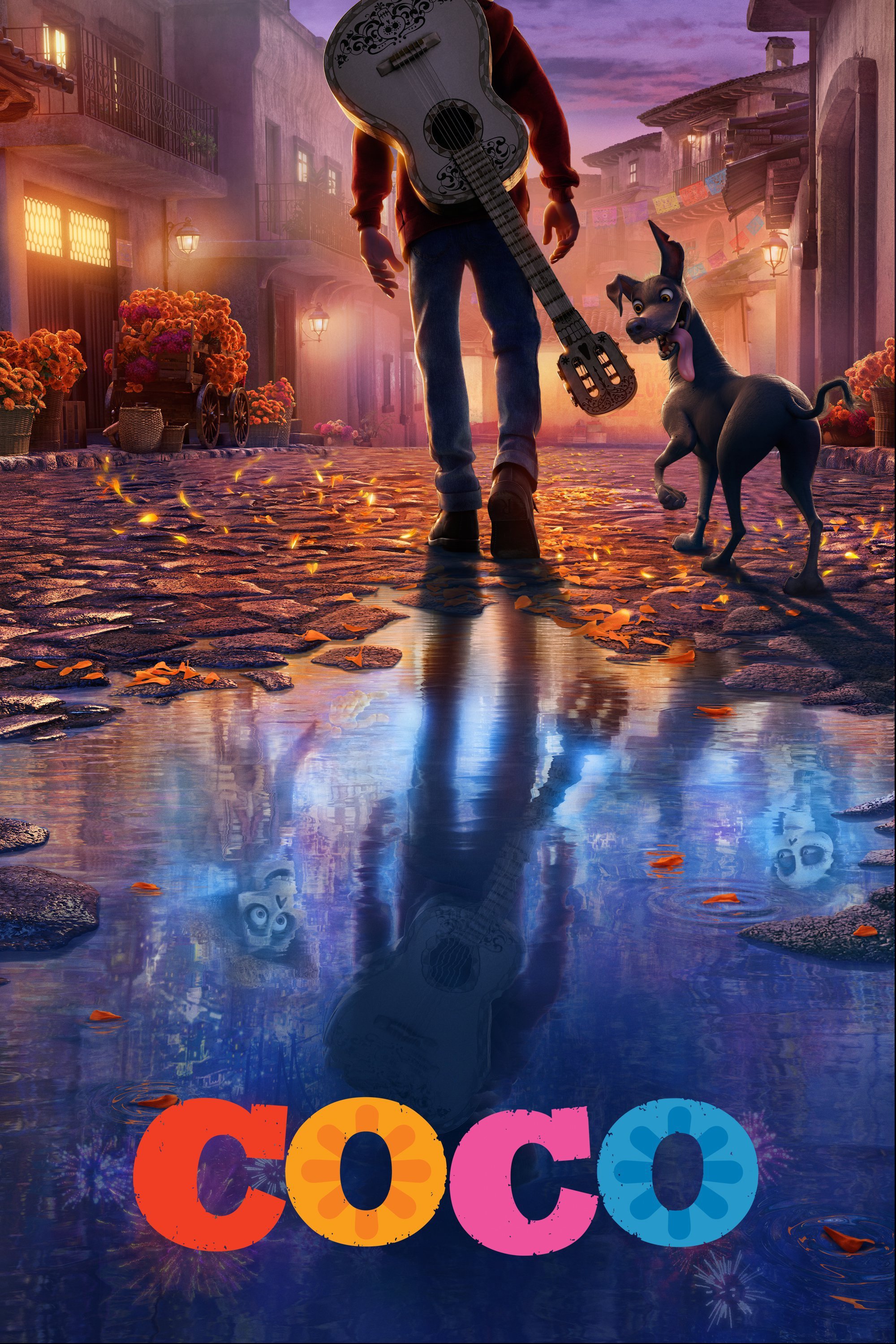
Directed by Lee Unkrich and co-directed by Adrian Molina, ‘Coco’ features the voice of Anthony Gonzalez alongside Gael García Bernal and Benjamin Bratt. The music team, including Michael Giacchino and a slate of songwriters, integrated traditional Mexican instruments and styles into the score and original songs, earning major awards recognition.
Pixar conducted extensive cultural research with consultants and trips to Mexico to inform visual motifs, architecture, and family traditions depicted in the film. The production design emphasized layered color palettes for the Land of the Dead, while look-dev artists created complex bioluminescent effects and cloth simulations for large crowd shots.
‘The Iron Giant’ (1999)
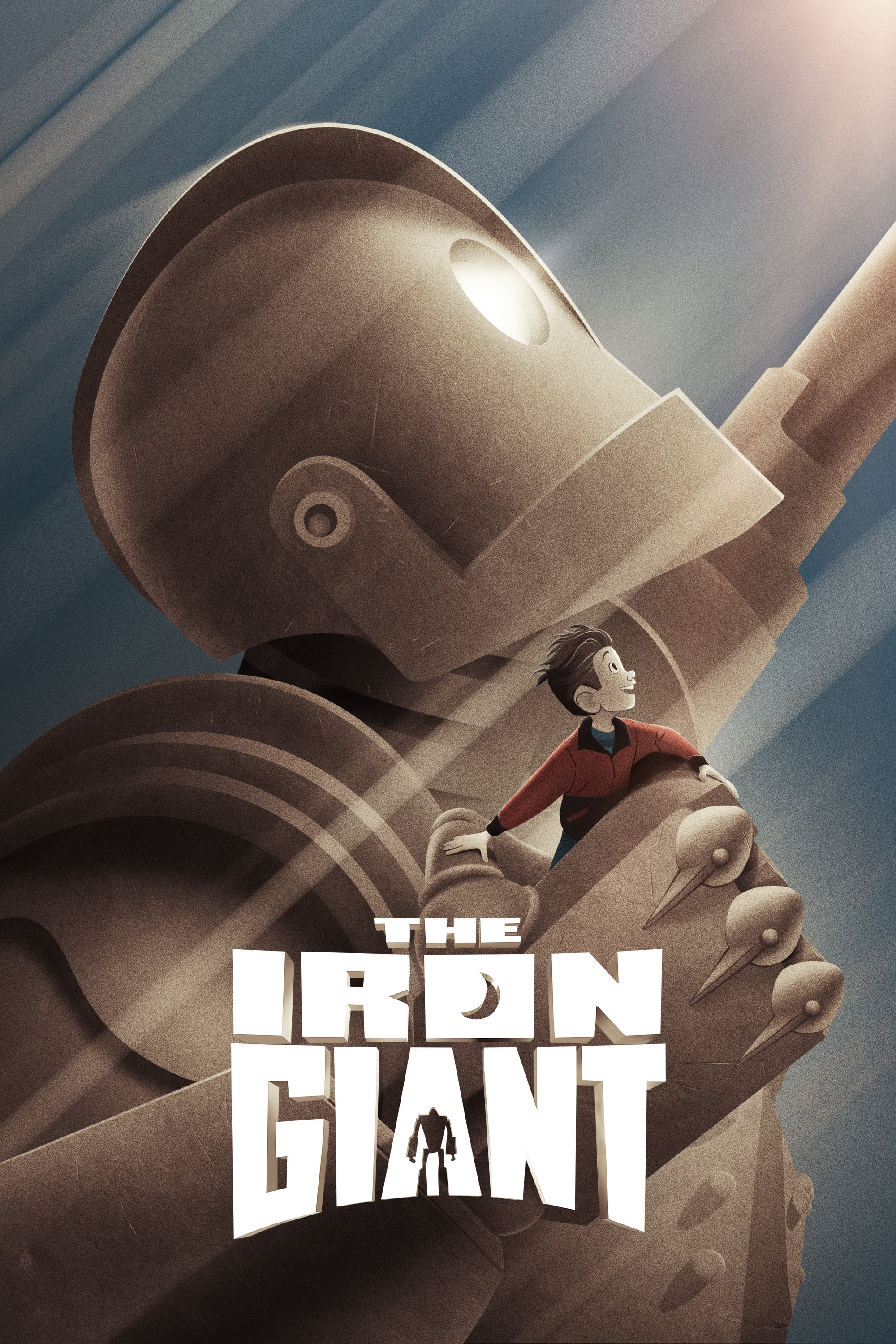
Directed by Brad Bird and produced at Warner Bros. Feature Animation, ‘The Iron Giant’ stars Eli Marienthal, Jennifer Aniston, and Harry Connick Jr., with Vin Diesel voicing the title character. Michael Kamen composed the score, bringing an orchestral approach that underscored the film’s Cold War setting and tone.
The production used a hybrid technique, combining hand-drawn environments and characters with a computer-animated Giant rendered to blend seamlessly with 2D elements. Although it underperformed in its initial theatrical run due to limited marketing, the film developed strong home-media and later theatrical re-releases that cemented its status in animation history.
‘WALL·E’ (2008)
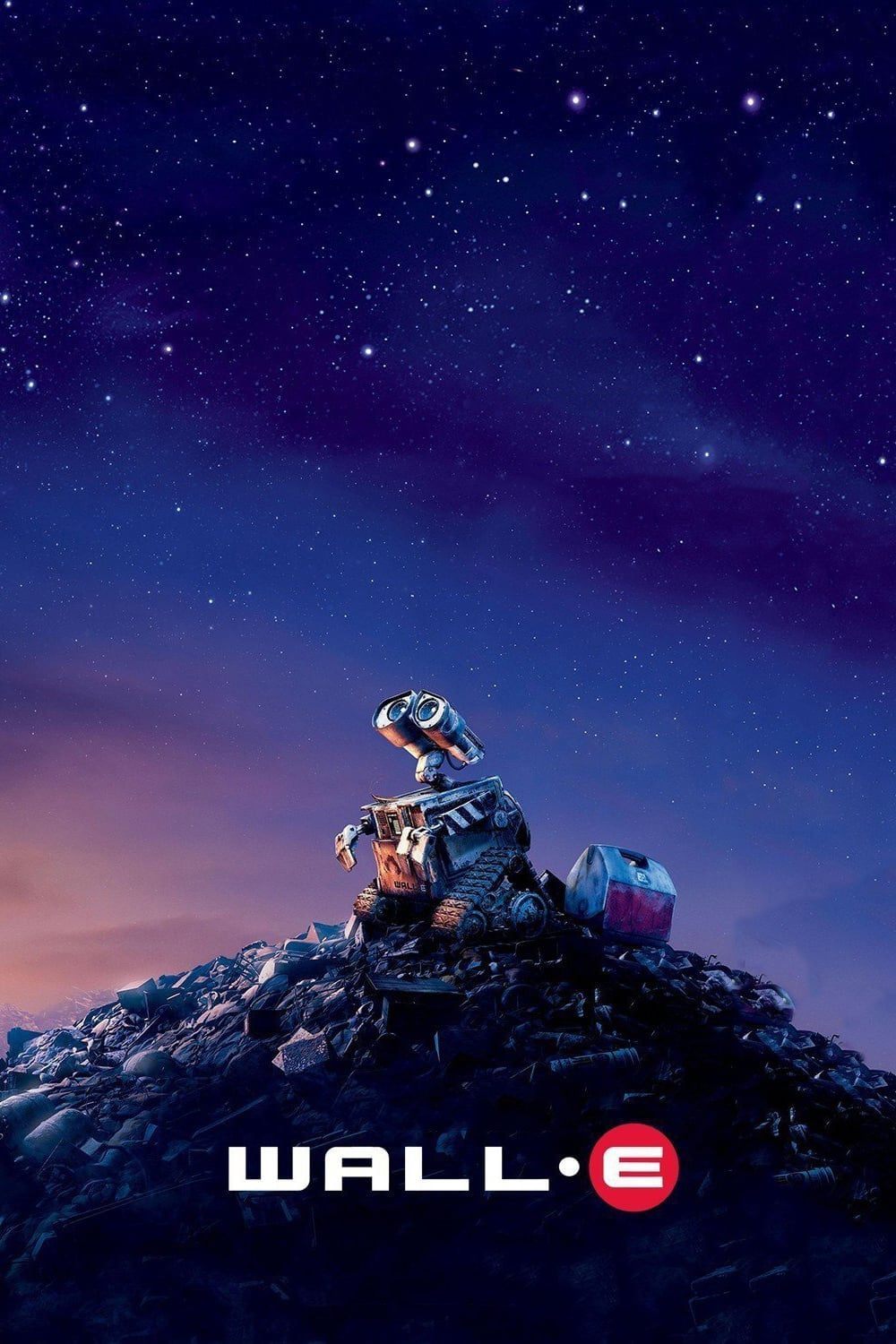
Andrew Stanton directed ‘WALL-E’ for Pixar, with Ben Burtt providing iconic sound design and vocalizations for the title robot. Thomas Newman composed the score, and the film received widespread industry accolades, including Best Animated Feature at the Academy Awards.
Pixar’s team emphasized visual storytelling with minimal dialogue in the opening stretch, relying on lens emulation and depth-of-field choices inspired by live-action cinematography. The film’s environmental themes were balanced with a detailed production design for the Axiom spacecraft, including simulations for microgravity movement and crowds of passengers.
‘Finding Nemo’ (2003)
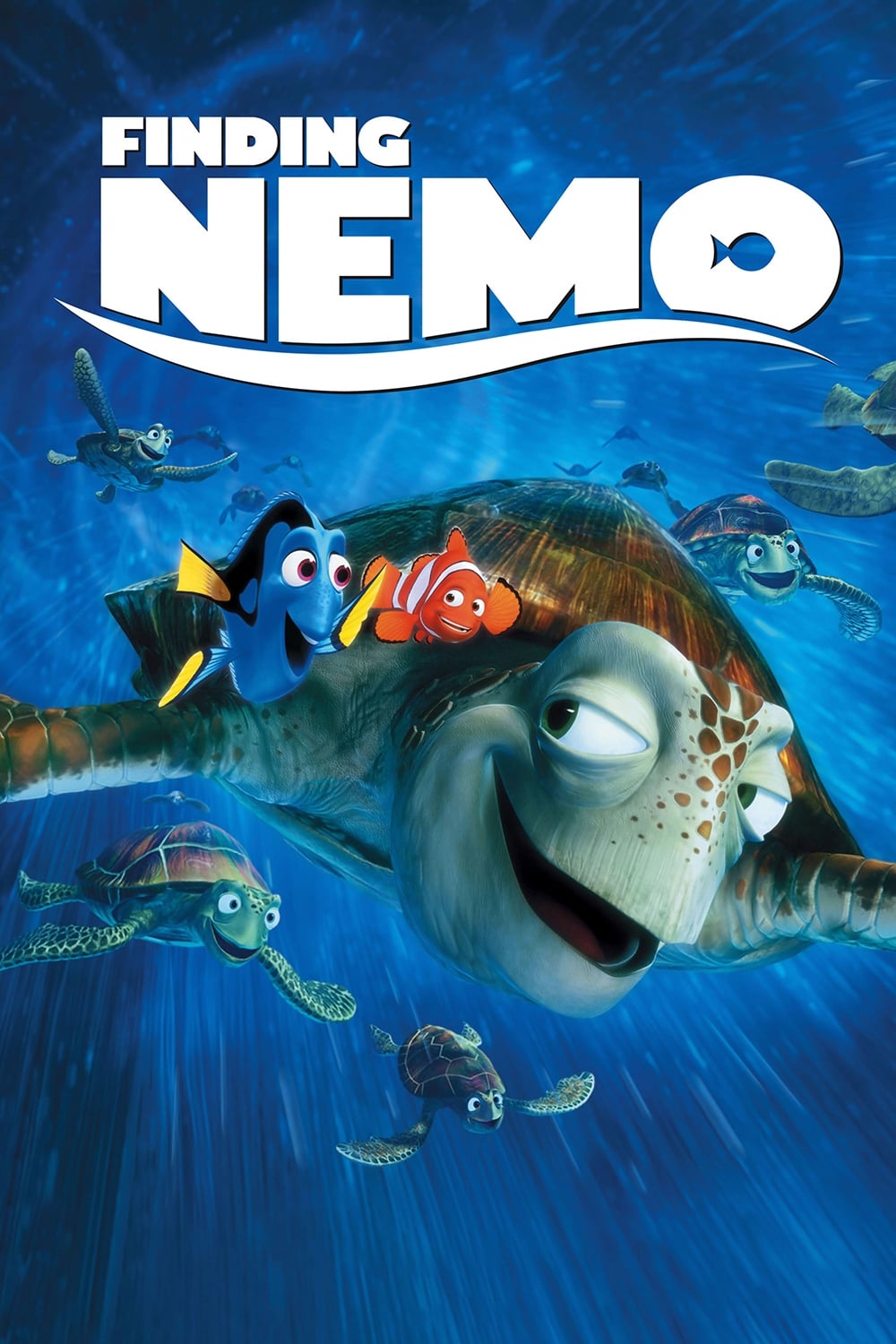
Directed by Andrew Stanton with co-director Lee Unkrich, ‘Finding Nemo’ features the voices of Albert Brooks, Ellen DeGeneres, and Alexander Gould. Thomas Newman scored the film, which became one of the top-grossing animated releases and earned Best Animated Feature at the Academy Awards.
The art and technical teams built water-simulation tools to render caustics, particulate matter, and realistic aquatic motion, while maintaining a stylized color language for readability. Marine biologists were consulted for fish behavior and reef ecology, informing animation choices for schooling, predator dynamics, and habitat design.
‘Inside Out’ (2015)
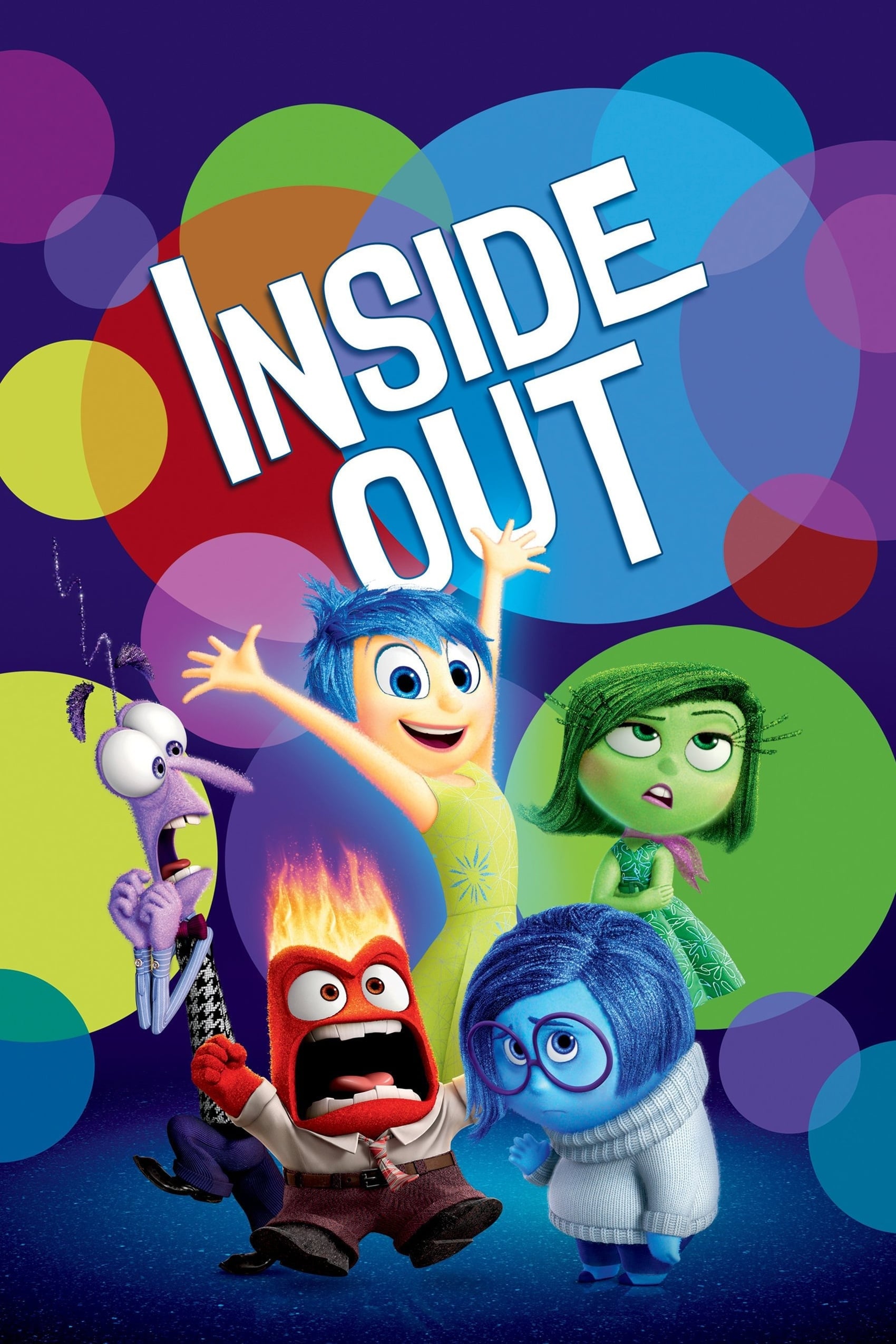
Pete Docter and co-director Ronnie del Carmen led ‘Inside Out’ at Pixar, with a voice cast including Amy Poehler, Phyllis Smith, and Richard Kind. Michael Giacchino’s score supported the film’s cognitive-science-inspired narrative framework and earned significant awards recognition.
The production collaborated with academic consultants to align the “headquarters” metaphor with simplified models of emotion and memory. Visual effects teams developed particle-based shaders for the characters representing emotions, creating a fuzzy, luminous look distinct from typical skin shading in CGI features.
‘The Lion King’ (1994)
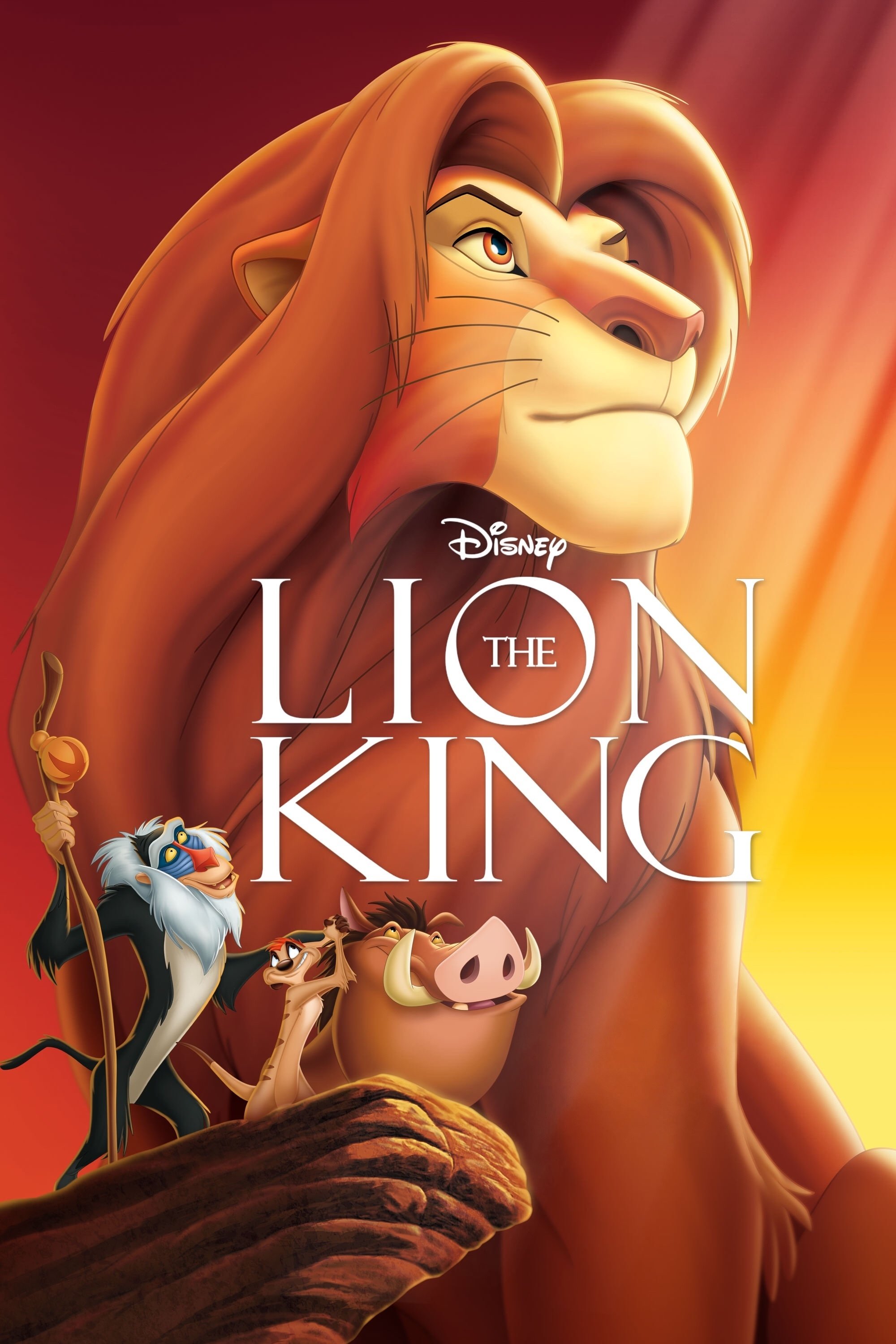
‘The Lion King’ was produced by Walt Disney Feature Animation under directors Roger Allers and Rob Minkoff, featuring voice performances by Matthew Broderick, Jeremy Irons, James Earl Jones, and others. The soundtrack combined Hans Zimmer’s score with songs by Elton John and Tim Rice, resulting in multiple major music awards.
The film broke ground with early computer-assisted techniques for large-scale sequences like the wildebeest run, integrating 3D elements with hand-drawn animation. Its theatrical reissues, stage adaptation, and extensive home releases expanded the property into a multi-platform franchise with enduring merchandising and touring productions.
‘Bambi’ (1942)
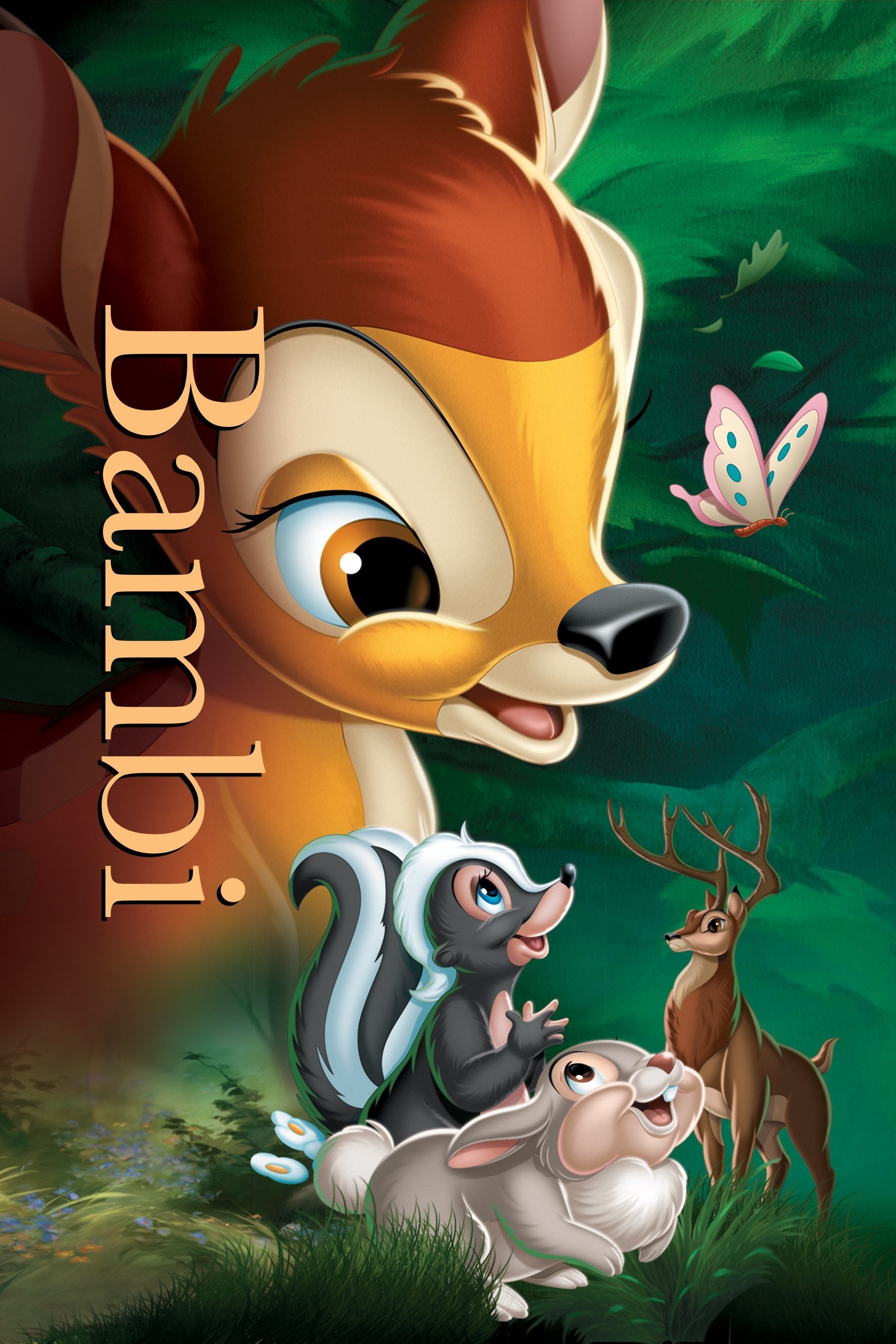
Directed by David Hand and a team of sequence directors for Walt Disney, ‘Bambi’ features music by Frank Churchill and Edward Plumb and songs by Larry Morey. The production is noted for its multiplane camera work and background painting techniques that pushed depth and atmosphere in traditional animation.
Artists studied live deer and other wildlife extensively, incorporating motion analysis into character animation and staging. Although its earliest box office returns were modest relative to later re-releases, the film became a cornerstone of Disney’s classic catalog and is frequently cited in discussions of nature depiction in animation.
‘The Fox and the Hound’ (1981)
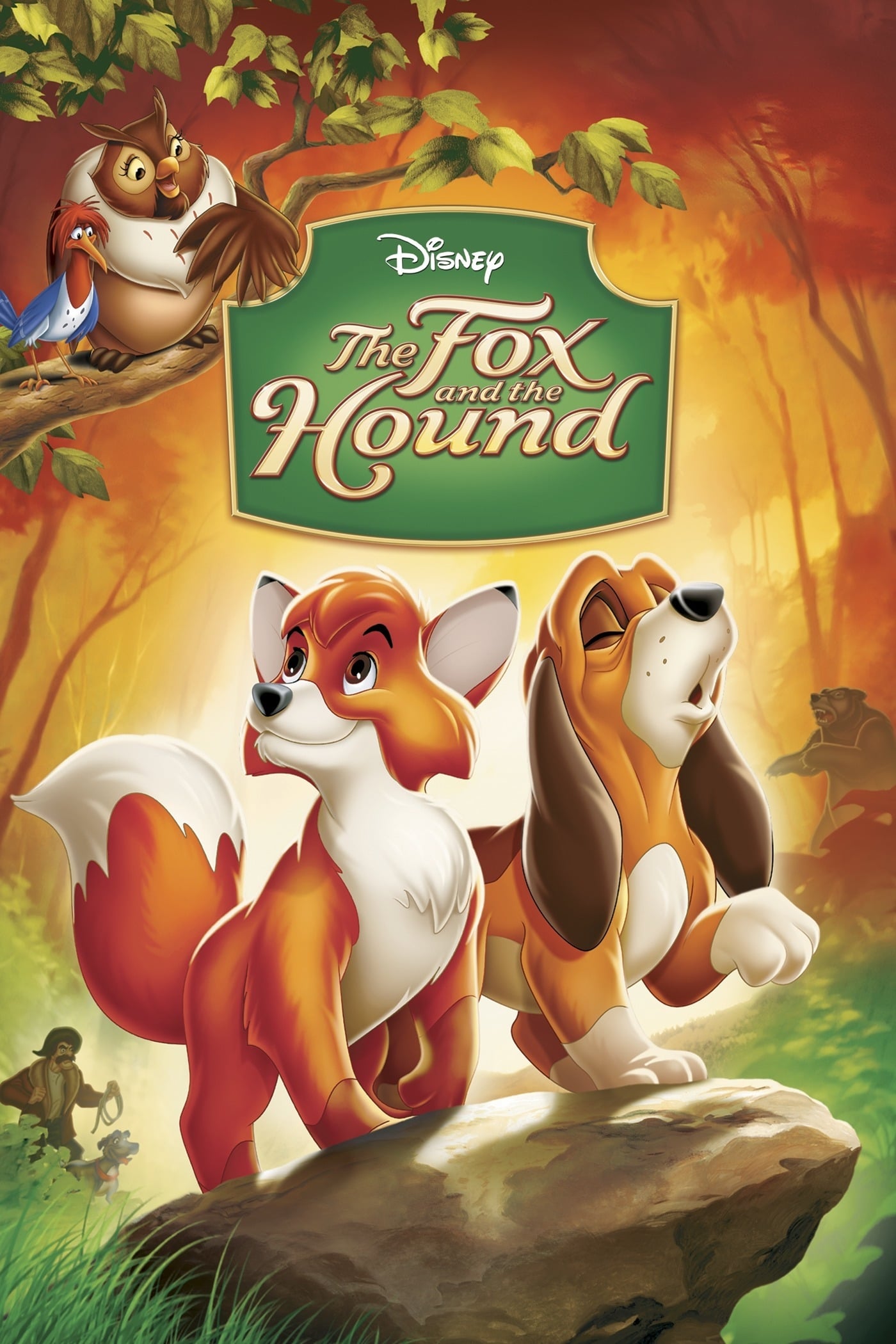
‘The Fox and the Hound’ was directed by Ted Berman, Richard Rich, and Art Stevens at Walt Disney Productions, with voice work by Mickey Rooney, Kurt Russell, and Pearl Bailey. The film’s music was composed by Buddy Baker, featuring country influences aligned with its rural American setting.
Production spanned a transitional period at the studio, involving veteran animators and a younger generation who would later lead the company’s animation renaissance. The story team adapted Daniel P. Mannix’s novel, streamlining characters and settings to fit feature length while retaining central themes of friendship across divides.
‘The Land Before Time’ (1988)
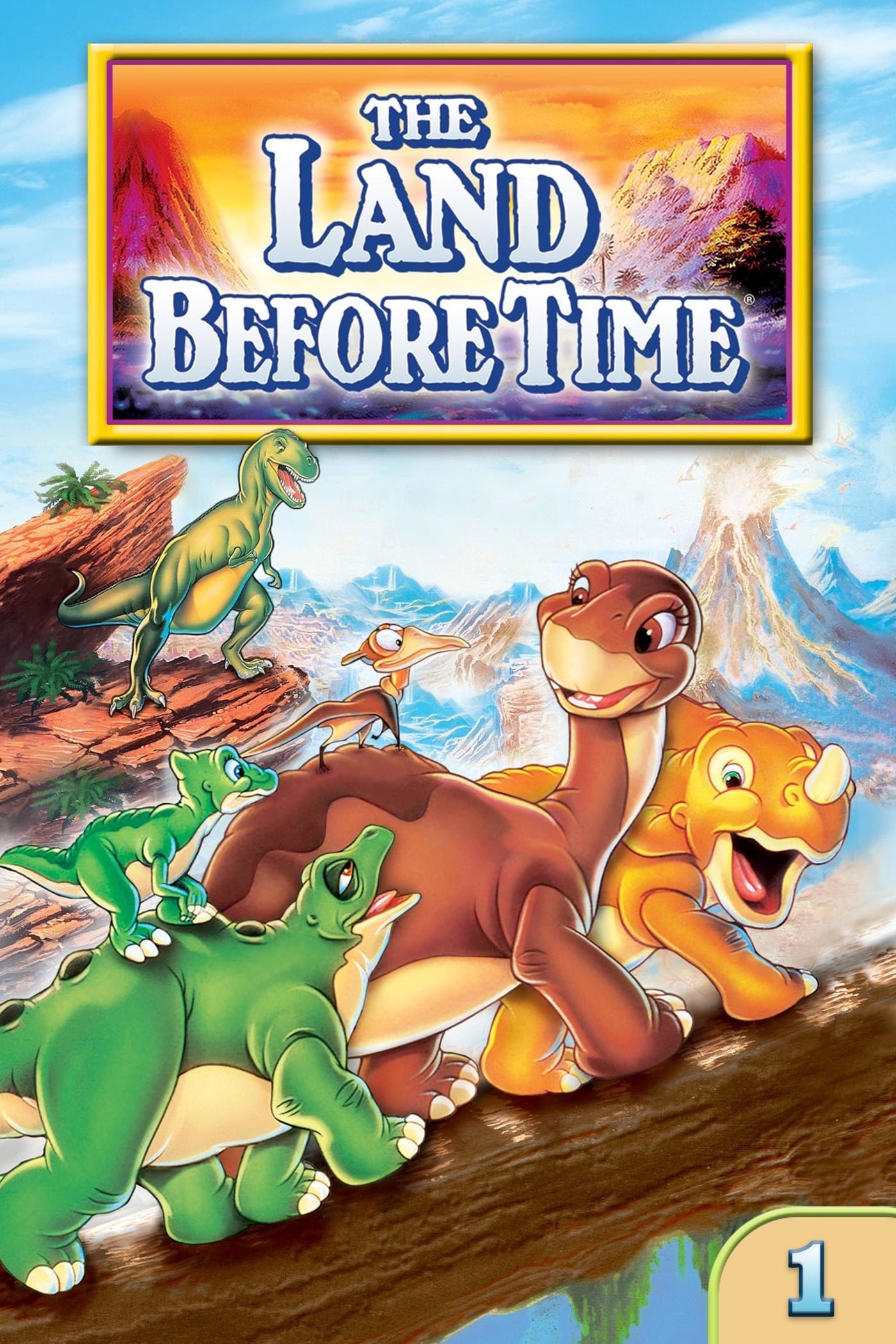
Produced by Don Bluth, Gary Goldman, and executive producer Steven Spielberg, ‘The Land Before Time’ features voice performances by Gabriel Damon, Candace Hutson, and others. James Horner composed the score, adding lyrical motifs that became closely associated with the franchise.
The production emphasized hand-drawn animation with richly painted backgrounds and carefully staged set-pieces depicting prehistoric hazards. The film’s success led to numerous direct-to-video sequels and a television series, expanding the brand across music releases, toys, and home entertainment.
‘Monsters, Inc.’ (2001)
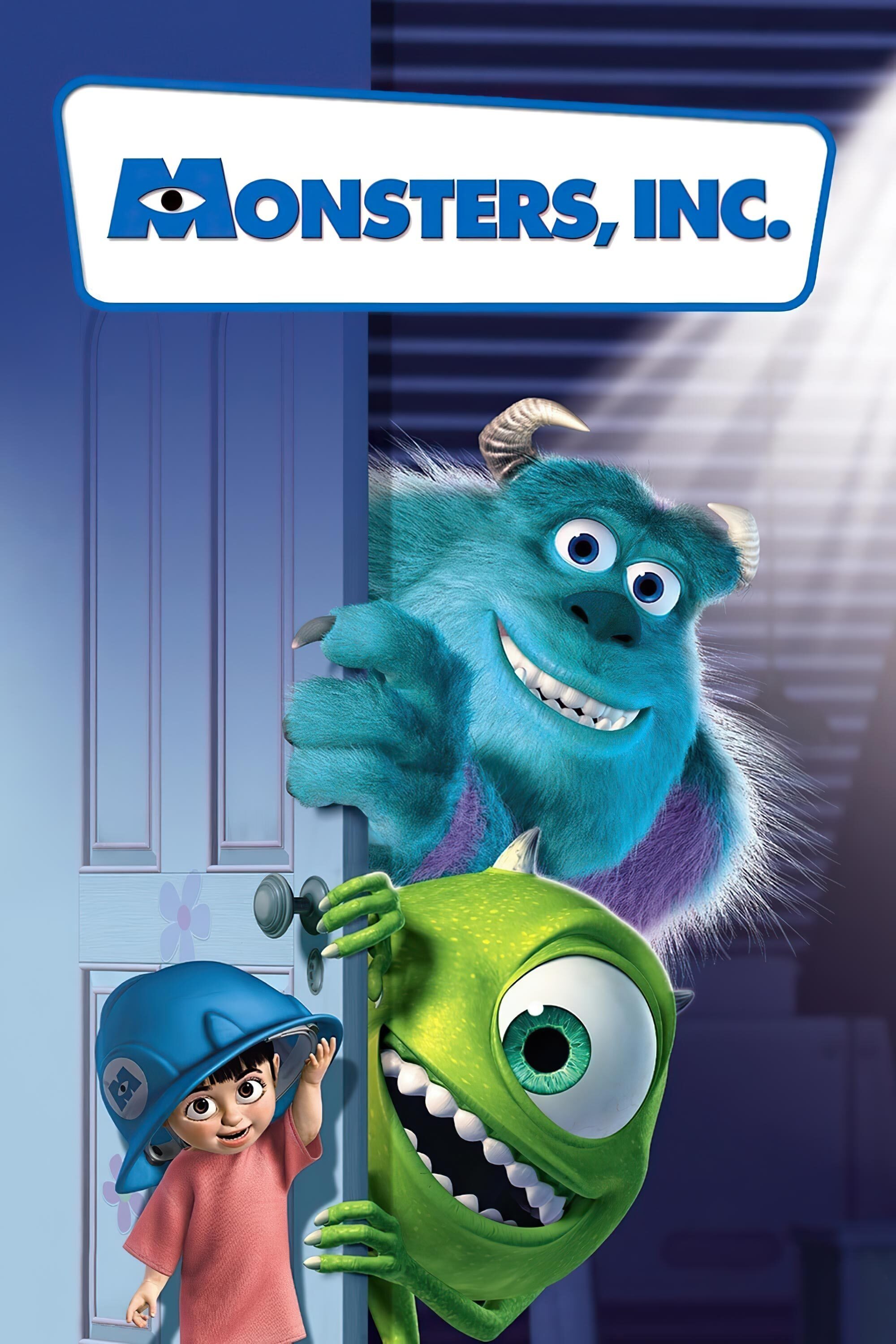
Directed by Pete Docter with co-director Lee Unkrich, ‘Monsters, Inc.’ stars John Goodman and Billy Crystal, with music by Randy Newman that received major awards attention. The film extended Pixar’s character-animation range with fur and fabric simulations, most notably on the character Sulley.
Engineers developed a specialized toolset for dynamic hair and cloth, managing thousands of strands in motion and collision. The story world introduced the door-warehouse concept, which required procedural generation of massive environments and complex camera paths to maintain visual clarity.
‘Big Hero 6’ (2014)
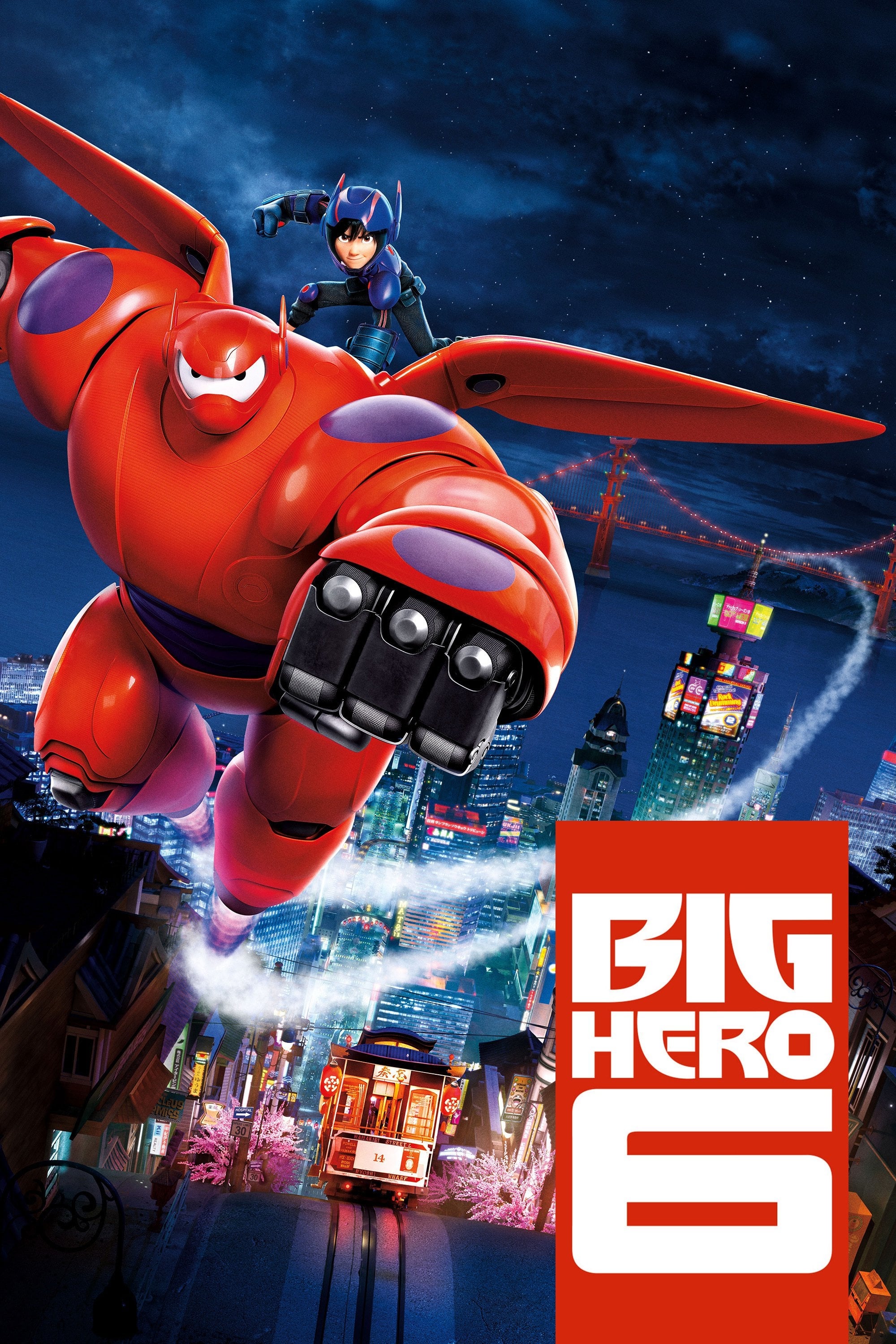
‘Big Hero 6’ was directed by Don Hall and Chris Williams at Walt Disney Animation Studios, loosely adapting characters from Marvel comics. The voice cast includes Ryan Potter, Scott Adsit, and Jamie Chung, and the film won Best Animated Feature at the Academy Awards.
Disney’s Hyperion renderer enabled physically based lighting for the fictional city of San Fransokyo, blending architectural references from two major metropolises. The production also consulted healthcare robotics experts to inform Baymax’s inflatable design, motion language, and medical-scanning conceit.
‘E.T. the Extra-Terrestrial’ (1982)
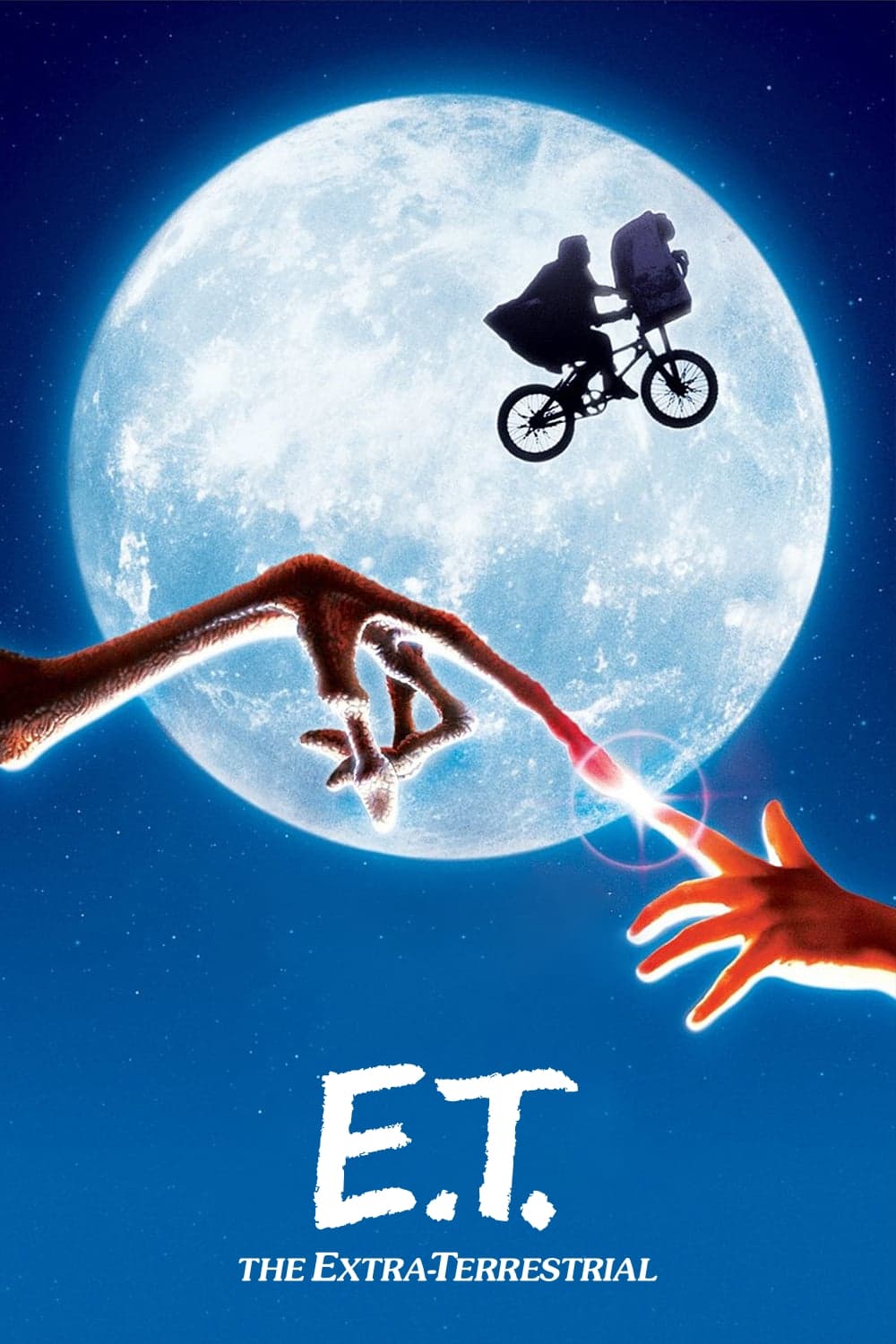
Directed by Steven Spielberg, ‘E.T. the Extra-Terrestrial’ stars Henry Thomas, Dee Wallace, and Drew Barrymore, with a celebrated score by John Williams. The film saw collaboration between Industrial Light & Magic and practical effects teams to bring the central character to life.
E.T.’s animatronics involved multiple puppets with varied mechanisms for facial nuance and body movement, operated by a crew of puppeteers and suit performers. The release achieved massive global box office success, and later restorations and anniversary editions introduced minor visual updates and remasters for new formats.
‘Avengers: Infinity War’ (2018)
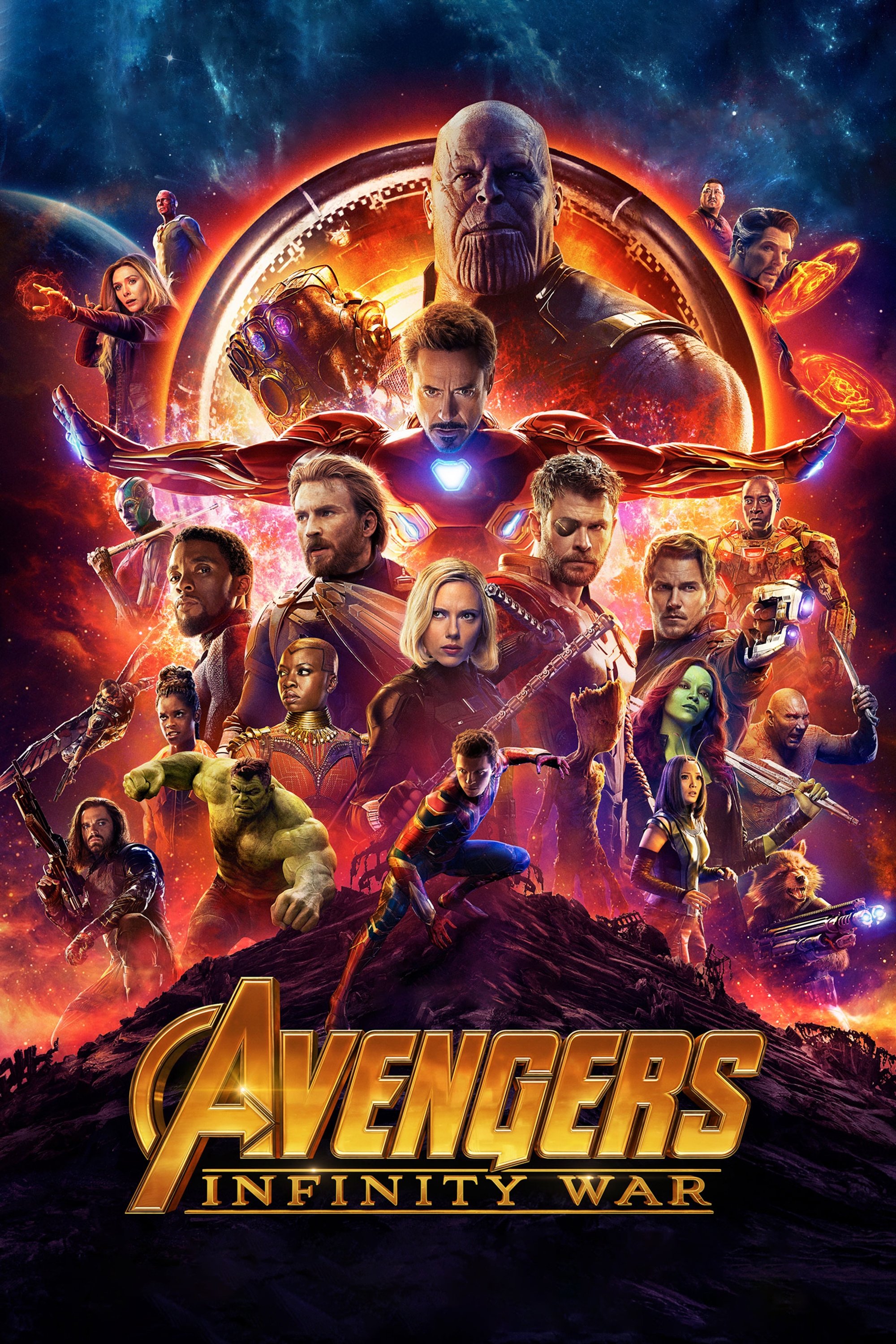
Directed by Anthony and Joe Russo, ‘Avengers: Infinity War’ unites an ensemble cast across the Marvel Cinematic Universe, with principal performances by Robert Downey Jr., Chris Evans, and Josh Brolin. Alan Silvestri composed the score, continuing musical motifs established earlier in the franchise.
Weta Digital and other vendors delivered extensive visual effects, including performance-capture work for Thanos that translated subtle facial acting into CG. The film set major records for opening-weekend grosses and served as the penultimate chapter to a multi-film narrative arc resolved in the direct sequel.
‘Avengers: Endgame’ (2019)
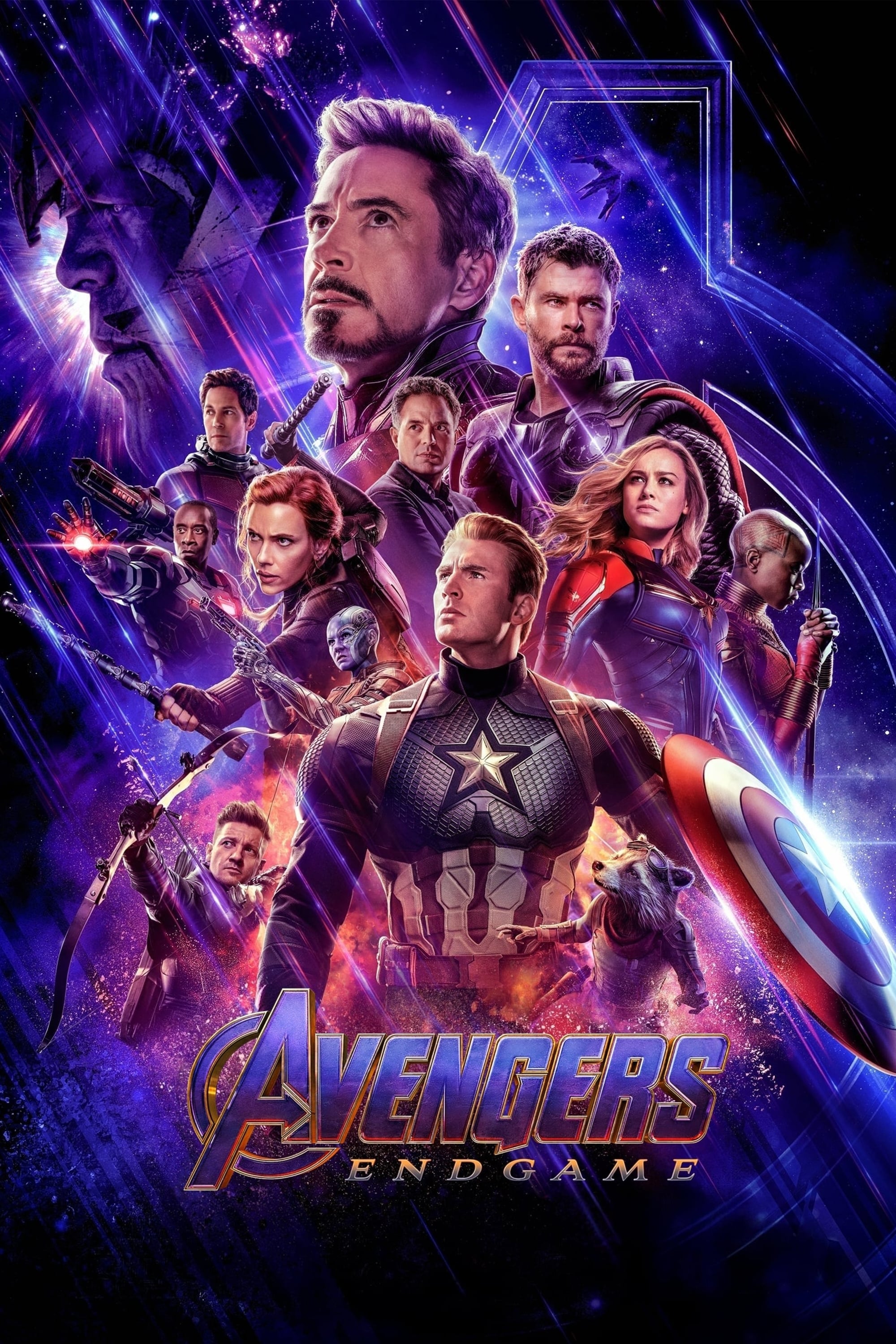
‘Avengers: Endgame’ was again helmed by Anthony and Joe Russo, featuring one of the largest ensemble casts assembled in the franchise. Alan Silvestri returned as composer, and the production integrated scenes filmed with IMAX-optimized cameras to accommodate premium-format exhibition.
The film employed de-aging and body-replacement techniques across multiple sequences, blending archival references with new photography. Its global release strategy encompassed carefully staged trailers and promotional tie-ins, leading to one of the highest box office totals ever recorded for a single title.
‘Guardians of the Galaxy Vol. 3’ (2023)
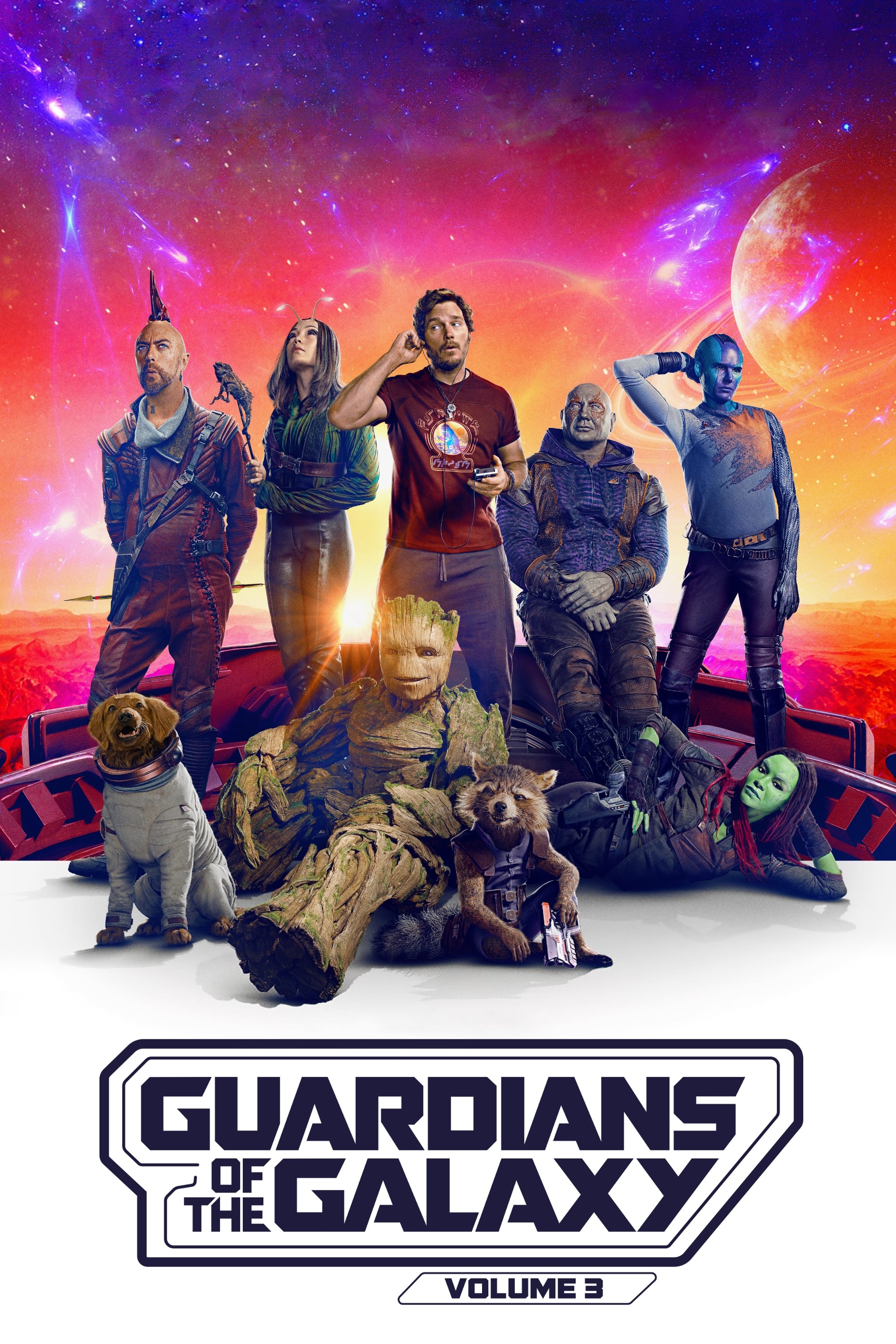
Written and directed by James Gunn, ‘Guardians of the Galaxy Vol. 3’ features returning cast members including Chris Pratt, Zoe Saldaña, and Bradley Cooper, with Chukwudi Iwuji joining as the antagonist. John Murphy composed the score, and the curated needle-drop soundtrack continued the series’ mixtape tradition.
The production leaned on prosthetics and makeup for alien species alongside large-scale CG environments and creature work. Visual effects teams coordinated asset sharing across vendors for consistent character shading, while the release capped the original team’s storyline within the broader Marvel continuity.
‘Spider-Man: Into the Spider-Verse’ (2018)
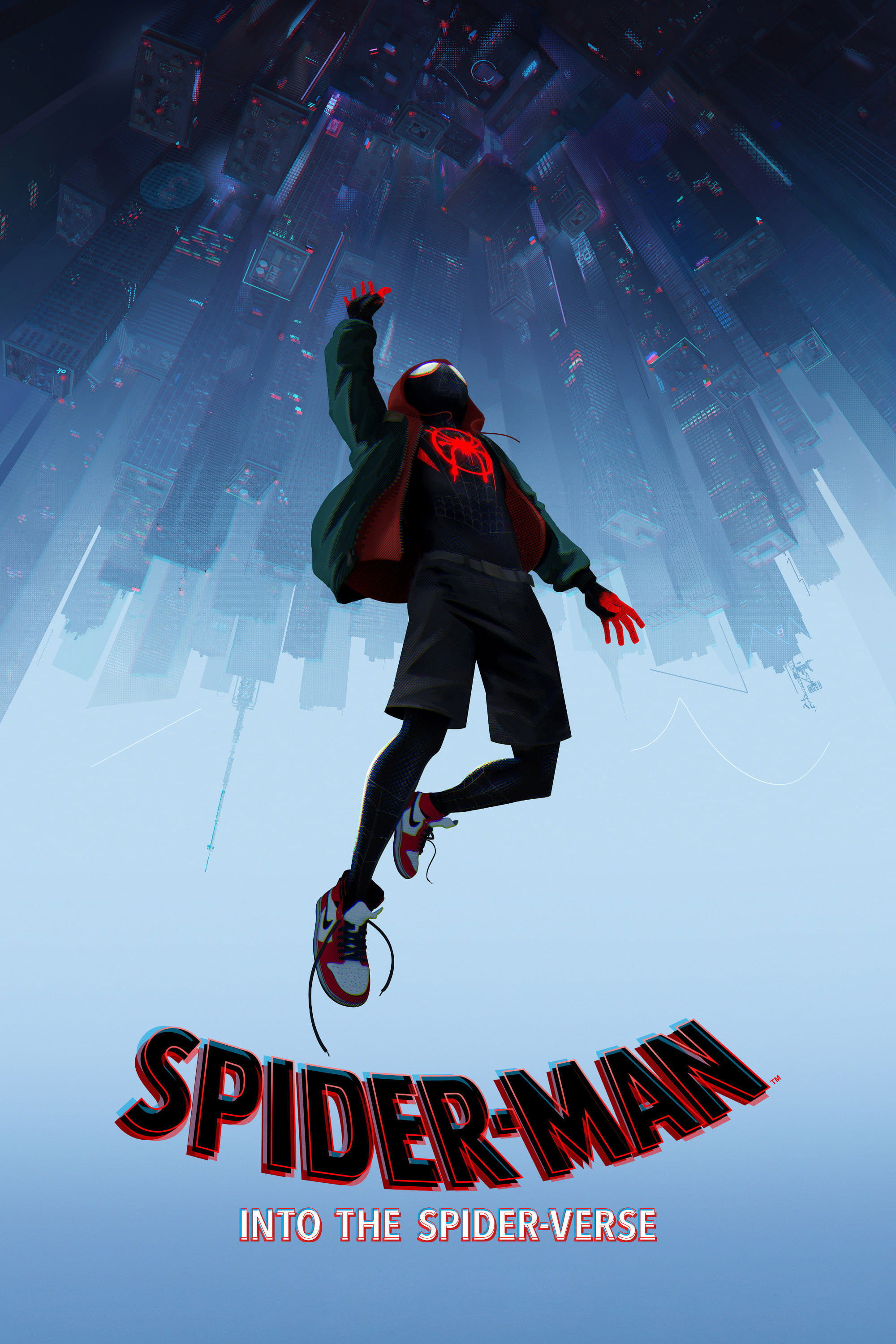
‘Spider-Man: Into the Spider-Verse’ was directed by Bob Persichetti, Peter Ramsey, and Rodney Rothman, with Shameik Moore, Hailee Steinfeld, and Jake Johnson voicing key roles. Daniel Pemberton composed the score, and the film won Best Animated Feature at the Academy Awards.
The animation pipeline fused comic-book aesthetics with CG, employing halftone shading, variable frame rates, and on-screen text effects. Sony Pictures Imageworks developed custom tools for linework and camera-motion stylization, resulting in a distinct visual identity that influenced subsequent animated features.
‘Spider-Man: No Way Home’ (2021)
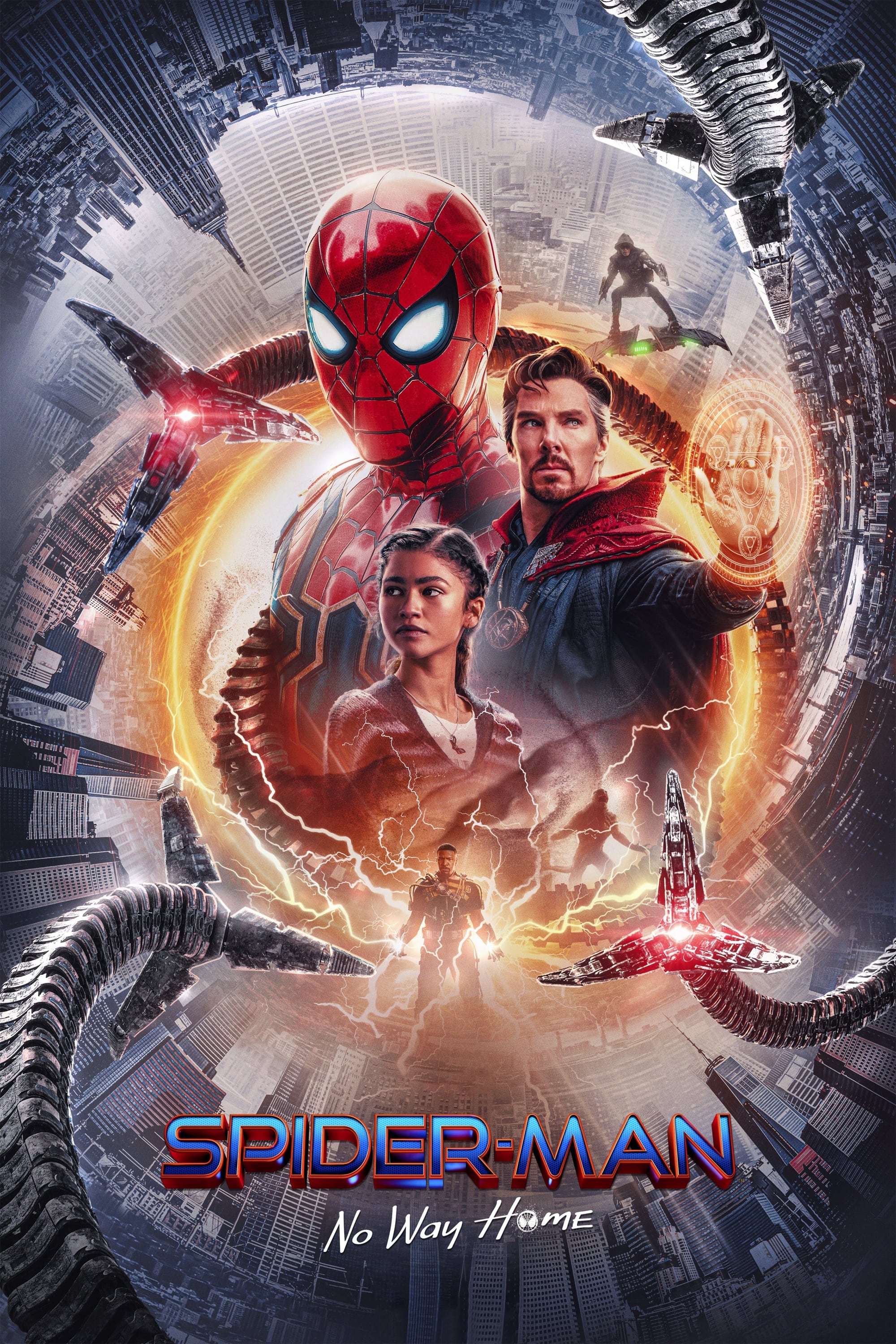
Directed by Jon Watts, ‘Spider-Man: No Way Home’ stars Tom Holland, Zendaya, and Benedict Cumberbatch, with appearances from legacy performers tied to earlier franchise iterations. Michael Giacchino provided the score, weaving thematic material associated with multiple Spider-Man eras.
The film’s production coordinated multi-studio visual effects to integrate characters originating from different continuities, including extensive de-aging and suit augmentation. Marketing and release strategies relied on secrecy agreements and limited-disclosure interviews to preserve key surprises for theatrical audiences.
‘Star Trek II: The Wrath of Khan’ (1982)
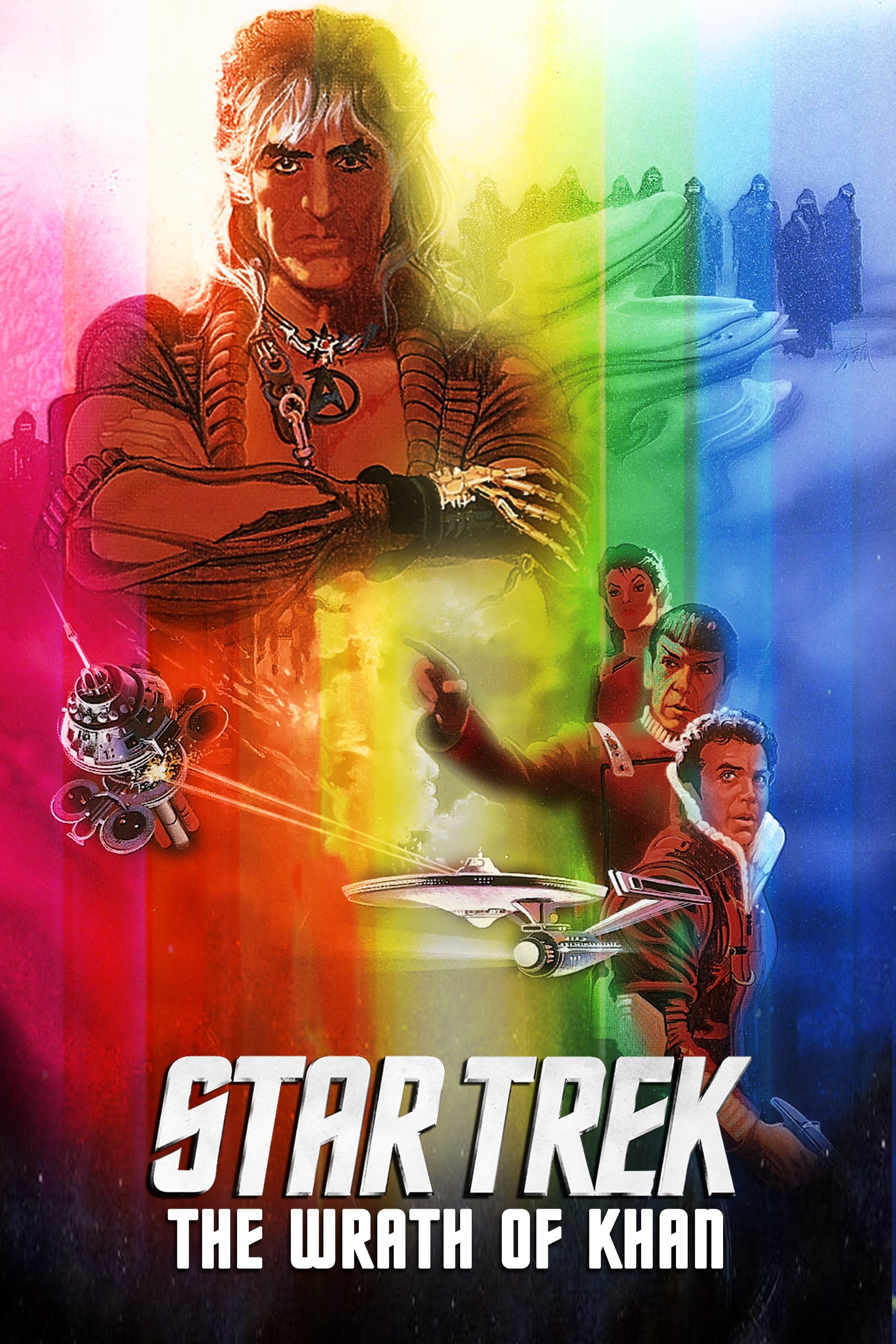
‘Star Trek II: The Wrath of Khan’ was directed by Nicholas Meyer with William Shatner, Leonard Nimoy, and Ricardo Montalbán headlining the cast. James Horner composed the score, marking an early collaboration that would continue in later projects.
Industrial Light & Magic delivered pioneering computer-generated imagery for the Genesis sequence, while miniatures and practical effects drove most space combat visuals. The film recalibrated the franchise toward naval-inspired tactics and character continuity, drawing from the original television series episode featuring Khan Noonien Singh.
‘Rogue One: A Star Wars Story’ (2016)
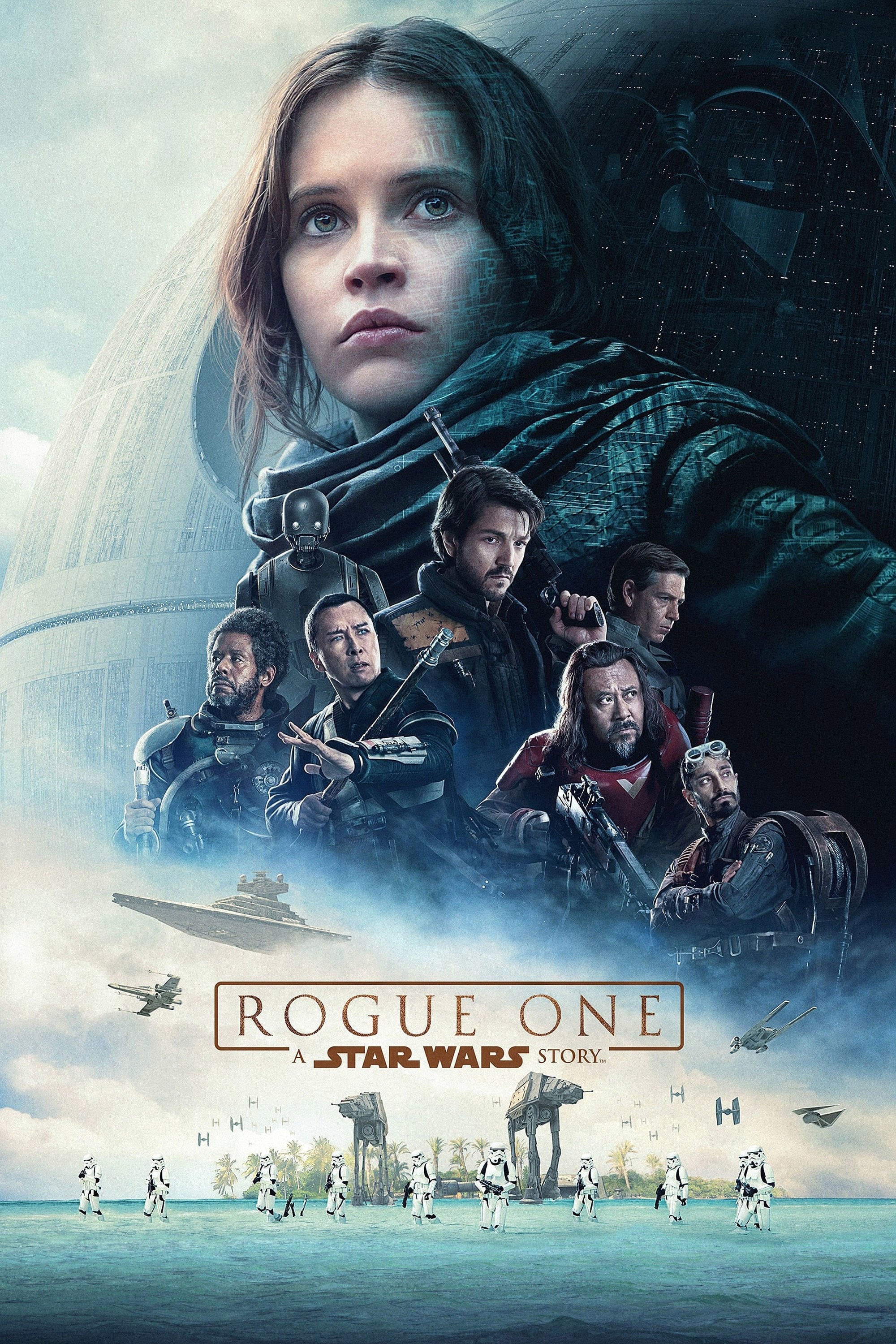
Directed by Gareth Edwards, ‘Rogue One: A Star Wars Story’ stars Felicity Jones, Diego Luna, and Ben Mendelsohn, with Michael Giacchino composing the score on an accelerated timetable. The production integrated classic design language from the franchise’s original trilogy with new vehicles and environments.
Extensive location photography combined with large-scale set construction and digital extensions to achieve the film’s grounded aesthetic. The release used cutting-edge facial-capture and compositing techniques for select legacy characters, prompting industry discussion about digital likeness and archival performance.
‘Furious 7’ (2015)
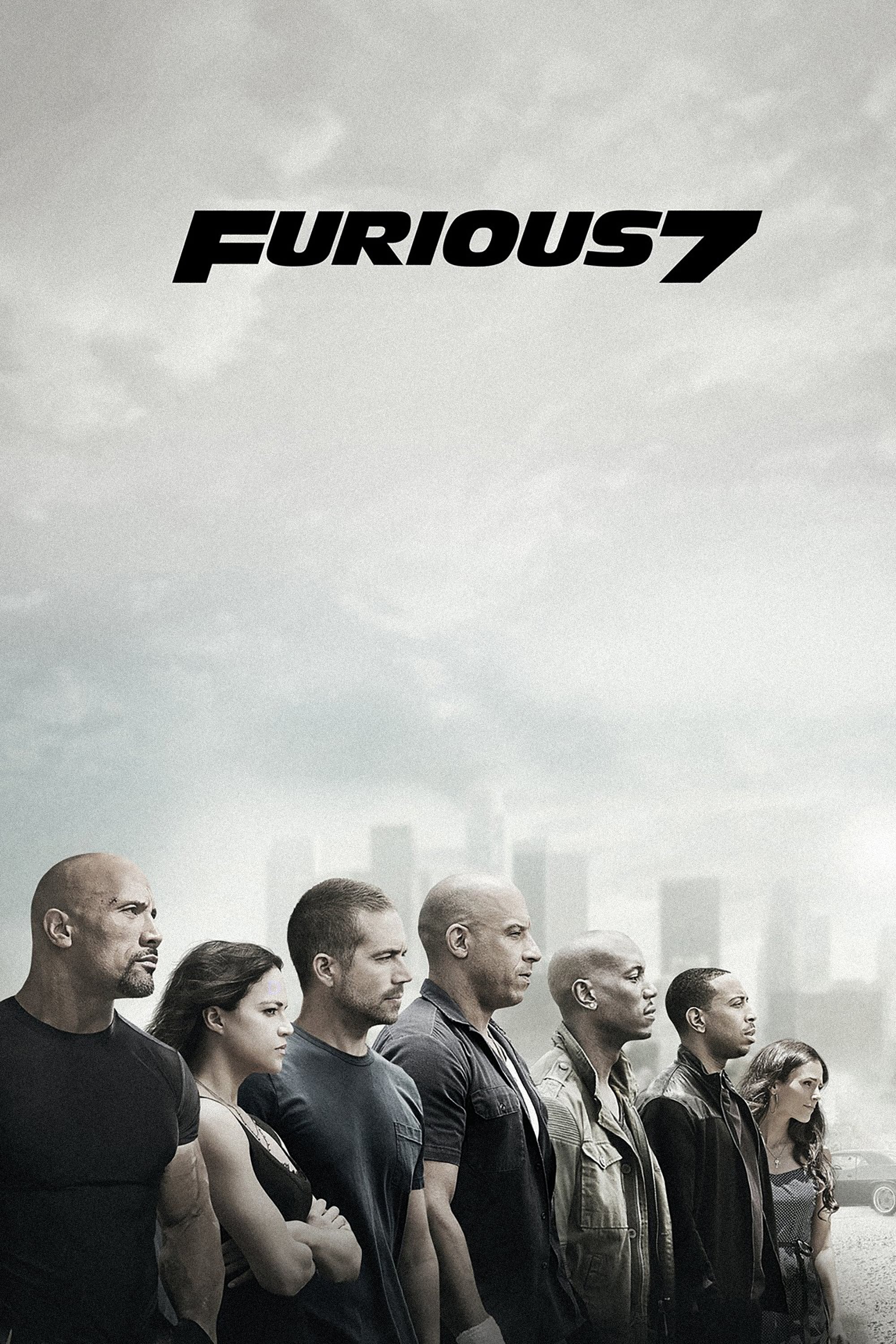
Directed by James Wan, ‘Furious 7’ features Vin Diesel, Paul Walker, Michelle Rodriguez, and Dwayne Johnson. Composer Brian Tyler returned to the series, and Wiz Khalifa and Charlie Puth’s end-credits song became a major chart success associated with the film’s tribute.
Production continued after the passing of Paul Walker using a combination of stand-ins, visual effects, and voice work to complete remaining scenes. The film set franchise box office records upon release and expanded the series’ global footprint with large-scale location shoots and stunt coordination.
‘How to Train Your Dragon’ (2010)
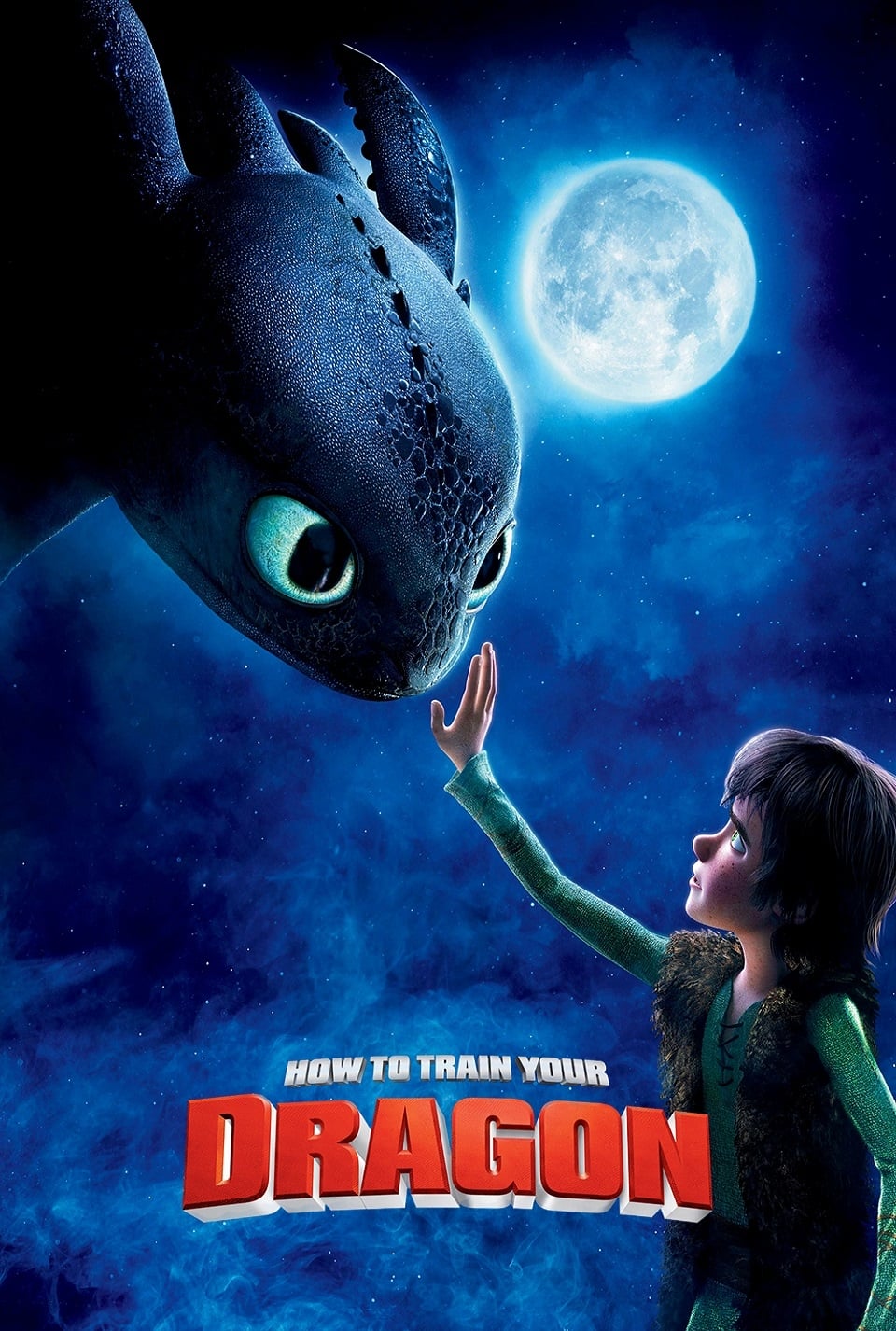
Directed by Chris Sanders and Dean DeBlois for DreamWorks Animation, ‘How to Train Your Dragon’ stars Jay Baruchel, America Ferrera, and Gerard Butler. John Powell composed a widely recognized score that received significant awards attention.
The production developed custom flight-simulation camera tools to capture dynamic aerial sequences while preserving character readability. Dragon designs were diversified across species with distinct movement profiles, and the film’s success launched sequels, television spin-offs, and a robust merchandising program.
‘Paddington 2’ (2017)
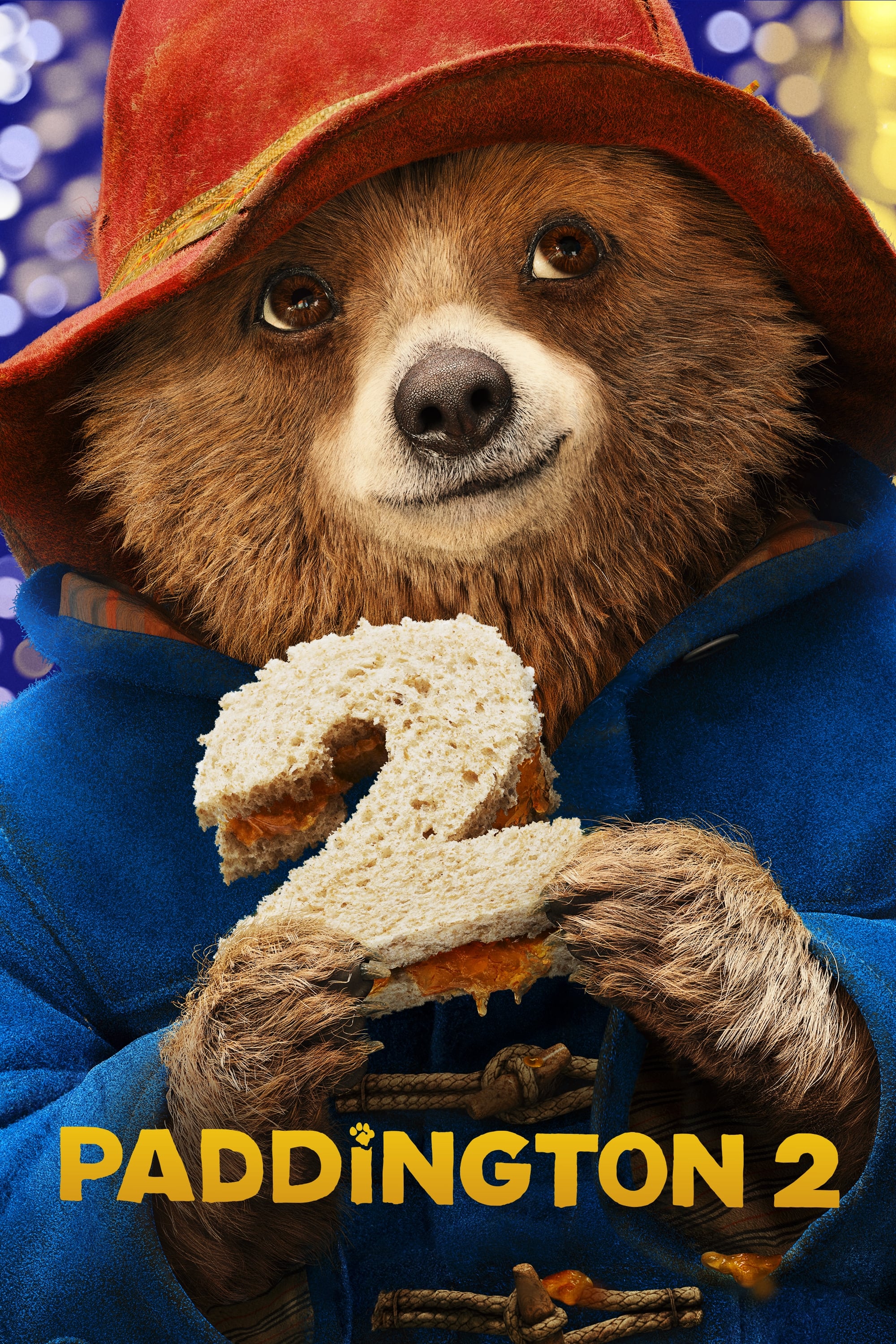
Directed by Paul King, ‘Paddington 2’ stars Ben Whishaw as the voice of Paddington alongside Hugh Grant, Sally Hawkins, and Hugh Bonneville. Dario Marianelli composed the score, and the film earned exceptional critical notices across international markets.
Framestore led the CG character work, refining fur rendering and on-set lighting references to integrate Paddington into live-action plates. The production design leaned into storybook color palettes and visual gags while maintaining continuity with the first film, and the release became a standout for family audiences.
‘The NeverEnding Story’ (1984)
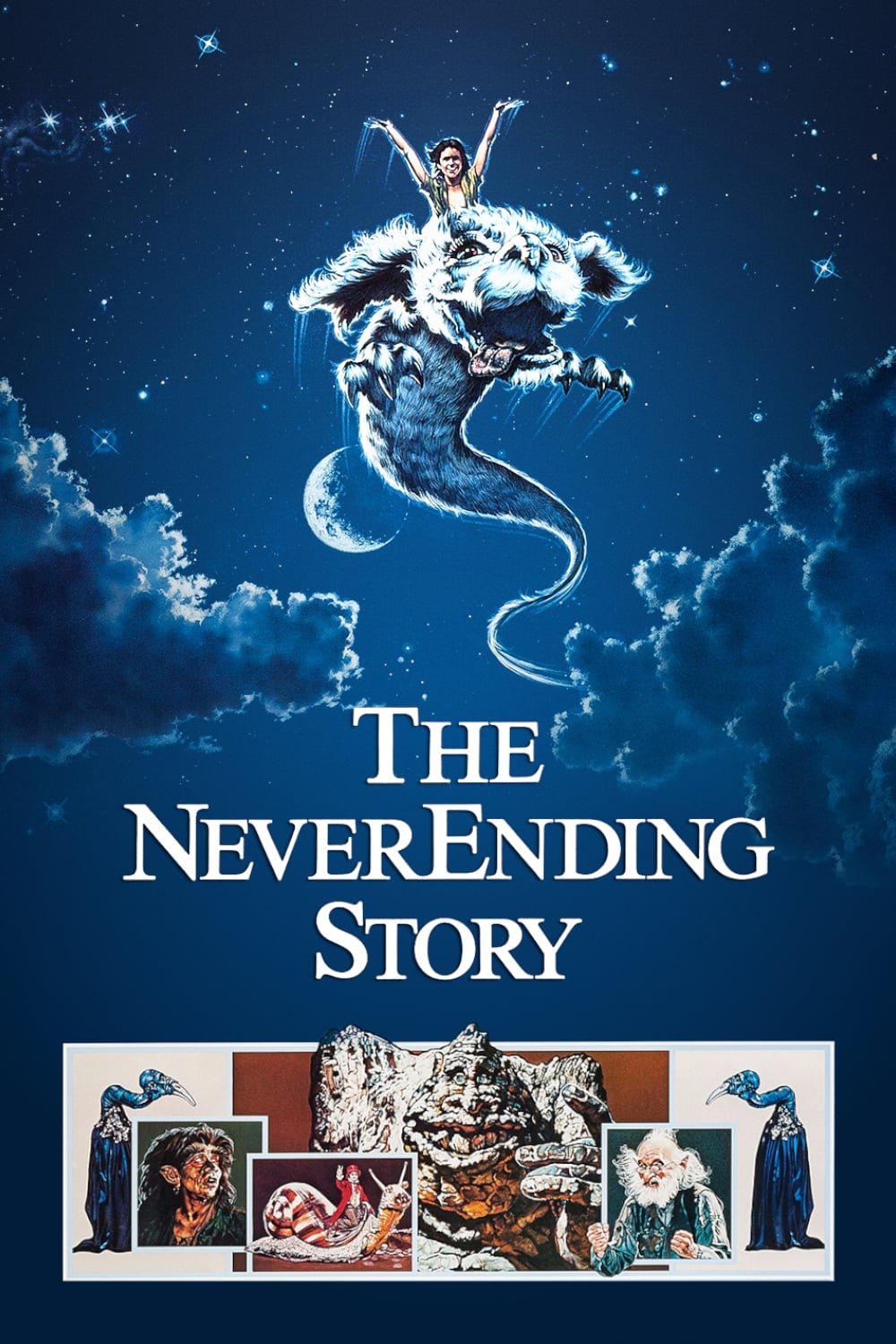
Directed by Wolfgang Petersen, ‘The NeverEnding Story’ adapts Michael Ende’s novel, starring Barret Oliver, Noah Hathaway, and Tami Stronach. Klaus Doldinger and Giorgio Moroder contributed to the score and songs, which became closely associated with the film’s identity.
The production was mounted at Bavaria Studios with large practical sets and animatronic creatures, including Falkor the luckdragon and a variety of puppeteered characters. International versions featured editorial differences and alternative music cues, and the film’s success led to sequels that expanded the source material’s universe.
Share the non-drama tearjerkers you’d add to this list in the comments!