Movies that Feel Like a Nightmare (but Aren’t Horror)

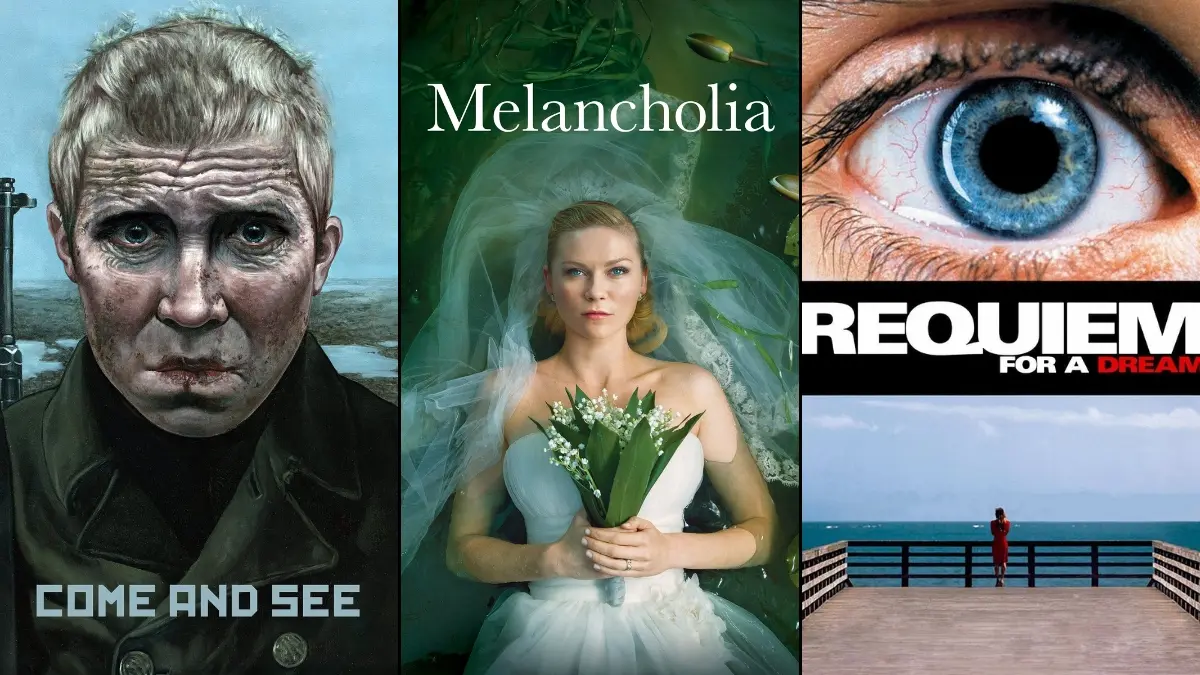

Some films induce a dreamlike unease through craft—restless editing, abrasive sound, fragmented timelines, and oppressive settings—while staying outside the horror genre. They draw from crime, drama, sci-fi, and animation, building pressure through procedure, bureaucracy, or identity puzzles. Below are twenty-five examples that rely on direction, performance, production design, and music to create that sensation without using horror conventions.
‘Uncut Gems’ (2019)
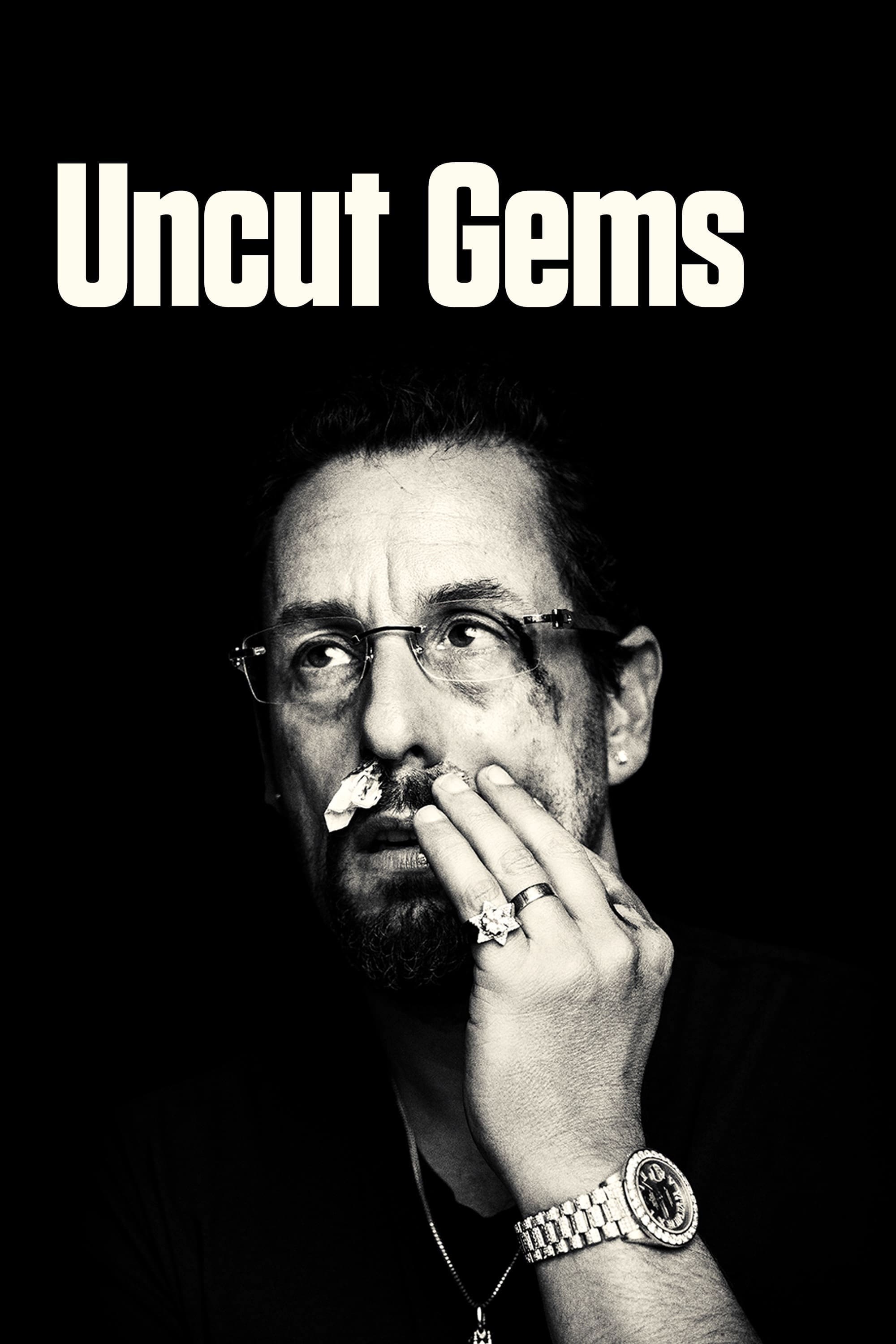
Directed by Josh and Benny Safdie, this crime drama follows a New York jeweler navigating escalating debts and risky schemes. The production employs handheld camerawork, overlapping dialogue, and an electronic score by Daniel Lopatin. Adam Sandler leads a cast that includes Julia Fox, Lakeith Stanfield, Idina Menzel, and Kevin Garnett.
‘Good Time’ (2017)
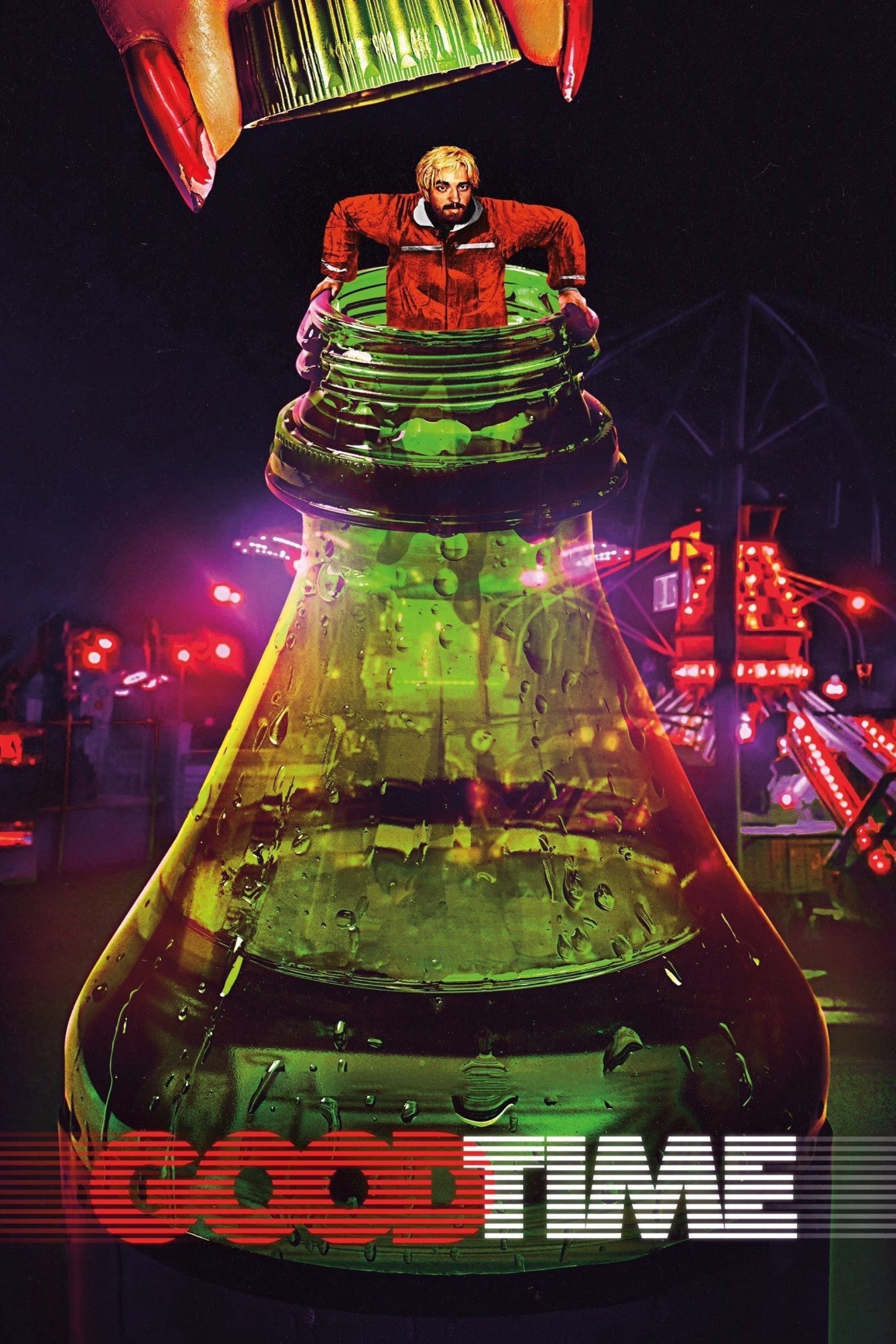
The Safdie brothers track a single night as Connie Nikas moves through Queens after a failed robbery. The film uses tight close-ups, practical locations, and synth-driven cues to sustain momentum. Robert Pattinson stars alongside Benny Safdie, Buddy Duress, and Barkhad Abdi.
‘Black Swan’ (2010)
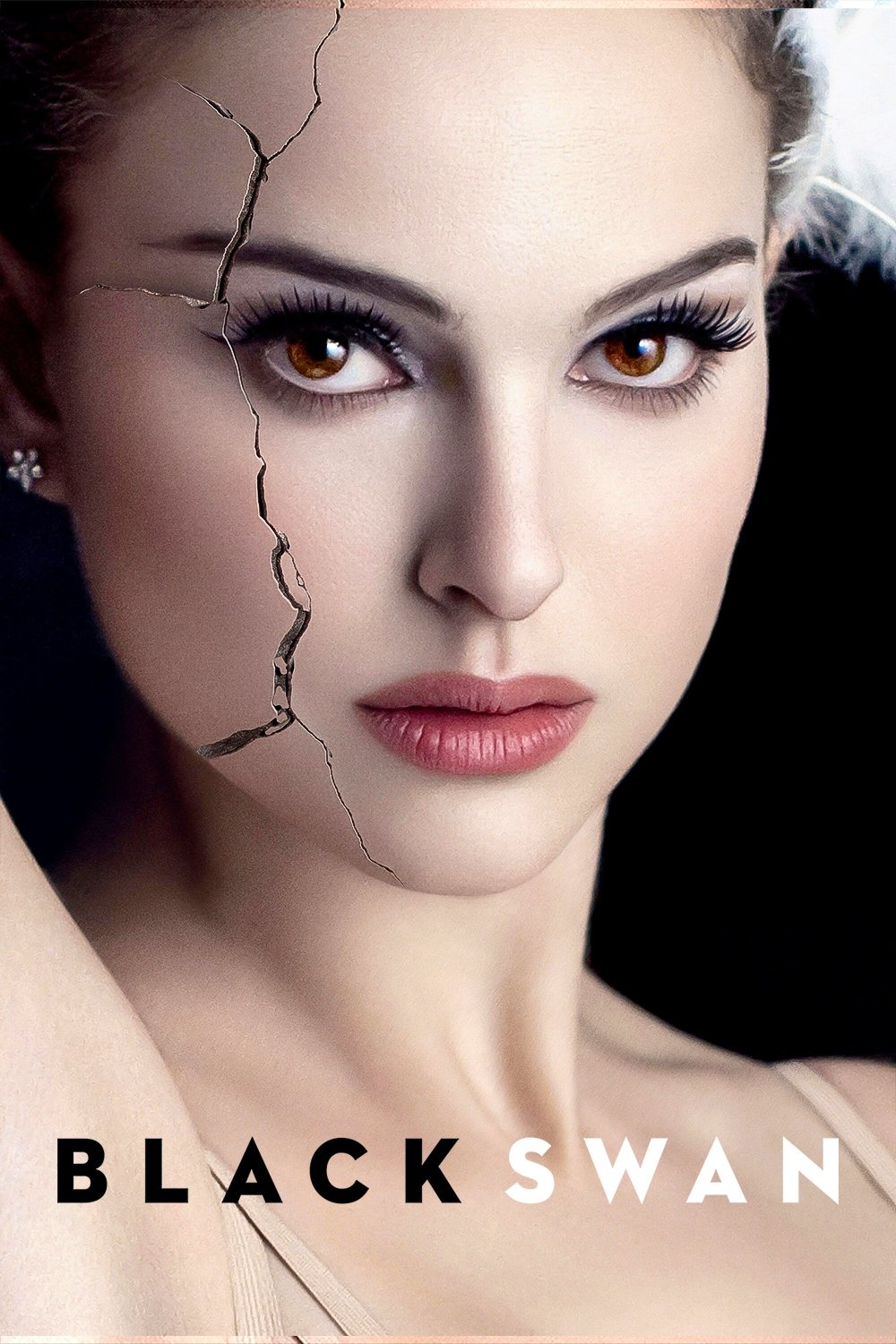
Darren Aronofsky centers a ballet company preparing ‘Swan Lake’ with a dancer under extreme pressure. Cinematography leans on steadicam, mirror imagery, and intimate framing to blur on- and off-stage identities. Natalie Portman headlines with Mila Kunis, Vincent Cassel, and Barbara Hershey, with choreography by Benjamin Millepied.
‘Whiplash’ (2014)

Damien Chazelle presents a conservatory drummer training under a demanding bandleader. Editing and sound are structured around tempo changes, cue hits, and rehearsal dynamics. Miles Teller and J.K. Simmons lead, with music supervision by Justin Hurwitz.
‘Mulholland Drive’ (2001)
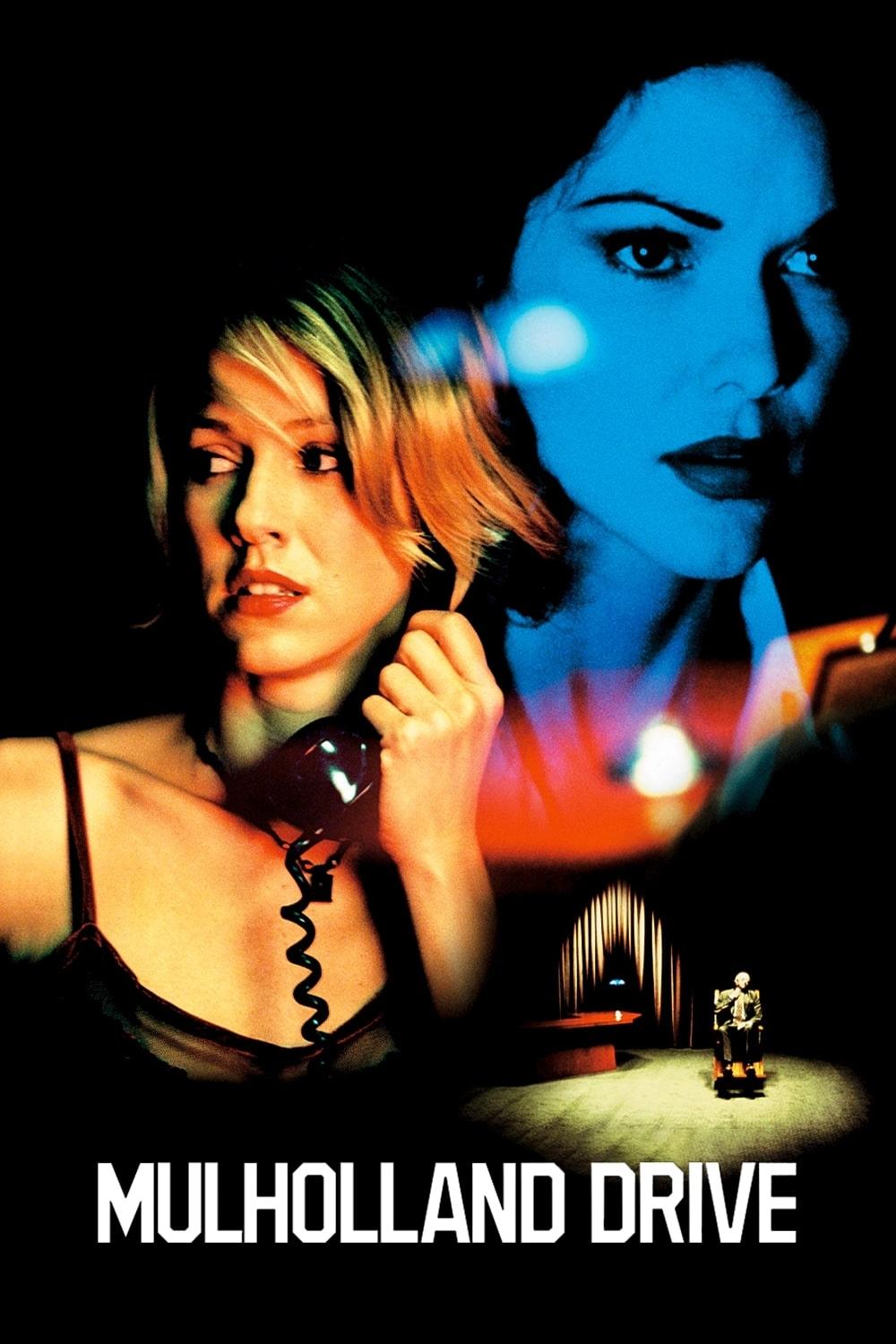
David Lynch constructs a neo-noir puzzle of intersecting identities in Los Angeles. Nonlinear structure, sound bridges, and dream logic shape the narrative flow. Naomi Watts and Laura Harring star, with Justin Theroux and a score by Angelo Badalamenti.
‘Lost Highway’ (1997)
Lynch splits the narrative between two lives linked by a violent incident and mysterious videotapes. Stark night photography and electronic sound design emphasize surveillance and intrusion. Bill Pullman and Patricia Arquette lead, with Balthazar Getty and Robert Blake in supporting roles.
‘Requiem for a Dream’ (2000)
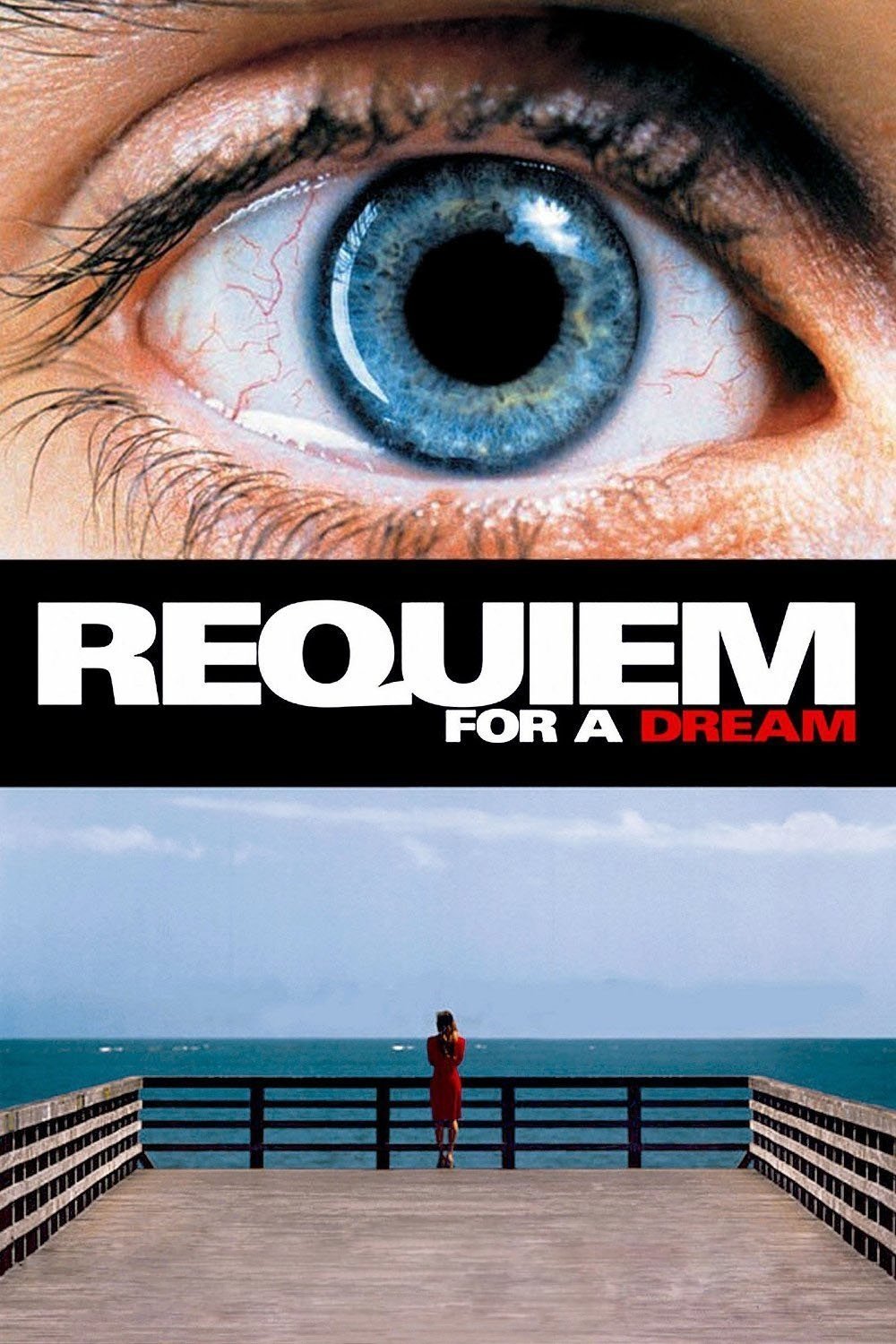
Aronofsky adapts Hubert Selby Jr., using split screens, hip-hop montages, and extreme close-ups to depict parallel addictions. Clint Mansell’s music with the Kronos Quartet underpins repeated visual motifs. Ellen Burstyn, Jared Leto, Jennifer Connelly, and Marlon Wayans star.
‘Brazil’ (1985)
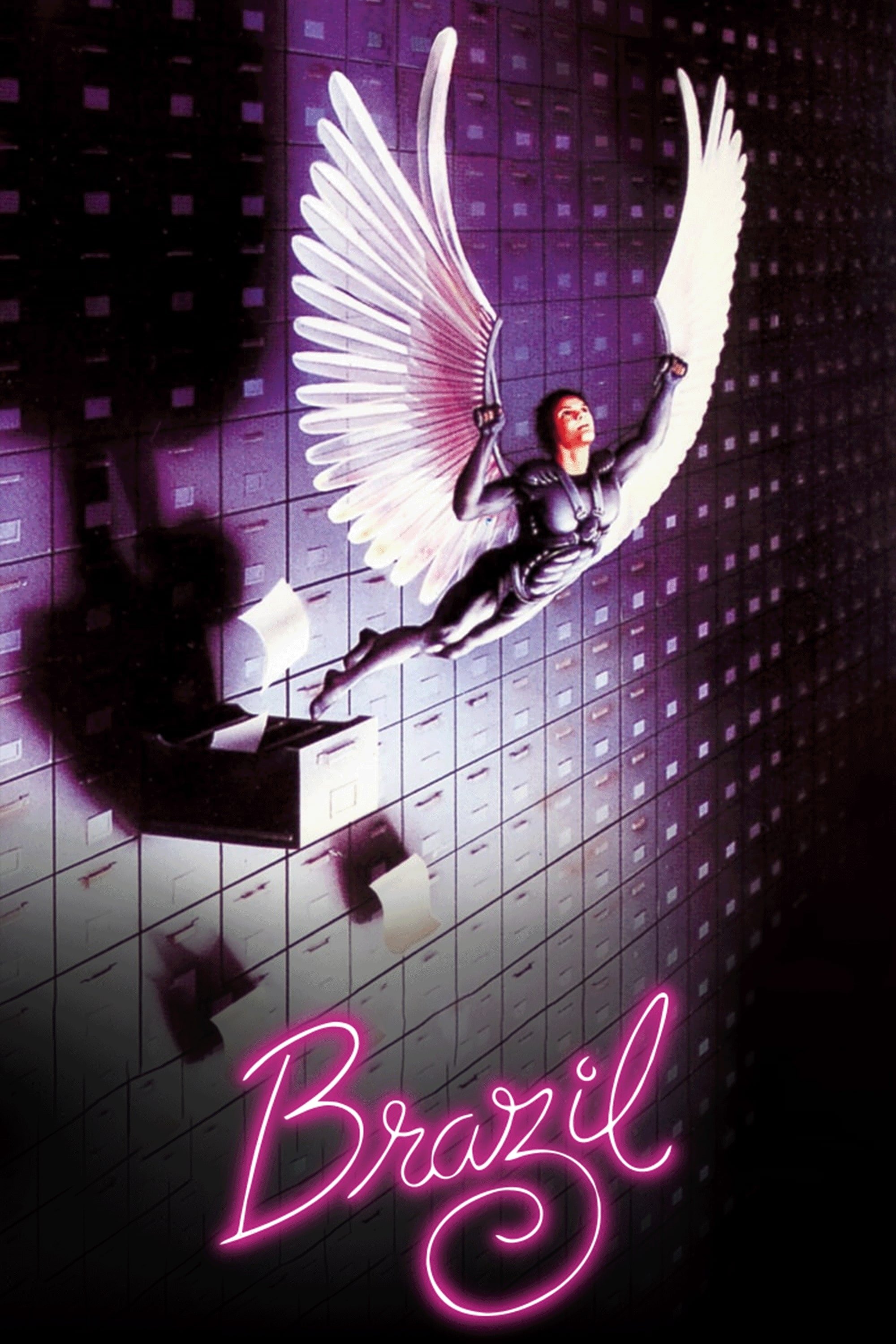
Terry Gilliam’s satire places a bureaucrat inside a retro-futurist administrative state. Production design mixes ducts, pneumatic tubes, and oversized machinery to depict institutional scale. Jonathan Pryce headlines with Robert De Niro, Kim Greist, and Michael Palin.
‘The Truman Show’ (1998)
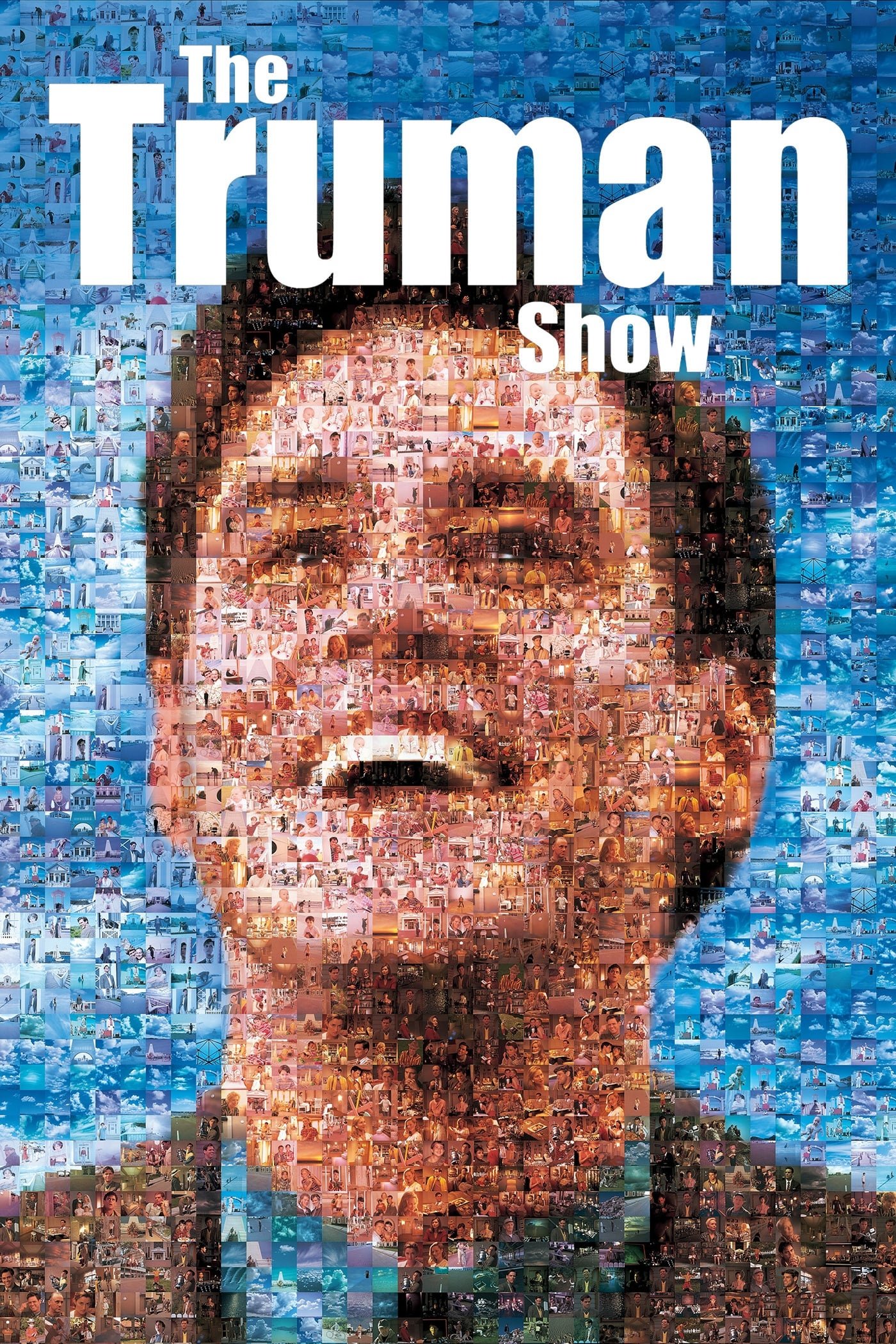
Peter Weir follows a man raised inside a constructed television set. Fisheye lenses, hidden-camera angles, and in-world commercials reinforce the broadcast conceit. Jim Carrey stars with Laura Linney, Ed Harris, and Noah Emmerich.
‘Synecdoche, New York’ (2008)
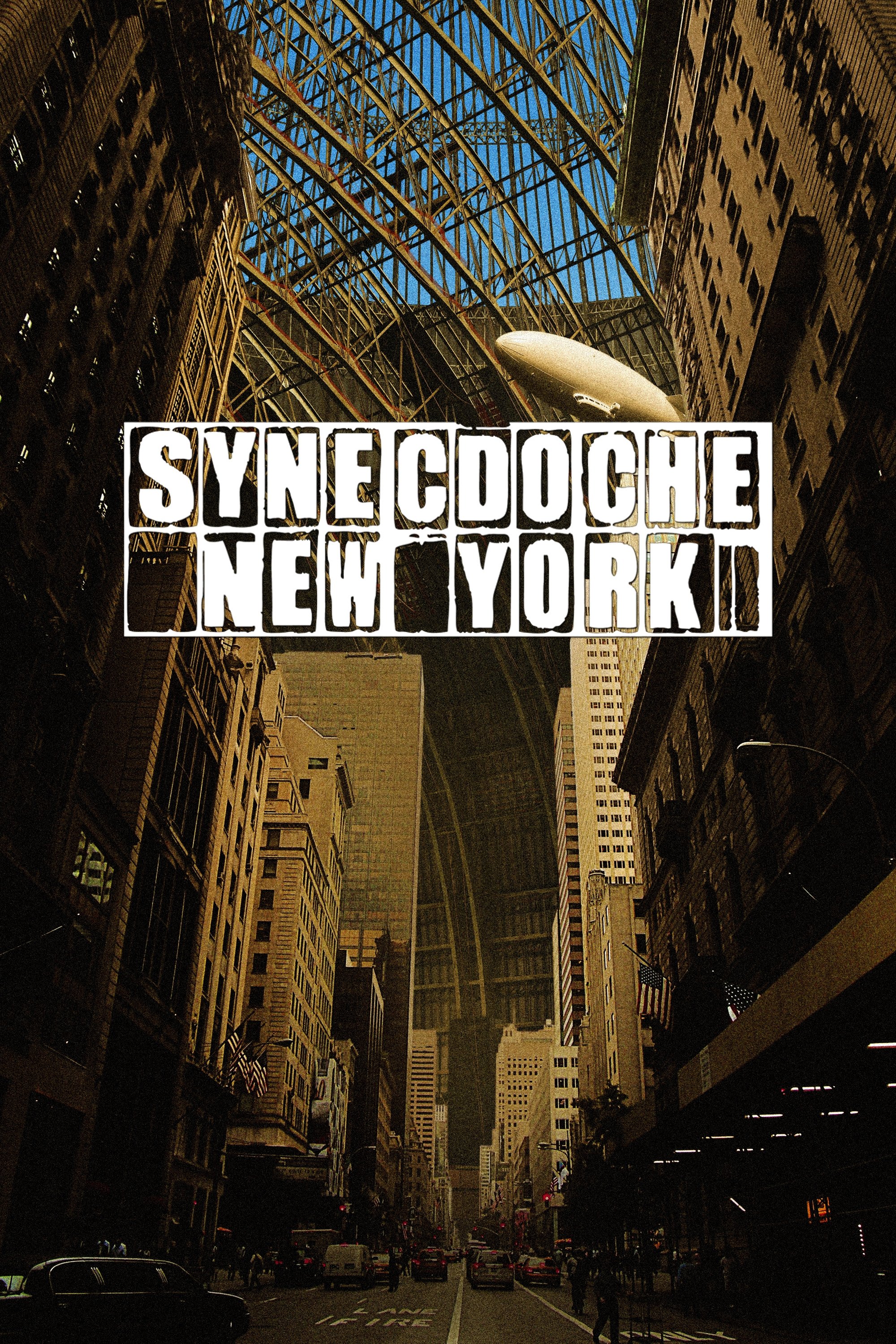
Charlie Kaufman tracks a director building an expanding replica of a city inside a warehouse. The production recasts roles and mirrors sets to collapse boundaries between rehearsal and life. Philip Seymour Hoffman leads an ensemble including Samantha Morton, Michelle Williams, and Catherine Keener.
‘Perfect Blue’ (1997)
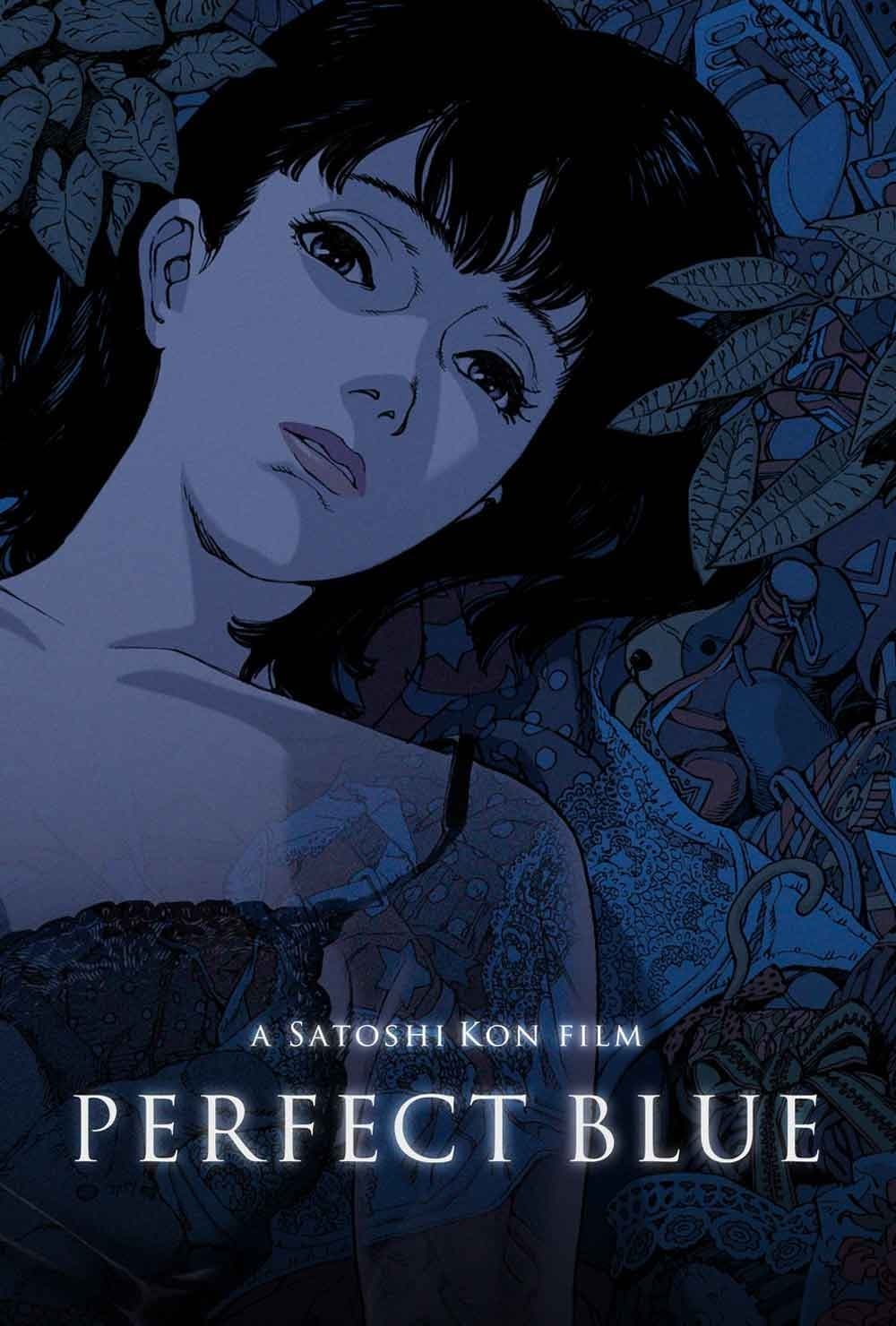
Satoshi Kon focuses on a pop idol transitioning to acting while managing media scrutiny and a stalker. Match cuts and scene fake-outs interweave performance and reality. The voice cast features Junko Iwao and Rica Matsumoto, with music by Masahiro Ikumi.
‘Akira’ (1988)
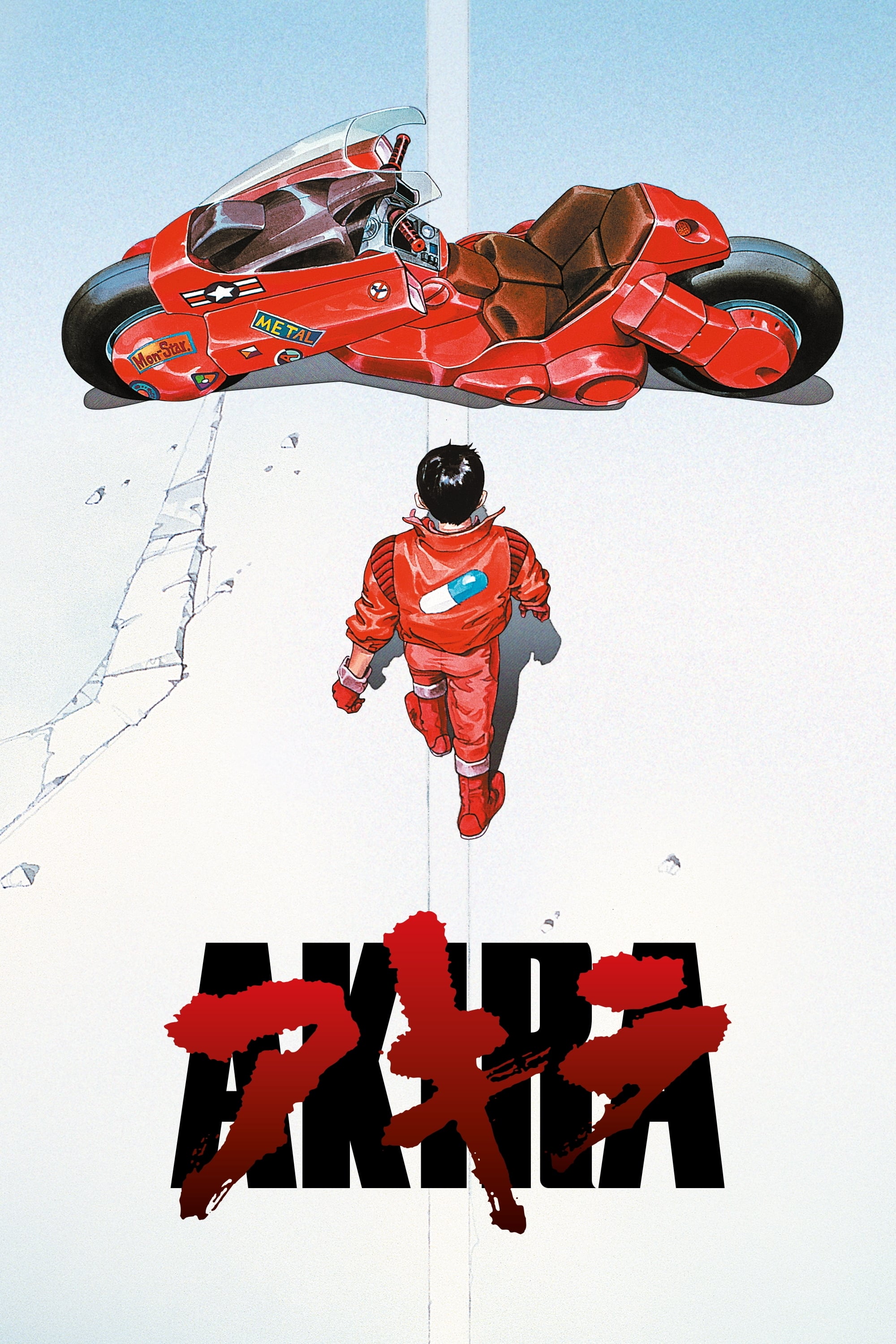
Katsuhiro Otomo’s cyberpunk landmark depicts state experiments and biker factions in Neo-Tokyo. The animation employs multi-layer compositing, detailed city layouts, and large-scale action sequences. Voice performers include Mitsuo Iwata, Nozomu Sasaki, and Mami Koyama, with a percussive score by Geinoh Yamashirogumi.
‘Come and See’ (1985)
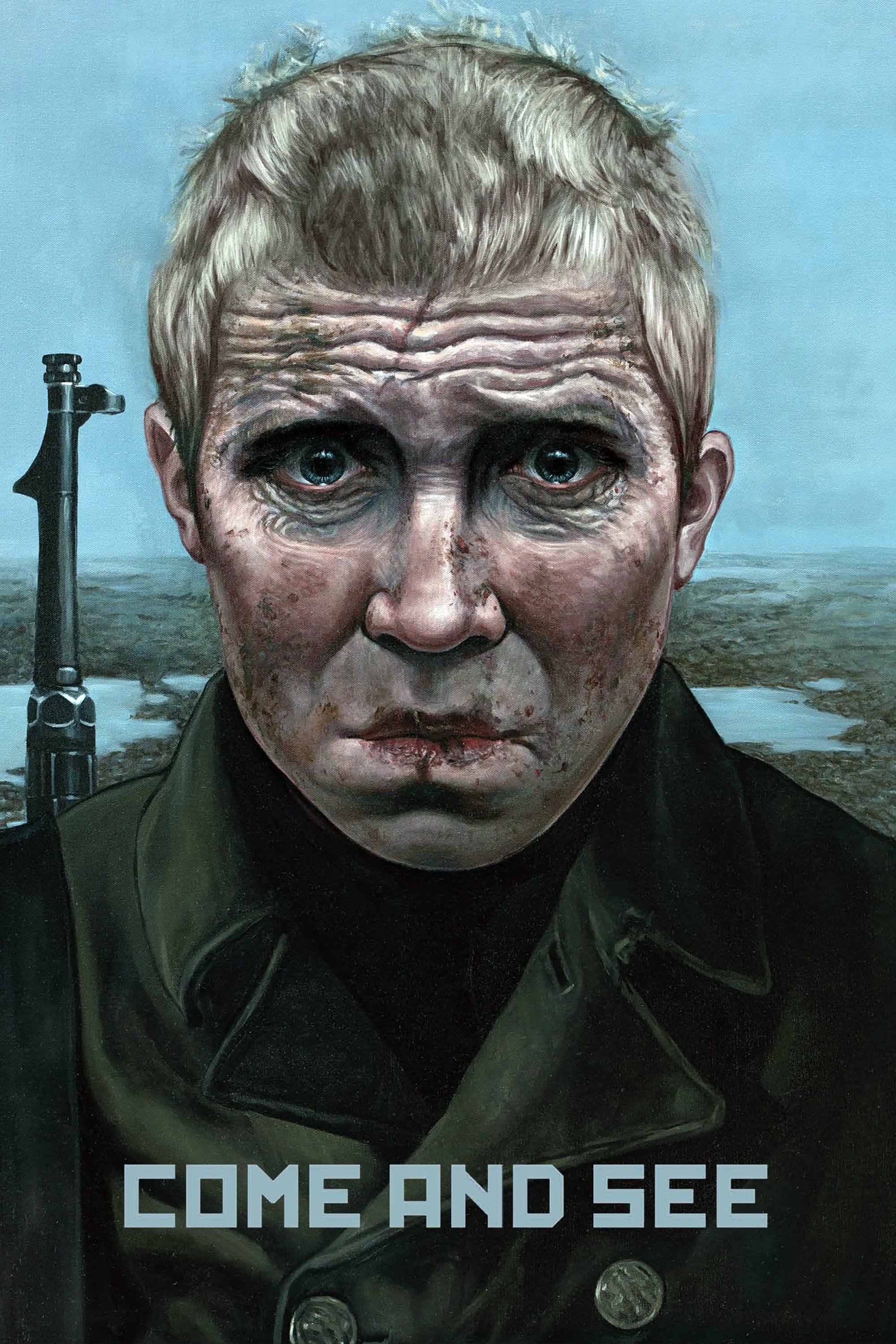
Elem Klimov follows a Belarusian youth drawn into partisan warfare on the Eastern Front. Sound design uses perspective shifts and distortion to align with the protagonist’s experience. Aleksei Kravchenko stars, with cinematography by Aleksei Rodionov.
’12 Monkeys’ (1995)
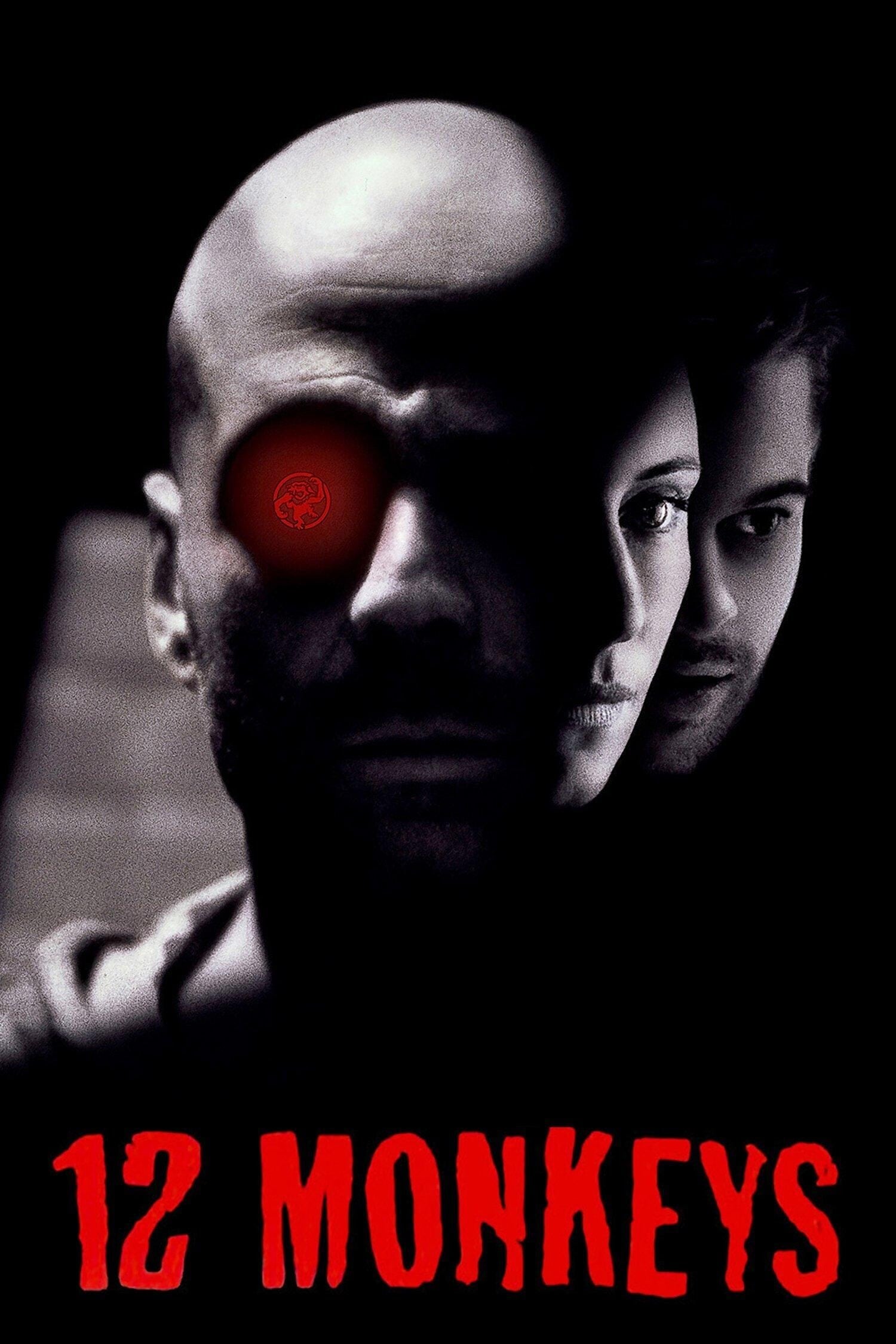
Terry Gilliam sends a prisoner back in time to gather information on a future catastrophe. Industrial production design and off-kilter angles frame institutions and transit spaces. Bruce Willis, Madeleine Stowe, and Brad Pitt star, with a theme inspired by ‘La Jetée’.
‘Enemy’ (2013)
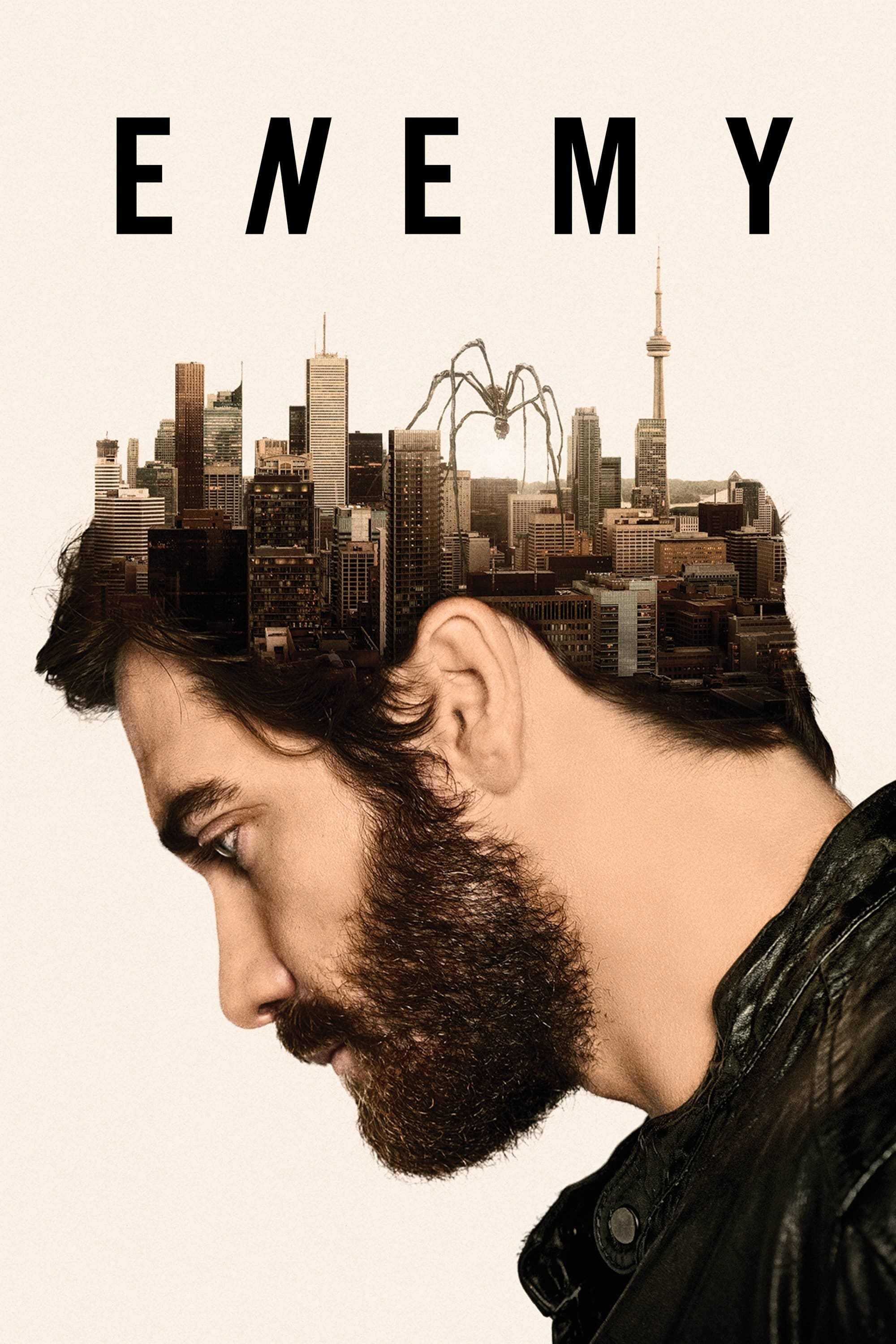
Denis Villeneuve adapts José Saramago’s ‘The Double’ for a study of a man encountering his exact look-alike. Color grading, minimal dialogue, and recurring visual motifs guide interpretation. Jake Gyllenhaal appears in dual roles with Mélanie Laurent and Sarah Gadon; music is by Danny Bensi and Saunder Jurriaans.
‘Prisoners’ (2013)
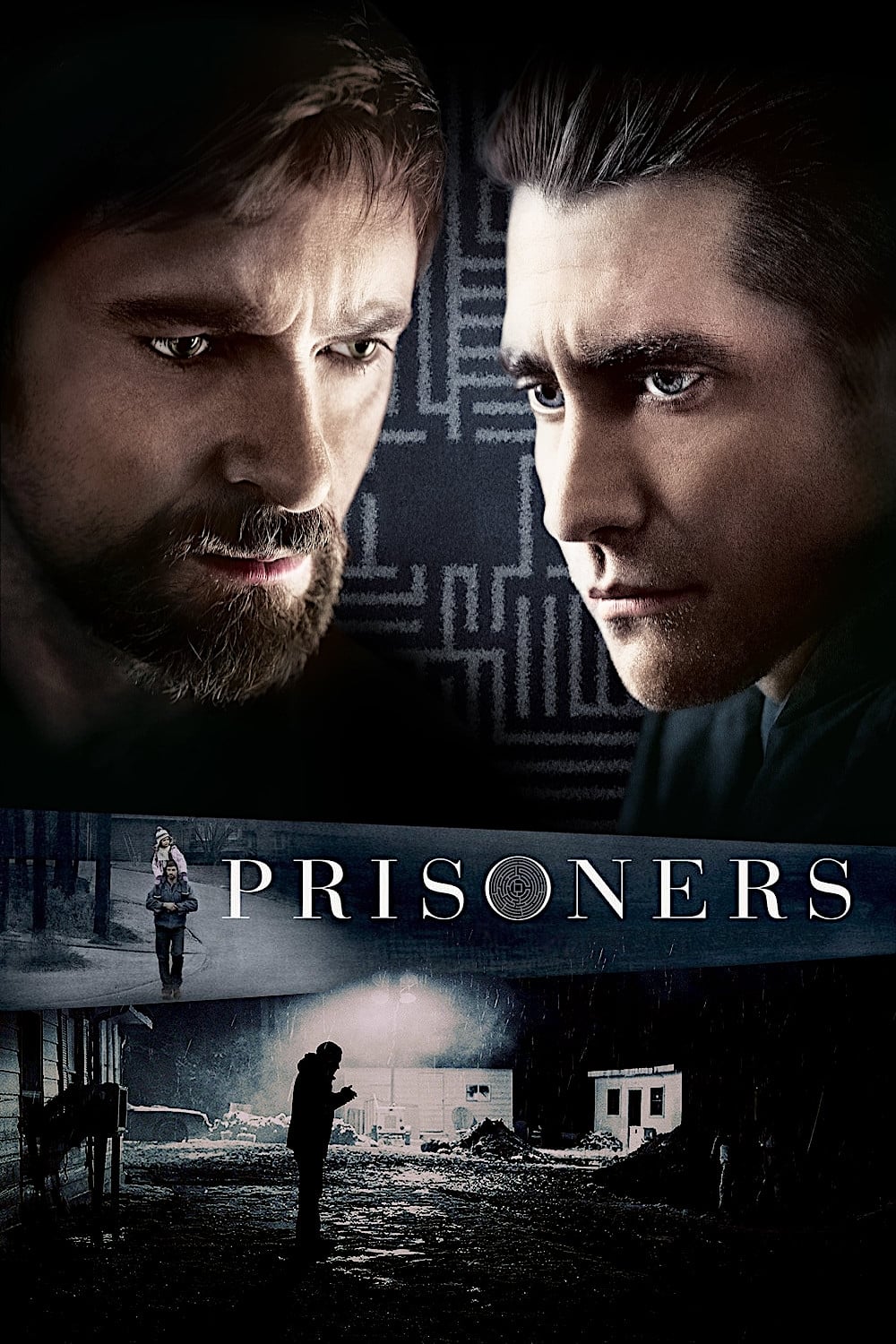
Villeneuve presents a disappearance investigated by local police and affected families. Roger Deakins’s cinematography uses long lenses, low light, and rain-soaked exteriors to shape the investigation. Hugh Jackman, Jake Gyllenhaal, Viola Davis, and Paul Dano lead the ensemble.
‘The Machinist’ (2004)
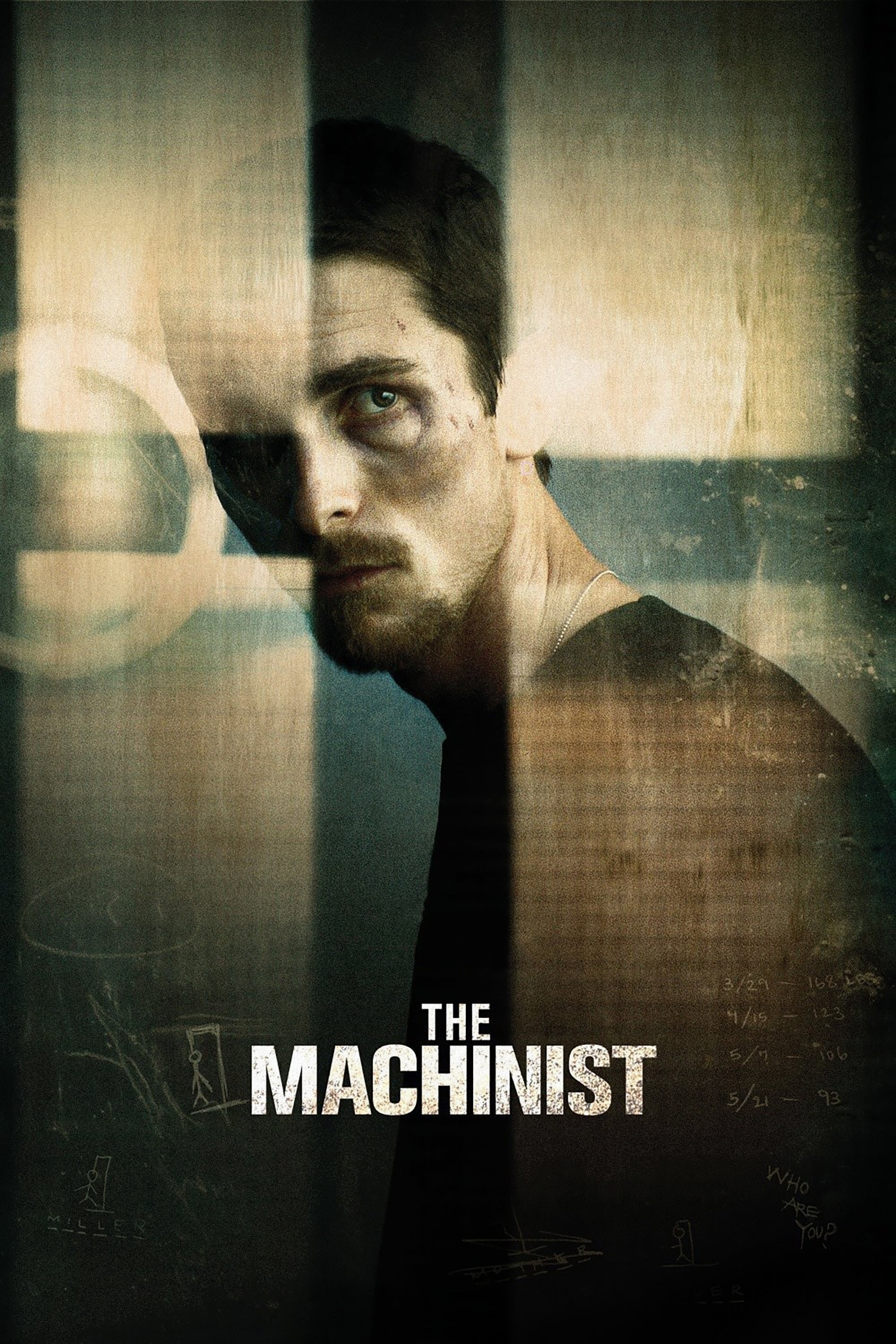
Brad Anderson centers on an industrial worker experiencing severe insomnia and memory issues. Desaturated palettes and stark factory locations define the visual approach. Christian Bale stars with Jennifer Jason Leigh, Aitana Sánchez-Gijón, and John Sharian.
‘Shutter Island’ (2010)
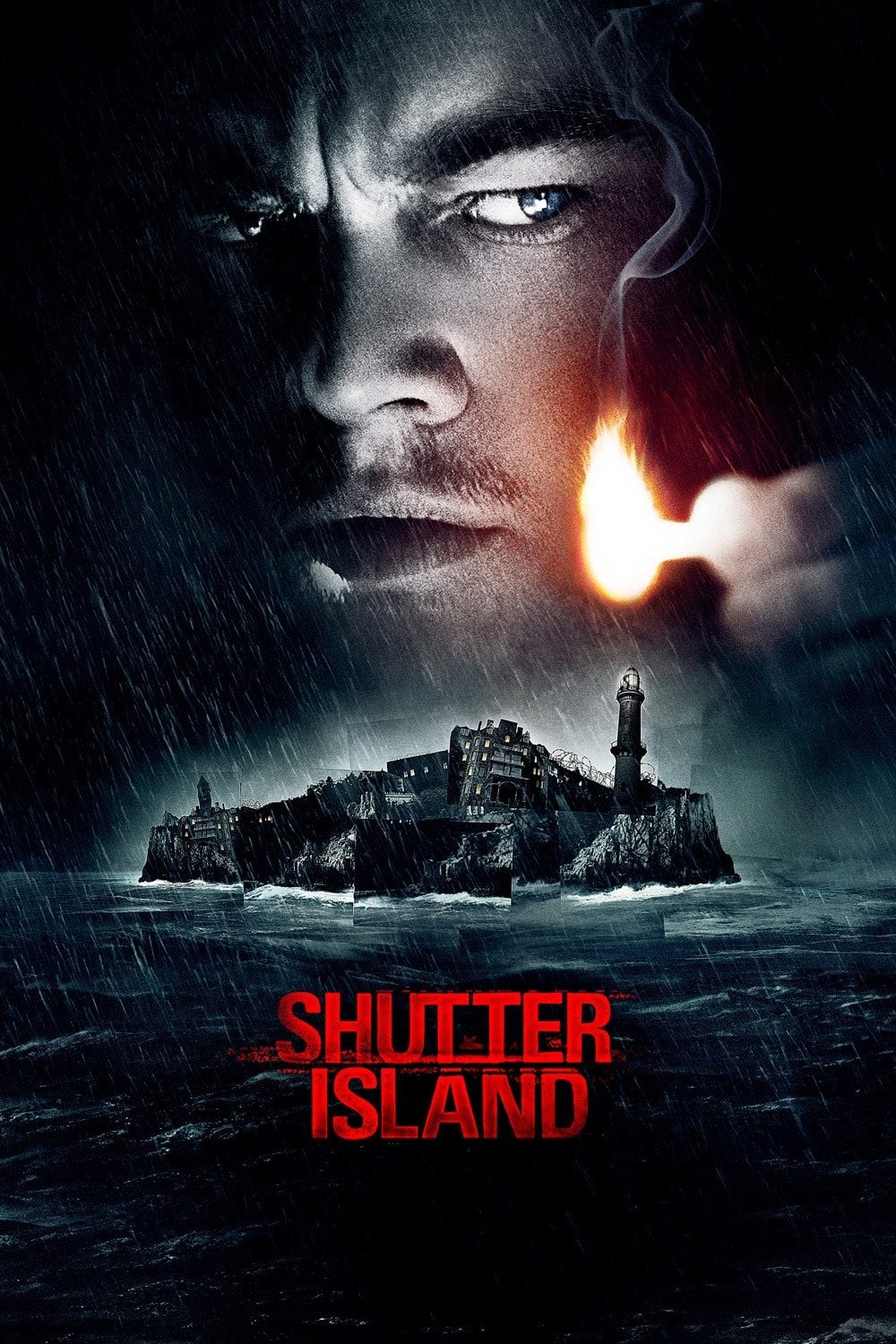
Martin Scorsese follows two U.S. marshals sent to a remote psychiatric facility after a patient vanishes. The film integrates storm-set pieces, institutional architecture, and curated classical cues. Leonardo DiCaprio and Mark Ruffalo lead, with Ben Kingsley and Michelle Williams.
‘Children of Men’ (2006)
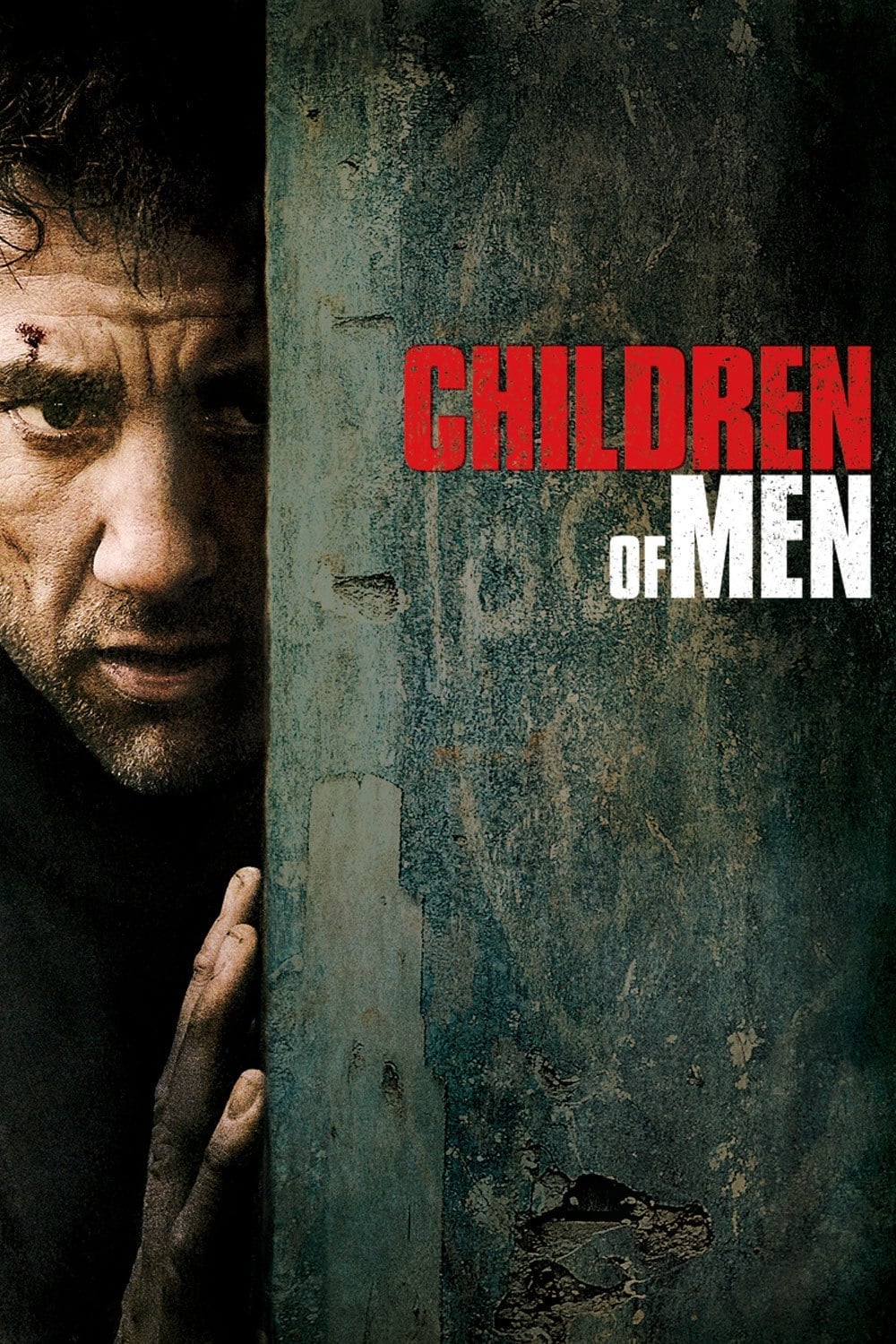
Alfonso Cuarón sets a near future marked by global infertility and strict border controls. Extended single takes and documentary-style staging depict refugee routes and urban checkpoints. Clive Owen, Julianne Moore, Chiwetel Ejiofor, and Michael Caine star.
‘Gravity’ (2013)
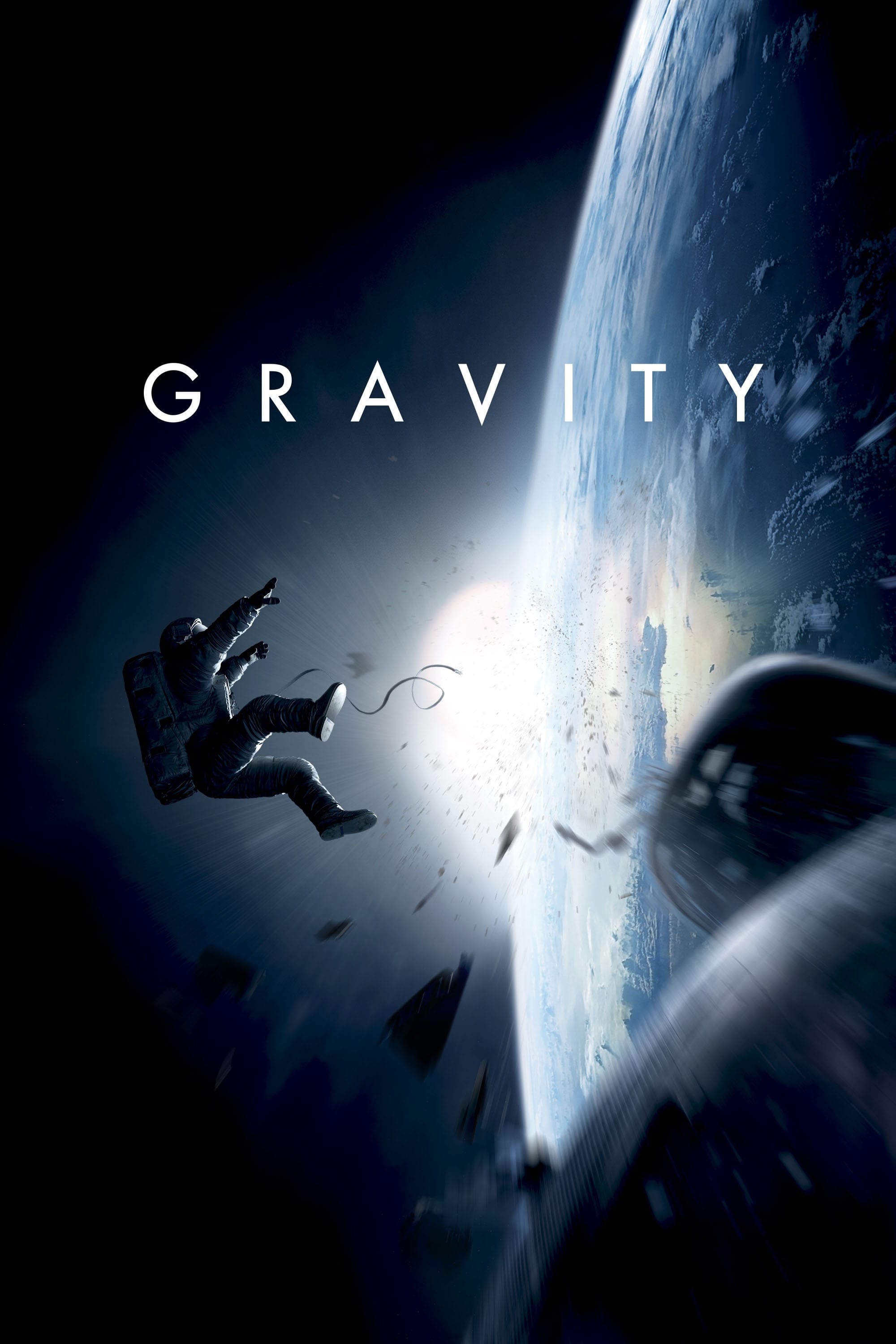
Cuarón stages an orbital accident using long takes and immersive sound field design. Visual effects blend LED light boxes and digital environments to simulate microgravity. Sandra Bullock and George Clooney headline, with cinematography by Emmanuel Lubezki.
‘Melancholia’ (2011)
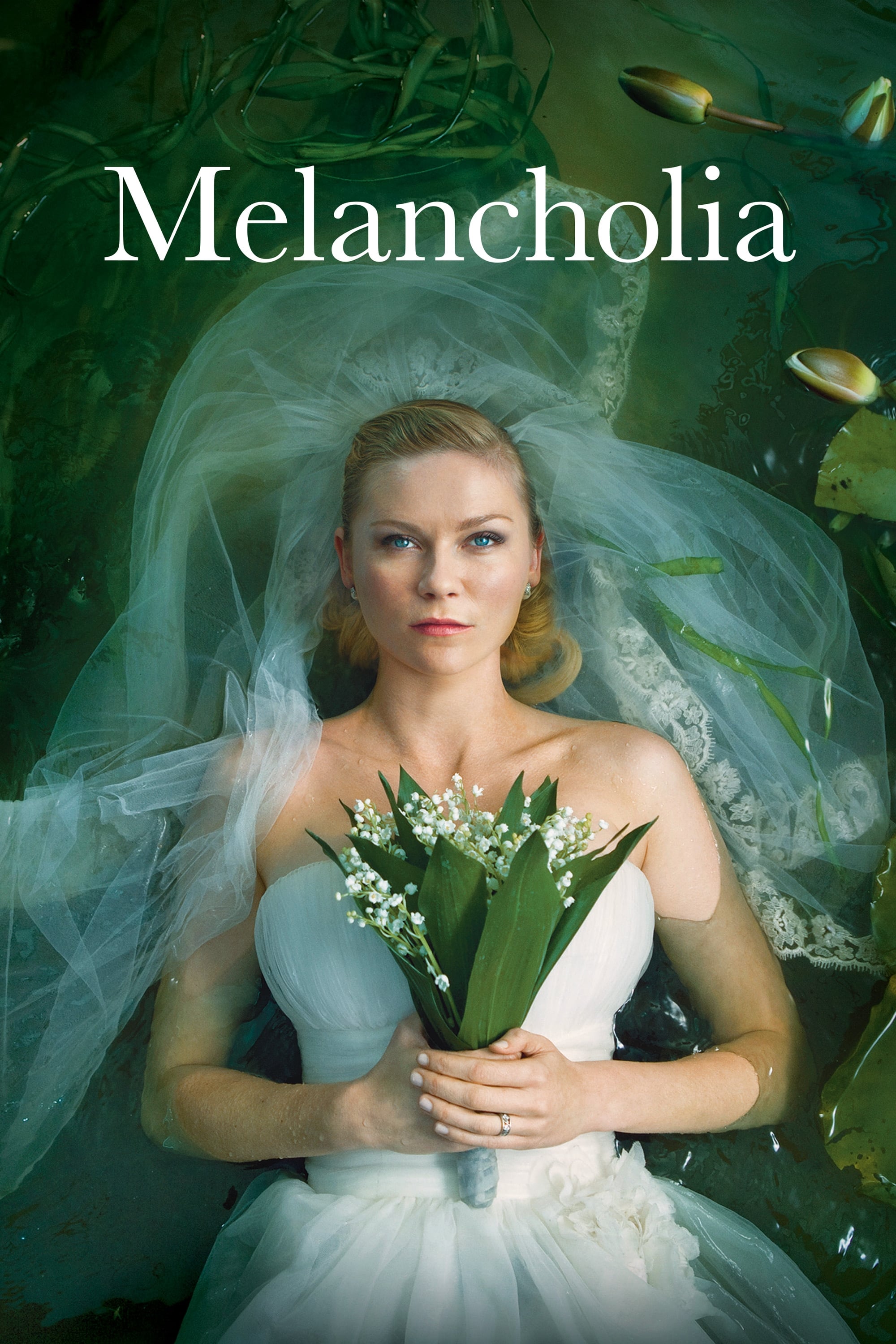
Lars von Trier structures the story around two sisters as a rogue planet approaches Earth. The film uses chapter divisions, slow-motion tableaux, and Wagner’s ‘Tristan und Isolde’. Kirsten Dunst and Charlotte Gainsbourg star with Kiefer Sutherland and Alexander Skarsgård.
‘Irreversible’ (2002)
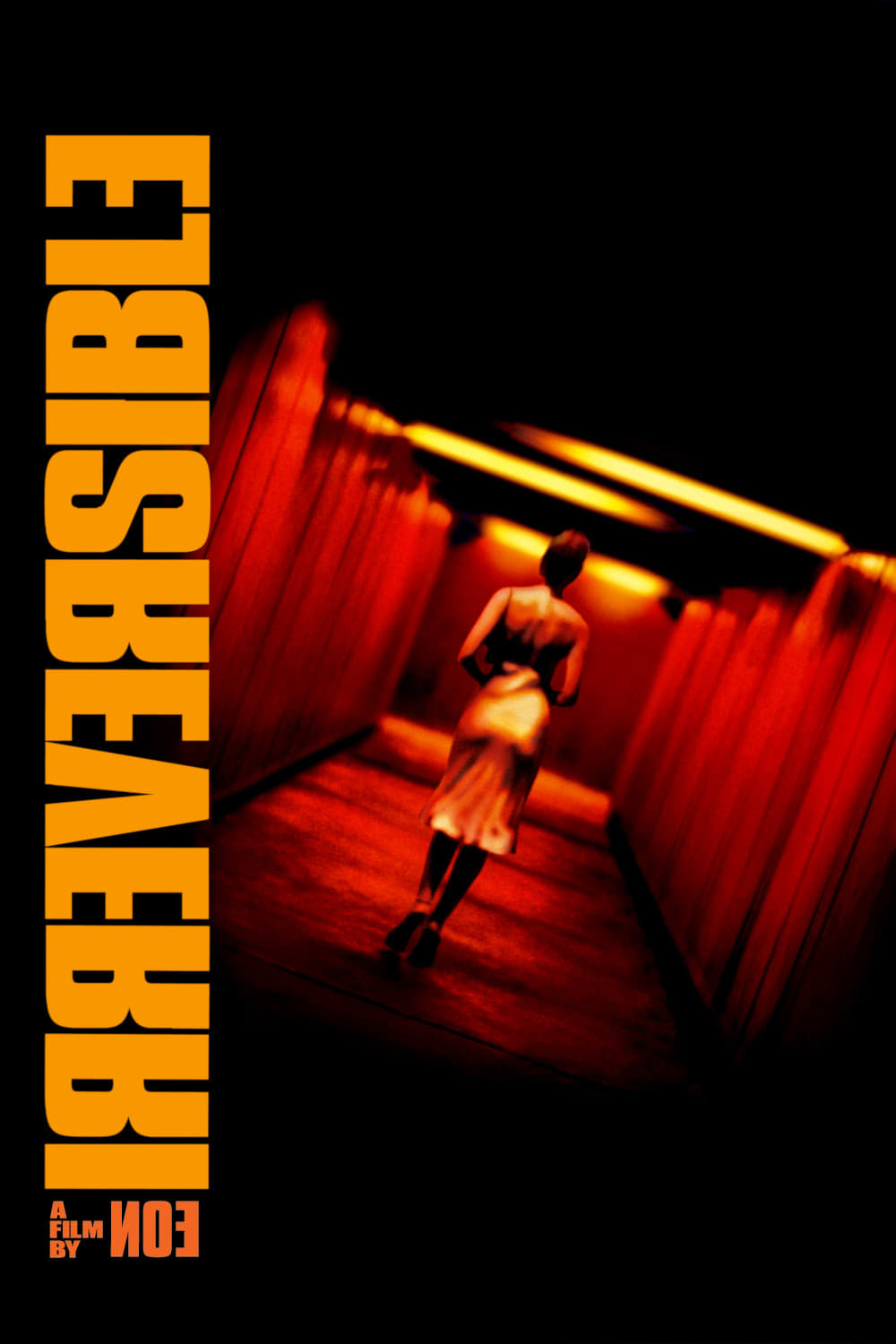
Gaspar Noé presents events in reverse chronology across a single night. Long takes, mobile camera rigs, and low-frequency audio shape the viewing experience. Monica Bellucci and Vincent Cassel lead, with music by Thomas Bangalter.
‘Blue Velvet’ (1986)
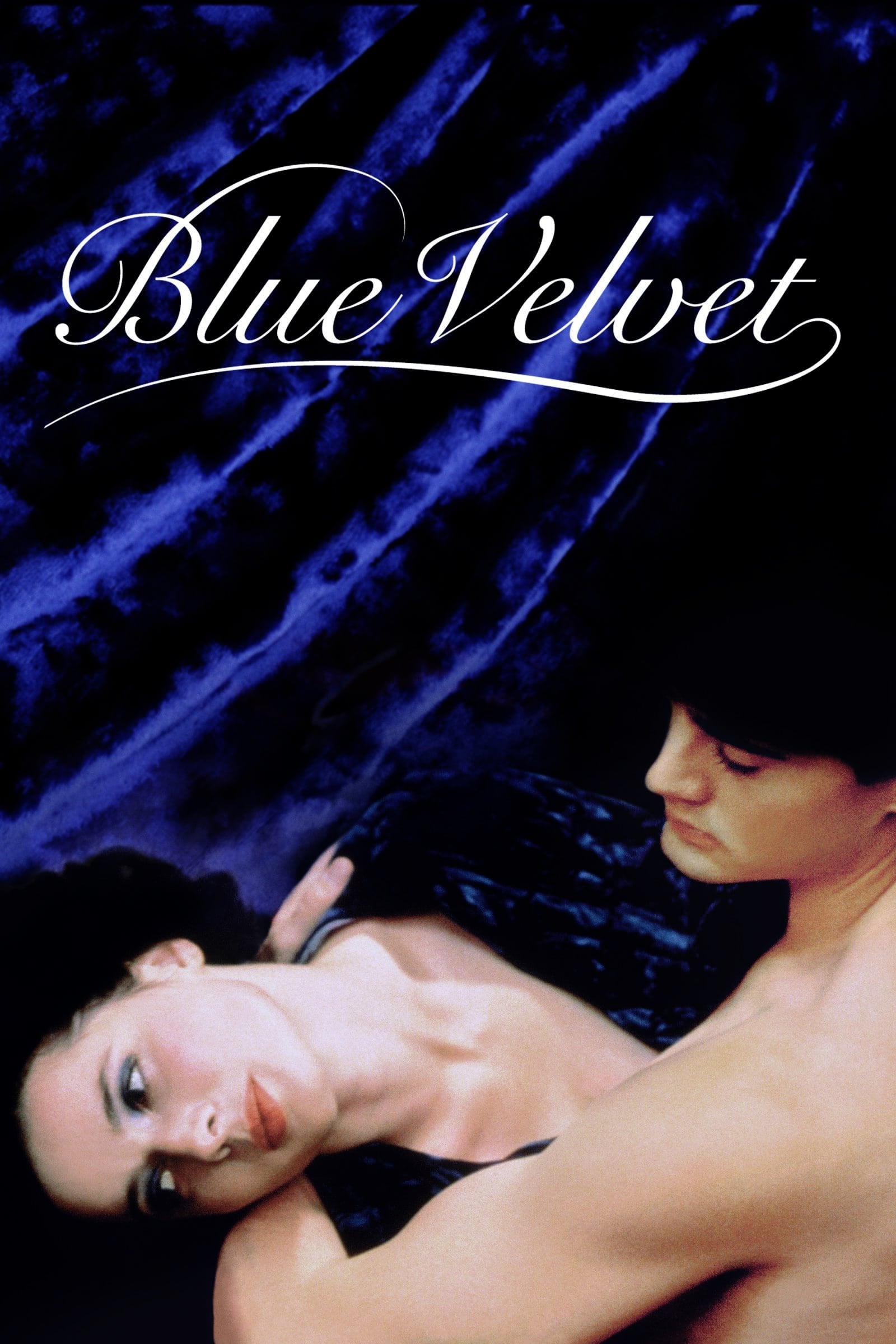
David Lynch uncovers criminal activity beneath a small-town surface. The production contrasts bright suburban imagery with nightclub interiors and night exteriors. Kyle MacLachlan, Isabella Rossellini, Dennis Hopper, and Laura Dern star, with music by Angelo Badalamenti.
‘Under the Skin’ (2013)
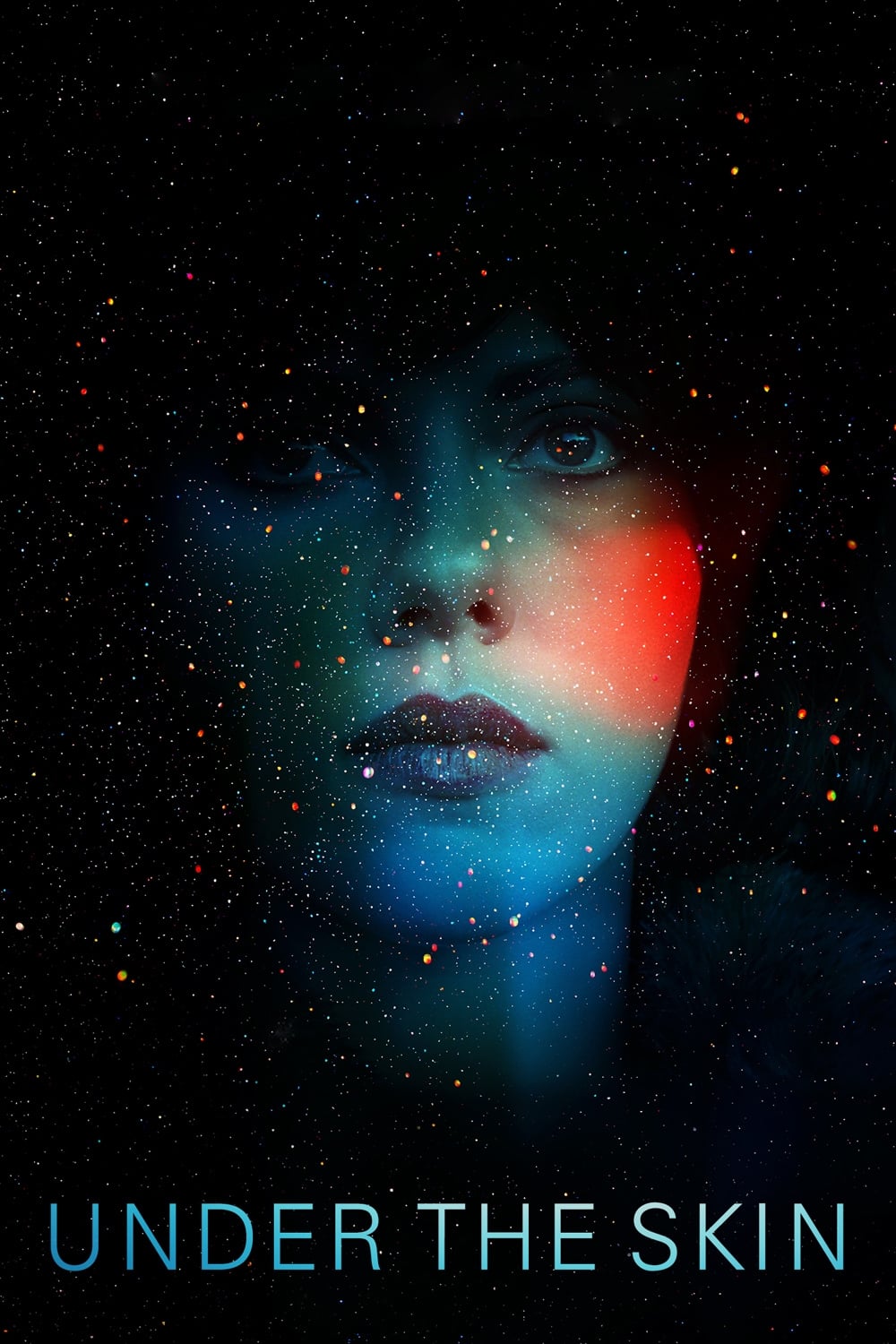
Jonathan Glazer blends scripted scenes with candid street encounters across Scotland. Hidden cameras, minimal dialogue, and black-void set pieces define the style. Scarlett Johansson leads, with contributions from non-professional participants and a score by Mica Levi.
‘A Serious Man’ (2009)
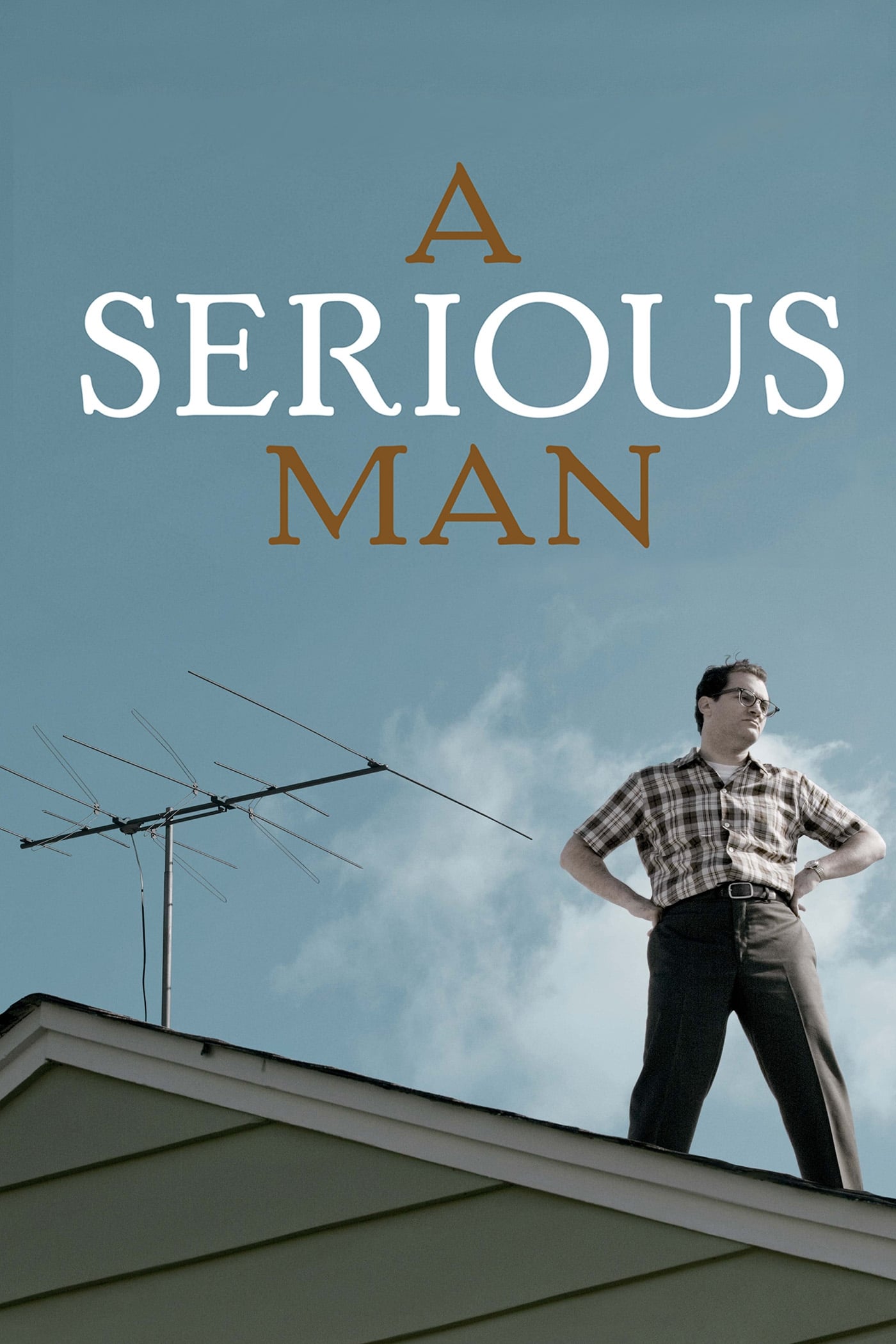
Joel and Ethan Coen follow a physics professor facing personal and professional crises. The narrative incorporates parable structures, suburban Minnesota settings, and Hebrew school sequences. Michael Stuhlbarg stars with Richard Kind, Fred Melamed, and Sari Lennick.
Share your own picks for non-horror films that still feel like a bad dream in the comments!