Movies You Must See Before You Die

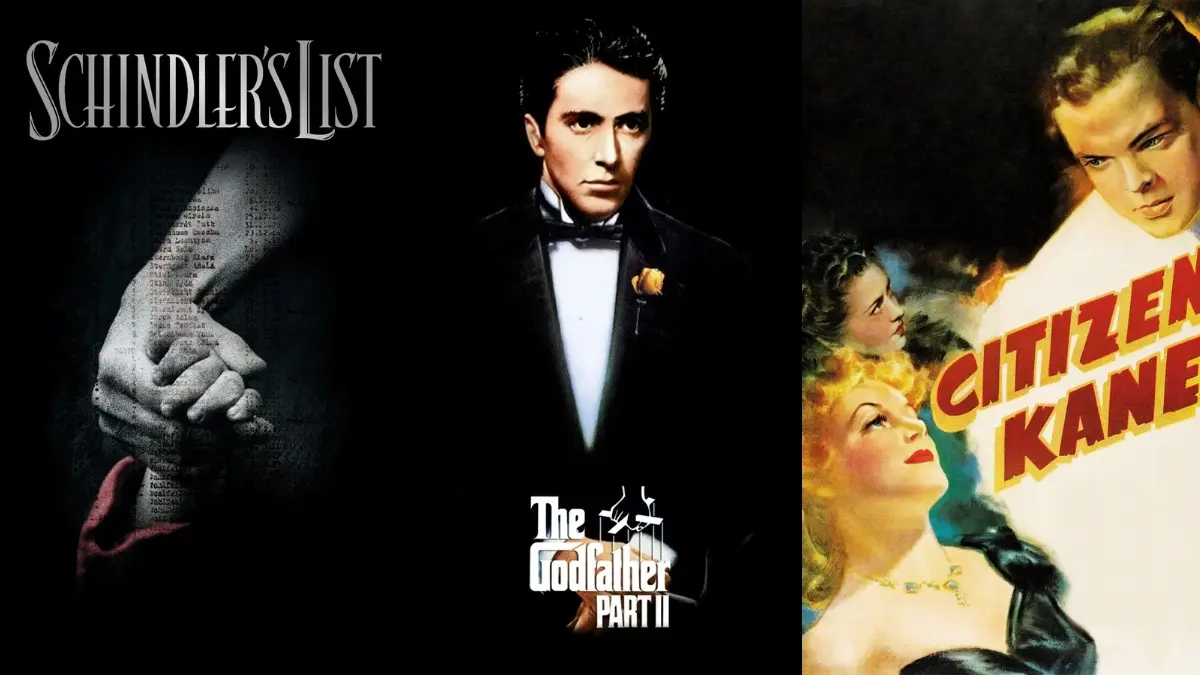

Before you hit play on your next movie night, here’s a ready-made roadmap through film history and global cinema—spanning formative Hollywood classics, groundbreaking world films, and modern essentials. Each entry below gives you quick, useful context—who made it, what it’s about, notable cast, awards, and the craft or cultural impact that made it stick—so you know exactly why it belongs on your must-see list.
‘Citizen Kane’ (1941)
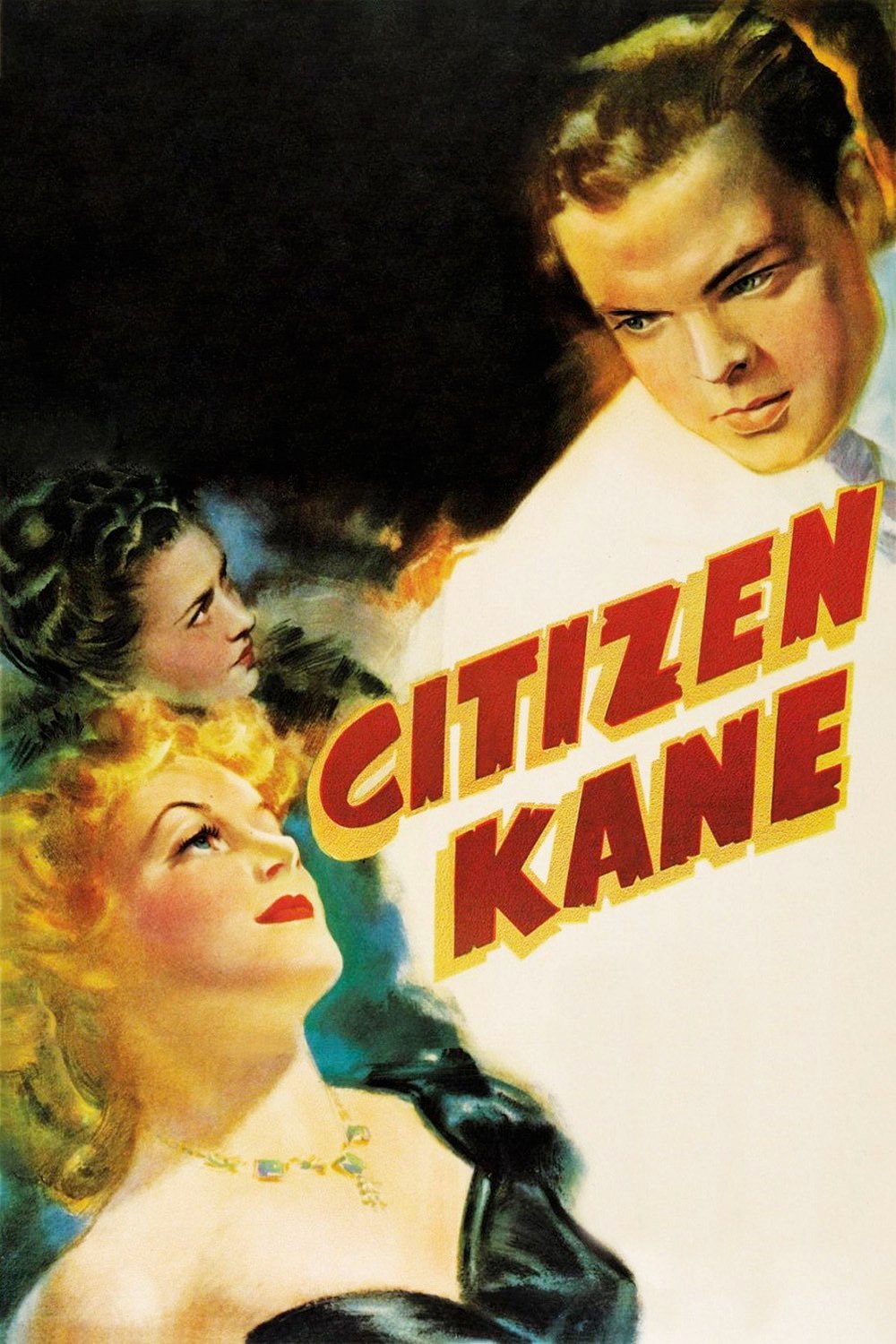
Directed by Orson Welles, this drama follows the rise and enigma of publishing magnate Charles Foster Kane. It’s known for innovations in deep-focus cinematography, non-linear storytelling, and creative sound design. Greg Toland’s photography and the use of newsreel pastiche made its technique widely studied in film schools.
‘The Godfather’ (1972)
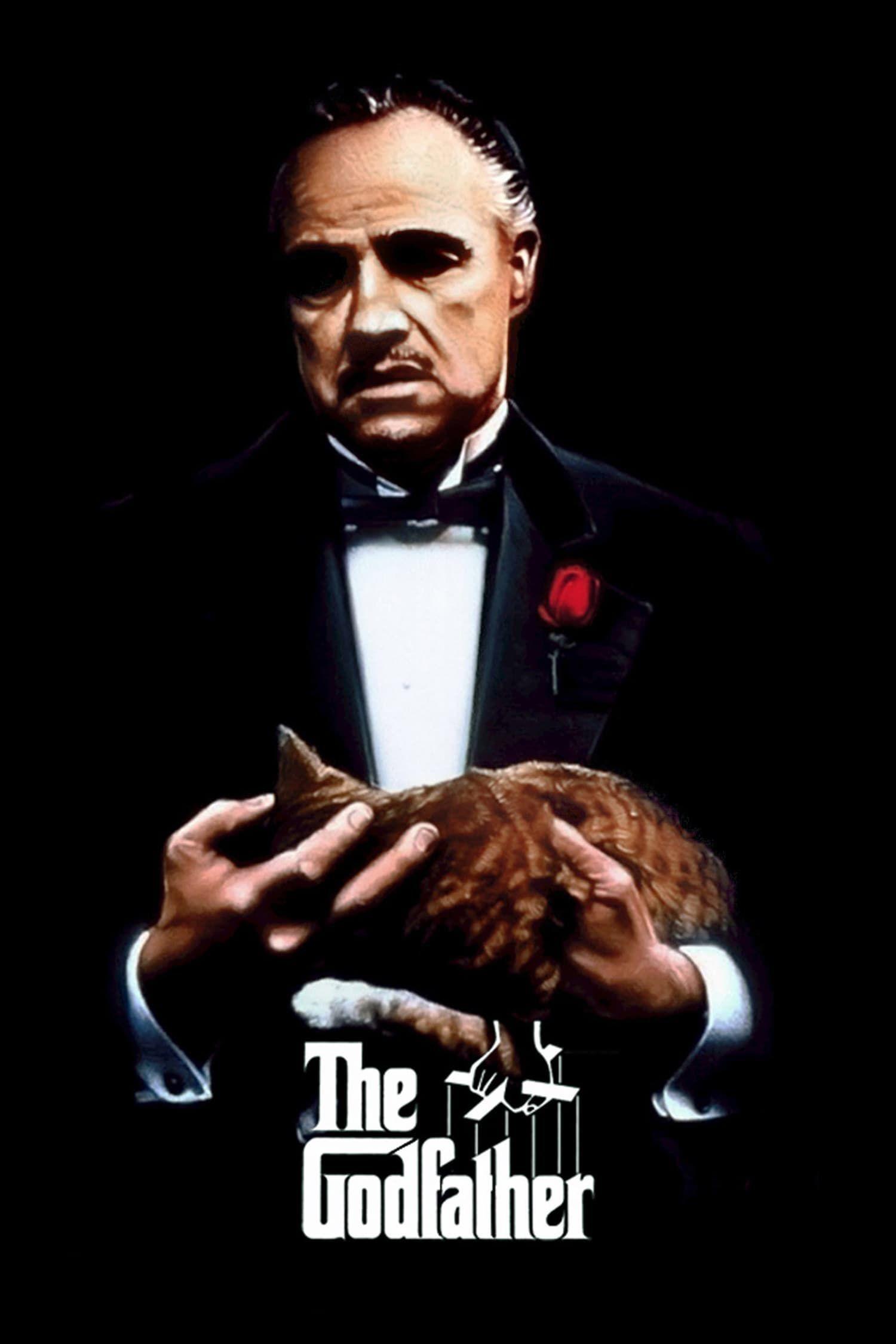
Francis Ford Coppola adapts Mario Puzo’s novel about the Corleone crime family. Marlon Brando and Al Pacino lead an ensemble cast that maps the transfer of power within an organized-crime dynasty. The film is frequently cited for its influence on gangster cinema and won multiple Academy Awards including Best Picture.
‘The Godfather Part II’ (1974)
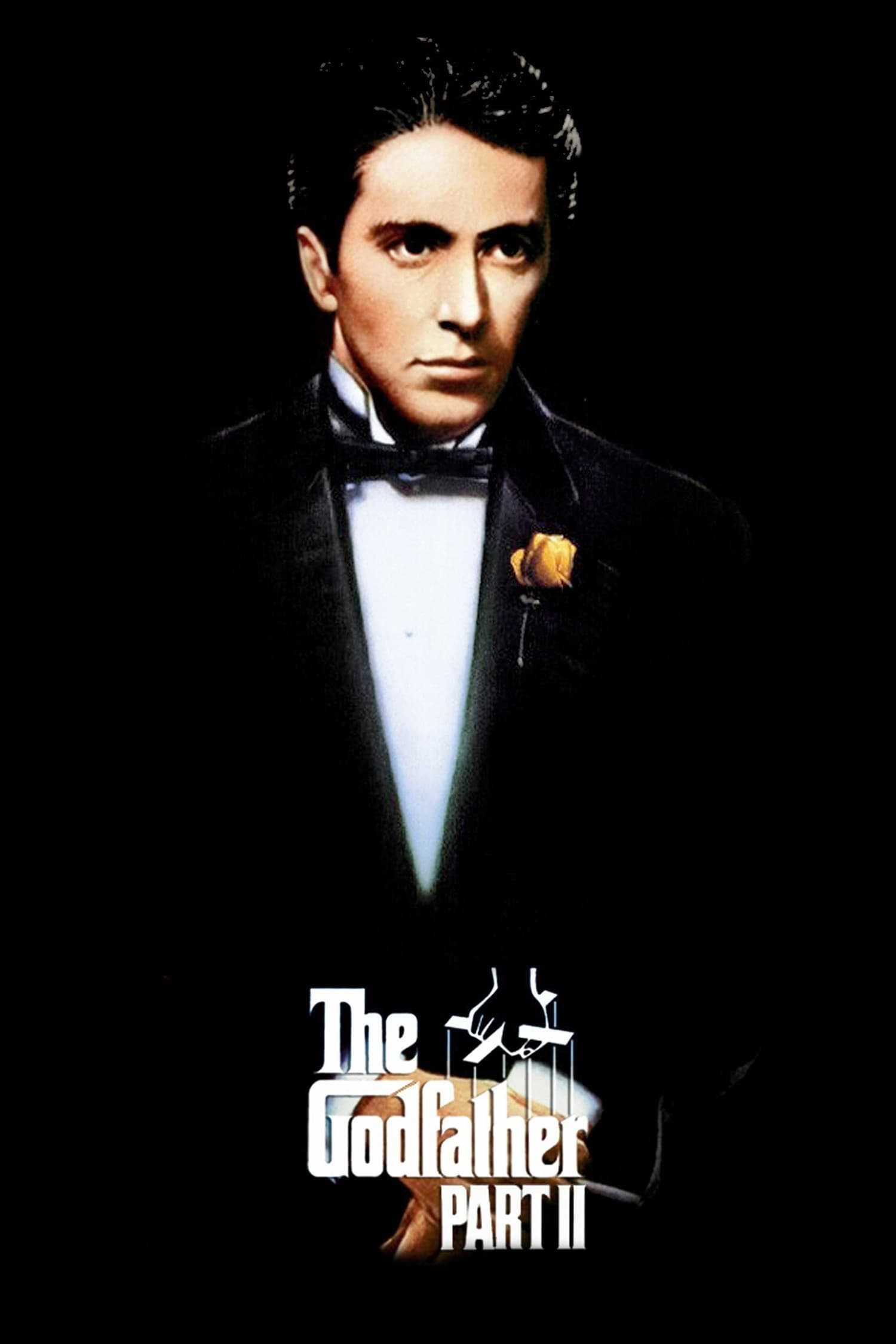
Coppola intercuts Michael Corleone’s consolidation of power with flashbacks to young Vito Corleone’s early life. Al Pacino and Robert De Niro headline, with the latter winning an Oscar for portraying Vito. Its dual timeline structure has been widely analyzed for narrative ambition and thematic depth.
‘Casablanca’ (1942)
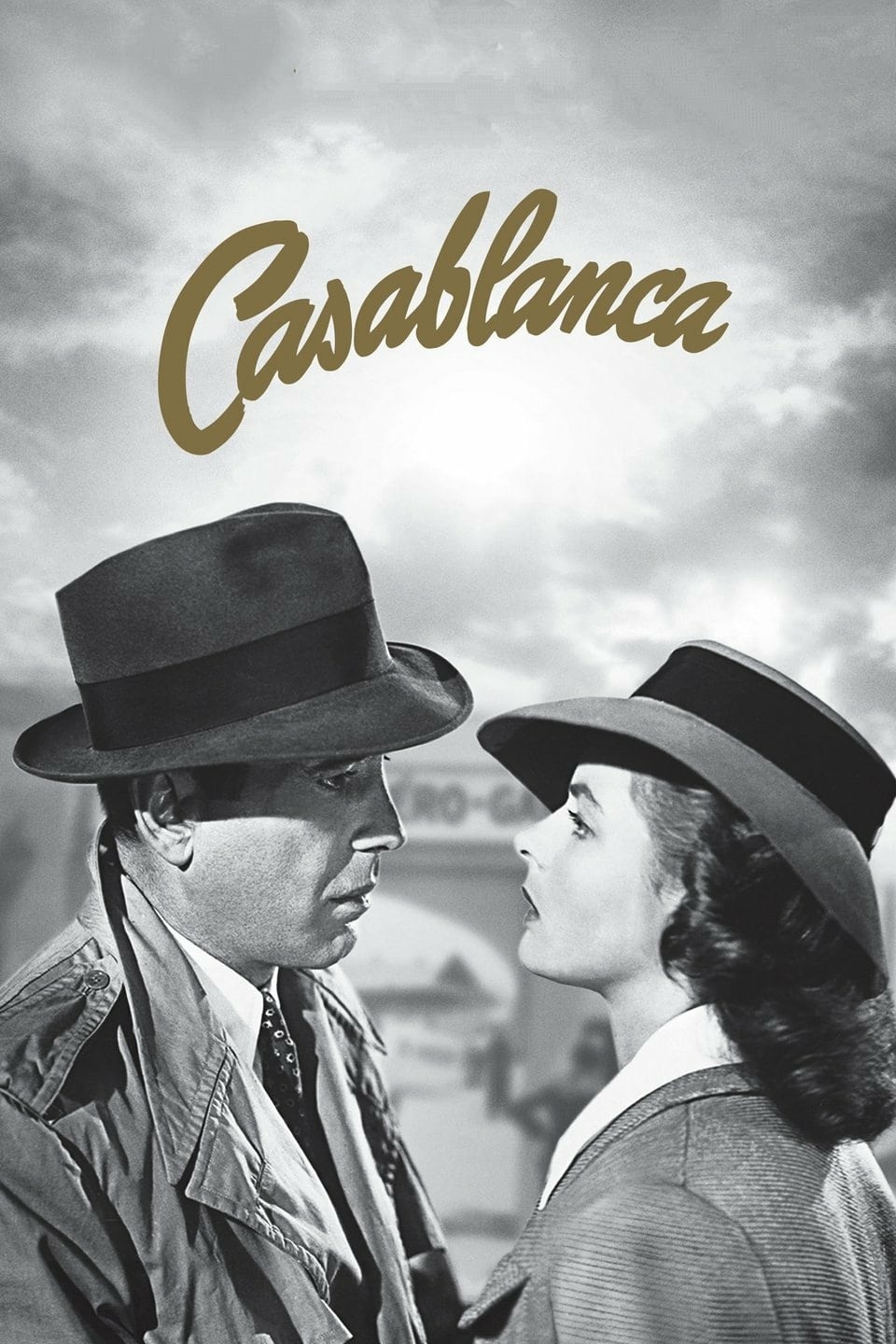
Set in Vichy-controlled Morocco during World War II, it centers on an American nightclub owner whose past collides with resistance politics. Humphrey Bogart and Ingrid Bergman star, supported by a celebrated script filled with memorable lines. The film earned multiple Oscars, including Best Picture and Best Director.
‘Seven Samurai’ (1954)
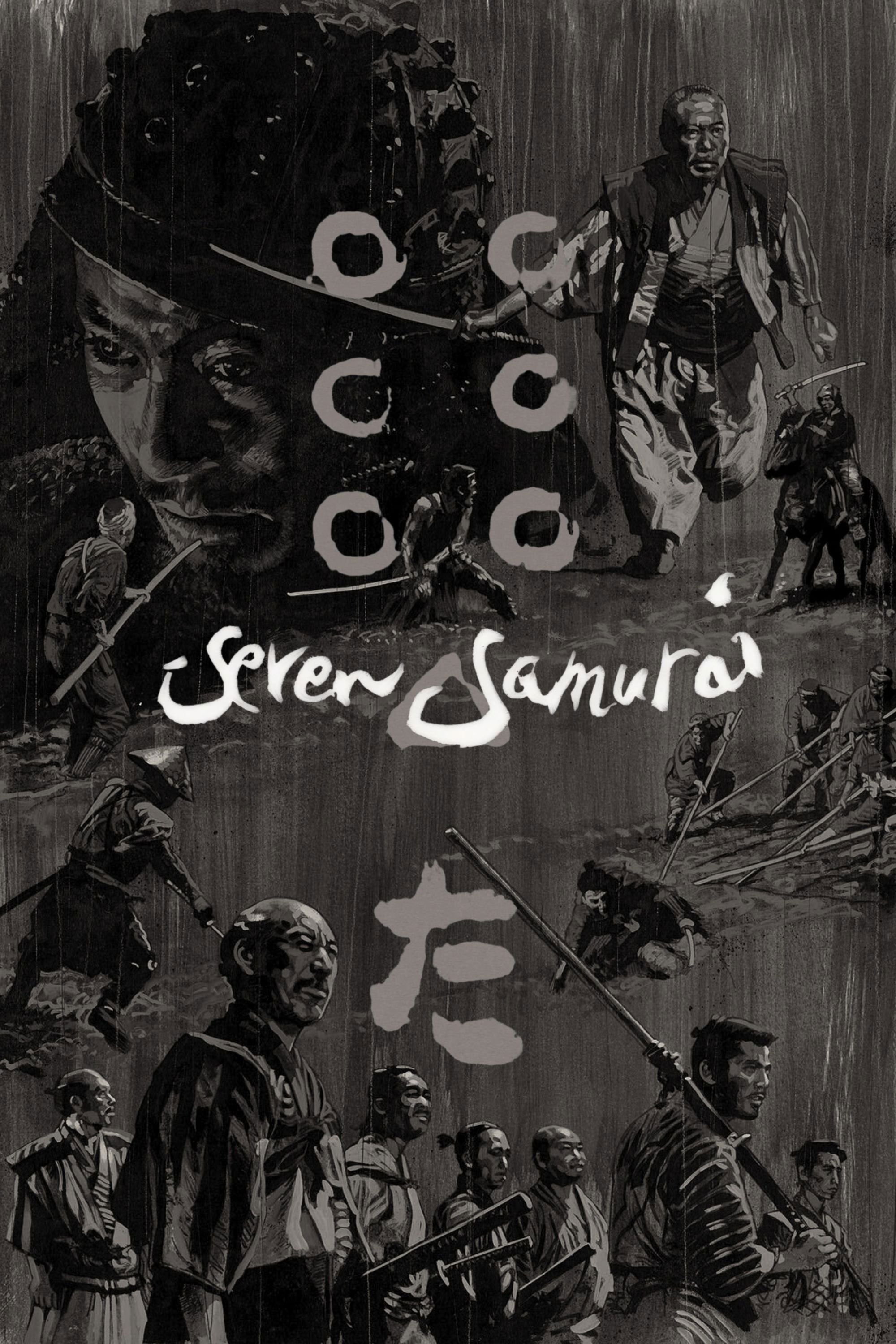
Akira Kurosawa’s epic follows masterless samurai hired to defend a village from bandits. Toshiro Mifune and Takashi Shimura headline, and the film introduced structural templates for ensemble action and “assemble-the-team” storytelling. Its staging of battles, weather, and movement shaped action filmmaking worldwide.
‘2001: A Space Odyssey’ (1968)
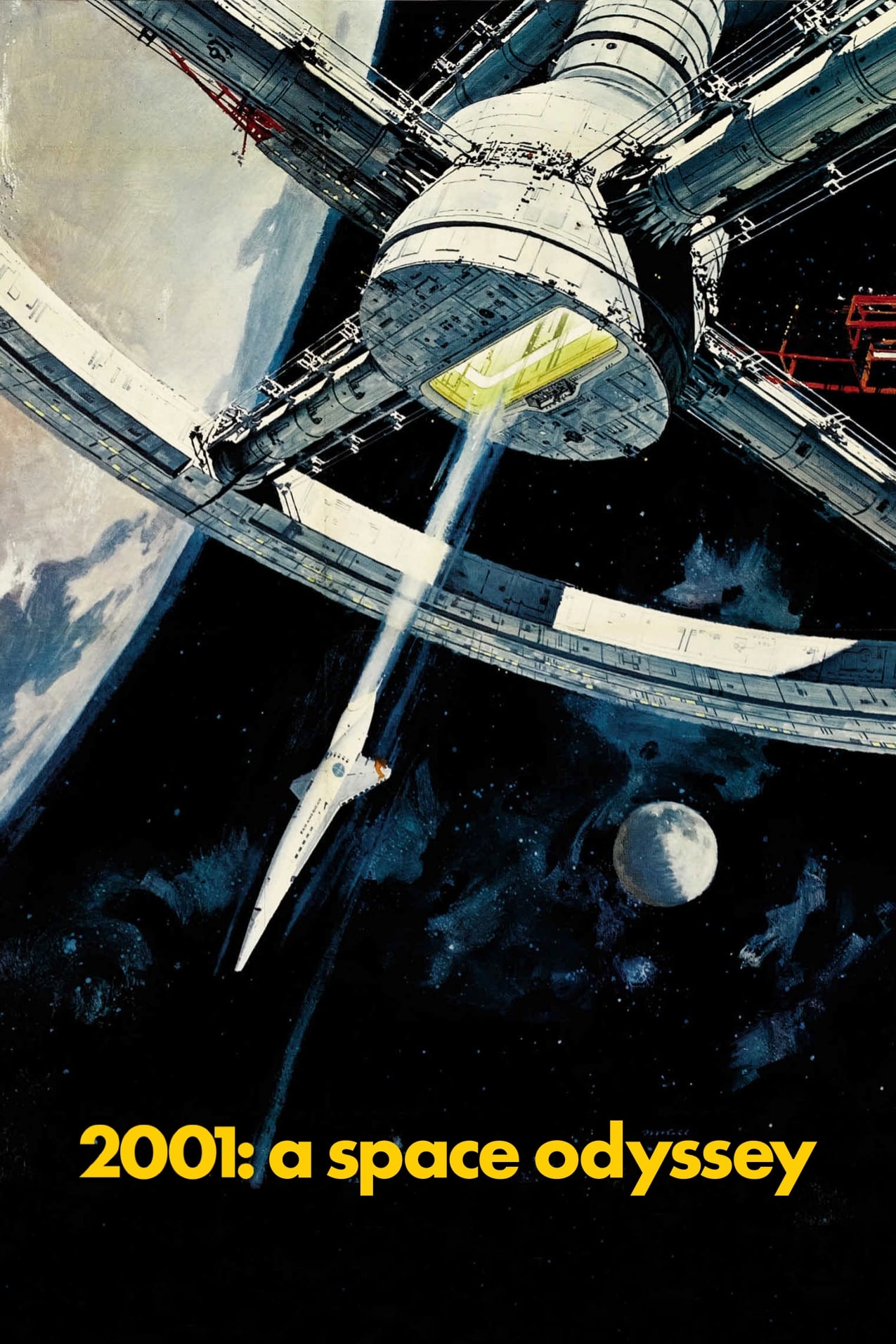
Stanley Kubrick’s science-fiction landmark tracks human evolution, space travel, and a mysterious alien monolith. Douglas Trumbull’s visual effects and the strategic use of classical music redefined cinematic spectacle. Its scientifically minded depictions of spacecraft, silence in space, and production design remain highly influential.
‘Star Wars’ (1977)
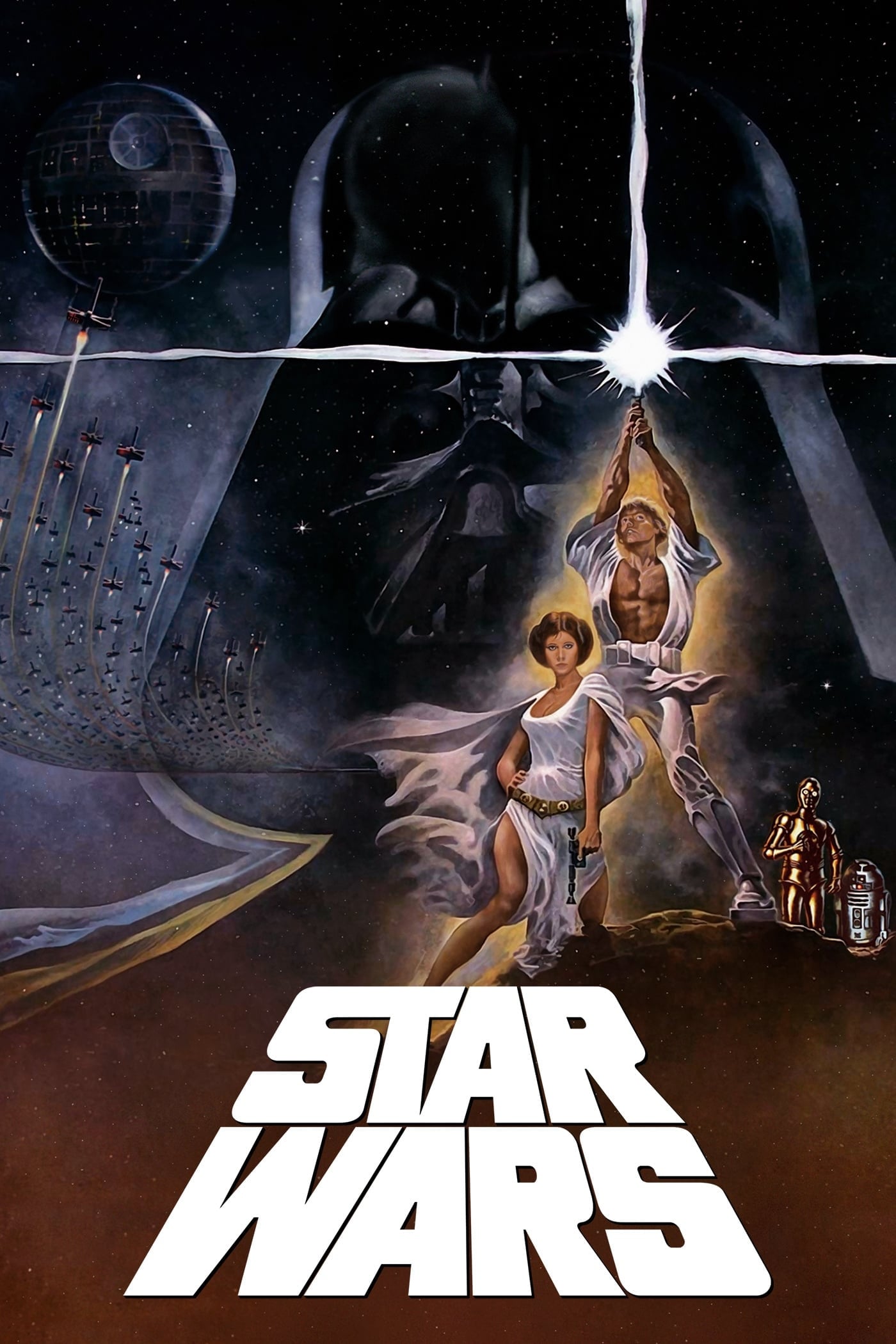
George Lucas’s space adventure follows the Rebel Alliance’s struggle against the Galactic Empire, centering on Luke Skywalker, Princess Leia, and Han Solo. Groundbreaking model work, sound design from Ben Burtt, and John Williams’s score set new standards for blockbusters. The film launched a long-running franchise spanning films, TV, and games.
‘Apocalypse Now’ (1979)
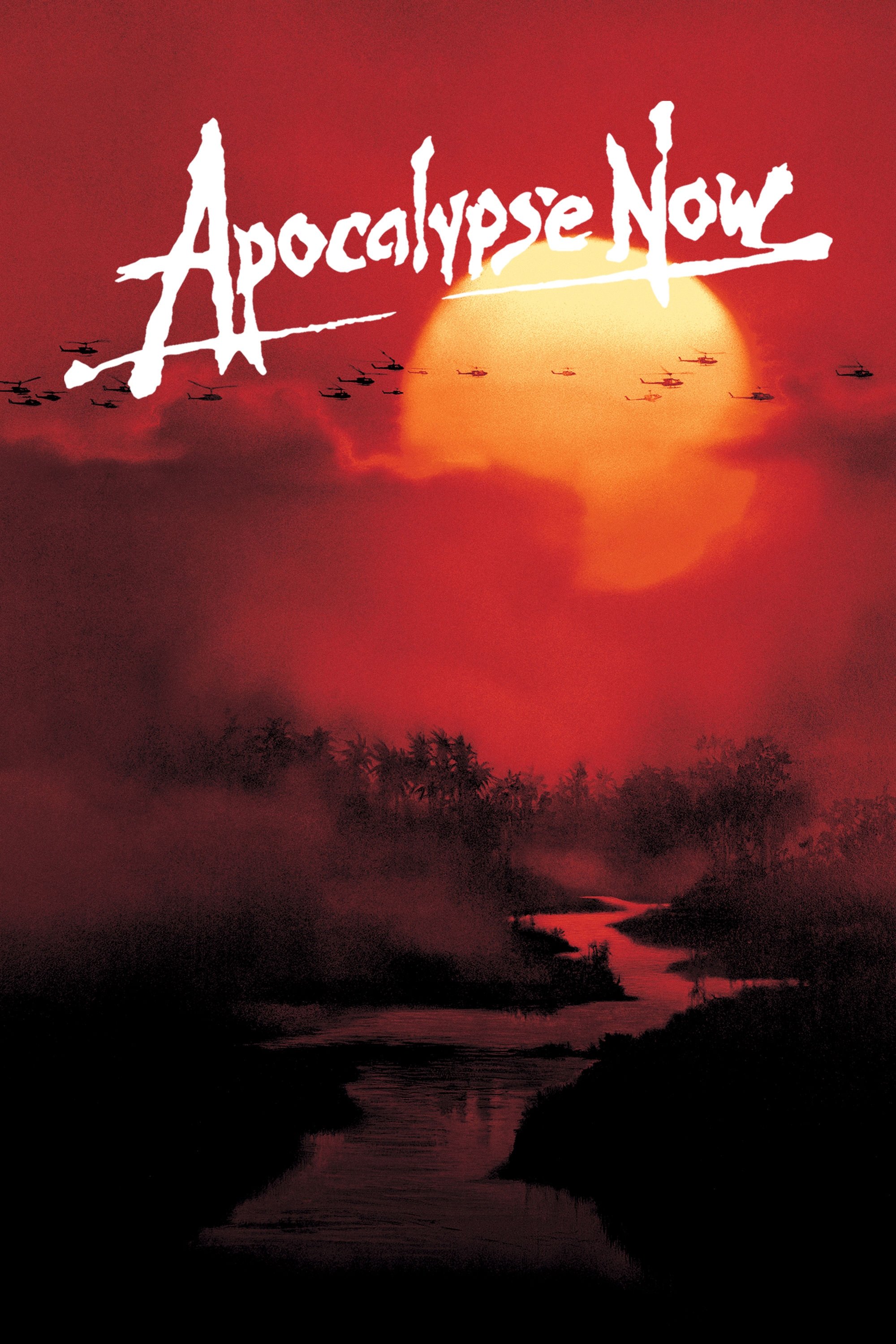
Coppola adapts themes from ‘Heart of Darkness’ to the Vietnam War, following a river mission to find Colonel Kurtz. Martin Sheen and Marlon Brando star, with Vittorio Storaro’s cinematography and the “Ride of the Valkyries” air-raid sequence among its notable elements. The film’s troubled production is documented in ‘Hearts of Darkness’.
‘Blade Runner’ (1982)
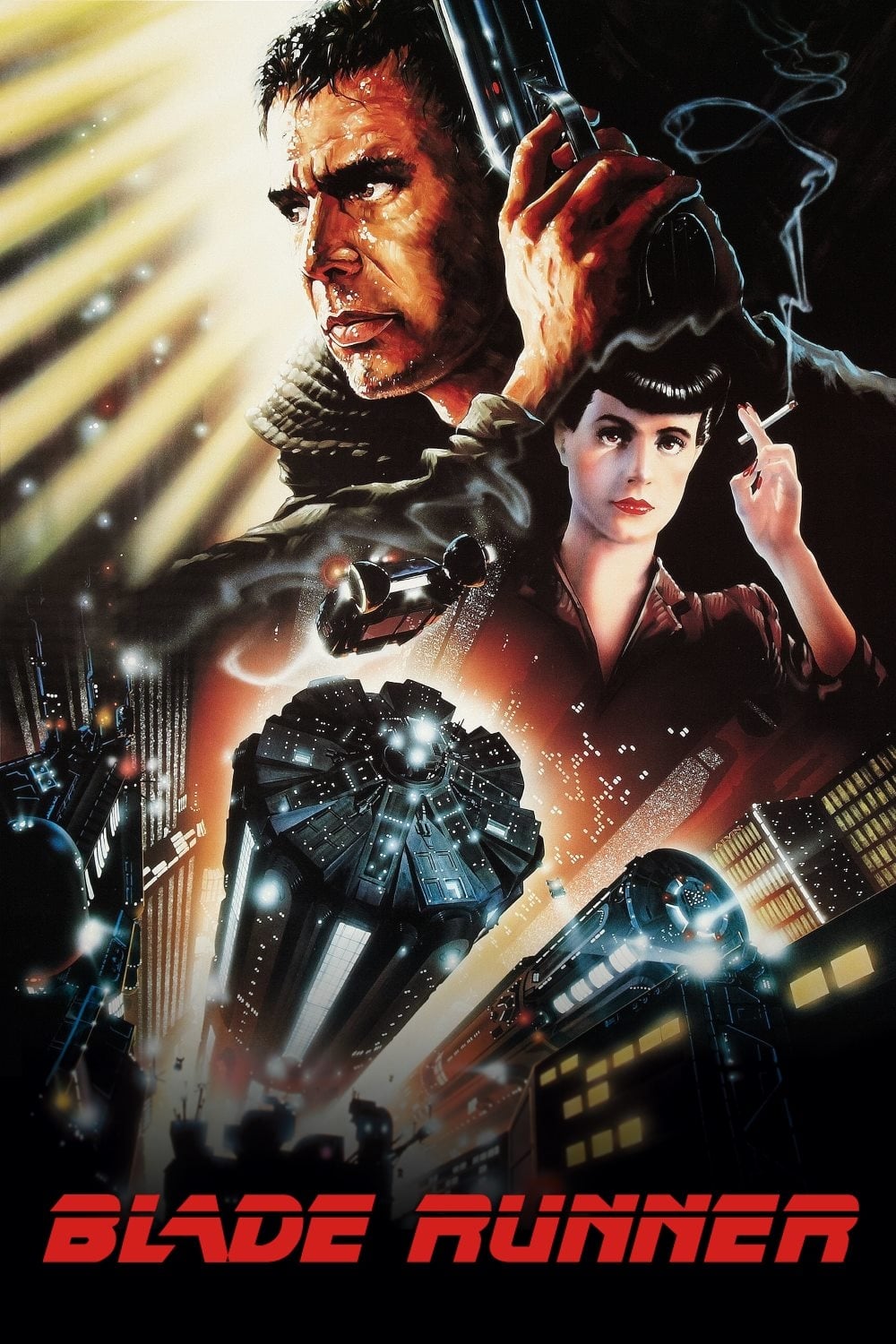
Ridley Scott’s neo-noir follows a detective tasked with hunting rogue replicants in a dystopian Los Angeles. Harrison Ford leads, with production design and visual effects crafting a dense urban future that influenced cyberpunk aesthetics. Multiple cuts exist, with the Final Cut reflecting Scott’s preferred version.
‘The Shawshank Redemption’ (1994)
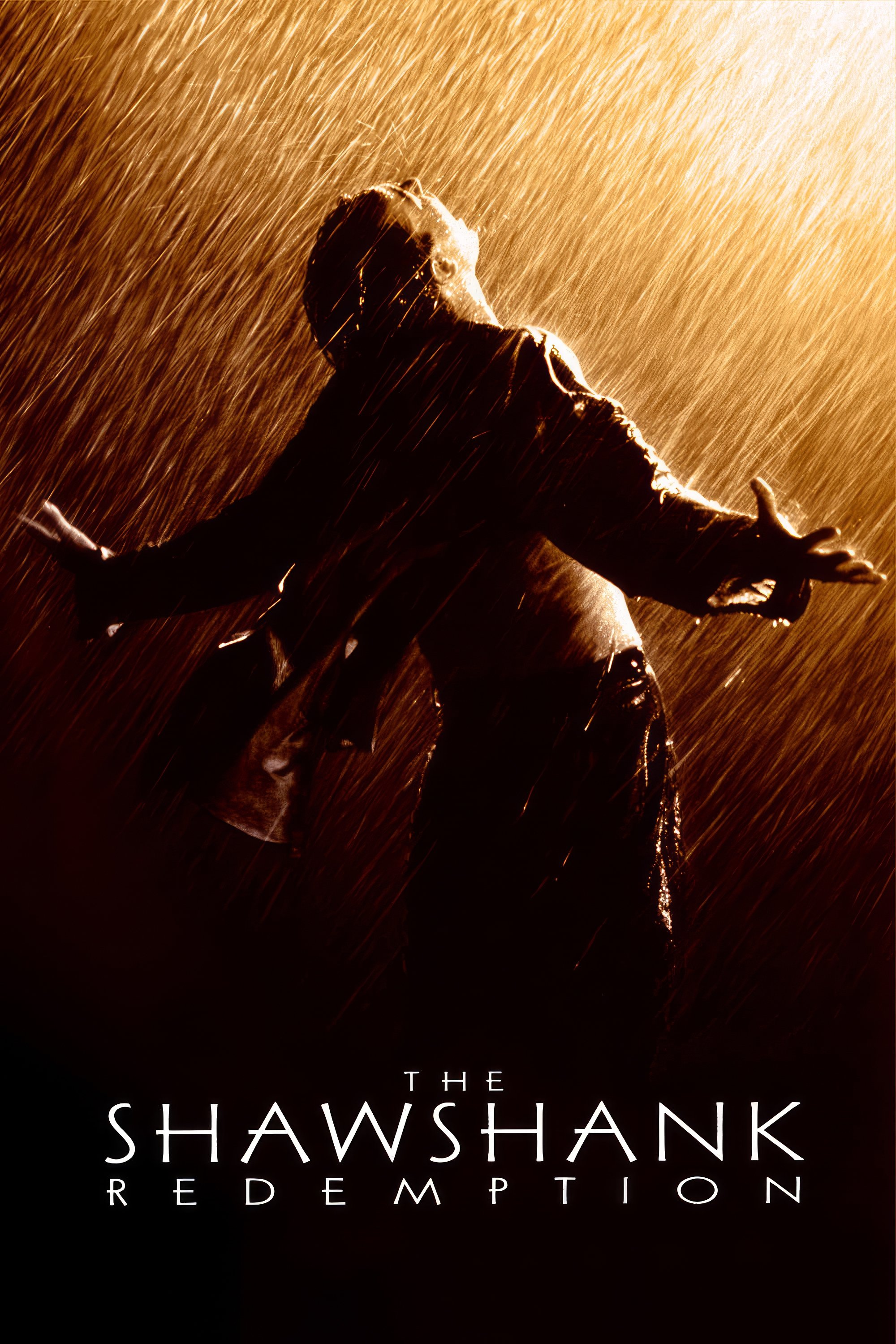
Based on a Stephen King novella, the story follows two inmates forging a long-term friendship in a state penitentiary. Frank Darabont directs Tim Robbins and Morgan Freeman, emphasizing institutional life and hope within rigid systems. It became a perennial favorite on television and home media.
‘Pulp Fiction’ (1994)
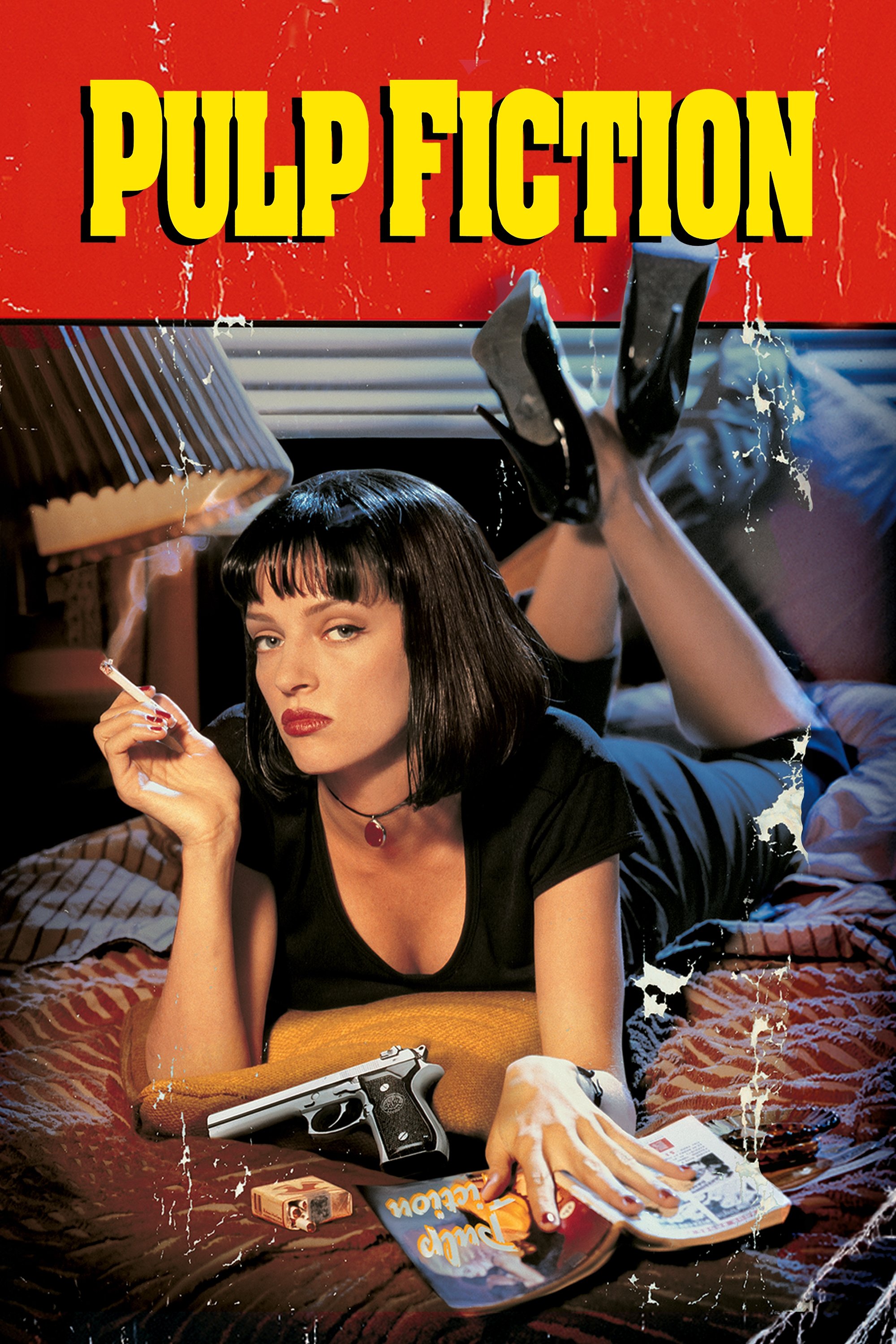
Quentin Tarantino weaves interconnected crime stories with a non-linear structure. John Travolta, Uma Thurman, and Samuel L. Jackson headline an ensemble cast, with an iconic soundtrack and pop-culture references. The film won the Palme d’Or at Cannes and reenergized independent filmmaking in the mainstream.
‘Schindler’s List’ (1993)
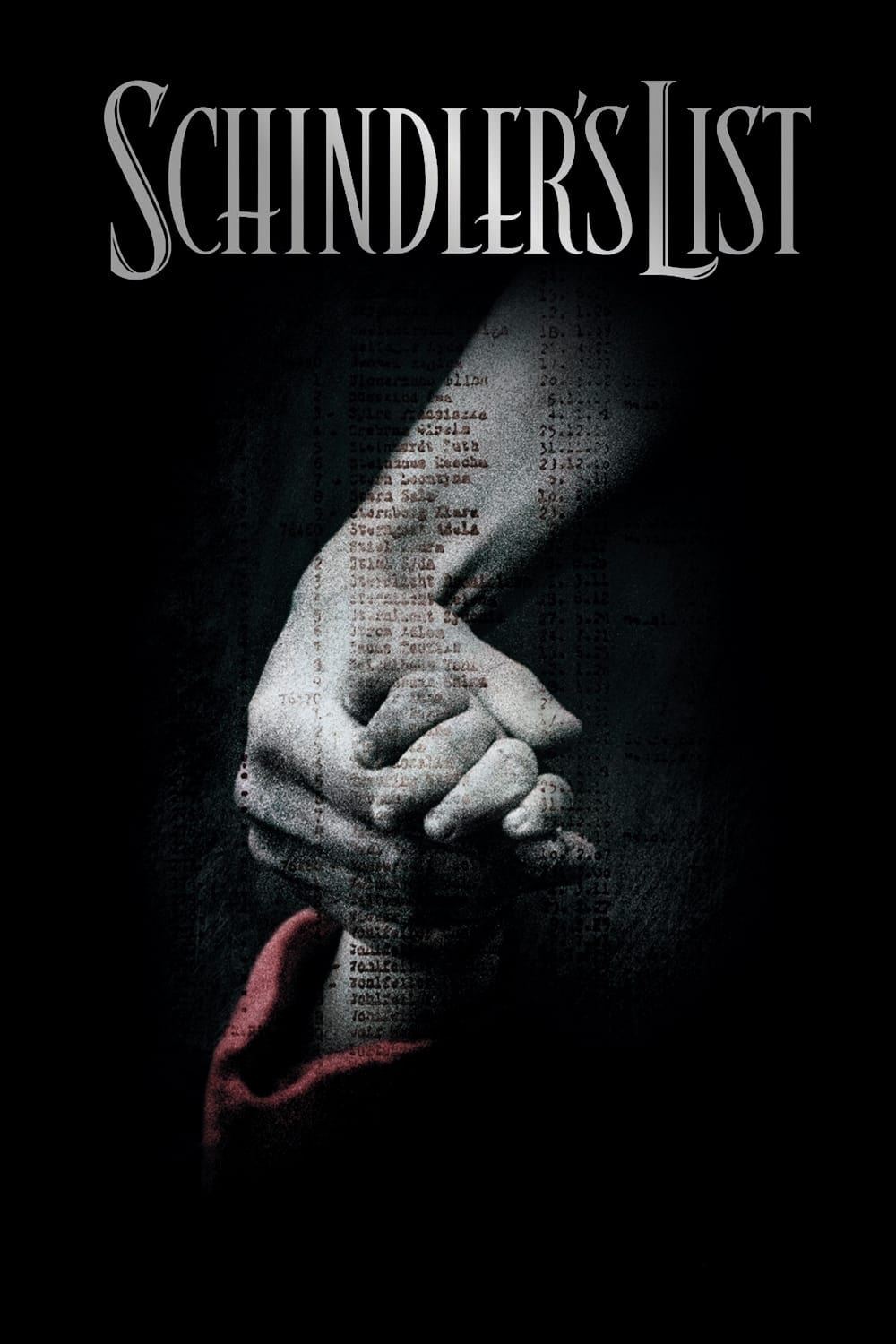
Steven Spielberg chronicles Oskar Schindler’s efforts to save Jewish workers during the Holocaust. Shot largely in black-and-white, the film uses restrained visual style and archival-informed detail. It won multiple Oscars, including Best Picture and Best Director, and became central to Holocaust education efforts.
‘The Silence of the Lambs’ (1991)
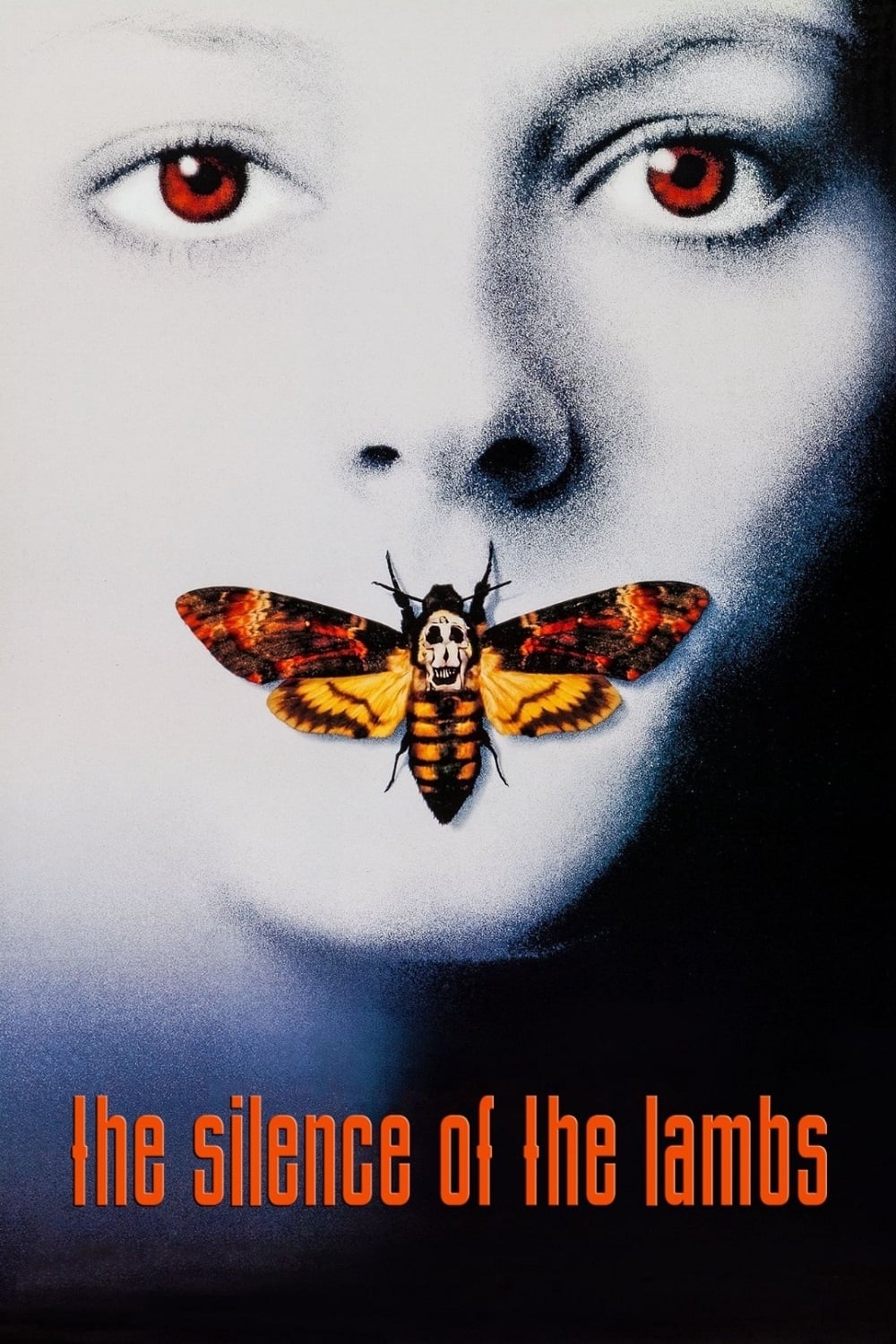
Jonathan Demme’s psychological thriller follows FBI trainee Clarice Starling as she consults Hannibal Lecter to catch a serial killer. Jodie Foster and Anthony Hopkins star, with Hopkins’s performance noted for minimal screen time yet major impact. The film swept the top five Academy Awards categories.
‘Goodfellas’ (1990)
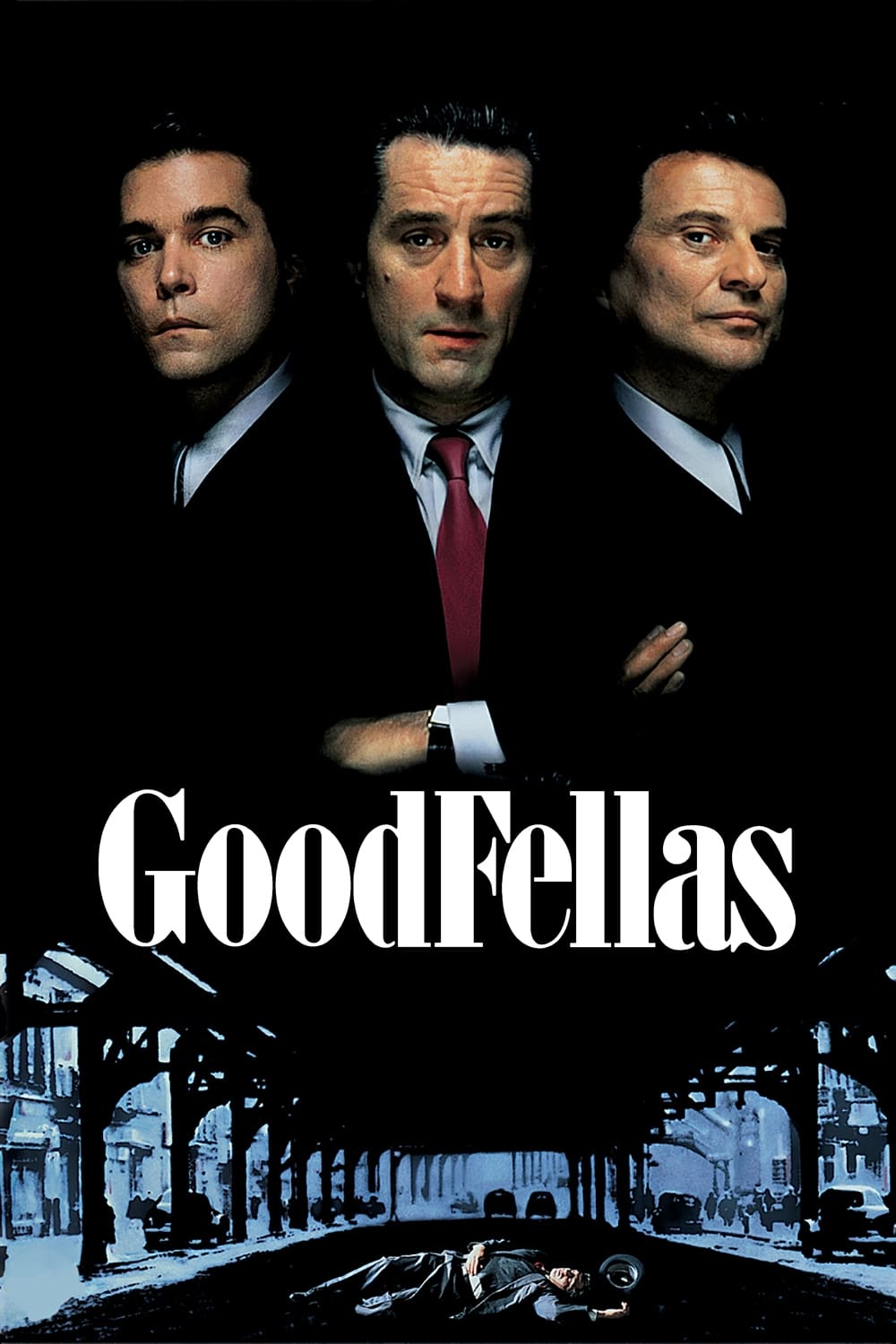
Martin Scorsese adapts Nicholas Pileggi’s non-fiction book about mob associate Henry Hill. Ray Liotta, Robert De Niro, and Joe Pesci lead, with dynamic camera work, needle drops, and voice-over narration defining its style. Pesci won an Oscar for Supporting Actor, and the film’s editing by Thelma Schoonmaker is extensively cited.
‘The Matrix’ (1999)
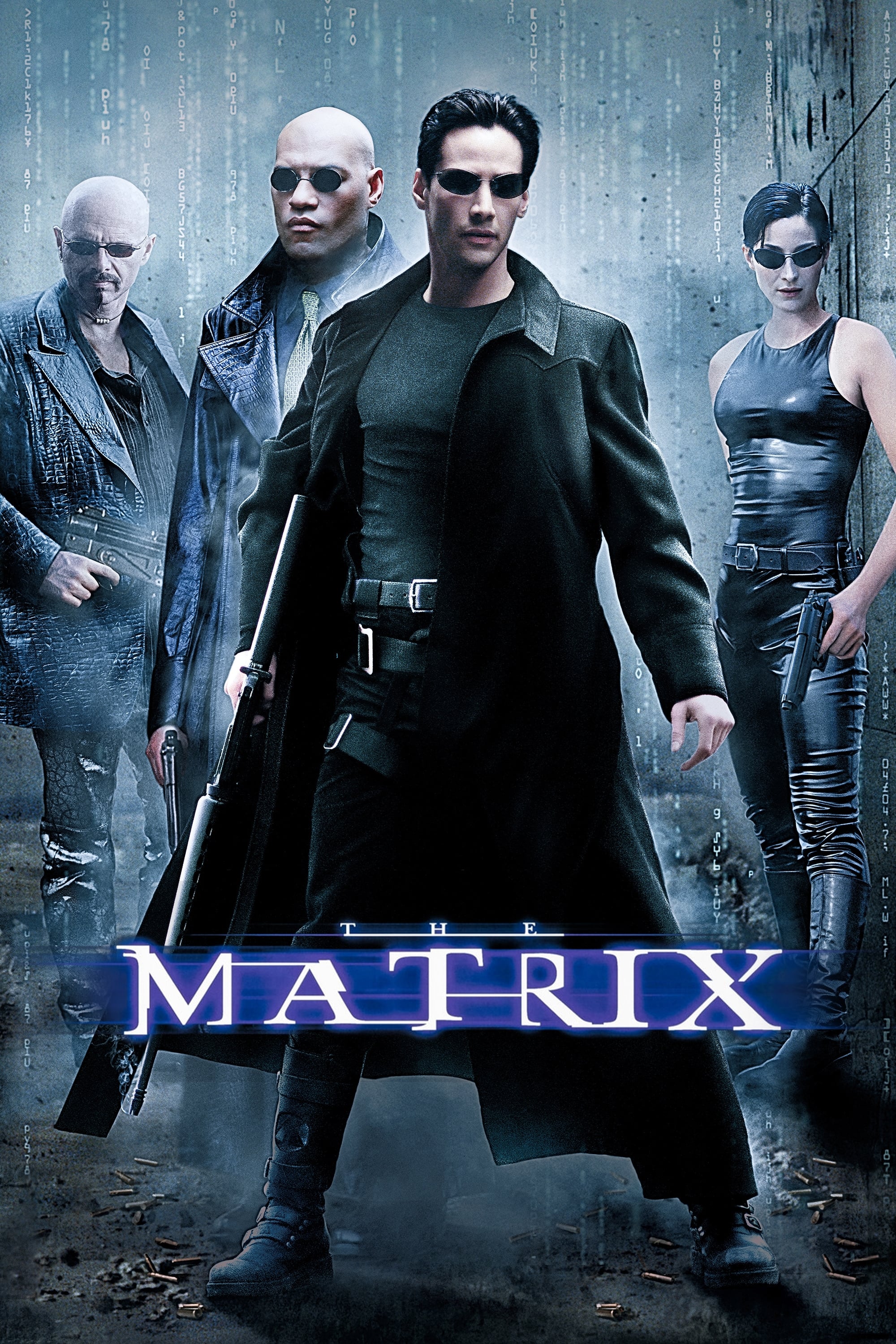
Written and directed by the Wachowskis, this sci-fi action film follows a hacker who discovers a simulated reality. It popularized “bullet time” effects and wire-fu–inspired choreography, blending cyberpunk concepts with action cinema. The film collected multiple technical Oscars and influenced visual effects pipelines.
‘Spirited Away’ (2001)
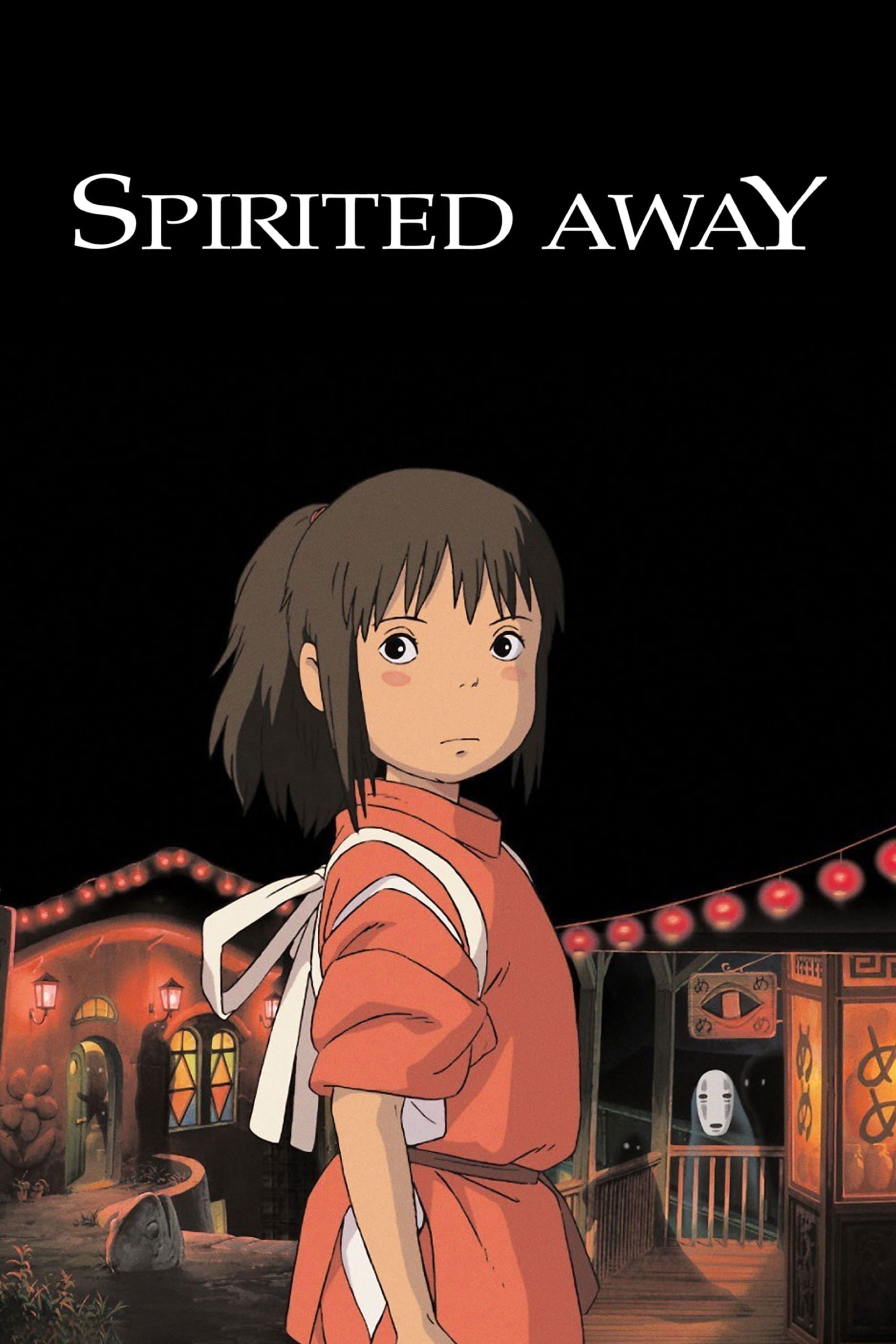
Hayao Miyazaki’s animated feature follows a young girl navigating a spirit world after her parents are transformed. Studio Ghibli’s hand-drawn animation, folklore elements, and world-building earned international acclaim. It won the Academy Award for Best Animated Feature and became a milestone for Japanese animation worldwide.
‘The Lord of the Rings: The Return of the King’ (2003)
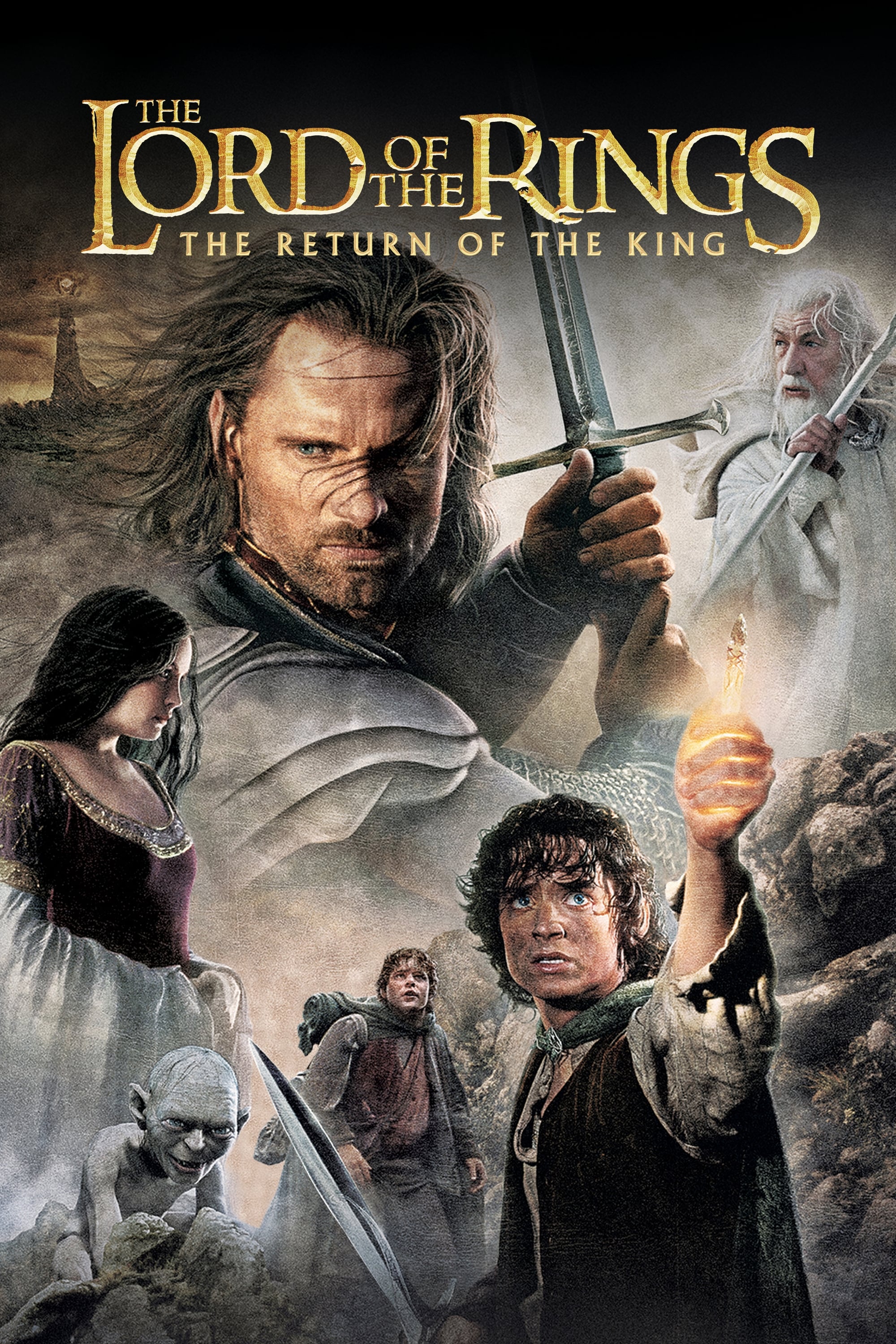
Peter Jackson concludes the adaptation of J. R. R. Tolkien’s epic with the final push against Sauron. Large-scale battle sequences, extensive miniatures and digital effects, and ensemble performances define its production. The film won 11 Oscars, tying the all-time record for most wins.
‘City of God’ (2002)
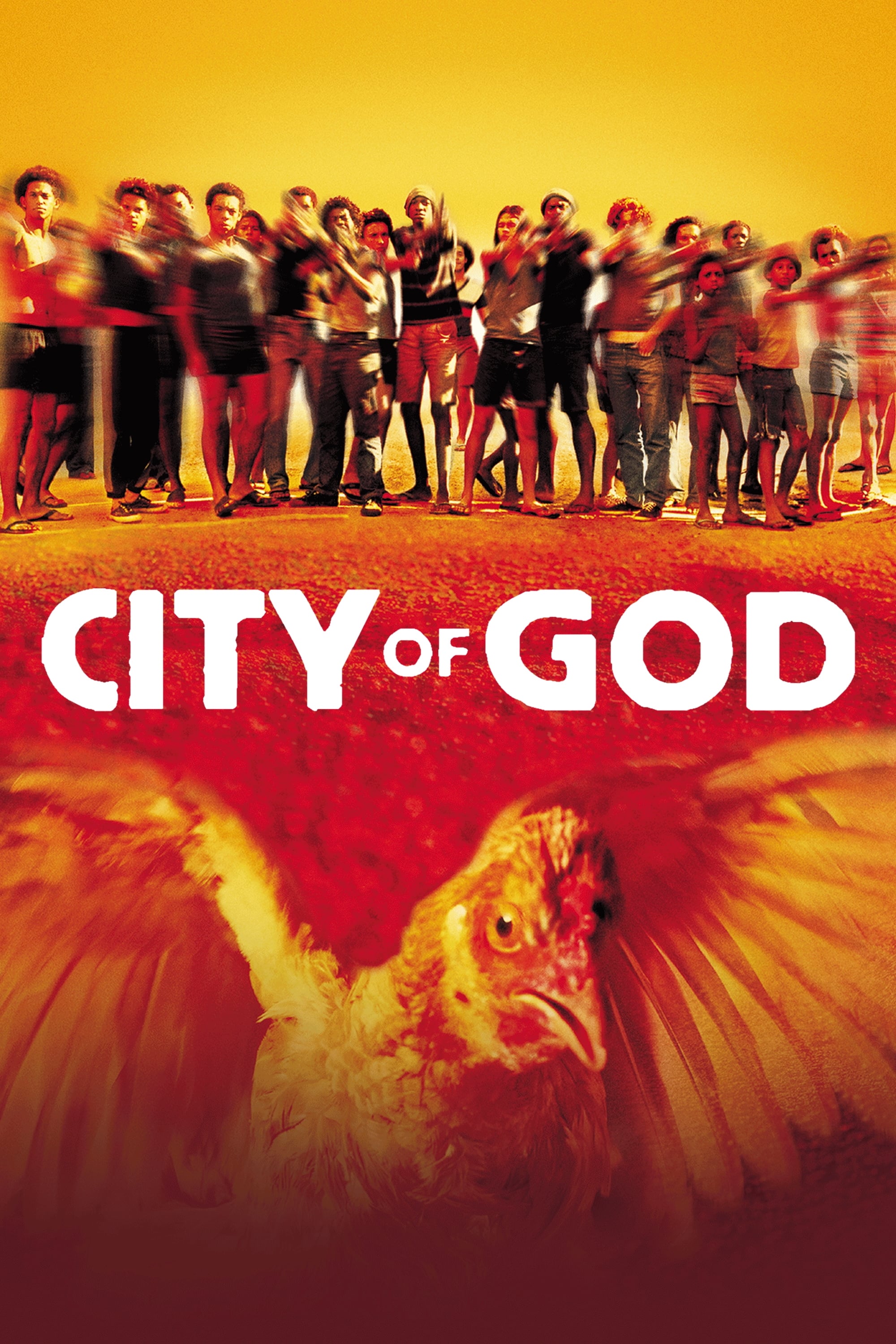
Set in Rio de Janeiro’s favelas, the film follows intersecting lives shaped by crime and opportunity. Fernando Meirelles and Kátia Lund use energetic camerawork and non-linear storytelling to depict decades of change. Its cast includes many non-professional actors, and it received multiple international award nominations.
‘Amélie’ (2001)
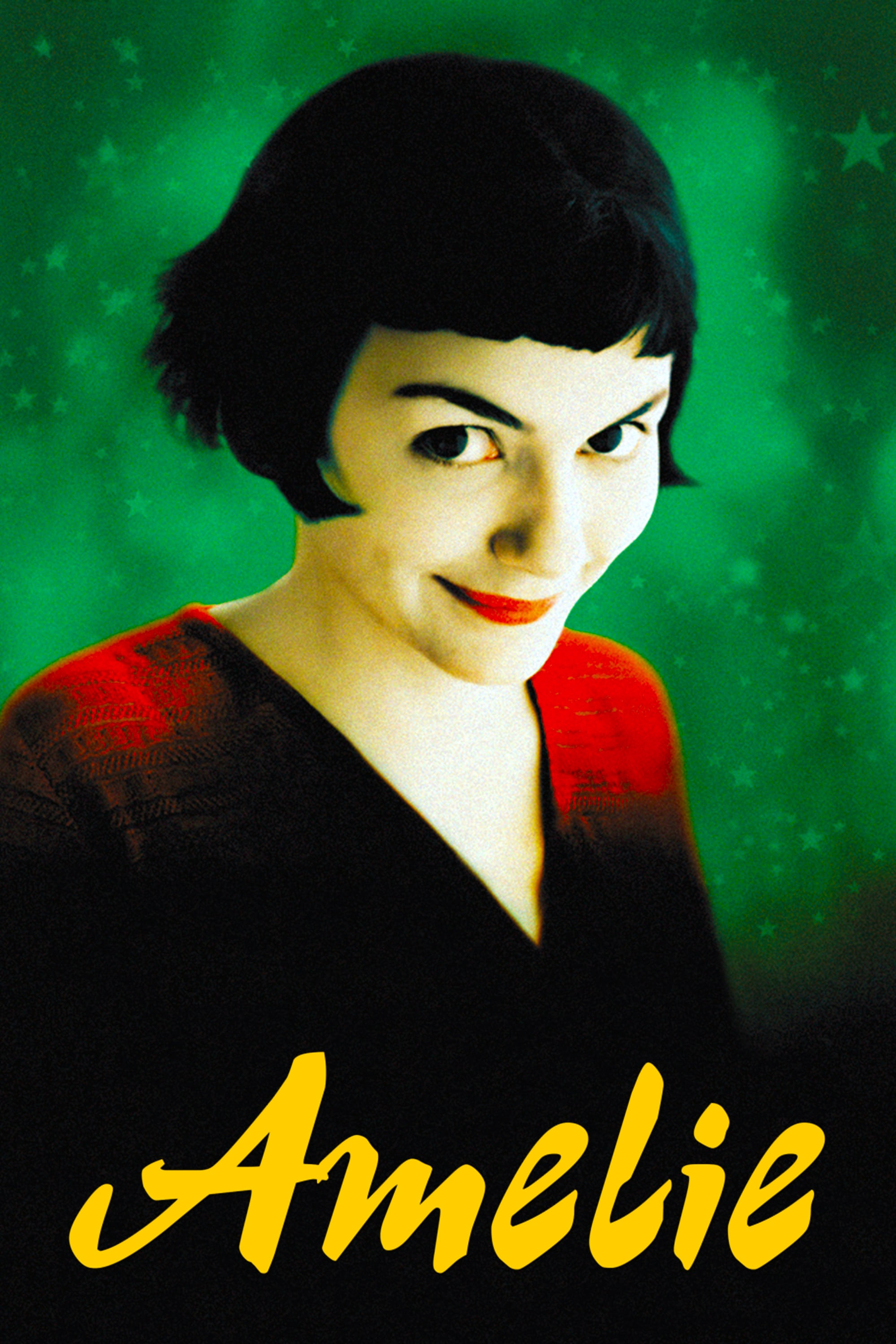
Directed by Jean-Pierre Jeunet, this Paris-set story follows a shy waitress who devises elaborate schemes to help others. The film is recognized for saturated color palettes, whimsical production design, and inventive visual transitions. Audrey Tautou stars, and the soundtrack by Yann Tiersen became widely associated with the film.
‘Oldboy’ (2003)
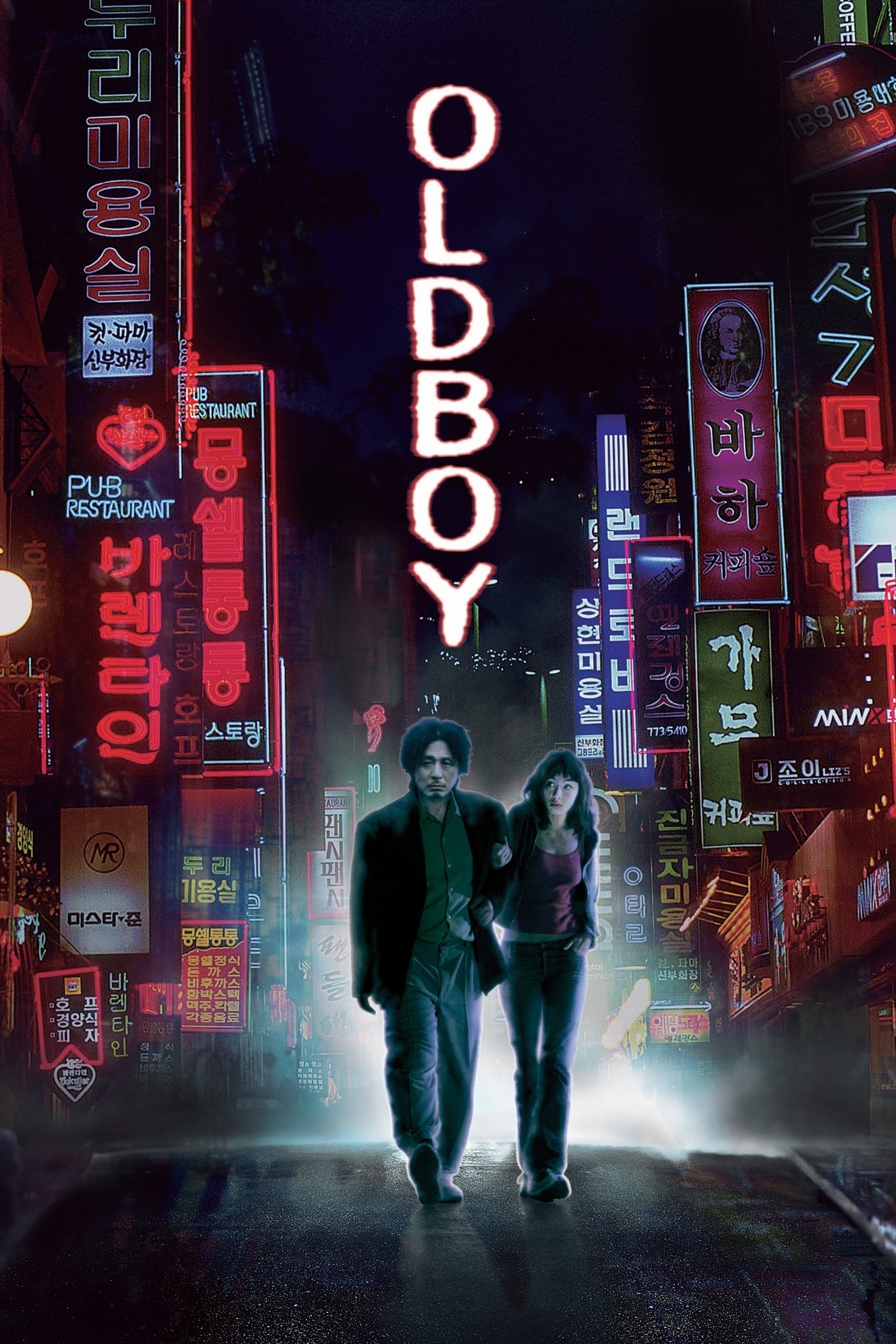
Park Chan-wook’s neo-noir thriller centers on a man mysteriously imprisoned and released, seeking answers and revenge. It’s known for precise story construction, long-take fight choreography, and stylized brutality. The film won the Grand Prix at Cannes and expanded international attention for South Korean cinema.
‘Pan’s Labyrinth’ (2006)
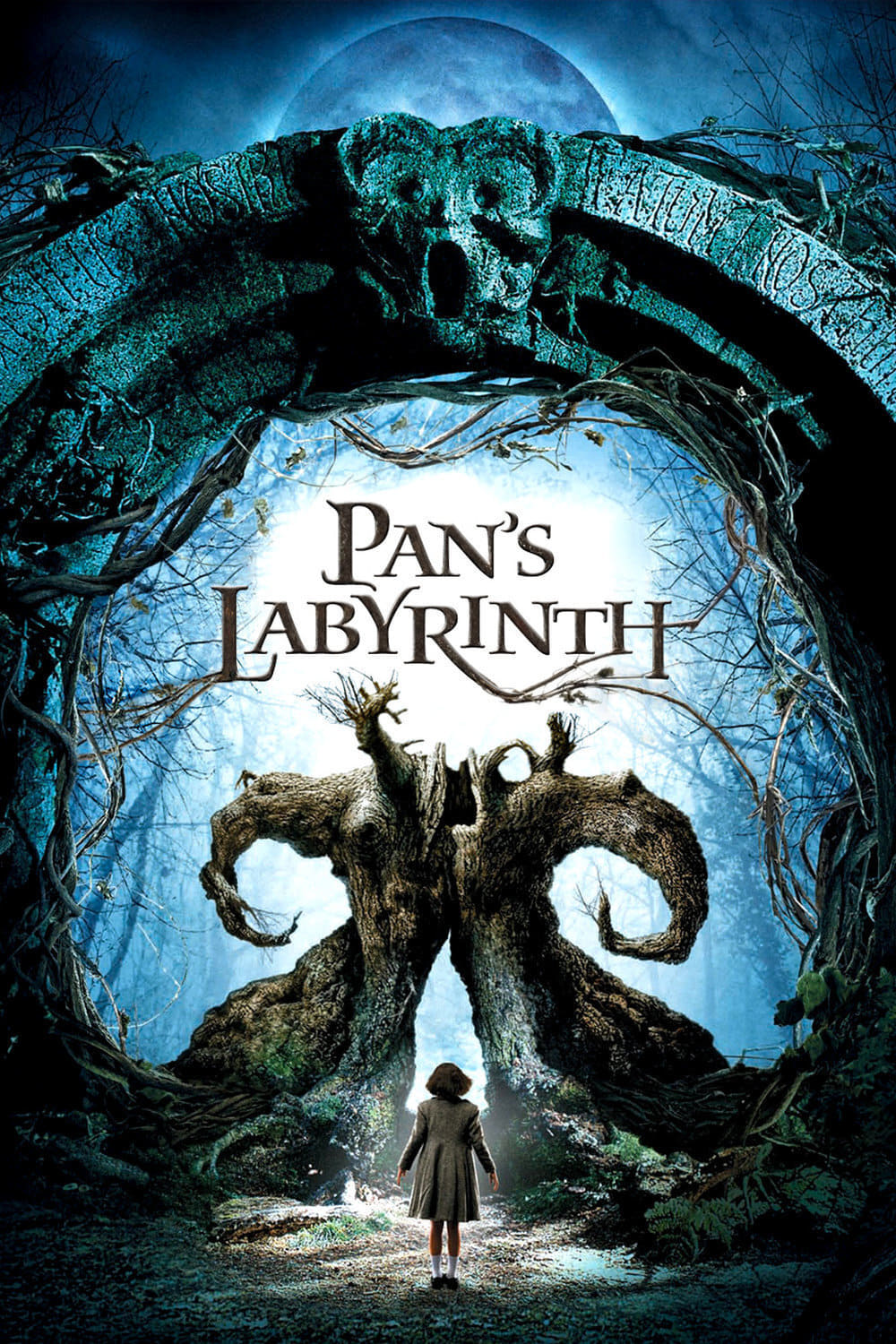
Guillermo del Toro blends historical drama and dark fantasy through a child’s perspective in post–Civil War Spain. Practical creature effects, makeup, and imaginative production design bring the fairy-tale elements to life. The film won several Oscars for cinematography, art direction, and makeup.
‘The Dark Knight’ (2008)
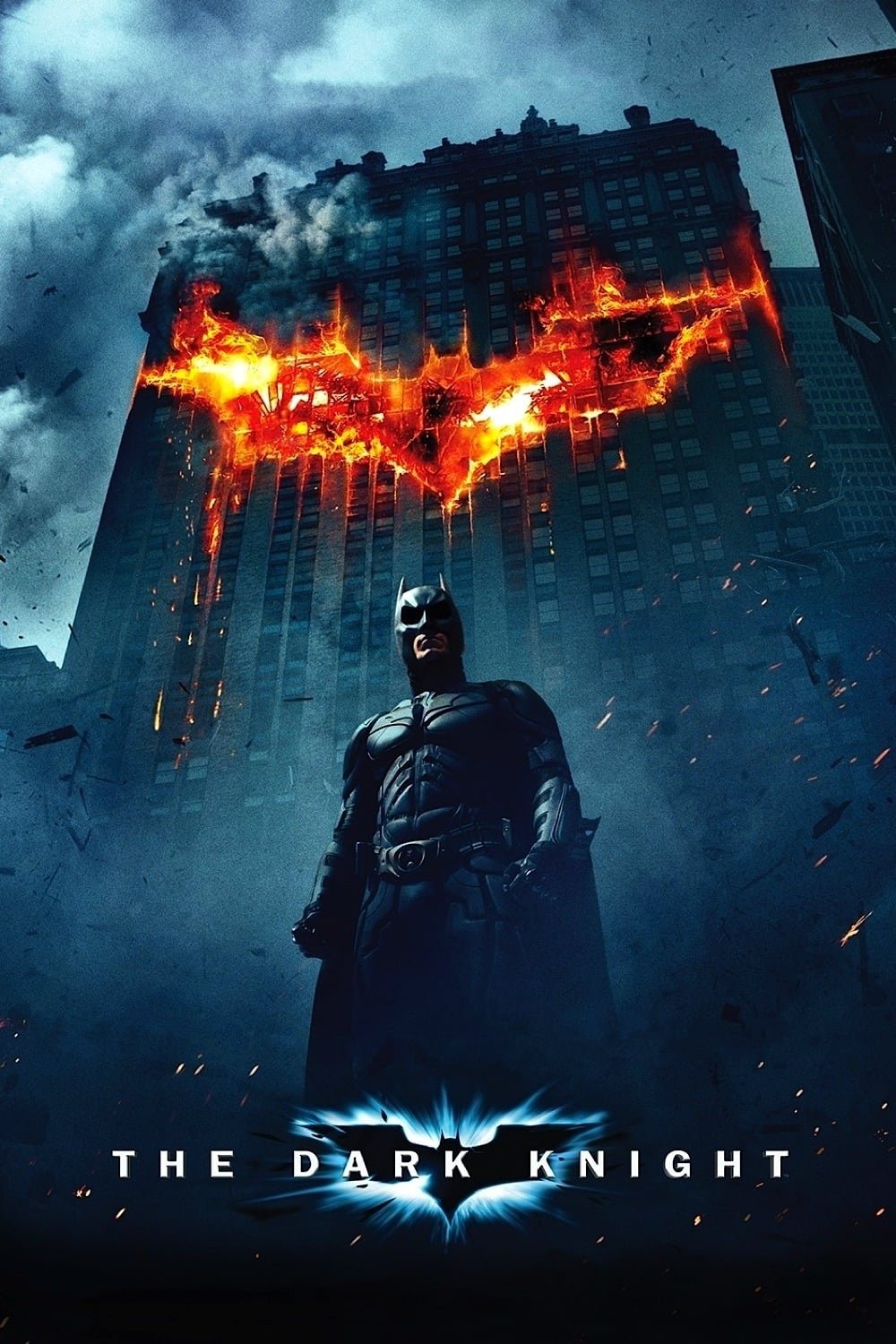
Christopher Nolan’s crime thriller features Batman confronting the Joker amid escalating chaos in Gotham City. Heath Ledger’s performance earned a posthumous Oscar, and the film’s large-format IMAX photography expanded theatrical presentation standards. It influenced subsequent superhero films in tone, scope, and production design.
‘Parasite’ (2019)
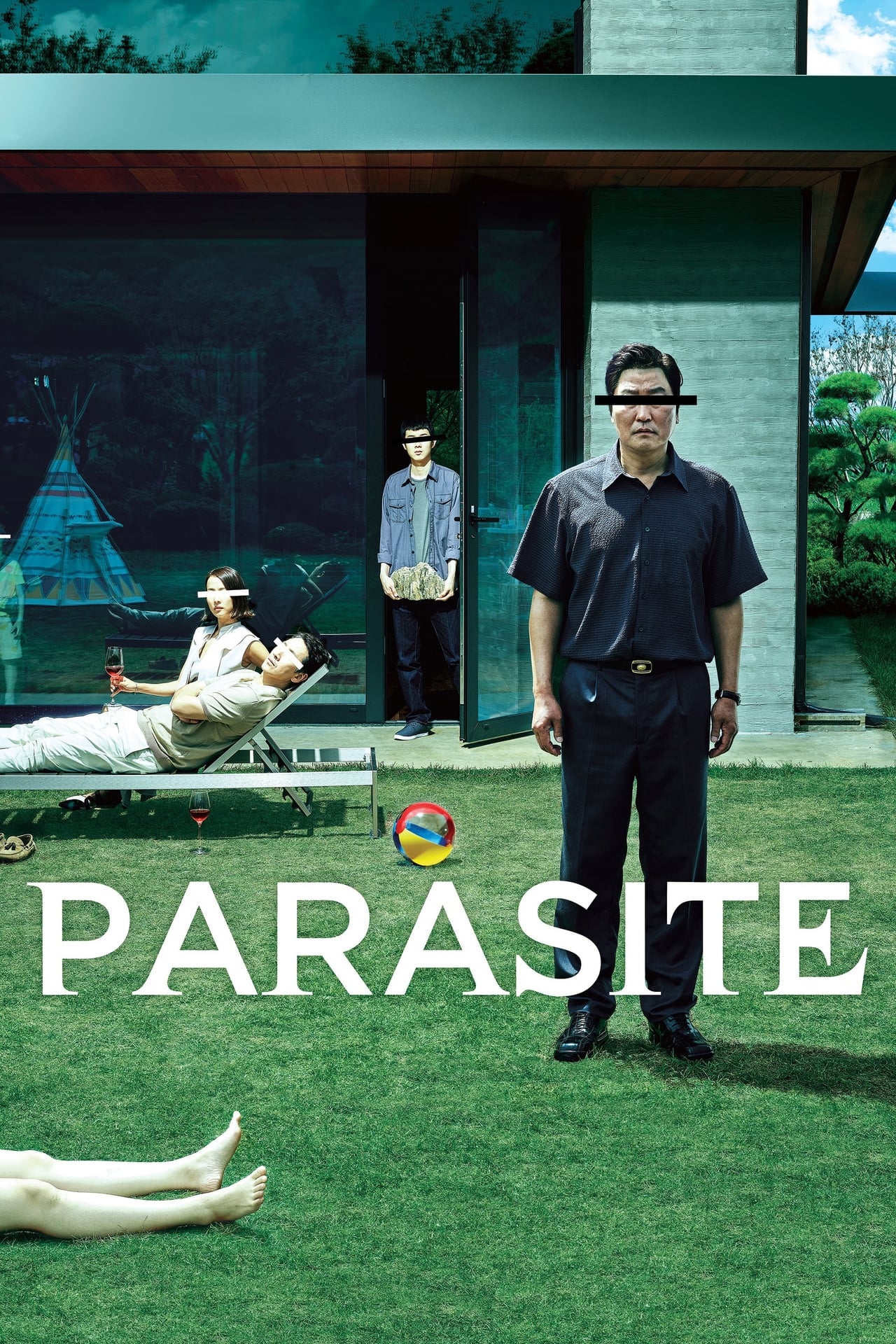
Bong Joon-ho’s genre-blending story follows two families linked by work and circumstance in Seoul. The film uses precise visual motifs and layered set design to explore class dynamics. It won the Palme d’Or and became the first non-English-language Best Picture winner at the Academy Awards.
‘Psycho’ (1960)
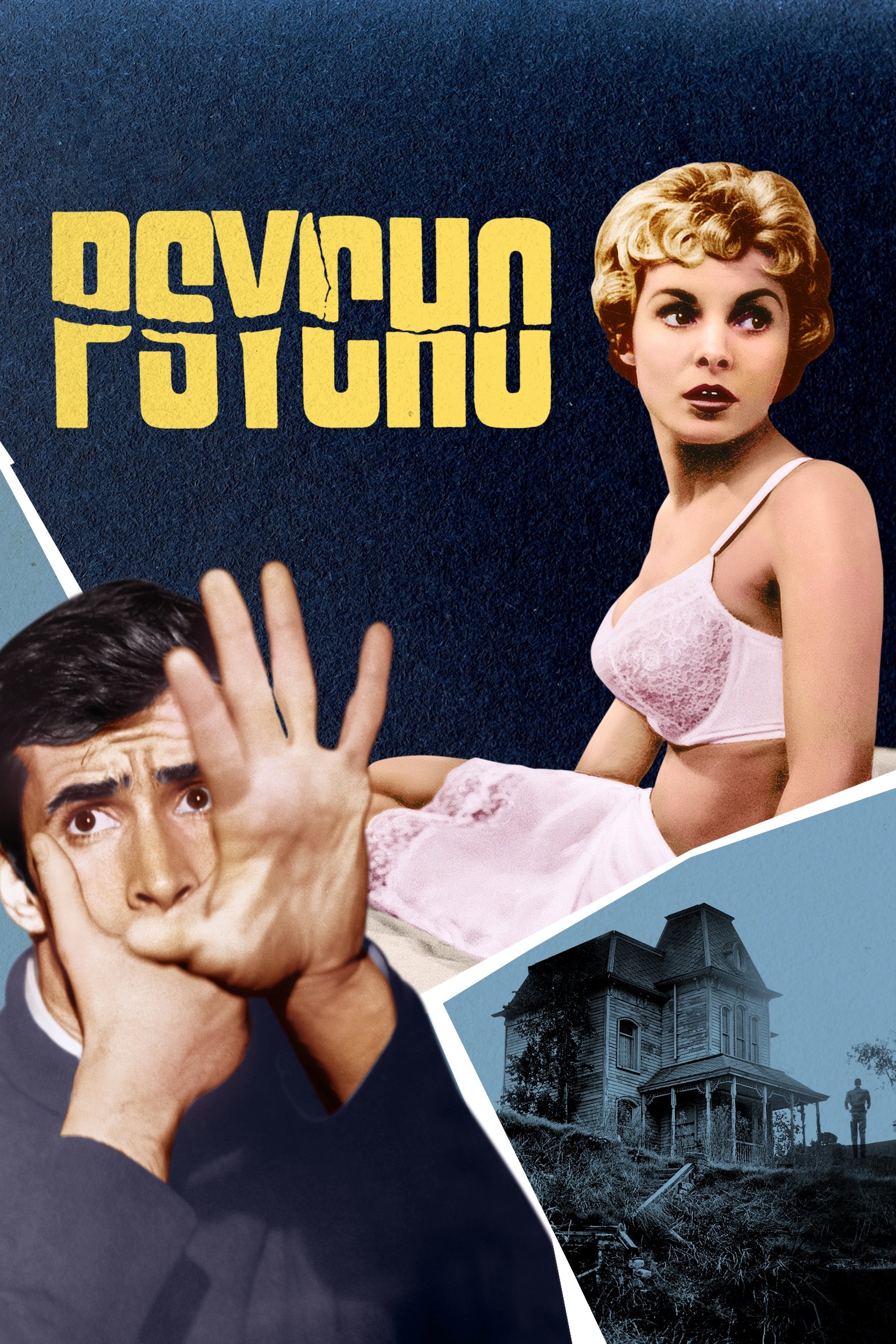
Alfred Hitchcock’s thriller follows a secretary on the run and a secluded motel run by Norman Bates. Bernard Herrmann’s string-heavy score and Saul Bass’s title design are among its signature elements. The shower sequence’s editing and sound design are studied as textbook examples of cinematic suspense.
‘Lawrence of Arabia’ (1962)
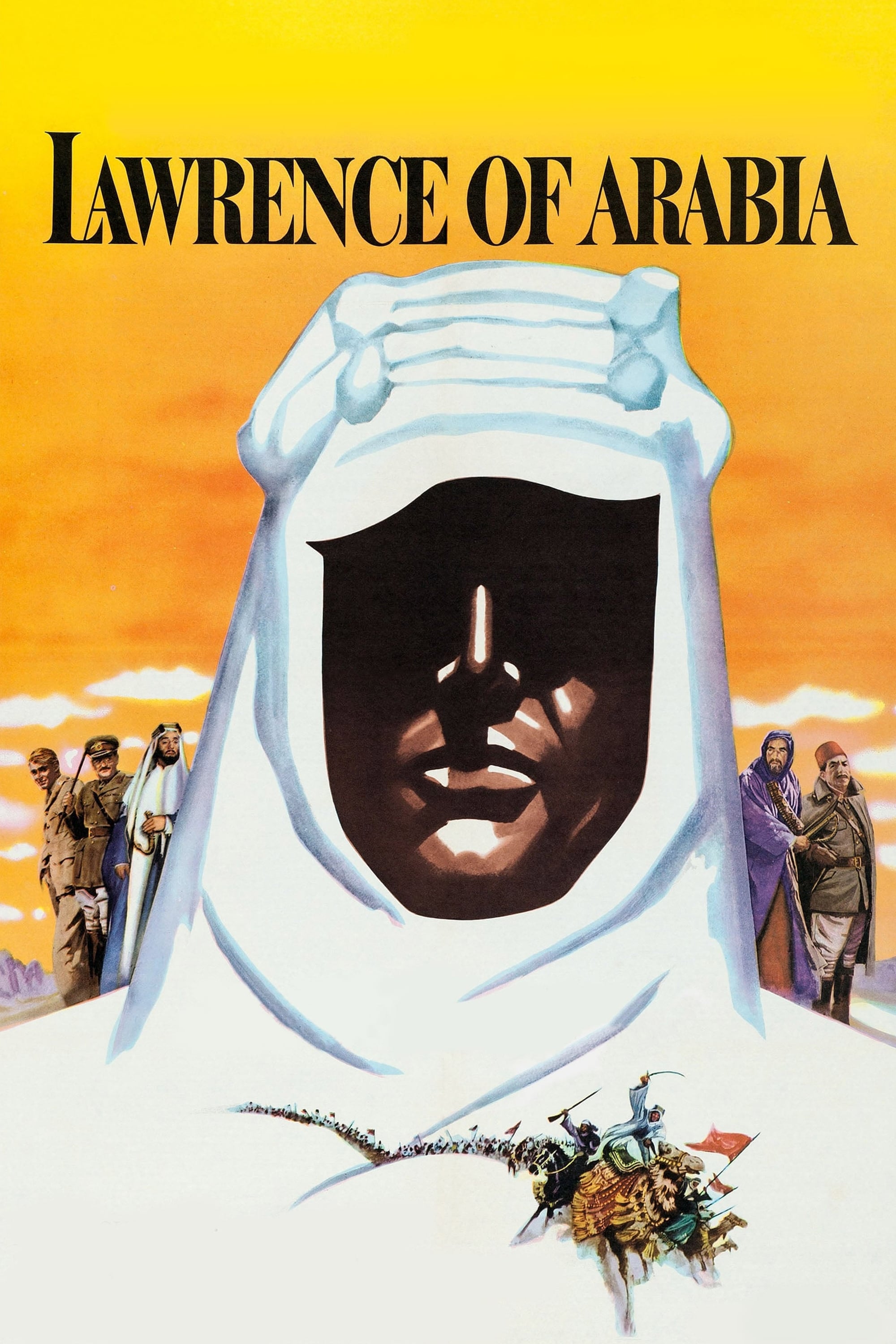
David Lean’s epic biographical drama portrays T. E. Lawrence’s experiences in the Arabian Peninsula during World War I. Super Panavision 70 photography, extensive desert location shooting, and Maurice Jarre’s score define its presentation. The film won multiple Oscars including Best Picture and is often referenced for large-format cinematography techniques.
Share your own essential picks and why they belong on this list in the comments!