Mystery Movies You Actually Have to Watch Twice


Some mysteries hide their clues in plain sight, others tuck them into nonlinear structures, unreliable narrators, or blink-and-you-miss-them details—either way, they reward a second pass. This list gathers feature films known for twisty storytelling, timelines that loop back on themselves, and narrative devices that reveal new information once you know the full picture. You’ll find auteur thrillers, cerebral indies, and international standouts, each with concrete hooks like directors, cast, source material, and formal techniques that make a rewatch especially informative.
‘Memento’ (2000)
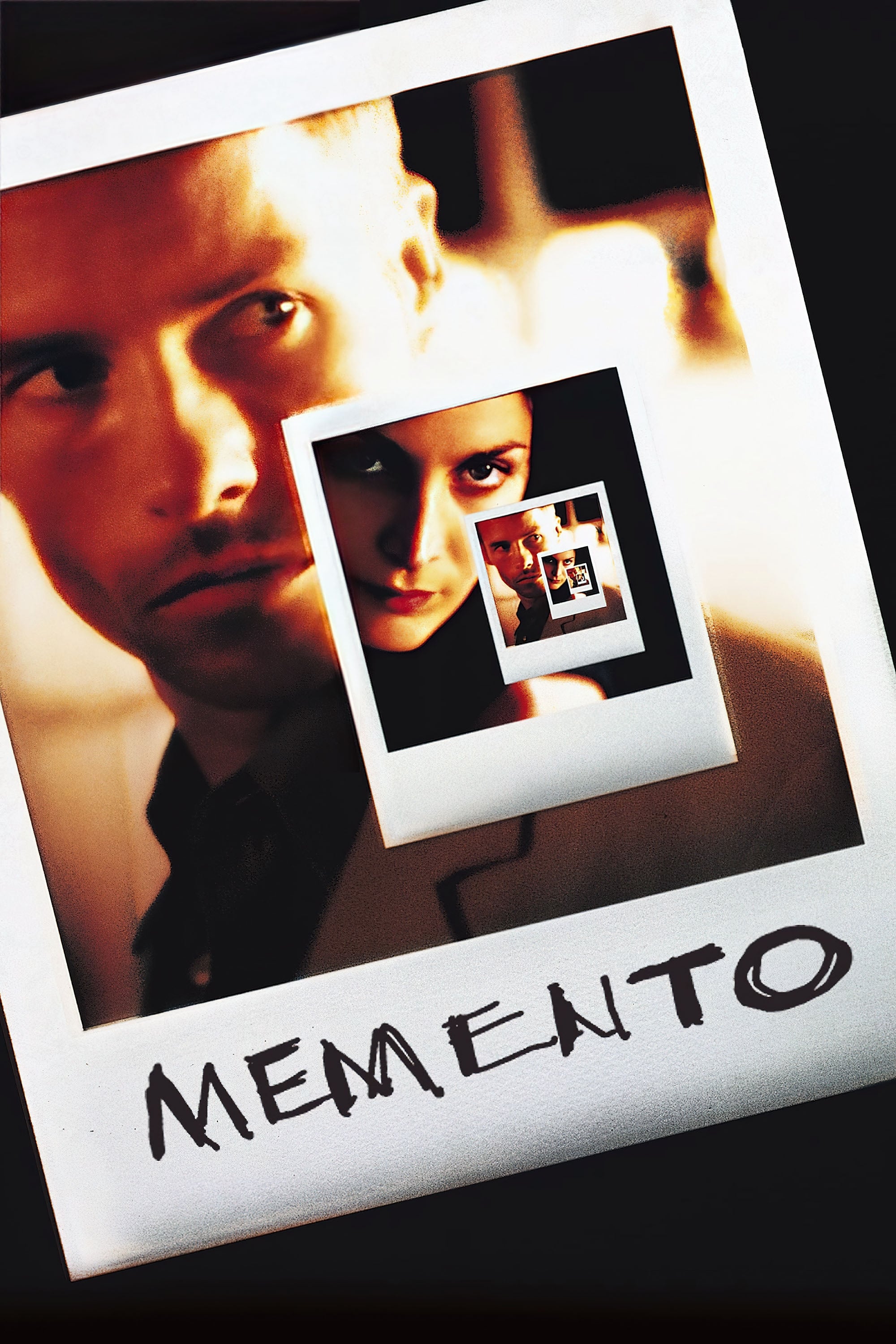
Christopher Nolan directs this neo-noir about a man with anterograde memory loss tracking his wife’s killer. The film famously runs two intercut timelines—one in color presented in reverse order and one in black-and-white running forward. Guy Pearce stars alongside Carrie-Anne Moss and Joe Pantoliano. The structure, adapted from Jonathan Nolan’s short story, foregrounds clues through chronology rather than exposition.
‘The Sixth Sense’ (1999)
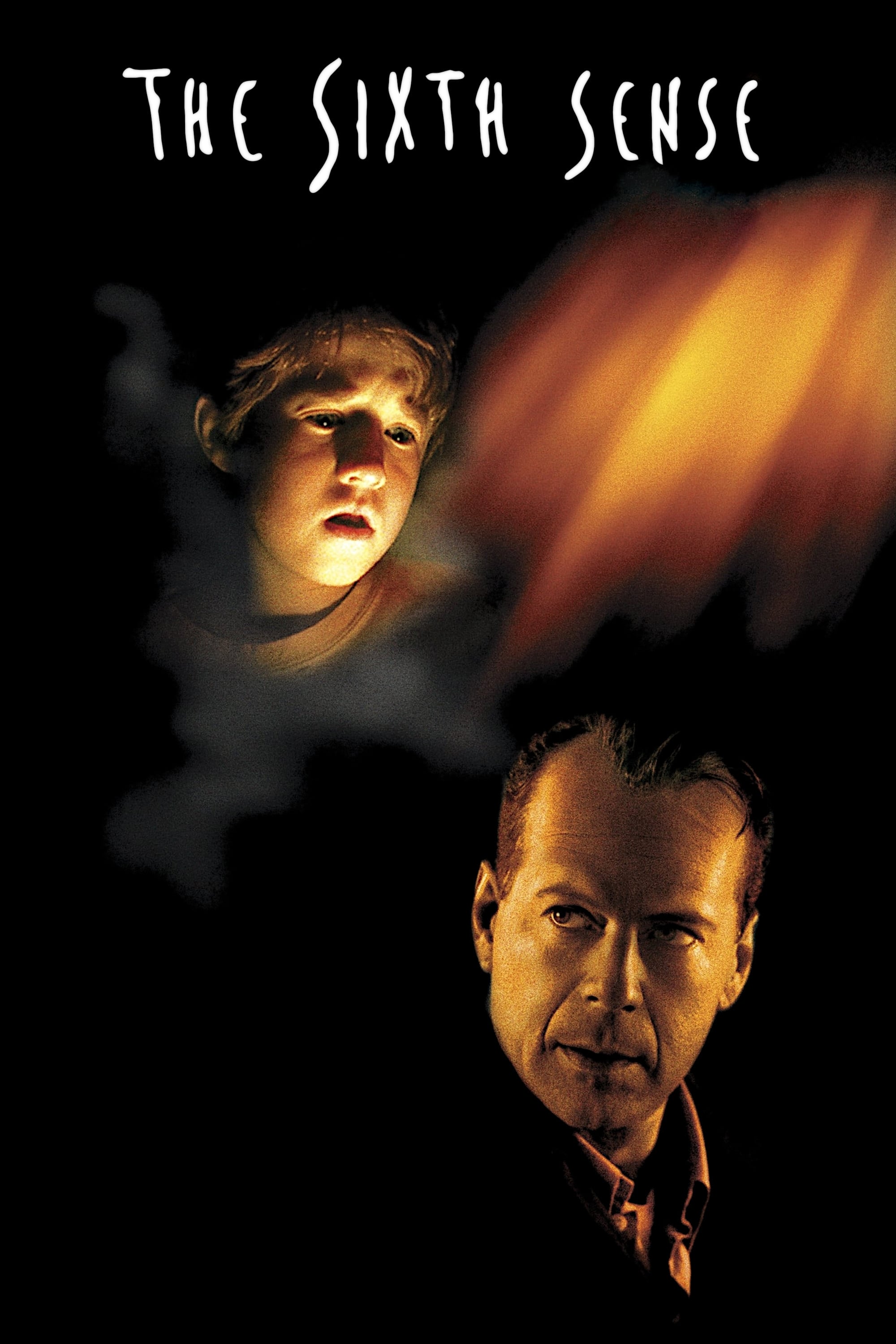
Written and directed by M. Night Shyamalan, this supernatural mystery follows a child psychologist helping a boy who claims he sees the dead. Bruce Willis, Haley Joel Osment, and Toni Collette lead the cast. The film seeds visual motifs and staging choices that retrospectively clarify character interactions. It became a major box-office success and earned multiple Academy Award nominations.
‘Shutter Island’ (2010)
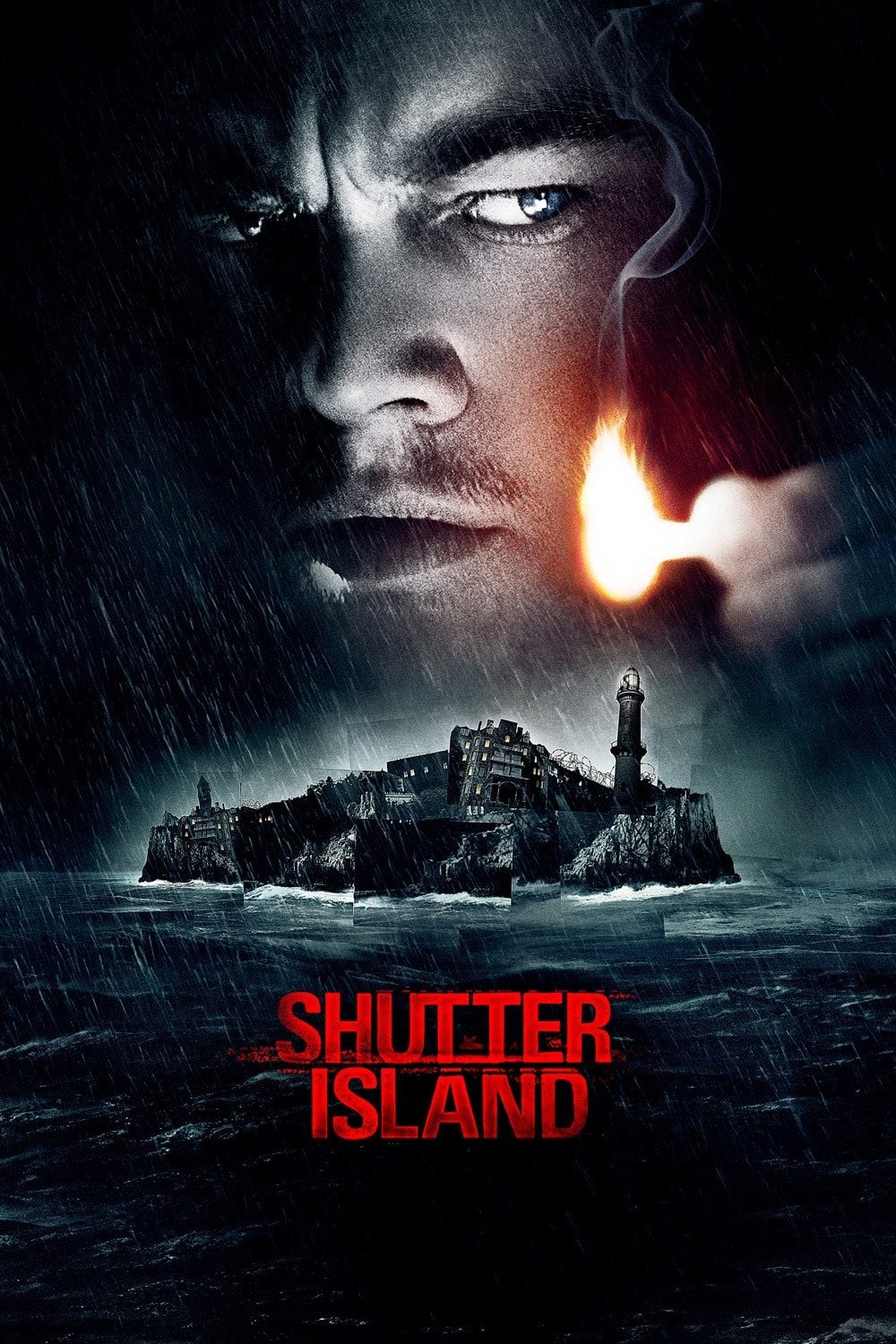
Martin Scorsese adapts Dennis Lehane’s novel about U.S. Marshals investigating a disappearance at a remote psychiatric facility. Leonardo DiCaprio and Mark Ruffalo star, with cinematography by Robert Richardson and a needle-drop score curated by Robbie Robertson. Production design and recurring imagery echo case details and patient histories. The narrative uses dream sequences and interviews to layer conflicting accounts.
‘The Prestige’ (2006)
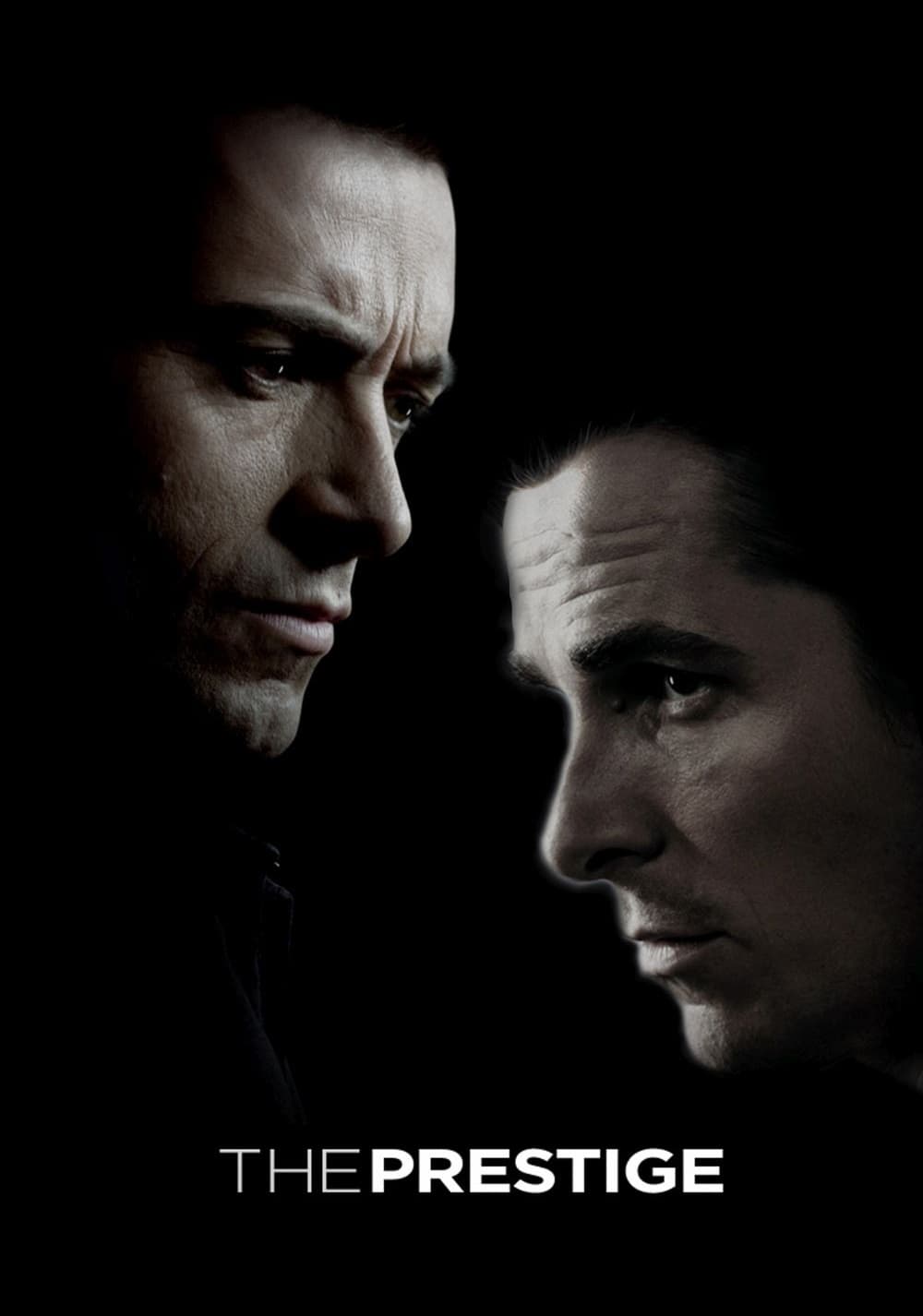
Christopher Nolan’s period mystery centers on rival stage magicians whose escalating competition involves secrets, doubles, and misdirection. Christian Bale and Hugh Jackman headline, with Michael Caine and Scarlett Johansson in supporting roles. The film is structured like a magic act—pledge, turn, and prestige—mirroring its thematic focus on sacrifice and obsession. It adapts Christopher Priest’s novel and integrates diary-within-diary storytelling.
‘Oldboy’ (2003)
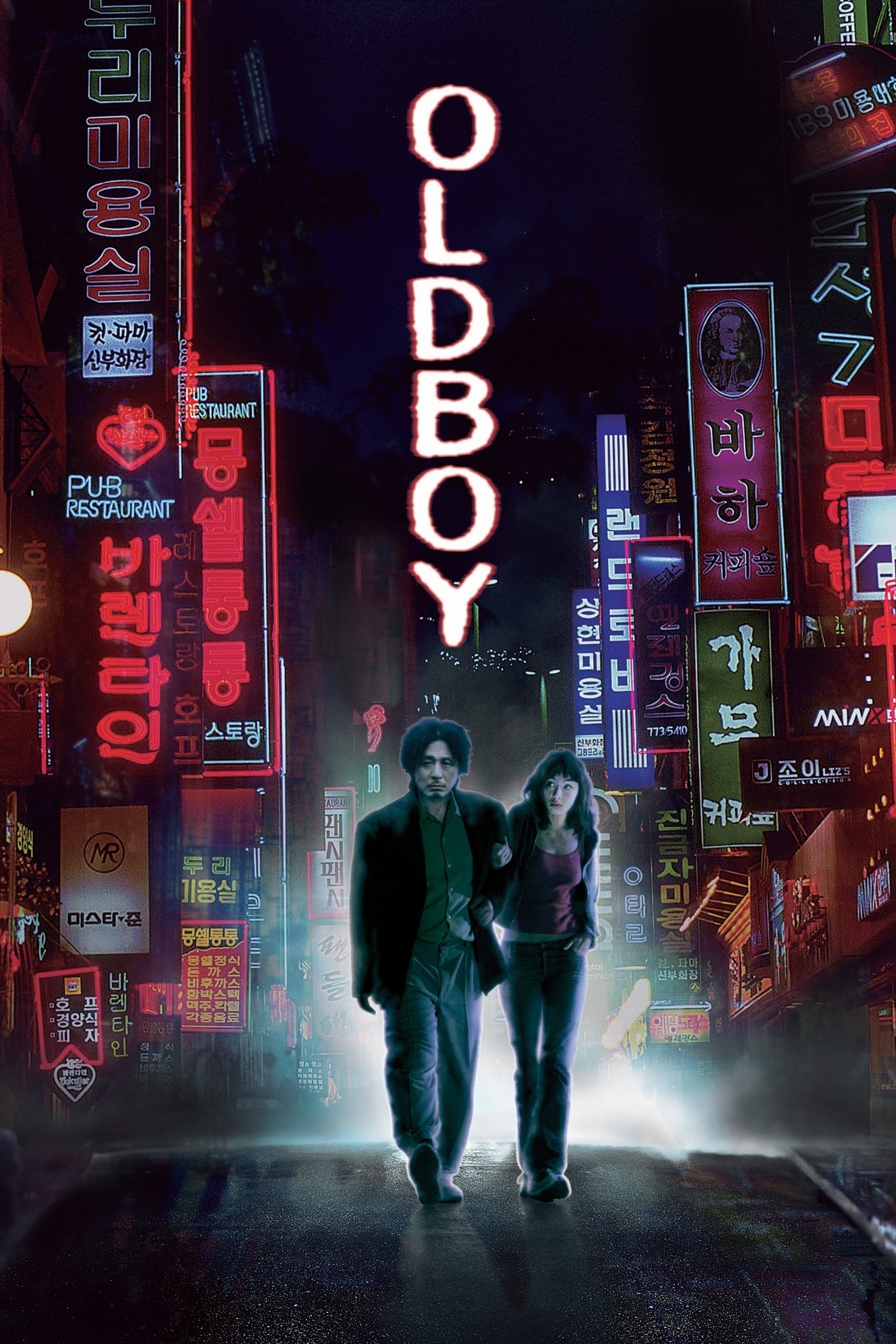
Park Chan-wook’s thriller follows a man inexplicably imprisoned and then released, pushing him into a revenge investigation. Choi Min-sik stars, with cinematography notable for long takes, including the corridor fight. The plot is adapted from a Japanese manga, retaining a puzzle-box escalation of revelations. Symbolic props and repeated locations track the antagonist’s orchestrated design.
‘Mulholland Drive’ (2001)
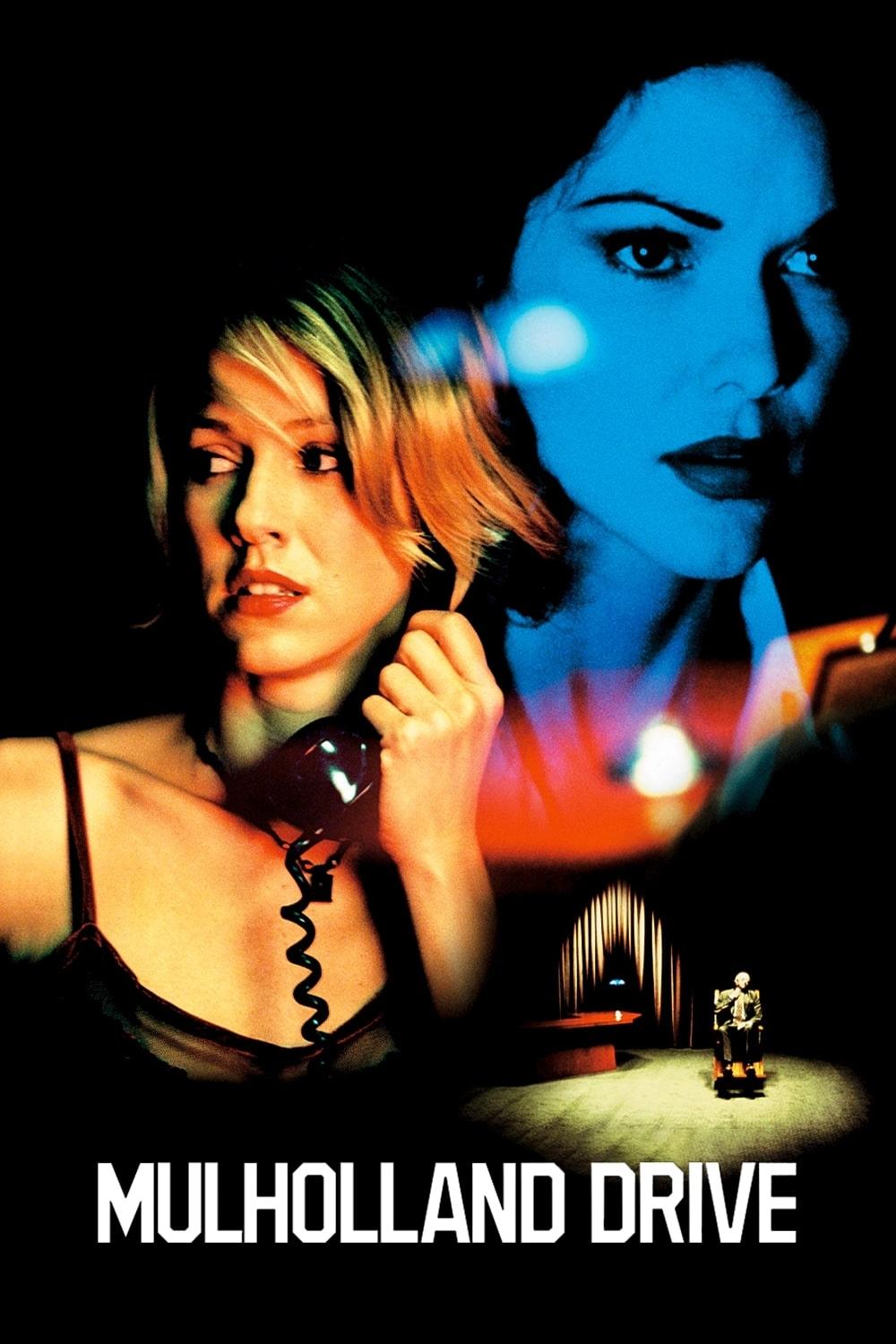
David Lynch crafts a Los Angeles mystery that intertwines a hopeful actor’s arrival with a survivor of a car crash. Naomi Watts and Laura Harring lead, with Angelo Badalamenti’s score underpinning shifts between dream logic and industry noir. The project began as a television pilot and was expanded into a feature, resulting in segmented but thematically linked episodes. Recurring names, clubs, and blue objects connect identity fragments across scenes.
‘Se7en’ (1995)
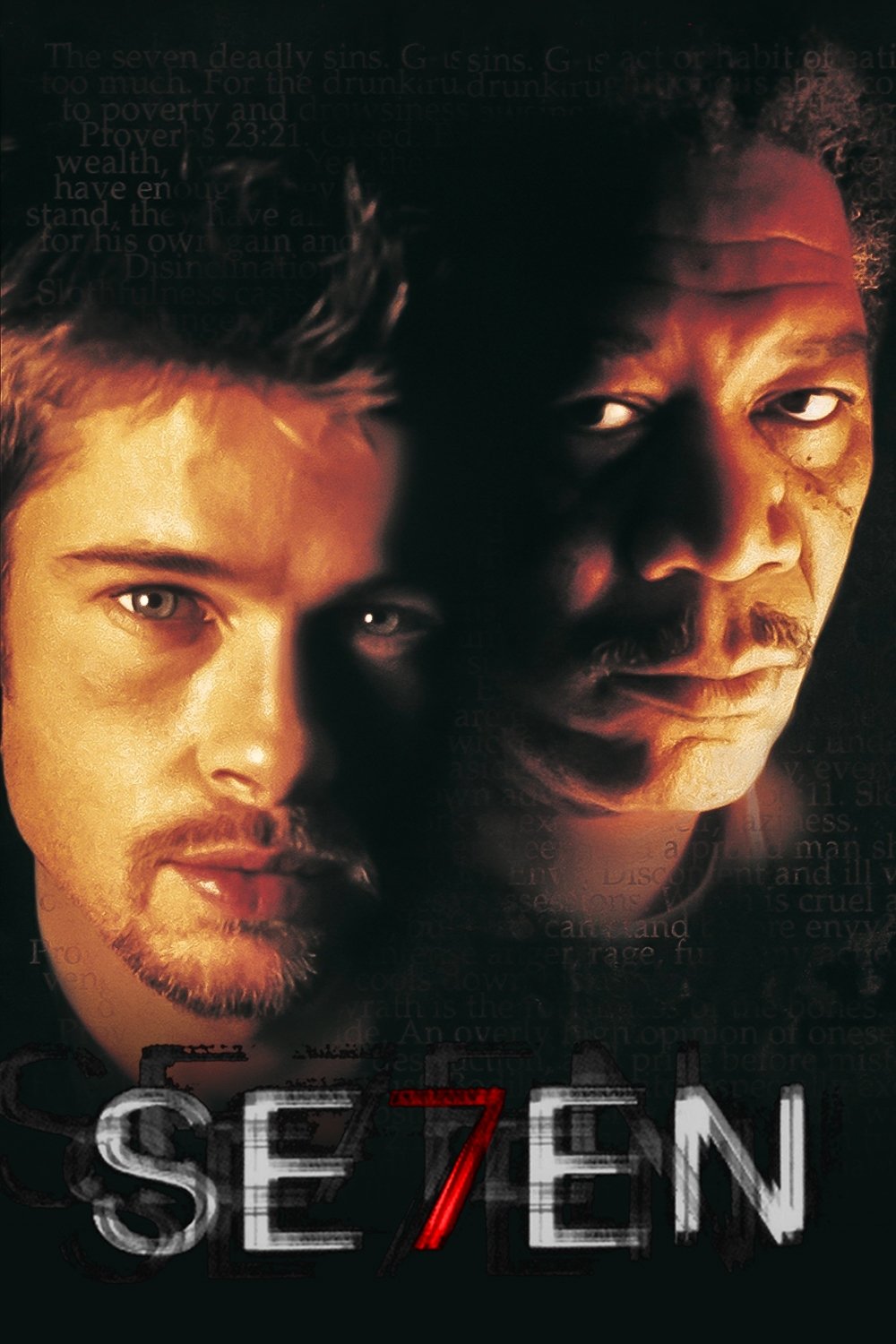
David Fincher directs this procedural about two detectives confronting a serial killer whose crimes reference the seven deadly sins. Brad Pitt and Morgan Freeman star, with a rain-soaked urban setting that emphasizes ritual and pattern. The opening credits’ hand-crafted journals foreshadow the killer’s methodology. Narrative pacing parcels out crime-scene details that later align with the final delivery sequence.
‘Fight Club’ (1999)
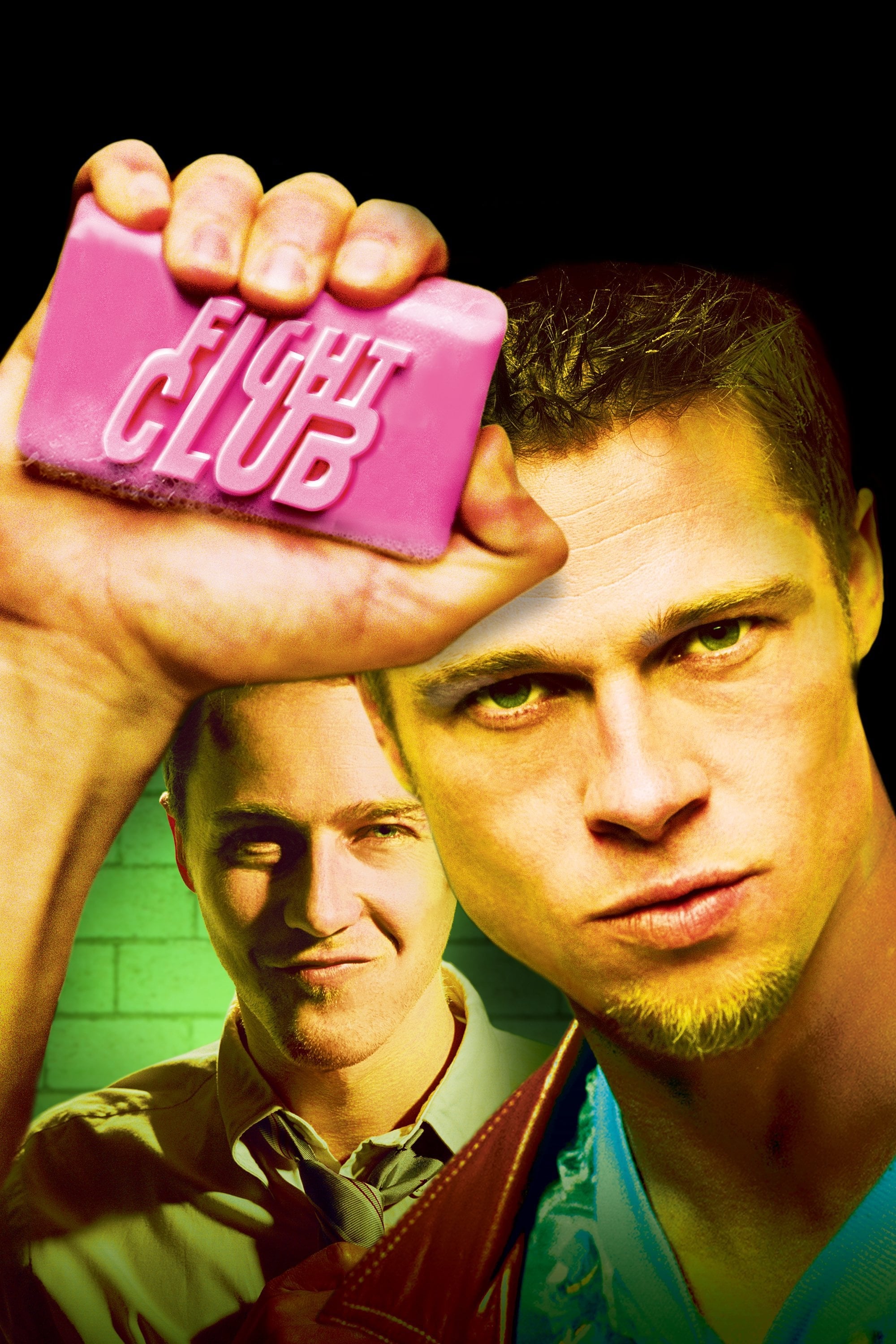
Adapted from Chuck Palahniuk’s novel, David Fincher’s film follows an unnamed narrator drawn into an underground fighting collective. Edward Norton and Brad Pitt star, with Helena Bonham Carter in a key role. Voice-over, subliminal frames, and production design embed identity clues throughout. The story structure juxtaposes support-group rituals with project logistics to map an escalation.
‘Zodiac’ (2007)
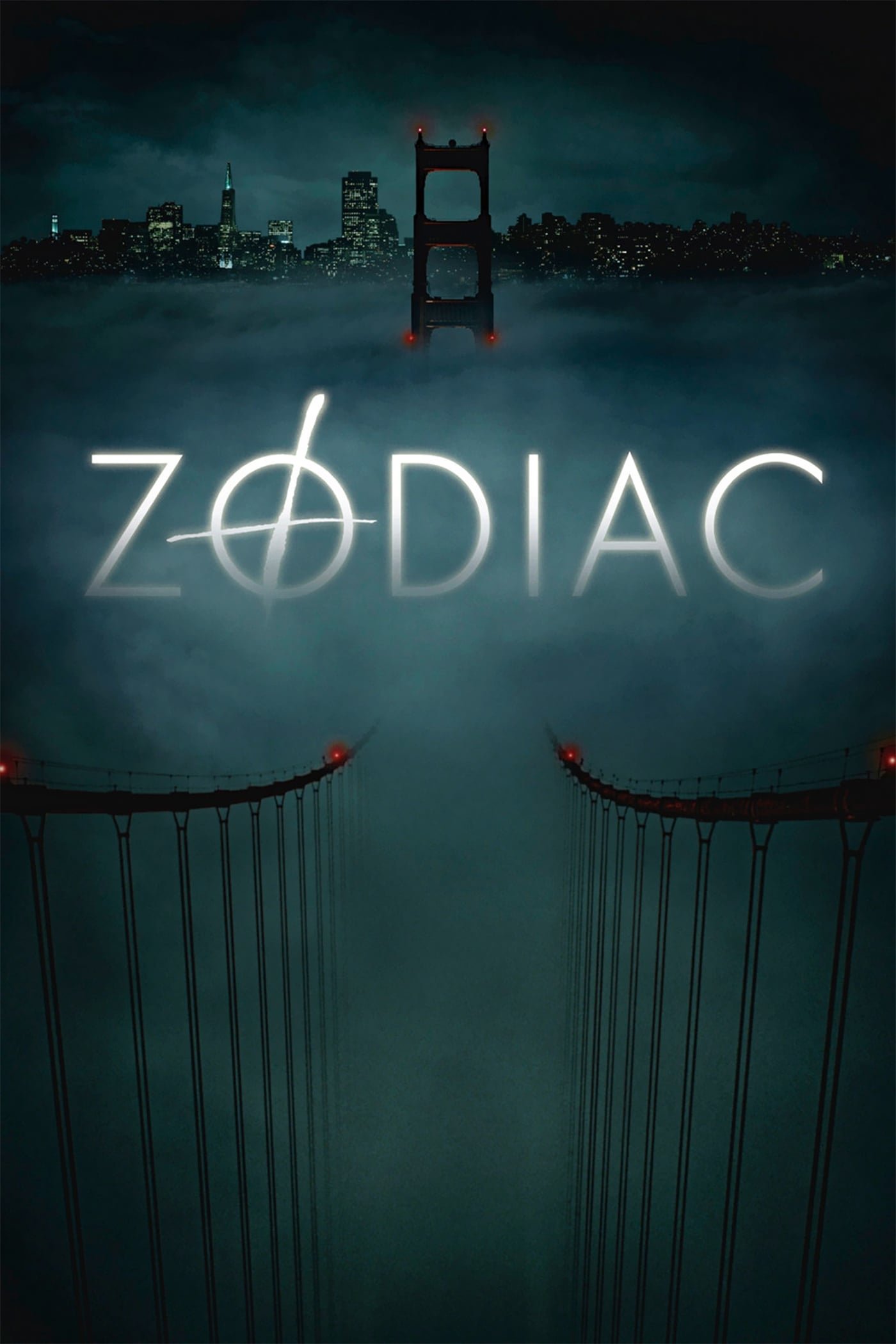
David Fincher’s newsroom-and-police procedural tracks the investigation into the Zodiac killings through journalists and detectives. Jake Gyllenhaal, Robert Downey Jr., and Mark Ruffalo headline, with meticulous period detail from costuming to typography. The film compiles letters, ciphers, and case files to show how evidence pools shifted over time. It draws heavily on non-fiction books by Robert Graysmith.
‘Gone Girl’ (2014)
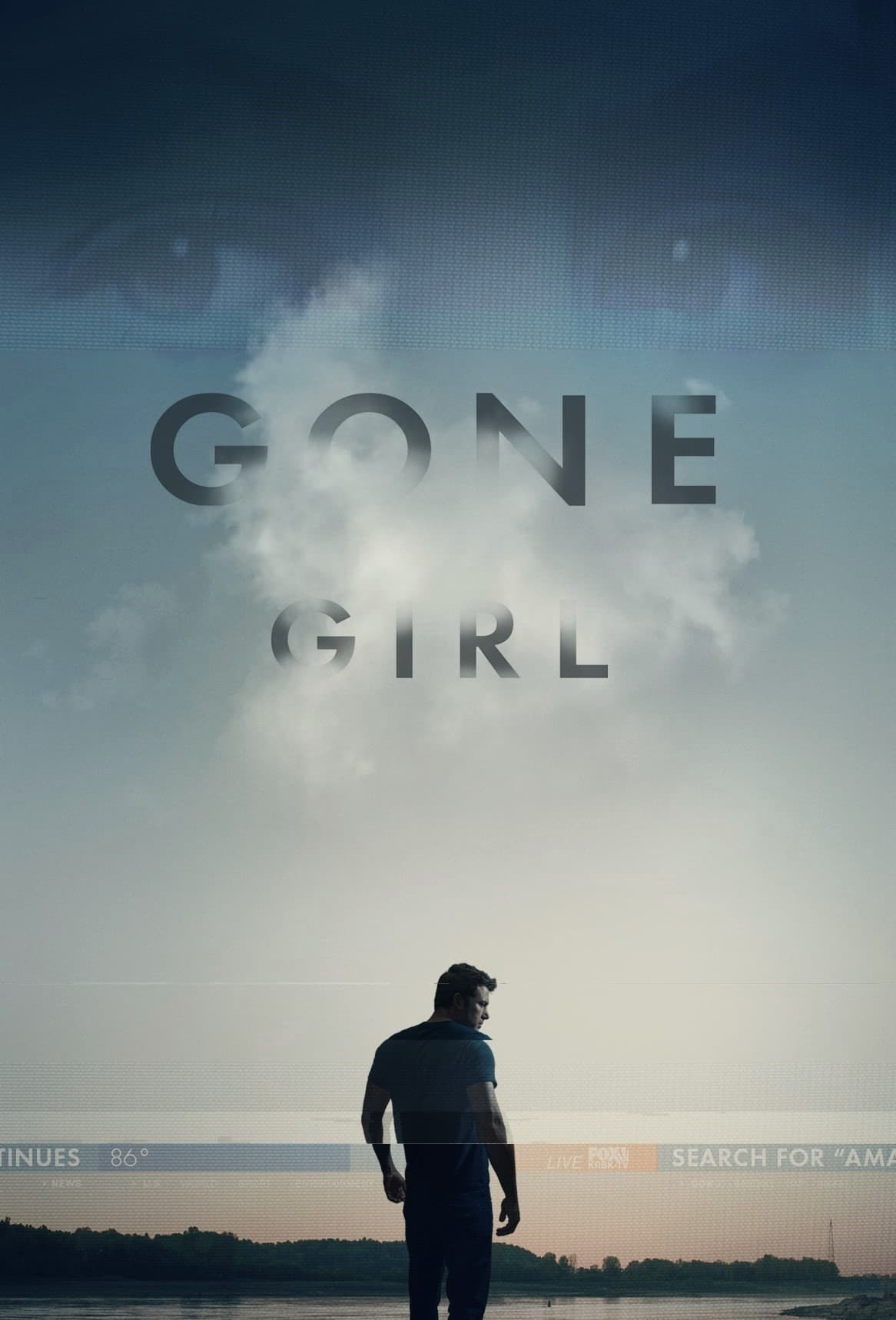
Directed by David Fincher and adapted by Gillian Flynn from her own novel, this mystery toggles between a missing-person case and a media narrative. Ben Affleck and Rosamund Pike star, with a score by Trent Reznor and Atticus Ross. Alternating diary entries and present-day investigation scenes present competing versions of events. The plot’s legal and financial specifics—trusts, prenups, and property—anchor character decisions.
‘The Others’ (2001)
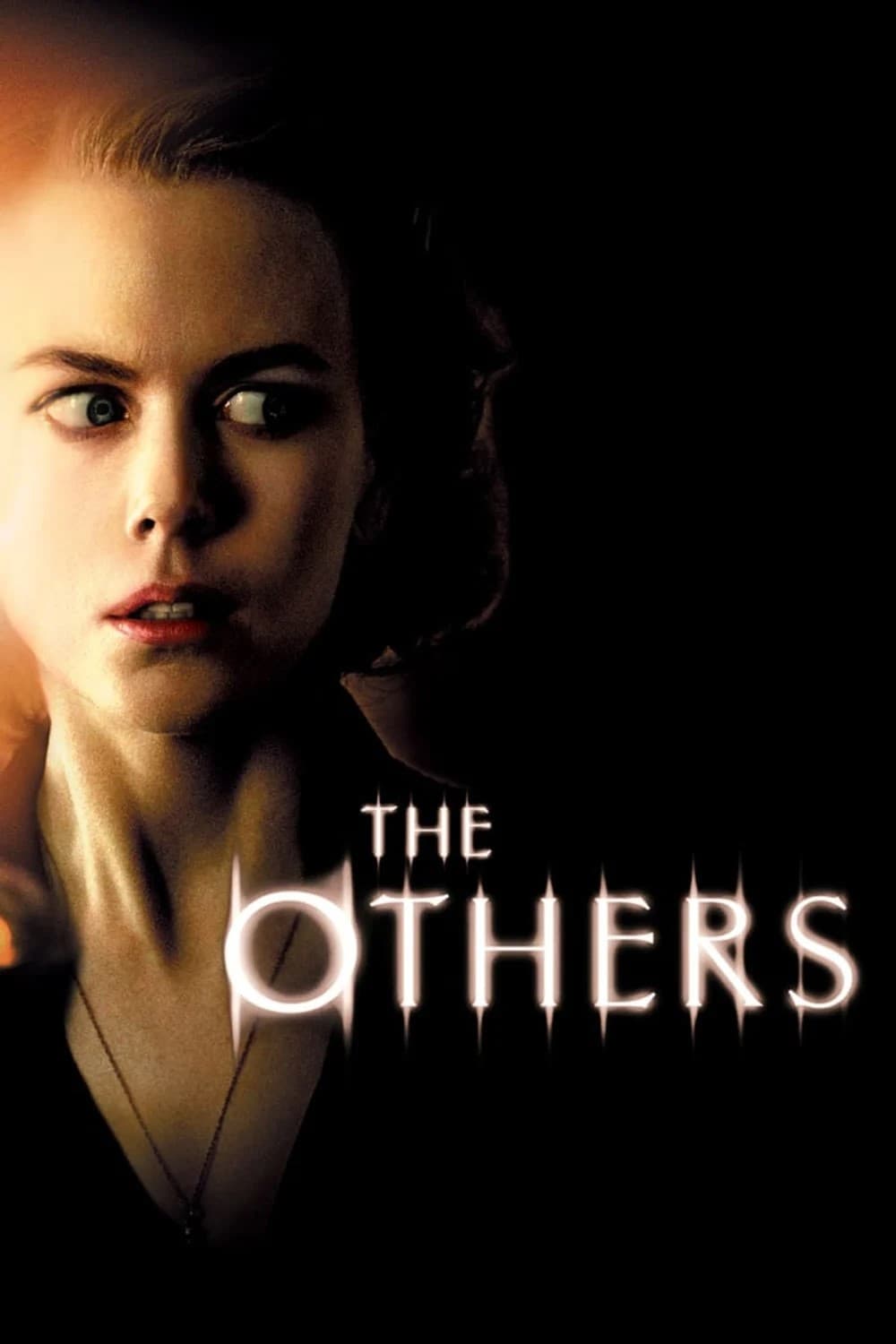
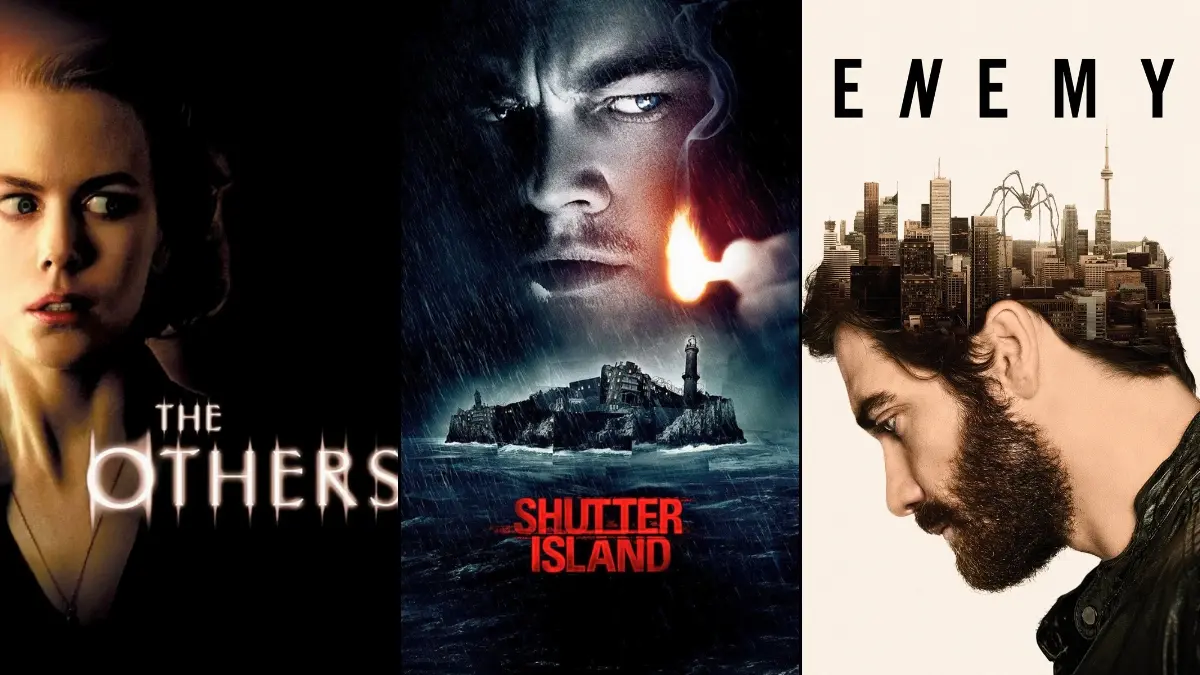
Alejandro Amenábar writes and directs this gothic story about a mother and her photosensitive children in a fog-shrouded manor. Nicole Kidman leads, supported by Fionnula Flanagan and Christopher Eccleston. The film uses strict household rules—curtains, doors, and schedules—to organize spatial clues. Sound design and period photographs play central roles in the unfolding mystery.
‘Donnie Darko’ (2001)
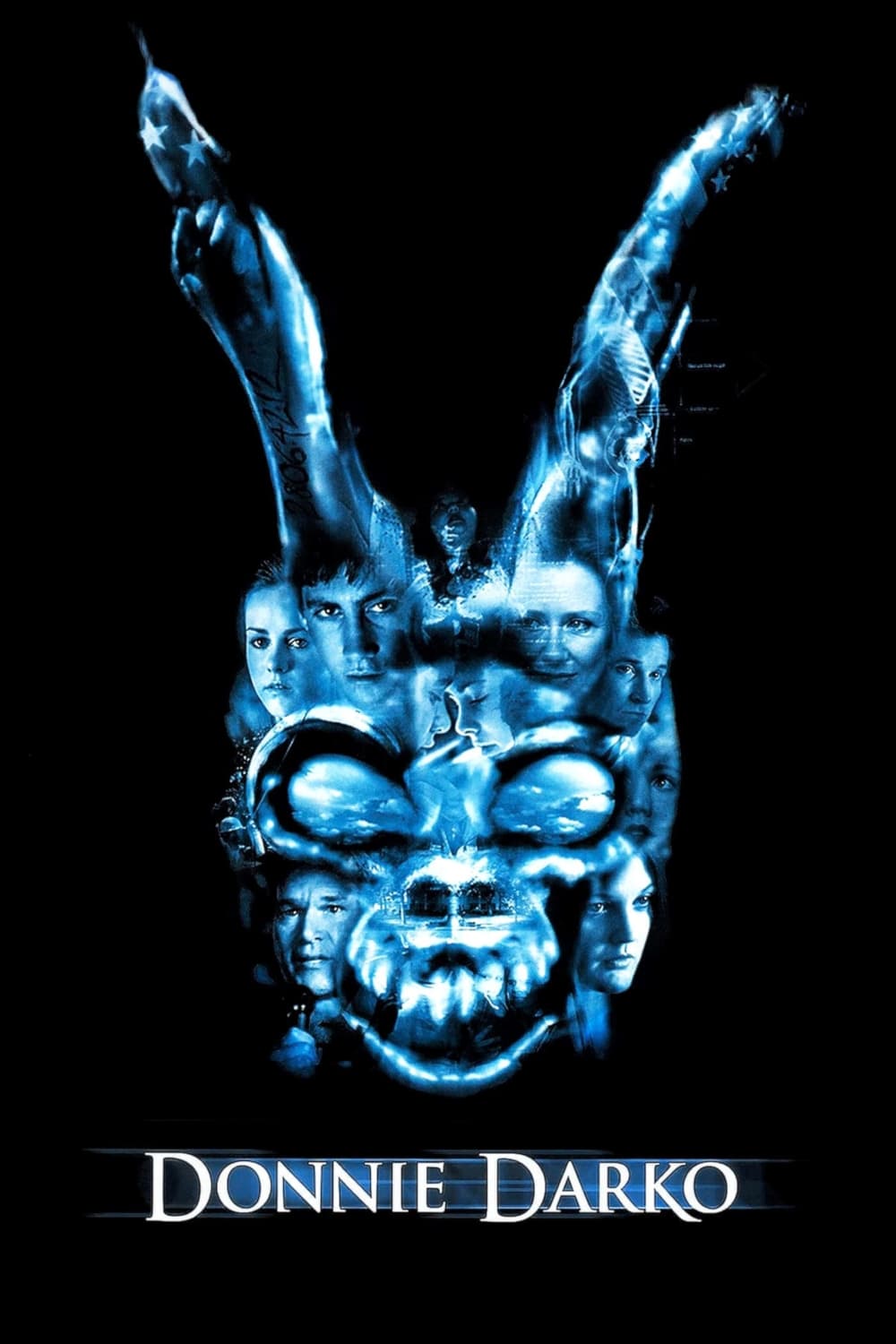
Richard Kelly’s film blends suburban drama with a plane-engine incident and a figure in a rabbit suit named Frank. Jake Gyllenhaal stars with Jena Malone, Maggie Gyllenhaal, and Drew Barrymore. Concepts like tangent universes and manipulated living are outlined through a fictional book quoted onscreen. The theatrical and director’s cuts differ in explanatory text, altering how clues read on rewatch.
‘Primer’ (2004)
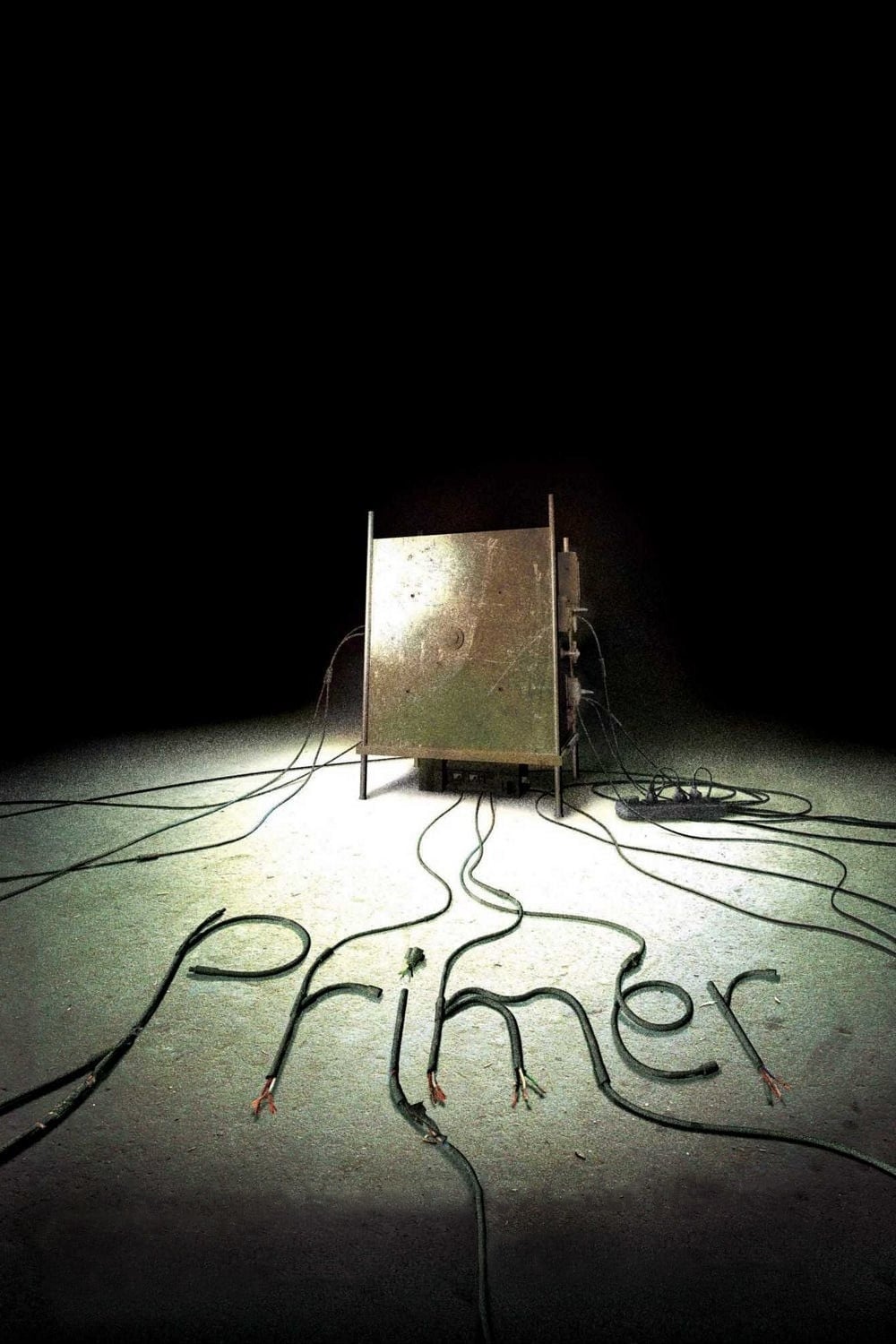
Shane Carruth wrote, directed, scored, and starred in this micro-budget tale of engineers who stumble onto a time-altering device. Technical dialogue and overlapping conversations reflect the characters’ backgrounds. Multiple iterations of events create a lattice of overlapping timelines that can be charted from contextual hints. The film’s minimalist look emphasizes garage prototypes and ad-hoc ethics.
‘Coherence’ (2013)
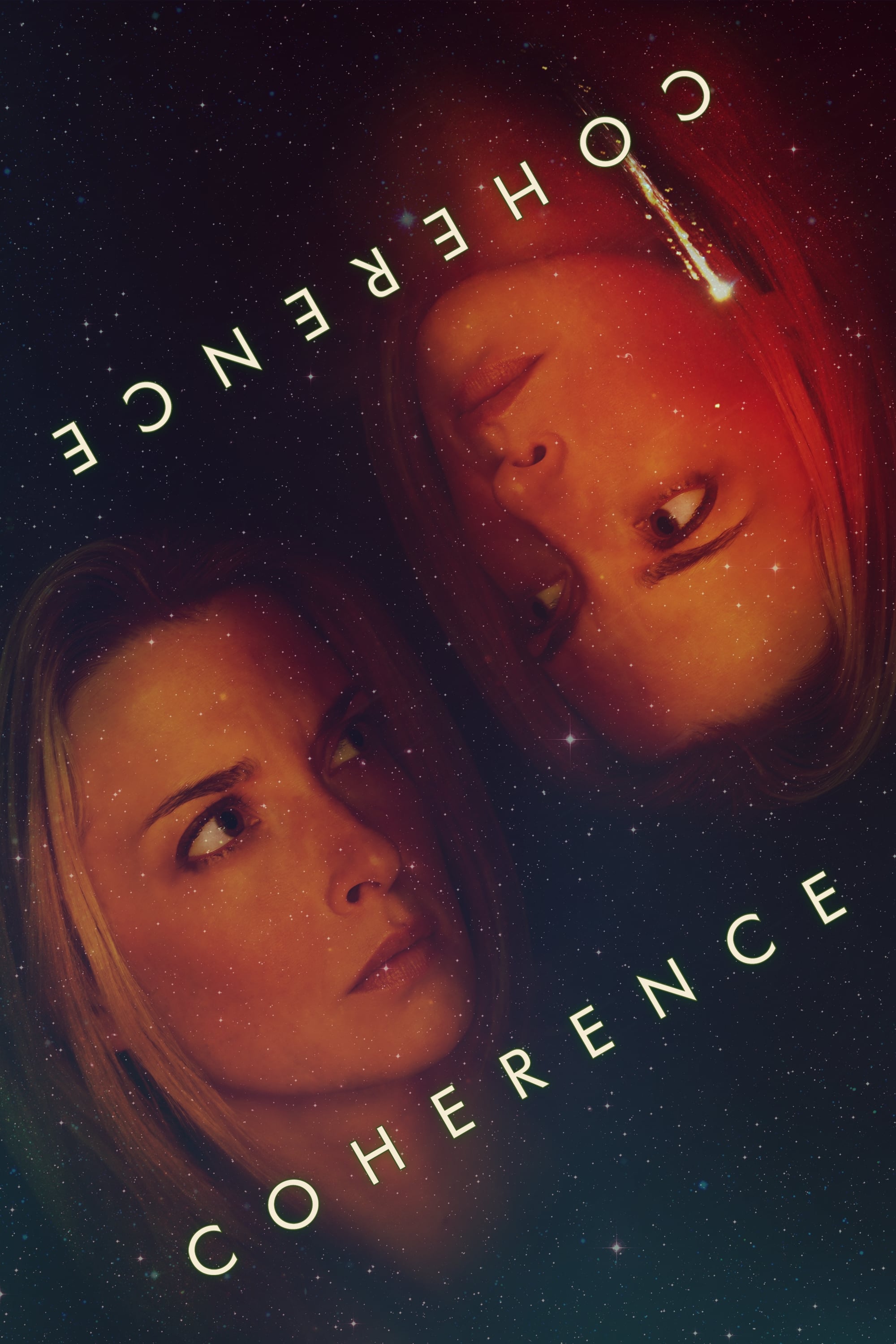
James Ward Byrkit’s chamber-piece mystery unfolds during a dinner party on the night a comet passes overhead. Largely improvised dialogue and minimal lighting support a branching-realities conceit. Color-coded objects and house layouts help track shifting identities and groups. The production used note cards and real-time blocking to maintain internal continuity.
‘Enemy’ (2013)
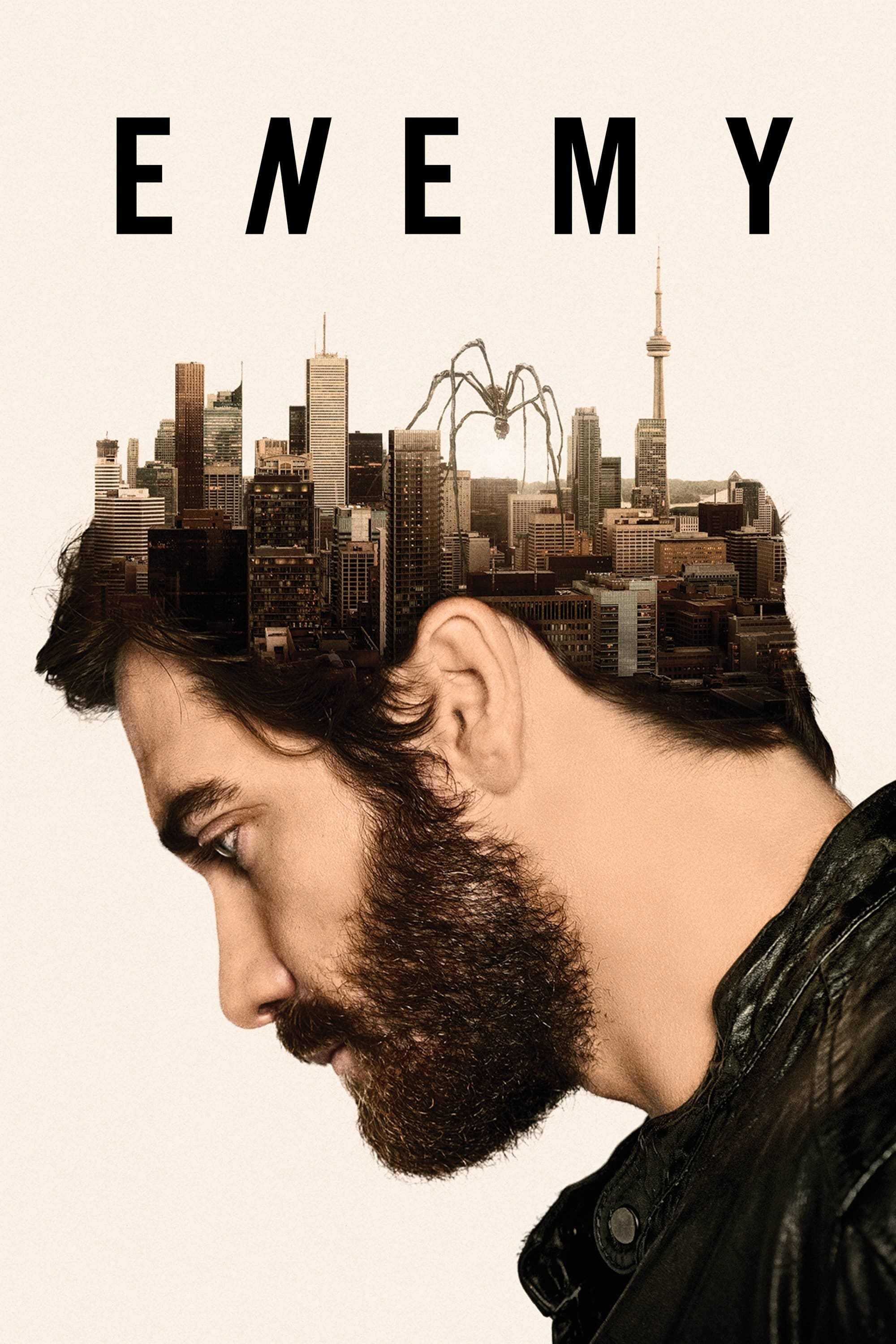
Denis Villeneuve adapts José Saramago’s novel about a professor who discovers an exact double. Jake Gyllenhaal plays dual roles, with Sarah Gadon and Mélanie Laurent in support. The film uses recurring symbols, including spiders and architecture, to externalize subconscious themes. A limited color palette and controlled camera work reinforce the sense of mirroring.
‘The Machinist’ (2004)
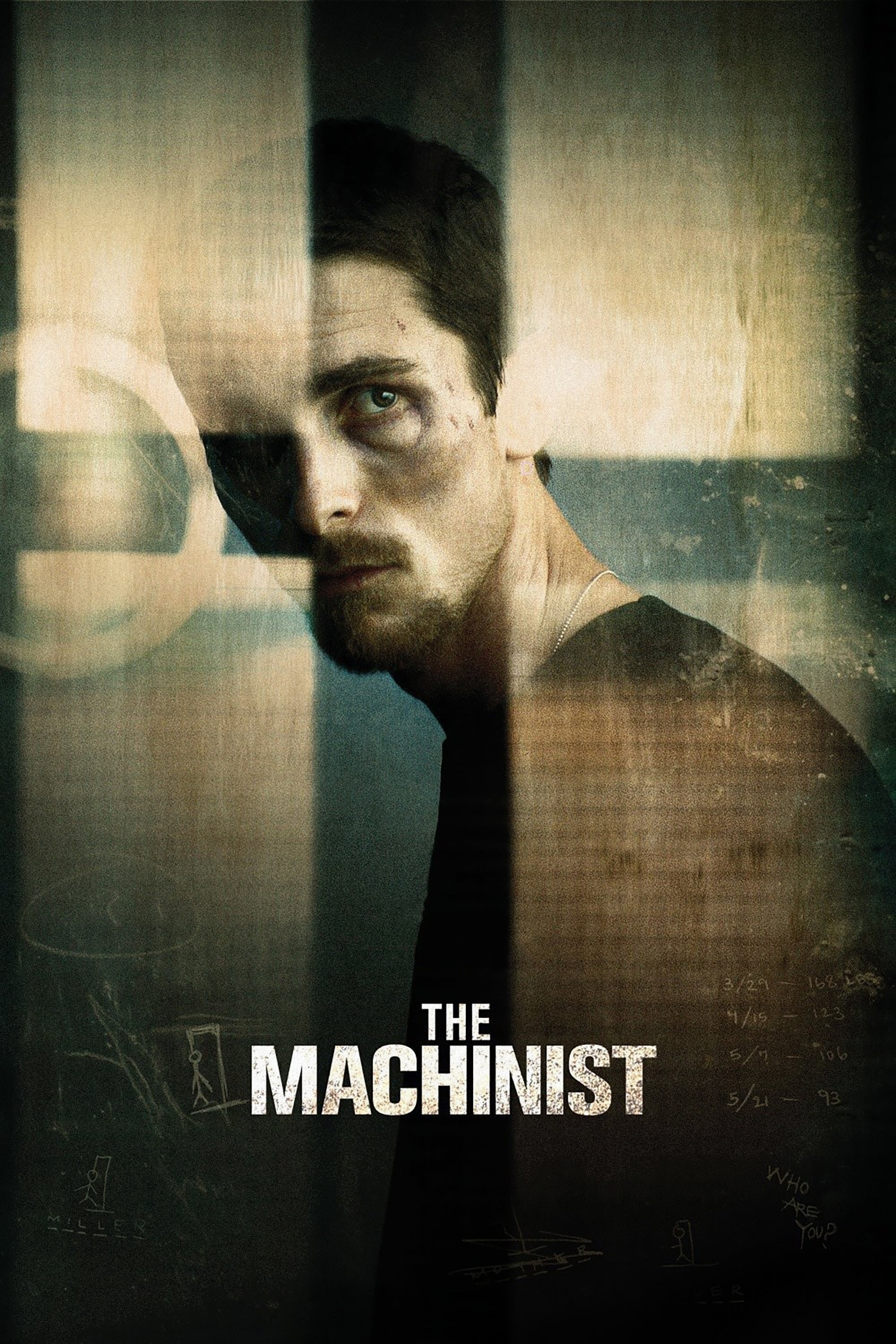
Brad Anderson’s psychological mystery centers on an industrial worker suffering from severe insomnia and weight loss. Christian Bale’s physical transformation is a notable production detail, paired with a bleak factory setting. Visual motifs—post-it notes, photographs, and carnival rides—mark stages of recall. The narrative links workplace incidents with personal history through recurring names and routes.
‘The Usual Suspects’ (1995)
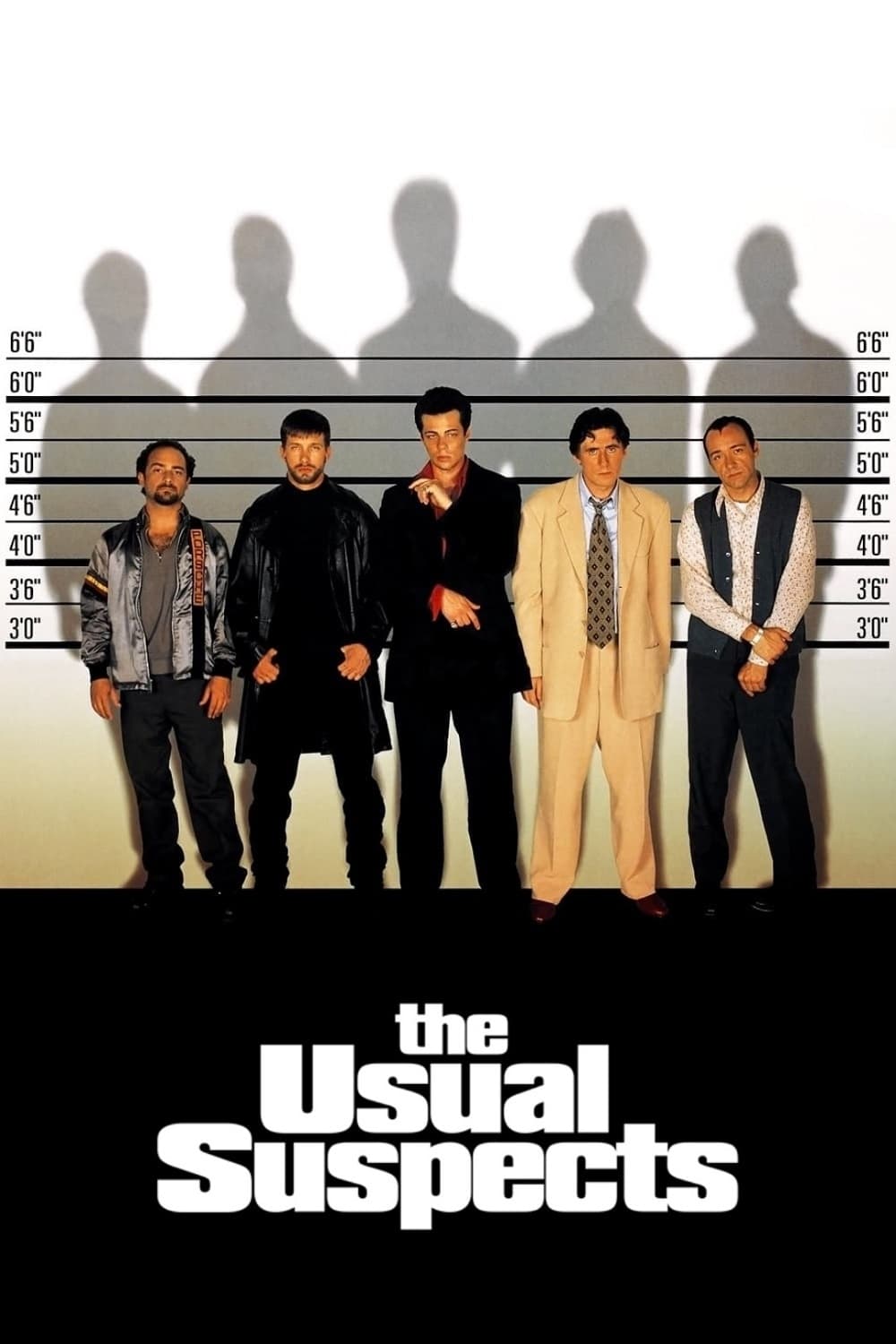
Bryan Singer directs a crime mystery structured around an interrogation and an unreliable witness. Kevin Spacey, Gabriel Byrne, Benicio Del Toro, and Chazz Palminteri lead the ensemble. The plot uses a lineup, a boat explosion, and a series of robberies to thread suspects together. Props and background signage in the office scenes provide embedded information about the testimony.
‘Tenet’ (2020)
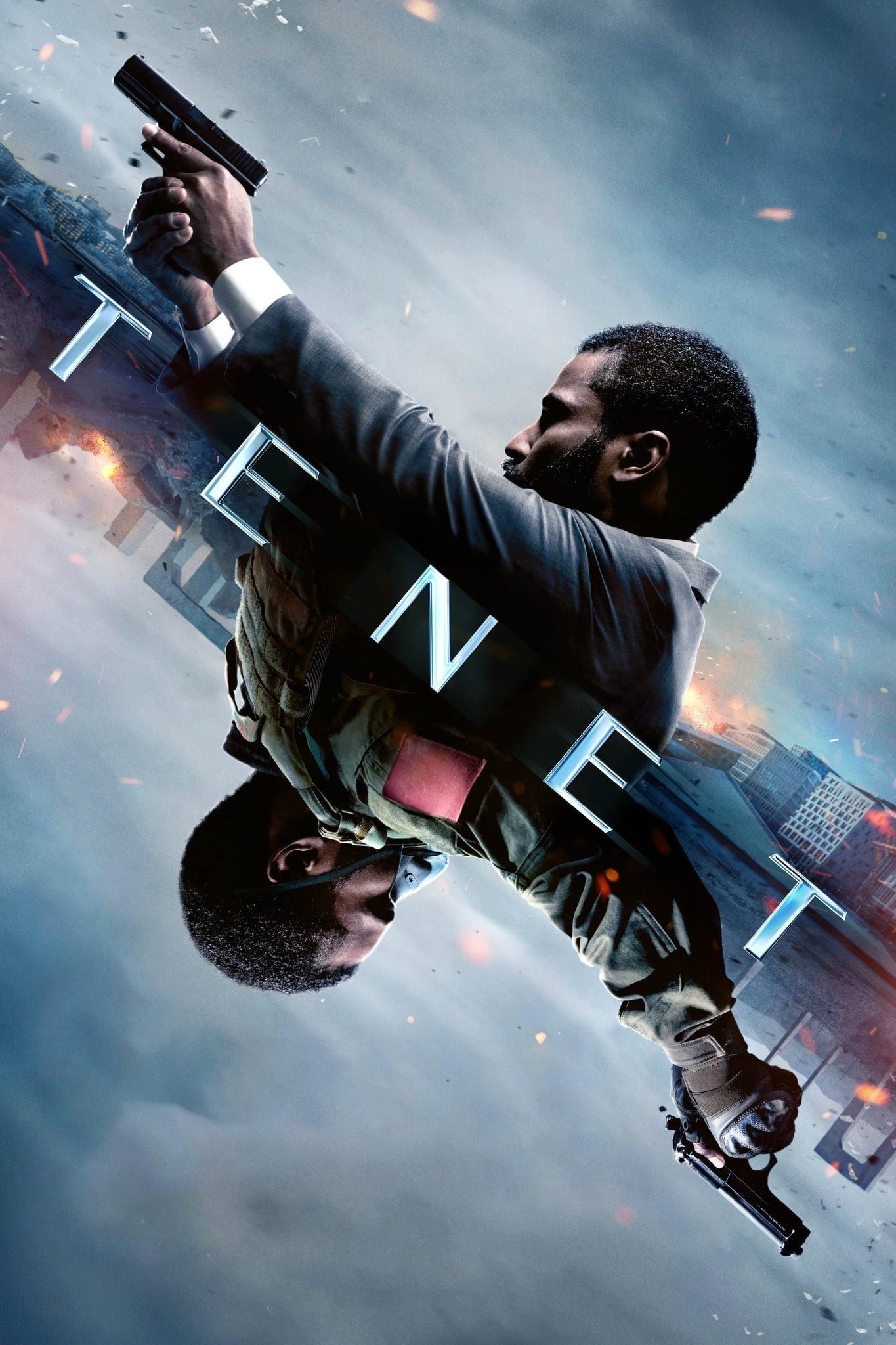
Christopher Nolan’s espionage puzzle introduces inverted entropy, allowing objects and people to move backward through events. John David Washington, Robert Pattinson, and Elizabeth Debicki star, with large-scale set pieces coordinated for simultaneous forward and reverse action. The screenplay’s temporal pincer movements are tracked by color coding and call signs. Practical effects—including a full-size aircraft crash—anchor the chronology mechanics.
‘Predestination’ (2014)
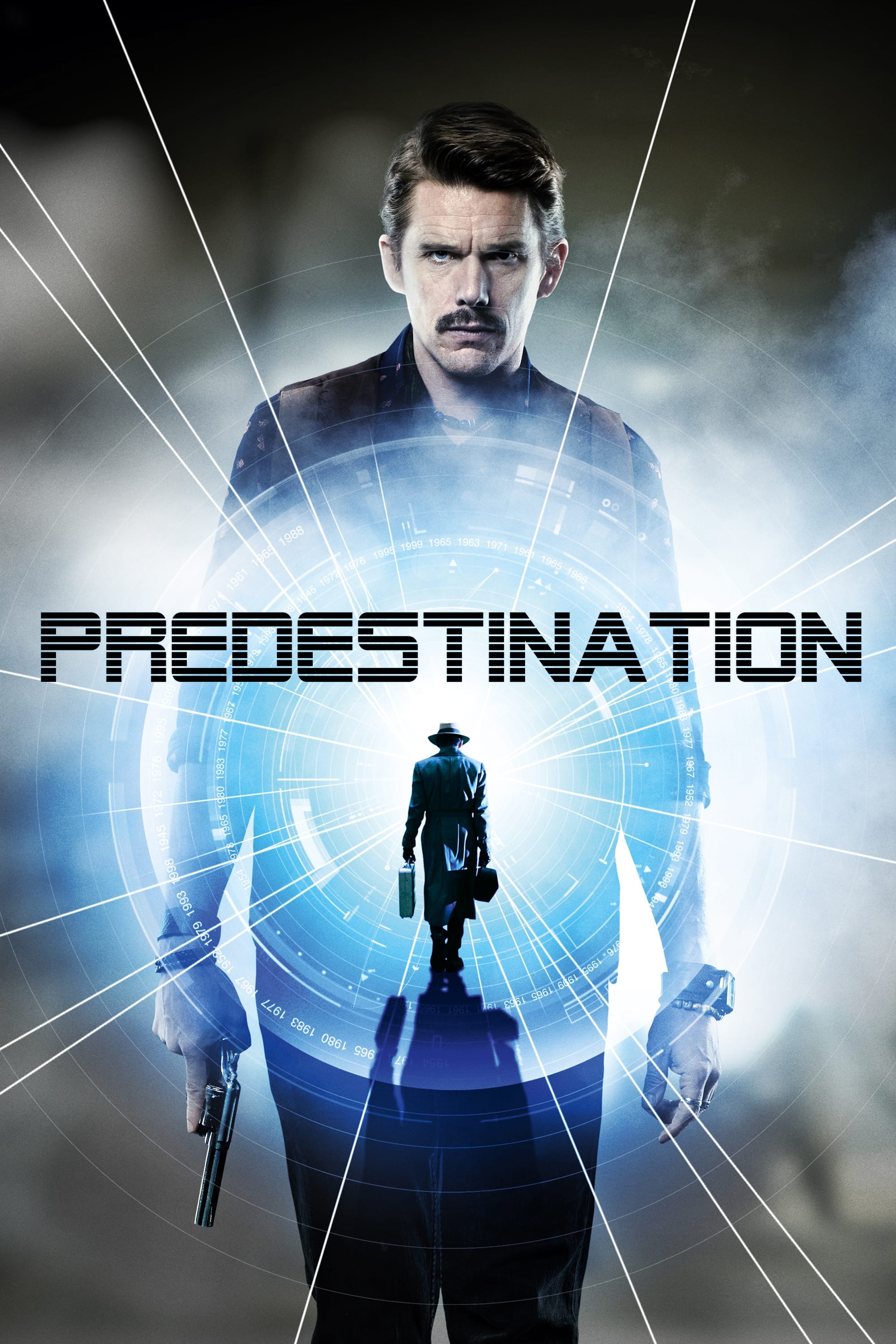
The Spierig Brothers adapt a Robert A. Heinlein story about a temporal agent and a singular, looping biography. Ethan Hawke, Sarah Snook, and Noah Taylor headline. The film interweaves barroom conversation with mission briefings to disclose a closed-loop structure. Makeup effects and costuming support identity continuity across time shifts.
‘The Girl with the Dragon Tattoo’ (2011)
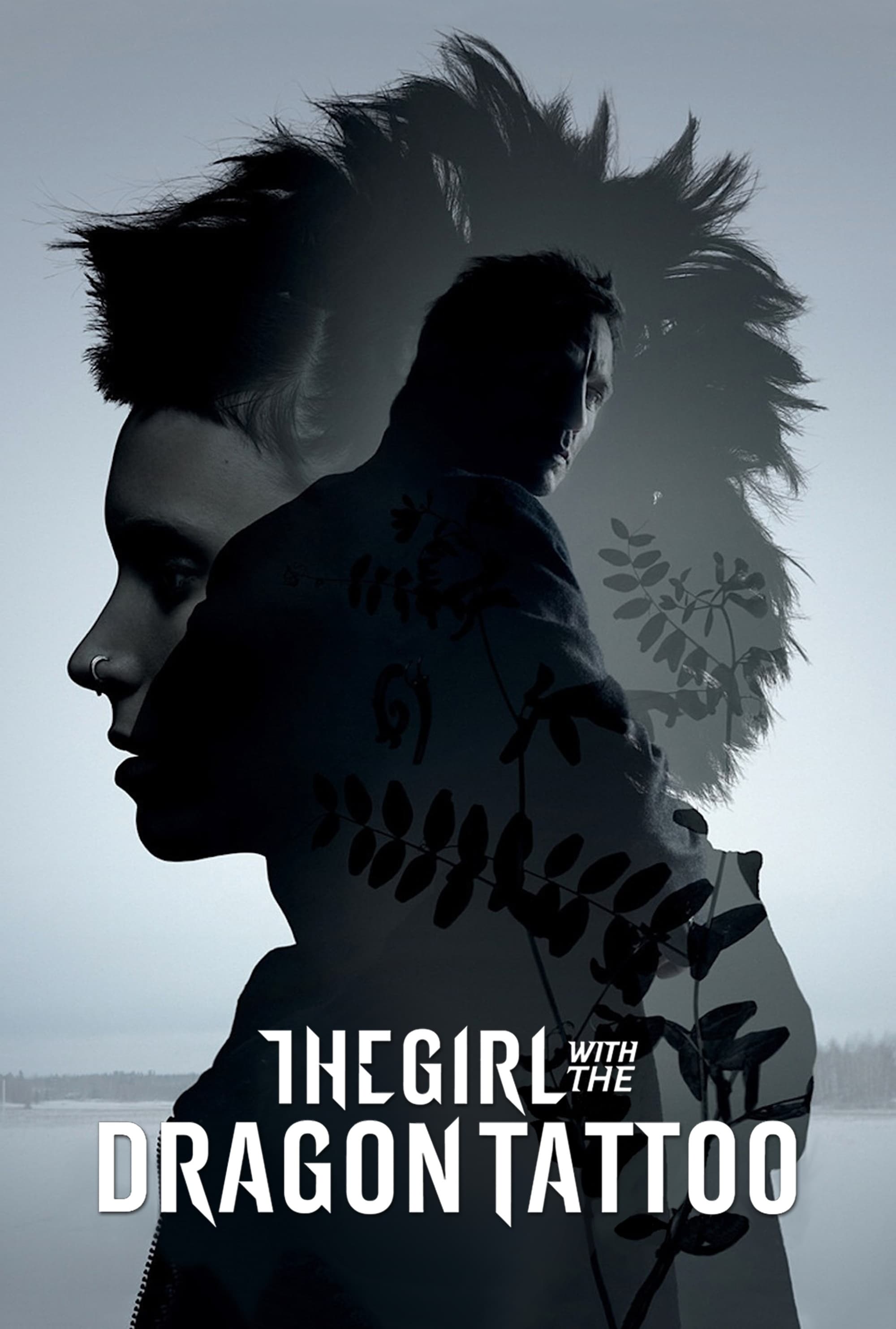
David Fincher’s adaptation of Stieg Larsson’s novel pairs an investigative journalist with a hacker to probe a decades-old disappearance. Rooney Mara and Daniel Craig star, with a cold-weather setting that emphasizes corporate archives and family records. The film leverages financial documents, photographs, and newspaper clippings as primary clues. Its title sequence and score establish themes of control and secrecy.
‘Burning’ (2018)

Lee Chang-dong adapts a Haruki Murakami story into a slow-burn mystery involving a triangle of young adults. Yoo Ah-in, Steven Yeun, and Jeon Jong-seo lead the cast. The film deploys class markers, geographic boundaries near the border, and a recurring greenhouse motif to structure suspicion. Long takes and ambient sound accentuate ambiguous evidence.
‘The Wailing’ (2016)
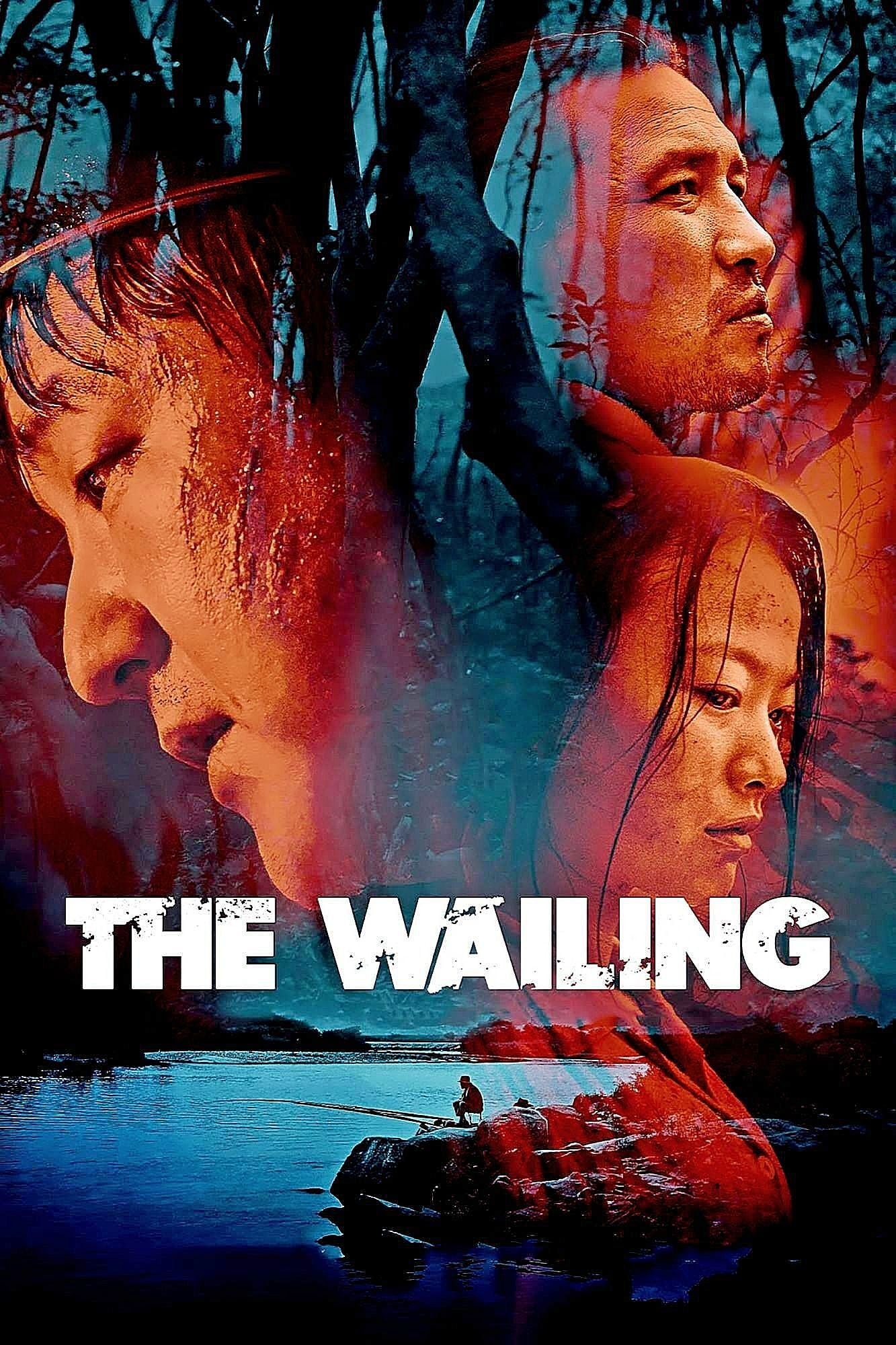
Na Hong-jin’s genre-blending mystery follows a rural police officer investigating a series of violent incidents after a stranger arrives. Kwak Do-won, Hwang Jung-min, and Chun Woo-hee star. Rituals, photographs, and disease symptoms form parallel explanatory frameworks—folk, religious, and forensic. The narrative cross-cuts between shamanic rites and police work to test competing hypotheses.
‘Under the Silver Lake’ (2018)
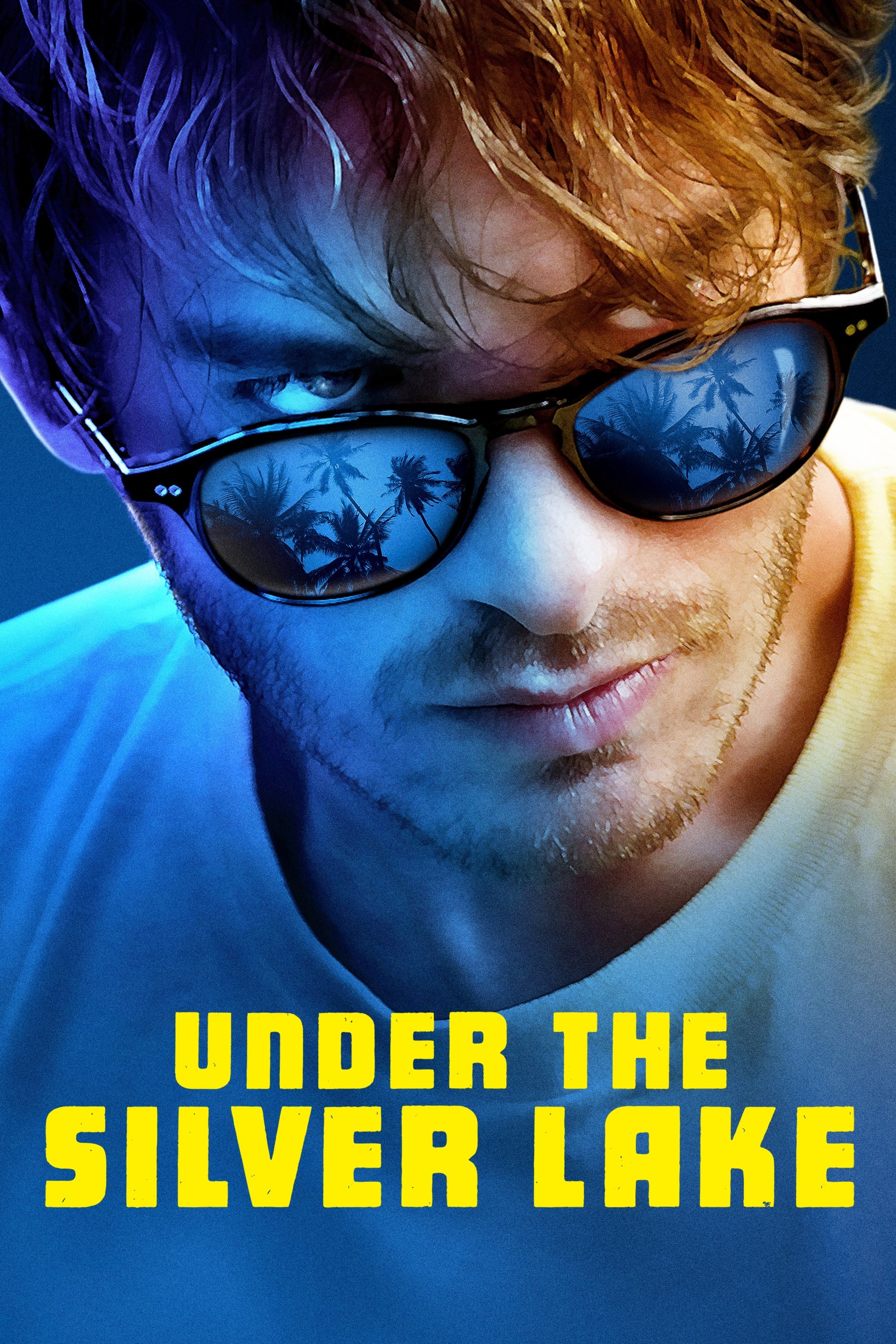
David Robert Mitchell’s Los Angeles mystery tracks a young man decoding symbols across zines, songs, and billboards. Andrew Garfield stars with Riley Keough and a cast of eccentric figures tied to media ephemera. The plot integrates ciphers, maps, and urban legends to link missing-person leads. Production design scatters iconography in apartments, posters, and comic art that function as puzzle pieces.
‘The Handmaiden’ (2016)
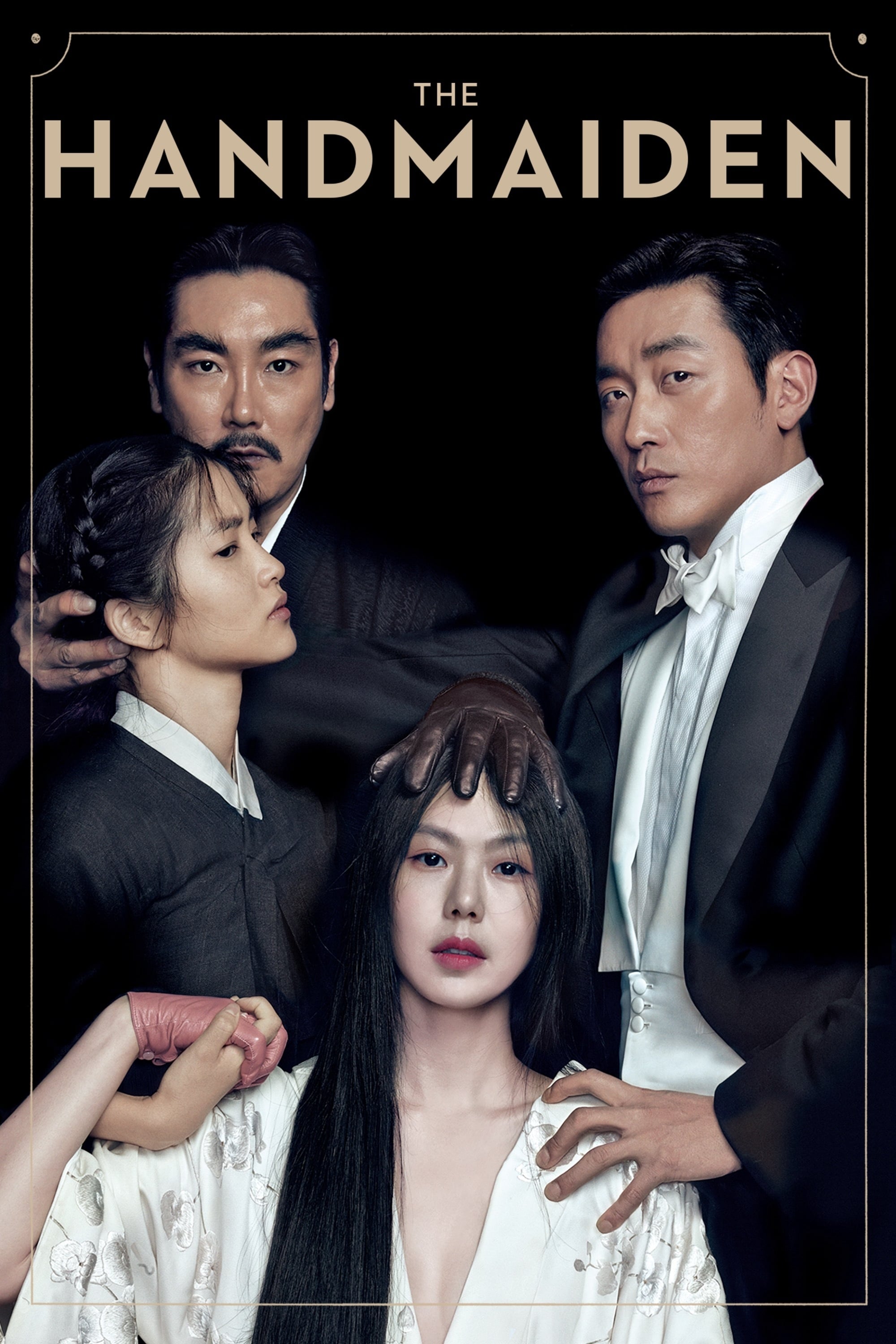
Park Chan-wook’s adaptation of a Sarah Waters novel relocates the story to colonial Korea and divides it into three parts. Kim Min-hee, Kim Tae-ri, and Ha Jung-woo star. The film’s perspective shifts and repeated scenes with new context reveal forged letters, legal maneuvers, and inheritance schemes. Calligraphy, books, and architectural spaces serve as recurring evidence.
‘Perfect Blue’ (1997)
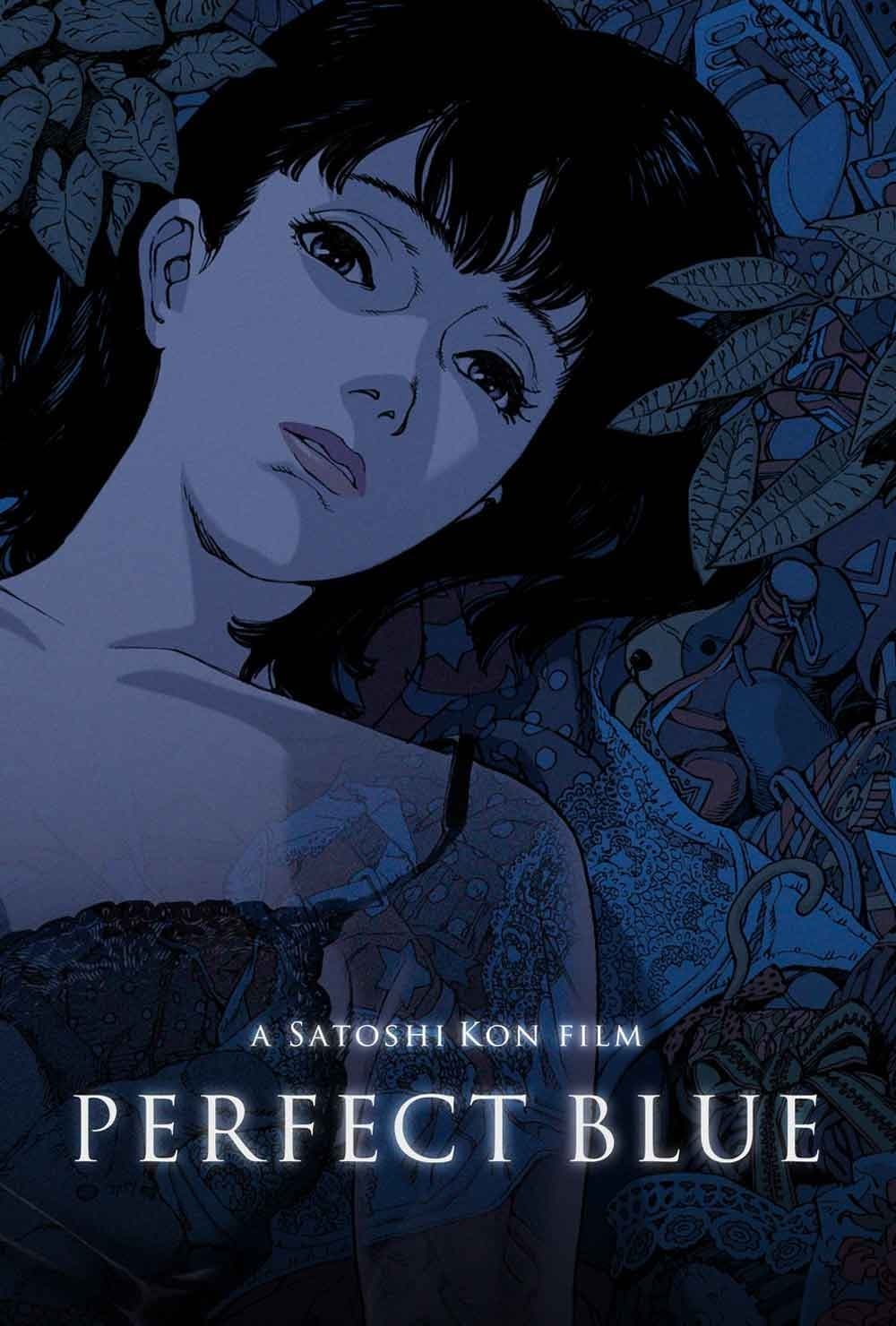
Satoshi Kon’s animated psychological mystery follows a pop idol transitioning to acting while confronting a stalker and blurred realities. The film uses script read-throughs, mirrors, and television scenes to intercut performance with lived experience. Editing deliberately collapses takes and rehearsals to complicate chronology. Its influence is frequently cited in discussions of identity-driven thrillers.
‘Inception’ (2010)
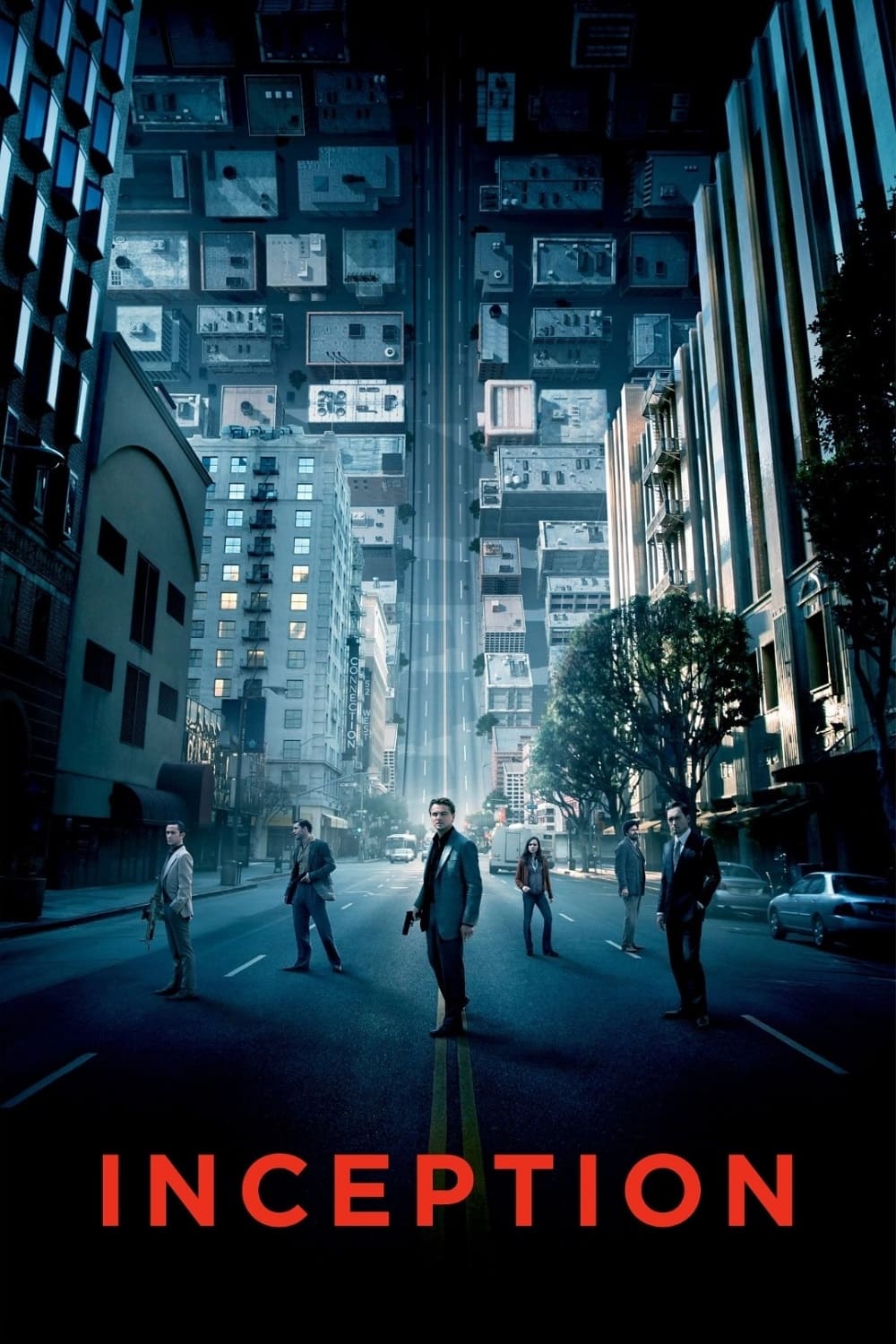
Christopher Nolan’s heist-within-dreams mystery assembles a team to implant an idea in a corporate heir’s mind. Leonardo DiCaprio leads an ensemble including Joseph Gordon-Levitt, Elliot Page (then credited as Ellen Page), Tom Hardy, and Ken Watanabe. The film defines rules for shared dreaming—levels, kicks, totems—and visualizes them through folding cities and hotel corridors. Parallel timelines and synchronized music cues align plot beats across layers.
Share your favorite double-take mysteries in the comments and tell us which title revealed the most on your second watch!