Movies Audiences Reclaimed Years Later (But They Were Always Great)


Some films arrive to shrugs or confusion, only to find their people once the dust settles. Home video, restorations, director’s cuts, and streaming have all helped audiences circle back and see what was already there. Here are forty movies that were misunderstood or underseen at first and later earned devoted followings and thoughtful reevaluations.
‘Blade Runner’ (1982)
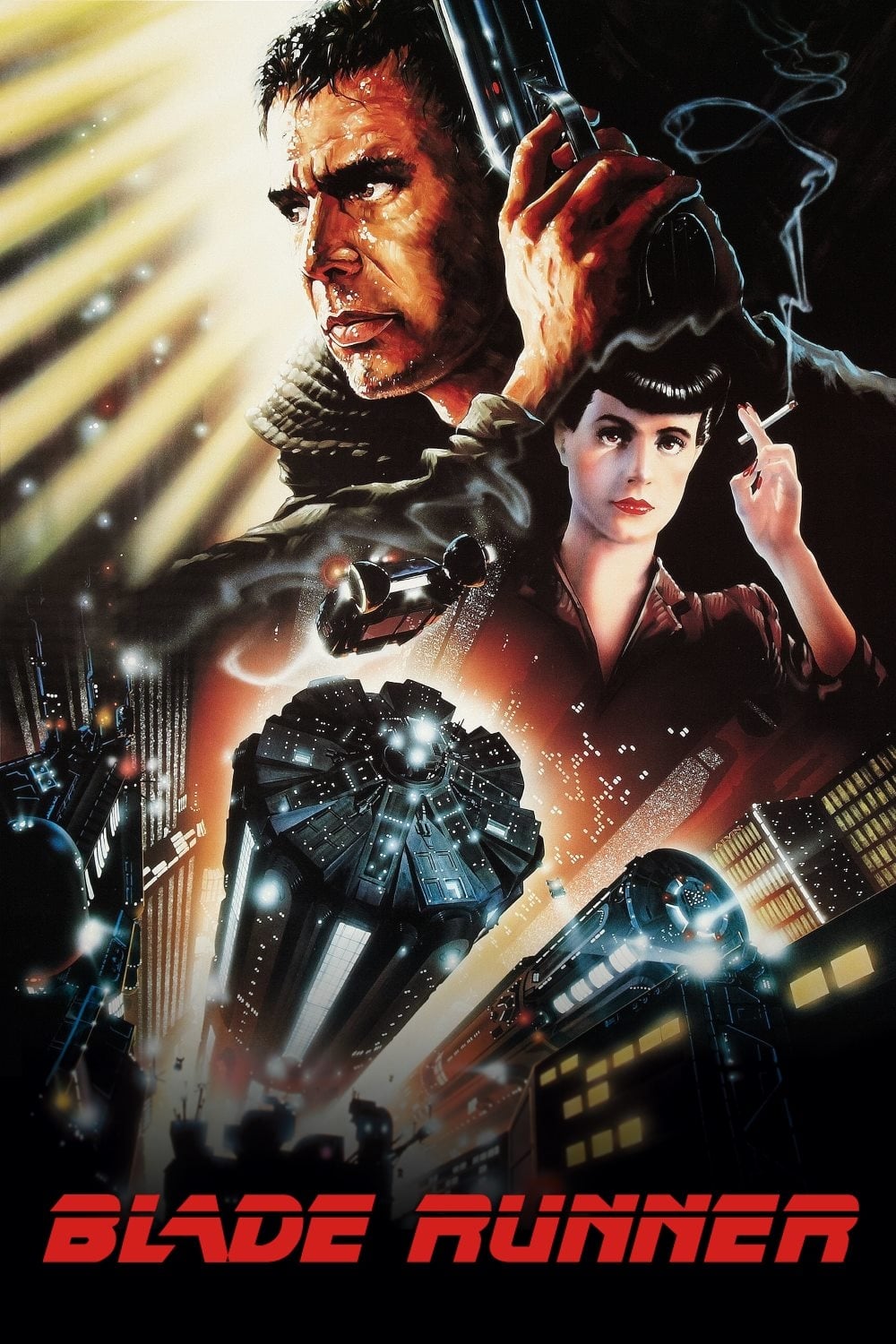
Early reactions focused on pacing and a bleak tone, and the theatrical cut’s voiceover shaped that response. Later restorations and the widely circulated ‘Final Cut’ highlighted the production design, visual effects, and philosophical spine. Expanded access on disc and streaming helped viewers compare versions and discuss the text more closely.
‘The Thing’ (1982)
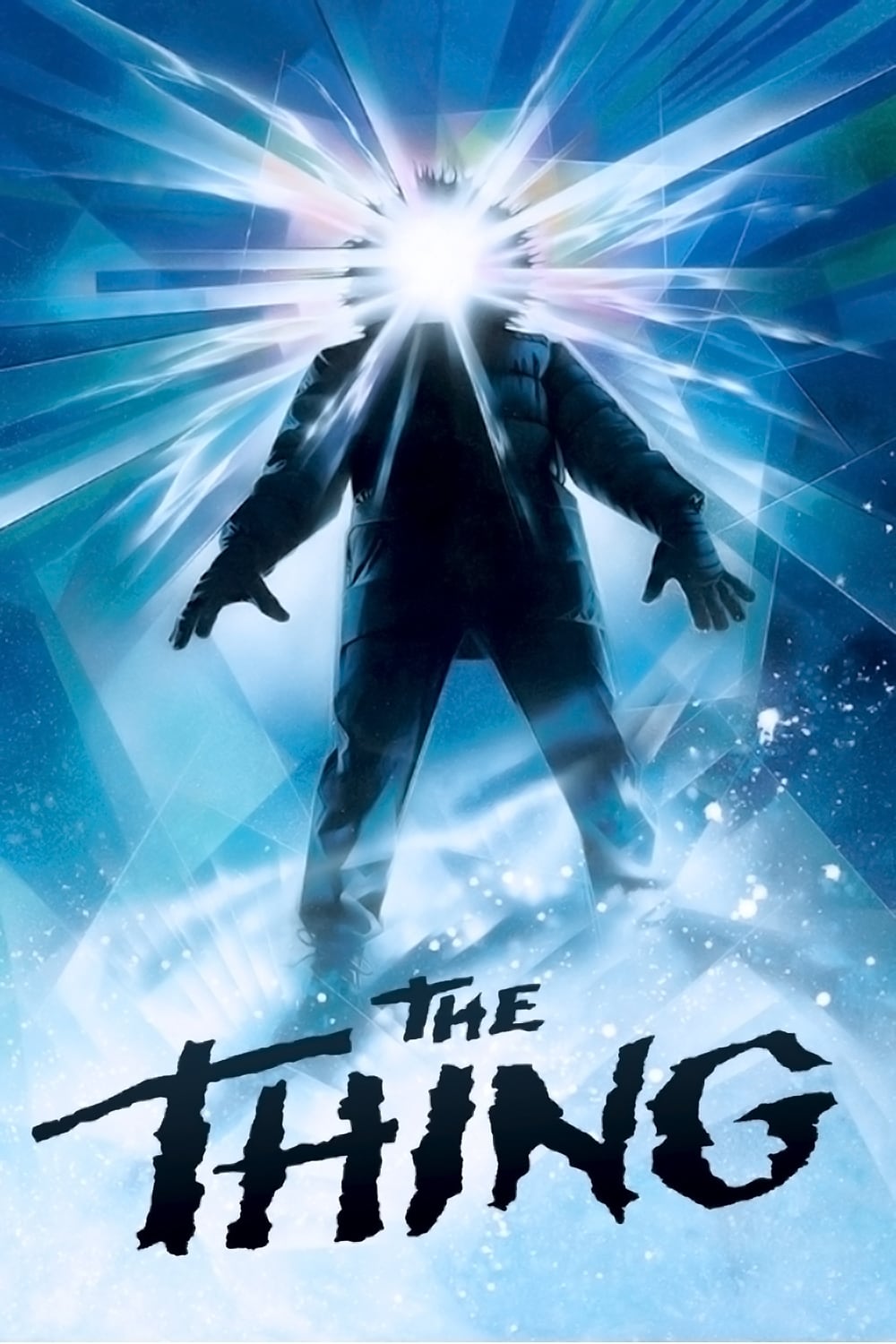
Initial viewers were put off by the harsh setting and graphic creature work. Strong practical effects and a slow burn structure found appreciation through late night television and home video. Genre fans championed the ensemble dynamics and sound design, which drove fresh interest and widespread reappraisal.
‘The Iron Giant’ (1999)
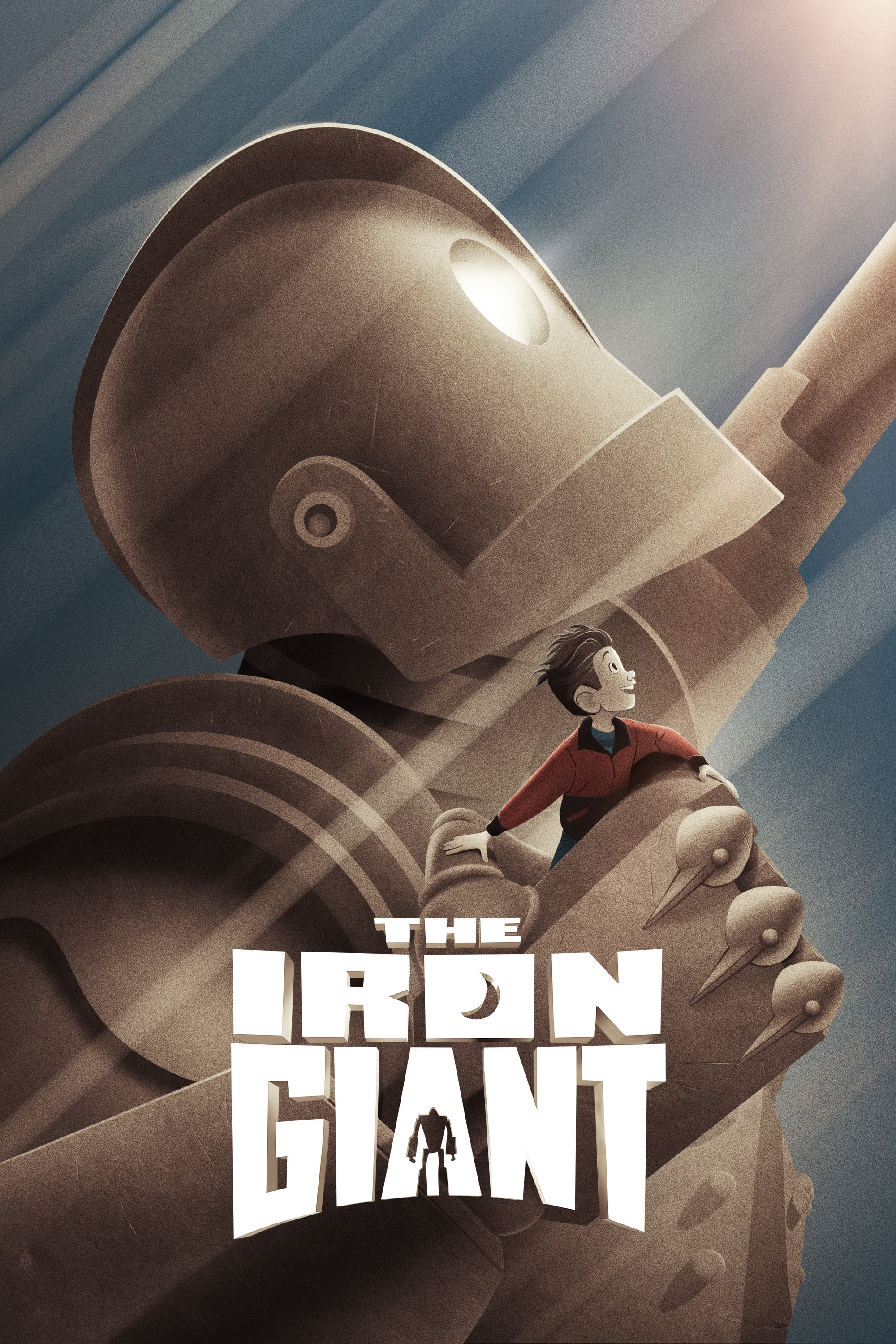
A modest theatrical run and limited marketing kept it from reaching families at first. Word of mouth grew through cable airings and DVD, where the film’s character work and animation craft stood out. Subsequent rereleases and art books deepened its reputation with educators and animation fans.
‘Showgirls’ (1995)

Theatrical audiences focused on controversy rather than form and intent. Midnight screenings and repertory programs reframed it as camp and as an object of serious study. Essays and Q and A events with creatives fueled new readings that elevated its cultural profile.
‘Heaven’s Gate’ (1980)
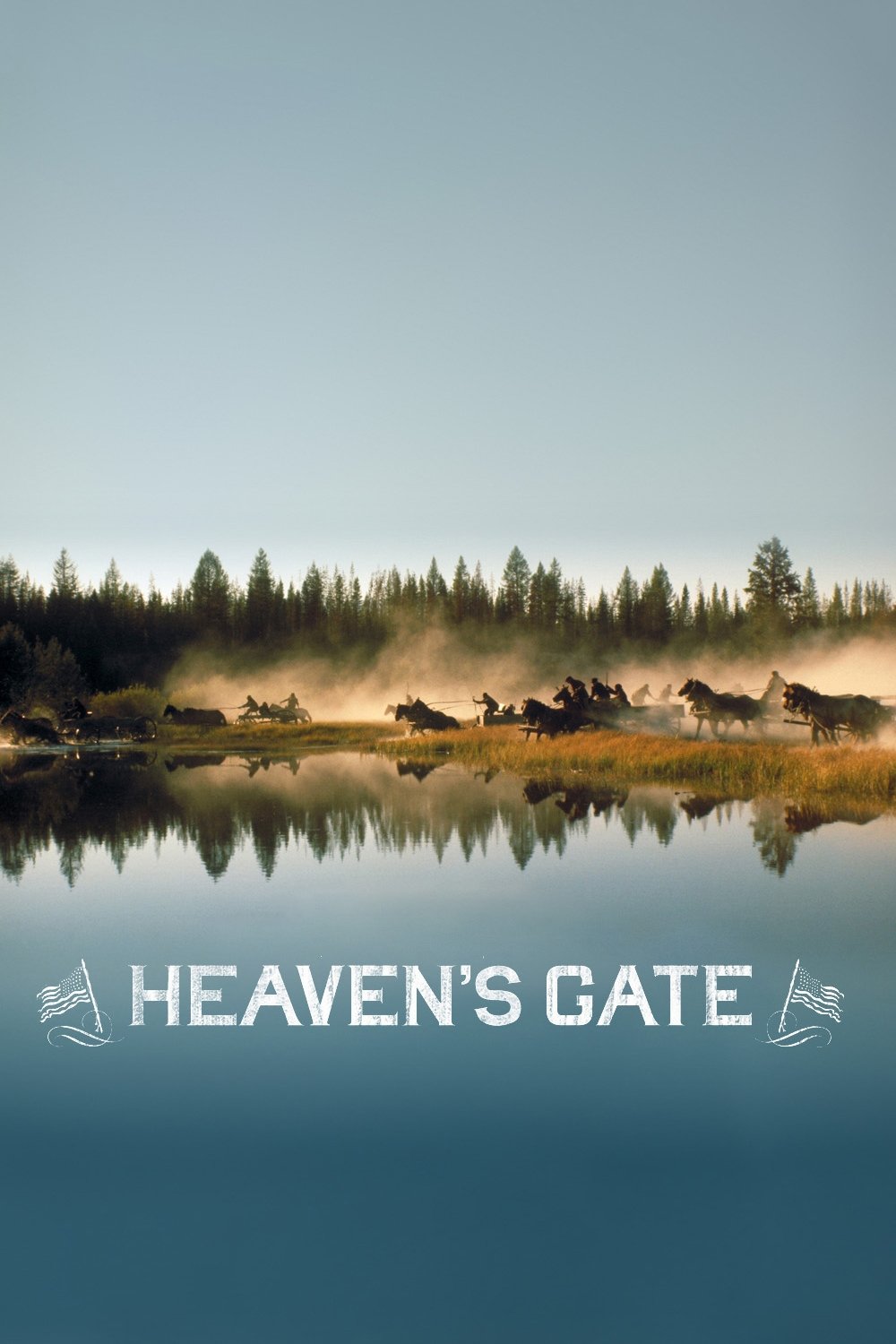
Production stories overshadowed the filmmaking on release. A meticulous restoration allowed viewers to see the full cut with proper sound and color timing. Archives, festivals, and boutique labels backed reconsiderations that emphasized scale, craft, and historical detail.
‘Sorcerer’ (1977)
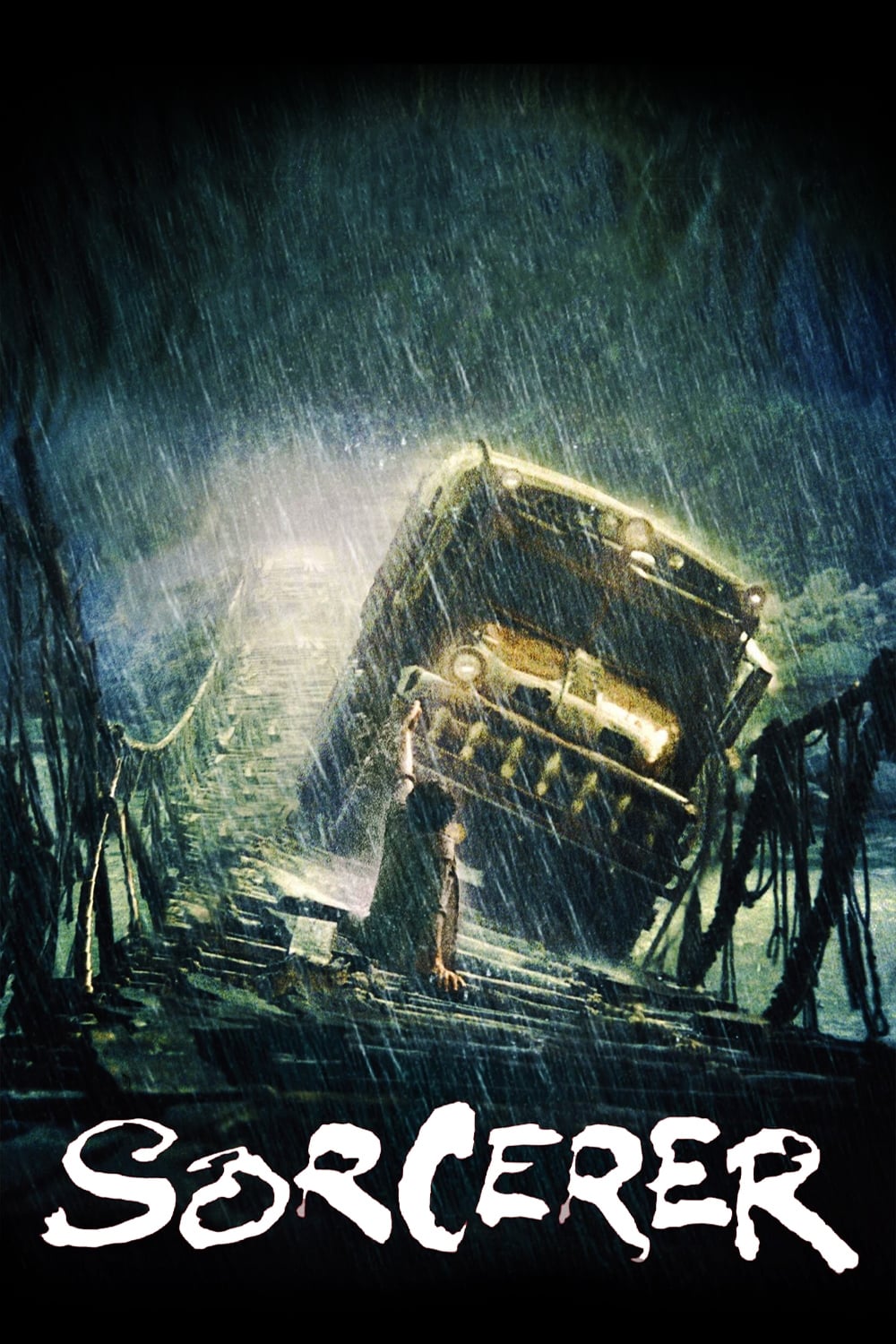
Competition from a major sci fi release and a confusing title change hurt its early run. Later restorations showcased the location cinematography and tense set pieces. Repertory screenings and filmmaker endorsements brought new audiences and sustained interest.
‘Scott Pilgrim vs. the World’ (2010)
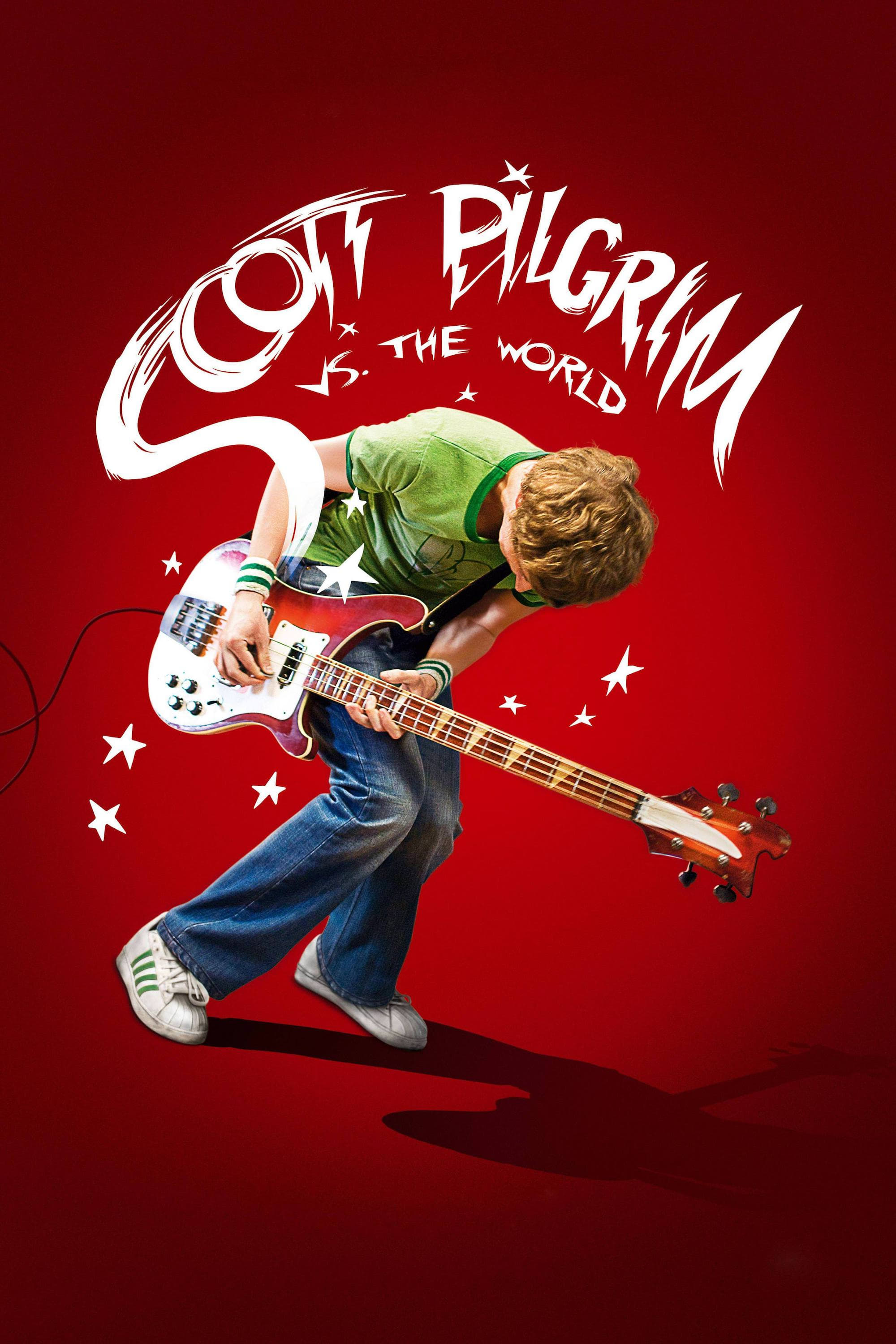
Theatrical attendance lagged despite a distinctive visual style. Repeat viewing on Blu ray and streaming highlighted its editing rhythms and music integration. Cast interviews and a resurgence through a later series kept it in the conversation for new fans.
‘Jennifer’s Body’ (2009)
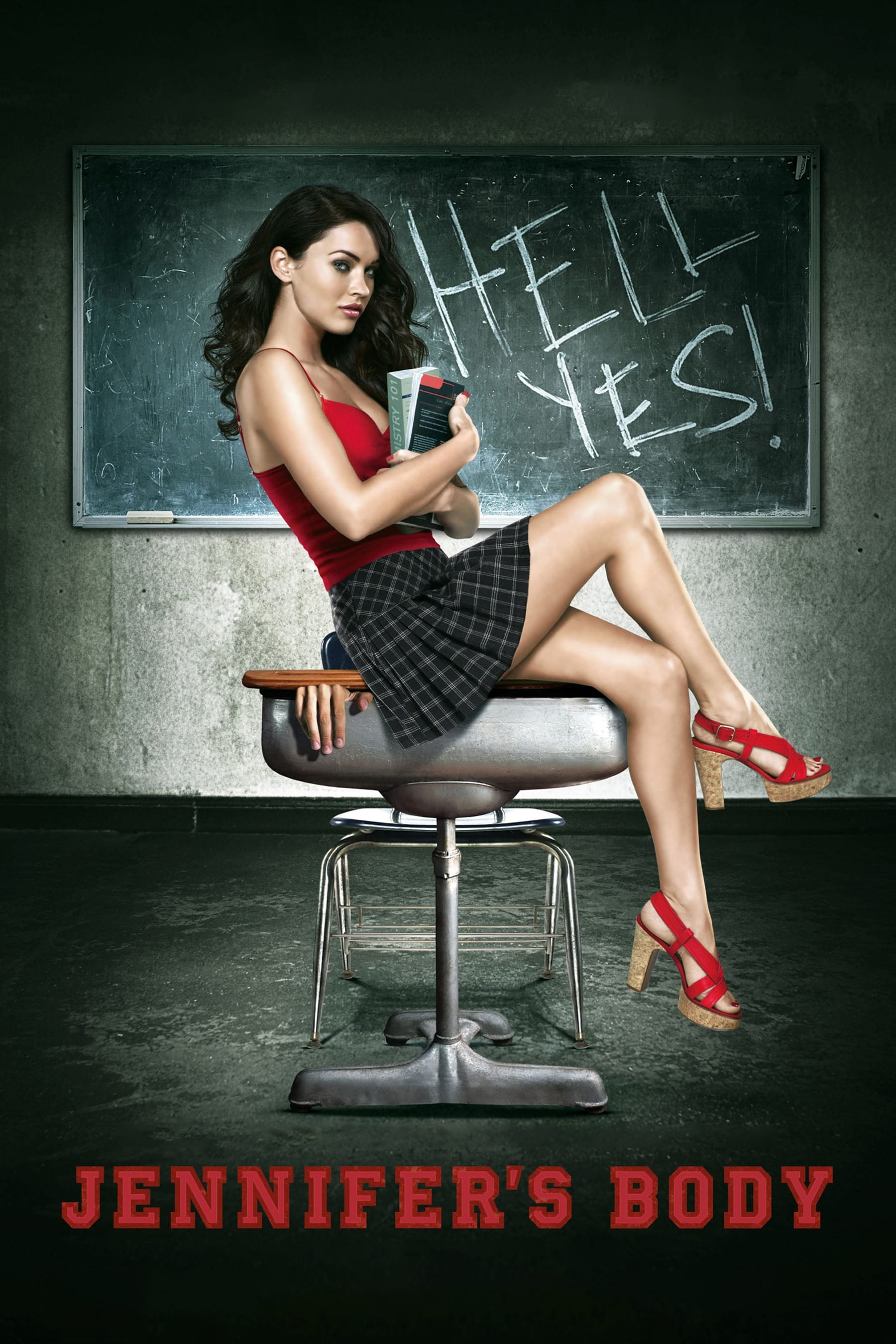
Marketing framed it narrowly and missed the target audience. Streaming access and criticism from new voices emphasized its script, themes, and performances. The film’s quotes and needle drops spread widely online, boosting its status with younger viewers.
‘Speed Racer’ (2008)
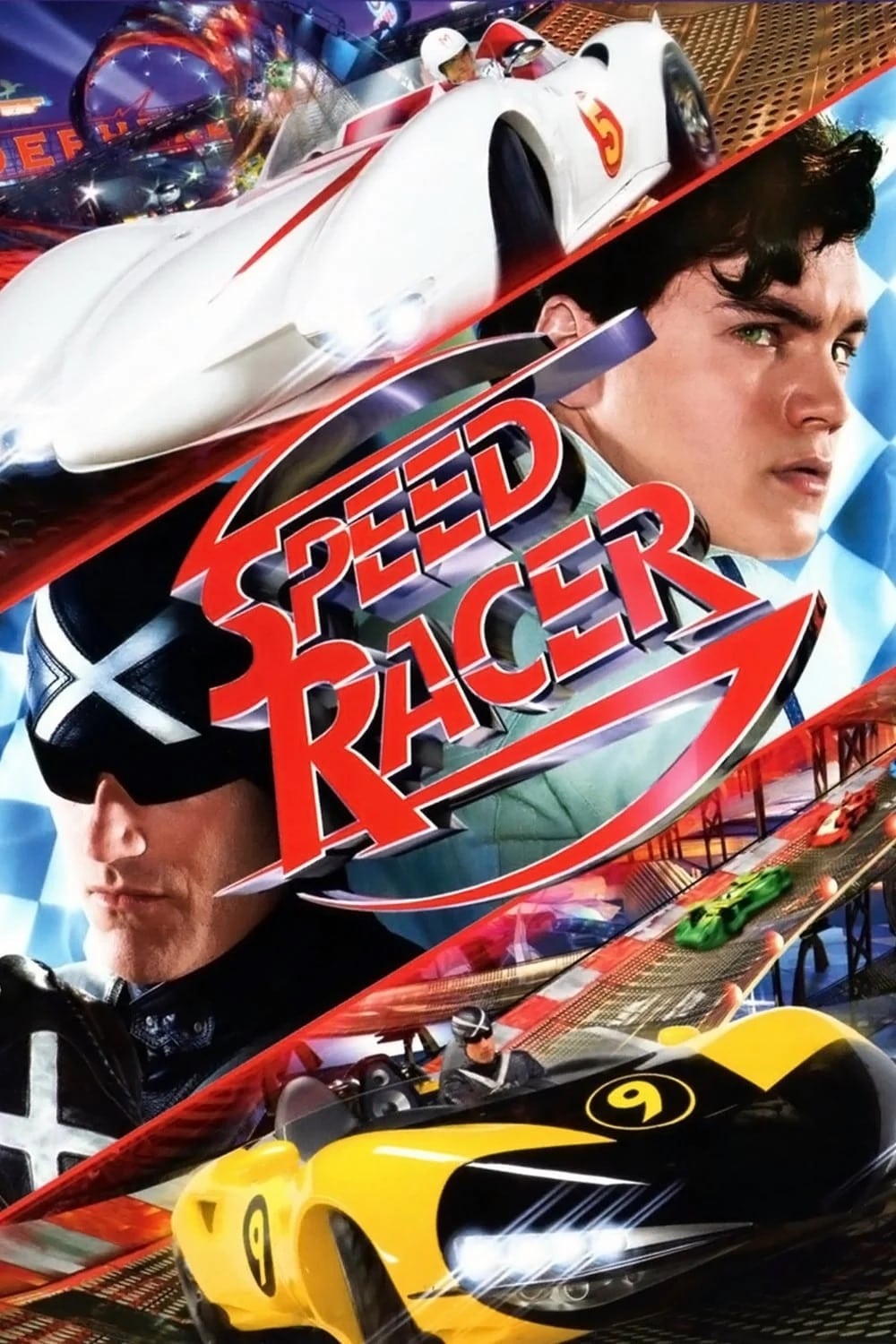
Many viewers were unsure how to read its stylized visuals on release. High definition home formats showed its color design and inventive editing with clarity. Filmmakers cited it as an influence, which helped broader audiences revisit it with fresh eyes.
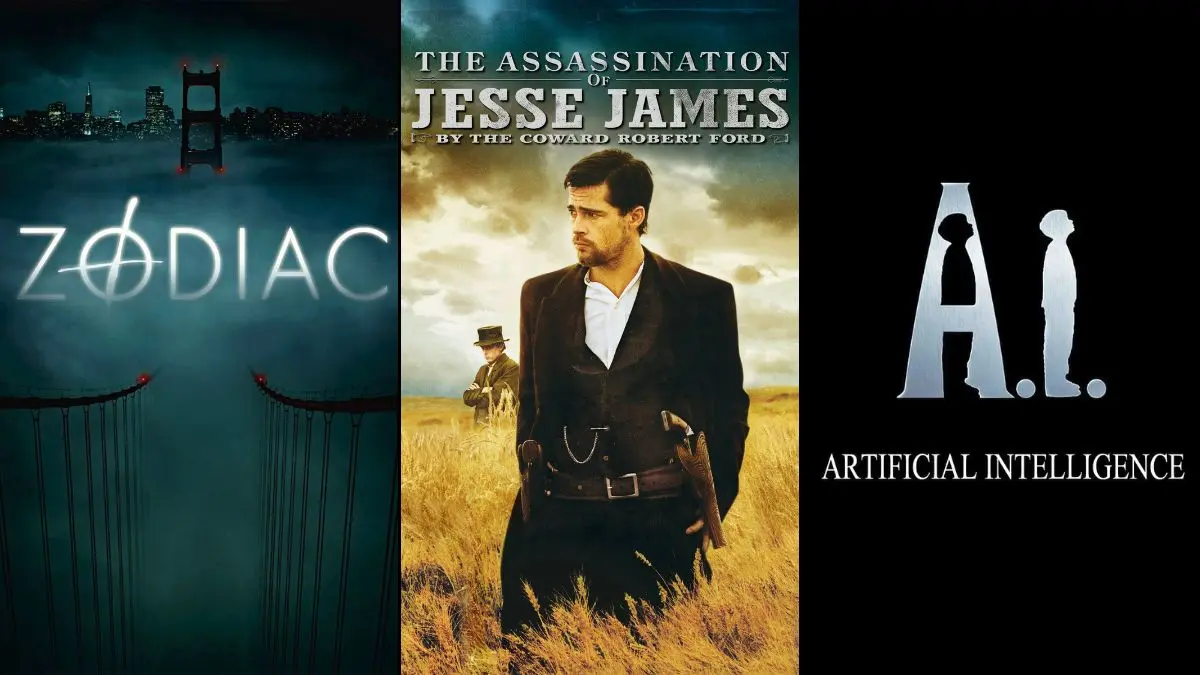
‘A.I. Artificial Intelligence’ (2001)
Initial conversations focused on tone shifts and a long epilogue. Later analysis tracked how motifs carry across the story and how effects serve character. The film’s production history and interviews encouraged closer study in classrooms and retrospectives.
‘Eyes Wide Shut’ (1999)

Expectations for a star pairing shaped the early conversation. Over time, critics and scholars mapped recurring imagery and recurring musical cues. Restorations and frame accurate transfers helped decode the staging, color choices, and dream logic.
‘The Assassination of Jesse James by the Coward Robert Ford’ (2007)
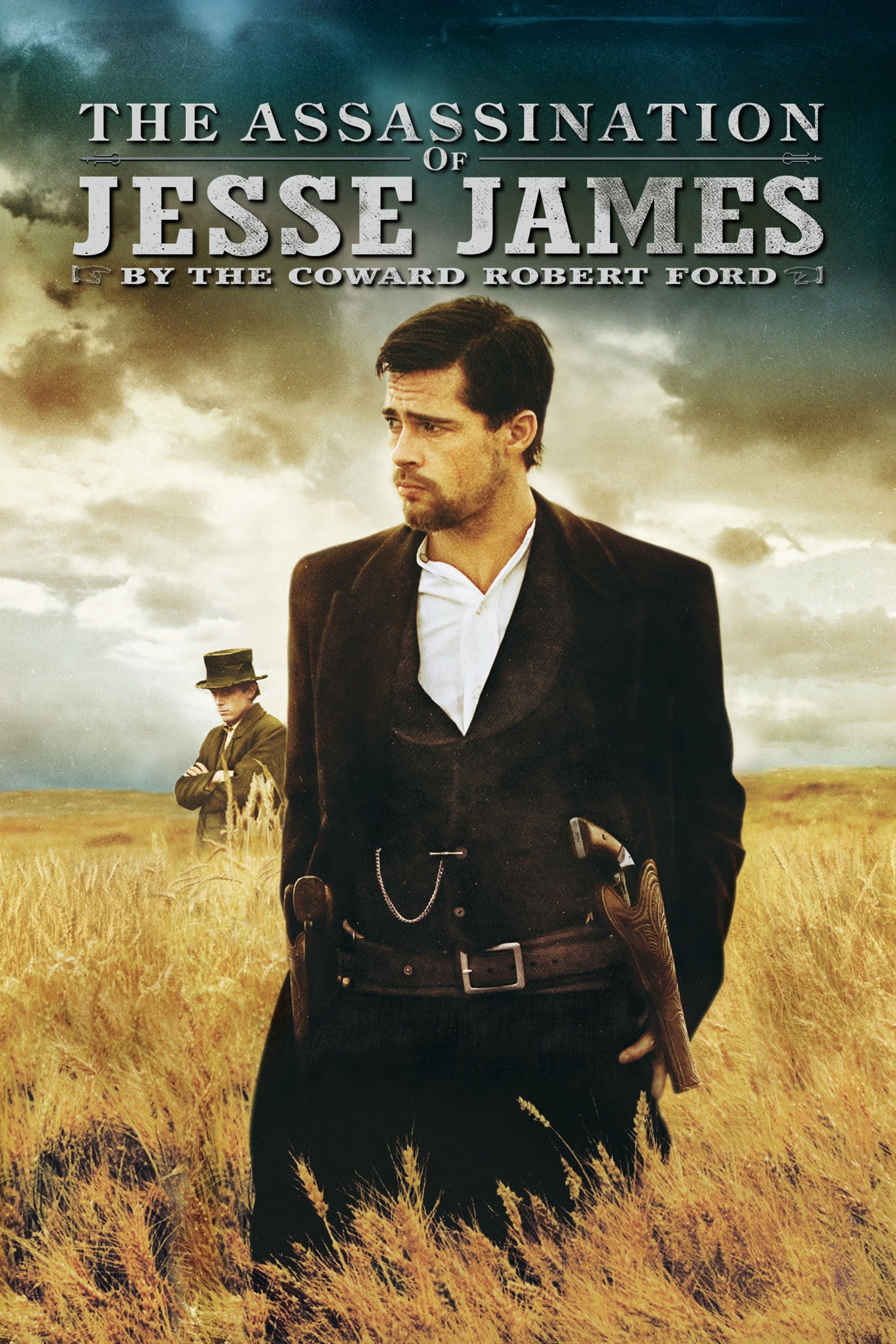
A quiet rollout and long runtime limited its first audience. Home video revealed the photography and soundscape that smaller screens still convey well. Articles and podcasts drew attention to narration choices and historical sources, supporting renewed interest.
‘Children of Men’ (2006)
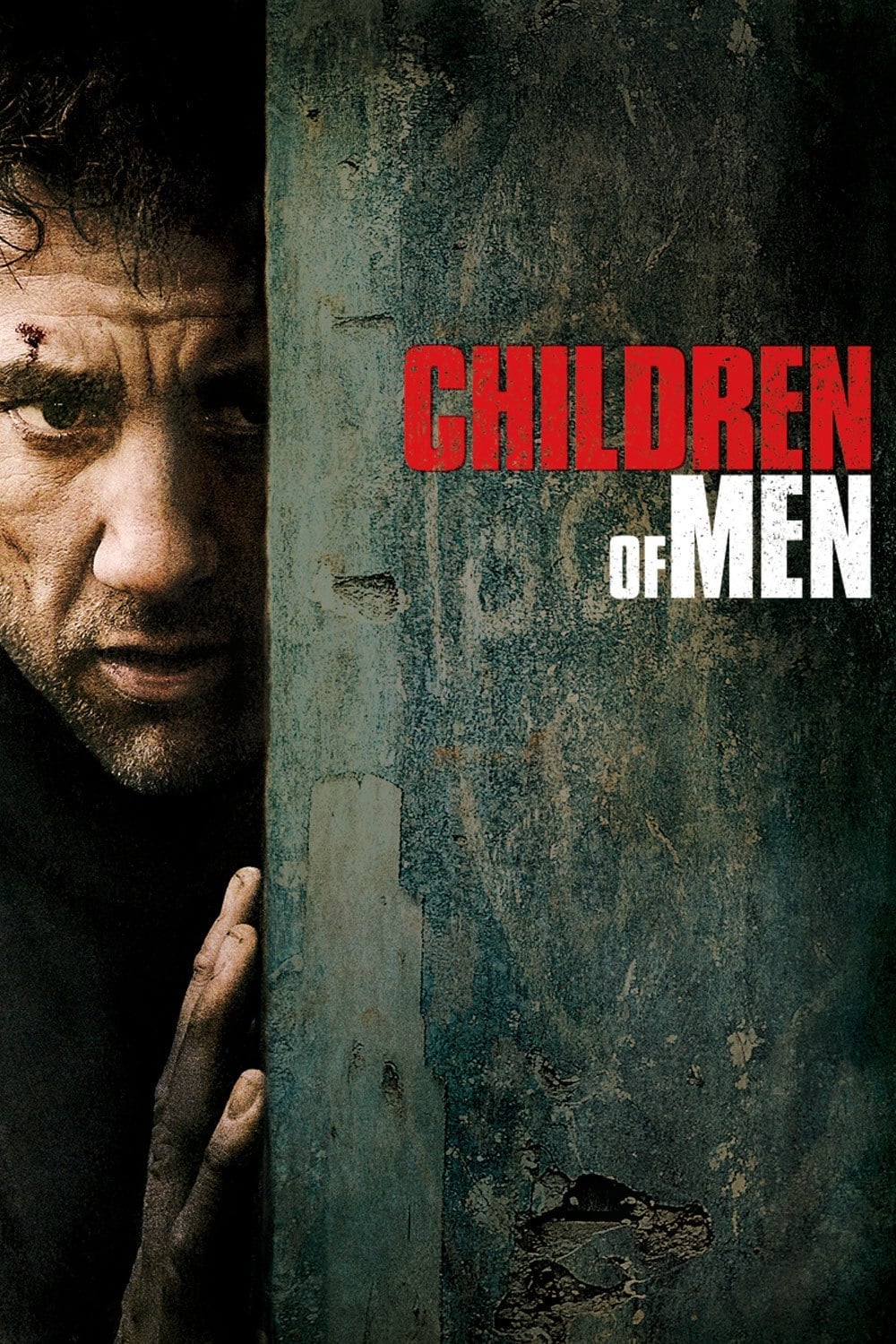
Marketing emphasized action and not the world building that powers the story. Later viewers highlighted single shot sequences and production design that deepened immersion. Behind the scenes features and academic writing expanded its standing across genres.
‘Zodiac’ (2007)
Some viewers expected a conventional thriller and met a procedural study instead. High resolution releases made the digital cinematography and period recreations vivid. Commentaries and interviews outlined research methods, which invited rewatching and discussion.
‘The New World’ (2005)
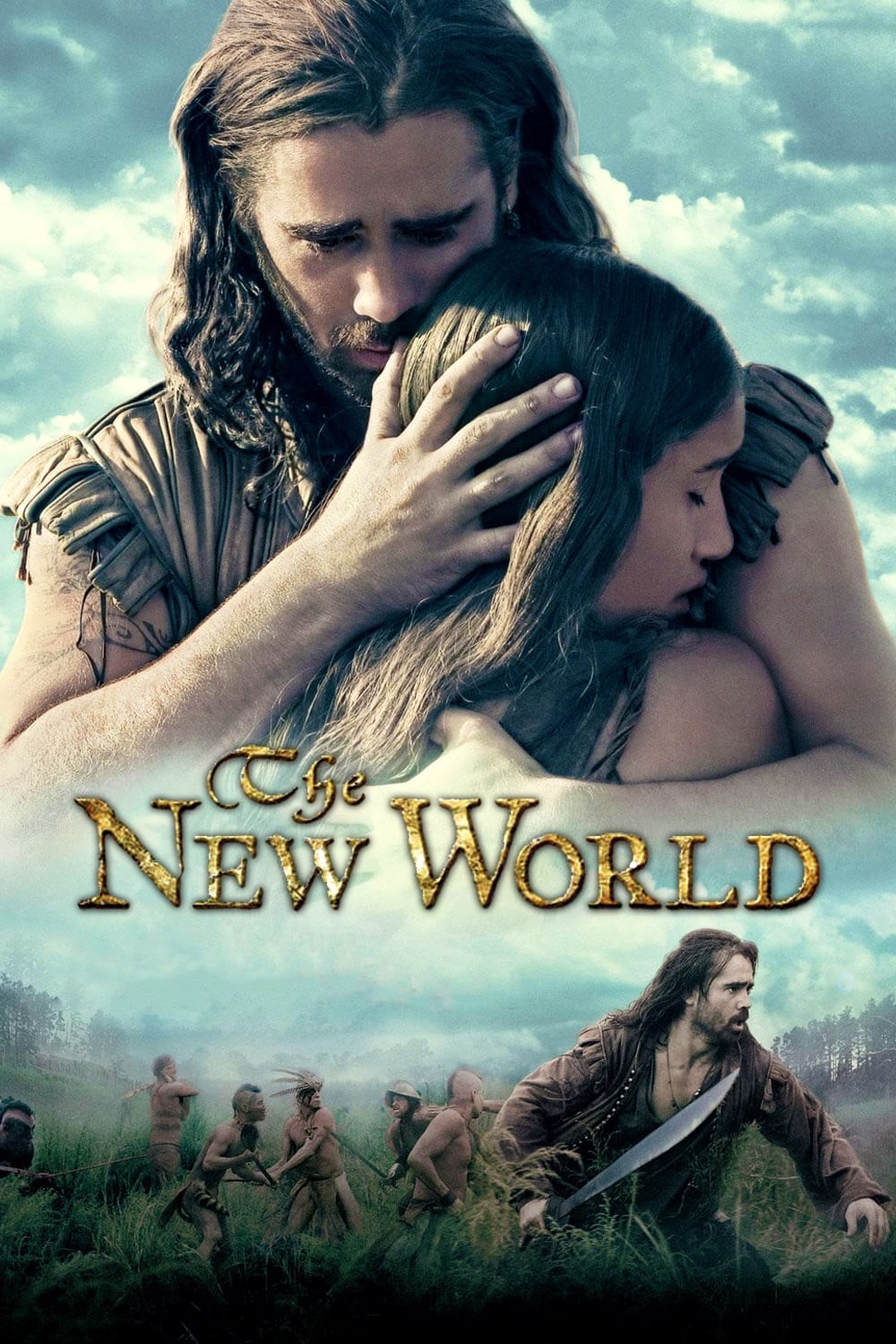
Multiple cuts created confusion during release. Subsequent editions let audiences compare editorial choices and musical structure. Restoration work and curated screenings reframed it as a major entry in its director’s body of work.
‘Miami Vice’ (2006)
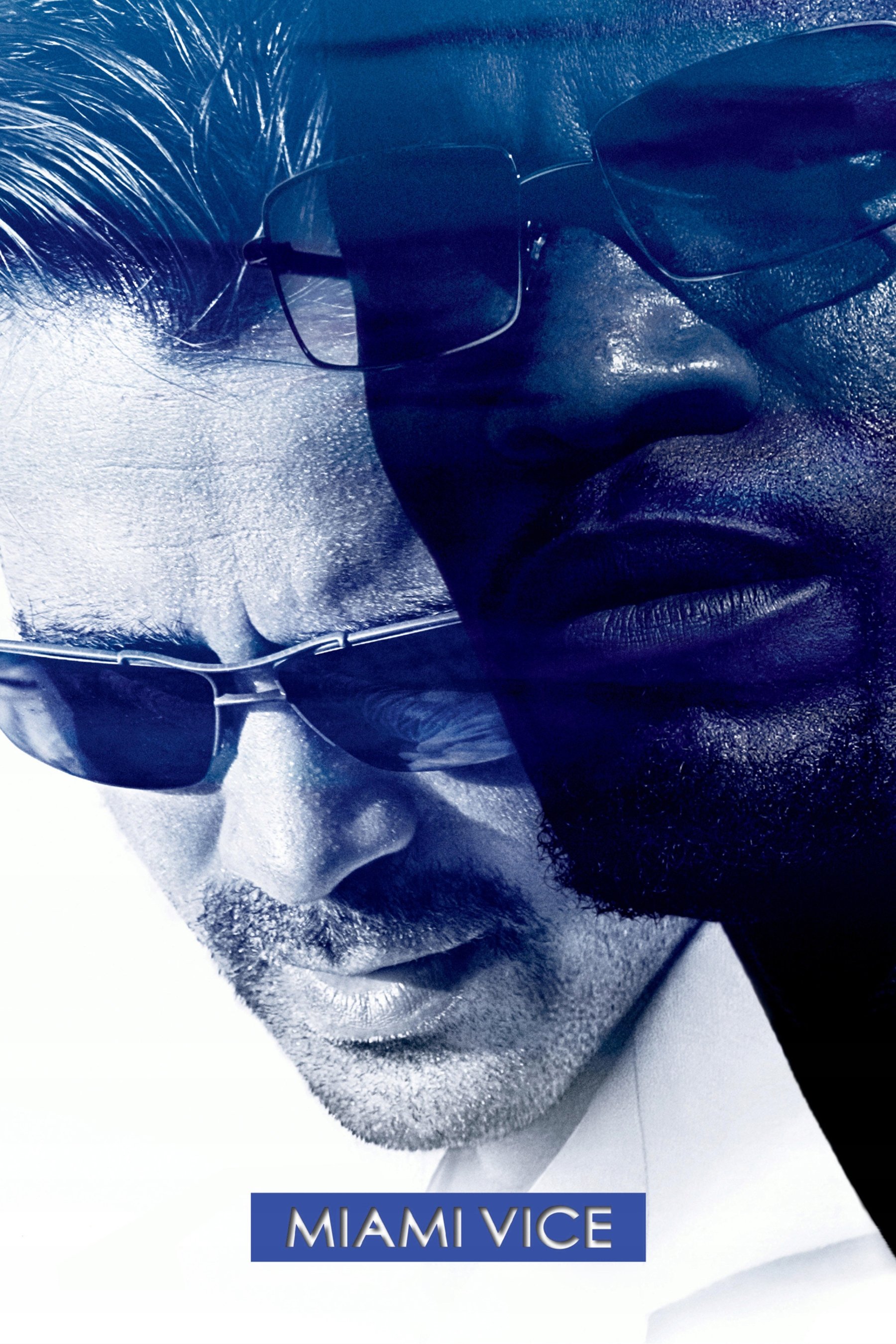
The stylized sound mix and digital night photography divided early audiences. Later viewings foregrounded location work, practical stunts, and the focus on process. Director’s commentary and production stories helped viewers calibrate expectations and find the rhythm.
‘Treasure Planet’ (2002)
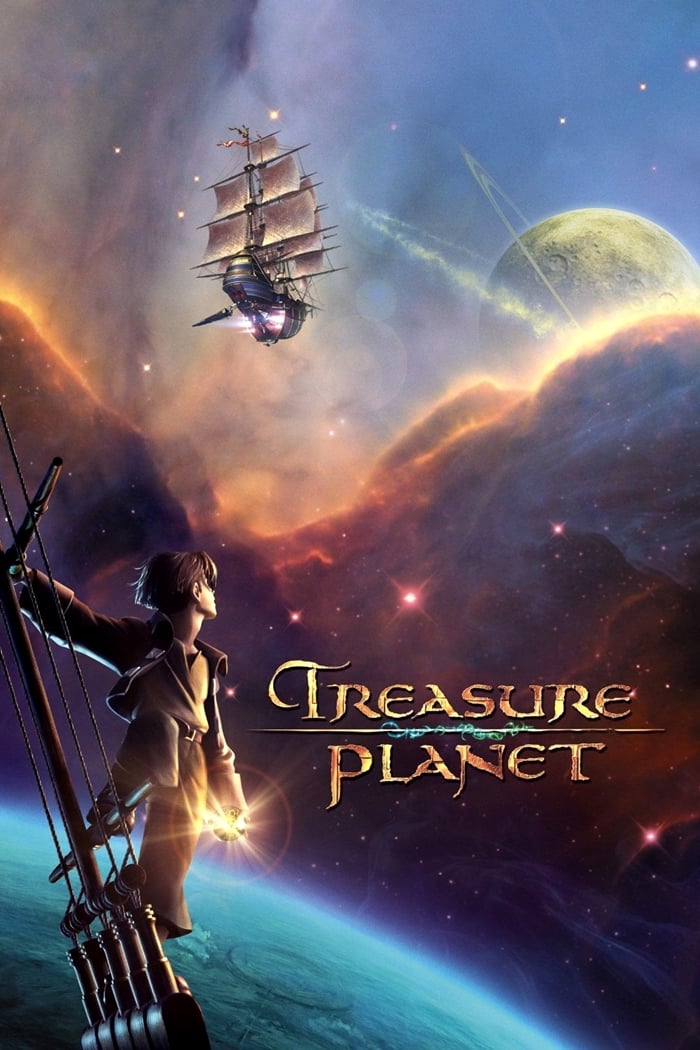
It struggled at the box office despite a strong animation pedigree. Television airings and streaming made its hybrid technique and score easier to discover. Fan art and making of features reinforced interest among animation students and families.
‘Starship Troopers’ (1997)
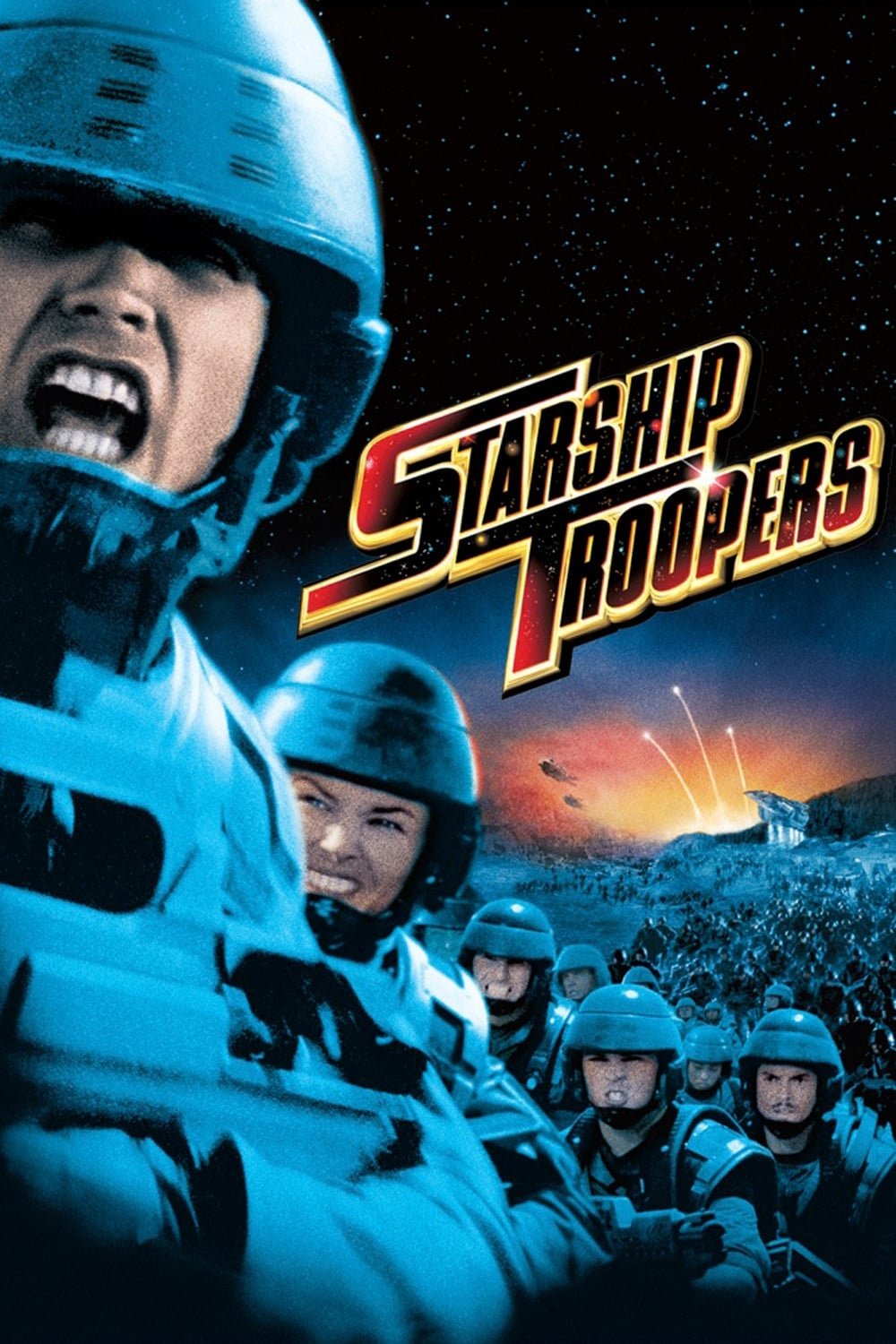
Viewers debated tone and intent when it opened. With time, audiences pointed to costume design, effects work, and media satire as keys. Commentaries and essays clarified references that casual viewers missed, building a durable cult following.
‘The Cable Guy’ (1996)
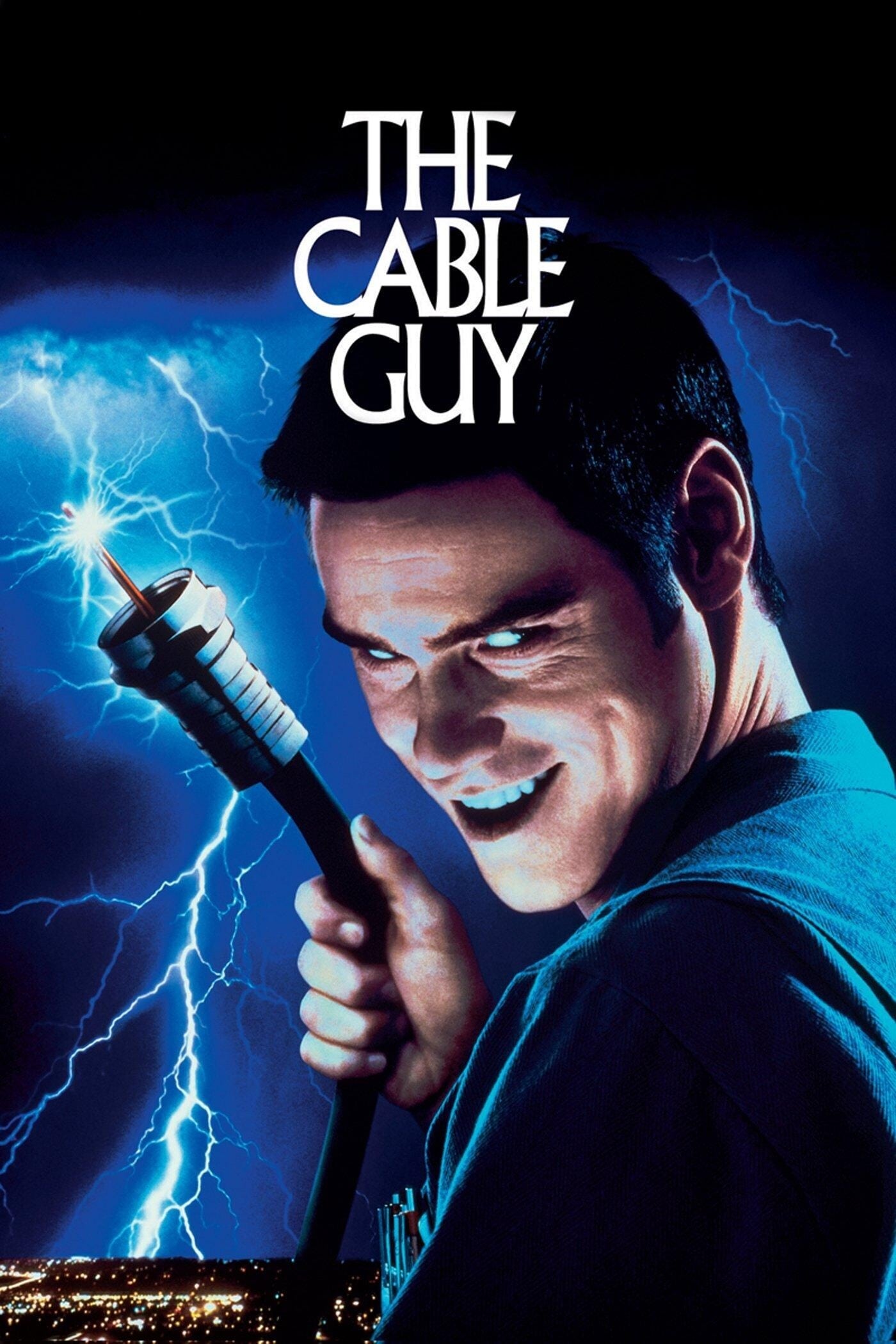
Comedic expectations clashed with a darker approach. Rewatches emphasized visual gags, production design, and a detailed needle drop playlist. The film’s influence on later comedies became a talking point, drawing new viewers via streaming.
‘The Hudsucker Proxy’ (1994)
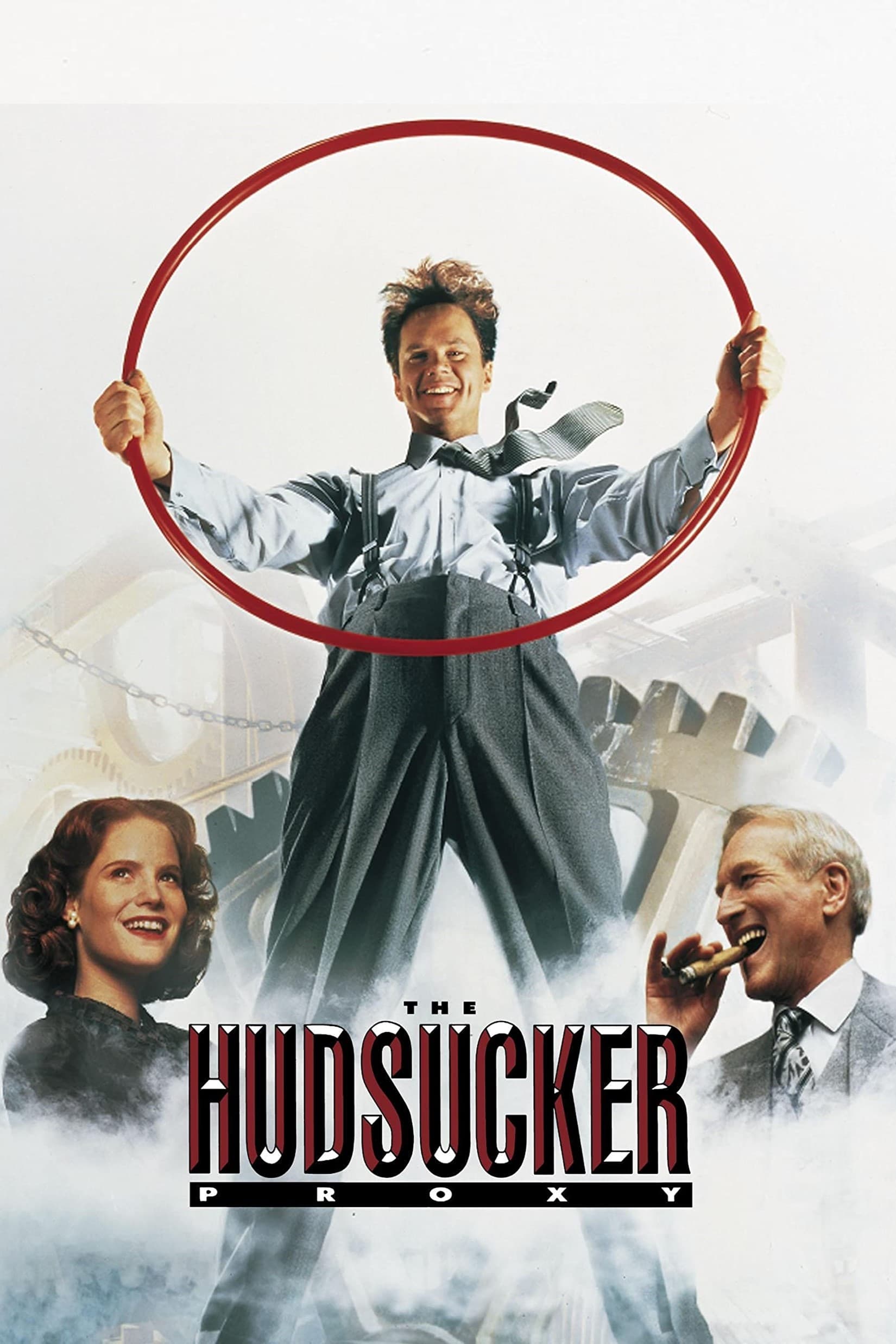
A stylish period setting and broad comedy limited its reach at first. Cable and disc brought attention to set construction, miniature work, and score. Interviews with crafts teams highlighted process, which encouraged craft focused reevaluations.
‘Alien³’ (1992)

A troubled production and an altered cut shaped early reactions. The later assembly cut restored character beats and clarified the setting’s rules. Fans compared versions and mapped story changes, which shifted the conversation toward its strengths.
‘The Village’ (2004)
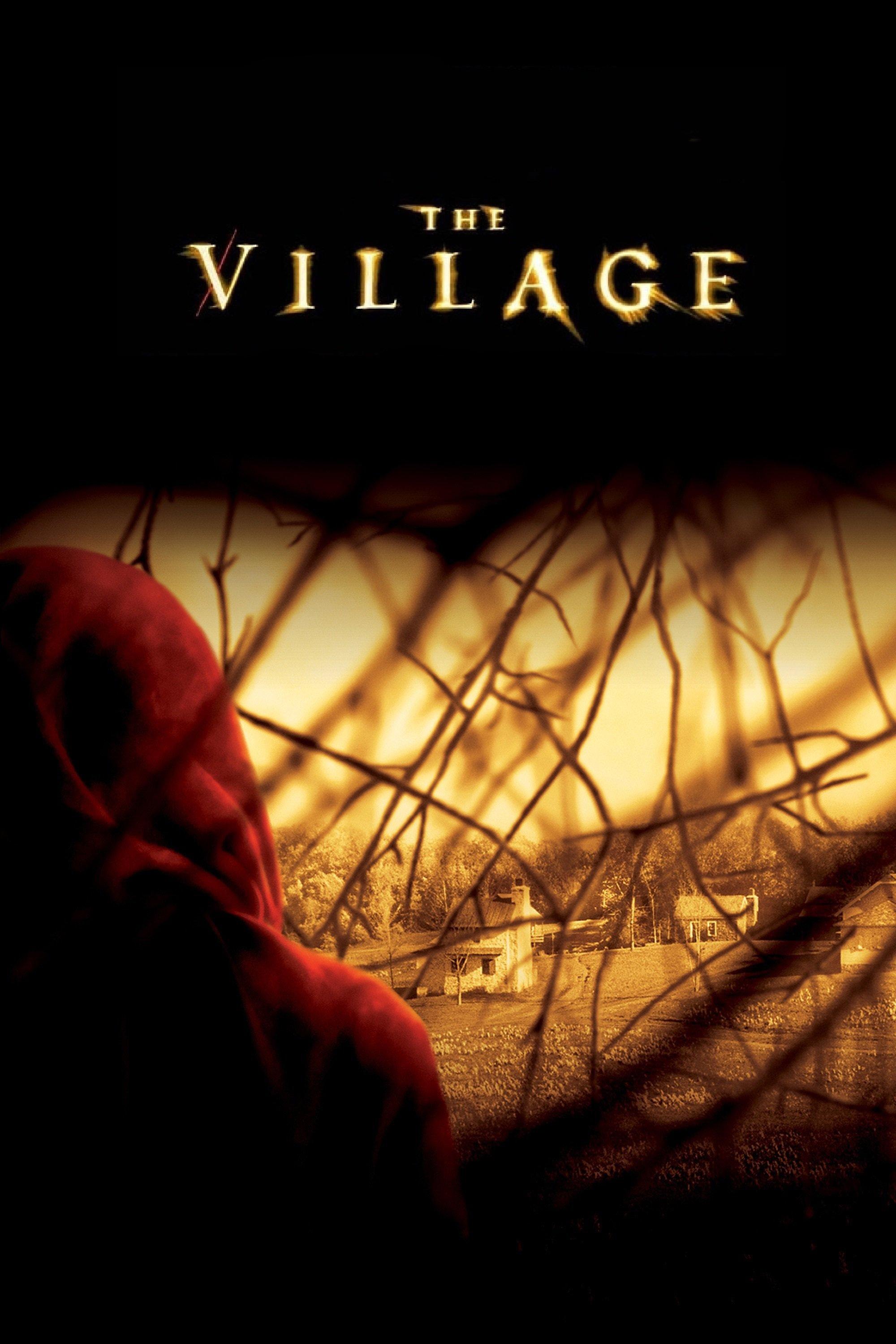
Marketing framed it as a creature story and not a period drama. Home release special features clarified design choices in costuming, score, and color. Viewers revisiting the film noted how clues support the reveal, which strengthened its reputation.
‘Unbreakable’ (2000)
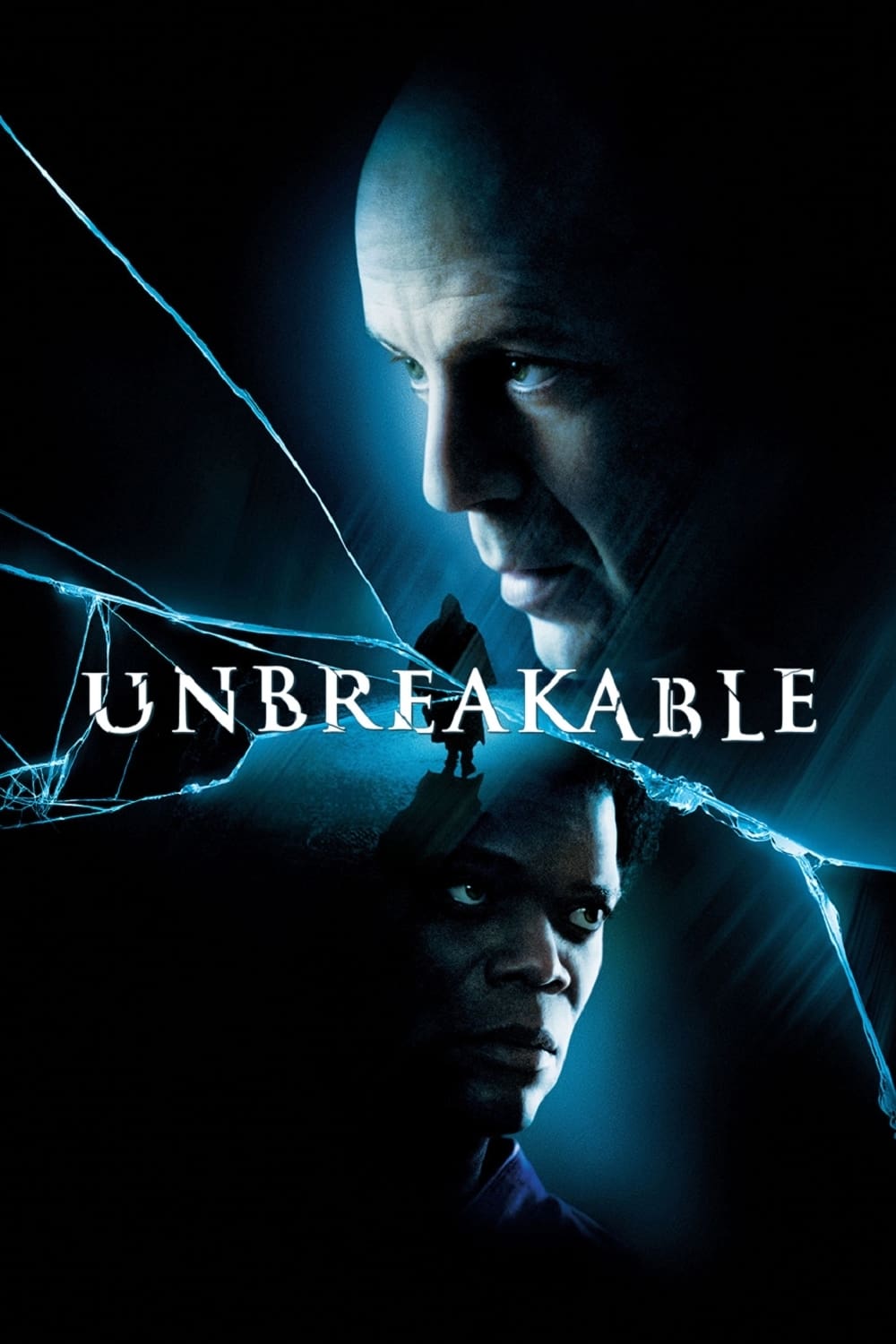
Audiences expected a thriller and received a character study. Repeat viewings highlighted framing, color coding, and the careful use of silence. Later related projects sent viewers back to note how the groundwork was laid from the start.
‘The Fountain’ (2006)
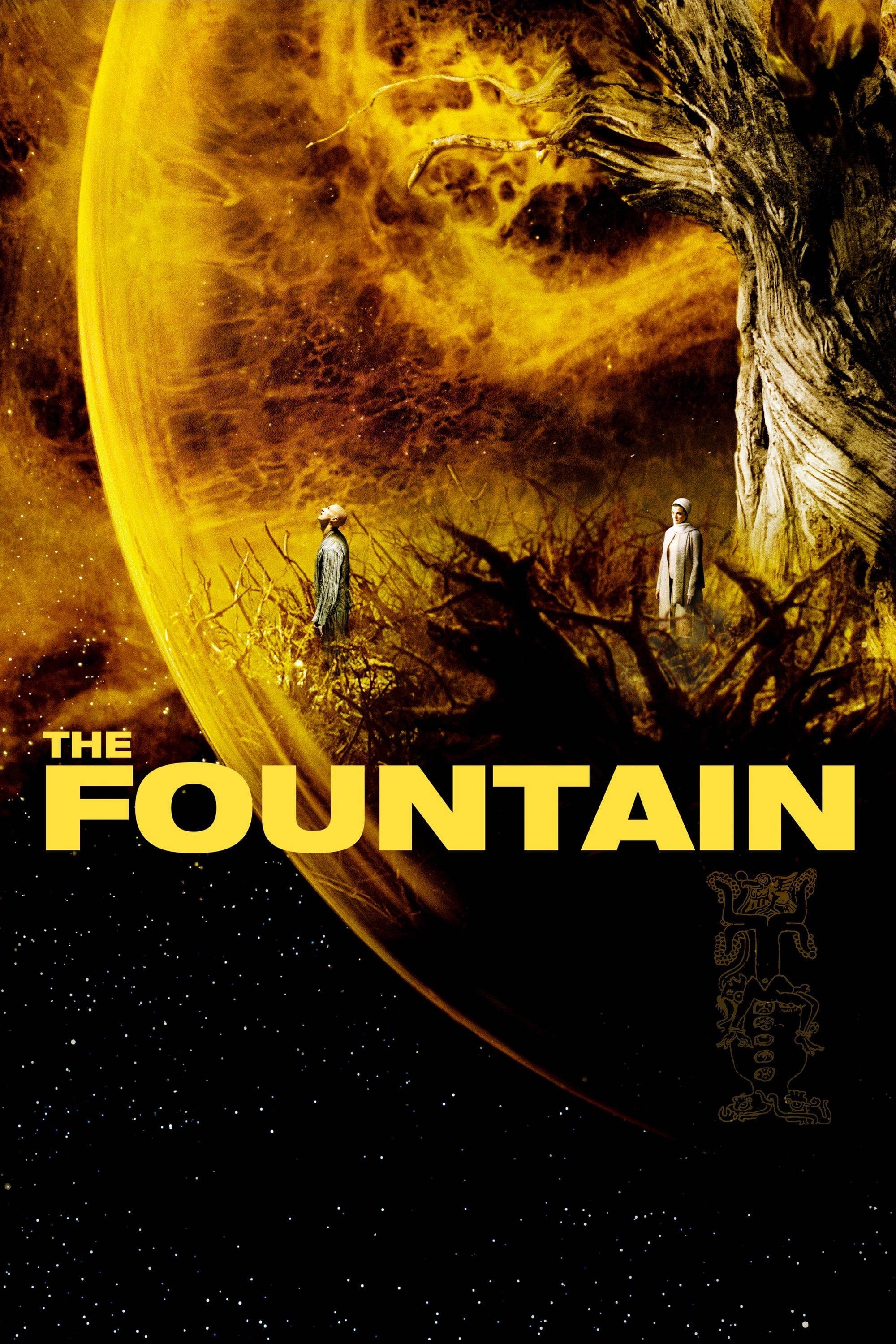
Its structure and three threaded storylines puzzled early audiences. Home formats showcased the macro photography effects and score, which carry emotion without heavy dialogue. Q and A sessions and concert performances of the music sustained fan interest.
‘The Lone Ranger’ (2013)
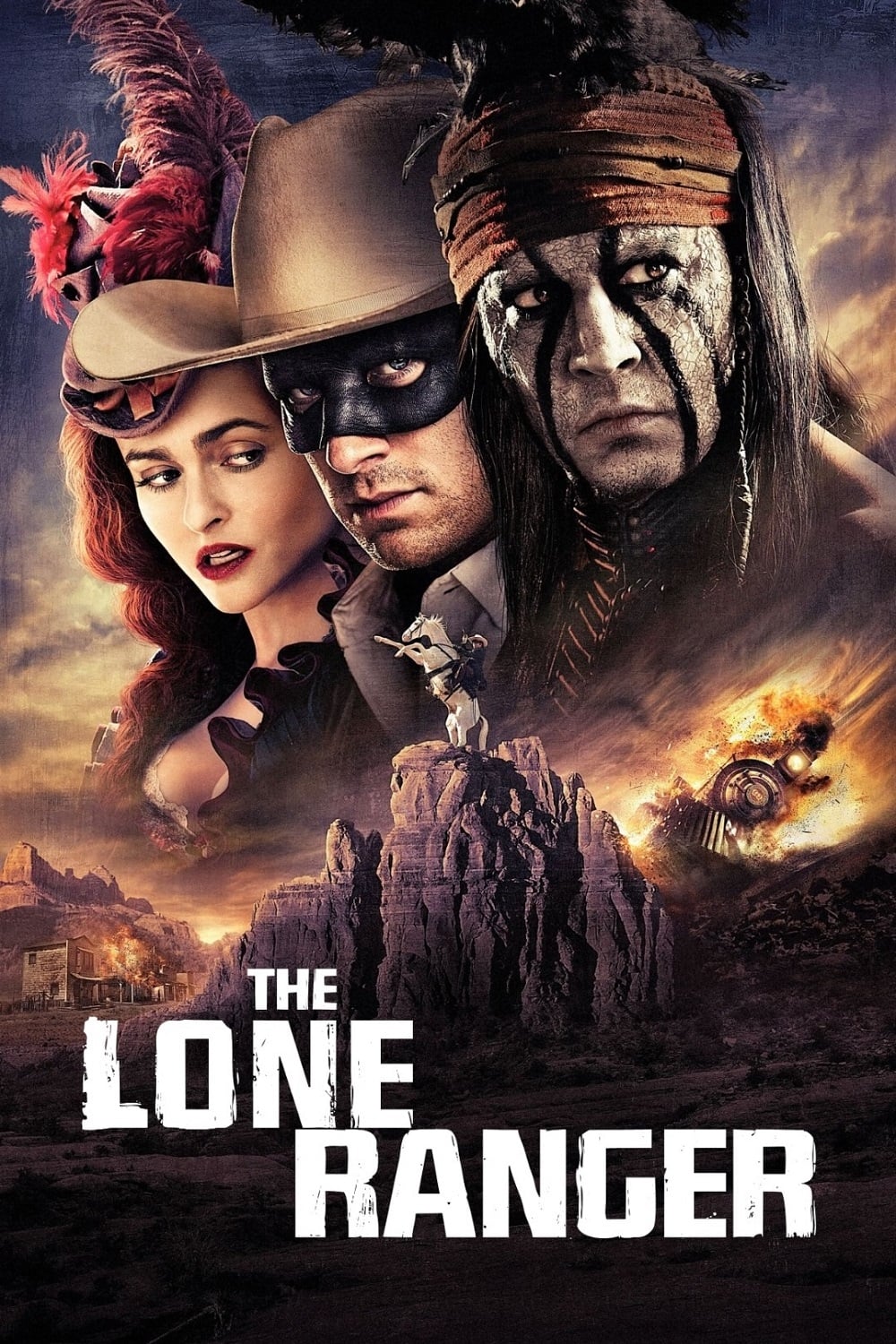
Budget headlines overshadowed craft work during release. Subsequent viewers have praised stunt set pieces, location photography, and meticulous period props. Streaming availability and articles on practical effects guided new audiences to the film.
‘Waterworld’ (1995)
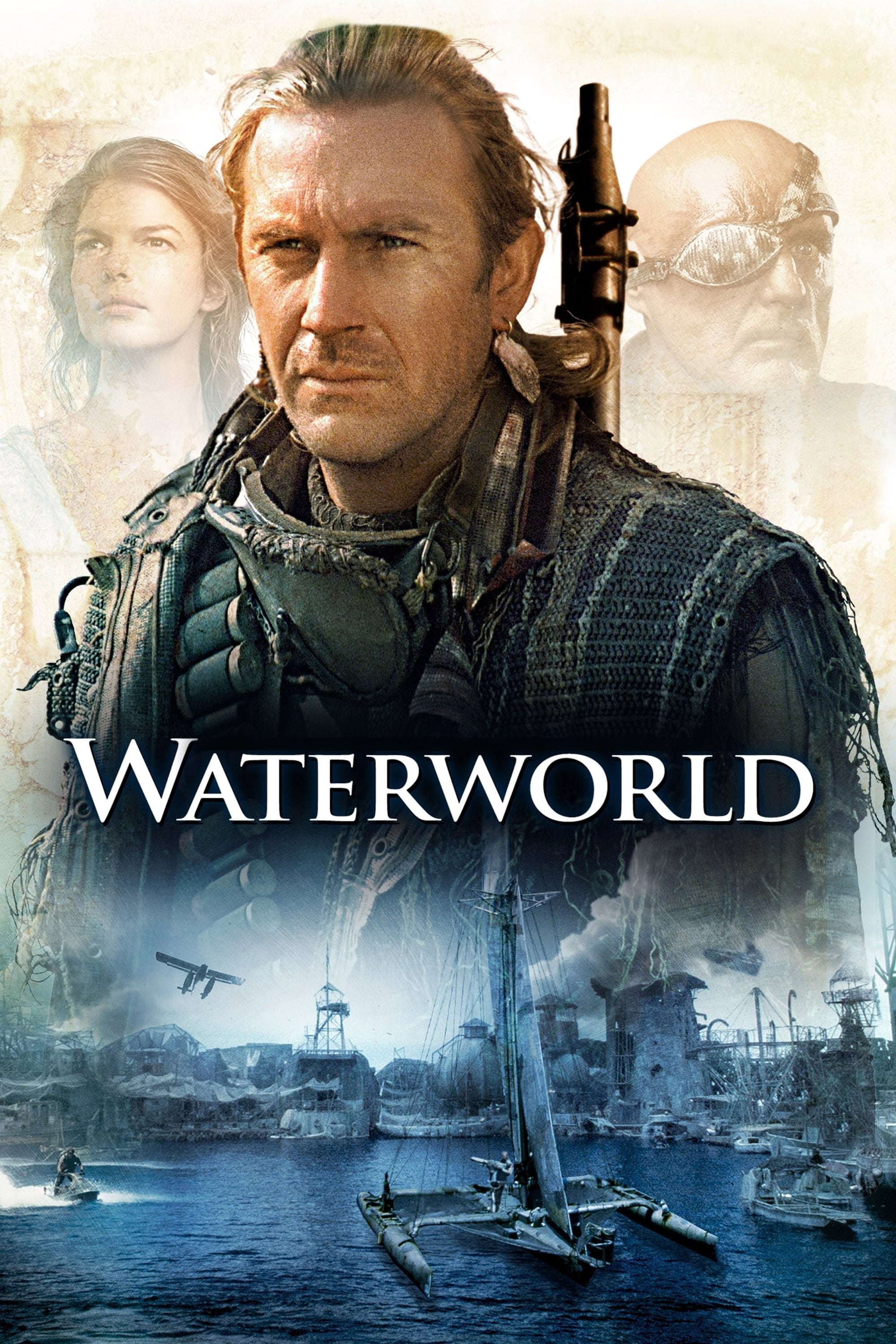
Production stories dominated the news and shaped expectations. Later broadcasts emphasized world building, costume design, and seafaring stunts. Theme park adaptations and behind the scenes reels kept its design language in public view.
‘Cloud Atlas’ (2012)
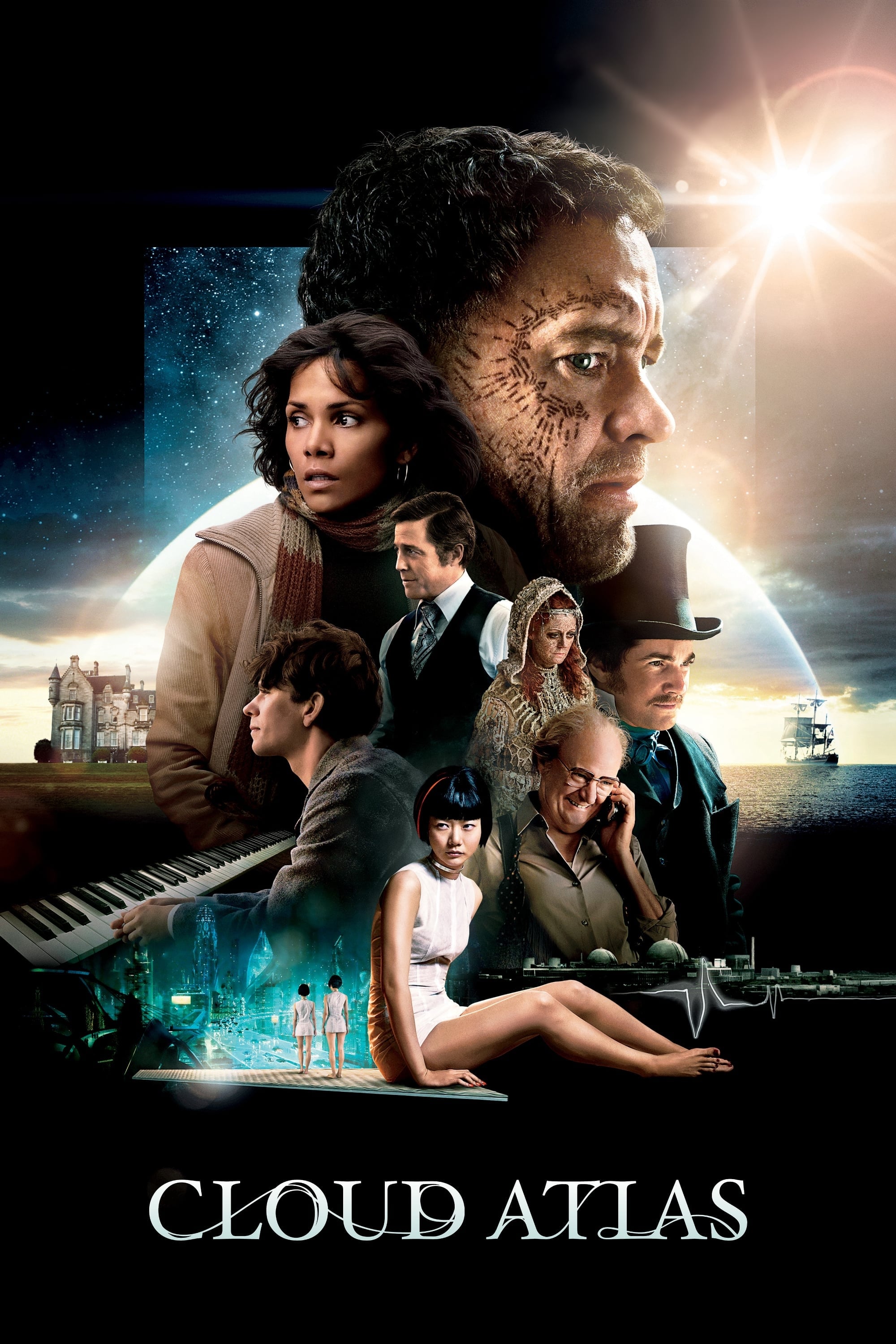
The intercut structure and makeup choices drew debate when it opened. Over time, viewers tracked motifs across settings and noted musical throughlines. The long runtime found a better home on streaming, where chaptered viewing aided discovery.
‘Only God Forgives’ (2013)
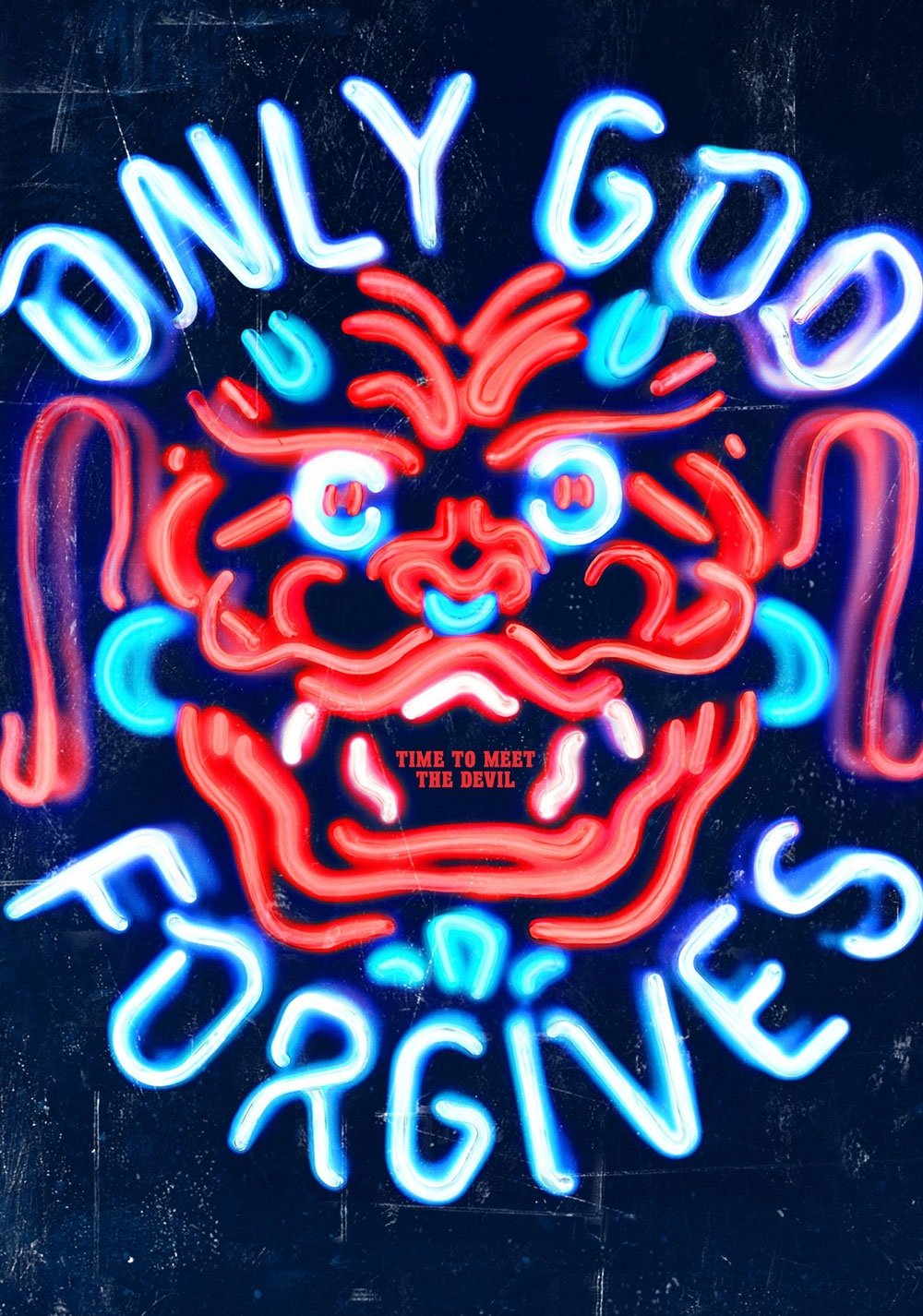
Minimal dialogue and a neon soaked palette limited early appeal. Festival buzz and streaming gave viewers space to notice sound design and blocking. Discussions of influences and martial arts staging helped place it within a larger tradition.
‘Crimson Peak’ (2015)
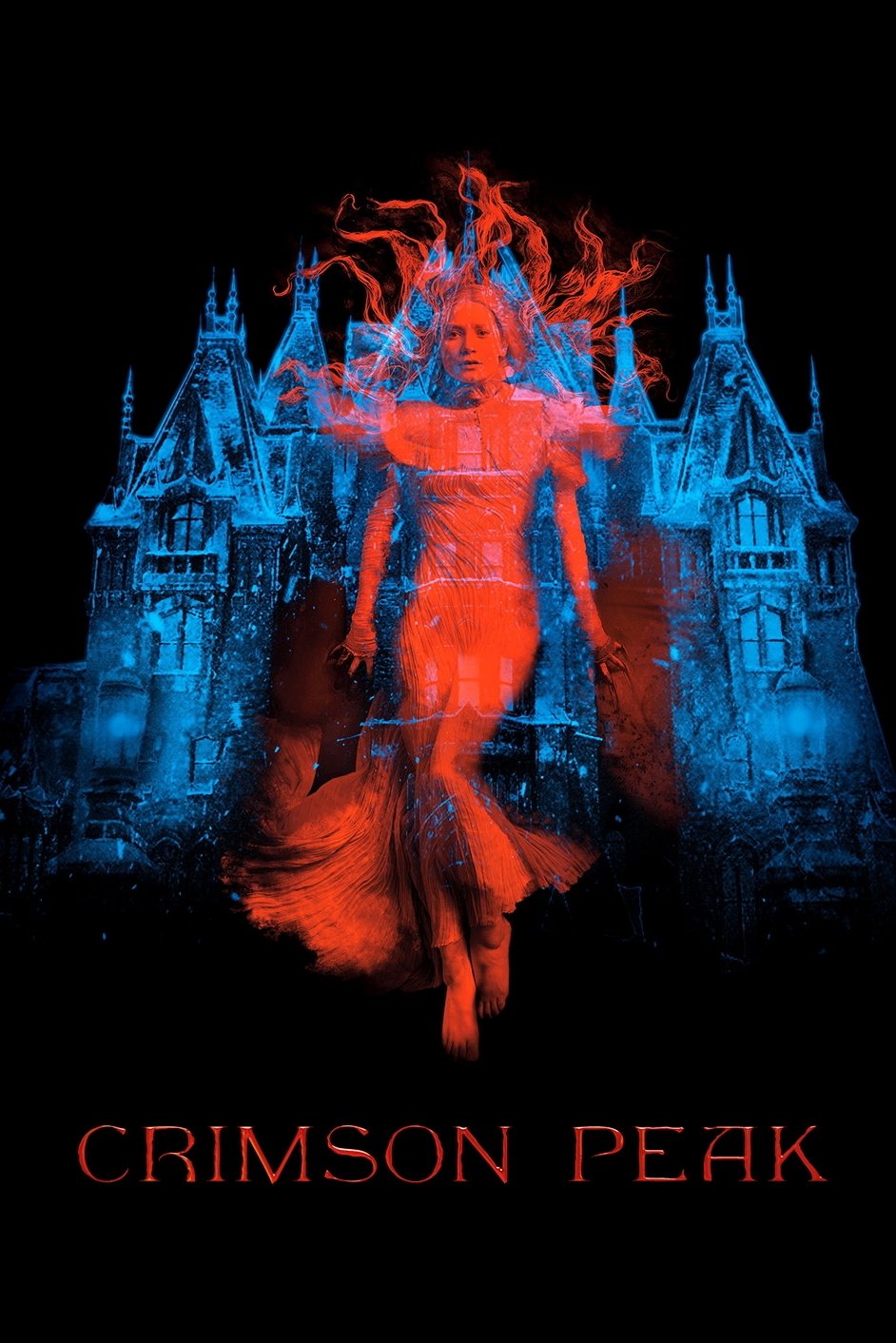
Marketing sold a jump scare heavy story while the film is a gothic romance. Later viewers focused on production design, makeup effects, and practical sets. Featurettes and museum exhibits with costumes increased appreciation for its craftsmanship.
‘The King of Comedy’ (1982)
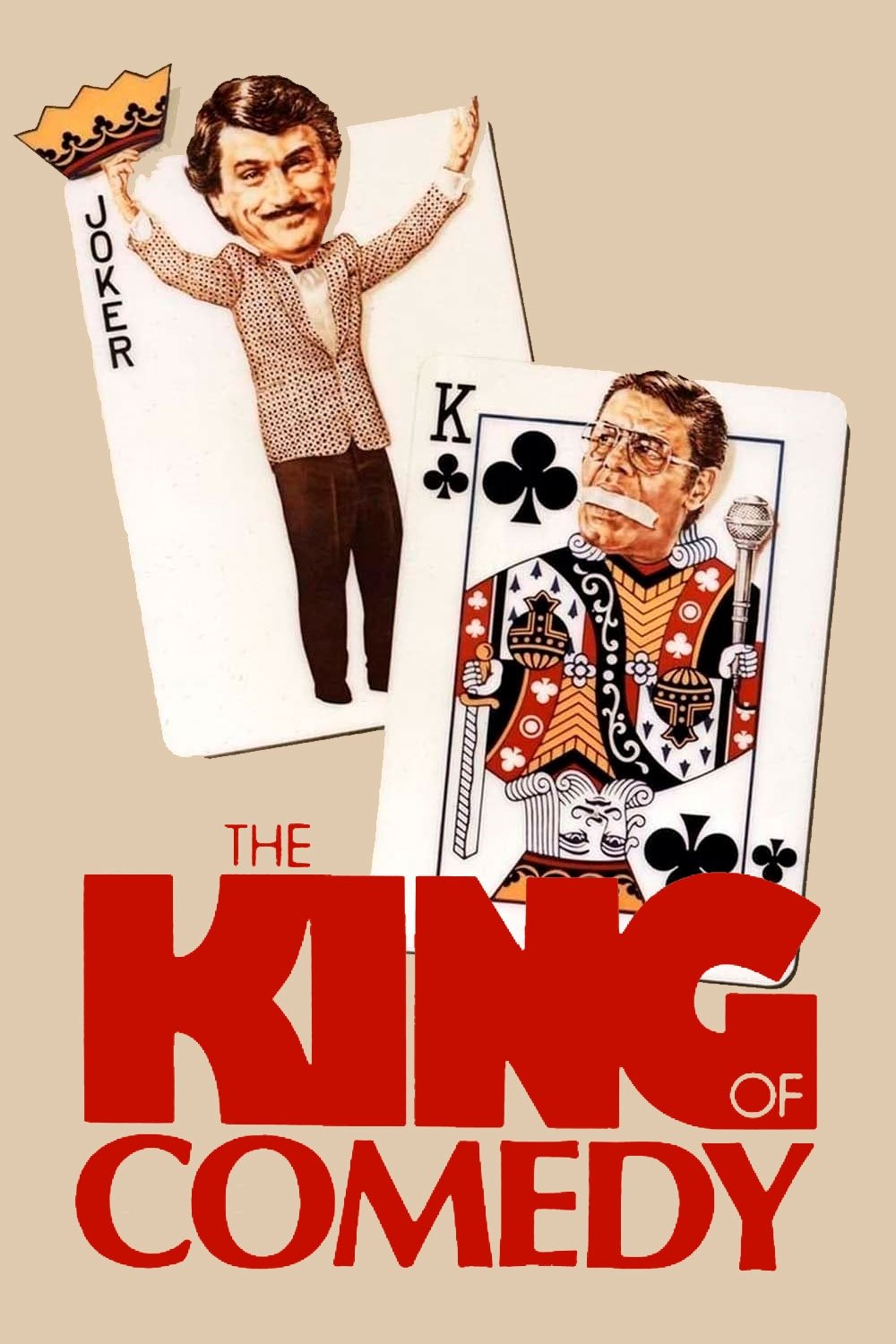
Initial audiences were uneasy with its satirical edge. Television airings and critical essays spotlighted performance detail and media critique. The film’s relevance to celebrity culture brought steady classroom use and ongoing rediscovery.
‘Twin Peaks: Fire Walk with Me’ (1992)
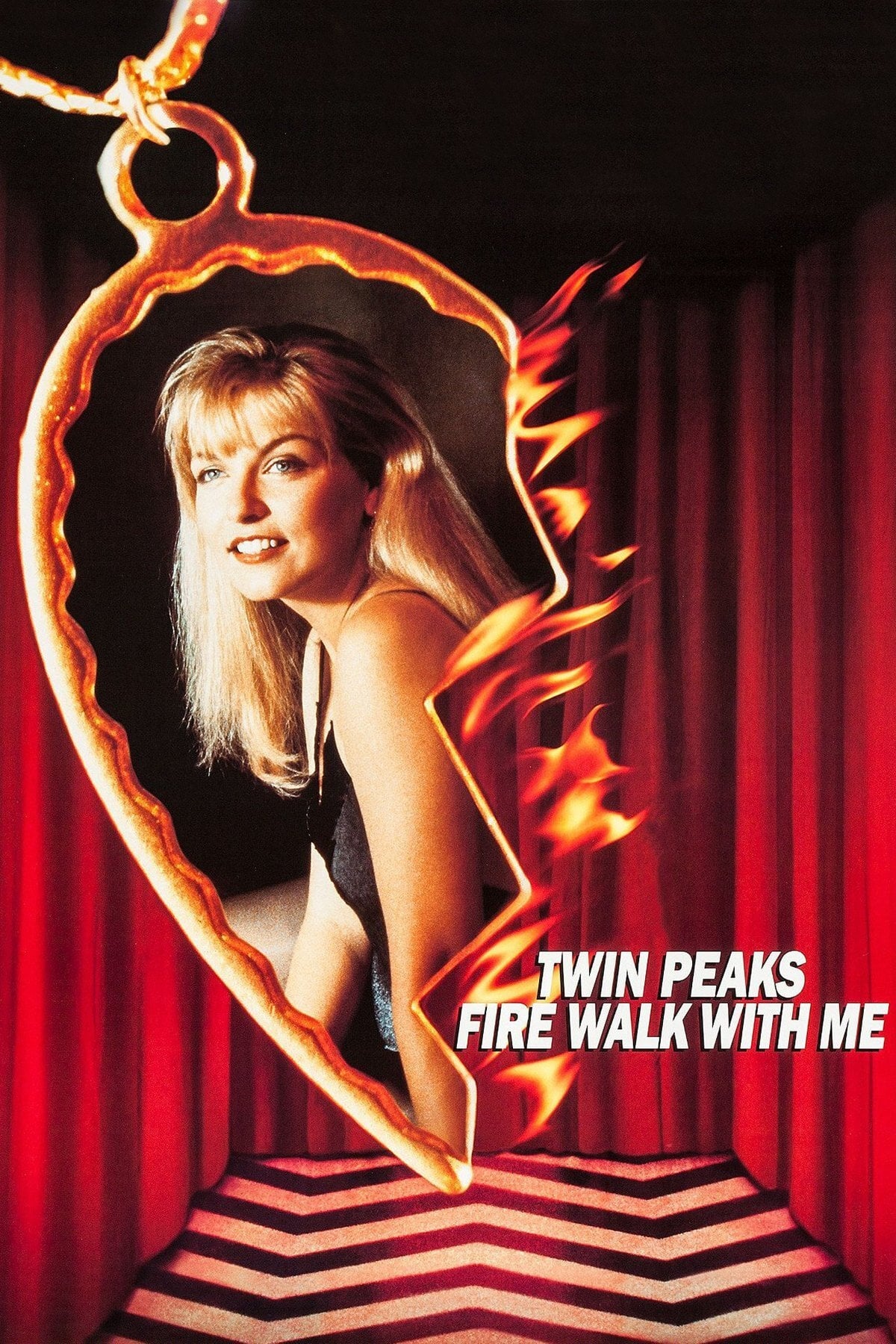
Fans wanted answers while the film offered a harrowing character study. Restored transfers and festival retrospectives presented it as a key chapter in the saga. Later seasons and companion books sent viewers back to connect imagery and themes.
‘The Big Lebowski’ (1998)
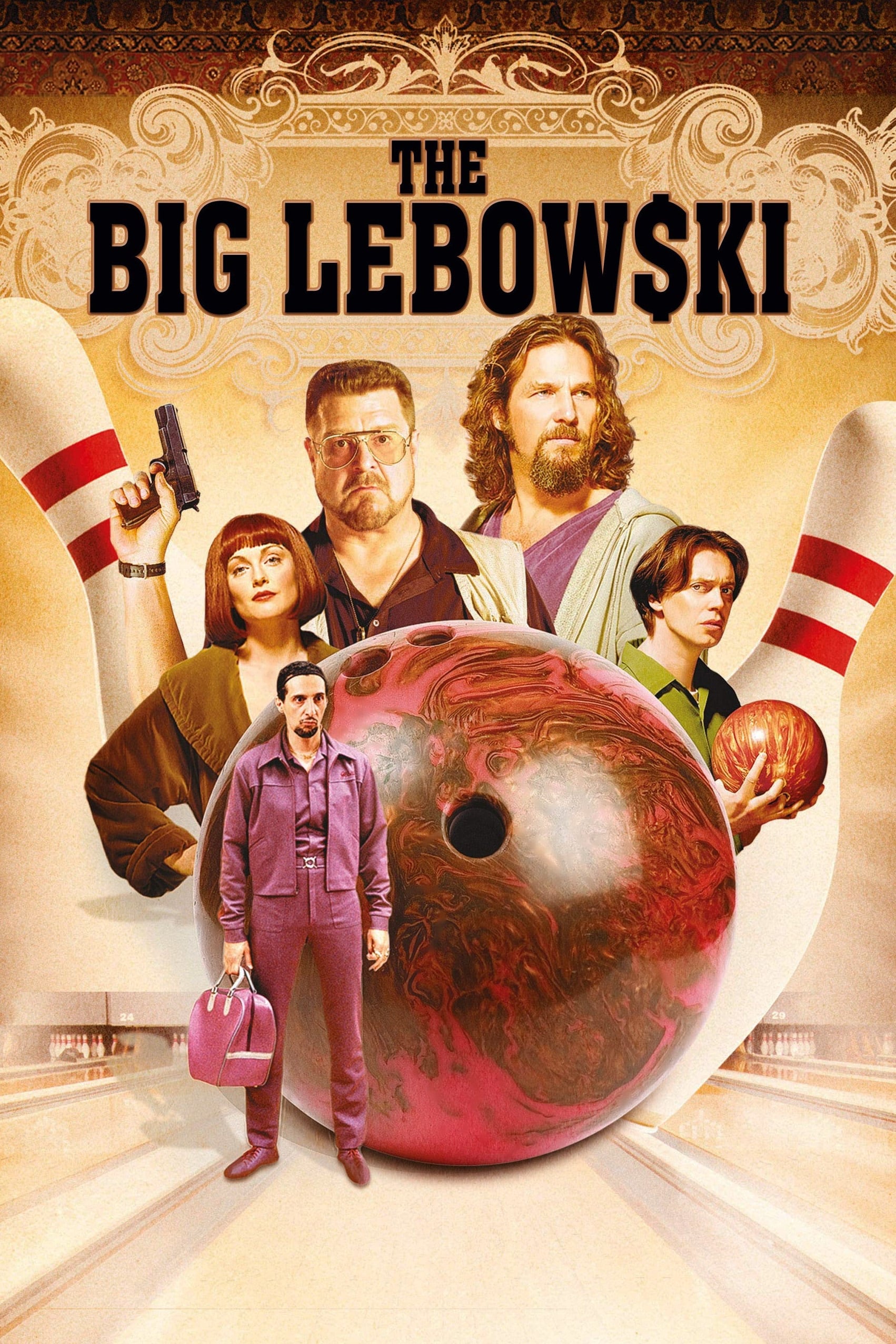
A modest theatrical run gave way to dorm room posters and midnight shows. Quotable dialogue, soundtrack cues, and bowling alley settings flourished on DVD. Conventions and themed events maintained visibility and attracted new fans every year.
‘Office Space’ (1999)
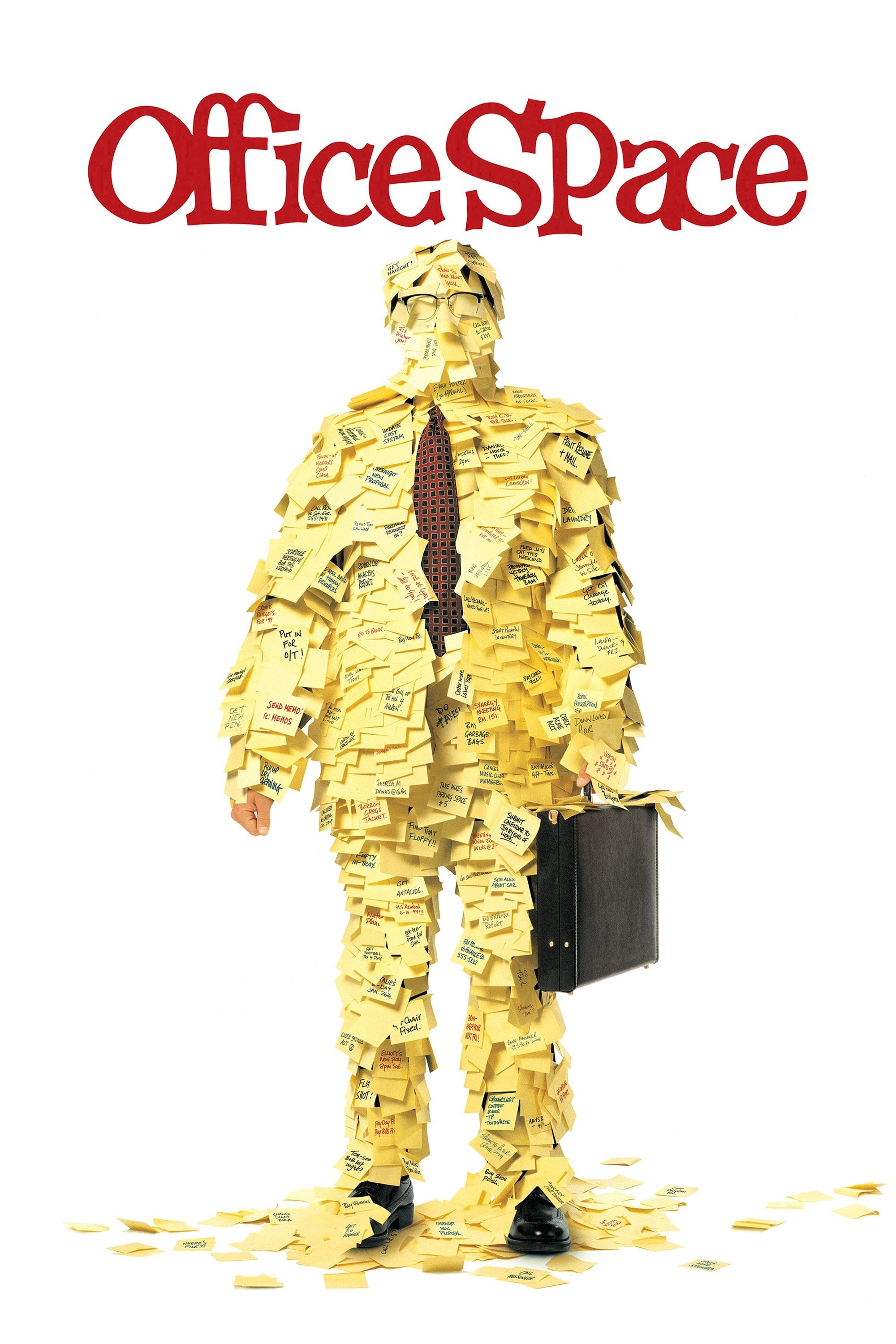
It underperformed in theaters but grew through television syndication and discs. Workplace jokes and printer scenes circulated widely online, bringing steady word of mouth. Later interviews and anniversary pieces kept it in rotation for younger viewers.
‘Donnie Darko’ (2001)
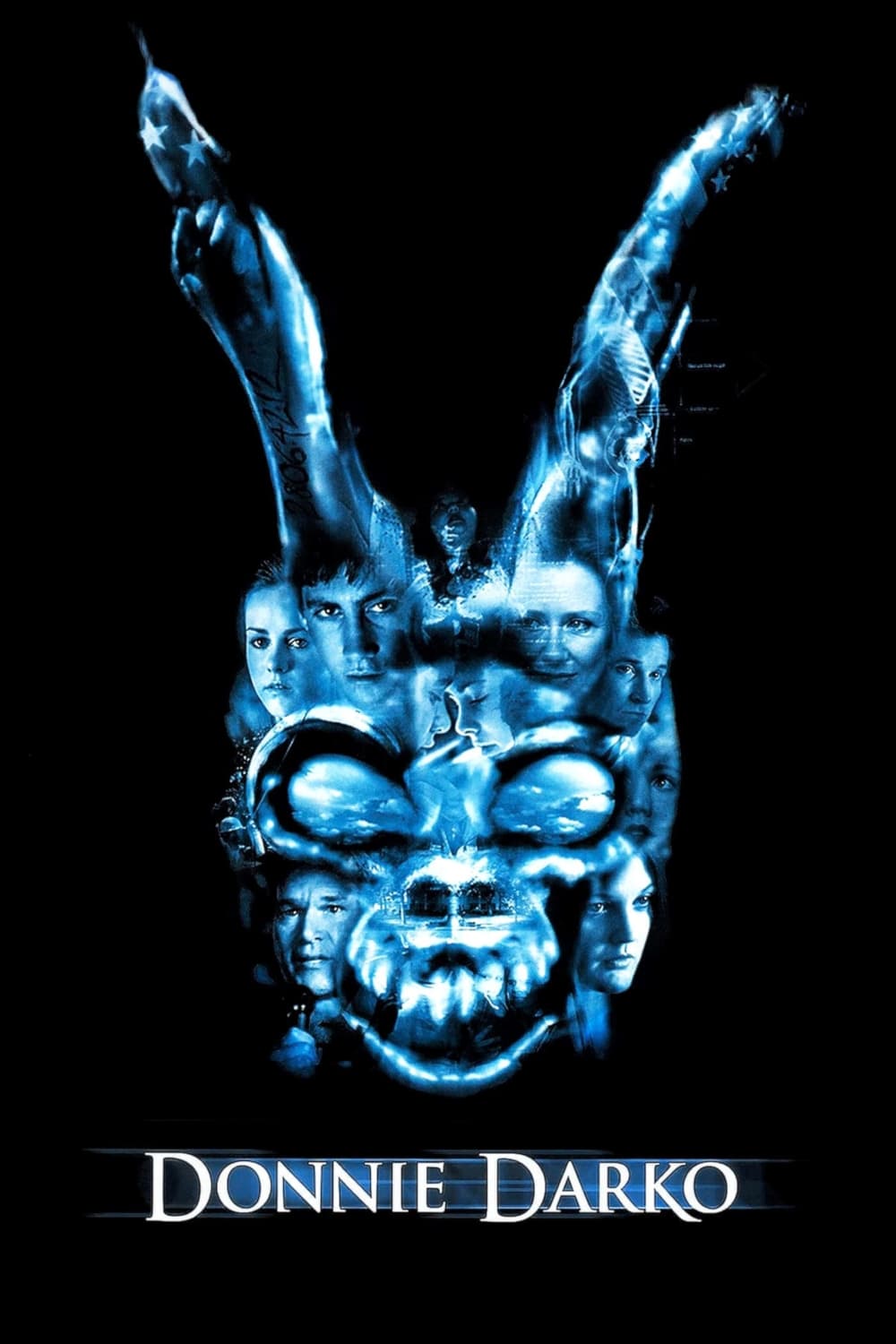
A complicated release and limited screens kept it niche. Director’s and theatrical cuts on disc encouraged comparison and close reading. Forums and timeline guides helped viewers unpack the story, which sustained long term interest.
‘Dredd’ (2012)
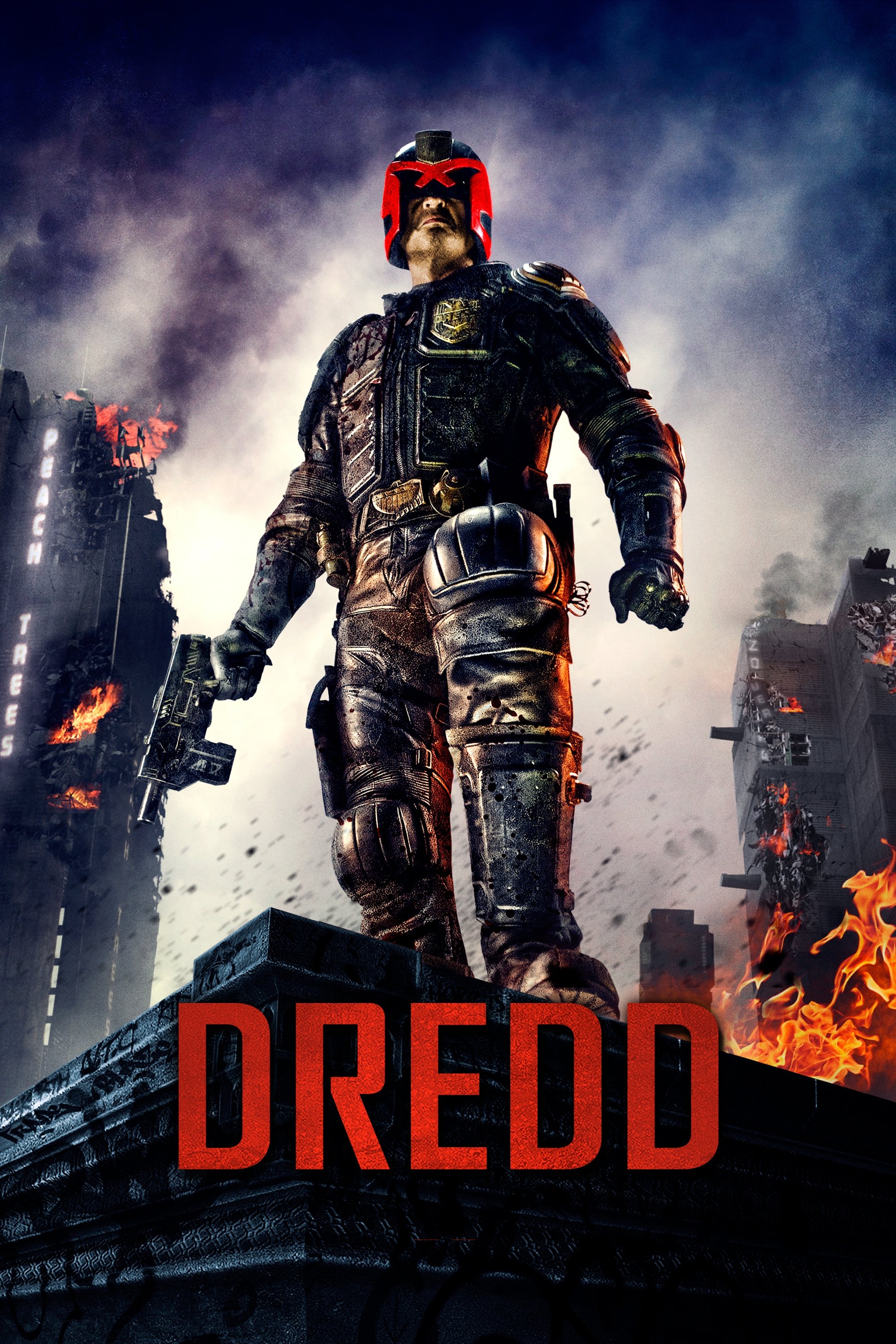
Strong craft met a soft box office, partly due to limited marketing. High quality home releases showed off stereo 3D photography and meticulous set work. Positive word of mouth focused on tight plotting and stunt execution, which helped it endure.
‘The Shining’ (1980)
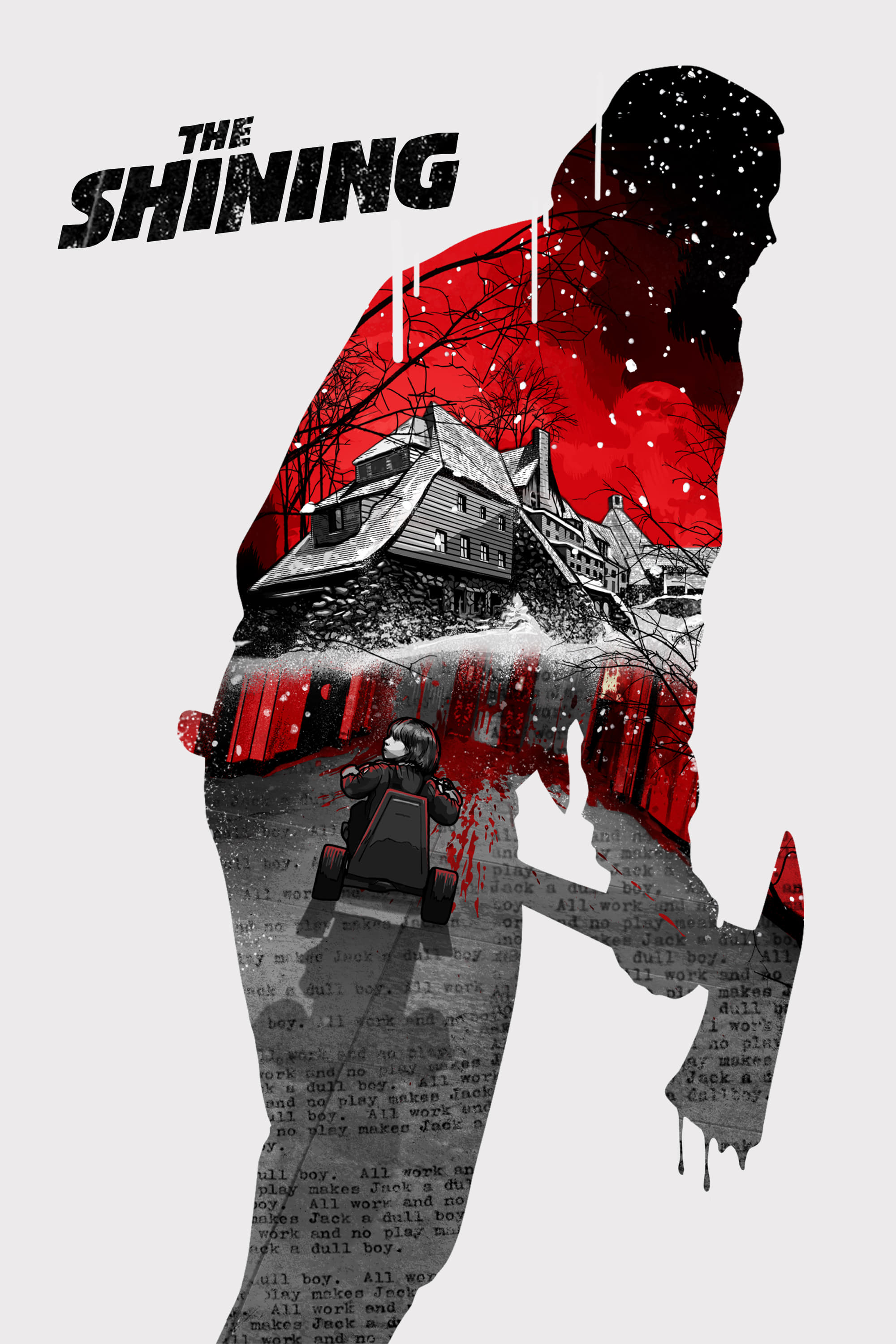
Early reviews were mixed and awards attention was minimal. Over time, critics mapped recurring motifs and spatial puzzles that reward rewatching. Restorations and detailed making of materials helped audiences appreciate the production at scale.
‘The Night of the Hunter’ (1955)

Theatrical audiences were unsure about its tone. Television and revival houses emphasized the striking lighting, set design, and performances. Film schools adopted it as a case study in visual storytelling, which anchored its status.
‘Vertigo’ (1958)
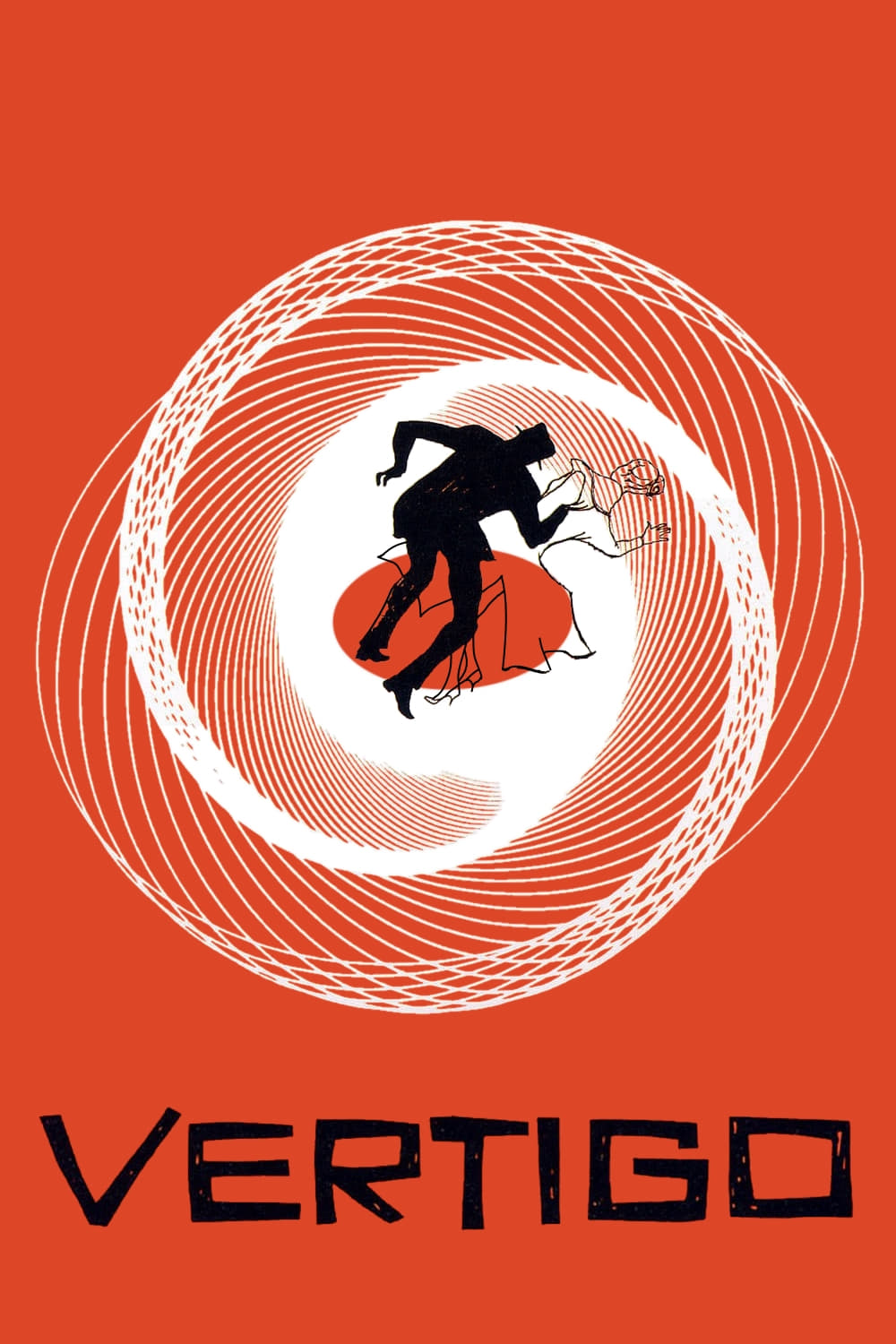
It struggled during its initial run and then went out of circulation. Restorations and reissues returned it to screens with proper sound and color. Critical polls and academic work highlighted its structure and recurring visual motifs, fueling ongoing interest.
‘The Rules of the Game’ (1939)
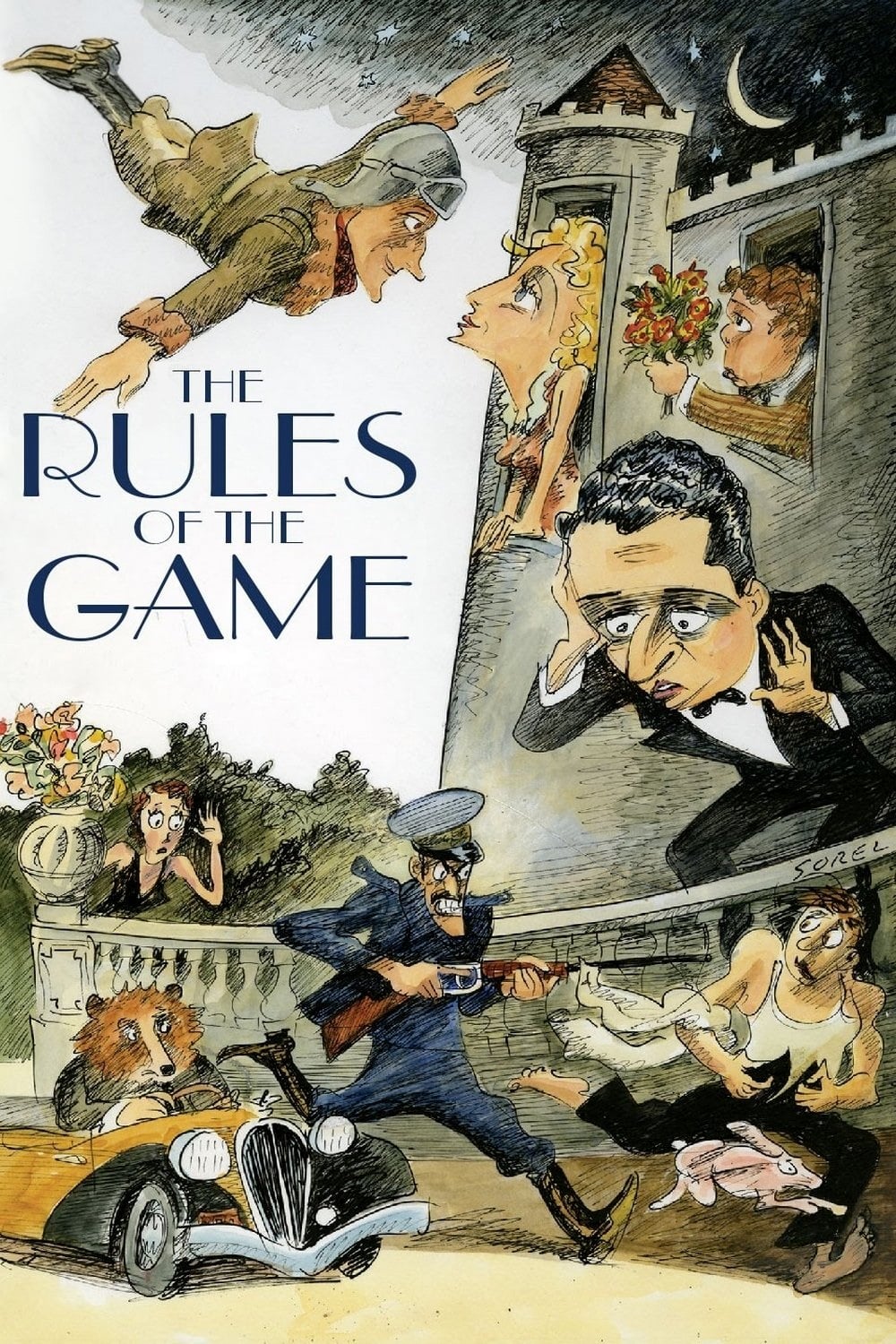
It faced censorship and cuts that obscured the original intent. Later restorations reconstructed the film from surviving elements. Archives and curated series presented it with context, allowing modern audiences to engage with its design and staging.
‘Brazil’ (1985)
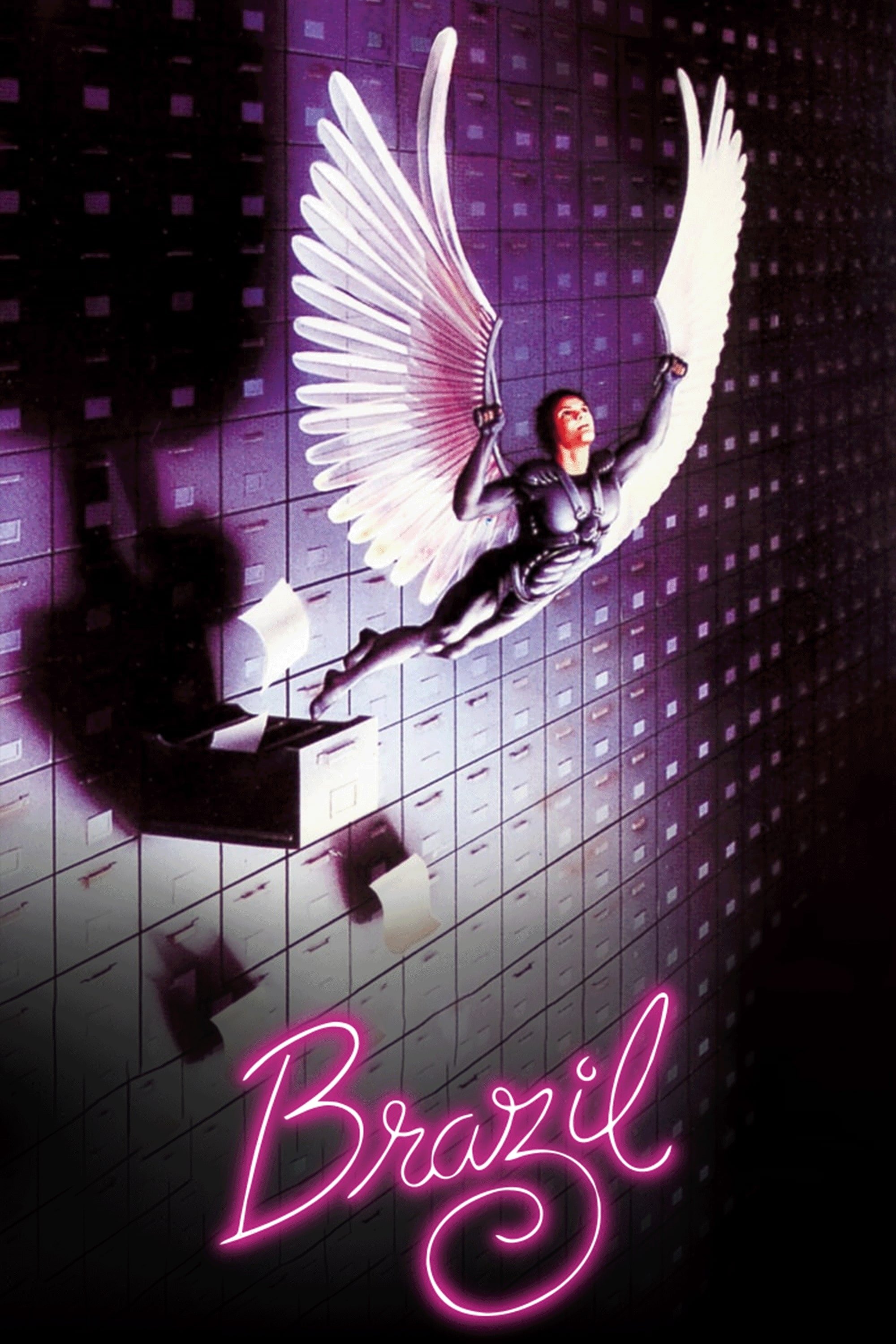
Studio battles led to competing versions that confused viewers. Restored editions and detailed supplements clarified the intended narrative and tone. Home video comparisons and essays turned the film into a favorite case study in editorial history.
Share your favorite rediscovered picks in the comments and tell us which ones you think deserve even more attention.