Essential Drama Movies to Revisit Every Year


Some stories reward every return with new details to notice, performances to study, and craft to admire, and these dramas have the production context, historical significance, and cultural footprint to make each rewatch worthwhile; use this list as a practical guide packed with who-made-it, what-it’s-about, and why it matters information you can put to use the next time you queue up a film night.
‘The Godfather’ (1972)
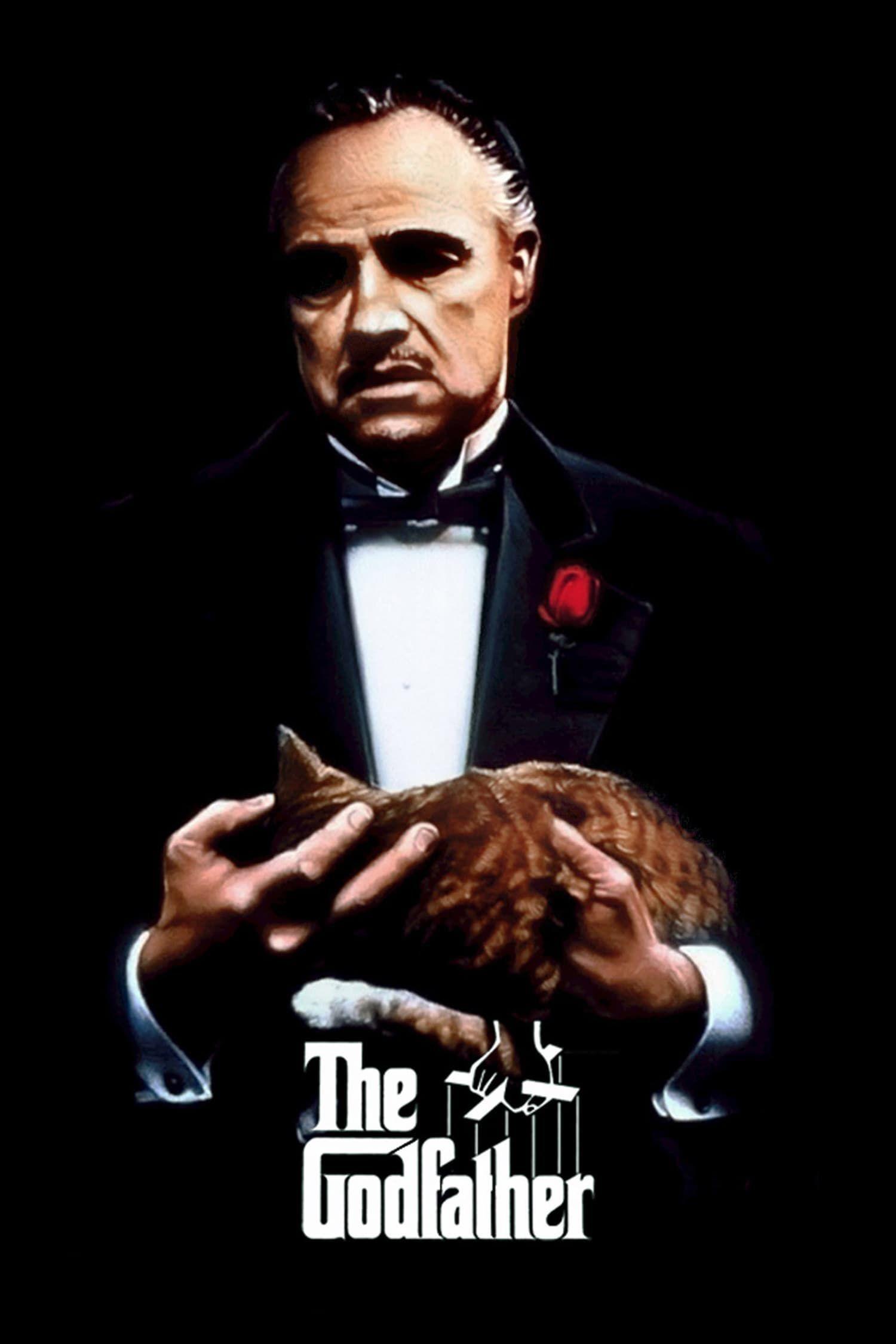
Directed by Francis Ford Coppola and adapted from Mario Puzo’s novel, this crime saga follows the Corleone family’s rise and transition of power. The cast includes Marlon Brando, Al Pacino, James Caan, and Diane Keaton. It won Academy Awards for Best Picture, Best Actor, and Best Adapted Screenplay. Gordon Willis’s cinematography and Nino Rota’s score shape its distinctive look and sound.
‘The Godfather Part II’ (1974)
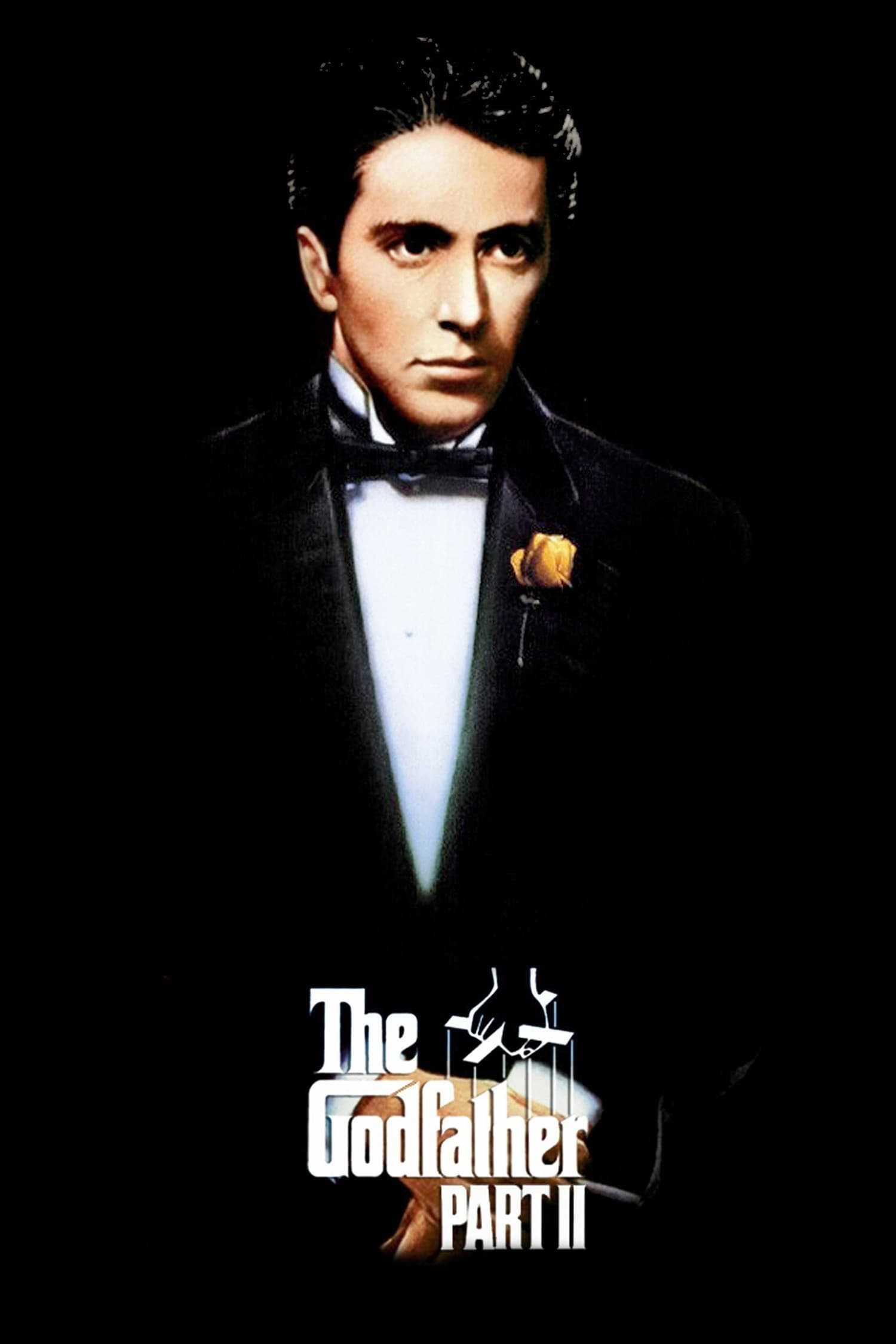
Francis Ford Coppola intercuts Michael Corleone’s consolidation of power with early-life scenes of Vito Corleone, adapted from elements of Mario Puzo’s work. Al Pacino leads a cast featuring Robert De Niro, Robert Duvall, and Diane Keaton. The film earned six Academy Awards, including Best Picture and Best Supporting Actor for De Niro. Its dual-timeline structure is a reference point for complex narrative design.
‘Schindler’s List’ (1993)
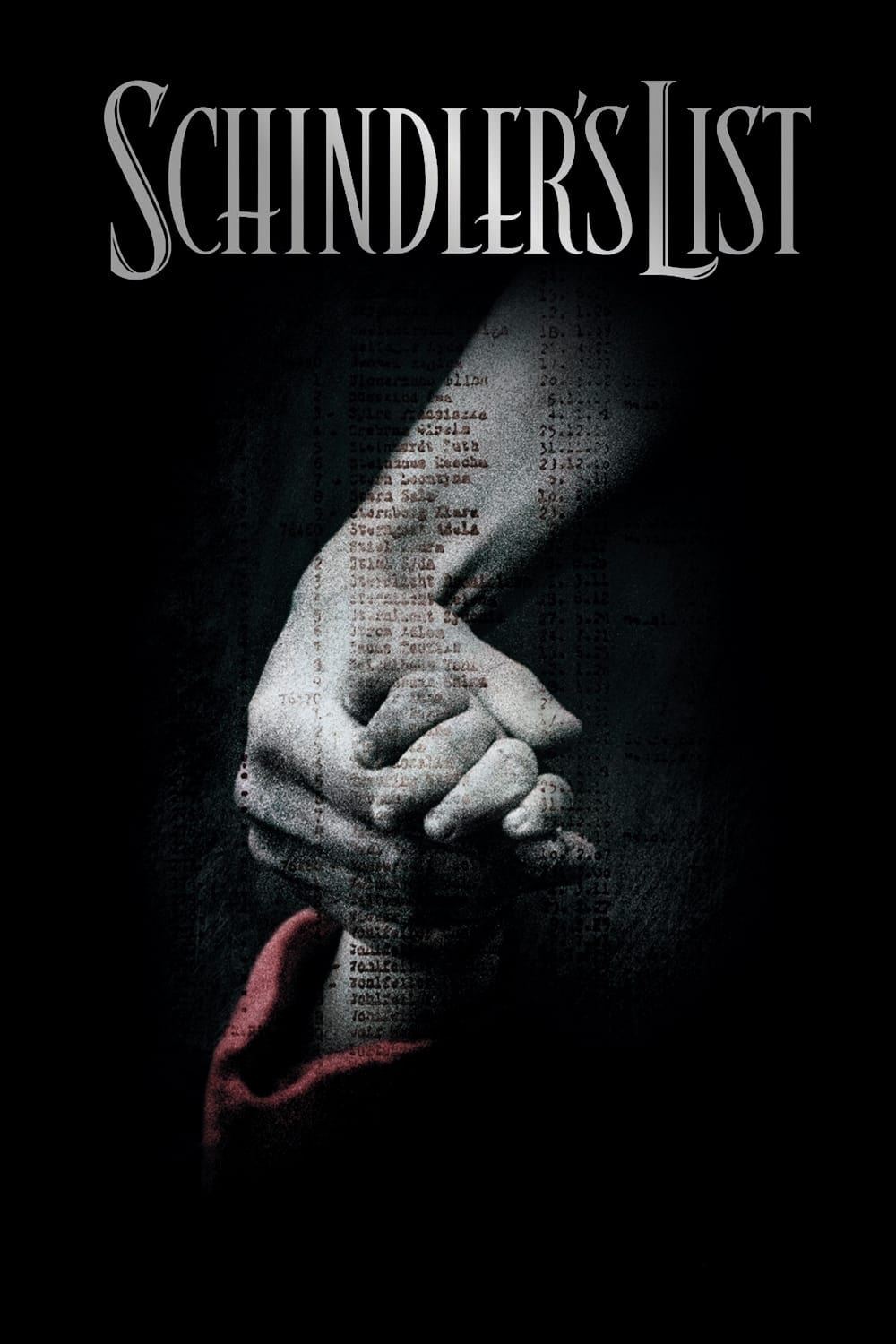
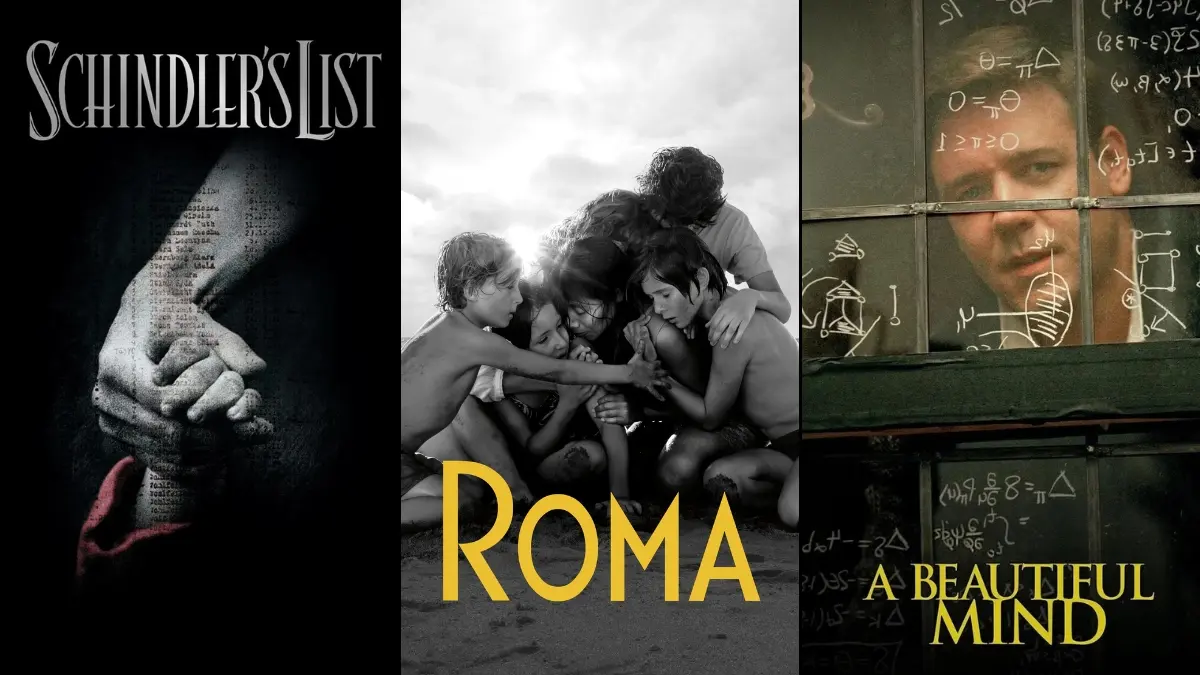
Steven Spielberg adapts Thomas Keneally’s novel about Oskar Schindler’s efforts to save Jews during the Holocaust. Starring Liam Neeson, Ben Kingsley, and Ralph Fiennes, it was shot primarily in black-and-white. The film received seven Academy Awards, including Best Picture and Best Director. John Williams’s score and on-location shooting in Poland underpin its historical detail.
‘The Shawshank Redemption’ (1994)
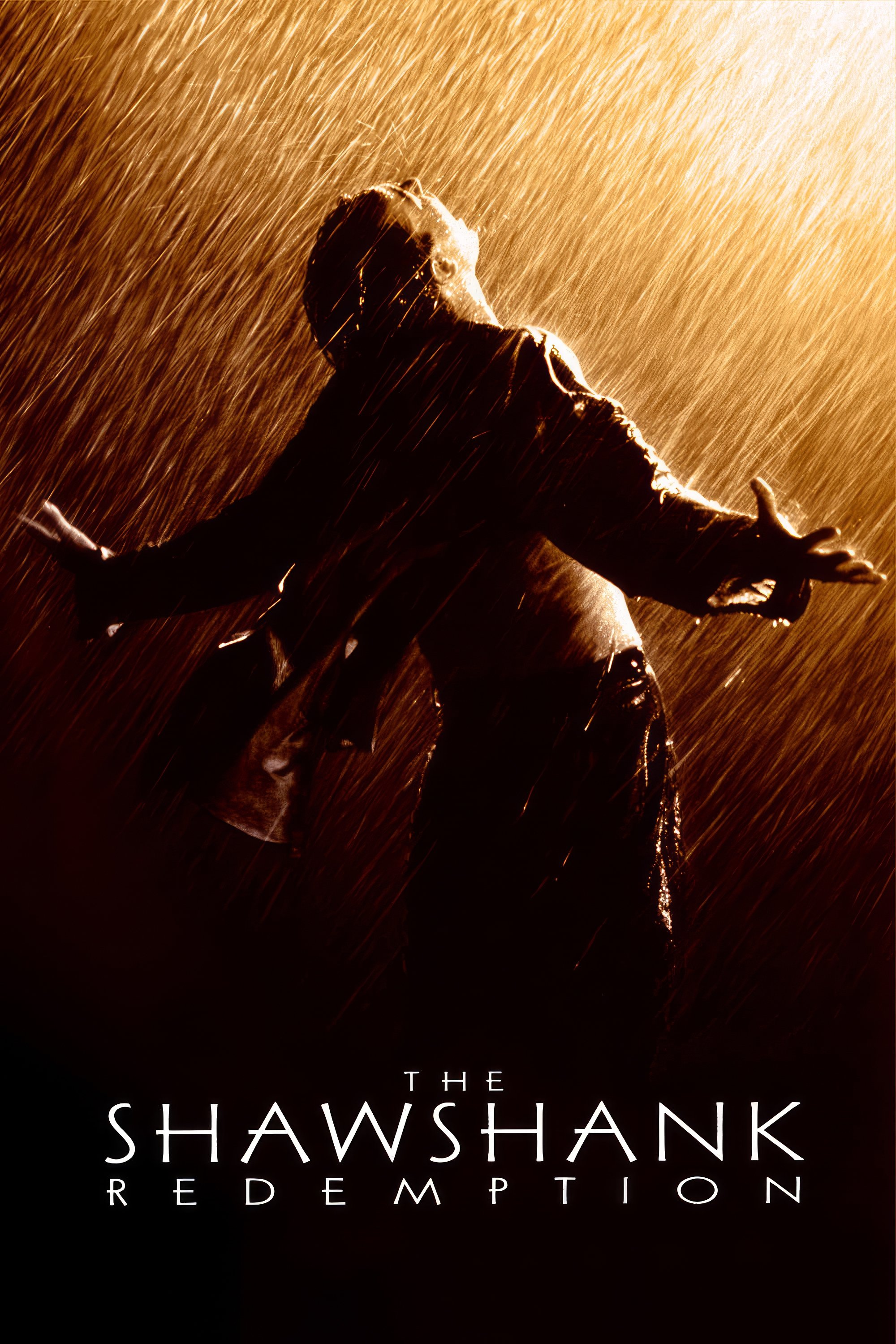
Frank Darabont adapts Stephen King’s novella ‘Rita Hayworth and Shawshank Redemption’ into a prison drama anchored by Tim Robbins and Morgan Freeman. The narrative centers on long-term incarceration, institutional life, and friendship. It earned multiple Academy Award nominations. Thomas Newman’s score and measured pacing support the character-driven storytelling.
‘Forrest Gump’ (1994)
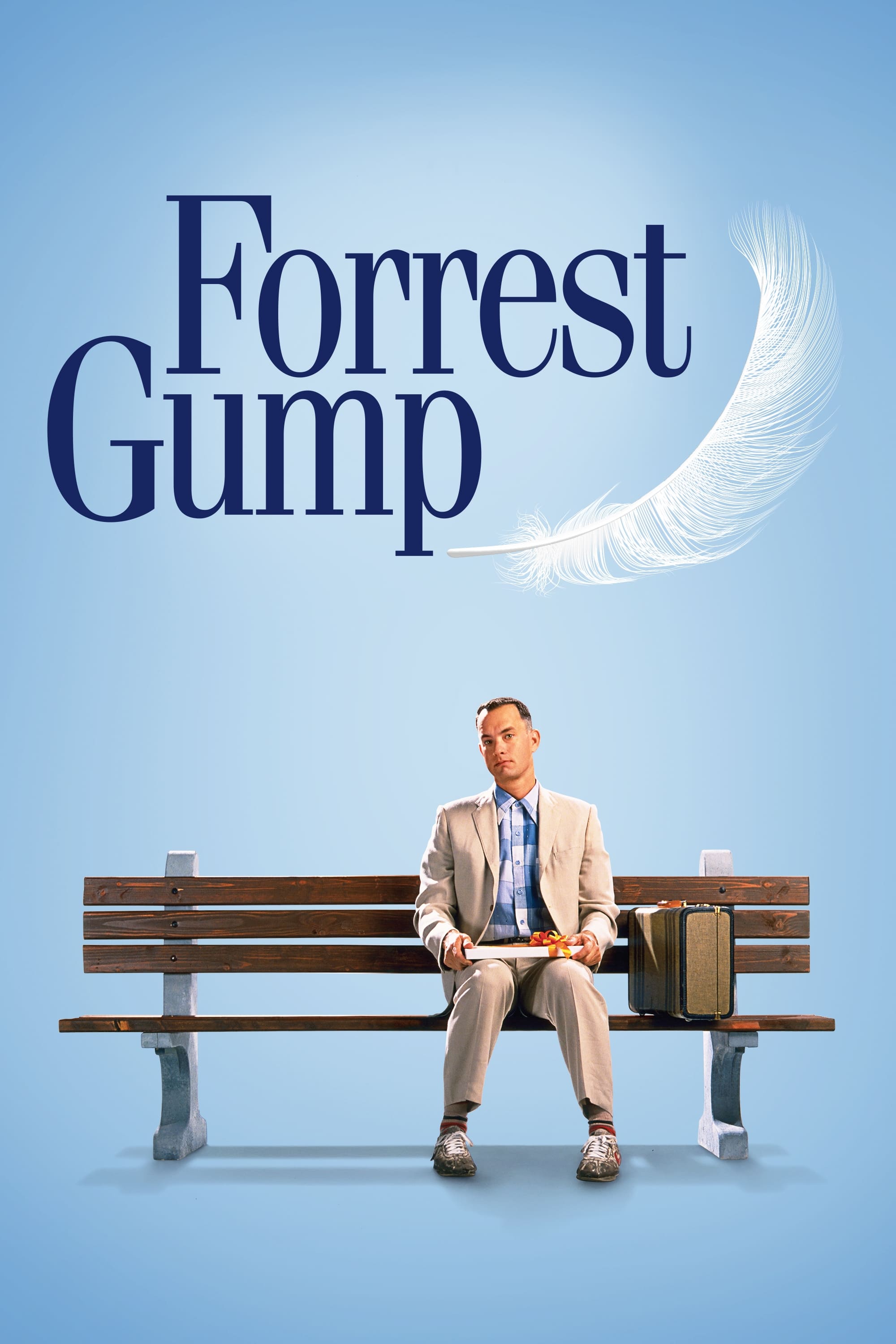
Directed by Robert Zemeckis and based on Winston Groom’s novel, this film follows a man intersecting with major American events. Tom Hanks stars alongside Robin Wright, Gary Sinise, and Sally Field. The production used extensive digital effects to integrate archival footage and historical figures. It won multiple Academy Awards, including Best Picture, Best Director, and Best Actor.
‘Fight Club’ (1999)

David Fincher adapts Chuck Palahniuk’s novel into a drama about consumer culture and identity. The film stars Edward Norton, Brad Pitt, and Helena Bonham Carter. Production design, visual effects, and an industrial-electronic score by The Dust Brothers define its style. Its unreliable narration and third-act reveal are staples in screenwriting discussions.
‘American Beauty’ (1999)

Directed by Sam Mendes from an original screenplay by Alan Ball, this suburban drama examines family dynamics and personal dissatisfaction. Kevin Spacey and Annette Bening lead the cast, with Thora Birch, Wes Bentley, and Mena Suvari in supporting roles. The film won five Academy Awards, including Best Picture. Conrad L. Hall’s cinematography and Thomas Newman’s score are core elements of its aesthetic.
‘Gladiator’ (2000)
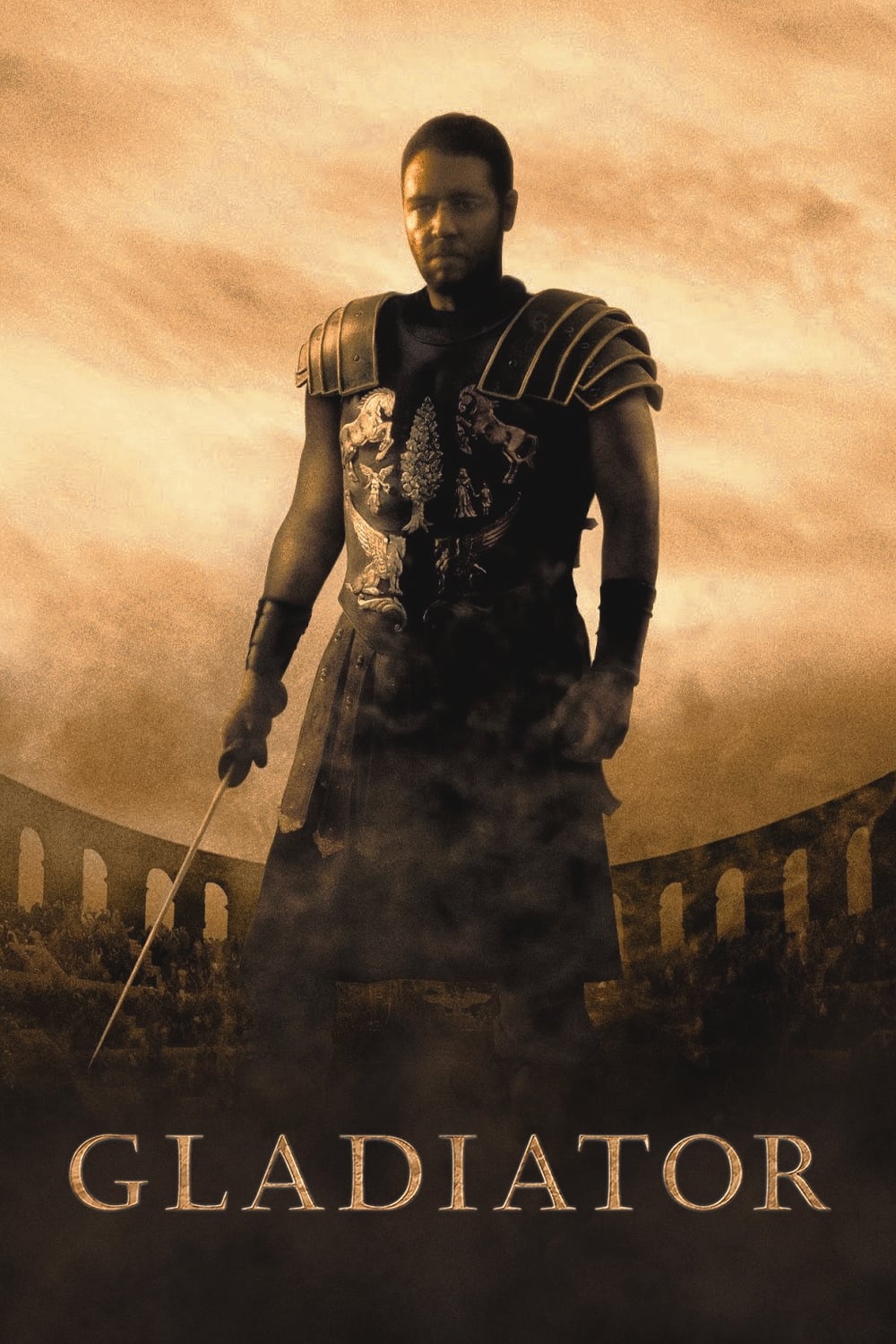
Ridley Scott directs this historical drama starring Russell Crowe, Joaquin Phoenix, and Connie Nielsen. The production combined large-scale sets, practical effects, and CGI to recreate the Roman Colosseum and battle sequences. It won five Academy Awards, including Best Picture and Best Actor. Hans Zimmer and Lisa Gerrard’s music complements the film’s scale.
‘A Beautiful Mind’ (2001)
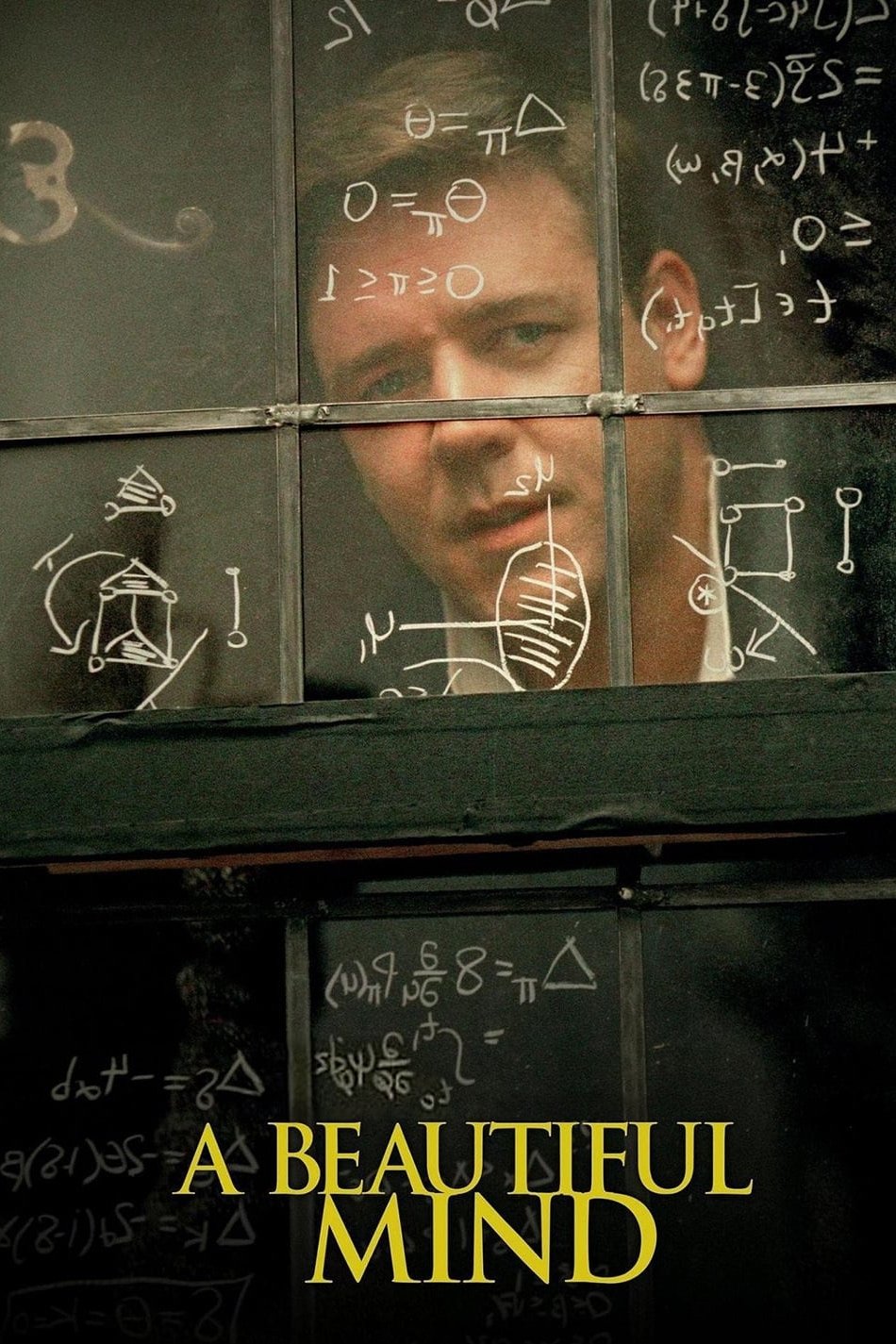
Ron Howard’s biographical drama is adapted from Sylvia Nasar’s book about mathematician John Nash. Russell Crowe and Jennifer Connelly star, with Paul Bettany and Ed Harris in key roles. The film won four Academy Awards, including Best Picture and Best Director. Its depiction of academic life and mental health has been cited in educational contexts.
‘City of God’ (2002)
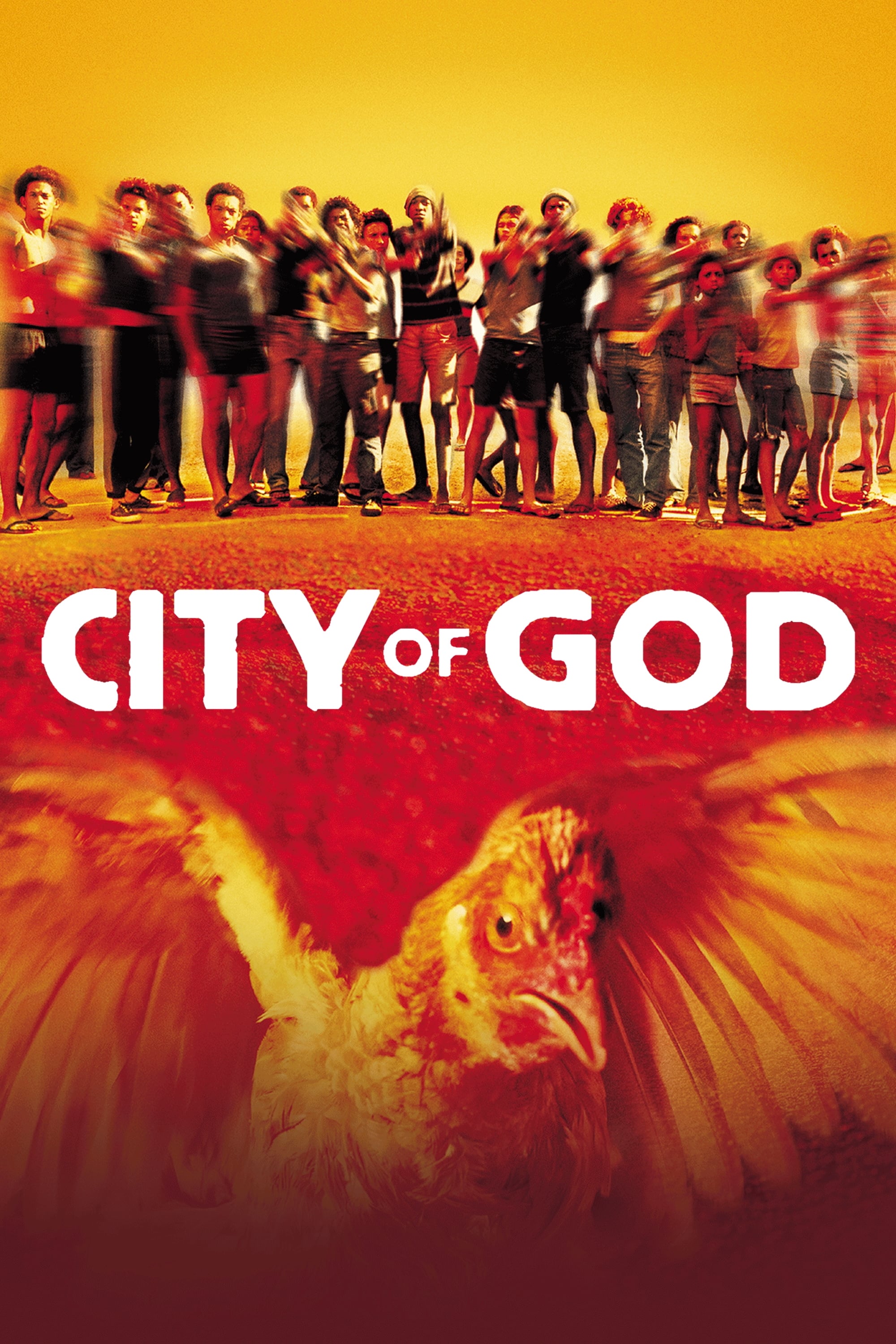
Fernando Meirelles, with co-director Kátia Lund, adapts Paulo Lins’s novel about organized crime in Rio de Janeiro’s favelas. The film features a largely nonprofessional cast, including Alexandre Rodrigues and Leandro Firmino. It received four Academy Award nominations. Rapid editing, handheld camerawork, and on-location shooting drive its realism.
‘The Pianist’ (2002)
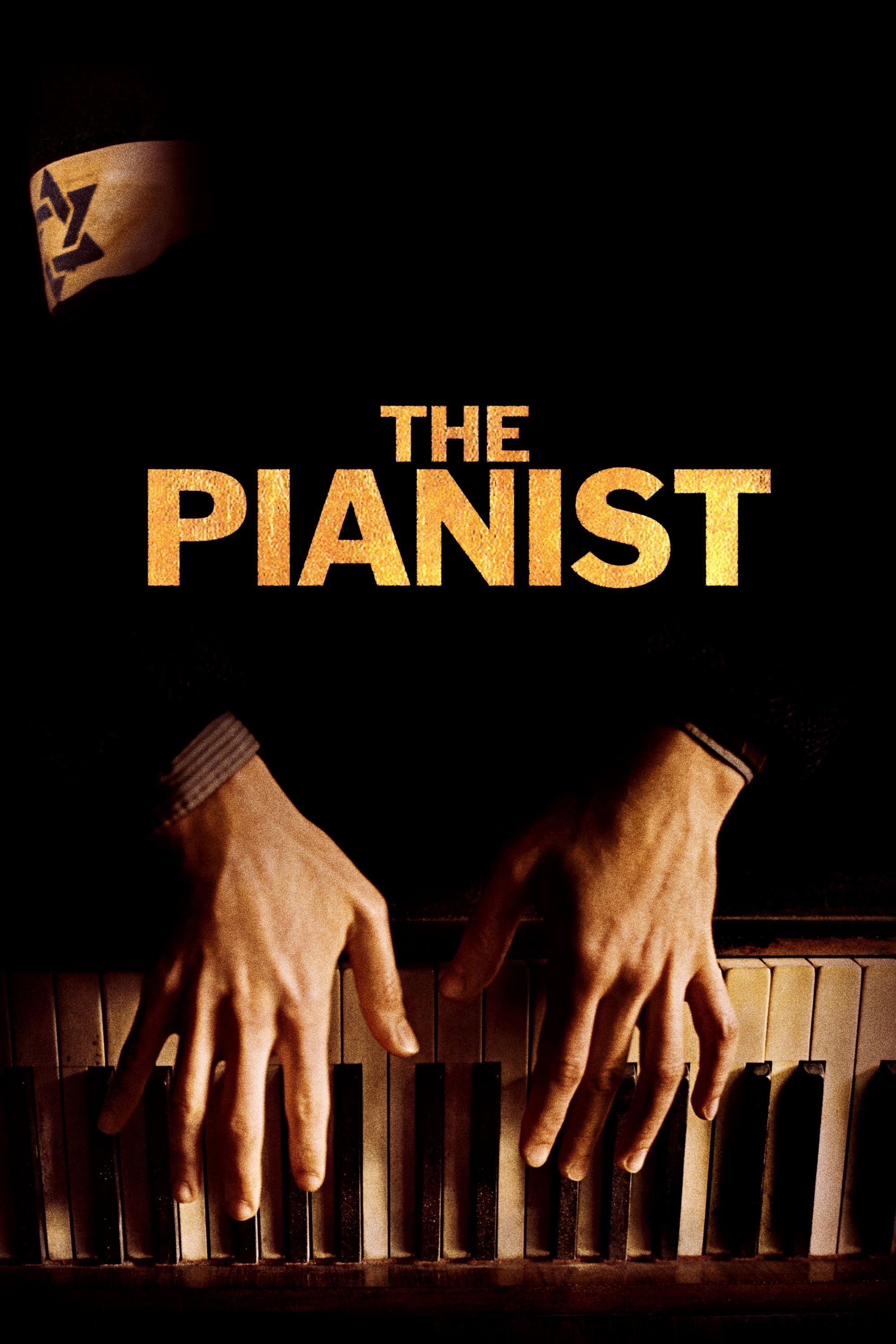
Roman Polanski directs this adaptation of Władysław Szpilman’s memoir, with Adrien Brody in the lead role. The story follows a Polish Jewish pianist’s survival in Warsaw during World War II. The film won Academy Awards for Best Director, Best Actor, and Best Adapted Screenplay. Classical piano performance and period production design anchor its presentation.
‘Mystic River’ (2003)
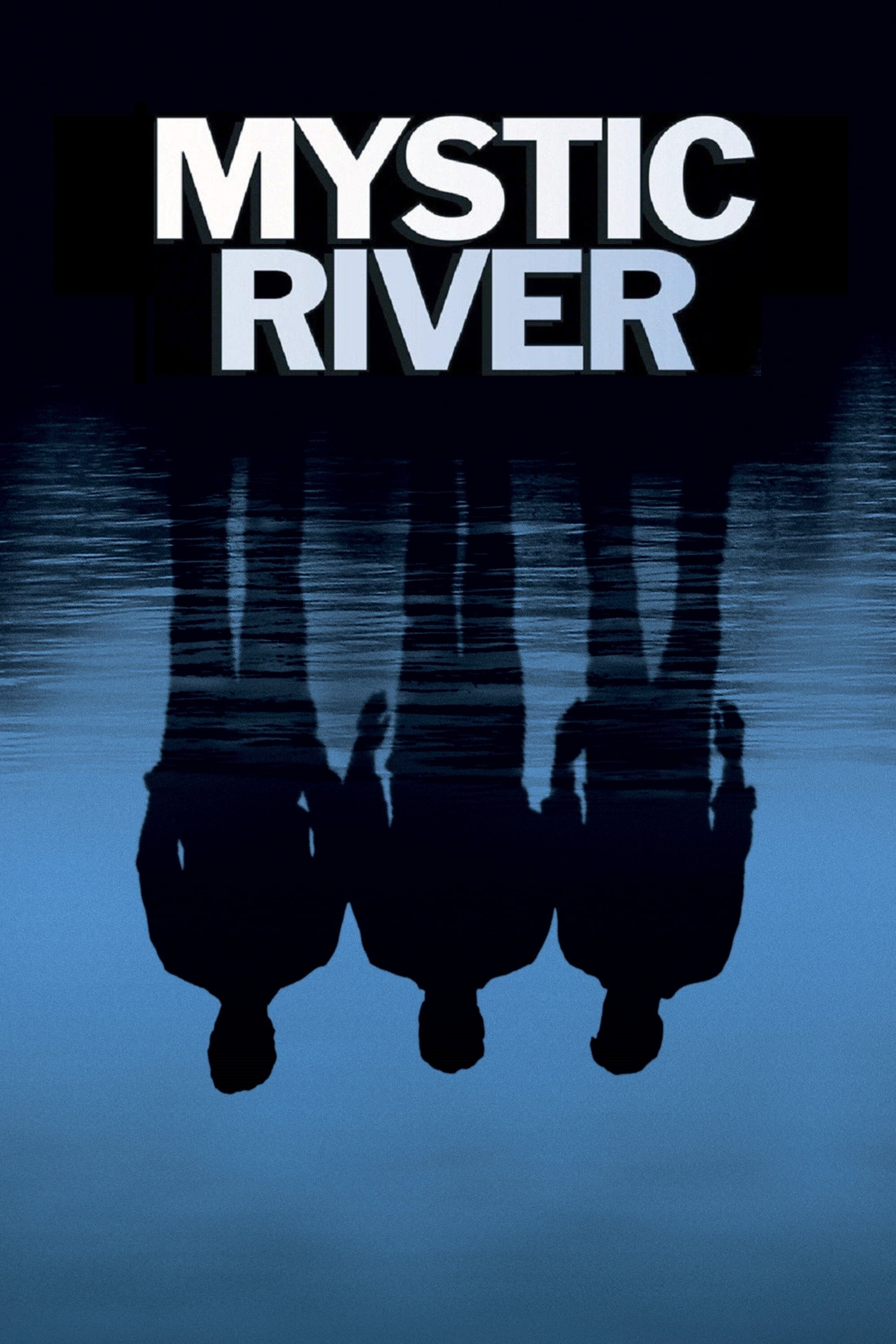
Clint Eastwood adapts Dennis Lehane’s novel into a neighborhood tragedy set in Boston. Sean Penn, Tim Robbins, and Kevin Bacon head the cast, with supporting performances by Marcia Gay Harden and Laura Linney. The film earned Oscars for Best Actor and Best Supporting Actor. Eastwood also composed the score, reinforcing its restrained tone.
‘There Will Be Blood’ (2007)
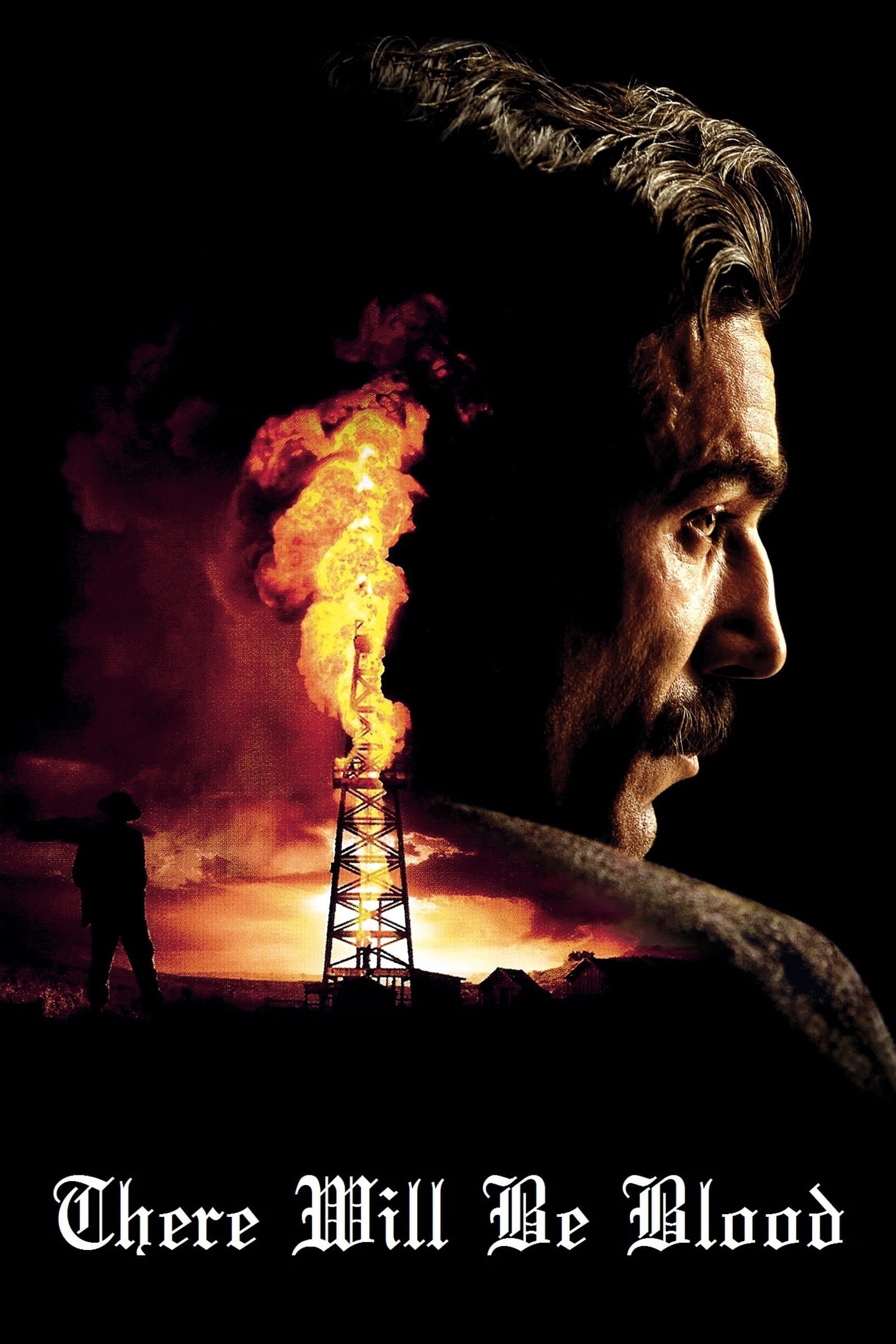
Paul Thomas Anderson’s drama is loosely based on Upton Sinclair’s ‘Oil!’ and centers on the early American oil industry. Daniel Day-Lewis and Paul Dano star, with production shot in Texas and California. The film won Academy Awards for Best Actor and Best Cinematography. Jonny Greenwood’s score and extensive use of long takes define its rhythm.
‘No Country for Old Men’ (2007)
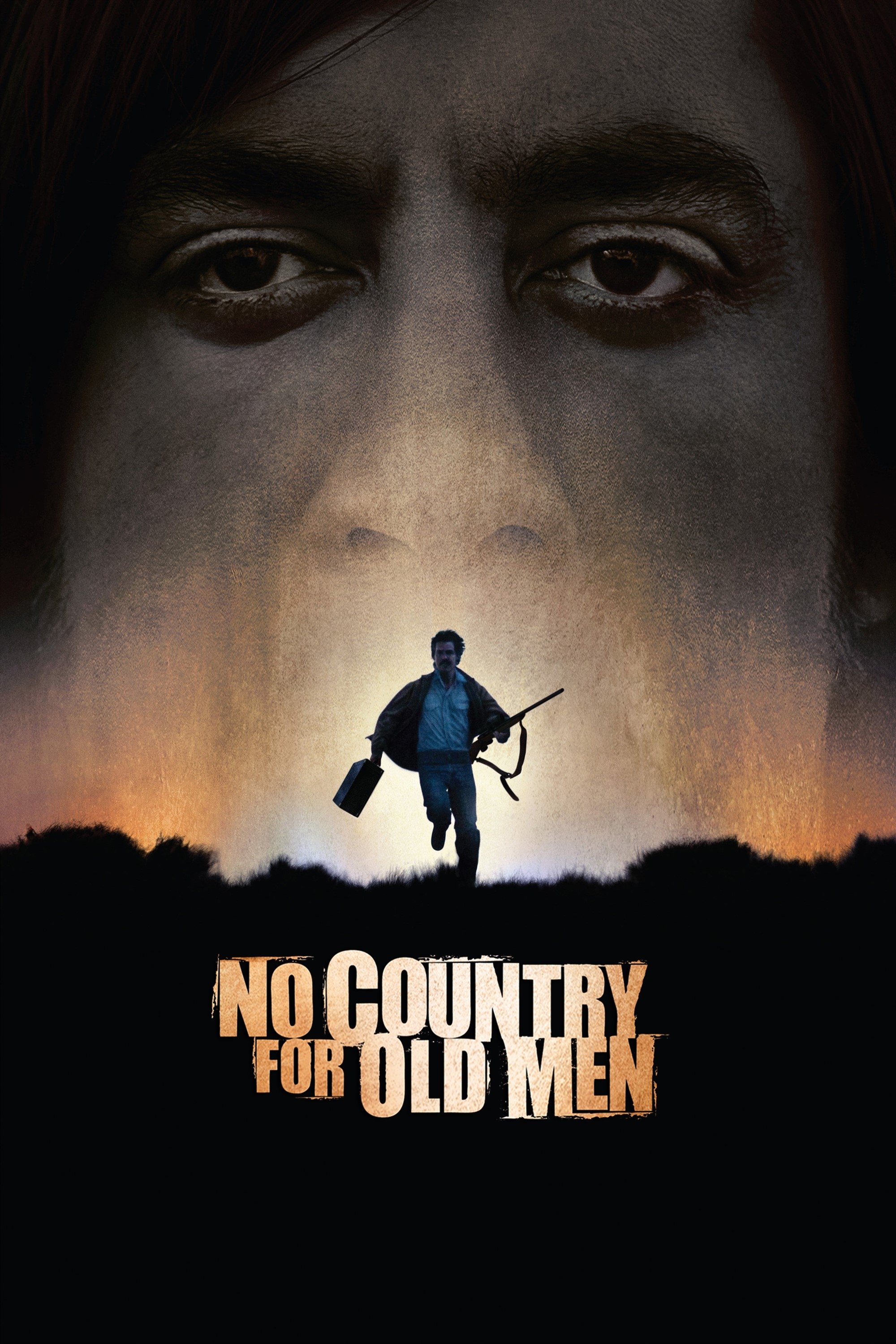
Joel and Ethan Coen adapt Cormac McCarthy’s novel into a border-set crime drama. The cast includes Javier Bardem, Josh Brolin, and Tommy Lee Jones. It won four Academy Awards, including Best Picture and Best Supporting Actor. Minimalist sound design and location shooting in the American Southwest mark its production approach.
‘Slumdog Millionaire’ (2008)
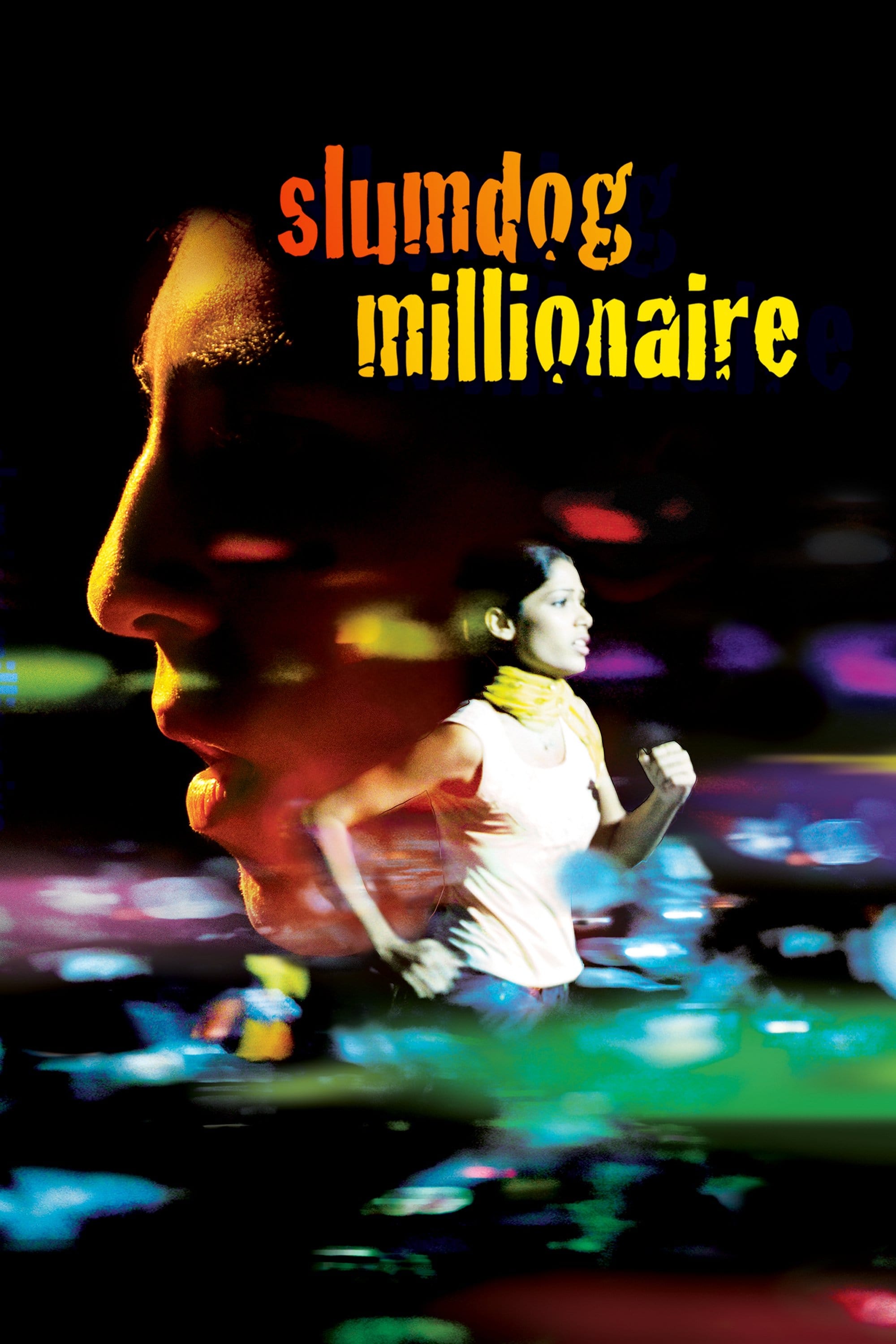
Directed by Danny Boyle with Loveleen Tandan credited as co-director, this adaptation of Vikas Swarup’s ‘Q & A’ follows a game-show contestant’s life story. Dev Patel and Freida Pinto star, with music by A. R. Rahman. The film won eight Academy Awards, including Best Picture. It blends Hindi and English dialogue and features extensive on-location filming in Mumbai.
‘The Curious Case of Benjamin Button’ (2008)
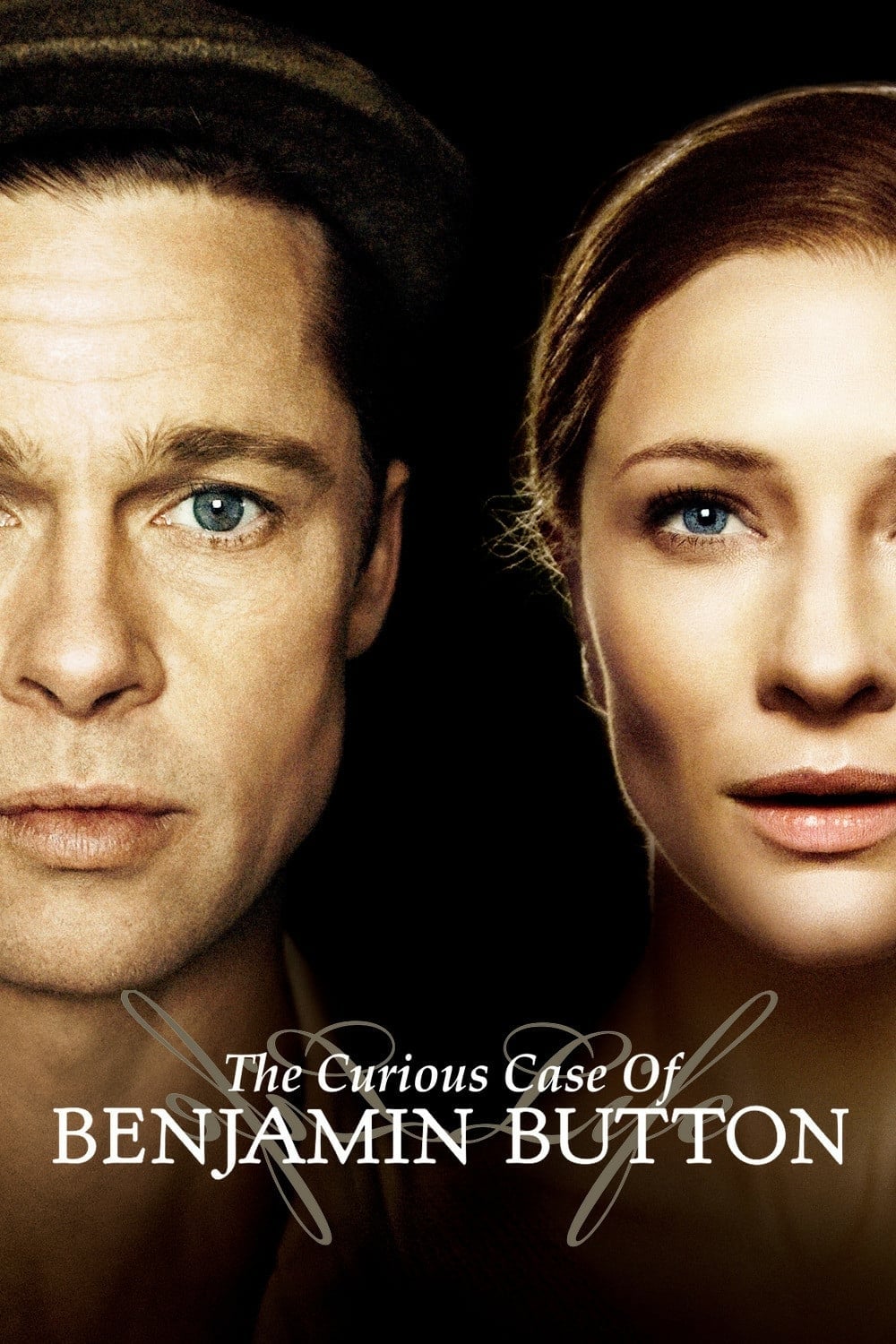
David Fincher adapts F. Scott Fitzgerald’s short story about a man who ages in reverse. Brad Pitt and Cate Blanchett lead the cast, supported by Taraji P. Henson and Tilda Swinton. The production used advanced visual effects and makeup to depict the central transformation. It won Academy Awards in multiple technical categories.
‘The Social Network’ (2010)

Directed by David Fincher with a screenplay by Aaron Sorkin, this drama adapts Ben Mezrich’s ‘The Accidental Billionaires’. Jesse Eisenberg stars alongside Andrew Garfield, Justin Timberlake, and Rooney Mara. The film won Academy Awards for writing, score, and editing. Trent Reznor and Atticus Ross composed an electronic-influenced soundtrack that guides the pacing.
‘Black Swan’ (2010)

Darren Aronofsky directs a psychological drama set in a ballet company staging ‘Swan Lake’. Natalie Portman, Mila Kunis, and Vincent Cassel star, with Portman receiving the Best Actress Oscar. The film integrates dance rehearsal realism with genre elements and practical effects. Choreography and rehearsal footage are central to its production design.
‘The King’s Speech’ (2010)
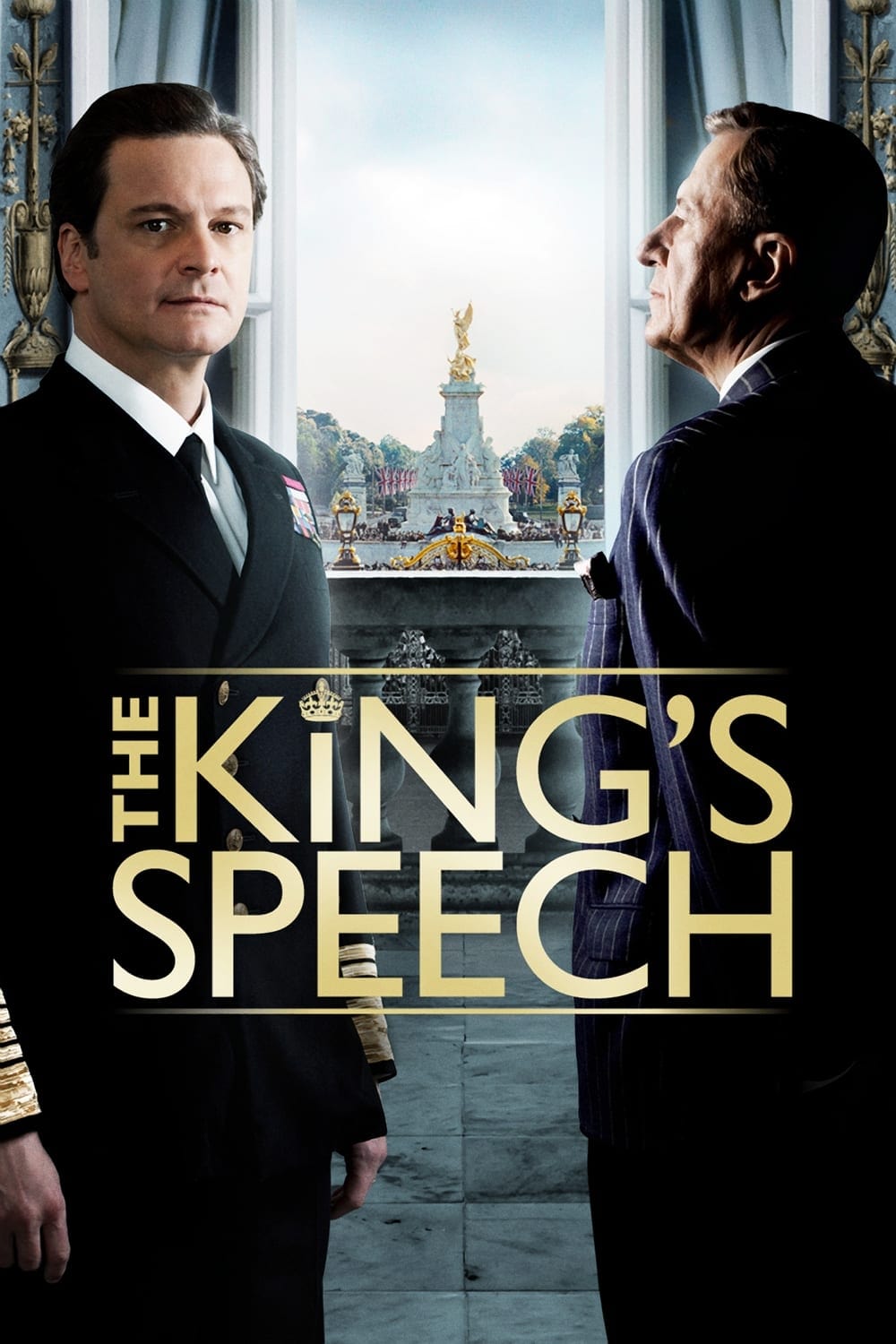
Tom Hooper’s historical drama follows King George VI’s work with speech therapist Lionel Logue. Colin Firth, Geoffrey Rush, and Helena Bonham Carter lead the ensemble. The film won Academy Awards for Best Picture, Best Actor, Best Director, and Best Original Screenplay. Production emphasizes period interiors and carefully controlled framing.
’12 Years a Slave’ (2013)
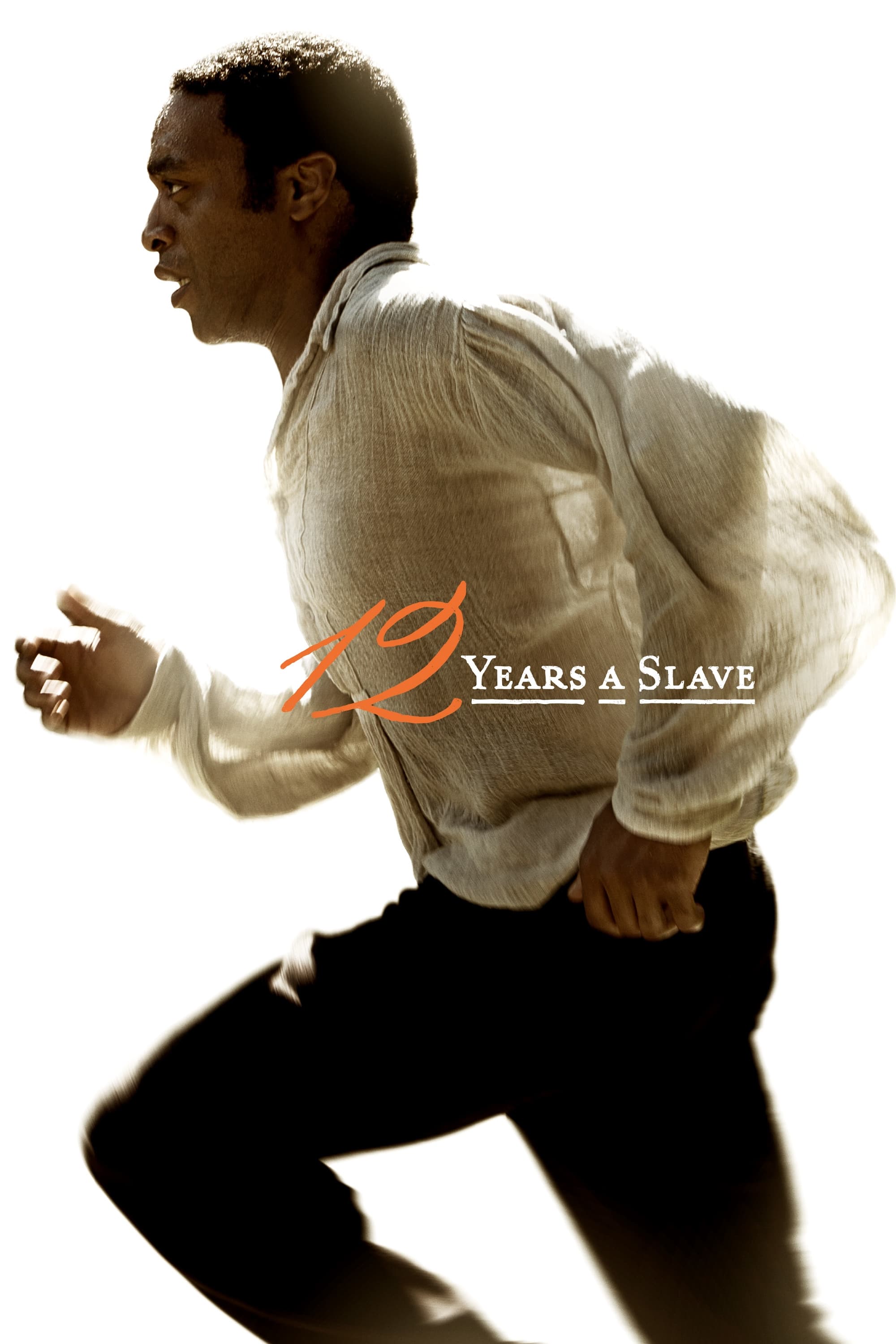
Steve McQueen adapts Solomon Northup’s memoir, chronicling his kidnapping and enslavement. Chiwetel Ejiofor, Lupita Nyong’o, and Michael Fassbender star, with Nyong’o winning Best Supporting Actress. The film won Best Picture at the Academy Awards. Location work on Southern plantations and a score by Hans Zimmer support its historical scope.
‘Whiplash’ (2014)

Damien Chazelle expands his short film into a feature about a jazz drumming student and his demanding instructor. Miles Teller and J. K. Simmons star, with Simmons winning Best Supporting Actor. The film premiered at Sundance and later secured multiple Oscar nominations. Its editing cadence mirrors musical tempo, emphasizing performance technique.
‘Moonlight’ (2016)
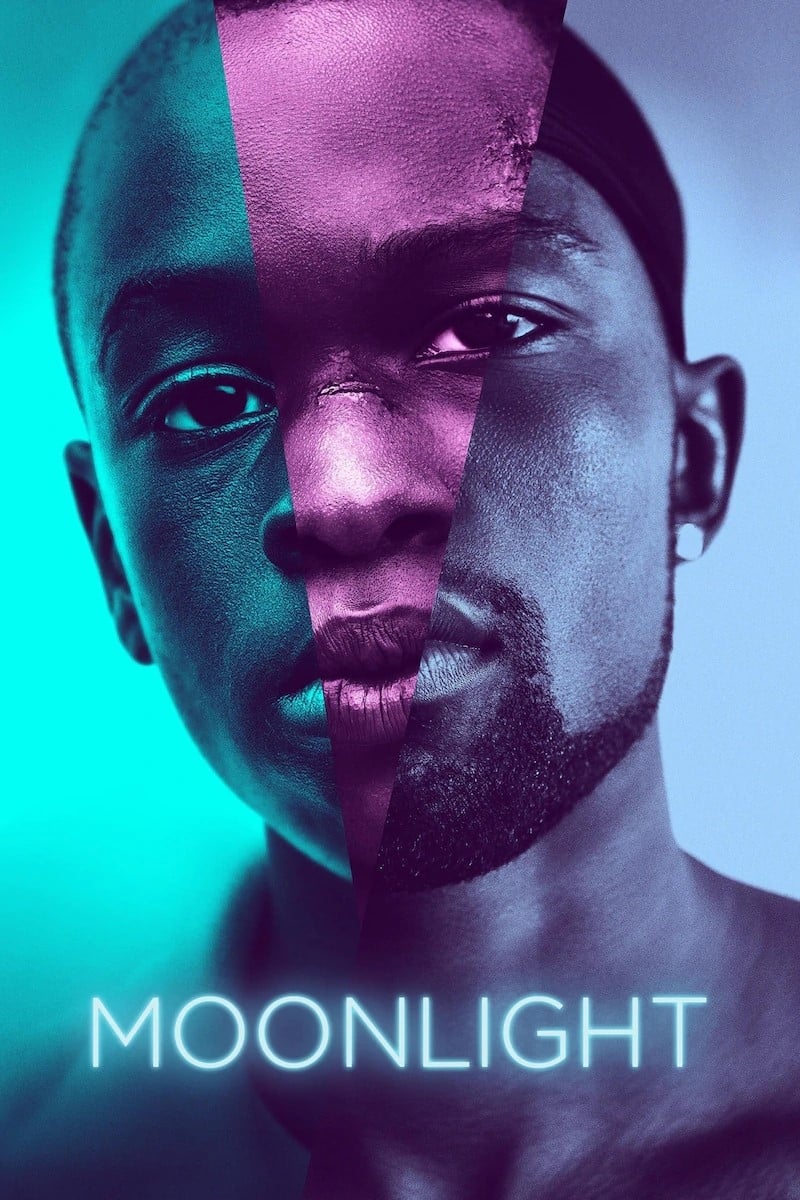
Barry Jenkins adapts Tarell Alvin McCraney’s play ‘In Moonlight Black Boys Look Blue’ into a triptych narrative. The film features Trevante Rhodes, André Holland, and Mahershala Ali, with Ali winning Best Supporting Actor. It won the Academy Award for Best Picture. James Laxton’s cinematography and Nicholas Britell’s score structure its three-part form.
‘Manchester by the Sea’ (2016)
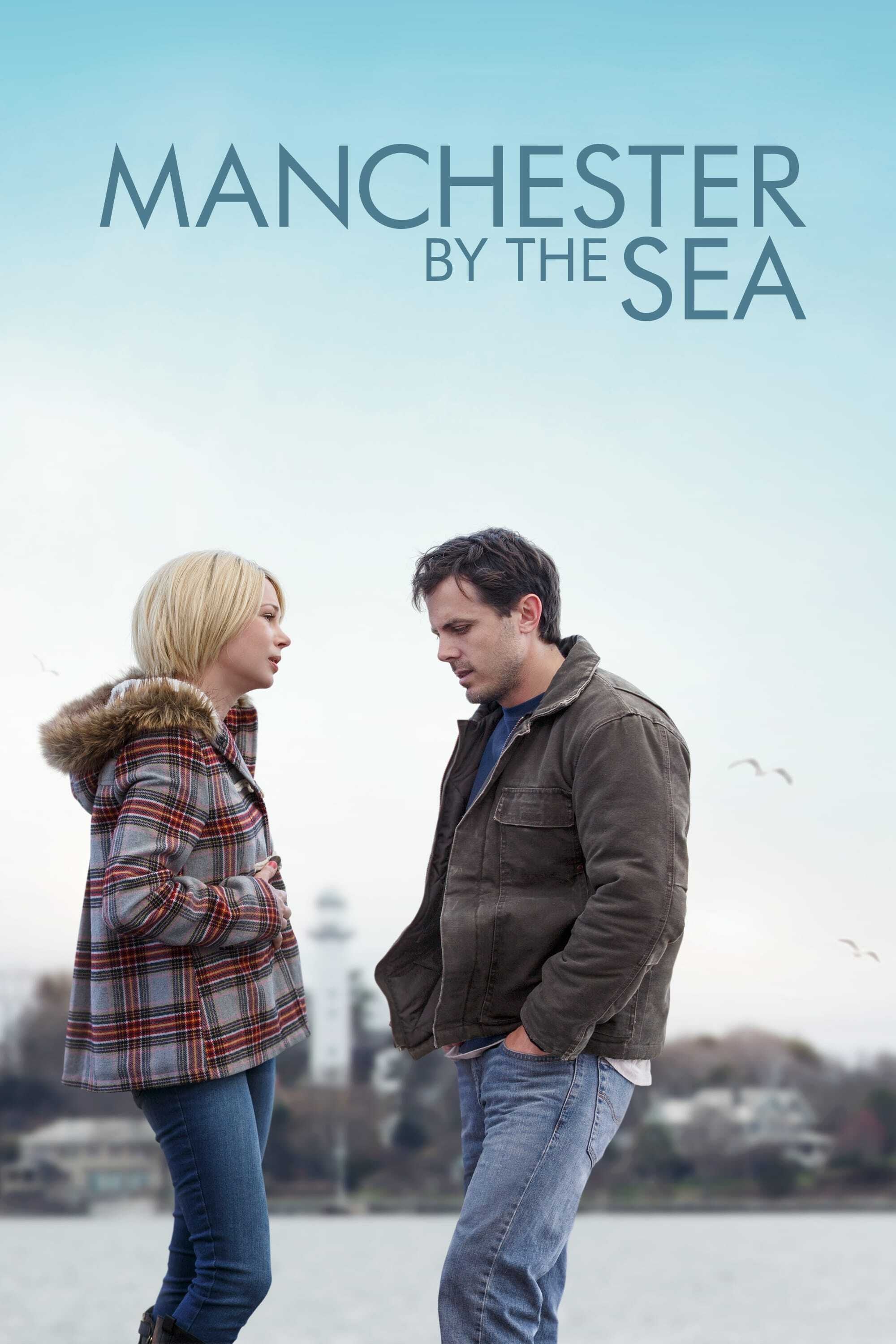
Written and directed by Kenneth Lonergan, this New England–set drama explores family loss and guardianship. Casey Affleck and Michelle Williams star, with Affleck winning Best Actor and Lonergan taking Best Original Screenplay. The film was shot on location in Massachusetts coastal towns. Dialogue-driven scenes and ambient sound create a naturalistic atmosphere.
‘Parasite’ (2019)
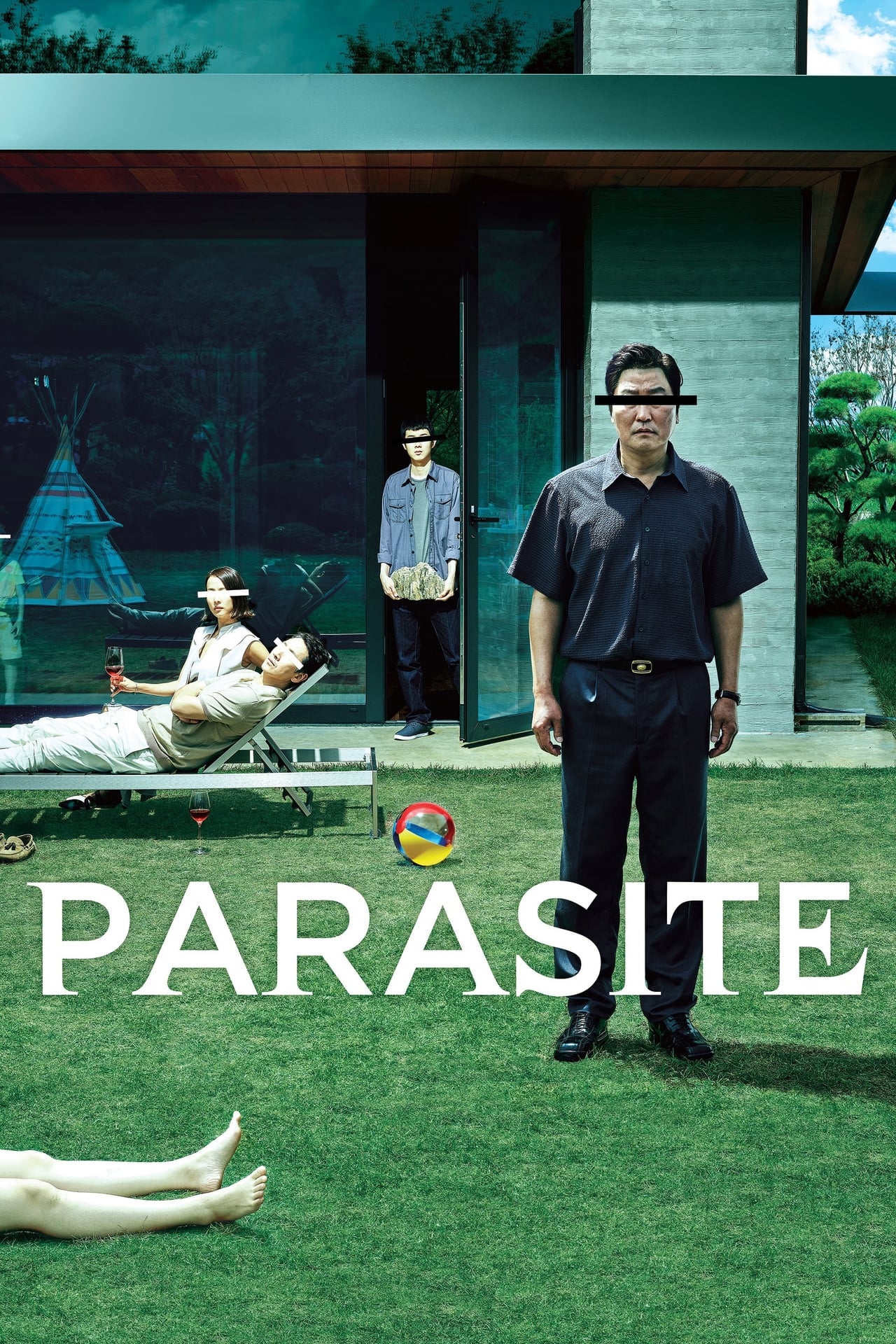
Bong Joon-ho’s Korean-language drama features Song Kang-ho, Lee Sun-kyun, Cho Yeo-jeong, Choi Woo-shik, and Park So-dam. It became the first non-English-language winner of the Academy Award for Best Picture, also earning Best Director, Original Screenplay, and International Feature. The production built the Park family house as a fully controllable set. Class dynamics and spatial design drive the visual storytelling.
‘Nomadland’ (2020)
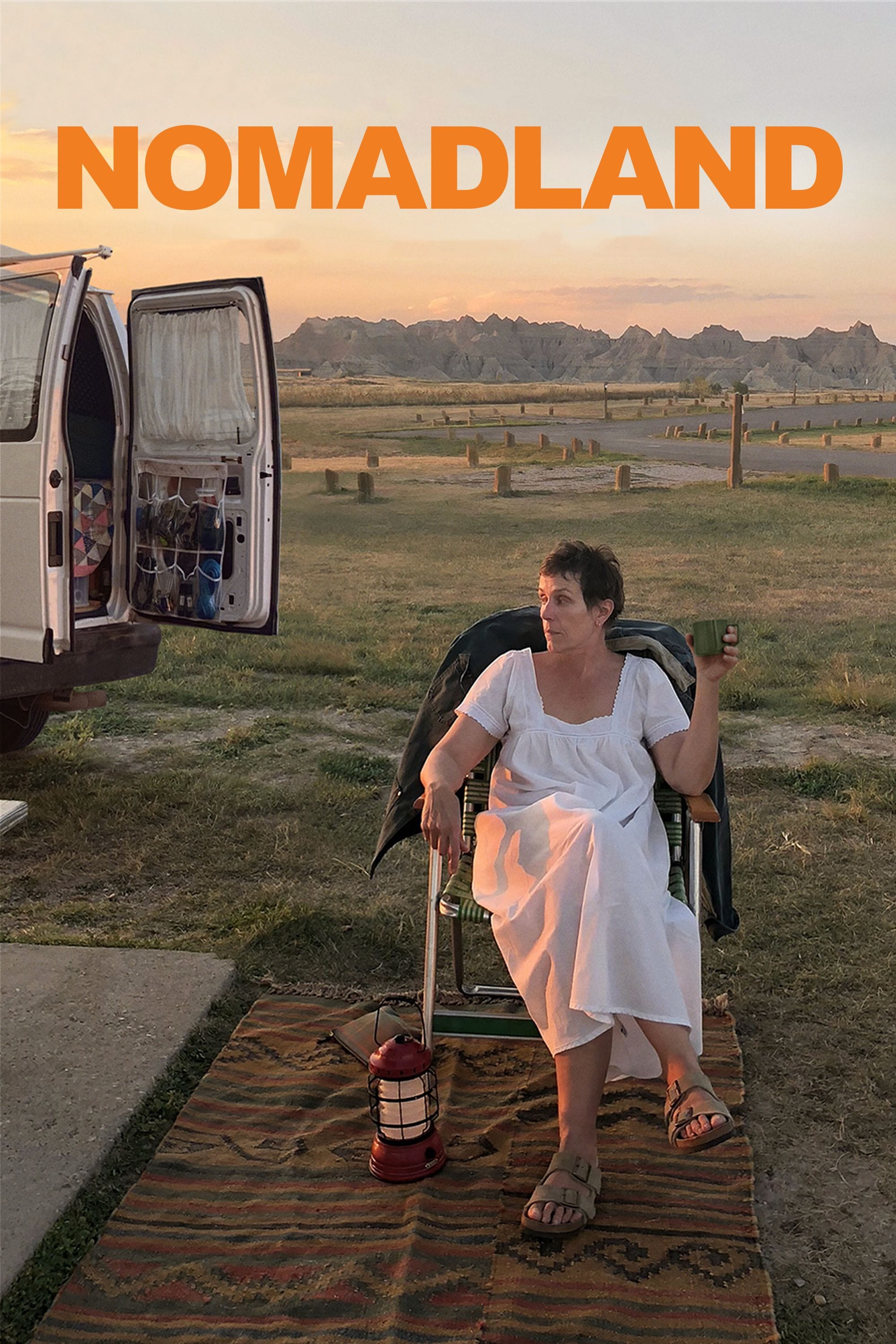
Chloé Zhao adapts Jessica Bruder’s nonfiction book about modern American nomads, blending professional actors with real-life travelers. Frances McDormand stars and also served as a producer. The film won Academy Awards for Best Picture, Best Director, and Best Actress. It was shot across multiple Western states using natural light and a small crew.
‘Casablanca’ (1942)
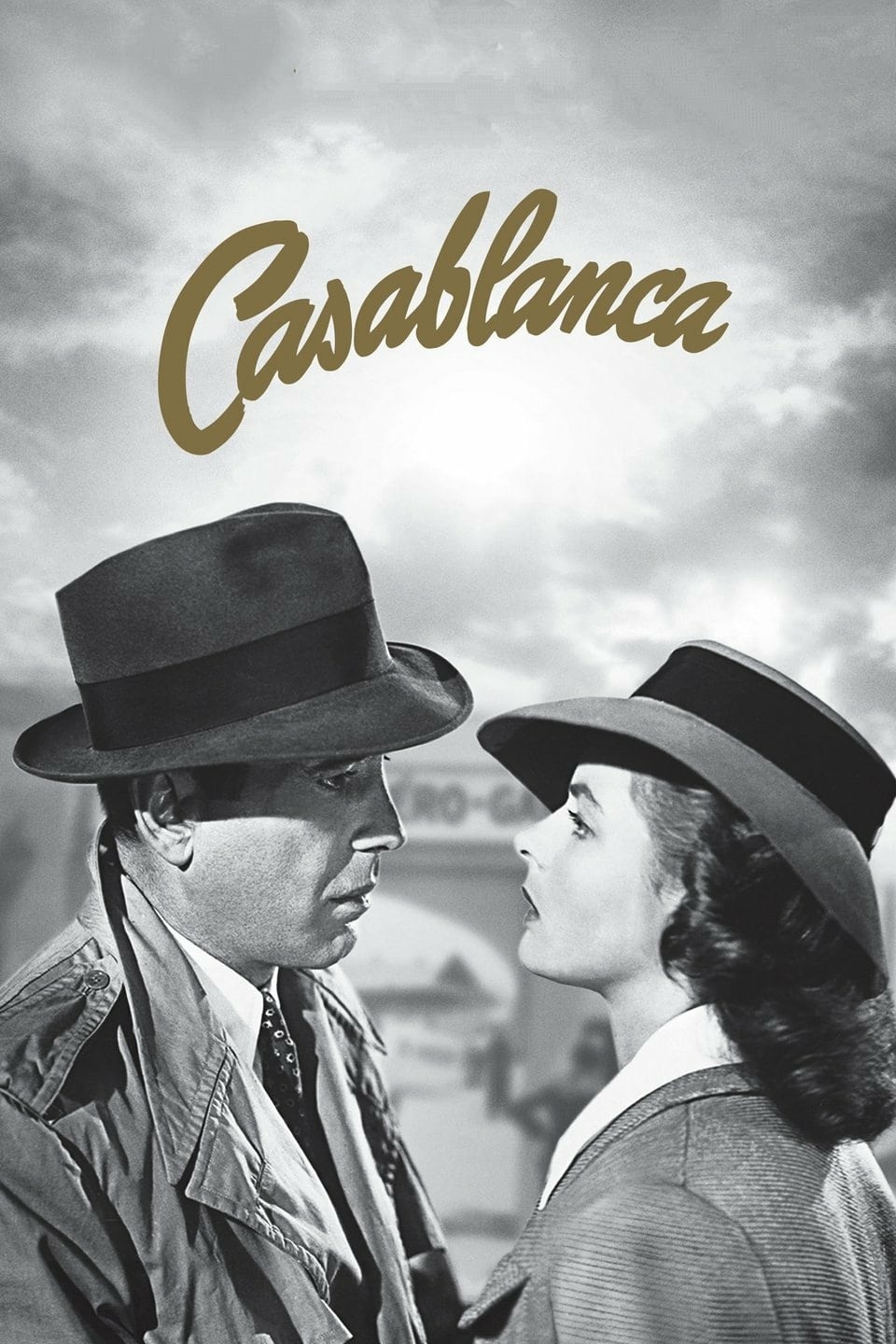
Directed by Michael Curtiz, this wartime drama stars Humphrey Bogart and Ingrid Bergman and is set in Vichy-controlled Morocco. The production was mounted at Warner Bros. with extensive use of studio sets and rear projection. It won Academy Awards for Best Picture, Best Director, and Best Screenplay. Max Steiner composed the score, incorporating the song ‘As Time Goes By’ as a recurring motif.
‘Seven Samurai’ (1954)
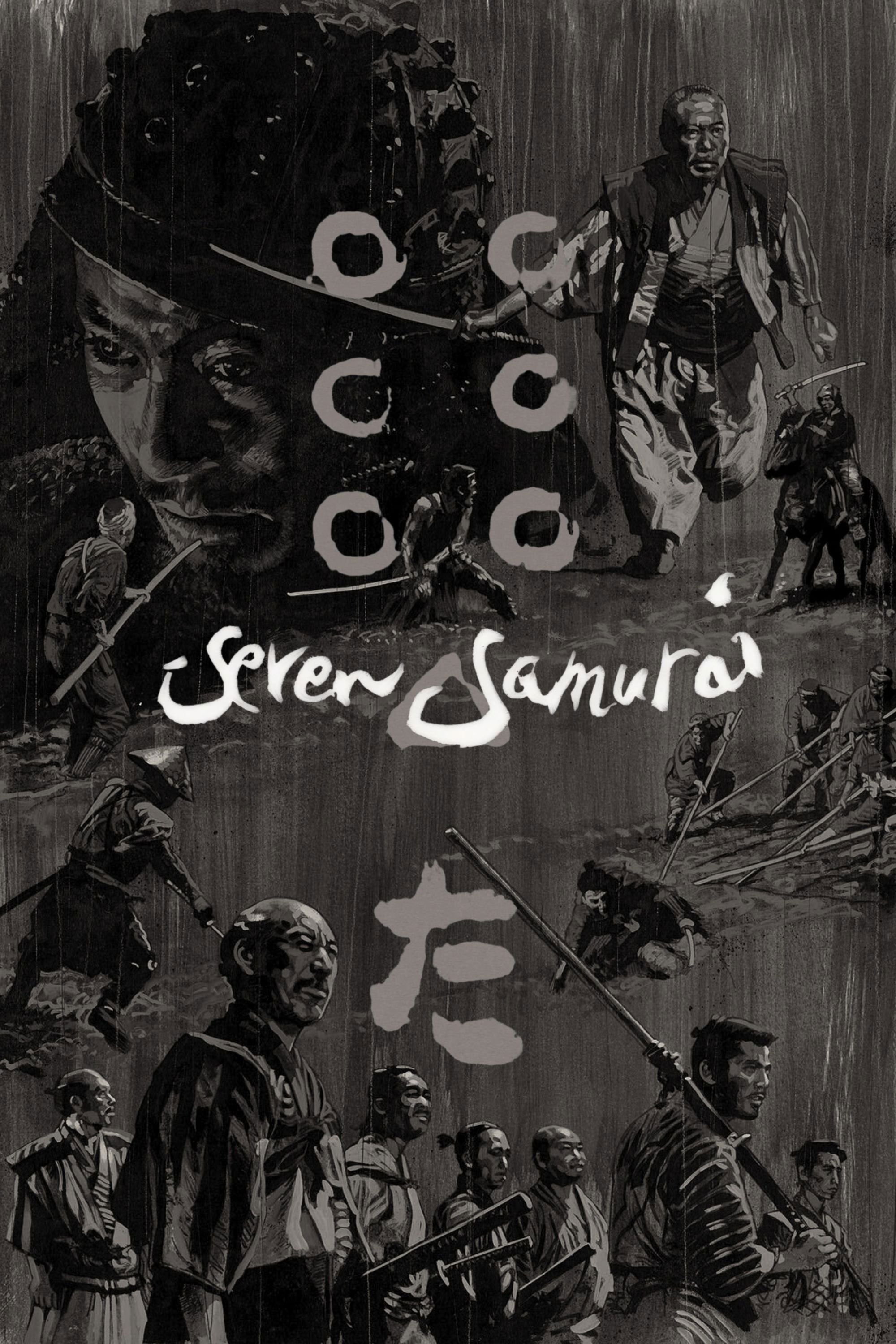
Akira Kurosawa’s ensemble tale features Takashi Shimura and Toshiro Mifune in a story about villagers hiring samurai for protection. Produced by Toho, it employs deep-focus photography, telephoto lenses, and multi-camera coverage for large battle sequences. Its structure and character archetypes informed numerous later adaptations, including a Western remake. The score by Fumio Hayasaka complements shifting tactical rhythms.
’12 Angry Men’ (1957)
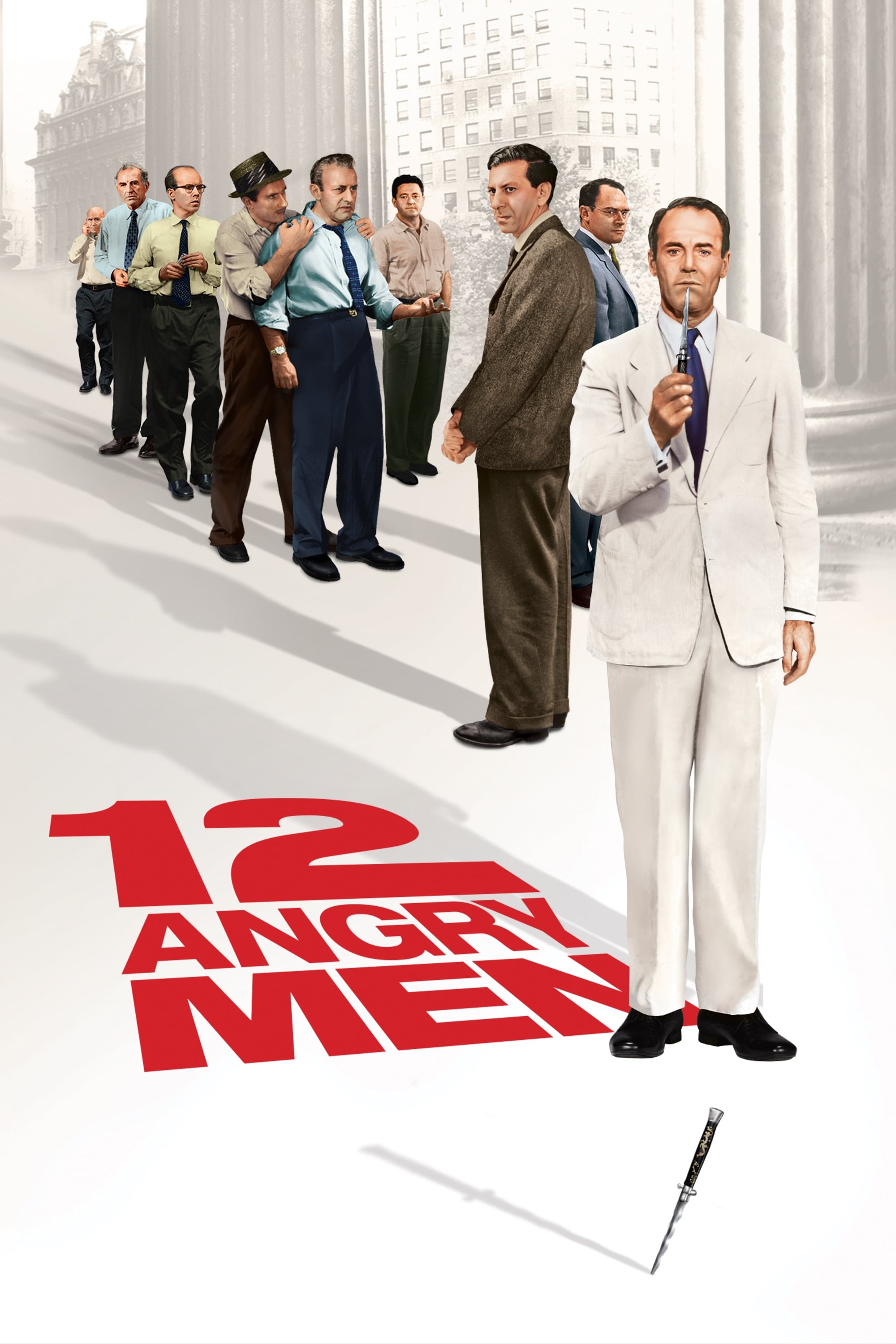
Sidney Lumet adapts Reginald Rose’s teleplay into a chamber drama set almost entirely in a jury room. Henry Fonda leads a cast that includes Lee J. Cobb, with shooting designed to tighten lens choices and lower camera angles as deliberations intensify. The film is frequently used in law and communication courses for its depiction of group dynamics. Minimal sets and controlled lighting emphasize performance and dialogue.
‘Lawrence of Arabia’ (1962)
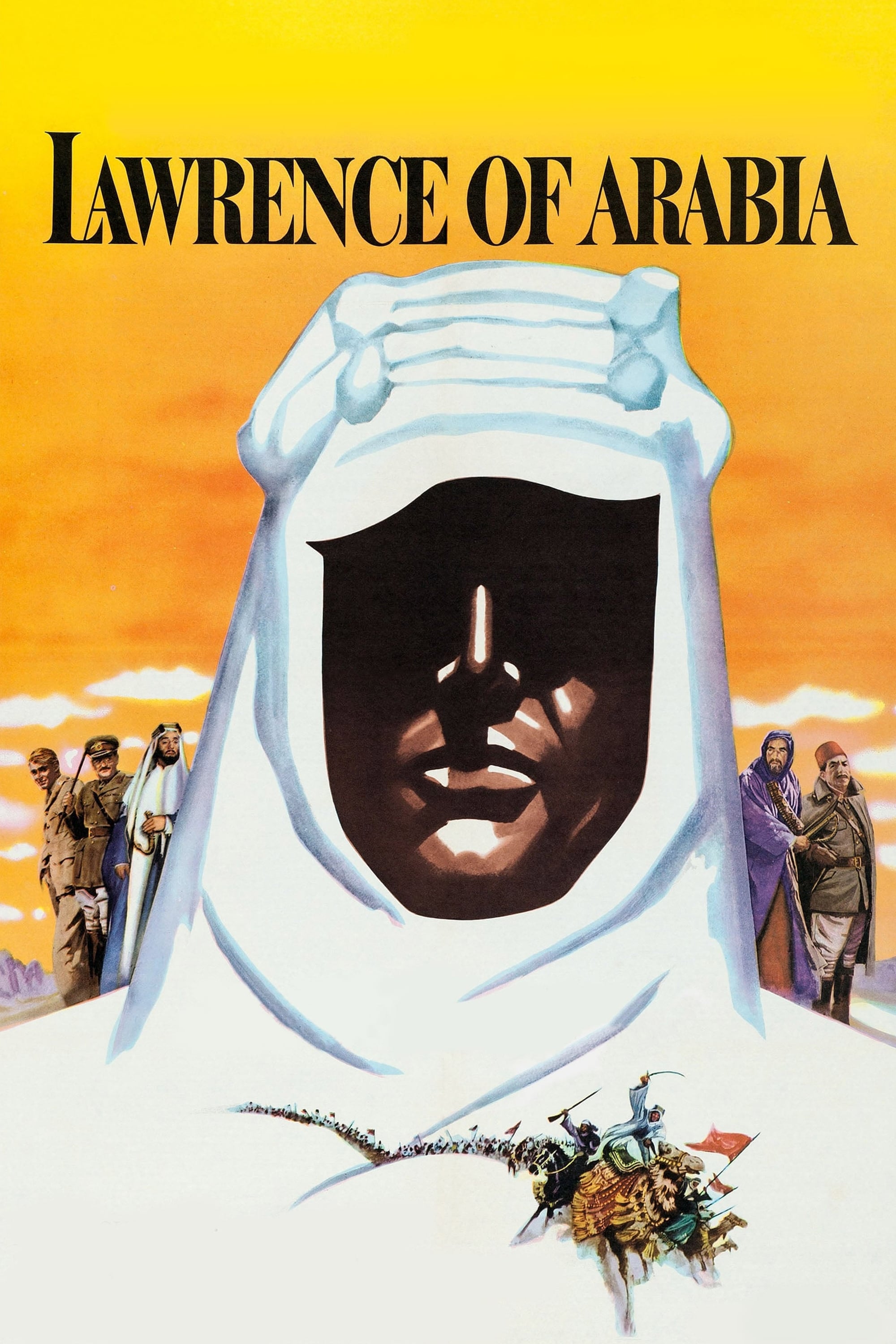
David Lean’s epic follows British officer T. E. Lawrence across the Arabian Peninsula, with Peter O’Toole and Omar Sharif leading the cast. Principal photography took place in Jordan, Spain, and Morocco, capturing desert vistas in large-format cinematography. The film earned multiple Academy Awards, including Best Picture. Maurice Jarre’s score and editor Anne V. Coates’s transitions—especially the famous match cut—define its craft.
‘One Flew Over the Cuckoo’s Nest’ (1975)

Miloš Forman adapts Ken Kesey’s novel with Jack Nicholson and Louise Fletcher in key roles. Production took place at the Oregon State Hospital, with staff and patients participating in background work. The film won the “Big Five” Oscars: Best Picture, Director, Actor, Actress, and Screenplay. Its clinical setting and sound design highlight institutional routines and power structures.
‘Taxi Driver’ (1976)
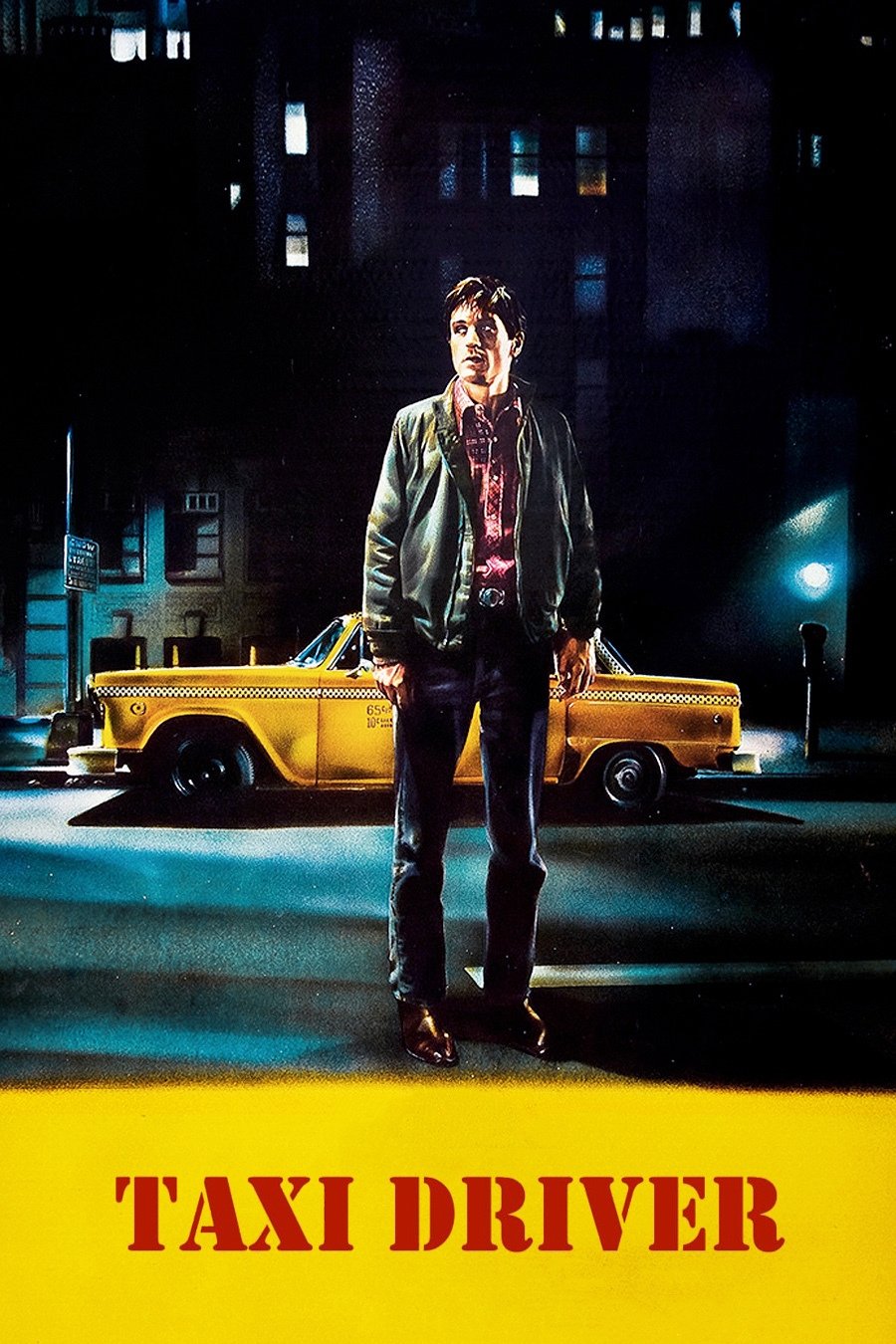
Martin Scorsese directs a Paul Schrader screenplay about a New York cab driver, starring Robert De Niro and Jodie Foster. Location shooting captured the city’s nocturnal streets with available light and practical effects. Bernard Herrmann composed his final film score for the project. The film received the Palme d’Or at Cannes and became a touchstone for urban character studies.
‘Raging Bull’ (1980)
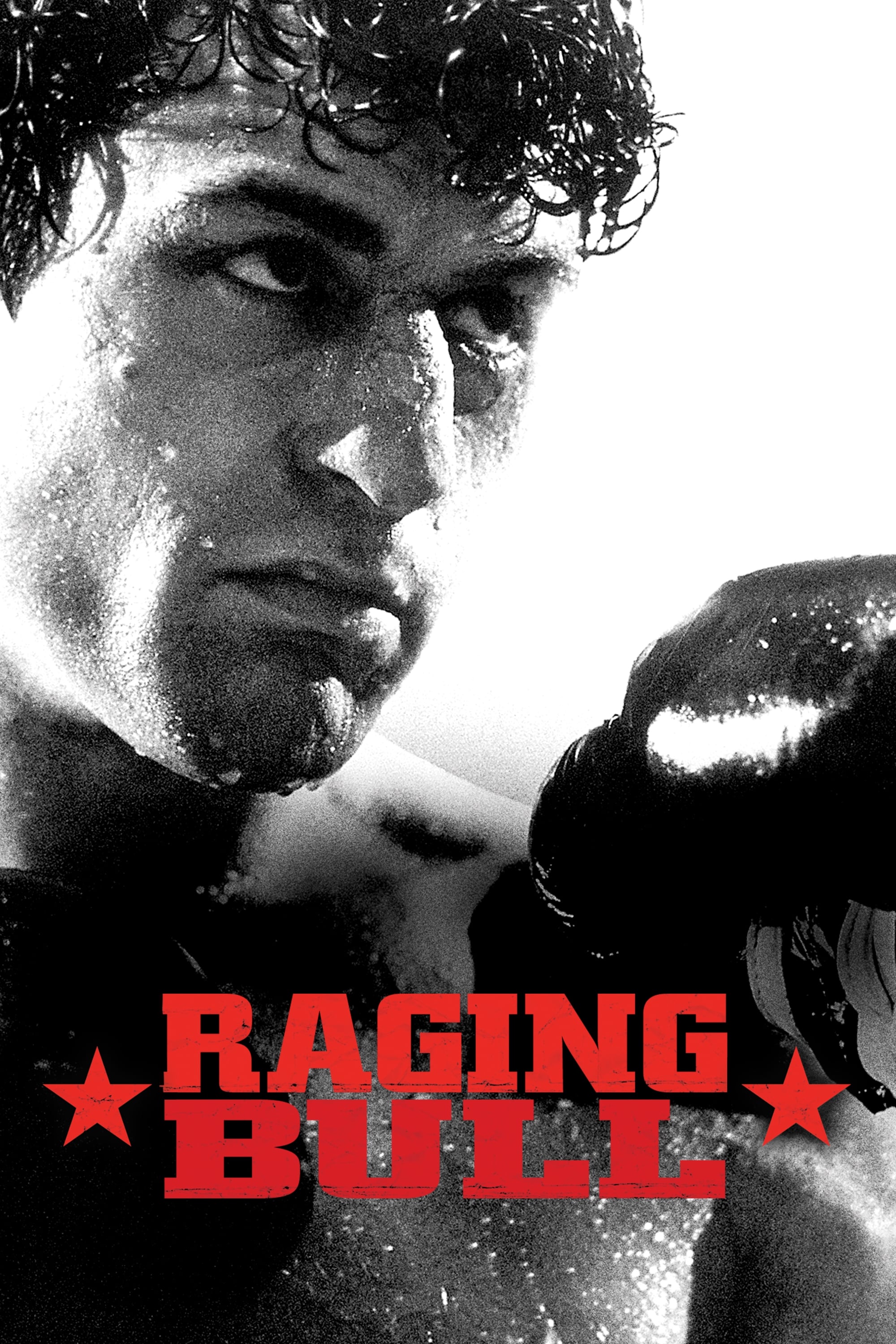
Scorsese’s biographical drama stars Robert De Niro and Joe Pesci, adapted from Jake LaMotta’s memoir. Shot primarily in black-and-white, it uses stylized boxing sequences with variable frame rates and expressive sound design. Editor Thelma Schoonmaker won an Academy Award for her work on the film. De Niro also received Best Actor for his physically transformative performance.
‘Amadeus’ (1984)
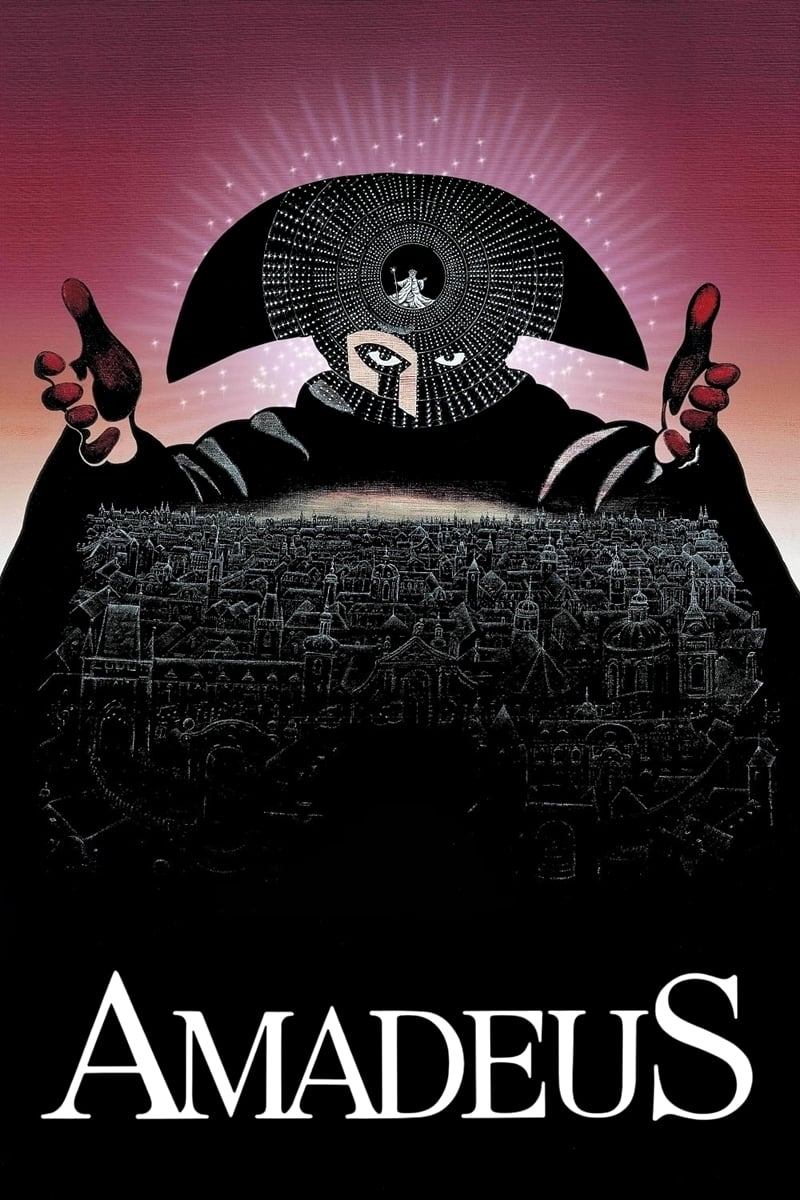
Miloš Forman adapts Peter Shaffer’s stage play about composers Antonio Salieri and Wolfgang Amadeus Mozart. Filmed largely in Prague, the production showcases period costumes, authentic locations, and orchestral performances conducted for camera. The film won multiple Academy Awards, including Best Picture and Best Actor. Its sound mix and emphasis on live performance present classical works at cinematic scale.
‘Cinema Paradiso’ (1988)

Giuseppe Tornatore’s drama traces a filmmaker’s memories of a Sicilian village theater and his friendship with a projectionist. The film features a score by Ennio Morricone and Andrea Morricone that underscores the theme of moviegoing. It won the Academy Award for Best Foreign Language Film. Multiple cuts exist, with the longer version expanding the adult storyline.
‘Goodfellas’ (1990)
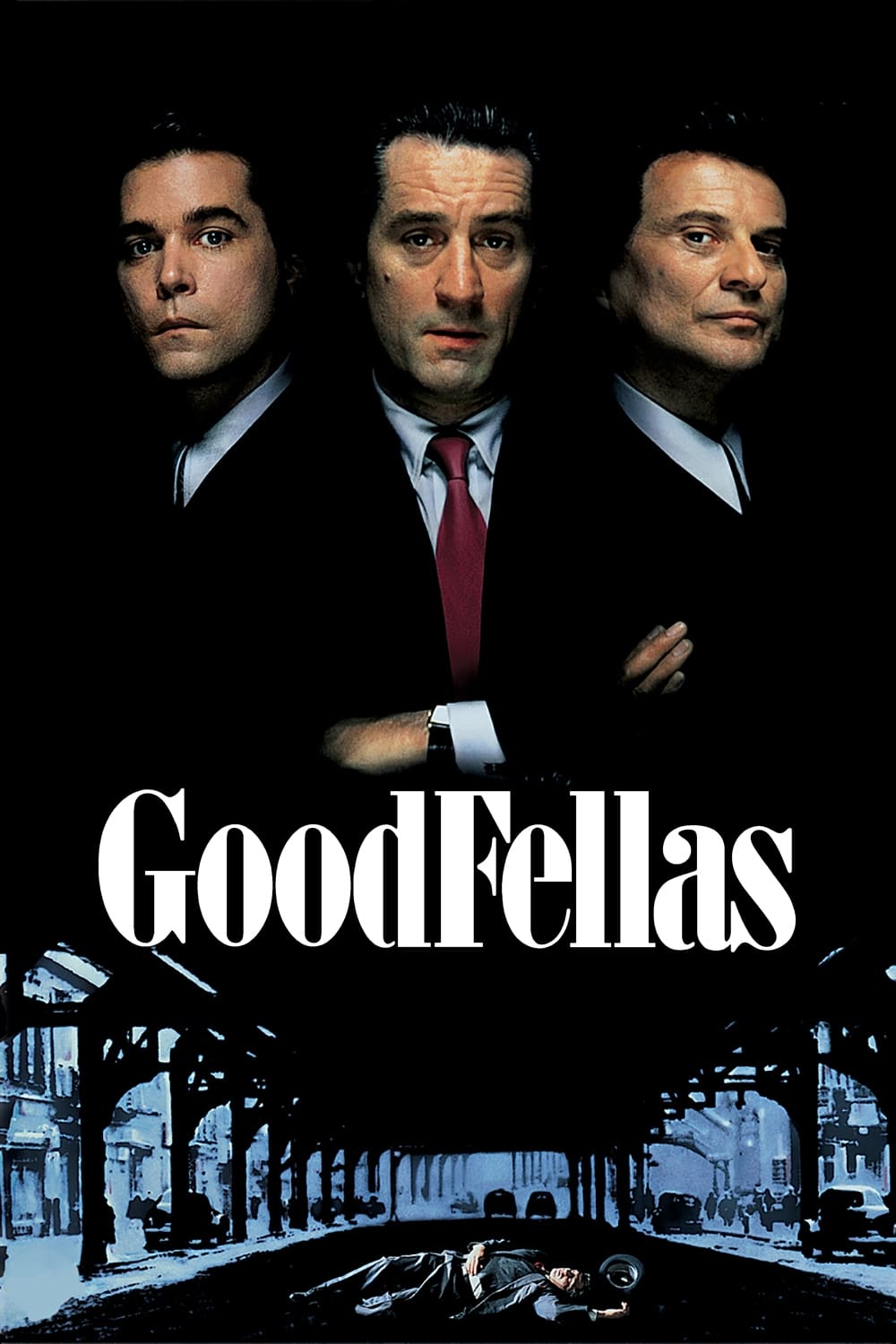
Directed by Martin Scorsese and based on Nicholas Pileggi’s nonfiction book ‘Wiseguy’, this crime drama stars Ray Liotta, Robert De Niro, and Joe Pesci. The production is known for Steadicam long takes, rapid cutting, and a curated pop soundtrack. Joe Pesci won an Academy Award for Best Supporting Actor. Voice-over narration and freeze frames structure its documentary-like detail.
‘The Silence of the Lambs’ (1991)
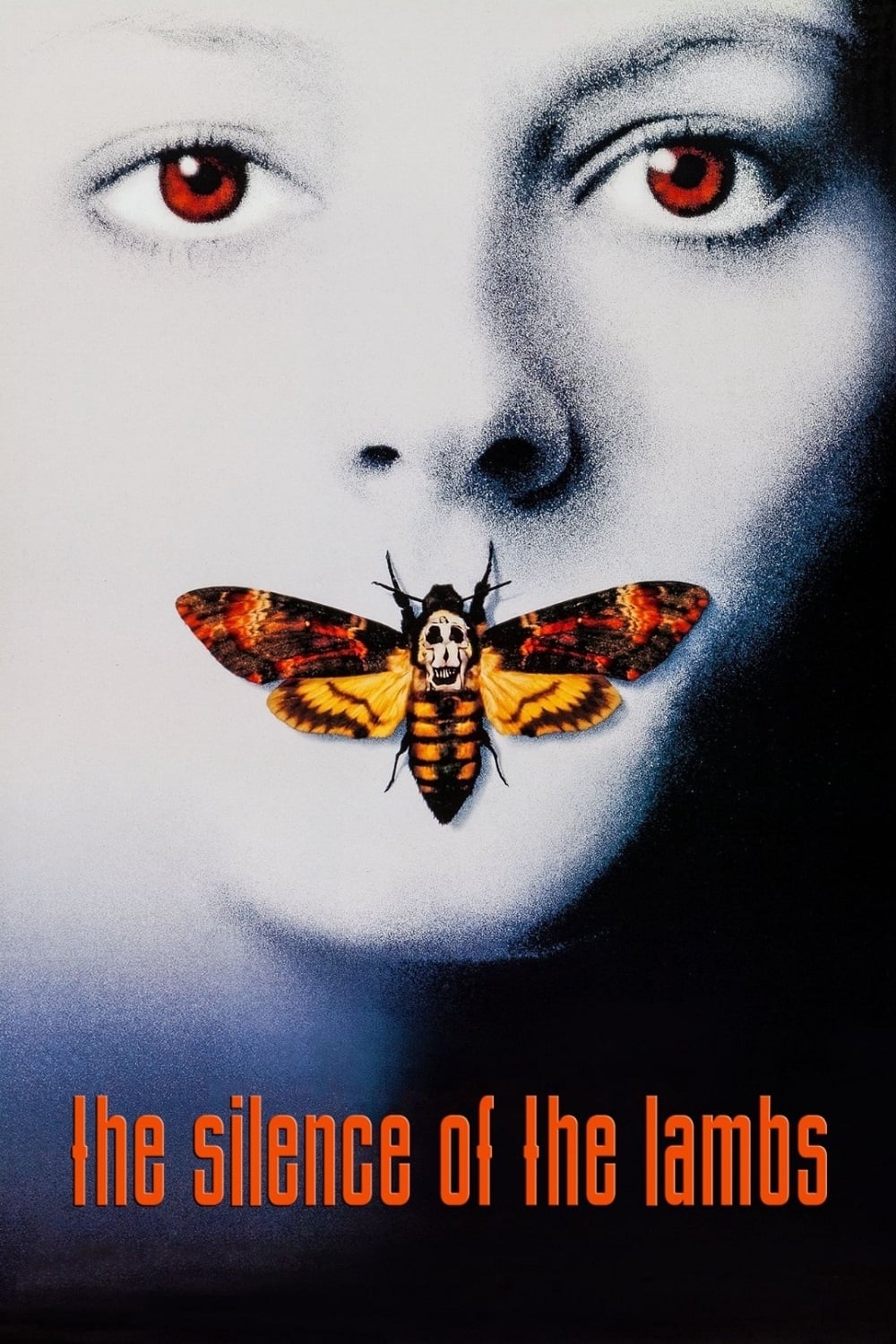
Jonathan Demme adapts Thomas Harris’s novel with Jodie Foster and Anthony Hopkins in lead roles. The film is noted for straight-into-camera close-ups during interviews, a choice that heightens psychological intensity. It won the “Big Five” Academy Awards. Production combined location work with soundstage builds to control lighting and perspective.
‘The Lives of Others’ (2006)
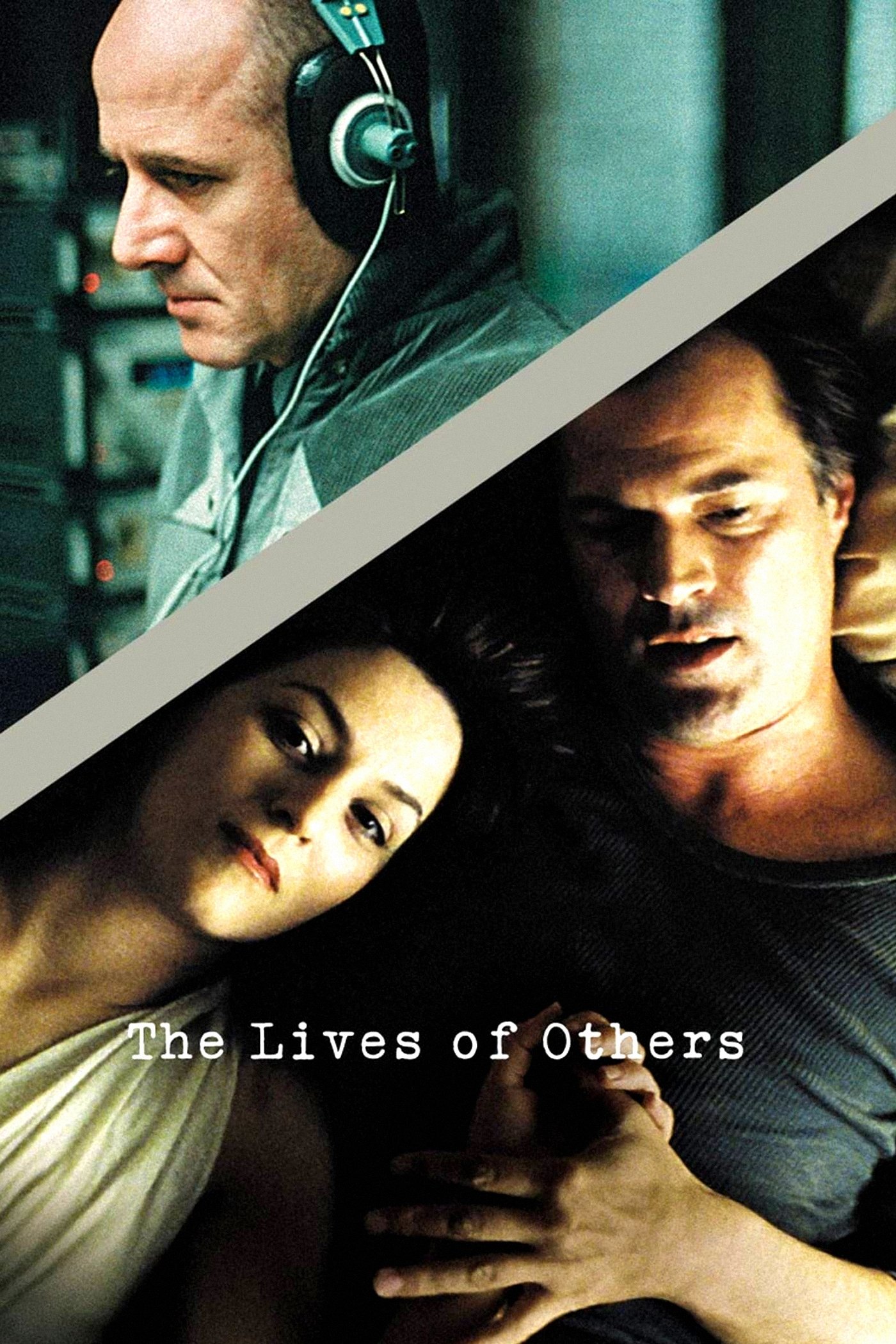
Florian Henckel von Donnersmarck’s drama examines surveillance and censorship in East Germany through a Stasi officer’s assignment. Ulrich Mühe and Martina Gedeck lead the cast, with production design focused on authentic period devices and interiors. The film won the Academy Award for Best Foreign Language Film. Props such as typewriters, tape decks, and hidden microphones are integral to its procedural detail.
‘A Separation’ (2011)
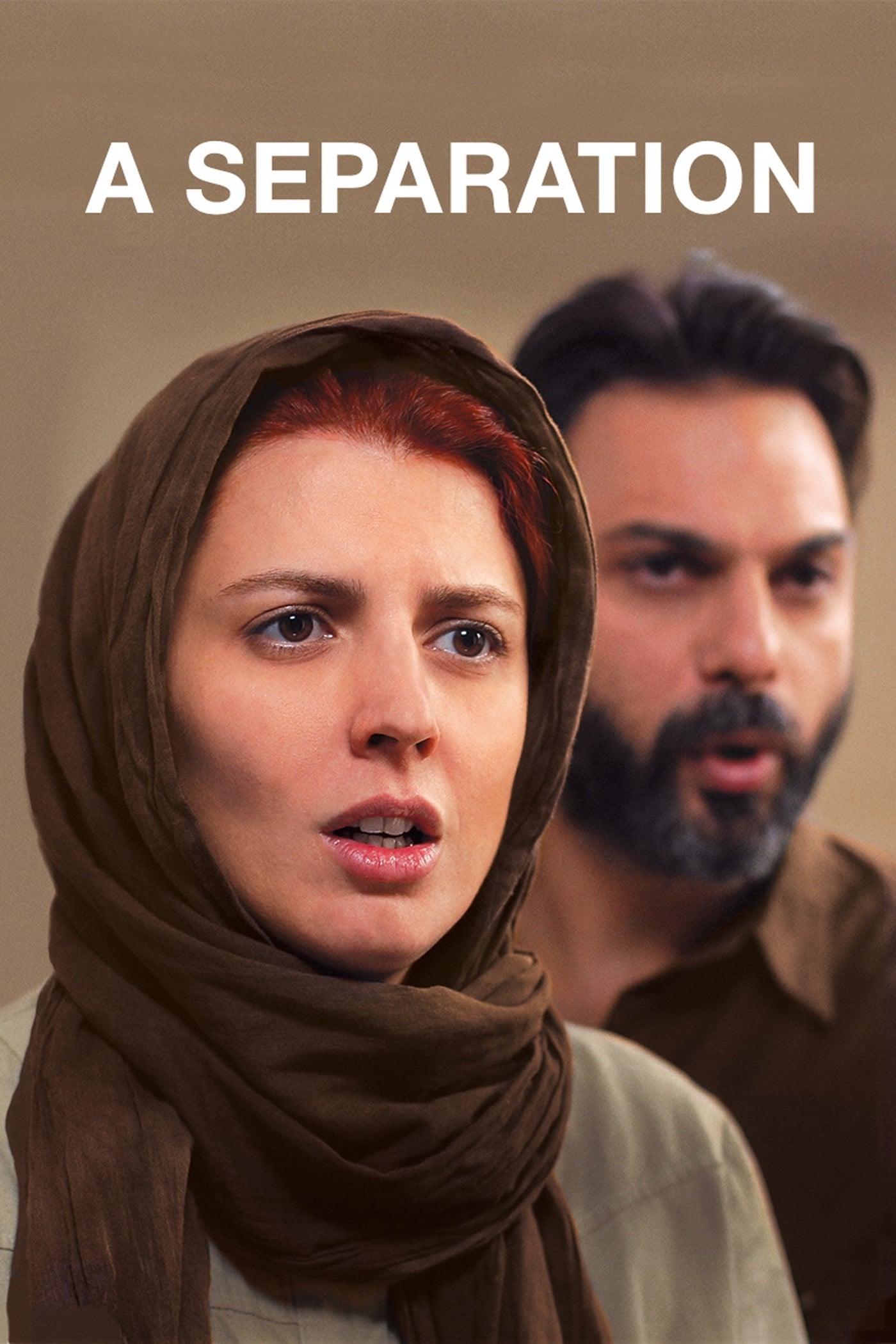
Asghar Farhadi’s Iranian drama follows a couple navigating divorce proceedings, caregiving, and legal complications. Performances are staged in confined domestic and institutional spaces to emphasize perspective and ambiguity. The film won the Academy Award for Best International Feature and the Golden Bear at Berlin. Dialogues and blocking are organized around ethical and legal conflicts.
‘Spotlight’ (2015)

Tom McCarthy’s newsroom drama recreates the Boston Globe investigation into systemic abuse and institutional cover-ups. The ensemble includes Mark Ruffalo, Michael Keaton, Rachel McAdams, and Liev Schreiber, with research-based scripting drawn from court records and interviews. It won Academy Awards for Best Picture and Best Original Screenplay. Production favors practical locations and minimal non-diegetic music to foreground reporting processes.
‘Roma’ (2018)
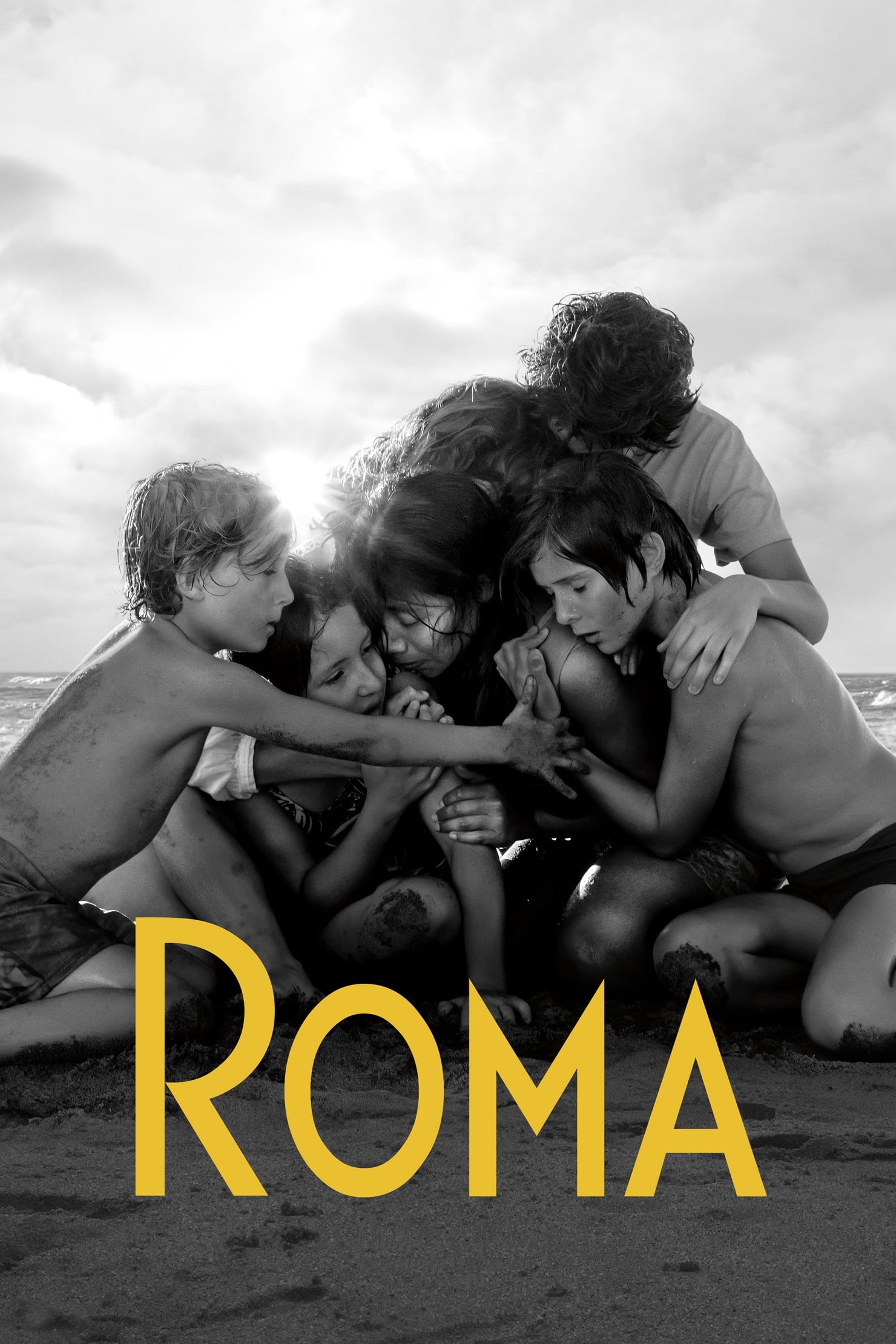
Alfonso Cuarón’s semi-autobiographical drama stars Yalitza Aparicio and Marina de Tavira in a story centered on a domestic worker in Mexico City. Shot in high-resolution black-and-white with long takes, it uses natural light and extensive location reconstruction. The film won Academy Awards for Best Director, Best Cinematography, and Best International Feature. A day-in-the-life structure and detailed sound design map neighborhood spaces and routine.
Share your own annual-rewatch picks in the comments so everyone can discover more essential dramas to put on their list.