Essential Horror Movies to Revisit Every Year

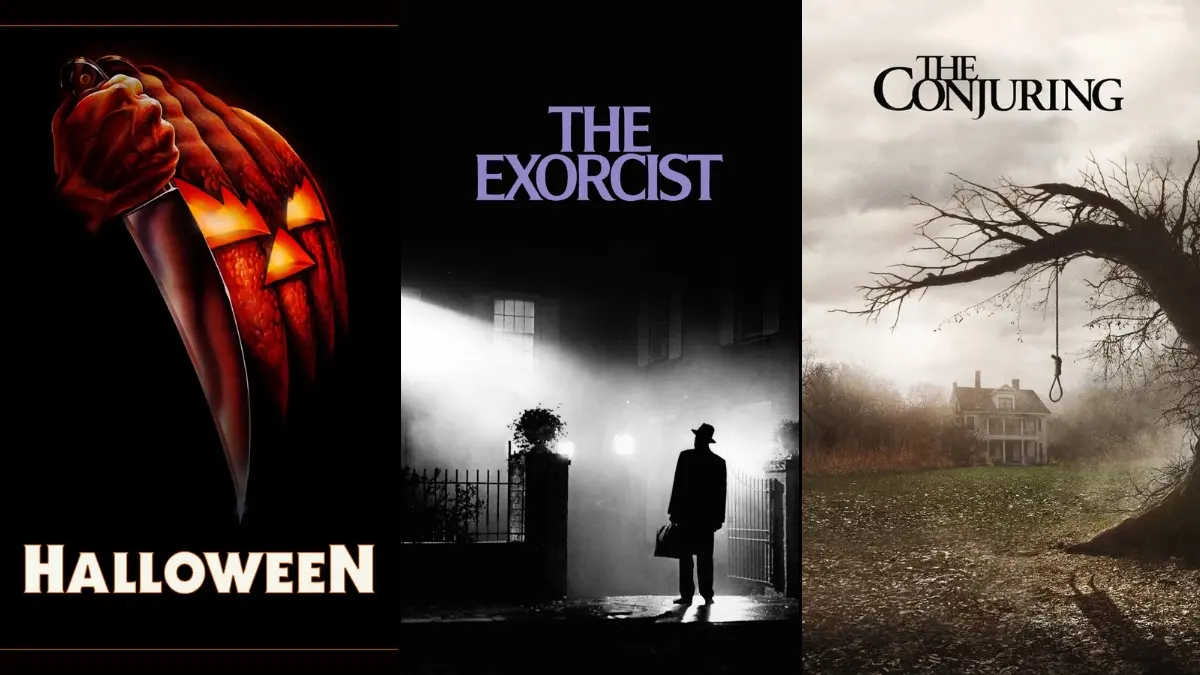

Looking to refresh your spooky-season watchlist with stone-cold essentials from across decades and subgenres? This collection covers psychological chillers, creature features, slashers, found-footage landmarks, and international standouts—each chosen for its lasting influence, distinctive craft, and easy rewatch value. You’ll find directors, key characters, settings, and notable production details to help you decide what to queue up next.
‘Psycho’ (1960)
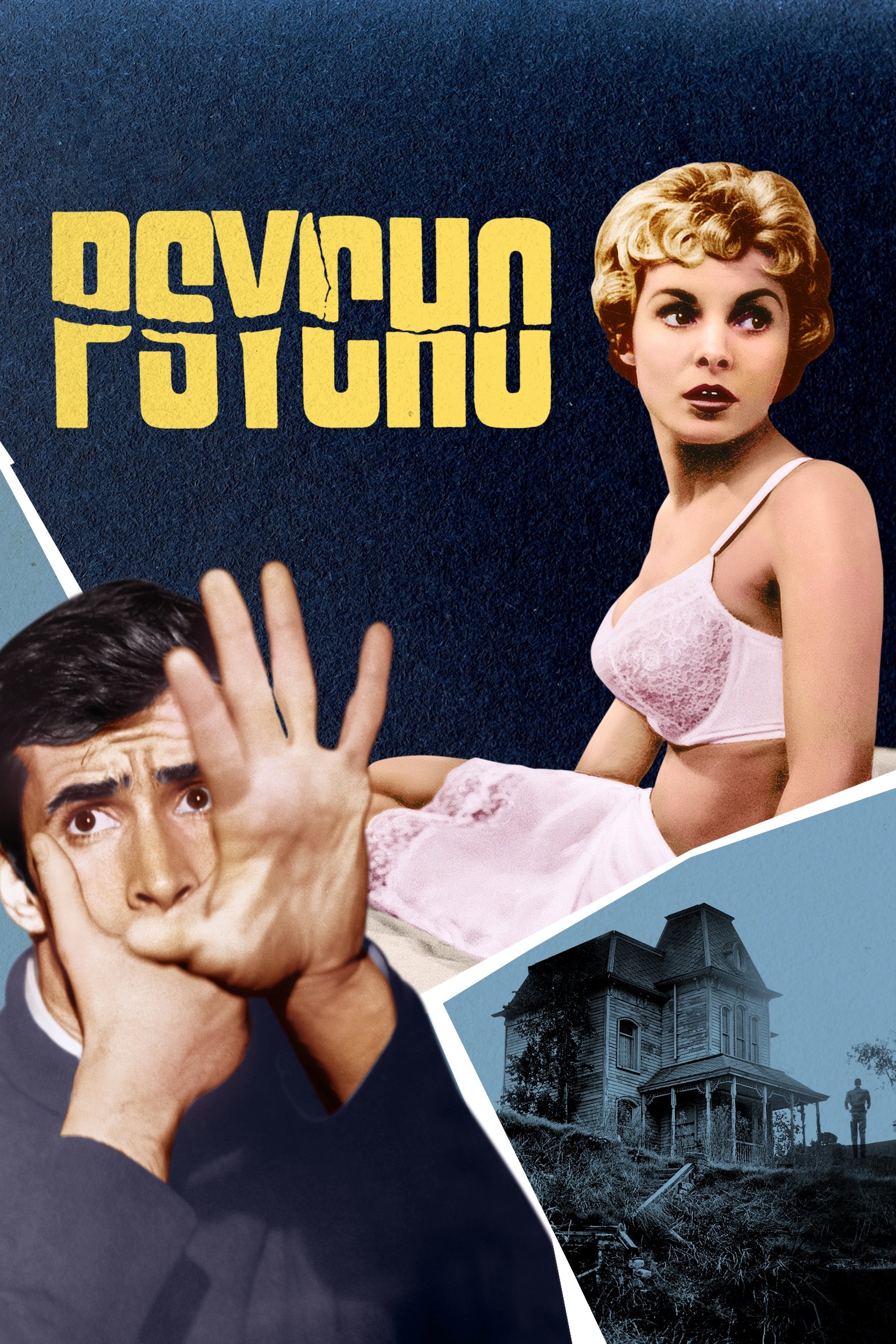
Directed by Alfred Hitchcock and adapted from Robert Bloch’s novel, this thriller centers on Marion Crane, Norman Bates, and the secluded Bates Motel. Bernard Herrmann’s string-heavy score drives the famous shower sequence’s rhythmic editing. The film’s black-and-white photography and narrative structure influenced generations of suspense and horror storytelling.
‘The Exorcist’ (1973)

William Friedkin’s adaptation of William Peter Blatty’s novel follows a young girl’s demonic possession and the priests called in to intervene. Makeup and sound design were central to its visceral impact, with practical effects executed under rigorous, documentary-style direction. It won two Academy Awards and received a Best Picture nomination.
‘Halloween’ (1978)
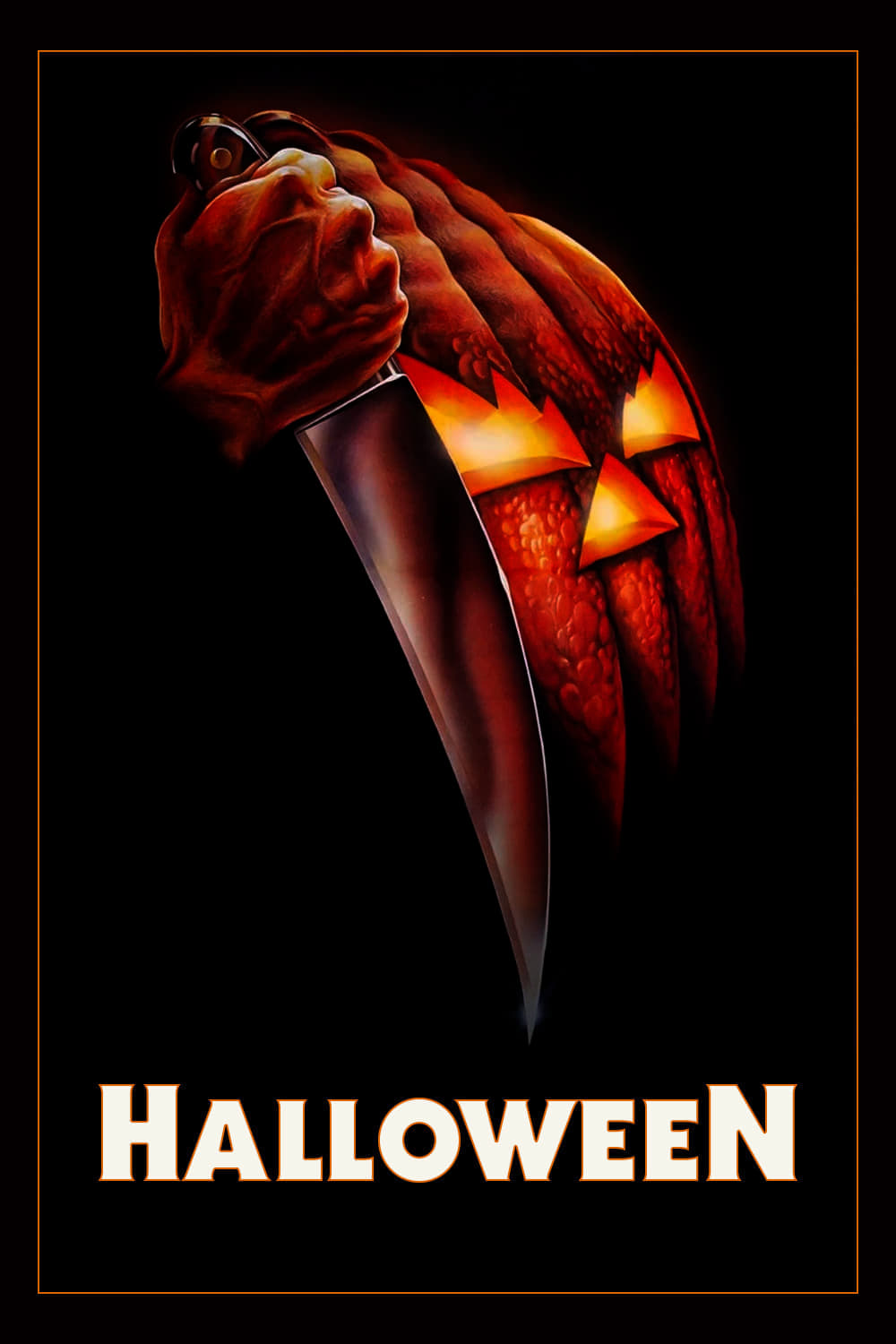
John Carpenter’s low-budget slasher introduces Michael Myers and the fictional town of Haddonfield, Illinois. Carpenter composed the minimalist, 5/4 piano theme that became inseparable from the franchise. The film helped establish slasher conventions such as the masked killer, final-girl structure, and suburban setting.
‘Alien’ (1979)
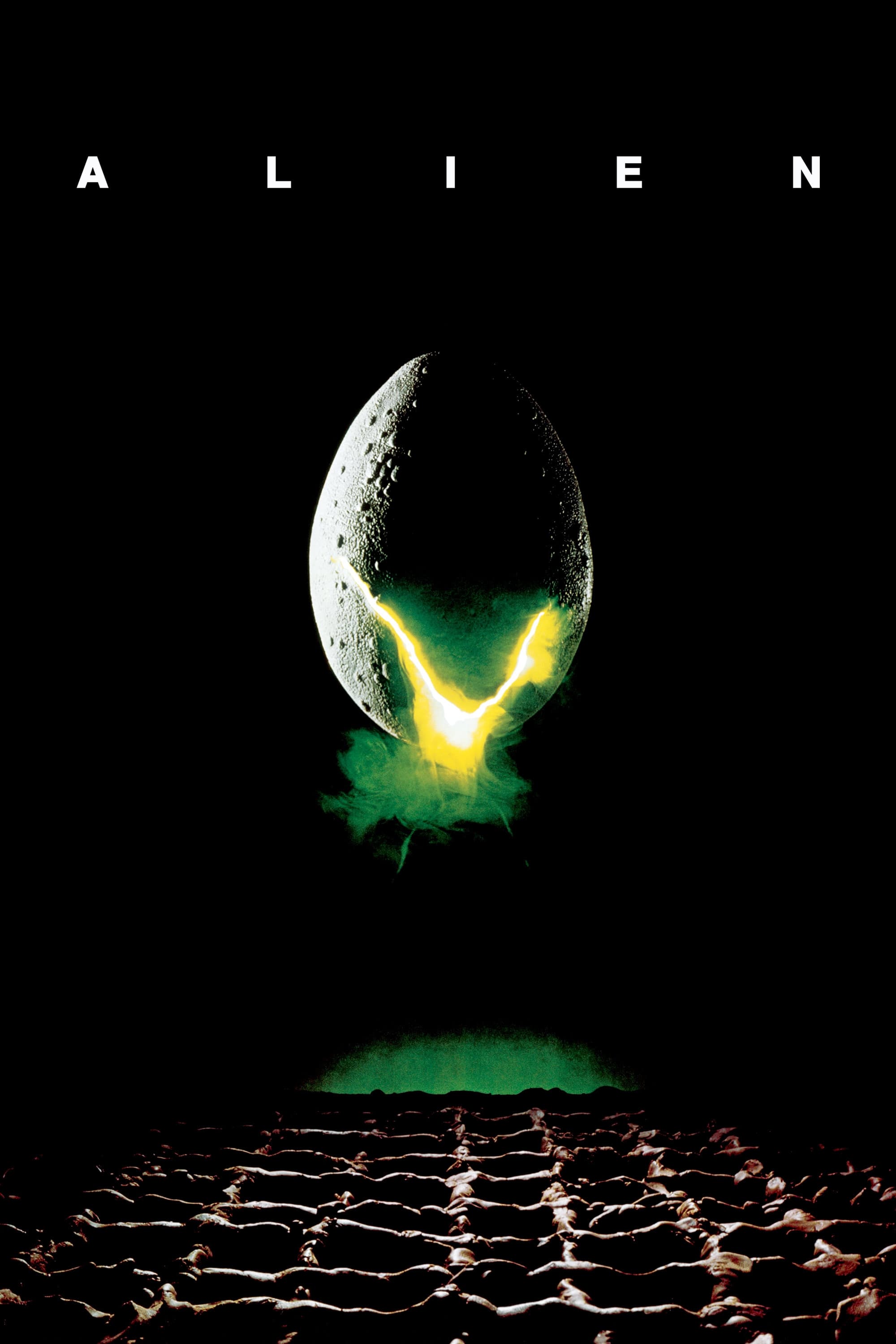
Ridley Scott’s sci-fi horror film follows the crew of the Nostromo as they encounter a lethal extraterrestrial organism. H. R. Giger designed the creature and biomechanical environments, blending surreal art with production design. Sigourney Weaver’s portrayal of Ellen Ripley anchored subsequent installments and expanded the series’ world-building.
‘The Shining’ (1980)
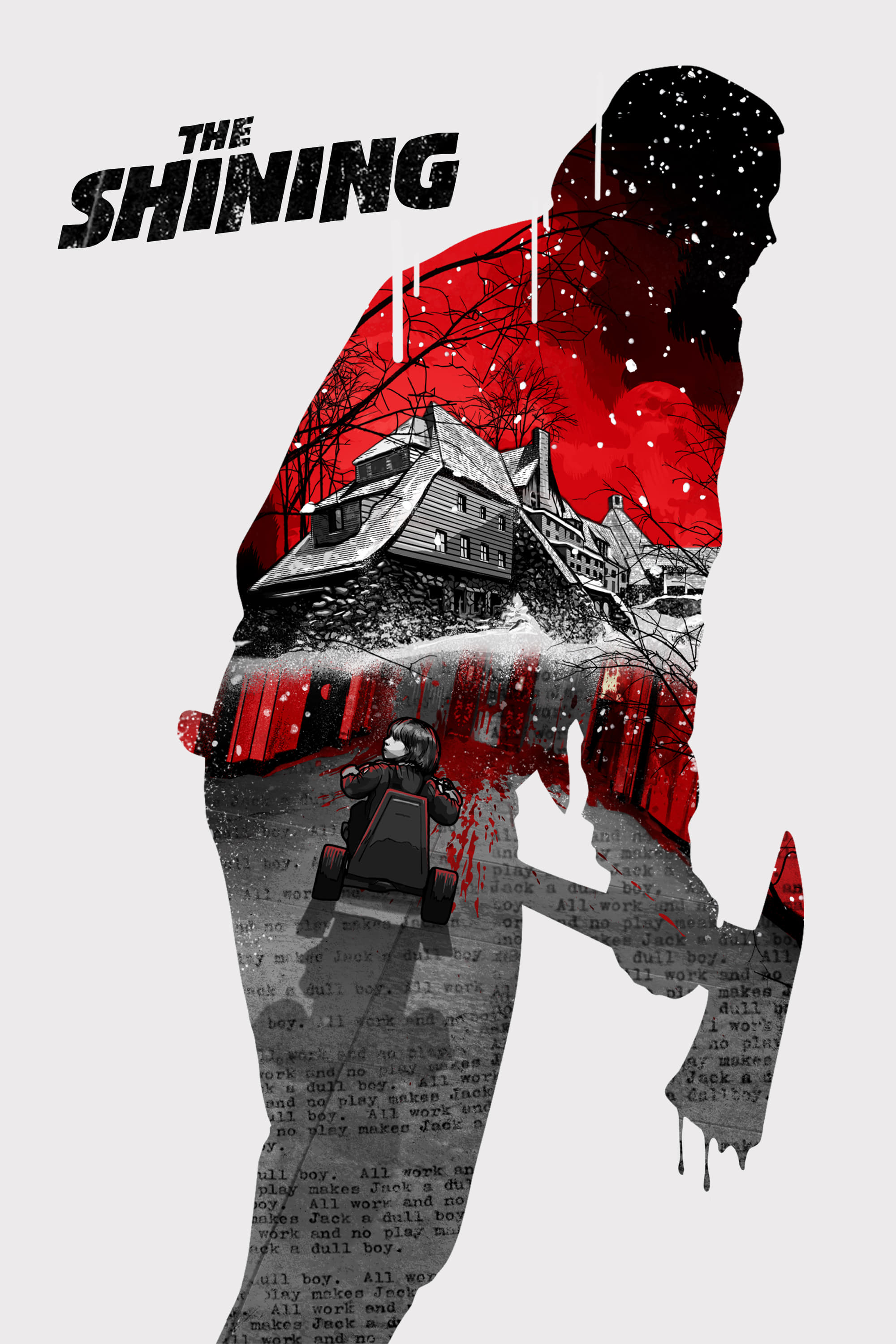
Stanley Kubrick adapts Stephen King’s novel into a story about isolation at the remote Overlook Hotel. Extensive Steadicam work creates fluid, unsettling movement through the hotel’s corridors. The production’s meticulously designed sets and soundscape heighten the atmosphere around Jack Torrance’s unraveling.
‘The Thing’ (1982)
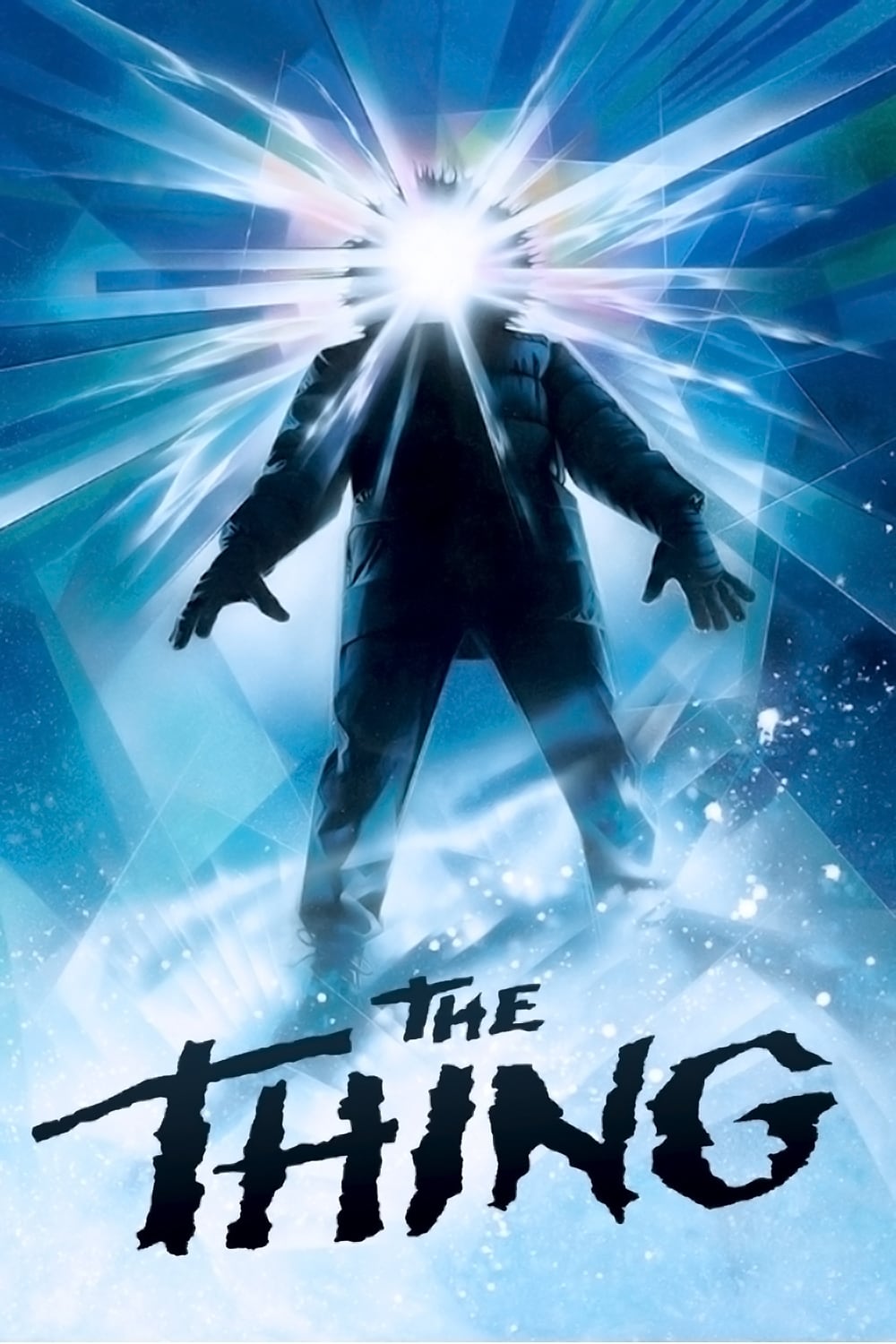
John Carpenter’s Antarctic-set tale draws from the novella ‘Who Goes There?’ and centers on a shape-shifting organism infiltrating a research station. Rob Bottin’s practical creature effects remain a benchmark for animatronics and prosthetics. Ennio Morricone’s spare, pulsing score underscores escalating paranoia among the crew.
‘A Nightmare on Elm Street’ (1984)
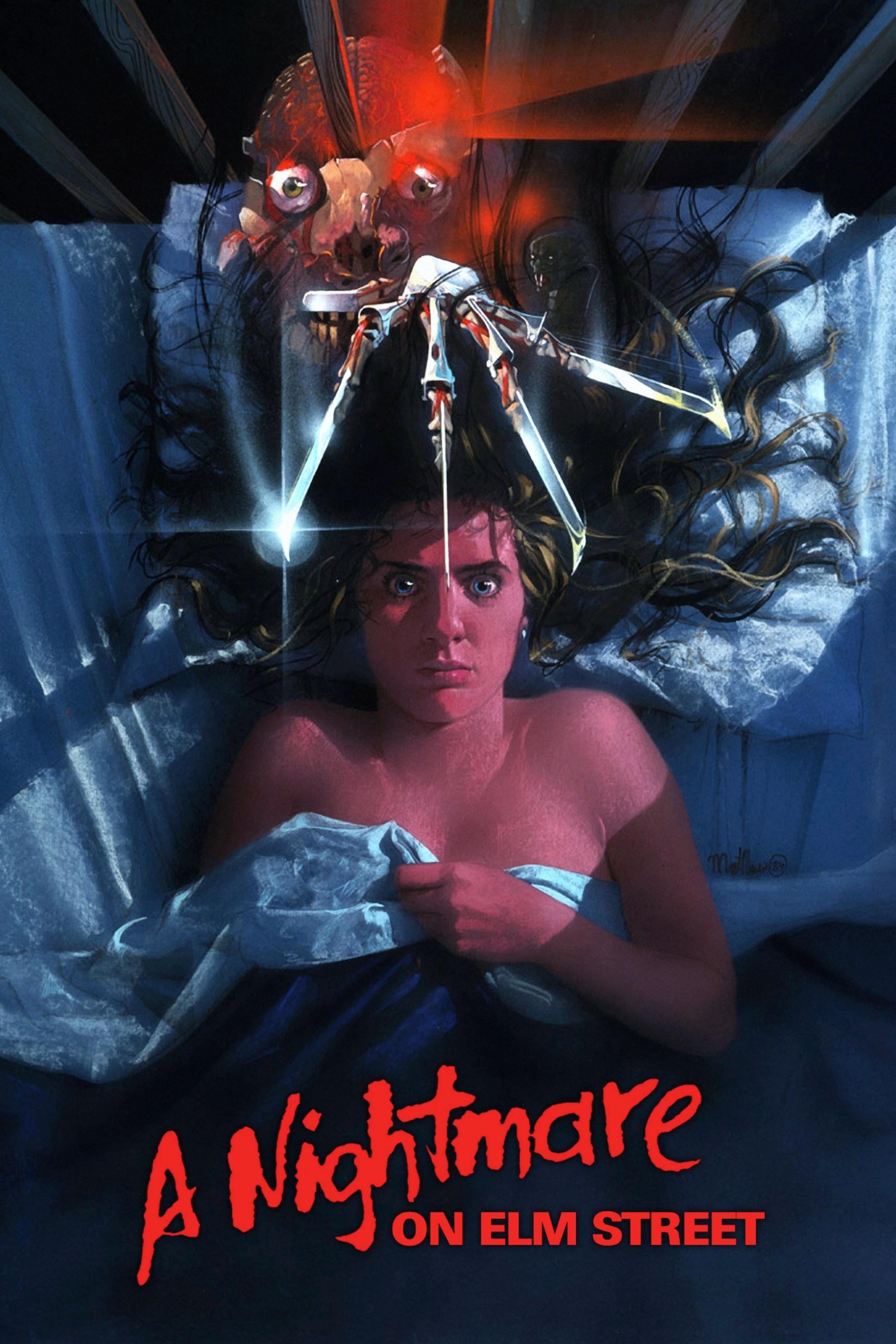
Wes Craven introduces Freddy Krueger, a killer who attacks victims in their dreams, blurring the line between consciousness and sleep. The film blends fantasy logic with slasher frameworks and launched a long-running franchise. It also marked an early screen role for Johnny Depp.
‘The Silence of the Lambs’ (1991)
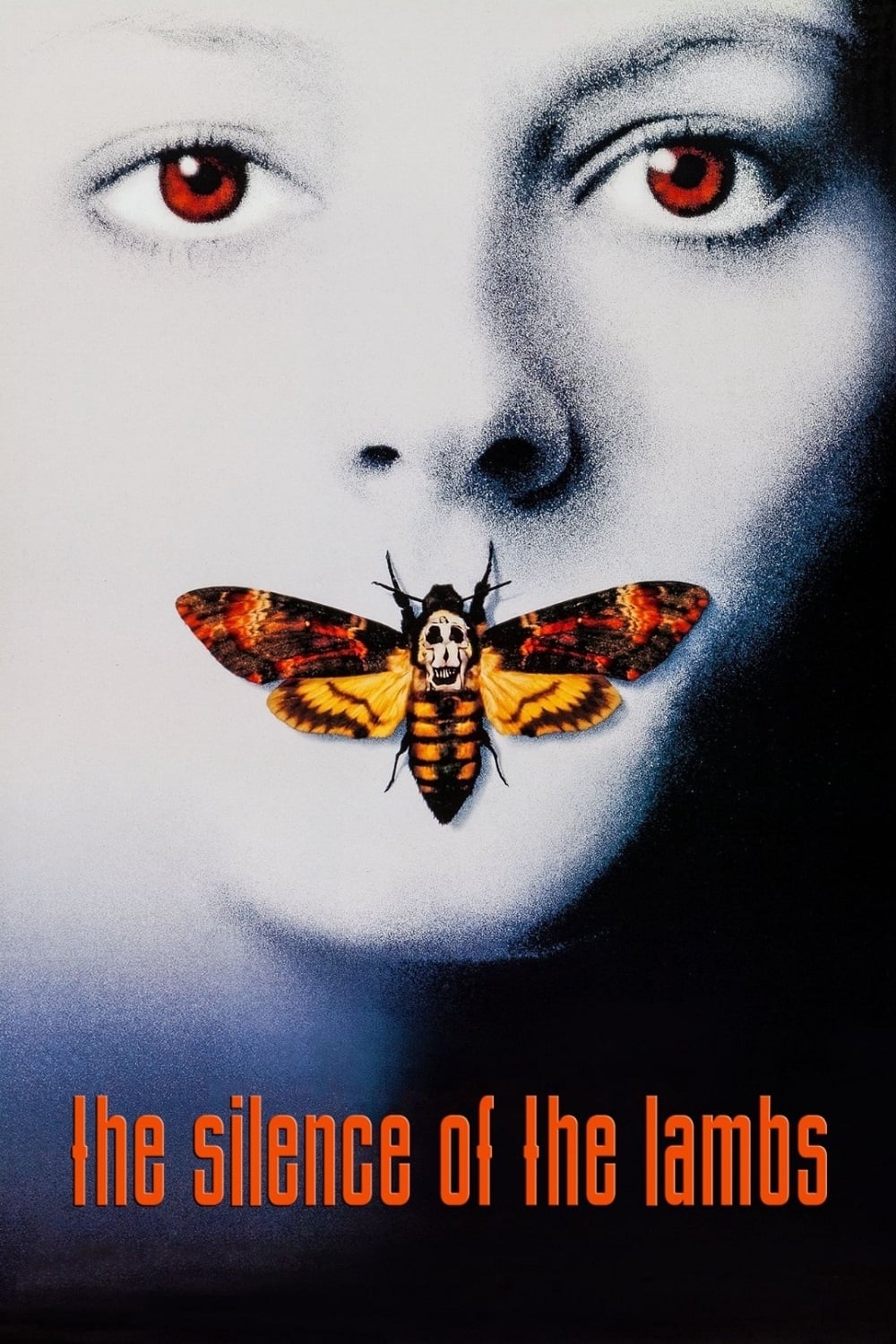
Jonathan Demme’s crime-horror story pairs FBI trainee Clarice Starling with incarcerated psychiatrist Hannibal Lecter to track a serial murderer. The film’s close-up-heavy cinematography emphasizes psychological tension during interviews. It won the Academy Award “Big Five”: Picture, Director, Actor, Actress, and Screenplay.
‘Scream’ (1996)
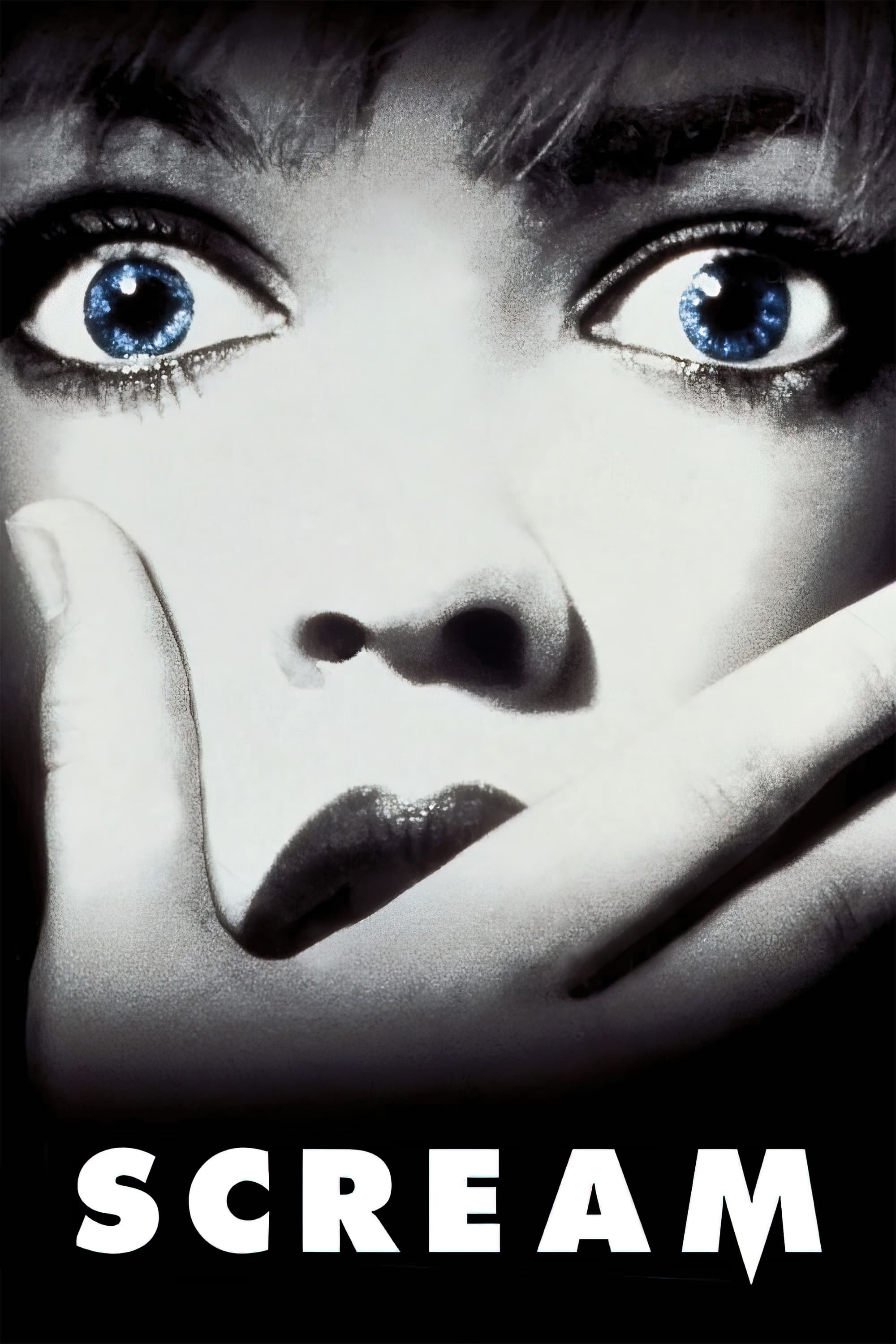
Directed by Wes Craven and written by Kevin Williamson, this film follows the Ghostface killer targeting teens in Woodsboro. It popularized self-referential rules and genre-savvy characters while operating as a whodunit. The success launched a multi-film series, TV offshoots, and a sustained revival of slasher storytelling.
‘Ringu’ (1998)

Hideo Nakata’s adaptation of Kōji Suzuki’s novel centers on a cursed videotape and a journalist investigating its origins. The character Sadako anchors the curse’s mythology, merging folklore with modern media. Its success catalyzed a wave of J-horror titles and international remakes.
‘The Blair Witch Project’ (1999)
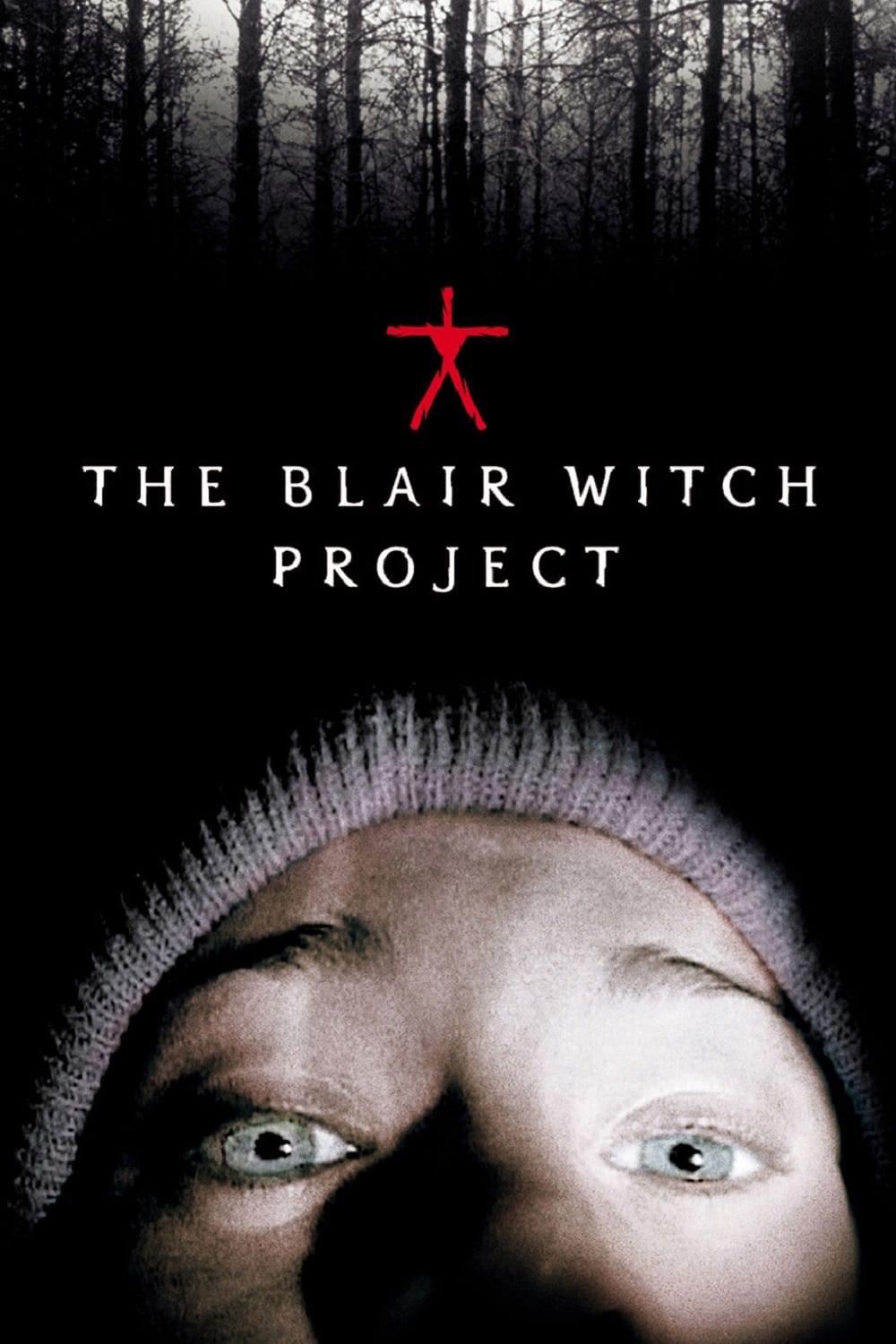
Daniel Myrick and Eduardo Sánchez present a found-footage account of three filmmakers lost while documenting a local legend in Maryland. A pioneering web-based marketing campaign blurred fiction and reality. Shot with consumer cameras and assembled from hours of footage, the film became a landmark of microbudget filmmaking.
’28 Days Later’ (2002)
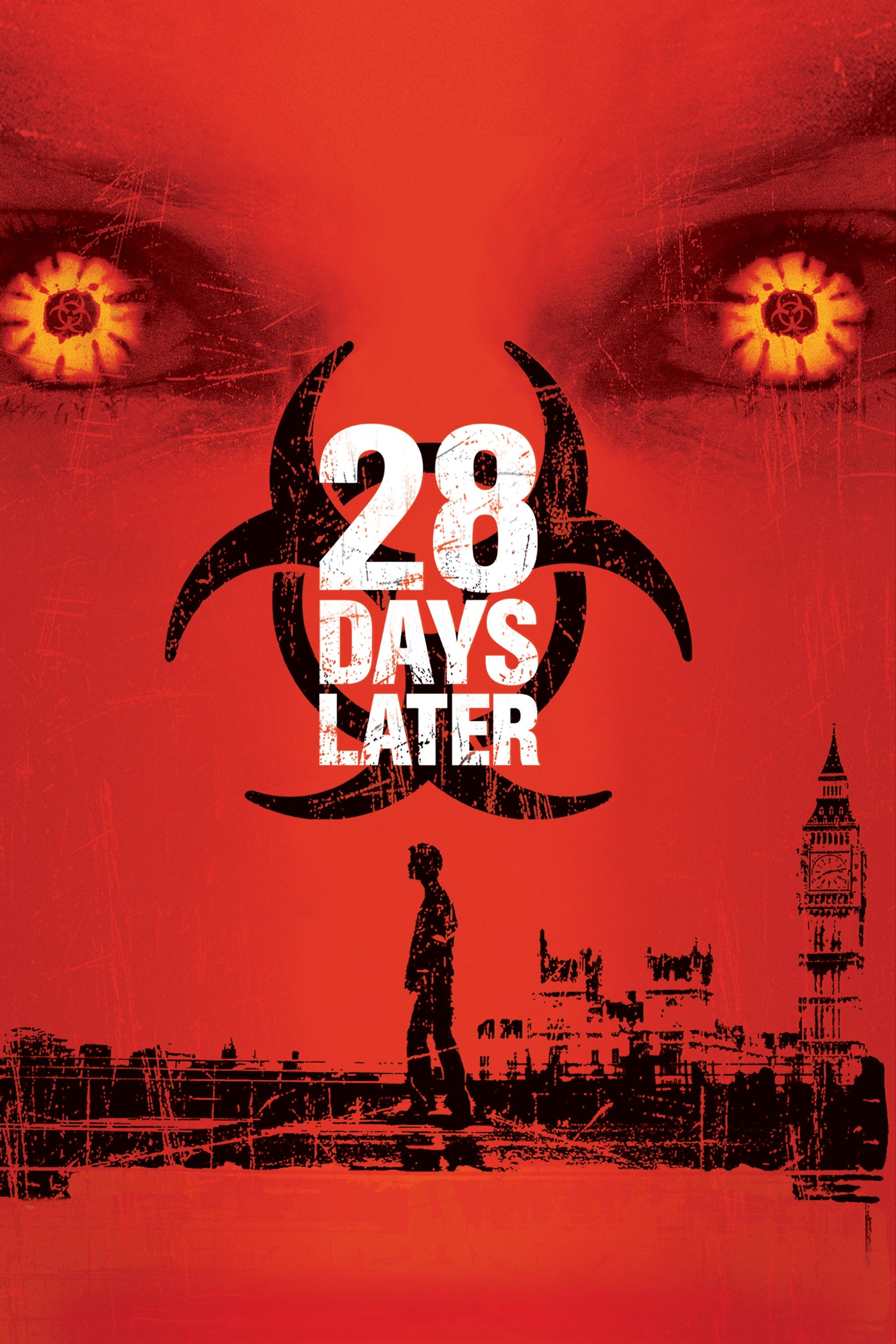
Danny Boyle directs a fast-moving outbreak story written by Alex Garland and set across a depopulated United Kingdom. Digital video cinematography enabled guerrilla-style street shoots at dawn for empty-city sequences. John Murphy’s score, including ‘In the House – In a Heartbeat,’ underscores the escalating stakes.
‘Ju-On: The Grudge’ (2002)
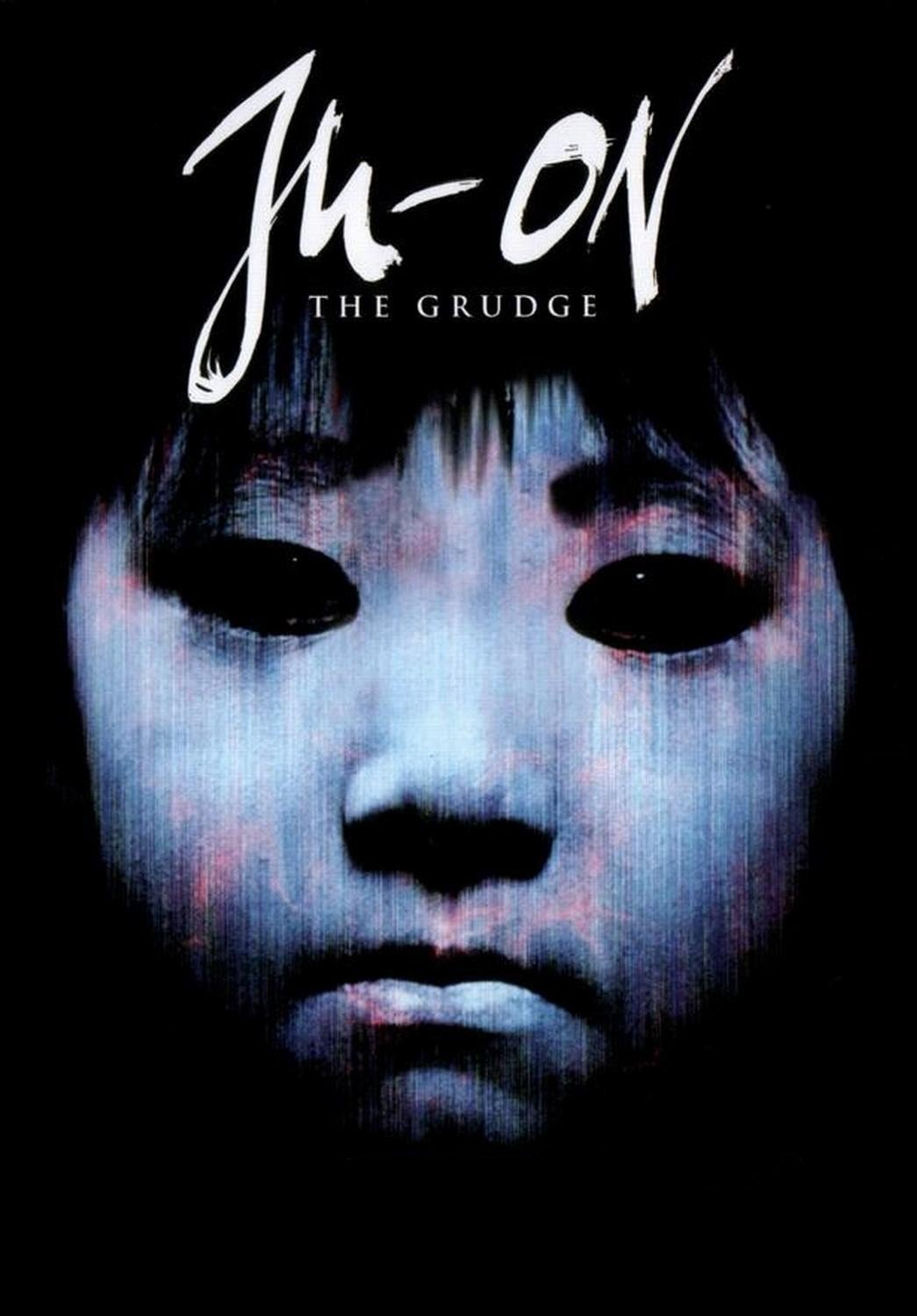
Takashi Shimizu’s non-linear narrative traces a curse born from a violent crime, manifesting as Kayako and Toshio. The structure follows multiple characters across intersecting timelines to show the curse’s spread. The film spawned sequels, crossovers, and an American remake that expanded the franchise.
‘The Ring’ (2002)
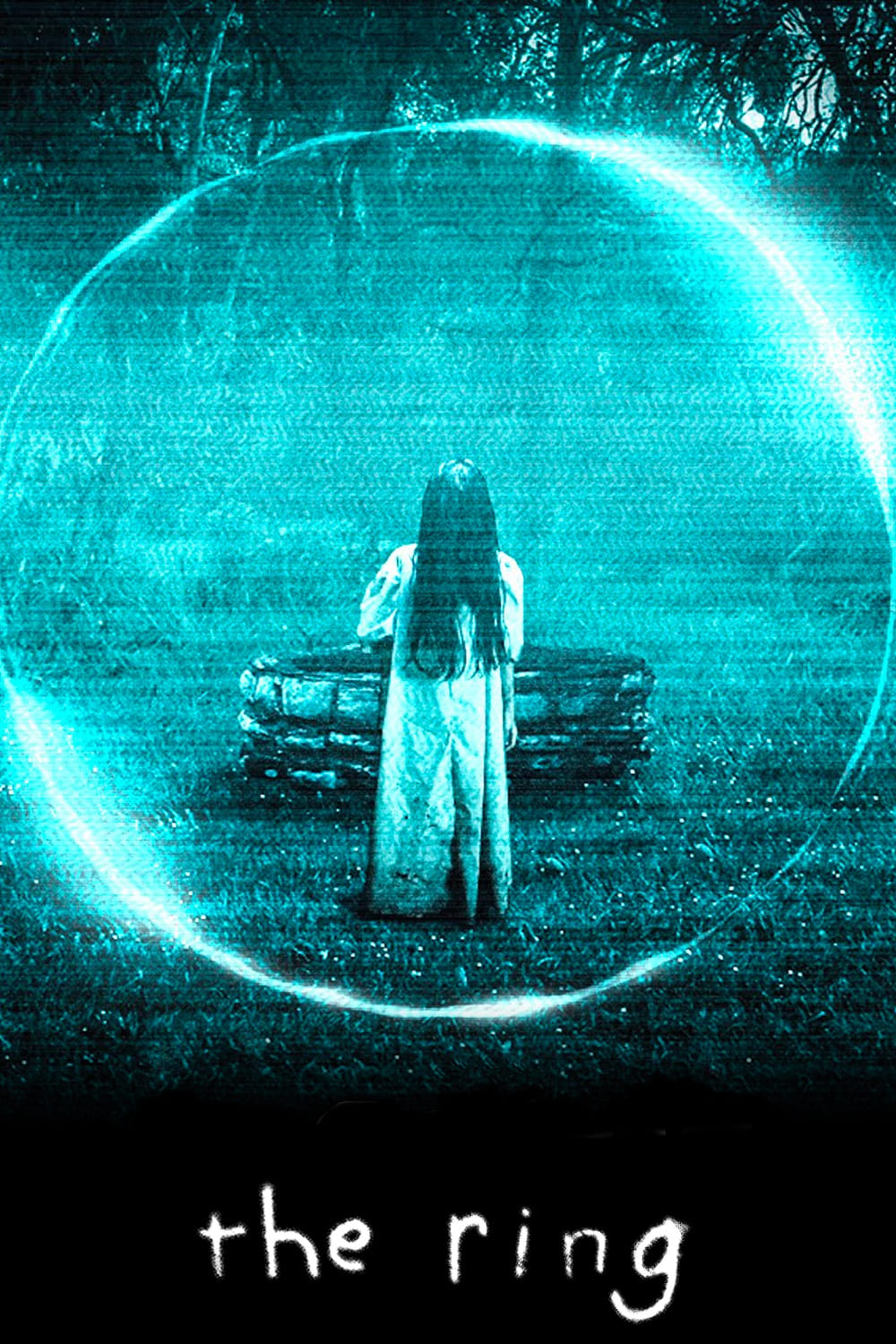
Gore Verbinski adapts ‘Ringu’ for an American setting, following journalist Rachel Keller’s investigation into a lethal videotape tied to Samara Morgan. Cinematographer Bojan Bazelli employs desaturated palettes and recurring water imagery. The film’s success introduced the story to a wide international audience and launched a new series.
‘Saw’ (2004)
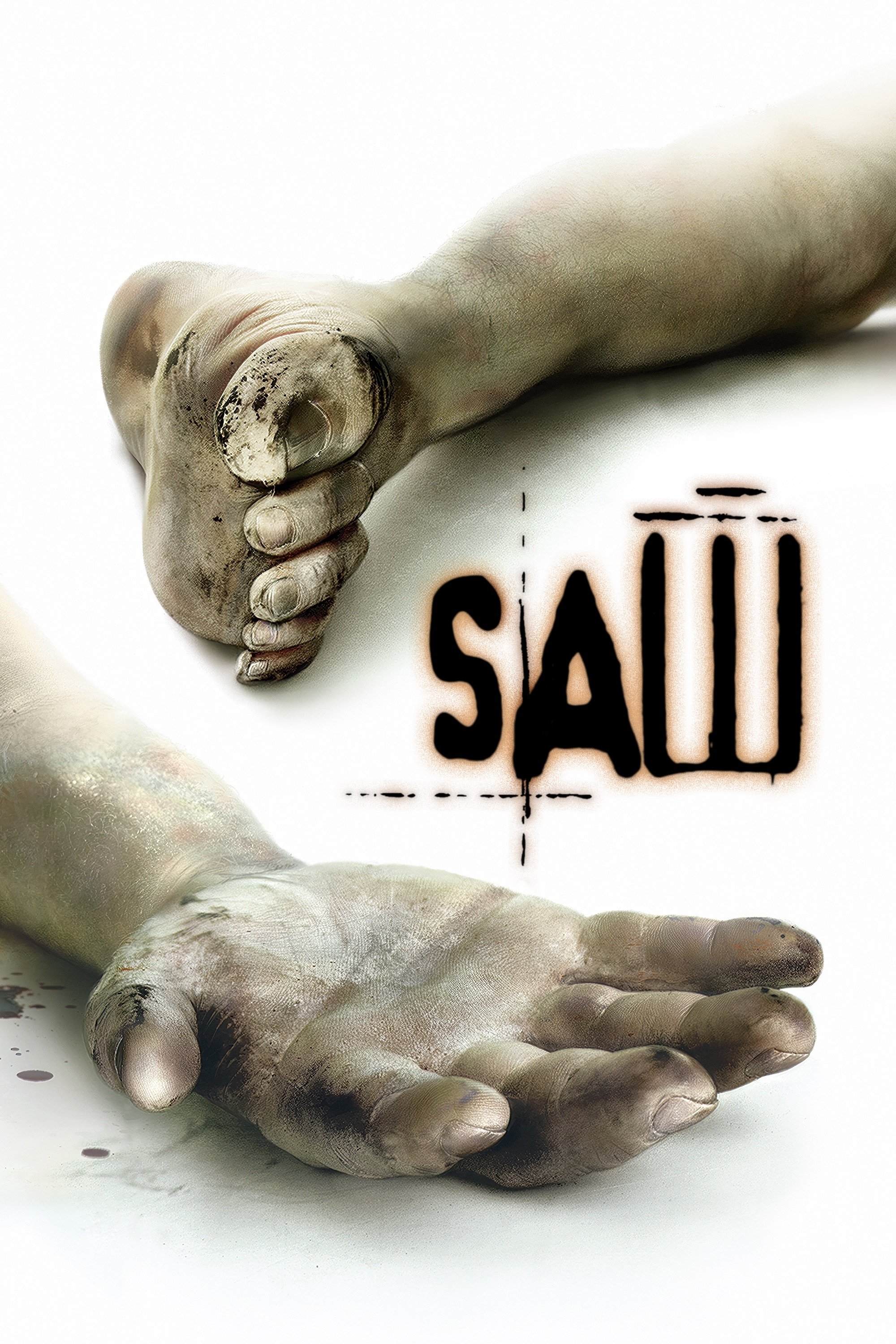
James Wan’s feature centers on two captives forced to play a deadly game designed by the Jigsaw killer. The production maximizes a single primary location with nonlinear flashbacks and puzzle-like reveals. Co-creator Leigh Whannell wrote the screenplay and appears on screen as one of the victims.
‘The Descent’ (2005)
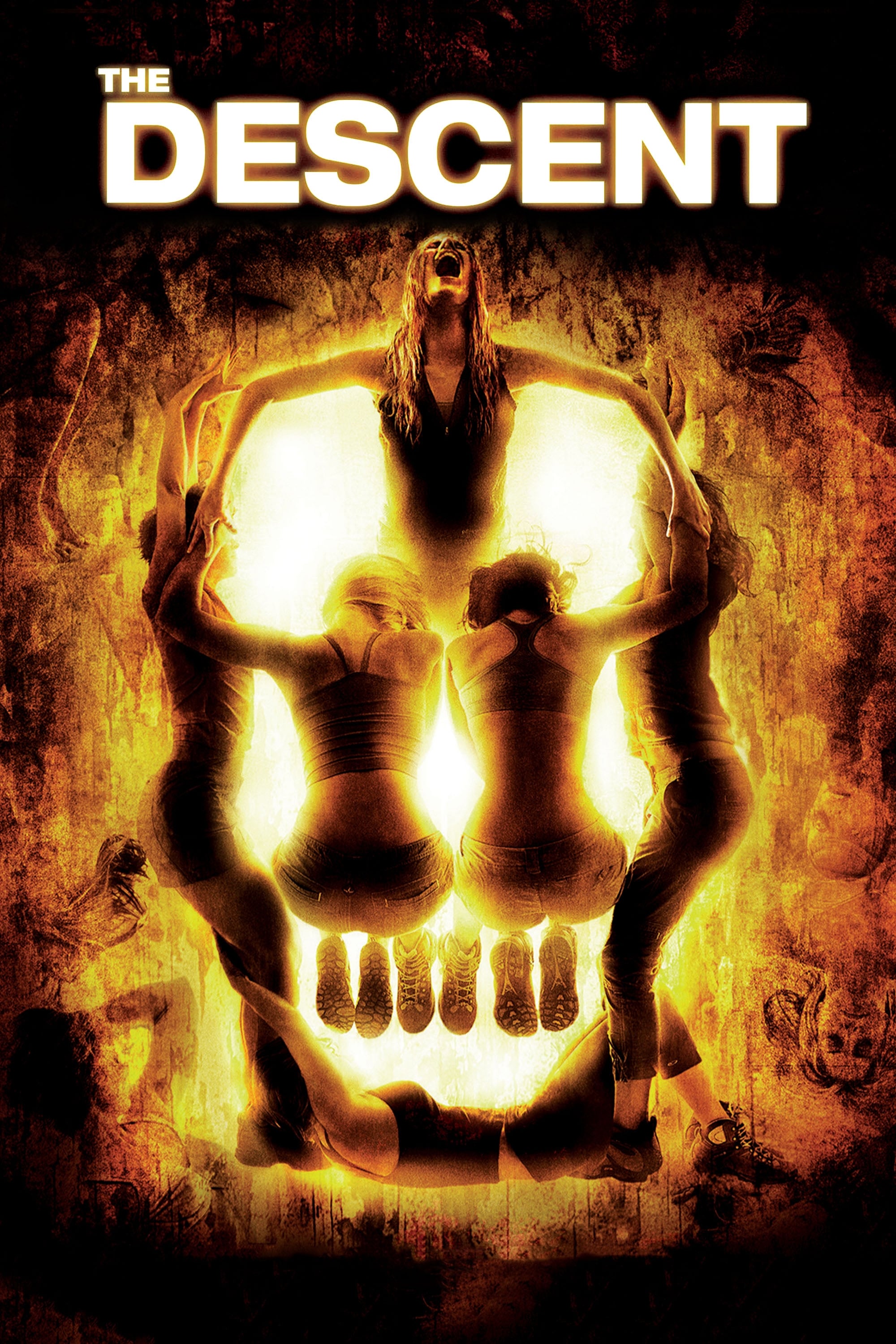
Neil Marshall follows a caving expedition that encounters subterranean predators after a collapse. The film uses claustrophobic set design and near-total darkness to stage its encounters. An ensemble of women carry the narrative, with practical creature effects and extensive stunt work.
‘Pan’s Labyrinth’ (2006)
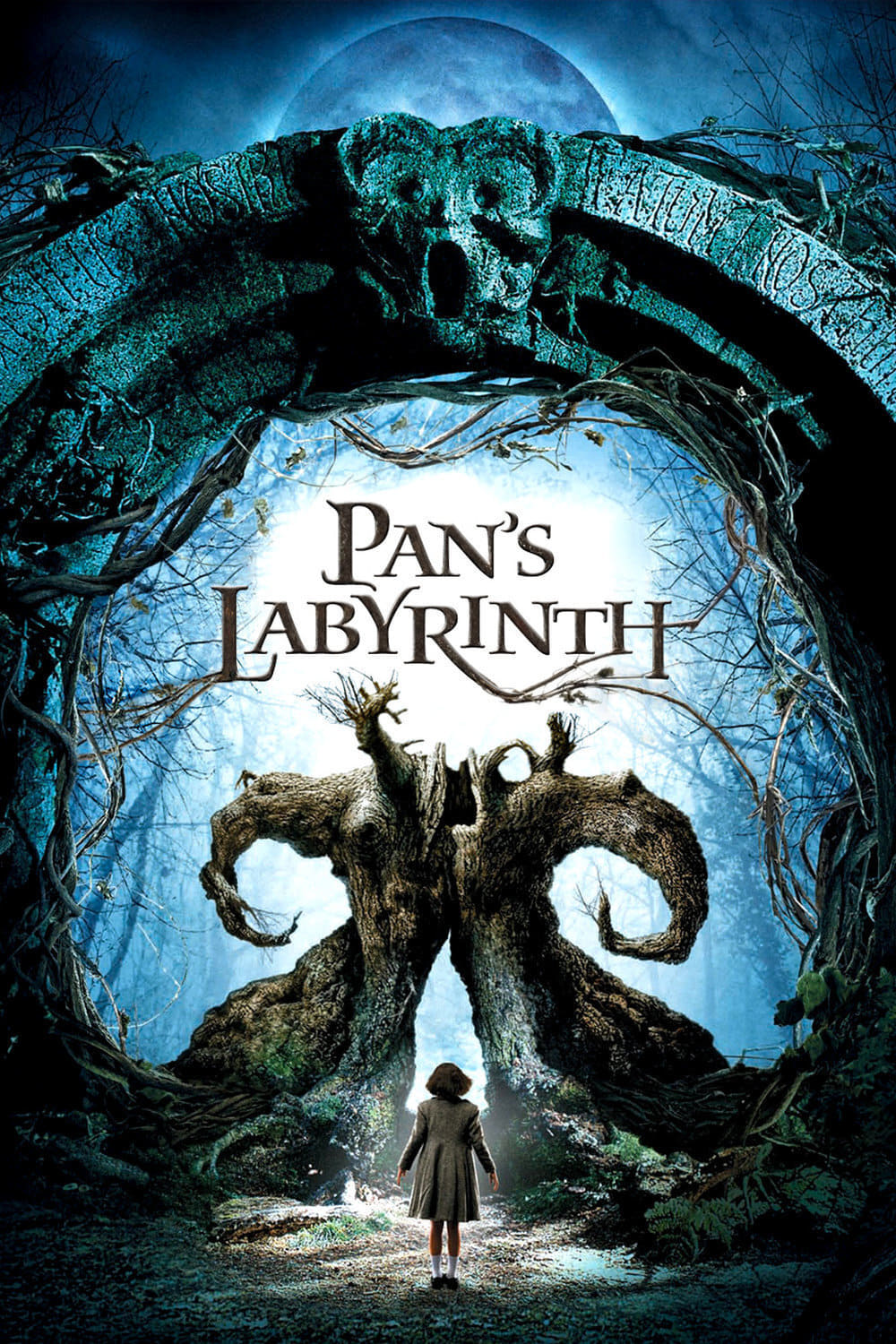
Guillermo del Toro blends dark fantasy and historical drama in a story set in postwar Spain, following a girl who meets mythical beings. Creature design by DDT Efectos Especiales brings the Faun and Pale Man to life using prosthetics and makeup. The film won multiple Academy Awards for cinematography, art direction, and makeup.
‘Paranormal Activity’ (2007)
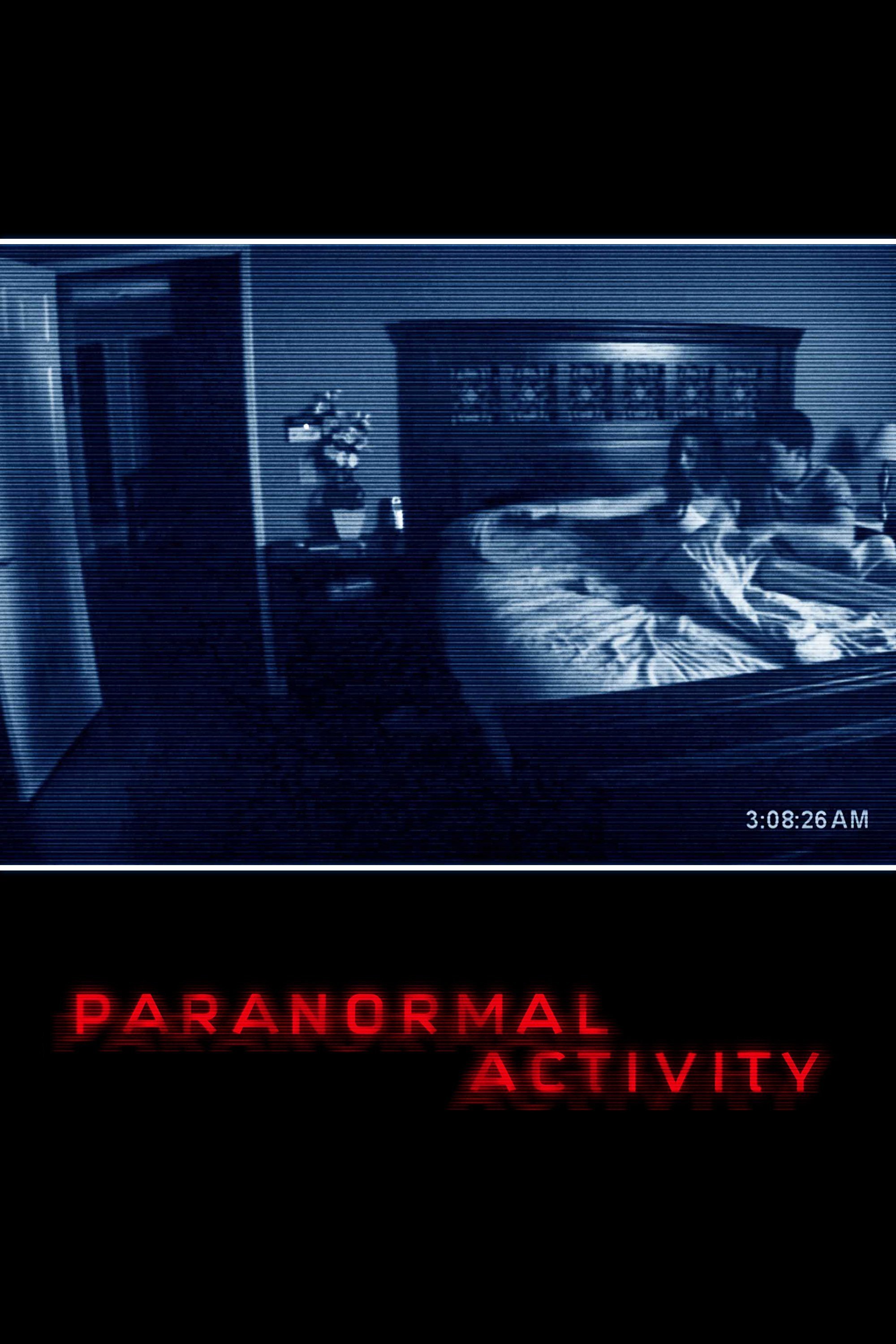
Oren Peli’s home-set haunting uses static cameras and time-lapse techniques to build incidents over successive nights. Shot largely in a single location, it emphasizes sound design and subtle environmental changes. Word-of-mouth and platformed releases led to a franchise of sequels and spin-offs.
‘Let the Right One In’ (2008)
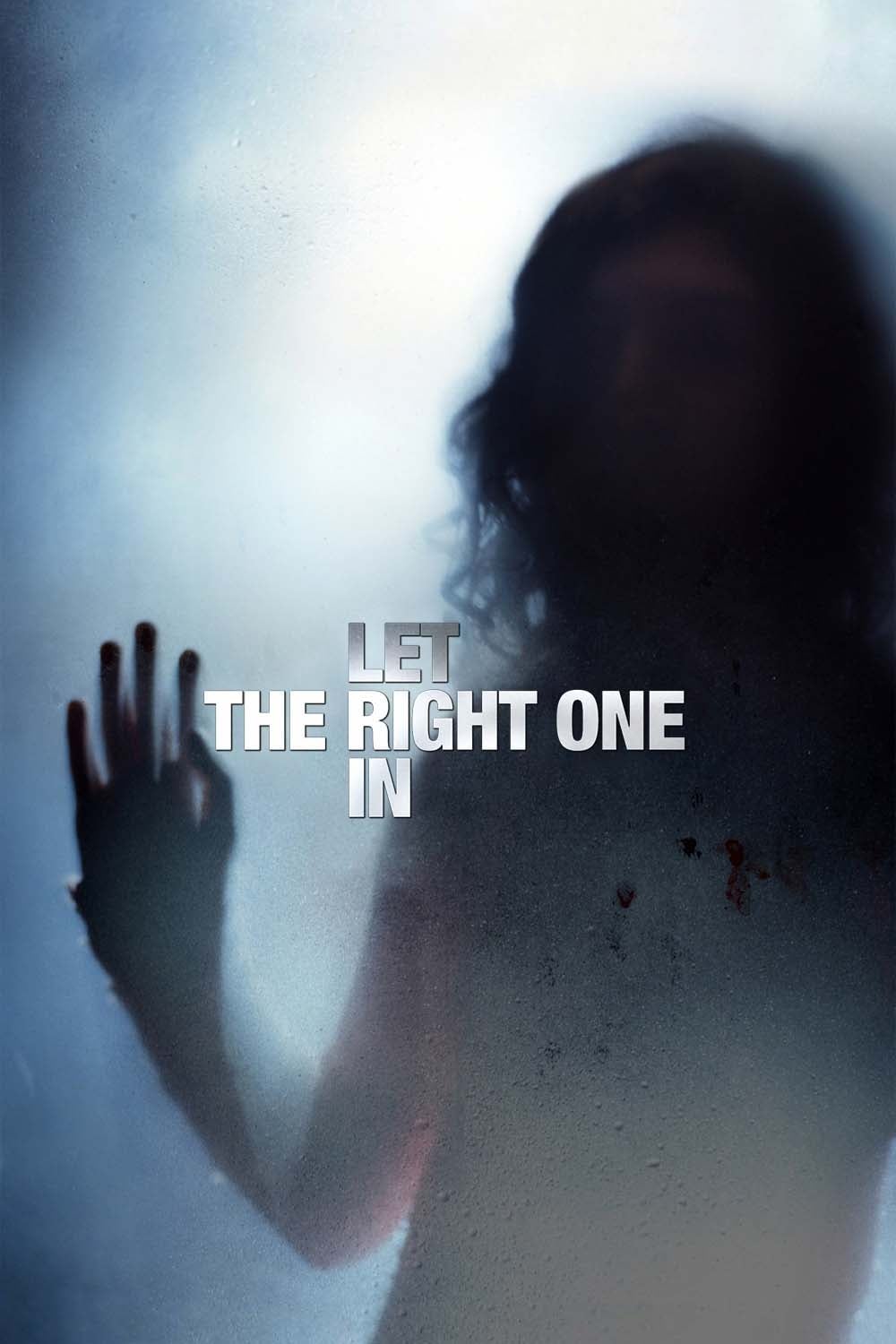
Tomas Alfredson adapts John Ajvide Lindqvist’s novel about a bullied boy and a centuries-old vampire who befriends him in suburban Sweden. Snowbound exteriors, quiet interiors, and restrained effects shape its atmosphere. The story received an English-language remake and a television continuation.
‘The Babadook’ (2014)
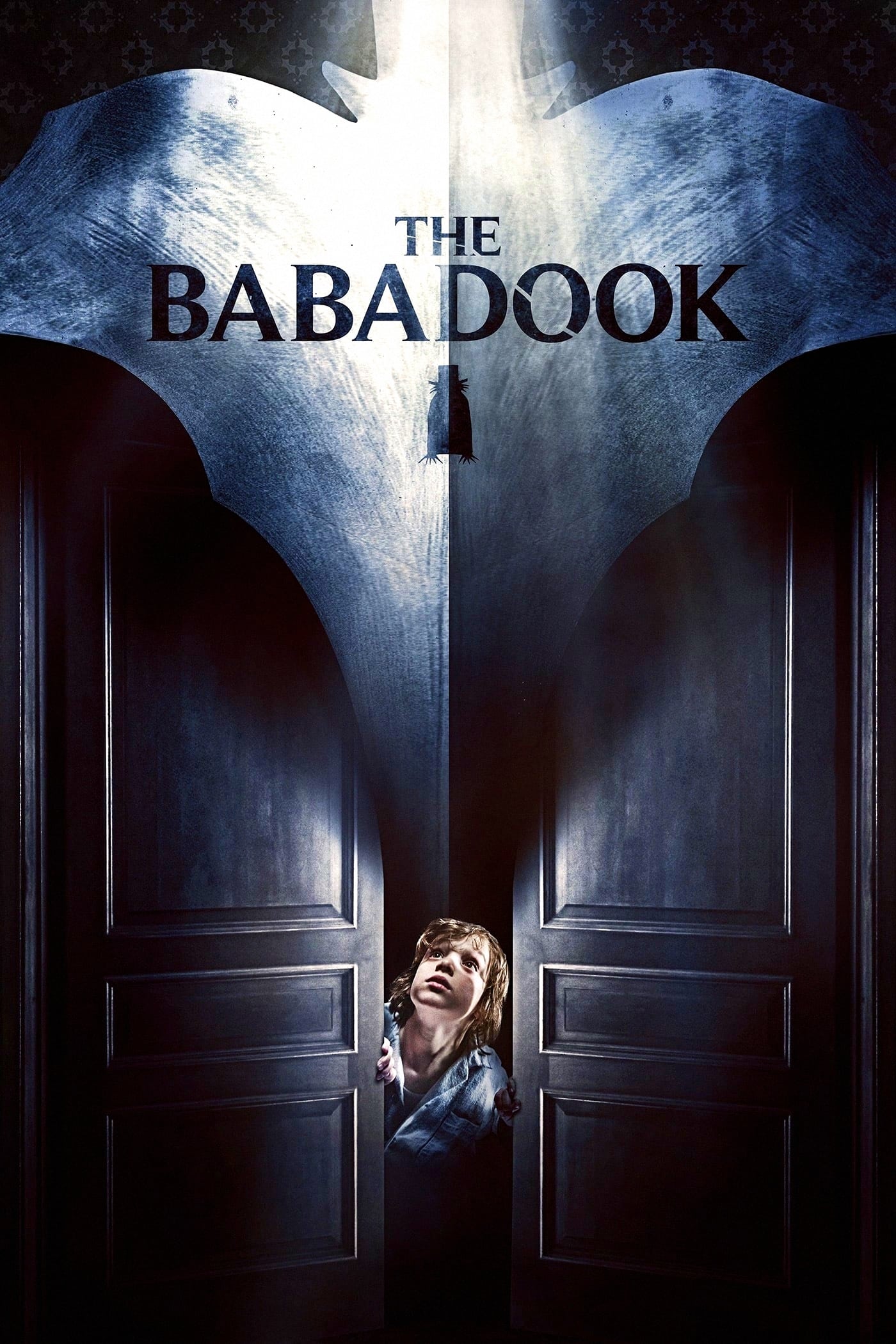
Jennifer Kent’s feature expands her short ‘Monster’ into a story about a mother, her son, and a menacing pop-up book figure. Practical effects, in-camera tricks, and minimal CGI create the entity’s presence. The character entered broader culture through memes, screenings, and home-media releases.
‘It Follows’ (2014)
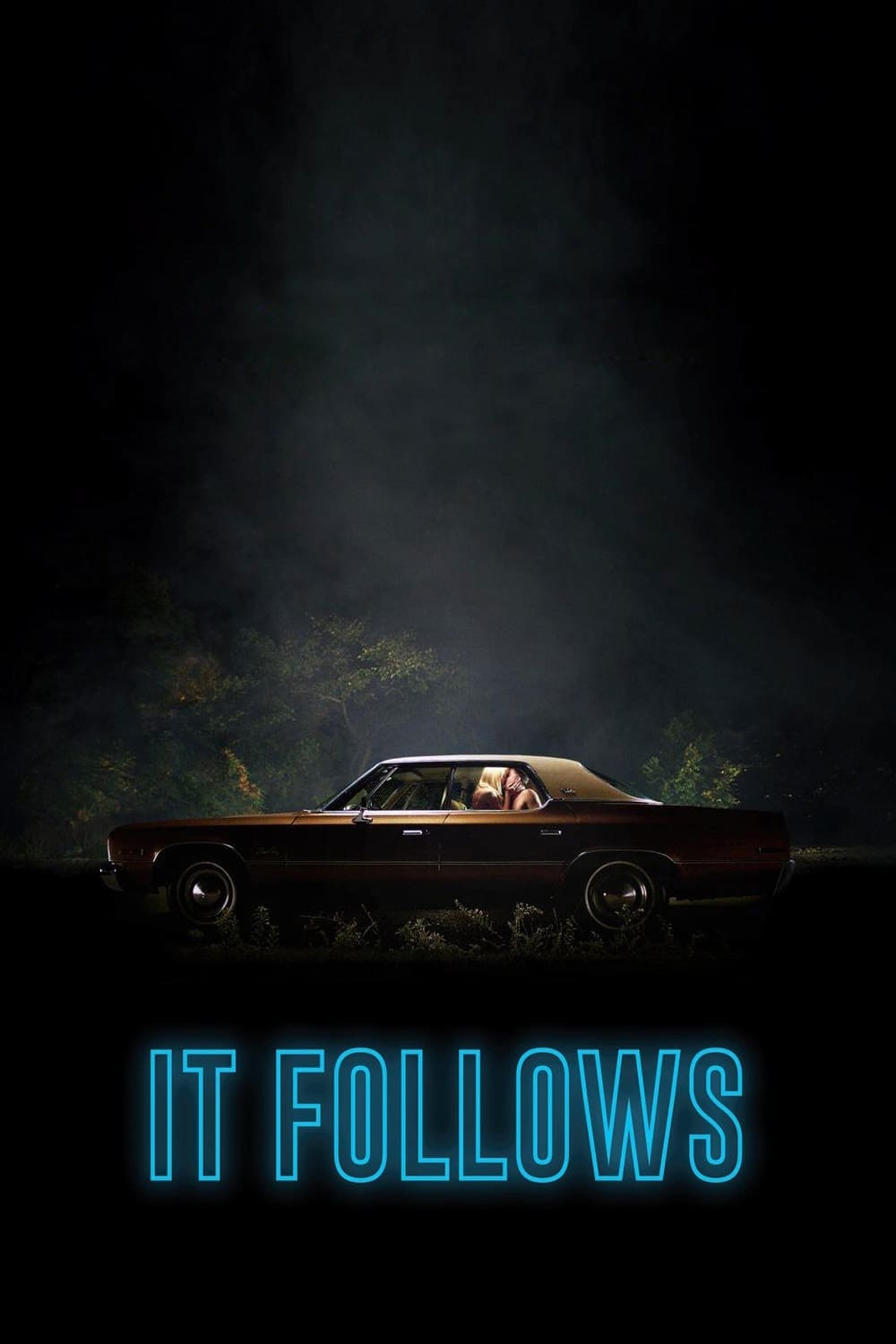
David Robert Mitchell’s supernatural tale depicts a curse transmitted between teens, relentlessly approaching its target on foot. The film uses ambiguous, time-mixed production design and Detroit-area locations. Composer Disasterpeace provides an electronic score that supports the creeping pace and tone.
‘The Witch’ (2015)
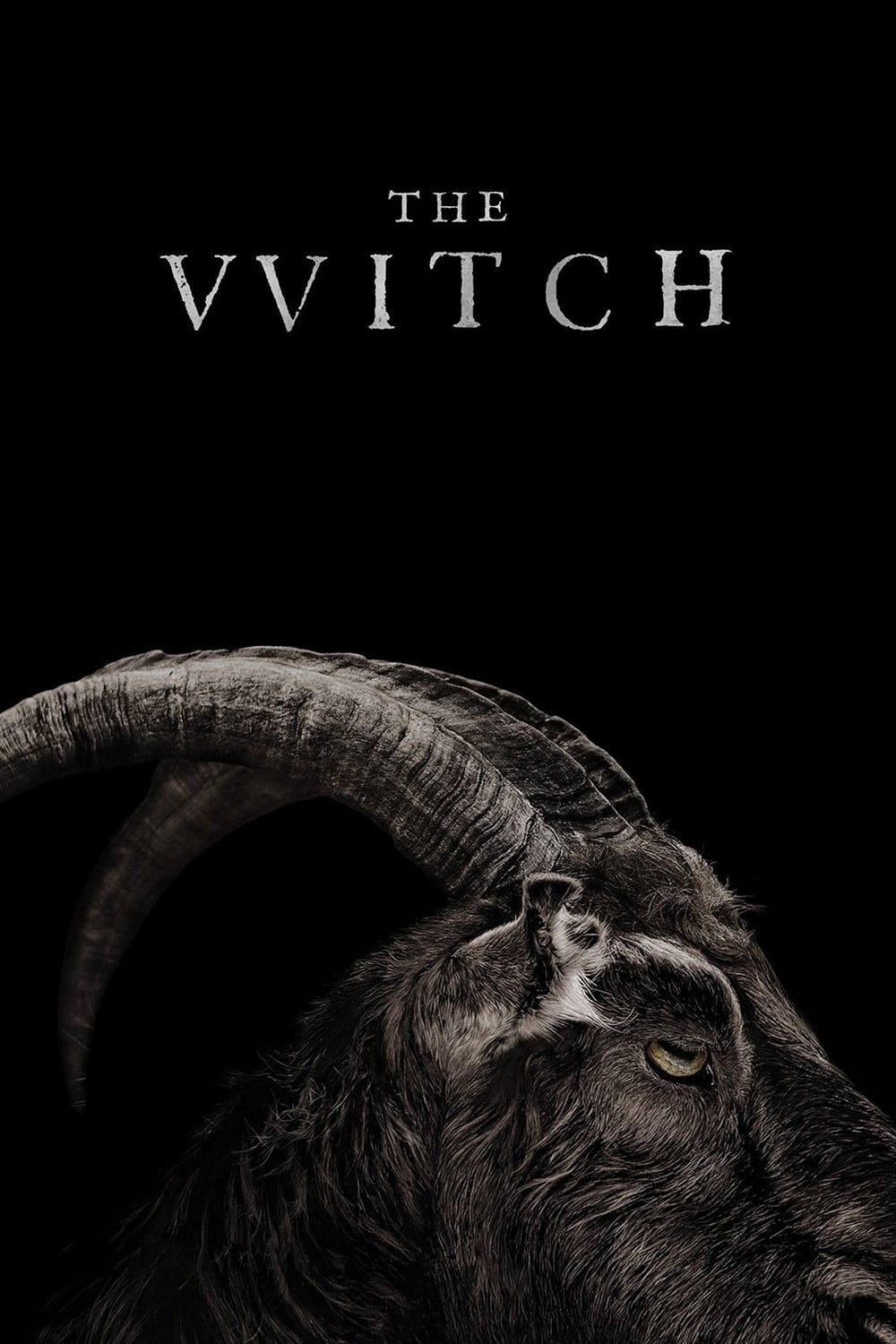
Robert Eggers presents a New England folktale set in a frontier farmstead beyond a Puritan settlement. Dialogue draws from period sources to recreate regional speech and religious concerns. The production’s natural light approach and rural locations emphasize isolation and suspicion.
‘Get Out’ (2017)
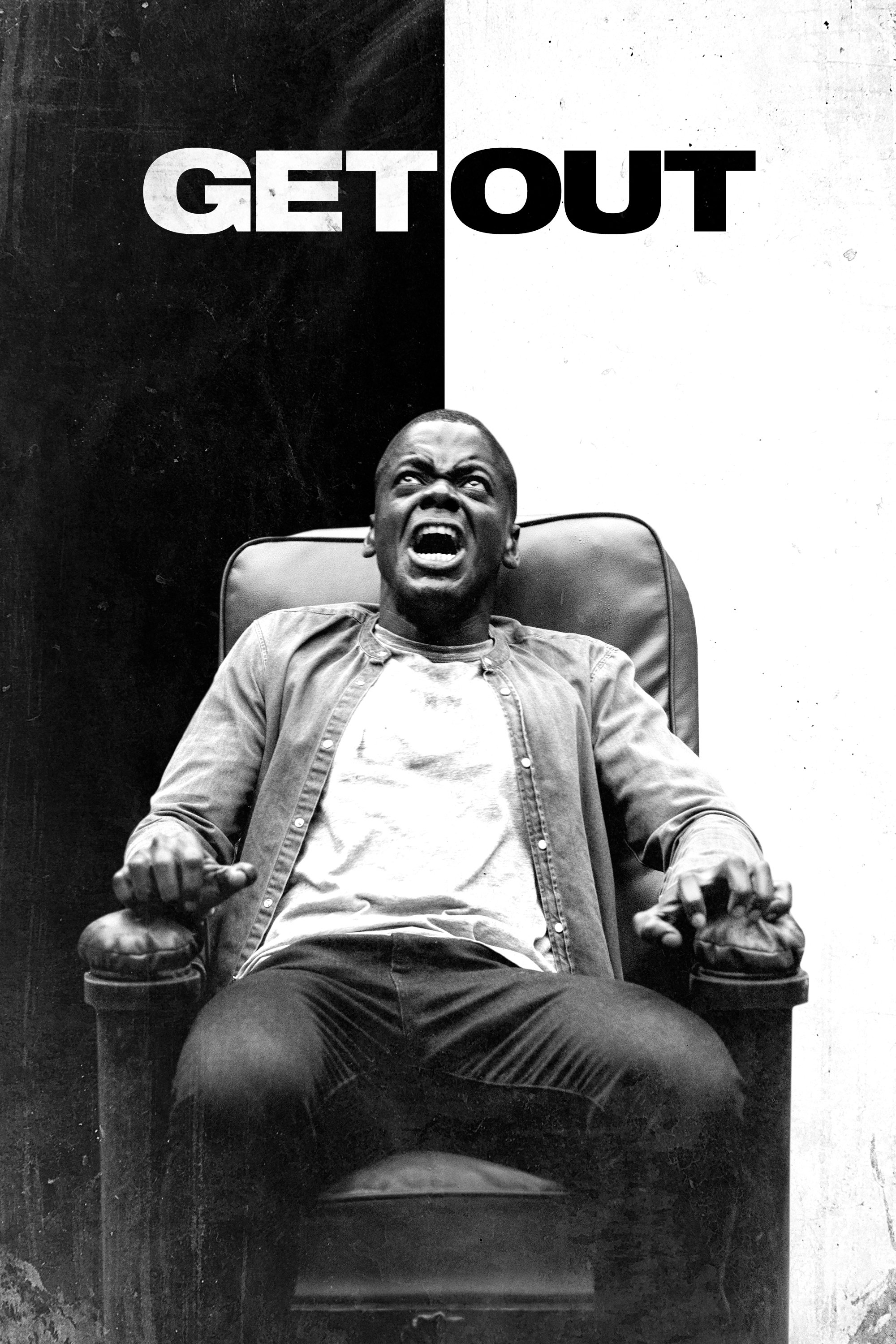
Jordan Peele’s social thriller follows a young photographer visiting his partner’s family for a weekend that turns increasingly strange. The narrative integrates hypnosis, coded language, and a clandestine medical procedure. It won the Academy Award for Best Original Screenplay and established a new studio-director partnership for subsequent projects.
‘Hereditary’ (2018)

Ari Aster’s family-centered horror tracks grief, secrets, and ritualistic forces surrounding a household. Miniature dioramas and carefully framed interiors mirror the characters’ sense of control and fate. The ensemble includes Toni Collette, Alex Wolff, Milly Shapiro, and Gabriel Byrne.
‘Train to Busan’ (2016)
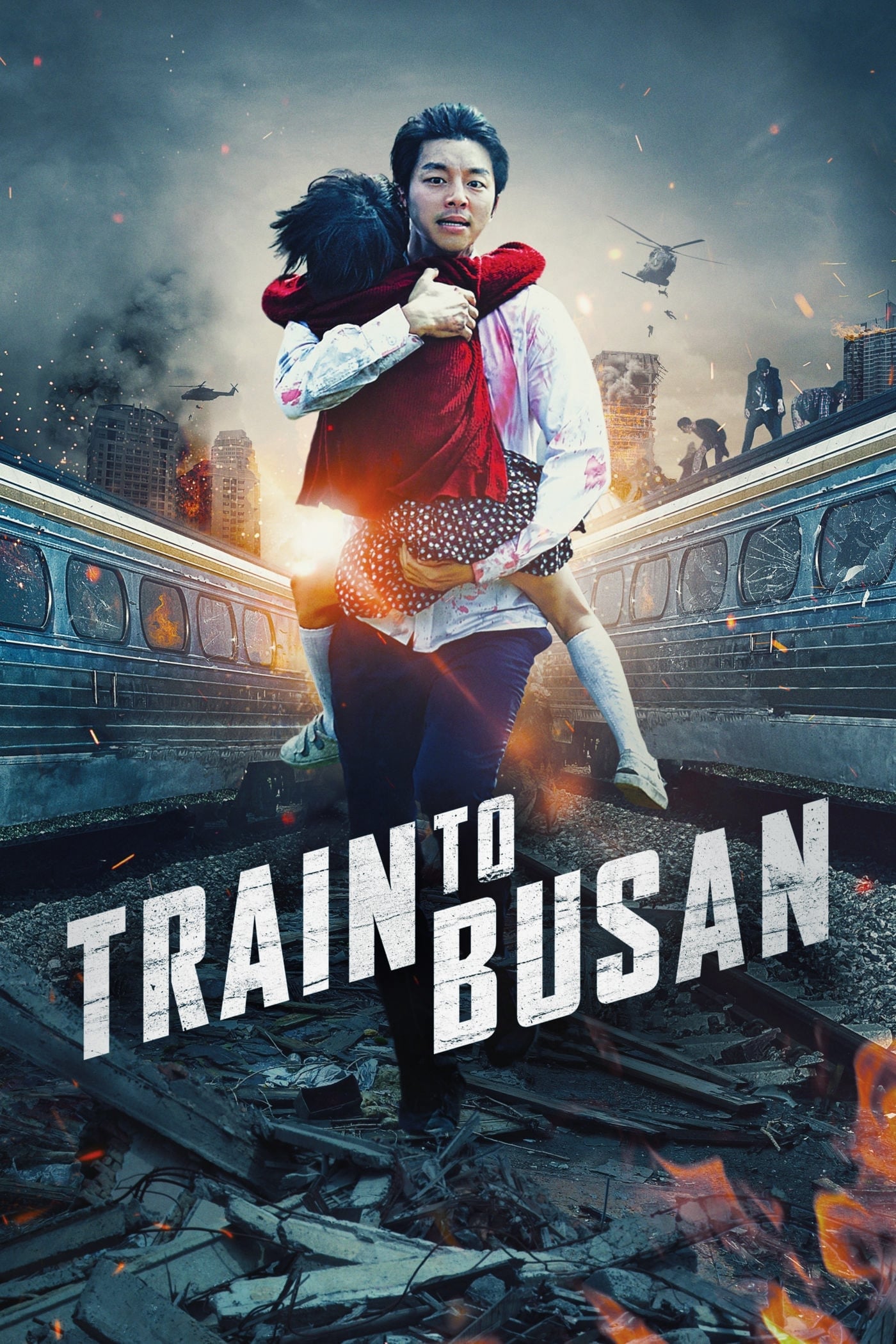
Yeon Sang-ho’s zombie thriller unfolds on a high-speed KTX train traveling between cities in South Korea. The confined setting creates shifting alliances among passengers as carriages become obstacles. Its success led to an animated prequel and a live-action sequel expanding the story’s world.
‘Nosferatu’ (1922)
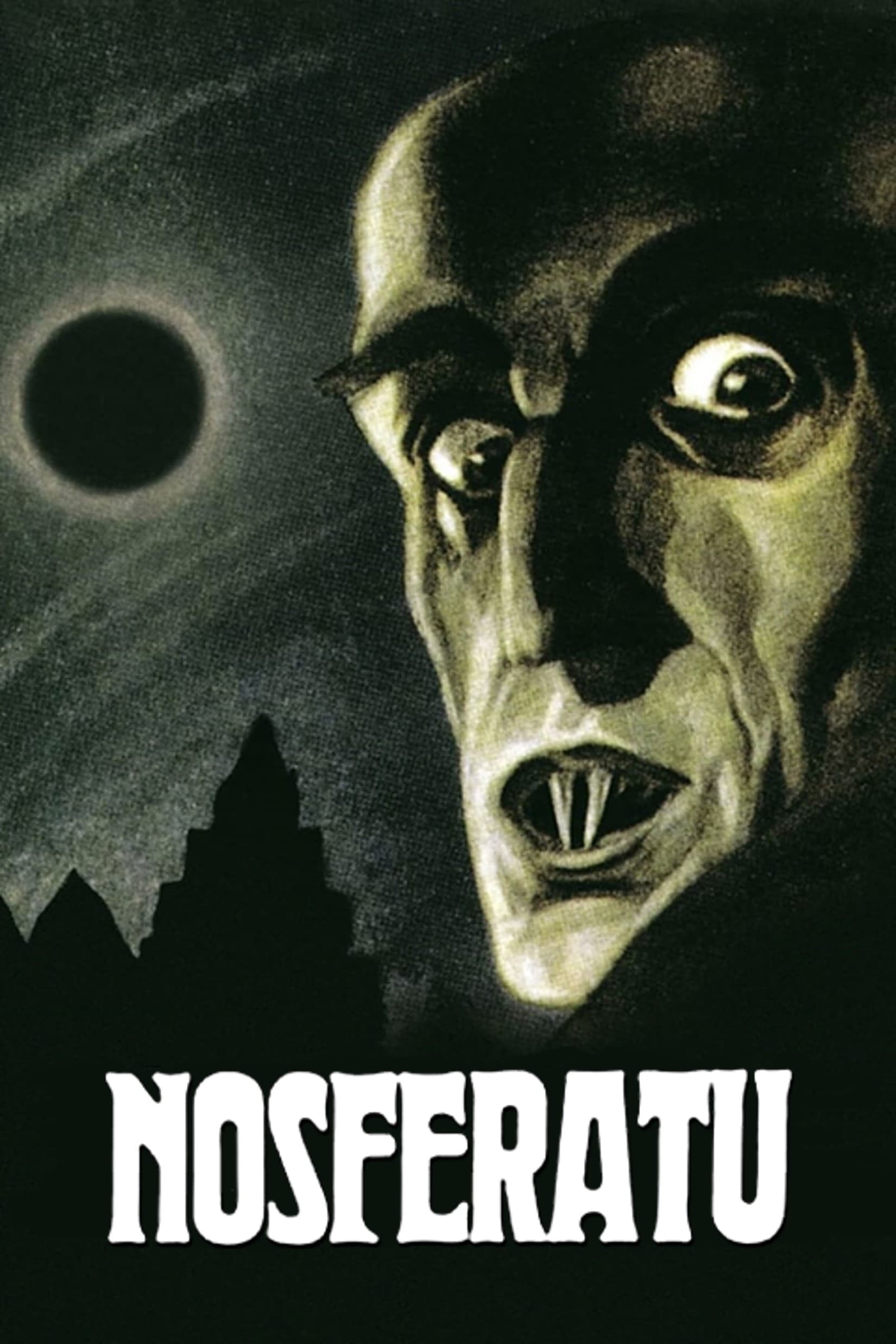
F. W. Murnau’s silent-era adaptation of Bram Stoker’s story introduces Count Orlok in a tale of plague and obsession. Expressionist lighting, elongated shadows, and location shooting create its stark visual language. The production faced legal challenges related to rights, influencing the survival and circulation of prints.
‘Night of the Living Dead’ (1968)
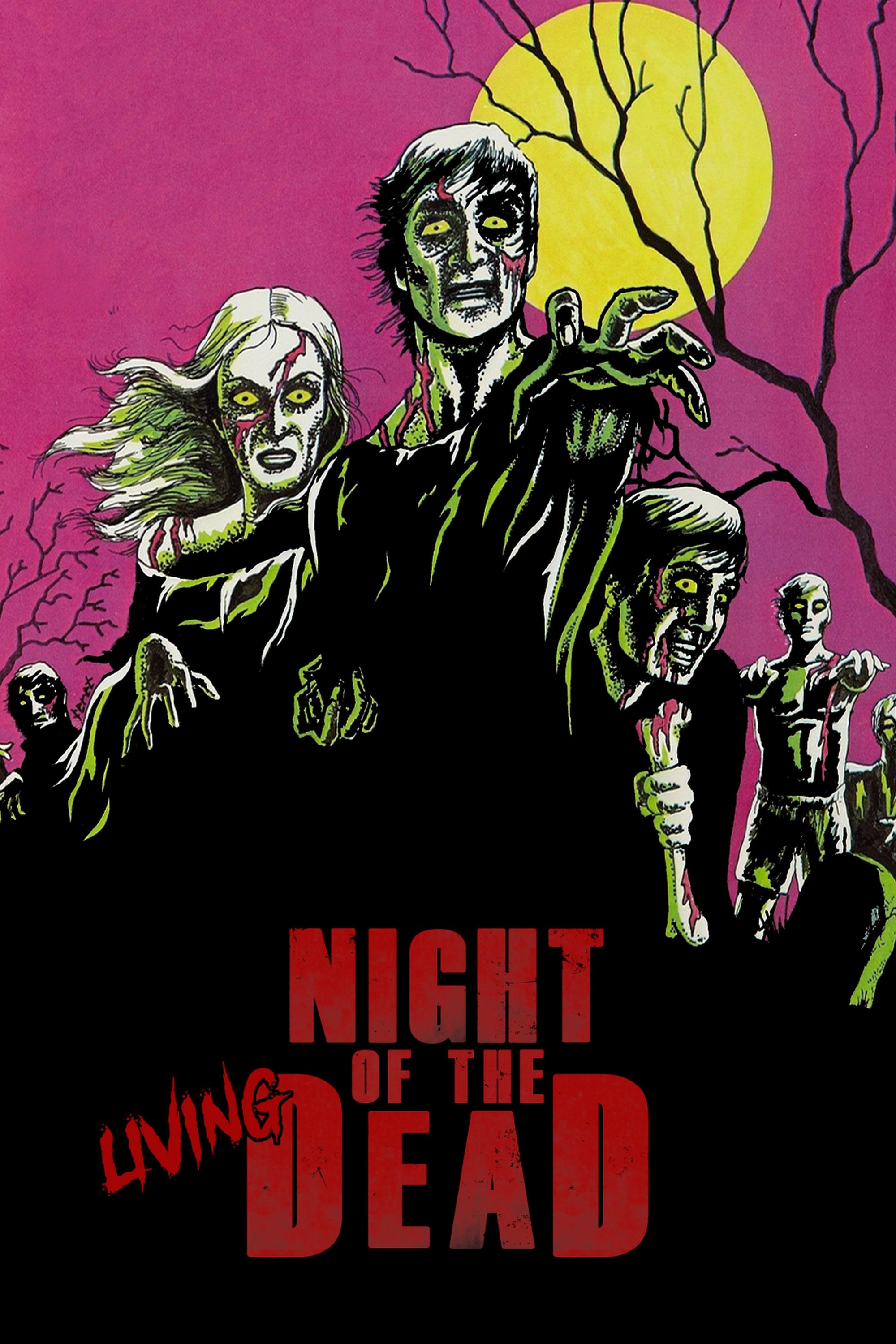
George A. Romero’s independent feature follows a group barricaded in a rural house as the dead rise. Monochrome photography and news-bulletin inserts contribute to a documentary-like immediacy. The film redefined zombie lore and established rules that shaped subsequent media.
‘Rosemary’s Baby’ (1968)
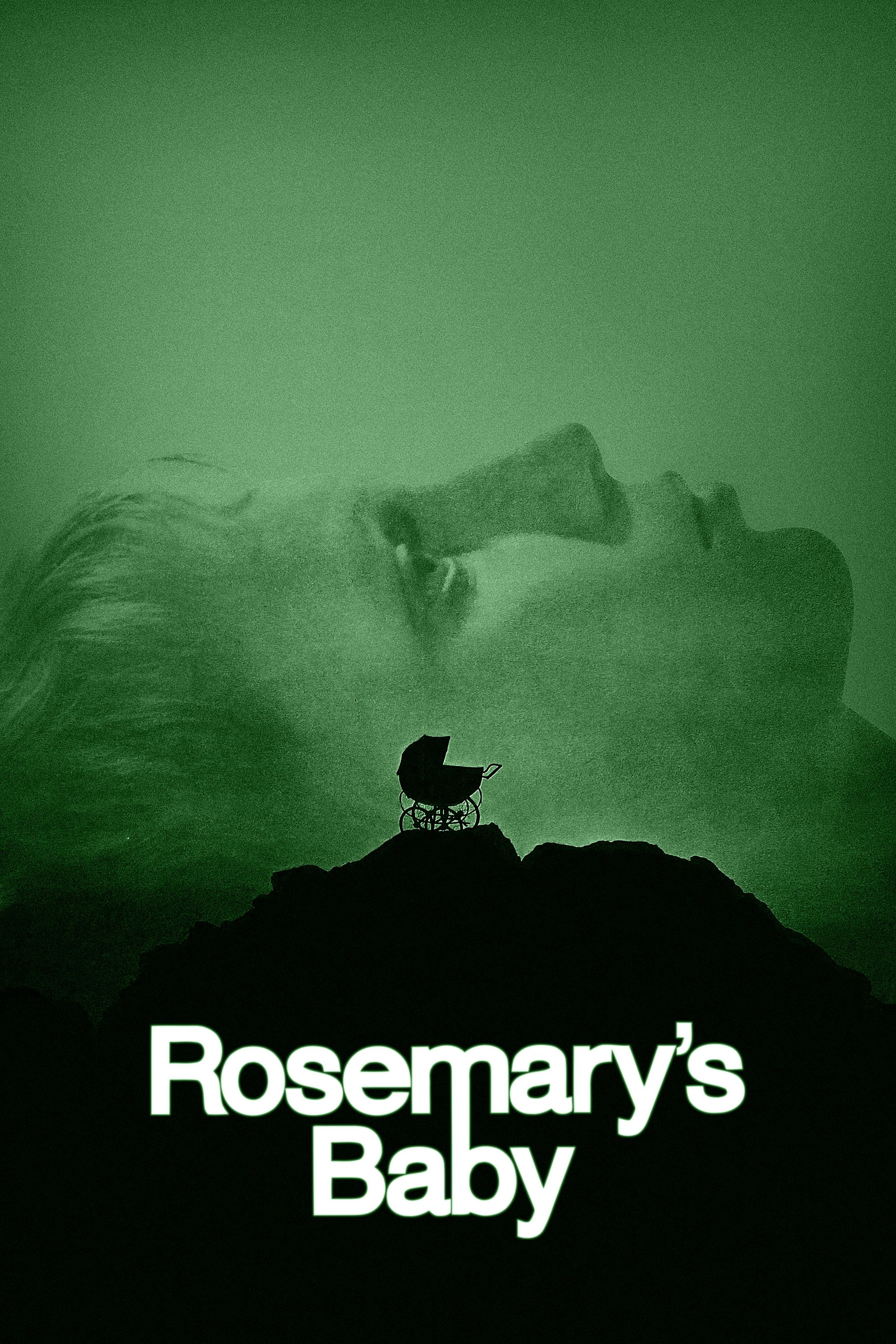
Roman Polanski adapts Ira Levin’s novel about a young couple in a Manhattan apartment building with intrusive neighbors. The film relies on subjective perspective, careful sound cues, and domestic spaces to build tension. It influenced occult narratives and urban-set psychological horror.
‘The Wicker Man’ (1973)
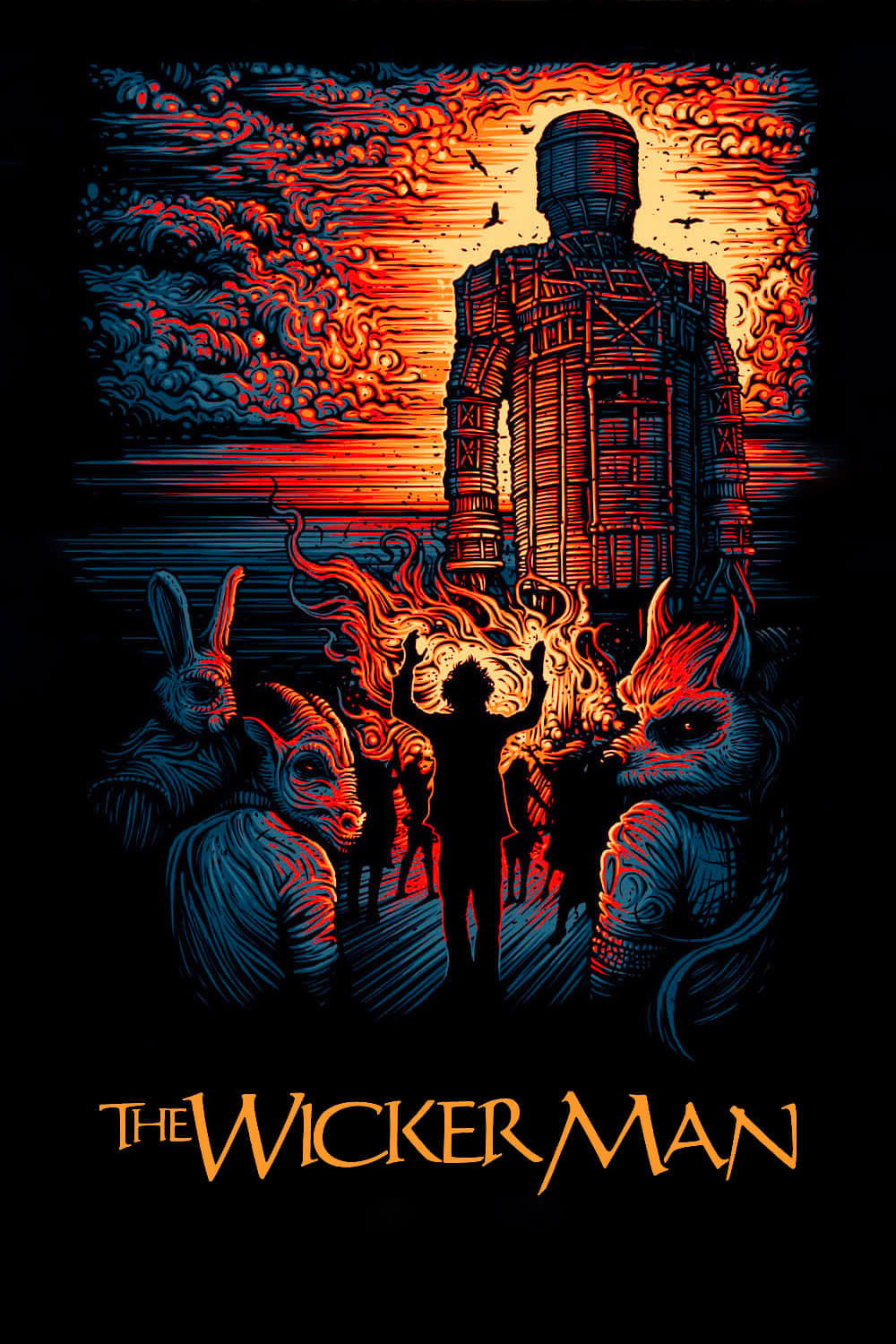
Robin Hardy’s folk-horror story sends a police sergeant to a remote island community with pagan rituals. Music, choreography, and village pageantry contrast with the investigative framework. This clash of belief systems and isolated setting shaped later folk-horror works.
‘The Texas Chain Saw Massacre’ (1974)
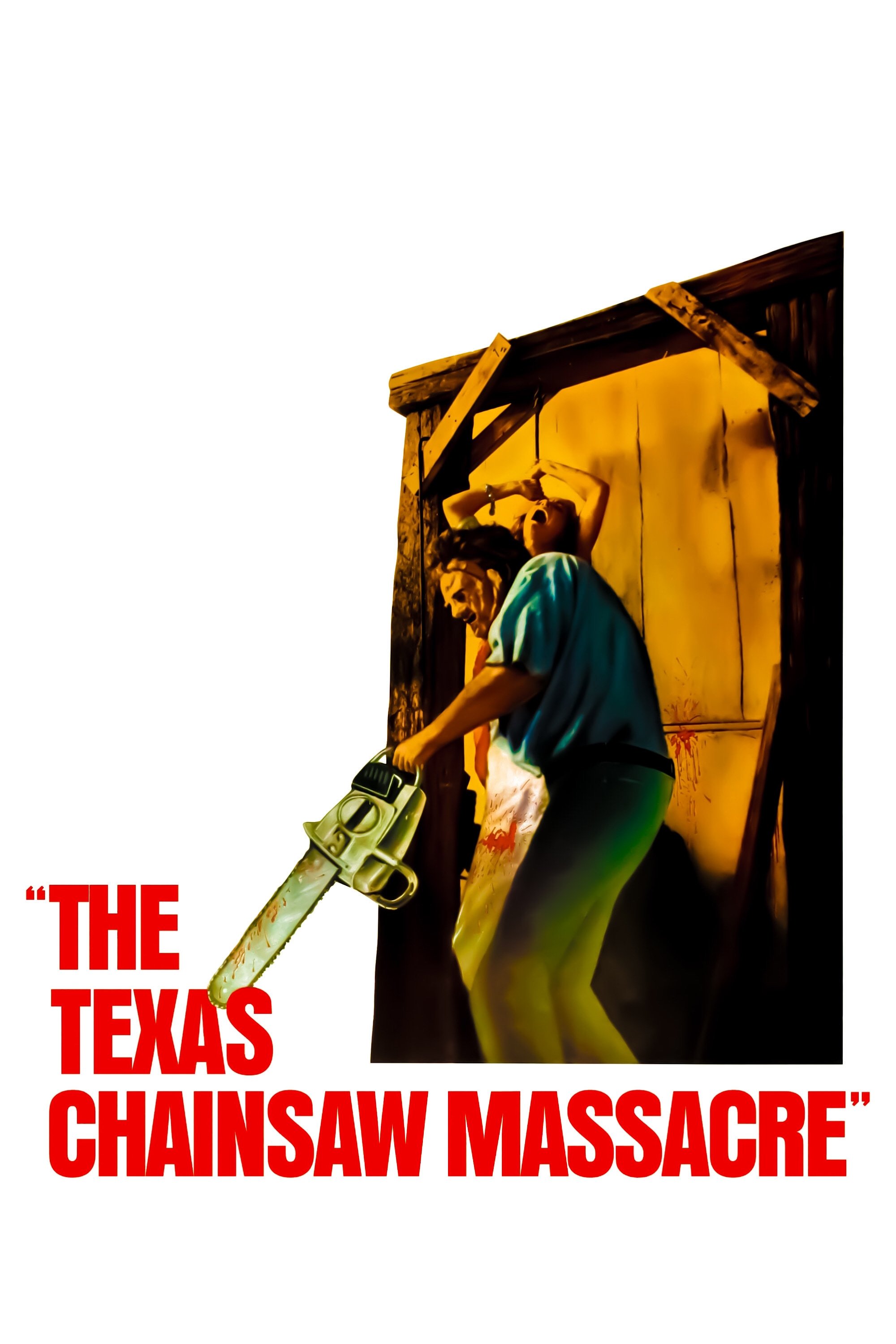
Tobe Hooper’s road-trip-turned-nightmare follows a group who encounter Leatherface and a cannibalistic family in rural America. Handheld camerawork and harsh daylight imagery create a raw, documentary edge. Resourceful production methods and sound design amplify its relentless atmosphere.
‘Black Christmas’ (1974)
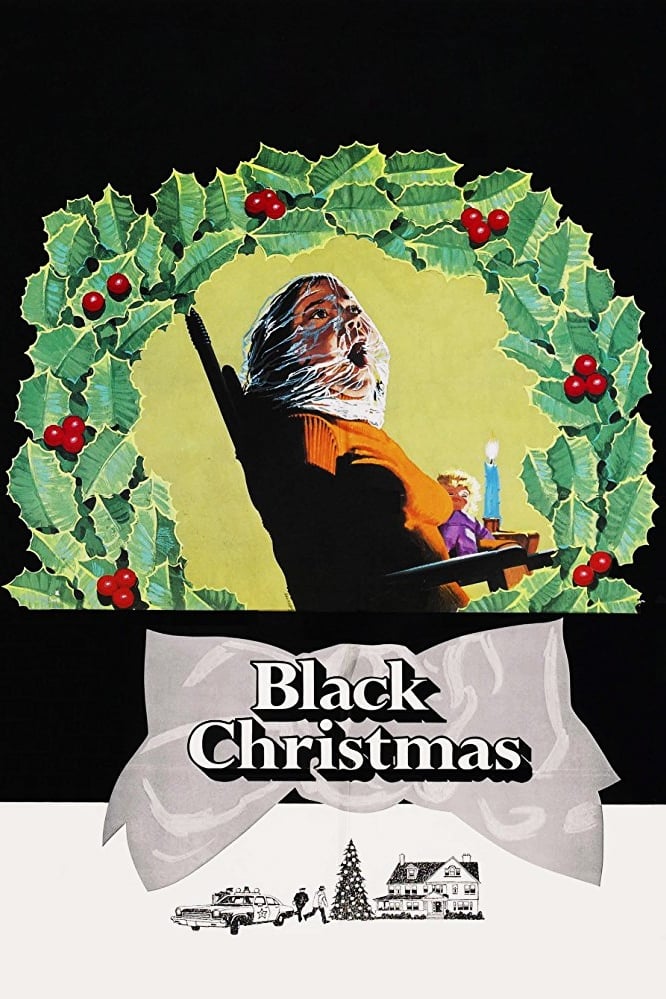
Bob Clark’s sorority-house thriller centers on anonymous phone calls and disappearances during a holiday break. The film pioneered killer POV shots and used a single location to build suspense. Its seasonal setting and ensemble format influenced later slashers.
‘Suspiria’ (1977)
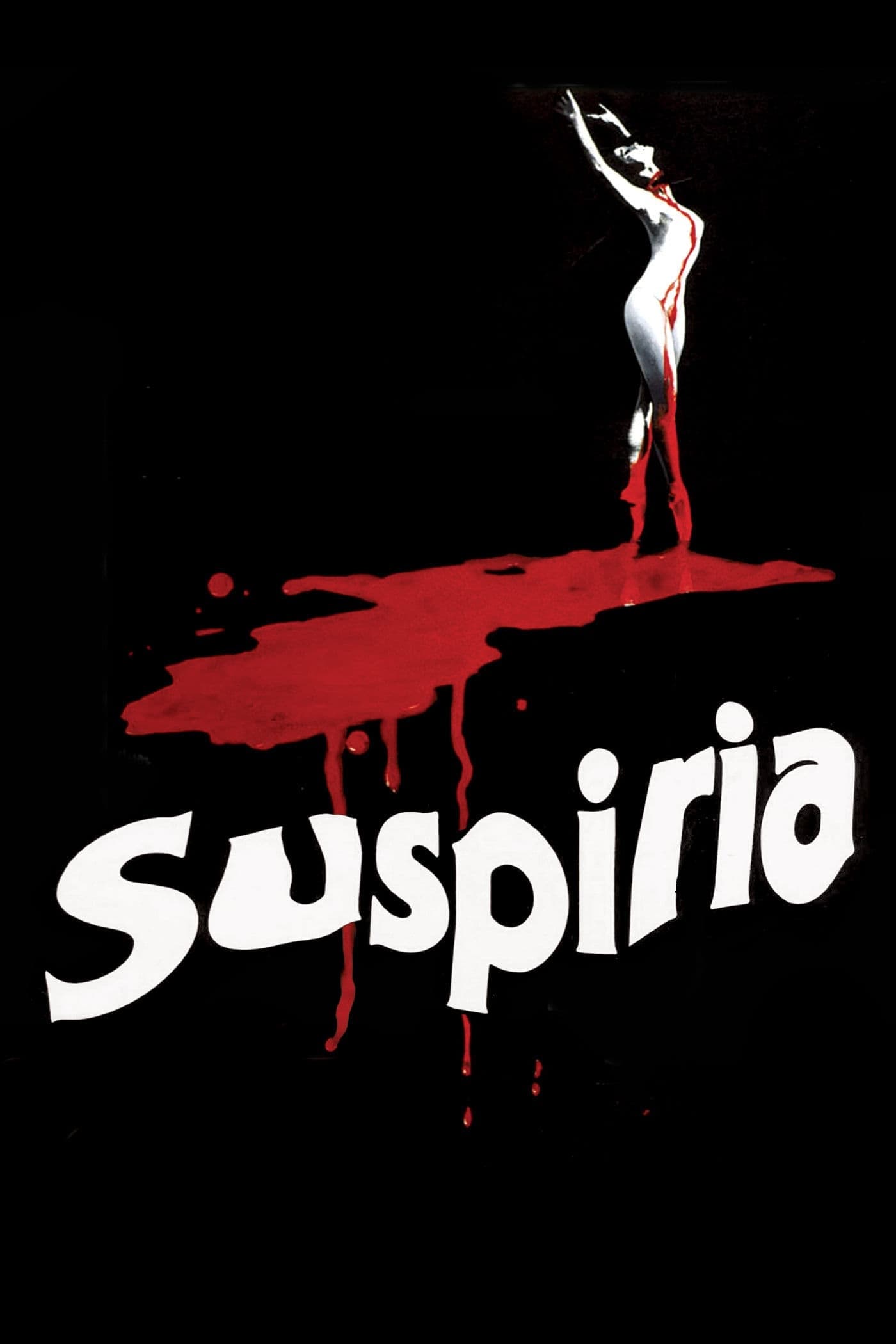
Dario Argento’s ballet-school nightmare blends vivid color design, elaborate set pieces, and a progressive-rock score by Goblin. Stylized production design and sound cues create a heightened, dreamlike space. The story’s witchcraft mythology continued in later entries and a modern reinterpretation.
‘An American Werewolf in London’ (1981)
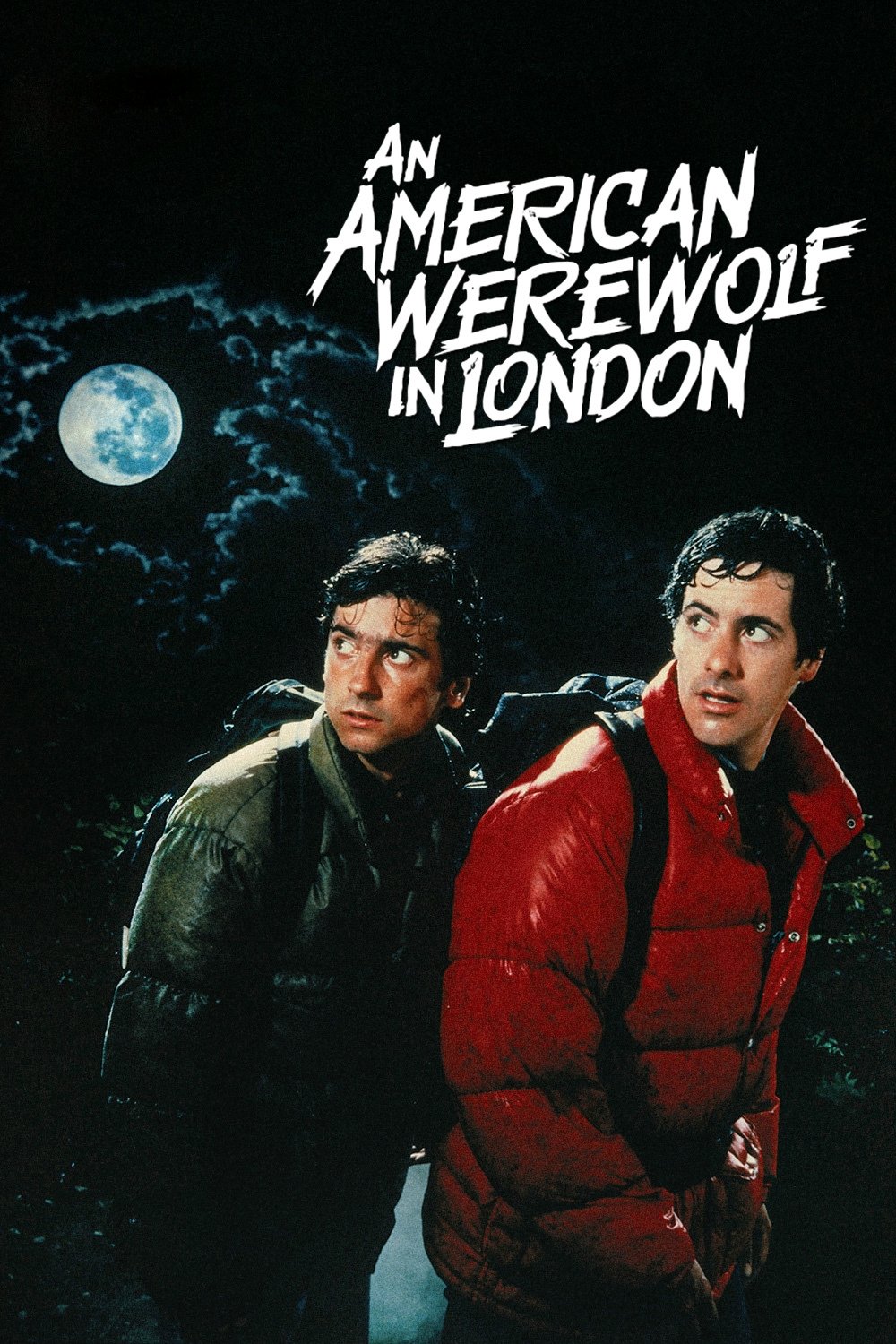
John Landis’s tale follows two travelers who encounter a lycanthrope on the moors, with consequences unfolding in the city. Rick Baker’s transformation makeup set a benchmark and earned major recognition. The film balances location work, practical effects, and darkly comic touches.
‘Poltergeist’ (1982)
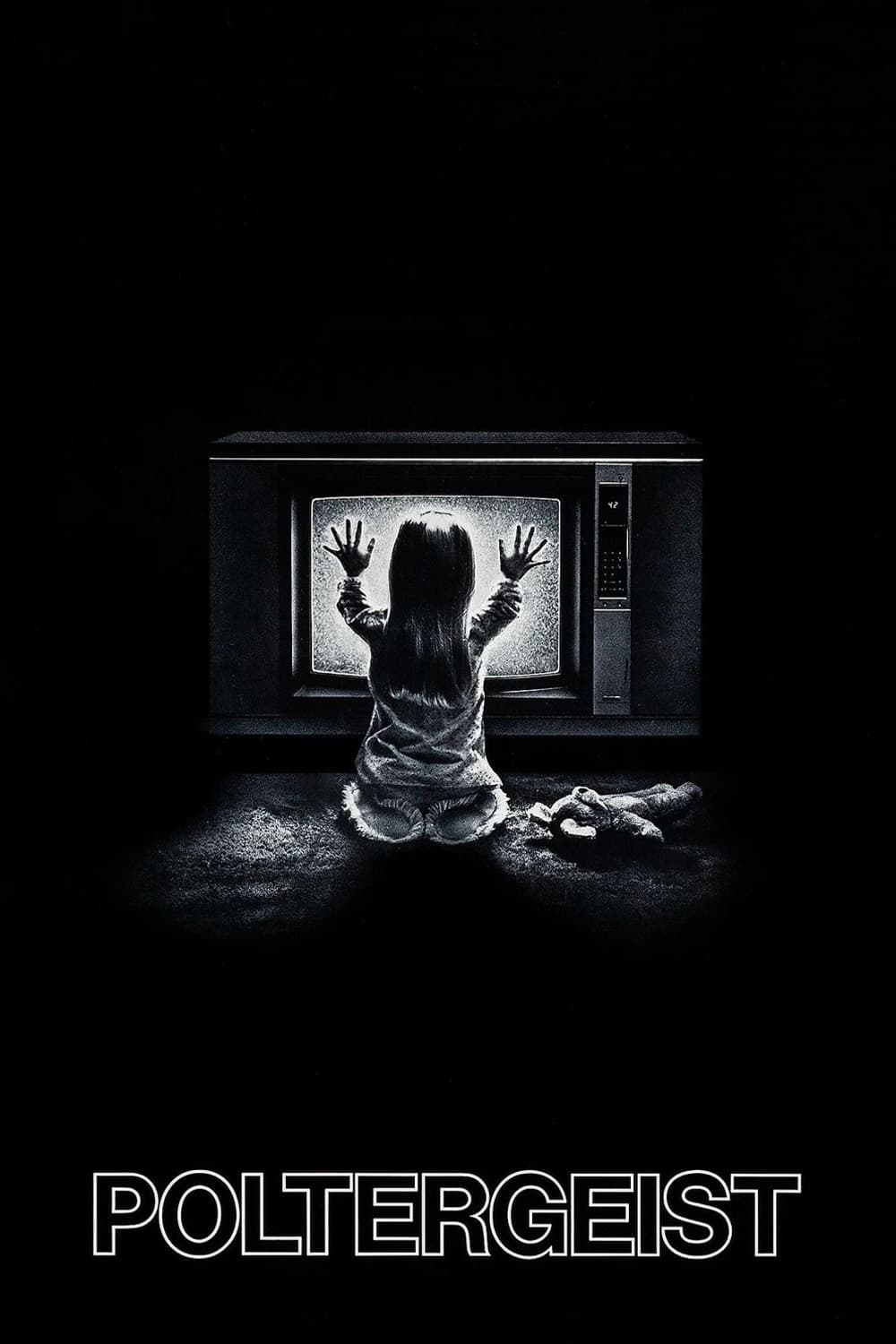
Tobe Hooper directs a suburban haunting focused on a family whose home becomes a gateway for spirits. Visual effects, television imagery, and a blend of practical and optical techniques drive the set pieces. The story’s catchphrases and characters carried into sequels and a remake.
‘The Fly’ (1986)
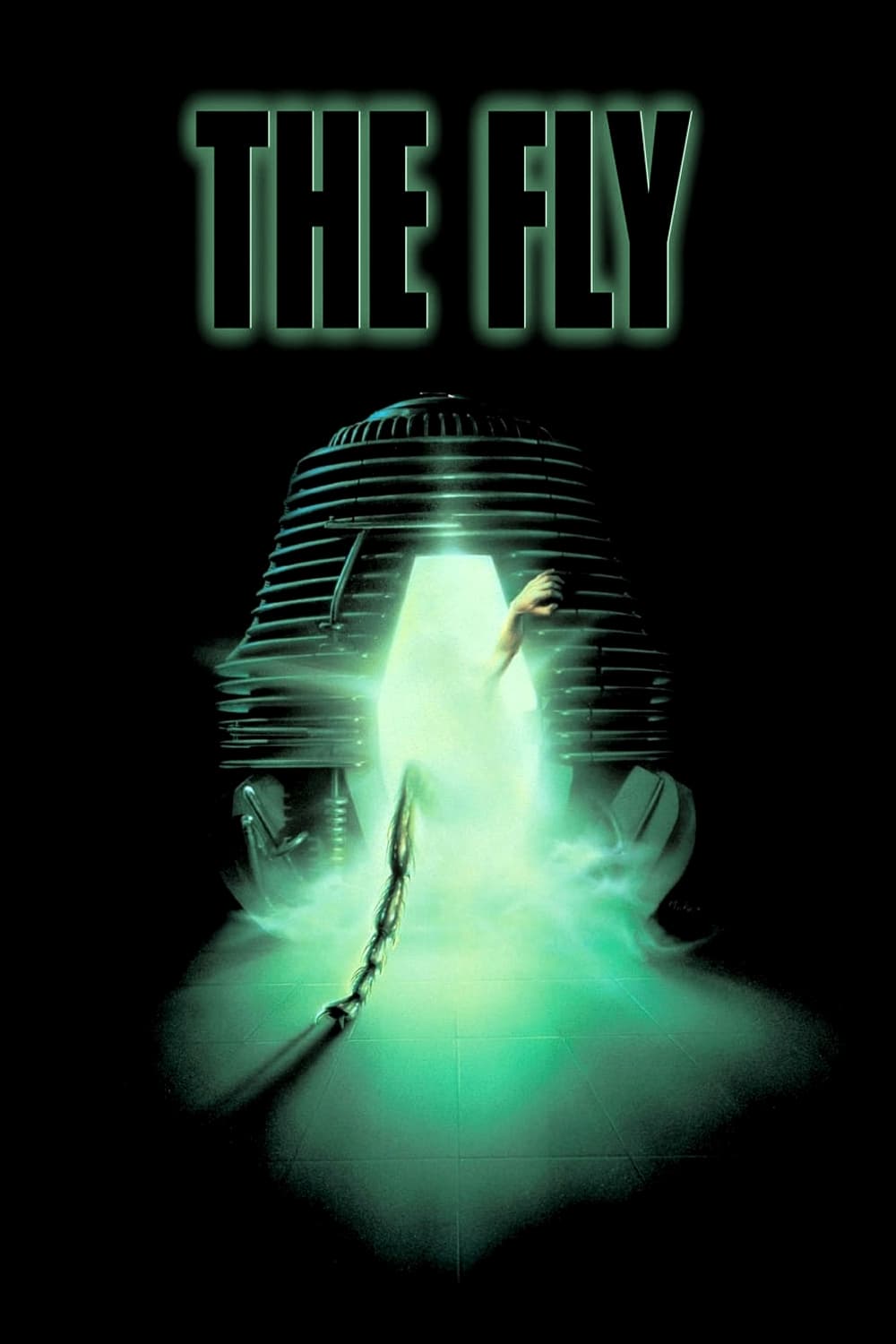
David Cronenberg adapts a scientist’s experiment gone wrong into a body-horror tragedy. Chris Walas’s prosthetics track progressive physical changes, paired with controlled production design. The narrative centers on laboratory technology, isolation, and the toll of transformation.
‘Evil Dead II’ (1987)
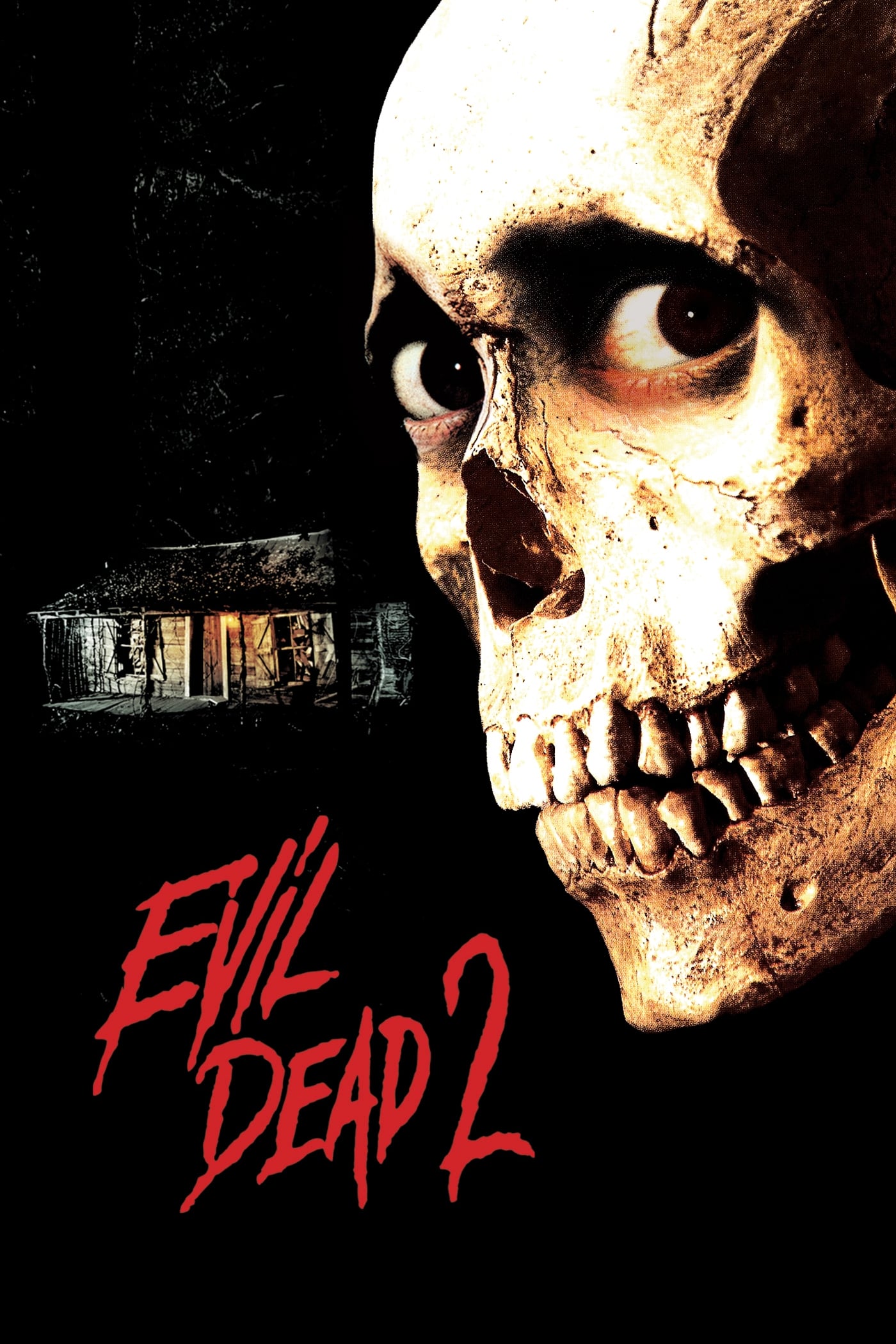
Sam Raimi continues Ash Williams’s cabin ordeal with kinetic camerawork and inventive practical effects. The film uses stop-motion, prosthetics, and exaggerated set pieces to stage demonic encounters. Its tool-based improvisation, sound cues, and rapid editing became signatures for the series.
‘[REC]’ (2007)
!['[REC]' (2007)](https://image.tmdb.org/t/p/original/hgyJR4sgMsee6xMFM3xYiG6cDCh.jpg)
Jaume Balagueró and Paco Plaza stage a real-time outbreak inside a Barcelona apartment building through a TV crew’s camera. The confined, stairwell-centric layout shapes action geography and escalation. Its success led to sequels that expand the origin and scope of the infection.
‘The Conjuring’ (2013)
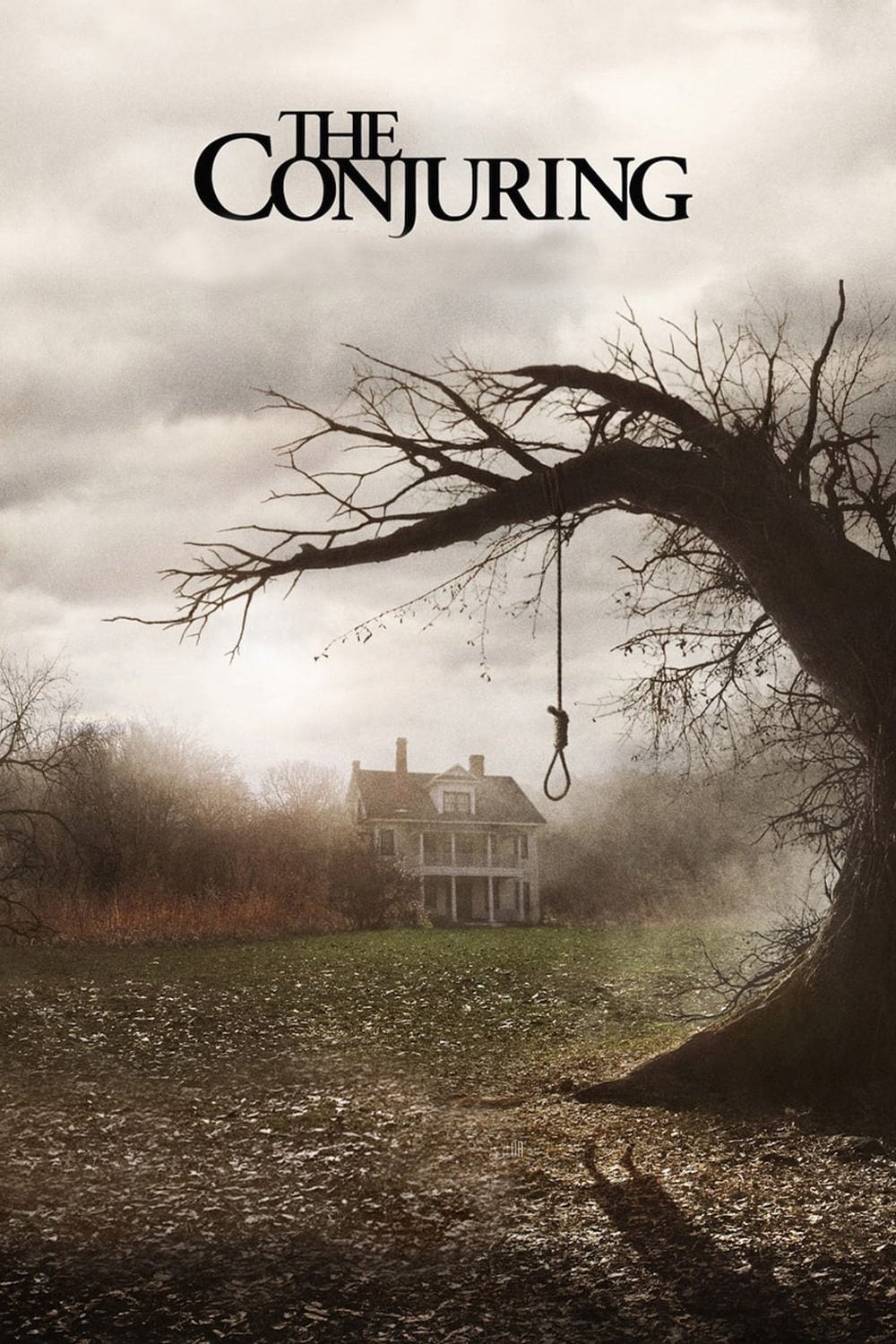
James Wan dramatizes a case involving investigators Ed and Lorraine Warren and a farmhouse beset by supernatural events. Practical effects, long takes, and sound-driven scares structure the set pieces. The film launched a shared universe with multiple spin-offs and follow-ups.
‘A Quiet Place’ (2018)
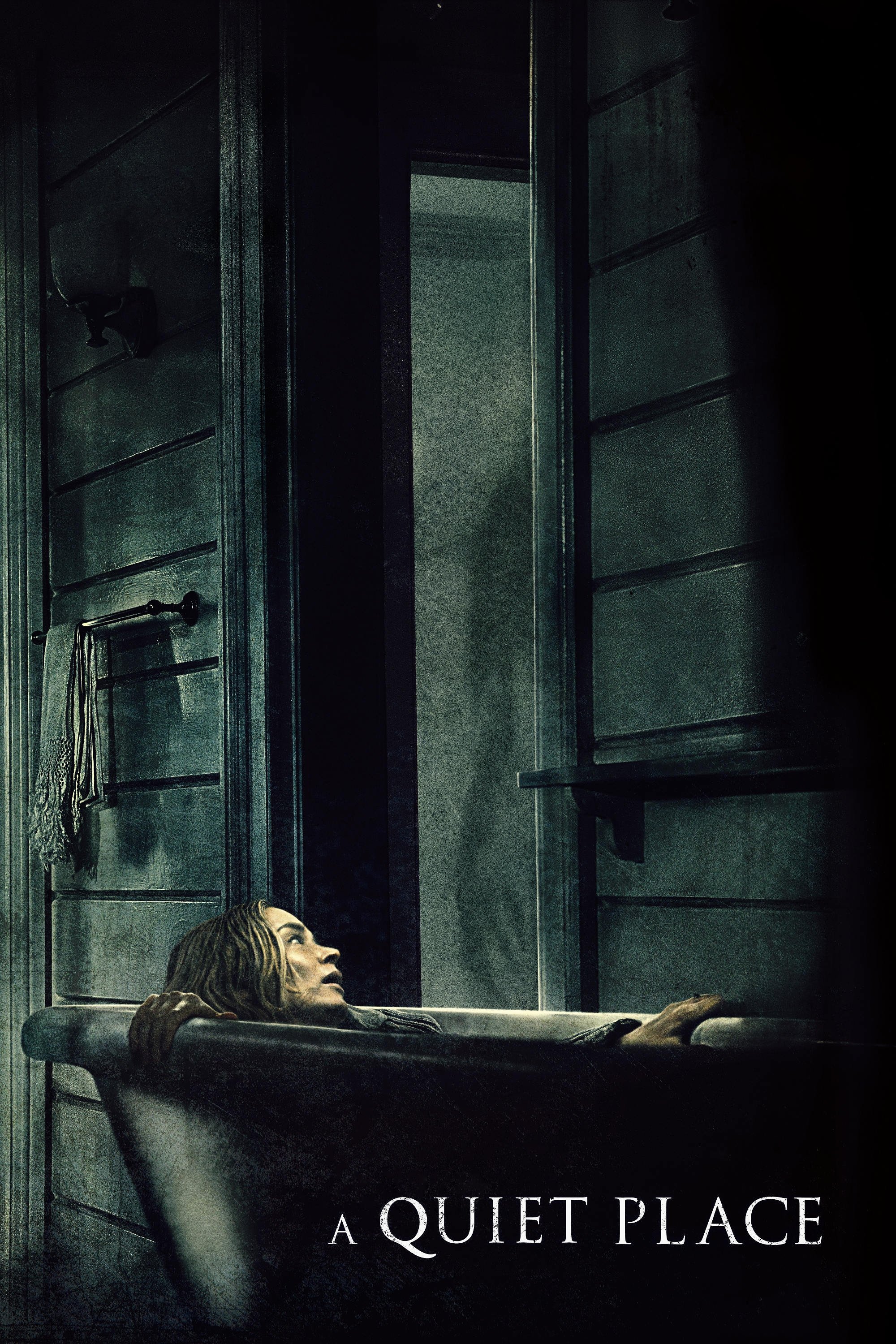
John Krasinski directs a survival story about a family living under creatures that hunt by sound. The narrative uses sign language, carefully staged silences, and diegetic noise to shape tension. Production emphasized sound design and spatial geography to choreograph sequences.
‘Midsommar’ (2019)
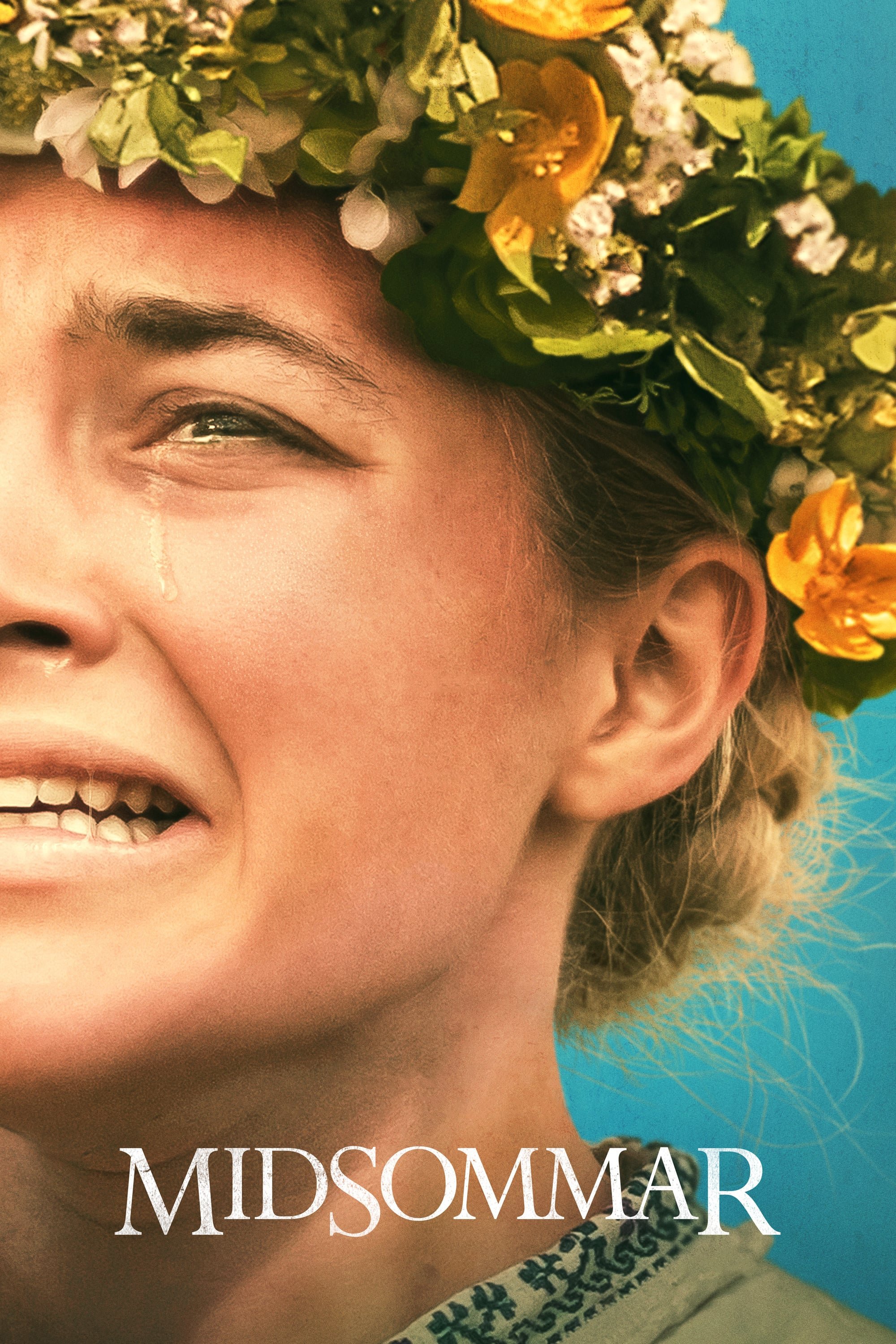
Ari Aster sets a relationship drama within an isolated community that observes cyclical rituals under perpetual daylight. Daytime cinematography and ethnographic detail contrast with the genre’s typical nocturnal staging. The film integrates festival customs, processions, and handcrafted wardrobe to build its world.
Share your own yearly must-watches in the comments so others can build out their horror rotation, too.