Essential Romance Movies to Revisit Every Year

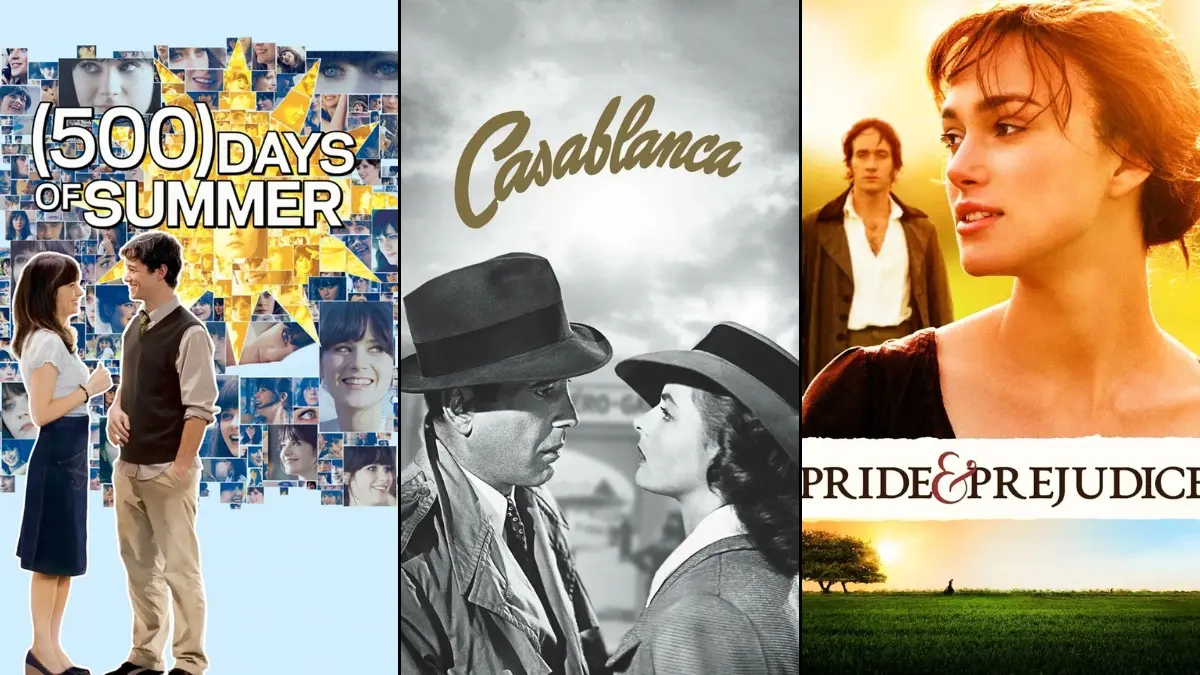

From sweeping historical epics to intimate modern love stories, these films trace every shade of connection—first glances, second chances, slow burns, and impossible choices. Below you’ll find a mix of classics and contemporary standouts from around the world, with cast, creators, and key context so you can pick the perfect rewatch for any mood.
‘Casablanca’ (1942)
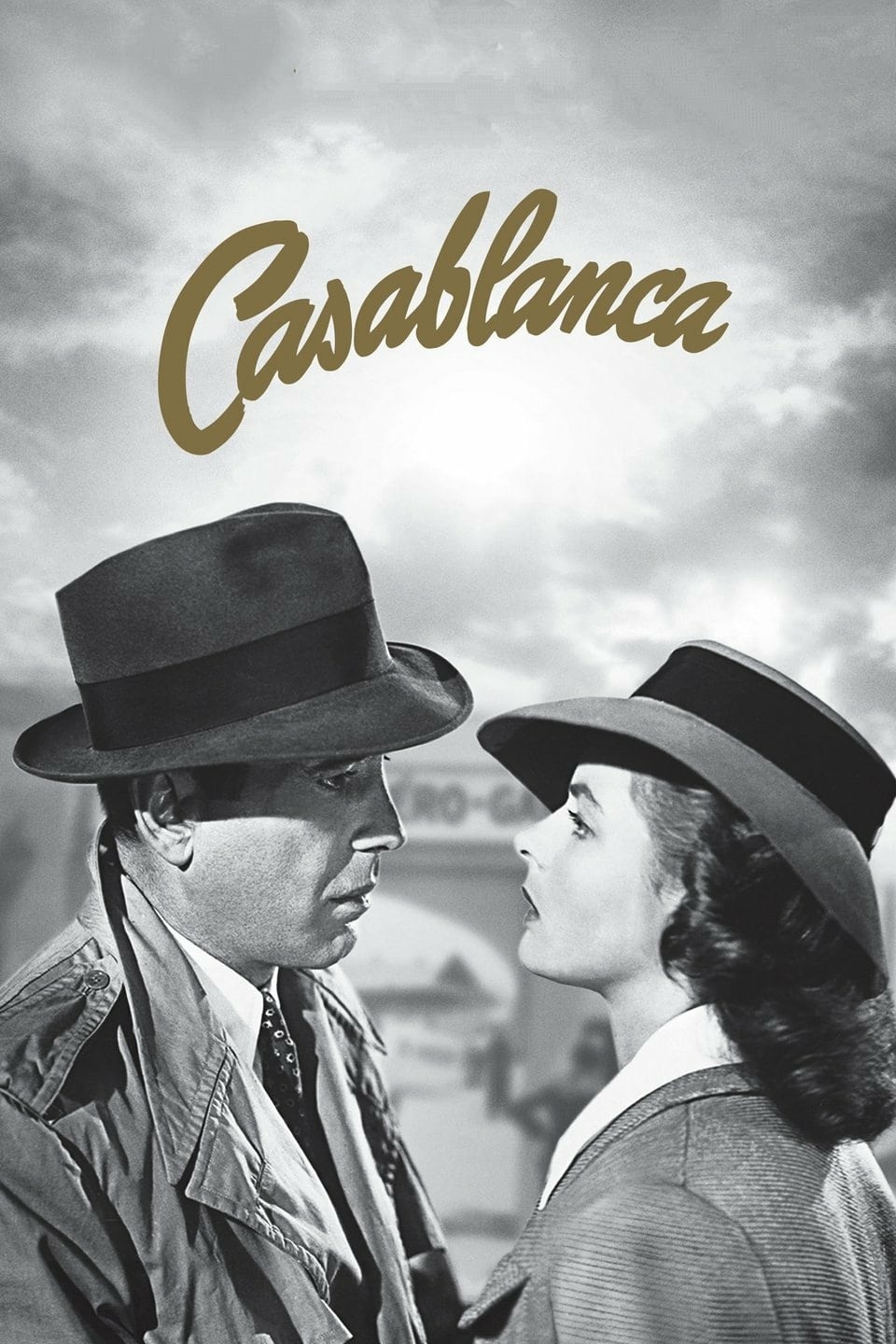
Directed by Michael Curtiz and headlined by Humphrey Bogart and Ingrid Bergman, this wartime drama centers on a cynical nightclub owner entangled with a resistance leader and a former lover. Much of the film unfolds at Rick’s Café Américain, a hub for refugees, officials, and opportunists. The screenplay by Julius J. Epstein, Philip G. Epstein, and Howard Koch is adapted from the unproduced stage play ‘Everybody Comes to Rick’s’. Iconic songs and memorable lines have cemented its place in popular culture.
‘Roman Holiday’ (1953)
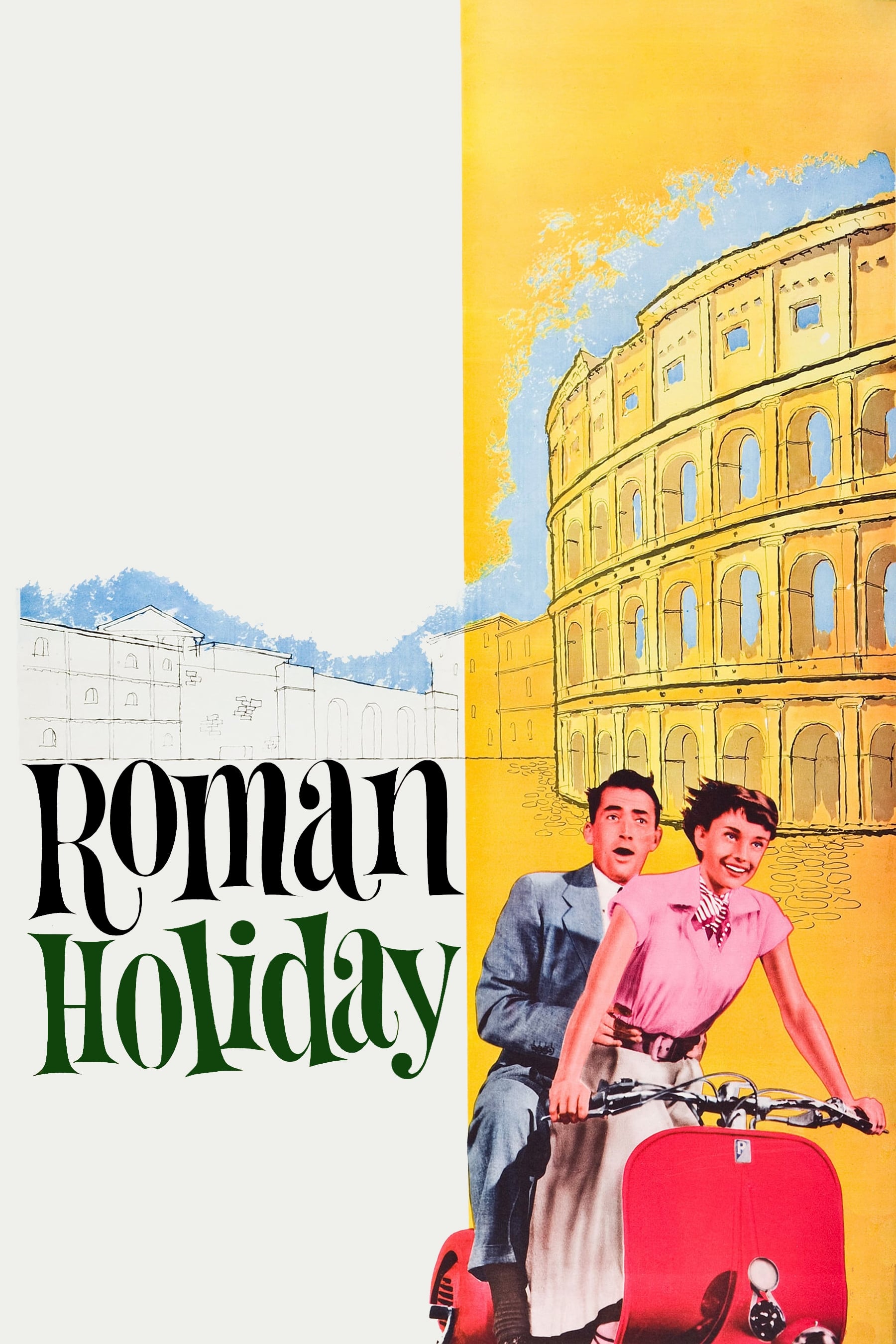
William Wyler directs Audrey Hepburn and Gregory Peck in a story about a European princess who slips away from her duties to explore Rome incognito. Shot on location, it showcases landmarks like the Spanish Steps and the Mouth of Truth. Dalton Trumbo’s script contribution went uncredited at original release due to blacklisting, later acknowledged. Hepburn’s breakout role earned major awards recognition and launched a lasting screen persona.
‘It Happened One Night’ (1934)
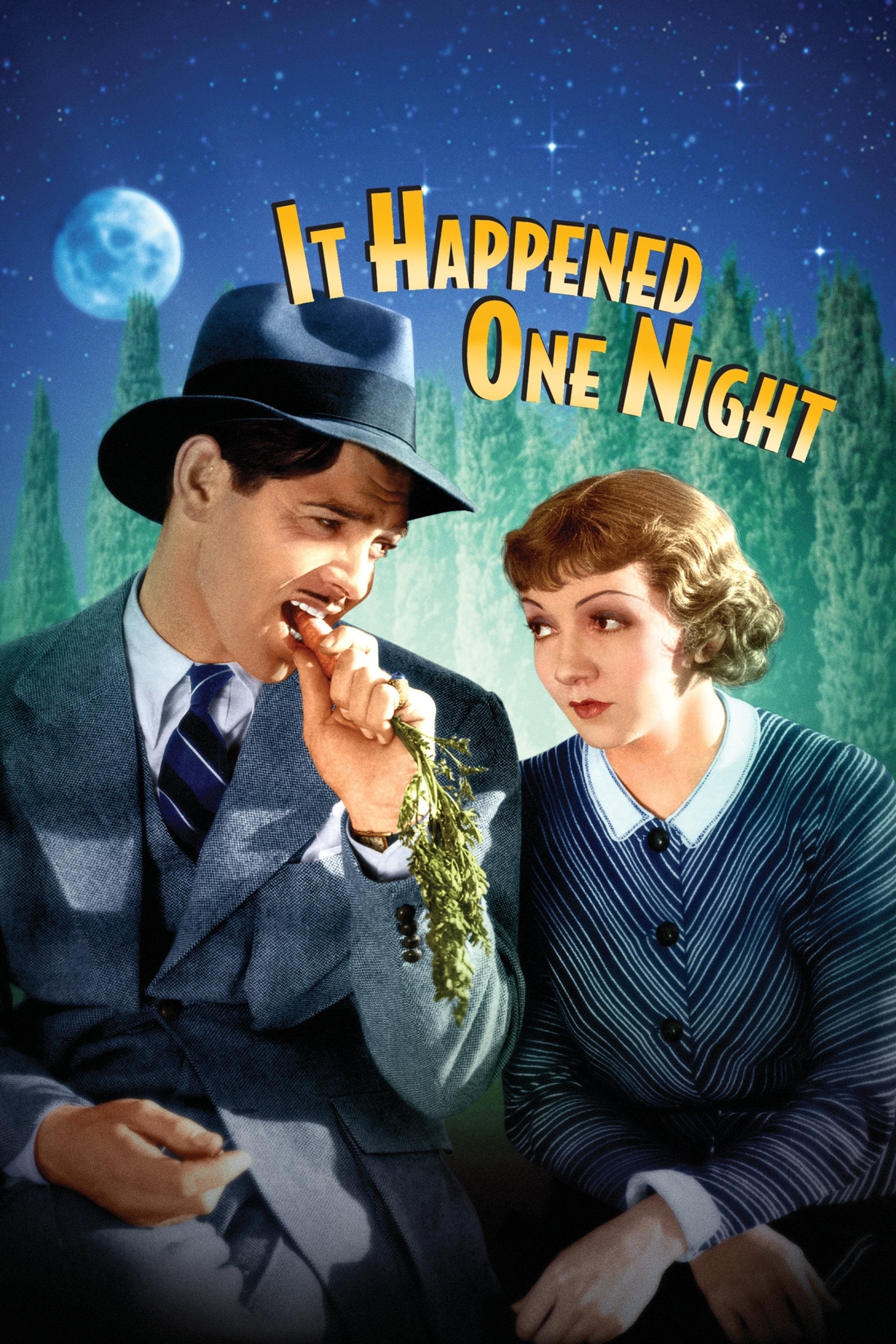
Frank Capra’s screwball comedy pairs Claudette Colbert and Clark Gable as unlikely travel companions on a cross-country trek. The film popularized the “road romance” template, weaving sparring dialogue with escalating mishaps. It became one of the earliest titles to sweep top industry honors across picture, director, acting, and writing categories. Its bus-and-motel set pieces influenced later romantic comedies.
‘The Philadelphia Story’ (1940)

Katharine Hepburn, Cary Grant, and James Stewart headline this adaptation of Philip Barry’s stage hit. Set over a high-society wedding weekend, it uses rapid-fire dialogue to explore class, pride, and second chances. George Cukor’s direction balances farce with character study. The film revived Hepburn’s box-office standing and secured multiple major awards.
‘An Affair to Remember’ (1957)
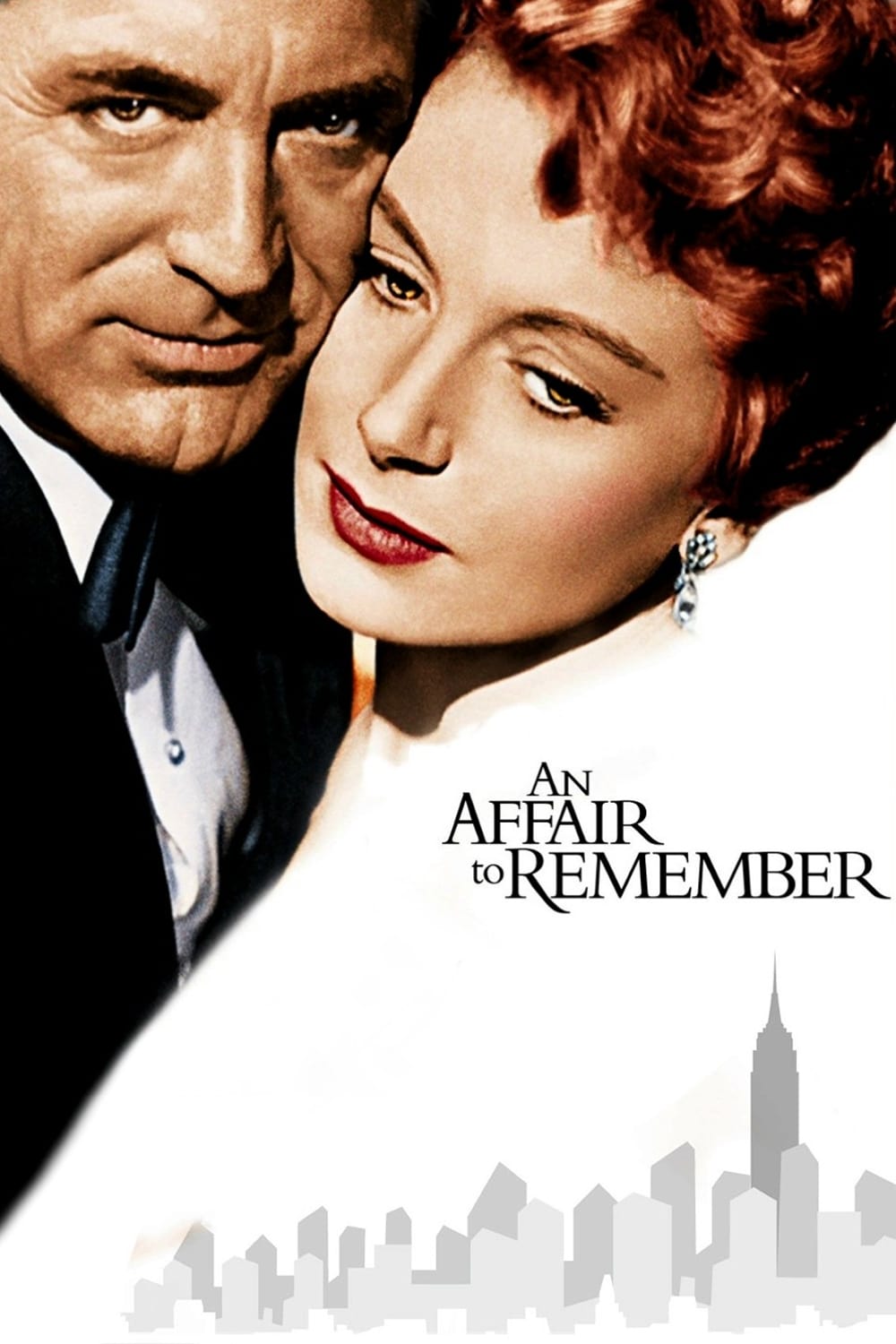
Cary Grant and Deborah Kerr play strangers who fall in love aboard a transatlantic liner and agree to reunite atop a New York landmark. Directed by Leo McCarey, it revisits the premise of his earlier ‘Love Affair’ with new stars and songs. The melody “An Affair to Remember” became a standard associated with the film. Its Manhattan finale has inspired numerous homages in later romances.
‘When Harry Met Sally…’ (1989)

Rob Reiner directs a Nora Ephron script that follows two New Yorkers over many years of friendship and debate about love. Meg Ryan and Billy Crystal anchor the film with conversational set pieces across bookstores, parks, and diners. Split-screen phone calls and documentary-style couples’ interludes shape its structure. It helped codify modern romantic-comedy rhythms for decades to come.
‘Notting Hill’ (1999)
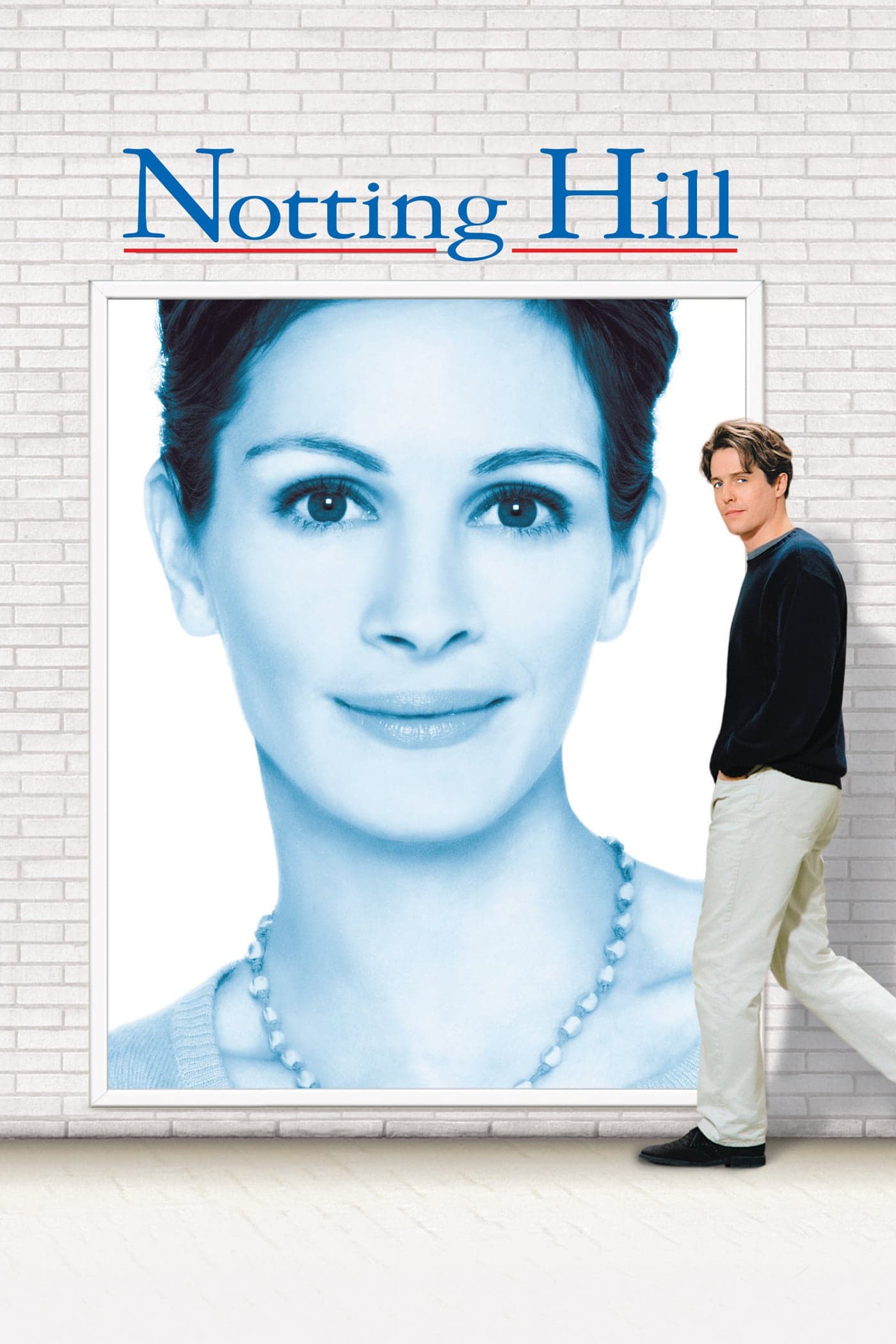
Set in London, this Richard Curtis–penned story pairs a bookshop owner with a Hollywood star. Julia Roberts and Hugh Grant lead a supporting ensemble that includes a memorable housemate and a bustling neighborhood circle. Roger Michell’s direction leans on real locations such as Portobello Road. The soundtrack and press-conference climax became signature elements.
‘The Princess Bride’ (1987)
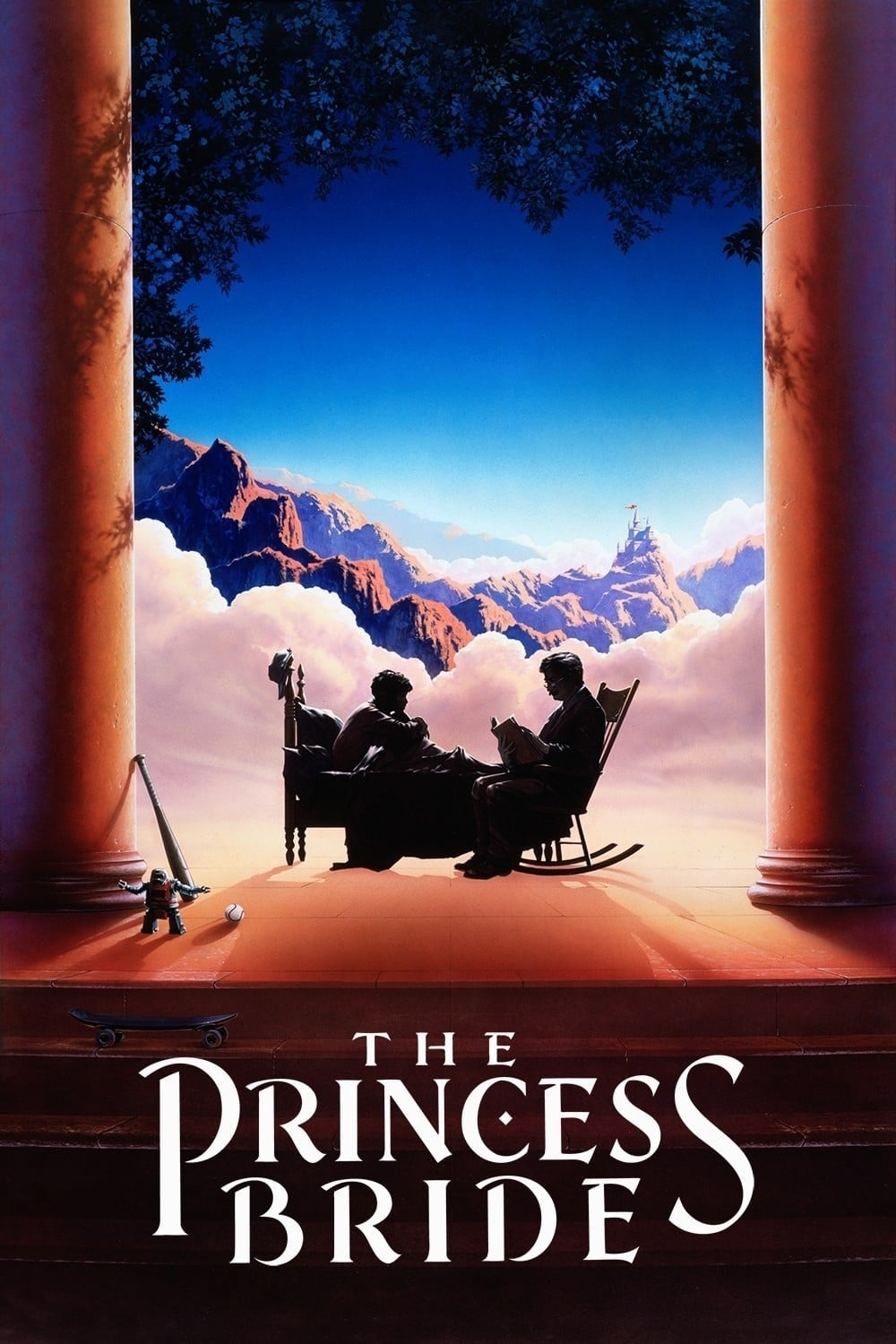
Rob Reiner adapts William Goldman’s novel into a fairy-tale adventure framed by a grandfather reading to his grandson. Cary Elwes and Robin Wright portray reunited lovers navigating duels, cliffs, and a vengeful swordsman. Practical effects, quotable dialogue, and fencing choreography give it enduring charm. The film blends romance, comedy, and swashbuckling into a single family favorite.
‘Titanic’ (1997)
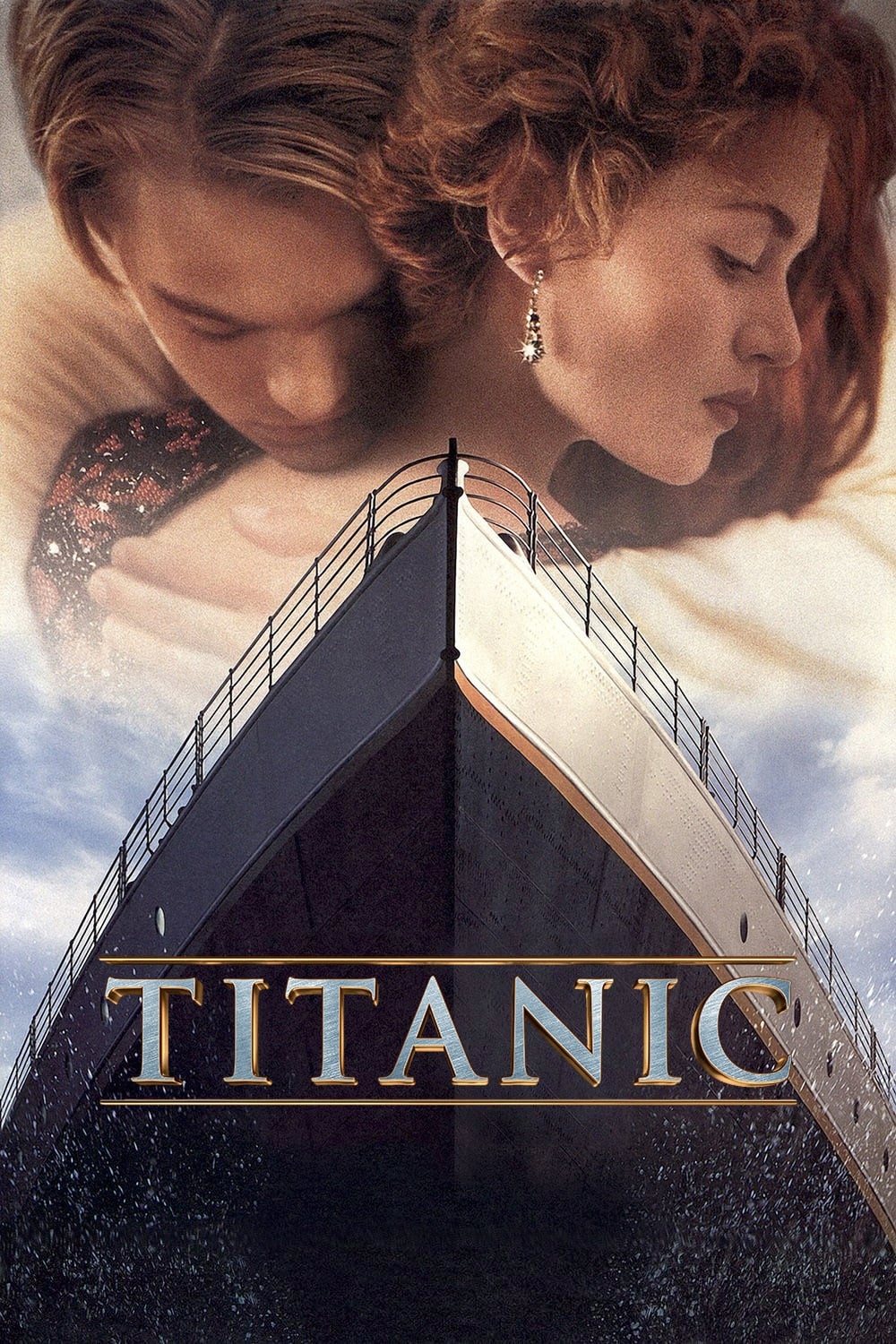
James Cameron’s epic follows passengers from different social worlds who meet aboard the RMS Titanic. Leonardo DiCaprio and Kate Winslet star, with production combining large-scale sets, miniatures, and water-tank sequences. The film achieved extensive awards recognition across technical and top categories. Its theme song and period costuming became cultural touchstones.
‘Pride & Prejudice’ (2005)
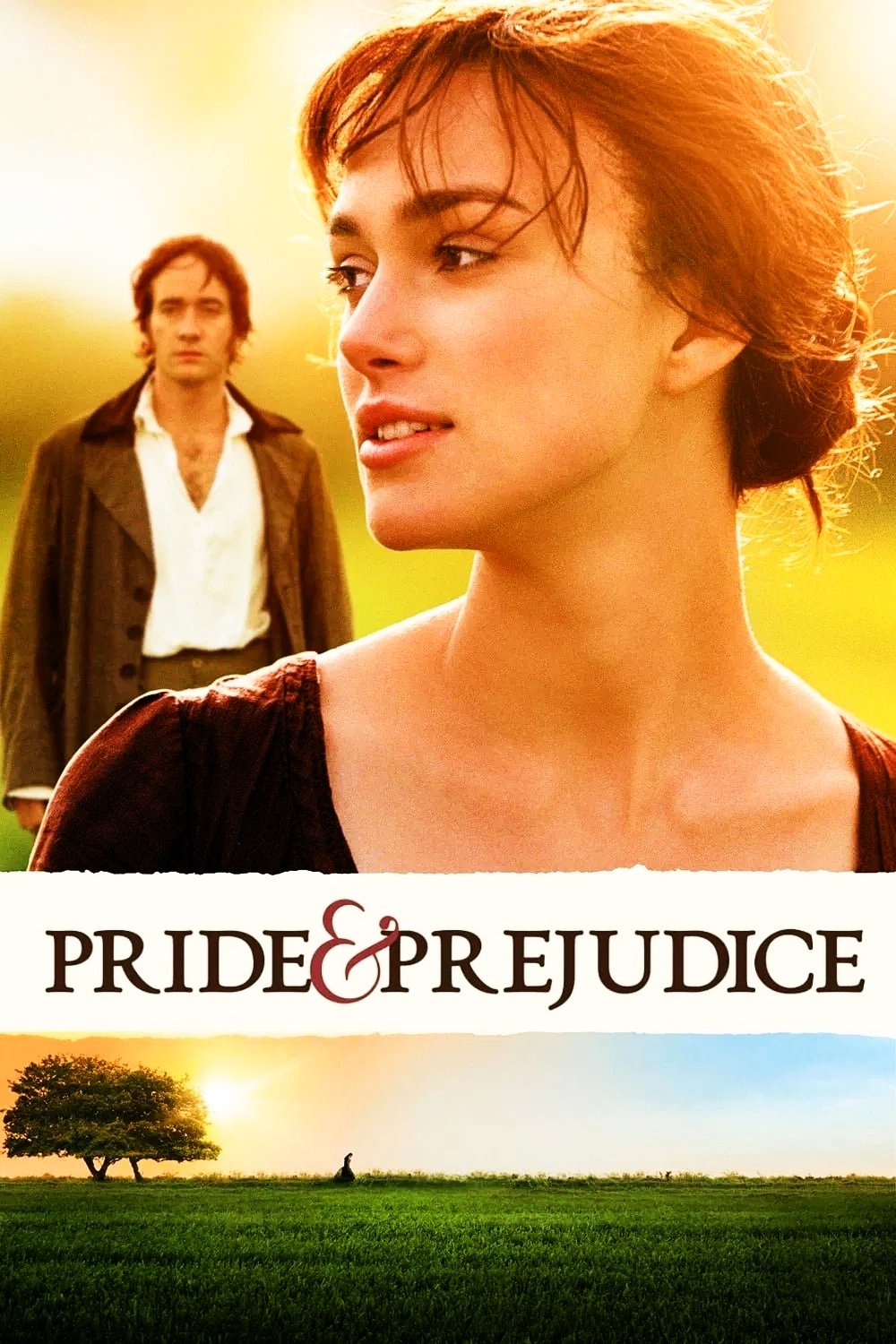
Joe Wright’s adaptation of Jane Austen’s novel stars Keira Knightley and Matthew Macfadyen as sparring leads whose first impressions evolve. The production uses stately homes and sweeping countryside to frame the Bennet family’s world. Dario Marianelli’s piano-forward score complements the courtship dance scenes. Cinematography emphasizes natural light to create an intimate, lived-in feel.
‘Atonement’ (2007)
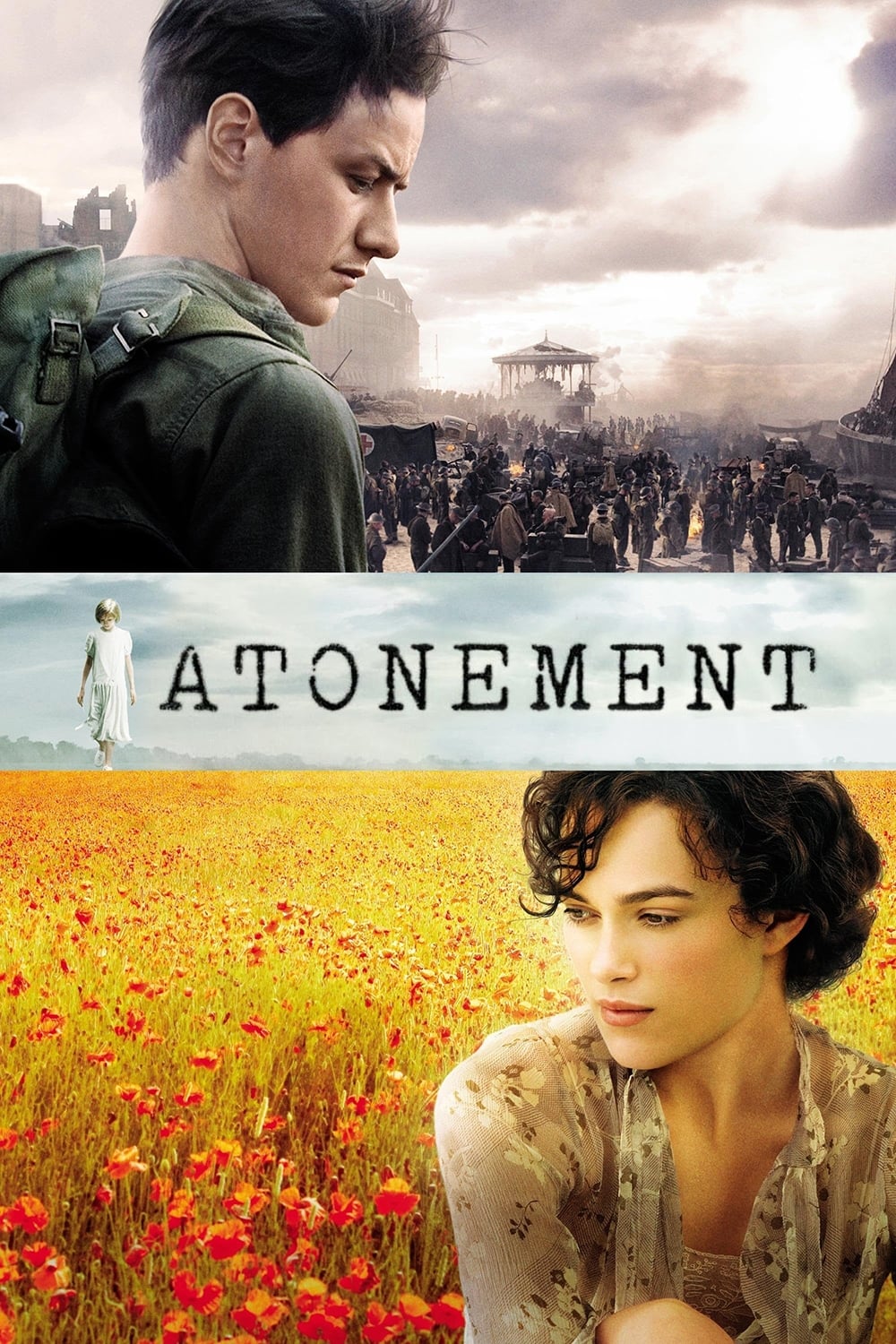
Adapted from Ian McEwan’s novel, this drama examines love disrupted by a false accusation and a writer’s lifelong guilt. Keira Knightley and James McAvoy star, with Saoirse Ronan in a pivotal role. Joe Wright’s direction includes an extended beach tracking shot that became widely discussed for its scale. Typewriter-infused scoring and shifting perspectives structure the narrative.
‘The Notebook’ (2004)
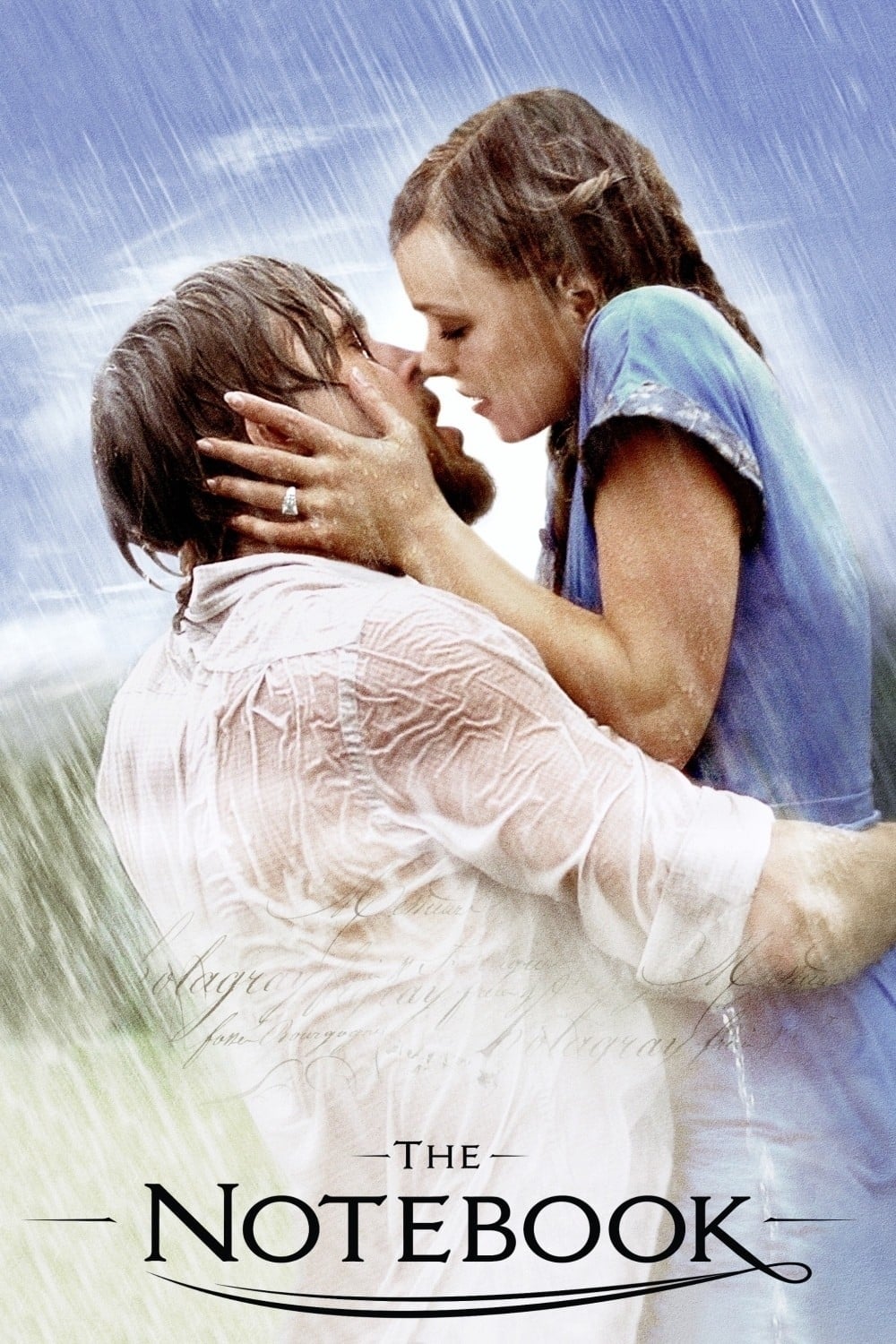
Based on Nicholas Sparks’s novel, this story alternates between a present-day elder-care setting and a youthful summer romance. Ryan Gosling and Rachel McAdams lead, supported by James Garner and Gena Rowlands. The film’s coastal locations and period detail frame class divides and family pressures. It became a home-video and cable staple that broadened its audience.
‘La La Land’ (2016)
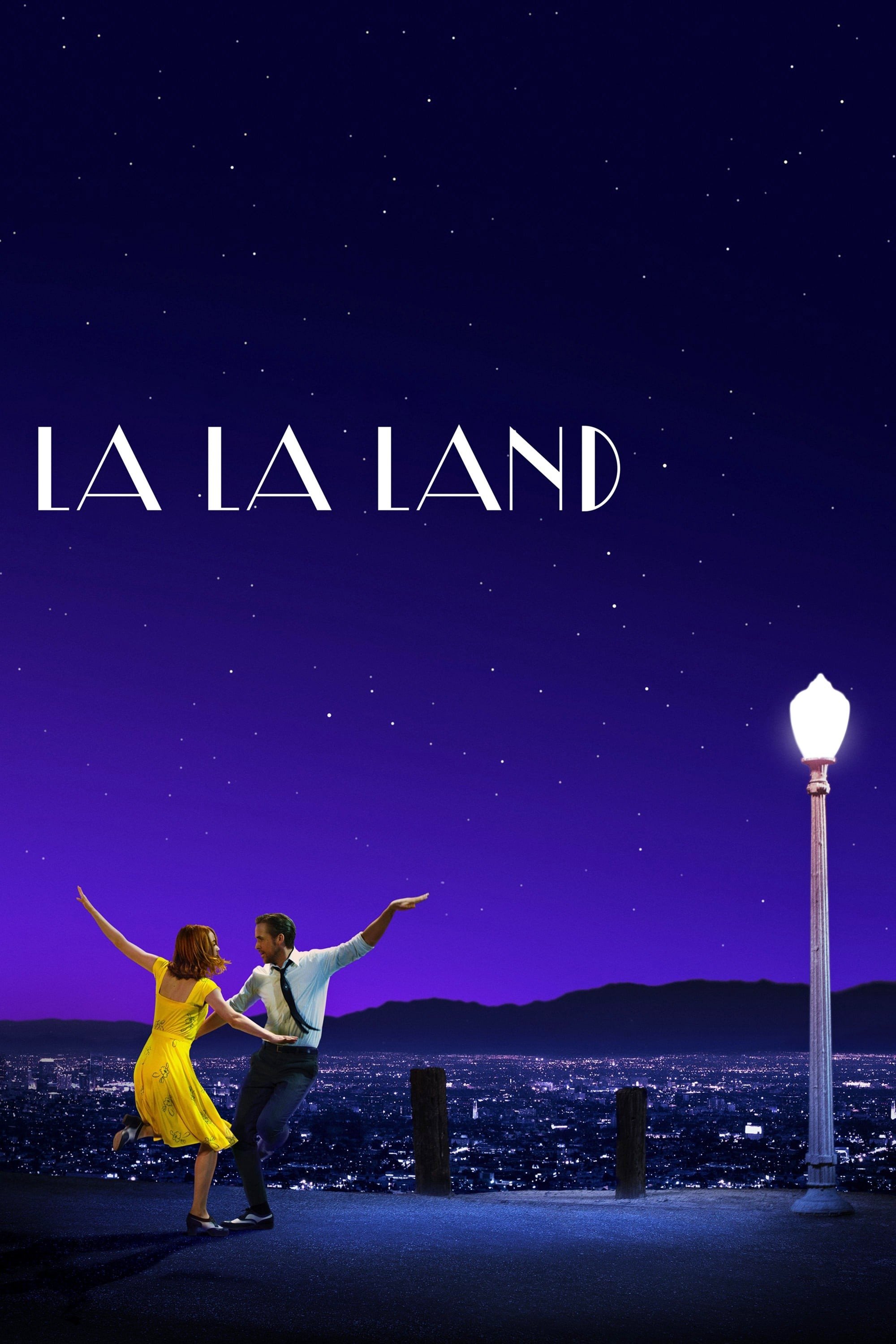
Damien Chazelle’s original musical follows an aspiring actress and a jazz pianist balancing ambition and intimacy in Los Angeles. Emma Stone and Ryan Gosling perform songs composed by Justin Hurwitz with lyrics by Benj Pasek and Justin Paul. Cinematography incorporates long takes, CinemaScope framing, and color-coded costuming. The film earned extensive festival and awards recognition, including top honors for music and direction.
‘In the Mood for Love’ (2000)
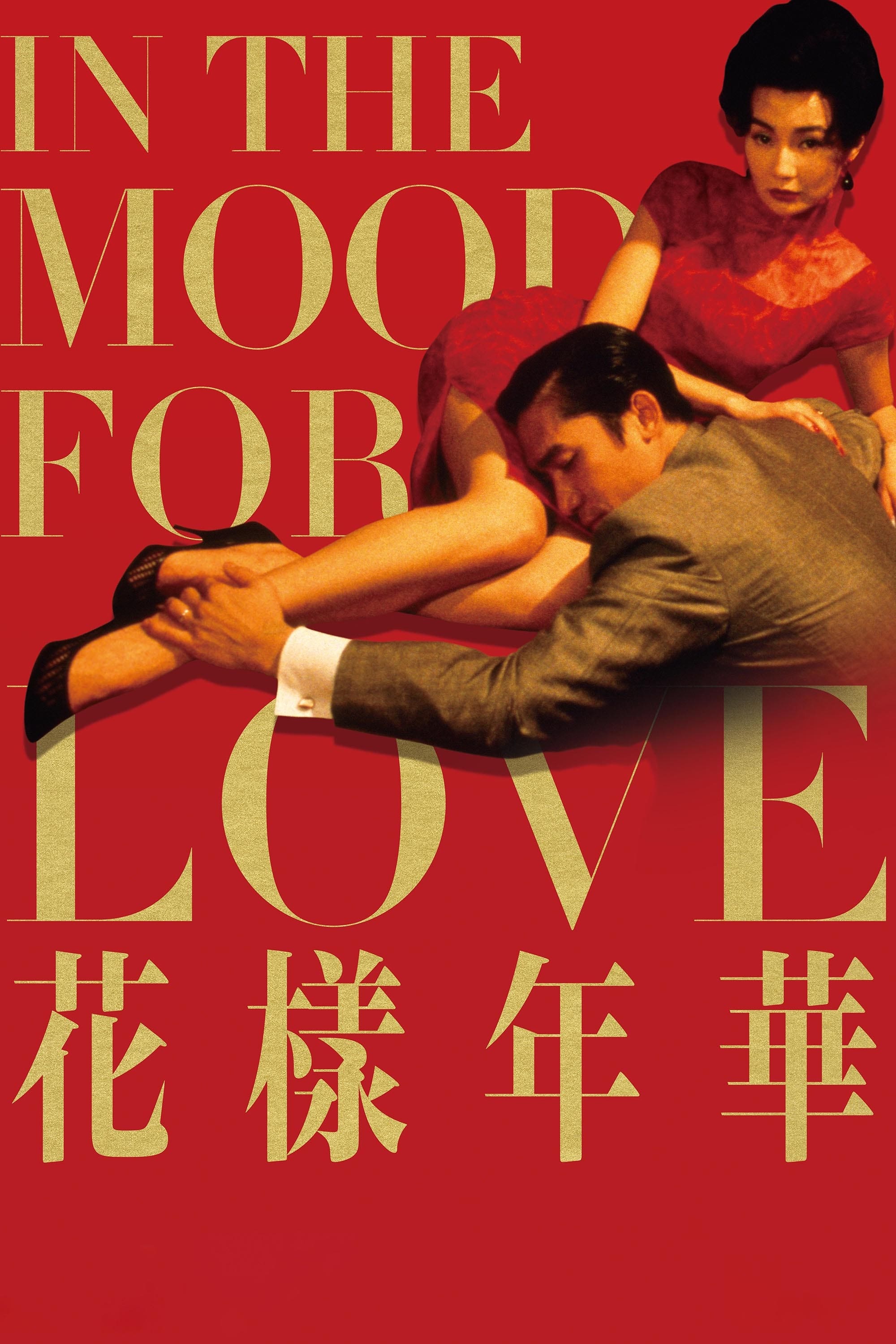
Wong Kar-wai’s film observes neighbors in Hong Kong whose spouses are unfaithful, drawing them into a restrained connection. Tony Leung and Maggie Cheung convey emotion through gesture, framing, and repetition. Christopher Doyle’s cinematography uses tight corridors, patterned walls, and slow motion to shape mood. The soundtrack blends Nat King Cole songs with Michael Galasso’s cues.
‘Portrait of a Lady on Fire’ (2019)
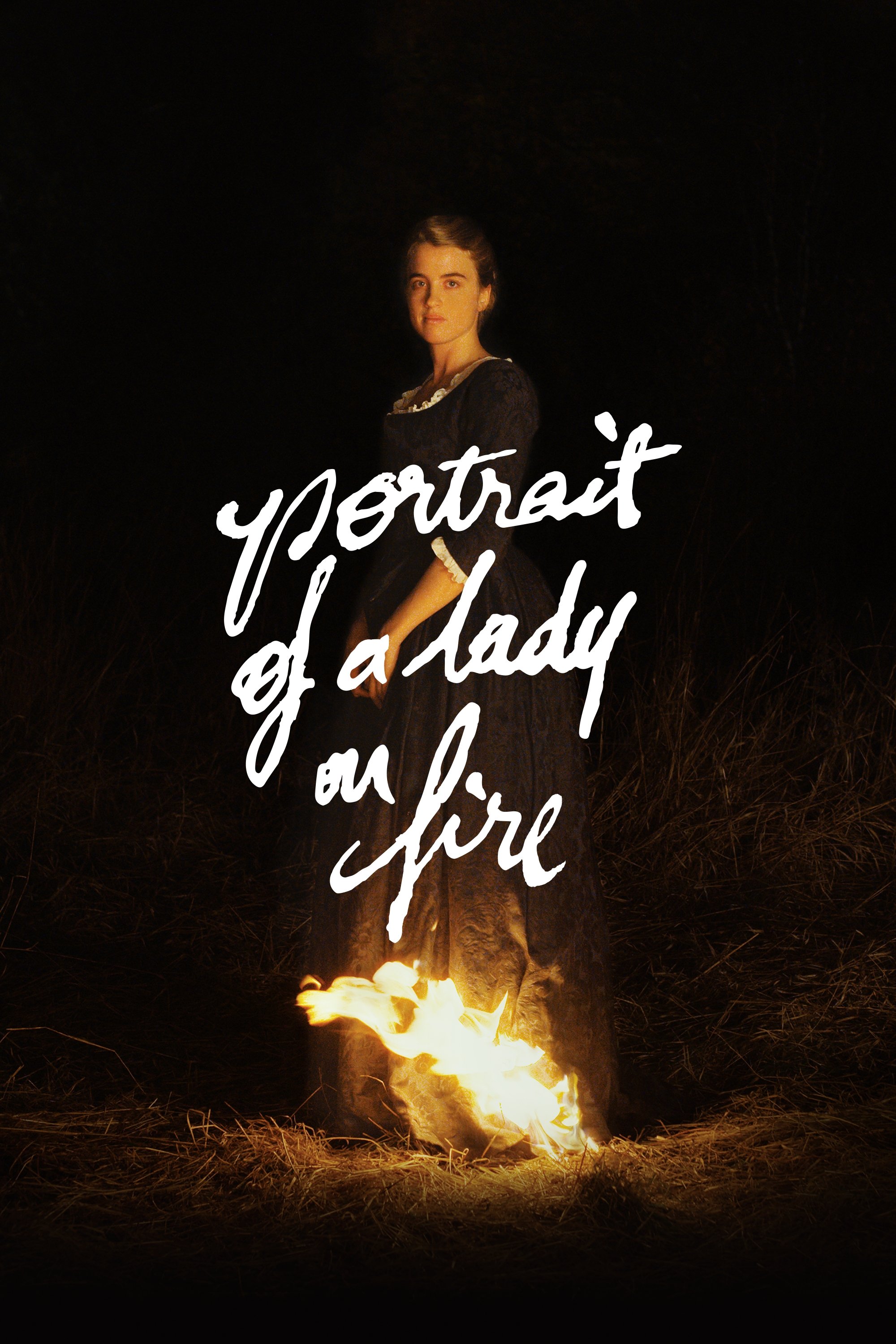
Set on a remote Brittany island, Céline Sciamma’s film follows a painter and her subject during a clandestine commission. Noémie Merlant and Adèle Haenel lead, with minimal score that heightens silence and natural sound. The narrative engages themes of gaze, memory, and authorship. Its choral sequence and seaside imagery became instantly recognizable.
‘Call Me by Your Name’ (2017)
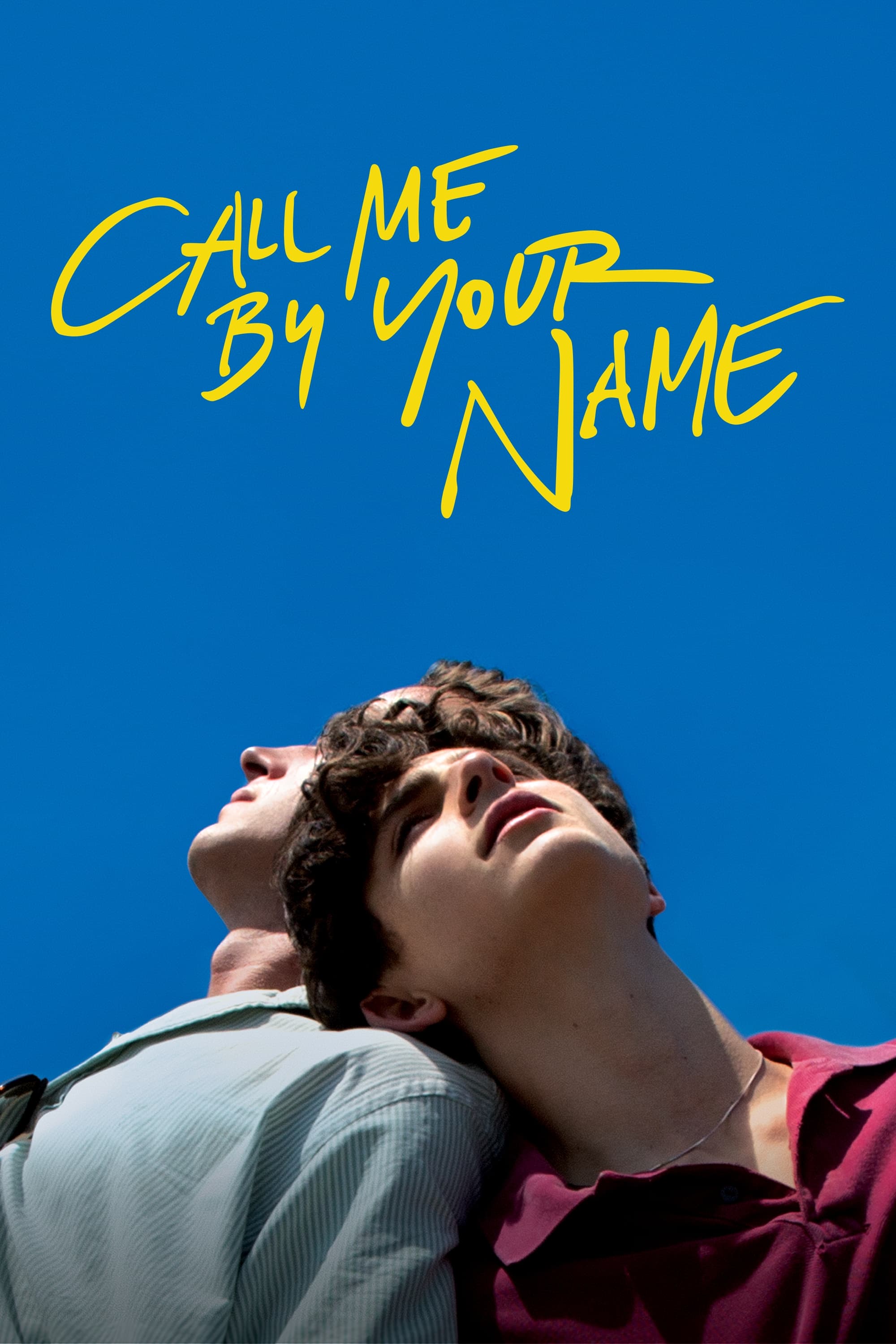
Luca Guadagnino directs this adaptation of André Aciman’s novel about a summer relationship in northern Italy. Timothée Chalamet and Armie Hammer star, supported by Michael Stuhlbarg’s noted monologue. Production highlights include sun-drenched plazas, orchards, and period interiors. Sufjan Stevens contributes original songs that frame key transitions.
‘Carol’ (2015)
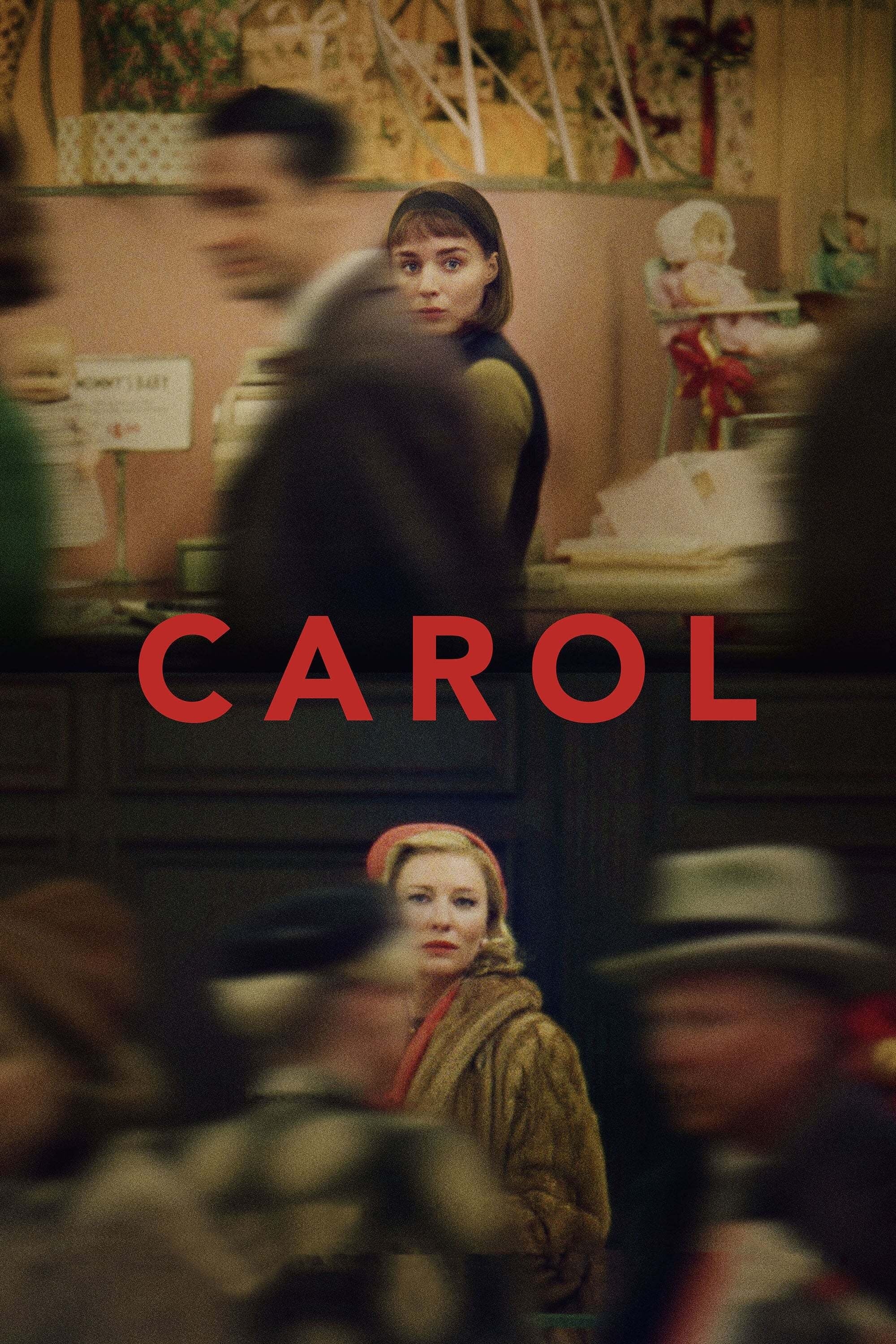
Todd Haynes adapts Patricia Highsmith’s ‘The Price of Salt’, focusing on a department-store clerk and an elegant customer navigating societal constraints. Cate Blanchett and Rooney Mara lead, with Chicago and Cincinnati standing in for mid-century Manhattan. Cinematography employs Super 16 texture and glass reflections to suggest distance and desire. Carter Burwell’s score underscores the film’s restrained tone.
‘Brokeback Mountain’ (2005)
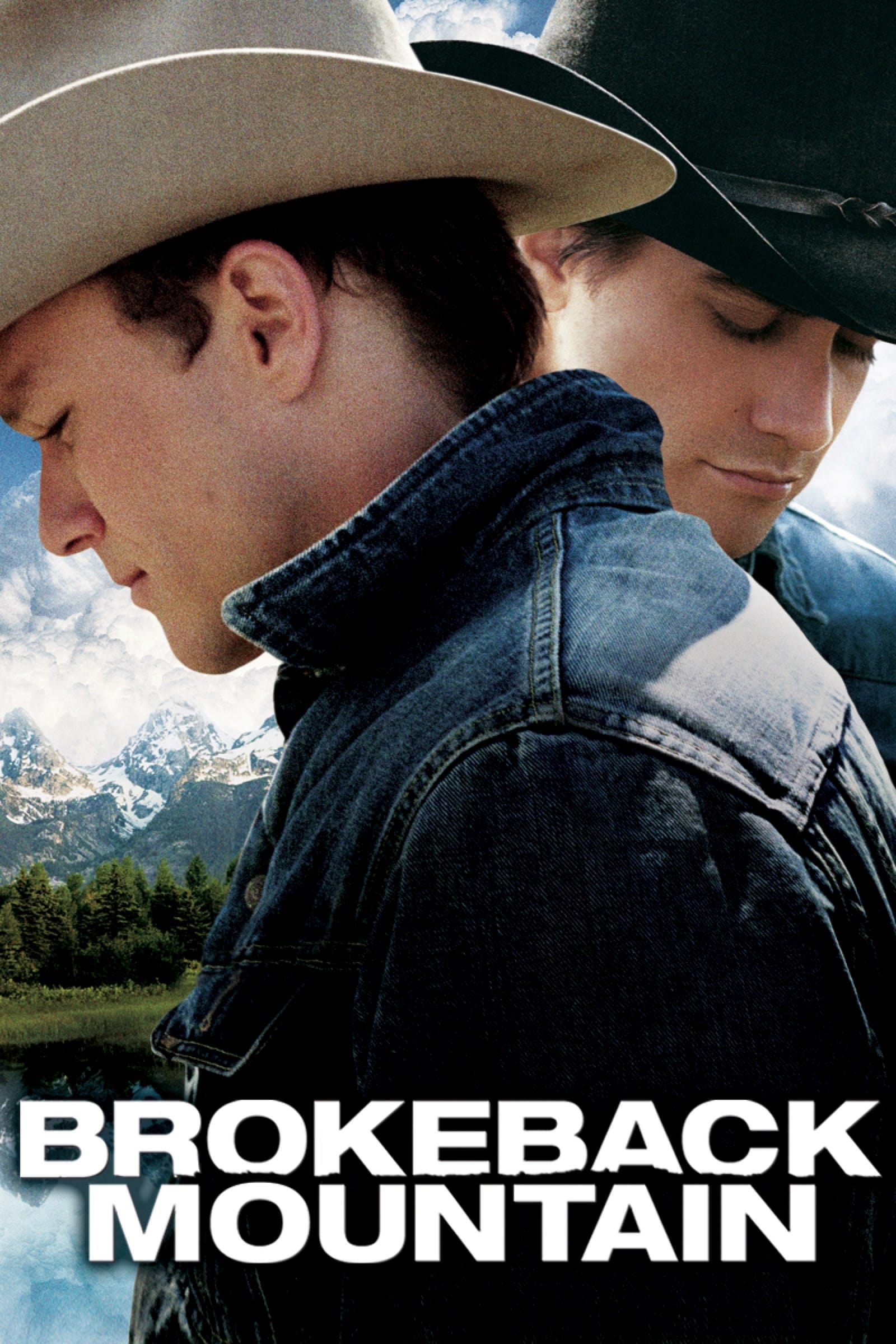
Ang Lee’s adaptation of Annie Proulx’s short story follows two ranch hands whose bond spans many years and complications. Heath Ledger and Jake Gyllenhaal star, with Anne Hathaway and Michelle Williams in key roles. Gustavo Santaolalla’s guitar-driven score became closely associated with the film. Location photography captures sweeping ranges and isolated encampments.
‘Her’ (2013)
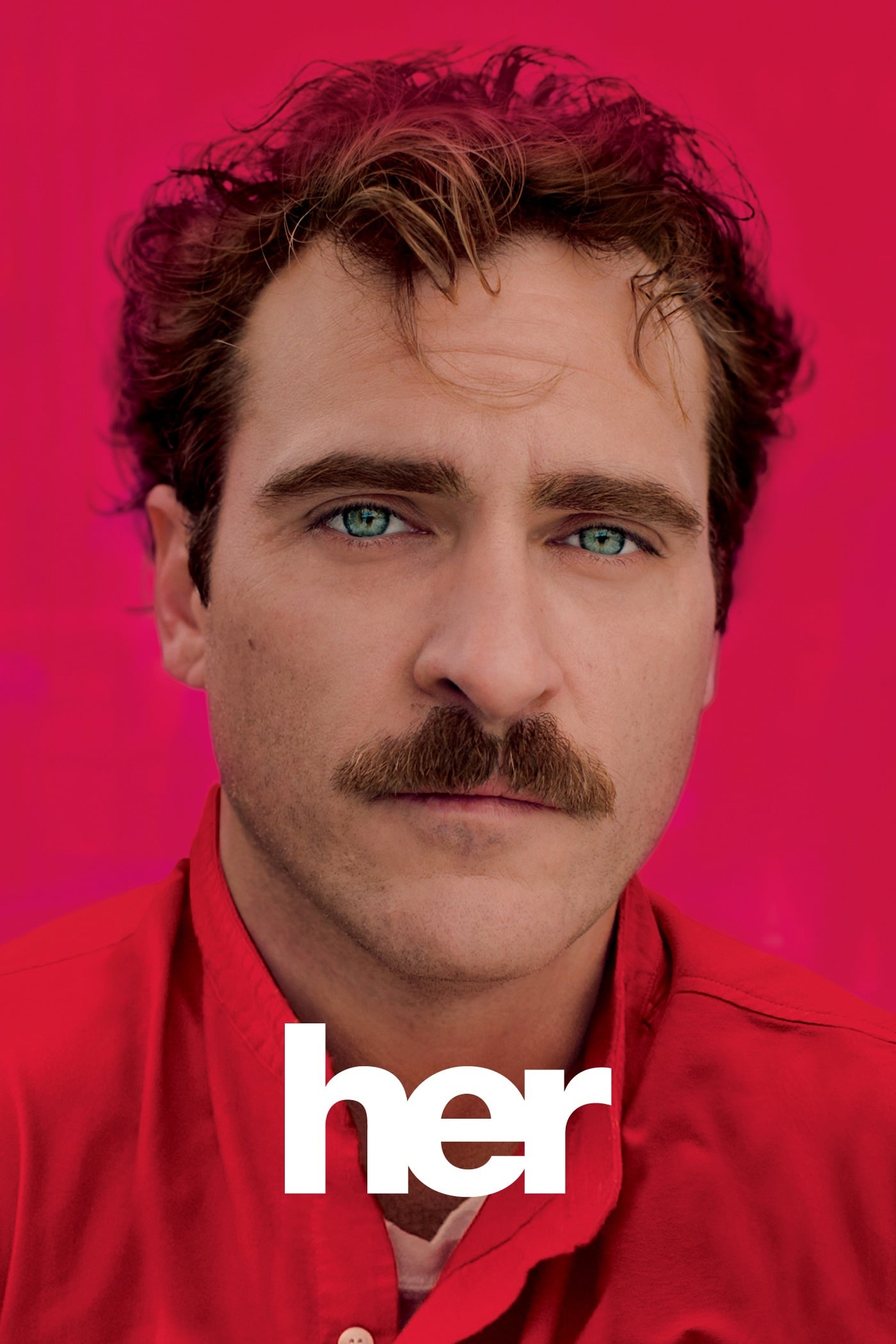
Spike Jonze writes and directs a near-future romance between a letter-writer and an operating system. Joaquin Phoenix leads, with Scarlett Johansson voicing the AI companion. Production design blends warm tones, high-rise vistas, and minimal tech interfaces to suggest a softened future. Arcade Fire and Owen Pallett contribute to the reflective score.
‘Amélie’ (2001)
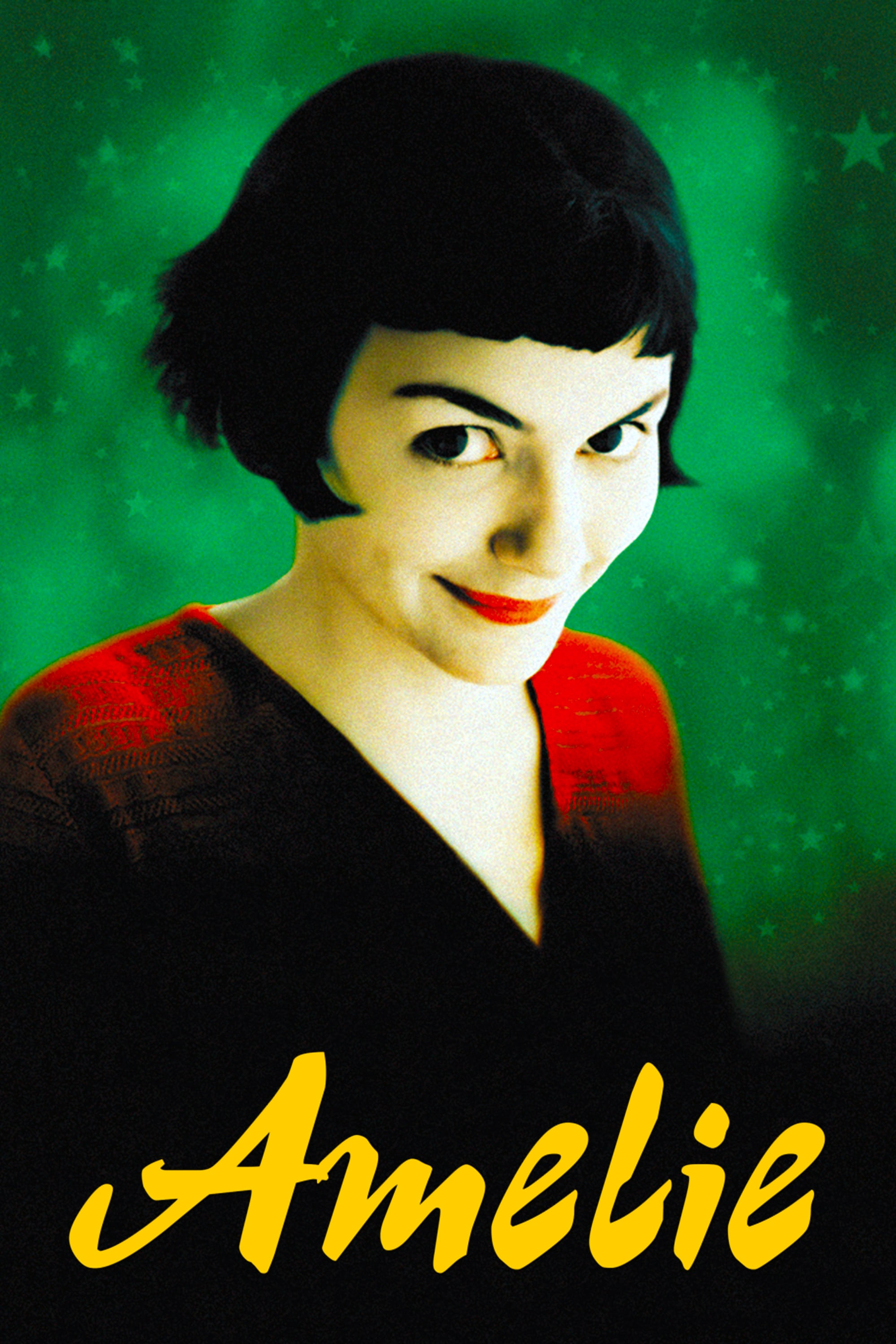
Jean-Pierre Jeunet’s Paris-set tale follows a shy waitress who decides to improve the lives of people around her. Audrey Tautou headlines a cast of quirky neighbors, co-workers, and love interests. The film’s saturated color palette and whimsical visual effects create a storybook Montmartre. Yann Tiersen’s accordion-and-piano themes are widely recognized.
‘Moonstruck’ (1987)
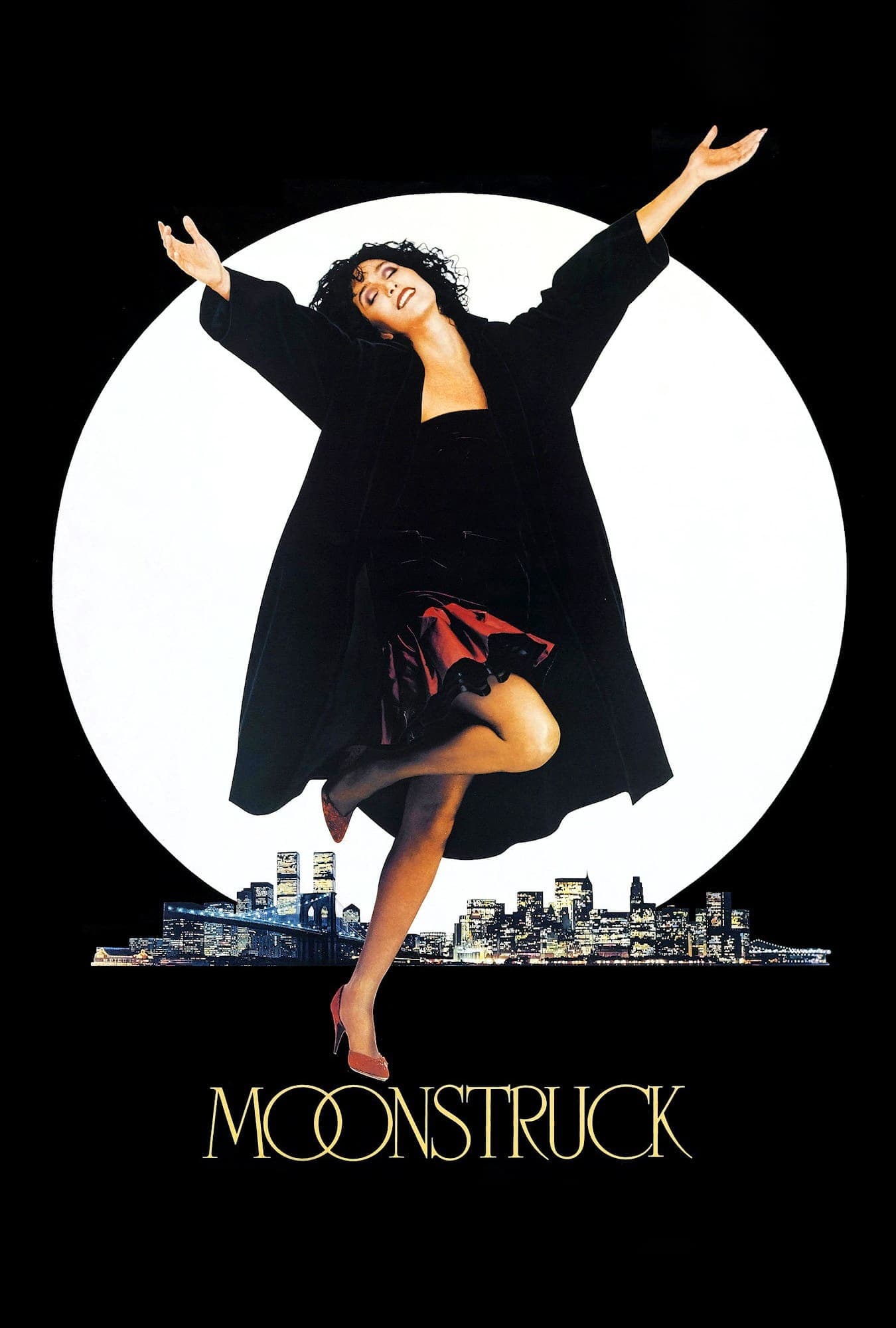
Norman Jewison directs Cher and Nicolas Cage in a Brooklyn family comedy about a pragmatic bookkeeper who falls for her fiancé’s brother. Italian-American traditions, opera, and neighborhood rituals shape the backdrop. John Patrick Shanley’s screenplay won major industry awards. The film showcases a strong ensemble, including Olympia Dukakis and Vincent Gardenia.
‘The Big Sick’ (2017)
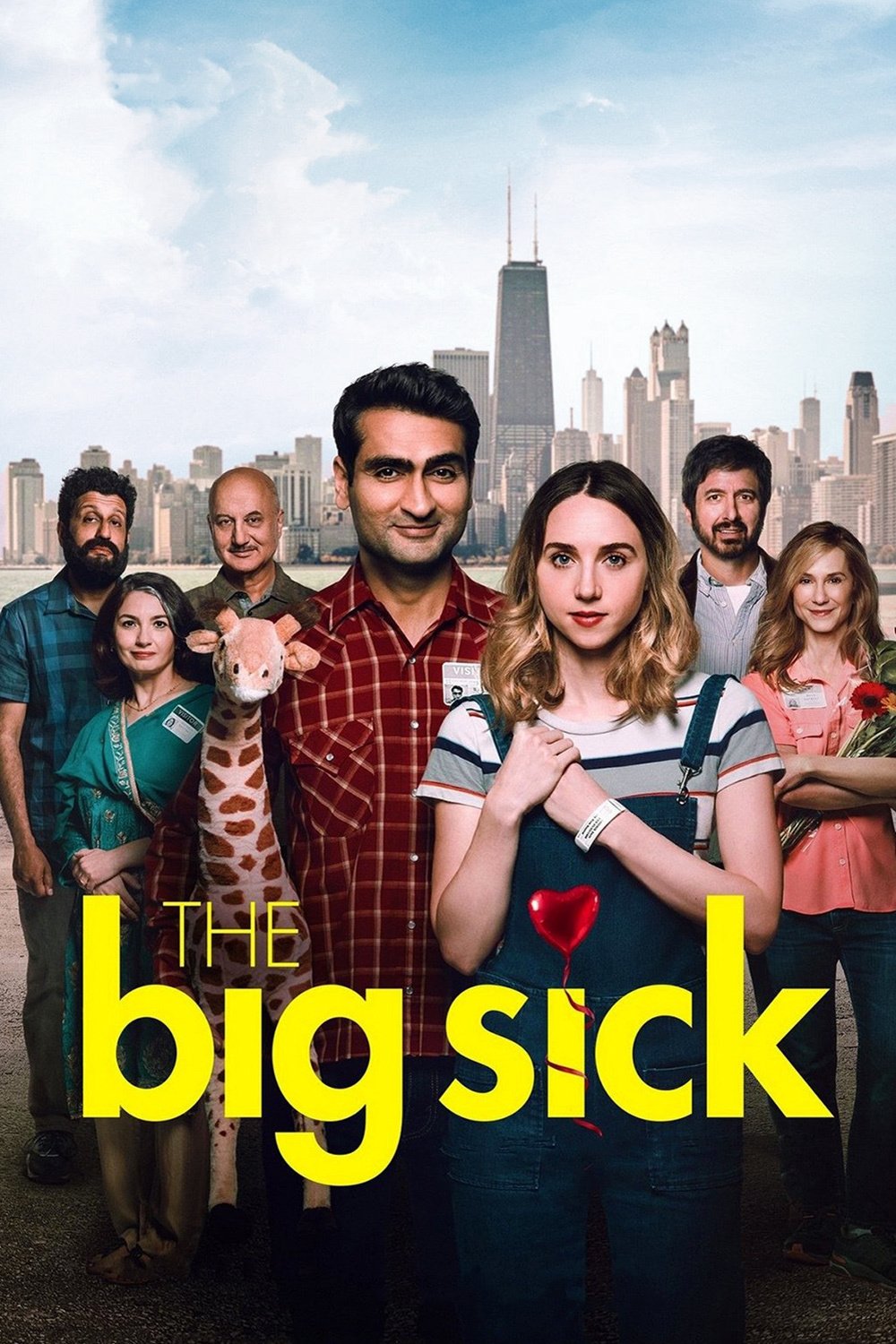
Kumail Nanjiani and Emily V. Gordon adapt their real-life courtship into a culture-clash romance with medical-drama stakes. Nanjiani stars alongside Zoe Kazan, with standout supporting turns from Holly Hunter and Ray Romano. Michael Showalter directs, balancing stand-up-club scenes with hospital and family settings. The script earned significant awards attention for original screenplay.
‘(500) Days of Summer’ (2009)

Told in non-linear order, this story charts a greeting-card writer’s relationship from first spark to aftermath. Joseph Gordon-Levitt and Zooey Deschanel lead, with Los Angeles architecture used as a recurring motif. Marc Webb’s direction incorporates split screens, musical interludes, and chapter cards. The soundtrack includes indie favorites that mirror shifting moods.
‘Before Sunrise’ (1995)
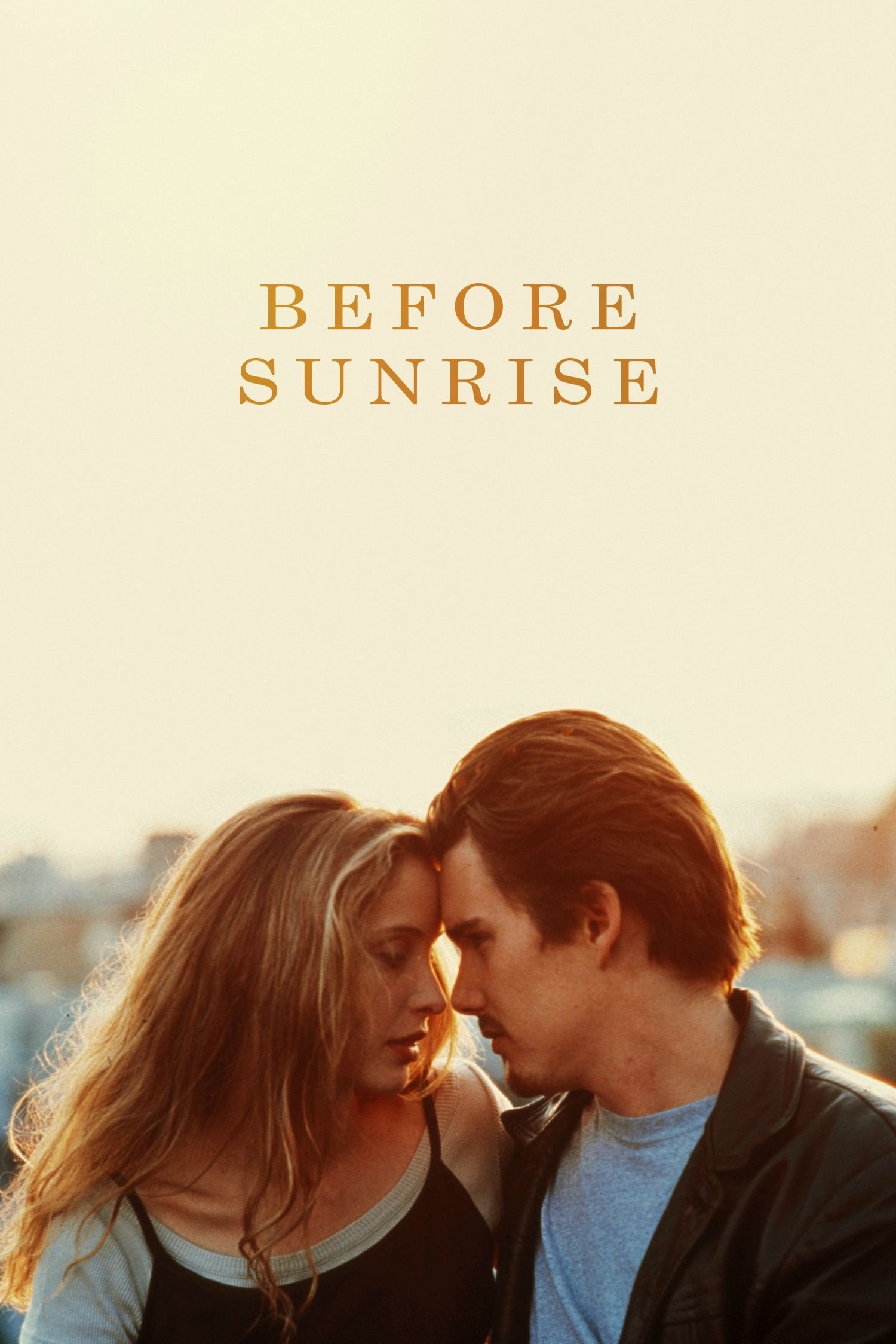
Richard Linklater’s dialogue-driven romance follows two travelers who meet on a train and spend one night walking and talking through Vienna. Ethan Hawke and Julie Delpy co-create much of the conversational texture. Handheld camerawork and real locations give the film a spontaneous feel. Its focus on time-bounded connection set the stage for sequels.
‘Before Sunset’ (2004)
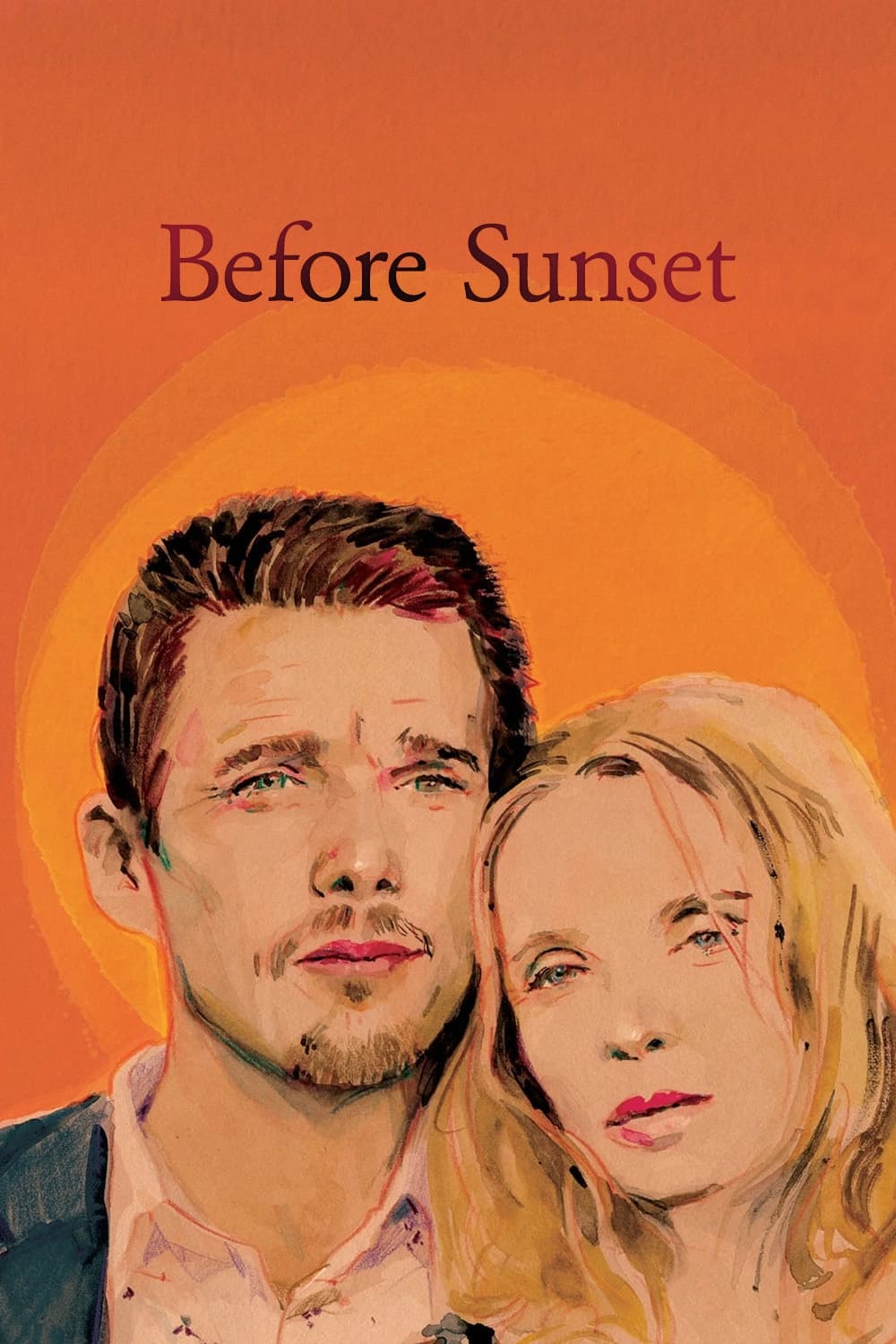
Set in Paris, the follow-up reunites the same characters during an afternoon that unfolds almost in real time. The script’s collaborative writing credits reflect extensive rehearsal and improvisation. Fluid tracking shots and riverside walks emphasize the race against daylight. The film deepens themes of memory, choice, and unfinished conversations.
‘Sense and Sensibility’ (1995)
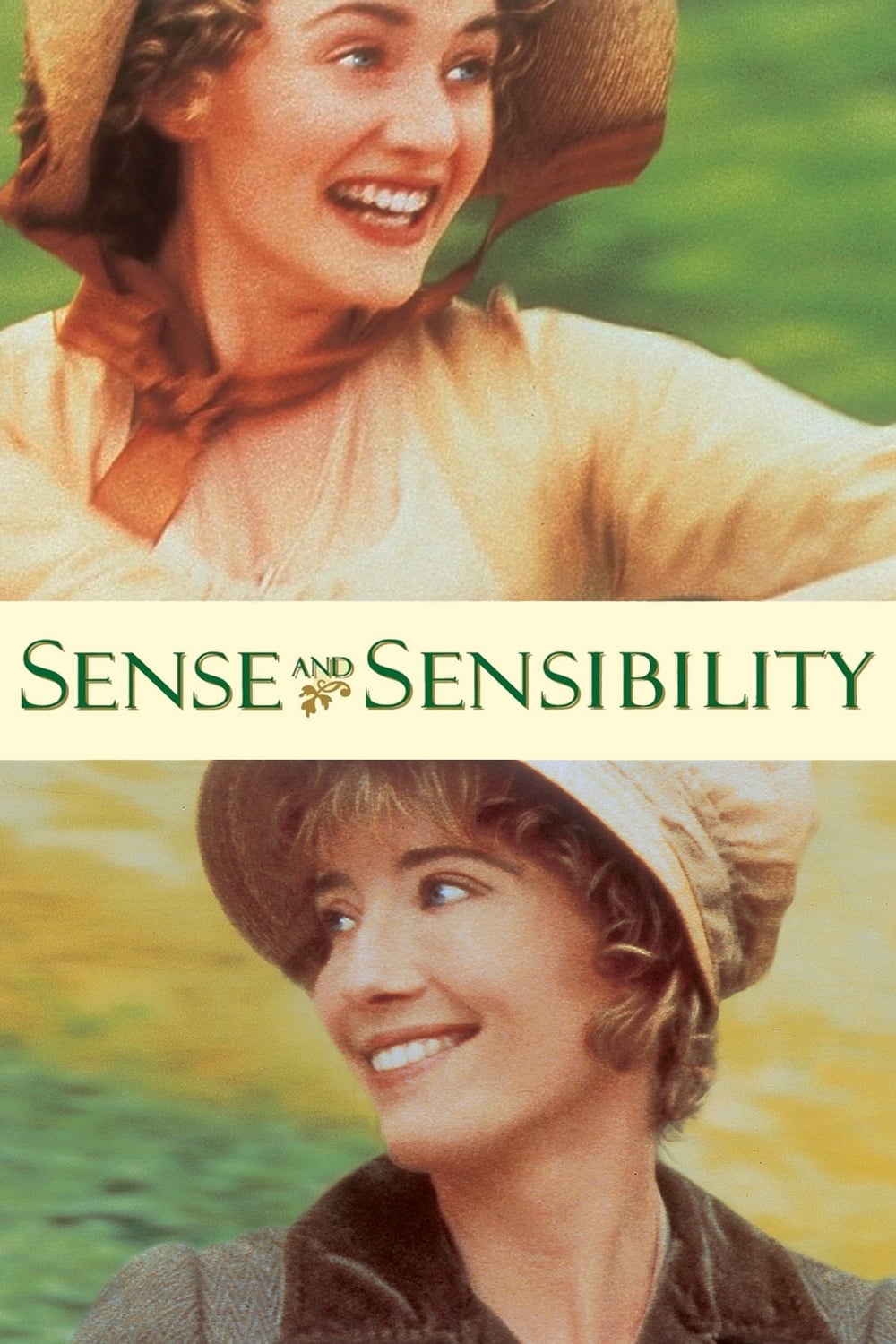
Ang Lee adapts Jane Austen’s novel about the Dashwood sisters navigating love and livelihood after a family upheaval. Emma Thompson, Kate Winslet, Hugh Grant, and Alan Rickman lead a period ensemble framed by English estates and coastal landscapes. The screenplay by Thompson balances inheritance laws, social customs, and private vows. Production design and costume detail emphasize class distinctions and courtship rituals.
‘Before Midnight’ (2013)
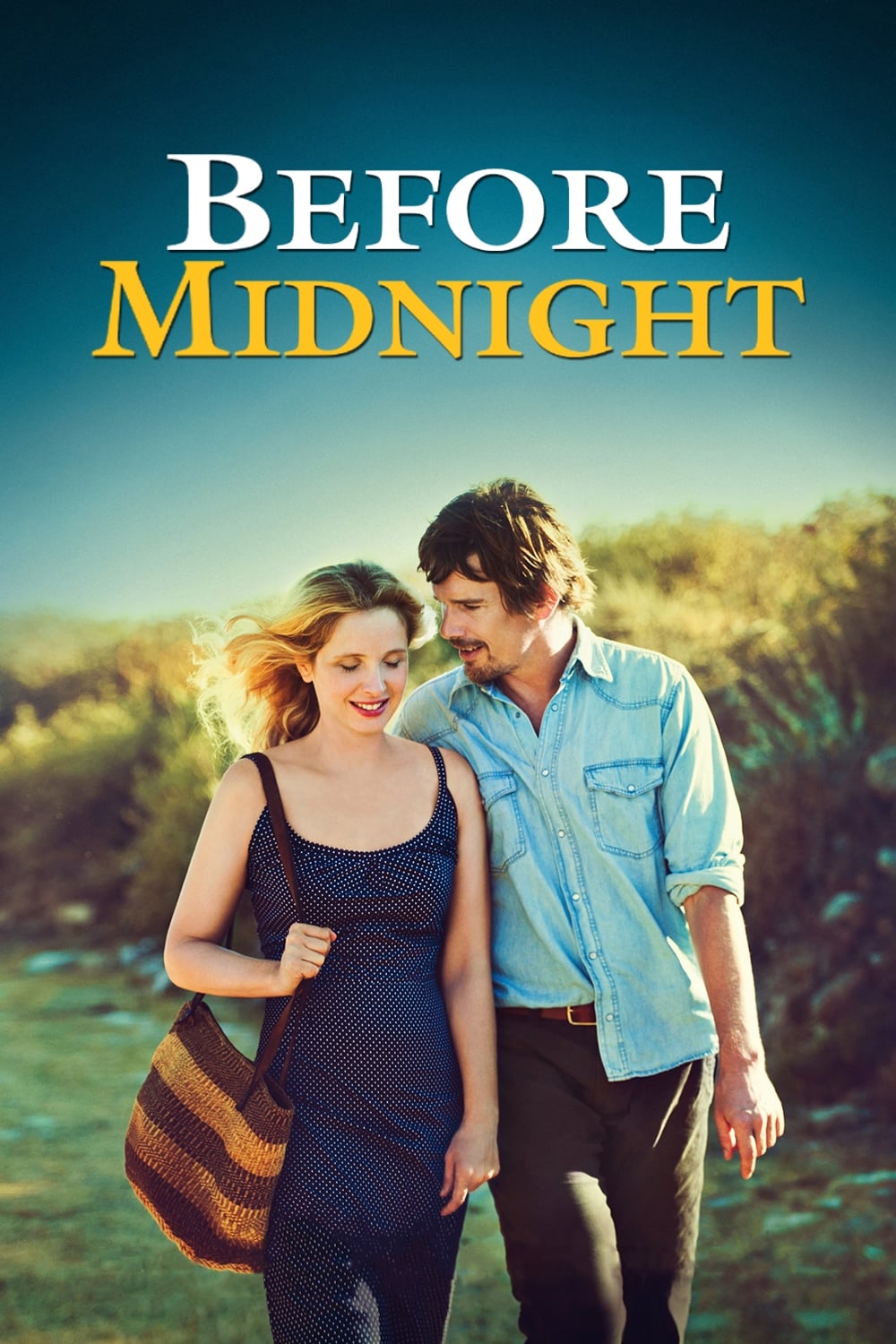
Richard Linklater reunites Ethan Hawke and Julie Delpy for the third chapter of a long-running conversation across European settings. Set during a summer in Greece, the film uses extended walking scenes and a dinner sequence to track shifting dynamics. Dialogue was collaboratively developed with the actors, continuing the series’ semi-improvised feel. The structure highlights time, aging, and everyday logistics of partnership.
‘Jerry Maguire’ (1996)
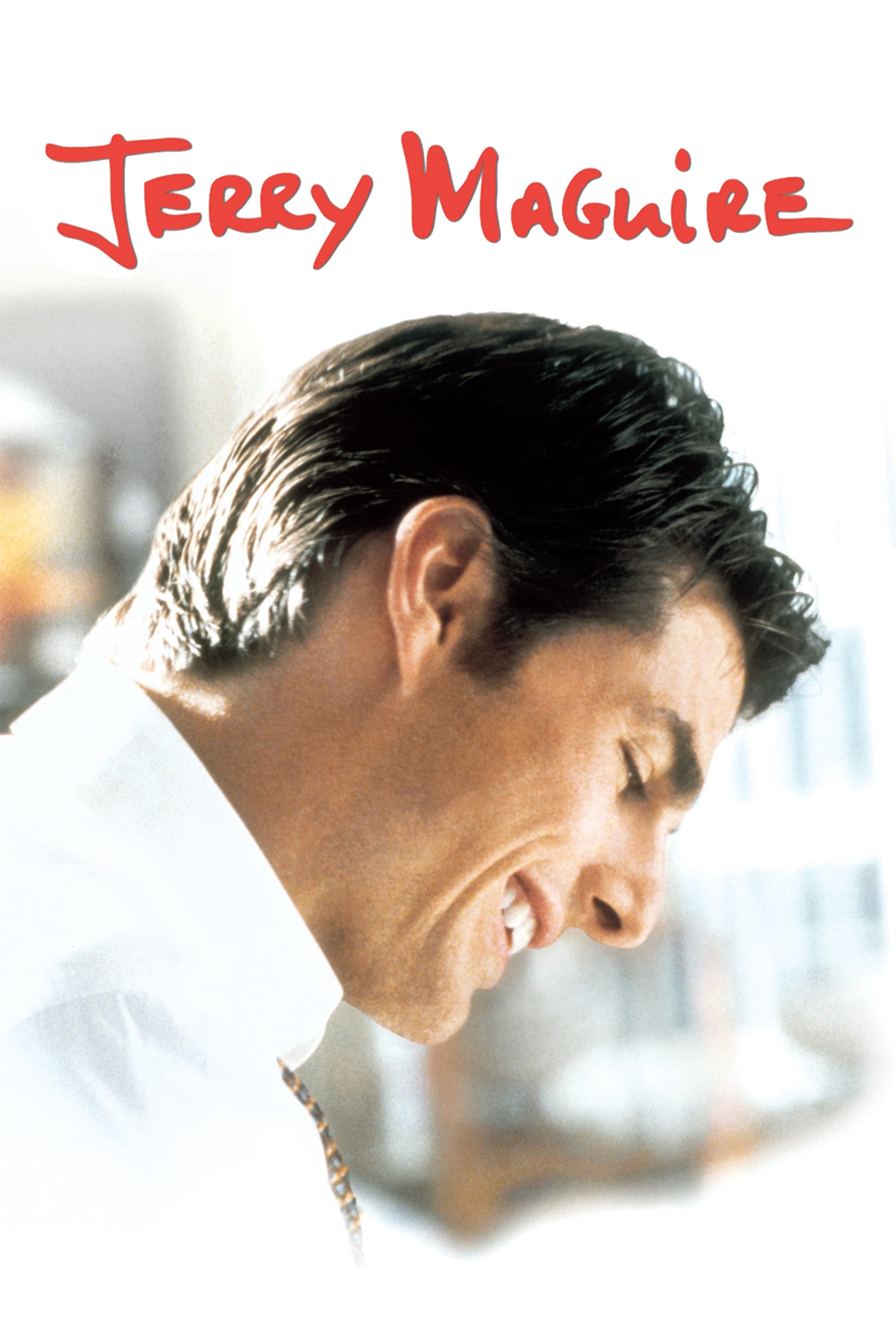
Cameron Crowe’s story follows a sports agent who starts his own agency with a single client and a colleague who believes in his new manifesto. Tom Cruise, Renée Zellweger, and Cuba Gooding Jr. anchor a plot that blends business negotiations with domestic life. Football sequences, contract wrangling, and locker-room access provide professional context. The film’s catchphrases and music cues became part of broader pop culture.
‘The Apartment’ (1960)
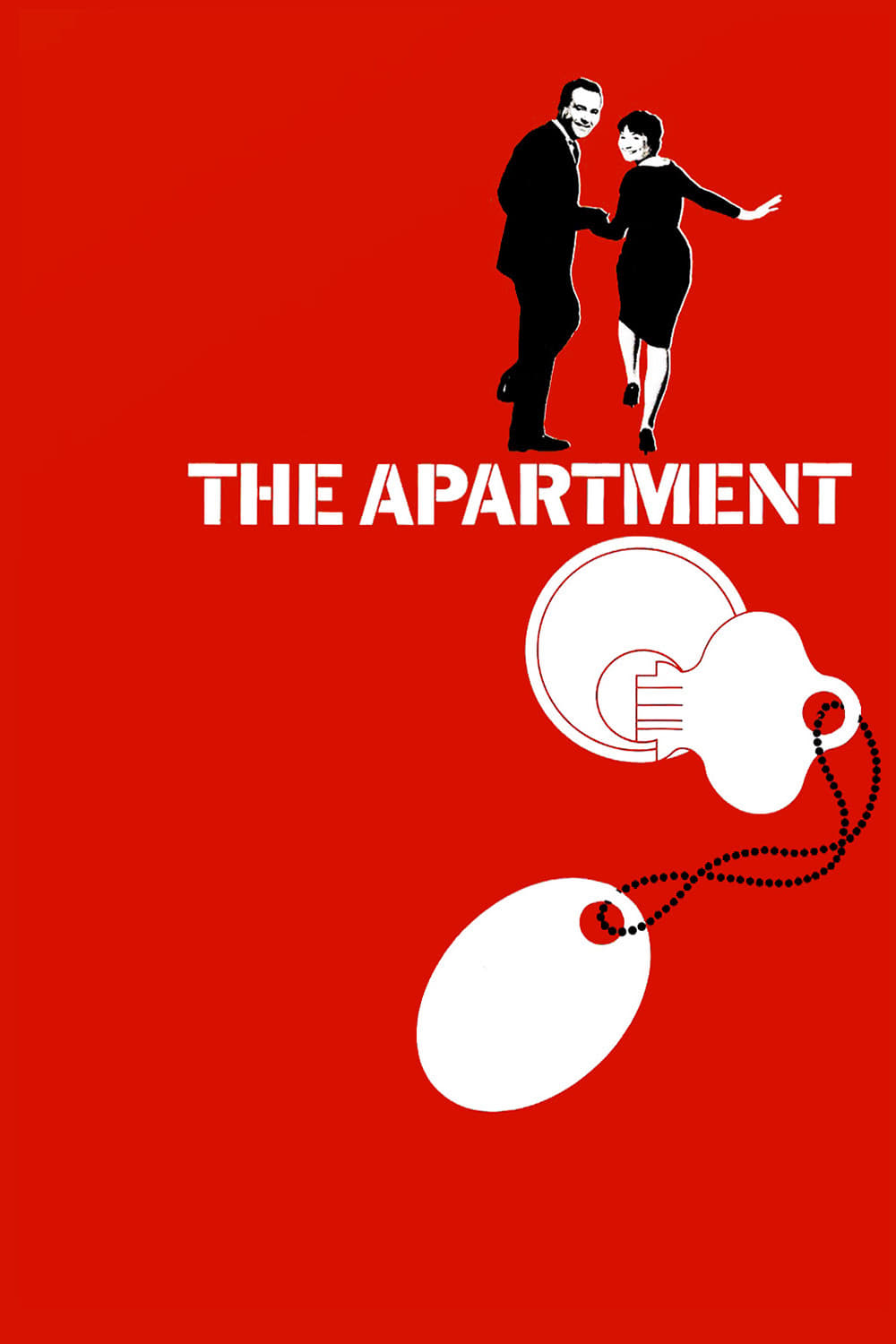
Billy Wilder directs a workplace romance entwined with corporate politics and moral choices in mid-century Manhattan. Jack Lemmon plays an insurance clerk who lends his apartment to executives, while Shirley MacLaine’s elevator operator faces her own crossroads. The screenplay uses office hierarchies, holiday parties, and key exchanges as recurring motifs. Black-and-white cinematography frames cramped interiors and nighttime city streets.
‘Brief Encounter’ (1945)
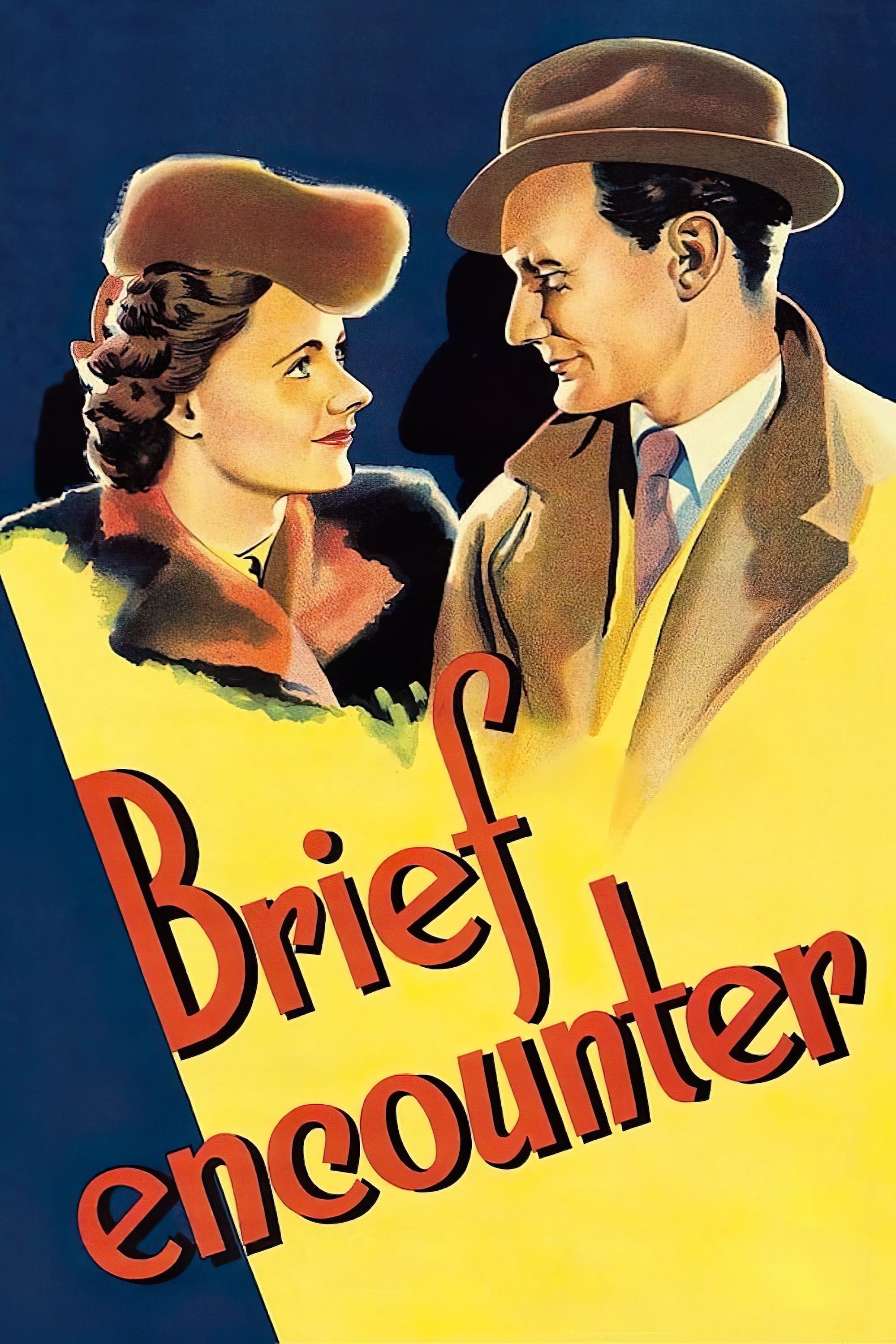
David Lean adapts Noël Coward’s play into a restrained story of two married strangers who meet at a railway station café. Celia Johnson and Trevor Howard convey an unconsummated connection shaped by schedules, social expectations, and quiet routines. Rachmaninoff’s Second Piano Concerto recurs as an emotional motif. Train timetables, ticket windows, and platforms structure the narrative’s rhythm.
‘Sleepless in Seattle’ (1993)
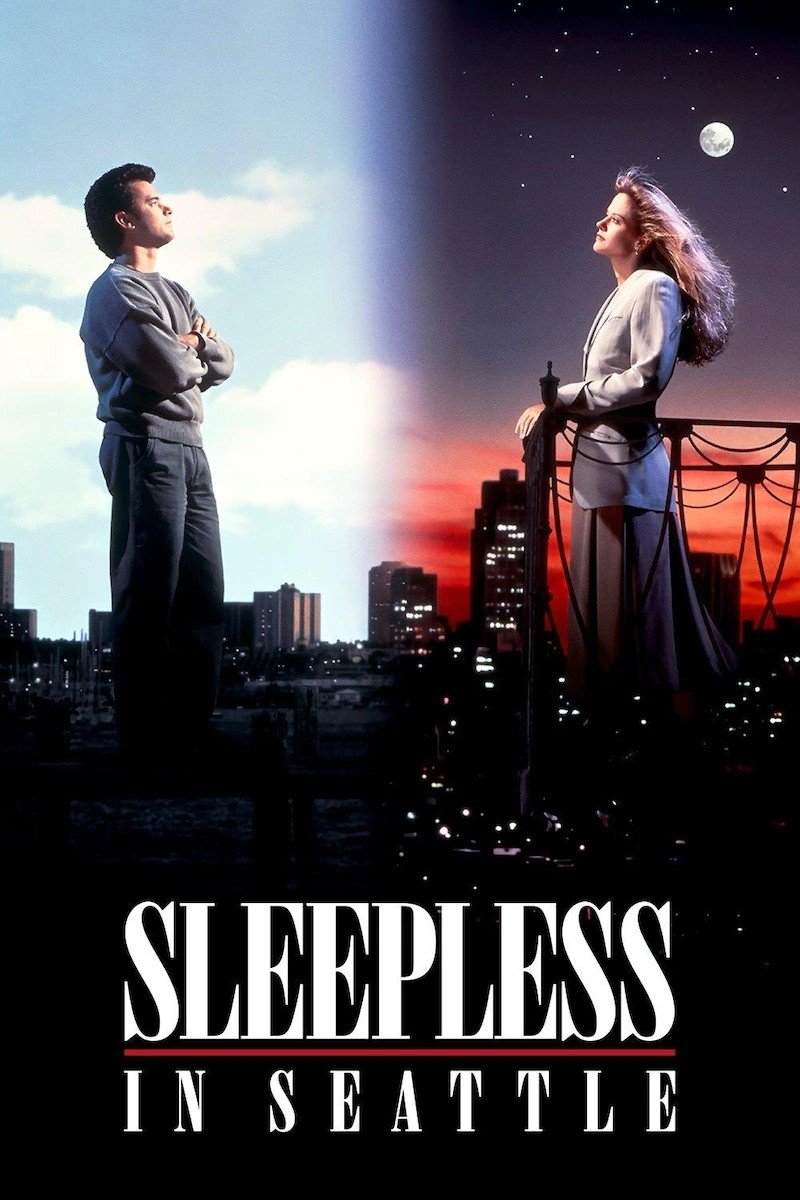
Nora Ephron’s film links a widower in Seattle and a journalist in Baltimore through a radio call that captures national attention. Tom Hanks and Meg Ryan lead, with supporting roles that include newsroom colleagues and family members. City landmarks, from Pike Place Market to a New York skyscraper, anchor key set pieces. The soundtrack curates Great American Songbook standards to underscore the cross-country arc.
‘Love & Basketball’ (2000)
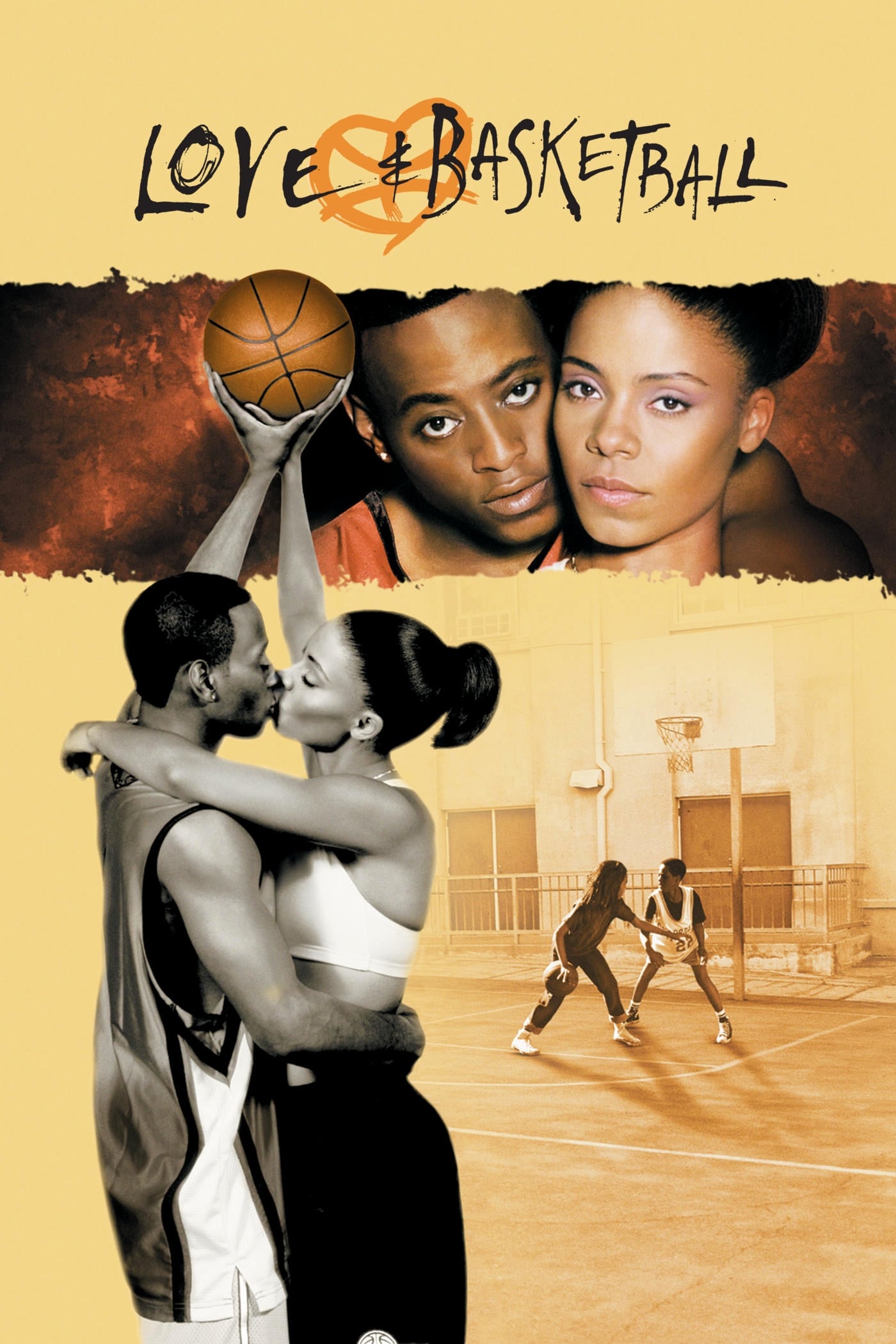
Written and directed by Gina Prince-Bythewood, this story follows neighbors whose lives and relationship are braided with the game. Sanaa Lathan and Omar Epps portray athletes progressing from high school to collegiate and professional play. The film details recruiting pressures, training, and team politics alongside family expectations. Game sequences are staged to show evolving skill and decision-making.
‘Eternal Sunshine of the Spotless Mind’ (2004)
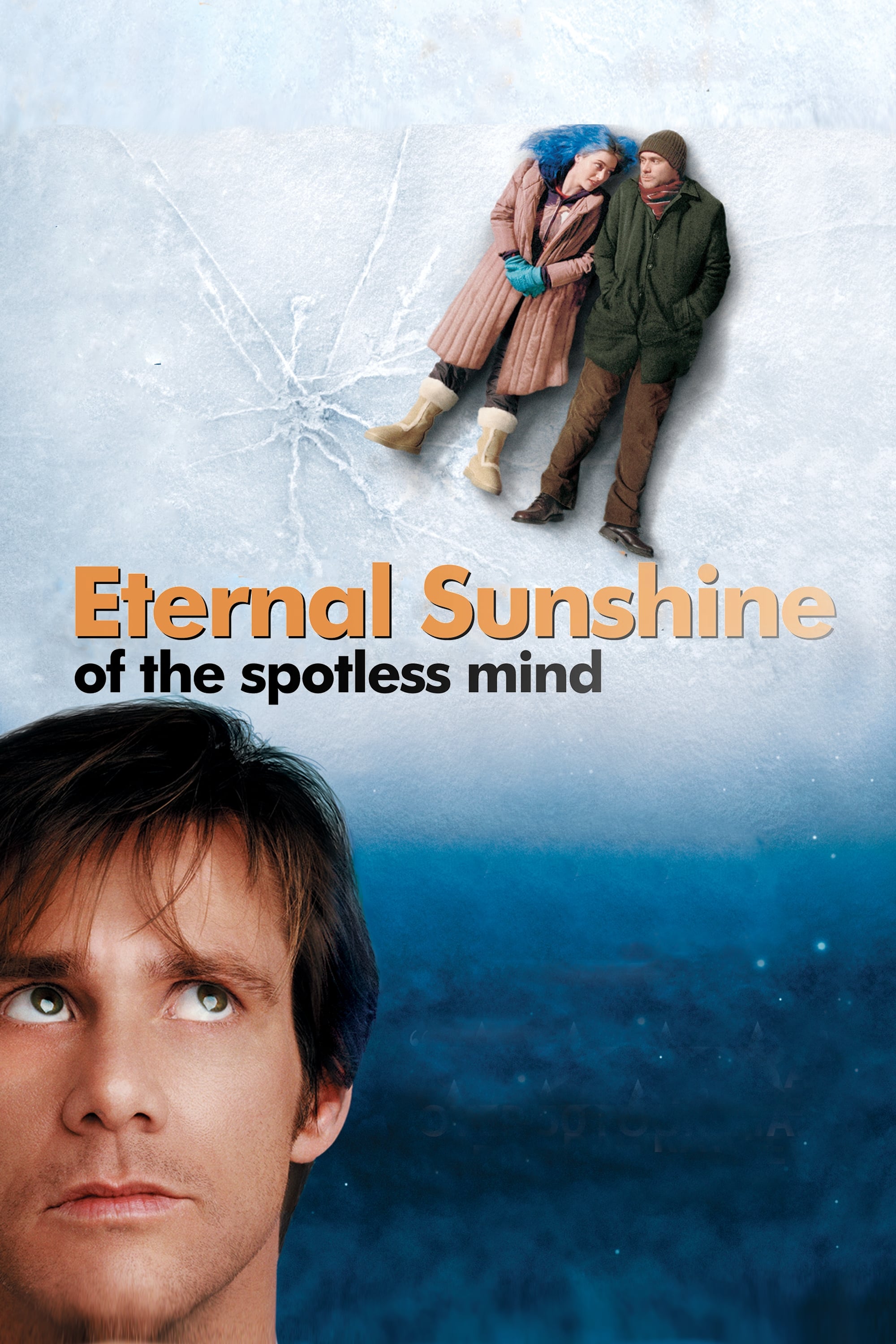
Michel Gondry directs a sci-fi-tinged romance about a couple who undergo a memory-erasure procedure after a breakup. Jim Carrey and Kate Winslet star, with Kirsten Dunst, Mark Ruffalo, and Elijah Wood involved in the clinic subplot. Practical effects, in-camera transitions, and looping sets visualize the mind’s interior. Charlie Kaufman’s script interlaces nonlinear fragments to explore recall and identity.
‘About Time’ (2013)
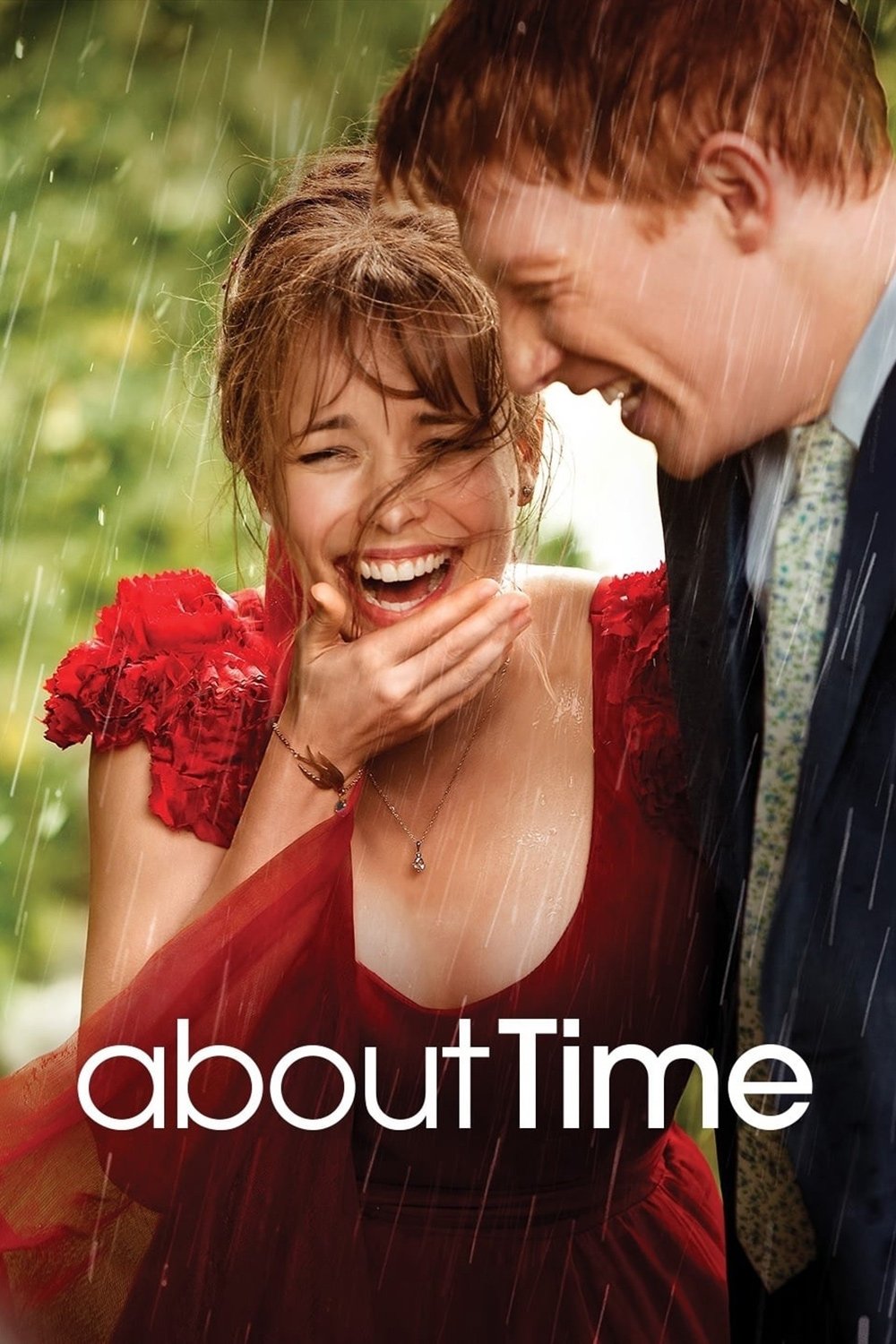
Richard Curtis crafts a time-tinged romance about a family trait that lets the protagonist revisit moments from his own life. Domhnall Gleeson and Rachel McAdams lead a cast that includes Bill Nighy as a quietly instructive father. The rules limit travel to personal memories, shaping consequences around everyday choices. London and Cornwall locations provide contrasting urban and coastal backdrops.
‘Romeo + Juliet’ (1996)
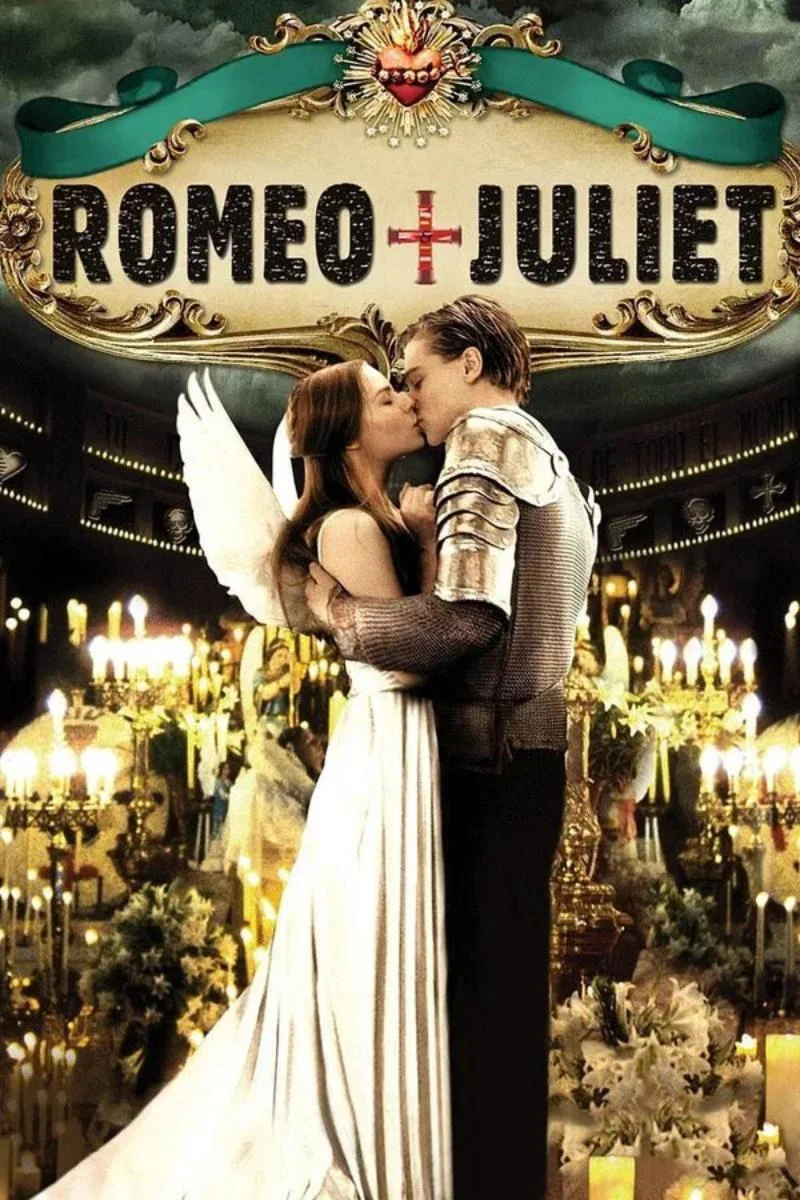
Baz Luhrmann transposes the text of the play into a stylized modern setting with rival corporations and televised news. Leonardo DiCaprio and Claire Danes headline a production marked by rapid editing, pop iconography, and heightened costuming. The soundtrack integrates contemporary tracks with choral elements to bridge eras. Verona Beach set pieces—including a gas-station brawl and a church finale—reframe the original’s scenes.
‘The Fault in Our Stars’ (2014)
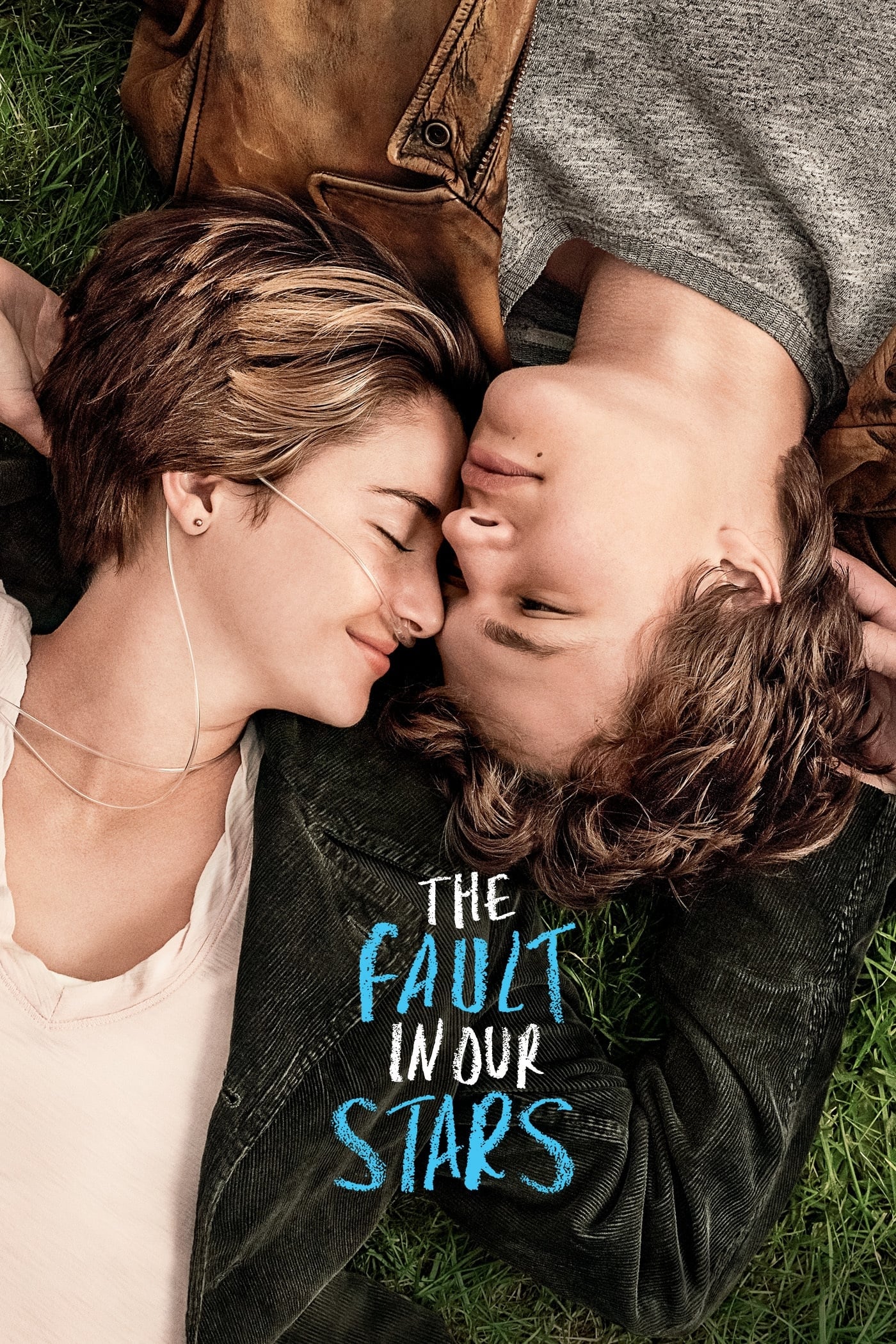
Adapted from John Green’s novel, this story follows two teens who meet at a support group and forge a bond that spans hospital visits and a transatlantic trip. Shailene Woodley and Ansel Elgort lead, with supporting turns by Laura Dern and Willem Dafoe. The narrative incorporates medical realities, family caregiving, and literary correspondence. Location shoots in Indianapolis and Amsterdam anchor key chapters.
‘Blue Valentine’ (2010)
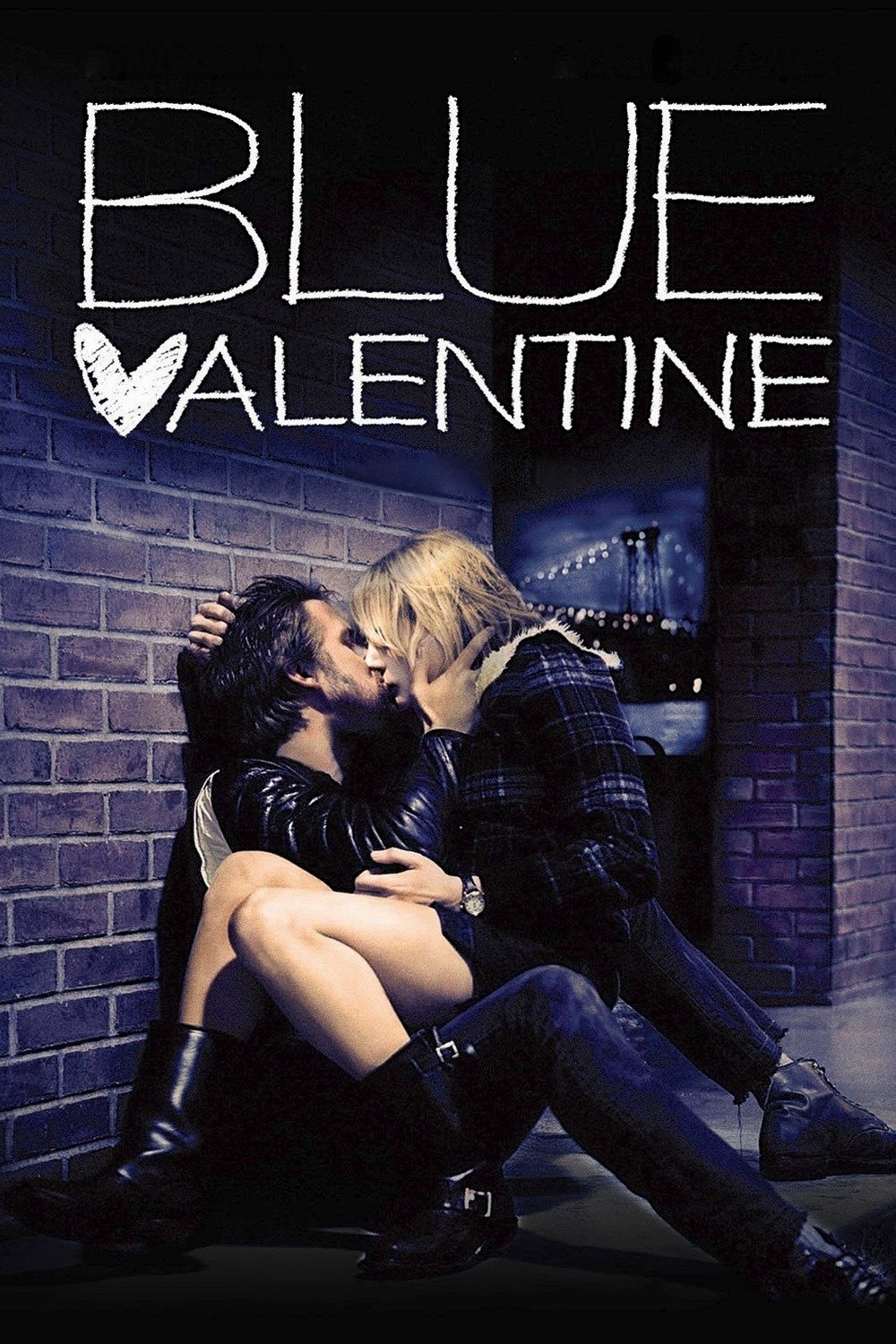
Derek Cianfrance structures this relationship study across two timelines that contrast beginnings and breakdowns. Ryan Gosling and Michelle Williams portray working-class characters with shifting jobs, homes, and responsibilities. Handheld cinematography and on-location recording emphasize naturalistic detail. The soundtrack features folk influences that echo the couple’s early courtship.
‘The Shape of Water’ (2017)
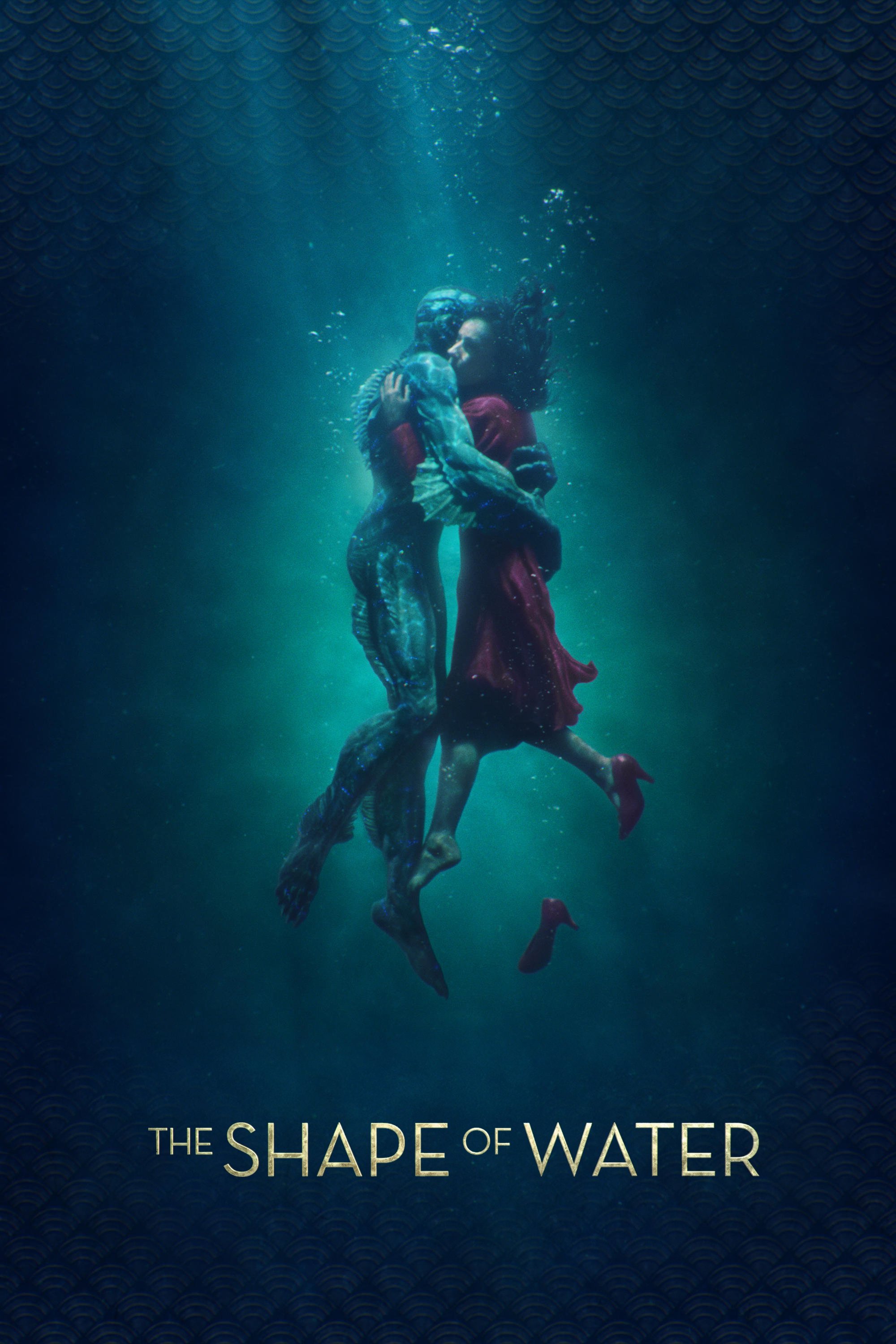
Guillermo del Toro crafts a Cold War–era romance set in a government research facility where a mute custodian discovers an amphibious captive. Sally Hawkins leads a cast that includes Richard Jenkins, Octavia Spencer, and Michael Shannon. Practical creature effects, period production design, and underwater sequences shape the atmosphere. The score by Alexandre Desplat highlights a waltz motif tied to the central connection.
‘Crazy Rich Asians’ (2018)
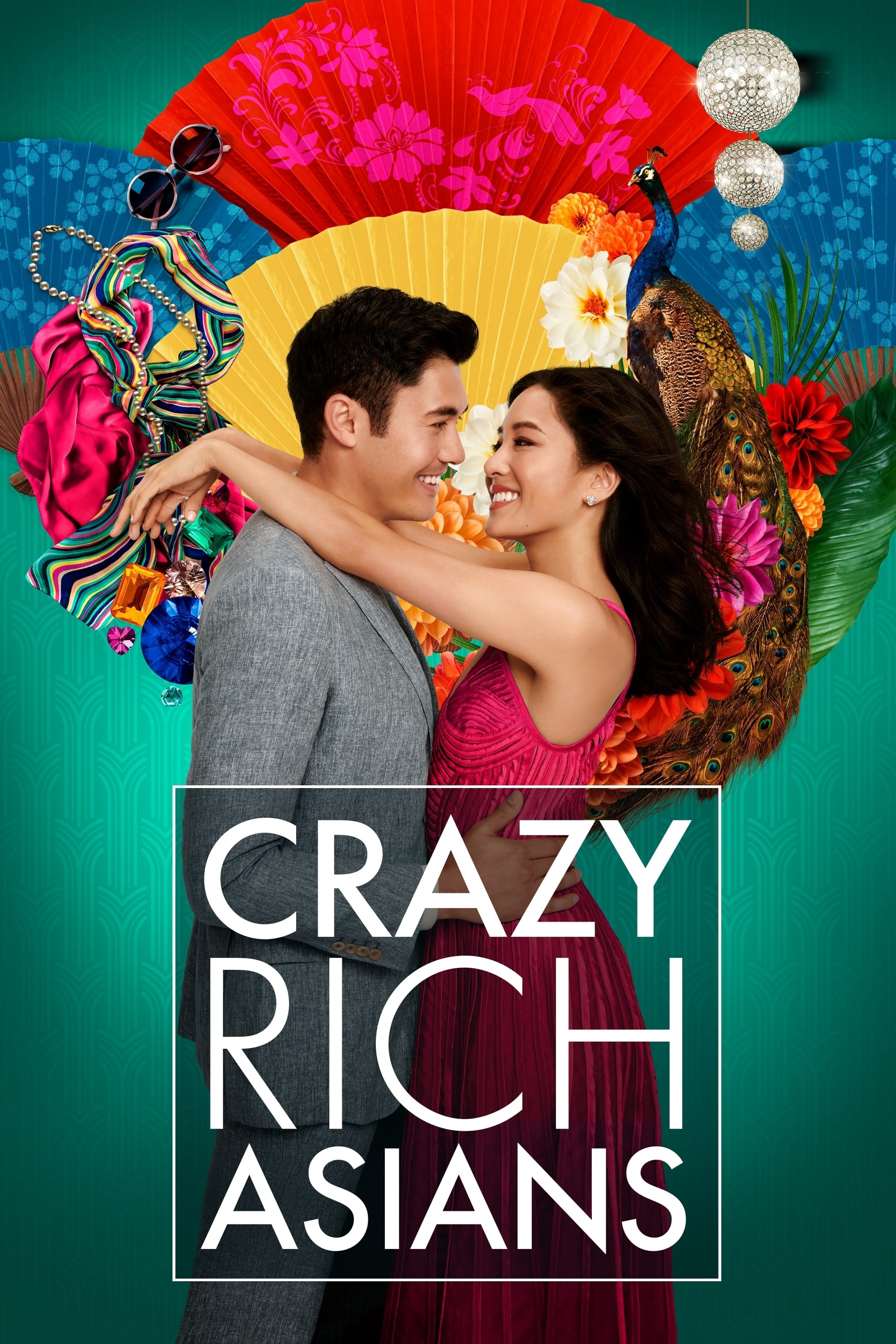
Jon M. Chu adapts Kevin Kwan’s bestseller about a New York professor who discovers her boyfriend’s family is among Singapore’s wealthiest. Constance Wu and Henry Golding star, with Michelle Yeoh as a formidable matriarch. The film showcases locations across Singapore and Malaysia, from hawker centers to lavish estates. Wedding planning, family introductions, and mahjong strategy drive major scenes.
‘The Age of Innocence’ (1993)
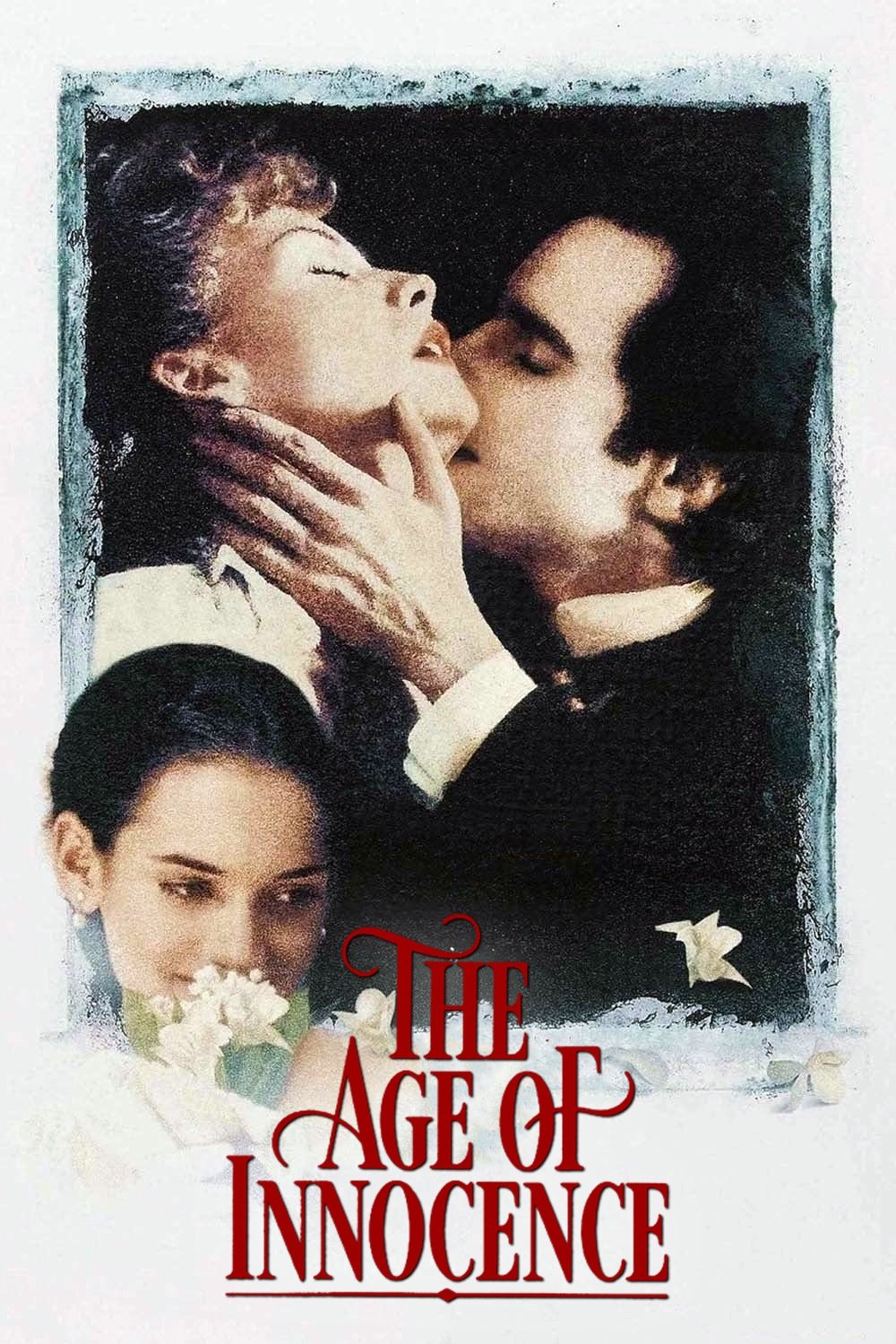
Martin Scorsese adapts Edith Wharton’s novel about Gilded Age New York society and the codes that govern engagement, reputation, and desire. Daniel Day-Lewis, Michelle Pfeiffer, and Winona Ryder lead a production rich in period detail. Dante Ferretti’s design and Gabriella Pescucci’s costumes reconstruct opera boxes, parlors, and formal dinners. Voiceover and letter-writing sequences underscore the era’s constrained communication.
Share your favorite must-rewatch romances in the comments so everyone can discover a new go-to pick.