Essential Fantasy Movies to Revisit Every Year

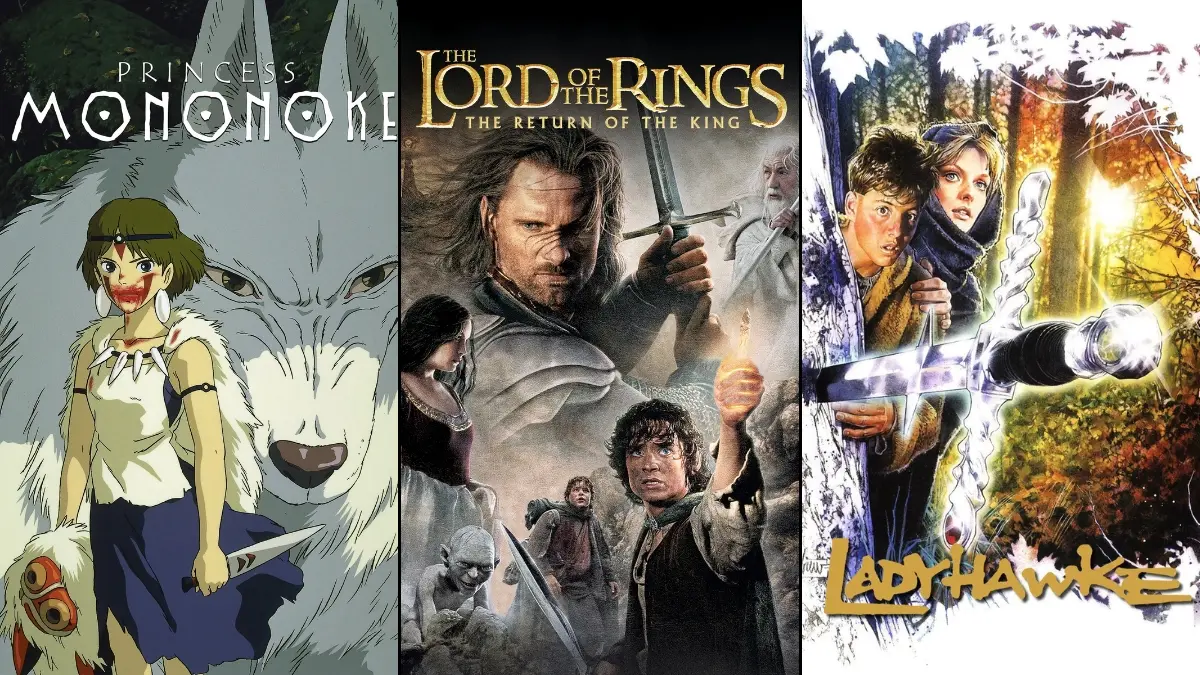

From sweeping epics and dark fairy tales to animated wonders and modern fables, fantasy cinema spans cultures, eras, and styles while opening doors to imaginative worlds and timeless myths. This list gathers widely loved titles across live action and animation, highlighting who made them, what stories they tell, and the craft behind them—directors, casts, source material, and notable accolades—so you can pick your next rewatch with confidence.
‘The Wizard of Oz’ (1939)
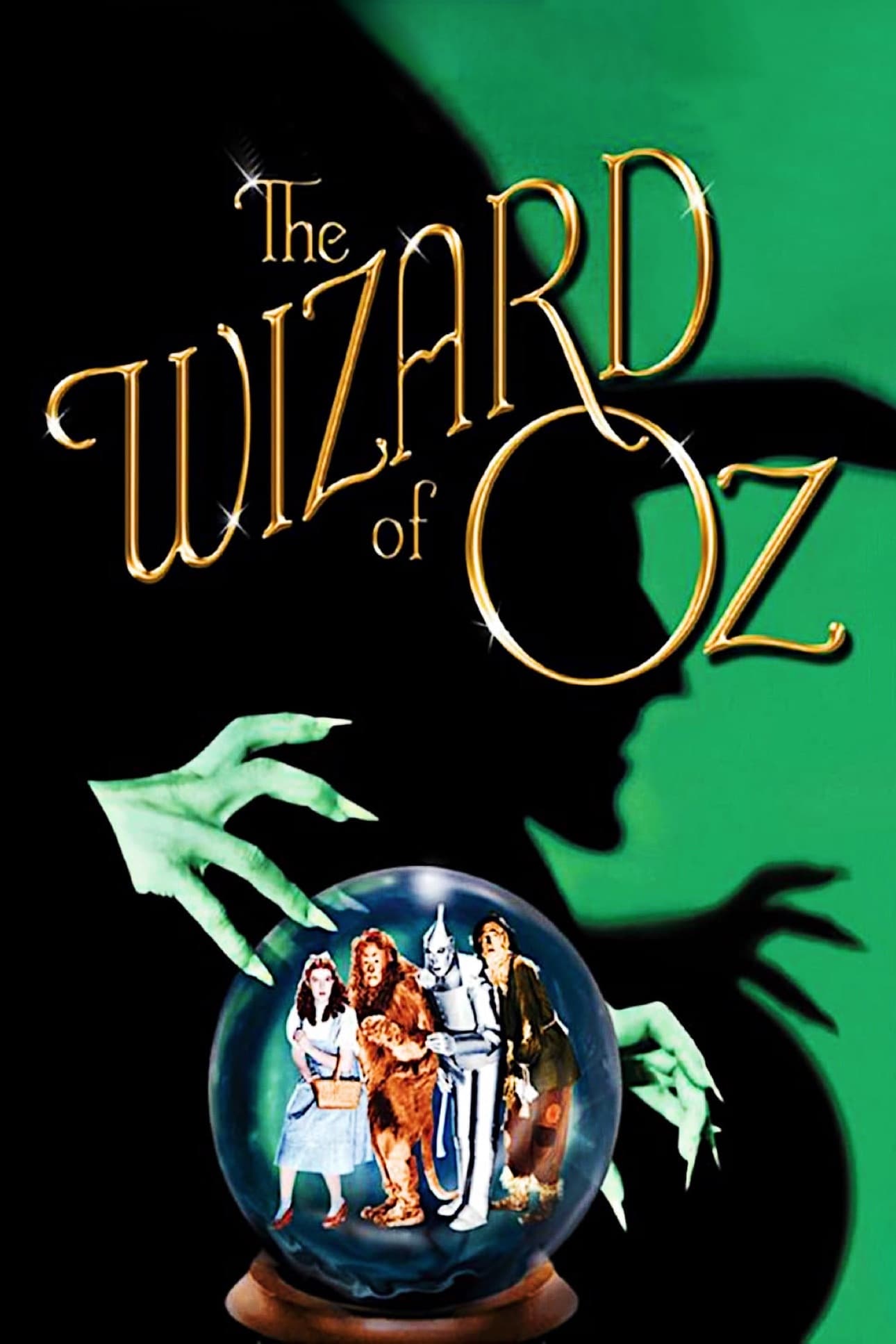
Directed primarily by Victor Fleming and based on L. Frank Baum’s novel, ‘The Wizard of Oz’ follows Dorothy’s journey from Kansas to the Land of Oz. Judy Garland stars, with songs by Harold Arlen and E.Y. Harburg. The film won Academy Awards for Best Original Song for ‘Over the Rainbow’ and Best Original Score, and its Technicolor production became a landmark in studio-era filmmaking.
‘The Lord of the Rings: The Fellowship of the Ring’ (2001)
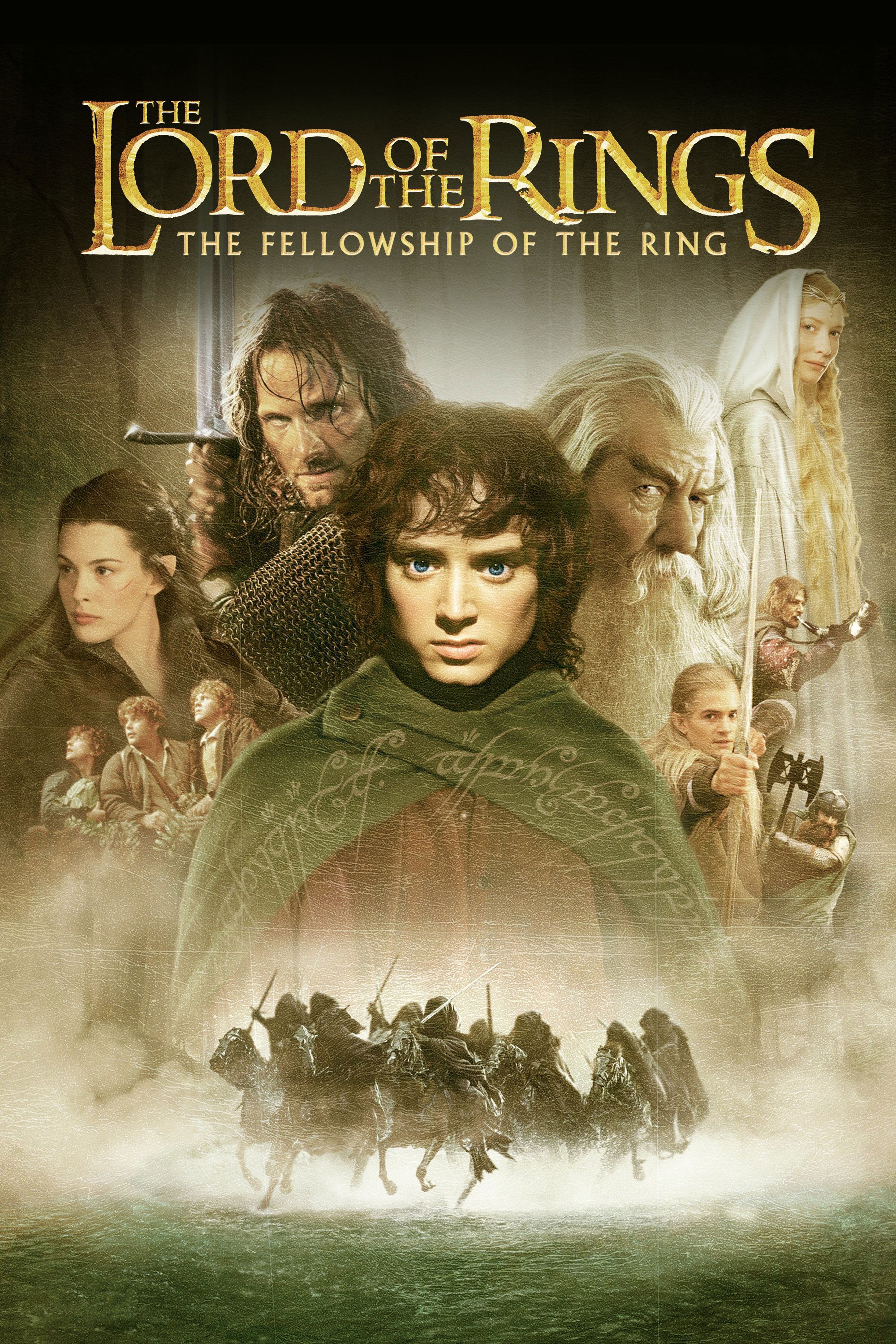
Peter Jackson adapts J.R.R. Tolkien’s first volume, introducing the Fellowship’s quest to destroy the One Ring. Filmed across New Zealand, the production employed large-scale location shooting, miniatures, and digital effects. The film won four Academy Awards, including Best Cinematography and Best Visual Effects.
‘The Lord of the Rings: The Two Towers’ (2002)
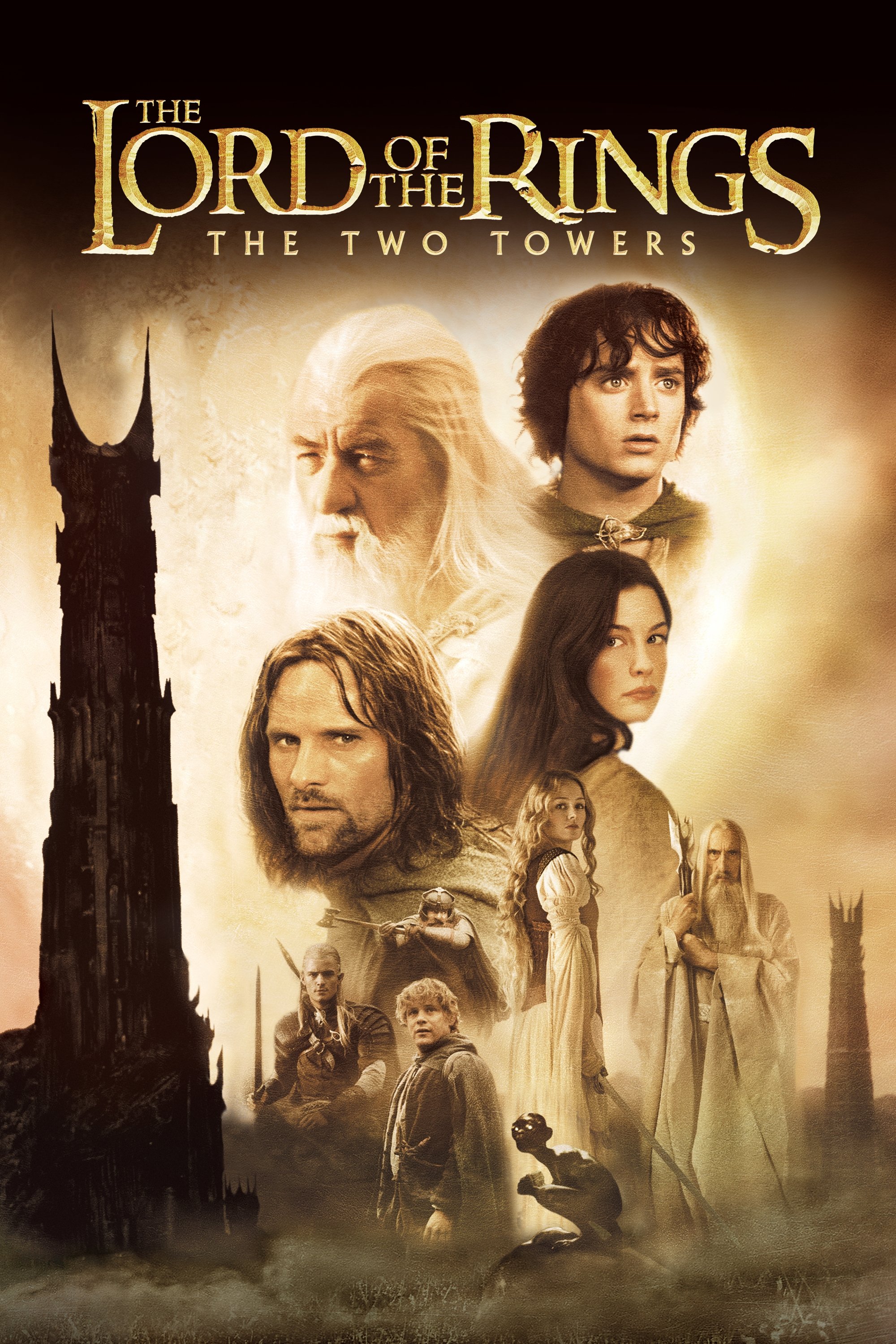
‘The Two Towers’ continues the journey while pioneering motion-capture performance with Andy Serkis as Gollum. The large-scale Battle of Helm’s Deep combined practical stunts, large extras casts, and digital augmentation. It received Academy Awards for Best Visual Effects and Best Sound Editing.
‘The Lord of the Rings: The Return of the King’ (2003)
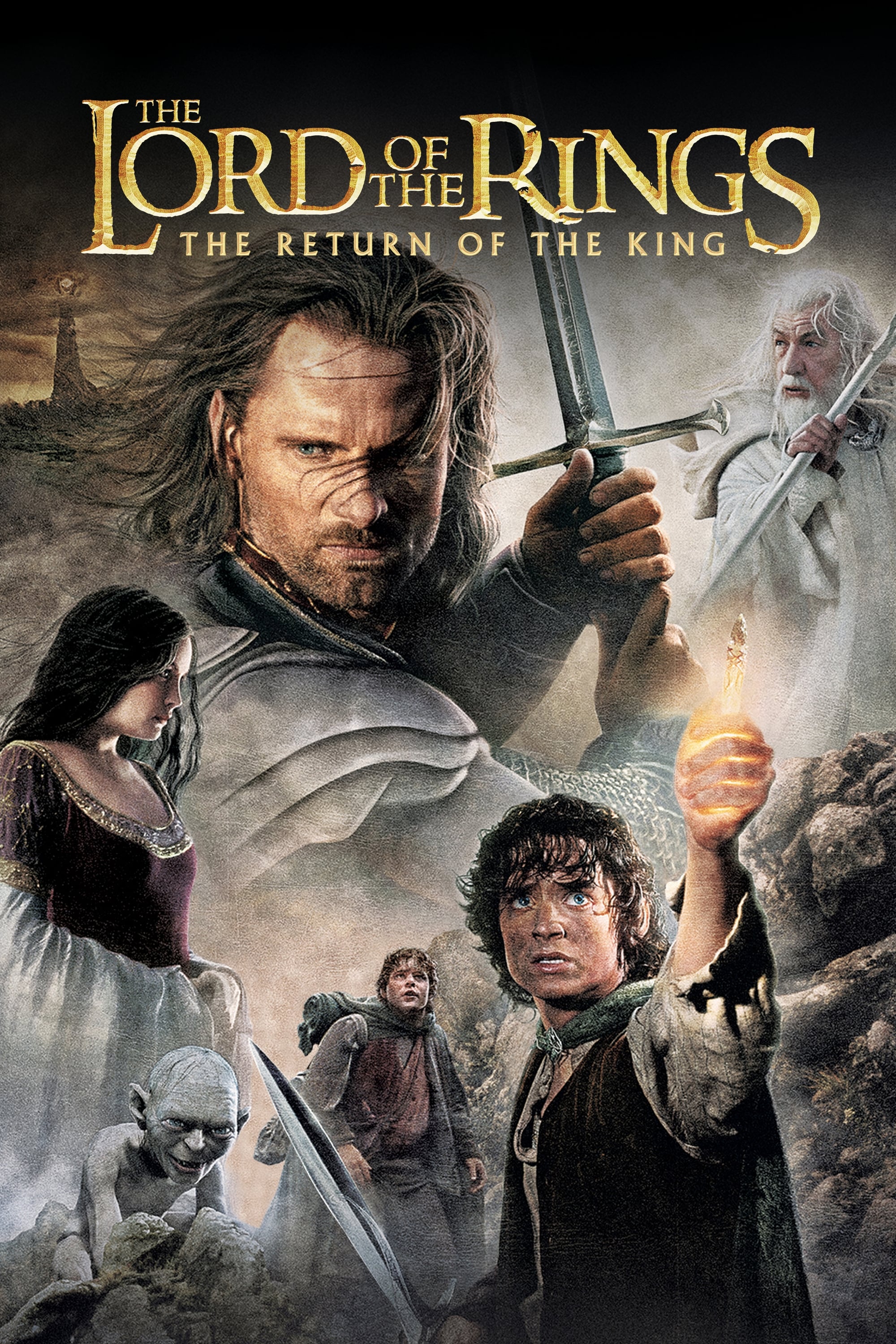
Concluding the trilogy, ‘The Return of the King’ depicts the final push against Sauron and the Ring’s fate. The film swept the Academy Awards with 11 wins, including Best Picture and Best Director. Its production unified live action, miniatures, and CGI across multi-year shoots and post-production.
‘Pan’s Labyrinth’ (2006)
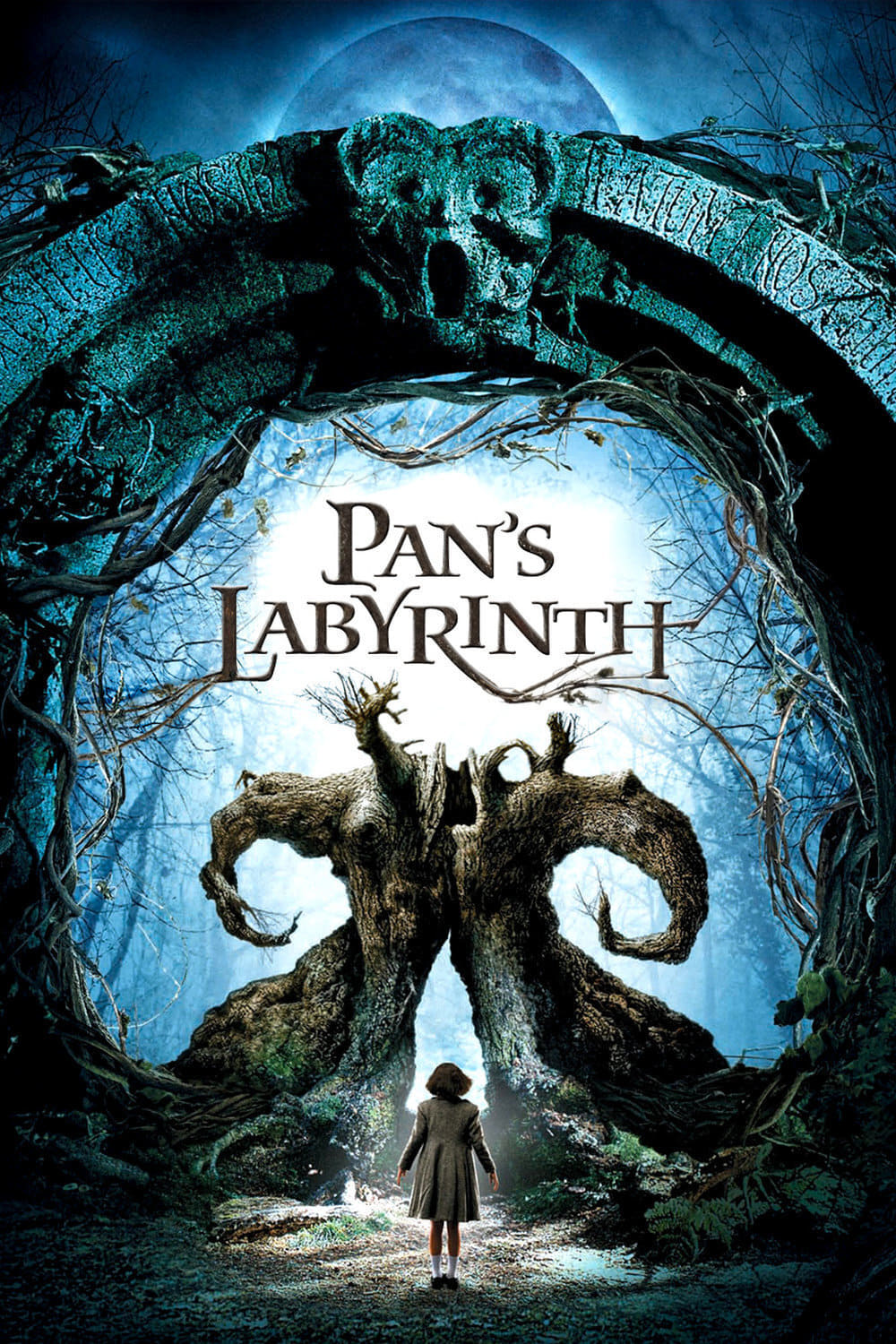
Guillermo del Toro’s Spanish-language dark fantasy intertwines a child’s encounters with mythical creatures and the realities of post-Civil War Spain. Doug Jones portrays multiple creatures through elaborate prosthetics and performance. The film won Academy Awards for Cinematography, Art Direction, and Makeup.
‘Spirited Away’ (2001)
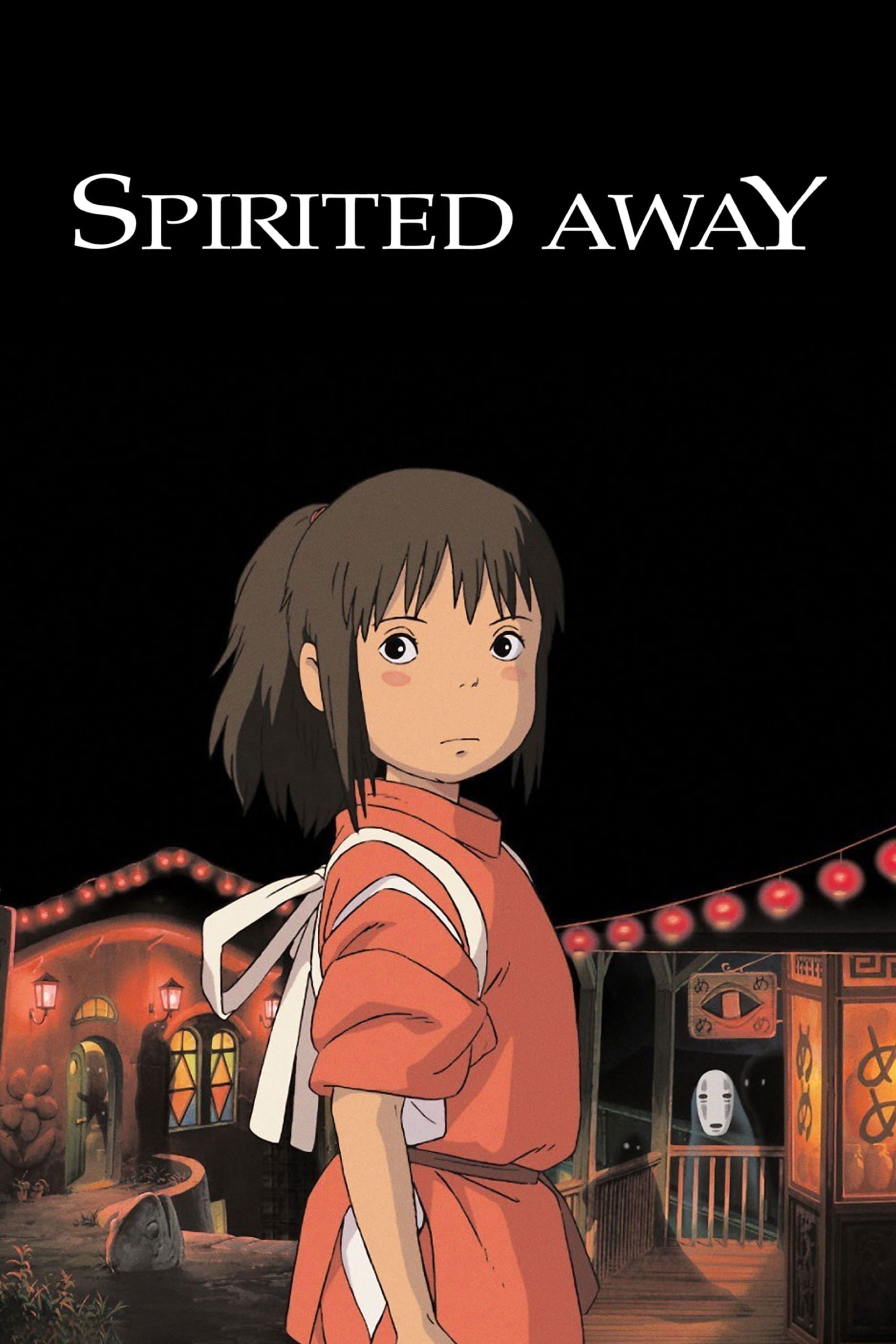
Hayao Miyazaki’s ‘Spirited Away’ follows a girl navigating a spirit world after her parents are transformed. Produced by Studio Ghibli, it blends hand-drawn animation with limited digital assistance. The film won the Academy Award for Best Animated Feature and set box-office records in Japan upon release.
‘Princess Mononoke’ (1997)
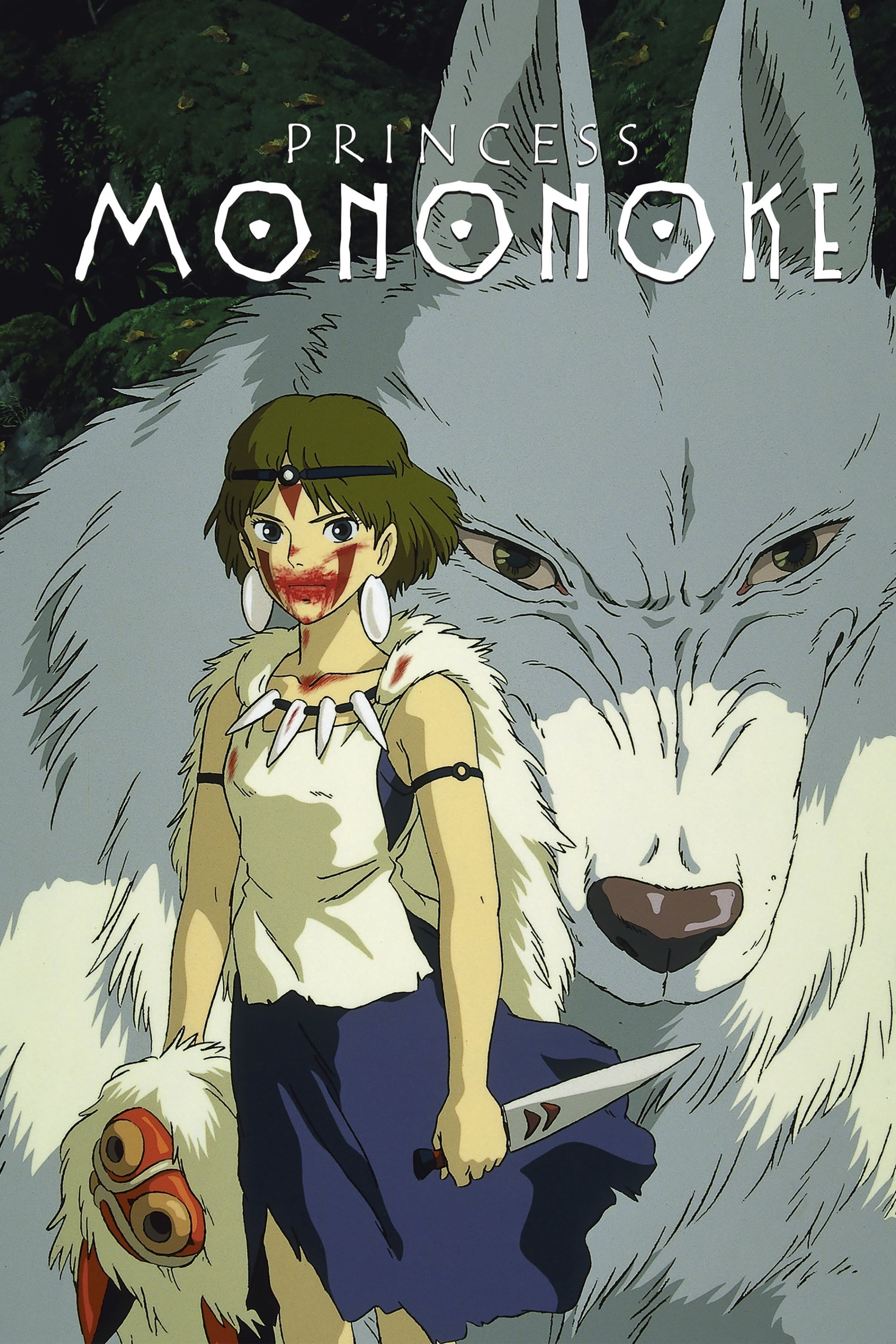
In ‘Princess Mononoke’, Miyazaki explores the clash between industrial expansion and the spirits of the forest. Studio Ghibli combined extensive hand-drawn work with selective CGI to stage large-scale action. The film won major domestic awards and set new box-office marks in Japan at the time.
‘Howl’s Moving Castle’ (2004)
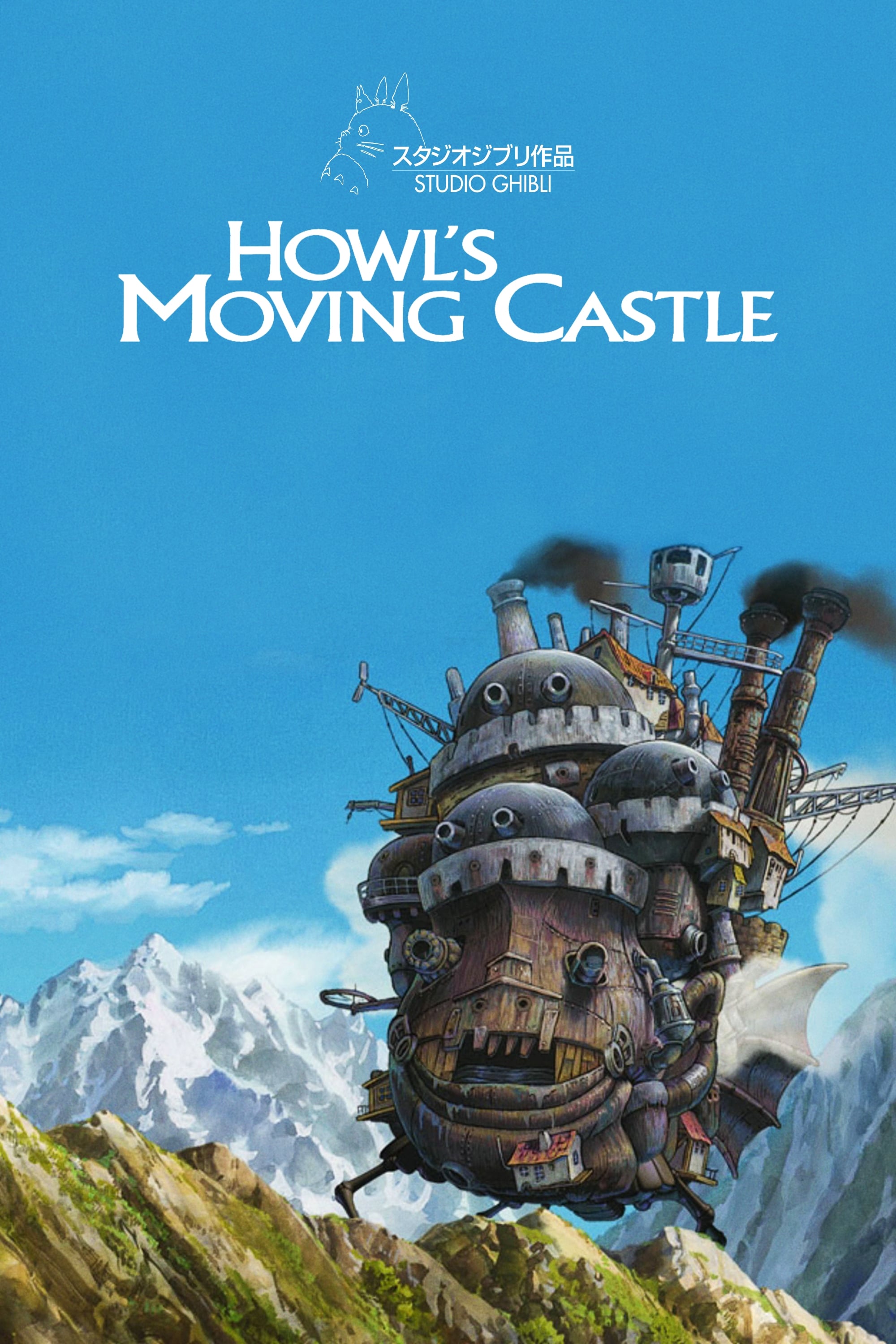
Adapted from Diana Wynne Jones’s novel, ‘Howl’s Moving Castle’ centers on a cursed young woman and a wizard with a walking castle. Joe Hisaishi composed the score, and Studio Ghibli delivered intricate hand-drawn backgrounds. The film earned a nomination for the Academy Award for Best Animated Feature.
‘The Princess Bride’ (1987)
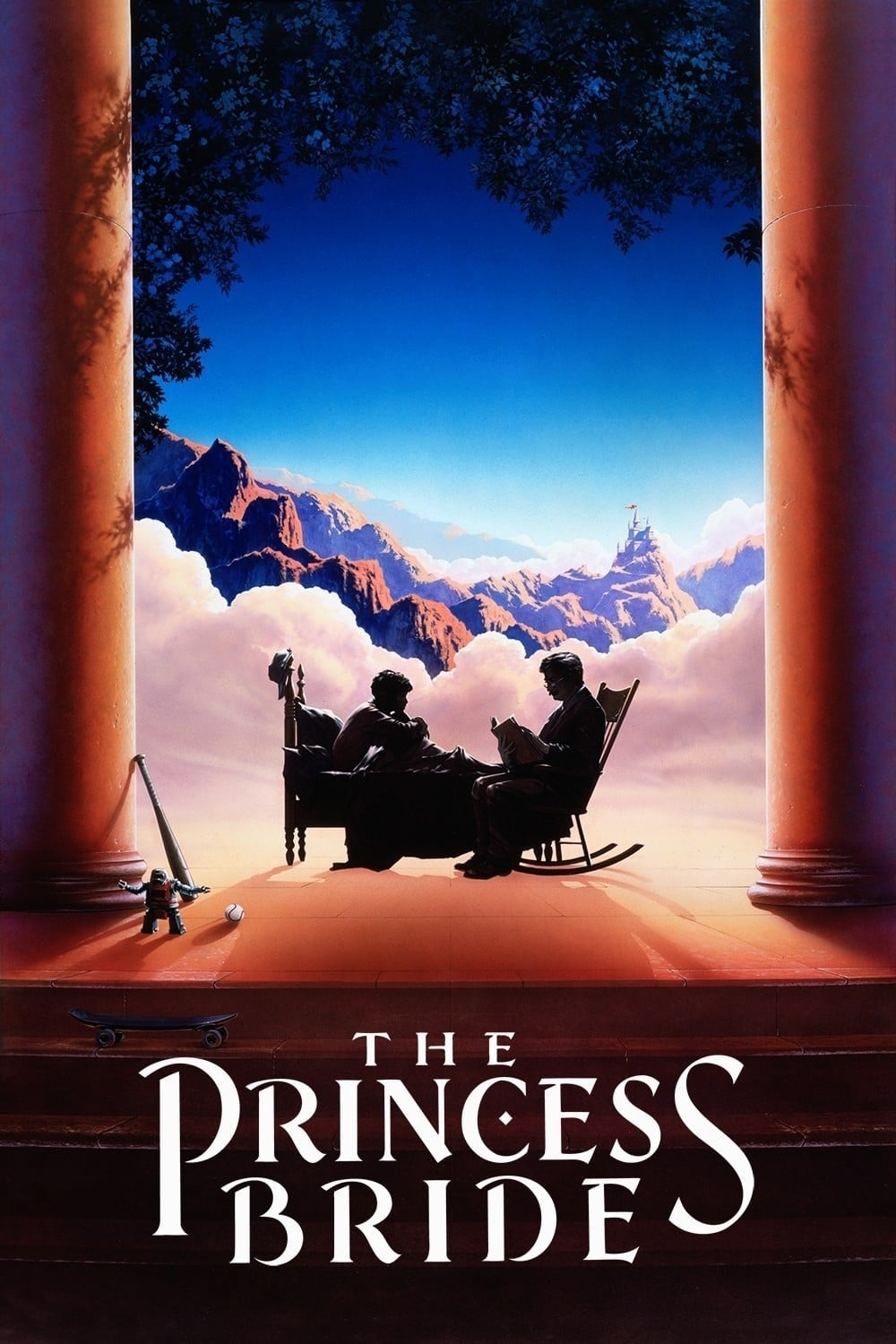
Rob Reiner directs ‘The Princess Bride’, adapted by William Goldman from his own novel. The film blends fairy-tale adventure with swordplay and inventive set-piece storytelling. Cary Elwes, Robin Wright, and Mandy Patinkin lead the cast, with Mark Knopfler providing the score.
‘Labyrinth’ (1986)
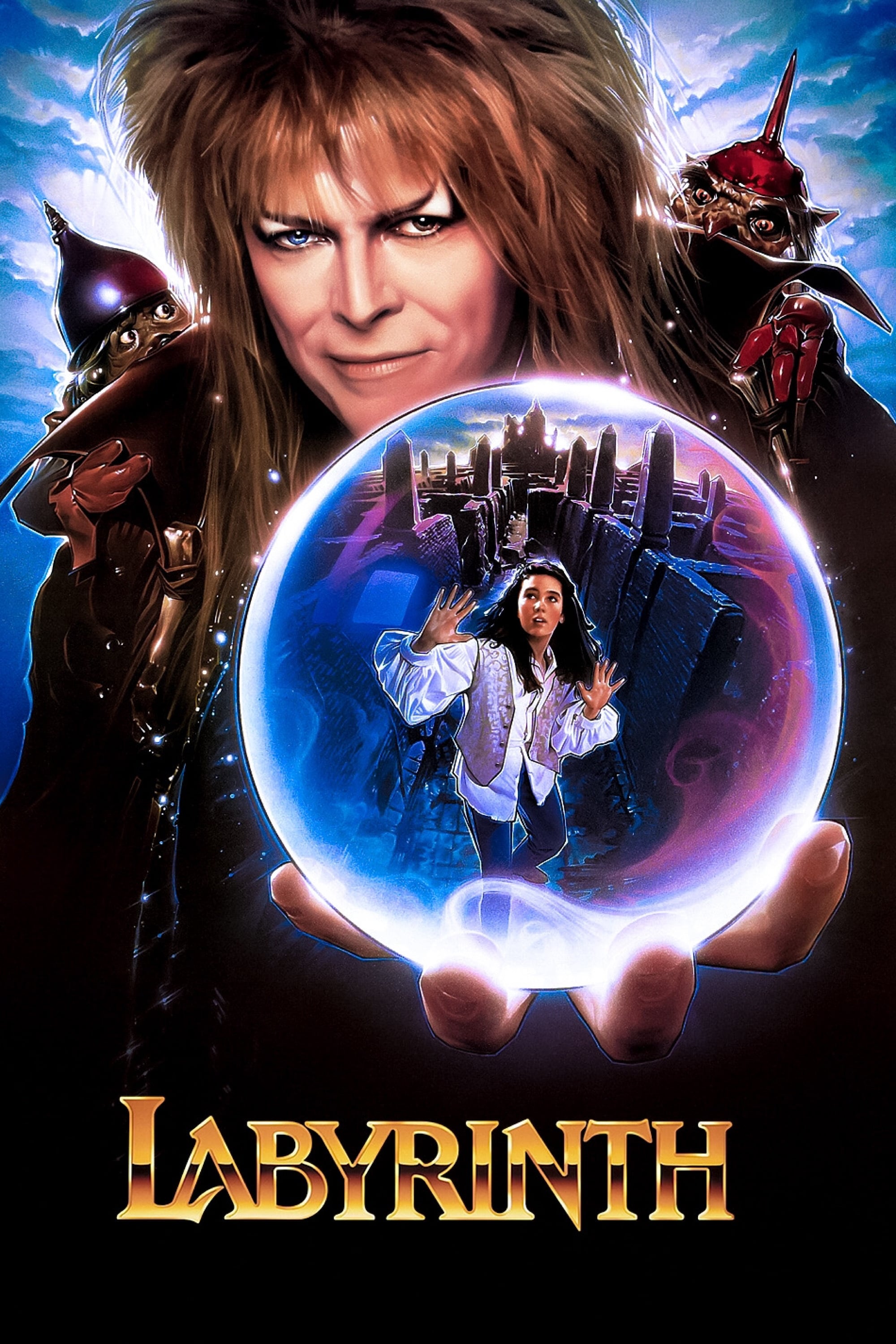
Directed by Jim Henson and produced by George Lucas, ‘Labyrinth’ follows a girl navigating a maze to rescue her brother. David Bowie and Jennifer Connelly star, with Bowie contributing original songs. Jim Henson’s Creature Shop created extensive puppetry and animatronics for the Goblin King’s world.
‘Legend’ (1985)
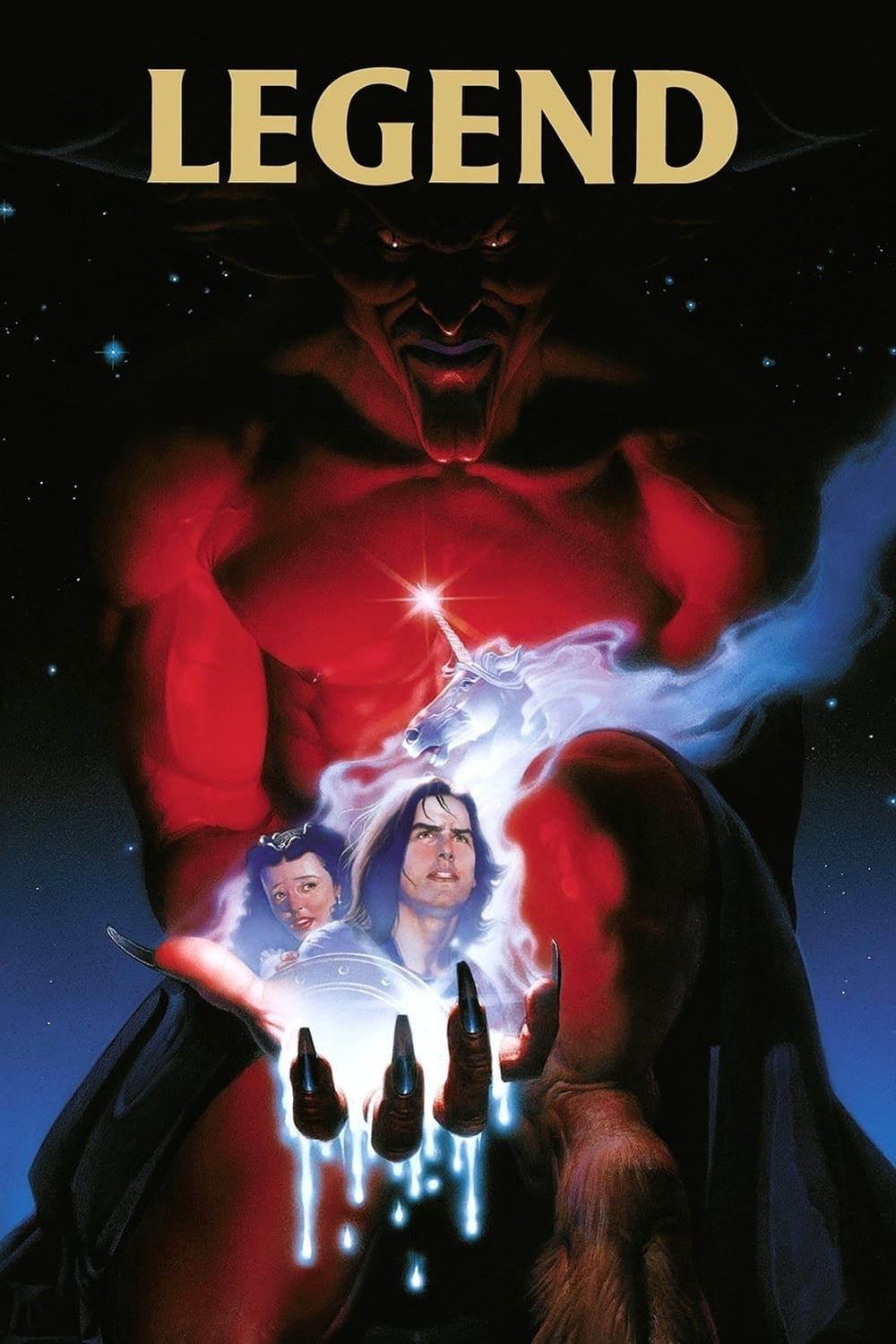
Ridley Scott’s ‘Legend’ features Tom Cruise, Mia Sara, and Tim Curry in a tale of light versus darkness. Makeup designer Rob Bottin crafted elaborate prosthetics, including the Lord of Darkness. Notably, the U.S. theatrical release featured a Tangerine Dream score, while other cuts used Jerry Goldsmith’s music.
‘Willow’ (1988)
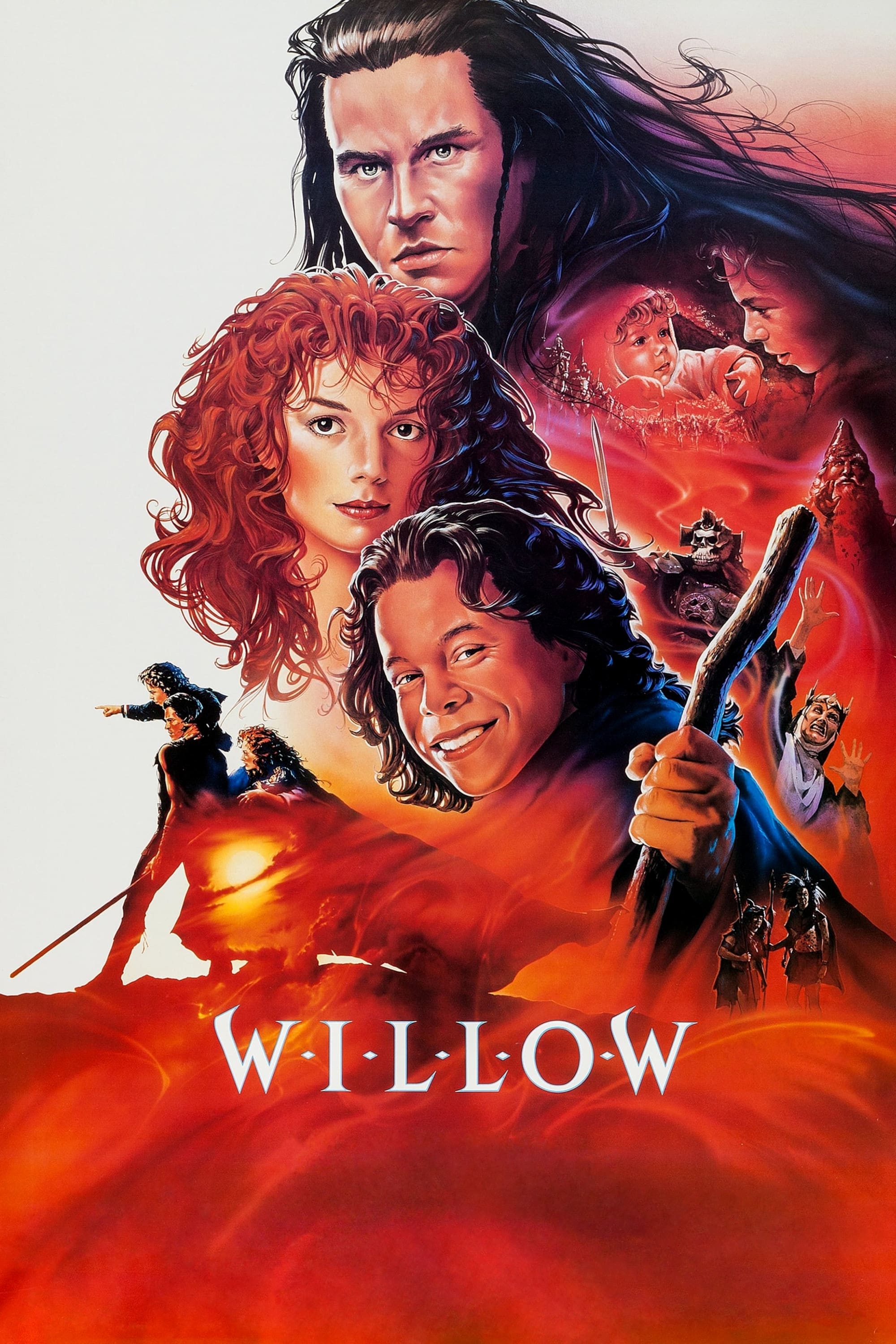
Directed by Ron Howard from a story by George Lucas, ‘Willow’ follows an aspiring sorcerer who protects a prophesied child. Warwick Davis and Val Kilmer star, with Industrial Light & Magic advancing digital morphing effects. The film later inspired the series ‘Willow’, expanding its world and characters.
‘Excalibur’ (1981)
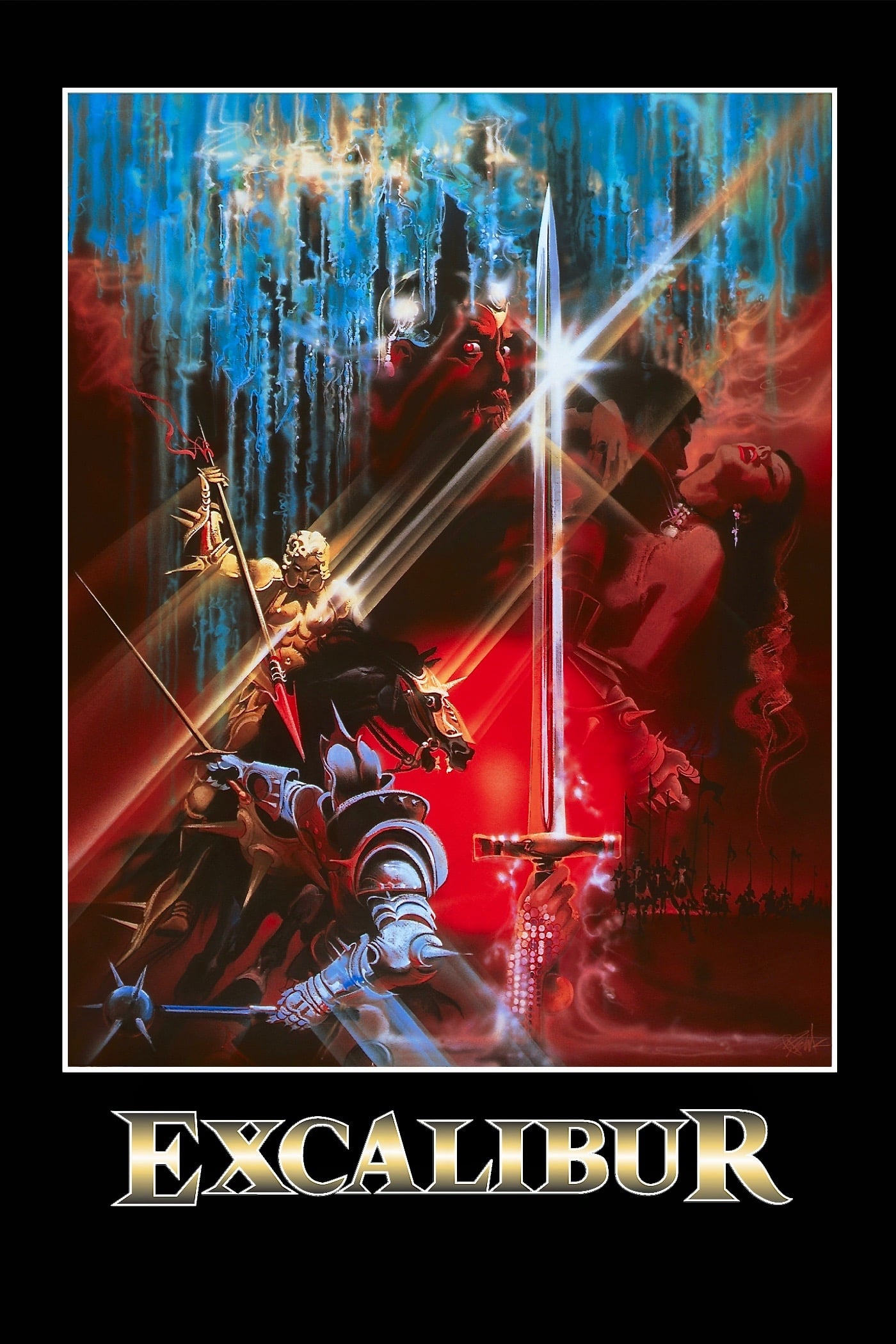
John Boorman’s ‘Excalibur’ retells the Arthurian legends from the sword’s discovery to the fall of Camelot. Filmed largely in Ireland, it uses striking location photography and mythic imagery. Early roles feature Patrick Stewart, Liam Neeson, and Gabriel Byrne.
‘The NeverEnding Story’ (1984)
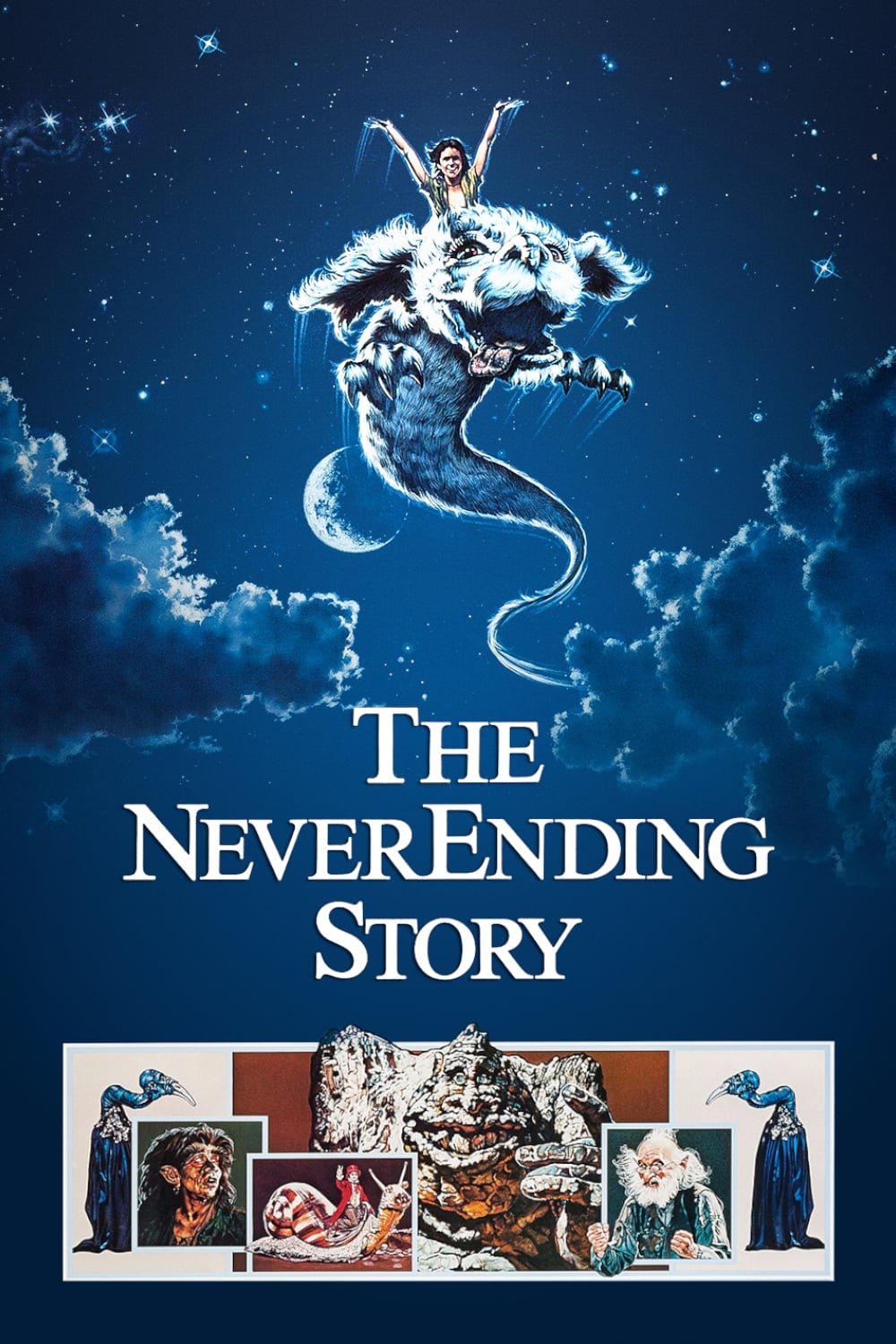
Wolfgang Petersen adapts Michael Ende’s novel in ‘The NeverEnding Story’, where a boy discovers a book that shapes a fantasy realm. The film is a German production with large-scale sets and creature effects. Its theme song, performed by Limahl, became closely associated with the film’s international release.
‘Harry Potter and the Prisoner of Azkaban’ (2004)
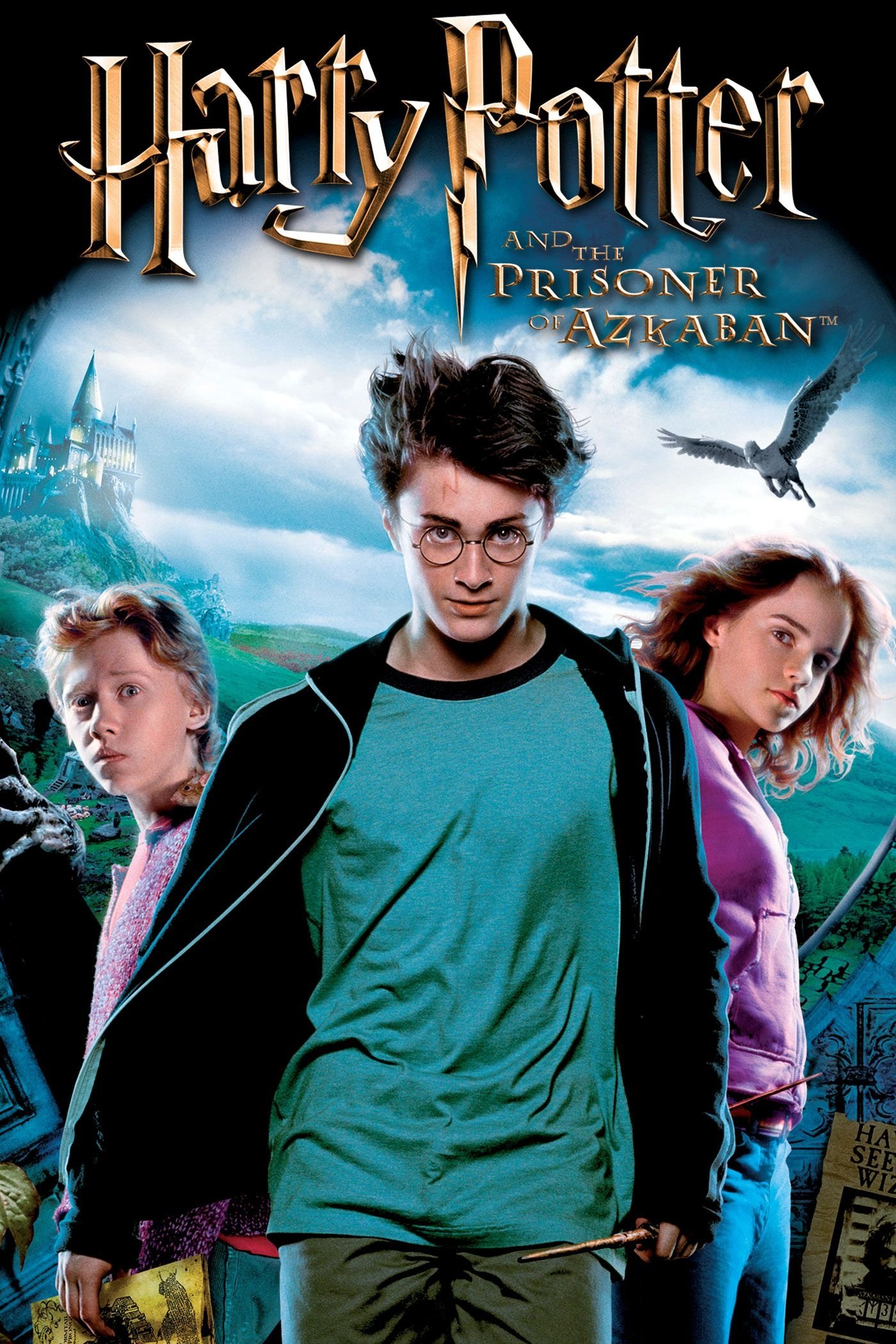
Directed by Alfonso Cuarón, ‘Harry Potter and the Prisoner of Azkaban’ adapts the third book in the saga. The film introduced Michael Gambon’s portrayal of Dumbledore and key characters played by Gary Oldman and David Thewlis. Visual effects showcased the Marauder’s Map and the time-turner sequence.
‘Pirates of the Caribbean: The Curse of the Black Pearl’ (2003)
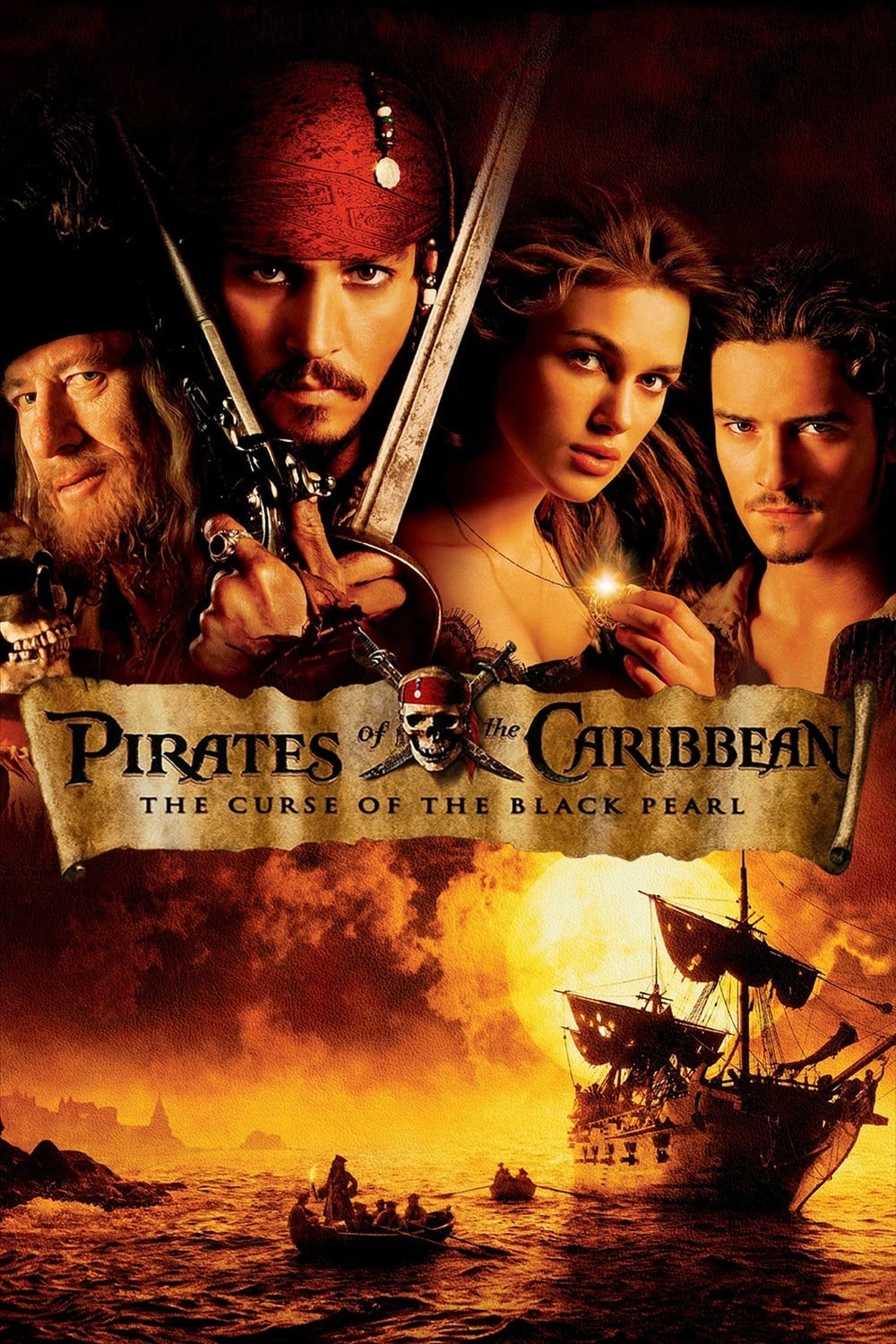
Gore Verbinski’s ‘Pirates of the Caribbean: The Curse of the Black Pearl’ launched a swashbuckling franchise inspired by a theme park attraction. Johnny Depp, Orlando Bloom, Keira Knightley, and Geoffrey Rush lead the ensemble. Industrial Light & Magic created skeletal pirate effects integrating motion capture and live action.
‘The Shape of Water’ (2017)
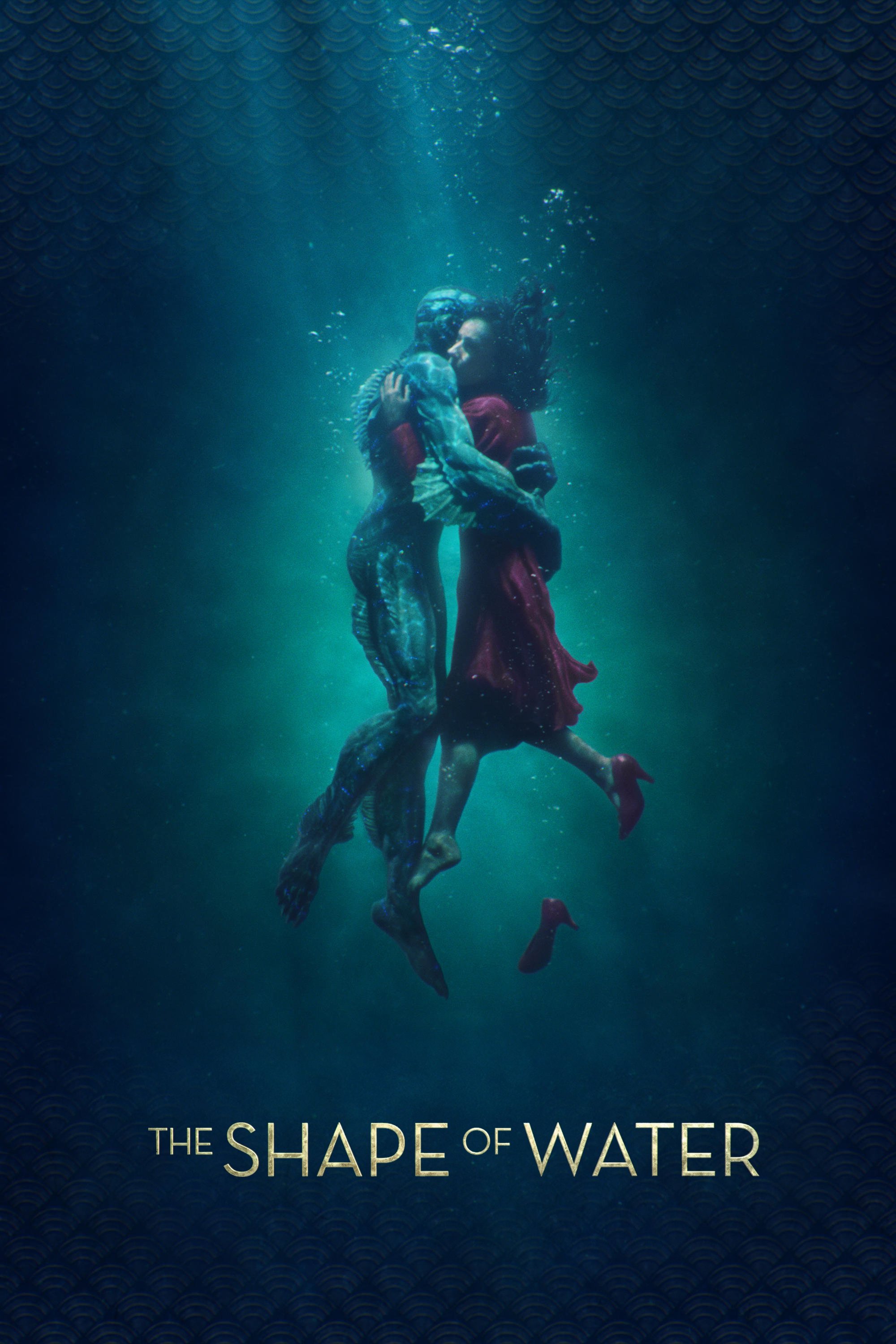
Guillermo del Toro’s ‘The Shape of Water’ is a Cold War-era fable about a mute custodian and an amphibious being. Sally Hawkins, Octavia Spencer, Richard Jenkins, and Michael Shannon co-star, with Doug Jones performing the creature role. The film won the Academy Awards for Best Picture and Best Director.
‘Big Fish’ (2003)
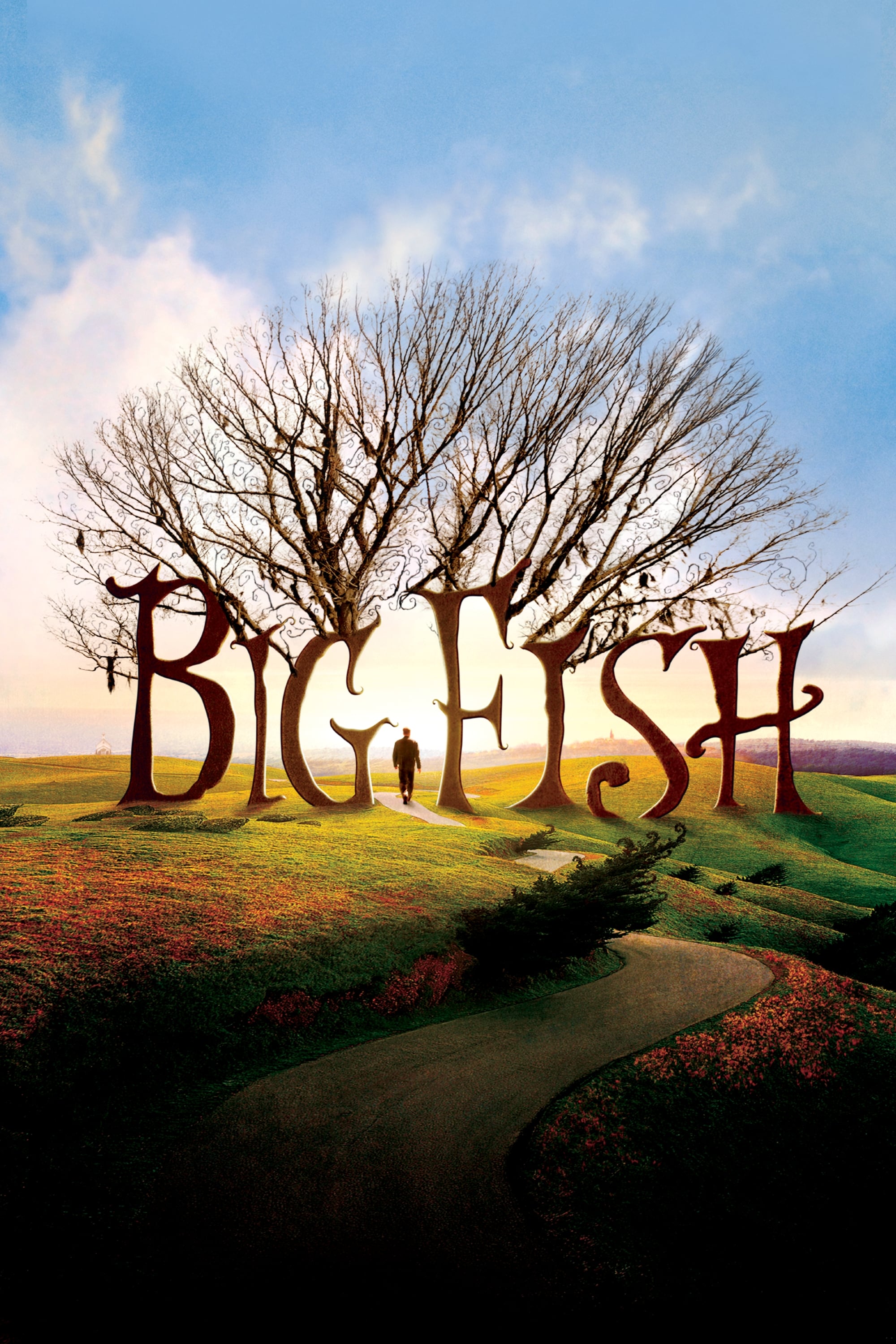
Tim Burton’s ‘Big Fish’ adapts Daniel Wallace’s novel about a son piecing together his father’s larger-than-life tales. The cast includes Ewan McGregor, Albert Finney, Billy Crudup, and Jessica Lange. Production design and practical effects support the film’s episodic storytelling and Southern-gothic tone.
‘The Green Knight’ (2021)
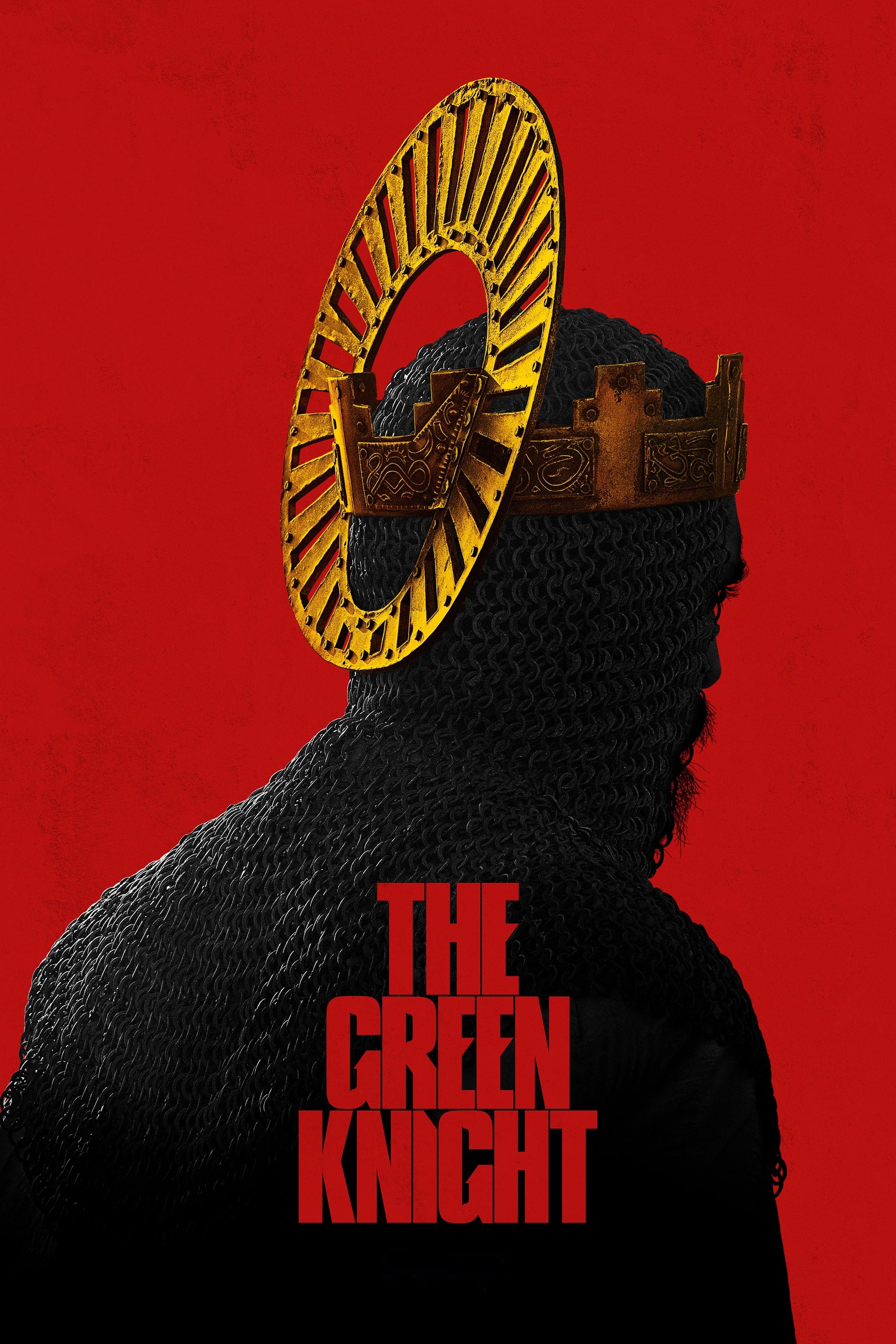
David Lowery’s ‘The Green Knight’ reimagines the medieval poem ‘Sir Gawain and the Green Knight’. Dev Patel leads the cast, with Alicia Vikander and Joel Edgerton in pivotal roles. The film is noted for its atmospheric cinematography and practical-digital effects blend.
‘The Chronicles of Narnia: The Lion, the Witch and the Wardrobe’ (2005)
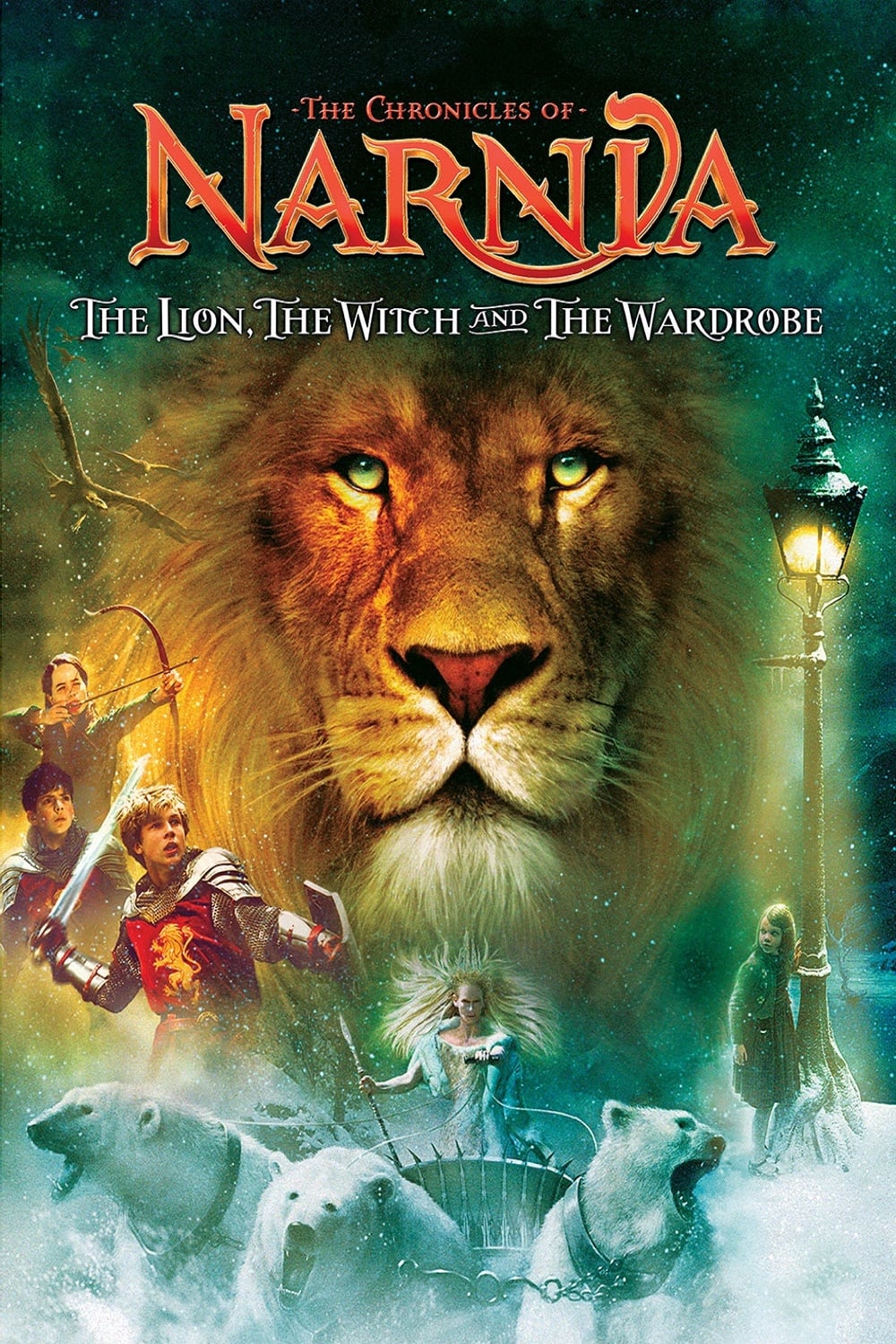
Andrew Adamson’s adaptation of C.S. Lewis’s ‘The Lion, the Witch and the Wardrobe’ follows four siblings who discover a magical realm. Tilda Swinton portrays the White Witch, with Weta Workshop and other vendors supplying creature and battle effects. The film launched a series of adaptations set in Narnia.
‘Crouching Tiger, Hidden Dragon’ (2000)
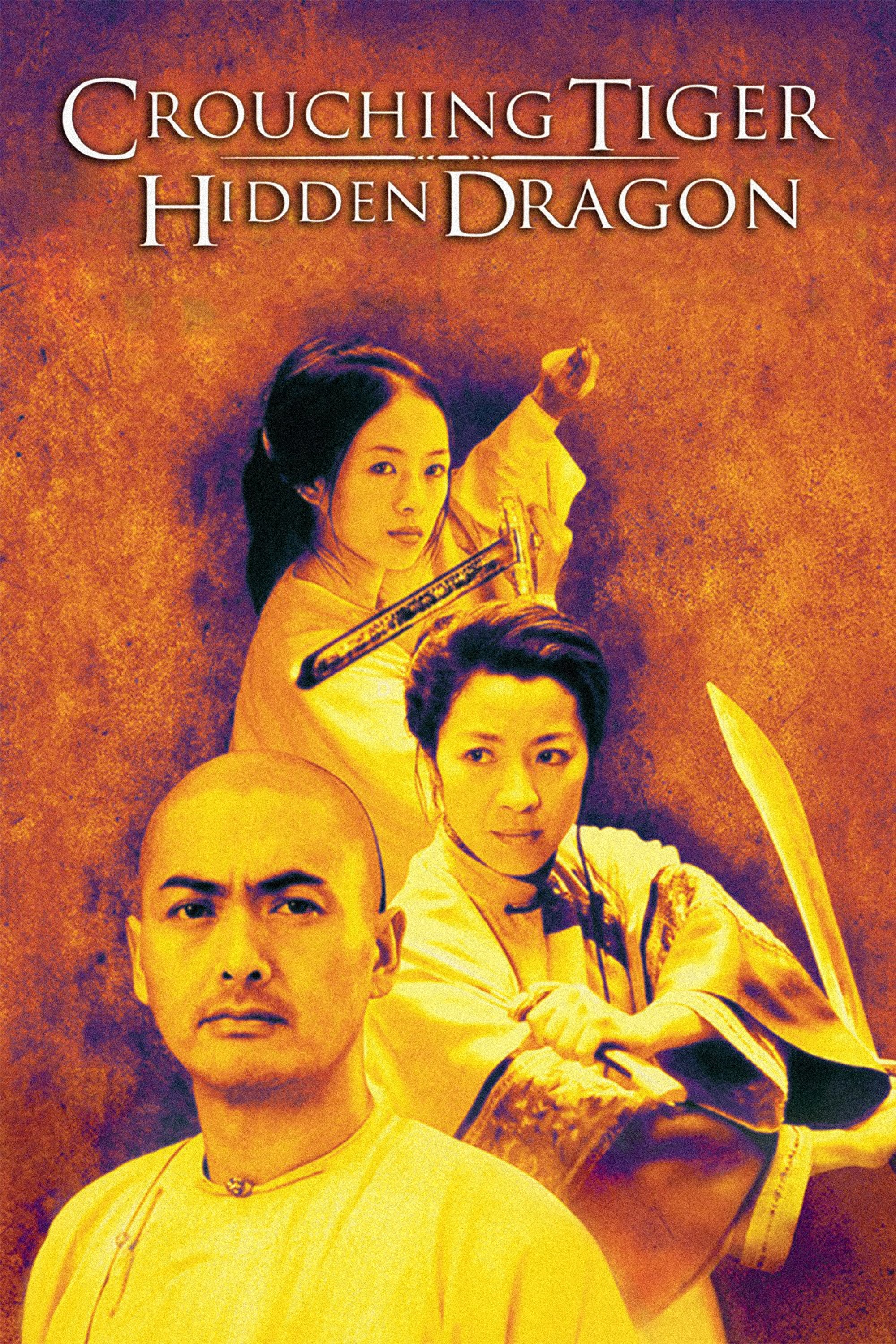
Ang Lee’s ‘Crouching Tiger, Hidden Dragon’ adapts Wang Dulu’s wuxia novel, starring Chow Yun-fat, Michelle Yeoh, and Zhang Ziyi. Yuen Wo-Ping choreographed the wire-assisted martial arts sequences. The film won four Academy Awards, including Best International Feature Film.
‘Stardust’ (2007)
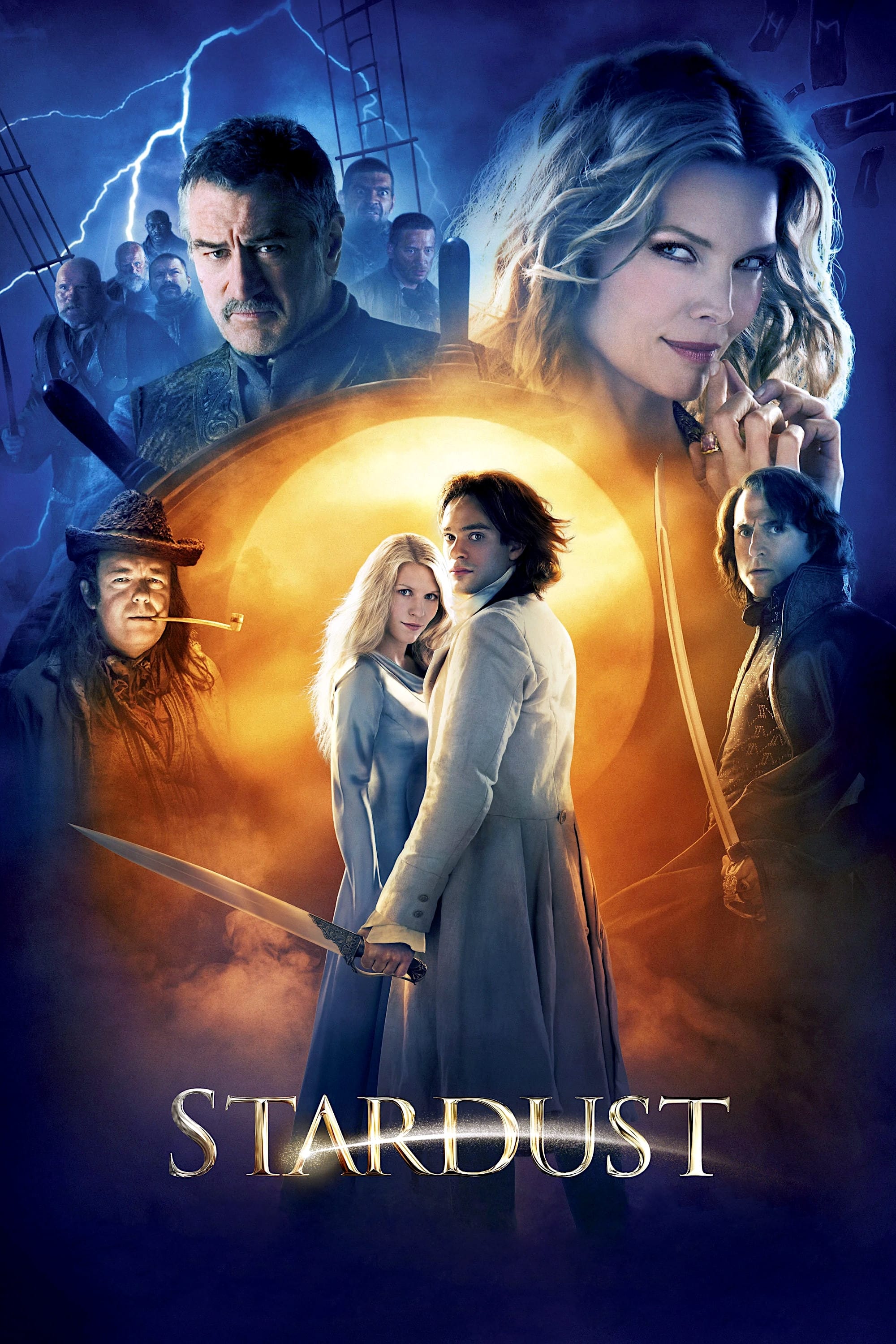
Directed by Matthew Vaughn, ‘Stardust’ adapts Neil Gaiman’s illustrated novel about a young man venturing beyond a wall into a magical land. Charlie Cox, Claire Danes, Michelle Pfeiffer, and Robert De Niro headline the cast. The production combines location filming, practical set pieces, and visual effects to stage airship battles and sorcery.
‘Edward Scissorhands’ (1990)
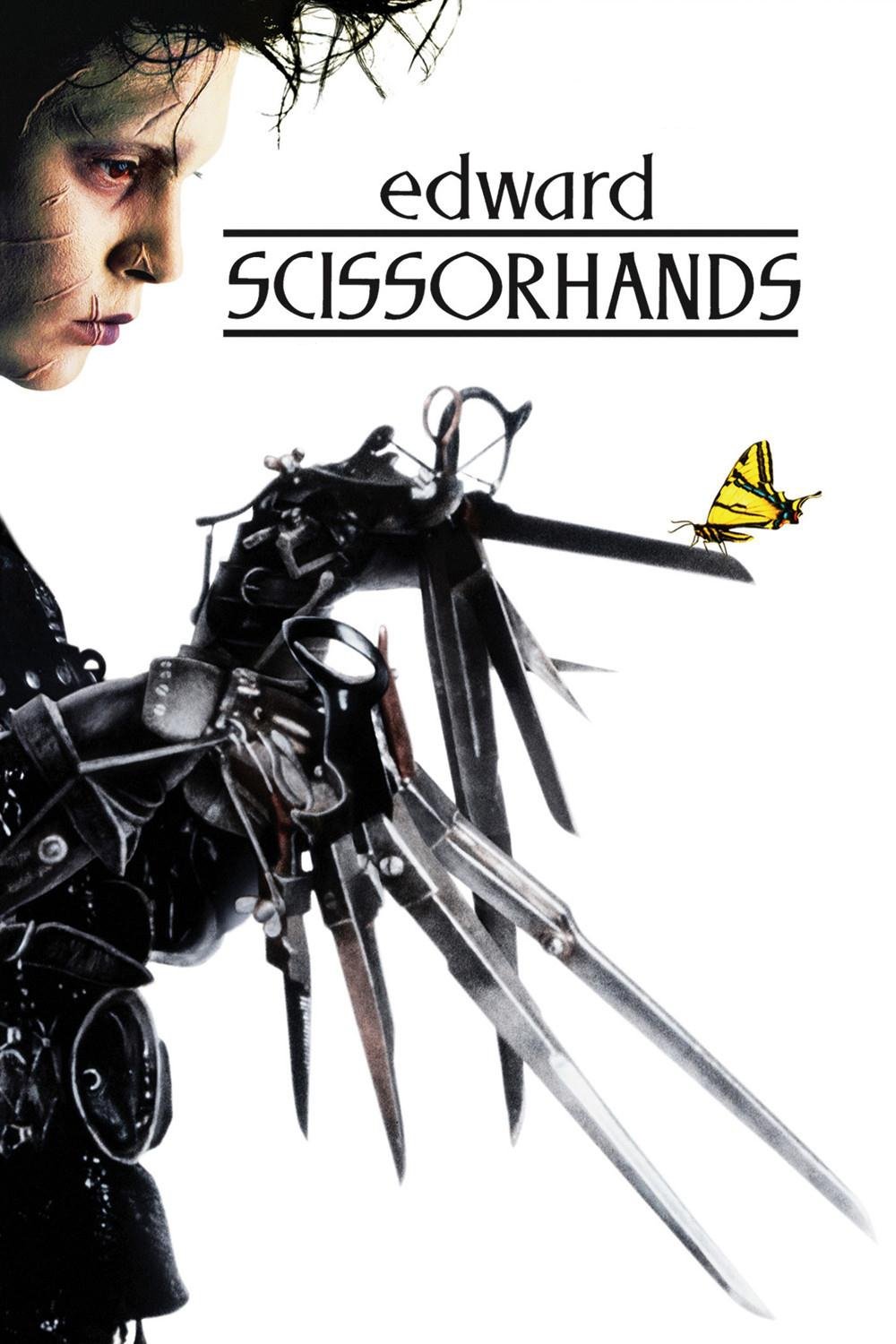
Tim Burton’s ‘Edward Scissorhands’ presents a suburban fairy tale about an artificial young man with blades for hands. Johnny Depp and Winona Ryder star, with a score by Danny Elfman. The production’s stylized sets and costuming create a distinct storybook aesthetic.
‘Beetlejuice’ (1988)
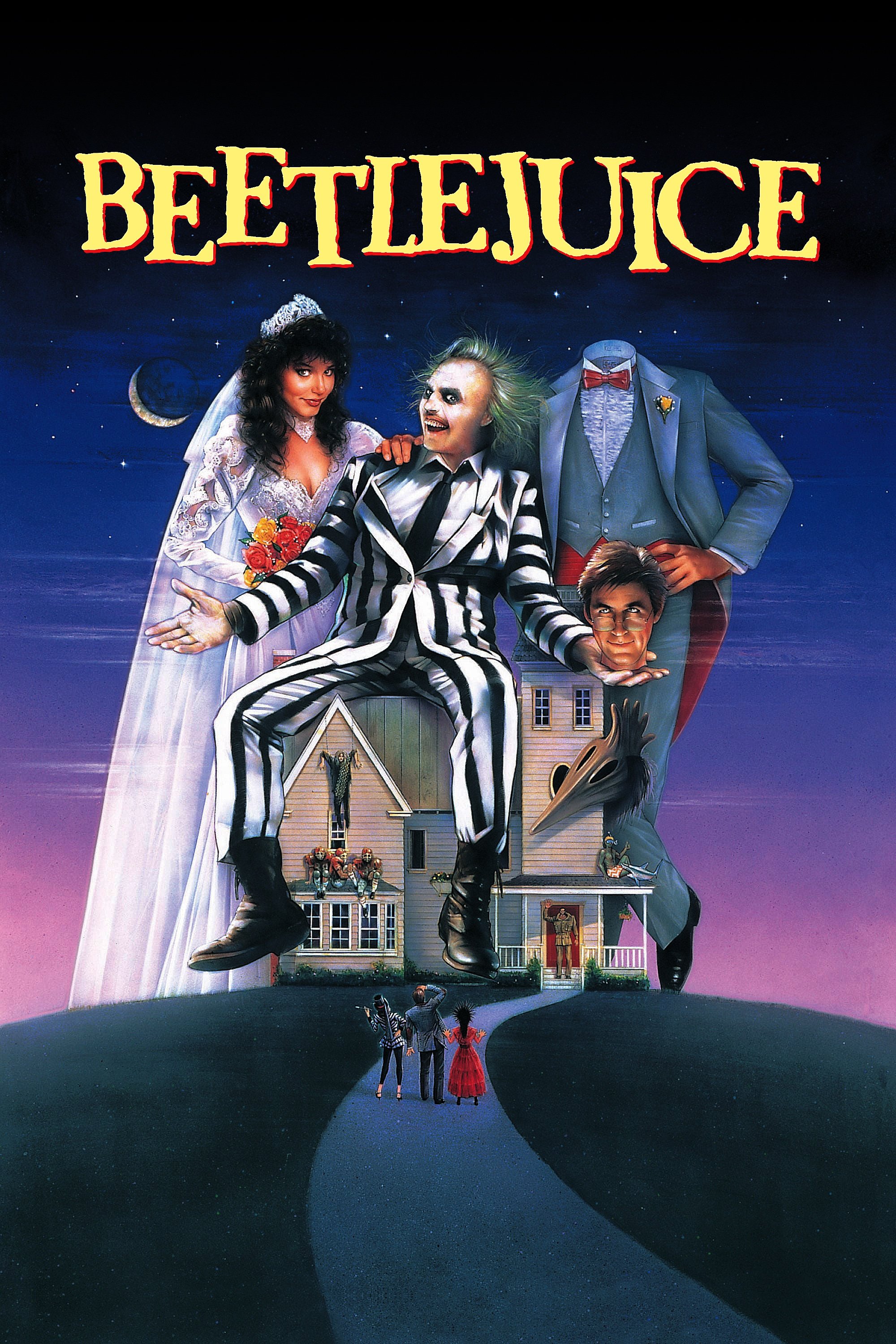
In Tim Burton’s ‘Beetlejuice’, a recently deceased couple enlist a chaotic “bio-exorcist” to reclaim their home. Michael Keaton leads the cast alongside Winona Ryder, Geena Davis, Alec Baldwin, and Catherine O’Hara. The film won the Academy Award for Best Makeup and features stop-motion and practical effects.
‘The Dark Crystal’ (1982)
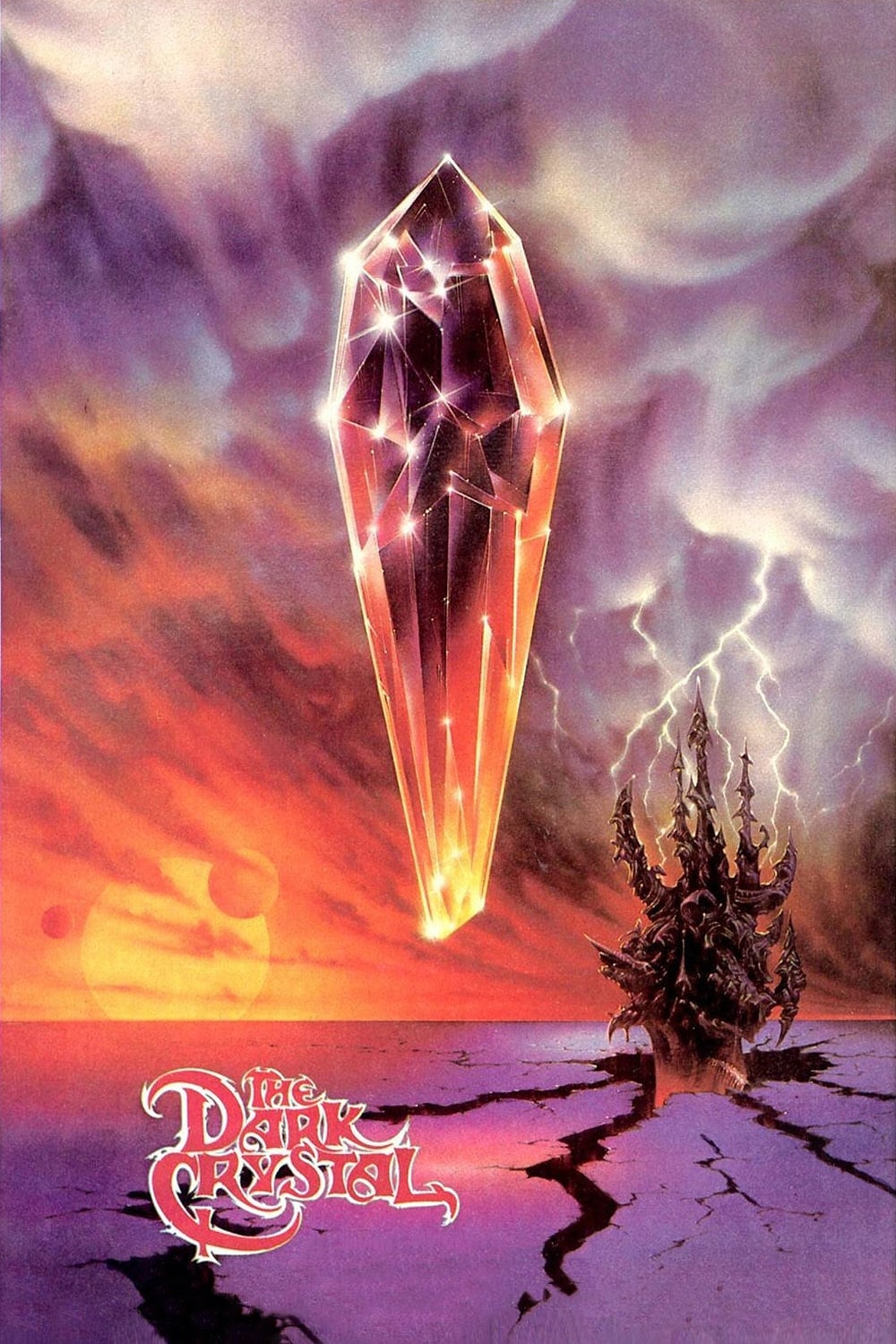
Co-directed by Jim Henson and Frank Oz, ‘The Dark Crystal’ tells an all-puppet epic about Gelflings, Mystics, and Skeksis. Concept artist Brian Froud shaped the film’s creature designs and environments. The storyworld later expanded with the series ‘The Dark Crystal: Age of Resistance’.
‘Coraline’ (2009)
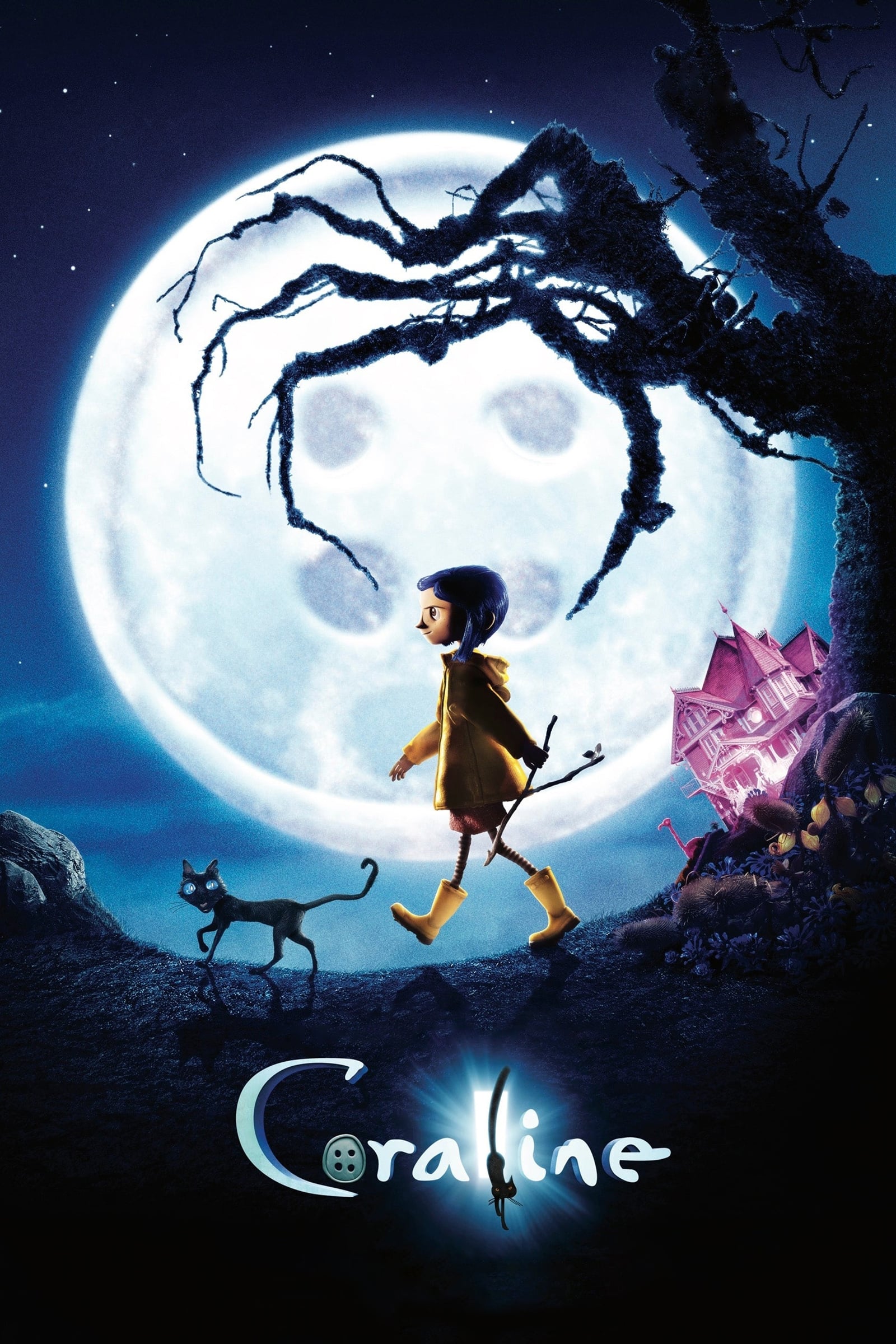
Directed by Henry Selick and based on Neil Gaiman’s novella, ‘Coraline’ uses hand-crafted stop-motion built by LAIKA’s Portland studio. The production employed replacement-face 3D printing to expand character expression without sacrificing tactile detail. It received a nomination for the Academy Award for Best Animated Feature and helped establish LAIKA’s signature aesthetic.
‘Kubo and the Two Strings’ (2016)
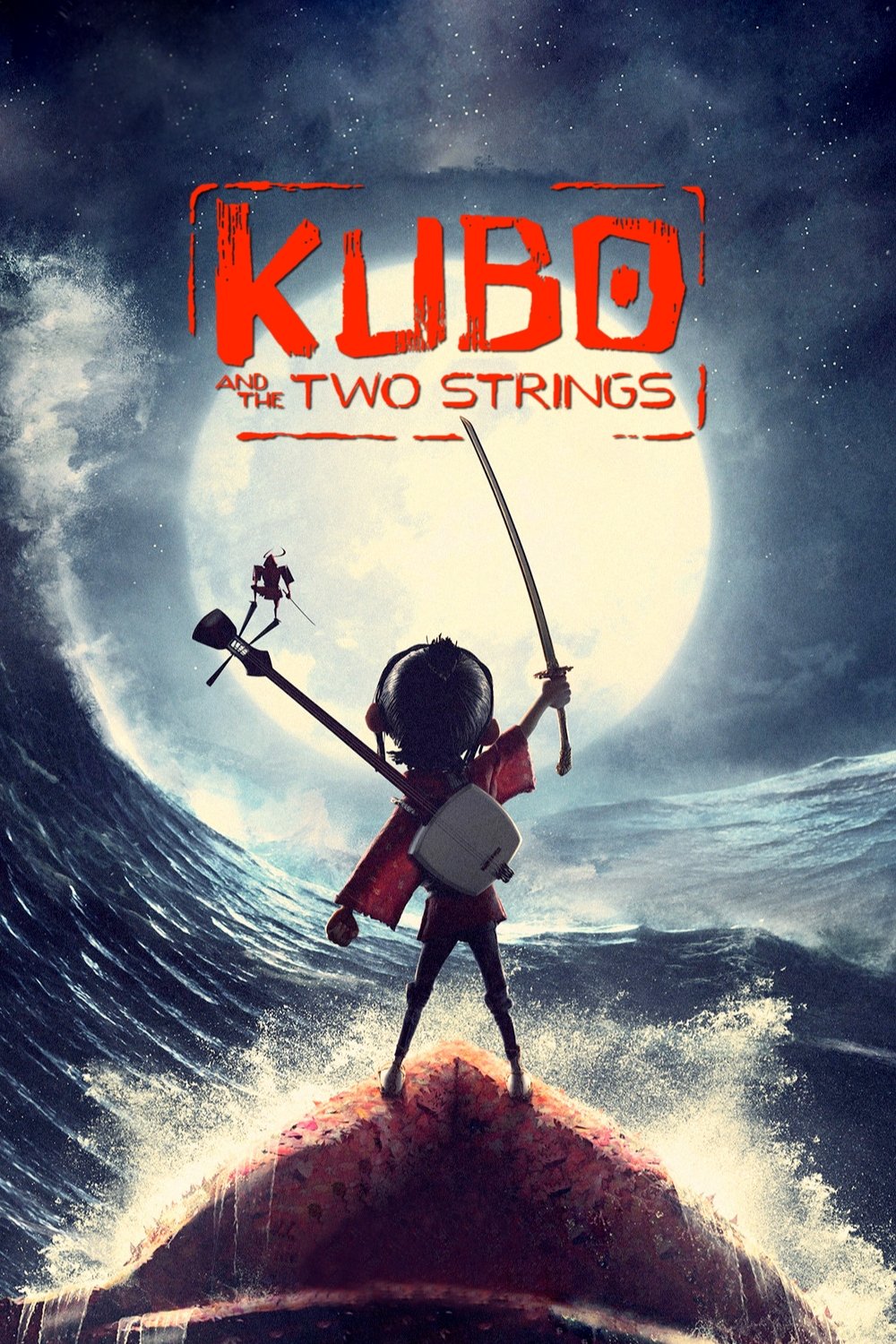
LAIKA’s ‘Kubo and the Two Strings’ blends large-format stop-motion with digital compositing to stage mythic set pieces. Travis Knight directs, with voice performances by Art Parkinson, Charlize Theron, and Matthew McConaughey. The film earned Academy Award nominations for Best Animated Feature and Best Visual Effects, a rare distinction for an animated production.
‘The Tale of the Princess Kaguya’ (2013)
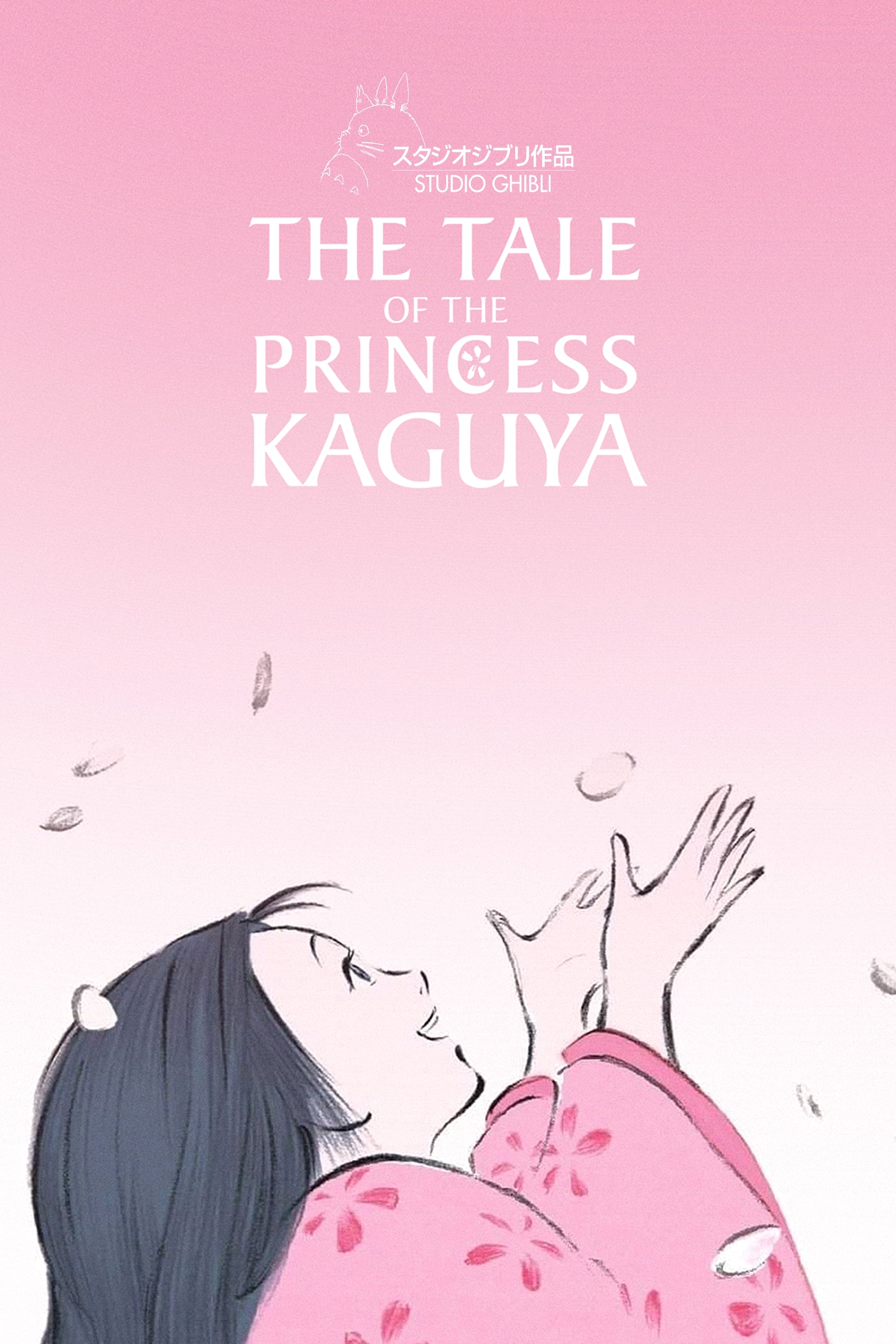
Directed by Isao Takahata at Studio Ghibli, ‘The Tale of the Princess Kaguya’ adapts the classic folktale ‘The Tale of the Bamboo Cutter’. Its watercolor-like linework and soft palettes were animated with a deliberately sketchlike style. The film was nominated for the Academy Award for Best Animated Feature.
‘The Last Unicorn’ (1982)
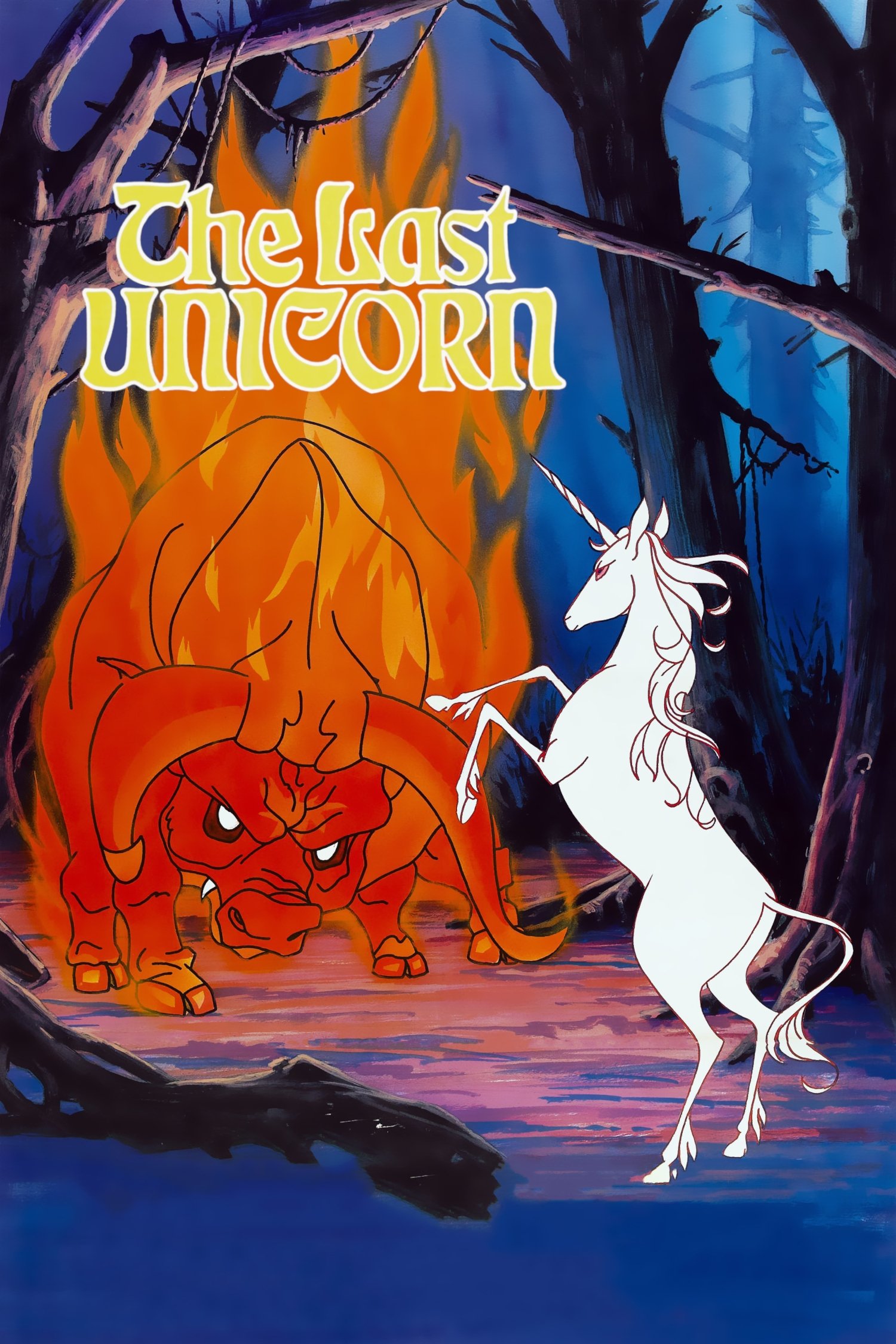
‘The Last Unicorn’ adapts Peter S. Beagle’s novel, directed by Arthur Rankin Jr. and Jules Bass. The voice cast includes Mia Farrow, Jeff Bridges, Alan Arkin, and Christopher Lee. Composer Jimmy Webb supplied songs performed by the band America, complementing the film’s orchestral score.
‘The Adventures of Baron Munchausen’ (1988)
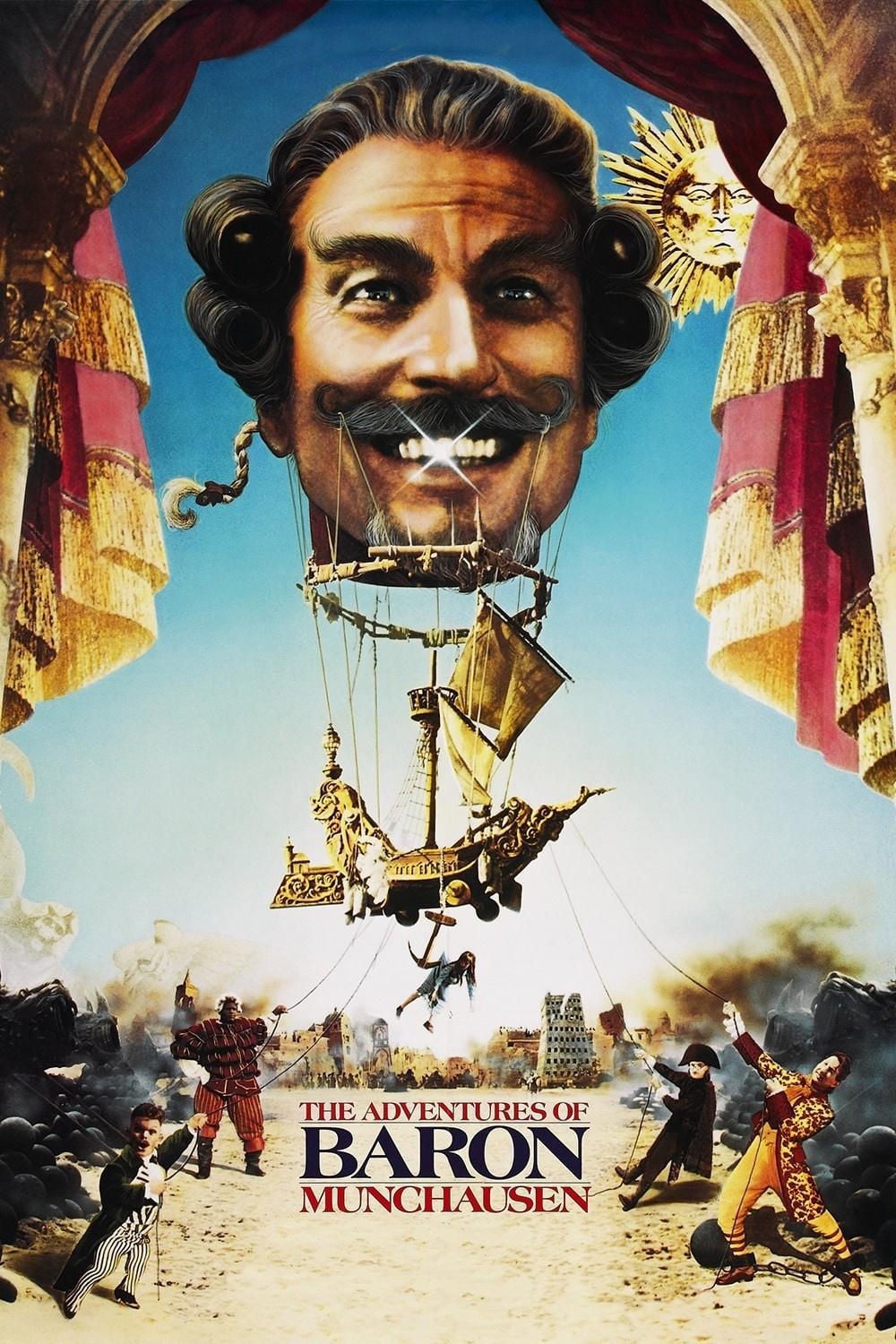
Terry Gilliam’s ‘The Adventures of Baron Munchausen’ mounts grand practical spectacles across elaborate stages and matte work. John Neville stars alongside Sarah Polley, Eric Idle, and Uma Thurman. The production earned multiple BAFTA Awards for craft, including production design, costume design, makeup, and visual effects.
‘The City of Lost Children’ (1995)
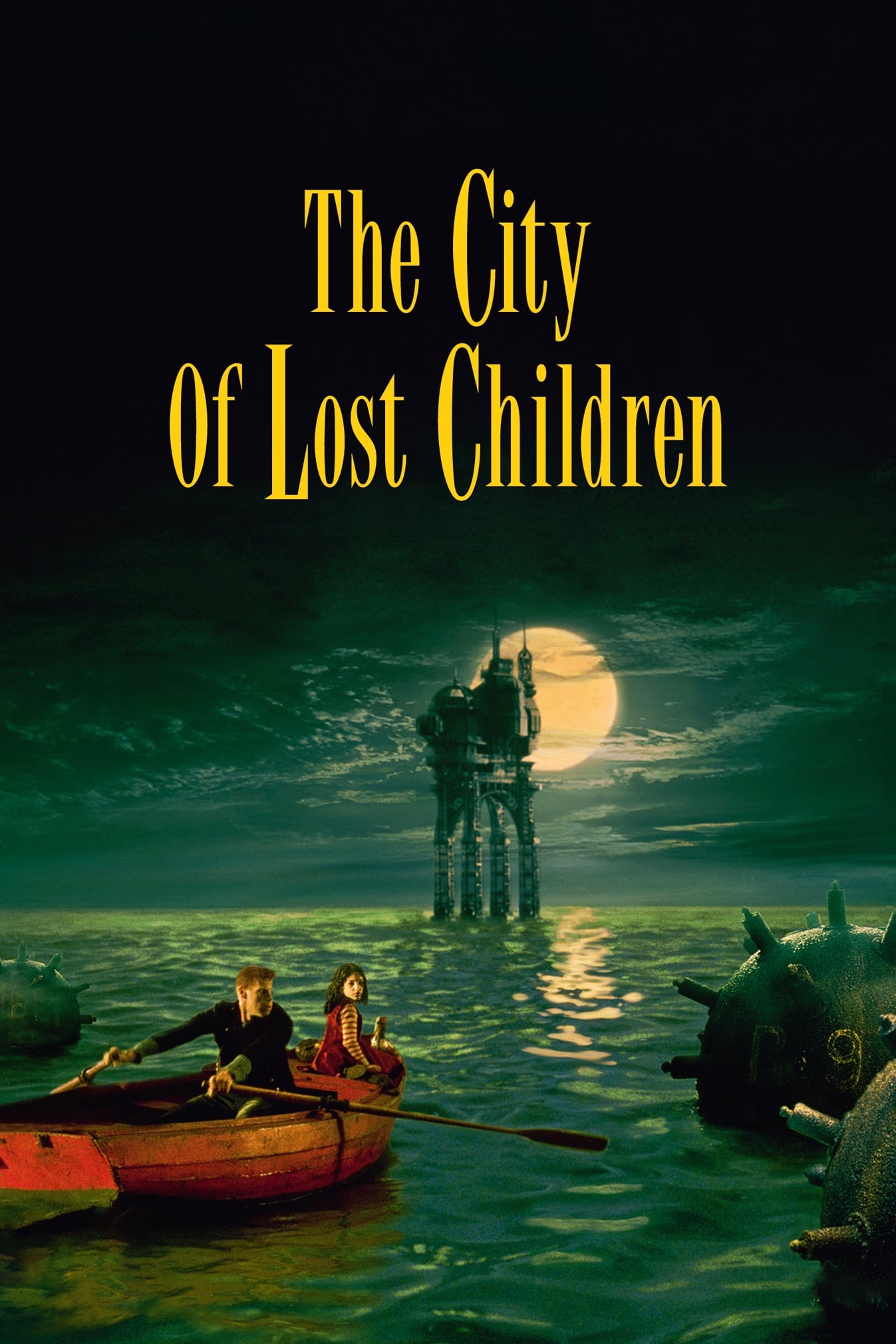
Co-directed by Jean-Pierre Jeunet and Marc Caro, ‘The City of Lost Children’ is a French fantasy known for surreal production design and analog effects. Ron Perlman leads the cast, with cinematography by Darius Khondji and music by Angelo Badalamenti. Miniatures, puppetry, and optical tricks support its dreamlike visuals.
‘Conan the Barbarian’ (1982)
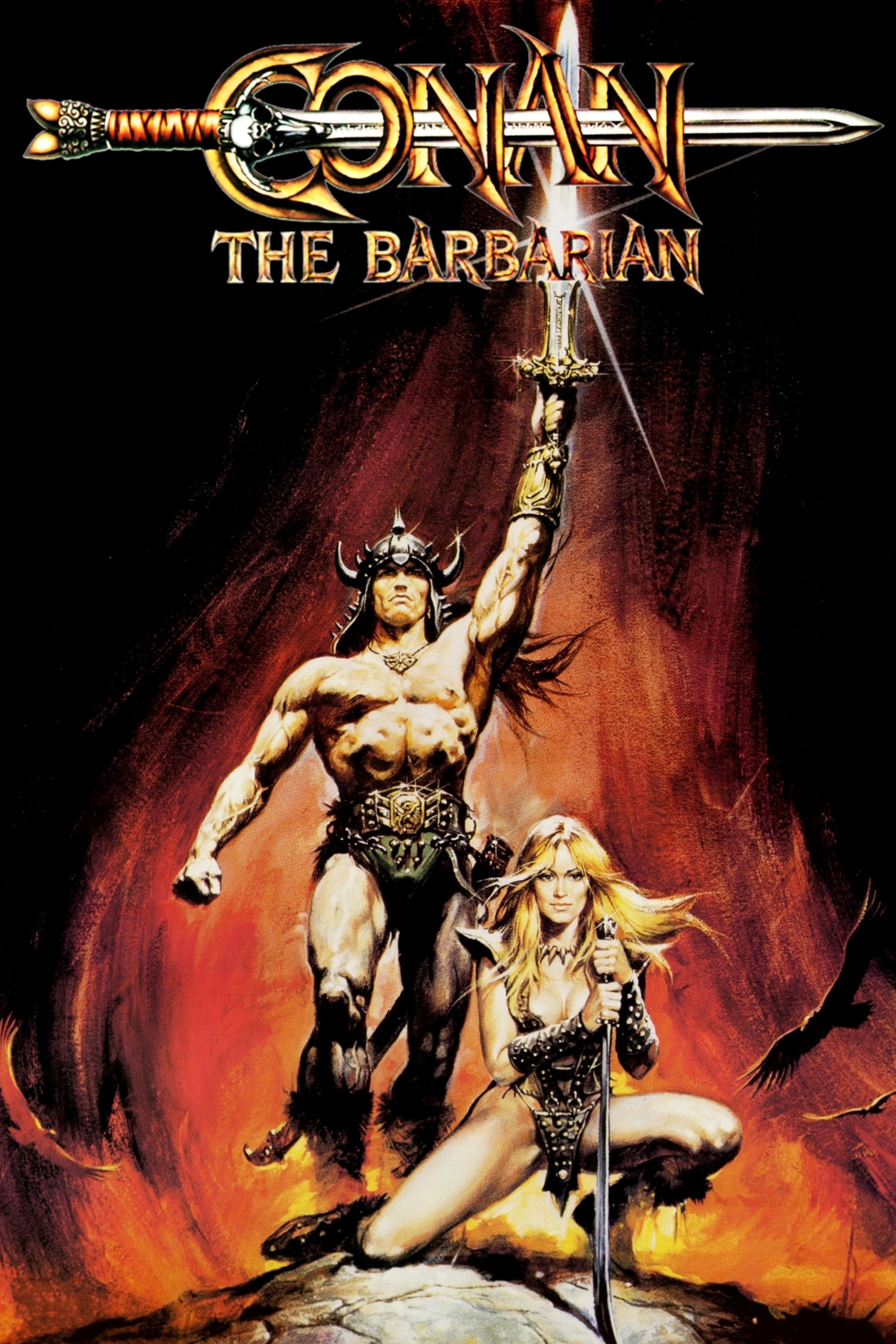
Directed by John Milius, ‘Conan the Barbarian’ brings Robert E. Howard’s sword-and-sorcery hero to the screen with large-scale location work. Arnold Schwarzenegger headlines, supported by James Earl Jones and Sandahl Bergman. Basil Poledouris’s symphonic score and extensive stunt choreography define its muscular style.
‘Ladyhawke’ (1985)
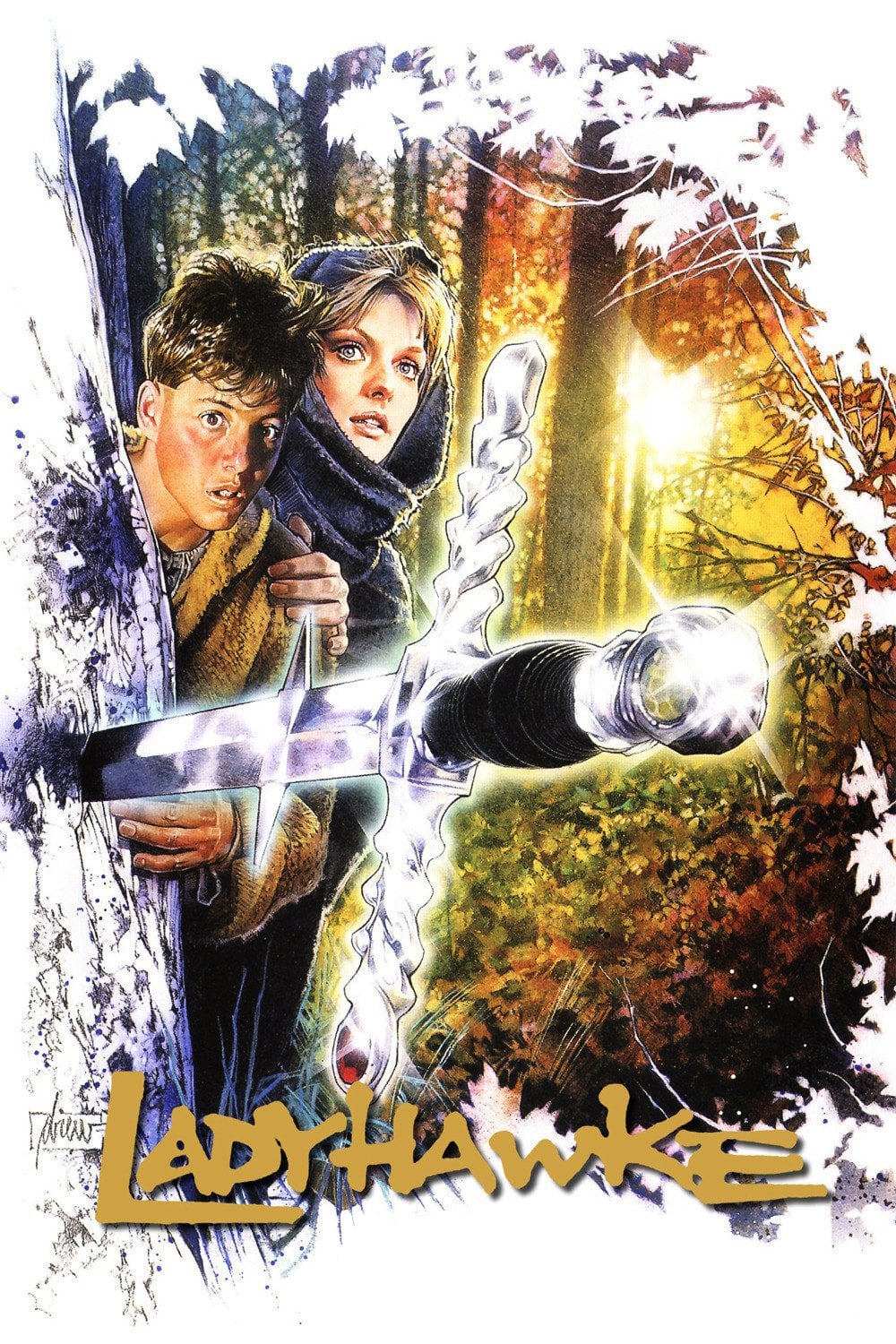
Richard Donner’s ‘Ladyhawke’ stars Rutger Hauer, Michelle Pfeiffer, and Matthew Broderick in a cursed-lovers tale set across Italian castles and countryside. Andrew Powell composed the score, produced by Alan Parsons, blending orchestral writing with contemporary textures. The production showcases medieval costuming and on-location photography.
‘The Secret of Roan Inish’ (1994)
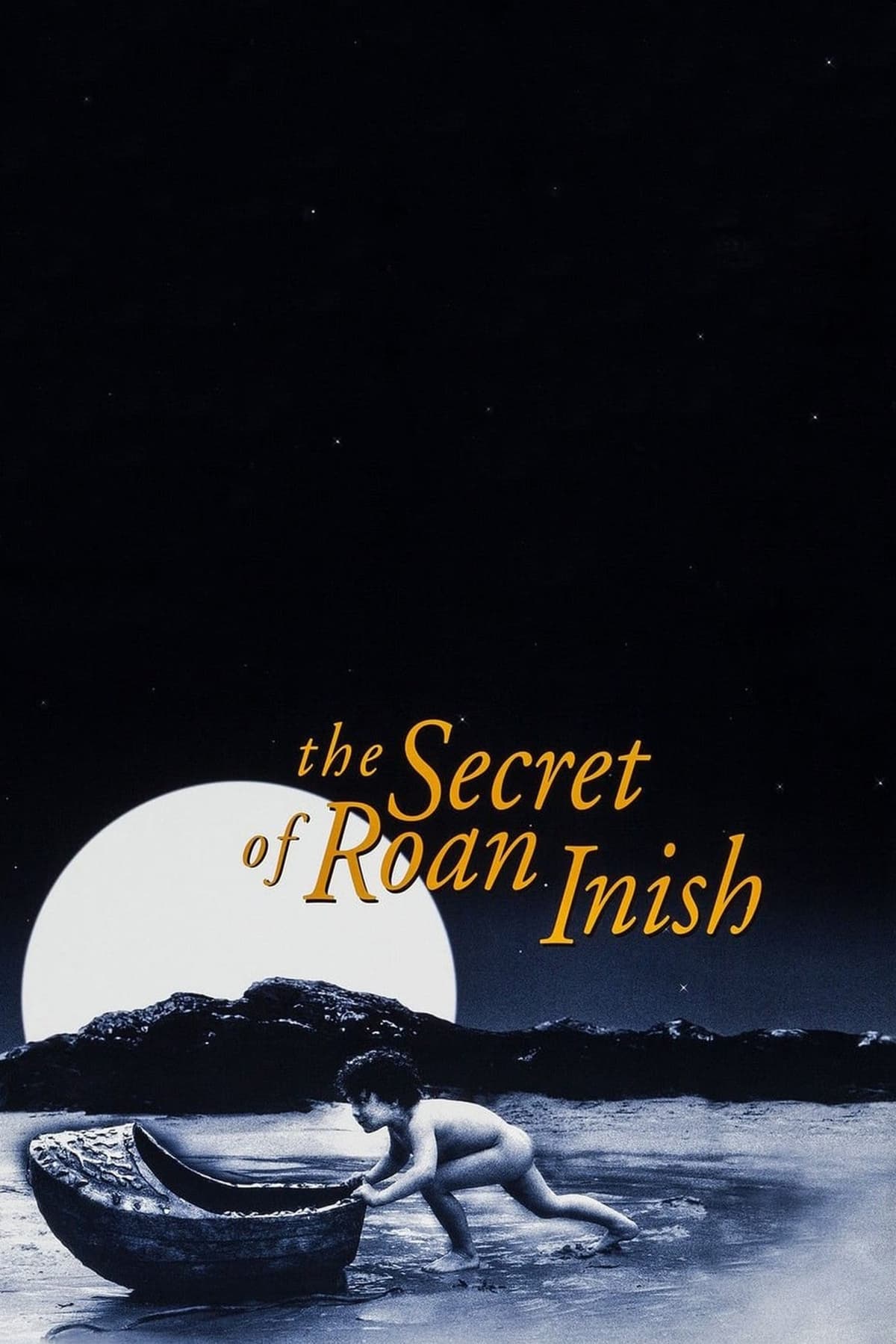
John Sayles’s ‘The Secret of Roan Inish’ draws on Irish folklore surrounding selkies and coastal traditions. Cinematographer Haskell Wexler captures windswept shorelines and island villages with natural light. The film foregrounds intergenerational storytelling and regional heritage through a family’s search and recovery.
‘The Thief of Bagdad’ (1940)
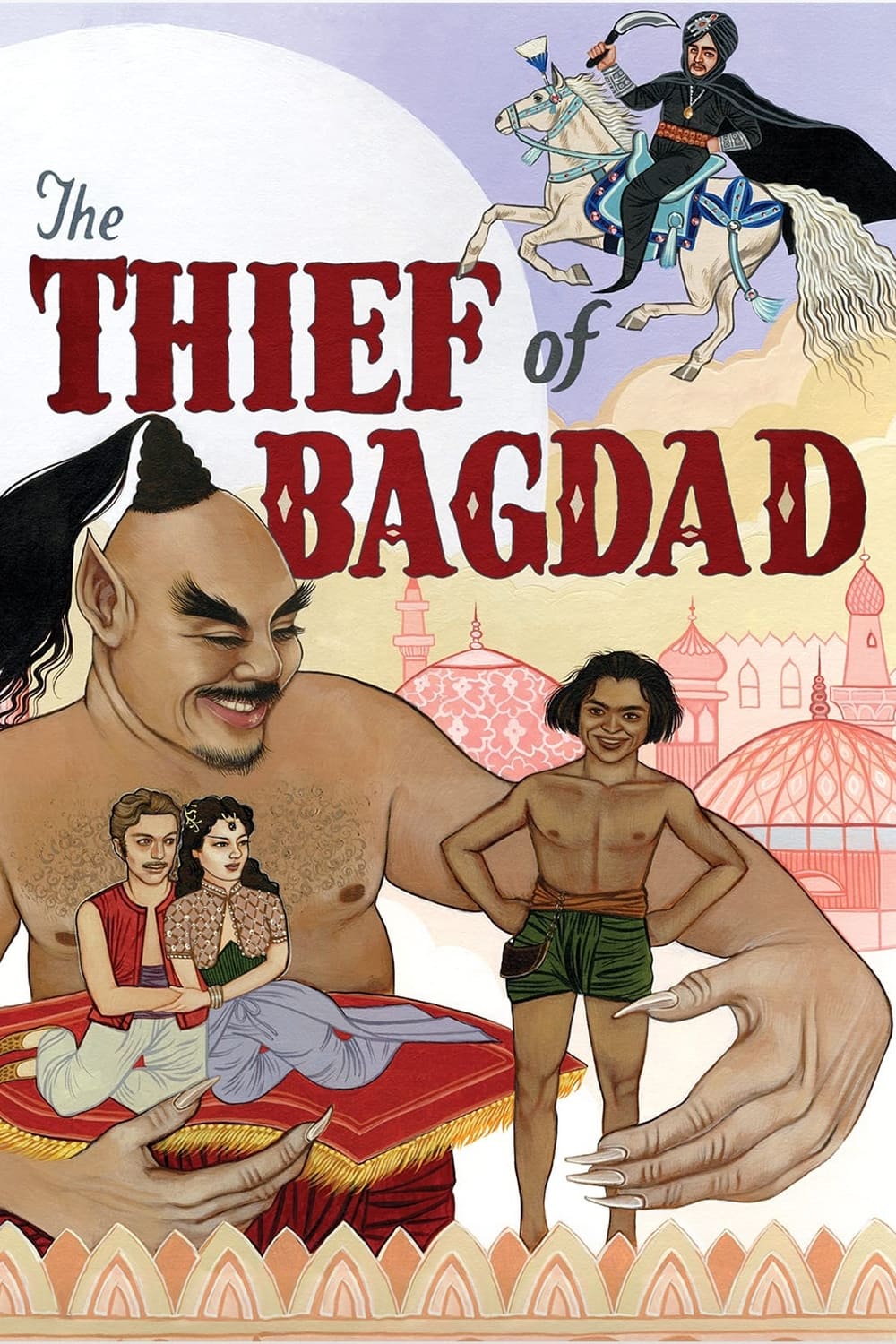
Produced by Alexander Korda and co-directed by Michael Powell, Ludwig Berger, and Tim Whelan, ‘The Thief of Bagdad’ showcases early Technicolor fantasy spectacle. Sabu stars alongside Conrad Veidt, with pioneering blue-screen and miniature techniques. The film won Academy Awards for Cinematography, Art Direction, and Special Effects.
‘Mary Poppins’ (1964)
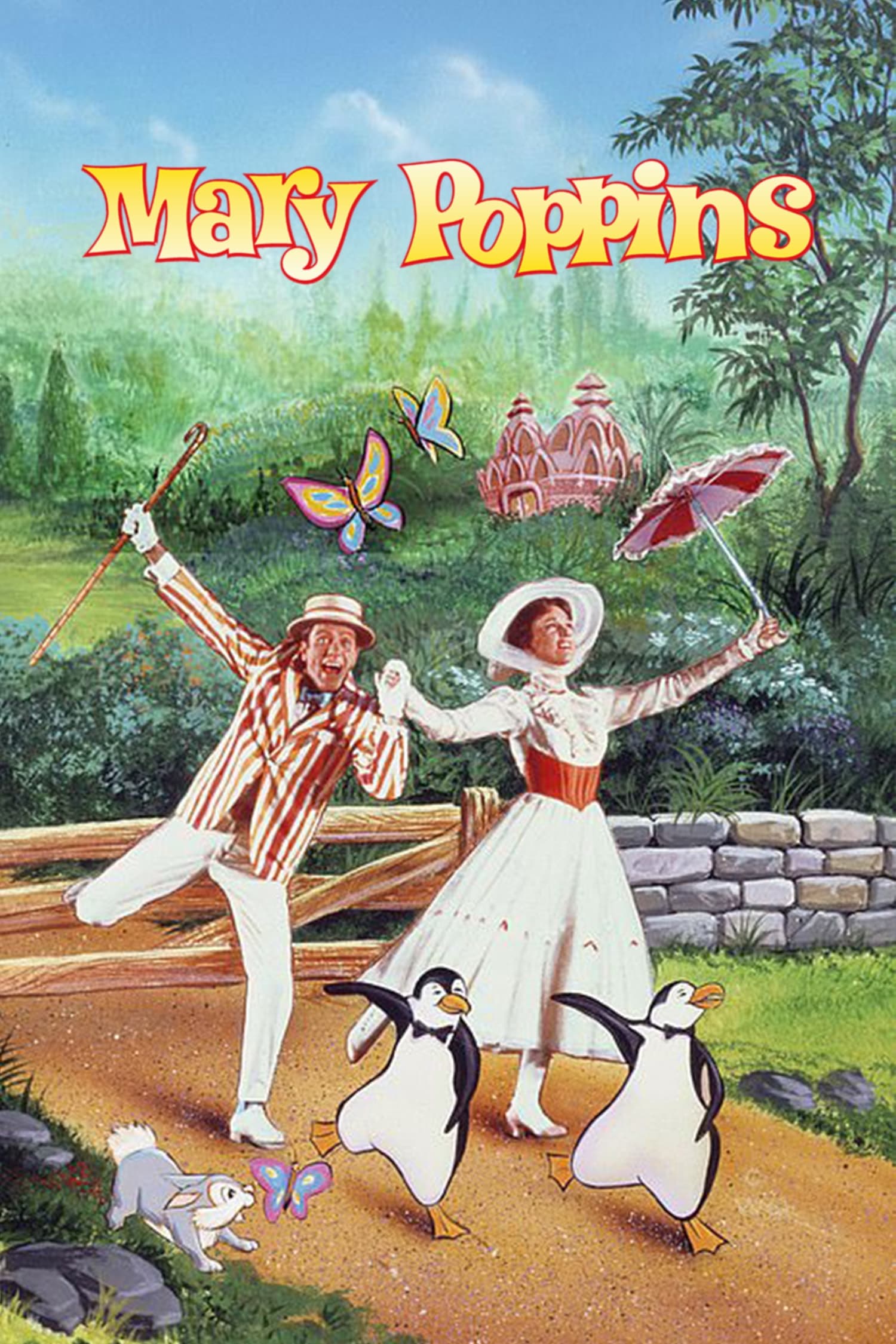
Walt Disney’s ‘Mary Poppins’ mixes live action and animation to adapt P. L. Travers’s stories. Julie Andrews and Dick Van Dyke lead the cast, supported by songs from the Sherman Brothers and visual-effects innovations like sodium-vapor compositing. The film won multiple Academy Awards, including Best Actress and Best Visual Effects.
‘The Hobbit: An Unexpected Journey’ (2012)
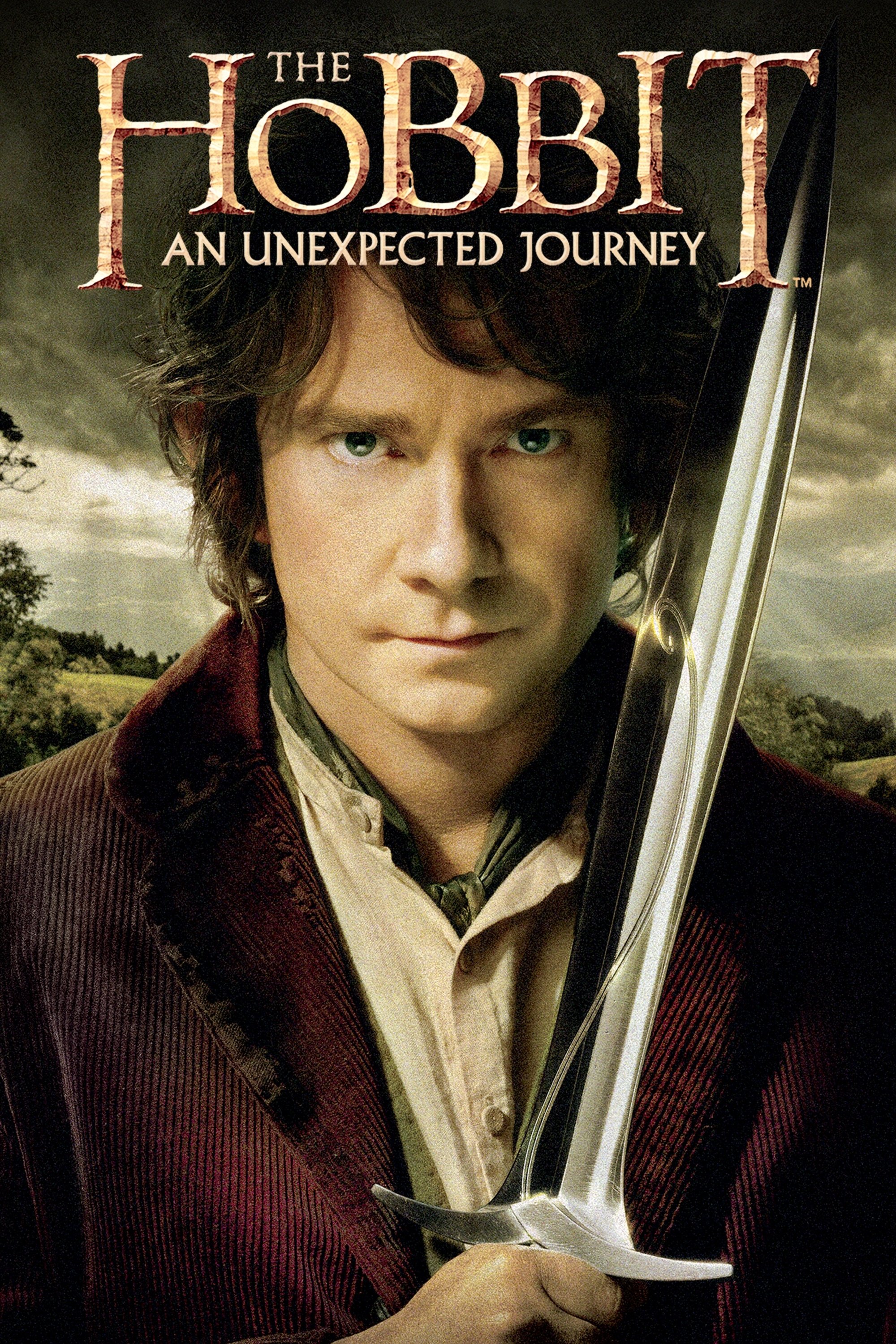
Peter Jackson’s ‘The Hobbit: An Unexpected Journey’ returns to Middle-earth with Martin Freeman as Bilbo Baggins and Ian McKellen reprising Gandalf. The production introduced high-frame-rate exhibition alongside extensive location shooting and digital creature work. It received Academy Award nominations in craft categories, including visual effects and makeup.
‘The Golden Compass’ (2007)
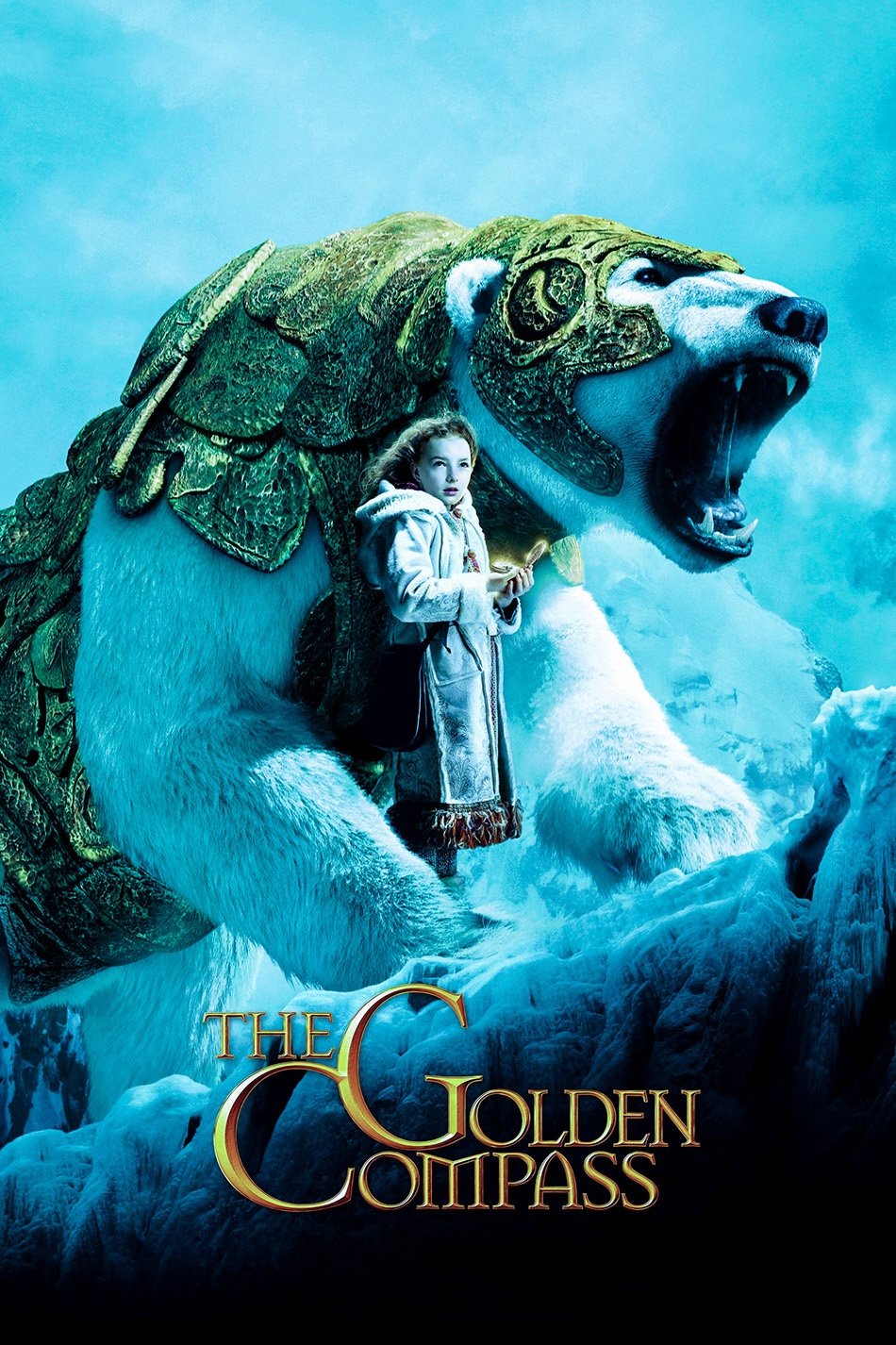
Adapted from Philip Pullman’s ‘Northern Lights’, ‘The Golden Compass’ features Nicole Kidman, Daniel Craig, and newcomer Dakota Blue Richards. The film built armored bear battles and dæmon companions through large-scale CG animation. It won the Academy Award for Best Visual Effects for its creature and environment work.
‘A Monster Calls’ (2016)
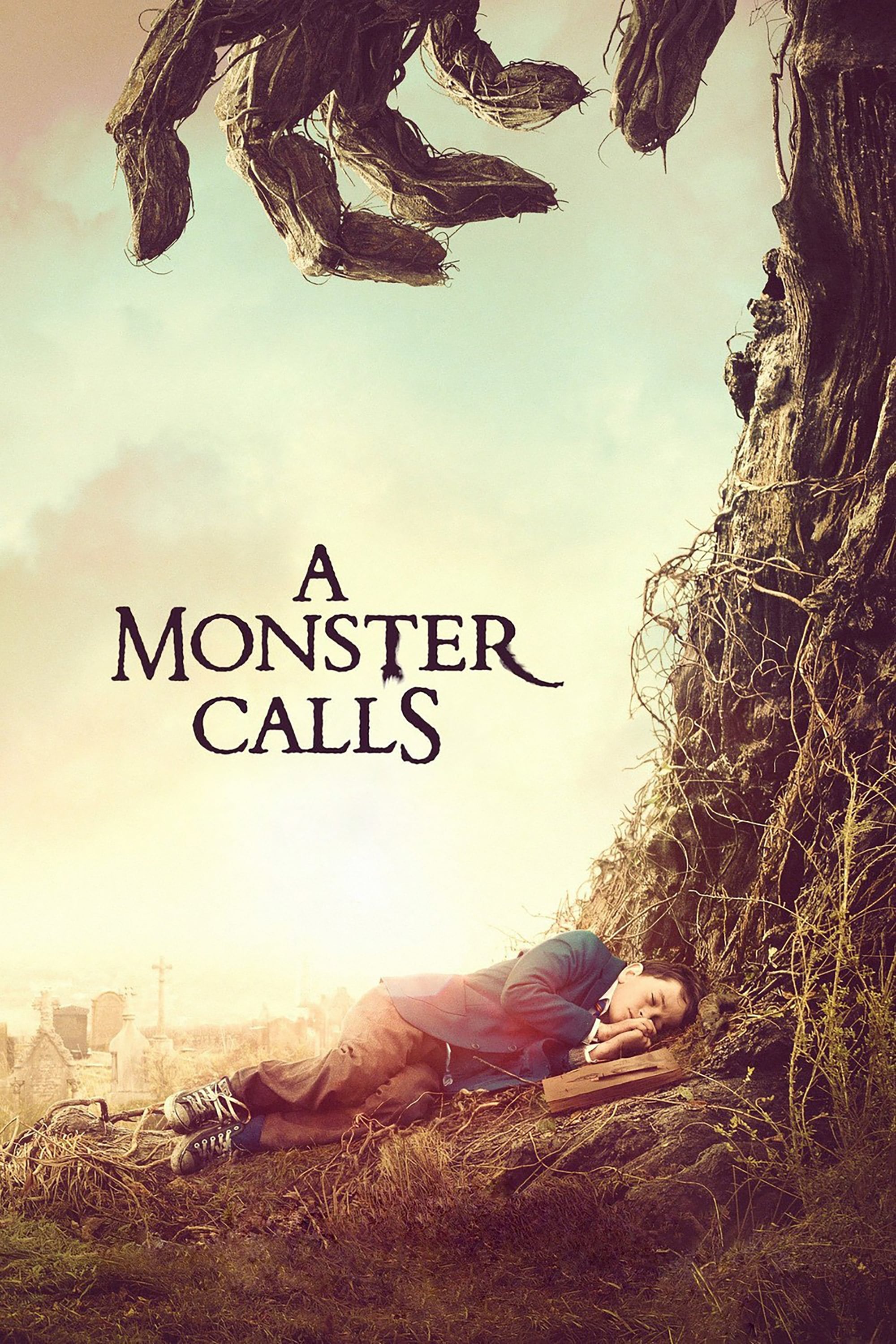
Directed by J. A. Bayona and based on Patrick Ness’s novel, ‘A Monster Calls’ combines performance, CG character animation, and watercolor-styled storybook sequences. Lewis MacDougall stars with Felicity Jones, while Liam Neeson provides the monster’s voice and motion capture. The film received multiple Goya Awards recognizing direction, effects, and design.
‘The Fall’ (2006)
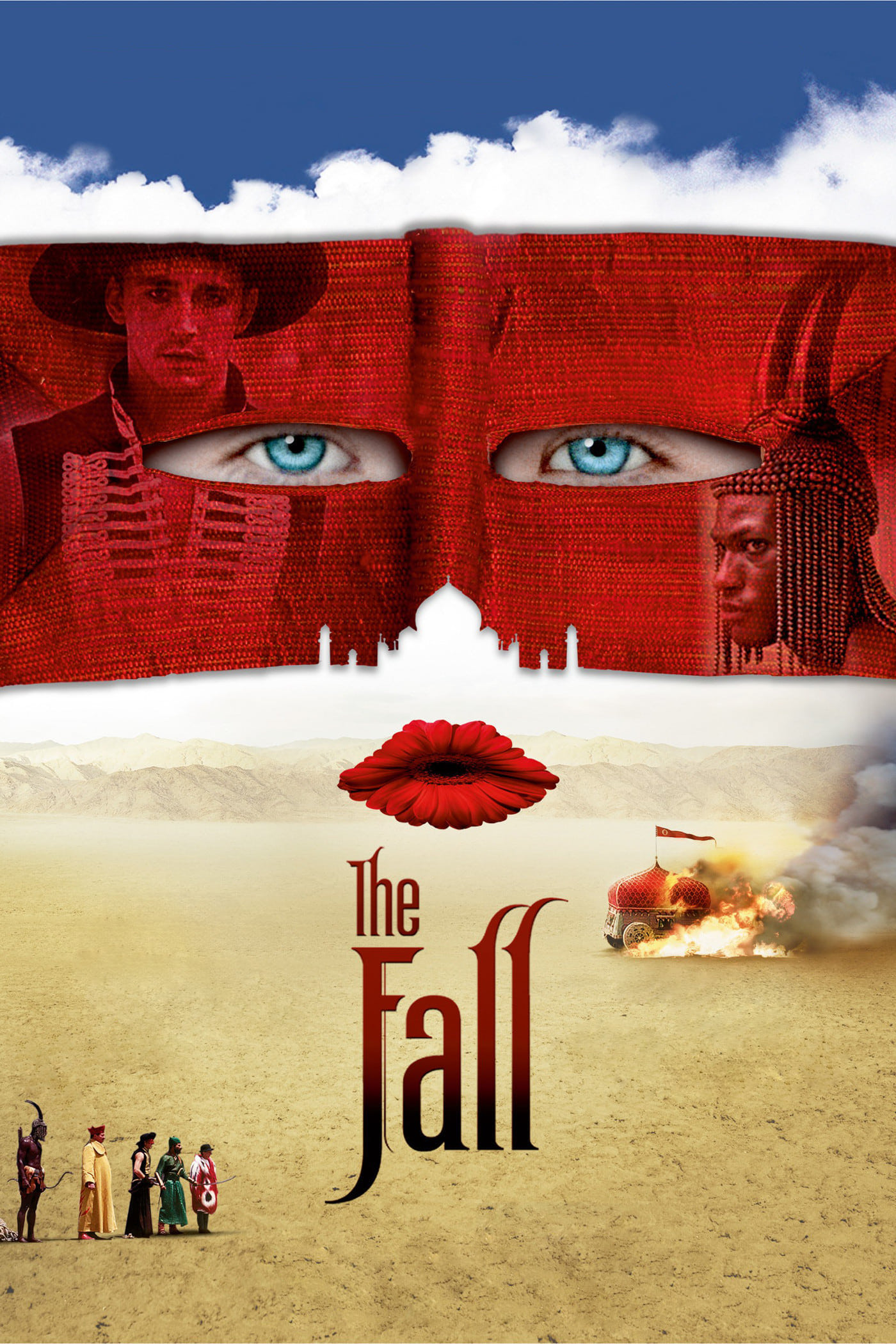
Tarsem Singh’s ‘The Fall’ was filmed across numerous countries using real locations to create fantastical vistas without heavy CG. Lee Pace and Catinca Untaru anchor a story that blends hospital reality and imagined adventure. Costume designer Eiko Ishioka’s work and in-camera spectacle give the film its distinctive visual identity.
Share the fantasy comfort rewatches you’d add to round out the perfect yearly rotation in the comments.