Essential Mind-Bending Movies to Revisit Every Year


Some stories twist perception so cleverly that each rewatch reveals new layers—plot mechanics you missed, clues hiding in plain sight, or structures that snap into focus only after the credits roll. This list gathers films that play with memory, identity, time, and reality using smart construction, distinctive direction, and memorable performances, making them perfect annual refreshers. Expect puzzle-box narratives, unreliable perspectives, and inventive filmmaking techniques that reward attention and curiosity without wearing out their welcome.
‘Inception’ (2010)
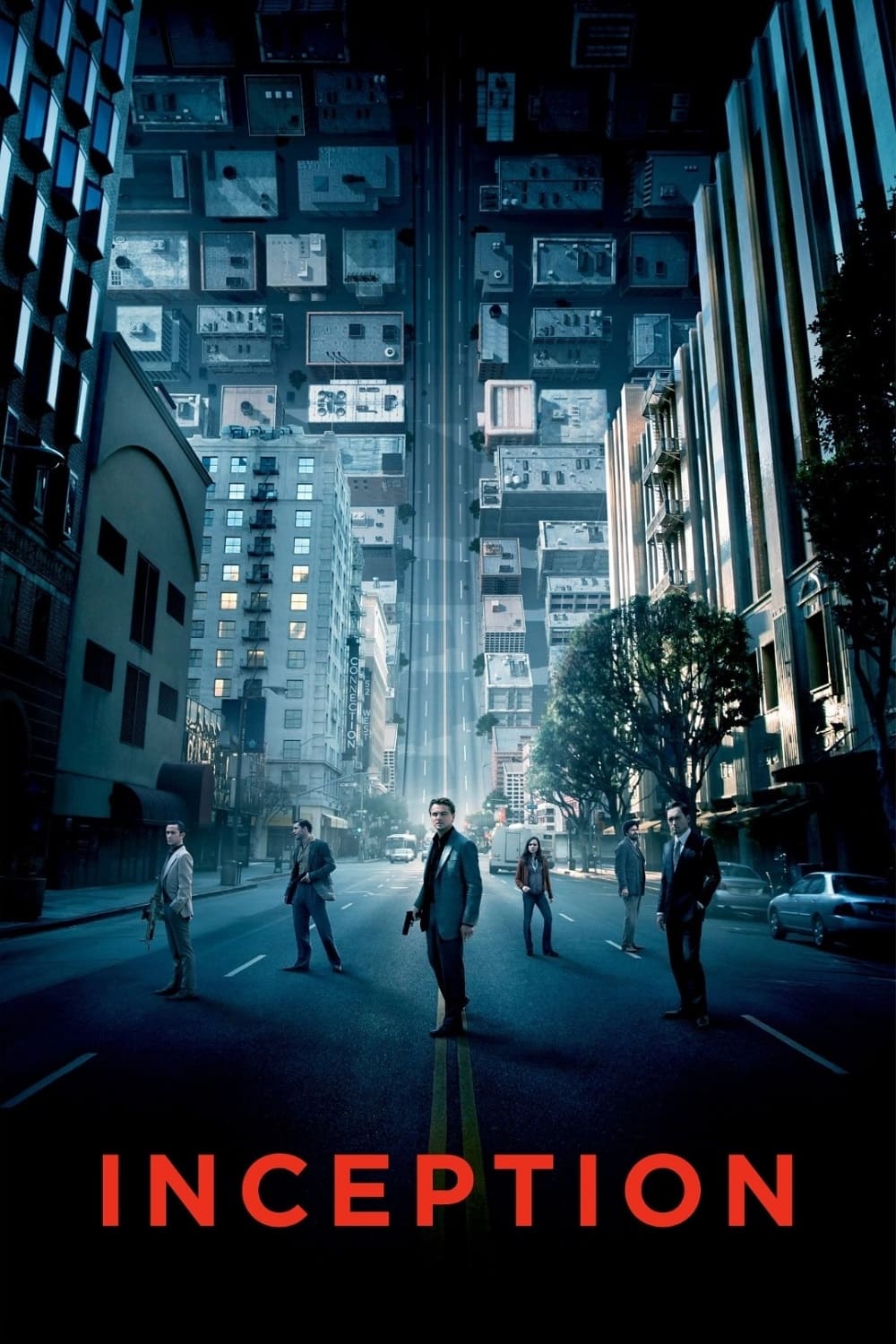
Directed by Christopher Nolan, ‘Inception’ explores shared dreaming through a team that performs corporate espionage by planting ideas in a subject’s subconscious. Its nested dream levels are precisely timed, with parallel action cross-cut to a ticking “kick” that synchronizes the layers. The film blends practical effects and large-format photography with clear visual motifs to distinguish realities.
‘The Matrix’ (1999)
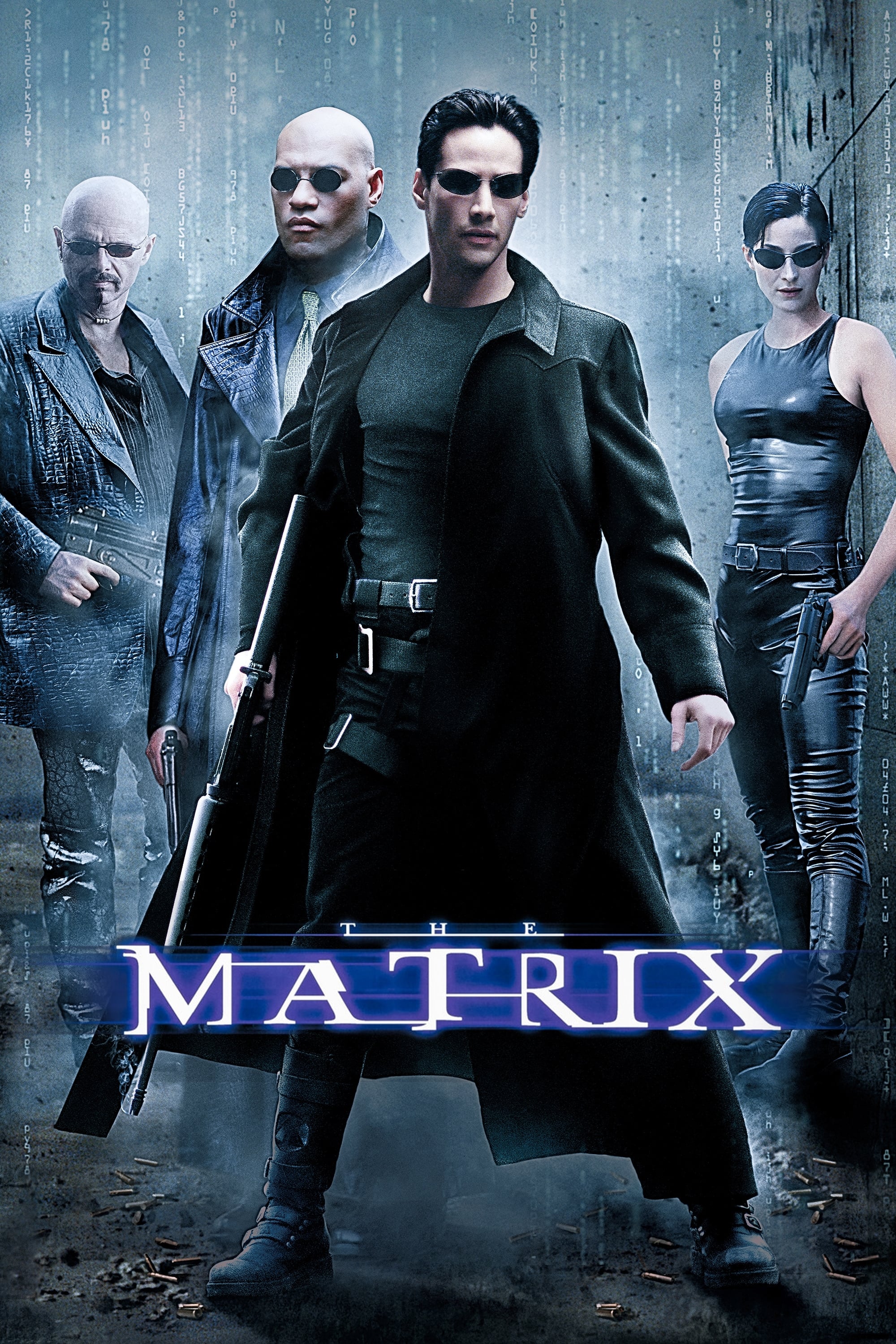
Written and directed by the Wachowskis, ‘The Matrix’ introduces a simulated world controlled by intelligent machines and a resistance of humans learning to bend digital rules. It popularized “bullet time” cinematography and integrated Hong Kong–inspired wirework into Western action filmmaking. The story draws on cyberpunk concepts, philosophical thought experiments, and hacker culture.
‘Mulholland Drive’ (2001)
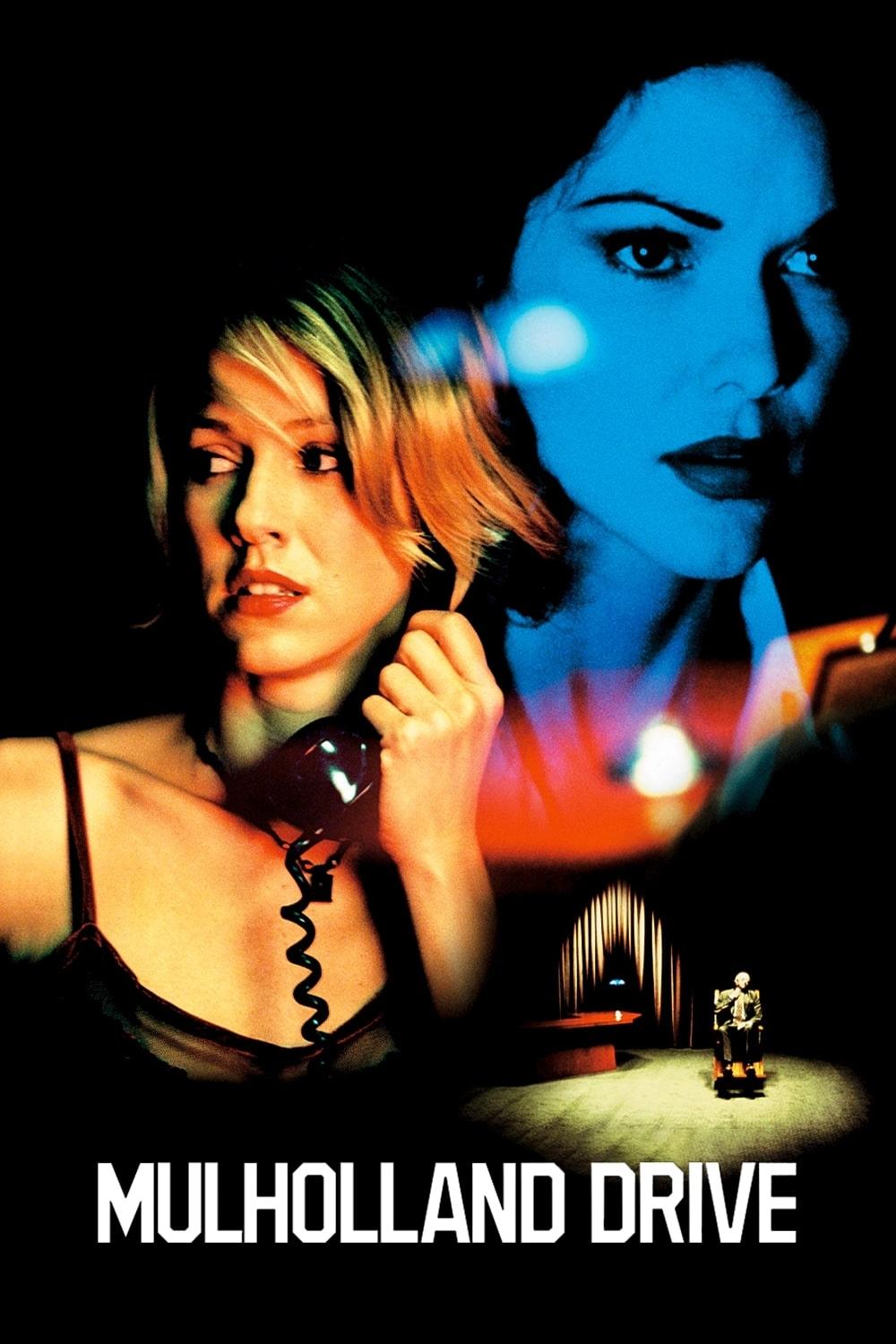
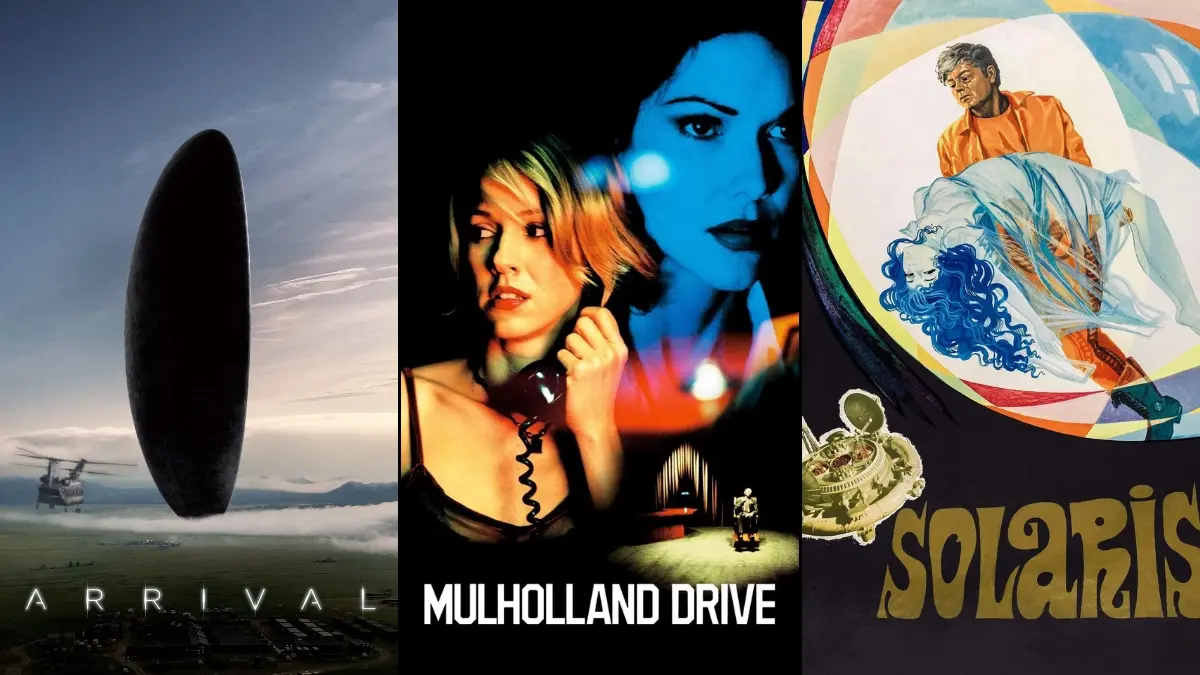
David Lynch’s ‘Mulholland Drive’ interweaves Hollywood noir with shifting identities and dream logic centered on an aspiring actor and a woman with amnesia. The film’s structure reframes earlier scenes through altered context, encouraging close attention to recurring symbols and names. Sound design and club sequences anchor key turns in perspective.
‘Memento’ (2000)
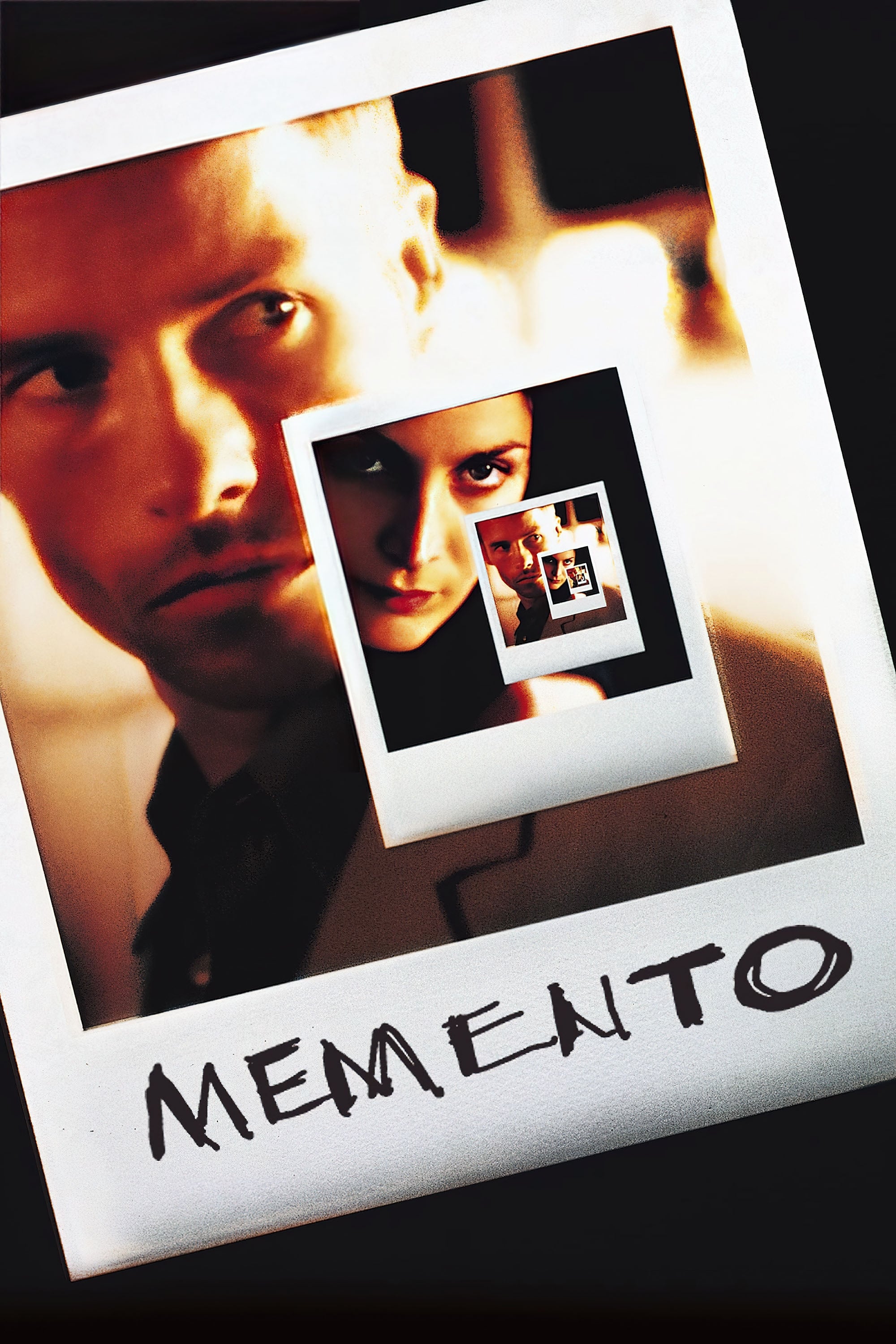
In ‘Memento’, Christopher Nolan tells a revenge story through alternating color and black-and-white sequences that meet at a central event. The color scenes play in reverse order to mirror the protagonist’s short-term memory loss. It’s adapted from Jonathan Nolan’s short story ‘Memento Mori’, preserving the core device of fragmented recall.
‘Eternal Sunshine of the Spotless Mind’ (2004)
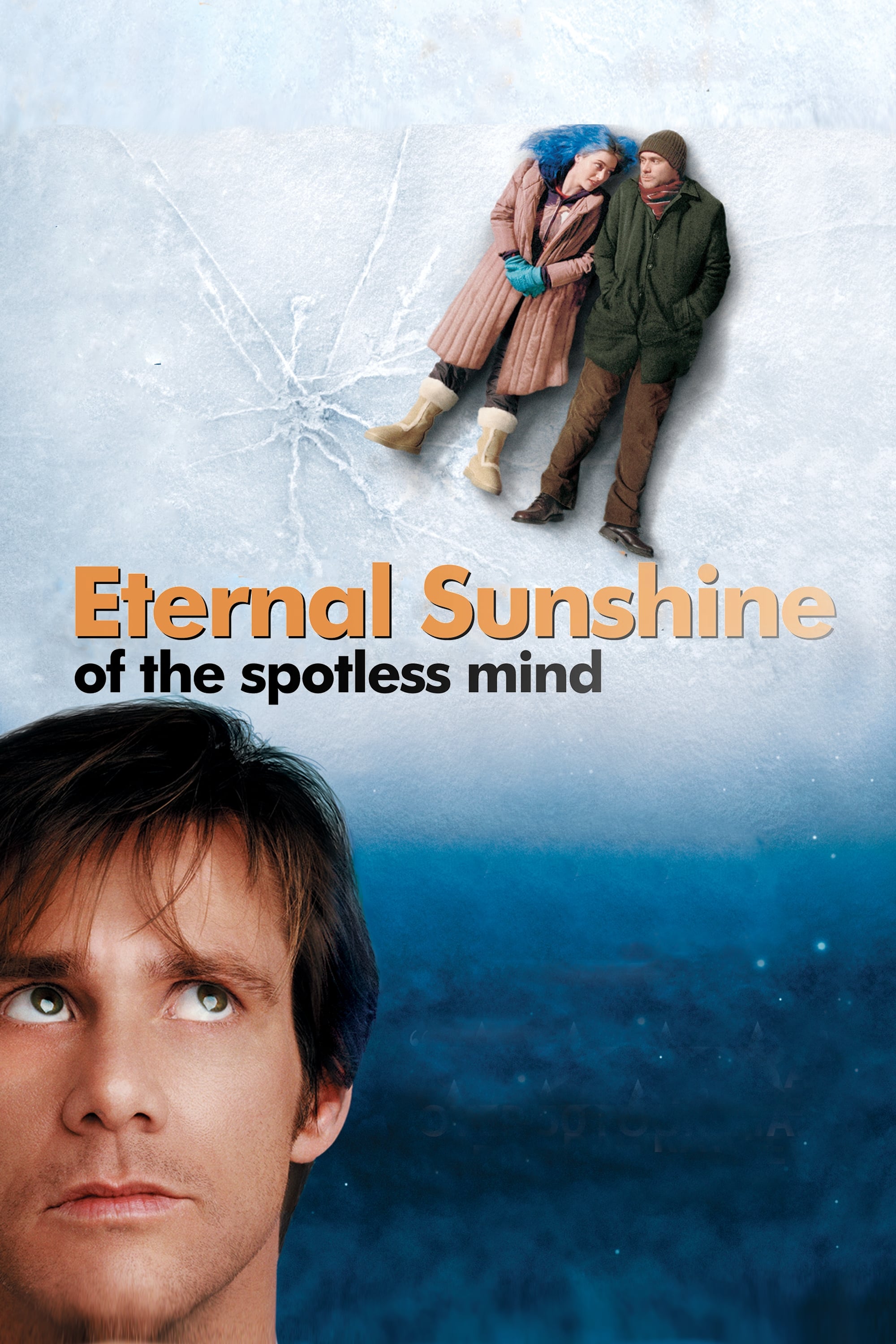
Directed by Michel Gondry and written by Charlie Kaufman, ‘Eternal Sunshine of the Spotless Mind’ follows a couple undergoing a targeted memory-erasure procedure. Practical in-camera tricks and lo-fi transitions visualize memories collapsing or skipping. The narrative cross-cuts the procedure with memories themselves, aligning emotional beats to technical steps in the treatment.
‘Donnie Darko’ (2001)
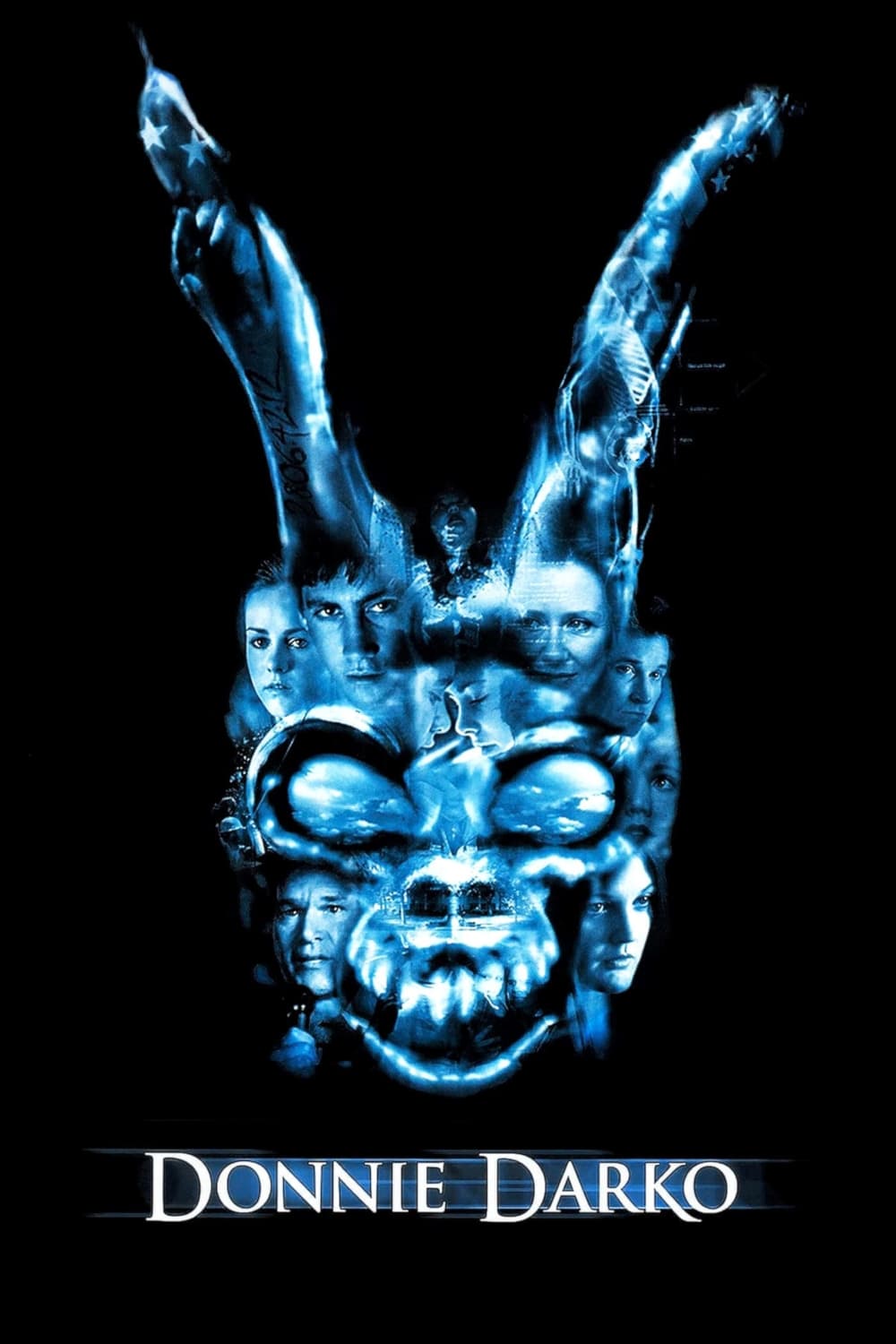
Richard Kelly’s ‘Donnie Darko’ blends suburban drama with tangent-universe mechanics, cryptic guides, and a countdown to a catastrophic event. The film references time-loop logic through artifacts, manipulated living, and predestination themes. Its soundtrack, recurring imagery, and in-story text create a framework for interpreting the loop’s rules.
‘Coherence’ (2013)
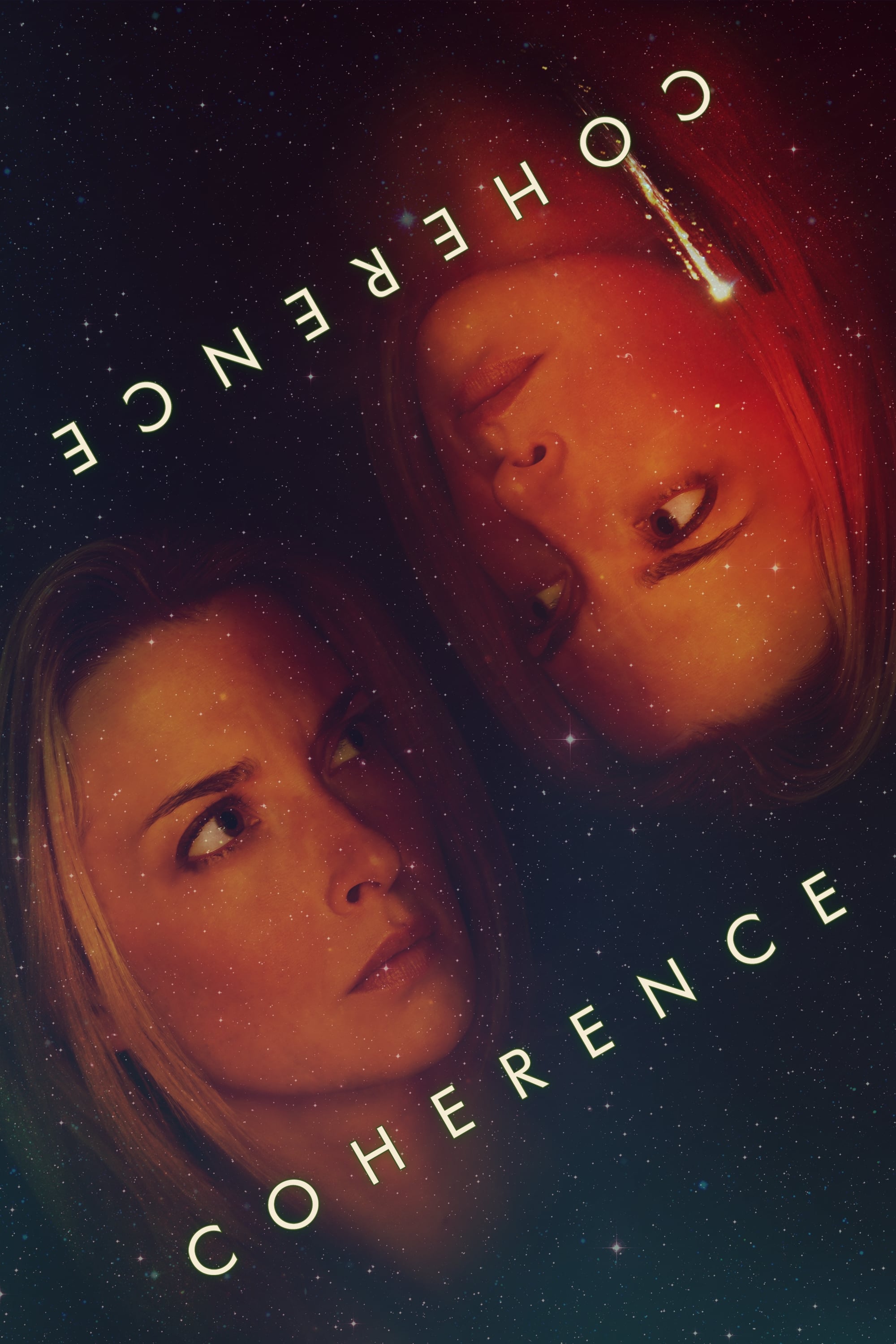
Shot largely with improvisational dialogue and minimal lighting, ‘Coherence’ traps dinner guests in a neighborhood affected by a passing comet. Subtle production cues—like colored glow sticks and numbered notes—track divergent realities as characters cross between houses. The single-location design supports a branching narrative that escalates through small, verifiable anomalies.
‘Primer’ (2004)
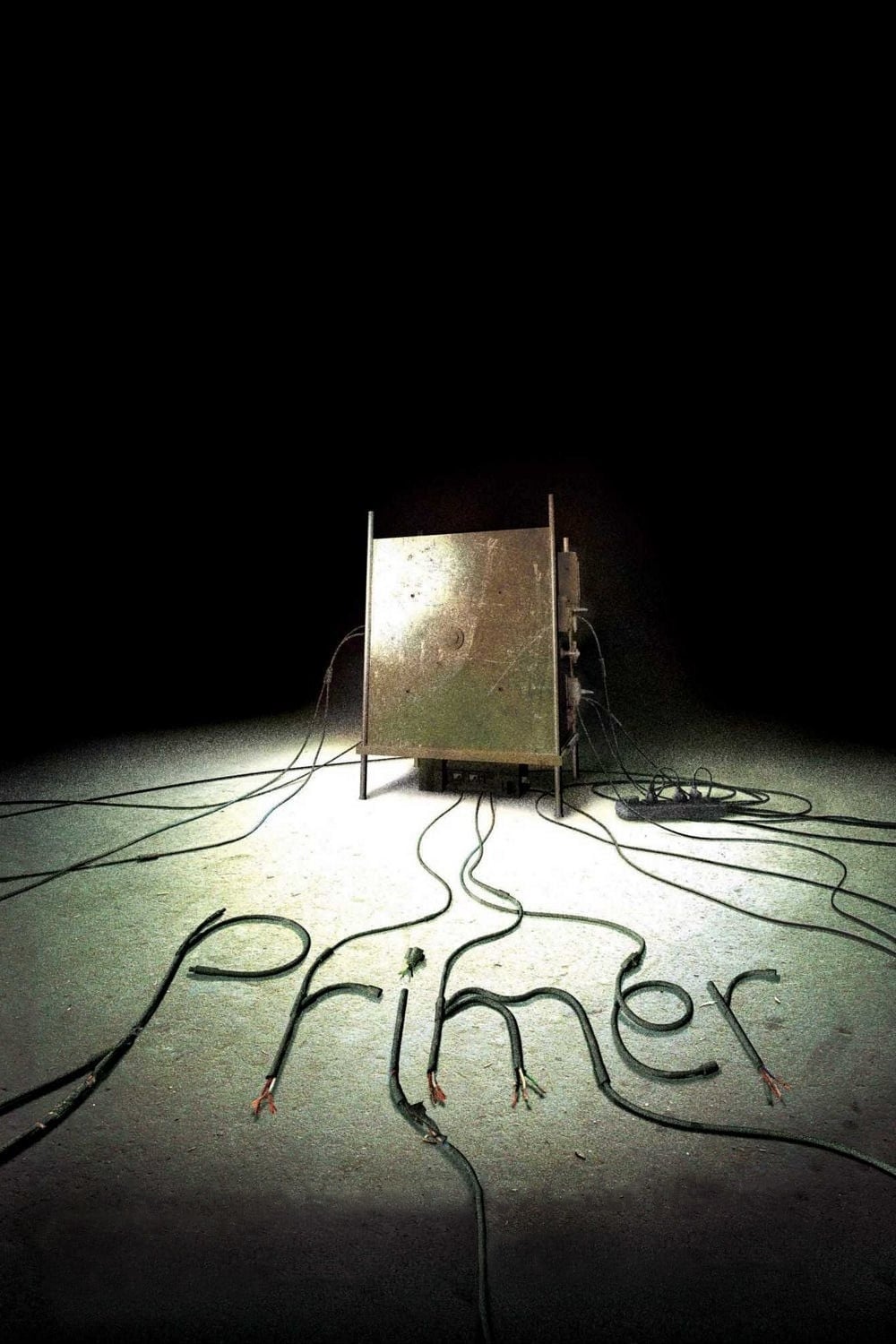
Made on an extremely low budget by Shane Carruth, ‘Primer’ centers on engineers who accidentally build a device enabling short-range time travel. The script’s technical language and understated delivery mirror startup tinkering and iterative testing. Complex overlapping timelines are mapped through audio cues, doubles, and box usage constraints.
‘Predestination’ (2014)
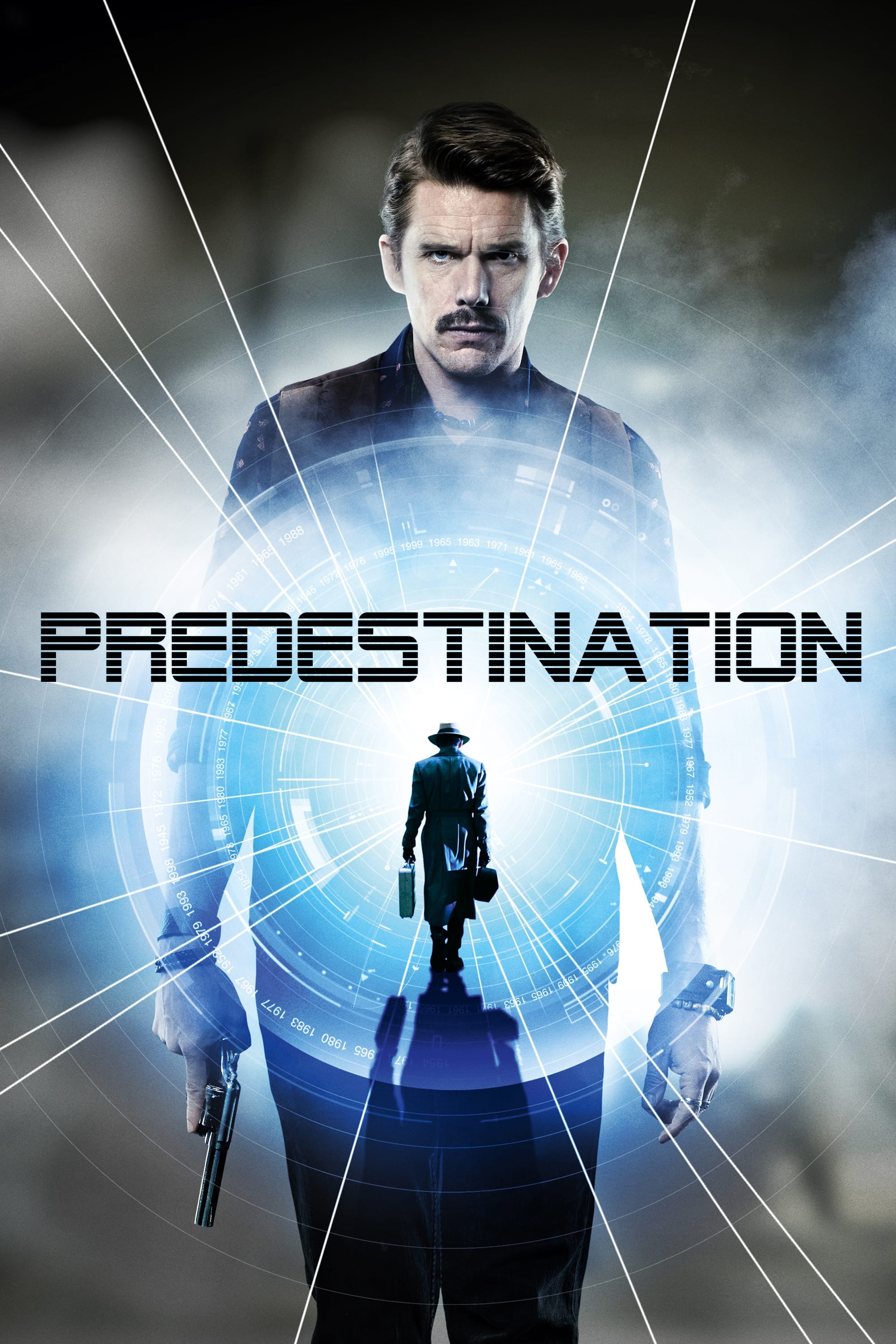
‘Predestination’, directed by Michael and Peter Spierig, adapts Robert A. Heinlein’s ‘—All You Zombies—’ into an intricate temporal paradox. A time agent pursues a bomber while crossing paths with a storyteller whose biography is key to the case. The film’s structure hinges on identity continuity and closed-loop causality.
‘Timecrimes’ (2007)
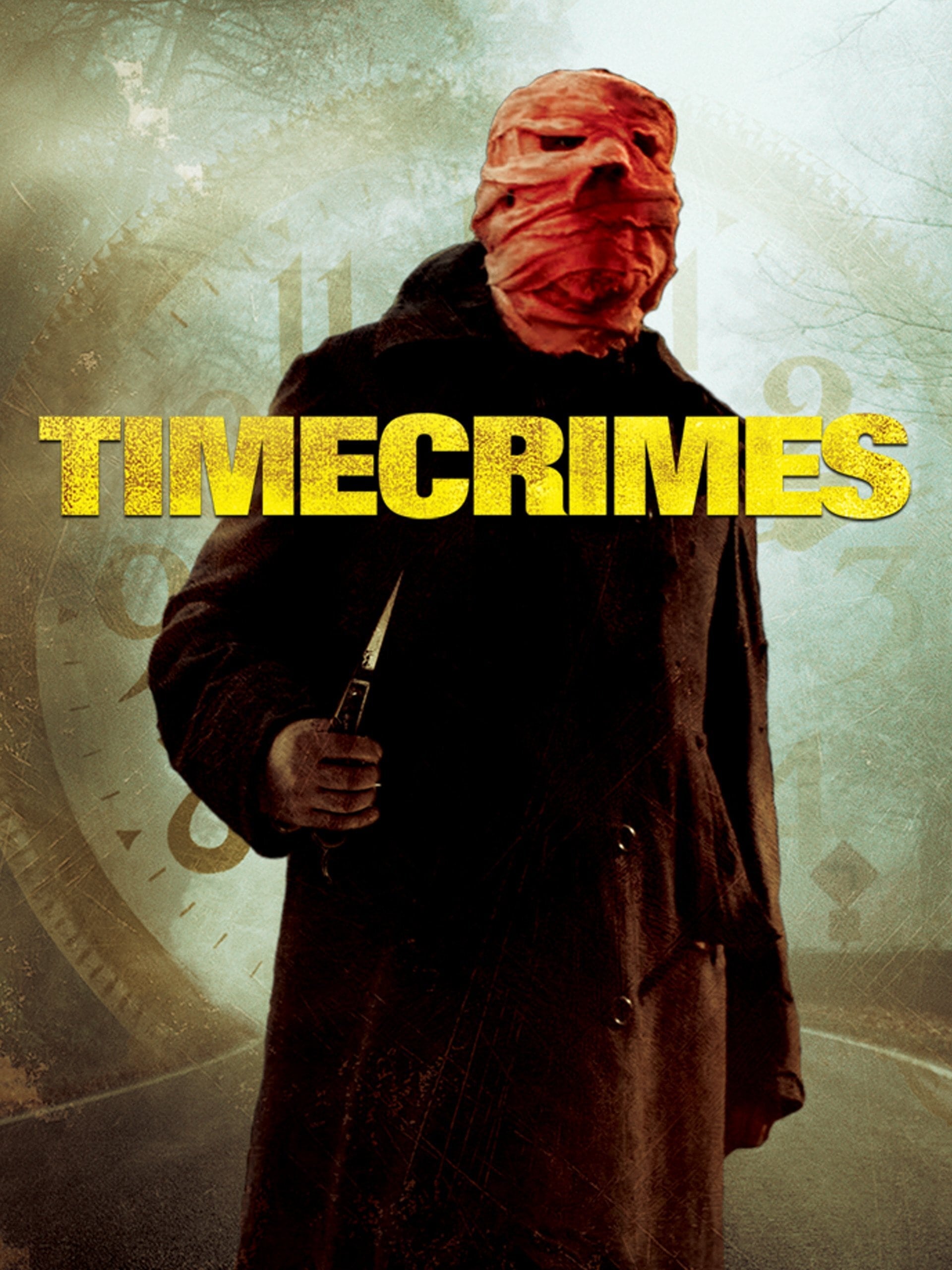
Nacho Vigalondo’s ‘Timecrimes’ follows a man who stumbles into a time machine and becomes entangled with masked encounters and repeated incidents. The narrative carefully stages cause-and-effect so each loop recontextualizes previous events. Limited locations and a tight timeline keep the puzzle legible as complications multiply.
‘Triangle’ (2009)
Directed by Christopher Smith, ‘Triangle’ strands a group aboard an empty ocean liner where events repeat with lethal variations. The story uses physical landmarks—blood stains, notes, and objects—to chart cycles and deviations. Its structure emphasizes how small choices propagate through successive iterations.
‘The Prestige’ (2006)
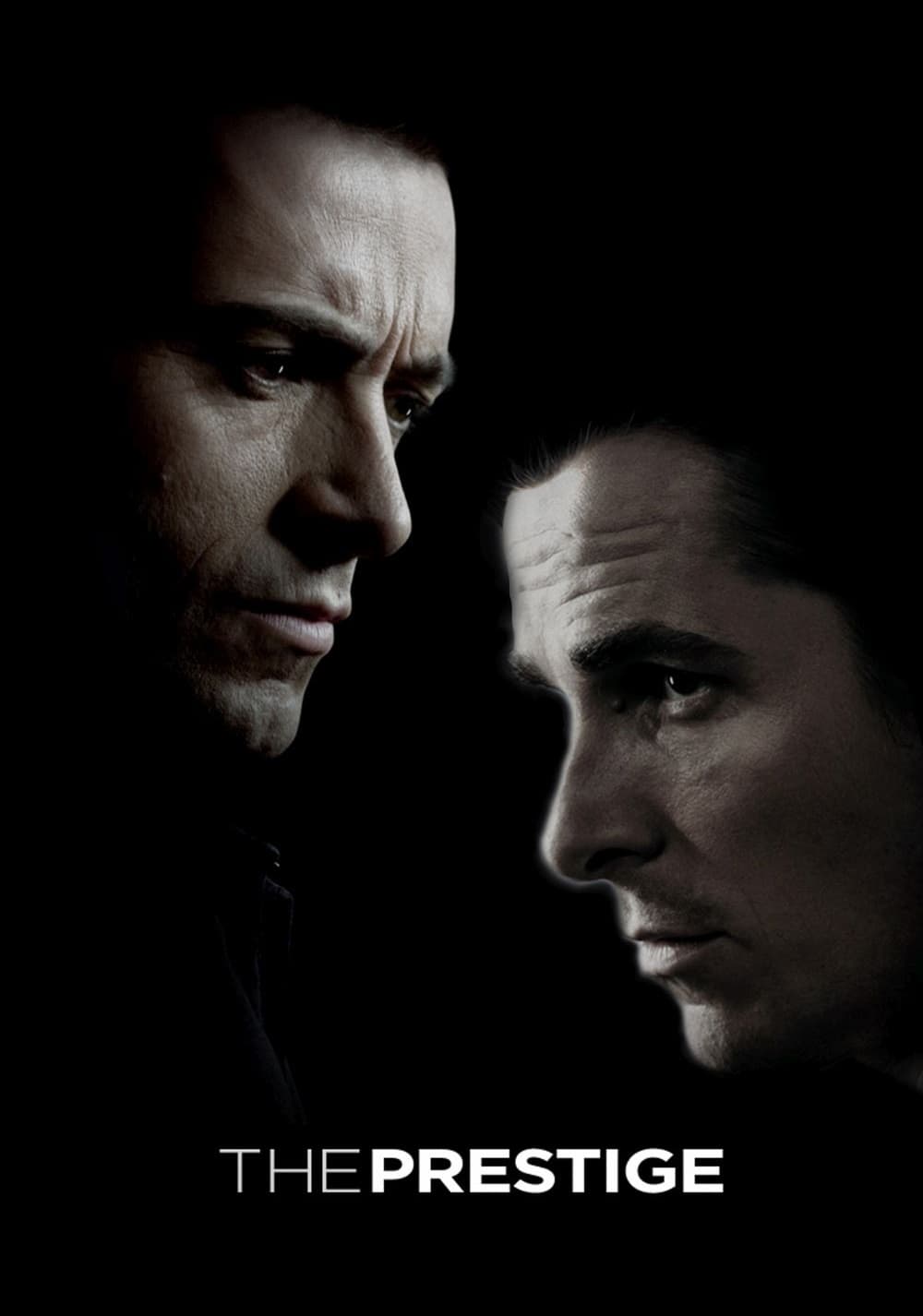
In ‘The Prestige’, Christopher Nolan adapts Christopher Priest’s novel about rival magicians escalating their illusions. The film explicitly organizes itself around a three-part magic structure—“the pledge, the turn, the prestige”—mirrored in its editing. Diaries, stagecraft details, and misdirection techniques function as plot devices and thematic anchors.
‘Shutter Island’ (2010)
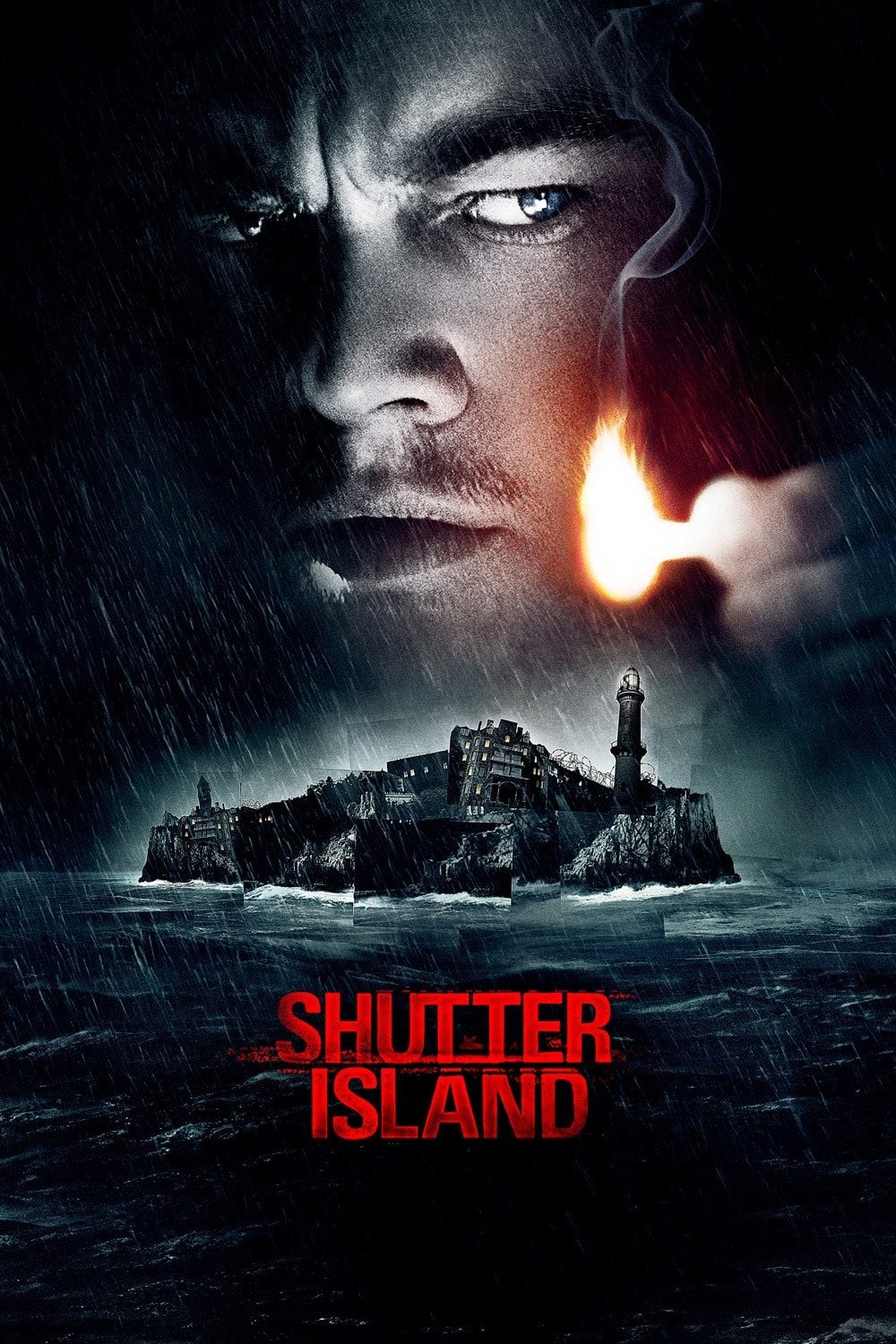
Martin Scorsese’s ‘Shutter Island’ follows U.S. Marshals investigating a disappearance at Ashecliffe Hospital, a remote psychiatric facility. Production design emphasizes storm damage, ward architecture, and treatment artifacts that foreshadow key reveals. The adaptation from Dennis Lehane’s novel preserves procedural beats alongside psychological evaluation methods.
‘Interstellar’ (2014)
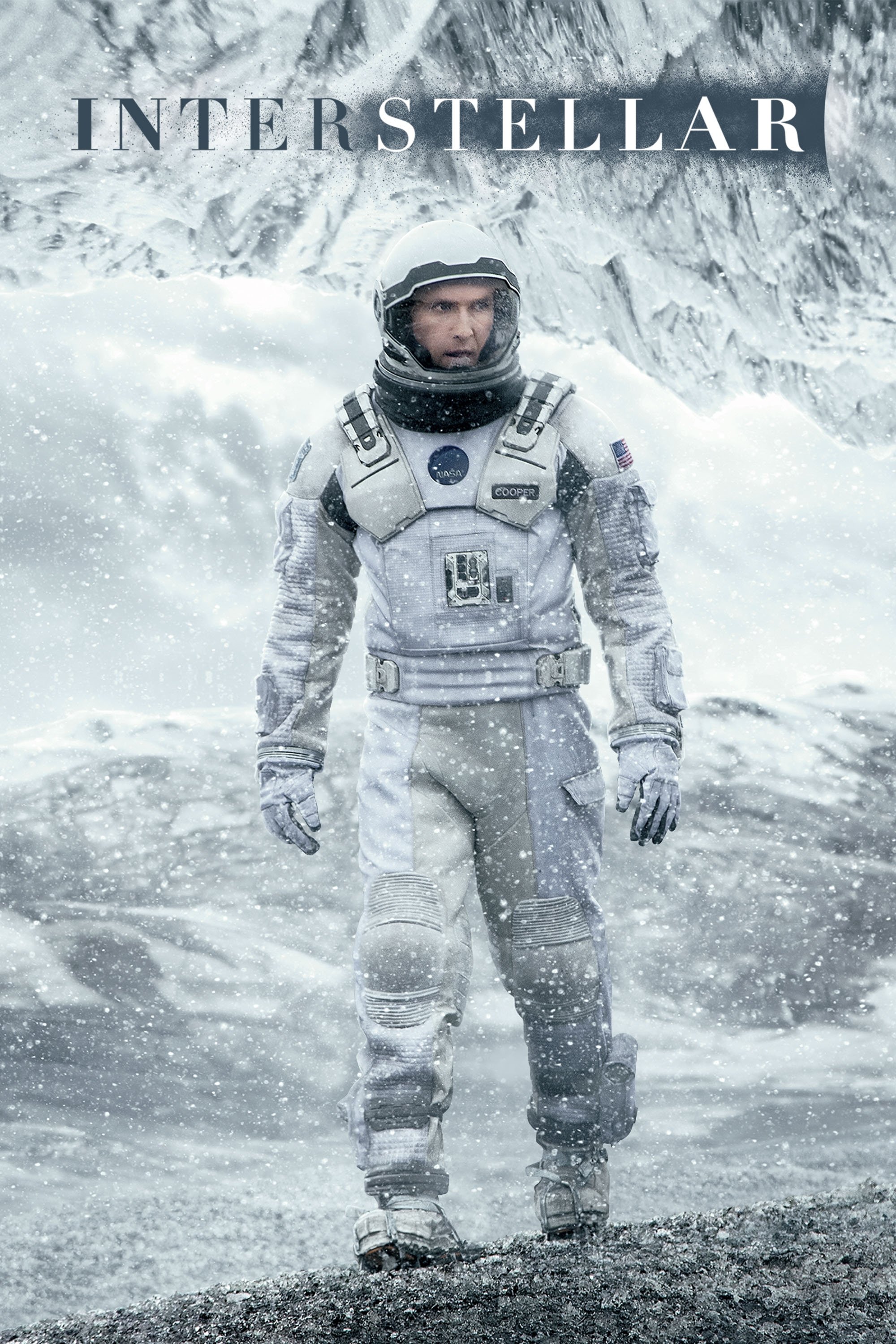
‘Interstellar’, directed by Christopher Nolan, depicts a deep-space mission through a wormhole to locate habitable worlds while coping with extreme time dilation. Physicist Kip Thorne advised on relativity, informing the visualization of gravitational lensing and tidal forces. Practical miniatures, large-format cameras, and synchronized projection effects grounded the cosmic imagery.
‘Arrival’ (2016)
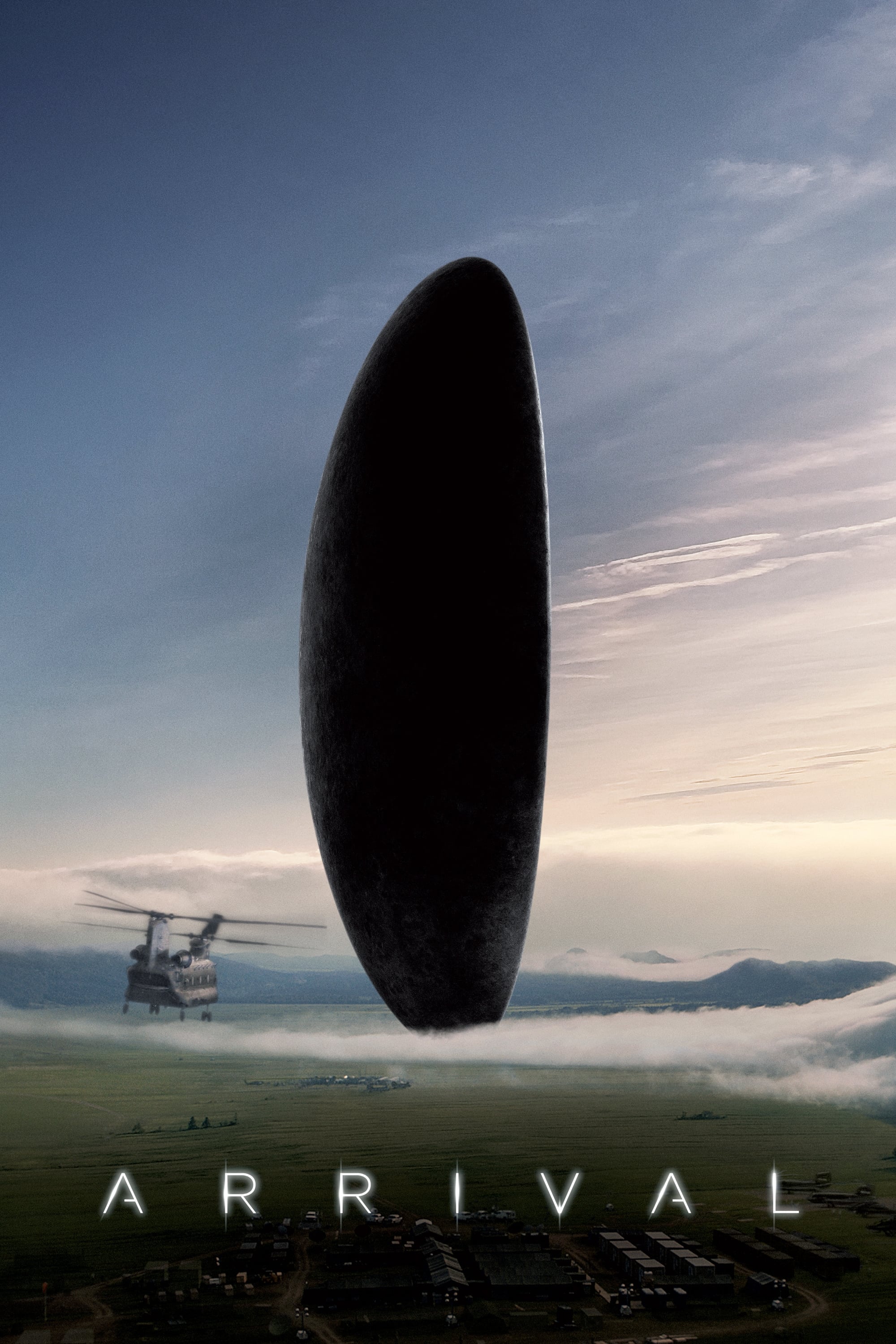
Denis Villeneuve’s ‘Arrival’ adapts Ted Chiang’s ‘Story of Your Life’, focusing on a linguist decoding an alien language with non-linear semantics. The film treats language acquisition as the mechanism for altered temporal perception. Its design integrates circular logograms, field tents, and decontamination protocols into a methodical first-contact process.
‘Annihilation’ (2018)
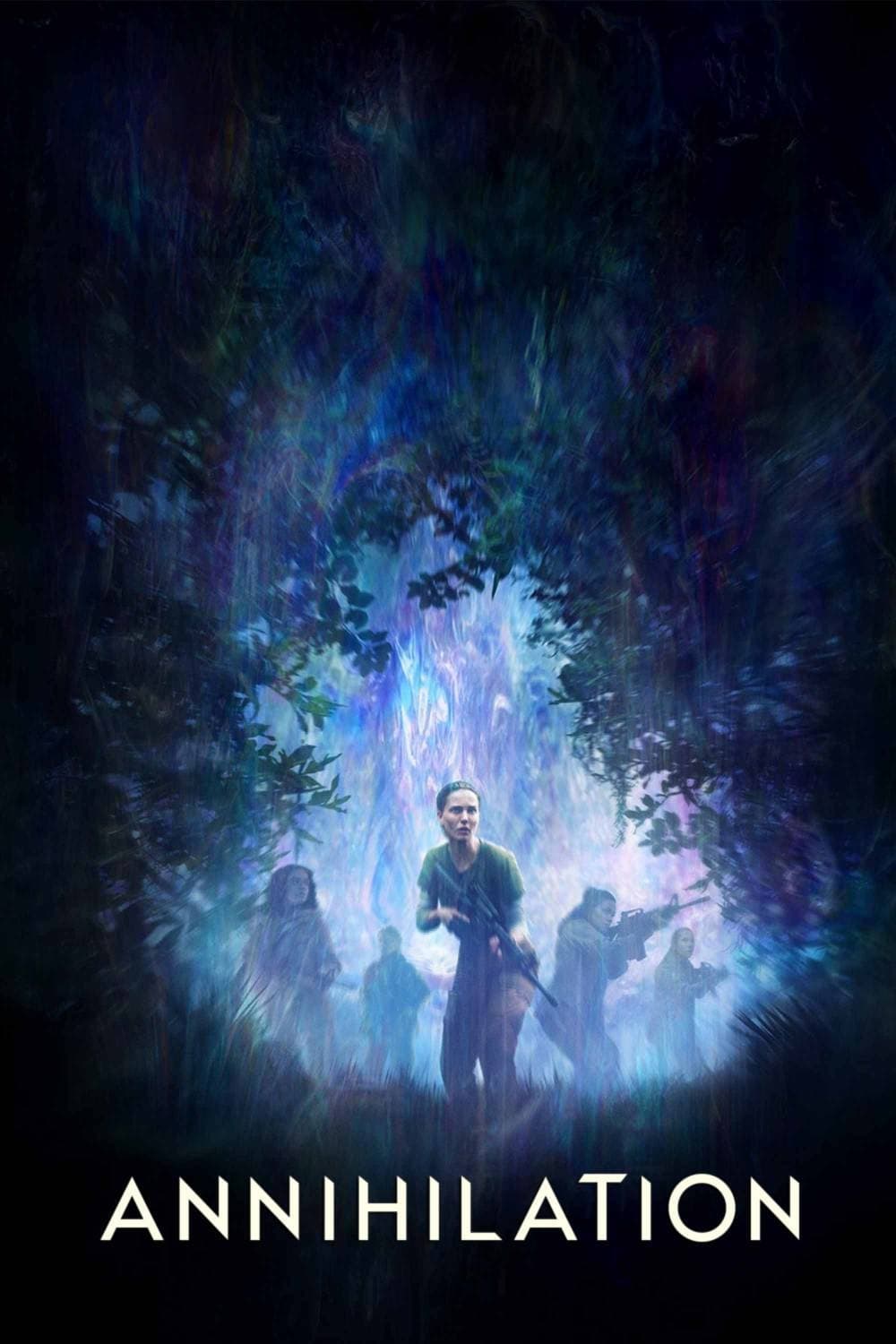
Written and directed by Alex Garland, ‘Annihilation’ adapts Jeff VanderMeer’s novel about an expedition into a mutating zone called the Shimmer. The production blends real-location flora with designed hybrid creatures and refracted light motifs. Field recordings, journals, and environmental clues document how biology and identity are refracted inside the zone.
‘Enemy’ (2013)
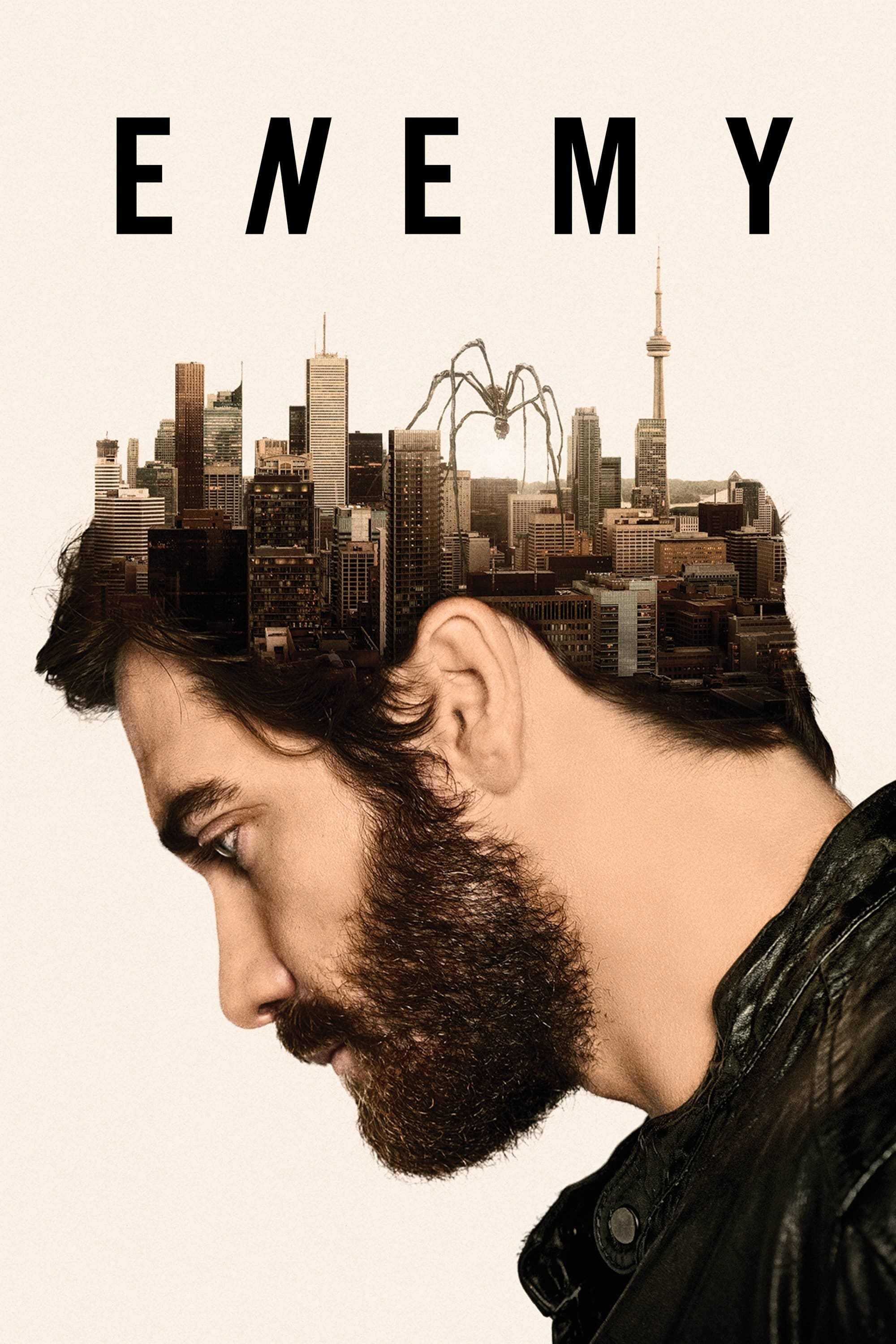
In ‘Enemy’, Denis Villeneuve adapts José Saramago’s ‘The Double’, following a professor who discovers an exact double living nearby. Visual design uses color grading and urban architecture to suggest parallel patterns and entanglements. Symbolic inserts and recurring props support the doppelgänger motif throughout the investigation.
‘Under the Skin’ (2013)
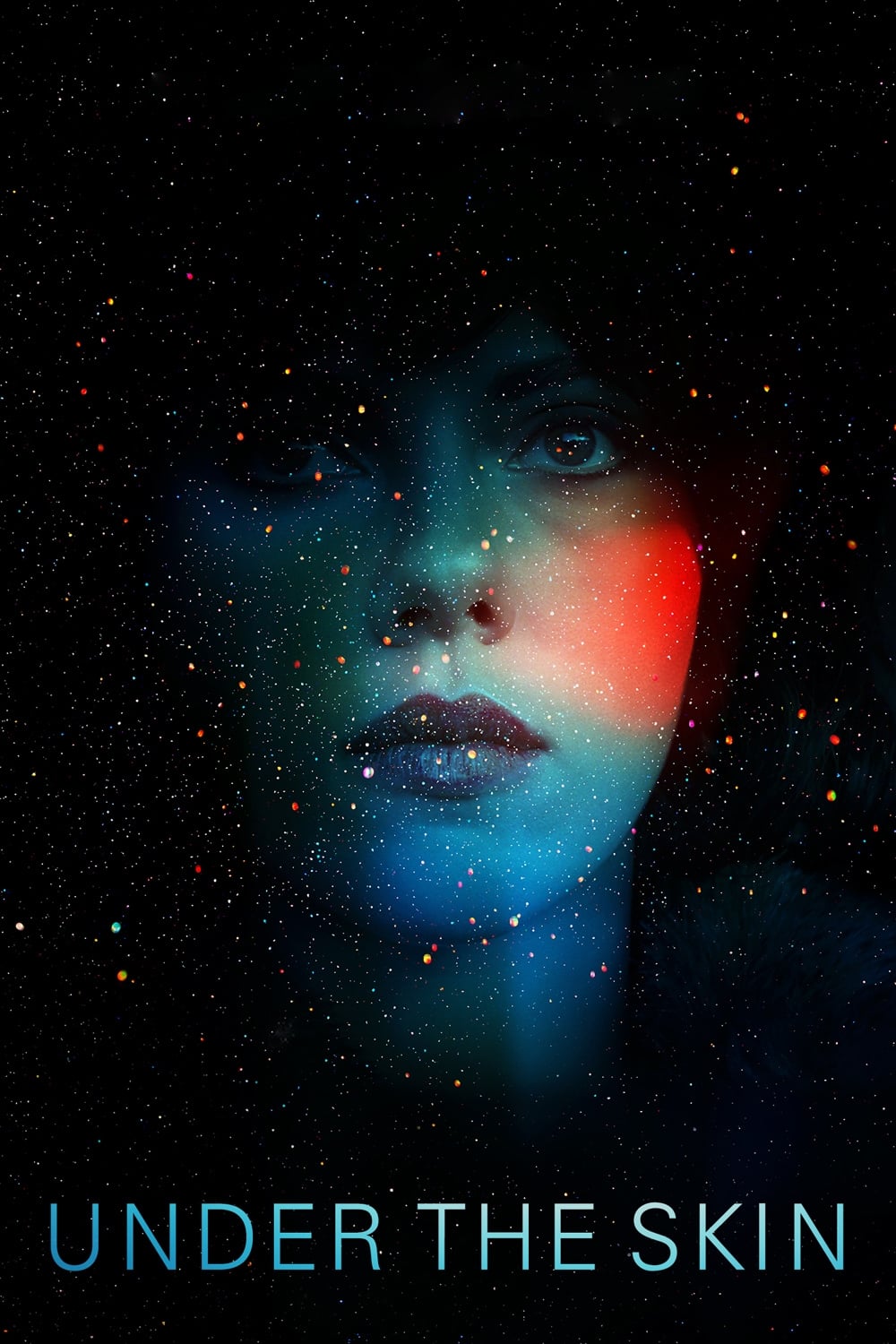
Jonathan Glazer’s ‘Under the Skin’ follows a predatory outsider navigating Scottish streets, combining scripted scenes with concealed-camera encounters. The film’s visual language reduces interiors to abstract spaces with liquid surfaces and vanishing floors. Sound and minimal dialogue guide perspective as environments shift from urban to rural.
‘Synecdoche, New York’ (2008)
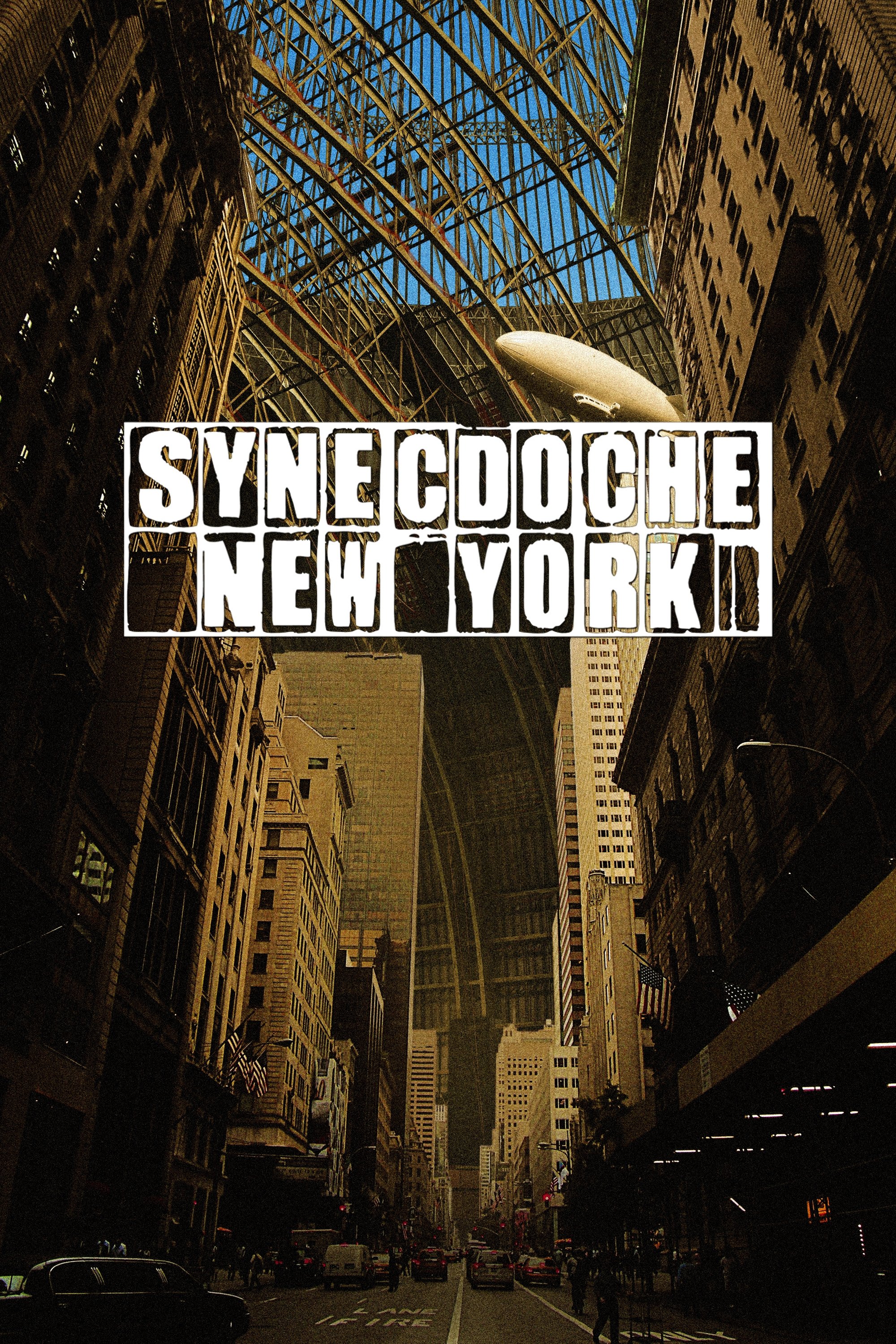
Written and directed by Charlie Kaufman, ‘Synecdoche, New York’ portrays a theater director building a life-sized city inside a warehouse for a never-ending production. The project’s recursion spawns actors playing actors, creating layers of representation. Set design, prop repetition, and casting doubles chart collapsing boundaries between art and life.
‘Brazil’ (1985)
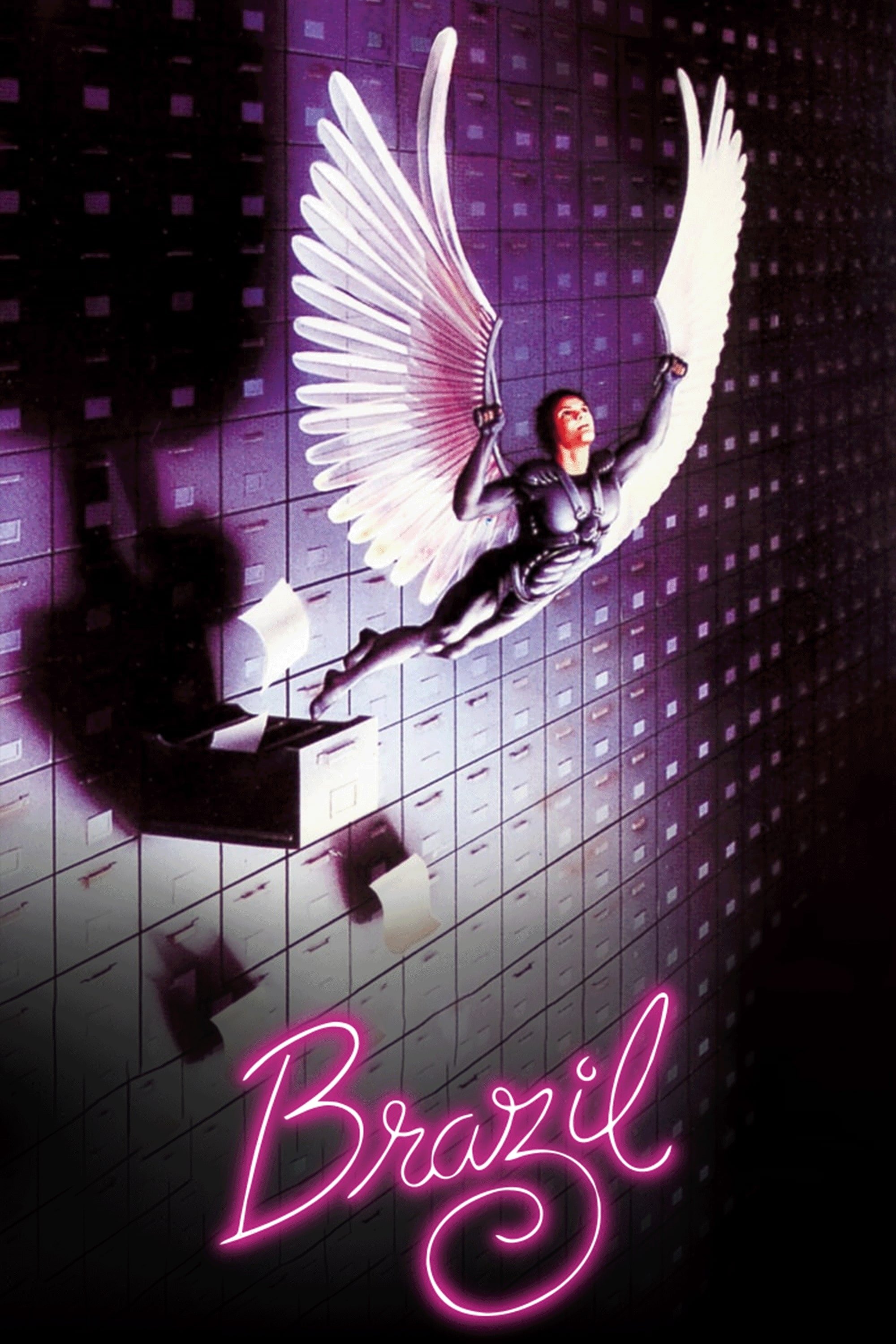
Terry Gilliam’s ‘Brazil’ depicts a retro-futurist bureaucracy where paperwork, ducts, and misfiled records drive the plot. Miniatures, matte paintings, and practical effects create a dense, analog world of malfunctioning technology. The narrative satirizes administrative control through mistaken identity and cascading procedural errors.
’12 Monkeys’ (1995)
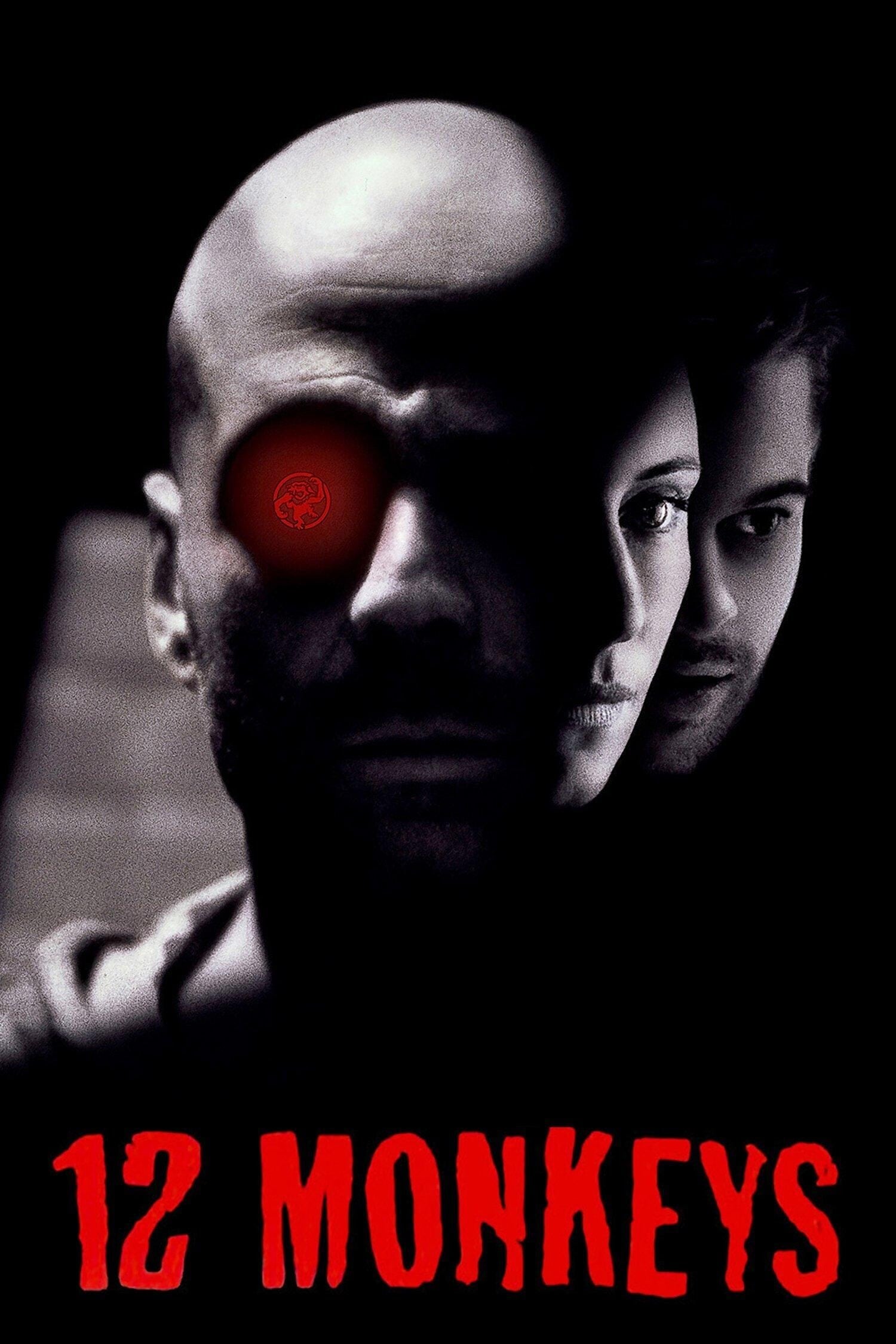
Directed by Terry Gilliam, ’12 Monkeys’ follows a prisoner sent back in time to gather data about a devastating outbreak. The story was inspired by the short film ‘La Jetée’, translating still-image storytelling into a full narrative with layered timelines. Production design contrasts subterranean facilities with urban landmarks to track temporal jumps.
‘Jacob’s Ladder’ (1990)

Adrian Lyne’s ‘Jacob’s Ladder’ centers on a Vietnam veteran experiencing disturbing apparitions tied to past trauma and experimental factors. The film’s fast head-shake effect, hospital sequences, and stairway imagery became genre touchstones. Editing and practical prosthetics merge hallucination and reality without explicit transitional cues.
‘The Sixth Sense’ (1999)
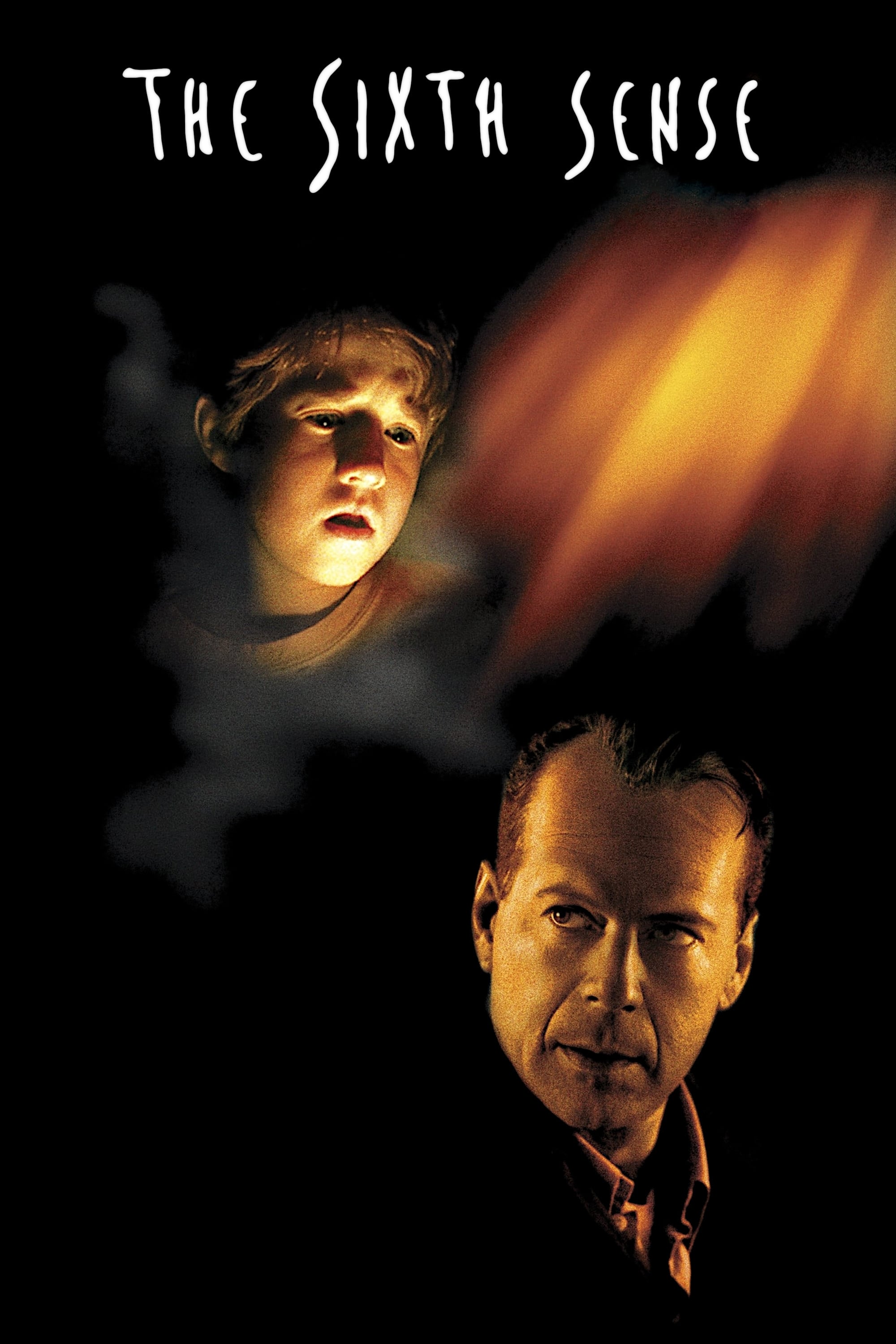
Written and directed by M. Night Shyamalan, ‘The Sixth Sense’ follows a child psychologist working with a boy who reports seeing the dead. Careful blocking, color accents, and environmental details foreshadow later revelations. The Philadelphia setting and measured pacing support investigative scenes that connect patient histories.
‘Perfect Blue’ (1997)
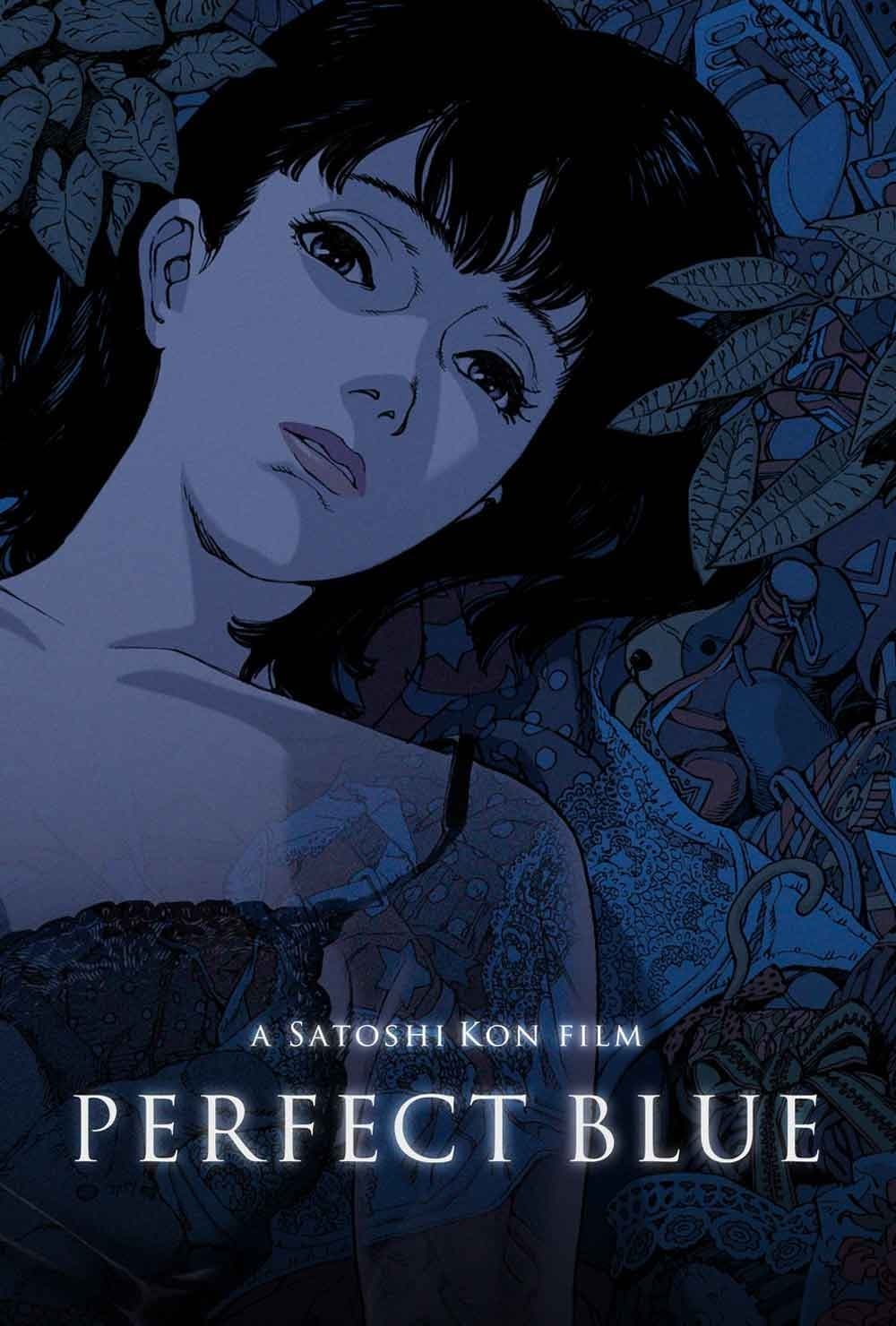
Satoshi Kon’s ‘Perfect Blue’ is an animated psychological thriller about a pop idol whose move to acting blurs identity and performance. The film uses match cuts and scene slippages to confuse diegetic levels between show and reality. Its depiction of fandom, media, and doubles has influenced subsequent thrillers and music-industry narratives.
‘Paprika’ (2006)
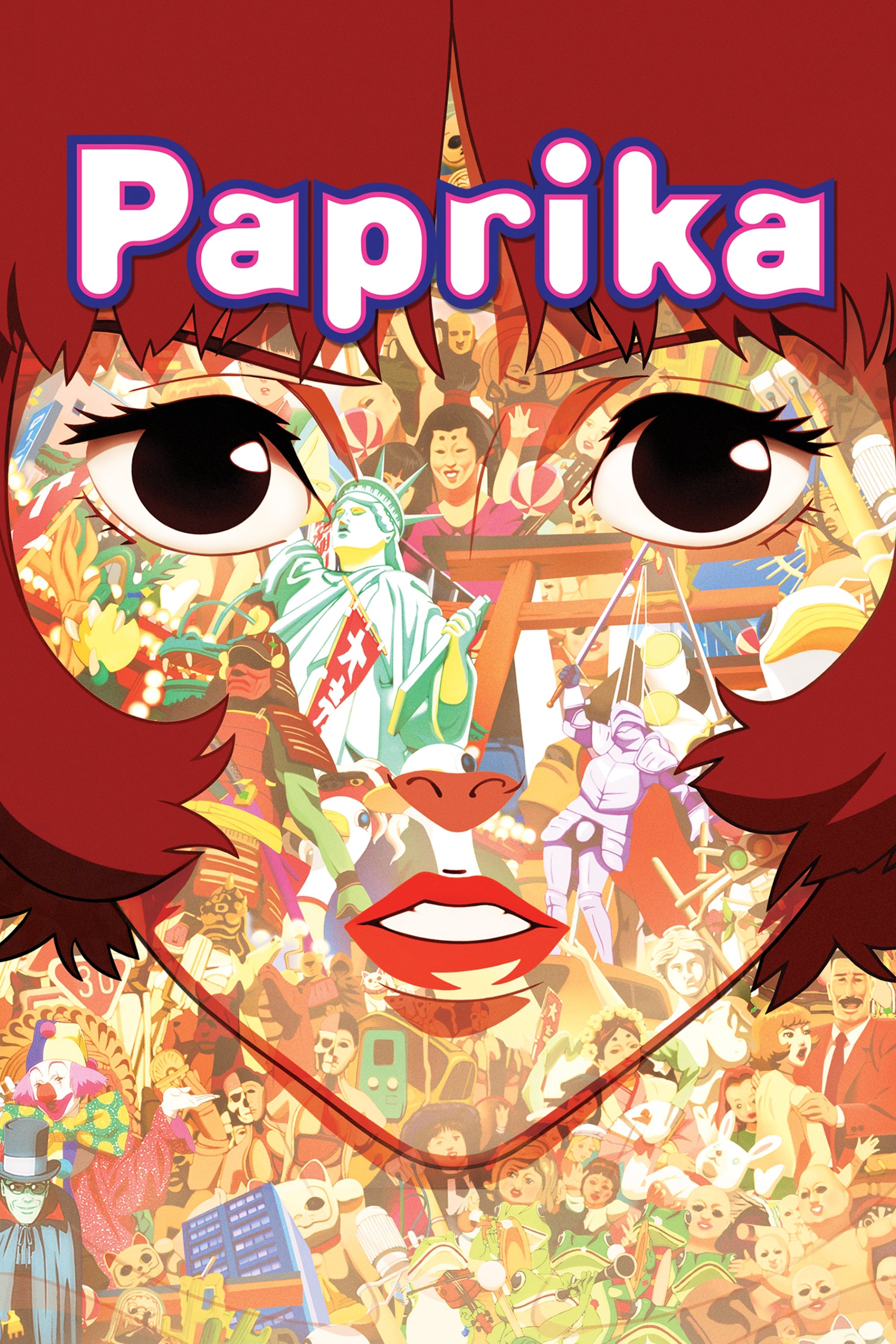
Directed by Satoshi Kon, ‘Paprika’ follows researchers using a device that lets therapists enter patients’ dreams, where a runaway parade of images destabilizes waking life. The animation employs fluid transitions that equate edits with shifts in consciousness. It explores how shared dream spaces can rewrite memory, identity, and authorship.
‘Dark City’ (1998)
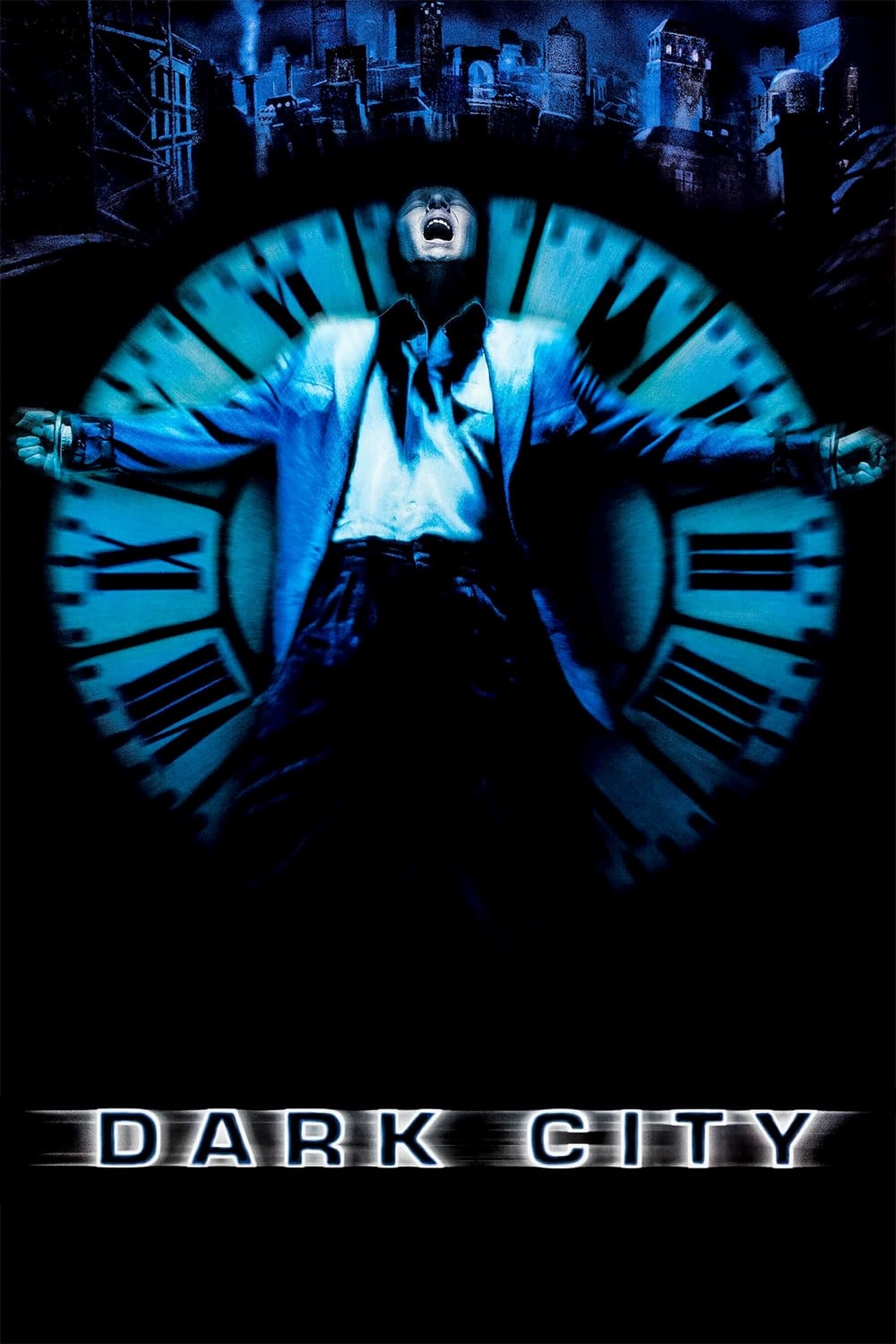
Directed by Alex Proyas, ‘Dark City’ follows an amnesiac pursued through a perpetually night-shrouded metropolis controlled by reality-shifting beings called the Strangers. The production blends noir architecture with expressionist sets, using moving building facades to visualize memory manipulation. Its narrative tracks implanted identities and a concealed coastal mystery while a doctor documents the experiments.
‘The Game’ (1997)
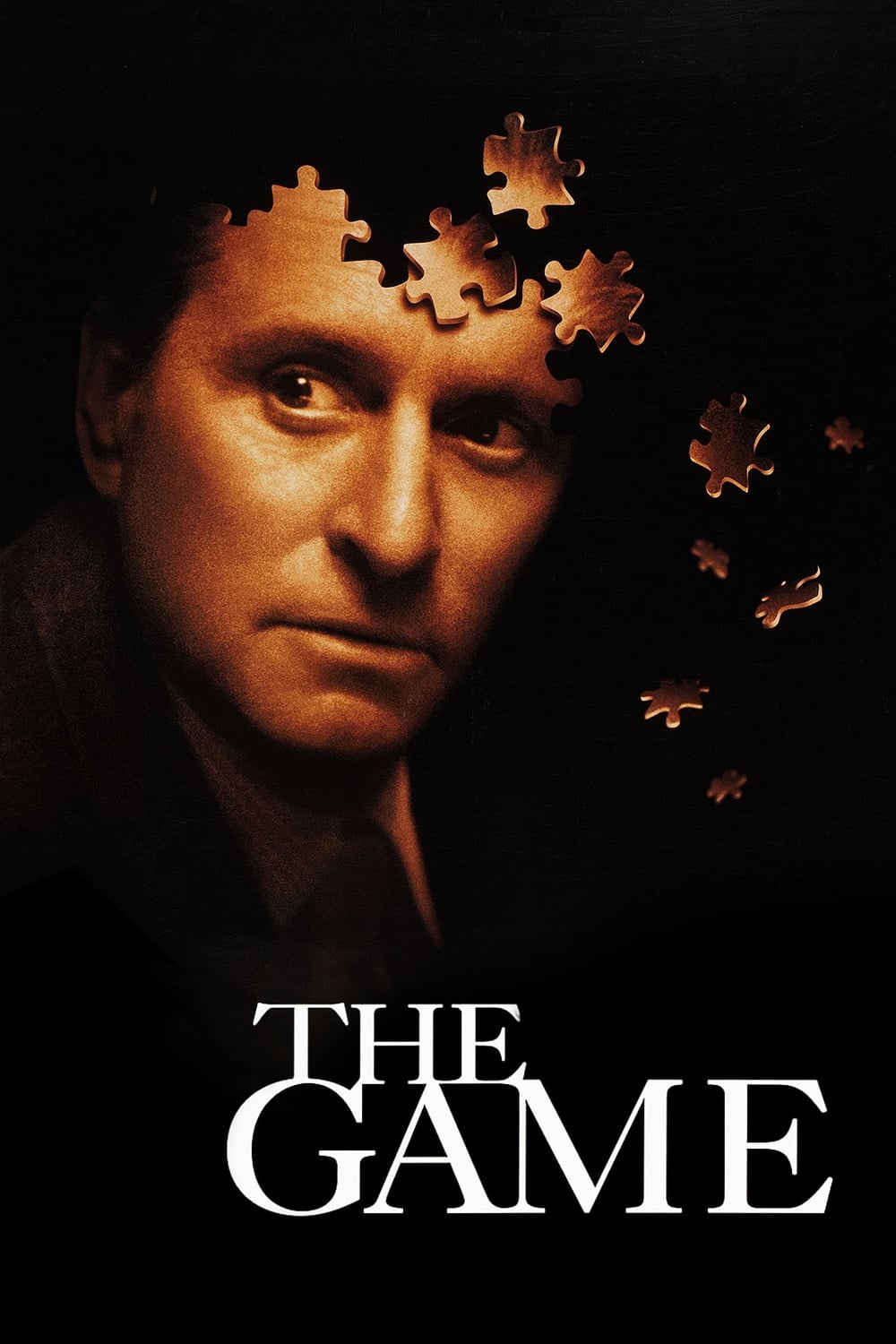
David Fincher’s ‘The Game’ centers on a wealthy banker who receives a personalized “experience” from a company that stages life-altering scenarios. Contracts, background checks, and orchestrated encounters build a layered operation that blurs staged threat and genuine danger. Location work across financial districts and warehouses supports a breadcrumb trail of corporate and personal data.
‘Vanilla Sky’ (2001)
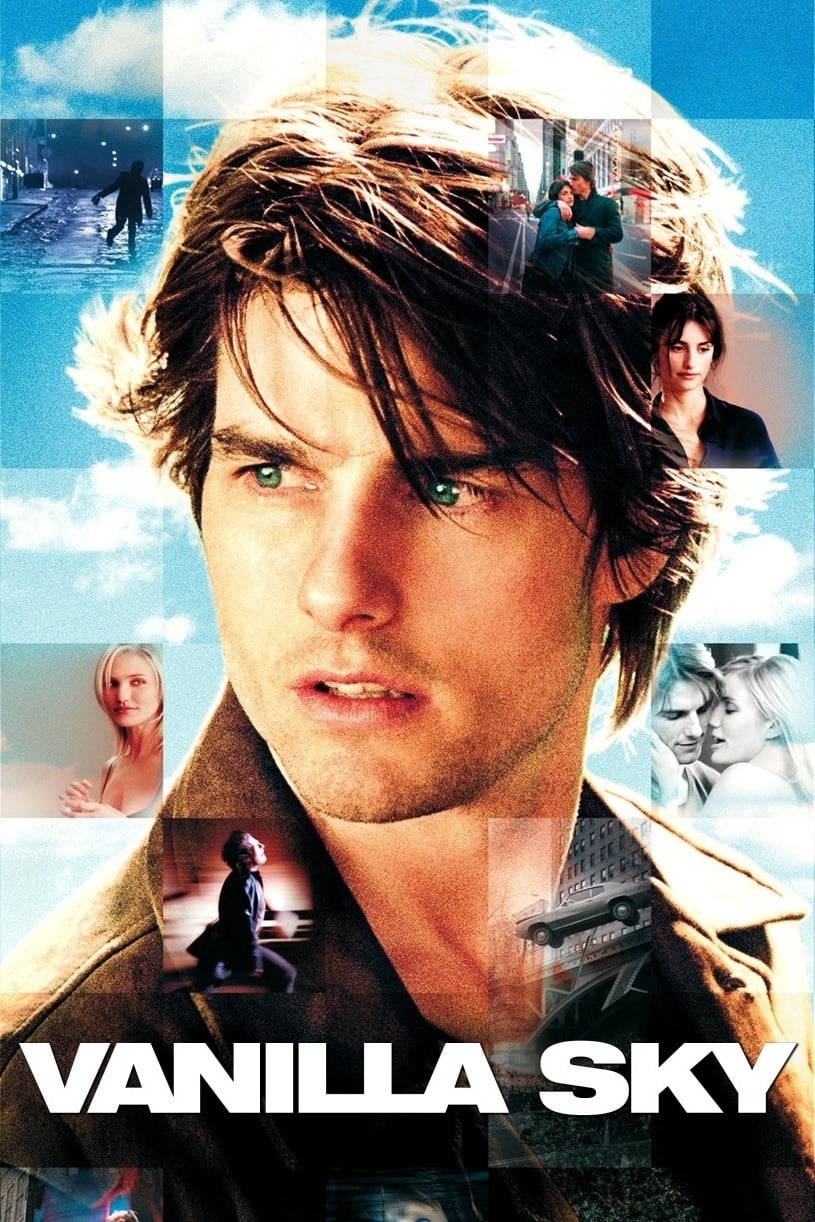
‘Vanilla Sky’, directed by Cameron Crowe, adapts the Spanish film ‘Open Your Eyes’ into a story about a publishing heir entangled in lucid-dream technology. A tech firm’s cryonics program and consent agreements underpin the film’s altered states. Recurring street images and mask iconography mark transitions between waking life and curated dreamspace.
‘The Machinist’ (2004)
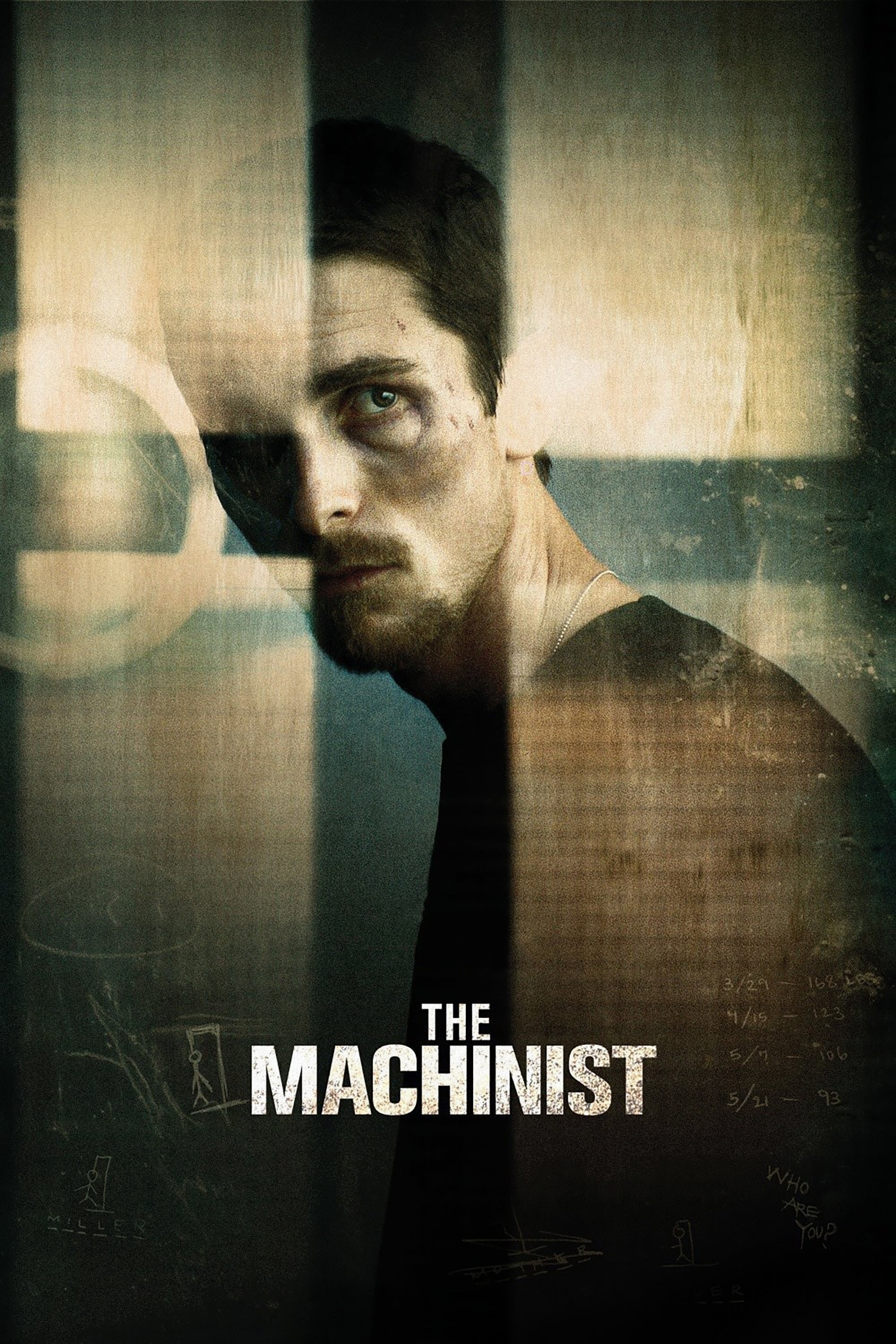
Brad Anderson’s ‘The Machinist’ follows an industrial worker suffering from extreme insomnia, workplace hazards, and unreliable memory. Visual motifs—post-it notes, an apartment calendar, and a specific photo booth—track his attempts to reconstruct events. The factory environment, machinery incidents, and personnel records frame a procedural drift into self-investigation.
‘A Scanner Darkly’ (2006)
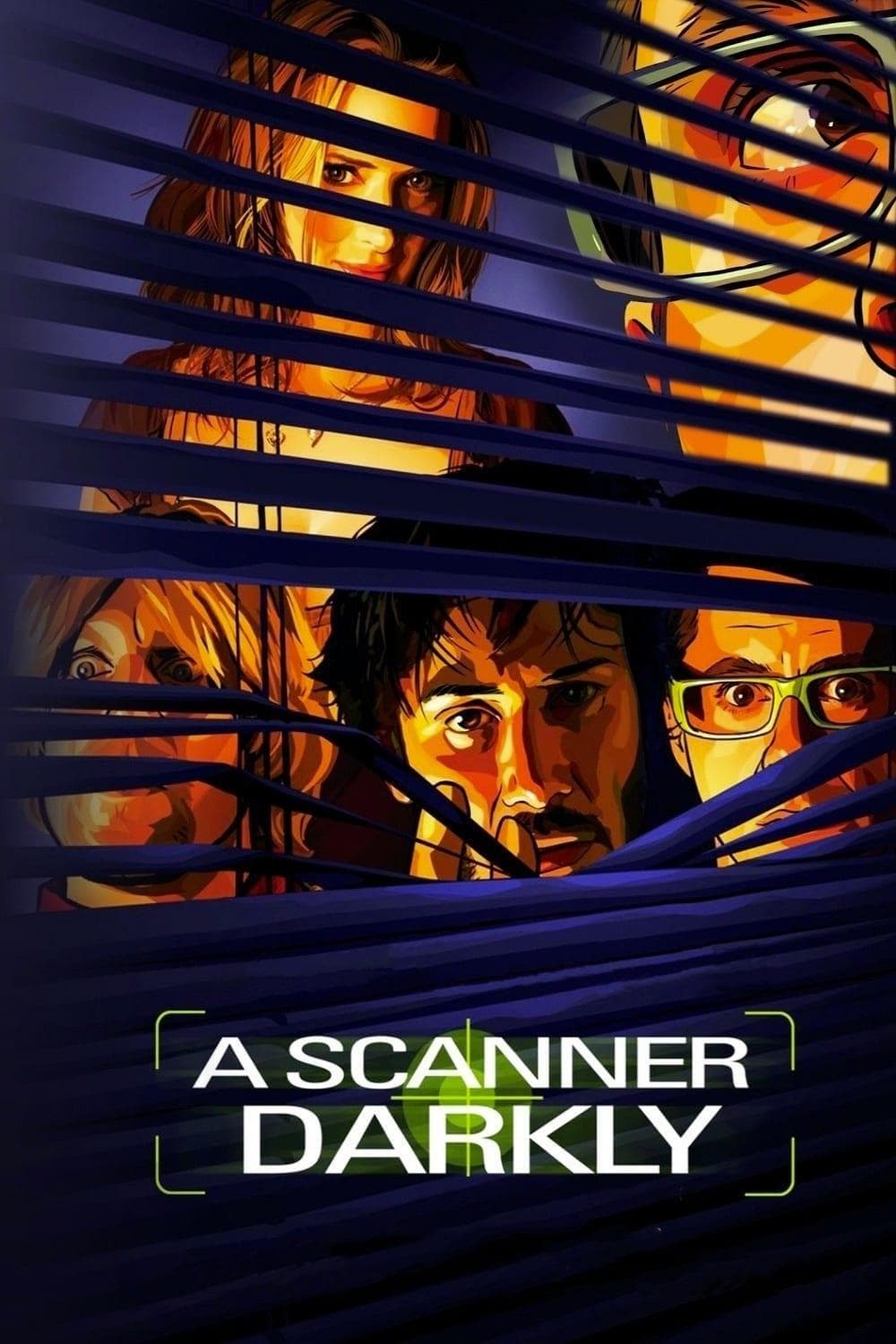
Directed by Richard Linklater, ‘A Scanner Darkly’ adapts Philip K. Dick’s novel about undercover narcotics surveillance and identity decay. Interpolated rotoscope animation creates shifting outlines that match the story’s reality slippage. The film details scramble suits, informant protocols, and a supply chain for a powerful substance monitored by overlapping agencies.
‘The Fountain’ (2006)
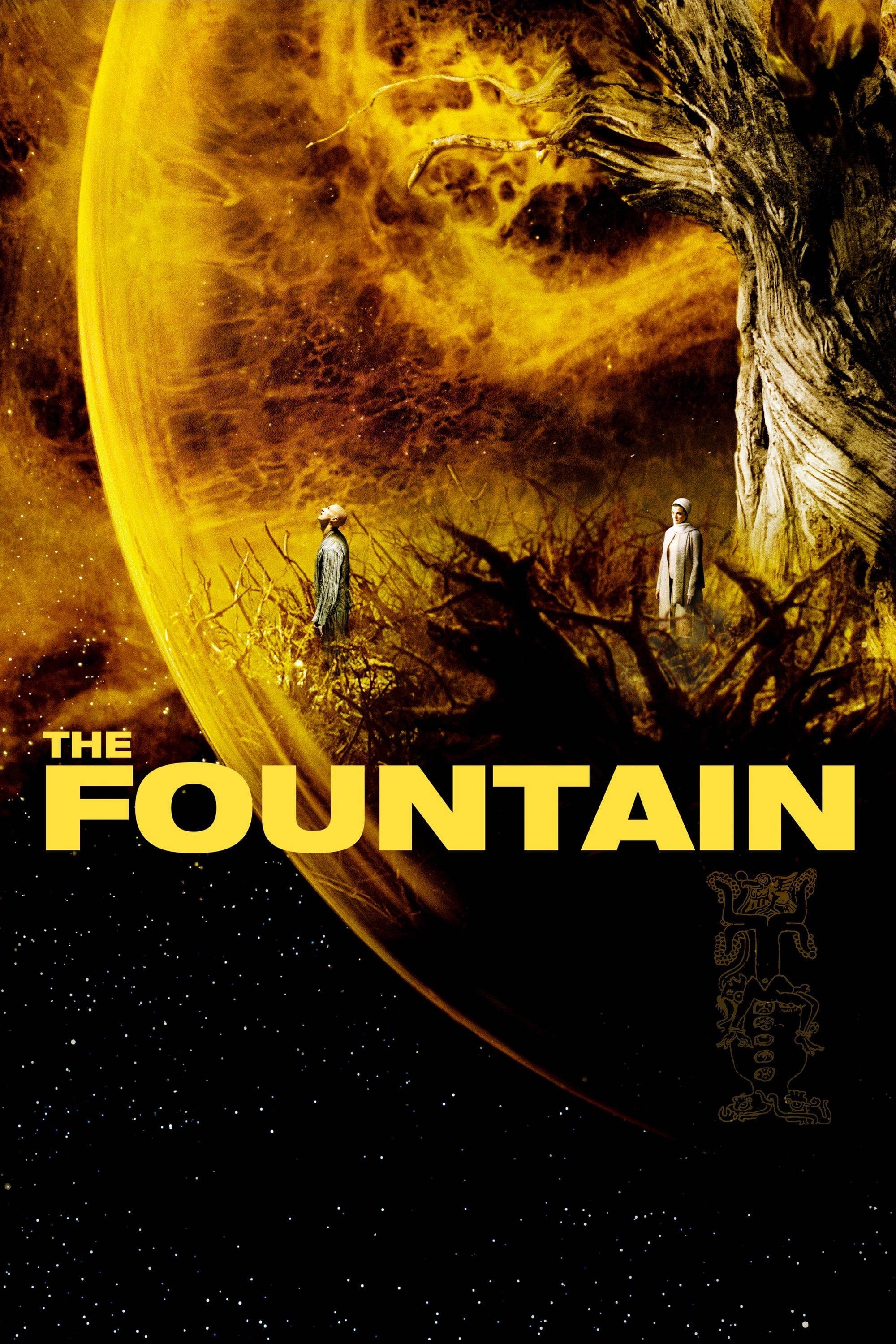
Darren Aronofsky’s ‘The Fountain’ intercuts parallel storylines involving medical research, a conquistador’s quest, and a spacebound figure linked by a single relationship. Macro photography of chemical reactions replaces traditional computer effects to depict cosmic imagery. The film organizes visual motifs—trees, rings, and tattoos—across timelines to connect mortality and pursuit.
‘Solaris’ (1972)

Andrei Tarkovsky’s ‘Solaris’ adapts Stanisław Lem’s novel about a psychologist sent to a space station orbiting an oceanic planet that materializes human memories. Station logs, video transmissions, and recurring visitors serve as evidence of the planet’s response. Long takes and domestic objects on board contrast with the alien environment’s reflective surface.
‘Stalker’ (1979)

In ‘Stalker’, Andrei Tarkovsky follows a guide leading two clients into a restricted Zone containing a room said to grant desires. The journey proceeds through marked hazards, detours, and ritualized navigation methods. Sound design, water motifs, and decaying industrial sites map an evolving route that challenges the travelers’ stated goals.
‘The Others’ (2001)
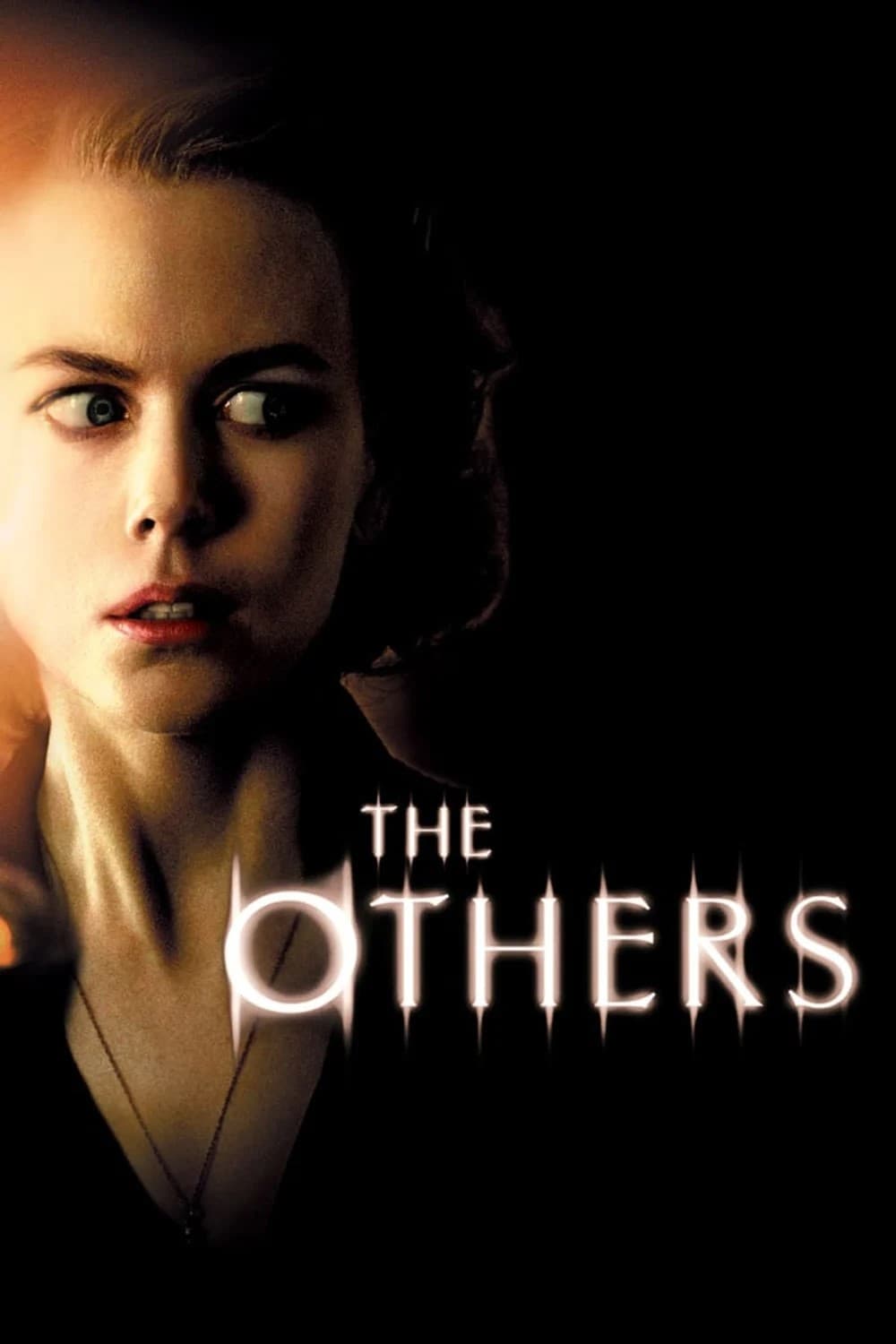
Directed by Alejandro Amenábar, ‘The Others’ focuses on a mother and her photosensitive children in a fog-bound house where strict rules govern light and access. Household routines, servant records, and period photographs play key roles in the unfolding mystery. The film’s staging emphasizes doors, curtains, and locked spaces to manage information flow.
‘The Thirteenth Floor’ (1999)
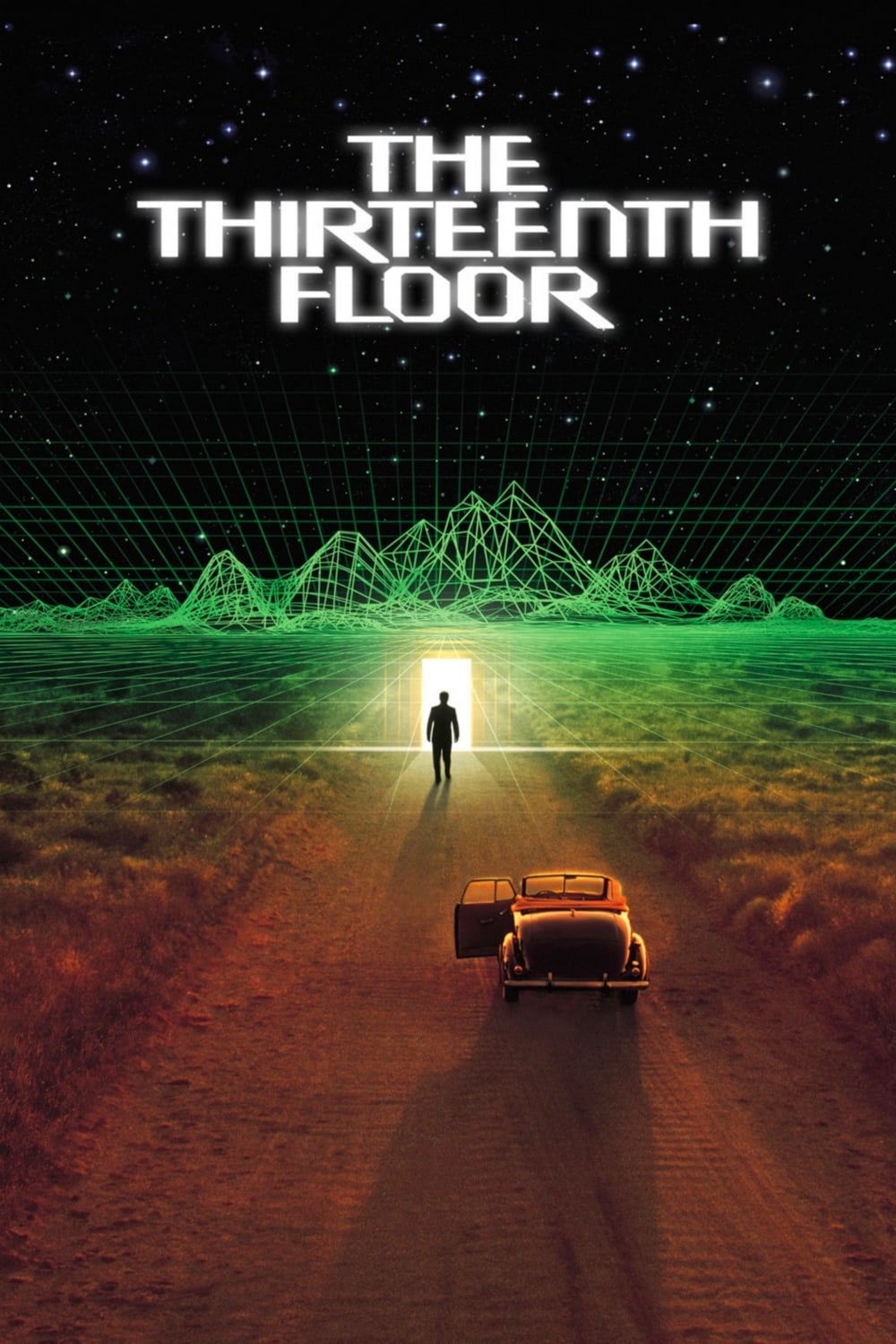
‘The Thirteenth Floor’ explores layered computer simulations built by a tech company whose founder is murdered. Investigation sequences parse server logs, mapped city grids, and access points between simulated and base realities. The plot tracks user sessions, memory carryover, and jurisdictional conflicts between corporate security and police.
‘Upstream Color’ (2013)
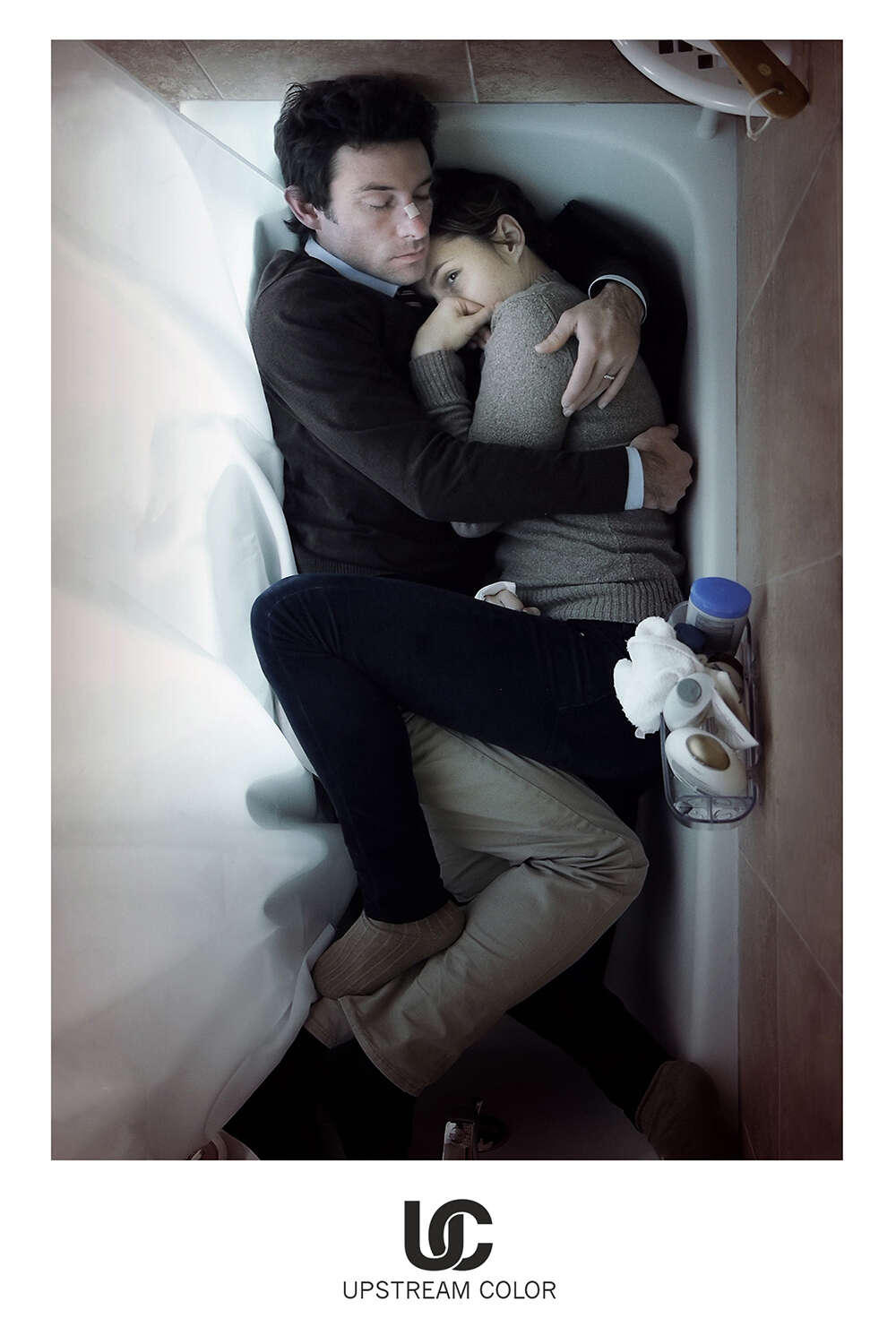
Shane Carruth’s ‘Upstream Color’ links two people through an organism that cycles from parasite to plant to pigs, affecting memory and identity. The film uses sound cues, sampling devices, and synchronized actions to show how the pair’s lives are retuned. Nonlinear editing and repeated gestures create a system of cause-and-effect independent of dialogue.
‘The Endless’ (2017)
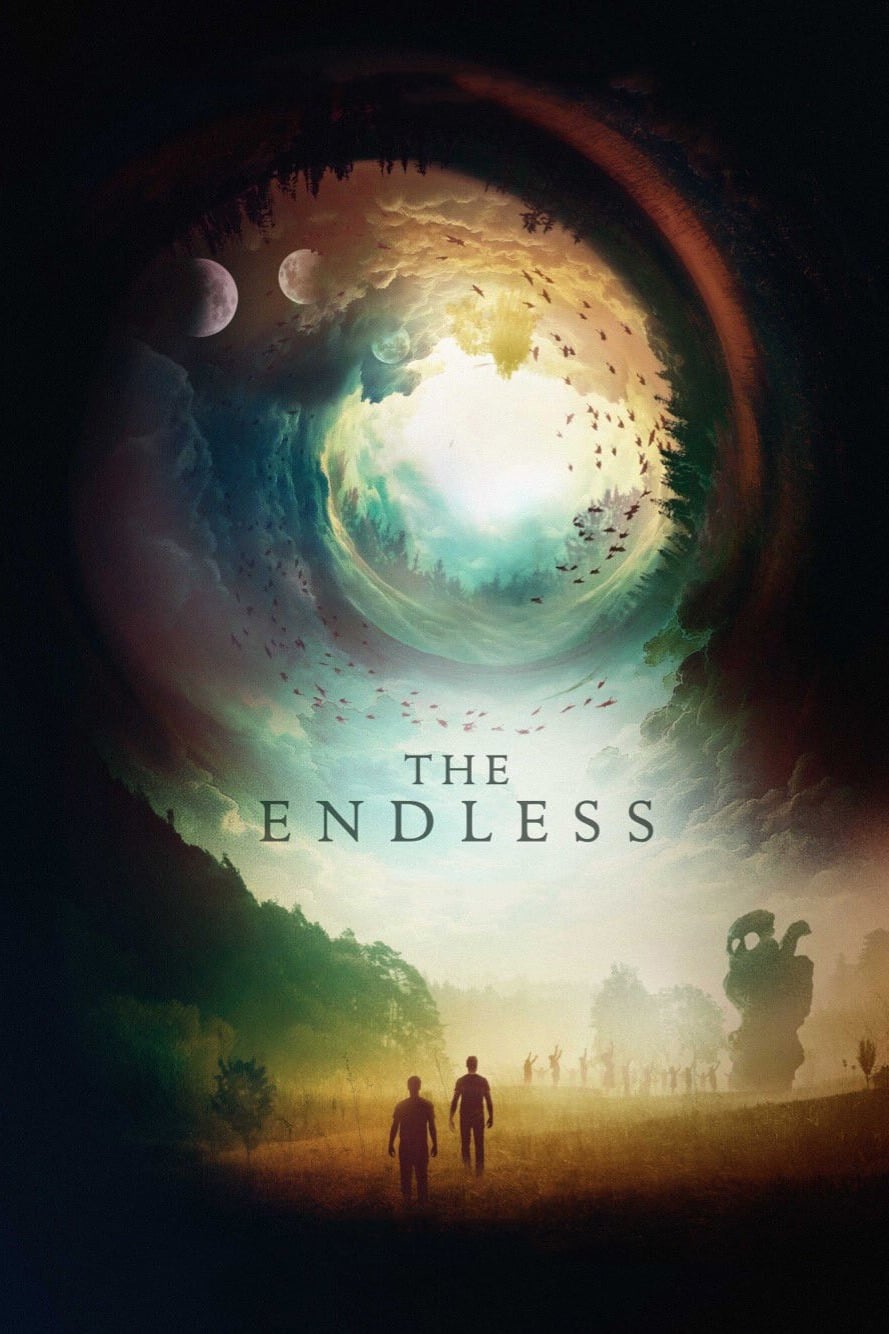
Directed by Justin Benson and Aaron Moorhead, ‘The Endless’ returns two brothers to a commune where time loops occur at different scales. Visual markers—tethered objects, videotapes, and camp perimeters—define boundaries of repeating events. The film integrates previous footage and regional landmarks to connect characters across adjacent loops.
‘Resolution’ (2012)
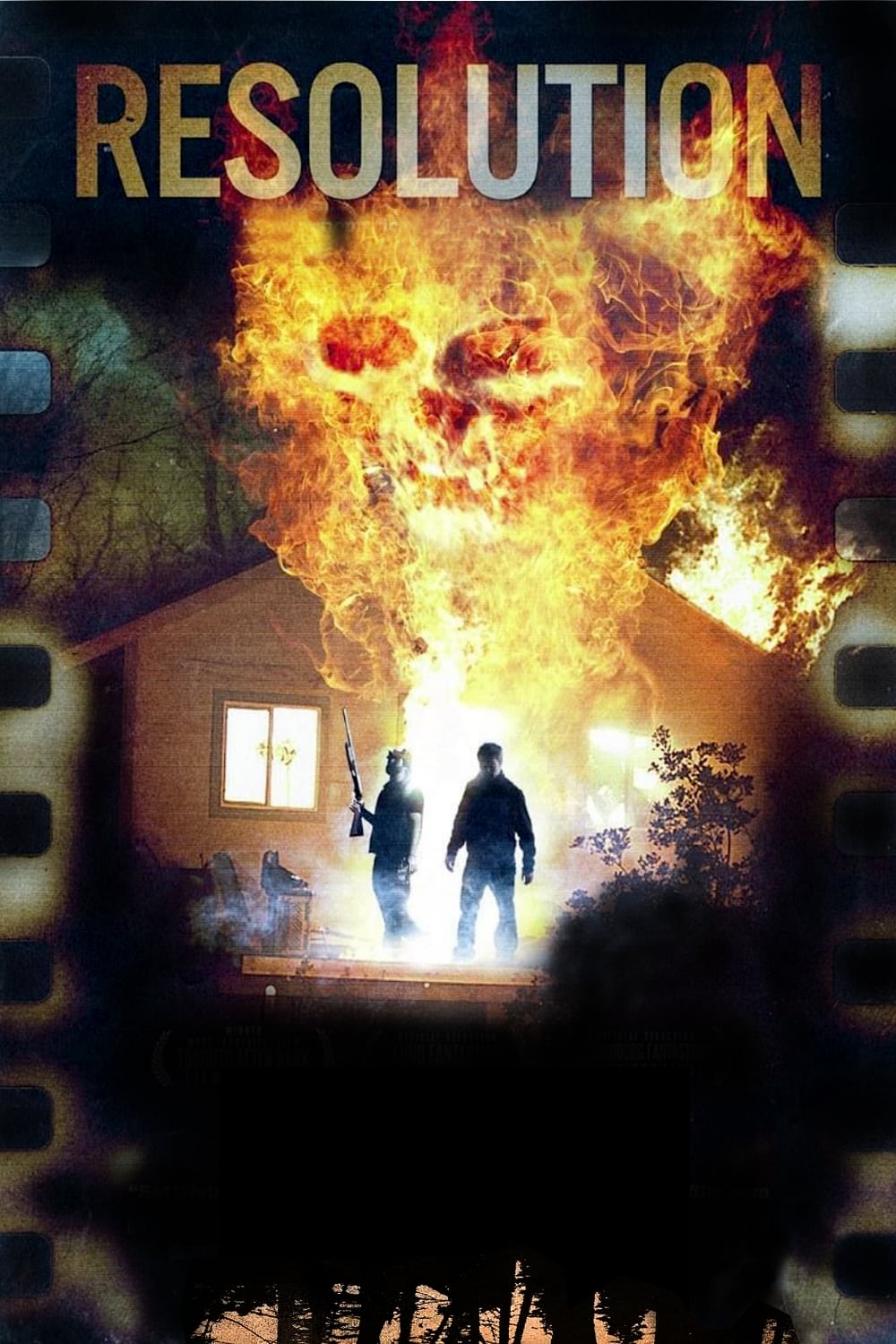
‘Resolution’, by Justin Benson and Aaron Moorhead, follows a man attempting to detox his friend in a remote cabin while an unseen force curates and edits their story. Found media, photographs, and crude projections reveal a cataloging presence that favors narrative outcomes. Nearby structures, graffiti, and abandoned sites expand the geographic puzzle.
‘Possessor’ (2020)

Brandon Cronenberg’s ‘Possessor’ depicts an assassin who hijacks hosts via implant technology for corporate hits. Training protocols, calibration sequences, and identity safeguards outline the operation’s technical limits. Practical gore, analog interfaces, and mask imagery track when control slips and hosts resist.
‘Lost Highway’ (1997)
David Lynch’s ‘Lost Highway’ weaves a story of a musician, a videotape intrusion, and a sudden identity shift tied to crime and surveillance. The film employs in-house security footage, desert locations, and a mysterious figure appearing at private events to destabilize linear time. Recurring addresses, cars, and nightclub spaces connect its two halves through coded correspondences.
Share the mind-benders you revisit annually—or the next one you’re queuing up—in the comments!