Essential Psychological Thriller Movies to Revisit Every Year

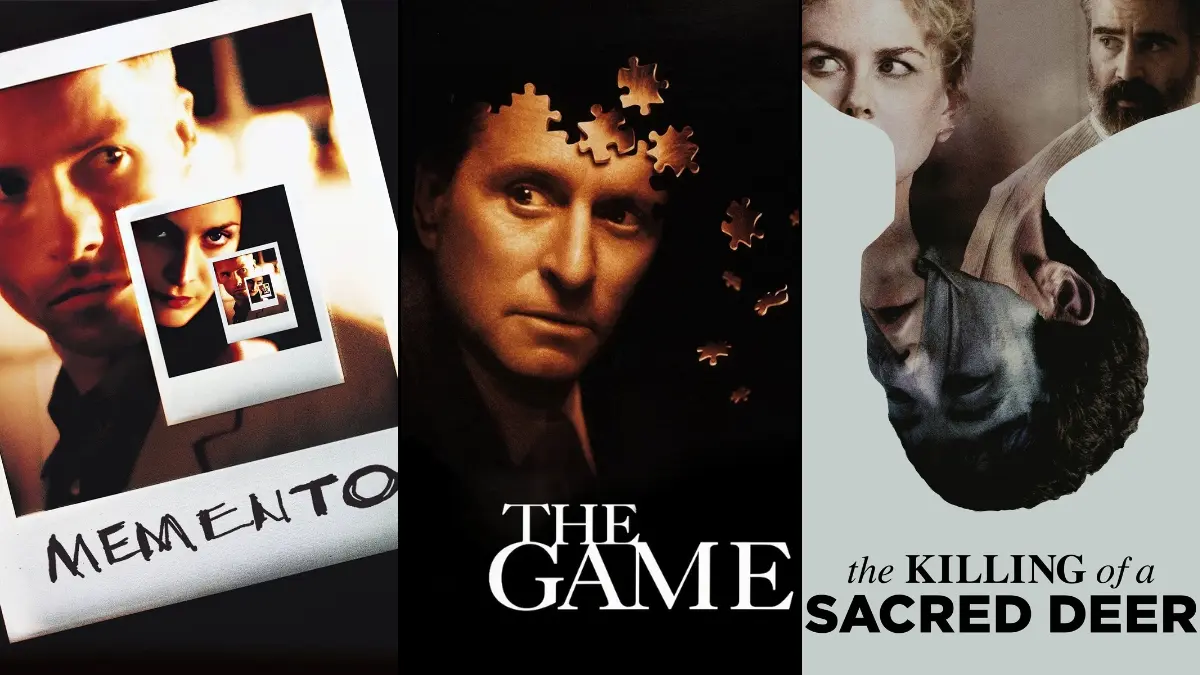

Psychological thrillers reward repeat viewings by revealing new details—tiny clues in dialogue, framing, or sound design that quietly reshape the story you thought you knew. Below is a fresh-watch list of 40 titles that lean on character psychology, unreliable perspectives, and meticulous craft rather than jump-scares alone. Each entry includes the essentials you need to decide what to cue up next: who made it, who’s in it, the premise, and a notable craft or legacy detail that stands out on rewatches.
‘Se7en’ (1995)
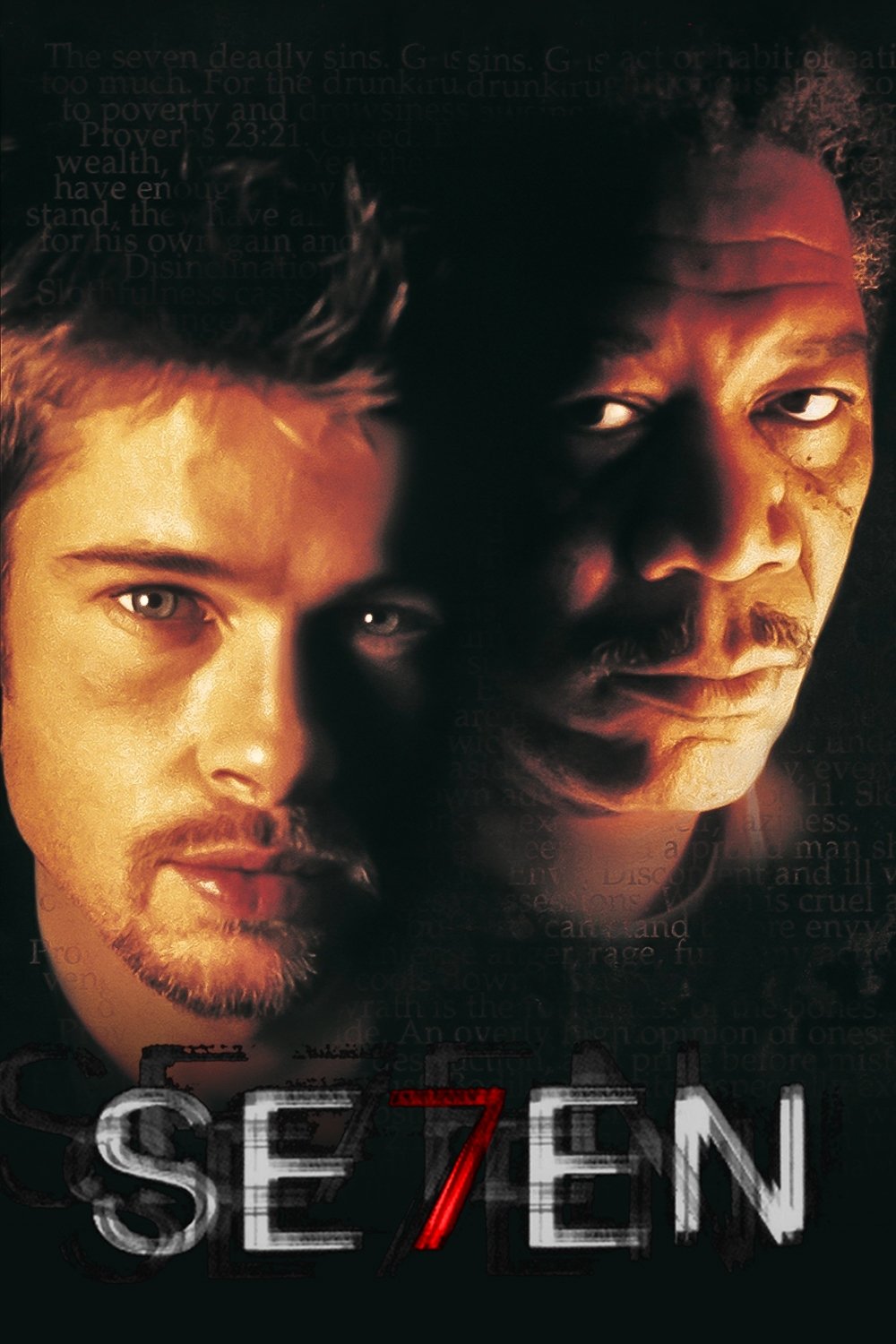
Directed by David Fincher and starring Brad Pitt and Morgan Freeman, this investigation follows two detectives tracking a serial killer who stages murders around the seven deadly sins. Darius Khondji’s cinematography and a rain-soaked urban setting create a deliberately oppressive atmosphere. The film’s structure builds a procedural rhythm that foregrounds moral themes and forensic detail.
‘The Silence of the Lambs’ (1991)
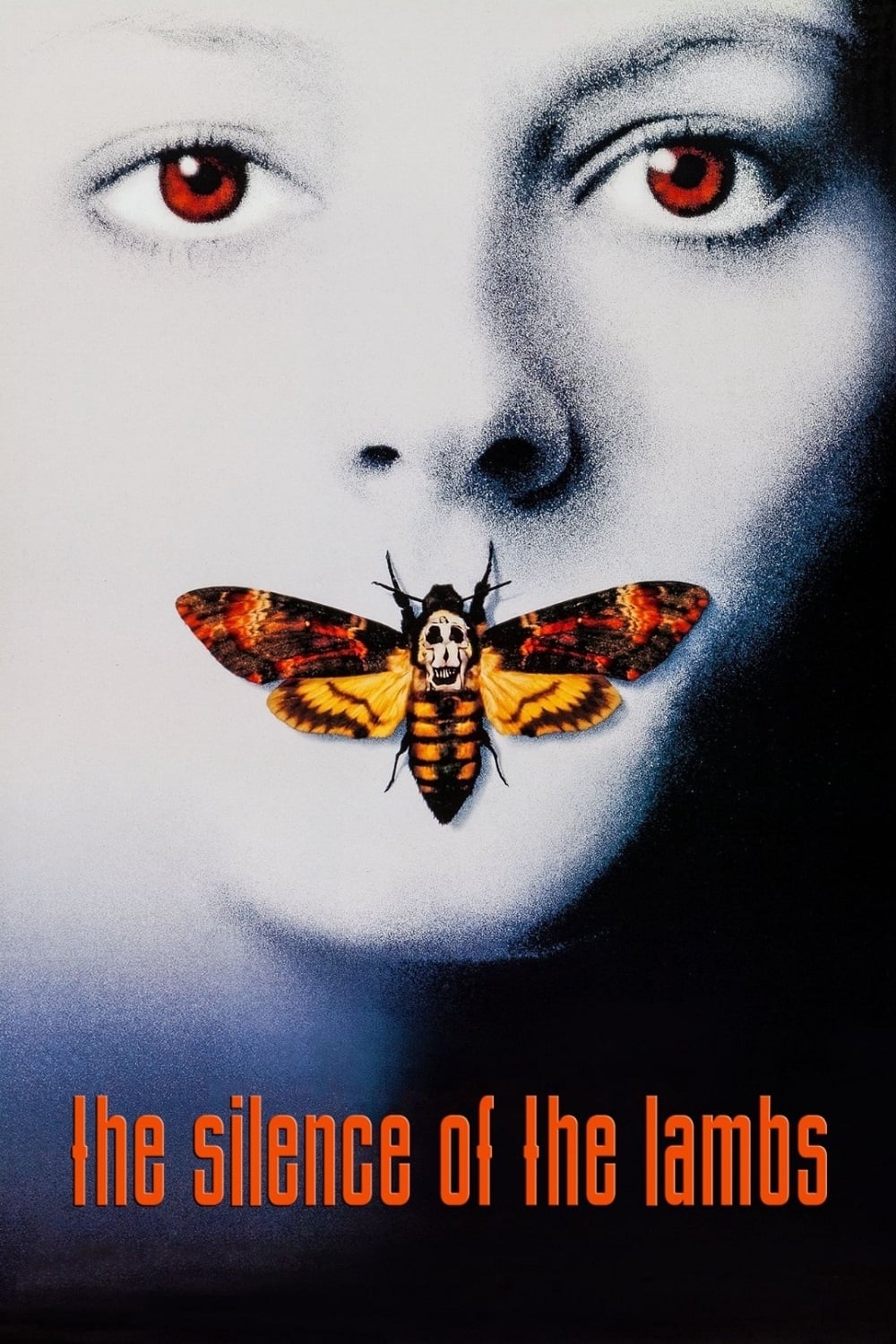
Jonathan Demme directs Jodie Foster as an FBI trainee who consults incarcerated psychiatrist Hannibal Lecter, played by Anthony Hopkins, to profile a killer. The film won the “Big Five” Academy Awards—Best Picture, Director, Actor, Actress, and Screenplay. Demme’s close-up, straight-to-camera compositions emphasize interrogation dynamics and shifting control.
‘Shutter Island’ (2010)
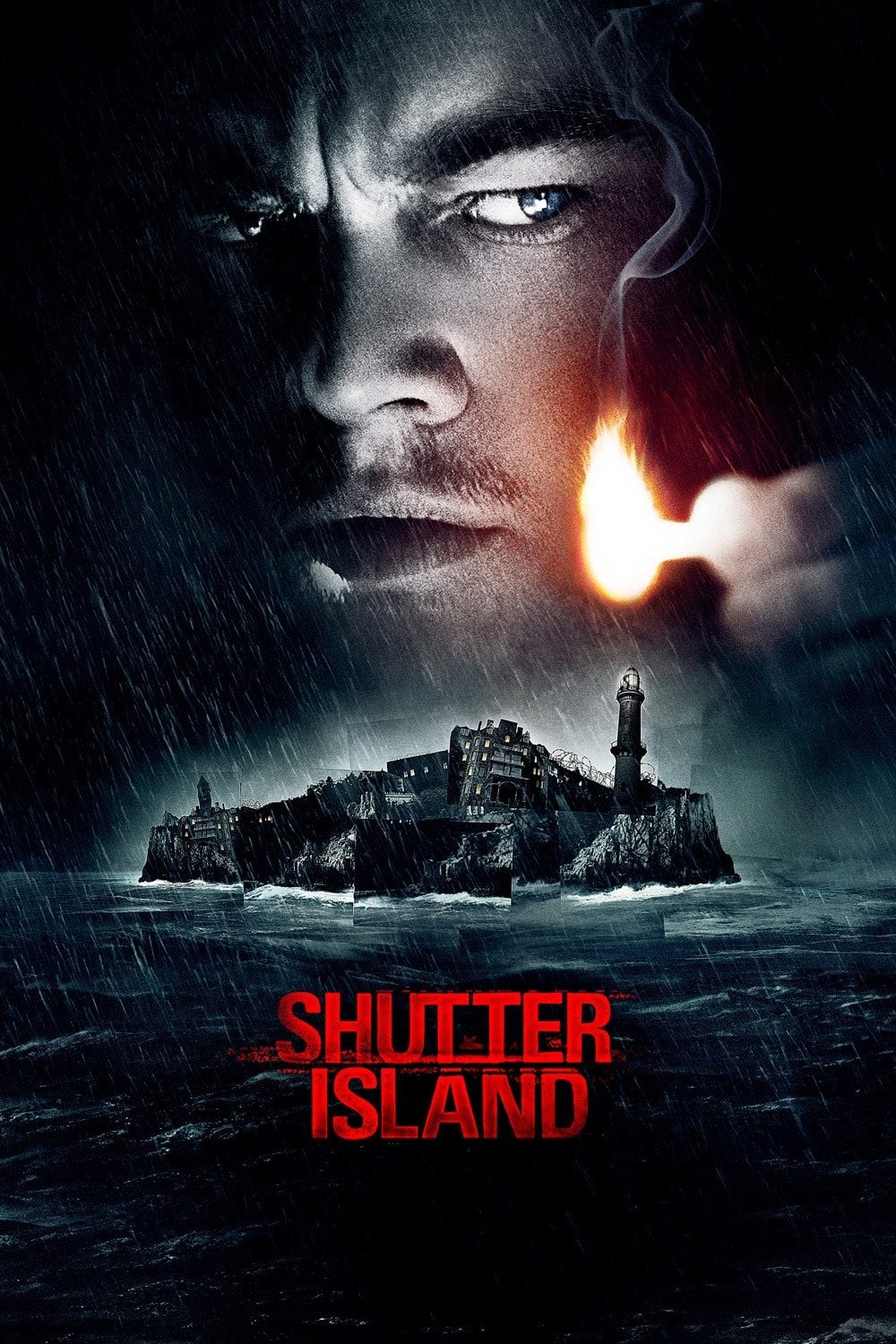
Martin Scorsese adapts Dennis Lehane’s novel, with Leonardo DiCaprio as a U.S. Marshal investigating a disappearance at a remote psychiatric facility. The production uses classical noir techniques—mattes, rear projection, and expressionist lighting—to mirror the story’s fractured perspective. Recurrent motifs in sound and set design seed clues about identity and memory.
‘Memento’ (2000)
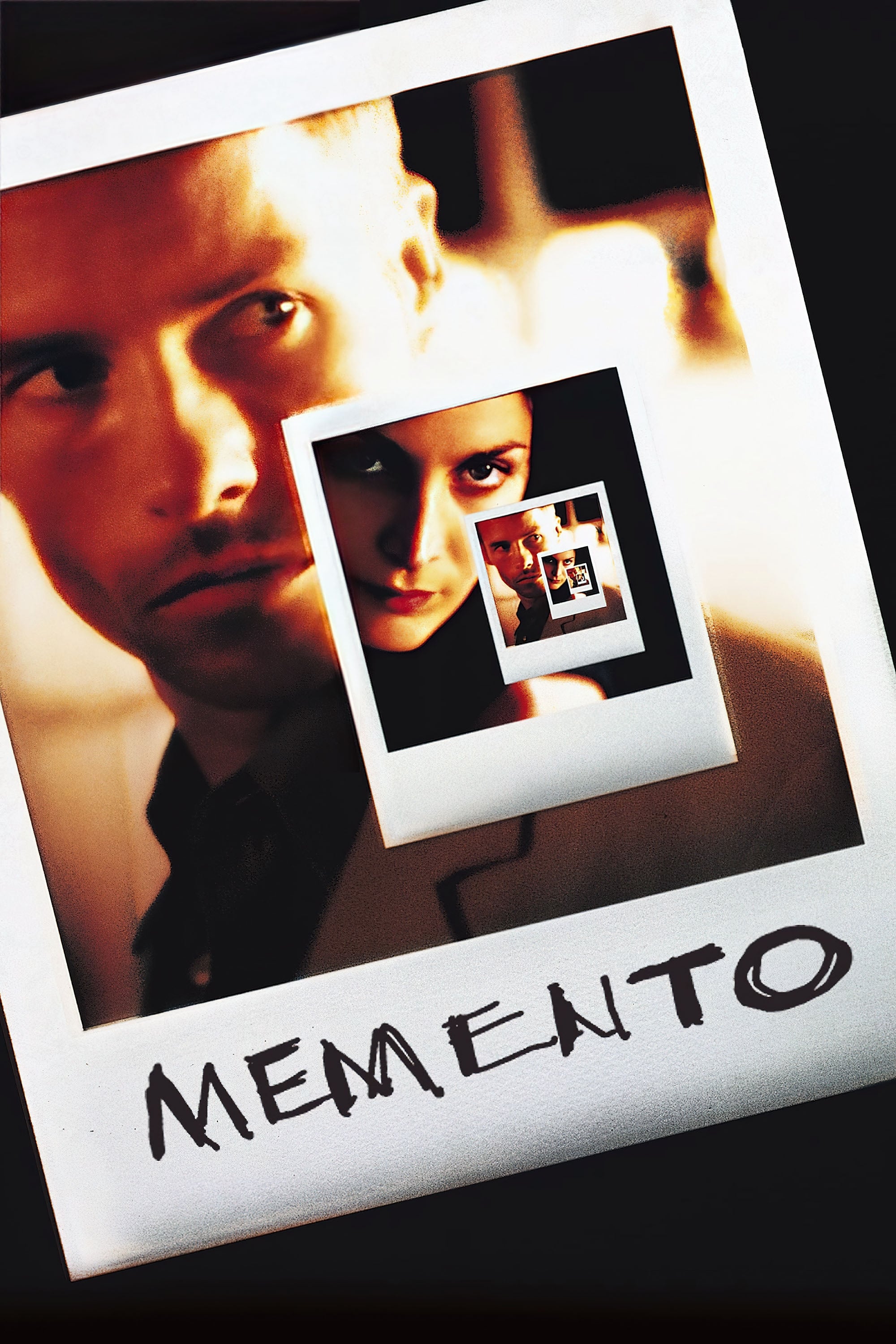
Christopher Nolan’s breakthrough stars Guy Pearce as a man with short-term memory loss assembling facts via tattoos and Polaroids. The narrative alternates between color scenes moving backward and black-and-white scenes moving forward, converging at a pivotal midpoint. This structure invites viewers to track information like a real-time case file.
‘Zodiac’ (2007)
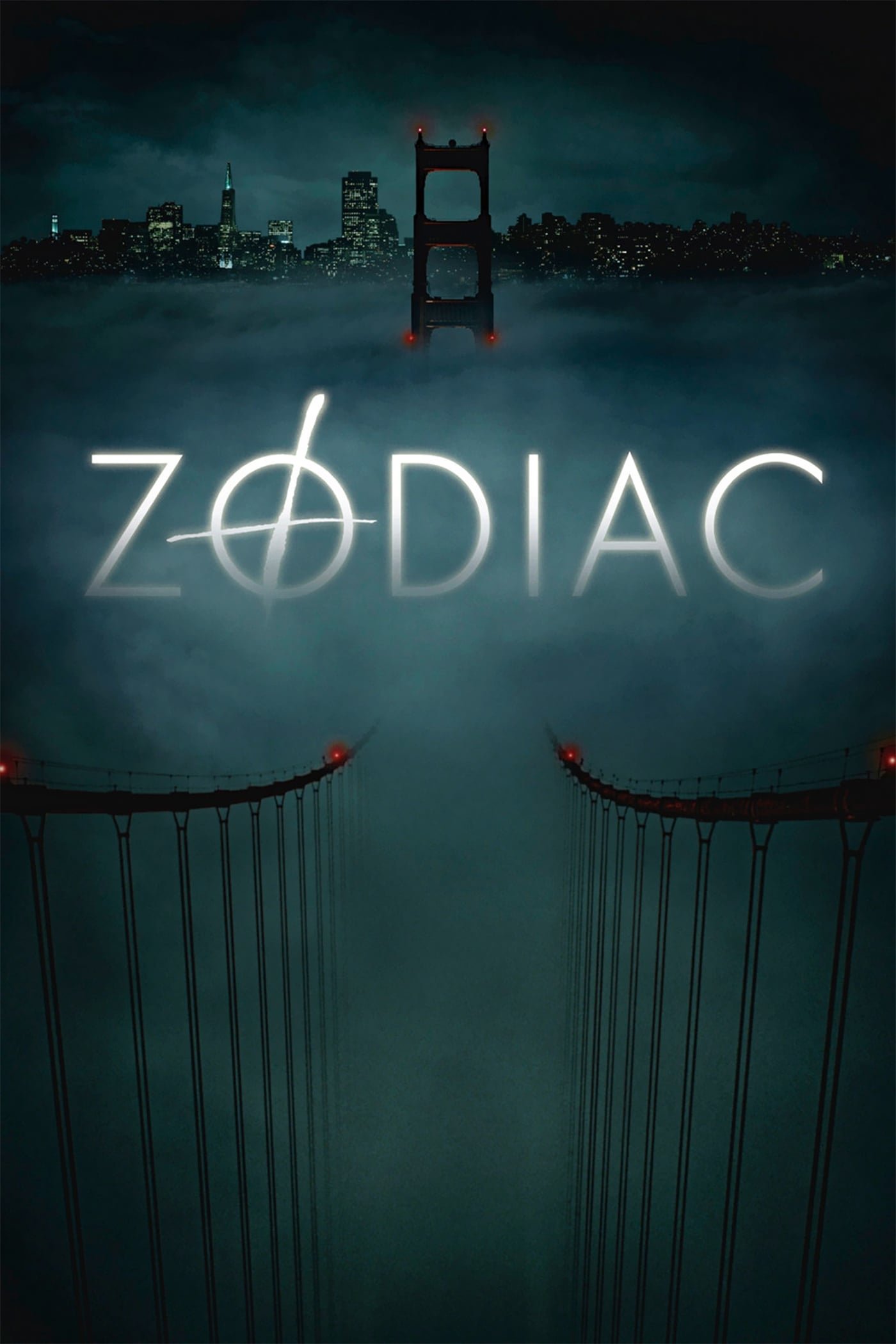
David Fincher chronicles the Zodiac investigation through the eyes of a cartoonist, a reporter, and detectives, led by Jake Gyllenhaal, Robert Downey Jr., and Mark Ruffalo. Digital cinematography and meticulous period production design reconstruct case timelines across multiple jurisdictions. The film emphasizes primary-source detail—handwriting, ciphers, and archival records.
‘Fight Club’ (1999)
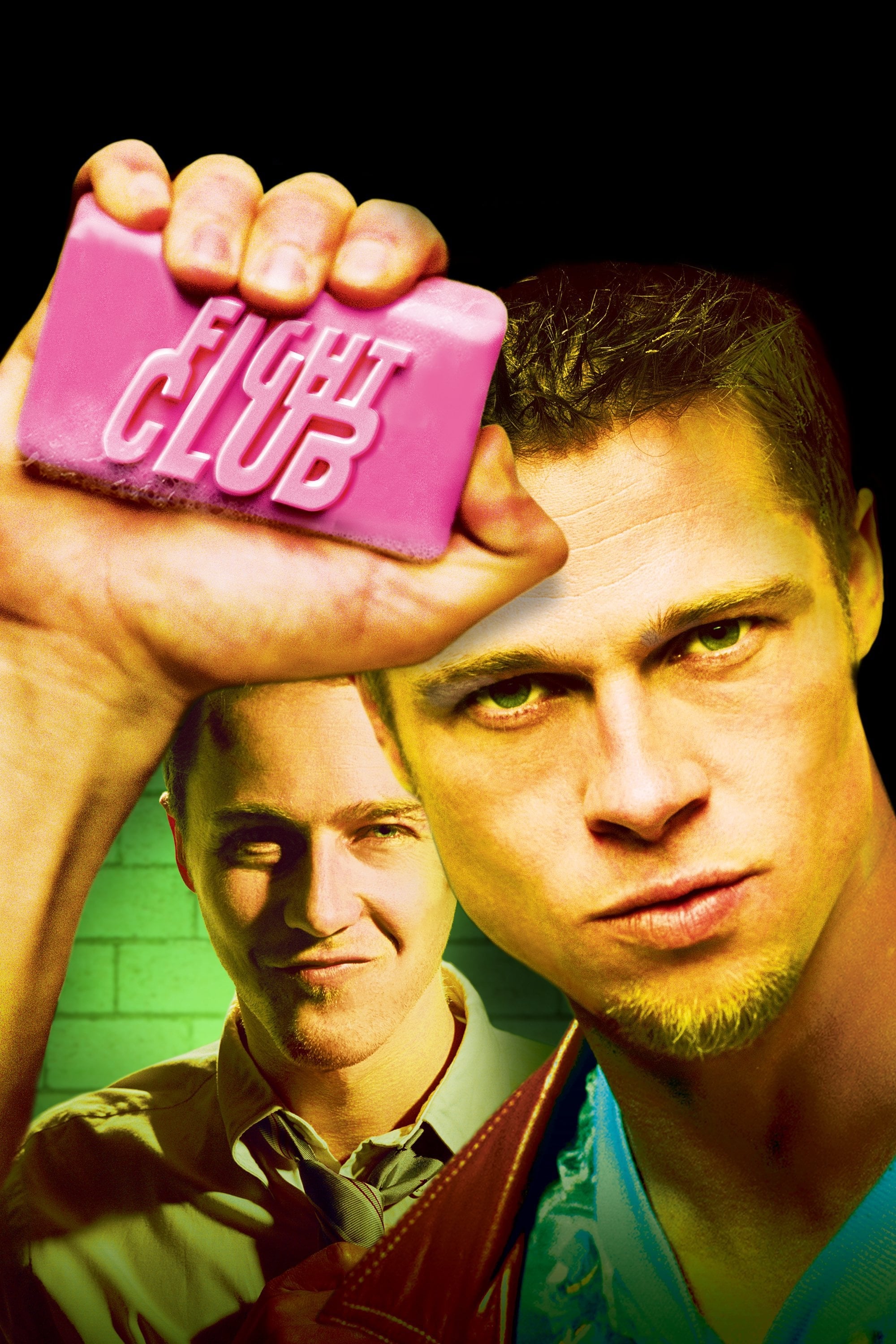
Adapted from Chuck Palahniuk’s novel and directed by David Fincher, this story pairs Edward Norton and Brad Pitt in a tale of consumer angst and identity. Visual effects and production design illustrate dissociation through subliminal edits and shifting spaces. The screenplay tracks an escalating underground movement while mapping psychological fragmentation.
‘Black Swan’ (2010)
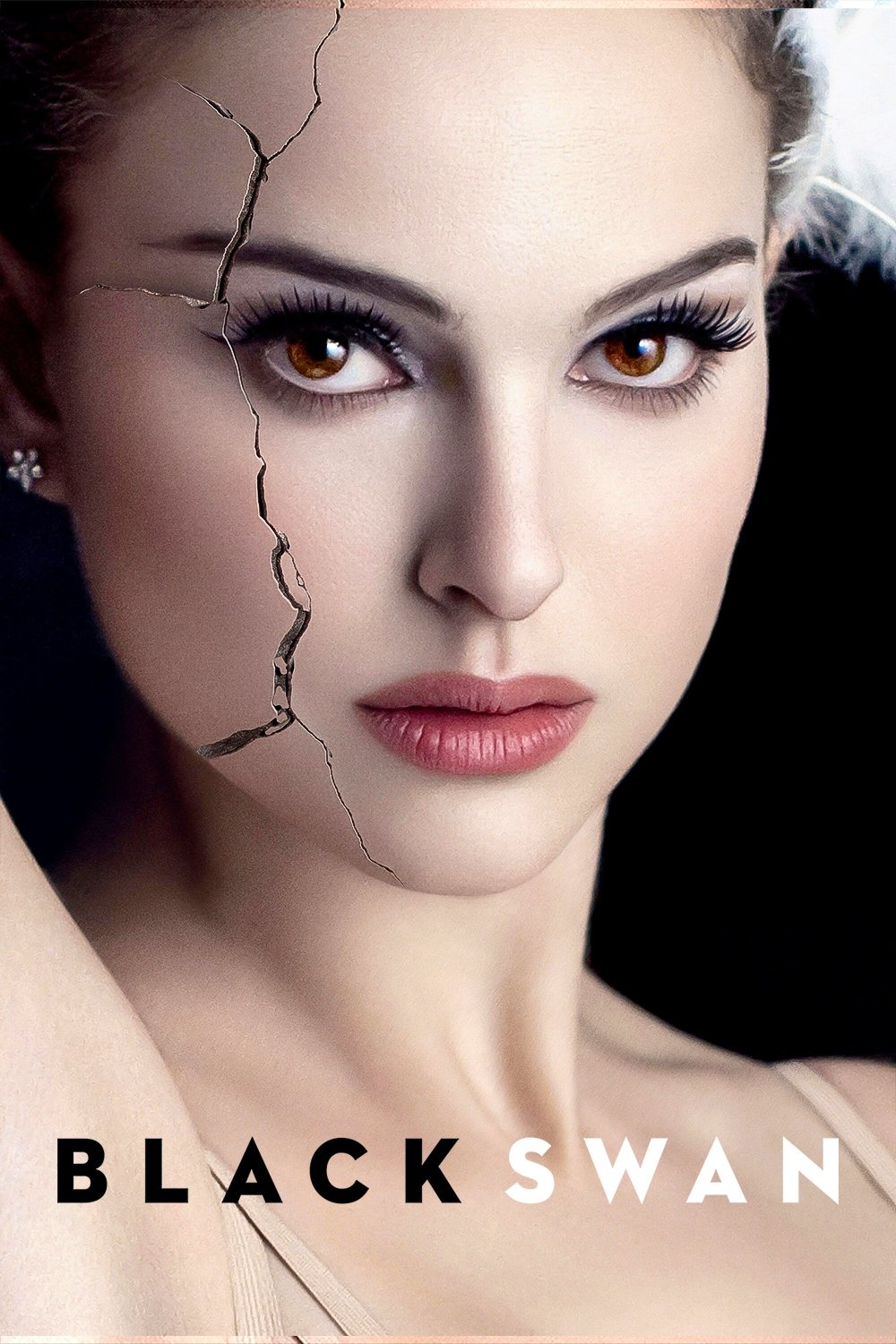
Darren Aronofsky directs Natalie Portman as a ballet dancer preparing for a dual role, with Mila Kunis and Vincent Cassel supporting. Handheld camerawork and mirror imagery are used to blend rehearsal realism with psychological distortion. Sound design, including tactile effects from movement and breath, heightens the bodily stakes of performance.
‘Gone Girl’ (2014)
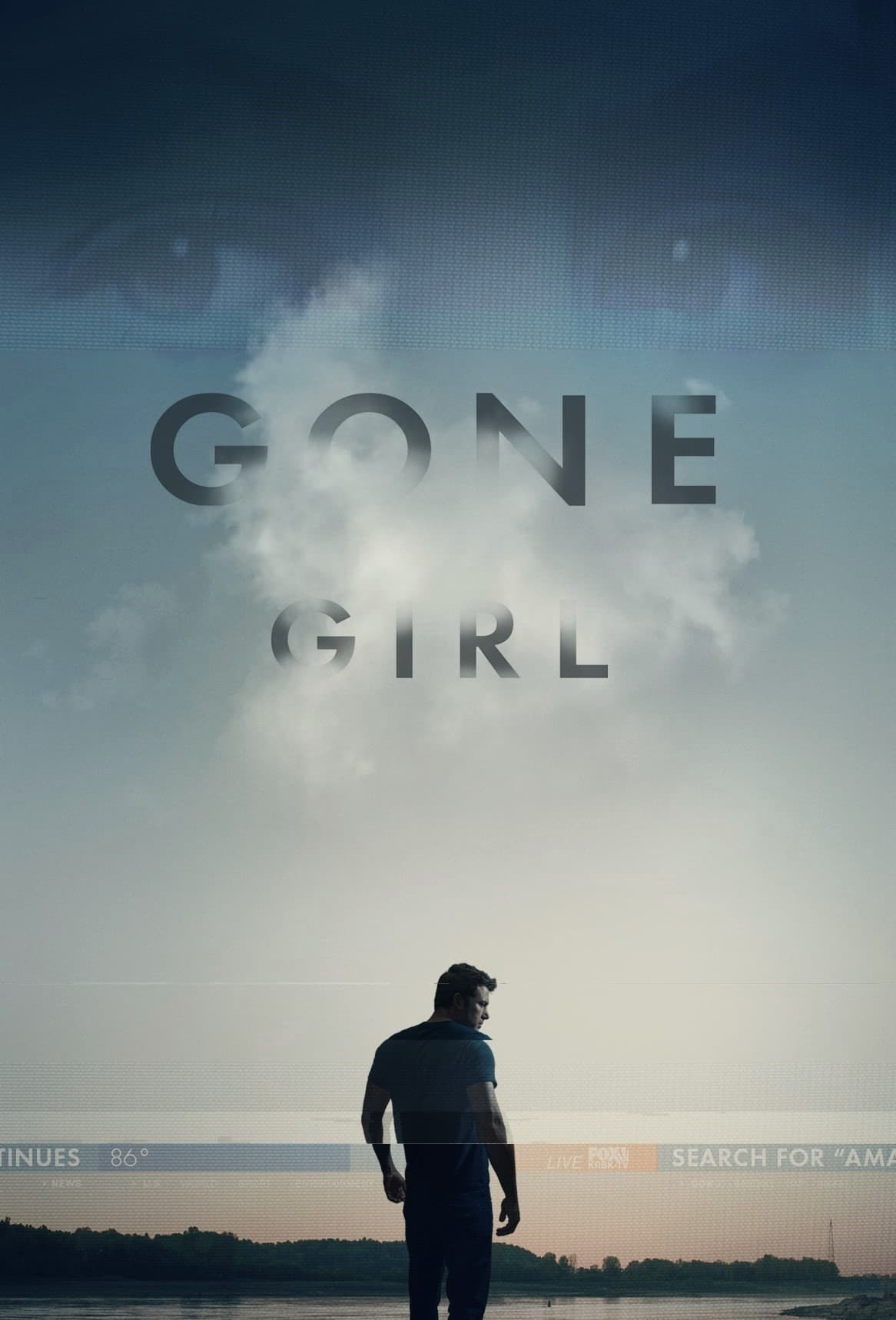
David Fincher adapts Gillian Flynn’s bestseller, starring Ben Affleck and Rosamund Pike as a couple under media scrutiny after a disappearance. The film intercuts police work, diary entries, and televised narratives to examine perception versus presentation. Atticus Ross and Trent Reznor’s score underscores shifting public and private personas.
‘Prisoners’ (2013)
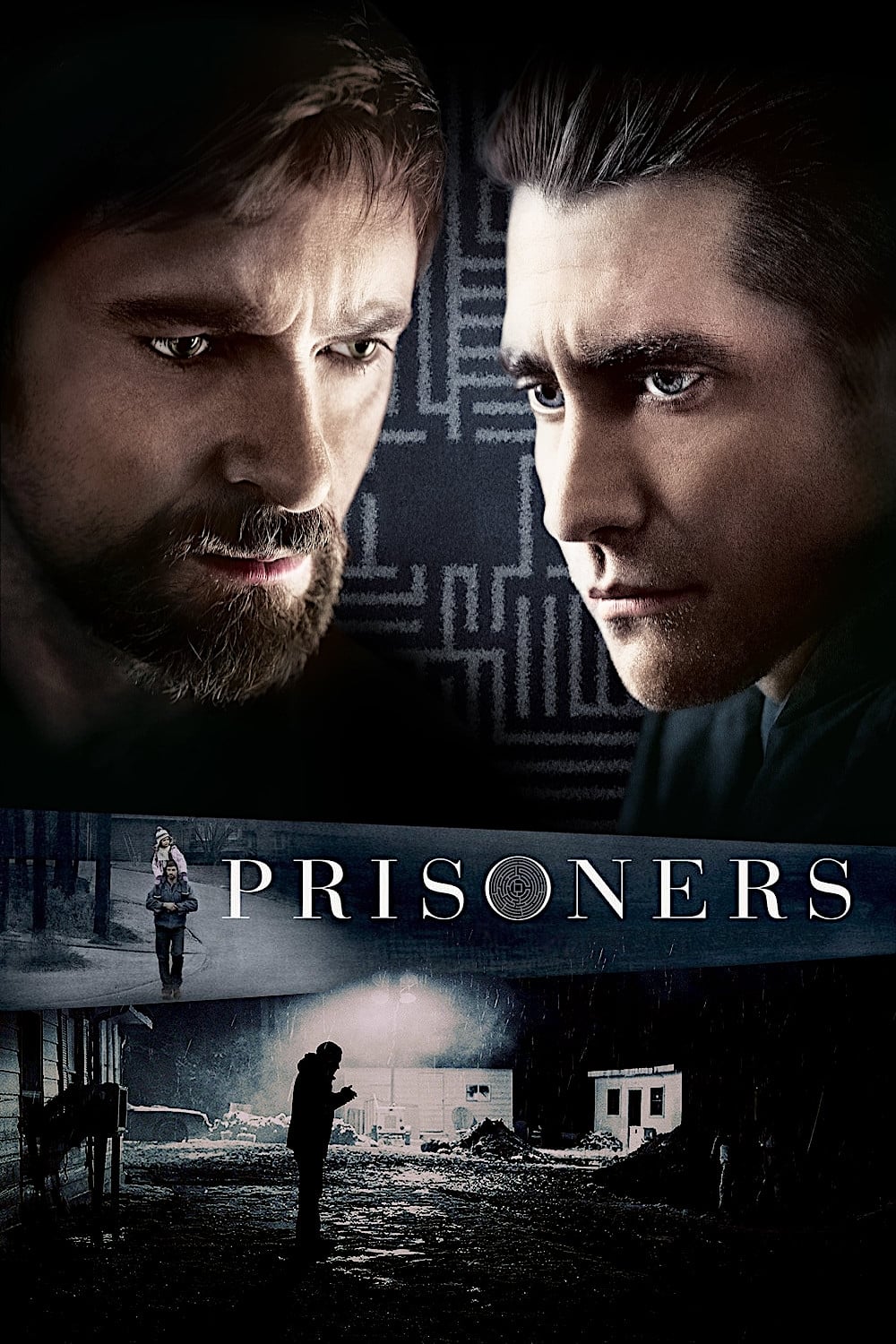
Denis Villeneuve’s thriller features Hugh Jackman and Jake Gyllenhaal amid a child-abduction investigation that strains legal and ethical lines. Roger Deakins’ photography emphasizes suburban spaces, weather, and darkness as functional elements of the search. The plot weaves multiple clues—maze imagery, old case files, and recovered items—into a layered mystery.
‘Psycho’ (1960)
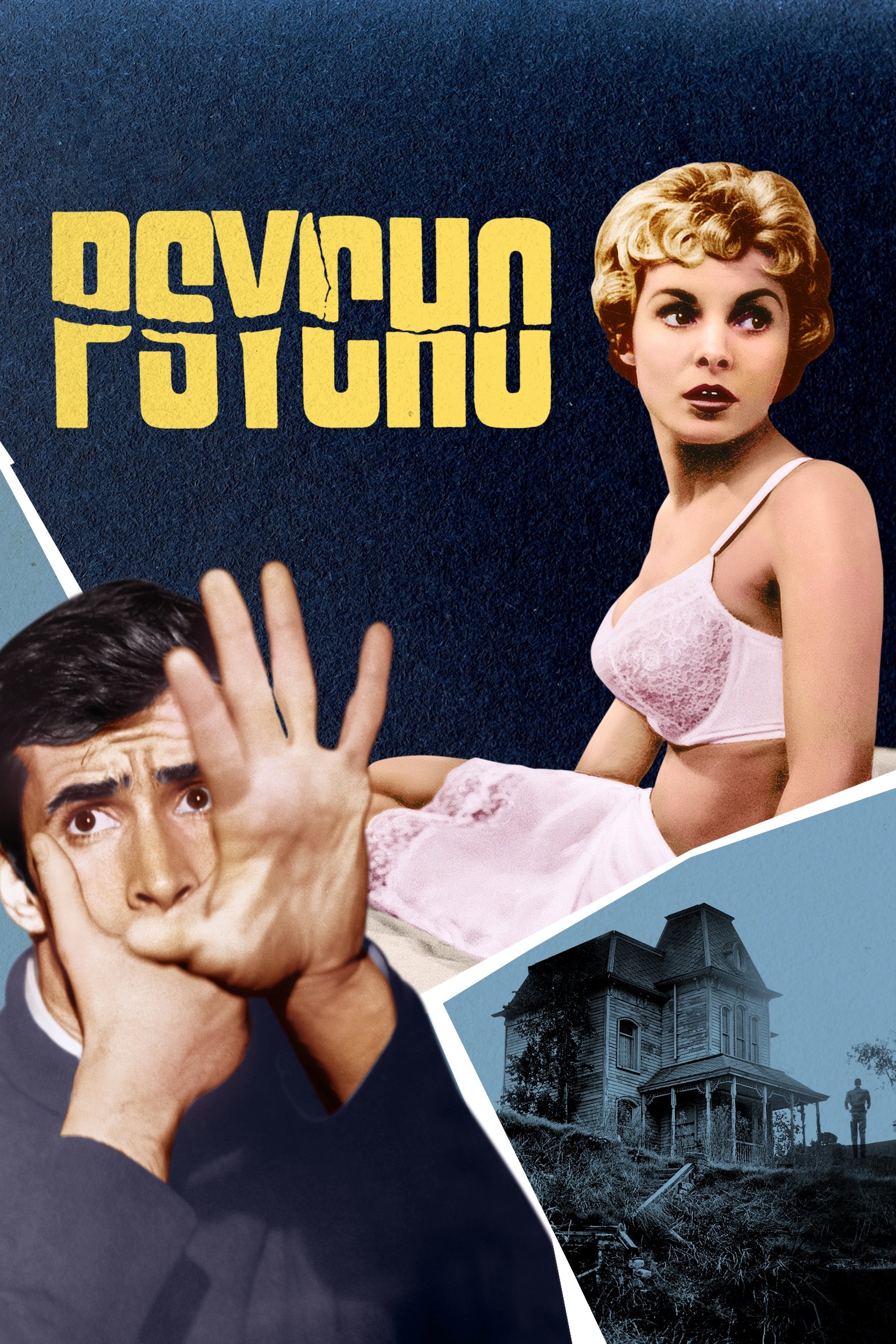
Alfred Hitchcock’s landmark stars Anthony Perkins and Janet Leigh in a story that pivots from theft to a secluded motel. Innovations in editing and music, including Bernard Herrmann’s strings, set the template for modern thrillers. The film’s narrative misdirection and forensic aftermath sequence broadened content standards for on-screen suspense.
‘Mulholland Drive’ (2001)
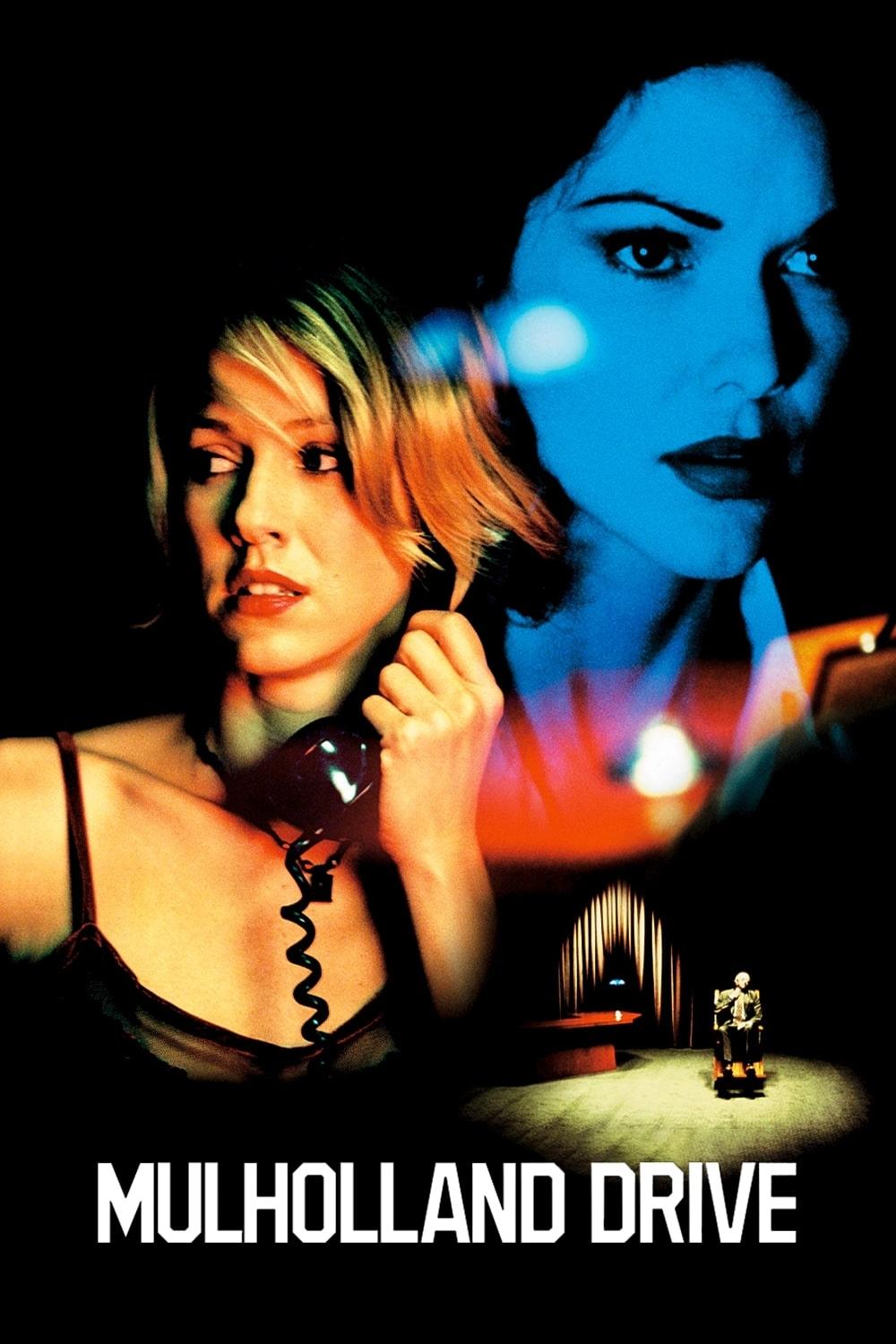
David Lynch casts Naomi Watts and Laura Harring in a Hollywood mystery that shifts between identities and dream logic. Nonlinear editing and recurring visual motifs—blue keys, red rooms, and doubled characters—invite interpretive mapping. Angelo Badalamenti’s score and sound cues connect scenes across otherwise disjointed realities.
‘The Machinist’ (2004)
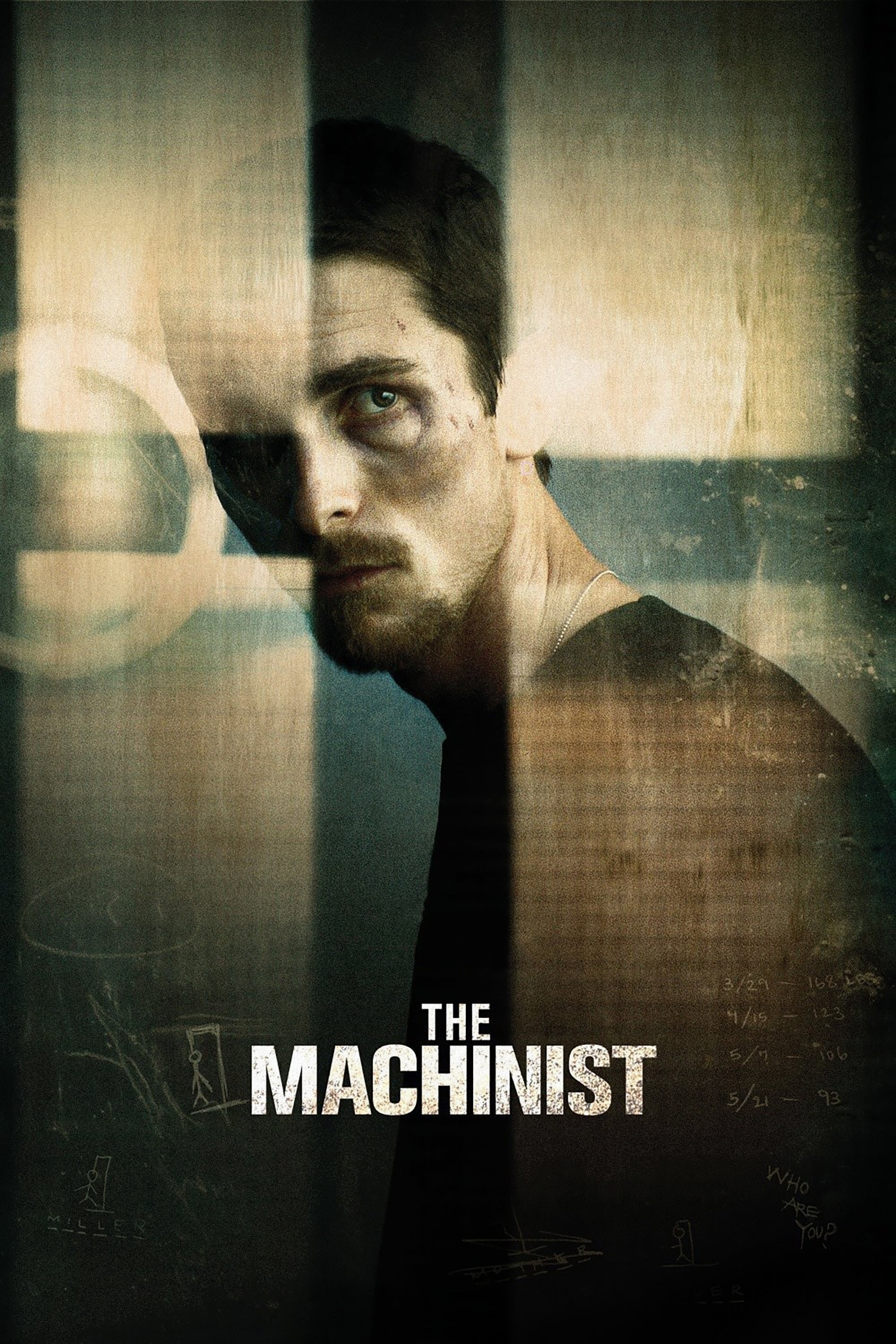
Brad Anderson directs Christian Bale as an industrial worker suffering from extreme insomnia and paranoia. Sparse set design, underweight physical transformation, and a limited color palette externalize psychological decline. The plot uses repeating encounters and cryptic notes to structure an investigation into suppressed memory.
‘Oldboy’ (2003)
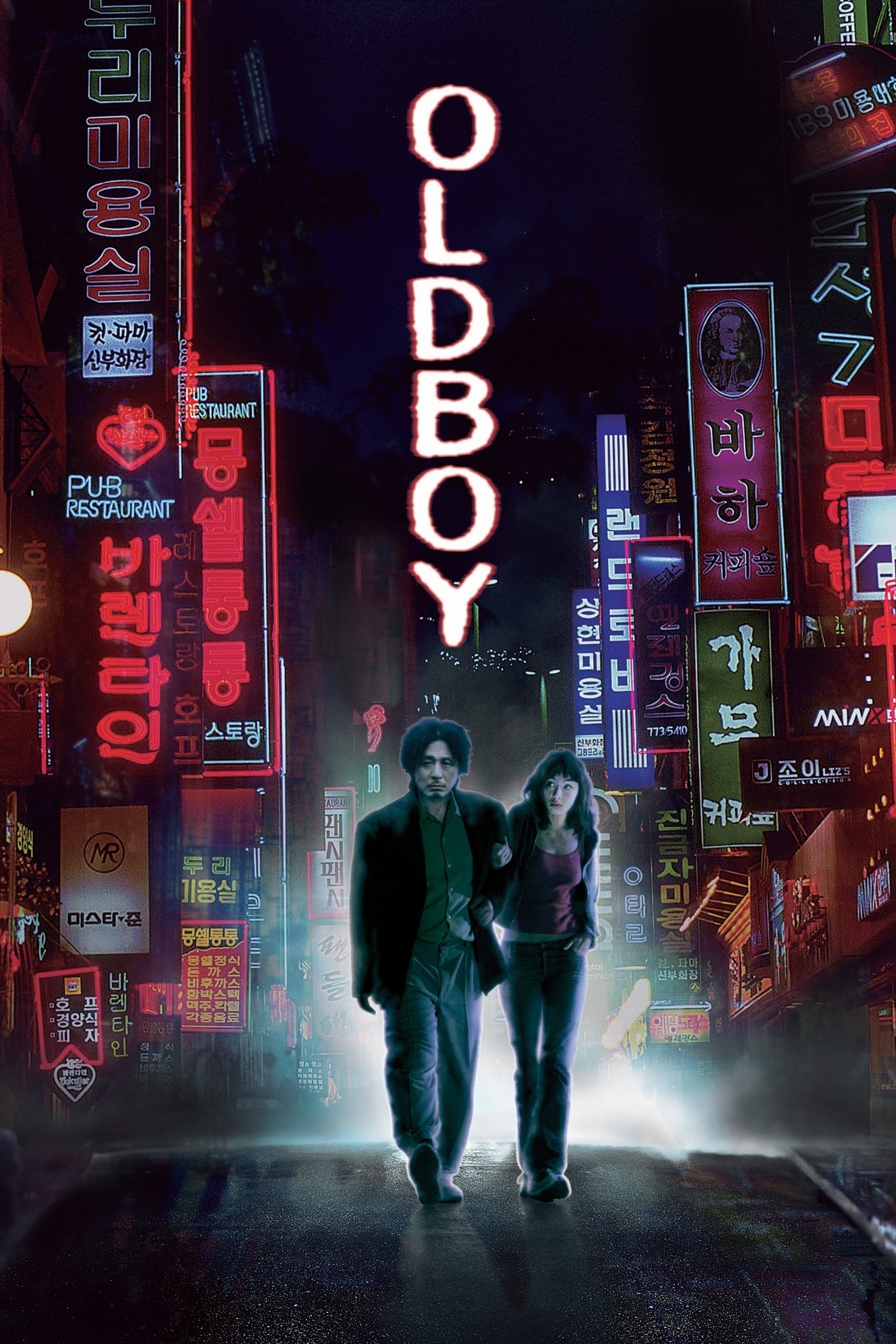
Park Chan-wook’s neo-noir follows Choi Min-sik as a man mysteriously imprisoned and released, then pushed through a revenge labyrinth. The film employs long-take action, stylized framing, and symbolic props to guide revelations. Its narrative construction relies on parallel clues that resolve into an intricate personal history.
‘The Girl with the Dragon Tattoo’ (2011)
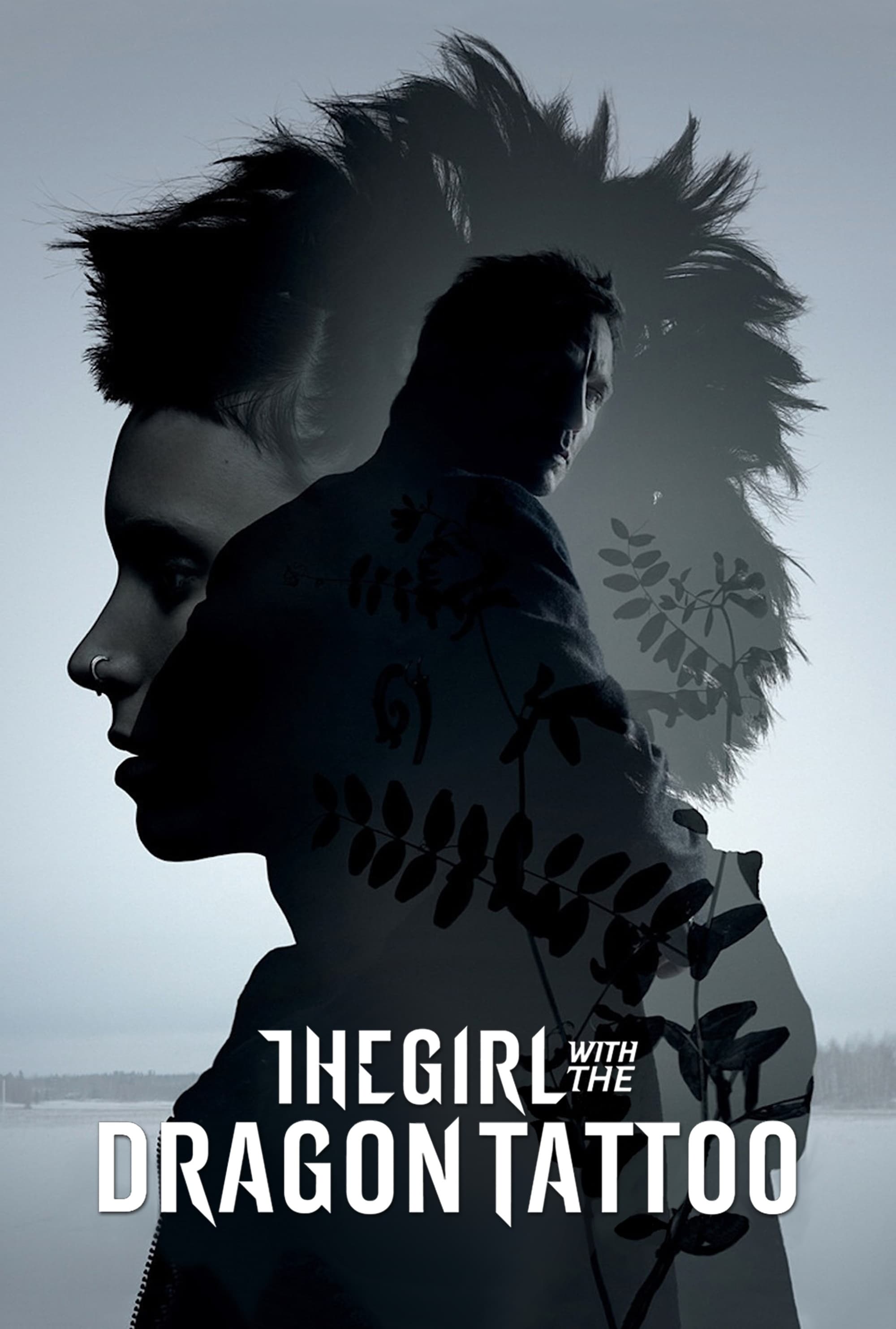
David Fincher’s adaptation pairs Rooney Mara’s Lisbeth Salander with Daniel Craig’s Mikael Blomkvist to probe a wealthy family’s secrets. The film combines archival research, financial records, and forensic analysis into a cold-case workflow. Visual motifs—winter landscapes, industrial interiors, and surveillance interfaces—reinforce investigative isolation.
‘American Psycho’ (2000)

Mary Harron’s film, adapted from Bret Easton Ellis’s novel, stars Christian Bale as a Wall Street executive concealing violent impulses. The narrative juxtaposes business culture details with identity slippage and unreliable narration. Production design and soundtrack choices situate the character within a meticulous consumer environment.
‘The Vanishing’ (1988)
George Sluizer’s Dutch-French thriller examines a disappearance and the methodical preparations of a perpetrator, starring Gene Bervoets and Bernard-Pierre Donnadieu. Parallel storytelling follows both the search and the antagonist’s planning, clarifying motive and technique. The film’s final act is structured as a controlled experiment in fate and choice.
‘Jacob’s Ladder’ (1990)

Adrian Lyne directs Tim Robbins as a Vietnam veteran experiencing disturbing visions while piecing together his past. The film blends practical effects, fast-shutter creature imagery, and archival conspiracy motifs. Its editing moves between domestic life, military records, and hallucinations to question what constitutes reality.
‘Donnie Darko’ (2001)
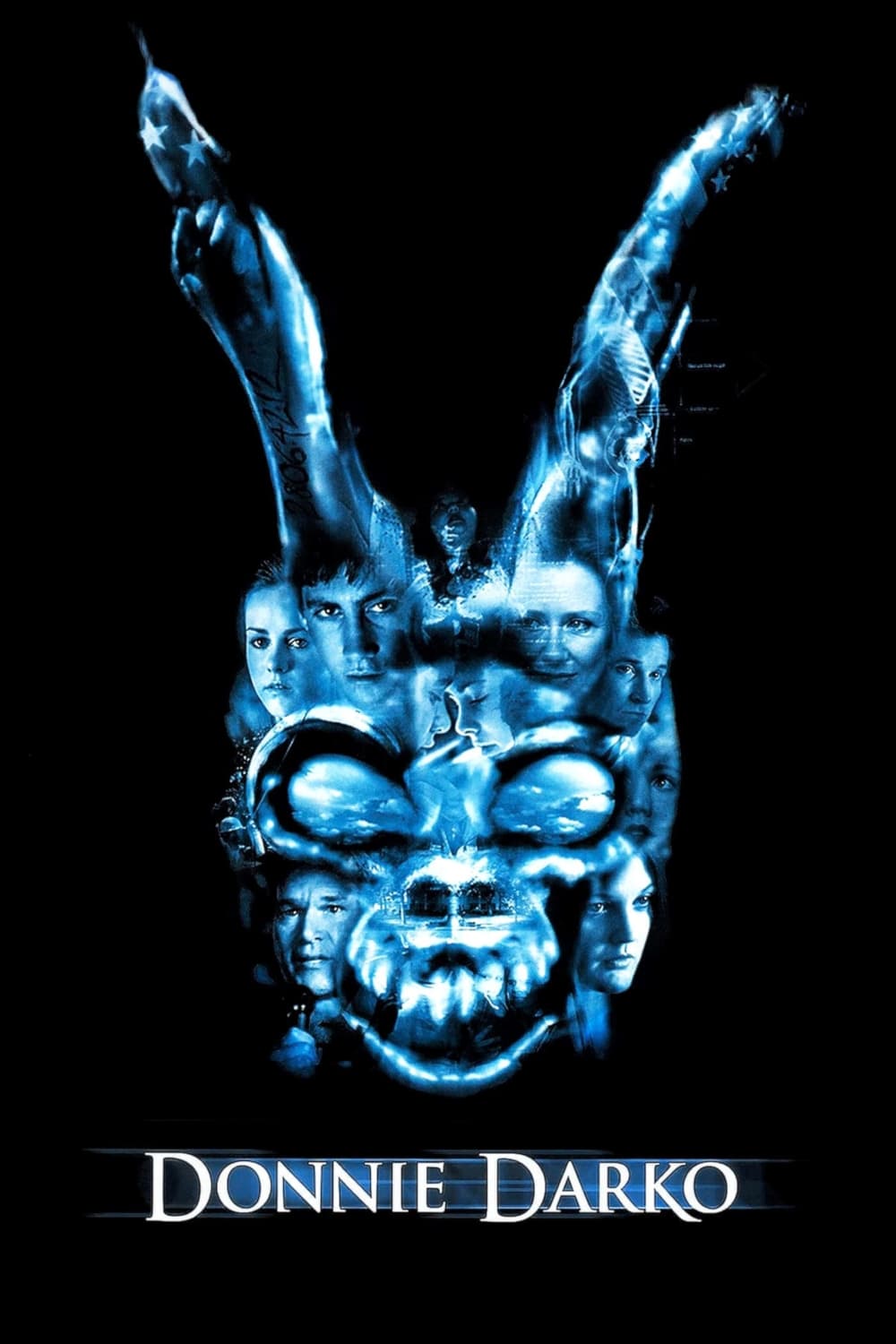
Richard Kelly’s cult thriller features Jake Gyllenhaal navigating sleepwalking episodes, ominous messages, and suburban tensions. The narrative employs tangent-universe concepts, time-loop logic, and coded clues embedded in classroom and therapy scenes. Period soundtrack choices and recurring imagery tie psychological states to community rituals.
‘Blue Velvet’ (1986)
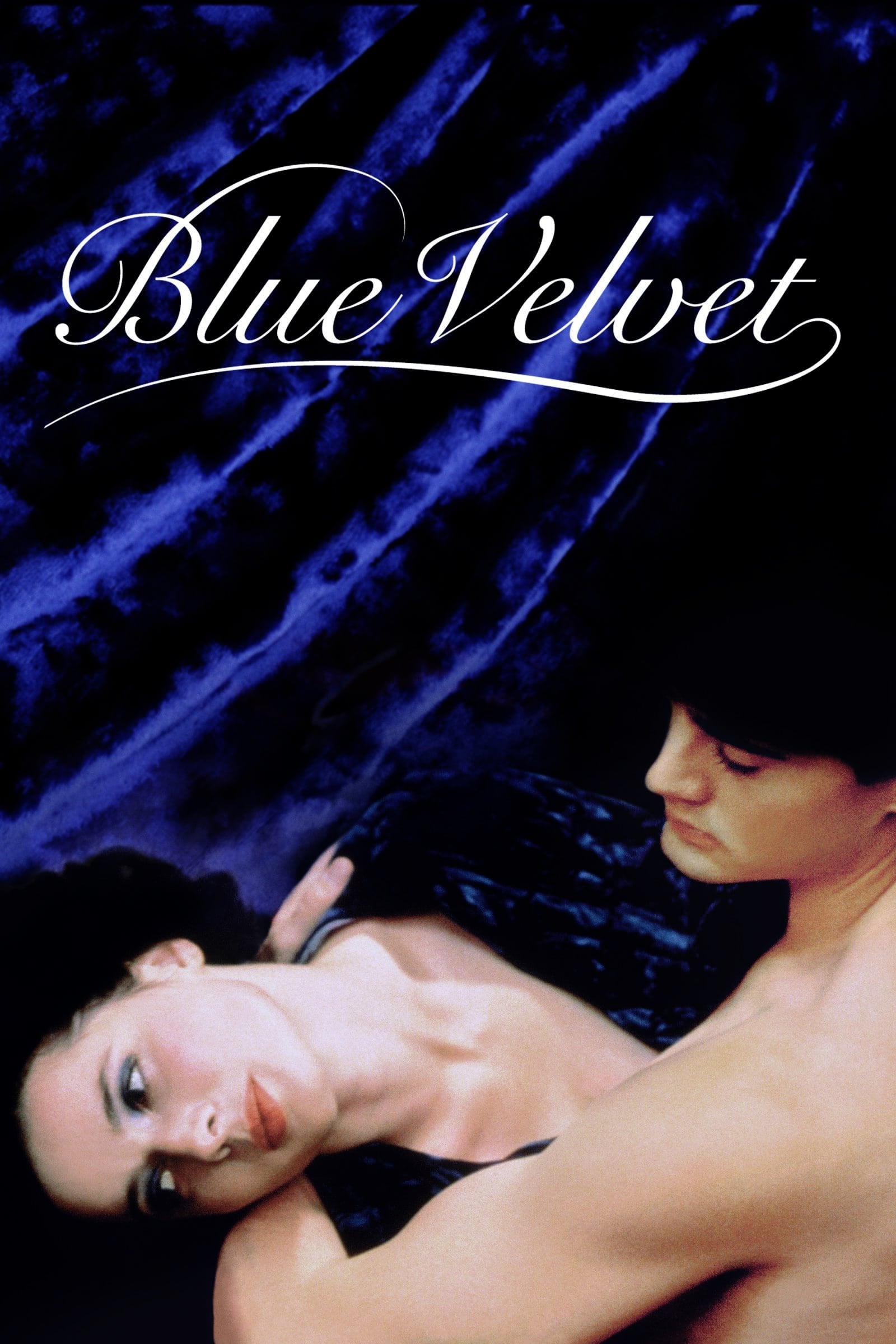
David Lynch centers Kyle MacLachlan, Isabella Rossellini, and Dennis Hopper in a suburban mystery uncovered through a severed ear. The film contrasts brightly lit Americana with nocturnal interiors and cabaret performance as investigative spaces. Its sound design uses ambient hums and mechanical textures to build unease.
‘Perfect Blue’ (1997)
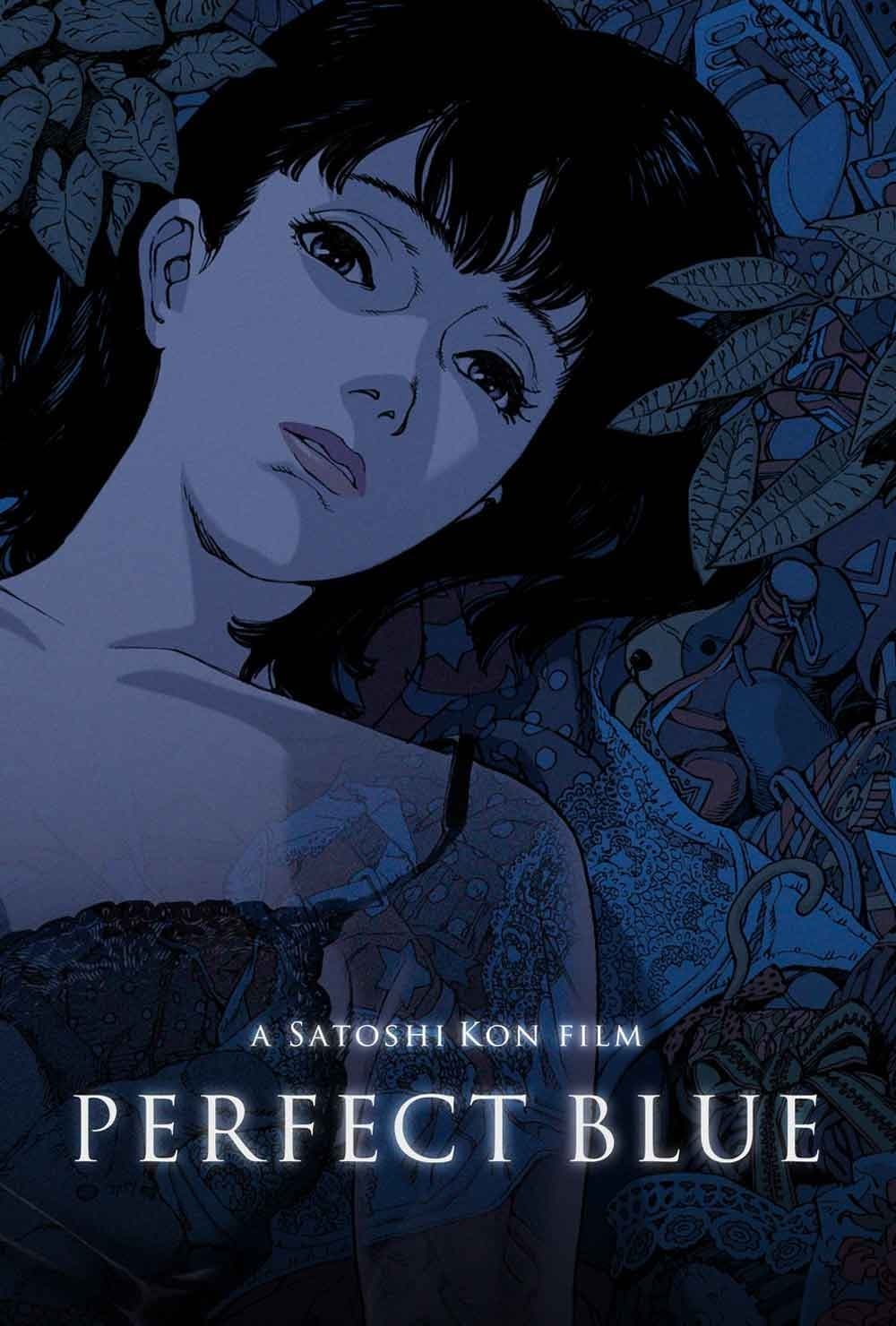
Directed by Satoshi Kon, this animated thriller follows a pop idol transitioning to acting while confronting stalking and identity confusion. Match-cuts and overlapping scene slates deliberately blur film-within-a-film boundaries. The production’s editing grammar—repeated beats, screen reflections, and abrupt wake-ups—maps delusion onto performance.
‘The Game’ (1997)
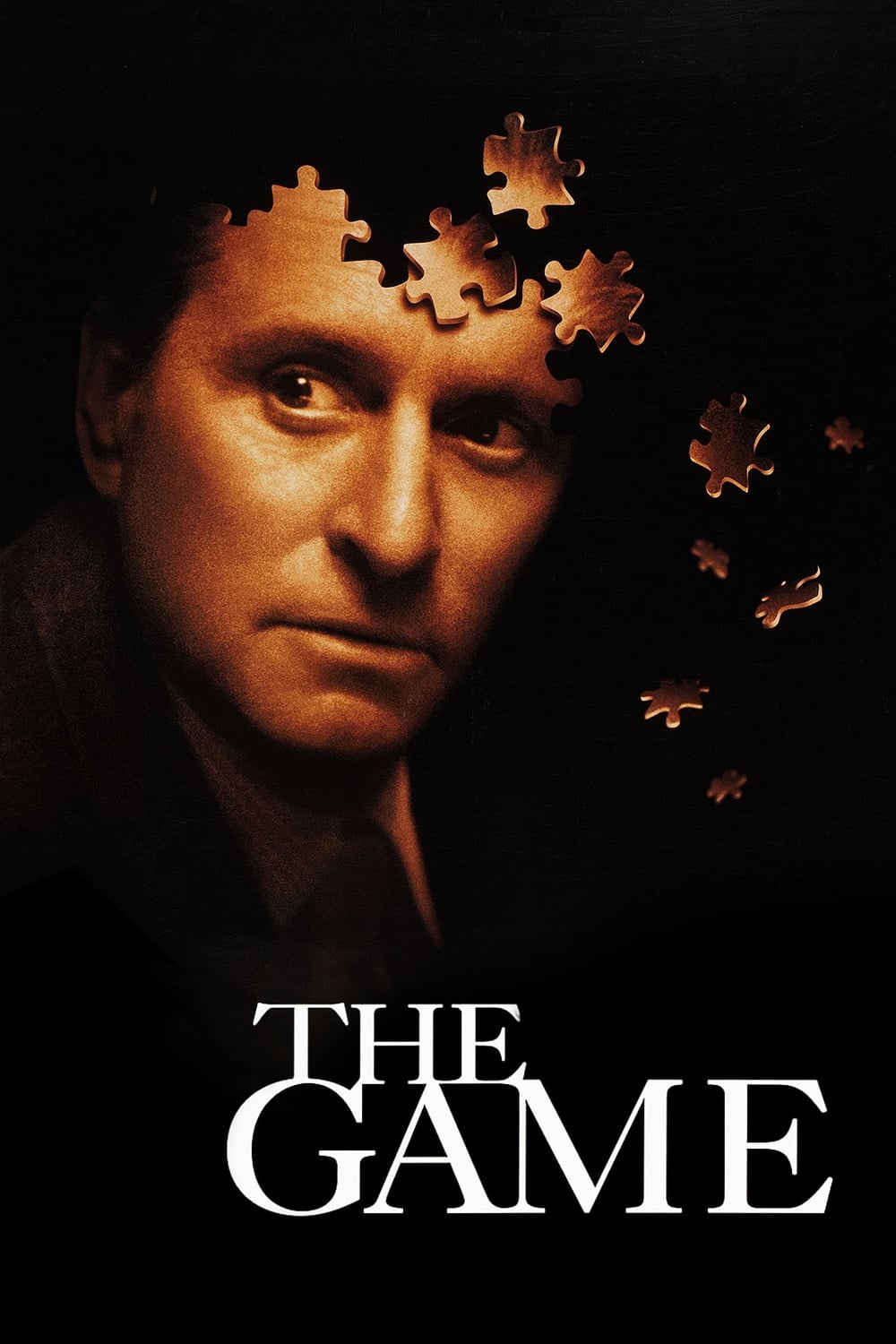
David Fincher casts Michael Douglas and Sean Penn in a story about a high-stakes “experience” that overtakes a financier’s life. The screenplay structures escalating set-pieces as contractual scenarios with ambiguous consent. Urban locations, paperwork trails, and corporate signage function as clues within a constructed reality.
‘Nightcrawler’ (2014)
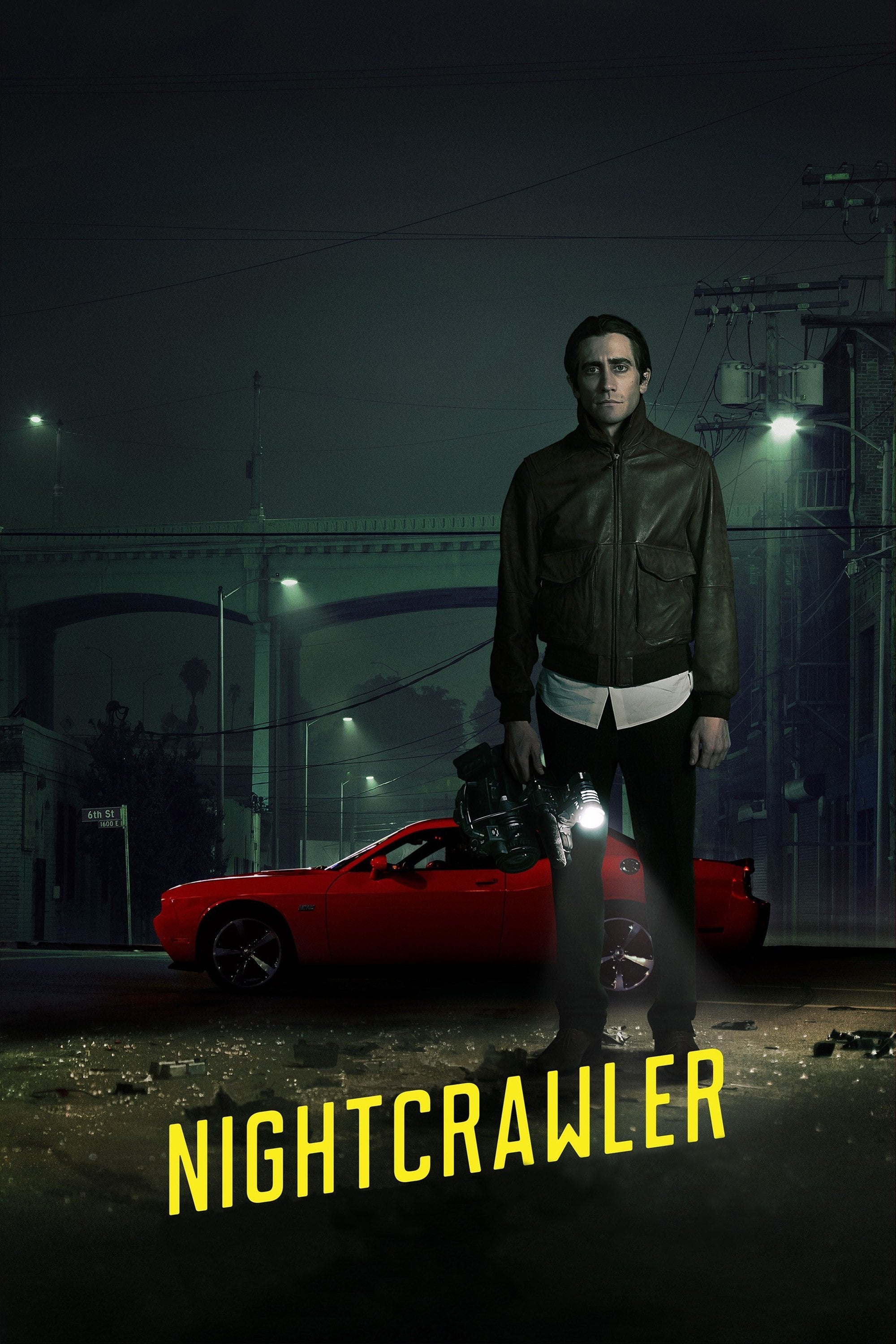
Dan Gilroy directs Jake Gyllenhaal as a freelance videographer chasing late-night crime footage in Los Angeles. The film details the logistics of stringer work—scanner traffic, newsroom bidding, and scene access. Camera movement and nocturnal city lighting turn freeways and neighborhoods into routes for opportunity and risk.
‘Funny Games’ (1997)
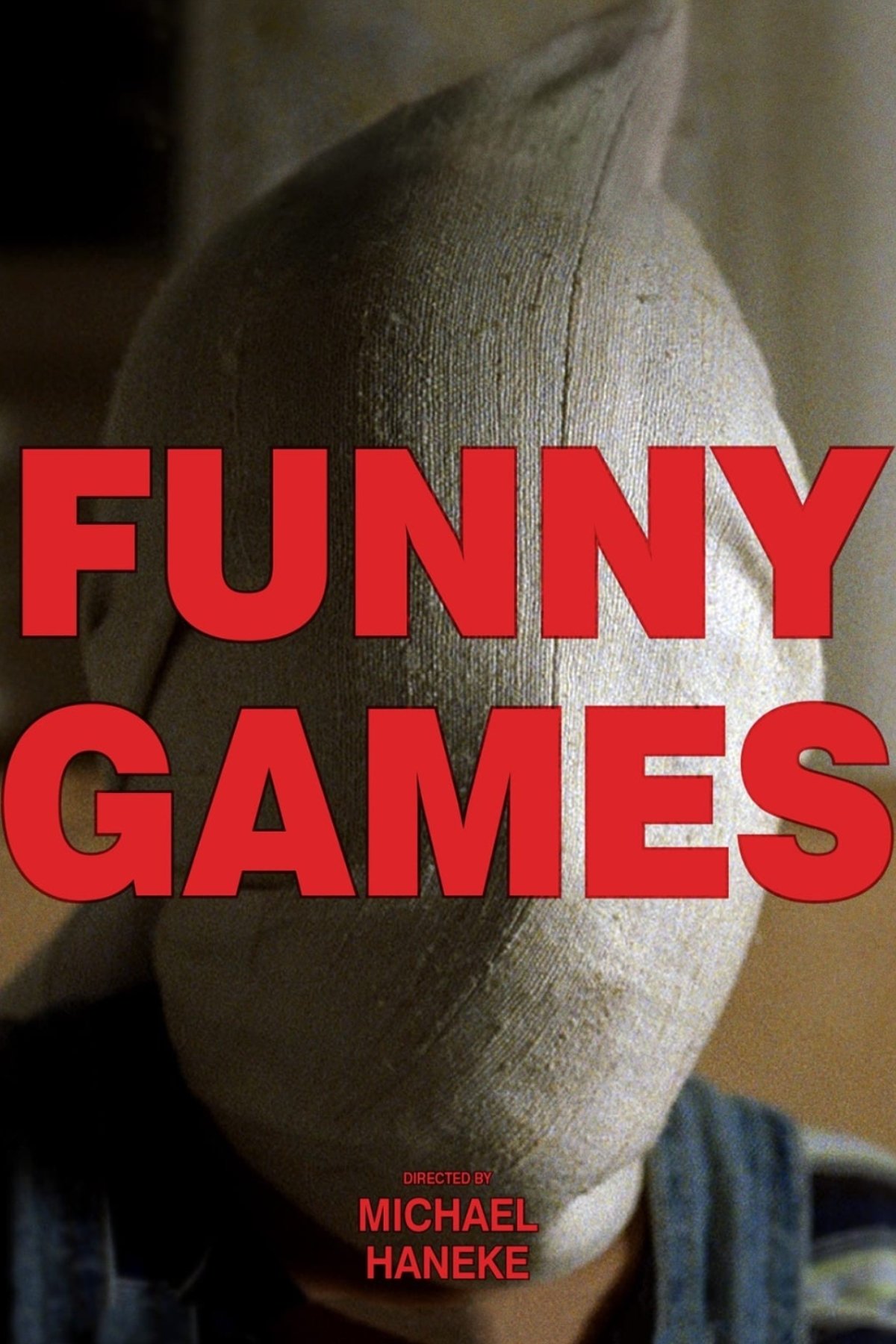
Michael Haneke’s home-invasion thriller, starring Susanne Lothar and Ulrich Mühe, interrogates audience complicity through formal techniques. The film incorporates direct address, withheld violence, and extended takes to foreground control. Its structure methodically subverts genre expectations while documenting the mechanics of coercion.
‘Enemy’ (2013)
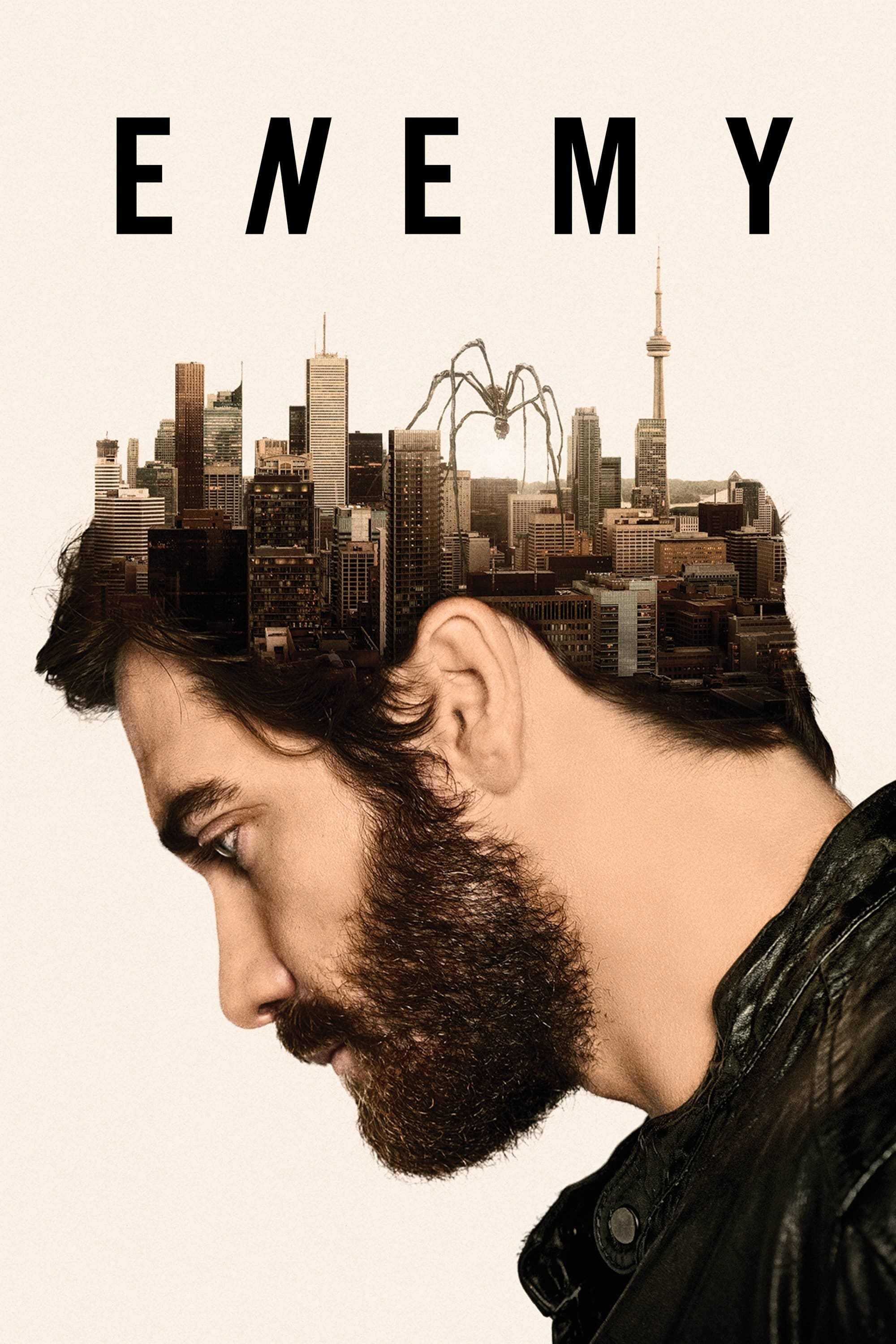
Denis Villeneuve reunites with Jake Gyllenhaal for a doppelgänger tale adapted from José Saramago’s novel. The production uses a desaturated palette, spider imagery, and mirrored blocking to signal identity overlap. Narrative breadcrumbs—cast lists, apartment keys, and lecture content—anchor the puzzle to everyday artifacts.
‘The Invitation’ (2015)
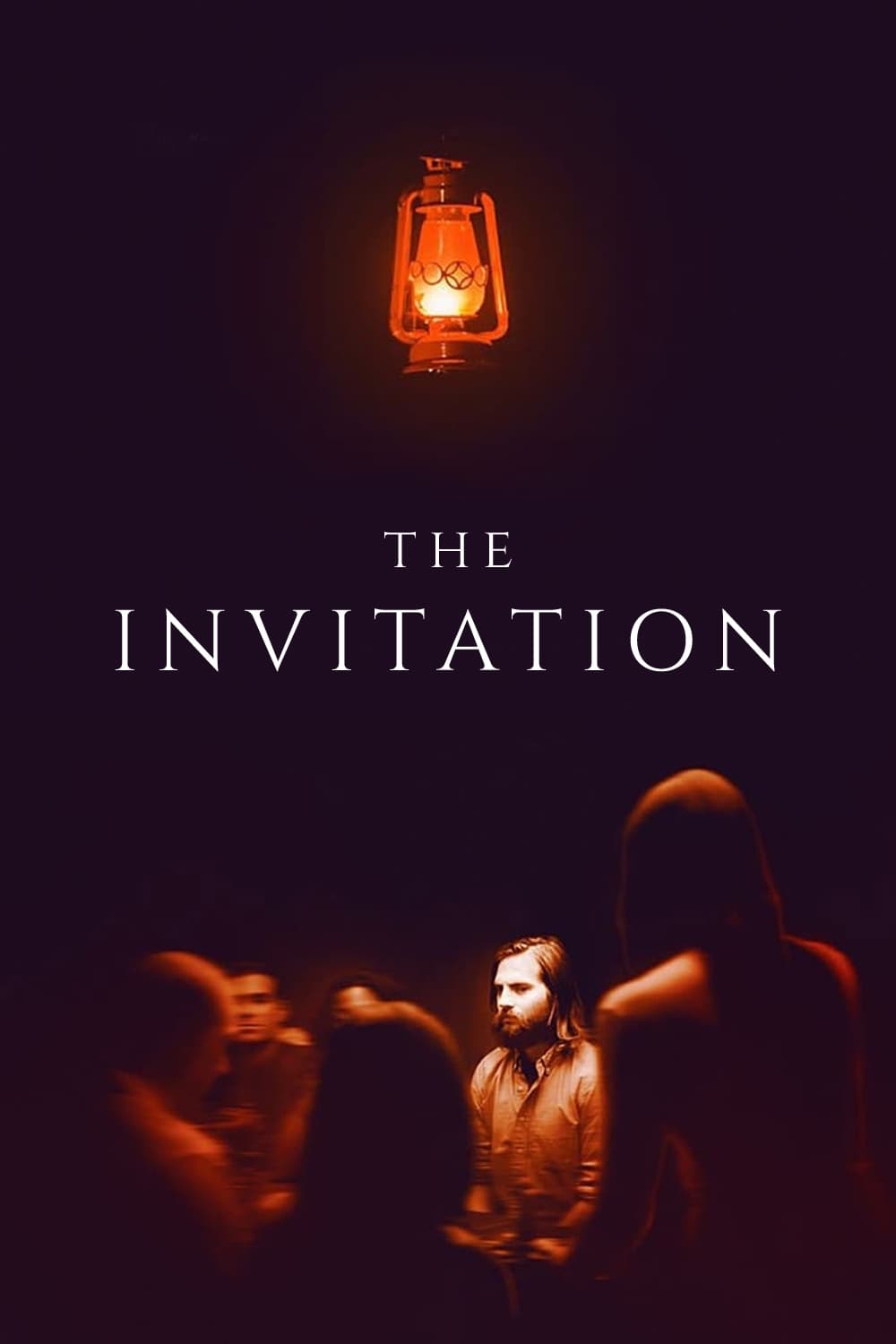
Karyn Kusama’s chamber thriller features Logan Marshall-Green at a dinner party that slowly reveals unsettling intentions. The film uses confined staging, phone signal gaps, and social rituals to manage tension. Its final reveal reframes earlier conversations and props, encouraging careful attention to background detail.
‘The Sixth Sense’ (1999)
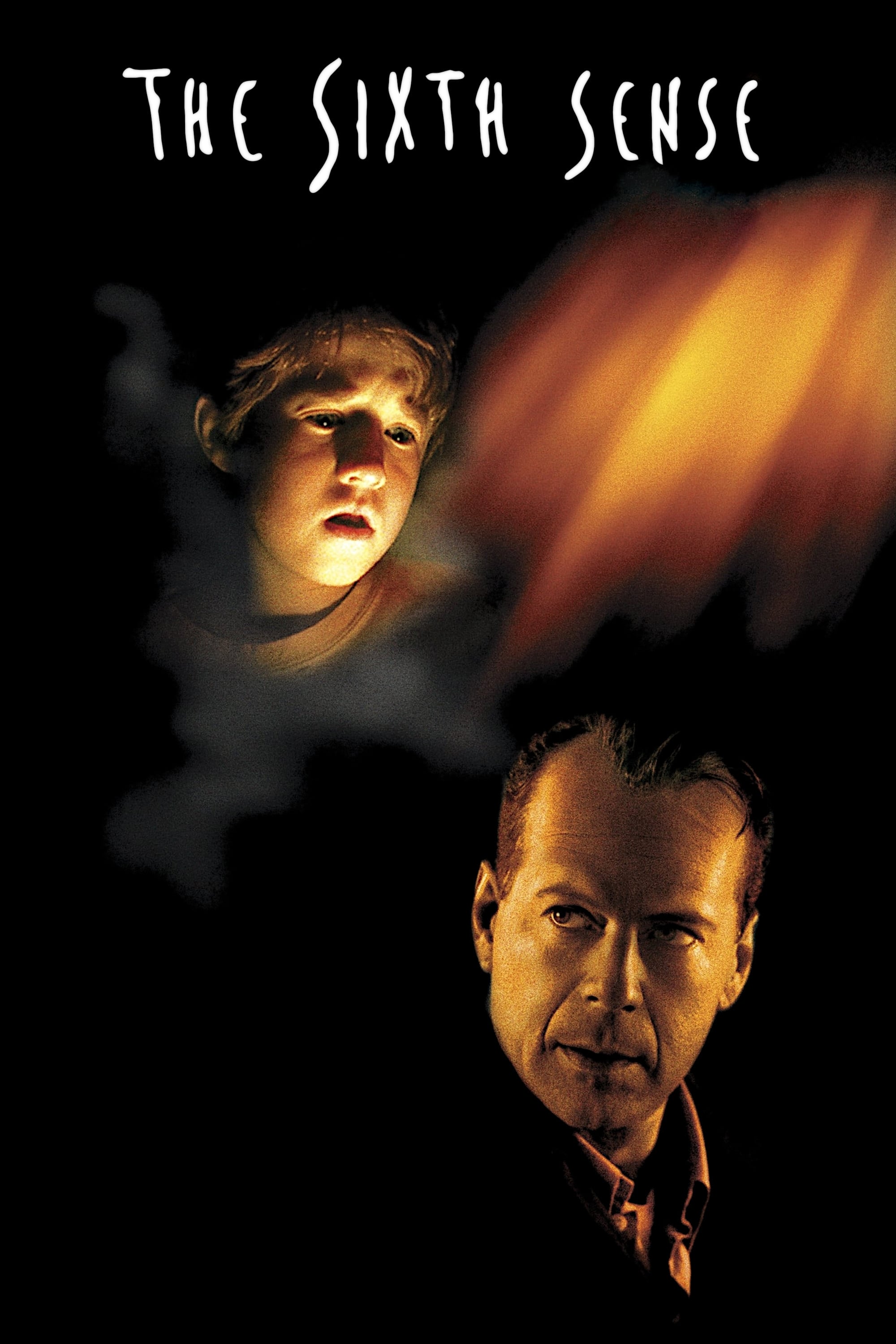
Written and directed by M. Night Shyamalan, this story follows a child psychologist working with a young boy who reports seeing the dead. Bruce Willis and Haley Joel Osment lead a narrative that focuses on therapeutic sessions and domestic strain. Careful framing, recurring color cues, and restrained sound design seed clues that reward close attention.
‘Vertigo’ (1958)
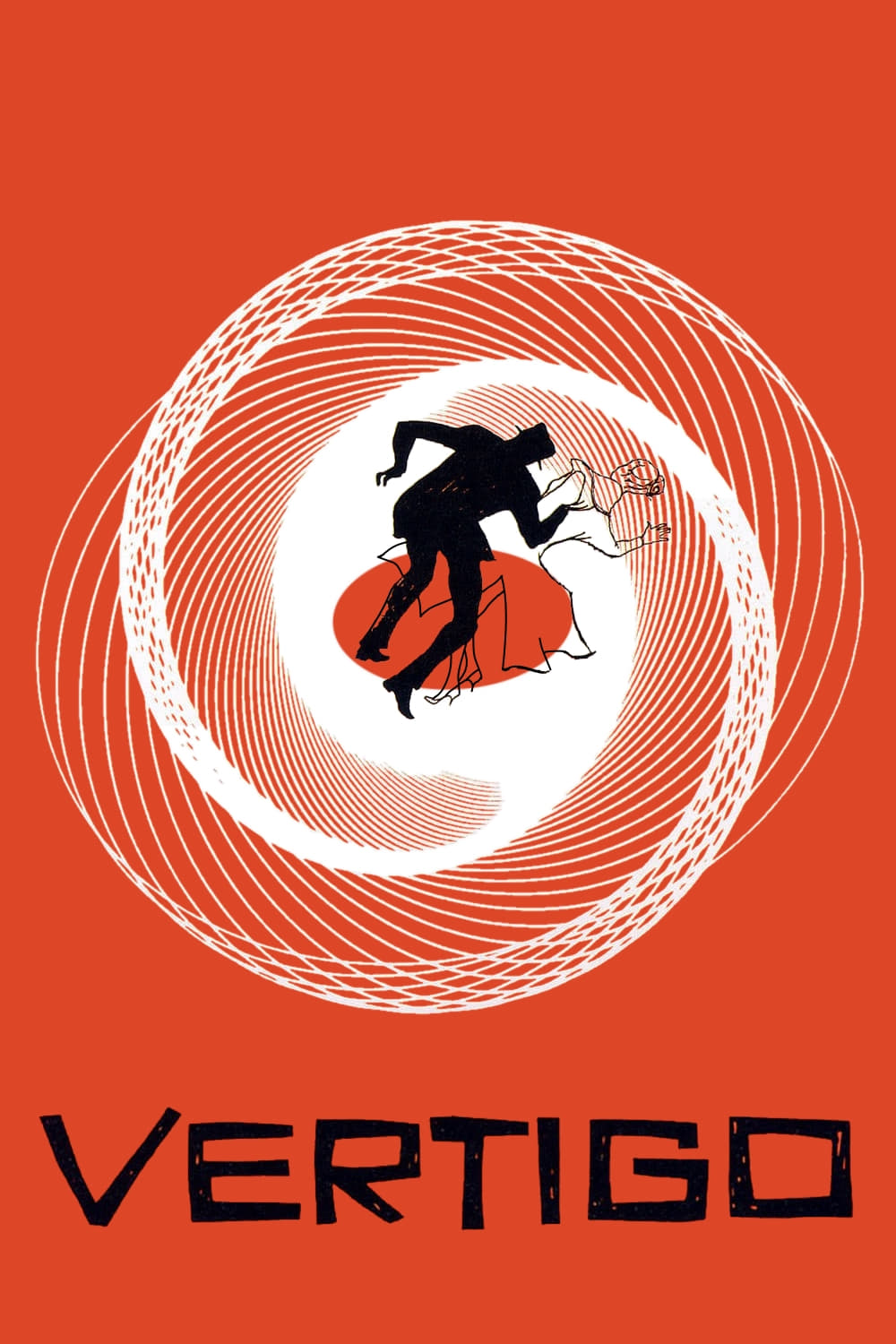
Alfred Hitchcock’s San Francisco–set mystery centers on a retired detective hired to follow a woman whose behavior suggests a dangerous fixation. James Stewart and Kim Novak anchor a plot built around surveillance, impersonation, and identity construction. The film’s dolly-zoom technique, spiral imagery, and Bernard Herrmann’s score map obsession onto visual and musical motifs.
‘Rear Window’ (1954)
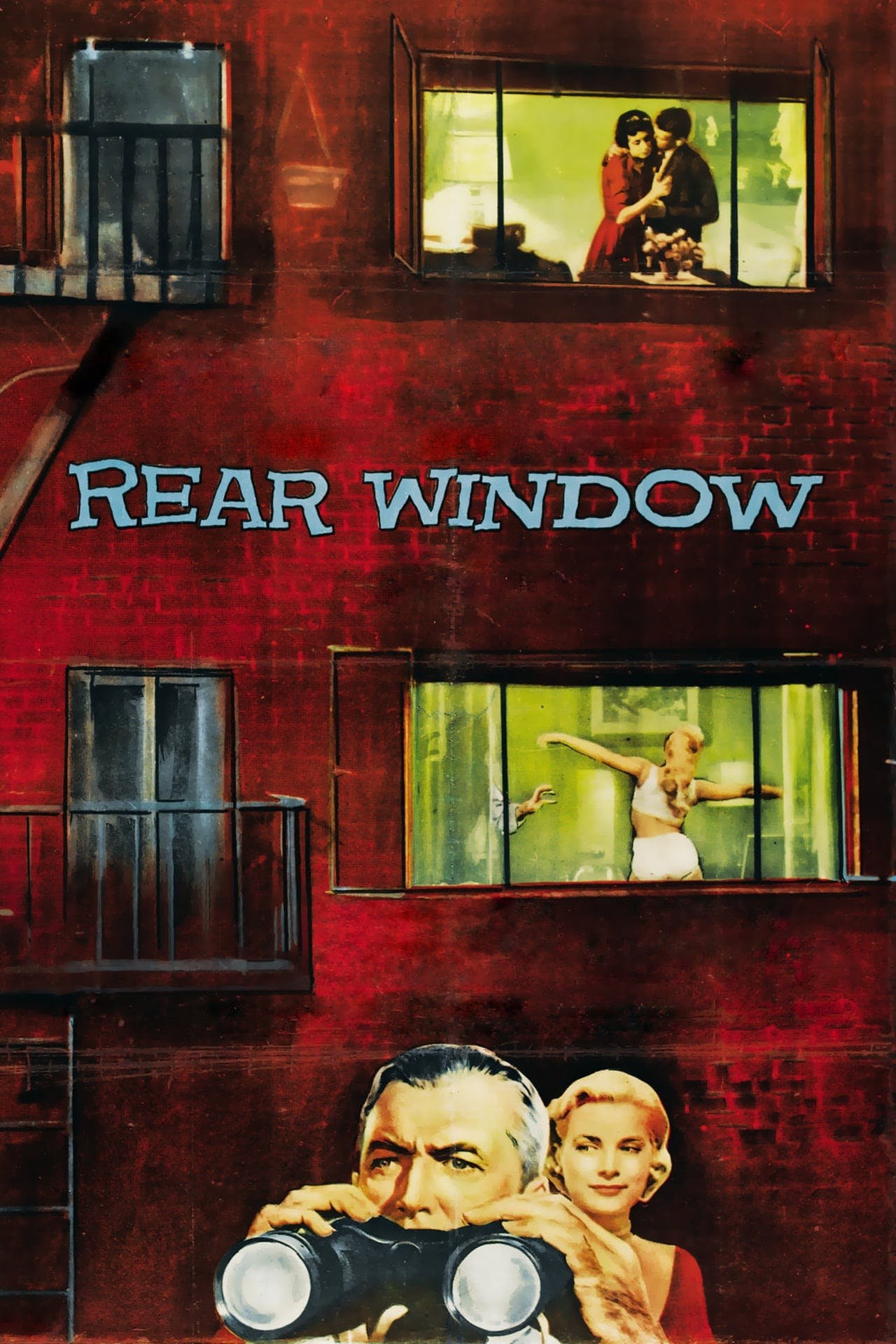
Hitchcock stages a thriller almost entirely from one apartment where a photographer with a broken leg observes his neighbors across a courtyard. James Stewart and Grace Kelly navigate a makeshift investigation that relies on lens choice, sightlines, and routine patterns. The courtyard set functions as a controlled environment for tracking alibis, movements, and implied motives.
‘Repulsion’ (1965)
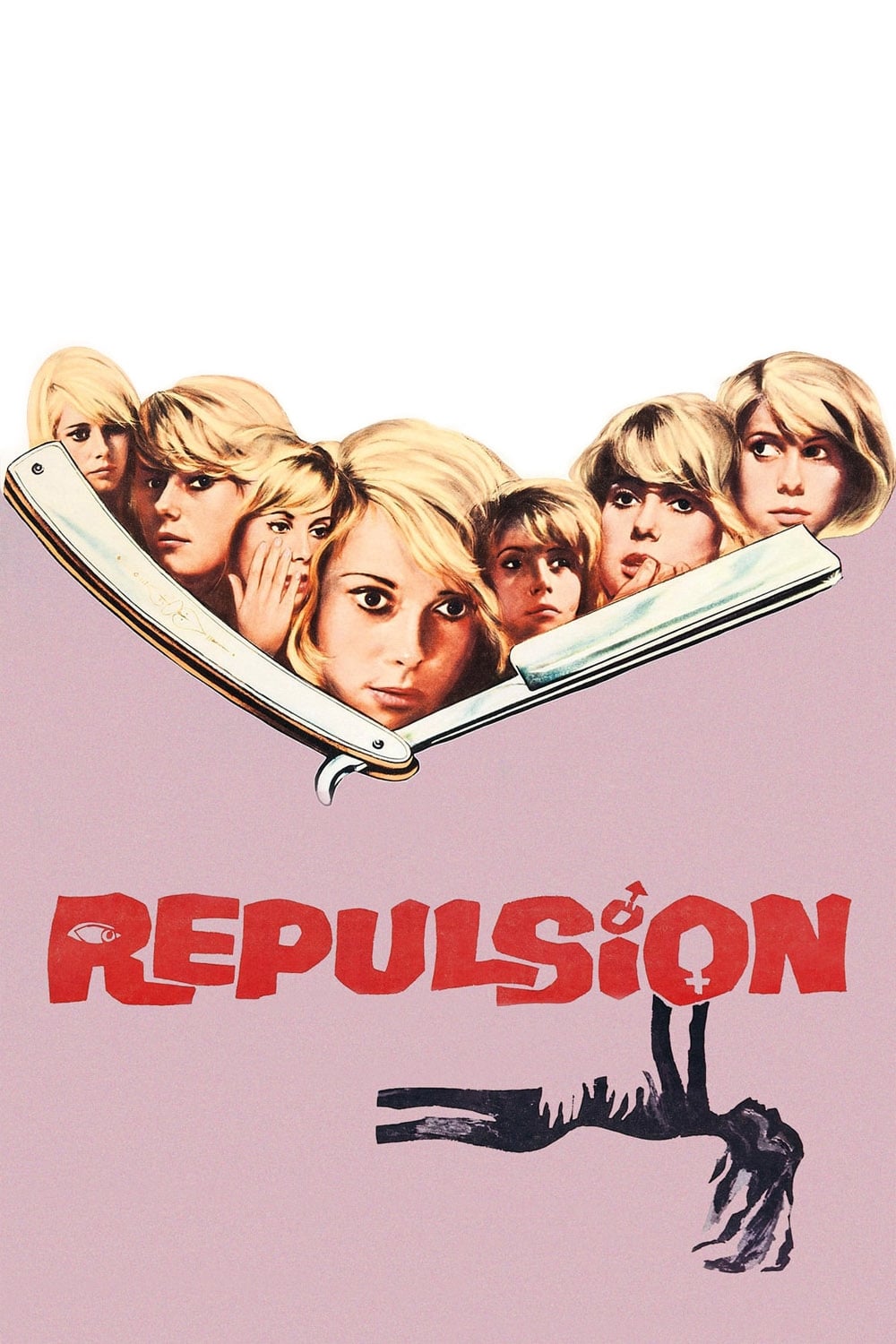
Roman Polanski directs Catherine Deneuve as a young woman left alone in a London flat whose anxieties escalate into disturbing visions. Tight interiors, widening cracks, and sound cues—buzzing, footsteps, ticking—externalize mental strain. Minimal dialogue and repetitive routines structure a study of isolation and perception.
‘Caché’ (2005)
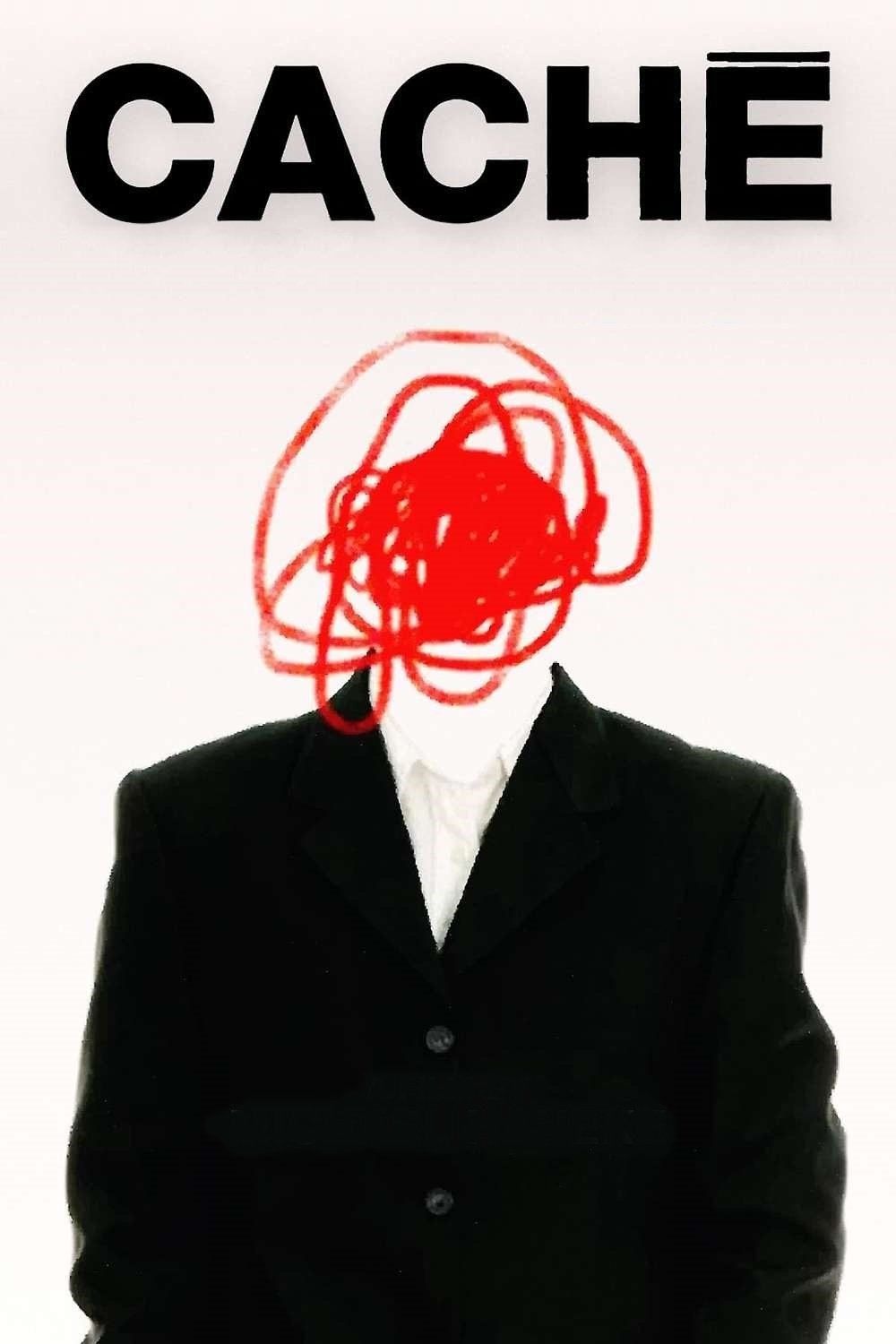
Michael Haneke’s film follows a Parisian couple who begin receiving anonymous surveillance tapes of their home and cryptic drawings. Daniel Auteuil and Juliette Binoche play partners managing public façades and buried history as the recordings escalate. Static long takes and ambiguous edits force viewers to interrogate point of view and authorship.
‘Burning’ (2018)

Lee Chang-dong adapts a Haruki Murakami short story into a slow-burn mystery about a delivery worker, a childhood acquaintance, and a charismatic stranger. Yoo Ah-in, Jeon Jong-seo, and Steven Yeun anchor intersecting class and desire dynamics. Rural greenhouses, borderland views, and carefully timed disappearances structure an ambiguous investigation.
‘The Talented Mr. Ripley’ (1999)
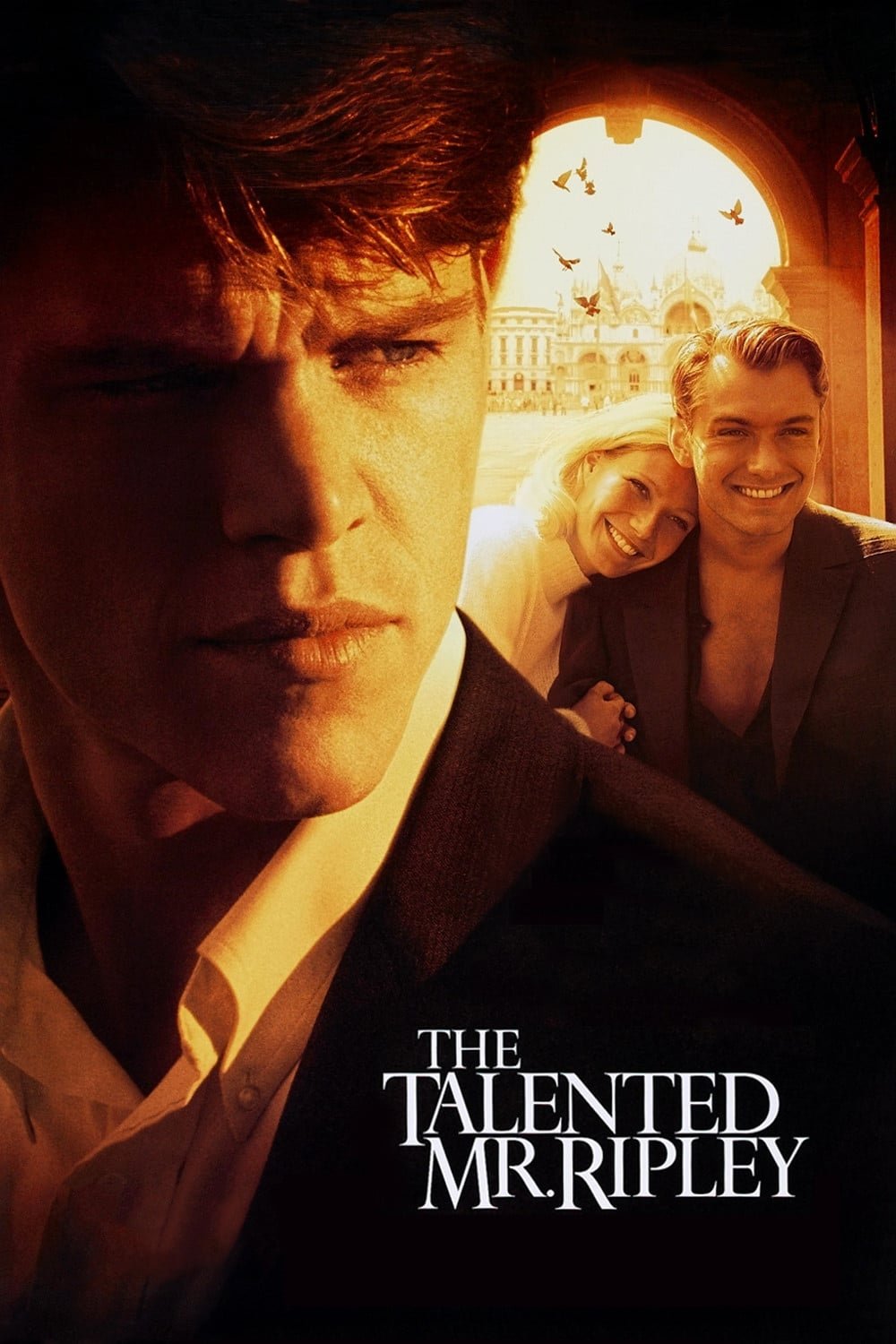
Anthony Minghella adapts Patricia Highsmith’s novel about a young grifter who insinuates himself into the life of a wealthy acquaintance. Matt Damon, Jude Law, and Gwyneth Paltrow lead a story of forged identities, social mobility, and cover-ups. Production design, travel paperwork, and music performance details become functional clues in the deception.
‘The Prestige’ (2006)
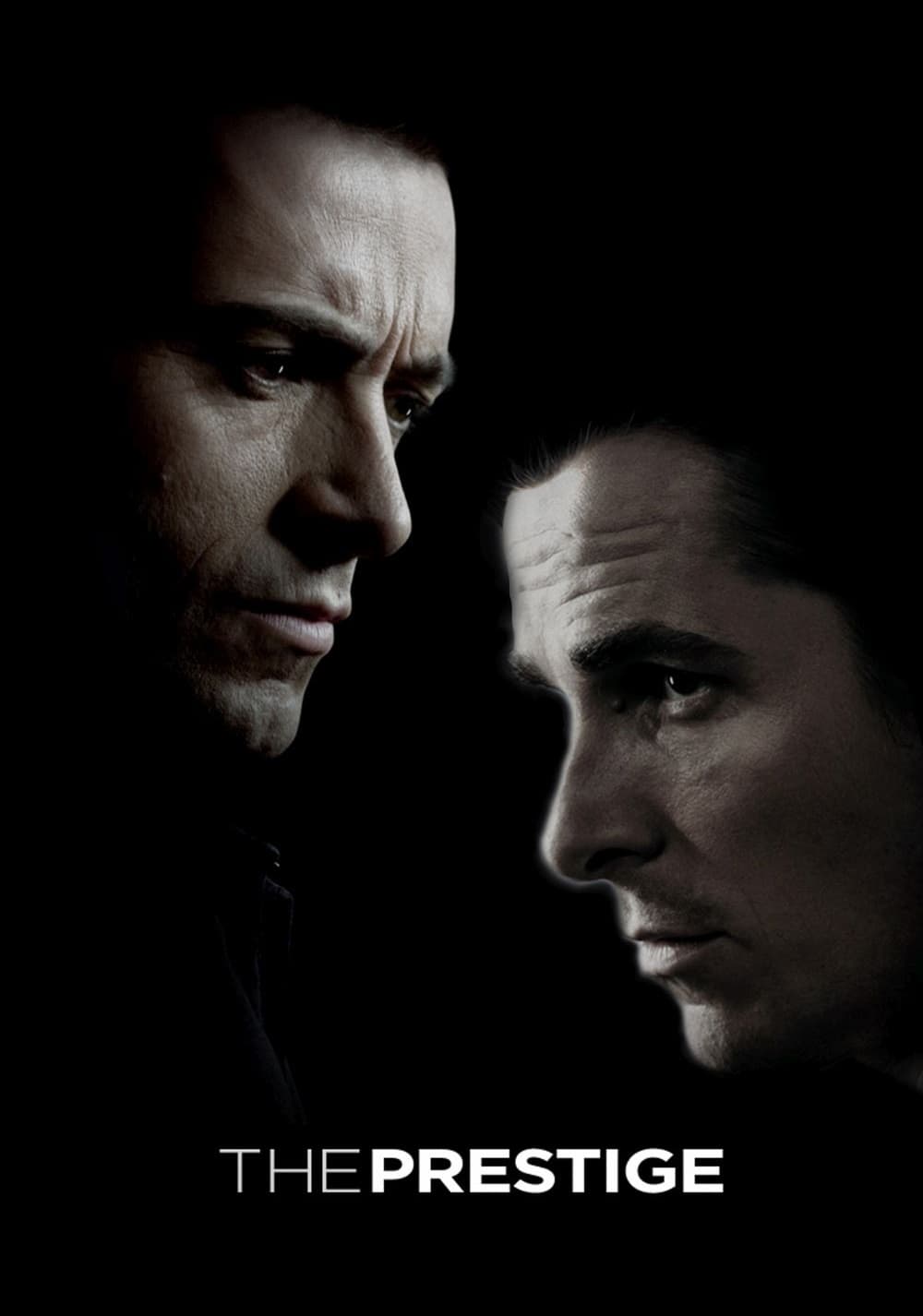
Christopher Nolan dramatizes rival stage magicians locked in a cycle of one-upmanship that consumes their lives. Christian Bale and Hugh Jackman portray performers whose secrets hinge on diaries, stagecraft logistics, and double lives. Nonlinear structure, intercut rehearsal footage, and machine-room sequences align the mystery with process and method.
‘Misery’ (1990)
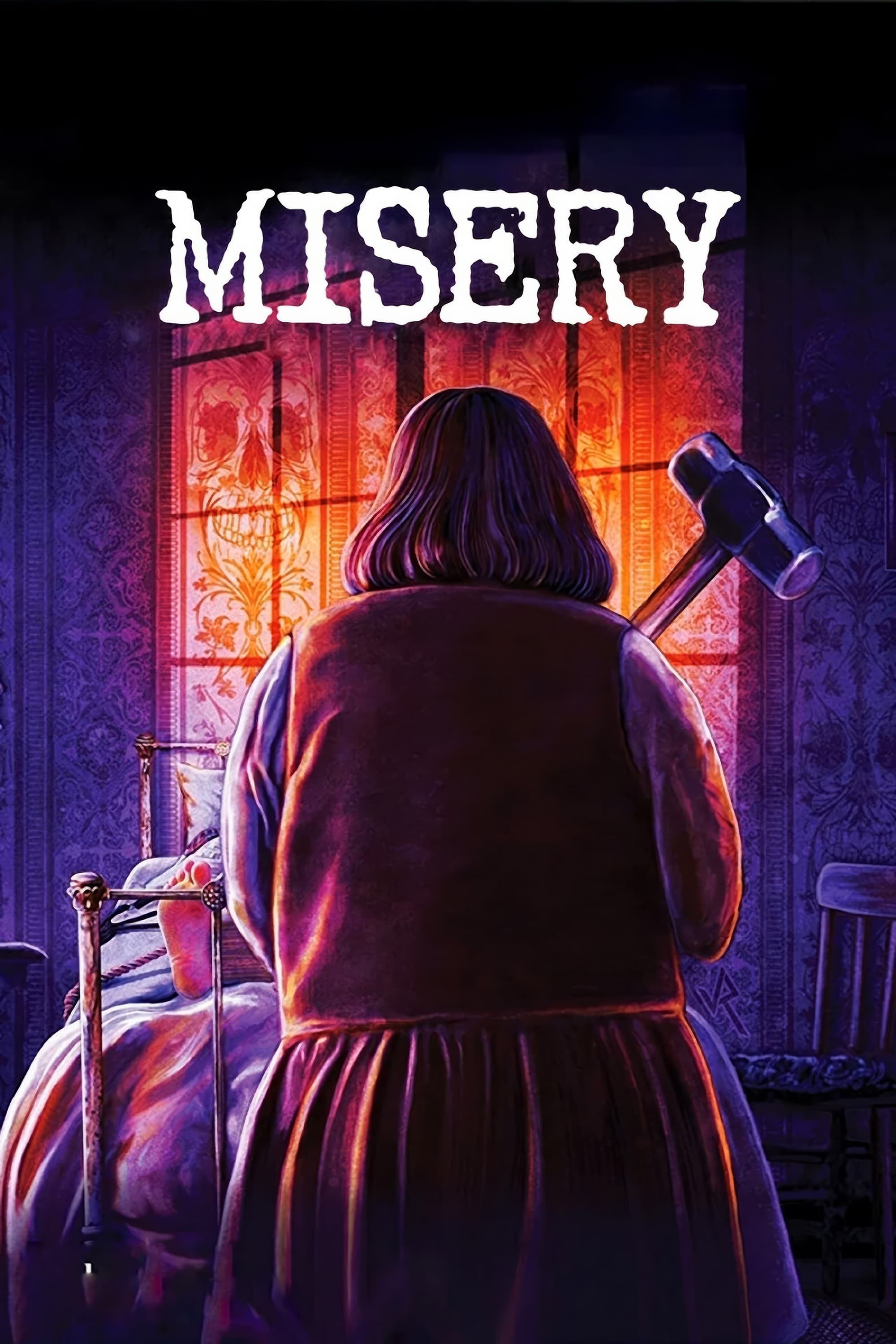
Rob Reiner adapts Stephen King’s novel about a novelist rescued from a car crash by a fan who keeps him captive. James Caan and Kathy Bates play out a battle of control shaped by medication schedules, typewriter pages, and locked doors. The confined setting turns everyday objects—paper, keys, wheelchair parts—into tools for negotiation and escape.
‘Cape Fear’ (1991)
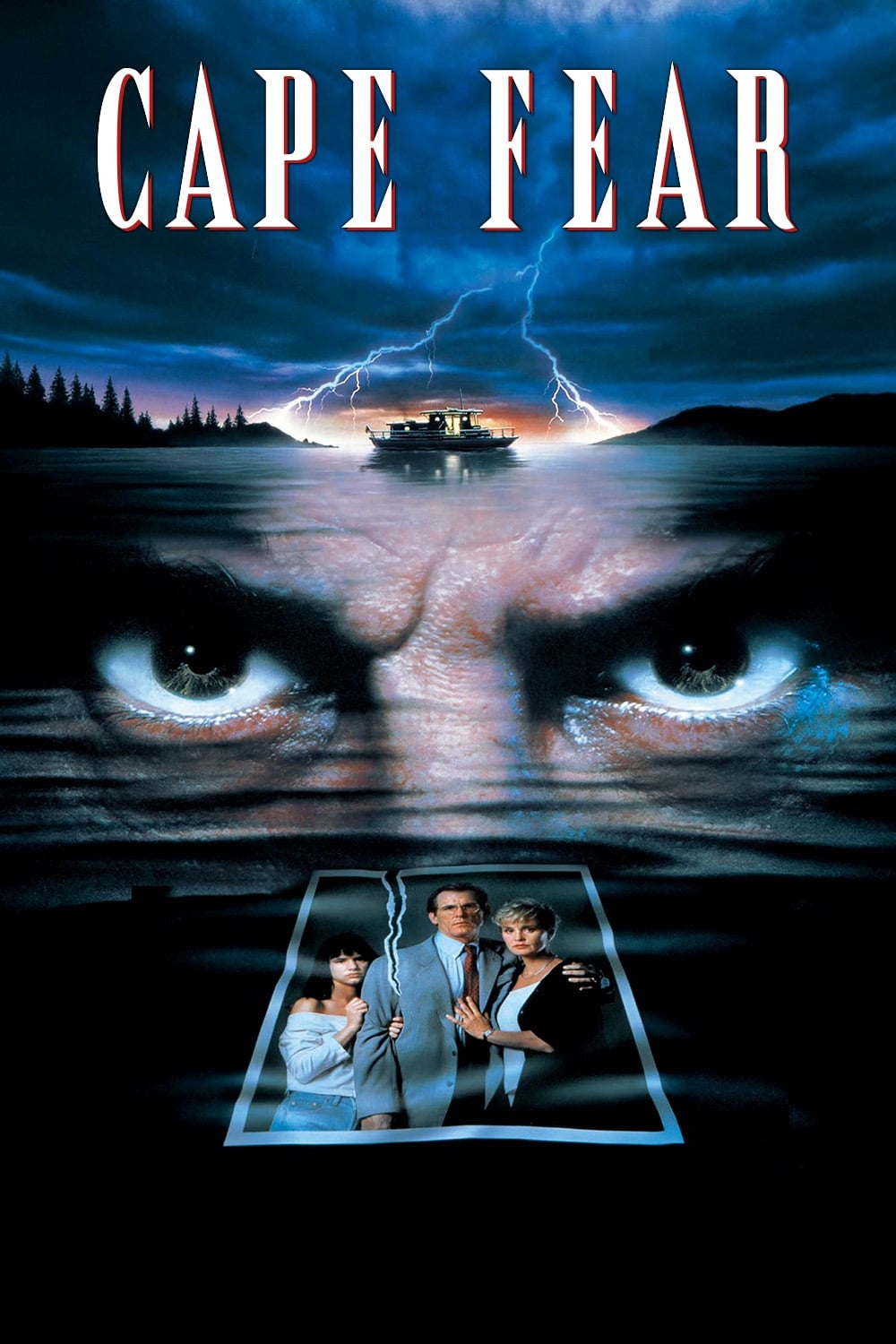
Martin Scorsese’s remake follows a convicted man who, after release, targets the defense attorney he blames for his imprisonment. Robert De Niro, Nick Nolte, and Jessica Lange drive a cat-and-mouse plot that exploits legal gray areas and family vulnerabilities. Expressionist lighting, storm imagery, and strategic use of an iconic score intensify the siege dynamics.
‘The Others’ (2001)
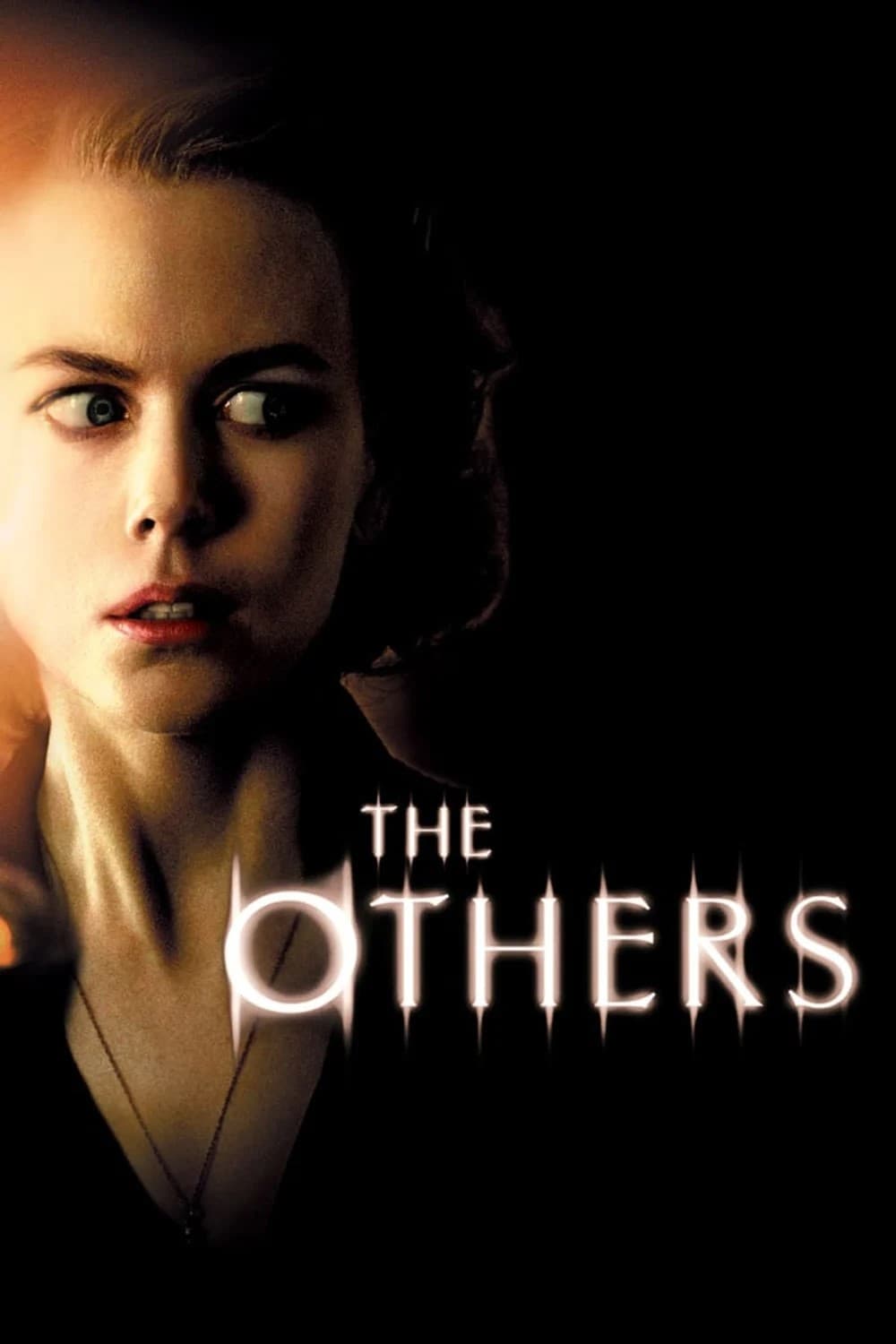
Alejandro Amenábar crafts a chamber piece about a mother and her photosensitive children living in a fogbound manor with strict rules. Nicole Kidman leads a narrative that depends on house maps, curtains, and servant routines. The film uses muted palettes, whisper-level dialogue, and staged séances to build a meticulous ghost-story investigation.
‘The Gift’ (2015)
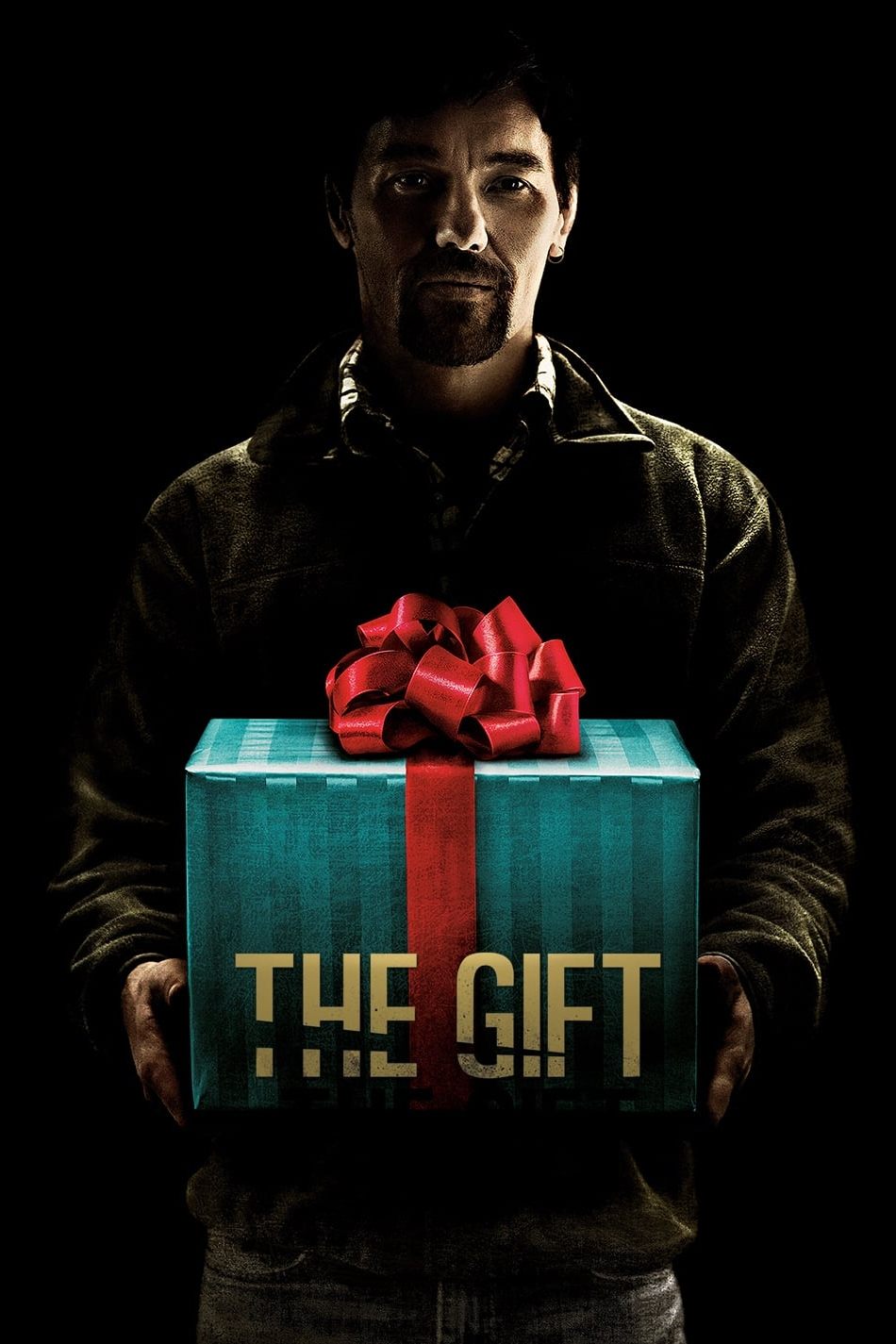
Joel Edgerton writes, directs, and co-stars in a story about a couple whose past resurfaces through unexpected visits and anonymous packages. Rebecca Hall and Jason Bateman navigate workplace politics, school records, and home security as the situation escalates. The plot emphasizes documentation—cards, tapes, and personnel files—as instruments of leverage.
‘Cure’ (1997)
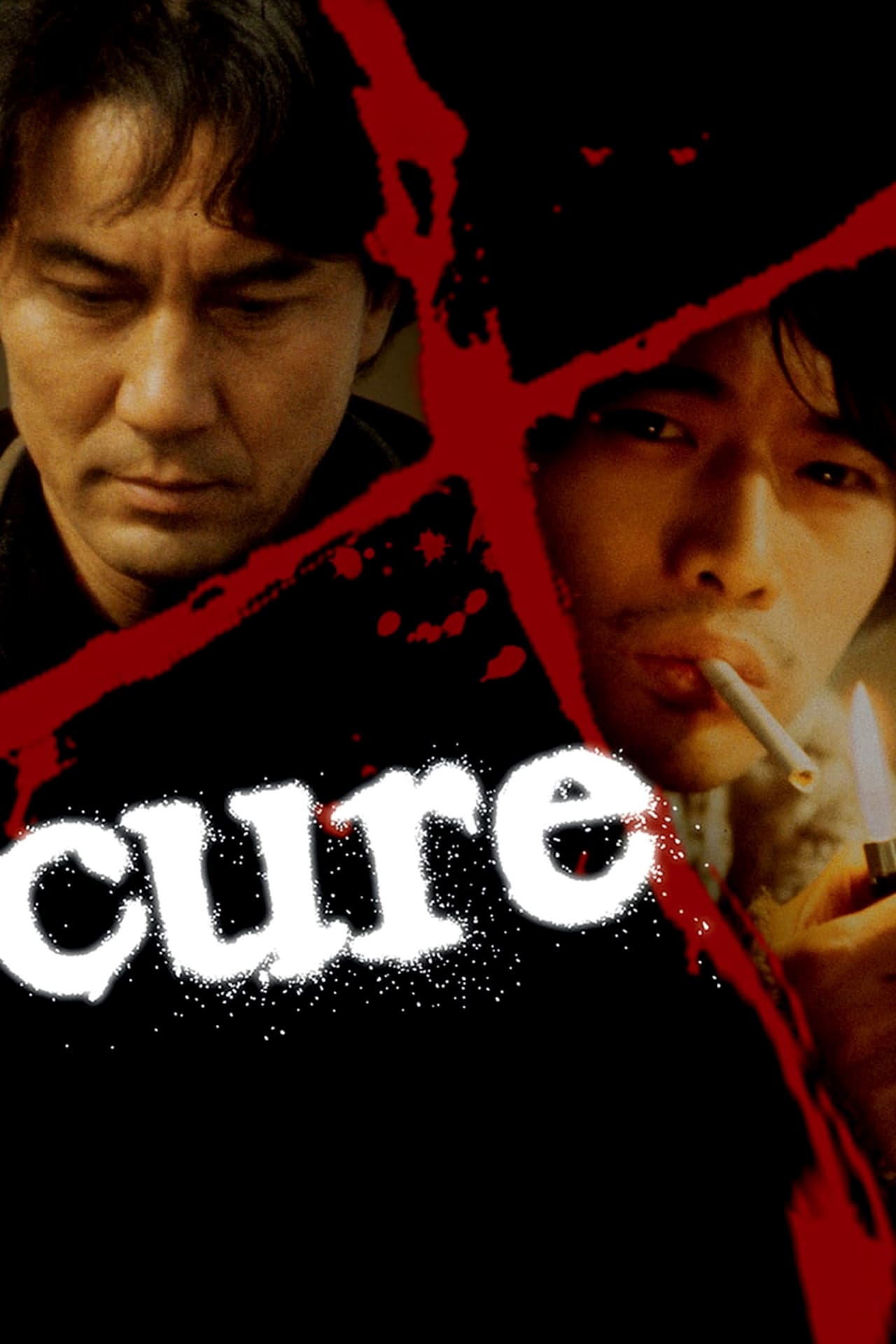
Kiyoshi Kurosawa’s police procedural follows a detective probing a series of murders connected by suggestive scars and amnesic suspects. Kōji Yakusho leads an inquiry that uses interrogation rooms, hospital corridors, and derelict spaces to map influence and suggestion. Long takes, ambient noise, and off-screen action cultivate an atmosphere of indirection.
‘The Killing of a Sacred Deer’ (2017)
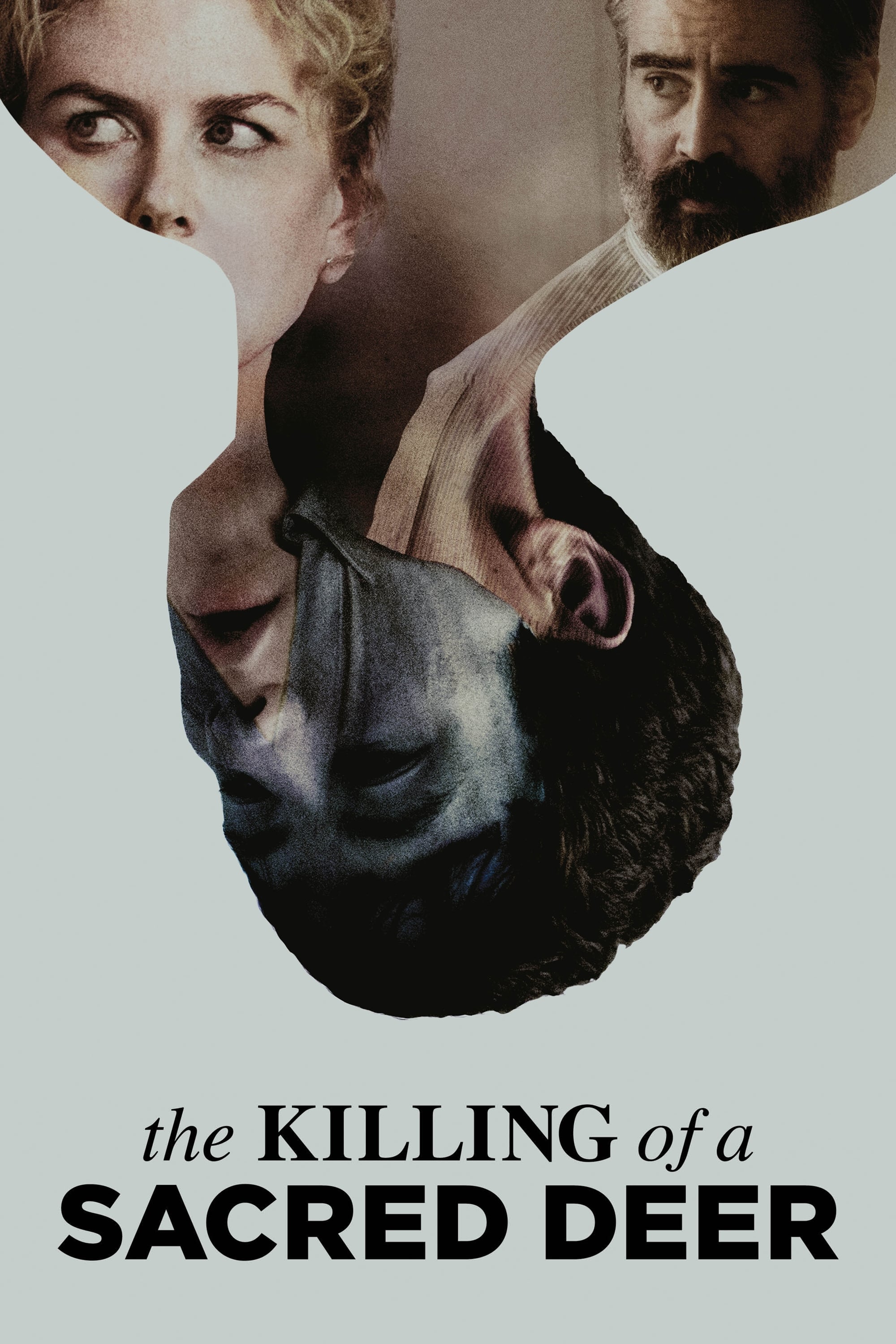
Yorgos Lanthimos presents a surgeon whose family faces an inexplicable affliction tied to a past mistake. Colin Farrell and Barry Keoghan shape a clinical interplay of ritual, retribution, and ethical boundaries. Deadpan delivery, symmetrical framing, and choral music create a ritualized logic that drives the dilemma.
‘The Skin I Live In’ (2011)
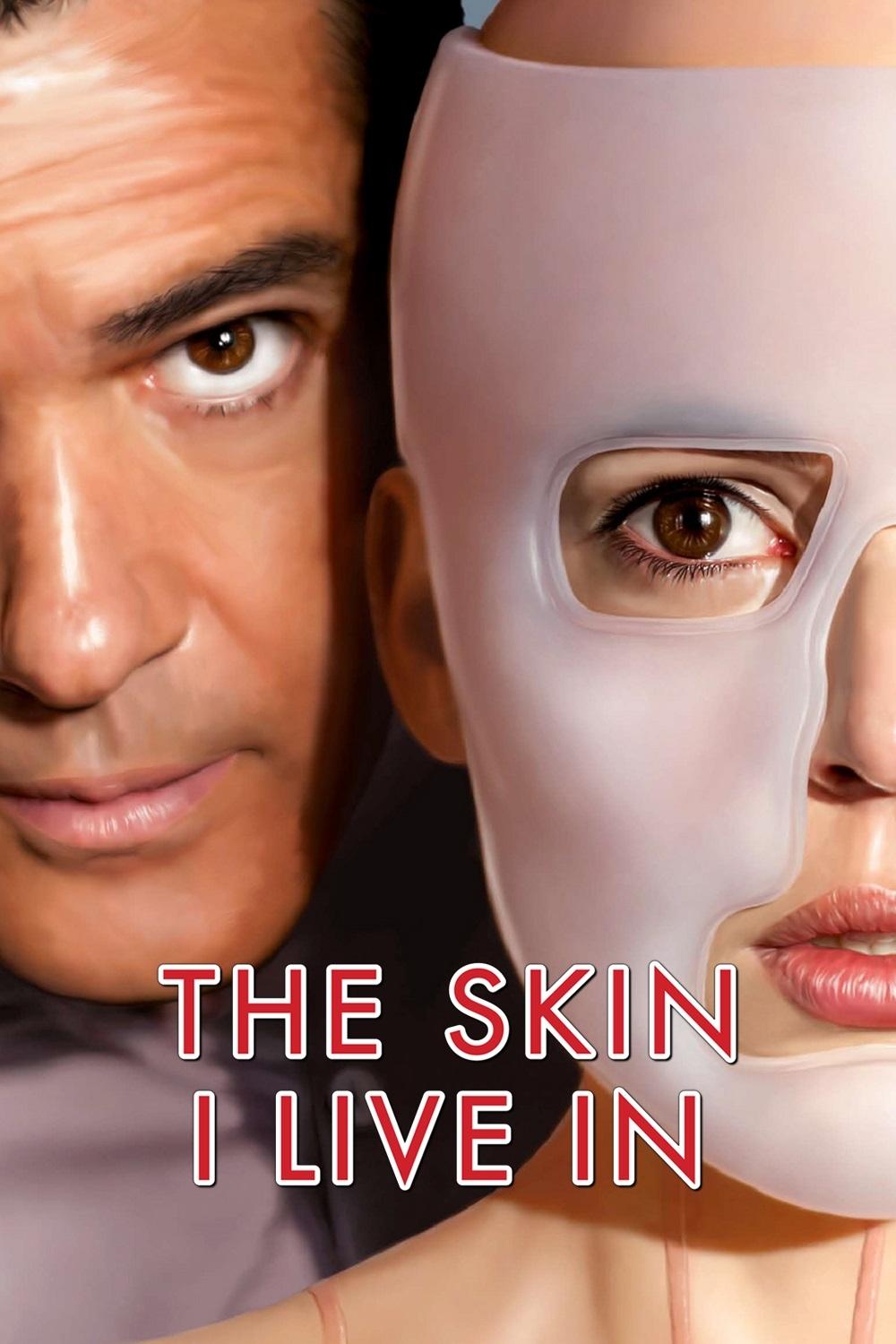
Pedro Almodóvar’s thriller centers on a plastic surgeon conducting secretive experiments while keeping a woman confined in his estate. Antonio Banderas and Elena Anaya anchor a plot built from medical records, security systems, and identity reconfiguration. Flashbacks, costume design, and controlled color schemes reveal the story’s layered causality.
Share your favorites from this expanded list—or the ones you rewatch every year—in the comments so everyone can compare notes.