Essential War Movies to Revisit Every Year

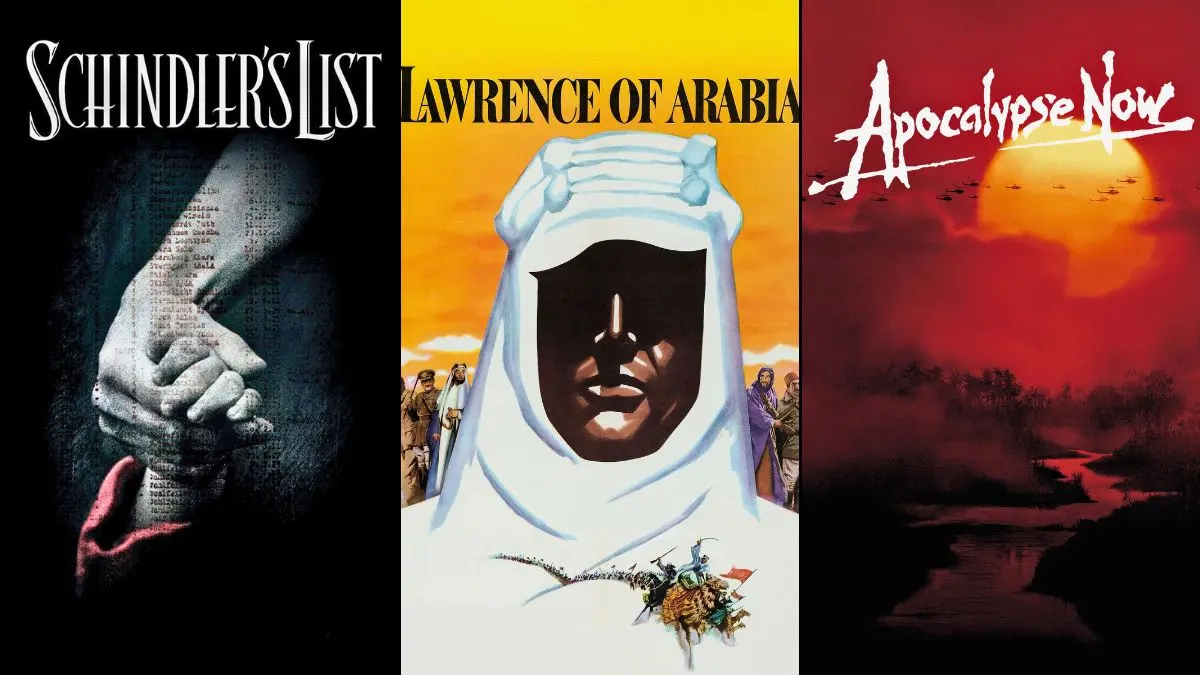

Some war films focus on battlefield tactics while others follow civilians and medics caught in the crossfire. Together they map out conflicts across centuries and continents and show how strategy, logistics, and leadership shape events. This list brings together features that highlight real operations, historical figures, and first hand perspectives that help viewers understand how wars unfold on the ground and behind the scenes.
‘All Quiet on the Western Front’ (1930)
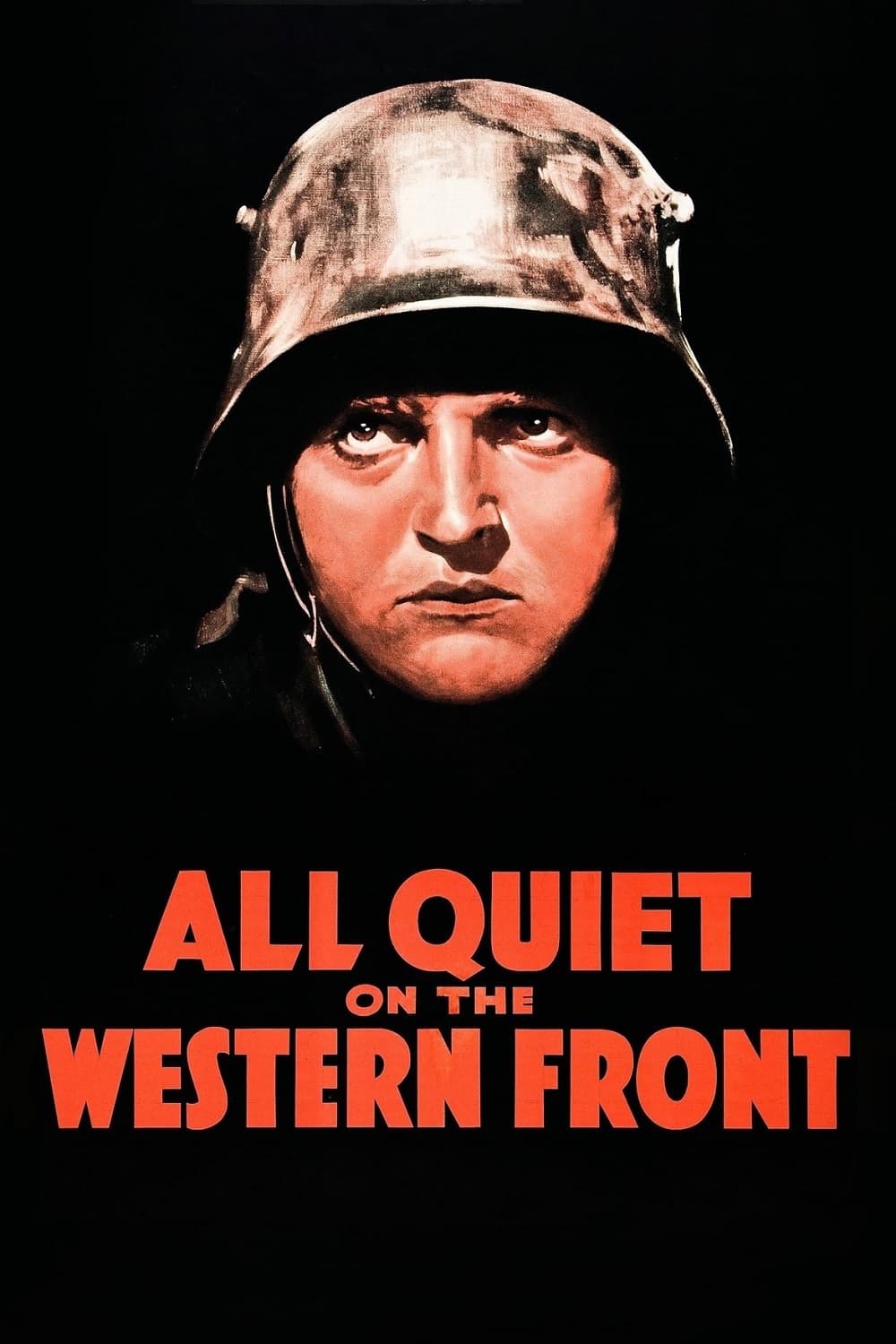
Lewis Milestone adapts Erich Maria Remarque’s novel with location staging that mirrors Western Front trench systems. The production used large scale extras and practical effects to recreate creeping barrages and no man’s land assaults. Its dialogue and blocking follow infantry routines such as roll call, rations, and relief rotations.
‘Paths of Glory’ (1957)
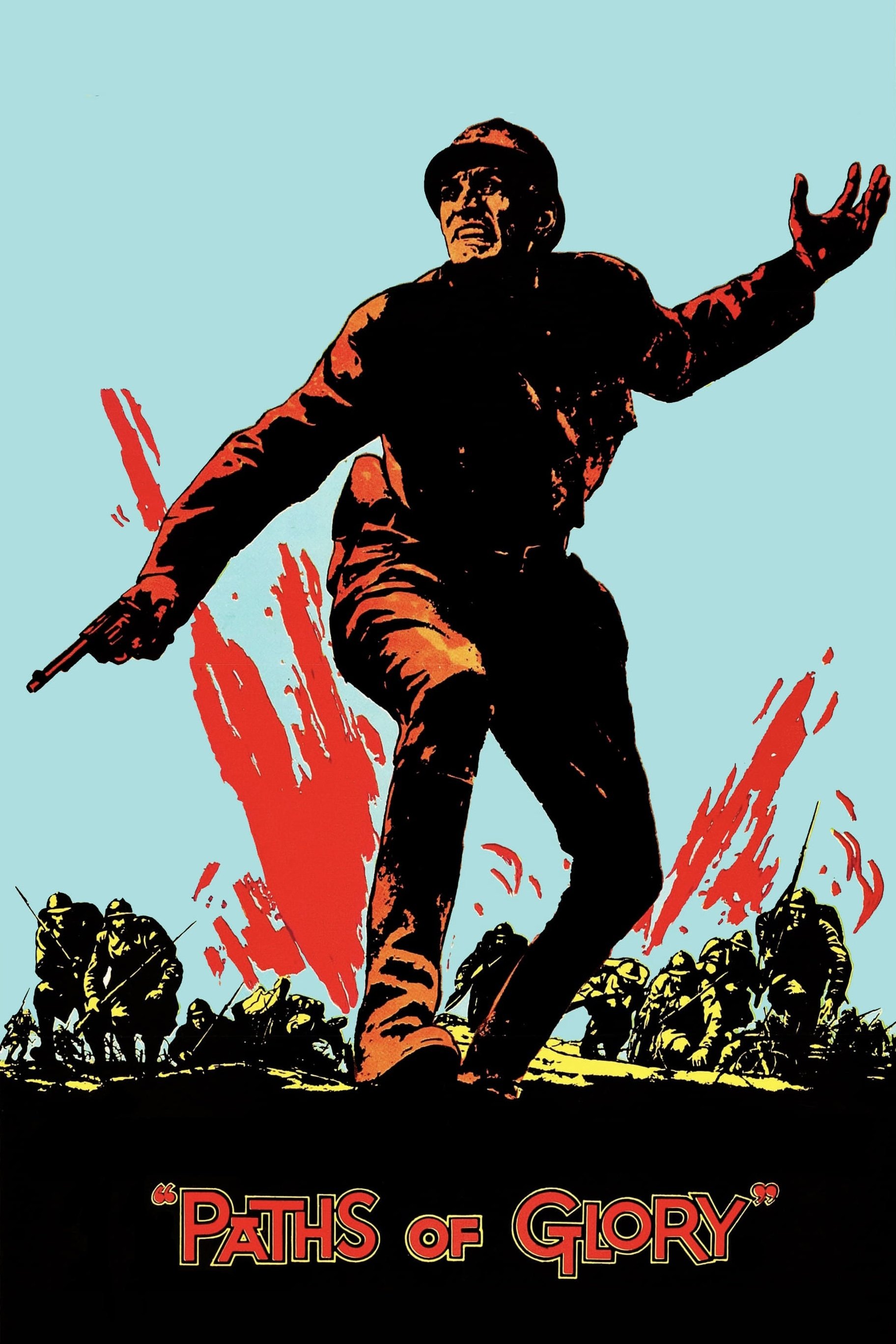
Stanley Kubrick stages courtroom sequences that track French military procedure under Articles of War. Tracking shots through trenches show communication lines and chain of command during failed attacks. The film draws on period testimony about discipline, morale, and orders from headquarters.
‘The Bridge on the River Kwai’ (1957)
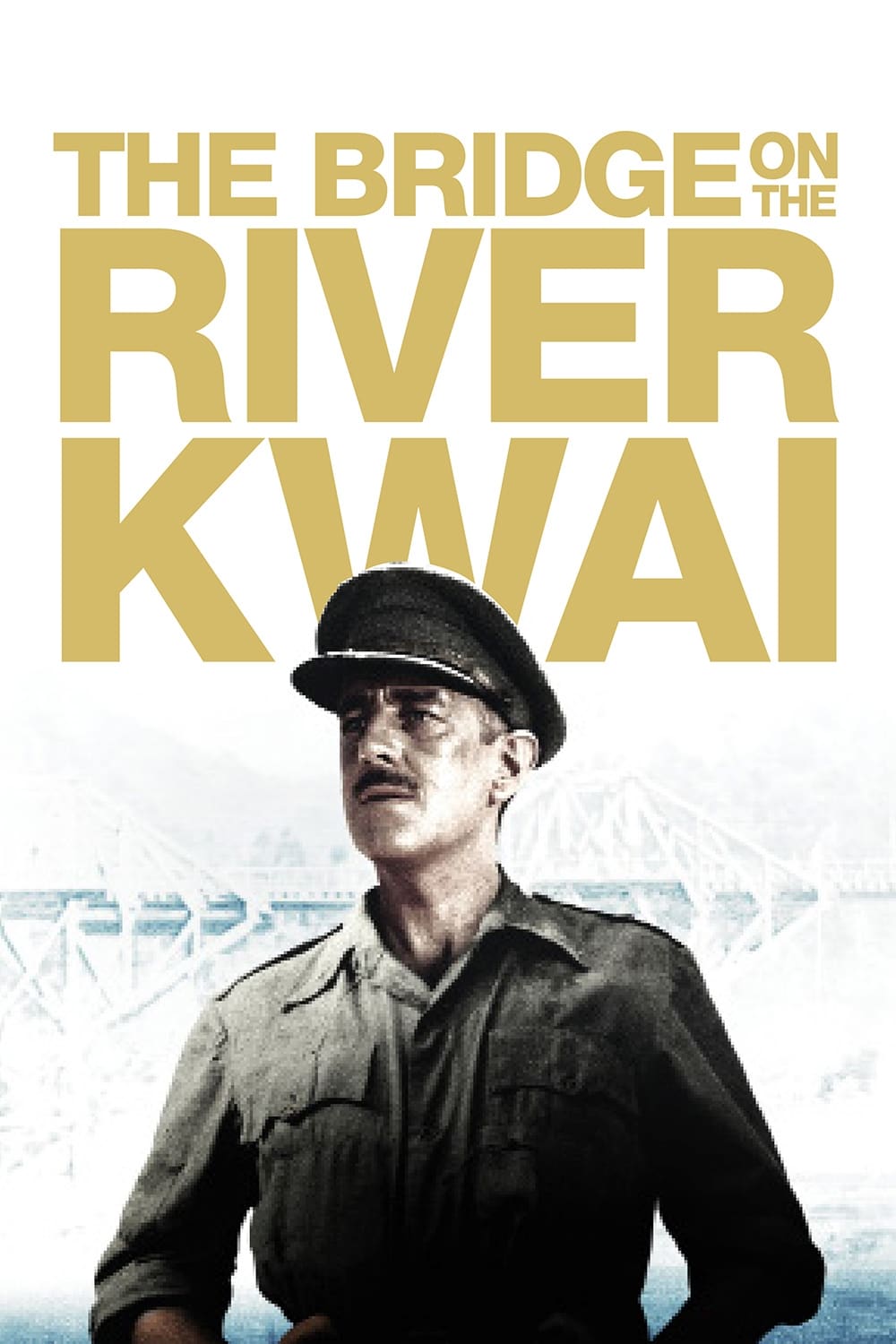
David Lean recreates the Thailand Burma Railway construction using full size bridge engineering and river workflows. The story integrates prisoner of war regulations and command negotiations between officers. The finale demonstrates demolition planning with charges, detonation timing, and rail traffic coordination.
‘Lawrence of Arabia’ (1962)
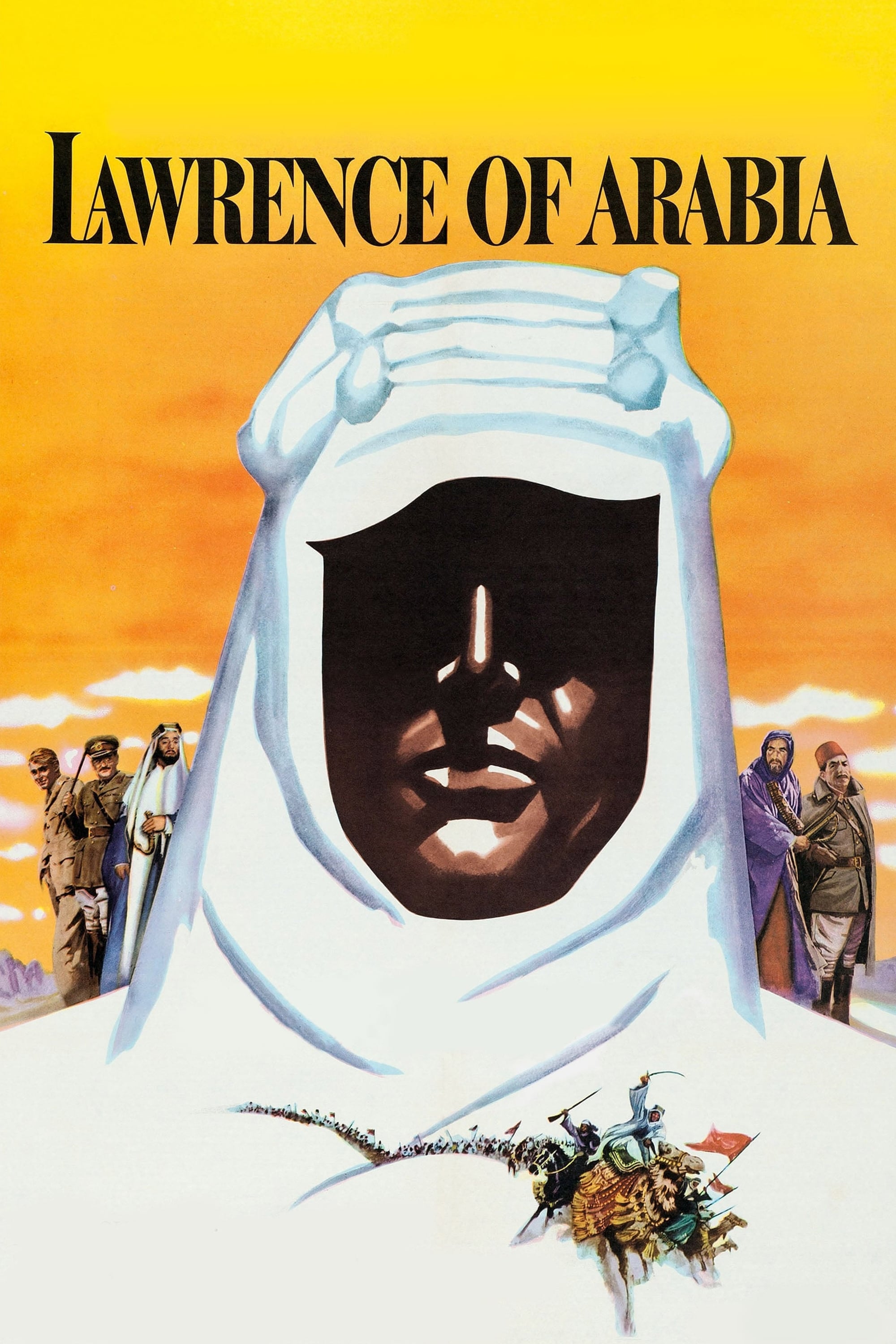
David Lean follows T. E. Lawrence’s liaison work with the Arab Revolt using desert navigation and camel logistics. Production mapped actual caravan routes and oasis waypoints for long range movement. Battle scenes depict feints, rail sabotage, and irregular warfare tactics against Ottoman supply lines.
‘The Longest Day’ (1962)
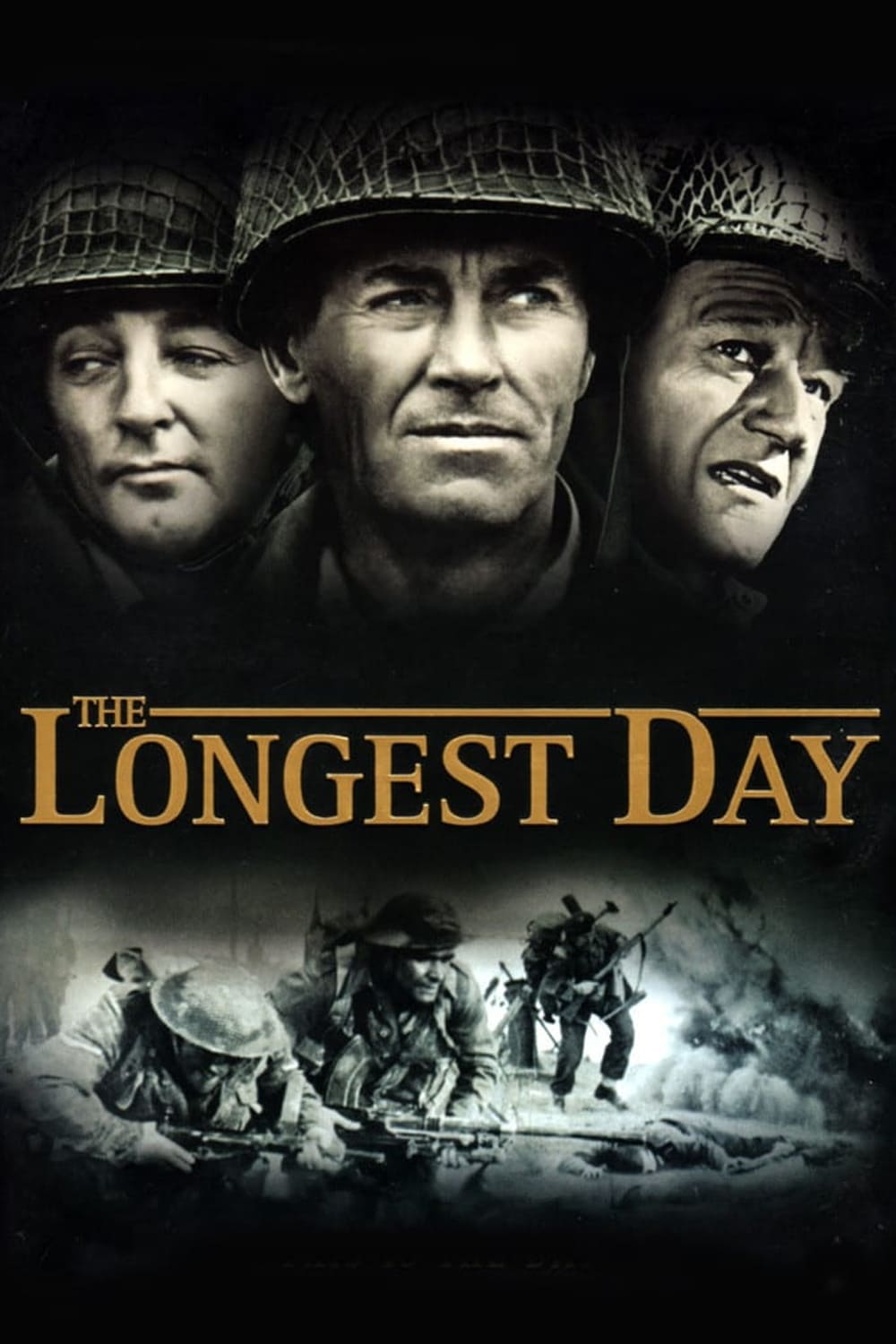
This ensemble covers D Day from multiple national commands with airborne drops, naval bombardment, and beach sector assignments. The script names unit objectives such as Pegasus Bridge and Sainte Mère Église. Advisors helped align uniforms, signal plans, and obstacles like Belgian gates and hedgehogs.
‘Dr. Strangelove or: How I Learned to Stop Worrying and Love the Bomb’ (1964)
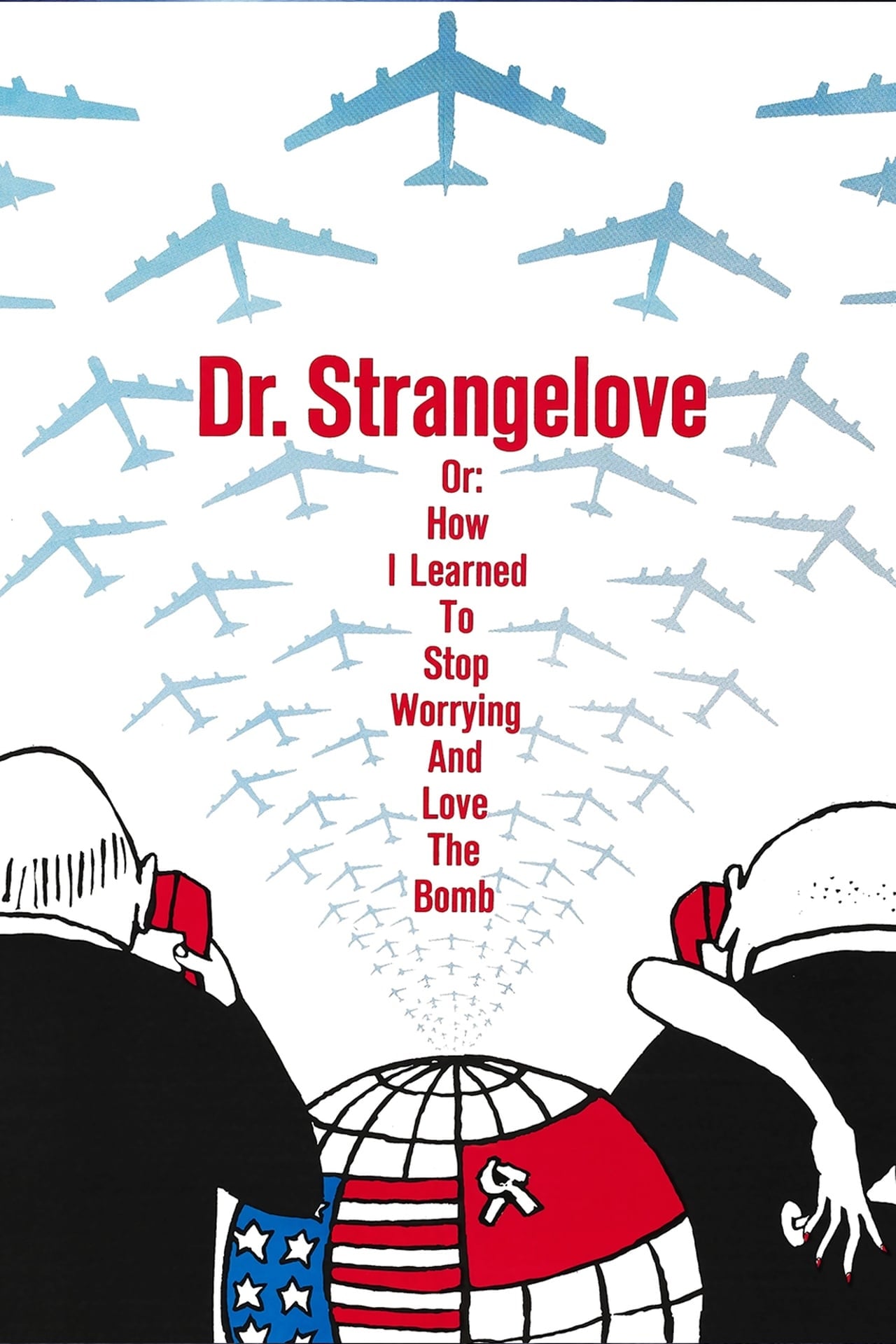
Stanley Kubrick presents nuclear command and control with authentic references to fail safe protocols and bomber checklists. The B 52 procedures reflect contemporary flight manuals and arming steps. War room dialogue outlines escalation ladders and second strike doctrine.
‘Zulu’ (1964)
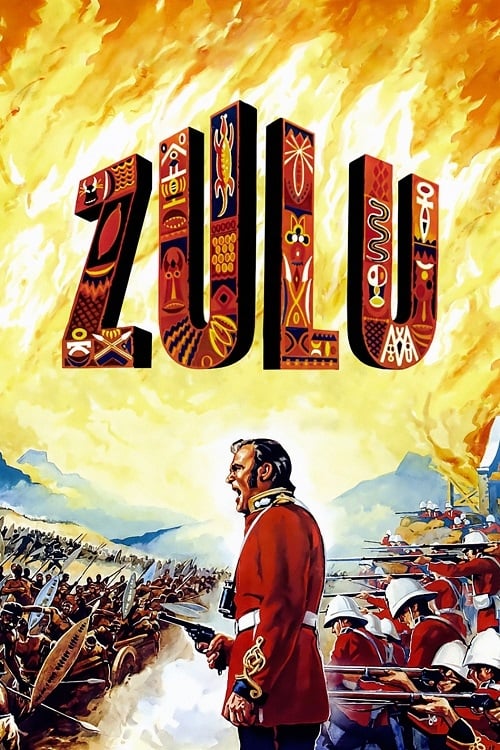
The film depicts the defense of Rorke’s Drift with volley fire, ammunition distribution, and field fortifications. Set pieces show how companies rotated firing lines and maintained casualty stations. The production used period drill to stage formations and bayonet tactics.
‘The Battle of Algiers’ (1966)
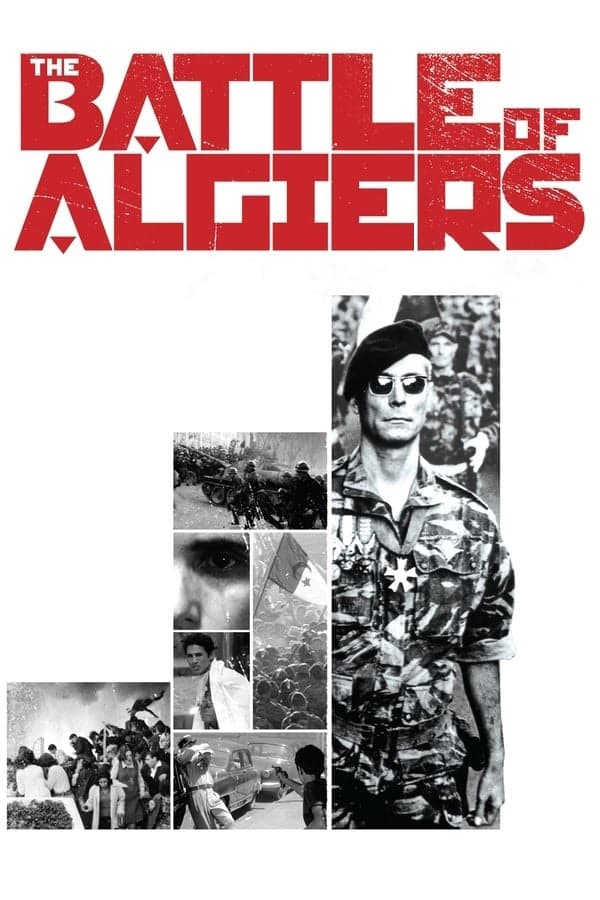
Gillo Pontecorvo reconstructs urban insurgency and counterinsurgency based on police records and interviews. It shows cell structure, checkpoints, curfews, and cordon and search operations. Handheld photography follows crowd control and intelligence gathering in tight city spaces.
‘Patton’ (1970)
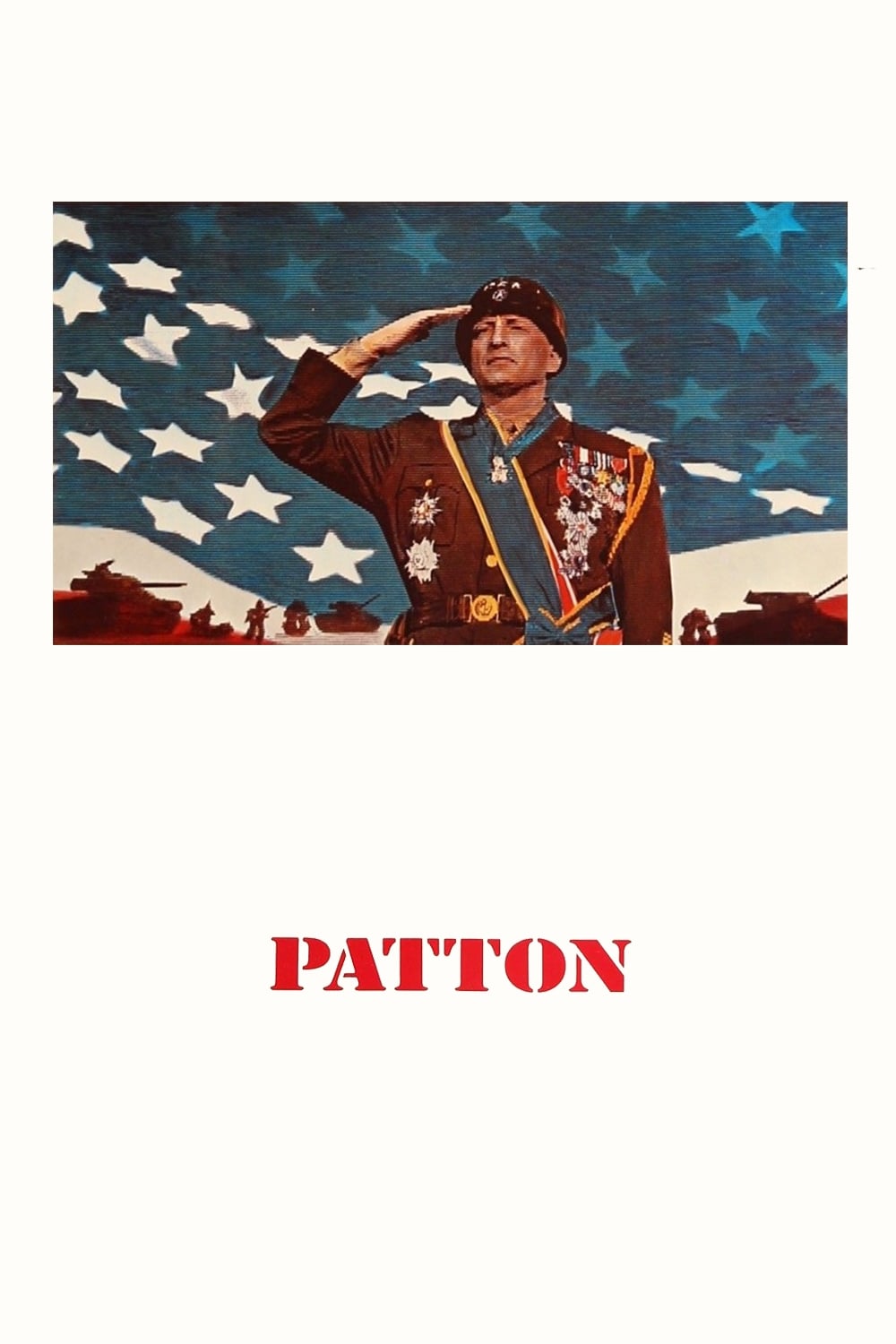
The narrative tracks George S. Patton’s command changes, supply priorities, and operational plans from North Africa to Europe. Scenes walk through staff briefings, map tables, and corps level movements. Dialogue references fuel allocations, weather windows, and coordination with air support.
‘Tora! Tora! Tora!’ (1970)
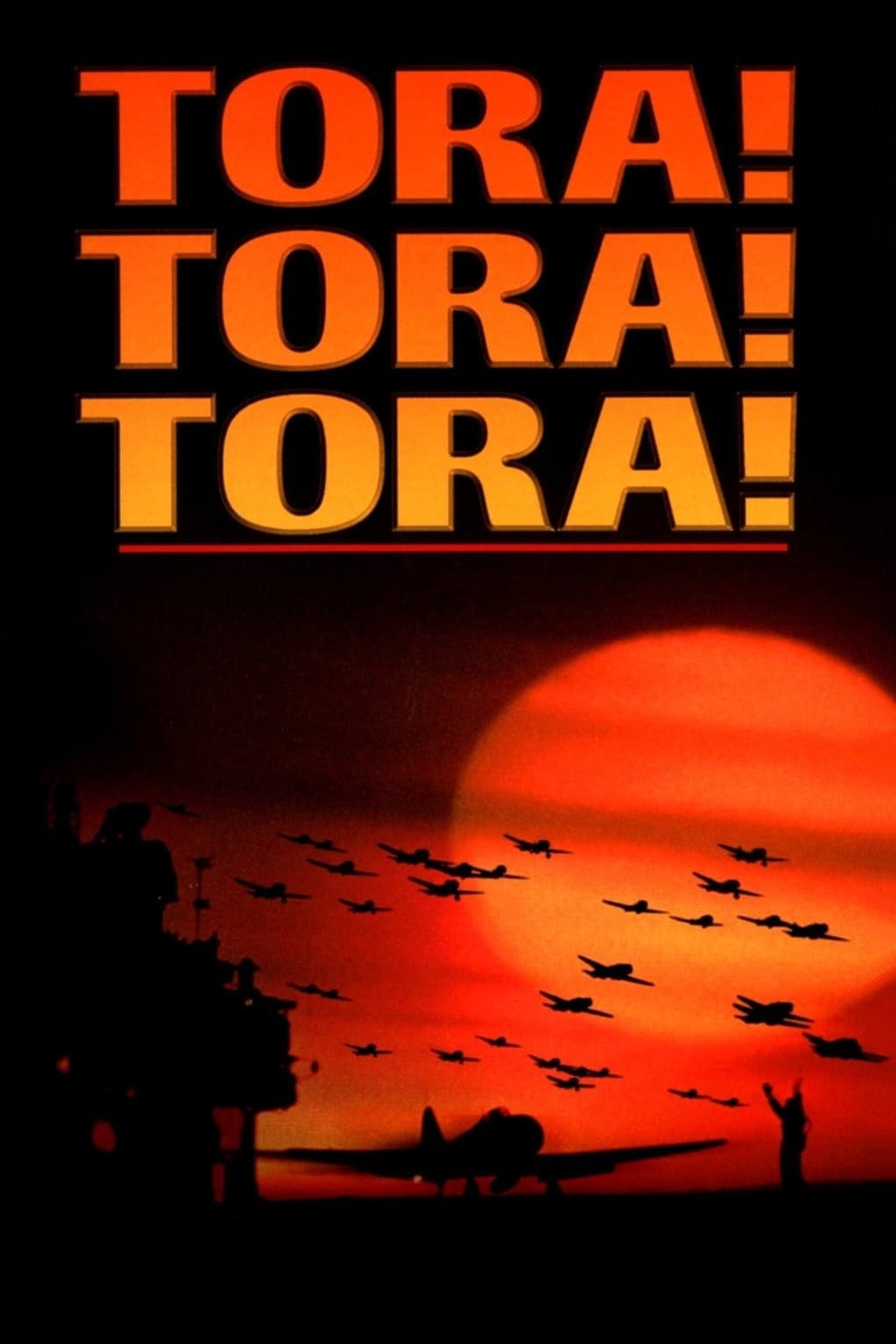
This joint American and Japanese production details planning and execution of the Pearl Harbor attack. It covers carrier flight decks, torpedo modifications for shallow water, and reconnaissance failures. Intercut command rooms explain message traffic and code delays.
‘The Deer Hunter’ (1978)
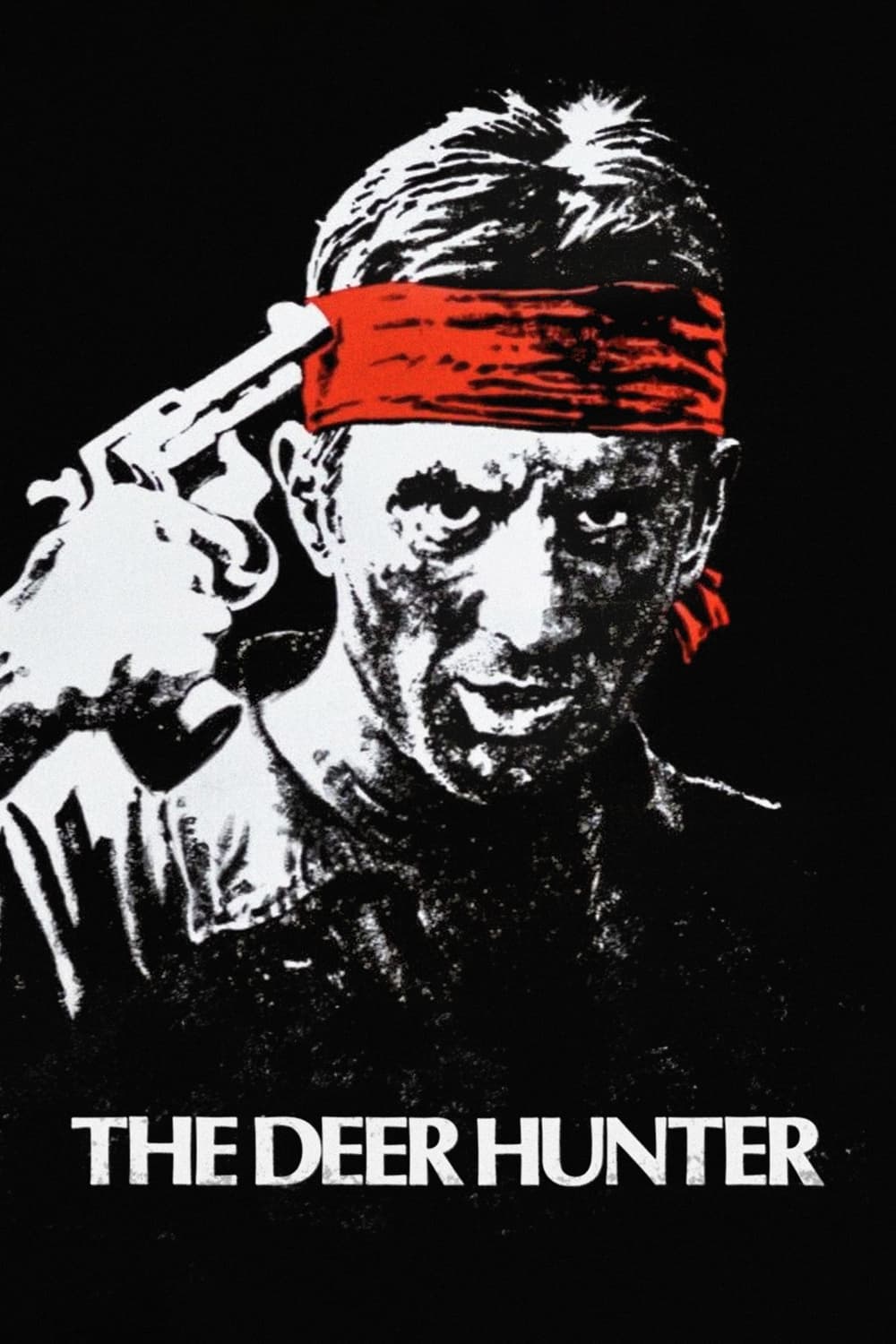
The film follows American soldiers from steel town enlistment to deployment and homecoming. It documents induction processes, training, and the impact of capture on unit cohesion. Location work contrasts field operations with the challenges of reintegration.
‘Apocalypse Now’ (1979)
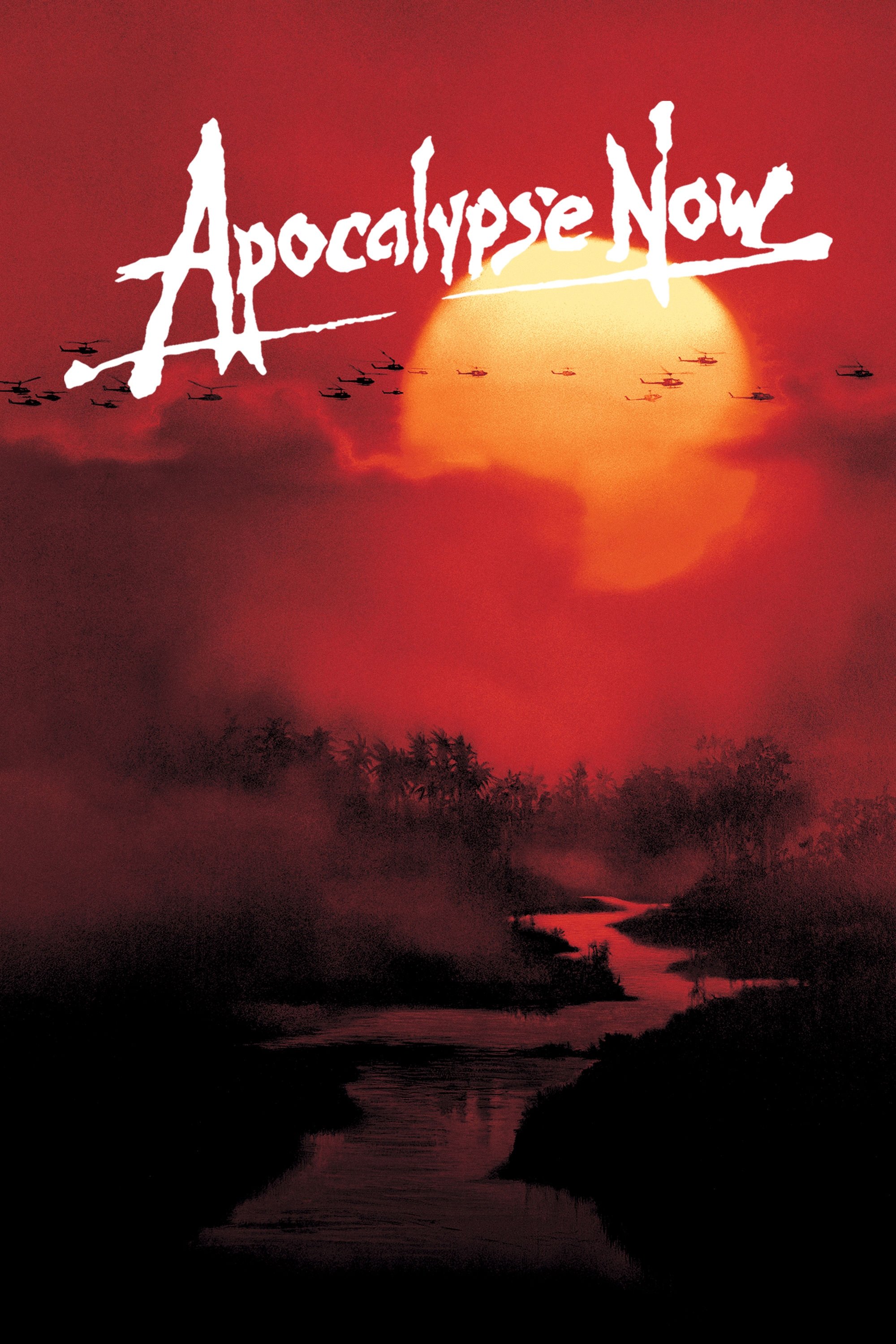
Francis Ford Coppola frames a river patrol mission that moves through different command zones. The production used real helicopters and river boats to stage air mobility and close air support. Radio chatter and rules of engagement shift as the crew moves upriver.
‘Das Boot’ (1981)
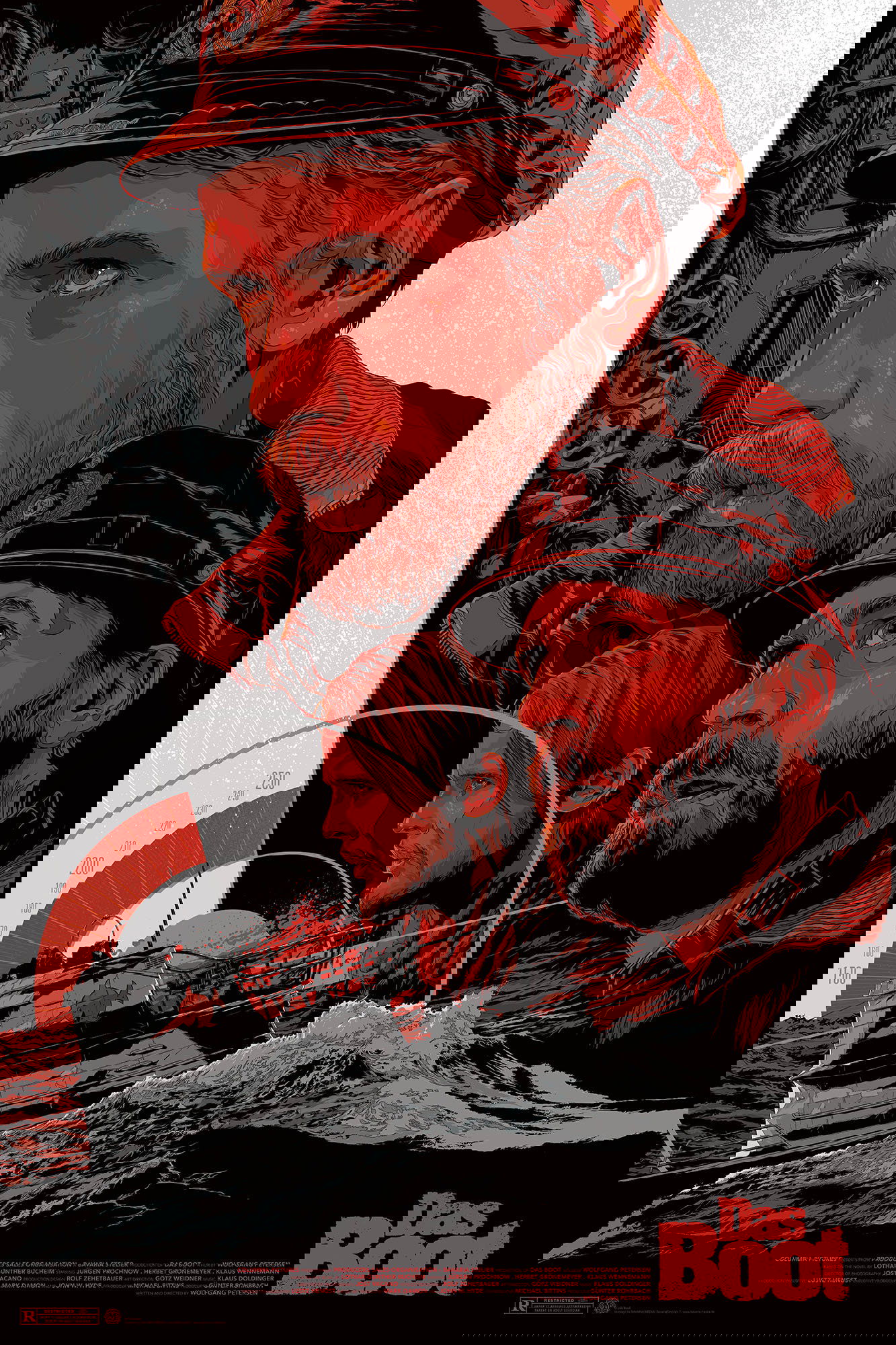
Wolfgang Petersen confines viewers to a U boat interior with authentic compartments and equipment. The script tracks watch rotations, hydrophone reports, and depth charge procedures. Tension builds through battery management, hull stress, and periscope approaches.
‘The Killing Fields’ (1984)
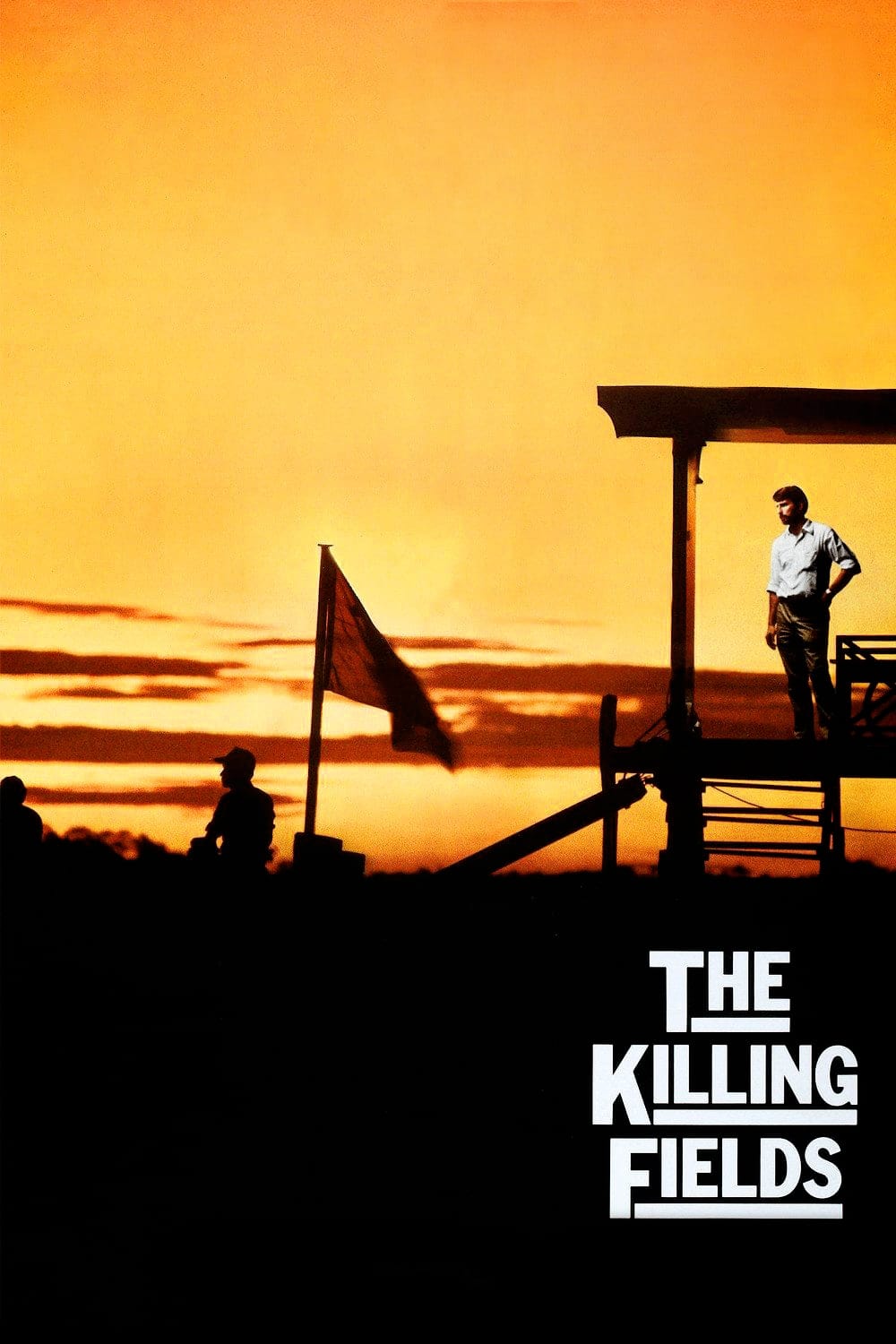
The story follows reporters and Cambodian colleagues through the civil war and its aftermath. It documents evacuations, press credentials, and the hazards of navigating checkpoints. Scenes portray forced relocations, labor sites, and survival strategies.
‘Come and See’ (1985)
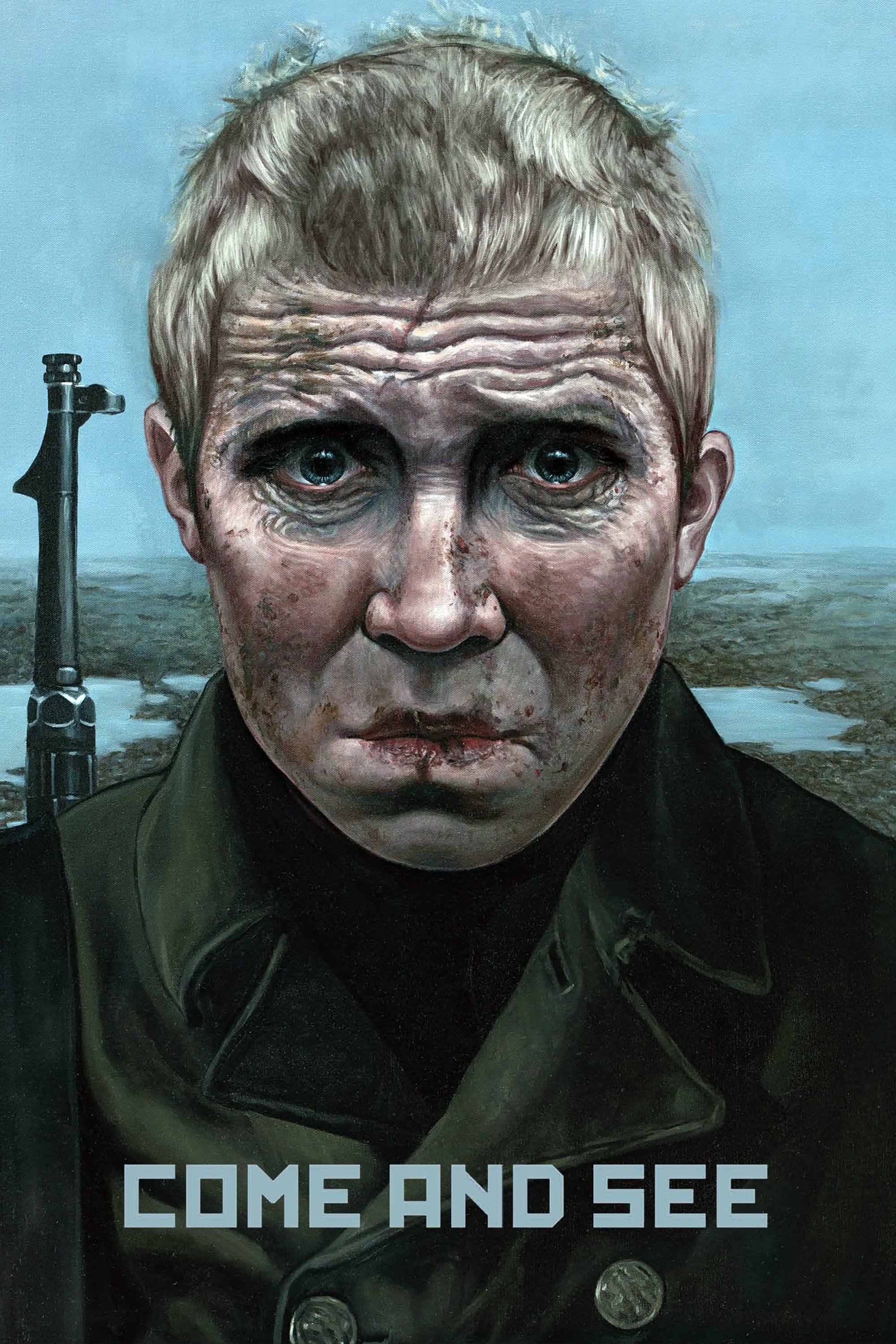
Elem Klimov reconstructs anti partisan operations in occupied Belarus through a child’s experience. It shows village sweeps, reprisals, and the structure of auxiliary units. Sound design and staging reflect the chaos of raids and forced deportations.
‘Platoon’ (1986)
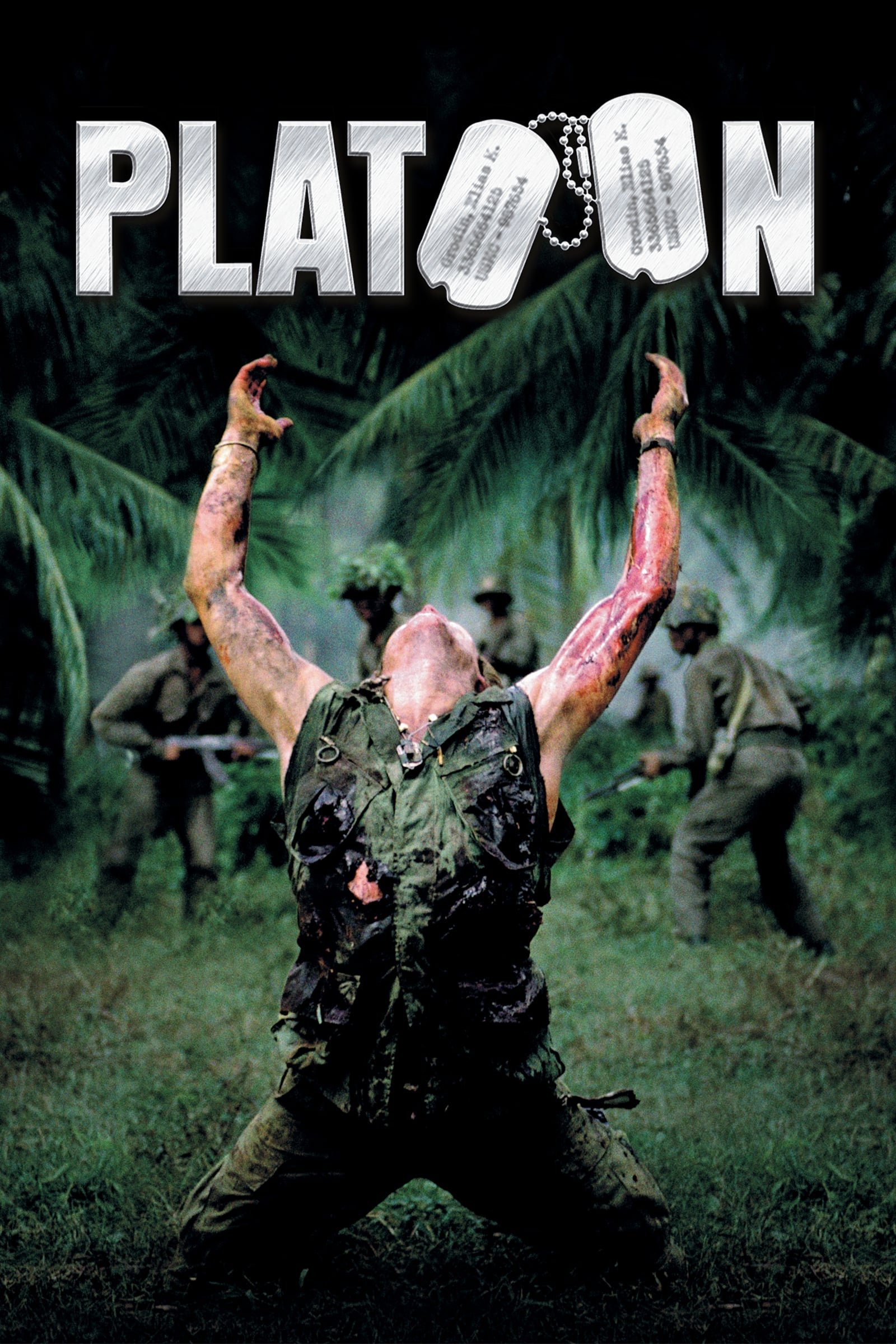
Oliver Stone draws from infantry service to map out patrol types, ambush setup, and night defenses. The film shows how squads navigate terrain using compass bearings and hand signals. It also covers friction between platoon leaders and the effects on mission execution.
‘Full Metal Jacket’ (1987)
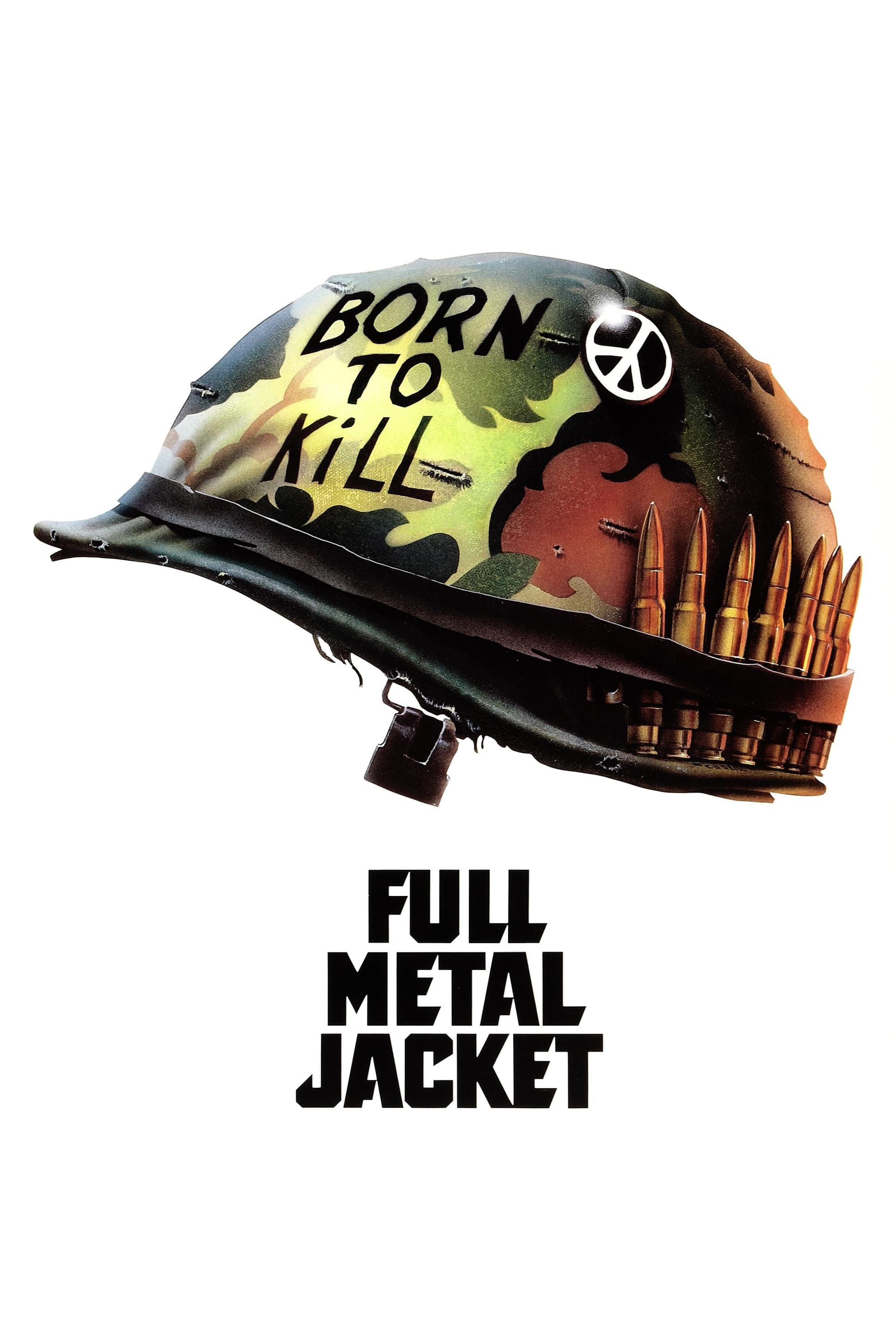
The first half details Marine recruit training with drill routines, marksmanship phases, and field exercises. The second half moves to urban fighting and combined arms in a built up area. Dialogue tracks rank structure, MOS roles, and media presence in theater.
‘Grave of the Fireflies’ (1988)

Studio Ghibli presents two siblings navigating air raid aftermath and rationing on the home front. The story shows shelter protocols, civil defense warnings, and food distribution. It follows black market exchanges and the strain on public services during sustained bombing.
‘Schindler’s List’ (1993)

Steven Spielberg documents factory management under wartime conditions and the use of work permits. The film tracks registration lists, bribes, and transfers that affected survival. Production design recreates administrative processes and camp transport logistics.
‘The Last of the Mohicans’ (1992)
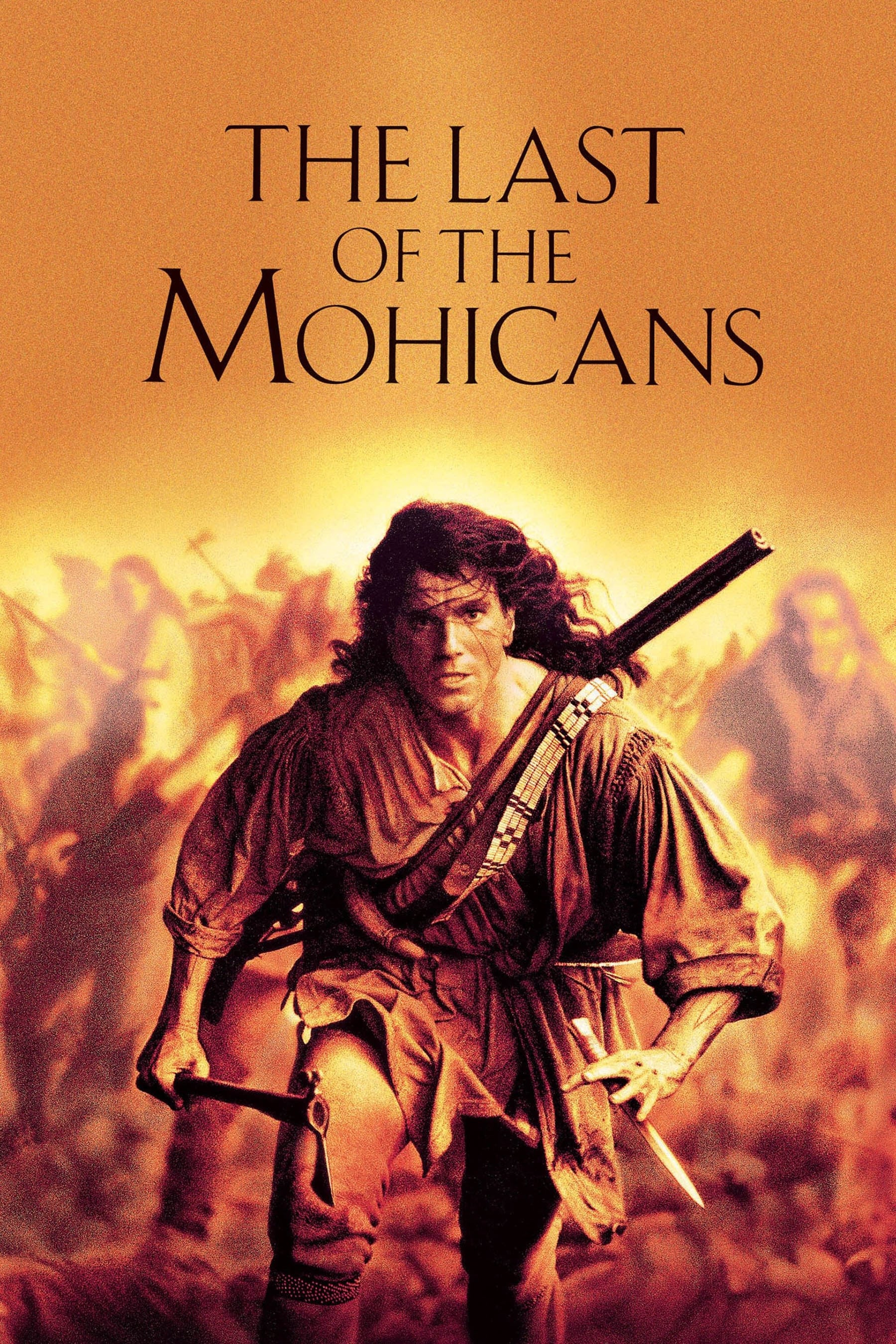
Michael Mann stages campaigns during the French and Indian War with militia formations and frontier fortifications. It shows siege conditions, parley customs, and Native alliances. Terrain use and river crossings dictate movement and timing for escorts and rescues.
‘The Thin Red Line’ (1998)
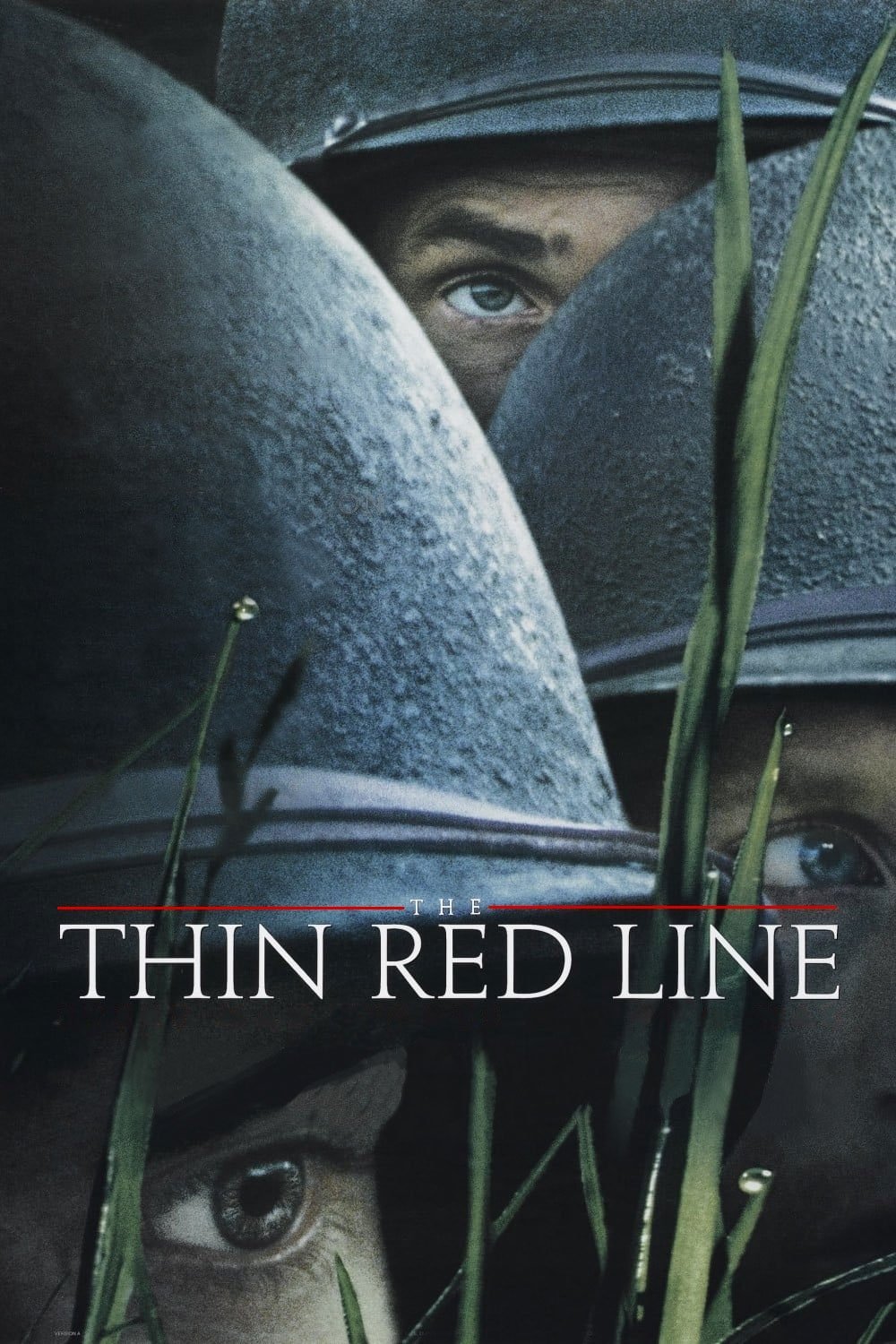
Terrence Malick follows the Guadalcanal campaign with emphasis on company level assaults and reconnaissance. The film shows how commanders balance orders with terrain and casualty reports. Radio nets and artillery spotting guide advances across ridges and fields.
‘Saving Private Ryan’ (1998)
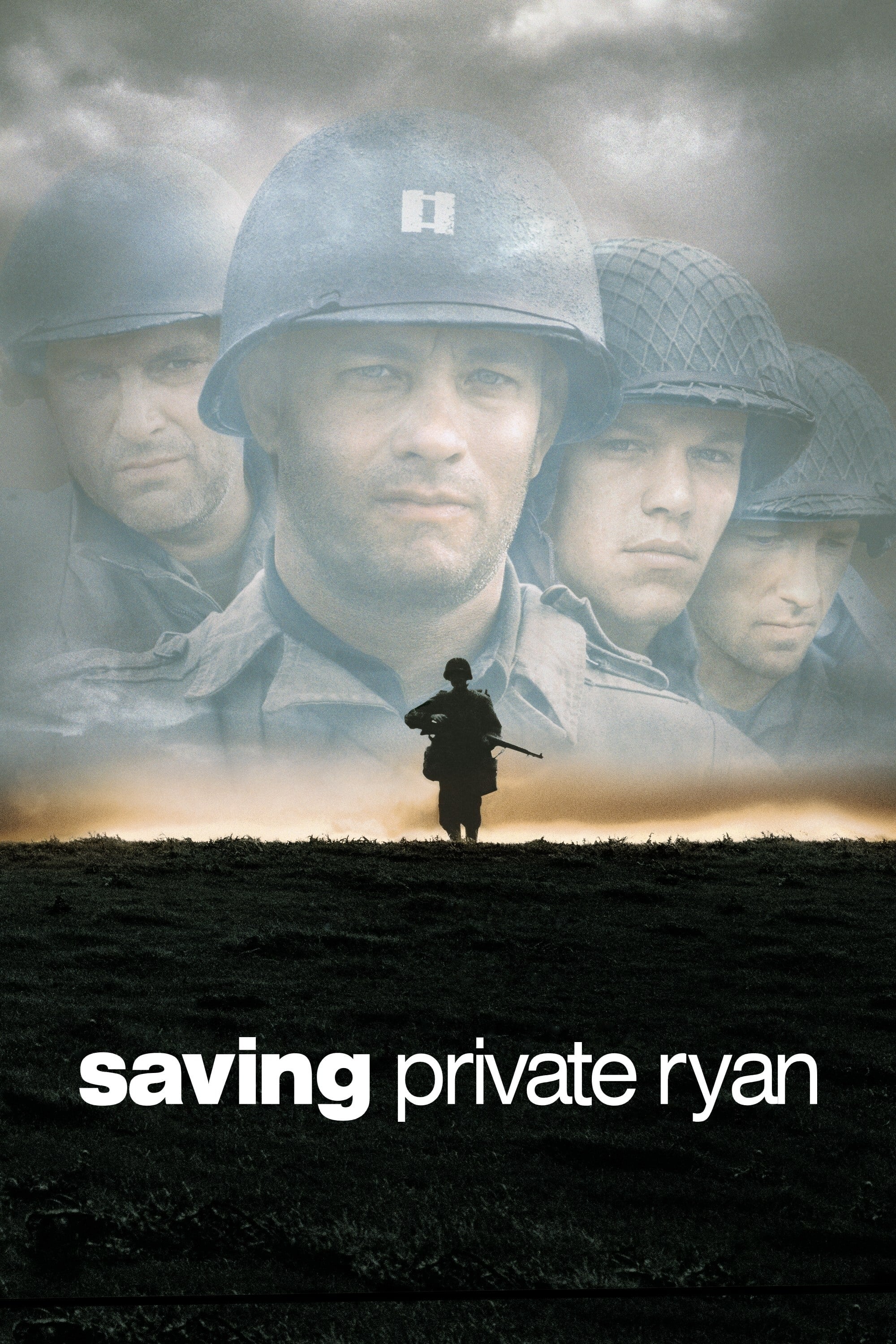
Steven Spielberg opens with an amphibious landing that tracks unit assignments and engineer tasks. The story proceeds with small unit tactics like bounding overwatch and building clearance. Sound and effects capture small arms fire characteristics and mortar patterns.
‘The Pianist’ (2002)

Roman Polanski follows a Polish musician through occupation rules, ghetto restrictions, and survival measures. Scenes document work permits, hiding places, and aid from resistance contacts. The film maps changes in curfews, searches, and ration access.
‘Black Hawk Down’ (2001)
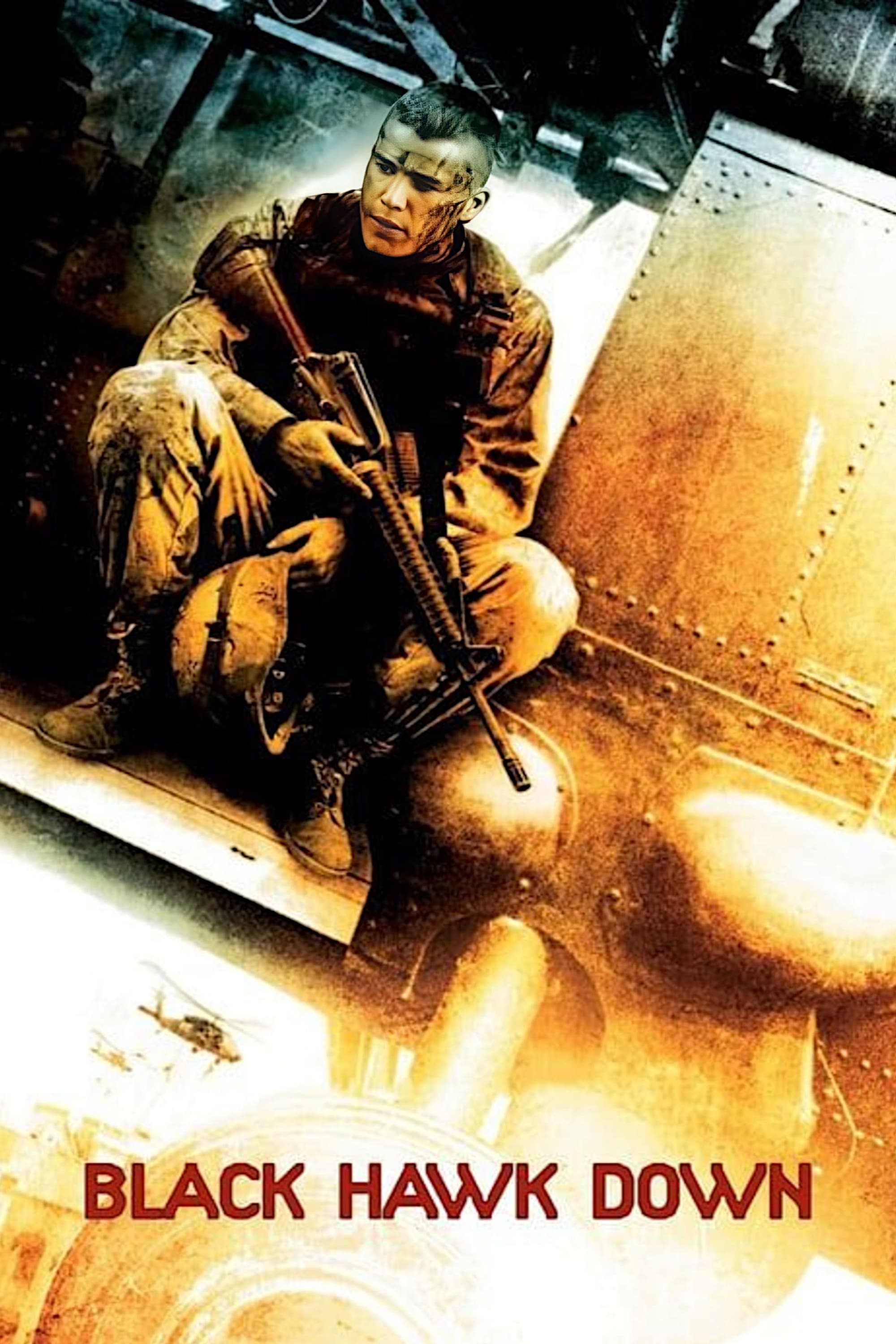
Ridley Scott reconstructs the Battle of Mogadishu using radio logs and after action details. It shows helicopter insertion, convoy routing, and casualty evacuation under fire. The timeline tracks chalk numbers, lost vehicles, and ad hoc strongpoints.
‘Enemy at the Gates’ (2001)
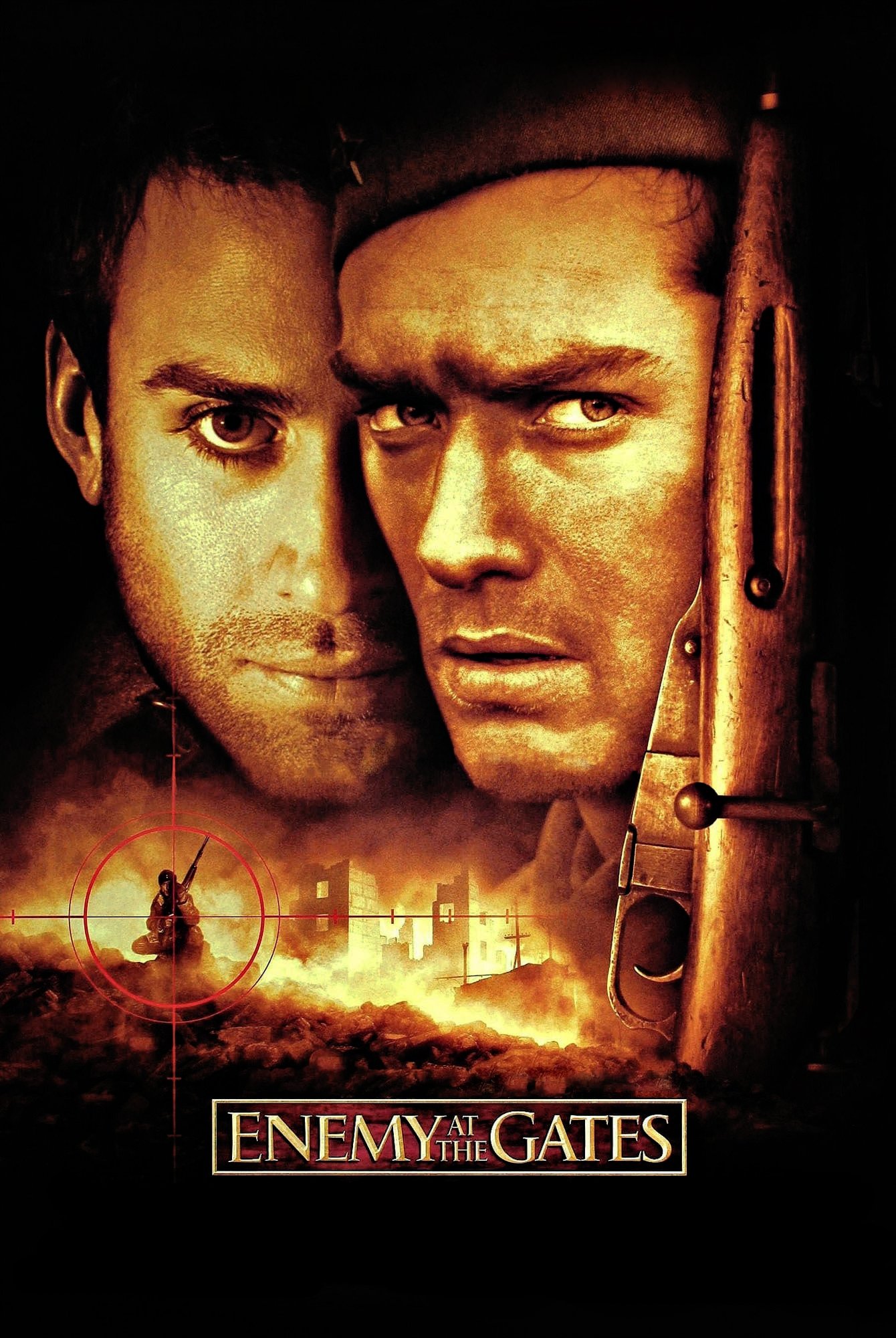
Set during the Battle of Stalingrad, the film depicts sniper training, camouflage, and counter sniper tactics. It outlines political officers, propaganda roles, and city sector defenses. Street fighting reveals supply lines through sewers and ruins.
‘Master and Commander: The Far Side of the World’ (2003)
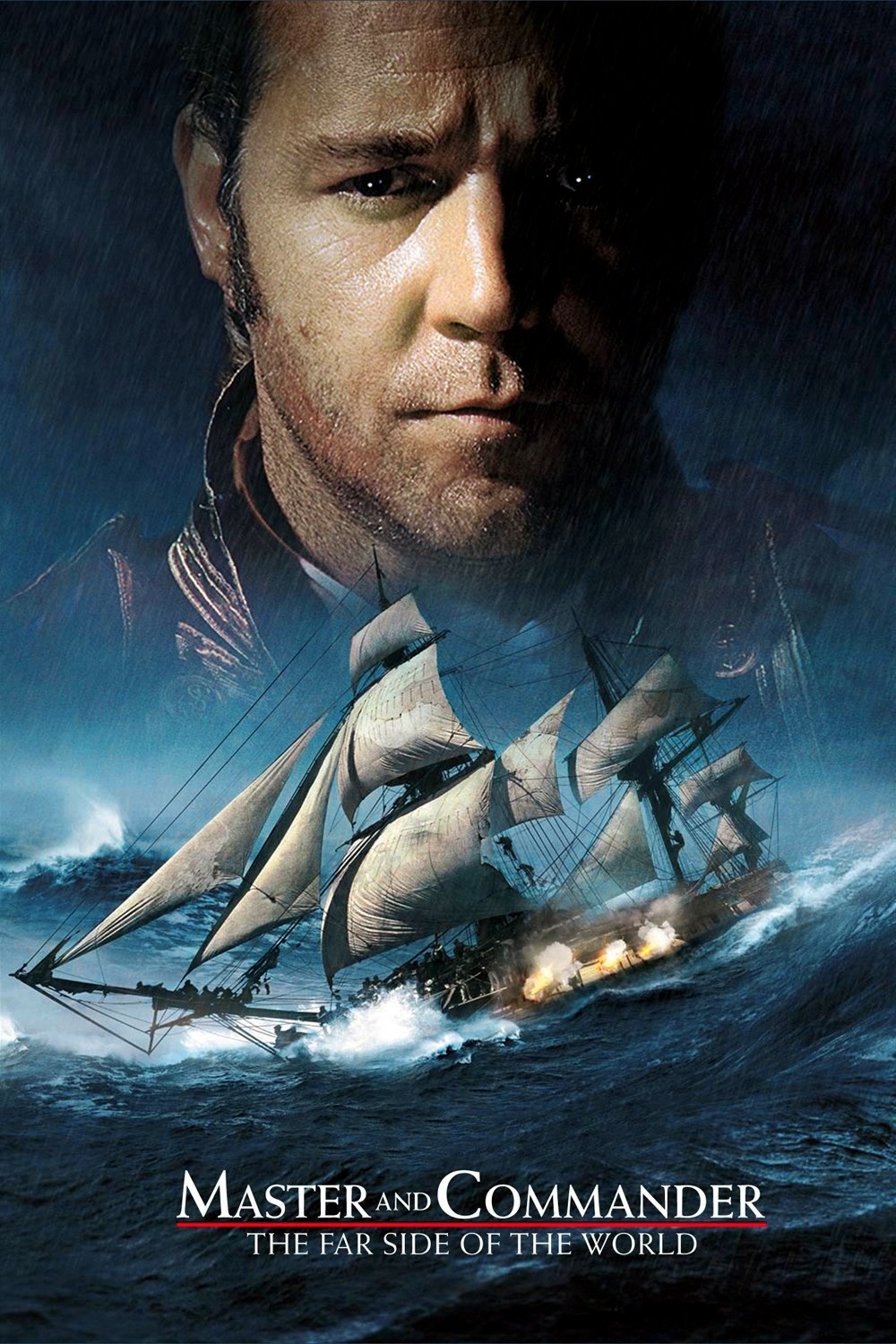
Peter Weir presents Royal Navy operations with authentic ship handling, gunnery drills, and medical practice. The narrative covers pursuit tactics, sail plans, and repairs at sea. Crew roles show how a ship of the line functioned during wartime.
‘Downfall’ (2004)
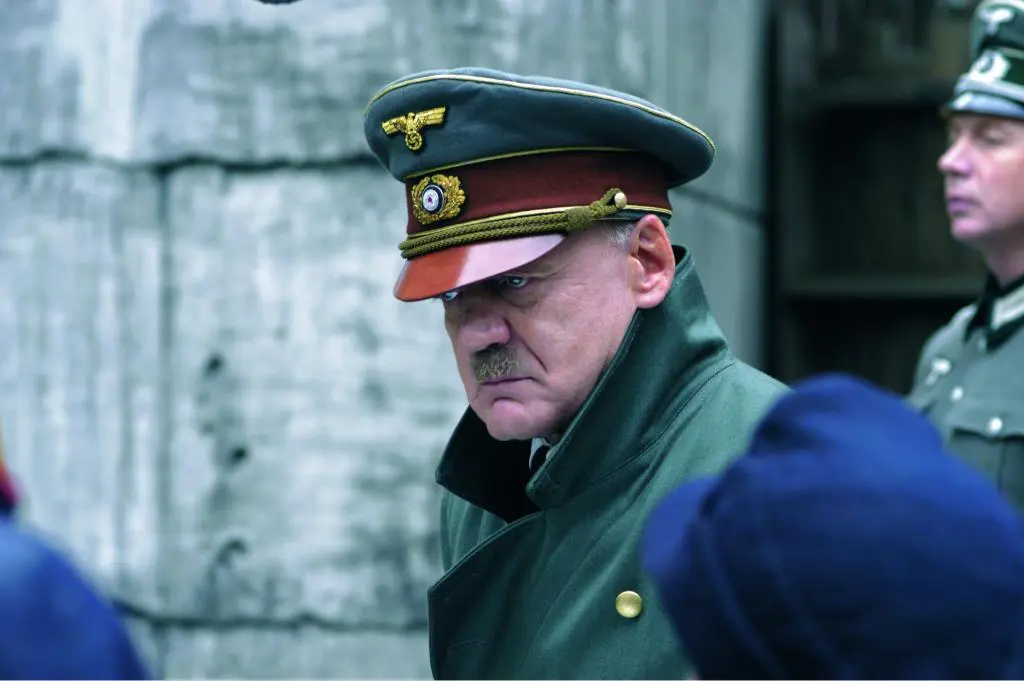
Oliver Hirschbiegel places viewers inside Berlin command bunkers during the final days of the war. It tracks staff briefings, depleted units, and attempts at breakout. The production consulted diaries and transcripts to stage orders and refusals.
‘Jarhead’ (2005)
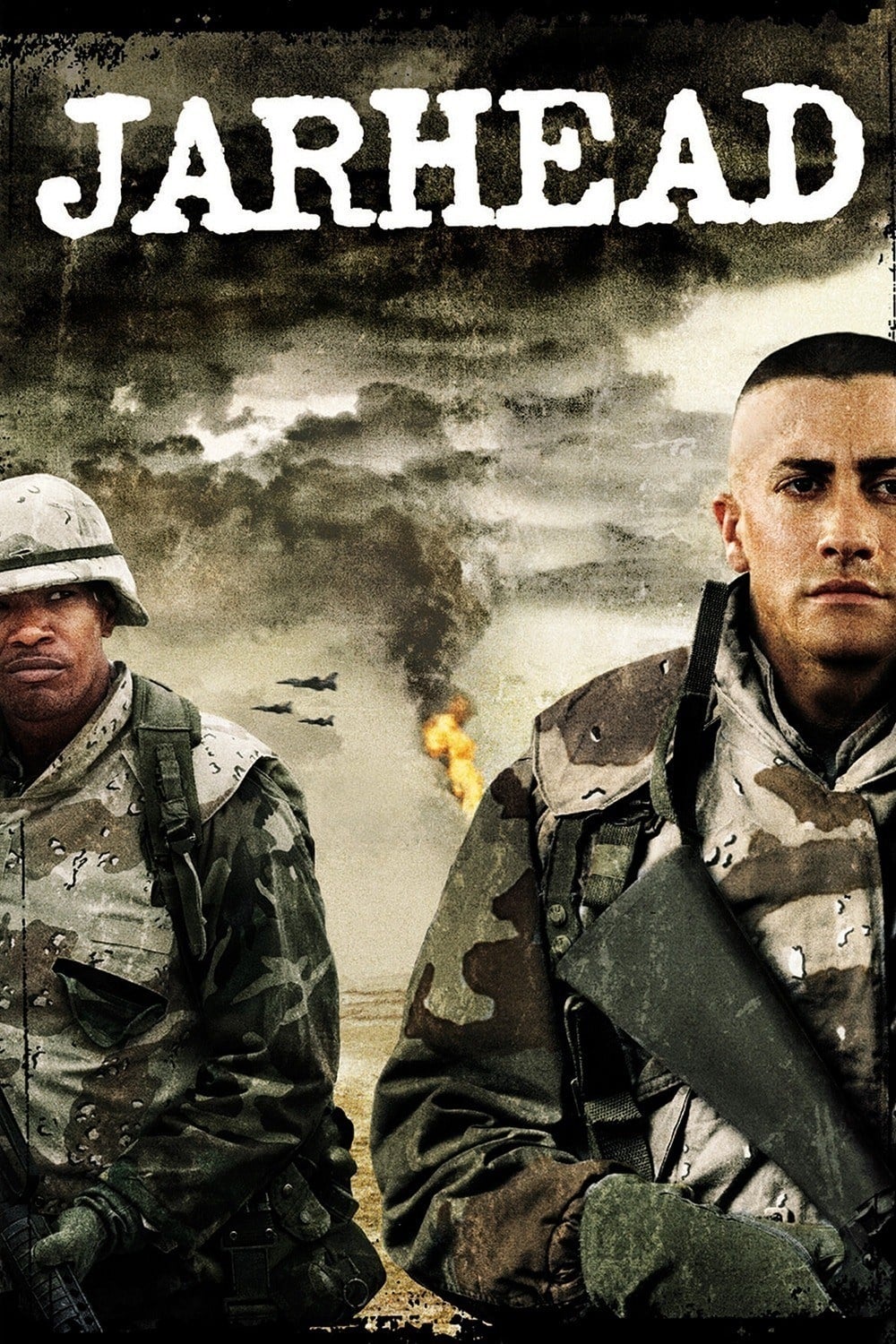
Sam Mendes follows a Marine scout sniper unit through pre deployment training and operations in the desert. The film shows fieldcraft, gear checks, and the impact of air superiority on ground missions. It also details guard duty, boredom, and readiness cycles.
‘Letters from Iwo Jima’ (2006)
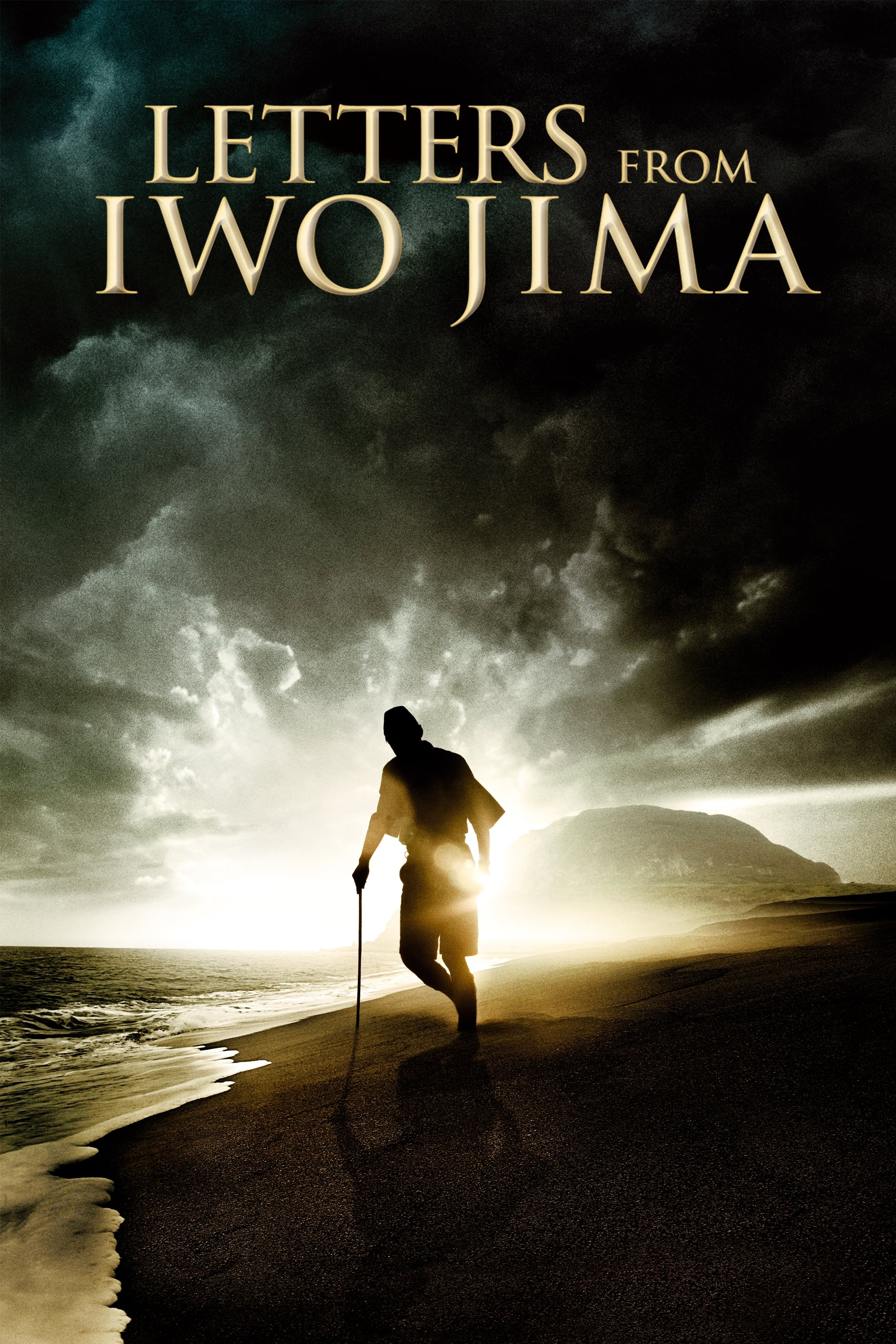
Clint Eastwood tells the battle from Japanese defenders using letters and military records. Fortifications, cave networks, and artillery siting guide their defense. The story tracks supply shortages, medical care, and command correspondence.
‘Flags of Our Fathers’ (2006)
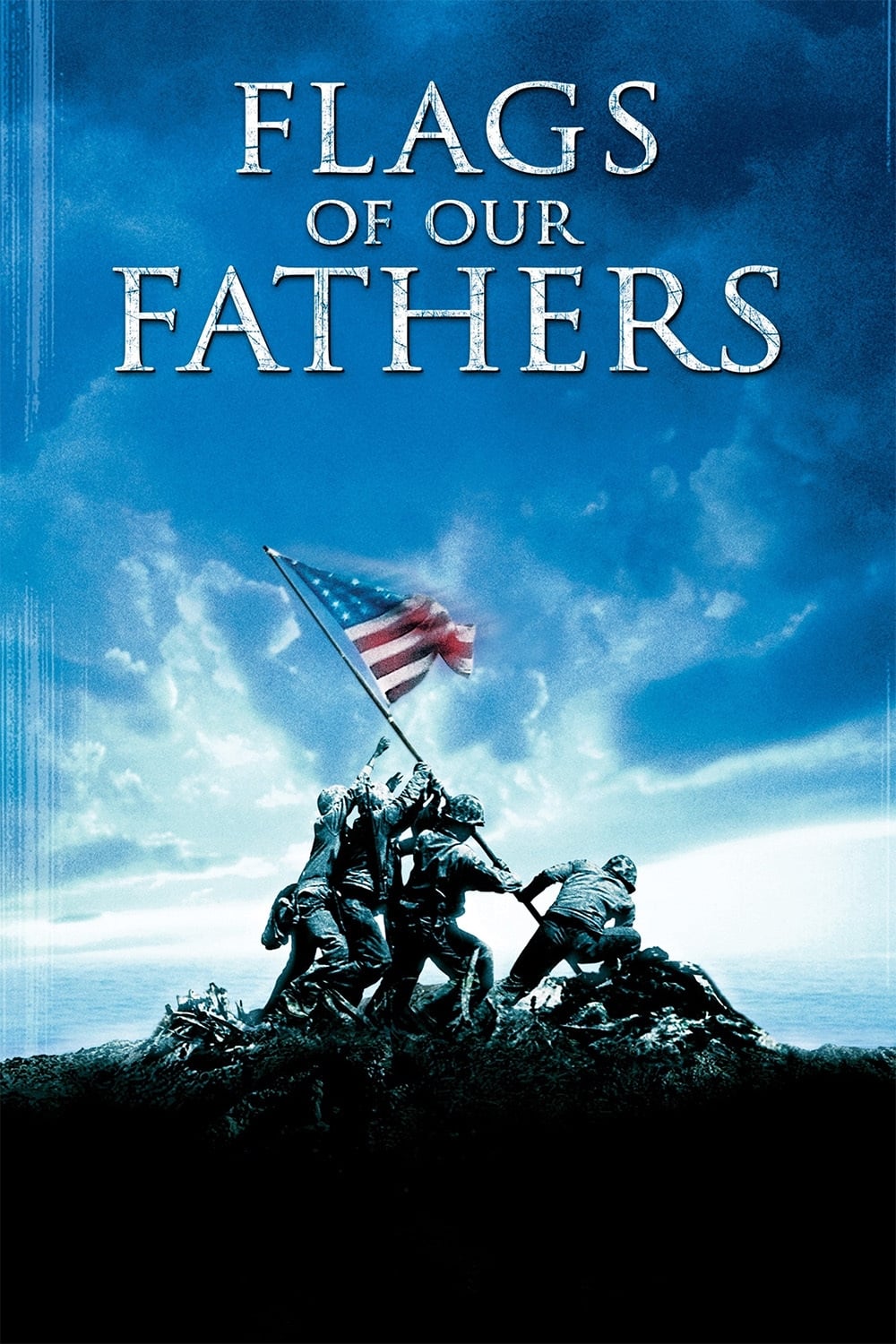
This companion film follows American units and the aftermath of the famous flag raising. It examines unit rosters, casualty lists, and stateside bond tours. Combat scenes show beachhead expansion, naval fire support, and logistics ashore.
‘The Hurt Locker’ (2008)
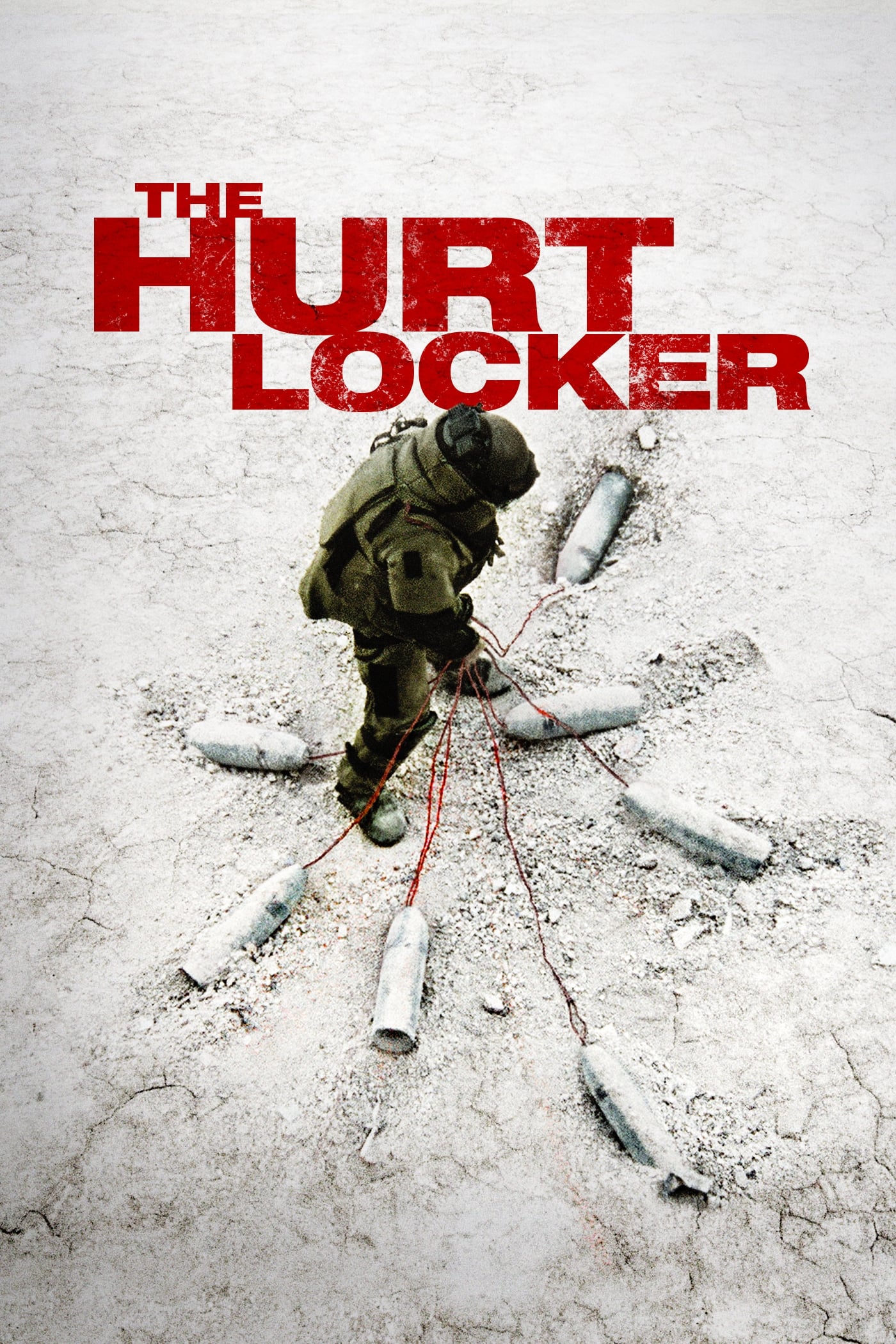
Kathryn Bigelow follows an Explosive Ordnance Disposal team with procedures for IED identification and disposal. The film details robot use, protective suits, and cordon management. It shows patrol support, overwatch, and communication with local forces.
‘Inglourious Basterds’ (2009)
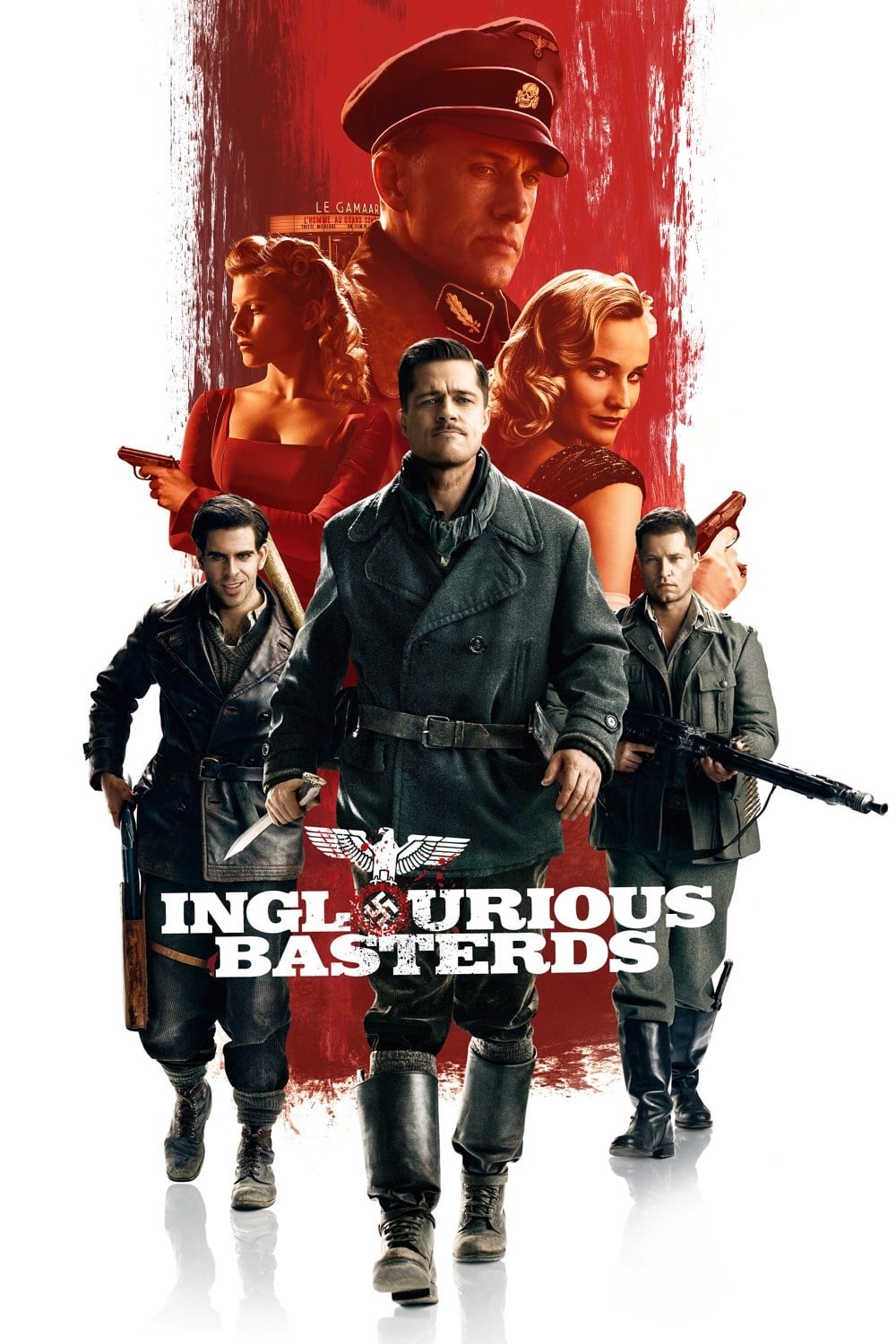
Quentin Tarantino builds operations around sabotage, language skills, and intelligence gathering. Scenes hinge on cover identities, code phrases, and the risks of small mistakes. The narrative uses cinema and propaganda as tools within the conflict.
‘Zero Dark Thirty’ (2012)

Kathryn Bigelow traces intelligence workflows leading to a high value target raid. It covers interrogation debates, data analysis, and surveillance from multiple posts. The finale shows rotorcraft ingress, breaching, and target confirmation.
‘American Sniper’ (2014)
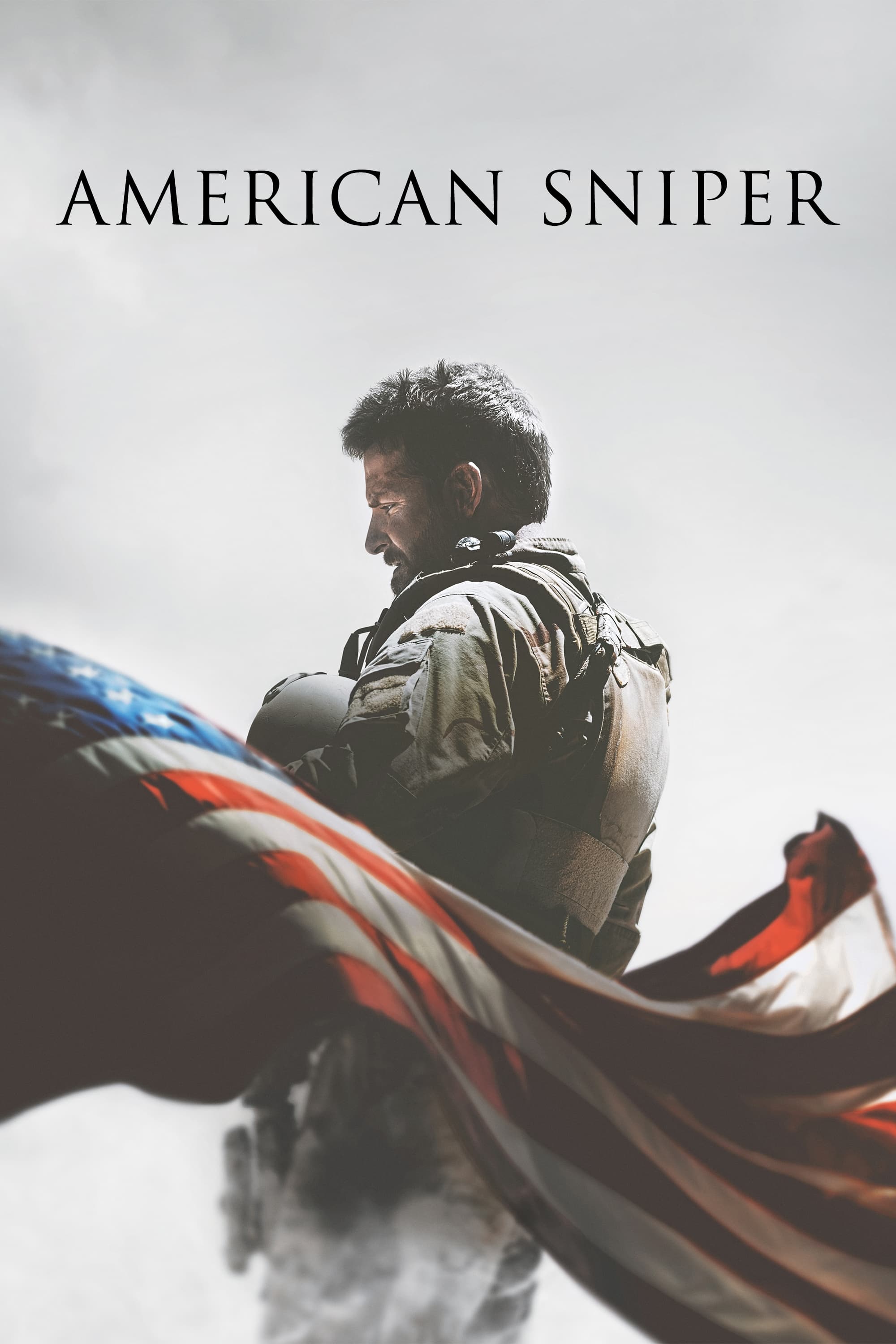
Clint Eastwood follows a Navy SEAL sniper across multiple deployments with focus on spotting and ballistics. It shows overwatch tasks for convoys and urban patrols. Gear, optics, and communication with ground units are central to each mission.
‘Hacksaw Ridge’ (2016)
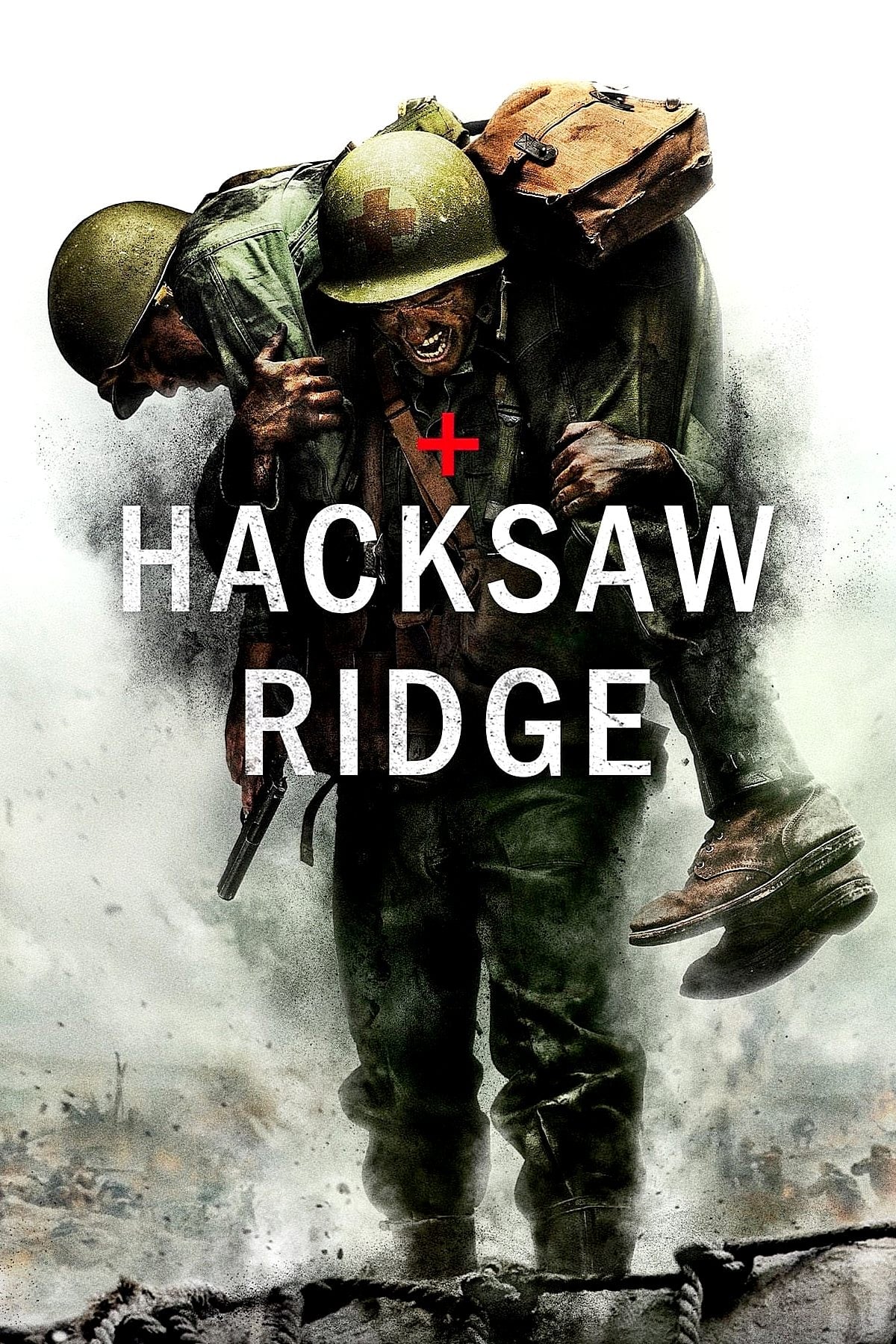
Mel Gibson recounts a combat medic’s service with procedures for triage and evacuation. The film details stretcher carries, aid station setup, and battlefield first aid. It recreates cliff scaling, rope lines, and night rescue under fire.
‘Dunkirk’ (2017)
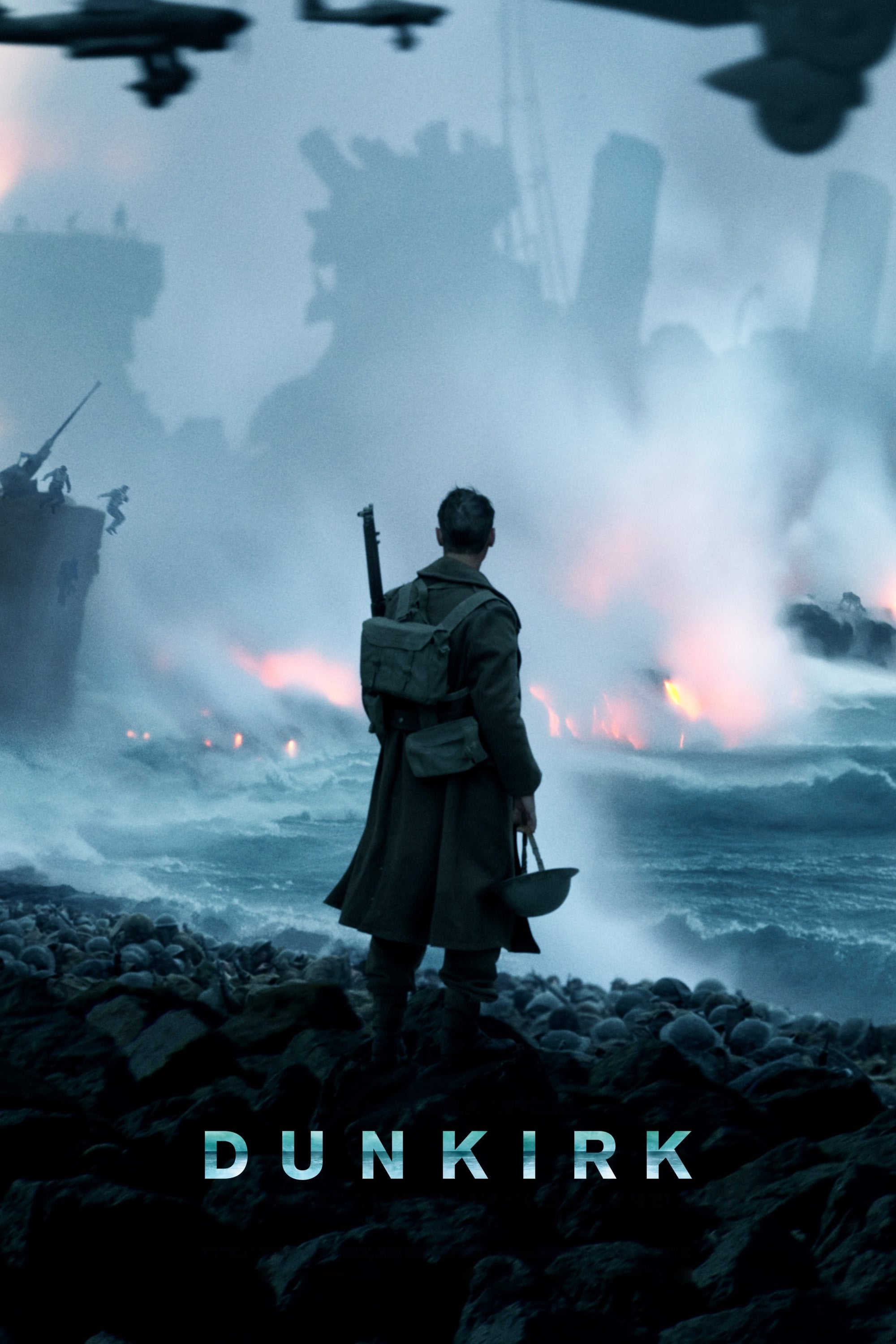
Christopher Nolan structures the evacuation by land, sea, and air with interlocking timelines. It depicts small boat mobilization, RAF fighter cover, and mole operations. Practical effects recreate aircraft maneuvers, ship sinkings, and beach crowd control.
‘1917’ (2019)
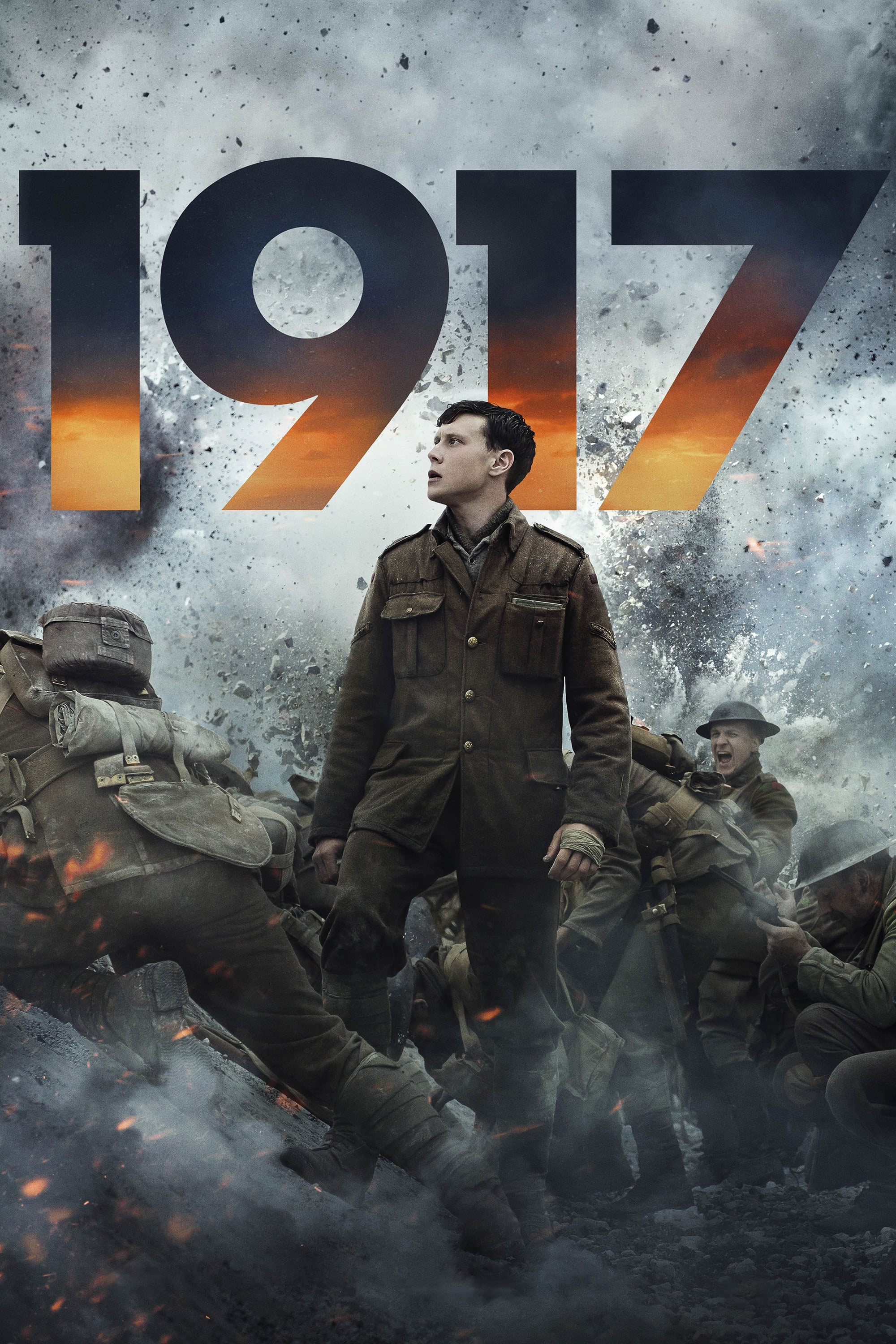
Sam Mendes follows two runners tasked with delivering orders across active lines. The production built continuous sets that match trench layouts and shell hole fields. Landmarks guide navigation as the soldiers cross sectors controlled by different units.
‘All Quiet on the Western Front’ (2022)
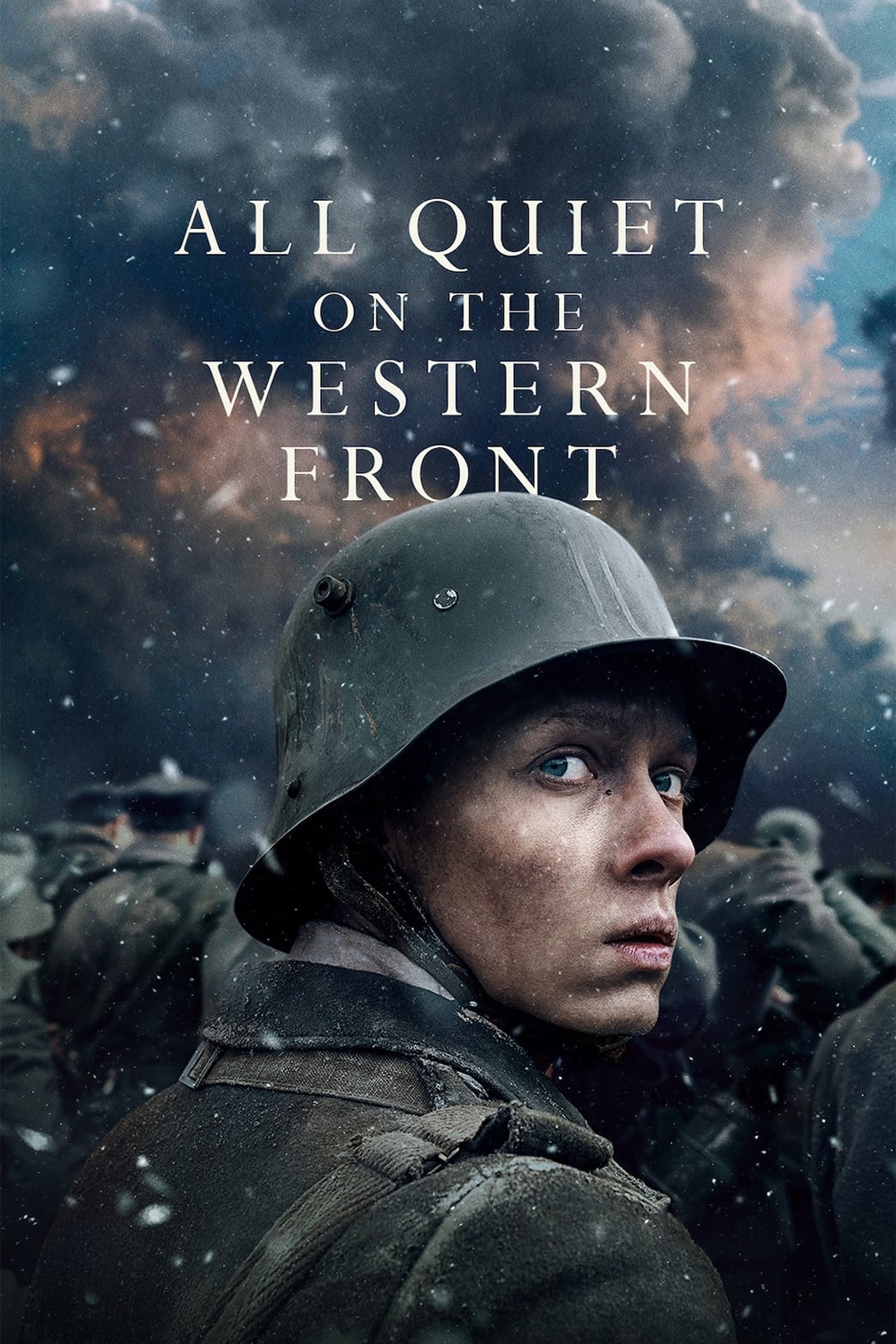
Edward Berger’s adaptation follows German infantry through late war offensives and armistice negotiations. It illustrates stormtrooper tactics, flamethrower use, and the mechanics of trench raids. The film contrasts front line routines with staff level talks away from the battlefield.
‘A Bridge Too Far’ (1977)
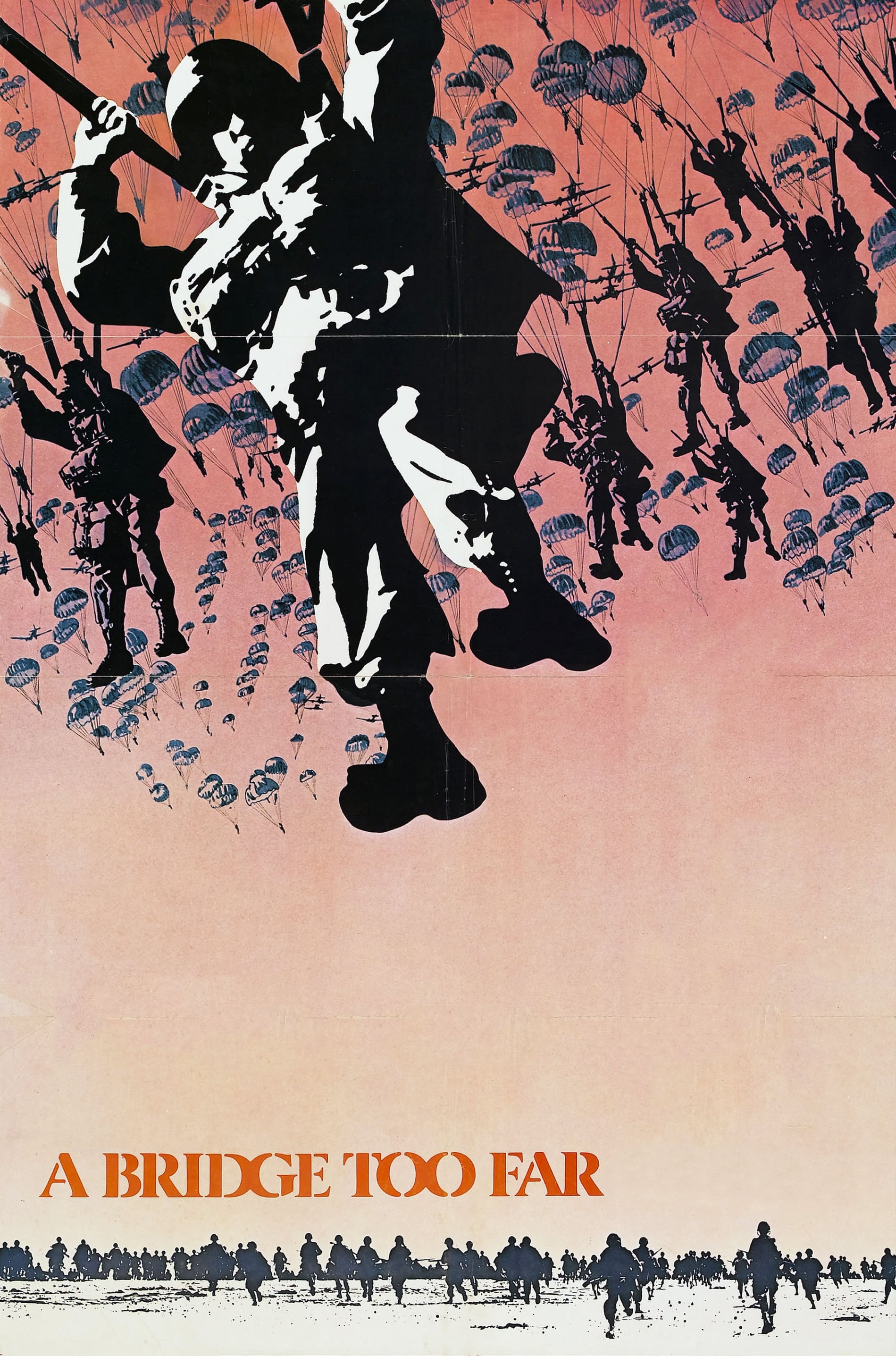
Richard Attenborough charts Operation Market Garden with airborne drops and contested bridges. The script follows multiple national commands and their objectives along a single corridor. It shows the limits of supply lines, radio communication, and armored relief timing.
‘The Great Escape’ (1963)
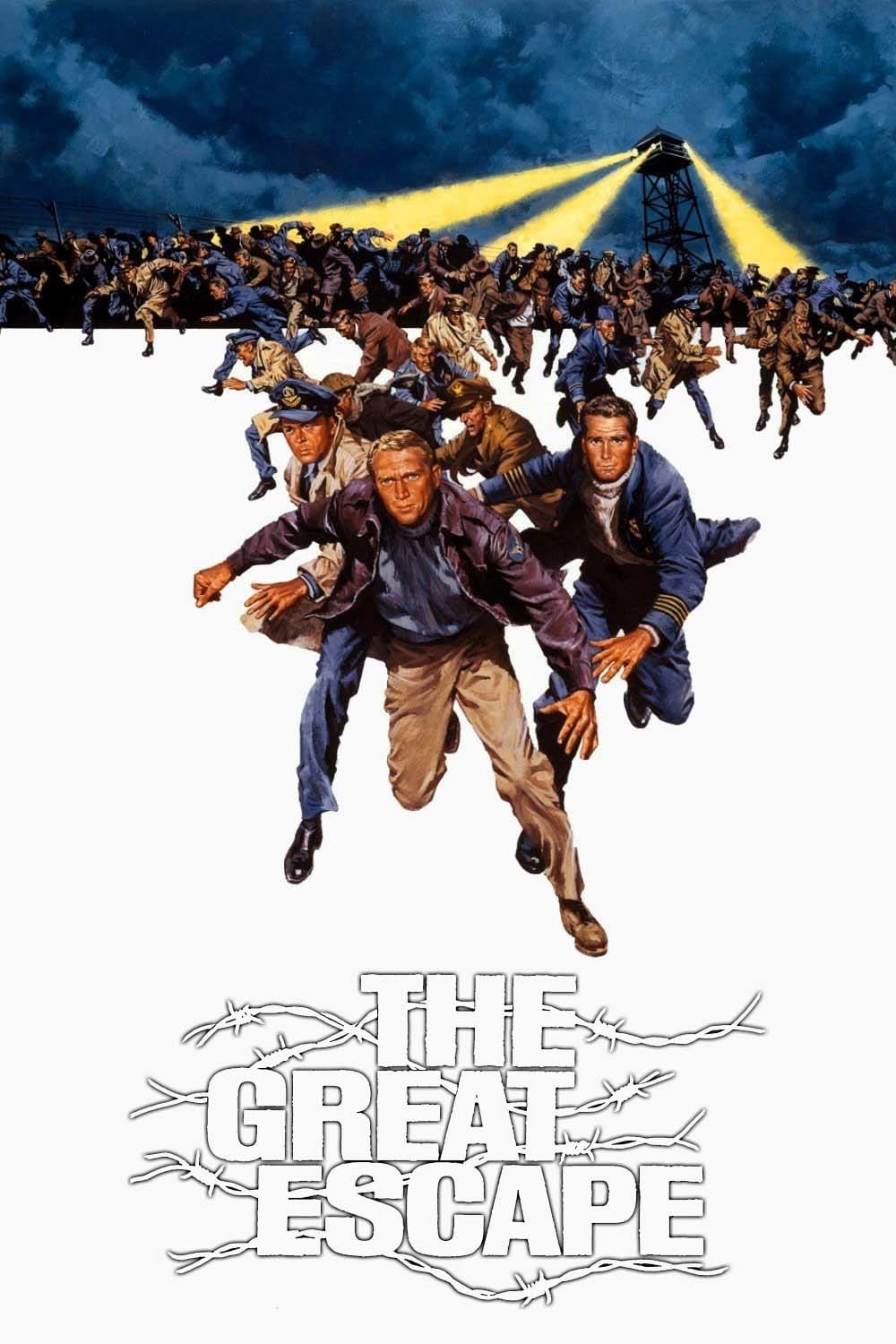
Based on camp records, this film shows prisoner organization, forged documents, and tunnel engineering. It details air pumps, soil disposal, and lookout systems. The escape phase maps routes, transport choices, and the risks at checkpoints.
Share your favorite titles from this list in the comments and tell us which ones you revisit each year.