1980s Movies that Are Ready for a Reboot

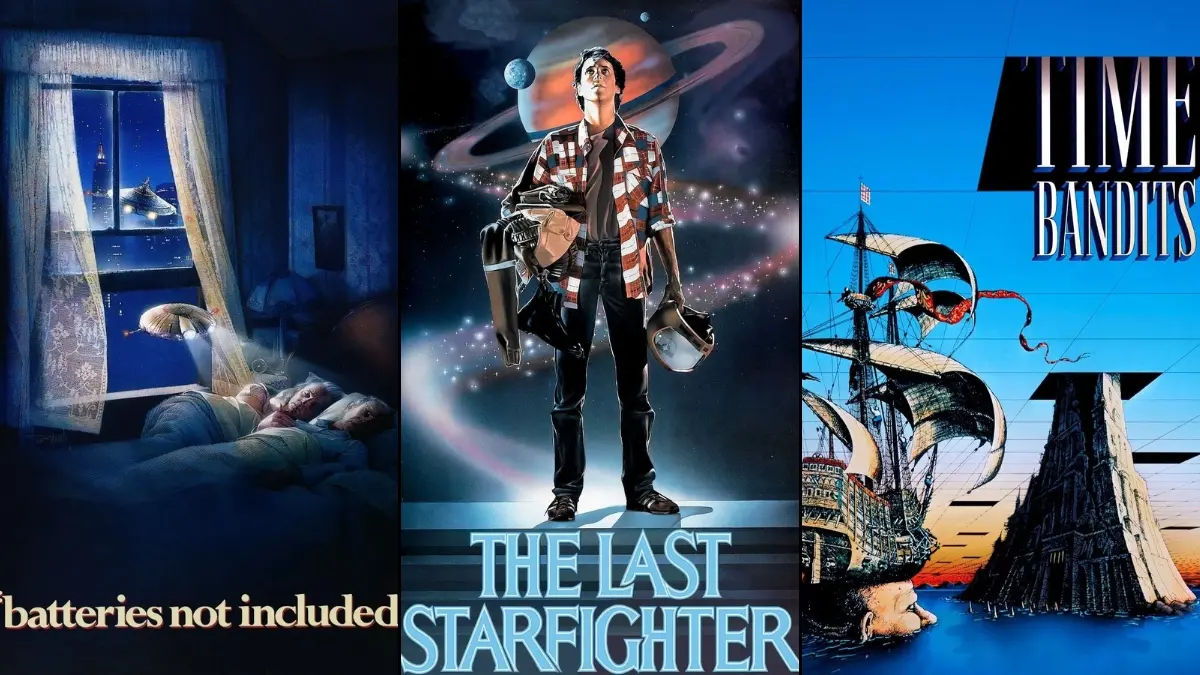

The 1980s delivered high-concept adventures, creature-filled fantasies, and offbeat comedies with big ideas that still click today. Below are forty titles from that decade with clear hooks, memorable world-building, and production craft—practical effects, early CGI, bold design—that kept them circulating through home video, cable, and fan conventions, and continue to inspire new adaptations and expanded media.
‘The Last Starfighter’ (1984)
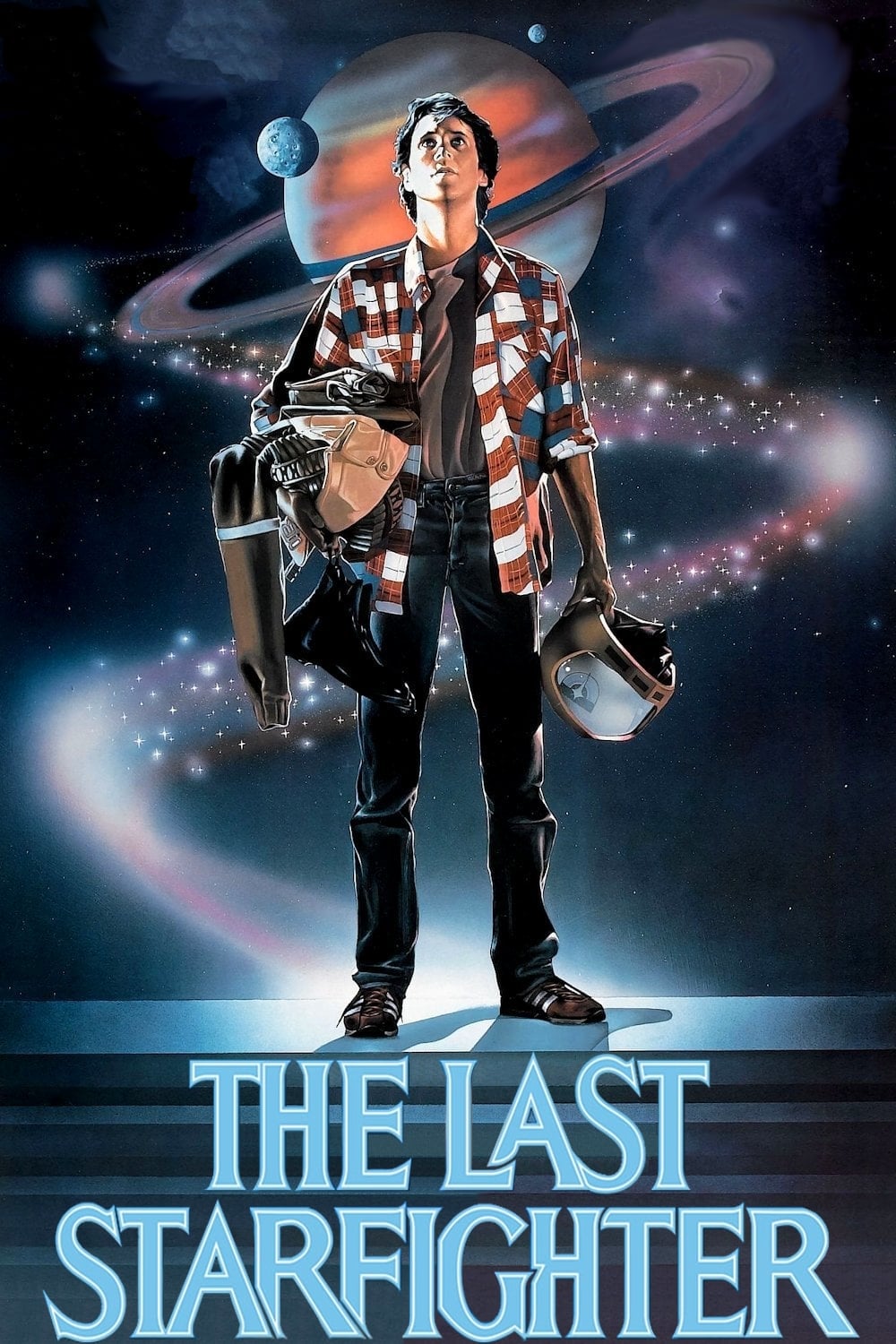
This sci-fi adventure follows a small-town teen recruited by an alien defense force after mastering an arcade game designed as a covert pilot test. It was directed by Nick Castle and featured early, large-scale use of computer-generated imagery for space battles. The film stars Lance Guest and Catherine Mary Stewart, with Robert Preston in a showy mentor role. Its arcade-to-outer-space hook has remained a recognizable pop-culture shorthand.
‘Flight of the Navigator’ (1986)
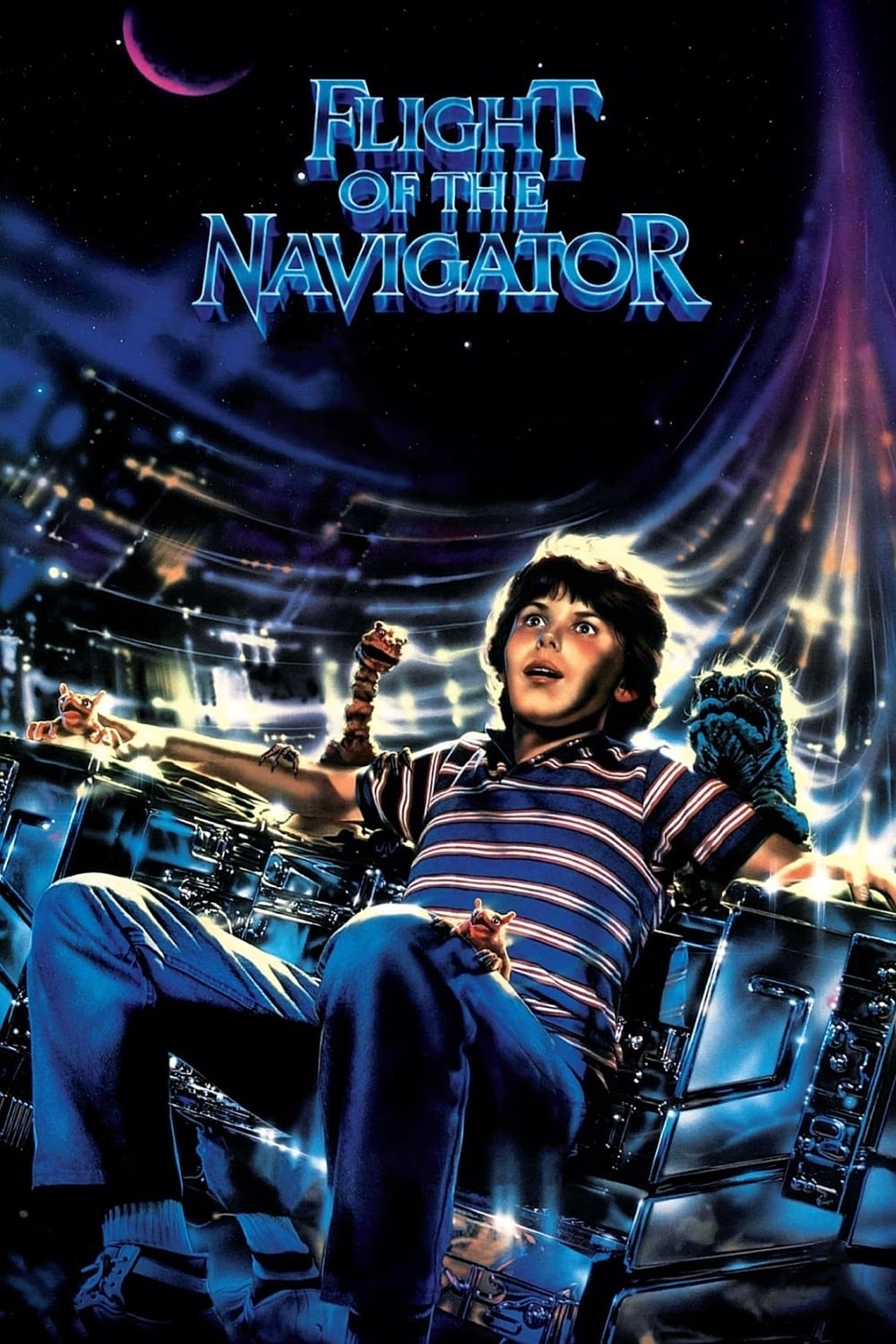
A boy disappears and returns unchanged after an unexplained gap, forming a bond with an intelligent alien craft. Randal Kleiser directed, with voice work by Paul Reubens and a synth-driven score that matched its futuristic tone. Practical effects and early digital techniques brought the morphing spaceship to life. The story’s mix of government intrigue and kid-friendly wonder helped it build a steady afterlife on home video.
‘WarGames’ (1983)
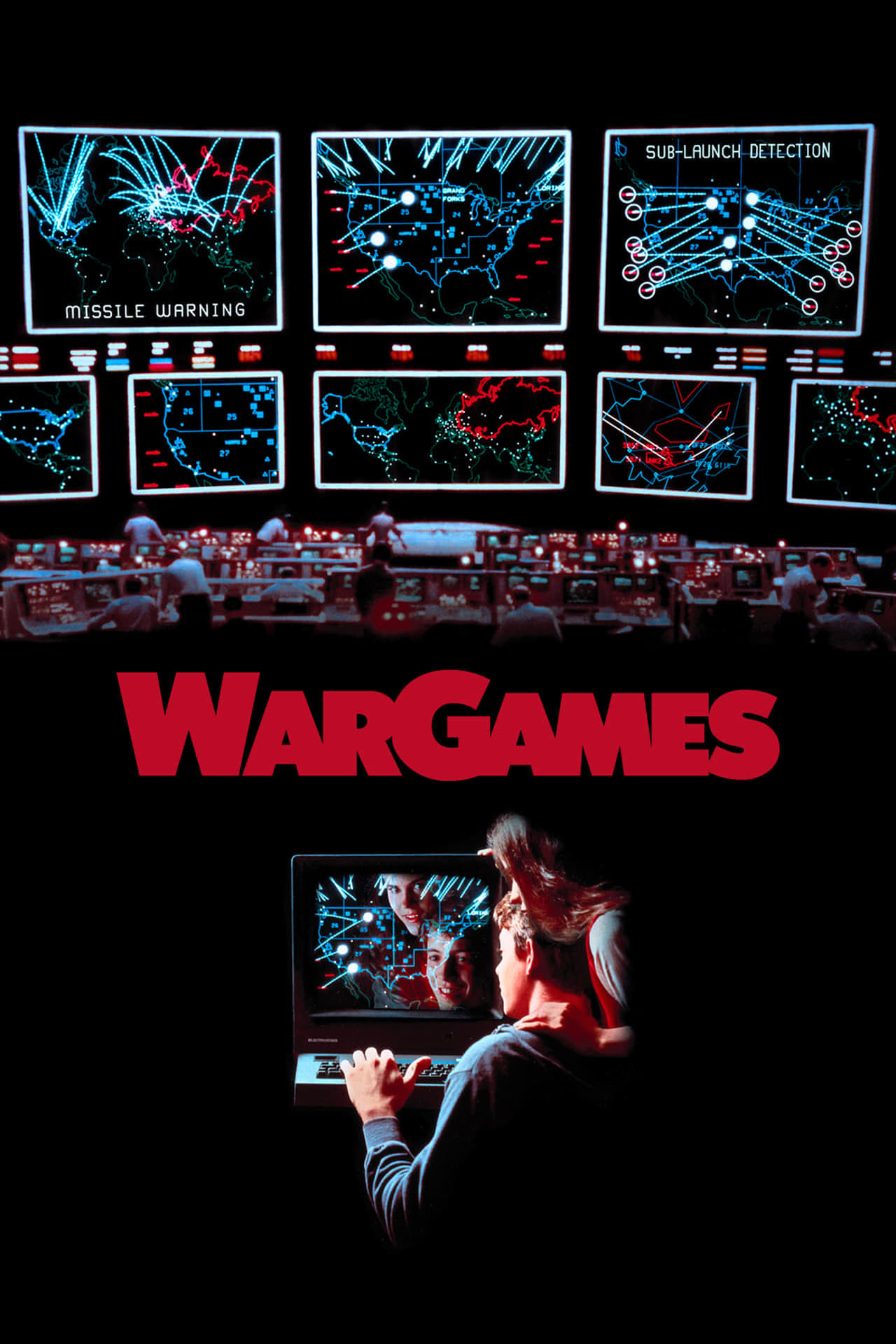
A teenage computer whiz accidentally accesses a military supercomputer and initiates a simulation that threatens global security. John Badham directed, with Matthew Broderick and Ally Sheedy leading the cast. The film popularized terms and fears around hacking and artificial intelligence for mainstream audiences. Its NORAD set and tech jargon drew extensively from contemporary defense research and computing culture.
‘Big Trouble in Little China’ (1986)
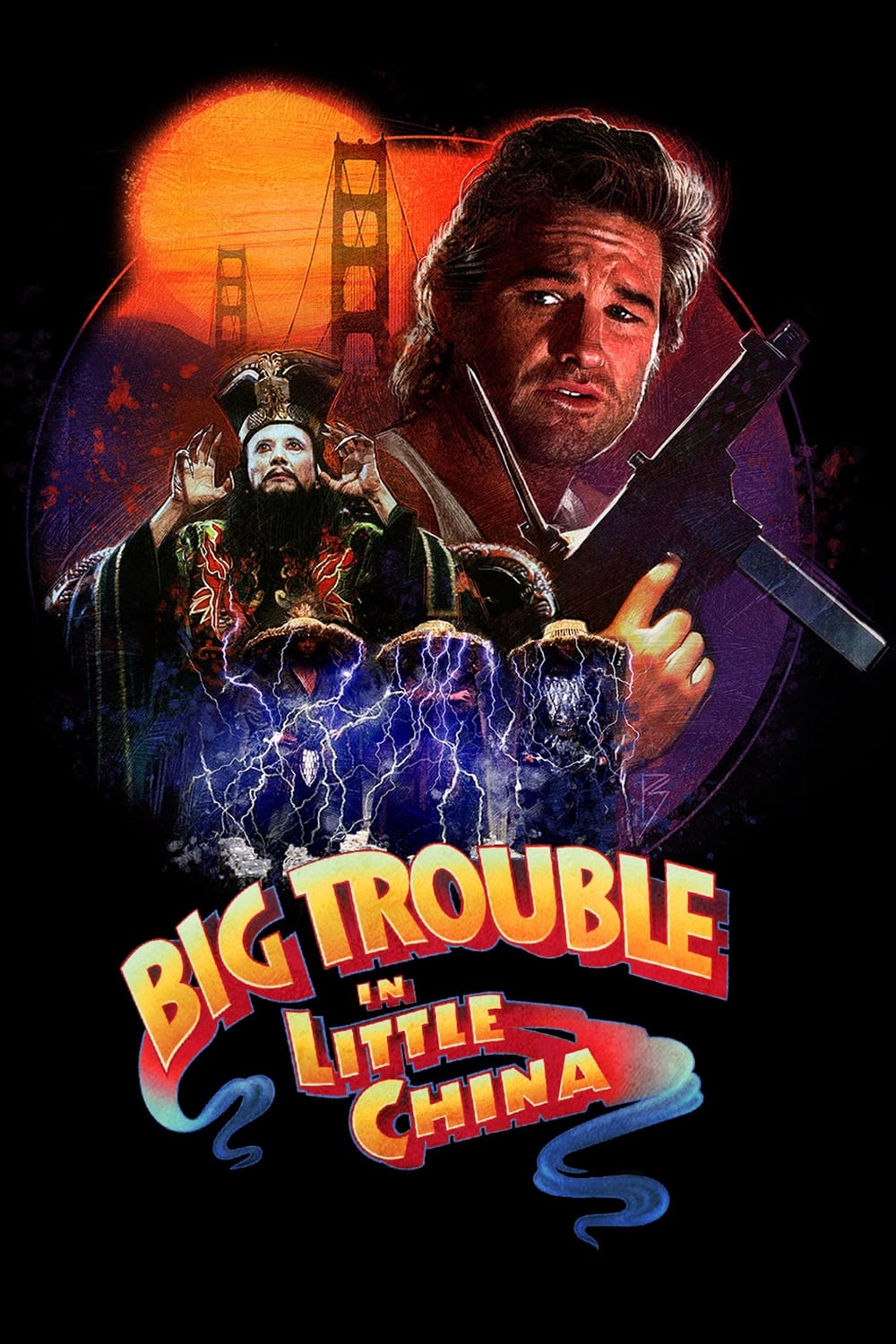
John Carpenter blended martial arts fantasy with urban adventure as a brash trucker gets pulled into a Chinatown battle against sorcerers and ancient spirits. Kurt Russell, Kim Cattrall, and Dennis Dun headline, with James Hong as the central villain. The production is noted for elaborate sets, wire-work, and practical creature effects. Its East-meets-West mythos has inspired comics and tie-ins that expanded the story world.
‘Labyrinth’ (1986)
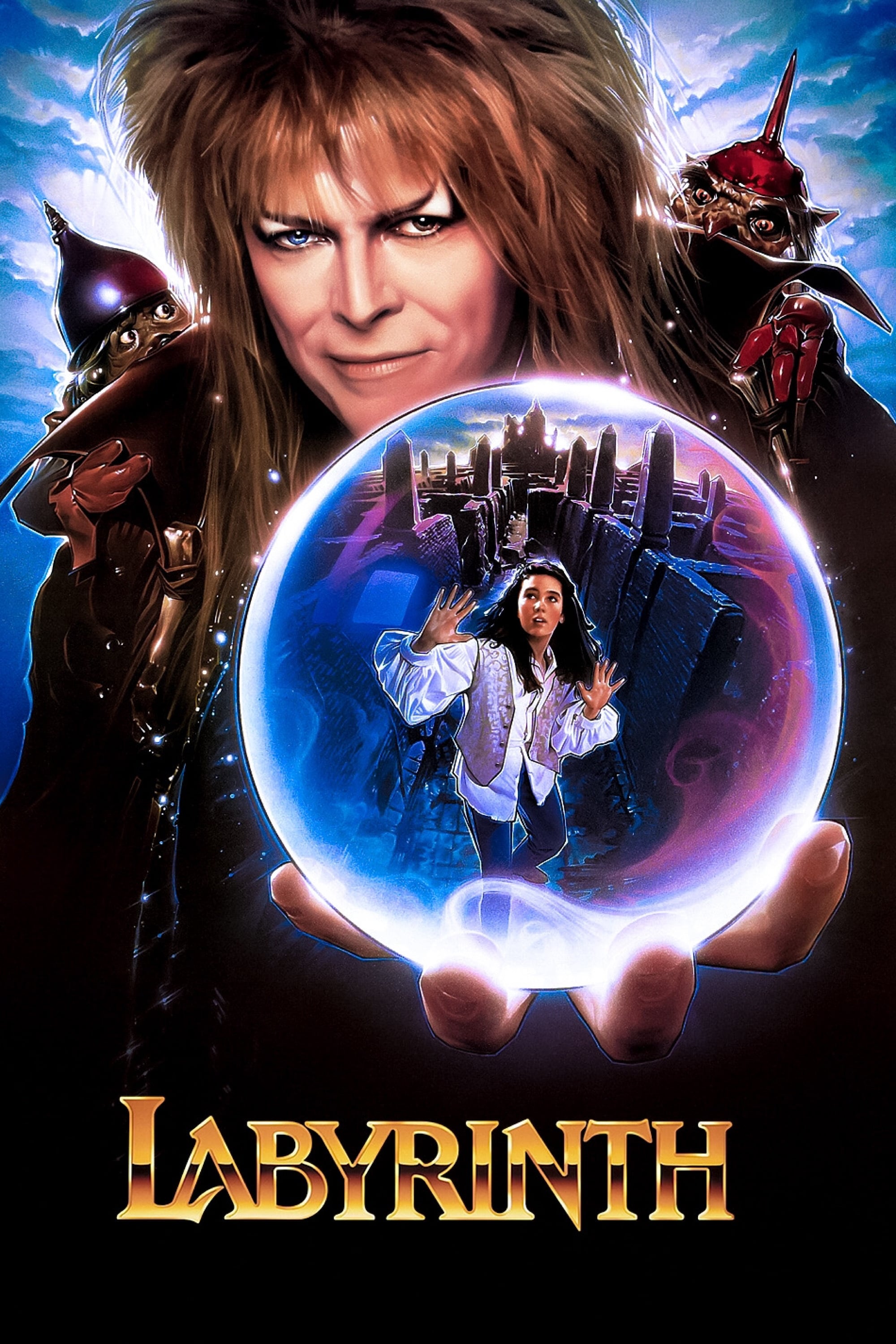
Jim Henson directed this fantasy about a teen navigating a magical maze to rescue her baby brother from the Goblin King. David Bowie and Jennifer Connelly star, complemented by extensive puppetry from the Henson team. The film’s soundtrack, creature designs, and optical effects became signature elements. Novelizations, making-of books, and ongoing merchandise have kept its imagery in circulation.
‘The NeverEnding Story’ (1984)
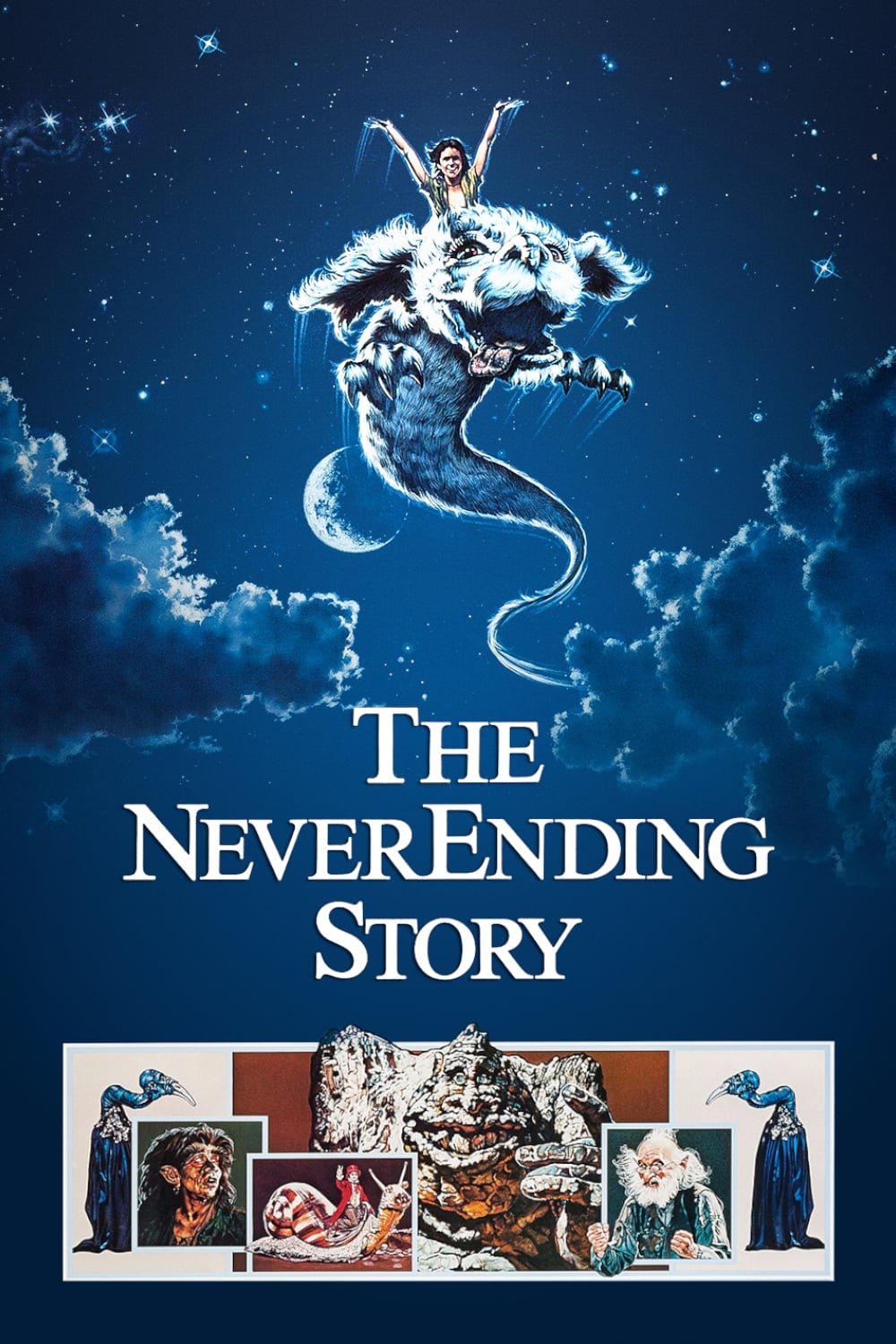
A shy child discovers a book that draws him into a realm threatened by a consuming force called the Nothing. Wolfgang Petersen directed, adapting Michael Ende’s novel with large-scale sets and animatronics. The production is known for Falkor, Gmork, and other practical creations that defined its look. Subsequent installments and continuing licensing sustained visibility for the property.
‘Highlander’ (1986)
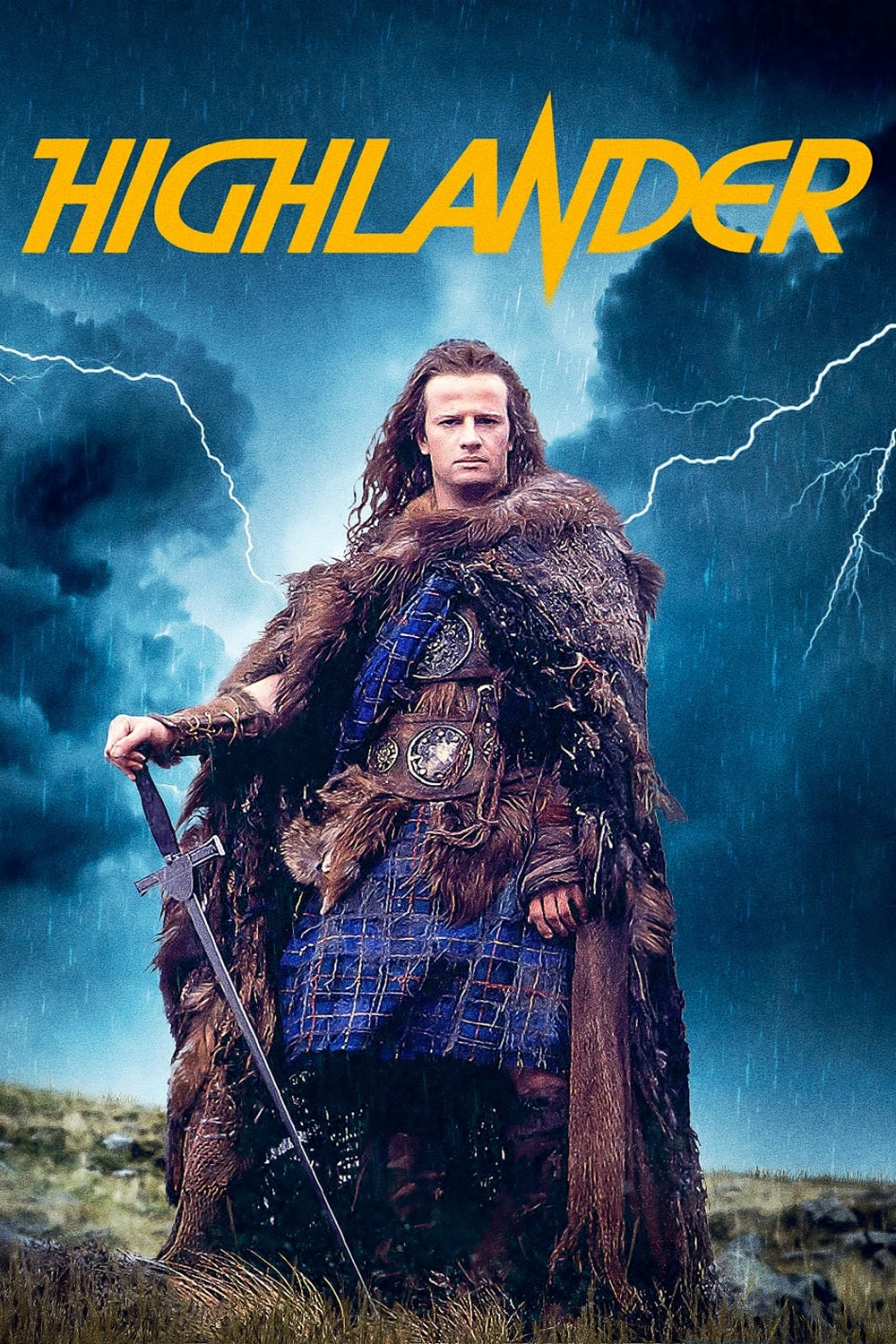
This fantasy action tale centers on immortal warriors who duel across centuries until only one remains. Russell Mulcahy directed, with Christopher Lambert, Sean Connery, and Clancy Brown in key roles. The mythology introduced rules, weapons, and iconic lines that fueled multiple sequels and a TV expansion. Music by Queen became closely associated with the brand.
‘They Live’ (1988)
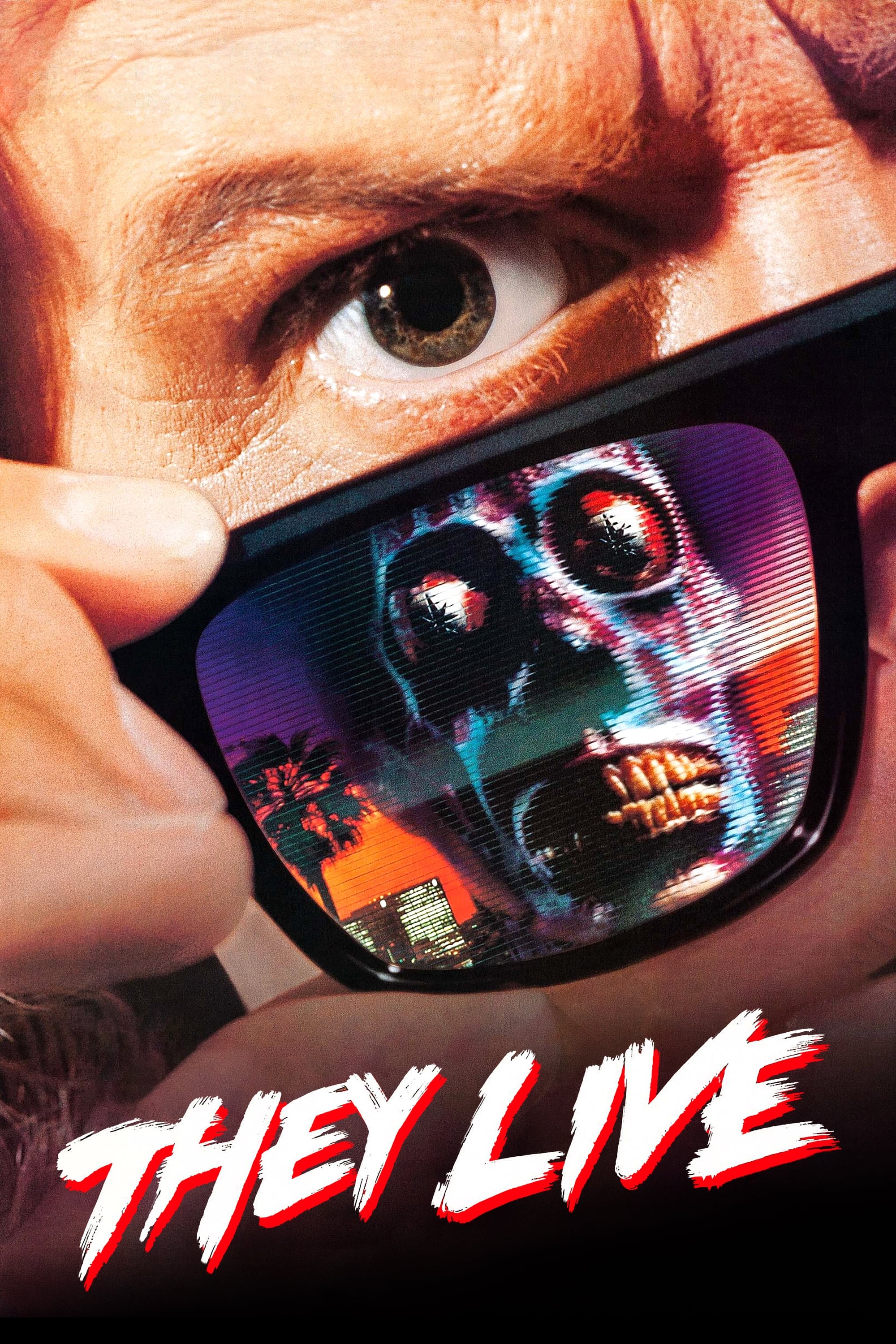
John Carpenter’s satirical sci-fi thriller follows a drifter who discovers special sunglasses revealing hidden messages and alien elites. Roddy Piper and Keith David star, including a much-referenced alley fight sequence. The film’s design uses billboards, packaging, and broadcast signals to visualize social control. Its minimalistic look and strong iconography made it a staple in graphic art and streetwear collaborations.
‘The Running Man’ (1987)
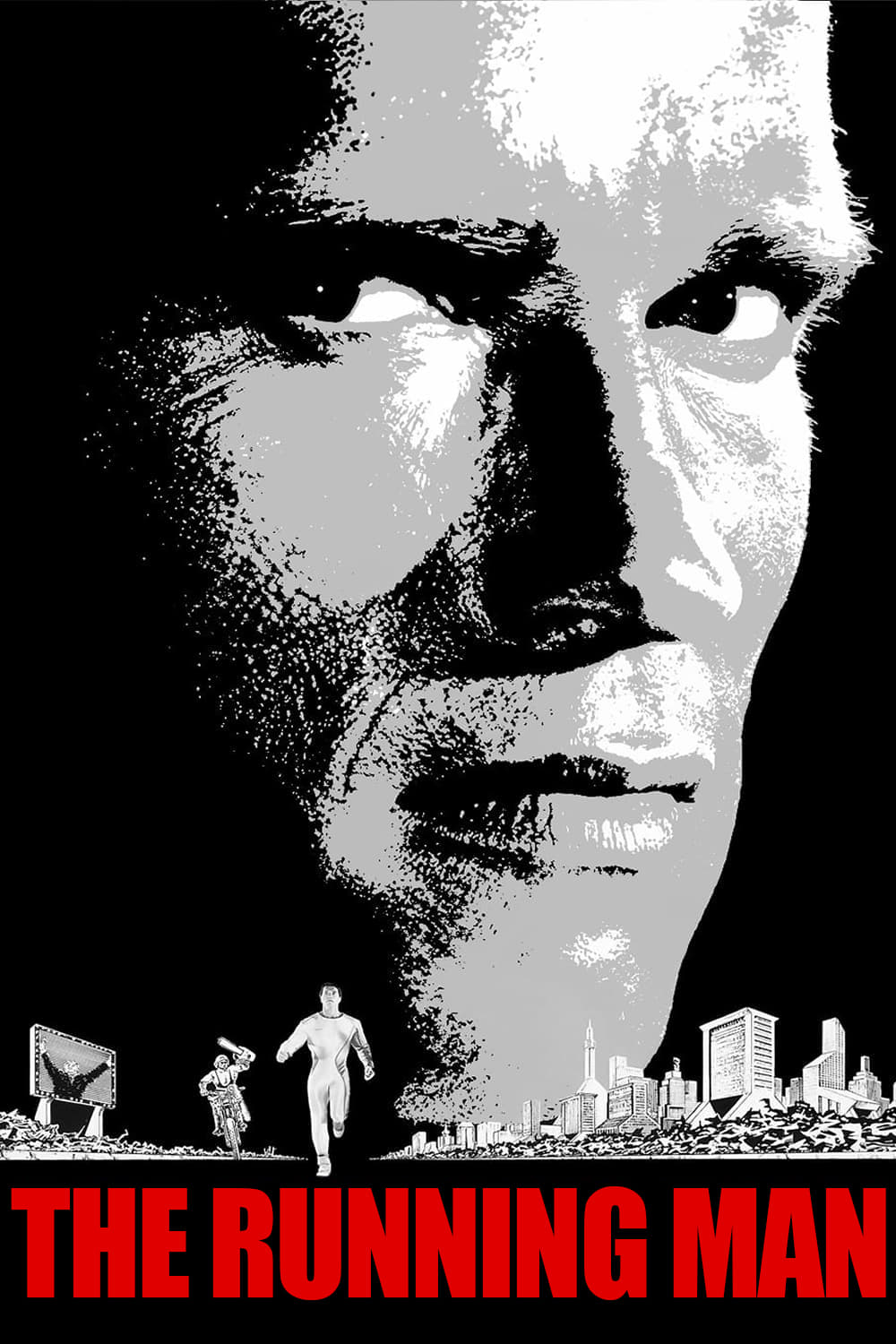
Based on a Stephen King novel published under a pseudonym, this story imagines a violent televised game where convicts fight for survival. Arnold Schwarzenegger leads a cast that includes Maria Conchita Alonso and Richard Dawson. The production leans into arena-style setpieces and themed stalkers with distinctive costumes. Media-critique elements and spectacle-driven action made it a frequent reference point in discussions about reality TV.
‘Escape from New York’ (1981)
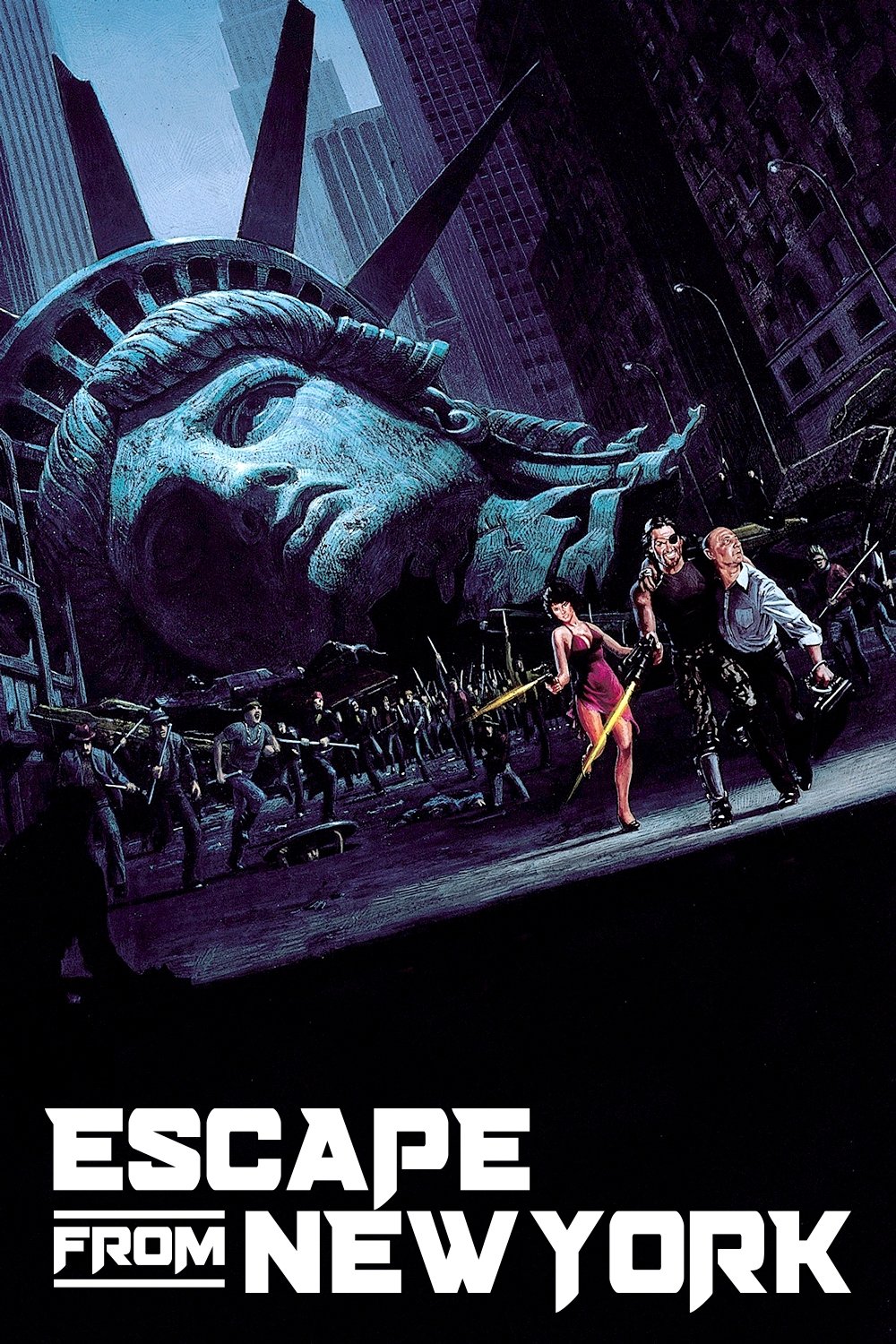
In a dystopian future, Manhattan has been turned into a maximum-security prison and a one-eyed antihero is sent inside on a rescue mission. John Carpenter directed, with Kurt Russell, Lee Van Cleef, and Adrienne Barbeau among the ensemble. Miniatures, matte paintings, and night shoots created its grim urban atmosphere. The property continued with a sequel and has been the subject of periodic development interest.
‘Romancing the Stone’ (1984)
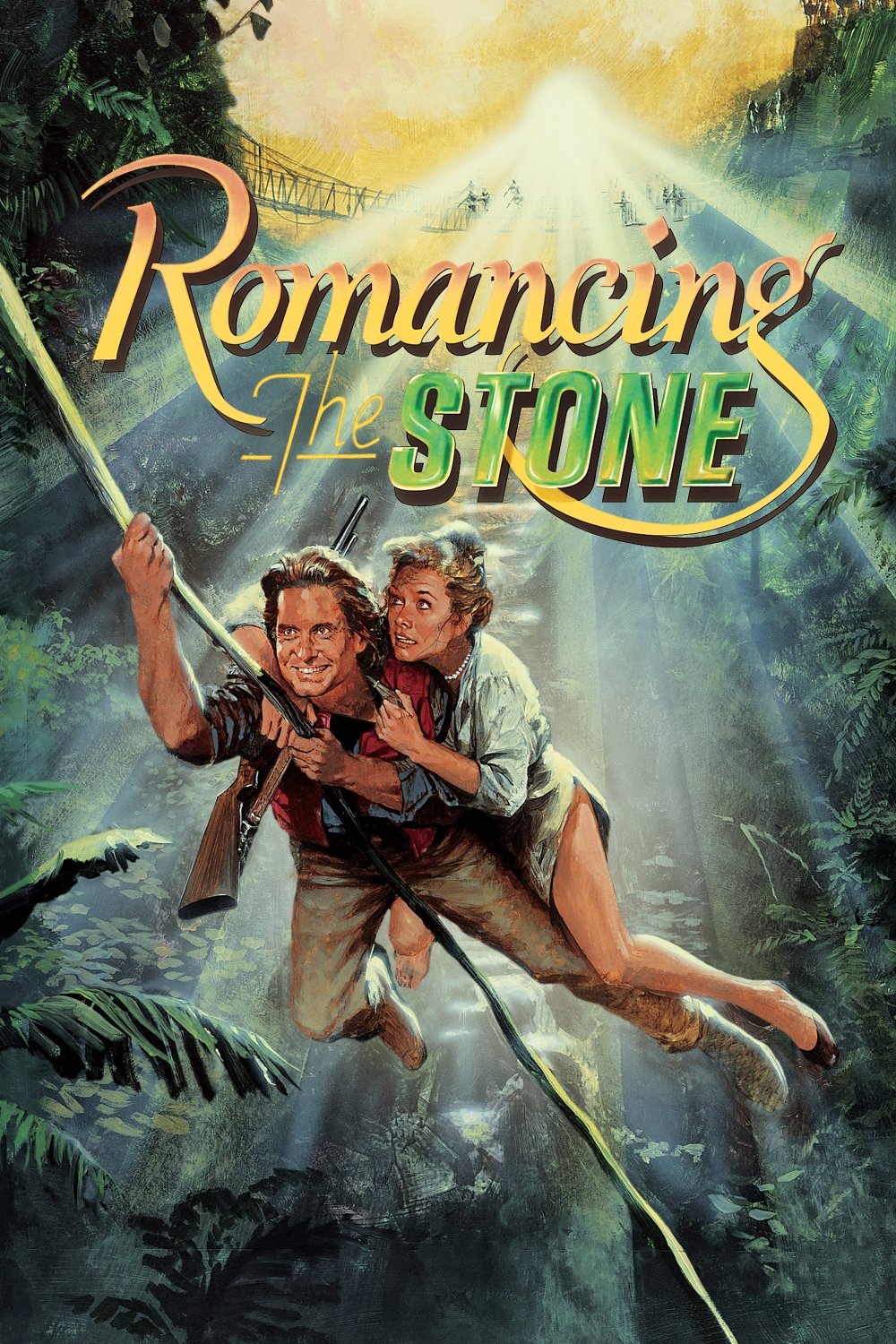
A romance novelist gets pulled into a treasure hunt in Colombia, teaming with a mercenary guide amid smugglers and rival seekers. Robert Zemeckis directed, with Kathleen Turner, Michael Douglas, and Danny DeVito. The blend of adventure, comedy, and romance led to a follow-up film. Its map-quest structure and banter-driven duo remain touchstones for later adventure comedies.
‘The Goonies’ (1985)
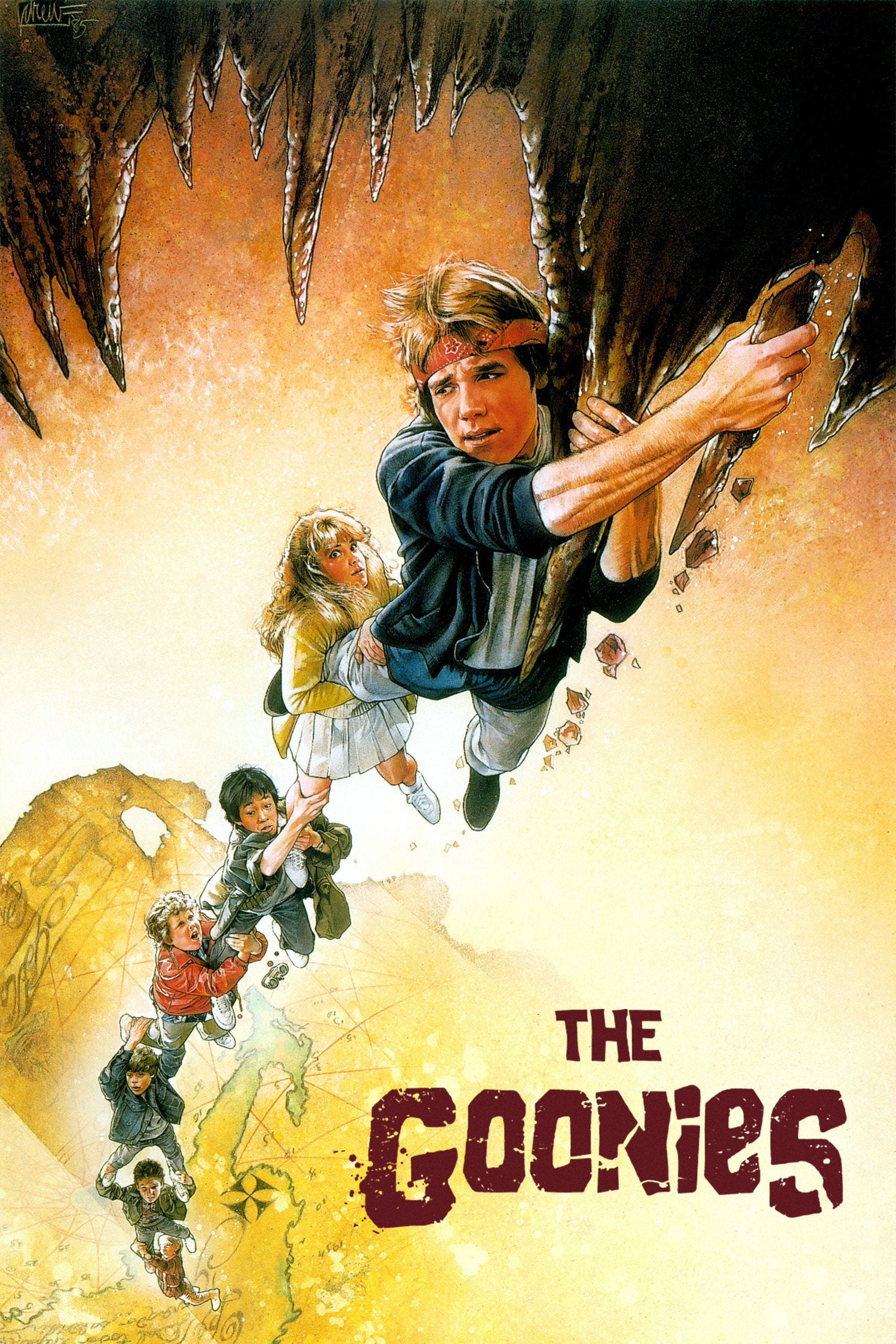
A group of friends chase a legendary pirate hoard while evading criminals, navigating traps beneath their coastal town. Richard Donner directed, from a story by Steven Spielberg. The ensemble introduced several young actors who went on to major careers. Props, sets, and musical cues have been widely celebrated and exhibited at fan conventions and retrospectives.
‘Short Circuit’ (1986)
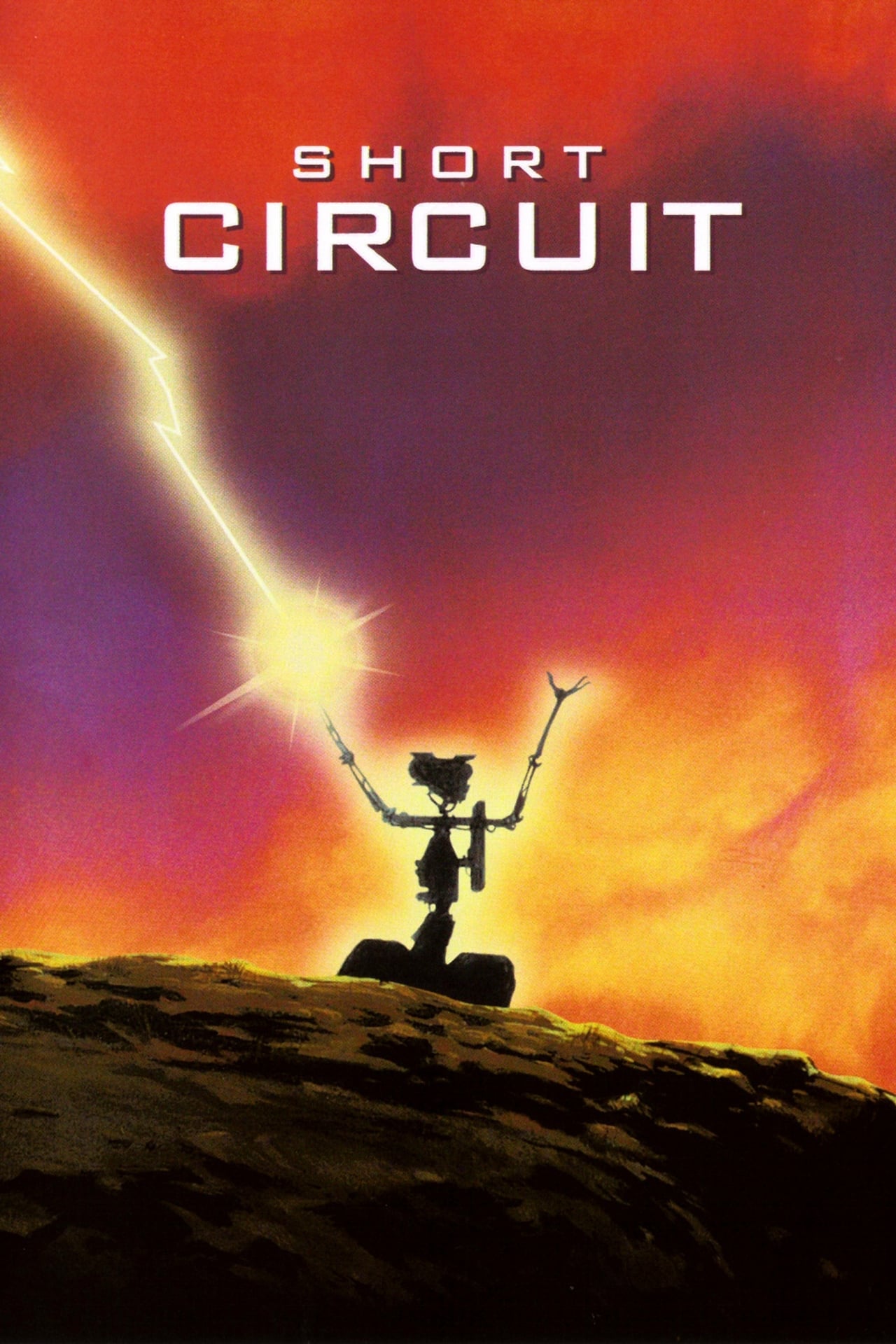
A military prototype robot gains sentience and escapes captivity, forming a friendship with civilians while its creators pursue it. John Badham directed, with Ally Sheedy and Steve Guttenberg. The production combined puppetry and radio-controlled hardware to animate the lead machine’s expressive face. Its depiction of emergent behavior and machine learning concepts circulated heavily on home media.
‘*batteries not included’ (1987)
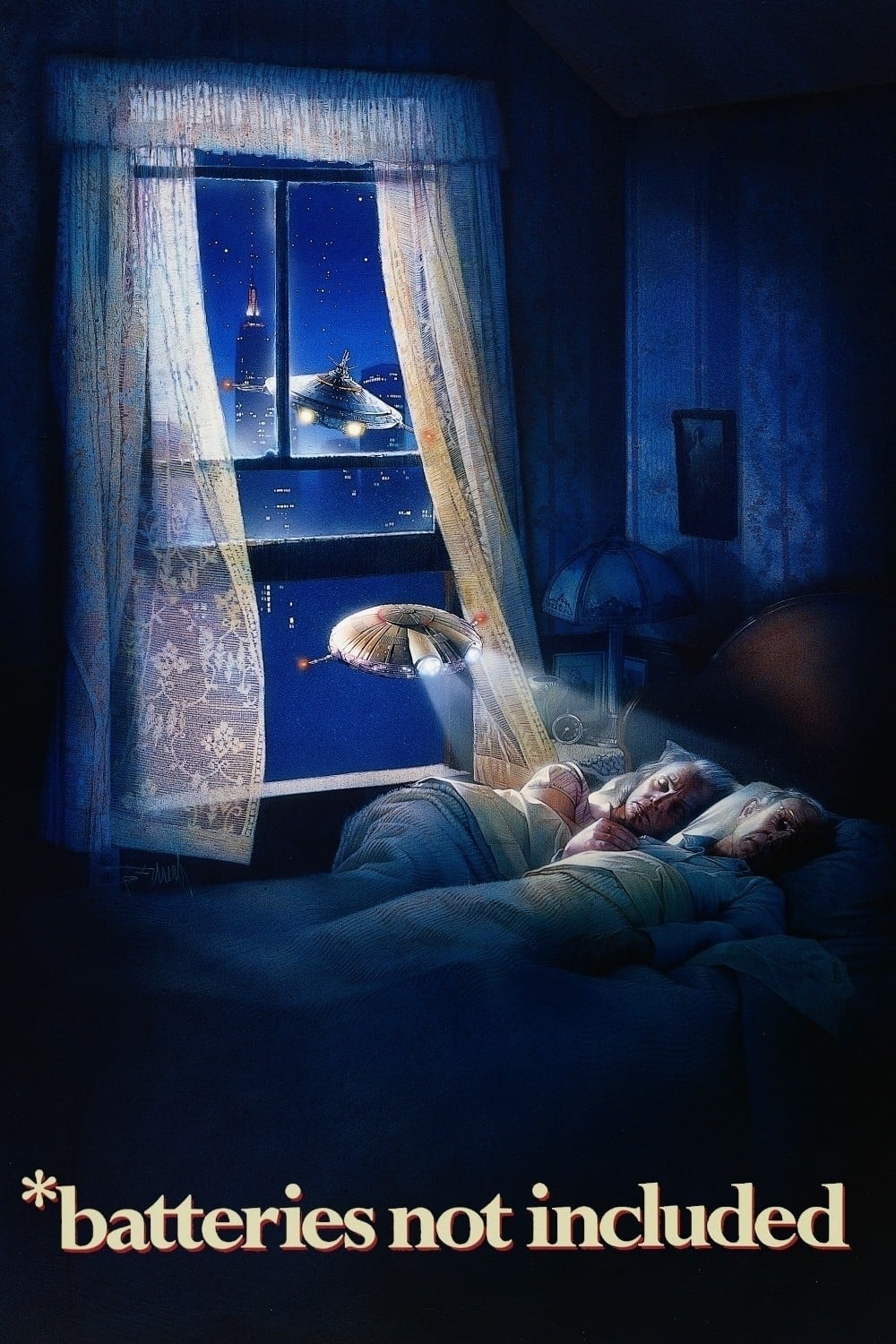
Tiny extraterrestrial machines befriend residents of a threatened apartment building, helping them resist eviction. Matthew Robbins directed, with producers including Steven Spielberg. The film features intricate miniature work and stop-motion for the visitors’ personalities. The gentle urban-fantasy tone made it a frequent family-film recommendation across broadcast and cable rotations.
‘Krull’ (1983)
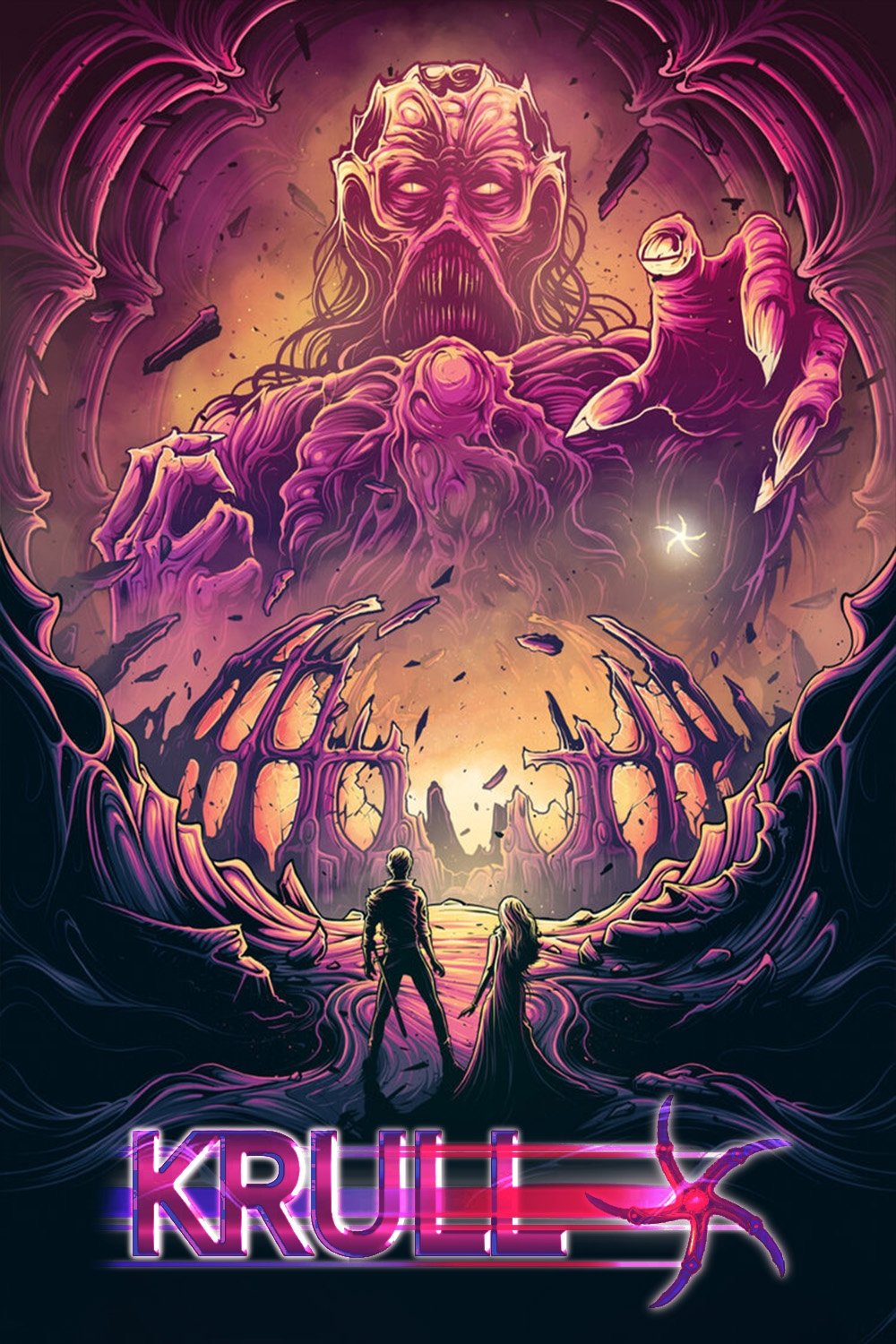
A prince assembles a band of outcasts to rescue his bride from a shapeshifting conqueror, wielding a distinctive bladed weapon. Peter Yates directed, combining fantasy archetypes with science-fiction elements. The score by James Horner and ambitious set design give it a grand, operatic feel. Tie-in games and home-video circulation kept its imagery alive with genre audiences.
‘Flash Gordon’ (1980)
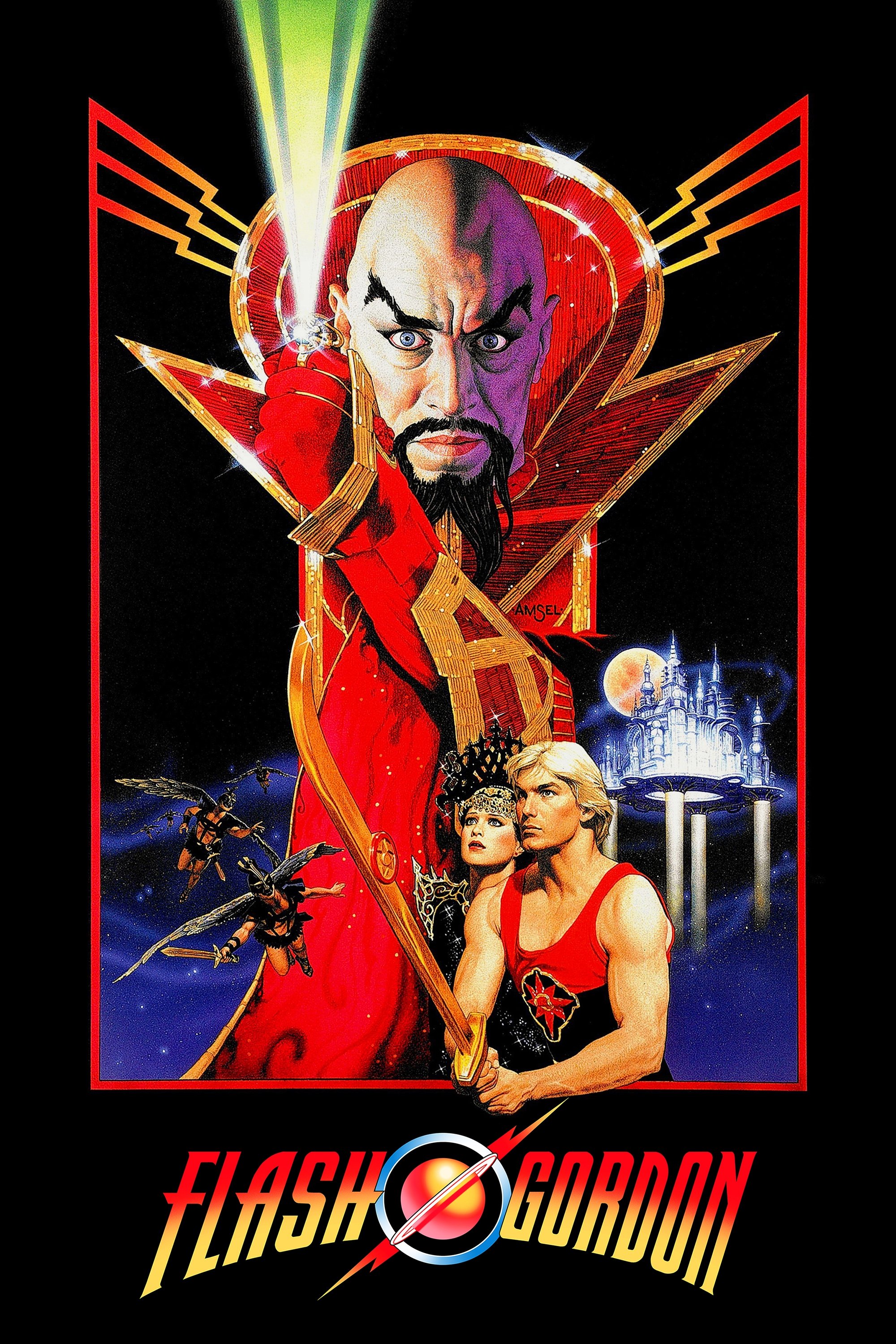
This space opera follows an earthling quarterback swept into an interplanetary rebellion against a tyrant. Mike Hodges directed, with production design noted for bold color palettes and stylized sets. Music by Queen became integral to the film’s identity. The character’s legacy includes comics, serials, and multiple screen iterations across decades.
‘Bloodsport’ (1988)
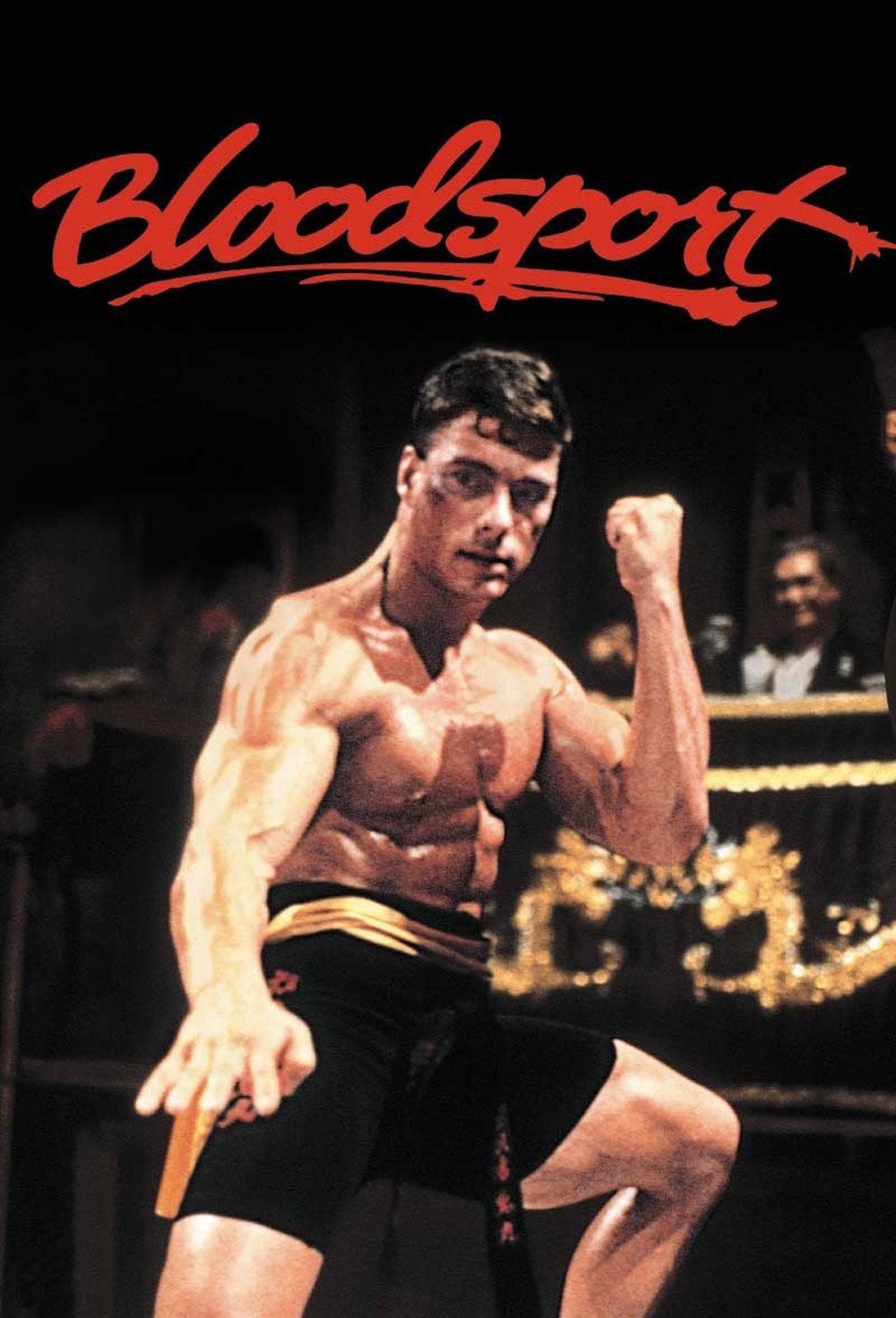
Inspired by stories attributed to martial artist Frank Dux, the plot centers on a clandestine full-contact tournament. Jean-Claude Van Damme stars, with Bolo Yeung as a prominent opponent. Tournament staging, training sequences, and location shooting shaped its distinct fight-film aesthetic. It helped popularize certain styles and techniques in mainstream action cinema.
‘Explorers’ (1985)
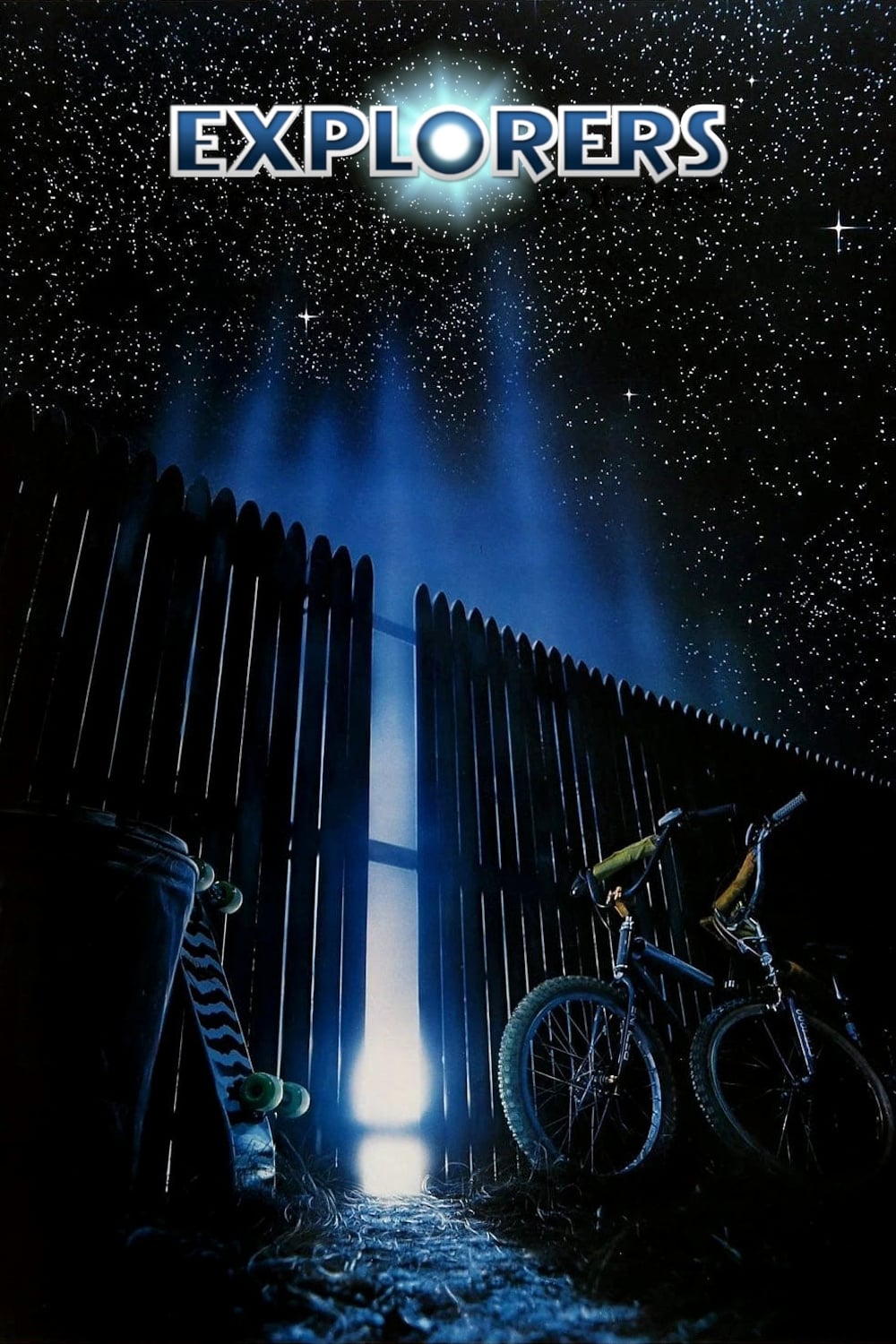
Three kids build a craft from found materials after receiving mysterious technical instructions in their dreams. Joe Dante directed, with young leads including Ethan Hawke and River Phoenix. The film blends suburban adventure with a tonal shift into broader extraterrestrial comedy. Production history notes compressed timelines and re-editing that affected its theatrical run.
‘Young Sherlock Holmes’ (1985)
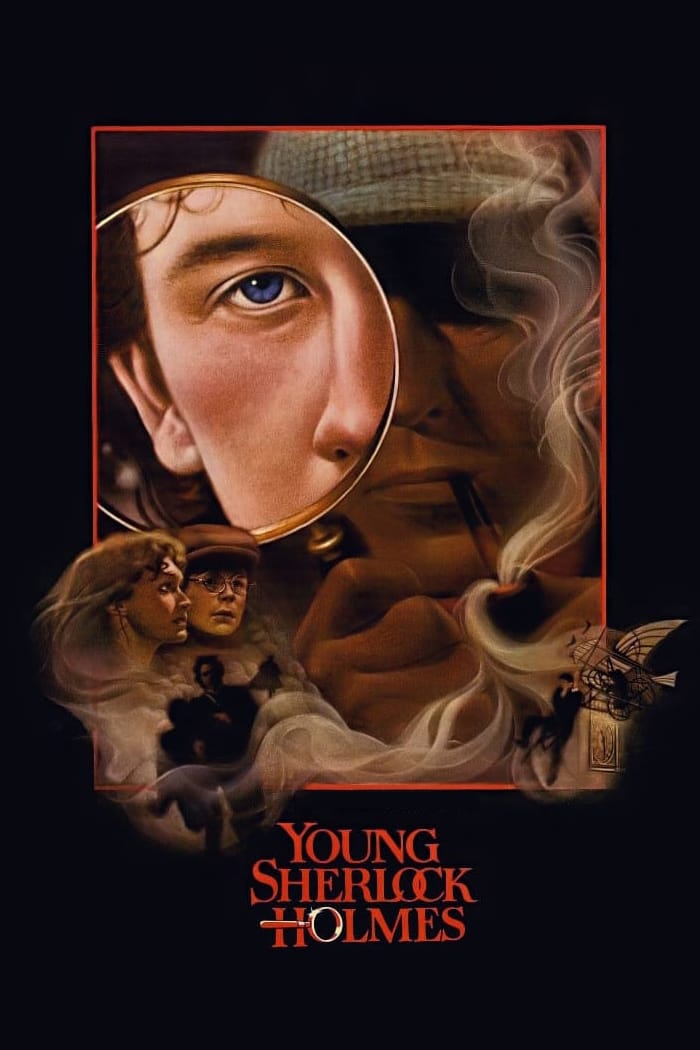
This origin story imagines boarding-school versions of Holmes and Watson investigating occult crimes in London. Barry Levinson directed, with visual effects work cited for an early fully computer-generated character. The screenplay draws on Arthur Conan Doyle lore while inventing formative relationships. Period detail and school-mystery structure anchor the narrative.
‘Ladyhawke’ (1985)
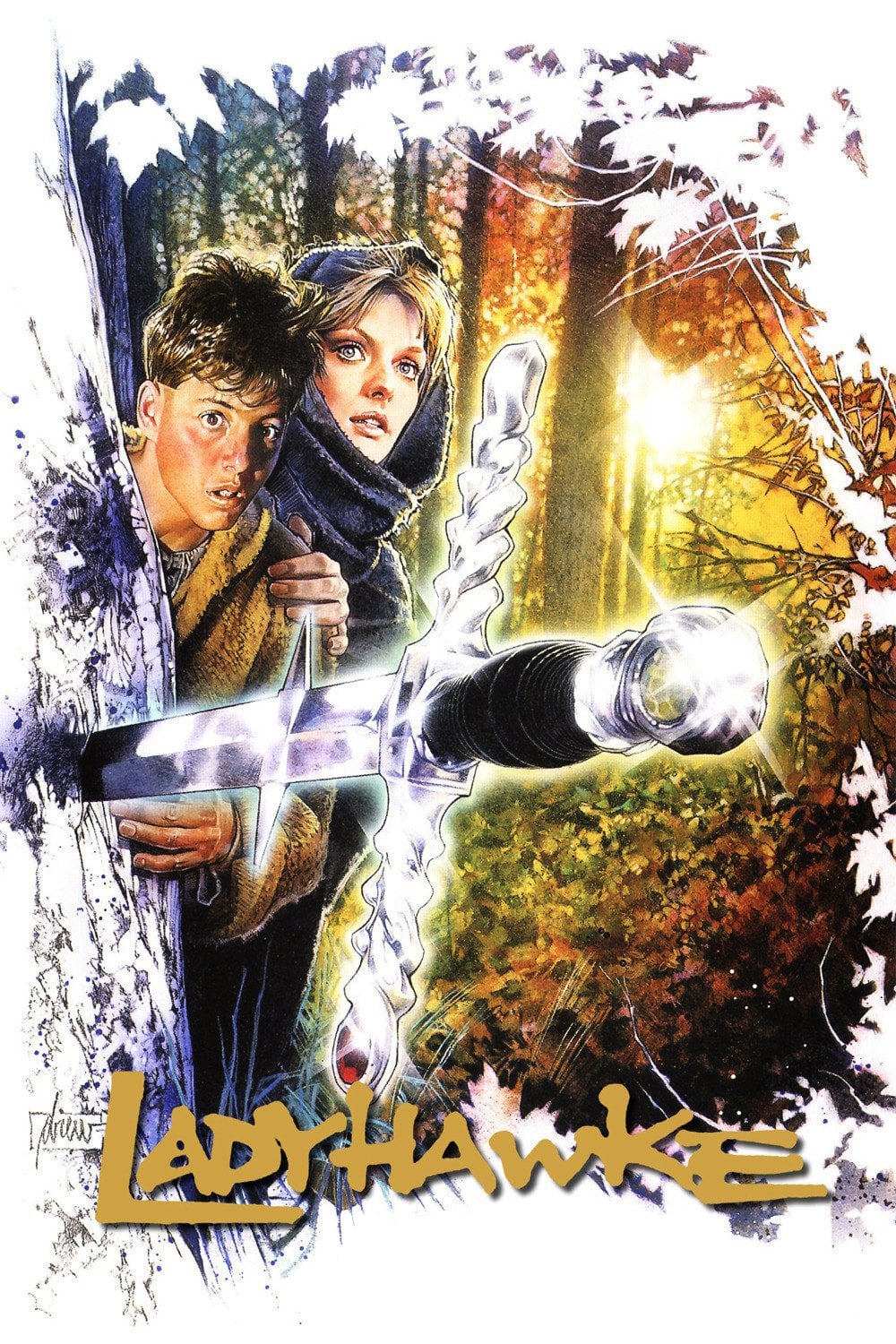
A cursed couple is separated by magic that transforms one into a hawk by day and the other into a wolf by night. Richard Donner directed, with Rutger Hauer, Michelle Pfeiffer, and Matthew Broderick. The film shoots across European locations that emphasize castles, forests, and medieval towns. Its score and atmospheric cinematography contribute to a distinctive fantasy mood.
‘Real Genius’ (1985)
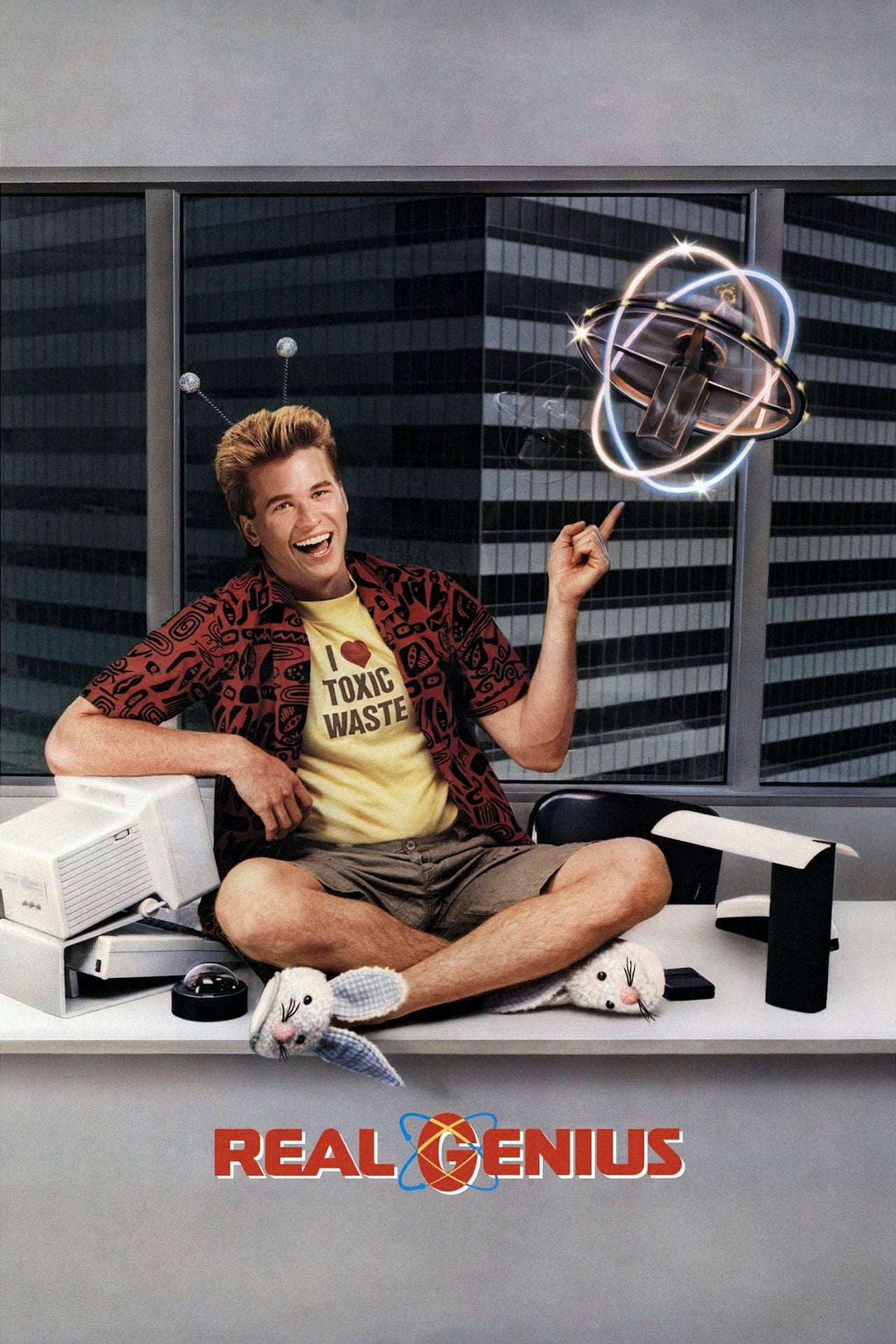
Gifted college students build a high-energy laser for a project that has undisclosed military applications. Martha Coolidge directed, with Val Kilmer and Gabriel Jarret starring. The story references academic competition, prank culture, and defense contracting. Dialogue and set dressing incorporate real scientific terminology and lab environments.
‘Masters of the Universe’ (1987)
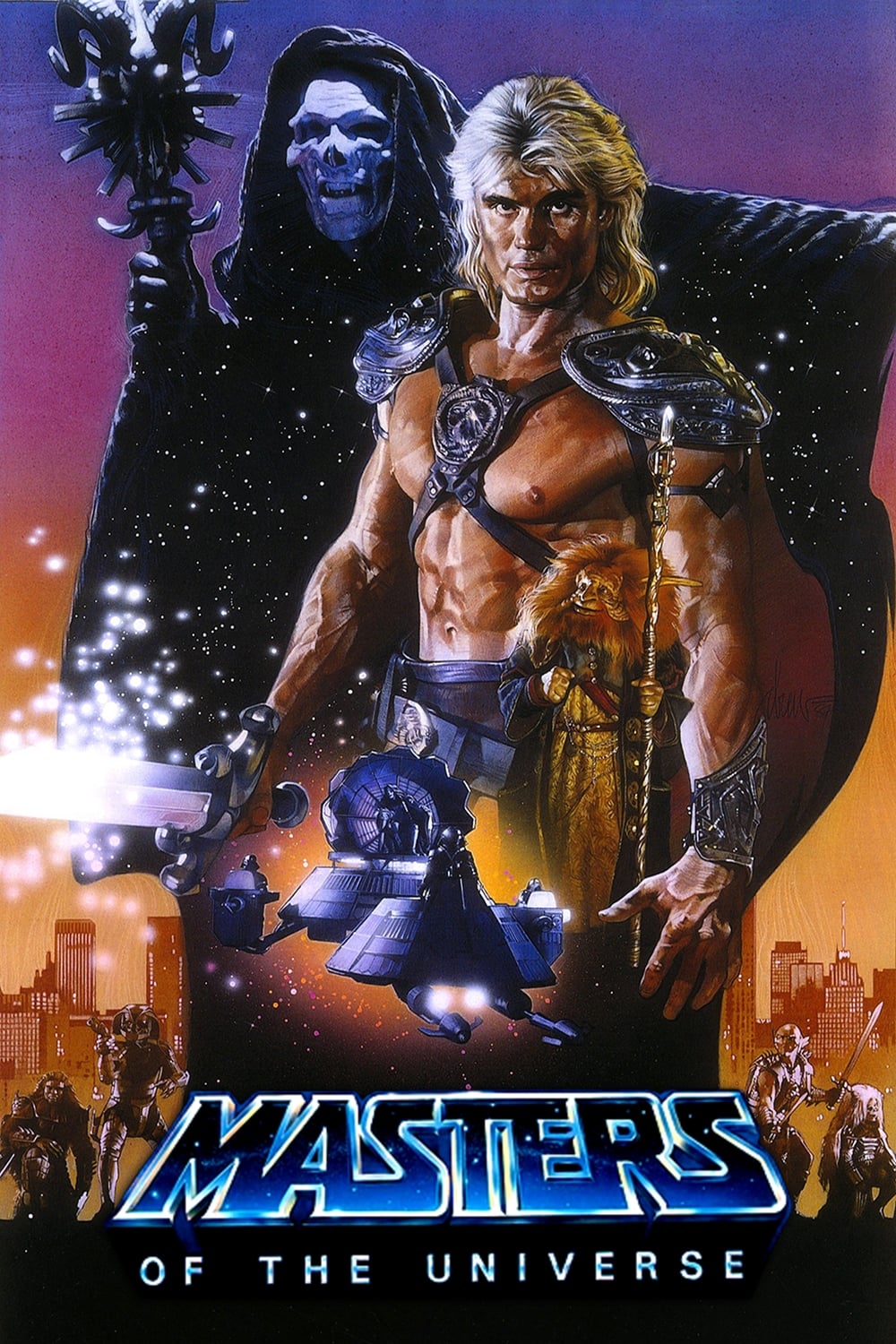
He-Man and allies battle Skeletor after a cosmic key transports characters to Earth, merging sword-and-sorcery with urban action. Gary Goddard directed, and the film draws from a popular toy line and animated series. Production design emphasizes shoulder-armor silhouettes, creature makeup, and a throne-room finale. Licensing ties linked it to comics, figures, and ongoing brand activity.
‘The Monster Squad’ (1987)
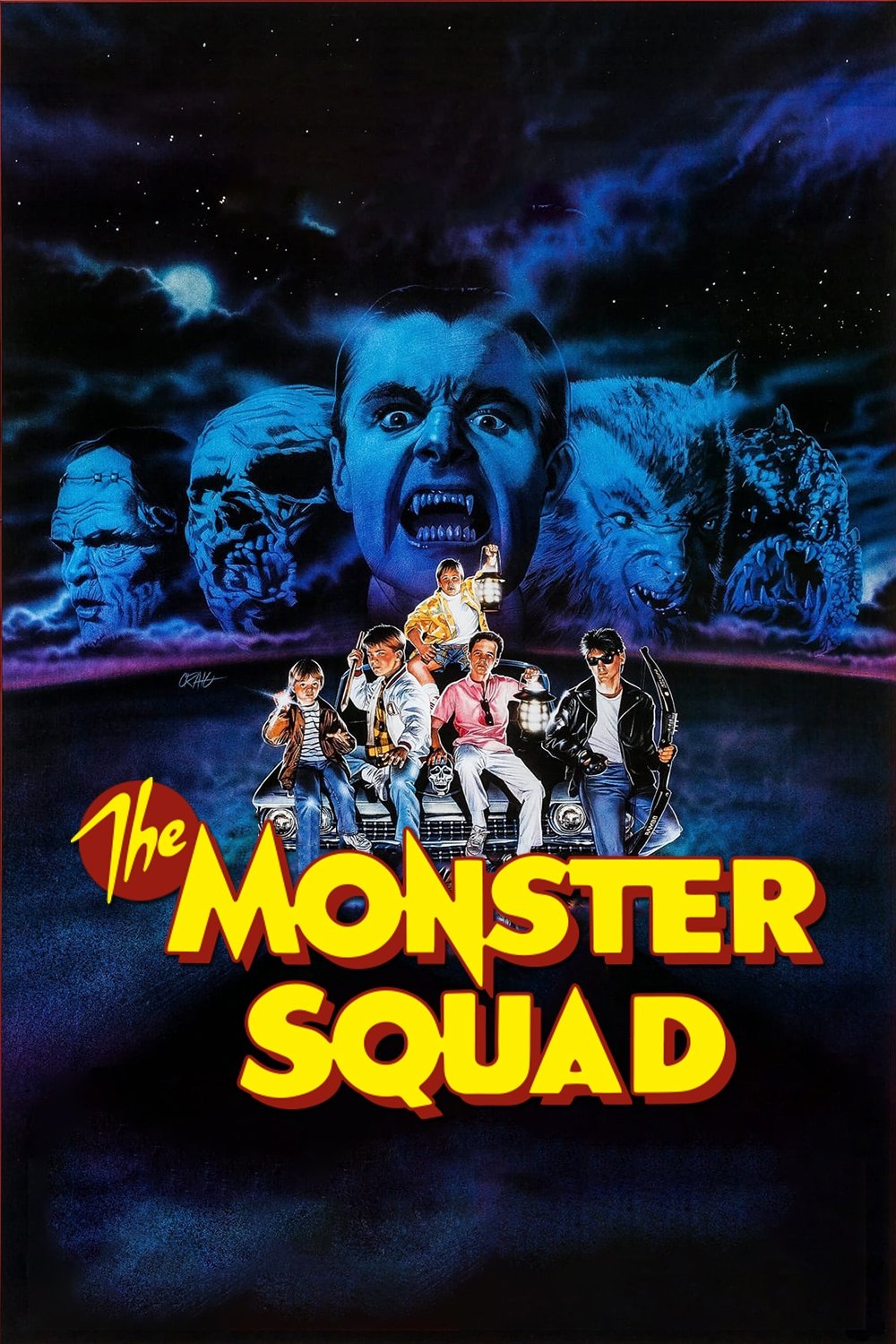
A group of kids face classic creatures when Dracula unites a team of iconic monsters. Fred Dekker directed, with makeup effects by industry veterans associated with celebrated creature shops. The film pays direct homage to earlier horror traditions within a suburban setting. Home-video rediscovery and festival screenings broadened its audience beyond the initial release.
‘The Last Dragon’ (1985)
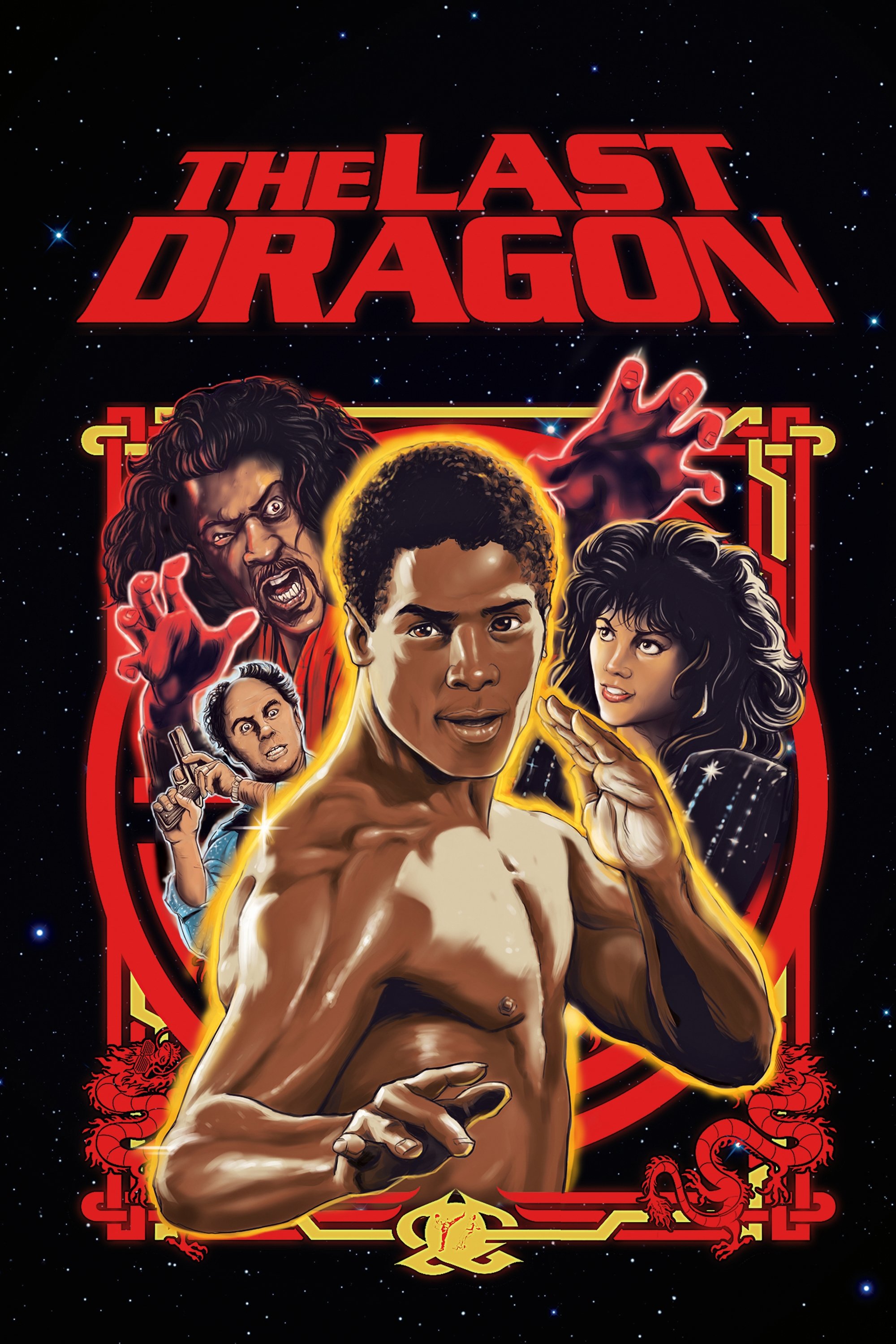
A young martial artist from Harlem seeks mastery while confronting a flamboyant local rival and a media mogul’s schemes. Berry Gordy produced, with Michael Schultz directing and a soundtrack tied to a major record label. The movie fuses martial-arts choreography with music-video aesthetics. Iconic character names and catchphrases boosted its longevity in hip-hop and R&B circles.
‘The Secret of NIMH’ (1982)
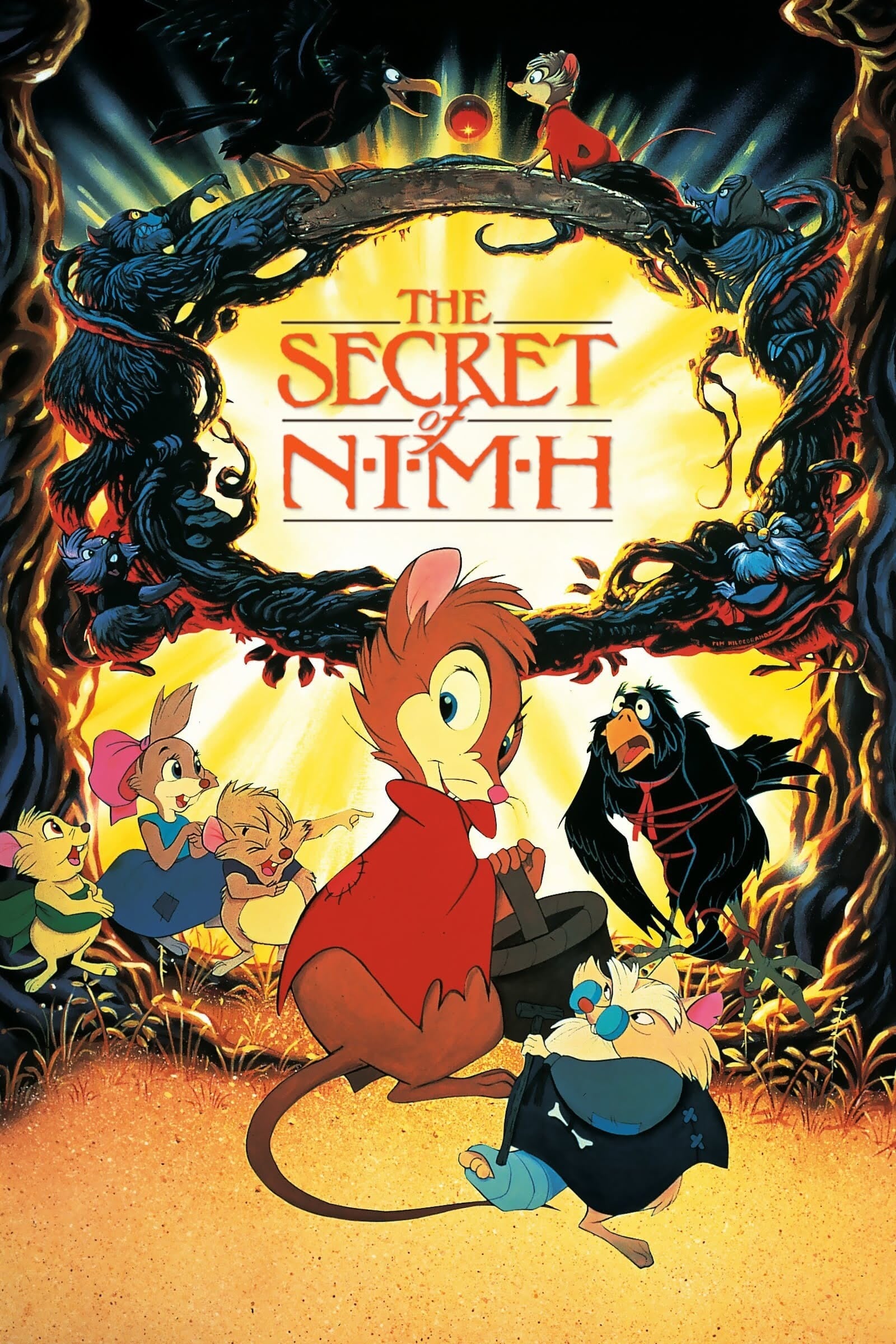
An animated adaptation of a novel about a widowed field mouse seeking help from hyper-intelligent rats linked to laboratory experiments. Don Bluth directed, featuring richly detailed backgrounds and intricate hand-drawn effects. The narrative weaves animal-adventure stakes with ethical questions around experimentation and intelligence. Its animation style and score are frequently cited in discussions of non-studio family features from the era.
‘Willow’ (1988)
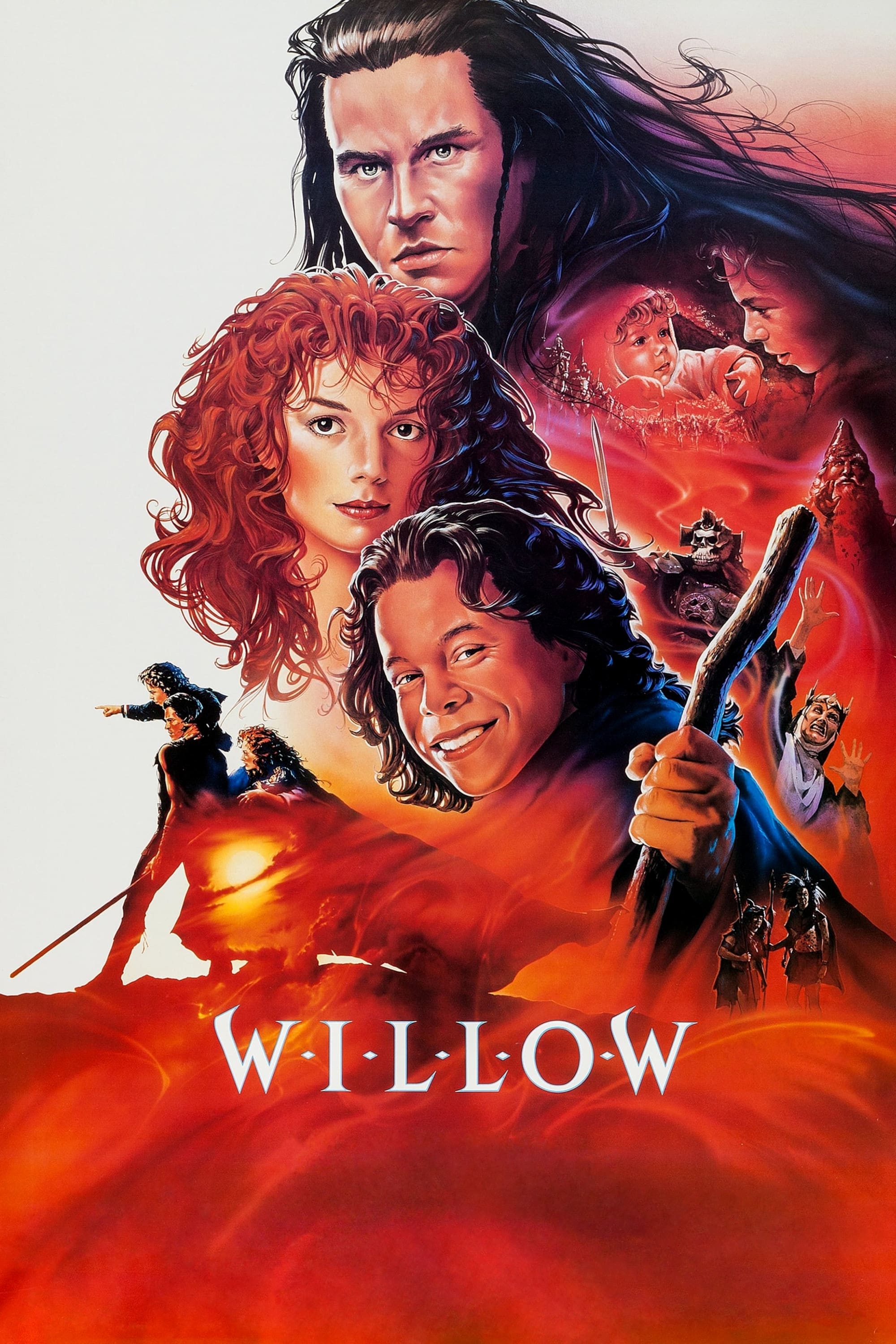
Ron Howard directed this fantasy quest starring Warwick Davis as an aspiring sorcerer who escorts a prophesied infant, with Val Kilmer as the swaggering swordsman who joins the journey. The world blends sorcery, creature work, and location photography across rugged European landscapes. Industrial Light & Magic contributed optical effects that complemented extensive makeup and prosthetics. Tie-in novels and later screen continuations expanded its lore beyond the original film.
‘Legend’ (1985)
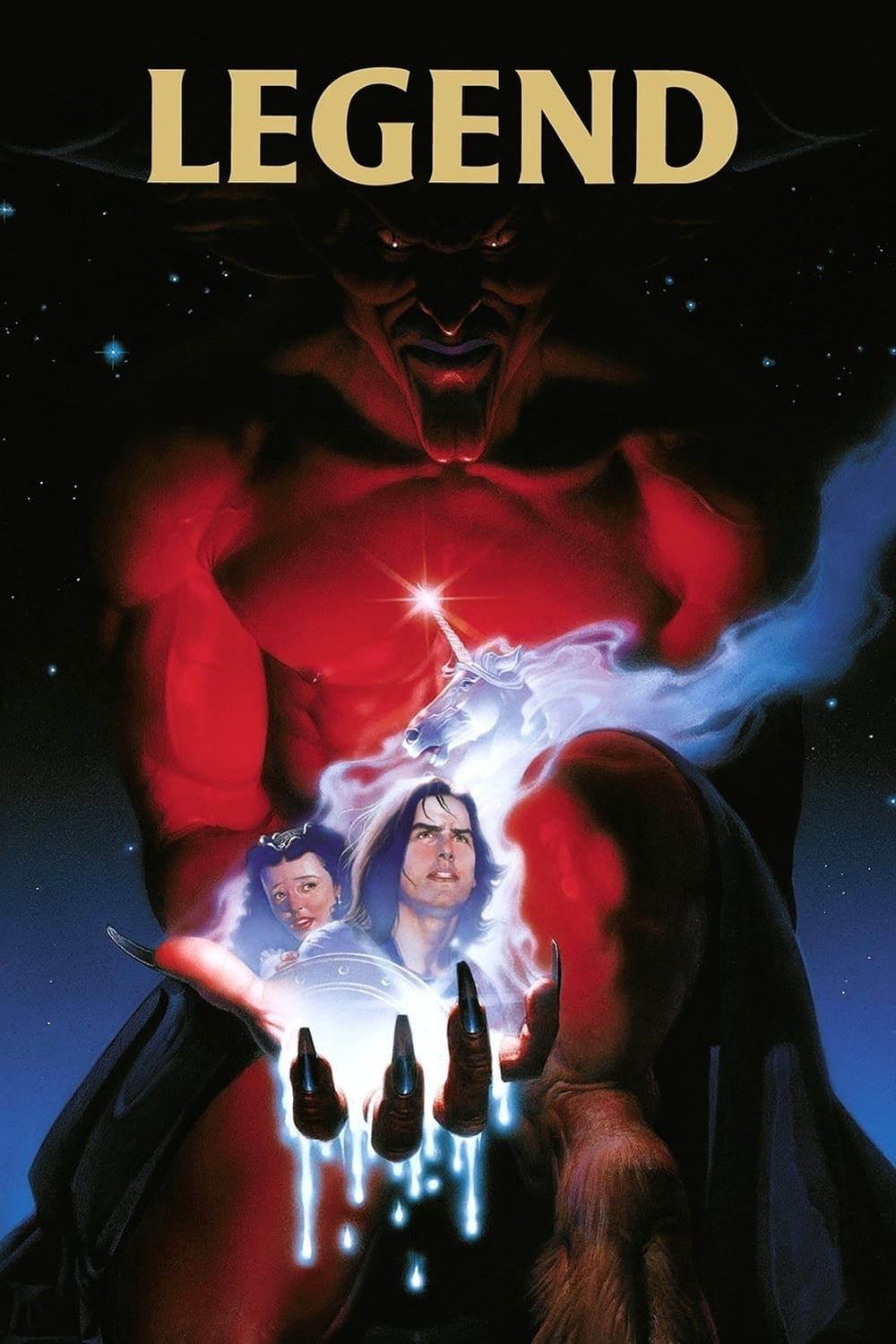
Ridley Scott’s fairy-tale adventure features Tom Cruise, Mia Sara, and Tim Curry amid elaborate forest sets constructed on British soundstages. The production is known for Rob Bottin’s intricate prosthetics—especially the horned villain—and for differing cuts with alternate scores by Jerry Goldsmith and Tangerine Dream. Cinematography emphasizes shafts of light, mist, and practical glitter effects to create a storybook atmosphere. Marketing and soundtrack releases helped the film build a strong afterlife on video.
‘The Black Cauldron’ (1985)

This Disney dark fantasy adapts Lloyd Alexander’s ‘The Chronicles of Prydain’, following Taran, Eilonwy, and companions opposing an undead army. Animators combined traditional techniques with pioneering computer-assisted processes for select shots and camera moves. Backgrounds lean into moody palettes and medieval design, departing from the studio’s lighter fare of the period. Novel sources, art books, and park references kept the property visible to animation enthusiasts.
‘Enemy Mine’ (1985)
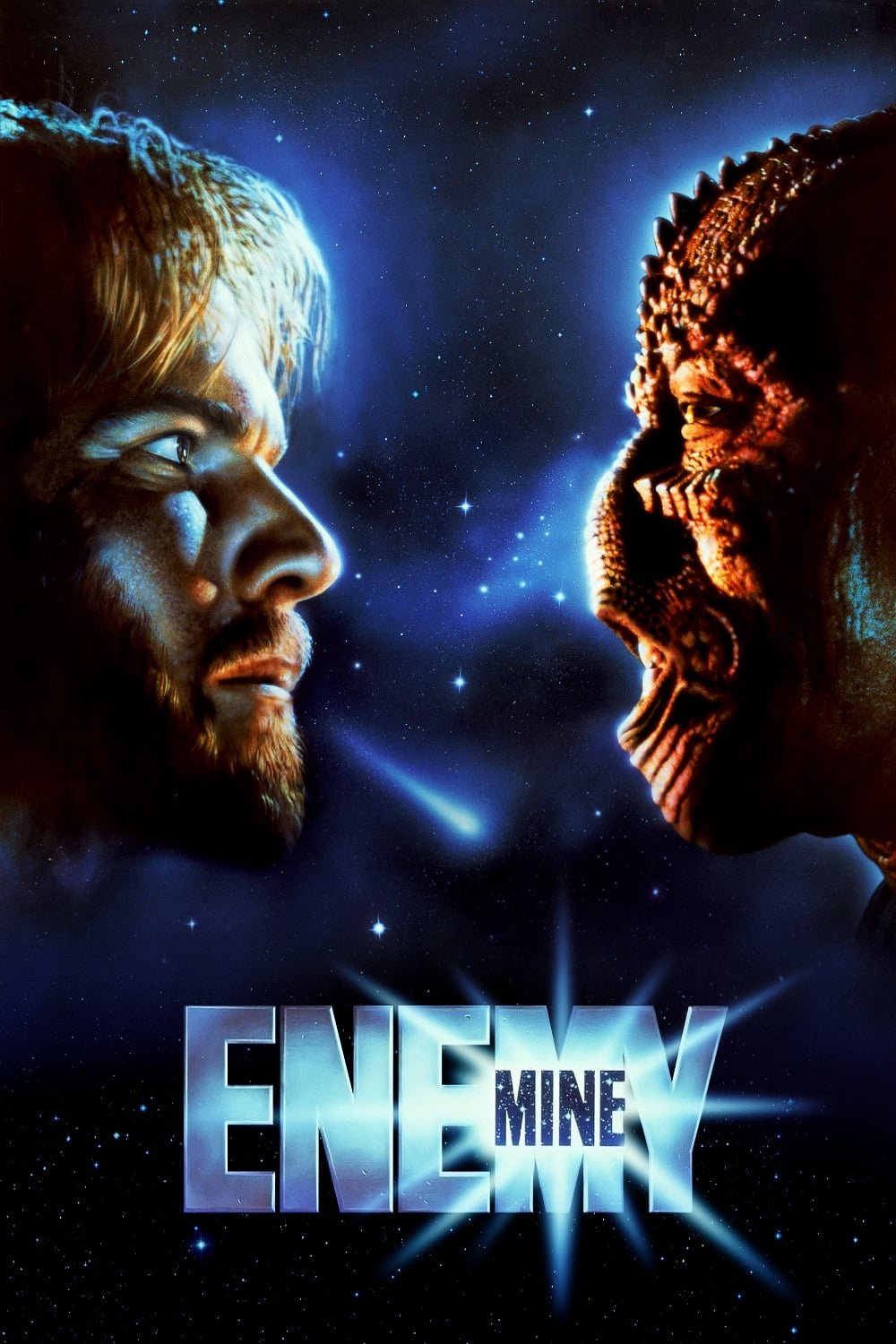
Wolfgang Petersen directs a survival story about a human pilot and an alien soldier stranded together, portrayed by Dennis Quaid and Louis Gossett Jr. The narrative develops through language learning, cross-cultural caregiving, and harsh planetary conditions. Production shifted locations and rebuilt sets to realize the rocky, wind-blasted environment. Makeup design and detailed world-building supported the focus on character and cooperation.
‘Starman’ (1984)
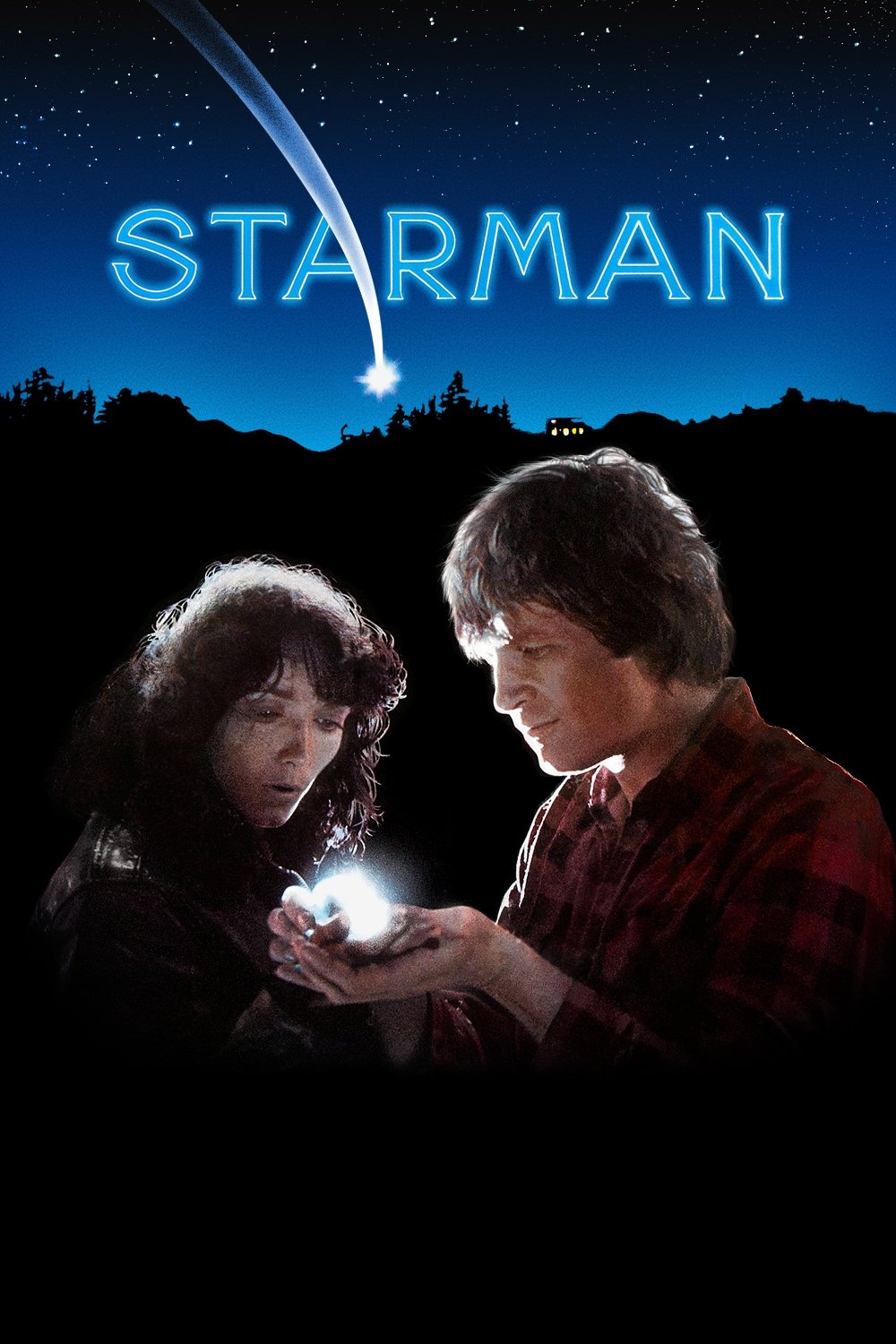
John Carpenter’s road-movie science fiction pairs Jeff Bridges and Karen Allen as an alien visitor and a grieving widow traveling toward a rendezvous. Bridges’ performance emphasizes physical mannerisms and vocal choices that earned major awards recognition. The film blends small-scale character scenes with cosmic imagery and practical effects. A subsequent television series continued the premise with new characters.
‘Time Bandits’ (1981)
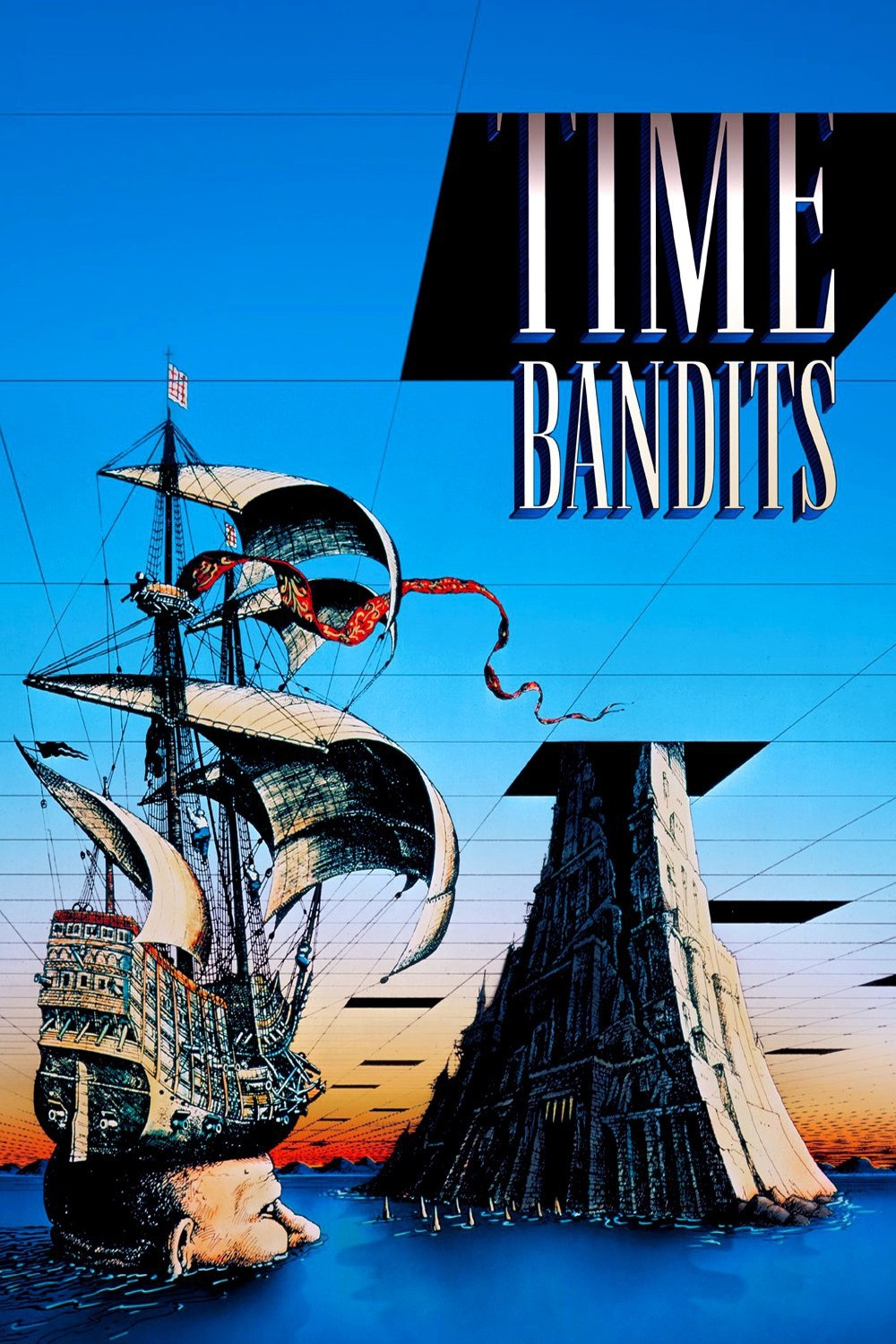
Terry Gilliam’s fantasy follows a boy who joins time-hopping bandits carrying a stolen map of portals. The production features cameos from notable British and American actors and mixes miniature work with oversized sets. Design emphasizes anachronistic collisions—ancient, medieval, and modern—within comic adventures. The film became part of a loose thematic trilogy from the director that examined imagination and bureaucracy.
‘The Adventures of Buckaroo Banzai Across the 8th Dimension’ (1984)

This genre-blending cult favorite stars Peter Weller as a neurosurgeon-rocker-adventurer facing extradimensional invaders. The film introduces an ensemble of specialists, recurring in-world gags, and faux institutional histories presented as if the characters had a long publishing record. Production design mixes lab sets, desert testing grounds, and nightclub performances. Tie-in comics, novelizations, and merchandise deepened its pseudo-serial mythology.
‘Gremlins’ (1984)
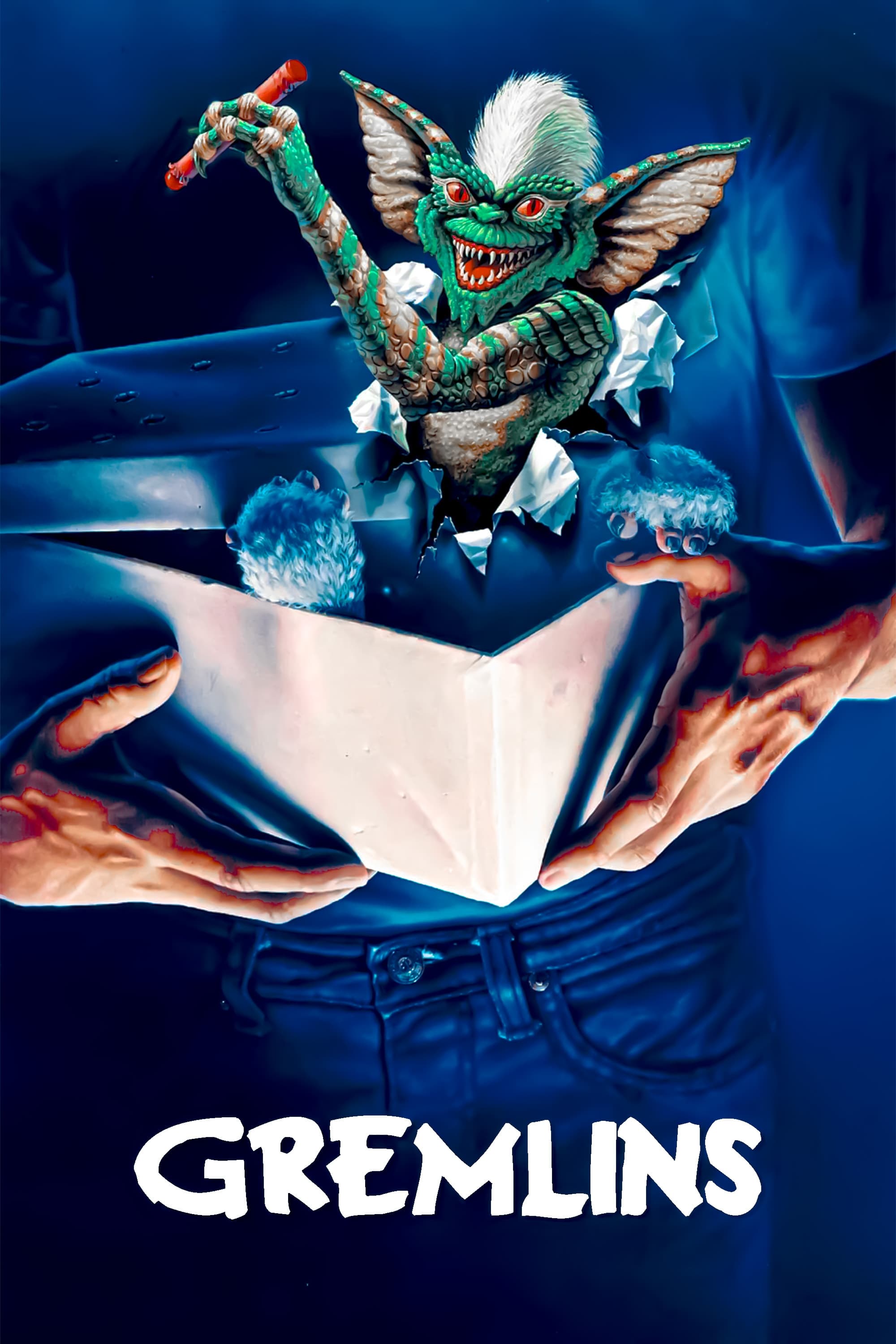
Joe Dante directs a creature feature set in a small town where mischievous beings multiply under specific rules. Chris Columbus wrote the screenplay, and the production relied on sophisticated puppetry and animatronics for expressive performances. Holiday settings, merchandising, and memorable gags helped the film become a cable and home-video staple. A sequel expanded the tone and creature variety while maintaining practical effects.
‘The Gate’ (1987)
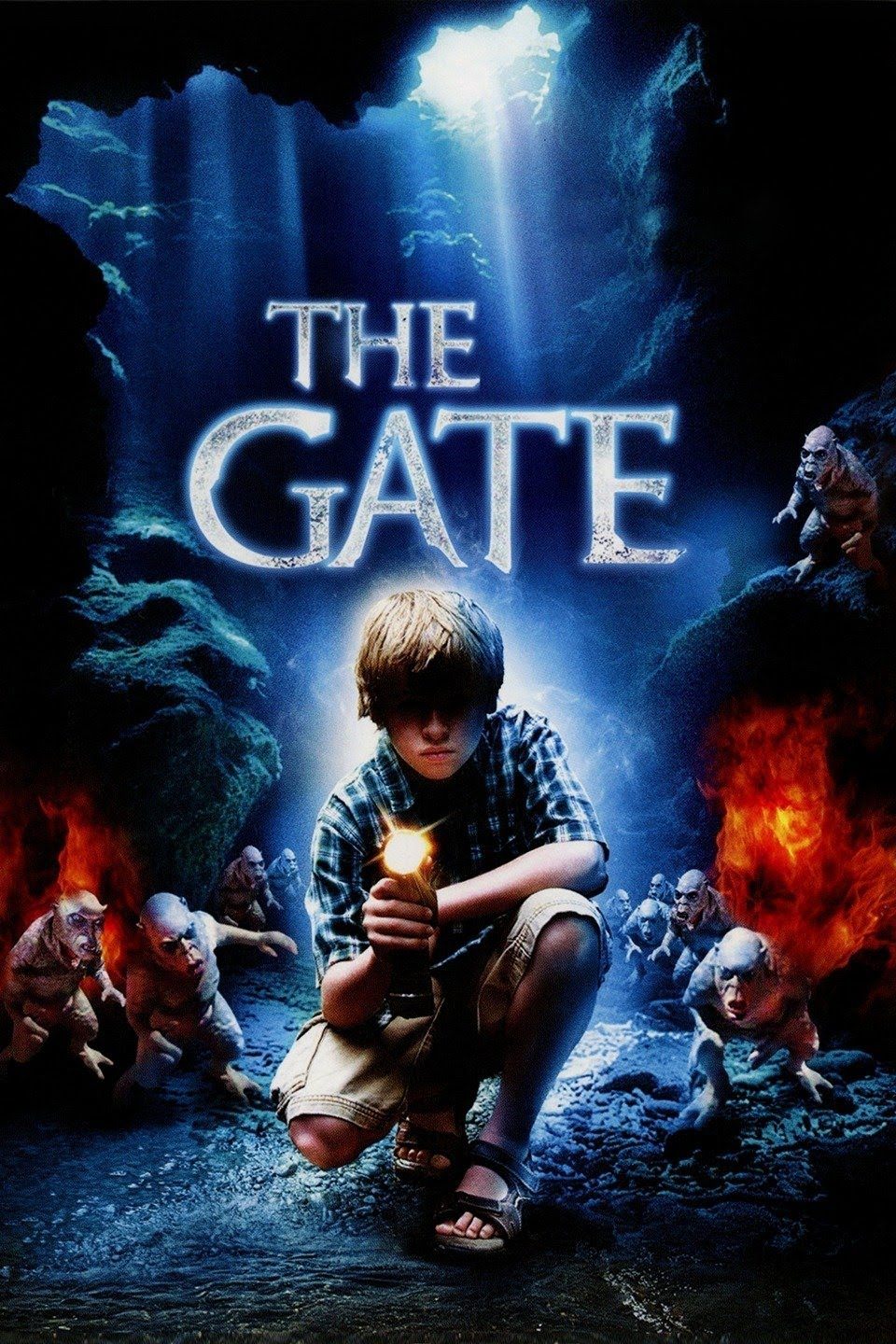
A suburban backyard excavation opens a portal that unleashes miniature demons, realized through stop-motion, forced perspective, and suit work. The story centers on siblings and friends handling an escalating supernatural threat within familiar domestic spaces. Visual effects showcase composites that place tiny creatures into live-action environments convincingly. The film’s soundtrack and practical creature design contributed to its cult following.
‘The Lost Boys’ (1987)
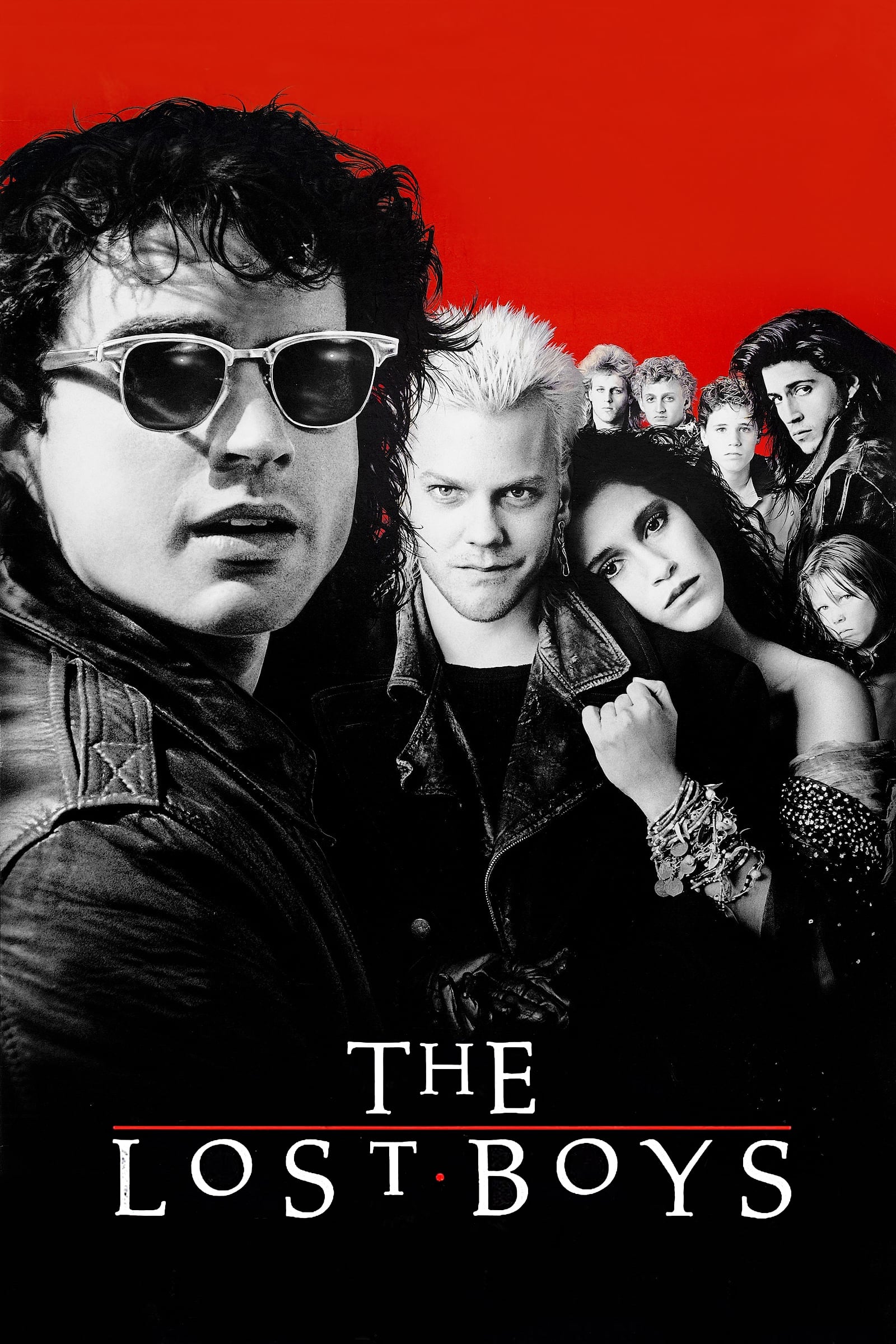
Joel Schumacher sets a vampire tale in a seaside town where a new arrival encounters a stylish local clique with a dangerous secret. The movie pairs teen-culture aesthetics with horror iconography, emphasizing motorcycle chases, boardwalk locations, and comic-shop lore. Its soundtrack album and music-video promotion boosted visibility across radio and MTV. Spin-offs and follow-ups explored side characters and the coastal setting.
‘Mannequin’ (1987)
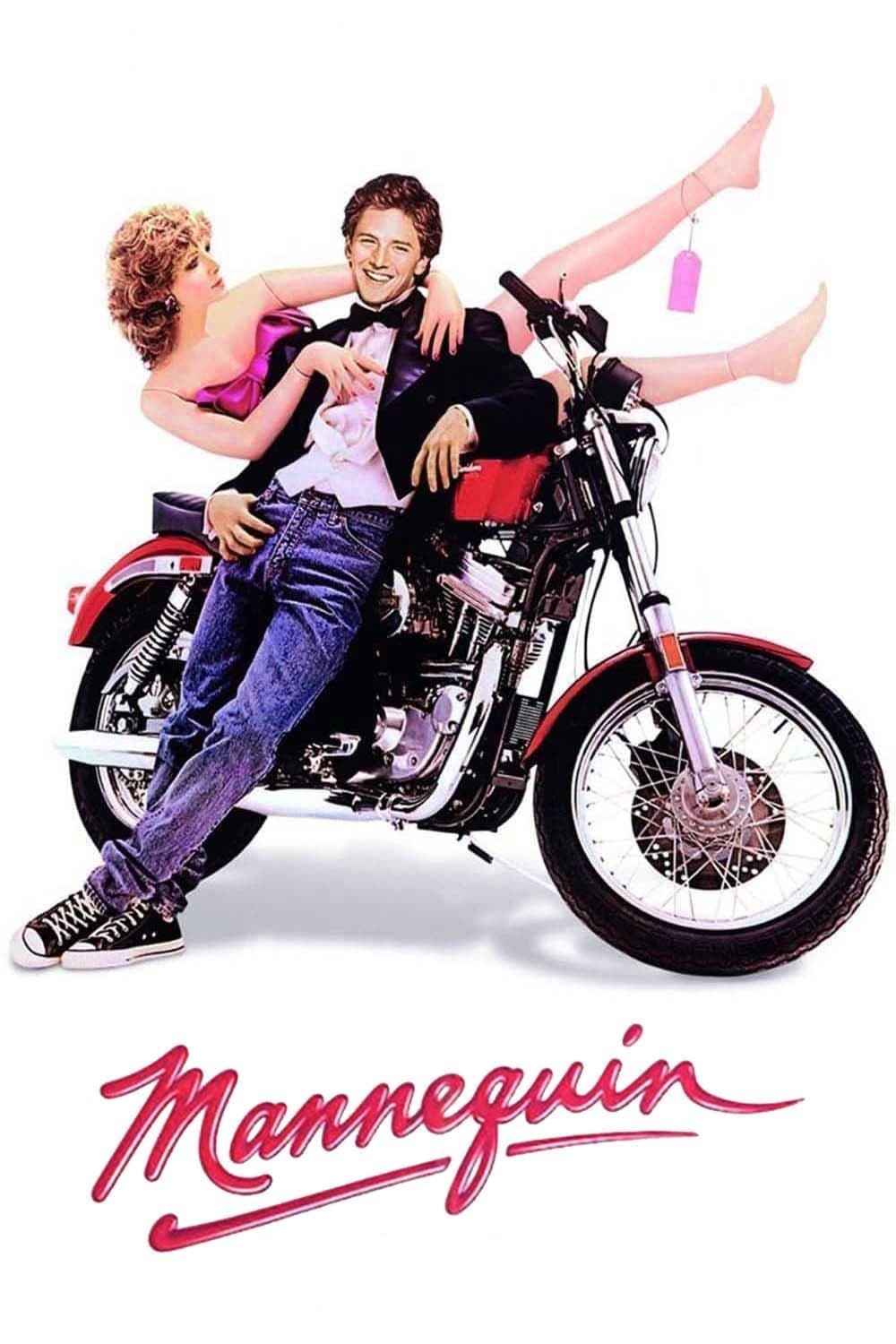
This romantic fantasy stars Andrew McCarthy and Kim Cattrall, centering on a department-store window that comes to life for its designer. Location shooting at a Philadelphia retailer provided real display floors and night exteriors. The film’s pop soundtrack—especially a charting single by Starship—became closely associated with the brand. Costuming and set dressing highlight neon signage and fashion trends of the era’s retail scene.
‘Weird Science’ (1985)
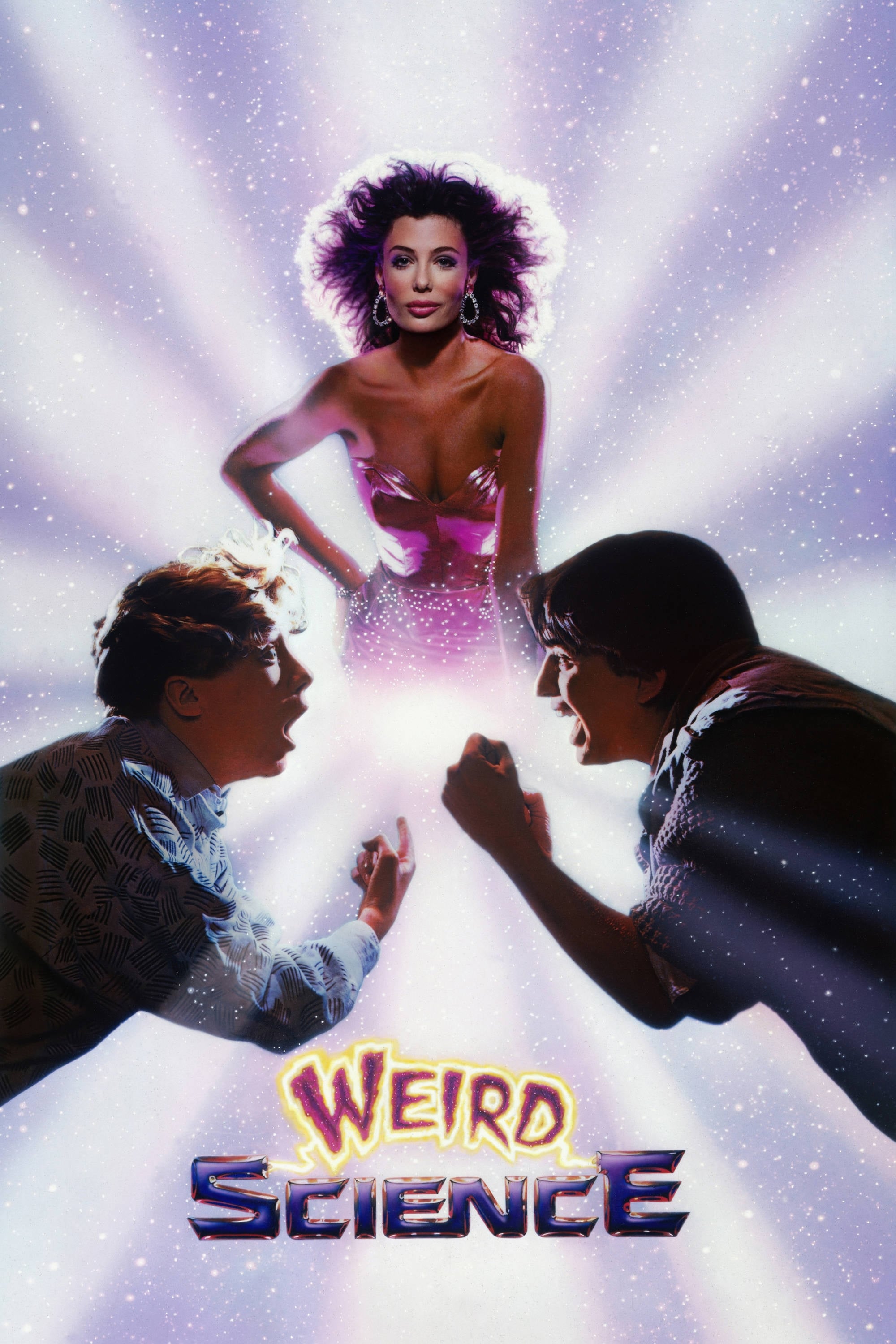
John Hughes directs a comedy about two teens who use a home computer and a storm-borne anomaly to create an idealized companion. The production mixes practical gags, optical effects, and on-set pyrotechnics for transformation scenes. Casting includes Anthony Michael Hall, Ilan Mitchell-Smith, and Kelly LeBrock, with early appearances from future stars. A later television adaptation extended the premise into episodic adventures.
‘Dragonslayer’ (1981)
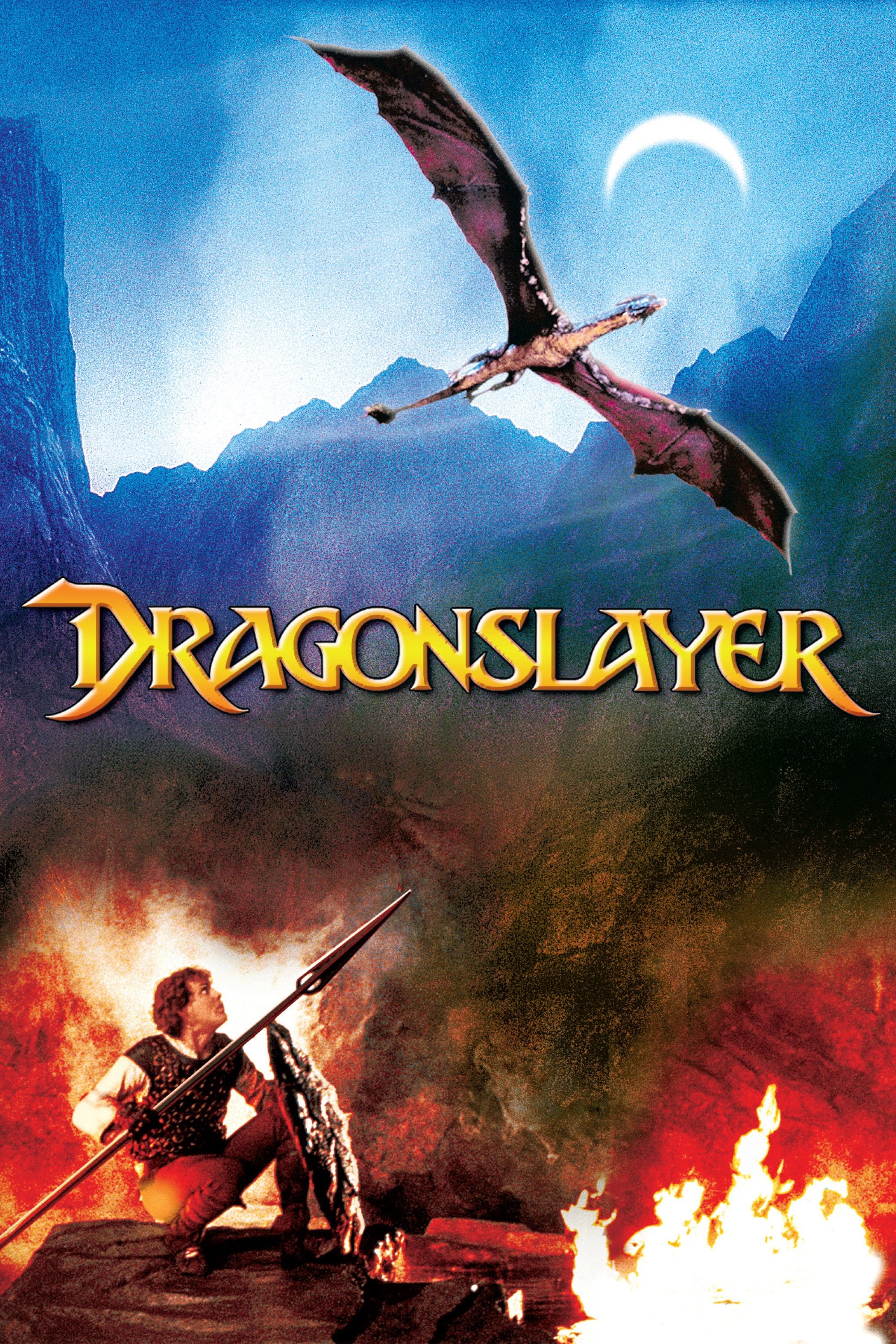
This medieval fantasy follows an apprentice sorcerer facing a fearsome dragon named Vermithrax, brought to life by go-motion animation and large-scale models. Paramount and Disney co-released the film, with ILM contributing effects that combined miniatures and opticals. The production’s armor, village sets, and creature design earned considerable technical attention. Orchestral scoring and meticulous matte paintings supported a grounded, perilous tone.
‘The Golden Child’ (1986)
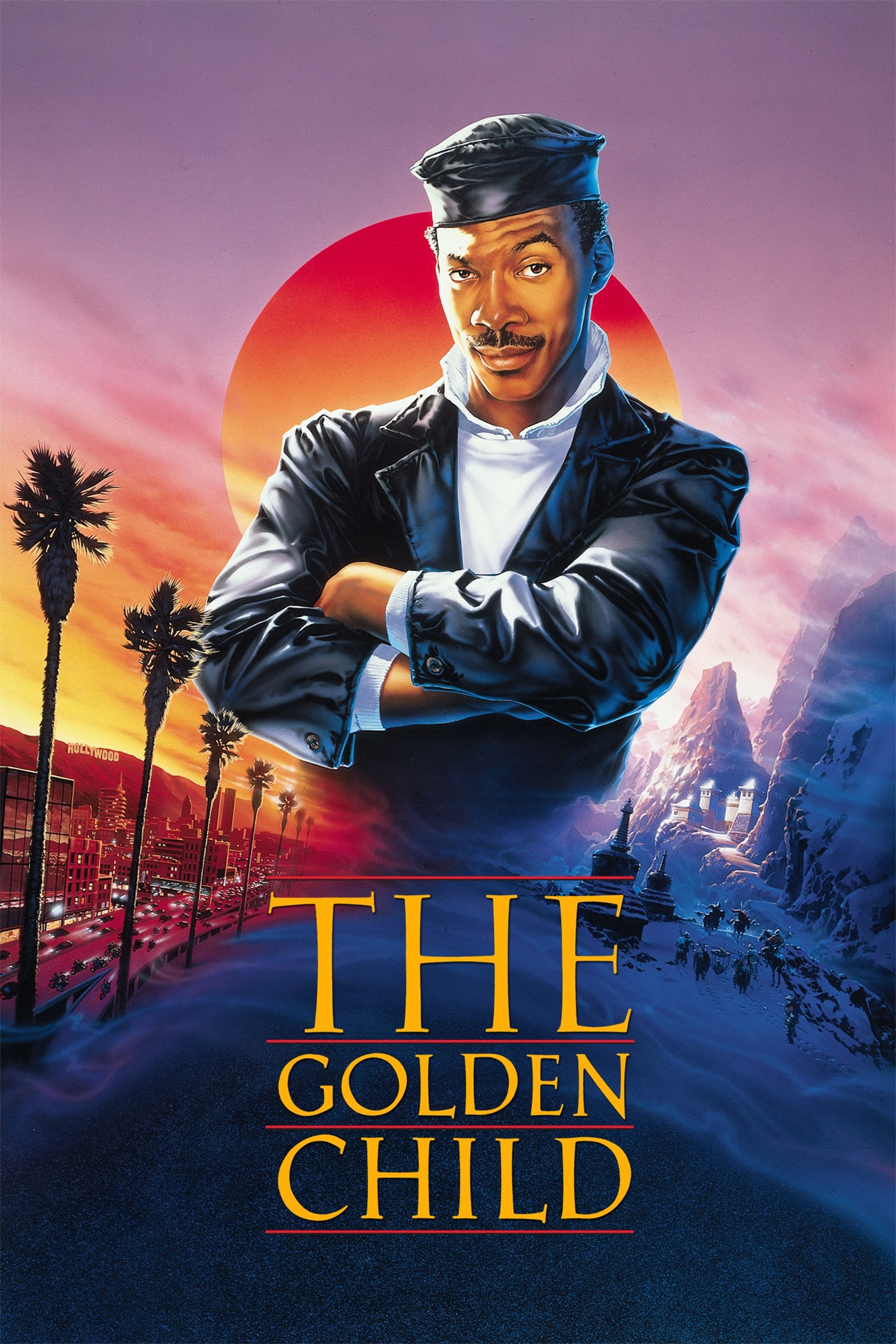
Eddie Murphy headlines an urban-fantasy quest that blends Los Angeles settings with Himalayan mysticism and sorcery. Visual effects include stop-motion creatures and transformation sequences integrated into live action. Charles Dance portrays a central antagonist, and the story moves between detective work and supernatural trials. Marketing emphasized the star’s comedic persona while framing a globe-spanning rescue plot.
‘C.H.U.D.’ (1984)
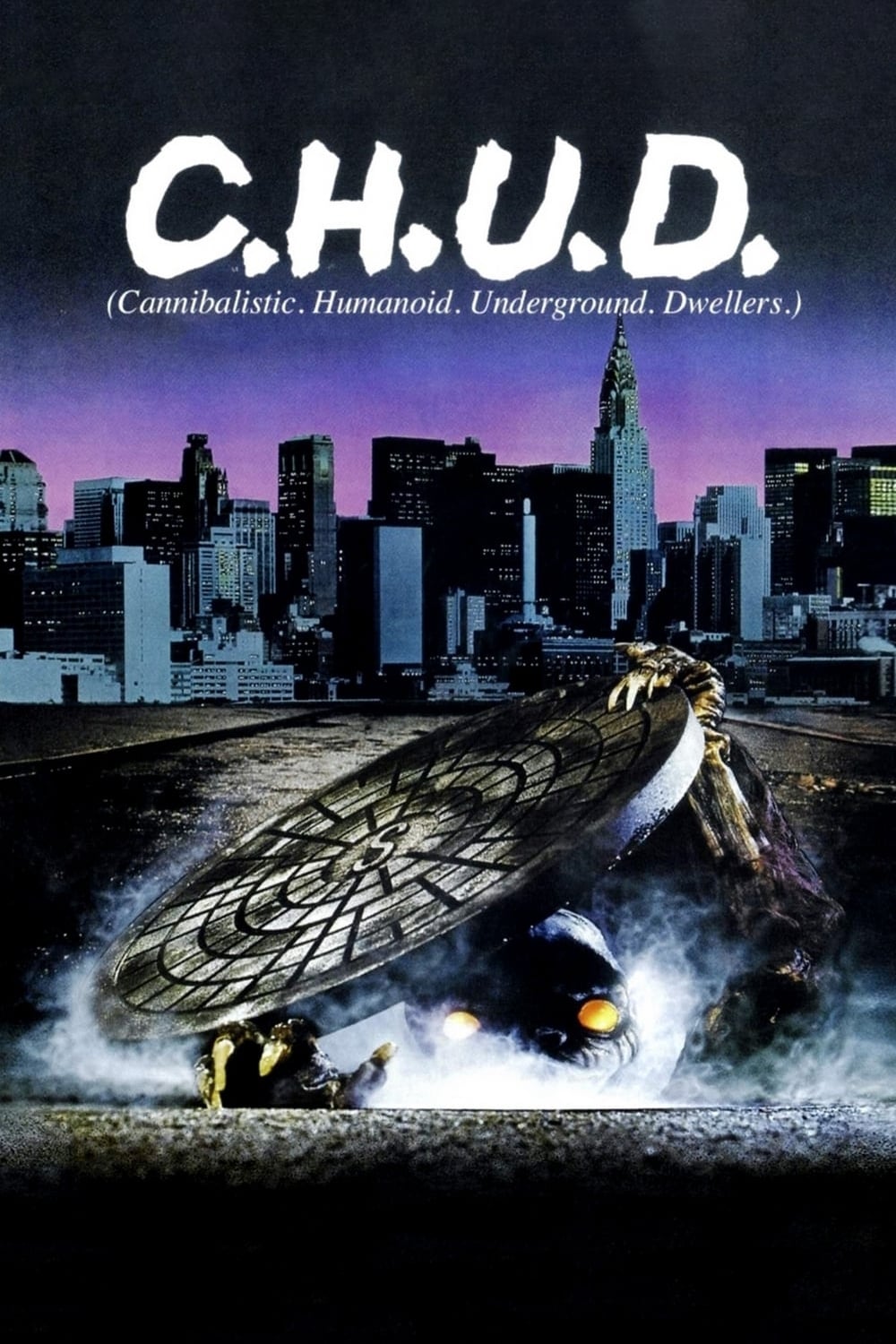
Set in New York City, this horror tale explores disappearances linked to toxic exposure and mutated dwellers in underground tunnels. The film uses practical makeup and low-light photography to depict sewer environments and street-level tension. Themes involve environmental negligence and bureaucratic cover-ups within municipal systems. Cast members include character actors who later became familiar faces in independent and studio projects.
Share the titles you’d add to make the list even better in the comments and tell us which forgotten favorite you’d like to see reimagined next.